FISHKILL CENTER FOR REHABILITATION AND NURSING


22 ROBERT R. KASIN WAY, BEACON, NY 12508 (845) 831-8704
For profit - Corporation 160 Beds SAPPHIRE CARE GROUP Data: November 2025 1 Immediate Jeopardy citation
Trust Grade
33/100
#403 of 594 in NY
Last Inspection: February 2025

Within standard 12-15 month inspection cycle. Federal law requires annual inspections.

Overview

Fishkill Center for Rehabilitation and Nursing has received a Trust Grade of F, indicating significant concerns about the facility. Ranking #403 out of 594 in New York places it in the bottom half of state facilities, and its county rank of #6 out of 12 means only five local options are worse. The facility is worsening, with the number of issues increasing from 9 in 2024 to 10 in 2025. Staffing ratings are below average at 2 out of 5 stars, with a turnover rate of 42%, which is about average for New York. They have incurred $44,500 in fines, indicating more compliance problems than 87% of other facilities in the state. On the positive side, the facility has excellent quality measures, rated 5 out of 5 stars, and offers average RN coverage. However, specific incidents raise serious concerns, such as the use of space heaters in resident rooms without proper safety measures, which placed 26 residents at risk for serious injury. Additionally, the facility failed to ensure all staff were offered education and vaccination for COVID-19, which could jeopardize both staff and resident health. Overall, while there are some strengths, the weaknesses and recent findings make this facility a concerning choice for families.

Trust Score
F
33/100
In New York
#403/594
Bottom 33%
Safety Record
High Risk
Review needed
Inspections
Getting Worse
9 → 10 violations
Staff Stability
○ Average
42% turnover. Near New York's 48% average. Typical for the industry.
Penalties
⚠ Watch
$44,500 in fines. Higher than 83% of New York facilities, suggesting repeated compliance issues.
Skilled Nurses
○ Average
Each resident gets 32 minutes of Registered Nurse (RN) attention daily — about average for New York. RNs are the most trained staff who monitor for health changes.
Violations
⚠ Watch
27 deficiencies on record. Higher than average. Multiple issues found across inspections.
★★☆☆☆
2.0
Overall Rating
★★☆☆☆
2.0
Staff Levels
★★★★★
5.0
Care Quality
★☆☆☆☆
1.0
Inspection Score
Stable
2024: 9 issues
2025: 10 issues

The Good

  • 5-Star Quality Measures · Strong clinical quality outcomes
  • Full Sprinkler Coverage · Fire safety systems throughout facility
  • No fines on record
  • Staff turnover below average (42%)

    6 points below New York average of 48%

Facility shows strength in quality measures, fire safety.

The Bad

2-Star Overall Rating

Below New York average (3.1)

Below average - review inspection findings carefully

Staff Turnover: 42%

Near New York avg (46%)

Typical for the industry

Federal Fines: $44,500

Above median ($33,413)

Moderate penalties - review what triggered them

Chain: SAPPHIRE CARE GROUP

Part of a multi-facility chain

Ask about local staffing decisions and management

The Ugly 27 deficiencies on record

1 life-threatening
Feb 2025 10 deficiencies
CONCERN (D)

Potential for Harm - no one hurt, but risky conditions existed

Resident Rights (Tag F0550)

Could have caused harm · This affected 1 resident

Based on observation and interview conducted during the recertification survey, the facility did not ensure that resident's dignity was maintained. Specifically,1) residents were being served milk and...

Read full inspector narrative →
Based on observation and interview conducted during the recertification survey, the facility did not ensure that resident's dignity was maintained. Specifically,1) residents were being served milk and water in plastic storage cups with lids on 4 of 4 units (South 1, North 1, South 2 and North 2) and 2) and Certified Nurse Assistant #7 referred to Resident #26 as a feeder. In addition, a Resident progress note in the facility Electronic Medical Record also referred to Resident #26 as a feeder. The findings are: 1) Observations were made throughout survey from 2/10/25 to 2/14/25 on South 1, North 1, South 2 and North 2 units of residents being served milk and water out of plastic storage cups with lids. Observations were made on North 2 Unit on 2/10/25 at 12:24 PM and 2/11/25 at 12:21 PM, of residents being served milk and water out of plastic storage cups with lids. On 2/12/25 at 10:28 AM during the Resident Council Meeting 10 of 10 residents stated they were served milk and water in plastic storage cups and they preferred to use a hard plastic drinking cup. During interview on 02/12/25 at 2:24 PM the Food Service Director stated they pre-pour water and Lactaid milk to provide 4 oz of water or milk. The Lactaid milk only came in 8 oz containers and a portion size was 4 oz, so they poured the Lactaid milk into the storage cups with lids because the drinks needed to be covered. The Food Service Director stated they had hard plastic drinking cups in the main dining room and on the units in the small dining areas. The Food Service Director stated they stored the hard plastic drinking cups in the main dining room and on the units. The Food Service Director stated they were not aware that resident's should not use the storage cups with lids for drinking. During observation on 2/12/25 at 3:52 PM, 26 hard plastic drinking cups/non-disposable cups were on the tables in the main dining room. The South 1, North 1, South 2 and North 2 units only had disposable plastic storage cups with lids. During a follow up interview on 2/12/25 at 3:52 PM the Food Service Director stated the facility did not have hard plastic drinking cups on the units only had 31 hard plastic drinking cups in the main dining room. The Food Service Director further stated they now only had 26 hard plastic cups in the building. The Food Service Director stated if they left the hard plastic drinking cups on the units they would walk, or be taken. During interview on 2/13/25 at 9:24 AM the Food Service Director stated they last ordered hard plastic drinking cups a couple weeks ago but they had not been delivered. The Food Service Director stated they were not sure why they did not receive the hard plastic drinking cups. During interview on 2/13/25 at 12:06 PM, the Director of Rehabilitation stated they had seen the disposable storage cups being used by residents for drinking and had discussed this with the Director of Nursing. The Director of Rehabilitation stated residents should use hard plastic drinking cups especially since residents have a difficult time holding plastic storage cups. 2) Resident #26 was admitted with diagnoses including Alzheimer's, Polyosteoarthritis, and Psychotic Disorder with Delusions. The Resident Care Plan (dated 1/14/2019) documented provide encouragement and set-up help. The Quarterly Minimum Date Set (a resident assessment tool), dated 12/10/24, documented Resident #26 had severe cognitive impairment and was dependent with eating. The Progress Note dated 12/17/24 documented resident is a feeder. During an observation and interview on 02/11/25 at 08:54 AM, Certified Nurse Assistant #7 presented to Resident #26's room with a breakfast tray. When asked by the surveyor regarding Resident #26's meal intake, Certified Nurse Assistant #7 referred to Resident #26 as a feeder. During an interview on 2/12/25 at 11:24 AM Certified Nurse Assistant #7, stated they referred to Resident #26 as a feeder on 02/11/25 at 08:54 AM during interview with the surveyor because the resident required assistance with meals. They stated they realized using the word feeder was inappropriate after the interview and knew they had used the wrong terminology for a resident who required assistance with meals. Certified Nurse Assistant #7 stated they had received in-service regarding dignity within the past year. During an interview on 02/13/25 at 10:10 AM the Director of Nursing stated Certified Nurse Assistants received dignity in-services annually. They stated that the use of the word of feeder is not an acceptable terminology in the facility and should not be used verbally or in resident clinical documentation. 10 NYCRR 415.5 (d) (1)(i)
CONCERN (D) 📢 Someone Reported This

A family member, employee, or ombudsman was alarmed enough to file a formal complaint

Potential for Harm - no one hurt, but risky conditions existed

Safe Environment (Tag F0584)

Could have caused harm · This affected 1 resident

Based on observation and interview conducted during the recertification survey, the facility did not ensure that a clean, comfortable, and homelike environment was provided. Specifically, North 2 unit...

Read full inspector narrative →
Based on observation and interview conducted during the recertification survey, the facility did not ensure that a clean, comfortable, and homelike environment was provided. Specifically, North 2 unit rooms (S3, X1, X3, X6, V1, V3) had broken tiles, cracked walls, hanging curtains or damaged windows, the shower room had a damaged drain and the the hall window was open, resulting in the resident in room V3 offering complaints of feeling cold. The Findings include: During observation on 2/10/25 at 10:09 AM room X6 tiles under the bed were broken and chipped. During observation on 2/10/25 at 10:15 AM room X3 tiles under the closet were damaged. During observation on 2/10/25 at 10:16 AM room V1 had a cracked wall at the bottom right corner of window. During observation on 2/12/25 at 12:16 PM room V3, resident complained it was cold and the thermometer in the room registered 74 degrees. The hall window was open and blowing cold air into the room. During observation on 2/12/25 t 12:17 PM room S3 window curtain was hanging off the window. There was no documented evidence of a work order logbook with receipts from 8/20/24 and 10/10/24. During observation on 2/12/25 at 12:19 PM, of North 2-unit rooms (S3, X1, X3, X6, V1, V3) and shower room with the Maintenance Director, they stated they had been working on the renovations for some time and had not finished the second floor where these rooms were located. The Maintenance Director stated the shower drain was not secure and had last been fixed 8 weeks ago but the drain continued to break. The Maintenance Director stated it may be the weight of some residents that caused the drain to break. The Maintenance Director stated room V3 had central heating and the thermometer was at 74 degrees. They stated staff needed to close and keep the window in the hall closed. During observation on 2/13/25 at 11:05 AM and 2/14/25 at 1:58 PM, the unit North 2 hallway window was open near room V3. During interview on 2/14/25 at 1:59 PM, certified nurse aide #14 and Rehabilitation Aide #12, stated they were not aware of who opened the hallway window near room V3 and stated they did not open it. During interview on 2/14/25 at 2:01 PM, Registered Nurse #13 stated they were not aware of the window being opened and did not know who opened it. Registered Nurse #13 stated the window may have been opened for fresh air after providing care, but should have been closed. 10 NYCRR 415.5(h)(2)
CONCERN (D)

Potential for Harm - no one hurt, but risky conditions existed

Comprehensive Care Plan (Tag F0656)

Could have caused harm · This affected 1 resident

**NOTE- TERMS IN BRACKETS HAVE BEEN EDITED TO PROTECT CONFIDENTIALITY** Based on observation, interview, and record review during the Recertification Survey from 2/10-2/14/25 the facility did not ensu...

Read full inspector narrative →
**NOTE- TERMS IN BRACKETS HAVE BEEN EDITED TO PROTECT CONFIDENTIALITY** Based on observation, interview, and record review during the Recertification Survey from 2/10-2/14/25 the facility did not ensure comprehensive person centered care plans were developed for 1 of 3 residents (#37) reviewed for Limited Range of Motion. Specifically, Resident #37 did not have a care plan with goals and interventions specific to the use of a cervical collar. The findings include: The Facility Policy titled Comprehensive Care last reviewed 7/2/2024, documented the facility will develop and implement a comprehensive person centered care plan for each resident that includes measurable objectives and time frames to meet a resident's medical, nursing, mental and psychosocial needs that are identified in the comprehensive assessment. Resident #37 was admitted with diagnoses including but not limited to Alzheimer's Disease, Fracture, and Heart Failure. The Nursing Progress Note dated 1/4/25 documented Resident #37 was received at the facility at 4:30 PM, cervical collar in place. Cervical collar to be kept in place until follow up with neurosurgeon. The Nurse Practitioner Note dated 1/5/25 documented Resident #37 admitted status post fall with C2 fracture and right pelvic fracture. The admission Minimum Data Set, dated [DATE] documented Resident #37 had severely impaired cognition, and required maximum assist/was dependant for activities of daily living. The Physician Order dated 1/29/25 documented keep cervical collar in place until neurosurgery follow up and evaluate skin integrity under cervical collar daily and as needed every shift. There was no evidence of a comprehensive care plan specific to fractures, positioning, cervical collar, or skin integrity monitoring related to cervical collar use. During observation on 2/10/25 at 1:12 PM and 2/12/25 at 11:49 AM, Resident #37 was sitting up in the wheelchair with a cervical collar in place. During observation on 2/13/25 at 8:52 AM, Resident #37 was in bed with a cervical collar in place. During an interview on 2/14/25 at 1:07 PM Registered Nurse Unit Manager #10 stated there should be a care plan with goals and interventions specific to the use of a cervical collar, but was not able to locate such care plan. They stated they were able to locate an assessment that documented the fractures under the evaluations section of the reactivated activities of daily living care plan dated 9/27/24, but no new goals or interventions were added since the most recent admission on [DATE]. They stated they had obtained the order that was present in the electronic medical record to monitor the skin and keep the collar in place when they were working on the unit on 1/29/25, but they were not completing care plans for the unit at that time. 10NYCRR 415.11(c)(1)
CONCERN (D)

Potential for Harm - no one hurt, but risky conditions existed

Quality of Care (Tag F0684)

Could have caused harm · This affected 1 resident

**NOTE- TERMS IN BRACKETS HAVE BEEN EDITED TO PROTECT CONFIDENTIALITY** Based on observations, interview, and record review during the recertification survey from 2/10/25-2/14/25, the facility did not...

Read full inspector narrative →
**NOTE- TERMS IN BRACKETS HAVE BEEN EDITED TO PROTECT CONFIDENTIALITY** Based on observations, interview, and record review during the recertification survey from 2/10/25-2/14/25, the facility did not ensure that residents receive treatment and care in accordance with professional standards of practice and the comprehensive care plan for 1 of 1 (Resident # 15) residents reviewed for pain management. Specifically, there were multiple omissions on the medication and treatment administration records for medications and treatments related to pain management for Resident #15. The findings include: The policy titled Administering Medications dated 4/20/2021 documented medications are administered in accordance with prescriber orders, including any required time frame. The individual administering the medication will document that the medication was administered. If a drug is withheld, refused, or given at a time other than the scheduled time, the individual administering the medication shall document the refusal. Resident #15 was admitted to facility with diagnoses that included Coronary Artery Disease, Hypertension, and Peripheral Vascular Disease. The Comprehensive Care Plan titled Pain Management updated 1/2/25, documented potential pain and intermittent pain related to activity level, monitor for pain, administer medication as ordered, and monitor effectiveness of medications. The Physician Order dated 12/31/24 included Gabapentin oral capsule 300 mg 2 capsules by mouth every 8 hours, Lidocaine External Patch 4% 2 patches every day, Capsaicin External Cream 0.025% apply to leg twice daily, and pain monitoring every shift. The admission Minimum Data Set, dated [DATE] documented pain of 9/10 almost constant, affecting sleep and therapy. The January 2025 Treatment Administration Record had omissions for Capsaicin Cream on 1/2, 1/6, 1/10, 1/13, 1/14, 1/15, 1/20, 1/26, and 1/27/25. There was no documented evidence that explained the reason for omissions. The January 2025 Medication Administration Record had omissions for Gabapentin on 1/2, 1/10, 1/13, 1/14, 1/20/25, Lidocaine Patch on 1/2, 1/13, 1/14, 1/20/25, and pain monitoring on 1/2, 1/13, 1/14, and 1/20/25. There was no documented evidence that explained the reason for omissions. The February 2025 Treatment Administration Record had omissions for Capsaicin Cream on 2/3, 2/6, 2/7, and 2/10/25. There was no documented evidence that explained the reason for omissions. During an interview and observation on 02/10/25 at 03:30 PM, Resident #15 verbalized pain and stated they had received some pain medication but were still in pain. Nurse was informed of resident reports of pain and observed discussing with resident. Gabapentin was documented as administered at PM as ordered and pain monitoring was documented for shift. During an interview on 02/13/25 at 11:37 AM, Resident #15 stated they felt their pain management was overall effective with the suboxone and Tylenol. Resident #15 stated they believe they were in so much pain a few days prior because they worked too hard in therapy. During an interview on 02/14/25 at 09:52 AM Registered Nurse Unit Manager #10, stated Resident #15's pain was managed with Suboxone and Tylenol. They acknowledged there were omissions for the Capsaicin Cream, Gabapentin, and Lidocaine in January and/or February 2025. They stated the medication nurse should have documented the reason for the medications not being administered. They stated they had requested that the medication nurses check their records for omissions prior to the end of their shift. During an interview on 02/14/25 at 10:52 AM, the Director of Nursing stated the expectation was no omissions on the medication or treatment administration records. The Director of Nursing stated if a medication was not administered, the medication nurse should document the reason why the medication was not administered in a progress note or on the medication or treatment administration record 10NYCRR 415.12
CONCERN (D) 📢 Someone Reported This

A family member, employee, or ombudsman was alarmed enough to file a formal complaint

Potential for Harm - no one hurt, but risky conditions existed

Deficiency F0730 (Tag F0730)

Could have caused harm · This affected 1 resident

Based on staff interview and record review during the recertification survey from 02/10/25 through 02/14/25, the facility did not ensure Certified Nurse Aide performance reviews were completed at leas...

Read full inspector narrative →
Based on staff interview and record review during the recertification survey from 02/10/25 through 02/14/25, the facility did not ensure Certified Nurse Aide performance reviews were completed at least once every 12 months. Specifically, three of five Certified Nurse Aides (#2, #3, #4) did not have a performance review documented at least once every 12 months. Findings include: There was no documented evidence that performance reviews were completed in the last 12 months for Certified Nurse Aide #2 with a hire date of 2020, Certified Nurse Aide #3 with a hire date of 2018 and Certified Nurse Aide #4 with a hire date of 2017 During an interview on 2/13/25 at 10:42 AM the Human Resource Director stated unit supervisor/s were responsible for completion of Certified Nurse Aide performance reviews. The Human Resource Director stated Certified Nurse Aide performance reviews should be filed in employee folders, once completed. The Human Resource Director stated they did not realize Certified Nurse Aide performance reviews were not completed for Certified Nurse Aide #2, #3 and #4. During an interview on 2/13/25 at 10:44 AM the Assistant Administrator stated they were unsure why Certified Nurse Aide performance reviews were not completed for Certified Nurse Aide #2 ,#3, and #4. During an interview on 2/13/25 at 10:47 AM the Assistant Director of Nursing stated they helped with the completion of Certified Nurse Aide performance reviews in the past and thought they had been completed. 10NYCRR 415.26 (c) (2) (iii
CONCERN (D) 📢 Someone Reported This

A family member, employee, or ombudsman was alarmed enough to file a formal complaint

Potential for Harm - no one hurt, but risky conditions existed

Deficiency F0760 (Tag F0760)

Could have caused harm · This affected 1 resident

Based on record review and interview during the recertification and abbreviated surveys (NY00341482) conducted from 1/10/25 to 1/14/25, the facility did not ensure residents were free from significant...

Read full inspector narrative →
Based on record review and interview during the recertification and abbreviated surveys (NY00341482) conducted from 1/10/25 to 1/14/25, the facility did not ensure residents were free from significant medication errors for one of one residents (Resident #399) reviewed for Neglect and Medications. Specifically, staff administered a medication not physician prescribed to Resident #399 which resulted in Resident #399 being transferred to an acute care hospital for evaluation. The findings include: Resident #399 was admitted with diagnoses including but not limited to Chronic Hepatitis C, Diabetes Mellitus, and Liver Cirrhosis. The facility policy titled Administering Mediations dated 4/20/21 documented: medications are administered in a safe and timely manner, and as prescribed. The individual administering medications verifies the resident's identity before giving the resident their medications. Methods of identifying the resident include: a. checking identification band; checking photograph attached to medical record; and c. if necessary, verifying resident identification with other facility personnel. The individual administering the medication checks the label three (3) times to verify the right resident, right medication, right dosage, right time and right method (route) of administration before giving the medication. a. allergies to medications; and b. vital signs, if necessary. The Discharge Minimum Data Set (a resident assessment tool) dated 5/6/24 documented Resident #399's short-term memory was intact. The Care Plan titled Psychoactive Medications, dated 5/6/24, documented: resident on an anti-psychotic, anti-depressant, anti-anxiolytic, or hypnotic medication for disease process. Resident will have no negative side effects from the medication, administer medications as per orders. The Investigation Report findings documented: At 12:30 pm on 5/8/24, the registered nurse notified the charge nurse of a medication error, they administered another resident's methadone 150 milligrams by mouth. The charge nurse immediately went to interview the resident and inform them of the medication error, the resident girlfriend was at the bedside. Resident Identification band and photo identification were present. Vital signs obtained. No signs or symptoms of nausea, dizziness or respiratory distress noted. Charge nurse immediately informed the director of nursing and nurse practitioner. Orders received to send the resident to the local hospital for evaluation and observation. Resident sister and mother called and arrived at the facility where they met with social worker, charge nurse and registered nurse supervisor and were informed of the incident. Family in agreement with emergency room transfer. The incident/accident statement from Registered Nurse #9 documented residents medication was pulled. The alarm of a tube feed went off. Medications were placed in the cart and locked. When this registered nurse returned to the cart the alarm for the pump for another resident went off. Registered nurse went to turn off the alarm. Then the registered nurse refreshed the page on the electronic medical record and went to Resident #399. Resident #399 was with a visitor, but they gave permission for the registered nurse to enter. Registered nurse told the resident what the medication was, and the resident took the pills. Registered nurse took resident's blood pressure and left. Then the registered nurse went back to the cart and refreshed the electronic medical record page and realized the medication methadone was given to the wrong resident. The registered nurse went to the unit manager to report the error. The Investigative Conclusion documented registered nurse failed to follow policy and procedures for medication administration. The investigation revealed that this was a medication error on part of the registered nurse who failed to notice the resident's identification band, photo identification and confirm resident name prior to medication administration, along with resident name on the methadone that they administered to the resident. Resident's identification band present, room label on door present, photo identification and methadone was properly labeled with name of appropriate resident. The Plan to prevent reoccurrence/facility wide plan documented: resident sent to hospital. Nursing staff (registered nurse and licensed practical nurse) will be re-educated on medication administration policy and in-serviced on medication administration and resident medication rights. During an interview on 2/13/25 at 1:01 PM Licensed Practical Charge Nurse #8, stated Registered Nurse #9 presented to them at 12:30 pm on 5/8/24_to report they had incorrectly administered medication (Methadone 150 milligrams by mouth) to the wrong Resident (Resident #399). Licensed Practical Nurse #8 stated they immediately presented to Resident #399 upon receipt of the reported medication administration error. They stated Resident #399 was alert and oriented during interview and reported they had taken methadone in the past outside of the facility and did not feel unwell. They stated the nurse practitioner was contacted and provided orders to send Resident #399 to the local emergency room for evaluation. Resident #399 and family agreed with transfer to the emergency room. The director and assistant director of nursing were also made aware within 30 minutes of Registered Nurse #9 reporting the medication error. Licensed Practical Nurse #8 stated there was a photo of Resident #399 on the electronic medication record which should have been used to identify the resident and that Resident #399 also had an identification wristband on, and name on the door to the resident room. They stated the resident that the medication was prescribed for was in a separate room cluster halfway down the hall. They stated when Registered Nurse #9 reported the medication error to them, they stated they were being distracted by tube feeding alarms. Licensed Practical Nurse #8 stated that during the interview, Resident #399 stated they were informed by Registered Nurse #9 what medications were being administered and that Resident #399's girlfriend, who was present during medication administration and assessment, thought Registered Nurse #9 stated metformin (which resident was prescribed) and not methadone. They stated Resident #399 stated they were aware that Registered Nurse #9 stated methadone and did not question the medication administration. They stated Resident #399 did not return to the facility after presenting to the local emergency room for evaluation During an interview on 2/13/25 at 5:27 PM the Director of Nursing, stated Registered Nurse #9 immediately reported the medication administration error to the charge nurse on the unit. The resident was interviewed by the unit charge nurse, facility nurse practitioner and the director and assistant director of nursing were notified. They stated the nurse practitioner provided an order for Resident #399 to be sent to the local emergency room for evaluation due to the resident receiving a narcotic medication that was not ordered for them. The Director of Nursing stated they considered this occurrence a significant medication error. They stated they contacted the local emergency room and provided the information involved in the medication administration error. The Director of Nursing stated an immediate investigation was started including medication review, staff statements, checking Resident #399's identification wristband, photo identification on the electronic medical record, room door label, and that all medications involved were properly labeled. The Director of Nursing stated they contacted the local hospital 48 hours after the resident was transferred and was informed that Resident #399 was discharged to the community after evaluation. 10 NYCRR 415.12 (m)(2)
CONCERN (D)

Potential for Harm - no one hurt, but risky conditions existed

Food Safety (Tag F0812)

Could have caused harm · This affected 1 resident

Based on observation and interview conducted during the recertification survey from 2/10/25 through 2/14/25 the facility did not ensure food was stored in accordance with professional standards for fo...

Read full inspector narrative →
Based on observation and interview conducted during the recertification survey from 2/10/25 through 2/14/25 the facility did not ensure food was stored in accordance with professional standards for food service safety. Specifically, beverages stored in nutrition and storage refrigerator/s were not labeled and were outdated, and a parcel of flour was left open not dated on the shelf. Findings include: The facility policy titled Food Receiving and Storage dated 6/26/2028 documented dry foods that are stored in bins will be removed from the original package, labeled and dated (use by date). Beverages must be dated when opened and discarded after 3 days. Other opened containers must be dated and sealed or covered during storage. An initial tour of the kitchen was conducted on 2/10/25 at 9:50 AM and the following were observed: - unlabeled 4 ounce cups were filled with white liquid dated 2/4, in the nutrition and storage refrigerator. - unlabeled 4 ounce cups were filled with brown liquid dated 2/4, in the nutrition and storage refrigerator. - unlabeled 4 ounce cups with thickened yellow liquid dated 2/10, on a tray. - an open parcel of all purpose flour that was open and not sealed. During an interview on 2/10/25 at 9:41 AM, [NAME] Supervisor #11 stated the white beverage in the 4 ounce cups were Lactaid milk, 4 ounce brown beverages were prune juice and the thickned yellow liquids were smoothies. [NAME] Supervisor #11 also stated the Lactaid milk and prune juices were outdated and should have been discarded after 3 days. [NAME] Supervisor #11 stated they were short staffed over the weekend and that was why the liquids were still in the refrigerator. During an interview on 2/11/25 at 9:55 AM, the Food Service Director stated the Lactaid milk and prune juice were supposed to stay in the refrigerator for 3 days, and usually they are labeled with L for Lactaid milk and A for apple juice.The Food Service Director stated the open parcel of flour that was observed on 2/10/25 was left open and should have been sealed. 10 NYCRR 415.14 (h)
CONCERN (D)

Potential for Harm - no one hurt, but risky conditions existed

Garbage Disposal (Tag F0814)

Could have caused harm · This affected 1 resident

Based on observation, record review and interview conducted during the recertification survey conducted 2/10/25 through 2/14/25, the facility did not ensure proper disposal of garbage and refuse. Spec...

Read full inspector narrative →
Based on observation, record review and interview conducted during the recertification survey conducted 2/10/25 through 2/14/25, the facility did not ensure proper disposal of garbage and refuse. Specifically, the garbage compactor /dumpster was left open and there were large metal containers, old furniture, and debris on the ground around the dumpster. The findings are: The facility policy titled Food-Related Garbage and Rubbish Disposal dated 6/26/24 documented all garbage and rubbish containers should be provided with tight fitting lids or covers and must be kept covered when stored. Outside dumpsters provided by garbage pick-up services will be kept closed and free of surrounding litter. During an observation on 2/12/25 at 10:10 AM: -cardboard boxes in the dumpster and the dumpster was left open. -compactor was filled with old furniture and was left open -old furniture, large metal containers and debris were on the ground around the dumpster. During an interview on 2/14/25 at 9:31 AM, the Administrator stated the maintenance department were responsible for ensuring the dumpster was closed and that there was no garbage on the ground in the area. During an interview on 2/14/25 at 9:35 AM, the Director of Maintenance stated they had called the company to pick up the compactor, because it was full but were still waiting for the company to empty the compactor. The Director of Maintenance stated the large metal containers were donations and were awaiting pick up. The Director of Maintenance stated the old furniture was on the ground because the compactor was full, and they could not stop renovations. During a follow-up on 2/14/25 at 9:49 AM, the Director of Maintenance stated they had just called the company to come out and empty the compactor, but they would not be available until 2/25/25. They also stated they asked for a dumpster replacement lid but would not receive a lid until 2/25/25. During an interview at 9:55 AM, the Food Service Director stated they were not responsible for ensuring the dumpster was covered and were not responsible for ensuring garbage was not left in the area. They stated the Maintenance Director was responsible and concerns had been reported to them. 10 NYCRR 415.14(h)
CONCERN (D)

Potential for Harm - no one hurt, but risky conditions existed

Deficiency F0883 (Tag F0883)

Could have caused harm · This affected 1 resident

**NOTE- TERMS IN BRACKETS HAVE BEEN EDITED TO PROTECT CONFIDENTIALITY** Based on record review and interview during the recertification survey conducted 02/10/25-02/14/25, the facility did not ensure ...

Read full inspector narrative →
**NOTE- TERMS IN BRACKETS HAVE BEEN EDITED TO PROTECT CONFIDENTIALITY** Based on record review and interview during the recertification survey conducted 02/10/25-02/14/25, the facility did not ensure each resident was offered pneumococcal immunizations and received education regarding the benefits and potential side effects of the immunizations for 2 of 5 residents (Residents #9, #50) reviewed. Specifically, there was no documented evidence Resident #9, and Resident #50 were offered, declined, or educated about the pneumococcal immunization. Findings include: The facility policy for Pneumococcal Vaccination dated 10/01/2007 and last reviewed 1/4/2025 documented, in order to prevent the spread of infectious disease and to mitigate the risk of morbidity and mortality associated with pneumococcal pneumonia, the facility will offer pneumococcal vaccinations to all residents and staff. Resident #9 had diagnoses including Morbid Obesity, Type II Diabetes Mellitus and Major Depressive Disorder. The Minimum Data Set, an assessment tool, dated 12/2/24 documented the resident was cognitively impaired, ate with assistance and was dependent on staff for dressing and toileting. There was no documented evidence the resident/resident representative received education, was offered the vaccination, or declined the pneumococcal vaccine. Resident #50 had diagnoses including Chronic Obstructive Pulmonary Disease, dementia and Schizophrenia. The Minimum Data Set, dated [DATE] documented the resident had severe cognitive impairment and was dependent on staff for assistance with all activities of daily living. There was no documented evidence the resident/resident representative received education, was offered the vaccination, or declined the pneumococcal vaccine. During an interview on 2/13/25 at 3:27 PM, the Director of Nursing stated they were the Infection Preventionist and were responsible for the vaccine program and were supposed to document each resident's vaccine status when admitted to the facility. The Director of Nursing stated they had not been keeping a close eye on the pneumococcal vaccines for residents and had not been tracking the vaccine information. They stated they needed to get a better handle on it because the vaccines were important for protection against disease. 10NYCRR 415.19 (a) (1-3)
CONCERN (E)

Potential for Harm - no one hurt, but risky conditions existed

Deficiency F0887 (Tag F0887)

Could have caused harm · This affected multiple residents

Based on interview and record review during the recertification survey conducted on 2/10/25-2/14/25, the facility did not ensure each staff and was screened, offered the most recent COVID-19 vaccine a...

Read full inspector narrative →
Based on interview and record review during the recertification survey conducted on 2/10/25-2/14/25, the facility did not ensure each staff and was screened, offered the most recent COVID-19 vaccine and provided education regarding the benefits, risks and potential side effects associated with the vaccine for 10 of 10 staff reviewed for COVID vaccines. Specifically, there was no documented evidence Staff were offered, and education was provided for COVID vaccination for Dietary Aide #15, Housekeeping #16, Certified Nurse Aide #17, #18, #20, Licensed Practical Nurse #19, Registered Nurse #21, Social Worker #22, Dining Supervisor #23 and [NAME] #24. Findings include: The facility policy titled Management of COVID-19 and dated 11/30/24, documented the facility will offer consenting personnel the opportunity to receive any dose of the COVID-19 vaccine. Signage throughout the facility reminding personnel and residents that the facility offers COVID-19 vaccination will be posted. During an observation on 02/13/25 at 3:56 PM there were no visible signage promoting COVID-19 vaccination. During the recertification survey the facility was asked to provide documentation that COVID-19 vaccination was offered, education was provided, and staff had the opportunity to consent or decline the vaccine for Dietary Aide #15, Housekeeping #16, Certified Nurse Aide #17, #18, #20, Licensed Practical Nurse #19, Registered Nurse #21, Social Worker #22, Dining Supervisor #23 and Cook#24 but non was provided. During an interview on 02/13/25 at 1:34 PM with Licensed Practical Nurse #25 they stated they got their annual flu shot at the facility in the fall but was not offered and did not hear anything about the COVID-19 shot. They stated it was a good idea to get the COVID-19 vaccine to protect themselves and the residents and if it was offered at that time, they would have consented to it. During an interview on 02/13/25 at 3:44 PM the Assistant Director of Nursing stated they were responsible for the staff vaccines including COVID-19 boosters and did not think to offer COVID-19 vaccines because there had been a lack of interest amongst the staff. They stated they had done education with the staff but could provide any documentation and stated it was important for staff to be educated about vaccines because it was a way to protect staff and residents from getting COVID-19. During an interview, on 2/13/25 at 3:27 PM, the Director if Nursing stated they had not been keeping track closely on the vaccines and needed to work on obtaining vaccine status for residents and staff for offering, educating and obtaining declinations. They stated they did not know what happened to the signage throughout the facility reminding personnel and residents that the facility offered COVID-19 vaccination, and stated it should have been posted. 10NYCRR 415.19 (a)(1-3)
Jan 2024 9 deficiencies 1 IJ (1 affecting multiple)
CRITICAL (K)

Immediate Jeopardy (IJ) - the most serious Medicare violation

Accident Prevention (Tag F0689)

Someone could have died · This affected multiple residents

Based on observation, record review and interview, during a recertification and extended survey from 1/2/2024 to 1/11/2024, the facility failed to ensure the resident environment remained as free of a...

Read full inspector narrative →
Based on observation, record review and interview, during a recertification and extended survey from 1/2/2024 to 1/11/2024, the facility failed to ensure the resident environment remained as free of accident hazards as possible. Specifically, a total of 26 residents on 2 of 2 resident floors were residing in 17 rooms where space heaters were in use (room M1, M2, R6, R2, R1, O1, O2, O3, O4, Q3, Q2, N1, N2 and N3 on the locked dementia unit with residents wandering in and out of the rooms, and rooms S1, S4, and X2). Additionally, facility staff reported that at times they had seen towels placed over the space heaters. Subsequently, residents were at risk for injury with the likelihood for harm or death that was Immediate Jeopardy (IJ) to the health and safety of the facility's 151 residents. The findings are: The facility admission History documented the facility admitted 21 residents in the month of October 2023, 21 residents in November 2023 and 13 residents in December 2023. These residents were admitted to rooms with heat. The undated policy titled Maintaining Electrical Equipment documented portable space heaters would be placed in the facility only on a case-by-case basis. The heaters would be inspected on a weekly basis by the Director of Maintenance or designee. Results of the inspection would include vacuuming the unit, inspection of the cords and a touch test would be done by placing a hand on the unit. The log titled Weekly Check documented the following rooms were checked for space heaters: M1, M2, N1, N2, N3, O2, O3, O4, Q1, Q2, Q3, Q4 R1, R2, R6, E2, S4, X2 and L2 on the following dates: 10/5, 10/10, 10/17, 10/23, 11/2, 11/7, 11/15, 11/21, 11/27, 12/6, 12/13, 12/19 and 12/27/2023. There was no documented evidence resident room temperatures were checked. During an observation of the dementia unit on 1/2/2024 at 10:00 AM, space heaters were found in 11 out of 28 resident rooms (M1, M2, N1, N2, N3, O1, O2, O3, O4, R1, and R2). During this observation residents were noted wandering in and out of rooms. During an observation on 1/2/2024 at 1:20 PM, space heaters were in use on Unit S2 in rooms R6, Q2, Q3, X2, S1 and S4. During an interview on 1/2/2024 at 1:20 PM, Licensed Practical Nurse #1 stated the rooms had space heaters because the heat in those resident rooms did not work. During an interview on 1/2/2024 at 1:40 PM, the Maintenance Director stated that in October the lines in the P-Tac (Packaged Terminal Air Conditioner: ductless through the wall heating and cooling system) units did not work and the facility called in a vendor to replace the units. The Maintenance Director stated that they were aware space heaters were not permitted in resident rooms, but space heaters were provided to ensure the residents had heat. A radiant temperature check in room R6 on 1/2/2024 at 2:10 PM revealed the temperature of the space heater was 170 degrees Fahrenheit. During an interview on 1/2/2024 at 2:30 PM, Certified Nurse Aide #4 stated they started working at the facility last year and the heaters in the resident rooms were broken. Certified Nurse Aide #4 stated they did not receive education regarding the use of the space heaters. During an interview on 1/2/2024 at 3:00 PM, Registered Nurse Unit Manager #6 stated 28 of the 40 residents on the dementia unit were ambulatory and 11 of the 28 ambulatory residents were known wanderers. During an interview on 1/2/2024 at 3:00 PM, Certified Nurse Aide #3 stated they did not receive education regarding the management, observation or monitoring of the space heaters. During an interview on 1/2/2024 at 3:00 PM, Certified Nurse Aide #5 stated they checked the space heaters in the morning to determine that they were providing heat, but they did not receive education related to the use of space heaters and had not seen a policy regarding the space heaters. Certified Nurse Aide #5 stated that at times they had seen towels placed over the space heaters . During an interview on 1/2/2024 at 4:59 PM, the Maintenance Director stated that there was no documented evidence that staff were educated regarding the use of and/or monitoring of the space heaters. During an interview on 1/2/2024 at 5:00 PM, the Administrator stated there was no documented staff education regarding the use of and/or monitoring of space heaters. They were not aware that the use of space heaters was prohibited in resident rooms, and they thought some types of space heaters were allowed to be used in resident rooms. The Administrator stated the facility policy directed that space heaters were allowed on a case-by-case basis depending on weather temperatures. The Administrator stated they should have considered resident behaviors and diagnoses to determine individual room use. The Administrator also stated they were aware that space heaters had the potential to cause fires. The Administrator stated that although some resident rooms did not have heat, the facility continued to admit new residents into the rooms that had heat. The facility admission History documented the facility admitted 21 residents in the month of October 2023, 21 residents in November 2023 and 13 residents in December 2023. These residents were admitted to rooms with heat . During an interview on 1/3/2024 at 1:50 PM Registered Nurse Manager #6 stated the dementia unit had residents who wandered in and out of resident rooms which could have resulted in the residents touching the space heaters and getting burned and/or electrocuted. Registered Nurse Manager #6 stated they did not report their concerns to anyone. Registered Nurse Manager #6 stated the space heaters had been in the resident rooms for approximately 1 month. During an interview on 1/3/2024 at 3:00 PM, Resident #135's family member stated they complained prior to the holidays that the heating unit in Resident #135's room was not working, and that it was cold in the room. The family member stated they spoke with Registered Nurse Unit Manager #6 and Social Worker #22 and the facility provided the resident with a space heater. The family member stated Resident #135 kept turning off the space heater and thought they had to pay for heat. During an interview on 1/3/2024 at 4:27 PM, the Medical Director stated they were unaware 26 residents were affected by the packaged terminal air conditioner (P-Tac) units being broken. The Medical Director stated they were not aware the facility was using space heaters. The Medical Director stated they were concerned that a resident could touch the heater or put items on the space heater. The Medical Director stated the lack of heat in the building was not discussed with them or the medical team. The Medical Director stated they were part of the QAPI (Quality Assurance Performance Improvement) team, and it was not brought up in any of their meetings. The Medical Director stated they were also part of the Emergency Preparedness team and if the facility could not accommodate the residents with heated rooms, they could have moved the residents to a sister facility. The Administrator was informed of the Immediate Jeopardy and provided the Immediate Jeopardy Template on 1/3/2024 and signed it at 7:57 PM. Based on surveyor observations and evidence provided by the facility, the immediacy was removed on 1/5/2024 at 5:30 PM. The following was completed to remove the immediacy: On 1/3/2024: - All space heaters were removed from resident rooms. - The heating repair company arrived to retro fit for new PTAC (Packaged Terminal Air Conditioner) units. - The affected residents were moved to common areas with effective heating. - Team meeting to discuss bed management for affected residents to be relocated to adequately heated areas. - Bed management and relocation of residents performed all residents were moved to adequately heated areas. In person hand off report was given to staff on unit for all residents relocated and care plan were reviewed and updated. - Social work called residents' primary contacts to update on heating issue and room changes. - Education started with Department Directors, Maintenance staff, Housekeeping, Nursing, Receptionist, Social Work, Therapy, Admissions and Dietary. In-services included Resident safety related to non-use of space heaters, monitoring room temperature, and emergency preparedness for lack of heat. Daily rounds in progress until all education completed. On 1/4/2024: - Education to families via letter and notification at front desk to inform that space heaters were prohibited in Nursing Home was completed. - A corporate consultant educated the Administrator, Director of Nursing and Director of Maintenance of prohibited use of space heaters. - Electrical Safety policy was revised to add language that space heaters were prohibited in nursing homes. - A QAPI meeting was scheduled to discuss Immediate Jeopardy findings and the Plan of Correction. On 1/5/2024: -Staff education was 95% completed. -Heating units arrived at facility. 10 NYCRR 415.12 (h) (1)
CONCERN (D)

Potential for Harm - no one hurt, but risky conditions existed

Resident Rights (Tag F0550)

Could have caused harm · This affected 1 resident

Based on observations, interviews, and record review during a recertification survey 1/02/2024-1/11/2024, the facility did not ensure residents had the right to a dignified existence for 6 residents (...

Read full inspector narrative →
Based on observations, interviews, and record review during a recertification survey 1/02/2024-1/11/2024, the facility did not ensure residents had the right to a dignified existence for 6 residents (#38, #69. #80, #139 #82 and #98) observed during dining observation. Specifically, Residents #38, #69 and #80, were observed being fed by staff while staff were standing over the residents, Resident # 139 was heard being called a feeder by staff and Residents #82 and #98 had blood drawn in the common diningroom/dayroom while in the presence of other residents. The findings are: The facility policy for Assistance with Meals dated 2/1/17 documented residents who cannot feed themselves will be fed with attention to safety comfort and dignity, for example, not standing over residents while assisting them with meals. The facility's policy titled residents rights dated 2//5/21 documented residents have a right to a dignified experience and be treated with respect, kindness, and dignity. 1. Resident #38 had diagnoses including but not limited to Alzheimer's Disease, Hypertension, and Dementia. The 10/23/23 Minimum Data Set (MDS, an assessment tool) documented the resident was severely impaired and totally dependent on staff for eating. The 7/6/21 nursing care plan titled Activities of Daily Living documented the resident required total assist for meals and was to be fed by staff. During an observation on 1/8/24 at 8:32 AM Staff #17 (Licensed Practical Nurse) was observed standing over Resident #38 feeding them cereal. Staff #17 did not make eye contact or speak to the resident but instead watched television. During an interview on 1/8/24 at 08:32 AM Staff #17 stated they usually sit while feeding residents but didn't today and remarked it was better to feed the resident while standing because they could see the resident better. During an interview on 1/8/24 at 12:12PM the Director of Nursing stated staff must sit while feeding residents and should also maintain good eye contact. 2. Resident #139 was admitted with diagnoses including but not limited to Hypertension, Iron Deficiency Anemia, and Type 2 Diabetes. The 10/31/2023 Minimum Data Set (MDS) assessment documented the resident's cognition was severely impaired. During an observation on 01/02/24 at 12:15 PM, Staff #7 was observed feeding Resident #139 and was heard multiple times addressing Resident #139 as a feeder. Staff #7 stated that all residents that need assistance with meals were called feeders. During an interview on 01/09/24 at 10:30 AM, the Director of Nursing stated that residents should never be addressed as feeders and that staff are trained and in serviced on the dignity of the residents. 3. Resident # 82 was admitted with Unspecified Dementia, Major Depressive Disorder, and Adult Failure to Thrive. The Minimum Data Set (MDS-an assessment tool) dated 8/7/23 documented the resident was cognitively intact. During an observation on 01/02/24 at 12:13 PM Consultant #2 (Phlebotomist) entered the dining room, identified Resident #82 by calling out their name. Resident #82 who was eating their lunch, responded, put their fork down and stopped eating. Consultant #2 then proceeded to apply a tourniquet to the residents left lower arm, and drew the residents blood at the table. During the observation multiple other residents were present in the dining room at surrounding tables. During an interview on 01/03/24 at 01:50 PM the Director of Nursing, stated that Consultant #2 was contracted through an outside laboratory and privacy should be utilized for lab draws. The Director of Nursing stated lab draws should not be done in front of other residents. During an interview on 01/11/24 at 09:00 AM Staff #28 (Registered Nurse Unit Manager) stated it was expected that staff would redirect the consultant if this were observed. The consultant would be told not to draw the resident's blood while they were eating, and that to provide privacy, they were to take the resident to their room to draw their blood. NYCRR 415.3 (d)(1)(i)
CONCERN (D)

Potential for Harm - no one hurt, but risky conditions existed

Investigate Abuse (Tag F0610)

Could have caused harm · This affected 1 resident

Based on record review and interview conducted during the recertification and abbreviated surveys (# NY00320640) from 1/2/2023 to 1/11/2024, the facility did not ensure all injuries of unknown origin ...

Read full inspector narrative →
Based on record review and interview conducted during the recertification and abbreviated surveys (# NY00320640) from 1/2/2023 to 1/11/2024, the facility did not ensure all injuries of unknown origin were thoroughly investigated for 1 of 2 residents reviewed for abuse. Specifically, Resident #54 had an injury of unknown origin was not thoroughly investigated to rule out abuse. The investigation did not include interviews or statements from staff working with the resident. Findings include: Resident # 54 was admitted with diagnoses including Dementia, Coronary Artery Disease, and anemia. A review of the Policy and Procedure Prevention/Prohibition of Abuse, Neglect, Mistreatment, Exploitation, injury of unknown source and Misappropriation of Property dated 12/1/2017 and revised on 11/1/2019, documented the facility shall conduct a thorough investigation of all alleged violation/sexual abuse involving mistreatment, neglect or abuse including injuries of unknown origin. A Quarterly Minimum Data Set (MDS) documented Resident #54 had severely impaired cognition and required supervision with eating and substantial to maximum assistance for all other activities of daily living. A review of a progress note dated 7/4/2023 documented the resident was seen for a bruise to the left calf and the x-rays were negative for fracture. A review of an Accident & Incident report dated 7/4/2023 documented a bruised left upper calf measuring 9 inches by 5 inches, unknown when it occurred, and it was discovered during a shower. The resident's statement was that the bruise was there for 5 years. A root cause analysis documented the bruise was related to anticoagulant therapy and fragile skin. The report was completed on 7/5/2023 at 1:58PM. The report did not include any interviews from the staff on the shift or on prior shifts. A review of Accident and Incident report dated 7/16/2023 documented the resident was sent to the emergency room per daughter's request for left hip pain and swelling. The report documented the resident noted to attempt self-transfers from bed to wheelchair and wheelchair to bed and it was likely that the resident miscalculated the distance resulting in the left hip hitting the wheelchair arm. The report did not include interviews or statements from staff on the shift or prior shifts. The report documented the Nurse Practitioner was notified at 6:30 PM. A progress note dated 7/16/2023 documented the emergency room physician called at 8:50 PM inquiring about hematoma to left leg and informed the facility the resident would have an X-ray and ultra sound to rule out fracture or abscess. An acute progress note created on 1/8/2024 (almost 6 months after incident) as a late entry for 7/16/2023 at 8:00 PM, documented a telehealth called to evaluate patient due to complaint of hip pain, noted with mild swelling and discoloration. The assessment/plan was osteoarthritis versus hip pain, bruising likely due to patient self-transferring to wheelchair without assist and likely hit left hip on arm of wheelchair; the resident was interviewed by the Registered Nurse and denied fall. During an interview on 01/08/24 at 11:50 AM, the Director of Nursing stated to investigate an injury of unknown origin, they would speak to the resident and ask what happened. They stated Resident #54 was sometimes lucid and sometimes confused. They stated the physician and family were notified. For both incidents, abuse/neglect or mistreatment was ruled out based on the resident statement and behavior related to self-propelling wheelchair. The resident was on anticoagulation and had a history of bruising. The Director of Nursing stated it was not necessary to interview staff as they were able to rule out abuse, neglect or mistreatment base on the resident's history and physician input. During an interview on 01/08/24 at 12:20 PM, the Administrator stated for an injury of unknown origin, they would do an investigation to rule out abuse. The investigation included a review of the chart taking into consideration the resident's statement, the medical history, any behaviors, and staff statements. During an interview on 01/08/24 at 02:42 PM, the Nurse Practitioner stated they did a tele-visit with a picture the facility sent and was able to rule out abuse, neglect, or mistreatment. The resident was on anticoagulation and bruised easily. 10NYCRR 415.4
CONCERN (D)

Potential for Harm - no one hurt, but risky conditions existed

Deficiency F0657 (Tag F0657)

Could have caused harm · This affected 1 resident

F657 Based on record review and interview conducted during the recertification survey, from 1/2/24 through 1/11/24, the facility did not ensure that the comprehensive care plan was reviewed and revise...

Read full inspector narrative →
F657 Based on record review and interview conducted during the recertification survey, from 1/2/24 through 1/11/24, the facility did not ensure that the comprehensive care plan was reviewed and revised in timely manner for 1 of 3 residents (Resident #69), reviewed for care planning revision. Specifically, Resident #69's care plan was not updated as planned to reflect the need of a 2 person assist for personal cares after a fall. Findings include: Resident #69 was admitted to the facility with diagnoses and conditions including but not limited to Unspecified Dementia, Cerebral infarction and Osteoarthritis. Review of the care plan Activities of Daily Living (ADL) dated 11/21/23 documented bathing provide 1 person assist with personal hygiene/bathing to complete tasks. Review of Accident/Incident report dated 10/9/23 documented, resident rolled off the bed when while receiving personal care, being assisted by 1 staff. The recommendation was for the resident to be assisted by 2 staff, for personal cares, for safety intervention. Review of the progress note dated 10/10/23 documented to continue assistance by 2 staff members for personal care. Further review of the care plan revealed it was not updated to refect the change to a 2 person assist. During an interview on 01/11/24 at 09:00 AM Staff #28 (Registered Nurse Unit Manager) stated at that time of the incident (10/9/23), the resident was a 1 person assist for personal cares and the did not update the care plan. 415.11 (c)(2)(i-iii)
CONCERN (D) 📢 Someone Reported This

A family member, employee, or ombudsman was alarmed enough to file a formal complaint

Potential for Harm - no one hurt, but risky conditions existed

ADL Care (Tag F0677)

Could have caused harm · This affected 1 resident

**NOTE- TERMS IN BRACKETS HAVE BEEN EDITED TO PROTECT CONFIDENTIALITY** Based on observation, interview and record review conducted during a recertification survey from 1/2/24 to 1/11/24, the facility...

Read full inspector narrative →
**NOTE- TERMS IN BRACKETS HAVE BEEN EDITED TO PROTECT CONFIDENTIALITY** Based on observation, interview and record review conducted during a recertification survey from 1/2/24 to 1/11/24, the facility did not ensure residents received the necessary assistance for bathing to maintain personal hygiene for 2 of 4 residents (Residents #12 and #88), reviewed for activities of daily living (ADLs). Specifically, Resident #12 and #88 did not receive twice weekly showers as scheduled. Findings include: The facility policy dated 3/1/2017 for Bathing /Showering documented showering and bathing were to promote cleanliness, provide comfort to the resident and to observe the condition of the skin. 1) Resident # 12 was admitted to the facility on [DATE] with diagnoses including Hypertension, Diabetes and Bipolar Disorder. The residents Minimum Data Set (an assessment tool) dated 12/12/23, documented the resident was cognitively intact, had moderately impaired vision, and a shower/bath was very important to them. The assessment documented the resident needed partial/moderate assistance with bathing. Rejection of care was not identified on the assessment. During an interview on 01/03/24 at 11:39 AM, Resident #12 stated that they received only one shower a week and sometimes none at all. The resident stated they asked for a second shower last week and was told it could not be done because there were only two Certified Nurse Aides on duty. The Activities of Daily Living Care Plan initiated 4/16/2019, and updated 12/14/23, documented the resident required moderate assistance with bathing. Goals included the resident would maintain optimal level of self-care and will bathe at optimal level. Interventions included assisting the resident with washing body parts they could not reach and encouraging performance of self-care tasks to maximum independence for bathing. Further review of the Comprehensive Care Plan revealed no evidence the resident refused showers. The S1 Unit Shower Schedule revealed the resident was scheduled for showers on Tuesdays and Fridays on the day shift. Review of the Resident Certified Nurse Aide (CNA) Documentation History Detail from 10/21/23-1/5/24, revealed: - no shower documentation was available for 10/1/23-10/21/23 and the Unit Manager was not able to find when requested. - no showers were documented the weeks of 10/22/23-10/28/23, 10/29/23-11/4/23, 11/12/23-11/18/23, 11/26/23-12/2/23, 12/3/23-12/9/23, 12/10/23-12/16/23. - one shower was documented each week for the weeks of 11/5/23-11/11/23, 12/17-12/23/23, 12/24/23-12/30/23, and 12/31/23-1/5/24. - two showers were documented for the week of 11/19/23-11/25/23. - there was no documented evidence the resident refused any shower. The electronic medical record for shower documentation was reviewed and certified nurse aides documented the level of care the resident needed with a number and their initial. It could not be determined if the certified nurse aide provided a shower or bath. During an interview with Staff #18, Certified Nurse Aide on 01/05/24 at 11:38 AM they stated showers were supposed to be given twice a week but it did not always happen because of staffing. The Certified Nurse Aide documented the date of the shower and their initials on the Shower sheet. During an interview with Staff #20, Licensed Practical Nurse on 1/9/24 at 12:48 PM they stated sometimes showers were not done because they were short staffed and tried to give a good bed bath but it was not optimal. During an interview with Staff #16, Licensed Practical Nurse Unit Manager, on 1/11/24 09:10 AM they stated they could not find and shower log for the first three weeks of October and knew the shower logs through January did not look good. Staff #16 stated there were many missing dates for all of the residents which meant they were not getting their showers as scheduled. 2) Resident #88 was admitted with diagnoses including but not limited to vascular dementia, hypothyroidism, and muscle weakness. Review of the Comprehensive Minimum Data Set, dated [DATE], documented Resident #88 had moderately impaired cognition, and required extensive assist with toileting, transfers, and bathing. The Activities of Daily Living (ADL) care plan notes changes to resident participation in bathing activities. On 6/8/23 Resident #88 was noted to need physical help in part of bathing activity with a 1 person assist. On 8/18/23 care plan update it is noted Resident #88 required physical help in part of bathing activity with a 2 person assist. During an interview conducted on 01/10/24 at 03:31 PM with Resident #88's family member, they stated that the family had visited resident and the resident was not clean. The stated the resident smelled and was clearly not bathed. During review of records conducted on 01/11/24 review of bathing records from 7/1/23 through 10/31/23 show that resident was bathed or showered inconsistently. There were many dates bathing was not documented. The following dates were not documented for bathing: 7/12/23 through 7/24/23, 8/4/23 through 8/7/23, 8/10/23 through 8/15/23, 8/19/23 through 8/24/23, 8/31/23 through 9/13/23, 9/16/23 through 9/17/23, 9/24/23 through 9/25/23, 9/27/23 through 9/28/23. During an interview conducted on 01/11/24 at 11:05 AM with Staff #6 stated that documentation for bathing and personal hygiene was in the computer for each shift. They also stated staff documented bathing or personal hygiene activities on another sheet that was stored in administration when completed. During an interview conducted on 01/11/24 at 12:53 PM, Staff #25 and Staff #27 stated that certified nurse aides were to document in the computer. Stated that the computer system has been in place over a year. Stated that if a task was not done or a resident refused, they were to mark refusal of care in the computer. The stated that if a task was not completed, the Certified Nurse Aide was to notify the nurse, and the nurse would try to talk with the resident. The nurse would then document about refusal of care in their notes. Review of additional documentation provided on 1/11/24 did not provide evidence the resident was bathed or assisted with bathing on the dates listed above. 415.12(a)(3)
CONCERN (D)

Potential for Harm - no one hurt, but risky conditions existed

Pressure Ulcer Prevention (Tag F0686)

Could have caused harm · This affected 1 resident

**NOTE- TERMS IN BRACKETS HAVE BEEN EDITED TO PROTECT CONFIDENTIALITY** Based on observations, record review and interviews conducted during the recertification survey from 1/2/2024 through 1/11/2024,...

Read full inspector narrative →
**NOTE- TERMS IN BRACKETS HAVE BEEN EDITED TO PROTECT CONFIDENTIALITY** Based on observations, record review and interviews conducted during the recertification survey from 1/2/2024 through 1/11/2024, the facility did not ensure 1 of 1 resident (Residents #100) reviewed for pressure ulcers, received care and services to promote healing and to prevent new pressure ulcers from developing. Specifically, Resident #100 was observed on multiple occasions not wearing their heel lift suspension booties and oxygen tubing ear protectors as per physician orders. Findings include: The facility's policy titled wound care dated 5/12/2022 documented the purpose of this procedure was to provide guidelines for the care of wounds to promote healing. Resident #100 was admitted to the facility with diagnoses including but not limited to chronic kidney disease, dementia, and parkinson's disease. The 10/23/2023 Minimum Data Set (MDS) assessment documented Resident #100 had severe cognitive impairment, had one stage two pressure ulcer present on admission, one unstageable pressure ulcer present on admission and two unstageable pressure injuries presenting as deep tissue injuries present on admission. The 10/24/23 comprehensive care plan for unstageable pressure ulcer number two documented unstageable-suspected deep tissue injury to the left outer foot. Interventions included heel boots, and heel lift suspension booties. The 12/18/23 physicians orders documented that all shifts were to ensure ear protectors were on the oxygen tubing and placed behind the ears to prevent skin irritation and the resident was to wear heel lift suspension booties and their skin integrity checked every shift. The 1/2/24 wound consultation rounding template documented left outer foot wound that was community acquired was stable and had the following measurements, 1.3 cm x 1.0 cm x unstageable full thickness tissue loss with depth unknown. Deep tissue pressure injury persistent and non-blanchable with deep red, maroon or purple discoloration. On 01/02/24 at 11:12 AM, Resident #100 was observed in bed without the use of the bilateral heel lift suspension booties. The heal lift suspension booties were observed on the resident's nightstand. The oxygen tubing ear protectors were not in place to the resident's ears. On 01/03/24 at 02:30 PM, Resident #100 was observed in bed without the use of the oxygen tubing ear protectors. On 01/04/24 at 09:45 AM, Resident #100 was observed in activities without the use of the oxygen tubing ear protectors. During an interview 01/03/24 at 09:53 AM, Staff #7 stated that they were unaware that Resident #100 was supposed to wear heel lift suspension booties and that the directive for their use was not on the resident's [NAME]. During an interview on 01/03/24 at 10:00 AM, Staff #9 stated that they were aware that Resident #100 was to have heel lift suspension booties applied to their bilateral feet. Staff #9 stated the directive was in the treatment administration record. During an interview on 01/03/24 at 10:04 AM, Staff #10 stated that Resident #100 should always wear the oxygen tubing ear protectors on the ears because that would protect the resident's ear from skin breakdown, and it also provided comfort. During an interview on 01/03/24 at 10:09 AM, Staff # 10 stated that it was a physicians' order for Resident #100 to wear heel lift suspension booties and that the order was located on the treatment administration record for the nurses to sign that they are being applied, and that they checked the residents skin integrity. During an interview on 01/08/24 at 12:00 PM, Nurse Practitioner #1 stated that the physician orders documented that Resident #100 was to wear heel lift suspension booties and oxygen tubing ear covers to provide comfort and promote skin integrity and stated that all nurses must follow physicians' orders. Nurse Practitioner #1 stated it was not an acceptable standard of practice for nurses not to follow physicians orders. 10 NYCRR 483.25(b)(1)
CONCERN (D)

Potential for Harm - no one hurt, but risky conditions existed

Deficiency F0761 (Tag F0761)

Could have caused harm · This affected 1 resident

Based on observation, record review and interview conducted during a Recertification Survey from 1/2/24-1/11/24, the facility did not ensure that all drugs and biologicals were stored in accordance wi...

Read full inspector narrative →
Based on observation, record review and interview conducted during a Recertification Survey from 1/2/24-1/11/24, the facility did not ensure that all drugs and biologicals were stored in accordance with professional standards. Specifically, medication carts on the S1 unit were observed unlocked and unattended on 2 separate occasions, and morning medicines were left in Resident #99's room. The findings are: The facility policy for Administering Medications dated 4/20/21 documented during administration of medications, the medication cart is to be kept closed and locked when out of sight of the medication nurse. During an observation on 1/2/24 at 02:50 PM on the S1 unit the medication cart was unlocked. At the time of observation the medication cart was unattended by the nurse. During an interview on 1/2/24 at 2:55 PM Staff #13 (Licensed Practical Nurse) stated the cart was unlocked when they walked away to give medications to another resident. Staff #13 stated it was a bad choice because they might have been detained for a long period of time and anyone in the hallway could have taken something from the cart. During an observation on 1/2/24 at 09:50 AM on the S1 unit the medication cart was unlocked. At the time of observation the medication cart was unattended by the nurse. During an interview on 1/3/24 at 09:51 AM Staff #30 (Licensed Practical Nurse) stated they walked away from the cart to move their car in the parking lot. Staff #30 stated they forgot to lock the cart before leaving. Resident #99 was admitted with diagnoses of Alzheimer's Disease, Hypertension and Type II Diabetes Mellitus. The current physician's orders documented 09:00 AM; Allopurinol 100 mg (2 tabs), Aspirin 81 mg, Metformin 500 mg 1 tab, Metoprolol 25 mg ½ tab and Acetaminophen 325 mg 2 tabs. During an observation on 1/2/24 at 11:53 AM Resident #99 was sitting in bed with a pill cup (containing approximately 6 pill) in hand. Resident #99 was removing the pills and putting them in their mouth. Resident #99 stated the nurse gave them their medications and they were planning on taking the pills with some crackers. The nurse was not present at the time of observation. During an interview on 1/2/23 at 11:57 AM Staff #13 (Licensed Practical Nurse) stated they did leave the medications with Resident # 99 because they were called away. Staff #13 stated they should not have left the medications with the resident because someone else may have taken the medications from the cup. 10 NYCRR 415.18(e)(1-4)
CONCERN (E)

Potential for Harm - no one hurt, but risky conditions existed

Administration (Tag F0835)

Could have caused harm · This affected multiple residents

Based on Observation, record review and interview conducted during the recertification survey (1/2/24-1/11/24) the facility did not ensure that operative oversight for an effective system was in place...

Read full inspector narrative →
Based on Observation, record review and interview conducted during the recertification survey (1/2/24-1/11/24) the facility did not ensure that operative oversight for an effective system was in place to maintain health, safety, and the highest practicable well-being of residents reviewed for accidents. Specifically, space heaters were in use for 26 residents in 17 rooms (M1, M2, N1, N2, N3, R1, R2, R6, O1, O2, O3, O4, Q2, and Q3 on the locked dementia unit with residents wandering in and out of the rooms) and rooms S1, S4, X2. The findings are: Review of the undated policy titled Electrical Safety for Residents documented portable space heaters are placed in the facility only on a case-by-case basis. The heaters would be inspected on a weekly basis by the Director of Maintenance or designee. Results of inspection will include vacuuming the unit, inspection of cords and touch test of placing hand unit. During an observation on 1/2/24 at 10:00 AM of the locked dementia unit, which houses residents diagnosed with dementia space heaters were found in 11 out of 28 residents' rooms M1, M2. N1, N2, N3, R1, R2, O1, O2, O3, O4, Q2, and Q3. During this observation residents were noted wandering in and out of rooms. During an observation on 1/2/24 at 1:20 PM, there were space heaters in use in rooms M1, M2, N1, N2, N3, R1, R2, R6,.O1, O2, O3, O4, Q2, and Q3 During an Observation on 1/2/24 at 1:30 PM there were space heaters in room S1, S4 and X2 During an interview on 1/2/24 at 1:40 PM the Maintenance Director stated in October the lines in the P-Tac (Packaged Terminal Air Conditioner: ductless through the wall heating and cooling system) units did not work and the facility called in a vendor to replace the units. The Maintenance Director stated the facility was waiting for the parts. The Maintenance Director stated they were aware that space heaters were not permitted in resident rooms, but space heaters were provided to ensure residents had heat. During an interview on 1/2/24 at 5:00 PM the Administrator stated they became aware that the heat was not working a few months ago. The Administrator stated that they thought some types of space heaters were allowed in resident rooms and that they were aware that space heaters had the potential to cause fires. The Administrator stated the facility policy directed that space heaters were allowed on a case-by-case basis and that the facility based that decision on weather. The Administrator stated they should have considered resident behaviors and diagnoses to determine individual room use. The Administrator stated that they were not aware that the use of space heaters was prohibited in resident rooms The Administrator stated that they met with the contractors in December 2023, but had not moved forward with the repairs. The Administrator stated they had a safety committee, but the issue was not discussed as they already had a plan to repair the P-Tac (packaged terminal air conditioner) units. The Administrator stated the plan to restore the heat consisted of ensuring both the packaged terminal air conditioner units and the contractor were available at the same time to install them. The Administrator stated that although the contractors were now available, the facility had not been able to secure all the required heating units for the completion of the work. The Administrator stated that the facility continued to admit residents to the facility. 10 NY CRR 415.26
CONCERN (E)

Potential for Harm - no one hurt, but risky conditions existed

Deficiency F0837 (Tag F0837)

Could have caused harm · This affected multiple residents

Based on observation, record review, and interviews conducted during the recertification survey (1/2/2024-1/11/2024), it was determined the governing body did not establish and implement policies rega...

Read full inspector narrative →
Based on observation, record review, and interviews conducted during the recertification survey (1/2/2024-1/11/2024), it was determined the governing body did not establish and implement policies regarding the management and operation of the facility. The governing body did not maintain consistent communication with the Administrator who was responsible for the management of the facility to ensure regulatory compliance. Specifically, multiple deficiencies were identified on the recertification survey including in the areas of accidents and hazards (F689), and space heaters not permitted (K781). Findings include: The policy titled Administrative Management (governing board) dated 2/17/2021: documented the governing board shall be responsible for the management and operation of the facility. Review of the undated policy titled Electrical Safety for Residents documented portable space heaters are placed in the facility only on a case-by-case basis. The heaters would be inspected on a weekly basis by the Director of Maintenance or designee. Results of inspection will include vacuuming the unit, inspection of cords and touch test of placing hand unit. During an observation on 1/2/2024 at 9:00 AM a space heater was observed in a resident's room plugged into the wall. During an observation on 1/2/2024 at 1:00 PM space heaters were in use in rooms M1, M2, R6, R2, R1, O1, O2, O3, O4, Q3, Q2, N1, N2 and N3, S1, S4, and X2. During an interview on 01/10/24 at 02:05 PM the Administrator stated the governing body representatives were aware that the heat was not working in rooms on N1. The Administrator stated that they put free standing heaters in the rooms, The Administrator stated they were unaware that space heaters were not allowed. The Administrator stated that they had notified corporate in October when they became aware the heat was not working. The Administrator stated that replacing the portable thru the wall air conditioning units would be a capital project and would need approval from corporate purchasing. The Administrator stated they were trying to get the heat fixed, but had delays related to securing the units and having the contractor install them. The Administrator stated that the Corporate Administration had resigned and a new one will be starting soon. During an interview on 01/10/24 at 03:54 PM the Governing Body Representative stated they were made aware of the issues with the heat and the use of space heaters after the survey team came in. The Governing Body Representative stated they did not recall being told the heat was not working in any of the resident rooms. The Governing Body Representative stated they were aware that they were looking to upgrade the heating systems in some of the rooms and should have been made aware that the heat was not working. The Governing Body Representative stated that capital projects were approved by corporate, and the expenditures had been approved a while ago, The Governing Body Representative stated that they were surprised to hear the survey team found the heat was not working in certain rooms. They stated they do visit the building and have been to the building since October. The Governing Body Representative stated the administrator reported informally, not a written report at least quarterly to the governing body. The Governing Body Representative stated they hold the administrator accountable through meetings with the corporate administrator and they relay important information to the governing body. The Governing Body Body Representative stated they were not involved in developing the facility assessment and believed the regional administrator was involved in developing and updating the facility assessment. During an interview on 1/11/24 at 9:34 AM the Director of Nursing stated they were more clinical and that corporate was the facility governing body. The Director of Nursing stated that the administrator had the direct line to them and would have communicated any issues with maintenance. 10NYCRR 415.26(b)(3)(1)
Dec 2023 1 deficiency
CONCERN (D) 📢 Someone Reported This

A family member, employee, or ombudsman was alarmed enough to file a formal complaint

Potential for Harm - no one hurt, but risky conditions existed

Comprehensive Care Plan (Tag F0656)

Could have caused harm · This affected 1 resident

**NOTE- TERMS IN BRACKETS HAVE BEEN EDITED TO PROTECT CONFIDENTIALITY** Based on record review and staff interview conducted during a complaint survey (#NY00290874), it could not be ensured that the f...

Read full inspector narrative →
**NOTE- TERMS IN BRACKETS HAVE BEEN EDITED TO PROTECT CONFIDENTIALITY** Based on record review and staff interview conducted during a complaint survey (#NY00290874), it could not be ensured that the facility developed a person-centered care plan that included measurable objectives, time frames and interventions in order to maintain the residents ' safety for 1 of 1 resident reviewed for physical abuse. Specifically, no comprehensive care plan was found in the record to address the risk for abuse for the resident who had been identified as displaying behaviors, had mood scores indicating moderate or moderately severe depression, brief interview for mental status scores indicating moderately impaired cognition, diagnoses of progressive neurological condition, anxiety, and depression, and functional limitations in activities of daily living. The findings are: The Resident was admitted with diagnoses including progressive neurological conditions, paraplegia, anxiety disorder, and major depressive disorder. The admission Minimum Data Set (MDS: an assessment tool) dated 11/29/2021 documented the resident was moderately cognitively impaired for decision making, did not exhibit behaviors, had a mood score of 17 indicating moderately severe depression, and did not have presence of behavioral symptoms. Functional status was documented as: total dependence of 2 persons for transfer, extensive assistance of 2 persons for bed mobility, dressing, and toilet use, extensive assistance of 1 person for personal hygiene, and limited assistance of 1 person for eating. Active diagnoses included progressive neurological disorders, paraplegia, anxiety disorder, and depression. The resident received an antidepressant medication. A subsequent quarterly MDS dated [DATE] documented no change to cognition, no behaviors, and a mood score of 13 indicating moderate depression. Functional status documented no change in transfer status, bed mobility, dressing, toilet use, and eating. The resident had an improvement to limited assistance of one person for personal hygiene. The resident received antidepressant and antianxiety medications. A Psychiatrist consult dated 12/22/2022 at 12:21PM, documented that per nursing the resident had made racist and abusive statements to staff .takes Duloxetine for depression and pain, and Lorazepam for anxiety .requires 2 person care by females only due to inappropriate behavior with male caregivers .said she feels OK .was not distressed .past history of anxiety, depression .verbally abusive with staff, accusatory and racist comments, fabrications and paranoia exhibited .recommendations continue Duloxetine . A Social Work note dated 2/1/2022 at 2:22PM, documented writer was on unit, stopped to introduce themselves to resident and daughter, resident began yelling, making accusatory statements about staff, and social worker stated they would follow up with the unit manager, and informed the unit manager and the director of nursing. Policy and Procedures documented: 1) A facility policy dated 12/1/2017, last revised on 11/1/2019, and titled Abuse Prohibition Program , documented that the residents had the right to be free from abuse, neglect, exploitation, misappropriation of resident property, corporal punishment, and involuntary seclusion. The policy section titled ' Screening documented that all employees shall be trained in the abuse prohibition policy and procedure new employee orientation and annually thereafter. The policy section titled Training - section #15, documented assessing, care planning, and monitoring residents with needs and behaviors that may lead to conflict or neglect. The policy section titled Identification - section #32 documented that during care planning meetings, the interdisciplinary care team members will assess the resident behavior and determine of the resident exhibits or has the (reasonable) potential to exhibit problem behavior. If and when necessary, care plans are written and communicated to the care team in an attempt to reduce the likelihood of the resident harming himself/him/herself or others. 2) A facility policy dated 12/1/2017, last revised on 11/1/2019, and titled Behavior Assessment, Intervention, and Monitoring documented that the facility would provide, and residents would receive, behavioral services as needed ., and residents would have minimal complications associated with the management of altered or impaired behaviors. The policy section titled Management - section #31 documented that the IDT (Interdisciplinary Team) will evaluate behavioral symptoms in residents to determine the degree of severity, distress, and potential safety risk to the resident, and develop a plan of care accordingly. Safety strategies will be implemented immediately, if necessary, to protect the resident and others from harm .Interventions and approaches will be based on detailed assessment of physical, functional, and behavioral symptoms, and their underlying causes, as well as the potential situational and environmental reasons for the behavior. The care plan will include at a minimum: a description of the behavioral symptoms, including frequency, intensity, duration, outcomes, location, environment, precipitating factors, targeted and individualized interventions for the behavioral and/or psychosocial symptoms, the rationale for the interventions and approaches, specific and measurable goals for targeted behaviors, and how staff will monitor for effectiveness of the interventions. Review of the residents ' comprehensive, person-centered care plan revealed no documented evidence that a plan of care with measurable objectives, time frames and interventions was developed to address the care of the residents ' risk for abuse. In an interview on 12/20/2023 at 3:56PM, Staff #4 (Registered Nurse/Director of Nursing) stated that the resident had a history of displaying behaviors when they did not get what they wanted. In a follow up telephone interview on 12/29/2023 at 4:39PM, Staff #4 stated that a care plan for risk for abuse was not initiated for the resident until after the resident alleged an allegation of abuse on 2/7/2022, as the resident had been able to self-advocate. Surveyor asked Staff #4 if the residents ' low level of mobility and moderately impaired cognition for decision making, which were identified on the residents ' Minimum Data Set assessments dated 11/29/2021 and 1/28/2022 (prior to the incident), would be factors in determining whether or not the resident should be care planned for risk for abuse and, if not, how did the facility determine what factors would indicate the need for a risk for abuse care plan, Staff #4 stated that they would need to review their policy and procedure. In a telephone interview on 12/29/2023 at 5:04PM, the Staff #5 (Administrator) stated that they would not consider the resident at risk for abuse due to their ability to make their needs known, and further stated that their staff are trained to protect the residents from abuse. When asked what determined if a risk for abuse care plan was developed, Staff #5 stated that the residents ' allegation of abuse was the cause to initiate a risk for abuse care plan for the resident. Staff #5 further stated that a care plan for risk for abuse would be developed for residents who had diagnoses of dementia and whose needs had to be anticipated. 10NYCRR 415.11
Oct 2023 1 deficiency
CONCERN (D) 📢 Someone Reported This

A family member, employee, or ombudsman was alarmed enough to file a formal complaint

Potential for Harm - no one hurt, but risky conditions existed

Accident Prevention (Tag F0689)

Could have caused harm · This affected 1 resident

**NOTE- TERMS IN BRACKETS HAVE BEEN EDITED TO PROTECT CONFIDENTIALITY** Based on record review and interviews conducted during an abbreviated survey (NY00316307), the facility did not ensure that a re...

Read full inspector narrative →
**NOTE- TERMS IN BRACKETS HAVE BEEN EDITED TO PROTECT CONFIDENTIALITY** Based on record review and interviews conducted during an abbreviated survey (NY00316307), the facility did not ensure that a resident received adequate supervision and assistance to prevent accidents for one of three residents (Resident #1) reviewed for accidents. Specifically, Resident #1 had multiple incidents of falls in the facility and the interventions in place to prevent falls was not reevaluated to prevent subsequent falls. Fall risk assessments were not updated after falls. On [DATE], Resident #1 fell and refractured their left hip which was repaired on [DATE]. Facility X-Ray findings documented Resident #1 sustained an acute markedly midshaft displaced fracture of the left mid femur. Resident #1 was discharged to the emergency room for higher level of care. The Findings are: Review of facility policy on Accidents and Incidents revised on [DATE] documented that the facility will ensure that the residents environment remains as free from accident hazards as is possible while providing adequate supervision and assistive devices to prevent accidents. All incidents involving a resident shall be documented on the Incident/Accident Reporting and investigation form at the time of the incident. A thorough complete and accurate investigation will be conducted, and safeguard interventions instituted to keep residents safe and prevent reoccurrence. Interventions will be updated as needed when evaluating the effectiveness of the interventions consistent with the resident needs, goals, plan of care and current standards of practice to reduce the risk of an accident. Resident #1 was admitted with diagnoses that included repeated falls, dementia, history of surgical repair of left hip and cardiomyopathy. The Minimum Data Set (MDS-an assessment tool) dated [DATE], documented Resident #1 was unable to be assessed. Resident #1 did not respond. Brief Interview for Mental Status (BIMS) score was a 0 indicating the resident was unable to be assessed. Resident #1 required extensive two-person assistance with bed mobility, transfers, dressing, and toilet use. Resident required 1-person physical assistance with locomotion on/off unit. Resident #1 was incontinent of bowel and bladder Review of Accident/Incident(A/I) report dated [DATE] documented the description of the incident as reported by employee/witness called to unit, Resident #1 was alert/noted lying on floor on left side by bathroom door. Resident #1 complained of leg pain; resident assisted back to bed with 3 assist. Resident with baseline confusion, unable to state what happened; just stating it's painful. Tylenol as needed given; x-ray bilateral hip, neuro checks x 3 days ordered; safety measures maintained. Will continue to monitor. The A/I also noted the root cause analysis: Summary of findings documented the following: called to unit resident noted lying on floor on left side by bathroom door, resident has lack of safety awareness secondary to dx of dementia. Interventions: son made aware; x-ray bilateral hip, neuro checks x3 days ordered. Safety measures maintained. Review of Hospital and Community Patient Review Instrument completed [DATE] for Resident #1 documented the following information for mobility and walks with constant one-to-one supervision and/or constant physical assistance, toileting with continent of bowel and bladder. Requires constant supervision and/or physical assistance with major/ all parts of the task Resident #1 Care Plan dated [DATE] with a target date of [DATE] documented Resident will be free from falls/accidents. Interventions included to encourage to call for assistance, regularly orient to environment, ensure call bell is within reach and provide adequate lightning. The following falls were addressed as follow-up interventions, per DON on [DATE] at 1123AM. Resident #1 had a fall on [DATE], [DATE], [DATE], [DATE] and care plan was updated with interventions to include neurological checks initiated, a skull Xray ordered, aspirin 81 milligram was placed on hold for 3 days a floor mat for the right side of her bed. Continue with fall protocols. MD evaluation, an x-ray was ordered with a right femur fracture, resident transferred to hospital. Review of the Fall Risk Assessment completed on [DATE], [DATE] documented fall risk score was 8 indicating a medium to high fall risk. During an interview conducted on [DATE] at 12:31PM, CNA #1 stated they were not familiar with Resident #1 but was familiar with what to do if they suspect abuse. CNA #1 stated they are familiar with the process of when they discover a resident on the floor, they will call for nurse. When the nurse arrives, I will call a supervisor for assessment. I never have left them alone. Examples of abuse, is restricting a resident to a room, tie them to bed. Refusing to provide care. I have not seen this behavior here; I would report it to my supervisor if witnessed. I have 40 residents in memory care, and we typically have 3-4 CNAs on duty. Attempts were made to contact CNA #2 by phone on [DATE] at 1:10PM however there was no answer or voicemail set up. CNA #2 was the aide who found Resident #1 on floor at the time of the incident but no longer works for the facility. During an interview conducted on [DATE] at 2:02 PM, Licensed Practical Nurse (LPN #1) stated they recalled Resident #1 and sending her to the hospital after the last fall. LPN #1 stated Resident #1 was admitted and later expired at the hospital. LPN #1 stated Resident #1 was a fall risk and their admitting diagnosis included frequent falls at home. LPN #1 stated they can recall Resident #1 fell more than two times. LPN #1 stated Resident #1 did not have any safety awareness despite being educated because Resident #1 would attempt to walk without assistance. LPN #1 stated after the last fall, Resident #1 complained of pain in the left leg and an X-ray was ordered. LPN #1 stated the interventions in place were the bed at lowest position, floor mat by bed, and call bell within reach. LPN #1 stated some follow-up interventions were keeping Resident #1 at close supervision such as keeping Resident #1 at nurse's station and within eyesight. LPN #1 stated a self-transfer may have contributed to Resident #1's fall and at times residents with dementia has lack of safety awareness and are unaware of the risks. No documented evidence of intervention for close monitoring or frequent toileting was provided by the facility During an interview conducted on [DATE] at 2:20PM, the DON stated that Resident #1 had a fall on [DATE] and was not immediately sent to the emergency room (ER) when the incident occurred because Resident #1's representative (RR) did not want to send Resident #1 to the ER because the resident had a long day of appointments. The RR requested an X-ray and pain medication and to keep Resident #1 comfortable. Once the x-ray results were received, Emergency Medical Service was called at 12:02 AM and Resident #1 was transported to the hospital after facility x-ray read acute markedly displaced fracture midshaft of left mid femur. During a follow-up interview conducted on [DATE] at 1:30PM, the DON stated the facility does not provide 1-1 supervision and during the time of the incident Resident #1 was extensive assist of one with ambulation in/out of room. The DON stated that decreased cognition and lack of safety awareness due to advanced dementia may have contributed to the fall. 415.22(a)(1-4)
Feb 2020 6 deficiencies
CONCERN (D)

Potential for Harm - no one hurt, but risky conditions existed

Resident Rights (Tag F0550)

Could have caused harm · This affected 1 resident

Based on observation, interview, and record review conducted during a recertification survey, the facility did not ensure that care was provided in a manner to maintain dignity for 1 of 1 resident (Re...

Read full inspector narrative →
Based on observation, interview, and record review conducted during a recertification survey, the facility did not ensure that care was provided in a manner to maintain dignity for 1 of 1 resident (Resident # 87) reviewed for urinary catheter. Specifically, the resident's urinary drainage bag and tubing were not concealed to prevent direct observation by other residents and visitors. The Findings are: Resident #87 had diagnoses and conditions not limited to Schizophrenia, Urinary Retention, and Benign Prostatic Hyperplasia (BPH). According to the 11/29/2019 Annual Minimum Data Set (MDS; an assessment tool), the resident had moderate impaired cognition and used a urinary catheter for urine output. A Suprapubic Foley Catheter Care Plan updated 1/1/2020 had goals, not limited to maintaining the resident's dignity. Interventions included to ensure that the urinary drainage bag is always covered and to provide privacy and dignity at all times. The resident was observed in bed on 2/24/2020 at 11:11AM, 2/25/2020 at 9:56AM, and 2/25/2020 at 11:13AM. On all occasions, the resident's urinary drainage bag was observed hanging from the bed frame, visible from the hallway and not concealed to prevent direct observation by other residents and visitors. The Certified Nursing Assistant (CNA #1) who was assigned to the resident was interviewed on 2/25/2020 at 11:15 AM and stated that she forgot to cover the bag. She further stated that the bag should have been covered with a blue privacy bag. 415.5(a)
CONCERN (D)

Potential for Harm - no one hurt, but risky conditions existed

Comprehensive Care Plan (Tag F0656)

Could have caused harm · This affected 1 resident

**NOTE- TERMS IN BRACKETS HAVE BEEN EDITED TO PROTECT CONFIDENTIALITY** Based on observation record review and interview the facility did not ensure that care plan interventions were implemented for r...

Read full inspector narrative →
**NOTE- TERMS IN BRACKETS HAVE BEEN EDITED TO PROTECT CONFIDENTIALITY** Based on observation record review and interview the facility did not ensure that care plan interventions were implemented for resident #123. Specifically, a positioning device identified in the care plan was not provided to the resident on a consistent basis. This was evident for 1 of 2 residents reviewed for position/mobility. The findings are: Resident #123 was admitted to the facility with diagnoses including Coronary Artery Disease, Diabetes Mellitus, Hyperlipidemia, Dementia, Psychotic Disorder, Dysphagia and Muscle Weakness. The Minimum Data Set (MDS; an assessment tool) significant change assessment dated [DATE] indicated that the resident required extensive assistance of one person for bed mobility and eating, extensive assistance of two for transfers and total assistance of one for toileting. Surface to surface transfer (transfer between bed and chair or wheelchair) was coded 2 - not steady, only able to stabilize with human assistance. The plan for Activities of Daily Living (ADLs) initiated on 8/23/2019 and last updated on 2/12/2020 was reviewed. An intervention initiated on 1/27/2020 indicated for Therapeutic Devices Using Standard Wheelchair pommel cushion, left side lateral support and standard leg rests. The CNA care guide was also reviewed and indicated, under special considerations, Pommel Cushion, leg rests and left lateral support. Resident #123 was observed between 9:30AM and 10:30AM on 2/25/2020 while sitting in her wheelchair, leaned over to the left, asleep. During a second observation at 12:10PM, the resident was again leaned over to the left until it was time for the resident's lunch. No one was observed to attempt to reposition the resident. During an observation conducted on 2/27/2020 at 9:45 AM, the resident was sitting in the day room sleeping in her wheelchair. She initially was sitting up relatively straight, but after a few minutes she began leaning to the right. Within a few minutes she was completely leaned over to the right with her left foot out of the bootie and off the leg rest. During interview with the Director of Rehabilitation on 2/27/2020 at 11:30AM, she stated that she had evaluated the resident and that Resident #123 is provided with a left lateral support for the chair with one recently added for the right side. When asked about the pillow that is being used, she stated it is acceptable to use a pillow if the support is being washed. The CNA who cared for the resident was interviewed on 2/27/2020 at 11:40 AM and explained that when she gets Resident #123 up, she puts the pommel cushion in place and then puts a bed pillow on the resident's left side. She went on to say that after 2 hours, she moves the pillow to the right side. When asked what a lateral support meant to her, she stated a pillow. She was unaware of any other type of lateral support provided to the resident. The Assistant Rehabilitation Director was interviewed on 2/27/20 at 12:03 PM. When asked how the use of positioning devices gets communicated to the CNAs she stated that the CNA who works with a particular resident is told verbally and a notation is documented in the care guide. When asked about communicating the information to CNAs who are on different shifts or who float from unit to unit who provide care for the resident, she could not say. 415.11(c)(1)
CONCERN (D)

Potential for Harm - no one hurt, but risky conditions existed

Respiratory Care (Tag F0695)

Could have caused harm · This affected 1 resident

Based on observations, interviews and record reviews conducted during a recertification survey, it was determined that for one (Resident #55) of two residents reviewed for respiratory care, the facili...

Read full inspector narrative →
Based on observations, interviews and record reviews conducted during a recertification survey, it was determined that for one (Resident #55) of two residents reviewed for respiratory care, the facility did not ensure that each resident received the proper respiratory treatment and care consistent with professional standards of practice, and the comprehensive person-centered care plan. Specifically, the resident was being administered oxygen at a liter flow greater, and at a frequency greater than the current physician's order. The findings are: Resident #55 was admitted to the facility with diagnoses including but not limited to Diabetes Mellitus, Barrett's Esophagus, and Hypertension. The 12/3/2019 Quarterly MDS revealed that Resident #55 was cognitively intact and received oxygen therapy. Review of the 2/2020 Physician's Orders included oxygen via nasal cannula (n/c) at 2 LPM (Liters Per Minute) as needed (PRN). Review of the February 2020 Treatment Administration Record (TAR) revealed that the PRN oxygen order had no signatures reflecting physician's approval for the use of the oxygen. The 5/8/2019 potential for impaired respiratory status care plan related to pneumonia had interventions for the administration of oxygen and for monitoring of SpO2 as per nurse practitioner/medical doctor order. Observation on 2/25/2020 at 8:00AM and 9:30AM revealed that Resident #55 received oxygen via n/c at 3 LPM. Further observation on 2/27/2020 at 8:44AM showed that Resident #55 received oxygen via n/c at 5 LPM. Resident #55 was interviewed and explained that the nurses took care of the oxygen for him and that he did not remember adjusting the oxygen settings. During an interview conducted on 2/27/20 at 8:50AM with unit Licensed Practical Nurse (LPN #2), she stated she had checked the resident's oxygen earlier that morning and it was running at 2 LPM. She further stated that Resident #55 has adjusted the oxygen at times, but she had not written a note or reported it to the unit manager. Furthermore, LPN #2 stated that she was not aware that the oxygen was a PRN order as it had been administered continuously since she had started working on the unit. During an interview on 2/27/20 at 10:15AM with Nurse Manager LPN #2, she stated that the resident had an order for oxygen PRN, due to recurrent pneumonia. When asked if the staff had reported the resident adjusted the oxygen concentrator settings she stated the staff had not reported that information to her. Of note, the 2/2020 Physician's Orders did not include pulse oximetry monitoring (SpO2 - measures oxygen saturation) to determine the need for the continued use of the oxygen. During interview with Nurse Manager LPN #2 on 2/27/2020, she stated that the Medication Administration Record (MAR), TAR and Physician's Orders did not include directives to check the residents SpO2, so staff do not do it. She also explained that Resident #55 should only receive oxygen as needed and that she would put an order in place for the monitoring of the SpO2 to allow staff to determine the need for the continued use of the oxygen. 415.12(k)(6)
CONCERN (D)

Potential for Harm - no one hurt, but risky conditions existed

Deficiency F0761 (Tag F0761)

Could have caused harm · This affected 1 resident

Based on observations, interview and record review during the most recent recertification, the facility did not ensure that medications were secured in a locked storage area. Specifically, a medicatio...

Read full inspector narrative →
Based on observations, interview and record review during the most recent recertification, the facility did not ensure that medications were secured in a locked storage area. Specifically, a medication cup with 4 pills was observed on a resident's bed not under direct supervision of authorized staff. The findings are: Resident #79 was admitted to the facility with diagnoses including but not limited to Hypertension, Neurogenic Bladder and Multiple Sclerosis. The 10/22/19 Annual Minimum Data Set (MDS; an assessment tool) showed that Resident #79 was cognitively intact. An observation on 2/25/2020 at 9:05 AM revealed that Resident #79 was in his room eating breakfast while a medication cup containing 4 pills was resting on top of the resident's bed. During interview on 2/25/2020 at 9:07AM with Resident #79, he shared that the nurses leave medications at the bedside all the time. An interview was conducted on 2/25/2020 at 9:08AM with the Licensed Practical Nurse (LPN #2) who stated that she left the medication with Resident #79 because she needed to use the rest room. When asked what medications were in the cup, LPN #2 stated that the medication cup contained Potassium, Vitamin D, Valsartan, and aspirin which were to be administered at 9:00AM. She further stated that medications should not be left with the resident. An interview was conducted on 2/27/20 at 9:24AM with LPN unit manager #2. She stated the LPN was responsible for watching the resident take the medications and should not leave the medications in the resident's room. 415.12(h)(1)
CONCERN (D)

Potential for Harm - no one hurt, but risky conditions existed

Food Safety (Tag F0812)

Could have caused harm · This affected 1 resident

Based on observation and interview during the recent recertification survey, the facility did not ensure that food items brought in for residents from the outside were labeled and dated appropriately ...

Read full inspector narrative →
Based on observation and interview during the recent recertification survey, the facility did not ensure that food items brought in for residents from the outside were labeled and dated appropriately and discarded within the required time frame. This was evident for 2 of 4 resident units. The findings are: The North 1 and South 2 unit refrigerators were observed on 2/28/2020 at 3:10 PM. The following was noted: North 1 unit refrigerator: Two sandwiches in the refrigerator were undated. The LPN present stated that the sandwiches were brought in by family members for residents and that the families forget to put dates on the food. He further stated that the night staff is responsible for monitoring the food in the refrigerator. South 2 unit refrigerator A plastic container of a tan, soft substance was dated 2/24 (4 days old). There was a container of cottage cheese that had been opened but not dated when opened. The CNA did not know when the container had been opened and stated she would bring it up with the family when they come in. The CNA present stated that the policy is to throw away items after 3 days. Review of the facility policy for Foods Brought By Family/Visitors indicated Containers will be labeled with the resident's name, the item and the use by date. Other food items must be dated and sealed or covered during storage and thrown out in 72 hours. 415.14(h)
CONCERN (D)

Potential for Harm - no one hurt, but risky conditions existed

Infection Control (Tag F0880)

Could have caused harm · This affected 1 resident

**NOTE- TERMS IN BRACKETS HAVE BEEN EDITED TO PROTECT CONFIDENTIALITY** 2. Resident #390 had diagnoses and conditions including Diabetes Mellitus, Renal Insufficiency and Stage 2 Pressure Ulcer of Sac...

Read full inspector narrative →
**NOTE- TERMS IN BRACKETS HAVE BEEN EDITED TO PROTECT CONFIDENTIALITY** 2. Resident #390 had diagnoses and conditions including Diabetes Mellitus, Renal Insufficiency and Stage 2 Pressure Ulcer of Sacral Region. According to the admission Minimum Data Set (MDS; an assessment tool), the resident had a Brief Interview for Mental Status (BIMS; test for memory recall) score of 14/15 which indicated intact cognition; required extensive assistance of staff support with Activities of Daily Living (ADLs); was at risk for pressure ulcers and had an actual Stage 2 pressure ulcer that was present on admission. Physician orders dated 2/20/2020 included orders to apply Silver Sulfadiazine External Cream 1 % to left/right buttock, and coccyx wounds, cover with abdominal pad (ABD) two times a day; and Skin Prep to bilateral heels on day and evening shifts. A wound observation was conducted on 2/28/20 at 1:38 PM on the S1 Unit and the following was observed: LPN #1 gathered the supplies outside the door, entered the resident's room, then closed the door with her bare hands. No hand hygiene was observed. LPN #1 then donned a pair of gloves and applied the Skin Prep to right and left heels. LPN #1 used the same single use Skin Prep to cleanse both heels. After the treatment to both heels, LPN #1 opened several packages of 4x4 gauze dressings and a bottle of Normal Saline with her bare hands. She then donned a pair of gloves, saturated multiple 4x4 gauze dressings with Normal Saline and cleansed all wounds to both the buttocks and coccyx. Without removing her soiled gloves, LPN #1 picked up the tube of Silver Sulfadiazine External Cream, squeezed a small amount onto a piece of 4x4 gauze and applied it to the wounds resulting in cross contamination of the wounds and wound supplies. Following completion of the wound care procedures, LPN #1 returned the potentially contaminated tube as indicated above to the treatment cart located in the medication room. LPN #1 was interviewed on 2/28/20 at 2:09 PM and stated that she understood she made errors, but was nervous. 415.19 (a) (1-3) Based on observation, interview and record review conducted during the most recent re-certification survey, the facility did not ensure that care was provided in a manner to minimize the spread of infection. This was evident during the care of 1 resident (Resident #128) reviewed for transmission based infection and for 1 of 3 residents (Resident #390) reviewed for pressure sores. Specifically, 1) a certified nurse aide did not implement the use of personal protective equipment (PPE) while providing care to Resident #128 on contact precautions for Clostridium (C.) difficile; and 2) a Licensed Practical Nurse (LPN #1) did not follow proper procedure in hand hygiene and prevention of cross contamination during a wound care procedure. The findings are: 1. Resident #128 was admitted to the facility on [DATE] with the diagnosis of Schizophrenia. At the time of admission the resident was positive for C. difficile. A laboratory report dated 2/9/20 revealed that the resident tested negatively for C. difficile and per nursing note was removed from contact precautions on 2/12/20. Further review of nursing notes revealed that on 2/19/20 the resident had three episodes of large, watery stools. The Nurse Practitioner was made aware of this and gave orders for Vancomycin every 8 hours for 14 days and for the resident to be on contact precautions. On 2/21/20 the resident tested positive for C. difficile. On 2/28/20 at 10:34 AM a sign was posted outside the resident's room to alert staff that the resident was on infection control precautionary measures and a cart was placed outside of the resident's room, which contained gloves and gowns as required PPE to use when coming in contact with the resident. At that time the surveyor observed a certified nurse aide (CNA #2) attending to Resident #128. CNA #2 was not wearing PPE to include gloves and gown. The surveyor brought this to the attention of CNA #2. She then stated that she forgot to put them on. The surveyor then left the resident's room and returned one minute later at 10:35 AM. CNA #2 was then observed to be standing over Resident #128 attempting to dress her with no gloves on. Without removing the potentially soiled gown and washing her hands, CNA #2 proceeded to leave the resident's room to retrieve gloves in a box stored in a clean utility cart about 10 feet from the resident's room. The Centers for Disease Control and Prevention (CDC) guidelines for contact precautions state that healthcare workers must put on a gown and gloves before entering the room and take them off before exiting the room. On 2/28/20 at 10:43 AM the surveyor brought the above breaches in infection control measures to the attention of the Licensed Practical Nurse-Unit Manger (LPN #2). LPN #2 stated that she would re-educate CNA #2.
Understanding Severity Codes (click to expand)
Life-Threatening (Immediate Jeopardy)
J - Isolated K - Pattern L - Widespread
Actual Harm
G - Isolated H - Pattern I - Widespread
Potential for Harm
D - Isolated E - Pattern F - Widespread
No Harm (Minor)
A - Isolated B - Pattern C - Widespread

Questions to Ask on Your Visit

  • "What changes have you made since the serious inspection findings?"
  • "Can I speak with families of current residents?"
  • "What's your RN coverage like on weekends and overnight?"

Our Honest Assessment

Strengths
  • • 42% turnover. Below New York's 48% average. Good staff retention means consistent care.
Concerns
  • • Multiple safety concerns identified: 1 life-threatening violation(s), $44,500 in fines. Review inspection reports carefully.
  • • 27 deficiencies on record, including 1 critical (life-threatening) violation. These warrant careful review before choosing this facility.
  • • $44,500 in fines. Higher than 94% of New York facilities, suggesting repeated compliance issues.
  • • Grade F (33/100). Below average facility with significant concerns.
Bottom line: Trust Score of 33/100 indicates significant concerns. Thoroughly evaluate alternatives.

About This Facility

What is Fishkill Center For Rehabilitation And Nursing's CMS Rating?

CMS assigns FISHKILL CENTER FOR REHABILITATION AND NURSING an overall rating of 2 out of 5 stars, which is considered below average nationally. Within New York, this rating places the facility higher than 0% of the state's 100 nursing homes. A rating at this level reflects concerns identified through health inspections, staffing assessments, or quality measures that families should carefully consider.
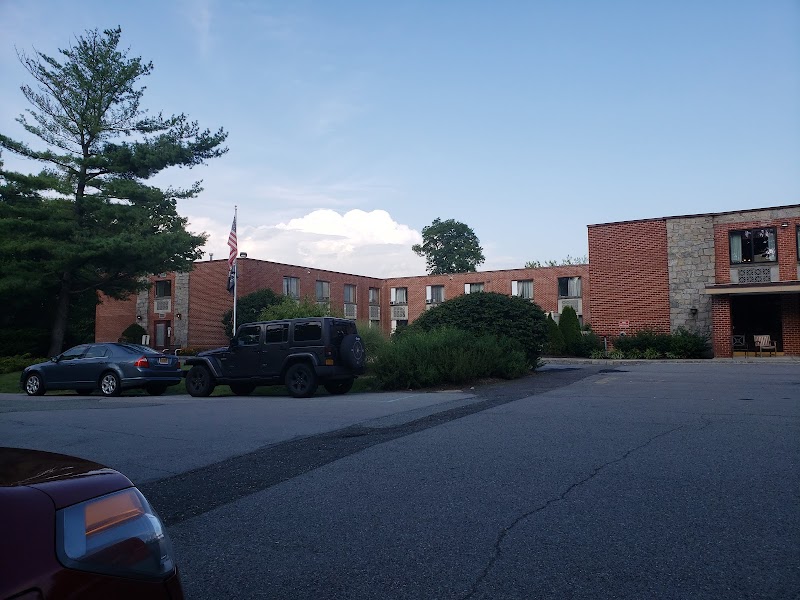
How is Fishkill Center For Rehabilitation And Nursing Staffed?

CMS rates FISHKILL CENTER FOR REHABILITATION AND NURSING's staffing level at 2 out of 5 stars, which is below average compared to other nursing homes. Staff turnover is 42%, compared to the New York average of 46%. This relatively stable workforce can support continuity of care.

What Have Inspectors Found at Fishkill Center For Rehabilitation And Nursing?

State health inspectors documented 27 deficiencies at FISHKILL CENTER FOR REHABILITATION AND NURSING during 2020 to 2025. These included: 1 Immediate Jeopardy (the most serious level, indicating potential for serious harm or death) and 26 with potential for harm. Immediate Jeopardy findings are rare and represent the most serious regulatory concerns. They require immediate corrective action.

Who Owns and Operates Fishkill Center For Rehabilitation And Nursing?

FISHKILL CENTER FOR REHABILITATION AND NURSING is owned by a for-profit company. For-profit facilities operate as businesses with obligations to shareholders or private owners. The facility is operated by SAPPHIRE CARE GROUP, a chain that manages multiple nursing homes. With 160 certified beds and approximately 154 residents (about 96% occupancy), it is a mid-sized facility located in BEACON, New York.
How Does Fishkill Center For Rehabilitation And Nursing Compare to Other New York Nursing Homes?

Compared to the 100 nursing homes in New York, FISHKILL CENTER FOR REHABILITATION AND NURSING's overall rating (2 stars) is below the state average of 3.1, staff turnover (42%) is near the state average of 46%, and health inspection rating (1 stars) is much below the national benchmark.

What Should Families Ask When Visiting Fishkill Center For Rehabilitation And Nursing?

Based on this facility's data, families visiting should ask: "What changes have been made since the serious inspection findings, and how are you preventing similar issues?" "Can you walk me through typical staffing levels on day, evening, and night shifts?" "Can I visit during a mealtime to observe dining assistance and food quality?" "How do you handle medical emergencies, and what is your hospital transfer rate?" These questions are particularly relevant given the facility's Immediate Jeopardy citations and the below-average staffing rating.

Is Fishkill Center For Rehabilitation And Nursing Safe?

Based on CMS inspection data, FISHKILL CENTER FOR REHABILITATION AND NURSING has documented safety concerns. Inspectors have issued 1 Immediate Jeopardy citation (the most serious violation level indicating risk of serious injury or death). The facility has a 2-star overall rating and ranks #100 of 100 nursing homes in New York. Families considering this facility should ask detailed questions about what corrective actions have been taken since these incidents.

Do Nurses at Fishkill Center For Rehabilitation And Nursing Stick Around?

FISHKILL CENTER FOR REHABILITATION AND NURSING has a staff turnover rate of 42%, which is about average for New York nursing homes (state average: 46%). Moderate turnover is common in nursing homes, but families should still ask about staff tenure and how the facility maintains care continuity when employees leave.

Was Fishkill Center For Rehabilitation And Nursing Ever Fined?

FISHKILL CENTER FOR REHABILITATION AND NURSING has been fined $44,500 across 1 penalty action. The New York average is $33,524. While any fine indicates a compliance issue, fines under $50,000 are relatively common and typically reflect isolated problems that were subsequently corrected. Families should ask what specific issues led to these fines and confirm they've been resolved.

Is Fishkill Center For Rehabilitation And Nursing on Any Federal Watch List?

FISHKILL CENTER FOR REHABILITATION AND NURSING is not on any federal watch list. The most significant is the Special Focus Facility (SFF) program, which identifies the bottom 1% of nursing homes nationally based on persistent, serious quality problems. Not being on this list means the facility has avoided the pattern of deficiencies that triggers enhanced federal oversight. This is a positive indicator, though families should still review the facility's inspection history directly.