THE BAPTIST HOME AT BROOKMEADE
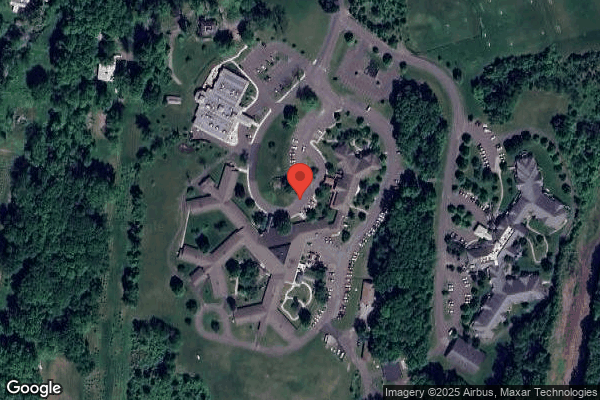

46 BROOKMEADE DRIVE, RHINEBECK, NY 12572 (845) 876-2071
Non profit - Corporation 120 Beds Independent Data: November 2025
Trust Grade
93/100
#111 of 594 in NY
Last Inspection: March 2024

Within standard 12-15 month inspection cycle. Federal law requires annual inspections.

Overview

The Baptist Home at Brookmeade has an excellent trust grade of A, indicating a highly recommended facility. It ranks #111 out of 594 nursing homes in New York, placing it in the top half, and is the top facility out of 12 in Dutchess County. However, the facility is experiencing a worsening trend, with issues increasing from 3 in 2019 to 4 in 2024. Staffing is rated average with a turnover rate of 30%, which is better than the state average of 40%, suggesting some stability among staff. Notably, the home has not incurred any fines, which is a positive sign. However, there are some areas of concern. Recent inspections revealed that the call bell system was not always within reach for at least one resident, and there was no care plan in place for a resident with an eye infection. Additionally, the kitchen equipment was found to be unsanitary during a previous review, which raises questions about food safety practices. Overall, while the facility has many strengths, families should be aware of these issues when considering care for their loved ones.

Trust Score
A
93/100
In New York
#111/594
Top 18%
Safety Record
Low Risk
No red flags
Inspections
Getting Worse
3 → 4 violations
Staff Stability
✓ Good
30% annual turnover. Excellent stability, 18 points below New York's 48% average. Staff who stay learn residents' needs.
Penalties
✓ Good
No fines on record. Clean compliance history, better than most New York facilities.
Skilled Nurses
⚠ Watch
Each resident gets only 25 minutes of Registered Nurse (RN) attention daily — below average for New York. Fewer RN minutes means fewer trained eyes watching for problems.
Violations
○ Average
7 deficiencies on record. Average for a facility this size. Mostly minor or procedural issues.
★★★★★
5.0
Overall Rating
★★★☆☆
3.0
Staff Levels
★★★★★
5.0
Care Quality
★★★★☆
4.0
Inspection Score
Stable
2019: 3 issues
2024: 4 issues

The Good

  • 5-Star Quality Measures · Strong clinical quality outcomes
  • Low Staff Turnover (30%) · Staff stability means consistent care
  • Full Sprinkler Coverage · Fire safety systems throughout facility
  • No fines on record
  • Staff turnover is low (30%)

    18 points below New York average of 48%

Facility shows strength in quality measures, staff retention, fire safety.

The Bad

No Significant Concerns Identified

This facility shows no red flags. Among New York's 100 nursing homes, only 1% achieve this.

The Ugly 7 deficiencies on record

Mar 2024 4 deficiencies
CONCERN (D)

Potential for Harm - no one hurt, but risky conditions existed

Deficiency F0558 (Tag F0558)

Could have caused harm · This affected 1 resident

**NOTE- TERMS IN BRACKETS HAVE BEEN EDITED TO PROTECT CONFIDENTIALITY** Based on observation, record review and interview conducted during the recertification survey from 3/5/24- 3/11/24, the facility...

Read full inspector narrative →
**NOTE- TERMS IN BRACKETS HAVE BEEN EDITED TO PROTECT CONFIDENTIALITY** Based on observation, record review and interview conducted during the recertification survey from 3/5/24- 3/11/24, the facility did not ensure that the call bell system was accessible for 1 of 27 residents reviewed for environment. Specifically, Resident #4 was observed on two occasions with the call bell system not within the resident's reach. The findings: The facility policy on call light or call bell system, entitled Call light: Accessibility and Timely Response dated February 2023, documented the purpose of the policy is to assure the facility is adequately equipped with a call light at each residents' bedside, toilet, and bathing facility to allow residents to call for assistance. In addition, the call light will directly relay to a staff member or a centralized location to ensure appropriate response. Resident # 4 was admitted to the facility with diagnoses including dementia, rheumatoid arthritis, and diabetes. The Quarterly Minimum Data Set (MDS)assessment dated [DATE], documented the resident had severely impaired cognition and required 1 to 2 staff member for bed mobility and transfers, and required extensive assistance with activities of daily living. The fall care plan dated 1/10/24, documented Resident #4 was at high risk for falls related to a history of multiple falls within the past year, and decreased acuity. On 3/5/24 at 10:12 AM and on 3/6/24 at 9:11 AM, the resident was observed in bed awake; the call bell was hanging on the wall above the resident's bed and not within reach. During an interview on 3/6/24 at 9:15 AM, Staff #1 (Certified Nurse Aide) stated all residents should have their call bell within reach, and secured the call light to resident's bed linen while the resident was in bed. During an interview on 3/11/24 at 11:32 AM, Staff #2 (Licensed Practical Nurse Unit Manager) stated Resident #4 knew how to use their call bell, and when the resident was sitting in their chair the call bell should be secured to the resident. Staff # 2 stated when the resident was in their bed, the call bell should be secured to the resident's bed linen. 10NYCRR 415.3
CONCERN (D) 📢 Someone Reported This

A family member, employee, or ombudsman was alarmed enough to file a formal complaint

Potential for Harm - no one hurt, but risky conditions existed

Comprehensive Care Plan (Tag F0656)

Could have caused harm · This affected 1 resident

Based on observations, interviews and record review conducted during a recertification survey 3/5/24-3/11/24, the facility did not ensure that the comprehensive person-centered care plan was developed...

Read full inspector narrative →
Based on observations, interviews and record review conducted during a recertification survey 3/5/24-3/11/24, the facility did not ensure that the comprehensive person-centered care plan was developed for 1 of 1 residents (#92) reviewed for eye infections. Specifically, there was no care plan in place to address Resident #92's medical needs for an eye infection. Findings include: The facility policy for Care Plan Development dated 2/8/24 documents The facility is committed to providing comprehensive and person-centered care to residents. The policy outlines the procedures for timely development and review of comprehensive care plans. Resident #92 was admitted with diagnoses and conditions including Diabetes Mellitus, Dementia and anxiety. The Minimum Data Set, an assessment tool dated 10/27/23 documented the resident had severe cognitive impairment and needed assistance from staff with all personal hygiene and eating. A nurses note dated 3/1/24 documented the resident's right eye was red and draining. The physician was called and a new order for an antibiotic eye drops was received. The March 2024 Treatment Administration record documented the resident had treatments in place of occusoft eye lid scrub daily. Medications and treatments were documented as given. There was no care plan in place with goals and interventions that addressed monitoring and effectiveness of interventions. During an interview with the Assistant Director of Nursing on 3/8/24 at 10:16 AM, they stated that Registered Nurses were responsible for initiating and updating care plans. The Assistant Director of Nursing reviewed the residents record and was unable to find a care plan which addressed the needs of the resident for their eye infection. The Assistant Director of Nursing stated the resident had recurring eye infections and there was a plan, but it was resolved in December and no longer active. They stated the plan should have been activated at the time the eye drops were ordered because it would contain the assessment and effectiveness of interventions and monitoring. 10NYCRR 415.11(c)(1)
CONCERN (D)

Potential for Harm - no one hurt, but risky conditions existed

ADL Care (Tag F0677)

Could have caused harm · This affected 1 resident

**NOTE- TERMS IN BRACKETS HAVE BEEN EDITED TO PROTECT CONFIDENTIALITY** Based on observation, record review and interview conducted during a recertification survey from 3/5/24 to 3/11/24, the facility...

Read full inspector narrative →
**NOTE- TERMS IN BRACKETS HAVE BEEN EDITED TO PROTECT CONFIDENTIALITY** Based on observation, record review and interview conducted during a recertification survey from 3/5/24 to 3/11/24, the facility did not ensure that the necessary assistance and care were provided to carry out activities of daily living (ADLs) for 1 of 2 residents reviewed for dignity. Specifically (Resident #261) was not toileted or provided with continent care from 3/4/23 at 6:00 PM until 3/5/24 at 11:40 AM the following day after asking for assistance and using call bell. Findings include: Resident #261 was admitted to the facility on [DATE] and had diagnoses including fracture of lower end of the right femur, presence of right artificial knee joint, and pain in right leg. The Comprehensive Care Plan for urinary continence and bowel continence, dated 3/5/24, documented to provide urinal, bedpan, commode, elevated toilet seat as needed and as directed by Certified Nurse Aide assignment/nursing instructions. Provide privacy and respect during toileting or incontinence care to promote dignity and toilet before and after meals and at night if awake. The Certified Nurse Aide Accountability record dated 3/4/24 (11PM-7 AM shift), was not signed for until 3/7/24 at 3:20 PM by (certified nurse aide, staff #6) and documented incontinent care was provided with substantial/maximal assistance. Certified Nurse Aide Accountability record dated 3/5/24 (7 AM-3PM shift), not signed for until 3/7/24 at 3:20 PM by (certified nurse aide, staff #6) documented incontinent care was provided with substantial/maximal assistance. On 3/05/24 at 11:00 AM, Resident #261 was on the verge of tears and stated they had to go to the bathroom badly. The resident's call bell had been activated the resident stated it had been at least 20 minutes. Resident #261 stated they were admitted last night at 6:00 PM and they were told last night they could use the commode, but nobody ever came. The resident stated they were told later they could not use the commode until evaluated by rehab. On 3/05/24 at 11:20 AM, Staff #6 room entered the room and stated they told Resident #261 they would come after finishing care for another resident. When observed on 3/5/24 at 3:45 PM, there was a commode in the room. Resident #261 stated that rehab did the evaluation sometime after lunch and the commode was brought to the room around 3PM. The resident stated they were told by staff it took so long because they could not find a commode. On 3/06/24 at 11:04 AM, Staff #6 entered room turn call bell off and told the resident they would be right back to assist the resident. On 3/07/24 at 1:00 PM, when interviewed, the resident stated the first time the Certified Nurse Aide provided care on the previous day was when the surveyor was there and the Certified Nurse Aide turned off the call bell. The Certified Nurse Aide Accountability documentation for March 2024 was received on 03/07/2024 at 3:30 PM, and the Assistant Director of Nursing was interviewed and stated they realized the staff had not document for a few days and informed the surveyor that all of the staff would be written up. On 3/11/24 at 10:23 AM, Staff #6 (certified nurse aide) stated they started their shift 3 AM on 3/5/24 and the resident did not ring the bell that night or that morning. Staff #6 stated they went to room that morning around 11:30 AM, and was unable to toilet resident without commode, but changed the incontinence brief. Staff #6 stated the commode was brought around 3 PM that day. Staff #6 stated they were not sure how long the call bell was on 3/5/24. Staff #6 stated they did not document continence care for their shift 3/4/24 and 3/5/24 because they were very busy. Staff #6 stated before they left for the day they were supposed to stop at office and make sure documentation was done. Staff #6 stated if they did not complete their documentation, they were to complete it as soon as possible. Staff #6 stated the supervisor monitored their documentation and informed them on 3/7/24 to complete the documentation that was missing for 3/4/24 and 3/5/24. On 3/11/24 at 12:40 PM, Staff #10 (Registered Nurse Supervisor) stated they were working 11 PM-7 AM shift on 3/4/24-3/5/24. Staff #10 stated they were responsible for monitoring the certified nurse aide documentation to make sure it was complete. Staff #10 stated they were not aware Staff #6 did not document for 3/4/24 and 3/5/24. 10 NYCRR 415.12(a)(3)
CONCERN (D) 📢 Someone Reported This

A family member, employee, or ombudsman was alarmed enough to file a formal complaint

Potential for Harm - no one hurt, but risky conditions existed

Quality of Care (Tag F0684)

Could have caused harm · This affected 1 resident

Based on observations, record reviews and staff interviews on the recertification and abbreviated surveys (NY00328105) from 3/5/24 to 3/11/24, the facility did not ensure that necessary medications we...

Read full inspector narrative →
Based on observations, record reviews and staff interviews on the recertification and abbreviated surveys (NY00328105) from 3/5/24 to 3/11/24, the facility did not ensure that necessary medications were administered according to the physician order for 1 of 5 residents (Resident #92) reviewed for medications. Specifically, Resident #92 was prescribed antibiotic eye drops for 3 days but was given 8 extra doses beyond the three days. The findings are: An undated facility policy for Medication Reconciliation documents the facility reconciles medication frequently throughout a residents stay to ensure that the resident is free from any significant medication errors. Resident #92 was admitted with diagnoses and conditions including Diabetes Mellitus, Dementia and anxiety. The Minimum Data Set, an assessment tool dated 10/27/23 documented the resident had severe cognitive impairment and needed assistance from staff with all personal hygiene and eating. The physician order dated 03/01/24 document Tobramycin 0.3% eye drops for unspecified blepharitis; instill 1 drop in each eye 3 times a day for 3 days. The Medication Administration Record was reviewed and documented the eye drops were scheduled to be administered at 8:00AM, 1:00PM, 7:00PM with the first dose starting on 3/2/24 at 8:00 AM. On 3/7/24 at 1:00PM the drops were still being administered for a total of 17 doses. The prescribed amount was for 9 doses. During an interview on 3/8/24 at 10:38 AM, Staff#5 (Licensed Practical Nurse) stated they gave medications to the resident including the eye drops. The Staff #5 stated they did anticipated the drops were coming to an end but was not paying attention to the dates and the resident got extra doses. During an interview with the Assistant Director of Nursing on 3/8/24 at 10:16 AM, they stated when the order was received from the physician it was put in the resident's record by the nurse. The nurse administering the medications was supposed to look over the orders for accuracy and sign it was reviewed but in this case it was not done. They stated all nurses needed to read the order for accuracy before administering any medications including the start and stop times, and if that was done the error may not have happened. NYCRR 415.25
Apr 2019 3 deficiencies
CONCERN (D)

Potential for Harm - no one hurt, but risky conditions existed

Deficiency F0554 (Tag F0554)

Could have caused harm · This affected 1 resident

Based on observation, record review and interviews conducted during the recertification survey, the facility did not ensure that staff followed facility protocol and standards of practice to ensure sa...

Read full inspector narrative →
Based on observation, record review and interviews conducted during the recertification survey, the facility did not ensure that staff followed facility protocol and standards of practice to ensure safe delivery of medication. Specifically, (1) a randomly observed resident was not provided direct supervision of the medication administration by the medication nurse (2) the resident was not assessed by the interdisciplinary team to determine if the resident can safely self-administer medication. (Resident #31). The findings are: Resident # 31 had diagnoses and conditions including Hypertension, Anemia, And Heart Failure. According to the 1/25/19 quarterly minimum data set ( MDS- a resident assessment tool) the resident had a score of 13 out of 15 on the BIMS (Brief Interview for Mental Status) indicating she was cognitively intact. This assessment further documented the resident was independent with activities of daily living (ADLs) except dressing and toileting which required supervision. During initial screening of the resident on 3/31/19 at 11:43 AM, a cup containing 6 medications was observed on the resident's bedside table. The resident was interviewed at that time and stated that the nurse left her morning medications for her to take. The resident stated that the nurses routinely leave the medications at her bedside and she takes them when she is ready. The resident did not take the medications while the surveyor was present. There was no nurse present to provide direct supervision. A follow up observation and interview was conducted on 3/31/19 at 2:05 PM. The now empty medication cup was on the bedside table and the resident stated that she took them. Review of the clinical records, including assessments, medication administration record (MAR) and care plans revealed no documented evidence that the resident had been assessed by the interdisciplinary team to determine the safety or ability of the resident for self-administration of medication. Additionally, the resident's current physician's orders dated 3/25/19 did not reveal instructions for the resident to take her medication independently. The Licensed Practical Nurse (LPN # 1) was interviewed on 3/31/19 at 2:10 PM and stated that she left the medications for the resident to take. She further stated that she did not observe the resident take the medications and that she should have waited for her to take her them. On 4/01/19 at 11:34 AM LPN-Charge Nurse (LPN # 2) approached the surveyor and stated that she had counseled LPN # 1 for leaving the medications at the resident's bedside for her to take, as indicated above. LPN # 2 further stated that the resident was not assessed for self-administration of medications and that LPN # 1 should not have left the medication on the resident's bedside table. 415.3 (e) (1) (vi)
CONCERN (D)

Potential for Harm - no one hurt, but risky conditions existed

Infection Control (Tag F0880)

Could have caused harm · This affected 1 resident

Based on observation, record review and interview conducted during the recertification survey, the facility did not ensure that staff followed proper gloving, handwashing technique, and protection of ...

Read full inspector narrative →
Based on observation, record review and interview conducted during the recertification survey, the facility did not ensure that staff followed proper gloving, handwashing technique, and protection of unused items that would be returned to the treatment cart, to prevent cross contamination and the spread of infection. This was evident for 1 of 2 residents (Resident # 99) reviewed for pressure ulcers on the B Unit. The findings are: Resident # 99 has diagnoses and conditions including Dementia, Anxiety and Pressure Ulcer. The 3/20/19 minimum data set (MDS- a resident assessment tool) documented the resident had severely impaired cognition and had an unstageable pressure ulcer. The At risk for Skin Breakdown Care Plan was initiated on 11/3/2018 and updated 3/18/19 to address the resident's left buttock unstageable pressure ulcer The physician's orders dated 3/9/19 had instructions to cleanse the open area to the left buttock with normal saline, pat dry, then apply Santyl ointment and cover with Optifoam dressing daily and as needed. A wound observation was conducted on 4/4/2019 at 12:14 PM and the following was observed: The Licensed Practical Nurse (LPN # 1) took a pair of gloves from her potentially contaminated uniform pocket to perform the resident's wound care and was stopped by the surveyor. Following this, LPN # 1 donned a new pair of gloves, picked up a gauze packet, touching the outside of the packet in the process, to remove the gauze pad. With her gloved hand, LPN # 1 then picked up a small normal saline pod and squirted a small amount on the resident's left buttock wound, which had slough material covering the wound bed. This was followed by a quick pat dry with the gauze pad, then the application of the Santyl Ointment. The wound was not adequately cleansed from the inner aspect of the wound to the outer aspect using a circular motion. One piece of gauze pad was used during the dressing change. Additionally, the LPN's handwashing technique was brisk, and less than the required 20 second duration. Following completion of the wound care procedure, LPN # 1 placed the Santyl ointment that was in a plastic bag directly on top of the resident's sink without a protective barrier. LPN # 1 then tied the plastic bag containing the soiled material, while holding the plastic bag containing the Santyl Ointment. While transporting both items together, the Santyl ointment fell out of the plastic bag onto the floor. LPN # 1 picked it up and returned it to the plastic bag, then placed it on top of the treatment cart. After discarding the plastic bag, LPN # 1 then returned the potentially contaminated bag and Santyl ointment to the resident's treatment storage bin. LPN # 1 was interviewed on 4/4/19 immediately following the wound care procedure and stated that she was aware of the above errors. 415.19 (a)(1-3)
CONCERN (E)

Potential for Harm - no one hurt, but risky conditions existed

Food Safety (Tag F0812)

Could have caused harm · This affected multiple residents

Based on observation, record review and interview conducted during the recertification survey, the facility did not ensure that food contact and non-food contact equipment and kitchenware were maintai...

Read full inspector narrative →
Based on observation, record review and interview conducted during the recertification survey, the facility did not ensure that food contact and non-food contact equipment and kitchenware were maintained in sanitary condition in accordance with standards for food service safety. Chapter 1 Sub-Part 14-1 of the State Sanitary Code states that food contact surfaces are to be washed, rinsed and sanitized after each use and when contaminated; non-food contact surfaces are to be cleaned as often as necessary to keep the equipment free of accumulation of dust, dirt, food particles and other debris. The findings are: A tour of the kitchen conducted on 3/31/19 between 10:30 AM and 11:30 AM revealed the following: 1. - Reach in refrigerators #1 (juice refrigerator) and #2 (dessert refrigerator) were both observed to have soiled exterior surfaces and interior surfaces of doors, interior door jams, and interior walls and bottoms. The soiling consisted of both dry and sticky-to-touch spills that were brown-ish, pink-ish, and white-ish in color. 2. - The microwave table top was soiled with whitish-colored areas of dried spills. Cleaned trays for food preparation and service were stored on the table top. - The lower shelf of the microwave table was soiled with whitish-colored dried spills. - One-half of the lower shelf was covered with an open weave drying mat upon which greater than ten cleaned food containers were stored. An accumulation of dried debris was observed beneath the drying mat. -The bottom of the microwave table utensil drawer was soiled with dusty, brownish-colored, greasy-to-touch residue. Greater than 15 cleaned serving utensils were stored in the drawer. 3. - In the cook's area, the tracks of a soiled cooling rack were noted with dusty, greasy-to-touch residue and the lowest track was soiled with an accumulation of dried food debris. At that time, the rack was in use for cooling three pans of cake. The cook assigned to the kitchen on 3/30/19 (who was responsible for monitoring the cleaning of the kitchen by the Dietary Aides and maintenance of a sanitary kitchen environment) was interviewed on 4/4/19 at 11:25 AM. He revealed that he would not have checked the reach-in refrigerators, microwave table, or cooling rack unless those areas were specified on the schedule for cleaning that day. At that time, the Dietary Aide cleaning schedule for 3/30/19 was reviewed with the cook, who then reported that those cleaning tasks were not on the schedule, so he would not have checked those areas for cleaning. 415.14(h)
Understanding Severity Codes (click to expand)
Life-Threatening (Immediate Jeopardy)
J - Isolated K - Pattern L - Widespread
Actual Harm
G - Isolated H - Pattern I - Widespread
Potential for Harm
D - Isolated E - Pattern F - Widespread
No Harm (Minor)
A - Isolated B - Pattern C - Widespread

Questions to Ask on Your Visit

  • "Can I speak with families of current residents?"
  • "What's your RN coverage like on weekends and overnight?"

Our Honest Assessment

Strengths
  • • Grade A (93/100). Above average facility, better than most options in New York.
  • • No major safety red flags. No abuse findings, life-threatening violations, or SFF status.
  • • No fines on record. Clean compliance history, better than most New York facilities.
  • • 30% annual turnover. Excellent stability, 18 points below New York's 48% average. Staff who stay learn residents' needs.
Concerns
  • • No significant concerns identified. This facility shows no red flags across CMS ratings, staff turnover, or federal penalties.
Bottom line: Generally positive indicators. Standard due diligence and a personal visit recommended.

About This Facility

What is The Baptist Home At Brookmeade's CMS Rating?

CMS assigns THE BAPTIST HOME AT BROOKMEADE an overall rating of 5 out of 5 stars, which is considered much above average nationally. Within New York, this rating places the facility higher than 99% of the state's 100 nursing homes. This rating reflects solid performance across the metrics CMS uses to evaluate nursing home quality.
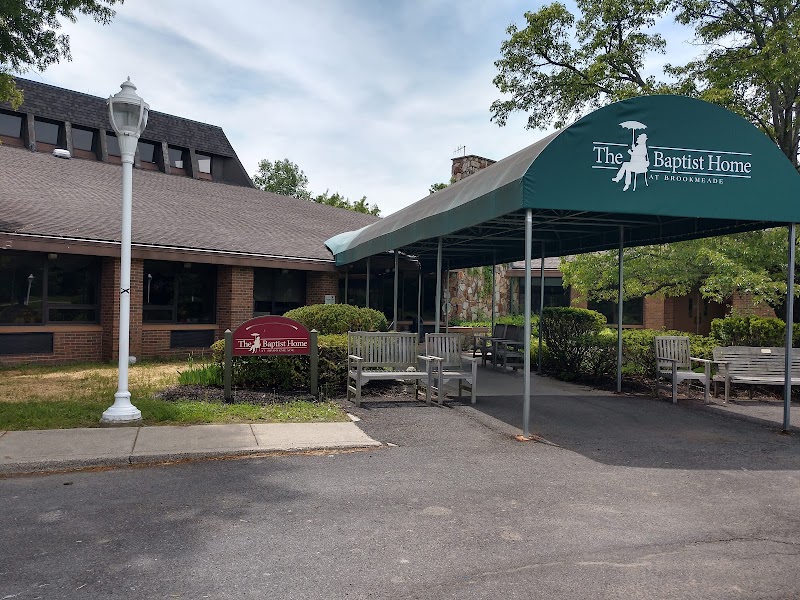
How is The Baptist Home At Brookmeade Staffed?

CMS rates THE BAPTIST HOME AT BROOKMEADE's staffing level at 3 out of 5 stars, which is average compared to other nursing homes. Staff turnover is 30%, compared to the New York average of 46%. This relatively stable workforce can support continuity of care.

What Have Inspectors Found at The Baptist Home At Brookmeade?

State health inspectors documented 7 deficiencies at THE BAPTIST HOME AT BROOKMEADE during 2019 to 2024. These included: 7 with potential for harm.
Who Owns and Operates The Baptist Home At Brookmeade?

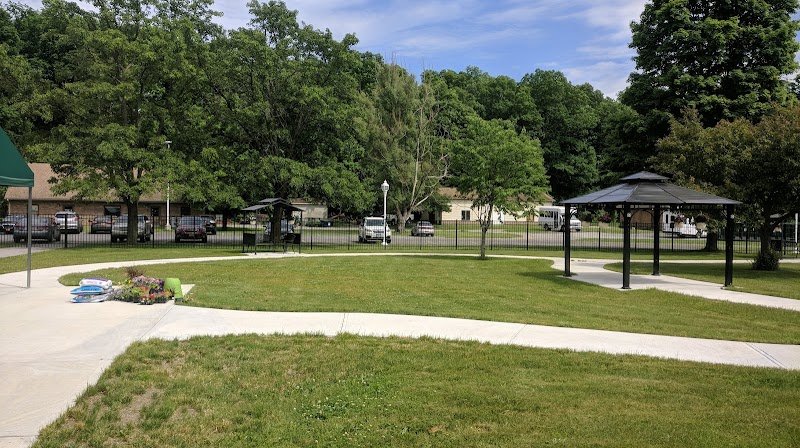
THE BAPTIST HOME AT BROOKMEADE is owned by a non-profit organization. Non-profit facilities reinvest revenue into operations rather than distributing to shareholders. The facility operates independently rather than as part of a larger chain. With 120 certified beds and approximately 109 residents (about 91% occupancy), it is a mid-sized facility located in RHINEBECK, New York.
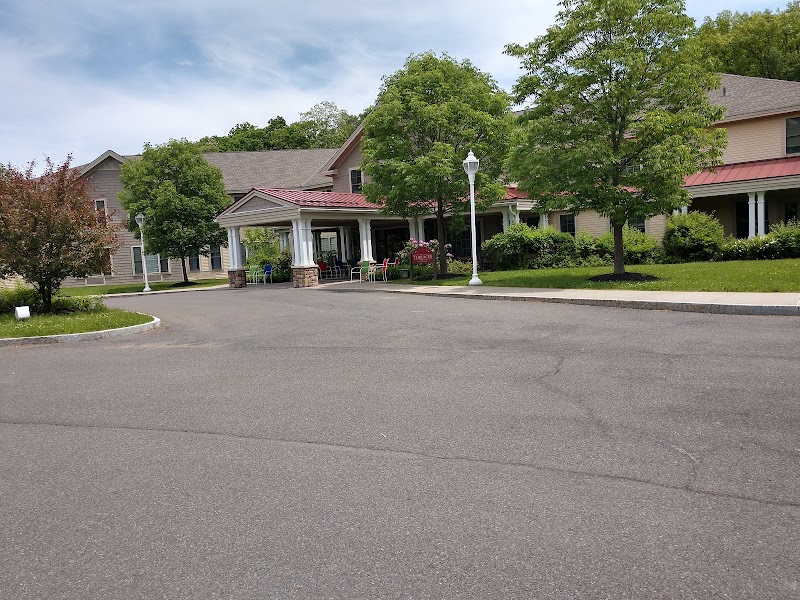
How Does The Baptist Home At Brookmeade Compare to Other New York Nursing Homes?

Compared to the 100 nursing homes in New York, THE BAPTIST HOME AT BROOKMEADE's overall rating (5 stars) is above the state average of 3.1, staff turnover (30%) is significantly lower than the state average of 46%, and health inspection rating (4 stars) is above the national benchmark.

What Should Families Ask When Visiting The Baptist Home At Brookmeade?

Based on this facility's data, families visiting should ask: "Can I visit during a mealtime to observe dining assistance and food quality?" "How do you handle medical emergencies, and what is your hospital transfer rate?" "Can I speak with family members of current residents about their experience?"

Is The Baptist Home At Brookmeade Safe?

Based on CMS inspection data, THE BAPTIST HOME AT BROOKMEADE has a clean safety record: no substantiated abuse findings (meaning no confirmed cases of resident harm), no Immediate Jeopardy citations (the most serious violation level indicating risk of serious injury or death), and is not on the Special Focus Facility watch list (a federal program monitoring the lowest-performing 1% of nursing homes). The facility has a 5-star overall rating and ranks #1 of 100 nursing homes in New York. While no facility is perfect, families should still ask about staff-to-resident ratios and recent inspection results during their visit.

Do Nurses at The Baptist Home At Brookmeade Stick Around?

Staff at THE BAPTIST HOME AT BROOKMEADE tend to stick around. With a turnover rate of 30%, the facility is 16 percentage points below the New York average of 46%. Low turnover is a positive sign. It means caregivers have time to learn each resident's needs, medications, and personal preferences. Consistent staff also notice subtle changes in a resident's condition more quickly.

Was The Baptist Home At Brookmeade Ever Fined?

THE BAPTIST HOME AT BROOKMEADE has no federal fines on record. CMS issues fines when nursing homes fail to meet care standards or don't correct problems found during inspections. The absence of fines suggests the facility has either maintained compliance or corrected any issues before penalties were assessed. This is a positive indicator, though families should still review recent inspection reports for the full picture.

Is The Baptist Home At Brookmeade on Any Federal Watch List?

THE BAPTIST HOME AT BROOKMEADE is not on any federal watch list. The most significant is the Special Focus Facility (SFF) program, which identifies the bottom 1% of nursing homes nationally based on persistent, serious quality problems. Not being on this list means the facility has avoided the pattern of deficiencies that triggers enhanced federal oversight. This is a positive indicator, though families should still review the facility's inspection history directly.