LUTHERAN CENTER AT POUGHKEEPSIE INC

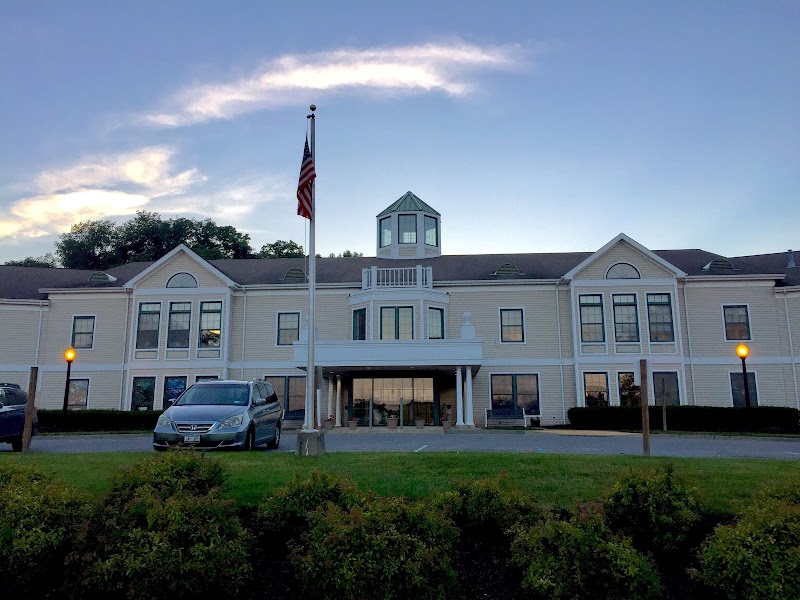
965 DUTCHESS TURNPIKE, POUGHKEEPSIE, NY 12603 (845) 486-9494
For profit - Individual 160 Beds Independent Data: November 2025
Trust Grade
65/100
#296 of 594 in NY
Last Inspection: February 2024

Within standard 12-15 month inspection cycle. Federal law requires annual inspections.

Overview

Lutheran Center at Poughkeepsie Inc has a Trust Grade of C+, which indicates it's slightly above average but not outstanding. In terms of rankings, it sits at #296 out of 594 facilities in New York, placing it in the top half, and is #3 out of 12 in Dutchess County, meaning only two local facilities are rated higher. The facility is improving, with the number of issues noted dropping from 8 in 2024 to 4 in 2025. Staffing appears to be a strength with a 35% turnover rate, which is below the state average, but it has less RN coverage than 77% of New York facilities, which could be a concern for resident care. While there have been no fines reported, which is a positive sign, there are serious issues regarding resident safety and dignity. For instance, there were instances of verbal and physical altercations involving staff and residents, and delays in reporting abuse allegations to the state health department. Additionally, one resident's dignity was compromised during meal assistance, highlighting a need for better staff training and adherence to resident rights.

Trust Score
C+
65/100
In New York
#296/594
Top 49%
Safety Record
Low Risk
No red flags
Inspections
Getting Better
8 → 4 violations
Staff Stability
○ Average
35% turnover. Near New York's 48% average. Typical for the industry.
Penalties
✓ Good
No fines on record. Clean compliance history, better than most New York facilities.
Skilled Nurses
⚠ Watch
Each resident gets only 26 minutes of Registered Nurse (RN) attention daily — below average for New York. Fewer RN minutes means fewer trained eyes watching for problems.
Violations
⚠ Watch
18 deficiencies on record. Higher than average. Multiple issues found across inspections.
★★★☆☆
3.0
Overall Rating
★★★☆☆
3.0
Staff Levels
★★★★★
5.0
Care Quality
★★☆☆☆
2.0
Inspection Score
Stable
2024: 8 issues
2025: 4 issues

The Good

  • 5-Star Quality Measures · Strong clinical quality outcomes
  • Full Sprinkler Coverage · Fire safety systems throughout facility
  • No fines on record
  • Staff turnover below average (35%)

    13 points below New York average of 48%

Facility shows strength in quality measures, fire safety.

The Bad

3-Star Overall Rating

Near New York average (3.1)

Meets federal standards, typical of most facilities

Staff Turnover: 35%

10pts below New York avg (46%)

Typical for the industry

The Ugly 18 deficiencies on record

Jan 2025 4 deficiencies
CONCERN (D) 📢 Someone Reported This

A family member, employee, or ombudsman was alarmed enough to file a formal complaint

Potential for Harm - no one hurt, but risky conditions existed

Resident Rights (Tag F0550)

Could have caused harm · This affected 1 resident

**NOTE- TERMS IN BRACKETS HAVE BEEN EDITED TO PROTECT CONFIDENTIALITY** Based on observations and interviews during an abbreviated survey (NY00333580), the facility did not ensure that each residents ...

Read full inspector narrative →
**NOTE- TERMS IN BRACKETS HAVE BEEN EDITED TO PROTECT CONFIDENTIALITY** Based on observations and interviews during an abbreviated survey (NY00333580), the facility did not ensure that each residents had the right to a dignified existence and each resident was cared for in a manner and environment that promoted maintenance or enhancement of their quality of life. This was evident for 1 of 3 residents (Resident #4) reviewed for dignity. Specifically, during an observation on Unit 1 South on 1/6/2025 Certified Nurse Assistant #2 was standing over Resident #4 while assisting them with their meal in the alcove in the hallway. The findings are: The facility Resident Rights policy last revised 9/2024 documented the facility strives to make sure that each resident is afforded a dignified existence, is treated with respect and dignity, and receives care in a manner and in an environment that promotes maintenance or enhancement of his/her quality of life. Resident #4 admitted to the facility on [DATE] with diagnoses including but not limited to Schizoaffective Disorder, Unspecified Intellectual Disabilities and Hypothyroidism. A Quarterly Minimum Data Set (an assessment tool that measures health status) dated 12/16/2024 documented the resident had severe cognitive impairment. The resident required a wheelchair for locomotion. The resident was dependent for eating, toileting and independent with bed mobility and moderate assistance with transfers. Review of a preference care plan last revised 7/12/2024 documented to respect Resident #4's wishes to have meals in the hallway or their room fed by staff. Interventions listed included the resident will consume meals in a dignified manner. Review of an activities of daily living care plan last revised 7/27/2023 documented Resident #4 had a self-performance deficit related to intellectual deficit. Interventions listed included for eating the resident is totally dependent on 1 staff and requires 1 staff assistance. During rounds on the unit on 1/6/2024 from 12:20 PM to 1:00PM, Certified Nurse Assistant #2 was observed in the alcove by a room standing while assisting Resident #4 with their meal. During an interview on 1/6/2024 at 12:50 AM, Licensed Practical Nurse #1 stated the staff should be sitting when they are assisting a resident with a meal. Licensed Practical Nurse #1 stated they did not see the staff standing. During an interview on 1/6/2024 at 1:02 PM, Certified Nurse Assistant #2 stated they are aware that they should not be standing while assisting residents during meals. Certified Nurse Assistant #2 stated they have been a certified nurse assistant for a long time, and they received the right training and know they should be seated when assisting a resident with their meal. During an interview on 1/7/2024 at 11:42 AM, the Director of Nursing stated that staff should be seated when they are assisting residents with their meals, and they are aware of this. The Director of Nursing stated staff receive training on this and they will speak with Certified Nurse Assistant #2. 10 NYCRR 415.3(d)(1)(i)
CONCERN (D) 📢 Someone Reported This

A family member, employee, or ombudsman was alarmed enough to file a formal complaint

Potential for Harm - no one hurt, but risky conditions existed

Comprehensive Care Plan (Tag F0656)

Could have caused harm · This affected 1 resident

Based on record review and interview during an abbreviated survey (NY00345910, NY00358013), the facility did not ensure that a comprehensive person-centered care plan was developed and implemented to ...

Read full inspector narrative →
Based on record review and interview during an abbreviated survey (NY00345910, NY00358013), the facility did not ensure that a comprehensive person-centered care plan was developed and implemented to ensure services were provided to maintain the residents' highest practicable physical, mental, and psychosocial well-being for 2 out of 3 residents (Resident #1, #3) reviewed for care planning. Specifically, (1) On 6/19/2024 Certified Nurse Assistant #1 was observed on surveillance footage engaging in a verbal altercation and taunting Resident #1. Certified Nurse Assistant #1 and Resident #1 then engaged in a physical tussle at the nurse's station. Review of Resident #1's care plans revealed they did not have an abuse, victim, or potential victim care plan initiated until after the incident on 6/19/2024; (2) Resident #3 reported that on 10/4/2024 they had a verbal altercation with Physical Therapy Assistant #2 which led them to become angry and suffer mental anguish. Review of Resident #3 care plans revealed they did not have a risk to be victimized care plan before and after the verbal altercation incident occurred. The findings are: The Facility Policy titled Baseline care Plan and Summary, last revised 11/2023 documented the facility ensures that a baseline care plan is completed for all residents within 48 hours of admission. The is intended to focus on the resident as the center of control. The baseline care plan promotes continuity of care and communication among staff , and increases resident safety and safeguards against adverse events that are most likely to occur after admission. 1) Resident #1 had diagnoses including but not limited to Dementia, Alzheimer's disease and Difficulty in Walking. An Annual Minimum Data Set (an assessment tool that measures health status) dated 4/17/2024 documented the resident had severe cognitive impairment. The resident exhibited wandering behaviors. The resident had impairment to the upper extremities on both sides and required a wheelchair for ambulation. The resident required set up assistance for eating, maximal assistance with toileting and supervision with bed mobility and transfers. There was no evidence of an abuse, victim, or potential victim care plan in place for Resident #1 prior to the incident that occurred on 6/19/2024. Review of the surveillance video from 6/19/2024 revealed at 16:08 Resident #1 was observed rolling themself over to the table where another resident was working on a puzzle with Certified Nurse Assistant #1. Resident #1 proceeded to push the table the other residents were sitting at, and Certified Nurse Assistant #1 is seen grabbing the table and pulling it back into place. At 16:15:20, Resident #1 is seen going towards Certified Nurse Assistant #1. Certified Nurse Assistant #1 is seen moving a doll and Resident #1 attempted to chase behind them. Certified Nurse Assistant #1 was observed taunting Resident #1. Resident #1 was visibly agitated trying to get around the table to Certified Nurse Assistant #. Resident #1 reached out and threw the puzzle(been worked on by another reisdent) on the floor. At 16:26, Certified Nurse Assistant #1 was seen seated at the nurse's station on the computer. Resident #1 wheeled into the nurse's station and grabbed Certified Nurse Assistant #1 by the shirt lifting them off the chair. Certified Nurse Assistant #1 and Resident #1 began tussling. Certified Nurse Assistant #1 then stood up and pushed Resident #1 to get them off of their shirt and continued to tussle with Resident #1 as they wre still holdng onto them. Certified Nurse Assistant #1 grabbed Resident #1 by their hands and Resident #1 kicked at Certified Nurse Assistant #1. Other staff members are seen entering the nurses station trying to release Resident #1's hands from Certified Nurse Assistant #1. Resident #1 is seen been rolled out of the nurse's station. Certified Nurse Assistant #1 then kicked Resident #1's baby doll to the floor and proceeded to go back and sit at the computer. 2) Resident #3 admitted to the facility 9/20/2024 with diagnoses including and not limited to Pneumonia, Obsessive Compulsive Disorder and Heart Failure. A 5 -day admission Minimum Data Set (an assessment tool that measures health assessment) dated 9/26/2024 documented the resident was cognitively intact. The resident required a walker for ambulation. The resident required set up assistance with meals, moderate assistance with toileting, supervision with bed mobility and transferring. Review of a needs care plan last revised 12/11/2024 documented Resident #3 was dependent on staff for meeting their emotional, intellectual, physical, and social needs related to their physical limitations. Interventions listed included provide a program of activities that is of interest and empowers the resident by encouraging/allowing choice, self-expression, and responsibility. There was no documented evidence of Resident #3 having a risk to be victimized care plan in place. There was no documentation of the incident that occurred being reflected in any of the resident's care plans. Review of a grievance form dated 10/10/2024 documented Resident #3 reported that on 10/4/2024 they went to the therapy gym for therapy at around 4:20 PM and it was a Friday. Resident #3 stated they asked Physical Therapy Assistant #2 when they would be able to go home and Physical Therapy Assistant #2 in a stern manner responded they had 2 options: Assisted Living Facility or 24 hour care with supervision. Resident #3 stated the answer made them very upset because it was never mentioned during the care plan meeting that was held on 10/2/2024 where Physical Therapist #2 was present. Resident #3 satted after they told Physical Therapist #2 that they could not do 24 hour care with suoervision, Physical Therapist #2 responded, then they will call Adult Protective Service if the resident left without 24 hour care with supervision in place.Resident #3 stated as they tried to continue to speak to Physical Therapist #2, they were trying to get them out of the gym stating it was 5 PM and time to go. Resident #3 stated Physical Therapist #2 got them to the door and then closed the door in their face. Resident #3 reported this interaction caused them to be unable to sleep the entire weekend as they tried to reach out to 411 to find 24 hour care. The grievance form also revealed that it was also reported by nursing staff and a family member of the reisdent that Resident #3 was worried all weekend and was psycholigically affected by the incident. Resident #3 reported that on Sunday 10/6/2024 Physical Therapy Assistant #2 came to them for therapy, and they refused because they did not want to work with them. During an interview on 1/8/2025 at 4:42 PM, the Director of Nursing stated for Resident #3's care plan for risk to be victimized should have been initiated after the incident with Physical Therapy Assistant #2. The Director of Nursing stated the unit manager would have been the one to initiate this care plan. During a telephone interview on 1/23/2025 at 10:43 AM, Licensed Practical Nurse #3 stated they update the care plans most of the time for the residents on their unit, but for this incident with Resident #3, they spoke with the social worker. Licensed Practical Nurse #3 stated they did not initiate an abuse care plan because Resident #3 was alert and oriented with a high Brief Interview of Mental Status score. Licensed Practical Nurse #3 stated they spoke about this with the social worker, and they stated an abuse care plan was not needed because the issue was more related to the staff. Licensed Practical Nurse #3 stated the social worker usually updates the behavior and abuse care plans, unless it is otherwise determined in a meeting. Licensed Practical Nurse #3 stated they meet with the social worker and decide together if an abuse care plan is needed for a resident. Licensed Practical Nurse #3 stated they remember a surveyor told them a victim care plan is only initiated for residents with dementia diagnosis or issues with cognition. Licensed Practical Nurse #3 stated when Resident #3 was discharged and returned to the facility after another hospitalization, they initiated a high risk to be victimized care plan due to their impulsivity. During a telephone interview on 1/23/2025 at 12:48 PM, the Director of Nursing stated the baseline care plan policy is the only care plan policy they have, they do not have a policy for updating and reviewing care plans. The Director of Nursing stated it is the responsibility of the unit managers to complete the comprehensive care plan and the social worker completes the abuse/risk to be a victim care plans, however if the social worker was not available, the unit managers would be expected to complete the abuse care plans. The Director of Nursing stated the unit manager is the oversight for the social worker completing the abuse care plans and the unit manager should be checking to be sure the care plans are initiated. The Director of Nursing stated they do not check the unit managers to ensure they are doing their job. The Director of Nursing stated they spoke with the social worker and were told the care plans were completed. Based on the residents Brief Interview of Mental Status scorethere was no need for a risk to be a victim care plan because the residnets can speak up when something happens. The Director of Nursing stated care plans are updated for a change in condition. If there are changes during the morning meetings, issues are discussed, then a care plan meeting is set up. The Director of Nursing stated they did speak with the interdisciplinary team about Resident #3 during morning report and reported the incident to the Department of Health, but because the resident was alert and oriented an at risk for abuse and victim care plan were not initiated. The Director of Nursing stated they will be initiating the potential victim care plan for all residents going forward. The Director of Nursing stated they try to check that everything is in place following an incident but if it was missed then it was missed. 10 NYCRR 415.11(c)(1)
CONCERN (E) 📢 Someone Reported This

A family member, employee, or ombudsman was alarmed enough to file a formal complaint

Potential for Harm - no one hurt, but risky conditions existed

Free from Abuse/Neglect (Tag F0600)

Could have caused harm · This affected multiple residents

Based on observation, record reviews, and interviews during an abbreviated survey (NY00345910, NY00358013), the facility did not ensure the residents right to be free from abuse for 2 out of 3 residen...

Read full inspector narrative →
Based on observation, record reviews, and interviews during an abbreviated survey (NY00345910, NY00358013), the facility did not ensure the residents right to be free from abuse for 2 out of 3 residents (Residents #1 & #3) reviewed for abuse. Specifically, (1) on 6/19/2024, Certified Nurse Assistant #1 was observed on video surveillance engaging in a verbal altercation with Resident #1 and taunting them in the dining room. Certified Nurse Assistant #1 was also observed engaging in a shoving match at a table in the dining room with Resident #1. Resident #1 and Certified Nurse Assistant #1 later engaged in a physical altercation at the nurse's station where Resident #1 was seen grabbing Certified Nurse Assistant #1 by their shirt and Certified Nurse #1 and Resident #1began tussling; (2) on 10/4/2024, Resident #3 reported Physical Therapy Assistant #2 was verbally aggressive with them causing them to lose sleep and endure psychological distress requiring antianxiety medication intervention. The findings are: The facility Abuse Prohibition Protocol last revised 3/2024 documented each resident has the right to be free from abuse, neglect, and mistreatment. The facility will do everything in its control to prevent occurrences, and will conduct prompt, thorough investigations for all cases of any type of alleged abuse in compliance with state laws and regulations. 1) Resident #1 was admitted with diagnoses including but not limited to Dementia, Alzheimer's disease, and Difficulty in Walking. An Annual Minimum Data Set (an assessment tool that measures health status) dated 4/17/2024 documented the resident had severe cognitive impairment. The resident had impairment to the upper extremities on both sides and required a wheelchair for ambulation. The resident required set up assistance for eating, maximal assistance with toileting and supervision with bed mobility and transfers. There was no evidence of an abuse, victim, or potential victim care plan in place for Resident #1 prior to the incident on 6/19/2024. Review of the surveillance video from 6/19/2024 revealed at 16:08 Resident #1 was observed rolling their self over to the table where the other resident was working on a puzzle with Certified Nurse Assistant #1 at their side. Resident #1 proceeded to push the table the other residents were sitting at. Certified Nurse Assistant #1 then attempted to grab the table and pulled it back into place. At 16:15:20, Resident #1 is seen attempting to go for Certified Nurse Assistant #1. Certified Nurse Assistant #1 moved the resident's doll and Resident #1 attempted to chase them. Certified Nurse Assistant #1was observed taunting Resident #1. Resident #1 was visibly agitated trying to get around the table to Certified Nurse Assistant #1, Resident #1 then reached out and threw the puzzle (which was been completed by another resident) on the floor. At 16:26, Certified Nurse Assistant #1 was seen seated at the nurse's station on the computer and Resident #1 is observed wheeling into the nurse's station and grabbing the Certified Nurse Assistant by the shirt lifting them off the chair. Certified Nurse Assistant #1 and Resident #1 begin tussling. Certified Nurse Assistant #1 stood up and pushed Resident #1 to get them off of their shirt and continued to tussle with Resident #1 as they held Certified Nurse Assistant #1's shirt. Certified Nurse Assistant #1 then grabbed Resident #1 by their hands and Resident #1 kicked at Certified Nurse Assistant #1. Other staff members are seen entering the nurses station trying to release Resident #1's hands from Certified Nurse Assistant #1. Staff is seen rolling Resident #1 out of the nurse's station. Certified Nurse Assistant #1 then kicked Resident #1's baby doll on the floor and proceeded to sit back at the computer. Review of the investigative findings submitted to the New York State Department of Health on 6/20/2024 documented on 6/19/2024 Certified Nurse Assistant #1 was witnessed by other staff teasing, provoking and making faces at Resident #1. At about 4:10pm Certified Nurse Assistant is witnessed holding on to a table in the dining room while Resident #1 was trying to pull the table away and the resident was visibly agitated and upset. Certified Nurse Assistant #1 was asked by registered nurse Supervisor to relocate the other resident on the table to another area but Certified Nurse Assistant #1 disregarded the instruction stating, he has to learn. At approximately 4:15 PM, Resident #1 was observed asking Certified Nurse Assistant #1 for something, but Certified Nurse Assistant #1 kept on arguing with Resident #1 and provoking them. Resident #1 got up from their wheelchair trying to get it from Certified Nurse Assistant #1, but they would not give it to them. Certified Nurse Assistant #1 kept antagonizing Resident #1 for approximately 10 minutes as a result Resident #1 got aggressive and tried to hit Certified Nurse Assistant #1. As per staff statements, Certified Nurse Assistant #1 kicked Resident #1's doll (who they think is their baby daughter) on the table. Resident #1 got aggressive and started following Certified Nurse Assistant #1 speaking in their language as they were very upset. During an interview on 1/6/2025 at 11:20 AM, the Director of Nursing stated there is video footage of the incident that occurred with Resident #1, and that the family have reviewed the footage, and they were very upset by it. The Director of Nursing stated Certified Nurse Assistant #1 was terminated, and they are fighting the termination with the union. During an interview on 1/8/2025 at 4:42 PM, the Director of Nursing stated they tried to get Certified Nurse Assistant #1 out of the facility, but the union fought with them to keep the staff in the building. 2) Resident #3 admitted to the facility 9/20/2024 with diagnoses including and not limited to Pneumonia, Obsessive Compulsive Disorder and Heart Failure. A 5 -day admission Minimum Data Set (an assessment tool that measures health assessment) dated 9/26/2024 documented the resident was cognitively intact. The resident required a walker for ambulation. The resident required set up assistance with meals, moderate assistance with toileting, supervision with bed mobility and transferring. Review of a grievance form dated 10/10/2024 documented Resident #3 reported that on 10/4/2024 they went to the therapy gym for therapy at around 4:20 PM and it was a Friday. Resident #3 stated they asked Physical Therapy Assistant #2 when they would be able to go home and Physical Therapy Assistant #2 in a stern manner responded they had 2 options: Assisted Living Facility or 24 hour care with supervision. Resident #3 stated the answer made them very upset because it was never mentioned during the care plan meeting that was held on 10/2/2024 where Physical Therapist #2 was present. Resident #3 satted after they told Physical Therapist #2 that they could not do 24 hour care with suoervision, Physical Therapist #2 responded then they will call Adult Protective Service if the resident kleft without 24 hour care with supervision in place.Resident #3 stated as they tried to continue to speak to Physical Therapist #2, they were trying to get them out of the gym stating it was 5 PM and time to go. Resident #3 stated Physical Therapist #2 got them to the door and then closed the door in their face. Resident #3 reported this interaction caused them to be unable to sleep the entire weekend as they tried to reach out to 411 to find 24 hour care. The grievance form also revealed that it was also reported by nursing staff and a family member of the reisdent that Resident #3 was worried all weekend and was psycholigically affected by the incident. Resident #3 reported that on Sunday 10/6/2024 Physical Therapy Assistant #2 came to them for therapy, and they refused because they did not want to work with them. During an interview on 1/8/2025 at 11:35 AM, the Certified Occupational Therapy Aide stated it was the end of the day on a Friday, and Resident #3 came into the therapy room to speak with Physical Therapy Assistant #2 and was asking about their discharge planning in which they had a conversation about previously. The Certified Occupational Therapy Aide stated Physical Therapy Assistant #2 did not want to talk about Resident #3's discharge. The Certified Occupational Therapy Aide stated Resident #3 began to get frustrated and upset and Physical Therapy Assistant #2 stated they would figure it out on Monday but Resident #3 wanted to talk about it, and Physical Therapy Assistant #2 was trying to leave and told the resident it was the end of the day on Friday, and they needed to leave and they did not want to talk about. During an interview on 1/8/2025 at 11:50 AM, Physical Therapy Assistant #1 stated was late on a Friday and Resident #3 came into the therapy room to speak with Physical Therapy Assistant #2, and that Resident #3 wanted to discuss their discharge with the therapist. Physical Therapy Assistant #1 stated Resident #3 and Physical Therapy Assistant #2 were arguing back and forth and the resident was upset. Physical Therapy Assistant #1 stated Resident #3 was talking loud and Physical Therapy Assistant #2 got louder. Physical Therapy Assistant #1 stated Resident #3 did have some difficulty hearing and they had asked Physical Therapy Assistant #2 what their name was several times, but they did not tell them and stated they knew what their name was. Physical Therapy Assistant #1 stated Physical Therapy Assistant #2 told Resident #3 it was late in the day, and they needed to go and then pushed the resident's wheelchair out of the therapy room and closed the door and the resident was still upset. During a telephone interview on 1/8/2025 at 1:20 PM, Physical Therapy Assistant #2 stated Resident #3 was very difficult and narcissistic with a history of verbal aggression. Physical Therapy Assistant #3 stated they had multiple discussions with Resident #3 regarding their discharge. Physical Therapy Assistant #2 stated they had a care plan meeting with Resident #3 and their family over the phone and discussed placement for the resident as they had 14 stairs in their home. Physical Therapy Assistant #3 stated they spoke with Resident #3 during their therapy session, and they stated they were going home and there was nothing they could do about it. Physical Therapy Assistant #2 stated they in a stern voice, told Resident #3 that they had not discussed them going home, and the resident continued stating they are going to do what they want. Physical Therapy Assistant #2 stated they told Resident #3 they did not feel they were safe to go up and down their stairs. Physical Therapy Assistant #2 stated Resident #3 stated they were going to go home if they want to, and they could not stop them. Physical Therapy Assistant #2 stated they told Resident #3 they were correct, and they could not stop them from going home, but that it would not be a safe discharge and in that case, they would have to inform Adult Protective Services. Physical Therapy Assistant #2 stated that was the breaking point and Resident #3 started screaming, and they walked away and got a drink of water and then Resident #3 became more upset. Physical Therapy Assistant #2 stated they did not interact with Resident #3 the rest of the day. During an interview on 1/8/2025 at 12:03 PM, the Director of Rehabilitation stated they were informed on Tuesday by the other therapists of the incident, and they then informed the Human Resource Director, who requested the therapists write statements, so the staff wrote their statements the next morning. The Director of Rehabilitation stated Physical Therapy Assistant #2 happened to be on paid time off the next day and the following day after the incident and usually the alleged staff would be suspended immediately pending an investigation. The Director of Rehabilitation stated Physical Therapy Assistant #2 was suspended over the telephone and they did not provide them with much detail, but they informed them it had to do with a resident's grievance. During a telephone interview on 1/23/2025 at 10:43 AM, Licensed Practical Nurse #3 stated the incident with Resident #3 happened on Sunday with Physical Therapy Assistant #2 and they were informed on Monday 12/9/2024 and they wrote a statement. Licensed Practical Nurse #3 stated they were informed by the staff nurse and informed that Resident #3 was upset because Physical Therapy Assistant #2 made a comment that they were not going to go home if there was no 24-hour supervision for them at home. Licensed Practical Nurse #3 stated Resident #3 stated they were told by Physical Therapy Assistant #2 if they insist on going home, then they are going to call the lawyer and tell Adult Protective Services. Licensed Practical Nurse #3 stated they spoke with Resident #3, and they stated they did not want Physical Therapy Assistant #2 to get in trouble, but they just want to leave the facility and go to their apartment. Licensed Practical Nurse #3 stated when they spoke with Resident #3, they were no longer upset, and they usually were able to calm them down by sitting and talking with them. Licensed Practical Nurse #3 stated Resident #3 kept saying they were upset about the situation with Physical Therapy Assistant #3, and they just want to go home. 10NYCRR 415.4(b)(1)(i)
CONCERN (E) 📢 Someone Reported This

A family member, employee, or ombudsman was alarmed enough to file a formal complaint

Potential for Harm - no one hurt, but risky conditions existed

Report Alleged Abuse (Tag F0609)

Could have caused harm · This affected multiple residents

Based on record review and interviews conducted during an abbreviated survey (NY00345910, NY00333580, NY00358013) the facility did not ensure the report of the results of an investigation to the New Y...

Read full inspector narrative →
Based on record review and interviews conducted during an abbreviated survey (NY00345910, NY00333580, NY00358013) the facility did not ensure the report of the results of an investigation to the New York State Department of Health in accordance with State law within 5 working days of the incident or report an allegation of abuse within the regulatory timeframe for 3 of 4 residents (Resident #1, #2, #3) reviewed for abuse. Specifically, (1) On 6/19/2024 Certified Nurse Assistant #1 was observed on video surveillance engaging in a verbal altercation and the pushing and pulling of a table back and forth with Resident #1. Review of the 5-day investigative conclusion submission revealed it was not submitted to the New York State Department of Health until 7/25/2024; (2) On 2/13/2024 Resident #2 reported alleged inappropriate contact by Certified Nurse Assistant #3. Review of the 5-day investigative conclusion submission revealed it was not submitted until 3/6/2024; (3) On 10/6/2024 Resident #3 reported to the social worker that Physical Therapy Assistant #2 spoke to them in a manner that made them upset and experience mental anguish. Review of the 5-day investigative conclusion submission revealed it was not submitted until 10/22/2024. The findings are: The facility Abuse Prohibition Protocol last reviewed 3/2024 documented all alleged incidents of abuse, neglect and mistreatment must be reported to your immediate supervisor investigated and reported to the Administrator who is the abuse prevention coordinator or designee. When required by law or regulation, the Administrator/Designee shall ensure timely notification of the incident to the Department of Health. 1) Resident #1 had diagnoses including but not limited to Dementia, Alzheimer's disease, and Difficulty in Walking. An Annual Minimum Data Set (an assessment tool that measures health status) dated 4/17/2024 documented the resident had severe cognitive impairment. The resident had impairment to the upper extremities on both sides and required a wheelchair for ambulation. The resident required set up assistance for eating, maximal assistance with toileting and supervision with bed mobility and transfers. Review of the investigative findings submitted to the New York State Department of Health on 6/20/2024 documented on 6/19/2024 at approximately 4:10 PM Resident #1 tried to pull one of the tables when Certified Nurse Assistant #1 tried to pull it back and kept on arguing with the resident. At approximately 4:15 PM Resident #1 was observed asking Certified Nurse Assistant #1 for something but they kept on arguing with Resident #1 trying to provoke them. Resident #1 gets up from their wheelchair trying to get it from Certified Nurse Assistant #1, but they would not give it to them. Certified Nurse Assistant #1 kept antagonizing Resident #1 for approximately 10 minutes as a result Resident #1 got aggressive and tried to hit Certified Nurse Assistant #1. As per staff statements Certified Nurse Assistant #1 threw Resident #1's doll on the table, who they think was their daughter. Resident #1 got so aggressive and started following Certified Nurse Assistant #1 speaking in their language as they were very upset. Review of the 5-day investigative conclusion submission revealed it was not submitted to the New York State Department of Health until 7/25/2024. 2) Resident #2 had diagnoses including but not limited to Macular Degeneration, Hypertensive Heart Disease without Heart Failure and Unspecified Fall. An admission Minimum Data Set (an assessment tool that measures health status) dated 2/5/2024 documented Resident #2 had moderate cognitive impairment. No behaviors noted. The resident used a walker and a wheelchair for locomotion and had impairment to the lower extremity on one side. The required set up assistance with eating, moderate assistance with bed mobility and dependent for toileting and transfers. Review of the investigative summary of the incident documented Resident #2 on 2/13/2024, reported that on 2/2/2024 they were lying in bed and saw 2 male figures. Resident #2 stated they thought it was their vision due to their history of macular degeneration. Resident #2 stated while they were lying down Certified Nurse Assistant #3 was on the side of them. Resident #2 stated Certified Nurse Assistant #3 started pecking them on their cheek, but not aggressively. Resident #2 stated that Certified Nurse Assistant #3 realized they were growing suspicious but continued to peck them on their cheek. Resident #2 stated they informed Certified Nurse Assistant #3 that this was not them, they are above this and do not do this to their self. Resident #3 then stated they can put this in the past and in the morning, they will look at it as it was the past. Resident #2 stated while saying this to Certified Nurse Assistant #3 they continued to peck them on the cheek but could tell Certified Nurse Assistant #3 was giving up. Resident #2 stated Certified Nurse Assistant #3 eventually pulled away from them and stopped. The investigative conclusion dated 2/16/2024 documented after reviewing the incident, staff changes and Resident #2's health condition, it is concluded that there was no evidence of sexual abuse, mistreatment, or neglect. Review of the investigation file revealed the 5-day conclusion was submitted on 3/6/2024. 3) Resident #3 had diagnoses including and not limited to Pneumonia, Obsessive Compulsive Disorder and Heart Failure. A 5 -day admission Minimum Data Set (an assessment tool that measures health assessment) dated 9/26/2024 documented the resident was cognitively intact. The resident required a walker for ambulation. The resident required set up assistance with meals, moderate assistance with toileting, supervision with bed mobility and transferring. Review of a grievance form dated 10/10/2024 documented Resident #3 reported on Friday 10/4/2024 they went to the therapy gym for therapy at around 4:20 PM and they were talking to Physical Therapy Assistant #2. Resident #3 stated they were asking when they were going to be going home and Physical Therapy Assistant #2 in a stern manner responded to them, they had 2 options, 24-hour care with supervision or go to an assisted living facility. Resident #3 stated they were very upset with this answer and responded they cannot do that with the 24-hour care and supervision. Resident #3 reported Physical Therapist Assistant #2 responded if they did not choose one of the options then they would have to get the law on them. Resident #3 reported they were trying to talk to Physical Therapist Assistant #2 and they were trying to get them out of the gym stating it is 5 PM and time to go. Resident #3 stated Physical Therapist #2 got them to the door and then closed the door in their face. Resident #3 reported this interaction caused them to not be able to sleep because they kept thinking about it. Resident #3 reported that on Sunday 10/6/2024 Physical Therapy Assistant #2 came to them for therapy, and they refused because they did not want to work with them. Review of the investigation file revealed the 5-day conclusion was submitted on 10/22/2024. During an interview on 1/6/2025 at 11:20 AM, the Director of Nursing stated they submit the reports to the Department of Health, and they also submit the 5-day conclusion. During an interview on 1/8/2025 at 4:42 PM, the Director of Nursing stated they are responsible for the submission of the reportable. The Director of Nursing stated if there is an injury then they call the hotline for an incident and if there is no injury and someone reports an incident, they complete the submission online within 24 hours. After submission, they will usually receive the second follow up email from the Department of Health and then they would submit the 5-day investigative conclusion. The 5-day report is submitted once they receive the email informing them to submit. The Director of Nursing stated they were not aware that they had 5 working days to submit the 5-day investigative summary and therefore they were waiting for the email from Department of Health before submitting the conclusion. 10NYCRR 415.4(b)(1)(ii)
Feb 2024 8 deficiencies
CONCERN (D)

Potential for Harm - no one hurt, but risky conditions existed

Resident Rights (Tag F0550)

Could have caused harm · This affected 1 resident

**NOTE- TERMS IN BRACKETS HAVE BEEN EDITED TO PROTECT CONFIDENTIALITY** Based on observation, record review and interview conducted during the recertification survey, the facility did not ensure each ...

Read full inspector narrative →
**NOTE- TERMS IN BRACKETS HAVE BEEN EDITED TO PROTECT CONFIDENTIALITY** Based on observation, record review and interview conducted during the recertification survey, the facility did not ensure each resident was treated with respect and dignity in an environment that promotes maintenance of their quality of life for 2 of 4 residents (Residents #49, and #116) reviewed for dignity. Specifically, 1. Resident #49 was observed on several occasions wearing a food-stained gown; 2. signs that were visible to staff and visitors detailing how to feed Resident #116 were placed above the bed. The findings are: The facility policy titled Resident Rights and revised 11/2023 documented the facility strives to make sure each resident is afforded a dignified existence, is treated with respect and dignity and receives care in a manner and environment that promotes maintenance or enhancement of his/her quality of life. 1. Resident #49 was admitted to the facility and had diagnoses including but not limited to multiple sclerosis, rheumatoid arthritis, and hypothyroidism. The 12/5/23 Minimum Data Set documented Resident #49 had moderately impaired cognition, and was dependent on staff for eating and personal hygiene. The current care plan titled Activities of Daily Living documented limited physical mobility and nutritional problem, required texture of pureed food and thicken liquids for meals. The 11/7/22 intervention documented Resident #49 should wear a hospital gown during meals to increase independence. During an observation on 1/30/24 at 11:42 AM, Resident #49 was sitting in the dining room with tablemate's, wearing a hospital gown (as a clothing protector) over their clothes. There were several food items that had fallen from the resident's mouth and on to the hospital gown. Resident #49 continued wearing the hospital gown into lunch time with multiple food items. Staff #1 (Certified Nurse Aide) who assisted the residents at the table with hand hygiene for lunch meals, did not remove the food soiled hospital gown from Resident #49. Staff #2 (Certified Nurse Aide) placed a paper clothing protector on the other residents at the table, but did not remove the food soiled hospital gown from Resident#49. During an interview on 1/30/24 at 12:12 PM Staff #1 (Certified Nurse Assistant) stated they assisted with lunch set up of the table where Resident # 49 and tablemate's were seated. Staff #1 stated the resident used the gown over their clothing because the paper clothing protector was too thin. During an interview on 1/30/24 at 1:11 PM Staff #2 (Certified Nurse Assistant) stated they had assisted in serving the resident's their lunch meals from table to table and stated, Resident #49 should have been taken care of as soon as possible. 2. Resident #116 was admitted with hypertension, chronic kidney disease and diabetes mellitus. The Minimum Data Set (MDS) quarterly assessment documents the resident had moderate cognitive impairment and is dependent on staff to be fed meals. During a wound dressing change observation, a large sign on two pieces of paper was observed over Resident #116's bed and in bold letters documented instructions to staff for feeding the resident. During an interview on 02/02/24 at 12:21 PM, Staff #27, (Registered Nurse Unit Manager) stated the sign was meant for Resident #116 and thinks it is a dignity issue and does not know why they never noticed it. Staff #27 stated it was put there by the speech pathologist but would be better if it was on the certified nurses assistant [NAME]. During an interview on 02/02/24 at 02:37 PM Staff #15, (Speech Pathologist), stated the sign was put on the wall by them as a reminder because there was a lot of new staff. Staff #15 stated they felt it was a cue for staff but could see that a visitor coming in to visit the roommate could easily view the information which is very personal. 415.3(d)(1)(i)
CONCERN (D)

Potential for Harm - no one hurt, but risky conditions existed

Report Alleged Abuse (Tag F0609)

Could have caused harm · This affected 1 resident

Based on record review and interviews conducted during the recertification survey process from 1/30/2024 through 2/6/2024, the facility did not ensure that all alleged violations involving abuse were ...

Read full inspector narrative →
Based on record review and interviews conducted during the recertification survey process from 1/30/2024 through 2/6/2024, the facility did not ensure that all alleged violations involving abuse were reported no later than 24 hours even if the events did not result in serious bodily injury, to other officials (including to the State Survey Agency) in accordance with State law through established procedures. Specifically, the facility did not report 3 resident-to-resident altercations involving Resident #126 as the victim. Findings include: Resident #126 was admitted to facility with the following diagnoses and conditions: schizoaffective disorder, unspecified intellectual disability, and suspected adult neglect or abandonment. The 10/25/23 quarterly minimum data set (MDS, an assessment tool) documented Resident #126's cognitive skills for daily decision making were severely impaired and displayed other behaviors such as hitting/scratching self, pacing and disrobing in public. The accident/incident report dated 8/14/23 documented Resident #126 was in their wheelchair in the hallway when another resident was observed aggressively pushing Resident #126 wheelchair into a wall, then grabbed Resident #126 by the right side of neck and shoulder. The accident/incident report dated 8/26/23 documented Resident #126 was observed being pushed into a wall by a male resident where Resident #126 hit their left knee on wall. Nursing note dated 8/26/23 documented Resident #126 stated that they were scared prior to incident. The accident/incident report dated 9/25/23 documented Resident #126 was found in a male resident room. Male resident was hitting Resident #126 in the face with a pillow with one hand and punching resident with the other. There was no documented evidence that New York State Department of Health (NYSDOH) was contacted regarding the 8/14/23, 8/26/23 and 9/25/23 resident-to-resident altercations involving Resident #126. During an interview conducted on 02/05/24 at 02:56 PM with the Director of Nursing regarding the three incidents involving Resident #126. Stated that the incidents were not reported to the Department of Health because the incidents happened quickly and there was no injury to the resident. 10 NYCRR 415.4 (b)
CONCERN (D) 📢 Someone Reported This

A family member, employee, or ombudsman was alarmed enough to file a formal complaint

Potential for Harm - no one hurt, but risky conditions existed

Accident Prevention (Tag F0689)

Could have caused harm · This affected 1 resident

**NOTE- TERMS IN BRACKETS HAVE BEEN EDITED TO PROTECT CONFIDENTIALITY** Based on observations, interviews, and record reviews conducted during the recertification and abbreviated surveys (NY00326854),...

Read full inspector narrative →
**NOTE- TERMS IN BRACKETS HAVE BEEN EDITED TO PROTECT CONFIDENTIALITY** Based on observations, interviews, and record reviews conducted during the recertification and abbreviated surveys (NY00326854), the facility did not ensure that each resident received adequate supervision and assistance devices to prevent accidents for two of three residents (Resident # 24 and #62) reviewed for accidents. Specifically, 1. staff did not ensure that Resident #24 received the correct meal texture based on physician order; and 2. the plan of care for Resident #62 was not implemented resulting in the resident sustaining a fall with major injury. The findings are: The revised 9/2023 policy entitled, Feeding-at Risk Residents, documented that assigned staff were to distribute trays and verify all food and liquids provided matched the meal ticket to ensure correct diet and food consistency. The education hand-out entitled, Proper distribution of Meal Trays and Set Up for Residents, directed nurse to check and compare consistency of meal to the meal ticket included before tray served. 1. Resident #24 was admitted with diagnoses including but not limited to dementia with other behavioral disturbance, and hypertension. The 4/21/22 care plan titled Activity of Daily Living documented the resident could feed themselves with supervision and physical support and required constant monitoring. The 11/3/23 physician's order documented no added salt, mechanical soft texture, ground meats, added gravy. The 11/28/23 revised care plan documented resident presented with mild dysphagia (difficulty swallowing) monitor for aspiration, coughing, throat clearing, changes in breathing while consuming foods. The 1/9/24 dietary note documented resident required assistance with meals and their diet was mechanical soft with ground meat, added gravy. The 1/17/24 quarterly Minimum Data Set (an assessment tool) documented that Resident #24 had severely impaired cognition and required partial to moderate assistance with eating. The 1/30/24 lunch meal ticket documented no added salt, mechanical soft diet, ground meat with gravy, 3 oz of ground Kielbasa. During observation on 1/30/24 at 12:23 PM Resident #24 was served kielbasa that was cut into round pieces. and no gravy was present on the tray. During an observation and interview on 1/3-/24 at 12:23PM Staff #8 (Licensed Practical Nurse) was assisting Resident #24 and stated that the resident's diet was mechanical soft and chopped regular. Staff #8 was observed encouraging Resident #24 to spit out the food if they were having a hard time chewing. Resident #24 was observed pushing food out of their mouth and then continued to chew the same bite. Staff #8 stated they noted that the resident had been chewing for a long time. During an interview on 1/31/24 at 3:43 PM, Staff # 13 (Cook) stated each unit had a list of modified diets; the meal tickets were used to provide the quantity and consistency of foods needed for each unit; the cook supervisor would check to ensure all consistencies were correct prior to being sent to the units. Staff #13 stated on 1/30/24 there was an error and a resident received chopped kielbasa (sausage) instead of ground meat as per order. During an interviews on 1/31/2024 at 3:39 PM, 3:54 PM, and 4:27 PM, Staff #15 (Speech Therapist) stated ground meat was for residents with difficulty chewing; meat was ground in a blender, and the skin on the sausage was removed. Staff #15 stated Resident #24 was on a mechanical soft/ground meat diet and cut up kielbasa sausage would not be appropriate for the resident. Staff #15 stated all Resident #24's meat must be ground because the resident had oral mastication dysphagia (pro-longed chewing). Staff #15 stated this problem was noted by the resident family and staff which led to their evaluation. Staff #15 stated that staff should check the ticket on the tray against the meal served on the plate to ensure the correct diet. During a telephone interview conduction 02/01/24 at 11:34 AM, Staff # 8 stated the nurses and certified nurse aides are supposed to check the trays and ensure the diet was correct; if staff was assisting a resident with eating, they should also check the ticket and meal to confirm it was correct prior to assisting the resident with eating. Staff #8 stated they did not check Resident #24's meal or ticket on 1/30/24 at noon meal and stated the tray was already in front of resident when they sat down to assist the resident. During an interview on 02/01/24 at 11:47 AM Nurse Practitioner #6 reviewed the resident's chart and stated they were to receive a mechanical soft diet, ground meat with gravy due to prolonged mastication and slow eating. The facility's policy entitled Falls Reduction and Management revised 4/2023 documented the facility strives to assist their staff to reduce falls, minimized injuries, and ultimately improve the quality of life of the residents. 2. Resident #62 was admitted to the facility with diagnoses including cancer, depression, and cataracts. The 10/01/23 certified nurse aide instructions documented Resident #62's mode of transfer from wheelchair to/from bed with a slide board on the side of the bed closest to door with extensive assistance of 1 staff and was to wear [NAME] shoes. A Hoyer lift for transfers with an extensive assist of 2 staff members was required for showers. There were no instructions for transferring from the wheelchair to the toilet. The 10/10/23 Annual Minimum Data Set (an assessment tool) documented Resident #62 was cognitively intact, had no behaviors, had bilateral impairment to lower extremities, used a walker and wheelchair, was dependent for toileting and toileting transfers, substantial /maximum assist for transfers, non-ambulatory, was always incontinent of bowel and bladder. The 10/23/23 accident/incident investigation documented Resident #62 had a witnessed fall at approximately 2 PM. Resident # 62 fall was witnessed by assigned Staff # 1 (Certified Nursing Assistant). Staff #1's written account, documented Resident #62 was sitting in their room in a wheelchair and appeared to be agitated while waiting to be toileted. Staff #1 transported Resident #62 to the bathroom in the wheelchair and instructed Resident #62 to grab onto the grab bars in the bathroom and to stand to use the toilet. Staff #1 was assisting Resident #62 from behind, Resident #62 let go the grab bar and lost their balance. The 10/23/23 physician/nurse practitioner orders documented X-ray left knee post fall and 10/24/24 send to emergency room for evaluation. During an interview on 1/31/24 at 09:27 AM, Resident #62 stated they were not feeling comfortable in their wheelchair and went into the bathroom. Resident #62 stated that Staff #1 came in, but they were not trained, to take them to the bathroom and that is when the fall occurred. During an interview on 1/31/24 at 09:40 AM Staff #3 (Licensed Practical Nurse Manager) stated Resident #62 had a fall on 10/24/23, on the 7-3 shift. Resident #62 was requesting to use the toilet and Staff #1 took them to the bathroom and Resident # 62 fell. An X-ray was done of the left leg and revealed an femur fracture and was sent to the hospital. During an interview on 1/31/24 at 10:10 AM Staff #1 (Certified Nursing Assistant) stated Resident #62 was upset/agitated and requested to be put on the toilet. During transfer Resident #62 grabbed the bar in the bathroom with two hands and slid down. Staff #1 stated they had assisted Resident #62 to the floor. During an interview on 2/2/24 at 10:33 AM Staff #4 (Physical Therapist) stated, Resident #62 was particular and could become anxious, therefore Resident #62 should not have been using the grab bar. 415.12 (h) (i)
CONCERN (D)

Potential for Harm - no one hurt, but risky conditions existed

Deficiency F0761 (Tag F0761)

Could have caused harm · This affected 1 resident

Based on observations, record review and interviews on a recertification survey 01/30/24-02/06/24 the facility did not ensure that drugs and biologicals were stored in locked compartments under temper...

Read full inspector narrative →
Based on observations, record review and interviews on a recertification survey 01/30/24-02/06/24 the facility did not ensure that drugs and biologicals were stored in locked compartments under temperature controls, and only permitted authorized personnel to have access to the keys. Specifically, 8 blister packs of medicines were left on a table in the manager's unlocked office on a unit with wandering residents. The findings are: The facility policy titled storage of medications dated 04/2023 documented medications are stored at proper temperatures and locked at all times, except when under direct supervision of staff. An observation was made on 02/1/24 in the Staff #27 (Registered Nurse Unit Manager), unit office located across from the nurses station which was accessed by Staff #27 without the use of keys or codes and found to be unlocked. On a small table in the room was a stack of 8 blister packs of pills. During an interview on 2/1/24 with Staff #27 they confirmed the office door was unlocked but stated they usually lock the door. Staff #27 stated the meds were from a resident who was discharged , and they were storing the medications in the room temporarily but stated there were wandering residents in the hallway and should have been removed and locked up. 415.18(d)
CONCERN (D) 📢 Someone Reported This

A family member, employee, or ombudsman was alarmed enough to file a formal complaint

Potential for Harm - no one hurt, but risky conditions existed

Food Safety (Tag F0812)

Could have caused harm · This affected 1 resident

Based on observation and interview conducted during a recertification survey and abbreviated survey (NY00324752), the facility did not ensure that food contact and non-food contact equipment and kitch...

Read full inspector narrative →
Based on observation and interview conducted during a recertification survey and abbreviated survey (NY00324752), the facility did not ensure that food contact and non-food contact equipment and kitchenware were maintained in sanitary condition in accordance with standards for food service safety. Specifically (1) dirty and dusty fan blowing on clean dishes that were drying, (2) ovens and stove had caked on particles and grease, (3) dirty and dusty ceiling tiles and vents with dark markings on them, and (3) kitchen had a foul odor. Chapter 1 Sub-Part 14-1 of the State Sanitary Code states that food contact surfaces are to be washed, rinsed and sanitized after each use and when contaminated; non-food contact surfaces are to be cleaned as often as necessary to keep the equipment free of accumulation of dust, dirt, food particles and other debris; and all equipment and utensils are to be air dried after sanitizing. The findings are: During tour of kitchen on 2/01/24 at 2:35 PM, the kitchen was noted to have a foul smell, a dirty/dusty fan was blowing on clean drying dishes, stove and ovens had caked on particles and grease, ceiling tiles and vents had large amounts of dust and black markings on them. The 11/29/23 Customer Service Report documented work order for grease tank- technician noted: 3 bay sink- fair a lot of flies. Kitchen bad smell. Pumped and cleaned (2) 30 gal. traps. The 1/28/23-2/3/24 Sanitation Checklist log documented cleaning tasks that were or were not completed; the oven, hand sinks and floors were documented as not cleaned during this time. There was no other documented evidence or Sanitation checklist for any previous dates in 2023. The was no documented evidence or log of kitchen cleaning tasks for February 2024 including the stove, oven, vents and ceiling tiles. During an interview on 2/1/24 at 2:35 PM, Staff #13 stated the fan should not be blowing on dishes and dishes should just air dry. During an interview on 2/1/24 at 2:38 PM, Staff #33 stated that there was not a cleaning schedule for the ceiling tiles or vents but they were starting to work with Staff #34 to clean more regularly. Staff #33 stated they were unsure of a cleaning schedule for the rest of the kitchen. During an interview on 2/1/24 at 3:35 PM, Staff #34 stated the ceiling tiles and vents were last cleaned August 2023 and were scheduled to be cleaned again sometime in February 2024. 10 NYCRR 415.14(h)
CONCERN (D) 📢 Someone Reported This

A family member, employee, or ombudsman was alarmed enough to file a formal complaint

Potential for Harm - no one hurt, but risky conditions existed

Infection Control (Tag F0880)

Could have caused harm · This affected 1 resident

Based on observation, record review and interviews during the recertification survey 1/30/24-2/6/24, the facility did not ensure that staff maintained an infection prevention and control program desig...

Read full inspector narrative →
Based on observation, record review and interviews during the recertification survey 1/30/24-2/6/24, the facility did not ensure that staff maintained an infection prevention and control program designed to provide a safe, sanitary, and comfortable environment and to help prevent the development and transmission of communicable diseases and infections. Specifically, staff were observed handling clean linen on a cart with dirty gloves in 2 of 3 rooms, clean PPE (personal protection equipment) carts were located on the inside of contact isolation rooms. The findings are: The facility policy titled Infection Prevention and Control Program revised 11/2023 documented the facility's primary goal is to establish and maintain an infection prevention and control program designed to provide a safe, sanitary and comfortable environment and to help prevent the development of communicable diseases and infections. During observation on 02/02/24 at 01:18 PM Staff#22 (Certified Nurses Assistant) came out from room N 103 and with gloves on hands grabbed towels from the clean linen cart and brought them back into the resident's room. During an interview on 02/02/24 at 1:20 PM Staff #22 stated they were doing cares for the resident and was in a rush to get a towel and grabbed it with their gloves on. Staff #22 stated they knew they should not be wearing gloves but forgot at that moment. During observation on 02/05/24 at 12:4PM the 2 North unit personal protective equipment carts with gowns and gloves were located on the inside of room N 221 and room N 201. Residents #79 and #99 had physician orders for contact isolation. During an interview with Staff #32 (Registered Nurse Unit Manager), they stated they put the clean carts in the inside of the isolation rooms because the hallway had too much traffic and it looked cleaner inside. Staff#32 stated they did not discuss it with the infection Preventionist but can see why it should go outside since that was a way to separate dirty and clean areas. During an interview with the Staff #28, (Infection Preventionist) they stated the carts needed to be in the hallway outside of the isolation rooms. Staff #28 stated the facility had implemented wearing masks since October and staff were aware and should be doing that. Staff #28 stated they were constantly going over infection control practices and doing re-education on the spot with staff. 415.19(a)(1-3)
CONCERN (D) 📢 Someone Reported This

A family member, employee, or ombudsman was alarmed enough to file a formal complaint

Potential for Harm - no one hurt, but risky conditions existed

Deficiency F0883 (Tag F0883)

Could have caused harm · This affected 1 resident

**NOTE- TERMS IN BRACKETS HAVE BEEN EDITED TO PROTECT CONFIDENTIALITY** Based on record review and interview during the recertification survey conducted 01/30/24-2/6/24, the facility did not ensure ea...

Read full inspector narrative →
**NOTE- TERMS IN BRACKETS HAVE BEEN EDITED TO PROTECT CONFIDENTIALITY** Based on record review and interview during the recertification survey conducted 01/30/24-2/6/24, the facility did not ensure each resident was offered pneumococcal immunizations and received education regarding the benefits and potential side effects of the immunizations for 1 of 5 residents (Residents #49) reviewed. Specifically, there was no documented evidence Resident #49 was offered, declined, or educated on the pneumococcal immunization. Findings include: The facility policy titled Pneumococcal Vaccine last revised 11/11/2023, documented the facility will provide pneumococcal vaccination for all residents who are identified at risk for developing pneumococcal pneumonia and related complications. Resident #49 had a diagnoses history including hypothyroid, hemiparesis, and depression. The 12/05/2023 Minimum Data Set (MDS) assessment documented the resident had moderate cognitive impairment, the pneumococcal vaccine was not up to date and not offered by the facility. There was no documented evidence that the resident/resident representative received education, was offered the vaccination, or declined the pneumococcal vaccine. During an interview 02/02/2024 at 10:46 AM, Staff #28 (Infection Preventionist) stated that upon admission residents are asked if they are up to date with their vaccines and if not, the facility would look in the [NAME] State data base but mostly for flu and COVID vaccines. Staff #28 stated they would ask the nurse managers to obtain information from the resident families but indicated they were not concerned if they did not get information regarding the pneumovax. They stated if the information comes with the resident, they will record it but if not does not they search for it and had not been getting declinations from residents or their representatives. Staff #28 stated without the baseline of knowing if the resident received a pneumococcal vaccine they do not know the residents eligibility to receive the vaccine. During an interview with the Director of Nursing on 2/2/2024 at 1:15 PM they stated they did not know that pneumococcal vaccine was part of Infection Control. 10NYCRR 415.19 (a) (1-3)
CONCERN (D) 📢 Someone Reported This

A family member, employee, or ombudsman was alarmed enough to file a formal complaint

Potential for Harm - no one hurt, but risky conditions existed

Room Equipment (Tag F0908)

Could have caused harm · This affected 1 resident

Based on observation and staff interview during the recertification survey and abbreviated survey (NY00324752) the facility did not ensure that essential equipment was maintained in safe operating con...

Read full inspector narrative →
Based on observation and staff interview during the recertification survey and abbreviated survey (NY00324752) the facility did not ensure that essential equipment was maintained in safe operating condition. Specifically, there were missing floor tiles located in the kitchen on the floor by the 3-bay sink around the grease trap and water was noted pooling in this area that measured approximately 36 x 12. The findings are: During observation of the kitchen on 1/31/2024 at 11:00 AM, there were missing floor tiles located on the floor by the 3-bay sink around the grease trap and water was noted pooling in this area that measured approximately 36 x 12. This measurement was provided by the Food Service Director. Further observation revealed that the drain under the 3-compartment sink overflowed, and the water traveled from the crevice of a floor tiles to the larger area where the missing floor tiles were located above the grease trap. It was also noted that there was a missing floor tiles under the first sink compartment of the 3 bay sink and water was observed pooling in this area, and debris was noted in the pooling water. In addition, it was observed that a separate drain was located adjacent to the grease trap and due to the missing and damaged floor tiles around this drain, water was noted pooling around the drain. The water observed around this drain was observed coming from the water accumulated around the large area with grease trap. The 11/1/2023 Pest Tech Report documented kitchen condition: floor tiles/grout damaged-large gaps in the tile and missing grout by kettle allowing organic build up and pooling water. The drains are filled with grime around all of the kitchen. There was no documented evidence to indicate the pooling water was reported or requests for repair were made. During an interview on 2/1/2024 at 3:09 PM the Administrator stated the pooling water had been happening for at least 6 months, the floor was not level and had been causing the water to pool in certain spots. During an interview on 2/1/2024 at 3:10 PM Staff #34, (Director of Planning) stated they had no leaks in the kitchen, they have retiled certain areas of the kitchen floor. During an interview on 2/1/2024 at 3:13 PM Staff #33, (Food Service Director) stated they emailed a request for pooling water to be fixed, stated they verbally spoke to Staff #34 about pipe cleaning. Staff #33 stated they would just try to maintain the water and cleaning it up. Staff #33 stated even after degreasing, it continued to pool water and they would just squeegee it. Staff #33 stated the odor was coming from drain. During an interview on 2/1/2024 at 3:40 PM with Staff #35, (Cook) stated the pooling water had been happening for over a year. 10 NYCRR 415.5(e)(1)(2)
Apr 2021 4 deficiencies
CONCERN (D)

Potential for Harm - no one hurt, but risky conditions existed

Report Alleged Abuse (Tag F0609)

Could have caused harm · This affected 1 resident

**NOTE- TERMS IN BRACKETS HAVE BEEN EDITED TO PROTECT CONFIDENTIALITY** Based on staff interviews and record review conducted during a Recertification Survey, the facility did not ensure that investig...

Read full inspector narrative →
**NOTE- TERMS IN BRACKETS HAVE BEEN EDITED TO PROTECT CONFIDENTIALITY** Based on staff interviews and record review conducted during a Recertification Survey, the facility did not ensure that investigation results of all alleged violations involving misappropriation of property are reported within a timely manner to the New York State Department of Health (NYSDOH). This was evident in 3 out of 5 residents reviewed for personal property (Residents #73, #83 and #286). Specifically, the facility failed to report to the NYSDOH a pattern of misplacing/theft upon discovery and/or after investigating 1) Resident #73's missing necklace, 2) Resident #83's missing rings and 3) Resident #286's missing Grand-Pad within 24 hours. The findings are: The facility Policy and Procedure titled, Abuse Prohibition Protocol with an effective date of [DATE] stated that each resident has a right to be free from misappropriation of property. Misappropriation of resident property was defined as the theft, unauthorized use or removal or embezzlement of a resident's personal property, including but not limited to money, clothing, furniture, appliances, jewelry, art works, and such other possessions and articles belonging to the resident, regardless or monetary value. All alleged incidents of misappropriation of resident property must be reported to the immediate supervisor, investigated, and reported to the Administrator (who is the Abuse Prevention Coordinator), or designee. When required by law or regulation, the Administrator/Designee shall ensure timely notification of the incident to the NYSDOH. Resident #73 was a [AGE] year-old admitted to the facility on [DATE] with diagnoses including COVID-19, Cerebrovascular disease, and Dementia. The Minimum Data Set (MDS; a resident assessment tool) dated [DATE] documented a BIMS (Brief Interview for Mental Status) score of 3 out of 15, indicating severely impaired cognition. Resident #83 was an [AGE] year-old who was admitted to the facility on [DATE] with diagnoses including Encephalopathy, Acute Kidney Failure and Dementia. The MDS dated [DATE] documented that Resident #83 had moderate cognitive skill impairment for daily decision making. Resident #286 was an [AGE] year old male who was admitted to the facility on [DATE], was transferred to the hospital on [DATE] and returned to the facility on [DATE]. Resident #286 had diagnoses including COVID-19, Cerebral Infarction, Non- traumatic Cerebral Hemorrhage and Acute Kidney Failure. Resident #286 was on Hospice care and expired in the facility on [DATE]. The Minimum Data Set (MDS; a resident assessment tool) dated [DATE] documented that Resident #286 was severely cognitively impaired. Review of the Police Field Case Report (#2021-00007498) dated [DATE] documented that the police headquarters received a call from the facility reporting multiple residents had their personal belongings stolen. Review of Resident #73's Facility Grievance Report dated [DATE] documented that staff reported the resident was wearing a thinner necklace from what she had previously worn. The resident's room was searched thoroughly to no avail. Law enforcement was notified and conducted an investigation on [DATE]. Review of Resident #83's Facility Grievance Report dated [DATE] documented that the resident stated that 8 silver rings were missing a couple of days ago. The resident's room was searched thoroughly to no avail. Law enforcement was notified and conducted an investigation on [DATE]. Review of Resident #286's Facility Grievance Report dated [DATE] documented that the facility received a call from the resident's daughter after she picked up the resident's belongings. Resident #286's daughter reported that an electronic Grand-Pad was missing. She explained that she was given the empty box with Resident #286's belongings. Resident #286's room and the entire facility were thoroughly searched by several staff including the Administrator, but the item was not located. The Administrator notified the Town Police Department on [DATE] as theft may have been suspected. An undated Misappropriation Investigation Summary signed by the Administrator documented that on [DATE] the town police responded to the facility related to the missing Grand-Pad. During the officers' interview with 1 South Licensed Practical Nurse Unit Manager (LPNUM) and the facility Administrator, the LPNUM reported that recently there were other reports of missing personal belongings. The officer initially assigned case numbers to each of the residents. During the Entrance Conference on [DATE] at 10:51AM, the Director of Nursing (DON) and Assistant Director of Nursing (ADON) denied knowledge of any other theft allegations. They both were aware of the investigation into Resident #286's missing Grand-Pad. A follow up interview was conducted on [DATE] around 2:30PM where the DON and ADON continued to deny knowledge of Resident #73's and #83's missing personal property. During an interview conducted with the Director of Social Services (DSS) on [DATE] at 10:30AM, the DSS denied receiving any complaints or investigating any cases of theft or misappropriation of property in the previous 6 months. A follow up interview was conducted on [DATE] at 2:47PM where the DSS continued to deny any knowledge of an investigation surrounding the missing personal belongings of Residents #73 and #83. During in an interview with the LPNUM on [DATE] at 08:45AM, she stated that she was on personal leave when Resident #286 expired. Upon her return to work, she got a message from resident's daughter that the box of the Grand-Pad only had the charger. The LPNUM stated that staff searched the facility for the Grand-Pad to no avail. The Administrator then called the police who came to the facility to investigate. The LPNUM stated that she does not remember the exact dates of the events that transpired. On [DATE] at 11:15AM, the Administrator submitted the police report for Resident #286's case including the Facility Grievance Reports for Residents #73 and #83. The Administrator stated that when she found out about the missing items, she thought they may have been misplaced. She stated that when they had a COVID-19 outbreak in [DATE], they moved non-COVID residents from 2 North to 1 South, which could have resulted in some misplaced personal belongings. All three residents with missing personal belongings were residents of 1 South. Resident #286's Grand-Pad and 5 of Resident #83's 8 rings were recovered. A follow up interview was conducted with the LPNUM on [DATE] at 11:24AM, where she stated that Resident #83 reported on [DATE] that her 8 rings were missing. She stated that she immediately conducted a search of the unit with the staff. As they were performing the search, staff informed her of Resident #73's necklace. The staff searched for the rings, the necklace, and the Grand-Pad. The LPNUM stated that she informed the Administrator of the other missing items. The Administrator then instructed LPNUM to initiate grievance investigations. The Administrator reported the missing Grand-Pad to law enforcement on [DATE]. LPNUM stated that a police officer came to interview her and the Administrator during which she informed the officer of the other missing items. The LPNUM stated that an investigator came a few days later to watch the camera footage. She stated that the Grand-Pad and 5 rings were found, but to date they are still searching for the rest of the missing items. 415.4(b)
CONCERN (D)

Potential for Harm - no one hurt, but risky conditions existed

Comprehensive Care Plan (Tag F0656)

Could have caused harm · This affected 1 resident

**NOTE- TERMS IN BRACKETS HAVE BEEN EDITED TO PROTECT CONFIDENTIALITY** Based on record reviews and interviews during a Recertification Survey, the facility did not ensure that resident Comprehensive ...

Read full inspector narrative →
**NOTE- TERMS IN BRACKETS HAVE BEEN EDITED TO PROTECT CONFIDENTIALITY** Based on record reviews and interviews during a Recertification Survey, the facility did not ensure that resident Comprehensive Care Plans (CCP) were reviewed and revised to meet resident needs consistent with their rights. This was evident in 2 of 5 residents reviewed for personal property (Resident #73 and Resident #83). Specifically, Residents #73 and #83 had no documented evidence of person-centered goals or appropriate interventions specific to missing personal property in the facility. Resident #73 was a [AGE] year-old admitted to the facility on [DATE] with diagnoses including COVID-19, Cerebrovascular disease, and Dementia. The Minimum Data Set (MDS; a resident assessment tool) dated 3/1/2021 documented a BIMS (Brief Interview for Mental Status) score of 3 out of 15, indicating severely impaired cognition. Review of a CCP dated 1/29/2021 documented that Resident #73 had Cognitive Deficits related to Dementia Progression. There was no documented evidence of person-centered goals and an appropriate intervention specific to an allegation on 2/03/2021 made by Resident #73 that 8 rings were missing. Resident #83 was an [AGE] year-old who was admitted to the facility on [DATE] with diagnoses including Encephalopathy, Acute Kidney Failure and Dementia. The MDS dated [DATE] documented that Resident #83 had moderate cognitive skill impairment for daily decision making. An undated CCP documented that Resident #83 had decreased cognitive abilities related to a substantial Traumatic Brain Injury (TBI) prior to admission and subsequent dementia. There was no documented evidence of person-centered goals and an appropriate intervention specific to the incident that occurred on 2/5/2021 when staff observed that the resident's necklace was missing. An interview was conducted with the facility Administrator on 4/15/2021 at 11:15AM. The Administrator revealed that Residents #73 and #83 had missing property that was reported to the authorities on 2/05/2021. During an interview conducted with the Director of Nursing (DON) on 4/15/2021 at 2:30PM, the DON denied any knowledge of Resident #73 and #83's missing property investigation. During an interview conducted with the Director of Social Services (DSS) on 4/15/2021 at 2:47PM, she denied any knowledge of the investigation into the missing property of Residents #73 and #83, therefore she was not prompted to update their CCPs. The DSS stated that whoever interviewed the residents about their missing property would have provided emotional support. During an interview conducted with the 1 South Licensed Practical Nurse Unit Manager (LPNUM) on 4/16/2021 at 11:24AM, she stated that she reported Resident #73's and Resident #83's missing property to the Administrator after an initial search of the unit. The LPNUM stated that she only documented the incident in the residents' Grievance/Complaint forms as she was instructed to do so by the Administrator. During an interview conducted with the DON on 4/16/2021 at 12:38PM, she stated that she was unaware of the need to include a Risk for Abuse/Victimization CCP, especially for residents with cognitive impairments. 483.21 (b)(1)
CONCERN (D)

Potential for Harm - no one hurt, but risky conditions existed

Incontinence Care (Tag F0690)

Could have caused harm · This affected 1 resident

**NOTE- TERMS IN BRACKETS HAVE BEEN EDITED TO PROTECT CONFIDENTIALITY** Based on record review and interview during a Recertification Survey, the facility did not ensure that catheter care was provide...

Read full inspector narrative →
**NOTE- TERMS IN BRACKETS HAVE BEEN EDITED TO PROTECT CONFIDENTIALITY** Based on record review and interview during a Recertification Survey, the facility did not ensure that catheter care was provided in accordance with professional standards of care. This was evident for 1 of 1 residents (Resident #97) reviewed for urinary catheter. Specifically, Resident #97 had no order for foley catheter care after readmission on [DATE] which resulted in the treatment not being rendered for 3 days. The findings are: Resident #97 is a [AGE] year old, readmitted from the hospital on 4/5/2021 with diagnoses including Sepsis due to Urinary Tract Infection (UTI), Acute Kidney Failure, Chronic Kidney Disease, Retention of Urine and Calculus of Kidney. The admission MDS (Minimum Data Set; a resident assessment and screening tool) dated 3/16/2021 documented that Resident #97 had severely impaired cognition skills for daily decision making. Resident #97 also required extensive two-person assistance with bed mobility and toilet use. The resident was totally dependent on two-person assistance for transfers and was always incontinent of bowel as well as bladder. Resident #97 used a wheelchair as a mobility device. The facility's Policy and Procedure on Urinary Catheter Use and Care, revised 3/2021 documented that catheter care is performed appropriately to prevent infections and complications caused by the presence of an indwelling catheter. Urinary catheters are cared for by all nursing staff. The Facility's Policy and Procedure on Medication Reconciliation, revised on 5/5/2020, documented that reconciliation is done to avoid medication errors such as omissions, duplications, dosing errors or drug interactions. The procedure includes to read and review the hospital records for information on the Patient Review Instrument (PRI), History and Physical and Medication Administration Records (MAR). Review of Resident #97's Medical Doctor (MD) Orders on 04/08/2021 revealed an order to change foley catheter every night shift, every month. There was no evidence of an order for foley catheter care from the readmission date of 4/5/2021. Review of the Treatment Administration Record (TAR) for 4/2021 revealed a treatment order for Foley Catheter Care every shift for Cares. There was no documented evidence that the Foley Catheter treatment was provided from 4/5/2021 through 4/7/2021. The Nursing Progress Notes signed by the Registered Nurse Manager (RNM) dated 4/5/2021 documented that Resident #97 was readmitted to the facility at 3:00PM with diagnoses of Sepsis due to UTI, Metabolic Encephalopathy, Bilateral Nephrolithiasis and Extended Spectrum Beta Lactamase/Vancomycin Resistant E-Coli in urine. Foley fr16/10cc with 250cc of clear yellow urine (Foley French catheter, size 16 with a 10cc balloon - the amount of normal saline/sterile water that it is injected into the catheter to inflate the balloon at the distal end of the catheter or at the tip of the catheter, for the catheter to stay inside the urinary bladder, 250cc - urine inside the urinary drainage bag that is connected to the catheter to catch/collect the urine). Orders reviewed with MD and approved. Resident resting comfortably and in no apparent distress upon rounding, bed in low position and call bell in place. The Comprehensive Care Plan (CCP) for Indwelling Foley Catheter was initiated on 4/7/2021 with a goal that Resident #97 will not have any complications related to the foley catheter through the review date; interventions included to monitor input and output every shift, monitor clarity, color and odor of urine every shift, monitor for any signs and symptoms of UTI. During in an interview with the RNM on 4/8/2021 at 3:20PM, she stated that Resident #97 had a foley catheter on 4/5/2021 but when the order was put in they failed to document the foley catheter care. She further stated that there was no documentation on the TAR regarding the foley catheter care from Resident #97's admission on [DATE] as there was no order. She stated that the order was entered on 4/8/2021 (after surveyor intervention). During in an interview with Director of Nursing (DON) on 4/8/2021 at 3:30PM, she stated that she became aware that there was no order for the foley catheter care. The DON stated that it was a mistake. 483.25(e)(1)-(3)
CONCERN (D)

Potential for Harm - no one hurt, but risky conditions existed

Deficiency F0761 (Tag F0761)

Could have caused harm · This affected 1 resident

**NOTE- TERMS IN BRACKETS HAVE BEEN EDITED TO PROTECT CONFIDENTIALITY** Based on observation, record review and interview conducted during a Recertification Survey, the facility did not ensure that al...

Read full inspector narrative →
**NOTE- TERMS IN BRACKETS HAVE BEEN EDITED TO PROTECT CONFIDENTIALITY** Based on observation, record review and interview conducted during a Recertification Survey, the facility did not ensure that all medications were stored in accordance with manufacturer's specifications and standards of practice. Specifically, in 1 of 4 medication rooms reviewed for medication storage on [DATE] (2 South), a multiple dose vial of Lantus Insulin was observed to be dated as opened on [DATE]. The findings are: An observation of medication storage was conducted in the 2 South unit's medication room on [DATE] at 10:15AM. Inside the refrigerator was an opened, multiple-dose vial of Lantus Insulin marked house stock. The vial was dated as opened on [DATE]. The manufacturer's website recommends that once the Lantus Insulin is opened, the discard date is 28 days after it was opened when stored refrigerated or at room temperature. The Facility policy and procedure on Injectable Medications, revised on [DATE] documented that medication in multidose vials may be used (until the manufacturer's expiration date for unopened vials or until discard date for open vials if applicable) if inspection reveals no problems during that time. Current medications with shortened discard lists included: Lantus Vial Insulin - opened, discard after 28 days. During an interview with a Licensed Practical Nurse (LPN #2) on [DATE] at 10:15AM as to the standard of practice and facility practice with opened vials, she stated that the Lantus Insulin had expired and that it should have been discarded 28 days after it was opened. During in an interview with Registered Nurse Manager (RNM) on [DATE] at 1:53PM, she stated that she does not have any explanation as to why the Lantus Insulin dated as opened on [DATE] remained in the medication refrigerator. She stated that the medication nurses will not go to the medication refrigerator unless they need a medication from it. The RNM also stated that the nurses do check the refrigerator temperature every shift, but there is no policy to check expiration dates of medications in the refrigerator. The RNM stated that the Pharmacy Consultant checked the medications two days before and the report documented no findings. 415.18(e)(1-4)
Feb 2020 2 deficiencies
CONCERN (D)

Potential for Harm - no one hurt, but risky conditions existed

Resident Rights (Tag F0550)

Could have caused harm · This affected 1 resident

Based on observation and interview conducted during the recertification survey, the facility did not ensure that 3 of 3 residents reviewed for dignity were provided care in a manner that promoted each...

Read full inspector narrative →
Based on observation and interview conducted during the recertification survey, the facility did not ensure that 3 of 3 residents reviewed for dignity were provided care in a manner that promoted each resident's dignity. Specifically, urinary drainage bags were not concealed to prevent direct observation by visitors, staff and other residents. (Residents #37, 82, and 125.) The findings are: Resident #37 was admitted with diagnoses including Urinary Tract Infections, Diabetes Mellitus and Heart Failure. During resident screening at 10:00 AM on 2/3/2020 Resident #37 was observed in her room in bed with her urinary drainage bag attached to the bedside, uncovered and visible to all who passed the room. Resident # 125 was admitted with diagnoses including Hypertension, Neurogenic Bladder and Diabetes Mellitus. The resident was observed multiple times in bed during the survey with an uncovered urinary bag, attached to the rail of the bed, facing the door. The urinary drainage bag was hanging from the bed facing the door filled halfway with urine. In an interview with the Licensed Practical Nurse (LPN) Unit Manager on 2/7/2020 at 3:00 PM, she stated she was not aware that the catheter bag had to be covered while the resident was in bed. Resident #82 was admitted with diagnoses that included Barrett's Esophagus and Paraplegia. The resident was observed in her room on 2/7/20 at 9:07 AM with an uncovered urinary drainage bag in full view from the hall. An interview was conducted with the Infection Control Nurse /Assistant Director of Nursing (ADON) on 02/07/2020 at 3:10 PM. She stated that they ensure that the urinary drainage bags are covered and they have educated the nurses and Certified Nursing Assistant's regarding this issue. 415.5(a)
MINOR (B)

Minor Issue - procedural, no safety impact

Transfer Notice (Tag F0623)

Minor procedural issue · This affected multiple residents

**NOTE- TERMS IN BRACKETS HAVE BEEN EDITED TO PROTECT CONFIDENTIALITY** Based on interview and record review conducted during the recertification survey, the facility did not ensure that written notic...

Read full inspector narrative →
**NOTE- TERMS IN BRACKETS HAVE BEEN EDITED TO PROTECT CONFIDENTIALITY** Based on interview and record review conducted during the recertification survey, the facility did not ensure that written notices were sent to families or their representatives regarding transfer/discharge to the hospital or the reasons for the transfer/discharge. This was evident for 3 of 3 residents reviewed for hospitalization (Residents #66, #82, #62). The findings include but are not limited to the following: 1. Resident #66 was admitted on [DATE] with diagnoses including Alzheimer's disease, unspecified dementia and chronic kidney disease. Review of the resident's medical record revealed on 01/15/20, the resident was transferred to the the hospital emergency room due to a change in mental status, in addition to symptoms of fever, nausea and vomiting. The resident's family was informed via telephone by nursing staff that the resident was being transferred to the hospital. There was no documentation that a written notice or the reasons for the resident's transfer was sent to the family. 2. Resident #82 was admitted to the facility on [DATE] with diagnoses including acute respiratory failure, atrial fibrillation and nicotine dependence. Review of the resident's medical record indicated that the resident had an unplanned discharge to the hospital on 1/17/20 due to a diagnosis of fecal impaction and a gastrointestinal bleed. A telephone call was placed by nursing staff to the resident's mother to alert her of the resident's hospitalization. There was no documented evidence that a written notice was sent to the resident's family that included the reasons for the discharge. 3. Resident #62 was admitted to the facility on [DATE] with diagnoses which included heart failure, respiratory failure and hypertension. Review of the resident's medical record indicated that on 10/29/19, the resident was sent to the hospital because of bloody, watery stools as noted by nursing staff. Nursing staff notified the resident's wife of the resident's transfer to the hospital via telephone. There was no documented evidence that a written notice that included the reasons for the hospital transfer was sent to the resident's wife On 02/07/20 at 11:27 AM an interview was conducted with the Director of Social Work (DSW) of the facility. The DSW was asked for documentation to show that the families or their representatives received written notification upon their transfer/discharge to the hospital and the reason for that transfer/discharge. The DSW stated that they do not provide written notification to the families or representatives of residents regarding their transfer or discharge and the reasons for the transfer/discharge. 415.3(h)(iii)(a)
Understanding Severity Codes (click to expand)
Life-Threatening (Immediate Jeopardy)
J - Isolated K - Pattern L - Widespread
Actual Harm
G - Isolated H - Pattern I - Widespread
Potential for Harm
D - Isolated E - Pattern F - Widespread
No Harm (Minor)
A - Isolated B - Pattern C - Widespread

Questions to Ask on Your Visit

  • "Can I speak with families of current residents?"
  • "What's your RN coverage like on weekends and overnight?"

Our Honest Assessment

Strengths
  • • No major safety red flags. No abuse findings, life-threatening violations, or SFF status.
  • • No fines on record. Clean compliance history, better than most New York facilities.
  • • 35% turnover. Below New York's 48% average. Good staff retention means consistent care.
Concerns
  • • 18 deficiencies on record. Higher than average. Multiple issues found across inspections.
Bottom line: Mixed indicators with Trust Score of 65/100. Visit in person and ask pointed questions.

About This Facility

What is Lutheran Center At Poughkeepsie Inc's CMS Rating?

CMS assigns LUTHERAN CENTER AT POUGHKEEPSIE INC an overall rating of 3 out of 5 stars, which is considered average nationally. Within New York, this rating places the facility higher than 0% of the state's 100 nursing homes. This mid-range rating indicates the facility meets federal standards but may have areas for improvement.
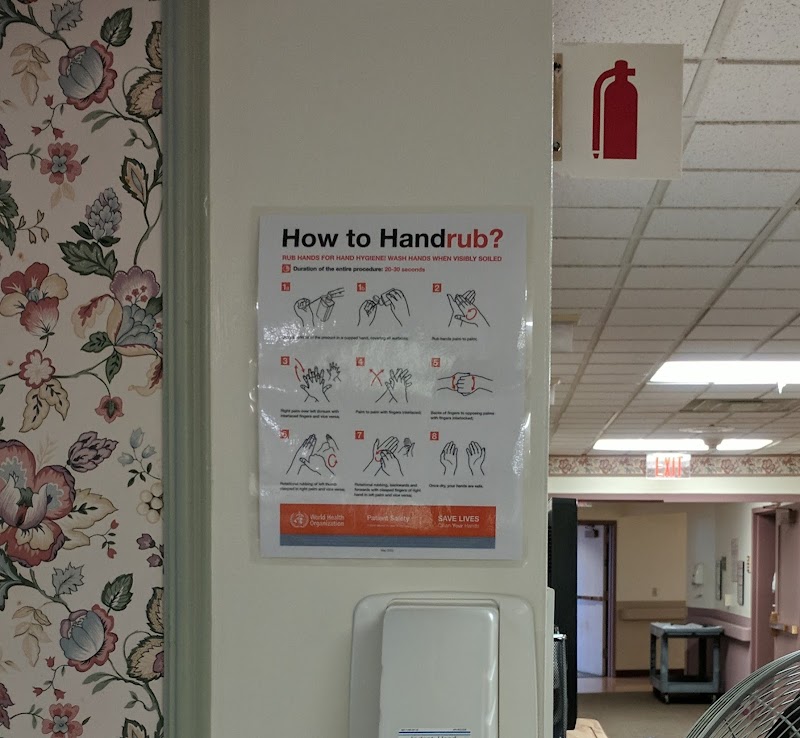
How is Lutheran Center At Poughkeepsie Inc Staffed?

CMS rates LUTHERAN CENTER AT POUGHKEEPSIE INC's staffing level at 3 out of 5 stars, which is average compared to other nursing homes. Staff turnover is 35%, compared to the New York average of 46%. This relatively stable workforce can support continuity of care.

What Have Inspectors Found at Lutheran Center At Poughkeepsie Inc?

State health inspectors documented 18 deficiencies at LUTHERAN CENTER AT POUGHKEEPSIE INC during 2020 to 2025. These included: 17 with potential for harm and 1 minor or isolated issues.
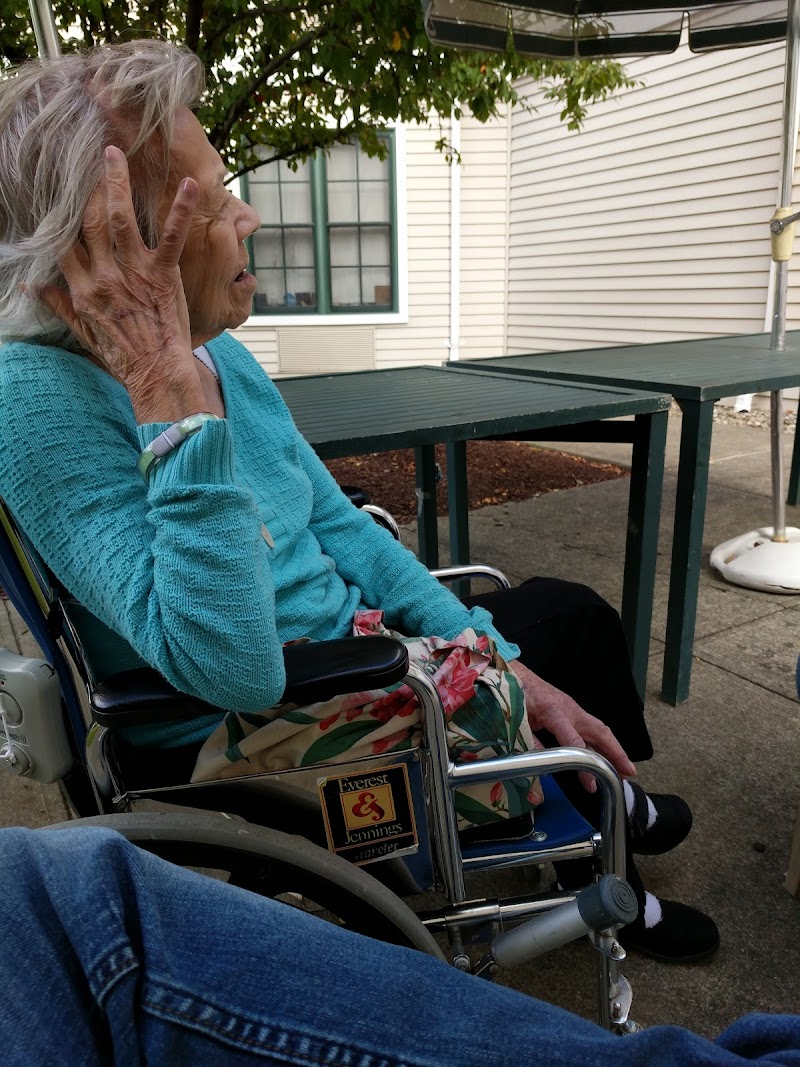
Who Owns and Operates Lutheran Center At Poughkeepsie Inc?

LUTHERAN CENTER AT POUGHKEEPSIE INC is owned by a for-profit company. For-profit facilities operate as businesses with obligations to shareholders or private owners. The facility operates independently rather than as part of a larger chain. With 160 certified beds and approximately 147 residents (about 92% occupancy), it is a mid-sized facility located in POUGHKEEPSIE, New York.
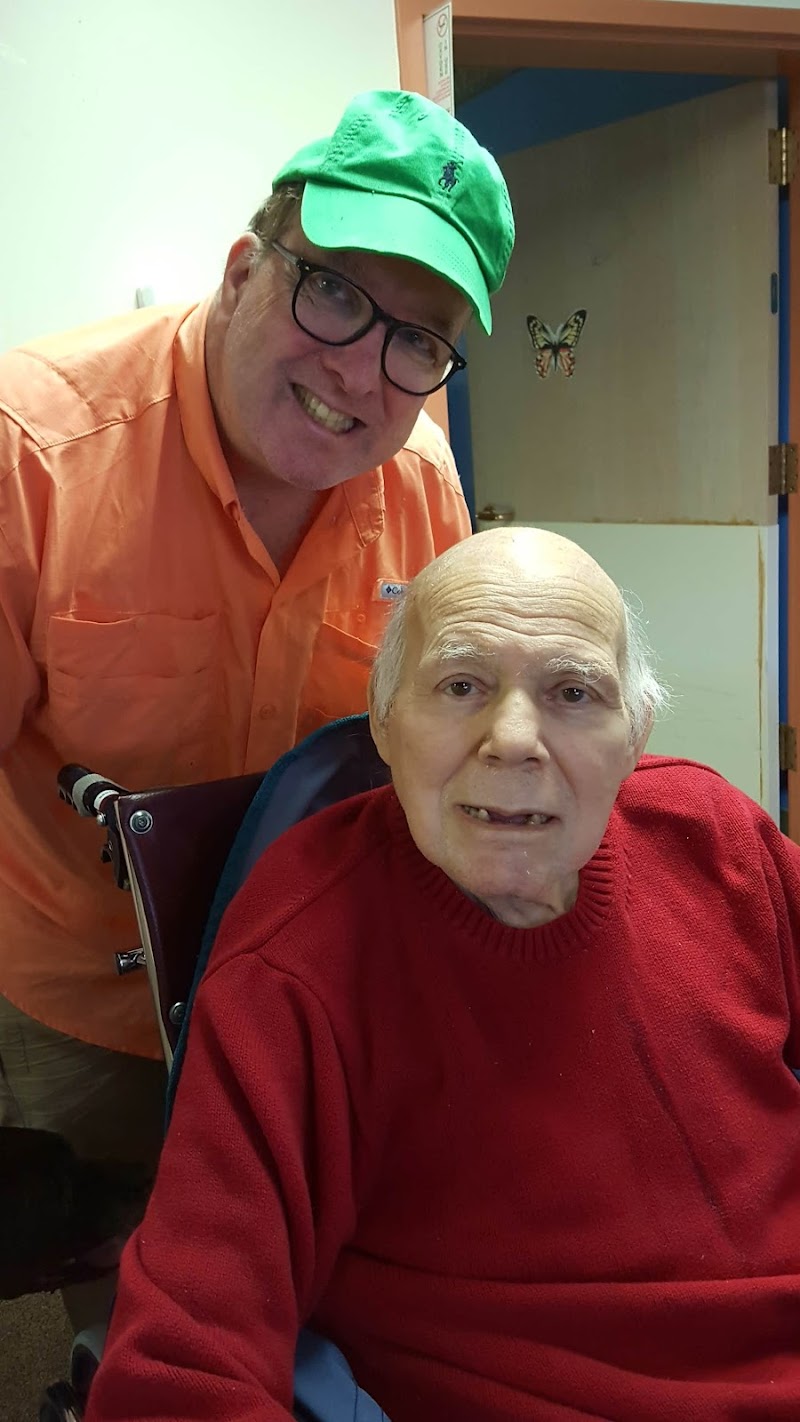
How Does Lutheran Center At Poughkeepsie Inc Compare to Other New York Nursing Homes?

Compared to the 100 nursing homes in New York, LUTHERAN CENTER AT POUGHKEEPSIE INC's overall rating (3 stars) is below the state average of 3.1, staff turnover (35%) is significantly lower than the state average of 46%, and health inspection rating (2 stars) is below the national benchmark.

What Should Families Ask When Visiting Lutheran Center At Poughkeepsie Inc?

Based on this facility's data, families visiting should ask: "Can I visit during a mealtime to observe dining assistance and food quality?" "How do you handle medical emergencies, and what is your hospital transfer rate?" "Can I speak with family members of current residents about their experience?"

Is Lutheran Center At Poughkeepsie Inc Safe?

Based on CMS inspection data, LUTHERAN CENTER AT POUGHKEEPSIE INC has a clean safety record: no substantiated abuse findings (meaning no confirmed cases of resident harm), no Immediate Jeopardy citations (the most serious violation level indicating risk of serious injury or death), and is not on the Special Focus Facility watch list (a federal program monitoring the lowest-performing 1% of nursing homes). The facility has a 3-star overall rating and ranks #100 of 100 nursing homes in New York. While no facility is perfect, families should still ask about staff-to-resident ratios and recent inspection results during their visit.

Do Nurses at Lutheran Center At Poughkeepsie Inc Stick Around?

LUTHERAN CENTER AT POUGHKEEPSIE INC has a staff turnover rate of 35%, which is about average for New York nursing homes (state average: 46%). Moderate turnover is common in nursing homes, but families should still ask about staff tenure and how the facility maintains care continuity when employees leave.

Was Lutheran Center At Poughkeepsie Inc Ever Fined?

LUTHERAN CENTER AT POUGHKEEPSIE INC has no federal fines on record. CMS issues fines when nursing homes fail to meet care standards or don't correct problems found during inspections. The absence of fines suggests the facility has either maintained compliance or corrected any issues before penalties were assessed. This is a positive indicator, though families should still review recent inspection reports for the full picture.

Is Lutheran Center At Poughkeepsie Inc on Any Federal Watch List?

LUTHERAN CENTER AT POUGHKEEPSIE INC is not on any federal watch list. The most significant is the Special Focus Facility (SFF) program, which identifies the bottom 1% of nursing homes nationally based on persistent, serious quality problems. Not being on this list means the facility has avoided the pattern of deficiencies that triggers enhanced federal oversight. This is a positive indicator, though families should still review the facility's inspection history directly.