TACONIC REHABILITATION AND NURSING AT BEACON
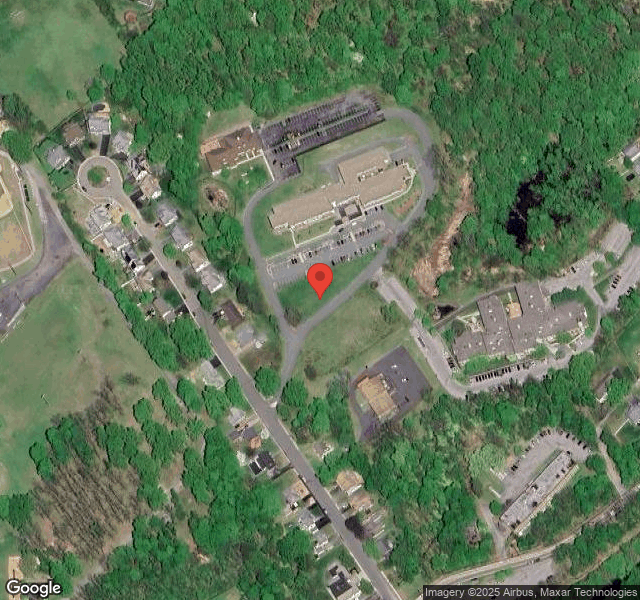
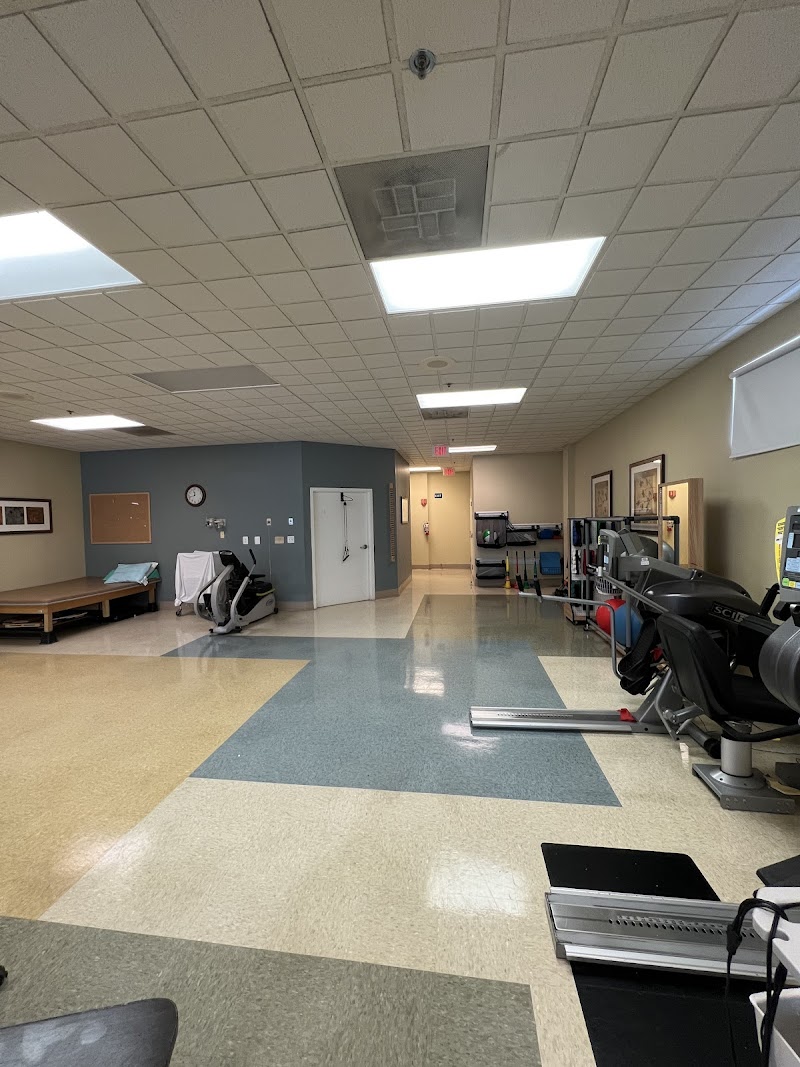
10 HASTINGS DRIVE, BEACON, NY 12508 (845) 440-1600
For profit - Limited Liability company 160 Beds Independent Data: November 2025
Trust Grade
65/100
#340 of 594 in NY
Last Inspection: July 2024

Within standard 12-15 month inspection cycle. Federal law requires annual inspections.

Overview

Taconic Rehabilitation and Nursing at Beacon has a Trust Grade of C+, indicating it is slightly above average but still has room for improvement. In New York, it ranks #340 out of 594 facilities, placing it in the bottom half, while it stands at #4 out of 12 in Dutchess County, meaning only three local options are better. The facility is showing improvement, with issues decreasing from seven in 2024 to one in 2025, although it still has staffing concerns with a rating of 2 out of 5 stars and a turnover rate of 43%, which is close to the state average. While the absence of fines is a positive sign, there have been specific incidents where residents reported insufficient staff to respond to their needs, and issues with outdated food stored in the facility have raised concerns about food safety. Overall, the facility has strengths in its lack of fines and improving trend but weaknesses in staffing levels and some aspects of care that families should consider.

Trust Score
C+
65/100
In New York
#340/594
Bottom 43%
Safety Record
Low Risk
No red flags
Inspections
Getting Better
7 → 1 violations
Staff Stability
○ Average
43% turnover. Near New York's 48% average. Typical for the industry.
Penalties
✓ Good
No fines on record. Clean compliance history, better than most New York facilities.
Skilled Nurses
⚠ Watch
Each resident gets only 27 minutes of Registered Nurse (RN) attention daily — below average for New York. Fewer RN minutes means fewer trained eyes watching for problems.
Violations
⚠ Watch
19 deficiencies on record. Higher than average. Multiple issues found across inspections.
★★★☆☆
3.0
Overall Rating
★★☆☆☆
2.0
Staff Levels
★★★★☆
4.0
Care Quality
★★★☆☆
3.0
Inspection Score
Stable
2024: 7 issues
2025: 1 issues

The Good

  • 4-Star Quality Measures · Strong clinical quality outcomes
  • Full Sprinkler Coverage · Fire safety systems throughout facility
  • No fines on record
  • Staff turnover below average (43%)

    5 points below New York average of 48%

Facility shows strength in quality measures, fire safety.

The Bad

3-Star Overall Rating

Near New York average (3.1)

Meets federal standards, typical of most facilities

Staff Turnover: 43%

Near New York avg (46%)

Typical for the industry

The Ugly 19 deficiencies on record

Aug 2025 1 deficiency
CONCERN (D) 📢 Someone Reported This

A family member, employee, or ombudsman was alarmed enough to file a formal complaint

Potential for Harm - no one hurt, but risky conditions existed

Pressure Ulcer Prevention (Tag F0686)

Could have caused harm · This affected 1 resident

**NOTE- TERMS IN BRACKETS HAVE BEEN EDITED TO PROTECT CONFIDENTIALITY** Based on record review and interviews during an abbreviated survey (NY00352881), the facility did not ensure a resident received...

Read full inspector narrative →
**NOTE- TERMS IN BRACKETS HAVE BEEN EDITED TO PROTECT CONFIDENTIALITY** Based on record review and interviews during an abbreviated survey (NY00352881), the facility did not ensure a resident received care, consistent with professional standards of practice, to promote the healing of a pressure ulcers for 1 of 3 residents (Resident #1) reviewed. Specifically, (1) Resident #1 was admitted to the facility on [DATE] with a unstageable sacral wound measuring 6 x7cm. Physician orders and preventative measures ordered by the physician were not consistently provided by staff. There were omissions on the October 2023 treatment administration record on multiple days and shifts. Physician wound notes dated 10/24/2023 documented a sacral wound measured 12 x 6.5cm with 98% slough with non-blanchable peri wound with scant drainage; 2) preventative measures were not implemented according to the resident's care plan and/or physician's order. When requested, the facility did not provide documentation that Certified Nursing Aides provided preventative measures ordered by the physician; 3) In addition, there was no documented evidence that all Residents who are at risk for pressure ulcers or with actual pressure ulcers were being repositioned by the Certified Nursing Aides.The findings are:The facility's policy for documentation of pressure ulcer and chronic wounds last revised 6/2023 documented a skin inspection is completed weekly on a shower day. All pressure ulcers and chronic wound dressings will be inspected daily. Procedure 3 documented weekly skin inspections are documented on the treatment administration record/designated location. Skin is non-remarkable unless otherwise noted. Initials indicate that the following has been done: A skin inspection has been completed minimally on a weekly basis.The facility's policy for medication/treatment administration revised 6/2024 documented medications and treatments are checked against the prescription order before they are administered and will be administered per physician orders. Procedure 2 documented all medications and treatments are charted as administered by signature of initials in the electronic medication/treatment administration record. Resident #1 had diagnoses including but not limited to acute transverse myelitis in demyelinating disease of the central nervous system, Type II diabetes, history of malignant pressure induced deep tissue damage of left heel, and pressure ulcer of sacral region unstageable.An admission Minimum Data Set, dated [DATE] documented the resident had a Brief Interview Mental Score of 11/15 indicating moderate cognitive impairment with no behaviors present. Resident had impairments on both lower extremities. Resident required set up or clean up assistance with eating, dependent with toileting, dependent with bed mobility and transfers. Resident has an indwelling catheter in place, and always continent of bowel. The resident had a pressure ulcer and 1 deep tissue injury present on admission, resident is at risk for pressure ulcers, and had an unhealed pressure ulcer, 1 unstageable pressure ulcer with slough and or eschar. Skin and ulcer/Treatment injuries include a pressure reducing device for chair and a pressure reducing device for the bed with pressure ulcer care.Resident #1 was transferred to the hospital on [DATE] and did not return to the facility.A review of an undated skin integrity care plan closure date of 10/31/2023 documented Resident #1 had impaired skin integrity related to Type 2 Diabetes Mellitus. Interventions included to monitor for medication / treatment-related skin conditions, apply moisture barrier following incontinence care and as needed, turn and reposition every 2 hours and as needed, skin and feet check with daily care, document weekly on shower day, and administer treatment per Medical Doctor order, monitor, document progress.A nursing progress note dated 10/7/23 documented Resident was admitted with unstageable sacral wound measuring 6cm x7cm.The Physician Order dated 10/07/2023 documented Sacrum -unstageable: Cleanse wound bed with normal saline, allow time to dry, apply Santyl to wound bed, apply barrier film to peri-wound, cover with Opti foam silicone dressing x2 daily Report any signs/symptoms of deterioration and or infection to Medical Doctor/Nurse Practitioner two times a day for wound sacrum. The physician wound progress note dated 10/10/23 documented the sacral wound measured 8cm x 7cm and 75% slough and moderate amount of serosanguinous drainage. Skin intact and blanchable. Keep area clean and dry/offload/air mattressThe physician wound progress note dated 10/17/23 documented the sacral wound was 10cm x 5cm and 90% slough and non-blanchable peri-wound and scant drainage.The physician wound progress note dated 10/24/23 documented the sacral wound measured 12cm x 6.5cm and 98% slough with non-blanchable peri wound scant drainage Review of the October 2023 Treatment Administration Record revealed treatment was not provided on10/23/23 during the day shift; treatment was not provided on 10/10/23, 10/11/23, 10/12/23, 10/14/23, 10/17/23 and 10/20/23 during the evening shift; and treatment was not provided on 10/15/23, 10/18/23 and 10/19/23 during the day and evening shift. There was no Certified Nursing Aide documentation that offloading was rendered. During an interview on 7/28/2025 at 2:16pm, the Unit Manager # 1 stated that when a resident is a new admission with pressure ulcers, the resident would be placed on a wound care list and assessed by the nurses and nurse practitioner on the floor. Interventions for wounds will include orders for treatment, weekly wound rounds, skin inspections. Depending on the wound and location of the wound the facility will determine if the resident need an air mattress, off-loading of heel with a pillow or heel booties. Generic orders would be in the chart for air mattress. The nurse would be required to sign off on the Treatment Administration Record for heel booties and pillow. There is a wound provider that comes in every Thursday morning. Unit Manager # 1 stated Certified Nurse Aides do not document that they are turning and positioning the residents. The Certified Nurse Aide will know to turn and position a resident from reviewing the Kardex under bed mobility. Unit Manager #1 stated the facility determines if Certified Nurse Aides are conducting turning and repositioning by the wound size. If there is no changes in wound measurements, then turning and repositioning is been done. If the task is not completed, then there will be an increase in wound measurements. The nurses on the unit are responsible for documenting on the medication/treatment administration record any treatments for wounds. The Unit Manager would be responsible for reviewing the medication/treatment administration record for omissions and ensuring the nurses performed any treatments ordered. Unit Manager # 1 stated they monitor the completion of the plan of care on all medication/treatment administration records. They have issued disciplinary action after soft verbal warnings when they are not completed.During an interview on 8/1/2025 at 10:30am, the Interim Director of Nursing stated that if a resident is admitted with a pressure ulcer they are assessed on admission. If they come from the hospital then they may have orders in place to address the pressure ulcer, or the facility will add new orders, and the resident is placed on weekly wound rounds for continuous evaluation. Nurses sign off on the treatment administration record to indicate that treatments are being rendered and completed. The unit managers are responsible for checking that treatments are documented on the treatment administration record. Staff can also review the dashboard and the resident's profile to see if the treatments and medications are administered. The Interim Director of Nursing stated they do see the omissions in the medication administration record and treatment administration record. The Interim Director of Nursing stated that there was an issue with the skin inspection order because it is done weekly in the facility. The facility's current practice is for the Unit Manager, Director of Nursing, and Assistant Director of Nursing to check the dashboard for omissions and hold staff accountable when it's not completed. The Interim Director of Nursing stated, there is no designated area on the certified nurse aide assignment to document if turning and repositioning is being completed. The Interim director of nursing stated the facility determines if turning and repositioning is being done by the wound progressing in a positive direction, or resolving. The Interim Director of Nursing acknowledged after review of the October 2023 physician wound progress note that size of the sacral unstageable had increased. 10 NYCRR 415.12
Jul 2024 7 deficiencies
CONCERN (D)

Potential for Harm - no one hurt, but risky conditions existed

Resident Rights (Tag F0550)

Could have caused harm · This affected 1 resident

Based on observation, record review and interview conducted during the recertification survey from 6/24/2024 through 7/01/2024, the facility did not ensure for 3 of 4 residents (Residents # 322, # 101...

Read full inspector narrative →
Based on observation, record review and interview conducted during the recertification survey from 6/24/2024 through 7/01/2024, the facility did not ensure for 3 of 4 residents (Residents # 322, # 101 and #86) reviewed for urinary catheters, that care was provided in a manner to maintain dignity. Specifically, Residents #322, #101, and #86 had urinary catheter drainage collection bags that were not concealed to prevent direct observation, by other residents and their families. Findings include: 1. Resident #322 had diagnoses including urethral false passage, obstructive and reflux uropathy, and benign prostatic hyperplasia (BPH). The admission Minimum Data Set (an assessment tool) dated 6/23/2024, documented Resident #322 had moderately impaired cognition, required partial to moderate assistance with activities of daily living and had an indwelling catheter for bladder drainage. The Bladder Appliance care plan dated 6/2024 documented Resident #322 had a urinary catheter related to urinary retention and interventions included catheter care every shift, change catheter bag as needed, and leg bag to be worn during day time hours. During observations on 06/24/2024 at 10:49 AM and 12:20 PM, 06/25/2024 at 08:30 AM and 10:26 AM, and 06/26/2024 at 08:37 AM the urine in the urinary catheter drainage collection bag was visible from the door without a privacy bag. The resident resided in a shared room. During an observation on 06/26/2024 at 01:17 PM, the urinary catheter drainage collection bag was attached to the resident's wheelchair and the resident was transported to the therapy room without a cover on the urinary collection bag. During an interview on 06/26/2024 at 10:00 AM, Staff #7 (Certified Nurse Aide) stated that a resident with a urinary catheter should have a privacy bag when they leave the room. During an interview on 06/26/24 at 10:08 AM, Staff #6 (Nurse Manager) stated resident's catheter bag should have been covered when they left the room to ensure the resident's privacy. The bag should be covered and not visible to other residents or visitors. During an interview on 06/26/24 at 10:15AM, the Director of Nursing stated residents with urinary drainage systems should have them covered with a privacy bag for dignity. 2. Resident # 101 was admitted to the facility with diagnoses including diabetes, left below knee amputation, and pressure ulcer sacral region. The Quarterly Minimum Data Set (MDS, an assessment tool) dated 5/17/24, documented Resident #101 was cognitively intact, required assistance of one person with activities of daily living and had an indwelling urinary catheter. The care plan dated 4/15/24 documented the urinary catheter drainage collection bag to be covered while in bed and out of bed. When observed on 06/25/24 at 08:47 AM, Resident #101 was in bed with the urinary drainage collection bag hanging on bed frame visible from outside resident's room in the hallway, without a privacy cover. When interviewed on 6/27/24 at 3:20 PM, Staff #3(Licensed Practical Nurse Unit Manager) stated the residents should always have a privacy bag for their urinary drainage collection bags in bed or out of bed. When observed on 6/28/24 at 9:28 AM, the urine in Resident #101's urinary drainage collection bag was visible and there was not a privacy cover. The resident was observed while in bed and in a shared room. When interviewed on 6/28/24 at 9:34 AM, the Director of Nursing (DON) stated the urinary collection drainage bags only needed to be covered when the residents were out of their rooms. The Director of Nursing also stated they did not think it was okay for other residents or families to observe the uncovered bags. 3. Resident #86 was admitted to the facility with diagnoses including Parkinson's disease, obstructive/reflux uropathy, and dementia. The Quarterly Minimum Data Set (MDS, an assessment tool) dated 4/1/2024, documented Resident #86 had severely impaired cognition, and required extensive assistance of two people for activities of daily living, and had an indwelling urinary catheter. The care plan dated 3/27/24 documented the urinary catheter drainage collection bag to be covered while in bed and out of bed. When observed on 06/25/24 at 08:39 AM, Resident #86 in bed having their breakfast with catheter drainage collection bag uncovered and on the floor. When interviewed on 06/25/24 at 08:44 AM, Staff # 4 (Certified Nurse Aide) stated they needed to cover the bag and remove it from the floor. 10NYCRR 415.3(d)(1)(i)
CONCERN (D)

Potential for Harm - no one hurt, but risky conditions existed

Deficiency F0553 (Tag F0553)

Could have caused harm · This affected 1 resident

**NOTE- TERMS IN BRACKETS HAVE BEEN EDITED TO PROTECT CONFIDENTIALITY** Based on interviews and record review conducted during the Recertification survey from 06/24/2024 to 07/01/2024, the facility di...

Read full inspector narrative →
**NOTE- TERMS IN BRACKETS HAVE BEEN EDITED TO PROTECT CONFIDENTIALITY** Based on interviews and record review conducted during the Recertification survey from 06/24/2024 to 07/01/2024, the facility did not ensure the resident and the resident's representative were given the opportunity to participate in the development and implementation of the residents person-centered plan of care. This was evident for 1 (Resident #41) of 32 total sampled residents. Specifically, the facility did not include the resident's representative during the planning of their care plan meeting as requested. The findings are: The facility policy titled Comprehensive Care Planning dated 10/2016 documents each resident and his/her family members and/or legal to participate in the development and implementation of his/hers plan of care including the initial planning process and changes to the plan of care. The resident/representative has the right to participate in the planning process including the right to individuals or roles to be included in the planning process. Resident #41 had diagnoses of functional quadriplegia, primary adrenocortical insufficiency, and Diabetes Mellitus. The Minimum Data Set assessment dated [DATE], documented Resident #41 was cognitively intact. During the interview for daily preferences the resident indicated that it was very important for their family to be involved in discussions of the resident's care. The resident needed set up assistance with meals and dependent on staff for assistance with toileting, bathing, and transfers. During an interview with the resident on 6/24/24 at 3:40 PM, they stated they usually went to their care plan meeting but not the last one in April because their sister could not make the meeting and there was no alternate date or time given. The resident stated they wanted to be at the meeting since it was about them and their care, and was disappointed it could not be arranged. The Social Worker note dated 4/3/24 documented the resident was invited to their care plan meeting but family was unable to attend. The resident stated they did not want the meeting without their family and it would be reschedule. A second Social Worker note dated 4/8/24 documented the resident's care plan meeting was held 4/4/24 without the resident or their representative. The resident stated they will attend only if the resident's representative attends. Will reschedule for another date. There was no documented evidence a rescheduled meeting occurred with the resident or their representative. During an interview with Staff #10 Social Worker, on 6/27/24 at 2:35 PM, they stated they knew about the care plan meeting conflict and must have forgotten to reschedule it with the resident's family. Staff #10 stated they should have called the resident's representative and rescheduled for a more convenient time but got busy and did not do it. 415.11(c)(2)(i-iii)
CONCERN (D)

Potential for Harm - no one hurt, but risky conditions existed

Deficiency F0645 (Tag F0645)

Could have caused harm · This affected 1 resident

**NOTE- TERMS IN BRACKETS HAVE BEEN EDITED TO PROTECT CONFIDENTIALITY** Based on record review and interviews conducted during the recertification survey from 6/24/2024-7/1/2024, the facility failed t...

Read full inspector narrative →
**NOTE- TERMS IN BRACKETS HAVE BEEN EDITED TO PROTECT CONFIDENTIALITY** Based on record review and interviews conducted during the recertification survey from 6/24/2024-7/1/2024, the facility failed to ensure that for 1 of 26 residents, screened for mental disorder or intellectual disability, had an identification number documented on their pre-admission screening and resident review assessment prior to their admission to the facility. Specifically, Resident #420's electronic medical record revealed that the pre-admission screen and resident review (PASRR) assessment dated [DATE] did not include an identification number prior to admission. Findings include: Review of the facility policy for Pre-admission Screening & Resident Review, dated 1/1/2000 and revised 11/2023, documented that a screen was required for every patient/resident prior to admission regardless of length of stay. Resident #420 was admitted with diagnoses which included dementia, muscle weakness, and dysphagia (difficulty swallowing). Review of Resident #420 electronic medical record revealed that the pre-admission screen and resident review assessment dated [DATE] was signed but did not include an identification number prior to admission. During an interview on 07/01/2024 at 10:30 AM, Staff #10 stated new admission screens were sent to them and reviewed. The resident screens were found under miscellaneous in the electronic medical record. Staff #10 stated they kept a log for all admissions. The process was to review the screen and check to see if there was an identification number on the screen. If the screening was missing any information, it would be sent back to Admissions. Staff #10 stated that they would review Resident #420 ' s screening form further to find out why it was incomplete. 10NYCRR 415.11(e) During a follow up interview on 07/01/24 at 11:26 AM, staff #10 stated they called the hospital about Resident #420 screen form. The screener was not picked up in the hospital's internal system. The internal system does not pick up the screener's identification number. Staff #10 acknowledged that it is their responsibility to review the screening form for a documented resident's signature, screener signature, and screener's identification number. Staff #10 states, I ' m not sure why it's missing on the screen.
CONCERN (D)

Potential for Harm - no one hurt, but risky conditions existed

Pressure Ulcer Prevention (Tag F0686)

Could have caused harm · This affected 1 resident

**NOTE- TERMS IN BRACKETS HAVE BEEN EDITED TO PROTECT CONFIDENTIALITY** Based on observations, record reviews, and interviews conducted during the recertification survey 6/24/24-7/1/24, the facility d...

Read full inspector narrative →
**NOTE- TERMS IN BRACKETS HAVE BEEN EDITED TO PROTECT CONFIDENTIALITY** Based on observations, record reviews, and interviews conducted during the recertification survey 6/24/24-7/1/24, the facility did not ensure for 1 (Resident #61) of 7 residents reviewed for pressure ulcers, received care and services to promote healing and to prevent new pressure ulcers from developing. Specifically, Resident #61 developed a Stage 2 pressure ulcer that was not present on admission and there was no documentation turning and positioning was performed as planned. The findings are: The facility policy for Documentation of Pressure Ulcer and Chronic Wounds dated 6/2023 documents weekly skin inspections are documented on the Treatment Administration Record. Skin is non remarkable unless otherwise noted. Resident #61 was admitted with diagnoses including Diabetes Mellitus, hemiplegia, Dementia, Hypertension and seizures. The Minimum Data Set (an assessment tool) quarterly assessment dated [DATE] documented the resident had severe cognitive impairment, total dependency on staff for all cares, was incontinent of bladder and bowel and had a gastrotomy tube for enteral feeding. There were no unhealed pressure ulcers documented. The Skin Risk assessment dated [DATE] documents the resident was at risk for developing pressure ulcers and the following interventions were put on the care plan: monitor for edema, reposition every 2 hrs as needed, offload heels while in bed, heel booties, podiatry consult. The Physician orders dated 1/4/24 document shower skin inspection every Thursday 7-3 shift, complete skin inspection and complete nursing weekly skin status documentation. The Treatment Administration Record from April 2024 was reviewed and documented inspections were made on 4/4/24 and 4/11/24. There were no additional notes for 4/4/24 and according to the facility policy, indicating there was no skin issues. A corresponding Weekly Skin Status assessment dated [DATE] documented a new sacral pressure injury had developed between 4/4/24 and 4/11/24, Stage 2, and measured 2.5 centimeters x 3 centimeters x .1 centimeters, hydrocolloid dressing applied. The plan included Wound Care physician to see the resident, offloading with turn and positioning every 2 hours and side to side with head of bed at 30-45 due to gastrostomy and tube feeds degrees The Wound Care Consultant Note dated 4/18/24 documented Stage 3 Pressure wound on sacrum measured 5.9 centimeters x 8.1 centimeters x .1 centimeters. Recommendations included limiting sitting to 60 minutes, off load wound, reposition per facility policy, turn side to side in bed 1-2 hours if able, group 2 mattress and Santyl apply once daily with gauze island. The Treatment Administration Record for the month of April 2024 documented nurses' initials for wound dressing changes, air mattress, offloading heels with heel booties. There was no documentation of turning and positioning side to side prior to the development of the new Stage 3 pressure ulcer or after it was discovered. The Certified Nurse's Assistant [NAME] (care instructions) was reviewed and documented skin integrity instructions including reposition every 2 hours as needed (prior to April 11, 2024) and after April 11, 2024, reposition every 2 hours as needed with attempts to offload sacrum region. The Certified Nurse's Assistant accountability documentation in the electronic record showed documentation for Activities of Daily Living, behaviors, and bowel records. There was no documentation of interventions provided on the [NAME] for skin integrity including turning and positioning. Observations of Resident #37 were performed on: - 6/26/24 at 09:50 AM Resident was observed in bed on back, heels were offloaded with booties. - 6/27/24 at 09:25 AM Resident in bed on back. - 6/28/24 at 08:49 AM and 10:52 AM, Resident in bed on back in same position on both observations. - 7/01/24 10:47 AM in bed, on back, boot on feet. When interviewed on 06/27/24 at 09:25 AM, Staff#14 (Certified Nurse's Assistant) stated the [NAME] was located in the residents rooms on the inside of the residents closet door. The [NAME] has special instructions for hand splints, showers, booties, pillows. When asked where they document the instructions on the [NAME], Staff #14 stated there was no place it was just expected that it would be done. When interviewed on 06/27/24 at 09:38 AM, Staff #15 (Certified Nurse's Assistant) stated they would reposition if a resident needs to be sitting up in bed for breakfast. If a resident was lying flat they would move them off to the side a little. They stated the [NAME] had bathing instructions and from there they got an idea what needed to be done for the resident that day. Staff #15 stated there was no place to document work that was done. They used to able to put on kiosk, but they did away with that. Now the facility used an iPad but that only had a place to document behaviors, activities of daily living and bowel movements. There was no other place to document turning and positioning. When interviewed on 06/27/24 at 09:47 AM, Staff #12 (Registered Nurse Unit Manager) stated there was no investigation into the root cause of the sacral pressure ulcer but it was discussed at morning meeting then the wound care physician was consulted. Staff #12 stated the new pressure ulcer was a reopened sacral wound first noted on 4/11/24. The wound was treated with hydrocolloidal dressing until the wound care physician saw the resident on 4/18/24 and changed to Santyl with gauze island. Now the wound care physician is seeing them weekly. Staff#12 stated there was no place in the record to document the interventions implemented by Certified Nurses Assistants. 415.12(c)(1)
CONCERN (D) 📢 Someone Reported This

A family member, employee, or ombudsman was alarmed enough to file a formal complaint

Potential for Harm - no one hurt, but risky conditions existed

Deficiency F0692 (Tag F0692)

Could have caused harm · This affected 1 resident

**NOTE- TERMS IN BRACKETS HAVE BEEN EDITED TO PROTECT CONFIDENTIALITY** 2. Resident #71 with diagnoses of Metabolic Encephalopathy, Diabetes, and dysphagia (difficulty swallowing). An admission Minimu...

Read full inspector narrative →
**NOTE- TERMS IN BRACKETS HAVE BEEN EDITED TO PROTECT CONFIDENTIALITY** 2. Resident #71 with diagnoses of Metabolic Encephalopathy, Diabetes, and dysphagia (difficulty swallowing). An admission Minimum Data Set (an assessment tool) dated 5/14/2024 documented the resident's cognition was moderately impaired, and the resident was dependent with all care including eating. The resident's admission weight was 114 pounds, height was 62 inches, and weight loss as no or unknown. The resident's Care Plan: Eating Nutrition, dated 5/28/24, documented the goal was for weight to be stable 115 pounds, plus or minus 5%. Resident #71's weight record documented on 05/10/2024 the resident weighed 112.2 pounds, on 5/12/24 weighed 113.8 pounds, on 5/14/24 weighed 110. 6 pounds, on 05/27/2024 weighed 105.6 pounds, on 06/03/2024 weighed 103.3 pounds, on 6/17/24 weighed 103.3 pounds and on 6/24/24 weighed 102 pounds. The resident's interdisciplinary team note dated 5/30/2024, documented the dietitian recommendations included adding fortified cereal for breakfast, fortified mash potatoes for lunch and dinner, and to consider decreasing diabetic medications. The dietary progress note dated 6/11/2024, documented the resident had poor oral intake and weight loss. The plan was a 3-day calorie count, increase Glucerna (supplement) to 4 times a day, and discuss with insulin dosage with the physician. The dietary progress note dated 6/19/2024 (entered on 6/24/24 as a late entry) documented the resident had a significant weight loss with no new interventions were documented. A review of the June 2024 Medication Administration Record documented a calorie count on 6/12, 6/13, and 6/14/24; however, the results could not be located for review. An observation on 06/24/2024 at 12:14 PM, the resident was in the day room, staff was feeding the resident. The tray ticket documented apple juice however the resident did not receive apple juice. During an interview on 06/26/2024 at 11:34 AM, the Food Service Director stated the Kitchen Supervisor was responsible for ensuring all trays were sent to the unit with the items on the ticket. They were unaware the resident did not receive the apple juice. During an observation on 6/27/2024 at 12:34 PM the resident was being fed lunch, the tray ticket documented 4 ounces of mashed potatoes and 4 ounces of fortified mash potatoes, the tray had 4 ounces of mashed potatoes with gravy. During an interview on 06/27/2024 at 12:42 PM, Staff #5 (Kitchen Supervisor) stated the resident had both mashed potatoes and fortified mash potatoes on the ticket and they did not know why. They stated all mashed potatoes were fortified and they provided the resident with 4 ounces of mash potatoes. During an interview with the dietitian 06/27/2024 12:41 PM, they stated they were only at the facility on Thursdays and as needed, and depended on the Director of Nursing to discuss nutritional issues with the medical provider and obtain orders for the recommendations. The supplements should have been ordered 4 times a day, and they did not know why it was not ordered. They also stated fortified mash potatoes were ordered for residents that needed more calories. When requesting a calorie count they would send an email to the unit manager, they were not sure why they did not follow up on the calorie count. During an interview on 06/27/24 at 12:56 PM, the Food Service Director stated fortified mash potatoes and mash potatoes were not made the same, they had 2 different recipes. During an interview on 06/27/24 at 3:49 PM, Staff # 6 (Nurse Manager) stated they were aware the resident was losing weight, and had a meeting and the dietitian was involved. The medical provider saw the resident on 6/26/24 and was aware of the weight loss and did not want to change the residents insulin's. They stated the calorie count was done but they were unable to find it. Staff #6 did not know why the supplement was not increased to 4 times a day or if the recommendation was communicated to the physician. 10 NYCRR 415.12 (g)(1) Based on observation, interview and record review conducted during the recertification and abbreviated (NY00330557) surveys from 6/24/24 -7/1/24, it was determined for 2 of 6 residents (Residents #320 and #71) reviewed for Nutrition and Hydration, the facility did not ensure the residents were provided the necessary care to maintain an acceptable body weight. Specifically, 1) Resident #320 medical record documented a 24 pound weight gain and the medical provider was not made aware; the physician's orders documented daily weights but Resident #320's weight record did not reflect daily weights; and the facility did not have a system in place to accurately weigh, monitor and report weights. 2) Resident #71's medical record documented a 7.93% weight loss in 30 days with a physician order for a 3-day calorie count, and dietitian recommendations for fortified mash potatoes and to increase the supplement to 4 times a day; there was no documented follow through for the recommendations. The findings are: 1) Resident #320 had diagnoses which included congestive heart failure, hypertension, and diabetes mellitus. The admission Minimum Data Set (resident assessment tool) dated 6/23/2023 documented a BIMs Score of 13 which indicated intact cognition. The Physician's order dated 11/29/23 documented to weigh the resident daily and to update the physician if over 3 pounds gained in a day or 5 pounds in one week. The Care Plan, Cardiac / Circulatory: Impaired cardiac function related to Congestive Heart Failure, Hypertension documented interventions which included to administer cardiac medications as ordered, labs obtained per orders, monitor blood pressure, pulse, respirations, breath sounds, edema, chest pain, intake and output, leg elevation, diet compliance, level of activity tolerance, shortness of breath. The 11/28/23 Nursing admission Evaluation documented Resident #320 weight was 222 pounds. Resident #320's electronic medical record documented on: -11/29/23 at 8:46 PM, weighed 200 pounds in the wheelchair. -11/30/23 at 10:49 PM, weighed 200 pounds by mechanical lift. -12/01/23 at 3:48 PM, weighed 200 pounds standing. -12/01/23 at 10:35 PM, weighed 200 pounds sitting. -12/02/23 at 11:34 PM, weighed 202 pounds by mechanical lift. -12/06/23 at 8:31 PM, weighed 225 pounds standing. -12/08/23 at 10:15 PM, weighed 124 pounds in the wheelchair. -12/10/23 at 4:53 PM, weighed 224 pounds standing. -12/11/23 at 9:27 PM, weighed 221.4 pounds by mechanical lift. -12/12/2023 at 6:06 PM, weighed 221.6 pounds standing. There were no weights in the resident's electronic medical record for 12/3, 12/4, 12/5, 12/7, and 12/9/23. Weights recorded in a binder on the unit where the resident resided documented on: - 11/28/23 weight was 226.1 pounds. - 11/30/23 weight was 226.0 pounds. - 12/4/23 weight was 225.0 pounds. The 12/3/23 Physician's note documented lungs were clear to auscultation bilaterally, decreased breath sound at bases. The Assessment/Plan was to administer oxygen to maintain saturation greater than 92%, weekly labs, and daily weights. The 12/5/23 Physician's note by the Physician's Assistant, documented breathing at baseline. No medical complaints. Lungs clear to auscultation bilaterally, decreased breath sound at bases. The Assessment/Plan was to administer oxygen to maintain saturation greater than 92%, weekly labs, and daily weights. The 12/6/23 Physician's note by the Physician's Assistant, documented breathing at baseline. The Assessment/Plan was to administer oxygen to maintain saturation greater than 92%, weekly labs, and daily weights. Weight 225 pounds on 12/6/24. The 12/8/23 Physician's note by the Physician's Assistant, documented seen for acute visit, breathing at baseline. The 12/11/23 Nurse's note documented chest X-Ray result was indicative of fluid overload as well as tuberculosis. The results were called to the Primary Physician and orders for Lasix were received. The 12/11/23 Physician's note by the Physician's Assistant, documented increasing shortness of breath and 24 pound weight gain recorded. Weight 224 pounds on 12/10/23. Oxygen saturation 96% on oxygen via nasal cannula. Inspiratory crackles bilaterally, no edema. The Assessment/Plan was oxygen to maintain saturation greater than 92%, weekly labs, daily weights, Lasix twice a day for 7 days, Zaroxylyn for 3 days, and fluid restriction. The 12/12/23 Nurse's note documented resident alert and verbal, denied pain, no shortness of breath, no cough noted, declined bipap complained hard to breath with bipap mask. 1500 ml fluid restriction for fluid overload. The 12/12/24 Medical Visit note by the Physician's Assistant, documented resident with shortness of breath. Chest x-ray was positive with bilateral multifocal infiltrates consistent with fluid overload or tuberculosis. Discussed with the physician and continue diuretics for 24 pound weight gain. Most recent weight 221.4 pounds on 12/11/23. The 12/13/23 Physician's note by the Physician's Assistant, documented the resident was found unresponsive and pronounced expired this morning. During an interview on 6/25/24 at 1:30 PM, the Physician's Assistant stated that if they had been made aware of a weight gain on 12/6/23, they would have immediately entered new orders on 12/6/23 or 12/7/23 to address the weight gain, such as extra Lasix and Zaroxylyn, Chest X-Ray, and 1500 ml fluid restriction. During an interview on 6/25/24 at 1:52 PM Staff #14 (Registered Nurse) stated they entered the resident's weight of 225 pounds on 12/6/23. Staff #14 (Registered Nurse) stated they were aware of the Physician's order to weigh the resident daily every evening and to notify the Physician if the resident's weight increased more than 3 pounds in one day or more than 5 pounds in a week. They stated Resident #320's weight was 226 pounds on 11/28/23 on admission on the paper weight log sheet, so they were not concerned about a weight of 225 pounds on 12/6/23. They stated they could not find a note which documented that they notified the Physician's Assistant or the Physician. During an interview on 6/25/24 at 2:16 PM the Assistant Director of Nursing stated that in the Evaluation Notes Template in Point Click Care, the most recent weights and vitals will populate in each new Evaluation Note. The Assistant Director of Nursing stated that the nurse who entered the weight in the Medication Administration Record did not see Resident #320 previous weights. They stated the nurse was responsible to notify the Physician of a weight increase, as per Physician's order, and was responsible to notify the Nursing Supervisor. The Assistant Director of Nursing reviewed the Medication Administration Record and observed the Resident's weight of 225 on 12/6/23 which was entered by Staff #14 (Registered Nurse). The Assistant Director of Nursing stated that the nursing staff were trained to document resident's weights on a paper weight log sheet in the weight binder, and the nurse responsible for entering the weights into the Electronic Medical Record must record the weight from the paper weight log sheet into the computer. The Assistant Director of Nursing stated that the nurse recording the weight into the Electronic Medical Record was responsible to check the previous weight on the paper weight log sheet, and notify the Physician as ordered if there is a weight increase. They stated that the paper weight log sheet did not document a weight change of 24 pounds. During an interview on 6/25/24 at 2:35 PM with the Physician, they stated the Physician's Assistant was at the facility every day and the either the Physician or the Physician's Assistant should have been notified if there had been a weight increase. The Physician stated they were not made aware of a weight gain. They stated they would have done something for Resident #320 if they had a weight gain. The Physician stated they were on call every night for the unit and stated they should have been notified with the Resident #320's change in status. During an interview on 6/25/23 at 3:45 PM, the Director of Nursing stated Resident #320 did not gain 24 pounds. The Director of Nursing reviewed the paper weight log sheets from the weight binder with this surveyor, which documented the Resident weighed 226 pounds on admission on [DATE], and on 12/4/23 the weight was 225.0 pounds. They stated the weights of 202 and 200 in the electronic medical record were erroneous and the nurse must have accidentally entered 202 pounds instead of 220 pounds (5 entries for 200 or 202 pounds). The Director of Nursing stated the resident was seen regularly by the Physician's Assistant and was being monitored for shortness of breath. The Director of Nursing stated the resident was treated on 12/11/23 for symptomatic heart failure.
CONCERN (D)

Potential for Harm - no one hurt, but risky conditions existed

Menu Adequacy (Tag F0803)

Could have caused harm · This affected 1 resident

Based on observation, interview, and record review during recertification survey conducted 6/24/2024 - 7/1/2024, the facility did not ensure menus were followed for 2 of 2 residents (Resident # 61 and...

Read full inspector narrative →
Based on observation, interview, and record review during recertification survey conducted 6/24/2024 - 7/1/2024, the facility did not ensure menus were followed for 2 of 2 residents (Resident # 61 and # 71) reviewed for Nutrition. Specifically, 1. Residents #61 received fish that was not documented on the meal ticket and 2. Resident # 71 had a meal ticket that documented 4 ounces of mashed potatoes and 4 ounces of enriched mashed potatoes, the tray had 4 ounces of mashed potatoes and Resident #71 did not receive nectar thick apple juice as indicated on the tray ticket. Findings include: A review of the policy and procedure titled Dietary Department admission Procedure, dated 1/1/2000 documented it is the policy that the dietary department will ensure that upon admission the nutritional care plan is developed. On admission the resident's dietary needs are identified. 1. Resident #61 had diagnoses including a fracture femur, atrial fibrillation, and congestive heart failure. An admission Minimum Data Set (an assessment tool) dated 5/14/2024 documented the resident's cognition as intact. The resident required set up assistance with eating and was dependent on staff for all other activities of daily living. The resident received a modified diet. A review of the eating/nutritional status care plan dated 5/28/2024 Goal stable weight, Therapeutic diet Chopped, honey thick liquids. Set up help, lip plate, supplement between meals. During an observation on 06/25/2024 at 11:59 AM, the resident was eating lunch in the day room. The resident's ticket documented stewed tomatoes chopped. The resident's tray had chopped stewed tomatoes and a piece of fish. When interviewed on 06/27/2024 at 12:52 PM, Staff #5 (kitchen supervisor) stated they knew the resident's ticket only documented stewed tomatoes, and it was because the resident was lactose intolerant, and the meal was macaroni and cheese. Staff #5 stated they knew to add a protein, and put fish on the tray but did not consult the dietitian. When interviewed on 6/27/2024 at 12:45PM the food service director said the kitchen staff should provide the resident with what was on the ticket, and if there was a question they should have consulted with the dietitian. When interviewed on 06/27/24 at 12:52 PM the Dietitian stated, they were unaware the ticket only documented stewed tomatoes, and the kitchen staff should have asked them or the food service director prior to adding additional food items on the tray. 2. Resident # 71 had diagnoses including metabolic encephalopathy, diabetes, and dysphagia (difficulty swallowing). An admission Minimum Data Set (an assessment tool) 5/14/2024 documented the resident's cognition as moderately impaired, the resident was dependent with all care including eating. The resident has recorded on the admission 1 stage 2 Pressure Ulcer and 1 Deep Tissue Injury. The resident admission weight was 114, height 62 inches, and documented weight loss as no or unknown. A review of the current physician orders documented a regular, puree, nectar thick diet. The Nutrition Care Plan dated 5/28/2024 documented regular puree diet with nectar thick liquids with a goal to maintain a stable weight goal weight at 115 +/- 5% . During an observation on 06/24/2024 at12:14 PM in the day room, the staff were feeding the resident, the meal ticket documented apple juice but the resident did not receive apple juice. During an observation on 06/26/2024 at 09:29 AM the staff were feeding in bed. The tray ticket documented ketchup, but there was no ketchup on the tray. During an observation on 6/27/2024 at 12:34 PM the resident was being fed lunch, the tray ticket documented 4 ounces of mashed potatoes and 4 ounces of fortified mash potatoes, the tray had 4 ounces of mashed potatoes with gravy. During an interview on 06/26/2024 at 11:34 AM, the Food Service Director stated the software was interfaced with the electronic medical record, when the diet order was placed in the electronic medical record it flowed over to the dietary software. The tickets were printed out and the first staff on the food service line would call out to the cook what was needed on the tray based on the ticket. The second staff would put the cold food on based on the ticket and checked for accuracy. The Kitchen Supervisor was responsible to ensure all trays were sent to the unit with what was documented on the ticket and any discrepancy should be discussed with the dietitian. During an interview on 06/27/2024 at 12:42 PM, Staff #5 (kitchen supervisor) stated the resident had both mashed potatoes and fortified mash potatoes on the ticket. They did not know why they would both be on the ticket as all mashed potatoes were fortified. They provided the resident with 4 oz of mashed potatoes. During an interview on 06/27/2024 at12:41 PM, with the dietician stated they were unaware everyone got fortified mashed potatoes. They also stated a pre-thickened apple juice should have been on the tray if it was on the ticket. During an interview on 06/27/2024 at 12:56 PM, the Food Service Director stated fortified mashed potatoes and mashed potatoes were not made the same. The kitchen staff should have provided fortified mashed potatoes if that was what was ordered. They stated both mashed potatoes and fortified mashed potatoes should not have been on the meal ticket together, and kitchen staff should have clarified that with the dietitian. 10NYCRR 415.14(c)(1-3)
CONCERN (D)

Potential for Harm - no one hurt, but risky conditions existed

Infection Control (Tag F0880)

Could have caused harm · This affected 1 resident

**NOTE- TERMS IN BRACKETS HAVE BEEN EDITED TO PROTECT CONFIDENTIALITY** Based on observation, record review and interviews conducted during a recertification survey (6/24/24-7/1/24), the facility did ...

Read full inspector narrative →
**NOTE- TERMS IN BRACKETS HAVE BEEN EDITED TO PROTECT CONFIDENTIALITY** Based on observation, record review and interviews conducted during a recertification survey (6/24/24-7/1/24), the facility did not ensure infection control prevention practices including hand hygiene, enhanced barrier precautions, and catheter care were maintained to help prevent the development and transmission of communicable diseases and infections for 4 ( #37,#61,#322, #86) of 32 sampled residents. Specifically, 1) Staff #11 (Licensed Practical Nurse) did not follow proper hand hygiene during a wound care treatment for Resident #37; 2) Enhanced barrier precautions were not implemented when Staff #9 (Registered Nurse) performed Resident #61's dressing change, and when Staff #8 (Physical Therapy Assistant) handled Resident #322's catheter drainage bag without gloves or a gown; and 3) Resident #86 urine catheter collection bag was observed on the floor. Findings include: 1) Resident #37 was admitted with diagnoses including Diabetes Mellitus, hemiplegia, Dementia, Hypertension and seizures. The Minimum Data Set (an assessment tool) quarterly assessment dated [DATE] documented the resident had severe cognitive impairment and was totally dependent on staff for all cares. A nursing progress note dated 4/11/24 documented Resident #37 developed a Stage 2 sacral pressure ulcer. The 6/20/24 physician order documented Santyl ointment applied to sacrum topically every day. Cleanse area with normal saline, apply nickel layer of Santyl to wound base and lightly pack at center. An observation was made on 6/26/24 at 10:26 AM of the sacral pressure ulcer dressing change with Staff #11 (Licensed Practical Nurse). Staff #11 washed hands and donned gloves. The old dressing was removed, and the dirty gloves were doffed and placed in the garbage pail. A second set of gloves was observed under the first and were not removed to perform hand hygiene. The wound was cleaned with normal saline and dabbed dry. The wet and dirty gloves were doffed and thrown in the garbage pail revealing another set of gloves already on Staff #11 hands. With gloves on, the Santyl ointment was applied, and a dry dressing was put in place. Staff #11 removed their gloves and threw them in the garbage pail. During an interview with Licensed Practical Nurse Staff #11 on 6/26/24 at 10:36 AM they confirmed that they donned 4 pairs of gloves prior to performing the dressing change and doffed a set at each interval. Staff #11 stated they were not aware they should not wear 4 layers of gloves or that they need to perform hand hygiene after removing gloves and donning a clean pair of gloves. During an interview with Staff #13 (Staff Development Licensed Practical Nurse) on 6/26/24 at 11:00 AM, they stated they coordinated a competency fair a few months ago and staff were able to perform return demonstrations for tube feeds, dressing changes, and medication administration. Staff #13 stated that wearing multiple layers of gloves and pulling off a set as it got soiled was not the way to perform dressing changes and it was not the facility policy. 2) Resident #61 had diagnoses including a fractured femur, Atrial Fibrillation, and Congestive Heart Failure An admission Minimum Data Set (an assessment tool) dated 5/14/2024 documented the resident's cognition was intact and had a Stage 2 pressure ulcer. The physician order dated 6/6/2024 documented Enhanced Barrier Precautions. During an observation on 06/26/2024 at 9:45 AM, Staff #9 (Registered Nurse) was changing the residents dressing to his right calf and was not wearing a gown. During an interview on 06/26/2024 at 9:50 AM, Staff #6 (Nurse Manager) stated if a resident was on Enhanced Barrier Precautions, the staff should have been following precautions and was expected to wear a gown during the dressing change. During an interview on 06/26/2024 10:00 AM, with the Director of Nursing stated staff were educated to use appropriate personal protective equipment when providing care for residents on enhanced barrier precautions, and should have been wearing a gown during a dressing change. During an interview on 06/26/2024 at 10:20 AM, Staff #9 stated they were aware they should have been wearing a gown, but the resident was leaving for an appointment and they needed to do it quickly. 3. Resident #86 was admitted to the facility with diagnoses including Parkinson's disease, obstructive/reflux uropathy, and dementia. The Quarterly Minimum Data Set (MDS, an assessment tool) dated 4/1/2024, documented Resident #86 had severely impaired cognition, and required extensive assistance of two people for activities of daily living, and had an indwelling urinary catheter. The care plan dated 3/27/24 documented the urinary catheter drainage collection bag to be covered while in bed and out of bed. When observed on 06/25/24 at 08:39 AM, Resident #86 in bed having their breakfast with catheter drainage collection bag uncovered and lying directly on the floor. When interviewed on 06/25/24 at 08:44 AM, Staff # 4 (Certified Nurse Aide) stated they needed to cover the bag and remove it from the floor. 10 NYCRR 415.19 (b) (4)
Jun 2021 2 deficiencies
CONCERN (D)

Potential for Harm - no one hurt, but risky conditions existed

Resident Rights (Tag F0550)

Could have caused harm · This affected 1 resident

**NOTE- TERMS IN BRACKETS HAVE BEEN EDITED TO PROTECT CONFIDENTIALITY** Based on observations, interviews and record review during a Recertification Survey, the facility did not ensure residents have ...

Read full inspector narrative →
**NOTE- TERMS IN BRACKETS HAVE BEEN EDITED TO PROTECT CONFIDENTIALITY** Based on observations, interviews and record review during a Recertification Survey, the facility did not ensure residents have a right to a dignified existence for 3 of 3 residents screened for dignity. Specifically, Resident #77 was identified by a Certified Nursing Assistant (CNA) using a term that described a symptom of his/her medical condition, Resident #186 received services by a Radiology Technician who did not knock on the residents door before entering, identify himself or the anticipated procedure and Resident #9 who also received radiology services by a technician who entered the resident's room without identifying himself. The findings are: Resident #77 was admitted from the hospital with diagnoses which included Parkinson's Disease, Hypertension (HTN) and Renal Insufficiency. admission Minimum Data Set (MDS; a resident assessment tool) dated 5/17/2021 documents the resident has a Brief Interview for Mental Status (BIMS; an assessment tool) of 15/15 indicating that the resident was cognitively intact . The resident required extensive assistance of 2 persons for bed mobility, transfer, extensive assistance of 1 for dressing and eating. The Nursing admission assessment dated [DATE], documented that the resident had tremors secondary to the Parkinson's Disease diagnoses. An observation was made on 6/2/2021 at 12:42PM where CNA #3 was passing out lunch trays. While walking past, CNA #3 called Resident #77 Mr. Wiggles while in his/her wheelchair. On 6/2/2021 at 1:31PM, CNA#3 was overheard speaking to Resident #77 in the hallway in front of the nurses station and said ok, Mr. Wiggles, I'll get you back to bed. An interview was conducted with the resident on 6/2/2021 at 12:45PM who stated h/she does not like to be called Mr. Wiggles. The resident stated that sometimes his/her movements are uncontrollable and can't be helped. An interview was conducted on 6/08/2021 at 12:40PM with CNA #3 who stated that she has received training about speaking to residents respectfully and stated staff are not allowed to call residents by a nickname. CNA #3 explained that he/she called Resident #77 Mr. Wiggles because he/she moved around so much. CNA #3 further explained that he/she thought he/she was being sweet but realized later it was not the right thing to do. An interview was conducted on 6/8/2021 with the Licensed Practical Nurse Unit Manager (LPNUM #2) at 1:50PM who stated that he/she instructed his/her staff to address the residents professionally by calling each resident either Mrs. or Mr. If a resident has requested to be called a nickname, staff have been instructed to let him/her know so he/she can look into it and incorporate it into the resident's plan of care if needed. Resident #186 was admitted on [DATE] from an acute care facility after a fall with diagnoses of Right Patellar Fracture, Deep Vein Thromboses (DVT) and had a history of Hypertension (HTN) as well as Lung Cancer. The admission MDS dated [DATE] indicated that the resident was cognitively intact with a BIMS of 15/15. Resident #186 also required limited assistance of 1 person for transfer from bed, dressing and supervision only for eating. On 6/2/2021 at 11:13AM Resident #186 was being interviewed in his/her room. Without knocking, asking permission to enter or self-identification, the Radiology Technician walked into the room with a large portable X-Ray machine and started to set/plug in machine. The Radiology Technician interrupted the interview and proceeded to remove Resident #186's over bedside table from its position (over the bed in front of the resident) and move it to the window. The Radiology Technician then positioned the X-Ray machine in its place without explanation or permission to do so by the resident. The Radiology Technician was stopped and asked twice to wait outside of the room. Resident #186 was interviewed at this time and stated that the Radiology Technician comes in whenever he/she needs to without knocking, identifying who he/she is or what he/she is doing . The resident stated that he/she does not like that. Resident #186 further stated that he/she lives alone and feels uncomfortable that the Radiology Technician comes into the room when he/she is only wearing pajamas. The resident verified that he/she has had a chest X-Ray and knee X-Rays by this Radiology Technician in the past. An interview was conducted with the Radiology Technician on 6/2/2021 at 11:17AM who stated that he/she did not think he/she had to knock, introduce himself/herself or ask for permission to enter the resident's room because he/she has been there before and the resident knew him/her already. Resident #9 was admitted on [DATE] with diagnoses including Diabetes Mellitus, Hypertension (HTN), Cerebrovascular Accident (CVA) and was at the facility for restorative therapy. The admission MDS dated [DATE] documented that the resident is cognitively intact with a BIMS score of 14/15. Resident #9 required extensive assistance of 2 persons for bed mobility, transfers as well as extensive assistance of 1 for dressing and tray set up only for eating. Resident #9 was interviewed 6/2/2021 at 12:03PM and stated that the Radiology Technician barges into his/her room whenever he/she needs an X-Ray. Resident #9 said that the Radiology Technician does not knock, just barges in to do his/her thing. The resident stated that he/she does not like when the Radiology Technician does that and one time he/she was washing up in his/her nightgown. The resident stated, I was so embarrassed. LPNUM #2 was interviewed on 6/8/2021 at 12:15PM and stated that the Radiology Technicians are to knock on doors and ask for permission to enter a room. LPNUM #2 has had many complaints from other residents about the Radiology Tecnician not knocking or announcing himself/herself prior to entry into a room. LPNUM #2 further indicated that the old Administrator was aware. LPNUM #2 stated that the Radiology Technician had no boundaries and continuously barges in to residents' rooms. On 6/9/2021 at 11:30AM an interview was conducted with the Administrator who stated the Radiology Technician should not be walking in to resident rooms without knocking and asking for permission to enter. The Administrator explained that he/she was aware that this has occurred and that the Radiology Technician has received additional training. §483.10(a)(1)
CONCERN (D)

Potential for Harm - no one hurt, but risky conditions existed

Deficiency F0657 (Tag F0657)

Could have caused harm · This affected 1 resident

**NOTE- TERMS IN BRACKETS HAVE BEEN EDITED TO PROTECT CONFIDENTIALITY** Based on interviews and record reviews during a Recertification Survey, the facility did not ensure that Comprehensive Care Plan...

Read full inspector narrative →
**NOTE- TERMS IN BRACKETS HAVE BEEN EDITED TO PROTECT CONFIDENTIALITY** Based on interviews and record reviews during a Recertification Survey, the facility did not ensure that Comprehensive Care Plans (CCP) were reviewed and revised after each assessment and as needed for changes in the residents' care needs. Furthermore, the facility did not ensure residents/resident representatives were invited to participate in care planning meetings. Specifically, 1) Resident #11's Activities of Daily Living (ADL) Care Plan was last updated on 08/18/2020; 2) Resident #12's ADL Care Plan was last updated on 12/09/2020 and resident #12's daughter stated that she has not been invited to any care plan meetings; and 3) Resident #75 stated that he/she is not familiar with Care Plan Meetings. This was evident for 3 of 22 sampled residents. The findings are but not limited to: (1) Resident #11 was admitted to the facility on [DATE] with diagnoses that included Chronic Obstructive Pulmonary Disorder (COPD), Type 2 Diabetes Mellitus (DM) and Atrial Fibrillation. The Minimum Data Set (MDS, an assessment tool) dated 03/17/2021, documented that the resident had a Brief Interview for Mental Status (BIMS, used to determine attention, orientation and ability to recall information) score of 14/15, associated with intact cognition. The resident required extensive two-person assistance for bed mobility, transfers, dressing, toilet use and personal hygiene. The resident used a wheelchair as a mobility device. Review of Resident #11's ADL Functional / Rehabilitation Potential dated 08/18/2020 documented interventions that included to assist with bathing body parts that the resident is unable to reach, provide assistance with personal hygiene, bathing and to complete tasks. Resident #11 was also to be allowed sufficient time for dressing, undressing and other ADL tasks. During an interview conducted with the Licensed Practical Nurse Unit Manager (LPNUM) on 06/08/2021 at 10:30 AM, the LPNUM stated that all Care Plans are computerized and Resident #11's ADL Care Plan was not updated. The LPNUM stated that the resident refuses care at times, but he/she did not document that in the progress notes nor did he/she update the Care Plan. (2) Resident #12 was admitted to the facility on [DATE] with diagnoses that included Chronic Respiratory Failure, Dementia with Behavioral Disturbance, Morbid Obesity, and Psychotic Disorder. The Quarterly MDS dated [DATE] documented that the resident had a BIMS Score of 10/15 denoting moderate cognitive impairment. The resident required total dependence, one-person assistance for bathing as well as extensive two-person assistance for bed mobility and transfers, extensive one-person assistance for dressing, toilet use and personal hygiene. The resident uses a wheelchair as a mobility device. Review of Resident #12's ADL Functional / Rehabilitation Potential dated 12/09/2020 documented interventions that included to allow sufficient time for all ADLs, involve resident / family in plan of care, provide substantial / maximum assist with dressing, bed mobility, bathing, wheelchair mobility and toileting needs. During an interview conducted with Resident #12's daughter on 06/02/2021 at 12:23PM (initial pool process), the daughter stated that she is the next of kin and was only invited to a Care Plan meeting one time, when the resident transitioned to the Long Term Care unit. During an interview conducted with the Social Worker (SW) on 06/09/2021 at 03:01PM, the SW stated that he/she remembered inviting Resident #12 to a care plan meeting, but she did not invite the family member. She further stated that she did not document anything in the progress note about inviting the resident or the resident's family. During an interview conducted with the Registered Nurse Unit Manager (RNUM) on 06/10/2021 at 11:12AM, the RNUM stated that he/she knew that Resident #12's ADL Care Plan had not been revised since 2020. He/She stated that she has been employed at the facility for one month and he/she anticipates that there will be a lot of Care Plans that have not been updated since 2020. The RNUM stated that he/she has been trying to go through all the care plans that were not updated since 2020 methodically. (3) Resident #75 was admitted to the facility on [DATE] with diagnoses that included Hypertension (HTN), Diabetes Mellitus (DM) and Anxiety Disorder. The Quarterly MDS dated [DATE] documented a BIMS score of 15/15 denoting intact cognition. The resident required extensive two-person assistance for bed mobility, transfers and toilet use as well as extensive one-person assistance for dressing and personal hygiene. During an interview with Resident #75 on 06/03/21 at 02:29PM (initial pool process), Resident #75 stated she is not familiar with Care Plan Meetings. Review of the Comprehensive Care Plan (CCP) Meeting / Signature Sheet revealed that on 11/02/2020 and 03/2021 (no day specified) Care Plan meetings were held for Resident #75 but the resident and the resident's family did not attend. During an interview conducted with the Social Worker (SW) on 06/10/2021 at 11:30AM, the SW stated that Resident's #75's last CCP meeting was held on 06/03/2021, but he/she had not documented it in the Electronic Medical Record (EMR) or the CCP Meeting/Signature Sheet yet. The SW stated that he/she did not invite the resident or the resident's family to that meeting. The SW stated that he/she was the only SW in the facility for the last four months and has fallen behind on documentation. During an interview conducted with the Assistant Director of Nursing (ADON) on 06/10/2021 at 10:07AM, the ADON stated that Unit Managers were responsible to update the Care Plans. The LPNUMs do it under the direction of the Director of Nursing (DON). The ADON stated that Care Plans were revised quarterly, annually, as needed or as changes occur. The ADON also stated that the RNUM has been working in the facility for one month. During an interview conducted with the DON on 06/10/2021 at 10:44AM, the DON was aware that the ADL Care Plans for Resident #11 and Resident #12 had not been updated. The DON stated that all Care Plans were computerized and initiated by the MDS from Admission. The DON further explained that the Unit Managers were to update them quarterly, annually, and as needed or when changes occur. The DON stated that the facility has been actively hiring. The DON also stated that the LPNUM must update the care plans under his/her supervision. During an interview conducted with the MDS Coordinator on 06/10/2021 at 12:54PM, the MDS Coordinator stated that their department triggers appropriate care plans that come up during the admission process. The MDS Coordinator stated that the MDS Coordinators do not update the care plans which must be completed quarterly, annually and during any changes in the residents condition. 415.11(c)(2)(i-iii)
Sept 2018 9 deficiencies
CONCERN (D)

Potential for Harm - no one hurt, but risky conditions existed

Deficiency F0604 (Tag F0604)

Could have caused harm · This affected 1 resident

**NOTE- TERMS IN BRACKETS HAVE BEEN EDITED TO PROTECT CONFIDENTIALITY** Based on observation, record review and interviews conducted during a recertification survey, the facility did not ensure that r...

Read full inspector narrative →
**NOTE- TERMS IN BRACKETS HAVE BEEN EDITED TO PROTECT CONFIDENTIALITY** Based on observation, record review and interviews conducted during a recertification survey, the facility did not ensure that residents were free from physical restraints. It was determined for 1 of 1 resident (#96) reviewed for physical restraints that: (1) thorough assessment and re-evaluation were not conducted to address the use of a self-release seatbelt while in the wheelchair that may possibly restrict the resident's movement, and (2) the physician's order was not obtained to address the medical symptoms that may warrant the use of this device. The facility policy and procedure for Restraints, revised on 02/28/17, stated that the decision to apply a restraint required the collaborative opinion of the resident's physician, the resident/health care agent or responsible person, and appropriate interdisciplinary team members. For residents utilizing a Velcro Seatbelt or clip belt as a device that does not meet the definition of a restraint, the resident will be assessed weekly by the licensed nurse for the ability to remove the device upon request. The policy and procedure further stated that all restraints will have a specific physician's order which includes: what device is to be used and the medical symptom, how often the device is to be used, the restraint will be released for reposition, toileting, skin checks, or exercise every two hours and reapplied, and have a care plan that identifies the individualized plan of care for the administration of the restraint. The findings are: Resident #96 was admitted to the facility on [DATE] with diagnoses including Non-Traumatic Subdural Hemorrhage, Unspecified Hearing Loss, and Muscle Weakness. The admission Minimum Data Set (a resident assessment tool) of 8/1/6/18 documented that the resident had severely impaired cognitive skills for daily decision making; required extensive assistance of one person for most aspects of activities of daily living; had a fall in the last 2-6 months prior to admission; and was receiving 6 days of physical therapy and occupational therapy. This MDS further indicated the resident used a bed alarm daily and there were no physical restraints used. The Physician Orders form of 8/9/18 included the use of a bed alarm, check functioning and placement of the bed alarm every shift. There were no further orders that included the use of a self-release seatbelt. The Nursing Progress Notes (NPN) of 8/18/18 documented that resident attempted to stand up out of the wheel chair and sometimes toilets himself or just stands up, chair and bed alarms were in place. The NPN of 9/2/18 documented that the resident was non-compliant with transfers, and walking alone with shoes untied. The NPN of 9/5/18 indicated the resident was walking without assistance, frequently standing, chair alarm was put in place, and a self-release seatbelt was applied and the resident demonstrated ability to release the seat belt. An 8/18/18 care plan was initiated for at risk for falls with interventions including bed alarm/chair alarm, encourage the use of a walker when ambulating, provide call bell, provide low bed, monitor for changes in cognition. This care plan was not updated to include the use of self-release seatbelt that was initiated on 9/5/18. There was no documented evidence that a doctor's order was initiated to address the use of the seat belt including the reason(s) for its use; an assessment to determine options other the use of the seat belt and a care plan with measurable objectives, time frames and interventions to address its use. The 8/18/18 care plan initiated for at-risk for falls only addressed the use of bed and chair alarm. The 8/9/18 CNA (Certified Nursing Assistant) Care Guide was updated on 9/19/18 to include restraint/device and self-release seat belt, following review by the surveyor and after an incident of fall. The CNA guide did not include directions for monitoring the use of the seatbelt. Observations were conducted on 9/18/18 at 10:45 AM and 2:00 PM. The resident was standing in front of his wheelchair and was attempting to lift his right leg up and over the wheelchair seatbelt which was around his legs at knee level and clipped together (unopened). An interview was conducted on 9/18/18 at 10:30 AM with the wife of resident #96. When she was asked if she had been educated and informed about the use of the seatbelt, she said she was never informed about the use and had never signed a consent. She said it had just appeared one day. An interview was conducted on 9/25/18 at 11:28 AM with CNA #1 and she stated that the seatbelt was applied when the resident was in the wheelchair, was removed for toileting and when the resident went to bed. She stated that the seatbelt was not removed during meals and that the resident was not able to open the seatbelt at all times when directed. CNA #1 stated that she had witnessed the resident standing with the seatbelt around his legs with the clip unopened and that she felt the seatbelt could cause a fall. The Director of Nursing (DON) was interviewed on 9/25/18 at 11:20 AM and she stated there should have been a physician's order, a signed consent form signed by the family, and a care plan in place for the use of the wheelchair seatbelt. The unit Registered Nurse (RN #1) was interviewed 9/25/18 at 11:33 AM and was asked if she had the wheelchair seatbelt placed on the resident's wheelchair. RN #1 stated she was instructed by a supervisor to have the seatbelt put on the resident's wheel chair and that she did not obtain a physician order's for the use of the seatbelt. RN #1 stated she had seen the resident stand at times with the seatbelt fastened (unopened) and resting around his legs. She said she had spoken with the other nurses and they were aware the resident was able to stand even when the seatbelt was fastened and that it posed a fall risk. The Director of Therapy was interviewed on 9/25/18 at 1:45 PM and he stated that physical therapy was not involved with the assessment and implementation of the seatbelt. He stated that the resident could ambulate with a rollator and staff supervision. Following surveyor intervention, physician orders were put into place on 9/25/18 for the use of a self-release seatbelt while out of bed, and to check resident's ability to self-release belt every 4 hours. The care plan was then initiated for the use of the self-release seatbelt and with two quarter side rails. Interventions included self-release seatbelt applied as ordered, encourage resident to self-release on command, monitor response to self-release seatbelt, assess for reduction quarterly and prn (as needed), and monitor for changes in behaviors and ADL (Activities of Daily Living). The resident's wife also initiated an Informed Consent for the Use of Physical Restraints Assistive Device on 9/25/18 for the use of an alarmed self-release seatbelt. 415.4(a)(2-7)
CONCERN (D)

Potential for Harm - no one hurt, but risky conditions existed

Deficiency F0625 (Tag F0625)

Could have caused harm · This affected 1 resident

**NOTE- TERMS IN BRACKETS HAVE BEEN EDITED TO PROTECT CONFIDENTIALITY** Based on interview and record review conducted during a recertification survey, the facility did not ensure for 1 of 3 residents...

Read full inspector narrative →
**NOTE- TERMS IN BRACKETS HAVE BEEN EDITED TO PROTECT CONFIDENTIALITY** Based on interview and record review conducted during a recertification survey, the facility did not ensure for 1 of 3 residents (#90) reviewed for hospitalization that the resident's representative was given a written notice of the facility bed hold policy upon transfer to the hospital. The finding is: Resident #90 was admitted to the facility on [DATE] with diagnoses including End Stage Renal Disease, Blindness on one eye, Hemiplegia right dominant side, and Diabetes Mellitus. The Annual Minimum Data Set (MDS; an assessment tool) dated 5/11/18 documented that the resident has moderately impaired cognition for daily decision making and was able to participate in assessment and goal setting. The nurses' note dated 8/7/18 documented that the resident returned from dialysis center. The dialysis was not completed due to inability to access the fistula (a venous access device). The Medical Doctor (MD) was notified of the dialysis center's recommendation for the resident to have a fistulagram (an x-ray procedure to look at the blood flow and check for blood clots or other blockages in the fistula). A subsequent nurses' note dated 8/8/18 documented that the resident had not received dialysis since 8/4/18, the MD was made aware, and the resident was transferred to the hospital. The resident was subsequently re-admitted to the facility on [DATE]. Review of the resident's clinical record revealed no documented evidence that the facility provided a written notice to the resident or to the residents' representative which specified the facility's bed hold policy. The Social Worker (SW#1) was interviewed on 9/25/18 at 1:50 PM and stated that she does not send a written notice of the facility's bed hold policy to residents or families. 415.3(h)(4)(i)(a)
CONCERN (D)

Potential for Harm - no one hurt, but risky conditions existed

Quality of Care (Tag F0684)

Could have caused harm · This affected 1 resident

**NOTE- TERMS IN BRACKETS HAVE BEEN EDITED TO PROTECT CONFIDENTIALITY** Based on observations, interviews, and record reviews conducted during a re-certification survey, it was determined for 1 of 1 r...

Read full inspector narrative →
**NOTE- TERMS IN BRACKETS HAVE BEEN EDITED TO PROTECT CONFIDENTIALITY** Based on observations, interviews, and record reviews conducted during a re-certification survey, it was determined for 1 of 1 resident (#124) reviewed for positioning and mobility that treatment and care was provided in accordance with professional standard of practice in order to meet the resident's physical, mental, and psychological needs. Specifically, the facility did not ensure that thrombo-embolic deterrent (TED) compression stockings were applied per physician's order to help prevent the formation of blood clots and improve blood circulation. The finding is: Resident #124 was admitted to the facility on [DATE] with diagnoses including Hemiparesis, Cerebral Infarction, and aphasia (inability to speak). The admission MDS (Minimum Data Set; a resident assessment tool) of 8/21/18 indicated the resident had severely impaired cognitive skill for daily decision making and required extensive assistance to being totally dependent on 1-2 person assistance for most activities of daily living. The Physician Orders form dated 9/5/18 included orders for Doppler examination of the right upper extremity, x-ray of the right hand, and elevate the right upper extremity. The PO order of 9/6/18 included the use of venodynes (a device placed around the legs that inflates and deflates to keep blood circulating in the legs to help prevent the formation of blood clots) and a hematology consult for a diagnosis of Acute RUE (Right Upper Extremity) DVT (Deep Vein Thrombosis). The nursing progress note of 9/7/18 documented that the resident was positive for DVT of the RUE, venodynes for the legs were ordered, and to apply TEDs stockings until the venodynes arrive. There was no care plan with measurable objectives, time frames and interventions to address the Acute RUE DVT, the use of venodynes, and the use of TED stockings. Observations were conducted on 9/20/18 at 12:30 PM, 9/21/18 at 9:30 AM and 9/21/18 at 12:39 PM. At the time of these observations, the resident was in bed and there were no TED stockings applied to the resident's lower extremities. The September 2018 Nursing Treatment flowsheet indicated that starting on 9/9/18 the resident was to have TED stockings applied in the morning and removed at hour of sleep daily at 6:00 AM and 9:00 PM, respectively. The Nursing Treatment flowsheet for these dates revealed that the TED stockings had been applied at 6:00 AM. The assigned Certified Nursing Aide (CNA #2) was interviewed on 9/21/18 at 10:22 AM and she stated she had put foam booties on the resident to protect her heels. When asked if the resident used TED stockings, she said she had seen them on the resident at times but she did not see them daily. She said the nurses were responsible for putting them on and taking them off. The unit Registered Nurse (RN #2) was interviewed on 9/21/18 at 10:27 AM and she stated there was some uncertainty regarding the times when the TED stockings should be applied and removed. She stated that the nurses were responsible for putting on and taking off the TED stockings. The Physician Assistant (PA) was interviewed on 9/21/18 at 10:06 AM and she stated that the TED stockings were supposed to be worn daily from 9 AM to 9 PM even when the resident was in bed. She said the TED stockings were the least they could do as the resident would spend most time in bed. The DON (Director of Nursing) was interviewed on 9/21/18 at 10:56 AM and stated the PA requested TED stockings to be worn 12 hours on and 12 hours off, even when the resident was in bed. When asked who was responsible for initiating care plans, she stated the nurse managers were responsible but since the unit nurse manager left she was responsible. She said there did not appear to be a care plan in place to address the DVT and the use of the TED stockings. 415.12
CONCERN (D)

Potential for Harm - no one hurt, but risky conditions existed

Drug Regimen Review (Tag F0756)

Could have caused harm · This affected 1 resident

Based on record review and interview conducted during a recertification survey, the facility did not ensure for 1 of 5 residents reviewed for unnecessary medications (#11) that monthly medication regi...

Read full inspector narrative →
Based on record review and interview conducted during a recertification survey, the facility did not ensure for 1 of 5 residents reviewed for unnecessary medications (#11) that monthly medication regimen reviews performed by the consultant pharmacist were consistently reviewed and acted upon by the attending physician or medical director. The finding is: Resident #11 was admitted with diagnoses including Psychosis, Alzheimer's disease and Congestive Heart Failure. The Quarterly MDS (Minimum Data Set; a resident assessment tool) dated 6/22/18 revealed the resident's BIMS score (Brief Interview for Mental Status) was 3 out of 15 which indicated that her cognition was severely impaired. This MDS assessment further revealed the resident was prescribed an antipsychotic (Seroquel), an antidepressant (Paxil), and a diuretic (Lasix) during the last seven days of the assessment period. The monthly medication regimen reviews conducted by the consultant pharmacist for the last 6 months revealed irregularities were identified for the months of April, May, August and September 2018. Further record review revealed no documented evidence that the attending physician reviewed or acted upon these irregularities. The Director of Nursing was interviewed on 9/25/18 at 1:00 PM and had no response as to why these findings have not been addressed by the physician. She stated that she would notify the attending physician. A phone call was made to the attending physician and was not returned. 415.18(c)(2)
CONCERN (D)

Potential for Harm - no one hurt, but risky conditions existed

Medication Errors (Tag F0758)

Could have caused harm · This affected 1 resident

**NOTE- TERMS IN BRACKETS HAVE BEEN EDITED TO PROTECT CONFIDENTIALITY** Based on observation, record review and staff interview conducted during a recertification survey, the facility did not ensure t...

Read full inspector narrative →
**NOTE- TERMS IN BRACKETS HAVE BEEN EDITED TO PROTECT CONFIDENTIALITY** Based on observation, record review and staff interview conducted during a recertification survey, the facility did not ensure that each resident's medication regimen was free from unnecessary medications for 1 of 5 resident (#11) reviewed for unnecessary medications. Specifically, the resident's behavior and response to the use of the antipsychotic medication (Seroquel) was not consistently monitored in order to justify the ongoing use of the medication. The finding is: Resident #11 was admitted on [DATE] with diagnoses including Psychosis, Alzheimer's disease and Depression. The Quarterly MDS (Minimum Data Set; a resident assessment tool) dated 6/22/18 revealed the resident's BIMS score (Brief Interview for Mental Status) was 3 out of 15 which indicated that her cognition was severely impaired. Review of the admission Physician's orders revealed an order for Seroquel 75 mg in the a.m. and 100 mg at bedtime. A dose reduction was done on 5/2/17 to Seroquel 50 mg in the a.m. and 75 mg at bedtime. The care plan for behaviors that was last updated on 1/25/18 documented the following behaviors were present - refusal of cares, refusal of medications and refusal to ambulate. The intervention to address these behaviors was to reapproach the resident at a later time. The Psychiatric evaluation of 9/10/18 documented a recommendation not to reduce the dose of Seroquel based on the high risk of decompensation. It further documented that the resident stated she does not need her medications and at times will not take them. The evaluation documented that when the resident was asked questions, she becomes irritable, angry and delusional. It further stated that the resident had no insight and her judgement was limited. Review of the monthly behavior notes revealed two notes dated August 2018 and August 20, 2018. The August 2018 note documented no behaviors noted. The August 20, 2018 note documented her behaviors were stable. Further review revealed no documented evidence of any other behavior in the medical record to justify the ongoing use of Seroquel at least with the current dose. The unit Registered Nurse manager was interviewed on 9/25/18 at 3:00 PM and stated that the above notes were the only behavior notes in the resident's record. 415.12(l)(2)(ii)
CONCERN (E)

Potential for Harm - no one hurt, but risky conditions existed

Comprehensive Care Plan (Tag F0656)

Could have caused harm · This affected multiple residents

**NOTE- TERMS IN BRACKETS HAVE BEEN EDITED TO PROTECT CONFIDENTIALITY** 2. Resident #124 was admitted to the facility on [DATE] with diagnoses including Hemiparesis, Cerebral Infarction, and aphasia (...

Read full inspector narrative →
**NOTE- TERMS IN BRACKETS HAVE BEEN EDITED TO PROTECT CONFIDENTIALITY** 2. Resident #124 was admitted to the facility on [DATE] with diagnoses including Hemiparesis, Cerebral Infarction, and aphasia (inability to speak). The admission MDS of 8/21/18 indicated the resident had severely impaired cognitive skill for daily decision making and required extensive assistance to being totally dependent on 1-2 person assistance for most activities of daily living. The Physician Orders (PO) form dated 9/5/18 included orders for Doppler examination of the right upper extremity, x-ray of the right hand, and elevate the right upper extremity. The PO order of 9/6/18 included the use of venodynes (a device placed around the legs that inflates and deflates to keep blood circulating in the legs to help prevent the formation of blood clots) and a hematology consult for a diagnosis of Acute RUE (Right Upper Extremity) DVT (Deep Vein Thrombosis). The nursing progress note of 9/7/18 documented that the resident was positive for DVT of the RUE, venodynes for the legs were ordered, and to apply TEDs stockings until the venodynes arrive. There was no care plan with measurable objectives, time frames and interventions to address the Acute RUE DVT, the use of venodynes, and the use of TED stockings. Observations were conducted on 9/20/18 at 12:30 PM, 9/21/18 at 9:30 AM and 9/21/18 at 12:39 PM. At the time of these observations, the resident was in bed and there were no TED stockings applied to the resident's lower extremities. During an interview on 9/21/18 at 10:56 AM with the Director of Nursing, she stated that the Physician Assistant requested TED stockings to be worn 12 hours on and 12 hours off, even when the resident was in bed. When asked who was responsible for initiating care plans, she said the nurse managers were responsible but since the nurse manager resigned, she was responsible. She said there did not appear to be a care plan in place to address the DVT and the use of the TED stockings, and she would put one in place. 3. Resident #96 was admitted to the facility on [DATE] with diagnoses including Non-Traumatic Subdural Hemorrhage, Unspecified Hearing Loss, and Muscle Weakness. The admission MDS of 8/1/6/18 documented that the resident had severely impaired cognitive skills for daily decision making; required extensive assistance of one person for most aspects of activities of daily living; had a fall in the last 2-6 months prior to admission and was receiving 6 days of physical therapy and occupational therapy. This MDS further indicated the resident used a bed alarm daily and there were no physical restraints used. The Physician Orders form of 8/9/18 included the use of a bed alarm, check functioning and placement of the bed alarm every shift. The nursing progress notes (NPN) of 9/2/18 documented that the resident was non-compliant with transfers, and walking alone with shoes untied. The NPN of 9/5/18 indicated the resident was walking without assistance, frequently standing, chair alarm was put in place, and a self-release seatbelt was applied and the resident demonstrated ability to release the seat belt. Observations were conducted on 9/18/18 at 10:45 AM and 2:00 PM. The resident was standing in front of his wheelchair and was attempting to lift his right leg up and over the wheelchair seatbelt which was around his legs at knee level and clipped together (unopened). There was no documented evidence that the following were done: - a doctor's order to address the use of the seat belt including the reason(s) for its use was done, - an assessment to determine options prior to the use of the seat belt; - a care plan with measurable objectives, time frames and interventions to address its use. The 8/18/18 care plan initiated for at-risk for falls only addressed the use of bed and chair alarm. The Director of Nursing (DON) was interviewed on 9/25/18 at 11:20 AM and she stated there should have been a physician's order, a signed consent form signed by the family, and a care plan in place for the use of the wheelchair seatbelt. Following surveyor intervention, physician orders were put in place on 9/25/18 for the use of a self-release seatbelt while out of bed, and to check resident's ability to release self-release belt every 4 hours. The care plan was then initiated for the use of the self-release seatbelt and two quarter side rails with interventions including self-release seatbelt applied as ordered, encourage resident to self- release on command, monitor response to self-release seatbelt, assess for reduction quarterly and prn (as needed), and monitor for changes in behaviors and ADL (Activities of Daily Living). The resident's wife also initiated an Informed Consent for the Use of Physical Restraints Assistive Device for the use of an alarmed self-release seatbelt. 415.11(c)(1) Based on interview and observation conducted during a recertification survey, the facility did not develop person-centered care plans with measurable objectives, time frames and interventions for 7 of 18 residents reviewed for care planning to address: - monitoring of daily weights for 1 of 1 resident (#52) reviewed for activities of daily living; - use of medication given for elevated cholesterol for 1 of 6 residents (#45) reviewed for unnecessary medications; - pressure ulcers for 1 of 4 residents (#86) reviewed for pressure Ulcer/Injury; - Deep Vein Thrombosis and use of thrombo-embolic deterrent (TED) stockings for 1 of 1 residents (#124) reviewed for positioning and mobility; - pain management for 1 of 1 residents (#108) reviewed for pain management; - the use of a restraint for 1 of 1 resident (#96) reviewed for physical restraints; and - accidents for 1 of 4 residents (#130) reviewed for accidents. The findings include, but are not limited to: 1. Resident # 86 has diagnoses and conditions including Anemia, Diabetes Mellitus, Heart failure, and difficulty walking. The Quarterly MDS (Minimum Data Set; a resident assessment tool) dated 8/3/18 documented that the resident had a moderately impaired cognitive skills for daily decision making, required supervision of one person for most aspects of activities of daily living (ADL); was occasionally incontinent of bladder and bowel; was at risk for developing pressure ulcers; and had one Stage 3 pressure ulcer (sacral region) measuring 1.4 x 0.5 x 0.5 cm. There was no documented evidence that a person-centered care plan with measurable objectives, timeframes and interventions was initiated to address the resident's risk for developing pressure ulcer and the care of the resident's existing pressure ulcer. The resident was interviewed on 9/18/18 at 1:45 PM and stated that she has a sore on her 'behind for 5 months and it is uncomfortable but not painful. The physician's wound progress notes and the nursing notes revealed that the pressure ulcer was noted on 8/7/17 as a Stage II on the right inner buttock and was treated and healed as of 10/2/17. The wound reoccurred on 3/15/18 as a Stage II which deteriorated to a Stage III on 4/23/18. The physician's wound progress notes of 9/18/18 revealed that the pressure ulcer is currently a healing Stage III. The unit Registered Nurse Manager (RN #3) was interviewed on 9/25/18 at 12:25 PM and was unable to provide a care plan that addresses the existing pressure ulcer to include interventions to prevent development of further pressure ulcers.
CONCERN (E)

Potential for Harm - no one hurt, but risky conditions existed

Deficiency F0725 (Tag F0725)

Could have caused harm · This affected multiple residents

**NOTE- TERMS IN BRACKETS HAVE BEEN EDITED TO PROTECT CONFIDENTIALITY** Based on interviews and record review conducted during the most recent recertification survey, the facility did not ensure that ...

Read full inspector narrative →
**NOTE- TERMS IN BRACKETS HAVE BEEN EDITED TO PROTECT CONFIDENTIALITY** Based on interviews and record review conducted during the most recent recertification survey, the facility did not ensure that sufficient staff was available to meet the needs of residents on all units and on all shifts. This was evidenced by (1.) multiple residents reporting during confidential interviews and the group meeting of lack of Certified Nurse Aides (CNAs) to respond to call bells and provide assistance with activities of daily living; (2.) multiple nursing staff members reporting lack of sufficient staffing on all units; and (3.) analysis of the actual staffing schedule showing that on multiple occasions the facility was below its required levels for CNAs on all units. The findings include: 1. Confidential interviews were held on 9/18/19, 9/19/19 and 9/20/18 and four residents reported the following: - There was not enough staff. Frequently, there were three CNAs on the unit and when this was the case, showers were not done; - When the call bell is pressed, it takes an hour to get a response, and that staff has to work a lot of overtime; - one of the residents stated she needed help to get off the toilet and it takes a long time for the staff to come, more than 20 minutes; - After having a bowel movement, another resident stated it takes a long time for the staff to respond to call for assistance, up to one and one-half hours. 2. There were five residents at the group meeting conducted by a surveyor on 9/19/18 at 11:00 AM. The residents stated that there should be four aides on each unit, which frequently does not happen. They stated that sometimes you have to wait a long time because the aides are with other residents. Two aides were needed for the use of a Hoyer lift and on the [NAME] unit there were about 15 residents that needed to be transferred with this lift. Call bells were answered in about one-half hour. 3. Seven nursing staff members including 5 CNAs and 2 licensed nurses, were interviewed from all units ([NAME], Orange, Ulster and [NAME]) regarding staffing. Their responses included as follows: - CNA #1 assigned to the evening shift stated on 9/19/18 at 3:35 PM that frequently there are three CNAs on the shift. Sometimes scheduled showers are not done; - Two licensed nurses stated on 9/19/18 at 4: 00 PM that there are usually three CNAs on the evening shift and it is more difficult to complete assignments. Residents complained of lack of sufficient staff; - CNA #2 assigned to the evening shift stated on 9/19/18 at 4:00 PM that there were only three aides on the unit 6 out of 7 days. When this happens, call bells were not answered promptly and showers were not always done as scheduled; - CNA #3 assigned to the day shift stated on 9/21/18 at 2:07 PM that during orientation she was told there was supposed to be four CNAs on the day shift however there are usually three. She stated further she is usually assigned 13 residents, resulting in her missing breaks, rushing, not being able to respond to call bells timely, and some residents get upset when they missed their showers. While the Department of Health is here, CNA #3 stated they have been having four CNAs; - CNA #4 assigned to the day shift stated on 9/21/18 at 2:17 PM that when there are three CNAs on the shift she may not be able to take breaks and has difficulty responding to call bells. She is asked to work overtime a lot. She comes in and is afraid that she is going to be stuck, that is, she may be asked to work overtime). - CNA #5 assigned to the day shift stated on 9/24/18 at 2:29 PM that when there are three CNAs on the unit, which is usually the case, she is responsible for up to 14 residents. This is a big problem. CNA #5 stated she gets stressed, pressured and tense. Sometimes baths have to be given instead of showers and some residents have to stay in bed until 11: 00 AM. She stated she spoke to administration about it and they said they are doing their best. 4. Facility Assessment and Staffing Schedule The Facility Assessment (FA; an assessment that determines the needs of the residents and the amount of staff required to meet those needs) dated 11/3/17, actual nursing staff schedule, and a list of CNAs on the payroll were reviewed. The resident census and condition report was used as the basis for the staffing requirements in the FA. The resident census and condition report indicated that the number of residents who either needed assistance or were totally dependent on staff in the following areas included: - Bathing - 139 - Dressing - 139 - Transfer - 125 - Toilet use - 123 - Eating - 57 A review of the current Resident Census and Conditions dated 9/20/18 showed the conditions of the residents to be similar to those noted in the FA above and the current data showed: - Bathing - 140 - Dressing - 137 - Transfer - 129 - Toilet use - 125 - Eating - 144 According to the FA, the facility requires a ratio of one CNA to 10 residents (or four CNAs per unit) and a total of 80 CNAs. The actual nursing schedule for 8/22/18 to 9/20/18 showed that the average ratios per unit for this period based on 3 CNAs were as follows: [NAME] - 12.9 (21 times with 3 CNAs) Ulster - 12.26 (19 times with 3 CNAs) Orange - 11.8 (23 times with 3 CNAs) [NAME] - 11.3 (22 times with 3 CNAs) The Administrator, Director of Nursing (DON), Director of Human Resources (DHR) and the staff member responsible for making up the schedule (scheduler) were interviewed on 9/25/18 between 2:30 PM and 4:30 PM. These interviews revealed that the facility did not have sufficient staff. - The Administrator stated that several CNAs were recently hired but changed their status to per diem after they completed their orientation. The Administrator also stated there is a radio campaign in progress to get more staff in. - The Director of Nursing (DON) stated that she knows that it is hard to work with three CNAs on a unit. The DON further stated that three CNAs on each unit is the minimum on the day and evening shifts and two on the night shift. Further review of the schedule during this interview with the DHR and the scheduler showed that the facility was below minimum staffing on five occasions. The scheduler stated that the following was due to a lack of sufficient staff. - 8/24/18 and 8/31/18, there was one CNA on [NAME] and Ulster respectively on the night shift, the census was 35. - 8/29/18, there were two CNAs on the day shift on [NAME] with a census of 36 - 9/09/18, there were two CNAs on the day shift on [NAME] with a census of 37, and on 9/19/18 two CNAs on [NAME]. Additionally, the list of the CNAs on the payroll was reviewed with the DHR while she was being interviewed. This review showed that the facility currently employs 34 full time CNAs and 10 part time CNAs, which was below the number of CNAs the FA determined to be necessary to meet the needs of the residents. Twenty nine per diem CNAs were on the list. The scheduler stated that these CNAs are placed on the schedule based on their availability. 415.13(a)(1)(i-iii)
CONCERN (E)

Potential for Harm - no one hurt, but risky conditions existed

Food Safety (Tag F0812)

Could have caused harm · This affected multiple residents

**NOTE- TERMS IN BRACKETS HAVE BEEN EDITED TO PROTECT CONFIDENTIALITY** Based on observation, interview and record review conducted during a recertification survey, the facility did not ensure that fo...

Read full inspector narrative →
**NOTE- TERMS IN BRACKETS HAVE BEEN EDITED TO PROTECT CONFIDENTIALITY** Based on observation, interview and record review conducted during a recertification survey, the facility did not ensure that foods brought in from outside sources were stored according to professional standards of food safety practice on 2 of 4 facility units ([NAME] and [NAME]). Specifically, multiple containers of food brought in for residents by family members were observed to be out dated. The facility policy did not indicate how long the food could be kept in the refrigerators. The findings are: The refrigerators on the units were observed on 9/25/18 between 1:30 PM to 2:00 PM: 1. [NAME] - Multiple outdated food items; - Plastic container of an unidentified food dated 9/6/18 - 19 days; - Plastic container of rotisserie chicken dated 9/16/18 - 9 days; - Sandwich and salad that came from the kitchen dated 9/18/18 - 7 days; - Two store bought cakes with no date; and - A bag of plums with an August date. The refrigerator was sticky on the inside. The Registered Nurse present at the time of observation stated she would throw out all the outdated and undated food. When asked who was responsible for cleaning the refrigerators she stated she wasn't sure and thought it was the kitchen department. 2. [NAME] - A plastic bag of potato salad had no label and was undated. The Licensed Practical Nurse who was present at that time stated she would throw it away. There were no instructions indicating how long the foods can stay in the refrigerators before being discarded. The Food Service District Manager (the Food Service Manager was not available) was interviewed at 2:00PM on 9/25/18 and she stated that the kitchen was responsible for cleaning the unit refrigerators and discarding outdated food. When asked how long food can be kept in the unit refrigerators, she stated she thought it was 3 days. Review of the Policy and Procedure for Food from Outside Sources dated April 2017 included the following statement: Perishable food should be sealed, labeled with the resident's name and room number, dated with a use by date and placed in the refrigerator. There is no indication in the policy of how long foods brought in from outside for the resident can be kept in the refrigerator. 415.14(h)
MINOR (C)

Minor Issue - procedural, no safety impact

Safe Environment (Tag F0584)

Minor procedural issue · This affected most or all residents

**NOTE- TERMS IN BRACKETS HAVE BEEN EDITED TO PROTECT CONFIDENTIALITY** Based on observation and interview conducted during a recertification survey, the facility did not provide the housekeeping and ...

Read full inspector narrative →
**NOTE- TERMS IN BRACKETS HAVE BEEN EDITED TO PROTECT CONFIDENTIALITY** Based on observation and interview conducted during a recertification survey, the facility did not provide the housekeeping and maintenance services necessary to maintain a clean, comfortable and homelike environment for multiple residents on 4 of 4 resident units. Examples of conditions observed included, but are not limited to soiled carpeting, walls were scuffed and dirty, peeling wall paper, multiple radiators needed repainting, stained and dirty bathroom floor, non-working call bell, and soiled privacy curtain. The findings include, but are not limited to: The following environmental conditions were observed during environmental tours of the facility on 09/19/18 and 09/20/18. On 9/19/19 between 10:00 AM and 2:00 PM, the following were observed: - carpeting on the east side of the Orange Unit was soiled and in room G 16 the vinyl covering of the base board was separated from the wall; - Room G 20 - the walls and radiator paint had peeled off; - room [ROOM NUMBER] - the walls were scuffed and stained with brownish material, and the radiator paint was scraped; - room [ROOM NUMBER] - the wall near the bed was heavily gouged; - room [ROOM NUMBER]- the walls were soiled with dirt, there was a 3-inch hole on the wall behind the door, broken floor tile near base board behind the door; - Room G 21- radiator paint had peeled off, the wall paper in some areas of the room was soiled; - room [ROOM NUMBER] - the call bell of resident #116 did not work; - room [ROOM NUMBER] - the room walls were scuffed, soiled privacy curtain, bathroom floor has large stain area, bathroom walls soiled, and radiator needed repainting. On 9/20/18 at 11:14 AM, in room [ROOM NUMBER], rust was noted on base board heating unit. On 9/24/18 at 2:30 PM, the facility administrator, the housekeeping director (HD) and the director of maintenance (DM) conducted a tour of the facility with a surveyor. At that time, they were informed and were able to observe the above conditions. The HD and the DM both stated that they would address these environmental concerns. 415.5(h)(2)
Understanding Severity Codes (click to expand)
Life-Threatening (Immediate Jeopardy)
J - Isolated K - Pattern L - Widespread
Actual Harm
G - Isolated H - Pattern I - Widespread
Potential for Harm
D - Isolated E - Pattern F - Widespread
No Harm (Minor)
A - Isolated B - Pattern C - Widespread

Questions to Ask on Your Visit

  • "Can I speak with families of current residents?"
  • "What's your RN coverage like on weekends and overnight?"

Our Honest Assessment

Strengths
  • • No major safety red flags. No abuse findings, life-threatening violations, or SFF status.
  • • No fines on record. Clean compliance history, better than most New York facilities.
  • • 43% turnover. Below New York's 48% average. Good staff retention means consistent care.
Concerns
  • • 19 deficiencies on record. Higher than average. Multiple issues found across inspections.
Bottom line: Mixed indicators with Trust Score of 65/100. Visit in person and ask pointed questions.

About This Facility

What is Taconic Rehabilitation And Nursing At Beacon's CMS Rating?

CMS assigns TACONIC REHABILITATION AND NURSING AT BEACON an overall rating of 3 out of 5 stars, which is considered average nationally. Within New York, this rating places the facility higher than 0% of the state's 100 nursing homes. This mid-range rating indicates the facility meets federal standards but may have areas for improvement.

How is Taconic Rehabilitation And Nursing At Beacon Staffed?

CMS rates TACONIC REHABILITATION AND NURSING AT BEACON's staffing level at 2 out of 5 stars, which is below average compared to other nursing homes. Staff turnover is 43%, compared to the New York average of 46%. This relatively stable workforce can support continuity of care.

What Have Inspectors Found at Taconic Rehabilitation And Nursing At Beacon?

State health inspectors documented 19 deficiencies at TACONIC REHABILITATION AND NURSING AT BEACON during 2018 to 2025. These included: 18 with potential for harm and 1 minor or isolated issues.

Who Owns and Operates Taconic Rehabilitation And Nursing At Beacon?

TACONIC REHABILITATION AND NURSING AT BEACON is owned by a for-profit company. For-profit facilities operate as businesses with obligations to shareholders or private owners. The facility operates independently rather than as part of a larger chain. With 160 certified beds and approximately 150 residents (about 94% occupancy), it is a mid-sized facility located in BEACON, New York.

How Does Taconic Rehabilitation And Nursing At Beacon Compare to Other New York Nursing Homes?

Compared to the 100 nursing homes in New York, TACONIC REHABILITATION AND NURSING AT BEACON's overall rating (3 stars) is below the state average of 3.1, staff turnover (43%) is near the state average of 46%, and health inspection rating (3 stars) is at the national benchmark.

What Should Families Ask When Visiting Taconic Rehabilitation And Nursing At Beacon?

Based on this facility's data, families visiting should ask: "Can you walk me through typical staffing levels on day, evening, and night shifts?" "Can I visit during a mealtime to observe dining assistance and food quality?" "How do you handle medical emergencies, and what is your hospital transfer rate?" "Can I speak with family members of current residents about their experience?" These questions are particularly relevant given the below-average staffing rating.

Is Taconic Rehabilitation And Nursing At Beacon Safe?

Based on CMS inspection data, TACONIC REHABILITATION AND NURSING AT BEACON has a clean safety record: no substantiated abuse findings (meaning no confirmed cases of resident harm), no Immediate Jeopardy citations (the most serious violation level indicating risk of serious injury or death), and is not on the Special Focus Facility watch list (a federal program monitoring the lowest-performing 1% of nursing homes). The facility has a 3-star overall rating and ranks #100 of 100 nursing homes in New York. While no facility is perfect, families should still ask about staff-to-resident ratios and recent inspection results during their visit.

Do Nurses at Taconic Rehabilitation And Nursing At Beacon Stick Around?

TACONIC REHABILITATION AND NURSING AT BEACON has a staff turnover rate of 43%, which is about average for New York nursing homes (state average: 46%). Moderate turnover is common in nursing homes, but families should still ask about staff tenure and how the facility maintains care continuity when employees leave.

Was Taconic Rehabilitation And Nursing At Beacon Ever Fined?

TACONIC REHABILITATION AND NURSING AT BEACON has no federal fines on record. CMS issues fines when nursing homes fail to meet care standards or don't correct problems found during inspections. The absence of fines suggests the facility has either maintained compliance or corrected any issues before penalties were assessed. This is a positive indicator, though families should still review recent inspection reports for the full picture.

Is Taconic Rehabilitation And Nursing At Beacon on Any Federal Watch List?

TACONIC REHABILITATION AND NURSING AT BEACON is not on any federal watch list. The most significant is the Special Focus Facility (SFF) program, which identifies the bottom 1% of nursing homes nationally based on persistent, serious quality problems. Not being on this list means the facility has avoided the pattern of deficiencies that triggers enhanced federal oversight. This is a positive indicator, though families should still review the facility's inspection history directly.