M.M. Ewing Continuing Care Center

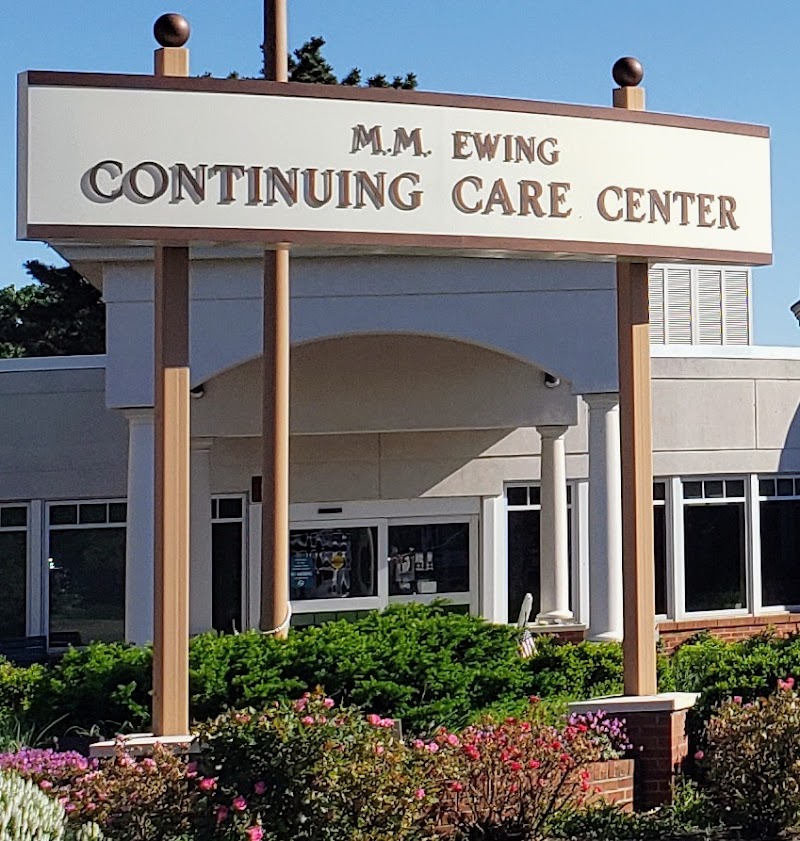
350 Parrish Street, Canandaigua, NY 14424 (585) 396-6040
Non profit - Corporation 178 Beds Independent Data: November 2025
Trust Grade
80/100
#197 of 594 in NY
Last Inspection: July 2023

Over 2 years since last inspection. Current conditions may differ from available data.

Overview

M.M. Ewing Continuing Care Center in Canandaigua, New York, has a Trust Grade of B+, which indicates it is above average and recommended for families considering options. It ranks #197 out of 594 facilities in New York, placing it in the top half of all nursing homes statewide, and #2 out of 5 in Ontario County, meaning there is only one local facility rated higher. However, the facility's trend is concerning as it has worsened from 2 issues in 2021 to 3 in 2023. Staffing is a relative strength with a 4/5 rating and a turnover rate of 31%, which is below the state average, suggesting that staff are experienced and familiar with the residents. Although there have been no fines, there have been specific incidents where residents did not receive respect and clear communication as required, and one resident was not provided with necessary medical equipment despite physician orders. Overall, while there are strengths in staffing and no fines, the facility does face issues with compliance and resident care that families should consider.
Trust Score
B+
80/100
In New York
#197/594
Top 33%
Safety Record
Low Risk
No red flags
Inspections
Getting Worse
2 → 3 violations
Staff Stability
○ Average
31% turnover. Near New York's 48% average. Typical for the industry.
Penalties
✓ Good
No fines on record. Clean compliance history, better than most New York facilities.
Skilled Nurses
✓ Good
Each resident gets 43 minutes of Registered Nurse (RN) attention daily — more than average for New York. RNs are trained to catch health problems early.
Violations
○ Average
9 deficiencies on record. Average for a facility this size. Mostly minor or procedural issues.
★★★★☆
4.0
Overall Rating
★★★★☆
4.0
Staff Levels
★★★★☆
4.0
Care Quality
★★★★☆
4.0
Inspection Score
Stable
2021: 2 issues
2023: 3 issues

The Good

  • 4-Star Staffing Rating · Above-average nurse staffing levels
  • 4-Star Quality Measures · Strong clinical quality outcomes
  • Full Sprinkler Coverage · Fire safety systems throughout facility
  • No fines on record
  • Staff turnover below average (31%)

    17 points below New York average of 48%

Facility shows strength in staffing levels, quality measures, fire safety.

The Bad

Staff Turnover: 31%

15pts below New York avg (46%)

Typical for the industry

The Ugly 9 deficiencies on record

Jul 2023 3 deficiencies
CONCERN (D)

Potential for Harm - no one hurt, but risky conditions existed

Resident Rights (Tag F0550)

Could have caused harm · This affected 1 resident

**NOTE- TERMS IN BRACKETS HAVE BEEN EDITED TO PROTECT CONFIDENTIALITY** Based on observations, interviews and record review conducted during the Recertification Survey from 7/17/23 to 7/21/23, it was ...

Read full inspector narrative →
**NOTE- TERMS IN BRACKETS HAVE BEEN EDITED TO PROTECT CONFIDENTIALITY** Based on observations, interviews and record review conducted during the Recertification Survey from 7/17/23 to 7/21/23, it was determined that for one (Resident #8) of three residents reviewed for communication and sensory deficits, the facility did not ensure that each resident was treated with respect and dignity and care for each resident in a manner that promotes enhancement of their quality of life. Specifically, staff did not identify themselves as requested and per Resident #8's comprehensive care plan (CCP) and did not provide clear communication when providing care to the resident who has communication and sensory deficits. This is evidenced by the following: Resident #8 had diagnoses including legal blindness, acquired absence of the left eye, and hemiplegia (paralysis) of the left upper and lower extremities. The Minimum Data Set assessment dated [DATE], documented that Resident #8 was cognitively intact, required limited to extensive assist of staff for activities of daily living, has limited vision (not able to see newspaper headlines but can identify objects) and wears hearing aids. Review of the Comprehensive Care Plan revealed that Resident #8 and their family requested a sign on their door requesting staff knock, introduce themselves and state their role before entering the resident's room. During an interview on 7/17/23 at 12:41 PM, Resident #8 said that at times they have had to request a substitute meal and staff would leave a menu on their bedside table without reading it to them. The resident said staff do not sit with them to complete their weekly menu, so they eat whatever the kitchen delivers. During an observation and interview on 7/20/23 at 10:22 AM, Licensed Practical Nurse (LPN) #1 entered Resident #8's room (private room) without knocking or identifying themselves prior to entering and engaged with another staff member who was administering care to Resident #8 without any explanation to the resident. A family member stated at the time that they visit almost daily, and that staff routinely disregard the sign (that requests staff to knock and identify themself). Resident #8 stated that sometimes staff enter without talking to them at all, but they can hear the sound of them in their room. During an interview on 7/20/23 at 11:52 AM, LPN #1 said the sign on Resident #8's door was put in place due to the resident's blindness and the confusion the resident would experience when hearing sounds outside their room. LPN#1 said the sign is not followed consistently due to Resident #8 being acclimated to staff. LPN #1 said they were not aware if anyone had asked the resident if they still wanted the sign followed. During an interview on 7/20/23 at 12:17 PM, Resident #8 stated that despite being in the facility awhile, they would still prefer staff to tell them who they are when entering their room because there are too many staff for them to differentiate everyone's voice. During an interview on 7/20/23 at 3:11 PM, the Administrator stated that residents have a right to know who is entering their room to provide care to them and that staff should consistently knock, wait for the resident to reply, and introduce themselves when entering. During an interview on 7/21/23 at 11:40 AM, the Director of Nursing (DON) stated that in addition to knocking and introducing themselves, for a resident with a visual or hearing impairment, staff should communicate with the resident every step of the process and be specific about the care they are providing. 10 NYCRR 415.3
CONCERN (D)

Potential for Harm - no one hurt, but risky conditions existed

Deficiency F0557 (Tag F0557)

Could have caused harm · This affected 1 resident

**NOTE- TERMS IN BRACKETS HAVE BEEN EDITED TO PROTECT CONFIDENTIALITY** Based on observations, interviews and record review conducted during the Recertification Survey from 7/17/23 to 7/21/23, it was ...

Read full inspector narrative →
**NOTE- TERMS IN BRACKETS HAVE BEEN EDITED TO PROTECT CONFIDENTIALITY** Based on observations, interviews and record review conducted during the Recertification Survey from 7/17/23 to 7/21/23, it was determined that for one (Resident #16) of three residents reviewed for choices, the facility did not ensure the resident's right to retain and use personal possessions as space permits unless to do so would infringe upon the rights or health and safety of other residents. Specifically, Resident #16 was not given permission to purchase a small personal item to keep in their room without a valid reason. This is evidenced by the following: The undated facility policy Residents Rights and Grievance Policy documented that residents have the right to have and use personal possession such as furniture, clothing, and electronics. Resident #16 had diagnoses including Multiple Sclerosis (a disease that affects the immune system and nerves) and hemiplegia (paralysis of one side of the body). The Minimum Data Set (MDS) assessment dated [DATE], documented that Resident #16 was cognitively intact. The MDS Assessment also documented that it was very important for the resident to take care of their personal belongings and things. Review of the Resident #16's Comprehensive Care Plan revealed the resident prefers to take care of their personal belongings and for staff to ensure the resident has access to their favorite things. During observations and interviews on 7/19/23 at 12:29 PM and again at 2:14 PM Resident #16 stated they would like to order a tiny (about 6 inches tall) figurine that they saw online for their room but was told by their (unit) Social Worker (SW) #3 not to order it until the staff checked it out first due to concerns of clutter. The resident's room was a private room with a clear visible path for the resident to transfer and self-propel in their wheelchair and a bookshelf against the wall with figurines and family photographs. Resident #16 pointed to an empty area on the top shelf where they said they wanted to place the figurine but was told several days ago to wait for permission to order it but has not heard anything back. During an interview with the Director of Social Work (DSW) and Registered Nurse Manager (RNM) #1 on 7/19/23 at 1:45 PM, both stated that they told Resident #16 that they could not order the figurine because the resident orders a lot of stuff, and then it becomes a safety issue if it starts to clutter. Neither the DSW or RNM #1 were able to clarify the specific safety concern. At 2:26 PM the DSW stated that they have guidelines for the rooms and that they would ask Resident #16 if they would like to give something up in their room in order to buy the figurine. During an interview on 7/19/23 at 3:06 PM, SW #3 stated they spoke with Resident #16 about decluttering their room and their safety concern was that the figurine was fragile and could get broken. In addition, SW #3 said a staff member from maintenance would have to inspect the resident's room prior to ordering the figurine to ensure that the resident's room was safe. During an interview on 7/20/23 at 10:58 AM, maintenance staff member #4 stated they were there to inspect Resident #16's room (after surveyor interventions) and where the resident wanted the figurine to go for safety issues and stated they had no safety concerns regarding the figurine. During an interview on 7/20/23 at 3:11 PM, the Administrator stated that it is their policy that residents can order decorations as long as the interdisciplinary team did not feel there was a safety concern. The Administrator stated it was the resident's right to order decorations for their room without needing permission from staff. During an interview with Resident #16 on 7/21/23 at 10:55 A.M., the resident said needing permission from staff to order personal items upset them because they felt staff did not listen to or try to understand them. 10 NYCRR 415.3
CONCERN (D)

Potential for Harm - no one hurt, but risky conditions existed

Deficiency F0658 (Tag F0658)

Could have caused harm · This affected 1 resident

Based on observations, interviews, and record reviews conducted during a Recertification Survey from 7/17/23 to 7/21/23, it was determined that for one (Resident #271) of one resident reviewed for ede...

Read full inspector narrative →
Based on observations, interviews, and record reviews conducted during a Recertification Survey from 7/17/23 to 7/21/23, it was determined that for one (Resident #271) of one resident reviewed for edema (swelling due to excess fluid in the body's tissues, usually occurring in the lower extremities), the facility did not provide services, as outlined by the resident's person-centered comprehensive care plan (CCP) and physician orders, that met professional standards of quality. Specifically, Resident #271 was observed without TED stockings (compressions stockings used for edema and to prevent blood clots in the lower extremities) as ordered by the physician. Additionally, staff documented that the TED stockings were applied to the resident when they were not. This is evidenced by the following: Resident #271 was recently admitted to the facility with diagnoses that included acute respiratory failure, cirrhosis (liver disease), and a stage IV (full thickness tissue loss involving dead tissue, muscle or bone) pressure ulcer. In nursing progress notes dated 7/15/23 to 7/17/23 several nurses documented that Resident #271 was alert and oriented and had 2+ (grading scale to measure degree of edema from 1+ to 4+) edema to both legs. During an observations and interview on 7/18/23 at 11:52 AM, Resident #271 (identified as alert and oriented by facility and surveyor) stated that they had edema to both lower legs, and that Physical Therapy staff had said that they should start wrapping the resident's legs. Resident #271 was observed to have edema to both legs with a blister-like area to the outside of the right lower leg, near the ankle and was not wearing any compression stockings and legs dependent. Resident #271 stated that they did not have any leg stockings, but that staff told them to elevate their legs, but this caused pain to the resident's buttock area. In a medical note dated 7/19/23 the physician documented that Resident #271's legs were firm with 2+ edema, which extended to the resident's knees. Current physician orders, initiated on 7/19/23 at 10:22 AM, documented thigh high (thighs to toes) TED stockings to be applied in the morning (6:00 AM to 9:00 AM) and removed in the evening (7:00 PM to 10:00 PM). During an observation and interview on 7/20/23 at 1:21 PM, Resident #271 was not wearing TED stockings and their feet were not elevated. Resident #271 stated they (staff) would begin wrapping their legs with stockings. Thigh high TED stockings were observed on the resident's bedside stand. Review of Resident #271 Progress Notes all dated throughtout the day on 7/20/23 and authored by nursing staff did not include any documentation that Resident #271 had refused to wear the thigh high TED stockings. During an observation on 7/21/23 at 11:42 AM, Resident #271 was sitting in their room, their feet were on the ground (versus elevated), and the thigh high TEDS stockings remained on the resident's bedside stand in the same spot as previous observation. Resident #271 stated that they had not yet used the stockings. Resident #271 stated they had not told any staff member that they would not wear the stockings. Review of the July 2023 Treatment Administration Record (TAR) for Resident #271 revealed the thigh high TEDs were documented as removed on evening shift on 7/19/23, applied in the morning on 7/20/23 and removed in the evening and refused on 7/21/23. During an interview on 7/21/23 at 11:53 AM, RN #2 stated that for most residents with lower extremity edema, interventions would include some type of compression (TED stockings, ACE wraps or Tubi-grips), encourage elevation, and sleeping in bed (versus a recliner). RN #2 stated that TED stockings are ordered by the physician and that the nurses are responsible for ensuring that the TED stockings are applied and documented in the TAR. RN #2 stated they thought Resident #271 had the TED stockings but that that they had not put them on Resident #271. RN #2 stated that Resident #271 had not refused to wear them. Upon reviewing the July 2023 TAR, RN #2 confirmed that they had documented that they applied the TED stocking but observation at this time revealed Resident #271 was not wearing the TED stockings. During an interview on 7/21/23 at 12:10 PM, Registered Nurse Manager (RNM) #3 stated that TED stockings, ACE wraps or Tubi-grips require a physician order and that the nurses should document putting them on and taking them off. During an interview on 7/21/23 at 1:23 PM, the Director of Nursing (DON) stated that nursing staff are expected to follow medical provider orders, and if the order is questioned, they would expect staff to contact the provider. The DON stated if a resident refused a provider order, they would expect staff to provide education to the resident and reapproach (depending on the resident). Additionally, the DON stated staff are expected to notify the provider if a resident refused an order and to discuss a potential alternative. 10 NYCRR 415.11(c)(3)(i)
Nov 2021 2 deficiencies
CONCERN (D)

Potential for Harm - no one hurt, but risky conditions existed

Comprehensive Care Plan (Tag F0656)

Could have caused harm · This affected 1 resident

Based on observations, interviews and record reviews conducted during a Recertification Survey, completed on 11/16/21, it was determined that for one (Resident #115) of five residents reviewed for unn...

Read full inspector narrative →
Based on observations, interviews and record reviews conducted during a Recertification Survey, completed on 11/16/21, it was determined that for one (Resident #115) of five residents reviewed for unnecessary medications and one (Resident #19) of three residents reviewed for indwelling (Foley) catheter, the facility did not develop and implement a plan of care for each resident that included measurable goals and objectives to address the residents' medical, physical, mental, and psychosocial needs. Specifically, The Comprehensive Care Plan (CCP) for Resident #115 did not include person-centered goals and interventions to address the use of psychotropic medications (including both antipsychotic and antidepressant medications) and the CCP for Resident #19 did not include the care of a Foley catheter (indwelling catheter into the bladder and drains urine into a bag), medical indication for, and measurable goals and objectives. This is evidenced by the following: 1.Resident #115 was admitted with diagnosis of hallucinations, major depressive disorder, psychosis, and dementia. The Minimum Data Set (MDS) Assessment, dated 4/5/21, revealed the resident's cognitive skills for daily decision making were severely impaired, that the resident received antipsychotic and antidepressant medications, had behavioral symptoms and was experiencing delusions. Review of current medical orders included Escitalopram (antidepressant)15 milligrams (mg) every morning, and Seroquel (Antipsychotic) 25 mg in the evening for hallucinations. A medical note dated 10/29/21, included Resident #115 was seen for depressive symptoms and suicidal statements. Review of the CCP, dated 3/30/21, revealed that the CCP did not include the use of psychotropic medications, the targeted symptoms, potential side effects, or plans for a gradual dose reduction. When interviewed the 11/15/21 at 1:51 pm, the Assistant Registered Nurse Manager stated they did not see psychotropic medications addressed in the care plan, and it should have been. When interviewed on 11/16/21 at 2:11pm, the Director of Nursing stated the expectation is the CCP should include psychotropic medications with the potential side effects. 2. Resident # 19 had diagnoses that included vascular dementia, fracture of the left acetabulum (a socket cavity in the hip) and chronic obstructive pulmonary disease. The MDS Assessment, dated 8/21/21, included that Resident #19 had severely impaired cognition, required the extensive assistance of staff for toileting and was frequently incontinent of bladder. Review of the current Physician orders and the November 2021 Treatment Administration Record (TAR) revealed an order for a Foley catheter and to change the catheter as needed. The current CCP and CNA Assignments Summary (care plan used by the CNAs to direct daily care) included only that Resident #19 had a Foley inserted on 10/11/21 following hip surgery. Neither care plan included daily care of the Foley catheter or any measurable goals and objectives. When interviewed 11/16/21 at 12:54 p.m. CNA #1 stated the care card did not explain the care to be provided but that they provided what they had learned in school. When interviewed 11/16/21 at 9:50 a.m. the Assistant Nurse Manager (ANM) stated the care for a Foley catheter should be included on the Treatment Administration Record and include securing the Foley and peri (area surrounding the Foley insertion site) care. The ANM stated there was a protocol for care of a Foley and it should be on the care card (care plan used by CNA). The ANM stated that a Foley should be addressed in the CCP including goals and interventions. 415.11 (c)(1)
CONCERN (D)

Potential for Harm - no one hurt, but risky conditions existed

Deficiency F0692 (Tag F0692)

Could have caused harm · This affected 1 resident

Based on observations, interviews and record review conducted during a Recertification Survey, completed on 11/16/21, it was determined that for one (Resident #326) of one resident reviewed, the facil...

Read full inspector narrative →
Based on observations, interviews and record review conducted during a Recertification Survey, completed on 11/16/21, it was determined that for one (Resident #326) of one resident reviewed, the facility did not ensure that proper fluid intake was monitored and provided to maintain proper hydration and health. Specifically, physician orders for a fluid restriction were not consistently monitored or documented to ensure compliance. This was evidenced by the following: Resident #326 had diagnoses that included hyponatremia (low sodium level), traumatic amputation below the knee and clostridium difficile (an infection in the intestinal tract). The medical admission history and physical report, dated 11/3/21 documented that Resident #326 was alert and appropriate, that the hyponatremia was slowly improving and to continue a fluid restriction of 1000 milliliters (mls) fluid daily and if the resident's sodium level improved the restriction could increase to 1500 mls daily. The physician orders dated 11/4/21 at 10:59 a.m. included the fluid restriction was increased to 1500 mls fluid restriction daily. The current Comprehensive Care Plan (CCP) and the Certified Nursing Assistant Care Card both documented that Resident #326 was on a fluid restriction of 1500 mls. The CCP also included for staff to encourage fluids. In the Nutritional Assessment, dated 11/4/21, the Registered Dietician (RD) documeted that the resident was on a 1500 ml fluid restriction and also that the fluid needs were for 1680-2000 mls/day. Review of the Treatment Administration Record (TAR), dated 11/3/21 through 11/15/21, revealed the 1000 mls fluid restriction started on 11/4/21 and the 1500 mls restriction was not started until 11/6/21. The TAR did not include any fluid totals per shift or 24-hour totals. Review of the Intake Summary Sheets dated 11/3/21 through 11/15/21, revealed documentation of fluid intakes per shift and totals for each day. Totals revealed the resident's fluid restriction orders were exceeded on four of the 13 days with totals as high as 2070 mls. The report also included that the fluid daily totals were significantly lower than ordered by as much as 700 mls and that 13 shifts were reported as zero or blank for fluid intake (including several day shifts). During and observation and interview at 11/10/21 at 1:37 p.m., Resident #326 stated they were not aware of how much fluid they can have per day but that they drank whatever the staff brings them. Observed at the time were two 240ml cups on the bedside table that were empty. During an observation on 11/12/21 at 2:47 p.m. Resident #326 was in bed. Signage on the room door included the resident was on a 1500 ml fluid restriction and had received 60 mls at 6:30 a.m., 240 mls at 10 a.m., and 118 mls at 12 p.m. for a total of 423 mls so far. Three 240 ml drinking cups were observed on the residents over bed table. During an observation 11/15/21 at 8:22 a.m. Resident #326 was in bed. There were two 240 ml drinking cups on the resident's overbed table. When interviewed on 11/15/21 at 1:49 p.m. The CNA stated that Resident #326 was on a 1500 ml fluid restriction and that when staff give the resident fluids it is supposed to be written on the paper on the door and the total added up. The CNA stated it was on the resident's meal ticket how much fluid was on the tray and they documented how much the resident took in for that meal. During an interview on 11/15/21 at 3:47 p.m. the Registered Dietician (RD) stated for a resident on a 1500 ml fluid restriction dietary would be allotted 750 mls and nursing would be allotted 750mls. The RD stated Resident #326 should receive 250 mls on each meal tray which would include meals and supplements. The RD stated it was left up to nursing to monitor the 24-hour totals. When interviewed on 11/16/21 at 8:30 a.m. and at 11:04 a.m. the Director of Nursing (DON) stated the facility did not have a policy/procedure for fluid restrictions. The DON stated nursing should determine the number of fluids allotted for medication pass and include the per shift total. The DON stated dietary and nursing should be reviewing the 24-hour totals and if the fluid restriction is exceeded it would be communicated to the medical provider. When interviewed on 11/16/21 at 9:34 a.m. the Assistant Registered Nurse Manager (RNM), stated their expectations for residents on fluid restriction included intake sheets on the resident's door for staff to document. The Assistant RNM stated it should be passed on in report the number of fluids provided on each shift but that they would have to review the policy to see the allotment of fluids per shift for medication pass. The Assistant RNM stated the night nurse should check the 24- hour total and if the resident exceeded their restriction the medical provided would be notified. The Assistant RNM stated the CNAs should ask nursing prior to giving any fluids to a resident on a fluid restriction. The Assistant RNM viewed the intake summary sheet for 11/15/21, totaled it and stated Resident #326 had exceeded the fluid restriction but it had not been reported to her or put on the 24-hour report. The facility did not provide any documentation that Resident #326's intakes were reported on any 24 hour report for that time period or that the medical provided was notified. 10NYCRR 415.12 (i)(1)
Apr 2019 4 deficiencies
CONCERN (D)

Potential for Harm - no one hurt, but risky conditions existed

Deficiency F0655 (Tag F0655)

Could have caused harm · This affected 1 resident

**NOTE- TERMS IN BRACKETS HAVE BEEN EDITED TO PROTECT CONFIDENTIALITY** Based on interviews and record reviews conducted during the Recertification Survey, it was determined that for 13 (Residents #12...

Read full inspector narrative →
**NOTE- TERMS IN BRACKETS HAVE BEEN EDITED TO PROTECT CONFIDENTIALITY** Based on interviews and record reviews conducted during the Recertification Survey, it was determined that for 13 (Residents #123, #129, #30, #52, #73, #59, #35, #45, #77, #167, #106, #118, and #78) of 20 residents reviewed for Baseline Care Plans, the facility did not develop a care plan that included the minimum required health care information within 48 hours of admission and/or provide the resident and/or resident representative with a written summary of the resident's Baseline Care Plan in a language and conveyed in a manner that the resident or representative can understand. This is evidenced by, but not limited to, the following: Review of the facility procedure, Baseline Care Plan (BCP), effective 11/8/18, revealed the facility would develop a BCP within 48 hours of admission and or provide a written summary of the care plan to the resident and the representative prior to completion of the Comprehensive Care Plan (CCP). The BCP will reflect goals/objectives and include interventions that address the resident's current needs, and there will be documentation in the electronic health record that the BCP summary was given to the resident and or representative. 1. Resident #123 was admitted to the facility on [DATE] with diagnoses including pulmonary embolism, type 2 diabetes mellitus, and aftercare for left knee joint replacement. The Minimum Data Set (MDS) Assessment, dated 4/8/19, revealed the resident was cognitively intact and received injections and an anticoagulant for seven days. Review of the admission orders, dated 4/1/19, revealed that the resident was on prescribed medications including, but not limited to, three anticoagulants (medications used to thin blood). The BCP provided by the facility included information, dated 3/12/19 (prior to admission), but did not include current information such as goals, objectives, and/or interventions necessary to address the resident's need for and appropriate monitoring of the anticoagulant medications. When interviewed on 4/23/19 at 12:00 p.m., the Assistant Nurse Manager stated that the BCP was started at the time of admission. She said if a resident had a prior admission, information was repopulated from the care plan associated with the previous admission and additional information pertinent to the current admission should be added. She said a written summary was not necessarily provided. She said the information given to the resident and/or representative included the printed care plan and physician orders. 2. Resident #30 was admitted to the facility on [DATE] with diagnoses including Alzheimer's dementia, weight loss and dysphagia (difficulty swallowing). The MDS Assessment, dated 5/15/18, revealed that the resident had severely impaired cognition. Review of the medical record revealed no documented evidence that a BCP was completed within 48 hours of admission or that any summary of the care plan was reviewed or provided to the resident's representative following admission to the facility. When interviewed on 4/19/19 at 1:47 p.m., the Registered Nurse Manager stated that she could not provide a BCP for the resident. She said the facility was not completing BCP at that time despite the regulation going into effect November 2017. 3. Resident #52 was admitted to the facility on [DATE] and had diagnoses including dementia, hemiplegia following a cerebral infarction (stroke), and an anxiety disorder. The MDS Assessment, dated 8/8/18, revealed the resident had severely impaired cognition. Review of the medical record revealed that a BCP was not provided to the resident until after she had been transferred from Short-term Rehabilitation to a Long-Term Care unit on 9/4/18 (approximately four weeks after the resident's admission). 4. Resident #129 was admitted to the facility on [DATE] and had diagnoses including chronic obstructive pulmonary disease, dementia, and hypertension. The MDS Assessment, dated 3/19/19, revealed the resident was cognitively intact. Review of the medical record revealed no documented evidence that a summary of the BCP was reviewed or provided to the resident and/or representative. During an interview on 4/24/19 at 10:37 a.m., the Administrator, Director of Clinical Compliance, and the Director of Nursing stated that the BCP was developed as a team and audits had been completed. They said that they were not sure if the facility completed BCPs at the time the new regulation went into effect.
CONCERN (D)

Potential for Harm - no one hurt, but risky conditions existed

Comprehensive Care Plan (Tag F0656)

Could have caused harm · This affected 1 resident

**NOTE- TERMS IN BRACKETS HAVE BEEN EDITED TO PROTECT CONFIDENTIALITY** Based on observations, interviews, and record reviews conducted during the Recertification Survey, it was determined that for on...

Read full inspector narrative →
**NOTE- TERMS IN BRACKETS HAVE BEEN EDITED TO PROTECT CONFIDENTIALITY** Based on observations, interviews, and record reviews conducted during the Recertification Survey, it was determined that for one (Resident #143) of three residents reviewed for accidents, the facility did not ensure the implementation of each resident's care plan. Specifically, the resident was not wearing geri sleeves at the time of the 3/18/19 incident, and staff did not instruct the resident to tuck in his arms while going through the doorway. This is evidenced by the following Resident #143 was admitted to the facility on [DATE] and had diagnoses including a traumatic brain injury, rightsided hemiparesis (weakness), and a history of skin tears. The Minimum Data Set Assessment, dated 3/22/19, revealed that the resident's cognitive skills for daily decision making were moderately impaired, and the resident required extensive assistance of staff with bed mobility, transfers, dressing, toileting and personal hygiene. The Comprehensive Care Plan, dated 6/25/18, revealed that the resident sustained a skin tear to the right elbow during a transfer to the bathroom. Interventions included to provide geri sleeves when out of bed for protection, and was revised on 3/19/19 to include staff to remind resident to tuck his arms in while going through the doorway. The Certified Nursing Assistant (CNA) Care Card directed geri sleeves to be worn when the resident is out of bed. The Incident and Accident Report, dated 3/18/19, revealed that the resident bumped his arm on the doorway going into the bathroom, causing a 3 centimeter (cm) x 3 cm skin tear. The resident was not wearing a geri-chair sleeve. Measures taken to prevent reinjury included to remind the resident to keep his arms tucked into his body. During an observation on 4/23/19 at 9:00 a.m., the resident was transferred using the Redi-stand. The resident was sitting on the Redi-stand and staff pushed the resident across the room to the bathroom. The CNAs backed the resident's chair into the bathroom. The resident's arms were resting on the armrests, and he was wearing his geri sleeves. There was an approximately 2 inch clearance between the arms of the chair and the bathroom doorway. The staff did not remind the resident to keep his arms inside the wheelchair. When interviewed on 4/23/19 at 10:15 a.m. and 11:12 a.m., the Director of Nursing (DON) and Registered Nurse Manager (RNM) both said that the resident wears geri sleeves all day, every day until he goes to bed. They said that on 3/18/19 the resident was in bed but had to get back up to go to the bathroom. They both said that they would not have expected the CNAs to put the geri sleeves back on just to take the resident to the bathroom. The DON said that the staff should remind the resident to keep his arms/elbows in while going through the doorway. [10 NYCRR 415.11(3)(ii)]
CONCERN (D)

Potential for Harm - no one hurt, but risky conditions existed

ADL Care (Tag F0677)

Could have caused harm · This affected 1 resident

**NOTE- TERMS IN BRACKETS HAVE BEEN EDITED TO PROTECT CONFIDENTIALITY** Based on observations, interviews, and record reviews conducted during the Recertification Survey and complaint investigation (#...

Read full inspector narrative →
**NOTE- TERMS IN BRACKETS HAVE BEEN EDITED TO PROTECT CONFIDENTIALITY** Based on observations, interviews, and record reviews conducted during the Recertification Survey and complaint investigation (#NY00227931), it was determined that for one (Resident #30) of five residents reviewed for Activities of Daily Living, the facility did not provide the necessary care and services to maintain personal hygiene. The issue involved the lack of incontinence care in a timely manner. This is evidenced by the following: Resident #30 was admitted to the facility on [DATE] and has diagnoses including Alzheimer's dementia, weight loss, and dysphagia (difficulty swallowing). The Minimum Data Set, Assessment, dated 4/17/19, revealed that the resident had severely impaired cognition, was frequently incontinent of bladder and bowel, and required the extensive assist of one staff for transfers and toileting. The Certified Nursing Assistant (CNA) Assignment Summary revealed that the resident required one assist for toilet use and stress incontinence was written under bladder continence. During multiple observations throughout the day shift on 4/19/19 from approximately 8:30 a.m. through 1:20 p.m., the resident was up in a geri chair in front of the nurses' station, transferred to coffee hour, and then in the dining room for lunch, and back to the nurses' station after lunch at approximately 1:00 p.m. At no time was the resident observed toileted. At approximately 1:20 p.m., the resident smelled strongly of urine and the surveyor requested an observation of incontinence care. CNA #1 transferred the resident to the toilet using a stand lift. The resident's clothing and wheelchair cushion were soaked with urine. The resident then had a bowel movement in the toilet. When interviewed at that time, CNA #1 stated that the resident was up when she arrived at 7:00 a.m. because the night shift staff got her up and dressed. CNA #1 said that she had not toileted the resident since then as there were only three aides on and she could not get to the resident. CNA #1 said she did not think anyone else toileted the resident. She said that sometimes the resident is continent if staff can get to her in time, but she will not ask to be toileted. In an interview on 4/19/19 at 2:27 p.m., CNA #2 and CNA #3 both stated they did not toilet the resident nor did they know of anyone who did. When interviewed on 4/22/19 at 9:02 a.m, the Licensed Practical Nurse stated he did not provide any care for the resident because no one asked him to. During an interview on 4/23/19 at 3:06 p.m., the Registered Nurse Manager stated that if the resident was not on a specific schedule for toileting, then the standard would be two to three times a shift. She said that if the night shift staff got the resident up and she was not toileted until after 1:00 p.m., that would be too long. She said that CNA #1 should have asked for help but to her knowledge she did not. [10 NYCRR 415.12(a)(3)]
CONCERN (D)

Potential for Harm - no one hurt, but risky conditions existed

Medication Errors (Tag F0758)

Could have caused harm · This affected 1 resident

**NOTE- TERMS IN BRACKETS HAVE BEEN EDITED TO PROTECT CONFIDENTIALITY** Based on observations, interviews, and record reviews conducted during the Recertification Survey, it was determined that for on...

Read full inspector narrative →
**NOTE- TERMS IN BRACKETS HAVE BEEN EDITED TO PROTECT CONFIDENTIALITY** Based on observations, interviews, and record reviews conducted during the Recertification Survey, it was determined that for one (Resident #78) of five residents reviewed for unnecessary medications, the facility did not ensure that each resident's drug regimen was free of unnecessary psychotropic medications. The issues involved the lack of consistent non-pharmacological interventions prior to multiple doses of an anti-anxiety medication, and the lack of a medical evaluation prior to renewing the psychotropic medication every 14 days. This is evidenced by the following: Resident #78 was admitted to the facility on [DATE] with diagnosis including, but not limited to, heart failure, diabetes, depression, and morbid obesity. The Minimum Data Set Assessment, dated 2/8/19, revealed that the resident was cognitively intact, had no behaviors and scored 7/27 on the PHQ-9 (an interview used to determine signs and/or symptoms of depression). Multiple observations of the resident throughout the day shift over three days revealed the resident in her room watching TV or in the hallway watching TV and conversing with staff and residents. The resident was alert and oriented but pleasantly declined an interview with the surveyor stating she had no complaints. Physician orders, dated 11/2/18 on admission, include Ativan (anti-anxiety medication) 0.5 milligrams (mg) every evening at 9:00 p.m., for sleep disturbance related to anxiety. On 12/14/18, the Ativan was changed to 0.5 mg every six hours as needed for anxiety for 14 days. The order was renewed every 14 days from 12/14/18 to 4/10/19. The resident was also on an antidepressant medication throughout. The physician documented on 12/14/18 (the day the Ativan was changed to every six hours as needed) that the resident had worsening depression following admission to long term care but was handling it much better and was to continue using the anti-depressant for an underlying mood disorder. Review of the Medication Administration Records for the past ten weeks revealed that the resident received 19 doses of the Ativan in February 2019, 37 doses in March 2019, and 23 doses for the first 22 days of April 2019. The Comprehensive Care Plan, dated 11/8/18, included that the resident is on a psychotropic medication with interventions to include assessing for effectiveness and side effects, utilizing non-pharmacologic interventions (did not include specifics), and a gradual dose reduction as indicated. The care plan revealed that the Nurse Practitioner would review the recommendations dated 1/30/19, which included the resident's antidepressant and decreasing or discontinuing the Ativan. The current Certified Nursing Assistant (CNA) Care Plan does not include any mention of signs or symptoms of anxiety and/or interventions to utilize to address anxiety. Review of the medical team progress notes from 12/14/18 through 4/10/19 revealed approximately 16 medical visits to address acute issues but only three notes addressing to continue use of Ativan along with changes related to the acute issues. There were no notes addressing that an evaluation was done regarding the resident's anxiety, current use of the anxiolytic medication, and/or need to continue it on an ongoing basis prior to every 14-day renewals. Review of the interdisciplinary progress notes for March 2019 and April 2019 revealed inconsistent documentation regarding why the Ativan was administered or what non-pharmacological interventions were used if any prior to the administration. In multiple cases there was no progress note at all related to the administration of the medication. When interviewed on 4/23/19 at 3:01 p.m., the Registered Nurse Manager (RNM) stated that the resident should have a behavior care plan, but does not. The RNM said that when an 'as needed' dose of Ativan is given, the nurses should write a progress note regarding the use and any interventions attempted prior. Interviews conducted on 4/24/19 included the following: a. At 12:20 p.m. the Licensed Practical Nurse (LPN) stated that they had not seen any behaviors but that the resident can become anxious at times. When asked if the anxiety affected the resident's daily routines, the LPN said, No. b. At 12:23 p.m. the CNA stated that the resident has no behaviors but can get anxious sometimes. She said talking may help or they give her a medication. [10 NYCRR 415.12(l)(1)]
Understanding Severity Codes (click to expand)
Life-Threatening (Immediate Jeopardy)
J - Isolated K - Pattern L - Widespread
Actual Harm
G - Isolated H - Pattern I - Widespread
Potential for Harm
D - Isolated E - Pattern F - Widespread
No Harm (Minor)
A - Isolated B - Pattern C - Widespread

Questions to Ask on Your Visit

  • "Can I speak with families of current residents?"
  • "What's your RN coverage like on weekends and overnight?"

Our Honest Assessment

Strengths
  • • Grade B+ (80/100). Above average facility, better than most options in New York.
  • • No major safety red flags. No abuse findings, life-threatening violations, or SFF status.
  • • No fines on record. Clean compliance history, better than most New York facilities.
  • • 31% turnover. Below New York's 48% average. Good staff retention means consistent care.
Concerns
  • • No significant concerns identified. This facility shows no red flags across CMS ratings, staff turnover, or federal penalties.
Bottom line: Generally positive indicators. Standard due diligence and a personal visit recommended.

About This Facility

What is M.M. Ewing Continuing Care Center's CMS Rating?

CMS assigns M.M. Ewing Continuing Care Center an overall rating of 4 out of 5 stars, which is considered above average nationally. Within New York, this rating places the facility higher than 99% of the state's 100 nursing homes. This rating reflects solid performance across the metrics CMS uses to evaluate nursing home quality.
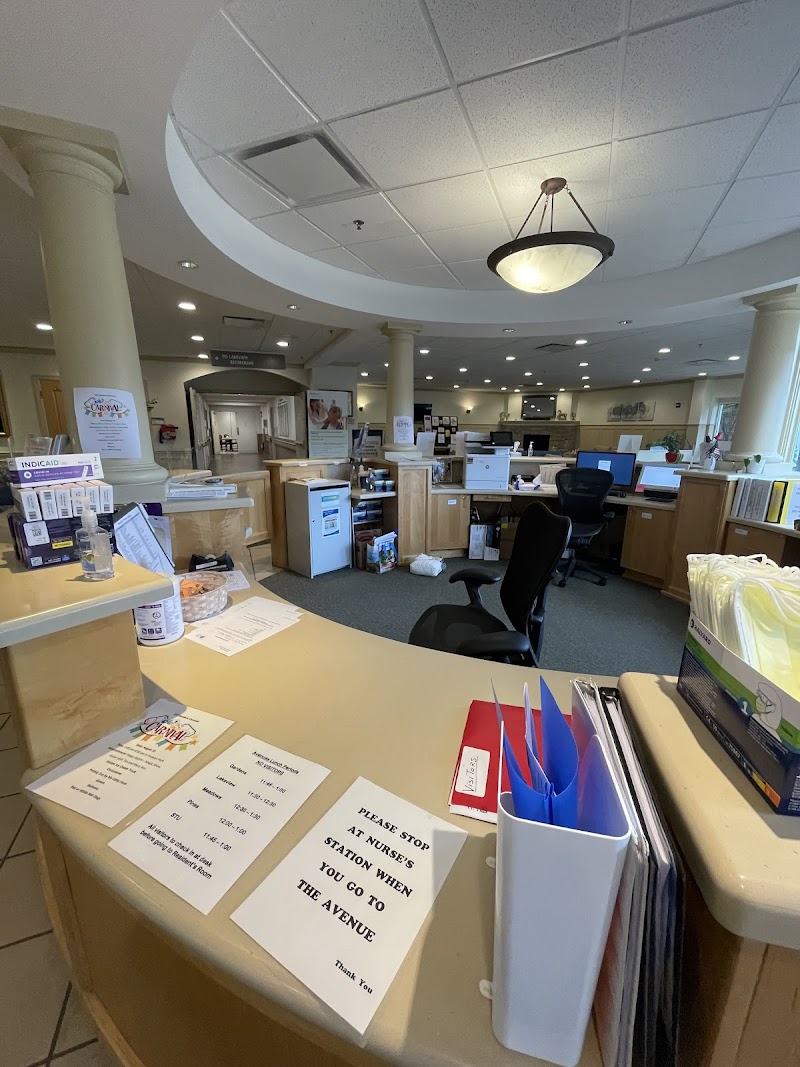
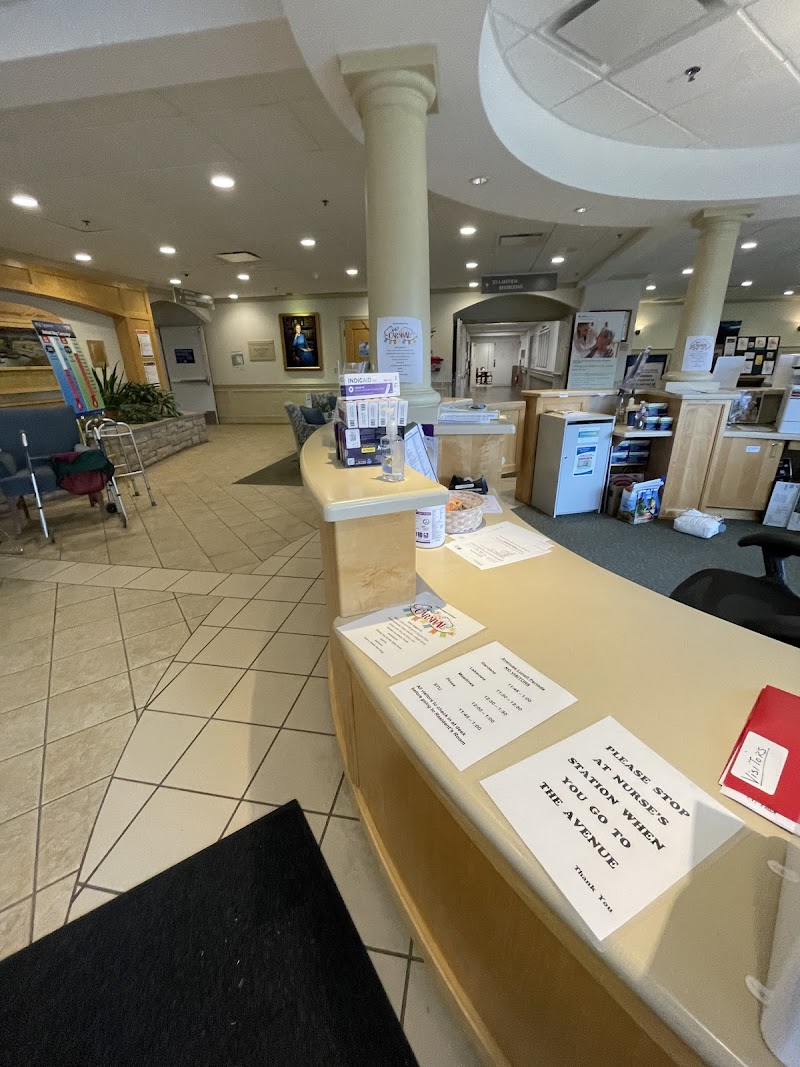
How is M.M. Ewing Continuing Care Center Staffed?
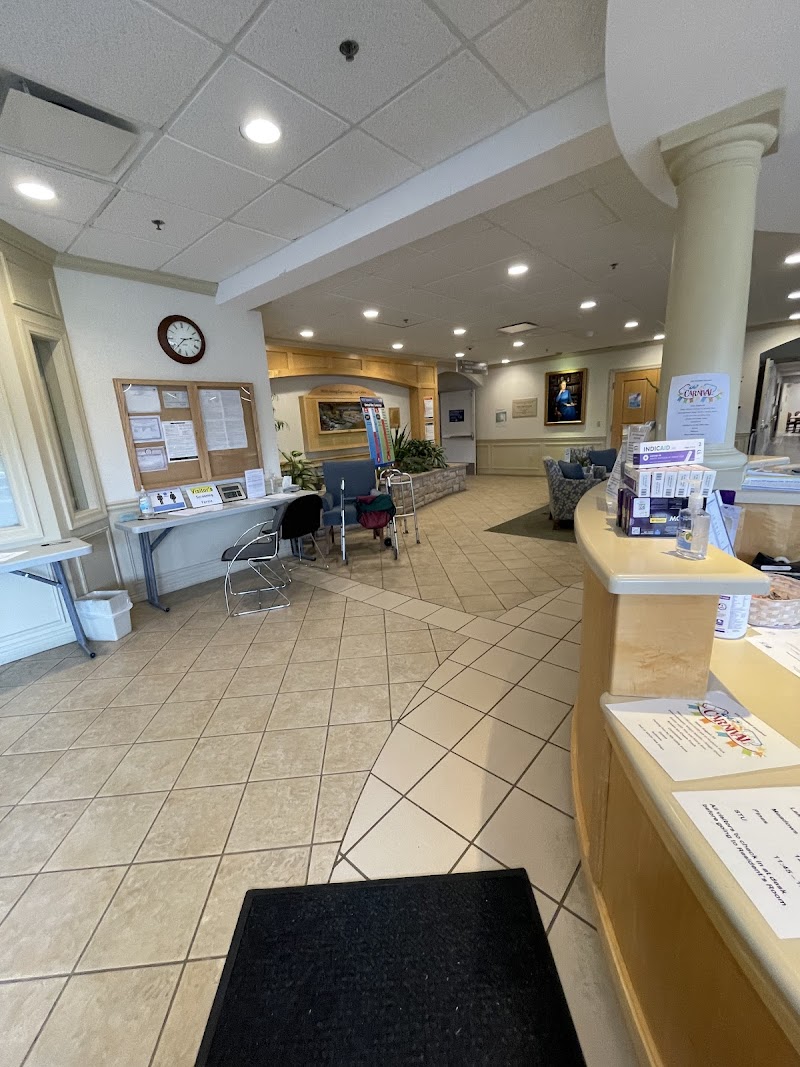
CMS rates M.M. Ewing Continuing Care Center's staffing level at 4 out of 5 stars, which is above average compared to other nursing homes. Staff turnover is 31%, compared to the New York average of 46%. This relatively stable workforce can support continuity of care.

What Have Inspectors Found at M.M. Ewing Continuing Care Center?

State health inspectors documented 9 deficiencies at M.M. Ewing Continuing Care Center during 2019 to 2023. These included: 9 with potential for harm.

Who Owns and Operates M.M. Ewing Continuing Care Center?

M.M. Ewing Continuing Care Center is owned by a non-profit organization. Non-profit facilities reinvest revenue into operations rather than distributing to shareholders. The facility operates independently rather than as part of a larger chain. With 178 certified beds and approximately 173 residents (about 97% occupancy), it is a mid-sized facility located in Canandaigua, New York.

How Does M.M. Ewing Continuing Care Center Compare to Other New York Nursing Homes?

Compared to the 100 nursing homes in New York, M.M. Ewing Continuing Care Center's overall rating (4 stars) is above the state average of 3.1, staff turnover (31%) is significantly lower than the state average of 46%, and health inspection rating (4 stars) is above the national benchmark.

What Should Families Ask When Visiting M.M. Ewing Continuing Care Center?

Based on this facility's data, families visiting should ask: "Can I visit during a mealtime to observe dining assistance and food quality?" "How do you handle medical emergencies, and what is your hospital transfer rate?" "Can I speak with family members of current residents about their experience?"

Is M.M. Ewing Continuing Care Center Safe?

Based on CMS inspection data, M.M. Ewing Continuing Care Center has a clean safety record: no substantiated abuse findings (meaning no confirmed cases of resident harm), no Immediate Jeopardy citations (the most serious violation level indicating risk of serious injury or death), and is not on the Special Focus Facility watch list (a federal program monitoring the lowest-performing 1% of nursing homes). The facility has a 4-star overall rating and ranks #1 of 100 nursing homes in New York. While no facility is perfect, families should still ask about staff-to-resident ratios and recent inspection results during their visit.

Do Nurses at M.M. Ewing Continuing Care Center Stick Around?

M.M. Ewing Continuing Care Center has a staff turnover rate of 31%, which is about average for New York nursing homes (state average: 46%). Moderate turnover is common in nursing homes, but families should still ask about staff tenure and how the facility maintains care continuity when employees leave.

Was M.M. Ewing Continuing Care Center Ever Fined?

M.M. Ewing Continuing Care Center has no federal fines on record. CMS issues fines when nursing homes fail to meet care standards or don't correct problems found during inspections. The absence of fines suggests the facility has either maintained compliance or corrected any issues before penalties were assessed. This is a positive indicator, though families should still review recent inspection reports for the full picture.

Is M.M. Ewing Continuing Care Center on Any Federal Watch List?

M.M. Ewing Continuing Care Center is not on any federal watch list. The most significant is the Special Focus Facility (SFF) program, which identifies the bottom 1% of nursing homes nationally based on persistent, serious quality problems. Not being on this list means the facility has avoided the pattern of deficiencies that triggers enhanced federal oversight. This is a positive indicator, though families should still review the facility's inspection history directly.