RIVERSIDE CENTER FOR REHABILITATION AND NURSING
90 NO MAIN STREET, CASTLETON ON HUDSON, NY 12033 (518) 732-7617
For profit - Limited Liability company 80 Beds UPSTATE SERVICES GROUP Data: November 2025
Trust Grade
28/100
#553 of 594 in NY
Last Inspection: July 2023

Over 2 years since last inspection. Current conditions may differ from available data.

Overview

Riverside Center for Rehabilitation and Nursing has received an F grade, indicating poor quality and significant concerns about care. Ranked #553 out of 594 facilities in New York, it falls in the bottom half of all nursing homes in the state, and #6 out of 9 in Rensselaer County suggests only two local options are better. The facility is worsening, with issues increasing from 2 in 2022 to 6 in 2023. Staffing is a relative strength, rated 4 out of 5 stars, but the turnover rate of 58% is concerning, significantly above the state average. However, the facility has faced $7,901 in fines, which is higher than 78% of New York facilities, indicating compliance issues. Additionally, there are troubling incidents reported, including a serious failure to protect a resident from sexual abuse, which resulted in psychological harm. Staff referred to residents in disrespectful terms during mealtimes and did not ensure their dignity while providing care. Cleanliness has also been an issue, with several areas noted as unsanitary, which could impact residents' health and comfort. Families should weigh these strengths and weaknesses carefully when considering this facility for their loved ones.

Trust Score
F
28/100
In New York
#553/594
Bottom 7%
Safety Record
Moderate
Needs review
Inspections
Getting Worse
2 → 6 violations
Staff Stability
⚠ Watch
58% turnover. Above average. Higher turnover means staff may not know residents' routines.
Penalties
○ Average
$7,901 in fines. Higher than 56% of New York facilities. Some compliance issues.
Skilled Nurses
⚠ Watch
Each resident gets only 27 minutes of Registered Nurse (RN) attention daily — below average for New York. Fewer RN minutes means fewer trained eyes watching for problems.
Violations
⚠ Watch
25 deficiencies on record. Higher than average. Multiple issues found across inspections.
★☆☆☆☆
1.0
Overall Rating
★★★★☆
4.0
Staff Levels
★★★☆☆
3.0
Care Quality
★☆☆☆☆
1.0
Inspection Score
Stable
2022: 2 issues
2023: 6 issues

The Good

  • 4-Star Staffing Rating · Above-average nurse staffing levels
  • Full Sprinkler Coverage · Fire safety systems throughout facility
  • No fines on record

Facility shows strength in staffing levels, fire safety.

The Bad

1-Star Overall Rating

Below New York average (3.0)

Significant quality concerns identified by CMS

Staff Turnover: 58%

12pts above New York avg (46%)

Frequent staff changes - ask about care continuity

Federal Fines: $7,901

Below median ($33,413)

Minor penalties assessed

Chain: UPSTATE SERVICES GROUP

Part of a multi-facility chain

Ask about local staffing decisions and management

Staff turnover is elevated (58%)

10 points above New York average of 48%

The Ugly 25 deficiencies on record

1 actual harm
Jul 2023 6 deficiencies
CONCERN (E) 📢 Someone Reported This

A family member, employee, or ombudsman was alarmed enough to file a formal complaint

Potential for Harm - no one hurt, but risky conditions existed

Resident Rights (Tag F0550)

Could have caused harm · This affected multiple residents

Based on observation, record review, and interviews during the recertification survey, the facility did not ensure each resident was treated with respect and dignity and cared for in a manner and in a...

Read full inspector narrative →
Based on observation, record review, and interviews during the recertification survey, the facility did not ensure each resident was treated with respect and dignity and cared for in a manner and in an environment that promoted maintenance or enhancement of their quality of life, recognizing each resident's individuality for 2 (North and South Units) of 2 units reviewed for dignity. Specifically, the facility did not ensure residents were treated in a dignified manner during mealtime when facility staff referred to residents' as feeders to describe residents requiring assistance with feeding, and the term bib to describe clothing protectors, and by placing clothing protectors on residents in the South Dining Room without determining whether the residents wanted them, and for Resident #20, the facility did not ensure privacy and dignity were provided when faciity staff performed blood glucose monitoring on 07/11/23. This was evidenced by: Finding 1: The facility did not ensure residents were treated in a dignified manner at mealtime, when staff used the term feeder to describe residents who required assistance with feeding on the North Unit on 07/06/2023 and on the South Unit on 07/11/2023. The Policy and Procedure (P&P) titled Quality of Life - Dignity, reviewed 05/2023, documented staff would speak respectfully to residents at all times, including addressing the resident by their name of choice, and not labeling them by their room number, diagnosis, or care needs. During a dining observation on 07/06/23 at 12:11 PM, a staff member in the North Unit Dining Room was heard referring to a table of residents as feeders. During an observation/interview on 07/11/23 at 12:45 PM, Licensed Practical Nurse (LPN) #3 stated all the lunch trays on the unit had been passed, except for the feeders. The feeders were the residents who needed to be fed; this was what these residents were called. They stated they supposed the residents should not be called feeders, since that was not very dignified; they should be referred to as residents who require assistance with feeding instead. During an interview on 07/11/23 at 12:50 PM, the Director of Nursing (DON) stated they heard LPN #3 refer to the resident who needed assistance with feeding as feeders. They cringed when they heard this, as this was a resident dignity issue and staff should not be calling the residents feeders. During an interview on 07/12/23 at 11:32 AM, Resident Assistant (RA) #1 stated part of their role included helping to pass meal trays with the Certified Nurse Aids (CNAs) at mealtimes. Part of maintaining resident dignity at mealtime included referring to residents by their first name, and not using terms like feeders, and not to use the term bib to describe clothing protectors. During an interview on 07/12/23 at 11:45 AM, CNA #5 stated at mealtime, staff should be calling residents by their names and not using terms like feeder or bib to describe clothing protectors to help ensure they were maintaining resident dignity. Additionally, clothing protectors should not be placed on residents without their consent or telling the resident what was happening if they were unable to consent. During an interview on 07/12/23 at 12:01 PM, LPN #4 stated residents should be called by either their name or their preferred name at mealtime. Terms like feeder should not be used by the staff; they have heard this term used by staff before. During an interview on 07/12/23 at 12:17 PM, Registered Nurse Unit Manager (RNUM) #1 stated residents who required feeding assistance should not be referred to using terms like feeders; instead, they should be referred to by their name. The term bib should not be used to refer to clothing protectors. Clothing protectors should be offered to residents, not placed on their bodies without their consent or being told the clothing protector was going to be placed. Finding #2 The facility did not ensure residents were treated in a dignified manner at mealtime, when staff placed clothing protectors on the resident without asking, referred to the clothing protectors as bibs when placing them on the residents and used the term feeder to describe residents who required assistance with feeding on the South Unit on 07/06/2023 and 07/07/2023 The Policy and Procedure (P&P) titled Quality of Life - Dignity, reviewed 05/2023, documented staff would speak respectfully to residents at all times, including addressing the resident by their name of choice, and not labeling them by their room number, diagnosis, or care needs. During an observation on 07/06/2023 at 12:34 PM, Registered Nurse (RN) #3 placed clothing protectors on 7 residents on the South Unit who were gathered in the main dining room waiting for their lunch trays. RN #3 did not ask the residents about their preference regarding wearing a clothing protector prior to placing the clothing protector on the residents. During an observation on 07/06/2023 at 12:45 PM. CNA #3 placed a clothing protector on a male resident while stating I'm going to put your bib on! During an observation on 07/07/2023 at 12:36 PM, staff assisted residents with placing clothing protectors on the residents gathered in the dining room. Staff asked 10 of 24 residents if they wanted a clothing protector placed on them. During an interview on 07/07/2023, at 2:47 PM, the Licensed Practical Nurse Manager (LPNUM) stated the residents should always be asked if they want a clothing protector placed on them. Staff placing the clothing protector or giving any care should explain prior to providing the care and should not refer to the clothing protectors as bibs. Staff have received education on this at hire and annually. Finding 3: The facility did not ensure privacy and dignity was maintained for a resident and other residents present while blood glucose monitoring was performed during a group activity in a main area on 07/11/23. The Policy and Procedure titled Quality of Life - Dignity dated 5/23 documented staff shall maintain an environment in which confidential clinical information is protected. The Policy and Procedure titled Quality of Life - Dignity dated 5/23 stated staff shall promote, maintain, and protect resident privacy including bodily privacy during assistance with personal care and during treatment procedures. A Fingerstick (FS) for blood glucose monitoring was not performed in a private area away from other residents on 07/11/23. During an observation on 07/11/23 at 11:35 AM, Licensed Practical Nurse (LPN) #3 was observed collecting a fingerstick from a resident from the South Unit in the main activity room in front of other staff and residents during a group activity. None of the residents attending the group activity were asked if they objected to the interruption of the group activity for the personal care treatment performed by LPN #3. During an interview on 7/11/23 at 11:45 AM, LPN #3 stated they had performed the Blood Glucose for Resident #20 during the group activity because it was always done that way. LPN #3 stated they had never been told it was not acceptable to perform the FS's and administration of insulin when residents were at group activities. LPN #3 stated we always do that. The LPN stated they had drawn up the residents insulin and were ready to administer it in the common area and had discarded it because this surveyor had stopped them. During an interview on 7/11/2023 at 12:01 PM, LPNUM #! stated the FS and administration of insulin was to be done in a private area. If a resident is in a common area like the dining room or activities the resident is to be removed from the area and brought to their room or a private screened area to have the procedure or medication administered. LPN #3 should have either removed Resident #20 from the area or waited until the resident was done with the activity. Meal trays had not come up yet and there was no reason LPN #3 should have done either the FS or rushed administering the insulin. It wasn't proper and was not the policy of the facility to disrupt other residents group activities. During an interview on 7/11/2023 at 2:46 PM, the DON stated there was no immediate need to administer the Fingerstick while all residents were participating in a group activity. The residents privacy should have been the focus and had not. Finding #4 The facility did not ensure residents were treated with dignity and respect on the South Unit when staff referred to residents needing assistance with feeding as feeders. During an observation on 7/11/2023 at 12:45 PM, the staff were delivering meal trays to residents who were eating in their rooms and Licensed Practical Nurse (LPN) #3 stated all the meal trays were passed except for the Feeders. During an interview on 7/11/2023 at 12:45 PM, LPN #3 stated the residents that need to be fed are called Feeders, when asked why residents needing assistance would be called feeders? LPN #3 stated, well I guess the residents should not be called feeders, that is not very dignified, they should be referred to as residents who need feeding assistance. During an interview on 7/11/2023 at 12:50 PM, the Director of Nursing (DON) acknowledge that they heard LPN #3 refer to the residents who needed assistance with feeding as feeders from down the hall. The DON said they cringed because residents should not be referred to by the level of care required, residents deserve to be treated with dignity and respect, and staff reeducation will be provided. Finding #5 The facility did not ensure Residents #'s 21 and #60, dignity and privacy were maintained when their urinary catheter bags were not covered or placed in an area where the catheter bag could not be seen by others. The Policy and Procedure titled Catheter Care dated 5/18/23 stated a dignity bag is to be placed over the catheter drainage bag to ensure dignity is maintained for the resident. The Policy and Procedure titled Quality of Life - Dignity dated 5/23 stated staff shall promote, maintain, and protect resident privacy and promote dignity and assist residents as needed by helping the resident to keep urinary catheter bags covered. Resident #21 Resident #21 was admitted to the facility with the diagnoses obstructive and reflux uropathy, quadriplegia and dementia. The Minimum Data Set (MDS - an assessment tool) dated 6/19/23 documented resident had mildly impaired cognition, was sometimes understood and usually understood others. During an observation on 7/6/23 at 11:12 AM, the resident's urinary catheter drainage bag was uncovered and hanging off the side of the bed facing the door. The privacy curtain was noted to end before the top of the bed, leaving the catheter bag visible from the door even with the curtain pulled around the bed. During an interview on 7/12/23 at 1:48 PM, LPN #4 stated privacy bags are needed for the urinary catheter bags to maintain a resident's dignity. During an interview on 7/12/23 at 1:53 PM Registered Nurse (RN) #1 stated privacy bags are needed for the urinary catheter bags. 10 NYCRR 415.5(a)
CONCERN (E) 📢 Someone Reported This

A family member, employee, or ombudsman was alarmed enough to file a formal complaint

Potential for Harm - no one hurt, but risky conditions existed

Safe Environment (Tag F0584)

Could have caused harm · This affected multiple residents

**NOTE- TERMS IN BRACKETS HAVE BEEN EDITED TO PROTECT CONFIDENTIALITY** Based on observation and interviews during the recertification survey dated 07/06/23 through 07/12/23, the facility did not prov...

Read full inspector narrative →
**NOTE- TERMS IN BRACKETS HAVE BEEN EDITED TO PROTECT CONFIDENTIALITY** Based on observation and interviews during the recertification survey dated 07/06/23 through 07/12/23, the facility did not provide effective housekeeping services on two (2) of 2 resident units and the core area. Specifically, floors were soiled with dirt next to walls, in corners, along door thresholds, and where door frames meet the floor in room #'s 117-N, 113-S, 115-S, 117-S, and #121-S, and in the corridors on the North Unit, South Unit, and Core Area; the floors were soiled with dirt in the activities room and activities room office, South Unit nurse station, social worker office, South Unit Nurse Manager office, and South Unit utility closet; ceiling tiles were water-stained in room #'s 106-N, 107-N, 105-S, 112-S, and the South Unit supply room, the North Unit Clean Workroom, and the physical therapy room; 17 corridor floor tiles were cracked by room [ROOM NUMBER]-N, 5 floor tiles were cracked by room [ROOM NUMBER]-N, and 2 corridor floor tiles were cracked by room [ROOM NUMBER]-S; the privacy curtain between for Resident #43 was stained with a black opaque dried spot approximated 8-inches by 10-inches in size; the privacy curtain between bed A and bed B in room [ROOM NUMBER]-N was soiled with 4 black stain spots; black smudge marks were found on the wall in room #s 105-N, 111-N, 112-S, and 115-S, the Mother [NAME] Room, the Empire Room, and on both sides of the corridor by room #s 104-N, 119-N, and #120-N; the wall in the Adirondack Room was splattered with a liquid food stain; the coving base peeling off outside room #s 105-N and 120-N; old tape was found on the bathroom doors in room #s 111-N and 113-N; ceiling paint was peeling in shower #2 on the South Unit; and the sink in the South Unit utility closet was heavily soiled with a black build-up. This is evidenced as follows: North Unit During observations on 07/06/23 at 10:03 AM through 12:52 PM, the corridor floor was soiled with dirt next to walls, in corners, along door thresholds, and where door frames meet the floor; black marks were found on the walls in the Mother [NAME] Room, the Empire Room, and on both sides of the corridor by room #s 104-N, 119-N, and 120-N; the coving base peeling off outside room #s 105-N and #120-N. During observations on 07/07/23 at 9:28 AM, ceiling tiles were water-stained in room [ROOM NUMBER]-N and the Clean Workroom. During observations on 07/11/23 at 9:27 AM, the floors were soiled with dirt in corners and next to walls in resident room [ROOM NUMBER]-N; smudge marks were found on the wall in room #'s 105-N and #111-N; old tape was found on the bathroom doors in room #s 111-N and 113-N; a bathroom ceiling tile was water-stained in room [ROOM NUMBER]-N; and 17 corridor floor tiles were cracked by room [ROOM NUMBER]-N and 5 floor tiles were cracked by room [ROOM NUMBER]-N. During an observation on 07/12/23 at 10:41 AM, the privacy curtain between bed A and bed B in room [ROOM NUMBER]-N was soiled with 4 black stain spots. South Unit During observations on 07/06/23 at 10:24 AM, the corridor floor was soiled with dirt next to walls, in corners, along door thresholds, and where door frames meet the floor. During observations on 07/07/23 at 9:28 AM, ceiling paint was peeling in shower #2; one ceiling tile was water-stained in both room [ROOM NUMBER]-S and the supply room; the wall in the Adirondack Room was splattered with a liquid food stain; the floors were soiled with dirt in the nurse station, social worker office, nurse manager office, and utility closet; the sink in the utility closet was heavily soiled with a black build-up. During observations on 07/11/23 at 9:28 AM, the floors were soiled with dirt in corners and next to walls in resident room #s 113-S, 115-S, 117-S, and 121-S; smudge marks were found on the wall in room #s 112-S and 115-S; a bathroom ceiling tile was water-stained in room [ROOM NUMBER]-S; 2 corridor floor tiles were cracked by room [ROOM NUMBER]-S. During observations on 07/07/23 at 9:43 AM, again on 07/10/23 at 9:48 and 10:41 AM, and again 07/11/23 at 9:27 AM, the privacy curtain for resident #43 was stained with a black opaque dried spot approximated 8-inches by 10-inches in size. During an interview on 07/10/23 at 10:41 AM, Resident #43 stated that this privacy curtain has been dirty for months Core Area During observations on 07/06/23 at 10:24 AM, the corridor floors were soiled with dirt next to walls, in corners, door thresholds, and where door frames meet the floor in the service hallway to the kitchen. During observations on 07/07/23 at 9:28 AM, the floors were soiled with dirt in the activities room and activities room office, and a ceiling tile was water-stained in the physical therapy room. Interviews During an interview on 07/11/23 at 10:25 AM, the Maintenance Director, when asked for documentation on replacing floor tiles, presented the document titled Maintenance Department QA Weekly Status Report and dated 06/02/23 through 06/30/23 which record identified maintenance projects within the facility but do not document that replacing cracked floor tiles have been identified. During an interview on 07/11/23 at 11:37 AM, the Director of Nursing stated that the privacy curtains could easily drag over food and stain the curtains due to the short length. During an interview on 05/26/22 at 10:02 AM, the Assistant Administrator (AA) stated that the facility will re-educate housekeeping staff on thoroughly cleaning the floors and walls. The AA stated that the ceiling tiles, privacy curtains, and cracked floor tiles found are being replaced, and the facility is looking into replacing the floors. 483.10(i)(3); 10 NYCRR 415.5(h)(4)
CONCERN (E) 📢 Someone Reported This

A family member, employee, or ombudsman was alarmed enough to file a formal complaint

Potential for Harm - no one hurt, but risky conditions existed

Food Safety (Tag F0812)

Could have caused harm · This affected multiple residents

Based on observation and interviews during the recertification survey dated 07/06/23 through 07/12/23, the facility did not store, prepare, distribute, and serve food in accordance with professional s...

Read full inspector narrative →
Based on observation and interviews during the recertification survey dated 07/06/23 through 07/12/23, the facility did not store, prepare, distribute, and serve food in accordance with professional standards for food service safety. Specifically, in the main kitchen, the automatic dishwashing machine (dish machine) was not functioning; the facility did not have chemical sanitizer to manually wash and sanitize food contact surfaces (sanitizer), such as cups; the microwave oven, shelving, and kitchen drawers were soiled with food particles; and the walk-in refrigerator floor and dry storage area floor were soiled with dirt including in the corners and next to walls. In the North Unit Kitchenette, the inside of the refrigerator door and cupboards were soiled with food particles. In the South Unit Kitchenette, the cupboards were soiled with food particles, and a bottle labeled sienna multi surface cleaner + disinfectant with a warning on the label not to swallow, was stored in a cupboard above paper drinking cups located on the countertop below. This is evidenced as follows: During observations on 07/06/23 at 9:39 AM, in the main kitchen, the dish machine was not functioning, the microwave oven, shelving, and kitchen drawers were soiled with food particles, and the walk-in refrigerator floor and dry storage area floor were soiled with dirt including in the corners and next to walls. In the North Unit Kitchenette, the inside of the refrigerator door and cupboards were soiled with food particles. In the South Unit Kitchenette, the cupboards were soiled with food particles, and a bottle labeled sienna multi surface cleaner + disinfectant with a warning on the label not to swallow, was stored in a cupboard above paper cups (a food contact surface) located on the countertop below. During an interview on 07/06/23 at 9:50 AM, the Food Service Director stated that a sensor in the automatic dishwashing machine hasn't been working for about a week, a work order has been filed, and the repair vendor will be contacted again. The Food Service Director stated that in the interim, the facility has been using paper products and manually washing cups. When asked to check the concentration of sanitizer, the Food Service Director stated that they did not have any sanitizer as the sanitizer was not ordered on time. During an interview on 07/06/23 at 10:33 AM, the Assistant Administrator (AA) stated that the repair of the dishwashing machine, lack of sanitizer, cleaning items, and improper storage of cleaning chemicals will be investigated immediately. The AA stated the dish machine repair vendor had been in the building and fixed one problem, the current problem had arisen since, and the vendor will be back today (07/06/23). The AA stated that currently, there is not an explanation as to why the facility ran out of chemical sanitizer. 10 NYCRR 415.14(h); Chapter 1 State Sanitary Code Subpart 14
CONCERN (E) 📢 Someone Reported This

A family member, employee, or ombudsman was alarmed enough to file a formal complaint

Potential for Harm - no one hurt, but risky conditions existed

Deficiency F0882 (Tag F0882)

Could have caused harm · This affected multiple residents

Based on interview and record review it was determined that the facility did not designate one or more individual(s) as the infection preventionist(s) (IP)(s) responsible for the facility's IPCP. Spec...

Read full inspector narrative →
Based on interview and record review it was determined that the facility did not designate one or more individual(s) as the infection preventionist(s) (IP)(s) responsible for the facility's IPCP. Specifically, the facility did not ensure there was a designated individual as their Infection Control Preventionist from April 28 th to July 7th, 2023. This was evidenced by: The Infection Control Policy and Procedure date 5/15/2023, documented the following: 1 The facility will ensure that an adequate Infection control program is in place for the prevention and control of infections. 2. The Infection Control Nurse (ICN) will investigate and implement methods and procedures to control the spread of infection. 3. The ADON/IP (Assistant Director of Nursing/Infection Preventionist) will complete facility surveillance and review at facility QUPI meetings. 4. The ADON/IP will periodically assess staff adherence to Infection Control Guidelines. 5. The ADON/IP will compile and maintain statistics of all nosocomial infections. 6. The ADON/IP will collaborate with all departments in education programs. 7. The ADON/IP will act as a resource for all departments when infection control issues should arise. The Facility's previous Infection Preventionist's (ICP) last day in the facility was April 28 th, 2023. The Facility's current Infection Preventionist/ Director of Nursing (DON) completed the Infection Preventionist training on April 28 th, 2023. The Facility's current ICP was the Acting Assistant Director of Nursing (ADON) who was also the Registered Nurse Unit Manager (RNUM) for the North Unit and was unaware that they were the ICP. During an interview on 07/07/2023 at 1:17 PM, the Director of Nursing (DON) stated the ADON/ICP/RNUM #1 was the person who kept track of the infections requiring isolation in the facility. During an interview on 07/07/2023 at 1:57 PM, LPNUM #1 stated the last ICP RN had left in April 2023 and believed the DON and RNUM #1 were doing the infection control together. During an interview on 07/07/2023 at 2:36 PM, RNUM #1 stated they were not the ICP for the facility. During a re-interview on 07/12/2023 at 11:20 AM, RNUM #1 stated they were now aware that they were the ICP. RNUM #1 had been the ADON for a short time and then became the RNUM for the North Unit when the RN hired left without notice. The previous DON was the ICP and nurse educator but left in April 2023. Another nurse was hired in that position but did not stay and they asked me to do the interim ICP position with the DON helping. RNUM #1 was unable to give the date of the completion of ICP modules. During an interview o 07/07/2023 at 12:58 PM, the DON stated they had no ICP certification and were doing the best they could. During an interview 07/12/2023 at 1:27 PM, the Facility's Administrator stated they had only been at the facility a short time and were not sure who covered the Infection Control Preventionist (ICP) position once the previous person left in April 2023. 10NYCRR 415.19 (a)
CONCERN (E) 📢 Someone Reported This

A family member, employee, or ombudsman was alarmed enough to file a formal complaint

Potential for Harm - no one hurt, but risky conditions existed

Deficiency F0914 (Tag F0914)

Could have caused harm · This affected multiple residents

**NOTE- TERMS IN BRACKETS HAVE BEEN EDITED TO PROTECT CONFIDENTIALITY** Based on observation and interviews during the recertification survey dated 07/06/23 through 07/21/23, the facility did not equi...

Read full inspector narrative →
**NOTE- TERMS IN BRACKETS HAVE BEEN EDITED TO PROTECT CONFIDENTIALITY** Based on observation and interviews during the recertification survey dated 07/06/23 through 07/21/23, the facility did not equip bedrooms to assure full visual privacy for each resident on two (2) of 2 resident units. Specifically, the privacy curtain for resident #21 was partially pulled and allowed the resident's urinary catheter bag to be seen from the opened door (a dignity bag was not provided); the urinary catheter bag would still be seen if the privacy curtain was fully pulled as the curtain extended about ¾ the distance from the ceiling; the distance between the floor and the bottom of the privacy curtains in all semi-private rooms on the North Unit and South Unit was 22-inches of open space between floor and bottom of privacy curtain; and the distance between the top of bed B in room [ROOM NUMBER]-N, when in the lowest position, and the bottom of the privacy curtain was 6-inches. This is evidenced as follows: During an observation on 07/06/23 at 11:12 AM, the privacy curtain for Resident #21 was partially pulled and allowed the resident's urinary catheter bag to be seen from the opened door (a dignity bag was not provided); the urinary catheter bag would still be seen if the privacy curtain was fully pulled as the curtain extended about ¾ the distance from the ceiling. During an observation on 07/10/23 at 10:41 AM, the privacy curtains in the semi-private rooms on the South Unit extended approximately 4 to 5-inches of open space above low bed position. During observations on 07/11/23 at 9:27 AM, when measured, the distance between the floor and the bottom of the privacy curtains in all semi-private rooms on the North Unit and South Unit was 22-inches of open space between the floor and bottom of privacy curtains. During an observation on 07/12/23 at 10:29 AM, when measured, the distance between the top of bed B in room [ROOM NUMBER]-N, when in the lowest position, and the bottom of the privacy curtain was 6-inches of open space. During an interview on 07/12/23 at 10:33 AM, the Maintenance Director stated that the facility is purchasing new privacy curtains that extend closer to the floor for every room. During an interview on 07/11/23 at 11:37 AM, the Director of Nursing stated that the privacy curtains had been recently changed and that agreed that they are too short for adequate privacy, [NAME] noticed that the curtains were too short. During an interview on 07/12/23 at 11:19 AM, the AA stated that the facility acknowledged that the privacy curtains are not the correct length and new curtains have already been ordered. 10 NYCRR 415.29(c), 713-3.4 (b)(7)
CONCERN (E) 📢 Someone Reported This

A family member, employee, or ombudsman was alarmed enough to file a formal complaint

Potential for Harm - no one hurt, but risky conditions existed

Deficiency F0925 (Tag F0925)

Could have caused harm · This affected multiple residents

**NOTE- TERMS IN BRACKETS HAVE BEEN EDITED TO PROTECT CONFIDENTIALITY** Based on observation, record review, and interviews during the recertification survey dated 07/06/23 through 07/12/23 the facili...

Read full inspector narrative →
**NOTE- TERMS IN BRACKETS HAVE BEEN EDITED TO PROTECT CONFIDENTIALITY** Based on observation, record review, and interviews during the recertification survey dated 07/06/23 through 07/12/23 the facility did not maintain a pest-free environment and an effective pest control program on one (1) of 2 units, the Core Area, and the administration areas. Specifically, small black flies were noted by the elevator in the Core Area, in the corridor by room #s 101-N, 109-N, and 112-N; and the North Unit Nurse Manager was swatting at a fly in their office. This is evidenced as follows: During observations on 07/06/23 at 12:28 PM, small black flies were found when exiting the elevator onto the second floor Core Area and in the Board Room (the Board Room is the surveyor meeting space). During observations on 07/06/23 10:02 AM, a small black fly was observed flying in the corridor by room [ROOM NUMBER]-N; the North Unit Nurse Manager was swatting at a fly in their office; and a small black fly flew out of the restroom across from room [ROOM NUMBER]N. During an observation on 07/07/23 08:33 AM, a small black fly was found in the North Unit corridor between room #s 112-N. During observations on 07/12/23 at 9:07 AM and 10:03 AM, small black flies were found in the Board Room. During an observation on 07/12/23 at 12:48 PM, small black flies were found in the Women's Locker room. The document titled Mohawk Valley Pest Control, Inc. Service Report dated 06/13/23, 05/19/23, 04/13/23, 03/10/23, 2/10/23, 01/25/23, and 01/05/23 documented that observations were not noted of nor was the facility treated for small black flies. During an interview on 07/12/23 at 10:12 AM, the Maintenance Director stated that the maintenance department had not received verbally or through the facility electronic work order system, of any issues with flies. During an interview on 07/12/23 at 11:28 AM, the Assistant Administrator stated that the pest control vendor will be contacted immediately. 10 NYCRR 415.29(j)(5)
Dec 2022 2 deficiencies 1 Harm
SERIOUS (G) 📢 Someone Reported This

A family member, employee, or ombudsman was alarmed enough to file a formal complaint

Actual Harm - a resident was hurt due to facility failures

Free from Abuse/Neglect (Tag F0600)

A resident was harmed · This affected 1 resident

**NOTE- TERMS IN BRACKETS HAVE BEEN EDITED TO PROTECT CONFIDENTIALITY** Based on record review and interviews during an abbreviated survey (Case #NY00284583), the facility did not ensure the resident'...

Read full inspector narrative →
**NOTE- TERMS IN BRACKETS HAVE BEEN EDITED TO PROTECT CONFIDENTIALITY** Based on record review and interviews during an abbreviated survey (Case #NY00284583), the facility did not ensure the resident's right to be free from abuse for 1 (Resident #2) of 3 residents reviewed. Specifically, the facility did not ensure that Resident #2 who was bed bound and paralyzed on one side of their body was free from sexual abuse the night of 10/9/2022, when Resident #3 who had severely impaired cognition wandered into their room while they slept touched them in their crotch and then their breast. Subsequently, the incident triggered memories of previous sexual assault and they suffered sleep deprivation as they kept their eyes on the door. Resident #2 was fearful the resident would come back again. This resulted in psychosocial harm that was not immediate jeopardy as defined by the Centers for Medicare and Medicaid Services Psychosocial Outcome Severity Guide. This was evidenced by: The Policy and Procedure (P&P) titled Freedom from Abuse, Neglect, and Mistreatment dated 7/19/2021, and last reviewed on 3/4/2022 documented the purpose was to ensure that residents in the facility were free from abuse, neglect, or exploitation. It defined sexual abuse, as non-consensual sexual contact of any type. Resident #2: Resident #2 was admitted with diagnoses of hemiplegia (paralysis) following a cerebral infarction (stroke) affecting their right side, depression, and a mood disorder. The Minimum Data Set (MDS-an assessment tool) dated 10/6/2021 documented the resident was cognitively intact. Review of the Comprehensive Care Plan (CCP) for Trauma Survivor dated 1/13/2020 and updated on 10/11/2021 at 11:06 AM documented the resident revealed a history of unwanted sexual contact and had restarted with counseling services. Resident #3: Resident #3 was admitted with diagnoses of dementia, cancer, and heart failure. The MDS dated [DATE] documented Resident #3 had severely impaired cognition and could make themselves understood and understood others. The CCP for Elopement Risk/Wandering dated 8/13/2021 documented the resident would self-propel in the hall and was noted to wander without purpose or intent and staff were to redirect them out of other's rooms. The CCP was updated on 10/10/2021 and interventions to include frequent checks were immediately implemented to ensure Resident #3 was in their room. On 10/11/2021, a staff person was assigned to sit outside the resident's room to ensure Resident #3's whereabouts. On 10/12/2021, Resident #3 was moved to another room and a door alarm was placed on their door. The facility Accident & Incident (A&I) Report dated 10/10/2021 at 8:00 PM, written by Registered Nurse Supervisor (RNS) #1, documented Resident #2 reported a man with gray hair and in a wheelchair (Resident #3) entered their room and touched their crotch. Resident #3 was removed but came back about a half hour later and touched Resident #2's breast. Resident #2 called for help and the Resident #3 was removed from their room. Immediate interventions implemented for Resident #2 to prevent further incident was their door was kept closed and frequent surveillance of the resident's room to ensure safety. The Nursing Note dated 10/10/2021 (untimed) for Resident #2, written by RNS #1, documented the resident's door was closed per resident's permission. Nursing assessment was completed and there were no signs or symptoms of physical injury observed and Resident #2 did not have any complaints of pain or discomfort from the event. Resident #2's door remained closed with frequent room checks. Review of Resident #2's medical record revealed there was no documented evidence that the facility assessed the resident for psychological symptoms (increased anxiety) after the incident was reported on 10/10/2021 at 6:57 PM until 10/11/2021 when Resident #2 was seen by the Nurse Practitioner. Review of Training Nurse Aide (TNA) #2's undated written statement documented that, on 10/9/2021 TNA #2 went into Resident #2's room and Resident #2 wanted to speak to a supervisor. The TNA #2 told Licensed Practical Nurse (LPN) #2, and LPN #2 went into Resident #2's room. Resident #2 did not report anything to the TNA #2. Review of LPN #2's statement dated 10/10/2021 (untimed) documented that on Saturday night 10/9-10/10/2021 on the 11-7 shift at around 2:00 AM they saw Resident #3 wheeling themselves out of Resident #2's room. LPN #2 told Resident #3 they were not allowed in there and told them to stay out in the hallway or in their room. Sometime later the LPN #2 saw Resident #3 in the doorway of Resident #2's room. At that time the LPN #2 apologized to Resident #2 and again asked Resident #3 to stay out of their room and redirected them. Resident #2 did not tell LPN #2 about the incident when they went into Resident #2's room and removed Resident #3 from the doorway. Review of the Nurse Practitioner (NP) #1's note dated 10/11/2021 (untimed), documented Resident #2 reported that they were inappropriately touched by another resident (identified by staff as Resident #3) on 10/9/2021. Resident #2 was very upset and only felt safe in their room and wanted their door closed at all times. Resident #2 refused examination, cried, and revealed a history of rape. Resident #2 reported increased anxiety and was unable to sleep. A new order was written for the resident to be given lorazepam 0.25 milligrams (mg) twice daily for two weeks for anxiety and to restart behavioral therapy. Review of the Social Worker (SW) #1's note dated 10/11/2021 (untimed), documented a resident (identified by staff as Resident #3) entered Resident #2's room in the night-time while sleeping and inappropriately touched their genital area and the resident (Resident #2) was concerned that it could happen again. SW #1 visited with Resident #2 daily to monitor how they were doing emotionally. Review of a Psychological Evaluation dated 10/13/2021, written by Licensed Master of Social Worker (LMSW-Counselor) #1, documented Resident #2 presented with a report of unwanted sexual touching by another resident who wandered into their room. Resident #2 reported acute anxiety and depression. Cognitive status was intact. Resident #2's mood in session presented as appropriate to the session dialogue and included a range of expressed emotion. LMSW #1 documented they worked with Resident #2 in support of mood and psychological recovery from the recent incident. LMSW #1 documented the resident stated their goal was to feel safe. LMSW #1 documented Resident #2's mood was sad and anxious and had risk factors such as sleep disturbance, mobility impairment and the resident's condition resulted in significant impairment in psychological function. During an interview on 10/26/2022 at 11:20 AM, Resident #2 stated they were in a dead sleep and awoke to cold hands that touched their groin and the top of their leg. Resident #2 stated that Resident #3 did not get inside of their brief and screamed at Resident #3 to leave and put the call bell on. TNA #2 came and took Resident #3 out of their room. Resident #2 stated they were able to get back to sleep but about a half hour later they awoke to Resident #3 touching their breast. Resident #2 stated they screamed for Resident #3 to get out of their room and put the call bell on. The staff removed Resident #3. Resident #2 stated that at the time they were afraid and felt unsafe especially because Resident #3 was able to get to them a second time. Resident #2 stated they did not know what to do and felt like no one was doing anything about the incident and did not say anything to the staff about what had occurred. Resident #2 stated that after all this was their room where they should feel safe but instead, they felt vulnerable and defenseless. Resident #2 stated they were afraid to fall asleep for fear that Resident #3 would come back and did not tell anyone until the next evening when they confided in RNS #1 of what occurred. Resident #2 stated they told RNS #1 they wanted their door closed at all times. Resident #2 stated they spoke with SW #1 about the incident with Resident #3 and told them how anxious and unsafe they felt, and SW #1 told Resident #2 that a staff person would sit outside their door until Resident #3's room could be changed. Resident #2 stated they were somewhat relieved when Resident #3's room was changed. Resident #2 stated eventually a stop sign was placed across their doorway. Resident #2 stated this incident triggered bad memories of when they were sexually assaulted as a youth. Resident #2 stated a person had the right to feel safe in their own place and this incident made them feel very vulnerable and defenseless. Resident #2 stated the doctor prescribed lorazepam 0.25 mg to help calm their nerves and they resumed counseling which also helped. During an interview on 10/26/2022 at 3:49 PM, SW #1 stated that they became aware of the incident on Monday, 10/11/2022 at morning report and that they went to visit Resident #2 to provide support. SW #1 stated Resident #2 was observed to be anxious. Resident #2 cried and reported they felt uneasy after the incident. SW #1 stated Resident #2 complained of having difficulty sleeping and was worried it would happen again. SW #1 stated Resident #3' s room was located directly across from Resident #2's room. SW #1 stated they visited daily on 1:1 basis with Resident #2 and that counseling services were re-established with LMSW #1, and they were started on an anti-anxiety medication. During an interview on 11/1/2022 at 2:30 PM, RNS #1 stated that on 10/10/2021 they were on duty and Resident #2, confided in them that the night before Resident #3 came in their room and touched them inappropriately. RNS #1 stated that they assessed Resident #2 with no physical findings, there was no bruising or marks noted on the resident's body including their peri-area. Resident #2 did not have any tenderness or pain and they notified Medical Doctor (MD) #1 and there were no new orders. RNS #1 stated that they did not assess for psychological symptoms, but the resident wanted to have their door kept closed because they were afraid that Resident #3 might enter again. RNS #1 stated they checked throughout the shift to make sure the door was shut. During an interview on 11/23/2022 at 10:00 AM, MD #1 stated that RNS #1 called them the night of the incident and told them that Resident #3 wandered into Resident #2's room and touched them inappropriately and RNS #1 assessed the resident and told them there was no physical harm. MD #1 stated they did not give any new orders since there was no physical harm and could not recall if the resident's psychological status was discussed. During an interview on 11/23/2022 at 2:30 PM, the Administrator (ADM) stated Resident #2 was assessed by the NP and a new order for lorazepam was started. During an interview on 12/9/2022 at 10:55 AM, LPN #2 stated they were on duty and recalled Resident #3 coming out of Resident #2's room and told Resident #3 you can't be in there. LPN #2 stated sometime later they saw Resident #3 again in the hallway heading into Resident #2's room and told them don't go in there and redirected them out and recalled Resident #2 asked to keep them out of their room. LPN #2 stated Resident #3 wandered during the night shift. 10 NYCRR 415.4(b)(1)(i)
CONCERN (D) 📢 Someone Reported This

A family member, employee, or ombudsman was alarmed enough to file a formal complaint

Potential for Harm - no one hurt, but risky conditions existed

Report Alleged Abuse (Tag F0609)

Could have caused harm · This affected 1 resident

**NOTE- TERMS IN BRACKETS HAVE BEEN EDITED TO PROTECT CONFIDENTIALITY** Based on record review and interviews during an abbreviated survey (Case #NY00289583) the facility did not ensure an allegation ...

Read full inspector narrative →
**NOTE- TERMS IN BRACKETS HAVE BEEN EDITED TO PROTECT CONFIDENTIALITY** Based on record review and interviews during an abbreviated survey (Case #NY00289583) the facility did not ensure an allegation of abuse was reported to the New York State Department of Health (NYSDOH) no later than 2 hours after the allegation was made for 1 (Resident #2) of 3 residents reviewed for abuse. Specifically, for Resident #2, the facility did not ensure an allegation of sexual assault made on 10/10/2021 at 6:57 PM was reported to the NYSDOH within 2 hours after the allegation was made. The facility reported the allegation on 10/11/2021 at 10:45 AM, 15 hours later than when the allegation was made. This is evidenced by: The Policy and Procedure (P&P) titled Freedom from Abuse, Neglect, and Mistreatment dated 7/19/2021, and last reviewed on 3/4/2022 documented all allegations of abuse, with or without injury fall into the immediate reporting category, imprudent to allow delay in reporting of any abuse. Allegations of abuse will be reported immediately, but no later than 2 hours after the allegation is made. Allegations of neglect or exploitation will be reported to the Administrator immediately, but not later than 2 hours after forming the suspicion if the events that caused suspicion result in serious bodily injury. Or not later than 24 hours if the events that caused the suspicion do not result in serious bodily injury. Resident #2 was admitted with diagnoses of stroke, diabetes, and a mood disorder. The Minimum Data Set (MDS-an assessment tool) dated 10/6/2021 documented the resident was cognitively intact. Resident #3 admitted [DATE] diagnoses of dementia, cancer, and heart failure. The MDS dated [DATE], documented the resident had severely impaired cognition, could make themselves understood and understood others. The Nursing Home Intake Form documented the alleged incidents occurred on 10/9/2021 at 11:00 PM, and was submitted to the NYSDOH by the facility on 10/11/2021 at 10:45 AM. During an interview on 10/26/2022 at 4:55 PM, the Administrator (ADM) stated they did not recall when they were notified but were supposed to report an allegation of sexual abuse within 2 hours to the NYSDOH. The ADM stated that they did not report the alleged incident to the NYSDOH or law enforcement. During an interview on 11/1/2022 at 2:30 PM, Registered Nurse Supervisor (RNS) #1 stated that they were supposed to notify the Administration right away and the NYSDOH within 2 hours for allegations of abuse. RNS #1 stated they became aware of the allegation of abuse on 10/10/2021 at 6:57 PM, and notified the Administrator at 8:00 PM. The RNS did not report the allegation of abuse to the NYSDOH. 10 NYCRR 415.4(b)(2)
Jun 2021 3 deficiencies
CONCERN (D)

Potential for Harm - no one hurt, but risky conditions existed

Deficiency F0582 (Tag F0582)

Could have caused harm · This affected 1 resident

Based on medical record review and staff interview during the recertification survey, the facility did not ensure that residents and/or their designated representative were fully informed of their rig...

Read full inspector narrative →
Based on medical record review and staff interview during the recertification survey, the facility did not ensure that residents and/or their designated representative were fully informed of their right to an expedited review of a service termination. Specifically, a resident who received Medicare Part A services did not receive timely notification (2-day notification) of the termination of services with the Notice to Medicare Provider Non-coverage (NOMNC), form CMS-10123. This was evident for 1 of 3 sampled residents reviewed for Beneficiary Protection Notification. The findings are: 1) The required NOMNC was not found during a review of the medical records for Resident #58 on 06/04/2021. This resident last received rehabilitative services on 02/20/2021. The Director of Business Services stated in an interview on 06/07/2021 at 11:18 AM, that the facility does not have a record that Resident #58 received notification two days before services were terminated and does not remember if Resident #58 was notified. 10 NYCRR 415.3 (g)
CONCERN (E)

Potential for Harm - no one hurt, but risky conditions existed

Investigate Abuse (Tag F0610)

Could have caused harm · This affected multiple residents

Based on observation, record review and interview during the recertification survey the facility did not ensure there was evidence that all alleged violations of neglect were thoroughly investigated f...

Read full inspector narrative →
Based on observation, record review and interview during the recertification survey the facility did not ensure there was evidence that all alleged violations of neglect were thoroughly investigated for 1 (Resident #38) of 1 residents reviewed for an allegation of neglect. Specifically, for Resident #38, the facility did not provide evidence of an investigation to rule out neglect after Resident #38 complained of not receiving medications on 6/5/2021 and after multiple licensed facility staff members were aware that a Licensed Practical Nurse did not provide several doses of medications to residents on the South Unit on 6/4/2021. This was evidenced by: Resident #38: Resident #38 was admitted to the facility with the diagnoses of conversion disorder (condition in which a person experiences blindness, paralysis or other nervous system (neurologic) symptoms that cannot be explained by illness or injury) with seizures, cerebral infarction, major depressive disorder and hypotension. The Minimum Data Set (MDS-an assessment tool) dated 5/5/2021, documented the resident was cognitively intact and able to understand others and make self understood. The Policy and Procedure titled Medication Administration revised 5/3/2021, documented that when a controlled medication is administered, the licensed nurse administering the medication immediately enters all of the following information on the narcotic accountability record: date and time of administration; amount administered; signature of the nurse administering the dose. It documented when administering medications for an individual resident, the following will be documented on the Individual Resident's Narcotic Record: licensed nurse's signature, the actual date and time the drug is given, the amount administered and the number of doses remaining on hand. The policy documented after the medication pass is complete the nurse must have a second nurse check the medication administration record to ensure that all medications have been administered and sign off the medication administration check sheet. During an observation/interview on 6/8/2021 at 8:59 AM, Resident #38 stated they did not receive medications on 6/5/2021. Resident #38 reported this to several nursing staff and reported the staff stated the medications were signed as administered by the assigned Licensed Practical Nurse (LPN) on 6/5/2021. Registered Nurse (RN) #2 was observed administering medications to Resident #38. Resident #38 identified each medication administered during the observation. The resident stated the resident spoke to LPN #6 on the night shift of 6/5/2021 to report that she did not receive any medications on the day and evening shift, as well as complained of increased pain and pressure to their neck and head. Review of the facility document titled Administration Record dated 6/8/2021, documented on 6/5/2021 Resident #38 received Hydrocodone/Acetaminophen (APAP) 5/325 mg tablet at 9:00 AM and 8:00 PM, locasamide (used to control partial onset seizures) 50 mg at 9:00 AM and 8:00 PM. Review of a facility document titled Control Substance Record for Resident #38's administration of Hydrocodone -APAP 5/325 mg did not include documentation of the removal of a tablet on 6/5/2021. The amount remaining column (narcotic count) on the Controlled Substance Record documented seven remaining tablets on 6/4/2021 at 8:00 PM and six remaining tablets on 6/6/2021 at 9:00 AM. Review of a facility document titled Control Substance Record for Resident #38's administration of locasamide 50 mg did not include the removal of a tablet on 6/5/21 at 9:00 AM. The amount remaining column (narcotic count) documented five remaining tablets on 6/4/2021 at 8:00 PM and four remaining tablets on 6/6/2021 at 9:00 AM. The facility provided an additional Control Substance Record that documented Resident #38 had one locasamide tablet removed from a fourteen-tablet pack on 6/5 (year not documented) at 8:00 PM. Review of Nursing Progress Notes dated 6/1/2021 through 6/8/2021 did not include documentation of the resident's complaints of missed medications, complaint of increased pain, or communication with the physician. During an interview on 6/8/2021 at 8:59 AM, RN #2 stated Resident #38 reported they did not receive medications on 6/5/2021. RN #2 stated the resident's medications were signed for in the electronic medical record and not signed for on Resident #38's controlled substance record sheets. RN #2 stated the resident did not have cognitive impairment and was able to accurately identify medications when they are administered. During an interview on 6/9/2021 at 12:44 PM, Licensed Practical Nurse Unit Manager (LPNUM) #1 stated LPNUM #1 was aware on 6/4/2021 that LPN #2 did not administer several doses of medications to residents on the South Unit. LPNUM #1 stated the DON was made aware of this on 6/4/2021 and LPN #2 was expected to return to the facility to correct documentation and notify the MD of any missed medications. LPNUM #1 stated she worked on 6/6/2021 and identified additional medications that were not administered to several residents on the South Unit on 6/5/2021. LPNUM #1 stated LPNUM #1 was informed medications were not administered by LPN #2 on 6/4/2021 and 6/5/2021, LPN #2 did not request assistance from other licensed staff to complete the medication pass, she did not notify the Medical Doctor (MD) about the missed medications and she did not document in the medical record. LPNUM #1 stated she initiated disciplinary write ups for LPN #2 and notified the MD on 6/9/2021 in the morning about the residents' missed medications. During an interview on 6/11/2021 at 11:06 AM, MD #6 stated he did not receive notification on 6/9/2021 about residents' medications not being administered. MD #6 stated when a resident does not receive ordered medication, the licensed staff caring for the resident would notify the MD. MD #6 stated he received a text message this morning (6/11/2021) from LPNUM #1 reporting a documentation issue had occurred over the weekend, but all medications were administered to the residents as ordered. During an interview on 6/11/2012 at 12:03 PM, the Director of Nursing stated if a resident complained of not receiving medications as ordered an investigation would be started immediately. The DON stated she instructed LPNUM #1 to start an investigation on 6/4/2021 and request LPN #2 return to the facility on 6/4/2021 to identify if medications were not administered or documentation was inaccurate. The DON stated she was made aware on 6/9/2021, LPN #2 did not complete documentation of the medication administration record for additional residents on 6/5/21. The DON stated an investigation was started on 6/10/2021 and LPN #2 was removed from the schedule pending the completion of the investigation. 10 NYCRR 415.4(b)(3)
CONCERN (E)

Potential for Harm - no one hurt, but risky conditions existed

Quality of Care (Tag F0684)

Could have caused harm · This affected multiple residents

Based on record review and interviews conducted during a recertification survey, the facility did not ensure residents received treatment and care in accordance with professional standards of practice...

Read full inspector narrative →
Based on record review and interviews conducted during a recertification survey, the facility did not ensure residents received treatment and care in accordance with professional standards of practice for 6 (Residents #'s 17, 37, 38, 41, 57, and #64) of 21 residents reviewed. Specifically, the facility did not ensure Resident #'s 17, 37, 38, and #41's medications were administered as ordered and medications not administered were reported to the physician, for Resident #'s 17 and #57, the facility did not ensure the physician was notified when blood glucose levels were not checked and insulin coverage was not administered and for Resident #64, medication was not administered adhering to the pharmacist instructions. This is evidenced by: The facility policy titled Medication Administration - Standard Nursing Home Policies, last updated 5/3/2021, documented Any medication not administered must be reported to the physician and After the medication pass is complete, the nurse must have a second nurse check through the MARS/TARS to ensure all meds have been passed. Resident #17 Resident #17 was admitted to the facility with diagnoses of type 2 diabetes mellitus with diabetic neuropathy, cerebral infarction, and chronic embolism of lower extremities. The Minimum Data Set (MDS - an assessment tool) dated 4/3/2021, documented the resident was cognitively intact and received insulin injections 7 days per week. Insulin Administration Details for 6/1/2021 through 6/10/2021 documented Insulin Glargine 100U/ML 30 units sq every day at 8:00 PM was not administered as ordered on 6/1, 6/3 and 6/5/2021. Insulin Administration Details from 6/1/2021 through 6/10/2021 documented Fingerstick insulin coverage every day at 7:30 AM, 11:30 AM, and 4:30 PM Insulin Aspart Solution 100U/ML administer subcutaneously(sq) per provided sliding scale was not administered as ordered on the following: - 6/2/2021 at 11:30 AM and 4:30 PM - 6/3/2021 at 11:30 AM and 4:30 PM - 6/4/2021 at 11:30 AM - 6/5/2021 at 11:30 AM and 4:30 PM - 6/7/2021 at 11:30 AM and 4:30 PM - 6/8/2021 at 11:30 AM - 6/9/2021 at 7:30 AM, 11:30 AM and 4:30 PM - 6/10/2021 at 11:30 AM The Medication Administration Record (MAR) from 6/1/2021 through 6/10/2021 documented the following medications were not administered as ordered: - Clopidogrel Bisulfate (blood thinner) 75mg every day at 8:00 PM on 6/1, 6/3 and 6/7/2021 - Rivoroxaban (blood thinner) 20mg every day at 5:00 PM on 6/3/2021 - Metoprolol Succinate (lowers blood pressure) 25mg every day at 8:00 PM on 6/1, 6/3 and 6/7/2021 - Sertraline HCL (anti-depressant) 100mg every day at 8:00 PM on 6/3/2021 - Tamsulosin HCL (urinary retention) 0.4mg every day at 5:00 PM on 6/3/2021 - Amlodipine Besylate (lowers blood pressure) 10mg every day at 9:00 AM on 6/3/2021 Nursing Progress Notes from 6/1/2021 through 6/10/2021 documented the resident refused fingersticks on 6/3/2021, 6/4/2021, 6/5/2021 and 6/7/2021. There was no documentation of physician notification of missed medications. During an interview on 06/09/2021 at 11:19 AM, Registered Nurse (RN) #2 stated if a medication is not given for any reason the doctor should be called and the call should be documented in the progress notes. This resident refuses so often that most of the time we don't call the doctor. During an interview on 06/09/2021 at 2:31 PM, the Director of Nursing (DON) stated the medication nurse should check MARs at end of the shift for anything missed. Supervisors should be checking the dashboard daily to identify late or not administered medications. During an interview on 06/11/2021 at 12:03 AM, the DON stated the following: That any medication not administered should result in communication with the medical provider followed by a progress note stating what the doctor told them; Medication refusal by the resident should also have a call to medical and a note; and if medications are not available, then medical should be called for instructions and a progress note documenting the instructions should be written. Resident #64 Resident #64 was admitted to the facility with diagnoses of non-Alzheimer's dementia, cerebral infarction with left sided hemiplegia/hemiparesis (inability to move left upper and lower extremity) and gastro-esophageal reflux disease (GERD). The Minimum Data Set (MDS-an assessment tool) dated 5/24/2021, documented the resident had moderately impaired cognition and received medication for GERD 5 times a day, 7 days per week via a j-tube. A medication order dated 8/21/2020 documented the following: Metoclopramide HCL (stomach acid reducer) Tab 5 MG, 1 Tablet via GT (gastrostomy tube) at 5:00 AM, 9:00 AM, 1:00 PM, 5:00 PM and 8:00 PM. Instructions: May crush medications as per manufacture's guidelines for diagnosis of gastro-esophageal reflux disease without esophagitis. A Physician's Order dated 5/21/2021 documented the following nutrient order: Jevity 1.5 Cal oral liquid, 1500 via GT bolus via gravity: Amount: 300 ml's (milliliter), Every day at: 5:00 AM, 9:00 AM, 1:00 PM, 5:00 PM, and 8:00 PM. A Physician's Order dated 6/8/2021 documented the following: Discontinue Metoclopramide HCL 5 MG (milligram) 1 tablet via GT from August 21, every day at times: 5:00 AM, 9:00 AM, 1:00 PM, 5:00 PM, and 8:00PM. May crush medication as per manufactures guidelines, gastro-esophageal reflux disease without esophagitis. Order replaced on 6/8/2021. During an observation on 6/07/2021 at 1:03 PM, during a medication pass for Resident #64, a computerized electronic administration medication record (eMAR) for 6/7/2021 at 5:00 AM was noted in red with a warning that the medication had not been administered. The medications due on 6/7/2021 at 9:00 AM had been signed as being administered. During an observation on 6/7/2021 at 1:05 PM, the Metoclopramide medication blister pack had the following instructions: Metoclopramide 5 mg, give 1 tab at 5:00 AM, 9:00 AM, 1:00 PM, 5:00 PM, and 8:00 PM. May crush as per manufactures guidelines. Give medication ½ hour to an hour before meal. During an observation of a bolus tube feeding and medication administration pass on 6/7/2021 at 1:05 PM, the Licensed Practical Nurse #5 (LPN) was observed preparing medication for Resident #67. LPN #5 had administered the bolus tube feeding, (300 mg Jevity with water flushes) prior to administering the medication (Metoclopramide 5 mg). During an interview on 6/7/2021 at 1:20 PM, LPN #5 stated LPN #5 had not noticed the instructions on the Metoclopramide Medication blister pack to administer the medication ½ to a 1 before meals. The resident is fed exclusively by tube feeding and that would be considered a meal. The instructions were not on the eMAR and that was what LPN #5 followed. LPN #5 further stated the 5:00 AM medication for Resident #64 were in red indicating they may not have been administered or that the nurse administering medication had not signed. I wasn't here, and I am not sure what was done, it would be important before giving medications to be aware if a medication was not given or was given late. I am not sure what took place and did not report this to the Registered Nurse Unit Manager (RNUM) #1 . During an interview on 6/7/2021 at 1:45 PM, RNUM #1 stated LPN #5 had not reported that 5:00 AM medications were in red meaning they were either not given or not signed for. According to standards of practice medications should be signed for at the time of administration. The RNUM #1 was reaching out to the nurse for clarification and ensure Resident #64 received the appropriate medications at the appropriate time. The nurse should not have left the facility without making sure all the medication for the shift had been given and signed for. The outstanding medication concern had not been identified until the surveyor observed it and questioned LPN #5. The LPN should have informed the RNUM #1 at the beginning of the 7-3 shift so it could have been addressed. The pharmacy had placed the instructions on the Metoclopramide blister pack to give 1/2 hour to 1 hour before meals, but the instruction was not put in the eMAR. Most medications can be given an hour before to an hour after the time ordered unless specific instructions are given. During an interview on 6/8/2021 at 11:08 AM, the Director of Nursing stated the medication system is set up with warning indicators to prevent medications from being omitted if used as intended. The nurse should have signed for the medications at the time they were given and should not have left the facility without reviewing the e-MAR for completion. The RNUM should have reviewed the audit to ensure this was done. LPN #5 should have immediately notified the RNUM that medication was not documented as being given before administering further medication. The MD needs to be notified if medications are omitted or late and this can't be accomplished if the policy and procedures of the facility on medication administration are not followed. If the pharmacy determines a medication needs to be given before a meal those instructions should be placed on the eMAR and followed. Resident #37 Resident #37 was admitted to the facility with diagnoses of dementia with behavioral disturbance, encephalopathy (disease, damage, or malfunction of the brain), restlessness and agitation. The Minimum Data Set (MDS-an assessment tool) dated 5/5/2021, documented the resident had moderately impaired cognition, and displayed physical and verbal behavioral symptoms directed toward others. A facility document titled Administration Records dated 6/1/2021 through 6/10/2021, documented the resident did not receive Olanzapine (used to treat symptoms of psychotic conditions) 10 mg by mouth on 6/3/2021 at 8:00 PM, 6/4/2021 at 9:00 AM, and 6/5/2021 at 9:00 AM. It documented the medication was not in stock. Review of the Nursing Progress Notes dated 6/1/2021 through 6/6/2021 did not include documentation that a physician was notified that Resident #37 did not receive the Olanzapine on 6/3/2021, 6/4/2021 or 6/5/2021. The documentation reflected that the resident refused care on 6/6/2021 at 6:20 AM and was combative with staff on 6/6/2021 at 11:53 AM, requiring an injection of Haldol (a medication used to treat symptoms of psychotic conditions). During an interview on 6/9/2021 at 1:12 PM, Licensed Practical Nurse Unit Manager (LPNUM) #1 stated when a medication is unavailable in the medication cart, the staff were expected to reorder the medication from pharmacy and notify the physician each time a medication was not administered. LPNUM #1 stated LPNUM #1 does not regularly run this report, unless she is aware of an identified problem, and was not made aware that Resident #41 missed medications. During an interview on 6/11/2021 at 11:06 AM, Medical Doctor (MD) #6 stated he would expect to be notified when a resident did not receive ordered medications to identify if additional orders were indicated for the resident. During an interview on 6/11/2021 at 12:03 PM, the Director of Nursing (DON) stated the expectation was the staff would contact the physician when a medication was not administered. 10NYCRR 415.12
Jun 2019 14 deficiencies
CONCERN (D)

Potential for Harm - no one hurt, but risky conditions existed

Resident Rights (Tag F0550)

Could have caused harm · This affected 1 resident

Based on observations and interviews during a recertification survey the facility did not ensure that residents were treated with respect and dignity and care for each resident in a manner and in an e...

Read full inspector narrative →
Based on observations and interviews during a recertification survey the facility did not ensure that residents were treated with respect and dignity and care for each resident in a manner and in an environment that promoted maintenanced or enhanced his or her quality of life, for one of two diningrooms observed for meals. Specifically: the facility did not ensure that one resident was not isolated and facing away from the dining room, and that there was adequate space for resident seating while in the dining room. This is evidenced by: Finding #1: The following observations were made for Resident #74, who had dementia, during dining observations on the North Unit: - 6/12/19 at 8:40 AM, the resident was being fed by staff at an overbed table pushed up against the knee wall (low wall ) that separated the serving area from the dining area to the prep area. - 06/13/19 at 12:40 PM, the resident was being fed by staff at an overbed table pushed up against the kneewall to the serving area . -6/17/19 08:37 AM the resident was alone at an overbed table against the knee wall facing serving area. She was putting her fingers in her mouth and gagging herself. On 06/13/19 at 12:41 PM, LPN #3 stated the resident is put in in front of the knee wall away from everyone to eat because she spits her food sometimes, so they keep her here to prevent her spitting it on anyone. When asked if they were worried that she would spit her food into the food prep area the LPN #3 stated oh I guess she should not be put there and moved the resident. Finding #2: The following observations were made during dining on the North Unit: - 6/12/19 at 12:37 PM, Resident #66 was moved to get Resident #30 at another table. - 6/13/19 at 12:14 PM, Resident #33 was moved from the table to get Resident #65 up to another table. - 06/14/19 at 08:23 AM, Resident #15 was positioned in the center of her square table and Resident #39 who sat at the table behind her had to sit as the edge of her square table to accommodate both residents chairs. - 06/14/19 at 08:53 AM, Resident #15 was moved from the table to get Resident #39 out from the table. - 06/17/19 at 08:37 AM, Resident #66 was moved from the table to accommodate an unidentified resident. During an interview on 6/17/19 at 3:19 PM, Certified Nursing Assistant (CNA) #5 stated that the dining room was tight. During an interview on 6/13/19 at 2:14 PM, Registered Nurse (RN) #1 stated that they are usually better organized and bring people in order putting the ones who sit in the back in first. It is a dignity issue if the resident minds getting moved to get someone else in. They try to give more room to the residents who can get up and leave. 10NYCRR 415.5(a)
CONCERN (D)

Potential for Harm - no one hurt, but risky conditions existed

Deficiency F0679 (Tag F0679)

Could have caused harm · This affected 1 resident

**NOTE- TERMS IN BRACKETS HAVE BEEN EDITED TO PROTECT CONFIDENTIALITY** Based on observations, record review, and interviews during a recertification survey the facility did not ensure that based on t...

Read full inspector narrative →
**NOTE- TERMS IN BRACKETS HAVE BEEN EDITED TO PROTECT CONFIDENTIALITY** Based on observations, record review, and interviews during a recertification survey the facility did not ensure that based on the comprehensive assessment and care plan and the preferences of each resident, an ongoing program to support residents in their choice of activities, both facility-sponsored group and individual activities and independent activities, designed to meet the interests of and support the physical, mental, and psychosocial well-being of each resident, encouraging both independence and interaction in the community, for three Residents (#'s 6, 61, & 66) of four reviewed for activities. Specifically: the facility did not ensure residents were offered adequate activities based on their abilities and preferences. This is evidenced by: A Sensory Program List documented to please assist every resident of the list to group sensory programs. Resident #'s 5 & 66 were on this list The Activity Calendar from 6/1/19- 6/13/2019, documented that the following dementia activities were scheduled: - 6/6/19 - spring awakenings (sensory program). - 6/3 & 6/10/19 - rise and shine (sensory program). - 6/5 & 6/12/19 - soothing music during the evening shift. Resident #5: The resident was admitted to the nursing home on [DATE], with diagnoses of dementia, hypertension and atrial fibrillation. The Minimum Data Set (MDS) dated [DATE], assessed the resident as having severely impaired cognitive skills for daily decision making. It documented that the resident understood and was understood by others. Section F of MDS for preferences, documented that music, fresh air, and religious services were very important to the resident A Comprehensive Care Plan (CCP) for limited activity participation, initiated on 12/13/18, documented to transport resident to programs that meet the residents interest, and provide specialized small group/sensory /1:1 programs to promote responses, and modify/adapt activity to promote participation; there were no new interventions added since the initiation date. The CCP was last reviewed on 5/27/19, and documented that no new interventions were added and the current interventions continued to remain appropriate. An Individual Activity log for the 13 days from 6/1/19 - 6/14/19, documented the resident attended one acitivity on 6/10/19 at 12:18 AM (social hour, music/movies, sensory) (all activity occurred in the same hour). The log did no include activities documented as refused. During an interview on 6/17/19 at 2:59 PM, Certified Nursing Assistant (CNA) #5 stated they did not take the resident to activities because she sometimes made loud noises but she does not do that much anymore. Resident #66: The resident was admitted to the nursing home on 5/31/18, with diagnoses of dementia, HTN, and osteoporosis . The Minimum Data Set (MDS) dated [DATE], assessed the resident as having severely impaired cognitive skills for daily decision making. It documented that the resident understood and was understood by others. Section F of the MDS, for preferences, documented that reading, fresh air, and religious services were very important to the resident. A Comprehensive Care Plan (CCP) for activities, initiated on 6/7/18, documented to provide activity tools for independent activity, transport resident to programs that meet the resdient's interest, and provide large print materials for resident; there were no new interventions added since the initiation date. The CCP was last reviewed on 6/3/19, and documented that no new interventions were added and the current interventions continued to remain appropriate. Review of the resident's individual Activity log documented that the resident attended 5 activities during the time period of 13 days from 6/1/19 - 6/14/19, documented the resident attended the following activities: - 6/1/19 at 2:10 PM, social hour and music. - 6/4/19 at 12:19 PM, social hour and music. - 6/10/19 at 12:20 PM, social hour, music/movie, and sensory. - 6/11/19 at 2:42 PM, social hour, music/movie, and sensory. - 6/12/19 at 4:54 PM, social hour, music, and current events, 7:58 PM, performer. There were no other activities attended or documented as refused. During an interview on 6/14/19 on 10:57 AM, Nursing Aide in training (NAT) #3 stated that Residents #'s 5 and 66 sit in the hall all the time. She had never seen them go to an activity. She did not think activities were for all residents. The last evaluation was done on 5/27/19 and documented the current interventions remain appropriate. Staff continue to encourage and transport to group activities and she During an interview on 6/18/19 at 11:11 AM, the Activity Director stated she did not know why the residents had not been brought down, but they need to get better at it. She has only one other staff member that goes to get residents to bring to activities. Staff try to bring residents down to activities, but when they are short staffed on the unit there are less people in activities, because no one can bring them down. The amount of activities the residents were provided was insufficient for residents with dementia, as these residents should be engaged in activities every day. She absolutely found it hard to get an adequate dementia program with the staffing she was allotted. During an interview on 6/18/19 at 2:13 PM, the Director of Nursing (DON) stated the nursing station was not calming as it was too noisy, over stimulating and too many conversations going on. That is why they moved some residents (Resident #'s #5 & 66) down the hall. There was not enough staff to provide the activities that needed to be done for the residents. Resident #61: The resident was admitted to the facility on [DATE], with diagnoses of anxiety disorder, Alzheimer's disease, and chronic pain. The Minimum Data Set (MDS) dated [DATE], documented the resident had severely impaired cognition, could usually understand others and was usually understood. A Comprehensive Care Plan (CCP) for Activities last updated 5/23/19, documented the resident could become agitated at times and staff were able to redirect easily by playing italian music in the atrium or enjoying a snack. Review of the resident's individual Activity log documented that the resident attended activities on 18 days (5/1/19 - 6/13/19. 5/1/19, 5/3/19, 5/4/19, 5/6/19, 5/8/19, 5/10/19, 5/16/19, 5/17/19, 5/21/19, 5/23/19, 5/24/19, 5/28/19, 5/31/19, 6/1/19, 6/3/19, 6/10/19, 6/12/19) during the time period of 44 days from 5/1/19 - 6/13/19. During an interview on 6/18/19 at 11:11 AM, the Director of Activities stated most residents with dementia take a nap in the afternoon and only have the opportunity to attend the morning program. She stated the activities staff has tried to bring Resident #61 to group activities, however we will often remove her because she starts yelling and swearing at other residents. She stated when she could get the resident to come down to activities, she has played Italian music. She stated she has never offered her music on the unit and she should have. She stated residents with dementia should be offered activities every day. 10NYCRR 415.5(f)(1)
CONCERN (D)

Potential for Harm - no one hurt, but risky conditions existed

Deficiency F0692 (Tag F0692)

Could have caused harm · This affected 1 resident

**NOTE- TERMS IN BRACKETS HAVE BEEN EDITED TO PROTECT CONFIDENTIALITY** Based on observation, record review, and interviews during the recertification survey, the facility did not ensure acceptable pa...

Read full inspector narrative →
**NOTE- TERMS IN BRACKETS HAVE BEEN EDITED TO PROTECT CONFIDENTIALITY** Based on observation, record review, and interviews during the recertification survey, the facility did not ensure acceptable parameters of nutrition were maintained for 1 (Resident #63) of 3 residents reviewed for nutrition. Specifically, the facility did not ensure supplement acceptance and weights were consistently monitored for a resident with decreased intake, and the resident experienced significant weight loss. This is evidenced by: The Policy and Procedure (P&P) titled Weight Monitoring dated 01/09, documented residents are to be weighed upon admission, weekly for four weeks, and then monthly thereafter by nursing staff. The P&P documented a monthly weight discrepancy of 5lbs or more should trigger a re-weight from nursing, and nuring should communicate any discrepancies in weekly weights of 3lbs or more once verified by reweight. The P&P titled Nourishments dated 01/09 documented residents are to be provided nourishments as indicated by the Registered Dietitian or as a physician order. The P&P documented routine nourishment times are 10:00 AM, 2:00 PM, and HS (hour of sleep), and nursing will document if the nourishment is accepted or refused. The P&P titled Dietitian Recommendations dated 1/09, documented the physician was to be notified of a dietitian recommendation and his/her response was to be noted within 72 hours. The P&P documented the dietitian was to follow up on the recommendaiton within 5 days, and was to follow up on the efficacy of the recommendation within 14 days. Resident #63: The resident was admitted to the facility on [DATE] with diagnoses of cognitive communication deficit, rabdomyolysis (a breakdown of muscle tissue), and iron deficiency anemia. The Minimum Data Set (MDS) dated [DATE], documented the resident had moderately impaired cognition, could understand others and could usually make self understood. During an observation on 6/14/19 at 12:26 PM, the resident refused her meal, sandwich, and supplement. The resident was hospitalized after a fall in the facility from 4/16/19 - 4/25/19. A weight record documented the following (obtained in the chair): - 05/09/19 - 155lbs - There was no weight documented the week of 5/13/19. - 05/31/19 - 156.3lbs - 06/04/19 - 145.0lbs A nutrition progress note dated 4/26/19, documented the resident had a decline in intake since re-admission from the hospital. The progress note documented the resident's average intake was 38%, the resident did not agree or disagree to trying a supplement, and a trial of a 4oz vanilla and 4oz chocolate milkshake was to be followed for acceptance. On 05/31/2019, the resident weighed 156.3 lbs. On 06/04/2019, the resident weighed 145 pounds which is a -7.23 % loss within less than a week. There was no reweight documented. The Comprehensive Care Plan for Nutrition, last updated 6/10/19, documented the resident returned from the hospital after a repair of a femur fracture with poor appetite. A 4oz nutritional shake was to be provided two times per day. A nutrition recommendation form dated 4/26/19, documented the resident had a decreased intake and recommended to discontinue the no added salt restriction and add 4 ounce (oz) nutritional shake two times per day. A physician order dated 5/3/19, documented the resident was to receive a 4 oz nutritional shake two times daily at breakfast and lunch. A review of nutrition progress notes and nutrition assessments for the resident did not include documentation of supplement acceptance between 5/3/19 and 6/10/19. A review of the May 2019 and June 2019 Medication Administration Record (MAR) and Treatment Administration Record (TAR) did not include documentation of a physician order for a 4 oz nutritional shake twice daily. A nutrition assessment dated [DATE], documented the resident had an average intake of 65% of meals and had a significant weight loss of 6.5% in 30 days. The assessment documented the resident was weighed while standing and is now weighed in her chair. A nutrition progress note dated 6/14/19, documented the Registered Dietitian requested a reweight. As of 6/18/19, a reweight was not documented in the resident's medical record. During an interview on 6/13/19 at 12:58 PM, Diet Technician (DT) stated when a resident was started on a supplement, he was to fill out a request form for nursing staff to obtain a physician order. He would ask the Certified Nursing Assistants (CNAs) or the nurses if the resident is accepting the supplement. During an interview on 6/14/19 at 7:36 AM, Licensed Practical Nurse (LPN) #2 stated the LPNs are responsible to ensure weights are completed. She stated the resident's weight was not obtained the week of 5/13/19 and it should have been. She stated she was not aware the weekly weight was not completed. During an interview on 06/14/19 at 1:08 PM, the Registered Dietitian (RD) stated when she had nutrition recommendations, she would complete the nutrition recommendation form, and gave the form to the diet technician. She stated obtaining a physician order for a supplement 7 days later was untimely. She stated she was not aware the resident did not eat her lunch today. She stated there is no tracking to monitor how much of the supplement the resident consumed, and she relied on her observations when she is in the facility and verbal communication with nursing and dietary staff. She stated she cannot say the weight loss is due to a change in weighing method since the weights from 5/9/19 - 6/4/19 was documented as a chair weight. During an interview on 6/18/19 at 10:20 AM, the Director of Nursing (DON) stated the nurse manager is responsible for the completion of weights. She stated she would expect a recommendation for a supplement would be addressed by the physician within 24 hours, and she stated a week is not acceptable. She stated the amount of the supplement the resident consumed was not documented. 10NYCRR415.12(i)(l)
CONCERN (D)

Potential for Harm - no one hurt, but risky conditions existed

Deficiency F0742 (Tag F0742)

Could have caused harm · This affected 1 resident

**NOTE- TERMS IN BRACKETS HAVE BEEN EDITED TO PROTECT CONFIDENTIALITY** Based on observations, record review and interviews during the recertification survey the facility did not ensure that a residen...

Read full inspector narrative →
**NOTE- TERMS IN BRACKETS HAVE BEEN EDITED TO PROTECT CONFIDENTIALITY** Based on observations, record review and interviews during the recertification survey the facility did not ensure that a resident who had a history of trauma received appropriate treatment and services to attain the highest practicable mental and psychosocial well-being for 1 (Resident #43) of 4 residents reviewed for behavior/emotional needs. Specifically, for Resident #43, the facility did not ensure that the resident's mental and psychosocial adjustment difficulties were identified and assessed, and that an individualized care plan that included appropriate person centered and individualized treatment and services to meet the resident's emotional and psychosocial needs was developed. This is evidenced by: Resident #43: The resident was admitted to the facility on [DATE], with the diagnoses of Traumatic Brain Injury (TBI), post traumatic seizures, and non-ruptured cerebral aneurysm. The Minimum Data Set (MDS) dated [DATE], documented the resident had moderately impaired cognition, was able to make self-understood, and could understand others. During an observation on 6/12/19 at 11:00 AM, the resident was sitting in a chair across from the nursing station. She had a helmet covering her head and a cane leaning on her chair. She was crying quietly and dabbing a tissue to her eyes. Her verbal response to good morning was no it is not. During an observation and interview on 6/12/19 at 11:50 AM, the resident sat with a helmet on her head and began crying and sobbing that she did not understand why she was still in the facility. She stated she was too far from home, and from her family and friends. She felt like she was being kept prisoner with the wander guard (a bracelet that triggered alarms and locked monitored doors to prevent the resident leaving unattended) on her ankle. She stated she could not sit outside which was something she enjoyed doing. During an observation on 6/13/19 at 9:50 AM, the resident was following nursing staff in the hall while crying. She followed a nurse into the nursing office and sobbed stating, I want to leave this place. During an observation on 6/14/19 at approximately 2:10 PM, the resident was observed walking in the hallway and crying. A staff member was observed telling the resident it will be alright. The Hospital Transfer Summary dated 4/25/19, documented the resident was admitted for subarachnoid and intraparenchymal hemorrhage and a ruptured right aneurysm. She was evaluated by psychiatry with the conclusion that the patient has poor capacity for decision making. Temporary guardianship status was obtained through the county. She continued to exhibit deficits in memory, insight, executive function and safety awareness. She will likely require another psychiatric evaluation in the future to re-assess guardianship status. The Comprehensive Care Plan (CCP) titled Behaviors dated 4/26/19, documented the goal was that the resident would not harm herself or others and that behaviors would not have a negative outcome on others. Interventions included a safe, quiet environment; calm approach; 1:1 as needed; observe signs of harm to self; and psych evaluation as needed. The CCP titled Psychosocial well-being dated 4/29/19, documented the goal was for the resident to continue to establish her own goals. Interventions included; provide opportunity to discuss conflict and unhappiness; and provide options to develop relationships or ways of communicating with support systems. The Certified Nurse Assistant (CNA) [NAME] (resident care instructions) documented a wander guard to the resident's right ankle; bleeding precautions, seizure precautions; and protective helmet when out of bed. A review of the Interdisciplinary Progress Notes from 4/27/19 through 6/12/19, documented 38 instances of the resident's expressions of sadness, anger or distress about wanting to be discharged from the facility, inquiring about the discharge process, or saying she was leaving against medical advice. The Physician's Progress Notes dated 4/26/19, 5/6/19, and 5/30/19 did not include documentation of the resident's psychosocial well-being such as the resident's crying, sadness and frustration. During an interview on 06/13/19 at 12:14 PM, the Social Worker (SW) stated she had tried different discharge options for the resident, but none worked out which was frustrating and disappointing to the resident. She stated the resident came to her often and was angry with placement in the nursing home. She stated psychosocially, the resident had a TBI and her behavior fluctuated. Staff used redirection with her, she talked on the phone, and her sister visited her once a week or every other. She stated when the resident became upset, she liked to talk. She stated she had not been seen by the psychologist or psychiatrist and she should have been seen due to her increased in behaviors. She stated she should have communicated more with the resident to develop an individualized care plan to meet her needs. During an interview on 06/13/19 at 01:50 PM, the physician (MD) did not recall facility staff communicating the resident's distress. He stated he thought a discharge plan was being worked on and that it was going well. He stated psychology could be asked to see the resident and follow her. During an interview on 6/14/19 at 8:18 AM, CNA #6 stated the staff was not given instruction on how to help the resident when she was distressed, and staff did not know anything about her life prior to the TBI. He stated staff did not take her outside to sit. During an interview on 6/14/19 at 2:17 PM, the Licensed Practical Nurse Manager (LPNM), stated there was no special process for the interdisciplinary team to review the resident's behaviors or psychosocial needs. The behaviors that were documented in the progress notes should be addressed in the care plans. She stated during initial care plan meetings the resident's care plans and some interventions were reviewed, but the care plans were not reviewed in their entirety. During an interview on 06/14/19 at 03:29 PM, the Director of Nursing (DON) stated the first care plan meeting would have been focused on the resident's discharge. There were no specific meetings to discuss psychosocial issues of residents. The care plan was not individualized for her needs related to the TBI or adjustment. The admission process for the resident did not include any consideration for her new diagnosis of a TBI, and it should have been considered when the resident was admitted . During an interview on 06/18/19 at 10:28 AM, LPN #5 stated the resident sat across from the nursing station a lot, one minute she is happy and one minute she is crying. We have not been in serviced or given instruction on how to deal with her sadness and crying. She stated she had not seen anyone take her outside to sit or do anything specific for her. 10NYCRR415.12(f)(1)
CONCERN (D)

Potential for Harm - no one hurt, but risky conditions existed

Deficiency F0744 (Tag F0744)

Could have caused harm · This affected 1 resident

**NOTE- TERMS IN BRACKETS HAVE BEEN EDITED TO PROTECT CONFIDENTIALITY** Based on observation, record review and interview during a recertification survey, the facility did not ensure comprehensive per...

Read full inspector narrative →
**NOTE- TERMS IN BRACKETS HAVE BEEN EDITED TO PROTECT CONFIDENTIALITY** Based on observation, record review and interview during a recertification survey, the facility did not ensure comprehensive person-centered care plans reflected individualized, person-centered approaches with measurable goals, timetables and specific interventions for two (2) (Resident #'s 42 and #67) of three (3) residents reviewed. Specifically, for Resident #'s 42 and #67, the facility did not ensure that these residents who had a diagnosis of dementia received person-centered, individualized interventions. This is evidenced by: Resident #42: The resident was admitted to the nursing home on 4/22/19, with the diagnoses of dementia, depression, anxiety and chronic obstructive pulmonary disorder. The Minimum Data Set (MDS) dated [DATE], assessed the resident had severely impaired cognition, and usually understood and was understood. A Comprehensive Care Plan (CCP) initiated on 6/17/19, did not include resident specific/ person-centered interventions to identify appropriate care and treatment of the resident. Nursing Notes dated 4/26/19, 5/15/19, 5/18/19, 5/21/19, 5/22/19, 5/30/19, 6/8/19, 6/10/19, and 6/11/19, documented the resident had ongoing behaviors that included; screaming, yelling, agitation and behaviors. Nursing notes dated between 4/26/19 and 6/10/19 documented the resident had ongoing behaviors and several medication adjustments (specifically on 4/26/19, 4/29/19, 5/6/19, 5/13/19, 5/14/19, 5/15/19, 5/16/19, 5/21/19, and 6/10/19) were made by the physician. Non-pharmacological interventions were noted on one occasion (5/15/19). The nurse's notes did not include documentation for the effectiveness of the non- pharmacological interventions. Physician's orders dated 6/17/19, documented the resident received anti-depressant and anti-psychotic (used to treat delusions, hallucinations or paranoia) medications to treat behavioral symptoms. During an observation on 6/14/19 at 11:11 AM, the resident was lying in bed. During an observation on 6/17/19 10:25 AM, the resident was observed sitting in the hall across from the nurse's station. The resident was observed interacting with staff and other residents. During an interview on 6/14/19 at 11:15 AM, the resident's spouse stated the resident is regularly returned to her room after breakfast and left there until lunch. During an interview on 6/17/19 at 10:27 AM, Certified Nursing Assistant (CNA) #8 stated the resident was easily agitated, often yelling and screaming. CNA #8 stated she was unaware of resident specific interventions or behavior management used for this resident to assist with managing behaviors. During an interview on 6/17/19 at 10:35 AM, CNA #7 stated the resident often became more agitated when her husband was present and often calms when she is returned to bed. CNA #7 stated the resident would often ask for something and then became agitated when the staff provided her with what was asked for. She stated she is unsure what resident specific interventions are needed to provide care for this resident. During an interview on 6/17/19 at 1:01 PM, Licensed Practical Nurse Unit Manager (LPUM) #4 stated the resident's CCP was not person-centered. LPNUM #4 was unable to state interventions provided by staff to this resident to ensure her highest practicable well-being was maintained. During an interview on 6/18/19 at 8:20 AM, the Director of Nursing (DON) stated the expectation was that the staff attempt person-centered non-pharmacological interventions for all residents with behaviors. A CCP for dementia was developed when surveyor requested one. The DON stated the resident should have had a resident specific CCP for the care and treatment of dementia when admitted . The DON stated the facility was aware CCPs were not resident specific, that they needed to be reviewed and adjusted and have had discussions regarding ways to correct it. Resident #67: The resident was admitted to the nursing home on 3/16/18, with diagnoses of dementia, blindness and depression. The MDS dated [DATE] documented the resident had severely impaired cognition. The resident could understand and was understood. The MDS documented the resident had hallucination and delusions. The medical record did not include a CCP for dementia, behaviors or person-centered interventions to provide care. During an observation on 6/14/19 at 10:40 AM, the resident was in her room alone yelling. A CNA was observed approaching the resident and was overheard telling the resident her daughter was not here yet, that she would be in later. The resident continued to yell at the CNA and stated she's over there tell her to come here. The CNA stated that the resident's daughter was not here and exited the resident's room. During an observation on 6/17/19 at 8:47 AM, the resident was laying in bed and yelling out. A staff member was observed entering the room and attempted to provide reassurance to the resident. The resident continued yelling to get her chair. The staff member moved the resident's chair closer to her and exited the room. The resident continued to yell out. During an interview on 6/17/19 at 10:27 AM, CNA #6 stated she was unsure what to do for the resident when she had behaviors. CNA #6 stated when the resident had behaviors, she would tell the nurse, or leave the resident alone until the resident calmed down. CNA #6 stated the resident screamed regularly and often will become aggressive with the staff. During an interview on 6/17/19 at 10:31 AM, CNA #7 stated when the resident called out or screamed, the other staff would find her to assist with calming the resident. CNA #7 stated the resident enjoyed sitting in the sun room, talking about her family or listening to poems. CNA #7 stated the resident's care plan did not include resident specific interventions for the above behaviors. During an interview on 6/17/19 at 12:50 PM, LPNUM #4 stated the resident care plans are not resident centered and they need to be updated. During an interview on 6/18/19 at 8:20 AM, the Director of Nursing (DON) stated the expectation was that the staff attempt person-centered non-pharmacological interventions for all residents with behaviors. The DON stated the resident should have had a resident specific CCP for the care and treatment of dementia when admitted . The DON stated the facility was aware CCPs were not resident specific, that they needed to be reviewed and adjusted and have had discussions regarding ways to correct it. 10NYCRR415.12
CONCERN (D)

Potential for Harm - no one hurt, but risky conditions existed

Unnecessary Medications (Tag F0759)

Could have caused harm · This affected 1 resident

Based on observation, interview and record review conducted during a recertification survey, the facility did not ensure that its medication error rate did not exceed 5% or greater. This was evident f...

Read full inspector narrative →
Based on observation, interview and record review conducted during a recertification survey, the facility did not ensure that its medication error rate did not exceed 5% or greater. This was evident for one (1) ((Resident #49) of five (5) residents observed during a medication pass for a total of 27 opportunities for observation that resulted in a total medication error rate of 14.81 %. This is evidenced by: During an observation on 6/13/19 at 10:16 AM, LPN #2 administered Resident #49's medications scheduled for 8:00 AM. These medications include: Proscar (a medication utilized for urinary retention), Colace (a stool softner), Levetiracetam (a medication to prevent seizures) and Sinemet (a medication to used to treat Parkinson's Disease) A Policy and Procedure titled Medication Administration General dated 06/2014, documented medications are to be administered no more than one-hour before or one-hour after the ordered time. A Policy and Procedure titled, Medication Administration Expectations for Licensed Nurses dated 6/5/19, documented if a medication is going to be given out of compliance, the Nurse Manager/ Supervisor must be notified immediately, and he/she must call the physician, and all actions with communication must be documented in the chart. The medical record did not include communication with the physician about late medication administration. During an interview on 6/13/19 at 10:04 AM, LPN #1 stated she was aware that the medications were late, but the facility did not allow medications to be passed between the hours of 8:00 AM and 9:00 AM, and therefore she was unable to complete her medication pass timely. LPN #1 stated she did not contact the physician, or notify the Registered Nurse Unit Manager (RNUM) that she was unable to complete her medication pass timely. During an interview on 6/14/19 at 8:26 AM, RNUM #1 stated the expectations was that all medications are to be given within one hour before or one hour after a medication was due. During an interview on 6/18/19 at 2:50 PM, the Director of Nursing (DON) stated the expectation was that all medications would be passed within a timeframe of one hour before or one hour after the medication is due. The DON stated when a medication cannot be given or is given late a call to the physician must be made to receive direction on if the medication should be given and any subsequent dose timing. The DON stated the facility policy does not administer scheduled dose medications during meal times, except for medications ordered to be administered with meals. 10NYCRR 415.12(m)(1)
CONCERN (D)

Potential for Harm - no one hurt, but risky conditions existed

Garbage Disposal (Tag F0814)

Could have caused harm · This affected 1 resident

Based on observation and staff interview during the recertification survey, the facility did not dispose of garbage and refuse properly. Specifically, the grease disposal drum was not clean, and the a...

Read full inspector narrative →
Based on observation and staff interview during the recertification survey, the facility did not dispose of garbage and refuse properly. Specifically, the grease disposal drum was not clean, and the area around it was covered in grease. This is evidenced as follows. The grease disposal drum area was inspected on 06/12/2019 at 10:30 AM. The lid was not secured to the top of the drum and grease was pooled on the ground by the drum. The Director of Maintenance stated in an interview on 06/12/2019 at 2:30 PM, that he will have the grease drum emptied and cleanup the spilled grease. 10 NYCRR 415.14(h)
CONCERN (D)

Potential for Harm - no one hurt, but risky conditions existed

Medical Records (Tag F0842)

Could have caused harm · This affected 1 resident

**NOTE- TERMS IN BRACKETS HAVE BEEN EDITED TO PROTECT CONFIDENTIALITY** Based on observations, record review, and interviews during a recertification survey the facility did not ensure that it maintai...

Read full inspector narrative →
**NOTE- TERMS IN BRACKETS HAVE BEEN EDITED TO PROTECT CONFIDENTIALITY** Based on observations, record review, and interviews during a recertification survey the facility did not ensure that it maintained medical records on each resident that were complete; accurately documented; readily accessible; and systematically organized, for four (Resident #s 3, 4, 65, & 68) of twenty-three reviewed during survey. Specifically: for Resident #3, the facility did not ensure that that they documented behavior monitoring when the resident had an increase in Zyprexa (an antipsychotic medication); for Resident #4, the facility did not ensure accurate documentation of whether the resident had a Hearing Aide (HA); for Resident #65, the facility did not ensure that the resident did not have 2 differing parameters for calling the MD on one order for blood sugars; and for Resident #68, the facility did not ensure accurate documentation of the amount of feeding being administered for consistency with the physician orders. This is evidenced by: Resident #68: The resident was admitted to the facility on [DATE], with diagnosis of dysphasia, colostomy, and protein-calorie malnutrition. The Minimum Data Set (MDS) dated [DATE], documented the resident had severely impaired cognition and could understand others and could sometimes make herself understood. A policy and procedure (P&P) titled Enteral Feeding via Pump dated 4/2018, documented instructions for staff to document if the total volume fed on the machine was significantly below the anticipated amount per the physician order, and why it had occurred. A Comprehensive Care Plan (CCP) for Nutrition last updated on 5/20/19, documented the resident was to receive tube feeding as ordered: Jevity 1.5 65 ml per hour over 14 hours. A physician order dated 1/11/19, documented the resident was to receive Jevity (brand of tube feed) 1.5 milliliters (mL) at a rate of 65 mL per hour for a total of 14 hours (8:00 PM - 10:00 AM). The total volume of the tube feed administered was to be 910 ml per day. During an observation on 6/14/19 at 9:50 AM, the tube feed was in the process of disconnection. There was over 400 ml left in the tube feeding bottle, which had a total volume of 1000 ml. The enteral (tube feeding) administration record completed by Licensed Practical Nurse (LPN) #2 dated 6/14/19 at 10:52 AM, documented the resident received 910 mL of the tube feed. During an interview on 6/14/19 at 9:50 AM, Licensed Practical Nurse (LPN) #2 stated there is usually tube feeding left in the bottle. The tube feeding should be hung by 8:00 PM, however when she was leaving last night the tube feeding was just being hung at 10:00 PM. LPN #2 stated she documents the amount of the tube feed the resident in supposed to receive, not what the resident actually receives. During an interview on 6/14/19 at 3:14 PM, LPN #1 stated she does not measure how much is left in the bottle when she takes the tube feeding down at 10:00 AM and she was never told to. She stated she has never reported anything is left in the tube feed, and there is usually about 400-500 ml left in the bottle when she takes it down. She documents what the resident is supposed to receive, not what the resident actually receives. During an interview on 6/18/19 at 10:20 AM, the Director of Nursing (DON) stated staff should have reported the remaining volume of tube feed to the unit manager. She stated residents on comfort care should still be fed in accordance with their nutritional needs. Resident #4: The resident was admitted to the nursing home on [DATE] with diagnoses of cognitive communication deficit, hypotension, and anxiety . The Minimum Data Set (MDS) dated [DATE] assessed the resident as having intact cognitive skills for daily decision making. It documented that the resident understood and was understood by others. It documented the the resident had minimal difficulty with hearing and wore a hearing aide (HA). During an interview on 6/12/19 11:25 AM, the resident stated she was hard of hearing (HOH), She had her hearing tested and was told her ears were ok, During observations on 6/12/19 at 11:25, 6/13/19 at 12:30 pm, and 6/17/19 at 12:50 PM and 3:37 PM, the resident was not wearing a HA in her ear. A Comprehensive Care Plan for Impaired ability to communicate, dated 6/28/17, documented that the residents hearing would improve with the use of hearing aides once received; Audiology follow up for hearing aides on 6/28/19. The care plan was evaluated on 2/15/18, 9/21/18, 12/14/18, and 3/8/19. Each of these evaluations documented that the resident was able to hear with her HA, goal was met, and to continue with the care plan. During an interview on 6/17/19 at 3:31 PM, LPN #1 stated the resident did not wear HAs. During an interview on 06/17/19 at 3:36 PM, RN #1 stated the resident did not wear HAs and could not explain why she documented that she did. During an interview on 6/18/19 at 3:45 PM, the DON stated the resident never got HAs, that they cost to much money so she opted not to get them. She did not know the CCP and MDS both documented that she had them but they should not have. Resident #65: The resident was admitted to the nursing home on 4/2/15, with diagnoses of bipolar disorder, dementia with behavior disturbances, generalized anxiety disorder and chronic pain . The Minimum Data Set (MDS) dated [DATE], assessed the resident as having severely impaired cognitive skills for daily decision making. It documented that the resident understood and was understood by others. A Medication Administration Record for June 2019, documented Novolog flex pen per sliding scale as follows: 181-200 = 2 units (u) 201-250 mg = 4 u 251-300 = 6 u >300 = 8 u Results <60 or >400 call MD Call MD for FSBS <70 or >300 During an interview on 6/13/19 at 10:08 AM, LPN #1 stated she was not aware that there were 2 different parameters for calling the MD on the insulin order, and could not tell by looking now which one should be used and needed to be fixed. The two parameters had been there since 11/16/18 and staff should have picked up on that before now. During an interview on 6/13/19 at 1:50 PM, Registered Nurse #1 stated she was not aware that there were 2 sets of parameters for the Blood Sugars. Someone should have picked up on it. 10NYCRR 415.3(d)
CONCERN (E)

Potential for Harm - no one hurt, but risky conditions existed

Comprehensive Care Plan (Tag F0656)

Could have caused harm · This affected multiple residents

**NOTE- TERMS IN BRACKETS HAVE BEEN EDITED TO PROTECT CONFIDENTIALITY** Based on observations, record review and interview, during a recertification survey the facility did not ensure that comprehensi...

Read full inspector narrative →
**NOTE- TERMS IN BRACKETS HAVE BEEN EDITED TO PROTECT CONFIDENTIALITY** Based on observations, record review and interview, during a recertification survey the facility did not ensure that comprehensive person-centered care plans (CCP) were developed and implemented for each resident consistent with the resident rights set forth that include measurable objectives and timeframes to meet a resident's medical, nursing, and mental and psychosocial needs that are identified in the comprehensive assessment for five (5) (Residents #'s 3, 6, 20, 39, and #43) of twenty-three (23) residents reviewed. Specifically, for Resident #20, the facility did not ensure CCP's were developed for the care and treatment of a suprapubic catheter and for the diagnosis of a urinary tract infection, for Resident #6, the facility did not ensure the CCP for Psychotropic Drug Use and Cognitive Loss/Dementia included person-centered interventions, and for Resident #43, the facility did not ensure person-centered CCP's for behaviors, psychosocial well-being and discharge potential were developed; for Resident #3, the facility did not ensure the CCP addressed the resident's significant weight loss and the use of diuetics with person centered interventions, and for Resident #39, that the CCP for Psychotropic Drug Use included non-pharmacological interventions. This is evidenced by: Resident #20: The resident was admitted to the facility on [DATE], with diagnoses of Multiple Sclerosis, urinary retention, obstructive uropathy, quadriplegia, and neuromuscular disfunction of the bladder. The Minimum Data Set (MDS) dated [DATE], documented the resident was without cognitive impairment. The MDS documented the resident required extensive to total assistance with activities of daily living and had an indwelling urinary catheter in place. Finding #1 The facility did not ensure a CCP was developed for the care and treatment of a suprapubic catheter. The medical record did not include a comprehensive care plan (CCP) for a suprapubic catheter. A Physician's order dated 10/24/18, documented the resident was to have a dry dressing change to the suprapubic catheter site daily. A Physician's order dated 3/20/19, documented the resident was to have a suprapubic catheter change every three months at the urologist office. During an interview on 6/17/19 at 10:12 AM, Licensed Practical Nurse Manager (LPNUM) #2 stated the resident has had a suprapubic catheter for greater than six months. LPNUM #2 stated a CCP was not in place. During an interview on 6/18/19 at 8:39 AM, the Director of Nursing (DON) stated the resident should have a CCP in place for the care and treatment of a suprapubic catheter. The DON stated, care plans have not been updated when a resident had a change in condition. Finding #2 The facility did not ensure a CCP was developed for a urinary tract infection (UTI). The medical record did not include a CCP for the care and treatment of a urinary tract infection. A nursing note dated 6/10/19 documented the resident was started on antibiotics for a urinary tract infection. During an interview on 6/17/19 at 10:12 AM, LPNUM #2 stated the resident had a recent UTI and completed treatment today for it. LPNUM #2 stated a care plan for the care and treatment was not developed. During an interview on 6/18/19 at 8:39 AM, the DON stated a resident who has an active infection should have a CCP in place to ensure person center care and management is implemented. Resident #6: The resident was admitted to the facility on [DATE], with the diagnoses of dementia with behavior disturbance, dysphagia and hypertension. The Minimum Data Set (MDS -.an assessment tool) dated 3/12/19, documented the resident had severely impaired cognition, was rarely/never able to make self understood and rarely/never able to understand others. The comprehensive care plan (CCP) titled Use of Psychotropic Drugs dated 5/31/17, documented the resident was at risk for drug-related effects including gait disturbance, cognitive impairment, behavioral impairment and an activities of daily living decline. The care plan did not include person-centered interventions. The CCP titled Cognitive loss/Dementia dated 5/19/17, documented the resident had moderately impaired cognition, poor decision making, required cues/supervision and had long and short term memory impairments. The care plan did not include person-centered interventions. During an interview on 06/18/19 at 11:03 AM, the Director of Nursing (DON) stated the resident's CCP should be more resident specific and was not appropriate for the resident's behaviors. She was not aware the resident's CCP did not contain usable information in regard to antipsychotic drug use and the resident's behaviors. Resident #43: The resident was admitted to the facility on [DATE], with the diagnoses of Traumatic Brain Injury (TBI), post traumatic seizures, and non-ruptured cerebral aneurysm. The Minimum Data Set (MDS) dated [DATE], documented the resident had moderately impaired cognition, was able to make self understood, and could understand others. The Comprehensive Care Plan (CCP) for Behaviors dated 4/26/19, documented the resident had a potential for behavior problems related to seizures, hyperlipidemia, spastic hemiplegia and cerebral aneurysm. The CCP did not include person centered and individualized interventions for the resident's potential behaviors. The CCP for Psychosocial well-being, dated 4/26/19, documented the resident was at risk for alteration in psychosocial well-being related to young age and history of brain hemorrhage (bleed) and aneurysm. The CCP did not include documentation of person centered and individualized interventions for the resident's potential alteration in psychosocial well-being. The CCP for Discharge Potential, dated 4/29/19, documented the resident's discharge plan was uncertain and the resident had a need for a safe and structured environment. The CCP did not include documentation of person centered and individualized interventions for the resident's discharge. During an interview on 6/14/19 at 2:17 PM, Licensed Practical Nurse Manager (LPNM) stated resident care plans and some interventions were to be reviewed during the initial care plan meeting. She stated the care plans should have been individualized for the resident's specific needs. During an interview on 06/14/19 at 03:29 PM, the Director of Nursing (DON) stated discharge planning should have been discussed at the resident's first care plan meeting. She stated the resident's care plan was not individualized to meet her psychosocial needs. 10NYCRR415.11(c)(1)
CONCERN (E)

Potential for Harm - no one hurt, but risky conditions existed

Accident Prevention (Tag F0689)

Could have caused harm · This affected multiple residents

Based on observation and staff interview during the recertification survey the environment was not free from accident hazards over which the facility has control. Specifically, resident room wardrobes...

Read full inspector narrative →
Based on observation and staff interview during the recertification survey the environment was not free from accident hazards over which the facility has control. Specifically, resident room wardrobes were not secured from toppling. This is evidenced as follows. A selection of resident rooms on the North and South Resident Units were inspected on 06/17/2019 at 8:45 AM. The wardrobes in resident room #'s 106 N, #107 N, #108 N, #110 N, #112 N, #114 N, #119 N, #120 N, #103 S, #105 S, #106 S, #109 S, #112 S, #113 S, #115 S, #117 S, and #121 S were free-standing and could topple over when tested with normal body weight. The Director of Maintenance stated in an interview on 06/17/2019 at 10:00 AM, that he understands that the unsecured wardrobes in resident rooms could cause an accident, and he will secure all the wardrobes to the wall. 10 NYCRR 415.12(h)(1)
CONCERN (E)

Potential for Harm - no one hurt, but risky conditions existed

Menu Adequacy (Tag F0803)

Could have caused harm · This affected multiple residents

Based on observation, record review, and interviews during the recertification survey, the facility did not ensure resident menus were followed. Specifically, the facility did not ensure a reasonable ...

Read full inspector narrative →
Based on observation, record review, and interviews during the recertification survey, the facility did not ensure resident menus were followed. Specifically, the facility did not ensure a reasonable effort was made to consistently provide an alternative entree, provide the menu as written across consistencies, and prepare fortified food items (super mashed potatoes). This is evidenced by: Finding #1 The facility did not ensure a reasonable effort was made to consistently provide an alternative entree. A Policy and Procedure (P&P) titled Menu Substitutions last updated 7/2018, documented the menus were to be followed as planned, except in the event of a legitimate and extenuating circumstance. The P&P documented the registered dietitian was to be contacted for approval, the tray tickets were to be altered to reflect changes, and the posted dining room menus were to be changed to reflect the menu changes. The facility menu documented on Thursday (week 2) at lunch, the residents were to receive roast pork with gravy as the main entree, or goulash as the alternative. The menu posted outside of the facility dining room documented the residents were to receive roast pork with gravy as the main entree, or goulash as the alternative. During an observation on 06/13/19 at 12:27 PM, there was no goulash on the north unit steam table. During an observation on 6/13/19 at 12:30 PM, a resident in the south dining room requested goulash, and was advised by dietary staff there was no goulash available. During an interview on 6/13/19 at 12:47 PM, the Food Service Director (FSD) stated the goulash was not prepared today because it was only on one resident's meal ticket. During an interview on 6/13/19 at 12:58 PM, the Dietetic Technician (DT) stated he did not see goulash on the steam table and did not have a chance to ask why it was not there. He stated once or twice a week the alternate food item on the menu is not served. During an interview on 6/14/19 at 12:55 PM, the Registered Dietitian stated the planned menu alternates should always be prepared and available to the residents. She stated the residents were told on admission that they had the choice of the two options written on the menu at each meal. She stated she was not aware of any substitutions made in the last week. Finding #2 The facility did not ensure residents on a mechanical soft diet received the menu as written. The facility menu documented on Monday (week 3) at lunch, the residents on a ground diet were to receive mechanical soft roast pork with gravy. During an interview on 6/17/19 at 12:53 PM, the FSD stated kielbasa was served to residents on a mechanical soft diet for lunch today because they didn't have enough pork for all the residents. She stated she did not have time to change the resident meal tickets. During an interview on 6/17/19 at 1:05 PM, the Corporate Food Service Consultant stated he is aware kielbasa was served to the residents today on a ground diet, and it should not have been. He stated he asked if the dietary staff had everything they needed for the lunch meal and was told yes. Finding #3 The facility did not ensure residents on a pureed diet received the menu as written. The facility menu documented on Tuesday (week 3) at breakfast, the residents on a pureed diet were to receive a pureed cheese omelet, mashed potatoes, and a pureed toast. During an observation on 6/18/19 at 8:41 AM, 2 residents in the south dining room on pureed diets were served pureed eggs, supercereal, and mashed potatoes. Both meal tickets documented the residents were to receive pureed toast, pureed hash brown potatoes, and pureed eggs. During an interview on 6/18/19 at 10:20 AM, the Director of Nursing stated she would expect the menu would be served as written, and residents would be offered the same meal regardless of consistency. Finding #4 The facility did not ensure fortified food items (super mashed potatoes) were prepared. During a lunch observation on 6/14/19 at 12:18 PM, fortified mashed potatoes were not on the steam table on the south unit. A lunch kitchen production sheets dated 6/14/19, documented 1/2 cup (1 portion) of super mashed potatoes were to be made. A lunch meal ticket for Resident #6 dated 6/14/19, documented he was to receive 1/2 cup of super mashed potatoes. During an interview on 6/14/19 at 12:19 PM, the FSD stated the super mashed potatoes would be brought to the unit. 10NYCRR415.14(c)(1-3)
CONCERN (E)

Potential for Harm - no one hurt, but risky conditions existed

Food Safety (Tag F0812)

Could have caused harm · This affected multiple residents

Based on observation and staff interview during the recertification survey, the facility did not maintain equipment in a clean and sanitary manner and did not store food in accordance with professiona...

Read full inspector narrative →
Based on observation and staff interview during the recertification survey, the facility did not maintain equipment in a clean and sanitary manner and did not store food in accordance with professional standards for food service safety. Specially, food and non-food contract surfaces were not kept clean. This is evidenced as follows. The main kitchen and kitchenettes were inspected on 06/12/2019 at 8:19 AM. In the main kitchen, the can opener, exhaust fan guards over the stovetop, the shelves below the food preparation tables, the fryer, and the side of the grill in the main kitchen were soiled with dust, grease or food particles. The floors in the main kitchen and dish room were covered with food debris, and the floors in both resident unit dining rooms were sticky. The walk-in freezer door was not closing properly causing a buildup of ice on the wall above the door. The Director of Food Service stated in an interview on 06/13/2019 at 2:15 PM, that the Maintenance Department will be contacted to repair the walk-in freezer door, and she will recommit staff to more thoroughly clean the can opener, the floors, and all the non-food contact surfaces. 10 NYCRR 415.14(h); Chapter 1 State Sanitary Code Subpart 14-1, 14-1.110 (b), 14-1.110 (d), 14-1.150 (c) 14-1.170.
CONCERN (E)

Potential for Harm - no one hurt, but risky conditions existed

Deficiency F0813 (Tag F0813)

Could have caused harm · This affected multiple residents

Based on record review and interview during the recertification survey, the facility did not ensure it had a policy regarding use and storage of foods brought to residents by family and visitors to en...

Read full inspector narrative →
Based on record review and interview during the recertification survey, the facility did not ensure it had a policy regarding use and storage of foods brought to residents by family and visitors to ensure safe and sanitary storage, handling, and consumption. Specifically, the facility did not provide information for family and visitors on safe food preparation and handling practices. This is evidenced by: A Policy and Procedure (P&P), titled Food Brought in From Outside Sources dated 11/29/17, documented residents and or family members were to be given a copy of the policy in the facility admission packet. The P&P also stated residents, family, and/or visitors were to be educated on safe food handling as needed. During an interview on 6/17/19 at 3:22 PM, the Corporate Food Service Consultant stated he was not aware of the regulation to provide food safety education to families and visitors. During an interview on 6/18/19 at 7:25 AM, the Administrative Assistant stated she puts the admission packets together, and prior to today the policy was not included in the admission packet, and there was no food safety information provided to the resident families and visitors. 10 NYCRR 415.14(h)
CONCERN (E)

Potential for Harm - no one hurt, but risky conditions existed

Infection Control (Tag F0880)

Could have caused harm · This affected multiple residents

**NOTE- TERMS IN BRACKETS HAVE BEEN EDITED TO PROTECT CONFIDENTIALITY** This has been QA'ed. Please use green type if additions are made. Based on observation, record review and interview during a rec...

Read full inspector narrative →
**NOTE- TERMS IN BRACKETS HAVE BEEN EDITED TO PROTECT CONFIDENTIALITY** This has been QA'ed. Please use green type if additions are made. Based on observation, record review and interview during a recertification survey, the facility did not maintain an infection prevention and control program designed to provide a safe, sanitary and comfortable environment and to help prevent the development and transmission of communicable diseases and infections for one (Resident #277) of twenty-three residents reviewed. Specifically, for Resident #277, the facility did not ensure droplet precautions were maintained to prevent the spread of Methicillin Resistant Staphylococcus Aureus (MRSA). Additionally, the facility did not review and update the infection control P&Ps annually.This is evidenced by: Finding #1 Resident #277: The resident was admitted to the facility on [DATE] with the diagnoses of Metabolic Encephalopathy, depression, Methicillin Staphylococcus Aureus (MRSA) in nares (nostrils), pneumonia, and respiratory failure. The Policy and Procedure (P&P) titled, Isolation Precautions, last reviewed 12/2017 documented that when a resident is placed on droplet precautions, staff were required to wear gloves and gowns for all interactions that may involve contact with the resident or potentially contaminated areas in the environment and a mask while working within three feet of the resident. Additionally, staff were to remove all PPE prior to exiting the resident's room and perform hand hygiene. The Comprehensive Care Plan (CCP) titled Personal Protective Equipment (PPE) MRSA positive in nares created on 6/6/19, documented the staff perform hand hygiene before and after contact with the resident, their environment or equipment and on leaving the isolation room. It documented the staff would wear plastic aprons and gloves for contact with the patient, environment and equipment, and equipment removed from the room must be cleaned with chlorine based detergent. During an observation on 6/12/19 at 8:15 AM, Certified Nurse Assistant (CNA) #6, CNA #7 and Licensed Practical Nurse Unit Manager (LPNUM) #4, were observed exiting the resident's room. CNA #6, CNA #7, LPNUM #4 were not wearing Personal Protective Equipment (PPE) and did not perform hand hygiene. During an observation on 6/13/19 at 10:57 AM, Infection Control Registered Nurse (ICRN) #2, entered the resident's room with multi-resident use vital sign equipment. ICRN #2 did not don gloves, gown or mask. ICRN #2 performed a blood pressure check and obtained an oxygen saturation on the resident. ICRN #2 encouraged the resident to complete several deep breathes while standing within one foot of the resident. ICRN #2 exited the resident's room without performing hand hygiene. ICRN #2 did not sanitize the multi-use vital sign equipment and placed the equipment in a central location. ICRN #2 was observed touching several objects on the unit including the phone and computer at the nurse's station. During an interview on 6/12/19 at 8:20 AM, CNA #6 stated she entered the resident's room to turn off the call bell. CNA #6 stated she did not don gown, gloves or mask on, nor did she perform hand hygiene when she left the resident's room. CNA #6 stated she was within 3 feet of the resident, as the call bell is located at the head of the resident's bed. During an interview on 6/12/19 at 8:26 AM, CNA #7 stated she provided the resident with an ice pack for his hand. CNA #7 stated she did not apply PPE prior to entering the resident's room and applying the ice pack. She stated she did not perform hand hygiene when she exited the room and was aware the resident was on isolation precautions for MRSA in his nares. During an interview on 6/12/19 at 8:45 AM, LPNUM #4 stated she provided care to the resident's roommate at the time she was observed in the resident's room without PPE on. LPNUM #4 stated, all staff within 3 feet of a resident on isolation precautions are expected to wear PPE as per the policy of the facility. LPNUM #4 stated she was unaware why the staff did not have PPE in place and why there was not a disposal where PPE is placed when exiting the room. During an interview on 6/13/19 at 11:28 AM, ICRN #2 stated that she is the infection control nurse and staff educator at the facility. ICRN #2 stated the expectation was, if a resident is placed on droplet precautions staff should don PPE prior to entering the resident's room and remove PPE prior to exiting the room. Hand hygiene should be performed, and any equipment brought into the room should be sanitized immediately. ICRN #2 stated she was aware that she did not follow isolation precautions for this resident including donning PPE before being within 3 feet of the resident, and did not perform hand hygiene prior to exiting the room. ICRN #2 stated she requested a CNA on the unit to sanitize the equipment and was unaware it had not been completed. During an interview on 6/18/19 at 8:48 AM, the Director of Nursing (DON) stated the expectation is that all staff follow infection control practices and isolation precautions. The DON stated she expects all staff to perform hand hygiene when exiting a resident's room. Finding #2: A review of the IPCP Policy and Procedures (P&P) documented the following P&Ps were not updated annually: The Standard Precautions, Isolation Precautions, and Initiating Isolation Precautions P&P were dated 12/2017, the Antibiotic Stewardship Guide P&P was dated 12/2017 and the Immunization P&P was dated 6/2015. During an interview on 06/17/19 at 02:05 PM, the Infection Control Nurse (ICN) stated she had been in the position since [DATE] and was Certified in May 2019. She knew some of the IPCP P&P's were outdated but they were the most up to date she had available when DOH requested them. 10NYCRR415.19(b)(1)
Understanding Severity Codes (click to expand)
Life-Threatening (Immediate Jeopardy)
J - Isolated K - Pattern L - Widespread
Actual Harm
G - Isolated H - Pattern I - Widespread
Potential for Harm
D - Isolated E - Pattern F - Widespread
No Harm (Minor)
A - Isolated B - Pattern C - Widespread

Questions to Ask on Your Visit

  • "Why is there high staff turnover? How do you retain staff?"
  • "Can I speak with families of current residents?"
  • "What's your RN coverage like on weekends and overnight?"

Our Honest Assessment

Strengths
  • • Licensed and certified facility. Meets minimum state requirements.
Concerns
  • • 25 deficiencies on record, including 1 serious (caused harm) violation. Ask about corrective actions taken.
  • • Grade F (28/100). Below average facility with significant concerns.
  • • 58% turnover. Above average. Higher turnover means staff may not know residents' routines.
Bottom line: Trust Score of 28/100 indicates significant concerns. Thoroughly evaluate alternatives.

About This Facility

What is Riverside Center For Rehabilitation And Nursing's CMS Rating?

CMS assigns RIVERSIDE CENTER FOR REHABILITATION AND NURSING an overall rating of 1 out of 5 stars, which is considered much below average nationally. Within New York, this rating places the facility higher than 0% of the state's 100 nursing homes. A rating at this level reflects concerns identified through health inspections, staffing assessments, or quality measures that families should carefully consider.
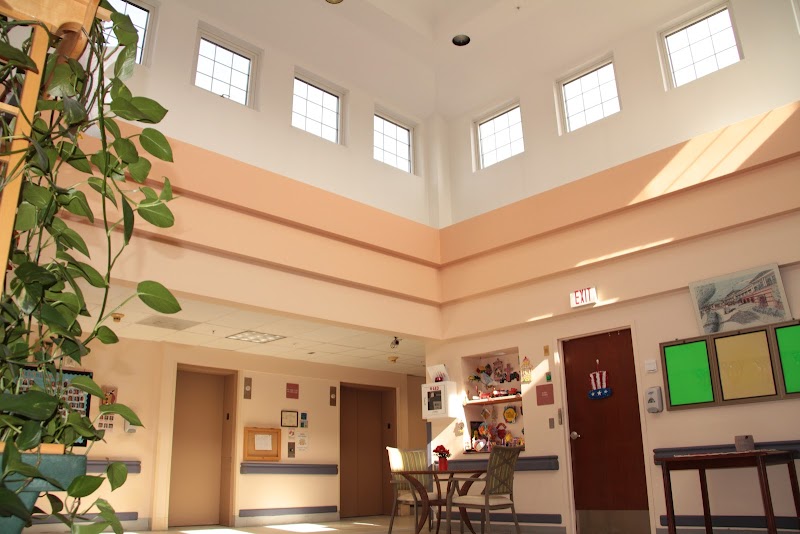
How is Riverside Center For Rehabilitation And Nursing Staffed?

CMS rates RIVERSIDE CENTER FOR REHABILITATION AND NURSING's staffing level at 4 out of 5 stars, which is above average compared to other nursing homes. Staff turnover is 58%, which is 12 percentage points above the New York average of 46%. High turnover can affect care consistency as new staff learn residents' individual needs.

What Have Inspectors Found at Riverside Center For Rehabilitation And Nursing?

State health inspectors documented 25 deficiencies at RIVERSIDE CENTER FOR REHABILITATION AND NURSING during 2019 to 2023. These included: 1 that caused actual resident harm and 24 with potential for harm. Deficiencies causing actual harm indicate documented cases where residents experienced negative health consequences.
Who Owns and Operates Riverside Center For Rehabilitation And Nursing?

RIVERSIDE CENTER FOR REHABILITATION AND NURSING is owned by a for-profit company. For-profit facilities operate as businesses with obligations to shareholders or private owners. The facility is operated by UPSTATE SERVICES GROUP, a chain that manages multiple nursing homes. With 80 certified beds and approximately 75 residents (about 94% occupancy), it is a smaller facility located in CASTLETON ON HUDSON, New York.
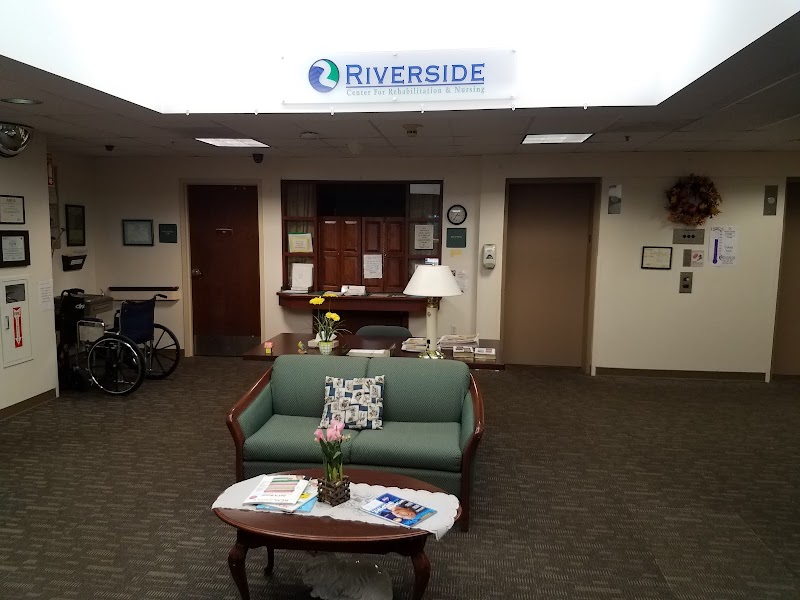
How Does Riverside Center For Rehabilitation And Nursing Compare to Other New York Nursing Homes?

Compared to the 100 nursing homes in New York, RIVERSIDE CENTER FOR REHABILITATION AND NURSING's overall rating (1 stars) is below the state average of 3.0, staff turnover (58%) is significantly higher than the state average of 46%, and health inspection rating (1 stars) is much below the national benchmark.

What Should Families Ask When Visiting Riverside Center For Rehabilitation And Nursing?

Based on this facility's data, families visiting should ask: "How do you ensure continuity of care given staff turnover, and what is your staff retention strategy?" "Can I visit during a mealtime to observe dining assistance and food quality?" "How do you handle medical emergencies, and what is your hospital transfer rate?" "Can I speak with family members of current residents about their experience?" These questions are particularly relevant given the facility's high staff turnover rate.

Is Riverside Center For Rehabilitation And Nursing Safe?

Based on CMS inspection data, RIVERSIDE CENTER FOR REHABILITATION AND NURSING has a clean safety record: no substantiated abuse findings (meaning no confirmed cases of resident harm), no Immediate Jeopardy citations (the most serious violation level indicating risk of serious injury or death), and is not on the Special Focus Facility watch list (a federal program monitoring the lowest-performing 1% of nursing homes). The facility has a 1-star overall rating and ranks #100 of 100 nursing homes in New York. While no facility is perfect, families should still ask about staff-to-resident ratios and recent inspection results during their visit.

Do Nurses at Riverside Center For Rehabilitation And Nursing Stick Around?

Staff turnover at RIVERSIDE CENTER FOR REHABILITATION AND NURSING is high. At 58%, the facility is 12 percentage points above the New York average of 46%. High turnover means new staff may not know residents' individual needs, medications, or preferences. It can also be disorienting for residents, especially those with dementia who rely on familiar faces. Families should ask: What is causing the turnover? What retention programs are in place? How do you ensure care continuity during staff transitions?

Was Riverside Center For Rehabilitation And Nursing Ever Fined?

RIVERSIDE CENTER FOR REHABILITATION AND NURSING has been fined $7,901 across 1 penalty action. This is below the New York average of $33,158. While any fine indicates a compliance issue, fines under $50,000 are relatively common and typically reflect isolated problems that were subsequently corrected. Families should ask what specific issues led to these fines and confirm they've been resolved.

Is Riverside Center For Rehabilitation And Nursing on Any Federal Watch List?

RIVERSIDE CENTER FOR REHABILITATION AND NURSING is not on any federal watch list. The most significant is the Special Focus Facility (SFF) program, which identifies the bottom 1% of nursing homes nationally based on persistent, serious quality problems. Not being on this list means the facility has avoided the pattern of deficiencies that triggers enhanced federal oversight. This is a positive indicator, though families should still review the facility's inspection history directly.