THE COTTAGES AT GARDEN GROVE, A SKILLED NRSG COMM
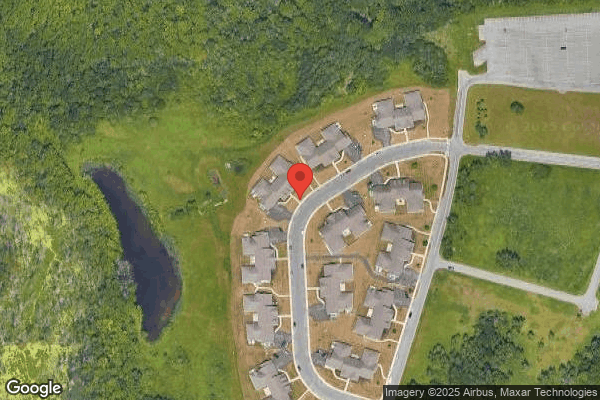

5460 MELTZER COURT, CICERO, NY 13039 (315) 699-1619
Non profit - Corporation 156 Beds Independent Data: November 2025
Trust Grade
65/100
#343 of 594 in NY
Last Inspection: July 2024

Within standard 12-15 month inspection cycle. Federal law requires annual inspections.

Overview

The Cottages at Garden Grove in Cicero, New York, has a Trust Grade of C+, which means it is slightly above average but still has room for improvement. It ranks #343 out of 594 facilities in New York, placing it in the bottom half, and #5 out of 13 in Onondaga County, indicating that only a few local options are better. The facility's performance is worsening, with issues increasing from 1 in 2023 to 8 in 2024. Staffing is a relative strength here, with a 4-star rating and a turnover rate of 46%, which is around the state average; however, the RN coverage is average, which may limit oversight. While the facility has not incurred any fines, there are concerning incidents, such as a resident being found with an unexplained bruise and a failure to investigate potential neglect when residents fell without proper care being followed. Additionally, some residents experienced delays in meal service, and several cottages were noted to be unclean and in disrepair, raising concerns about the overall living environment.

Trust Score
C+
65/100
In New York
#343/594
Bottom 43%
Safety Record
Low Risk
No red flags
Inspections
Getting Worse
1 → 8 violations
Staff Stability
⚠ Watch
46% turnover. Above average. Higher turnover means staff may not know residents' routines.
Penalties
✓ Good
No fines on record. Clean compliance history, better than most New York facilities.
Skilled Nurses
○ Average
Each resident gets 38 minutes of Registered Nurse (RN) attention daily — about average for New York. RNs are the most trained staff who monitor for health changes.
Violations
⚠ Watch
20 deficiencies on record. Higher than average. Multiple issues found across inspections.
★★★☆☆
3.0
Overall Rating
★★★★☆
4.0
Staff Levels
★★☆☆☆
2.0
Care Quality
★★★☆☆
3.0
Inspection Score
Stable
2023: 1 issues
2024: 8 issues

The Good

  • 4-Star Staffing Rating · Above-average nurse staffing levels
  • Full Sprinkler Coverage · Fire safety systems throughout facility
  • No fines on record

Facility shows strength in staffing levels, fire safety.

The Bad

3-Star Overall Rating

Near New York average (3.1)

Meets federal standards, typical of most facilities

Staff Turnover: 46%

Near New York avg (46%)

Higher turnover may affect care consistency

The Ugly 20 deficiencies on record

Jul 2024 7 deficiencies
CONCERN (D)

Potential for Harm - no one hurt, but risky conditions existed

Investigate Abuse (Tag F0610)

Could have caused harm · This affected 1 resident

Based on observations, record review, and interviews during the recertification survey conducted 7/8/2024-7/16/2024, the facility failed to ensure all allegations of abuse, neglect, and mistreatment w...

Read full inspector narrative →
Based on observations, record review, and interviews during the recertification survey conducted 7/8/2024-7/16/2024, the facility failed to ensure all allegations of abuse, neglect, and mistreatment were thoroughly investigated or reported to the New York State Department of Health as required for 1 of 1 resident (Resident #77) reviewed. Specifically, Certified Nurse Aide #1 had a physical altercation with Resident #77 causing a skin tear (a wound caused when layers of skin separate or peel back) to the resident's arm and Certified Nurse Aide #1 was not immediately removed from direct resident care pending investigation. Additionally, the facility did not conduct a thorough investigation to rule out abuse and neglect and did not report the incident to the New York State Department of Health as required. Findings include: The facility policy, Dementia Care, dated 3/2024, documented upon admission all resident's cognitive status would be reviewed for an assessment of care needs; basic care approaches were to approach in a soft, low voice, re-direct whenever possible from a high stress environment, allow the resident to remain in a preferred location/environment if safe, and re-approach resident later if they expressed/chose to remain, recognizing that this was a preference/choice even in someone who had dementia. The facility policy, Abuse, reviewed by the facility 5/2024 documented all employees would be trained on appropriate interventions to deal with aggression and/or catastrophic reactions of residents; all staff were required to monitor staff for inappropriate behaviors including swearing, rough handing, or ignoring a resident's needs and report it to their supervisor and appropriate actions would be taken. The Nursing Supervisor was required to complete a Resident's Accident/Incident report if they became aware of any injury sustained by the Resident, and the Director of Nursing would investigate for any potential of abuse in accordance with New York State Department of Health's Investigative Guidelines for Allegations of Abuse/Neglect in Long-Term Care Facilities. Residents involved in allegations of abuse would be protected from harm during the investigation of reported abuse. If the Director of Nursing had reason to suspect the employee abused or mistreated a resident, options included: suspension of suspected employee until the investigation was complete; reassignment of suspected employee to another unit, change of assignment to prevent the involved employee contact with the involved resident; and termination. The facility policy, Resident Abuse Reporting, reviewed by the facility 5/2024, documented witnessed or suspected incidents of abuse were to be reported to the Department of Health when reasonable cause was established. The Supervisor would be responsible for notifying the Administrator/Director of Nursing of the witnessed or suspected incident of abuse. Upon receiving an allegation of abuse, the Nurse Manager/Designee would place the accused employee on immediate temporary suspension pending investigation and ensure that staff had correctly and accurately completed an incident report. Together, the Director of Nursing and Administrator would review the internal investigation to determine reasonable cause. The Nurse Manager/Designee would submit the Incident/Accident to the Department of Health within 24 hours and after reviewing with the Administrator and Director of Nursing. Resident #77 had diagnoses of restlessness and agitation and mild dementia with anxiety. The 5/20/2024 Minimum Data Set assessment documented the resident had severely impaired cognition, used a wheelchair, had highly impaired hearing, responded adequately to simple, direct communication, had behavioral symptoms not directed toward others 1-3 of 7 days, did not reject care, required moderate assistance for most activities of daily living, and did not have any skin tears. The 5/14/2024 admission assessment completed by Registered Nurse #17 documented Resident #77 was alert and oriented to person, place, time, and situation, made their own healthcare decisions, required extensive assistance with bed mobility and transfers and had multiple bruises on the right arm caused by multiple blood draws during hospitalization. The Comprehensive Care Plan documented: - on 5/14/2024 the resident had potential risk for impaired skin integrity related to limited mobility. Interventions were to inspect skin every shift for evidence of redness, excoriation, or breakdown; keep skin clean and dry; lubricate dry skin as needed, provide treatments as needed, and monitor lab work and report abnormalities as needed. - on 5/14/2024 the resident was at risk for falls due to impaired judgement and balance/coordination impairment. Interventions included keep in high visibility areas as applicable. - on 5/14/2024 the resident had a hearing deficit with interventions including staff should speak slowly, clearly, and loudly while facing the resident; approach the resident from the front and use gentle touch to get attention. - on 5/21/2024 the resident received buspirone (used to treat anxiety) related to diagnosis of agitation. Interventions included assess behavior pattern daily and assess effectiveness of medication. The buspirone was increased on 5/23/2024 due to agitation/anxiety in the evening. - on 5/22/2024 the resident had altered mood state as manifested by motor tension, autonomic hyperactivity, apprehensiveness, and hypervigilance. Interventions included encourage verbalizations of feelings, explore positive coping strategies, reduce environmental stimuli, and provide reassurance and emotional support. A 5/21/2024 Physician #6 order documented psychiatric consultation for behaviors. Document progress note every shift on the behaviors presented by the resident, any non-pharmacological interventions, and the result of the interventions. The 7/2024 resident care instructions documented the resident used a walker and a wheelchair, required partial/moderate assistance with transfers, and had verbally abusive behaviors and negative statements. The instructions did not include interventions for behavioral symptoms. The 7/7/2024 at 8:19 PM Registered Nurse Supervisor #2's nursing progress note documented Resident #77 was reportedly being combative with Certified Nurse Aide #1 during the shift. The resident punched Certified Nurse Aide #1 several times and Certified Nurse Aide #1 grabbed Resident #77's arm when the resident swung at them a fourth time, resulting in a 2.5-inch skin tear to the resident's left arm. The skin tear was covered with Suresite (a transparent film dressing). The family was notified, and a message was sent to the social worker and the Director of Nursing. There was no documented evidence an investigation was initiated to rule out abuse and neglect or that Registered Nurse Supervisor #2 immediately removed Certified Nurse Aide #1 from providing resident care. The 7/7/2024 Certified Nurse Aide Documentation Record documented the resident refused to bath or eat during the evening shift (3:00 PM-11:00 PM) and was signed by Certified Nurse Aide #1. There were no behaviors documented. A 7/7/2024 Physician #6 order documented cleanse left forearm skin tear with normal saline. Pat dry and apply Suresite dressing every 3 days. Monitor for signs and symptoms of infection and report to registered nurse. During an observation and interview on 7/8/2024 at 5:28 PM, Resident #77 was observed with a bandage and bruising to their left arm. Resident #77 stated Certified Nurse Aide #1 grabbed and cut their arm. The resident was able to answer screening questions appropriately. The facility Accident/Incident Report signed by Registered Nurse Supervisor # 2 on 7/11/2024 (four days after the incident) documented on 7/7/2024 at 7:21 PM an incident occurred in the living room of the resident's cottage. The resident was aggressive and had reportedly hit the certified nurse aide (unidentified). After multiple strikes the resident attempted to hit the certified nurse aide again. In an attempt to protect themself, the certified nurse aide grabbed the resident's arm which resulted in a skin tear due to the resident's fragile skin. The resident had an order for a psychiatric evaluation already in place due to agitation and anxiety and was seen 7/11 with recommendations for management of anxiety and symptoms. The offense was not reportable. The section First Accused Perpetrator had N/A written through it. The conclusion documented the investigation did not support the allegation of abuse, mistreatment, neglect. The report was signed by the Administrator and the Director of Nursing on 7/11/2024. There was no documented evidence how the facility concluded abuse or mistreatment did not occur or that Certified Nurse Aide #1 was suspended pending investigative outcome. Certified Nurse Aide #1's timecard documented the following hours worked: - on 7/7/2024 6:56 AM- 9:13 PM - on 7/8/2024 6:57 AM-10:33 PM - on 7/10/2024 7:04 AM- 9:04 PM - on 7/11/2024 7:04 AM-3:03 PM - on 7/12/2024 7:03 AM (survey exited prior to the end of Certified Nurse Aide #1's shift). During an interview on 7/11/2024 at 12:02 PM, Resident #77 stated Certified Nurse Aide #1 wheeled them to the dining room area (unsure of the date) and locked their wheelchair wheels so they could not move. They attempted to move in their chair and Certified Nurse Aide #1 repeatedly grabbed their wheelchair and stopped them from returning to their room. Certified Nurse Aide #1 grabbed their arm and when the resident pulled away, their arm was cut. During an interview on 7/11/2024 at 11:57 AM, Certified Nurse Aide #1 stated they worked on 7/7/2024 during the evening shift from 3:00 PM-9:00 PM. Licensed Practical Nurse #3 and they put the resident in their wheelchair and brought them to the common area. The resident later wanted to go back to their room, was combative, and struck them (Certified Nurse Aide #1). They grabbed the resident's arm to stop them from hitting and the resident sustained a skin tear. They thought it was appropriate to grab the resident's arm due to the resident's combative behaviors. They and Licensed Practical Nurse #3 reported the incident to Registered Nurse Supervisor #2 that evening. During a telephone interview on 7/11/2024 at 12:49 PM, Licensed Practical Nurse #3 stated they worked on 7/7/2024. They were administering medications in the resident's cottage. At approximately 6:00 PM- 6:30 PM, they were advised by Registered Nurse Supervisor #2 had arrived due to Resident #77 hitting Certified Nurse Aide #1 but had no knowledge of the incident only that the resident had a skin tear and they cleaned it and covered it with gauze. During a telephone interview on 7/11/2024 at 2:26 PM, Registered Nurse Supervisor #2 stated they worked on 7/7/2024 and were alerted Resident #77 had a skin tear to their left arm. They stated when they arrived, Certified Nurse Aide #1 informed them the resident had been combative and they grabbed the resident's arm to stop them from hitting them. Registered Nurse Supervisor did not think it was abuse and the only prevention implemented was the certified nurse aide was prevented from doing further care. Registered Nurse Supervisor #2 stated they were unaware if a full investigation was completed. During an interview on 7/11/2024 at 2:30 PM, the Director of Nursing stated the facility had not started a full investigation of the incident that occurred on 7/7/2024 because the New York State Department of Health entered the facility for the recertification survey on 7/8/2024. They stated Resident #77 was combative, their family was notified, and the resident had been seen by Social Services and progress notes would be added. On 7/11/2024 at 3:59 PM, the Director of Nursing submitted an Investigative Report to the New York State Department of Health, 4 days after the incident occurred. During a follow-up interview on 7/12/2024 at 9:23 AM, the Director of Nursing stated they were not made aware of the incident with Resident #77 and Certified Nurse Aide #1 until they completed rounds on the morning of 7/8/2024. They stated Registered Nurse Supervisor #2 had completed an incident report and abuse was not suspected. They asked Certified Nurse Aide #1 and Registered Nurse Supervisor #2 about the incident and concluded there was no abuse and did not notify anyone else. They stated they would investigate now that they were aware. During an interview on 7/12/2024 at 9:41 AM, the Administrator stated they were not aware of an incident between Certified Nurse Aide #1 and Resident #77 until the New York State Department of Health requested a full investigative report. They stated they were responsible for investigating to rule out abuse but had accepted the Director of Nursing's statement that abuse was unfounded. The Administrator stated they knew what incidents needed to be reported to the New York State Department of Health but did not do so as they thought abuse was ruled out; if abuse was ruled out, they did not send the accused home. During an interview on 7/12/2024 at 10:14 AM, Physician #6 stated they were familiar with Resident #77 who had diagnoses of dementia and anxiety and had seen them on 7/10/2024. They were not advised of any incidents between Certified Nurse Aide #1 and Resident #77 and was not aware the resident had a skin tear. They thought it was appropriate for Certified Nurse Aide #1 to grab Resident #77's arm if it were done in self-defense. 10NYCRR 415.4(b)
CONCERN (D) 📢 Someone Reported This

A family member, employee, or ombudsman was alarmed enough to file a formal complaint

Potential for Harm - no one hurt, but risky conditions existed

Deficiency F0676 (Tag F0676)

Could have caused harm · This affected 1 resident

Based on observations, record review, and interviews during the recertification and abbreviated (NY00340968, NY00316430, and NY00302422) surveys conducted 7/8/2024-7/16/2024, the facility did not ensu...

Read full inspector narrative →
Based on observations, record review, and interviews during the recertification and abbreviated (NY00340968, NY00316430, and NY00302422) surveys conducted 7/8/2024-7/16/2024, the facility did not ensure residents were given the appropriate treatment and services to maintain or improve their ability to carry out the activities of daily living for 1 of 4 residents (Resident #61) reviewed. Specifically, Resident #61 leaned far to the right in their wheelchair and was not assisted with repositioning. Findings include: The 9/2014 facility policy Repositioning, documented elders would receive the required assistance for repositioning based on their assessment from the interdisciplinary team and that repositioning in bed/chair was assured for those elders who needed assistance. Resident #61 was admitted to the facility with diagnoses including unspecified dementia, multiple sclerosis (a central nervous system disease), generalized muscle weakness, and unspecified pain. The 5/17/2024 Minimum Data Set assessment documented the resident had severely impaired daily decision making skills, was rarely understood, had one fall, required moderate assistance with sitting to lying and transfers, and used a manual wheelchair. The 3/22/2023 Occupational Therapist #44 discharge summary documented the resident was able to maintain static (sitting still) sitting with contact guard assistance. Therapy provided to address standing tolerance and sitting balance. Recommendations included to perform activities of daily living in seated position as much as possible. The 1/29/2024 Physical Therapist #45 discharge summary documented the resident required stand by assistance to maintain static (with no movement) and dynamic (with movement) sitting. The comprehensive care plan revised 2/20/2024 documented the resident was at risk for falls due to balance impairment. Interventions included reposition in chair as needed. The comprehensive care plan revised 5/15/2024 documented the resident required set up or clean up assistance with eating. The care instructions dated 7/9/2024 documented, Dycem (non-slip material) in wheelchair at all times. Do not leave in wheelchair unsupervised. The resident was observed: -On 7/8/2024 at 5:35 PM, sitting in their wheelchair leaning far to their right side, using their right arm to eat and drink. Their food fell off their fork and the milk spilled to the floor when they tried to bring the utensil and cup to their mouth. -On 7/9/2024 at 9:56 AM, sitting in their wheelchair leaning far to their right. -On 7/10/2024 at 10:44 AM, sitting in their wheelchair leaning far to the right with their right underarm in direct contact with wheelchair arm rest. -On 7/10/2024 at 12:30 PM, sitting in their wheelchair leaning far to the right. Certified Nurse Aide #12 used the waist band of the resident's pants to straighten the resident. -On 7/10/2024 at 12:53 PM, sitting in their wheelchair leaning far to the right side, using their right arm to eat salad. Lettuce dropped off their fork onto the floor. -On 7/15/2024 at 12:56 PM, sitting in their wheelchair eating lunch, leaning to the far right. They were able to straighten their posture briefly, but immediately went back to a right leaning posture. During an interview on 7/16/2024 at 9:14 AM, Certified Nurse Aide #12 stated if they noticed a resident was leaning in a chair, they should realign the resident and report it to the nurse who could trigger a physical therapy evaluation. Resident #61 required the assistance of one for positioning and tended to lean to the side. During mealtimes they sometimes leaned with their food and the food dropped onto the floor. Therapy worked with the resident, but they did not believe anything was changed to help with positioning. During an interview on 7/16/24 at 9:37 AM, Licensed Practical Nurse #16 stated if there was a positioning concern with a resident, they would do whatever they could to make sure the resident was properly aligned. If they saw a resident was leaning in their chair and it was not ordinary behavior, they would call the Nurse Manager to assess. If the leaning affected the resident's ability to eat, they should straighten them and help them eat. Resident #61 sometimes needed help when sitting in their chair due to leaning and sitting to the side of the chair. They did not see the resident at mealtimes due to covering another cottage during mealtimes but did not think the resident required any assistance with eating. During an interview on 7/16/2024 at 11:15 AM, the Assistant Director of Nursing stated if staff saw a positioning issue with a resident, such as sliding or leaning in a chair, they should reposition the resident. If it was an ongoing issue, they expected a physical therapy evaluation to be triggered. They expected the same if the leaning occurred during mealtime. They were not sure what Resident #61's assistance level for positioning or eating was. They had not seen the resident lately, but the last time they did, the resident was self-propelling in their wheelchair and did not notice any abnormalities. Proper positioning was important for swallowing, comfort, safety, and for prevention of wounds. During an interview on 7/16/24 at 11:47 AM, Occupational Therapist #15 stated on admission residents were assessed for appropriate wheelchairs, cushions, and need for adaptive equipment such as lateral supports. If they noticed a change in a resident or received an alert from a Nurse Manager, they would reassess the resident. If a resident leaned in their wheelchair, they would reassess the wheelchair or the need for lateral supports to correct leaning. Resident #61 leaned to the right, but they had never worked with them. They thought lateral supports would agitate the resident due to their history of behaviors. Blankets might work if placed in the wheelchair for positioning because they could be removed by the resident, whereas the lateral supports could not. They did not believe lateral supports had been tried with the resident. Proper positioning was important to prevent skin breakdown as leaning could agitate the resident's underarm. 10NYCRR 415.12(a)(3)
CONCERN (D) 📢 Someone Reported This

A family member, employee, or ombudsman was alarmed enough to file a formal complaint

Potential for Harm - no one hurt, but risky conditions existed

ADL Care (Tag F0677)

Could have caused harm · This affected 1 resident

Based on observation, record review, and interviews during the recertification and abbreviated (NY00302422, NY00316430, NY00340968) surveys conducted 7/8/2024-7/16/2024, the facility did not ensure re...

Read full inspector narrative →
Based on observation, record review, and interviews during the recertification and abbreviated (NY00302422, NY00316430, NY00340968) surveys conducted 7/8/2024-7/16/2024, the facility did not ensure residents who were unable to carry out activities of daily living received the necessary services to maintain good nutrition, grooming, and personal and oral hygiene for 1 of 7 residents (Resident #100) reviewed. Specifically, Resident #100 was not assisted with removing unwanted facial hair and had unclean and untrimmed fingernails. Findings include: The facility policy, Standard of Care: Personal Hygiene/Grooming/Dressing/Eating- ADL Function/Rehab Potential, revised 9/2014 documented every elder should be encouraged and assisted as necessary to maintain personal hygiene for optimal physical and psychological well-being. Daily morning care would consist of shaving and fingernails would be cleaned and checked for trimming on showers days. Resident #100 had diagnoses including dementia and anxiety. The 5/20/2024 Minimum Data Set assessment documented the resident had severely impaired cognition, required partial/moderate assistance with personal hygiene, substantial/maximal assistance with showering/bathing, and did not refuse care. The comprehensive care plan initiated 2/6/2024 documented the resident had a self-care deficit related to dementia. Interventions included nail care and shaving assistance per customary routine preferences, showers on Wednesday and Saturday evening, and the resident required substantial/maximal assistance with bathing and general personal hygiene. The 7/2024 Certified Nurse Aide Resident Care Record documented the resident received a shower during the evening shift on 7/6/2024 and 7/10/2024 and received assistance with personal hygiene from 7/8/2024-7/14/2024 on both day and evening shifts. Resident #100 was observed at the following times: - On 7/8/2024 at 6:20 PM, seated in their wheelchair with thick black hair covering their upper lip, long gray/white hair under their chin, and their fingernails were long and unkept with brown debris underneath the fingernails. The resident stated they did not want facial hair. - On 7/9/2024 at 2:59 PM, seated in their wheelchair with thick black hair covering their upper lip, long gray/white hair under their chin, and their fingernails were long and unkept with brown debris underneath most of them. - On 7/10/2024 at 12:30 PM, seated in their wheelchair with thick black hair covering their upper lip, long gray/white hair under their chin, and their fingernails were long and unkept with brown debris underneath most of them. -On 7/15/2924 at 11:10 AM, seated in their wheelchair with thick black hair covering their upper lip and long gray/white hair under their chin. During an interview on 7/15/2024 at 1:52 PM, Certified Nurse Aide #34 stated they looked at a resident's care instructions to see how to properly care for the resident. Personal hygiene was completed every day and consisted of bathing, dressing, oral care, nail care, and shaving. They stated they documented all care provided and if a resident refused, they would document the refusal and notify the nurse so they could reapproach the resident. They were familiar with Resident #100, they did not refuse care, and they assisted with their care on the morning of 7/15/2024. They did notice Resident #100's facial hair earlier but did not have time to remove it. They planned on shaving the resident later that day. They stated long, unwanted facial hair and dirty fingernails were not dignified. During an interview on 7/15/2024 at 2:24 PM, Certified Nurse Aide #37 stated personal hygiene consisted of dressing, bathing, shaving, and nail care. They were familiar with Resident #100, assisted with their care earlier that day, and the resident did not refuse care. They did notice Resident #100's facial hair, but they were already up and, in their wheelchair, so they did not shave them. They planned on cutting Resident#100's fingernails. It was important to complete all personal hygiene including shaving and nail care daily so the resident would feel good and not cut themselves. During an interview on 7/16/2024 at 9:53 AM, Licensed Practical Nurse #29 stated staff looked at a resident's care plan or care instructions to tell how to properly care for the resident. Personal hygiene was completed each shift and consisted of washing a resident's face and body, nail care, hair care, shaving, and oral care. Nail care was also done on shower days. If a resident refused care, the certified nurse aides should document the refusal and notify the nurse. They had not been notified of any refusals by Resident #100. They stated it was important for the certified nurse aides to offer shaving and cutting fingernails to maintain Resident #100's dignity. During an interview on 7/16/2024 at 11:15 AM, the Assistant Director of Nursing stated personal hygiene consisted of bathing, oral care, shaving, nail care, and should be completed daily for each resident and as needed. If a resident refused any kind of care, the certified nurse aide should document the refusal and notify the nurse. If personal hygiene was signed off as completed, that meant it was done. They stated it was important to shave and provide nail care to Resident #100 to maintain their dignity. 10NYCRR 415.12(a)(3)
CONCERN (D) 📢 Someone Reported This

A family member, employee, or ombudsman was alarmed enough to file a formal complaint

Potential for Harm - no one hurt, but risky conditions existed

Deficiency F0679 (Tag F0679)

Could have caused harm · This affected 1 resident

Based on observation, interview, and record review during the recertification and abbreviated (NY00316340 and NY00336542) surveys conducted 7/8/2024-7/16/2024, the facility did not ensure residents we...

Read full inspector narrative →
Based on observation, interview, and record review during the recertification and abbreviated (NY00316340 and NY00336542) surveys conducted 7/8/2024-7/16/2024, the facility did not ensure residents were provided an ongoing program to support their choice of activities, designed to meet their interests and support their physical, mental, and psychosocial well-being for 1 of 5 residents (Resident #120) reviewed. Specifically, Resident #120 was not offered meaningful activities that included their interests and preferences. Findings include: The undated facility policy, Recreation Philosophy and Practice, documented the Recreation Department honored freedom of choice for their household members, and enabled elders/persons to either actively or passively participate in leisure experiences to enhance quality of life via groups or one to one endeavors targeted to provide experiences for success. The facility admission Agreement dated 5/2024 documented covered services included an activities program and would provide a varied schedule of activities to meet resident physical, psychological, spiritual, and individual needs. Resident #120 had diagnoses of peripheral vascular disease (poor circulation), diabetes, and chronic kidney disease. The 1/29/2024 admission Minimum Data Set assessment documented the resident's cognition was moderately impaired, they felt down, or depressed, and daily preferences included listening to classical music, attending religious services, and going outside for fresh air when weather permitted. The comprehensive care plan initiated 2/7/2024 documented a focus of therapeutic recreation. Interventions included to ensure the resident had an activities calendar in their room, invite to programs of interest such as music, exercising, watching sports of interest, reading, spiritual time, reminiscing, and spending time outdoors when the weather permitted. The July 2024 activity schedule for Cottage #87 was posted on a white board in the common area and was placed on top of the fireplace hearth. The board sat in the corner of the hearth and wall and was approximately 6 feet from the floor and not highly visible. Activity times were listed as AM and PM and included: - On 7/8/2024 AM church, PM good news. - On 7/9/2024 AM cow craft, PM milk/cookies. - On 7/10/2024 AM exercise, PM manicures. - On 7/11/2024 AM exercise, PM musical. - On 7/12/2024 AM BINGO, PM snacks/chats. - On 7/15/2024 AM church, PM strolls. - On 7/16/2024 AM exercise, PM gardening. The July 2024 activity attendance record for Resident #120 did not document attendance for music, spiritual services, or going outdoors per the resident's preferences. There were no documented activity progress notes for Resident #120. During an observation and interview on 7/8/2024 at 1:48 PM, Resident #120 was sitting in their room on their bed. There were no personal effects in their room. A July 2024 activity calendar was hanging on a bulletin board to the right of the door and was not visible from the main part of the room. The resident stated they loved classical music but did not have means to listen to it. They enjoyed socializing with other people of the same sex, but they were the only cognitive one of their sex in their building. They loved to spend time outdoors. They were only invited to attend BINGO which they did not like. During an observation on 7/10/2024 at 12:31 PM, the resident was sitting at a dining room table with a cognitively impaired resident. There was no interaction between the residents. During an observation and follow-up interview on 7/15/2024 at 10:47 AM, Resident #120 was observed self-propelling in their wheelchair near the exit door of the Cottage and asked to go outdoors or sit on the porch. Certified Nurse Aide # 25 told the resident they could not go outside. Resident #120 propelled themself over to the dining room window and sat and looked outside. The resident became tearful and stated they had rules to follow so what could they do? They stated they were a practicing [NAME] Catholic and had only spoken to a priest one time but would love to attend church. They felt lonely, and they wanted to socialize with other residents of the same sex. During an interview on 7/15/2024 at 11:35 AM, Recreation Specialist #2 stated they were responsible for activity programs for three Cottages, including Resident #120's. Resident #120 liked music, going outdoors, and socializing. They tried to incorporate those preferences into their programs but often did not have enough time. They had played a 50-minute church service on the television in Resident #120's cottage so they could run over to a different cottage and finish up those resident activities. Resident #120 was not invited to the church service. There were no social groups, but they tried to bring residents to other buildings to socialize. Outside vendors did not come to provide activities due to the facility requirement of background checks and paperwork that took too long to process. They had not brought Resident #120 to any other buildings for socialization. They stated the resident had not been outside lately and did not have any classical music in their room to listen to. During an interview on 7/16/2024 at 8:48 AM, the Director of Therapeutic Recreation stated they had a full caseload and was responsible for activity programs in Cottages #31, #51 and #61. They stated the facility had not had any outside vendors come to the facility since COVID-19. They had a priest come only when needed and did not have any Catholic mass services. They did not have social groups except for Resident Council and a cooking group. They had not had outdoor activities such as cookouts in a long time. They were not set up for those types of events. Residents were not allowed to go outside if the temperature was 85 degrees Fahrenheit or higher for safety reasons. 10NYCRR 415.5(f)(1)
CONCERN (D) 📢 Someone Reported This

A family member, employee, or ombudsman was alarmed enough to file a formal complaint

Potential for Harm - no one hurt, but risky conditions existed

Pressure Ulcer Prevention (Tag F0686)

Could have caused harm · This affected 1 resident

Based on observation, record review, and interview during the recertification and abbreviated (NY00316430) surveys conducted 7/8/2024-7/16/2024, the facility did not ensure residents with pressure ulc...

Read full inspector narrative →
Based on observation, record review, and interview during the recertification and abbreviated (NY00316430) surveys conducted 7/8/2024-7/16/2024, the facility did not ensure residents with pressure ulcers received necessary treatment and services, consistent with professional standards of practice, to promote wound healing, prevent infection, and prevent new ulcers from developing for 2 of 6 residents (Residents #125 and #7) reviewed. Specifically, Resident #125 did not have an alternating pressure overlay (a specialty mattress overlay that provides air flow to relieve pressure) in place as ordered, and Resident #7's wound treatments were not completed as ordered. Findings include: The facility policy, Skin Care, dated 3/2014 documented residents with pressure ulcers would receive the necessary treatment and services to promote healing, prevent infection, and prevent new pressure ulcers from developing. The Nurse Manager would assess all residents with any staged pressure ulcers weekly, collect data, and document on the skin tracking worksheet. Depending on the statistics, continuing education would be given on prevention and treatments. The facility policy, Alternating Pressure Mattress Overlay, revised 3/2022 documented an order would be obtained from the provider. The licensed practical nurses would check the function and comfort mode of the mattress every shift, sign off on the Treatment Administration Record, and report any unresolved issues to the Nurse Manager or Supervisor. 1) Resident #7 had diagnoses including an unstageable pressure ulcer (full thickness tissue loss in which the base of the ulcer is covered by dead tissue) of the right heel, protein-calorie malnutrition, and local infections of the skin and subcutaneous (below the surface) tissue. The 5/15/2024 Minimum Data Set assessment documented the resident had severely impaired cognition, did not reject, had one Stage 3 pressure ulcer (full thickness tissue loss), had a pressure reducing device for their bed, and received pressure injury care. The 5/15/2024 at 8:52 AM physician treatment order documented Medi Honey paste (a medical grade honey product used for wound healing) apply 1 applicator by topical route once daily. Wash right heel pressure ulcer with soap and water, pat dry, apply skin prep (skin protectant) around the wound, apply Medi Honey to the wound base, and cover with adhesive foam dressing. Change daily and as needed. The Comprehensive Care Plan initiated 6/24/2022 documented the resident had skin breakdown related to pressure on their right heel. Interventions included to assess characteristics of wound during treatment care and document weekly; elevate heels off bed with pillow supplied by therapy; turn and position every 2-3 hours as needed; foot cradle on end of bed, alternating air mattress set to middle firmness and use pressure relieving devices in bed or chair as indicated. The July 2024 resident care instructions documented use pressure relief mattress, elevate heels off the bed with therapy supplied pillow; use extra caution when ambulating, dressing and repositioning due to new blood thinner order; turn and position every 2 to 3 hours and as needed. The 6/4/2024-6/18/2024 Nurse Practitioner #35 progress notes documented the resident had a Stage 3 pressure ulcer measuring 1.5 centimeters by 0.5 centimeters by 0.1 centimeters on 6/4/2024 and measured 1.2 centimeters by 0.8 centimeters by 0.1 centimeters on 6/18/2024 and was improving. A 7/2/2024 at 10:13 AM Assistant Director of Nursing #21 progress note documented the resident had a healing Stage 3 pressure ulcer to the right heel measuring 1.9 centimeters x 1.5 centimeters and containing 100% pale pink tissue. No signs or symptoms of infection were noted. There was a moderate amount of serosanguinous (mixture of serum and blood) drainage on the old dressing. The 7/2024 Treatment Administration Record documented to wash right heel pressure ulcer with soap and water, pat dry. Apply skin prep around wound and allow to air dry. Apply Medi Honey 100% topical paste, apply 1 applicator to wound base. Cover with gauze, cover with abdominal pad (absorbent dressing), and wrap with elastic gauze every day during the 3:00 PM- 11:00 PM shift and as needed. The Treatment Administration Record documented Licensed Practical Nurse #36 did not complete the treatment to their right heel on 7/8/2024, 7/9/2024, and 7/10/2024 due to not having supplies. During an interview on 7/15/2024 at 9:32 AM, Licensed Practical Nurse #20 stated the resident's treatment to their right heel was scheduled for the 3:00 PM-11:00 PM shift. If supplies were not available, nurses should notify their supervisor. During a treatment observation and follow-up interview on 7/15/2024 at 2:32 PM, Licensed Practical Nurse #20 applied Medi Honey topical paste to the wound and covered the right heel with an abdominal gauze pad and Kerlix bandage. The wound appeared to be a clean Stage 3 ulcer with some maceration (moisture damage) around the perimeter. The 7/15/2024 at 4:04 PM Assistant Director of Nursing #21 progress note documented a late entry from the 7:00 AM-3:00 PM shift. The resident's wound care supplies were noted to be unavailable per the licensed practical nurse documentation and after consult with the wound care nurse the treatment was changed. During an interview on 7/16/2024 at 9:16 AM, Assistant Director of Nursing #21 stated they were responsible for ordering wound care supplies. They stated the nurses would write down what was needed, and they would order them. Supplies were delivered every Wednesday. They stated the resident's lack of wound care supplies triggered on the 24-hour report and they became aware on 7/15/2024 the treatment was not completed for 3 days. They stated it was unacceptable for the resident's treatment not to be completed by Licensed Practical Nurse #36 due to a lack of supplies; the Registered Nurse Supervisor should have been notified and the resident's pressure ulcer could have gotten worse or infected. During an interview on 7/16/2024 at 9:59 AM, Infection Preventionist #46 stated also functioned as the wound care nurse for the facility. They stated Resident #7 had a stage 3 pressure ulcer to their right heel and arterial ulcers to the surface of their toes. They stated they were not aware the resident's treatments were not completed until 7/15/2024 when the Assistant Director of Nursing approached them and asked for an alternate treatment. The Infection Preventionist stated it was unacceptable for the resident to not have their wound care for 3 days and could lead to infection of the wound or it could worsen. Voicemail messages were left with Licensed Practical Nurse #36 and no return calls were received. 2) Resident #125 had diagnoses including dementia, Stage 2 (partial thickness skin loss). pressure ulcers of the right and left heels. The 6/21/2024 Minimum Data Set assessment documented the resident had severely impaired cognition, did not exhibit behaviors, did not reject care, required partial/moderate assistance for bed mobility and transfers, was at risk for developing pressure ulcers, had two Stage 2 pressure ulcers that were not present on admission, and received pressure ulcer care. The comprehensive care plan initiated on 5/20/2024 documented the resident had impaired skin integrity related to a Stage 2 pressure ulcer on their right and left heel. The interventions included alternating pressure overlay on the bed, apply treatments as ordered, assess skin every shift, elevate heels off the bed, and turn and position every two hours while in bed. The 6/26/2024 physician order documented alternating pressure overlay on the bed, set to middle firmness, and check inflation every shift. Resident #125 was observed at the following times: - On 7/8/2024 at 1:26 PM, sitting in their wheelchair with a regular mattress on their bed. The alternating pressure overlay was rolled up on the floor next to the dresser and the pump was lying on top of the dresser. - On 7/9/2024 at 9:58 AM, sitting in their wheelchair with a regular mattress on their bed. The alternating pressure overlay was rolled up on the floor next to the dresser and the pump was lying on top of the dresser. - On 7/10/2024 at 6:23 AM, lying on their back in bed, on a regular mattress. The alternating pressure overlay was rolled up on the floor next to the dresser and the pump was lying on top of the dresser. - On 7/11/2024 at 7:16 AM, lying on their back in bed, on a regular mattress. The alternating pressure overlay was rolled up on the floor next to the dresser and the pump was lying on top of the dresser. The July 2024 treatment administration record documented alternating pressure overlay checks every shift. Check functioning/inflation and set to middle firmness. The alternating pressure overlay was documented as checked: - On 7/8/2024 by Licensed Practical Nurse #28 from 7:00 AM- 3:00 PM; by Licensed Practical Nurse #30 from 3:00 PM- 11:00 PM; by Licensed Practical Nurse #32 from 11:00 PM- 7:00 AM. - On 7/9/2024 by Licensed Practical Nurse #29 from 7:00 AM- 3:00 PM; by Licensed Practical Nurse #30 from 3:00 PM- 11:00 PM; by Licensed Practical Nurse #32 from 11:00 PM- 7:00 AM. - On 7/10/2024 by Licensed Practical Nurse #28 from 7:00 AM- 3:00 PM; by Licensed Practical Nurse #28; by Licensed Practical Nurse #30 from 3:00 PM- 11:00 PM; by Licensed Practical Nurse #32 from 11:00 PM- 7:00 AM. - On 7/11/2024 by Licensed Practical Nurse #29 from 7:00 AM- 3:00 PM; by Licensed Practical Nurse #31 from 3:00 PM- 11:00 PM; by Licensed Practical Nurse #33 from 11:00 PM- 7:00 AM. During an interview on 7/15/2024 at 1:59 PM, Certified Nurse Aide #34 stated they thought Resident #125 had pressure ulcers on their heels and was supposed to be on an alternating pressure overlay, be turned and positioned frequently, and have their heels elevated while in bed. These tasks were listed on Resident #125's care instructions. The nurses were responsible for the mattress settings, and ensured it was in place and functioning. They stated they did not notice if the mattress was in place, and they would notify a nurse if there were any issues. They stated it was important for the alternating pressure overlay to be in place and working to prevent Resident #125's pressure ulcers from getting worse. During an interview on 7/16/2024 at 9:41 AM, Licensed Practical Nurse #29 stated all direct care staff were responsible for checking to ensure alternating pressure overlays were in place and functioning. The nurses had to sign off every shift that the overlay was functioning correctly, and the settings were correct. They did not recall the last time they checked Resident #125's alternating pressure overlay, but if they signed it off in the treatment administration record it meant they observed it working. They stated it was important to check the alternating pressure overlay as ordered because if it was not in place or working properly it could put Resident #125 at risk for further skin breakdown on their heels. During an interview on 7/16/2024 at 11:07 PM, the Assistant Director of Nursing #21 stated staff looked at a resident's care plan to tell them how to properly care for the resident. All alternating pressure overlays needed a physician order, and the order would include the correct setting. The licensed practical nurses had to sign off every shift that it was working properly and set correctly. They expected the alternating pressure overlay to be in place if the licensed practical nurses were signing off on it and would expect the staff to notify a manager or provider if it was not in place. They stated they had heard from staff it was on the floor all week and not being used. Any nurse could have placed it on the bed and turned it on because there was an order for it. They stated it was important to ensure Resident #125's alternating pressure overlay was in place and working to prevent further skin breakdown. 10NYCRR 415.12(c)(1)(2)
CONCERN (D) 📢 Someone Reported This

A family member, employee, or ombudsman was alarmed enough to file a formal complaint

Potential for Harm - no one hurt, but risky conditions existed

Deficiency F0804 (Tag F0804)

Could have caused harm · This affected 1 resident

Based on observation and interview during the recertification and abbreviated (NY00316430 and NY00336542) surveys conducted 7/8/2024-7/16/2024, the facility did not ensure each resident received food ...

Read full inspector narrative →
Based on observation and interview during the recertification and abbreviated (NY00316430 and NY00336542) surveys conducted 7/8/2024-7/16/2024, the facility did not ensure each resident received food and drink that was palatable, flavorful, and at an appetizing temperature for 2 of 2 meals reviewed (the 7/10/2024 lunch meal in Cottage 60 and the 7/15/2024 lunch meal in Cottage 31). Specifically, food was not served at palatable and appetizing temperatures during the lunch meals on 7/10/2024 and 7/15/2024 and Residents #40 and #105 stated the food did not taste good. Findings include: The facility policy, Food Handling Guidelines, revised 1/2024 documented: - Foods should be held hot for service at a temperature of 135 degrees or higher. - Foods should be covered during hot holding whenever possible to minimize the effects of evaporative cooling on the surface. - Foods should be held cold for service at a temperature of 41 degrees or less. During an interview on 7/8/2024 at 2:35 PM, Resident #40 stated they did not care for the food. The hot food was not hot, and the cold food was not cold. During an interview on 7/8/2024 at 2:17 PM, Resident #105 stated the hot food was not hot, and the cold food was not cold by the time it was served to them. During a lunch meal observation on 7/10/2024 at 12:14 PM in Cottage 60, Resident #40 was served their lunch meal tray. A replacement tray was ordered, and Resident #40's original meal tray was tested. The cheeseburger was measured at 130 degrees Fahrenheit, the milk was 58 degrees Fahrenheit, the apple juice was 69 degrees Fahrenheit, and the water was 53 degrees Fahrenheit. During an interview on 7/10/2024 at 12:38 PM, Dietary [NAME] #22 stated food was precooked, reheated in the oven before it was served, and the oven top was kept on low while the meal was being plated. They stated the certified nurse aides could pre-pour residents' drinks but would usually pour them while they were plating each resident's food. All food had temperatures taken before it was served and the hot food was supposed to be 165 degrees Fahrenheit and above, and any cold drinks or food were supposed to be under 40 degrees Fahrenheit. During a lunch meal observation on 7/15/2024 at 12:12 PM in Cottage 31, Resident #105 was served their lunch meal tray. A replacement tray was ordered, and Resident #40's original meal tray was tested. The carrot salad was 52 degrees Fahrenheit, and the apple juice was 53 degrees Fahrenheit. During an interview on 7/15/2024 at 12:21 PM, Certified Nurse Aide #34 stated they were unsure when the refrigerator was last stocked. They had just opened a new apple juice when lunch was being served. Cold food items should have been served between 34-36 degrees Fahrenheit and hot food items close to 180 degrees Fahrenheit. They stated the apple juice container did not feel warm, so they thought it was fine to serve it to the residents. During an interview on 7/16/2024 at 9:11 AM, Food Service Director #23 stated they completed test trays sporadically throughout the month and would test a meal tray from each cottage. Cold food items were to be served below 40 degrees and hot food at 140 degrees or above. They sent the results to the Administrator, Director of Nursing, food service staff, and the Nurse Managers. Temperatures of 52.5, 58, and 69 degrees Fahrenheit were not acceptable for apple juice, carrot salad, and milk. Cold drinks should always be served cold, staff should pour resident drinks at the time of service, and if they pre-poured drinks they should be covered and placed back into the refrigerator until served. During an interview on 7/16/2024 at 9:18 AM, Registered Dietitian #24 stated they completed test trays twice a week. Hot food was supposed to be served at 140 degrees or above and cold food items were supposed to be below 40 degrees. The Nurse Managers would review the results with the nursing staff because they were responsible for serving the meals to the residents. 10NYCRR 415.14(d)(1)(2)
CONCERN (D) 📢 Someone Reported This

A family member, employee, or ombudsman was alarmed enough to file a formal complaint

Potential for Harm - no one hurt, but risky conditions existed

Infection Control (Tag F0880)

Could have caused harm · This affected 1 resident

Based on observation, record review, and interview during the recertification and abbreviated (NY00336542) surveys conducted 7/8/2024-7/16/2024, the facility did not establish and maintain an infectio...

Read full inspector narrative →
Based on observation, record review, and interview during the recertification and abbreviated (NY00336542) surveys conducted 7/8/2024-7/16/2024, the facility did not establish and maintain an infection prevention and control program designed to provide a safe, sanitary, and comfortable environment and to help prevent the development and transmission of communicable diseases and infections for 2 of 2 staff (Licensed Practical Nurse #7 and Certified Nurse Aide #8) reviewed. Specifically, Licensed Practical Nurse #7 did not perform hand hygiene or change their gloves during wound care, and Licensed Practical Nurse #7 and Certified Nurse Aide #8 did not perform hand hygiene or wear gowns when providing incontinence and wound care to Resident #106 who was on enhanced barrier precautions. Findings include: The facility policy, Hand Washing, revised 5/27/2022, documented all personnel were required to perform hand hygiene after contact with wound dressings and if moving from a contaminated body site to a clean body site. The facility policy, Enhanced Barrier Precautions, dated 5/2024, documented the facility would implement enhanced barrier precautions for the prevention of transmission of multidrug-resistant organisms by employing targeted gown and glove use during high contact resident care activities such as wound and hygiene care. Resident #106 was admitted to the facility with diagnoses including a Stage 4 pressure ulcer (full thickness tissue loss with exposed bone, tendon, or muscle pressure) of the left buttock. The 6/7/2024 Minimum Data Set assessment documented the resident had severely impaired cognition, was dependent with most activities of daily living, was incontinent of bowel and bladder, and had a pressure ulcer. The comprehensive care plan initiated on 1/25/2024 and revised on 3/5/2024 documented the resident had a Stage 4 pressure ulcer. Interventions included perform weekly wound rounds, apply local treatments as ordered, and to monitor for signs and symptoms of infection. The comprehensive care plan initiated on 7/8/2024, documented the resident was on enhanced barrier precautions related to an active infection. Interventions included maintain universal precautions at all times and infection control practices through proper handwashing. The facility's education record documented Licensed Practical Nurse #7 completed hand hygiene training on 10/28/2023, enhanced barrier training on 4/22/2024, and infection prevention and control training on 4/23/2024. The training record for Certified Nurse Aide #8 documented they completed hand hygiene training on 12/12/2023. There was no documented evidence of enhanced barrier precaution training or infection prevention and control training. The following observations were made: - On 7/9/2024 at 9:09 AM, an enhanced barrier precautions sign and a bin with isolation gowns was outside of Resident #106's room. The sign indicated gowns and gloves were needed for high contact activities including personal hygiene and wound care. - On 7/11/2024 at 10:30 AM, the Resident #106 was in bed. Licensed Practical Nurse #7 entered the resident's room, washed their hands, applied clean gloves, started to remove the resident's brief, found the resident was incontinent of stool, removed their gloves, and exited the room to get assistance without performing hand hygiene. Licensed Practical Nurse #7 returned with Certified Nurse Aide #8. They applied clean gloves and provided incontinence care. Licensed Practical Nurse #7 placed soiled linen directly on the floor then changed their gloves without performing hand hygiene, removed the old dressing from the wound, prepared new packing gauze with saline, and packed the wound using a cotton swab and their hand without cleansing the wound. They did not change their gloves after the soiled dressing was removed or before the new dressing was applied. Certified Nurse Aide #8 removed their gloves and left the room without performing hand hygiene. Licensed Practical Nurse #7 and Certified Nurse Aide #8 did not wear a gown while performing care. During an interview on 7/15/2024 at 1:34 PM, Certified Nurse Aide #8 stated if a resident was on precautions there would be a sign outside the room that directed what type of personal protective equipment was needed in the room. All personal protective equipment should be in a bin outside the door. Resident #106 was on precautions due to an open wound on their bottom and had a sign and a bin outside of their room. The sign said gown and gloves were required if they were dealing directly with the wound, which they did not. They thought they had precaution and hand washing training this past June and that it was important that precautions were followed to prevent the spread of infection and resident illness. During an interview on 7/15/2024 at 1:53 PM, Licensed Practical Nurse #7 stated residents on precautions had a sign and a bin with personal protective equipment outside their door. They should wash their hands before and after entering the room of any resident on precautions. They were unsure what enhanced barrier precautions were. They stated after they removed the old dressing, they should have changed their gloves to prevent contamination and the soiled supplies should not have been placed on the floor. They stated 7/15/2024 was the first day Resident #106 was on precautions and the first day there was a sign outside their door. They thought their last infection control training was last winter. They stated it was important to maintain proper precautions including hand hygiene to prevent the spread of infection and to cleanse Resident #106's wound to keep it from becoming infected. During an interview on 7/15/2024 at 2:18 PM, Registered Unit Nurse Manager #14 stated they put precaution signs and bins outside resident rooms and expected staff to follow what was on the signage. A wound treatment order should include cleansing instructions and gloves should be changed after removing an old dressing to prevent counter contamination. Soiled supplies should have been placed in the garbage not on the floor. Resident #106 had been on enhanced barrier precautions for about a month and had a sign and bin outside their room. They stated an order that included cleansing was important to promote healing and prevent infection, and following precautions was important for the same reasons. During an interview on 7/16/2024 at 9:59 AM, Infection Preventionist #46 stated all staff received yearly infection control training. Resident #106 had a Stage 4 pressure ulcer that required treatments. Their 6/28/2024 wound treatment order was not complete and did not include cleansing the wound. The treatment order was updated on 7/15/2024 and had instructions on cleansing the wound. They stated it was unacceptable for the nurse to not remove their gloves appropriately when performing wound care on Resident #106 and it could have led to an infection in the wound, or the wound could worsen. 10 NYCRR 415.19(a)(b)
May 2024 1 deficiency
CONCERN (E) 📢 Someone Reported This

A family member, employee, or ombudsman was alarmed enough to file a formal complaint

Potential for Harm - no one hurt, but risky conditions existed

Investigate Abuse (Tag F0610)

Could have caused harm · This affected multiple residents

Based on record review and interview conducted during the abbreviated survey (NY00329594 and NY00331170), the facility did not ensure all alleged violations involving mistreatment, neglect, or abuse w...

Read full inspector narrative →
Based on record review and interview conducted during the abbreviated survey (NY00329594 and NY00331170), the facility did not ensure all alleged violations involving mistreatment, neglect, or abuse were thoroughly investigated for 2 of 3 residents (Resident #1 and 2) reviewed. Specifically, - Resident #1 was found with a bruise of unknown origin and an assessment was not completed timely, and an investigation to rule out abuse/neglect was not initiated at the time of the report. - Resident #1 fell and sustained an injury and the investigation did not identify if the resident's care plan was followed for toileting (every 2 to 4 hours) or if the resident's fall mat was in place at the time of the fall. -Resident #2 had a fall and it was documented they were clearly incontinent. The investigation did not determine when the resident was last provided incontinence care and whether the care plan for toileting was followed. - Resident #2 had a fall while in another resident's room. The resident was incontinent at the time of the fall and the facility's investigation did not identify if the resident's care plan was followed for toileting every 2 to 4 hours. Findings include: The facility's Abuse policy dated 3/2014 documented all reports of resident abuse or neglect were to be promptly and thoroughly investigated by facility management. 1) Resident #1 had diagnosis including dementia and heart failure. The 10/11/2023 Minimum Data Set assessment documented the resident had severe cognitive impairment, did not have impairment of the arms and legs, used a wheelchair or cane for mobility, and required supervision or partial assistance with most activities of daily living. They required supervision or touching assistance with walking 10 to 50 feet. The resident had a history of falls and had falls while at the facility. The comprehensive care plan, initiated on 9/23/2019, documented the resident was at risk for falls. Interventions included to keep in highly visible areas as able, a motion sensor alarm with floor mats when asleep in bed, and toileting every 2 to 4 hours. On 8/15/2023, the comprehensive care plan was revised and documented the resident had a sensor alarm, low bed, and fall mats. Incident #1 The 11/25/2023 Quality Assurance Report (Incident /Accident Report) completed by registered nurse #15 documented at 8:20 AM, certified nurse aide #6 reported Resident #1 had a bruise on their chin. The injury was of unknown origin and there were no witnesses. The directions on the report documented to obtain staff statements for the past 24 hours and notify the Director of Nursing. Resident #1 was alert to themselves only and reported something fell on their face. The report documented the bruise lined up with the dining room table and the care plan was followed. Statements included with the facility's 11/25/2023 Quality Assurance Report documented: - on 11/25/2023, certified nurse aide #6 noted they were assigned to Resident #1 that morning and last saw the resident at 7:05 AM sitting at the dining room table. They did not see an incident and found the bruise while washing the resident up for morning care. The Supervisor was notified at that time. - On 11/25/2023, a statement by an unidentified staff person documented licensed practical nurse #17 heard certified nurse aide #18 tell licensed practical nurse #19 about the bruise on 11/25/2023 at around 5:00 AM. They spoke to certified nurse aide #18 on the telephone at 9:36 AM and they reported they first saw the bruise after 5:00 AM and reported it to licensed practical nurse #19 when observed. The 11/25/2023 progress note by registered nurse #15 at 9:51 AM, documented a reddish/purple bruise was noted on Resident #1's chin. There was no swelling or complaints of discomfort. The note further documented because the resident was so petite when sitting at the dining room table, they noticed the resident's face at the edge of the table. The on-call medical provider, health care proxy, and the Director of Nursing were notified. There was no documentation the facility followed-up with licensed practical nurse #19 regarding the report that they were told about the bruise at 5:00AM; no documentation of notification of a Supervisor at the time the bruise was initially reported, and no documentation the resident was assessed by a qualified professional at the time the bruise was identified. During a telephone interview on 4/25/2024 at 8:20 AM, licensed practical nurse #19 stated when they were notified of a bruise they would go to the cottage and call the Supervisor as they were not able to assess residents. They did not recall if they were aware of the bruise on 11/25/2023 or if they notified the Supervisor. During a telephone interview on 4/25/2024 at 8:32 AM, registered nurse #15 stated Resident #1 was alert to themself. Their role as the Supervisor was to complete an Incident/Accident Report and obtain and review statements from staff at the time the incident occurred. They did not recall being notified of Resident #1's bruise on the chin. They did not recall information being on the 24-hour report or having been notified by the 11:00 PM to 7:00 AM shift of the incident. They completed the investigation and obtained staff statements when the bruise was reported that morning at 8:20 AM. They did not obtained statements from the staff on the previous shift as they did not have a lot of time to do that. If they suspected abuse, they would notify the Director of Nursing or the Assistant Director of Nursing. During a telephone interview on 4/25/2024 at 10:09 AM, certified nurse aide #18 stated they worked with Resident #1 on the 11:00 PM to 7:00 AM shift and licensed practical nurse #19 was the nurse. They did not recall the incident on 11/25/2023 with Resident #1 having a bruise on the chin. They stated, if they documented the bruise was reported to licensed practical nurse #19 then it was reported. They did not recall any further information about the incident. During a telephone interview on 5/2/2024 at 11:21 AM, registered nurse #1 stated on 1/25/2023, Resident #1 was found with a bruise on the chin. They gathered all the information for the incident and did not do the report. They were asked to collect statements after as the incident occurred. When a bruise occurred, statements would be obtained for the past 24 hours. The investigation documented an unsigned, undated document with interviews. The document did not have a name and they were unable to identify who wrote that document. They stated it did not appear licensed practical nurse #19 provided a statement and was not interviewed on what they did after being notified of the bruise during the 11:00 PM to 7:00 AM shift. They stated the investigation was not complete and it needed more information to determine if abuse, neglect, or mistreatment occurred. Incident #2 The 12/8/2023 progress note by registered nurse #21 at 6:40 AM, documented: - Resident #1 was found in their room, on the floor, and the sensor alarm was not sounding. - The resident had a deep laceration (cut) measuring 1 inch by 0.5 centimeters to the mid-forehead. The surrounding area had a hematoma (an injury when blood collects under the skin) and blue bruising to the bridge of the nose. The area was cleaned and approximated, steri strips (treatment to keep a wound closed) and ice were applied. - The resident was brought to the common area for close observation. - Certified nurse aide #18 found the resident lying on the floor in the middle of their room with their walker. The bedside stand (treatment cupboard) was tipped over with personal items on the floor. A moderate amount of sanguineous (red) drainage was noted to be dried in their hair and a red area was on the right shoulder and the left hand was noted with ecchymosis (bruising). The resident was often up and around overnight and was difficult to redirect. The 12/8/2023 Quality Assurance Report (Incident/Accident Report) by registered nurse #21 documented at 6:40 AM, certified nurse aide #18 found Resident #1 in their room, lying on the floor in dried blood. The resident sustained a laceration and hematoma on the forehead. The right finger was broken, and the resident was unable to state what happened due to confusion. The form documented the motion sensor did not alarm and the care plan was not followed. That documentation was crossed out and it was documented the motion sensor was working and the care plan was followed. The resident had a diagnosis of a urinary tract infection and made attempts to self-transfer. The staff brought the resident into the common area and a new intervention was to have a floor mat on the floor when the resident was in bed. A physical therapy referral was requested to assess for safety of the floormat. Statements obtained by the facility and included in the facility investigation documented: - on 12/8/2023 at 7:00 AM, certified nurse aide #18 documented they were assigned to Resident #1's care and last observed them at 2:00 AM lying down. They last provided incontinence care at 1:30 AM. They went to check on Resident #1 at 6:40 AM and found them on the ground lying down. - On 12/8/2023, registered nurse #21 documented they were notified by certified nurse aide #18 at 6:40 AM Resident #1 was found on the floor. Resident #1 was in the middle of the room, on their right side with a moderate amount of dried blood on the floor under their head, in their hair and clotted blood across the forehead over the laceration. The treatment cabinet had tipped over and personal items and batteries scattered on the floor. The resident was unable to state what happened and the walker was close by. They asked the resident if the motion sensor alarmed, and the resident stated it had not. They asked certified nurse aide #18 when they last saw the resident, they reported around 4:30 AM and the resident was sleeping in bed. They checked the motion sensor at that time, it sounded, the bed was in the lowest position, and they were not sure if the floor mat was in place. They completed a neurological assessment, cleaned the area, applied ice and a bandage around the head. The resident was brought to the common area for close observation. They notified Director of Nursing #22 and registered nurse #23 of the incident and that the sensor alarm did not activate prior to the resident being found on the floor. The 12/7/2023 to 12/8/2023 certified nurse aide form documented the resident had incontinence care completed at 6:17 AM on 12/8/2023. The facility investigation did not identify if the sensor alarm sounded as planned or if the fall mat was in place at the time of the fall. The resident reported the alarm did not sound and registered nurse #21 documented the alarm was not sounding and they were not sure if the fall mat was in place at the time of the incident. There was no documentation Resident #1 was provided incontinence during the 11:00 PM to 7:00 PM shift until 6:17 AM. During a telephone interview on 4/25/2024 at 10:09 AM, certified nurse aide #18 stated Resident #1 fell in their room on 12/8/2023 at 6:40 AM and they notified the Supervisor. They did not recall if the sensor alarm was sounding when they found the resident on the floor or if the floor mat was in place. They did not recall if they toileted or checked on the resident for incontinence care after 1:30 AM. During a phone interview on 5/2/2024 at 8:53 AM, registered Nurse #21 stated they were notified by certified nurse aide #18 at 6:40 AM on 12/8/2023 that the resident fell. They found the resident on the floor in the middle of the room. They asked certified nurse aide #18 when they last checked on the resident due to the blood being dried. The certified nurse aide stated at 4:00 AM. They asked if the motion sensor sounded, and the aide stated no. They initiated an investigation and documented the care plan was not followed and the motion sensor did not alarm. They did not cross that information out on the report and did not know who did. They did not recall if the fall mat was in place and did not review when incontinence care was last provided as part of the investigation. During a phone interview on 5/2/2024 at 11:21 AM registered nurse #1 stated certified nurse aides were expected to completed hourly rounding on all residents on the unit. They were to look for the residents' location, safety, and ensure incontinence care was evaluated and provided. If an incident occurred on an off shift, the Supervisors were responsible to initiate an investigation, obtain statements from whoever was involved in the incident write a progress note and update the care plan as needed. They were to review the Incident/Accident report, and the care plan to ensue any interventions were reviewed and if needed, revisions were made. They did not review incidents all the time. Once the information was gathered with a quick review, they ensured all the information was present. The report then went to the Director of Nursing for a second review. The Director of Nursing or Administrator would determine if more information was needed. They stated on 12/8/2023, Resident #1 fell. They were not involved in the investigation and were only asked to obtain further statements from staff regarding the television being broken. They did not complete the Incident/Accident Report. During a telephone interview on 5/2/2024 at 8:09 AM, the Director of Nursing stated the Nurse Managers and supervisors were responsible to complete facility incident reports and update the care plans after any incident. If a resident fell, they expected staff to document a note, evaluate interventions and add new intervention when needed. The nursing staff briefly discussed incidents during morning report and a weekly fall review was done with the interdisciplinary team. The nursing staff were expected to ensure a care plan was reviewed and followed at the time of the incident. Facility reportable incidents included abuse, neglect, and injuries of unknow origin. The looked to ensure abuse, and neglect and mistreatment was ruled out. The Unit Mangers were responsible to complete the investigations. After they completed their part the Director of Nursing and Administrator reviewed the reports to ensure all the information was added and abuse did not occur. All staff were educated on how to investigate. If a resident sustained a bruise the expectation was staff were to obtain statements for the past 24 hours from other shifts. The Supervisor was expected to look at the incident and all the information to determine if the care plan was followed or if disciplinary action was needed. During the following incidents they stated: - on 11/25/2023 at 8:20 AM, Resident #1's bruise was determined to be from the dining room table, the resident was found that morning with their head on the table. They were not aware the bruise was identified at 5:00 AM by certified nurse aide #18 and were not aware the aide reported the incident to licensed partial nurse #19. They expected when the bruise was reported to licensed practical nurse #19, the Supervisor would be notified, an assessment be completed, an Incident/Accident Report be completed to rule out abuse. They did not look into that during their investigation. They stated the investigation was not complete and they were unable to rule out abuse neglect and mistreatment. - On 12/8/2023 at 6:40 AM, Resident #1 was found on the floor in their room by certified nurse aide #18. An investigation was initiated by registered nurse #21 and during interview, certified nurse aide #18 stated they last saw the resident at 4:00 AM in bed. They did not interview certified nurse aide #18 to find out what saw the resident meant and they were not sure if the resident was provided incontinence care at that time. They did not determine when the resident was last toileted and did not know if the residents care plan was followed for toileting. They did not interview registered nurse #21 to find out why there were inconsistencies in their statement or why they crossed out the care plan was not followed as part of the investigation. They stated the investigation was not complete and they were not able to determine if abuse, neglect, or mistreatment occurred. 2) Resident #2 had diagnosis including dementia, heart failure, and diabetes. The 1/26/2024 Minimum Data Set assessment documented the resident had severe cognitive impairment, did not wander, and used a wheelchair for locomotion. They required extensive assistance with most activities of daily living; had more than 2 falls at the facility, and took medications including antipsychotics, antidepressants, antianxiety, diuretics (fluid pills), and anticoagulants (blood thinners). A sensor motion alarm and wander alarm were in place and the family was involved in the resident's care. The 2/28/2022 initial comprehensive care plan documented the resident was at risk for falls. Fall interventions included fall mats, a motion sensor, 30-minute checks, and the resident was to be toileted every 2 to 4 hours. The care plan was revised on 10/21/2023 and it was documented that it remained appropriate and ongoing. Incident #1 The 1/1/2024 to 1/2/2024 activities of daily living form by certified nurse aide #5 did not document toileting was completed from 11:00 PM to 7:00 AM. The 1/2/2024 facility Accident/Incident Form by registered nurse #1 at 7:30 AM, documented: - certified nurse aide #5 found Resident #2 on the fall mat next to the bed while completing morning rounds on another resident. - Resident #2's feet were towards the bathroom door; their head was towards the bed, and the resident was not in any distress. - Registered Nurse #1 completed an assessment, with no reports of pain. The resident was unsure if they hit their head and neurological checks were initiated. - The resident was clearly soiled, assisted back to the wheelchair, and brought to the bathroom for incontinence care. - Nurse practitioner #4 was notified and ordered neurological checks. The designated representative was notified, no rehabilitation referral was made. - At the time of the incident the resident was attempting to go to the bathroom and the care plan was followed. Statements obtained by the facility included in the facility's 1/2/2024 investigation documented: - certified nurse aide #5 documented they were assigned to the resident's care and last observed Resident #2 at 7:15 AM. They heard someone yell for help and found the resident on the floor. They did not provide care to the resident for the past 24 hours, and the resident was last toileted on the night shift. - Certified nurse aide #6 documented they were assigned to the resident's care, and last observed Resident #2 at 7:15 AM. They heard someone screaming help and found the resident on the floor. They did not provide care to the resident for the past 24 hours, and the resident was last toileted on the night shift. The facility investigation did not document when the resident was last provided incontinence care, if the sensor alarm sounded at the time of the incident as the staff heard the resident yelling for help, or whether the 30-minute checks were performed for the resident per the care plan. During a telephone interview on 5/2/2024 at 11:21 AM, registered nurse #1 stated the certified nurse aides were expected to completed hourly rounding on all residents on the unit. They were to look for the residents' location, safety and ensure incontinence care was evaluated and provided. On 1/2/2024, they completed the investigation; the report documented the resident was clearly incontinent, and they did not review incontinence care as part of the investigation and did not look to see when the resident was last toileted. Incident #2 The 1/5/2024 facility Accident/Incident report by registered nurse #7 documented at 5:20 PM: - Resident #2 was in another resident's room and fell. - The resident reported they were trying to pick something off the floor. - Certified nurse aides #8 and 9 were assigned. - The resident did not have injuries and their vital signs were stable. Neurological checks were initiated, and the staff suspected a urinary tract infection. A slight red area was noted on the right hip and the resident complained of hip and buttock pain. No internal or external rotation was noted, and the legs were equal in length. X-rays were ordered by nurse practitioner #10. - The resident was incontinent at the time of the incident, the care plan was followed, and the facility did not suspect abuse, neglect, or mistreatment. - Resident #2 had dementia, was legally blind, had poor safety awareness, and frequent falls. - The resident was brought to the dining room for observation and the plan of care continued. - An interdisciplinary review was conducted on 1/11/2024 and documented the resident had dementia, poor safety awareness, weakness, and the incident was unavoidable. Statements obtained by the facility and included in the facility 1/5/2024 investigation documented: - certified nurse aide #9 documented on 1/5/2024 at 5:20 PM, they were not assigned to Resident #2 and did not provide assistance or care to the resident in the past 24 hours. The statement documented incontinence care was not applicable, and they last observed the resident at 7:00 PM finishing dinner. -Certified nurse aide #8 documented on 1/5/2024 at 5:20 PM, they did not provide assistance or care to the resident in the past 24 hours. They last observed the resident at 7:00 PM after finishing dinner and it was not applicable if the resident was incontinent or was attempting to toilet themself. - Licensed practical nurse #11 documented on 1/5/2024 at 5:20 PM they did not provide assistance or care to Resident #2 in the past 24 hours. The resident was last observed by them at 4:50 PM in the common area. The resident's activities of daily living forms documented: - for the 11:00 PM on 1/4/2024 to 7:00 AM on 1/5/2024 shift, the resident was toileted on 1/5/2024 at 2:32 AM. - For the 7:00 AM to 3:00PM shift on 1/5/2024, the resident was toileted at 1:19 PM. - For the 3:00 PM to 11:00 PM shift on 1/5/2024, toileting was not documented. The facility investigation documented the resident was incontinent at the time of the fall. The 3 staff on duty documented they were not assigned to the resident and had not provided care for the past 24 hours. There were no prior statements from the staff to determine if the resident was toileted per the care plan, no documentation of 30-minute checks being performed and the facility did not identify the resident was not provided incontinence care for almost 10 hours. During an interview on 4/15/2024 at 10:00 AM, registered nurse #1 stated they were the Unit Manager and had training on investigations. On 1/5/2024, the incident happened during the off shift and the Supervisor was responsible to initiate an investigation and obtain statements. They would review the incident to see who was there and what happened. They would ensure statements were obtained, the care plan was reviewed or revised, and the care plan was updated with new interventions if needed. When completed it went to Administration. During an interview on 4/26/2024 at 8:50 AM, certified nurse aide #8 stated they floated from cottage to cottage and got verbal report on a resident's care need when they arrived on the unit from other certified nurse aides. They only looked in the computer system for guidance when they were not sure of something the resident needed. They did not recall if they were assigned to Resident #2 care on the day of the incident. If they documented no on the statement form, that meant they did not provide care to the resident and if they documented not applicable for something that meant they probably were not assigned to the resident's care. If they documented they last observed the resident in the dining room that meant they observed them at that time. They did not recall any specific interventions for the resident. During a telephone interview on 4/26/2024 at 8:35 AM, registered nurse #7 stated they worked as a Supervisor. Rounding by staff was to be completed every 1 to 2 hours and if the resident was at risk for falls, they were to be observed more frequently, every 30 minutes. Toileting residents was to occur every 2 hours. When a resident fell, they reported to the incident, assessed the resident, initiated an investigation, and obtained statements from the staff on duty. Whoever reviewed the facility investigation after they started it would have to follow through and obtain other statements. Once the information was completed, it was reviewed by the interdisciplinary team, they determined if there was a care plan violation or if abuse/neglect occurred. They were not a part of that review. Resident #2 was at risk for falls, had interventions including to be out in a common area and checked on frequently (every hour). The staff observed the residents on the unit a lot. They did not know if Resident #2's care plan documented to be observed every 30 minutes however they felt that was being done. They did not document any specific form of the checks. The care plan would be completed by them at the time of an incident and if a fall occurred a new intervention would be added to the care plan. They did not recall the specific incident with Resident #2 or what happened that day and did not recall if they added a new intervention on the care plan. During a telephone interview on 5/2/2024 at 11:21 AM, registered nurse #1 stated on 1/5/2024, Resident #2 was incontinent at the time of the fall. They did not look when the resident was last provided incontinence care as part of the investigation. The investigation was not complete enough to rule out abuse, neglect, or mistreatment. During a telephone interview on 5/2/2024 at 8:09 AM, the Director of Nursing stated the Nurse Managers and supervisors were responsible to complete facility incident reports and update the care plans after any incident. If a resident fell, they expected staff to document a note, evaluate interventions and add new intervention when needed. The nursing staff briefly discussed incidents during morning report and a weekly fall review was done with the interdisciplinary team. The nursing staff were expected to ensure a care plan was reviewed and followed at the time of the incident. Facility reportable incidents included abuse, neglect, and injuries of unknow origin. The looked to ensure abuse, and neglect and mistreatment was ruled out. The Unit Mangers were responsible to complete the investigations. After they completed their part the Director of Nursing and Administrator reviewed the reports to ensure all the information was added and abuse did not occur. All staff were educated on how to investigate. During the following incidents they stated: - on 1/2/2024, the incident with Resident #2 occurred at 7:30 AM. The investigation documented the resident was clearly incontinent at the time of the fall. They did not review Resident #2's care plan to see if incontinence care was provided per the care plan as part of the investigation. They were not aware there was no documentation Resident #2 received incontinence care on the 11:00 PM to 7:00 AM shift or before the time they fell. They were unable to rule out abuse, neglect, or mistreatment. - On 1/5/2024 at 5:20 PM, Resident #2 fell in another resident's room. The Incident/Accident Form documented the resident was incontinent at the time of the fall. They did not review the resident's incontinence care to ensure the care plan was followed as part of the investigation. 10NYCRR 415.4(b)
Jun 2023 1 deficiency
CONCERN (D) 📢 Someone Reported This

A family member, employee, or ombudsman was alarmed enough to file a formal complaint

Potential for Harm - no one hurt, but risky conditions existed

Quality of Care (Tag F0684)

Could have caused harm · This affected 1 resident

Based on record review and interview during the abbreviated survey (NY00316244), the facility did not ensure residents received treatment and care in accordance with professional standards of quality ...

Read full inspector narrative →
Based on record review and interview during the abbreviated survey (NY00316244), the facility did not ensure residents received treatment and care in accordance with professional standards of quality for 1 of 3 residents reviewed (Resident #1), Specifically, Resident #1 had an unwitnessed fall, it was undetermined if the resident hit their head, and neurological checks were not completed as planned. Findings include: The facility's Neurological Evaluation (Neuro-Checks) policy, dated 3/2014, documented the policy was used to detect and monitor changes which may develop following a head injury or after any fall involving a head injury. Neurological checks were to be initiated following the fall/accident and completed every 2 hours for the first 16 hours and then every 4 hours for 48 hours. The findings were to be recorded on the neurological evaluation form at required intervals and nursing episodic notes were to be completed. Resident #1 had diagnoses including hypertension, diabetes, and anxiety. The 4/22/2023 Minimum Data Set (MDS) assessment documented the resident did not have cognitive impairment or behaviors, required limited assistance with some activities of daily living (ADL), and needed extensive assistance with toileting and personal hygiene. The resident was not steady with standing, walking, or turning in the opposite direction. They used a wheelchair for mobility, was frequently incontinent of bladder, and was always incontinent of bowel. The comprehensive care plan (CCP) initiated on 3/15/2023 documented the resident was at risk for falls and interventions for fall prevention were in place. The 5/5/2023 registered nurse Supervisor (RNS) #2's progress note at 7:03 AM, documented at 12:30 AM, Resident #1 was heard yelling, was found sitting on the floor in the bathroom, stated they needed to use the bathroom, and thought they could do it themselves. The resident was educated on using the call bell for safety, was assisted off the floor using a mechanical lift and was returned to bed. The resident denied pain, vital signs (VS) were within normal limits, and neurological checks were initiated as they were not sure if the resident hit their head. There was no documentation of the neurological checks referred to in RNS #2's progress note on 5/5/2023. The 5/6/2023 licensed practical nurse (LPN) #10's progress note at 3:21 AM, documented the resident was day 1 following a fall with no injuries reported and VS were stable. There was no documentation neurological checks were completed. The 5/6/2023 RNS #3's progress note at 11:39 AM, documented they were called to the resident's room. The resident was leaning to the left side, their pupils were dilated and were slow to respond. Their words were jumbled and they could not speak clearly. The nurse practitioner (NP) was called and requested staff call the family and see if they wanted the resident sent to the hospital. The resident's emergency contact wanted the resident to remain at the facility and be monitored. The 5/6/2023 RNS #3's progress note at 12:19 PM, documented discussed the resident's condition with the physician and the resident's emergency contact was called to see if they wanted the resident sent out for a CT scan (brain scan). The emergency contact declined the scan and wanted the resident kept at the facility. The 5/6/2023 LPN #4's progress note at 9:27 PM, documented Resident #1 was noted to have a significant decline in status and did not respond to verbal or tactile stimuli. Their pupils were fixed and dilated. The resident's emergency contact did not want the resident sent to the hospital and wanted the resident to remain the facility and kept comfortable. On 5/7/2023 at 3:28 AM, the resident passed away. During an interview on 6/7/2023 at 9:40 AM, RNS #3 stated Resident #1 fell on 5/5/2023. The next morning, they completed rounds and saw Resident #1. The resident was alert, able to answer questions, their neurological checks were fine, and they had a brief conversation. Later that morning, they checked on the resident and found the resident was slurring their words a little and their pupils were pinpoint. The resident did not have any difficulty with her grips, their smile was asymmetrical, but the slurring concerned them. During a follow-up interview with on 6/28/2023 at 7:47 AM, RNS #3 stated when a resident had an unwitnessed fall, the person who completed the Accident and Incident Report was responsible to complete neurological checks. There was to be a order for neurological checks and they were documented on the Medication Administration Record (MAR) and/or Treatment Administration Record (TAR). Neurological checks were to be completed every 4 hours for the first 16 hours by the LPNs. RNS #3 stated they completed neurological checks on the resident and did not document them. On 6/7/2023 at 10:43 AM, RN #5 stated during an interview, they worked the day shift on 5/5/2023. RNS #2 assessed the resident right before RNS #5 arrived to the facility that morning. RNS #5 saw the resident throughout the day and the resident did not have any issues. To their knowledge, neurological checks were completed the rest of the shift by the nurses and no issues were found. On 6/8/2023 at 10:43, LPN #10 stated during a telephone interview, when a resident fell, they obtained VS including neurological checks every 2 to 4 hours. They were to check hand strength, pupils, and cognition and documented that information in the progress notes and on a neurological evaluation form. They were aware Resident #1 fell, they thought they did neurological checks, but did not think they attached the neurological form to the progress note. They only saw the resident once on 5/5/2023 due to working at many houses that day. On 6/8/2023 at 10:09 AM, RNS #2 stated during a telephone interview, if a resident had an unwitnessed fall, staff were to do neurological checks. They included looking at the pupils and checking the resident's awareness and strength. The neurological checks were to be done every 4 hours for the first 16 hours then every 8 hours until 72 hours were completed. All documentation of the neurological checks would be in the progress notes. They did the neurological checks the night the resident fell and did not document them. The resident did not have any injuries and they were not aware of any head injury or strike. The Supervisors and LPNs were responsible for the neurological checks. On 6/8/2023 at 10:58 AM, the Director of Nursing (DON) stated during a telephone interview, the facility had a policy for neurological checks. If a resident hit their head, neurological checks would be initiated. In the case of an unwitnessed fall, if the RNS initiated neurological checks, they should be completed and an order should be written. The order would be documented on the MAR and at times, in the nursing progress notes. They stated they were aware when they investigated this incident that the neurological checks were not completed and they would have expected neurological checks to have been done. On 6/28/2023 at 8:40 AM, LPN # 20 stated during a telephone interview, they did not work on 6/5/2023 and on 6/6/2023, they were made aware Resident #1 fell. After any unwitnessed fall, neurological checks were to be done every 4 hours. If there was an order for neurological checks, they would be documented on the MAR or TAR. They did not recall if they did neurological checks or if it was documented on the MAR or TAR for this resident. 10 NYCRR 415.12
Jun 2022 7 deficiencies
CONCERN (D)

Potential for Harm - no one hurt, but risky conditions existed

ADL Care (Tag F0677)

Could have caused harm · This affected 1 resident

Based on observation, interview, and record review during the recertification and abbreviated surveys (NY00276492) conducted 6/7/22-6/10/22, the facility failed to ensure residents who were unable to ...

Read full inspector narrative →
Based on observation, interview, and record review during the recertification and abbreviated surveys (NY00276492) conducted 6/7/22-6/10/22, the facility failed to ensure residents who were unable to carry out activities of daily living (ADL) received the necessary services to maintain good grooming and personal hygiene for 1 of 4 residents (Resident #51) reviewed. Specifically, Resident #51 did not receive assistance with shaving as planned. Findings include: The facility policy Standard of Care: Personal Hygiene/Grooming/Dressing/Eating- ADL Function/Rehab Potential revised 9/2014 documented every elder should be encouraged and assisted as necessary to maintain personal hygiene for optimal physical and psychological well-being. Daily morning care would consist of shaving. Resident #51 had diagnoses including dementia and anxiety. The 4/20/22 Minimum Data Set (MDS) assessment documented the resident had severe cognitive impairment and was totally dependent for personal hygiene. The comprehensive care plan (CCP) effective 4/23/19 documented the resident had a self-care deficit related to advanced dementia. Interventions included shaving assistance per customary routine preference and the resident was to be shaved on shower days (Tuesday and Friday). The 6/2022 certified nurse aide (CNA) resident care record documented the resident received a bath during the day shift on 6/7/22, and had hygiene performed daily from 6/4/22- 6/8/22 on both day and evening shifts. The resident was observed with facial whiskers on their chin and above their upper lip: - on 6/7/22 at 11:04 AM, while sitting in a wheelchair in their room with therapy performing range of motion (ROM). - on 6/8/22 at 9:53 AM, seated in the dining room in a high back wheelchair feeding themselves. - on 6/9/22 at 12:05 PM, sitting in the dining room in a high back wheelchair waiting for lunch. When interviewed on 6/9/22 at 1:07 PM, certified nurse aide (CNA) #17 stated the resident did not speak English, needed total care, and resident specific CCPs were in the computer. CNA #17 stated resident shaving was done on shower days and they would do it sooner if needed. CNA #17 stated the resident never refused care. CNA #17 stated there was no place in the resident record to document shaving was done. They stated they usually shaved the resident right in the shower. When interviewed on 6/9/22 at 02:15PM, CNA # 15 stated they showered the resident on Tuesday 6/7/22. They stated if they documented they showered the resident then they did. The CNA did not think they had shaved the resident during the shower on 6/7 because they probably thought the resident did not need it. CNA #15 stated the resident was care planned to have showers on Tuesday and Fridays and that shaving should be done during their showers. 10NYCRR 415.12(a)(3)
CONCERN (D)

Potential for Harm - no one hurt, but risky conditions existed

Deficiency F0696 (Tag F0696)

Could have caused harm · This affected 1 resident

Based on observation, interview, and record review during the recertification survey conducted 6/7/22-6/10/22, the facility failed to ensure residents who had a prosthesis (artificial limb) were provi...

Read full inspector narrative →
Based on observation, interview, and record review during the recertification survey conducted 6/7/22-6/10/22, the facility failed to ensure residents who had a prosthesis (artificial limb) were provided care and assistance, consistent with professional standards of practice, the comprehensive person-centered care plan, the resident's goals, and preferences, to wear and be able to use the prosthetic device for 1 of 6 residents (Residents #18) reviewed. Specifically, Resident #18 did not receive assistance applying a prosthetic limb to ambulate independently, resulting in decreased functional mobility. Findings include: Resident #18 had diagnoses including left above knee amputation (AKA), peripheral vascular disease (PVD, impaired blood flow), and adjustment disorder with depression. The 3/14/22 Minimum Data Set (MDS) assessment documented the resident was cognitively intact, was independent with transfers, bed mobility, and walking in the corridor, required supervision with walking in their room, had no functional limitations of either lower extremity and had a limb prosthesis. The 6/6/22 MDS documented the resident required limited assistance of 2 with transfers, limited assistance of 1 with bed mobility, walking in room or corridor occurred only once or twice during the assessment period, had no functional limitations of either lower extremity, and had a limb prosthesis. The 2/17/17 comprehensive care plan (CCP) documented the resident had activities of daily living (ADL) self-care deficits. Interventions included meet all ADL needs; dress and groom appropriately; assist with dressing; rolling walker; assist with donning (putting on) left prosthetic limb to allow walking daily; encourage to walk twice a day; transfer independently with rolling walker; and ambulate in common area independently. The 8/18/21 prosthetic clinic consult note documented the resident was seen for evaluation of their left prosthetic leg, The resident was given a new sneaker since the current sneaker was worn. Recommendations included daily physical therapy (PT) for ambulation training with the prothesis. The 4/18/22 physician's orders documented physical therapy (PT) and occupational therapy (OT) screen, evaluation, and treatment. The 6/7/22 PT #14's discharge summary documented on 6/6/22, the resident met a goal of ambulating 10 feet with minimal assist and 50 feet with instruction or cues. The resident was able to perform all functional transfers with only supervision. Staff were educated on appropriate level of resident assist with mobility. Staff were instructed on donning and doffing the prosthesis. The resident was able to ambulate independently without use of the left prosthesis using a hopping motion On 6/7/22 at 11:29 AM, the resident was observed sitting in their wheelchair. The resident had a left AKA and was not wearing a prosthesis. There was a left leg prosthesis in front of a walker near the room doorway. The resident stated at that time they were unable to put the prosthesis on by themself and needed assistance. The resident stated they used to be able to apply the prosthesis themself when they had an enabler bar on the bed but since that was removed, they could no longer do so. On 6/8/22 at 9:53 AM, the resident was observed sitting in their room in a wheelchair wearing shorts and a t-shirt not wearing a prosthesis. There was a left leg prosthesis observed next to a walker near the room door. When interviewed on 6/8/22 at 12:49 PM, the resident stated they did not receive help putting on the left prosthesis and hey needed assistance. The certified nurse aides (CNA) were not knowledgeable or qualified to put it on the resident. The resident stated they received assistance in the past with putting the prosthesis on and could use the enabler bar for stability while putting the leg on. When interviewed on 6/8/22 at 1:10 PM, CNA #15 stated the resident received help with hygiene and CNA #15 stated they never saw the resident wear the left prosthesis and they were not sure if they were care planned for one. CNA #15 stated the resident had not asked for assistance with putting the prosthesis on. The CNA stated they had not received training on how to put the prosthesis on and the resident was able to do so themself. CNA #15 looked in the resident's CCP and stated staff were to assist with the prosthesis. When interviewed on 6/8/22 at 2:35 PM, the Director of Therapy stated the resident was independent with transfers and needed assistance putting the prosthesis on. The resident's primary therapist was responsible for educating direct care staff how to assist with putting the prosthesis on and they were unsure if that was done. The resident was educated on how to walk using the roller walker without the prosthesis. When interviewed on 6/8/22 at 3:00 PM, PT #14 stated the resident walked 30 feet with a roller walker and modified independence without the prosthesis. PT had been working with the resident to gain independence donning/doffing the prosthesis. PT #14 stated direct staff were educated in the past on how to apply and remove the prosthesis, the facility had a turnover of many employees. The resident had shown decline and weakness walking without the prosthesis. The resident would pull the wheelchair near the bed and use the enabler bar on the bed to help stand themself to put on the prosthesis. They had tried the bar in the bathroom, the resident did not like it as they preferred using the enabler bar on the bed. When interviewed on 6/9/22 at 8:51 AM, the Assistant Director of Nursing (ADON) stated there was no formal education documented for prosthesis application, but informal education was done with direct staff by therapy or the Nurse Manager. The ADON stated the resident did their own care and liked to be independent. Therapy had worked with the resident on ambulating without the prosthesis and the resident never refused to wear it when offered by staff. The ADON thought the resident was able to be independent with donning and doffing the prosthesis. If a piece of adaptive equipment was on the CCP, it was expected of staff to ensure it was used as directed. The resident used to have a bed enabler bar to assist with mobility and they used it to don the prosthesis, but all enabler bars were removed facility wide due to safety concerns. 10NYCRR 415.12 (k)(8)
CONCERN (D)

Potential for Harm - no one hurt, but risky conditions existed

Deficiency F0806 (Tag F0806)

Could have caused harm · This affected 1 resident

Based on observation, interview, and record review during the recertification survey conducted 6/7/22-6/10/22, the facility failed to ensure each resident received and the facility provided food that ...

Read full inspector narrative →
Based on observation, interview, and record review during the recertification survey conducted 6/7/22-6/10/22, the facility failed to ensure each resident received and the facility provided food that accommodated resident allergies, intolerances, and preferences for 1 of 3 residents (Resident #66) reviewed. Specifically, Resident #66 did not receive an approved substitution at one meal and did not receive gluten (a protein found in some grain products) free bread as ordered. Findings included: The facility policy Person Centered Resident Dining revised 3/2022 documented the facility was to provide each resident with a nourishing, palatable, well-balanced, attractive diet that met their daily nutritional needs; resident's individual choices and preferences were honored; resident menu selection would be based on their prescribed diet, food preferences, and choices. Resident #66 had diagnoses including non-celiac gluten sensitivity (intestinal symptoms related to the ingestion of gluten-containing foods in the absence of celiac disease), dementia and malnutrition. The 5/5/22 Minimum Data Set (MDS) assessment documented the resident had severely impaired cognition, required supervision after set-up for eating, was always incontinent of bowel, and was on a mechanically altered therapeutic diet. The 4/20/22 physician progress note documented the resident had lost 6.2 pounds (lbs) since the last review, remained malnourished, was on an appetite stimulant, and had good intake of caloric supplements. The resident recently had abdominal distention possibly due to gastritis. The 6/8/22 registered dietitian (RD) #5 quarterly nutrition review documented the resident's weight were stable for the past 6 months. The resident had a gluten sensitivity and was to have a low gluten pureed diet with nectar thick fluids. The resident was on aspiration (inhaling food or fluid into the lungs) precautions. Interventions included providing diet as prescribed, honor food preferences, provide necessary assistance with meals, and monitor intake of food and fluids. The undated comprehensive care plan (CCP) documented the resident ate their meals in the dining room, was at risk for aspiration, and required set-up assistance at meals. The CCP did not include the resident's gluten sensitivity. The resident's 6/7/22 meal ticket for lunch documented they were to receive a regular pureed (blended consistency), nectar thick, low gluten diet to include 8 ounces (oz) nectar thick milk, 4 oz nectar thick apple juice, 3 oz pureed chicken, 4 oz mashed potatoes, 4 oz pureed warm peaches, and 4 oz pudding. During an observation on 6/7/22 at 12:22 PM, certified nurse aide (CNA) #22 was asking dietary staff #23 about grilled chicken. Dietary staff #23 stated there was no grilled chicken available. At 1:11 PM, CNA #22 stated they had no idea what to serve Resident #66. At 1:17 PM, CNA #22 served Resident #66 mashed potatoes. At 1:23 PM, CNA #22 stated there were no hamburgers or grilled chicken, so they had to serve Resident #66 turkey. At 1:34 PM, CNA #22 stated they called dietary to ask for Resident #66's ticketed meal including grilled chicken. When interviewed on 6/7/22 at 1:35 PM, CNA #22 stated the substitute for grilled chicken was hamburger, and dietary staff #23 was told there was neither available. The CNA stated they called the cottage next to them as well. CNA #22 stated Resident #66 received a gluten free diet and was supposed to have grilled chicken or hamburger, only breaded chicken was available, and the resident could not have the breading, so staff substituted pureed deli turkey instead. There was no documented evidence the pureed deli turkey was an approved substitution for Resident #66. On 6/8/22 at 9:05 AM, an undated Always Available Items list was observed sitting on the kitchen counter inside of a plastic stand. The list documented the following items would be available: - waffles, pancakes, French toast, hard cooked eggs, hamburgers on a bun, hot dog on a bun, grilled chicken, omelet, turkey sandwiches, ham sandwiches, bologna sandwiches, cheese sandwiches, grilled cheese sandwiches, tuna salad sandwiches, and egg salad sandwiches. During an observation on 6/8/22 at 10:06 AM, Resident #66 received a divided plate with oatmeal, eggs, 8 ounces (oz) nectar thick milk, 4 oz of nectar thick orange juice, and 6 oz of nectar thick coffee. The resident's meal ticket documented they were to receive a regular pureed, nectar thick, low gluten diet. The meal ticket documented 8 oz nectar thick milk, 4 oz nectar thick orange juice, 6 oz nectar thick coffee, 4 oz pureed oatmeal, 3 oz pureed Denver scrambled eggs, and 2 oz of pureed gluten free bread. The resident did not receive gluten free bread. During an interview on 6/8/22 at 10:06 AM, CNA #19 stated Resident #66 could not have regular bread because they were on a gluten free diet, and there was no gluten free bread available. During an interview on 6/9/22 at 11:24 AM with CNA #22 they stated Resident #66 received a gluten free diet. They stated they were trained on what to serve residents who received a gluten free diet and knew what to substitute if items on the menu were not available. At 11:51 AM, CNA #22 stated that the cottage currently did not have any gluten free bread to serve Resident #66. On 6/9/22 at 11:29 AM, The Winter 2021 -2022 Diet Guide Sheet was observed in a 3 ring binder located in the kitchen. The guide sheet included what foods to serve for the following diets: - Regular, ground, pureed, no concentrated sweets, no added salt, and the combination diet of no concentrated sweets and no added salt. The diet guide did not include a gluten free diet. During an interview on 6/10/22 at 12:07 PM, The Food Service Director stated the facility had 2 residents who received a gluten free diet, per their preference. They stated gluten free bread should have been available and they were not aware gluten free bread was not available for Resident #66. When interviewed on 6/10/22 at 1:10 PM, RD #21 stated direct care staff were expected to follow all meal tickets. The food service director was to review menu substitutions and send an email of what was to be substituted for unavailable items. Gluten free products included noodles, rice, and bread. The RD stated they were not aware grilled chicken was not available or that the resident did not receive grilled chicken and should have. Staff had been educated on lack of an available food item and what not to serve a gluten free resident. The RD stated they should have been made aware the grilled chicken was not available. There was an incorrect and outdated list of always available substitution items in the unit dining room that should have been replaced. If a staff member or resident referenced that list, they would think the items listed should have been available. The RD stated hamburger was included on the always offered list and should have been substituted in lieu of the grilled chicken. When interviewed on 6/10/22 at 1:47 PM, registered nurse (RN) Manager #20 stated unit staff were expected to call food service if a food item was unavailable. They were also expected to ask a resident what they preferred for a substitute if the resident was able to respond. 10NYCRR 415.14(c)
CONCERN (E)

Potential for Harm - no one hurt, but risky conditions existed

Resident Rights (Tag F0550)

Could have caused harm · This affected multiple residents

Based on observation, interview, and record review during the recertification survey conducted 6/7/22-6/10/22, the facility failed to ensure each resident had the right to a dignified existence for 12...

Read full inspector narrative →
Based on observation, interview, and record review during the recertification survey conducted 6/7/22-6/10/22, the facility failed to ensure each resident had the right to a dignified existence for 12 of 19 residents (Residents # 6, 13, 28, 34, 43, 47, 60, 66, 69, 77, 84, and 96) reviewed. Specifically, Resident #43 was observed with an unclean wheelchair; Residents #66 and 69 waited for their meals for extended periods of time after their tablemates were served and eating: and Residents #6, 13, 28, 34, 43, 47, 60, 66, 69, 77, 84, and 96 were served their breakfast meals over an hour after the scheduled meal service time. Findings include: The undated facility policy Cleaning Wheelchairs documented it was the facility's policy to provide clean and sanitary wheelchairs, walkers, and Geri-chairs (positioning devices). All wheelchairs, walkers, and Geri-chairs were to be cleaned biweekly by certified nurse aide (CNA) staff. The facility policy Person Centered Resident Dining dated 3/2022 documented meals were served in a manner that enhanced each resident's dignity and in an environment that was home inspired. Residents were to be served seated at a table at the same time. Delivery of meals to residents was to be monitored to ensure timeliness and appropriateness of service. The facility policy Meal Services Time and Late Meal revised 3/2022 documented the facility would provide 3 meals daily, at regular scheduled times, comparable to normal mealtimes in the community. Meals were available so no more than 14 hours lapsed between the dinner/evening meal one day and the breakfast meal the next day, except when a nourishing snack was provided. Meal service times were posted in the living room/dining room areas. Residents were able to choose their eating schedule consistent with their preference, assessment, and care plan. The scheduled mealtimes were documented starting times as 8 AM- 9AM for Breakfast, 12 PM-1 PM for Lunch, and 5 PM-6 PM for dinner. WHEELCHAIRS Resident #43 had diagnoses including Parkinson's disease, dementia, and anxiety. The 4/22/22 Minimum Data Set (MDS) assessment documented the resident had severely impaired cognition, required supervision after set-up for eating, used a wheelchair, and had a pressure reducing device for their wheelchair. The following observations were made: - On 6/7/22 from 12:15 PM to 2:04 PM, the left side of the resident's wheelchair was unclean with food particles and debris, and food substances were in the resident's lap. - On 6/8/22 at 9:46 AM, the resident was sitting in a wheelchair at a dining room table. The left side of the wheelchair had food particles and debris on it. - On 6/8/22 at 3:38 PM, the resident was standing at a common area counter with their wheelchair immediately behind them. The left side of the wheelchair was unclean with food debris. When interviewed on 6/9/22 at 11:24 AM, certified nurse aide (CNA) #19 stated wheelchairs were to be cleaned on the night shift and as needed. Wheelchair cleaning was documented in a wheelchair cleaning book and there was nothing documented for 5/2022 or 6/2022. The CNA stated it was not dignified for the resident if they had an unclean wheelchair. The CNA stated they did not notice the debris on the resident's wheelchair when toileting the resident earlier that day. When interviewed on 6/10/22 at 1:47 PM, registered nurse (RN) Manager #20 stated wheelchair cleaning was done by night shift staff on a rotational basis. The RN Manager expected the wheelchairs to be cleaned as scheduled. They did not perform audits on wheelchair cleaning. The RN Manager stated the resident's wheelchair was very dirty and undignified for the resident to be using. The RN Manager stated cleaning the wheelchairs was also important to maintain infection control prevention. DINING 1) Resident #66 had diagnoses including dementia and protein-calorie malnutrition. The 5/5/22 MDS assessment documented the resident had severely impaired cognition, received a therapeutic mechanically altered diet, and required supervision for eating. The undated care instructions documented Resident #66 required supervision with set-up help for eating in the dining room, was on aspiration (inhaling food into the lungs) precautions and needed to be queued and encouraged to eat during mealtimes. Resident #69 had diagnoses including Alzheimer's dementia, difficulty swallowing, and muscle weakness. The 5/6/22 MDS assessment documented the resident had severely impaired cognition and required limited assistance of 1 for eating. The undated care instructions documented Resident #69 required limited assistance of 1 for eating, a divided dish for meals, small clear cups, may have straws, and was on aspiration precautions. During a meal observation on 6/7/22 at 12:21 PM, CNA #22 was in the cottage kitchen area taking food temperatures and washing dishes. At 12:27 other staff members were bringing residents into the dining room area. CNA #19 began passing out resident drinks. At 12:34 PM, the first meal tray was served to Resident #43 who began eating. Residents #66 and 69 were seated at the same table as Resident #43. At 1:06 PM, resident #69 was served their meal. At 1:11 PM, CNA #22 stated they did not know what to serve Resident #66 as some of the items on their meal ticket were unavailable. At 1:17 PM, Resident #66 was served mashed potatoes and at 1:23 PM was served turkey. During a meal observation on 6/9/22 at 9:33 AM, Residents #43, 66, and 69 were seated at the same table. Residents #43 and 66 were eating and Resident #69 had not received their meal. At 9:40 AM, CNA #22 served Resident #69, walked away from the table, and returned at 9:44 AM to assist Resident #69 with their meal. When interviewed on 6/9/22 at 11:24 AM, CNA #19 stated all residents had to be in the dining room at 9:30 AM despite the scheduled mealtime being 8:00 AM- 9:00 AM. Meal service began with those that could feed themselves. Residents who needed assistance with eating were served last. They stated 20-30 minutes was a long time to wait and watch someone else eat. When interviewed on 6/10/22 at 1:10 PM, registered dietitian (RD) #21 stated residents should be served their meals as they arrive in the dining room and should be served by table. The RD expected resident meals to be served timely. When interviewed on 6/10/22 at 1:47 PM, RN Manager #20 stated residents who ate in their room were served their meals first then those in the dining room were served table by table. They stated it was not a dignified dining experience to wait 20 minutes or more to be served while a tablemate was eating. The RN Manager expected staff to make them aware of any meal service issues and the RN would assist as needed. 2) During the resident council meeting on 6/7/22 at 1:35 PM, 1 anonymous resident stated they liked the scrambled eggs, but they were usually cold because breakfast was served late. They also stated when breakfast was served late, the lunch meal was on time, and then they did not want to eat lunch so soon after breakfast. During the breakfast meal on 6/8/22 in Cottage #77 the following was observed: - At 8:13 AM certified nurse aide (CNA) #25 was in the kitchen preparing food items; - At 9:27 AM, Residents #6, 13, 28, 34, 43, 60, 66, 69, 77, 84, and 96 were seated in the dining room and living room waiting for breakfast; - At 9:59 AM Resident #96 was the only resident to be served drinks. The other remaining residents (#6, 13, 28, 34, 43, 60, 66, 69, 77, and 84) were seated and waiting to be served; - At 10:03 AM, staff passed out beverages to the remaining residents; - At 10:06 AM, staff began to pass out the meal trays. At 10:08 AM, CNA #22 stated they didn't make enough eggs and they needed to make more; - At 10:18 AM, CNA #22 stated loudly to Resident #13 Give me a minute when the resident asked about their breakfast meal; - At 10:19 AM, CNA #22 was observed to be washing dishes in the 3 bay sink in the kitchen. At 10:24 AM, Resident #13 was overheard complaining to CNA #22 that they did not receive their breakfast yet. CNA #22 stated they did not cook the breakfast meal; - At 10:27 AM, Resident #13 asked CNA #22 if they forgot them. CNA #22 stated they were cooking as fast as they could; and - At 10:31 AM, Resident #34 still had not been served their breakfast meal. During a breakfast meal observation on 6/9/22 in Cottage # 11 the following was observed: - At 8:50 AM, an unknown dietary aide was preparing breakfast; - At 9:25, CNA #15 brought Resident #47 out to the dining room; and - At 10:06 AM, CNA #15 served and assisted Resident #47 with their meal. During an interview on 6/9/22 at 11:24 AM, CNA #19 stated the breakfast usually started in Cottage #77 at 9:30 AM. They thought the breakfast mealtime listed on the schedule was 8 AM -10 AM. During an interview on 6/9/22 at 11:51 AM, CNA #22 from Cottage #77 stated the schedule for meals was 8 AM-9 AM for breakfast and lunch was from 12 PM-1 PM. If there were two CNAs scheduled in the cottage, one aide cooked breakfast and the other aide cooked lunch. They stated breakfast was late on 6/8/22 because the night aide was asked to stay over, and they made the wrong breakfast items. It had been very chaotic. It was important to serve meals during the scheduled times so the residents had enough time between meals. During an interview on 6/9/22 at 12:32 PM, licensed practical nurse (LPN) #27 from Cottage #77 stated the meals had been starting a little later than they were supposed to because they did not have the staff they needed. If staff needed help the Nurse Manager or Supervisor should be notified. They stated on 6/8/22 the breakfast meal was served late because the evening staff who stayed over to help did not make the correct food on the menu. They were unsure if the Nurse Manager had been notified on 6/8/22. During an interview on 6/9/22 at 2:15 PM CNA #15 from Cottage #11 stated they did not know why breakfast was so late that morning as they were busy doing resident care. Another CNA was in the dining room so it should not have been late. During an interview on 6/10/22 at 12:07 PM, the Food Services Director stated mealtimes were breakfast 8 AM-9:30 AM, lunch 12 PM-12:30 PM, and dinner was 5 PM-5:30 PM. The times could vary by cottage. Breakfast was the hardest because staff had to get the residents up. The residents should be served their meals as close to the scheduled times as possible. The mealtimes were important because the residents counted on it and looked forward to meals. During an interview on 6/10/22 at 1:10 PM, The Director of Nutritional Services/ registered dietitian (RD) #21 stated the suggested meal service times were 8 AM-9 AM for breakfast, 12 PM-1 PM for lunch, and 5 PM-6 PM for dinner. These times were based on the household votes from residents. They were not aware the meal service was occurring outside of the time frames. The mealtime frames were important to keep. They stated that breakfast should not be served at 10:06 AM, it was scheduled at 8 AM for a reason. They stated they were not aware the breakfast was served late, and Cottage #77 was not their assigned cottage. During an interview with registered nurse (RN) Manager # 20 on 6/10/22 at 1:47 PM, they stated the night CNA stayed late on 6/8/22 to help make the breakfast meal on 6/8/22, but they did not make the correct meal and the food needed to be made again. Breakfast should be served between 8 AM and 9 AM and 10 AM was too late. They stated residents should have been served prior to 10:30 AM. They were unaware of any issues with the breakfast on 6/8/22 until they entered the cottage around 10 AM. They expected staff to let them know if they needed help at mealtime. 10NYCRR 415.5(a)
CONCERN (E)

Potential for Harm - no one hurt, but risky conditions existed

Safe Environment (Tag F0584)

Could have caused harm · This affected multiple residents

**NOTE- TERMS IN BRACKETS HAVE BEEN EDITED TO PROTECT CONFIDENTIALITY** Based on observation and interview during the recertification and abbreviated (NY00276492) surveys conducted 6/7/22-6/10/22, the...

Read full inspector narrative →
**NOTE- TERMS IN BRACKETS HAVE BEEN EDITED TO PROTECT CONFIDENTIALITY** Based on observation and interview during the recertification and abbreviated (NY00276492) surveys conducted 6/7/22-6/10/22, the facility failed to ensure residents had the right to a safe, clean, comfortable, and homelike environment for 8 of 9 cottages (Cottages #11, #21, #31, #50, #51, #60, #77, and #87) reviewed. Specifically, Cottages #11, 21, 31, 50, 51, 60, 77 and 87 were observed with stained chairs and multiple areas in need of repair, and Cottage #77 had leaking water from the kitchen to the dining room from the dishwasher and 3 bay sink. Findings include: LEAKING DISHWASHER AND THREE BAY SINK During an observation in cottage #77 on 6/7/22 at 12:25 PM, the bottom of the half wall in the dining room had plastic molding leaning against a wall with missing and rotted drywall. There was water visible along the seam of the floor, and a small visible puddle of water near the entrance door to the kitchenette. At 3:00 PM, the kitchenette floor in front of the dishwasher area and the half wall in front of the dishwasher had standing water along the cove base. During an observation on 6/7/22 at 4:15 PM, a vendor was onsite working on the cottage #77 dishwasher. During an observation in cottage #7 on 6/8/22 at 9:23 AM, the kitchenette floor had puddles and standing water along the cove base. During an interview on 6/9/22 at 1:21 PM, the Food Service Director stated that certified nurse aides (CNAs) were supposed to sweep and mop the kitchen area every night. They stated they were not aware of the leaking dishwasher and sink, and a staff member should have reported the issue with a work order ticket. During an interview on 6/9/22 at 9:50 AM, maintenance worker #24 stated that they or other staff were not aware of the leaking dishwasher in cottage #7 until leaking water was identified on 6/7/22. They stated there were daily general walk-throughs of the facility, there was no specific guidance for this, and the walk-through would include looking for water leaks. During an interview on 6/9/22 at 11:51 AM, CNA #22 stated that if they noticed anything that needed to be repaired, they would enter a work order in the work hub. They stated that a work order would include the specific cottage, the specific area or room number, and the specific issue identified. CNA #22 stated that a work order was submitted towards the end of last month for the leaking dishwasher in cottage #77, and maintenance had fixed it. They stated that on 6/8/22 they had seen water on the floor and assumed that the dishwasher was not draining. During an interview on 6/10/22 at 10:55 AM the Director of Environmental Services stated that on 6/7/22 a vendor had come to the facility and identified the broken part of the cottage #77 dishwasher and replaced it. They stated that the dishwasher was pulled out from under the countertop to let the floor dry out, that the following morning staff had told them the sink was leaking, found that the p trap was loose and ajar, and that this was caused from putting in a rack under the sink which would loosen the p trap. The Director stated that the dishwasher was still leaking at the base despite having the water turned off to it. They stated that there was still water in the reservoir of the machine, that water was leaking slowly through a bad weld, that this could not be repaired or replaced, and that this dishwasher had to be replaced. They had been told by a staff member on 6/7/22 about the water leak and had not been reported through the work order system. The Director stated that it was important to ensure that dishwashers properly function as leaking water could get into wooden areas of the cottage or could cause a resident to slip. They stated they had identified on the morning of 6/8/22 that cottage #77's kitchenette also had leaking. They stated that the leaking sink was one of the three bay sinks and was repaired immediately. MISCELLANEOUS ENVIRONMENTAL ISSUES: The following environmental observations were made: - on 6/7/22 at 11:26 AM, in cottage #77 there was crack from the top of resident room [ROOM NUMBER] door frame to the drop ceiling space above. - on 6/7/22 at 11:30 AM, in cottage #31 there was a loose 10 foot section of handrail near a living room hallway window. The handrail metal support piece was not attached to the wall in a different handrail section. - on 6/7/22 at 12:25 PM, in cottage #11 there were multiple scrapes on the dining room walls at chair and table heights. - on 6/7/22 at 12:38 PM, in cottage #77 a living room reclining chair was stained on the left side arm. The stain was dark and 3-4 inches in an irregular shape. - on 6/7/22 at 1:00 PM, in cottage #87 resident room [ROOM NUMBER] had damaged window blinds. - on 6/7/22 at 2:19 PM and 6/9/22 at 8:09 AM, in cottage #11 there were multiple scrapes on the dining room walls at chair and table height. - on 6/7/22 at 2:25 PM, in cottage #77 the side of the room [ROOM NUMBER] door frame was not painted. - on 6/8/22 at 1:07 PM and 6/9/22 at 2:30 PM, in cottage #87 there was a living room white armchair with stains on the right side of the chair. - on 6/8/22 at 1:10 PM, in cottage #60 there was a chair by the window that was soiled and stained. - on 6/8/22 at 1:10 PM and 6/9/22 at 2:00 PM, in cottage #60 there were multiple scrapes on the dining room walls at chair and table height. During an observation and concurrent interview on 6/9/22 at 9:50 AM, maintenance worker #24 was patching the wall next to the door frame for resident room [ROOM NUMBER] in cottage #77. They stated that patching walls was done weekly, daily, and as needed. They were notified via email from the Director of Environmental Services. They would be given a general list of tasks to complete from the Director of Environmental Services, and those tasks were completed in order of importance, usually within 10 days. Maintenance worker #24 stated that there were usually two maintenance workers on duty each day. They stated that the nursing supervisors put in the work orders, then the Director of Environmental Services would review the orders and placed them on the maintenance workers lists. There were general walk-throughs of the facility daily and would include checking water temperatures and looking for stains but there was no specific guidance for the checks. They stated that besides documenting water temperatures they were not aware of any other checklist for general observations of the cottages. Maintenance worker #24 stated that they were always looking for major issues and carried a notepad to document issues they found. They stated that had just noticed the wall located above resident room [ROOM NUMBER] in cottage #77, and that the wall just needed a little spackle. The following environmental observations were made: - on 6/9/22 at 1:55 PM, in cottage #50 there were multiple scrapes on the dining room walls at chair and table height. - on 6/9/22 at 2:10 PM in cottage #51 the outlet cover in the living room was off/broken. The area around the floor duplex outlet had miscellaneous debris in it. - on 6/9/22 at 2:53 PM, in cottage #21 there were multiple scrapes on the dining room walls at chair and table height. - on 6/9/22 at 2:58 PM, in cottage #31 there were multiple scrapes on the dining room walls at chair and table height. During an interview on 6/10/22 at 10:55 AM the Director of Environmental Services stated that all staff members had access to the facility work order system, this system was found in every cottage, and that all staff were responsible to fill out work orders. The Director stated staff would indicate the specific cottage, the type of work requested, add the details, and click send, and the work order would show up automatically to the maintenance staff queues. They stated that work order response times depended on the time of the day. The work orders submitted during the day could be taken care of right away. They stated that maintenance staff did general sanitation and cleanings based on location once a week, and every couple of months they would do a set of environmental rounds utilizing the environmental rounds audit sheet. The Director stated that staff could request at any time to have the furniture in the cottages cleaned, and there was a spot box furniture shampooer located in each cottage that the staff could use to clean up a general spill. They were unaware of the two handrails observed during tour or of the damaged blinds in room [ROOM NUMBER]. The Director stated they were aware of the unpainted door frame section on cottage #77 resident room [ROOM NUMBER], that the door repair was done 6 months ago and that it was never repainted. They stated that they were not aware of the crack in the wall over the cottage #77 resident room door frame, and the cottages had been settling in the last couple of years. The Director stated that they were aware of some of the marks found during survey, they had been there a month or two, and was not aware of the damaged marks/areas found in the cottage 77. CNAs had spot mops in each cottage to clean up small spills, and that if a stain would not come out a work order should be made. They were not aware of the floor cover for the floor outlets in cottage #51 living room was broken or of the debris in the duplex outlet floor space and stated that when these specific electrical outlets were not used the cover should be placed over the hole cutout in the floor. 10 NYCRR 415.29(j)(1)
CONCERN (E)

Potential for Harm - no one hurt, but risky conditions existed

Deficiency F0804 (Tag F0804)

Could have caused harm · This affected multiple residents

Based on observation, record review, and interview during the recertification survey conducted 6/7/22-6/10/22, the facility failed to ensure food and drink was palatable, attractive, and at safe and a...

Read full inspector narrative →
Based on observation, record review, and interview during the recertification survey conducted 6/7/22-6/10/22, the facility failed to ensure food and drink was palatable, attractive, and at safe and appetizing temperatures for 2 of 2 meal trays tested. Specifically, 1 breakfast meal test tray and 1 lunch meal test tray had hot and cold food items that were not maintained at safe temperatures and the food did not taste appetizing or palatable. Findings include: The facility policy Food Handling Guidelines updated 1/2022 documented hot foods should be held for service at a temperature of 140 degrees Fahrenheit (F) or higher and cold foods should be held for service at a temperature of 41 degrees F or lower. During the Resident Council Meeting on 6/7/22 at 1:32 PM two anonymous residents stated the food was not always hot. The Daily Food Temperature and Meal Service Log for Cottages #11 and 51 dated 5/30/22 to 6/9/22, was not completed daily. Specifically, the temperature for the ground and puree hot food items, and the cold food items such as milk and juice were inconsistently documented. During an observation in Cottage #11 on 6/9/22 at 9:23 AM, a breakfast tray arrived at a resident room, a replacement was requested for the resident, and the tray was measured for food temperatures. At 9:25 AM the eggs were measured at 117 F, the sausage was measured at 101 F, the toast was measured at 105 F, the milk was measured at 51 F, and the orange juice was measured at 56 F. The food did not taste palatable. During an observation on 6/9/22 at 9:40 AM, dietary worker #18 in Cottage #11 was observed checking the temperature of the eggs and the sausages located on the stove top using a facility thermometer. The eggs were measured at 126 F and the sausages were measured at 115 F. Dietary worker #18 stated that that hot food items should be served at 145 F or over, and cold food items should be served at 41 F or lower. During an observation in Cottage #51 on 6/9/22 at 12:33 PM, a lunch tray arrived at a resident room, a replacement was requested for the resident, and the tray was measured for food temperatures. At 12:35 PM the cold tomato salad was measured at 50 F, the apple juice was measured at 50 F, and the milk was measured at 50 F. The food items did not taste palatable. During an interview on 6/9/22 at 12:55 PM, the Food Service Director stated that the cold tomato salad was kept on top of an ice bath and was not sure why the temperature was over 41 F when it was served. They stated that the milk, the orange juice, and the apple juice should be served at 41 F, and it was not acceptable for cold food items to be served at 50 F. The Food Service Director stated that hot food items should be held and served at 145 F or higher. They stated it was not acceptable for the eggs to be served at 117 F, the sausage to be served at 101 F, and the toast to be served at 105 F. They stated that the hot food should be heated up, temped, wrapped in tinfoil, and placed on the stove top at low heat. The Food Service Director stated that dietary worker #18 should have kept the sausages on low heat in the oven while serving and had been told to do so before that date. 10NYCRR 415.14(c)(1-3)
CONCERN (E)

Potential for Harm - no one hurt, but risky conditions existed

Infection Control (Tag F0880)

Could have caused harm · This affected multiple residents

Based on observation, interview and record review during the recertification survey conducted from 6/7/22 -6/10/22, the facility failed to maintain an infection prevention and control program designed...

Read full inspector narrative →
Based on observation, interview and record review during the recertification survey conducted from 6/7/22 -6/10/22, the facility failed to maintain an infection prevention and control program designed to provide a safe, sanitary, and comfortable environment and to help prevent the development and transmission of communicable diseases and infections for 1 of 1 licensed practical nurse (LPN #7) observed during medication administration, and for 3 of 7 meal observations. Specifically, LPN #7 did not perform appropriate hand hygiene during medication administration, and proper hand hygiene was not performed during resident meal service Findings include: The facility policy Hand Hygiene revised 5/27/22 documented all personnel were required to wash their hands after each direct or indirect resident contact for which hand washing was indicated by accepted professional practice. Hands were to be washed with soap and water when visibly soiled or contaminated with blood or body fluids, and hand sanitizer would be provided to augment the efficacy of soap and water. It would be available to use on the med carts, PPE (personal protective equipment) carts, in dining rooms and periodically in the halls outside of resident rooms. The facility policy Medication and Treatment Administration dated 3/2014 documented infection control practices included washing hands prior to preparing medications and utilize gloves. Waterless hand washing may be used but did not substitute for proper hand washing. The facility policy Infection Control Standard of Care revised 5/2018, documented all resident's and employee's hands were to be sanitized with alcohol hand sanitizer or soap and water before meals, PT (physical therapy) session, OT (occupational therapy) sessions, and TR (therapeutic recreation) group sessions. HAND HYGIENE DURING MEDICATION ADMINISTRATION: The following observations on 06/07/22 were made during medication administration with licensed practical nurse (LPN) #7 in the living room and dining area of Cottage #5421: - At 10:12 AM, putting their hair in a ponytail with their mask sliding off their nose. - At 10:13 AM, they were waiting for computer on the medication cart to update, took their hair out of the ponytail and started to look up a resident's medications. Hand hygiene was not performed. - At 10:15 AM, LPN #7 began to pour Resident #92's medications, set the resident's cup of water on the floor, handed resident #92 their pills and then handed the resident the cup of water that was set on the floor. No hand hygiene was performed after administering the medications. - At 10:20 AM, LPN #7 was touching their hair and did not perform hand hygiene prior to pouring Resident #45's oral medications and eye drops. They handed the resident their medications, set a pair of gloves on the table, then applied the gloves and administered the eye drops, handed the resident a tissue to wipe their eyes, and removed the gloves. LPN #7 did not perform hand hygiene after removing the gloves. - At 10:25 AM, LPN #7 poured Resident # 51's medications, walked over to the resident with the medications, touched their surgical mask with their right hand, then handed a cup water to the resident with their right hand. No hand hygiene was performed. -At 10:27 AM, LPN #7 poured #90's medications without performing hand hygiene. With ungloved hands they checked the resident's skin to make sure their medicated patch was on and set a cup of water on Resident #79's table. No hand hygiene was performed after administering the medications. -At 10:31 AM, LPN #7 poured Resident #79's medications and did not perform hand hygiene. -At 10:40 AM, prepared Resident #58's medications, dropped a pill on the floor, picked up the pill from the floor with a bare hand, removed a replacement from the pill pack and placed the pill in their bare hand then into the medication cup. They put on a glove on their right hand only, applied a medicated topical gel to the resident's neck, removed the glove and went back to the medication cart. They proceeded to take a blood pressure cuff and placed on the resident's right arm. LPN #7 began scratching the top of their head with their left hand, touched their forehead, removed the cuff from the resident and placed back it on the medication cart, and touched the computer to document the blood pressure. There was no hand hygiene after the administration of medications. During an interview on 06/07/22 at 10:56 AM, LPN #7 stated the expectation for hand hygiene during a medication pass was to use alcohol-based hand rub (ABHR) between residents and wash hands in the sink with soap and water after every third resident. They stated they probably did not do that. Sanitizing hands between each resident could prevent the spread of bacteria. During an interview on 6/10/22 at 9:59 AM, registered nurse Supervisor (RNS) #10 stated hand hygiene should be done before starting any medication pass. Gloves should be used to touch a medicine, and hand hygiene should be completed after glove removal. The best practice would be to perform hand hygiene in between each resident during a medication pass. During an interview on 6/10/22 at 11:33 AM, the registered nurse (RN)/Infection Preventionist stated handwashing audits were done during routine rounds, and during wound rounds. During orientation all staff received education on hand hygiene, specifically when handwashing was required and the proper way to complete hand hygiene with return demonstrations. The nurse assigned to a medication pass should wash their hands before they started passing medicine and sanitize in between residents. They stated the use of hand sanitizer was acceptable if their hands were not visibly soiled. This was important to prevent the spread of germs from resident to resident. HAND HYGIENE DURING DINING: The following meal observations were made: - on 6/8/22 at 9:09 AM during the breakfast meal, CNA #13 rubbed their face and adjusted their mask, walked over to Resident #88, who had their hand in their mouth, removed Resident #88's hand from their mouth then assisted Resident #458 with their meal. - on 6/8/22 at 12:48 PM during the lunch meal, the Assistant Director of Nursing (ADON) was observed providing total assistance with feeding to Resident #6. At 12:49 PM, the ADON's cell phone was observed to be making a whistling noise, the ADON stopped feeding Resident #6, silenced their cell phone and resumed feeding Resident #6. At 12:50 PM, they stopped feeding Resident #6, began typing on their cell phone and handed their cell phone to the Director of Nursing (DON). At 12:51 PM, the DON handed the ADON back their phone who then placed it in the back pocket of their pants. At 12:52 PM, the ADON stopped feeding Resident #6 and typed on their cell phone and placed the phone back into their back pocket. At 12:54 PM, they stopped feeding Resident #6, pulled their cell phone out of their back pocket, typed on their cell phone, and placed their cell phone back in their back pocket. No hand hygiene was observed between touching the cell phone and feeding the resident. At 12:55 PM, the ADON stopped feeding Resident #6, walked over to Resident #69 and began to feed them their lunch meal and did not perform hand hygiene. - on 6/9/22 at 9:18 AM during the breakfast meal, CNA #13 was observed wearing gloves during meal preparation service. CNA #13 wiped their face and adjusted their mask with a gloved hand and did not change their gloves. CNA #13 sat to assist Resident #88 and Resident #72 with eating wearing the same gloves. CNA #13 went back and forth between both residents without hand hygiene or glove changes, wiped the residents face with gloved hands and continued to feed residents with the same gloved hands. During an interview on 6/10/22 at 9:59 AM, registered nurse Supervisor (RNS) #10 stated hand hygiene should occur prior to the start of the meal. If there was direct contact with food, gloves were required. Hand hygiene should be done after the removal of gloves. Gloves were not needed for assisting residents with feeding. Hand hygiene should be performed in between touching different residents to prevent passing of germs to other residents. During an interview on 6/10/22 at 10:15 AM, CNA #11 stated hand hygiene at mealtime should be performed before food prep and plating. Gloves were used for direct contact with food, and hand hygiene should be done after removing gloves. They stated they did not perform hand hygiene on 6/8 at breakfast, they were rushing to try to assist multiple residents receive hot food, and several residents needed assistance. During an interview on 6/10/22 at 10:35 AM, CNA #12 stated hand hygiene should be done before assisting with dining. Staff should wash their hands in between each resident if they touched anything but food. During an interview on 6/10/22 at 11:33 AM, the RN Infection Preventionist stated handwashing audits were done during routine rounds, and during wound rounds. During orientation all staff received education on hand hygiene, specifically when handwashing was required and the proper way to complete hand hygiene with return demonstration. During mealtime, hand hygiene should include hand washing before entering the kitchen, and before and after assisting residents with feeding. Hand hygiene should be done before assisting the next resident. This was important to prevent the spread of germs from resident to resident. Staff education regarding hand hygiene was done yearly. During an interview on 6/10/22 at 12:20 PM, the ADON stated hand hygiene was one of the mandatory annual in-services. Hand hygiene at meals included wearing gloves when touching resident food or cup rims, and handwashing in between feeding residents. This helped to prevent the spread of infections. They should not have touched their phone during the meal without performing hand hygiene. 10NYCRR 415.19(a)(1 - 3)
Nov 2019 4 deficiencies
CONCERN (D)

Potential for Harm - no one hurt, but risky conditions existed

Grievances (Tag F0585)

Could have caused harm · This affected 1 resident

**NOTE- TERMS IN BRACKETS HAVE BEEN EDITED TO PROTECT CONFIDENTIALITY** Based on observation, interview, and record review during the recertification survey, the facility did not make prompt efforts t...

Read full inspector narrative →
**NOTE- TERMS IN BRACKETS HAVE BEEN EDITED TO PROTECT CONFIDENTIALITY** Based on observation, interview, and record review during the recertification survey, the facility did not make prompt efforts to resolve a resident's grievances for 1 of 1 resident (Resident #80) reviewed for personal property. Specifically, the facility did not make prompt efforts to locate Resident #80's missing property. Findings include: The 6/2017 Resident Handbook documented residents have the right to keep and use their personal belongings and to have the facility protect their property from theft. Resident #80 was admitted to the facility on [DATE] with diagnoses including Parkinson's disease (a neurological disease) and anxiety. The 7/28/19 annual Minimum Data Set (MDS) assessment documented the resident was cognitively intact, required supervision for most activities of daily living, did not exhibit behaviors or delirium, and it was very important for her to take care of her belongings and to have a place to lock her things. The 10/7/19 registered nurse (RN) Unit Manager #17 progress note documented the resident reported a missing bracelet that was in her locked drawer, the drawer had been locked for weeks, and the resident had no key until that date to check the drawer. The RN documented it was hard to tell if and when the item was gone. The RN filed a missing item report, and the social worker was made aware. The 10/7/19 Missing Property Form completed by registered nurse (RN) Unit Manager #17 documented the resident was missing a gold bracelet, white gold earrings, and a charm bracelet. The items had been in a locked drawer, the key was missing, and the resident discovered the missing items when she obtained a new key for the drawer. The items may have been missing for weeks. A search was conducted, and an unknown person was in to help on 10/17/19; the resident's Health Care Proxy (HCP) was going to go through the resident's room. The property was determined to be valuable and the disposition of the allegation was searching the cottage for missing items. The resolution to the missing property was that it was found on 10/24/19 in a peer's closet. An email from social worker #18 documented the jewelry was found in the resident's neighbor's closet, wrapped well in a couple of bags with a small TV lying on top of it. There was no documentation of the measures the facility had taken toward resolution of the resident's report of missing items, including staff interviews. The 10/10/19 RN Unit Manager #17 progress note documented the resident had high anxiety and she had several missing items. The RN was working with the social worker and the resident's health care proxy (HCP) for a resolution. The 10/18/19 social worker #18 progress note documented the social worker assisted the resident in calling the local police department to report the resident's missing jewelry. The resident's key to her locked drawer had been missing prior to 9/7/19 and the resident realized the jewelry was missing on 10/7/19 when she got a new key to her locked drawer. The cottage had been searched, her HCP was notified, the resident went through her room, and the missing items had not been found. During an interview on 10/31/19 at 12:52 PM, the resident stated she had missing property from her drawer, which included a bracelet, earrings, and a broach from family member who had since passed, and a black purse. She had broken her leg towards the beginning of 9/2019 and did not go into her drawer while she was laid up in bed. She was not concerned at the time as the drawer had been locked. When she started to feel better, she noticed her key was missing and notified multiple unidentified staff members the key was missing. When she re-opened the drawer, the good stuff was gone; the jewelry had been in velvet boxes which were empty. She stated when she reported the missing items, the staff acted like I lost it myself; the resident did not feel that her concerns were taken seriously. The police came to take a statement. She stated about a week later the jewelry was found in her neighbor's room by the neighbor's family member. Her neighbor was immobile, the jewelry was wrapped in department store bags and stuffed under a small TV in a wardrobe. The family member found it by lifting the TV up. The resident stated her purse and the key had never been found. During an interview on 11/4/19 at 6:14 PM, licensed practical nurse (LPN) #19 stated the resident was alert, she had reported missing property, social work was involved, and nursing staff went through the resident's room and the cottage. The police had taken a report. The jewelry was returned eventually when another resident's family member found the jewelry tucked in her family member's wardrobe. She stated she did not know what happened. During an interview on 11/5/19 at 9:21 AM, social worker #18 stated if a resident reported missing items, the first step was to search the room. If it was still missing, a form was completed. She had recently gone through the process with the resident and the police had been notified. The resident had fallen and was bedridden for a few days, and after a while she noticed her key was missing. Her drawer was locked during that time. When she obtained a new key, she found out her jewelry was missing. She stated the jewelry had been found in an odd place and it made no sense. When asked if there had been an investigation, the social worker stated she completed the form, notified the police, and the jewelry had been found shortly after the police were notified. She stated she did not complete an investigation after the police had been involved. She did not know what the outcome of the investigation in house was because she did not have access to staffing records. During an interview on 11/5/19 at 11:14 AM, RN Unit Manager #17 stated the nursing staff would notify her of missing property, she would fill out a Misappropriations form, and she would notify the social worker. They would check the room for the item. The resident had reported missing property to her, the RN checked the resident's room, and she thought the resident had misplaced the items. The RN did not know the resident had been missing a key until she reported the missing jewelry. The RN was unsure if the resident had the items and she contacted the resident's HCP who stated she had the items with her at one point. The resident called the police and the items were found a few days later. She deferred the investigation to the social worker and the police. During an interview on 11/5/19 at 11:38 AM, the Director of Social Work stated the person taking the initial report of the missing property should initiate the form. The social worker and the RN Unit Manager were responsible for overseeing the investigation, including searching the cottage and taking statements from staff members. During an interview on 11/5/19 at 11:51 AM, the DON stated the person who completed the missing property form sent it electronically to herself, the administrator, the Director of Social Work, and the RN Unit Manager. The RN Unit Manager and social worker were responsible for trying to find the items first, then she would get involved and she would search the cottage herself. She had heard about the resident missing a gold bracelet, but she was under the impression RN Unit Manager #17 and social worker #18 were handling it and she did not see a form at all. She was not informed of any updates in the investigation and saw a police officer outside a cottage. When she greeted the officer, he stated he was there to take a statement from the resident regarding the missing jewelry. Social worker #18 met the officer, the DON asked the social worker if a search of the cottage had been done, and she said no. She expected to be notified sooner, especially if the resident was adamant that something had been missing. She did not complete an investigation after the police were involved, she thought it was resolved at that point, then later got an email that the items had been found. She stated the policy for missing items had not been followed, and if it had been, the DON would have searched herself. During an interview on 11/5/19 at 12:34 PM, the Administrator stated once property is missing, it should be reported to social work or nursing staff. After it's reported, a form was filled out and sent to the RN Unit Manager, DON, Administrator, the Grievance Official who was the Director of Social Work, and the social worker. From there, the resident's room is supposed to be searched and the cottages. If not found, they would look to see if there was a trend and decide what to do from there. She was not aware of the resident's missing property until the DON informed her that social worker #18 called the police, which was not the normal process. 10NYCRR 415.3(c)(1)(ii)
CONCERN (D)

Potential for Harm - no one hurt, but risky conditions existed

Deficiency F0679 (Tag F0679)

Could have caused harm · This affected 1 resident

**NOTE- TERMS IN BRACKETS HAVE BEEN EDITED TO PROTECT CONFIDENTIALITY** Based on record review, interviews and observations during the recertification survey, the facility did not ensure all residents...

Read full inspector narrative →
**NOTE- TERMS IN BRACKETS HAVE BEEN EDITED TO PROTECT CONFIDENTIALITY** Based on record review, interviews and observations during the recertification survey, the facility did not ensure all residents were provided meaningful activities designed to meet the interests and support the resident's mental, physical and psychosocial well-being for 2 of 6 residents (Residents #129 and 143) reviewed for activities. Specifically, Residents #129 and 143 were not provided meaningful activities. Findings Include: The undated Program Planning and Policy Statement documented recreation programs would be planned in accordance to functional capacity and resident interest. There was an ongoing program of activities designed to meet the individualized need of each person and a variety of recreational mediums and services were used to create meaningful engagement. Individualized activities were provided for those elders whose health was compromised or did not wish to participate in group programs. Programs included creative arts, music, exercise, diversional and therapeutic activities. 1) Resident #143 was admitted to the facility on [DATE] with diagnoses including legal blindness and anxiety disorder. The 9/30/19 Minimum Data Set (MDS) assessment documented the resident was cognitively intact, had trouble with sleep pattern, energy level, and movement. Activity preferences were somewhat important, and the resident required extensive assistance with all activities of daily living (ADLs) except for ambulation which did not normally occur. The 9/30/19 Therapeutic Recreation Initial Assessment documented the resident had a good attention span, was able to follow direction, was alert and oriented to person, place and time, could hear normally, was legally blind, and carried good conversation skills. Staff were to invite the resident to out of room activities daily for increased leisure involvement and interaction with peers and staff. Staff were to provide leisure material to the resident as needed for increased independence with recreation. The resident was interested in small groups, independent activities, current events, baking, cooking, TV, movies, being in her room and liked food, drink and religion as comfort. The resident did not like loud music. The 10/7/19 comprehensive care plan (CCP) documented the resident had anxiety, and an adjustment concern regarding short-term rehabilitation placement. Staff were to encourage 1:1 interaction and encourage participation in activities of choice. The 10/2019 meaningful engagement attendance record documented the resident attended coffee hour, movies, music, and sing-alongs several times; 2 social visits; 4 manicures The 11/2019 enhanced activity form (activity daily attendance record) documented the resident attended coffee hour on 11/1, 11/2, and 11/4; jazz tunes on 11/3; and trivia on 11/4. There was no further documentation of activities presented or offered to the resident specific to her interests and physical needs. During an interview with the resident on 10/31/19 at 11:05 AM, the resident was in her room in bed (after returning from an appointment). She stated there were not activities at the cottage. She was legally blind and did not enjoy TV as it frustrated her to be not be able to see the person talking on the screen. She stated she did not have anything else to do and would be interested if there were things to do. The resident was observed wheeling herself to her room on 11/4/19 at 9:49 AM. Another resident spoke with her asking where his room was. During a second interview with the resident on 11/4/19 at 10:02 AM, she stated she asked staff that morning what activities were scheduled, and the staff said they did not know. She stated there was a calendar in her room, but she could not read it as she could not see the small letters or stand to see the calendar. The program of activities calendar was observed in the resident's room, pinned to a cork board approximately 5 feet off the ground, and written in small print. The surveyor read the activities to the resident. She said there was nothing going on at that time and she wanted to do something. She said the cottage staff left the TV going all day in the lounge area, and she did not like TV. She stated she was going to go to the common area and see if anything was taking place. The resident wheeled herself to the lounge and returned to her room at 10:07 AM. There were no programs observed taking place. The resident remained in her room without staff offering activities through 10:53 AM at the conclusion of the observation. During the resident interview on 11/4/19 at 10:02 AM the activity calendar was observed to have manicures and music scheduled for the afternoon activity. The lounge/common area was observed from 1:48 PM-3:35 PM, and no activities took place in the common area. The 11/4/19 enhanced activity form documented the resident participated in trivia with another resident. This was not observed taking place and was not the scheduled program as specified on the calendar. During an interview on 11/5/19 at 10:57 AM, certified nurse aide (CNA) #9 stated it depended on the resident's mood if she participated in activities and she would come and go out of her room on her own. She stated a lot of the residents were tired in the afternoon as they participated in rehabilitation therapy. The resident had visitors that came in and she would talk to people she knew on the phone a lot. During an interview on 11/5/19 at 12:21 PM the Director of Therapeutic Recreation stated he was not very familiar with the resident and he only saw her for the initial assessment. He stated there were not large print calendars available for the visually impaired. He stated the cork boards in the room where the activity program calendars were hung were placed too high and residents in wheelchair levels could not see them. He stated there were white boards in the common room and the activities were listed on them. He stated if the resident could not see them, she could ask staff what was taking place. The surveyor explained she had asked staff and they said they did not know. He said they should be providing the resident with an idea of what could take place. He stated he had not received a call from the staff on the unit regarding the resident, and he was available to contact to come up with alternative activity program ideas. Specifically, with a resident like this that had a visual impairment, he could look into programming to meet her physical impairments. He stated there would be a morning, afternoon and evening activity in the cottage. The time could vary depending on care being provided, but generally the afternoon activity was at 2:00 PM. During an interview on 11/5/19 at 1:25 PM, licensed practical nurse (LPN) #10 stated the resident was legally blind, had hearing issues and generally sat in her room. She stated the resident did not interact with other people and there was not a lot available on the unit for her to do. She stated the resident enjoyed talking on the phone and liked to listen to the radio on the oldies station but needed someone to put it on for her. Anyone could document activities provided to a resident, but only the therapeutic recreation staff recorded the level of participation/engagement. During an interview on 11/5/19 at 1:58 PM, CNA # 15 stated the resident was able to make her needs and wants known. She recalled that she had done the resident's nails in the last week or so and they listened to music while she was doing them. The resident enjoyed that, but other than that there were no other activities at the cottage that interested the resident. The CNA stated she did not think the resident could see the monthly activity program calendar or the marker board that was posted on the unit with daily activities. She stated the resident did not like TV, had even told her she did not have one when she resided at home. There was not a good program of activities for the cottage the resident resided in. The rehabilitation cottage where the resident resided, did not have the programs the long-term cottages did. 2) Resident #129 was admitted to the facility on [DATE] and had diagnoses including dementia. The 9/27/19 Minimum Data Set (MDS) assessment documented the resident was moderately cognitively impaired, felt bad about himself, had trouble concentrating, and found news, groups of people and religion very important to him. The resident required limited assistance with locomotion on the unit, walking in room, transferring and walking in the corridor. The 9/24/19 Therapeutic Recreation Initial Assessment documented the resident had clear speech, good conversation skills, and was friendly. He had interest in basketball, football, TV, movies, current events, small groups, being in his room, talking with family, spirituality and religion. Staff were to encourage the resident to participate out of his room daily for increased leisure and introduction with peers and staff. Staff were to provide leisure materials as needed (prn) for continuing independence with recreation. As of 11/4/19, the resident's comprehensive care plan (CCP) had no documentation regarding a therapeutic recreation plan (activities) for the resident. The certified nurse aide (CNA) instructions, active in 11/2019, had no documented activities of interest for the resident. A 10/30/19 social work note documented the resident's family member called and inquired about activities for the resident and social work sent an e-mail to the activities department. During an observation on 11/04/19 at 12:09 PM, the physician assistant (PA) told the Unit Manager the resident could use some stimulation. Another staff overheard the remark and stated the resident liked cards. The activity attendance record documented the resident participated in coffee hour or social on 11/1, 11/2 and 11/4. The resident listened to jazz tunes on 11/3 and the radio on 11/4. There was no further documentation of activities offered to the resident on these dates. The meaningful engagement attendance record documented on 10/31/19, the resident watched a movie for 90 minutes. During an interview with the resident on 10/31/19 at 9:28 AM, he engaged in conversation when prompted. He stated that he did not know why he was sitting on the couch in the lounge area as he did not like TV, and he did not like listening to it. The resident was observed sitting on the couch with the TV on from 11:03 AM - 11:30 AM. The resident was observed walking through the hall, the opposite direction of his room on 11/4/19 at 9:48 AM. He sat in a chair in the hall and asked another resident where his room was as he could not find it. The resident said he knew his room number but did not know where it was located. A staff person overheard and approached the resident and said she would walk him back to his room. She then proceeded to walk the resident to his room and did not offer him something alternative to do. The resident was observed lying in bed sleeping on 11/4/19 at 11:06 AM, 11:16 AM and 3:00 PM. On 11/4/19 between 1:48 PM-3:53 PM, there were no activity programs taking place in the resident's cottage and the resident was not observed in the common area. During an interview on 11/5/19 at 10:57 AM, CNA #9 stated the resident was admitted for short-term rehabilitation. The resident was a quiet person, he had a good relationship with another male resident who had moved to another cottage and the resident had not talked to other residents since. The resident was not fond of watching TV. The resident would agree to some activities, but he would not initiate them. The resident would wander back to his room and go to bed unless staff initiated an activity with him. During an interview with the Director of Therapeutic Recreation on 11/5/19 at 12:21 PM, he stated he did not know the resident well. He stated if staff thought he was someone that needed encouragement, then they should encourage him. Sometimes facility staff felt the residents residing at the facility for short-term rehabilitation did not want to participate in programs. For someone like Resident #129 who could potentially be long-term care in the future, the staff should start the process of getting him involved now. He stated residents in that cottage had a lot of down time. If the resident was going into his room staff could ask him to come out and be social with others. Staff could also ask the resident's family to help get him involved or encourage him. He stated staff could always contact him for ideas for residents. He stated he had not been contacted about this resident. During an interview on 11/5/19 at 1:25 PM, licensed practical nurse (LPN) #10 stated the resident was often occupied by visitors. The resident liked to sit in the common area, have snacks and enjoyed playing cards. The resident did not initiate interaction with others, and staff had to approach him and start a conversation with him. Any staff on the unit that interacted with residents were able to record what activity/program they did with the resident. She stated it would be in the log sheet (attendance record) that was in the CNA book in the cottage. During an interview on 11/5/19 at 1:58 PM, with CNA #15 stated the resident was very quiet and sweet. The resident took a lot of naps. The resident looked forward to a cup of coffee and playing cards with his family. She stated she knew the resident was a war veteran because he had told her stories of his experiences. The resident would not initiate conversation or programs on his own. She stated the resident would sit down and have a cup of coffee, but other than that he did not go to programs. She stated the resident's household did not have a lot of recreation programs available. The resident did not state directly he was bored, but he seemed bored when she saw him on the unit. 10NYCRR 415.5(f)(1)
CONCERN (D)

Potential for Harm - no one hurt, but risky conditions existed

Deficiency F0761 (Tag F0761)

Could have caused harm · This affected 1 resident

**NOTE- TERMS IN BRACKETS HAVE BEEN EDITED TO PROTECT CONFIDENTIALITY** Based on observation, record review, and interview during the recertification survey, the facility did not maintain drug and bio...

Read full inspector narrative →
**NOTE- TERMS IN BRACKETS HAVE BEEN EDITED TO PROTECT CONFIDENTIALITY** Based on observation, record review, and interview during the recertification survey, the facility did not maintain drug and biological storage and labeling in accordance with currently accepted professional standards for 1 of 6 medication room refrigerators (Cottage #60) and 1 of 6 medication carts (Cottage #60) observed for medication storage and labeling. Specifically, an unlabeled open multidose influenza vaccine vial was observed in the medication room refrigerator and 2 expired stock medications were observed in the medication cart of Cottage #60. Additionally, Resident #42's narcotic (controlled substance) was inappropriately stored in the medication cart. Findings include: The 9/2014 Drug and Biological Storage policy documented once an injectable drug is opened a yellow sticker noting the date the vial was opened, the expiration date, and the initials of the nurse, shall be placed on the vial. All injectable drugs shall be discarded after 28 days. The 3/2014 Medication and Treatment Administration policy documented the medication nurse will report to the nurse manager information regarding any medication held. Documentation will be required in the resident's medical record and in the medication administration record (MAR). Medications can only be held if parameters were written by the physician and if no parameters were written, the physician must be notified of medication holds. Do not use medication from an unmarked or outdated bottle or container. Expired medications are to be wasted. When a bottle or vial is opened, it is only good for 30 days or less. Opened bottles and vials must be dated and initialed. The undated narcotics policy provided did not document storage procedures. Resident #42 was admitted to the facility on [DATE] and had diagnoses including anxiety and dementia with behaviors. The 8/27/19 Minimum Data Set (MDS) assessment documented the resident had moderately impaired cognition and received anti-anxiety medication daily. The 8/25/19 physician order documented alprazolam (Xanax, antianxiety) 0.5 milligram (mg) twice a day for anxiety. The 11/2019 medication administration record (MAR) documented alprazolam 0.5 mg 2 times a day at 8:00 AM and 2:00 PM. The MAR documented the 11/1/19 at 8:00 AM dose was not given. There was no documentation on the MAR or in nursing progress notes why the medication was not given. During a medication storage observation on 11/01/19 at 10:20 AM in Cottage #60, LPN #12 was standing in the open doorway of the staff office, and the unlocked medication cart was in the office near the doorway. In the second to the top drawer of the medication cart, a yellow oval pill was observed between 2 unlabeled clear plastic medicine cups. The cups were in the routine medication storage bin for Resident #42. LPN #12 stated the medication in the unlabeled medicine cup was Xanax and the resident was asleep when she went to give the resident the medication. The Xanax was not double locked and was unlabeled. In the top drawer of the medication cart, there was an open bottle of aspirin 325 milligrams (mg) with a manufacturer expiration date of 8/2019 and an open bottle of calcium 600 mg with vitamin D3 with a manufacturer expiration date of 9/2019. The medication room refrigerator contained an open vial of influenza vaccine that was not labeled with an opened date. The LPN stated they had just started giving the employees their flu vaccines, and the bottle or box should have been labeled. When interviewed on 11/01/19 at 2:22 PM, LPN #12 stated Xanax should always be double locked when not being administered. She stated she was going to give the Xanax when the resident woke up. She stated she did not label the medication because she put it in the resident's storage area in the cart and knew what the medication was. She stated normally she would prepare the medication just prior to entering the resident's room. She did not check if the resident was awake prior to preparing the Xanax and she stated she should have. She stated no residents had received the expired medications as far as she was aware. The full-time day and evening nurses checked for expired medication weekly, an audit was just done a week ago, and she was not sure how the medications were missed. She believed a registered nurse (RN) opened the influenza vial as the facility had just begun offering the vaccine to employees. She stated the vial should have been labeled. When interviewed on 11/05/19 at 10:16 AM, RN Unit Manager #13 stated the LPNs were responsible to check the expiration dates when putting the stock medication away after receiving them from the supplier. They were to check again when putting the medication in the cart. She stated she expected each nurse to check expiration dates when administering a medication. She stated she expected a multidose vial to be labeled with the date it was opened, and the vial was considered expired 30 days after that. A narcotic should be prepared just prior to giving it, and she expected the nurse to check to ensure the resident was ready to take her medications prior to preparing it. The narcotic should not have been placed between 2 medicine cups and stored in a resident medication bin for future administration. The medication should have been wasted using the 2 nurse verification method per policy. When interviewed on 11/05/19 at 1:03 PM, the Director of Nursing (DON) #14 stated multidose stock vials should be labeled with the date opened by whomever opened it and discarded 30 days after. Narcotics were supposed to be stored double locked. She expected staff to prepare a medication, particularly a narcotic, after they checked the order and administer it at that time. The medication should have been disposed of if it was not able to be given within a few minutes. Every nurse should check for expired meds prior to administering each medication. 10NYCRR 415.18(d)(e)(1-4)
CONCERN (D)

Potential for Harm - no one hurt, but risky conditions existed

Food Safety (Tag F0812)

Could have caused harm · This affected 1 resident

Based on observation, record review, and interview during the recertification survey, the facility did not store, prepare, distribute and serve food in accordance with professional standards for food ...

Read full inspector narrative →
Based on observation, record review, and interview during the recertification survey, the facility did not store, prepare, distribute and serve food in accordance with professional standards for food service safety in 2 of 12 cottage kitchens (Cottages #11 and 41). Specifically, refrigerated food products within cottage kitchens #11 and #41 were not properly labeled and dated or were past their use by/discard date. In addition, food was not served to a resident in a manner that would prevent food born illnesses. Findings include: The 5/2018 facility policy Use and storage of Food Brought to Residents from the Outside documented if food was not eaten within 72 hours, refrigerated or at room temperature, the resident or family will be notified, and the food will be discarded by nursing staff. The 7/2014 HACCP (Hazard Analysis Critical Control Points): Flow of Food policy documented when receiving food, the expiration dates must be checked. Food items past use by/discard dates: 1) When observed on 11/1/19 at 12:16 PM, Cottage #41's main refrigerator contained a prepackaged container labeled cheese with the date 10/22 and room number and a small bowl with a red food product labeled with a first name, room number and a date 10/26. The second food item's label did not include what the food product in the bowl was. When interviewed on 11/1/19 at 12:16 PM, certified nurse aide (CNA) #8 stated the food should only be kept for 3 days and both those foods should have been thrown out. When interviewed on 11/1/19 at 12:26 PM, CNA #7 stated resident food brought in from the outside and kept in the refrigerator should be checked for dates daily before the end of each shift. 2) When observed on 11/4/19 at 11:25 AM, Cottage #41's refrigerator contained an opened 1/2-gallon container of milk with a manufacturer's expiration date of 11/3/19 and one unopened 1/2-gallon container of milk with a manufacturer's expiration date of 10/31/19. At 11:34 AM, a food service worker was observed checking food inventory and wiping the shelves in the same refrigerator. The milk remained in the refrigerator and the food service worker exited the building at 11:36 AM. 3) When observed on 11/4/19 at 11:52 AM, Cottage #11's main refrigerator contained a small dish with tin foil covering it labeled with a first name and dated 10/30. The label did not document what the food item was. When interviewed on 11/4/19 at 12:05 PM, the Food Service Director stated her staff inventoried milk in the cottages twice a week and she expected them to also check the dates of foods. She stated CNA staff should also be checking expiration dates daily. When interviewed on 11/4/19 at 12:15 PM, CNA #6 stated food should be checked daily, should be labeled with what the food is, and should have been removed after 3 days. The Food Service Director confirmed CNA #6's statement. Handling of food: The 7/2014 HACCP (Hazard Analysis Critical Control Points): Flow of Food policy documented staff are to wash hands and use gloves as appropriate during pre-preparation and preparation of food. Hands are to be washed before each new task or each time hands are contaminated. On 11/4/19 at 12:29 PM, CNA #1 was observed in the dining room with gloves on her hands. She reached into her pockets and touched the door from the kitchen to the dining room. At 12:30 PM, she picked up used napkins from the tables to discard them, touched the wheelchair handles and the back of a resident, and touched a resident's hair which had just been styled at the hairdresser. At 12:44 PM, a resident requested vanilla wafer cookies. Without changing her gloves, CNA #1 reached into the box for 3 cookies with her left hand, transferred them to her right hand, placed them on a napkin and served them to the resident. When interviewed on 11/5/19 at 8:18 AM, CNA #1 stated she was supposed to change gloves between tasks in the kitchen, and she should change her gloves before touching food items directly. She stated they were running behind during lunch service on that day and she was multi-tasking, which caused her to forget to change her gloves. When interviewed on 11/5/19 at 10:49 AM, registered nurse (RN) Unit Manager #2 stated CNAs were trained on safe food handling when they were first hired and had to complete annual competencies. She stated the CNA needed to change her gloves after performing multiple tasks and before she had direct contact with food. It was not an acceptable practice and was an infection control issue. When interviewed on 11/5/19 at 12:04 PM, the Director of Food Services stated that CNAs completed a food handler training course prior to serving food, which included hand hygiene and glove changing. She stated the CNA #1's practice was not acceptable, and it was a sanitation and cross-contamination problem. The practice could impact the health of the resident by possibly transferring what was on the CNA's gloves to the food which the resident put in her mouth. When interviewed on 11/5/19 at 12:11 PM, the Infection Control RN stated CNAs were trained by food service staff prior to serving residents' food. She expected a CNA to change gloves and wash their hands after touching a resident and before they touched food. She stated the entire box of vanilla wafer cookies would be considered contaminated. The 6/8/18 CNA #1 Certificate of Achievement documented she had completed a safe food handler training course. 10NYCRR 415.29(j)(1)
Understanding Severity Codes (click to expand)
Life-Threatening (Immediate Jeopardy)
J - Isolated K - Pattern L - Widespread
Actual Harm
G - Isolated H - Pattern I - Widespread
Potential for Harm
D - Isolated E - Pattern F - Widespread
No Harm (Minor)
A - Isolated B - Pattern C - Widespread

Questions to Ask on Your Visit

  • "Can I speak with families of current residents?"
  • "What's your RN coverage like on weekends and overnight?"

Our Honest Assessment

Strengths
  • • No major safety red flags. No abuse findings, life-threatening violations, or SFF status.
  • • No fines on record. Clean compliance history, better than most New York facilities.
Concerns
  • • 20 deficiencies on record. Higher than average. Multiple issues found across inspections.
Bottom line: Mixed indicators with Trust Score of 65/100. Visit in person and ask pointed questions.

About This Facility

What is The Cottages At Garden Grove, A Skilled Nrsg Comm's CMS Rating?

CMS assigns THE COTTAGES AT GARDEN GROVE, A SKILLED NRSG COMM an overall rating of 3 out of 5 stars, which is considered average nationally. Within New York, this rating places the facility higher than 0% of the state's 100 nursing homes. This mid-range rating indicates the facility meets federal standards but may have areas for improvement.
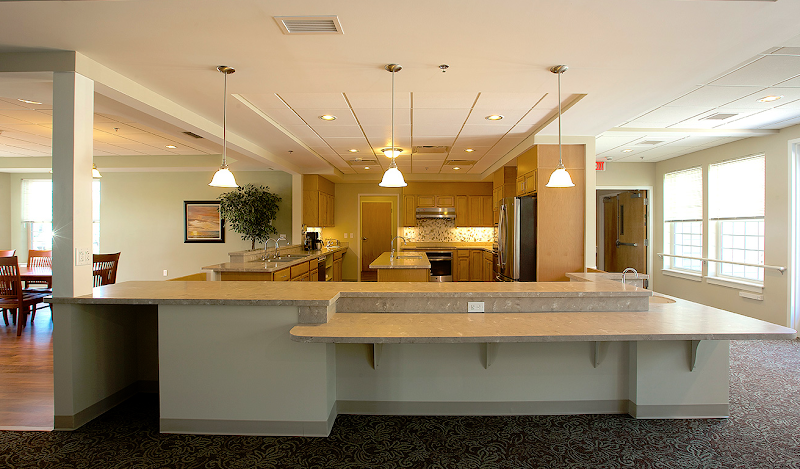
How is The Cottages At Garden Grove, A Skilled Nrsg Comm Staffed?

CMS rates THE COTTAGES AT GARDEN GROVE, A SKILLED NRSG COMM's staffing level at 4 out of 5 stars, which is above average compared to other nursing homes. Staff turnover is 46%, compared to the New York average of 46%.

What Have Inspectors Found at The Cottages At Garden Grove, A Skilled Nrsg Comm?

State health inspectors documented 20 deficiencies at THE COTTAGES AT GARDEN GROVE, A SKILLED NRSG COMM during 2019 to 2024. These included: 20 with potential for harm.
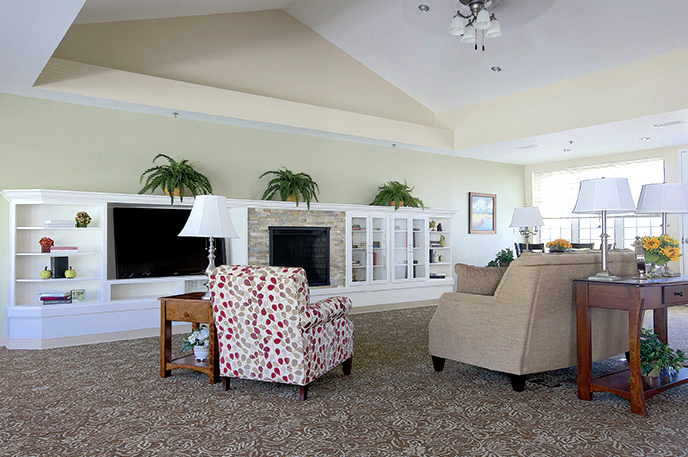
Who Owns and Operates The Cottages At Garden Grove, A Skilled Nrsg Comm?

THE COTTAGES AT GARDEN GROVE, A SKILLED NRSG COMM is owned by a non-profit organization. Non-profit facilities reinvest revenue into operations rather than distributing to shareholders. The facility operates independently rather than as part of a larger chain. With 156 certified beds and approximately 130 residents (about 83% occupancy), it is a mid-sized facility located in CICERO, New York.
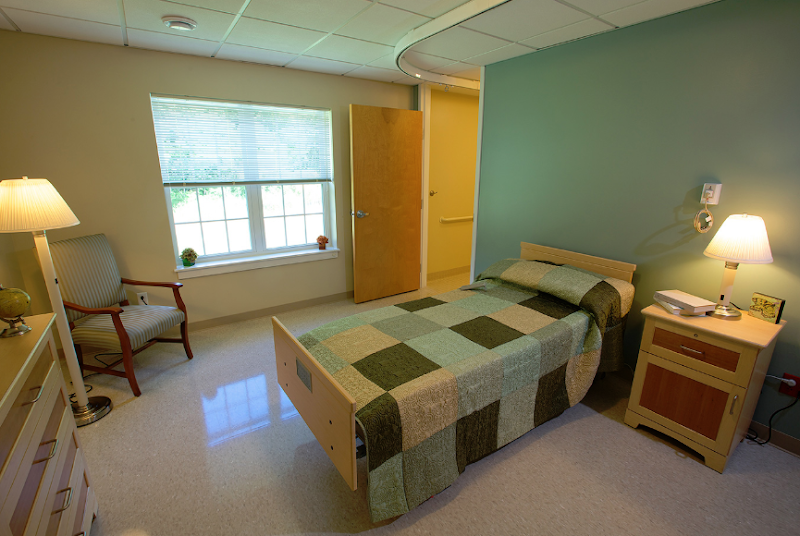
How Does The Cottages At Garden Grove, A Skilled Nrsg Comm Compare to Other New York Nursing Homes?

Compared to the 100 nursing homes in New York, THE COTTAGES AT GARDEN GROVE, A SKILLED NRSG COMM's overall rating (3 stars) is below the state average of 3.1, staff turnover (46%) is near the state average of 46%, and health inspection rating (3 stars) is at the national benchmark.

What Should Families Ask When Visiting The Cottages At Garden Grove, A Skilled Nrsg Comm?

Based on this facility's data, families visiting should ask: "Can I visit during a mealtime to observe dining assistance and food quality?" "How do you handle medical emergencies, and what is your hospital transfer rate?" "Can I speak with family members of current residents about their experience?"

Is The Cottages At Garden Grove, A Skilled Nrsg Comm Safe?

Based on CMS inspection data, THE COTTAGES AT GARDEN GROVE, A SKILLED NRSG COMM has a clean safety record: no substantiated abuse findings (meaning no confirmed cases of resident harm), no Immediate Jeopardy citations (the most serious violation level indicating risk of serious injury or death), and is not on the Special Focus Facility watch list (a federal program monitoring the lowest-performing 1% of nursing homes). The facility has a 3-star overall rating and ranks #100 of 100 nursing homes in New York. While no facility is perfect, families should still ask about staff-to-resident ratios and recent inspection results during their visit.

Do Nurses at The Cottages At Garden Grove, A Skilled Nrsg Comm Stick Around?

THE COTTAGES AT GARDEN GROVE, A SKILLED NRSG COMM has a staff turnover rate of 46%, which is about average for New York nursing homes (state average: 46%). Moderate turnover is common in nursing homes, but families should still ask about staff tenure and how the facility maintains care continuity when employees leave.

Was The Cottages At Garden Grove, A Skilled Nrsg Comm Ever Fined?

THE COTTAGES AT GARDEN GROVE, A SKILLED NRSG COMM has no federal fines on record. CMS issues fines when nursing homes fail to meet care standards or don't correct problems found during inspections. The absence of fines suggests the facility has either maintained compliance or corrected any issues before penalties were assessed. This is a positive indicator, though families should still review recent inspection reports for the full picture.

Is The Cottages At Garden Grove, A Skilled Nrsg Comm on Any Federal Watch List?

THE COTTAGES AT GARDEN GROVE, A SKILLED NRSG COMM is not on any federal watch list. The most significant is the Special Focus Facility (SFF) program, which identifies the bottom 1% of nursing homes nationally based on persistent, serious quality problems. Not being on this list means the facility has avoided the pattern of deficiencies that triggers enhanced federal oversight. This is a positive indicator, though families should still review the facility's inspection history directly.