DALEVIEW CARE CENTER


574 FULTON STREET, EAST FARMINGDALE, NY 11735 (516) 694-9800
For profit - Corporation 142 Beds Independent Data: November 2025
Trust Grade
70/100
#157 of 594 in NY
Last Inspection: February 2025

Within standard 12-15 month inspection cycle. Federal law requires annual inspections.

Overview

Daleview Care Center has a Trust Grade of B, indicating it is a good choice among nursing homes. It ranks #157 out of 594 facilities in New York, placing it in the top half, and #10 out of 36 in Nassau County, meaning there are only nine local options that are better. However, the facility's trend is worsening, with issues increasing from 7 in 2023 to 9 in 2025. Staffing is a concern, with a 2 out of 5 stars rating and a turnover rate of 38%, which is slightly better than the state average. Although the center has received no fines, there were significant medication administration delays for several residents and lapses in infection control protocols, highlighting areas needing improvement while still showing strengths in quality measures with a 5 out of 5 rating.

Trust Score
B
70/100
In New York
#157/594
Top 26%
Safety Record
Low Risk
No red flags
Inspections
Getting Worse
7 → 9 violations
Staff Stability
○ Average
38% turnover. Near New York's 48% average. Typical for the industry.
Penalties
✓ Good
No fines on record. Clean compliance history, better than most New York facilities.
Skilled Nurses
○ Average
Each resident gets 35 minutes of Registered Nurse (RN) attention daily — about average for New York. RNs are the most trained staff who monitor for health changes.
Violations
⚠ Watch
22 deficiencies on record. Higher than average. Multiple issues found across inspections.
★★★★☆
4.0
Overall Rating
★★☆☆☆
2.0
Staff Levels
★★★★★
5.0
Care Quality
★★★☆☆
3.0
Inspection Score
Stable
2023: 7 issues
2025: 9 issues

The Good

  • 5-Star Quality Measures · Strong clinical quality outcomes
  • Full Sprinkler Coverage · Fire safety systems throughout facility
  • No fines on record
  • Staff turnover below average (38%)

    10 points below New York average of 48%

Facility shows strength in quality measures, fire safety.

The Bad

Staff Turnover: 38%

Near New York avg (46%)

Typical for the industry

The Ugly 22 deficiencies on record

Feb 2025 9 deficiencies
CONCERN (D)

Potential for Harm - no one hurt, but risky conditions existed

Pressure Ulcer Prevention (Tag F0686)

Could have caused harm · This affected 1 resident

**NOTE- TERMS IN BRACKETS HAVE BEEN EDITED TO PROTECT CONFIDENTIALITY** 2) Resident #237 was admitted with diagnoses including Compression Fracture of First Lumbar Vertebra (Spine), Diabetes Mellitus,...

Read full inspector narrative →
**NOTE- TERMS IN BRACKETS HAVE BEEN EDITED TO PROTECT CONFIDENTIALITY** 2) Resident #237 was admitted with diagnoses including Compression Fracture of First Lumbar Vertebra (Spine), Diabetes Mellitus, and Spinal Stenosis. The 1/22/2025 admission Minimum Data Set assessment documented a Brief Interview for Mental Status score of 15, indicating the resident was cognitively intact. The Minimum Data Set assessment documented that the resident had one Stage 2 pressure ulcer present on admission, the resident was at risk for developing pressure ulcers, and the resident was dependent on staff members for bed mobility and turning. The Nursing admission Assessment, dated 1/16/2025, documented a Braden Score (scale for determining pressure ulcer risk) of 17, indicating the resident was at mild risk for developing pressure ulcers. The assessment documented that the resident's skin was intact. The 1/17/2025 wound care nursing skin assessment documented the resident had a Stage 2 Pressure Ulcer on the Sacrum measuring 3 centimeters in length, 2 centimeters in width, and 0.1 centimeters in depth. The wound appeared red and had no drainage. A Physician's order dated 1/17/2025 documented Silvadene 1 % topical cream, cleansing sacral pressure ulcer with normal saline, applying Silvadene, and covering with dry protective dressing once a day. A Wound Physician visit note dated 1/22/2025 documented sacral Stage 2 present on admission, measuring 0.5 centimeters in length, 0.5 centimeters in width, and 0.1 centimeters in depth. The recommendation was to cleanse with normal saline, apply Silvadene twice a day, and turn and position. A review of the January 2025 Treatment Administration Record revealed that the Silvadene treatment was not changed to twice a day as recommended by the Wound Physician. A Comprehensive Care Plan titled Presence of Skin Breakdown-Sacrum, effective 1/16/2025, had no interventions or notes entered until 1/30/2025. Maintain Turning and Positioning every two hours as recommended was entered on 1/30/2025 by the Assistant Director of Nursing/Wound Care Nurse #1. In addition, the Assistant Director of Nursing/Wound Care Nurse #1 entered the treatment recommendation for Silvadene twice a day into the Care Plan but there was no corresponding Physician order. A Physician's order dated 1/29/2025 documented cleansing the sacral pressure ulcer with normal saline, apply Medihoney, and covering with a dry protective dressing twice a day for the Pressure Ulcer of the Sacral Region. A subsequent visit note by the Wound Physician dated 2/5/2025 documented sacral ulcer Stage 3, 1.5 centimeters in length, 1.2 centimeters in width, and 0.1 centimeters in depth. The wound had scant serous drainage, with 50% slough (dead tissue). Recommendations were to cleanse the wound with Normal Saline, apply Medihoney, cover with gauze, and secure with a bordered gauze; change daily, turn, and position every 2 hours. A review of the February 2025 Treatment Administration Record revealed that the Medihoney treatment was not changed from twice a day to daily treatment as per the Wound Physician's recommendation until 2/19/2025. A review of the Resident Nursing Instructions (care instructions for Certified Nursing Assistants) effective 1/16/2025 revealed an entry on 1/30/2025 by the Assistant Director of Nursing/Wound Care Nurse #1 to Turn and Position every two hours as recommended. Bed mobility, entered by the Registered Nurse admission Nurse #3, documented bed mobility of partial/moderate assist entered on 1/16/2025 (admission). A review of the Certified Nursing Assistant Accountability Records for January and February 2025 revealed no documented evidence that the resident was turned and positioned every two hours. During an interview on 2/28/2025 at 8:55 AM, Certified Nursing Assistant #2 (7:00 AM-3:00 PM shift) stated the resident was not able to turn and position themselves and required assistance. Certified Nursing Assistant #2 stated they turned the resident to place the resident on a bedpan. During the day shift the resident did not stay in bed and was always out of bed. During an interview on 2/28/2025 at 9:07 AM, Rehabilitation Director #1 stated that initially, the resident was dependent on one person for bed mobility and turning and positioning, and with therapy, the resident's bed mobility status improved and the resident required supervision and touching assistance of one person for rolling. During an interview on 2/28/2025 at 10:00 AM, Certified Nursing Assistant #3 (11:00 PM-7:00 AM shift) stated the resident was very alert and would call staff by using the call bell when they needed something, for instance, water, pain medication, or ask to use the bedpan. Certified Nursing Assistant #3 stated they turned and positioned the resident maybe two times during the night. During an interview on 2/28/2025 at 10:09 AM, Certified Nursing Assistant #4 (3:00 PM-11:00 PM shift) stated the resident was alert. The resident usually went back to bed at 8:00 PM and requested to use the bedpan. Certified Nursing Assistant #4 stated they could not remember if there was a spot in the accountability to document turning and positioning. Being that the resident was alert, they would let me know if they were uncomfortable; the resident was just fine. During an interview on 2/28/2025 at 12:19 PM, Assistant Director of Nursing/Wound Care Nurse #1 stated they could not explain why the turning and positioning every two hours intervention was not in place in the Nursing Care Instructions since the resident's admission and why the turning and positioning intervention was first added on 1/30/2025. Assistant Director of Nursing/Wound Care Nurse #1 stated they did not know where the Certified Nursing Assistants would document the turning and positioning every two hours but said turning. During an interview on 2/28/2025 at 12:30 PM, Registered Nurse admission Nurse #3 stated during the admission assessment the resident was able to turn and position themselves, therefore turning and positioning was not added to the resident's care profile. Registered Nurse admission Nurse #3 stated the resident must have deteriorated which is why turning and positioning was added on 1/30/2025. During an interview on 2/28/2025 at 1:35 PM, the Director of Nursing Services stated if the admission nurse did an assessment and turning and positioning was not necessary, then that is why turning and positioning was not put in the care profile initially. It is the facility's general policy that turning and positioning is completed every two hours. The Director of Nursing Services stated stated they were not sure if that is in writing in a policy. 10 NYC RR 415.12(c)(1)(2) Based on record review and staff interviews during the Recertification Survey, initiated on 2/24/2025 and completed on 2/28/2025, the facility did not ensure that each resident with pressure ulcers received necessary treatment and services, consistent with professional standards of practice, to promote healing, prevent infection, and prevent new ulcers from developing. This was identified for two (Resident #90 and Resident #237) of three residents reviewed for Pressure Ulcers. Specifically, 1) during a wound care observation of Resident #90's left buttock Stage 2 Pressure ulcer (wound with partial thickness loss of skin) on 2/26/2025, another stage Stage 2 Pressure Ulcer was observed on the right buttock. There was no documented evidence of an assessment or a Physician's order for treatment for the right buttock pressure ulcer. The wound care nurse administered treatment on Resident #90's right buttock wound without any Physician's Order 2) Resident #237 was assessed with a Stage 3 pressure ulcer to the sacrum. There was no documented evidence that Resident #237 was turned and positioned every two hours as required by the comprehensive care plan. Additionally, treatment recommendations made by the Wound Care team were not followed. The finding is: The facility's policy titled Pressure Ulcer Care, last revised on 9/27/2023, documented that Registered Nurses (RN) and Licensed Practical Nurses (LPN) are responsible for identifying the presence of and the risk for skin ulcers, document the presence of skin ulcer, initiate Comprehensive Care Plan (CCP), notify wound care nurse of skin risk and presence of ulcers and notify Physician of skin ulcer and obtain treatment orders. To identify residents at risk for the development of Pressure ulcers and to monitor the condition of the resident's skin, report any skin problem, and/or follow-up treatment. Physician Orders are obtained for wound care treatments. All wound care treatments are to specify the frequency of the treatment as well as the duration of the treatment period. Resident #90 was admitted with diagnoses including Hemiplegia (paralysis or weakness on one side of the body), left non-dominant side, Asthma, and Type 2 Diabetes. The Quarterly Minimum Data Set (MDS) assessment dated [DATE] documented a Brief Interview for Mental Status (BIMS) score of 9, which indicated Resident #90 had moderately impaired cognition. The Quarterly Minimum Data Set (MDS) assessment documented that Resident #90 had an unhealed pressure ulcer, was at risk for developing pressure ulcers and used pressure-reducing devices for chair and bed. A review of the Comprehensive Care Plan (CCP) indicated the resident had multiple pressure ulcers including the left buttock, right heel, right medical foot, right distal foot, and sacrum. The interventions included applying treatment as ordered by the Physician, maintaining turning and positioning every 2 hours as recommended, and monitoring for pain. The Comprehensive Care Plan did not include the presence of a pressure ulcer on the right buttock. A Physician's order dated 2/19/2025 documented treatment orders for the left buttock, sacrum, right heel, and right foot wounds. There was no physician's order for a treatment of the right buttock wound. A Physician's order dated 2/19/2025 documented Medihoney (medication that supports the removal of damaged tissue and aids in wound healing). Apply to the left buttock wound after cleaning with normal saline, and cover with a dry protective dressing. A review of the Wound Care Consultation Note dated 2/19/2025 documented the resident had a left buttock unstageable pressure ulcer; Stage 3 sacral pressure ulcer; Stage 3 right heel pressure ulcer; and a Deep Tissue Injury (purple localized area of discolored intact skin or blood-filled blister) to the right foot with treatment recommendations. The note did not indicate a pressure ulcer to the right buttock area. During a wound care observation dated 2/26/2025 at 10:15 AM, Licensed Practical Nurse#2 removed the dressing on Resident #90's left buttock. Licensed Practical Nurse #2 cleansed the left buttock wound with normal saline and applied Medihoney (medication that supports the removal of damaged tissue and aids in wound healing) as per the Physician's order. Licensed Practical Nurse #2 covered the wound with a dry protective dressing. A dressing was observed on Resident #90's right buttock. Licensed Practical Nurse #2 took off the dressing and a Stage 2 pressure ulcer wound was observed on the right buttock. Licensed Practical Nurse #2 cleansed the right buttock wound with normal saline, applied Medihoney to the right buttock wound, and covered the wound with a dry protective dressing without a Physician's order. During an interview on 2/26/2025 at 10:59 AM, Licensed Practical Nurse #2 stated they got confused when they saw the dressing on Resident #90's right buttock. Licensed Practical Nurse #2 stated they recalled Resident #90 had a wound on the right buttock that had healed. Licensed Practical Nurse #2 stated they did not know that the resident had another pressure ulcer on the right buttock. Licensed Practical Nurse #2 stated they should have checked the Physician's Order before putting the treatment on Resident #90's right buttock. During an interview on 2/26/2025 at 1:45 AM, Registered Nurse #1, Unit Manager, stated the wound on Resident #90's right buttock had reopened on 2/25/2025. Registered Nurse #1 stated the Nurse from the day before (2/25/2025) just put a dry dressing on Resident #90's right buttock but forgot to document their findings and did not communicate with the Unit Supervisor. Registered Nurse #1 stated they became aware of the wound after the wound care observation on 2/26/2025. They started an investigation and found out that the Licensed Practical Nurse #3 from the day before knew about the wound but forgot to tell anyone. Registered Nurse #1 stated that Licensed Practical Nurse #2 should have checked the order first before doing the treatment on the right buttock. Registered Nurse #1 stated that if there were no treatment orders for the right buttock wound, then they (Licensed Practical Nurse #2) should have told the Unit Supervisor. During an interview on 2/27/2025 at 8:30 AM, the Wound Care Nurse stated they were not aware that Resident #90's right buttock wound had reopened. The Wound Care Nurse stated that any skin changes must be reported to the Unit Supervisor. The Wound Care Nurse stated that all wound care treatments need a Physician's Order. During an interview on 2/27/2025 at 9:00 AM, the Wound Care Physician stated they had received a notification from the Wound Care Nurse on 2/26/2027 at 11:51 AM regarding Resident #90's right buttock wound that reopened. The Wound Care Physician stated they had ordered to clean Resident #90's right buttock wound with normal saline and applied Medihoney (medication that supports the removal of damaged tissue and aids in wound healing). During an interview on 2/27/2025 at 10:15 AM, Licensed Practical Nurse #3 stated they had worked as a Medication Nurse on 2/25/2025 and had gotten a report from a Certified Nursing Assistant (CNA) (could not recall who) that Resident #90's right buttock wound had reopened. Licensed Practical Nurse #3 stated that they had checked the wound and put a dry sterile dressing on the area. Licensed Practical Nurse #3 stated they forgot to document and report the wound to the Unit Supervisor. Licensed Practical Nurse #3 stated they should have documented Resident #90's reopened wound in the Progress Note, but they got busy with their medication pass. During an interview on 2/27/2025 at 10:45 AM, the Director of Nursing Services stated that Licensed Practical Nurse #2 should not have administered any treatment without a Physician's Order. The Director of Nursing Services stated the expectation is for the Nurses to be able to communicate any skin changes to their Unit Supervisor. The Director of Nursing Services stated that the Unit supervisor can call the Physician and get an order for any treatment needed by the resident. The Director of Nursing Services stated that they (The Director of Nursing Services) expect the Nurses to document any changes in the resident's skin condition.
CONCERN (D)

Potential for Harm - no one hurt, but risky conditions existed

Accident Prevention (Tag F0689)

Could have caused harm · This affected 1 resident

**NOTE- TERMS IN BRACKETS HAVE BEEN EDITED TO PROTECT CONFIDENTIALITY** Based on observation, record review, and interviews during the Recertification Survey initiated on 2/24/2025 and completed on 2/...

Read full inspector narrative →
**NOTE- TERMS IN BRACKETS HAVE BEEN EDITED TO PROTECT CONFIDENTIALITY** Based on observation, record review, and interviews during the Recertification Survey initiated on 2/24/2025 and completed on 2/28/2025, the facility did not ensure that each resident's environment remained free of accident hazards. This was identified for one (Resident #21) of four residents reviewed for Accidents. Specifically, an oxygen E-Cylinder tank (portable oxygen tank) was observed on the right side of Resident #21's bed. The E-Cylinder tank was not secured in a rolling safety stand or a metal rack. The finding is: The facility's policy, titled Oxygen Closet last revised on 9/2024, documented the facility would maintain an adequate supply of oxygen needed for the administration of oxygen. A minimum of two small E-Cylinder tanks will be maintained on each unit for emergency purposes. Oxygen tanks not secured on tank dollies or the E-tank rack, will be secured to the wall with chains. Resident #21 was admitted with diagnoses including Acute Renal Failure with Hypoxia (absence of enough oxygen in the tissues) and Chronic Obstructive Pulmonary Disease (COPD). The Annual Minimum Data Set (MDS) assessment dated [DATE] documented a Brief Interview for Mental Status (BIMS) score of 10, indicating Resident #21 had moderate cognitive impairment. Resident #21 had shortness of breath when lying flat. A Physician's Order dated 1/16/2025 documented continuous oxygen therapy to Resident #21 at 2 liters per minute via nasal cannula. The order was discontinued on 1/29/2025. A Comprehensive Care Plan (CCP) titled Respiratory Disorder dated 9/5/2023 documented interventions including elevating the head of the bed at 45 degrees and administering oxygen therapy as per the Physician's Order. During an observation on 2/24/2025 at 10:59 AM, Resident #21 was sitting in their wheelchair receiving oxygen therapy from an oxygen concentrator at 2 liters per minute via nasal cannula. A free-standing E-Cylinder (portable tank) tank was on the side of Resident #21's bed. During an interview on 2/24/2025 at 10:59 AM, Certified Nursing Assistant #1, who was present in the resident's room during the observation, stated they did not notice the oxygen tank on the side of the bed during morning care. Certified Nursing Assistant #1 stated that they did not know who put the tank on the side of the bed. Certified Nursing Assistant #1 stated that the oxygen tank should be in an oxygen caddy or metal rack. During an interview on 2/24/2025 at 11:06 AM, Licensed Practical Nurse #1 stated Resident #21 did not have a Physician's Order for Oxygen treatment. Resident #21's oxygen order was discontinued on 1/29/2025. Licensed Practical Nurse #1 stated that they did not know who left the oxygen tank without the rolling cart in the resident's room. During an interview on 2/24/2025 at 1:46 PM, Registered Nurse #1, Unit Manager, stated Resident #21 did not have a Physician's Order for Oxygen treatment. Resident #21's oxygen order was discontinued on 1/29/2025. Registered Nurse #1 stated that the town had a power outage the day before (2/23/2025), and an oxygen tank must have been brought to Resident #21. Registered Nurse #1 stated that the oxygen tank should have been secured on a rolling cart or caddy. During an interview on 2/27/2025 at 9:00 AM, the Director of Nursing Services stated if a resident is having shortness of breath or an anxiety attack, the facility can start oxygen therapy at a maximum of 2 liters via nasal cannula. The Director of Nursing Services stated that the oxygen tank should have been on a rolling cart or a caddy due to the danger of the oxygen tank falling or exploding if left unsecured. 10 NYCRR 415.12(h)(1)
CONCERN (D)

Potential for Harm - no one hurt, but risky conditions existed

Tube Feeding (Tag F0693)

Could have caused harm · This affected 1 resident

**NOTE- TERMS IN BRACKETS HAVE BEEN EDITED TO PROTECT CONFIDENTIALITY** Based on observations, record review, and interviews during the Recertification Survey initiated on 2/24/2025 and completed on 2...

Read full inspector narrative →
**NOTE- TERMS IN BRACKETS HAVE BEEN EDITED TO PROTECT CONFIDENTIALITY** Based on observations, record review, and interviews during the Recertification Survey initiated on 2/24/2025 and completed on 2/28/2025, the facility did not ensure that the staff implemented and provided care and services according to the resident's needs and professional standard of practice for each resident with a feeding tube. This was identified for one (Resident #27) of one resident reviewed for Tube Feeding, specifically, on 2/24/2025 at 11:30 AM and 1:00 PM. Resident #27 was observed receiving enteral tube feeding (a method of providing nutrition directly into the gastrointestinal (GI) tract through a tube); the enteral tube feeding bottle and the water bag was observed hanging on a feeding tube stand without a label including the resident's name and the time the tube feeding was started. The finding is: The facility's policy titled Tube Feedings: Gastrostomy Feedings, last revised on 11/12/2024, documented that Gastrostomy tube feedings will be administered by licensed nursing staff in accordance with written physician orders. To maximize each resident's quality of life, tube feedings will be provided during the evening and overnight hours. Resident #27 was admitted with diagnoses that included Multiple Sclerosis (a disease in which the immune system eats away the protective covering of nerves), Quadriplegia (loss of movement and sensation in all four limbs- arms and legs), and Chronic Obstructive Pulmonary Disorder (COPD). The Quarterly Minimum Data Set (MDS) assessment dated [DATE] documented that Resident #27 had a Brief Interview for Mental Status (BIMS) score of 0. Resident #27 was rarely and was never understood. Resident #27 had severe cognitive impairment. Resident #27 had a swallowing disorder, including holding food in their mouth and cheek. Resident #27 had a feeding tube (nasogastric or abdominal) and received an average fluid intake per day by intravenous or tube feeding. The Comprehensive Care Plan (CCP) titled Tube Feeding, dated 10/17/2024, documented interventions to administer the feeding formula with the required amount of water as prescribed by the Physician. Monitor for signs and symptoms of aspiration precaution. Ensure the head of the bed is elevated at 30-45 degrees or more during feeding and one hour after the feeding. The Physician's order dated 11/9/2024 documented Jevity1.5, 1000 cubic centimeters per 1500 kilocalories per day with a flow rate of 50 milliliters per hour for 20 hours per day. Start the feeding at 5:00 PM. Water Flushes with 250 milliliters of water bolus (single large dose) before and after each feeding using a syringe kit. Automatic water flush of 600 milliliters at 30 milliliters per hour for 20 hours every day at 11:00 PM-7:00 AM shift, 7:00 AM-3:00 PM shift, and 3:00 PM-11:00 PM shift. During an observation on 2/24/2025 at 11:30 AM, Resident #27 was observed receiving enteral tube feeding via a feeding pump. In their room. The enteral feeding bottle and a water bag were observed hanging from the feeding tube stand. The enteral tube feeding bottle and the water bag did not have a label to identify the resident's name, the time feeding was started, and the feeding directions as prescribed by the Physician. In a subsequent observation on 2/24/2025 at 1:00 PM, Resident #27 was observed receiving enteral tube feeding via a feeding pump. In their room. The enteral feeding bottle and a water bag were observed hanging from the feeding tube stand. The enteral tube feeding bottle and the water bag did not have a label to identify the resident's name, the time feeding was started, and the feeding directions as prescribed by the Physician. During an interview on 2/24/2025 at 1:06 PM, Licensed Practical Nurse #1 stated they did not notice that the enteral tube feeding bottle and water bag did not have any label on them. The Licensed Practical Nurse #1 stated that the evening nurse should have labeled both the enteral tube feeding bottle and the water bag. Licensed Practical Nurse #1 stated they also should have checked the enteral tube feeding bottle and water bag for the labels during the morning medication pass. During an interview on 2/24/2025 at 3:03 PM, Licensed Practical Nurse #4, who worked during the 3:00 PM-11:00 PM shift on 2/23/2025, stated they had forgotten to label the enteral tube feeding bottle and the water bag. Licensed Practical Nurse #4 stated they did not have a marker or pen to label the enteral tube feeding bottle and water bag. Licensed Practical Nurse #4 stated that they become busy with the medication pass and had forgotten about labeling the enteral feeding bottle and water bag. During an interview on 2/26/2025 at 2:42 PM, Registered Nurse #1, Unit Manager, stated the enteral tube feeding bottle and water bag should have a label with the resident's name, the time the feeding was started, and instructions about the enteral order by the Physician. During an interview on 2/27/2025 at 10:00 AM, the Director of Nursing Services stated Resident #27's enteral feeding bottle and water bag should have been labeled. The Director of Nursing Services stated that all Nurses on each shift are responsible for ensuring that proper labeling is in place for both enteral feeding bottles and water bags. 10 NYCRR 415.12(g)(2)
CONCERN (D)

Potential for Harm - no one hurt, but risky conditions existed

Drug Regimen Review (Tag F0756)

Could have caused harm · This affected 1 resident

**NOTE- TERMS IN BRACKETS HAVE BEEN EDITED TO PROTECT CONFIDENTIALITY** Based on record review and staff interviews during the Recertification Survey initiated on 2/24/2025 and completed on 2/28/2025,...

Read full inspector narrative →
**NOTE- TERMS IN BRACKETS HAVE BEEN EDITED TO PROTECT CONFIDENTIALITY** Based on record review and staff interviews during the Recertification Survey initiated on 2/24/2025 and completed on 2/28/2025, the facility did not ensure the Physician documented in the resident's medical record that the irregularity identified by the Pharmacist has been reviewed and what action has been taken to address it. This was identified for two (Resident #121 and Resident #116) of five residents reviewed for Unnecessary Medications. Specifically, Nurse Practitioner #1 disagreed with recommendations provided by the Consultant Pharmacist for Resident # 121 and Resident #116; however, the reason for the disagreement was not documented. The findings are: The facility's undated policy titled, Drug Regimen Review-Monthly documented that the Prescriber/Licensed Designee shall document on the Drug Regimen Review form whether they agree or disagree with the recommendations and provide a brief clinical rationale if no change is to be made. 1) Resident #121 had diagnoses including Atrial Fibrillation and Orthostatic Hypotension (blood pressure drops significantly when a person stands up from a sitting or lying position). The Quarterly Minimum Data Set (MDS) assessment dated [DATE] documented that the resident had a Brief Interview for Mental Status (BIMS) score of 12, which indicated the resident had moderately impaired cognition. The Physician's Order dated 10/25/2024 last renewed on 2/9/2025 documented for the resident to receive Fludrocortisone (a steroid medication that helps reduce inflammation and treat adrenal insufficiency) 0.1 milligram tablet - give 1 tablet (0.1 milligrams) by oral route twice daily for Orthostatic Hypotension. The Physician's Order dated 10/25/2024 documented for the resident to receive Midodrine (a medication used to treat low blood pressure) 10-milligram tablet - give 1 tablet by oral route three times per day for Orthostatic Hypotension. The medication was discontinued on 2/4/2025. The Physician's Order dated 2/4/2025 last renewed on 2/9/2025 documented for the resident to receive Midodrine 5 milligram tablet - give 1 tablet by oral route three times per day for Orthostatic Hypotension. The Drug Regimen Review dated 1/28/2025 documented the resident was currently receiving both Midodrine and Fludrocortisone with diagnoses of Orthostatic Hypotension. The Consultant Pharmacist recommended evaluating the need for both medications and considering discontinuing one of the medication orders, if appropriate. The Physician/Prescriber Response made by Nurse Practitioner #1 on 1/31/2025 documented Disagree; however, there was no clinical rationale indicated on the form or in the resident's Electronic Medical Record. 2) Resident #116 had diagnoses including Benign Prostatic Hyperplasia, Insomnia, and Multiple Myeloma. The Quarterly Minimum Data Set (MDS) assessment dated [DATE] documented the resident had a Brief Interview for Mental Status (BIMS) score of 2, indicating the resident had severely impaired cognition. The Physician's Order dated 12/12/2024 last renewed on 2/25/2025 documented Haloperidol 1 milligram (an antipsychotic medication) tablet - give 1 tablet by oral route twice daily for Metabolic Encephalopathy. The Physician's Order dated 12/13/2024 last renewed on 2/25/2025 documented Melatonin 5 milligram (a hormone that aids in sleep) tablet - give 1 tablet by oral route once daily at bedtime for Vitamin Deficiency, unspecified, and Melatonin 3 milligram tablet - give 1 tablet by oral route once daily at bedtime for Vitamin deficiency, unspecified. The Physician's Order dated 12/12/2024 last renewed on 2/25/2025 documented Pomalyst 3 milligram (medication to treat Multiple Myeloma) capsule - give 1 capsule (3 milligrams) by oral route once daily for 21 days for Multiple Myeloma in relapse. The Physician's Order dated 12/12/2024 last renewed on 2/25/2025 documented Tamsulosin 0.4 milligram (smooth muscle relaxer) capsule - give 1 capsule (0.4 milligrams) by oral route once daily half an hour following the same meal each day for Benign Prostatic Hyperplasia with lower urinary tract symptoms. The Drug Regimen review dated 1/10/2025 documented: -The resident was currently receiving Haloperidol 1 milligram twice daily for behaviors associated with Dementia. No recent behavior problems were noted. The Consultant Pharmacist recommended evaluating the current dosing and to consider tapering Haldol to 1 milligram daily dosing or documenting the reason for the inability to do so. The Physician/Prescriber Response made by Nurse Practitioner #1 on 1/14/2025 was Disagree; however, no clinical rationale was documented on the form or in the resident's Electronic Medical Record. -The resident was currently receiving both Melatonin 5 milligrams and Melatonin 3 milligrams. The Consultant Pharmacist recommended evaluating the need for two medications in the same drug class and considering discontinuing one order, if appropriate. The Physician/Prescriber Response made by Nurse Practitioner #1 on 1/14/2025 was Disagree; however, no clinical rationale was documented on the form or in the resident's Electronic Medical Record. -The resident was currently receiving Pomalidomide (Pomalyst) once a day for 21 days. Typically dosed cyclically once a day for 21 days of a repeated 28-day cycle. No follow-up cycle is scheduled. The recommendations were to evaluate and consider ordering follow-up cycles to ensure continuity of care, if appropriate. The Physician/Prescriber Response made by Nurse Practitioner #1 on 1/14/2025 was Disagree; however, no clinical rationale was documented on the form or in the resident's Electronic Medical Record. -The resident was currently receiving Tamsulosin (Flomax) 0.4 milligram with an order to crush the medication. This medication should not be crushed, chewed, or opened. The recommendations were to evaluate the continued need. Consider either discontinuing if no longer needed or switching to Silodosin (Rapaflo) 8 milligrams (medication used for enlarged prostate) once daily after dinner which may be opened and the powder sprinkled whole in applesauce, if appropriate. The Physician/Prescriber Response made by Nurse Practitioner #1 on 1/14/2025 was Disagree; however, no clinical rationale was documented on the form or in the resident's Electronic Medical Record. During an interview on 2/26/2025 at 12:00 PM, Nurse Practitioner #1 stated they have been a Nurse Practitioner for only approximately six months. Nurse Practitioner #1 stated they were not aware that they have to write an explanation when they disagree with a Pharmacist's recommendation. Nurse Practitioner #1 stated Primary Physician #1 did not educate them about documenting the rationale for disagreeing with the recommendations made by the Pharmacist. During an interview on 2/26/2025 at 12:45 PM, Primary Physician #1 stated Nurse Practitioner #1 should have written a response when they disagreed with a Pharmacist's recommendations. One can disagree with the recommendations; however, the rationale for disagreement must be documented in the resident's medical record. Primary Physician #1 stated Nurse Practitioner #1 was trained first before they were allowed to work by themselves. 10 NYCRR 415.18(c)(2)
CONCERN (D)

Potential for Harm - no one hurt, but risky conditions existed

Deficiency F0760 (Tag F0760)

Could have caused harm · This affected 1 resident

**NOTE- TERMS IN BRACKETS HAVE BEEN EDITED TO PROTECT CONFIDENTIALITY** Based on observation, record review, and interviews during the Recertification Survey initiated on 2/24/2025 and completed on 2/...

Read full inspector narrative →
**NOTE- TERMS IN BRACKETS HAVE BEEN EDITED TO PROTECT CONFIDENTIALITY** Based on observation, record review, and interviews during the Recertification Survey initiated on 2/24/2025 and completed on 2/28/2025 the facility did not ensure each resident was free of any significant medication errors. This was identified for one (Resident #284) of six residents observed during medication administration. Specifically, Resident #284 had a do not crush physician's order for Metoprolol extended-release medication tablet (a blood pressure medication). During the medication administration observation, Licensed Practical Nurse #5 crushed and administered the Metoprolol extended-release medication tablet to Resident #284. The finding is: The facility's policy titled Medication Administration: General Policies and Practices, effective 11/12/2024, documented that prior to administering any medication the staff nurse reads the order in its entirety carefully, noting the name, dosage, route, and time of administration, making certain that the dosages, frequency, and schedules correspond with the physician's order; reads the medication label before pouring the medication; reviews the electronic medication record for accuracy after all medications for a specific resident have been prepared. The policy did not specifically address extended-release medications or crushing medications. Resident #284 was admitted with diagnoses including Joint Replacement Surgery, Diabetes Mellitus, and Hypertensive Heart Disease. The Minimum Data Set assessment was not available because the resident was recently admitted to the facility. The Nursing admission assessment dated [DATE] documented the resident was oriented to person, place, and time. A Physician's order dated 2/17/2025 documented Metoprolol Succinate Extended Release (ER) 25-milligram tablet, extended-release 24 hours, by oral route once daily at 9:00 AM; Do Not Crush or Chew, for diagnosis of Essential Hypertension. The accessdata.fda.gov website for Metoprolol Succinate extended-release tablets documented that the Metoprolol Succinate extended-release tablets are scored and can be divided; however, the whole or half tablet should be swallowed whole and not chewed or crushed. A Physician's order dated 2/18/2025 documented a regular-consistency diet. During a medication administration observation on 2/25/2025 at 8:18 AM, Licensed Practical Nurse #5 prepared Resident #284's medications. Licensed Practical Nurse #5 crushed and mixed each of the following medications individually in apple sauce, and administered the medications to the resident: -Finasteride 5 milligrams for enlarged prostate, -Entresto 24 milligrams-26 milligrams for Heart Failure, -Metoprolol Succinate Extended Release 25 milligrams for Hypertension, -Furosemide 20 milligrams for Hypertension, -Aspirin 81 milligrams for Coronary Artery Disease and, During an interview on 2/25/2025 at 9:00 AM, Licensed Practical Nurse #5 reviewed the physician's order for the extended-release Metoprolol Succinate, which the nurse had crushed and administered to the resident. The order documented Do Not Crush. Licensed Practical Nurse stated the medication blister pack label did not indicate to not crush, therefore they crushed the extended-release Metoprolol Succinate medication. Licensed Practical Nurse #5 questioned the surveyor Was I not supposed to crush the Metoprolol? A review of Licensed Practical Nurse #5's Medication Pass Audit Tool (competency), dated 10/22/2024, revealed the nurse passed the medication pass technique assessment under the category. The audit tool included that products suitable for crushing were crushed (enteric-coated, sustained release and sublingual products are not to be crushed). During an interview on 2/26/2025 at 8:50 AM, the Medical Director (the resident's Primary Physician) stated Licensed Practical Nurse #5 should not have crushed the Metoprolol Succinate Extended-Release tablet because crushing an extended-release tablet releases all the medication at once and creates the possibility of a drop in blood pressure. During an interview on 2/26/2025 at 10:46 AM, Pharmacist #1 stated crushing the extended-release medication releases all the medication at once. Crushing the medication disrupts the medication release mechanism because the medication in the extended-release tablet is formulated to be released throughout the day. There could be side effects from crushing the medication like low blood pressure. Monitoring of the resident's blood pressure would be needed if the extended-release medication was crushed. During an interview on 2/27/2025 at 9:13 AM, Registered Nurse #2, the unit manager, stated nurses are not supposed to crush extended-release medications; this is a part of their education. If a nurse crushes an extended-release medication, they have to reach out to the doctor for further direction. During an interview on 2/27/2025 at 10:06 AM, the Director of Nursing Services stated an extended-release medication should not be crushed. If the nurse crushed the extended-release medication, they have to reach out to the doctor on how to proceed and the resident should be closely monitored for the next 24 hours. The progress note dated 2/25/2025 documented Resident #284'2 blood pressure was obtained on 2/25/2025 at 12:54 PM due to the resident having blood in the urine. The blood pressure was 124/57 millimeters of Mercury (normal range 120/80). There was no documentation regarding monitoring the residents related to administering a crushed extended-release Metoprolol Succinate medication. 10 NYCRR 415.12(m)(2)
CONCERN (D)

Potential for Harm - no one hurt, but risky conditions existed

Deficiency F0761 (Tag F0761)

Could have caused harm · This affected 1 resident

**NOTE- TERMS IN BRACKETS HAVE BEEN EDITED TO PROTECT CONFIDENTIALITY** Based on observation, record review, and staff interviews during the Recertification Survey initiated on 2/24/2025 and completed...

Read full inspector narrative →
**NOTE- TERMS IN BRACKETS HAVE BEEN EDITED TO PROTECT CONFIDENTIALITY** Based on observation, record review, and staff interviews during the Recertification Survey initiated on 2/24/2025 and completed on 2/28/2025, the facility did not ensure that drugs and biologicals were stored in a locked compartment. This was identified for one (Resident #1) of four residents reviewed for Accident Hazards. Specifically, Resident #1 was observed with an Albuterol inhaler (medication used to treat difficulty breathing) on top of their bed and there was no nursing staff in the vicinity. There was no Physician's order for Albuterol inhaler and the resident was not assessed to self-administer their medication. The finding is: The facility's policy titled Medications: Storage and Handling last revised on 12/12/2024, documented medications are stored according to procedures established in compliance with State and Federal regulations. Medications and biologicals are stored in locked compartments under proper temperature controls, and only authorized personnel have access to the keys. Residents participating in a self-administration program are to have a locked medication cabinet in their room. Resident #1 was admitted with diagnoses including Chronic Obstructive Pulmonary Disorder, Malignant Neoplasm (Cancer) of the lung, and Emphysema (chronic lung disease that permanently damages the lungs' air sacs). The Quarterly Minimum Data Set assessment dated [DATE] documented a Brief Interview for Mental Status score of 3, which indicated that Resident #1 had severe cognitive impairment. The Minimum Data Set assessment documented Resident #1 had shortness of breath when lying flat. A review of Resident #1's electronic medical record revealed no Physician Orders for an Albuterol 90 microgram inhaler. A Physician's Order dated 12/27/2024 documented Breo Ellipta (an inhaler that treats asthma and Chronic Obstructive Pulmonary Disease) 100 micrograms per 25 micrograms dose powder by inhalation of puff by oral route once daily. A Comprehensive Care Plan titled Respiratory Disorder: Chronic Obstructive Pulmonary Disorder dated 9/26/2024, documented interventions including to administer medications and oxygen therapy as per the Physician's Orders. During an observation on 2/24/2025 at 10:29 AM, Resident #1 was sitting in a wheelchair in their room. An unlabeled Albuterol 90 micrograms inhaler was observed on top of Resident #1's bed with an expiration date of 3/6/2025. There was no nurse in the room or within the vicinity of Resident #1's room. Resident #1 stated they did not remember where the inhaler came from and that they used that inhaler all the time. During an interview on 2/24/2025 at 10:43 AM, Licensed Practical Nurse #2 stated Resident #1 did not have an order for an Albuterol inhaler. Licensed Practical Nurse #2 stated Resident #1 had an order for a Breo-Ellipta inhaler that the Nurses administer once a day. Licensed Practical Nurse #2 stated the resident is confused and they had never seen Resident #1 use the Albuterol inhaler. During an interview on 2/24/2025 at 1:41 PM, Registered Nurse#1, the Unit Manager, stated they had never seen Resident #1 use the Albuterol inhaler. Registered Nurse #1 stated Resident #1 had confusion and would not be able to self-administer the medication. Registered Nurse #1 stated they did not know how Resident #1 obtained the inhaler medication. During an interview on 2/27/2025 at 10:33 AM, the Director of Nursing Services stated Resident #1 should not have had any medications without the nurse's supervision. The Director of Nursing Services stated Nurses should be aware of any unsecured medications. 10 NYCRR 415.18(e)(1-4)
CONCERN (D)

Potential for Harm - no one hurt, but risky conditions existed

Infection Control (Tag F0880)

Could have caused harm · This affected 1 resident

**NOTE- TERMS IN BRACKETS HAVE BEEN EDITED TO PROTECT CONFIDENTIALITY** Based on observations, record review, and interviews during the Recertification Survey initiated on 2/24/2025 and completed on 2...

Read full inspector narrative →
**NOTE- TERMS IN BRACKETS HAVE BEEN EDITED TO PROTECT CONFIDENTIALITY** Based on observations, record review, and interviews during the Recertification Survey initiated on 2/24/2025 and completed on 2/28/2025, the facility did not ensure it maintained an infection prevention and control program to help prevent the development and transmission of communicable diseases and infections. This was identified for one (Resident #283) of one resident reviewed for Respiratory Infection. Specifically, Resident #283 was re-admitted to the facility on [DATE] from the hospital with a diagnosis of Influenza. The resident was placed on Contact and Droplet Precautions. During two separate observations, [NAME] #1 and [NAME] #2 were cleaning the resident's room without wearing appropriate Personal Protective Equipment. [NAME] #1 put on the Personal Protective Equipment after the observation and then exited the room without removing the Personal Protective Equipment to retrieve a garbage pail from the hallway. The finding is: The facility's policy titled Infection Control-Droplet Precautions, effective 10/30/2023, documented droplet precautions are intended to prevent transmission of pathogens spread through close respiratory or mucous membrane contact with respiratory secretions. Infectious agents for which droplet precautions are indicated include Influenza virus. The facility's policy titled Infection Control-Contact Precautions, effective 10/30/2023 documented that contact precautions are intended to prevent transmission of infectious agents that are spread by direct or indirect contact with the patient or the patient's environment. Healthcare personnel wear a gown and gloves for all interactions that may involve contact with the patient or potentially contaminated areas in the patient environment. Putting on the Personal Protective Equipment upon room entry and discarding before exiting the room is done to contain pathogens. Resident #283 was admitted to the facility with diagnoses of Muscle Wasting and Atrophy (muscle shrinkage), Diabetes Mellitus, and Major Depressive Disorder. The Minimum Data Set assessment was not available due to the resident's recent admission to the facility. The Nursing admission assessment dated [DATE] documented the resident was oriented to person, place, and time. A review of nursing progress notes revealed the resident was transferred to the hospital on 2/17/2025 due to low hemoglobin and was re-admitted to the facility on [DATE] with a positive diagnosis of Influenza. A Comprehensive Care Plan titled, Isolation Precautions for Influenza A, effective 2/20/2025, documented resident has an active infection requiring isolation precautions. The goal was for staff to prevent the spread of infection. The intervention included to maintain an isolation cart outside of the resident's room and to maintain Contact Precautions. The care plan did not include Droplet Precautions. A Physician's order dated 2/24/2025 documented Contact/Droplet precautions until (Influenza) symptoms resolve. During an observation on 2/24/2025 at 10:26 AM, Resident #283 was lying in bed in their room. A pink sign outside the resident's room documented: Isolation, Droplet/Contact Precautions, Staff and Providers must clean their hands when entering and exiting, wear a gown, an N95 Respirator (facemask acceptable if an N95 not available); eye protection, and gloves. [NAME] #1 was observed inside the resident's room not wearing a gown, eye protection, or an N95 mask and was sweeping the floor and moving furniture around. [NAME] #1 was wearing a surgical mask and gloves. [NAME] #1 stated they knew they were supposed to wear all appropriate Personal Protective Equipment and were not able to state why they were not wearing the appropriate Personal Protective Equipment. The porter then sanitized their hands, put on a gown, gloves, an N95 mask, and eye shield, and re-entered the room. After continuing to sweep the room, the porter exited the room with all the Personal Protective Equipment still on, including the gloves, and retrieved a garbage pail that was outside of Resident #283's room across the hallway. During an interview on 2/24/2025 at 2:17 PM, Operations Manager #1 stated the porters are supposed to follow the instructions on the isolation precautions sign at the doorway; they are supposed to wear full Personal Protective Equipment for Contact and Droplet rooms and then remove the Personal Protective Equipment before leaving the room. During an interview on 2/26/2025 at 8:02 AM, the Assistant Director of Nursing/Infection Preventionist #1 stated [NAME] #1 was expected to follow the directions on the isolation precaution sign. Assistant Director of Nursing/Infection Preventionist #1 stated the resident should have been placed on Contact and Droplet precautions on 2/20/2025 when the resident was re-admitted and a Physician's order for Contact and Droplet Precautions should have been obtained on 2/20/2025 and the care plan should have also included the Droplet Precautions. Assistant Director of Nursing/Infection Preventionist #1 stated this was an oversight. During an interview on 2/27/2025 at 10:06 AM, the Director of Nursing Services stated the staff are expected to follow the isolation precaution directions provided on the signage. During an observation on 2/27/2025 at 11:57 AM, [NAME] #2 was observed inside Resident #283's room cleaning while the resident was in bed. The isolation Contact and Droplet signage was still at the doorway. The porter was wearing gloves, a gown, and a surgical mask, but no N95 mask and no eye protection. The surveyor brought the signage to the attention of the porter, who then reached out of the room to the isolation cart, which was placed in the hallway outside of the resident's room, wearing the same gloves, and took out a face shield from the isolation cart and put on the face shield. 10 NYC RR 415.19(a)(1-3)
MINOR (B)

Minor Issue - procedural, no safety impact

Comprehensive Assessments (Tag F0636)

Minor procedural issue · This affected multiple residents

**NOTE- TERMS IN BRACKETS HAVE BEEN EDITED TO PROTECT CONFIDENTIALITY** Based on record review and staff interviews during the Recertification Survey initiated on 2/24/2025 and completed on 2/28/2025,...

Read full inspector narrative →
**NOTE- TERMS IN BRACKETS HAVE BEEN EDITED TO PROTECT CONFIDENTIALITY** Based on record review and staff interviews during the Recertification Survey initiated on 2/24/2025 and completed on 2/28/2025, the facility did not conduct a comprehensive assessment of a resident not less than once every 12 months while a resident. This was identified for one (Resident #78) of one resident reviewed for the Resident Assessment Task. Specifically, Resident #1's admission Minimum Data Set assessment was completed on 2/7/2024. The Annual Minimum Data Set (MDS) assessment was completed on 2/10/2025, which was 369 days from the previous comprehensive assessment. Additionally, the Assessment Reference Date for the Annual Minimum Data Set was 1/20/2025 and the assessment was not completed until 21 days after the Assessment Reference date. The finding is: The facility's policy and procedure titled Resident Assessment Instrument (MDS 3.0), last revised on 10/1/2023, documented that the Annual (Comprehensive Assessment) is completed within 366 days of the previous Comprehensive Assessment reference date and within 92 days of the previous Quarterly Assessment reference date. Resident #78 was admitted with diagnoses including Cellulitis (bacterial skin infection) of the Right Lower Limb, Hypertension, and Dysuria (painful or uncomfortable urination). The Annual Minimum Data Set (MDS) assessment dated [DATE] documented that Resident #78 had a Brief Interview for Mental Status (BIMS) score of 10, which indicated Resident #78 had mild cognitive impairment. The Annual Minimum Data Set (MDS) assessment dated [DATE] documented Section Z (Assessment Administration) was not completed until 2/20/2025, 21 days after the assessment reference date. During an interview on 2/25/2025 at 1:51 PM, the Minimum Data Set (MDS) Director stated that Resident #78's Annual Minimum Data Set assessment was just completed and submitted today (2/25/2025) at 1:39 PM. The Minimum Data Set Director stated that the Minimum Data Set should have been completed on 2/3/2025, which was 14 days after the assessment reference date. The Minimum Data Set Director stated they were on vacation at the time the assessment was due, and any Registered Nurse could have completed the Minimum Data Set assessment. During an interview on 2/27/2025 at 8:53 AM, the Director of Nursing Services stated the staff have five days to complete the assigned section of the Minimum Data Set. The Director of Nursing Services stated that the Minimum Data Set Coordinator should ensure that the Minimum Data Set assessment is completed timely. During an interview on 2/27/2025 at 12:19 PM, the Administrator stated all Minimum Data Set assessments should be completed on time. The Administrator stated that a backup Minimum Data Set (MDS) assessor should be in place to ensure the timely completion and transmission of the Minimum Data Set (MDS) assessment. 10 NYCRR 415.11(a)(3)(i)
MINOR (B)

Minor Issue - procedural, no safety impact

MDS Data Transmission (Tag F0640)

Minor procedural issue · This affected multiple residents

**NOTE- TERMS IN BRACKETS HAVE BEEN EDITED TO PROTECT CONFIDENTIALITY** Based on record review and staff interviews during the Recertification Survey initiated on 2/24/2025 and completed on 2/28/2025,...

Read full inspector narrative →
**NOTE- TERMS IN BRACKETS HAVE BEEN EDITED TO PROTECT CONFIDENTIALITY** Based on record review and staff interviews during the Recertification Survey initiated on 2/24/2025 and completed on 2/28/2025, the facility did not ensure that all completed Minimum Data Set (MDS) assessments were electronically transmitted to the Center for Medicare and Medicaid Services (CMS) within 14 days of the resident assessment completion. This was identified for one (Resident #78) of one resident reviewed for the Resident Assessment Task. Specifically, Resident #78's Annual Minimum Data Set (MDS) assessment was completed on 2/10/2025; however, the assessment was not electronically submitted to the Center for Medicare and Medicaid Services (CMS) until 2/25/2025, 15 days after the completion date. The finding is: The facility's policy and procedure titled Resident Assessment Instrument (MDS 3.0), last revised on 10/1/2023, documented that the Minimum Data Set (MDS) process requires input from the health care team to complete the designated areas in a timely and accurate fashion in accordance with State and Federal regulations. The Minimum Data Set (MDS) Coordinator is responsible for the electronic transmission process. The transmission will occur as dictated by the Resident Assessment Instrument Manual. Resident #78 was admitted with diagnoses including Cellulitis (bacterial skin infection) of the Right Lower Limb, Hypertension, and Dysuria (painful or uncomfortable urination). The Annual Minimum Data Set (MDS) assessment dated [DATE] documented that Resident #78 had a Brief Interview for Mental Status (BIMS) score of 10, which indicated Resident #78 had mild cognitive impairment. A review of the Minimum Data Set (MDS) 3.0 Nursing Home Validation Report provided by the facility revealed the following: Resident #78's Annual Minimum Data Set (MDS) assessment with the reference date of 1/20/2025 was completed on 2/10/2025; however, the assessment was not electronically submitted to the Center for Medicare and Medicaid Services (CMS) until 2/25/2025, 15 days after the completion date. During an interview on 2/25/2025 at 1:51 PM, the Minimum Data Set (MDS) Director stated Resident #78's Minimum Data Set assessment was transmitted today (2/25/2025) at 1:39 PM. The Minimum Data Set Director stated that the Minimum Data Set assessment should have been transmitted on 2/17/2025. The Minimum Data Set Director stated they were on vacation at the time the assessment was due for transmission and any Registered Nurse could have completed and transmitted the Minimum Data Set assessment. During an interview on 2/27/2025 at 8:53 AM, the Director of Nursing Services stated the staff have five days to complete the assigned section of the Minimum Data Set. The Director of Nursing Services stated that the Minimum Data Set Coordinator should transmit the completed Minimum Data Set assessment timely. During an interview on 2/27/2025 at 12:19 PM, the Administrator stated all Minimum Data Set assessments should be completed and transmitted to the Centers for Medicare and Medicaid Services on time. The Administrator stated that a backup Minimum Data Set (MDS) assessor should be in place to ensure the timeliness of the completion and transmission of the Minimum Data Set (MDS) assessment. 10 NYCRR 415.11(a)(3)(i)
Dec 2023 7 deficiencies
CONCERN (D) 📢 Someone Reported This

A family member, employee, or ombudsman was alarmed enough to file a formal complaint

Potential for Harm - no one hurt, but risky conditions existed

Report Alleged Abuse (Tag F0609)

Could have caused harm · This affected 1 resident

**NOTE- TERMS IN BRACKETS HAVE BEEN EDITED TO PROTECT CONFIDENTIALITY** Based on record review and staff interviews during the Recertification Survey and Abbreviated Survey (NY 00323920) initiated on ...

Read full inspector narrative →
**NOTE- TERMS IN BRACKETS HAVE BEEN EDITED TO PROTECT CONFIDENTIALITY** Based on record review and staff interviews during the Recertification Survey and Abbreviated Survey (NY 00323920) initiated on 12/8/2023 and completed on 12/14/2023 the facility did not ensure that all injuries of unknown source were reported immediately, but not later than 2 hours if there are serious bodily injury, or not later than 24 hours if there are no serious bodily injuries. Specifically, on 7/21/2023 Resident #274 was identified with an injury of unknown origin. There was no documented evidence that the injury was reported to the New York State Department of Health (NYSDOH) as required. The finding is: The facility's Abuse Prevention policy and procedure effective February 2023 documented that all alleged violations must be immediately reported to the Administrator, state agency, and any other required law enforcement agencies within the specified time frame. The policy documented that all alleged violations of abuse, neglect, exploitation, or mistreatment, including injury of unknown source and misappropriation of resident property should be reported to the facility Administrator and to the State Agency. All alleged violations are reported immediately but no later than two hours if the alleged violation involves abuse or result in serious bodily injury and within 24 hours if the alleged violation does not involve abuse and does not result in serious bodily injury. The facility's Accident Incident Report Investigation and Intervention policy and procedure dated March 9/2023 documented in the event a resident was involved in an accident or incident in which it is reasonable to assume, based on the facts that negligence is involved, the occurrence shall be reported to the New York State Health Department. Resident #274 was admitted with diagnoses that include Hypertension, Non-Alzheimer's Dementia, and Basal Cell Carcinoma of the Skin. An Annual Minimum Data Set (MDS) assessment dated [DATE] documented the resident's Brief Interview for Mental Status (BIMS) score was 4, which indicated the resident's cognition was severely impaired. The resident had no behavioral symptoms and required extensive assistance of one staff member for bed mobility, locomotion on the unit, dressing, toileting, personal hygiene. The resident required extensive assistance of two staff members for transfers. A Progress Note dated 7/21/2023 at 12:00 PM documented Resident #274 was observed with an unwitnessed bruising to the left eyebrow area. An Accident Incident (A/I) Report dated 7/21/2023 at 12:00 PM documented the resident was observed with bruising to the left eyebrow; however, the resident was unable to state how they sustained the bruising. The A/I documented the resident had a diagnosis of Dementia. A Comprehensive Care Plan (CCP) dated 7/25/2023 for Skin Integrity: Ecchymosis (bruise) documented the resident had an ecchymosis to the left eyebrow. Interventions included to assess the resident's skin every shift; monitor for pain, discomfort, medicate as needed; monitor the healing process and regularly check efficacy of treatment. Safety padding placed on upper bed parameters. Certified Nursing Assistant (CNA) #6 was interviewed on 12/13/2023 at 9:30 AM and stated that they were the regularly assigned CNA for Resident #274; however, on 7/21/2023 they were not working at the facility. CNA #6 stated that the resident was cooperative with care and did not lash out at staff during care. CNA #7, who cared for the resident on 7/21/2023 during the 7:00 AM - 3:00 PM shift, was interviewed on 12/13/2023 at 10:26 AM and stated that on 7/21/2023 at 8:00 AM they went to the resident's room to hand out the breakfast tray and that at the same time the medication nurse entered the resident's room to administer medication to the resident. CNA #7 stated that they set up the tray for the resident and at around 8:30 AM they collected the resident's tray, lowered the resident's bed, and placed the floor mat by the bed side then left the room. CNA #7 stated at that time they did not observe any discoloration to the resident's face. CNA #7 stated that at 11:30 AM they observed that the resident had a bruise to the left side of the face near the eye. CNA #7 stated they reported the bruise to the Licensed Practical Nurse (LPN #7). LPN #7, who was on duty on 7/21/2023, was interviewed on 12/14/2023 at 1:13 PM. LPN #7 stated they could not recall the events of 7/21/23 on their shift. The Director of Nursing Service (DNS) was interviewed on 12/14/2023 at 3:04 PM and stated that the RN on the shift was responsible for initiating the investigation. The DNS stated that statements from all staff involved would be obtained. The DNS stated if the resident's roommates at the time of the incident were interviewable, statements should have been obtained from the residents and that the statements should be included in the investigation. The DNS stated that the Administrator determines when an incident should to be reported to the Department of Health. The DNS stated they would have to review the facility policy on reporting to determine if the bruise should have been reported to the NYSDOH. The Assistant Director of Nursing Services (ADNS) was interviewed on 12/14/2023 at 4:02 PM. The ADNS stated that when an injury of unknown origin is reported to them, they assess the resident's area to determine what might have occurred. The ADNS stated that while the resident was in bed, they did a reenactment with the resident to determine what might have occurred. The ADNS stated based on their reenactment they did not report the injury to the NYSDOH as they felt the injury did not occur as a result of abuse. The ADNS stated they did consider the injury as unknown origin; however, based on their investigation felt the resident probably sustained injury during care. The Administrator was interviewed on 12/14/2023 at 4:18 PM. The Administrator stated that the person that summarized the investigation and themselves determine when to report an incident to the NYSDOH. The Administrator stated that although Resident #274's injuries are of unknown origin, they did not report the injury to the NYSDOH because not every unwitnessed injury is reportable. The Administrator stated that based on interviews with staff, the assessment of the resident area, and no reported unusual events, they concluded that the injury was not a reportable event. 10 NYRR 415.4(b)(2)
CONCERN (D)

Potential for Harm - no one hurt, but risky conditions existed

Transfer Notice (Tag F0623)

Could have caused harm · This affected 1 resident

**NOTE- TERMS IN BRACKETS HAVE BEEN EDITED TO PROTECT CONFIDENTIALITY** Based on record review and interviews during the Recertification Survey initiated on 12/10/2023 and completed on 12/14/2023, the...

Read full inspector narrative →
**NOTE- TERMS IN BRACKETS HAVE BEEN EDITED TO PROTECT CONFIDENTIALITY** Based on record review and interviews during the Recertification Survey initiated on 12/10/2023 and completed on 12/14/2023, the facility did not ensure that the Office of the Long-Term Care Ombudsman was notified of each resident's transfer or discharge to the hospital. This was identified for one (Resident #75) of two residents reviewed for Hospitalization. Specifically, Resident #75 was discharged to the hospital on [DATE] and no notification of the discharge was sent to the Office of the Long-Term Care Ombudsman. The finding is: Resident #75 was admitted to the facility with diagnoses including Parkinson's Disease with Dyskinesia and Alzheimer's Disease. The significant change in status Minimum Data Set (MDS) assessment dated [DATE] documented that the resident had severely impaired cognitive skills for daily decision making with long and short term memory problems. The Nursing Progress Note dated 10/21/2023 at 1:58 PM documented the resident was observed breathing abnormally. Medical group was called and spoke to on call person who ordered Metoprolol (a medication that affects the heart and circulation) 25 milligrams (mg) 1 dose, Complete Blood Count (CBC), Basal Metabolic Panel (BMP), and Electrocardiogram (EKG). The Nursing Progress Note dated 10/21/2023 at 2:26 PM documented the resident was reassessed and the medical group called. The Physician Assistant (PA) ordered hydration, 0.9% normal saline intravenously at 70 milliliters (ml) per hour. The Nursing Progress Note dated 10/21/2023 at 2:56 PM documented that the resident was being transferred out for evaluation. The Registered Nurse (RN) Supervisor Progress Note dated 10/21/2023 at 4:08 PM documented that the resident was transferred to the hospital at approximately 3:30 PM for further evaluation. The RN Supervisor Progress Note dated 10/21/2023 at 9:49 PM documented that the resident was admitted with a diagnosis of Severe Sepsis. The Social Services Progress Note dated 10/30/2023 7:00 PM documented that the resident was admitted to the hospital on [DATE] with a diagnosis of Severe Sepsis. The resident's belongings were packed up and stored. The Director of Social Services was interviewed on 12/12/2023 at 3:25 PM and stated that they (Director of Social Services) did not have a Notice of Transfer to the hospital for Resident #75 when they were sent to the hospital on [DATE] because they were not aware that they had to send one to the Office of the Long-Term Care Ombudsman when a resident was transferred/discharged to a hospital. The Director of Social Services stated that they only send a Notice of Transfer to the Office of the Long-Term Care Ombudsman when a resident is discharged home or to an assisted living facility. The Administrator was interviewed on 12/14/2023 at 1:35 PM and stated that the Social Worker was responsible to send a copy of the Notice of Transfer to the Office of the Long-Term Care Ombudsman on a monthly basis. The Admissions Department was responsible for notifying the resident's family in writing if they are in the building and by mail if the resident's family was not in the facility. The Administrator stated that in the case for Resident #75 the facility neglected to send the Notice of Transfer to the Ombudsman's Office, and they should have. 10 NYCRR 415.3(i)(1)(iv)(a-e)
CONCERN (D)

Potential for Harm - no one hurt, but risky conditions existed

Comprehensive Care Plan (Tag F0656)

Could have caused harm · This affected 1 resident

**NOTE- TERMS IN BRACKETS HAVE BEEN EDITED TO PROTECT CONFIDENTIALITY** Based on observation, record review, and interviews during the Recertification Survey initiated on 12/10/2023 and completed on 1...

Read full inspector narrative →
**NOTE- TERMS IN BRACKETS HAVE BEEN EDITED TO PROTECT CONFIDENTIALITY** Based on observation, record review, and interviews during the Recertification Survey initiated on 12/10/2023 and completed on 12/14/2023, the facility did not ensure that each resident had a person-centered Comprehensive Care Plan (CCP) developed and implemented that includes measurable objectives and time frames to meet a resident's medical, nursing, mental and psychosocial needs. This was identified for one (Resident #21) of one resident reviewed for Skin Conditions (non-pressure). Specifically, Resident #21 had Physician Orders to receive treatments to bilateral lower extremities and an ACE wrap (compression bandages) to be applied to bilateral lower extremities. On 12/10/2023 during a tour of the 2nd floor Nursing Unit, the dressings to the lower extremities of Resident #21 were observed with a date of 12/8/2023. In addition, Resident #21 complained that the ACE wraps to their bilateral lower extremities were not applied to their legs for 2 days since 12/8/2023. The finding is: The policy titled: Medication and Treatment Orders dated 2023 does not include any criteria which addresses Treatment Orders. Resident #21 has diagnoses which include Congestive Heart Failure and Hypertension. The quarterly Minimum Data Set (MDS) assessment dated [DATE] revealed that the resident had a Brief Interview for Mental Status (BIMS) score of 11 which indicated the resident had moderately impaired cognitive skills for daily decision making. The resident had venous and arterial ulcers present. The Physician Orders dated 11/17/2023 and last renewed 11/21/2023 documented to cleanse the Left Lower Extremity (LLE) with Normal Saline. Apply Alginate (absorbent wound dressing derived from seaweed) with a dry protective dressing (DPD) once daily (QD). The Physician Orders dated 11/17/2023 and last renewed 11/21/2023 documented to cleanse Right Lower Extremity (RLE), venous ulcer, with Normal Saline. Apply Xeroform (a sterile wound dressing) with a dry protective dressing daily. The Physician's Order dated 11/17/2023 and last renewed 11/21/2023 documented to wrap both LEs with an ACE wrap from the toes to the knees with the daily dressing changes. Resident #21 was observed on 12/10/2023 at 11:35 AM in their room seated in the wheelchair. Resident #21 was interviewed on 12/10/2023 at 11:35 AM and stated that their (Resident #21) ACE wraps were not put on for the past two days. Resident #21 showed the Surveyor the ACE wraps that were resting on top of the nightstand on the right side of their bed. Licensed Practical Nurse (LPN) #5 was interviewed on 12/10/2023 at 11:40 AM and stated that they (LPN #5) did not have the opportunity to do Resident #21's treatments yet. Registered Nurse (RN) #2, the Unit Manager, was interviewed on 12/10/2023 at 11:53 AM and acknowledged that the bandages on both of the resident's lower extremities were dated 12/8/2023. RN #2 stated that the resident's treatments were not done yesterday (12/9/2023) and they should have been. RN #2 stated that they (RN #2) had worked the previous day and the LPN who had worked the 7 AM-3 PM shift, who was responsible for doing Resident #21's treatment, had not told them (RN #2) that they were unable to complete the resident's treatment yesterday. The 7 AM-3 PM LPN (LPN #6) who was responsible for doing Resident #21's treatments was interviewed on 12/10/2023 at 2:45 PM. LPN #6 stated that they were from an agency, and it was only their fourth time working at the facility on 12/9/2023. LPN #6 stated that it was their (LPN #6) first time working the 7 AM-3 PM shift and there were a lot of details to pay attention to that they (LPN #6) normally do not have to do on other shifts. LPN #6 stated that all the residents needed their blood pressure taken, one resident had a bacterial infection, and there were three residents receiving intravenous (IV) therapy. LPN #6 stated that it was impossible to complete everything on their (LPN #6) shift and they (LPN #6) were completely overwhelmed. LPN #6 stated that they (LPN #6) completed giving out all the residents' medications, wrote their Nursing progress notes, and went home. LPN #6 stated that they (LPN #6) did not tell anyone that they (LPN #6) were unable to finish the treatments for the residents, but they (LPN #6) should have. LPN #6 stated that they (LPN #6) were so overwhelmed that they (LPN #6) just wanted to leave and get out of the facility. LPN #6 stated that they (LPN #6) prioritized what was most important and did those things first. Review of the Treatment Administration Record (TAR) dated December 2023 revealed that LPN #6 had signed that they (LPN #6) had cleansed the resident's LLE with normal saline and applied Alginate with a dry protective dressing; cleansed the resident's RLE venous ulcer with normal saline and applied Xeroform with a dry protective dressing, and wrapped both of the resident's lower extremities with an ACE wrap on 12/9/2023. The Director of Nursing Services (DNS) was interviewed on 12/12/2023 at 12:36 PM and stated that LPN #6 should have informed the RN Supervisor that they needed assistance in completing the residents' treatments or let the residents' Physician know that the treatments were not performed. The DNS stated that they (DNS) were aware that LPN #6 signed the TAR that the treatments for Resident #21 were done, when they were not. The DNS stated that there was no way the facility would have known that the treatments were not done unless the resident brought it to the facility's attention the next day. The DNS stated that LPN #6 should not have signed the TAR for something they (LPN #6) did not do. LPN #6 was re-interviewed on 12/14/2023 at 1:24 PM and stated that if they (LPN #6) signed for Resident #21's treatments on 12/9/2023 then they (LPN #6) had done so in error. 10 NYCRR 415.11(c)(1)
CONCERN (D)

Potential for Harm - no one hurt, but risky conditions existed

Quality of Care (Tag F0684)

Could have caused harm · This affected 1 resident

Based on observations, record review, and interviews during the Recertification Survey initiated on 12/10/2023 and completed on 12/14/2023, the facility did not ensure each resident received treatment...

Read full inspector narrative →
Based on observations, record review, and interviews during the Recertification Survey initiated on 12/10/2023 and completed on 12/14/2023, the facility did not ensure each resident received treatment and care in accordance with professional standards of practice, and the comprehensive person-centered care plan. This was identified for one (Resident #327) of four residents reviewed for Accidents. Specifically, Resident #327 was observed on multiple occasions without the use of the Physician ordered ACE wraps or [NAME] (compression stocking) stockings to bilateral lower extremities due to complaint of pain and bilateral lower extremity edema. Additionally, when the ACE wrap was applied, the staff did not remove the ACE wraps as per the Physician's orders. The finding is: Resident # 327 has diagnoses of Edema, Cellulitis, and Diabetes Mellitus. The 11/21/2023 admission Minimum Data Set (MDS) assessment documented a Brief Interview for Mental Status (BIMS) score of 15, indicating the resident was cognitively intact. A nursing progress note dated 12/1/2023 at 7:25 AM documented the resident was noted with bilateral leg and foot Edema with minimum redness. No pain or skin breakdown was noted. A Nurse Practitioner (NP) ordered [NAME] (compression) stockings, and to keep the resident's legs elevated. The physician's order dated 12/1/2023 and renewed on 12/12/2023 documented to apply [NAME] stocking on bilateral leg/feet every day at 11:00 PM-7:00 AM; 3:00 PM-11:00 PM and 7:00 AM-3:00 PM and to monitor for skin breakdown. The medical progress note dated 12/1/2023 documented the resident was assessed status post fall in the morning and was complaining of left lower extremity pain. Left lower extremities X-rays were ordered. The medical progress note dated 12/1/2023 documented the left lower extremity X-rays indicated no Fracture. The nursing progress note dated 12/4/2023 at 6:49 AM documented the resident complained of lower extremity pain and swelling. Tylenol (pain medication) was administered as ordered this morning for pain. The nursing progress note dated 12/5/2023 at 3:06 PM documented the resident complained of foot edema which was noted with minimal redness with skin peel present. The resident was educated to keep their legs elevated. The medical progress note dated 12/5/2023 at 6:47 PM documented the resident complained of edema to the lower left ankle and foot. The resident was observed with Edema to the left lower extremities and was educated to elevate their legs daily when in bed. The medical progress note dated 12/6/2023 at 7:29 AM documented the resident complained of pain and was requesting to be put on morphine for their bilateral lower extremity pain. Resident was noted with Edema to the left lower extremity. The nursing progress note dated 12/6/2023 at 8:36 PM documented the resident requested to be placed on Lasix for swelling of the legs. The nurse spoke with the Nurse Practitioner who denied the resident's request. A nursing progress note dated 12/7/2023 at 7:59 AM documented that the resident complained and voiced concerns regarding their legs. The resident's legs were noted with excessive swelling and some redness. No hyperthermia (warmth) or pain was noted at this time. The resident was advised to elevate their legs. A call was placed to the Nurse Practitioner and the Physician. New orders were received for an Antibiotic for Cellulitis (inflammation) for seven days, and Lasix (a diuretic) 20 milligrams for seven days. A physician's order dated 12/7/2023 documented to apply ACE wraps to bilateral lower extremities every day at 9 AM due to complaints of Edema and to remove the ACE wraps every day at 9 PM. The medical progress note dated 12/8/2023 at 8:22 AM documented called in by the nurse to evaluate the resident for bilateral lower extremities edema. The left leg was noted red and was warm to touch, with pitting edema (occurs when excess fluid builds up in the body, causing swelling; when pressure is applied to the swollen area, a pit, or indentation, will remain). The nursing progress note dated 12/8/2023 at 2:18 PM documented the resident was alert and responsive. Keflex antibiotic was discontinued and the resident was to start with Doxycycline 100 milligrams twice a day for seven days for cellulitis of the legs. The medical progress note dated 12/8/2023 at 6:24 PM documented called in by the nurse to evaluate the resident's bilateral lower extremity edema, The left leg was noted red and was warm to touch with pitting edema and with increased level of pain. The plan indicated: Lasix 20 milligrams once a day and to change Keflex 500 milligrams due to allergic to penicillin and to start on Doxycycline 100 milligrams every 12 hours. Start the resident on Tramadol (pain medication) every 12 hours for the increased level of pain. On 12/10/2023 at 11:29 AM Resident #327 was observed sitting in their wheelchair in their room. The resident was not wearing the ACE wraps or [NAME] stockings to their lower extremities. The left lower extremity was observed to be red and both lower extremities were observed to be edematous (swollen with fluid). On 12/10/2023 at 1:11 PM Resident #327 was observed again sitting in their wheelchair in their room. The resident was not wearing the ACE wraps or [NAME] stocking to their lower extremities. The resident stated the ACE wraps have not been put on at all. On 12/10/2023 at 1:17 PM Registered Nurse (RN) #3 was interviewed. RN #3 stated they were in the process of completing the medication pass and would put the ACE wraps on the resident after completing the medication administration pass. RN #3 stated they were aware that the ACE wraps were supposed to be applied at 9 AM as per the Physician's orders; however, the ACE wraps were not applied because they (RN #3) were busy completing their medication administration pass. On 12/11/2023 at 10:33 AM Resident #327 was observed sitting in their wheelchair in their room. The ACE wraps were observed on the resident's lower legs. The resident stated the ACE wraps were applied yesterday afternoon (12/10/2023) and have not been taken off yet. A review of the December 2023 Treatment Administration Record (TAR) revealed that Licensed Practical Nurse (LPN) #4 signed the TAR indicating they removed the ACE wraps for Resident #327 on 12/10/2023 at 9 PM. The TAR also indicated the resident was wearing the [NAME] stockings every day from December 1st through December 12, 2023, every shift except on the following days: -On 12/1/2023 during the 7:00 AM-3:00 PM and 3:00 PM-11:00 PM and 11:00 PM-7:00 AM shift. -On 12/7/2023 during the 7:00 AM-3:00 PM and 3:00 PM-11:00 PM shift. -On 12/11/2023 and 12/12/2023 during the 7:00 AM-3:00 PM shift the resident refused to wear the [NAME] stockings. Licensed Practical Nurse #2 (unit medication nurse) was interviewed on 12/11/2023 at 10:36 AM and stated they did not apply the ACE wraps this morning for Resident #327. Licensed Practical Nurse #2 stated there is a treatment nurse who will apply them. Licensed Practical Nurse (LPN) #3, the treatment nurse, was interviewed on 12/11/2023 at 10:46 AM and stated they had not applied the ace wraps yet today. LPN #3 stated they did not know the ACE wraps were on already. LPN #3 stated they were supposed to be removed last night. LPN #3 stated maybe the ACE wraps were put on very early in the morning by the overnight nurse, but the resident is very alert and could tell you when the ACE wraps were applied and removed. RN #4, who worked the 11 PM-7 AM overnight shift 12/10/2023-12/11/2023, was interviewed on 12/12/2023 at 8:46 AM and stated they did not apply the ACE wraps for Resident #327 during their shift. LPN #4 was interviewed on 12/12/2023 at 11:40 AM and stated on the night of 12/10/2023 there was a lot going on, but if they (LPN #4) signed for the ACE wraps being removed, then they (LPN #4) did it. LPN #4 stated they did not put the ace wraps back on, so LPN #4 stated they had no idea who put the ace wraps back on. The Director of Nursing Services (DNS) was interviewed on 12/13/2023 at 10:11 AM and stated the ACE wraps should have been applied at 9 AM as per the physician's order. The DNS stated it was a treatment order, so only nurses put the ACE wraps on. The DNS was informed that the 3 PM-11 PM nurse on 12/10/2023 signed for and stated they removed the ACE wraps, but none of the other nurses after that nurse's shift put them back on; however, the ACE wraps were observed on the resident in the morning of 12/11/2023. The DNS stated they were not aware that the ACE wraps were left on the resident's lower extremities all night. Certified Nursing Assistant (CNA) #2 on 12/13/2023 at 12:04 PM who worked 3 PM-11 PM on 12/10/2023 was interviewed. CNA #2 stated they did not recall anything about ace wraps. CNA #2 stated the nurses are responsible to apply and to remove the ACE wrap. 10 NYCRR 415.12
CONCERN (D)

Potential for Harm - no one hurt, but risky conditions existed

Pressure Ulcer Prevention (Tag F0686)

Could have caused harm · This affected 1 resident

**NOTE- TERMS IN BRACKETS HAVE BEEN EDITED TO PROTECT CONFIDENTIALITY** Based on observation, record review, and interviews during the Recertification Survey, initiated on 12/10/2023 and completed on ...

Read full inspector narrative →
**NOTE- TERMS IN BRACKETS HAVE BEEN EDITED TO PROTECT CONFIDENTIALITY** Based on observation, record review, and interviews during the Recertification Survey, initiated on 12/10/2023 and completed on 12/14/2023, the facility did not ensure each resident with pressure ulcers received necessary treatment and services, consistent with professional standards of practice, to promote healing, prevent infection, and prevent new ulcers from developing. This was identified for one (Resident #328) of two residents reviewed for Pressure Ulcers. Specifically, Resident #328 was admitted to the facility on [DATE] with a Stage 4 pressure ulcer to the right ischium (a bony prominence of the pelvis). Treatment for the Stage 4 pressure ulcer was not started until 10/23/2023. The initial wound assessment by the wound care Registered Nurse (RN) and the wound care physician documented an incorrect wound depth. Additionally, there was no intervention in the pressure ulcer Comprehensive Care Plan (CCP) or the Certified Nursing Assistant (CNA) care instructions to turn and position the resident. The finding is: The facility's policy titled Pressure Ulcer Care, revised 9/27/2023, documented based on the comprehensive assessment, a resident having a pressure ulcer receives necessary treatment and services to promote healing, prevent infection, and prevent new ulcers from forming. It is the responsibility of the primary physician to order appropriate interventions (laboratory values, nutritional support, positioning devices, wound treatments); the responsibility of the Director of Nursing Services (DNS) is to confirm appropriate response, action, and documentation of nursing staff; the responsibility of the Registered Nurse (RN) is to document presence of skin ulcers on the Nursing admission Assessment, initiate CCP, and notify wound care team of skin ulcer risk/presence, and obtain treatment orders; and the responsibility of the CNA is to follow the turning and positioning instructions in the nursing care profile. Resident #328 was admitted to the facility with diagnoses including Right Hip Fracture, Non-Alzheimer's Dementia, and Hypertension. The 10/17/2023 admission Minimum Data Set (MDS) assessment documented a Brief Interview for Mental Status (BIMS) score of 14, indicating the resident was cognitively intact. The MDS documented that the resident had one Stage 4 pressure ulcer and was at risk for developing pressure ulcers. The MDS documented the resident needed substantial/maximal assistance for rolling left and right, and for lying to sitting and sitting to lying, and was dependent for transfers. The 10/17/2023 hospital discharge instructions documented the resident had a Right Ischium pressure ulcer. Treatment instructions were to apply silver sulfadiazine cream (zinc oxide-based cream to promote wound healing) every 12 hours. There was no description of the wound in the discharge instructions. The 10/17/2023 Nursing admission Assessment, completed by Registered Nurse #2, documented that the resident had a sacral wound that was moist. The size of the wound and the tissue description were not documented. The Braden score (a scale for predicting pressure ulcer risk) in the Nursing admission Assessment was 17, indicating a mild risk for pressure ulcer development. The 10/17/2023 Physician History and Physical, completed by Physician #1, documented the resident had a sacral decubitus ulcer (pressure ulcer). The physician documented the wound was unavoidable secondary to the resident physical status; to apply local wound care; the resident had fragile skin, and was at high risk for breakdown. A physician's order, entered by RN #2 and signed by Physician #1, dated 10/17/2023 documented an order for a wound care consultation. A review of the 48-hour care plan, effective 10/17/2023, documented no information or interventions related to the Right Ischium pressure ulcer. A CCP titled Skin Integrity: At Risk for Skin Breakdown, dated 10/17/2023, documented at risk for skin breakdown related to Braden scale score, decreased mobility, incontinence, edema, Anemia, or Malnourishment. The only intervention was to complete a pressure ulcer risk assessment and perform a quarterly review. The physician's order dated 10/23/2023 documented to cleanse the Ischial wound with normal saline, apply alginate (absorbent dressing typically derived from seaweed) dressing, and cover with dry protective dressing daily. A review of the October 2023 Treatment Administration Record (TAR) revealed that treatment for the right ischium wound was started on 10/23/2023. A CCP titled Wound Care Right Ischium, effective 10/23/2023 and last updated on 12/13/2023, created by RN #1 (the wound care nurse), revealed no intervention for turning and positioning the resident. The Resident Nursing Instructions (care instructions provided to the Certified Nursing Assistants) as of 12/13/2023 revealed no instructions for turning and positioning the resident. An entry for skin check/care, dated 10/17/2023, documented Decubitus/Pressure Ulcer Prevention-application of barrier cream. The first wound care physician note dated 10/24/2023 documented a Right Ischium Stage 4 pressure ulcer, present on admission, measuring 5 centimeters in length, 2.5 centimeters in width, and 0.1 centimeters in depth with a moderate amount of drainage. The wound treatment was to cleanse with normal saline, and apply alginate with a dry protective dressing. A preventative measure included to turn and position the resident every 2 hours. Certified Nursing Assistant (CNA) #1 was interviewed on 12/13/2023 at 8:09 AM. CNA #1 stated the resident needs assistance for turning and positioning and for transfers. The resident needs incontinent briefs and uses a urinal. CNA #1 stated they turn and position the resident every two hours, but they were not sure if it was in a care plan or if they (CNA #1) documented turning and positioning every two hours. Resident #328's wound care treatment was observed on 12/13/2023 at 9:08 AM performed by wound care treatment nurse, Licensed Practical Nurse (LPN) #3, and assisted by CNA #5. The resident had an air mattress and there was a Roho cushion observed on the resident's wheelchair. The Right Ischium wound appeared to be a deep wound with bone exposed. The wound had a moderate amount of serosanguinous (blood-tinged) drainage. The wound measurements from the 12/12/2023 wound physician visit were documented to be 10 centimeters long x 4.5 centimeters wide x 1.5 centimeters deep. Wound Care RN #1 was interviewed on 12/13/23 at 1:26 PM. RN #1 stated the resident should be on an every two-hour turning and positioning program, even if this resident gets out of bed. When the resident is in bed, they should be turned and positioned and the intervention should be in the care plan and the nursing care instructions (CNA instructions). RN #2, the admission Nurse, was interviewed on 12/13/2023 at 1:58 PM and stated when they do an admission and see a wound, they document that there is a wound, but do not categorize the stage of the wound. RN #2 stated the wound care team would assess the wound and then determine the current stage. RN #2 stated that it is the facility policy that if a wound is identified upon admission they (admission nurse) order a wound care consult through the Electronic Medical Record (EMR) to alert the wound care team. RN #2 stated they do not obtain treatment orders from the physician. The wound care team does an assessment and that is when the treatment orders are put in place. RN #2 further stated the wound care nurse and the DNS are here every day and they should evaluate the new admission residents the next day to complete an assessment and put in the treatment orders even if the wound care physician is not available. RN #1, the wound care nurse, was re-interviewed on 12/13/2023 at 2:23 PM and stated that the admission nurse should place the initial orders for wound care treatment as per the hospital discharge instructions until an assessment can be done by the wound care team. RN #1 stated the admission nurse has to document the presence of the wound in the resident's medical records, and then the assessment will be done by the wound care team. RN #1 stated they could not locate that an assessment of the Right Ischial wound was done prior to 10/23/2023 and could not explain why treatment orders were not in place until 10/23/2023. RN #1 was re-interviewed on 12/14/2023 at 10:33 AM and stated after reviewing the medical record they identified that they saw the resident on 10/18/2023 (day after admission). RN #1 provided a paper document entitled Skin Observation dated 10/18/2023. The Skin Observation form documented Right Ischium, Stage 4 (pressure ulcer) measuring 5.5 centimeters in length, 3.5 centimeters in width, and 0.1 centimeters in depth. RN #1 stated the Skin Observation document should have been uploaded to the EMR. RN #1 stated the hospital discharge instructions on 10/17/2023 required Silvadene treatment for the Right Ischial wound and that the treatment should have been done initially upon admission. RN #1 stated they should have ensured that the treatment orders were in place for the Right Ischial wound. Licensed Practical Nurse (LPN) #1, the clinical care coordinator/charge nurse, was interviewed on 12/14/2023 at 10:40 AM and stated they do not keep track of how often each resident is turned and positioned. Wound Care Physician #1 was interviewed on 12/14/2023 at 11:20 AM and stated that in their original wound care note dated 10/23/2023, they documented that the Right Ischial wound involved muscles and the wound depth should have been documented as 1 centimeter instead of 0.1 centimeters. The wound care physician stated they made an error in documenting the depth of the wound and are now going to correct their notes. RN #1 was re-interviewed on 12/14/2023 at 11:39 AM and stated they reviewed the Skin Observation document dated 10/18/2023 and that the depth of 0.1 centimeters was incorrect. RN #1 stated the 0.1-centimeter depth was a mistake and it should be 1.0 cm because the Right Ischial wound was observed with muscle involvement. The Director of Nursing Services was interviewed on 12/14/2023 at 12:03 PM and stated the admission nurse is supposed to enter the orders that were on the hospital discharge instructions. The Director of Nursing Services stated the assessment nurse can describe the wound but not stage it. The Director of Nursing Services further stated the wound care nurse has a responsibility to make sure the orders are in place. Primary Physician #1 was interviewed on 12/14/2023 at 12:10 PM and stated they do not know why the treatment orders were not put in place initially after admission and this may have been an oversight. Primary Physician #1 stated they steer clear of decubiti and the nurses know better when it comes to decubiti. Primary Physician #1 stated there is no reason to address something you know nothing about. 10 NYCRR 415.12(c)(2)
CONCERN (D)

Potential for Harm - no one hurt, but risky conditions existed

Respiratory Care (Tag F0695)

Could have caused harm · This affected 1 resident

**NOTE- TERMS IN BRACKETS HAVE BEEN EDITED TO PROTECT CONFIDENTIALITY** Based on observations, record review and interviews conducted during a Recertification Survey initiated on 12/10/2023 and comple...

Read full inspector narrative →
**NOTE- TERMS IN BRACKETS HAVE BEEN EDITED TO PROTECT CONFIDENTIALITY** Based on observations, record review and interviews conducted during a Recertification Survey initiated on 12/10/2023 and completed on 12/14/2023, the facility did not ensure that a resident who needed respiratory care was provided such care consistent with professional standards of practice. This was identified for one (Resident #425) of five residents reviewed for Respiratory Care. Specifically, Resident #425 had a Physician's order to receive 2 liters of oxygen per minute continuously. The resident was observed receiving 4 liters and 5 liters of oxygen per minute respectively on two consecutive days. The finding is: The facility's Administration and Maintenance of Oxygen policy revised June 2023 documented attending physicians are to provide a written order for the use of oxygen in non-emergency situations noting: the device to be used; the amount of oxygen flow; the duration of use; and the frequency the oxygen may be administered. The licensed nursing staff are to turn on the gauge and adjust the oxygen flow to the prescribed rate. Resident #425 was admitted with diagnoses including Acute Respiratory Failure, Pneumonia, and Nasal Congestion. The admission Minimum Data Set (MDS) assessment dated [DATE] documented a Brief Interview for Mental Status (BIMS) score of 7 which indicated the resident had severely impaired cognition. The MDS further documented the resident was receiving oxygen therapy. A physician's order dated 12/10/2023 documented to administer oxygen at 2 liters per minute via a nasal cannula continuously every shift. No diagnosis was indicated for the use of oxygen. A physician's order dated 12/10/2023 documented to obtain a pulse oximeter (ox) saturation level every shift. The Comprehensive Care Plan (CCP) for Respiratory Disorder: Pneumonia dated 11/17/2023 documented an intervention to provide oxygen as ordered by the Physician. Resident # 425 was observed on 12/11/2023 at 11:21 AM while sitting in their wheelchair by their bed. Resident #425 was using a nasal cannula that was attached to an oxygen concentrator which was on the other side of the resident's bed. The oxygen concentrator was out of Resident #425's reach. The display window on the oxygen concentrator indicated Resident # 425 was receiving 4 liters of oxygen per minute. Resident #425 was interviewed on 12/11/2023 immediately after the observation stated that they breathed fine without oxygen and did not know why they remained on oxygen. Resident #425 stated that they felt that it was a nuisance to wear the oxygen tubing. The December Medication Administration Record documented on the 12/11/2023 day (7 AM - 3 PM) shift that Resident #425 was administered oxygen at 2 liters per minute continuously as evidenced by the staff signature. Resident #425's oxygen saturation rate was 97%. Resident # 425 was observed on 12/12/2023 at 2:18 PM while sitting in their wheelchair by their bed. Resident #425 was using a nasal cannula that was attached to an oxygen concentrator which was on the other side of the resident's bed. The oxygen concentrator was out of Resident #425's reach. The display window on the oxygen concentrator indicated Resident # 425 was receiving 5 liters of oxygen per minute. The December Medication Administration Record documented on 12/12/2023 day (7 AM - 3 PM) shift that Resident #425 was administered oxygen at 2 liters per minute continuously evidenced by staff signature. Resident #425's oxygen saturation was 97%. Resident #425 was observed on 12/12/2023 at 2:22 PM with Registered Nurse (RN) supervisor #5. RN #5 was the medication nurse on the unit. RN #5 confirmed that the oxygen concentrator was providing 5 liters of oxygen per minute at the time of the observation. RN #5 left the resident's room to check the resident's oxygen order, returned to the room, and dialed the oxygen setting down to 2 liters per minute. The sound of air flowing through the resident's nasal cannula was significantly reduced. RN #5 was interviewed immediately after the observation and stated that they checked Resident #425's oxygen at the start of the shift and the resident was receiving the oxygen at 2 liters per minute. RN #5 stated that they did not change the oxygen setting and did not know how the setting was dialed up to 5 liters per minute. RN #5 stated Resident #425 was ordered for continuous oxygen at 2 liters per minute for Acute Respiratory Failure. RN #5 further stated that the resident should be receiving oxygen at 2 liters per minute as per the Physician's order. Certified Nursing Assistant (CNA) #4, who was assigned to Resident #425 on 12/11/2023 and 12/12/2023, was interviewed on 12/13/2023 at 1:43 PM. CNA #4 stated that they did not change the oxygen setting on the resident's oxygen concentrator on either day. CNA #4 stated that they were not allowed to do so. CNA #4 stated that they would notify the nurse if they observed any abnormality with the oxygen device. The attending Physician (MD) #1 for Resident #425 was interviewed on 12/13/2023 at 12:18 PM. MD #1 stated that they would expect the resident to receive oxygen at 2 liters per minute as per the written order. The Director of Nursing Services (DNS) was interviewed on 12/13/2023 at 1:58 PM and stated they expected the licensed nurses to check and ensure that residents receive oxygen in the amount that was ordered at the beginning of each shift. The DNS stated that Resident #425 should receive oxygen at 2 liters per minute as per the MD order. 10 NYCRR 415.51(k)(6)
CONCERN (E)

Potential for Harm - no one hurt, but risky conditions existed

Deficiency F0760 (Tag F0760)

Could have caused harm · This affected multiple residents

**NOTE- TERMS IN BRACKETS HAVE BEEN EDITED TO PROTECT CONFIDENTIALITY** Based on observation, record review, and interviews during the Recertification Survey initiated on 12/10/2023 and completed on 1...

Read full inspector narrative →
**NOTE- TERMS IN BRACKETS HAVE BEEN EDITED TO PROTECT CONFIDENTIALITY** Based on observation, record review, and interviews during the Recertification Survey initiated on 12/10/2023 and completed on 12/14/2023 the facility did not ensure each resident remained free of significant medication errors. This was identified for three (Resident #29, Resident #95, and Resident #92) of three residents reviewed for significant medication errors. On 12/10/2023 multiple residents received their medications late because the 11:00 PM-7:00 AM shift Licensed Practical Nurse #8 completed the medication administration pass late which then caused Licensed Practical Nurse #5 to administer medications to the residents late on the 7:00 AM-3:00 PM shift. Specifically, 1) Resident #29 received the physician ordered 6:00 AM and 6:30 AM pain medication and Thyroid medication at 8:02 AM, 2) Resident #95 received the physician ordered insulin and blood glucose check at 10:01 AM instead of 7:30 AM and also at 3:12 PM instead of 11:30 AM, and 3) Resident #92 received the physician ordered pain medication and Thyroid medication at 8:05 AM instead of 6:00 AM and also at 3:46 PM instead of 2:00 PM. The findings include, but are not limited to: The 7:00 AM-3:00 PM Licensed Practical Nurse (LPN) (LPN #5) was observed by a medication cart preparing medications to give to residents on 12/10/2023 at 11:40 AM on the 2nd Floor. LPN #5 was interviewed on 12/10/2023 at 11:40 AM and stated that they (LPN #5) were still giving out 9:00 AM medications at 11:40 AM because the 11:00 PM-7:00 AM LPN (LPN #8) had delayed them (LPN #5). LPN #5 stated that LPN #8 was still giving out medications until 9 AM and they (LPN #5) were unable to use the medication cart because LPN #8 was using it. LPN #5 stated that they came in at 7:00 AM but were unable to use the medication cart until 9:00 AM. LPN #5 stated that at 9:00 AM, they (LPN #5) first did the narcotic count, then blood pressure checks, then residents needing insulin with the residents' other medications at the same time, then residents who needed Tylenol, and then they (LPN #5) had to speak with a resident's family because the resident was getting intravenous (IV) fluids and the resident's family had questions. LPN #5 stated that they (LPN #5) were only about halfway through giving out all the 9:00 AM medications. The Administration Documentation Audit Detail Report dated 12/9/2023-12/10/2023 revealed 12 residents received their medications late during the 11:00 PM-7:00 AM shift on 12/10/2023. The Administration Documentation Audit Detail Report dated 12/10/2023 revealed 22 residents received their medications late during the 7:00 AM-3:00 PM shift on 12/10/2023. 1) Resident #29 has diagnoses that include Pain and Hypothyroidism. The quarterly Minimum Data Set (MDS) assessment dated [DATE] documented a Brief Interview for Mental Status (BIMS) score of 9 which indicated that the resident had moderately impaired cognitive skills for daily decision making. The Physician Order dated 9/15/2023 and last renewed 12/13/2023 documented for the resident to receive Acetaminophen (an analgesic drug used to relieve mild or chronic pain) 325 milligrams (mg) - give 2 tablets (650 mg) by oral route every 6 hours for Pain; Synthroid (a thyroid medication that replaces a hormone produced by your thyroid gland to regulate the body's energy and metabolism) 25 micrograms (mcg) by oral route daily for Hypothyroidism; and Tramadol (an opioid pain medication) 50 mg tablet every 8 hours for Unspecified Abdominal Pain. The Medication Administration Record (MAR) for December 2023 documented that the Acetaminophen, Synthroid, and Tramadol medications were given as ordered on 12/10/2023. The Administration Documentation Audit Detail Report documented on 12/10/2023 that Resident #29 received Acetaminophen and Tramadol at 8:02 AM instead of 6:00 AM and Synthroid at 8:02 AM instead of 6:30 AM. Resident #29 was interviewed on 12/14/2023 at 12:21 PM and stated when they receive their (Resident #29) pain medication late, they (Resident #29) are in pain. Resident #29 stated that they usually ring their call bell to get their medications when the medications are late. Resident #29 stated that they recall a few days ago when they had to wait to receive their Tylenol and Tramadol medications for their pain. Resident #29 stated that they (Resident #29) received their (Resident #29) pain medications late on that day (12/10/2023). The Director of Nursing Services (DNS) was interviewed on 12/14/2023 at 3:22 PM and stated that pain medications should be given timely. The DNS stated that a Nurse should notify their Registered Nurse (RN) Supervisor anytime when they are running late with giving out medications. The DNS stated that the RN Supervisor on the 11:00 PM - 7:00 AM was never made aware when LPN #8 was running late and should have been. The Medical Director was interviewed on 12/14/2023 at 3:35 PM and stated that if pain medications are not given timely, a resident may have discomfort. The Medical Director stated that the result of receiving pain medication late varies for each individual. The Medical Director stated that if the resident was feeling pain, that was what they were feeling. The Medical Director stated that there was no problem receiving Synthroid medication late. 2) Resident #95 has diagnoses that include Muscle Wasting and Atrophy and Type 2 Diabetes Mellitus without Complications. The admission Minimum Data Set (MDS) assessment dated [DATE] documented a Brief Interview for Mental Status (BIMS) score of 6 which indicated that the resident had severely impaired cognitive skills for daily decision making. The Physician Order dated 10/2/2023 and last renewed 12/13/2023 documented for the resident to receive Metformin 1,000 milligrams (mg) tablet - give 1 tablet (1000 mg) by oral route 2 times per day with food every day at 5:00 PM and 9:00 AM for Type 2 Diabetes Mellitus. A Physician Order dated 11/14/2023 and last renewed on 12/13/2023 documented to administer Humalog KwikPen (U-100) Insulin 100 unit/milliliter (mL) subcutaneous, inject by subcutaneous route per prescriber's instructions. Insulin dosing requires individualization. Every Day at 11:30 AM; 4:30 PM; 7:30 AM. Protocol: For blood sugar (BS): 70-150=0 Units, 151-200=2 Units, 201-250=4 Units, 251-300=6 Units, 301-350=8 Units, 351-400=10 Units. Call Medical Doctor (MD) for BS less than 70 or greater than 400 for Type 2 Diabetes Mellitus. The Medication Administration Record (MAR) for December 2023 documented the medications were given as ordered on 12/10/2023 and the resident's blood glucose level was 288 and 6 units of Humalog insulin were given at 7:30 AM and the resident's blood glucose level for 11:30 AM was 146 with no insulin given. The Administration Documentation Audit Detail Report documented that on 12/10/2023 the resident received the Humalog insulin and blood glucose check at 10:01 AM instead of 7:30 AM and at 3:12 PM instead of 11:30 AM. Resident #95 was interviewed on 12/14/2023 at 1:56 PM. Resident # 95 stated that it was important to get their insulin before meals. Resident #95 stated that at times the Nurses check their (Resident #95) blood glucose level after a meal and then their (Resident #95) blood glucose level was not accurate. The Director of Nursing Services (DNS) was interviewed on 12/14/2023 at 3:25 PM and stated that Breakfast is served at 7:30 AM. The DNS stated that blood glucose checks should be done before meals and insulin should also be given before meals. The Medical Director was interviewed on 12/14/2023 at 3:41 PM and stated that blood glucose levels should be done before meals. 3) Resident #92 has diagnoses that include Pain and Hypothyroidism. A quarterly Minimum Data Set (MDS) assessment dated [DATE] documented that the resident had a Brief Interview for Mental Status (BIMS) score of 10 which indicated that the resident had moderately impaired cognitive skills for daily decision making. The Physician Order dated 10/15/2023 and last renewed 12/7/2023 documented for the resident to receive Oxycodone (an opioid medication used to treat moderate to severe pain) 5 milligrams (mg) tablet give 1 tablet (5 mg) by oral route every 8 hours for 14 days at 10:00 PM, 2:00 PM, and 6:00 AM for Pain and Synthroid (a thyroid medication that replaces a hormone produced by your thyroid gland to regulate the body's energy and metabolism) 75 micrograms (mcg) daily at 6:00 AM for Hypothyroidism. The Medication Administration Record (MAR) for December 2023 documented that the Oxycodone and Synthroid medications were given as ordered on 12/10/2023. Oxycodone was to be given at 6:00 AM, 2:00 PM, and 10:00 PM and Synthroid at daily at 6:00 AM. The Administration Documentation Audit Detail Report documented that on 12/10/2023 the resident received the Oxycodone and Synthroid medications at 8:05 AM instead of 6:00 AM and 3:46 PM instead of 2:00 PM. Resident #92 was interviewed on 12/14/2023 at 1:58 PM. Resident #92 stated that when they receive their pain medication late, they are in pain. The Director of Nursing Services (DNS) was interviewed on 12/14/2023 at 3:25 PM and stated that the resident's Synthroid medication should have been provided before meals in the morning. The Medical Director was interviewed on 12/14/2023 at 3:35 PM and stated that if pain medications are not given timely, a resident may have discomfort. The Medical Director stated that the result of receiving pain medication late varies for each individual. The Medical Director stated that if the resident was feeling pain, that was what they were feeling. The Medical Director stated that there was no problem receiving Synthroid medication late. The Assistant Director of Nursing Services (ADNS) #2 was interviewed on 12/14/2023 at 3:59 PM and stated that LPN #8 should have notified their Registered Nurse (RN) Supervisor when they (LPN #8) required assistance with medication administration. The 11 PM-7 AM LPN (LPN #8) was interviewed on 12/14/2023 at 3:46 PM and stated that they (LPN #8) were late in giving out medications because they had to help the Certified Nursing Assistants (CNAs) give care to residents and then started the medication pass late. LPN #8 stated that there was also a resident that could not breathe, and they (LPN #8) had to look for an oxygen tank. LPN #8 stated it was their first day working and did not know where to find an oxygen tank in the facility. LPN #8 stated that since it was their (LPN #8) first day working at the facility, they had to learn all the residents and the Electronic Medical Record (EMR) system. LPN #8 stated that they (LPN #8) should have called the RN Supervisor but did not know who to call. LPN #8 stated that by starting the medication pass late, this caused a [NAME] effect that impacted the other Nurse on the following 7:00 AM-3:00 PM shift. LPN #8 stated that they completed their medication pass at 9:00 AM. LPN #8 stated that they (LPN #8) were not aware that they (LPN #8) should have called the RN Supervisor but knew to go through the chain of command. LPN #8 further stated that there was a Charge Nurse on their (LPN #8) shift but they did not want to bother them. 10 NYCRR 415.12(m)(2)
Dec 2022 1 deficiency
CONCERN (E) 📢 Someone Reported This

A family member, employee, or ombudsman was alarmed enough to file a formal complaint

Potential for Harm - no one hurt, but risky conditions existed

Infection Control (Tag F0880)

Could have caused harm · This affected multiple residents

Based on observations, record review, and interviews during an Abbreviated Survey (NY 00306446) initiated on 12/12/2022 and completed on 12/16/2022 the facility failed to ensure it maintained an infec...

Read full inspector narrative →
Based on observations, record review, and interviews during an Abbreviated Survey (NY 00306446) initiated on 12/12/2022 and completed on 12/16/2022 the facility failed to ensure it maintained an infection prevention and control program designed to provide a safe, sanitary, and comfortable environment and to help prevent the development and transmission of communicable diseases and COVID-19 infections. This was identified on one (Manor) of three nursing units. Specifically, Resident #2 was positive for COVID-19 infection upon admission and was placed on Droplet and Contact Precautions (Transmission Based Precautions-TBP). Occupational Therapist (OT) #1 and Physical Therapy Assistant (PTA) #1 were observed in Resident #2's room providing rehabilitation services without wearing appropriate Personal Protective Equipment (PPE). The resident's room door was open when the rehabilitation service was being provided. Additionally, PTA #1 removed their gown prior to leaving the COVID-19 positive Resident #2's room, carried the used gown outside of the resident's room, and discarded the gown in a receptacle that was in the hallway approximately 20 feet away from Resident #2's room. The finding is: The facility's policy, effective 6/1/2022, documented doors are to remain closed for residents with acute respiratory illness if not contraindicated for resident safety, and residents with these symptoms should wear a mask. Personal Protective Equipment for staff caring for residents who are COVID-19 positive includes mask, gloves, gown, and eye protection. All employees are required to wear eye protection during any COVID-19 positive resident interaction. Resident #2 was admitted with diagnoses including COVID-19 infection, Shortness of Breath, and Congestive Heart Failure. An admission social work note dated 12/10/2022 documented the resident was alert and oriented with a Brief Interview for Mental Status (BIMS) score of 14, which indicated the resident had intact cognition. A nursing admission note dated 12/10/2022 documented that Resident #2 was COVID-19 positive as of 12/4/2022 with the quarantine period ending on 12/13/2022. A Physician's order dated 12/10/2022 documented COVID-19 Positive 12/4/2022-12/13/2022, Droplet and Contact Isolation. A Comprehensive Care Plan (CCP) effective 12/12/2022, titled Isolation Precautions COVID-19, documented patient with active diagnosis of COVID-19, on strict contact and droplet isolation due to active infection. All services rendered in the room including meals and activities. Apply isolation equipment upon entry to room. On 12/12/2022 at 1:16 PM Resident #2 was observed in their (Resident #2) room receiving rehabilitation services from OT #1 and PTA #1. A red sign was posted outside Resident #2's room that documented Respiratory Droplet/Contact Precautions-Before Entering Room Utilize the Following PPE-Gown, Face Mask, Goggles or Face Shield, and Gloves. The room door was open and both rehabilitation staff members were actively engaged and coming in contact with the resident. Resident #2 was not wearing a face mask. Neither OT #1 nor PTA #1 were wearing eye protection. PTA #1 removed their (PTA #1) gown prior to leaving the room and left the room holding the used rolled-up gown then deposited the gown in a receptacle in the hallway approximately 20 feet away from Resident #2's room. A receptacle was observed in Resident #2's room near the entrance doorway that could have been used to discard the used gown. OT #1 remained in the room with Resident #2. PTA #1 then returned with a walker and put on all appropriate PPE, including eye protection, prior to re-entering Resident #2's room. On 12/12/2022 at 1:25 PM OT #1 exited Resident #2's room and was interviewed while PTA #1 remained in the room. OT #1 stated they (OT #1) did not have eye protection on because they had to put on PPE quickly and go into the room right away because the resident was near the edge of the bed. OT #1 stated no one specifically told them (OT #1) about keeping the door closed while providing therapy. The Rehabilitation Director was interviewed on 12/13/2022 at 9:20 AM and stated PTA #1 is a per-diem staff member. The Rehabilitation Director stated all therapists, including per-diem therapists, go through an orientation program that includes infection control training. The Registered Nurse (RN) #1 (Infection Preventionist) was interviewed on 12/13/2022 at 9:40 AM. RN #1 stated PTA #1 should have discarded the gown before exiting the resident's room because the room is considered contaminated, and the hallway is not. RN #1 stated the rehabilitation therapists should have been wearing eye protection and the door should have been closed while the staff were with the resident. RN #1 stated they (RN #1) were recently employed by the facility, and it is their responsibility to educate staff on infection control protocols. RN #1 stated they (RN #1) are in the process of educating all staff on infection control protocols. RN #1 further stated they (RN #1) have not provided infection control training to PTA #1 yet. PTA #1 was interviewed on 12/13/2022 at 10:05 AM and stated discarding the used gown in the hallway was a mix-up. PTA #1 stated they (PTA #1) should have discarded the gown in the room and should have been wearing eye protection. RN #1 (Infection Preventionist) was re-interviewed on 12/13/22 at 10:45 AM. RN #1 stated a new red sign for COVID-19 rooms is being created for contact and droplet precautions. RN #1 stated the red sign that was previously posted outside Resident #2's room was too basic and inadequate. RN #1 stated the new sign will document that the used gowns must be discarded before exiting the resident's room and that an N95 mask is required before room entry. The Director of Nursing Services (DNS) was interviewed on 12/13/2022 at 11:45 AM and stated that PTA #1's leaving the COVID-19 positive resident's room with the used gown was a breach in infection control protocols. The DNS stated they (DNS) spoke to the Infection Preventionist and new signage for COVID-19 rooms is being put up. The Administrator was interviewed on 12/13/2022 at 1:25 PM and stated, we are aware that we have infection control issues, but we have not been ignoring these. The Administrator stated the facility, through quality assurance meetings, has identified the infection control program is inadequate, and the facility is currently focusing on COVID-19 protocols, policies and staff education. The DNS was re-interviewed on 12/13/2022 at 3:18 PM and stated the Rehabilitation Department is contracted out and the rehabilitation staff are not facility employees. The DNS, being new, was not sure if the rehabilitation staff received in-service training in the facility for infection control. The DNS was re-interviewed on 12/13/2022 at 3:20 PM and stated they (DNS) spoke to the Administrator and stated it has not been a facility policy to in-service rehabilitation staff on the facility's infection control policies but going forward the rehabilitation staff will now be in-serviced by this facility for infection control and COVID-19 protocols. The Rehabilitation Director was re-interviewed on 12/16/2022 at 2:40 PM and stated they (Rehabilitation Director) were not able to locate infection control in-service training that was completed in the facility for the per-diem rehabilitation staff, including PTA #1. The Rehabilitation Director stated that going forward the per-diem rehabilitation staff will receive the facility's infection control in-service. 415.19(a)(1-3)
Dec 2022 1 deficiency
MINOR (B) 📢 Someone Reported This

A family member, employee, or ombudsman was alarmed enough to file a formal complaint

Minor Issue - procedural, no safety impact

Deficiency F0838 (Tag F0838)

Minor procedural issue · This affected multiple residents

Based on record review and interviews during an Abbreviated Survey (NY 00293333) initiated on 12/12/2022 and completed on 12/13/2022, the facility did not ensure the Facility Assessment included an ev...

Read full inspector narrative →
Based on record review and interviews during an Abbreviated Survey (NY 00293333) initiated on 12/12/2022 and completed on 12/13/2022, the facility did not ensure the Facility Assessment included an evaluation of the overall number of facility staff needed to ensure sufficient number of qualified staff other than nursing department are available to meet each resident's needs. In addition, the facility did not ensure that the Facility Assessment was reviewed and or updated at least annually from June 2019 through June 2022. The finding is: The facility's policy, titled Facility Assessment, last reviewed 10/2018, documented the facility assessment will address or include all personnel, including managers, staff, and volunteers, as well as their education and /or training and any competencies related to resident care. The written facility assessment will describe the required resources to provide care and services the residents need. The assessment will serve as the foundation for the facility's staffing and resource allocation plans. The facility will review and update the facility assessment annually and as necessary whenever there is, or the facility plans for, any change that would require substantial modification to any part of the assessment. The Staffing Coordinator was interviewed on 12/12/2022 at 2:48 PM. The Staffing Coordinator provided an undated document titled Nursing Staffing Par Levels. The Staffing Coordinator stated they (Staffing Coordinator) use this document to determine the number of staff on each unit. The Staffing Coordinator further stated they only use the Nursing Staffing par level document to staff the units and was unaware of the Facility Assessment. The Administrator was interviewed on 12/12/2022 at 3:50 PM and stated the Facility Assessment should be reviewed and updated yearly and depending on what is going on in facility. The Administrator reviewed the Facility Assessment binder. The Administrator removed an undated Staffing Pattern document which did not match the Nursing Staffing Par Level document that staffing coordinator was currently using. The Administrator further reviewed the binder and stated they (Administrator) could not identify any staffing information regarding other departments. Review of the Facility Assessment revealed that the assessment was reviewed/updated in June 2022 and the prior review was completed in June 2019. The facility assessment binder contained Staffing Pattern that included Registered Nurses, Licensed Practical Nurses and the Certified Nursing Assistants required for each nursing shift. The Staffing Pattern document in the facility assessment binder did not include the staffing needs for other departments. 10NYCRR 483.70(e)(1)(3)
Nov 2021 4 deficiencies
CONCERN (D)

Potential for Harm - no one hurt, but risky conditions existed

Deficiency F0558 (Tag F0558)

Could have caused harm · This affected 1 resident

**NOTE- TERMS IN BRACKETS HAVE BEEN EDITED TO PROTECT CONFIDENTIALITY** Based on observation, record review, and interviews during the Recertification Survey and Abbreviated survey (Complaint # NY 002...

Read full inspector narrative →
**NOTE- TERMS IN BRACKETS HAVE BEEN EDITED TO PROTECT CONFIDENTIALITY** Based on observation, record review, and interviews during the Recertification Survey and Abbreviated survey (Complaint # NY 00281299) completed on 11/19/2021, the facility did not ensure that residents who reside in the facility receive services with reasonable accommodation of resident needs and preferences. This was identified for one (Resident # 63) of one resident reviewed for reasonable accommodation of needs. Specifically, Resident # 63 was observed on two occasions sitting in a wheelchair with the call bell out of the resident's reach. The finding is: Resident #63 was admitted with diagnoses that include Chronic Pulmonary Edema and Muscle Wasting. A Quarterly Minimum Data Set (MDS) assessment dated [DATE] documented the Resident's Brief Interview for Mental Status (BIMS) score of 15 which indicated the resident had intact cognition. The resident had no behavior symptoms and required extensive to total assist of one to two staff members for all areas of Activities of Daily Living (ADL) except for eating, the resident required supervision with set up help. The resident required extensive assistance on one staff member for wheelchair mobility in the room. Resident #63 was observed in their room on 11/15/2021 at 9:35 AM in bed. The call bell was in the drawer and the resident stated they (Resident #63) could not reach the call bell. Resident #63 was observed on 11/15/2021 at 12:20 PM sitting in a wheelchair which was located on the right side of the bed. The call bell was observed attached to the left side of the resident's bed. The resident was interviewed on 11/15/2021 at 12:20 PM and stated they (Resident #63) could not use the call bell since they (Resident #63) could not reach the call bell. Registered Nurse (RN) # 3, who was the unit manager brought to Resident #63's room on 11/15/2021 at 12:26 PM. Resident #63 told RN # 3 that they (Resident #63) could not reach the call bell to alert staff if they needed anything. RN #3 stated that not having the call bell within reach was not acceptable. RN #3 further stated that they (RN #3) will find a way of getting a call bell long enough to reach to the resident when the resident is in the wheelchair. Certified Nursing Assistant (CNA) # 9 was interviewed on 11/15/2021 at 1:30 PM and stated they (CNA #9) thought they (CNA #9) had put the call bell within the resident's reach. CNA #9 stated the call bell should have been placed within the resident's reach. The Director of Nursing Services (DNS) was interviewed on 11/19/21 at 5:45 PM and stated it is unacceptable to not place the call bell within the resident's reach. The DNS further stated they (DNS) will re-educate the staff regarding the importance of keeping the call bell in reach of the residents. 415.5(e)(1)
CONCERN (D)

Potential for Harm - no one hurt, but risky conditions existed

Comprehensive Care Plan (Tag F0656)

Could have caused harm · This affected 1 resident

**NOTE- TERMS IN BRACKETS HAVE BEEN EDITED TO PROTECT CONFIDENTIALITY** 2) Resident #16 was admitted to the facility with diagnoses including Aphasia. The Minimum Data Set (MDS) assessment dated [DATE...

Read full inspector narrative →
**NOTE- TERMS IN BRACKETS HAVE BEEN EDITED TO PROTECT CONFIDENTIALITY** 2) Resident #16 was admitted to the facility with diagnoses including Aphasia. The Minimum Data Set (MDS) assessment dated [DATE] documented the resident's Brief Interview for Mental Status (BIMS) score was 99. The resident had severely impaired daily decision-making skills. The MDS also documented that the resident had unclear speech and sometimes can make themselves understood and usually understand others. The Comprehensive Care Plan (CCP) developed for Communication dated 7/21/2021 documented impaired ability to make self-understood. Interventions included to allow increased time to respond, encourage resident to speak slowly and clearly. Use communication boards and other assistive communication devices. On 11/15/21 at 11:47 AM, the resident was observed in their room and was unable to talk. The Resident #16 shook their head left and right when asked if they had a way to communicate with staff. The resident also indicated by nodding their head up and down that they would like to have a writing pad. There was no communication board or writing pad observed in the resident area. Licensed Practical Nurse (LPN) #1 was interviewed on 11/15/2021 at 1:55 PM. LPN #1 stated that Resident #16 was able to respond by shaking their (Resident #16) head when evaluated for pain. LPN #1 stated Resident #16 is alert and never confused. LPN #1 further stated they (LPN #1) never saw a communication board for Resident #16 and believed that the communication board would help the resident communicate better. The Registered Nurse (RN) # 3, the Nurse Manager, was interviewed on 11/16/21 at 3:30 PM. RN #3 stated the Communication board should be accessible as per the resident's care plan. The Speech Language Pathologist (SLP) was interviewed on 11/16/2021 at 3:40 PM and stated that the SLP provided Resident #16 a communication paper on 11/15/2021. The SLP stated that the resident had a communication board in the past however the resident did not use the communication board. The SLP further stated they (SLP) did not know why the resident did not have the communication board and believed that the resident would benefit from the communication board. The Certified Nursing Assistant (CNA) #1 was interviewed on 11/19/2021 at 3:52 PM and stated that a communication paper was not available in the past for Resident #16 and that the resident just received this communication paper. 415.11(c)(1) Based on record review and interviews during the Recertification Survey completed on 11/19/2021, the facility did not ensure that a comprehensive person-centered care plan was developed and implemented for each resident that includes measurable objectives and timeframes to meet a resident's medical and nursing needs. This was identified for one (Resident #96) of seven residents reviewed for Unnecessary Medications and one (Resident #16) of one resident reviewed for Communication. Specifically, 1) Resident #96 received Eliquis, an anticoagulant; however, there was no Comprehensive Care Plan (CCP) developed for anticoagulant medication use. 2) Resident # 16 who was aphasic (difficulty speaking) did not have a communication board as indicated in the Comprehensive Care Plan (CCP) for communication. The finding is: Resident #96 was admitted with diagnoses including Unspecified Atrial Fibrillation, Essential Hypertension, and Chronic Pulmonary Embolism. The Quarterly Minimum Data Set (MDS) assessment dated [DATE] documented a Brief Interview for Mental Status (BIMS) score of 6, indicating the resident had severely impaired cognition. A Physician's admission order dated 10/27/2021 documented to administer Eliquis 5 milligrams (mg) every 12 hours for Chronic Pulmonary Embolism. The Registered Nurse (RN) #1, Unit Manager, was interviewed on 11/17/2021 at 11:30 AM and stated that Resident #96 had no care plan developed for anticoagulant use. RN #1 stated there should have been a care plan initiated by the RN Supervisor at the time when the medication was ordered. The Director of Nursing Services (DNS) was interviewed on 11/17/2021 at 11:36 AM and stated there should be a care plan for anticoagulant use. The DNS stated that care planning should be completed by the Registered Nurse (RN) at the time of admission, upon identification of a new condition, or when a new medication is ordered. The RN Supervisor, RN#2, who had admitted Resident #96, was interviewed on 11/17/2021 at 1:27 PM. RN#2 stated they (RN #2) were responsible for the basic care plans at the time of Resident #96's admission. RN#2 stated another nurse, who no longer works at the facility, was responsible for initiating the anticoagulant care plan after the order for the anticoagulant was obtained.
CONCERN (D)

Potential for Harm - no one hurt, but risky conditions existed

Quality of Care (Tag F0684)

Could have caused harm · This affected 1 resident

**NOTE- TERMS IN BRACKETS HAVE BEEN EDITED TO PROTECT CONFIDENTIALITY** Based on observations, record review, and interviews during the Recertification Survey completed on 11/19/2021 the facility did ...

Read full inspector narrative →
**NOTE- TERMS IN BRACKETS HAVE BEEN EDITED TO PROTECT CONFIDENTIALITY** Based on observations, record review, and interviews during the Recertification Survey completed on 11/19/2021 the facility did not ensure that each resident receives treatment and care in accordance with professional standards of practice. This was identified for one (Resident # 109) of two residents reviewed for Pressure Ulcer/Injury and one (Resident #59) of four residents reviewed for Accidents. Specifically, 1) a Certified Nursing Assistant (CNA) identified a change in skin integrity for Resident #109 on 11/14/2021 which was not reported to the unit nurse. On 11/15/2021 a reddened area with a dry scab was observed by the surveyor to the resident's left great toe and the unit nurse was made aware. However, there was no documented evidence that the wound was assessed, or treatment orders were obtained until 11/16/2021. 2) Resident #59 was observed with a treatment to the left upper arm without a Physician's order to treat an open purpura. The findings are: The Policy and Procedure for Resident Care Profile/Accountability record dated 4/14/2017 documented the resident care profile is to be used to direct the care to each resident by the Certified Nurse Assistant (CNA) including skin checks. The Policy/Procedure included to follow the turn and position schedule carefully, report any skin condition changes including redness or signs of any skin breakdown to the nurse. 1) Resident #109 was admitted with diagnoses that include Atherosclerosis of native arteries of other extremities with ulceration, Cellulitis of the left toe identified on 11/3/2021, Unstageable Pressure Ulcer of the left heel, and Diabetes Mellitus. The Minimum Data Set (MDS) assessment dated [DATE] documented a Brief Interview for Mental Status (BIMS) score of 12, which indicated the resident had moderately impaired cognition. The resident required extensive assistance of two persons for bed mobility, transfers, and toilet use and was non- ambulatory. The MDS documented the resident had one or more unhealed pressure ulcers/injuries (Stage 2 pressure ulcer) and was at risk for developing skin pressure ulcer or injuries. The Comprehensive Care Plan (CCP) titled Skin Integrity-At risk for skin breakdown dated 7/21/2021 documented for the Certified Nursing Assistant (CNA) to evaluate the resident's skin condition daily during care and report any skin abnormalities to the nurse. Resident #109 was observed in bed on 11/15/2021 at 11:50 AM. The resident's left great toe was visible, and the resident was wearing a Darco (an open toe specialized shoe) with the strap resting on the resident's left great toe. The great toe was observed to have a grayish-purple discoloration with an opening of the skin tissue. There was a small circular scab-like area in the center of the open area. The area around the discoloration appeared red. The surveyor alerted the Registered Nurse (RN) #3, who was the Nurse Manager, of the observation. RN #3 was interviewed on 11/15/2021 at 12:00 PM and stated they (RN #3) were not aware of the change in Resident #109's skin condition and had not seen the resident today. RN #3 accompanied the surveyor and assessed the open skin area to the left great toe and stated that the open area to the left great toe is new. RN #3 stated that the Podiatrist will see the resident on the regular visit that is due on 11/16/2021. RN #3 further stated that the CNAs are responsible to report any skin changes promptly and that RN #3 was not notified of any changes in the resident's skin condition by the assigned CNAs. The weekly pressure ulcer/wound flow sheets were reviewed from 11/1/2021 through 11/15/2021. The most recent assessment was dated 11/4/2021 and did not include the wound to the left great toe. A review of the progress notes from 11/1/2021 through 11/15/2021 lacked documented evidence of an assessment of the left great toe wound identified on 11/15/2021 by the surveyor. A Nursing Progress Note, written by RN #3 on 11/16/2021 at 4:10 PM, documented Resident #109 completed oral antibiotic therapy, Augmentin, Cellulitis persists. The resident was noted with a dark scab measuring 1.5 centimeters (cm) x 2 cm. The Physician was made aware and ordered Augmentin 875 mg-125 mg twice a day for 7 days and to refer the resident to the wound care Physician. Registered Nurse (RN) # 3, the Nurse Manager, was interviewed on 11/16/2021 at 2:28 PM and stated RN #3 did wound rounds on Thursday on 11/11/2021 and did not notice the wound on Resident #109's left great toe. RN #3 stated the wound assessments are done weekly and that if any skin changes occur in between, the CNAs are expected to notify the nurse. RN #3 stated there was no assessment for the left great toe after the cellulitis was identified on 11/3/2021. CNA#6, who worked the 7 AM-3 PM shift and 3 PM - 11 PM shift on 11/14/2021 and was assigned to Resident #109, was interviewed on 11/18/2021 at 1:31 PM. CNA #6 stated they (CNA #6) gave Resident #109 a bed bath and saw the sore on the resident's left great toe. CNA #6 stated they (CNA #6) did not report the sore to anyone because they (CNA #6) were not the resident's regular CNA. CNA #6 further stated that if they (CNA #6) were the regular CNA, they (CNA #6) would have reported this. The Podiatrist was interviewed on 11/16/2021 at 1 PM and stated they were aware that Resident #109 had cellulitis to the left great toe, however, they (Podiatrist) were not made aware of any wound or an open skin area to the left great toe. The Podiatrist further stated that they should be made aware if there was a wound or open skin area to the great toe for a proper treatment to be ordered. The Podiatrist further stated that if a treatment is not started, the wound could rapidly deteriorate due to the resident's diagnoses of Diabetes. The Director of Nurses Services (DNS) was interviewed on 11/17/2021 at 1:48 PM and stated if a wound is identified by a CNA the CNA is expected to report the wound to the Nurse Manager; and the Nurse Manager then is expected to assess the wound and call the Physician to obtain treatment orders. The Physician was interviewed on 11/18/2021 at 11:43 AM and stated they (Physician) were aware that the resident had Cellulitis to the left great toe but was not made aware of any skin breakdowns to the left great toe. If the treatment is not started timely, the skin breakdown could become worse. 2) Resident # 59 was admitted with diagnoses including Non-Thrombocytopenic Purpura (occurs when small blood vessels burst, causing blood to pool under the skin), Peripheral Vascular Disease and Excoriation (skin picking) disorder. The Minimum Data Set (MDS) assessment dated [DATE] documented a Brief Interview for Mental Status (BIMS) score of 15 which indicated the resident had intact cognition. The resident required extensive assistance of two persons for bed mobility and toilet use and was totally dependent on one person for locomotion. The MDS documented the resident had one or more unhealed pressure ulcers/injuries and was at risk for skin pressure ulcer or injuries. A Comprehensive Care Plan (CCP) for Purpura dated 11/8/2021 included interventions to monitor the resident for discolorations, ecchymosis, skin tears, etc. and report promptly to the Physician. A CCP for at Risk for Skin Breakdown dated 11/8/2021 included interventions to prevent friction during transfers, resident care, and bed mobility. The current Physician orders included two anticoagulants: Eliquis 2.5 milligrams (mg) two times a day for Atrial Fibrillation and Aspirin 81 mg for Acute Myocardial Infarction. Resident #59 was observed on 11/17/2021 at 3:31 PM with the left upper arm wrapped with a gauze. Resident # 59 stated that a nurse applied this treatment a couple of days ago. The resident further stated they (Resident #59) often hits their arm on the side rails. The Registered Nurse (RN) #4, Nurse Manager, was in the room with the Surveyor. RN #4 unwrapped the gauze. The left upper arm was observed with an open purpura. A Nursing Progress Note, written by Licensed Practical Nurse (LPN) #2 dated 11/11/2021 at 6:52 AM, documented the resident was noted with an open purpura on the left upper arm which was cleansed and wrapped as per the resident's request. There was no documented evidence the Physician, or any other medical personnel were contacted regarding the skin tear to obtain treatment orders. A review of the Treatment Administration Record (TAR) for November 2021 revealed no treatments were documented as rendered to the left upper arm open purpura. Licensed Practical Nurse (LPN) # 2 was interviewed on 11/19/2021 at 4 PM and stated that Certified Nursing Assistant (CNA) #10 notified LPN #2 that the resident had an open skin purpura. LPN #2 stated that they (LPN #2) notified the Supervisor that the resident requested to apply a treatment gauze to the open skin purpura. LPN #2 stated that they (LPN #2) did not notify the doctor because there was already a care plan for Purpura. CNA # 10 was unavailable for interview. The Registered Nurse (RN) #4 Supervisor was interviewed on 11/18/2021 at 3:03 PM and stated they (RN #4) did not call the Physician regarding the open skin purpura identified on 11/11/2021. RN #4 stated that the nurses do not call the Physician for an open purpura since the resident has a care plan for purpura. The resident's Physician was interviewed on 11/18/2021 at 3:29 PM and stated that the resident has senile purpura and if it is an open purpura the Physician should have been notified. The treatment for an open purpura would have been bacitracin (topical ointment) and a dry protective dressing. The Director of Nursing Services (DNS) was interviewed on 11/19/2021 at 3:45 PM and stated the physician does not need to be notified to order a treatment for an open purpura. 415.12
CONCERN (D)

Potential for Harm - no one hurt, but risky conditions existed

Deficiency F0726 (Tag F0726)

Could have caused harm · This affected 1 resident

**NOTE- TERMS IN BRACKETS HAVE BEEN EDITED TO PROTECT CONFIDENTIALITY** 2) Resident # 20 was admitted with diagnoses of Hemiplegia, Muscle Wasting and Atrophy. The Quarterly Minimum Data Set (MDS) ass...

Read full inspector narrative →
**NOTE- TERMS IN BRACKETS HAVE BEEN EDITED TO PROTECT CONFIDENTIALITY** 2) Resident # 20 was admitted with diagnoses of Hemiplegia, Muscle Wasting and Atrophy. The Quarterly Minimum Data Set (MDS) assessment dated [DATE] documented a Brief Interview for Mental Status (BIMS) score of 14 which indicated the resident had intact cognition. The MDS documented there was no functional limitation of both upper and lower extremities. The Current Physician Orders dated 11/17/2021 documented to apply a resting hand splint at all times except for skin check and hygiene. The order was originally initiated on 7/20/2021. The Activity of Daily Living Comprehensive Care Plan (CCP) dated 7/23/2021 documented to apply the resting hand splint to the left hand at all times except for skin checks and hygiene every shift. On 11/15/2021 at 9:27 AM, Resident # 20 was observed not wearing a left hand splint correctly in bed. on 11/15/2021 at 11:00 AM and at 1:50 PM, Resident # 20 was observed not wearing a left-hand splint correctly while seated in the wheelchair. The splint was twisted, around Resident's # 20's left hand. A review of the Resident Care Profile, which provides direction to the Certified Nursing Assistants (CNA) regarding resident care needs, documented Left hand Splint on at all times. CNA #9 was interviewed on 11/15/2021 at 1:50 PM and stated that CNA #9 placed the splint on Resident #20's hand in the morning and did not know how to apply the splint. CNA # 9 attempted to reapply the splint to Resident #20 with the unit nurse manager's guidance. CNA #9 stated they (CNA #9) was never shown how to apply the resident's splint. The Physical Therapist was interviewed on 11/15/2021 at 1:55 PM and stated the CNAs should follow their instructions and apply the hand splint. The instructions should be on the CNA accountability paperwork. The Registered Nurse (RN) #3, who was the Unit Manager, was interviewed on 11/15/2021 at 1:59 PM and stated that the CNAs are responsible to place the left-hand splint on Resident #20 every day. RN #3 further stated that the way the splint was applied to the resident was not acceptable. The Director of Rehabilitation was interviewed on 11/17/2021 at 11:35 AM and stated Resident # 20 came to the facility with a left-hand splint. The Director of Rehabilitation stated that the Rehabilitation Department recommended to continue use of the left-hand splint to prevent contracture. 415.26(c)(1)(iv) Based on observation, record review, and interviews during the Recertification Survey completed on 11/19/2021, the facility did not ensure that nurse aides were able to demonstrate competency in skills and techniques necessary to care for resident needs for one (Resident #109) of two residents reviewed for pressure ulcers and one (Resident #20) of one residents reviewed for Positioning and Limited Mobility. Specifically, 1) Resident #109 was observed with a reddened dry scab to the left great toe. A Certified Nursing Assistant (CNA) was aware of this change in condition but did not report the change in skin condition to the Registered Nurse. 2) Resident #20 was observed on three occasions with a Physician prescribed left resting splint applied inappropriately. The findings are: 1) Resident #109 was admitted with diagnoses that include Atherosclerosis of native arteries of other extremities with ulceration, Cellulitis of the left toe identified on 11/3/2021, Unstageable Pressure Ulcer of the left heel, and Diabetes Mellitus. The Minimum Data Set (MDS) assessment dated [DATE] documented a Brief Interview for Mental Status (BIMS) score of 12, which indicated the resident had moderately impaired cognition. The resident required extensive assistance of two persons for bed mobility, transfers, and toilet use and was non- ambulatory. The MDS documented the resident had one or more unhealed pressure ulcers/injuries (Stage 2 pressure ulcer) and was at risk for developing skin pressure ulcer or injuries. The Comprehensive Care Plan (CCP) titled Skin Integrity-At risk for skin breakdown dated 7/21/2021 documented for Certified Nursing Assistant (CNA) to evaluate skin condition daily during care and report any skin abnormalities to the nurse. Resident #109 was observed in bed on 11/15/2021 at 11:50 AM. The resident's left great toe was visible. The great toe was observed to have a grayish-purple discoloration with an opening of the skin tissue. There was a small circular scab-like area in the center of the open area. The surrounding area around the discoloration appeared red. The surveyor alerted the Registered Nurse (RN) #3, Nurse Manager, of the observation. RN #3 was interviewed on 11/15/2021 at 12:00 PM and stated they (RN #3) were not aware of the change in Resident #109's skin condition and had not seen the resident today. RN #3 accompanied the surveyor and assessed the open skin area to the left great toe and stated that the open area to the left great toe is new. RN #3 stated that the podiatrist will see the resident on the regular visit that is due on 11/16/2021. RN #3 further stated that the CNAs are responsible to report any skin changes promptly and the RN #3 was not notified of any changes in the resident's skin condition by the assigned CNAs. Resident #109's medical record lacked documented evidence of an assessment, care plan, or treatment orders for the left great toe wound identified on 11/15/2021 by the surveyor. A Nursing Progress Note written by RN #3 on 11/16/2021 at 4:10 PM, documented Resident #109 completed oral antibiotic therapy, Augmentin, Cellulitis persists. The resident noted with a dark scab measuring 1.5 centimeters (cm) by 2 cm. CNA#6, who worked 7 AM-3 PM and 3 PM - 11 PM on 11/14/2021 and was assigned to Resident #109, was interviewed on 11/18/2021 at 1:31 PM. CNA #6 stated they (CNA #6) gave Resident #109 a bed bath and saw the sore on the resident's left great toe. CNA #6 stated they (CNA #6) did not report the sore to anyone because they (CNA #6) were not the resident's regular CNA. CNA #6 further stated that if they (CNA #6) were the regular CNA, they (CNA #6) would have reported this. The Director of Nursing Services (DNS) was interviewed on 11/19/2021 at 4:30 PM and stated the CNAs should have reported the change in skin condition.
Understanding Severity Codes (click to expand)
Life-Threatening (Immediate Jeopardy)
J - Isolated K - Pattern L - Widespread
Actual Harm
G - Isolated H - Pattern I - Widespread
Potential for Harm
D - Isolated E - Pattern F - Widespread
No Harm (Minor)
A - Isolated B - Pattern C - Widespread

Questions to Ask on Your Visit

  • "Can I speak with families of current residents?"
  • "What's your RN coverage like on weekends and overnight?"

Our Honest Assessment

Strengths
  • • No major safety red flags. No abuse findings, life-threatening violations, or SFF status.
  • • No fines on record. Clean compliance history, better than most New York facilities.
  • • 38% turnover. Below New York's 48% average. Good staff retention means consistent care.
Concerns
  • • 22 deficiencies on record. Higher than average. Multiple issues found across inspections.
Bottom line: Mixed indicators with Trust Score of 70/100. Visit in person and ask pointed questions.

About This Facility

What is Daleview's CMS Rating?

CMS assigns DALEVIEW CARE CENTER an overall rating of 4 out of 5 stars, which is considered above average nationally. Within New York, this rating places the facility higher than 99% of the state's 100 nursing homes. This rating reflects solid performance across the metrics CMS uses to evaluate nursing home quality.

How is Daleview Staffed?

CMS rates DALEVIEW CARE CENTER's staffing level at 2 out of 5 stars, which is below average compared to other nursing homes. Staff turnover is 38%, compared to the New York average of 46%. This relatively stable workforce can support continuity of care.

What Have Inspectors Found at Daleview?

State health inspectors documented 22 deficiencies at DALEVIEW CARE CENTER during 2021 to 2025. These included: 19 with potential for harm and 3 minor or isolated issues.
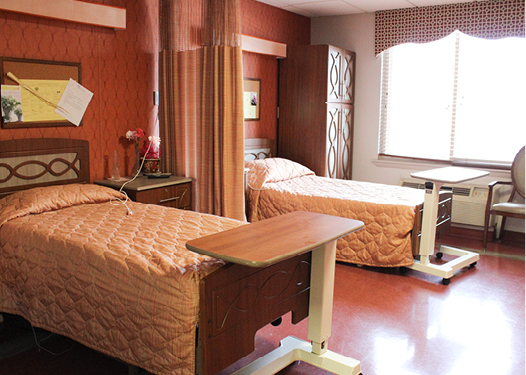
Who Owns and Operates Daleview?

DALEVIEW CARE CENTER is owned by a for-profit company. For-profit facilities operate as businesses with obligations to shareholders or private owners. The facility operates independently rather than as part of a larger chain. With 142 certified beds and approximately 119 residents (about 84% occupancy), it is a mid-sized facility located in EAST FARMINGDALE, New York.
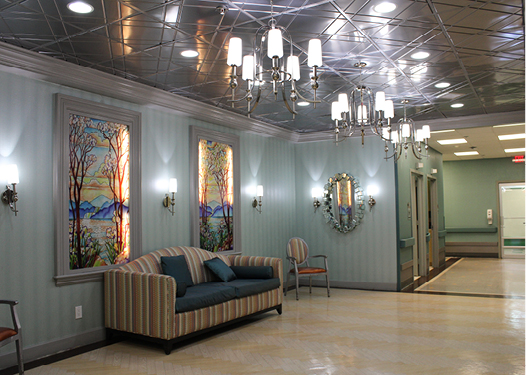
How Does Daleview Compare to Other New York Nursing Homes?

Compared to the 100 nursing homes in New York, DALEVIEW CARE CENTER's overall rating (4 stars) is above the state average of 3.1, staff turnover (38%) is near the state average of 46%, and health inspection rating (3 stars) is at the national benchmark.

What Should Families Ask When Visiting Daleview?

Based on this facility's data, families visiting should ask: "Can you walk me through typical staffing levels on day, evening, and night shifts?" "Can I visit during a mealtime to observe dining assistance and food quality?" "How do you handle medical emergencies, and what is your hospital transfer rate?" "Can I speak with family members of current residents about their experience?" These questions are particularly relevant given the below-average staffing rating.

Is Daleview Safe?

Based on CMS inspection data, DALEVIEW CARE CENTER has a clean safety record: no substantiated abuse findings (meaning no confirmed cases of resident harm), no Immediate Jeopardy citations (the most serious violation level indicating risk of serious injury or death), and is not on the Special Focus Facility watch list (a federal program monitoring the lowest-performing 1% of nursing homes). The facility has a 4-star overall rating and ranks #1 of 100 nursing homes in New York. While no facility is perfect, families should still ask about staff-to-resident ratios and recent inspection results during their visit.

Do Nurses at Daleview Stick Around?

DALEVIEW CARE CENTER has a staff turnover rate of 38%, which is about average for New York nursing homes (state average: 46%). Moderate turnover is common in nursing homes, but families should still ask about staff tenure and how the facility maintains care continuity when employees leave.

Was Daleview Ever Fined?

DALEVIEW CARE CENTER has no federal fines on record. CMS issues fines when nursing homes fail to meet care standards or don't correct problems found during inspections. The absence of fines suggests the facility has either maintained compliance or corrected any issues before penalties were assessed. This is a positive indicator, though families should still review recent inspection reports for the full picture.

Is Daleview on Any Federal Watch List?

DALEVIEW CARE CENTER is not on any federal watch list. The most significant is the Special Focus Facility (SFF) program, which identifies the bottom 1% of nursing homes nationally based on persistent, serious quality problems. Not being on this list means the facility has avoided the pattern of deficiencies that triggers enhanced federal oversight. This is a positive indicator, though families should still review the facility's inspection history directly.