SUNNYSIDE CARE CENTER

7000 COLLAMER RD, EAST SYRACUSE, NY 13057 (315) 656-7218
For profit - Limited Liability company 80 Beds THE MAYER FAMILY Data: November 2025
Trust Grade
28/100
#565 of 594 in NY
Last Inspection: February 2024

Within standard 12-15 month inspection cycle. Federal law requires annual inspections.

Overview

Sunnyside Care Center in East Syracuse, New York, has received a Trust Grade of F, indicating poor quality and significant concerns about care. Ranking #565 out of 594 in New York places it in the bottom half of facilities statewide, and #12 out of 13 in Onondaga County means only one local option is rated higher. While the facility's overall trend is improving, with issues decreasing from 12 in 2024 to 2 in 2025, there are still serious problems, including a resident developing a life-threatening Stage 4 pressure ulcer due to inadequate treatment. Staffing is a relative strength, rated 4 out of 5 stars, but the turnover rate of 66% is concerning, exceeding the state average. Additionally, the facility faces fines of $12,155, which is higher than 82% of similar facilities, and there have been issues with food safety and menu compliance, raising concerns about overall care quality.

Trust Score
F
28/100
In New York
#565/594
Bottom 5%
Safety Record
Moderate
Needs review
Inspections
Getting Better
12 → 2 violations
Staff Stability
⚠ Watch
66% turnover. Above average. Higher turnover means staff may not know residents' routines.
Penalties
✓ Good
$12,155 in fines. Lower than most New York facilities. Relatively clean record.
Skilled Nurses
○ Average
Each resident gets 39 minutes of Registered Nurse (RN) attention daily — about average for New York. RNs are the most trained staff who monitor for health changes.
Violations
⚠ Watch
30 deficiencies on record. Higher than average. Multiple issues found across inspections.
★☆☆☆☆
1.0
Overall Rating
★★★★☆
4.0
Staff Levels
★★★★☆
4.0
Care Quality
★☆☆☆☆
1.0
Inspection Score
Stable
2024: 12 issues
2025: 2 issues

The Good

  • 4-Star Staffing Rating · Above-average nurse staffing levels
  • 4-Star Quality Measures · Strong clinical quality outcomes
  • Full Sprinkler Coverage · Fire safety systems throughout facility
  • No fines on record

Facility shows strength in staffing levels, quality measures, fire safety.

The Bad

1-Star Overall Rating

Below New York average (3.0)

Significant quality concerns identified by CMS

Staff Turnover: 66%

20pts above New York avg (46%)

Frequent staff changes - ask about care continuity

Federal Fines: $12,155

Below median ($33,413)

Minor penalties assessed

Chain: THE MAYER FAMILY

Part of a multi-facility chain

Ask about local staffing decisions and management

Staff turnover is elevated (66%)

18 points above New York average of 48%

The Ugly 30 deficiencies on record

1 actual harm
Sept 2025 2 deficiencies
CONCERN (E) 📢 Someone Reported This

A family member, employee, or ombudsman was alarmed enough to file a formal complaint

Potential for Harm - no one hurt, but risky conditions existed

Menu Adequacy (Tag F0803)

Could have caused harm · This affected multiple residents

Based on observations, record review, and interviews during the recertification and abbreviated (576137/ NY00340739 and 576142/ NY00346243) surveys conducted 9/8/2025 - 9/12/2025, the facility did not...

Read full inspector narrative →
Based on observations, record review, and interviews during the recertification and abbreviated (576137/ NY00340739 and 576142/ NY00346243) surveys conducted 9/8/2025 - 9/12/2025, the facility did not ensure resident menus were followed for two (2) of seven (7) meals observed. Specifically, the facility ran out of preplanned menu items and substituted with items that were not nutritionally equivalent; and did not inform Registered Dietitian #5 there was no orange juice, and an orange-flavored citrus punch was substituted. The Foodservice Director did not submit food orders timely to ensure food items were available for the preplanned lunch meal for 9/9/2025. Additionally, Residents #24, #64, and #66 did not receive food items at meals as planned; and Residents #7 and #48 stated the facility sometimes ran out of food.Findings include: The facility policy Food Procurement, revised 10/2024, documented orders would be placed by the Dietary Manager/ Food Service Director or designated staff according to menu requirements and inventory needs. All deliveries would be checked against invoices to ensure accuracy, quality, and condition. The Dietary Manager/ Food Service Director was responsible for ordering and oversight of procurement. Administration would review procurement practices quarterly to ensure compliance. The undated Food Service Director job description documented they would complete supply orders and maintain appropriate par levels. They were to ensure the food service department operated within weekly budget for staffing and supplies. Additionally, monitor food control systems, such as food temperatures, portion control, preparation, and presentation of food. The facility policy Tray Identification, revised 4/2025, documented the Food Service Manager or supervisor would check trays for correct diets before food carts were transported to the units. Nursing staff would check each tray for correct diets prior to serving the residents.The facility policy Substitutions, revised 5/2024, documented The Food Service Manager, in conjunction with the Clinical Dietitian, may make food substitutions as appropriate or necessary. All substitutions would be noted on the menu and filed in accordance with established dietary polices. Notations of substitutions must include the reason for the substitution. The facility's week three food par list did not document the quantity of potato tots, pineapple, ketchup or mustard. The week three par list documented 30 dozen shelled eggs, six orange juice, six apple juice, and one American cheese. The food par list did not indicate the product size or quantity needed for orange juice, apple juice or American Cheese. The facility's September 2025 food purchase orders did not document regular orange juice, apple juice, pineapple, or tater tots were ordered. The 9/5/2025 food purchase order for delivery on 9/11/2025 documented six #10 cans of ketchup and four 1-gallon containers of mustard were ordered. During an interview on 9/8/2025 at 7:32 PM, Resident #7 stated the facility sometimes ran out of food items.During an interview on 9/8/2025 at 8:54 PM Resident #46 stated the facility often ran out of food items. A receipt from a local grocery store dated 9/9/2025 at 6:42 AM, documented 120 shelled eggs, six bottles of juice, six bottles of orange-flavored citrus punch, American Cheese, shredded cheese, three packages of potato tots, two yellow mustards, and two ketchups were purchased. The facility's week three preplanned menu documented the 9/9/2025 lunch meal was a cheeseburger on a bun, broccoli salad, banana, and potato tots. The alternative entree was baked chicken.During an observation on 9/9/2025 at 12:29 PM, the main kitchen walk-in cooler contained five 1-gallon plastic containers of orange-flavored citrus punch, six 96-ounce plastic bottles of apple juice, and one 5-pound block of American cheese. During an interview on 9/9/2025 at 12:49 PM the Food Service Director stated they were responsible for ordering food supplies. They did not order apple juice or orange juice because they missed it. They reviewed the food inventory on the evening of 9/8/2025 and noticed other items were missing. They asked [NAME] #22 to go a local store the morning of 9/9/2025 to purchase items such as juice, cheese, potato tots, and condiments. Any menu substitutions should be approved by Registered Dietitian #5. They did not alert Registered Dietitian #5 the orange-flavored citrus punch was substituted for orange juice. During an interview on 9/9/2025 at 1:21 PM, [NAME] #22 stated they went to a local grocery store weekly to purchase items needed for the preplanned menu. The Food Service Director was responsible for ordering, and they were unsure why items were not stocked. The Food Service Director called them on the evening of 9/8/2025 at 10:00 PM asking them to go to a local store to purchase orange juice, apple juice, cheese and potato tots. While at the store they decided to purchase the orange -flavored citrus punch. All menu substitutions should be approved by Registered Dietitian #5. They stated they did not tell Registered Dietitian #5 they bought orange -flavored citrus punch instead of orange juice. The week three preplanned menu documented the 9/10/2025 lunch meal included an open-face roast pork sandwich with gravy, mashed potatoes, carrots, and banana cake with frosting. The alterative entree was baked ham.During a meal observation on 9/10/2025 between 12:50 PM and 12:52 PM, Residents #66's and #64's meal tickets documented they were to receive two ounces of pineapple sauce with their baked ham. Neither resident had pineapple sauce.During a meal observation on 9/10/2025 at 1:14 PM, Resident #24's meal ticket documented they were to receive eight fluid ounces of an oral nutrition supplement. The resident did not receive the oral nutrition supplement. During a follow up interview on 9/10/2025 at 4:39 PM, the Food Service Director stated they completed the food ordering for the facility and ordered items weekly. They reviewed the menu, production lists, facility census, and inventory on hand to ensure all the food needed was on hand when needed. Sometimes they forgot to order food items and went to a local store to purchase the items. The production sheets did not indicate which type of juices or quantity needed for specific types of juice and only listed the total of number of assorted juices needed. They reviewed the food inventory on hand the evening of 9/8/2025 and saw items were needed. They called [NAME] #22 and asked them to purchase items at the local store including juice, cheese, potato tots, and condiments. [NAME] #22 purchased the orange-flavored citrus punch. It was not a nutritional equivalent to orange juice, and they did not tell Registered Dietitian #5 the orange-flavored citrus punch was being substituted for orange juice. It was important to ensure the correct quantity of food items were on hand, so the residents were not missing items, and all menu substitutions were reviewed and approved by the registered dietitian to ensure they were nutritionally equivalent. They checked the meal trays for the lunch meal service on 9/10/2025 and heard after the meal items were missing. During an interview on 9/10/2025 at 5:41 PM, Registered Dietitian #5 stated the Food Service Director should alert them to any menu substitutions so they could ensure they were nutritionally equivalent. They were unaware an orange-flavored citrus punch was substituted for orange juice. They would not have approved that substitution as it was not a nutritional equivalent to orange juice. They were not aware the meal tickets and productions sheet documented assorted juices instead of specific juices. During a follow up interview on 9/11/2025 at 2:49 PM, Registered Dietitian #5 stated during their meal rounds they checked to ensure all items were on the residents' meal tickets. They were unaware the residents were not provided with two ounces of pineapple sauce or the alternate lunch entree on 9/10/2025. Residents should receive items on their tray to honor their food preferences. Resident #24 should have received their oral nutrition supplement as they had increased calorie and protein needs. During an interview on 9/12/2025 at 9:13 PM, the Administrator stated the Food Service Director was responsible for purchasing the food at the facility. At times the Food Service Director would ask to purchase items at a local store, but they thought the facility had enough food to serve the residents. They thought the recent holiday may affected the food purchasing and delivery schedule. During a follow up interview on 9/12/2025 at 9:19 AM, the Food Service Director stated the 9/10/2025 alternate lunch entree should have been served with two ounces of pineapple sauce. They thought it had been made and served. Oral nutritional supplements were put on the resident's meal trays by the food service department and they must have overlooked Resident #24's meal ticket. The residents should receive all items listed on their meal tickets. 10NYCRR 415.14(c)(1-3)
CONCERN (E) 📢 Someone Reported This

A family member, employee, or ombudsman was alarmed enough to file a formal complaint

Potential for Harm - no one hurt, but risky conditions existed

Deficiency F0804 (Tag F0804)

Could have caused harm · This affected multiple residents

Based on observations, record review, and interviews during the recertification and abbreviated (NY00346243/ iQIES 576143) surveys conducted 9/8/2025-9/12/2025, the facility did not ensure food was se...

Read full inspector narrative →
Based on observations, record review, and interviews during the recertification and abbreviated (NY00346243/ iQIES 576143) surveys conducted 9/8/2025-9/12/2025, the facility did not ensure food was served at palatable and appetizing temperatures in accordance with professional standards for food service for 2 of 2 meals (9/9/2025 and 9/10/2025 lunch meals) reviewed. Specifically, the lunch meal test trays on 9/9/2025 and 9/10/2025 were not flavorful or served at palatable and appetizing temperatures. Additionally, seven (7) anonymous residents at the Resident Council Meeting stated the food was often cold and not flavorful Findings Include:The facility policy Food and Nutrition Services, revised 1/2025, documented each resident received meals that were nourishing and palatable. Food and nutrition staff would inspect food trays to ensure the food appeared palatable, attractive and was served at a safe and appetizing temperature. During a meal observation on 9/09/2025 at 12:37 PM, Resident #66's lunch tray was sampled in the presence of Certified Nurse Aide #19, and a replacement tray was ordered. The tray was tested for temperature and palatability with the following results: -assorted juice was 55 degrees Fahrenheit.-cheeseburger on bun was 104.5 degrees Fahrenheit and the center of the hamburger was red.-broccoli salad was 46.4 degrees Fahrenheit.-potato tots were 111 degrees Fahrenheit and cold.During a resident council meeting on 9/9/2025 at 2:00 PM, seven anonymous residents stated the hot food was usually cold and not palatable. During a meal observation on 9/10/2025 at 12:48 PM, Resident #1's lunch tray was sampled in the presence of Certified Nurse Aide #9, and a replacement tray was ordered. The tray was tested for temperature and palatability with the following results: -honey thick water was 58 degrees Fahrenheit and tasted sour.-honey thick Heath Shake (nutritional supplement) was 61 degrees Fahrenheit.-honey thick cranberry juice was 55 degrees Fahrenheit.-pureed roast pork sandwich with gravy was 105 degrees Fahrenheit and cold.-pureed carrots were 108 degrees Fahrenheit and cold.-mashed potatoes with gravy was 119 degrees Fahrenheit.During an interview on 9/10/2025 at 4:39 PM, Food Service Director #4 stated hot beef should be cooked to at least 145 degrees Fahrenheit and cooked pork should be cooked to 165 degrees Fahrenheit. They stated cold foods and beverages should be held at 36-41 degrees Fahrenheit. Hamburgers should be tan in the middle and not red. The cook took the first cooking temperature at the end of the cooking process and a second temperature when the food was loaded into the steamer. They stated it was important to cook and serve food at palatable temperatures to prevent bacterial growth and encourage intake. They stated they usually did test trays daily, changing meals and tray location.During an interview on 9/10/2025 at 5:41 PM, Registered Dietitian #5 stated they did meal tray observations during meals. If they noted any issues, they informed the Food Service Director or Administration. They stated they expected the food to be palatable and would rather the residents consume the food instead of supplements.During an interview on 9/11/2025 at 11:07 AM, Certified Nursing Aide #15 stated they had several food complaints from residents regarding food palatability and cold temperatures. They stated the kitchen staff were responsible for making sure all items served on the tray were hot and palatable.During an interview on 9/11/2025 at 1:34 PM, Licensed Practical Nurse #16 stated they had several resident complaints about food palatability, including lack of flavor and cold food temperatures. They stated the food did not appear appetizing.During an interview on 9/11/2025 at 3:14 PM, the Food Service Director stated after hot food was pureed, it was put in a metal hotel pan and reheated to at least 165 degrees Fahrenheit. The temperature was obtained with a stem thermometer. They purchased the honey thick milkshakes and sent them on the tray still in the carton. The nursing staff would open the carton and pour the milkshake into the glass. They stated they did test trays on pureed food at times by creating an extra tray and loading it on the meal cart, then testing the tray last, after all residents from that cart were served. They did not obtain a temperature of the honey thick milkshake prior to leaving the kitchen for the lunch meal on 9/10/2025. They stated they used a thermal base to keep plates hot at meals, however if a red divided plate was used, as was the case in the second test tray, the thermal base could not be used as it would melt the red plate. They stated that the red plate was used when therapy requested it. 10NYCRR 415.14(d)(1)(2)
Feb 2024 12 deficiencies
CONCERN (D)

Potential for Harm - no one hurt, but risky conditions existed

Safe Environment (Tag F0584)

Could have caused harm · This affected 1 resident

Based on observation, interview, and record review during the recertification survey conducted 2/12/2024-2/16/2024, the facility did not ensure residents had the right to a safe, clean, comfortable, a...

Read full inspector narrative →
Based on observation, interview, and record review during the recertification survey conducted 2/12/2024-2/16/2024, the facility did not ensure residents had the right to a safe, clean, comfortable, and homelike environment for 2 of 2 medication storage room (East and [NAME] medication storage rooms) reviewed. Specifically, the East and [NAME] Unit medication storage rooms were unclean and in disrepair. Finding include: The facility policy Daily/Weekly Cleaning revised 9/2023 documented the objective of a daily cleaning was to ensure cleanliness and safety. The nurse's station was to be cleaned and mopped daily. The policy did not address the cleaning of the medication storage rooms. The following observations were made: - on 2/12/2024 at 12:00 PM, the medication storage room on the [NAME] Unit was unclean. Medication packaging and debris was on the floor, there were dark dried on smudges on the floor, and the cove molding was in disrepair, hanging loose from the wall and laying across the floor. - on 2/12/2024 at 1:18 PM, the East Unit medication storage room had medication wrappers and debris on the floor; - on 2/15/2024 at 9:45 AM, with licensed practical nurse #14 present, the [NAME] Unit medication storage room was unclean. Medication packaging and debris was on the floor and the cove molding was in disrepair, hanging loose from the wall and laying across the floor; - on 2/15/2024 at 10:05 AM, with licensed practical nurse #5 present, the East Unit medication storage room was unclean with medication packaging and debris on the floor. During an interview on 2/15/2024 at 9:45 AM, licensed practical nurse #14 stated that all staff were responsible for keeping the medication storage rooms clean. Housekeeping swept the floor of the medication storage room and nursing staff was responsible for cleaning the rest of the room. They stated those areas should have been cleaned daily because it was important that everything was kept as clean as possible. During an interview on 2/15/2024 at 10:02 AM, housekeeper #34 stated that they did not clean the medication storage rooms and the nurses were responsible to keep those rooms clean. During an interview on 2/15/2024 at 10:05 AM, licensed practical nurse #5 stated they were not sure who was responsible for cleaning the medication storage rooms, or how often they were cleaned. They stated the medication room was not clean, and it should be to prevent infection and for infection control. During an interview on 2/16/2024 at 12:06 PM, the Maintenance Director stated they oversaw the housekeeping department. They stated the medication storage rooms were supposed to be cleaned daily by the housekeepers at least once or twice a week. The Maintenance Director stated it was important to keep those areas clean because that was where medications were kept. 10 NYCRR 415.29(j)(1)
CONCERN (D) 📢 Someone Reported This

A family member, employee, or ombudsman was alarmed enough to file a formal complaint

Potential for Harm - no one hurt, but risky conditions existed

Investigate Abuse (Tag F0610)

Could have caused harm · This affected 1 resident

Based on record review and interview during the recertification and abbreviated (NY00314008) surveys conducted 2/12/2024-2/16/2024, the facility did not ensure allegations of abuse, neglect, or mistre...

Read full inspector narrative →
Based on record review and interview during the recertification and abbreviated (NY00314008) surveys conducted 2/12/2024-2/16/2024, the facility did not ensure allegations of abuse, neglect, or mistreatment were thoroughly investigated for 1of 2 residents (Resident #22) reviewed. Specifically, Resident #22 had skin alterations that were not thoroughly investigated to rule out abuse, neglect, or mistreatment. Findings included: The facility policy Abuse and Neglect Policy reviewed by the facility 1/9/2023 documents injuries of unknown origin would be investigated to rule out abuse, neglect, or mistreatment. The facility policy Accidents and Incidents- Investigating and Reporting revised 10/2023 documents all accidents or incidents involving residents, employees, visitors, vendors, etc. occurring on facility premises shall be investigated and reported to the administrator. Resident #22 had diagnoses including chronic obstructive pulmonary disease (lung disease), dementia, and hypertension (high blood pressure). The 7/24/2023 Minimum Data Set assessment documented the resident had severely impaired cognition, did not reject care, did not wander, was incontinent of bladder and bowel, had no falls since admission/entry or reentry or the prior assessment, did not receive an anticoagulant (blood thinning medication), and had no unhealed pressure ulcers. The 2/21/2023 comprehensive care plan documented the resident was at risk for purpuric lesions (breaking of blood vessels under the skin), petechiae (tiny, round spots due to bleeding under the skin), ecchymosis (bruise), or hematoma (a pool of clotted blood), they were at times combative with care, had poor spatial awareness and when self-propelling wheelchair would bump their legs or arms. Approaches were to inspect the resident's skin daily and document location and characteristics of lesions. The 6/1/2021 comprehensive care plan documented the resident had behaviors including liking male attention and would exhibit unwanted affection seeking behaviors towards male residents, was combative with care. Approaches included address resident by name and explain purpose upon approach. Nursing progress notes documented: - on 6/7/2023 by registered nurse #10, called to the unit to assess the resident's left forearm. There was a large area of purpura approximately 6 centimeters by 2 centimeters in size and non-blanchable (area of redness that does not disappear when pressed). Flush to the skin. No signs of infection. No pain on palpation. No signs of distress. Resident known to have these marks. No interventions necessary. - on 7/3/2023 by former Director of Nursing #11, the resident was noted with large area of purpura to the right upper forearm measuring 11.5 centimeters x 4 centimeters, raised and hard, no redness or pain was noted, and the area was irregular in shape. The resident had a long history of these chronic areas. The purpura was purplish to black in color due to aging skin where blood vessels break under the skin. There was no blanching when pressure was applied, and the area remained deep purplish black in color. Nurse practitioner #12 progress notes documented: - on 7/6/2023 the resident was seen at the request of nursing for a right forearm discoloration. For their purpura, the resident had an area to their arm that was dark purple in color. The area did appear as if it was a bruise but was actually purpura. Purpura was hemorrhagic areas under the skin that were due to aging and the skin being thinner. - on 12/26/2023 the resident was seen for their increased agitation especially during care. There was concern with the resident hurting themself or causing bruising due to their fighting during care. There was no documented evidence of investigations for the discolored areas noted on 6/7/2023 and 7/3/2023. During an interview on 2/15/2024 at 11:48 AM, certified nurse aide #25 stated they were supposed to report any changes in skin conditions or bruising. They stated that Resident #22 could be resistive with care and had seen purple areas on their skin in the past. During an interview on 2/15/2024 at 12:05 PM, nurse practitioner #12 stated an assessment for a dark purple discolored area would include asking about any falls or injuries. They would expect nursing to have ruled out injury. If they were told there was no injury, they felt the area was purpura. It would be important to rule out injury first, especially in this population. They did not remember specifics regarding Resident #22's skin discolorations. They were not sure if there had been labs to support purpura diagnosis. During an interview on 2/15/2024 at 3:25 PM licensed practical nurse #6 stated if any alteration in skin was noted, they would notify a supervisor. For bruises or skin tears staff statements were obtained to try to make sure abuse or neglect did not take place. They tried to find out what happened to prevent it from happening again. Resident #22 could be difficult and combative with care. During an interview on 2/15/2024 at 4:46 PM, registered nurse Supervisor #26 stated they expected staff to report any alteration in skin for a registered nurse to assess. Any skin area that was discolored or purple should have an investigation to make sure there was no abuse, and to prevent reoccurrence. They remembered Resident #22 having purple skin areas and was not sure if there had been investigations into the cause. During an interview on 2/16/2024 at 9:54 AM licensed practical nurse #5 stated any change in skin condition required a registered nurse assessment. A bruise required assessment and investigation to rule out abuse. They stated they were not sure about Resident #22's history of skin discolorations. During an interview on 2/16/2024 at 11:45, the Assistant Director of Nursing stated if a resident had any changes in skin a registered nurse should be notified to complete an assessment. Investigations needed to be completed for all bruises to rule out abuse. They were not sure how to tell the difference between purpura and bruising, but it should always be investigated. All staff were educated regarding abuse and neglect. They stated this population was especially vulnerable. During an interview on 2/16/2024 at 12:53 PM, the Director of Nursing stated alterations in skin integrity should be reported to a registered nurse for an assessment. Any discolored areas needed to be investigated to rule out abuse. Interventions should be in place to prevent recurrence. A purple skin area could not be called purpura without an investigation. 10NYCRR 415.4(b)
CONCERN (D) 📢 Someone Reported This

A family member, employee, or ombudsman was alarmed enough to file a formal complaint

Potential for Harm - no one hurt, but risky conditions existed

Comprehensive Care Plan (Tag F0656)

Could have caused harm · This affected 1 resident

Based on observation, record review, and interview during the recertification and abbreviated (NY00313895) surveys conducted 2/12/2024- 2/16/2024, the facility did not develop and implement a comprehe...

Read full inspector narrative →
Based on observation, record review, and interview during the recertification and abbreviated (NY00313895) surveys conducted 2/12/2024- 2/16/2024, the facility did not develop and implement a comprehensive person-centered care plan to meet a resident's medical and nursing needs for 3 of 3 residents (Resident's #17, #22, and #329) reviewed. Specifically, Resident #17 was transferred using a mechanical lift with assistance of 1 and not 2 as care planned; Resident #22 was transferred and toileted with assistance of 1 and not 2 as care planned; and Resident #329 did not have a motion detector outside of their room as care planned. Findings include: The facility policy Care Plan, Comprehensive Person- Centered revised 3/2023 documented a comprehensive, person- centered care plan that included measurable objectives and timetables to meet the resident's physical, psychosocial, and functional needs would be developed and implemented for each resident. The care plan identified problem areas and their cause and include interventions that were targeted and meaningful to the resident were developed. Care plan interventions were chosen only after careful data gathering, proper sequencing of events, careful consideration of the relationship between the resident's problem areas and their causes, and relevant clinical decision making. The facility policy Activities of Daily Living, supporting last revised 3/2023, documented residents who were unable to carry out activities of daily living independently would receive the services necessary to maintain good nutrition, grooming, and personal and oral hygiene. Appropriate care and services would be provided in accordance with the plan of care. The facility policy Lifting Machine, Using a Mechanical reviewed 2023 documented at least two nursing assistants are needed to safely move a resident with a mechanical lift. 1) Resident #17 was admitted to the facility with diagnoses including benign neoplasm (non-cancerous tumor) of the central nervous system, quadriplegia (paralysis of both arms and legs) and post laminectomy (removal of a vertebrae) syndrome. The 1/8/2024 Minimum Data Set assessment documented the resident was cognitively intact, dependent on staff for bed to chair transfer, and utilized a mechanical lift for transfers from bed to electric wheelchair. The comprehensive care plan initiated 1/13/2023 and revised 2/12/2024 documented the resident required assistance with activities of daily living, was totally dependent on two with a mechanical lift for transfers and was at risk for falls. Interventions included verbal reminders not to transfer without assistance. During an observation on 2/14/2024 at 10:17 AM, certified nurse aide #7 transferred Resident #17 from the bed to their electric wheelchair with a mechanical lift by themself without additional staff present. There was no documentation Resident #17 was transferred during the day shift on 2/14/2024 in the Point of Care Response History. During an interview on 2/15/2024 at 10:28 Resident #17 stated two staff members were supposed to get them up with a mechanical lift. Certified nurse aide #7 got them up without help on 2/14/2024 because they stated they were short staffed that day. During an interview on 2/15/2024 at 10:45 AM certified nurse aide #7 stated a resident's level of assistance was followed as indicated on their care plan. Resident #17 required two person assistance, but they got them up on their own because there were only two certified nurse aides for the entire floor. It was a safety measure to have assistance of two for transfers so the resident would not fall. During an interview on 2/15/2024 at 3:04 PM licensed practical nurse #6 stated the level of assistance needed was in the care plan which was checked by certified nurse aides at the beginning of each shift. If a resident required assistance of two, they should not have been transferred with one and the care plan was not followed. Not following the care plan could result in a fall or it could be rough on the resident because they could be pushed or pulled too hard, and it could cause injury. Resident #17 required assistance of two and a mechanical lift and should never be transferred by one person. During an interview on 2/16/2024 at 9:23 AM licensed practical nurse Unit Manager #5 stated certified nurse aides were supposed to look at the care plan at the beginning of each shift and were expected to follow the level of assistance indicated for the safety of both the residents and the staff. If the care plan was not followed, residents could get hurt either from a fall or they could get a bruise from being pushed or pulled with too much pressure and staff could injure their back. Resident #17 required a mechanical lift and should always be transferred by two staff. During an interview on 2/16/2024 at 9:40 AM the Assistant Director of Nursing stated they expected certified nurse aides to know the level of assistance required by referencing the care plan and they expected the care plan to be followed for resident and staff safety. One staff member assisting a mechanical lift resident was never appropriate and could lead to falls or injuries. 2) Resident #22 had diagnoses including chronic obstructive pulmonary disease (lung disease), dementia, and hypertension (high blood pressure). The 1/16/2024 Minimum Data Set assessment documented the resident had severely impaired cognition, did not reject care, and was dependent on staff assistance for toileting and transfers. The comprehensive care plan initiated 10/17/2018 documented the resident required assistance with activities of daily living due to decreased mobility and impaired cognition. Interventions edited on 2/6/2024 included toileting care at bed level with extensive assistance of 2 staff and check and change every 2 -3 hours. The resident required extensive assistance of 2 for transfers prior to 2/15/2024. The resident profile (care instructions) documented on 2/2/2024 toileting care at bed level with extensive assistance of 2, and check and change every 2 -3 hours. On 2/14/2024 transfer with total assistance of 2 using a mechanical lift. During an observation on 2/14/2024 at 1:37 PM, certified nurse aide # 7 assisted Resident #22 to their room. and transferred the resident back to bed without a second person present. They provided toileting care without a second person present. During an interview on 2/14/2024 at 1:50 PM, certified nurse aide #7 stated the resident was supposed to have 2 staff for transfers and incontinence care. When there were more certified nurse aides, they were able to provide more frequent care. They were aware the care plan documented 2 staff for transfers and care, but they felt safe transferring the resident alone There was not enough staff to get the resident changed more often or to use two for transfers. During an interview on 2/16/2024 at 12:53 PM, the Director of Nursing stated care information was found in the resident profile on the computer. All resident transfers had to follow the care plan for both staff and resident safety. It was not acceptable to use staffing as a reason for not following the care plan. Staff should come and ask for assistance from supervisors, the Assistant Director of Nursing, or themselves. If the care plan documented 2 staff for transfers, 2 staff should be used for resident and staff safety. During an interview on 2/16/2024 at 11:45 AM, the Assistant Director of Nursing stated resident care information was found in the computer under the resident profile. The plan of care included assistance level, diet preferences, transfers, and shower dates. A resident should not be transferred with less staff than what was care planned. It would be a safety issue for both the resident and staff. 3) Resident #329 had diagnoses including traumatic brain injury, mood disorder, and inappropriate sexual behavior. The 1/10/2024 Minimum Data Set Assessment documented the resident had mildly impaired cognition, did not wander, did not exhibit behavioral symptoms, used a manual wheelchair, was able to independently wheel 50 feet and make two turns once seated in wheelchair, wheel 150 feet independently once seated in wheelchair in a corridor or similar space and did not use any restraints or alarms, including motion sensor alarms. The comprehensive care plan initiated 7/3/2019 documented the resident had behavioral symptoms. The resident was non-complaint with respecting other's space and belongings, was sarcastic, and used sexually inappropriate language and gestures towards female staff and residents. The resident had attempted to kiss other residents. Interventions included approach the resident in a calm consistent manner, make eye contact, explain purpose on approach, psychological consult and follow up as ordered and as necessary. Provide the resident with the opportunity to express feelings through 1:1 and group visits. Staff were to encourage the resident to participate in group activities, monitor for any changes in mood, and report to medical. The resident was placed on 15-minute checks. On 1/24/2023 interventions were updated to include the resident was re-educated about inappropriateness with female residents and redirected, and call family member so they could speak to the resident about their behavior. On 2/14/2023, interventions were updated to include a medical consult to review medications. On 2/20/2023, interventions were updated to include to keep the resident in highly visible area when out of their room. On 2/28/2023, interventions were updated to include pharmacy consultant medication review and a motion detector was to be placed outside room. The resident profile (care instructions) documented a motion sensor was to be placed outside of the room on 2/28/2023. A 4/1/2023 Incident report documented on the evening of 4/1/2023, a female resident entered Resident #329's room. The facility's video footage showed Resident #329 talking and standing behind the female resident while they were seated in their wheelchair. Resident #329 wheeled the female resident into their room. Staff separated the residents. Resident #326 was placed on 1:1 and had a room change to the west wing of the facility. On 4/2/2023, former Director of Nursing #11 documented the behavior care plan interventions were updated to include a motion sensor placed outside of the resident's room and the resident was placed on 15-minute checks. On 2/13/2024, social worker #18 documented the resident had a room change due to a reported incident with a female resident on 2/9/2024. The resident's room was observed without a motion detector outside of their room on: - On 2/12/24 at 2:11 PM. - On 2/13/24 at 8:39 AM. - On 2/14/24 at 11:12 AM. During an interview on 2/14/2024 at 11:12 AM certified nurse aide #7 stated any resident safety interventions, such as alarms, were documented on the resident's profile card. They typically worked on the unit and did not know of any residents that had a motion detector outside of their rooms. During an interview on 2/14/2024 at 12:57 PM, licensed practical nurse #17 stated they were unaware of any residents with a motion detector outside of their room. Recently Resident #329 was moved to the east wing due to inappropriate behaviors. They had never observed a motion sensor outside of the resident's room prior to the move and never heard any noise when they had entered or exited the resident's room while the resident was on the west wing. During an interview on 2/14/2024 at 1:37 PM certified nurse aide #23 stated they were currently assigned to Resident #329. They knew how to provide care for the resident by reviewing the resident profile and the profile also included any safety interventions the resident required. They stated the resident had a history of being inappropriate with females and was recently moved to the east wing after an incident. They had not observed any motion detector on the resident's doorway and never heard any alarm while entering or exiting the room. During an interview on 2/14/2024 at 1:49 PM licensed practical nurse #6 stated they usually worked on the east unit and Resident #329 was recently moved to the unit due to behaviors. They were unaware if the resident had a motion detector on their doorway. During an interview on 2/14/2024 at 2:26 PM certified nurse aide #22 stated Resident #329 was recently moved from the west wing to the east wing due to their behaviors. They thought Resident #329 used to have a motion detector on their doorway, but that was in the past. During an interview on 2/14/2024 at 2:33 PM certified nurse aide #21 stated Resident #329 used to be on the west wing on their side of hall, but they were recently moved to the east wing. They had never observed a motion detector outside of the resident's room. During a telephone interview on 2/14/2024 at 3:59 PM certified nurse aide #20 stated Resident #329 was recently moved from the west wing to the east wing due to their behaviors. They stated the resident had a motion detector on their door in the past, but it had not worked in a while. They let a nurse on the unit along with the former Director of Nursing #11 know the motion detector was not working. They stated there was nowhere for them to document if it was working or in place. During an interview on 2/15/2024 at 1:15 PM social worker #18 stated Resident #329 was recently moved to the east wing for their behaviors. Usually, maintenance staff moved the resident's items including dressers, floor mats, and personal belongings to their new room. They were unsure if any residents at the facility had a motion detector outside of their room and had never heard Resident #329 was care planned to have one. They thought the behavior care plan would be updated by the nursing staff. It was important for the resident's care plan to be followed to ensure the safety of the resident and other residents. During an interview on 2/15/2024 at 1:40 PM the Director of Nursing stated when the interdisciplinary team discussed the care plan, they also reviewed the interventions in place to determine if they remained appropriate. They stated Resident #329 had inappropriate behaviors and recently had a room change. The resident's care plan included 15-minute checks and to keep in highly visible areas when out of their room. They had never observed a motion detector outside of the resident's room. They stated if the resident was care planned to have a motion detector, they should have it and at this time it had been discontinued from the care plan. It was important for staff to follow the care plan to ensure the residents were cared for properly and for safety reasons. If staff observed the motion detector not working, it should have reported to the nursing supervisor and maintenance should have also been made aware. During an interview on 2/15/2024 at 2:35 PM the Maintenance Director stated they recently moved Resident #329's belongings to the east wing. They did not observe a motion detector outside of the resident's previous room and they were not made aware a motion detector was not working. If they were made aware they would have fixed it. They did not put up a motion detector outside of the resident's new room on the east wing. 10NYCRR 415.11(c)(1)
CONCERN (D) 📢 Someone Reported This

A family member, employee, or ombudsman was alarmed enough to file a formal complaint

Potential for Harm - no one hurt, but risky conditions existed

Pressure Ulcer Prevention (Tag F0686)

Could have caused harm · This affected 1 resident

Based on observation, record review, and interview during the recertification and abbreviated surveys (NY00314609) conducted 2/12/2024-2/16/2024, the facility did not ensure residents with pressure ul...

Read full inspector narrative →
Based on observation, record review, and interview during the recertification and abbreviated surveys (NY00314609) conducted 2/12/2024-2/16/2024, the facility did not ensure residents with pressure ulcers received the necessary treatment and services, consistent with professional standards of practice, to promote wound healing, prevent infection, and prevent new ulcers from developing for 2 of 5 residents (Resident #55 and #64) reviewed. Specifically, Resident #55 did not have pressure relief for their heels as planned and Resident #64 had positioning devices for pressure relief ordered that were not being used correctly. Findings include: The facility policy Prevention of Pressure Ulcers/Injuries revised 7/2023 documented reposition residents at least every 2 hours if they were dependent on staff for repositioning. Reposition more frequently as needed, based on the condition of the skin and resident's comfort. Provide support devices and assistance as needed. 1) Resident #55 had diagnoses including pressure-induced deep tissue damage of unspecified heel (purple or blue discoloration to intact skin) and fracture of the left femur (thigh bone). The 12/27/2023 Minimum Data Set assessment documented the resident had severe cognitive impairment, required partial/moderate assistance for bed mobility, was at risk for developing pressure ulcers, and had pressure reducing devices for chair and bed. A 2/6/2024 at 2:40 PM Director of Nursing progress note documented they were notified by the licensed practical nurse the resident had a black area on their heel. The area measured 3 centimeters x 4 centimeters and was a deep tissue injury (damage to underlying soft tissue from pressure) to the left heel. Skin prep was applied. Pressure relieving boots were to be worn when in bed. The comprehensive care plan revised 2/6/2024 documented the resident had a pressure injury to the left heel related to impaired mobility. Interventions included air mattress on the bed, pressure reduction cushion in the wheelchair, turn and position per the plan of care, and application of pressure relieving boots when in bed. The resident profile (care instructions) revised 2/6/2024 documented turn and position every 2 hours, elevate/encourage elevation of heels while in bed, apply pressure relieving boots when in bed, and a pressure reduction cushion to the chair. Resident #55 was observed at the following times: - on 2/13/2024 at 12:47 PM, lying in bed on their right side and was not wearing pressure relieving boots. - on 2/14/2024 at 10:30 AM, lying in bed on their back. The resident was wearing nonskid socks, their heels were resting directly on the air mattress, and they were not wearing pressure relieving boots. - on 2/15/2024 at 2:38 PM, lying in bed on their back. The resident was wearing nonskid socks, their heels were resting directly on the air mattress, and they were not wearing pressure relieving boots. During an interview on 2/15/2024 at 1:27 PM, licensed practical nurse #14 stated the residents care plan listed instructions on how to properly care for the resident. They stated it was important to use pressure relieving devices as ordered to prevent pressure ulcers from getting worse and if they were not used new areas could develop. During an interview on 2/16/2024 at 9:06 AM, certified nurse aide #21 stated Resident #55 should wear foot booties to protect their heels, they used to wear them, but they had not seen them recently. They stated they saw pressure relieving boots listed on the resident's care instructions that morning. They should have told therapy the boots were missing but they had been very busy that morning because there were only two certified nurse aides on the unit. They stated it was important to follow the care plan and use pressure relieving boot to prevent Resident #55 from developing new pressure ulcers and pressure ulcers from getting worse. During an interview on 2/16/2024 at 10:30 AM, Infection Preventionist/Assistant Director of Nursing stated if Resident #55 was care planned to use offloading heel boots while in bed, they expected the direct care staff on the unit to make sure it was being done. They stated the Unit Manager or nurses should monitor to ensure the boots were being implemented. They expected staff to notify management or therapy if they were unable to locate the pressure relieving devices. They stated if Resident #55 was not wearing the heel booties as ordered it put them at risk for further skin breakdown. 2) Resident #64 had diagnoses of cerebrovascular disease, unspecified convulsions, and diabetes. The 12/29/2023 Minimum Data Set assessment documented the resident had moderately impaired cognition, did not exhibit behaviors, did not reject care, required was dependent for bed mobility, transfers and toileting, had one Stage 3 pressure ulcer (full thickness tissue loss), one deep tissue injury (a form of pressure injury with localized tissue damage), and had a pressure reducing device for the bed and the chair. The comprehensive care plan initiated 6/21/2023 documented the resident required assistance with activities of daily living secondary to cerebral vascular accident and left sided hemiplegia (weakness or paralysis). Interventions included extensive assistance with bed mobility, use of a right lateral wedge in bed, a mechanical lift for transfers, and a wheelchair for locomotion. The resident profile dated 1/1/2024 documented bed mobility was extensive assistance of 1 and a right lateral wedge when in bed. A 1/5/2024 nurse practitioner #12 progress note documented the resident had a pressure ulcer on the left buttocks measuring 2 centimeters x 2.5 centimeters x 0.1 centimeters, serous (watery) drainage, and was 100% slough (moist, dead tissue). A physician order dated 1/8/2024 documented lateral wedge on right side of the bed to promote proper positioning and pressure relief. A 1/10/2024 Wound Evaluation and Management Summary documented the resident had a Stage 3 right sacral pressure ulcer. Recommendations included off-load wound, reposition per facility policy, and turn side to side in bed every 1-2 hours if able. Resident #64 was observed at the following times: - on 2/12/2024 at 11:10 AM, positioned in bed on their back with a bed wedge on both the left and right sides. - on 2/12/2024 at 12:55 PM in bed being assisted with lunch with a bed wedge on both the left and right sides. - on 2/12/2024 at 1:18 PM the resident stated staff had not been in yet to assist them out of bed. The bed wedges were present on both the left and right sides. - on 2/13/2024 at 8:59 AM in bed on their back in a gown with a bed wedge on both the left and right sides. - on 2/13/2024 at 10:35 AM in bed on their back with a bed wedge on both the left and right sides. The resident stated they would like to get up, but staff had not offered. - on 2/13/2024 at 12:51 PM repositioned in bed with the head of the bed elevated for the lunch meal. The bed wedges were present on both the left and right sides. - on 2/14/2024 at 9:23 AM in bed lying on their back with bed wedges present on both the left and right sides. - on 2/14/2024 at 12:45 PM resident in bed with head of bed elevated. The bed wedges were present on both the left and right sides. - on 2/15/2024 at 3:02 PM in bed on their back with the bed wedge positioned under their left side. During an interview on 2/15/2024 at 11:24 AM, physical therapist #29 stated wedges, rolls, and pillows could be used for bed positioning to prevent pressure and contractures. A back wedge should be partially under the back to rotate off pressure points, and then follow down the body to make sure pressure was not placed somewhere else. An order was required for bed wedges, they should not be used without orders and must be used as ordered. Residents with pressure areas should get out of bed to relieve pressure. During an interview on 2/15/2024 at 11:48 AM, certified nurse aide #25 stated resident care information was found on the Kiosk in the computer and included adaptive equipment for pressure reduction. They were not sure if the bed wedges for resident # 64 were in the orders. The wedges were on the resident's bed on both sides when they got the resident up that morning. The certified nurse aide stated they put them back as they found them when they put the resident back to bed. The certified nurse aide did not check the care plan and thought the wedges were used to keep the resident from falling out of bed. Shifting position was important to for comfort and pressure relief. During an interview on 2/15/2024 at 12:15 PM, nurse practitioner #12 stated orders should always be followed. That would include any pressure relieving devices. Getting out of bed and changing positions improved breathing, and relieved pressure. During an interview on 2/15/2024 at 2:15 PM, certified nurse aide #7 stated bed wedges were used to reposition, and for safety to keep residents from falling out of bed. They were not sure if resident #64 was to have 2 wedges. They had not checked the care profile for information. During an interview on 2/15//2024 at 5:05 PM, licensed practical nurse #6 stated Resident #64 was to have a wedge on their right side for positioning and pressure relief. There had been 2 wedges present this week, and it was not ordered that way. Orders should be followed. During an interview on 2/16/2024 at 9:46 AM, licensed practical nurse #5 stated they did not realize resident #64 was supposed to have only one bed wedge. Two bed wedges could prevent the resident from being able to reposition for comfort. Resident #64 had pressure areas and should be able to reposition if they were uncomfortable. During an interview on 2/16/2024 at 11:45 AM, the Assistant Director of Nursing stated positioning devices, and turning and positioning were used to help pressure ulcers. Resident #64 had an order for a bed wedge on the right side for positioning and pressure relief. The use of 2 bed wedges could lead to the resident not being able to reposition themselves for comfort or pressure reduction. During an interview on 2/16/2024 at 12:53 PM, the Director of Nursing stated Resident #64 had orders for a right lateral wedge for positioning and pressure relief. Using 2 bed wedges could limit the resident's ability to relieve pressure or get comfortable. They should not have 2 bed wedges in place. 10NYCRR 415.12(c)(1)
CONCERN (D)

Potential for Harm - no one hurt, but risky conditions existed

Respiratory Care (Tag F0695)

Could have caused harm · This affected 1 resident

Based on observation, record review, and interview during the recertification survey conducted 2/12/2024 - 2/16/2024, the facility did not ensure residents who needed respiratory care were provided su...

Read full inspector narrative →
Based on observation, record review, and interview during the recertification survey conducted 2/12/2024 - 2/16/2024, the facility did not ensure residents who needed respiratory care were provided such care, consistent with professional standards of practice for 1 of 1 resident (Resident #63) reviewed. Specifically, Resident #63's portable oxygen tank was empty and was not replaced. Findings include: The facility policy Oxygen Administration revised 11/2023 documents verify the physician's order, review the resident's care plan to assess for any special needs of the resident, strap the portable oxygen tank to the stand, turn on the oxygen, start the flow of oxygen as ordered, and observe the resident upon setup and periodically thereafter to be sure oxygen was being tolerated. Resident #63 was admitted to the facility with diagnoses including dementia and chronic obstructive pulmonary disease (lung disease). The 12/20/2023 Minimum Data Set assessment documented the resident had moderately impaired cognition, did not reject care, and did not use oxygen. A 1/9/2024 nurse practitioner #12 progress note documented the resident was seen by the request of nursing to follow up for chronic obstructive pulmonary disease. The resident had a history of chronic obstructive pulmonary disease and recently had an exacerbation (flare up). The resident was examined at bedside with no signs or symptoms of respiratory distress. The resident's oxygen saturation (amount of oxygen in blood stream) level was 95% on room air. The plan was to discontinue DuoNeb (a combination medication used to treat chronic obstructive pulmonary disease) and continue to monitor the resident. A 1/28/2024 physician order documented the resident was to receive oxygen at 2-4 liters per minute via nasal cannula to maintain oxygen saturation levels of 92% or greater. The 1/2024 and 2/2024 Medication Administration Records did not document oxygen administration as ordered. The 2/5/2024 comprehensive care plan documented the resident required oxygen at 2 liters per minute via nasal cannula. Interventions included provide supplemental oxygen per physician orders, monitor for signs and symptoms of respiratory distress and report to medical, check oxygen saturation levels as needed, and report abnormal findings to medical. The resident profile (care instructions) did not document the resident's use of oxygen. Resident #63 was observed: - on 2/12/24 at 10:00 AM, sitting in the dining room. The gauge on the resident's portable oxygen tank was almost at the red, indicating the tank was almost empty. At 11:08 AM, the portable oxygen tank gauge was in the red, indicating the tank was empty. At 11:42 AM, the resident was observed self-propelling their manual wheelchair down the hallway towards the lobby and the portable oxygen tank gauge remained in the red. At 11:57 AM, an unidentified staff member brought the resident back to the unit and asked if they were ok and brought the resident to licensed practical nurse #27. At 12:03 PM, licensed practical nurse #27 changed the resident's portable oxygen tank. At 3:37 PM, the resident was observed seated in the dining room and their portable oxygen tank gauge was in the red, indicating the tank was empty. - on 2/13/2024 at 11:25 AM, in a resident meeting sleeping and their portable oxygen tank gauge was in the red, indicating the tank was empty. There were no signs of respiratory distress. The vitals report dated 2/1/2024-2/15/2024 documented the resident's oxygen saturation had been measured once on 2/15/2024 at 2:10 PM. During a telephone interview on 2/15/2024 at 12:12 PM licensed practical nurse #27 stated on 2/12/2024 the unit was short staffed, only they and 2 certified nurse aides were scheduled. Resident #63 was the only resident on the west wing that wore continuous oxygen. They stated certified nurse aide should check the resident's portable oxygen tank throughout the shift to ensure the resident was receiving their ordered oxygen. The licensed practical nurse checked the portable tanks to ensure the correct rate of oxygen was provided. They were not made aware the resident's portable tank was empty until the resident was brought to them during the lunch meal. It was important for residents to receive their oxygen as order to prevent respiratory distress. They thought the lack of staffing on 2/12/2024 could impact the resident's quality of care. During an interview on 12/15/2024 at 12:57 PM nurse practitioner #12 stated they expected residents to receive their supplemental oxygen as ordered to prevent low oxygen levels. During an interview on 2/15/2024 at 2:08 PM the Director of Nursing stated the certified nurse aides should check the portable oxygen tanks throughout their shift and notify a nurse when the tank needed to be replaced. It was important for residents to receive their supplemental oxygen as ordered to prevent low oxygen levels. During an interview on 2/15/2024 at 4:50 PM licensed practical nurse Unit Manager #5 stated all nursing staff should check the resident's portable oxygen tanks throughout the shift. If a certified nurse aide observed the tank needed to be changed, they should tell a nurse who would change the portable tank. It was important for the residents to receive their supplemental oxygen as ordered to prevent low oxygen levels. During an interview on 2/16/2024 at 10:04 AM certified nurse aide #21 stated they should check the resident's portable oxygen tank every 2 hours and let the nurse know if the tank needed to be replaced. They stated the resident's family member often came in and complained the resident's portable oxygen tank was empty and needed to be replaced. They stated on 2/12/2024 the unit was short staffed, and it made it difficult to provide all the care they needed to complete and check the resident's portable oxygen tank. If a resident used supplemental oxygen, it was not listed on the certified nurse aide care instructions and there was nowhere for them to document they checked the portable oxygen tanks during their shift. 10 NYCRR 415.12(k)(6)
CONCERN (D)

Potential for Harm - no one hurt, but risky conditions existed

Deficiency F0761 (Tag F0761)

Could have caused harm · This affected 1 resident

Based on observation, record review, and interview during the recertification survey conducted 2/12/2024-2/16/2024, the facility did not ensure drugs and biologicals were labeled in accordance with cu...

Read full inspector narrative →
Based on observation, record review, and interview during the recertification survey conducted 2/12/2024-2/16/2024, the facility did not ensure drugs and biologicals were labeled in accordance with currently accepted professional principles and included expiration dates when applicable for 1 of 2 medication carts (Southeast medication cart) reviewed. Specifically, the Southeast medication cart had resident specific insulin pens that were not labeled with open dates. Findings include: The facility policy Medication Administration revised 9/2021 documented the open date of insulin was recorded so expired medications were discarded. Insulin was discarded 28 days from the date opened. The licensed staff were to ensure all new medications were dated with the open date and dates were checked for expiration prior to medications being administered. The facility policy Medication Storage revised 3/2023 documented nursing staff was responsible that medication storage carts were maintained in a safe manner. The facility did not use outdated drugs or biologicals and outdated drugs were destroyed. During an observation of the Southeast medication cart on 2/13/2024 at 10:25 AM with licensed practical nurse #6, Resident # 8 had an opened Basaglar (a long-acting insulin) pen and Resident #69 had an opened Lispro (quick-acting insulin) pen that were not labeled with an open date. During an interview on 2/13/2024 at 10:36 AM licensed practical nurse #6 stated insulin pens should have open dates to know when they expired, and they were only good for a certain time frame. They would not know if the pen was expired without an open date. The unlabeled pens without an open date should be thrown away and a new pen should be obtained from the pharmacy. An expired medication was less effective and could cause an adverse reaction if outdated. Medications should not be administered if they could not be ensured as good. During an interview on 2/14/2024 at 11:30 AM licensed practical nurse Unit Manager #5 stated when insulin came from the pharmacy it went into the medication refrigerator until opened. Once the insulin pen was opened it should be dated and was good for 28 days. It was important that insulin pens were dated when opened so residents did not get injected with expired medications that could be less effective and would not control blood sugars appropriately. They expected open undated insulin pens to be thrown out and pharmacy notified to order a new one. During an interview on 2/15/2024 at 9:39 AM the Director of Nursing stated new insulin pens went into the medication refrigerator until opened and then they were labeled with an open date. There was a sticker to document the open date and if the sticker was not on the medication, the open date was documented directly on the insulin pen. Insulin pens were good for 28 days once open and without an open date, it was unknown if the medication was good. If there was an open pen without an open date, they expected the insulin pen to be thrown away and pharmacy was called for a new pen. Residents should not receive insulin that was not dated with an open date because there was no way of knowing how old the medication was, it could be not as effective, and the residents' blood sugars may not be appropriately controlled. 10NYCRR 415.18(d)
CONCERN (D) 📢 Someone Reported This

A family member, employee, or ombudsman was alarmed enough to file a formal complaint

Potential for Harm - no one hurt, but risky conditions existed

Deficiency F0804 (Tag F0804)

Could have caused harm · This affected 1 resident

Based on observation, interview, and record review during the recertification and abbreviated (NY00329249, NY00324905, and NY00316447) surveys conducted 2/12/2024-2/16/2024, the facility did not ensur...

Read full inspector narrative →
Based on observation, interview, and record review during the recertification and abbreviated (NY00329249, NY00324905, and NY00316447) surveys conducted 2/12/2024-2/16/2024, the facility did not ensure each resident received and the facility provided food and drink that was at appetizing temperatures for 2 of 2 meals reviewed (2/13/2024 and 2/15/2024 lunch meals). Specifically, food was not served at appetizing temperatures during lunch meals on 2/13/2024 and 2/15/2024. Findings include: The facility policy Food Preparation and Service revised 10/2017 did not include specific food service requirements regarding meal service temperatures. Lunch 2/13/2024 During an observation and interview on 2/13/2024 at 12:08 PM, the second meal cart left the kitchen and was delivered to the [NAME] Unit by the Assistant Director of Nursing. They stated they delivered carts because the kitchen only had 3 staff. During an observation on 2/13/2024 at 12:09 PM the meal cart was delivered to the [NAME] Unit. At 12:13 PM the Administrator was checking trays, adding cold drinks, and pouring coffee. At 12:19 PM staff began to pass the trays from the meal cart after the drinks were added. During an observation on 2/13/2024 at 12:27 PM, the Director of Social Services delivered Resident #34's tray which was selected as a test tray. The Director of Social Services obtained a replacement tray for the resident. The following food temperatures were measured with certified nurse aide #8, Spanish rice 146 degrees Fahrenheit (F), mixed vegetables 137 degrees F, coffee 137 degrees F, and strawberries 59 degrees F. The food items were tasted, and the strawberries were warm and at room temperature. During an interview on 2/13/2024 at 12:31 PM, the Director of Social Services stated they did not normally pass trays and they were only helping today. During an interview on 2/16/24 at 11:15 AM, the Director of Food Service stated the strawberries were a frozen product that was thawed for meal service and intended to be served cold. They stated 59 degrees F was an unacceptable service temperature for the strawberries. Lunch 2/15/2024 During an observation on 2/15/2024 at 12:14 PM, the following temperatures were measured on the service line in the kitchen: hot dogs 162 degrees F, broccoli 158 degrees F, liver, and onions 155 degrees F, and pureed hot dogs 144 degrees F. During an observation on 2/15/2024 at 12:39 PM, the final meal cart left the kitchen and was delivered to the [NAME] Unit at 12:41 PM. At 12:46 PM licensed practical nurse #14 started to pass trays and directed other staff where to go. During an observation on 2/15/2024 at 1:27 PM, certified nurse aide #31 delivered the last tray from lunch service (intended for Resident #33) and that tray was selected as a test tray and a replacement was requested. The following temperatures were measure with certified nurse aide #31 present, hot dog 113 degrees F, broccoli 109 degrees F, baked beans 100 degrees F, fortified nutritional shake 63 degrees F, and hot chocolate 143 degrees F. The fortified nutritional shake was warm and unpleasant to taste, and the baked beans were cold to taste. During an interview on 2/15/2024 at 1:30 PM, certified nurse aide #31 stated Resident #33 was served last because they needed to be fed. They stated there were 7-9 residents on the [NAME] Unit that needed encouragement, or full to partial assistance while eating. They only had 2 certified nurse aides, a licensed practical nurse, and one staff person from therapy who had helped during the lunch service. They stated they did not have enough help with the lunch service to complete a safe and timely service and the service usually took about an hour to an hour and a half. Certified nurse aide #31 stated the test tray selected came from the second cart that was delivered to the Unit and it was not timely for that to sit for over an hour before it was served. During an interview on 2/15/2024 at 1:59 PM, the Director of Food Service stated the facility did not complete test trays, but only monitored the temperatures of the food on the service line in the kitchen. At meal service the temperatures on the service line were supposed to be above 165 degrees F and at service hot foods should be above 120 degrees F. Cold foods should be at or below 36 degrees F. The hot dog, broccoli, and beans that were measured below 120 degrees F were not acceptable service temperatures. The fortified nutritional shake was supposed to be a cold product and should not have been served at 63 degrees F. Meal service was about an hour from the kitchen, but they could not speak for the service on the units because that was nursing's responsibility. The Director of Food Service stated Resident #33's tray was sent to the unit with the second cart, and they were not sure why that was the last tray served. During an interview on 2/15/2024 at 2:13 PM, licensed practical nurse #14 stated there were 11 residents on the [NAME] Unit that required assistance or supervision during meal service, but only 4 staff to complete the meal service. Therapy staff would often assist during the meal service like they did today, but those staff were not available to assist during dinner service. They stated they did not have enough staff to complete a timely and safe meal service but were making do with what they had available. Today's lunch service was too long, and the typical meal service was about 10 to 15 minutes until the trays were served. Licensed practical nurse #14 stated they were retired, but the facility called them and asked them to come back today because they were short staffed. 10NYCRR 415.14(d)(2)
CONCERN (D) 📢 Someone Reported This

A family member, employee, or ombudsman was alarmed enough to file a formal complaint

Potential for Harm - no one hurt, but risky conditions existed

Food Safety (Tag F0812)

Could have caused harm · This affected 1 resident

Based on observation, interview, and record review during the recertification and abbreviated (NY00329249) surveys conducted 2/12/2024-2/16/2024, the facility did not ensure food was stored, prepared,...

Read full inspector narrative →
Based on observation, interview, and record review during the recertification and abbreviated (NY00329249) surveys conducted 2/12/2024-2/16/2024, the facility did not ensure food was stored, prepared, distributed, and served in accordance with professional standards for food service safety in the main kitchen. Specifically, the main kitchen walk-in cooler, walk-in freezer, storage rooms, and rest room had unclean and uncleanable surfaces. Findings include: The facility policy Cleaning Procedures for Dietary Equipment reviewed 1/20/2023 documented: - walk-in cooler - wipe spills immediately; every night, sweep under everything, and mop with hot water and floor cleaner. - freezer-check for ice buildup; scrape and sweep floor. - coat room-on a daily basis, sweep floor and mop with hot water and floor cleaner. - ovens-wipe the outside with degreaser daily. Observations in the kitchen: - on 2/12/2024 at 9:40 AM staff were wiping down counters and mopping the walk-in cooler which had dried-on spills under racks that were molded like the bottom of a milk crate. A sheet pan containing cartons of liquid eggs was sitting in an orange liquid. - on 2/12/2024 at 9:46 AM the floor of the walk-in freezer was soiled with food debris and ice trapped within the rubber mat on floor. - on 2/12/2024 at 9:48 AM the coat room opposite the walk-in cooler had a large quantity of debris on the floor including gloves, papers, hairnets, and soiled towels. - on 2/12/2024 at 9:49 AM the employee bathroom cove molding was in disrepair. An approximate 18-inch section had broken free from the wall and the broken tile pieces were on the floor. - on 2/12/2024 at 9:50 AM there were ketchup packets and dried red spills on the floor of the dry storage room/office beneath the racks of canned goods. - on 2/12/2024 at 9:54 AM the paper storage room located opposite the kitchen across the service hallway contained several boxes of dietary paper products stored directly on the floor. - on 2/12/2024 at 9:56 AM the emergency food and water storage room off the dining room had an approximately 30 square foot water damaged section of the ceiling. - on 2/13/2024 at 11:39 AM the floor of the walk-in freezer was soiled with food debris and ice trapped within the rubber mat on floor. - on 2/13/2024 at 11:41 AM the walk-in cooler had a spill in the shape of the milk crate, some other spills and debris present on the floor (small scrap of copper wire, plastic wrap, and food debris), and a sheet pan containing cartons of liquid eggs was sitting in an orange liquid. - on 2/13/2024 at 12:02 PM the inside of the microwave was soiled with food debris and splatters. - on 2/15/2024 at 12:34 PM the walk-in cooler door seal was ripped. A small 10-inch section by the handle was ripped and missing. Cold air was felt escaping through the section of the door that was missing the seal. - on 2/16/2024 at 11:20 AM the inside of the microwave was soiled with food debris and splatters. - on 2/16/2024 at 11:24 AM there were ketchup packets and dried red spills on the floor of the dry storage room/office beneath the racks of canned goods. During an interview on 2/12/2024 at 9:56 AM, the Director of Food Service stated the emergency food storage room ceiling had water damage the entire time they had worked at the facility which was about 6 months. They stated they did not report that to anyone and was unsure of the cause of the water damage. During an interview on 2/12/2024 at 11:03 AM, the Maintenance Director and Corporate Facilities Director each stated they did not know what the water damage was from in the emergency food storage room. The Corporate Facilities Director stated the roof to the facility was replaced within the last two years. During an interview on 2/16/2024 11:30 AM, the Director of Food Service stated the walk-in cooler and walk-in freezer were cleaned twice a week when stock came in on Tuesdays and Thursdays. If anything was spilled it should be cleaned. There should not be an impression of a milk crate on the floor from spilled food product. On Tuesdays and Thursdays, the rubber mat was removed from the walk-in freezer and the floor was swept. The coat room, and dry storage room were also cleaned on Tuesdays and Thursdays by the Director of Food Service. They stated the microwave should have been cleaned after it was used. They were not aware of the ripped section of the walk-in cooler door seal. The Director of Food Service stated the kitchen cleaning was not documented, but it was important to keep the kitchen and storage areas clean for the health of the residents. 10NYCRR 415.14(h)
CONCERN (D)

Potential for Harm - no one hurt, but risky conditions existed

Infection Control (Tag F0880)

Could have caused harm · This affected 1 resident

**NOTE- TERMS IN BRACKETS HAVE BEEN EDITED TO PROTECT CONFIDENTIALITY** Based on observation, record review, and interview during the recertification survey conducted 2/12/2024- 2/16/2024, the facilit...

Read full inspector narrative →
**NOTE- TERMS IN BRACKETS HAVE BEEN EDITED TO PROTECT CONFIDENTIALITY** Based on observation, record review, and interview during the recertification survey conducted 2/12/2024- 2/16/2024, the facility did not establish and maintain an infection prevention and control program designed to provide a safe, sanitary, and comfortable environment and to help prevent the development and transmission of communicable diseases and infections for 2 of 4 residents (Residents #9 and #56) reviewed. Specifically, staff were observed not wearing the required personal protective equipment in Resident #9's room while on transmission-based precautions for COVID-19, and staff fed Resident #56 a sandwich with ungloved hands and did not perform hand hygiene before assisting another resident. Findings include: The facility policy Initiating Transmission Based Precautions revised 2023, documented transmission-based precautions would be initiated when there was reason to believe that a resident had a communicable infectious disease. Precautions may include contact precautions, droplet precautions, or airborne precautions and should be used when the spread of infection cannot be reasonably prevented by less restrictive measures. Transmission based precautions should remain in effect until the attending physician or infection preventionist discontinued them. When transmission-based precautions were implemented, the infection preventionist or designee should ensure protective equipment was maintained near the resident's room so everyone entering the room had access to what they needed and to post the appropriate notice on the room entrance door so all personnel would be aware of the precautions. The facility policy Assistance with Meals reviewed 7/2023 documented all employees that provided resident assistance with meals were trained and demonstrated competency in the prevention of foodborne illness that included personal hygiene practices and safe food handling. The facility policy Meal Service/ Feeding/ Protocols revised 4/13/2015 documented New York State Law did not allow food to be handled without gloves and if a resident's food was touched, gloves had to be worn. 1) Resident #9 had diagnoses including COVID-19. The 12/16/2023 Minimum Data Set assessment documented the resident was cognitively intact. The comprehensive care plan initiated 2/11/2024 documented the resident tested positive for COVID-19. Interventions included maintaining appropriate droplet precautions, hand hygiene, social distancing, and mask usage. A 2/11/2024 physician order documented contact/droplet precautions related to COVID-19. Gowns, gloves, eye protection, and masks were required during all care. During an observation on 2/12/2024, at 11:32 AM, Resident #9 had a white droplet precaution sign, donning (putting on) sign, and doffing (taking off) sign on their door documenting staff must wash their hands before entering and exiting the room and pictures of all personal protective equipment needed to enter the room (gloves, gown, face shield, and mask). A plastic cart filled with personal protective equipment was outside the room next to a large garbage can with a lid that was labeled personal protective equipment. There was a white over the door caddy filled with gloves. Certified nurse aide #22 entered Resident #9's room wearing a blue surgical mask, did not perform hand hygiene, and did not put on gloves, a gown, or a face shield. At 11:33 AM, certified nurse aide #22 exited Resident #9's room, threw the blue surgical mask in the garbage can and completed hand hygiene. They did not have on gloves, gown, or a face shield. During an observation on 2/13/2024, at 11:50 AM, Resident #9 had a white droplet precaution sign, donning sign, and doffing sign on their door that documented staff must wash their hands before entering and exiting the room and had pictures of all personal protective equipment needed to enter the room (gloves, gown, face shield, mask). A plastic cart filled with personal protective equipment was outside the room next to a large garbage can with a lid that was labeled personal protective equipment. There was a white over the door caddy filled with gloves. Nurse practitioner #12 entered Resident #9's room without putting on any personal protective equipment. Resident #9 stated, I have COVID. Nurse practitioner #12 exited the room and put on gloves, gown, mask, and a face shield and re-entered Resident #9's room. During an observation on 2/14/2024, at 12:53 PM, Resident #9 had a white droplet precaution sign, donning sign, and doffing sign on their door that documented staff must wash their hands before entering and exiting the room and had pictures of all personal protective equipment needed to enter the room (gloves, gown, face shield, mask). A plastic cart filled with personal protective equipment was outside the room next to a large garbage can with a lid that was labeled personal protective equipment. There was a white over the door caddy filled with gloves. Certified nurse aide #22 entered Resident #9's room carrying a lunch tray and wearing a blue surgical mask. They did not perform hand hygiene, and did not put on gloves, gown, or a face shield. At 12:55 PM, certified nurse aide #22 exited Resident #9's room. They hand sanitized, removed the blue surgical mask holding it in their left hand before throwing it in a hallway trash can near room [ROOM NUMBER], and hand sanitized again. They did not have on gloves, gown, or a face shield. During an interview on 2/15/2024 at 12:49 PM, nurse practitioner #12 stated they should have looked at the door on Resident #9's room for isolation precautions, sometimes they did not see it, and they were reeducated about proper personal protective equipment for COVID-19 rooms. They stated it was important to wear proper personal protective equipment for the residents' and their own protection. During an interview on 2/15/2024 at 4:50 PM, licensed practical nurse #14 stated they were notified a resident was on transmission-based precautions in nurse-to-nurse report or by the signage on the resident's door. The signage should specify what kind of precautions and what personal protective equipment was needed to enter the room. They stated Resident #9 was on droplet precautions for COVID-19 and a gown, gloves, face shield, and mask were needed every time anyone entered the room. They received infection control training during orientation, annually, and if any changes were made to current procedures. They stated it was important to wear proper personal protective equipment to prevent the spread of infection and it could put all residents at risk. During an interview on 2/16/2024 at 9:29 AM, certified nurse aide #22 stated they would know a resident was on transmission-based precautions by the signage on the door and personal protective equipment would be outside the room. They had annual trainings on infection control and sometimes more frequently if they needed a refresher course. They stated Resident #9 was on droplet precautions for COVID-19 and they should have worn a mask, face shield, gown, and gloves every time they entered Resident #9's room. It was important to wear appropriate personal protective equipment into the room to keep themselves safe and prevent the spread of infection to other residents and staff. During an interview on 2/16/2024 at 10:30 AM, Infection Preventionist/Assistant Director of Nursing #4 stated when they found out a resident needed to go on transmission-based precautions they would place the appropriate signage on the resident's door, put the personal protective equipment outside the room, and notify the staff on the unit. They stated all staff members received infection control training when hired, every six months or annually, and as needed. All signage was specific to what kind of precautions and what personal protective equipment was needed to enter the residents room. Resident #9 was on droplet precautions, so it was not appropriate for any staff member to only wear a mask into the room and if any staff crossed the threshold, they needed to wear gloves, gown, face shield, and a mask. They stated it was important to wear appropriate personal protective equipment into Resident #9's room, so staff and residents were not put at risk for spreading Covid-19. 2) Resident #56 was admitted to the facility with diagnoses including Lewy body dementia and dysphagia (difficulty swallowing). The 12/19/2023 Minimum Data Set assessment documented the resident had severely impaired cognitive skills for daily decision making and was dependent on staff for eating. The comprehensive care plan initiated 9/13/2023 and revised 2/12/2024 documented the resident had an activities of daily living deficit related to Lewy body dementia and interventions included extensive assistance of one for eating. During a lunch meal observation on 2/14/2024 from 12:49 PM to 1:08 PM certified nurse aide #8 was assisting Resident #56 with feeding. The certified nurse aide was sitting on the right side of the resident and used their ungloved hands to pick up a fish sandwich and placed tartar sauce on the bun. They moved the sandwich to the resident's mouth, and the resident took a bite. Without performing hand hygiene certified nurse aide #8 assisted Resident #48 with their meal by holding a fork to the resident's lips to take a bite. Certified nursing assistant #8 continued to alternate feeding between Resident #56 and Resident #48 and touching the fish sandwich without a glove on. The meal service/ feeding/ protocols inservice documented certified nurse aide #8 signed the in-service log on 12/28/2023. During an interview on 2/15/2024 at 2:59 PM, certified nurse aide #9 stated gloves should be worn anytime a resident's sandwich was touched to prevent the spread of germs and bacteria. During an interview on 2/15/2024 at 3:04 PM, licensed practical nurse #6 stated they expected staff to wear gloves when feeding a resident a sandwich. Resident #56 could not feed themselves a sandwich and was dependent on staff to eat. During an interview on 2/16/2024 at 8:33 AM, certified nurse aide #8 stated they were supposed to wear gloves when they touched a resident's food. They stated they fed Resident #56 a fish sandwich for lunch on 2/14/2024 and did not wear gloves, and they should have. During an interview on 2/16/2024 at 9:23 AM, licensed practical nurse Unit Manager #5 stated if a resident needed assistance with feeding, staff were supposed to wear gloves anytime they touched the resident's food. During an interview on 2/16/2024 at 9:40 AM, the Infection Preventionist/Assistant Director of Nursing stated staff was supposed to wear gloves anytime they touched residents' food. 10NYCRR 415.19(b)(1) & 415.19(b)(4)
CONCERN (E) 📢 Someone Reported This

A family member, employee, or ombudsman was alarmed enough to file a formal complaint

Potential for Harm - no one hurt, but risky conditions existed

ADL Care (Tag F0677)

Could have caused harm · This affected multiple residents

Based on observation, record review, and interviews during the recertification and abbreviated surveys (NY00324905 and NY00316447) conducted 2/12/2024-2/16/2024, the facility did not ensure residents ...

Read full inspector narrative →
Based on observation, record review, and interviews during the recertification and abbreviated surveys (NY00324905 and NY00316447) conducted 2/12/2024-2/16/2024, the facility did not ensure residents who were unable to carry out activities of daily living received the necessary services to maintain good nutrition, grooming, and personal and oral hygiene for 8 of 9 residents (Residents #1, #12, #17, #21, #22, #56, #61, and #64) reviewed. Specifically, Residents #17, #21 and #64 were not assisted with transfers out of bed; Resident #1 did not receive setup assistance with their meal tray as planned; Resident #56 was not assisted with shaving or oral care; Residents #61 and #56 were not provided meal trays for one meal; Resident #22 was not provided timely checks for incontinence care; and Resident #12 did not receive assistance with a shower on their scheduled shower day. Findings include: The facility policy Activities of Daily Living, supporting revised 3/2023, documented residents who were unable to carry out activities of daily living independently would receive the services necessary to maintain good nutrition, grooming, and personal and oral hygiene. Appropriate care and services would be provided for residents who were unable to carry out activities of daily living independently, with the consent of the resident and in accordance with the plan of care, including appropriate care and assistance with: a. Hygiene (bathing, dressing, grooming, and oral care); b. Mobility (transfer and ambulation, including walking); c. Elimination (toileting); d. Dining (meals and snacks). 1) Resident #64 had diagnoses including cerebrovascular disease, unspecified convulsions, and diabetes mellitus. The 12/29/2023 Minimum Data Set assessment documented the resident had moderately impaired cognition, did not exhibit behavioral symptoms, was dependent for bed mobility, transfers, and toileting, had one stage 3 pressure ulcer (full thickness tissue loss), and one deep tissue injury (pressure area with discolored intact skin). The comprehensive care plan initiated 6/21/2023 documented the resident required assistance with activities of daily living secondary to a cerebral vascular accident (stroke) and left sided hemiplegia(paralysis). Interventions included extensive assistance with bed mobility and a mechanical lift for transfers. The Resident Profile (care instructions) documented the resident was to be checked and changed every 2-3 hours (9/18/2023) , turned and positioned every 2-3 hours (9/18/2023) , preferred to get out of bed before breakfast (12/7/2023), back to bed after dinner (12/7/2023), was to eat in the day room, was to be in the day room around peers, bed mobility required extensive assistance with use of right lateral wedge when in bed, and transfers required total assistance with a mechanical lift. Physician orders dated 1/11/2024 documented the resident was to receive palliative care (optimize quality of life and provide relief from symptoms). Resident #64 was observed: - on 2/12/2024 at 11:10 AM, positioned in bed on their back wearing a gown. - on 2/12/2024 at 12:55 PM, in bed being assisted with lunch. - on 2/12/2024 at 1:18 PM, in bed on their back. The resident stated staff had not been in yet to assist them out of bed, remained on back with bed wedges on each side. - on 2/13/2024 at 8:59 AM, in bed on their back wearing a gown. - on 2/13/2024 at 10:35 AM, in bed on their back. They stated they would like to get up, but staff had not offered. - on 2/13/2024 at 12:51 PM in bed with the head of the bed elevated being assisted with lunch. - on 2/14/2024 at 9:23 AM in bed on their back wearing a gown and being assisted with breakfast. - on 2/14/2024 at 12:45 PM in bed with the head of the bed elevated for lunch. During an interview on 2/15/2024 at 11:24 AM, physical therapist #29 stated residents receiving comfort care (palliative care) should be out of bed and be a part of their surroundings. It would benefit a resident with pressure areas to get out of bed, encourage involvement with activity, and to relieve pressure. During an interview on 2/15/2024 at 12:15 PM, nurse practitioner #12 stated getting out of bed and interacting with others improved quality of life, breathing, and relieved pressure. During an interview on 2/15/2024 at 1:49 PM, certified nurse aide #25 stated resident care information was found in the computer resident profile. and contained information about resident's eating, transfers, likes, and dislikes, and any special equipment. It was important to get residents dressed and out of bed daily because it helped with repositioning, being with others, and overall mood. Comfort care did not mean residents did not get out of bed. During an interview on 2/15/2024 at 2:08 PM, certified nurse aide #7 stated all resident care information was in the computer. It included all activity of daily living information and assistance needed. There was not always enough staff to get residents out of bed daily, especially if they needed a mechanical lift. Resident #64 had not been out of bed that week due to the facility being short staffed. The resident was provided care while in bed, and it was easier to check and change in bed. During an interview on 2/15/2024 at 4:53 PM, registered nurse #26 stated a resident on comfort care should be out of bed unless they were actively dying, or it caused discomfort. Being out of bed helped by changing positioning and provided socialization. It also helped relieve pressure and prevented pneumonia. During an interview on 2/16/2024 at 9:46 AM, licensed practical nurse #5 Unit Manager stated comfort care did not mean do not get out of bed. The resident benefits of getting up included socialization, preventing pneumonia, and relieving pressure. Resident #64 already had pressure areas, so should be repositioned. During an interview on 2/16/2024 at 11:45 AM, the Assistant Director of Nursing stated residents should be dressed and out of bed daily. Comfort care did not mean they had to stay in bed. Resident #64 could benefit from getting out of bed for socialization. Lying in bed all the time could add to the risk for pressure ulcers, respiratory infections, or increased risk for deep vein thrombosis (blood clots). They stated resident care suffered at times because of staffing levels. 2) Resident #56 was admitted to the facility with diagnoses including neurocognitive disorder with Lewy bodies (a type of dementia), dysphagia (difficulty swallowing), and need for assistance with personal care. The 12/19/2023 Minimum Data Set assessment documented the resident had severely impaired cognition and was totally dependent for activities of daily living. The comprehensive care plan initiated 9/13/2023 and revised 2/12/2024 documented the resident had an activities of daily living deficit related to Lewy body dementia and interventions included total assistance of one for hygiene and extensive assistance of one for eating. During a continuous lunch meal observation on 2/12/2024 from 12:19 PM to 1:27 PM Resident #56 was lying flat in their bed with an empty bedside table. At 1:06 PM, Resident #56's untouched lunch tray was in the unit meal tray cart warmer. All lunch tray carts left the unit and were returned to the kitchen at 1:27 PM. Resident #56 did not receive a lunch tray. The point of care documentation completed by certified nurse aide #23 on 2/12/2024 at 2:17 PM documented the resident consumed 76-100% of their lunch meal with 1200 milliliters of fluids. During an observation and interview on 2/13/2024 at 3:06 PM, Resident #56's spouse shaved the resident's face and brushed their teeth. The spouse stated they shaved the resident's face and brushed their teeth every day because it was not done otherwise. They stated the resident never liked facial hair and was dependent on care, they did it because it was what the resident wanted. They did not feel they should have to perform these tasks but because they were not being done by staff, they did them for the resident's dignity. The point of care documentation completed by certified nurse aide #23 on 2/13/2024 at 2:26 PM documented extensive assistance of two with hygiene was provided. During an interview on 2/15/2024 at 11:16 AM certified nurse aide #7 stated Resident #56 needed help with meals and could not speak for themselves and could not verbalize their needs. The resident was a good eater and did not need encouragement to eat. It was important all residents received 3 meals a day to maintain their weight. Resident #56 also needed help with activities of daily living such as shaving or brushing their teeth. They stated they did not have time to get all residents' activities of daily living completed and Resident #56's wife came in daily and brushed their teeth and shaved their face. During an interview on 2/16/2024 at 9:23 AM licensed practical nurse Unit Manager #5 stated Resident #56 was dependent on staff for feeding. They expected staff to make sure all residents had a tray and ate. It was important for all residents to receive their meal trays for appropriate nutrition, hydration, prevention of unintended weight loss, and their livelihood. Each residents' consumption was documented on their meal ticket and then the certified nurse aides documented the intake. They stated Resident #56 should have received a lunch tray on 2/12/2024 and there should not be any documentation of consumption if the resident did not receive a lunch tray. They stated on 2/12/2024, there were only two certified nurse aides for the floor. They expected if something was documented in the Point of Care responses it was done. During an interview on 2/16/2024 at 9:40 AM the Assistant Director Nursing stated during mealtimes, staff ensured that all residents received a tray and had eaten. They expected dependent residents to be fed. They were not aware that Resident #56 did not receive a lunch tray on 2/12/2024 and this was not acceptable, all residents should receive three meals a day. The resident did not refuse feeding and was limited with communication. They expected care plans to be followed and residents received activity of daily living assistance as needed. It was not appropriate for anything to be documented as completed if it was not. 3) Resident #12 was admitted to the facility with diagnoses including traumatic brain injury, muscle weakness, and dementia. The 1/24/2024 Minimum Data Set assessment documented the resident had moderately impaired cognition, was independent with personal hygiene, and required supervision/touching assistance with bathing and showers. The comprehensive care plan revised on 2/12/2024 documented the resident required assistance with activities of daily living related to use of a prosthetic leg and weakness. Interventions included supervision with showers and shower day was during the day shift on Monday. The point of care documentation record for February 2024 documented Resident #12 did not receive a shower on 2/12/2023. During an observation and interview on 2/12/2024 at 11:27 AM, Resident #12 was in their room sitting in a wheelchair without their prosthetic leg, and a towel covering their lap. They stated the certified nurse aide woke them up at 6:30 AM to tell them their shower was at 11:30 AM. Resident #12 was observed sitting in their wheelchair in the hallway with a shirt covering their lap on 2/12/2024 at 11:40 AM, 11:58 AM, and 12:17 PM. During an observation an interview on 2/12/2024 at 2:48 PM, Resident #12 was seated in their wheelchair in the hallway. They stated they were on their way to therapy, and they did not receive a shower. During an observation and interview on 2/13/2024 at 8:43 AM, Resident #12 was in their room eating breakfast. They stated they never received their shower on 2/12/2024. During an interview on 2/15/2024 at 12:00 PM, licensed practical nurse #27 stated they worked on 2/12/2024 until 4:00 PM and there were only 2 certified nurse aides and 1 nurse on the unit during the day shift. They would oversee the certified nurse aides and they expected to be notified if a resident did not receive a shower. They stated Resident #12 would refuse care and showers at times. They stated they were not made aware that the resident did not receive a shower on 2/12/2024. If they were made aware they would have reapproached the resident. They did not have enough staff on 2/12/2024 and they had to assist with resident care, which they would not normally do. During an interview on 2/15/2024 at 2:12 PM, the Director of Nursing stated there was a shower list on each unit based on resident preferences. If Resident #12 refused care/shower the certified nurse aide should have told the nurse and the nurse should have reapproached the resident. If they refused, they should have documented the refusal and notified the Nurse Supervisor. If they documented the activity did not occur that meant it was not done. The shower/bath schedule could have been affected on 2/12/2024 because there were a lot of call-ins and only 2 certified nurse aides on each unit and 1 float. During an interview on 2/15/2024 at 4:54 PM, licensed practical nurse Unit Manager #5 stated there was a shower schedule on both units and the nurse did the skin checks on shower days. Showers should be attempted and completed on their scheduled day. If a resident refused a shower, it should be documented, and nurse notified. They were not notified of any missed showers for Resident #12. During an interview on 2/15/2024 at 12:14 PM, certified nurse aide #21 stated they worked the day shift on 2/12/2024 and it was difficult because they were short staffed. They made sure residents were washed up but not all showers were given. They had a certified nurse aide who was split between both units, and that certified nurse aide left the floor without notifying them. Resident #12 notified them at 12:05 PM they had not received a shower, but they were too busy with their assignment, and it was during lunch time. They stated they notified licensed practical nurse Unit Manager #5 Resident #12's shower was not completed. 10NYCRR 415.12(a)(3)
CONCERN (E) 📢 Someone Reported This

A family member, employee, or ombudsman was alarmed enough to file a formal complaint

Potential for Harm - no one hurt, but risky conditions existed

Deficiency F0725 (Tag F0725)

Could have caused harm · This affected multiple residents

Based on observation, record review, and interviews during the recertification and abbreviated (NY00316447) surveys conducted 2/12/2024-2/16/2024 the facility did not ensure sufficient nursing staff t...

Read full inspector narrative →
Based on observation, record review, and interviews during the recertification and abbreviated (NY00316447) surveys conducted 2/12/2024-2/16/2024 the facility did not ensure sufficient nursing staff to assure resident safety and attain or maintain the highest practicable physical, mental, and psychosocial well-being for all 76 residents in the facility. Specifically, during a confidential resident group meeting residents stated their call bells were not answered timely, especially on the weekends, and there were not always enough certified nurse aides available to assist with activities of daily living such as transfers out of bed and dressing. Additionally, deficiencies related to staffing levels were identified in the areas of Comprehensive Resident Centered Care Plans, Activities of Daily Living, Pressure Ulcers, Respiratory Care, and Food Palatability. Finding include: The facility policy Emergency Staffing Plan revised 3/2023 documents in the event of an emergency, the Administrator or designee would make the decision to utilize emergency staffing strategies as necessary to provide for care and treatment of residents. In the event the facility had difficulty with staffing the facility would remove tasks from the nursing department that did not need to be completed by a certified nurse aide or a nurse. Agency staffing would be utilized if deemed necessary by the Administrator or designee. The Facility Assessment, last updated 1/16/2024, documented the facility was licensed for a total of 80 skilled nursing beds. Within the total beds, two units (east and west) accommodated long term care residents as well as a sub-acute rehabilitation residents. Most residents required assistance with mobility, bathing, dressing, toileting and transferring. The facility's staffing plan was based on resident population and their needs for care and support. They reviewed the residents' acuities and census to determine if they needed sufficient number of employees for each position to meet the needs of the residents at any given time. They used a daily staffing budget sheet as a guide for average total number needed. During the entrance conference on 2/12/2024 the Administrator stated the facility census was 76 residents. The facility provided documentation that as of 2/15/2024, there were 14 residents on the east unit, and 11 residents on the west unit that required a mechanical lift or extensive assistance of 2 staff for transfers. During a resident council meeting on 2/13/2024 at 10:18 AM, 8 anonymous residents stated that their call lights took a long time to be answered, weekends and night shift took the longest due to short staffing, staff was too busy to talk to, they could not get assistance out of bed at their preferred times, they had to wait for assistance to get dressed, and food was cold by the time they were served by unit staff. Actual facility staffing for 2/12/2024-2/15/2024 documented the following. -on 2/12/2024: 6:30 AM - 2:30 PM shift 1 registered nurse supervisor, 1 licensed practical nurse, 4 certified nurse aides: 2:30 PM - 10:30 PM shift 1 registered nurse supervisor, 2 licensed practical nurses, 5 certified nurse aides: 10:30 PM - 6:30 AM shift 1 registered nurse supervisor, 1 licensed practical nurse, 2 certified nurse aides: -on 2/13/2024: 6:30 AM - 2:30 PM shift 1 registered nurse supervisor, 1 licensed practical nurse, 7 certified nurse aides: 9:00 AM - 2:30 PM shift 1 licensed practical nurse: 2:00 PM - 6:00 PM shift 2 certified nurse aides: 2:30 PM - 10:30 PM shift 1 registered nurse supervisor, 2 licensed practical nurses, 5 certified nurse aides: 10:30 PM - 6:30 AM shift 1 registered nurse supervisor, 1 licensed practical nurse, 3 certified nurse aides: -on 2/14/2024: 6:30 AM - 2:30 PM shift 1 registered nurse supervisor, 2 licensed practical nurses, 6 certified nurse aides: 7:00 AM - 2:30 PM shift 1 certified nurse aide: 2:30 PM - 10:30 PM shift 1 registered nurse supervisor, 2 licensed practical nurses, 8 certified nurse aides: 10:30 PM - 6:30 AM shift 1 registered nurse supervisor, 1 licensed practical nurse, 2 certified nurse aides: -on 2/15/2024: 6:30 AM - 2:30 PM shift 1 registered nurse supervisor, 1 licensed practical nurse, 3 certified nurse aides: 2:30 PM - 10:30 PM shift 1 registered nurse supervisor, 2 licensed practical nurses, 6 certified nurse aides: 10:30 PM - 6:30 AM shift 1 registered nurse supervisor, 1 licensed practical nurse, 2 certified nurse aides: Care Plans Resident #17 was transferred using a mechanical lift with assistance of 1 and not 2 as care planned and Resident #22 was transferred and toileted with assistance of 1 and not 2 as care planned. During an interview on 2/15/2024 at 10:28 AM Resident #17 stated certified nurse aide #7 got them up without help on 2/14/2024 because they stated they were short staffed that day. During an interview on 2/15/2024 at 10:45 AM certified nurse aide #7 stated Resident #17 required two person assistance, but they got them up on their own because there were only two certified nurse aides for the entire floor. There was not enough staff to get Resident #22 changed more often or to use two for transfers. Activities of Daily Living Residents #17, #21 and #64 were not assisted with transfers out of bed, Resident #1 did not receive setup assistance with their meal tray, Resident #56 was not assisted with shaving or oral care, Residents #61 and #56 were not provided meal trays, Resident #22 was not provided timely checks for incontinence care, and Resident #12 did not receive assistance with a shower on their scheduled shower day. During an interview on 2/15/2024 at 2:08 PM, certified nurse aide #7 stated there was not always enough staff to get residents out of bed daily, especially if they needed a mechanical lift. Resident #64 had not been out of bed that week due to the facility being short staffed. They stated they did not have time to get all residents' activities of daily living completed. During an interview on 2/15/2024 at 12:00 PM, licensed practical nurse #27 stated they worked on 2/12/2024 until 4:00 PM and there were only 2 certified nurse aides and 1 nurse on the unit during the day shift. They did not have enough staff on 2/12/2024 and they had to assist with resident care, which they normally did not do. During an interview on 2/15/2024 at 12:14 PM, certified nurse aide #21 stated they worked the day shift on 2/12/2024 and it was difficult because they were short staffed. They made sure residents were washed up but not all showers were given. There was a certified nurse aide who was split between both units, and that certified nurse aide left the floor without notifying them. Pressure Ulcers Resident #55 did not have pressure relief for their heels as planned. During an interview on 2/16/2024 at 9:06 AM, certified nurse aide #21 stated they saw pressure relieving boots listed on Resident #55's care instructions that morning. They should have told therapy the boots were missing but they had been very busy that morning because there were only two certified nurse aides on the unit. Respiratory Care Resident #63's portable oxygen tank was empty and was not replaced. During an interview on 2/16/2024 at 10:04 AM certified nurse aide #21 stated on 2/12/2024 the unit was short staffed, and it made it difficult to provide all the care they needed to complete and check the resident's portable oxygen tank. Food Palatability Food was not served at appetizing temperatures during lunch meals on 2/13/2024 and 2/15/2024. On 2/15/2024 lunch trays were delivered to the unit at 12:41 PM and Resident #33 received their lunch tray at 1:27 PM. During an interview on 2/15/2024 at 1:30 PM, certified nurse aide #31 stated Resident #33 was served last because they needed to be fed. They stated there were 7-9 residents on the [NAME] Unit that needed encouragement, or full to partial assistance while eating and they only had 2 certified nurse aides, a licensed practical nurse, and one staff from therapy who had helped during the lunch service. They stated they did not have enough help with the lunch service to complete a safe and timely service and the service usually took about an hour to an hour and a half. During an interview on 2/15/2024 at 2:13 PM, licensed practical nurse #14 stated there were 11 residents on the [NAME] Unit that required assistance or supervision during meal service, but only 4 staff to complete the meal service. Therapy staff would often assist during meal service, but those staff were not available to assist during dinner service. They stated they did not have enough staff to complete a timely and safe meal service. They stated they were retired, but the facility called them and asked them to come back today because they were short staffed. General Staffing During an interview on 2/15/2024 at 10:40 AM, Director of Therapy #24 stated they were asked to help on the west unit by Administration due to short staffing and it was the worst short staffing they had seen. They stated they did not have an assignment, they provided care to 3 residents, and they had 2 other therapy staff members available to help. They stated having 1 certified nurse aide on the west unit and the facility being short staffed could impact the residents' quality of life. During an interview on 2/16/2024 at 9:14 AM, certified nurse aide #21 stated 2 certified nurse aides on the unit was not enough to get everything done in a timely manner. Call lights did not get answered timely, briefs did not get checked and changed, and some residents did not get turned and positioned every 2-3 hours. It was difficult to get their 20-resident assignment completed if they did not stay late. They stated it was normal to have 2 certified nurse aides on the unit a few days a week and on the weekends. They had brought their concerns to Administration, and they were told 2 certified nurse aides was sufficient staffing. During an interview on 2/16/2024 at 11:45 AM, the Infection Preventionist/Assistant Director of Nursing stated if a resident was care planned for 2 staff members to be transferred, then 2 staff members would need to assist due to safety issues for the staff and the resident. Residents should be dressed and out of bed daily. Lying in bed all the time could add to the risk of pressure ulcers or respiratory infections. They stated the residents care would suffer at times due to short staffing. They stated the facility was interviewing and trying to hire new staff. During an interview on 2/16/2024 at 12:53 PM, the Director of Nursing stated they were responsible for nurse staffing. Staffing was determined by state guidelines, census, and resident acuity. Staffing shortages were handled by calling staff to come in, asking per diem staff to work, and open shifts were posted for staff to sign up. They stated 2 certified nurse aides on a unit was not enough to meet resident needs, 3 certified nurse aides were not even enough due to residents needing to be checked and changed and turned and positioned every 2-3 hours. They would usually schedule 3 certified nurse aides per shift and hope other staff would pick up extra shifts. They stated the bare minimum on each unit would be 4 certified nurse aides and 2 licensed practical nurses and when that was not met it was hard to provide the care that was needed for all the residents. During an interview on 2/16/2024 at 1:22 PM, the Administrator stated they would meet with the interdisciplinary team monthly, they had a quality assurance and performance improvement manual they followed, and when they identified a problem or trend, they would discuss it at the meetings. They stated they were aware of staffing issues, and they had been discussing the issues with retaining staff and ways to recruit new staff members, including higher level staff. 10 NYCRR 415.13(a)(1)(i-iii)
MINOR (C)

Minor Issue - procedural, no safety impact

Staffing Information (Tag F0732)

Minor procedural issue · This affected most or all residents

Based on observation and interview during the recertification survey conducted 2/12/2024-2/16/2024, the facility did post on a daily basis the current resident census and the total number, and the act...

Read full inspector narrative →
Based on observation and interview during the recertification survey conducted 2/12/2024-2/16/2024, the facility did post on a daily basis the current resident census and the total number, and the actual hours worked by licensed and unlicensed nursing staff directly responsible for resident care per shift, in a prominent place readily accessible to residents and visitors for 5 of 5 days reviewed. Specifically, the current daily resident census and nurse staffing schedules were in the dental office off the main hallway that was not readily accessible to visitors or residents. Findings include: The daily resident census and nurse staffing information was not observed in an area that was readily accessible to residents and visitors: - on 2/12/2024 at 4:23 PM. - on 2/13/2024 at 8:05 AM. - on 2/14/2024 at 8:07 AM. During an interview on 2/15/23 at 3:17 PM, receptionist #2 stated the daily staffing or census was not posted in the front lobby. The staffing schedule could be posted in one of the rooms off the main hallway near the time clock. During observations on 2/15/2024 at 4:53 PM and 2/16/2024 at 9:52 AM, the daily resident census and nurse staffing information was posted in the dental office off the main hallway and was not readily accessible to residents or visitors. During an interview on 2/16/2024 at 11:10 AM, the Director of Nursing stated they did not have a staff scheduler and they were responsible for the staffing schedule, keeping it updated, and making sure it was posted. They stated they were aware daily staffing should be posted in an area visible to all visitors upon entrance. They stated it must have been moved when construction started in the main lobby. 10 NYCRR 415.13
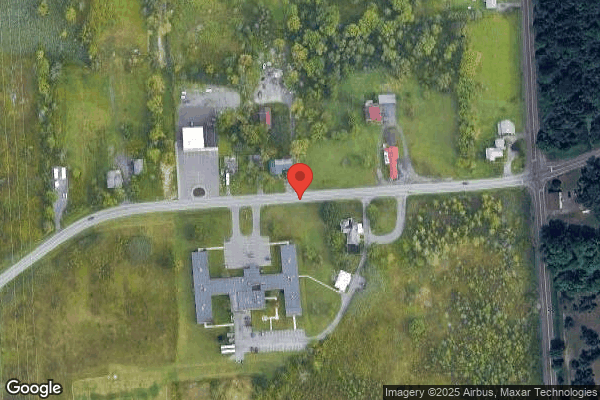
Oct 2023 3 deficiencies
CONCERN (D) 📢 Someone Reported This

A family member, employee, or ombudsman was alarmed enough to file a formal complaint

Potential for Harm - no one hurt, but risky conditions existed

Free from Abuse/Neglect (Tag F0600)

Could have caused harm · This affected 1 resident

Based on record review and interview during the abbreviated survey (NY00295629), the facility did not ensure residents were free from abuse and did not protect residents from further abuse when allege...

Read full inspector narrative →
Based on record review and interview during the abbreviated survey (NY00295629), the facility did not ensure residents were free from abuse and did not protect residents from further abuse when alleged abuse was reported for 1 of 3 residents reviewed (Resident #2). Specifically, when dietary aide #13 witnessed physical abuse by activity aide #14 towards Resident #2, activity aide #14 was not immediately removed from having access to Resident #2 and all other residents while the investigation was pending. Findings include: The facility's Abuse and Neglect Policy, initiated 4/2017 and last revised 1/11/2023, documented an example of abuse was striking a resident by using a part of the body such as hitting, slapping, pushing, or shoving. All employees were required to report when they had reasonable cause to believe that abuse occurred. Once an allegation of abuse was filed, the Director of Nursing (DON) was to ensure the accused did not have access to the resident (victim). Resident #2 had diagnoses including dementia. The 3/5/2022 Minimum Data Set (MDS) assessment documented the resident had moderately impaired cognition. The Investigation Summary dated 5/9/2022, signed as completed by the DON, documented: - On 5/9/2022, the DON received a statement from dietary aide #13 documenting that on 5/8/2022 at 2:00 PM, they were walking down the hall with the resident and the resident asked for a drink and a cookie. Dietary aide #13 said they would get it for them. Activity aide #14 came out and ran into (the resident), punched (the resident's) back pretty hard to where (the resident) was crying. Dietary aide #13 asked the resident if they were okay and the resident stated it hurt. Activity aide #14 told dietary aide #13 to go back to the kitchen like nothing happened. - Upon review of the camera footage, activity aide #14 extended their arm towards the resident's back and the resident then doubles over their rollator walker. Activity aide #14 then began rubbing the resident's back and the resident turned around and walked towards activity aide #14 as activity aide #14 backed away and up against the wall. The resident put their hand to their chest and walked away. - There was sufficient evidence to conclude abuse occurred. Statements obtained by the facility and included with the DON's 5/9/2022 Investigative Summary included: - dietary aide #13's statement was handwritten and matched the summary noted by the DON. - Activity aide #14's statement dated 5/9/2022 documented they were picking something up off the floor and brushed up against the resident with their back bent over. They did not harm the resident and the resident sometimes loved them and sometimes did not. They would not hurt or harm a resident. They rubbed the resident's back in compassion because the resident reacted to them. - Licensed practical nurse (LPN) #15's statement documented on 5/8/2022, they were at the nurse's station and dietary aide #13 reported that activity aide #14 was coming out of the activity room and ran into the resident causing the resident to cry. Activity aide #14 told dietary aide #13 to go back to the kitchen and not to feed into it. - An interview with the resident (person completing the interview was not documented) on 5/9/2022 noted when asked if anything happened the day before, the resident stated, a lot of things happened, some coincidental, the information has already been transferred. When asked further questions, the resident stated, a few things happened yesterday but I try to forget them, the information was transferred a few times in my head. The note further documented the resident's Brief Interview for Mental Status (BIMS, measure of cognitive status) was an 8 out of 15 indicating moderate cognitive impairment. Activity aide #14's time sheet documented they worked on 5/8/2022 from 7:38 AM to 2:47 PM. On 5/9/2022 at 3:00 PM, registered nurse (RN) #16's progress note documented they assessed the resident and found no red areas or bruising. During an interview on 10/11/2023 at 11:40 AM, the DON stated when they completed this investigation, they reviewed the video and determined abuse occurred. They did not have the video footage anymore as the employee who was previously saving the videos no longer worked for the facility and they could not find the video on that employee's old computer. The DON stated even though they did not have access to the video at this time, they were confident abuse occurred by activity aide #14 towards the resident. The facility attempted to interview the resident the next day and the resident declined to discuss the incident. The DON stated at the time of the incident, the resident was more cognitively intact and did not want to talk about it. The DON stated at this time, the resident would not be able to recall an incident from more than 1 year ago. The DON stated they found out about the incident the next day. On 5/9/2022, they found a statement from dietary aide #13 in their mailbox. The DON stated when the incident occurred, if there was no Supervisor in the building, the staff should have called the DON so that it could be addressed immediately. During an interview on 10/11/2023 at 1:30 PM, dietary aide #13 stated on 5/8/2022, the resident was coming down the hall on the unit to get a drink and activity aide #14 bumped into the resident. Dietary aide #13 stated they asked the resident if they were okay and activity aide #14 replied to mind their own business and go back to work. Dietary aide #13 took the resident with them to the dining room and then went and talked to LPN #15 to make a report and asked how to write a statement. They wrote a statement and left it in the DON's mailbox. When asked to further describe what they witnessed, dietary aide #13 stated activity aide #14 came from the activities room and bumped and shoved the resident in the upper back/shoulder area. They thought the resident looked like they were in shock afterwards and the resident did not say much. They stated they thought LPN #15 talked to the resident that day and they thought LPN #15 was the Supervisor on duty. They stated this happened around 1:00 PM or 1:30 PM, after lunch and the next day the DON spoke to them about the incident. During an interview on 10/11/2023 at 1:40 PM, LPN # 15 stated they vaguely remembered an incident with the resident and activity aide #14. They recalled dietary aide #13 told them activity aide #14 bumped or shoved the resident. When this was reported, they would have called a Supervisor if there was not one in the building. The documentation would be the statement dietary aide #13 left in the DON's mailbox, and they would not have documented in the resident's record. They were not a Supervisor and did not oversee activity aide #14 so they would not have been able to send activity aide #14 home after the allegation was made. They stated the resident was moved from harm's way by dietary aide #13 and was also able to move about on their own. A message was left for activity aide #14 on 10/18/2023 and no response was received. 10NYCRR 415.4(b)
CONCERN (D) 📢 Someone Reported This

A family member, employee, or ombudsman was alarmed enough to file a formal complaint

Potential for Harm - no one hurt, but risky conditions existed

Pressure Ulcer Prevention (Tag F0686)

Could have caused harm · This affected 1 resident

Based on observation, interview, and record review during the abbreviated survey (NY00298567, NY00314896, and NY00324614), the facility did not ensure residents with pressure ulcers received the neces...

Read full inspector narrative →
Based on observation, interview, and record review during the abbreviated survey (NY00298567, NY00314896, and NY00324614), the facility did not ensure residents with pressure ulcers received the necessary treatment and services, consistent with professional standards of practice to promote healing and prevent new ulcers from developing for 1 of 4 residents reviewed (Resident #11). Specifically, a physician recommended wound treatment was not implemented, a new skin issue was not detected or treated timely, and the resident did not have protective booties on as care planned. Findings include: The Prevention of Pressure Ulcers/Injuries policy, revised 5/2023, documented: - inspect the skin on a daily basis when performing or assisting with personal care or ADLs (activities of daily living); - evaluate, report and document potential changes in the skin; - review interventions and strategies for effectiveness on an ongoing basis; and - ensure appropriate treatment orders and CCP (comprehensive care plan) have been implemented. Resident #11 had diagnoses including cerebral infarction (stroke) and unspecified pain. The 9/21/2023 Minimum Data Set (MDS) assessment documented the resident had moderate cognitive impairment. The resident required extensive assistance of 1 staff for bed mobility, and was dependent for transfers, dressing, toilet use, and personal hygiene. The resident was at risk for developing pressure ulcers and had no unhealed pressure ulcers. Interventions included pressure reducing devices for chair and bed, and application of ointments or medications other than to feet. Pressure ulcer treatment: The 9/17/2023 physician's order documented a treatment to left buttocks included: cleanse with wound cleanser, pat dry, cut calcium alginate to size, and cover with dry dressing, once a day, between 10:30 PM and 6:30 AM. The comprehensive care plan (CCP), initiated 9/18/2023 documented the resident had alterations in skin integrity related to impaired cognition, bed mobility problems, and bladder/bowel incontinence. The interventions included preventive and protective skin care, barrier cream around the dressing, and treatment per order. The 9/20/2023 wound consultant progress note, completed by physician #19 documented the treatment for the wound on the resident's left buttock included cleanse with wound cleanser, apply calcium alginate and border gauze daily for 30 days. The peri-wound treatment included apply skin prep daily for 30 days. The resident's plan of care was discussed with nursing staff, the resident, and the Director of Nursing (DON). The clinical documentation was made available to the referring attending physician (resident's attending physician) #21. The 9/20/2023 nursing progress note entered by the DON documented the resident was seen on wound rounds and to see the wound physician dictation. There was no documented evidence the treatment order was updated to reflect the treatment to the peri-wound recommended by physician #19. The 9/27/2023 and 10/4/2023 wound consultant progress notes completed by physician #19 documented to continue skin prep to the peri-wound. There was no documented evidence the treatment order was updated to reflect the treatment to the peri-wound. The 10/10/2023 physician order documented treatment to left buttocks included: cleanse with wound cleanser, pat dry, cut calcium alginate to size, and cover with border gauze, once a day, between 10:30 PM and 6:30 AM. On 10/11/2023 at 8:25 AM, during a dressing change, the following observations were made: - licensed practical nurse (LPN) #20 completed a dressing change to 2 areas on the resident's left buttock. - LPN #20 cleaned the wounds, cut 2 pieces of calcium alginate to size, covered with bordered gauze, and applied zinc oxide around the dressing. LPN #20 did not apply skin prep to the peri-wound. During an interview with wound physician #19 on 10/12/2023 at 3:13 PM, they stated skin prep to the peri-wound was important as it decreased peri-wound maceration (irritation) especially when calcium alginate was used. Physician #19 expected skin prep to be used as recommended. They stated the DON rounded with them, was aware of what the physician recommended, and the DON was provided the notes. During a telephone interview with the DON on 10/23/2023 at 11:16 AM, they stated after wound physician #29 completed rounds, the DON received a printout of their notes. The DON was responsible for reviewing the notes and updating the orders as noted by wound physician #19. They stated the skin prep should have been added to the resient's order on 9/20/2023 and it was not. The DON was unaware of the reason the skin prep was not added. New skin alteration: The comprehensive care plan (CCP), initiated 6/28/2023, documented the resident was at risk for impaired skin integrity secondary to incontinence, decreased mobility, and fragile skin. The interventions included: certified nurse aide (CNA) staff were to monitor skin daily during care and report alterations in skin integrity to the nurse manager/supervisor; licensed nursing staff to inspect skin weekly, paying close attention to bony prominences; and provide proper peri-care after incontinence episodes and use barrier ointment. The 7/16/2023 physician's order documented apply TEDS (anti-embolism stockings) in the morning and remove in the evening, twice daily at 6:00 AM and 9:00 PM. The 8/28/2023 physician's order documented weekly skin and nail checks on shower day with a progress note, on Wednesdays, during the evening shift. The CCP, updated 9/18/2023, documented the resident had alterations in skin integrity related to impaired cognition, bed mobility problem, and bladder/bowel incontinence. Interventions effective 9/28/2023 included blue booties to be worn at all times and an air mattress. The 10/4/2023 nursing progress note entered by LPN #11 documented a skin check was completed and there were no areas of concern noted. Nursing progress notes from 10/4/2023 to 10/11/2023 did not contain documentation related to an injury, incident, or identification of any skin alterations to the resident's ankle. The 10/10/2023 LPN #6's progress note at 10:19 PM documented the resident received extensive assistance with their activities of daily living (ADL) and there were no new skin issues. During an observation and interview on 10/11/2023 at 10:34 AM, Resident #11 was seated in a wheelchair with their feet directly on the padded footrest. The resident did not have blue booties on their feet. LPN #20 removed the resident's TEDS stockings. Two scabbed areas were observed on the outer right ankle, the first was approximately 0.5 centimeters (cm) by 0.5 cm, and the second area was approximately 1 cm by 1 cm. LPN #20 stated at that time they were not familiar with how the wounds occurred and this was the first time they saw the areas. LPN #20 stated when nursing staff arrived for the day shift, the resident's stockings were already in place, and they would not have seen the areas. During an interview on 10/12/2023 at 3:13 PM, wound physician #19 stated the facility staff advised them of new wounds in the morning when they arrived. When looking at a resident for the first time, they observed the whole body, however, only observed the areas of concern on follow-up visits. The physician stated they would have expected the area on the ankle to have been reported timelier. The wound appeared to be a skin tear when observed during a video visit, however, the resident did lie on that side. During an interview on 10/13/2023 at 12:29 PM, CNA #22 stated care included keeping residents clean and safe. After dinner they got residents ready for bed. On 10/10/2023, they removed the resident's TEDS, and did not notice anything such as blood or scabbed area. During an interview on 10/13/2023 at 12:58 PM, LPN #6 stated there were no skin issues reported on 10/10/2023. The LPN did not do perform an evaluation of the resident's skin that evening. The CNAs removed the TEDS, and the LPN went and checked for removal. Skin checks were not typically done when the LPN verified removal of the TEDS. No staff reported skin issues, and they were unaware of an ankle injury. If they were made aware, they would report to the nursing Supervisor. During an interview on 10/13/2023 at 1:26 PM, LPN #11 stated skin checks were done weekly, CNAs looked over the residents during their shower, including pressure points. Only new areas were documented in a note, and the LPN would tell the DON and nursing supervisor, who would then do the assessment. LPN #11 applied the TEDS, but did not typically look for skin impairment. On 10/11/2023, they did not recall any skin issues. The CNA reported peeling skin on heel of the foot and lotion was applied. The LPN did not notice a scab on the resident's right ankle at that time. During a telephone interview with the DON on 10/23/2023 at 11:16 AM, they stated CNAs were responsible for placing the blue booties on the resident. The purpose of the booties was to protect the resident's feet from skin breakdown. The booties should have been on the resident when observed on 10/11/2023. The LPNs were responsible for application and removal of the resident's TEDS. Each time the LPN placed or removed the TEDS, they were expected to inspect the resident's skin and report any areas of breakdown or alteration. 10NYCRR 415.12(c)(1)
CONCERN (D) 📢 Someone Reported This

A family member, employee, or ombudsman was alarmed enough to file a formal complaint

Potential for Harm - no one hurt, but risky conditions existed

Accident Prevention (Tag F0689)

Could have caused harm · This affected 1 resident

Based on record review and interviews during the abbreviated survey (NY00319785), the facility did not ensure each resident received adequate supervision and assistance devices to prevent accidents fo...

Read full inspector narrative →
Based on record review and interviews during the abbreviated survey (NY00319785), the facility did not ensure each resident received adequate supervision and assistance devices to prevent accidents for 1 of 4 residents reviewed (Resident #7). Specifically, Resident #7 had multiple falls where care planned interventions were not verified to be in place upon investigation and planned changes to fall prevention interventions were not added to the care plan following falls. Findings include: The Fall Policy and Procedure, revised 10/2021 documented the following steps were to be followed for any resident who had a fall: - The Charge nurse or designee with follow the facility accident/incident protocols and ensure the resident CCP is updated with interventions to reflect the event and ensure the event is document on the 24-hour report. The Accidents and Incidents, Investigating and Reporting policy revised 7/2022 documented the following should be included in the Report of Incident/Accident form: - date, time, and location of the incident; - the nature of injury and circumstances surrounding the incident; - witness names and their account of the incident; - date and time of notifications (physician, resident family); - any corrective actions taken, follow up information, and other pertinent data as necessary or required. The policy did not address verification of care planned interventions. Resident #7 had diagnoses including dementia, adult failure to thrive, and insomnia. The 12/5/2022 Minimum Data Set (MDS) assessment documented the resident had moderate cognitive impairment and required extensive assistance of 2 for toileting and transfers and extensive assistance of 1 for bed mobility. The resident had a fall in the month prior to admission. The comprehensive care plan (CCP), initiated 11/29/2022, documented the resident was at risk for falls related to impaired cognition. Interventions included the call light within reach; verbal cues as needed; anticipate needs; keep frequently used items in reach, and assess for need of safety devices (i.e., alarms). The 12/18/2022 Accident and Incident (A&I) Report completed by licensed practical nurse (LPN) #6 documented at 4:09 PM, the resident had an unwitnessed fall in their room. There were no documented interventions in place at the time of the fall for fall prevention and no new interventions were documented as planned. The 12/18/2022 at 4:57 PM, Director of Nursing's (DON) progress note documented the resident attempted to self-transfer from wheelchair to bed and had no injuries. Staff were to continue to cue the resident to call for assistance. The CCP, updated 12/18/2022, documented a new intervention to place the resident's bed at functional height. The 12/21/2022 A&I report completed by registered nurse supervisor (RNS) #4 documented at 12:02 AM, the resident had an unwitnessed fall in their room. There were no documented interventions in place at the time of the fall. The 12/21/2022 at 12:12 AM, RNS #4's progress note documented the RNS was called to assess the resident after a fall. A new intervention was added to place floor mats at the bedside. The CCP, updated 12/21/2022, documented the resident was at risk for falls and floor mats were added as an intervention. The 3/21/2023 at 7:44 AM, LPN #8's progress note documented they were notified by a certified nurse aide (CNA) the resident was on the floor in their room. The resident had a small laceration near their left eye. The 3/21/2023 A&I report completed by LPN #8 documented the resident had an unwitnessed fall with a laceration sustained. There was one staff statement from LPN #9, who documented they were called to the room by CNA #10, the resident was on the floor by the bed, and they had not previously observed the resident. The resident stated they were trying to get dressed and fell out of bed. There were no other staff statements and no documentation of the interventions in place at the time of the fall. The new intervention documented was a chair/wheelchair alarm. The report documented the interdisciplinary team (IDT) met, the CCP was updated, and review of the investigation was completed. The investigation was closed by the DON on 3/25/2023. The CCP, updated 3/21/2023, documented a new intervention to remind the resident to call for assistance. There were no other updates to the CCP. The 3/27/2023 A&I report documented at 9:45 PM, the resident was found on the floor in their room. CNA #7's statement documented they heard a call for help and found the resident on the floor. There were no documented interventions in place at the time of the fall. The investigation was completed by the DON on 3/28/2023 and closed (by the DON) on 4/12/2023. The IDT met, the investigation review was completed and the CCP was updated. The CCP for falls, updated 3/27/2023 documented a new intervention to place the resident in bed after meals. The 4/25/2023 A&I report completed by LPN #6, documented at 10:34 PM, the CNA (unnamed) found the resident on the floor in their room. LPN #6's statement documented the resident was found face down on the floor with a 2-inch laceration to their forehead. The resident was observed 10 minutes prior sitting in their wheelchair in their room. There were no documented interventions in place at the time of the fall. The investigation was closed by the DON on 5/1/2023. The IDT met, the investigation review was completed and the CCP was updated. The CCP, updated 4/25/2023, documented a new intervention to cue the resident to call for assistance. The 5/18/2023 A&I completed by the DON documented CNA #5 reported at 8:45 AM, the resident was lowered to the floor. CNA #5's statement documented they were providing care to resident in the bathroom, the resident began to fall, they tried to lower the resident to their chair, and the resident slid to the floor. The IDT review documented the resident continued to be impulsive, had poor safety awareness, and was unsteady on their feet. The resident was being washed up in the bathroom, lost their balance and was lowered to the floor. There was no abuse, neglect, or mistreatment. The DON and Administrator signed to form with the IDT conclusion the incident was unavoidable. There was no documented evidence the CCP was reviewed to determine the proper level of assistance was provided during care (The Resident Profile (care instructions) documented the resident required extensive assistance of 2 for toileting and transfers with a start date of 11/29/2022). The 5/19/2023 A&I report completed by LPN #11 documented at 3:30 AM, the resident had an unwitnessed fall out of bed. The resident sustained a deep gash to their left eyebrow. LPN #11's statement documented they were called by the CNA (unnamed) and found the resident on the floor. There were no other statements included and the A&I did not address if the floor mat was in place. The investigation was closed by the DON on 6/8/2023. The IDT met, the investigation review was completed and the CCP was updated. The 5/19/2023 at 2:51 PM nursing progress note entered by the DON documented the resident returned from the hospital with 6-8 sutures in their forehead from the fall earlier in the day. The 6/6/2023 A&I report completed by RNS #4 documented at 2:01 AM, the resident had an unwitnessed fall out of bed. There were no documented interventions in place at the time of the fall. The investigation was closed by the DON on 6/8/2023. The IDT met, the investigation review was completed and the CCP was updated. On 6/6/2023, the CCP was updated to reflect a urinalysis and chest x-ray were to be completed. The 7/4/2023 A&I report completed by RNS #4 documented at 4:58 AM, the resident had an unwitnessed fall in the dining room. The resident sustained a laceration to their forehead approximately 5 centimeters (cm) in length. During an interview with the DON on 10/12/2023 at 11:40 AM, they stated the nurse completing the A&I was responsible to obtain staff statements and staff statements were needed to determine if the CCP was followed. If a new intervention was added to the CCP following an incident, it was the responsibility of the nurse who documented it to add it to the CCP. The DON reviewed A&Is with the IDT at morning report and verified if the new intervention was added and if the A&I was complete. A&Is should also include the interventions in place at the time of the fall in order to rule out abuse or neglect. Regarding the resident's falls, the DON stated: - on 12/18/2022, the DON could not recall if they were able to determine when care was provided prior to the fall. - On 12/21/2022, the DON determined care was provided based on the time the shift began and when the resident was found. - On 1/30/2023, the DON was not able to determine if the CCP was followed without statements from staff. - On 3/21/2023, there should be staff statements to determine if the CCP was followed. The new intervention for the chair alarm should have been added to the CCP immediately, by the nurse who completed the report. The DON could not recall if the chair alarm was addressed upon review of the A&I. - On 3/27/2023, the A&I did not address if the CCP was followed. - On 4/25/2023, it was not clear if the resident fell from their bed or wheelchair and the DON expected interventions that were in place to be noted. If the resident had the chair alarm in place, it could have alerted staff if they were trying to self-transfer. - On 5/18/2023, there should have been 2 staff with the resident during their toileting and transfer in the bathroom and it was a care plan violation due to only one CNA being present. The DON stated they did not identify the CCP violation upon review and there was no follow-up with CNA #5. - On 5/19/2023 and 6/6/2023, the DON was not able to rule out abuse or neglect due to the A&I not addressing if the floor mat was in place. During a telephone interview with RNS #4 on 10/13/2023 at 8:17 AM, they stated when completing an A&I Report, they typically documented if the resident was found on the floor or the floor mat. The RNS was to check the CCP to verify the CCP was followed when doing an incident report. Staff statements were to be obtained by the person doing the incident report. The RNS could not recall the 6/6/2023 fall, if the floor mat was in place, or the reason they did not obtain staff statements. The resident did not have a chair alarm in place, and it was common for them to be up at night in their wheelchair. During a telephone interview with LPN #6 on 10/13/2023 at 10:13 AM, they stated when completing an A&I report, they typically followed the electronic form. The LPN was not certain if they would review the CCP to determine if it was followed or if appropriate interventions were in place. They would observe the environment and document what they saw. The LPN was to obtain statements from staff and stated they usually did not have any issues in doing so. The LPN could not recall the resident's fall on 4/25/2023, if they were in bed or the wheelchair. The resident often fell when trying to self-transfer from their wheelchair and did not have a chair alarm in place. The LPN stated they would document any new immediate interventions and would not update the care plan, as they did not think that was their role to do so. During a telephone interview with LPN #8 on 10/13/2023 at 1:07 PM, they stated they did not know how to complete the A&I form and had never entered any new interventions. The LPN stated the DON directed the LPN to enter a progress note and the DON completed everything on the A&I report. The LPN could not recall the 4/25/2023 fall and stated the resident often fell from attempts to self-transfer. The LPN was not responsible for making any care plan changes and would not have done so following the 4/25/2023 incident. 415.12(h)(2)
Sept 2023 1 deficiency
CONCERN (F) 📢 Someone Reported This

A family member, employee, or ombudsman was alarmed enough to file a formal complaint

Potential for Harm - no one hurt, but risky conditions existed

Food Safety (Tag F0812)

Could have caused harm · This affected most or all residents

Based on observation, interview, and record review during the abbreviated survey (NY00323086), the facility did not ensure food was stored and prepared in accordance with professional standards for fo...

Read full inspector narrative →
Based on observation, interview, and record review during the abbreviated survey (NY00323086), the facility did not ensure food was stored and prepared in accordance with professional standards for food service safety in the main kitchen. Specifically, the walk-in cooler was not maintained and holding food at an acceptable temperature and the mechanical dishwasher was not reaching required temperatures. Findings include: The facility's Refrigerators and Freezers policy revised 12/2022, documented the acceptable temperature range was 35 - 40 degrees Fahrenheit (F) for refrigerators. Supervisors would inspect refrigerators and freezers monthly for gasket condition, fan condition, presence of rust, excess condensation, and any other damage or maintenance needs. Monthly tracking sheets will include time, temperature, initials, and action taken. The last column would be completed only if temperatures were not acceptable. The facility's Food Receiving and Storage policy revised 10/2022, documented functioning of the refrigeration and food temperatures would be monitored at designated intervals throughout the day by the food and nutrition services manager, or designee and documented according to state-specific requirements. The facility's Sanitization policy revised 10/2022, documented dishwashing machines must be operated using the following specifications for a low-temperature dishwasher: - wash temperature of 120 F - final rinse with 50 parts per million (ppm) hypochlorite (chlorine) for at least 10 seconds. 1) Walk-in Cooler During an observation on 9/8/2023 at 8:05 AM, a thermometer hanging in back right of the walk-in cooler read 47 Fahrenheit (F). The temperature of the walk-in cooler was measured by testing the internal temperature of block margarine located in the back of the cooler on the middle shelf and measured at 47 F, and a 20-pound (lb) bucket of hardboiled eggs in liquid located on the bottom shelf at the back of the cooler was measured at 47 F. During an observation and interview on 9/8/2023 at 9:36 AM with Food Service Director #7: - the external thermometer on the walk-in cooler read 48 F and the door seal was ripped and torn. - A thermometer located in the back right of the walk-in cooler read 47 F and another thermometer located just inside the door of the cooler on the left read 40 F. - The temperature of the walk-in cooler was measured by testing the internal temperature of block margarine located in the back of the cooler on the middle shelf and measured at 47 F, and also a 20 lb bucket of hardboiled eggs in liquid located on the bottom shelf at the back of the cooler was measured at 47 F. - Food Service Director #7 stated they had not noticed the door seal condition, but the margarine and the hard boiled eggs would not have been taken out of the cooler since the previous day, and they were good items to test for the temperature of the cooler (the same items tested by the surveyor at 8:05 AM that morning). - Five pound packages of ground beef located on the bottom shelf just inside the walk-in cooler were also tested by the surveyor and Food Service Director #7 and measured at 48 F (surveyor) and 49 F (Food Service Director #7). Food Service Director #7 stated the ground beef that was labeled 9/7 had been pulled from the walk-in freezer on 9/7/2023 and placed in the walk-in cooler on the bottom shelf to thaw. - Food Service Director #7 stated the temperature of the cooler was checked twice a day and that would have been done by cook #6 today. - Temperature logs for the cooler were provided to the surveyor at that time. The cooler temperature logs, provided by Food Service Director #7 on 9/8/2023, documented the last recorded temperature of the walk-in cooler was on 9/7/223 and was 34 F under the column Evening Temperature. The column Employee Initials was blank and there were no entries for 9/8/2023. The log documented that the cooler refrigerator acceptable temperature range was 45 F or below (This was above the required temperature of 41 F, per the Food and Drug Administration Model (FDA) Food Code). During an observation and interview on 9/8/2023 at 10:00 AM with cook #6, they stated they checked the cooler temperatures just after turning on the kitchen equipment at around 5:10 AM. They stated they could not recall if they read the thermometer in the back or in the front of the cooler but it read 37 F and they reported that to Food Service Director #7 when the Director arrived at around 9 AM. At the time of the interview, cook #6 read the thermometer in the back of the cooler which was at 48 F and the thermometer in the front was 40 F. They stated they noticed another thermometer hanging above the milk that read 46 F. They stated the margarine, hard boiled eggs, and ground beef had not been taken out of the cooler that day and should be the coldest items in the cooler. Upon seeing the temperature of those items taken by the surveyor, they stated they must have read the thermometer from the front of the cooler that seemed to be reading too cold. During an observation and interview on 9/8/2023 at 11:20 AM, Administrator #1 stated they could not determine how long the walk-in cooler was out of temperature and the last recorded temperature was from the previous day. As a result, they stated they were voluntarily discarding potentially hazardous food items that were stored in the walk-in cooler. During an interview on 9/8/2023 at 12:50 PM, dietary aide #5 stated that they worked as an aide today, but also cooked on the weekends. They stated the cooks were responsible for checking the temperatures of the coolers, and that was not part of an aide's responsibilities. On the weekends when they cooked, they read the external thermometer and there was another thermometer just inside the walk-in cooler. They always checked both to make sure they were close to one another and accurate. Dietary aide #5 stated they only read the thermometers that were there and did not check to see if they were accurate. They added that the walk-in cooler was required to be at 32 F. During an interview on 9/8/2023 at 1:17 PM, cook #6 stated they checked the cooler temperatures and reported those to Food Service Director #7 daily. They read a thermometer located in the cooler and did not check the accuracy of the thermometer. They added that the required range for the cooler was 37-42 F and if a cooler was out of temperature, they would report that to Food Service Director #7 and maintenance, or Administration. During an interview on 9/8/2023 at 2:20 PM, Food Service Director #7 stated they did a visual check on the cooler temperatures and read the thermometers that were in place. They did not check to make sure they were accurate. They stated in the morning and night, the cook was responsible for recording the daily cooler temperatures. They added that the required temperature for the coolers was 45 F and anything above that would be reported to maintenance. Food Service Director #7 stated that the temperature log for the coolers used to be kept in the walk-in cooler and that they changed that procedure. Now the log was kept on the computer, and the cooks would write the temperatures down, give them to Food Service Director #7 and they entered them into the digital log. They stated that today's morning temperature was not reported to them. 2) Mechanical Dishwasher During an observation on 9/8/2023 at 8:25 AM, dietary aide #4 began to operator the mechanical dishwasher and put a rack of dishes into the machine. dietary aide #4 was not observed checking the temperature or level of sanitizer. The wash temperature was measured by the survey and was 80 F, the rinse temperature was 88 F, and the sanitizer was at 50 ppm. Review of the mechanical dishwasher's specification plate located on the front of the machine documented the required wash and rinse water temperature was 120 F. During an observation and interview on 9/8/2023 at 8:41 AM, dietary aide #4 was removing plastic cups from the machine and stated they were clean and ready for use. During an observation on 9/8/2023 at 9:28 AM, dietary aides #3, 4, and 5 were washing dishes through the mechanical dishwasher. The machine was measured at 107 F after final rinse by the surveyor. The temperature was checked again at 9:58 AM while the same staff were washing dishes and the machine was measured at 97 F by the surveyor. During an interview on 9/8/2023 at 12:50 PM, dietary aide #5 stated the dietary aides washed the regular dishes used by the residents through the mechanical dishwasher. They stated that they first turned on the booster for the machine that made the water hotter, then slide the trays in and out, and as they closed the doors the machine would cycle and refill automatically. Dietary aide #5 stated that they did check the level of sanitizer and the temperatures when washing dishes, and those were recorded and initialed on a log every day. During an interview on 9/8/2023 at 1:17 PM, cook #6 stated that they occasionally used the dish machine. They stated they did not check the sanitizer, or temperature, they were not aware of the machine's requirements, and they thought someone else was responsible for recording that information. During an interview on 9/8/2023 at 2:20 PM, Food Service Director #7 stated that resident wares were washed through the mechanical dishwasher. They stated the machine was supposed to be checked 3 times daily, and followed every meal service, and that was documented. Food Service Director #7 stated they were not sure what the machine's requirements were because the machine was new and they were still learning, but they would check the log sheets for the specifics. Food Service Director #7 provided the dishwashing log sheets at that time. Review of the facility's Dish Machine Sanitizer Log for September did not document any temperatures or sanitizer levels. The September log only had the month filled in. The 8/2023 log was last filled in on 8/30/2023 after breakfast. All previous days for 8/2023 were filled in with temperatures of 120 F and sanitizer of 50-100 ppm documented. No initials were documented on any of the logs provided. 10NYCRR 415.14(h)
Jun 2023 2 deficiencies 1 Harm
SERIOUS (G) 📢 Someone Reported This

A family member, employee, or ombudsman was alarmed enough to file a formal complaint

Actual Harm - a resident was hurt due to facility failures

Pressure Ulcer Prevention (Tag F0686)

A resident was harmed · This affected 1 resident

**NOTE- TERMS IN BRACKETS HAVE BEEN EDITED TO PROTECT CONFIDENTIALITY** Based on record review and interview during the abbreviated survey (NY00303060), the facility failed to ensure a resident with p...

Read full inspector narrative →
**NOTE- TERMS IN BRACKETS HAVE BEEN EDITED TO PROTECT CONFIDENTIALITY** Based on record review and interview during the abbreviated survey (NY00303060), the facility failed to ensure a resident with pressure ulcers received the necessary treatment and services, consistent with professional standards of practice, to promote wound healing, prevent infection, and prevent new ulcers from developing for 1 of 3 residents (Resident #1) reviewed. Specifically, Resident #1 was assessed on readmission from the hospital to the facility to have excoriated (reddened, superficial abrasion) areas to the buttocks and coccyx (end of spine) and a treatment was not ordered or administered for 18 days. Subsequently, Resident #1's pressure ulcer to the coccyx worsened to a Stage 4 (full thickness tissue loss with exposed bone, tendon, or muscle) that became infected. The resident became septic (widespread infection) and expired related to septic shock. This resulted in actual harm to Resident #1 that was not Immediate Jeopardy. The facility policy Ulcers/Skin Breakdown- Clinical Protocol, revised 4/2018, documented the nursing staff and practitioner will assess and document an individual's risk factors for developing pressure ulcers, such as immobility, weight loss, and prior pressure ulcers. The staff and practitioner will examine the skin of newly admitted residents for pressure ulcers or other skin conditions. The physician will order wound treatments, dressings, and application of topical agents. The physician will guide the care plan as appropriate especially when wounds were not healing as anticipated or new wounds develop despite existing interventions. Resident #1 was readmitted to the facility with diagnoses including sepsis (system wide infection) from a urinary tract infection (UTI), dementia, and a pressure ulcer to the left heel. The [DATE] Minimum Data Set (MDS) assessment documented the resident had severely impaired cognition, did not reject care, required extensive assistance of 2 for bed mobility and extensive assistance of 1 for most other activities of daily living (ADL), was always incontinent of urine and bowel, currently had one Stage 3 (full thickness tissue loss) pressure ulcer present upon admission to the facility (readmission from the hospital), had moisture associated skin damage (MASD), had pressure reducing devices for the chair and the bed, and received pressure ulcer/injury care. The comprehensive care plan (CCP) updated on [DATE], documented the resident had potential for pressure ulcer development. Interventions included to assess skin upon admission, certified nurse aides (CNA) were to monitor skin daily and report alterations in skin integrity to the Nurse Manager/ Supervisor, and complete documentation for any wounds identified at admission within 24 hours, or anytime a wound was identified. The [DATE] at 9:21 PM, licensed practical nurse (LPN) #12's progress note documented the resident was sent to the hospital due to lethargy, dehydration, and blood in the brief from an unknown cause. The [DATE] hospital discharge orders documented the resident had a pressure ulcer to the coccyx (bone at the base of the spinal cord) that was unstageable (full thickness tissue loss with the wound bed covered with dead tissue). Treatment orders for the coccyx pressure ulcer included cleanse with wound cleanser, apply anti-microbial dressing over open areas, cover with foam absorbent dressing, and change every other day. The [DATE] at 2:09 PM admission progress note by registered nurse (RN) Manager #9 documented the resident was readmitted to the facility from the hospital. The resident was incontinent of a large amount of stool and urine and had excoriated areas to the buttock and coccyx area. The resident's wound to the coccyx measured 1.5 centimeters (cm) x 1 cm x 0.2 cm with the wound bed having granulation tissue (new tissue). The progress note did not document if RN Manager #9 contacted a medical provider for a treatment order. The [DATE] readmission attending physician #7's orders did not include a treatment for the coccyx wound. The CCP, updated [DATE] by RN Manager #9, did not include skin impairment to the coccyx or interventions for the wound. A [DATE] at 2:30 PM progress note by RN Manager #9 documented the resident was seen on wound rounds and see physician dictation. The coccyx was seen by the physician and stated it was a Stage 2 (partial thickness tissue loss) and there was no need to follow the resident and continue the same treatment. The area measured 1.4 cm x 1.0 cm x 0.2 cm. There was no documented evidence a treatment was ordered at the time for the coccyx wound. The [DATE] Wound Evaluation and Management Summary completed by wound physician #6 did not include a wound assessment for the coccyx. There was no documented evidence the 7/2022 Treatment Administration Record (TAR) included a treatment to the resident's Stage 2 coccyx wound from [DATE] to [DATE]. The [DATE] RN Manager #8's progress notes at 10:24 AM documented the resident was seen by the wound physician and wound physician #6 was not following the Stage 2 on the coccyx. There was no documentation whether RN Manager #8 applied a treatment to the coccyx pressure ulcer and no documentation a medical provider was contacted for a treatment order. The [DATE] Wound Evaluation and Management Summary completed by wound physician #6 did not include a wound assessment for the coccyx. There was no documented evidence the 7/2022 TAR included a treatment to the resident's Stage 2 coccyx wound from [DATE] through [DATE]. The 8/2022 TAR contained no documentation a treatment was ordered or rendered to the coccyx pressure ulcer on [DATE] or [DATE]. The [DATE] at 9:55 PM, LPN #12's progress note documented staff noted a wound on the resident's coccyx. LPN #12 and the RN Supervisor (RNS, identify not specified) observed the wound. The wound measured 2 cm x 2 cm x 2 cm, was round and equal in depth, and appeared to have exposed bone. A foam border dressing was applied for comfort and the plan was to monitor. There was no documentation a medical provider was contacted for a treatment order for the pressure ulcer on [DATE] The 8/2022 TAR did not include an order for the foam dressing applied to the resident's coccyx pressure ulcer on [DATE] by LPN #12. The [DATE] Wound Evaluation and Management Summary by wound physician #6's documented they were asked by attending physician #7 to see the resident for a Stage 4 pressure ulcer to the coccyx which measured 3 cm x 1.9 cm x 1.2 cm, had light serous exudate (clear to yellow drainage), and 100% thick adherent devitalized necrotic (dead) tissue. The recommended treatment plan was to apply sodium hypochlorite gel (antiseptic), cover with a gauze sponge, and ABD (large soft gauze) pad daily and as needed. The [DATE] nurse practitioner (NP) #13's orders documented to the coccyx pressure ulcer: cleanse with wound spray, pack with antiseptic soaked gauze, and cover with a foam dressing. The 8/2022 TAR documented on [DATE], a new order for the coccyx pressure ulcer: cleanse with wound spray, pack with antiseptic soaked gauze, and cover with foam dressing once a day. The TAR documented the treatment was completed as ordered from [DATE] through [DATE]. A [DATE] NP #13 order documented for the coccyx wound, cleanse with wound spray, pack with antiseptic soaked gauze, cover with foam dressing twice daily. There was no corresponding medical or nursing note indicating why the ordered was changed to twice per day. The 8/2022 TAR documented, on [DATE], for the coccyx pressure ulcer: cleanse with wound spray, pack with antiseptic soaked gauze, and cover with foam dressing, twice a day. The [DATE] Wound Evaluation and Management Summary by wound physician #6 documented the coccyx pressure ulcer was a Stage 4 with moderate serous exudate and measured 2.7 cm x 2 cm x 2.5 cm, with undermining (tunneling) at 2 o'clock and 6 o'clock. There was 50% thick adherent necrotic tissue and 50%, granulation tissue and the wound had improved. The recommendation was to continue the current treatment order. The 8/2022 TAR documented on [DATE] at 9:29 PM by LPN #10, on [DATE] at 3:23 PM by LPN #11, and on [DATE] at 10:10 PM by LPN #10, the coccyx pressure ulcer treatment was not completed and the resident refused. The [DATE] at 3:23 PM, LPN #11's progress note documented the resident refused the coccyx treatment and the resident claimed they were in pain. There was no documentation the RN Manager #8 or a medical provider were notified the coccyx treatment was not completed as ordered due to pain. The [DATE] Wound Evaluation and Management Summary by wound physician #6 documented the coccyx Stage 4 pressure ulcer measured 5 cm x 3 cm x 3 cm, had undermining at 2 o'clock, had moderate serous drainage, 100% granulation tissue, had been debrided (dead tissue removed), and had deteriorated. There was no recommendation for a change in treatment. The [DATE], NP #13's order documented to change the coccyx pressure ulcer treatment to cleanse with wound spray, pack with antiseptic soaked gauze, packing deeper at 2 o'clock and 8 o'clock where the wound was undermining and cover with a foam dressing. The 8/2022 TAR documented the treatment order was changed and completed as ordered. The [DATE] Wound Evaluation and Management Summary by wound physician #6 the coccyx Stage 4 pressure ulcer measured 7.5 cm x 3.0 cm x 5.5 cm, undermining at 2 o'clock, moderate serous drainage, and the wound had deteriorated. No changes were recommended to the treatment order. The [DATE] at 10:46 AM, RN Manager #8's progress note documented the resident was showing signs of decline, not eating/drinking, and lethargic, and was transferred to the hospital. The hospital records documented on [DATE], the resident was admitted with altered mental status due to septic shock. Hospital admission plans included a general surgery consult for wound debridement (removal of dead tissue) of the coccyx pressure ulcer. On [DATE], extensive necrotic tissue was debrided from the wound down to the level of the fascia (a thin casing of connective tissue), muscle, and bone. On [DATE], the resident expired. The New York State Department of Health (NYS DOH) Certificate of Death documented the resident expired on [DATE] and the immediate cause of death was acute respiratory failure due to septic shock as a consequence of polymicrobial bacteremia (bacteria in the blood) and infected pressure ulcer. During an interview on [DATE] at 9:40 AM, LPN #11 stated the resident's wound care was difficult to do because the resident screamed the entire time even if they were medicated prior. LPN #11 stated the coccyx wound was terrible and wound care was time consuming. It was a big wound and got larger and there was an odor at times. The facility had a wound care physician who recommended treatments, but they were not sure if the wound care physician saw the resident's coccyx pressure ulcer. If the resident refused a treatment, they were to notify the Director of Nursing (DON) or attending physician, and document in a progress note. When the resident refused their treatment on [DATE], they would have notified the DON, but stated they may not have documented. They did not recall if they notified a medical provider when the resident refused the treatment and stated the DON typically called the medical provider. During an interview on [DATE] at 10:11 AM, LPN #15 stated the resident's coccyx pressure ulcer was very deep and needed to be packed well. The resident would allow them to do the treatment. The wound got worse, and they thought the resident was becoming septic. They stated they documented concerns in the nursing notes so that other shifts and nurses would be aware of those concerns. If they documented the resident's treatment was not done, it was related to the resident being moved to the other unit, and the nurse on the other unit would have been responsible to document and complete the treatment. They were not able to recall if wound physician #6 saw the resident in 7/2022. They stated the wound was deep and wide, smelled bad, and had a lot of drainage. They stated it was impossible not get fecal matter in the wound when the resident was incontinent. If the resident refused the treatment, they would try to talk the resident into it doing it. If they were unable to complete the treatment, they would report to the next shift. During a telephone interview on [DATE] at 1:50 PM, LPN #10 stated they should have written a progress note about the worsening of the resident's wounds when the resident was at the facility. They stated the resident had a large coccyx pressure ulcer and the dressing did not always get completed because they did not have time, it took 15-20 minutes to complete. During a telephone interview on [DATE] at 1:53 PM, RN Manager #8 stated the resident developed a coccyx pressure ulcer that was not present on their initial admission to the facility. RN Manager #8 followed wound physician #6 on weekly wound rounds and entered the treatment orders recommended by wound physician #6. When the resident was re-admitted in 7/2022, the hospital after-visit summary was available in the medical record and the admitting RN should have inputted the wound treatment orders at that time. If a resident refused a treatment, the LPN should document the refusal and tell the RN so they could figure out the best way to reapproach the resident and get the treatment done. If a resident had a Stage 2 pressure ulcer or greater, they should have a wound treatment ordered. During a telephone interview on [DATE] at 11:09 AM, attending physician #7 stated they relied heavily on nursing to complete skin checks and notify them of any concerns. They also relied on wound physician #6's orders and assessments. A resident admitted with a Stage 2 pressure ulcer should not have it progress to a Stage 4 pressure ulcer if treatments were administered. When the resident was re-admitted from the hospital in 7/2022, the hospital discharge orders should have been implemented at the facility for pressure ulcer treatment. Normally on admission, the RN or DON notified a medical provider of any skin issues, and they were not aware the resident had a wound on their coccyx, and they never observed the resident's pressure ulcer. During a telephone interview on [DATE] at 11:40 AM, NP #13 stated they did not assess the resident on readmission on [DATE]. The RN would assess and review the hospital discharge orders over the phone with a medical provider. They stated the resident's treatments ordered in 7/2022 should have been based on the hospital discharge paperwork. They stated if a resident was admitted from the hospital with orders for wound care, the nursing staff should enter the orders from the hospital. During a telephone interview on [DATE] at 12:20 PM, wound physician #6 stated on [DATE] they saw the resident for a Stage 4 coccyx pressure ulcer and that was the first time they were asked to see the resident for the coccyx wound. During a telephone interview on [DATE] at 9:55 AM, the Director of Nursing (DON) stated on admission or readmission, a head to toe skin assessment should be done and if skin issues were identified, the RN was to notify the medical provider for a treatment order. A resident with a Stage 2 pressure ulcer or greater was followed by the wound team weekly and during wound rounds, the nurse present should be looking at the resident's entire body to assess for new areas of concern. Hospital discharge orders should be reviewed by the admitting nurse with the NP and treatment orders should be implemented. When the resident returned from the hospital in 7/2022, the orders for the Stage 2 coccyx pressure ulcer were not implemented and should have been. On [DATE], RN Manager #8 was doing weekly skin checks with LPN #12, noted the open area on the resident's coccyx and reported it. The wound physician saw the resident the next day and the resident had a Stage 4 pressure ulcer to their coccyx. Pressure ulcer treatments should be completed as ordered. If there was a treatment in place at the time of readmission, the pressure ulcer may not have progressed to a Stage 4. If the resident refused to have their treatment done, this should be documented on 24-hour report and followed up with on the next shift until the dressing was changed. During an interview with the DON on [DATE] at 1:49 PM, they stated sometime during the resident's admission the resident changed units, but they did not know the date. They stated when the unit change occurred, all treatments ordered on the prior unit should have been reported to the new Unit Manager and if they were not already completed that day, they should have been done on the new unit. If the treatment was refused, this should be communicated to and completed by the evening shift. They were not aware of this resident refusing any treatments. They stated refusal should also have been reported to the RN Manager and to the DON and documented om the 24-hour report. They did not recall this being documented on the 24 hour report. 10 NYCRR 415.12(c)(2)
CONCERN (D) 📢 Someone Reported This

A family member, employee, or ombudsman was alarmed enough to file a formal complaint

Potential for Harm - no one hurt, but risky conditions existed

Deficiency F0692 (Tag F0692)

Could have caused harm · This affected 1 resident

**NOTE- TERMS IN BRACKETS HAVE BEEN EDITED TO PROTECT CONFIDENTIALITY** Based on record review and interview during the abbreviated survey (NY00303060), the facility did not ensure residents maintaine...

Read full inspector narrative →
**NOTE- TERMS IN BRACKETS HAVE BEEN EDITED TO PROTECT CONFIDENTIALITY** Based on record review and interview during the abbreviated survey (NY00303060), the facility did not ensure residents maintained acceptable parameters of nutritional status for 1 of 3 residents (Resident #1) reviewed. Specifically, Resident #1 had significant weight loss that was not entered into the medical record or addressed timely In addition, there was no documented evidence suspected inaccurate weights were evaluated for appropriateness and no documentation of a nutrition reassessment when the resident's intakes were poor and when their pressure ulcer worsened. Findings include: The facility policy Weight Assessment and Intervention last revised 9/2008 documented nursing staff will measure the resident's weight on admission and weekly for 4 weeks thereafter. Weights will be recorded in the unit weight record and in the individual's medical record. Any weight change of 5% or more since the last weight will be retaken the next day for confirmation. If the weight change was verified, nursing will immediately notify the dietitian in writing. The dietitian will respond within 24 hours of receipt of written notification. The threshold for significant, unplanned, and undesired weight loss will be based on: 1 month 5% weight loss was significant and greater than 5% loss in one month was severe. Resident #1 had diagnosis including dementia, dysphagia (difficulty swallowing), and a pressure ulcer to the left heel. The 6/4/22 Minimum Data Set (MDS) assessment documented the resident had severely impaired cognition, required supervision and one person assist with eating, weighed 172 pounds, had no significant weight changes, was at risk for developing pressure ulcers, and had a current pressure ulcer. The 5/27/22 resident profile (care instructions) documented the resident was on a regular diet with mechanical soft solids and thin liquids, needed extensive assistance at times with eating, and may need to be fed. The comprehensive care plan (CCP), initiated on 5/31/22, documented the resident was at risk for alteration in nutritional status secondary to a mechanically altered diet, potential weight loss, and elevated nutritional needs related to pressure ulcer healing. Interventions included document and report dietary non-compliance, document weights, encourage and monitor intakes, monitor for signs and symptoms of dehydration, notify the medical provider with significant weight changes, offer alternate food/fluids when resident refused, provide protein and calories to meet estimated nutritional needs, and provide supplements as planned. Supplements provided included Prostat (protein supplement), 30 milliliters (ml) twice a day and fortified cereal at breakfast. The 5/31/22 admission registered dietitian (RD) #5's assessment documented the resident's diet order was regular with mechanical soft solids and the resident received Prostat, 30 ml twice a day, and super cereal at breakfast. They had a Stage 2 (partial thickness loss of skin layers) pressure ulcer to the left heel, their current weight was 172.2 pounds, and they had no weight loss in the past 30 days. The resident's intake was excellent and nutritional needs were increased due to a pressure ulcer on the left heel. The medical record documented on 6/6/22 by registered nurse (RN) Unit Manager #8, the resident weighed 163.4 pounds (8.8 pounds/5% loss in 30 days). The documented re-weight by RN Unit Manager #8 was 163.4 pounds. There was no documentation related to the manner in which the resident was weighed or type of scale used. The 7/9/22 at 2:37 PM, licensed practical nurse (LPN) #12's progress note documented the resident was sent to the hospital due to lethargy and dehydration. The medical record documented on 7/11/22 (resident remained in the hospital) by RN Unit Manager #8, the resident weighed 140.2 pounds (23.4 pounds/16.7% loss in 35 days). The resident was weighed using a mechanical lift. The 7/18/22 at 2:09 PM, RN Unit Manager #9's progress note documented the resident was re-admitted to the facility from the hospital. There was no documentation in the medical record that a re-admission weight was obtained. The 7/21/22 MDS documented the resident weighed 140 pounds and did not have a loss or gain of 5% or more in the last month or loss of 10% in the past 6 months. The 7/21/22 readmission RD #5's assessment documented the resident received supplements including Prostat (amount and frequency not specified), super cereal at breakfast, and 4 ounce (oz) shake at lunch and supper. The resident required assistance from staff with eating and had multiple wounds. The resident's weight was 140 pounds and the resident lost 23 pounds in one month. Intakes were fair at 50% at meals. Nutritional needs were increased for wound healing. The RD requested a re-admission weight to be obtained. The plan included 8 oz Boost Plus (supplement) and a weight to be obtained. There was no documentation the CCP was updated to reflect the new nutritional intervention of Boost Plus or plan to obtain a re-weight. The 7/22 recorded intakes for breakfast, lunch, and dinner included: - 5 meals were not documented. - 7 meals the resident ate none. - 9 meals the resident ate 1- 25%. -13 meals the resident ate 25- 50%. - 23 meals the resident ate 51-75%. - 8 meals the resident ate 76-100%. The 7/22/22 medical record by LPN #17 documented the resident weighed 170 pounds, (29.8/21.4% gain in 11 days). There was no documentation related to the manner in which the resident was weighed or type of scale used. There was no documentation that a reweight was completed to confirm the weight change. The 7/25/22 medical record by RN Unit Manager #9 documented the resident weighed 156 pounds (14/8% loss loss in 3 days). There was no documentation related to the manner in which the resident was weighed or type of scale used. The 8/22 recorded meal intakes included: - 20 meals were not documented at all. - 2 meals the resident ate none. - 11 meals the resident ate 1- 25%. - 25 meals the resident ate 26- 50%. - 28 meals the resident ate 51-75%. - 8 meals the resident ate 76-100%. The 8/4/22 wound physician #6's evaluation note documented the resident was seen for a Stage 4 (full thickness, bone exposed) pressure ulcer on the coccyx. There was no documented evidence a nutrition reassessment was completed following the weight changes and identification of a Stage 4 pressure ulcer. The medical record by RN Unit Manager #8 documented on 8/10/22, the resident weighed 162 pounds (7 pounds/5% gain in less than 1 month). The record documented the weight was obtained using the mechanical lift scale. The 8/23/22 RD #5's progress noted documented the resident had recent weight fluctuations and weight ranged from 156 to 172 pounds in the past 4 months. The RD noted they were unsure if the weight of 170 pounds was accurate. The resident consumed 50 -75% of their meals and supplements were provided. The RD requested nursing to obtain another weight to clarify the resident's weight. The vital signs record by RN Unit Manager #8 documented on 8/24/22, the resident weighed 160 pounds. The weight was obtained using the mechanical lift lift scale. The 8/23/22 at 10:41 AM, RN Unit Manager #8's progress note documented the resident was discussed in the weight management meeting with a weight loss of 7 pounds. The resident often ate a small percentage of their meals and recently required staff to assist with all meals. The 9/1/22 wound physician #6's evaluation note documented the resident's pressure ulcer on the coccyx had deteriorated due to generalized decline and nutritional compromise. The 9/7/22 medical record by RN Unit Manager #8 documented the resident weighed 167.8 pounds (6.7 pounds/3.9% gain in 14 days). The record documented the resident's weight was obtained using the mechanical lift scale. The 9/8/22 at 10:46 AM, RN Unit Manager #8's progress note documented the resident was showing signs of decline, was not eating or drinking, and was lethargic, and was sent to the hospital. During an interview on 5/8/23 at 9:40 AM, LPN #11 stated the resident needed to be fed, was a poor eater, and would outright refuse meals and keep their mouth closed. They were not sure if they were on any supplements but stated most residents with wounds received supplements. The DON should be notified if a resident refused meals. When the resident was first admitted , they were out of bed at lunch time, surrounded by others and would eat better, but towards the end, they would feed the resident in their room. The certified nurse aide (CNA) staff documented the resident's meal intakes and the resident would only eat bites to a quarter of their meal. During a telephone interview on 5/9/23 at 1:15 PM, RD #5 stated the resident was compromised nutritionally and had pressure ulcers. Their estimated calories and protein needs were increased and the resident was followed on the weight and wounds meetings. The resident was ordered supplements and their weights were all over the place. On 7/11/22, the resident's weight was recorded as 140 pounds, but the RD thought that must not have been correct as the resident was in the hospital until 7/18/22. The RD stated the resient's lowest weight was 156 pounds on 7/25/22 and they thought that was incorrect and requested a reweight. The reweight was not obtained until 8/10/22 and was 163 pounds. The admitting RN should have contained a readmission weight in 7/22. The resident was transferred from one unit to the other unit and they were not sure if the staff were getting accurate weights. They stated 163 pounds was a good weight for the resident because they had pressure ulcers and should maintain their usual body weight of 172 pounds. The resident received Prostat twice a day during the medication passes, fortified cereal at breakfast, 4 oz. shakes at lunch and supper, and 8 oz Boost Plus. They stated there was no documentation to verify whether the resident consumed the supplements except for Prostat which was recorded on the Medication Administration Record (MAR). The RD stated when they were at the facility, they interviewed the CNAs and asked if the resident was taking their supplements. During a telephone interview on 5/9/23 at 1:53 PM, RN Unit Manager #8 stated the resident required assistance with eating, they never finished a meal, and would often refuse meals. They were unable to recall if the resident received protein supplements. This resident had poor intakes and was at high risk for skin breakdown. They stated the RN was responsible for inputting weights into the medical record after the CNAs obtained weights. If there was a large weight change, the CNA would notify the nurse and then reweigh the resident. The weight on 7/11/2022 was the weight obtained at the beginning of 7/22 but since the RN was not at work when the weight was obtained, they entered it into the record on 7/11/22 when the resident was in the hospital. The resident was readmitted to a different unit and they did not follow-up on the weight discrepancy. If the resident had an actual loss of 20 pounds in one month, they should notify the provider and the RD to assess the resident. During a telephone interview on 6/13/23 at 1:57 PM, CNA #18 stated residents' meal tickets included their supplements such as Boost. They did not document intakes of supplements separately, they were considered part of the whole meal. If the resident refused a supplement or meal, they did not notify the nurse, they documented refused in the record. During a telephone interview on 6/14/23 at 1:49 PM, the Director of Nursing (DON) stated the resident was admitted to the facility on [DATE] and weighed 172.2 pounds. The resident was discussed in the weight and wound meetings but they did not recall any details. They stated a resident would trigger for additional weight monitoring if the resident had a loss of 5 pounds or more. They stated the resident was discussed on 6/28/22 during their meeting for a 9 pound weight loss in one month. The resident should have been weighed within 24 hours of returning from the hospital on 7/18/22, the reweight was obtained by the nurse aide on 7/22/22 and was documented as 170 pounds. They did not think this was accurate and to their knowledge, nothing was done at the time about the discrepancies in the weights obtained. During an interview on 6/14/23 at 2:40 PM, the RD #5 stated the when they completed the resident's readmission assessment they felt it was an error on their part when they documented the resident weighed 140 pounds. The resident should have been weighed within 24 hours of readmission per the policy. The nurse was responsible for readmission weights and inputting them into the medical record. At the time the resident's wounds deteriorated, they were not made aware and did not reassess the resident. They were not sure what changes they would have made to the meal plan but the provider should have put in a dietary consult for the worsened wound. They stated they were aware the staff were not always documenting intakes. When the RD documented the resident's intakes were 50% at meals, they based that on the average of the intakes that were recorded. 10 NYCRR 415.12 (i)1
Sept 2021 2 deficiencies
CONCERN (D)

Potential for Harm - no one hurt, but risky conditions existed

Comprehensive Care Plan (Tag F0656)

Could have caused harm · This affected 1 resident

Based on observation, record review and interview during the recertification survey conducted 9/27-9/30/21, the facility failed to develop and implement a comprehensive person-centered care plan for e...

Read full inspector narrative →
Based on observation, record review and interview during the recertification survey conducted 9/27-9/30/21, the facility failed to develop and implement a comprehensive person-centered care plan for each resident that includes measurable objectives and timeframes to meet a resident's medical and nursing needs for 1 of 5 residents (Resident #227) reviewed. Specifically, Resident #227 was at risk for falls and the resident was observed without their care planned interventions in place. Findings include: The facility Fall Policy and Procedure dated 9/19/19 documented it was the policy of the facility to provide a safe and secure environment for all residents. The Charge Nurse or designee will follow the facility accident/incident protocols and ensure that the resident's CCP (comprehensive care plan) is updated with interventions to reflect the event. Resident #227 had diagnoses including history of repeated falls and dementia. The admission Minimum Data Set (MDS) assessment had not yet been completed. The 9/9/21 fall assessment documented the resident was at risk to fall related to disorientation, diminished safety awareness, one or more falls in 3 months, impaired mobility, visual impairment, use of assistive devices, and cognitive conditions including Alzheimer's disease. The 9/9/21 comprehensive care plan (CCP) documented the resident was at risk for falls related to impaired cognition and mobility. Staff were to keep the call light and frequently used items in reach. The resident was to be assessed for need of safety devices (alarms, low bed, floor mats, etc.). The CCP was updated on 9/16/21 to include, if the resident was out of bed and alone, bring to day room, another high surveillance area, or increase frequency of room checks. A 9/26/21 nursing progress note documented by the Director of Nursing (DON) noted the resident was found between both beds in their room. The plan was to add bilateral floor mats. The CCP was updated on 9/26/21 to include bilateral floor mats. The care instructions dated 9/9/21 documented safety: reminders to request assistance. The instructions were updated on 9/16/21 to include a fall prevention: if the resident was out of bed and alone bring the resident to the day room or another high surveillance area or increase frequency of room checks. There was no documentation of the intervention of bilateral floor mats. The resident was observed: - On 9/27/21 at 12:39 PM, sitting in a chair with a tray table in front of them the call bell was out of reach and over the top of the light above the bed. - On 9/28/21 at 8:50 AM, with the call bell out of reach, over the light above the resident's bed. The resident was in bed, and the bed was not in the lowest position. At 9:23 AM, 10:26 AM, and 10:50 AM, the call light was over the bed light out of reach and the resident remained in bed. At 1:10 PM, in their wheelchair with the call bell over the bed light and not in reach. - On 9/29/21 at 11:36 AM, in bed with the call bell over the bed light and out of reach. At 12:36 PM, in their wheelchair with the call bell over the bed light, and there were no floor mats in place. - On 9/30/21 at 8:37 AM, the resident was in bed and there were no floor mats in place. During an interview on 9/29/21 at 1:32 PM with CNA #12, who was assigned to the resident between 9/27-9/30/21, they stated the resident required total care from staff for ADLs. They were not aware of the residents past falls and were not aware of any fall precautions in place. The CNA stated the resident was confused and unable to ring their call bell, so the CNA put it up and out of the way. The CNA opened the resident's care instructions and there were no fall precautions listed. There were no floor mats observed near the resident's bed or chair. During an interview with CNA #10 on 9/30/21 at 9:02 AM, they stated residents that were a fall risk were care planned for the risk and had mats on the floor. During COVID-19 precautions, the residents that could not be left alone due to fall risk, were brought to the dining room or their doors were kept open for staff to walk by and check on them. During an interview with CNA #11 on 9/30/21 at 9:11 AM, they stated residents that were on fall precautions would have it noted in their care instructions. They were not aware of any residents with fall mats, other than one resident, who was not Resident #227. The residents on that unit had to stay in their rooms related to COVID-19 precautions. During an interview with registered nurse (RN) Unit Manager #8 on 9/30/21 at 9:19 AM, they stated the resident had fallen at home prior to admission and had two falls since admission. The resident had fall precautions in place. They had started with a low bed, keeping items within reach and to monitor for changes in functional ability. The resident had a fall out of bed on 9/26/21. The RN stated the mats may not have followed the resident after they had a room change related to COVID-19. The resident was sometimes capable of using their call bell and could be more confused in the evening. Every resident was to have their call bell whether they were cognitively impaired or not. The resident's care instructions should be updated, and direct care staff would see these instructions. If staff were unable to find floor mats, they were to call maintenance or the nursing supervisors on or off shift. During an interview with the Director of Nursing (DON) on 9/30/21 at 9:47 AM, they stated a resident who was at risk to fall should be brought into a high visibility area. however, they were under COVID-19 precautions. The Unit Manager should have implemented frequent checks and added this to the resident's care interventions. The resident should always have a call bell in reach, and it should not be hung over a light. The resident had a fall on 9/26/21 and fall mats were added to the plan of care. The mats should have been brought to the room the same evening the resident fell. 10NYCRR 415.11(c)(1)
CONCERN (E)

Potential for Harm - no one hurt, but risky conditions existed

ADL Care (Tag F0677)

Could have caused harm · This affected multiple residents

Based on observation, record review and interview during the recertification survey conducted 9/27-9/30/21, the facility failed to ensure a resident who is unable to carry out activities of daily livi...

Read full inspector narrative →
Based on observation, record review and interview during the recertification survey conducted 9/27-9/30/21, the facility failed to ensure a resident who is unable to carry out activities of daily living receives the necessary services to maintain good nutrition, grooming, and personal hygiene for 5 of 10 residents (Residents #14, 25, 28, 36 and 51) reviewed. Specifically, Residents #14, 28, and 36 were not assisted with shaving timely; Residents #25 and 51 had a decline self-feeding ability and were not consistently assisted with their meals. Findings include: The facility policy Activities of Daily Living (ADL) Care dated 10/1/18 documented nursing staff is responsible for providing the following services as outlined and/or ordered to ensure that the plan of care is consistently implemented on a shift-to-shift basis. Grooming - shaving with an electric/safety razor daily unless other preference is stated in the plan of care. Eating - each resident is to be provided with the necessary assistance and/or devices to complete their meal, staff may be assigned to feed specific residents. 1) Resident #51 had diagnoses including Alzheimer's disease, history of abnormal weight loss, and macular degeneration (an eye disease that causes vision loss). The 8/5/21 Minimum Data Set (MDS) assessment documented the resident had severe cognitive impairment and required supervision with set up assistance for eating. The comprehensive care plan (CCP) documented the resident required set up help with eating. The activities of daily living (ADL) record documented the resident was independent with set up help for eating on 9/27/21 and there was no documentation for meals on 9/28/21. The care instructions, active 9/29/21, documented the resident was on a regular/regular/thin diet with set up help for eating. During an observation on 9/27/21 at 8:01 AM, the resident was in their room in bed, in the dark. The resident had a bed side table over the bed with their meal tray. The resident had white toast cut in half and scrambled eggs, both untouched and a bowl containing mostly milk. The resident did not respond to the surveyor when spoken to. During an observation on 9/27/21 at 12:39 PM, the resident was in their room alone with a meal tray in front of them. The resident was holding half an ear of corn. Surveyor asked the resident if they were able to eat the ear of corn and they said yes. The resident attempted to bite the end of the corn and was unable to eat the corn. The resident had cut up chicken that was untouched, and pieces of cut up boiled potatoes. The resident had three 4-ounce drinks that were untouched. At 12:53 PM, no staff had approached the resident's room. The resident's drinks, chicken and coffee cake remained untouched. At 12:54 PM, the resident was asleep in bed, with the half ear of corn on their lap. No additional food items had been consumed. No staff were observed approaching the resident's room through 12:59 PM. On 9/28/21 at 12:54 PM, the resident was observed sitting in the dining room at a table. The resident's meal included a cut up sausage patty, vegetable blend, pudding cup, and Ensure. The resident's head was down and the resident was not attempting to eat their meal. At 1:18 PM the resident was sitting with their head down at the dining table with their meal untouched. Staff were not observed assisting the resident. During an interview with certified nursing assistant (CNA) #1 on 9/30/21 at 10:59 AM, they stated the resident could feed themself, but they needed more help lately. The CNA stated they would try and stay with the resident to assist them, but other staff did not. The CNA stated they felt the resident needed help with feeding and had a decline. The resident would not ring for assistance so staff would have to check on the resident. During an interview with CNA #2 on 9/30/21 at 11:15 AM, they stated the resident had to be fed at meals as the resident did not know what to do when a meal tray was placed in from of them. The resident usually went to the dining room for meals, but the resident did not want to be bothered to get up at breakfast time. The resident could use some silverware but needed more assistance to eat their meal. The CNA stated the resident would eat/drink more of their meal if staff was right by them. During an interview with licensed practical nurse (LPN) #3 on 9/30/21 at 11:31 AM, they stated when the resident was up, they would eat, but the resident did not like to get out of bed. The LPN stated the resident could feed themself but was slow at it. The LPN stated they had assisted the resident the other day as the resident was having a hard day, so they fed the resident. During an interview with registered nurse (RN) Unit Manager #4 on 9/30/21 at 11:49 AM, they stated the resident's level of feeding assistance would be listed in the care plan and on the care instructions. The RN stated some days the resident was alert enough to eat on their own, and sometimes not. If the resident was agreeable, they would bring them to the dining room. The RN stated if a resident was not focused on eating, then staff were to encourage the resident. When staff were done feeding in the dining room, they were to check on the residents in their rooms to see if they needed assistance. 2) Resident #25 had diagnoses including Alzheimer's disease and vitamin D deficiency. The 6/21/21 Minimum Data Set (MDS) assessment documented the resident's cognition was not assessed; the resident did not reject evaluation of care; and they required supervision with eating. The 3/17/21 comprehensive care plan (CCP) documented the resident was at risk for alteration in nutrition with potential for weight loss leaving greater than 25% of meals uneaten; the resident needed set up help with eating; and intakes could be sporadic. Staff were to encourage by mouth (po) intake at meals. The care instructions active between 9/27-9/30/21 documented the resident required set up help with eating. The activities of daily living (ADL) record documented the resident required supervision with set up help for eating 9/27/21 day shift and was independent with set up help only on 9/28/21 day shift. During an observation on 9/27/21 at 7:50 AM, staff delivered the resident's meal tray to the resident's room. At 8:04 AM, the resident was sitting in their bed with their meal tray in front of them, not eating, and no staff were present. At 8:17 AM, the resident was sitting in bed with their meal tray in front of them, not eating. At 8:18 AM, the resident had their eyes closed, and was holding a cup of orange juice in their hand against their chest. The meal tray had scrambled eggs, toast, and cereal that were untouched. During an observation on 9/29/21 at 12:22 PM, CNA #1 set up the resident with their meal tray in their room. At 12:30 PM, the resident was sitting in a standard chair in their room with meal tray on the bed side table eating their ice cream. The potatoes with gravy, green beans, tomato soup, grilled cheese, 2 juices and a 4-ounce glass of water were untouched. At 12:51 PM, the resident remained seated with their eyes closed. The ice cream container was empty. The drinks, potatoes, beans, and grilled cheese were untouched. At 1:19 PM and 1:26 PM, the resident remained in their room with their eyes closed and food and fluids on their meal tray remained untouched. During an interview with certified nurse aide (CNA) #1 on 9/30/21 at 10:59 AM, they stated they would set the resident up with meals. The resident was very confused and disoriented and required cues and supervision with meals. If staff cued the resident, then the resident would eat, if they were not cued, they did not eat. When staff were busy and short staffed on the floor, they were only able to provide cues, but the resident needed more assistance than that. During an interview with CNA #2 on 9/30/21 at 11:15 AM, they stated the resident sometimes needed help with meals. The staff could direct the resident to eat specific items and then they would. If staff encouraged the resident to take the spoon, then they would take the spoon, if they pointed to a cup, the resident would pick up the cup. The resident needed prompting to complete their meal. The resident did not usually eat in their room, but they were sleeping a lot at breakfast time. During an interview with licensed practical nurse (LPN) #3 on 9/30/21 at 11:31 AM, they stated the resident's days varied. Some days the resident did better than others and did better on the evening meal. During other meals the resident could use some assistance. There were days the resident required physical assistance and other days just cueing. Some days the resident ate in the dining room and some days in their room. The LPN stated if the resident ate in their room, they would need to be set up with their meal tray. During an interview with registered nurse (RN) Unit Manager #4 on 9/30/21 at 11:49 AM, they stated a resident's level of assistance for meals would be in their care plan. The resident was generally independent with verbal cuing when not alert or focused on eating. If a resident was not in the dining room for a meal, then they only required set up within their room. It depended on the day if the resident was in the dining room or in their room for their meal. The RN stated if the resident was not focused on eating their meal, they would want staff to encourage the resident. 3) Resident #36 had diagnoses including osteoarthritis. The 7/15/21 Minimum Data Set (MDS) assessment documented the resident was moderately cognitively impaired, did not reject evaluation of care and required extensive assistance with personal hygiene. The 10/6/20 comprehensive care plan (CCP) documented the resident required extensive assistance with hygiene. There was no documented preference on facial grooming in the CCP. The activities of daily living (ADL) record documented the resident required extensive assistance to total dependence with personal hygiene and had been provided 9/27-9/29/21 by direct care staff. There was no documentation in the 9/2021 nursing progress notes the resident refused or declined assistance with facial grooming. The care instructions, active in 9/2021, documented the resident required extensive assistance with hygiene. There was no documentation on facial grooming preferences. During an observation and interview with the resident on 9/27/21 at 8:05 AM, the resident had half inch to one-inch long facial hair along their cheek/jaw line with hair growth on the neckline. The resident stated they had 2 razors in their room and were able to shave their cheek area but were unable to get their jaw line and neck as the razors did not work well. The resident stated they needed help from the staff, and they had asked, but staff had not assisted. The same facial hair was observed on the resident on 9/28/21 at 10:03 AM and on 9/29/21 at 9:10 AM. During an interview with CNA #1 on 9/30/21 at 10:59 AM, they stated the resident could shave themself, but if they were not fully shaved, the staff should encourage them or offer to assist them. They had asked the resident the day before if they wanted to be shaved and the resident declined at that time. During an interview with CNA #2 on 9/30/21 at 11:15 AM, they stated they shaved the resident when they worked with them. They had not worked with the resident in a week. The resident was not able to do all the shaving themself and staff had to help them. During an interview with registered nurse (RN) Unit Manager #4 on 9/30/21 at 11:49 AM, they stated there were only a couple residents on the unit that did not allow staff to shave them, and Resident #36 was not one of them. Staff should have offered to shave the resident. If a resident declined shaving it should be reported to them, and they would try to re-approach the resident or ask the resident's preference on facial hair. They had not heard of the resident declining any facial hygiene. 10NYCRR 415.12 (a)(1)(4)
Mar 2019 8 deficiencies
CONCERN (D)

Potential for Harm - no one hurt, but risky conditions existed

Deficiency F0578 (Tag F0578)

Could have caused harm · This affected 1 resident

**NOTE- TERMS IN BRACKETS HAVE BEEN EDITED TO PROTECT CONFIDENTIALITY** Based on record review and interview during the recertification survey, the facility did not ensure 1 of 1 resident (Resident #7...

Read full inspector narrative →
**NOTE- TERMS IN BRACKETS HAVE BEEN EDITED TO PROTECT CONFIDENTIALITY** Based on record review and interview during the recertification survey, the facility did not ensure 1 of 1 resident (Resident #73) reviewed for advance directives, had the right to formulate advance directives. Specifically, Resident #73 did not have a determination of incapacity or a concurring opinion of incapacity completed prior to implementing advance directives to withold life sustaining treatment, and the Medical Orders for Life Sustaining Treatment (MOLST) was not dated. Findings include: The [DATE] Advanced Directives Policy documented all residents had the right to self-determination and to request or consent to treatment. Any advanced directive issued by a resident or his/her family shall be in writing, witnessed, signed, and dated. The [DATE] Medical Orders for Life-Sustaining Treatment (MOLST) Form Policy documented the facility was to assist all residents communicate their health care wishes through a MOLST form. When initiating a MOLST for a resident without capacity and a Health Care Proxy (HCP), a second physician or health care professional opinion was obtained. The facility protocol is for physicians to complete all concurring determinations for capacity. If the attending physician deemed the resident to lack capacity, they would request a concurring physician opinion. Resident #73 was originally admitted to the facility on [DATE] with diagnoses including lung cancer. The [DATE] Minimum Data Set (MDS) assessment documented the resident had severely impaired cognition, required extensive assistance for most activities of daily living, and she received comfort care. The [DATE] Health Care Proxy form documented the resident appointed a HCP. The [DATE] physician order documented the resident's code status was DNR (Do Not Resuscitate, allow natural death), DNI (Do Not Intubate), and comfort measures. The [DATE] physician note documented the resident was readmitted from a hospital to the facility on [DATE]; had diagnoses including lung cancer with metastatic disease; the resident was confused and an unreliable historian; and her care was discussed with her sister who was acting as her HCP. The [DATE] comprehensive care plan (CCP) documented the resident had short-term memory loss; code status was DNR, DNI, comfort measures only; and the resident had a HCP. The [DATE] nursing progress note documented that the resident expired on that date. The social work progress notes from [DATE] to [DATE] were reviewed and did not contain documentation that the resident's MOLST was being updated. On [DATE] at 1:50 PM, a record review was completed and it was noted the MOLST was signed by the physician without a date. The DNR Documentation Adult Without Capacity and With a Surrogate form documented the resident lacked capacity due to delirium, it was considered lifelong, and was signed by the physician without a date. On [DATE] at 4:30 PM, the facility provided copies of the MOLST signed by the physician without a date. The MOLST documented the resident was a DNR, DNI, and comfort care orders only. On [DATE] at 3:00 PM, the facility provided a copy of the residents DNR Documentation Adult Without Capacity and With a Surrogate form that was signed by the physician without a date, and did not have a concurring provider signature. There were no other capacity determination forms found in the electronic medical record. During an interview on [DATE] at 3:34 PM, the Director of Social Services stated the physician determined and documented capacity for the resident. The second concurring provider could be a physician, registered nurse, or licensed social worker. The Wound Care physician was often the second concurring physician or a registered nurse could do it. The resident's HCP was her sister. The Director reviewed the MOLST provided by the facility and noticed that there were no dates on it. She stated it was redone after she returned form the hospital, she did not have a capacity form at the time she returned, the resident's HCP completed the MOLST, and they were in the process of completing all the documentation when the resident passed away. During an interview on [DATE] at 11:48 AM, the physician stated he determined capacity for a resident and documented that in his notes. If a resident was incompetent and had a HCP, a second physician had to concur with his determination and it was documented on a form. He had signed a couple different MOLST forms for the resident. Her capacity did change and she did not have capacity at the end of her life. He stated the MOLST should be dated. 10NYCRR 415.3(e)(1)(ii)
CONCERN (D)

Potential for Harm - no one hurt, but risky conditions existed

Deficiency F0582 (Tag F0582)

Could have caused harm · This affected 1 resident

**NOTE- TERMS IN BRACKETS HAVE BEEN EDITED TO PROTECT CONFIDENTIALITY** Based on record review and interview during the recertification survey, the facility did not ensure 1 of 3 residents (Resident #...

Read full inspector narrative →
**NOTE- TERMS IN BRACKETS HAVE BEEN EDITED TO PROTECT CONFIDENTIALITY** Based on record review and interview during the recertification survey, the facility did not ensure 1 of 3 residents (Resident #39) and/or their designated representative were fully informed of potential financial liability for rehabilitative services during a non-covered stay. Specifically, Resident #39, who remained in the facility and had received covered rehabilitative services was not provided a Notice of Medicare Non-Coverage (NOMNC), form CMS-10123, when services were no longer covered by Medicare A benefits. Findings include: The facility had a policy with instructions for completing Form CMS-10055 (Skilled Nursing Facility Advance Beneficiary Notice) and did not have a policy for form CMS-10123. Resident #39 was admitted to the facility on [DATE] with a diagnosis of fracture of tibia. The 1/21/19 Minimum Data Set (MDS) assessment documented it was a Medicare-covered stay starting 12/17/18 and did not note an end date. The MDS assessment documented the resident was cognitively intact. The 2/28/19 MDS assessment documented the resident had a Medicare-covered stay starting 2/13/19 and ending 2/27/19. The Beneficiary Protection Notification Review documented the resident started Medicare Part A Skilled Services on 12/17/18. The resident's last covered day was 1/21/19. The resident also started Medicare Part A Skilled Services a second time on 2/13/19, with last covered day as 2/27/19. The facility noted they initiated the discharge from Medicare Part A services when benefit days were not exhausted. The notification review documented the resident was not provided with form CMS-10123 because he remained in the facility. During an interview with the Director of Social Services on 3/11/19 at 4:15 PM, she stated she did not provide the NOMNC as she thought residents that were remaining at the facility and did not wish to appeal the change in Medicare coverage, did not require the form to be completed. She stated Resident #39 did not need form CMS-10123 as he remained in the facility. 10NYCRR 415.3(g)(2)(iii)
CONCERN (D)

Potential for Harm - no one hurt, but risky conditions existed

Safe Environment (Tag F0584)

Could have caused harm · This affected 1 resident

**NOTE- TERMS IN BRACKETS HAVE BEEN EDITED TO PROTECT CONFIDENTIALITY** Based on observation and interview during the recertification survey, the facility did not ensure a safe, clean, comfortable and...

Read full inspector narrative →
**NOTE- TERMS IN BRACKETS HAVE BEEN EDITED TO PROTECT CONFIDENTIALITY** Based on observation and interview during the recertification survey, the facility did not ensure a safe, clean, comfortable and homelike environment for 1 of 2 residents (Resident #45) review for cold room temperatures. Specifically, the facility did not maintain comfortable room temperatures for Resident #45. Findings include: The 9/11/13 Facility Air Temperatures Policy documented resident areas shall be regulated to a minimum temperature of 71 degrees Fahrenheit (F). Temperature controls are inaccessible to unauthorized persons. All staff are to report suspected temperatures outside of the desired range to the Environmental Services Director. Resident #45 was admitted to the facility on [DATE] with diagnoses including above the knee amputation, epilepsy (seizures), and traumatic brain injury. The 1/28/19 Minimum Data Set (MDS) assessment documented the resident was cognitively intact and required supervision for all activities of daily living. On 3/7/19 at 9:15 AM during an interview and observation with Resident #45, his room felt cold. The room was located at the end of the hallway and had two exterior walls which faced the outdoors. The resident was wrapped in multiple blankets while in bed. The resident stated he had been asking for days to turn up the heat. Someone had done some things in the ceiling, and he was still cold. On 3/7/19 at 2:28 PM, the room temperature was checked with a hand-held electronic thermometer. The room temperature was 69 degrees F by the resident's bedside table on the left side of the bed, closer to the window; 62 degrees F by the foot of the bed; and 67 degrees F by the television stand and by the middle of the resident's bed. On 3/8/19 at 8:30 AM, the room temperature was 66 degrees F by the resident's recliner chair and 65 degrees F by the resident's bed. The resident was in bed and his door was closed. He stated he left the door opened at times to let heat in from the hallway and he closed the door at night due to noise. On 3/12/19 at 8:37 AM, the room temperature was 70 degrees F by the resident's bed and 61 degrees near the floor by the foot of the resident's bed. The resident was in bed and the door was closed. He stated someone came in earlier that morning to fix the problem, the heat was coming on, and the room was starting to feel more comfortable. During an interview on 3/12/19 at 10:13 AM, certified nurse aide (CNA) #6 stated she noticed the resident's room was cold, he was bundled up with blankets, and she did not tell maintenance because the resident did not complain about the temperature. During an interview on 3/12/19 at 1:45 PM, licensed practical nurse (LPN) Unit Manager #7 stated she had noticed the resident's room was cold and it would be warmer if he kept the door open. The resident did not want to keep his door open. During an interview on 3/12/19 at 1:49 PM, the Facility's Director stated one of the nurses told him on 3/4/19 the resident's room was cold. He went to check later that day and it felt comfortable at that time. The resident was not in the room, so he did not speak to the resident and the door was open when he went to check the temperature. He did not go back to the room or speak with the resident after his initial visit. He stated on 3/12/19 at 6:30 AM, he checked the resident's room and it was chilly. The Director looked above the ceiling tiles, found that the damper switch had been accidentally bumped by a contractor working with the ceiling tiles, so the resident's room on the end was not receiving the full heat. 10NYCRR 415.5(h)(4)
CONCERN (D)

Potential for Harm - no one hurt, but risky conditions existed

Report Alleged Abuse (Tag F0609)

Could have caused harm · This affected 1 resident

**NOTE- TERMS IN BRACKETS HAVE BEEN EDITED TO PROTECT CONFIDENTIALITY** Based on record review and interview conducted during the recertification survey, the facility did not ensure 1 of 3 resident to...

Read full inspector narrative →
**NOTE- TERMS IN BRACKETS HAVE BEEN EDITED TO PROTECT CONFIDENTIALITY** Based on record review and interview conducted during the recertification survey, the facility did not ensure 1 of 3 resident to resident incidents (involving Residents #32 and 47) reviewed was reported to the New York State Department of Health (NYSDOH) as required. Specifically, Residents #32 and 47 were involved in non-consensual contact with one another. Findings include: The Facility Resident Abuse Prevention policy, revised 8/10/16, documented that Administration will investigate all reports of possible abuse, mistreatment or neglect and will report to the Office of Health Systems Management. Resident #32 was admitted on [DATE] with diagnoses including High risk heterosexual behavior and major depressive disorder. The 7/14/18 Minimum Data Set (MDS) assessment documented the resident had moderately impaired cognitive skills for daily decision making. The MDS defined this as decisions poor; cues/supervision required. Resident #47 was admitted on [DATE] with diagnoses including dementia with behaviors, depression and anarthria (inability to speak). The 7/30/18 MDS assessment documented the resident was cognitively intact. The 9/21/18 at 3:06 PM registered nurse (RN) #3 progress note documented Resident #47 was inappropriately touched by a female resident. The 9/21/18 incident report documented Resident #32 had reached into the pants of Resident #47 and they were found by staff engaging in inappropriate contact. The report documented Resident #32 was not cognizant and Resident #47 had full cognition. On 3/12/19 at 11:15 AM, the Director of Nursing (DON) stated the incident between Residents #32 and 47 on 9/21/18 was not submitted to the Department of Health. She stated the submission appeared it had been started and never completed. She noted the initials on the started online reporting form as LPN/Assistant Director of Nursing (ADON) #4. During a telephone interview with CNA #5 on 3/12/19 at 12:47 PM, he stated he recalled the 9/21/18 incident. Resident #47 brought himself over to Resident #32 in the common area on the resident unit, unfastened his own pants, then Resident #32 fondled him. During an interview with the DON on 3/12/19 at 12:57 PM, she stated she was not at the facility at the time of the 9/21/18 event. In reviewing the information available, she stated the RN that was Acting as DON in 9/2018 did not have access to the reporting system so LPN/ADON #4 had logged in and it had not been submitted. She stated normally it was the responsibility of the DON or the Administrator to ensure incidents were reported to the NYSDOH. During an interview with LPN/ADON #4 on 3/12/19 at 12:57 PM, she stated if inappropriate sexual contact occurred between a cognizant and non-cognizant resident, it would be considered sexual abuse. A sexual abuse incident would be a reportable event to the NYSDOH and would be submitted by the DON, Administrator or herself. She stated she had not submitted a report herself. She stated RN #3 was the acting DON in 9/2018 and the RN was not able access the reporting system. LPN #4 logged RN #3 in under her name so that RN #3 was able to submit the report. 10NYCRR 415.4(b)(2)
CONCERN (D)

Potential for Harm - no one hurt, but risky conditions existed

Deficiency F0740 (Tag F0740)

Could have caused harm · This affected 1 resident

**NOTE- TERMS IN BRACKETS HAVE BEEN EDITED TO PROTECT CONFIDENTIALITY** Based on observation, record review, and interview during the recertification survey, the facility did not ensure each resident ...

Read full inspector narrative →
**NOTE- TERMS IN BRACKETS HAVE BEEN EDITED TO PROTECT CONFIDENTIALITY** Based on observation, record review, and interview during the recertification survey, the facility did not ensure each resident received the necessary behavioral health care and services to attain or maintain the highest practicable mental and psychosocial well-being for 1 of 2 residents (Resident #11) reviewed for mood/behaviors. Specifically, Resident #11 did not have follow up with psychological services as recommended. Findings include: The 5/23/08 psychological services contract documented the consulting agency will provide psychological services to residents of the facility. The agency was to assign a psychologist to the facility, evaluation findings were to be communicated to the nursing staff, and the agency will not hold the facility financially responsible for any payments. The contract was not signed by the consulting agency. The 2/18/18 Licensed Master of Social Work (LMSW) contract letter documented the LMSW will provide a minimum of two hours of consultation per month, which included review of medical records, policies relating to Social Work responsibilities, and compliance with regulatory requirements. Additional consultation could be provided as needed based upon mutual agreement. The contract was in effect for one year, expiring on 2/18/19 and was not signed by the LMSW consultant. The 3/1/18 Business Associate Agreement documented the Heath Insurance Portability and Accountability Act (HIPAA) Privacy standards between the LMSW and the facility went into effect on 3/1/18. The agreement was not signed by the facility or the LMSW. Resident #11 was admitted to the facility on [DATE] with diagnoses including anxiety, bipolar disorder, and major depressive disorder. The 12/24/18 Minimum Data Set (MDS) documented the resident was cognitively intact, had moderate depressive symptoms, did not exhibit behaviors, and required extensive assistance for most activities of daily living. The 1/3/19 comprehensive care plan (CCP) documented the resident received psychotropic drugs for depression, anxiety, and insomnia; interventions included follow up with the psychiatrist as indicated and initiate nonpharmacological interventions. The 2/2/19 psychotropic drug use evaluation note documented the resident continued with behaviors, was not easily redirected, and had an order for psychology. The 2/5/19 updated CCP documented the resident exhibited anxiety behaviors secondary to bipolar disorder; interventions included psychiatric/psychological consult and follow up as ordered/necessary and to provide reassurance and emotional support during episodes. The 1/3/19 Patient Referral Form documented the resident was referred for psychiatric counseling due to symptoms of anxiety, fearfulness, attention seeking behavior (demanding/complaintive), and depression and mood swings. There was no documentation that the resident had been seen by psychological services. The 1/16/19 social work note documented the resident was being sent to a psychiatric facility. The resident agreed to go and said she knew she needed help. The 1/17/19 psychiatric admission note documented the resident was admitted due to depression, anxiety, and paranoia. The resident was refusing care, refusing to get out of bed, making statements she was worthless, and she wished she were dead. The 1/24/19 psychiatric hospital discharge summary and instructions documented the resident had been assessed to be depressed, anxious, and paranoid. The resident was recommended to follow up with psychiatric providers within one week. The 1/24/19 social work note documented she met with the resident upon readmission and the resident stated she felt the same. The 1/25/19 readmission physician note documented the resident was feeling much better after her psychiatric hospital admission. The plan for major depression was for the resident to be seen by the psychologist for counseling. The 1/28/19 physician note documented the resident continued to be depressed and she was slapping and hitting herself, leaving marks on her skin. The plan to treat anxiety with depression and personality disorder was to encourage the resident to speak with the social worker and psychologist when they came in. The 1/29/19 social work note documented she saw the resident on that day to see how she was feeling. The 1/30/19 physician note documented the resident had seen her neurologist that day. The neurologist recommended a psychiatric referral and a request was in for the psychologist to visit her. The 2/28/19 social work note documented the resident was going to be moved to a private room to help with her anxiety. There were no further social work notes until 3/12/19 which addressed the resident's potential discharge. There was no documentation that the resident had a follow up referral to psychological services or a referral to the consultant LMSW. On 3/7/19 at 9:36 AM during an interview with the resident, she stated she had anxiety and she received medications. The nurses spoke with her, but no therapist or psychologist had seen her. She stated if they offered the services and there was a person available, it would be a plus and she would like to talk to someone. During an interview on 3/11/19 at 2:12 PM, licensed practical nurse (LPN) #17 stated she did not know if psychiatric services were available in the nursing home. She believed residents were referred, but she never saw someone come in to see the residents. During an interview on 3/11/19 at 3:34 PM, the Director of Social Services stated the facility had a contract with a psychiatric counseling service and a consultant Licensed Clinical Social Worker (LCSW) who came in every other week. The Director initiated the referral and the physician may recommend psychiatric services. She thought the resident had been seen by psychiatric services and showed the surveyor the 1/3/19 referral form. The Director looked in the electronic medical record for a consult from the LCSW and could not find one. During an interview with consultant LCSW #18 on 3/12/19 at 8:53 AM, she stated she was familiar with the resident's name, but she had not seen the resident as she was considered sub-acute, meaning she had been in the facility less than 100 days. As a LCSW, she was unable to see sub-acute residents without psychologist oversight due to insurance purposes which she had communicated to the facility and the social worker. If it were an emergent need, she had an arrangement with her agency to see the resident initially. If the resident needed subsequent visits, the LCSW would discuss the situation with her supervisor to devise a plan. The facility had a psychologist, he was on a medical leave, and the LCSW was covering in the interim. She stated she notified the facility and the social worker of her limitations. The LCSW was not notified the resident returned to the facility. If the social worker had told the LCSW that the resident needed to be seen on an emergent basis, she would have seen the resident. During a follow up interview on 3/12/19 at 9:42 AM, the Director of Social Services stated the facility used to receive psychiatric services from a psychologist, he was on leave, and the consultant LCSW was covering while he was out. The Director stated it was not urgent for the resident to be seen after she returned to the facility. During an interview on 3/12/19 at 10:43 AM, LPN Unit Manager #7 stated they had a new person providing psychiatric services in the facility and the resident should have been seen. During an interview on 3/12/19 at 11:48 AM, the physician stated if he felt a resident needed a consult, he would verbally notify the nurse or write an order. He stated if he had written in his note that the resident was to be seen by psychiatric services, he would expect the resident to be seen. He stated he recommended the resident be seen prior to her psychiatric hospitalization and she needed to be seen within a reasonable time frame after she returned to the facility. 10NYCRR 415.12(f)(1)
CONCERN (D)

Potential for Harm - no one hurt, but risky conditions existed

Medical Records (Tag F0842)

Could have caused harm · This affected 1 resident

**NOTE- TERMS IN BRACKETS HAVE BEEN EDITED TO PROTECT CONFIDENTIALITY** Based on interview and record review during the recertification survey, the facility did not ensure that medical records for eac...

Read full inspector narrative →
**NOTE- TERMS IN BRACKETS HAVE BEEN EDITED TO PROTECT CONFIDENTIALITY** Based on interview and record review during the recertification survey, the facility did not ensure that medical records for each resident were complete and accurately documented on for 1 of 6 residents (Resident #11) reviewed for activities of daily living (ADLs). Specifically, there was no documentation that Resident #11 received care and services as specified in the plan of care for two weeks. Findings include: The 5/2017 revised Nurse Aide Accountability Policy documented that all resident's nursing needs are to be met and documentation of the care is completed by the certified nurse aide (CNA). CNAs were to accurately complete documentation at the end of their scheduled shift. The undated CNA Documentation Guide documented all CNA documentation is to be done using the kiosks on the units. The CNA was responsible for documenting care for all residents they cared for during their shift. If documentation was not completed, it meant that care was not done. In the event that the kiosk was not functioning, it must be reported to the charge nurse or supervisor; if the problem could not be corrected, documentation was to be completed on paper. Resident #11 was admitted to the facility on [DATE] with diagnoses including anxiety, bipolar disorder, and myasthenia gravis (neuromuscular disorder causing muscle weakness). The 12/24/18 Minimum Data Set (MDS) assessment documented the resident was cognitively intact and required extensive assistance for most ADLs. The 12/17/18 resident profile (CNA care instructions) documented the resident required extensive assistance of 1 for bathing, dressing, and toileting and limited assistance of 1 for hygiene. It documented the resident was independent and staff assistance was needed with bed mobility. The resident required assistance (self-performance and support not documented) with eating. The 2/5/19 updated resident profile documented the resident was independent for ambulation, transferring, and wheelchair use. The 2/28/19 Point of Care History documented the resident was independent for dressing, toileting, bathing, ambulating, transferring, and eating. There was no documentation from 2/28/10 at 9:31 PM through 3/11/19 the resident received care. During an interview on 3/11/19 at 10:06 AM, CNA #6 stated she documented the care she provided and the support a resident needed in the kiosk. The CNA stated the resident was usually independent, but occasionally needed more help. At 11:15 AM, the CNA went into the kiosk and stated she had not charted on the resident yet. The resident was not highlighted red, which was unusual, as it meant the documentation was completed. At 11:17 AM, the CNA notified licensed practical nurse (LPN) Unit Manager #7, who stated she had to look into it. During an interview on 3/11/19 at 11:35 AM, LPN Unit Manager #7 stated staff had not told her there was an issue with charting for the resident. She checked a report everyday that showed the percentage of documentation of ADLs by the CNA staff. This report did not include the resident, who was not showing up in the point of care system. As of 3/12/19 at 9:00 AM the resident was not entered in to the electronic record for ADLs, and the facility did not have an alternative plan to document care provided. 10NYCRR 415.22(a)(1-2)
CONCERN (D)

Potential for Harm - no one hurt, but risky conditions existed

Room Equipment (Tag F0908)

Could have caused harm · This affected 1 resident

Based on observation, record review and interview during the recertification survey, the facility did not maintain all mechanical, electrical, and patient care equipment in safe operating condition fo...

Read full inspector narrative →
Based on observation, record review and interview during the recertification survey, the facility did not maintain all mechanical, electrical, and patient care equipment in safe operating condition for 2 washer extractors and 3 tumbler dryers. Specifically, the facility did not maintain the washing extractors and tumbler dryers according to manufacturer's recommendations (did not document monthly/quarterly/bi-annually/annual report inspections). Findings include: 1) Washer Extractors #1 and 2 (a washer that uses a high-speed spin): During observation on 3/12/19, between 11:45 AM and 12:47 PM, there were two washer extractors. During record review on 3/12/19 of the manufacturer's instructions for washing machines #1 and 2, the following monthly tasks were required: - each month or after every 200 hours of operation, lubricate bearings of UW60; - check V-belts for uneven wear and frayed edges; - after disconnecting power to washer-extractor and removing all panels necessary for access to the drive belt verify that V-belts are properly tensioned; - verify that V-belts are properly aligned by checking pulley alignment; - remove back panel and check overflow hose and drain hose for leaks; - unlock the hinged lid and check the supply dispenser hoses and hose connections; - clean inlet hose filter screens; - remove back panel and check overflow hose and drain hose for leaks; - tighten motor mounting bolt locknuts and bearing bolt locknuts, if necessary; - use compressed air to clean lint from motor; - clean interior of washer-extractor, both basket and shell, by wiping with a water-soaked sponge or cloth; and - use compressed air to ensure that all electrical components are free of moisture or dust. During record review on 3/12/19 of the manufacturer's instructions for washing machines #1 and 2, the following quarterly tasks were required: - tighten door hinges and fasteners, if necessary; - tighten anchor bolts, if necessary; - verify that the drain motor shield is in place and secure; - check all painted surfaces for bare metal; and - clean steam filter, where applicable. During record review on 3/12/19, there was no documented evidence of maintenance of washer-extractors #1 and 2. On 3/12/19 at 12:47 PM, the Environmental Services Director stated the washer/extractors were wiped down/cleaned daily and did not have any completed maintenance log/records to verify the manufacturer's requirements for washer-extractors #1 and #2 were being followed. 2) Tumble Dryers #1, 2, and 3 During an observation on 3/12/19, between 11:45 AM and 12:47 PM, there were three tumble dryers. During record review on 3/12/19 of the manufacturer's instructions for tumble dryers #1, 2, and 3, the following monthly tasks were required: - remove lint and debris from inside exhaust duct to maintain proper airflow and avoid overheating; - ensure even lint distribution over lint screen; - carefully wipe any accumulated lint off the cabinet high limit thermostat and thermistor, including perforated cover; and - clean lint and debris buildup from blower to maintain proper airflow. During record review on 3/12/19 of the manufacturer's instructions for tumble dryers #1, 2, and 3, the following quarterly tasks were required: use a vacuum to clean air vents on drive motors; - check and clean steam coils, if applicable; - check flow of combustion and ventilation air; and - clean the machine's top panel with mild detergent. During record review on 3/12/19 of the manufacturer's instructions for tumble dryers #1, 2, and 3, the following bi-annual tasks were required: - check mounting hardware for any loose nuts, bolts, or screws; - check gas connections for leakage; - check for loose electrical connections; - check steam connections for looseness and leakage; - check steam filter, replace if dirty; - remove all front panels and vacuum; - check cylinder and front panel seals; - inspect cabinet and inner panels for any damaged, replace or repair as needed; and - clean burner tubes and orifice area or any lint buildup. During record review on 3/12/19 of the manufacturer's instructions for tumble dryers #1, 2, and 3, annually the burner tubes are required to be removed and cleaned using water and a brush. During record review on 3/12/19, there was no documented evidence of maintenance of tumble dryers #1, 2, and 3. On 3/12/19 at 12:47 PM, the Facility Director stated he did not have any completed maintenance log/records to verify the manufacturer's requirements for tumble dryers #1, 2 and 3 were being followed. 10NYCRR 483.90(d)(2)
CONCERN (E)

Potential for Harm - no one hurt, but risky conditions existed

Free from Abuse/Neglect (Tag F0600)

Could have caused harm · This affected multiple residents

**NOTE- TERMS IN BRACKETS HAVE BEEN EDITED TO PROTECT CONFIDENTIALITY** Based on observation, record review and interview during the recertification and abbreviated surveys (NY00234031, NY00233920, an...

Read full inspector narrative →
**NOTE- TERMS IN BRACKETS HAVE BEEN EDITED TO PROTECT CONFIDENTIALITY** Based on observation, record review and interview during the recertification and abbreviated surveys (NY00234031, NY00233920, and NY00235339) the facility did not ensure 5 of 7 residents (Residents #8, 32, 38, 40 and 47) reviewed for abuse, were free from abuse and neglect. Specifically, Resident #38 had multiple inappropriate contacts with Resident #8, and Residents #40 and 32 had sexual contact with Resident #47. Findings include: The facility's Sexual Expression policy dated 3/2019 documented the facility would protect residents' rights to be free of sexual abuse by ensuring that involved parties were consenting adults, and were competent to give consent. Sexual contact when at least one resident is not consenting, or did not have the capacity to consent, would not be tolerated. 1) Resident #32 was admitted to the facility on [DATE] and had diagnoses including dementia without behaviors, high risk heterosexual behaviors, and depression. The 7/24/18 Minimum Data Set (MDS) documented the resident had moderately impaired cognition and did not exhibit physical or other behavioral symptoms directed towards others, including abusing other sexually, or sexual acts. Physician progress notes for Resident #32 documented: - On 5/9/18 the resident was being seen for follow up of sexually inappropriate behaviors and was started on a medication to help control those behaviors. - On 5/16/18, the resident did not have capacity to make health care decision. Resident #47 was admitted on [DATE] and had diagnoses including stroke, anarthria (inability to speak), and dementia with behaviors. The 1/29/19 Minimum Data Set (MDS) assessment documented the resident was cognitively intact and required supervision with walking on the unit. The resident did not exhibit behavioral symptoms directed towards others. Resident #47's 7/24/18 comprehensive care plan (CCP) documented the resident exhibited behaviors as evidenced by being inappropriate and in close proximity with female residents. He was at significant risk for injury to self. The CCP was revised on 11/19/18 to include the resident was to be redirected away from female residents. A 9/21/18 incident report initiated by licensed practical nurse (LPN) #19 documented Resident #32 had reached into the pants of Resident #47 and they were found by staff engaging in inappropriate contact. Both certified nurse aide (CNA) #5 and LPN #19 noted Resident #32's wheelchair was locked, and the residents were separated. An attached social services statement documented Resident #47 denied being touched in the genital area by Resident #32. During a telephone interview with CNA #5 on 3/12/19 at 12:47 PM, he stated in 9/2018 around 11:30 AM, Resident #32 had been sitting in the day room when Resident #47 moved a chair next to her, undid his pants, and slouched down. Resident #32 then reached over and started fondling the resident's genital area. The staff separated the residents and Resident #47 was moved to another unit. He stated Resident #32 had dementia and did not talk. He stated he did not know any other interventions put in to place other than the room move. Resident #47 would always try to come back to Resident #32's unit and staff would have to redirect him back to his new unit. When interviewed on 3/12/19 at 12:57 PM, LPN/Assistant Director of Nursing (ADON) #4 stated if inappropriate sexual contact occurred between a cognizant and non-cognizant resident, it would be considered sexual abuse. She stated if Resident #47 knew it was wrong, it would also be sexual abuse when he allowed Resident #32 to touch him inappropriately. A 9/27/18 nursing progress note documented Resident #32 was observed rubbing Resident #47's genital area over his pants. The physician, social services, and DON were notified and Resident #47 was transferred off the unit (moved rooms from the East Unit to the [NAME] Unit). There was no further documentation regarding the 9/27/18 note in Resident #32's record and there was no documentation of a 9/27/18 event in Resident #47's record. Resident #40 was admitted on [DATE] with diagnoses including dementia, anxiety, and major depressive disorder. The 1/23/19 MDS assessment documented the resident was severely cognitively impaired, the resident displayed depressive symptoms, rejected evaluation of care 4 to 6 days of the 7-day assessment period; required extensive assistance to total dependence on staff for most ADLs, and used a wheelchair for a mobility device. Resident #40 resided on the [NAME] Unit. Nursing progress notes documented in Resident #47's record: - On 11/10/18 at 6:27 AM, the resident notified staff another resident had climbed into his bed and went to sleep, the other resident was brought back to her room. There was no documentation who the other resident was. - On 12/22/18 at 10:16 PM, the resident was reminded to keep his hands to himself. It was ok to socialize with others, but some people just did not feel comfortable with touching. The resident understood the conversation the nurse had with him. - On 1/5/19 at 1:29 PM, the resident needed to be redirected away from a female resident when he was rubbing her belly and he was brought back to his room. - On 1/6/19 at 12:01 PM, the Director of Nursing (DON) documented she met with the resident, he denied anything inappropriate and he said that Resident #40 would call out to him to sit with her. 15-minute checks were initiated, and social work would follow up the next day. The DON informed him that he was not to seek out Resident #40 even if she called to him, and there was to be no hand holding or touching. - On 1/7/19 at 3:39 PM, the resident walked down the hallway twice and was found near a resident (not identified), was removed from area and reminded no contact. - On 1/8/19 at 10:17 PM, the resident was redirected away from female resident (not identified) twice and was reminded he could not have any interaction with her. Resident #40's CCP was updated on 1/6/19 to include the resident was at risk of being a victim related to her seeking out a male peer. The resident would call Resident #47 to sit by her and she would wave across the room. The resident was to be removed from areas and other residents that put her at risk. A 1/9/19 social services note documented she spoke to Resident #47 about his interactions with Resident #40, and he was reminded he could not interact with her in any matter. He did indicate that the other resident calls him over, and the social worker reiterated he was not to go speak to her, hold her hand, or anything else, he expressed understanding. Nursing progress notes documented in Resident #47's record: - On 1/10/19 at 2:47 AM, Resident #47 was redirected from another resident (not identified) twice. - On 1/12/19 at 8:12 AM, Resident #47 was redirected three times away from Resident #40 and reminded he could not sit or have interactions with her. - On 1/13, 1/15, 1/19, and 1/23/19, the Resident #47 was redirected from female resident. - On 2/23/19 at 4:26 PM, the Resident #47 was found in Resident #40's room twice, sitting on the edge of the bed. A stop sign was in placed in the doorway and he was reminded to keep away. - On 2/24/19, the DON noted Resident #47 and Resident #40 wished to visit with each other. At this time their care plans are updated to indicate that they can visit under direct supervision in the day room and during activities. Resident #47 was to be redirected from having any physical contact such as hand holding and remained on 15-minute checks. A 2/25/19 social services progress note documented Resident #47 was reminded that he could visit with Resident #40 in the day room and dining area but was not to go in to her room at any time. Resident #47's CCP was revised on 2/28/19 and included 15-minute checks, monitor when sitting near female residents and redirect from physical contact with other residents. Resident #40's CCP was revised on 3/4/19 to include the resident could have supervised visits in the dayroom and during activities when Resident #47 was supervised by staff. Staff were to redirect if there was physical contact with Resident #47. Nursing progress notes documented in Resident #47's record: - On 3/9/19 at 6:32 PM nursing progress note documented the resident returned from a hospital stay and was placed on 15-minute checks. - On 3/9/19 at 11:15 PM, the resident was found lying in another resident's bed by CNA #29. The resident was sent back to his room. A 3/9/19 at 11:12 PM witness statement included in an incident report initiated by the facility, documented CNA #29 saw Resident #47 in Resident #40's room on her bed, lying horizontally across Resident #40's lap. Resident #47 had his hand in Resident #40's brief fondling her genital area. On 3/11/19 at 11:00 AM, the DON and Administrator notified a surveyor that Resident #47 and Resident #40 had an incident on 3/9/19. They stated the facility's security cameras were reviewed and there had been 4 staff standing at the nursing station when Resident #47 entered Resident #40's room. They stated the staff should have seen Resident #47 enter Resident #40's room and they would require re-education. During a telephone interview with CNA #28 on 3/11/19 at 10:49 PM, she stated she was working on 3/9/19 when the staff were at the nursing station talking and Resident #47 was standing with them. She said Resident #47 then walked off. She stated CNA #29 noticed that Resident #47 was not visible and walked down the unit and found Resident #47 in Resident #40's room. CNA #28 summoned the supervisor and went to Resident #40's room. She stated Resident #40's blanket was down, and her brief was visible and undone. Resident #40 was crying. When interviewed on 3/11/19 at 4:27 PM, licensed practical nurse (LPN) #23 stated Resident #47 was placed back on 15-minute checks when he returned from the hospital as he sought out Resident #40. He would try to hold her hand and rub her leg. This had been going on for a couple of weeks and only with Resident #40. During an interview with the Director of Social Services on 3/12/19 at 9:41 AM, she stated when she visited Resident #47 after the incident he admitted going into Resident #40's room, denied he touched her in a sexual manner and stated it was wrong to go in her room. The social worker stated Resident #47 had gone in to Resident #40's room before. She stated Resident #47 had been on 15-minute checks and Resident #40 had a stop sign on her door. She stated Resident #47 was physically able to remove the stop sign. She stated Resident #40 would call Resident #47 to her, and sometimes he would go to her and sometimes he would not. During an interview with CNA #29 on 3/12/19 at 10:06 AM, she stated on 3/9/19 she walked by Resident #40's room and saw Resident #47 inside. Resident #47 was lying across Resident #40's waist and his right hand was in Resident #40's brief. She stated she immediately told Resident #47 to get out of the room, and he did not move. She stated she went to get other staff to assist. LPN #30 came to the room and removed Resident #47, and CNA #29 stayed with Resident #40. The CNA stated she had found Resident #47 in Resident #40's room in the past. Resident #40's roommate had alerted her someone was in the room with Resident #40 and when she responded, Resident #40's brief was down. She reported it to the nurse in charge and she could not recall who. She had not been interviewed or asked about it since she reported it. She stated she did not know Resident #47 was on 15-minute checks on 3/9/19. She stated Resident #47 would sometimes try to head towards Resident #40's room during the shifts that she worked, and he was not supposed to be in that area, and the staff would watch for him. When interviewed on 3/12/19 at 11:03 AM, LPN #14 stated Resident #47 was on 15-minute safety checks for sexually inappropriate behavior, and staff were to document where he was. She stated 15-minute checks were re-instituted when he was found in Resident #40's room. He had been found sitting on her bed 3 times and had 2 incidents in the day room. She stated she had seen him come out of his room, look up and down the hallway, and proceed towards Resident #40's room. When interviewed on 3/12/19 at 11:39 AM, LPN Unit Manager #7 stated Resident #47 and 40's contact was not consensual as Resident #40 was not able to consent. Interventions for Resident #47 included redirection, sports on TV, sports related reading materials in his room, and a stop sign on Resident #40's door, all had been successful until recently. She stated 1:1 intervention was not tried. When interviewed on 3/12/19 at 12:57 PM, LPN/Assistant Director of Nursing (ADON) #4 stated it was considered sexual abuse if Resident #47 had his hand on the groin of Resident #40. During an interview with the DON on 3/12/19 at 12:57 PM, she stated Residents #47 and 40 were not to hold hands or have interaction as Resident #40 was not cognitively intact. Resident #47 had been removed from 15-minute safety checks and she was not aware of any further instances, until LPN #14 notified her Resident #47 went in to Resident #40's room in 2/2019. She was notified on 3/9/19 that CNA #29 witnessed Resident #47 touching Resident #40's genital area. At 1:43 PM, the DON stated the first time Resident #47 was put on 15-minute checks was around 1/5/19 when he was seen hand holding with Resident #40. The facility stopped the 15-minute checks prior to the start of February as the behaviors stopped. Resident #47 was then found in Resident #40's room and was placed back on 15-minute safety checks and had been on them since. The DON discontinued Resident #40's door alarm (started on 2/28/19 to deter Resident #47 from entering her room) prior to the most recent incident as Resident #47 was able to shut it off. Resident #40 still had a stop sign on her door, which Resident #47 had pulled down when entering her room on 3/9/19. During a telephone interview on 3/12/19 at 2:16 PM, RN Supervisor #31 stated Resident #47 had been on 15-minute checks as he had a history of being touchy with Resident #40. On 3/9/19 Resident #47 was found in Resident #40's room with his hand in Resident #40's brief. She stated she contacted the DON and the authorities. She could not reach family to determine what they wanted to do. She stated staff would redirect Resident #47 to not hold Resident #40's hand and to keep his hands visible. 2) Resident #38 was admitted to the facility on [DATE] with diagnoses including major depressive disorder and psychosis. The 1/19/19 Minimum Data Set (MDS) assessment documented the resident was cognitively intact; rejected evaluation of care 1 to 3 days of the assessment period and had no other noted behavioral symptoms. The resident required supervision with most activities of daily living (ADLs). Resident #38's comprehensive care plan (CCP) active 2/2019 documented the resident had concerns with impulse control that could lead to thoughtless decisions, recklessness, temper outbursts, and inappropriate sexual behaviors. The CCP was updated on 2/11/19 and documented the resident had actual sexual inappropriateness. Staff were to distract, give time to cool, not respond to anger, do not rationalize with her, offer alternative like private time in room for inappropriate behavior. Resident #8 was admitted on [DATE] with diagnoses including dementia without behavioral disturbance and blindness. The 12/4/18 MDS assessment documented the resident was severely cognitively impaired and required extensive assistance with most ADLs. Resident #8's CCP initiated 12/1/17 documented the resident had the potential for being a victim related to his dementia. He was to be removed from any potentially harmful situations. A 2/9/19 Director of Nursing (DON) investigation summary of events documented at 6:00 AM, registered nurse (RN) #4 contacted her that Resident #38 was observed in Resident #8's room. Resident #8's brief was down, and Resident #38's head was in his groin. At approximately 7:00 AM, the DON received a call from RN #13, Resident #38 was again found in Resident #8's room. The DON instructed the RN to move Resident #8's room to another unit. A late entry note on 2/12/19 for 2/9/19 at 6:00 AM by RN #4, noted Resident #38 was found in Resident #8's room kneeling with her face in his groin with his brief down exposing his genital area. The RN walked Resident #38 out of the room and notified the on-coming shift. A 2/9/19 at 6:45 AM licensed practical nurse (LPN) progress note documented Resident #38 was found in Resident #8's room and Resident #38 was attempting to perform oral sex on Resident #8. Staff were to initiate 15-minute checks with Resident #38. In the meantime, Resident #38 was out of eyesight and was found in Resident #8's room again, lying across the bed with her mouth on Resident #8's genital area. A 2/9/19 at 7:00 AM incident report, initiated by RN #13, documented LPN #7 was getting report from the night shift RN when they noticed Resident #38 was not visible. They went to look for her and she was found in Resident #8's room again. Resident #38 told the nurse she did kiss the resident and denied any other contact. Resident #38's certified nurse aide (CNA) instructions were updated on 2/11/19 and documented the resident was placed on 1:1, and to offer alternatives to her inappropriate behavior (i.e. private time alone in room). A 2/9/19 at 6:19 PM nursing progress notes documented Resident #38 was noted to seek out the male resident on and off her unit. She was to remain on 15-minute safety checks while on her unit and was to be 1:1 when she was off the unit. Resident #38's 15-minute safety check sheets were documented as started on 2/9/19 at 6:15 AM. LPN Unit Manager #7 documented responsibility for completing the 15-minute checks on 2/9/19. The LPN noted through 2:30 PM on 2/9/19 the resident was on the other unit several times over the course of the day. There was no documentation 15-minute checks were completed from 4:00 AM-6:15 AM on 2/10/19. Between 6:30 AM-1:45 PM, the resident was noted in the lobby most of the shift and there was no documentation indicating if the resident was in the lobby alone or with others. There were no initials as to who was completing the checks during these times. At the bottom of the 2/10/19 safety check sheet it noted it continued to next page and the facility was unable to locate any additional documentation after 12:00 AM. A 2/11/19 physician progress note documented that staff reported Resident #38 initiated contact with Resident #8, who did not have the mental capacity to consent. The physician noted Resident #38 was losing her own mental capacity to make appropriate decisions. Social Services progress notes on 2/11/19 documented she met with Resident #38 regarding the 2/9/19 incident. The social worker explained to Resident #38 that Resident #8 was not able to give consent for sexual contact. The social worker completed a new mental status exam with Resident #38 this date and its results noted Resident #38 was moderately cognitively impaired, a decline from her 1/2019 assessment. In addition, the social worker, DON and Administrator spoke with Resident #8 regarding the event and he had no memory of the incident. During an interview with LPN #14 on 3/8/19 at 3:07 PM, she stated after Resident #8 was moved to the East Unit on 2/9/19, Resident #38 came to the East Unit and kissed Resident #8. Resident #8 had no reaction to the kiss, he did not push her away but he did not condone it either. The LPN redirected Resident #38 back to her unit. She stated the resident had not been placed on 1:1 at that time and was by herself. She stated Resident #38 had been on 15-minute checks, and she often left her unit to sit in the lobby area. She stated when Resident #38 went to the lobby they would watch her via the security cameras located on the resident units. She stated Resident #38 was on 15-minute checks, and LPN #14 would sign at the end of a shift that she had completed the required monitoring. During an interview with LPN Unit Manager #7 on 3/11/19 at 11:01 AM, she stated she was working as a medication nurse on 2/9/19 and when she arrived RN #4 notified her what had occurred at 6:00 AM between Residents #8 and #38. She stated they were going to do 15-minute checks to make sure Resident #38 did not go in Resident #8's room. She stated she was talking with an RN when she noticed Resident #38 was not in sight. They found Resident #38 in Resident #8's room. Resident #8's brief was down and Resident #38 had her mouth on his genital area. She brought Resident #38 out of the room. They moved Resident #8 to the other unit and continued 15-minute checks with Resident #38. LPN #7 stated at one time Resident #38 made her way to Resident #8's unit and LPN #15 had to bring her back to her unit, and 15-minute checks continued. She stated she did not know when the 1:1 was implemented. The resident had always sat in the lobby area. During a follow up interview with LPN Unit Manager #7 on 3/11/19 at 12:10 PM, she stated 1:1 had not been initiated for Resident #38 until 2/11 (Monday), she was not sure what time, but most likely it was after management staff had arrived and discussed the incident. During a telephone interview with RN #13 on 3/12/19 at 12:26 PM, she stated she started her shift on 3/9/19 at 6:30 AM. She left the unit for a short time and shortly after she returned LPN #7 found Resident #38 in Resident #8's room. She stated she went to the room and there was evidence Resident #38's mouth had been in contact with Resident #8's genitals. She stated they kept Resident #38 on 15-minute checks. She was not placed on a 1:1 until another shift. She stated Resident #8 had been moved to the other unit and she was not aware Resident #38 had been going over to that unit or made contact with Resident #8 again. She stated Resident #38 had been in the lobby a lot and was not sure if staff had been with her. 10NYCRR 415.12(h)(2)
Understanding Severity Codes (click to expand)
Life-Threatening (Immediate Jeopardy)
J - Isolated K - Pattern L - Widespread
Actual Harm
G - Isolated H - Pattern I - Widespread
Potential for Harm
D - Isolated E - Pattern F - Widespread
No Harm (Minor)
A - Isolated B - Pattern C - Widespread

Questions to Ask on Your Visit

  • "Why is there high staff turnover? How do you retain staff?"
  • "Can I speak with families of current residents?"
  • "What's your RN coverage like on weekends and overnight?"

Our Honest Assessment

Strengths
  • • Licensed and certified facility. Meets minimum state requirements.
Concerns
  • • 30 deficiencies on record, including 1 serious (caused harm) violation. Ask about corrective actions taken.
  • • $12,155 in fines. Above average for New York. Some compliance problems on record.
  • • Grade F (28/100). Below average facility with significant concerns.
  • • 66% turnover. Above average. Higher turnover means staff may not know residents' routines.
Bottom line: Trust Score of 28/100 indicates significant concerns. Thoroughly evaluate alternatives.

About This Facility

What is Sunnyside's CMS Rating?

CMS assigns SUNNYSIDE CARE CENTER an overall rating of 1 out of 5 stars, which is considered much below average nationally. Within New York, this rating places the facility higher than 0% of the state's 100 nursing homes. A rating at this level reflects concerns identified through health inspections, staffing assessments, or quality measures that families should carefully consider.

How is Sunnyside Staffed?

CMS rates SUNNYSIDE CARE CENTER's staffing level at 4 out of 5 stars, which is above average compared to other nursing homes. Staff turnover is 66%, which is 20 percentage points above the New York average of 46%. High turnover can affect care consistency as new staff learn residents' individual needs.

What Have Inspectors Found at Sunnyside?

State health inspectors documented 30 deficiencies at SUNNYSIDE CARE CENTER during 2019 to 2025. These included: 1 that caused actual resident harm, 28 with potential for harm, and 1 minor or isolated issues. Deficiencies causing actual harm indicate documented cases where residents experienced negative health consequences.

Who Owns and Operates Sunnyside?

SUNNYSIDE CARE CENTER is owned by a for-profit company. For-profit facilities operate as businesses with obligations to shareholders or private owners. The facility is operated by THE MAYER FAMILY, a chain that manages multiple nursing homes. With 80 certified beds and approximately 72 residents (about 90% occupancy), it is a smaller facility located in EAST SYRACUSE, New York.

How Does Sunnyside Compare to Other New York Nursing Homes?

Compared to the 100 nursing homes in New York, SUNNYSIDE CARE CENTER's overall rating (1 stars) is below the state average of 3.0, staff turnover (66%) is significantly higher than the state average of 46%, and health inspection rating (1 stars) is much below the national benchmark.

What Should Families Ask When Visiting Sunnyside?

Based on this facility's data, families visiting should ask: "How do you ensure continuity of care given staff turnover, and what is your staff retention strategy?" "Can I visit during a mealtime to observe dining assistance and food quality?" "How do you handle medical emergencies, and what is your hospital transfer rate?" "Can I speak with family members of current residents about their experience?" These questions are particularly relevant given the facility's high staff turnover rate.

Is Sunnyside Safe?

Based on CMS inspection data, SUNNYSIDE CARE CENTER has a clean safety record: no substantiated abuse findings (meaning no confirmed cases of resident harm), no Immediate Jeopardy citations (the most serious violation level indicating risk of serious injury or death), and is not on the Special Focus Facility watch list (a federal program monitoring the lowest-performing 1% of nursing homes). The facility has a 1-star overall rating and ranks #100 of 100 nursing homes in New York. While no facility is perfect, families should still ask about staff-to-resident ratios and recent inspection results during their visit.

Do Nurses at Sunnyside Stick Around?

Staff turnover at SUNNYSIDE CARE CENTER is high. At 66%, the facility is 20 percentage points above the New York average of 46%. High turnover means new staff may not know residents' individual needs, medications, or preferences. It can also be disorienting for residents, especially those with dementia who rely on familiar faces. Families should ask: What is causing the turnover? What retention programs are in place? How do you ensure care continuity during staff transitions?

Was Sunnyside Ever Fined?

SUNNYSIDE CARE CENTER has been fined $12,155 across 1 penalty action. This is below the New York average of $33,200. While any fine indicates a compliance issue, fines under $50,000 are relatively common and typically reflect isolated problems that were subsequently corrected. Families should ask what specific issues led to these fines and confirm they've been resolved.

Is Sunnyside on Any Federal Watch List?

SUNNYSIDE CARE CENTER is not on any federal watch list. The most significant is the Special Focus Facility (SFF) program, which identifies the bottom 1% of nursing homes nationally based on persistent, serious quality problems. Not being on this list means the facility has avoided the pattern of deficiencies that triggers enhanced federal oversight. This is a positive indicator, though families should still review the facility's inspection history directly.