TACONIC REHABILITATION AND NURSING AT HOPEWELL
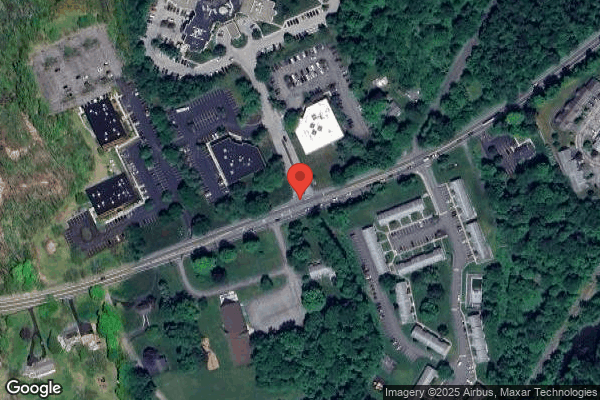
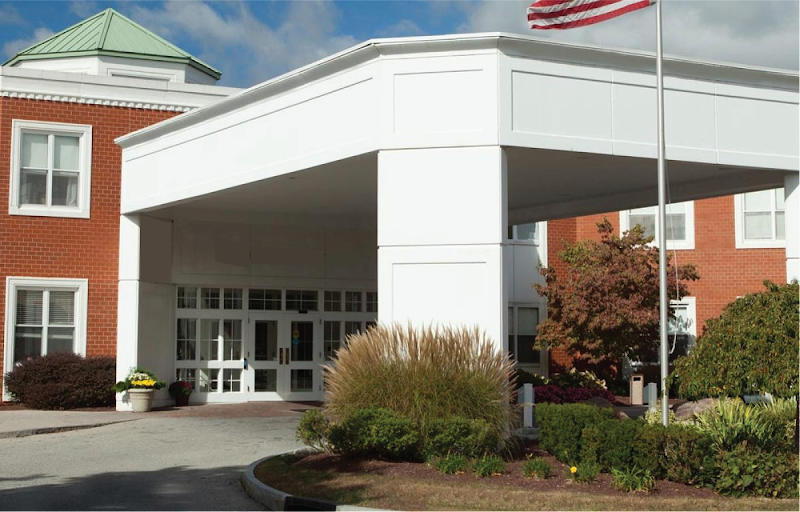
3 SUMMIT COURT, FISHKILL, NY 12524 (845) 896-1500
For profit - Limited Liability company 160 Beds Independent Data: November 2025
Trust Grade
55/100
#458 of 594 in NY
Last Inspection: May 2023

Over 2 years since last inspection. Current conditions may differ from available data.

Overview

Taconic Rehabilitation and Nursing at Hopewell has a Trust Grade of C, indicating an average performance that places it in the middle of the pack among nursing homes. It ranks #458 out of 594 facilities in New York, which means it is in the bottom half, and #7 out of 12 in Dutchess County, suggesting only a few local options are better. The facility is showing improvement, having reduced issues from 7 in 2023 to 3 in 2025. Staffing is rated at 3 out of 5 stars, with a turnover rate of 50%, which is average but may indicate some instability; however, the lack of sufficient RN coverage is concerning as it falls below that of 79% of state facilities. While the home has no fines on record, which is positive, there have been specific incidents such as residents not receiving adequate staff support, and issues with hot water availability, which could compromise comfort and safety. Overall, while there are strengths, such as the improving trend and absence of fines, there are significant weaknesses that families should consider.

Trust Score
C
55/100
In New York
#458/594
Bottom 23%
Safety Record
Low Risk
No red flags
Inspections
Getting Better
7 → 3 violations
Staff Stability
⚠ Watch
50% turnover. Above average. Higher turnover means staff may not know residents' routines.
Penalties
✓ Good
No fines on record. Clean compliance history, better than most New York facilities.
Skilled Nurses
⚠ Watch
Each resident gets only 24 minutes of Registered Nurse (RN) attention daily — below average for New York. Fewer RN minutes means fewer trained eyes watching for problems.
Violations
⚠ Watch
19 deficiencies on record. Higher than average. Multiple issues found across inspections.
★★☆☆☆
2.0
Overall Rating
★★★☆☆
3.0
Staff Levels
★★★★☆
4.0
Care Quality
★★☆☆☆
2.0
Inspection Score
Stable
2023: 7 issues
2025: 3 issues

The Good

  • 4-Star Quality Measures · Strong clinical quality outcomes
  • Full Sprinkler Coverage · Fire safety systems throughout facility
  • No fines on record

Facility shows strength in quality measures, fire safety.

The Bad

2-Star Overall Rating

Below New York average (3.1)

Below average - review inspection findings carefully

Staff Turnover: 50%

Near New York avg (46%)

Higher turnover may affect care consistency

The Ugly 19 deficiencies on record

Aug 2025 3 deficiencies
CONCERN (D) 📢 Someone Reported This

A family member, employee, or ombudsman was alarmed enough to file a formal complaint

Potential for Harm - no one hurt, but risky conditions existed

Quality of Care (Tag F0684)

Could have caused harm · This affected 1 resident

**NOTE- TERMS IN BRACKETS HAVE BEEN EDITED TO PROTECT CONFIDENTIALITY** Based on record review, and interviews conducted during an abbreviated survey (NY00348484/623066), the facility did not ensure r...

Read full inspector narrative →
**NOTE- TERMS IN BRACKETS HAVE BEEN EDITED TO PROTECT CONFIDENTIALITY** Based on record review, and interviews conducted during an abbreviated survey (NY00348484/623066), the facility did not ensure residents received quality of care in accordance with professional standards of practice for 1 (Resident #4) of 4 residents reviewed. Specifically, Resident #4 had an unwitnessed fall on 03/24/2024 which resulted in a pelvic and iliac crest fracture. The hospital discharge instructions documented for Resident #4 to be non-weight bearing to the right lower extremity and to follow up with the orthopedic surgeon in 2-4 weeks. The facility was unable to provide documented evidence that Resident #4's follow-up appointment with the orthopedic surgeon as per the hospital physician's discharge instructions was done.The findings include:The facility policy titled Process for Scheduling Outside Appointments revised on 11/2024 documented that the facility will assist the resident in gaining access to specialty providers per their preference and per provider recommendation when needed for the resident's health and wellbeing. Resident #4 had diagnoses including but not limited to dementia, multiple fractures, nontraumatic intracerebral hemorrhage, and repeated falls.The 05/24/2024 Quarterly Minimum Data Set documented that Resident #4 had severely impaired cognition. The Resident required maximal assistance with bed mobility and toilet transfers and was dependent with chair and bed transfers. The 03/24/2024 Accident and Incident Report documented Resident #4 was found in the bathroom doorway laying on their right side. Resident had pain in their groin and was sent to the hospital for head trauma and pelvic and groin pain.The 03/24/2024 at 8:50 PM Nursing Progress note documented that Resident #4 was sent to the hospital status post fall and was admitted with diagnosis of pelvic and iliac crest fractures.The 03/27/2024 Hospital Discharge Summary documented that Resident #4 is to be non-weight bearing status to the right lower extremities and to follow up with the orthopedic surgeon in 2-4 weeks.During an interview on 08/14/2025 at 4:04 PM, the complainant stated that approximately one month after Resident #4's readmittance back to the facility status post pelvic and iliac crest fracture, they requested that Resident #4 be seen by the orthopedic surgeon as per their discharge instructions to follow up with the surgeon in 2-4 weeks, so that they could be cleared from to weight bear and be discharged home. They were informed that the family had to provide their own transportation for the follow up appointment to the orthopedic surgeon.During an interview on 08/14/2025 at 4:36 PM, the Director of Social Services stated that during a Care Plan meeting it was discussed that Resident #4 needed an appointment with the orthopedic surgeon and that the complainant did not want to pay for their own transportation. The Director of Social Services was unable to provide documented evidence of the discussion held during the care plan meeting concerning the transportation for the follow up appointment to the orthopedic surgeon. There was no evidence of any follow up communication with the complainant.During an interview on 08/15/2025 at 4:37 PM, the Director of Therapy stated that Resident #4 sustained a fracture and was non weight bearing on the right lower extremity, and that they asked the family what they want the facility to do, the family did not want Resident #4 to go to Westchester because of the cost of the ambulette. The Director of Therapy stated that they told the family that they would do them a favor and contact an orthopedic surgeon that they know of but was unable to provide a date or time of when they contacted orthopedic surgeon from Mid-[NAME] Regional and arranged a telehealth consultation. When documentation was requested, the Director of Therapy stated they did not write a progress note because they are a man of their word and thought they were doing the right thing by assisting nursing in getting Resident #4 an orthopedic surgeon appointment. The Director of Therapy stated that when residents return from the hospital, the unit manager and and/or unit secretary are responsible to make all follow up appointments. There was no documentation of the telehealth consultation. The Facility did not provide documentation for the date of the follow up orthopedic appointment as per the discharge instructions. During an interview on 08/14/2025 at 5:09 PM, the Director of Nursing stated that the unit manager is supposed to review all discharge paperwork when Residents are admitted and communicate follow up appointments with the unit clerk, and that the unit clerk that was responsible for making appointments. The unit clerk was no longer working in the facility. The Director of Nursing was unable to provide Orthopedic consults, orthopedic appointment progress notes, or any for follow up orthopedic appointment correspondences, when requested. 10NYCRR415.12
CONCERN (E) 📢 Someone Reported This

A family member, employee, or ombudsman was alarmed enough to file a formal complaint

Potential for Harm - no one hurt, but risky conditions existed

Safe Environment (Tag F0584)

Could have caused harm · This affected multiple residents

**NOTE- TERMS IN BRACKETS HAVE BEEN EDITED TO PROTECT CONFIDENTIALITY** Based on observations, record review, and interviews conducted during an abbreviated survey (NY00359790/623106), the facility di...

Read full inspector narrative →
**NOTE- TERMS IN BRACKETS HAVE BEEN EDITED TO PROTECT CONFIDENTIALITY** Based on observations, record review, and interviews conducted during an abbreviated survey (NY00359790/623106), the facility did not ensure that the residents had a right to a safe, clean, comfortable, and homelike environment, including housekeeping and maintenance services necessary to maintain a sanitary, orderly, and comfortable interior for 5 (Resident #5, #6, #7, #8 and #9) of 9 residents rooms observed for environmental concerns. Specifically, 1) In room [ROOM NUMBER]B of the Roosevelt unit, occupied by Resident #5, a new admit, the window was observed to have gray duct tape covering the entire bottom width of the windowsill. The window screen contained multiple ripped holes of varying sizes, several spackle paste were noted on the wall behind the Resident's bed, and the dresser drawer was broken and unable to close; 2) In room [ROOM NUMBER] B on the Roosevelt unit, occupied by Resident #6, the window was entirely covered with plastic and white patches of spackle were observed on the wall behind the Resident's bed; 3) In room [ROOM NUMBER] A on the Roosevelt unit, occupied by Resident #7, a new admission, multiple white patches of spackling compound were observed on the wall behind the Resident's bed and the lower portion of the walls around the bed was scratched and had scuff; 4) In room [ROOM NUMBER]A on the Roosevelt unit, occupied by Resident #8, multiple white patches of spackle were observed on the wall behind the Resident's bed; 5) In room [ROOM NUMBER]B on the Roosevelt unit, occupied by Resident #9, multiple white patches of spackle were observed on the wall behind the Resident's bed. The findings include:The facility policy titled Maintenance revised on 10/2024 documented that the facility provides an environment that fosters a positive self-image for the Resident and preserves his or her human dignity. The entire facility including, but not limited to, the floors, walls, doors, windows, ceilings, lighting, furnishings and equipment shall be maintained in good repair. Windows are checked by Maintenance. Windows that are broken or separated from the frame or otherwise not functioning as designed will be repaired or replaced. Maintenance is responsible for maintaining all the wall coverings. Supplies of the various paints, wallpapers and supplies are kept in stock.During an observation on 08/14/2025 at 11:39 am, room [ROOM NUMBER] B of the Roosevelt unit, occupied by Resident #5, the following were noted: The window had gray duct tape along the entire bottom of the windowsill, the window screen contained multiple holes of varying sizes, several spackled patches were visible on the wall behind the Resident's bed, and the dresser drawer was broken and would not close. During an interview on 08/14/2025 at 11:40 AM, Resident #5 stated that they were recently admitted a few days prior to the day of the onsite visit and was placed in the room in the current condition. The resident and family requested that the window be repaired, the patches of spackle removed, and the dresser fixed so that they could store their clothing without them being visible. Resident #5 stated that they preferred a different room, noting that the current room appeared damaged and that they would have raised concerns prior to admission had they known the condition of the room.During an observation on 08/14/2025 at 11:54 AM, room [ROOM NUMBER] B of the Roosevelt unit, occupied by Resident #6, the following were noted: plastic covered the entire window and patches of spackle were noted behind the resident's bed. During an interview 08/14/2025 at 11:55 AM, Resident #6 stated that they've been in the current room for over two months. When they first got into the room, they complained that there was a draft coming in and the room was very cold. Resident #6 stated that Maintenance initially put up duct tape, but the duct tape wasn't working, and then they came and placed a plastic covering, which has now been up for over a month. Resident #6 stated that even with the plastic covering, they could still feel the draft. When it rains, water gets trapped behind the plastic and water starts coming in through the window. Resident #6 stated that the patches of spackle behind their bed has been that way since they removed white boxes that was on the wall, and they never came back to sand or paint. During an observation on 08/14/2025 at 12:00 PM, room [ROOM NUMBER] A, occupied by Resident #7, a new admission to the facility, the following was noted: spackled patches on the wall behind the bed and the lower portions of the walls surrounding the bed and their side of the room, was dirty with scuff.During an interview on 08/14/2025 at 12:01 PM, Resident #7 stated they were admitted to the facility the day prior to the onsite visit. They were placed in the room in the current condition. Resident #7 stated that when spackle is applied to the wall and not painted promptly, the outer layer begins to flake and fall, creating dust. Resident #7 expressed concern that the spackle dust could spread throughout the room causing a safety hazard. Resident #7 stated that they would like their room cleaned, noting that the lower portions of the walls were very dirty.During an observation on 08/14/2025 at 12:07 PM, room [ROOM NUMBER] A, occupied by Resident #8, was noted to have patches of spackle on the wall behind the bed.During an observation on 08/14/2025 at 12:08 PM, room [ROOM NUMBER] B, occupied by Resident #9, a new admit to the facility, patches of spackle were noted on the wall behind the bed.During an interview on 08/14/2025 at 12:09 PM, Resident #9 stated they arrived at the facility a few days ago and that they received the room in the current condition. During an interview on 08/14/2025 at 12:57 PM, the Maintenance Director stated that maintenance staff conduct weekly rounds, covering different areas of the building, but sometimes issues needing repair or replacement are missed. The Maintenance Director stated that there is no formal system in place for work orders. Regarding the patches of spackle observed in multiple resident rooms, the Maintenance Director stated that these areas need to be sanded and painted. The Maintenance Director stated that monitors were removed from the walls in the resident room approximately two months ago and the walls should have been repainted at that time. Due to the workload, the sanding and painting have not been completed. They plan to address this immediately. The Maintenance Director stated that the Roosevelt Unit has not been painted in several years, although the goal is to repaint every two years. A full repaint of the unit is now due. The Maintenance Director stated that the windows are as old as the building, approximately 30 years, and they need to be replaced; approval from a contractor is being sought. When residents report drafts from windows, temporary fixes such as duct tape are sometimes applied, though these are not fully effective. Some windows leak when it rains. Regarding dressers, the Maintenance Director stated that replacements of drawers are made regularly, and that staff are expected to notify maintenance when a dresser needs repair. The Maintenance Director stated that the plastic covering on the window in room [ROOM NUMBER] B should have been removed and should not have remained in place for two months.During an interview on 08/14/2025 at 1:23 PM, the Administrator stated that they conducted initial rounds and observed rooms in need of repair. the Administrator stated that beginning Tuesday, environmental concern will be discussed with the Directors of Maintenance and Housekeeping and will focus on addressing the issues. The administrator stated that areas that have been spackled should have been painted. Plastic coverings should not remain on the windows in resident rooms. 10NYCRR 415.5(i)(2)
CONCERN (E) 📢 Someone Reported This

A family member, employee, or ombudsman was alarmed enough to file a formal complaint

Potential for Harm - no one hurt, but risky conditions existed

Deficiency F0726 (Tag F0726)

Could have caused harm · This affected multiple residents

Based on record review and interviews conducted during an abbreviated Survey (NY00380249/623119, NY00382698/623133 ), the facility did not ensure that Certified Nurse Aides had the appropriate compete...

Read full inspector narrative →
Based on record review and interviews conducted during an abbreviated Survey (NY00380249/623119, NY00382698/623133 ), the facility did not ensure that Certified Nurse Aides had the appropriate competencies and skills sets necessary to care for residents' needs, and related services to assure resident safety and attain or maintain the highest practicable physical, mental, and psychosocial well-being of each resident, as determined by resident assessments, and described in the plan of care. Specifically, 1) Certified Nurse Aide #1 was involved in an allegation of abuse on 05/07/2025. Review of their employee file revealed Certified Nurse Aide #1's required abuse training was last completed on 06/19/2025. Prior to that, the last abuse training was completed on 03/14/2024. 2)Certified Nurse Aide # 2 who was involved in an allegation of abuse on 5/3/2025 had their required training for abuse prevention and compliance on 05/20/2025. Prior to this, their last abuse training was completed on 02/16/2024.3) Certified Nurse Aide # 3 had their required training for abuse prevention and compliance on 05/22/2025. Prior to this date the last abuse training was completed on 04/17/2024.The findings included: The facility policy titled Abuse Prohibition last revised on 2/2023 documented that the facility's abuse prevention/intervention program includes but is not necessarily limited to regularly scheduling in-service training programs designed to teach staff how to better understand the resident's abusive actions. The policy did not include the frequency of or indicate that trainings are to be done annually. During an interview on 7/31/25 at 2:19 PM, the Staffing Educator stated that mandatory educations for staff are located on the SNF clinic (a training program and resources for nurses and caregivers in skilled nursing facilities). Staff is required to complete these trainings via computer. The Staffing Educator stated Certified Nurse Aides #1, #2, and #3 were overdue and out of compliance with completing their required training for abuse prevention and compliance and that they along with facility staff should have received several messages to complete the in-services when they were due. Notifications are also sent out through the system if their trainings are due or overdue. The Staffing Educator stated that Certified Nurse Aide #1 was assigned Abuse training on 02/01/2025 and did not. until 06/19/2025 and prior to that their last abuse training was completed on 03/14/2024. Certified Nurse Aide #2 was assigned Abuse training on 02/01/2025 and did not complete it until 05/20/2025 and prior to that, their last Abuse training was completed on 02/16/2024 and Certified Nurse Aide #3 was assigned Abuse training on 02/01/2025 and did not complete it until 05/22/2025 and prior to that, Certified nurse Aide #3's last Abuse training was completed on 4/17/2024. All three Certified Nurse Aides were out of compliance as per the requirements to complete their annual abuse trainings. The Staffing Educator stated an email is sent to the administrative team to notify them of who was out of compliance. In addition, notices are created and posted by the time clock reminding staff to complete the required annual trainings. During an interview on 07/31/2025 at 2:51 PM, the Regional Director of Nursing stated that the Staff Educator notified them earlier in the week that there are multiple staff who's required Inservice trainings have not been completed, and that it would be discussed with the team the best way to get staff to complete the required trainings. During an interview on 07/31/2025 at 3:17 PM, the Interim Administrator stated that they are aware that staff are not completing their required Inservice trainings when they are due. They plan to hold a meeting with staff and ask them to do the in-services/trainings or remove them from the schedule. During an interview on 07/31/2025 at 3:36 PM, the Director of Nursing stated that they are trying to address the staff's noncompliance of trainings/in-services with the administrative team. The Staff Educator puts out notices and does their best to reach staff to complete in-services, and they do that alone. The Director of Nursing. stated that they have decided that for the actions to be effective, they need to get involved and assist with getting in-services completed. The Director of Nursing stated that in 2 weeks the Staff Educator will no longer conduct the Certified Nurse Aide Class and will only focus on staff in services. All staff removed from duty due to an incident must be retrained. During an interview on 07/31/2025 at 12:56 PM, Certified Nurse Aide #1 stated that they do not remember the last time that they had abuse training and that trainings are done on the computer, and they have never received any disciplinary actions for not completing their trainings when they are due. Attempted to reach Certified Nurse Aide #3 on 08/01/2025 at 03:07 PM and was unsuccessful. Voice message was left. 10 NYCRR 415.26(c)(1)(iv)
May 2023 7 deficiencies
CONCERN (D)

Potential for Harm - no one hurt, but risky conditions existed

Resident Rights (Tag F0550)

Could have caused harm · This affected 1 resident

Based on observations, record reviews and interviews during a Recertification Survey conducted from 5/1/2023-5/08/2023, the facility did not ensure 9 of 9 residents were treated in a dignified manner ...

Read full inspector narrative →
Based on observations, record reviews and interviews during a Recertification Survey conducted from 5/1/2023-5/08/2023, the facility did not ensure 9 of 9 residents were treated in a dignified manner while dining (Residents #51, #106, #46, #20, #5, #79, #63, #37 and #72). Specifically, a Licensed Practical Nurse (LPN) was observed standing over Resident #51 while feeding the resident; four staff members (Certified Nurse Aides (CNA) #5, #3, #6 and Activity Aide #1) were observed pointing to Residents #46 and #106 and referred to them as feeders; Resident #37 was served a meal 8 minutes after their tablemate was served; and staff spoke to Resident #72 in an undignified manner during a meal. Findings include: 1) During an observation on 5/8/2023 at 8:53 AM, LPN #5 was observed standing over Resident #51 in the community dining room while feeding the resident oatmeal. During an interview on 5/8/2023 at 8:53 AM, LPN #5 stated they did not know staff were not supposed to stand up while feeding residents. 2) During an observation on 5/3/2023 at 11:45 AM, Activity Aide #1 verbalized to CNA #6 that the feeders needed to be at a particular table and pointed to Residents #46 and #106. CNAs #3, #5, and #6 were observed having a conversation in the dining area and used the word feeders to describe Residents #46 and #106. During an interview on 5/3/2023 at 12:06 PM, Activity Aide #1 stated they were not aware they could not use the word feeder to describe residents. During an interview on 5/3/2023 at 12:06 PM, CNA #6 stated they did not know it was not proper to use the word feeder. During a combined interview on 5/3/2023 at 2:47 PM, CNAs #5 and #3 stated they received instructions to call residents by their name using Mr. and Mrs. were unaware that they could not refer to residents as feeders. During an interview on 05/08/2023 at 02:59 PM, the Director of Nursing (DON) stated resident rights were reviewed constantly. The DON stated the nurse in the dining area was expected to know not to stand while feeding a resident. The DON also stated during orientation, staff were instructed to address residents by their proper name and knew not to use the term feeder. 3) During an observation on 5/3/2023 at 11:46 AM, Residents #63 and #37 were seated together for the noon meal. Resident #63 was eating at 11:46 AM while Resident #37 waited until 11:54 AM to be served. During an interview on 5/5/2023 at 8:55 AM, the Food Service Director (FSD) stated the current system had trays arranged for all the residents as eating in their rooms. The FSD stated it was confusing for the staff when residents ate in the dining room and did not sit at the same table every day. During an interview on 5/8/2023 at 11:21 AM, the Director of Nursing (DON) stated they were aware of the meal service issues and were working on a way to streamline meal service. 4) During an observation on 5/01/2023 at 12:36 PM, LPN #8 stated to Resident #72 we aren't going to spend 2 hours eating. During an interview on 5/8/2023 at 9:30 AM, LPN #8 stated Resident #72 often took too long to eat. 483.10
CONCERN (D)

Potential for Harm - no one hurt, but risky conditions existed

Deficiency F0583 (Tag F0583)

Could have caused harm · This affected 1 resident

**NOTE- TERMS IN BRACKETS HAVE BEEN EDITED TO PROTECT CONFIDENTIALITY** Based on observations, interviews, and record review conducted during the recertification survey from 5/1/2023 to 5/8/2023, the ...

Read full inspector narrative →
**NOTE- TERMS IN BRACKETS HAVE BEEN EDITED TO PROTECT CONFIDENTIALITY** Based on observations, interviews, and record review conducted during the recertification survey from 5/1/2023 to 5/8/2023, the facility failed to ensure each resident's right to personal privacy for 1 of 4 residents (Resident #70) reviewed for dignity, and 1 of 3 nursing units ([NAME] Grove) reviewed for confidentiality of resident records. Specifically, 1) Resident #70 was not provided privacy during an ultrasound procedure and, 2)A unit roster with confidential medical record information for multiple residents was discovered visible and unattended in a public area on the [NAME] Grove unit. The findings are: 1. Resident #70 was admitted to the facility with diagnoses including dementia, chronic kidney disease, and hypertension. A review of Resident #70's 2/14/2023 Quarterly Minimum Data Set (MDS, a resident assessment tool) documented the resident had severe cognitive impairment, required extensive assistance of two or more staff for bed mobility, and was totally dependent on one person for performing their personal hygiene. During an observation on 5/1/2023 at 12:24PM, Resident #70 was having an ultrasound procedure in their bed. This was viewed from the public hallway outside of their room and no privacy was provided during the procedure. During an interview on 5/1/2023 at 12:44 PM, the ultrasound technician stated they forgot to pull the curtain because the room felt warm and they should have provided Resident #70 privacy during their procedure. During an interview on 5/5/2023 at 9:38 AM, Registered Nurse Unit Manager (RNUM) #1 stated all facility staff and all contract/agency staff were responsible for providing residents with privacy during patient care and during medical procedures. RNUM #1 stated the ultrasound technician should have pulled the curtain for the procedure. During an interview on 5/5/2023 at 12:31 PM, the Administrator stated it was not acceptable for Resident #70 to have an ultrasound without being provided privacy for the procedure. 2. During an observation on 5/3/2023 at 9:38 AM, a roster containing confidential medical record information was on top of a medication cart in a public hallway in front of the [NAME] Grove nurses station, unattended by any staff. The roster contained the full name, room number, and confidential medical record information including vital signs and medication administration information of 20 residents on the [NAME] Grove unit. During an interview on 05/03/2023 at 09:35 AM, Registered Nurse Unit Manager (RNUM) #2 stated staff should not have left the roster, containing residents' confidential information, on the medication cart in the hallway unprotected. During an interview on 05/05/2023 at 12:31 PM, the Administrator stated that leaving protected resident health information in a public place was not acceptable. §483.10(h)
CONCERN (D)

Potential for Harm - no one hurt, but risky conditions existed

Deficiency F0655 (Tag F0655)

Could have caused harm · This affected 1 resident

**NOTE- TERMS IN BRACKETS HAVE BEEN EDITED TO PROTECT CONFIDENTIALITY** Based on observation, interview, and record review conducted during a recertification survey, the facility did not ensure that t...

Read full inspector narrative →
**NOTE- TERMS IN BRACKETS HAVE BEEN EDITED TO PROTECT CONFIDENTIALITY** Based on observation, interview, and record review conducted during a recertification survey, the facility did not ensure that the resident and/or their representative were provided a written summary of the Baseline Care Plan of the initial plan for delivery of care and services by receiving a written summary of the Baseline Care Plan within 48 hours of admission. This was evident for 1 of 26 sampled residents. Specifically, Resident #78 or their representative did not receive a written copy of their Baseline Care Plan within 48 hours. The findings are: A review of the facility policy and procedure signed and dated 2/10/23 titled, Interdisciplinary Care Planning documented that the facility would develop a Baseline Care Plan within 48 hours of resident admission. The facility would provide the resident and/or representative with a summary of the Baseline Care Plan. The electronic Baseline Care Plan acknowledgement was completed by an interdisciplinary team member which would identify who received the Baseline Care Plan and date and time of receipt. Resident #78 was admitted to the facility on [DATE] with diagnoses including compression fracture of T11-T12 vertebra, fracture of the first lumbar vertebra, and dementia. The Entry Minimum Data Set (MDS a resident assessment tool) dated 4/27/23 documented entry, start date of acute Medicare stay 4/27/23, admission to the facility from the hospital. On 05/01/23 at 10:19 AM, during an interview with the resident's spouse, they stated the resident was admitted on [DATE] and they did not receive a Baseline Care Plan. A review of the undated Baseline Care Plan documented in the Resident Dashboard documented Physician's Orders, Activities of Daily Living, Rehab, Skin, Pain Management, Urinary Incontinence, and Urinary Tract Infection. A Baseline Care Plan Acknowledgment form dated 5/01/23 signed by the Director of Social Work documented that a copy of the Baseline Care Plan was given to the resident's spouse/daughter on 5/01/23 at 11:00 AM, and Social Work reviewed the Baseline Care Plan and goals. On 5/03/23 at 9:00 AM, during an interview with the Director of Social Work (DSW), they stated the resident's spouse and daughter received the resident's Baseline Care Plan on Monday, 5/01/23. The DSW stated they realize the resident's family should have received the resident's Baseline Care Plan within 48 hours of admission, on 4/29/23, but since that was a Saturday, it was not provided to the resident's representative until the following Monday. On 5/04/23 at 8:40 AM, during an interview with the Director of Nursing (DON), they stated that residents who were admitted on Thursdays did not receive Baseline Care Plans until the following Monday. They stated staff was not trained or allocated to give residents or their representatives their Baseline Care Plan on the weekends. They stated that even though Baseline Care Plans were generated by Point Click Care (electronic medical software program) from the Nursing Evaluations and Physician's Orders which were completed during the admissions process, Baseline Care Plans were not given to residents or their representatives on the weekends. On 5/8/23 at 12;50 PM, during an interview with the Administrator, they stated that it was their goal to provide residents and/or their representatives with a Baseline Care Plan within 48 hours of admission. They stated the Medical Director came in every weekend, and the Nursing Supervisor could provide Baseline Care Plans to residents and/or family members. 415.11 (c)
CONCERN (D)

Potential for Harm - no one hurt, but risky conditions existed

Comprehensive Care Plan (Tag F0656)

Could have caused harm · This affected 1 resident

**NOTE- TERMS IN BRACKETS HAVE BEEN EDITED TO PROTECT CONFIDENTIALITY** Based on interview and record review conducted during a recertification survey, the facility did not ensure that a person-center...

Read full inspector narrative →
**NOTE- TERMS IN BRACKETS HAVE BEEN EDITED TO PROTECT CONFIDENTIALITY** Based on interview and record review conducted during a recertification survey, the facility did not ensure that a person-centered care plan addressing oxygen use was developed for 1 of 1 resident (Resident #55) reviewed for respiratory care. Specifically, there was a physician order for oxygen and there was no evidence in the electronic medical record (EMR) that a care plan was created for the use of oxygen. The findings are: The policy and procedure titled Interdisciplinary Care Plans last revised 2/10/23 documented The Comprehensive Care Plan was reviewed and updated with changes and minimally on a quarterly basis. The following care plan focuses were addressed for every resident as appropriate: Advance Directives, Bathing, Dressing, Personal Hygiene, Falls/Restraints, Skin Integrity, Cardiac (if indicated) and Pulmonary (if indicated) etc. Resident #55 was admitted to facility on 3/12/19 with diagnoses that included Vascular Dementia without behavioral disturbance, Cerebral Infarction and Chronic Systolic (Congestive) Heart Failure. The Quarterly Minimum Data Set (MDS) assessment dated [DATE] documented Resident #55 was cognitively intact and received oxygen therapy. The physician order dated 3/31/23 documented oxygen via nasal canula at 2 liters/minute, keep oxygen saturation above 90% every shift. There was no documented evidence in the electronic medical record (EMR) of a comprehensive care plan for respiratory or pulmonary care. During an interview on 5/04/23 at 10:23 AM, Registered Nurse Unit Manager (RNUM) #2 stated they created the care plans. When asked, RNUM #2 was unable to find an oxygen and/or respiratory care plan in the EMR. RNUM #2 stated the MDS staff usually emailed the nurse managers of any edits or additions needed for the care plans. During an interview on 5/05/23 at 11:09 AM, the Director of Nursing (DON) stated that since the facility transitioned their system from Matrix Care to Point Click Care they were fine tuning the care plans system. The DON stated they did not have disease specific care plans. The DON stated the unit manager was responsible for initiating and creating the comprehensive care plans. The DON stated the MDS staff was responsible for auditing the charts for care plans and would inform the unit managers of any outstanding care plans or care plans that needed to be added. During an interview on 5/05/23 at 12:35 PM, the Assistant Director of Nursing (ADON) stated when there was a new order for oxygen, a care plan should have been created. 483.21(b)
CONCERN (D)

Potential for Harm - no one hurt, but risky conditions existed

Food Safety (Tag F0812)

Could have caused harm · This affected 1 resident

Based on observation and interview conducted during a recertification survey conducted 5/1/2023-5/8/2023, the facility did not ensure that food was stored and prepared in a manner to prevent contamina...

Read full inspector narrative →
Based on observation and interview conducted during a recertification survey conducted 5/1/2023-5/8/2023, the facility did not ensure that food was stored and prepared in a manner to prevent contamination. Specifically, sliced tomato was stored in the walk-in refrigerator in the kitchen and was not labeled with the date it was sliced and stored in the refrigerator. The findings are: The policy and procedure titled Food Storage: Cold Foods last revised 4/2018 documented all foods would be stored in covered containers, labeled and dated, and arranged in a manner to prevent cross contamination. During the initial tour of the kitchen on 5/1/2023 at 9:20 AM, sliced tomatoes on a plate covered in saran wrap were observed in the refrigerator without a date. During a follow up interview with the Food Service Director (FSD) on 5/5/2023 at 8:55 AM, the FSD stated that food was stored and labeled when it was put in the refrigerator. The FSD stated when food arrived, it got labeled with a delivery date. The FSD stated when the tomato was sliced and covered with saran wrap, it should have been dated and labeled. The FSD stated that all food items needed to be labeled and dated. The FSD stated that the dietary staff forgot to label the tomato. 415.14(h)
CONCERN (E)

Potential for Harm - no one hurt, but risky conditions existed

Safe Environment (Tag F0584)

Could have caused harm · This affected multiple residents

**NOTE- TERMS IN BRACKETS HAVE BEEN EDITED TO PROTECT CONFIDENTIALITY** Based on observations, interviews, and record review conducted during the recertification survey from 5/01/2023 to 5/08/2023, th...

Read full inspector narrative →
**NOTE- TERMS IN BRACKETS HAVE BEEN EDITED TO PROTECT CONFIDENTIALITY** Based on observations, interviews, and record review conducted during the recertification survey from 5/01/2023 to 5/08/2023, the facility did not ensure they provided a safe, clean, comfortable, and homelike environment on 3 of 3 units. Specifically, gray markings were noted on a resident room ceiling, an air vent was dusty/dirty/chipped/scratched, and peeling paint, peeling wallpaper, and broken bathroom floor tiles were observed. The findings are: The facility Policy and Procedure titled Facility Policy-Maintenance effective 6/1/2020 and last revised 9/2021 documented the facility provided an environment that fostered a positive self-image for the residents and preserved their dignity. The entire facility including but not limited to the floors, walls, and ceilings would be maintained in good repair. During observation tours of [NAME] Grove, Boscobel, and Roosevelt Units on 5/01/2023 and 5/03/2023, the following were observed: - gray markings on the ceiling near the resident room air vent and the air vent was dusty/dirty, paint chipped off the wall behind the A bed, bathroom wallpaper falling off, and discolored marks on the bathroom air vent in room [ROOM NUMBER] on the [NAME] Grove Unit, - chipped paint in resident rooms 101,102, 103, 104, 106, 106, 107, 108, 109, 112, 114, 115, 116, 117, and 118 on the Boscobel Unit, - peeling wallpaper in the hallway outside of rooms 102-104, 105, and between rooms 109-111 on the Boscobel Unit, - scratched paint on the wall near the A bed in room [ROOM NUMBER] and peeling paint under the window in room [ROOM NUMBER] on the Roosevelt Unit. A review of the Maintenance Repair Logs for March, April, and May 2023 did not list need of repairs to scratched, chipped, or peeling paint, peeling wallpaper, cracks on bathroom floors, dark marks on vents or on ceilings. On 5/05/2023 at 08:35 AM, an interview was conducted with the Director of Maintenance in resident room [ROOM NUMBER] and was shown the gray markings on the ceiling directly in front of the air vent. The Director of Maintenance stated they saw the same thing as this writer. When asked how often they clean the air vents, the Director of Maintenance stated they were not sure. When asked about the bathroom in room [ROOM NUMBER], the Director of Maintenance stated they observed the rusted air vent and the peeling wallpaper and chipped floor. The Director of Maintenance stated they had not done environmental rounds since they took the position at the facility two months ago. On 5/05/2023 at 09:37 AM, an interview was conducted with Licensed Practical Nurse (LPN) #7 on the Boscobel Unit. They stated there were many areas of chipped paint and peeling wallpaper in the hallways. They stated the company which took over in July said they were going to do renovations, but they have not seen any renovations yet. On 5/05/2023 at 10:45 AM, a follow-up interview was conducted with the Director of Maintenance in the first floor lobby. The Director of Maintenance stated they were aware of chipped and peeling paint and wallpaper but have not had the time to address these issues. The Director of Maintenance stated it was not appropriate to have chipped or peeling paint and peeling wallpaper in resident areas. 415.5(h)(2)
CONCERN (E)

Potential for Harm - no one hurt, but risky conditions existed

Deficiency F0761 (Tag F0761)

Could have caused harm · This affected multiple residents

**NOTE- TERMS IN BRACKETS HAVE BEEN EDITED TO PROTECT CONFIDENTIALITY** Based on observations, interviews, and record review conducted during the recertification survey from 5/1/2023 to 5/8/2023, the ...

Read full inspector narrative →
**NOTE- TERMS IN BRACKETS HAVE BEEN EDITED TO PROTECT CONFIDENTIALITY** Based on observations, interviews, and record review conducted during the recertification survey from 5/1/2023 to 5/8/2023, the facility failed to store drugs and biologicals in accordance with currently accepted professional principles. Specifically, 1) Expired drugs and biologicals were found in 2 of 3 medication storage rooms (Boscobel and Roosevelt units) and 4 of 6 medication carts (2 medication carts on the Boscobel unit and 1 medication cart on the Roosevelt unit) reviewed for medication storage and labeling; and 2) Medications were stored improperly and left out on a resident's bedside table (Resident #94). The findings include: 1. Multiple observations were conducted of the facility's medication carts and medication storage rooms on 5/4/2023 between 12:00 PM and 4:00 PM and revealed the following: -Boxes of Juven (a therapeutic nutrition powder) with expiration dates ranging from 2/2023-4/2023 were discovered in the medication rooms of the Boscobel and Roosevelt units, as well as the facility's central supply room. -Individual packets of Juven with expiration dates ranging from 2/2023-4/2023 were discovered in 2 medication carts on the Boscobel Unit, 1 medication cart on the [NAME] Grove unit, and 1 medication cart on the Roosevelt Unit. -A pre-mixed saline enema with an expiration date of 12/2022 and a bottle of Sodium Chloride tablets with an expiration date of 4/2023 was discovered on a medication cart of the Roosevelt Unit. -1 box of Aspirin with and expiration date of 6/2022 and 1 Normal Saline IV flush with an expiration date of 6/30/2022 was discovered in the medication room of the Roosevelt unit. During an interview on 5/4/2023 at 12:45 PM, Licensed Practical Nurse (LPN) #3 stated nurses were responsible for stocking medication carts from the unit's medication room and checking the expiration dates before giving the medication to the residents. LPN #1 stated that it was not acceptable for any expired medications to be on the medication carts and anything that was expired should be disposed immediately. During an interview on 5/4/2023 at 12:55 PM, Registered Nurse Unit Manager (RNUM) #1 stated nurses were responsible for checking all expiration dates on medications on the medication carts. RNUM #1 stated central supply was responsible for stocking Juven and over-the-counter medications to units each week and was responsible for checking expiration dates on all items. During an interview on 5/4/2023 at 1:15 PM the facility's staffing coordinator stated they were responsible for the central supply department. The staffing coordinator stated a Certified Nursing Assistant (CNA) was responsible for stocking the facility's units weekly with supplies and over-the-counter medications. While stocking the units, the CNA should have been rotating stock and checking for expired medications and supplies. The staffing coordinator stated all medications and supplies on nursing units should have been checked weekly and recently this had not been happening. The staffing coordinator stated it was not acceptable to have any expired supplies or medications in the building. During an interview on 5/5/2023 at 8:13 AM, CNA #1 stated they were responsible for stocking units weekly with medications and supplies, and checking units for expired medications and supplies while stocking. CNA #1 stated it was not acceptable to have expired medications or supplies on nursing units. CNA #1 stated that working in central supply was not their primary job, and they may have been very busy and missed some expired items. During an interview on 5/4/2023 at 3:52 PM, the Director of Nursing (DON) stated supplies and medications should have been checked weekly when the units were stocked. The DON stated there were some recent changes to the stocking process and that the current process needed to be tightened up to ensure there were no expired medications or supplies on nursing units. 2. Resident # 94 was admitted with Dementia, Cerebral Amyloidal Angiopathy and Type II Diabetes Mellitus. The 2/21/2023 physician order documented Hemorrhoid Relief Cream 5% apply to the rectum topically every 24 hours as needed. The 2/27/2023 physician order documented Zinc Ointment to the left buttock wound every day. There were no orders in place for the administration of Anti-Fungal Powder. During observations on 5/2/2023 at 09:57 AM and 5/3/23 at 9:20 AM, Hemorrhoid Cream, Zinc Ointment and Anti-Fungal Powder were left out on the resident's bedside table. During an interview on 5/2/2023 at 9:57 AM Resident # 94 stated the staff used the creams and powder to put on his wound. During an interview on 5/3/2023 at 2:03 PM, Registered Nurse (RN) #7 stated storing medications and creams at the resident's bedside table was not allowed and all medications were to be stored in the medication carts. RN#7 stated they did not know why the creams were left out and stated they could get into the wrong hands. §483.45(h)(1)
Jul 2019 8 deficiencies
CONCERN (D)

Potential for Harm - no one hurt, but risky conditions existed

Comprehensive Care Plan (Tag F0656)

Could have caused harm · This affected 1 resident

**NOTE- TERMS IN BRACKETS HAVE BEEN EDITED TO PROTECT CONFIDENTIALITY** Based on observation, interview and record review conducted during a recertification survey, the facility did not ensure that co...

Read full inspector narrative →
**NOTE- TERMS IN BRACKETS HAVE BEEN EDITED TO PROTECT CONFIDENTIALITY** Based on observation, interview and record review conducted during a recertification survey, the facility did not ensure that comprehensive person-centered care plans with measurable goals, interventions, and timeframe were put in place to address pressure ulcers and vision deficits. Specifically, 1 of 5 residents (Resident # 84) reviewed for pressure ulcers did not have a care plan in place to address her right heel Deep Tissue Injury pressure ulcer. The findings are: Resident # 84 was admitted on [DATE] and has diagnoses including Bipolar Disorder and Pressure Ulcer. According to the 6/1/19 Significant Change Minimum Data Set (MDS - an assessment tool), the resident had impaired cognition with a Brief Interview of Mental Status (BIMS) of 8, was at risk for developing pressure ulcers secondary to the risk factors of immobility, alteration in nutrition, urinary/bowel incontinence. Furthermore, Resident #84 was diagnosed with a stage 4 pressure ulcer, an unstageable pressure ulcer. The Physician's Orders dated 6/4/19 had instructions to apply Marathon treatment (a skin protectant) to bilateral heels once per day - on Mondays and Thursdays, which was started on 4/11/19. Review of the Treatment Administration Record (TAR) dated 6/3/19 to 7/3/19 revealed signatures that the Marathon treatment was applied to bilateral heels according to the 6/4/19 physician orders. The TAR showed 7/1/19, Monday, as the last time the Marathon treatment was signed. An updated physician order dated 7/2/19 had instructions to apply No Sting Skin Prep to the resident's right heel Deep Tissue Injury pressure ulcer. A wound observation was conducted on 7/2/19 at 2:55 PM on Boscobel Unit with Licensed Practical Nurse (LPN # 3). Resident #84 was in bed with both heels elevated off the bed. An intact purplish color Deep Tissue Injury pressure ulcer, approximately 4cmx5cm, was observed on her right heel. An unstageable pressure ulcer with black eschar tissue was observed to her left heel. Both heels were open to air. Review of the Comprehensive Care Plans revealed no evidence that a comprehensive person-centered care plan with measurable goals, interventions, and timeframe and was put in place to address the resident's right heel, including the development of Deep Tissue Injury pressure ulcer. The Director of Nursing (DON) was interviewed on 7/2/19 at 4PM and stated that the LPN Unit Managers are responsible for initiating and revising Comprehensive Care Plans. The DON stated that the assigned LPN Manager was unavailable for interview. The DON stated that she was not aware that Resident #84's right heel care plan was not in place. 415.11(c)(1)
CONCERN (D)

Potential for Harm - no one hurt, but risky conditions existed

Deficiency F0657 (Tag F0657)

Could have caused harm · This affected 1 resident

**NOTE- TERMS IN BRACKETS HAVE BEEN EDITED TO PROTECT CONFIDENTIALITY** Based on observation, record review and interview conducted during a recertification survey, the facility did not ensure that ea...

Read full inspector narrative →
**NOTE- TERMS IN BRACKETS HAVE BEEN EDITED TO PROTECT CONFIDENTIALITY** Based on observation, record review and interview conducted during a recertification survey, the facility did not ensure that each residents' Comprehensive Care Plan (CCP) was reviewed and revised to reflect the resident's current health status. This was evident for 1 (Resident #81) of 5 residents reviewed for accidents. Specifically, Resident #81 had a fall on 3/6/19 and the CCP was not reviewed and revised to reflect the fall and interventions developed to decrease risk for further falls. The findings are: Resident #81 was admitted on [DATE] with diagnoses including hypertension, diabetes mellitus, non-Alzheimer's dementia, depression, and fall with injury - not major. A Comprehensive Care Plan (CCP) dated 8/9/18 documented Resident #81's risk for falls related to impaired balance, a history of falls and poor safety awareness. The CCP was revised on 9/10/18 to include that Resident #81 attempted to stand unassisted and exhibited poor sleep patterns. The CCP noted Resident #81's diagnoses to include dementia with poor safety awareness. Her goal was to remain free of injury by ensuring that the Geri chair remained in the locked position, her toileting needs were being met, she received assistance with bed mobility. Furthermore, Resident #81 was to be seated by the nurses' station, not left in her room unattended and equip a bed alarm and chair alarm to notify staff when she attempts to rise. The residents' Certified Nurse Aide (CNA) Care Guide dated 2/13/19 documented that Resident #81 was non-ambulatory; mobility with recliner and positioning with assist of one person every two hours. Review of an Event/Incident Report dated 3/6/19 documented that Resident #81 had experienced a fall without injury. The report noted that Resident #81 was found in the dining room on the floor, on her coccyx. The report further noted that Resident #81 was ambulating unassisted but indicated that for mobility, she required the assistance of 2 persons. Resident #81 stated she was ambulating without staff assistance to get food. The root cause of the fall was identified as resident mental status. Recommended interventions included 1:1 supervision for Resident #81 and to put a chair alarm in place. A significant change Minimum Data Set (MDS: an assessment tool) dated 4/9/19 documented the resident's Brief Interview for Mental Status (BIMS) score of 3 indicating severely impaired cognition. Further review showed that Resident #81 has not exhibited maladaptive behaviors, required extensive assistance of 2 persons for bed mobility, transfer, toileting and personal hygiene, did not walk in her room or corridor and had experienced no falls. Review of the CCP evaluation notes dated 4/12/19 revealed the Licensed Practical Nurse/Unit Manager (LPN/UM) documented that Resident #81 experienced no falls this quarter, that the care plan remains appropriate and should continue. Evaluation notes did not address the fall of 3/6/19 and no review and revision of the CCP was initiated to prevent further falls. 415.11(c)(2) (i-iii)
CONCERN (D)

Potential for Harm - no one hurt, but risky conditions existed

ADL Care (Tag F0677)

Could have caused harm · This affected 1 resident

**NOTE- TERMS IN BRACKETS HAVE BEEN EDITED TO PROTECT CONFIDENTIALITY** Based on observations and interviews conducted during the Recertification Survey, it was determined that for 1 of 1 residents re...

Read full inspector narrative →
**NOTE- TERMS IN BRACKETS HAVE BEEN EDITED TO PROTECT CONFIDENTIALITY** Based on observations and interviews conducted during the Recertification Survey, it was determined that for 1 of 1 residents reviewed for Activities of Daily Living, the facility did not provide the necessary care and services to maintain personal hygiene. Specifically, personal care was not provided in a timely manner. (Residents# 49). The findings are: 1. During an observation in the hallway outside of room [ROOM NUMBER] in Unit 2 on 07/02/19 at 05:18 AM a noticeable fecal and urine odor was identified. At 05:56 AM, Resident #49 was observed with the charge nurse and the Nursing Supervisor by room [ROOM NUMBER] and the resident remained with an odor of feces and urine. The Nursing Supervisor identified that Resident #49 was in need of a change of undergarment. 415.12(a)(3)
CONCERN (D)

Potential for Harm - no one hurt, but risky conditions existed

Unnecessary Medications (Tag F0759)

Could have caused harm · This affected 1 resident

**NOTE- TERMS IN BRACKETS HAVE BEEN EDITED TO PROTECT CONFIDENTIALITY** Based on observation, interview, and record review conducted during a recertification survey, the facility did not ensure that i...

Read full inspector narrative →
**NOTE- TERMS IN BRACKETS HAVE BEEN EDITED TO PROTECT CONFIDENTIALITY** Based on observation, interview, and record review conducted during a recertification survey, the facility did not ensure that its medication error rate did not exceed 5% for 1 of 3 residents (Resident # 19) observed during a medication pass, for a total of 2 out of 26 opportunities for error resulting in an error rate of 7.6%. The findings are: Resident # 19 is a [AGE] year-old female who was admitted on [DATE] who has diagnoses including Hypertension, Diabetes, and Anemia. A Medication observation was conducted on 6/28/19 at 9:44AM on the Locus Grove Unit. The Licensed Practical Nurse (LPN #2) administered the resident's morning medications including, but not limited to: 1. Artificial tears eye drops with active ingredients Glycerin 0.2%, Hypromellose 0.2%, Polyethylene glycol 400 1%, 1 drop to each eye; and 2. B-Complex with B12 tablet which contained the active ingredients, not limited to Vitamin B-12 (Cyanocobalamin) 5mcg, and Pantothenic Acid (Vitamin B 5)100mcg oral from the facility stock bottles. Review of the physician orders that were in effect at the time of the review had instructions to administer Artificial Tears eye drops (Glycerin and Propylene Glycol) 1-0.3%, 1 drop to each eye 4 times a day. B-Complex-Vitamin B12 (B Complex) 1 tablet equal 100mcg daily. LPN #2 was interviewed on 6/28/19 at 3PM following the medication review and stated that she thought the medications that she administered were the same as what the physician ordered. Based on the stock bottle labels, online literature, manufacturer specification and the physician orders, the medications administered, and the ones ordered revealed that ingredients, strength, and doses of the medications were different as indicated by the comparison above. In an interview with the Director of Nursing (DON) on 6/28/19 at 3:04PM she stated that she verified the Artificial Tears and the B- Complex medication with a vending pharmacist who informed her that both medications administered were not the same as the ones ordered. The Vending Pharmacist (VP) was interviewed on 7/3/19 at 11:45AM and stated that the eye drops given and the one ordered are used for the same reason, but the ingredients/strength are different. The VP stated that the B Complex medications were not the same. 415.12 (m) (1)
CONCERN (E)

Potential for Harm - no one hurt, but risky conditions existed

Deficiency F0838 (Tag F0838)

Could have caused harm · This affected multiple residents

Based on record review and interview during a recertification survey, the facility did not ensure that the Facility Assessment (FA) dated 04/25/2019, noted accurate bed capacity and accurate level of ...

Read full inspector narrative →
Based on record review and interview during a recertification survey, the facility did not ensure that the Facility Assessment (FA) dated 04/25/2019, noted accurate bed capacity and accurate level of support required by the resident population. The findings are: 1. The FA dated 4/25/19 identified the Minimum staffing requirement (both nurses and Certified Nursing Assistants) needed provide resident care to a daily average census of 104-108 residents. However, the average daily census from 3/24/2019 to 07/05/2019 is 144 residents per day. 2. The FA dated 4/25/2019 identified that the number of residents for which the facility is licensed to provide care is 120. However, review of the facility's 1/5/2009 Operating Certificate reflects a capacity of 160. 415.26
CONCERN (F)

Potential for Harm - no one hurt, but risky conditions existed

Deficiency F0725 (Tag F0725)

Could have caused harm · This affected most or all residents

**NOTE- TERMS IN BRACKETS HAVE BEEN EDITED TO PROTECT CONFIDENTIALITY** Based on observation, interviews and record review conducted during a recertification survey, the facility did not ensure that s...

Read full inspector narrative →
**NOTE- TERMS IN BRACKETS HAVE BEEN EDITED TO PROTECT CONFIDENTIALITY** Based on observation, interviews and record review conducted during a recertification survey, the facility did not ensure that sufficient staff was available to meet the needs of the residents. The findings are: Review of the Facility assessment dated [DATE], identified the Minimum staffing requirements of CNAs and Nurses needed per day to provide resident care. For the Day Shift (7am-3pm) the minimum staffing was identified as 27; the Evening Shift (3pm-11pm) the minimum staffing was identified as 23; and for the Night Shift (11pm-7am) the minimum staffing was identified as 15. Interview with the Staffing Coordinator (SC) on 07/03/19 at 03:28 PM confirmed that the identified staffing requirements as per the Facility Assessment is accurate. Surveyor review of Daily staffing sheets from 5/24/19 through 6/22/19 showed that of 93 shifts in that timeframe, the facility was below the minimum staffing level on 49 occasions or 53% of the time. The Director of Nursing was interviewed on 07/03/2019 at 04:15 PM and confirmed that staffing was below the minimum requirement. On 7/02/19 at 5:10 am the Nursing Supervisor was interviewed and shared that upon surveyor arrival to the facility, 12 staff were currently working. As per the 4/25/19 Facility Assessment, the minimum staffing at 5:10 am would be 15. Subsequently, an interview was conducted on 07/02/19 at 06:42 AM with a CNA assigned to Unit 2 who was working 11pm-7am. She stated that she does not take breaks in order to care for all 38 residents on the unit. 415.13(a)(1)(i-iii)
MINOR (C)

Minor Issue - procedural, no safety impact

Food Safety (Tag F0812)

Minor procedural issue · This affected most or all residents

Based on observations, record review and interview conducted during a recertification survey, the facility did not ensure food was stored in accordance with professional standards for food service saf...

Read full inspector narrative →
Based on observations, record review and interview conducted during a recertification survey, the facility did not ensure food was stored in accordance with professional standards for food service safety to ensure prevention of foodborne illness. Specifically, a refrigeration unit designed for holding foods during meal service/tray line was found to have an internal thermometer reading greater than 41-degrees Fahrenheit and contain time and Temperature Controlled for Safety (TCS) foods which were not maintained at 41 degrees F or less. Additionally, expired TCS foods were stored in two (2) refrigerated units, and four (4) food storage units were not maintained in a sanitary manner. The findings are: During the initial tour of the kitchen on Wed 6/26/19 between 10:10 am and approximately 11:15 am the following were observed: 1. On 6/26/19 at 10:10am, the meal service/tray line milk refrigerator was noted to have an internal thermometer reading of 48 degrees F and TCS foods were stored in the unit. At that time, the temperatures of multiple TCS foods were checked with the Food Service Director (FSD) and recorded as follows: a) 8 oz. whole milk (2 cases in unit) 46.4 degrees F b) individual yogurt (13 in unit) 57.3 degrees F c) 8 oz. Lactaid milk (> 10 in unit) 45.5 degrees F An interview with Dietary Aide (DA #1) conducted on 6/26/19 at 10:22 am revealed the milk refrigerator was filled today at 6:30 am. Subsequently, an interview with the Food Service Director (FSD) on 6/26/19 at 10:34 am revealed that the temperature of foods held in the meal service/tray line milk refrigerator are not checked prior to meal service. 2. An observation of the meal service/tray line refrigerator on 6/28/19 at 9:48 AM revealed an internal thermometer reading of 50 degrees F with TCS foods were stored in the unit. At that time, the temperatures of multiple TCS foods were checked with the FSD and recorded as follows; a) individual portions of fortified pudding (16 portions), in-house made from chocolate pudding mix and evaporated milk. 52 degrees F b) 8 oz containers of Lactaid milk (12) 50 degrees F Interview with the FSD on 6/28/19 at 9:48am showed that the milk was put in the unit at 7:00am and the fortified pudding was put in unit a little before 8 am. 3. On 7/02/19 at 9:58 AM of the meal service/tray line milk refrigerator was noted to have an internal thermometer reading of 52 degrees F and TCS foods were stored in the unit. One TCS food stored in the unit was checked for temperature with the FSD and recorded as follows: a) individual portions of fortified pudding (8 portions) (in-house made from chocolate pudding mix and evaporated milk) 50 degrees F The FSD was interviewed on 7/2/19 at 9:58am and revealed the unit had been filled at 7am that morning. 4. During the kitchen tour on 6/26/19 at 10:10am, expired foods were found in the reach in refrigerator as follows: a) An opened, half-full 5-pound container of cottage cheese, expiration date 6/21/19. b) An unopened, 2-pound container of Yoplait original strawberry yogurt, expiration date 6/15/19. c) An opened, quarter-full, 48-ounce container of Philadelphia whipped cream cheese, labeled with an opened date of 5/14/19. The container did not have an expiration date. The FSD was interviewed at that time and revealed the whipped cream cheese should have been discarded 30 days after opening. 5. During the kitchen tour on 6/26/19 at 10:10am, six (6) 5-pound packages of raw ground beef were observed to be stored on a tray in the walk-in refrigerator. The tray contained a piece of paper dated 6/21/19. The FSD was interviewed and reported the ground beef came in on 6/21/19 and has been stored in the refrigerator since. The FSD further stated that the ground beef can be stored in refrigerator for 5-6 days. However, the FSD shared that after review of the facility Food Storage and Retention Guide, raw ground meat can be retained 1-2 days in the refrigerator at less than or equal to 41-degree F. 6. Observation of the dessert refrigerator on 6/26/19 at 10:10am revealed that the floor was soiled with orange-ish and yellow-ish spills as well as dried food debris. Furthermore, the walls were soiled with drips and the inside of the door was soiled with dark yellow-ish splatter and black-ish colored grime. 7. Observation of the walk-in refrigerator on 6/26/19 at 10:30am revealed the floor was soiled with blackish-brownish and yellowish spills. Additionally, walls were soiled with sticky-to-touch residue and black-ish colored grime. 8. Observation of the freezer revealed the floor was soiled with white-ish, yellow-ish, brown-ish and black-ish colored spills as well as dried debris. The FSD was interviewed on 6/26/19 at 10:27am and explained that cleaning of the refrigerators and freezers is scheduled to be completed once a week. However, recently it has not been completed with the expected frequency and she was unsure of the last time the freezer was cleaned. 9. Observation of the dry storage room revealed the floor was soiled with black, sticky-to-touch residue, red-ish colored dried spills, dirt, plastic serve ware, plastic wrapping and the walls were soiled with dirt. The FSD was interviewed at that time and reported the dry storage room was cleaned last week. 415.14(h)
MINOR (C)

Minor Issue - procedural, no safety impact

Garbage Disposal (Tag F0814)

Minor procedural issue · This affected most or all residents

Based on observation, interviews and record review conducted during the recertification survey, the facility did not ensure that garbage was contained and disposed of in an appropriate manner. Specifi...

Read full inspector narrative →
Based on observation, interviews and record review conducted during the recertification survey, the facility did not ensure that garbage was contained and disposed of in an appropriate manner. Specifically, the trash compactor area was not maintained in a sanitary condition to prevent harborage of pests. The findings are: An observation of the trash compactor area was conducted on 7/2/19 at 10:30am with the Food Service Director (FSD) and the Dietary Aide (DA #2) responsible for food service trash disposal present. The following were observed: 1. A multitude flies were observed inside the compactor, around the compactor, and landing on the compactor itself. 2. A heavily littered area located to the right rear of the compactor contained bread, vegetable juice cans, juice cups, yogurts cups, cereal containers, used plastic, paper and Styrofoam serve ware, and leaves. The area was visually estimated to be 4 feet in width by 6 feet in length. 3. The area under the compactor was observed to have a heavy accumulation of dried debris, plastic care gloves, and leaves. 4. The outside of the compactor unit was observed to be heavily soiled with spills, dirt, leaves, and plastic gloves. The FSD and DA #2 were interviewed on 7/2/19 at about 10:30am and revealed that housekeeping and maintenance are responsible for maintaining the trash compactor area and further confirmed that the door to the compactor should be closed. An interview was conducted on 7/2/19 with the Director of Maintenance (DM) at about 10:40am and described the exterior of the trash compactor as having spills, dirt, leaves and plastic gloves in the surrounding areas as well as beneath. The DM further reported that food service, maintenance and housekeeping are responsible to clean the compactor area and revealed he does not have a cleaning schedule for the compactor area. The Director of Housekeeping (DH) was interviewed on 7/2/19 at 10:45am and reported that the compactor area should be maintained by housekeeping and dietary staff. The DH further noted that he inspects the compactor area daily and had seen the area in need of cleaning but did not direct staff to do so. The DH also confirmed that there is no cleaning schedule for the compactor area. During interview with the facility Administrator (Admin), the survey team requested the policy and procedure for maintaining the trash compactor area. An undated facility policy and procedure titled Cleaning of the Trash Compactor was presented. The policy noted that the compactor Contractor shall be contacted to thoroughly clean the compactor two times per year including all surface areas, surrounding area, behind and beneath unit. Routine cleanup of the area around the compactor will be performed by maintenance and housekeeping staff on a bi-weekly basis or as needed, and cleanup will assure the surrounding area is free from debris and garbage. 415.14(h)
Oct 2017 1 deficiency
CONCERN (F)

Potential for Harm - no one hurt, but risky conditions existed

Deficiency F0456 (Tag F0456)

Could have caused harm · This affected most or all residents

Based on observation and interviews conducted during a recertification survey, the facility did not ensure that residents were provided with safe and comfortable water temperatures in the event of a b...

Read full inspector narrative →
Based on observation and interviews conducted during a recertification survey, the facility did not ensure that residents were provided with safe and comfortable water temperatures in the event of a breakdown or routine maintenance of any one boiler. It was determined that the facility lacked a back-up boiler when its only boiler had malfunctioned, resulting in the loss of hot water for a period of one week. The findings are: Complaint #NY00203142 The New York State Department of Health complaints hotline received a complaint from a family member alleging that there had been no hot water for a week for residents to be bathed in the facility. Resident #32 was interviewed on 10/10/17 at 1:00 PM and stated that there was never any hot water. The resident stated that one time it was ice cold. The resident stated that she was not able to take her showers. Resident #99 was interviewed on 10/11/17 at 1:15 PM and stated he had sponge baths because the water was either too cold or too hot. Resident #31 was interviewed on 10/12/17 at 1:20 PM and stated that most of the time the water was cold so she requested a bed bath. The unit Licensed Practical Nurse (LPN #1) was interviewed on 10/16/17 at 10:37 AM and stated that approximately four months ago there was a complaint that there was no hot water on the unit and maintenance could not fix it. LPN #1 further stated they rented a boiler and hooked it up to the facility for less than a week and since then the residents have been complaining that the water is not hot enough. The Director of Nursing (DON) was interviewed on 10/16/17 at 11:00 AM and stated that at one time the boiler was down and over the summer, there was no hot water. The DON stated that they called in a plumber and they were unable to fix it. The DON stated that residents at times are saying that the water is not hot enough. The unit LPN #2 was interviewed on 10/16/17 at 12:10 PM and stated that there was an issue with the pipes. LPN #2 stated that they were heating up water in a coffee machine and the staff would take the residents' personal bucket, get hot water from the coffee machine, and add cold water so the residents could get a proper wash. The Maintenance Director (DM) was interviewed on 10/16/2017 at 12:10 PM and stated that on June 26, 2017, the circulator pump on the boiler had a leak and the boiler went down for about a week. He stated that the residents used wipes and whatever they could to wash up. The DM stated that a new pump had been purchased, but the boiler could not be fixed, and a portable rental boiler was brought in. After the boiler was replaced, the facility purchased a brand new pump as back up, but it was not installed. The Maintenance Director stated that two weeks ago there was a complaint of cold water and the contractor replaced the stems (a device that regulates the flow of the hot and cold water) in the boiler. He stated that the facility's second boiler broke down about 5-6 years ago and that it has not been replaced, and the facility has only one boiler. The unit LPN #3 was interviewed on 10/16/17 at 12:30 PM and stated that there were times when they did not do showers for the residents. LPN #3 stated she doesn't remember how it was done. LPN #3 stated further that even now, the residents complain that the water is not hot enough. The Director of Maintenance provided a Log Book Report on 10/16/2017 at approximately 2:00 PM. The report, dated 8/24/17, indicated that the hot water re-circulation pump for domestic water broke, and that it had been replaced by the contractor. According to the facility's incident report that was provided for review during the survey on 10/16/17, it stated that the domestic hot water boiler failed due to a leak in the circulator pump (used to push or circulate hot water so that a faucet will provide hot water instantly upon demand). The facility rented a mobile hot water boiler from 6/28/17 until 7/4/17. Observation of the boiler system was conducted on 10/16/17 at 3:30 PM with the Director of Maintenance, and revealed there was only one boiler, with no back-up boiler in place. As per the Director of Maintenance, the unoccupied concrete pad near the current boiler was where the second boiler had previously been. The Director of Maintenance stated that there has not been a second boiler in place for the past five years. 415.29(b)
Understanding Severity Codes (click to expand)
Life-Threatening (Immediate Jeopardy)
J - Isolated K - Pattern L - Widespread
Actual Harm
G - Isolated H - Pattern I - Widespread
Potential for Harm
D - Isolated E - Pattern F - Widespread
No Harm (Minor)
A - Isolated B - Pattern C - Widespread

Questions to Ask on Your Visit

  • "Can I speak with families of current residents?"
  • "What's your RN coverage like on weekends and overnight?"

Our Honest Assessment

Strengths
  • • No major safety red flags. No abuse findings, life-threatening violations, or SFF status.
  • • No fines on record. Clean compliance history, better than most New York facilities.
Concerns
  • • 19 deficiencies on record. Higher than average. Multiple issues found across inspections.
  • • Grade C (55/100). Below average facility with significant concerns.
Bottom line: Mixed indicators with Trust Score of 55/100. Visit in person and ask pointed questions.

About This Facility

What is Taconic Rehabilitation And Nursing At Hopewell's CMS Rating?

CMS assigns TACONIC REHABILITATION AND NURSING AT HOPEWELL an overall rating of 2 out of 5 stars, which is considered below average nationally. Within New York, this rating places the facility higher than 0% of the state's 100 nursing homes. A rating at this level reflects concerns identified through health inspections, staffing assessments, or quality measures that families should carefully consider.

How is Taconic Rehabilitation And Nursing At Hopewell Staffed?

CMS rates TACONIC REHABILITATION AND NURSING AT HOPEWELL's staffing level at 3 out of 5 stars, which is average compared to other nursing homes. Staff turnover is 50%, compared to the New York average of 46%.

What Have Inspectors Found at Taconic Rehabilitation And Nursing At Hopewell?

State health inspectors documented 19 deficiencies at TACONIC REHABILITATION AND NURSING AT HOPEWELL during 2017 to 2025. These included: 17 with potential for harm and 2 minor or isolated issues.

Who Owns and Operates Taconic Rehabilitation And Nursing At Hopewell?

TACONIC REHABILITATION AND NURSING AT HOPEWELL is owned by a for-profit company. For-profit facilities operate as businesses with obligations to shareholders or private owners. The facility operates independently rather than as part of a larger chain. With 160 certified beds and approximately 151 residents (about 94% occupancy), it is a mid-sized facility located in FISHKILL, New York.
How Does Taconic Rehabilitation And Nursing At Hopewell Compare to Other New York Nursing Homes?

Compared to the 100 nursing homes in New York, TACONIC REHABILITATION AND NURSING AT HOPEWELL's overall rating (2 stars) is below the state average of 3.1, staff turnover (50%) is near the state average of 46%, and health inspection rating (2 stars) is below the national benchmark.

What Should Families Ask When Visiting Taconic Rehabilitation And Nursing At Hopewell?

Based on this facility's data, families visiting should ask: "Can I visit during a mealtime to observe dining assistance and food quality?" "How do you handle medical emergencies, and what is your hospital transfer rate?" "Can I speak with family members of current residents about their experience?"

Is Taconic Rehabilitation And Nursing At Hopewell Safe?

Based on CMS inspection data, TACONIC REHABILITATION AND NURSING AT HOPEWELL has a clean safety record: no substantiated abuse findings (meaning no confirmed cases of resident harm), no Immediate Jeopardy citations (the most serious violation level indicating risk of serious injury or death), and is not on the Special Focus Facility watch list (a federal program monitoring the lowest-performing 1% of nursing homes). The facility has a 2-star overall rating and ranks #100 of 100 nursing homes in New York. While no facility is perfect, families should still ask about staff-to-resident ratios and recent inspection results during their visit.

Do Nurses at Taconic Rehabilitation And Nursing At Hopewell Stick Around?

TACONIC REHABILITATION AND NURSING AT HOPEWELL has a staff turnover rate of 50%, which is about average for New York nursing homes (state average: 46%). Moderate turnover is common in nursing homes, but families should still ask about staff tenure and how the facility maintains care continuity when employees leave.

Was Taconic Rehabilitation And Nursing At Hopewell Ever Fined?

TACONIC REHABILITATION AND NURSING AT HOPEWELL has no federal fines on record. CMS issues fines when nursing homes fail to meet care standards or don't correct problems found during inspections. The absence of fines suggests the facility has either maintained compliance or corrected any issues before penalties were assessed. This is a positive indicator, though families should still review recent inspection reports for the full picture.

Is Taconic Rehabilitation And Nursing At Hopewell on Any Federal Watch List?

TACONIC REHABILITATION AND NURSING AT HOPEWELL is not on any federal watch list. The most significant is the Special Focus Facility (SFF) program, which identifies the bottom 1% of nursing homes nationally based on persistent, serious quality problems. Not being on this list means the facility has avoided the pattern of deficiencies that triggers enhanced federal oversight. This is a positive indicator, though families should still review the facility's inspection history directly.