MEADOWBROOK CARE CENTER
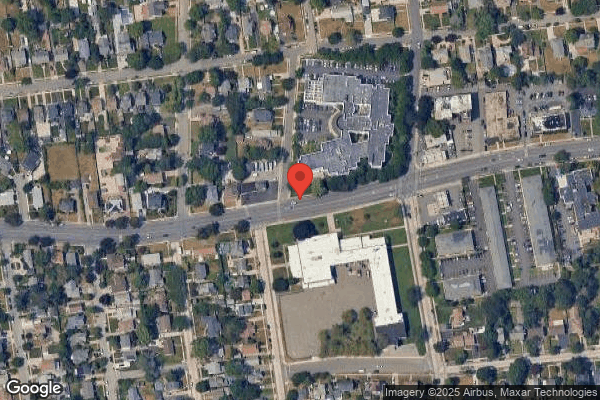

320 WEST MERRICK ROAD, FREEPORT, NY 11520 (516) 377-8200
For profit - Individual 280 Beds Independent Data: November 2025
Trust Grade
90/100
#68 of 594 in NY
Last Inspection: July 2024

Within standard 12-15 month inspection cycle. Federal law requires annual inspections.

Overview

Meadowbrook Care Center has received an excellent Trust Grade of A, indicating it is highly recommended and performing well in overall care. It ranks #68 out of 594 nursing homes in New York, placing it in the top half of facilities statewide, and #5 out of 36 in Nassau County, meaning only a few local homes are better. The facility's trend is stable, with four issues identified in both 2022 and 2024, and it has not incurred any fines, which is a positive sign. Staffing is average with a 3/5 rating and a turnover rate of 24%, which is lower than the state average, suggesting staff are relatively stable. However, there are some concerns: a resident with a catheter did not receive required care to prevent infections, and there were discrepancies in the records of controlled medications, highlighting areas for improvement in their operational procedures.

Trust Score
A
90/100
In New York
#68/594
Top 11%
Safety Record
Low Risk
No red flags
Inspections
Holding Steady
4 → 4 violations
Staff Stability
✓ Good
24% annual turnover. Excellent stability, 24 points below New York's 48% average. Staff who stay learn residents' needs.
Penalties
✓ Good
No fines on record. Clean compliance history, better than most New York facilities.
Skilled Nurses
○ Average
Each resident gets 41 minutes of Registered Nurse (RN) attention daily — about average for New York. RNs are the most trained staff who monitor for health changes.
Violations
⚠ Watch
13 deficiencies on record. Higher than average. Multiple issues found across inspections.
★★★★★
5.0
Overall Rating
★★★☆☆
3.0
Staff Levels
★★★★★
5.0
Care Quality
★★★★☆
4.0
Inspection Score
Stable
2022: 4 issues
2024: 4 issues

The Good

  • 5-Star Quality Measures · Strong clinical quality outcomes
  • Low Staff Turnover (24%) · Staff stability means consistent care
  • Full Sprinkler Coverage · Fire safety systems throughout facility
  • No fines on record
  • Staff turnover is low (24%)

    24 points below New York average of 48%

Facility shows strength in quality measures, staff retention, fire safety.

The Bad

No Significant Concerns Identified

This facility shows no red flags. Among New York's 100 nursing homes, only 1% achieve this.

The Ugly 13 deficiencies on record

Jul 2024 4 deficiencies
CONCERN (D)

Potential for Harm - no one hurt, but risky conditions existed

Pharmacy Services (Tag F0755)

Could have caused harm · This affected 1 resident

Based on observation, record review, and interviews during the Recertification Survey initiated on 7/23/2024 and completed on 7/29/2024, the facility did not ensure that an account of all controlled d...

Read full inspector narrative →
Based on observation, record review, and interviews during the Recertification Survey initiated on 7/23/2024 and completed on 7/29/2024, the facility did not ensure that an account of all controlled drugs was accurately maintained. This was identified on one (Unit 1B) of eight units. Specifically, during the medication storage task observation on Unit 1B, the Oxycodone (a narcotic pain medication) count documented in the controlled substance record did not match the amount of Oxycodone tablets present in the blister pack for Resident #407. The finding is: The facility's policy titled Management of Controlled Medications, revised 5/24/2024, documented all controlled drugs will be subject to special receipt, handling, storage, disposal, and record keeping. Controlled drug records will be maintained in such a manner as to ensure accountability, security, and ease of tracking. The medication nurse is responsible for adhering to the procedures for ordering, receiving, storing, administering, and recording the administration of controlled drugs. The medication nurse is responsible for recording any administered medications on the front of the appropriate controlled drug sheet, including the date, time, amount used, signature, and amount remaining. Resident #407 was admitted with diagnoses including Unspecified Fracture of the Left Tibia (leg bone), Hypertension, and Deep Vein Thrombosis. The 5/17/2024 admission Minimum Data Set assessment documented a Brief Interview for Mental Status score of 15, indicating the resident was cognitively intact. A physician's order dated 7/23/2024 documented to administer Oxycodone 5 milligrams tablet, give one tablet by oral route every 6 hours. The diagnosis was an unspecified fracture of the upper end of the left tibia (bone in the lower leg). On 7/25/2024 at 1:12 PM during the medication storage task, on Unit 1B with Licensed Practical Nurse #1, the controlled drug record sheet for Resident #407's Oxycodone, 5 milligrams, indicated 29 tablets were remaining; however, the corresponding Oxycodone blister pack only had 28 tablets. Licensed Practical Nurse #1 was interviewed immediately after the observation on 7/25/2024 and stated they had administered a 5-milligram Oxycodone tablet to Resident #407 at 8:48 AM on 7/25/2024 and did not record the administration of the Oxycodone on the controlled drug record sheet and it was an oversight. The resident's medication administration record was signed indicating the medication (Oxycodone) was administered as ordered by the Physician. Registered Nurse #4, the Nurse Educator, was interviewed on 7/25/2024 at 1:58 PM and stated to ensure that the narcotic count matches, as soon as the medication nurse removes the controlled medication out of the blister pack, the nurse should document in the controlled drug record sheet that the medication was removed. The Director of Nursing Services was interviewed on 7/25/2024 at 2:05 PM and stated the nurses are supposed to sign the controlled drug record sheet immediately when administering a controlled substance. 10 NYCRR 415.18(b)(1)(2)(3)
CONCERN (D)

Potential for Harm - no one hurt, but risky conditions existed

Deficiency F0838 (Tag F0838)

Could have caused harm · This affected 1 resident

**NOTE- TERMS IN BRACKETS HAVE BEEN EDITED TO PROTECT CONFIDENTIALITY** Based on record review and interviews during the Recertification Survey initiated on 7/23/2024 and completed on 7/29/2024, the f...

Read full inspector narrative →
**NOTE- TERMS IN BRACKETS HAVE BEEN EDITED TO PROTECT CONFIDENTIALITY** Based on record review and interviews during the Recertification Survey initiated on 7/23/2024 and completed on 7/29/2024, the facility did not ensure that the facility assessment accurately included what resources were necessary to care for its residents competently during day-to-day operations. Specifically, the Facility Assessment incorrectly assessed the need for an excessive number of Certified Nurse Aides during the day shift (7:00 AM-3:00 PM). The finding is: The Facility assessment dated [DATE] documented the facility was assessed to have 57 Certified Nurse Aides (39 facility staff and 18 agency staff) for the day shift (7:00 AM - 3:00 PM). The Administrator was interviewed on 7/29/2024 at 1:57 PM and stated they reviewed and approved the Facility Assessment on 5/1/2024. The Administrator stated that they did not agree that the facility required 57 Certified Nurse Aides on the day shift and believed that it was a typographical error. The Administrator was re-interviewed on 7/29/2024 at 2:15 PM and stated that the number of Certified Nursing Assistants (57) in the Facility Assessment did not reflect the actual total amount of Certified Nursing Assistants required on each unit for a specific shift based on assessment of resident's need and acuity level. The Administrator stated that they should ensure the information in the Assessment was accurate and up to date when they conducted the review in May 2024. A revised Facility Assessment was provided and reviewed on 7/29/2024. The date of Assessment was unchanged. The revised Assessment documented that 39 Certified Nurse Assistants were required on the day shift (7:00 AM-3:00 PM). 10 NYCRR 415.26
CONCERN (D)

Potential for Harm - no one hurt, but risky conditions existed

Medical Records (Tag F0842)

Could have caused harm · This affected 1 resident

Based on observation, record review, and interviews during the Recertification Survey initiated on 7/23/2024 and completed on 7/29/2024 the facility did not ensure that each resident's medical record ...

Read full inspector narrative →
Based on observation, record review, and interviews during the Recertification Survey initiated on 7/23/2024 and completed on 7/29/2024 the facility did not ensure that each resident's medical record was maintained in accordance with accepted professional standards and practices. The facility did not maintain medical records for each resident that were complete and accurately documented. This was identified for one (Resident #452) of seven residents reviewed for Respiratory Care. Specifically, Resident #452 was observed receiving oxygen on 7/23/2024, 7/24/2024, and 7/25/2024 without a physician's order. The finding is: The facility policy titled, Oxygen Therapy and Monitoring dated 9/17/2019 and revised on 9/11/2023 documented that residents requiring oxygen will have oxygen ordered either as needed or continuously by the physician and/or physician extender. Resident #452 was admitted with diagnoses including Chronic Obstructive Pulmonary Disease, Heart Failure, and Acute Kidney Failure. The admission Minimum Data Set assessment dated , 5/22/2024 documented a Brief Interview for Mental Status score of 13, indicating the resident had an intact cognition. The admission Minimum Data Set assessment documented Resident #452 was receiving continuous oxygen therapy upon admission. Resident #542's Comprehensive Care Plan for Respiratory Disorders/Chronic Obstructive Pulmonary Disease/Asthma, effective 5/16/2024 documented interventions to administer oxygen as ordered by the medical doctor. During an observation on 7/23/2024 at 10:30 AM Resident #452 was observed in their bed and was receiving 2 liters of oxygen per minute via a nasal cannula (a device that delivers oxygen through a tube and into your nose). Resident #452 was interviewed on 7/23/2024 at 10:30 AM and stated they were not sure how long they had been receiving oxygen. During a second observation on 7/24/2024 at 11:50 AM Resident #452 was observed in their bed. The resident was receiving 2 liters of oxygen per minute via a nasal cannula. During a subsequent observation on 7/25/2024 at 9:49 AM Resident #452 was observed in their bed. The resident was receiving 2 liters of oxygen per minute via a nasal cannula. There was no documented evidence of a current physician's order for supplemental oxygen. Licensed Practical Nurse #2, the medication nurse, was interviewed on 7/25/2024 at 11:38 AM and stated they provided Resident #452 with their morning medications and observed Resident #452 receiving supplemental oxygen. Licensed Practical Nurse #2 stated they did not check Resident #452's physician's orders for supplemental oxygen and did not realize there was no order in place. Licensed Practical Nurse #2 stated they would not provide medications or treatments that did not have a physician's order and they should have checked for an order. Registered Nurse #1, the Unit Manager was interviewed on 7/25/2024 at 11:50 AM and stated if supplemental oxygen was in use there should have been a current physician's order in place. The Director of Nursing Services was interviewed on 7/25/2024 at 4:44 PM and stated a physician's order should be in place if the resident was receiving oxygen therapy. 10 NYCRR 415.22(a)(1-4)
MINOR (B)

Minor Issue - procedural, no safety impact

MDS Data Transmission (Tag F0640)

Minor procedural issue · This affected multiple residents

Based on record review and interviews during the Recertification survey initiated on 7/23/2024 and completed on 7/29/2024, the facility did not ensure that all completed Minimum Data Set (MDS) assessm...

Read full inspector narrative →
Based on record review and interviews during the Recertification survey initiated on 7/23/2024 and completed on 7/29/2024, the facility did not ensure that all completed Minimum Data Set (MDS) assessments were electronically transmitted to the Center for Medicare and Medicaid Services (CMS) within 14 days of the resident assessment completion. This was identified for three (Residents #201, #205, and #63) of three residents reviewed for the Resident Assessment Facility Task. Specifically, Resident #201's Discharge Minimum Data Set (MDS) assessment was not electronically submitted to the Centers for Medicare and Medicaid Services (CMS) until 132 days after completion of the assessment; Resident #205's Quarterly Minimum Data Set (MDS) assessment was not electronically submitted to the Centers for Medicare and Medicaid Services (CMS) until 16 days after completion of the assessment; Resident #63's Discharge Minimum Data Set (MDS) assessment was not electronically submitted to the Centers for Medicare and Medicaid Services (CMS) until 90 days after completion of the assessment. The findings are: The facility policy titled Minimum Data Set Assessment, last revised on 10/1/2019, documented that the facility will conduct and submit a Minimum Data Set (MDS) required assessments in accordance with the Federal and State guidelines. The policy did not document the timeframe of when the assessments should be transmitted. A review of the Minimum Data Set (MDS) 3.0 Nursing Home Validation Report provided by the facility revealed the following: -Resident #201's Discharge Minimum Data Set assessment with the reference date of 3/19/2024 was submitted to the Centers for Medicare and Medicaid Services on 7/29/2024. Resident #201's Discharge Minimum Data Set transmittal was 132 days late. -Resident #205's Quarterly Minimum Data Set assessment with the reference date of 6/22/2024 was submitted to the Centers for Medicare and Medicaid Services on 7/6/2024 and was rejected. Resident #205's Quarterly Minimum Data Set was re-submitted to the Center for Medicare and Medicaid Services on 7/22/2024, Resident #205's Quarterly Minimum Data Set transmittal was 16 days late. -Resident #63's Discharge Minimum Data Set assessment with the reference date of 4/30/2024 was submitted to the Centers for Medicare and Medicaid Services on 7/29/2024. Resident #63's Discharge Minimum Data Set transmittal was 90 days late. The Director of Nursing Services was interviewed on 7/29/2024 at 1:00 PM and stated they were not aware of how the Minimum Data Set (MDS) assessments were completed and transmitted to the Center for Medicare and Medicaid Services. The Minimum Data Set Coordinators are responsible for tracking and transmitting the Minimum Data Set assessments to the Centers for Medicare and Medicaid Services. The Minimum Data Set Coordinator #1 was interviewed on 7/29/2024 at 2:00 PM and stated that Resident #201 and Resident #63's Discharge Minimum Data Set assessments were never submitted. The Minimum Data Set Coordinator #1 stated they should have checked to ensure that the Discharge and Quarterly Assessments were transmitted to the Centers for Medicare and Medicaid Services promptly. 10 NYCRR 415.11
Nov 2022 4 deficiencies
CONCERN (D)

Potential for Harm - no one hurt, but risky conditions existed

Report Alleged Abuse (Tag F0609)

Could have caused harm · This affected 1 resident

Based on record review and staff interviews during the Recertification Survey initiated on 11/7/2022 and completed on 11/14/2022, the facility did not ensure that all alleged violations involving abus...

Read full inspector narrative →
Based on record review and staff interviews during the Recertification Survey initiated on 11/7/2022 and completed on 11/14/2022, the facility did not ensure that all alleged violations involving abuse, neglect, exploitation, or mistreatment, including injuries of unknown source and misappropriation of resident property, were reported immediately, but not later than 2 hours after the allegation is made, if the events that cause the allegation involve abuse or result in serious bodily injury. This was identified for one (Resident #61) of three residents reviewed for Accidents. Specifically, Resident #61 had an unwitnessed fall on 9/5/2022 and was found sitting on the floor at 4 AM in their (Resident #61) room near the bathroom. The resident sustained a fractured left hip as a result of the fall. The facility did not report the Accident, which resulted in serious injury, to the New York State Department of Health (NYSDOH) within the required timeframe. The finding is: Resident #61 was admitted with diagnoses including Diabetes Mellitus, Alzheimer's Disease, and Psychotic Disorder. The 9/1/2022 Quarterly Minimum Data Set (MDS) assessment documented a Brief Interview for Mental Status (BIMS) score of 4, indicating the resident had severe cognitive impairment. The MDS documented that the resident required extensive assistance of one staff member for toilet use and personal hygiene and needed staff assistance for moving on and off the toilet; the resident was occasionally incontinent of urine and frequently incontinent of bowel; and the resident had one none-injury fall and one minor-injury fall prior to this MDS assessment. A Comprehensive Care Plan (CCP) titled Self Care Deficit - Requires Assistance with Activities of Daily Living (ADLs), effective 6/25/2022, included an intervention to provide extensive assistance of two staff members with toileting and transfers. A CCP titled Falls, effective 6/25/2022, documented an intervention to provide incontinence care every 2-4 hours. The CCP documented the resident had falls on 6/29/2022, 7/5/2022, 8/27/2022, and 8/30/2022 prior to the 9/5/2022 fall. A nursing note written by Registered Nurse (RN) #2 on 9/5/2022 at 7:24 AM documented at 4:00 AM, the unit nurse notified RN #2 that the resident (Resident #61) was observed on the floor in their room. Upon arrival to the resident's room, the resident was observed on the floor in their bedroom, seated on their buttocks, in front of their bathroom door. Body assessment was done, and the resident was noted to have pain to left femur and pelvis. RN #2 contacted the Primary Care Physician and orders were obtained for STAT (immediate) x-ray of the left femur and pelvis. A medical progress note dated 9/5/2022 at 2:49 PM documented the resident was seen for left hip pain and poor range of motion. The physical examination revealed Exam with left leg shorter than right, externally rotated, associated with pain, cannot bear weight, likely fracture. Transfer [the resident] to the emergency department for further evaluation. A nursing progress note dated 9/5/2022 at 5:35 PM documented the resident was admitted to the hospital with diagnosis of hip fracture. Review of the Accident and Incident (A/I) report dated 9/5/2022 documented that the resident was found at 4 AM sitting on their buttocks in their (Resident #61) room in front of the bathroom. The floor was wet with urine, the resident did not use the call bell, and the resident was unable to provide details of the incident. Review of the assigned Certified Nursing Assistant (CNA) statement (CNA #1) revealed that the fall was unwitnessed, and the CNA last saw the resident at 3:30 AM. The conclusion in the A/I report documented there was no CCP violation observed and criteria was not met for reporting. CNA #1 was interviewed on 11/10/2022 at 11:15 AM and stated they (CNA #1) worked on 9/4/2022-9/5/2022 on the 11 PM - 7 AM shift. CNA #1 stated that Resident #61 used the bathroom by themselves. CNA #1 stated the resident gets up and goes to the bathroom by themselves and does not need help. CNA #1 stated sometimes Resident #61 urinates on the floor. CNA #1 further stated they (CNA #1) did not know when the resident had last used the bathroom prior to the fall on 9/5/2022. RN #2, who was the night supervisor on 9/5/2022, was interviewed on 11/10/2022 at 1:55 PM and stated Resident #61 needed assistance for toileting on 9/5/2022 as per the CNA accountability (Resident Nursing Instructions). RN #2 stated the CNAs are supposed to review the Resident Nursing Instructions at the beginning of the shift. RN #2 stated the medication nurse on the unit knows the floor and the residents and will ensure that the CNAs are following the care instructions. RN #6, the Risk Manager who wrote the conclusion on the 9/5/2022 A/I report, was interviewed on 11/14/2022 at 10:24 AM. RN #6 stated being that the CNA did not document anything about toileting, that would indicate that the CNA did not provide toileting assistance. RN #6 stated they (RN #6) did not recall speaking to the CNA who worked that night. RN #6 stated the resident is very impulsive and required assistance but will not wait and therefore it was not necessary to determine when the resident was last toileted. RN #6 stated there was no care plan violation and we did everything for the resident to make sure the resident was safe. RN #6 stated the Director of Nursing Services (DNS) is responsible for reporting incidents to the NYSDOH. The DNS was interviewed on 11/14/2022 at 10:44 AM. The DNS stated it was the responsibility of the Risk Manager (RN #6) to follow up if there is something in the A/I report that is left unanswered. The DNS stated if the CCP documents to toilet the resident every 2-4 hours on the elimination care plan, that intervention should have been transposed to the CNA nursing instructions or else there is no way for the CNA to know. The DNS stated they (DNS) are responsible for reporting incidents to the NYSDOH, and they did not deem this reportable because there was no care plan violation and there was no abuse or neglect. 415.4(b)(2)
CONCERN (D)

Potential for Harm - no one hurt, but risky conditions existed

Investigate Abuse (Tag F0610)

Could have caused harm · This affected 1 resident

Based on record review and staff interviews during the Recertification Survey initiated on 11/7/2022 and completed on 11/14/2022 the facility did not ensure that accident were thoroughly investigated ...

Read full inspector narrative →
Based on record review and staff interviews during the Recertification Survey initiated on 11/7/2022 and completed on 11/14/2022 the facility did not ensure that accident were thoroughly investigated for one (Resident #61) of three residents reviewed for Accidents. Specifically, Resident #61 who required assistance with toileting, had an unwitnessed fall on 9/5/2022 and was found sitting on the floor at 4 AM in their (Resident #61) room near the bathroom. The Accident and Incident (A/I) report did not identify that the assigned Certified Nursing Assistant (CNA) #1 did not provide toileting assistance to Resident #61 as indicated in the resident's plan of care. Additionally, the A/I report sections were left blank regarding when the resident was last toileted; if the resident was wearing appropriate footwear; and the report did not identify the resident's ambulation and transfer status. The finding is: The facility's policy titled Risk Management: Resident/Patient Incidents and Accidents, effective 3/2022, documented to assess all residents on admission, readmission, and whenever a change of condition occurs; in order to identify risk factors, and implement appropriate interventions to decrease or to prevent incidents/accidents. An individualized plan of care will be formulated quarterly in conjunction with the care planning team that identifies risk factors and interventions for the prevention of incidents/accidents. Quality improvement processes will continually identify factors to decrease the risk of falls and injuries, and implement them via plan of care, accountability records, and specific fall prevention endeavors. Resident #61 was admitted with diagnoses including Diabetes Mellitus, Alzheimer's Disease, and Psychotic Disorder. The 9/1/2022 Quarterly Minimum Data Set (MDS) assessment documented a Brief Interview for Mental Status (BIMS) score of 4, indicating the resident had severe cognitive impairment. The MDS documented that the resident required extensive assistance of one staff member for toilet use and personal hygiene and required staff assistance for moving on and off the toilet; the resident required limited assistance for transfers and walking in their room; the resident was occasionally incontinent of urine and frequently incontinent of bowel; and the resident had one none-injury fall and one minor-injury fall prior to this MDS assessment. A nursing note written by Registered Nurse (RN #2) on 9/5/2022 at 7:24 AM documented at 4:00 AM, the unit nurse notified RN #2 that the resident (Resident #61) was observed on the floor in their room. Upon arrival to resident's room, observed resident on the floor in their bedroom, seated on their buttocks, in front of their bathroom door. Body assessment was done, and the resident noted to have pain to the left femur and pelvis. Writer contacted physician with orders for STAT (immediate) x-ray of the left femur and pelvis. A medical progress note dated 9/5/2022 at 2:49 PM documented the resident was seen for left hip pain and poor range of motion. The physical examination revealed Exam with left leg shorter than right, externally rotated, associated with pain, cannot bear weight, likely fracture. Transfer [the resident] to the emergency department for further evaluation. A nursing progress note dated 9/5/2022 at 5:35 PM documented the resident was admitted to the hospital with diagnosis of hip fracture. Review of the A/I report dated 9/5/2022 revealed that that the resident was found at 4 AM sitting on their buttocks in their (Resident #61) room in front of the bathroom. The floor was wet with urine, the resident did not use the call bell, and the resident was unable to provide details of the incident. Review of the assigned CNA statement (CNA #1) revealed that the fall was unwitnessed, and the CNA last saw the resident sleeping at 3:30 AM. The Accident and Incident (A/I) report did not identify that the assigned CNA did not provide toileting assistance to Resident #61 as indicated in the resident's plan of care. Additionally, the A/I report sections were left blank regarding when the resident was last toileted; if the resident was wearing appropriate footwear; and the report did not identify the resident's ambulation and transfer status. The conclusion in the A/I documented the resident sustained a fall despite the facility's efforts to prevent it from happening; the incident could be related to the side effects of the medications causing the resident dizziness and weakness when resident attempted to use the bathroom; there was no CCP violation observed; and criteria was not met for reporting. CNA #1 was interviewed on 11/10/2022 at 11:15 AM and stated they (CNA #1) worked on 9/4/2022-9/5/2022 on the 11 PM - 7 AM shift. CNA #1 stated that Resident #61 used the bathroom by themselves. CNA #1 stated the resident gets up and goes to the bathroom by themselves and does not need help. CNA #1 stated sometimes Resident #61 urinates on the floor. CNA #1 stated they (CNA #1) did not know when the resident had last used the bathroom prior to the fall on 9/5/2022. RN #6, the Risk Manager who wrote the conclusion on the 9/5/2022 A/I report, was interviewed on 11/14/2022 at 10:24 AM. RN #6 stated being that the CNA did not document anything about toileting, that would indicate that the CNA did not provide toileting assistance. RN #6 stated they (RN #6) did not recall speaking to the CNA who worked that night. RN #6 stated the resident is very impulsive and required assistance but will not wait and therefore it was not necessary to determine when the resident was toileted. The Director of Nursing Services (DNS) was interviewed on 11/14/2022 at 10:44 AM. The DNS stated it was the responsibility of the risk manager (RN #6) to follow up if there is something in the A/I report that is left unanswered. The DNS stated and they did not deem this incident to be reportable because there was no care plan violation and there was no abuse or neglect. 415.4(b)(3)
CONCERN (D)

Potential for Harm - no one hurt, but risky conditions existed

Comprehensive Care Plan (Tag F0656)

Could have caused harm · This affected 1 resident

**NOTE- TERMS IN BRACKETS HAVE BEEN EDITED TO PROTECT CONFIDENTIALITY** Based on record review and staff interviews during the Recertification Survey initiated on 11/7/2022 and completed on 11/14/2022...

Read full inspector narrative →
**NOTE- TERMS IN BRACKETS HAVE BEEN EDITED TO PROTECT CONFIDENTIALITY** Based on record review and staff interviews during the Recertification Survey initiated on 11/7/2022 and completed on 11/14/2022, the facility did not implement a comprehensive person-centered care plan for each resident that includes measurable objectives and timeframes to meet a resident's medical and nursing needs that are identified in the comprehensive assessment. This was identified for one (Resident #61) of three residents reviewed for Accidents. Specifically, Resident #61, was occasionally incontinent of bladder and required assistance with toileting every 2-4 hours as indicated on the Comprehensive Care Plans (CCP). There was no documented evidence that the resident was toileted every 2-4 hours as indicated on the CCP. Resident #61 had an unwitnessed fall on 9/5/2022 and was found sitting on the floor in their (Resident #61) room near the bathroom and sustained a Left Hip fracture. The finding is: The facility's policy titled Comprehensive Assessment and Baseline Care Plan Development, revised 11/2021, documented the Comprehensive Care Plan (CCP) must be person-centered, updated and revised by all members of the interdisciplinary team as needed (to reflect the resident's current condition), and in accordance with the MDS schedule. The CCP must include measurable objectives, desirable outcomes, and outline services provided in order to attain or maintain the resident's highest practicable physical, mental, and psychosocial well-being. Resident #61 was admitted with diagnoses including Diabetes Mellitus, Alzheimer's Disease, and Psychotic Disorder. The 9/1/2022 Quarterly Minimum Data Set (MDS) assessment documented a Brief Interview for Mental Status (BIMS) score of 4, indicating the resident had severe cognitive impairment. The MDS documented that the resident required extensive assistance of one staff member for toilet use and personal hygiene and required staff assistance for moving on and off the toilet. The resident required limited assistance for transfers and walking in their room; the resident was occasionally incontinent of urine and frequently incontinent of bowel; and the resident had one none-injury fall and one minor-injury fall prior to this MDS assessment. A CCP titled Self Care Deficit documented the resident requires Assistance with Activities of Daily Living (ADLs), effective 6/25/2022 included an intervention to provide extensive assistance of two staff members with toileting. The CCP documented that the resident transfers with extensive assistance of two staff members. A CCP titled Falls, effective 6/25/2022, documented the resident at risk for falls related to unsteady gait, and inability to recognize unsafe actions related to Dementia. Interventions included but were not limited to providing incontinence care every 2-4 hours. The CCP titled Elimination: Bowel and Bladder incontinence, effective 6/27/2022, documented the resident has alteration in elimination due to bowel and bladder incontinence and needs assistance with toileting. Interventions dated 7/19/2022 included but were not limited to: toilet every 2-4 hours and on request, and provide assistance with toileting. The Resident Nursing Instructions (care instructions provided to the Certified Nursing Assistants [CNA]) as of 9/1/2022 documented the resident was continent of bladder and incontinent of bowel. The resident required limited assistance of one person for toileting. The schedule section documented to toilet the resident every day at 7 AM-3 PM, 3 PM-11 PM and 11 PM-7 AM. There was no direction to toilet the resident every 2-4 hours as indicated on the falls and elimination CCPs. The Resident CNA Documentation History Detail Report documented the following on 9/4/2022: -7 AM - 3PM nursing shift the resident was provided extensive assistance of one person for toileting. - 3 PM-11 PM nursing shift the resident required limited assistance of one person and was incontinent of both bowel and bladder. - 11 PM- 7 AM nursing shift there was no documented evidence that the resident was provided toileting care. The fall risk assessments dated 8/27/2022 documented the resident had a fall risk score of 8; however, the assessment does not indicate if a score of 8 identified the resident at low, moderate, or high risk for falls. Additionally, the fall risk assessment dated [DATE] only assessed 6 of the 8 categories included on the form to determine falls risk. Both the level of consciousness/mental status and the Ambulation/Elimination status were left blank. A nursing note written by Registered Nurse (RN #2) on 9/5/2022 at 7:24 AM documented at 4:00 AM, the unit nurse notified RN #2 that the resident (Resident #61) was observed on the floor in their room. Upon arrival to the resident's room, the resident was observed on the floor in their bedroom, seated on their buttocks, in front of their bathroom door. Body assessment was done, and the resident was noted to have pain to left femur and pelvis. RN #2 contacted Resident # 61's Primary Care Physician and orders for STAT (immediate) x-ray of the left femur and pelvis were obtained. A medical progress note dated 9/5/2022 at 2:49 PM documented the resident was seen for left hip pain and poor range of motion. The physical examination revealed Exam with left leg shorter than right, externally rotated, associated with pain, cannot bear weight, likely fracture. Transfer [the resident] to the emergency department for further evaluation. A nursing progress note dated 9/5/2022 at 5:35 PM documented the resident was admitted to the hospital with diagnosis of hip fracture. A CCP titled Non-Compliance dated 9/23/2022, (developed after the resident sustained the hip fracture on 9/5/2022), documented the resident is/at risk for non-compliance with care and/or safety issues as evidenced by transfers and attempts to ambulate without assistance. The resident refuses care and can be aggressive during care due to psychosis. CNA #1 was interviewed on 11/10/2022 at 11:15 AM and stated they (CNA #1) worked on 9/4/2022-9/5/2022 on the 11 PM - 7 AM shift. CNA #1 stated that Resident #61 used the bathroom by themselves CNA #1 stated the resident gets up and goes to the bathroom by themselves and does not need help. CNA #1 stated sometimes Resident #61 urinates on the floor. CNA #1 stated they (CNA #1) did not know when the resident had last used the bathroom prior to the fall on 9/5/2022. CNA #2, the regularly scheduled 7 AM-3PM CNA for Resident #61, was interviewed on 11/10/2022 at 1:26 PM. CNA #2 stated Resident #61 cannot go to the bathroom by themselves. CNA #2 stated after the resident fell on 9/5/2022, they (Resident #61) needed much more assistance, but before the fall, the resident also needed help for toileting because of confusion. The CNA stated because of safety reasons we did not want the resident to be alone. RN #2, who was the night supervisor on 9/4/2022-9/5/2022, was interviewed on 11/10/2022 at 1:55 PM and stated Resident #61 needed assistance for toileting on 9/5/2022 as per the Resident Nursing Instructions. RN #2 stated the CNAs are supposed to review the nursing care instructions at the start of their shift. RN #2 stated the medication nurse on the unit knows the floor and the residents and should ensure that the CNAs are following the Resident Nursing Instructions to care for each assigned resident. CNA #3, who was the regularly assigned 3 PM-11 PM CNA, was interviewed on 11/10/2022 at 3:14 PM and stated before the fall on 9/5/2022, the resident needed help with toileting activities because the resident would sometimes wet themselves. CNA #3 stated they (CNA #3) would not let the resident go to the bathroom by themselves, the resident was very impulsive, prone to falls, and was very confused. The Licensed Practical Nurse (LPN) #1, who was the assigned 11 PM-7 PM LPN on 9/4/2022-9/5/2022, was interviewed on 11/14/2022 at 8:22 AM. LPN #1 stated CNA #1 is regularly assigned to the resident and that CNA #1 knows Resident #61. LPN #1 stated they (LPN #1) constantly repeat with the CNAs that no resident is considered independent, and all residents must be helped.LPN #1 stated CNA #1 would be expected to know what assistance the resident needs. RN #3 and RN #4 (MDS coordinators) were interviewed on 11/14/2022 at 8:30 AM concurrently regarding why the 9/1/2022 MDS assessment requiring extensive assist for toileting did not match the nursing care instructions of limited assist that were effective 9/1/2022. RN #3 and RN #4 stated the MDS assessment was based on a 7 day look back period and on 3 occasions the resident required extensive assistance. RN #5, who was the unit manager, was interviewed on 11/14/2022 at 9:24 AM and stated they are responsible to update the care plan and care instructions. RN #5 stated that Resident #61's toileting care instructions should have been documented as extensive assistance prior to the fall. RN #5 stated the Resident Nursing Instructions were not changed to extensive assistance until after the resident came back from the hospital following the fall on 9/5/2022. The Director of Nursing Services (DNS) was interviewed on 11/14/2022 at 10:44 AM The DNS stated if the CCP documents to toilet the resident every 2-4 hours, that intervention should have been transposed to the CNA nursing instructions (Resident Nursing Instructions) or else there is no way for the CNA to know. The DNS stated the MDS assessment of extensive assistance for toileting should have been communicated to the unit supervisor to put on the Resident Nursing Instructions; that is the process. 415.11(c)(1)
CONCERN (E) 📢 Someone Reported This

A family member, employee, or ombudsman was alarmed enough to file a formal complaint

Potential for Harm - no one hurt, but risky conditions existed

Incontinence Care (Tag F0690)

Could have caused harm · This affected multiple residents

**NOTE- TERMS IN BRACKETS HAVE BEEN EDITED TO PROTECT CONFIDENTIALITY** Based on observations, record review, and interviews during the Recertification Survey and Abbreviated survey (Complaint # NY 00...

Read full inspector narrative →
**NOTE- TERMS IN BRACKETS HAVE BEEN EDITED TO PROTECT CONFIDENTIALITY** Based on observations, record review, and interviews during the Recertification Survey and Abbreviated survey (Complaint # NY 00274435 and NY 00283476) initiated on 11/7/22 and completed on 11/14/2022 the facility did not ensure that residents who have an indwelling catheter, receives the appropriate care and services to prevent urinary tract infections to the extent possible. This was identified for one (Resident # 295) of two residents reviewed for Urinary Catheter. Specifically, Resident #295 was admitted to the facility with a chronic long-term use of a Foley catheter and treatments to flush the catheter. The Foley catheter (F/C) care was not documented as completed every shift as ordered by the Physician. The finding is: Resident #295 was admitted to the facility on [DATE] with the diagnosis of Bladder Cancer. The Minimum Data Set (MDS) assessment dated [DATE] documented Resident #295 had a Brief Interview for Mental Status (BIMS) score of 15 which indicated the resident was cognitively intact. The MDS documented the resident required extensive assistance of two persons for transfers and toilet use. The resident was non-ambulatory and had an indwelling catheter. The Urinary Incontinence and Indwelling Catheter Comprehensive Care Plan (CCP) dated 3/12/2021 documented the resident had an Indwelling Catheter in place for Urinary Retention, Neurogenic Bladder, Obstruction and or Stage III /IV Pressure Ulcer of the sacral area. Interventions included to continue infection control teaching for compliance, assess color, amount, odor of urine and report changes to the Physician. Catheter Care as per facility policy. Change drainage bag weekly and as needed (PRN). Change Foley Catheter (F/C) as ordered The Physician's orders from 3/11/2021 and last renewed 12/16/2021 documented: Use of a Foley Catheter #24 French (Fr) with 15 cubic centimeter (cc) balloon to Bed Side Drainage (BSD) for Malignant Neoplasm of bladder. Change Foley Catheter every 4 weeks; Flush Foley catheter every shift with 50 cc Normal Saline 5 times for a total of 250 cc. Flush with 50 cc, pull back the 50 cc and discard. Repeat 5 times. The Physician orders for the Foley catheter and treatments were renewed monthly until resident was discharged from facility January 2022. A review of the Treatment Administration Record (TAR) from March 2021 to January 2022 revealed no documented evidence the Foley Catheter was flushed, or the Foley Catheter care was provided as ordered as listed below: -During the 7 AM-3 PM nursing shift there were 19 occasions where there was no documented evidence that the Foley catheter care was provided to Resident #295. -During the 3 PM-11 PM nursing shift there were 21 occasions where there was no documented evidence that the Foley catheter care was provided to Resident #295. -During the 11 PM-7 AM nursing shift there were 4 occasions where there was no documented evidence that the Foley catheter care was provided to Resident #295. Licensed Practical Nurse (LPN) # 3, who provided care on dates including April 3rd, April 17 and April 22, was interviewed on 11/14/22 at 12:13 PM and stated that they recall providing care to the resident and stated Resident #295 made sure the Foley catheter was flushed. The LPN stated at times when they were the only LPN on the unit, they could not flush the catheter and would notify the Registered Nurse (RN) Manager to flush the catheter. If there were missing initials on the TAR, it meant either they did not flush the catheter with expectations the RN would do it or they forgot to initial the TAR. The Registered Nurse (RN) Manager # 7 was interviewed on 11/14/22 at 11:17 AM and stated that they cared for the resident on their unit. RN #7 stated that sometimes they (RN #7) flushed the catheter. When they (RN #7) provided catheter care or flushed the catheter, they (RN #7) would document this on the TAR. RN #7 could not explain why there were no initials by the nurse on the TARs to show that catheter care was provided. RN #7 stated that the TAR should have been initialed to reflect that care was provided as ordered by the physician. RN # 9 was interviewed on 11/14/22 at 12:17 PM and stated when RN # 7 was not available, they (RN #9) would provide the catheter care to Resident # 295. RN #9 stated the TAR should be initialed to show the Foley catheter care was provided. If the LPN could not flush the catheter, then the RN Manager would be responsible to flush the catheter. LPN # 6, who provided care on April 11, 2021 (when the TAR was not signed), was interviewed on 11/14/22 at 1:55 PM. LPN #6 stated they never irrigated the resident's foley catheter and only cared for the resident three times. The resident wouldn't allow me to irrigate the Foley and I would tell the charge nurse to irrigate the catheter. LPN #6 stated they did not sign the TAR because they did not provide the catheter care. The Director of Nursing Services (DNS) was interviewed on 11/14/22 at 2:10 PM and stated the missing initials on the TAR are not acceptable. It would be difficult to determine whether the treatment or care was provided if the TAR is not signed. The Medical Director was interviewed on 11/14/22 at 3:11 PM and stated they were not aware the TAR was not being signed for Catheter care and that not flushing this resident's catheter can cause complications such as obstruction and other urinary complications. The Medical Director stated that it was important to provide catheter care and flush the catheter as ordered. 415.12(d)(2)
Jan 2020 5 deficiencies
CONCERN (D)

Potential for Harm - no one hurt, but risky conditions existed

Investigate Abuse (Tag F0610)

Could have caused harm · This affected 1 resident

**NOTE- TERMS IN BRACKETS HAVE BEEN EDITED TO PROTECT CONFIDENTIALITY** Based on observation, record review and staff interview during the Recertification Survey the facility did not ensure an Acciden...

Read full inspector narrative →
**NOTE- TERMS IN BRACKETS HAVE BEEN EDITED TO PROTECT CONFIDENTIALITY** Based on observation, record review and staff interview during the Recertification Survey the facility did not ensure an Accident/Incident (A/I) Report was thoroughly investigated. This was identified for one (Resident #81) of two residents reviewed for falls. Specifically, Resident #81 was found with an unwitnessed hematoma to the forehead and a small laceration to the hairline. The A/I report was not thoroughly investigated to determine the root cause of the injury to rule out abuse or mistreatment. The finding is: The facility policy and procedure for Accident/Incident protocol last reviewed 6/14/2019 included, 2) A systematic investigation of the A/I initiated by the Nursing supervisor. This investigation may include but is not limited to: written statements by individuals who observed or were present at the time of the Accident/Incident and written statements from the staff who cared for the resident before the Accident/Incident. Resident #81 was admitted to the facility with diagnoses that include Type II Diabetes Mellitus and Hypertension. The Annual Minimum Data Set (MDS) assessment dated [DATE] documented the resident's Brief Interview for Mental Status (BIMS) Score was 15 which indicated the resident had intact cognition. The resident had no behavior symptoms, required extensive assist of one staff member for transfers and walking in the corridor, and limited assist of one staff member for walking in the room. A Comprehensive Care Plan (CCP) dated 10/7/19 for falls documented the resident was at risk for falls related to history of falls and unsteady gait. The CCP documented on 9/30/19 the resident sustained a Left Displaced Transcervical Femoral Neck Fracture and had a Left Hip Hemiarthroplasty. The CCP was updated on 12/23/19 and documented the Registered Nurse (RN) was called to see the resident lying crossway on the bed with her head dangling off the bed. The resident was observed with a small laceration to the forehead at the hairline and a small grape size hematoma to the forehead. An A/I Report dated 12/23/19 documented at 8:30 AM the resident was observed in her room with a Hematoma and laceration to her head. The resident's statement documented doesn't know. The Nursing Supervisor Investigation statement documented at 8:30 AM that she was called to see the resident. The resident was lying across the bed with her head hanging down next to the side rails with flailing arms and legs. The resident was able to make her needs known, was oriented, ambulated with assistance, and transferred with one person assist. The Employee Statement, completed by a Certified Nursing Assistant (CNA) documented the resident was last seen at 7:50 AM when the resident was toileted/brief changed. The A/I Report did not include the color of the hematoma, the size of the laceration, and there was no documentation of a description of the resident when the resident was last seen at 7:50 AM. A Progress note dated 12/23/19 documented the RN was called to see the resident lying crossway on bed with her head dangling off the bed and with a small grape size hematoma to the forehead. The Physician was called and an order was received to sent the resident to the hospital. The resident was interviewed on 1/2/2020 at 11:25 AM and stated that she had a fall several months ago while talking on the phone with her daughter, however, the resident stated that she did not recall the incident on 12/23/19 and how she had sustained the hematoma to her forehead. The RN Manager was interviewed on 1/3/2020 at 2:30 PM and stated when she entered the resident's room, she observed the resident lying across the bed. The RN stated the O2 tubing was off the resident's face, her head was hanging down off the bed near the bedside table, and her arms/legs were flailing. The RN stated that she could not verify when and what had actually happened to the resident, however, the resident had a history of panic attacks and must have hit her head on the side rails. The RN was not able to say if her assessment concluded the laceration was noted with fresh bleeding of if the hematoma was new. The Director of Nursing Services (DNS) was interviewed on 1/3/2020 at 3:46 PM and stated that the Assistant DNS was responsible for completing the A/I Reports. The DNS stated that there should have been a statement that described the resident's appearance when the staff last saw the resident at 7:50 AM. The DNS further stated that she would have expected the A/I Report to include staff interviews after any injury was identified. 415.4(b)(1)(ii)
CONCERN (D)

Potential for Harm - no one hurt, but risky conditions existed

Comprehensive Care Plan (Tag F0656)

Could have caused harm · This affected 1 resident

**NOTE- TERMS IN BRACKETS HAVE BEEN EDITED TO PROTECT CONFIDENTIALITY** Based on observation, record review and staff interview during the Recertification Survey, the facility did not develop a person...

Read full inspector narrative →
**NOTE- TERMS IN BRACKETS HAVE BEEN EDITED TO PROTECT CONFIDENTIALITY** Based on observation, record review and staff interview during the Recertification Survey, the facility did not develop a person-centered, Comprehensive Care Plan (CCP) for each resident to address the resident's current needs and did not include measurable objectives and timeframe's to meet the residents' medical, mental and psychosocial needs that were identified in the comprehensive assessment. This was identified for one resident (#207) of one resident reviewed for Dementia Care and one (#97) of three residents reviewed for Respiratory care. Specifically, 1) Resident # 207 had a primary Diagnosis of Dementia. There was no documented evidence that the CCP for Dementia Care was developed to include measurable goals or interventions to meet the resident's specific goals. Additionally, goals were not updated to show new and updated interventions when the resident had a Significant Change in condition; and 2) For Resident # 97, the facility did not develop a CCP for the use of Oxygen. The findings are: 1) Resident # 207 was admitted with diagnosis including Alzheimer's Dementia. The admission Minimum Data Set (MDS) assessment dated [DATE] documented the resident had a Brief Interview for Mental Status (BIMS) Score of four, indicating severely impaired cognition and a Mood Score of 10, indicating moderate depression. The MDS also documented that the resident had physical behavior symptoms directed to others and verbal behaviors directed to others for one to three days during the assessment period. A Significant Change MDS assessment dated [DATE] documented the resident had a BIMS score of 4, decline in Mood score to 15, with weight loss and development of a Pressure Ulcer. The MDS documented that the resident continued to have physical and verbal behavior symptoms one to three days during the assessment period. The resident's CCP for Dementia dated 10/8/19 documented that the resident had impaired decision making. The CCP documented the resident will demonstrate ability to make decisions in choice of activities. The interventions included to ask simple questions, evaluate medication regime, offer choices between two items and use simple words. There were no resident specific interventions and no measurable goals documented. An update to the CCP dated 12/3/19, for the Significant Change in condition, did not document a review or any revision of the interventions or establishment of new goals. A CCP titled Adjustment dated 10/8/19, and CCP for Behavior dated 10/9/19 also had interventions that were not resident specific and did not contain measurable goals. The CCPs did not address the resident's Dementia diagnosis and level of comprehension. The CCPs were not revised to include resident specific goals and interventions and were not updated for the Significant Change in condition which included a decline in Mood. The resident was observed on 12/29/19 at 9:30 AM. The resident was in bed and asking to go home. A second observation was made on 12/29/19 at 11:00 AM. The resident was in his room, yelling help repeatedly. Staff entered the room and asked the resident what he needed. The Registered Nurse (RN)/Unit Manager was interviewed 1/02/20 at 12:14 PM. The RN stated that the Dementia and behavior related care plans are done by the unit's Social Worker. The RN stated that Interdisciplinary Team (IDT) meets and reviews the care plan. The RN stated that she does not usually attend the Care Plan Meetings but that the CCP information is reviewed and submitted to the team. The Assistant Activity Director was interviewed on 1/06/20 and 9:43 AM. The Assistant Activity Director stated that the she completes the CCP but does not attend the CCP meeting. The Assistant Activity Director stated that a care plan summary is completed and then it is taken by the department head to the CCP meeting. The Activity Director was interviewed on 1/6/20 at 9:56 AM. The Activity Director stated that she is updated about the resident before she attends the CCP meeting and information is communicated to the staff as Inservice education. Any updated or new information that was determined at the CCP meeting is also brought up at the morning meeting or reported to the unit manager, who updates the unit staff. The resident's Social Worker (SW) was interviewed on 1/06/20 at 10:49 AM. The SW stated that she completed the Dementia and Behavior CCPs for Resident # 207 but does not attend the CCP meetings. The SW Director attends with a summary and any updates are done on return from the meeting. The SW Director was interviewed on 1/6/10 at 11:02 AM. The director stated that the department directors go to the CCP meetings and the plan of care is reviewed. The director stated that usually if any behaviors are brought up at the CCP meetings or morning meetings, the behaviors are reported back to the resident's SW and that SW follows up with staff. 2) Resident #97 has diagnoses including Chronic Respiratory Failure with Hypoxia, Pneumonia and Cerebral Infarct. A Minimum Data Set (MDS) assessment dated [DATE] documented a Brief Interview of Mental status Score of 6 indicating a severely impaired cognition and decision-making skills. The MDS also documented the resident was not receiving Oxygen or Respiratory Therapy. A Physician's order dated 9/27/19, and renewed on 11/14/19 and 12/16/19, documented Oxygen (O2) 2 Liter(L)/continuous via Nasal Canula (NC) for Shortness of Breath. A review of the resident's Comprehensive Care Plan (CCP) from September 2019 to December 2019 revealed that no CCP had been developed for the use of O2. The unit Registered Nurse (RN) charge nurse was interviewed on 1/03/20 at 11:27 AM and stated that he is responsible to develop CCPs and the CCP for the use O2 was missed by him. The RN further stated that the CCP was reviewed during CCP meeting on 10/8/19 but the team did not identify that the CCP for O2 treatment was not developed. 415.11(c)(1)
CONCERN (D)

Potential for Harm - no one hurt, but risky conditions existed

Deficiency F0676 (Tag F0676)

Could have caused harm · This affected 1 resident

**NOTE- TERMS IN BRACKETS HAVE BEEN EDITED TO PROTECT CONFIDENTIALITY** Based on observation, record review, and interviews during the Recertification Survey, the facility did not ensure that resident...

Read full inspector narrative →
**NOTE- TERMS IN BRACKETS HAVE BEEN EDITED TO PROTECT CONFIDENTIALITY** Based on observation, record review, and interviews during the Recertification Survey, the facility did not ensure that residents were given the appropriate treatment and services to maintain or improve the resident's ability to carry out the ADLs, including ambulation. This was identified for one (Resident #81) of two residents reviewed for falls. Specifically, Resident # 81 had a Physician's order for Floor Ambulation Program (FAP), 200 feet and there was no documented evidence that the resident received the prescribed FAP. Additionally, there was no documented evidence that the Comprehensive Care Plan (CCP) was updated to reflect the current FAP. The finding is: Resident #81 was admitted with diagnoses including Fracture of the Left Femur and Muscle Weakness. An Annual Minimum Data Set (MDS) assessment dated [DATE] documented the resident's Brief Interview for Mental Status (BIMS) Score as 15 which indicated the resident had intact cognition. The resident had no behavior symptoms and required extensive assist of one staff member for transfers, walking in the corridor, and limited assist of one staff member for walking in the room. A Physician's order dated 12/10/19 documented FAP: Ambulate 200 feet with close supervision (CS) with rolling walker (RW) with continuous O2. A CCP dated 10/8/19 documented the resident has impaired walking skills. The interventions dated 10/8/19 included the resident was on floor ambulation program and to ambulate up to 50 feet or as tolerated with assistance of one staff using a rolling walker (R/W) for up to eight minutes twice daily (BID). There was no documented evidence of the current FAP of 200 feet reflected in the CCP. A Certified Nursing Assistant Documentation History Detail dated 12/10/19 to 1/3/2020 documented the resident ambulated a distance of 50 feet on the 7:00 AM-3:00 PM and the 3:00 PM - 11:00 PM shift. Resident # 81 was interviewed on 1/2/2020 at 11:25 AM. The resident stated that she did not walk enough. The resident stated that she sits in her wheel chair most of the time and that when the staff walks her it was only for a short distance and then back to her wheel chair. The resident further stated that she needed to walk more. The assigned Certified Nursing Assistant (CNA) was interviewed on 1/2/2020 at 1:11 PM and stated that she has cared for the resident since the resident was transferred to the unit. The CNA stated she walks the resident daily after lunch about 50 feet. The CNA further stated if the resident was unable to walk 50 feet she would report the decline to the supervisor. The resident was observed on 1/2/2020 at 1:30 PM during floor ambulation. The resident ambulated with a rolling walker and the CNA following with the resident's wheel chair with an oxygen tank in holder on the back of the wheel chair. The resident ambulated from her room to the end of her hallway approximately 100 feet as per the CNA. The CNA then instructed the resident to sit and the resident was wheeled back to her room. The Registered Nurse ( RN) /Nurse Manager was interviewed on 1/3/2020 at 2:24 PM regarding the resident's FAP. The RN Nurse Manager she stated that the Rehabilitation Department was responsible for the FAP orders which is given to the RN Manager. The RN stated after receiving the new recommendations, she then enters the new FAP order in the electronic medical record. The RN stated that the CCP should have been updated, however, it was not revised to reflect the resident's current FAP order. The RN Nurse Manager also stated that the CNA Assignment was also to be updated at that time with the current FAP order. The RN further stated that she was not aware that the resident was ambulating only 50 feet. A subsequent interview was conducted on 1/3/2020 at 2:49 PM with the assigned CNA regarding the resident's current FAP order of 200 feet. The CNA stated she thought the resident was to walk 50 feet and she was not aware the resident was to ambulate 200 feet. She stated that she saw 50 feet documented in the Electronic CNA Assignment and was ambulating the resident 50 feet. During the interview the Electronic CNA Assignment was reviewed and revealed the directions on the screen titled Nursing Rehab walking documented FAP 50 feet. A second screen titled walk in corridor documented FAP 200 feet. The CNA stated that for the FAP she always reviews the screen that is titled Nursing Rehab walking. The CNA further stated when there is a change in an order for FAP and there is an increase in the amount of feet the resident was to ambulate she would be told by the Nurse Manager and it would also be updated in the CNA Assignment. The Rehabilitation Registered Nurse (RN) was interviewed on 1/3/2020 at 3:00 PM. The RN stated the Physical Therapist recommends the resident for FAP and how many feet the resident should ambulate. The RN stated she was responsible for all the implementation of FAP recommendations. The RN stated that she initiated the CCP and updated the CNA Assignment when the resident was first recommended for the FAP of 50 feet. The RN stated that she was not aware that there was a new FAP order for 200 feet and that the nurse that received the new recommendation should have communicated the new order to her. The CCP and the CNA Assignment should have been updated by either herself or the Nurse Manager (NM) to reflect the new FAP order. The Director of Rehabilitation was interviewed 1/6/20 at 1:55 PM and stated that the Therapist initiates the orders for the floor ambulation program, which includes the distance and the adaptive devices used. The Director of Rehabilitation stated the first order for floor ambulation was initiated while the resident was still on Physical Therapy (PT) which was 50 feet. He stated after the resident was discharged from PT the distance for floor ambulation increased to 200 feet. 415.12(a)(2)
CONCERN (D)

Potential for Harm - no one hurt, but risky conditions existed

Deficiency F0761 (Tag F0761)

Could have caused harm · This affected 1 resident

Based on observation, and staff interview during the Recertification Survey, the facility did not ensure that all drugs and biologicals were locked in compartments under proper temperature controls. T...

Read full inspector narrative →
Based on observation, and staff interview during the Recertification Survey, the facility did not ensure that all drugs and biologicals were locked in compartments under proper temperature controls. The facility did not ensure that on one (unit 1A) of eight resident care units, medications including Insulin, were stored in the refrigerator at the proper temperature. The finding is: On 1/2/20 at 10:30 AM during the tour of Unit 1A, 1 vial of tuberculin purified protein, 1 vial of Procrit 10,000 units, 1 bottle 2.5 milliliter (ml) Latanoprost, 3 Lantus insulin injection pens, 1 basaglar injection pen were observed stored in the Unit 1A medication refrigerator at a temperature of 30 degrees Fahrenheit (F). The Registered Nurse (RN) on the Unit 1 A was immediately interviewed at the time of the observation. The RN stated that she was not aware that the refrigerator temperature was at 30 degrees. She stated although the refrigerator temperatures was checked earlier that day, the medications should not be stored at this temperature. The manufacturer's package insert for Lantus Insulin recommended to store in the refrigerator with a temperature no less than 36 degrees F and no greater than 46 degrees F. The Pharmacy Consultant was interviewed on 1/2/20 at 1:00 PM and stated medications should be stored at 36- 46 degrees F. The medications can crystallize and the drug manufacturers recommend to store the medications between 36- 46 degrees. The Director of Nursing Services (DNS) was interviewed on 1/6/20 at 12 PM and stated that nursing checks the refrigerator temperature every shift to ensure that medications are stored between 36-46 degrees F. She further stated that medications should not be stored below 36 degrees F. 415.18(e)(1-4)
CONCERN (D)

Potential for Harm - no one hurt, but risky conditions existed

Infection Control (Tag F0880)

Could have caused harm · This affected 1 resident

**NOTE- TERMS IN BRACKETS HAVE BEEN EDITED TO PROTECT CONFIDENTIALITY** Based on observation, record review and staff interview during the Recertification Survey the facility did not ensure that an in...

Read full inspector narrative →
**NOTE- TERMS IN BRACKETS HAVE BEEN EDITED TO PROTECT CONFIDENTIALITY** Based on observation, record review and staff interview during the Recertification Survey the facility did not ensure that an infection prevention and control program (IPCP) designed to help prevent the development and transmission of infection was maintained. This was identified for one (Resident #20) of six residents reviewed for pressure ulcers and one out of sample resident (Resident #92) who was observed in the dining room during a lunch meal observation on 12/30/19. Specifically, 1) during a dressing change observation for Resident #20, the Registered Nurse (RN) was observed to not change gloves and wash her hands after cleansing the resident's right heel pressure ulcer; and 2) during a lunch meal observation, a Certified Nursing Assistant (CNA) was observed retrieving a paper napkin that fell on the floor and placing the napkin on the lunch tray of Resident #92. The findings are: 1) Resident #20 has diagnoses that include Stage IV (4) Right Heel Pressure Ulcer, Venous Insufficiency, and Type II Diabetes Mellitus. A Minimum Data Set (MDS) assessment dated [DATE] documented the resident's Brief Interview for Mental Status (BIMS) Score was 15 which indicated the resident had intact cognition. The MDS documented the resident had one Stage IV pressure ulcer. A Physician's Order dated 1/3/2020 documented to Cleanse the Right Posterior Heel Stage IV Pressure Ulcer (PU) Injury with Normal Saline (NS), apply skin prep to the peri-wound and Hydrogel impregnated gauze to the wound bed, cover with non-bordered foam, secure with gauze wrap daily and as needed (PRN) for the Stage IV PU. A Comprehensive Care Plan (CCP) for Skin Integrity dated 10/8/18 documented on 5/9/19 that the resident had a skin breakdown located on the Posterior Right Heel, Stage IV. Interventions included to apply local treatment as ordered by MD. A Wound care observation was conducted on 1/6/2020 at 8:55 AM with the Registered Nurse (RN) Manager. The resident was lying in bed. The RN was observed to wash her hands, don gloves, cleanse the wound with a saline gauze, then dry the wound with a dry gauze. Without changing gloves and washing her hands, the RN was observed to used the same gloves to apply skin prep to the peri-wound area. Using the same gloves, the RN applied the hydrogel gauze to the wound bed, covered the wound with non border foam, then secured the wound with a gauze wrap. The RN was interviewed immediately after the observation on 1/6/2020 at 9 :20 AM. The RN was asked if she should she have washed her hands after cleansing the resident's wound. The RN stated that she should have removed the gloves and washed her hands after cleansing the wound before proceeding to complete the dressing change. The Director of Staff Development, who was a RN, was interviewed on 1/6/2020 at 2:30 PM and stated that wound care competency is done on orientation with all nurses and that visual wound care competency is done on the unit as needed. The RN stated the nurse should have removed her gloves and washed her hands after cleansing the wound before proceeding to complete the treatment. The Infection Control Nurse was an interviewed on 1/6/2020 at 1:29 PM and stated that the nurse should have removed her gloves, washed her hands and donned clean gloves before proceeding with the dressing. 2) Resident #92 has diagnoses that include Altered Mental Status and Psychotic Disorder. A Minimum Data Set (MDS) assessment dated [DATE] documented the resident's Brief Interview for Mental Status (BIMS) Score was 11 which indicated moderately impaired cognition. The resident required supervision with set up help for eating. During a lunch meal observation conducted on 12/30/19 at 12:25 PM, the Certified Nursing Assistant (CNA) was observed setting up the resident's tray. The napkin from the resident's tray fell to the floor. The CNA was observed to pick up the napkin and place the napkin on the resident's tray. The CNA was immediately interviewed on 12/30/19 at 12:27 PM. The CNA stated that she thought she had discarded the napkin. The CNA was then observed going over to the resident and removed the napkin from the tray. During a subsequent interview conducted on 1/6/12020 at 1:15 PM with the CNA, she stated that she made a mistake, and that she should have discarded the napkin that fell on the floor and should have given the resident a clean napkin. The CNA stated that she was assisting multiple residents at the same time and did not realize she had placed the dirty napkin back on the resident's tray. The Director of Nursing Services (DNS) was interviewed on 1/6/2020 at 1:29 PM and stated that the CNA should have discarded the napkin, washed her hands, and given the resident a clean napkin. 415.19(a)(1-3)
Understanding Severity Codes (click to expand)
Life-Threatening (Immediate Jeopardy)
J - Isolated K - Pattern L - Widespread
Actual Harm
G - Isolated H - Pattern I - Widespread
Potential for Harm
D - Isolated E - Pattern F - Widespread
No Harm (Minor)
A - Isolated B - Pattern C - Widespread

Questions to Ask on Your Visit

  • "Can I speak with families of current residents?"
  • "What's your RN coverage like on weekends and overnight?"

Our Honest Assessment

Strengths
  • • Grade A (90/100). Above average facility, better than most options in New York.
  • • No major safety red flags. No abuse findings, life-threatening violations, or SFF status.
  • • No fines on record. Clean compliance history, better than most New York facilities.
  • • 24% annual turnover. Excellent stability, 24 points below New York's 48% average. Staff who stay learn residents' needs.
Concerns
  • • 13 deficiencies on record. Higher than average. Multiple issues found across inspections.
Bottom line: Generally positive indicators. Standard due diligence and a personal visit recommended.

About This Facility

What is Meadowbrook's CMS Rating?

CMS assigns MEADOWBROOK CARE CENTER an overall rating of 5 out of 5 stars, which is considered much above average nationally. Within New York, this rating places the facility higher than 99% of the state's 100 nursing homes. This rating reflects solid performance across the metrics CMS uses to evaluate nursing home quality.
How is Meadowbrook Staffed?

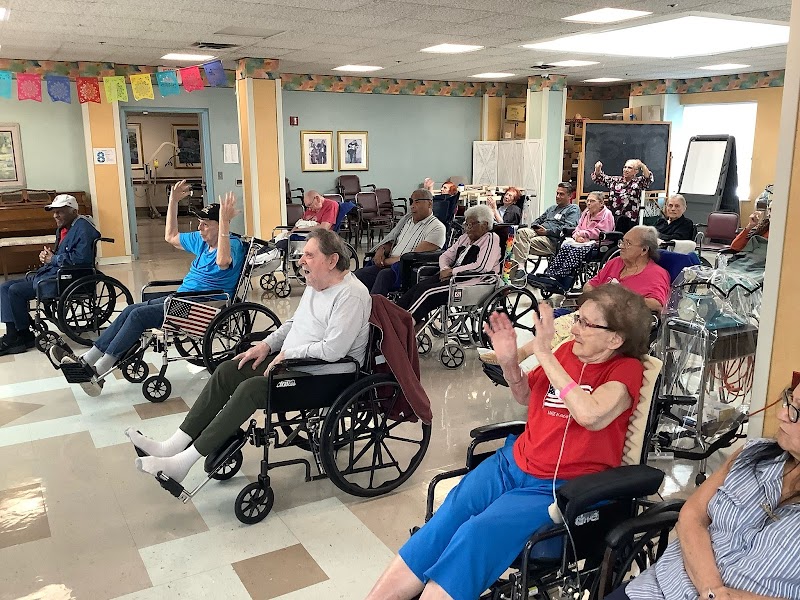
CMS rates MEADOWBROOK CARE CENTER's staffing level at 3 out of 5 stars, which is average compared to other nursing homes. Staff turnover is 24%, compared to the New York average of 46%. This relatively stable workforce can support continuity of care.

What Have Inspectors Found at Meadowbrook?

State health inspectors documented 13 deficiencies at MEADOWBROOK CARE CENTER during 2020 to 2024. These included: 12 with potential for harm and 1 minor or isolated issues.
Who Owns and Operates Meadowbrook?

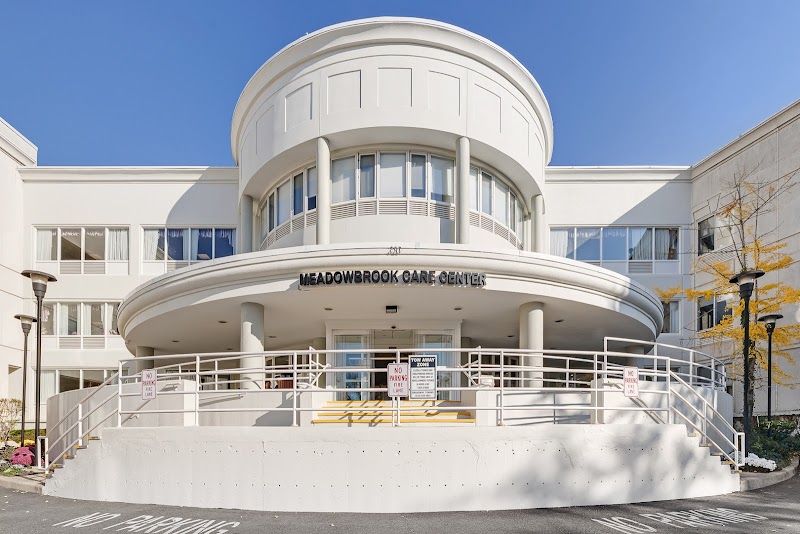
MEADOWBROOK CARE CENTER is owned by a for-profit company. For-profit facilities operate as businesses with obligations to shareholders or private owners. The facility operates independently rather than as part of a larger chain. With 280 certified beds and approximately 260 residents (about 93% occupancy), it is a large facility located in FREEPORT, New York.
How Does Meadowbrook Compare to Other New York Nursing Homes?

Compared to the 100 nursing homes in New York, MEADOWBROOK CARE CENTER's overall rating (5 stars) is above the state average of 3.1, staff turnover (24%) is significantly lower than the state average of 46%, and health inspection rating (4 stars) is above the national benchmark.

What Should Families Ask When Visiting Meadowbrook?

Based on this facility's data, families visiting should ask: "Can I visit during a mealtime to observe dining assistance and food quality?" "How do you handle medical emergencies, and what is your hospital transfer rate?" "Can I speak with family members of current residents about their experience?"

Is Meadowbrook Safe?

Based on CMS inspection data, MEADOWBROOK CARE CENTER has a clean safety record: no substantiated abuse findings (meaning no confirmed cases of resident harm), no Immediate Jeopardy citations (the most serious violation level indicating risk of serious injury or death), and is not on the Special Focus Facility watch list (a federal program monitoring the lowest-performing 1% of nursing homes). The facility has a 5-star overall rating and ranks #1 of 100 nursing homes in New York. While no facility is perfect, families should still ask about staff-to-resident ratios and recent inspection results during their visit.

Do Nurses at Meadowbrook Stick Around?

Staff at MEADOWBROOK CARE CENTER tend to stick around. With a turnover rate of 24%, the facility is 22 percentage points below the New York average of 46%. Low turnover is a positive sign. It means caregivers have time to learn each resident's needs, medications, and personal preferences. Consistent staff also notice subtle changes in a resident's condition more quickly. Registered Nurse turnover is also low at 22%, meaning experienced RNs are available to handle complex medical needs.

Was Meadowbrook Ever Fined?

MEADOWBROOK CARE CENTER has no federal fines on record. CMS issues fines when nursing homes fail to meet care standards or don't correct problems found during inspections. The absence of fines suggests the facility has either maintained compliance or corrected any issues before penalties were assessed. This is a positive indicator, though families should still review recent inspection reports for the full picture.

Is Meadowbrook on Any Federal Watch List?

MEADOWBROOK CARE CENTER is not on any federal watch list. The most significant is the Special Focus Facility (SFF) program, which identifies the bottom 1% of nursing homes nationally based on persistent, serious quality problems. Not being on this list means the facility has avoided the pattern of deficiencies that triggers enhanced federal oversight. This is a positive indicator, though families should still review the facility's inspection history directly.