Finger Lakes Health

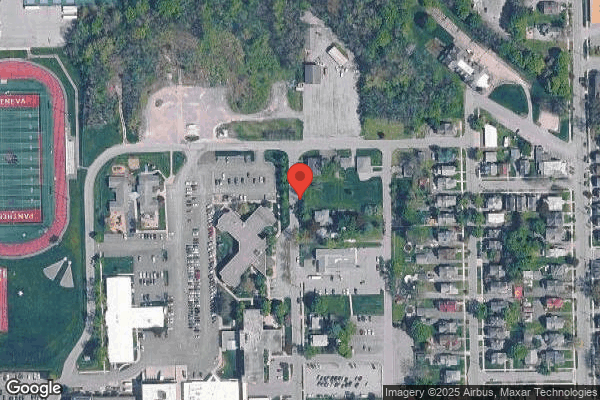
75 Mason Street, Geneva, NY 14456 (315) 787-4730
For profit - Corporation 345 Beds Independent Data: November 2025
Trust Grade
55/100
#281 of 594 in NY
Last Inspection: September 2023

Over 2 years since last inspection. Current conditions may differ from available data.

Overview

Finger Lakes Health in Geneva, New York, has received a Trust Grade of C, which indicates it is average among nursing homes. It ranks #281 out of 594 facilities in New York, placing it in the top half, and #3 out of 5 in Ontario County, meaning there are only two local options rated higher. The facility is showing an improving trend, reducing its issues from 9 in 2022 to 7 in 2023. Staffing is a concern, with a 60% turnover rate, significantly higher than the New York average of 40%, and it has below-average RN coverage, which means residents may not receive as much oversight from registered nurses as they should. Notable incidents include failure to provide residents with copies of their care plans, which can impact their understanding of their treatment, and issues related to food safety standards in the kitchen, such as improperly stored food. On a positive note, the facility has no fines on record, suggesting compliance with regulations in that area.

Trust Score
C
55/100
In New York
#281/594
Top 47%
Safety Record
Low Risk
No red flags
Inspections
Getting Better
9 → 7 violations
Staff Stability
⚠ Watch
60% turnover. Above average. Higher turnover means staff may not know residents' routines.
Penalties
✓ Good
No fines on record. Clean compliance history, better than most New York facilities.
Skilled Nurses
⚠ Watch
Each resident gets only 21 minutes of Registered Nurse (RN) attention daily — below average for New York. Fewer RN minutes means fewer trained eyes watching for problems.
Violations
⚠ Watch
22 deficiencies on record. Higher than average. Multiple issues found across inspections.
★★★☆☆
3.0
Overall Rating
★★★☆☆
3.0
Staff Levels
★★☆☆☆
2.0
Care Quality
★★★☆☆
3.0
Inspection Score
Stable
2022: 9 issues
2023: 7 issues

The Good

  • Full Sprinkler Coverage · Fire safety systems throughout facility
  • No fines on record

Facility shows strength in fire safety.

The Bad

3-Star Overall Rating

Near New York average (3.1)

Meets federal standards, typical of most facilities

Staff Turnover: 60%

14pts above New York avg (46%)

Frequent staff changes - ask about care continuity

Staff turnover is elevated (60%)

12 points above New York average of 48%

The Ugly 22 deficiencies on record

Sept 2023 7 deficiencies
CONCERN (D) 📢 Someone Reported This

A family member, employee, or ombudsman was alarmed enough to file a formal complaint

Potential for Harm - no one hurt, but risky conditions existed

Comprehensive Care Plan (Tag F0656)

Could have caused harm · This affected 1 resident

**NOTE- TERMS IN BRACKETS HAVE BEEN EDITED TO PROTECT CONFIDENTIALITY** Based on observations, interviews, and record reviews conducted during a Recertification Survey at Huntington Living Center 8/28...

Read full inspector narrative →
**NOTE- TERMS IN BRACKETS HAVE BEEN EDITED TO PROTECT CONFIDENTIALITY** Based on observations, interviews, and record reviews conducted during a Recertification Survey at Huntington Living Center 8/28/23 to 9/1/23, it was determined that for one (Resident #12) of 37 resident's reviewed for care planning, the facility did not ensure the residents person-centered Comprehensive Care Plan (CCP) was implemented to meet the resident's medical needs as identified in the CCP and their physician orders. Specifically, Residents #12 did not have a strap securing their indwelling catheter and did not have wound care done according to their physician orders and their CCP. This was evidenced by the following: Resident #12 had diagnoses including neurogenic bladder (lack of bladder control due to a spinal cord injury) requiring a suprapubic (s/p) catheter (a catheter tube inserted directly into the bladder through the abdomen to drain urine into an attached drainage bag), paraplegia and multiple pressure ulcers. The Minimum Data Set assessment dated [DATE] documented that Resident #12 was cognitively intact (scoring 15/15), had an indwelling catheter and multiple pressure ulcers at the time of the assessment. Resident #12's CCP documented that the resident has a history of pressure ulcers to the buttocks with a goal to remain ulcer free and any impaired skin will show signs of healing and remain free of infection. Interventions included but not limited to, for staff to administer treatments as ordered and monitor for effectiveness. The CCP also documented that the resident has a s/p catheter with an intervention to remain free from catheter related trauma and infection. Interventions included but not limited to, catheter care as ordered by the provider. Resident #12's [NAME] (care plan used by the Certified Nursing Assistants (CNAs) to provide daily care) documented that the resident had a catheter and for staff to keep the securing device in place at all times. Current physician orders included: a. Medihoney gel wound/burn dressing external paste, apply to left buttocks/thigh topically every day shift every two days for excoriated open area and cover with a telfa (non-adhering) pad. b. Medihoney to perineum/scrotum area stage two (pressure ulcer) every two days and cover with telfa. c. Change s/p catheter from side to side each day. Use a leg strap to help hold. Document to keep track daily for relieving pressure to the area around the s/p catheter. During an observation and interview on 8/29/23 at 1:31 PM, Resident #12 stated that they had the catheter for several years and that they did not have a strap on their leg to secure the catheter from pulling. The drainage bag was attached to the wheelchair and the green clip (attached to the tubing also used to secure the catheter and prevent pulling) was not attached to anything. Resident #12 stated that they have had urine infections but not recently and that they have had the catheter accidently pulled out in the past. During an observation and interview on 8/31/23 at 10:49 AM the resident's catheter bag was on the floor and the green clip was not attached to anything. CNA #3 and CNA #4 rolled Resident #12 side to side several times to provide incontinence care. The catheter was pulled several times creating tension at the insertion site. There was no leg strap on to prevent tension and the green clip remained unattached to anything. At 11:09 Registered Nurse Manager (RNM) #2 arrived to do the resident's wound care. Both buttocks were excoriated (incontinent of stool) and had two open areas noted, one on the left buttocks (quarter size) and one on the scrotum (nickel size). The areas were cleansed and covered with aloe vesta barrier cream including both open areas (versus Medihoney and a telfa pad). RNM #2 stated at the time that they were putting aloe vesta cream on the open areas that come and go. During an interview on 8/31/23 at 1:32 PM Resident #12 stated that they used to have a strap on their leg to hold the catheter in place but if fell off and it never got replaced. Resident #12 stated that it was probably a good idea to wear one and would try it out. During an interview on 8/31/23 at 1:15 PM CNA #4 stated that they do use the straps to secure the catheters, but that Resident #12 did not like them. CNA#4 stated they had not cared for Resident #12 in past 2 weeks and were unaware if the open areas on the resident's buttocks or scrotum were new. During an interview on 9/1/23 at 10:52 AM RNM#2 stated that the resident should be wearing a leg strap to secure the catheter from pulling and that staff should attempt to put one on and notify the RNM if the resident refused. RNM #2 stated that Resident #12 had been on Medihoney for a long time and that they should notify the medical team if it is not working and get new orders. 10 NYCRR 415.11 (c)(1)
CONCERN (D) 📢 Someone Reported This

A family member, employee, or ombudsman was alarmed enough to file a formal complaint

Potential for Harm - no one hurt, but risky conditions existed

Quality of Care (Tag F0684)

Could have caused harm · This affected 1 resident

**NOTE- TERMS IN BRACKETS HAVE BEEN EDITED TO PROTECT CONFIDENTIALITY** Based on observation, interviews, and record review conducted during an Recertification Survey at Huntington Living Center and G...

Read full inspector narrative →
**NOTE- TERMS IN BRACKETS HAVE BEEN EDITED TO PROTECT CONFIDENTIALITY** Based on observation, interviews, and record review conducted during an Recertification Survey at Huntington Living Center and Geneva Living Center North, from 8/28/23 to 9/1/23, the facility did not ensure that residents received treatment and care in accordance with professional standards of practice and the comprehensive person-centered care plan for one of five residents reviewed for unnecessary medications, and for one of one resident reviewed for edema (swelling of the tissues due to excess fluid). Specifically, the facility did not ensure that the bowel protocol was initiated as ordered by the physician for Resident #158. For Resident #36, the facility did not ensure that the resident's soap was used appropriately per manufacturer's guidelines or as ordered by the physician for a chronic skin condition. This is evidenced by the following: The facility policy Bowel Management Guidelines and Protocol, dated reviewed/revised on 11/22/21, included: Nursing staff will monitor resident's bowel elimination status by reviewing the clinical alerts at the start of the shift and communicate alterations in bowel elimination through shift to shift report. For residents who have not had a bowel movement recorded in two days (six shifts) the appropriate medications/protocol will be administered/implemented. (See Bowel Protocol) If the resident has not had a bowel movement by day three, the nurse manager/Registered Nurse (RN) will assess the resident's bowel status, including to check the resident for signs of possible constipation and/or impaction, assess routine medications for trends or patterns relative to bowel function, and notify the medical provider if the clinical findings warrant further intervention. The following protocol will be followed for all residents unless contraindicated, or otherwise ordered by the medical provider and include but not limited to that if no bowel movement in two days (six shifts) staff to administer milk of magnesium (laxative) and lactulose (laxative). If no bowel movement on day three, administer bisacodyl suppository (laxative) rectally. If no bowel movement, contact medical provider for further recommendations and orders. 1.Resident #158 had diagnoses that included Alzheimer's disease, mood disorder, and constipation. The Minimum Data Set (MDS) assessment dated [DATE], documented that the resident was severely impaired cognitively, required extensive assist for toileting and was occasionally incontinent of bowel. Review of Resident # 158's current Physician orders revealed Miralax (a laxative) daily, senna tablet (stool softener) daily and changed on 8/22/23 to sennosides-docusate (stool softener + laxative) daily and bisacodyl suppository rectally as needed for constipation-bowel protocol-no BM for three days. Additionally, the provider ordered sennosides two times a day for no BM for eight days on 8/23/23 and discontinued on 8/25/23 and an enema due to no BM for eight days (may repeat in one hour if no results)was also ordered on 8/23/23. The August 2023 BM report documented that Resident #158 had no documented bowel movement for six days (8/9/23-8/14/23) and again for seven days (8/24/23- 8/30/23. Review of the Medication Administration Record (MAR) dated 8/1/23 - 8/31/23, and the August 2023 BM report revealed neither the bowel protocol nor the physician orders had been followed promptly for the two periods of no BM for more than three days. Additionally, an enema was required on 8/24/23 (day eight) when no BMs had been recorded after seven days. During an interview on 8/31/23 at 1:21 PM, Licensed Practical Nurse (LPN) #1 stated if a resident had a BM, the Certified Nurse Assistant (CNA) should document in the electronic medical record (EMR) and notify the nurse. If the CNA does not notify the nurse, the nurse should check the EMR. LPN #1 stated that if a resident had not had a BM in two or three days (some residents have orders for two days), the EMR will send an alert to the nurse, which they are supposed to check every shift and depending on the physician order, they should start the bowel protocol and administer a medication. During an interview on 8/31/23 at 3:29 PM, CNA #1 stated that if a resident had a BM, the CNAs document it in the EMR and include the size and consistency. CNA #1 stated that they also document in the EMR if the resident did not have a BM. During an interview on 9/1/23 at 10:11 AM, Registered Nurse Manager (RNM) #1 stated that they check the EMR every morning for resident alerts if no BM in two to three days. RNM #1 stated that their expectation is that the nurses check the EMR BM alerts at the beginning of their shift and if the resident had not had a BM in three days, the nurses should review the resident's orders to see what medications should be administered. RNM #1 stated that almost every resident should have an order for a medication if no BM in three days, but if they did not, they would expect the nurse to notify them and they would contact the Nurse Practitioner. RNM #1 stated that Resident #158 is often on the bowel list (list of residents with no BM in three days). After review of Resident #158's Bowel Record and MAR for August 2023, RNM #1 stated that the nurses had not followed the bowel protocol. 2. Resident #36 had diagnoses including obesity, lymphedema (swollen extremities due to damage to the lymph nodes), skin excoriation disorder (chronic skin-picking), and a stage 2 pressure ulcer (shallow open skin ulcer). The MDS assessment dated [DATE] documented that the resident was cognitively intact, had moisture associated skin damage and a pressure ulcer. Review of the Comprehensive Care Plan dated 10/14/21 documented that Resident #36 would get a weekly bed bath and required extensive assistance with daily bathing. Review of the Physician orders dated 4/22/22 revealed an order for Hibiclens (antiseptic skin cleanser) Liquid 4%, apply to skin topically every morning and at bedtime for skin hygiene to abdominal folds, groin, perirectal, and the front and back of both legs. Review of the August 2023 Medication Administration Record revealed the Hibiclens had been documented by a nurse as being administered as ordered twice daily. In a medical provided note dated 6/13/23 Nurse Practioner (NP) #1 documented that Resident #36 was evaluated for an open area to their left ankle. The physical exam revealed the resident had a small open are to their calf that was reddened and macerated (skin breakdown due to moisture). The cause was most likely due to friction and lack of complete drying after being bathed and the plan for treatment included to dry all skin folds well after bathing. In a nursing progress note dated 6/29/23 the Director of Nursing (DON) documented that Resident #36's posterior left thigh continued to be grossly excoriated and was breaking down due to increased moisture. In a nursing progress note dated 8/7/23 LPN #6 documented that the resident continued with a treatment to the back of their left thigh. During an observation on 8/31/23 at 11:05 AM, CNA #5 and CNA #9 were providing care to Resident #36. The resident had severe lymphedema to both legs and multiple areas of excoriation to the back of both legs, the left hip, and abdominal folds. Using a wet washcloth, CNA #5 squeezed approximately ¼ cup of Aloe Vesta Body Wash and Shampoo (facility stock of liquid bath soap) onto the washcloth without diluting (reducing the concentration of a liquid) the soap. The two CNAs proceeded to wash the resident's entire body, including the front and back of both legs, with the soapy washcloth which produced a white lather on the resident's skin. The CNAs then pat dry the resident's skin without rinsing off the lather. Review of the manufacturer's instructions for use of the Aloe Vesta Body Wash and Shampoo revealed that for 'no rinse' bathing two fluid ounces of the solution should be diluted in one gallon of warm water and then used with a washcloth to gently cleanse the skin and pat dry. During an interview on 8/31/23 at 2:48 PM, CNA #5 and CNA #9 both stated they had used the Aloe Vesta Body Wash and Shampoo and that it was a no-rinse liquid soap. When asked if they aware of the soap requiring dilution both CNAs stated they did not dilute it and that they used as they were instructed to. During an interview on 8/31/23 at 4:12 PM, LPN #4 stated they thought the soap used by the CNAs to wash Resident #36 was the Hibiclens liquid that was prescribed for the resident and that they (LPN #4) signed off for. LPN #4 stated skin breakdown was a big concern for this resident. During an interview on 9/1/23 at 10:05 AM, Registered Nurse Manager (RNM) #4 stated they were unaware that the Aloe Vesta Body Wash and Shampoo needed to be diluted. 10 NYCRR 415.12
CONCERN (D) 📢 Someone Reported This

A family member, employee, or ombudsman was alarmed enough to file a formal complaint

Potential for Harm - no one hurt, but risky conditions existed

Deficiency F0688 (Tag F0688)

Could have caused harm · This affected 1 resident

**NOTE- TERMS IN BRACKETS HAVE BEEN EDITED TO PROTECT CONFIDENTIALITY** Based on observations, interviews, and record reviews conducted during a Recertification Survey 8/28/23 to 9/1/23, it was determ...

Read full inspector narrative →
**NOTE- TERMS IN BRACKETS HAVE BEEN EDITED TO PROTECT CONFIDENTIALITY** Based on observations, interviews, and record reviews conducted during a Recertification Survey 8/28/23 to 9/1/23, it was determined for one (Resident #104) of one resident reviewed for range of motion (ROM) services at Huntington Living Center and for one (Resident #150) three residents reviewed for position and mobility at Geneva Living Center South, the facility did not ensure that a residents with limited ROM received appropriate treatment and equipment to prevent a further decline. Specifically, for Resident #104 the facility did not ensure the resident who had increased edema (swelling) and limited ROM to both hands was evaluated by a therapist per physician orders in a timely manner. For Resident #150, the facility did not ensure the resident had wheelchair safety equipment in place as recommended by Physical Therapy (PT) for proper and safe positioning. This evidenced by the following: 1.Resident #104 had diagnoses including dementia, depression, and unspecified edema. The Minimum Date Set (MDS) assessment dated [DATE] documented that Resident #104 had severely impaired cognition, required extensive assistance with eating, and had no functional impairment of the upper extremities. The facility policy Initiating Rehabilitation Therapy Services, dated 4/20/22 documented rehabilitation therapy services will be initiated with notification to the rehabilitation services department. A notification that a therapy order has been written is sent to the rehabilitation service printer. The notification is placed in the appropriate therapist's mailbox. The therapist adds the patient to his/her schedule and sees the patient. Review of the Comprehensive Care Plan dated 11/15/21 revealed that Resident #104 had an Activities of Daily Living (ADL) self-care performance deficit or limited physical mobility related to dementia with interventions that included PT and Occupational Therapy (OT) evaluation and treatment per physicians' orders. During an observation and interview on 8/30/23 at 1:51 PM, Resident #104 was sitting in a chair and both hands were observed in a fisted position and slightly swollen. The resident was unable to open their fingers on command and stated that they had pain in their hands but could hold a fork. Resident #104 stated they did not wear any splints. Physician orders dated 8/18/23 documented an order to obtain an OT evaluation for contractures (tightening of muscle, tendons, ligaments, or skin that prevents normal movement and can cause pain) of both hands. Review of Resident #104's electronic medical record and the resident's paper chart 8/18/23 through 9/1/23 did not include any documented evidence that an OT evaluation was completed per physician' order. During an interview on 8/31/23 at 10:12 AM, Unit Clerk (UC) #1 stated all therapy notes are on paper and located in the paper chart. If a resident is seen for an evaluation, the therapist will usually bring the paper copy to them the same day. During an interview on 8/31/23 at 12:17 PM, Certified Nursing Assistant (CNA) #2 stated they were familiar with Resident #104 and had noticed in the past couple months that their fingers were more often in a fisted position. CNA #2 stated that the resident could not feed themself or hold a cup and when they try to range the resident's fingers the resident complains of pain. During an interview on 8/31/23 at 12:42 PM, Licensed Practical Nurse (LPN) #2 stated PT/OT referrals are sent verbally and that they call on the phone or let them know if they see them on the unit. There was no written form used. LPN #2 said that Resident #104's hands had been that way for a while and that they did not use a splint or wash cloth rolls in their hands. LPN #2 was unsure if an evaluation had been ordered. During an interview on 8/31/23 at 3:20 PM, the Rehabilitation Manager (RM) stated during morning meeting physician orders are discussed and should be on the 24-hour report. Nursing will stop in or call on phone to communicate to therapists the need for an evaluation. The RM said that there was an OT evaluation ordered on 8/18/23 but the order was not in the PT/OT computer system which is how nursing and therapy communicate together. The RM stated that nursing is responsible for putting the order in the system but that it was not currently in the system and the evaluation which should have been done by now was not completed. Resident #104 was last seen in June 2023 During an interview on 9/01/23 at 8:44 AM, Registered Nurse Unit Manager (RNM) #1 stated they noticed Resident 104's hands were contracted a couple of weeks ago and reported it during morning report. The physician order was obtained and would usually go to the UC who would enter it in the computer system for PT/OT. In this case, the night shift nurse signed off on the order before the UC could see it, so the order never made it to PT/OT. 2. Resident #150 had diagnoses including intellectual disabilities, failure to thrive and dysphagia (difficulty swallowing). The MDS assessment dated [DATE] documented that Resident #150 had severely impaired cognition and required assist ADLs. Resident #150's current CCP, and [NAME] (care plan used by the CNAs for daily care) did not include the use of footrests and/or a calf pad (a pad attached to the wheelchair for safety and positioning). Review of physician orders following a recent readmission from the hospital revealed orders for PT and OT evaluations status post readmission to the facility. Review of PT Discharge summary dated [DATE], revealed for wheelchair mobility on and off the unit, Resident #150 was dependent in a wheelchair with bilateral (both left and right) footrests and a calf pad on the wheelchair. During observations on 8/28/23 at 9:52 AM and again on 8/30/23 at 9:44 AM Resident #150 was in their wheelchair across from the nurse's station with their bare feet on floor. There was no footrest or calf pad on the wheelchair. During an interview on 8/30/23 at 3:18 PM the RM stated that when residents return from hospitalizations a therapy evaluation is ordered and Resident #150 was picked up by PT on 7/3/23. During an interview on 9/1/23 at 9:55 AM RNM #4 stated PT would communicate recommendations and provide the calf pads, but the resident's unit should have the footrests for the wheelchair. During an interview on 9/1/23 at 11:40 AM Physical Therapist #1 stated if therapy had recommendations for a resident, it should be written in a note in the resident's electronic medical record, therapy would then communicate with nursing and therapy would provide the calf pads. 10 NYCRR 415.12 (e)(2)
CONCERN (D) 📢 Someone Reported This

A family member, employee, or ombudsman was alarmed enough to file a formal complaint

Potential for Harm - no one hurt, but risky conditions existed

Accident Prevention (Tag F0689)

Could have caused harm · This affected 1 resident

**NOTE- TERMS IN BRACKETS HAVE BEEN EDITED TO PROTECT CONFIDENTIALITY** Based on observations, interviews and record reviews conducted during the Recertification Survey at Geneva Living Center South 8...

Read full inspector narrative →
**NOTE- TERMS IN BRACKETS HAVE BEEN EDITED TO PROTECT CONFIDENTIALITY** Based on observations, interviews and record reviews conducted during the Recertification Survey at Geneva Living Center South 8/28/23 to 9/1/23, it was determined that for one (Resident #86) of one resident reviewed for smoking, the facility did not ensure that the resident environment remained free of accident hazards as possible. Specifically, Resident #86 was observed smoking in an unsafe area several times and the facility was unable to provide evidence that the resident had been assessed for safe smoking. This is evidenced by the following: The facility policy Smoking Assessment Guidelines, review date of 3/30/23, included that smoking is not allowed on facility property. A resident who is physically and cognitively able to leave the facility property with the intent of using tobacco products will be assessed for their capability to smoke unsupervised and unattended. If a resident chooses to smoke off facility property, a Smoking Safety Screen (an assessment) will be completed by the interdisciplinary team. Review of the list of residents who smoke provided by the facility revealed that the facility had no current residents that smoke. Resident #86 was recently admitted to the facility with diagnoses that included gangrene to bilateral legs (death of body tissue due to lack of blood flow), bipolar (mood swings from depressive lows to manic highs), and pain. The Minimum Data Set assessment dated [DATE], included that Resident #86 was cognitively intact, required assistance to leave the resident's unit and was a current tobacco user. Review of current Physician orders did not include any smoking cessation products. Resident #86's current Comprehensive Care Plan and [NAME] (the care plan used by the Certified Nursing Assistant (CNA) for daily care) did not include any information regarding smoking or a history of smoking. A Physical Therapy Assessment completed 8/1/23 included that Resident #86 had been instructed on wheelchair mobility in their room, on their unit and on the facility's front patio. The Assessment did not include any other areas or offsite of the facility. In an interdisciplinary progress note dated 8/1/23, Social Worker (SW) #1 documented that Resident #86 was found outside in the employee parking lot smoking a cigarette with a CNA. The resident and the CNA were made aware that smoking should take place off the property at all times. In observations on 8/29/23 at 7:58 AM, 9:50 AM, and again at 3:22 PM Resident #86 was seated in a wheelchair located in the street in front of the facility smoking cigarettes. On two of the occasions the resident was in the crosswalk smoking and on the third occasion, the resident wheeled themselves backward up a hill and remained in the street smoking while vehicles drove by, and a staff member walked past the resident without stopping. During an interview on 8/30/23 at 11:50 AM SW#1 stated they were aware that Resident #86 was going further than the patio due to a smoking incident that occurred about a month ago when they saw a CNA and the resident smoking in the parking lot. SW #1 stated they were aware that the resident was outside smoking again today and that the resident told them they received cigarettes from visitors. During an interview on 8/30/23 at 12:01 PM Registered Nurse Manager (RNM) #1 stated there was a smoking episode when Resident #86 was first admitted . When observed smoking on 8/1/23, RN #1 stated that a progress note should have been written and a Smoking Safety Assessment should have been completed. RNM #1 stated the CCP had not been updated, and smoking cessation had not been offered or ordered because Resident #86 had not been mobile at that time and had stated they were not going to smoke. During an interview on 8/31/23 at 2:46 PM the DON stated any Registered Nurse could complete the smoking assessment and one should be completed when there is a history of smoking or in cases where a resident is observed smoking outside. The DON stated they did not know why a smoking assessment had not been completed for this resident but should have been. During an interview on 8/31/23 at 3:46 PM the Administrator stated safe smoking assessments should be completed when the facility has knowledge that a resident has a preference for smoking. The Administrator stated that they were not aware of the smoking incident on 8/1/23 or that Resident #86 kept smoking materials in their room. 10 NYCRR 415.12(h)(1)
CONCERN (D) 📢 Someone Reported This

A family member, employee, or ombudsman was alarmed enough to file a formal complaint

Potential for Harm - no one hurt, but risky conditions existed

Food Safety (Tag F0812)

Could have caused harm · This affected 1 resident

Based on observation, interviews, and record review conducted during the Recertification Survey 8/28/23-9/1/23 the facility did not store, prepare, distribute, and serve food in accordance with profes...

Read full inspector narrative →
Based on observation, interviews, and record review conducted during the Recertification Survey 8/28/23-9/1/23 the facility did not store, prepare, distribute, and serve food in accordance with professional standards for food service safety. Specifically, one (Huntington Living Center) of two main kitchens had issues with the dish machines' wash cycle that did not reach adequate temperatures for sanitizing and was being logged by facility staff as inadequate multiple times for August 2023, with no action taken by the facility. In addition, a dietary employee with not wearing a beard guard/net over their facial hair while serving on the food tray line. The findings are: The facility policy Dishwashing revised 2016 documented the purpose is to prevent the transmission of disease carrying organisms. Dish machine temperatures are taken and recorded after each meal at the beginning of the wash cycle. Temperatures should be monitored throughout the process to ensure they stay at required minimum levels. If the dish machine temperatures do not meet minimum requirements of wash at 160 degrees Fahrenheit (°F) and final rinse 180°F, stop and notify your supervisor. The undated facility policy Professional Dress Standards documented professional dress standards were adopted to facilitate a healing environment and to ensure that all employees maintain personal cleanliness, good grooming, and appropriate dress while at work. New York State Department of Health requires all food service employees to wear a hair net or bonnet which completely contains the hair. Men choosing to have facial hair must wear a beard cover at all times when working around or serving food. 1. During an observation on 8/29/23 at 9:26 AM the breakfast trays were being washed through the high temperature dish machine. While the dish machine went through three cycles of washing, the wash temperature gauge did not move off of the 140°F line for all three cycles. Above the gauges on the machine there was a metal plate by the manufacturer which read Wash 160°F, Rinse 180°F. Review of the Dishwashing/Warewashing Machine Temperature Log dated August 2023 revealed for the high temperature machine: (Refer to machine data plate for temperature requirements) Temperature Requirements: Wash 160+, Final Rinse 180+. Between the dates 8/1/23 to 8/29/23, out of 85 meals recorded, 28 wash temperatures were below 160°F and 16 were blank. Review of the Manufacturer Service Reports for the high temperature dish machine with service appointment dates revealed the following: On 6/9/23 replaced parts listed and tested-ok. Found unit has a faulty wash temperature gauge. Ordered part. On 6/12/23 while replacing water gauge, the adapter broke into pieces. Plugged hole so customer can use and ordered adapter parts. On 6/16/23 the unit was leaking at prewash motor gasket. Ordered parts. Installed adaptor and thermometer. Verified proper temperature. On 6/30/23 wash temperature not maintaining 160°F minimum while in use. Thermostat set to shut off at 164°F. Increased to maintain 160°F. Tested operational. Review of the Manufacturer Service Report for the dish machine dated 8/29/23 (after surveyor interventions) revealed upon arrival customer stated wash tank wasn't getting up to temperature, tested water temperature and found thermometer faulty. Will order part. During interviews on 8/29/23 at 9:43 AM and again at 1:50 PM the Food Service Manager (FSM) stated the dish machine is a high temperature dishwasher and that 140°F is not acceptable for the wash cycle. They stated the wash cycle should be at least 160°F as they go by the tag on the machine which states 160°F. The FSM stated the last time the manufacturer was in to look at the machine they were told the machine was ok and working properly. The FSM stated that the temperatures for the dish machine are recorded by the supervisors at the beginning of each meal wash on the dish machine temperature log. The FSM stated if the temperatures are not adequate, they would expect the supervisors to take corrective action such as calling the manufacturer which they should have done when they first noticed the machine was not getting up to temperature. During an interview on 8/30/23 at 2:49 PM Food Service Supervisor (FSS) #1 stated they take the temperatures for the dish machine prior to washing the meal dishes. They stated they record the temperatures on the temperature log and if there is an issue with the temperatures, they would call the manufacturer to come in to look at the machine and fix it. The FSS #1 stated they have contacted the manufacturer and they were told that the water is up to temperature, and it was just the temperature gauge not working properly. The facility was unable to provide any plans for fixing the temperature gauge. 2. During a lunch tray line observation on 8/30/23 between 11:55 AM to 12:20 PM Dietary Aide (DA) #1 had facial hair approximately ½ of hair growth on the cheeks, chin/under the chin and below the nose with no beard net on the face. DA #1 placed cold beverages and desserts on the resident's trays which had plates of uncovered food. Additionally, they were standing directly across from the hot food station that contained uncovered food. During an interview on 8/30/23 at 1:50 PM the FSM stated DA #1 should have been wearing a beard net. The FSM stated DA #1 had been spoken to about this before regarding wearing them anywhere around food and that there should be beard nets available next to the hairnets in the kitchen. In an observation at this time, there were no beard nets found, and the FSM stated they would get some from their other facility. During an interview on 8/30/23 at 2:28 PM DA#1 stated they were told a while ago that they need to wear a beard net and that there used to be beard nets in a area by the hair nets, but there were none over there. They stated they have asked where they were but was not given an answer. 10NYCRR: 415.14(h) 14-1.72(c), 14-1.113(b)
CONCERN (D) 📢 Someone Reported This

A family member, employee, or ombudsman was alarmed enough to file a formal complaint

Potential for Harm - no one hurt, but risky conditions existed

Deficiency F0948 (Tag F0948)

Could have caused harm · This affected 1 resident

**NOTE- TERMS IN BRACKETS HAVE BEEN EDITED TO PROTECT CONFIDENTIALITY** Based on observation, interviews and record review conducted during the Recertification Survey at Huntington Living Center 8/28/...

Read full inspector narrative →
**NOTE- TERMS IN BRACKETS HAVE BEEN EDITED TO PROTECT CONFIDENTIALITY** Based on observation, interviews and record review conducted during the Recertification Survey at Huntington Living Center 8/28/23-9/1/23 the facility did not ensure for one (Resident #104) of six residents reviewed for Activities of Daily Living (ADL's), that staff members (non-nursing) working in the facility and feeding residents had successfully completed a New York State approved training program. Specifically, the facility did not ensure that a unit clerk (UC) who was observed feeding a resident had been trained through a state approved paid feeding assistant program per the regulations. This is evidenced by the following: Resident #104 had diagnoses including dementia, depression, and unspecified edema (swelling in the extremities). Review of the Minimum Date Set assessment dated [DATE] documented that Resident #104 had severe impairment of cognitive function and required extensive assist with eating. The comprehensive care plan dated 11/15/21 documented Resident #104 had an ADL self-care performance deficit or limited physical mobility related to dementia with interventions that included under Eating that the resident is totally dependent and assistance level may vary depending on the resident's willingness to participate in the task. During an observation and interview on 8/31/23 at 12:44 PM UC #1 brought a lunch tray into Resident #104 room, opened all the items on the tray and sat down and began to feed Resident #104 who was sitting up in a chair. UC #1 stated they were not a Certified Nurse Assistant (CNA) or Paid Feeding Assistant but that they were able to feed Resident #104 and had done so in the past. UC #1 stated that Resident #104 was unable to feed their self for a long time now. UC #1 said they had taken a feeding course when hired but was unsure if the program was state approved. During an interview on 8/31/23 at 1:23 PM the Director of Nursing (DON) stated the three UCs were trained in feeding assistance. The DON was unsure who trained the UCs or if it was a state approved program. The DON also stated they did not have a policy on the training program. During a phone interview on 9/01/23 10:07 AM the CNA Program Coordinator (for long term education) stated that their previous educator put the feeding program together but was not sure if it was state approved. They also believed the feeding program was put together to train staff during the covid waiver. They were unsure if there was a policy available. During a phone interview on 09/01/23 at 1:10 PM the Registered Nurse/CNA Program Coordinator stated they were unable to find the state approval documentation for the facilities Paid Feeding Assistant Program or a policy. During the pre-exit interview on 9/1/23 at 1:50 PM the Administrator for Geneva Living Center North and South stated that staff members were allowed to assist feeding residents during COVID and that they (the facility) never followed up on the issue (regarding appropriate training) after COVID. 415.26 (k) (1)
CONCERN (E) 📢 Someone Reported This

A family member, employee, or ombudsman was alarmed enough to file a formal complaint

Potential for Harm - no one hurt, but risky conditions existed

Deficiency F0836 (Tag F0836)

Could have caused harm · This affected multiple residents

Based on observations, interview, and record review conducted during the Recertification Survey at the Geneva Living Center North, Geneva Living Center South, and Huntington Living Centers 8/28/23 to ...

Read full inspector narrative →
Based on observations, interview, and record review conducted during the Recertification Survey at the Geneva Living Center North, Geneva Living Center South, and Huntington Living Centers 8/28/23 to 9/1/23, it was determined that the facility did not ensure compliance with all applicable State codes. Specifically, the facility was not in compliance with Section 915 of the 2015 Edition of the International Fire Code as adopted by New York State, which requires the use of carbon monoxide detection in a building that has fuel-burning appliances. The findings are: Observations during the initial tour of the Geneva Living Center North on 8/28/23 at 2:45 PM included natural gas-powered hot water heaters in the basement boiler rooms. Additionally, there was a single station carbon monoxide detector located on the wall in the corridor outside the boiler room. Record review on 8/29/23 at 10:10 AM included a spreadsheet of completed work orders related to the maintenance and testing of two carbon monoxide (CO) detectors in the Geneva Living Center North building identified to be located by the women's locker room and outside the boiler room. The completed work order spreadsheet listed testing of the CO detectors on 8/1/23, 5/1/23, 2/1/23, and 5/4/22. No documentation was provided to show that the two carbon monoxide detectors had been tested at least monthly. Observations during the initial tour of the Geneva Living Center South on 8/28/23 from 11:03 AM to 11:30 AM included a natural gas-powered generator and hot water heaters in the basement generator and boiler rooms. Additionally, there were single station carbon monoxide detectors located on the wall in the corridor outside the generator and boiler rooms. Record review on 8/29/23 at 9:03 AM included a spreadsheet of completed work orders related to the maintenance and testing of two carbon monoxide detectors in the Geneva Living Center South building identified as asset #009 and #004. The completed work orders listed testing of asset #009 on 8/24/23, 5/11/23, 2/15/23, 11/22/22, and 8/15/22. The completed work orders listed completed testing of asset #004 on 8/24/23, 5/5/23, 4/7/23, 11/22/22, and 8/15/22. No documentation was provided to show that the two carbon monoxide detectors had been tested at least monthly. Observations during the initial tour of the Huntington Living Center on 8/28/23 from 9:25 AM to 11:42 AM included a natural gas-powered cooking range in the first-floor main kitchen and natural gas-powered dryers in the first-floor laundry room. Record review on 8/28/23 at 2:59 PM included completed work orders related to the maintenance and testing of carbon monoxide detectors. The completed work orders contained a procedure titled 'Carbon Monoxide Alarm Battery Change and Test' which included that the facility would test the alarm per manufacturer's directions. Further review included that the facility completed the carbon monoxide alarm battery change and test on carbon monoxide detectors located throughout the facility on 9/7/23, 9/8/23, 3/24/23 and 3/27/23. No documentation was provided to show that that any carbon monoxide detector in the facility had been tested at least monthly from 7/22/22 (time of last survey exit) through the current date of 8/28/23. During an interview on 8/28/23 at 3:50 PM, the Lead Mechanic stated that it looked like they were testing the carbon monoxide detectors semi-annually. During an observatoin on 8/28/23 at 4:03 PM a single-station, Kidde-brand carbon monoxide detector was located on the wall on the first floor of the facility near the Nurse Practitioners office. Further observation included that the manufacturer had printed instructions on the detector to test weekly. The 2015 Edition of the International Fire Code requires that carbon monoxide alarms shall be maintained in accordance with NFPA 720. The 2012 Edition of NFPA 720, Standard for the Installation of Carbon Monoxide Detection and Warning Equipment, requires that single-station carbon monoxide alarms shall be inspected and tested in accordance with the manufacturer's published instructions at least monthly. 10NYCRR: 415.29(a)(2), 711.2(a)(1), 400.2; 42 CFR: 483.70(b); 2015 IFC: Section 915, 915.6; 2012 NFPA 720: 8.7.1
Jul 2022 9 deficiencies
CONCERN (D)

Potential for Harm - no one hurt, but risky conditions existed

Assessment Accuracy (Tag F0641)

Could have caused harm · This affected 1 resident

**NOTE- TERMS IN BRACKETS HAVE BEEN EDITED TO PROTECT CONFIDENTIALITY** Based on observations, interviews and record review conducted during a Recertification Survey at Geneva Living Center South, com...

Read full inspector narrative →
**NOTE- TERMS IN BRACKETS HAVE BEEN EDITED TO PROTECT CONFIDENTIALITY** Based on observations, interviews and record review conducted during a Recertification Survey at Geneva Living Center South, completed on 7/22/22, it was determined that for one (Resident #163) of one resident reviewed for dental, the facility did not ensure the accuracy of the Minimum Data Set (MDS) Assessment. Specifically, the MDS Assessment did not identify Resident #163's oral status accurately. This was evidenced by the following: The facility policy Dental Services dated December 2017, included an initial screening of each resident's oral health status will be conducted within 24 hours of admission to determine need for emergency dental care. The facility policy MDS Assessments, dated 4/24/18, included that the MDS Assessment should accurately capture the resident's status at the time the MDS Assessment was completed and documentation in the medical record must support the MDS coding. To ensure accurate data exists nursing personnel will be responsible to complete a series of assessments to support MDS coding. Resident #163 was admitted [DATE] with diagnoses that included diabetes, left heel non-pressure ulcer and gangrene. The Nursing admission Assessment, dated 5/17/22 and completed by a Registered Nurse (RN), included that the resident had their own teeth and did not have any broken or carious teeth. Oral Assessments, completed by a RN and dated 5/20/22 and 5/27/22, included that Resident #163 had no obvious or likely cavities or broken natural teeth. The admission MDS Assessment, dated 5/27/22, revealed that Resident #163 was cognitively intact and did not have any obvious or likely cavities or broken natural teeth. The Comprehensive Care Plan, dated 5/17/22 and revised 6/10/22 included that Resident #163 was independent with oral care, was at risk for nutritional issues and had a 9% weight loss since admission. The CCP did not include any indication of dental issues or interventions. During an observation and interview on 7/19/22 at 9:24 a.m., Resident #163 was observed to have some missing and some broken teeth and some likely cavities. The resident stated they had lost their top front teeth in an accident. During an observation and interview on 7/20/22 at 10:09 a.m., the RN Manager (RNM) stated they had completed Resident #163's nursing admission assessment, oral assessments and the MDS section for oral status. When observed at this time the RNM stated that Resident #163 did have some missing teeth, some broken teeth and some carious teeth. The RNM stated the nursing assessments and MDS were not accurate, and that Resident #163 should have been care planned for dental issues. During an interview on 7/20/22 at 11:27 a.m. the Director of Nursing stated a RN conducts the initial assessment which includes an oral exam, and the information should be accurate on the MDS Assessment and care planned for. 10NYCRR 415.11(b)
CONCERN (D)

Potential for Harm - no one hurt, but risky conditions existed

Comprehensive Care Plan (Tag F0656)

Could have caused harm · This affected 1 resident

Based on observations, interviews, and record reviews conducted during a Recertification Survey at Geneva Living Center North, completed on 7/22/22, it was determined that for one (Resident #100) of o...

Read full inspector narrative →
Based on observations, interviews, and record reviews conducted during a Recertification Survey at Geneva Living Center North, completed on 7/22/22, it was determined that for one (Resident #100) of one resident reviewed for dialysis, the facility did not ensure a Comprehensive Care Plan (CCP) was developed and implemented to meet the resident's medical, physical, mental, and psychosocial needs as identified in the comprehensive assessment. Specifically, Residents #100 's CCP did not address the monitoring or care required for their AV fistula (arterial venous surgical site used as an access for dialysis treatments). This was evidenced by the following: Review of the facility policy titled Care of Hemodialysis AV Fistulas, Vein Grafts, Or Catheters, dated September 2014, revealed that the AV fistula should be checked every shift for patency and that findings should be documented on the Medication Administration Record (MAR). Resident #100 was admitted to the facility with diagnoses that included end stage renal disease (ESRD) requiring hemodialysis and morbid obesity. The Minimum Data Set Assessment, dated 5/31/22, revealed that Resident #100 was moderately impaired of cognitive function and received dialysis treatments. Review of the current CCP included that Resident #100 had renal failure due to end stage renal disease (ESRD) and was receiving hemodialysis three time a week. The CCP did not address information related to the resident's AV fistula, goals, monitoring of, or interventions. Review of the current physician orders and Treatment Administration Record (TAR) revealed that Resident #100 was ordered to have their dialysis catheter checked every shift. The TAR was signed off that the resident's dialysis catheter had been checked every shift. There was no mention in the TAR related to the resident's AV fistula. Review of a nursing progress note dated 7/14/22 revealed that the resident had returned from dialysis with complaints of pain at their fistula site. During an interview on 7/20/22 at 11:27 a.m., the Director of Nursing (DON) stated a dialysis fistula should be checked for bruit and thrill (assess the blood flow to ensure patency of the fistula) every shift. The DON stated that following dialysis the pressure dressing over the fistula should remain in place for a period of time. The DON stated the site should be monitored for drainage, redness, and warmth (indications of infection). The DON stated there should be an order and it should be included on the TAR and addressed on the CCP. During an interview on 7/21/22 at 12:23 p.m. the Nurse Practitioner (NP) stated they expected the nurses to check the fistula site for bruit and thrill, monitor the site for bleeding and ensure the pressure dressing was left in place for two hours. The NP stated there should be orders for the care and monitoring of the AV fistula site. In an interview on 7/21/22 at 4:13 p.m., the Licensed Practical Nurse (LPN) stated that they check the bruit and thrill for a fistula as standard practice once a shift, signed off on the TAR and that the pressure dressings should stay on 24 hours after dialysis. The LPN stated that Resident #100's orders to check the dialysis catheter (as opposed to a fistula) were vague. 10NYCRR 415.11(i)
CONCERN (D)

Potential for Harm - no one hurt, but risky conditions existed

ADL Care (Tag F0677)

Could have caused harm · This affected 1 resident

**NOTE- TERMS IN BRACKETS HAVE BEEN EDITED TO PROTECT CONFIDENTIALITY** Based on observations, interviews, and record reviews conducted during a Recertification Survey at Geneva North Living Center an...

Read full inspector narrative →
**NOTE- TERMS IN BRACKETS HAVE BEEN EDITED TO PROTECT CONFIDENTIALITY** Based on observations, interviews, and record reviews conducted during a Recertification Survey at Geneva North Living Center and Huntington Living Center, completed on 7/22/22, it was determined that two of eight residents reviewed did not receive the necessary services to maintain good grooming and personal hygiene. Specifically, Resident #131's was not provided assistance with nail care and Resident #143 did not receive nail care or skin care to the palm of a severely contracted hand. This is evidenced by the following: The facility policy, Nail Care, dated December 2020, included that care givers are responsible for cleaning fingernails and toenails weekly on the resident's scheduled shower day and as needed. Fingernails and toenails will be evaluated by the nurse on a weekly basis to determine if intervention is required. The nurse will either cut the nails, if indicated, or direct the Certified Nursing Assistant (CNA) to cut the nails. Note: CNAs are not to be directed to cut the nails of residents with diabetes, peripheral vascular disease, or on anticoagulant therapy (including aspirin). 1. Resident #131 had diagnoses including gastroesophageal reflux disease (GERD), depression, and difficulty walking. The Minimum Data Set (MDS) Assessment, dated 6/7/22, documented that the resident had severely impaired cognitive function and was totally dependent on staff for personal hygiene. The Comprehensive Care Plan (CCP), dated 11/18/21, included that Resident #131 had a self-care performance deficit related to a stroke, was legally blind, and was scheduled to receive a shower on Wednesdays which required extensive assistance. During an observation on 7/18/22 at 11:43 a.m., Resident #131 fingernails were long with black debris under the nails. In an interview on 7/19/22 at 2:18 p.m., CNA #1 stated that Resident #131 required total dependence with activities of daily living (ADL) and that they had not been directed to check skin or nails during shower days but, that nail care is provided a couple times a week by an unknown staff member. In an interview on 7/20/22 at 9:35 a.m., Registered Nurse Manager (RNM) #1 stated that nail care should be done on a resident's shower day and is done by the CNAs, nurses, and/or activities staff. RNM #1 stated that Resident #131 is dependent on staff for all care. Review of the 'Weekly Skin and Grooming Check' note, dated 7/20/22 at 10:54 a.m. and signed by Licensed Practical Nurse (LPN) #1, revealed that Resident #131's nails had been cleaned and trimmed but when observed at 1:45 p.m., Resident #131's fingernails remained long with black debris under the nails. In an interview on 7/20/22 at 2:48 p.m., CNA #2 stated that they provided care for Resident #131 that day and did not trim or clean their fingernails. CNA#2 stated they knew that they needed to get done and that per facility policy nail care should be done on shower days. CNA #2 stated nail care had not been done due to Resident #131 being sick earlier in the day. CNA #2 stated that if care did not get done, it should be reported to the nurse. In an interview on 7/21/22 at 10:00 a.m., LPN #1 stated that CNAs provide nail care on resident shower days and as needed. LPN #1 stated that they had documented in Resident #131 electronic medical record (EMR) that their nails had been cleaned and trimmed because they were told by the CNA that nail care had been done. 2. Resident #143 had diagnoses including cerebral palsy, diabetes, and severe intellectual disabilities. The MDS assessment dated [DATE], documented that the resident had severely impaired cognition and was totally dependent on staff for all ADL. The CCP for bathing and showering, dated 12/28/17, directed staff to check nail length, trim, and clean on bath day and as necessary, and report any changes to the nurse. The CCP for contractures, dated 12/28/17, documented that Resident #143 had contractures of the right hand and directed staff to provide skin care daily to keep clean and prevent skin breakdown. The current physician's orders documented weekly skin and grooming checks, including nails and facial hair and to document in the progress notes. Review of the resident's interdisciplinary progress notes revealed that the last skin check and fingernails care was documented as completed on 6/28/22. The shower schedule located at the nurses' station listed Resident #143's shower day as Monday during the 3 p.m. to 11 p.m. shift. When observed on 7/18/22 (Monday) at 11:01 a.m., 7/19/22 at 8:37 a.m., 7/20/22 at 8:23 a.m., and 7/21/22 at 9:49 a.m., Resident #143's fingernails on both hands were approximately one-half inch in length. In an interview on 7/21/22 at 10:25 a.m., CNA #3 stated that night staff get Resident #143 up in the morning and provided morning care. CNA #3 stated that if they noticed that a resident needed nail care, they would either cut them or if the resident was diabetic, they would tell the nurse. In an interview on 7/21/22 (Thursday) at 10:13 a.m., RNM #2 stated that either the nurse or the CNA should cut resident's fingernails depending on whether the resident was diabetic or not. RNM #2 stated that Resident #143 is fully dependent on staff for all care. After reviewing Resident #143's EMR, RNM #2 stated that there was no documentation indicating that Resident #143 had a shower or a skin check in July 2022, but it was documented that Resident #143 had been bathed daily. During an observation at this time RNM #2 stated that the Resident #143's fingernails were long and needed to be cut. RNM #2 stated that the resident's nails should have been taken care of on Monday evening. RNM #2 then opened Resident #143's contracted right hand, and the palm was crusty with dried skin. RNM #2 stated that morning and evening care should include washing the resident's hands. [10 NYCRR 415.12 (a)(3)]
CONCERN (D)

Potential for Harm - no one hurt, but risky conditions existed

Deficiency F0679 (Tag F0679)

Could have caused harm · This affected 1 resident

**NOTE- TERMS IN BRACKETS HAVE BEEN EDITED TO PROTECT CONFIDENTIALITY** Based on observations, interviews, and record reviews conducted during a Recertification Survey at Huntington Living Center, com...

Read full inspector narrative →
**NOTE- TERMS IN BRACKETS HAVE BEEN EDITED TO PROTECT CONFIDENTIALITY** Based on observations, interviews, and record reviews conducted during a Recertification Survey at Huntington Living Center, completed on 7/22/22, it was determined that for one (Resident #91) of one resident reviewed for Activities, the facility did not provide a program of activities designed to meet, in accordance with the comprehensive assessment, the interests and the physical, mental, and psychosocial well-being of the resident. Specifically, the resident was care planned for room-to-room cart activities and lounge activities, but there was only one day of documented activities during a two-month period. This was evidenced by the following: Resident #91 had diagnoses including dementia, depression, and a history of repeated falls. The Minimum Data Set Assessment, dated 5/21/22, documented that the resident was severely impaired cognitively and required extensive assistance with activities of daily living. Review of Resident #91's Comprehensive Care Plan dated as revised 5/16/22, revealed approaches for activities that included the following: a. Needs assistance/escort - guidance to and from activity functions. b. Establish and record the level of activity involvement and interests. c. Invite resident to schedule activities and respect wishes of refusal. d. Preferred activities are TV in room, lounge related activity like sorting, games, parties, socials, and music. e. Ensure that activities the resident is attending are compatible with physical and mental capabilities, are of known interests and preferences, are age appropriate, and are adapted as needed. The quarterly 'Resident Activity Assessment' dated 5/16/22, included that Resident #91 had a TV in room and that other room activities such as sorting, face time for Skype calls, and looking at pictures could be provided. Additionally, to encourage the resident to attend programs such as games, listening to music and lounge style activities such as sorting or sitting outside. The Assessment included that progress towards the resident's activity goals had been met. During an observation on 7/18/22 at 11:51 a.m., Resident #91 was observed lying in bed. A children's animated show (PBS Kids channel) was on the television which the resident was not watching. During an observation on 7/19/22 at 9:24 a.m., Resident #91 was in bed, awake but not watching TV. The TV was on the PBS Kids channel with [NAME] (Sesame Street) on. During an observation on 7/20/22 at 9:54 a.m., Resident #91 was in bed and again PBS Kids channel was on the television. Resident #91 replied not really when asked if the resident liked the television station. Review of the Activities/Recreation logs from 6/1/22 to 7/21/22, revealed only one activity was attended by Resident #91, which was a one-on-one food event that took place on 6/30/22. During an interview on 7/21/22 at 10:09 a.m., the Certified Nursing Assistant (CNA), stated that Resident #91 does not talk much but does answer yes or no appropriately to questions and used to walk around a lot, but does not do that anymore. The CNA also stated that Resident #91 likes to eat and likes children's television stations. During an interview on 7/21/22 at 10:18 a.m., the Activity CNA stated that Resident #91 enjoyed food related activities and the activities cart, which was passed from room to room during the COVID-19 pandemic but had not been done recently. The Activity CNA stated that they have tried different activities with Resident #91 but that the resident does not go to the lounge area anymore. During an interview on 7/21/22 at 11:40 a.m., the facility Activities Director stated that there were no documented activities for Resident #91 during the months of June 2022 and July 2022 and explained that the computer documentation for resident activities is new so it is possible that the unit Activity staff were not documenting all the activities like they should be. The Activity Director stated that for the two-month time frame, there should be more documentation for activities such as the room-to-room activities that they do. During an interview on 7/22/22 at 10:29 a.m., the Assistant Director of Nursing (ADON) stated that there were not enough activities provided to Resident #91 based on facility provided documented and that this was an issue with activities that is being addressed. 10NYCRR 415.11 (f)(1)
CONCERN (D)

Potential for Harm - no one hurt, but risky conditions existed

Accident Prevention (Tag F0689)

Could have caused harm · This affected 1 resident

**NOTE- TERMS IN BRACKETS HAVE BEEN EDITED TO PROTECT CONFIDENTIALITY** Based on observations, interviews, and record reviews conducted during a Recertification Survey at Huntington Living Center comp...

Read full inspector narrative →
**NOTE- TERMS IN BRACKETS HAVE BEEN EDITED TO PROTECT CONFIDENTIALITY** Based on observations, interviews, and record reviews conducted during a Recertification Survey at Huntington Living Center completed on 7/22/22, it was determined that for two (Residents #116 and #120) of six residents reviewed for accidents and one (Skilled Nursing Unit or SNU) of three units reviewed for acceptable water temperatures, the facility did not ensure that the environment remained as free of accident hazards as possible, and that each resident received adequate supervision to prevent accidents. Specifically, water temperatures in the SNU were found to exceed 120 degrees (°) Fahrenheit (F), Resident #116's, who had a history of frequent falls, environment was not as free of accident hazards as possible, and Resident #120, with a history of obtaining medications from outside the facility, was observed with unsecured medications brought in from home at the resident's bedside. This is evidenced by the following: 1. On 7/18/21 from 1:22 p.m. to 1:52 p.m., the following water temperatures were observed using a [NAME] brand model 9842 digital thermometer in the SNU: bathroom sink of resident room [ROOM NUMBER] was 124.1°F, bathroom sink of resident room [ROOM NUMBER] was 124.1°F, and the bathroom sink of resident room [ROOM NUMBER] was 122.9°F. Further observations in the mechanical room included a digital thermometer mounted to the wall showed 124°F as the temperature of outgoing water. During an interview at this time, the Maintenance Mechanic stated that they check water temperatures on the units once per week. On 7/19/22 at 1:52 p.m., the facility legionella sampling and management plan for the domestic water system was reviewed by the surveyor. Appendix A (Building Water System Analysis), page 4 included a recommendation for the central water storage system to utilize the temperature mixing valve to deliver water at 120°F to eliminate scald risk. Review of the facility potable water temperature log on 7/19/22 at 2:49 p.m., revealed 10 weekly entries from 11/22/21 through 7/11/22 that exceeded 120°F (120.2°F-122.1°F). Each log also included a 'Comment/Remedial Action' column that was left blank on all reports. During an interview on 7/20/22 at 12:30 p.m., the SNU nurse manager stated that there were about six residents on the unit that are able to use their bathrooms independently. 2.Resident #116 had diagnoses including dementia, heart failure and repeated falls. The Minimum Data Set (MDS) Assessment, dated 7/8/22, documented that the resident had severe impairment of cognitive function. The Comprehensive Care Plan (CCP), last revised on 4/15/22, included that the resident required extensive assist of one person and a front wheeled walker (FWW) for transfers, required limited assist of one person and a FWW for ambulation on the unit, and was at risk for falls related to deconditioning and gait and balance problems. Interventions included for staff to ensure the call light was in reach and to encourage use of it, wear appropriate footwear, attempt to anticipate and meet needs (i.e., toileting), and 15-minute checks from 8:00 p.m. to 8:00 a.m. The Certified Nursing Assistant (CNA) [NAME] (drives daily care) documented that Resident #116 required extensive assist of one staff for transfers and ambulation on the unit, which may fluctuate depending on cognition. Additionally, Resident #116 should wear appropriate footwear when transferring or walking, that the bathroom door was removed for easier access, and to ensure an unobstructed pathway to the bathroom. Review of Incident/Accident reports revealed that Resident #116 had fallen or been found on the floor eight times in the past three months. Review of the Physical Therapy Discharge Summary revealed Resident #116 was discharged from therapy 5/31/22 with recommendations to include but not limited to, ambulation on the unit with limited assist and FWW. The report included that the resident was able to ambulate 80 ft with stand by assist and a FWW. In an observation on 7/19/22 at 9:31 a.m., Resident #116 was in a recliner chair located in their room, down position, wearing slipper socks only and no call light within reach of the resident. The resident was attempting to rise, holding a walker, and was yelling for help but no staff were visible in the hallway. Staff were notified by the surveyor. In an observation on 7/20/22 at 10:18 a.m., Resident #116 was again in their room recliner chair, in the down position, wearing slipper socks. The call bell was attached to their recliner, but the walker was in the bathroom, well out of reach. In an observation on 7/21/22 at 10:32 a.m., Resident #116 was sitting in their room recliner, in the down position, wearing slipper socks, call light not within reach and the walker was in the bathroom. The housekeeper had just finished mopping the floor which was still visibly wet. During an interview on 7/18/22 at 11:21 a.m., a family member stated that the resident sometimes used their call light but sometimes forgets to use it and just gets up on their own without calling for help and has been falling a lot lately. The family member stated that the resident is walked to the bathroom but is not aware of any other walking outside their room. During an interview on 7/22/22 at 9:00 a.m., CNA #1 stated that Resident #116 used to go to therapy but no longer. CNA #1 stated that the resident will walk back and forth to the bathroom but does not walk outside their room. CNA #1 said that the resident will use their call bell but often forgets to call for help and will just get up to go to the bathroom so the walker should be nearby within reach. CNA #1 said Resident #116 wears sneakers whenever walked but just the slipper socks when sitting in the chair. CNA #1 stated that the slipper socks were supposed to be non-skid but when examined at this time stated they were smooth. During an interview on 7/22/22 at 9:14 a.m., the Physical Therapist (PT) stated that their recommendation for Resident #116 after discharge from therapy was extensive assist of two with the FWW but could be limited assist if the resident was participating more. The PT said that the resident does have some difficulty with transfers but should be walking back and forth to the bathroom and walking in the quad (unit) with assist to prevent a decline and should be wearing sneakers whenever walking. The PT stated that due to staffing issues they do not have a formal walking program and Resident #116 does not qualify for Restorative therapy, but they do not want to set the resident up for a decline by not walking regularly to prevent falls. During an interview on 7/22/22 at 10:29 a.m., the Director Of Nursing (DON) stated that 'appropriate footwear' is too broad and should be more specific (sneakers), call lights should be in reach at all times, and care plan followed. 3. Resident #120 had diagnoses of Parkinson's disease, chronic pain, and osteoarthritis. The MDS assessment dated [DATE], included that the resident was cognitively intact, was on a scheduled pain medication and had received an opioid pain medication daily during that look back period. Review of the current physician orders revealed an order for Tylenol 1,000 milligrams (mg) every 12 hours for chronic pain. There were no physician orders documenting Resident #120 was assessed to safely self-administer medications brought in from home. The current CCP did not include that Resident #120 was safe to self-administer medications from home. During an observation of medication pass on 7/20/22 at 8:22 a.m., Resident #120 was administered Tylenol 1,000 mg by Licensed Practical Nurse (LPN) #1. Observed on the resident's bedside table which was pulled over the bed and in front of the resident who was sitting up in bed, was a Ziplock bag containing two pills inscribed as Tylenol. In addition, an unopened medication bottle labeled Move Free Vitamins, with active ingredients of Glucosamine and Vitamin D3, was observed on the resident's bedside shelf. During an interview with Resident #120 and LPN#1 on 7/20/22 at 8:45 a.m., it was identified that the resident's significant other likely brought in the Tylenol pills and the bottle of vitamins from home. LPN #1 stated at this time that the medications should not be there and removed them from the resident's bedside. Review of facility progress notes from 2/22/22 through 7/20/22, identified multiple instances in February 2022, March 2022, and June 2022, during which the resident's significant other was reported to have brought in medications from home. The medications included Tylenol, a topical pain reliever, and a pain patch. During an interview on 7/21/22 at 8:39 a.m., the Unit Nurse Manager (UNM) explained that if medications are brought in from home, the facility process is for the medications to be brought to the UNM, who would then send them to the Pharmacy to be reviewed and inspected. It was stated that for a resident to self-administer medications brought in from home, a physician's order would be needed. It was explained that residents and representatives are educated on home medications on admission to the facility and on an as needed basis. The UNM noted that there had been previous occurrences with Resident #120, in which the resident's significant other had brought the resident medications from home. During an interview on 7/22/22 at 10:40 a.m., with the DON and the Assistant Director of Nursing (ADON), the ADON stated that the home medications found at Resident #120's bedside were disposed of. In addition, the ADON stated that the resident's care plan would be revised to include that the resident's room should be checked by staff every shift for home medications. Review of the facility's Medication Self-Administration policy dated, as last revised on 7/9/10, noted that an individual resident may self-administer medications if the interdisciplinary team has determined that the practice is safe. 10 NYCRR 415.12 (h)(2)
CONCERN (D)

Potential for Harm - no one hurt, but risky conditions existed

Respiratory Care (Tag F0695)

Could have caused harm · This affected 1 resident

Based on observations, interviews, and record review conducted during the Recertification Survey at Huntington Living Center, completed on 7/22/22, it was determined for one of two residents reviewed,...

Read full inspector narrative →
Based on observations, interviews, and record review conducted during the Recertification Survey at Huntington Living Center, completed on 7/22/22, it was determined for one of two residents reviewed, the facility did not ensure that residents who need respiratory care were provided such care, consistent with professional standards of practice, the comprehensive person-centered care plan, and the residents' goals and preferences. Specifically, Resident #12's oxygen concentrator filter was dirty, and their nebulizer mask and tubing was dated as last changed three months prior. This is evidenced by the following: The facility policy Oxygen Therapy and Pulse Oximetry, dated August 1999, included oxygen tubing is to be changed every seven days or when visibly soiled or malfunctioning. If the nasal canula or mask is observed on the floor, it will be replaced with new tubing/canula/mask, labeled, and dated. Oxygen concentrator filters should be cleaned weekly, or more often if indicated. Clean cabinet filter with vacuum cleaner or wash in warm soapy water and rinse thoroughly. Dry filter thoroughly before reinstallation. Resident #12 had diagnoses including dementia, Chronic Obstructive Pulmonary Disease (COPD) and asthma. The Minimal Data Set Assessment, dated 4/11/22, revealed the resident had moderately impaired cognition. The current physician's orders included oxygen via nasal cannula at 2 Liters continuously, to change the nasal cannula every 7 days and to clean the oxygen concentrator filter every 7 days on the night shift. The physician's orders included Ipratropium-Albuterol (a bronchial dilator) solution 3 milliliters inhalation via a nebulizer every 6 hours as needed for wheezing or shortness of breath. The Treatment Administration Record (TAR), dated July 2022, documented that the oxygen concentrator filter was cleaned, and the nasal cannula changed on July 6, July 13, and July 20th. Review of the Medication Administration Record for May through July 2022 revealed that Resident #12 had received the nebulizer treatments 36 times in May, 32 times in June, and 13 times in July. During observations on 7/18/22 at 10:29 a.m., 7/19/22 at 9:33 a.m., 7/20/22 at 8:27 a.m., and 7/21/22 at 9:58 a.m., Resident #12 was in bed with O2 applied via nasal cannula. The filter on the back of oxygen concentrator was dirty and covered with white dust material and the nebulizer mask and tubing located on the bedside table were dated 4/25/22. During an interview on 7/21/22 at 9:55 a.m., the Licensed Practical Nurse stated that the night nurses should be maintaining respiratory equipment. During an observation and interview on 7/21/22 at 10:02 a.m., the Registered Nurse Manager (RNM), stated that the nebulizer treatment tubing was dated 4/25/22 and that it should be changed every 7 nights on night shift. The RNM stated that the orders on the TAR indicate for the night nurse to take care of the O2 concentrator every 7 days including changing the nasal cannula and cleaning the filter. When observed, the RNM stated that the O2 concentrator filter needed to be cleaned but when the TAR was reviewed the RNM stated that the O2 concentrator filter had been signed off as completed on 7/20/22. The RNM stated that the same nurse would be responsible for changing the nebulizer treatment mask and tubing. The RNM stated that the last time the resident received the prescribed breathing treatment via nebulizer was 7/20/22 at 6 a.m. [10 NYCRR 415.12(k)(6)]
CONCERN (E)

Potential for Harm - no one hurt, but risky conditions existed

Deficiency F0655 (Tag F0655)

Could have caused harm · This affected multiple residents

**NOTE- TERMS IN BRACKETS HAVE BEEN EDITED TO PROTECT CONFIDENTIALITY** . Based on observations, interviews, and record reviews conducted during a Recertification Survey at the Geneva North and South ...

Read full inspector narrative →
**NOTE- TERMS IN BRACKETS HAVE BEEN EDITED TO PROTECT CONFIDENTIALITY** . Based on observations, interviews, and record reviews conducted during a Recertification Survey at the Geneva North and South and Huntington Living Centers, completed on 7/22/22, it was determined that for six (Residents #112, #150, #330, #329, #163, and #336) of eight residents reviewed for Baseline Care Plans (BCP), the facility did not ensure that the BCP was reviewed with, and a written copy provided to the resident and/or the resident representative as per the regulations. This was evidenced by the following: Review of facility policy Baseline Care Plan, dated as last reviewed on 11/22/21, documented that the policy of the facility was to develop a BCP within 48 hours of admission and that a summary of the BCP would be provided to the resident and/or their representative to provide information on the initial plan for delivery of care and services. The BCP summary should include initial goals for the resident, a list of current medications, dietary instructions, services and treatments to be administered by the facility, and any updated information based on details of the admission comprehensive assessment as necessary. In addition, a copy will be maintained in the medical record, signed by an Interdisciplinary Care Team representative, and the resident or their responsible party. The facility has the option of completing a Comprehensive Care Plan (CCP) instead of a BCP if the CCP is completed within 48 hours and follows the Resident Assessment Instrument process (the assessment and care planning process for all long-term care residents to ensure quality of care from admission and ongoing) requirements. A written summary of the CCP must then be provided to the resident and resident representative in a language they can understand. 1.Resident #150 was admitted to the facility on [DATE], with diagnoses of dementia without behavioral disturbances, insomnia, and pain. The Minimum Date Set (MDS) assessment dated [DATE], documented that the resident was moderately impaired cognitively. The BCP Summary dated 6/8/22, included that the resident was admitted for long term care services and was on a regular diet. The rest of the form (Social Services, Therapy, Physician Orders including medications and copy of the Care Plan) was blank including the resident and/or resident representative signature (stating they had received the form and understood it). The facility could not provide evidence that the BCP Summary or the CCP was reviewed with, and a copy of the summary or CCP provided to the resident and/or their representative. During an interview on 7/21/22 at 8:57 a.m., Registered Nurse Manager (RNM) #1 stated that the resident's BCP Summary consisted of a form that was completed by various disciplines (i.e., Physical Therapy, Dietary, Social Services, Medical, etc.), with input on the resident's diet, activities of daily living such as transfer status, and any additional information obtained from Social Work. RNM #1 stated that the BCP Summary form is usually filled out starting on the day of the resident's admission, completed within 24-48 hours, signed by those completing the form and the resident or their representative, and filed in the resident's paper chart. RNM #1 stated that the resident's [NAME], (the care plan used by the Certified Nursing Assistants that includes all activities of daily living and assist needed) is printed and reviewed with the resident or their representative within a week. RNM #1 stated that there is no specific individual designated as being responsible to review the BCP Summary or [NAME] with the resident or their representative, as it is a group effort amongst the involved disciplines. During an interview on 7/22/22 at 10:23 a.m., Director of Nursing (DON) #1 and Assistant Director of Nursing (ADON) both stated that CCPs are developed within 48 hours of a resident's admission, instead of a BCP and that each discipline completed their related part of the care plan as soon as possible. DON #1 stated that the expectation was that the BCP Summary is then reviewed with the resident and/or their representative and that a progress note is written documenting the discussion. The DON and ADON said that the BCP forms should have contained all the appropriate information related to the residents' plan of care and should have been signed by either the residents or their representatives. 2.Resident #329 was admitted [DATE] with diagnoses including congestive heart failure, atrial fibrillation (irregular heart rate) and a right above the knee amputation. The MDS Assessment, dated 7/6/22, revealed the resident was cognitively intact. Review of the resident's Electronic Medical Record (EMR) did not include evidence that a BCP Summary or the CCP was reviewed with the resident or their representative. 3.Resident # 330 was admitted [DATE] with diagnoses that included subdural hemorrhage (brain bleed), hypertension, and Covid-19. The MDS Assessment, dated 7/16/22, revealed the resident was moderately impaired cognitively. Review of the resident's Electronic Medical Record (EMR) did not include evidence that a BCP Summary or the CCP, dated as initiated 7/12/22, was reviewed with the resident or their representative. During an interview 7/20/22 at 9:46 a.m. RNM #2 stated a full CCP should be completed the day of admission and a copy offered to the resident/family during the interdisciplinary care meeting if they want one. The RNM stated the meeting is usually within the first two weeks of admission. During an interview on 7/20/22 at 11:27 a.m., DON #2 stated they typically do not complete a BCP on the transitional care unit, they develop the CCP the day of admission. DON #2 stated when the team meets, they should review the CCP with the resident and/or their family. DON #2 stated the RNM should provide a written copy which should include a medication list and document who the copy was provided to but this was not done. 10NYCRR 415.11(c)(1)
CONCERN (E)

Potential for Harm - no one hurt, but risky conditions existed

Food Safety (Tag F0812)

Could have caused harm · This affected multiple residents

Based on observations, interviews, and record reviews, conducted during the Recertification Survey, completed on 7/22/22, it was determined that for one (Huntington Living Center) of two main kitchens...

Read full inspector narrative →
Based on observations, interviews, and record reviews, conducted during the Recertification Survey, completed on 7/22/22, it was determined that for one (Huntington Living Center) of two main kitchens, the facility failed to store, prepare, distribute and serve food in accordance with professional standards (U.S. Food and Drug Administration's Food Code) for food service safety. Specifically, there were multiple open, undated, and unlabeled food items and a non-food contact surface within the kitchen was not maintained in a clean and sanitary condition. This is evidenced by the following: The facility policy, 'Food Storage', reviewed/revised March 2022, included that all foods stored after opening or preparation would be securely covered, labeled, and dated. The facility policy, 'Equipment Sanitation', reviewed/revised March 2022, included that a cleaning and sanitizing schedule, with procedure, was established and followed by assigned personnel. Adherence to the schedule is the responsibility of the Food Service Supervisor and is monitored by the Food Service Director. Observations during the initial brief tour of the main kitchen on 7/18/22 from 10:30 a.m. to approximately 11:30 a.m. revealed the following: a. A container of what was identified by the Kitchen Supervisor as pesto, was undated and unlabeled, in the walk-in refrigerator. b. A carton of egg substitute, a five-pound (lb.) bag each of mozzarella cheese and cheddar cheese, two large bags of parmesan cheese and an eight lb. container of macaroni salad were opened and undated, in the walk-in refrigerator. c. A large bag each of what were identified by the Kitchen Supervisor as chicken fingers, tortellini, stuffed shells, chicken nuggets, pork chops, french fries, french toast, shrimp, meatballs and tator tots were opened and undated, in the walk-in freezer. d. A large bag each of egg noodles, rotini, spaghetti, tri-color pasta, penne, elbows, a large box of spice cake, containers of what were identified by the Kitchen Supervisor as powdered sugar, mashed potato mix, cornflakes, and milk powder were open and undated, in the dry storage area. Observations during the follow-up tour of the main kitchen on 7/20/22 at 11:32 a.m. to approximately 12:40 p.m. revealed the following: a. A carton of egg substitute, a bag each of parmesan cheese, flour wraps and cooked green peas, and an eight lb. container each of macaroni salad were opened and undated, in the walk-in refrigerator. b. The non-food contact surfaces of a piece of grill-top cooking equipment in the cook's area were covered in an accumulation of dried-on brown and tan drips and food debris. c. A bag each of what was identified by the Kitchen Supervisor as beef fajita pieces, mozzarella sticks, shrimp, chicken pieces, and fried green beans were open and undated, in the walk-in freezer. During an interview on 7/18/22 at 11:15 a.m., the Kitchen Supervisor stated that everyone is responsible for labeling and dating and that they were not aware that food required dating after opening. During an interview on 7/20/22 at 12:11 p.m., the Kitchen Supervisor stated that all kitchen staff have cleaning tasks assigned to them and a daily sanitation audit was completed to ensure cleaning tasks were completed. The Kitchen Supervisor stated that they were responsible to make sure all equipment is cleaned. The Kitchen Supervisor stated that sometimes it doesn't get done. During an interview on 7/21/22 at 10:40 a.m., the Registered Dietitian stated that they were clinically based (not involved with kitchen issues). During an interview on 7/22/22 at 10:40 a.m., the Director of Nutritional Services stated that everyone should have contributed, and that cleaning is built into daily staff assignments. The Director of Nutritional Services stated that the supervisors were responsible to make sure the required tasks were done at each site. 10NYCRR: 14-1.10, 14-1.21, 14 -1.31, 14-1.43, 14-1.110 U.S. Food and Drug Administration's (FDA) Food Code Centers for Disease Control and Prevention's (CDC) food safety guidance
CONCERN (E)

Potential for Harm - no one hurt, but risky conditions existed

Garbage Disposal (Tag F0814)

Could have caused harm · This affected multiple residents

Based on observations, interviews, and record reviews, conducted during the Recertification Survey, completed on 7/18/22 to 7/22/22, it was determined that for one (Huntington Living Center) of two fa...

Read full inspector narrative →
Based on observations, interviews, and record reviews, conducted during the Recertification Survey, completed on 7/18/22 to 7/22/22, it was determined that for one (Huntington Living Center) of two facility sites, the facility failed to dispose of garbage and refuse properly. Specifically, the garbage dumpster outside the facility was not equipped with a tight-fitting lid, door, or cover, which created a potential feeding and harborage area for pests. This is evidenced by the following: The facility policy, 'Environmental Sanitation', revised 2016, included that garbage cans will have a tight-fitting lid and that a pest control policy was in place and should be followed accordingly. Observations during the follow-up kitchen tour on 7/20/22 at approximately 12:15 p.m. revealed a large, rectangular, open-top, roll-off garbage dumpster outside the facility. There were garbage bags accumulating at the bottom of the dumpster and flying insects were evident around the dumpster. During an interview on 7/20/22 at 12:40 p.m., the Kitchen Supervisor stated that the garbage dumpster had been in place for one year and was emptied once a week and would become very malodorous. The Kitchen Supervisor stated there was never a tight-fitting lid, cover or door on the dumpster. The Kitchen Supervisor stated they have sighted racoons in the past three weeks and bees which some staff members were allergic to. During an interview on 7/22/22 at 9:52 a.m., the Director of Nutritional Services stated that they were aware that the garbage dumpster stored outside the facility should have had a tight-fitting lid. The Director of Nutritional Services stated they did not play a role in obtaining or negotiating the contract for the current garbage dumpster but had challenged the acquisition of the garbage dumpster but was unsuccessful in obtaining an alternate. The Director of Nutritional Services stated that they and maintenance were aware of the pests. 415.14 (h) 10NYCRR: 14-1.150(c)
Feb 2020 6 deficiencies
CONCERN (D)

Potential for Harm - no one hurt, but risky conditions existed

Safe Environment (Tag F0584)

Could have caused harm · This affected 1 resident

Based on interviews and record reviews conducted during the Recertification Survey at Huntington Living Center, it was determined that for one (Resident #221) of one resident reviewed for personal pro...

Read full inspector narrative →
Based on interviews and record reviews conducted during the Recertification Survey at Huntington Living Center, it was determined that for one (Resident #221) of one resident reviewed for personal property, the facility did not exercise reasonable care for the protection of the resident's property from loss or theft. Specifically, the resident reported that they had a quilted blanket made for them by a relative that was missing, and the facility did not take reasonable steps to find the blanket. This is evidenced by the following: Resident #221 had diagnoses including a stroke, depression, and anxiety. The admission Minimum Data Set (MDS) Assessment, dated 7/31/19, revealed that the resident was cognitively intact and that it was very important to them to take care of their personal belongings. The MDS Assessment, dated 1/9/20, included the resident was cognitively intact. In an interview on 2/9/20 at 11:44 a.m., the resident stated that their blanket, which was a family heirloom, had been missing since December 2019 and that they were very upset over the loss and really want it back. The resident said that they told everyone about it but has not heard a thing. Review of the facility, Missing Items Log, for the past six months revealed no documentation related to the resident missing a quilted handmade blanket. Interviews conducted on 2/11/20 included the following: a. At 11:28 a.m., the Unit Clerk stated that if something was reported as missing, a list would be made identifying the item. She said the aides would check the room and if the item was not found then Social Work and Housekeeping would be notified. b. At 2:14 p.m., the Certified Nursing Assistant stated that she was aware that the resident was missing a blanket. She said everyone was aware of it. c. At 2:22 p.m. and again on 2/13/20 at 9:17 a.m., the Social Worker stated that she was aware of the missing blanket. She said the staff were on the look-out for the blanket, but that housekeeping had not seen it. She said she thought a missing item log was completed but was unable to locate the log. She said the Nurse Manager on that unit no longer works at the facility and she did not know what she may have done with the missing item log. The Social Worker said that she called the family (after surveyor intervention) and was told that the family had not seen the quilted blanket for weeks. She said that the blanket may have been thrown in the laundry. She said the resident was upset about the missing quilted blanket. When interviewed on 2/12/20 at 12:25 p.m., the Director of Housekeeping stated that if they are notified of a missing item, they do a full check in the laundry, make laundry staff aware and call their linen vendor and give them a description. She said the customer service representative from the linen center will look for the item and get back to the facility. After review of their documentation and email records, the Director of Housekeeping said she had no information about a lost blanket for the resident . She said she does not recall being notified and therefore the facility's linen vendor would not have been notified. [10 NYCRR 415.5]
CONCERN (D)

Potential for Harm - no one hurt, but risky conditions existed

Investigate Abuse (Tag F0610)

Could have caused harm · This affected 1 resident

Based on interviews and record reviews conducted during the Recertification Survey and complaint investigations (#NY00246278 and #NY00248525) at Huntington Living Center, it was determined that for tw...

Read full inspector narrative →
Based on interviews and record reviews conducted during the Recertification Survey and complaint investigations (#NY00246278 and #NY00248525) at Huntington Living Center, it was determined that for two (Residents #78 and #101) of four residents reviewed for abuse, the facility did not ensure that alleged incidents, including injuries of unknown origin were thoroughly investigated to rule out abuse, neglect, or mistreatment. Specifically, the facility did not complete thorough investigations into injuries of unknown origin for Residents #78 and #101, and Resident #101's complaint of roughness by staff. This is evidenced by the following: 1. Resident #101 had diagnoses that included dementia without behaviors, glaucoma, and macular degeneration. The Minimum Data Set (MDS) Assessment, dated 11/28/19, revealed the resident had moderately impaired cognition, required the extensive assistance of staff with personal hygiene and dressing, and ambulated independently. The weekly skin checks, dated 10/3/19, 10/10/19, 10/17/19, 10/23/19 and 10/30/19, revealed that the resident's skin was intact and there were no new skin issues. The Event Report, dated 10/8/19 at 11:00 a.m., revealed that a family member reported the resident had a bruise on the upper right arm measuring 4.8 centimeters (cm) by 5 cm. The facility's investigation revealed the bruise was fading yellow and green in color. The family had reported to the Social Worker that the resident had a bruise and there was concern that staff was yanking on the resident's arm during cares. The resident verbalized to the Social Worker that they had made a mess in their bed and staff were trying to pull them off the bed by their arm. The resident said he felt the staff were rough. The employees interviewed section of the Event Report was blank. The investigation summary section of the report documented that the facility could not rule out that staff may have caused the bruise. The Incident and Accident Report, dated 11/13/19 at 10:00 p.m., revealed the nurse noted a bruise that measured 4.5 cm by 4 cm on the resident's right buttocks during a skin check. Staff statements obtained from Certified Nursing Assistants, dated 11/16/19, revealed that on 11/13/19 the resident was checked for incontinence at 1:30 a.m., toileted with morning cares, and showered in the evening. There was no mention of any bruising. When interviewed on 2/11/20 at 11:15 a.m., the Director of Nursing (DON) stated the 10/8/19 investigation was complete. He said that he interviewed the Certified Nursing Assistants but did not document. 2. Resident #78 has diagnoses included Alzheimer's disease, psychotic disorder with delusions, and chronic kidney disease. The MDS Assessment, dated 11/14/19, revealed the resident had severely impaired cognition, required the limited assistance of staff for personal hygiene and dressing, and ambulated with supervision. The Incident and Accident Report, dated 2/5/20 at 10:30 a.m., revealed the Nurse Manager (NM) noticed a bruise measuring 3cm by 2 cm on the right upper arm. The resident did not know what happened. The NM documented in a progress note, dated 2/5/20 at 2:53 p.m., at 8:55 a.m., that morning the resident was walking down the hall when another resident pushed the resident on the left shoulder. The NM documented an old faded bruise to the right upper arm which was not related to the incident. During an interview on 2/12/20 at 1:27 p.m., the DON stated that for injuries of unknown origin such as a bruise, staff statements should be obtained for the prior 72 hours and weekly skin checks should be reviewed but they were not. In an interview on 2/13/20 at 9:54 a.m., the Administrator reviewed the Incident and Accident Report, dated 2/5/20, and stated that we should have investigated to determine the cause of the bruise in order to rule out abuse, neglect and mistreatment. When interviewed on 2/13/20 at 9:54 a.m., the Administrator stated that for injuries of unknown origin the facility would try and determine the cause, obtain staff statements, and put measures into place to prevent a reoccurrence. [10 NYCRR 415.4(b)(3)]
CONCERN (D)

Potential for Harm - no one hurt, but risky conditions existed

Assessment Accuracy (Tag F0641)

Could have caused harm · This affected 1 resident

**NOTE- TERMS IN BRACKETS HAVE BEEN EDITED TO PROTECT CONFIDENTIALITY** Based on interviews and record reviews conducted during the Recertification Survey at Finger Lakes Health, it was determined for...

Read full inspector narrative →
**NOTE- TERMS IN BRACKETS HAVE BEEN EDITED TO PROTECT CONFIDENTIALITY** Based on interviews and record reviews conducted during the Recertification Survey at Finger Lakes Health, it was determined for two of 39 residents reviewed for Minimum Data Set (MDS) Assessment accuracy, the facility did not ensure that MDS Assessments accurately reflected the residents' status. Specifically, the facility did not attempt a Brief Interview for Mental Status (BIMS) for Residents #163 and #424, and there was a lack of an attempt of a mood interview for Resident #424. This is evidenced by the following: Resident #163 was admitted to the facility on [DATE] with diagnoses including cerebral infarction (stroke), dysphagia (difficulty swallowing), and a gastrostomy tube feeding. The MDS Assessment, dated 1/26/20, was coded as not assessed for the BIMS interview. Section B7 (making self-understood) was coded as zero (the resident was able to make their self-understood). Resident #424 was admitted to the facility on [DATE] with diagnoses including major depressive disorder, non traumatic intracerebral hemorrhage, and hypothyroidism. The MDS Assessment, dated 2/8/20, revealed that section B7 was coded as zero (the resident was able to make their self-understood). Section C0100 asks if a BIMS interview should be attempted and was coded do not attempt BIMS, as the resident was rarely or never understood. The Pain Assessment was completed by the resident with a different staff person. In an interview on 2/11/20 at 3:10 p.m., the Social Worker said it was difficult to track down Resident #424 who was either at therapy or sleeping to complete the BIMS and Mood Interview. The Social Worker said she did not know that a BIMS interview had to be attempted unless coded as rarely or never understood. The Social Worker said she had not attempted to interview either Resident #163 or #424. When interviewed on 2/13/20 at 12:15 p.m., the Registered Nurse/MDS Nurse said unless section B7 was coded as never or rarely understood, staff must attempt a BIMS interview with the resident. [10 NYCRR 415.11(b)]
CONCERN (D)

Potential for Harm - no one hurt, but risky conditions existed

Deficiency F0685 (Tag F0685)

Could have caused harm · This affected 1 resident

**NOTE- TERMS IN BRACKETS HAVE BEEN EDITED TO PROTECT CONFIDENTIALITY** Based on observations, interviews, and record reviews conducted during the Recertification Survey at Huntington Living Center, i...

Read full inspector narrative →
**NOTE- TERMS IN BRACKETS HAVE BEEN EDITED TO PROTECT CONFIDENTIALITY** Based on observations, interviews, and record reviews conducted during the Recertification Survey at Huntington Living Center, it was determined that for two of three residents reviewed for vision and hearing, the facility did not ensure each resident received treatment and/or devices to maintain vision. Specifically, Resident #42 did not have an eye exam or broken glasses replaced in a timely manner and medical was not notified of the resident refusals of eye drops, and Resident #52 did not have lost glasses replaced in a timely manner. This is evidenced by the following: 1. Resident #42 was admitted to the facility on [DATE] with diagnoses including glaucoma, diabetes, and a history of cataracts. The admission Minimum Data Set (MDS) Assessment, dated 2/28/19, included that the resident was cognitively intact, had impaired vision (able to read large print but not regular print in newspapers or books), and no glasses. Under activity choices the resident said that it was somewhat important to them to have books, magazines, and a newspaper to read. The MDS Assessment, dated 11/7/19, revealed that the resident's vision was highly impaired (object identification in question, but eyes appear to follow objects) and the resident has no glasses. The Comprehensive Care Plan (CCP), dated 2/21/19, revealed the resident had vision problems and a goal that the resident will not sustain serious injury. Interventions did not include any follow-up or consults related to the eye doctor or obtaining eyeglasses. Review of medical record since admission revealed the resident did not have any eye consults or eyeglass consults. Review of a progress note, dated 2/10/20 and signed by the MDS Coordinator, revealed that the resident was not wearing glasses during the interview and refused to read for the writer the material provided to participate in a visual assessment. The resident stated they were unable to see well enough to read. Review of the Medication Administration Record for January 2020 and February 2020 revealed orders for Combigan 0.2-0.5 percent, one drop in both eyes every 12 hours for glaucoma and was documented as refused 19 times in the past month. There was no documentation in the medical record that the medical staff were notified of the resident's refusals. During interviews on 2/9/20 at 3:38 p.m. and again on 2/12/20 at 10:00 a.m., the resident stated they needed to see an eye doctor for double and blurry vision, and the inability to read. The resident said their glasses broke right before admission to the facility and they cannot read. The resident stated they had an eye doctor in the community and had cataracts. The resident said they told staff they needed an eye appointment, but no one has gotten back to them. The resident said that they refuse their eye drops because they bother their eyes. In an interview on 2/12/20 at 11:34 a.m., the Unit Clerk stated that the in-house eye doctor was in that day, but the resident did not have an appointment. She said the resident was on Medicare and private pay. She said the resident cannot be seen by the eye doctor unless they agree to private pay. The Unit Clerk said she was unaware if Medicare covered eye appointments, but she would check with the eye doctor's office manager. When interviewed on 2/13/20 at 9:27 a.m. and again at 10:08 a.m., the covering Nurse Manager stated that eye exams are discussed and followed up on. She said if a resident refuses care, a release form would be signed. After review of the medical record, she stated she could not find any documentation that the resident refused to be seen by the in-house doctor or was seen by their community doctor. The NM said that if a resident refuses any medication medical should be notified. She later said that she called the resident's community eye doctor office and was informed that the resident's routine follow-up appointment last month was cancelled by their spouse since the resident was now living in a skilled nursing facility. The spouse said the resident did not need the appointment anymore. In an interview on 2/13/20 at 9:08 a.m., the Licensed Practical Nurse stated that the resident often refused the eye drops but she was not sure why. She said the resident squeezes their eyes shut and she cannot administer the eye drops. She said it has been an ongoing issue and she thought everyone was aware. 2. Resident #52 was admitted to the facility on [DATE] with diagnoses that including Alzheimer's disease, repeated falls, and depression. The MDS Assessment, dated 11/11/19, revealed the resident had severely impaired cognition, impaired vision, and no glasses. The nursing admission Assessment, dated 11/4/19, included the resident had glasses. The current CCP included that the resident had impaired vision. Interventions included to arrange consultation with eye care practitioner, ensure appropriate visual aides are available to support the resident while participating in activities, and to remind the resident to wear their glasses when up. Observations of the resident, from 2/9/20 through 2/13/20 throughout the day shift and early evening shift, revealed the resident self-propelling around the unit, at times aimlessly, and on one occasion attempting to read a magazine at the nurse station but turning the pages quickly without reading or looking at the pictures. At no time was the resident wearing glasses. Review of the medical record revealed a copy of a prescription from an eye doctor for eyeglasses with a note, dated 11/4/19, from the resident's representative that they were not sure who to give the prescription to. In an interview on 2/11/20 at 2:53 p.m. and again on 2/12/20 at 12:09 p.m., the Unit Clerk stated that the resident only had reading glasses which were broken. She said that the eye doctor comes to the facility the second Wednesday of every month. She said that the eye doctor's office manager said that the resident was not seen in December 2019 or January 2020. The Unit Clerk said she just gave the eye doctor the resident's eyeglass prescription from the family. When interviewed on 2/13/20 at 9:22 a.m., the Social Worker stated that the family brought in the prescription on admission as the resident lost their eyeglasses at the previous facility. She said the family brought in some readers for the resident to use in the meantime, but she was not aware that they were broken. She said she did not know why the resident was not seen by the eye doctor. [10 NYCRR 415.12(3)(b)]
CONCERN (D)

Potential for Harm - no one hurt, but risky conditions existed

Accident Prevention (Tag F0689)

Could have caused harm · This affected 1 resident

Based on observations, interviews, and record reviews conducted during the Recertification Survey at Finger Lakes Health, it was determined that for one of one resident reviewed for smoking, the facil...

Read full inspector narrative →
Based on observations, interviews, and record reviews conducted during the Recertification Survey at Finger Lakes Health, it was determined that for one of one resident reviewed for smoking, the facility did not ensure that the resident environment remained as free of accident hazards as possible. Specifically, Resident #141 was smoking in a non-designated smoking area and was storing their own lighter. This is evidenced by the following: Resident #141 has diagnoses including paraplegia following a motor vehicle accident, schizophrenia, and tobacco use. The Minimum Data Set Assessment, dated 12/19/19, revealed the resident was cognitively intact and was independent in locomotion on and off the unit. The current Comprehensive Care plan included that the resident was a former smoker. The goals included, but were not limited to, the resident will not suffer injury from unsafe smoking practices. The resident goes outside, self-propelling to smoke. The resident can smoke unsupervised and knows where they can smoke and cannot smoke as the facility was a non-smoking facility. The resident will sign out prior to leaving the unit and sign in upon their return. Resident can light their own cigarettes and keep supplies to roll their cigarettes at the bedside. Nursing will store the resident's lighter when not in use. The Smoking Assessment, dated 5/8/19, included the resident does not need a smoking apron and will not require supervision while smoking. Smoking will be allowed off the property, and off the campus property, and only at the end of the property located to the west and in front. No smoking materials should be kept on resident or in their room. All smoking materials should be kept at the nursing station and only dispensed by a nurse or other designated staff. Review of the Unit sign in/sign out book revealed the resident had not signed out since 5/23/19. During an observation on 2/11/20 at 11:45 a.m., the resident showed the surveyor where they smoke out by the facility bus which was not a designated smoking area. The resident rolled their cigarette, took out their lighter, and lit the cigarette. When the resident was finished smoking, they put out the cigarette and put the butt in their coat pocket. When interviewed at that time, the resident said they were supposed to smoke over on the next street by the church, but it was further away. The resident said that they keep their lighter and back up lighter with them. The resident said they try to remember to lock the lighters up but they do not always remember to do that. The resident said he does not want to bother the nurses all the time to ask them for a lighter. When interviewed on 2/11/20 at 8:55 a.m., the Certified Nursing Assistant (CNA) said that the resident gets up at 11:00 a.m. and goes out for a cigarette. The CNA said the resident keeps their cigarettes in their room. The CNA said she thought the nurses kept the resident's lighters. In an interview on 2/11/20 at 1:40 p.m., the Registered Nurse Manager said that since the facility was a non-smoking facility the smokers must go off the property on the far side of the parking lot at the very end of the driveway to the designated smoking area. She said that the resident's smoking supplies are supposed to be locked up by the nurses on the unit. She said the resident should be signing in and out when they leave the unit to smoke, and they should be turning in their lighter. She said that she was unaware that the resident was not doing those things. [10 NYCRR 415.12 (h)(1)]
CONCERN (D)

Potential for Harm - no one hurt, but risky conditions existed

Infection Control (Tag F0880)

Could have caused harm · This affected 1 resident

Based on observations, interviews, and record reviews conducted during the Recertification Survey, it was determined that for three of three residents reviewed for blood glucose testing and one of one...

Read full inspector narrative →
Based on observations, interviews, and record reviews conducted during the Recertification Survey, it was determined that for three of three residents reviewed for blood glucose testing and one of one resident reviewed for wound infections, the facility staff did not follow appropriate infection control techniques or hand hygiene. Specifically, at the Huntington facility, the blood glucose monitoring device was not cleaned after use for Residents #23, #59, and #179, and at the Finger Lakes facility appropriate hand hygiene was not used during wound care for Resident #421. This is evidenced by the following: 1. During an observation of medication pass on 2/10/20 at 3:56 p.m., Licensed Practical Nurse (LPN) #1 checked Resident #59's blood glucose level using an Accu-Check glucometer (a machine used to test a person's blood sugar levels using a drop of blood from a finger stick) at the resident's bedside which included setting the device on the resident's bedside stand. Following the test, LPN #1 set the glucometer on the medication cart, documented the test results and proceeded to Resident #23's room, and repeated the same procedure on Resident #23. At no time did LPN#1 clean the glucometer with anything. When interviewed after the test, LPN #1 stated that he did not clean the glucometer. LPN #1 said he usually cleans the glucometer between the long and short hall on the unit (versus after each resident). During an observation of medication pass on 2/11/20 at 11:47 a.m., LPN #2 tested Resident #179's blood glucose level in the resident's room, including setting the glucometer on the resident's bedside table. Following the test, LPN #2 took the glucometer back to the nurses station and set it in the charging unit. At no time did LPN #2 clean the glucometer with anything. In an interview on 2/11/20 at 1:52 p.m., LPN #2 stated that she forgot to clean the glucometer following the test for Resident #179. LPN #2 said she should have cleaned the glucometer with Clorox wipes (observed on the counter next to the charging unit). The facility policy, Accu-Check Inform II Glucose Monitoring System, dated 7/1/13, instructed staff to wipe the device (glucometer) with a damp bleach wipe prior to going to the next patient. When interviewed on 2/12/20 at 2:20 p.m., the covering Nurse Manager stated that the policy was to clean the glucometer after each use. 2. Resident #421 had diagnoses including Methicillin Resistant Staphylococcus Aureus infection of the left heel wound with use of a wound vacuum (treatment often used for highly draining wounds), diabetes mellitus, osteomyelitis (infection in the bone), and was on isolation precautions due to the infection. The Minimum Data Set Assessment, dated 2/13/20, revealed the presence of a diabetic foot ulcer. During an observation on 2/12/20 at 2:02 p.m., the Registered Nurse (RN) and RN Manager donned gloves and gown and entered the resident's isolation room. The RN placed a clean white barrier on the bed below the resident's left foot. The RN unwrapped part of the soiled dressing and touched parts of the wound vacuum device, then continued to remove the rest of the soiled dressing and packing from the foot and heel. There was a creamy drainage, a new purplish/red tissue in the wound, and maceration of the surrounding skin. The RN asked the RN Manager to notify the Nurse Practitioner who entered and instructed the RN to clean and pack the wound with gauze and wrap with kerlix until the doctor could be notified. At that time, the RN changed gloves but did not wash or use sanitizer and proceeded to apply skin prep to the surrounding area, pack the wound with gauze, wrap with a kerlix (gauze) and apply an ace wrap. Without removing her soiled gloves, the RN then proceeded to touch the bed controls, collected clean bandage materials and returned them to a chest of drawers (opening the drawer), and picked up the resident's laptop computer and moved it. When interviewed on 2/12/20 at 2:34 p.m., the RN said she should have changed her gloves and washed her hands after removing the soiled dressing following wound care prior to touching the bed controls, chest of drawers, and the resident's lap top computer. In an interview on 2/12/20 at 2:36 p.m., the RN Manager said the RN should have changed her gloves and washed her hands prior to cleaning the wound and should not have touched all the environmental items with soiled gloves. [10 NYCRR 415.19(b)(4)]
Understanding Severity Codes (click to expand)
Life-Threatening (Immediate Jeopardy)
J - Isolated K - Pattern L - Widespread
Actual Harm
G - Isolated H - Pattern I - Widespread
Potential for Harm
D - Isolated E - Pattern F - Widespread
No Harm (Minor)
A - Isolated B - Pattern C - Widespread

Questions to Ask on Your Visit

  • "Why is there high staff turnover? How do you retain staff?"
  • "Can I speak with families of current residents?"
  • "What's your RN coverage like on weekends and overnight?"

Our Honest Assessment

Strengths
  • • No major safety red flags. No abuse findings, life-threatening violations, or SFF status.
  • • No fines on record. Clean compliance history, better than most New York facilities.
Concerns
  • • 22 deficiencies on record. Higher than average. Multiple issues found across inspections.
  • • Grade C (55/100). Below average facility with significant concerns.
  • • 60% turnover. Above average. Higher turnover means staff may not know residents' routines.
Bottom line: Mixed indicators with Trust Score of 55/100. Visit in person and ask pointed questions.

About This Facility

What is Finger Lakes Health's CMS Rating?

CMS assigns Finger Lakes Health an overall rating of 3 out of 5 stars, which is considered average nationally. Within New York, this rating places the facility higher than 0% of the state's 100 nursing homes. This mid-range rating indicates the facility meets federal standards but may have areas for improvement.

How is Finger Lakes Health Staffed?

CMS rates Finger Lakes Health's staffing level at 3 out of 5 stars, which is average compared to other nursing homes. Staff turnover is 60%, which is 14 percentage points above the New York average of 46%. High turnover can affect care consistency as new staff learn residents' individual needs.

What Have Inspectors Found at Finger Lakes Health?

State health inspectors documented 22 deficiencies at Finger Lakes Health during 2020 to 2023. These included: 22 with potential for harm.

Who Owns and Operates Finger Lakes Health?

Finger Lakes Health is owned by a for-profit company. For-profit facilities operate as businesses with obligations to shareholders or private owners. The facility operates independently rather than as part of a larger chain. With 345 certified beds and approximately 251 residents (about 73% occupancy), it is a large facility located in Geneva, New York.

How Does Finger Lakes Health Compare to Other New York Nursing Homes?

Compared to the 100 nursing homes in New York, Finger Lakes Health's overall rating (3 stars) is below the state average of 3.1, staff turnover (60%) is significantly higher than the state average of 46%, and health inspection rating (3 stars) is at the national benchmark.

What Should Families Ask When Visiting Finger Lakes Health?

Based on this facility's data, families visiting should ask: "How do you ensure continuity of care given staff turnover, and what is your staff retention strategy?" "Can I visit during a mealtime to observe dining assistance and food quality?" "How do you handle medical emergencies, and what is your hospital transfer rate?" "Can I speak with family members of current residents about their experience?" These questions are particularly relevant given the facility's high staff turnover rate.

Is Finger Lakes Health Safe?

Based on CMS inspection data, Finger Lakes Health has a clean safety record: no substantiated abuse findings (meaning no confirmed cases of resident harm), no Immediate Jeopardy citations (the most serious violation level indicating risk of serious injury or death), and is not on the Special Focus Facility watch list (a federal program monitoring the lowest-performing 1% of nursing homes). The facility has a 3-star overall rating and ranks #100 of 100 nursing homes in New York. While no facility is perfect, families should still ask about staff-to-resident ratios and recent inspection results during their visit.

Do Nurses at Finger Lakes Health Stick Around?

Staff turnover at Finger Lakes Health is high. At 60%, the facility is 14 percentage points above the New York average of 46%. High turnover means new staff may not know residents' individual needs, medications, or preferences. It can also be disorienting for residents, especially those with dementia who rely on familiar faces. Families should ask: What is causing the turnover? What retention programs are in place? How do you ensure care continuity during staff transitions?

Was Finger Lakes Health Ever Fined?

Finger Lakes Health has no federal fines on record. CMS issues fines when nursing homes fail to meet care standards or don't correct problems found during inspections. The absence of fines suggests the facility has either maintained compliance or corrected any issues before penalties were assessed. This is a positive indicator, though families should still review recent inspection reports for the full picture.

Is Finger Lakes Health on Any Federal Watch List?

Finger Lakes Health is not on any federal watch list. The most significant is the Special Focus Facility (SFF) program, which identifies the bottom 1% of nursing homes nationally based on persistent, serious quality problems. Not being on this list means the facility has avoided the pattern of deficiencies that triggers enhanced federal oversight. This is a positive indicator, though families should still review the facility's inspection history directly.