GHENT REHABILITATION & NURSING CENTER

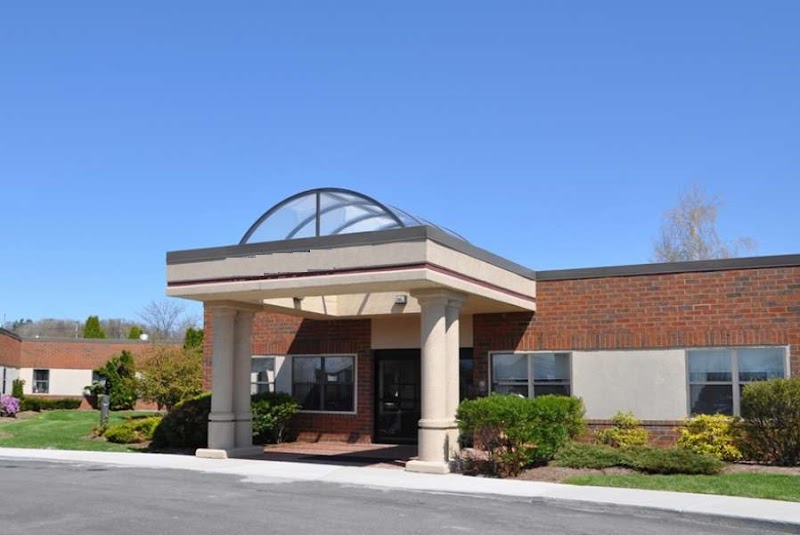
1 WHITTIER WAY, GHENT, NY 12075 (518) 828-0800
For profit - Corporation 120 Beds PERSONAL HEALTHCARE, LLC Data: November 2025
Trust Grade
60/100
#283 of 594 in NY
Last Inspection: September 2023

Over 2 years since last inspection. Current conditions may differ from available data.

Overview

Ghent Rehabilitation & Nursing Center has a Trust Grade of C+, indicating it is decent and slightly above average compared to other facilities. It ranks #283 out of 594 in New York, placing it in the top half, and #2 out of 4 in Columbia County, meaning only one local option is better. However, the facility is trending worse, with issues increasing from 5 in 2021 to 6 in 2023. Staffing is a strength, rated 4 out of 5 stars, although turnover is 44%, which is average for the state. Notably, there have been no fines reported, which is a positive sign. On the downside, recent inspections revealed several concerns. For example, housekeeping was inadequate, with poor cleanliness in resident units and common areas. Additionally, food served to residents was often unappetizing and not served at safe temperatures, leading to dissatisfaction among residents. There were also significant issues with food storage and preparation standards in both the kitchen and unit kitchenettes. Overall, while there are strengths in staffing and a lack of fines, the facility's cleanliness and food service quality need improvement.

Trust Score
C+
60/100
In New York
#283/594
Top 47%
Safety Record
Low Risk
No red flags
Inspections
Getting Worse
5 → 6 violations
Staff Stability
○ Average
44% turnover. Near New York's 48% average. Typical for the industry.
Penalties
✓ Good
No fines on record. Clean compliance history, better than most New York facilities.
Skilled Nurses
⚠ Watch
Each resident gets only 29 minutes of Registered Nurse (RN) attention daily — below average for New York. Fewer RN minutes means fewer trained eyes watching for problems.
Violations
⚠ Watch
25 deficiencies on record. Higher than average. Multiple issues found across inspections.
★★★☆☆
3.0
Overall Rating
★★★★☆
4.0
Staff Levels
★★★☆☆
3.0
Care Quality
★★★☆☆
3.0
Inspection Score
Stable
2021: 5 issues
2023: 6 issues

The Good

  • 4-Star Staffing Rating · Above-average nurse staffing levels
  • Full Sprinkler Coverage · Fire safety systems throughout facility
  • No fines on record
  • Staff turnover below average (44%)

    4 points below New York average of 48%

Facility shows strength in staffing levels, fire safety.

The Bad

3-Star Overall Rating

Near New York average (3.1)

Meets federal standards, typical of most facilities

Staff Turnover: 44%

Near New York avg (46%)

Typical for the industry

Chain: PERSONAL HEALTHCARE, LLC

Part of a multi-facility chain

Ask about local staffing decisions and management

The Ugly 25 deficiencies on record

Sept 2023 6 deficiencies
CONCERN (D) 📢 Someone Reported This

A family member, employee, or ombudsman was alarmed enough to file a formal complaint

Potential for Harm - no one hurt, but risky conditions existed

Report Alleged Abuse (Tag F0609)

Could have caused harm · This affected 1 resident

**NOTE- TERMS IN BRACKETS HAVE BEEN EDITED TO PROTECT CONFIDENTIALITY** Based on record review, and interviews during the recertification survey and abbreviated survey (Case #NY00309535), the facility...

Read full inspector narrative →
**NOTE- TERMS IN BRACKETS HAVE BEEN EDITED TO PROTECT CONFIDENTIALITY** Based on record review, and interviews during the recertification survey and abbreviated survey (Case #NY00309535), the facility did not ensure all alleged violations involving abuse, neglect, including injuries of unknown origin were reported immediately, but not later than 2 hours after the allegation was made, if the events that caused the allegation involved abuse or result in serious bodily injury for 2 (Resident #'s 55 and #69) of 6 residents reviewed for accidents. Specifically, for Resident #55, the facility did not ensure the New York State Department of Health (NYSDOH) was notified about an unwitnessed fall resulting in a serious injury requiring transfer to the emergency room for further treatment and for Resident #69, the facility did not ensure to report a fall resulting in a left hip fracture to the NYSDOH within 2 hours of learning of the serious bodily injury. This was evidenced by: The facility policy titled Abuse Prevention Manual, dated 8/2020, documented an alleged violation of abuse, neglect, exploitation, or mistreatment would be reported immediately, but not later than two (2) hours if the alleged violation involved abuse or had resulted in serious bodily injury. Resident #55 Resident #55 was admitted to the facility with diagnoses of non-Alzheimer's dementia, end stage renal disease (ESRD), and anxiety. The Minimum Data Set (MDS - an assessment tool) dated 03/30/2023, documented the resident was able to make themselves understood, was able to understand others, and was severely cognitively impaired. A facility Accident and Incident (A&I) report dated 01/09/2023 at 6:00 AM, documented the resident had an unwitnessed fall in their room. The resident was found on the floor by their bed and had a right forehead hematoma with bleeding, and complained of pain. The MD (medical doctor) was notified, and a new order was given to transfer the resident to the hospital for further evaluation. The Incident and Accident Report further documented Resident #55 could not remember the current season, that they are in a nursing home,the location of their room, or staff names and faces. A Progress Note dated 01/09/2023 at 06:53 AM, documented the resident was found on the floor by their bed with a large hematoma. The Registered Nurse was notified, neuro checks and vital signs were done. The physician was made aware, and orders were received to send the resident to the hospital for evaluation and treatment. Review of the facility's investigation summary did not include documentation that the resident's unwitnessed fall, resulting in a head injury requiring transfer to the ER, was reported to the NYSDOH within 2 hours as required for an unwitnessed fall with an injury. During an interview on 9/01/2023 at 2:10 PM, the Assistant Director of Nursing (ADON) stated the incident investigation was completed, family was notified, and the care plan was updated but they did not call the NYSDOH reporting line. The resident was sent out to the hospital and treated for the head injury. Both the Director of Nursing and the ADON were unable to verbalize why the facility had not notified the NYSDOH and were not clear on when to report. The resident had severely impaired cognition and agreed the resident stating they rolled out of the bed would not be a reliable interview. The resident had been treated and released after being sent to the ER and was monitored closely with neuro checks per physicians order. Resident #69 Resident #69 was admitted to the facility with diagnoses of left femur fracture, anxiety disorder, and congestive heart failure. The Minimum Data Set (MDS - an assessment tool) dated 06/25/2023, documented the resident was able to make themselves understood, was able to understand others, and was severely cognitively impaired. A facility Accident and Incident (A&I) report, dated 06/12/2023 at 06:45 PM, documented the resident had an unwitnessed fall in their room. Tramadol was given for pain, and a left hip x-ray was ordered. A Radiology Report, completed on 06/13/2023 at 08:57 PM, documented results were a nondisplaced left intertrochanteric femoral fracture. A Progress Note dated 06/14/2023 at 01:53 AM, documented x-ray results were received with the impression of a left intertrochanteric femoral fracture. The physician was made aware, and orders were received to send the resident to the hospital for evaluation and treatment. Review of the facility's Investigation Summary did not include documentation that the resident's fall with a serious bodily injury (left intertrochanteric femoral fracture) was reported to the NYSDOH. During an interview on 09/01/23 at 11:05 AM, Licensed Practical Nurse Unit Manager (LPNUM) #1 stated they did not remember the specifics of the events leading to Resident #69's fall on 06/12/2023 and subsequent diagnosis of a hip fracture on 06/12/2023. They were not sure what the reporting guidelines were when there was a resident fall, and a subsequent diagnosis of hip fracture. During an interview on 09/01/23 at 11:47 AM, the ADON stated when Resident #69 fell on [DATE], they initially did not suspect any injury since their pain was well controlled with tramadol (pain medication); this was why they were comfortable holding off until 06/13/2023 to complete the x-ray when their mobile radiology service was unable to complete it the evening of the fall and did not send the resident to the hospital. Once it was revealed there was a hip fracture, the facility did not report it because they thought they were not required to since there was no failure to follow the care plan identified in their investigation. They were not aware of the regulation to report all alleged violations involving abuse, or neglect immediately, but not later than 2 hours after the allegation was made, if the events that caused the allegation involved abuse or resulted in serious bodily injury. During an interview on 09/01/23 at 11:48 AM, the DON stated they did not report Resident #69's left hip fracture because they were not aware they were required to report incidents involving abuse, or neglect immediately, but not later than 2 hours if the alleged violation resulted in serious bodily injury. 10 NYCRR 415.4(b)
CONCERN (D) 📢 Someone Reported This

A family member, employee, or ombudsman was alarmed enough to file a formal complaint

Potential for Harm - no one hurt, but risky conditions existed

Respiratory Care (Tag F0695)

Could have caused harm · This affected 1 resident

Based on observation, record review and interviews during the recertification survey, the facility did not ensure that a resident who needs respiratory care, including tracheostomy care and tracheal s...

Read full inspector narrative →
Based on observation, record review and interviews during the recertification survey, the facility did not ensure that a resident who needs respiratory care, including tracheostomy care and tracheal suctioning, is provided such care, consistent with profession standards of practice, the comprehensive person-centered care plan, the resident's goals and preferences and that services are provided by a qualified professional for the assessment, treatment, and monitoring of residents with deficiencies or abnormalities of pulmonary function for 1 (Resident #33) of 1 resident reviewed for respiratory care. Specifically, the facility did not ensure that Resident #33 was provided with Oxygen @ 2 liters/minute via nasal cannula (NC) every shift as ordered by the physician and did not ensure the prescribed oxygen flow rate was routinely monitored by a licensed nurse per standard of practice and as documented on the resident's comprehensive care plan for Altered Respiratory Status. This was evidenced by: Resident #33 Resident #33 was admitted to the facility with diagnoses of pleural effusion, chronic obstructive pulmonary disease (COPD), and stage 4 chronic kidney disease (severe). The Minimum Data Set (MDS - an assessment tool) dated 07/14/2023, documented the resident could understand others and could be understood. The Policy and Procedure (P&P) titled Oxygen (O2) Therapy - Medical Gases & Their Cylinders, dated 01/01/2020, documented a physician's order is required to initiate oxygen therapy, except in an emergency situation. Physician's order shall include the following: The type of oxygen delivery system; When to administer, such as continuous or intermittent and/or when to discontinue; Equipment settings for the prescribed flow rates; Monitoring of O2 levels and/or vital signs, as ordered; and Administration device (i.e., nasal cannula (NC), etc.); Duration of therapy. The oxygen flow rate setting for the prescribed flow rate should be monitored routinely by the licensed nurse. All oxygen tubing, humidifier's masks and cannula's used to deliver oxygen should be changed weekly on Sunday night, when visibly soiled or as needed with date of change noted. The Comprehensive Care Plan (CCP) dated 08/16/2023, documented Resident #33 has altered respiratory status/difficulty breathing related to Pulmonary Edema and COPD. Interventions include monitor oxygen and notify Medical Doctor (MD) with abnormalities. The care plan did not include documentation of the oxygen rate. Physician Orders dated 7/26/2023 documented Oxygen at 2 liters/minute via nasal cannula (NC) every shift. During an observation on 08/29/2023 at 09:30 AM, Resident #33's Oxygen flow rate was set to 3.5 liters/minute being provided to Resident # 33 via nasal cannula. During an observation on 08/31/2023 08:55 AM, Resident #33's Oxygen flow rate was set at and being provided at 3.5 liters/minute via nasal cannula. During an observation on 08/31/2023 at 01:54 PM, Resident #33's Oxygen flow rate was set at and being provided at 3 liters/minute via nasal cannula. During an observation on 09/01/2023 at 08:34 AM, Oxygen flow rate was noted to be set at 3 liters/minute. Review of the Treatment Administration Record (TAR), dated 06/01/2023 - 8/31/2023, documented O2 saturation and oxygen via nasal cannula or room air. The TAR did not include documentation of the amount of oxygen (liters/minute) used when Resident #33 was on oxygen (O2) therapy. Progress notes dated 08/23/2023 at 09:45 PM, documented Resident #33 had returned from the hospital to the facility and placed on 3 liters of 02 (Oxygen). Respirations were even and unlabored. During an interview on 08/31/2023 at 08:58 AM, Registered Nurse Supervisor (RNS) #1 stated orders from the doctor were required to initiate and continue oxygen therapy. RNS #1 stated sometimes family or residents adjust the flow rate. RNS #1 stated that only RNs or LPNs are allowed to adjust the flow rate. They stated Certified Nurse Assistants (CNAs) are not allowed to adjust the flow rate, they are only allowed to report the flow rate to a Licensed Practical Nurse (LPN) or RN. During an interview with LPN #1 on 08/31/2023 at 09:45 AM, stated that it was the job of LPNs and RNs to check that the oxygen flow rate matched the doctor's order in the chart. If adjustment needed to be made to the flow rate, the staff were to contact the covering physician prior to changing the settings. During an interview with CNA #1 on 08/31/2023 at 1:57 PM, stated only nurses alter the oxygen flow rate. CNA #1 stated that the nurses tell the CNAs what the O2 flow rate should be set to. CNA #1 also stated that Resident #33 verbalizes when he wants his oxygen flow rate adjusted if he is feeling short of breath. During an interview with Licensed Practical Nurse (LPN) #1 on 09/01/2023 at 09:40 AM, LPN #1 was asked to look up the oxygen flow rate for Resident #33. LPN #1 confirmed the order was 2L NC (nasal cannula). LPN #1 accompanied this surveyor to Resident # 33's room. We observed together that the compressor was set to 3L. LPN #1 adjusted the flow rate to 2L. 10 NYCRR 415.12(k)(6)
CONCERN (E) 📢 Someone Reported This

A family member, employee, or ombudsman was alarmed enough to file a formal complaint

Potential for Harm - no one hurt, but risky conditions existed

Safe Environment (Tag F0584)

Could have caused harm · This affected multiple residents

**NOTE- TERMS IN BRACKETS HAVE BEEN EDITED TO PROTECT CONFIDENTIALITY** Based on observation and staff interview during the recertification survey dated 08/28/23 through 09/01/23, the facility did not...

Read full inspector narrative →
**NOTE- TERMS IN BRACKETS HAVE BEEN EDITED TO PROTECT CONFIDENTIALITY** Based on observation and staff interview during the recertification survey dated 08/28/23 through 09/01/23, the facility did not provide effective housekeeping and maintenance services for three (3) of 3 resident units and the core area. Specifically, on Unit #1, the floor was soiled with dirt in corners and next to walls in the corridors, dining rooms, nurse station, and resident room #s 101, 105, 109, 111, 118, 121, and 122; the windows were soiled with air borne debris and water stains in resident room #s 101, 105, 109, 111, and #122; the corridor wall outside the nurse aide room was soiled with drip marks, the walls were scraped in the room [ROOM NUMBER] restroom, the paint was chipped on the door frame to room [ROOM NUMBER], and wallpaper was peeling in the foyer old tub room; and the laminate on the nurse station enclosure walls was chipped. On Unit #2, the floor was soiled with dirt in corners and next to walls in the corridors, dining rooms, nurse station, and resident room #s 208, 212, 227; the windows soiled with air borne debris and water stains in the dining rooms and resident room #s 208, 212, and #227; drip marks were found on the wall by the 2-A smoke barrier doors; the walls were scraped in the 2-C corridor and in the nurse station area; and the laminate on the nurse station enclosure walls was chipped. On Unit #3, the floor was soiled with dirt in corners and next to walls in the dining rooms, nurse station, and resident room #s 304, 318, 324, 325, and #328; the windows were soiled with air borne debris and water stains in the dining rooms and resident room #s 304, 318, 324, 325, and #328; the paint was chipped on one wall in resident room [ROOM NUMBER]; and the vinyl wall covering was bubbling out in the 3-C shower room. In the Core Area, the floor was soiled with dirt in corners and next to walls in the Physical Therapy Department restroom; a 3-foot section of wallpaper in the dining room was ripped; the floor was soiled with dirt in corners and next to walls in the physical therapy room; the windows surrounding the Middle Courtyard were soiled with air borne debris and water stains; and the corridor wallpaper was peeling outside the physical therapy room. This is evidenced as follows: Unit #1 During observations on 08/28/23 at 11:50 AM, the corridor floors were soiled with dirt in corners and next to walls. During observations on 08/31/23 at 3:49 PM, the floor was soiled with dirt in corners and next to walls in the corridors, dining rooms, nurse station, and resident room #s 101, 105, 109, 111, 118, 121, and and #122. The windowswere soiled with air borne debris and water stains in resident room #s 101, 105, 109, 111, and #122. The corridor wall outside the nurse aide room was soiled with drip marks, the walls were scraped in the room [ROOM NUMBER] restroom, the paint was chipped on the door frame to room [ROOM NUMBER], and wallpaper was peeling in the foyer old tub room. The laminate on the nurse station enclosure walls was chipped. Unit #2 During observations on 08/28/23 at 11:50 AM, the corridor floors were soiled with dirt in corners and next to walls, and drip marks were found on the wall by the 2-A smoke barrier doors. During observations on 08/31/23 at 3:49 PM, the floor was soiled with dirt in corners and next to walls in the corridors, dining rooms, nurse station, and resident room #s 208, 212, and #227. The windows were soiled with air borne debris and water stains in the dining rooms and resident room #s 208, 212, 227; drip marks were found on the wall by the 2-A smoke barrier doors; and the walls were scraped in the 2-C corridor and in the nurse station area. The laminate on the nurse station enclosure walls was chipped. Unit #3 During observations on 08/31/23 at 3:49 PM, the floor was soiled with dirt in corners and next to walls in dining rooms, nurse station, and resident room #s 304, 318, 324, 325, and #328. The windows soiled with air borne debris and water stains in the dining rooms and resident room #s 304, 318, 324, 325, and #328. The paint was chipped on one wall in resident room [ROOM NUMBER], and the vinyl wall covering was bubbling out in the 3-C shower room. Core Area During observations on 08/28/23 at 11:50 AM, the floor was soiled with dirt in corners and next to walls in the Physical Therapy Department restroom, and a 3-foot section of wallpaper in the dining room was ripped. During observations on 08/31/23 at 3:49 PM, the floor was soiled with dirt in corners and next to walls in the Physical Therapy room. The windows surrounding the Middle Courtyard were soiled with air borne debris and water stains, and the corridor wallpaper was peeling outside the physical therapy room. Record Review The document titled Maintenance of Floors dated 11/01/20, documented that floors are to be kept clean and that environmental rounds will be conducted to ensure cleanliness. This document is silent on requiring or inspecting floors for cleanliness in corners and along walls. Interviews During an interview on 08/28/23 at 12:04 PM, the Director of Environmental Services stated that 3 new housekeepers have been hired, the floor cleaner employee is currently on medical leave, and work on stripping the floor on Unit #1 was started last Saturday (08/26/23). During an interview on 09/01/23 at 2:06 PM, the Administrator stated that the facility is aware of the cleaning items found, but due to a changeover in housekeeping staff, the facility has not been able to keep to the expected high standard. The Administrator stated that the new housekeeping staff are being trained and will be supervised to keep the floors clean, and the Maintenance Department will be power washing the windows this fall. The Administrator stated that staff should have reported the maintenance issues found during survey and will be re-educated to do so. The Administrator stated that the Director of Environmental Services will be directed to repair the doors and walls where in disrepair (scraped walls and doors, peeling wallpaper, laminate bubbling out) and clean the identified areas. 483.10(i)(3); 10 NYCRR 415.5(h)(4)
CONCERN (E) 📢 Someone Reported This

A family member, employee, or ombudsman was alarmed enough to file a formal complaint

Potential for Harm - no one hurt, but risky conditions existed

Deficiency F0804 (Tag F0804)

Could have caused harm · This affected multiple residents

Based on record review, observation, and interview during the recertification survey conducted 8/28/2023-9/1/2023, the facility did not provide food and drink that were prepared by methods that conser...

Read full inspector narrative →
Based on record review, observation, and interview during the recertification survey conducted 8/28/2023-9/1/2023, the facility did not provide food and drink that were prepared by methods that conserved flavor, and appearance, were palatable and at a safe and appetizing temperature, for 4 of five test trays. Specifically, food and beverages served to the residents on the units were served at suboptimal temperatures, unappetizing in appearance and were not palatable. This was evidenced by: Food Council done separately from Resident Council documented the following concerns: - 5/17/2023 meeting documented the following: All residents attending stated food was not as warm as they would have liked, no cold cereal was provided as stated on meal slips, milk was sour, ice cream sandwiches were soft, toast too hard, too many egg dishes for breakfast, would like more meat, facility out of sugar substitutes that need to be available for therapeutic diets, out of Nepro (liquid supplement) needed for therapeutic diets, desert presentation is poor, an alternative to cart/heating ideas and passing of trays is needed. - 6/20/2023 meeting documented the following: Residents complaining about cold food. Food Service Director (FSD) explained plate warmers needed repairs. A document provided by the facility titled Food and Nutrition Services, undated and unsigned documented the following: - Policy: Each resident is provided with a nourishing, palatable, well-balanced diet that meets his or her daily nutritional and special dietary needs, taking into consideration the preferences of each resident. - Procedure: 1. The multidisciplinary staff, including nursing staff, the attending physician and the dietitian will assess each resident's nutritional needs, food likes, dislikes and eating habits, as well as physical, functional, and psychosocial factors that affect eating and nutritional intake and utilization. 2. Food and nutrition services staff will inspect food trays to ensure that the correct meal is provided to each resident, the food appears palatable and attractive, and it is served at a safe and appetizing temperature. 3. If an incorrect meal is provided to a resident, or a meal does not appear palatable, nursing staff will report it to the FSM so that a new food tray can be issued. During an observation on 08/31/23 at 12:31 PM on Unit 3, the first food cart arrived and service to residents began immediately. The last tray was served from the cart and the test tray was provided at 12:42 PM. On all observed trays on Unit 3, the beverage, macaroni salad, and apple pie were served in disposable plastic cups. The test tray temperatures were taken, and all items served were tasted. The results were as follows: - Macaroni salad was 53.8 F (degrees Fahrenheit), was cool to touch, and tasted bitter - Apple pie was 69.6 F, was room temperature, was mushy, was sweet and tasty - Milk was 50.5 F, cool - Red beverage was 64.2 F, tepid and unidentifiable - Carrots were 119.3 F, lukewarm and bland - Cheeseburger was 120.2 F, slightly warm, plain (served without condiments) the bottom bun was soggy and inedible. The second cart arrived on the Unit 3 at 12:47 PM, with the last tray served at 1:00 PM when the test tray was taken from the cart. The test tray temperatures were taken, and all items served were tasted. The results were as follows: - Macaroni salad was 54.9 F, cool to touch, and tasted bitter - Apple pie was 71.8 F, room temperature, mushy, and was sweet and tasty - Milk was 54.8 F, cool - Red beverage was 66.2 F, tepid and unidentifiable - Carrots were 119.3 F, lukewarm and tasted bland. - Cheeseburger was 121.1 F, slightly warm, plain (served without condiments), and the bottom bun was soggy and inedible. During an observation on 08/31/23 at 12:31 PM on Unit 1, the food cart arrived. The last tray was served from the cart and the test tray was provided at 12:52 PM. On all observed trays on Unit 3, the beverage, macaroni salad, and apple pie were served in disposable plastic cups. The test tray temperatures were taken, and all items served were tasted. The results were as follows: - Macaroni salad was 65.5 F, cool to touch, dry in appearance and tasted bitter - Apple pie was 69.1 F, cool, mushy, and was flavorful - Soda- 63.9 F lukewarm, diet soda - Red beverage was 66.6 F, lukewarm and unidentifiable - Carrots were 92.03 F, cold and bland - Cheeseburger was 91.2 F, cold, bland and the bun was soggy. During an observation on 08/31/23 at 12:45 PM on Unit 2, the first food cart arrived and service to residents began immediately. A test tray was not provided as requested. On all observed trays on Unit 2, the beverage, macaroni salad, and apple pie were served in disposable plastic cups. The second cart arrived on Unit 2 at 1:01 PM, and the last tray was served at 1:17 PM, A test tray was not provided. The test tray was delivered directly from the kitchen at 1:23 PM. The test tray temperatures were taken, and all items served were tasted. The results were as follows: - Macaroni salad was 64.9 F, cool to touch, and tasted sour. - Apple pie was 72.6 F, room temperature, mushy, was sweet, crust was flaky on top. - Milk was 62.8 F, cool but not cold. - Red beverage was 67.2 F, lukewarm, and unidentifiable (maybe Kool Aid) - Carrots were 110.3 F, overcooked, watery, lukewarm and bland - Cheeseburger was 114.2 F, slightly warm, plain (served without condiments), and the bottom bun was soggy. During an interview on 08/28/23 at 11:21 AM, Resident #36 stated their spouse had to bring in food from outside. The resident stated that the food served here smells and tastes bad. During an interview on 08/28/23 at 12:28 PM, Resident #28 stated the food was not worth the wait and is usually cold. During an interview on 08/28/23 at 12:29 PM, Resident #89 stated the food was not usually identifiable and was always cold. During an interview 08/31/2023 at 01:28 PM. Certified Nursing Assistant (CNA #2) stated the food is always cold and frequently late. Some residents order out and don't eat the food if it looks bad or is cold. If there is enough staff, we can ask for another tray, but they are short staffed in the kitchen and getting a new tray isn't possible most days. During an interview on 8/31/2023 at 1:45 PM, the Licensed Practical Nurse (LPN #1) stated the residents biggest complaint is the food being cold. They have addressed it with the facility management but nothing changes. The residents don't have a choice to either eat it or be hungry. During an interview on 8/31/2023 at 2:58 PM, the FSD, stated menus are adjusted at times because the food delivery arrives, and items are frozen and there isn't enough time for meal prep. Residents' complaints about food are being addressed but with line staff in the kitchen changing all the time, education on how to plate prep has been hard. Residents are complaining about cold food and that is a challenge. During an interview on 08/31/23 at 03:51 PM, the Assistant Director of Nursing (ADON) and the Director of Nursing (DON) stated the residents had been complaining about the quality of the food for a long time. Difficulty with getting line staff to understand how to plate the food had been an ongoing issue. The FSD was recently hired, and education has been ongoing with staff but nothing has resolved the complaints of hot food being served cold and cold foods being served warm. Meals are getting out late and the concerns are ongoing. During an interview on 09/01/23 at 02:47 PM, the facility Administrator stated they were aware of resident complaints regarding the food being cold. They have reviewed the organization of the kitchen, and education on how to get the foods prepped and sent out quicker have been done. Education has been provided but that has not corrected the issue. 10 NYCRR 415.14 (d)(1)(2)
CONCERN (E) 📢 Someone Reported This

A family member, employee, or ombudsman was alarmed enough to file a formal complaint

Potential for Harm - no one hurt, but risky conditions existed

Food Safety (Tag F0812)

Could have caused harm · This affected multiple residents

Based on observation and interviews during the recertification survey dated 08/28/23 through 09/01/23, the facility did not ensure food was stored, prepared, distributed or served in accordance with p...

Read full inspector narrative →
Based on observation and interviews during the recertification survey dated 08/28/23 through 09/01/23, the facility did not ensure food was stored, prepared, distributed or served in accordance with professional standards for food service safety for two (2) of 3 resident unit kitchenettes and the main kitchen. Specifically, in the main kitchen, the microwave oven, can openers and holders, sheet pan racks, plate warmer, shelving, stove drip pans, roll-in refrigerator, fire extinguishers, floor behind cooking equipment, and dishwashing area floor in corners and along the walls were soiled with food particles, food drips, and/or a black build-up; the pantry restroom fixtures were soiled with human residue or soap stains; the pantry restroom floor and walls were soiled with dirt particles along the walls and in corners. In both the Unit #1 kitchenette and Unit #2 kitchenette, the microwave ovens, refrigerators, cabinets, and floors next to walls and in corners were soiled with food particles, food drips, and/or dirt. This is evidenced as follows: During observations on 08/28/23 at 10:58 AM, in the main kitchen, the microwave oven, can openers and holders, sheet pan racks, plate warmer, shelving, stove drip pans, roll-in refrigerator, fire extinguishers, floor behind cooking equipment, and dishwashing area floor in corners and along the walls were soiled with food particles, food drips, and/or a black build-up; the pantry restroom fixtures were soiled with a residue; the pantry restroom floor and walls were soiled with dirt particles along the walls and in corners. In both the Unit #1 kitchenette and Unit #2 kitchenette, the microwave ovens, refrigerators, cabinets, and floors next to walls and in corners were soiled with food particles, food drips, and/or dirt. During an interview on 08/31/23 at 3:08 PM, the Food Service Director stated that it was known that the kitchen needs cleaning, and there has been a lack of follow-up regarding the cleaning items found, but there is a process in place (cleaning schedule) that needs to be better followed. The Food Service Director stated that the maintenance department will be contacted to replace the kitchen door, refrigerator door gasket, and broken coving tiles. During an interview on 08/31/23 at 3:30 PM, the Administrator stated that do to a lack of proper oversight, the housekeepers should have but have not been keeping the kitchenettes including the refrigerators clean and been keeping the pantry restroom clean. The Administrator stated that the housekeepers will be re-educated on these responsibilities, and the soiled items found in the kitchen will be discussed with the Food Service Director. The Administrator stated that the facility, having a lot of new staff in housekeeping, maintenance, and dietary, is in the process of bringing each of these areas to a high standard. 10 NYCRR 415.14(h)
CONCERN (E) 📢 Someone Reported This

A family member, employee, or ombudsman was alarmed enough to file a formal complaint

Potential for Harm - no one hurt, but risky conditions existed

Deficiency F0813 (Tag F0813)

Could have caused harm · This affected multiple residents

Based on observation, record review, and staff interviews during the recertification survey dated 08/28/23 through 09/01/23, the facility did not ensure foods brought to residents by family and other ...

Read full inspector narrative →
Based on observation, record review, and staff interviews during the recertification survey dated 08/28/23 through 09/01/23, the facility did not ensure foods brought to residents by family and other visitors was in accordance with adopted regulations in one (1) of 2 kitchenettes. Specifically, in the Unit #2 kitchenette refrigerator 3 packages of deli-sliced cold cuts were labeled with a resident's name and dated 7/17, 7/22, and 8/16; one package of deli-sliced cold cuts was labeled with a resident name with a date that was not discernable; restaurant meatballs that were not labeled with the resident name or date; and restaurant pizza that was not labeled with the resident name or date. This is evidenced was evidenced by: During observations on 08/28/23 at 10:58 AM, in the Unit #2 kitchenette refrigerator 3 packages of deli-sliced cold cuts labeled with resident name) and dated 7/17, 7/22, and 8/16; one package of deli-sliced cold cuts was labeled with a resident name with a date that was not discernable; restaurant meatballs that were not labeled with the resident name or date; and restaurant pizza that was not labeled with the resident name or date. The document titled Storage & Labeling of Food Brought in by Family/Visitors dated 09/2019, documented that food brought into the facility by family or visitors is to be labeled (by staff) with the resident name and the date the item(s) was brought into the facility and housekeeping staff will discard the food after 48 hours. During an interview on 08/31/23 at 10:29 AM, the Director of Environmental Services stated that the Dietary Department was responsible for discarding the outdated food brought into the facility for residents and did not realize, when asked, that per facility policy, housekeepers are responsible for discarding outdated food. During an interview on 08/31/23 at 12:56 PM, the Food Service Director stated that nurses are responsible for discarding outdated food that is brought into the facility by family or visitors and that the dietary department is not involved with food brought to residents. During an interview on 08/31/23 at 3:10 PM, the Administrator stated that there had been a lot of staff turnover in housekeeping, and so being, all staff were verbally instructed to throw out outdated food. The Administrator stated that the new housekeeping staff should have been discarding outdated food but are yet not fully aware of this responsibility, but they will now be educated.
Jun 2021 5 deficiencies
CONCERN (D)

Potential for Harm - no one hurt, but risky conditions existed

Comprehensive Care Plan (Tag F0656)

Could have caused harm · This affected 1 resident

Based on observation, record review and interviews during the recertification survey the facility did not develop and implement a comprehensive person-centered care plan for each resident, consistent ...

Read full inspector narrative →
Based on observation, record review and interviews during the recertification survey the facility did not develop and implement a comprehensive person-centered care plan for each resident, consistent with the resident rights, that included measurable objectives and timeframes to meet a resident's medical, nursing, and mental and psychosocial needs that are identified in the comprehensive assessment for 3 (Resident #'s 27, 53, and #96) of 24 residents reviewed for Comprehensive Care Plans (CCPs). Specifically, for Resident #27, the facility did not ensure a care plan was developed to address the resident's diagnosis of other seizures; for Resident #53, the facility did not ensure a care plan was developed to address the resident's diagnosis of hypothyroidism; and for Resident #96, the facility did not ensure a discharge care plan was developed to address the resident's discharge plan to return to the community. This is evidenced by: The Policy and Procedure (P&P) titled Comprehensive Care Planning dated 10/2020, documented an individualized or person-centered Comprehensive Care Plan (CCP) must be initiated by a Registered Nurse for all residents. Resident goals for admission and desired outcomes, preferences and potential for future discharges and discharge plan should be included as part of the CCP. The P&P documented nursing care plans were available for many focus problems and would be individualized for each resident based on assessment results. Resident #27: Resident #27 was admitted to the facility with diagnoses of Alzheimer's disease with early onset, Parkinson's disease, and other seizures. The Minimum Data Set (MDS - an assessment tool) dated 3/22/2021, documented the resident was cognitively impaired, could sometimes understand others and could sometimes make self understood. A Physician Order dated 3/19/2021, documented zonisamide (an anticonvulsant medication) 25 milligrams (mg) once a day for anticonvulsant. During a record review on 6/9/2021, the CCP did not include a care plan to address the diagnosis of other seizures and the use of zonisamide. During an interview on 6/9/2021 at 11:41 AM, Registered Nurse (RN) #4 stated a seizure disorder care plan should be in place for a resident with diagnosis of seizures. RN #4 had not been aware there was not a care plan in place. During an interview on 6/9/2021 at 12:51 PM, Director of Nursing (DON) stated the nurse managers were responsible for care plans. The DON stated if a resident had a diagnosis that required treatment, the DON would expect a care plan to reflect that. Resident #53: Resident #53 was admitted to the facility with diagnoses of hypothyroidism, Alzheimer's disease and dementia with behavioral disturbance. The Minimum Data Set (MDS - an assessment tool) dated 3/18/2021, documented the resident had impaired cognition, could usually understand others, and could usually make self understood. A Physician Order dated 3/5/2021, documented levothyroxine 50 micrograms (mcg) once daily for hypothyroidism. A Physician Order dated 3/8/2021, documented levothyroxine 25 mcg once daily every Monday and Thursday in addition to levothyroxine 50 mcg for hypothyroidism. During a record review on 6/9/2021, the CCP did not include a care plan to address the diagnosis of hypothyroidism and the use of levothyroxine. During an interview on 6/9/2021 at 11:41 AM, Registered Nurse (RN) #4 stated a hypothyroidism care plan should be in place for a resident with diagnosis of hypothyroidism. RN #4 had not been aware there was not a care plan in place. During an interview on 6/9/2021 at 12:51 PM, the Director of Nursing (DON) stated the nurse managers were responsible for care plans. The DON stated if a resident had a diagnosis that required treatment, the DON would expect a care plan to reflect that. Resident #96: Resident #96 was admitted to the facility with the diagnoses of below the knee amputation, diabetes, and chronic pain. The Minimum Data Set (MDS - an assessment tool) dated 2/25/2021, documented the resident was cognitively intact, could understand others and could make self understood. The MDS documented active discharge planning was occurring for the resident to return to the community. A Physician Order dated 3/5/2021, documented discharge home with daughter. During a record review on 6/9/2021, the CCP did not include a care plan to address the resident's discharge plan to return home to the community. During an interview 6/9/2021 at 10:39 AM, Registered Nurse (RN) #4 stated all residents should have a care plan indicating the resident's potential for discharge whether the plan was long-term placement or short-term placement. RN #4 stated the Social Workers (SWs) were responsible for the development of the discharge care plans. During an interview on 6/9/2021 at 12:34 PM, SW #1 stated every resident admitted to the facility should have a care plan in place to address discharge planning. A care plan for discharge potential should be in place for residents with plans to return to the community and for residents who will remain in the facility for long term care placement. 10 NYCRR 415.11(c)(1)
CONCERN (D)

Potential for Harm - no one hurt, but risky conditions existed

Drug Regimen Review (Tag F0756)

Could have caused harm · This affected 1 resident

Based on record review and interview during the recertification survey the facility must develop and maintain policies and procedures for the monthly drug regimen review that include, but are not limi...

Read full inspector narrative →
Based on record review and interview during the recertification survey the facility must develop and maintain policies and procedures for the monthly drug regimen review that include, but are not limited to, time frames for the different steps in the process and steps the pharmacist must take when he or she identifies an irregularity that requires urgent action to protect the resident. Specifically, the facility did not ensure the facility policy and procedure developed for the monthly Medication Regimen Review (MRR) included time frames for the different steps in the process. This is evidenced by: Review of the facility policy titled Medication Regimen Review dated 6/2020, did not include documentation of the time frames for the steps in the MRR process. During an interview on 6/09/2021 at 12:55 PM, the Director of Nursing (DON) stated they were not aware the MRR policy did not document specific time frames for the steps of the process, and the MRR policy should include the necessary time frames for the steps of the process. During an interview on 6/09/2021 at 1:04 PM, the Regional Director of Quality Assurance #5 stated the MRR policy documented the pharmacist will submit review at a reasonable timeframe, however the policy did not document specific time frames and the policy should be revised to include the necessary time frames for the steps of the process. 10NYCRR415.18(c)(2)
CONCERN (D)

Potential for Harm - no one hurt, but risky conditions existed

Food Safety (Tag F0812)

Could have caused harm · This affected 1 resident

Based on observation and staff interview during the recertification survey, the facility did not store, prepare, distribute and serve food in accordance with professional standards for food service sa...

Read full inspector narrative →
Based on observation and staff interview during the recertification survey, the facility did not store, prepare, distribute and serve food in accordance with professional standards for food service safety. The safe and sanitary operation of a professional kitchen is to include particular methods of operation. Specifically, food temperature thermometers were not in calibration, plumbing fixtures were not in good repair, and equipment and the floor required cleaning. This is evidenced as follows. The kitchen and unit kitchenettes were inspected on 06/03/2021 at 10:09 AM. Two of 5 food temperature thermometers were found not in calibration when tested in a standard ice-bath method as follows: 20 degrees Fahrenheit (F) and 29 F. The buffalo chopper, microwave oven, handwashing sink, and fire extinguisher in the kitchen and microwave ovens, cupboards, drawers, cabinets, refrigerator door gaskets, and floors in corners in the kitchenettes were soiled and required cleaning. The food preparation sink faucet was leaking, the drain under a preparation table was open to the kitchen environment where a sink had been located, and the 2 reach-in refrigerator doors had split door gaskets rendering them uncleanable. The Food Service Director stated in an interview on 06/03/2021 at 10:54 AM, that the cleaning areas found today will be added to the running cleaning list, the thermometers will be re-calibrated, and the Engineering Department will be notified about replacing the refrigerator door gaskets and repairing the plumbing items found. 10 NYCRR 415.14(h); Chapter 1 State Sanitary Code Subpart 14-1.60(a), 14-1.85, 14-1.90, 14-1.110, 14-1.140, 14-1.170
CONCERN (E)

Potential for Harm - no one hurt, but risky conditions existed

Deficiency F0943 (Tag F0943)

Could have caused harm · This affected multiple residents

Based on record review, and interviews during the recertification survey, the facility did not ensure training was provided to their staff on activities that constitute abuse, neglect, exploitation, a...

Read full inspector narrative →
Based on record review, and interviews during the recertification survey, the facility did not ensure training was provided to their staff on activities that constitute abuse, neglect, exploitation, and misappropriation of resident property, and procedures for reporting incidents of abuse, neglect, exploitation, or the misappropriation of resident property. Specifically, the facility did not provide new employee orientation to include Abuse, Neglect and Mistreatment to 5 (CNA #1, Laundry Employee #1, Maintenance Employee #1, LPN #4 and Dietary Employee #1) employees prior to their start of work in the facility. This was evidenced by: The Policy and Procedure (P&P) titled Resident Abuse Reporting dated 08/2020 documented, All employees are required to receive upon new hire orientation and at least annually therefore, training and competencies on the abuse prevention policies and procedures. It is the responsibility of the Staff Educator to ensure the coordination of the training requirements and keep records of all employees training. During an interview on 06/03/2021 at 11:30 AM, Certified Nursing Aide (CNA) #1 stated they had not received any orientation including Abuse orientation. During an interview on 06/03/2021 at 11:05 AM, Laundry Employee #1 stated they had not received any orientation including Abuse orientation. During an interview on 06/03/2021 at 11:15 AM, Maintenance Employee #1 stated that they had not received orientation including Abuse orientation. During an interview on 06/07/2021 at 10:35 AM, the Director of Nursing (DON) stated that there was no record of new employee orientation for the five staff members (CNA #1, Laundry Employee #1, Maintenance Employee #1, LPN #4 and Dietary Employee #1) that the DOH surveyor had requested for review of documentation of staff orientation from the new employee list dated from 9/2020 through 6/7/2021. During an interview on 06/07/2021 at 12:06 PM, the Human Resource Staff Person (HR) stated she is responsible to review new employee applications, check references, interview the person, complete the CHRC (Criminal History Record Check) and hire. HR sends a list of new employees to the Staff Educator who is responsible to provide the new employee orientation. HR does not keep a schedule of the orientation dates, the Staff Educator would keep track of the new employee orientation class. Some staff do start work in the facility prior to attending new employee orientation, after approval by the Director of Nursing (DON) or Administrator (Adm). During an interview on 06/08/2021 at 10:45 AM, the LPN Staff Educator (SE) stated the DON is responsible to oversee the SE and the duties performed. The SE was told by the previous SE that all new employee orientation and yearly mandatory education was suspended. SE was not sure how long ago the new employee orientation stopped. For the last month the SE had been working on starting to give new employees orientation prior to starting work. The new employee orientation included: resident abuse, resident rights, fire safety, emergency preparedness, and OHSA. The new employees sign for their attendance at orientation and each employee had their own folder with their completed and signed documents. The SE could find no documentation that new employees hired prior to April or May 2021 received orientation. During an interview on 06/08/2021 at 02:33 PM, the DON stated we were told that certain things were stopped during the COVID crisis, and we did not provide inservice until COVID was over. We did provide Infection Control and COVID education only. The SE is the Staff Development Nurse. The RN-Regional Director of Quality Assurance (RDQA) consults with SE about Staff Development. All facility Administration assumed education did not have to be done. We now see a problem we have to improve on, and we will no longer hire if there is no orientation. During an interview on 06/09/21 at 10:40 AM, the Administrator (Adm) stated the Adm had been the Adm unofficially since February 2021 and officially since March 2021. The facility had Core Packets that were used for the yearly mandatory inservice, staff would review the packet and sign off once completed. The Adm stated the Adm thought the CORE packets were still actively used. The Adm stated the Adm did not tell staff that inservice was waived and the Adm was not aware staff were coming in to work without an orientation. Everyone should have received a new employee orientation of some kind including Resident Abuse and Life Safety. The Adm stated that the facility's Assistant Director of Nursing (ADON) was in charge of education and orientation, and that presently they do not have an ADON. The Administrator, the Corporate Administrator and the RN-Regional Director of Quality Assurance (RDQA) are in charge of overseeing orientation, and we did not give permission for employees to start work before receiving orientation. 10NYCRR 483.95 (c) (1)-(3)
MINOR (C)

Minor Issue - procedural, no safety impact

Safe Environment (Tag F0584)

Minor procedural issue · This affected most or all residents

Based on observation and staff interview during the recertification survey and an abbreviated survey (Case #NY002713116), the facility did not provide effective housekeeping and maintenance services. ...

Read full inspector narrative →
Based on observation and staff interview during the recertification survey and an abbreviated survey (Case #NY002713116), the facility did not provide effective housekeeping and maintenance services. Specifically, floors and tables were not clean and resident room walls were not maintained on 3 of 3 resident units. This is evidenced as follows. The 3-Wing, 2-Wing and 1-Wing units were inspected on 06/04/2021 at 1:15 PM. The 3-Wing unit corridors are carpeted; the carpeting in the corridors required vacuuming and were stained with black blotches throughout the unit. The 2-Wing and 1-Wing unit's flooring is entirely vinyl tile; the corridor floors, the floors behind doors in the dining and lounge areas, and where the corridor door frames meet the floors were soiled with dust, cob webs and/or dirt and grime. The Housekeeping Supervisor stated in an interview on 06/04/2021 at 1:36 PM, that the Environmental Services Department knows the floors need cleaning; the facility had kept the floors clean but things have slipped lately; and the facility has only one floor care person and it is hard to stay on top of things. A sample of resident rooms was inspected on 06/03/2021 at 1:00 PM. Wallpaper was peeling, the walls were chipped, or the coving wall base was chipped in resident room #'s 102, 114, 116, 125, 128, 202, 208 and 211. The Administrator stated in an interview on 06/03/2021 at 2:39 PM, that due to multiple and recent room changes, a maintenance program that includes repairing walls has not yet been fully implemented. 483.10(i)(2)
May 2019 14 deficiencies
CONCERN (D)

Potential for Harm - no one hurt, but risky conditions existed

Resident Rights (Tag F0550)

Could have caused harm · This affected 1 resident

**NOTE- TERMS IN BRACKETS HAVE BEEN EDITED TO PROTECT CONFIDENTIALITY** Based on observation, record review and interviews during the recertification survey, the facility did not ensure each resident ...

Read full inspector narrative →
**NOTE- TERMS IN BRACKETS HAVE BEEN EDITED TO PROTECT CONFIDENTIALITY** Based on observation, record review and interviews during the recertification survey, the facility did not ensure each resident was treated with respect and dignity and care in a manner and in an environment that promotes maintenance or enhancement of his or her quality of life, recognizing each resident's individuality for 2 (Resident #'s 54, and 63) residents observed on Wing 1, and 1 (Resident #57) resident observed on Wing #3. Specifically; for Resident #'s 54, 57 and #63, the facility did not ensure that the residents' pants were not pulled up to their waist while lying in bed, and did not ensure that Resident #'s 54 and 63's briefs and bare thighs were not visible from the hallway. This is evidenced by: Wing 3: Resident #57: The resident was admitted to the facility on [DATE], with diagnoses of hemiplegia (paralysis of one side of the body) and hemiparesis (partial weakness on one side of the body) following unspecified cerebrovascular (brain and its blood vessels) disease affecting the non-dominant side, transient ischemic attack (a temporary blockage of blood flow to the brain) and hypertension. The Minimum Data Set (MDS) dated [DATE], documented the resident was cognitively intact, understands others and could make self understood. During an observation on 5/20/19 at 9:25 AM, the resident's wife pulled the resident's blanket down while the resident was lying in bed to allow the surveyor to observe the resident's pajama pants pulled down to his lower thighs exposing his incontinent briefs and upper thighs. During interview on 5/20/19 at 9:25 AM, the resident's wife stated it upset her to find her husband's pajama pants pulled down in to his knees while in bed. She stated she has asked the staff and supervisors to keep his pants up. During an interview on 5/20/19 at 9:30 AM, Certified Nursing Assistant (CNA) #6 stated the 11:00 PM -7:00 AM shift's staff had pulled the resident's pants down to prevent them from getting wet. The resident sleeps in his pajama bottoms and his wife has gotten upset when his pajama pants were wet. During an interview on 5/20/19 at 9:30 AM, Registered Nurse (RN) #4 stated this had been a problem previously. This was addressed with the 11:00 PM -7:00 AM shift at that time and it has not happened recently. During an interview on 5/20/19 at 10:10 AM, the Registered Nurse Unit Manager (RNUM) #5 stated she had previously given staff verbal instructions to keep the resident's pajama pants up during the night and that she will address this problem again. Wing 1: Resident #64: The resident was admitted to the nursing home on 1/11/19, with diagnoses of hypertension, diabetes and dementia. The MDS dated [DATE], documented the resident had severely impaired cognition, could usually understand others and could usually make self-understood. During an observation on 5/21/19 at 3:45 PM, the resident was observed from the hallway lying in bed, pants pulled down to above the knees, exposing the resident's briefs and thighs. Resident #54: The resident was admitted to the nursing home on 8/26/14, with diagnoses of Alzheimer's, dementia, and hypertension. The MDS dated [DATE], documented the resident had severely impaired cognition, could usually understand others and could usually make self-understood. During an observation on 5/21/19 at 3:45 PM, the resident was observed from the hallway lying in bed, pants pulled down to above the knees, exposing the resident's briefs and thighs. Interviews: During an interview on 5/21/19 at 3:56 PM, CNA #3 stated the resident's pants were pulled down so the pants did not get wet. During an interview on 5/21/19 at 3:56 PM, CNA #7 stated the resident's pants were pulled down so the pants do not get wet and she thought it was a dignity issue. During an interview on 5/21/19 at 4:01 PM, Licensed Practical Nurse (LPN) #7 stated that it is a dignity issue for residents to have their pants down. 10NYCRR415.3(c)(1)
CONCERN (D)

Potential for Harm - no one hurt, but risky conditions existed

Deficiency F0625 (Tag F0625)

Could have caused harm · This affected 1 resident

**NOTE- TERMS IN BRACKETS HAVE BEEN EDITED TO PROTECT CONFIDENTIALITY** Based on interview and record review conducted during the recertification survey, the facility did not ensure 1 (Resident #19) o...

Read full inspector narrative →
**NOTE- TERMS IN BRACKETS HAVE BEEN EDITED TO PROTECT CONFIDENTIALITY** Based on interview and record review conducted during the recertification survey, the facility did not ensure 1 (Resident #19) of 1 resident reviewed for hospitalization, received a bed-hold notice upon transfer. Specifically, for Resident #19, the facility did not ensure that the resident and/or the resident's representative were notified in writing of the bed hold policy when the resident was transferred to the hospital. This was evidenced by: Resident #19: The resident was admitted to the facility on [DATE], with diagnoses of cervicalgia (a term used to describe pain or significant discomfort in your neck, especially at the back and/or sides), central cord syndrome (form of cervical spinal cord injury) at C3 level (third cervical vertebrae) of cervical spinal cord and fracture of neck, subsequent encounter (after the active phase of treatment, when the patient is receiving routine care for the injury during the period of healing or recovery). The Minimum Data Set (MDS) dated [DATE], documented the resident had moderately impaired cognition, could understand others and could make self-understood. The facility's Policy and Procedure (P&P) titled Bed Hold Policy and Notice documented: It is the policy of the facility to inform residents and/or their representatives of our bed hold policies upon admission and prior to a resident being transferred to a hospital or allowed to go on a non-medical leave. A nursing note dated 1/29/19, documented the resident was admitted to the hospital on [DATE] at 7:00 PM. A Social Work (SW) note dated 1/29/19, documented the resident was admitted to the hospital with a confirmed case of influenza and that the resident's wife was made aware. During an interview on 5/17/19 at 3:14 PM, Social Worker (SW) #2 stated when a resident was transferred to the hospital SW and nursing would document the transfer in the chart. If the resident is gone from the facility for more than 24 hours, and the facility census is above 114, it would depend on the residents insurance if a bed hold form should be completed/signed. If a bed hold form is initiated, the facility will call the residents representative and obtain verbal consent and have them come into the facility to sign the form. SW #2 was unable to provide documentation that a bed hold was provided to the resident, or to the residents representative. During an interview on 5/20/19 at 10:25 AM, Discharge Planner (DP) #27 stated the bed hold form is in the transfer packet that nursing completed at the time of a transfer and SW follows up on the bed hold the next day. During an interview on 5/20/19 at 10:35 AM, Registered Nurse (RN) #4 stated they have an emergency transfer packet that is completed at the time of transfer. The packet included a bed hold form and a bed hold guidance sheet for staff. RN #4 stated it is difficult to complete the bed hold form when the resident has an acute change in condition and they are sending a resident to the ER. During an interview 5/20/19 at 10:33 AM, Unit Secretary (US) #12 stated she has never seen a bed hold form filled out on the unit for a hospital transfer. To her knowledge, there is no documentation the resident had a bed hold form completed. During an interview on 5/20/19 at 08:46 AM, Director of Social Word (SW) #3 stated their department had taken over management of Bed Hold in February 2019, and the resident was transferred to the hospital before February. The SW process is to notify the families of the Bed Hold Policy when the resident goes to the hospital, or the next business day. The facility will contact the resident's representative regarding the bed hold and get verbal consent or declination. Within 48 hours the resident's representative would need to come in and sign the form and the form is given to billing to keep on file. During an interview on 5/20/19 at 11:34 AM, Bookkeeper (BK) #4 stated if a bed hold was completed it was done on the unit at the time of transfer. The form would be in her mailbox when the Unit and/or SW were done with it. BK #4 could not provide documentation that the bed hold policy was given to the resident or the resident's representative.
CONCERN (D)

Potential for Harm - no one hurt, but risky conditions existed

Comprehensive Care Plan (Tag F0656)

Could have caused harm · This affected 1 resident

**NOTE- TERMS IN BRACKETS HAVE BEEN EDITED TO PROTECT CONFIDENTIALITY** Based on observation, record review and interview during the recertification survey, the facility did not ensure comprehensive c...

Read full inspector narrative →
**NOTE- TERMS IN BRACKETS HAVE BEEN EDITED TO PROTECT CONFIDENTIALITY** Based on observation, record review and interview during the recertification survey, the facility did not ensure comprehensive care plans (CCP) were developed and implemented for each resident consistent with the resident rights and that included measurable objectives and timeframes to meet a resident's medical, nursing and mental and psychosocial needs for 5 (Resident #'s 41, 54, 82, 215, and #315) of 25 residents reviewed for comprehensive care plans. Specifically, for Resident #41, the facility did not ensure that a care plan was developed for a pressure ulcer on the resident's coccyx, for Resident #215 the facility did not ensure that a CCP was developed for the diagnosis of dehydration or use of IV therapy, for Resident #315, the facility did not ensure a CCP was developed and implemented for the resident's respiratory diagnoses, use of oxygen and BIPAP therapy (Bilevel Positive Airway Pressure) (a non-invasive form of therapy for patients suffering from sleep apnea). This is evidenced by: The Policy & Procedure (P&P) titled Interdisciplinary Care Planning dated 11/2017, documented that the policy of this facility was to assess and analyze each resident's individual needs and provide effective person-centered care that meets professional standards of quality of care. The facility will develop and implement a baseline care plan for each resident that includes the instructions needed to provide effective and person-centered care within professional standards of quality care. Resident #41: The resident was admitted to the facility on [DATE], with the diagnoses of dementia, atrial fibrillation, and hypertension. The Minimum Data Set (MDS) dated [DATE], documented the resident had severe cognitive impairment and was able to make self understood and could understand others. A review of the Comprehensive Care Plan (CCP) did not include a CCP for the resident's pressure ulcer. The wound evaluation dated 5/15/19, documented a pressure ulcer wound to the resident's coccyx with undermining (occurs when the tissue under the wound edges becomes eroded, resulting in a a pocket beneath the skin at the wound's edge) and moderate serous exudate (drainage). The physician orders dated 5/9/19, documented to treat the pressure ulcer wound using collagen powder to the wound bed or coccyx wound after cleansing with normal saline and to pack the wound with acetic acid soaked gauze twice per day. During an interview on 5/20/19 at 8:15 AM, Registered Nurse Manager (RNM) #5 stated that there should have been a pressure sore care plan for Resident #41. During an interview on 5/22/19 at 5:22 PM, the Director of Nursing (DON) stated that when she recently came into the facility she recognized the need to look at the care plans and the facility has started to work on them. Resident #215: The resident was admitted to the facility on [DATE], with the diagnoses of asthma and pneumonia with methicillin resistant staph aureus (MRSA), chronic renal insufficiency, and Parkinson's disease. The Minimum Data Set (MDS) dated [DATE], documented the resident was cognitively intact and was able to make self understood and understand others. The physician orders dated 5/10/19, documented the diagnosis of dehydration and orders for intravenous (IV) hydraton of D5W at 75 CC/hr. The physician orders dated 5/13/19, documented the diagnosis of dehydration and orders for IV hydration. A review of the CCP's, did not include a care plan to address the diagnosis of dehydration. During an interview on 5/22/19 at 5:22 PM, the Director of Nursing (DON) stated that when she recently came into the facility she recognized the need to look at the care plans and the facility has started to work on them. Resident #315: The resident was admitted to the facility on [DATE] and re admitted on [DATE], from a post-acute hospital stay with the diagnoses of chronic obstructive pulmonary disease, obstructive sleep apnea, and chronic respiratory failure with hypoxia. The Minimum Data Set (MDS) dated [DATE], documented the resident was cognitively intact, could understand others and could make self understood. A review of the CCP did not include a CCP for the resident's respiratory diagnoses and treatments for the use of oxygen and BIPAP. A physicians order dated 5/1/19, documented directions for the use of BIPAP. A physicians order dated 5/1/19, documented oxygen via nasal cannula at 4 Liters. During an interview on 5/22/19 at 1:21 PM, RNUM #5 stated there should be a CCP for the resident's respiratory diagnoses that addresses her respiratory treatments. During an interview on 5/22/19 at 1:53 PM, DON #7 stated there should be a respiratory care plan addressing the respiratory status and interventions for oxygen and BIPAP treatments. 10NYCRR415.11(c)(1)
CONCERN (D)

Potential for Harm - no one hurt, but risky conditions existed

Drug Regimen Review (Tag F0756)

Could have caused harm · This affected 1 resident

**NOTE- TERMS IN BRACKETS HAVE BEEN EDITED TO PROTECT CONFIDENTIALITY** Based on record review and interview, the facility did not ensure drug regimen review recommendations were acted upon for 2 (Res...

Read full inspector narrative →
**NOTE- TERMS IN BRACKETS HAVE BEEN EDITED TO PROTECT CONFIDENTIALITY** Based on record review and interview, the facility did not ensure drug regimen review recommendations were acted upon for 2 (Resident's #'s 7 and 82) of 7 residents reviewed for unnecessary medications. Specifically, for Resident #'s 7 and 82, the facility did not ensure that the time frame for the step for physician intervention was met according to the facility policy for the Medication Regimen Review (MRR). This is evidenced by: A Policy and Procedure (P&P) titled Drug Regimen Review dated 12/2006, documented that drug regimen reviews that require physician intervention will be responded to no later than the next 30/60 day physician visit. The P&P documented the pharmacist's findings are part of the clinical record and readily available for review. Resident #7: The resident was admitted on [DATE], with major depressive disorder, dementia with behavioral disturbance, and Alzheimer's Disease. The Minimum Data Set (MDS) dated [DATE], documented the resident had severely impaired cognition, could usually understand others and could usually make self understood. A review of the residents medical record did not include documentation that a pharmacy review was completed in July 2018. During an interview on 05/21/19 at 10:58 AM, Pharmacist #1 stated he completed a drug regimen review for Resident #7 on 7/30/18. He stated his recommendation to obtain a diagnosis for the use of Seroquel had not been reviewed by the physician, and he made the same recommendation a second time on 9/30/18. During an interview on 5/21/19 at 10:23 AM, the Director of Nursing (DON) stated if a medication irregularity was identified in the pharmacy review, it would be filed in the resident's chart. She stated the facility does not have documentation of the drug regimen reviews completed in July 2018. She stated she was not the DON in July 2018 and the previous DON did not print any of the July 2018 pharmacy monthly reveiws. During an interview on 5/21/19 at 2:43 PM, the DON stated the July 2018 pharmacist recommendation for Resident #7 was not signed by the physician, and it should have been. Resident #82: The resident was admitted to the nursing home on 8/24/10 with diagnoses of Parkinson's, Alzheimer's dementia, anxiety, and depression. The Minimum Data Set (MDS) dated [DATE], assessed the resident as having severely impaired cognitive skills for daily decision making. It documented that the resident rarely understood and was rarely understood by others. A pharmacist recommendation dated 11/24/18, documented the resident had a diagnosis of dementia and continued with an order for Seroquel. The recommendation documented to please document the effectiveness and continued need, and the reason for contraindication for dose reduction in the next progress note. The physician documented a response of agree on 1/9/19. During an interview on 5/21/19 at 11:08 AM, the pharmacist stated he sent a recommendation to the physician in July 2018 regarding the resident's psychotropic medication. The recommendation was not acted on so he resent the recommendation in October of 2018. 10NYCRR 415.18(c)(2)
CONCERN (D)

Potential for Harm - no one hurt, but risky conditions existed

Deficiency F0757 (Tag F0757)

Could have caused harm · This affected 1 resident

**NOTE- TERMS IN BRACKETS HAVE BEEN EDITED TO PROTECT CONFIDENTIALITY** Based on observations, record review, and interviews during a recertification survey the facility did not ensure that each resid...

Read full inspector narrative →
**NOTE- TERMS IN BRACKETS HAVE BEEN EDITED TO PROTECT CONFIDENTIALITY** Based on observations, record review, and interviews during a recertification survey the facility did not ensure that each resident's drug regimen was free from unnecessary drugs, for four (Resident #'s 19, 21, 37 and #82) of four residents reviewed for unnecessary medications. Specifically, for Resident #'s 19, 21 and #37, the facility did not ensure the residents' pain levels were monitored prior to and after the administration of as needed (PRN) medications for pain. This is evidenced by: The facility's Policy and Procedure (P&P) titled Pain Management, revised on 2/2016, documented: The pain flow sheet (back of the Medication Administration Record (MAR) will be used to document the resident's level of pain prior to administration of the medication and to document the effectiveness of the PRN medication 15-30 minutes after administration. The documentation should reflect the numerical pain management scale (0 is no pain, and 10 is the worst pain imaginable) or the Wong-Baker or dementia scales. Resident #19: The resident was admitted to the facility on [DATE], with diagnoses of cervicalgia (a term used to describe pain or significant discomfort in your neck), central cord syndrome (form of cervical spinal cord injury) at C3 level (third cervical vertebrae) of cervical spinal cord and fracture of the neck, subsequent encounter (after the active phase of treatment, when the patient is receiving routine care for the injury during the period of healing or recovery). The Minimum Data Set (MDS) dated [DATE], documented the resident had moderately impaired cognition, could understand others and could make self understood. A physician's order dated 2/6/19, documented; Pain and Fever Acetaminophen 325 mg tablets: 2 tablets (650 mg) every 4 hours as needed for temperature greater than or equal to 99 degrees Fahrenheit, or mild pain except abdominal pain. The Medication Administration Record (MAR) dated 4/1/19 through 4/30/19, documented the resident received Acetaminophen 650 mg 9 times in that period for neck pain. The MAR did not include documentation of pre-numeric pain levels on 2 of the 9 occasions the resident received Acetaminophen. The MAR did not include documentation of post numeric pain levels on all 9 occasions the resident received Acetaminophen. It documented + effect or pending as the results/response of the Acetaminophen given. The MAR dated 5/1/19 to 5/19/19, documented the resident received Acetaminophen 650mg 7 times for neck pain. The MAR did not include documentation of a post numeric pain level on 5 of 7 occasions the resident received Acetominophen. It documented pending as the results/response of the Acetaminophen given. During an interview on 5/17/19 at 1:28 PM, Licensed Practical Nurse (LPN) #3 stated the resident receives the Acetaminophen for neck pain. She did not know what pending, or + effect documented by other nurses on the MAR meant. When she administers medication for pain she asks the resident if they have pain, where the pain is located, and to define the pain on a numeric pain scale from 1 to 10. For follow-up she documents a numerical rating one hour after the medication for pain was given. During an interview on 05/17/19 at 1:20 PM, Registered Nurse Unit Manager (RNUM) #5 stated they should document if the medication is effective, or not, using the word effective. She is not sure about the policy because she is new. She reviewed the residents nursing progress notes and did not find any post pain medication monitoring documented in the notes. During an interview on 05/17/19 at 1:33 PM, RNUM #5 stated she reviewed the policy. The nurses are supposed to follow up within an hour after a PRN pain medication is given and document a number for effectiveness. Resident #21: The resident was admitted to the facility on [DATE], with diagnosis of high blood pressure, diabetes, and heart failure. The Minimum Data Set (MDS) dated [DATE], documented the resident was cognitively intact, able to understand others and make self understood. A physician order dated 1/21/19, documented Percocet (pain medication) 1 tab every 6 hours as needed for a pain level of 6-10. The Medication Administration Record (MAR) dated 4/8/19, documented Percocet was given at 2:00 AM. The medication notes documented the resident was given pain medication with positive effect. The MAR did not include documentation of a pre or post numerical pain scale. The MAR dated 5/13/19, documented Percocet was given at 9:00 PM. The medication notes documented the resident was given pain medication for a pain level of 6 out of 10 with positive effect. The MAR did not include documentation of a post numerical pain scale. Resident #37: The resident was admitted to the facility on [DATE], with diagnoses of diabetes, arthritis, and effusion of the left hip (hip effusion is characterized by an abnormal fluid accumulation in the joint space that leads to swelling and pain of the hip joint). The MDS dated [DATE], documented the resident was cognitively intact, could understand others and could make herself understood. A physician's order dated 2/27/19 documented; Oxycod/APA tab 5/325 (Percocet) (narcotic pain medication) give 1 tablet by mouth every 8 hours as need for pain levels from 6-10. The Medication Administration Record (MAR) dated 4/1/19 through 4/30/19, documented the resident received Percocet 17 times for leg pain. The MAR did not document post numeric pain scale on 15 of the 17 occasions the resident received Percocet for pain. The MAR dated 5/1/19 to 5/20/19, documented the resident received Percocet 7 times for leg pain. The MAR did not document pre-numeric pain level on 1 of the 7 occasions and did not document post numeric pain scale on 5 of the 7 occasions the resident received Percocet for pain. During an interview on 05/22/19 at 01:53 PM, Director of Nursing (DON) #7 stated there should be pre and post numerical ratings documented on the MARs for all residents receiving a PRN pain medication. 10NYCRR 415.12(l)(1)
CONCERN (D)

Potential for Harm - no one hurt, but risky conditions existed

Deficiency F0811 (Tag F0811)

Could have caused harm · This affected 1 resident

**NOTE- TERMS IN BRACKETS HAVE BEEN EDITED TO PROTECT CONFIDENTIALITY** Based on observation, record review, and interviews during the recertification survey, the facility did not ensure a resident fe...

Read full inspector narrative →
**NOTE- TERMS IN BRACKETS HAVE BEEN EDITED TO PROTECT CONFIDENTIALITY** Based on observation, record review, and interviews during the recertification survey, the facility did not ensure a resident fed by a feeding assistant did not have complicated feeding problems for 1 (Resident #81) of 1 resident reviewed for the feeding assistance program. Specifically, the facility did not ensure a resident with who had difficulty swallowing and risk of aspiration was assessed for appropriateness for a feeding assistant program. This is evidenced by: Resident #81: The was admitted to the facility on [DATE], with diagnoses of Parkinson's Disease, dementia, and anxiety. The Minimum Data Set (MDS) dated [DATE], documented the resident had severely impaired cognition, could usually understand others, and was sometimes understood. A Policy and Procedure titled Paid Feeding Assistant, last updated 1/19 documented the facility was to ensure that a feeding assistant should provide dining assistance only to residents who had no complicated feeding problems, and appropriateness for the feeding assistant program would be documented on the resident's care plan. A Comprehensive Care Plan (CCP) for Activities of Daily Living, last updated 3/9/19, documented the resident was to be fed and required extensive assistance from one person at all meals. A CCP for Activities of Daily Living, last updated 3/9/19, documented the resident was to be fed and required extensive assistance from one person at all meals. A CCP for Risk of Aspiration, last updated 5/8/19, documented the resident had a potential for aspiration due to Parkinson's Disease and was to receive a pureed diet with nectar thick liquids. A CCP for Nutrition, last updated 5/13/19, documented the resident had a chewing/swallowing difficulty related to dysphagia, and ongoing weight loss. The CCP documented a goal to manage aspiration risk, and an intervention that the resident was to be fed by staff and receive a pureed diet. A review of the resident's CCPs did not include documentation of the appropriateness for the feeding assistant program. A speech therapy progress note, dated 5/7/19, documented the resident received treatment for oropharyngeal dysphagia, and was on aspiration precautions. The resident care card last updated 5/10/19, documented the resident was to receive a pureed diet with thin liquids and physical assist and continual assist at meals. During an observation on 05/17/19 at 8:20 AM, Personal Care Assistant (PCA) #23 was feeding Resident #81 breakfast in the Wing 2 dining room. During an interview on 5/22/19 at 7:18 AM, Personal Care Assistant (PCA) #23 stated she completed a feeding class and could feed the residents as needed. She stated she usually feeds residents on Wing 1, and there is a list of who she can and cannot feed. She stated she has fed Resident #81, and there was no list of who she can or cannot feed on Wing 2. During an interview on 5/22/19 at 8:51 AM, Registered Dietitian #11 stated she is unsure if the resident should be fed by a feeding assistant, and the determination of whether she should or not is made by nursing. During an interview on 5/22/19 at 5:25 PM the Administrator and Director of Nursing spoke of the paid feeding program and stated it had started in January 2019. The feeding assistants had been trained by the Staff Development Nurse and there is a list of which residents can be fed by the feeding assists. The nurse managers are responsible to oversee the feeding of the residents. The program is one of the many steps taken to assist in staffing the facility, they are also working on starting a CNA training program. 10NYCRR415.14
CONCERN (D)

Potential for Harm - no one hurt, but risky conditions existed

Food Safety (Tag F0812)

Could have caused harm · This affected 1 resident

Based on observation, record review, and interviews during the recertification survey, the facility did not ensure food was stored and prepared in accordance with professional standards for food servi...

Read full inspector narrative →
Based on observation, record review, and interviews during the recertification survey, the facility did not ensure food was stored and prepared in accordance with professional standards for food service safety. Specifically, the facility did not ensure that; dry food items were stored in an area free from contaminants, kitchenette equipment was clean, and food stored in the freezer was labeled and dated. This is evidenced by: During an observation on 5/17/19 at 8:26 AM, the Wing 1 kitchenette microwave and refrigerator were soiled, and food in the freezer was unlabeled. Micro-kill+ germicidal wipes were stored in cabinet with dry food items. A safety data sheet documented Micro-kill+ germicidal wipes should be stored in a ventilated area and stored away from incompatible materials. During an interview on 5/17/19 at 8:34 AM, Food Service Director #26 stated the Micro-kill+ germicidal wipes should not have been stored in the unit kitchenette with dry food items. He stated the food service department does not use Micro-Kill+ germicidal wipes, and all food service related chemicals were stored downstairs. He stated food service is responsible for cleaning the appliances twice a week, and staff will assess the cleanliness when they stock the units. He stated he would send someone up to clean the appliances immediately. He stated the unlabeled food in freezer belongs to a resident and should be labeled. During an interview on 5/17/19 at 8:51 AM, Licensed Practical Nurse #4 stated the Micro-kill+ germicidal wipes are kept in the storage room on the unit, and the certified nurse assistants and nurses have access to the storage room. She stated the Micro-kill+ germicidal wipes should not have been stored in the kitchenette. 10NYCRR415.14(h)
CONCERN (D)

Potential for Harm - no one hurt, but risky conditions existed

Medical Records (Tag F0842)

Could have caused harm · This affected 1 resident

**NOTE- TERMS IN BRACKETS HAVE BEEN EDITED TO PROTECT CONFIDENTIALITY** Based on observation, record review and interviews during the recertification survey the facility failed to maintain medical rec...

Read full inspector narrative →
**NOTE- TERMS IN BRACKETS HAVE BEEN EDITED TO PROTECT CONFIDENTIALITY** Based on observation, record review and interviews during the recertification survey the facility failed to maintain medical records on each resident that were complete, accurately documented, readily accessible and systematically organized for 1 (Resident #105) of 25 residents reviewed. Specifically, for Resident #105, who was on a fluid restriction and received dialysis treatments, the facility did not ensure that the resident's daily intake was completed and accurately recorded. This was evidenced by: Resident #105: The resident was admitted to the facility on [DATE], with the diagnoses of End Stage Renal Disease (ESRD), Dialysis, and Chronic Obstructive Pulmonary Disease (COPD). The Minimum Data Set (MDS) dated [DATE] documented the resident was cognitively intact and he was able to make himself understood and understand others. The Policy & Procedure (P&P) titled Guidelines for Initiating, Maintaining and Removing Residents from Intake & Output (I&O) Recording, and dated 1/2016, documented it is the policy of this facility to monitor intake and output of residents. Conditions for which a resident must be put on I&O include the following: dialysis, fluid restriction, new onset diuresis for edema. Daily I&O worksheets for residents being monitored, will be kept with the Medication Administration Record (these forms will be discarded after the totals have been entered onto the Monthly I&O Record). The night shift nurse will transcribe 24 hour totals to the Monthly I&O record. Any discrepancies or incomplete recordings will be reported to the Charge Nurse at this time. The CNA Flow Sheet dated 3/2019 documented the eating assistance required and the percentage consumed for each (3) shift. Of 93 opportunities to document, 23 were blank. The Nourishments consumed required documentation 2 shifts per day. Of 62 opportunities to document 20 were blank. The Monthly Intake & Output Record dated 3/2019 required documentation of intakes for each shift (3), and a total of the 3 shifts documented daily on the night shift. Of 31 days to document, 17 days were blank for all 3 shifts. 3 days had only one shift documented. 7 days had only 2 shifts documented. 5 days had 3 shifts documented. The CNA Flow Sheet dated 4/2019 documented the eating assistance required and the percentage consumed for each (3) shift. Of 54 opportunities to document, 11 were blank. The Nourishments consumed required documentation 2 shifts per day. Of 32 opportunities to document 8 were blank. The Monthly Intake & Output Record for 4/2019 was not able to be found, when requested by DOH Surveyor. The CNA Flow Sheet dated 5/2019 documented the eating assistance required and the percentage consumed for each (3) shift. Of 18 opportunities to document, 13 were blank. The Nourishments consumed required documentation 2 shifts per day. Of 33 opportunities to document 10 were blank. The Monthly Intake & Output Record dated 5/2019 required documentation of intakes for each shift (3), and a total of the 3 shifts documented daily on the night shift. Of 16 days to document, 2 days were blank for all 3 shifts. 5 days had only 2 shifts documented. 9 days had 3 shifts documented. During an interview on 05/20/19 at 08:25 AM Licensed Practical Nurse Charge Nurse, (LPN) #10 stated the intakes should be documented on the daily intake sheet, and the night nurse does a daily total and documents on the Monthly I&O record. If there are blanks on the daily intake sheet she adds up what is documented. There should not be blanks on the intake records, it has never been reported to me that the intakes are not being filled out. Resident #105 is independent with his meals, but we should be monitoring his intake. During an interview on 05/22/19 at 12:13 PM LPN #11 stated Resident #105 is very independent and follows his own protocol for taking his fluids. The daily I&O sheets are to be filled out by the nurses, the night shift nurses should be reporting the blanks. The CNA flow sheet is filled out by the CNAs for all residents, and there should be no blanks. During an interview on 05/22/19 at 5:25 PM the Director of Nursing (DON) stated she was not aware of the intakes not being done appropriately, and the night nurse tally of incomplete intakes. DON had been looking at weight loss and labs, but had not looked at intakes. The intakes should be completed every shift, and should be reported if incomplete. 10NYCRR415.22(a)(1-4)
CONCERN (E)

Potential for Harm - no one hurt, but risky conditions existed

Deficiency F0567 (Tag F0567)

Could have caused harm · This affected multiple residents

**NOTE- TERMS IN BRACKETS HAVE BEEN EDITED TO PROTECT CONFIDENTIALITY** Based on observation, record review and interviews during the recertification survey, the facility did not ensure action as a fi...

Read full inspector narrative →
**NOTE- TERMS IN BRACKETS HAVE BEEN EDITED TO PROTECT CONFIDENTIALITY** Based on observation, record review and interviews during the recertification survey, the facility did not ensure action as a fiduciary (trustee) of the resident's funds and hold, safeguard, manage, and account for the residents' personal funds deposited with the facility for 1 (Resident #18) of 1 resident reviewed for personal funds. Specifically, for Resident #18, the facility did not ensure the resident had access to personal funds on weekends and holidays. This is evidenced by: Resident #18: The resident was admitted to the facility on [DATE], with a diagnosis of cerebral palsy, diabetes and hypertension. The Minimum Data Set (MDS) dated [DATE], documented the resident was cognitively intact, could understand others and could make self understood. The facility's Policy and Procedure (P&P) titled Patient Personal Needs Fund (undated), documented the following objectives; to maintain an accounting system for those residents who wish to have their funds managed by the home, and to make these funds available to the residents in this home during posted business hours. The purpose of the P&P documented; cash shall be available to the residents in the form of cash no less than 10 hours a week, and that the residents shall be fully informed of the times when they may receive their money, and that a resident may withdrawal his/her monies for the account at any time. During an interview on 5/16/19 at 1:27 PM, the resident stated there is no access to personal funds on weekends and holidays. During an interview on 5/22/19 at 2:15 PM, Bookkeeper (BK) #4 stated that she manages all the funds, has a safe for funds and keeps $500.00 in cash available for residents use. Monday through Friday from 8:00 AM to 4:30 PM. She and the receptionist accept deposits and provide withdrawals for residents. The receptionist on the weekends does not manage personal funds. She stated there is no resident access to personal funds on weekends or holidays because she is not at the facility. BK #4 stated banking hours are when a resident comes to her. There is currently no posting that directs residents the hours they can access their personal funds. During an interview on 5/22/19 at 2:51 PM, the Lead Receptionist (LR) #5 stated she works Monday through Friday from 8:00 AM to 4:00 PM and manages personal funds account deposits and withdrawals. She gets the cash in the morning from BK #4 and returns it to her at the end of her shift. BK #4 will manage resident funds until she leaves for the day. The weekend receptionist does not provide personal funds to residents. During an interview on 05/22/19 at 3:50 PM, Administrative Assistant (AA) #13 stated they received the Patient Personal Needs Fund P&P from corporate today. She was not sure why the policy did not include a date. She stated the facility does not have business hours posted regarding resident fund availability. Residents receive communication on personal fund hours by asking reception, BK #4 or other staff. 10NYCRR415.26(h)(5)
CONCERN (E)

Potential for Harm - no one hurt, but risky conditions existed

Deficiency F0604 (Tag F0604)

Could have caused harm · This affected multiple residents

**NOTE- TERMS IN BRACKETS HAVE BEEN EDITED TO PROTECT CONFIDENTIALITY** Based on observations, record review, and interviews during the recertification survey, the facility did not ensure that residen...

Read full inspector narrative →
**NOTE- TERMS IN BRACKETS HAVE BEEN EDITED TO PROTECT CONFIDENTIALITY** Based on observations, record review, and interviews during the recertification survey, the facility did not ensure that residents were free from physical restraints that are not required to treat medical symptoms for 2 (Resident #'s 13 and 81) of 3 residents reviewed for restraints. Specifically, for Resident #'s 13 and 81, the facility did not ensure the use of physical restraints did not inhibit a resident's freedom of movement; and for Resident #81, the facility did not ensure the resident was free from psychosocial impact (agitation) related to restraint use. This is evidenced by: Resident #13: The resident was admitted to the facility on [DATE], with diagnoses of dementia, Parkinson's Disease, and chronic kidney disease. The Minimum Data Set (MDS) dated [DATE], documented the resident had severely impaired cognition, could sometimes understand others and could sometimes make self understood. During observations on 5/17/19 at 1:35 PM and 5/20/19 at 9:54 AM, the resident was sitting in a wheelchair. An activity device was sitting on the overbed table. The resident was not engaged with the activity device. During an observation on 5/22/19 at 4:40 PM, Physical Therapist (PT) #27, at the request of the surveyor, asked the resident to move the over bed table that was placed in front of him. The resident was unable to move the table. A record review did not include documentation of a restraint assessment. During an interview on 5/20/19 at 10:55 AM, LPN #1 stated the resident likes to stand up and is at risk to fall down, so we try to keep him occupied. During an interview on 5/20/19 at 11:12 AM, Licensed Practical Nurse (LPN) #5 stated that the resident requires close supervision. She stated the resident tries to get up so we put the tray table in front of the resident and put something on it for him to do. She stated she has not seen him try to get up when the tray table is in place. During an interview on 5/20/19 at 12:00 PM, an Activity Aide (AA) #24 stated that the tray table was used to keep the resident from getting up and falling. During an interview on 5/22/19 at 11:12 AM, the Director of Nursing stated she did not think the tray table was a restraint. She stated she felt the resident could move it. During an interview on 5/22/19 at 2:05 PM, the psychiatrist stated if the resident did not understand what to do with the activity device and/or did not have an understanding of what the table was for, it should have been assessed as a restraint. Resident #81: The resident was admitted to the facility on [DATE], with diagnoses of Parkinson's Disease, dementia, and anxiety. The Minimum Data Set (MDS) dated [DATE], documented the resident had severely impaired cognition, could usually understand others, and was sometimes understood. During an observation on 5/16/19 at 2:55 PM, the resident was sitting in a Broda chair, which was locked, by the nurse's station. The resident was crying, groaning, and leaning forward in the chair. Certified Nursing Assistant (CNA) #11 asked the resident what was wrong and told the resident her Broda chair was locked, and she would unlock it for her. CNA #11 unlocked the Broda chair, and the resident was observed sitting upright, self propelling in the Broda chair around the nurses station, and was no longer groaning. During an observation on 5/21/19 at 4:03 PM, the resident was sitting in the common area in a locked Broda Chair crying. At 4:08 PM, 2 CNAs unlocked the Broda Chair and brought the resident down the hallway. A record review did not include documentation of a restraint assessment. A psychiatry consult dated 5/4/19, documented a recommendation to consider increasing Seroquel to 25 mg due to increased anxiety. A physician's order dated 5/6/19, documented to increase Seroquel to 25 mg twice daily. During an interview on 5/22/19 at 7:15 AM, Licensed Practical Nurse (LPN) #8 stated the resident's Broda chair would be locked because she will grab other residents. She stated the Broda chair would also be locked if the resident was agitated, as the resident gets frustrated when no one is around to talk to her. She stated the resident could not unlock the Broda Chair herself. During an interview on 5/22/19 at 7:23 AM, CNA #11 stated she would not lock the Broda chair because that would be a restraint. She stated if the chair was left locked, the resident would scream. During an interview on 5/22/19 at 8:01 AM, Licensed Practical Nurse (LPN) #4 stated the resident's Broda chair should not be locked. She stated the resident liked to move around and if you lock the Broda Chair she would not have been able to move. She stated if the Broda Chair was locked, it would be a restraint. During an interview on 5/22/19 at 9:51 AM, the Director of Nursing (DON) stated she was not aware the chair was being locked. She stated the Broda chair was purchased for the resident because it allowed her to move around more. She stated if she had been aware staff were locking, she would have completed a restraint assessment, and documented an intervention not to lock the chair on the resident's care plan. 10NYCRR415.4(a)(2-7)
CONCERN (E)

Potential for Harm - no one hurt, but risky conditions existed

Transfer Notice (Tag F0623)

Could have caused harm · This affected multiple residents

**NOTE- TERMS IN BRACKETS HAVE BEEN EDITED TO PROTECT CONFIDENTIALITY** Based on interview and record review conducted during the recertification survey, the facility did not ensure 1 (Resident #19) o...

Read full inspector narrative →
**NOTE- TERMS IN BRACKETS HAVE BEEN EDITED TO PROTECT CONFIDENTIALITY** Based on interview and record review conducted during the recertification survey, the facility did not ensure 1 (Resident #19) of 1 resident reviewed for hospitalization, received a notice of the transfer or discharge and the reasons for the move in writing in a language and manner they understand, and a copy of the notice to a representative of the Office of the State Long-Term Care Ombudsman. Specifically, for Resident #19, the facility did not ensure that written notification of transfer/discharge was provided to the resident and/or the resident's representative(s,) and the facility did not ensure a copy of the notice was sent to the Office of the State Long-Term Care ombudsman. This was evidenced by: Resident #19: The resident was admitted to the facility on [DATE], with diagnoses of cervicalgia (a term used to describe pain or significant discomfort in your neck, especially at the back and/or sides), central cord syndrome (form of cervical spinal cord injury) at C3 level (third cervical vertebrae) of cervical spinal cord and fracture of neck, subsequent encounter (after the active phase of treatment, when the patient is receiving routine care for the injury during the period of healing or recovery). The Minimum Data Set (MDS) dated [DATE], documented the resident had moderately impaired cognition, could understand others and could make self-understood. The SBAR (Situation, Background, Assessment, Recommendation) communication form and progress notes dated 1/27/19, documented the residents change in condition with notification to the nurse practitioner and family and an order to transfer the resident to the emergency room (ER). A nursing note dated 1/29/19, documented the resident was admitted to the hospital on [DATE] at 7:00 PM. A Social Work (SW) note dated 1/29/19, documented the resident was admitted to the hospital with a confirmed case of influenza and that the resident's wife was made aware. During an interview on 5/17/19 at 3:13 PM, SW #2 stated when a resident was transferred to the hospital, the facility would call and notify the family. There is no documented evidence that written notification of the transfer was provided to the resident or residents representative, or notification to the ombudsman when the resident was transferred to the hospital. During an interview on 5/20/19 at 10:25 AM, Discharge Planner #27 stated nursing completed the transfer packet and notified the family when the resident was transferred. During an interview on 5/20/19 at 10:35 AM, Registered Nurse (RN) #4 stated they have an emergency transfer packet that is completed at the time of transfer. The packet did not include a form to notify the resident, or the residents' representative in writing of the reason for transfer/discharge. 10NYCRR415.3(h)(1)(iii)(a-c)
CONCERN (E)

Potential for Harm - no one hurt, but risky conditions existed

Deficiency F0725 (Tag F0725)

Could have caused harm · This affected multiple residents

` Based on observations, record review, and interviews during a recertification survey the facility did not ensure that it had sufficient nursing staff with the appropriate competencies...

Read full inspector narrative →
` Based on observations, record review, and interviews during a recertification survey the facility did not ensure that it had sufficient nursing staff with the appropriate competencies and skills sets to provide nursing and related services to assure resident safety and attain or maintain the highest practicable physical, mental, and psychosocial well-being of each resident, as determined by resident assessments and individual plans of care, for one of one dementia care unit (Wing 1). Specifically, the facility did not ensure a sufficient number of staff available to provide assistance with meals on 5/20/19. This is evidenced by: A facility-wide list of residents documented that 14 of those residents were appropriate to be fed by a feeding assistant and resided on Wing 1. The Census on 5/20/19 on Wing 1 was 36 residents, 14 of which required extensive to total assist with eating and 6 additional residents that required feeding as needed. The Daily Assignment sheets for staffing on Wing 1 documented: 5/20/19 - 11:00 PM - 7:00 AM (night shift) = 1 nurse and 2 CNAs from 11:00 PM to 3:00 AM; and 1 CNA from 3:00 AM - 7:00 AM (one CNA was scheduled till 3:00 AM). 5/20/19 for the 7:00 AM - 3:00 PM (day shift) was 1 Nurse Manager, 2 Licensed Practical Nurses (LPN), and 3 Certified Nursing Assistants (CNA). The Food Cart Delivery Schedule documented that Wing 1 food carts arrive to the unit as followes: Cart 1 - 7:50 AM Cart 2 - 8:10 AM Dining Observations on 5/20/19 on Wing 1: 5/20/19 08:12 AM - both food carts on the unit, multiple residents still in bed. 08:28 AM - 7 residents not present in the kitchen dining room (DR). 08:47 AM - 11 residents not present in the kitchen DR. 09:14 AM - Resident #46 was brought into the TV DR; the resident's meal was not re heated before it was set up. 09:23 AM - Resident #54 was brought into the kitchen DR; the resident's meal was not re heated before set up. 09:57 AM - An unknown resident was brought to the DR for breakfast. 10:53 AM - A nurse was in the kitchen DR feeding Resident #73. 10:54 AM - Resident #16 was brought to the DR and pushed up to an empty table. The staff member left the DR. 11:25 AM - Resident #16 was being fed by staff. 11:37 AM - Staff brought 5 residents into the kitchen DR for lunch, and there was still 6 dirty breakfast trays on tables in the DR. 11:39 AM - Kitchen staff came to pick up the dirty trays. During an interview on 5/20/19 at 9:46 AM, LPN #1 stated they still had 6 people left that had not been fed breakfast yet. During an interview on 5/20/19 at 10:45 AM, CNA #8 stated they had 3 CNAs and having 3 CNAs on the day shift happened more than once a week. It takes a long time to get residents up out of bed and fed. The night shift usually gets 5 residents up that require 2 assist with transfers, but when there was only one CNA on the night shift they were unable to get anyone up. During an interview on 5/20/19 at 10:55 AM, LPN #1 stated that having 3 CNAs happened more often than it should. She did not know how many residents required assistance with eating but it was the entire kitchen DR, and some of the residents in the TV DR required encouragement. The residents in the TV dining room should not be left unattended while eating. It does not help that there was only one CNA on the night shift so residents were not gotten up. There was one Patient Care Technician (PCT) that came over in the morning to assist with feeding the residents. They have paid feeding assistants but she had only seen 1. Having 3 CNAs during the day shift occurred 2-3 times a week. They reported it when it occurred, and even brought it up in morning meeting. She has reported to the DON that even with the feeding assistants they could not get it all done. During an interview on 5/20/19 at 5:10 PM, Registered Nurse #3 stated that 2 times a week the unit had 3 CNAs on the day shift and 1-2 times a week there was 1 CNA on the night shift. It was difficult to get all the residents fed. Administration was aware. During an interview on 5/20/19 at 3:25 PM, 3:00 PM-11 CNA #7 stated there was usually 3 CNAs on the 3:00 PM - 11:00 PM (evening shift) but a couple times a week they had 2. Trays were supposed to up at 5:10 pm, but have been getting here around 5:30 pm and will finish between 6:30 pm - 7:00 PM. When they are short they are still able to get residents fed because some of the residents don't eat and some will refuse. CNA #7 stated that if they had more time to spend with these residents, they would probably eat. During an interview on 5/21/19 at 1:58 PM, the Staffing Coordinator stated the minimum scheduled on day and evening shift was 3 CNAs and on the night shift 2 CNAs. It had not been unusual for 2 CNAs to be scheduled on the evening shift. She would let the DON and Administrator know if they were short staffed. Once in a while they would send CNAs to help feed residents on Wing 1. During an interview on 5/22/19 at 3:38 PM, LPN #1 stated there was 3 CNAs on days 1-2 times a week and 2-3 times a week, evenings was staffed with 2 CNAs. During an interview on 5/20/19 at 5:10 PM, Registered Nurse (RN) #3, who was the nurse manager stated they have 3 CNAs on days, 2 times a week and 1 CNA 1-2 times a week. She had spoken to the staffing coordinator about it and that it was difficult to get all the residents fed. She had made the Administrator aware. During an interview on 5/22/19 at 5:40 PM, LPN #1 stated every day she looked at the 24-hour report and read it off in morning; this included residents that consumed less then 25 percent (%) of their meal. Additionally, she was not aware that staff were saying, when they were short staffed, if they had more time to encourage the residents, they would have eaten. During an interview on 5/22/19 at 5:49 PM, the Administrator stated he was aware of the staffing issues and difficulties getting residents fed on Wing 1. His budget was 4 CNAs and it is challenging try to stay in budget. He was not aware of the extent of the problem; he had multiple layers of staff to deal with the individual issues related to the staffing. Everyone on the interdisciplinary team was aware of the residents who consumed less that 25% of their meals. 10NYCRR 415.16(a)
CONCERN (E)

Potential for Harm - no one hurt, but risky conditions existed

Deficiency F0804 (Tag F0804)

Could have caused harm · This affected multiple residents

Based on observation, record review, and interviews during the recertification survey, the facility did not ensure food and drink was palatable, attractive, and at an appetizing temperature. Specifica...

Read full inspector narrative →
Based on observation, record review, and interviews during the recertification survey, the facility did not ensure food and drink was palatable, attractive, and at an appetizing temperature. Specifically, the facility did not ensure cold drinks were served cold and sandwich bread was palatable to ensure resident satisfaction. This is evidenced by: During an interview on 05/16/19 09:14 AM, Resident #103 stated the bread used at the facility is stale. During an interview on 5/16/19 at 10:37 AM, Resident #61 stated the bakery the facility uses and the quality of the bread used was not good. During an interview on 5/17/19 at 9:13 AM, Resident #21 stated the bread on the peanut butter and jelly sandwich is hard. The summer 2019 week 1 menu documented the Wednesday breakfast meal included oatmeal, bacon, banana, scrambled egg, and a fruited muffin. The food cart delivery schedule dated 4/31/19 documented the second meal cart for breakfast was to be delivered to Wing 2 at 8:10 AM, and Wing 1 at 8:20 AM. During an observation on 5/22/19 at 8:10 AM, the second meal cart containing the test tray (tray was requested by the surveyor on 5/22/19 at 6:55 AM) arrived on Wing 2. At 8:29 AM, all resident breakfast trays were passed on Wing 2 (except the residents who chose to eat later according to staff). A test tray included orange juice, milk, coffee, hot cereal (oatmeal), scrambled eggs, muffin, bacon, a banana, and a peanut butter and jelly sandwich. Temperatures were tested with a calibrated thermometer (31.7 degrees Fahrenheit in an ice bath). The following drink temperatures were taken at 8:30 AM: Orange juice 62.6 F, milk 58.6 F. The bread on the peanut butter and jelly sandwich was stale. During an observation on 5/22/19 at 8:17 AM, the second meal cart containing the test tray arrived on Wing 1. At 9:19 AM, all resident breakfast trays were passed on Wing 1 (except the resident who chose to eat later according to staff). A test tray included orange juice, milk, coffee, hot cereal (oatmeal), scrambled eggs, muffin, bacon, and a banana. Temperatures were tested with a calibrated thermometer (31.7 degrees Fahrenheit in an ice bath). The following drink temperatures were taken at 9:20 AM: Orange juice 69.4 F, milk 65.4 F. The scrambled eggs were 105.9 F and lukewarm to touch, and the bacon was lukewarm to touch. During an interview on 5/22/19 at 8:51 AM, Registered Dietitian #11 stated the temperatures of the cold beverages (milk and orange juice) should be less than 40 degrees. She stated the bread was stale. During an interview on 5/21/19 10:20 AM, Food Service Director #26 stated the peanut butter and jelly sandwich on the test tray was made this morning. 10NYCRR415.14(d)(1)(2)
CONCERN (E)

Potential for Harm - no one hurt, but risky conditions existed

Deficiency F0813 (Tag F0813)

Could have caused harm · This affected multiple residents

Based on record review and interview during the recertification survey, the facility did not ensure it had a policy regarding use and storage of foods brought to residents by family and visitors to en...

Read full inspector narrative →
Based on record review and interview during the recertification survey, the facility did not ensure it had a policy regarding use and storage of foods brought to residents by family and visitors to ensure safe and sanitary storage, handling, and consumption. Specifically, the facility did not provide information for family and visitors on safe food preparation and handling practices. This is evidenced by: A Policy and Procedure (P&P), titled Food Brought by Family/Visitors dated 3/12/19, did not include documentation on providing family and visitors education on safe food handling practices (such as safe cooling/reheating processes, hot/cold holding temperatures, preventing cross contamination, hand hygiene, etc.). During an interview on 5/22/19 at 10:09 AM, Registered Dietitian #11 stated the facility did not provide food safety education when food was brought in to residents by family and visitors. 10 NYCRR 415.14(h)
Understanding Severity Codes (click to expand)
Life-Threatening (Immediate Jeopardy)
J - Isolated K - Pattern L - Widespread
Actual Harm
G - Isolated H - Pattern I - Widespread
Potential for Harm
D - Isolated E - Pattern F - Widespread
No Harm (Minor)
A - Isolated B - Pattern C - Widespread

Questions to Ask on Your Visit

  • "Can I speak with families of current residents?"
  • "What's your RN coverage like on weekends and overnight?"

Our Honest Assessment

Strengths
  • • No major safety red flags. No abuse findings, life-threatening violations, or SFF status.
  • • No fines on record. Clean compliance history, better than most New York facilities.
  • • 44% turnover. Below New York's 48% average. Good staff retention means consistent care.
Concerns
  • • 25 deficiencies on record. Higher than average. Multiple issues found across inspections.
Bottom line: Mixed indicators with Trust Score of 60/100. Visit in person and ask pointed questions.

About This Facility

What is Ghent Rehabilitation & Nursing Center's CMS Rating?

CMS assigns GHENT REHABILITATION & NURSING CENTER an overall rating of 3 out of 5 stars, which is considered average nationally. Within New York, this rating places the facility higher than 0% of the state's 100 nursing homes. This mid-range rating indicates the facility meets federal standards but may have areas for improvement.
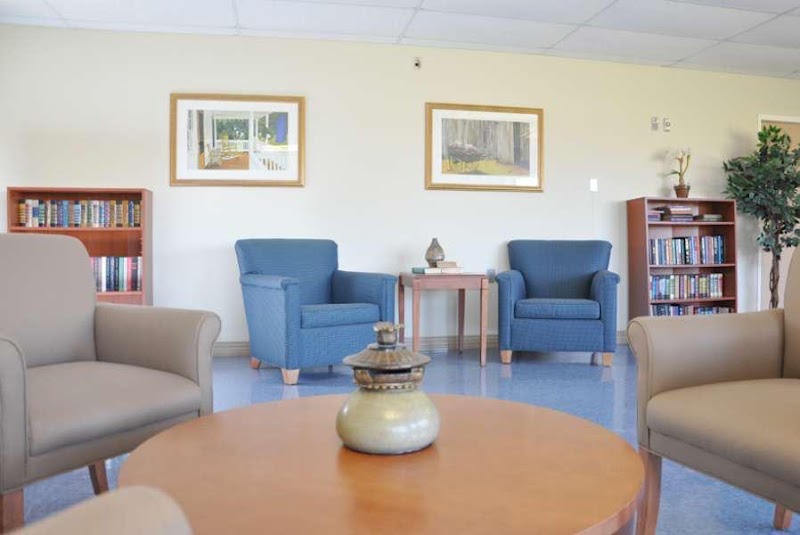
How is Ghent Rehabilitation & Nursing Center Staffed?

CMS rates GHENT REHABILITATION & NURSING CENTER's staffing level at 4 out of 5 stars, which is above average compared to other nursing homes. Staff turnover is 44%, compared to the New York average of 46%. This relatively stable workforce can support continuity of care.

What Have Inspectors Found at Ghent Rehabilitation & Nursing Center?

State health inspectors documented 25 deficiencies at GHENT REHABILITATION & NURSING CENTER during 2019 to 2023. These included: 24 with potential for harm and 1 minor or isolated issues.
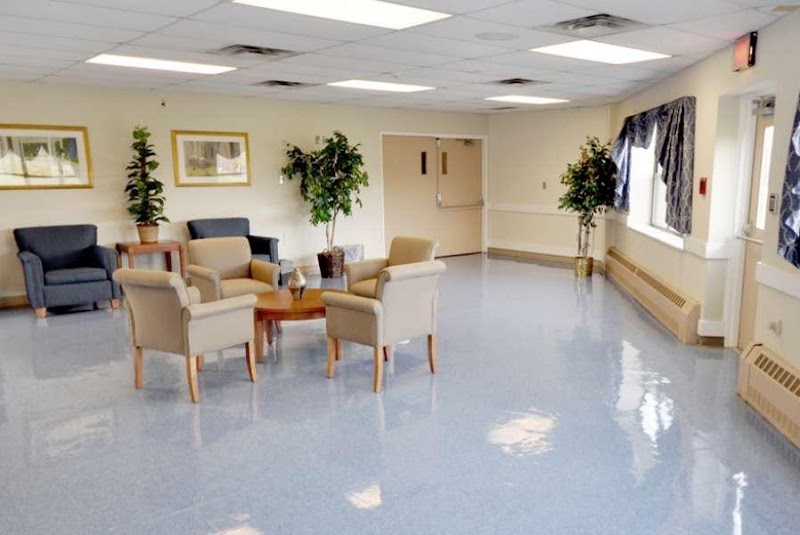
Who Owns and Operates Ghent Rehabilitation & Nursing Center?

GHENT REHABILITATION & NURSING CENTER is owned by a for-profit company. For-profit facilities operate as businesses with obligations to shareholders or private owners. The facility is operated by PERSONAL HEALTHCARE, LLC, a chain that manages multiple nursing homes. With 120 certified beds and approximately 109 residents (about 91% occupancy), it is a mid-sized facility located in GHENT, New York.
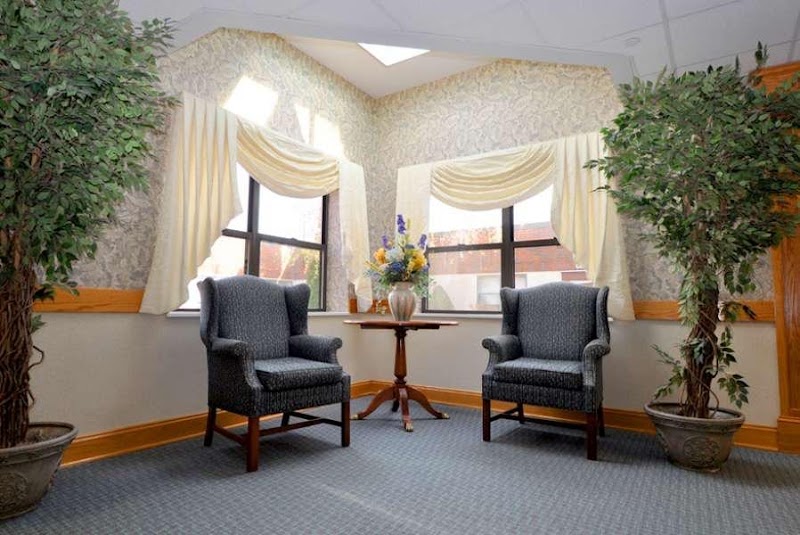
How Does Ghent Rehabilitation & Nursing Center Compare to Other New York Nursing Homes?

Compared to the 100 nursing homes in New York, GHENT REHABILITATION & NURSING CENTER's overall rating (3 stars) is below the state average of 3.1, staff turnover (44%) is near the state average of 46%, and health inspection rating (3 stars) is at the national benchmark.

What Should Families Ask When Visiting Ghent Rehabilitation & Nursing Center?

Based on this facility's data, families visiting should ask: "Can I visit during a mealtime to observe dining assistance and food quality?" "How do you handle medical emergencies, and what is your hospital transfer rate?" "Can I speak with family members of current residents about their experience?"

Is Ghent Rehabilitation & Nursing Center Safe?

Based on CMS inspection data, GHENT REHABILITATION & NURSING CENTER has a clean safety record: no substantiated abuse findings (meaning no confirmed cases of resident harm), no Immediate Jeopardy citations (the most serious violation level indicating risk of serious injury or death), and is not on the Special Focus Facility watch list (a federal program monitoring the lowest-performing 1% of nursing homes). The facility has a 3-star overall rating and ranks #100 of 100 nursing homes in New York. While no facility is perfect, families should still ask about staff-to-resident ratios and recent inspection results during their visit.

Do Nurses at Ghent Rehabilitation & Nursing Center Stick Around?

GHENT REHABILITATION & NURSING CENTER has a staff turnover rate of 44%, which is about average for New York nursing homes (state average: 46%). Moderate turnover is common in nursing homes, but families should still ask about staff tenure and how the facility maintains care continuity when employees leave.

Was Ghent Rehabilitation & Nursing Center Ever Fined?

GHENT REHABILITATION & NURSING CENTER has no federal fines on record. CMS issues fines when nursing homes fail to meet care standards or don't correct problems found during inspections. The absence of fines suggests the facility has either maintained compliance or corrected any issues before penalties were assessed. This is a positive indicator, though families should still review recent inspection reports for the full picture.

Is Ghent Rehabilitation & Nursing Center on Any Federal Watch List?

GHENT REHABILITATION & NURSING CENTER is not on any federal watch list. The most significant is the Special Focus Facility (SFF) program, which identifies the bottom 1% of nursing homes nationally based on persistent, serious quality problems. Not being on this list means the facility has avoided the pattern of deficiencies that triggers enhanced federal oversight. This is a positive indicator, though families should still review the facility's inspection history directly.