GLEN COVE CENTER FOR NURSING AND REHABILITATION
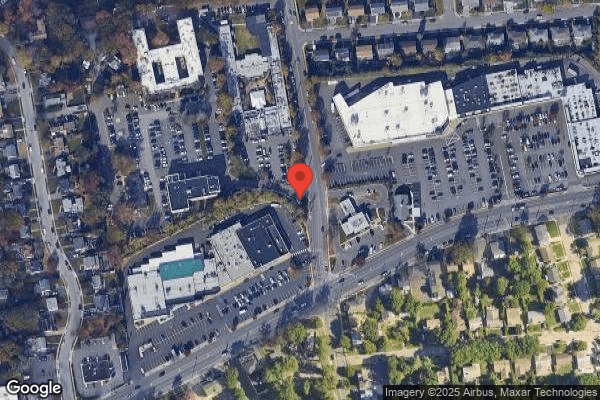

6 MEDICAL PLAZA, GLEN COVE, NY 11542 (516) 656-8000
For profit - Individual 154 Beds PARAGON HEALTHNET Data: November 2025
Trust Grade
80/100
#173 of 594 in NY
Last Inspection: May 2024

Within standard 12-15 month inspection cycle. Federal law requires annual inspections.

Overview

Glen Cove Center for Nursing and Rehabilitation has a Trust Grade of B+, indicating it is above average and recommended for care. It ranks #173 out of 594 facilities in New York, placing it in the top half, and #12 out of 36 in Nassau County, meaning only a few local options are rated higher. However, the facility is experiencing a worsening trend, with issues increasing from 1 in 2023 to 5 in 2024. Staffing is a concern with a 2/5 rating, indicating below average levels, though the turnover rate of 33% is better than the state average. Notably, the facility has reported no fines, which is a positive sign. Specific incidents that raise concerns include the failure to ensure that a resident had access to a call bell, which could leave them unable to alert staff in case of need. Additionally, there were issues with maintaining a clean environment, as one resident's room had stained curtains and another lacked proper window coverings. Lastly, one resident with pressure ulcers did not receive adequate treatment, as their specialized air mattress was not set correctly, potentially hindering their healing process. While there are strengths in the facility, such as no fines and a decent turnover rate, these weaknesses highlight areas that need immediate attention.

Trust Score
B+
80/100
In New York
#173/594
Top 29%
Safety Record
Low Risk
No red flags
Inspections
Getting Worse
1 → 5 violations
Staff Stability
○ Average
33% turnover. Near New York's 48% average. Typical for the industry.
Penalties
✓ Good
No fines on record. Clean compliance history, better than most New York facilities.
Skilled Nurses
✓ Good
Each resident gets 42 minutes of Registered Nurse (RN) attention daily — more than average for New York. RNs are trained to catch health problems early.
Violations
○ Average
10 deficiencies on record. Average for a facility this size. Mostly minor or procedural issues.
★★★★☆
4.0
Overall Rating
★★☆☆☆
2.0
Staff Levels
★★★★☆
4.0
Care Quality
★★★★☆
4.0
Inspection Score
Stable
2023: 1 issues
2024: 5 issues

The Good

  • 4-Star Quality Measures · Strong clinical quality outcomes
  • Full Sprinkler Coverage · Fire safety systems throughout facility
  • No fines on record
  • Staff turnover below average (33%)

    15 points below New York average of 48%

Facility shows strength in quality measures, fire safety.

The Bad

Staff Turnover: 33%

13pts below New York avg (46%)

Typical for the industry

Chain: PARAGON HEALTHNET

Part of a multi-facility chain

Ask about local staffing decisions and management

The Ugly 10 deficiencies on record

May 2024 5 deficiencies
CONCERN (D)

Potential for Harm - no one hurt, but risky conditions existed

Deficiency F0558 (Tag F0558)

Could have caused harm · This affected 1 resident

**NOTE- TERMS IN BRACKETS HAVE BEEN EDITED TO PROTECT CONFIDENTIALITY** Based on observation, record review, and interviews conducted during the recertification survey initiated on 5/13/2024 and compl...

Read full inspector narrative →
**NOTE- TERMS IN BRACKETS HAVE BEEN EDITED TO PROTECT CONFIDENTIALITY** Based on observation, record review, and interviews conducted during the recertification survey initiated on 5/13/2024 and completed on 5/17/2024 the facility did not ensure that each resident had a call bell accessible to alert staff of the resident's needs. This was identified for one (Resident #80) of two residents reviewed for the Environmental Task. Specifically, on two occasions, Resident #80 was observed in bed with the call bell out of reach. The finding is: The facility's policy titled, Resident Call System, effective 10/2022 documented call lights are to be placed within the reach of residents. Staff will ensure the call bell is properly placed within the reach of a resident before exiting the room. Resident #80 was admitted with diagnoses that included Cerebral Infarction (Stroke), Dementia, and a History of Falls. The Quarterly Minimum Data Set, dated [DATE] documented Resident #80's Brief Interview for Mental Status score was four which indicated a severely impaired cognition. Resident #80 received partial/moderate assistance for bed mobility and transfers and had no impairment in functional range of motion in the upper and lower extremities. The Behavior Symptoms Care Plan initiated on 12/20/2023 and last modified on 3/20/2024 documented that Resident #80 had the potential to exhibit inappropriate behavioral problems as evidenced by wandering, poor safety awareness, physical aggression, and wearing surgical gloves. There was no documented evidence that Resident #80 exhibited the behavior of hanging the call bell on the knob of their nightstand. Resident #80 was observed laying in their bed with a sheet pulled up to their chin on 5/13/2024 at 10:08 AM. The head of the bed was elevated, and the right half-side rail was in the up position. Resident #80 had a nightstand located on the right side of the head of their bed. Resident #80's call bell was observed hanging over the top knob of their nightstand. Resident #80 stated they did not have a call bell. Resident #80 was observed laying in their bed with a sheet pulled up to their chin on 5/13/2024 at 12:38 PM. The head of Resident #80's bed was elevated, and the right half-side rail was in the up position. Resident #80 had a nightstand located on the right side of the head of their bed. Resident #80's call bell was observed hanging over the top knob of their nightstand. Resident #80 was interviewed on 5/13/2024 at 12:38 PM and stated they could not reach the call bell and did not know why the call bell was hanging on the knob of the nightstand. Resident #80 did not know where the call bell was normally placed. Certified Nursing Assistant #9 was interviewed on 5/13/2024 at 12:57 PM and stated they assisted Resident #80 with morning care and checked in on the resident at lunch. Certified Nursing Assistant #9 stated Resident #80 can use the call bell and the call bell should be within reach of the resident. Certified Nursing Assistant #9 observed Resident #80's call bell hanging over the top knob of the nightstand. Certified Nursing Assistant #9 stated Resident #80 would not be able to reach the call bell if they were lying in bed. Certified Nursing Assistant #9 stated they forgot to place the call bell next to the resident when they left the room. Certified Nursing Assistant #9 stated they should have clipped the call bell to the resident's fitted bed sheet. Licensed Practical Nurse #5 was interviewed on 5/13/2024 at 1:07 PM and stated Resident #80 was able to use the call bell and the call bell should be within reach of the resident. Licensed Practical Nurse #5 observed Resident #80's call bell hanging over the top knob of the nightstand. Licensed Practical Nurse #5 stated if Resident #80 was lying in bed and was in distress they (Resident #80) would not be able to reach the call bell. Licensed Practical Nurse #5 stated the call bell should be clipped on the sheet next to the resident while the resident is in bed. Registered Nurse #3, the Unit Manager, was interviewed on 5/14/2024 at 11:06 AM and stated the call bell should be within reach of each resident, and after providing care the call bell should be checked before a staff person exits the resident's room. The Director of Nursing Services was interviewed on 5/17/2024 at 10:51 AM and stated they expected the call bell to be within the resident's reach. The Director of Nursing Services stated if the resident is in bed, the call bell should be clipped to the bed linen or pillow. The Director of Nursing Services stated the Certified Nursing Assistant should check the call bell every two hours and as needed. 10 NYCRR 415.5(e)(1)
CONCERN (D)

Potential for Harm - no one hurt, but risky conditions existed

Safe Environment (Tag F0584)

Could have caused harm · This affected 1 resident

**NOTE- TERMS IN BRACKETS HAVE BEEN EDITED TO PROTECT CONFIDENTIALITY** Based on observations, record review, and interviews during the Recertification Survey initiated on 5/13/2024 and completed on ...

Read full inspector narrative →
**NOTE- TERMS IN BRACKETS HAVE BEEN EDITED TO PROTECT CONFIDENTIALITY** Based on observations, record review, and interviews during the Recertification Survey initiated on 5/13/2024 and completed on 5/17/2024, the facility did not ensure that a clean, comfortable, and homelike environment was maintained for two (Resident #24 and Resident #80) of two residents reviewed for the Environmental Task. Specifically, 1) The privacy curtain in Resident #24's room was observed with large stained/soiled areas and 2) Resident #80's room had no window covering for one of the two windows observed in the room. The findings are: 1) The facility's policy titled Resident Room Terminal Cleaning, effective 8/10/2022 documented that all resident rooms receive a complete room cleaning on a rotating basis every five weeks. The maintenance will remove the privacy curtain and the laundry will launder the privacy curtain. Resident #24 was admitted with diagnoses that included Complete Intestinal Obstruction, Acute Respiratory Failure, and Muscle Wasting and Atrophy. The admission Minimum Data Set assessment dated [DATE] documented Resident #24's Brief Interview for Mental Status score was 15 which indicated an intact cognition. A review of the maintenance logs from 4/9/2024 through 5/14/2024 did not include documentation related to the soiled privacy curtain in Resident #24's room. During an observation on 5/13/2024 at 10:38 AM the privacy curtain in Resident #24's room was observed with numerous large stains. Resident #24 was interviewed on 5/13/2024 immediately after the observation and stated the stains on the privacy curtains were present when they were admitted to the facility approximately three weeks ago. Resident #24 stated they would appreciate a clean privacy curtain. An observation of Resident #24's stained privacy curtain was made with Certified Nursing Assistant #10 on 5/14/2024 at 10:30 AM. Certified Nursing Assistant #10 stated they assisted Resident #24 with morning care and did not notice the stained privacy curtain. Certified Nursing Assistant #10 stated normally, when they observe maintenance concerns, they would report the concerns to the Unit Manager. An observation of Resident #24's stained privacy curtain was made with Registered Nurse #3 on 5/14/2024 at 10:35 AM. Registered Nurse #3 stated they were not aware that Resident #24's room had soiled curtains. If they knew of the concern, they would have reported it to the maintenance staff. Registered Nurse #3 stated resident's privacy curtain should be clean and without stains. Maintenance Mechanic #1 was interviewed on 5/14/2024 at 11:13 AM and stated they were not aware that Resident #24's privacy curtain was soiled. Maintenance Mechanic #1 stated each Resident's privacy curtain should be clean and without stains. Maintenance Mechanic #1 stated maintenance issues are generally reported to them verbally; however, there was a maintenance log on each unit at the nurse's station and they reviewed the log at the beginning of their shift. Maintenance Mechanic #1 stated when they completed a request they signed the log book to indicate the concern was addressed. Housekeeper #1 was interviewed on 5/14/2024 at 11:25 AM and stated they cleaned each resident's room daily and visually scanned the room for any soiled areas before they started their cleaning tasks. Housekeeper #1 stated they did not observe the soiled privacy curtain in Resident #24's room. The Director of Engineering and Environmental Services was interviewed on 5/16/2024 at 3:41 PM and stated the resident's privacy curtains should be clean and free of stains. The housekeeper and maintenance mechanic complete room checks daily and the privacy curtains should be part of their inspections. The Administrator was interviewed on 5/17/2024 at 10:10 AM and stated the housekeeper should have observed the stained privacy curtain during their daily rounds. The Administrator stated they expected the privacy curtains to be clean and without stains. 2) The facility's policy titled Resident Room Window Covering, effective 1/2/2024 documented the facility is responsible for maintaining resident privacy and a homelike environment with appropriate window treatments and/or blinds. The facility will maintain either window treatments or blinds in each resident's room. All blinds/window treatments will be maintained in good repair by building services. Resident #80 was admitted to the facility with diagnoses that included Cerebral Infarction (Stroke), Dementia, and a history of Falls. The Quarterly Minimum Data Set assessment dated [DATE] documented Resident #80's Brief Interview for Mental Status score was four which indicated a severely impaired cognition. A review of the maintenance logs from 4/9/2024 through 5/14/2024 did not include documentation related to a need for window covering in Resident #80's room. During an observation of Resident #80's room on 5/13/2024 at 10:08 AM, one of the two windows did not have window covering. Resident #80 stated they were not sure if they ever had a window covering for the window. An observation of Resident #80's window was made on 5/14/2024 at 10:38 AM with Certified Nursing Assistant #2. Certified Nursing Assistant #2 stated each resident's room window should have a window covering; however, they did not notice Resident #24's room window did not have a window covering. An observation of Resident #80's window was made on 5/14/2024 at 10:42 AM with Licensed Practical Nurse #5. Licensed Practical Nurse #5 observed Resident #80's window without a window covering and stated each window in a resident's room should have a window covering. Licensed Practical Nurse #5 stated they regularly came into the resident's room to administer medications on the 7:00 AM-3:00 PM shift and did not notice the window did not have a covering. An observation of Resident #80's window was made on 5/14/2024 at 11:00 AM with Registered Nurse #3, the Unit Manager. Registered Nurse #3 stated each resident should have window coverings on their windows. Registered Nurse #3 stated they would report the need for a window covering to the maintenance mechanic verbally or via the maintenance log. Maintenance Mechanic #1 was interviewed on 5/14/2024 at 11:13 AM and stated they were not aware that Resident #80's window did not have a window covering. Maintenance Mechanic #1 stated maintenance issues are generally reported to them verbally; however, they were not told about the missing window covering in Resident #24's room. Maintenance Mechanic #1 stated the unit maintenance log also did not have any documentation related to the missing window covering. Housekeeper #1 was interviewed on 5/14/2024 at 11:25 AM and stated they cleaned each resident's room daily and were not aware that Resident #80's room did not have a window covering. Housekeeper #1 stated they would have reported the missing window covering to the medication nurse. The Director of Engineering and Environmental Services was interviewed on 5/16/2024 at 3:41 PM and stated each window in a resident's room should have a window covering. The Director of Engineering and Environmental Services stated they expected the housekeeper or maintenance mechanic to ensure the resident rooms are checked during their daily rounds or during the terminal room cleaning. The Administrator was interviewed on 5/17/2024 at 10:10 AM and stated the staff persons on the unit should have observed the missing window covering during their daily rounds. The Administrator stated they expected each window in a resident's room to have a window covering. 10 NYCRR 415.5(h)(2)
CONCERN (D)

Potential for Harm - no one hurt, but risky conditions existed

Pressure Ulcer Prevention (Tag F0686)

Could have caused harm · This affected 1 resident

**NOTE- TERMS IN BRACKETS HAVE BEEN EDITED TO PROTECT CONFIDENTIALITY** Based on observation, record review, and staff interviews during the Recertification Survey, initiated on 5/13/2024 and complete...

Read full inspector narrative →
**NOTE- TERMS IN BRACKETS HAVE BEEN EDITED TO PROTECT CONFIDENTIALITY** Based on observation, record review, and staff interviews during the Recertification Survey, initiated on 5/13/2024 and completed on 5/17/2024, the facility did not ensure that each resident with pressure ulcers received necessary treatment and services, consistent with professional standards of practice, to promote healing, prevent infection and prevent new ulcers from developing, for one (Resident #109) of four residents reviewed for Pressure Ulcers. Specifically, Resident #109 was admitted to the facility with a Deep Tissue Injury (a pressure injury caused by damage to the underlying soft tissues) to the sacrum (a bone at the base of the spine). The resident had a physician's order for an alternating pressure relief air mattress. During multiple observations, the adjustable weight setting for the mattress, which is meant to correspond to the resident's weight, was not set accurately. In addition, a re-assessment of the sacrum wound, by the Director of Nursing Services and the Wound Physician, did not classify the stage of the pressure ulcer. The finding is: The facility policy titled Pressure Injury-Prevention and Care, dated February 2022, documented that suspected deep tissue injury is due to damage of underlying soft tissue from pressure and/or shear. Evolution may be rapid, exposing additional layers of tissue even with optimal treatment. A Stage 2 pressure ulcer is a partial thickness loss of dermis (skin) presenting as a shallow open injury with a red, pink wound bed, without slough (defined as dead tissue containing white blood cells and wound debris). The wound care team members will weekly evaluate each pressure site for the effectiveness of treatment, improvement/healing, deterioration, or if the site remains the same. The operation manual for the Alternating Pressure System with Low Air Loss documented adjusting the mattress' internal pressure according to the resident weight by using the weight button. Resident #109 was admitted to the facility with diagnoses including Cerebrovascular Accident, Non-Alzheimer's Dementia, and Hip Fracture. The 4/4/2024 admission Minimum Data Set assessment documented no Brief Interview for Mental Status score due to the resident's severely impaired cognitive skills for daily decision-making. The Minimum Data Set assessment documented that the resident had one Stage 2 pressure ulcer (defined as partial thickness loss of dermis presenting as a shallow open ulcer with a red or pink wound bed, without slough or bruising). The nursing admission assessment dated [DATE] documented that the resident had a Deep Tissue Injury at the lower back/sacrum area measuring three centimeters by two centimeters. The nursing admission assessment documented the resident's Braden Scale (a numerical system used to predict pressure ulcer risk) score was 16, which indicated the resident had a mild risk for developing pressure ulcers. A physician's order, dated 4/1/2024 and last on 4/22/2024, documented to cleanse the sacral wound with normal saline, pat dry, and apply Medihoney (a wound healing medication) topically followed by dry protective dressing twice a day and when needed for diagnosis of Stage 2 pressure ulcer of the sacral region. A physician's order dated 4/23/2024 documented Air Mattress for pressure relief, check for proper functioning and placement every shift. A Comprehensive Care Plan, titled Pressure Ulcer-Sacrum effective 4/1/2024, documented the resident was admitted with a sacral pressure ulcer and was at risk for further breakdown. An intervention documented on 4/1/2023 included providing a pressure-relieving mattress. The wound care physician consultant note dated 5/13/2024 documented the resident had a Stage 2 pressure ulcer to the sacrum. The wound measurements: 1.2 centimeters by 1.0 centimeters by 0.2 centimeters, with 100% epithelial tissue (pink or pearly white and occurs in the final stage of healing when the wound is covered by healthy skin cells) with light serous drainage (defined as a clear to yellow fluid that leaks out of a wound. This type of wound drainage is a normal). Interventions included the use of a low-air loss mattress. A review of the electronic medical record indicated Resident #109's most recent weight, dated 5/9/2024, was 108.3 pounds. On 5/13/2024 at 10:20 AM Resident #109 was observed in bed. The air mattress pump weight setting was set at 230 pounds. On 5/14/2024 at 08:05 AM Resident #109 was observed sitting in their wheelchair next to the bed. The weight setting on the air mattress pump was set at 230 pounds. Licensed Practical Nurse #3 (medication nurse) was interviewed in Resident #109's room on 05/14/2024 at 8:07 AM. Licensed Practical Nurse #3 observed the weight setting of 230 pounds on the air mattress pump and stated they were not sure who adjusts the weight setting on the air mattress. Licensed Practical Nurse #4, the charge nurse, was interviewed in Resident #109's room on 5/14/2024 at 8:59 AM. Licensed Practical Nurse #4 observed the weight setting of 230 pounds on the air mattress pump and stated the initial weight setting on the air mattress is set by the wound care nurse and the weight setting should match the resident's weight. Licensed Practical Nurse #4 attempted to adjust the weight setting but did not know how and stated they would call the maintenance staff. A review of the May 2024 Treatment Administration Record revealed that nurses have been documenting every shift that the air mattress is functioning properly as per the physician's order. The Director of Maintenance was interviewed in Resident #109's room on 5/14/2024 at 9:51 AM. The weight setting on the mattress was now set at 120 pounds. The Director of Maintenance stated they had just adjusted the weight setting on 5/14/2024 at 9:50. The Director of Maintenance stated the air mattress was not malfunctioning and that the weight adjustment on the air mattress pump was just a matter of pressing a button on the pump panel. Licensed Practical Nurse #2 (wound care nurse) was interviewed on 5/15/2024 at 8:17 AM and stated the setting on the mattress should be consistent with the resident's weight. Resident #109's air mattress should not have been set at 230 pounds. Licensed Practical Nurse #2 stated they did not recall checking the mattress weight setting during wound rounds on 5/13/2024. Licensed Practical Nurse #2 stated the unit nurses are responsible for checking the weight setting on the air mattress as per the physician's order. A wound care observation for Resident #109 was conducted on 5/15/2024 at 10:03 AM. Licensed Practical Nurse #2, the wound care nurse, administered the wound care and was assisted by Licensed Practical Nurse #4. The sacral wound appeared as a full-thickness wound (damage extends below all layers of the skin into the subcutaneous tissue or beyond). The wound bed was observed with approximately 90% granulation (healthy) tissues and 10% yellow slough (a yellow/white material in the wound bed). Licensed Practical Nurse #2 was interviewed on 5/15/2024 at 10:04 AM and stated they were not licensed to classify the staging of the sacral pressure ulcer. The Wound Physician was interviewed on 5/15/2024 at 10:57 AM and stated for Resident #109, the weight setting of 230 pounds on an air mattress would be on the firm side. The Wound Physician stated the air mattress weight setting should be consistent with the resident's weight to promote wound healing. The Director of Nursing Services was interviewed on 5/15/2024 at 12:14 PM and stated the weight setting of 230 pounds was a little high for Resident #109's air mattress. The Director of Nursing Services stated the weight setting on an air mattress should be consistent with the resident's weight to ensure optimal wound healing. An update dated 5/16/2024 to the pressure ulcer comprehensive care plan, written by the Director of Nursing Services, documented that on 5/15/2024 sacral wound was re-assessed and was noted with 95% granulation tissue and 5% yellow slough. The wound measured 2.0 centimeters in length, 1.0 centimeters in width, and 0.3 centimeters in depth. The note did not classify the sacral pressure ulcer staging. The Director of Nursing Services was re-interviewed on 5/17/2024 at 11:42 AM and stated they re-assessed Resident #109's sacral wound on 5/15/2024. The Director of Nursing Services stated during the assessment they noticed there was a change in the wound status. The wound was increased in size and there was slough present. The Director of Nursing Services stated they then called the Wound Physician to re-evaluate the wound. The Director of Nursing Services stated they do not determine the wound stages, only the Wound Physician classifies the staging of the pressure ulcer wounds. The wound Physician's progress note dated 5/17/2024 documented the wound was comprised of 95% granulation tissue and 5% slough and measured 2.0 centimeters in length, 1.0 centimeters in width, and 0.3 centimeters in depth. The wound had no foul odor, signs of infection, or purulent discharge. The wound was unavoidable secondary to the resident being at high risk for skin breakdown due to multiple comorbidities. The progress note did not classify the staging of the sacral pressure ulcer. Attempts were made to re-interview the Wound Physician on 5/17/2024. The Wound Physician was not available for an interview. 10 NYCRR 415.12(c)(1)
CONCERN (D)

Potential for Harm - no one hurt, but risky conditions existed

Staffing Information (Tag F0732)

Could have caused harm · This affected 1 resident

Based on observations, interviews, and record review during the Recertification Survey initiated on 5/13/2024 and completed on 5/17/2024, the facility did not ensure nursing staffing was posted daily ...

Read full inspector narrative →
Based on observations, interviews, and record review during the Recertification Survey initiated on 5/13/2024 and completed on 5/17/2024, the facility did not ensure nursing staffing was posted daily and included the total number of licensed and unlicensed staff working per shift. Specifically, the facility's entrance lobby was observed on 5/13/2024 at 9:00 AM with the nursing staffing sheet dated 5/10/2024. Additionally, the nursing staffing sheets posted from 5/13/2024 to 5/16/2024 did not include the total number of licensed and unlicensed nursing staff working per shift. The finding is: A nursing staffing sheet was observed at the facility entrance by the receptionist area on 5/13/2024 at 9:00 AM. The nursing staffing sheet was dated 5/10/2024 and did not contain the number of licensed and unlicensed nursing staff directly responsible for resident care for each nursing shift: 7:00 AM-3:00 PM, 3:00 PM-11:00 PM, and 11:00 PM-7:00 AM. A nursing staffing sheet was observed at the facility entrance by the receptionist area on 5/14/2024 at 12:30 PM. The nursing staffing sheet was dated 5/14/2024 and did not contain the number of licensed and unlicensed nursing staff providing care for each nursing shift: 7:00 AM-3:00 PM, 3:00 PM-11:00 PM, and 11:00 PM-7:00 AM. A nursing staffing sheet was observed at the facility entrance by the receptionist area on 5/15/2024 at 9:23 AM. The nursing staffing sheet was dated 5/15/2024 and did not contain the number of licensed and unlicensed nursing staff providing care for each nursing shift: 7:00 AM-3:00 PM, 3:00 PM-11:00 PM, and 11:00 PM-7:00 AM. The Staffing Coordinator was interviewed on 5/16/2024 at 11:43 AM and stated they were responsible for completing and posting the nursing staffing sheet daily on days they are working. The Staffing Coordinator stated they were not sure who was responsible for completing and posting the nursing staffing sheets on the weekends or when they were not working. The Staffing Coordinator stated that the nursing staffing sheet should contain the date, resident census, and total number and hours worked by licensed and unlicensed nursing staff. The Staffing Coordinator further stated they were not aware why the facility's nursing staffing sheet does not include the total number of nursing staff on each shift. The Director of Nursing Services was interviewed on 5/17/2024 at 9:54 AM and stated that the night (11:00 PM-7:00 AM) Registered Nurse Supervisor is responsible for completing and posting the staff information daily, including the weekends. The Director of Nursing Services stated that they spoke with the Registered Nurse Supervisor who worked this past weekend (5/11/2024 and 5/12/2024) and the Registered Nurse Supervisor forgot to post the staffing information. The Director of Nursing Services stated they were not sure why the facility's nursing staffing sheet did not include the total number of nursing staff on each shift and would revise it to include that information. The weekend Registered Nurse Supervisor #2 was contacted on 5/17/2024 at 11:28 AM and 1:24 PM and was unable to be interviewed. 10 NYCRR 415.13
CONCERN (D)

Potential for Harm - no one hurt, but risky conditions existed

Deficiency F0840 (Tag F0840)

Could have caused harm · This affected 1 resident

Based on record review and interviews during the Recertification Survey initiated on 5/13/2024 and completed on 5/17/2024 the facility did not ensure that each resident received the use of outside res...

Read full inspector narrative →
Based on record review and interviews during the Recertification Survey initiated on 5/13/2024 and completed on 5/17/2024 the facility did not ensure that each resident received the use of outside resources in a timely manner. This was identified for one (Resident #91) of five residents reviewed for Unnecessary Medications. Specifically, Resident #91 had a physician's order, dated 4/2/2024, for an initial psychiatry consult following the resident's admission to the facility on 4/1/2024; however, the resident did not receive their initial psychiatry consult until 5/15/2024. The finding is: The facility's policy titled, Physician Consultations effective 4/2023, documented it is the policy of this organization to ensure all residents receive medical care in a timely manner. The attending physician will indicate the appropriate time frame within which the specialist should see the resident. Resident #91 was admitted with diagnoses including Alzheimer's Disease, Parkinson's Disease, and Psychotic Disorder. The 4/8/2024 admission Minimum Data Set assessment documented a Brief Interview for Mental Status score of 99, indicating the resident had severely impaired cognitive skills for daily decision-making. The Minimum Data Set assessment documented that the resident had frequent problems related to mood, such as little interest in doing things, trouble with sleep, trouble concentrating, and being restless. A physician's order dated 4/1/2024 documented Quetiapine (an antipsychotic medication), 25 milligrams tablet; give one tablet by oral route every 12 hours, for diagnosis of Anxiety Disorder. A physician's order, dated 4/2/2024, documented to obtain an Initial Psychiatry Consult. A Comprehensive Care Plan titled, Psychotropic Medications effective 4/2/2024, documented an intervention to obtain a psychiatry consultation as ordered. A Pharmacist medication regimen review dated 4/4/2024 documented resident was recently admitted to the facility and receiving Quetiapine with no clear diagnosis to support current use. Please consider obtaining a psychosocial work-up along with performing a medical work-up as soon as possible to assess the underlying causes of behaviors. Should the workups and nursing behavioral monitoring reveal no significant behaviors or identification of a chronic psychiatric condition, please consider implementing a tapering schedule and/or discontinuation of the medication. The physician response, dated 4/8/2024, documented: Disagree, would observe for now. Resident with psychosis and new admission. A Pharmacist medication regimen review dated 4/13/2024 documented currently receiving Quetiapine, which can increase the risk of falls. Per clinical record, with recent falls. Please evaluate and consider tapering dose or implementing alternative treatment. The Physician's response, dated 4/15/2024, documented: Disagree: Resident still with target symptoms. Continue current dose. A physician's order dated 5/8/2024 documented Quetiapine, 25 milligrams tablet; give one tablet by oral route every 12 hours, for diagnosis of Other Psychotic Disorder not due to a Substance or Known Physiological Condition. A Comprehensive Care Plan, titled Mood State, effective 4/2/2024, documented psychiatric consult and follow-up as ordered. A note entry dated 5/8/2024 documented the interdisciplinary team discussed the resident behaviors and current management. The resident was being followed by the facility Psychiatrist due to a diagnosis of Alzheimer's Disease and Anxiety Disorder. The resident continued to have intermittent episodes of being combative and yelling during morning care. The resident will continue to be followed by the facility Psychiatrist. A review of the medical record revealed no previous evaluation by the Psychiatrist. A nursing progress note dated 5/9/2024 at 1:07 AM documented the resident pulled out their peripheral intravenous line. Attempts were made to re-insert the intravenous line, but the resident refused and was combative. The resident was trying to hit bite and pinch staff and used inappropriate words towards staff. The Primary Physician was notified, and the Psychiatrist was made aware for re-evaluation. A review of the medical record revealed no previous evaluation by the Psychiatrist. A review of the medical record revealed that there had been no documented psychiatric evaluation as of 5/15/2024. The Director of Nursing Services was interviewed on 5/15/2024 at 9:39 AM. The Director of Nursing Services stated the psychiatry consult for Resident #91 is pending and the initial consult has not been done yet. The Director of Nursing Services stated generally, the initial psychiatry consult should be done within 14 days of a new admission. Psychiatrist #1 was interviewed on 5/15/2024 at 1:00 PM. Psychiatrist #1 reviewed their notes and stated they had not seen Resident #91 yet. Psychiatrist #1 stated generally, they like to see a new resident as soon as possible, within 1-2 weeks after the resident is admitted . Psychiatrist #1 stated the facility asked them to see the resident today. Psychiatrist #1 stated when a consult is needed for newly admitted residents, the staff either texts them or puts the consult request in the consult book. Primary Physician #1 was interviewed on 5/15/2024 at 1:55 PM and stated they expect the psychiatry consult to be done rather quickly. Primary Physician #1 stated they did not change the Seroquel (Quetiapine), dosage because the resident was very aggressive and almost attacked them a couple of times. Primary Physician #1 stated they were waiting for the Psychiatrist to assess the resident because they (Primary Physician #1) are not an expert. Primary Physician #1 stated the Quetiapine order written on 4/1/2024 indicated a diagnosis of Anxiety as a reason for the medication use, which may have been an oversight. The Director of Nursing Services was re-interviewed on 5/15/2024 at 2:05 PM and stated all newly admitted residents who receive psychotropic medications are automatically referred to psychiatry services. Resident #91 is a newly admitted resident who receives antipsychotic medications and should have been seen by the Psychiatrist within 14 days of their admission to the facility. A Psychiatry consult dated 5/15/2024 documented a recommendation for a dose reduction of Quetiapine. The resident has been intermittently combative, agitated, and depressed at times, with poor sleep sometimes. The resident has been extremely confused, and unable to answer questions due to cognitive impairment. The Psychiatrist recommended to continue Seroquel 12.5 milligrams every 12 hours. 10 NYCRR 415.26(e)
Mar 2023 1 deficiency
CONCERN (D) 📢 Someone Reported This

A family member, employee, or ombudsman was alarmed enough to file a formal complaint

Potential for Harm - no one hurt, but risky conditions existed

Quality of Care (Tag F0684)

Could have caused harm · This affected 1 resident

**NOTE- TERMS IN BRACKETS HAVE BEEN EDITED TO PROTECT CONFIDENTIALITY** Based on observation, record review, and staff interviews during an Abbreviated Survey (NY00308556 and NY00307457), initiated on...

Read full inspector narrative →
**NOTE- TERMS IN BRACKETS HAVE BEEN EDITED TO PROTECT CONFIDENTIALITY** Based on observation, record review, and staff interviews during an Abbreviated Survey (NY00308556 and NY00307457), initiated on 2/27/2023 and completed on 2/28/2023, the facility did not ensure that each resident received treatment and care in accordance with professional standards of practice, the comprehensive person-centered care plan, and the residents' choices, for 2 of 3 sampled residents. Specifically, 1) Resident #1 was admitted to the facility with a surgical wound to the scalp with staples. There was no documented evidence regarding the assessment of Resident #1's head wound, or how many staples were removed by Physician #1 on 9/27/2022. 2) during the wound care observation for Resident #2 on 2/27/2023; the Licensed Practical Nurse (LPN) #1 did not follow the physician's orders regarding the cleansing solution and the wound care dressing to be applied; in addition, LPN #1 did not practice aseptic technique when preparing the wound care supplies. The finding is: The facility's policy titled Wound Care, Dressing an Open, Infected, or Draining Wound, effective 8/2018, documented all needed items for the dressing change will be arranged on an aseptic/sterile field; cleanse the wound edges and surface with prescribed solution. The facility's policy titled Comprehensive Care Planning effective 10/24/2018, documented the comprehensive care plan will be kept current by all disciplines on an ongoing basis, which will include evaluation of goal and appropriateness of interventions. 1) Resident #1 was admitted with diagnoses including Diabetes Mellitus, Cervical Fracture, and Depression. The 9/26/2022 admission Minimum Data Set (MDS) assessment documented a Brief Interview for Mental Status (BIMS) score of 15, indicating the resident was cognitively intact. The nursing admission assessment dated [DATE] under the heading skin assessment documented a surgically repaired laceration to the right scalp with staples. The assessment did not indicate how many staples. The admission nursing progress note documented surgically repaired laceration to the right parietal scalp with staples, clean, dry, and intact, with no redness or other signs and symptoms of infection. The admission progress note did not indicate how many staples the scalp wound had. A physician's order dated 9/19/2022 documented cleanse right forehead with normal saline, pat dry, apply bacitracin followed by dry protective dressing twice a day for 14 days. A Comprehensive Care Plan (CCP) titled Surgical Site, effective 9/20/2022, documented the resident had a fall on 9/15/2022 resulting in a scalp laceration; the resident has a surgical site to the right parietal area (right side of head). Interventions included treatment as per physician order and to observe for signs and symptoms of infection. There were no follow-up notes in the care plan related to the progress of the surgical site. The physician admission progress note (PAPN) dated 9/20/2022 lacked documented evidence of Resident #1's head wound. The PAPN documented no lacerations/bruises under skin assessment; and nontraumatic skull, no tenderness, no palpable mass under head/scalp/face. A physician progress note dated 9/21/2022 documented staple on head, bruise on the head, forehead, neck, upper trunk. Review of the Treatment Administration Record (TAR) for September 2022 revealed that the ordered treatment to the surgical site was not documented as being completed on 9/21/2022 (AM and PM); 9/23/2022 (AM and PM); 9/24/2022 (AM and PM), 9/26/2022 (PM) and 9/27/2022 (AM and PM). There was no documented evidence in the Treatment Administration Record (TAR) indicating why the treatments were not documented as completed. Review of the TAR for October 2022 revealed that on 10/2/2022 (PM) and on 10/3/2022 (AM and PM) the resident refused treatment. The 14-day treatment order ended on 10/3/2022. Physician notes dated 9/23/2022, 9/24/2022 and 9/25/2022 documented surgically repaired laceration to right parietal scalp with staples in site, no redness or other signs of infection noted. A nursing progress note written by Licensed Practical Nurse (LPN) #2 dated 9/27/2022 documented that Resident#1 was seen by the doctor, the staples were removed, and resident denied any pain or discomfort. There was no description of Resident #1's head wound. The physician note dated 9/27/2022 did not document that the staples were removed or the condition of the head wound. Physician notes dated 9/28/2022, 9/29/2022, 9/30/2022, 10/1/2022 and 10/2/2022 documented that the Resident #1 still had staples on their head. Review of the medical record revealed there was no documented evidence of Resident #1's wound care to the head or an update to the Comprehensive Care Plan (CCP) addressing the progress of the surgical wound. Additionally, the CCP lacked documented evidence of the head wound status on 10/3/2022 when the wound care was completed after 14 days. On 2/27/2023 at 10:50 AM LPN #3 was interviewed. LPN #3 stated they do not know why they did not document the wound care on 9/27/22 during the 3-11 PM shift. LPN #3 stated they cannot recall any concern with Resident #1 as far as refusing care or difficult behaviors. On 2/27/2023 at 12:45 PM LPN #4 was interviewed regarding lack of documentation for the wound care on 9/23/2022. LPN #4 stated there was no excuse for not signing the Treatment Administration Record (TAR). LPN #4 stated they were probably alone on the unit and forgot to sign the TAR. LPN #4 stated there should not be blanks on the TAR and that the resident did not refuse care. On 2/27/2023 at 12:55 PM LPN #5 was interviewed regarding not signing for Resident #1's head wound care on 9/21/2022. LPN #5 stated they do not remember the wound care for this resident. LPN #5 stated if they do the wound care, they sign for it. LPN #5 stated they (LPN #5) may have been the only nurse on the unit and possibly did not get to it. On 2/27/2023 at 1:15 PM LPN #6 was interviewed regarding not signing for Resident #1's head wound care on 2/24/2022 on the 3 PM-11 PM shift. LPN #6 stated they are not sure at all why the treatment was not signed for. On 2/27/2023 at 1:45 pm Registered Nurse (RN) #1 (was temporary wound care nurse when Resident #1 was in facility) was interviewed. RN #1 stated Resident #1 was not followed by the wound care doctor and that any wound care team notes would be in the progress notes. RN #1 stated if a resident is admitted with staples, the number of staples should be in the admission note and when the staples are removed there should be a note that includes how many staples were removed and an assessment of the wound. RN #1 stated the progress of the wound should also be in a comprehensive care plan update. RN #1 reviewed the care plan and confirmed there were no updates. RN #1 stated the nurses are expected to sign the treatment administration record when they provide a treatment. On 2/27/2023 at 2:00 PM RN #2 the Assistant Director of Nursing Services (ADNS) (admission nurse for Resident #1) was interviewed. RN #2 stated they do not count how many staples there are when they do an admission. RN #2 stated there should be documentation that Resident #1's staples were removed and an assessment of the wound. On 2/27/2023 at 2:11 PM RN #3 (current wound care nurse) was interviewed. RN #3 stated they do count the staples. RN #3 stated it is very important and is part of assessment. On 2/27/2023 at 2:25 PM LPN #2 (unit charge nurse, wrote progress note on 2/27/2022) was interviewed regarding the staple removal on 9/27/2022. LPN #2 stated the doctor removed the staples from Resident #1's head wound, and they were not present with the doctor at the time of the stable removal. LPN #2 stated they should have documented the status of the wound in their note. On 2/27/2023 at 2:45 PM Physician #1 (who removed staples) was interviewed. Physician #1 stated they do not recall any concerns with Resident #1's head wound, but they should have documented how many staples were removed and an assessment of the head wound. On 3/21/2023 at 11:30 AM the Director of Nursing Services (DNS) was interviewed. The DNS stated the expectation is that a very thorough assessment of the wound will be documented, including how many staples there are during the initial assessment, the progress of the wound, and the number of staples that were removed and a description of the wound once the staples are removed. 2) Resident #2 was admitted with diagnoses including Cerebrovascular Accident, Non-Alzheimer's Dementia, and Depression. The 2/2/2023 admission Minimum Data Set (MDS) assessment documented no Brief Interview for Mental Status (BIMS), as the resident had moderately impaired cognitive skills for daily decision making. The MDS documented that the resident had one unstageable pressure ulcer and one deep tissue injury. A Comprehensive Care Plan (CCP) titled Impaired Skin Integrity-Sacrum, effective 1/26/2023 documented an intervention to apply skin treatment as per physician orders. An update to the CCP on 2/27/2022 documented that Resident#2 was seen by the wound care physician for the Stage 4 sacral ulcer and that packing with iodoform after cleansing with normal saline remains to be the appropriate treatment. A physician's order for wound care to a Stage 4 pressure ulcer of the sacral region, dated 2/20/2023, documented cleanse with normal saline, pack the sacral wound with Iodoform ½ inch x 5-yard packing, then cover with dry protective dressing. On 2/27/2023 at 11:15 AM Resident #2's sacrum wound treatment was observed performed by LPN #1 and assisted by CNA #1. During wound care supply preparations, LPN #1 opened sterile gauze pad packages and let the sterile pads fall on top of still-packaged wound care supplies (bordered gauze, occlusive gauze packages) that were on a Styrofoam tray, undermining aseptic technique; the surveyor brought this to LPN #1's attention and the LPN discarded the gauze pads and re-opened new gauze pads. LPN #1 removed the dressing from the sacrum wound, which appeared clean, with no signs/symptom of infection. There was a minor amount of serosanguinous (blood-tinged) drainage. LPN #1 began the process of cleaning the wound by soaking the gauze pads with the wound cleaning agent; upon inspection of the cleaning-agent bottle by the surveyor, the liquid LPN #1 used was sterile water rather than normal saline. LPN #1 then went to get a bottle of normal saline and then re-soaked additional gauze pads to comply with the order; after cleansing the wound LPN #1 applied povidone iodine solution to a gauze pad and applied that dressing to the sacrum wound. The surveyor asked LPN #1 if that was the ordered treatment. LPN #1 went back to the computer outside the room at the medication cart to recheck the orders and realized the order required packing the wound with iodoform dressing. LPN #1 called over LPN #2 (LPN charge nurse), who came over to assist with the wound care. LPN #2 identified the iodoform packing bottle in the medication cart. LPN #1 prepared the iodoform to pack the wound-The surveyor identified that the bottle label indicated 1 inch x 5 inch, not the ½ inch x 5 inch that was ordered. LPN #2 (charge nurse) checked the order and confirmed that the order was ½ inch. LPN #2 stated the facility does not have ½ inch iodoform packing. LPN #2 stated they (LPN #2) will cut the 1-inch iodoform strip in half and then will call the doctor. On 2/27/2023 at 1:40 PM LPN #1 was re-interviewed. LPN #1 stated they (LPN #1) did not know what happened during the wound care treatment and that maybe they (LPN #1) were under a lot of pressure. LPN #1 stated they (LPN #1) know the difference between iodoform and povidone iodine. On 2/27/2023 at 2:11 PM the Registered Nurse (RN) #3 wound care nurse was interviewed. RN #3 stated the nurse must verify orders before performing a wound treatment. RN #3 stated if the nurse is not sure about the treatment, then the nurse must ask. RN #3 stated that wound care requires aseptic technique and that dropping the sterile gauze pads on a dirty area compromised aseptic technique. On 2/27/2023 at 2:25 PM LPN #2 charge nurse was re-interviewed. LPN #2 stated that during the wound care, LPN #1 was a little nervous, but that is no excuse. LPN #2 stated I told LPN #1 if they (LPN #1) do not understand the wound care order, then the nurse needs to reach out and ensure that the orders are verified before doing the care. On 2/28/2023 at 10:45 AM RN #2 (the Assistant Director of Nursing Services) was interviewed. RN #2 stated LPN #1 probably got very nervous and panicked during the wound care. RN #2 stated the nurses absolutely have to check the orders before giving a medication or doing a treatment; they know that; I don't know what happened. On 3/21/2023 at 11:30 AM the DNS was interviewed. The DNS stated LPN #1 will be inserviced. The DNS stated all orders must be checked before providing wound care and aseptic technique must be used. The DNS stated this is basic nursing. 415.12
Sept 2022 2 deficiencies
CONCERN (D)

Potential for Harm - no one hurt, but risky conditions existed

Investigate Abuse (Tag F0610)

Could have caused harm · This affected 1 resident

Based on interviews and record review during the Recertification Survey and Abbreviated survey (NY00296813) initiated on 9/6/2022 and completed on 9/13/2022, the facility did not ensure that all alleg...

Read full inspector narrative →
Based on interviews and record review during the Recertification Survey and Abbreviated survey (NY00296813) initiated on 9/6/2022 and completed on 9/13/2022, the facility did not ensure that all alleged violations are thoroughly investigated to rule out Abuse, Neglect, Exploitation, or Mistreatment. This was identified for one (Resident #208) of one resident reviewed for Change in Condition. Specifically, Resident #208 sustained a skin tear to the right forearm on 3/7/2022 and a skin tear to the left forearm on 3/8/2022. The facility did not initiate an investigation to determine the root cause of the incident and obtain pertinent statements to rule out Abuse, Neglect, Exploitation and Mistreatment. The finding is: The facility's policy, titled Risk Management: Resident/Patient Incidents and Accidents, dated 1/1/2022, documented an incident is an unexpected, unintended event that can cause a resident/patient superficial injury or no injury. Examples of incidents may include but are not limited to the following: non-injury falls, soft tissue injury or hematoma that does not disrupt structure or function of affected part of body, and superficial scratches, scrapes, blisters, abrasions, skin tears, or lacerations not requiring closure, resulting from actual occurrences. For all occurrences the Registered Nurse (RN) will examine the resident and perform a complete physical assessment; the charge nurse in collaboration with the nurse manager/supervisor will notify the physician and complete the accident/incident report; the Director of Nursing Services (DNS) will be notified immediately if suspicion of abuse/neglect exists; and within 24 hours the completed accident/incident investigation will be forwarded to the DNS. Resident #208 was admitted with diagnoses including End Stage Renal Disease, Chronic Obstructive Pulmonary Disease (COPD), and Heart Failure. The 2/26/2022 Minimum Data Set (MDS) assessment documented a Brief Interview for Mental Status (BIMS) score of 13, indicating the resident was cognitively intact. The MDS documented that there were no ulcers, wounds, or skin problems. The 48-hour care plan, dated 2/25/2022-2/26/2022, documented under skin ulcers/wound, fragile skin: skin tear-treatment as indicated, gentle handling. A facility investigation dated 3/2/2022 documented that Resident #208 sustained a skin tear to the neck while the resident's pillow was being adjusted by a Certified Nursing Assistant (CNA). The outcome from the investigation was for the CNA to receive an inservice on gentle handling of residents. The Registered Nurse (RN) Supervisor progress note, written by RN #3 dated 3/7/2022 at 3:23 PM, documented the Primary Care Nurse, who was Licensed Practical Nurse (LPN) #1, advised RN #3 that the resident sustained a skin tear during hygiene care this morning. After evaluating the injury, the matter was reported to the wound care nurse who evaluated the left arm [right arm per the Physician's order] and placed a treatment order in the computer. A physician's order dated 3/7/2022 at 3:26 PM, (entered by wound care RN #4) documented to cleanse the skin tear to the right forearm with normal saline, pat dry, and cover with Xeroform gauze non-stick dressing and wrap with kling every day. The facility was unable to provide the Accident/Incident report, or an investigation related to the skin tear to Resident #208's right arm, which was identified on 3/7/2022. A physician's order dated 3/8/2022 at 6:20 AM, (entered by wound care RN #4) documented to cleanse the left forearm with normal saline, pat dry, cover wound with Xeroform gauze non-stick dressing and secure with Kling wrap every day for unspecified skin changes. Review of the medical record revealed no accompanying progress notes for the 3/8/2022 left arm wound. The Director of Nursing Services (DNS) was interviewed on 9/9/2022 at 9:00 AM and stated as per the RN Risk Manager, there was no incident investigations for the 3/7/2022 or 3/8/2022 skin tears. RN #3 was interviewed on 9/9/2022 at 10:18 AM regarding Resident #208's right forearm skin tear identified on 3/7/2022. RN #3 stated they (RN #3) were told about the skin tear by LPN #1. RN #3 stated they reported the skin tear to the wound care RN (RN #4). RN #3 stated they (RN #3) would have expected an investigation to have been done for the skin tear unless there was a discussion with the wound care RN and the wound care RN felt an investigation was not necessary. RN #4 (wound care nurse) was interviewed on 9/9/2022 at 10:27 AM and stated usually the incident investigation is done by the RN Risk Manager (RN #1). RN #4 stated they (RN #4) saw the right arm skin tear on 3/7/2022 and do not know why an investigation was not done. RN #4 stated they (RN #4) did not make a decision that an investigation was not necessary. RN #4 stated they (RN #4) did not remember the left arm skin tear that was identified on 3/8/2022 for Resident #208. RN #1 who was the Risk Manager/Assistant Director of Nursing Services (ADNS) was interviewed on 9/9/2022 at 10:59 AM and stated the resident had very fragile skin. RN #1 stated they (RN #1) did not do an investigation for the 3/7/2022 right arm skin tear because the skin tear occurred from the aide taking care of the resident during regular hygiene care, so a report was not necessary. RN #1 stated they did not speak to the aide who provided the hygiene care but learned about the skin tear from other staff. RN #1 stated they did not know about the wound that occurred on 3/8/2022 to the left arm. RN #1 stated that in their opinion since the resident had fragile skin, an investigation for the skin tears was not necessary. LPN #1 was interviewed on 9/9/2022 at 11:17 AM and stated they did not remember which CNA told them (LPN #1) about the skin tear on the right forearm on 3/7/2022. The DNS was interviewed on 9/9/2022 at 1:29 PM and stated if the origin of an injury is known then the investigation is not really needed. The DNS stated they (DNS) were not aware of the skin tears to the arms, only the neck wound. The DNS stated the skin tears to the arms may have happened because the CNAs were not that gentle, and the resident had fragile skin. 415.4(b)(3)
CONCERN (D)

Potential for Harm - no one hurt, but risky conditions existed

Deficiency F0710 (Tag F0710)

Could have caused harm · This affected 1 resident

**NOTE- TERMS IN BRACKETS HAVE BEEN EDITED TO PROTECT CONFIDENTIALITY** Based on record review and interviews during the Recertification Survey initiated on 9/6/2022 and completed on 9/13/2022, the fa...

Read full inspector narrative →
**NOTE- TERMS IN BRACKETS HAVE BEEN EDITED TO PROTECT CONFIDENTIALITY** Based on record review and interviews during the Recertification Survey initiated on 9/6/2022 and completed on 9/13/2022, the facility did not ensure that the medical care of each resident was supervised by the Physician including monitoring changes in the resident's medical status. This was identified for two (Resident #30 and Resident #86) of three residents reviewed for Nutrition. Specifically, 1) Resident #30 had a 5% significant weight loss in July 2022 which was not addressed by their Primary Care Physician in their progress note and 2) Resident #86 had an 8.6% significant weight loss in 3 months identified in May 2022 which was not addressed by the Primary Care Physician in their progress note, a 17.1% significant weight loss in 6 months identified in June 2022 which was not addressed by the Primary Care Physician in their progress note, and a 10.8% significant weight loss in 6 months identified in August 2022 which was not addressed by the Primary Care Physician in their progress notes. The findings are: The facility's policy titled, Notification of MD of Residents Change in Condition last revised on 8/24/2022 documented that any change in the resident's baseline status observed by any staff of the facility will be reported to the Unit Managers/Licensed Nursing Staff. Unit Managers/Licensed Nursing Staff will assess the resident's condition and determine if the Attending Physician needs to be contacted. Once the resident has been observed by the Unit Managers/Licensed Nursing Staff, the resident's Attending Physician will be notified. Changes that warrant notification of the Attending Physician included but were not limited to weight loss/gain. 1) Resident #30 has diagnoses which include Hypertension and Atrial Fibrillation. The quarterly Minimum Data Set (MDS) assessment dated [DATE] documented Resident #30 had a Brief Interview for Mental Status (BIMS) score of 4 which indicated the resident had severely impaired cognitive skills for daily decision making. The resident required supervision with setup help only with eating. The resident's height was 60 inches and they weighed 144 pounds. No weight loss was identified on this MDS. The resident's Weight Monitoring Report documented that on 6/1/2022 the resident weighed 144.4 pounds (lbs) and on 7/13/2022 the resident weighed 136.8 lbs which indicated a 7.6 lb or a 5.26% significant weight loss over one month. The Dietary Progress Note and Comprehensive Care Plan (CCP) titled Nutrition/Hydration dated 7/26/2022 documented that the resident had a recent weight decline that month due to being diagnosed with COVID-19 infection on 6/29/2022. The note documented that the resident's usual body weight (UBW) range was 144-147 lbs over the past 6 months. The resident's current weight (CW) was 136.8 lbs which reflected a 7.2 lbs or 5% weight decline that month. Review of the resident's Electronic Medical Record (EMR) revealed no Physician (MD) Monthly Visit for July 2022. The MD Monthly Visit dated 8/13/2022 documented, WT (weight) stable. The resident's current diet orders dated 8/13/2022 documented Diet Type: No Added Salt (NAS), Diet Consistency: Soft, and Fluid Consistency: Thin/regular Liquids. A nutritional supplement of Ensure Plus 237 milliliters by mouth twice daily was ordered on 9/2/2022. The Registered Nurse (RN) Unit Manager (RN #5) was interviewed on 9/9/2022 at 3:05 PM and stated there has been a change in the Dietician employed by the facility since August 2022. RN #5 stated they (RN #5) were unsure if Resident #30 had a significant weight loss in July. RN #5 stated since the new Registered Dietician (RD)'s arrival a meeting is held after the morning report to discuss the weight losses in the facility, including the interventions. RN #5 stated they (RN #5) were not aware if the resident's Primary Physician was notified of the significant weight loss in July 2022 because the previous RDs were the ones responsible for making the Physician's aware of significant weight losses. The resident's Primary Care (Attending) Physician was contacted for an interview on 9/9/2022 at 3:30 PM and declined to speak to the Surveyor. The facility's Medical Director was interviewed on 9/09/2022 at 4:00 PM and stated that the Physicians in the facility have a protocol they follow when a resident has weight loss. The Medical Director stated that when a Physician sees a resident, they should look at their weight and if a weight loss is seen, the Physician should write a note documenting if the weight loss is desirable or undesirable. The Medical Director stated that sometimes a resident is receiving Lasix (a diuretic medication) for Congestive Heart Failure then the weight loss is medically related and desirable. The Medical Director stated that the Physician should know if the weight loss is due to a decrease in the resident's intake. The Chief Clinical RD was interviewed on 9/9/2022 at 4:30 PM and stated that their first day of work was 7/5/2022. The RD stated that they (RD) gather the weight record from each unit on a weekly or monthly basis and analyze it. The RD stated that they (RD) report any weight changes that trigger a significant weight loss, after obtaining a reweigh for accuracy, to the Nurses and then the Nurses notify the Physicians. The Director of Nursing Services (DNS) was interviewed on 9/9/2022 at 4:55 PM and stated that Nursing reports to the Physician when a resident has a significant weight loss. The DNS stated significant changes in weight are also discussed in morning report between two departments, Nursing and Dietary. 2) Resident #86 has diagnoses which include Parkinson's Disease and Atherosclerotic Heart Disease (ASHD). The Significant Change in Status Minimum Data Set (MDS) assessment dated [DATE] documented Resident #86 had a Brief Interview for Mental Status (BIMS) score of 4 which indicated the resident had severely impaired cognition. The resident was totally dependent on the assistance of one person for eating. The resident's height was 66 inches and they weighed 114 pounds. The MDS documented that the resident had a weight loss of 5% or more in the last month or loss of 10% or more in the last 6 months and was not on a Physician-prescribed weight-loss regimen. The resident's Weight Monitoring Report documented that on 1/24/2022 the resident weighed 133.1 pounds (lbs) and on 5/6/2022 the resident weighed 121.7 lbs indicating 11.4 lbs or an 8.6% significant weight loss over 3 months. The resident's Weight Monitoring Report documented that on 12/1/2021 the resident weighed 137. 3 lbs and on 6/1/2022 the resident weighed 117.3 lbs indicating 20 lbs or a 17.1 significant weight loss over 6 months. The resident's Weight Monitoring Report documented that on 2/1/2022 the resident weighed 129.2 lbs and on 8/5/2022 the resident weighed 117 lbs indicating 12.2 lbs or 10.8% significant weight loss over 6 months. The Dietary Progress Note and Comprehensive Care Plan (CCP) titled Nutrition/Hydration Monitoring/Evaluation Note dated 5/6/2022 documented that the resident's current weight (CW) was 121.7 lbs which reflected 11.4 lbs or 8.6% significant weight loss over the past 3 months. The CCP titled Nutrition/Hydration Monitoring/Evaluation Note dated 6/14/2022 and the Significant Weight Change Dietary Progress Note dated 6/24/2022 documented that the resident's current body weight (CBW) triggered 17.1% significant weight loss over 6 months. The Significant Weight Change Dietary Progress Note dated 8/5/2022 and the CCP titled Nutrition/Hydration Monitoring/Evaluation Note dated 8/5/2022 documented that the resident's CBW triggered 10.8% significant weight loss over 6 months. A review of the Monthly Physician's Visit progress notes, dated 5/24/2022, 6/18/2022, and 8/13/2022 revealed no documented evidence that the resident's Primary Care Physician was aware of the resident's significant weight loss. The resident's current diet orders dated 8/13/2022 documented Diet Type: Regular, Diet Consistency: Puree, and Fluid Consistency: Thin/regular Liquids. The resident's nutritional supplement of Ensure Plus 237 milliliters by mouth twice daily was ordered on 8/26/2022. The Registered Nurse (RN) Unit Manager (RN #8) was interviewed on 9/9/2022 at 2:45 PM and stated that the Dietitian gets the weights from them (RN #8) from the weight book and then enters the weights into the computer. RN # 8 stated that the Dietitian who no longer worked at the facility would inform them (RN #8) and the resident's Physician when a resident had a significant weight loss, what the plan was, and that the resident needed to be put on weekly weights. RN #8 stated that they (RN #8) were not aware if the previously employed RD had informed the Physician of the resident's significant weight loss. RN #8 stated that they (RN #8) did not recall discussing with the resident's Physician about the resident losing weight. RN #8 stated that the Dietitian is the one who works closely with the Physician about the resident's diets and weights. The resident's Primary Care (Attending) Physician was contacted for an interview on 9/9/2022 at 3:30 PM and declined to speak to the Surveyor. The facility's Medical Director was interviewed on 9/09/2022 at 4:00 PM and stated that the Physicians in the facility have a protocol they follow when a resident has weight loss. The Medical Director stated that when a Physician sees a resident, they should look at their weight and if a weight loss is seen, the Physician should write a note documenting if the weight loss is desirable or undesirable. The Medical Director stated that sometimes a resident is receiving Lasix (a diuretic medication) for Congestive Heart Failure then the weight loss is medically related and desirable. The Medical Director stated that the Physician should know if the weight loss is due to a decrease in the resident's intake. The Chief Clinical RD was interviewed on 9/9/2022 at 4:30 PM and stated that their first day of work was 7/5/2022. The RD stated that they (RD) gather the weight record from each unit on a weekly or monthly basis and analyze it. The RD stated that they (RD) report any weight changes that trigger a significant weight loss, after obtaining a reweigh for accuracy, to the Nurses and then the Nurses notify the Physicians. The Director of Nursing Services (DNS) was interviewed on 9/9/2022 at 4:55 PM and stated that Nursing reports to the Physician when a resident has a significant weight loss. The DNS stated significant changes in weight are also discussed in the morning report between two departments, Nursing and Dietary. 415.15(b)(1)(i)(ii)
Dec 2019 2 deficiencies
CONCERN (D)

Potential for Harm - no one hurt, but risky conditions existed

Deficiency F0657 (Tag F0657)

Could have caused harm · This affected 1 resident

**NOTE- TERMS IN BRACKETS HAVE BEEN EDITED TO PROTECT CONFIDENTIALITY** Based on observation, record review and interviews during the Recertification Survey, the interdisciplinary team did not revise ...

Read full inspector narrative →
**NOTE- TERMS IN BRACKETS HAVE BEEN EDITED TO PROTECT CONFIDENTIALITY** Based on observation, record review and interviews during the Recertification Survey, the interdisciplinary team did not revise the Comprehensive Care Plans (CCP) for each resident to reflect resident specific interventions to address the resident's specific needs. This was evident for one (Resident #79) of six residents reviewed for Unnecessary Medications and one (Resident #96) of one resident reviewed for Advanced Directives. Specifically, 1) Resident #79 had multiple increases in the Antipsychotic and Antidepressant medications used to treat the diagnosis of Major Depressive Disorder without documented evidence that the care plan was reviewed by the interdisciplinary team to include resident specific, updated, non-pharmacological interventions. 2) Resident #96 had a Do Not Resuscitate (DNR) physician's order which was rescinded and changed to a Full Code, requiring Cardio-Pulmonary Resuscitation (CPR). There was no updated documentation in the resident's CCP for Advance Directives that the DNR had been rescinded and changed to full cardiopulmonary resuscitation. The findings are: 1) The facility Policy and Procedure titled Comprehensive Care Plans (CCP) and Resident/Patient Meeting effective date 2/2017 documented information obtained from the Comprehensive Assessment and staff interviews enable the facility staff to plan care that focuses on the resident's ability to achieve his/her highest practicable mode of functioning that includes but, is not limited to the following: (h) Mental and Psychosocial needs, (k) Activities potential and preferences (m) Cognitive status (n) Drug Therapy.CCP's will be revised or new care plans will be developed quarterly, annually and as needed, within seven days of completion of MDS. Resident #79 is [AGE] years old with diagnoses which include Dementia, Bipolar Disorder and Anxiety. The Annual Minimum Data Set (MDS) assessment dated [DATE] documented the resident had a Brief Interview for Mental Status (BIMS) Score of 15, indicating the resident was cognitively intact. The MDS documented the resident's Mood Score was 1, indicating the resident was feeling down, depressed or hopeless one day over the 14 assessment period. The resident's activity preferences, which were somewhat important to the resident, included reading, music, doing things outdoors and doing favorite activities. The MDS documented the resident was administered Antipsychotic and Antidepressant medications for seven of the seven days of the assessment period and that the Physician documented a Gradual Dose Reduction (GDR) as clinically contraindicated. The resident had increases of the antidepressant medication Trazadone on [DATE] and [DATE] and of the antipsychotic medication Zyprexa on [DATE]. The CCPs for Psychotropic Drugs initiated [DATE] and last updated [DATE]; Mood State initiated [DATE] and last updated [DATE]; and Behavior Symptoms effective [DATE] and last updated [DATE]; and the Recreation CCP dated [DATE] and last updated [DATE], did not include resident specific, non-pharmacological interventions or were not reviewed for potential revisions to the plan of care. The resident was observed and interviewed on [DATE] at 11:35 AM. The resident was alert and in bed. There were no books, magazines, or pictures in the resident's room. The resident stated that she likes painting, used to go to art galleries, and would like to paint. The Activity Director was interviewed on [DATE] at 3:05 PM. The Director stated that the interdisciplinary team meets for the care plan meeting and reviews the resident's entire plan of care. The Director stated that the resident often refuses interventions and stated that even though the resident may refuse interventions, it should be reviewed and documented on the CCP. The Registered Nurse (RN)/Unit Coordinator was interviewed on [DATE] at 10:45 AM. The RN stated that the care plan meeting includes the entire interdisciplinary team and that discussion is always initiated before medication is increased. The RN stated that the team was unaware of some of the resident's preferences and that any member of the team can document on the CCP. 2) The facility policy titled Advance Directives dated [DATE] documented that all Advanced Directives will have a corresponding care plan. Resident #96 has diagnoses which includes Depression and Diabetes Mellitus. The Minimum Data Set (MDS) assessment dated [DATE] documented the resident had a Brief Interview for mental Status (BIMS) score of 5, indicating severe cognitive impairment. The Comprehensive Care Plan (CCP) titled Advance Directives, effective [DATE] and last updated [DATE], documented the resident was being assessed for a quarterly review, the advanced directives were reviewed and the resident has a DNR order in place. Goals remain appropriate and to continue the CCP times (x) 90 days. The Social Service Department re-admission assessment dated [DATE] documented the resident's Do Not Resuscitate Order was rescinded by the resident's family member on [DATE]. The Physician's orders, dated [DATE] through the current monthly order dated [DATE], documented the resident was to have Cardiopulmonary Resuscitation (CPR). The Registered Nurse (RN)/Unit Coordinator was interviewed on [DATE] at 10:41 AM and confirmed the resident had an order for CPR by reviewing the Medication Administration Record and the Physician's order. The Social Work Director was interviewed on [DATE] at 2:00 PM and stated the CCP for Advance Directives was incorrect and should have been updated with the change in the resident's order for CPR. 415.11(c)(2)(i-iii)
CONCERN (D)

Potential for Harm - no one hurt, but risky conditions existed

Deficiency F0692 (Tag F0692)

Could have caused harm · This affected 1 resident

**NOTE- TERMS IN BRACKETS HAVE BEEN EDITED TO PROTECT CONFIDENTIALITY** Based on observation, record review, and interviews during the Recertification Survey the facility did not ensure that each resi...

Read full inspector narrative →
**NOTE- TERMS IN BRACKETS HAVE BEEN EDITED TO PROTECT CONFIDENTIALITY** Based on observation, record review, and interviews during the Recertification Survey the facility did not ensure that each resident was offered sufficient fluid intake to maintain proper hydration. This was identified for one (Resident #296) of one resident reviewed for Hydration. Specifically, Resident #296 was admitted to the facility with a diagnosis of Dysphagia, was on aspiration precautions, and was ordered to be administered free water only by teaspoon before meals and 60 minutes after meals. However, there was no plan in place to ensure that the resident remained properly hydrated with the aspiration precautions in place. The finding is: The facility's undated policy and procedure titled Hydration documented that the Registered Dietician (RD) will make nutritional recommendations including fluid needs based on individual assessment and will ensure that fluids provided via the diet meet established needs. The facility's policy and procedure titled Aspiration Precautions dated 4/8/19 documented that the Speech Language Pathologist (SLP) will evaluate those residents with history, diagnosis, or signs of Dysphagia on admission. Upon completion of evaluation determine if resident is at risk for aspiration and initiate an order for Aspiration Precautions. In addition, the SLP will specify individualized feeding instructions and train staff on feeding techniques. Resident #296 has was admitted to the facility on [DATE] with diagnoses including Diabetes Mellitus, Dysphagia, and Non-Alzheimer's Dementia. The 12/11/19 admission Minimum Data Set (MDS) assessment documented a Brief Interview for Mental Status (BIMS) score of 13, indicating the resident was cognitively intact. The MDS documented the resident required total dependence of one staff member for eating and drinking. A Physician's order dated 12/10/19 ordered Fluid consistency: regular/thin liquids. Administer water only via teaspoon before meals and 60 minutes after meals. No other fluids allowed. A Physician's order dated 12/11/19 ordered crush medications in apple sauce. Do not give with fluid, only with apple sauce. A Nutritional assessment dated [DATE] documented that the estimated daily requirement for fluids was 1450-1740 cubic centimeters (cc), which equals 6-7 cups. Documentation in the nutritional assessment included that the resident had a Modified Barium Swallow Study (MBSS) prior to admission and the recommendation was for nothing by mouth (NPO). The facility received informed consent from the resident's health care proxy (HCP) for a puree diet and thin water only via teaspoon. A Comprehensive Care Plan (CCP) titled Nutrition/Hydration effective 12/11/19 documented that the resident had a fluid intake restriction of 1500 milliliter (ml) per day. The CCP had interventions for puree solid consistency foods at meals, thin water only via teaspoon prior to meal times and 60 minutes after meals, all meals must be consumed out of bed in an upright position and under nursing supervision. Additional interventions in the CCP included to provide fluids with meals, medications, snacks, assess need for increased fluids and encourage and assist as needed. A CCP titled Dysphagia effective 12/11/19 documented that the resident presents with severe dysphagia/aspiration risk with interventions of no straw, medications to be crushed, and upright 30 minutes post PO (intake by mouth). A late-entry dated 12/10/19 was added by the Speech Therapist (ST) to the Dysphagia care plan on 12/16/19. The update documented that an ethics meeting was held with the resident and his health care proxy (HCP) upon admission on [DATE]. The risks of by mouth (PO) intake were explained. The HCP signed an informed consent form that the resident would receive meals and fluids by mouth. The recommendation by the ST was puree solid consistency at meals. Thin water only via teaspoon prior to meal times and 60 minutes after meals. All meals must be consumed out of bed in an upright position and under nursing supervision. The ST documented that nursing staff was inserviced on safe feeding techniques and PO recommendations and inservice communication form was signed and placed in patient's chart. A nursing note dated 12/14/19 at 7:58 PM documented the resident has to be watched carefully, that he will pick up a drink from anywhere and drink it. Resident #296 was interviewed on 12/16/19 at 11:26 AM. The resident was lying in bed and stated that he is thirsty all the time. Resident #296 was observed in the hallway by the nursing station on 12/16/19 at 12:10 PM. The resident had an empty plastic cup in his hand. There was no teaspoon in the cup. The Registered Nurse (RN) unit manager was interviewed on 12/16/19 at 12:12 PM. She stated that the resident had a small cup of ice chips. She stated that the resident is allowed to have ice chips. Resident #296 was observed in the hallway by the nursing station on 12/16/19 at 12:29 PM. He had a cup of ice chips and was observed drinking from the cup and frequently clearing his throat. The resident was observed taking sips repeatedly from the cup and not using a teaspoon. A Physician's order dated 12/16/19 ordered Aspiration Precautions. On 12/17/19 at 7:50 AM Resident #296 was observed in the hallway being administered ice chips by the ST with a teaspoon. The ST was interviewed on 12/17/19 at 8:34 AM. The ST stated there was no limit to the amount of liquid the resident can have. She stated the order is specific regarding before meals and 60 minutes after a meal so the water does not mix with food. She stated a Certified Nursing Assistant (CNA) or the nurse can administer the water. She stated someone needs to be present with him while he is eating or drinking. The ST provided the inservice sign-in sheets titled, Safe Feeding Techniques for Resident #296 dated 12/10/19 and 12/11/19. There were a total number of four staff members inserviced (two nurses and two CNAs). The resident's regularly assigned CNA was interviewed on 12/17/19 at 10:35 AM. She stated the resident is on aspiration precautions and the resident is only allowed to have one teaspoon of water at a time. She stated he can feed himself but with supervision. She stated she has not been with him while he is eating or drinking because she does not feel comfortable. She stated that the resident asks for ice chips but she just refers him to the nurse. She stated she was not sure if there was a schedule for the resident to get water and stated she did not receive training for safe feeding techniques for the resident because she was off when the training was provided. Review of the CNA Accountability Record (CNAAR) revealed documentation for intermittent supervision/assist for eating. There was no documentation regarding the specialized feeding and drinking precautions that were ordered for the resident. The resident was re-interviewed on 12/17/19 at 1:23 PM. He stated he was thirsty and did not understand the order of teaspoons of water before meals and 60 minutes later. He stated he had asked for ice prior to yesterday (12/16/19) but it was very difficult to get. The Licensed Practical Nurse (LPN) who wrote the 12/14/19 nursing note was interviewed on 12/18/19 at 12:28 PM. He stated that the resident has an urge to put something in his mouth and that he would pick up empty cups. The LPN stated that he gave the resident thickened water in a cup because the resident was asking for water and the resident drank it himself. He stated the resident drank from the cup and a spoon was not provided. The Registered Dietician (RD) was interviewed on 12/18/19 at 12:52 PM. She stated that the resident can get as much water as he wants and was not on a fluid restriction. She stated the Nutrition/Hydration CCP was incorrect in documenting a restriction of 1500 ml and to provide fluids with meals. She stated the resident can get thin water only, not thickened. She stated the resident cannot drink from a cup and he must receive his fluids via teaspoon. She stated whenever the resident asks for ice he gets it and stated laboratory results are monitored closely because the resident is very high risk for dehydration. She stated the resident is able to tell us when he is thirsty. Review of laboratory reports dated 12/11/19 revealed that the blood urea nitrogen (BUN) level was 21 (above the reference range of 8-20), creatinine was 1.16 (within the reference range of 0.64-1.27), and sodium was 141 (within the range of 136-144). Review of laboratory reports dated 12/18/19, received at 10:55 AM, revealed that the BUN was 57, creatinine was 2.31, and sodium was 147. A nursing note dated 12/18/19 at 12:54 PM documented that the Physician was called regarding the 12/18/19 laboratory reports. A nursing note dated 12/18/19 at 2:07 PM documented that a telephone order was received to start intravenous (IV) fluids. A Physician's order, dated 12/18/19, ordered 0.45% Sodium Chloride, one liter, give 75 cc per hour by intravenous route every shift for three days. A Physician's order dated 12/18/19 ordered provide ice chips or water via teaspoon only, every hour during waking hours. Water must be provided only before meals and 60 minutes after meals. No other fluids allowed. The RN Inservice Coordinator was interviewed on 12/19/19 at 9:32 AM and provided additional undated inservice sheets. She stated when she found out that the Speech Therapist did not complete the safe feeding inservice for Resident #296, she began inservicing everyone else on the unit. The Administrator, Director of Nursing Services (DNS), and the RD were interviewed concurrently on 12/20/19 at 9:20 AM. They stated that a copy of the instructions regarding safe feeding techniques for Resident #296 was placed in the CNAAR binder after the Speech Therapist did the inservice. They stated the staff could have followed those instructions. A copy of the instructions was provided by the Administrator, which was the inservice that was provided by the Speech Therapist and was signed by four staff members. The DNS also stated that ice chips were the same as water and felt that the original order, which stated thin water via teaspoon only, was clear and there was no need to specify that ice chips were allowable. 415.12(i)(1)
Understanding Severity Codes (click to expand)
Life-Threatening (Immediate Jeopardy)
J - Isolated K - Pattern L - Widespread
Actual Harm
G - Isolated H - Pattern I - Widespread
Potential for Harm
D - Isolated E - Pattern F - Widespread
No Harm (Minor)
A - Isolated B - Pattern C - Widespread

Questions to Ask on Your Visit

  • "Can I speak with families of current residents?"
  • "What's your RN coverage like on weekends and overnight?"

Our Honest Assessment

Strengths
  • • Grade B+ (80/100). Above average facility, better than most options in New York.
  • • No major safety red flags. No abuse findings, life-threatening violations, or SFF status.
  • • No fines on record. Clean compliance history, better than most New York facilities.
  • • 33% turnover. Below New York's 48% average. Good staff retention means consistent care.
Concerns
  • • No significant concerns identified. This facility shows no red flags across CMS ratings, staff turnover, or federal penalties.
Bottom line: Generally positive indicators. Standard due diligence and a personal visit recommended.

About This Facility

What is Glen Cove Center For Nursing And Rehabilitation's CMS Rating?

CMS assigns GLEN COVE CENTER FOR NURSING AND REHABILITATION an overall rating of 4 out of 5 stars, which is considered above average nationally. Within New York, this rating places the facility higher than 99% of the state's 100 nursing homes. This rating reflects solid performance across the metrics CMS uses to evaluate nursing home quality.
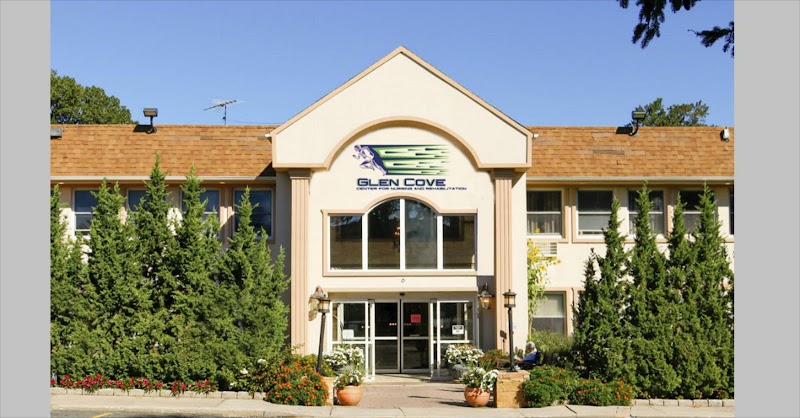
How is Glen Cove Center For Nursing And Rehabilitation Staffed?

CMS rates GLEN COVE CENTER FOR NURSING AND REHABILITATION's staffing level at 2 out of 5 stars, which is below average compared to other nursing homes. Staff turnover is 33%, compared to the New York average of 46%. This relatively stable workforce can support continuity of care. RN turnover specifically is 61%, which is notably high. RNs provide skilled clinical oversight, so turnover in this role can affect medical care quality.

What Have Inspectors Found at Glen Cove Center For Nursing And Rehabilitation?

State health inspectors documented 10 deficiencies at GLEN COVE CENTER FOR NURSING AND REHABILITATION during 2019 to 2024. These included: 10 with potential for harm.
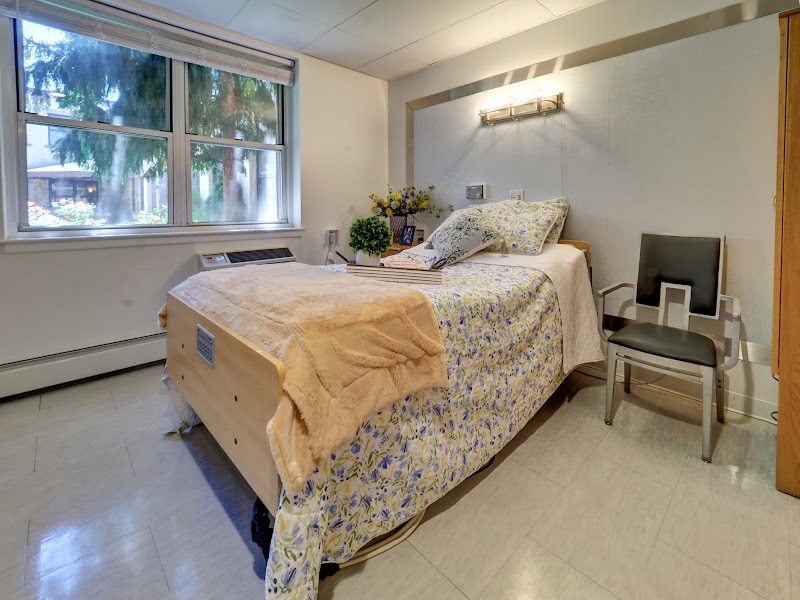
Who Owns and Operates Glen Cove Center For Nursing And Rehabilitation?

GLEN COVE CENTER FOR NURSING AND REHABILITATION is owned by a for-profit company. For-profit facilities operate as businesses with obligations to shareholders or private owners. The facility is operated by PARAGON HEALTHNET, a chain that manages multiple nursing homes. With 154 certified beds and approximately 139 residents (about 90% occupancy), it is a mid-sized facility located in GLEN COVE, New York.

How Does Glen Cove Center For Nursing And Rehabilitation Compare to Other New York Nursing Homes?

Compared to the 100 nursing homes in New York, GLEN COVE CENTER FOR NURSING AND REHABILITATION's overall rating (4 stars) is above the state average of 3.1, staff turnover (33%) is significantly lower than the state average of 46%, and health inspection rating (4 stars) is above the national benchmark.

What Should Families Ask When Visiting Glen Cove Center For Nursing And Rehabilitation?

Based on this facility's data, families visiting should ask: "Can you walk me through typical staffing levels on day, evening, and night shifts?" "Can I visit during a mealtime to observe dining assistance and food quality?" "How do you handle medical emergencies, and what is your hospital transfer rate?" "Can I speak with family members of current residents about their experience?" These questions are particularly relevant given the below-average staffing rating.

Is Glen Cove Center For Nursing And Rehabilitation Safe?

Based on CMS inspection data, GLEN COVE CENTER FOR NURSING AND REHABILITATION has a clean safety record: no substantiated abuse findings (meaning no confirmed cases of resident harm), no Immediate Jeopardy citations (the most serious violation level indicating risk of serious injury or death), and is not on the Special Focus Facility watch list (a federal program monitoring the lowest-performing 1% of nursing homes). The facility has a 4-star overall rating and ranks #1 of 100 nursing homes in New York. While no facility is perfect, families should still ask about staff-to-resident ratios and recent inspection results during their visit.

Do Nurses at Glen Cove Center For Nursing And Rehabilitation Stick Around?

GLEN COVE CENTER FOR NURSING AND REHABILITATION has a staff turnover rate of 33%, which is about average for New York nursing homes (state average: 46%). Moderate turnover is common in nursing homes, but families should still ask about staff tenure and how the facility maintains care continuity when employees leave.

Was Glen Cove Center For Nursing And Rehabilitation Ever Fined?

GLEN COVE CENTER FOR NURSING AND REHABILITATION has no federal fines on record. CMS issues fines when nursing homes fail to meet care standards or don't correct problems found during inspections. The absence of fines suggests the facility has either maintained compliance or corrected any issues before penalties were assessed. This is a positive indicator, though families should still review recent inspection reports for the full picture.

Is Glen Cove Center For Nursing And Rehabilitation on Any Federal Watch List?

GLEN COVE CENTER FOR NURSING AND REHABILITATION is not on any federal watch list. The most significant is the Special Focus Facility (SFF) program, which identifies the bottom 1% of nursing homes nationally based on persistent, serious quality problems. Not being on this list means the facility has avoided the pattern of deficiencies that triggers enhanced federal oversight. This is a positive indicator, though families should still review the facility's inspection history directly.