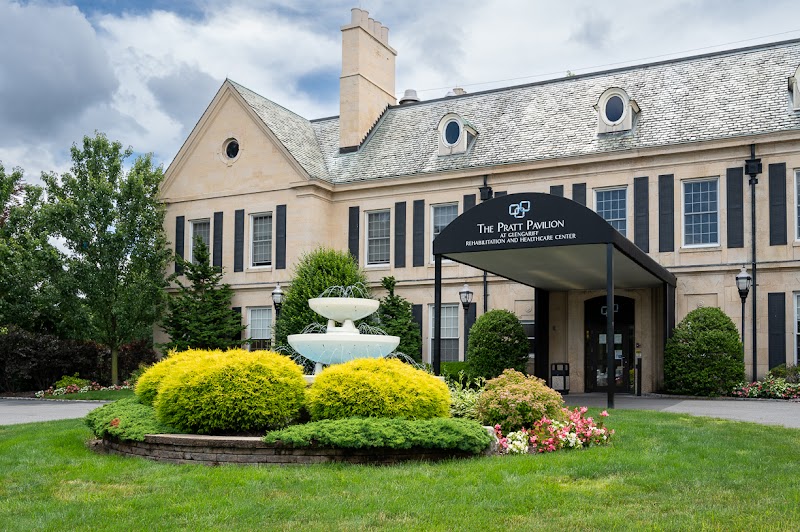
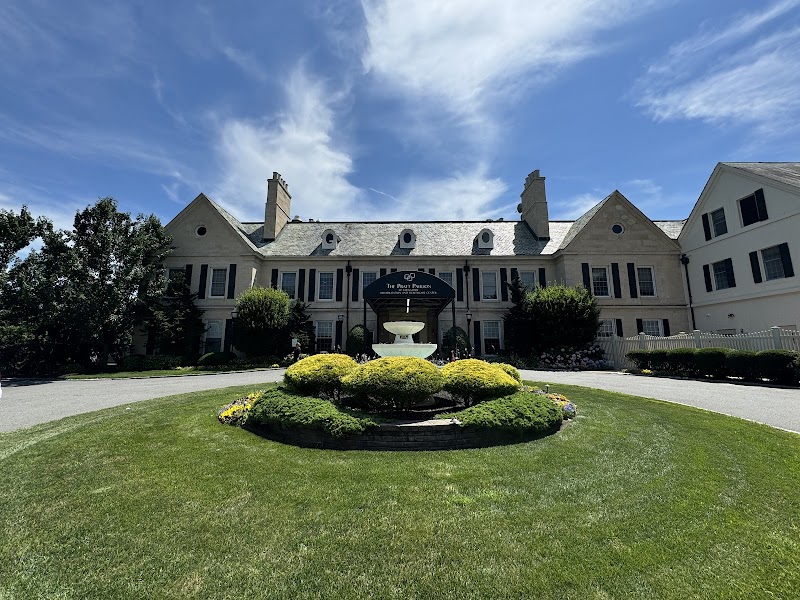
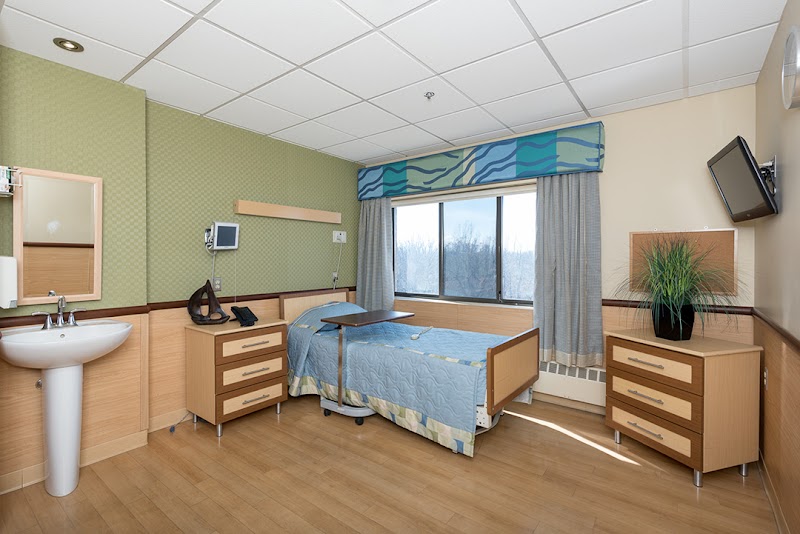
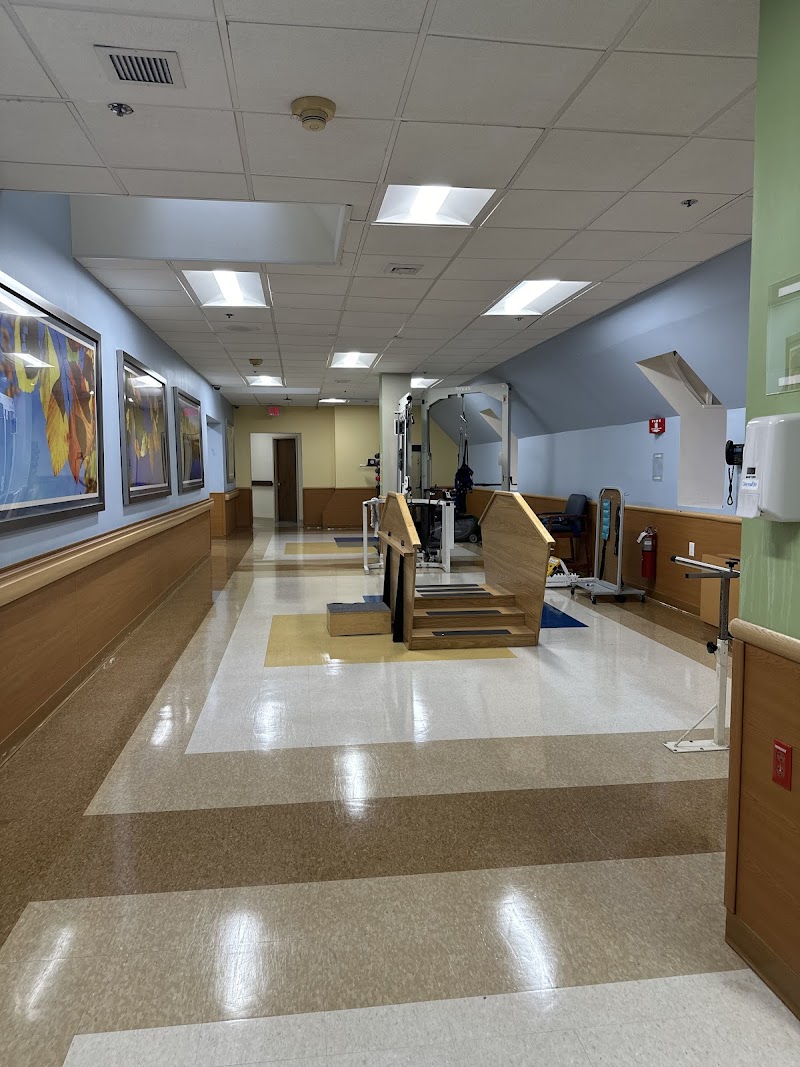
GLENGARIFF HEALTH CARE CENTER

141 DOSORIS LANE, GLEN COVE, NY 11542 (516) 676-1100
For profit - Corporation 262 Beds CARERITE CENTERS Data: November 2025
Trust Grade
60/100
#284 of 594 in NY
Last Inspection: May 2024

Within standard 12-15 month inspection cycle. Federal law requires annual inspections.

Overview

Glengariff Health Care Center has a Trust Grade of C+, which means it is considered decent and slightly above average among nursing homes. It ranks #284 out of 594 facilities in New York, placing it in the top half, and #18 out of 36 in Nassau County, indicating there are only a few local options that are better. Unfortunately, the facility is worsening, with issues increasing from 1 in 2023 to 15 in 2024. Staffing is below average with a rating of 2 out of 5 stars, but the turnover rate of 40% is aligned with the state average, suggesting some stability. Notably, the facility has no recorded fines, which is a positive sign, and maintains an average level of RN coverage, which is important for resident care. However, there are concerning incidents, such as failures to thoroughly investigate injuries of unknown origin for multiple residents and issues with medication administration where residents received their medications hours late, which poses potential risks. Overall, while there are strengths, families should weigh these against the facility's recent decline in performance and specific care concerns.

Trust Score
C+
60/100
In New York
#284/594
Top 47%
Safety Record
Low Risk
No red flags
Inspections
Getting Worse
1 → 15 violations
Staff Stability
○ Average
40% turnover. Near New York's 48% average. Typical for the industry.
Penalties
✓ Good
No fines on record. Clean compliance history, better than most New York facilities.
Skilled Nurses
○ Average
Each resident gets 34 minutes of Registered Nurse (RN) attention daily — about average for New York. RNs are the most trained staff who monitor for health changes.
Violations
⚠ Watch
26 deficiencies on record. Higher than average. Multiple issues found across inspections.
★★★☆☆
3.0
Overall Rating
★★☆☆☆
2.0
Staff Levels
★★★★★
5.0
Care Quality
★★☆☆☆
2.0
Inspection Score
Stable
2023: 1 issues
2024: 15 issues

The Good

  • 5-Star Quality Measures · Strong clinical quality outcomes
  • Full Sprinkler Coverage · Fire safety systems throughout facility
  • No fines on record
  • Staff turnover below average (40%)

    8 points below New York average of 48%

Facility shows strength in quality measures, fire safety.

The Bad

3-Star Overall Rating

Near New York average (3.1)

Meets federal standards, typical of most facilities

Staff Turnover: 40%

Near New York avg (46%)

Typical for the industry

Chain: CARERITE CENTERS

Part of a multi-facility chain

Ask about local staffing decisions and management

The Ugly 26 deficiencies on record

Sept 2024 3 deficiencies
CONCERN (D) 📢 Someone Reported This

A family member, employee, or ombudsman was alarmed enough to file a formal complaint

Potential for Harm - no one hurt, but risky conditions existed

Report Alleged Abuse (Tag F0609)

Could have caused harm · This affected 1 resident

**NOTE- TERMS IN BRACKETS HAVE BEEN EDITED TO PROTECT CONFIDENTIALITY** 2) Resident #2 was admitted on [DATE] with documented diagnosis that included mild cognitive impairment, history of falls, and o...

Read full inspector narrative →
**NOTE- TERMS IN BRACKETS HAVE BEEN EDITED TO PROTECT CONFIDENTIALITY** 2) Resident #2 was admitted on [DATE] with documented diagnosis that included mild cognitive impairment, history of falls, and osteoarthritis. Resident had a Minimum Data Set, dated [DATE] that documented a Brief Interview of Mental Status score of 12. Resident #2 passed away at the facility on 08/09/24. A Nurses Note dated 8/6/2024 at 10:20 AM documented that Resident #6 pushed Resident #2 to the floor. Resident #2 fell to the floor onto their buttock and elbows and then hit their head on floor. The physician assessed the resident and ordered Ativan for agitation. During a record review there was no documented evidence that the facility reported the altercation between Resident #2 and Resident #6 which resulted in a fall of Resident #2. During an interview with Administrator on 09/25/2024 at 2:13 PM the Administrator was interviewed and stated that the facility could not find an Accident and Investigation report for Resident #2 and Resident #6 on 08/06/2024 at 10:20. During an interview with Manager on 09/25/2024 at 4:49 PM Risk Manager stated that they did not know why a report was not made to the New York State Department of Health for this incident. During an interview with the Licensed Practical Nurse Unit Manager on 09/26/2024 at 12:59 PM that the reason an Accident and Investigation was not completed for this incident was because the Administrator looked at the video and did not see any altercation, push, or fall for Resident #2. During an interview with Administrator on 09/26/2024 at 1:52 PM The administrator stated they could not recall reviewing the video for this incident. The Administrator stated that if they had seen a fall or altercation on the video there would have been an Accident and Investigation form completed and the incident would have been reported to the New York State Department of Health within two hours. During a telephone Interview with Director of Nursing on 09/26/2024 at 2:18 PM the Director of Nursing stated they arrived on unit when resident to resident incident and fall was reported on 08/06/2024. The Director of Nursing stated they did not start an Accident and Investigation because when they arrived on the unit, Resident #1 was alert and agitated, walking around. The Administrator viewed the video footage and did not see the altercation or fall. 10NYCRR 415.4 (b) (1) (ii) Based on observation, interviews and record review during an abbreviated survey conducted on 9/3/24 through 9/27/24, the facility did not ensure that the alleged violations involving abuse, including injuries of unknown source, neglect, or mistreatment were reported within 24 hours to the New York State Department of Health. This was identified for two (Resident #1 and Resident #2) of three resident records reviewed for Abuse. 1) Specifically, Resident #1 was observed with areas of bruises to their forehead and area above their right eye. The cause of this injury was unknown. 2) Resident #2 was pushed by another resident and fell to the ground hitting their head on 08/06/2024 and neither (Resident #1 and Resident #2) incidents were not reported to the New York State Department of Health as required. The findings are: 1) The facility's policy titled Abuse, Neglect, Exploitation or Misappropriation- Reporting and Investigating created on 3/2022 and revised on 6/21/24 documented that if resident abuse, neglect, exploitation, misappropriation of resident property or injury of unknown source is suspected, the suspicion must be reported immediately to the administrator and to other officials according to state law. The administrator or the individual making the allegation immediately reports their suspicion to the state licensing/certification agency responsible for surveying/licensing the facility immediately within two hours of an allegation involving abuse or result in serious bodily injury; or within 24 hours of an allegation that does not involve abuse or result in serious bodily injury. Resident #1 admitted to the facility on [DATE] with diagnoses including Alzheimer's Disease, Anxiety and Depression. The Minimum Data Set, dated [DATE] documented a Brief Interview for Mental Status score of 4 which identified Resident #1's cognitive status as severely impaired. There was no documented hallucination, delusions, or behaviors. Resident #1 required supervision to moderate assistance with activities of daily living. The Occurrence Investigative Summary dated 9/2/24 and completed by Unit Manager #2 documented that the type of occurrence was an ecchymoses (bruise) area to Resident #1's right side of forehead and above the right eye. The Occurrence Investigative Summary that on 9/2/24 at 8:15AM during rounds Resident #1 was noted with Ecchymoses (bruise) area to right side of their forehead. There was no documented evidence that the facility reported Resident #1's injury of unknown origin to the New York State Department of Health. During an interview with Certified Nursing Assistant #1 on 9/3/24 at 11:45 AM, they stated that they observed the bruise to Resident #1's face at 8:15 AM on 9/2/24 and reported it to License Practical Nurse #1. During an interview with the Director of Nursing on 9/3/24 at 3:53 PM they stated they were only aware of the incident today. Resident #1 had gone out with family member and returned with a bruise. Resident #1 was noted with ecchymosis (bruise) to right side of forehead and area above right eye of unknown origin. They stated any injury of unknown origin is reportable and they were not able to rule out that abuse occurred. During an interview with Licensed Practical Nurse #1 on 9/3/24 at 4:21 PM, they stated that on 9/2/24 at 8:15 AM Certified Nursing Assistant #1 reported that Resident #1 had a bruise on their face. Unit Manager #2 and Assistant Director of Nursing checked Resident #1. During an interview with Assistant Director of Nursing on 9/5/24 at 11:35 AM, they stated that they were informed by Unit Manager #2 that Resident #1 had discoloration to area above right eye. During the assessment by the Assistant Director of Nursing they stated that they did not think it was an abuse case because of what Resident #1 had told them and they did not report it. During an interview with Unit Manager #2 on 9/5/24 at 1:04 PM they stated that Licensed Practical Nurse #1 informed them that Resident #1 had discoloration to right side of their forehead and area above their right eye. Unit Manager #2 stated they did not think of it as abuse and reported to the Assistant Director of Nursing because the resident did not know what happened. During a phone interview with the Risk Manager on 9/11/24 at 3:38 PM, they stated that they were off during the investigation of the incident. They stated that the Incident Report was completed by the supervisor and reviewed by Director of Nursing. During a phone interview with the Risk Manager on 9/24/24 at 9:19 AM they stated that they reviewed the incident and they did not report it because it was not considered an injury of unknown origin since Resident #1's family member was able to tell them that the bruise was from a bug bite when they went to the botanical garden.
CONCERN (D) 📢 Someone Reported This

A family member, employee, or ombudsman was alarmed enough to file a formal complaint

Potential for Harm - no one hurt, but risky conditions existed

Investigate Abuse (Tag F0610)

Could have caused harm · This affected 1 resident

**NOTE- TERMS IN BRACKETS HAVE BEEN EDITED TO PROTECT CONFIDENTIALITY** 2) Resident #2 was admitted on [DATE] with documented diagnosis that included mild cognitive impairment, history of falls, and o...

Read full inspector narrative →
**NOTE- TERMS IN BRACKETS HAVE BEEN EDITED TO PROTECT CONFIDENTIALITY** 2) Resident #2 was admitted on [DATE] with documented diagnosis that included mild cognitive impairment, history of falls, and osteoarthritis. Resident had a Minimum Data Set, dated [DATE] that documented a Brief Interview of Mental Status score of 12. Resident #2 passed away at the facility on 08/09/24. A Nurses Note dated 8/6/2024 at 10:20 AM documented that Resident #6 pushed Resident #2 to the floor. Resident #2 fell to the floor onto their buttock and elbows and then hit their head on floor. The physician ordered Ativan for agitation. During a record review there was no documented evidence that the facility investigated the altercation between Resident #2 and Resident #6 which resulted in a fall of Resident #2. During an interview with Administrator on 09/25/2024 at 2:13 PM the Administrator was interviewed and stated that the facility could not find an Accident and Investigation report for Resident #2 and Resident #6 on 08/06/2024 at 10:20. During an interview with Manager on 09/25/2024 at 4:49 PM Risk Manager stated that the they did not know why an Accident and Investigation form was not completed for this incident. During an interview with the Unit Manager on 09/26/2024 at 12:59 PM that the reason an Accident and Investigation was not completed for this incident was because the Administrator looked at the video and did not see any altercation, push, or fall for Resident #2. During an interview with Administrator on 09/26/2024 at 1:52 PM The administrator stated they could not recall reviewing the video for this incident. The Administrator stated that if they had seen a fall or altercation on the video there would have been an Accident and Investigation form completed. During a telephone Interview with Director of Nursing on 09/26/2024 at 2:18 PM the Director of Nursing stated they arrived on unit when resident to resident incident and fall was reported on 08/06/2024. The Director of Nursing stated they did not start an Accident and Investigation because when they arrived on the unit, Resident #1 was alert and agitated, walking around. The Administrator viewed the video footage and did not see the altercation or fall. 10 NYCRR 415.4(b)(1) (ii Based on observation, interviews and record review during an abbreviated survey conducted on 9/3/24 through 9/18/24, the facility did not ensure that all alleged violations of resident abuse, neglect, exploitation, or mistreatment, including an injury of unknown origin were thoroughly investigated. This was identified for 2 of 3 residents reviewed for abuse. Specifically, 1) Resident # 1 was observed with an injury of unknown origin to the right side of their face and eyebrow area on 9/1/24. 2) Resident #2 was pushed by another resident and fell to the ground hitting their head on 08/06/2024.There is no documented evidence that the facility did a thorough investigation of the incidents to identify the root cause of the injury and to rule out Abuse, Neglect, and Mistreatment. This is a repeat deficiency. The findings are: 1) The facility's policy titled Abuse, Neglect, Exploitation or Misappropriation- Reporting and Investigating created on 3/2022 and revised on 6/21/24 documented that all allegations are thoroughly investigated. The administrator initiates investigations. Investigations may be assigned to an individual trained in reviewing, investigating, and reporting such allegations. The administrator provides supporting documents and evidence related to the alleged incident to the individual in charge of the investigation. Resident #1 admitted to the facility on [DATE] with diagnoses including Alzheimer's Disease, Anxiety and Depression. The Minimum Data Set, dated [DATE] documented a Brief Interview for Mental Status score of 4 which identified Resident #1's cognitive status as severely impaired. There was no documented hallucination, delusions, or behaviors. Resident #1 required supervision to moderate assistance with activities of daily living. A nurses note dated 9/2/24 and completed by Unit Manager #2 documented that they were called to unit at 8:15 AM and informed that Resident #1 was observed with an ecchymosis (bruise) area to their forehead and above their right eye. Resident #1 denied any pain or discomfort. Resident#1's physician and family member were informed. A late entry nurses note dated 9/2/24 and completed by the Assistant Director of Nursing documented that they spoke with Resident #1 regarding the discoloration above their right eye and Resident #1 stated they were in bed when the phone rang and banged their face trying to answer the phone. A late entry nurses note dated 9/3/24 and completed by License Practical Nurse #2 documented that Resident #1 returned from out on pass on 9/1/24 and was noted with redness to the right side of their head/forehead. Resident #1's family member was questioned and stated, this is normal for them. The report from the morning shift nurse stated Resident #1 left the facility with no injury. The Medical Director note dated 9/3/24 documented that they were asked to see Resident #1 to check their right upper eye and forehead bruises after they returned from out on pass. Resident #1 provided different reasons on how they may have gotten the bruise. Resident #1 was prone to ecchymosis (bruises) due to fragile skin aging related to smoking. The ecchymosis (bruise) area was not tender to touch, eye muscles were intact and neurologic exam was at their baseline. The Incident Report dated 9/2/24 completed by Unit Manager #2 documented that the type of occurrence was an ecchymosis (bruise) area to right side of forehead and above the right eye that Resident #1 went out on pass on 9/1/24 and that on 9/2/24 Resident #1 was noted with an ecchymosis (bruise) area to right side of their forehead. The conclusion documented Resident #1 was in facility with no alteration in skin integrity prior to going out on pass. Resident #1 went out on pass with family member and returned with redness to right side of face and forehead. Family member was questioned and stated, this is normal and when further questioned they stated it could be from a bug bite when they went to the botanical park. Video surveillance was reviewed and confirmed that Resident #1 left without any ecchymosis (bruise). Upon discussion with Medical Director, they stated that Resident #1 was noted with a very vascular superficial forehead area and ecchymosis may have been from a burst capillary or vein. Upon investigation of this incident, there was no care plan violation and no indication of neglect or abuse found Comprehensive Care plan titled at risk for potential for abuse initiated on 4/9/24 noted with intervention to follow up with social services. During an interview with Resident #1 on 9/3/24 at 11:36 AM, they stated that they fell when they were walking outside of the building. During an interview with Certified Nursing Assistant #1 on 9/3/24 at 11:45 AM, they stated that they observed the bruise to Resident #1's face at 8:15 AM on 9/2/24 and reported it to License Practical Nurse #1. During a phone interview with Licensed Practical Nurse #2 on 9/3/24 at 2:57 PM, they stated that on 9/1/24 Resident #1 and their family member returned to the unit around dinner time. Licensed Practical Nurse #2 noticed a small redness to Resident #1's right side of face and brow area and when the family member was questioned, they stated that that's normal for them. Licensed Practical Nurse #2 did not report to their nursing supervisor because of what the family member had told them, and they did not think there was abuse. During a phone interview with Licensed Practical Nurse #3 on 9/3/24 at 3:46 PM they stated that they worked 11-7 shift on 9/1/24, they did not get report that Resident #1 returned to the facility from out on pass with a bruise and did not see Resident #1 during their shift. Licensed Practical Nurse #3 added that they don't see residents during their shift if they don't have scheduled medication for the resident. During an interview with the Director of Nursing on 9/3/24 at 3:53 PM they stated they were only aware of the incident today. Resident #1 had gone out with family member and returned with a bruise. Resident #1 was noted with ecchymosis (bruise) to right side of forehead and area above right eye of unknown origin. They stated any injury of unknown origin is reportable and they were not able to rule out that abuse occurred. During an interview with Licensed Practical Nurse #1 on 9/3/24 at 4:21 PM, they stated that on 9/1/24 around 1-1:30 PM Resident #1 left the unit with a family member for an out on pass with no skin impairment on their face. On 9/2/24 at 8:15 AM Certified Nursing Assistant #1 reported that Resident #1 had a bruise on their face and Unit Manager #2 and Assistant Director of Nursing checked Resident #1. Resident #1 was asked how they got the bruise, and they were told 5-6 different versions. During an interview with Unit Manager #2 on 9/5/24 at 1:04 PM they stated that Licensed Practical Nurse #1 informed them that Resident #1 had discoloration to right side of their forehead and area above their right eye. Resident #1 was evaluated for pain and Resident #1 could not remember how they got the bruise. The staff from 9/1/24 were interviewed and they did not see the bruise prior to Resident #1 going out on pass. Unit Manager #2 stated they did not think of it as abuse and reported to the Assistant Director of Nursing who also assessed Resident #1. During a phone interview with the Medical Director on 9/5/24 at 1:37 PM, they stated that Resident #1 was examined, area was not painful, and the discoloration may have been from a broken blood vessel without an injury. The Medical Director responded that they did not know, when asked if they can rule out abuse. During an interview with the Administrator on 9/5/24 at 4:18 PM they stated that they interviewed Resident #1 and was told that they got hit by their own phone but Resident #1's family member stated that it could be from a bug bite when they went to a botanical garden. Physician stated that it was vascular related, and that nursing and the physician did not suspect it was abuse related nor an injury of unknown origin. The video surveillance was reviewed, and Resident #1 left the facility with no bruise to their face. During an interview with Certified Nursing Assistant #4 on 9/18/24 at 2:30 PM, they stated that they worked 11-7 shift on 9/1/24 but they did not remember Resident #1 with a bruise, and no one asked them for a written statement regarding the incident.
CONCERN (D) 📢 Someone Reported This

A family member, employee, or ombudsman was alarmed enough to file a formal complaint

Potential for Harm - no one hurt, but risky conditions existed

Deficiency F0658 (Tag F0658)

Could have caused harm · This affected 1 resident

**NOTE- TERMS IN BRACKETS HAVE BEEN EDITED TO PROTECT CONFIDENTIALITY** Based on observation, interviews and record review during an abbreviated survey conducted on 9/25/24 through 9/27/24, the facili...

Read full inspector narrative →
**NOTE- TERMS IN BRACKETS HAVE BEEN EDITED TO PROTECT CONFIDENTIALITY** Based on observation, interviews and record review during an abbreviated survey conducted on 9/25/24 through 9/27/24, the facility did not ensure that care was provided in accordance with professional standards and by individuals qualified to do so. Specifically, the facility had a Licensed Practical Nurse serving in the capacity of Unit Manager completing assessments for 17 out of 17 reviewed records following accidents and falls on their unit. This Licensed Practical Nurse placed their name on the form in the space titled Registered Nurse Supervisor and signed their name and title on the completed document which is out of the scope of practice for a Licensed Practical Nurse. The findings are: An undated job description for Registered Nurse or Licensed Practical Nurse Unit Manager was reviewed and documented Prepare incident/accident reports events and observations using the Electronic Medical Record system. There was no documented evidence of who should complete the assessment in the Unit Manager Job Description. Resident #2 was admitted on [DATE] with documented diagnosis that included mild cognitive impairment, history of falls, and osteoarthritis. Resident had a Minimum Data Set, dated [DATE] that documented a Brief Interview of Mental Status score of 12. Resident #2 passed away at the facility on 08/09/24. Accident and Investigation form for Resident #2 on 08/06/2024 was completed by Unit Manager Licensed Practical Nurse # 1 Accident and Incident form documented a title of: Registered Nurse Supervisor on the top of the first page. On page two (2) of the Accident and Incident form Registered Nurse Supervisor was identified as Unit Manager Licensed Practical Nurse #1 by their printed name in black ink. A review of Accident and Incident reports completed by Unit manager Licensed Practical Nurse #1 documented that Seventeen of Seventeen Accident and Incident reports were completed and Signed by Unit Manager Licensed Practical Nurse #1 included an assessment on the form outside of their scope of practice. Unit Manager Licensed Practical Nurse #1 was printing their name on the line that states Registered Nurse Supervisor: acknowledging that the assessment was completed by them and not a Registered Nurse as required. During an interview with the Administrator on 09/25/2024 at 4:49 PM they stated they were aware that Registered Nurses must make assessments not Licensed Practical Nurses. During an interview with Unit Manager Licensed Practical Nurse #1 on 09/26/2024 at 1:35 PM they stated they were given a job description of the Unit Manager responsibilities when they were promoted. The job description states that the Unit Manager completes Accident and Investigation forms. During an interview with Unit Manager Licensed Practical Nurse #1 on 09/25/2024, at 3:52PM they stated that their role was to help with everything if there is an incident or accident, they are called. Unit Manager Licensed Practical Nurse #1 stated they do an assessment of the resident, provide care, complete the investigation, and notify the family of the incident. The Unit Manager Licensed Practical Nurse #1 reviewed an Accident and Investigation Report that was completed and signed by them Unit Manager Licensed Practical Nurse #1 acknowledged it was their handwriting and signature in the Registered Nurse Supervisor Box and signature line. Unit Manager Licensed Practical Nurse #1 stated they printed their name in the Registered Nurse Supervisor box because it was their job. Unit Manager Licensed Practical Nurse #1 denied completing the assessment contained in the report and stated that they only wrote down the assessment that the Registered Nurse or physician completed. There is no documented evidence that a Registered Nurse or Physician signed any of the documents reviewed. During a telephonic reinterview with the Director of Nursing on 10/07/2024 at 12:41 PM they stated that they were aware that Unit Manager Licensed Practical Nurse #1 was completing the Accident and Investigation forms. 10NYCRR 483.21(b)(3)(i)
May 2024 12 deficiencies
CONCERN (D) 📢 Someone Reported This

A family member, employee, or ombudsman was alarmed enough to file a formal complaint

Potential for Harm - no one hurt, but risky conditions existed

Notification of Changes (Tag F0580)

Could have caused harm · This affected 1 resident

**NOTE- TERMS IN BRACKETS HAVE BEEN EDITED TO PROTECT CONFIDENTIALITY** Based on record review and staff interviews during the Recertification Survey and Abbreviated Survey (Complaint #NY 00337626) in...

Read full inspector narrative →
**NOTE- TERMS IN BRACKETS HAVE BEEN EDITED TO PROTECT CONFIDENTIALITY** Based on record review and staff interviews during the Recertification Survey and Abbreviated Survey (Complaint #NY 00337626) initiated on 4/29/2024 and completed on 5/7/2024, the facility did not immediately notify the resident's Designated Representative when there was a significant change in the resident's physical status. This was identified for one (Resident #140) of one resident reviewed for Notification of Change. Specifically, on 3/17/2024 Resident #140 fell and hit their head on a radiator and was identified to have sustained a scalp laceration. Subsequently, the resident was transferred to the hospital for evaluation on 3/17/2024. There was no documented evidence that the resident's designated representative was notified of the resident's fall and the resident's transfer to the hospital until 3/19/2024. The finding is: The facility's policy titled, Notification of Change created in 12/2021 and revised in 12/2023 documented to notify the resident, their attending physician, and the resident representative of changes in the resident's condition and/or status. Unless otherwise instructed by the resident, a nurse will notify the resident's representative when: the resident is involved in any accident or incident that results in an injury including an injury of unknown origin, and when it is necessary to transfer the resident to a hospital or treatment center; except in medical emergencies, notifications will be made within twenty-four (24) hours of a change occurring in the resident's medical/mental condition or status. Resident #140 had diagnoses that included Dementia with Psychotic Disturbance, Anxiety Disorder, and Depression. The Quarterly Minimum Data Set (MDS) assessment dated [DATE] documented the resident had a Brief Interview for Mental Status score of 0 which indicated the resident had severe cognitive impairment. An Accident and Incident report dated 3/17/2024 documented that Resident #140 fell and hit their head on the corner of a radiator. The report also documented Resident #140 had a skin laceration on the top of their head and they were transferred to the hospital for evaluation. A Nursing Progress Note dated 3/17/2024 documented Resident #140 was noted with a laceration to their head. The Medical Doctor was notified, and the resident was transported to the hospital for further evaluation. A review of the medical record indicated there was no documented evidence that Resident #140's designated representative was immediately notified of the resident's fall or the resident's transfer to the hospital on 3/17/2024. An Electronic Medical Record Investigation Report documented Resident #140's designated representative was notified on 3/19/2024 (two days later) that Resident #140 had a scalp laceration because of a fall and was sent to the hospital on 3/17/2024. The Designated Representative was interviewed on 5/1/2024 at 4:47 PM and stated they were not notified of the resident's fall or their hospitalization on either 3/17/2024 or 3/19/2024. The Designative Representative stated they became aware of Resident #140's injury when they visited Resident #140 on 3/26/2024 The Designated Representative stated they did not receive a voice message from the facility, and they did not have a missed call from the facility on 3/17/2024 or 3/19/2024. Assistant Director of Nursing #2, the Risk Manager, was interviewed on 5/7/2024 at 5:02 PM. Assistant Director of Nursing #2 stated it is the Registered Nurse Supervisor's responsibility to ensure the resident's designated representative is notified of an injury or hospital transfer and to ensure the communication with the resident's designated representative is documented in the resident's medical record. The Registered Nurse Supervisor who was responsible for notifying Resident #140's designated representative on 3/17/2024 was not available for an interview. The Director of Nursing was interviewed on 5/7/2024 at 5:30 PM and stated the Registered Nurse Supervisors are responsible for notifying the resident's designated representatives when a resident has an injury and is transferred to the hospital. The Director of Nursing Services stated that the staff must document the date and the time in the resident's medical record when the resident's designated representative was notified. 10 NYCRR 415.3(f)(2)(ii)(d)
CONCERN (D) 📢 Someone Reported This

A family member, employee, or ombudsman was alarmed enough to file a formal complaint

Potential for Harm - no one hurt, but risky conditions existed

Report Alleged Abuse (Tag F0609)

Could have caused harm · This affected 1 resident

Based on record review and interviews during the Recertification Survey and Extended Survey (NY 00321997) initiated on 4/29/2024 and completed on 5/7/2024 the facility did not ensure that all alleged ...

Read full inspector narrative →
Based on record review and interviews during the Recertification Survey and Extended Survey (NY 00321997) initiated on 4/29/2024 and completed on 5/7/2024 the facility did not ensure that all alleged violations involving abuse, neglect, exploitation, or mistreatment, including injuries of unknown source, and misappropriation of resident property, were reported immediately, but not later than 2 hours after the allegation is made if the events that cause the allegation involve abuse or result in serious bodily injury. This was identified for two (Resident #151 and Resident #82) of three residents reviewed for Abuse. Specifically, Resident #151 and Resident #82 were involved in a resident-to-resident altercation on 8/11/2023, in which Resident #151 was allegedly pushed by Resident #82 and fell to the floor. The incident of resident to resident altercation was not reported to the New York State Department of Health until three days after the incident, on 8/14/2023. The finding is: The facility's policy titled, Abuse, Neglect, Exploitation, and Misappropriation Prevention Program revised 5/3/2024, documented to identify and investigate all possible incidents of abuse, neglect, mistreatment, or misappropriation of resident property. Investigate and report any allegations within the timeframes required by federal requirements. Establish and implement a quality assurance and performance improvement review and analysis of reports, allegations, or findings of abuse, neglect, mistreatment, or misappropriation of property. Resident #151 was admitted with diagnoses including Non-Alzheimer's Dementia, Cerebrovascular Accident, and Hypertension. The 6/1/2023 quarterly Minimum Data Set assessment documented a Brief Interview for Mental Status score of 5, indicating the resident had severe cognitive impairment. Resident #82 was admitted with diagnoses including Schizophrenia, Peripheral Vascular Disease, and Anxiety Disorder. The 7/20/2023 Quarterly Minimum Data Set assessment documented a Brief Interview for Mental Status score of 15, indicating the resident was cognitively intact. A nursing progress note written by Registered Nurse #1 (supervisor) on 8/11/2023 at 6:30 PM for Resident #151 documented an Accident and Incident Note. The resident was heard shouting for help. When checked, the resident was found lying on the floor, pushing their upper body with bilateral elbows. The resident claimed they were pushed by the resident next door (Resident #82) who wanted to use the toilet while Resident #151 was still inside the bathroom. The resident complained of pain in the lower back and claimed that they hit their head slightly on the floor. The resident was assessed for any visible injury. Placed back in their wheelchair via two-person assist. Referred to the primary physician. Tylenol was given by the medication nurse. Bilateral hip and lumbar X-rays were ordered. A nursing progress note written by Registered Nurse #1, the nursing supervisor, on 8/11/2023 at 6:30 PM for Resident #82 documented that at 6:30 PM the resident was seen inside the shared toilet, appeared mad and was pointing a finger at Resident #151 who was found on the floor. Resident #151 alleged that Resident #82 pushed them. According to Resident #82, they were using the bathroom first when Resident #151 went inside to get a tissue. Resident #82 also alleged that Resident #151 pushed them first and that Resident #82 just pushed Resident #151 back out of the toilet causing Resident #151 to fall. The New York State Department of Health complaint intake revealed that the incident was received on 8/14/2023 at 12:10 PM. A physician's progress note dated 8/15/2023 documented X-rays for Resident #151 were reviewed. The findings were chronic without any acute fractures. A psychiatrist consults for Resident #82 dated 8/15/2023 documented the resident pushed another resident. The resident had a history of Schizoaffective disorder. The resident has involuntary movements and is not aware of it. The resident blames the other resident for taking toilet paper from the bathroom and not leaving for this resident. On 4/29/2024 Resident #151 and Resident #82's rooms were observed. Both residents reside on Unit 1 West. The resident rooms are adjacent to each other and there is a shared bathroom. The residents still reside in the same rooms/beds as they did on 8/11/2023. On 4/29/2024 at 11:24 AM Resident #151 was interviewed. Resident #151 stated they did not get hurt when they were pushed, but I was scared for sure. This resident was observed ambulating independently in their room. On 4/30/2024 at 12:49 PM Resident #82 was interviewed. Resident #82 stated they did not remember the incident. On 5/2/2024 at 11:57 AM Registered Nurse #1 was interviewed. Registered Nurse #1 stated they were the supervisor on the 3:00 PM-11:00 PM shift when the 8/11/2023 incident occurred. When they arrived at the unit, Resident #151 was on the floor and claimed they were pushed by Resident #82. Registered Nurse #1 stated there were no incidents between the two residents prior to the 8/11/2023 incident. On 5/2/2024 at 12:50 PM Resident #134, the resident who witnessed the incident, was interviewed. Resident #134 stated Resident #151 was in the bathroom first and was coming out when Resident #82 came into the bathroom from the other room and pushed Resident #151. Resident #151 fell right in front of Resident #134's bed. Resident #134 stated they did not know of any previous incidents between the two residents. On 5/3/2024 at 8:54 AM Certified Nursing Assistant #1, who was assigned to Resident #151 on 8/11/2024 during the 3:00 PM-11:00 PM shift, was interviewed. Certified Nursing Assistant #1 stated Resident #82 was very quiet; we did not know how this incident happened; everyone was surprised. Certified Nursing Assistant #1 did not observe any issues between the two residents. Assistant Director of Nursing #2, the Risk Manager was interviewed on 5/3/2024 at 11:11 AM. Assistant Director of Nursing #2 stated they were not employed at the facility when the 8/11/2023 incident occurred. The 8/11/2023 incident was reportable and should have been reported to the New York State Department of Health within 2 hours. Two residents pushing each other could be a willful act, which is why the incident between Resident #82 and Resident #151 should have been reported within 2 hours. The Director of Nursing Services was interviewed on 5/3/2024 at 1:20 PM and stated the incident on 8/11/2023 between the two residents should have been reported to the New York State Department of Health within two hours. The Director of Nursing Services stated they were involved in the investigation and concluded there was no abuse, neglect, or mistreatment. 10 NYCRR415.4 (b) (1) (ii)
CONCERN (D)

Potential for Harm - no one hurt, but risky conditions existed

Deficiency F0645 (Tag F0645)

Could have caused harm · This affected 1 resident

**NOTE- TERMS IN BRACKETS HAVE BEEN EDITED TO PROTECT CONFIDENTIALITY** Based on interviews and record review during the Recertification Survey initiated on 4/29/2024 and completed on 5/7/2024, the fa...

Read full inspector narrative →
**NOTE- TERMS IN BRACKETS HAVE BEEN EDITED TO PROTECT CONFIDENTIALITY** Based on interviews and record review during the Recertification Survey initiated on 4/29/2024 and completed on 5/7/2024, the facility did not ensure that preadmission screening for individuals with a mental disorder and individuals with intellectual disability was conducted prior to their admission to the facility. This was identified for one (Resident #18) of 40 residents reviewed for Pre-admission Screening and Resident Review (a federal requirement to ensure that residents were not inappropriately placed in a skilled nursing facility). Specifically, Resident # 18 was admitted [DATE], the Level 1 Pre-admission Screening and Resident Review (PASARR) screening was not completed by the facility staff until 7/16/2023, two days after the resident's admission to the facility. The finding is: The facility's policy and procedure titled, Pre-admission Screening and Resident Review (PASARR) last revised in December 2023 documented all residents to have the required pre-admission screen prior to admission to the facility. Prior to a resident's admission, the admission Department or designee will obtain a screen and Level 1 referral and a Level II referral if indicated. Upon admission, the screen will be incorporated into the resident's clinical record. Resident #18 was admitted to the facility on [DATE] with diagnoses of Schizoaffective Disorder Bipolar Type, Major Depressive Disorder, and End Stage Renal Disease. The admission Minimum Data Set assessment dated [DATE] documented a Brief Interview for Mental Status score of 14 which indicated the resident had intact cognition. The assessment's Pre-admission Screening and Resident Review section documented that Resident #18 was not currently considered by the state level II Pre-admission Screening and Resident Review process to have a serious mental illness, intellectual disability, or other related conditions. The Pre-admission Screening and Resident Review screen dated 7/16/2023 was reviewed on 5/2/2024. The screen was completed and signed by the facility's Director of Social Services. The admission office staff who admitted Resident #18 no longer worked in the facility and therefore was not interviewed. The Co-Director of admission was interviewed on 5/2/2024 at 12:17 PM and stated that they had been in the role since October 2023 and were not involved in Resident #18's admission. The Co-Director of admission stated that the admission department was responsible for reviewing and ensuring that all admission documents, including the Pre-admission Screening and Resident Review forms, were present, completed, and accurate prior to the resident's admission. The Co-Director of admission stated that the Pre-admission Screening and Resident Review form must be completed by the facility that is transferring the resident to this facility and if the screen was missing prior to admission they (Co-Director of Admission) would contact the case worker of the previous facility to obtain a copy. The Co-Director of admission stated Resident #18's screen should have been completed prior to (Resident #18) admission to the facility. The Director of Social Services was interviewed on 5/2/2024 at 2:57 PM and stated the admission department is responsible for ensuring the Pre-admission Screening and Resident Review form was completed and sent by the discharging facility prior to the resident's admission to this facility. The Director of Social Services stated that the Pre-admission Screening and Resident Review form was noted missing on 7/15/2023, the day after Resident #18 was admitted . The Director of Social Services stated they then completed the Pre-admission Screening and Resident Review form the following day 7/16/2023 because they did not want to wait any longer. The Director of Social Services stated Resident #18's Pre-admission Screening and Resident Review screen should have been completed prior to their admission to this facility. The Administrator was interviewed on 5/2/2024 at 3:55 PM and stated that the admission office should ensure all resident's pre-admission documents including the Pre-admission Screening and Resident Review screen were thoroughly reviewed, and all resident information was completed accurately and appropriately. The Administrator stated that if the screen was not sent, or if an issue was identified, the admission office should request the sending facility to redo the screen prior to the resident's admission. The Administrator stated that Resident #18's Pre-admission Screening and Resident Review screen should have been completed prior to their (Resident #18) admission. 10 NYCRR 415.11(e)
CONCERN (D)

Potential for Harm - no one hurt, but risky conditions existed

Accident Prevention (Tag F0689)

Could have caused harm · This affected 1 resident

**NOTE- TERMS IN BRACKETS HAVE BEEN EDITED TO PROTECT CONFIDENTIALITY** Based on observation, record review, and interviews during the Recertification Survey initiated on [DATE] and completed on [DATE...

Read full inspector narrative →
**NOTE- TERMS IN BRACKETS HAVE BEEN EDITED TO PROTECT CONFIDENTIALITY** Based on observation, record review, and interviews during the Recertification Survey initiated on [DATE] and completed on [DATE], the facility did not ensure that each resident's environment remained as free of accident hazards as possible. This was identified for one (Resident #531) of six residents reviewed for Accidents. Specifically, Resident #531 was not assessed to safely self-administer their medications. On [DATE] an inhaler (handheld devices that allow you to breathe medicine in through your mouth, directly to your lungs) was observed in Resident #531's room with no staff member present. The inhaler did not have a label that indicated the resident's name or direction for the administration. Additionally, Resident #531 did not have a Physician's order for the use of the inhaler. The finding is: The facility policy and procedure titled, Medication Administration last revised in 12/2023 documented only people licensed or permitted by the state to prepare, administer, and document the administration of medications may do so. Medications are determined per prescriber orders, including any required time frame. Residents may self-administer their medication only if the attending physician, in conjunction with the interdisciplinary care planning team, has determined that they have the decision-making capacity to do so safely. Resident #531 was admitted with Diagnoses of Asthma, End Stage Renal Disease, and Diabetes. The Minimum Data Set (MDS) assessment dated [DATE] documented a Brief Interview for Mental Status (BIMS) score of 14 which indicated Resident #531 had intact cognition. The Physician's orders dated [DATE] documented to administer Budesonide (a steroid that can treat Asthma) Inhalation Suspension of 0.5 milligrams per 2 milliliters via nebulizer every 12 hours due to shortness of breath, wheezing, and bronchospasm (a contraction in the airways that can make it hard to catch your breath) and to administer Montelukast (an anti-inflammatory medication to treat and prevent Asthma attacks) 10 milligrams one tablet daily. A Comprehensive Care Plan (CCP) dated [DATE] documented that Resident #531 had Asthma. Interventions included administering medication as ordered, elevating the head of the bed to 45 degrees, and monitoring for signs and symptoms of an impending Asthma attack including coughing spells, rapid breathing, complaints of chest tightness, malaise, or fatigue. During an observation on [DATE] at 11:09 AM, Resident #531 was observed sitting in bed in their room. Resident #531 was alert, oriented, and responsive. A Breo-Ellipta inhaler was observed on top of the resident's overbed table. The inhaler did not have a label with the resident's name or directions for administration. There was no staff member present in Resident #531's room at the time of the observation. Resident #531 was interviewed on [DATE] at 11:15 AM and stated they brought the Breo-Ellipta inhaler from home. They had been using the inhaler at home prior to their admission to the facility and also at the facility since they were admitted . Resident #531's Physician's orders did not include an order for the Breo-Ellipta 200/25 microgram inhaler. The Physician's order did not document for the resident to self-administer any of their medications. A review of the electronic medical record revealed that Resident #531 was not assessed to self-administer their medications. Licensed Practical Nurse #8 was interviewed on [DATE] at 11:30 AM and stated that Resident #531 was not supposed to have any medications from home. Licensed Practical Nurse #8 stated they did not see any inhalers when Resident #531 received their medications this morning ([DATE]). Licensed Practical Nurse #8 stated that Resident #531 was receiving the nebulizer treatments at the facility and had no orders to use the inhaler. Licensed Practical Nurse #8 stated that Resident #531's family member was insisting on bringing vitamins and other medications from home because they had plenty of supplies. Licensed Practical Nurse #8 stated they told the resident's family member to not bring any medications from home unless ordered by the Physician. Registered Nurse #5 was interviewed on [DATE] at 12:55 PM and stated that all medications should be labeled with the resident's name and directions for administration. Each medication should have a Physician's order, and staff should make sure that medications are properly stored and not expired. Registered Nurse #5 stated Resident #531's family member insisted on bringing vitamin supplements from home for the resident. Registered Nurse #5 stated they had called the resident's Physician and obtained an order for the vitamin supplements. Registered Nurse #5 stated that Resident #531 did not have any assessment to self-administer medications. The Director of Nursing Services was interviewed on [DATE] at 9:06 AM and stated that no medications should be left with a resident without supervision. The Director of Nursing Services stated that all medications brought by the resident or their family members from home should be properly labeled and should have a Physician's order for administration. The Director of Nursing Services stated that to self-administer medications, the residents must be assessed and deemed capable of administering their medication safely. The Director of Nursing Services stated Resident #531 was not assessed to self-administer their medications as they did not request to self-administer their medications. 10 NYCRR 415.12(h)(1)
CONCERN (D) 📢 Someone Reported This

A family member, employee, or ombudsman was alarmed enough to file a formal complaint

Potential for Harm - no one hurt, but risky conditions existed

Deficiency F0711 (Tag F0711)

Could have caused harm · This affected 1 resident

Based on record review and interviews during the Recertification Survey and Extended Survey (NY 00337759) initiated on 4/29/2024 and completed on 5/7/2024, the facility did not ensure that a physician...

Read full inspector narrative →
Based on record review and interviews during the Recertification Survey and Extended Survey (NY 00337759) initiated on 4/29/2024 and completed on 5/7/2024, the facility did not ensure that a physician wrote, signed, and dated a progress note at each visit. This was identified for one (Resident #126) of two residents reviewed for Hospitalization. Specifically, on 3/17/2024 Resident #126 reported experiencing stroke-like symptoms. Physician #1 examined the resident but did not document the examination findings in the resident's medical record. Subsequently, the resident was transferred to the hospital after the resident's family activated emergency medical services and was diagnosed with a possible acute Cerebral Vascular Insufficiency. The finding is: The facility's policy titled, Physician Services last revised 5/3/2024, documented an alternate physician supervises the care of residents when the attending physician is not available. Physician orders and progress notes are maintained in accordance with Omnibus Budget Reconciliation Act regulations and facility policy. Physician visits, frequency of visits, and emergency care of residents are provided in accordance with current Omnibus Budget Reconciliation Act regulations and facility policy. Resident #126 was admitted with diagnoses including End Stage Renal Disease, Diabetes Mellitus, and Depression. The 2/3/2024 quarterly Minimum Data Set assessment documented a Brief Interview for Mental Status score of 15, indicating the resident was cognitively intact. A nursing transfer to the hospital progress note dated 3/17/2024 at 1:24 PM, written by Registered Nurse #3 (supervisor), documented Reason for Transfer: the resident complained of stroke-like symptoms, family activated emergency medical services. Condition of Resident Upon Transfer: The resident was alert and oriented and was able to make their needs known. The resident was transferred to the hospital via emergency medical services. The resident's family, the Assistant Director of Nursing Services, and the Primary Physician were made aware. Licensed Practical Nurse #3, who was the medication nurse on unit 2 [NAME] during the 7:00 AM-3:00 PM shift on 3/17/2024, was interviewed on 5/1/2024 at 11:36 AM. Licensed Practical Nurse #3 stated they were alerted by a Certified Nursing Assistant the resident reported that their one arm was feeling weak like they were having a stroke. Licensed Practical Nurse #3 went in to see the resident, took the resident's vital signs, and then called Registered Nurse #3 (the nursing supervisor). The nursing supervisor spoke to a Physician on the unit. Licensed Practical Nurse #3 could not recall the name of the Physician. Certified Nursing Assistant #3 was interviewed on 5/1/2024 at 12:27 PM and stated on 3/17/2024 Resident #126 called them to the resident's room and said they were not feeling well and that their hand was numb. Certified Nursing Assistant #3 stated they immediately notified Licensed Practical Nurse #3. Resident #126 was interviewed on 5/1/2024 at 12:42 PM and stated on 3/17/2024 they were on the phone with their family complaining about not feeling well their hands were numb and their family called 911. Resident #126 stated they had alerted a Certified Nursing Assistant about their symptoms and Registered Nurse #3 came into the room with a Doctor. The Doctor said there was nothing wrong even though they (Resident #126) were telling them they were having a stroke. Resident #126 stated they were having slurred speech and their family knew something was wrong and that is why their family called 911. A review of the medical record revealed no documentation from a Physician on 3/17/2024. Assistant Director of Nursing #3 was interviewed on 5/1/2024 at 2:16 PM and stated on 3/17/2024 Registered Nurse #3 had called them to assist with getting the transfer paperwork together for Resident #126 because the family had activated the emergency medical services. Assistant Director of Nursing #3 stated they did not assess the resident and all they saw was the resident leaving on a stretcher. Assistant Director of Nursing #3 stated they did not know if the resident was seen by a Physician at the facility on 3/17/2024. Registered Nurse #3 was interviewed on 5/2/2024 at 8:57 AM. Registered Nurse #3 stated they received a call on 3/17/2024 that Resident #126 reported stroke-like symptoms. Registered Nurse #3 went into the resident's room and the resident reported chest pain and trouble talking. The resident's vital signs were normal, and Registered Nurse #3 did not notice any issues with speech or weakness in the resident's hands. There was a physician on the unit seeing other residents. Registered Nurse #3 asked the Physician if they could examine the resident. The Physician went into the resident's room with Registered Nurse #3, asked the resident questions, and listened to the resident's heart rate. This Physician (name not recalled) then asked Registered Nurse #3 to follow up with the resident's Primary Physician for further interventions. The Primary Physician responded after the emergency services arrived at the facility. The Medical Director, who was also the resident's Primary Physician, was interviewed on 5/2/2024 at 11:27 AM. The Medical Director stated they did not know which Physician had examined Resident #126 on 3/17/2024. The Medical Director stated they found out about the incident when emergency medical services were already transferring the resident to the hospital. The Medical Director stated the Physician who assessed the resident should have written a note in the resident's medical record to describe the resident's condition at the time of their assessment. Physician #1 was interviewed on 5/2/2024 at 1:19 PM and stated on 3/17/2024 they were seeing their assigned resident when the nurse asked them to see Resident #126. Physician #1 stated they did not know Resident #126 and did not know the resident's baseline, but the resident's vital signs were normal. Physician #1 saw Resident #126 and did an examination and did not find anything abnormal with the resident. Physician #1 stated they asked the nurse to communicate with the resident's Primary Physician. Physician #1 stated they could not decide to send the resident to the emergency room because they did not see anything abnormal. Physician #1 stated they did not reach out to the resident's Primary Physician and did not write a progress note because there were no negative findings. Physician #1 stated they should have written a progress note. A review of the hospital discharge documentation dated 3/20/2024 documented that on 3/17/2024 the emergency medical services noted that the resident had a facial droop and slurred speech. In the emergency department, the resident had the same symptoms. The National Institutes of Health Stroke Scale was initially 2 in the emergency department and then increased to a score of 4 (a score of 1-4 indicates minor stroke). The resident received Tenecteplase (a medication to dissolve blood clots) with moderate improvement. The National Institutes of Health Stroke Scale returned to 0, which was the resident's baseline. A computed tomography scan of the brain was done but did not reveal a cerebrovascular accident. At this time, the resident possibly had an acute Cerebral Vascular Insufficiency. The Director of Nursing Services was interviewed On 5/2/2024 at 02:20 PM and stated the Physician who examined the resident on 3/17/2024 should have written a progress note. The Medical Director was re-interviewed On 5/3/2024 at 8:15 AM and stated that Physician #1 should have written a progress note after they examined the resident on 3/17/2024. 10 NYCRR 415.15(b)(2)(iii)
CONCERN (D) 📢 Someone Reported This

A family member, employee, or ombudsman was alarmed enough to file a formal complaint

Potential for Harm - no one hurt, but risky conditions existed

Deficiency F0745 (Tag F0745)

Could have caused harm · This affected 1 resident

**NOTE- TERMS IN BRACKETS HAVE BEEN EDITED TO PROTECT CONFIDENTIALITY** Based on interview, and record review during the Recertification Survey and Abbreviated Survey (Complaint # NY 00339556) initiat...

Read full inspector narrative →
**NOTE- TERMS IN BRACKETS HAVE BEEN EDITED TO PROTECT CONFIDENTIALITY** Based on interview, and record review during the Recertification Survey and Abbreviated Survey (Complaint # NY 00339556) initiated on [DATE] completed on [DATE], the facility did not ensure that all residents were provided medically-related social services to attain or maintain the highest practicable well-being. This was identified for one (Resident #380) of one Resident reviewed for Hospice and End of Life. Specifically, Resident #380 was admitted to the facility with a deteriorating health condition due to a diagnosis of Cancer. On [DATE] (Saturday) upon request of Resident #380's designated representative the Physician wrote an order to obtain a Hospice service referral. The facility's Social Worker or designee was not available to request the physician-ordered Hospice service referral until Monday ([DATE]). Resident #380 expired on [DATE] shortly after the referral to the Hospice services was made. The finding is: The facility Social Services policy and procedure revised on 12/2023 documented that the Social Service Director or designee is responsible for ensuring appropriate departmental documentation. The policy and procedure did not document the procedure for medically related referrals. Resident #380 was admitted with the diagnoses of Cancer, Dysphagia (difficulty swallowing), and Depression. The admission Minimum Data Set (MDS) assessment dated [DATE] documented that Resident #380 had a Brief Interview for Mental Status (BIMS) score of 9, indicating moderately impaired cognition. Resident #380's Care Plan dated [DATE] documented that Resident #380 had Medical Orders for Life-Sustaining Treatment. The interventions included do not intubate, do not resuscitate. The care plan was updated on [DATE] to include new interventions: to provide comfort measures only, and do not send to the hospital. Resident #380's Care Plan dated [DATE] documented that Resident #380 was at risk for Neoplastic disorders related to Gastric Adenocarcinoma Stage 4B (advanced stomach Cancer). The interventions included that the social work department would discuss palliative and comfort care with Resident #380, their family, and their significant other. A review of the Medical Orders for Life-Sustaining Treatment forms dated [DATE], [DATE], and [DATE] revealed that Family Member #1 was the Health Care Agent (the individual making health care decisions) for Resident #380. Resident #380 had Do Not Attempt Resuscitation (allow natural death), Do Not Intubate, send to the hospital when medically necessary and Limited medical interventions orders on the [DATE] form. The Medical Orders for Life-Sustaining Treatment form was updated on [DATE] and included: do not send to hospital and comfort measures only (provide medical care and treatment with the primary goal of relieving pain and other symptoms). The Physician's Progress note dated [DATE] documented that Physician #3 spoke to Resident #380's health care proxy (Family Member #1) who wanted Resident #380 to be on comfort measures and wished for a Hospice referral. Resident #380's Physician's order dated [DATE] documented to obtain Hospice Consult. A review of all progress notes revealed that there was no further documentation of Family Member #1's request for a Hospice referral or efforts made to provide the referral. The Discharge Summary note dated [DATE] documented that Resident #380 had advanced directives that directed for do not resuscitate and comfort care. Resident #380 was noted unresponsive to all stimuli and vital signs were unobtainable. Resident #380 was pronounced deceased by two Registered Nurses at approximately 4:20 PM. Family member #1 was interviewed on [DATE] at 2:44 PM and stated they were in touch with Social Worker #1 since Resident #380 was admitted to the facility in February 2024 and discussed the plan to place Resident #380 under Hospice services when Resident #380 starts to have a decline in health. Family Member #1 stated they visited Resident #384 on [DATE] and learned that Resident #384 was not eating for last 24 hours and told Licensed Practical Nurse #1 that they wanted to initiate Hospice services since Resident #380's end of life was imminent. Licensed Practical Nurse #1 then informed Assistant Director of Nursing #1. Assistant Director of Nursing #1 informed Family Member #1 that none of the Social Workers were available and that they would try to contact the Director of Social Work. Family Member #1 stated they (Family Member #1) never heard back from the Social Worker on [DATE] and [DATE]. On [DATE], Family Member #1 approached Social Worker #1 and requested to transfer Resident #384 to a Hospice program, and a referral was finally made on [DATE]. Family Member #1 stated that by the time the referral was made, it was too late. Resident #380 passed away on [DATE] before the resident could be transferred to the Hospice program. Social Worker #1 was interviewed on [DATE] at 1:00 PM and stated that Resident #380 had a care plan meeting on [DATE] and Family Member #1 attended the meeting. Social Worker #1 stated that comfort measures were discussed because Resident #380 was approaching the end of life and that the facility did not offer Hospice services. Social Worker #1 stated they did not offer a referral to Hospice services. Social Worker #1 stated that no one reached out to them over the weekend ([DATE] and [DATE]). Social Worker #1 stated that a Social Worker and or the Director of Social Work is on-call for the weekend coverage. Social Worker #1 stated they spoke with Family Member #1 on [DATE] and re-iterated comfort care measures. The Director of Social Work was interviewed on [DATE] at 2:06 PM and stated they were on call the weekend of [DATE] and [DATE]. The Director of Social Work stated they did receive a phone call from Physician #3 on [DATE]. The Director of Social Work stated that they (Director of Social Work) did not call Family Member #1 on [DATE] or [DATE] because the Director of Social Work was told that the family was exploring Hospice care and they (Director of Social Work ) expected the resident's family to get in touch with them when the decision was made. The Director of Social Work stated that they did not speak to Family Member #1 about Hospice services. The Director of Social Work was not aware of the Physician's order for a Hospice consult on [DATE]. The Director of Social Work stated that ultimately, the assigned Social Worker (Social Worker #1) should facilitate the Hospice referral and document any communication with the Hospice services. Social Worker #1 was re-interviewed on [DATE] at 9:28 AM and stated they now recall that on [DATE] during the care plan meeting, Family Member #1 wanted to explore Hospice services. Social Worker #1 stated they were aware that Family Member #1 wanted Hospice service. Social Worker #1 stated that if they (Social Worker #1) were available on the weekend and received a notification that Family Member #1 wanted Hospice services for Resident #380, Social Worker #1 would have provided the referral the same day. Social Worker #1 stated that on Monday, [DATE], Family Member #1 approached them and requested the referral. Social Worker #1 stated that they were rushing to complete the referral on [DATE] because Resident #380 was actively dying. Social Worker #1 stated they did not document that they referred Resident #380 to the Hospice program because they were rushing. Social Worker #1 stated that they did not retain a copy of the referral in the resident's medical record because they forgot. Social Worker #1 stated that Resident #380 expired on [DATE], shortly after the referral was made. The Administrator was interviewed on [DATE] at 10:03 AM and stated that when the Physician initiates the order for a consultation, the nursing and social work department should follow up with the order. The Social Work department is ultimately responsible for initiating the referral and transfer to Hospice services. 10 NYCRR 415.5(g)(1)(i-xv)
CONCERN (D)

Potential for Harm - no one hurt, but risky conditions existed

Drug Regimen Review (Tag F0756)

Could have caused harm · This affected 1 resident

Based on record review and interviews during the Recertification Survey initiated on 4/29/2024 and completed on 5/7/2024 the facility did not ensure that the medication regimen review recommendations ...

Read full inspector narrative →
Based on record review and interviews during the Recertification Survey initiated on 4/29/2024 and completed on 5/7/2024 the facility did not ensure that the medication regimen review recommendations that were approved by the physician were implemented. This was identified for one (Resident #24) of five residents reviewed for unnecessary medications. Specifically, on 3/12/2024 the consultant Pharmacist recommended the addition of a calcium supplement to Resident #24's medication regimen. The resident's Physician approved the recommendation made by the consultant Pharmacist; however, there was no physician's order written for the calcium supplement and the resident did not receive the recommended supplement. The finding is: The facility's policy titled Drug Regimen Review, dated 12/2023, documented the consultant Pharmacist shall identify, document, and report possible medication irregularities for review and action by the attending Physician. The attending Physician or licensed designee shall respond to the drug regimen review within 7-14 days or more promptly, whenever possible. The Prescriber/Licensed Designee shall act upon the Drug Regimen Review findings/recommendations in a timely manner and shall document on the drug regimen review form whether they agree or disagree with the recommendation and provide a brief clinical rationale if no change is to be made. Resident #24 was admitted with diagnoses including Diabetes Mellitus, Cerebrovascular Accident, and Non-Alzheimer's Dementia. The 1/22/2024 Quarterly Minimum Data Set assessment documented a Brief Interview for Mental Status score of 0, indicating the resident had severe cognitive impairment. A current physician's order, effective 9/28/2023, documented to administer Alendronate Sodium (a medication to treat osteoporosis, which is a condition characterized by loss of bone density) tablet 70 milligrams, give 1 tablet by mouth one time a day every Monday for Osteoporosis, give 30 minutes before first food, drink, or medication. A consultant pharmacist medication review form dated 3/12/2024 documented that Resident #24 has a standing order for Alendronate. Please consider starting either a Calcium 500 milligrams plus vitamin D tablet twice daily or a Calcium 600 milligrams plus vitamin D tablet twice daily. The Physician agreed with the recommendations on 3/12/2024 and signed the form to start Calcium 600 milligrams plus vitamin D tablet twice daily. A physician's progress note dated 3/18/2024 documented the resident was seen and examined at the bedside. Medications are reviewed by the Pharmacist. The resident is on Fosamax (Alendronate). Will start Calcium 500 milligrams plus vitamin D tablet twice daily. A review of the medical record revealed that the calcium supplement, 500 milligrams or 600 milligrams, was not ordered. Registered Nurse #2, Unit 1 [NAME] supervisor, was interviewed on 5/1/2024 at 10:39 AM. Registered Nurse #2 reviewed the 3/12/2024 consultant pharmacist medication review form and stated they have never written a physician's order based on the recommendations written on the consultant pharmacist medication review form. Registered Nurse #2 stated they were not sure if the facility policy required the Physician to provide a verbal order to the nurses to change the existing orders and/or provide a new order after the physician approved the recommendations on the consultant pharmacist medication review form. Licensed Practical Nurse #5, Unit 1 [NAME] charge nurse, was interviewed on 5/1/2024 at 10:51 AM. Licensed Practical Nurse #5 stated the Director of Nursing Services would give us the consultant pharmacist medication review form that was approved by the physician to implement the recommended orders. Licensed Practical Nurse #5 reviewed Resident 324's orders and stated the calcium supplement was not ordered. The Director of Nursing Services was interviewed on 5/1/2024 at 3:24 PM and stated when the Physician agrees with the recommendation made by the Pharmacist, the Physician must go into the electronic medical record system, update the order, and then write a progress note. Physician #2 was interviewed on 5/2/2024 at 8:29 AM and stated the Physician usually gives the consultant pharmacist medication review form to the nursing supervisor to write the recommended changes. Recently, to help streamline the process, the Physicians are supposed to be placing the orders. Physician #2 stated they were not sure why an order for calcium supplements was not written. The Medical Director was interviewed on 5/2/2024 at 8:43 AM and stated the facility had identified a problem with the pharmacy medication regimen review process where a large percentage of recommendations were not being implemented. The Medical Director stated once the Pharmacist makes the recommendation, the Pharmacist has to alert the physician, not just by email but by phone call, and put the recommendation in the Physician's box. The Physician should recommend to the nursing supervisor to make the order change and document the recommended changes in the progress note. 10 NYCRR 415.18(c)(2)
CONCERN (D)

Potential for Harm - no one hurt, but risky conditions existed

Deficiency F0757 (Tag F0757)

Could have caused harm · This affected 1 resident

**NOTE- TERMS IN BRACKETS HAVE BEEN EDITED TO PROTECT CONFIDENTIALITY** Based on observations, record review, and interviews during the Recertification Survey initiated on 4/29/2024 and completed on 5...

Read full inspector narrative →
**NOTE- TERMS IN BRACKETS HAVE BEEN EDITED TO PROTECT CONFIDENTIALITY** Based on observations, record review, and interviews during the Recertification Survey initiated on 4/29/2024 and completed on 5/7/2024, the facility did not ensure that each resident's drug regimen was free from unnecessary medication. This was identified for one (Resident #166) of five residents reviewed for Unnecessary Medications. Specifically, on 2/20/2024 and again on 3/12/2024, Resident #166's Physician agreed to discontinue Oxybutynin (medication to treat bladder overactivity) and Benadryl (anti-allergy medication) as per the recommendations made by the consultant Pharmacist because the medications were no longer medically required. Resident #166 continued to receive Oxybutynin Extended Release 5 milligrams from 2/20/2024 to 5/5/2024 and received Benadryl Allergy oral tablet 25 milligrams on 3/22/2024, 3/29/2024, 5/4/2024 and 5/5/2024. The finding is: Resident #166 was admitted to the facility with diagnoses that included an Overactive Bladder, Hyperuricemia (high uric acid level), and Seizures. The Quarterly Minimum Data Set assessment dated [DATE] documented the resident's Brief Interview for Mental Status Score was 6, which indicated severe cognitive impairment. The resident was always incontinent of bladder and bowel. A Comprehensive Care Plan for Incontinence last reviewed on 6/13/2023 documented the resident had bladder incontinence related to Alzheimer's, Impaired Mobility, and a diagnosis of Overactive Bladder. Interventions included to monitor and document signs and symptoms of Urinary Tract Infection and report to the Physician as needed. A Physician's order dated 10/10/2023 documented to administer Oxybutynin Chloride Extended Release (ER) Tablet 5 milligrams, give 1 tablet by mouth one time a day for Urinary Antispasmodic (a drug used to treat spasms). The order was discontinued on 5/5/2024. A Pharmacy Regimen Review Recommendation dated 2/20/2024 documented a recommendation to discontinue Oxybutynin (Ditropan). The recommendation was approved by Physician #2 to discontinue Oxybutynin. The Pharmacy Regimen Review Recommendation form was signed and dated by Physician #2 on 2/20/2024. A Physician progress note dated 2/20/2024 documented that Physician #2 saw Resident #166 at the bedside with chief complaints of electrolyte imbalance, Hypertension, and Seizure. There was no documentation of discontinuation of Oxybutynin. A Physician progress note dated 2/29/2024 documented that Physician #2 saw Resident #166 at the bedside with chief complaints of Hypertension and an Overactive Bladder. Physician #2 documented that the pharmacy recommendation was appreciated and would discontinue the Oxybutynin order because the medication was no longer medically necessary. Resident #166's Medication Administration Record was reviewed for February 2024, March 2024, April 2024, and May 2024. Resident #166 continued to receive Oxybutynin Extended Release 5 milligrams by mouth daily from 2/20/2024 until 5/5/2024. A Comprehensive Care Plan for Scabies dated 3/1/2024 documented that the resident has actual scabies and has been exposed to scabies. Interventions included to administer anti-pruritic (anti-itch) medication as per the Physician's order. A Physician's order dated 3/1/2024 documented to administer Benadryl Allergy oral Tablet (Diphenhydramine HCl) 25 milligrams, give 1 tablet by mouth every 6 hours as needed for itching. The order was discontinued on 5/5/2024. A Pharmacy Regimen Review Recommendation dated 3/12/2024 recommended adding a stop date or discontinuing Benadryl (Diphenhydramine) order due to Benadryl meets the criteria as a potentially inappropriate medication for geriatrics in a skilled nursing facility. The recommendation was approved by Physician #2 documenting to discontinuation of Benadryl as the resident no longer medically required the medication. The Pharmacy Regimen Review Recommendation form was signed and dated 3/12/2024 by Physician #2. A Physician progress note dated 3/12/2024 documented that Physician #2 saw Resident #166 at the bedside with chief complaints of Hypertension and Cystitis (bladder infection). There was no documentation of discontinuation of Benadryl. A Physician progress note dated 3/18/2024 documented that Physician #2 saw Resident #166 at the bedside with chief complaints of Hypertension and a follow-up related to Scabies. Resident #166's Scabies improved and the Benadryl order would be discontinued as the medication is no longer necessary. Resident #166's Medication Administration Record was reviewed for March 2024, April 2024, and May 2024. Resident #166 received Benadryl Allergy oral Tablet (Diphenhydramine HCl) 25 milligrams 1 tablet by mouth as needed on 3/22/2024, 3/29/2024, 5/4/2024 and 5/5/2024. Resident #166 was observed on 4/29/2024 at 11:11 AM. Resident #166 was seated in a wheelchair in their room and was sleeping. Resident #166 was observed on 5/1/2024 at 11:03 AM. Resident #166 was seated in a wheelchair next to their bed. The resident was awake but was not able to answer questions. Physician #2, who was Resident #166's attending physician, was interviewed on 5/3/2024 at 2:18 PM. Physician #2 stated they most likely gave verbal orders for the two medications to be discontinued but could not recall whom they spoke with. Physician #2 stated they were not aware that both Oxybutynin and Benadryl were not discontinued. Physician # 2 stated that if the resident no longer required the medications, then the medications should be discontinued. The Medical Director was interviewed on 5/6/2024 at 11:27 AM and stated that if a Physician reviewed the recommendations on the Pharmacy Regimen Review and agreed to discontinue a medication, the medication should be discontinued and the ordering Physician should ensure that the order was executed. The Medical Director stated that the resident's Physician is responsible for ensuring that the medication was discontinued as intended. 10 NYCRR 415.12 (I)(1)
CONCERN (D) 📢 Someone Reported This

A family member, employee, or ombudsman was alarmed enough to file a formal complaint

Potential for Harm - no one hurt, but risky conditions existed

Deficiency F0790 (Tag F0790)

Could have caused harm · This affected 1 resident

**NOTE- TERMS IN BRACKETS HAVE BEEN EDITED TO PROTECT CONFIDENTIALITY** Based on record review and interviews during the Recertification and Abbreviated (NY 00331067) Survey initiated on 4/29/2024 and...

Read full inspector narrative →
**NOTE- TERMS IN BRACKETS HAVE BEEN EDITED TO PROTECT CONFIDENTIALITY** Based on record review and interviews during the Recertification and Abbreviated (NY 00331067) Survey initiated on 4/29/2024 and completed on 5/7/2024, the facility did not ensure each resident received routine dental services to meet the needs of each resident. This was identified for one (Resident #127) of one resident reviewed for Dental Services. Specifically, Resident #127 had a dental consult completed on 3/18/2024. The dental consult documented recommendations for a dental follow-up visit in one week with medical clearance for tooth extraction. There was no documented evidence that the recommendations made by the Dentist were addressed until 5/7/2024. The finding is: The facility's Dental Services policy last revised in December 2023, documented to provide residents with routine and emergency dental services. Residents have the right to select Dentists of their choice when dental care or services are needed. A social services representative will assist residents with appointments and transportation arrangements. Resident #127 was admitted with diagnoses including Dysphagia (difficulty swallowing), Obesity, and Diabetes Mellitus. The Quarterly Minimum Data Set assessment dated [DATE] documented the resident had a Brief Interview for Mental Status score of 15, indicating intact cognition. The Minimum Data Set assessment documented that the resident did not have any chewing or swallowing disorder and received a mechanically altered diet. A Physician's order dated 4/15/2022 last revised on 3/4/2024 documented Consistent Carbohydrate and Renal diet, Mechanically Altered Chopped texture, and thin liquid consistency. A Comprehensive Care Plan for Dental, effective 1/29/2020 and last revised 9/22/2023, documented the resident has an alteration in dental care, resident is edentulous (no teeth), and is not a candidate for dentures secondary to extreme class 3 occlusion (the lower jaw or teeth projected further forward than the upper jaw or teeth). The intervention included to obtain a dental consult as needed. A Dental consult dated 3/18/2024 documented that Resident #127 was seen by an outside Dentist. Resident #127 was to get full upper (FU) and partial lower (PL) extraction and other minor treatment and needed an appointment the following week. The Dentist documented that Resident #127 required medical clearance from the attending Physician to stop the Aspirin order before teeth extractions. A review of the medical record from 3/18/2024 to 5/7/2024 revealed there was no documented evidence that a follow-up visit to the Dentist was scheduled for Resident #127. Resident #127 was interviewed on 5/1/2024 at 2:44 PM and stated they did not have all their teeth and were only able to eat chopped or soft foods. Resident #127 stated that they could not tolerate tough meats because of their dentition status and wanted to be able to eat regular food. Resident #127 stated they went to the Dentist earlier this year and needed to go back. Resident #127 stated that the nurse forgot about scheduling the appointment for them and they had to call the dental office themselves. Resident #127 was re-interviewed on 5/6/2024 at 1:03 PM and stated that they (Resident #127) scheduled a dental appointment for 5/8/2024. Licensed Practical Nurse #1, who was the unit medication nurse, was interviewed on 5/6/2024 at 12:36 PM. Licensed Practical Nurse #1 stated that Resident #127 had no pending outside appointments or consults. Licensed Practical Nurse #1 stated they were not aware that Resident #127 needed a dental follow-up appointment. Licensed Practical Nurse #1 stated that they did not handle the paperwork or schedule appointments. Licensed Practical Nurse #1 stated that the unit manager is responsible for follow-up and arranging appointments and transportation for residents. Registered Nurse Supervisor #2 was interviewed on 5/6/2024 at 1:17 PM. Registered Nurse Supervisor #2 stated they did not recall reviewing Resident #127's dental consultation form on 3/18/2024 but recalled contacting Resident #127's dentist for follow-up. Registered Nurse Supervisor #2 stated that the Dentist stated that they would speak with Resident #127's attending physician directly to obtain medical clearance for Resident #127. Registered Nurse Supervisor #2 stated they did not obtain a medical clearance or schedule any follow-up appointment for Resident #127 after 3/18/2024. Registered Nurse Supervisor #2 was not aware of Resident #127's dental appointment on 5/8/2024. Licensed Practical Nurse #5, who was the unit manager, was interviewed on 5/6/2024 at 3:17 PM and stated they were responsible for reviewing all consultation forms brought back by residents and addressing all recommendations which included obtaining medical clearance, scheduling follow-up appointments, and arranging for transportation as needed. Licensed Practical Nurse #5 stated they did not review Resident #127's dental consultation form dated 3/18/2024. Licensed Practical Nurse #5 stated they did not schedule any follow-up appointment for Resident #127 after 3/18/2024. Licensed Practical Nurse #5 stated that Resident #127 preferred to schedule an appointment on their own and Licensed Practical Nurse #5 had provided Resident #127 with their contact information so that Resident #127 could contact them (Licensed Practical Nurse #5) as needed. Licensed Practical Nurse #5 stated they did not know if Resident #127 was seen by a Physician for a medical clearance. Licensed Practical Nurse #5 was not aware of Resident #127's dental appointment on 5/8/2024. A staff person from Resident #127's Dentist's office was interviewed on 5/7/2024 at 11:25 AM and stated Resident #127's last visit was on 3/18/2024. The staff person stated that Resident #127 was expected to return for a follow-up visit but Resident #127 had not been back since 3/18/2024. Physician #4 was interviewed on 5/7/2024 at 2:13 PM and stated they worked with Resident #127's attending physician who was also the facility's Medical Director. Physician #4 stated that they did not recall being notified to evaluate Resident #127 for medical clearance for dental procedures until today 5/7/2024. Physician #4 stated they expected all consultation forms and recommendations should be reviewed and addressed within 24 hours from when residents returned from their consultant appointments. Physician #4 stated that medical-related recommendations should be addressed with the resident's Physician as soon as possible because some recommendations are urgent and require immediate attention. The Medical Director, who was Resident #127's attending Physician, was interviewed on 5/7/2024 at 2:57 PM and stated they were not notified to evaluate Resident #127 for medical clearance for a dental follow-up. The Medical Director stated they should have been notified of the recommendations made by the Dentist as soon as possible so the recommendations were addressed timely. The Director of Nursing Services was interviewed on 5/7/2024 at 3:12 PM and stated the nursing supervisors should be responsible for reviewing and addressing all recommendations made by the consultants. The Director of Nursing Services stated Resident #127's Physician should have been notified to provide medical clearance for Resident #127 and a follow-up appointment and transportation should have been scheduled for Resident #127 after the recommendations made by the Dentist on 3/18/2024. 10 NYCRR 415.17(a-d)
CONCERN (D) 📢 Someone Reported This

A family member, employee, or ombudsman was alarmed enough to file a formal complaint

Potential for Harm - no one hurt, but risky conditions existed

Deficiency F0849 (Tag F0849)

Could have caused harm · This affected 1 resident

**NOTE- TERMS IN BRACKETS HAVE BEEN EDITED TO PROTECT CONFIDENTIALITY** Based on record review and interviews during the Recertification Survey and Abbreviated Survey (NY 00339556) initiated on [DATE]...

Read full inspector narrative →
**NOTE- TERMS IN BRACKETS HAVE BEEN EDITED TO PROTECT CONFIDENTIALITY** Based on record review and interviews during the Recertification Survey and Abbreviated Survey (NY 00339556) initiated on [DATE] and completed on [DATE], the facility did not ensure that all residents were assisted with the provision of Hospice services when a resident requested a transfer. This was identified for one (Resident #380) of one Resident reviewed for Hospice and End of Life. Specifically, Resident #380's designated representative requested Hospice services on [DATE] and a referral was not provided until [DATE]. Resident #380 expired on [DATE] shortly after the referral to the Hospice services was made. The finding is: The facility Comfort Care and Palliative Care policy and procedure revised on 12/2023 documented it is the policy of the facility to respect the wishes of the residents and their designated representatives regarding end-of-life decisions. The policy documented that the interdisciplinary team explores Hospice where appropriate. The facility does not provide in-house Hospice service. The policy did not address the criteria for Hospice referral and the procedure to transfer residents to a Hospice program. The policy also did not address the protocol to facilitate a resident's or the designated representative's requests for Hospice services. Resident #380 was admitted with the diagnoses of Cancer, Dysphagia (difficulty swallowing), and Depression. The admission Minimum Data Set (MDS) assessment dated [DATE] documented that Resident #380 had a Brief Interview for Mental Status (BIMS) score of 9, indicating moderately impaired cognition. Resident #380's Care Plan dated [DATE] documented that Resident #380 had Medical Orders for Life-Sustaining Treatment. The interventions included do not intubate, do not resuscitate. The care plan was updated on [DATE] to include new interventions: to provide comfort measures only, and do not send to the hospital. Resident #380's Care Plan dated [DATE] documented that Resident #380 was at risk for Neoplastic disorders related to Gastric Adenocarcinoma Stage 4B (advanced stomach Cancer). The interventions included that the social work department would discuss palliative and comfort care with Resident #380, their family, and their significant other. A review of the Medical Orders for Life-Sustaining Treatment forms dated [DATE], [DATE], and [DATE] revealed that Family Member #1 was the Health Care Agent (the individual making health care decisions) for Resident #380. Resident #380 had Do Not Attempt Resuscitation (allow natural death), Do Not Intubate, send to the hospital when medically necessary and Limited medical interventions orders on the [DATE] form. The Medical Orders for Life-Sustaining Treatment form was updated on [DATE] and included: do not send to hospital and comfort measures only (provide medical care and treatment with the primary goal of relieving pain and other symptoms). The Physician's Progress note dated [DATE] documented that Physician #3 spoke to Resident #380's health care proxy (Family Member #1) who wanted Resident #380 to be on comfort measures and wished for a Hospice referral. Resident #380's Physician's order dated [DATE] documented to obtain Hospice Consult. A review of all progress notes revealed that there was no further documentation of Family Member #1's request for a Hospice referral or efforts made to provide the referral. The Discharge Summary note dated [DATE] documented that Resident #380 had advanced directives that directed for do not resuscitate and comfort care. Resident #380 was noted unresponsive to all stimuli and vital signs were unobtainable. Resident #380 was pronounced deceased by two Registered Nurses at approximately 4:20 PM. Family member #1 was interviewed on [DATE] at 2:44 PM and stated they were in touch with Social Worker #1 since Resident #380 was admitted to the facility in February 2024 and discussed the plan to place Resident #380 under Hospice services when Resident #380 starts to have a decline in health. Family Member #1 stated they visited Resident #384 on [DATE] and learned that Resident #384 was not eating for the last 24 hours and told Licensed Practical Nurse #1 that they wanted to initiate Hospice services since Resident #380's end of life was imminent. Licensed Practical Nurse #1 then informed Assistant Director of Nursing #1. Assistant Director of Nursing #1 informed Family Member #1 that none of the Social Workers were available and that they would try to contact the Director of Social Work. Family Member #1 stated they (Family Member #1) never heard back from the Social Worker on [DATE] and [DATE]. On [DATE], Family Member #1 approached Social Worker #1 and requested to transfer Resident #384 to a Hospice program, and a referral was finally made on [DATE]. Family Member #1 stated that by the time the referral was made, it was too late. Resident #380 passed away on [DATE] before the resident could be transferred to the Hospice program. Licensed Practical Nurse #1 was interviewed on [DATE] at 11:09 AM and stated that they worked on the 7:00 AM to 3:00 PM shift on [DATE]. Family Member #1 approached them and wanted a care plan meeting to discuss Resident #380's decline in health and to transfer Resident #380 to a Hospice program. Licensed Practical Nurse #1 stated that they walked Family Member #1 over to Assistant Director of Nursing #1's office and explained Family Member #1's concerns to Assistant Director of Nursing #1. Assistant Director of Nursing #1 was interviewed on [DATE] at 12:18 PM and stated Family Member #1 requested Hospice services on Saturday, [DATE], during the 7:00 AM to 3:00 PM shift. Assistant Director of Nursing #1 told Family Member #1 that the Social Worker was not at the facility on the weekends, and they would call the Social Worker to move forward with the request for Hospice. Assistant Director of Nursing #1 stated that the Nursing staff could not provide the referral and that a Social Worker would have to arrange for an evaluation for Hospice services. Assistant Director of Nursing #1 told Family Member #1 that they (Family Member #1) would have to wait until Monday, [DATE], because the Hospice referral was a process. Assistant Director of Nursing #1 stated that they believed that the on-call Social Worker that weekend ([DATE] and [DATE]) was the Director of Social Work. Assistant Director of Nursing #1 stated that they could not recall if they were able to speak to the Director of Social Work on [DATE]. Assistant Director of Nursing #1 stated that they did not document the discussion with Family Member #1 in the resident's electronic medical record. Social Worker #1 was interviewed on [DATE] at 1:00 PM and stated that Resident #380 had a care plan meeting on [DATE] and Family Member #1 attended the meeting. Social Worker #1 stated that comfort measures were discussed because Resident #380 was approaching the end of life and the facility did not offer Hospice services. Social Worker #1 stated they did not offer a referral to Hospice services. Social Worker #1 stated that no one reached out to them over the weekend ([DATE] and [DATE]). Social Worker #1 stated that a Social Worker and or the Director of Social Work is on-call for the weekend coverage. Social Worker #1 stated they spoke with Family Member #1 on [DATE] and re-iterated comfort care measures. Social Worker #1 was re-interviewed on [DATE] at 1:29 PM and stated that upon review of their emails and progress notes, Social Worker #1 did not document any referrals made to Hospice services or Family Member #1's request for Hospice service. Physician #3 was interviewed on [DATE] at 1:39 PM and stated that on [DATE] they spoke with Family Member #1 via phone. Family Member #1 wanted a Hospice consult for Resident #380. Physician #3 stated they ordered a Hospice consult for Resident #380 on [DATE]. Physician #3 stated that in the meantime, comfort measures were implemented, and the resident's pain management regimen was modified. Physician #3 stated they spoke with the Director of Social Work on [DATE] about Family Member #1's request for Hospice services. Physician #3 stated that they (Physician #3) did not think that the Hospice program was open on the weekend and expected a follow-up on Monday, [DATE]. Physician #3 stated that on Monday ([DATE]) a Hospice referral was made, and they spoke to a representative from the Hospice program. Resident #380 expired shortly after they spoke with the Hospice program staff. The Director of Social Work was interviewed on [DATE] at 2:06 PM and stated they were on call the weekend of [DATE] and [DATE]. The Director of Social Work stated they did receive a phone call from Physician #3 on [DATE]. The Director of Social Work stated that they (Director of Social Work) did not call Family Member #1 on [DATE] or [DATE] because the Director of Social Work was told that the family was exploring Hospice care and they (Director of Social Work) expected the resident's family to get in touch with them when the decision was made. The Director of Social Work stated that they did not speak to Family Member #1 about Hospice services. The Director of Social Work was not aware of the Physician's order for a Hospice consult on [DATE]. The Director of Social Work stated that ultimately, the assigned Social Worker (Social Worker #1) should facilitate the Hospice referral and document any communication with the Hospice services. The Quality Assurance Manager at the hospice program was interviewed on [DATE] at 2:17 PM and stated that Resident #380 was registered in the Hospice program's system as of [DATE] and the referral was received from Social Worker #1 on [DATE] at 2:19 PM. The Quality Assurance Manager stated that 3 hours later, a telephone call from Family Member #1 was documented in the system informing the Hospice program that Resident #380 expired. The Quality Assurance Manager stated that the Hospice program was available seven days a week to receive referrals. Social Worker #1 was re-interviewed on [DATE] at 9:28 AM and stated during the care plan meeting on [DATE] Family Member #1 wanted to explore Hospice services for Resident #380. Social Worker #1 stated that if they (Social Worker #1) were available on the weekend and received a notification that Family Member #1 wanted Hospice services for Resident #380, Social Worker #1 would have provided the referral the same day. Social Worker #1 stated that on Monday, [DATE], Family Member #1 approached them and requested the referral. Social Worker #1 stated that they were rushing to complete the referral on [DATE] because Resident #380 was actively dying. Social Worker #1 stated they did not document that they referred Resident #380 to the Hospice program because they were rushing. Social Worker #1 stated that they did not retain a copy of the referral in the resident's medical record because they forgot. Social Worker #1 stated that Resident #380 expired on [DATE], shortly after the referral was made. The Administrator was interviewed on [DATE] at 10:03 AM. The Administrator stated that the facility should initiate the referral for Hospice within the day when a family requests Hospice services. The Administrator stated that the facility provides comfort care until Hospice services take over the care for the resident. When the Physician initiates the order for a consultation, the nursing and social work department follows up with the order. The social work department is ultimately responsible for initiating the referral and transfer to Hospice services. 10 NYCRR 415.12
CONCERN (E) 📢 Someone Reported This

A family member, employee, or ombudsman was alarmed enough to file a formal complaint

Potential for Harm - no one hurt, but risky conditions existed

Investigate Abuse (Tag F0610)

Could have caused harm · This affected multiple residents

**NOTE- TERMS IN BRACKETS HAVE BEEN EDITED TO PROTECT CONFIDENTIALITY** Based on record review and interviews during the Recertification Survey and Abbreviated Survey (NY 00337626) initiated on 4/29/2...

Read full inspector narrative →
**NOTE- TERMS IN BRACKETS HAVE BEEN EDITED TO PROTECT CONFIDENTIALITY** Based on record review and interviews during the Recertification Survey and Abbreviated Survey (NY 00337626) initiated on 4/29/2024 and completed on 5/7/2024, the facility did not ensure that all incidents including the injury of unknown origin were thoroughly investigated. This was identified for two (Resident #530 and Resident #140) of six residents reviewed for Accidents and for one (Resident #133) of three residents reviewed for Abuse. Specifically, 1) on 2/16/2024 Resident #530 was found on the floor and sustained a hematoma (bruising) to the forehead and skin tears on both arms. The facility did not thoroughly investigate the incident to identify the root cause and to rule out Abuse, Neglect, and Mistreatment. Additionally, the facility did not ensure that the investigation summary of the incident was completed within 5 days as required. 2) Resident #140 had multiple injuries of unknown origin from 9/22/2023 to 5/6/2024 and the facility did not thoroughly investigate the injuries of unknown origin incidents to identify the root cause and to rule out Abuse, Neglect, and Mistreatment. 3) Resident #133 sustained an injury of unknown origin, discoloration to the left eye, on 3/28/2024 and the facility did not thoroughly investigate the incident to identify the root cause of the injury and to rule of Abuse, Neglect, and Mistreatment. The findings include but are not limited to: 1) The facility policy and procedure titled Accidents and Incidents-Investigating and Reporting last revised on 12/2023 documented that all incidents or accidents involving residents, employees, visitors, and vendors occurring in the facility shall be investigated and reported to the Director of Nursing Services and the Administrator. The nurse, supervisor, charge nurse, or department director shall complete a report of the incident/accident and submit it to the Risk Manager or the Director of Nursing. The following data, as applicable shall be included on the report of incident/accident form, the date and time the accident or incident took place, the nature of the injury, and illness, circumstances surrounding the accident or incident where the accident or incident took place. The names of the witnesses and their accounts of the incident or accident, if applicable should be included in the report. Resident #530 was admitted with Diagnoses of Malignant Neoplasm of the Lung, Chronic Kidney Disease, and Cerebrovascular Accident. The Minimum Data Set (MDS) assessment dated [DATE] documented the resident had a Brief Interview of Mental Status (BIMS) score of 8 which indicated the resident had moderate cognitive impairment. The Minimum Data Set documented that Resident #530 needed maximum assistance from staff with sit-to-stand and chair-to-bed transfer. A Comprehensive Care Plan (CCP) dated 2/6/2024 documented that Resident #530 was at risk for fall due to impaired mobility. Interventions included but were not limited to a neurology examination (an assessment of motor responses, and reflexes to determine if the nervous system is impaired) will be conducted for each fall. A Progress Note dated 2/16/2024 at 11:58 AM documented that Resident #530 was observed lying on their left side adjacent to the bed. Head-to-toe assessment was completed by Registered Nurse #6. Resident #530 was noted with small skin tears and a hematoma (bruising) on their forehead. The physician was notified and a neuro check (neurologic examination that identifies and assesses the functions of vital portions of the nervous system) was ordered. The Accident/Incident investigation for the 2/16/2024 incident was provided by the Risk Manager. An Investigation Statement by the Registered Nurse was included. The statement was signed on 2/28/2024 and did not include a description of the incident. The Registered Nurse statement documented the resident was not considered at high risk for falls and did not document the resident sustained skin tear or hematoma. The Accident/Incident Investigation Form did not include a statement from the assigned Licensed Practical Nurse #9, the provided form was blank. The statement from the assigned Certified Nursing Assistant #13 did not include the time the incident occurred. The statement was signed by the assigned Certified Nursing Assistant #13 on 3/20/2024. There was no documented evidence that a summary to conclude the investigation was completed by the facility within 5 days. A Comprehensive Care Plan (CCP) dated 2/21/2024 documented that Resident #530 had an actual fall on 2/16/2024. The interventions included to keep the bed in the lowest position; to obtain a Physical Therapy consult for strength and mobility; and to keep Resident #530 in highly visible areas while awake. Registered Nurse #6, Unit Manager, was interviewed on 5/2/2024 at 11:26 AM and stated that they assessed Resident #530 on 2/16/2024 at 11:15 AM when the resident was observed by the charge nurse on the floor. Registered Nurse #6 stated they started the Accident/Incident investigation and were able to get the statement from Certified Nursing Assistant #13 who was assigned to the resident on 2/16/2024. Registered Nurse #6 stated they could not remember why Licensed Practical Nurse #9, the charge nurse, did not provide a statement on 2/16/2024. Registered Nurse #6 stated that the following day, Licensed Practical Nurse #9 resigned. Registered Nurse #6 stated they gave the investigation form to the Risk Manager to complete. The Assistant Director of Nursing/Risk Manager was interviewed on 5/2/2024 at 11:46 AM and stated that all Accident/Incident Investigation should be completed within 5 days. The Assistant Director of Nursing/Risk Manager stated that Resident #530 Accident/Incident investigation from 2/16/2024 was not completed within the 5-day timeframe because they were waiting for Licensed Practical Nurse #9's statement. The Assistant Director of Nursing stated they were not aware that Licensed Practical Nurse #9 had resigned the day after the incident. The Assistant Director of Nursing/ Risk Manager stated that the investigation should have been concluded within 5 days. The Director of Nursing Services was interviewed on 5/3/2024 at 10:00 AM and stated that all Accident/Incident Investigations must be completed within 5 days. All statements must be obtained and all areas of the investigation form must be completed. During a subsequent interview with the Director of Nursing Services on 5/6/2024 at 12:51 PM they stated that Licensed Practical Nurse #9 changed their status to a per-diem staff on 2/17/2024 and did not return to the facility. Licensed Practical Nurse #9 was subsequently terminated on 3/17/2024. The Director of Nursing Services stated they were not aware that a statement from Licensed Practical Nurse #9 was not obtained. The Director of Nursing Services stated that Resident #530's Accident and Incident investigation forms related to the incident on 2/16/2024 should have been completed and a conclusion should have been documented within 5 days to rule out abuse, neglect, and mistreatment. 2) Resident #140 had diagnoses that included Dementia with Psychotic Disturbance, Anxiety Disorder, and Depression. The Quarterly Minimum Data Set assessment dated [DATE] documented the resident had a Brief Interview for Mental Status score of 0 which indicated the resident had severe cognitive impairment. Resident #140 had no impairment in the upper and lower extremities. Resident #140 utilized a wheelchair for mobility. Resident #140's Fall Potential Care Plan revised on 11/16/2023 documented that Resident #140 was at high risk for falls related to impaired cognition, balance, and mobility due to Dementia, Depression, Anxiety with psychotropic medication use, and incontinence. The interventions included to identify the cause of falls. Resident #140's Abuse Care Plan revised on 10/4/2023 documented that Resident #140 was at risk of being a victim of abuse due to their inability to understand their surroundings related to being physically abusive, being verbally abusive, and having disruptive behavior. The interventions included to assess the resident for signs and symptoms of abuse and neglect (ex. bruises, behavior, weight loss, psychosocial status) and report to the appropriate resources. The interventions also included to investigate all allegations of abuse and neglect promptly, to provide support, and to ensure Resident #140 was free from abuse. Resident #140's Behavior Care Plan revised on 4/19/2024 documented that Resident #140 exhibited behavior symptoms which included being combative with care, being verbally aggressive and disruptive, vandalizing, and going from room to room to gather nightgowns, and pillows. The inventions were to assist Resident #140 to their room, redirect the resident, and remove the resident from the environment. A review of Resident #140's electronic medical record investigation report dated 12/3/2023 at 6:24 PM documented that Resident #140 was observed with a skin tear on their left flank and was unable to give a description. The electronic medical record investigation summary dated 12/3/2023 documented the resident had combative behavior and was observed with a skin tear to the left flank area. The resident was unable to describe the event. The Accident/Incident Investigation form Registered Nurse Investigation Statement dated 12/3/2023 documented a skin occurrence to the left hip at 9:40 PM. The statement did not include a description of the skin occurrence. The Accident/Incident Investigation form- Charge Nurse/Licensed Practical Nurse Statement (did not include the resident's name, date, or time) documented the Licensed Practical Nurse was informed by a Certified Nursing Assistant that a resident had a skin mark on their left hip. The Accident/Incident Investigation form- the Assigned Certified Nursing Assistant Statement dated 12/3/2023 at 9:40 PM documented they observed a mark on Resident #140's left hip and the incident was reported to the Charge Nurse. A Nursing Progress Note dated 12/4/2023 at 7:02 AM documented Resident #140 was observed with a skin tear on their left flank. The Medical Doctor was notified and a wound care consultation was ordered. A review of Resident #140's electronic medical record investigation report dated 12/18/2023 at 8:35 PM documented the Registered Nurse Supervisor was informed by a Certified Nursing Assistant that Resident #140 was noted with a skin opening to the left hip. The electronic medical record investigation summary dated 1/11/2024 documented, Upon investigation of this incident, there was no care plan violation. Nursing standards have been followed, and there was no indication of neglect or abuse found. The summary did not indicate the root cause of the injury and was not signed by the Director of Nursing Services or the facility Administrator. The electronic medical record investigation summary note dated 12/29/2023 documented there was no care plan violation, nursing standards were followed and there was no evidence of abuse, neglect, or mistreatment. The Assistant Director of Nursing Services/Risk Manager was interviewed on 5/7/2024 at 4:09 PM and stated they completed the investigation for Resident #140's injury of unknown origin that was identified on 12/3/2023 and 12/18/2024. The Risk Manager stated they ruled out abuse, neglect, and mistreatment based on one Certified Nursing Assistant statement and one Licensed Practical Nurse statement. The Risk Manager stated they did not notice the discrepancy between the wound sites on 12/3/2023 and 12/4/2023. The Risk Manager stated they did not complete an investigation for the left flank skin tear because they thought the injury was old. The Risk Manager stated that when an injury of unknown origin is discovered an investigation should be conducted and staff persons who provided care for the resident should be interviewed for the previous 72 hours depending on the severity of the injury and whether the resident had a history of combative or abusive behavior. The Risk Manager stated that Resident #140 had a history of combative and abusive behavior and based on the statements collected they determined a more extensive investigation did not need to be completed. The Director of Nursing Services was interviewed on 5/7/2024 at 5:09 PM and stated the Registered Nurse Supervisor is responsible for getting statements from the staff who worked 72 hours prior to identification of the injury of unknown origin irrespective of the resident's behavior. The Director of Nursing Services stated they reviewed and signed off on all investigations. The Director of Nursing Services stated they reviewed the Investigation summaries and the electronic medical record investigation reports; however, they did not review the statements completed by the staff because they found the Investigation Summary and electronic medical record investigation report acceptable. The Director of Nursing Services stated the investigations for the incidents dated 12/3/2023 and 12/18/2023 for Resident #140 did not have statements from staff who cared for the resident in the last 72 hours prior to the injury identification. The Director of Nursing Services further stated that the investigations were not thorough. 3) Resident #133 was admitted to the facility with the diagnoses of Dementia, Psychotic Disorder, and Depression. The Quarterly Minimum Data set assessment dated [DATE] documented Resident #133 had severely impaired cognitive skills for daily decision-making, no recall ability, as well as long-term and short-term memory problems. Resident #133 had no impairment in the upper and lower extremities. Resident #133 utilized a walker and wheelchair for mobility. Resident #133's Abuse Care Plan revised on 4/20/2024 documented that Resident #133 was at risk of being a victim of abuse due to their inability to understand their surroundings related to Dementia and dependence on others for activities of daily living. The interventions included to help Resident #133 with activities of daily living and support to ensure that Resident #133 is free from abuse. Resident #133's Behavior care plan revised on 4/20/2024 documented that Resident #133 exhibited behavioral symptoms including wandering, anger towards staff and residents, continuous pacing, screaming, yelling, cursing, removing clothing, crawling on the floor, sitting on the floor, laying on the floor, and rolling on the floor. The interventions included assisting Resident #133 to the room; providing an activity of choice; redirecting Resident #133; and removing Resident #133 from the environment. The weekly skin observation note dated 3/28/2024 at 9:19 AM documented that Resident #133 was observed with a new skin bruise to the left eye. The nurse's progress note dated 3/28/2024 at 2:20 PM, written by Licensed Practical Nurse #5, documented the nurse was called to the unit at 1:00 PM and was made aware that Resident #133 had a discoloration to the left corner of the eye. Resident #133 and the unit staff were unable to state what happened. Resident #133 walks around freely in the unit. Resident #133 was evaluated by the Registered Nurse Supervisor. A review of all progress notes for March 2024 revealed that the resident had no documented behaviors on 3/25/2024, 3/26/2024, and 3/27/2024, preceding the incident on 3/28/2028. The Accident and Incident investigation report dated 3/28/2024 documented that on 3/28/2024 at 1:00 PM, Licensed Practical Nurse #5 observed Resident #133 with a dark spot to their left eye and notified the Registered Nurse Supervisor. Licensed Practical Nurse #5 documented that Resident #133 was agitated and then went to their room earlier in the day. Licensed Practical Nurse #5 administered medications to Resident #133 when they last saw Resident #133. The assigned Certified Nurse Aide #9's written statement dated 3/28/2024 documented that during the dayshift, Certified Nurse Aide #9 noticed a discoloration to Resident #133's left eye while providing morning care. Certified Nurse Aide #9 reported the observed discoloration to Licensed Practical Nurse #5. Certified Nurse Aide #9 documented they did not transfer Resident #133 and that Resident #133 required limited assistance with transfers. An undated written statement by the 11:00 PM to 7:00 AM shift Certified Nurse Aide #10 documented that on 3/27/2024 they made rounds all night and changed Resident #133 during the night. Certified Nurse Aide #10 documented they did not notice anything on Resident #133's face. The Investigation Summary dated 3/28/2024 at 1:10 PM documented that Resident #133 had Advanced Dementia and Diabetes Mellitus. Resident #133 was often aggressive towards staff and continued to display agitation. Resident #133 was redirected by staff numerous times throughout the day. The summary documented Can conclude that [Resident #133] may have acquired discoloration during [Resident #133's] periods of aggression. Upon investigation of this incident, there was no care plan violation. Nursing standards have been followed and no indication of neglect or abuse found. The Risk Manager was interviewed on 5/7/2024 at 10:56 AM and stated that they conducted the investigation for Resident #133 on 3/28/2024 and wrote the summary. The Risk Manager stated they interviewed the staff members who worked 24 hours before the discovery of the discoloration on Resident #133's left eye. The Risk Manager stated the staff told them that there were no physical behaviors that may have caused the incident during their shift. The Risk Manager stated that because of the resident's history of physically aggressive behavior, the discoloration of the resident's left eye may have been caused by the resident's aggressive behavior. The Director of Nursing Services was interviewed on 5/7/2024 at 11:12 AM and stated they reviewed the Accident and Incident report dated 3/28/2024. The statements from the staff members who provided care for Resident #133 did not include physical behaviors that may have caused the discoloration. The Director of Nursing Services stated that the staff statements should include whether the resident had a physical behavior that may have caused the discoloration. The Director of Nursing Services stated that the conclusion did not include how the resident sustained the discoloration to their left eye. The Director of Nursing Services stated that the investigation as written was not thorough. 10 NYCRR 415.4(b)
CONCERN (E)

Potential for Harm - no one hurt, but risky conditions existed

Pharmacy Services (Tag F0755)

Could have caused harm · This affected multiple residents

**NOTE- TERMS IN BRACKETS HAVE BEEN EDITED TO PROTECT CONFIDENTIALITY** 2) The facility policy and procedure titled, Storage of Controlled Substances last revised on 12/22/2022 documented that all con...

Read full inspector narrative →
**NOTE- TERMS IN BRACKETS HAVE BEEN EDITED TO PROTECT CONFIDENTIALITY** 2) The facility policy and procedure titled, Storage of Controlled Substances last revised on 12/22/2022 documented that all controlled substance medications must be stored in a metal, double-locked, double-door stationary cabinet, in a locked medication room. Only one authorized medication nurse may have possession of the keys. When the keys are transferred to an on-coming medication nurse, a shift-to-shift count of narcotics will be performed and documented. When medications are to be administered during the medication pass, the container (e.g., blister pack) may be removed from the double-locked cabinet and stored in the narcotic lock box within the medication cart. Upon completion of the medication pass, the medication container must be immediately returned to the stationary, double-door, double-locked cabinet. Resident #538 was admitted with Diagnoses of the right foot Amputation, Sepsis, and Congestive Heart Failure. The Minimum Data Set (MDS) assessment dated [DATE] documented a Brief Interview for Mental Status (BIMS) score of 13 which indicated that Resident #538 had intact cognition. Resident #538 received scheduled pain medication. A Physician's order dated 4/10/2024 documented to administer Oxycodone Hydrochloride (a type of analgesic controlled substance medication to treat moderate to severe pain) 10 milligrams, give one tablet by mouth every four hours as needed for severe pain for seven days. The order was completed on 4/17/2024. A Comprehensive Care Plan (CCP) dated 4/11/2024 documented that Resident #538 had amputation of the right foot. The intervention included analgesics as ordered by the Physician. Monitor and document for any side effects and effectiveness of the medications. A Physician's order dated 4/30/3024 documented to administer Oxycodone Hydrochloride 5 milligrams, give one tablet by mouth every six hours for Pain. The Medication Storage room on Unit 1 was observed with Registered Nurse #1 on 5/3/2024 at 10:23 AM. An Oxycodone 10 milligram blister pack, that was labeled with Resident #538's name, was observed inside the double-locked narcotic cabinet. A Controlled Medication Administration Record form was attached to the blister pack. The Controlled Medication Administration Record form documented a zero balance as of 5/1/2024 at 7:34 PM; however, the medication blister pack was observed with one tablet remaining. Registered Nurse #1 was interviewed on 5/3/2024 at 10:40 AM. Stated that the oxycodone 10 milligrams was discontinued on 4/29/2024 and the remaining tablet in the blister pack was put in the double-locked narcotic box. Resident #538 has an active order for Oxycodone Hydrochloride 5 milligrams one tablet every six hours for pain which was administered to Resident #538 on 5/1/2024 at 7:34 PM by Licensed Practical Nurse #7. Registered Nurse #1 stated that Licensed Practical Nurse #7 erroneously documented on both 5 milligrams and the discontinued 10-milligram Oxycodone Controlled Medication Administration Record form instead of the 5 milligrams Oxycodone Controlled Medication Administration Record form. Licensed Practical Nurse #7 was interviewed on 5/3/2024 at 11:00 AM and stated they administered Oxycodone 5 milligrams for Resident #538 as per the Physician's order on 5/1/2024 at 7:34 PM. Licensed Practical Nurse #7 stated they mistakenly documented the same entry on both the discontinued 10-milligram Controlled Medication Administration Record form and the active 5-milligram Controlled Medication Administration Record form. The Director of Nursing Services was interviewed on 5/3/2024 at 11:15 AM. Stated that discontinued controlled medications should be brought to the Nursing Office and should not be stored on the units and all controlled medications that are stored on the unit should be counted every shift by the nurse. The Director of Nursing Services stated there are times when a discontinued controlled medication is kept in the unit's medication storage room in a double-locked box if it is the weekend or if the Nursing Office is closed. 10 NYCRR 415.18(a)(b)(1)(2)(3) Based on observations, record review, and interviews during the Recertification Survey initiated on 4/29/2024 and completed on 5/7/2024, 1) the facility did not ensure that 1) medications were administered within one hour of the ordered administration time on two (Unit 2 [NAME] and Unit 1 West) of four units during unit observations, and 2) the drug records were in order and accounted for all controlled drugs on one (Unit [NAME] 1) of six units observed during the medication storage task. Specifically, 1) on 4/29/2024 on Unit 2 [NAME] in the Glengariff building, three residents (Resident #126, #131, and #32) did not get their 9:00 AM medications within one hour of the physician-ordered administration time; and on 4/30/2024 on Unit 1 [NAME] in the Glengariff building eleven residents (Resident #134, #151, #331, #82, #34, #92, #95, #8, #46, #157, #178) did not get their 9:00 AM medications within one hour of the physician-ordered administration time; and 2) During the medication storage task observation the controlled substance administration record for Resident #538 indicated a zero balance of Oxycodone (controlled substance medication) 10-milligram tablet; however, the medication blister pack had one tablet remaining. The findings include but are not limited to: The facility's Medication Administration policy, last revised 5/3/2024, documented that medications are administered in a safe and timely manner, and as prescribed; and medication administration times are determined by resident need and benefit. 1a) An example of one of the three residents affected on Unit 2 [NAME] in the Glengariff building: Resident #126 was admitted with diagnoses including End Stage Renal Disease, Diabetes Mellitus, and Depression. The 2/3/2024 Quarterly Minimum Data Set assessment documented a Brief Interview for Mental Status score of 15, indicating the resident was cognitively intact. Resident #126's physician orders as of 4/29/2024 included the following medications due for 9:00 AM administration: -Apixaban Oral Tablet 2.5 milligrams Give 1 tablet by mouth every 12 hours for Blood thinning. -Carvedilol Tablet 3.125 milligram Give 1 tablet by mouth every 12 hours for Hypertension. -Isosorbide Mononitrate ER Tablet Extended Release 24 Hour 120 milligram Give 1 tablet by mouth one time a day for Hypertension; and -Tylenol Oral Tablet 325 milligram (Acetaminophen) Give 2 tablets by mouth two times a day for pain. Licensed Practical Nurse #6, Unit 2 West's medication nurse, was observed administering medications on 4/29/2024 at 12:02 PM. Licensed Practical Nurse #6 stated they were still administering the 9:00 AM medications and there are three (Resident #126, #131, and #32) more residents remaining who still need their 9:00 AM medications administered. Licensed Practical Nurse #6 stated they were late with administering medications because they were the only nurse for 39 residents today (4/29/2024). Licensed Practical Nurse #6 stated they did not inform their supervisor that they were late with medications, they were just trying to finish up. A review of the Medication Administration Audit Report (a report indicating medication administration time) for 4/29/2024 for Resident #126 revealed that Licensed Practical Nurse #6 documented the 9:00 AM medications were administered at 12:27 PM. Registered Nurse #4, Unit 2 West's Supervisor, was interviewed on 5/2/2024 at 7:58 AM and stated they were a new supervisor and were not sure what the medication nurse should do if they (the medication nurse) were late with the medication administration. Registered Nurse #4 stated I assume the medication nurse has to reach out to the supervisor to let me know they need help. 1b) An example of one of the eleven residents affected on Unit 1 [NAME] in the Glengariff building: Resident #151 was admitted with diagnoses including Non-Alzheimer's Dementia, Cerebrovascular Accident, and Hypertension. The 6/1/2023 quarterly Minimum Data Set assessment documented a Brief Interview for Mental Status score of 5, indicating the resident had severe cognitive impairment. Resident #151's physician orders as of 4/30/2024 included the following medications due for 9:00 AM administration: -B-Complex Oral Capsule, give one capsule by mouth one time a day for Anemia. -Calcium-Vitamin D Tablet 600-200 milligrams, give one tablet by mouth one time a day for supplementation. -Eliquis oral tablet 2.5 milligrams, give one tablet by mouth two times a day for Anticoagulant. -Furosemide (Diuretic) tablet 20 milligrams, give one tablet by mouth one time a day. -Lisinopril tablet 40 milligrams, give one tablet by mouth one time a day for Hypertension. -Metoprolol Succinate Extended Release, 25 milligrams, give three tablets by mouth one time a day for Hypertension. -Potassium Chloride extended-release tablet, 10 milliequivalents, give one tablet by mouth one time a day for a supplement. Licensed Practical Nurse #1, Unit 1 [NAME] Medication Nurse, was observed on 4/30/2024 at 11:12 AM administering the 9:00 AM medications. Licensed Practical Nurse #1 stated they were still administering the 9:00 Medications and there were 11 residents (Resident #134, Resident #151, Resident #331, Resident #82, Resident #34, Resident #92, Resident #95, Resident #8, Resident #46, Resident #157, Resident #178) that still needed to get their 9:00 AM medications. Licensed Practical Nurse #1 stated there are 37 residents on the unit and it is very time-consuming for one nurse to administer all the medications. Licensed Practical Nurse #1 stated they did not ask for help. A review of the Medication Administration Audit Report (a report indicating medication administration time) for 4/30/2024 for Resident #151 revealed that the 9:00 AM medications were administered at 11:56 AM by Licensed Practical Nurse #1. Registered Nurse #2, Unit 1 [NAME] Supervisor, was interviewed on 5/2/2024 at 8:07 AM. Registered Nurse #2 stated when a medication nurse is late with the medication administration, they should have reached out to the supervisor for assistance. The Director of Nursing Services was interviewed on 5/2/2024 at 2:20 PM and stated the nurses have one hour before and one hour after the ordered administration time to administer the medications. The nurses should have requested help from the supervisor if they were running late with their medication administration. The Medical Director was interviewed on 5/7/2024 at 8:44 AM and stated if the nurses are late in administering medications, they should ask for help. Generally, the nurses should stick to the time frame of when the medications are due as per the nursing policy. There are certain medications, like antibiotics, that are critical and need to be given on time.
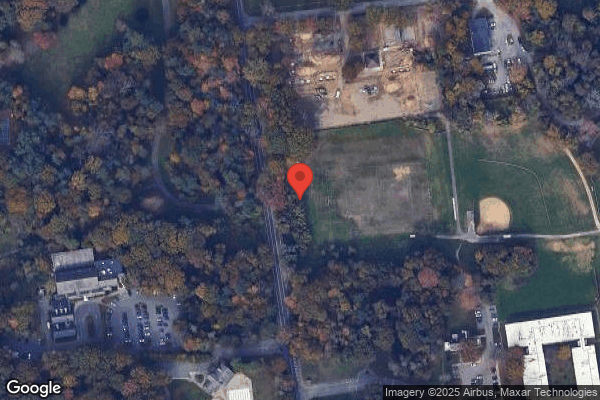
Jun 2023 1 deficiency
CONCERN (D) 📢 Someone Reported This

A family member, employee, or ombudsman was alarmed enough to file a formal complaint

Potential for Harm - no one hurt, but risky conditions existed

Laboratory Services (Tag F0770)

Could have caused harm · This affected 1 resident

Based on record review and interviews during the Abbreviated Survey (NY00312848) the facility did not ensure it provided or obtained laboratory services to meet the needs of each resident for one (Res...

Read full inspector narrative →
Based on record review and interviews during the Abbreviated Survey (NY00312848) the facility did not ensure it provided or obtained laboratory services to meet the needs of each resident for one (Resident #1) of three residents reviewed for Nutrition/Hydration. Specifically, laboratory (lab) blood work were ordered by the physician for Resident #1 on 3/5/2023 for a comprehensive metabolic panel (CMP) and complete blood count (CBC); however, there was no documented evidence that the lab work was done. The finding is: The facility's policy titled Lab and Diagnostic Results-Clinical Protocol, effective 2/1/2021, documented the physician will identify and order diagnostic and lab testing based on the resident's diagnostic and monitoring needs. The licensed nurse will process test requisitions and arrange for tests. The laboratory, diagnostic radiology provider, or other testing source will report test results to the facility. Resident #1 was admitted with diagnoses including Hypertension, Renal Insufficiency, and Heart Failure. The 2/27/2023 admission Minimum Data Set (MDS) Assessment documented a Brief Interview for Mental Status (BIMS) of 10, indicating the resident had moderate cognitive impairment. A physician's order for lab work was ordered on 3/5/2023 (CBC/CMP related to Anemia). In this order there was documentation that the order was sent to the lab on 3/6/2023 at 12:01 AM. However, there was no documented evidence that the blood was collected, and the lab work was ever completed. On 4/18/2023 at 2:00 PM the Director of Nursing Services (DNS) was interviewed. The DNS stated they (the DNS) spoke to the laboratory regarding the blood work that was ordered on 3/5/2023 for Resident #1. The DNS stated that the laboratory reported that the order for the 3/5/2023 blood work was received by the laboratory, but the technician was never sent to the facility to collect the blood. The DNS stated the overnight Registered Nurse (RN) supervisor is supposed to follow up. On 4/18/2023 at 3:40 PM the DNS was reinterviewed. The DNS identified the overnight supervisor on 3/5/2023-3/6/2023 as RN #4. The DNS stated the process for lab work is as follows: the order is placed in the electronic medical record (EMR), which automatically is sent electronically to the laboratory, and then the nurse on the unit prints out the order and the hard-copy order is put in the unit lab book (binder); when the technician comes in, the technician checks the binder for the flagged lab work orders and proceeds to collect the blood from the particular resident. The DNS stated the lab technician will report any issues to the unit nurse. On 4/19/2023 at 11:45 AM RN #4 was interviewed. RN #4 stated we do not follow-up with the technician to make sure all the labs were collected; it is up to the technician to make sure all the labs are done. RN #4 stated a routine order may not be remembered, the order goes directly to the laboratory via computer, so there is no way to know that it was done. On 4/20/2023 at 11:40 AM Physician #1 was re-interviewed. Physician #1 stated the RN supervisor is the go-between for the doctor and the lab and should communicate to me that the lab work was not done. On 6/8/2023 at 2:45 PM a follow-up interview with the current DNS was conducted. The DNS stated the policy that they (the current DNS) will be implementing will be every day a report will be run for all lab orders that were placed the previous day and this will be used to identify any labs that were not done. 415.20
Aug 2022 7 deficiencies
CONCERN (D)

Potential for Harm - no one hurt, but risky conditions existed

Notification of Changes (Tag F0580)

Could have caused harm · This affected 1 resident

**NOTE- TERMS IN BRACKETS HAVE BEEN EDITED TO PROTECT CONFIDENTIALITY** Based on record review and staff interviews during the Recertification Survey and abbreviated survey (NY 00297469 and NY 0029055...

Read full inspector narrative →
**NOTE- TERMS IN BRACKETS HAVE BEEN EDITED TO PROTECT CONFIDENTIALITY** Based on record review and staff interviews during the Recertification Survey and abbreviated survey (NY 00297469 and NY 00290555) initiated on 8/02/2022 completed on 8/9/2022 the facility did not ensure that for each resident the resident's representative or physician were notified immediately when there was a change in condition. This was identified for 1 (Resident #432) of 3 residents reviewed for change of condition and one (Resident #483) of 2 residents reviewed for hospitalization. Specifically, 1) Resident #432 developed an infection and required Intravenous (IV) antibiotics; however, the resident's representative was not notified of initiation of the IV antibiotic therapy for the resident. 2) Resident #483 had a Physician order to contact the Physician if Resident # 483's finger stick (FS) blood sugar (BS) results were less than 70 milligram/deciliter (mg/dL) or greater than 250 mg/dL. There was no documented evidence that Resident # 483's Physician was notified when the resident's Blood Sugar level was identified over 250 mg/dL on multiple occasions. The findings are: The facility's policy, titled Change in a Resident's Condition or Status, dated 2/10/2021, documented the facility shall promptly notify the resident, attending physician, and representative of changes in the resident's medical/mental condition and/or status. The policy further documented the nurse will notify the resident's representative when there is a significant change in the resident's physical, mental, or psychosocial status. 1) Resident #432 was admitted with diagnoses including Cerebrovascular Accident, Seizure Disorder, and Schizophrenia. The 5/17/2022 5-Day Minimum Data Set (MDS) assessment documented a Brief Interview for Mental Status (BIMS) score of 5, indicating the resident had severe cognitive impairment. A nursing note dated 6/7/2022, written by Licensed Practical Nurse (LPN) #3, documented Resident #432 was noted shivering and sweating. The blood pressure was 186/88 (high), heart rate 104 beats per minute (high), oxygen saturation rate on room air was 86% (low), and the resident's body temperature was 103.8 Fahrenheit (high). Oxygen at 2 liters per minute via nasal cannula was administered. The Physician was made aware and ordered Tylenol suppository, cooling measures applied. The Physician ordered to administer Ceftriaxone (antibiotic) 1 Gram (GM) intramuscular injection (IM) STAT (immediately), and IV hydration therapy with 0.45% normal saline at 75 cubic centimeter cc/hour (awaiting midline insertion). A Physician's order dated 6/7/2022 documented Sodium Chloride Solution 0.45%, use 75 milliliter (ml)/hour intravenously IV every shift for Hydration for 3 Days. A Physician's order dated 6/8/2022 documented an IV antibiotic Piperacillin Sodium-Tazobactam Sodium Solution, reconstituted 3-0.375 GM, Use 3.375 gram intravenously every 6 hours for infection for 7 Days. Review of the medical record revealed no documented evidence that Resident #432's family was notified regarding the resident's change in status or the need for IV antibiotics treatment. LPN #3, who wrote the 6/7/2022 nurse's note, was interviewed on 8/8/2022 at 1:40 PM and stated that they (LPN #3) were specifically told by the doctor that the doctor would contact the family regarding the infection and the order for antibiotics. Physician #5, who ordered the antibiotic treatment, was interviewed on 8/8/2022 at 2:25 PM. Physician #5 stated they (Physician #5) could not recall specifically if they had contacted the family. Physician #5 further stated that if they (Physician #5) did not call the family, then one of the nurses would have called. The Director of Nursing Services (DNS) was interviewed on 8/9/2022 at 10:01 AM. The DNS stated it is the doctor's or the nurse's responsibility to call the family if there is a change in condition, including placing a resident on an antibiotic. The DNS further stated there should be documentation in the medical record as to who called the family. 2) A facility policy titled Obtaining Fingerstick Glucose Level dated 11/8/2021 documented to report results promptly to the supervisor and the attending Physician. A Facility policy titled Change in a Resident's Condition or Status dated 2/10/2021 documented the nurse will notify the resident's Attending Physician or physician on call when there has been a specific instruction to notify the Physician of changes in the resident's condition. Resident # 483 was admitted with diagnoses including Diabetes Mellitus with Hyperglycemia, Major Depressive Disorder, and Chronic Peripheral Venous Insufficiency. The admission Minimum Data Set (MDS) assessment dated [DATE] documented Resident # 483 had a Brief Interview for Mental Status (BIMS) score of 11, which indicated the resident had moderately impaired cognition. Resident #483 did not exhibit a behavior of resisting care and received Insulin injections 7 of 7 days during the MDS look-back period. The physicians order dated 12/31/2021 documented that physician was to be contacted if the resident's blood sugar was less than 70 mg/dL or greater than 250 mg/dL before meals and at bedtime. The Comprehensive Care Plan (CCP) for Diabetes dated 1/3/22 documented interventions including to monitor, document, and report to the Physician as needed (PRN) hyperglycemia, acetone breath (fruity smell), increase thirst and appetite, frequent urination, weight loss, fatigue. The Medication Administration Record (MAR) for January 2022 documented to contact the Physician if Resident # 483 had a blood sugar reading of less than 70 mg/dL or greater than 250 mg/dL. The resident's blood sugar was recorded as follows: On 1/19/2022 the blood sugar (BS) was recorded as 275 at 9:00 PM. On 1/20/2022 the BS was recorded as 298 at 5:45 PM and 344 at 9:00 PM. On 1/22/2022 the BS was recorded as 273 at 5:45 PM. On 1/23/2022 the BS was recorded as 331 at 6:30 AM. On 1/29/2022 the BS was recorded as 325 at 9:00 PM. On 1/30/2022 the BS was recorded as 351 at 5:45 PM. On 1/31/2022 the BS was recorded as 260 at 6:30 AM Review of the medical record from January 19, 2022, to January 31, 2022, revealed was no documented evidence that the resident's physician was notified of the elevated BS readings greater than 250 on 1/19/2022 at 9 PM, 1/20/2022, 1/22/2022, 1/23/2022, 1/29/2022, 1/30/2022 at 5:45 PM, and 1/31/2022. Licensed Practical Nurse (LPN #9), who was the LPN for Resident #483 on the 7 AM - 3PM nursing shift on 1/22/2022 was interviewed on 8/9/2022 at 11:05 AM. LPN #9 stated they (LPN #9) did not recall the resident. LPN #9 stated finger sticks are completed depending on what the MD ordered. LPN #9 stated that when Resident #483 had a BS reading of 273 on 1/22/2022 they (LPN # 9) could not recall if they (LPN #9) contacted the physician. The Medical Director, who was also Resident # 483's primary care physician, was interviewed on 8/9/22 at 3:13 PM and stated they (Medical Director) expect the nurses to notify the MD based on the parameters given in the physician's orders. The MD stated not all blood sugars are reported to them (Medical Director); however, in general the nurses notify them (Medical Director) if the blood sugars are very high. The Director of Nursing Services (DNS) was interviewed on 8/9/22 at 4:03 PM and stated the nurses should follow the MD orders as written. The nurse should call the MD and notify them (Physician) of the resident's BS readings and document the Physician's response in the progress notes. The DNS stated that the LPNs can notify the MD or notify the RN supervisor of the elevated BS. The DNS further stated that the nurses should have notified the MD of all elevated BS as ordered by the MD. 415.3(e)(2)(ii)(c)
CONCERN (D)

Potential for Harm - no one hurt, but risky conditions existed

Quality of Care (Tag F0684)

Could have caused harm · This affected 1 resident

**NOTE- TERMS IN BRACKETS HAVE BEEN EDITED TO PROTECT CONFIDENTIALITY** 2) The facility pressure ulcers/skin breakdown clinical protocol dated 4/22/2021 documented that the nurse shall describe, docum...

Read full inspector narrative →
**NOTE- TERMS IN BRACKETS HAVE BEEN EDITED TO PROTECT CONFIDENTIALITY** 2) The facility pressure ulcers/skin breakdown clinical protocol dated 4/22/2021 documented that the nurse shall describe, document and report current treatments. Resident #127 was admitted to the facility with the diagnoses of Peripheral Vascular Disease, Malnutrition, and Excoriation Disorder (skin-picking). The Quarterly Minimum Data Set (MDS) assessment dated [DATE] documented that Resident #127 had a Brief Interview for Mental Status (BIMS) score of 15, indicating intact cognition. The MDS further documented that Resident #127 received skin treatments that included application of ointment/medications in areas other than feet. On 8/3/22 at 11:04 AM, Resident #127 was observed in the Resident Council meeting. Resident #127 stated that their wound treatments were skipped several times and was told that there were no nurses available to provide the treatment. Resident #127's Physician's order dated 6/30/2022 and discontinued on 7/27/2022 documented Nystatin-Triamcinolone Cream, apply to Mid back topically every day and evening shift for excoriation after wash with soap and water, pat dry then cover with padded dressing. Resident #127's Physician's order dated 7/27/2022, with no end date, documented to cleanse mid back excoriation with normal saline, pat dry, apply bacitracin, then cover with padded dressing everyday shift for excoriation. Review of Resident #127's Wound Care notes, Treatment Administration Record (TAR) for July 2022 and the TAR for August 2022 for Resident #127 revealed that there was no documented evidence of treatment provided during the day shift on 7/2/22, 7/4/22, 7/8/22, 7/12/22, 7/21/22, 7/31/22 and 8/1/22. Additionally, there was no documented evidence of treatment provided during the evening shift on 7/5/22. LPN #6, who was assigned to Resident #127 on 7/4/2022, 7/12/2022, 7/21/2022, and 8/1/2022 during the day shift, was interviewed on 8/5/22 at 4:14 PM. LPN #6 stated that there is usually 1 nurse for the 41 residents on Unit 1 [NAME] (where resident #127 lived). LPN #6 stated that they do not have enough time to provide treatments in addition to the medication administration. LPN #6 stated that they are the medication nurse not the wound nurse. There is usually a wound nurse that floats between the floors but could not recall who was responsible for the treatments on 7/4/2022, 7/12/2022, 7/21/2022, and 8/1/2022. LPN #7, who was assigned to Resident #127 on 7/8/2022 during the day shift, was interviewed on 8/5/22 at 3:35 PM. LPN #7 stated that they only administer medication and the wound nurse is responsible for treatments. LPN #7 could not recall who was the wound nurse on 7/8/2022. LPN #8, who was assigned to Resident #127 on 7/31/2022 during the day shift, was interviewed on 8/5/2022 at 4:06 PM. LPN #8 stated that there were no treatment nurses on the unit on 7/31/2022 and the unit had a full census. LPN #8 stated technically they were responsible for providing treatments, but it was not realistic with a full census. LPN #8 stated that if the treatment administration was not documented, then the treatment was not completed. Registered Nurse Supervisor (RNS) #4, who was assigned to Resident #127 on 7/5/2022 during the evening shift, was interviewed on 8/5/2022 at 4:24 PM. RNS #4 stated that they do not provide wound treatments and there is a wound nurse that is responsible to administer the treatments. RNS #4 stated that they do not recall who was the assigned wound nurse on 7/5/2022. The Director of Nursing Services (DNS) was interviewed on 8/9/2022 at 11:05 AM. The DNS stated that they reviewed the staff assignments on 7/2/2022, 7/4/2022, 7/5/2022, 7/8/2022, 7/12/2022, 7/21/2022, 7/31/2022 and 8/1/2022. LPN #2, LPN #6, LPN #7, LPN #8 and RNS #4 were assigned to provide the wound treatments for Resident #127 because there was no wound nurse available on those dates. 3) Resident #118 was admitted with the diagnoses of Peripheral Vascular Disease, Malnutrition and Chronic Obstructive Pulmonary Disease. The Quarterly Minimum Data Set (MDS) assessment dated [DATE] documented Resident #118 had a Brief Interview for Mental Status (BIMS) score of 11, indicating moderately impaired cognition. The MDS further documented that Resident #118 received skin treatments that included application of nonsurgical dressings and ointments/medications. On 8/3/2022 at 11:06 AM, Resident #118 was observed in the Resident Council meeting. Resident #118 stated that they have experienced skipped wound treatments because there were no nurses available on Unit 2 West. Resident #118's Physician's order dated 7/7/2022, with no end date, documented to apply Silver Sulfadiazine Cream 1 % to coccyx topically every day and evening shift for Wound Care after cleansing with normal saline, pat dry, the cover with dry protective dressing. Review of Resident #118's Wound Care notes, Treatment Administration Record (TAR) for July and August 2022 revealed that there was no documented evidence of treatment provided during the day shift on 7/24/2022 and 7/31/2022 during the evening shift. LPN #5, who was assigned to Resident #118 on 7/31/2022 during the evening shift, was unavailable for interview. Licensed Practical Nurse (LPN) #2, who was assigned to Resident #127 on 7/2/2022 during the dayshift, was interviewed on 8/5/2022 at 3:23 PM. LPN #2 stated that they are not the regularly assigned LPN for Resident #127 or Resident #118. LPN #2 could not recall if they completed Resident #127's treatment on 7/2/2022 or Resident #118 treatment on 7/24/2022. The DNS was re-interviewed on 8/9/2022 at 4:16 PM. The DNS reviewed the TARs for Resident #127. The DNS confirmed that there was lack of documentation of several treatments for Resident #127. The DNS reviewed the Pressure Ulcers/Skin Breakdown - Clinical Protocol dated 4/22/2021 and stated that the protocol did not specify who was responsible for completing wound treatments. The DNS stated that it is part of the LPNs job description to also provide wound treatments in the absence of a wound nurse. The DNS stated that LPNs should be aware that they are responsible to complete the wound treatments and are expected to complete the treatments as ordered. 415.12 Based on observations, record review, and staff interviews during the Recertification Survey initiated on 8/2/2022 and completed on 8/9/2022 the facility did not ensure that each resident received treatment and care in accordance with professional standards of practice, and the comprehensive person-centered care plan for 1 (Resident #83) of 6 residents reviewed for Pressure Ulcers; and 2 of 10 Resident Council attendees (Resident #127 and Resident #118) who complained of not receiving wound care treatments consistently. Specifically, 1) Resident #83 was identified with an open area to the left lateral Malleolus (outer ankle) on 7/15/2022. There was no assessment or treatment provided until six days later on 7/21/2022; however, the assessment did not include the size, depth, or type of wound until 7/27/2022 when the resident was seen by the wound care Physician. Additionally, the Physician's order for bilateral heel booties to be worn while in bed was not implemented on two separate observations. Furthermore, during the resident council meeting held on 8/3/2022, 2 (Resident #127 and Resident #118) of 10 Residents indicated that their wound care treatments were skipped. 2) Resident #127 did not have documented evidence of treatment administration on eight occasions between 7/2/2022 and 8/1/2022. 3) Resident #118 did not have documented evidence of treatment administrations on two occasions between 7/24/2022 and 7/31/2022. The findings are: The facility's policy, titled Change in a Resident's Condition or Status, dated 2/10/2021, documented the facility shall promptly notify the resident, attending physician, and representative of changes in the resident's medical/mental condition and/or status. The nurse will notify the resident's attending physician or physician on call when there has been a change in status that will not normally resolve itself without intervention by staff or by implementing standard disease-related clinical interventions. 1) Resident #83 was admitted with diagnoses including Cerebrovascular Accident, Traumatic Brain Injury, and Seizure Disorder. The 5/12/2022 admission Minimum Data Set (MDS) assessment documented a Brief Interview for Mental Status (BIMS) score of 10, indicating moderate cognitive impairment. The MDS documented that the resident did not have any pressure ulcers or arterial/venous wounds. A Comprehensive Care Plan (CCP) titled Wound Care, initiated 4/20/2022 and last reviewed on 6/6/2022, documented the resident has potential for pressure ulcer development related to impaired mobility, muscle weakness, and difficulty in walking. Interventions included pressure relieving/reducing devices for bed and chair and assess/record/monitor wound healing. Measure length, width, and depth where possible. Assess and document status of the wound perimeter, wound bed, and healing progress. A Braden score (a scale for predicting pressure ulcer risk) dated 5/5/2022 documented a score of 17, indicating mild risk for pressure ulcer development. A nursing progress note dated 7/15/2022, written by Licensed Practical Nurse (LPN) #1, documented Resident #83 was noted with redness and an open area to the left ankle; supervisor was made aware and will come to assess. A Physician's progress note dated 7/16/2021 documented no acute events over night. There was no documentation in the progress note regarding the ankle wound. Review of the medical record revealed no further documentation, assessment, or treatment for the wound until 7/21/2022. A nursing progress note dated 7/21/2022, written by the Assistant Director of Nursing Services (ADNS) who was acting as a supervisor on 7/21/2022, documented Resident # 83 was identified with a skin alteration to the left lateral malleolus. The open area had no drainage. The treatment was completed by cleansing the open area with normal saline, patting dry, applying Silvadene cream, and covering the wound with a dry protective dressing. The Physician was made aware. A nursing progress note dated 7/21/2022, written by the Registered Nurse (RN) wound care nurse, documented upon assessment Resident #83 was noted with an open area to the left ankle and blanchable redness (the area turns white when pressed with a fingertip, and then immediately turns red again when pressure is removed) to the surrounding skin. No drainage. No signs or symptoms of infection. Treatment in place. Will follow up with wound care physician. There was no assessment of the wound size or the description of the wound bed in either of the 7/21/2022 RN notes. A Physician's order dated 7/22/2022 documented Silver Sulfadiazine Cream 1%, apply to left lateral malleolus, topically every-day shift for wound care. Cleanse area with normal saline, pat dry and apply Silvadene cream. The wound care RN initiated a Comprehensive Care Plan (CCP) dated 7/21/2022, six days after the open area was first identified, for the open area to left lateral malleolus and the diagnosis of the peripheral arterial disease (PAD). The wound care physician note dated 7/27/2022 documented that the left ankle wound measured 1.2 centimeters (cm) by 1.0 cm and was unstageable with eschar (a collection of dead tissue within the wound that is flush with skin surface) in the wound bed. The treatment recommendation was to apply Betadine with padded dressing. A nursing progress note dated 7/27/2022, written by the RN wound care nurse, documented Resident #83 was seen during the wound rounds for evaluation of the left ankle discoloration. Treatment order changed to apply Betadine. The Physician is aware of the recommendation and is in agreement. A Physician's order dated 7/28/2022 documented to apply Betadine Paint to the left ankle discoloration, then cover with a dry protective dressing daily. A Physician's order dated 7/29/2022 documented apply heel booties to bilateral heels when in bed for protection. Resident #83 was observed sleeping in bed on 8/2/2022 at 11:00 AM. There was a wound dressing observed on the resident's left outer ankle. The resident was not wearing heel booties. Resident #83 was observed sleeping in bed on 8/5/2022 at 7:42 AM. LPN #2 and Certified Nursing Assistant (CNA) #1 were present in the room at the time of the observation. The resident was not wearing heel booties. CNA #1 searched the resident's room and was unable to find heel booties. CNA #1 stated the resident must have left the heel booties somewhere because the resident gets out of bed and wanders around. LPN #1 was interviewed on 8/5/2022 at 10:03 AM regarding the wound identified by LPN #1 on 7/15/2022. LPN #1 stated the wound was red, small, round, and it was starting to open; there was no depth or drainage. LPN #1 stated they (LPN #1) were alerted to the wound by CNA #1, who observed the wound during morning care. LPN #1 stated they (LPN #1) alerted the Nursing Supervisor RN #1. Resident #83's wound care treatment was observed on 8/5/2022 at 11:02 AM. The treatment was performed by LPN #2, assisted by the Nurse Educator. The left ankle wound was an unstageable wound with dry eschar in the middle of the wound. There was no drainage. The wound measured approximately 1.5 cm x 1.5 cm. The surrounding skin to the wound was reddened. CNA #1 was interviewed on 8/5/2022 at 11:18 AM and stated that when they (CNA #1) were providing morning care to Resident #83 on 7/15/2022, they (CNA #1) observed a small, reddened area on the outer left ankle that had a darker area in the middle. CNA #1 stated they (CNA #1) informed LPN #1. RN #1 was interviewed on 8/5/2022 at 11:38 AM and stated they (RN #1) did not recall seeing the wound or the patient or being told about the wound. RN #1 stated I never saw this resident's wound. The ADNS was interviewed on 8/5/2022 at 11:41 AM and stated the wound was reported to them (ADNS) on 7/21/2022 (Thursday) by LPN #1. The ADNS stated 7/21/2022 was the first time they (ADNS) saw the wound and there was an eschar in middle of the wound. The ADNS stated they (ADNS) spoke to the wound care nurse to do further assessment. The ADNS stated they (ADNS) initiated a treatment of Silvadene, which was acceptable to the primary Physician (#1), and the primary Physician (#1) instructed that follow up be done with the wound physician. The ADNS stated the wound doctor does wound rounds on Wednesdays, so the resident would not be seen by the wound doctor until 7/27/2022. The wound care nurse was interviewed on 8/5/2022 at 11:54 AM and stated the first time they (wound care nurse) saw the wound was 7/21/2022 and there appeared to be eschar. The wound care nurse stated they (wound care nurse) were not alerted on 7/15/2022 (Friday) and should have been because they (wound care nurse) were present in the facility that day and the assessment and treatment could have started that day. The wound care nurse stated the wound is an arterial ulcer due to Peripheral Arterial Disease (PAD). A vascular consult dated 5/10/2022 documented that based on history, physical exam, and studies that were performed, the patient's symptoms are likely attributable to bilateral Peripheral Arterial Disease. The plan consult documented that there were no active ulcers, and an Ankle-Brachial-Index (ABI) test will be performed. A vascular consult dated 5/17/2022 documented right ABI of 0.44, equal to moderate PAD, and left ABI of 0.43, equal to moderate PAD. Review of the record revealed no care plan with interventions for PAD. Primary Physician #1 was interviewed on 8/5/2022 at 12:25 PM and stated if they (Primary Physician #1) had been notified on 7/15/2022 of the left ankle wound, then there would have been a note or some kind of treatment put in place. At a minimum they (Primary Physician #1) would have referred the resident to the wound care doctor. The wound care physician was interviewed on 8/5/2022 at 12:29 PM and stated the wound is vascular and vascular wounds respond to Betadine. The wound care physician stated when they (wound care physician) saw the wound on 7/27/2022 they (wound care physician) changed the order to Betadine. The wound care physician stated if a wound is not receiving treatment it can deteriorate. The wound care physician stated any wound has a cause, and if the cause is not addressed the wound can deteriorate. The Director of Nursing Services (DNS) was interviewed on 8/5/2022 at 2:17 PM and stated when a wound is identified, the staff should report the finding to the supervisor, the supervisor should assess the wound and notify the doctor and wound care team to determine the etiology and to put a treatment in place. The Medical Director was interviewed on 8/9/2022 at 8:25 AM. The Medical Director stated if the doctor is not made aware that there was a new wound identified, there is nothing that can be done. The Medical Director stated the nurse has to notify the doctor. The Medical Director stated they (Medical Director) were not sure of the process between an LPN and a nursing supervisor, but if the doctor is not made aware, nothing can be done.
CONCERN (D)

Potential for Harm - no one hurt, but risky conditions existed

Accident Prevention (Tag F0689)

Could have caused harm · This affected 1 resident

**NOTE- TERMS IN BRACKETS HAVE BEEN EDITED TO PROTECT CONFIDENTIALITY** Based on observations, interviews, and record review during the Recertification Survey initiated on 8/2/2022 and completed on 8/...

Read full inspector narrative →
**NOTE- TERMS IN BRACKETS HAVE BEEN EDITED TO PROTECT CONFIDENTIALITY** Based on observations, interviews, and record review during the Recertification Survey initiated on 8/2/2022 and completed on 8/9/2022, the facility did not ensure that all residents received adequate supervision to prevent Accidents. This was identified for one (Resident #7) of five residents reviewed for Accidents. Specifically, Resident #7, who required extensive assistance of one person for personal hygiene, was observed shaving themselves with a razor without supervision. The finding is: The Facility's Hazardous Area, Devices and Equipment Policy dated 4/24/2022, documented all hazardous devices in the facility will be identified and addressed appropriately to ensure resident safety and mitigate accident hazards. A hazard is defined as anything in the environment that has the potential to cause injury or illness. Examples of environmental hazards include but are not limited to sharp objects that are accessible to vulnerable residents. The Facility Safety and Supervision of Residents Policy dated 4/24/2022, documented the facility strives to make the environment as free from accident hazards as possible. Safety risks and environmental hazards are identified on an ongoing basis through a combination of employee training, employee monitoring, and reporting. Resident #7 was admitted with diagnoses of Parkinson's Disease and Dementia with behavioral disturbance. The Quarterly Minimum Data Set (MDS) assessment dated [DATE] documented a Brief Interview for Mental Status (BIMS) score of 10, indicating Resident #7 had moderately impaired cognition. The MDS also documented that Resident #7 required extensive assistance of one person for personal hygiene, including shaving. The Activities of Daily Living (ADLs) care plan dated 10/6/2020 documented that Resident #7 required assistance with ADLs secondary to Parkinson's Disease, Chronic Anemia, Schizophrenia, Polyneuropathy, Diabetes Mellitus, and Right Lower Extremity fractures. The care plan further documented that Resident #7 required supervision and setup help for personal hygiene. Resident #7 was observed standing by the sink and shaving their (Resident #7's) face with a disposable razor in their room on 8/2/2022 at 3:33 PM. Resident #7 was also observed with spots of blood on their face. Two additional disposable razors were observed on the sink countertop. CNA #8 was interviewed on 8/2/2022 at 3:33 PM and stated that they (CNA #8) did not see Resident #7 shaving themselves. CNA #8 stated they (CNA #8) did not give the disposable razors to Resident #7. CNA #8 further stated they did not know how Resident #7 obtained the disposable razors. Resident #7 was interviewed on 8/2/2022 at 3:34 PM and stated they (Resident #7) shave their face by themselves every day and nobody ever helped them with shaving. Resident #7 stated that the nurses gave them (Resident #7) the razors, however, was unable to identify the nurses. The Assistant Director of Nursing Services (ADNS) was observed discarding the razors from Resident #7's room into a sharps container that was attached to a medication cart outside Resident #7's room on 8/2/2022 at 3:36 PM. The ADNS was interviewed on 8/2/2022 at 3:36 PM and stated that Resident #7 was often confused, and the Certified Nursing Assistants (CNAs) assisted Resident #7 with shaving. The ADNS stated that it was not safe for Resident #7 to keep the disposable razors in their possession. The ADNS further stated they did not witness Resident #7 shaving themselves and did not know how Resident#7 obtained the three disposable razors. License Practical Nurse (LPN) #10 was interviewed on 8/2/2022 at 3:37 PM and stated that there were wandering and confused residents on the unit and Resident #7 should not have any razors in their room. LPN #10 stated they did not know how Resident #7 obtained the razors. LPN #10 further stated that CNAs should assist Resident #7 with shaving and personal hygiene. CNA #9 was interviewed on 8/3/2022 at 3:00 PM and stated they (CNA #9) work during the 7 AM to 3PM nursing shift. CNA #9 stated they did not see Resident #7 shaving themselves. CNA #9 further stated that they did not know how Resident #7 obtained the razors. The Director of Nursing Services (DNS) was interviewed on 8/3/2022 at 3:05 PM. The DNS stated that Resident #7 needed assistance with shaving and ADLs. The DNS stated that Resident #7 was not allowed to shave themselves and to keep the razors in their room unattended for safety reasons. The DNS further stated there were wandering residents on the unit that could go into Resident #7's room. A list provided by the facility, that included residents who exhibit wandering behavior, identified that there were five residents with wandering behavior on Resident #7's nursing unit. 415.12(h)(1)
CONCERN (D)

Potential for Harm - no one hurt, but risky conditions existed

Deficiency F0773 (Tag F0773)

Could have caused harm · This affected 1 resident

Based on record review and staff interviews during the Recertification Survey and Abbreviated survey (NY00280683) initiated on 8/2/2022 and completed on 8/9/2022 the facility did not promptly notify t...

Read full inspector narrative →
Based on record review and staff interviews during the Recertification Survey and Abbreviated survey (NY00280683) initiated on 8/2/2022 and completed on 8/9/2022 the facility did not promptly notify the ordering physician of laboratory results that fell outside of clinical reference ranges in accordance with facility policies and procedures for notification of a practitioner or per the ordering physician's order. This was identified for 1 (Resident #582) of 3 residents reviewed for change in condition. Specifically, Resident #582 had Urine Analysis and Culture and Sensitivity (UA and CS) report results that were outside of clinical reference ranges; however, there was no documented evidence that these results were reviewed either by the physician or the nursing staff prior to the resident being sent to the hospital. The resident was diagnosed in the hospital with a Urinary Tract Infection (UTI) diagnosis. The finding is: The facility's policy titled Laboratory and Diagnostic Test Results-Clinical Protocol, dated 2/1/2021, documented when test results are reported to the facility, a nurse or the practitioner will review the results. The licensed nurse should document information about when, how, and to whom the information was provided and the response. A physician will respond within an appropriate time frame, based on the request from the nursing staff and the clinical significance of the information. A physician should respond within one hour regarding a laboratory test result requiring immediate notification, and by the end of the next office day to a non-emergency message regarding non-immediate laboratory test result notification with a request for response. Resident #582 was admitted with diagnoses including Cerebrovascular Accident, Neurogenic Bladder, and Depression. The 7/26/2021 Minimum Data Set (MDS) assessment documented a Brief Interview for Mental Status (BIMS) score of 12, indicating the resident had moderate cognitive impairment. The MDS documented that the resident had a urinary catheter. A nursing progress note dated 7/25/2021 at 11:48 AM documented that the house doctor (Physician #4) was notified to see the resident today. The resident's current health condition was noted as weak with poor intake by mouth. Physician #4 ordered to administer intravenous (IV) D5-1/2 normal saline at 65 cubic centimeter (cc)/ hour for 3 days, and to obtain a UA and CS. A nursing progress note dated 7/26/2021 at 12:03 AM documented the resident's urine sample was collected and was placed in the refrigerator. A Laboratory Results Report to the facility dated 7/28/2021 at 12:33 PM titled, Urinalysis / Urinalysis Microscopic Exam Reflex / Urine Culture, documented a large amount (abnormal) leukocyte esterase, high white blood cells, high red blood cells, greater than 100,000 colony forming unit (CFU)/ milliliter (ml) Pseudomonas aeruginosa and greater than 100,000 CFU/ml Enterococcus faecalis (vancomycin resistant). The laboratory report was reviewed by the Primary Physician/Medical Director on 8/31/2021. A nursing progress note dated 7/29/2021 at 5:37 PM documented patient lying in bed, family member was at the bedside. Resident seems confused and having difficulty explaining the state of illness and was adamant to go to the hospital. Spoke with the Physician and informed the Physician of the resident's situation. The Physician ordered to transfer the resident to the emergency room at the family member's request. A nursing progress note dated 7/29/2021 at 11:27 PM documented the resident was admitted to the hospital for UTI. There was no documented evidence that the results of the UA and CS received on 7/28/2021 were reviewed by the physician or the nursing staff. The Director of Nursing Services (DNS) was interviewed on 8/4/2022 at 3:15 PM and stated the Registered Nurse (RN) supervisor on the unit is responsible for reviewing the laboratory reports. Physician #4, the house doctor who ordered the UA and CS on 7/28/2021, was interviewed on 8/5/2022 at 8:49 AM. Physician #4 stated it would be the primary doctor's responsibility to follow up on laboratory reports. The Primary Physician/Medical Director was interviewed on 8/5/2022 at 10:35 AM and stated the nurses are responsible to notify the doctor that the laboratory report was received. The Primary Physician/Medical Director stated the nurse may have informed the doctor, but if it is not documented, it was not done. The Primary Physician/Medical Director stated there is a system that if there is a positive result the findings should be reported to the doctor. The DNS was re-interviewed on 8/8/2022 at 9:41 AM and stated the laboratory report should be reviewed within 24 hours by the RN supervisor or the doctor. The DNS stated the doctors have 24 hours seven days a week access offsite so they can review a lab report anytime. 415.20
CONCERN (D)

Potential for Harm - no one hurt, but risky conditions existed

Deficiency F0838 (Tag F0838)

Could have caused harm · This affected 1 resident

**NOTE- TERMS IN BRACKETS HAVE BEEN EDITED TO PROTECT CONFIDENTIALITY** Based on record review and interview during the Recertification Survey initiated on 8/2/2022 and completed on 8/9/2022, the faci...

Read full inspector narrative →
**NOTE- TERMS IN BRACKETS HAVE BEEN EDITED TO PROTECT CONFIDENTIALITY** Based on record review and interview during the Recertification Survey initiated on 8/2/2022 and completed on 8/9/2022, the facility did not ensure that the facility assessment included what resources are necessary to care for its residents competently during both day-to-day operations and emergencies. Specifically, the facility assessment did not include the overall number of facility staff needed to ensure that a sufficient number of qualified nursing staff are available to meet each resident's needs. The finding is: The facility assessment dated [DATE] documented that the staffing plan was based on the resident population and their needs for care/support. The staffing plan portion of the facility assessment documented that the number of hours in a two-week period for licensed nurses providing direct care was 4,040 and 8,184 hours for nurse aides. The Administrator was interviewed on 8/9/22 at 11:31 AM. The administrator stated that the facility assessment documented only the number of working hours for staffing instead of a specific number of Certified Nurses aides, Licensed Practical Nurses, and Registered Nurses. The Administrator stated that the periodic automatic replacement (par) levels (an inventory control system that tells what levels of inventory one should have in stock to fulfill demand) are not in the facility assessment and is kept separately on the nursing schedules. On 8/9/22 at 11:50 AM, the Administrator provided a separate document entitled Nursing Staffing Par Levels effective July 2022. The Administrator stated that they (Administrator) have been working on developing par levels by converting the working hours from the human resources department into actual number of nursing staff. The Administrator stated that they have not yet completed the conversion. 415.26
CONCERN (E)

Potential for Harm - no one hurt, but risky conditions existed

Unnecessary Medications (Tag F0759)

Could have caused harm · This affected multiple residents

**NOTE- TERMS IN BRACKETS HAVE BEEN EDITED TO PROTECT CONFIDENTIALITY** Based on observations, record review, and interviews, conducted during the Recertification Survey initiated on 8/2/2022 and comp...

Read full inspector narrative →
**NOTE- TERMS IN BRACKETS HAVE BEEN EDITED TO PROTECT CONFIDENTIALITY** Based on observations, record review, and interviews, conducted during the Recertification Survey initiated on 8/2/2022 and completed on 8/9/2022, the facility did not ensure that the facility's medication error rates are not five percent or greater. This was identified for 15 of 25 opportunities during a medication pass observation resulting in a 60% medication error rate. Specifically, 1) Resident #109 did not receive the Physician ordered 9 AM medications until 12:20 PM. 2) Resident #433 did not receive the Physician ordered 9 AM medications until 12:50 PM. 3) Resident # 150 did not receive the Physician ordered 9 AM medications until 1 PM. The findings are: The Facility's Policy for Administering Medications dated 2/1/2021, documented medications are administered in a safe and timely manner, and as prescribed. The Policy documented medications are administered within one hour of their prescribed time, unless otherwise specified (for example, before and after meal). 1) Resident #109 was admitted with diagnoses that include Hypertension (HTN), Diabetes Mellitus (DM), and Neuropathy. The admission Minimum Data Set (MDS) assessment dated [DATE] documented a Brief Interview for Mental Status (BIMS) score of 13 indicating the resident had intact cognition. During a medication administration observation task on 8/4/2022 at 12:20 PM, LPN #11 was observed administering the following Physician ordered 9 AM medications to Resident #109: -Eliquis (blood thinner) 5 milligram (mg), one tablet by mouth two times a day for Deep Vein Thrombosis prophylaxis. - Escitalopram oxalate (Lexapro) 10 mg, one tablet by mouth one time a day for Depression. - Lasix 20 mg, one tablet by mouth one time a day for edema. - Aspirin Enteric Coated (EC) Delayed Release 81 mg, one tablet by mouth one time a day for Coronary Artery Disease prophylaxis. - Cozaar Tablet 100 mg, one tablet by mouth one time a day for Hypertension. - Januvia Tablet 50 mg, one tablet by mouth one time a day for DM. - Metoprolol Succinate Extended Release (ER) 25 mg one tablet by mouth one time a day for HTN. - Nifedipine Extended ER 30 mg one tablet by mouth one time a day for HTN. - Tylenol 325 mg, two tablets by mouth two times a day for back pain. -Gabapentin Capsule 300 mg, one capsule by mouth three times a day for Neuropathy. A total of ten 9 AM Physician prescribed medications were administered late. 2) Resident #433 was admitted with diagnoses that include Covid-19 infection, Benign Prostatic Hyperplasia with lower Urinary Tract symptoms, and frequency of Micturition. No Minimum Data Set (MDS) assessment was available due to the resident's recent admission. During a medication administration observation task on 8/4/2022 at 12:50 PM, LPN #11 was observed administering the following Physician ordered 9 AM medications to Resident #433: -Flomax Capsule 0.4 milligram (mg), one capsule by mouth one time a day for Urinary obstruction. -Oxybutynin Chloride Extended Release (ER) 10 mg, one tablet by mouth one time a day for overactive bladder. -Prednisone (corticosteroid) 2.5 mg, one tablet by mouth one time a day. -Sertraline HCl 25 mg, half a tablet by mouth one time a day for Depression. A total of four 9 AM Physician prescribed medications were administered late. 3) Resident #150 was admitted with diagnoses that included Left Femur Fracture, Hyperlipidemia, and Muscle Weakness. The admission Minimum Data Set (MDS) assessment dated [DATE] documented a Brief Interview for Mental Status (BIMS) score of 13, indicating the resident had intact cognition. During a medication administration observation task on 8/4/2022 at 1:00 PM, LPN #11 was observed administering the following Physician ordered 9 AM medication to Resident #150: Rivaroxaban 10 milligram (mg), one tablet by mouth one time a day for Deep Vein Thrombosis (DVT) Prophylaxis. LPN #11 was interviewed on 8/4/2022 at 1:05 PM and stated that the medications they were administering for Resident #109, Resident #433 and Resident #150 were due to be administered at 9 AM. LPN #11 stated that they (LPN #11) were administering the medications late because they (LPN #11) started their shift one and a half hours late at 8:30 AM and then they (LPN #11) were involved with another resident. LPN #11 stated usually they (LPN #11) administer the medications on time. LPN #11 stated the 9 AM medications should have been administered one hour prior or one hour after the due time of 9 AM. The Assistant Director of Nursing Services (ADNS) #2 was interviewed on 8/4/2022 at 1:09 PM and stated that ADNS#2 stated that the medications were administered late on 8/4/2022 and it was not acceptable to administer medications late. ADNS#2 stated that the regularly assigned nurse for the Unit called out and the facility had to call the agency nurse (LPN #11) for medication administration. LPN #11 arrived at the facility at approximately 8:30 AM. LPN #11 told the ADNS that they (LPN #11) started their medication pass at approximately 12 PM because they got busy with a newly admitted resident. The Director of Nursing Services (DNS) was interviewed on 8/4/2022 at 2:30 PM and stated that the medications should be administered timely as per the Physician's orders. The DNS stated that it was not acceptable to administer medications late. 415.12(m)(1)
MINOR (B)

Minor Issue - procedural, no safety impact

MDS Data Transmission (Tag F0640)

Minor procedural issue · This affected multiple residents

**NOTE- TERMS IN BRACKETS HAVE BEEN EDITED TO PROTECT CONFIDENTIALITY** Based on record review and staff interviews during the Recertification Survey initiated on 8/2/2022 and completed on 8/9/2022 th...

Read full inspector narrative →
**NOTE- TERMS IN BRACKETS HAVE BEEN EDITED TO PROTECT CONFIDENTIALITY** Based on record review and staff interviews during the Recertification Survey initiated on 8/2/2022 and completed on 8/9/2022 the facility did not ensure that completed Minimum Data Set (MDS) assessments were electronically transmitted to the Centers for Medicare and Medicaid Services (CMS) within 14 days as required. This was identified for 3 (Resident #1, #2, and #3) of 3 residents reviewed for the Resident Assessment Facility Task. Specifically, Resident #1's Medicare 5-day MDS assessment was not electronically transmitted to CMS until 19 days after completion of the assessment; Resident #2's Significant Change in Status MDS assessment was not electronically submitted to CMS until 32 days after completion of the assessment; Resident #3's Admission/5-day MDS assessment was not electronically submitted to CMS until 21 days after completion of the assessment. The findings are: The facility MDS Completion and Submission Timeframes policy dated 2/10/2021 documented that timeframes for completion and submission of assessments are based on the current requirements published in the Resident Assessment Instrument Manual. The policy does not document when the MDS assessments should be transmitted. Resident #1 was admitted to the facility on [DATE] with diagnoses including Polyarthritis and Low Back Pain. Resident #1 had a Medicare 5-Day MDS dated [DATE] that was transmitted on 4/6/2022 for a total of 19 days after the completion date. Resident #2 was admitted to the facility on [DATE] with diagnoses including Permanent Atrial Fibrillation and Dysphagia. Resident #2 had a Significant Change in Status MDS dated [DATE] that was transmitted on 5/15/2022 for a total of 32 days after the completion date. Resident #3 was admitted to the facility on [DATE] with diagnoses including Status Post Right Femur Fracture and Sepsis. Resident #3 had an Admission/Medicare 5-day MDS dated [DATE] that was transmitted on 4/20/2022 for a total of 21 days after the completion date. The Registered Nurse (RN) MDS Nurse Assessor was interviewed on 8/9/2022 at 11:05 AM and reviewed the Evaluation Histories for MDS 3.0 submissions for Resident #1, #2, and #3 and acknowledged the late submission for their MDSs. The MDS Nurse Assessor stated that the facility's MDS Coordinator had left the facility in July 2022 and they (MDS Coordinator) were the only one who transmitted MDSs. The MDS Nurse Assessor stated that MDSs may have been submitted late back in March and April of 2022 because the facility was hit hard with positive COVID-19 cases during that time. The MDS Nurse Assessor stated that during that time, all the MDS Nurse Assessors were helping out nursing a lot more by completing Comprehensive Care Plans and Pain Evaluations and attending the care plan meetings when the RN Supervisor or the ADNS (Assistant Director of Nursing Services) could not attend. The Director of Nursing Services (DNS) was interviewed on 8/9/2022 at 2:20 PM and stated that they (DNS) know nothing about the MDS Department. 415.11
Dec 2019 3 deficiencies
CONCERN (D)

Potential for Harm - no one hurt, but risky conditions existed

Accident Prevention (Tag F0689)

Could have caused harm · This affected 1 resident

**NOTE- TERMS IN BRACKETS HAVE BEEN EDITED TO PROTECT CONFIDENTIALITY** Based on observations, record review, and interviews during the Recertification Survey the facility did not ensure that the res...

Read full inspector narrative →
**NOTE- TERMS IN BRACKETS HAVE BEEN EDITED TO PROTECT CONFIDENTIALITY** Based on observations, record review, and interviews during the Recertification Survey the facility did not ensure that the resident environment remained as free of accident hazards as is possible. Specifically, Resident #108, who had severely impaired cognition, locked himself in his shared bathroom. The resident remained in the bathroom for 20 minutes, as the facility staff was unable to open the bathroom door. Additionally, interviews with the facility staff revealed all staff members were not knowledgeable on how to open the doors in case a resident becomes locked in the bathroom. The finding is: Resident #108 has diagnoses including Non-Alzheimer's Dementia, Diabetes Mellitus, and Left Tibia Fracture. The 10/8/19 admission Minimum Data Set (MDS) assessment documented a Brief Interview for Mental Status (BIMS) score of 6, indicating the resident had severe cognitive impairment. The Accident and Incident (A/I) Report and Summary dated 10/11/19 at 11:10 PM documented that the Certified Nursing Assistant (CNA) responded to an alarm and Resident #108 was observed on the bathroom floor. The CNA called for help and then Resident #108 locked both bathroom doors. The CNA and Registered Nurse (RN) stayed with Resident #108 as he refused to open the doors. A Maintenance staff member was called for back up. The entire process from Resident #108 being observed on the floor to opening the door lock took 20 minutes. The Maintenance Worker's written statement to the facility documented that he received at call at 11:14 PM and arrived at the facility in about 10 minutes because he lived nearby. He documented that he helped the RN open the door because she was having trouble opening it. On 12/10/19 between 1 PM and 2 PM, the surveyors observed that the shared resident bathroom doors can be locked from inside the bathroom. A 7 AM- 3 PM Shift CNA on Unit 1, where Resident #108 resided on 10/11/19, was interviewed on 12/10/19 at 2:53 PM. The shared bathroom where the incident occurred was observed with the CNA. Both doors could be locked from inside the bathroom. The CNA stated that the Maintenance staff have a pin-type key to open the doors, and that if the bathroom doors were locked, the nursing staff would have to call the Maintenance department. The 7 AM- 3 PM RN Supervisor on Unit 1 was interviewed on 12/10/19 at 2:56 PM. She stated that if the bathroom doors were locked during the day the staff would have to call the Maintenance department. She stated if the doors become locked overnight, she believed that the Nursing Supervisor knows where the key is. On 12/10/19 at 3:10 PM two 7 AM- 3 PM Shift Licensed Practical Nurses (LPN) on the 2 East Unit were interviewed concurrently regarding what to do if the bathroom doors were locked. Both LPNs stated there was a pin-type key on the unit and they retrieved the key from the medication storage room. The LPNs demonstrated the use of the key in a resident bathroom that was adjacent to the nursing station. One of the LPNs was not able to open the door with the key. A 3 PM- 11 PM Shift LPN on the 1 [NAME] Unit was interviewed on 12/10/19 at 3:16 PM. She stated she was not sure what to do if the bathroom doors were locked. A 7 AM- 3 PM Shift LPN on the 1 [NAME] Unit was interviewed on 12/10/19 at 3:18 PM. She stated that a computerized maintenance request would be sent to the maintenance department if the bathroom doors were locked and then maintenance would open the door. She stated that the unit had a resident room master key at one time, but it was taken away. The RN supervisor who responded to the incident on 10/11/19 is no longer employed at the facility and was unavailable for interview. The Maintenance staff member who responded on 10/11/19 was interviewed on 12/11/19 at 9:14 AM. He stated he lives nearby the facility and received a call at home on [DATE]. He stated he arrived and opened the door with a pin-type key that he had with him. He stated that he opened the door easily and the resident did not try to re-lock the door. He stated if the bathroom door was locked during the day the maintenance staff is available to open the door. He stated the nurses have the pin-type key at the nurse's station. The Maintenance staff member further stated on the night when the incident occurred the nurse had the pin-type key but could not get the door opened. He further stated he had to unlock the door. The Assistant Director of Nursing Services (ADNS) was interviewed on 12/11/19 at 9:43 AM. She stated that following the incident on 10/11/19 all nurses were in-serviced. She stated that all units have a key and the nurses were in-serviced on how to use it. The CNA who was involved with the 10/11/19 incident was interviewed on 12/11/19 at 10:33 AM. She stated she discovered the resident in the bathroom after hearing a bed alarm. She stated one of the doors was already locked and when she came back from calling the nurse, the resident had locked the other door and refused to open the door. She stated the nursing station had a key and the supervisor was called. The supervisor was having trouble opening door and was not sure if the resident was re-locking the door. When the maintenance worker came, the door was opened easily. The Director of Engineering was interviewed on 12/11/19 at 10:55 AM. He stated if the bathroom doors are locked during the day maintenance staff can be called. He stated the nurse should not send an electronic message for a locked door because it is an emergency, and that the electronic system is for routine maintenance. He also stated that there are keys on each nursing unit. He further stated if he receives a call during off-hours he has two local maintenance staff who could to be sent over to the facility. The Director of Nursing Services (DNS) was interviewed on 12/11/19 at 11:25 AM. She stated she was unable to identify if an in-service on how to open the resident bathroom doors was done before the 10/11/19 incident. She stated that she was not sure if the in-service that followed the 10/11/19 incident covered all nursing staff. 415.12(h)(1)
CONCERN (D)

Potential for Harm - no one hurt, but risky conditions existed

Drug Regimen Review (Tag F0756)

Could have caused harm · This affected 1 resident

**NOTE- TERMS IN BRACKETS HAVE BEEN EDITED TO PROTECT CONFIDENTIALITY** Based on record review and interview during the recertification survey, the facility did not ensure that the Attending Physician...

Read full inspector narrative →
**NOTE- TERMS IN BRACKETS HAVE BEEN EDITED TO PROTECT CONFIDENTIALITY** Based on record review and interview during the recertification survey, the facility did not ensure that the Attending Physician documented the rationale for continued use of medications despite risks identified on the Pharmacy Drug Regimen Review. This was identified for one (Resident # 186) of five residents reviewed for unnecessary medication. Specifically, Resident #186's Pharmacy review dated 9/13/19 documented an increased risk for Cardiotoxicity with concurrent use of Elavil (an antidepressant medication) and Lexapro (an antidepressant medication). The Attending Physician and the Psychiatrist did not address the concern of Cardiotoxicity associated with the medications in Resident #186's medical record. The finding is: The undated facility Drug Regimen Review policy documented that the Physician will respond to issues identified in the Drug Regimen Review. The Physician provides a rationale for refusal of the recommendation in the medical record. Resident #186 was admitted to the facility with diagnoses of Heart Failure, Depression and Hypertension. The Quarterly Minimum Data Set (MDS) assessment dated [DATE] documented a Brief Interview for Mental Status (BIMS) score of 15, indicating intact cognition. The MDS documented that Resident #186 received antidepressant medication 7 out of 7 days during the MDS lookback period. The Physician's orders dated 4/11/19-12/11/19 documented Lexapro 20 milligrams (mg) for Depression and Elavil 10 mg. The Drug Regimen Review dated 9/13/19 documented that Resident #186 had an order for Elavil and Lexapro. The Pharmacist recommendation was to please consider a taper and discontinuation of either the Elavil or Lexapro order. The review documented that Lexapro and Elavil administered concurrently may result in increased risk of Cardiotoxicity including QT prolongation, Torsade's de Pointes and Cardiac Arrest. The Physician's response documented no, continue both orders until the resident is seen by the Psychiatrist. Please have the Psychiatrist evaluate both medications and make the appropriate changes if necessary. Please order a psychiatric consult ASAP. The Psychiatric consultation dated 9/18/19 did not address the specific risk of Cardiotoxicity in response to the Pharmacy Review. Resident # 186 was interviewed on 12/10/19 at 9:48 AM. Resident #186 stated that during the Psychiatry consultation on 9/18/19 the Psychiatrist did not review medication side effects. The Physician was interviewed on 12/10/19 at 11:46 AM. The Physician reviewed the Psychiatric evaluation dated 9/18/19 and stated that the risk of Cardiotoxicity was not addressed in the documentation. The Physician stated she referred Resident #186 to a psychiatric consultation to concur the regimen was beneficial and Resident #186 was not showing any signs of cardiac instability. The Physician stated that she did not have a follow up conversation with the Psychiatrist to address the risk presented by the pharmacy review. The Physician stated that pharmacy reviews are given to Primary Physician and the rationale is documented in the response or deferred to the Psychiatrist to document in the evaluation. The Psychiatrist was interviewed on 12/10/19 at 12:36 PM. The Psychiatrist stated that she was not asked to specifically address the Cardiotoxicity risk in the Psychiatric consultation provided on 9/18/19. The Psychiatrist stated that she would specify the risks considered in the consultation note if it was requested by the Primary Physician. 415.18(c)(2)
CONCERN (E)

Potential for Harm - no one hurt, but risky conditions existed

Resident Rights (Tag F0550)

Could have caused harm · This affected multiple residents

**NOTE- TERMS IN BRACKETS HAVE BEEN EDITED TO PROTECT CONFIDENTIALITY** Based on interview and record review, the facility did not ensure that each resident was treated with respect and dignity and ca...

Read full inspector narrative →
**NOTE- TERMS IN BRACKETS HAVE BEEN EDITED TO PROTECT CONFIDENTIALITY** Based on interview and record review, the facility did not ensure that each resident was treated with respect and dignity and cared for in a manner that promotes enhancement of his or her quality of life. Specifically, Three residents (Residents #212, #167 and #213) stated that they felt uncomfortable when staff spoke another language and laughed while providing care. Three (Residents #74, #186, and #105) of ten residents in the Resident Council meeting stated that they feel uncomfortable and humiliated when staff speak another language and laugh while providing care. The finding includes but is not limited to: The undated facility Dignity policy documented that verbal staff to staff communication shall be conducted outside the hearing range of residents. 1) Resident #212 was admitted to the facility with the diagnosis of Paraplegia, Asthma and Renal Failure. The Quarterly Minimum Data Set (MDS) assessment dated [DATE] documented a Brief Interview for Mental Status (BIMS) Score of 15 indicating intact cognition. The MDS documented Resident #212 required extensive assistance of two persons for bed mobility and toilet use, and was totally dependent on two-person assistance for transfers. Resident #212 was interviewed on 12/5/19 at 11:49 AM. He stated that nursing staff speak in a foreign language to each other in his presence while providing care. He stated that he could be naked, and they are laughing and speaking in a foreign language. He stated he asks them to stop speaking in a foreign language while providing care to him, but they do not. He further stated this problem is brought up in Resident Council meeting every month. 2) Resident #167 was admitted to the facility with diagnoses of Heart Failure and Chronic Obstructive Pulmonary Disease. The Quarterly Minimum Data Set (MDS) assessment dated [DATE] documented a Brief Interview for Mental Status (BIMS) Score of 14 indicating intact cognition. The MDS documented Resident #167 required extensive assistance of two persons for bed mobility and toilet use, and was totally dependent on two-person assistance for transfers. Resident #167 was interviewed on 12/6/19 at 7:53 AM. He stated that the aides talk back and forth to each other in a foreign language in his presence while transferring him with the Hoyer lift (mechanical lift). The resident stated he has had two incidents while being transferred with the Hoyer lift and he felt the aides were not paying attention to safety. 3) Resident #74 was admitted to the facility with the diagnoses of Cerebral Palsy, Paraplegia and Polyosteoarthritis. The Quarterly Minimum Data Set (MDS) assessment dated [DATE] documented a Brief Interview for Mental Status (BIMS) score of 15 indicating intact cognition. The MDS documented Resident #74 was totally dependent on two-person assistance for transfers and toilet use, and required extensive assistance of two persons for bed mobility. The Resident Council Meeting was conducted on 12/6/19 at 11:00 AM. Resident #74 stated that he is dependent on the Certified Nursing Assistants (CNAs) for care and transfers and it bothers him when the CNAs are talking over him to one another in another language. He stated that he felt humiliated when they laughed while talking in another language. Resident #74 stated that he complained to the Supervisor of the evening shift, however could not recall the date. He stated that the Supervisor discussed his concern with the CNAs and the CNAs later confronted him about his complaint. Resident #74 stated that he also discussed his concerns in Resident Council meetings. Resident #186 stated that several Residents approached her from outside of the resident council meeting and she voiced their concerns at meetings about staff speaking another language while providing care. Resident #186 stated that the residents were told that in-services were held; however, the problem has persisted. Resident #105 stated that he is also dependent on the CNAs for transfers and care and he also experienced CNAs talking over him in another language. Resident #105 stated that he feels uncomfortable and it feels like the CNAs are talking about his situation and laughing at him. Resident Council Meeting Minutes dated 6/18/19 documented that several residents complained that too much conversation between CNA's, nurses, and Supervisors were held in languages other than English. Resident Council Meeting Minutes dated 8/29/19, 9/26/19, 10/24/19 and 11/21/19 documented residents continued to complain of nursing staff speaking in their native language. The Customer Service In-service lesson plan dated 9/30/19 documented that behaviors of exceptional customer service include speaking in resident's preferred language when providing care. Staff were educated to avoid speaking in other languages not preferred by residents when providing care. The in-service sign in sheet documented Registered Nurses (RNs), CNAs, Housekeeping staff, Dietary staff, Secretaries, Social Workers, and Rehabilitation staff members were educated on customer service. The Speaking in Foreign language in-service sign in sheet dated 11/6/19 documented that staff was reminded to speak English when around and caring for English speaking residents. If a foreign language is not being used to communicate with the resident, staff should speak the language that the resident understands to prevent uneasiness. If there are two caregivers caring for a resident at the same time who have the same native language, the facility discourages speaking in their dialect in front of the resident as it is unethical and not good for the resident. The In-service sign in sheet documented Licensed Practical Nurses (LPNs), RNs, and CNAs who were provided information from the in-service lesson. The Director of Recreation was interviewed on 12/9/19 at 1:43 PM. The Director of Recreation stated that several resident council members discussed discomfort with staff speaking Haitian in the summer. The Director of Recreation stated the Director of Nursing Services (DNS) attended the meeting in September 2019 and October 2019 to address repeated discussions of staff speaking a foreign language around the residents. The Director of Recreation stated that she has observed several new staff members from agencies and was not sure if the agency staff was familiar with the expectation to not speak in a foreign language around the residents. The Assistant Director of Nursing Services (ADNS) was interviewed on 12/9/19 at 1:58 PM. The ADNS stated that she facilitated the Speaking in Foreign Language in-service for the in-house staff. The ADNS stated that the in-service was held to remind staff to speak English when around the residents and while providing care. The Resident Council had brought up concerns on 10/24/19 that residents were feeling uncomfortable while staff spoke another language. The ADNS stated that the in-service was ongoing and could not say for certain that all staff members received the education. The ADNS stated that she trained anyone who was in the facility on 11/6/19 and instructed the staff to pass on the information to other staff if they were not present. She stated the training was an ongoing effort and that staff are continuously in-serviced and added to the staff roster. She further stated that she was not sure who was missing from the roster. The DNS was interviewed on 12/9/19 at 2:32 PM. The DNS stated the concerns regarding staff speaking another language while providing care was brought to her attention from the Director of Recreation. The DNS initiated an in-service training on Customer Service on 9/30/19 to educate staff on the facility's policy. When concerns were brought up again at the Resident Council meeting in 10/24/19 she also initiated an in-service on 11/6/19 to specifically address speaking in another language while providing care. The DNS stated that she usually aims for a 95% attendance to ensure that most staff received the training and she did not confirm if 95% of staff were in attendance for both trainings (on 9/30/19 and 11/6/19). The DNS stated that she is not certain if staff members employed by agencies were educated on the in-services provided and did not review the sign-in sheets to determine if the staff members were facility employees or agency employees. 415.3(c)(1)(i)
Understanding Severity Codes (click to expand)
Life-Threatening (Immediate Jeopardy)
J - Isolated K - Pattern L - Widespread
Actual Harm
G - Isolated H - Pattern I - Widespread
Potential for Harm
D - Isolated E - Pattern F - Widespread
No Harm (Minor)
A - Isolated B - Pattern C - Widespread

Questions to Ask on Your Visit

  • "Can I speak with families of current residents?"
  • "What's your RN coverage like on weekends and overnight?"

Our Honest Assessment

Strengths
  • • No major safety red flags. No abuse findings, life-threatening violations, or SFF status.
  • • No fines on record. Clean compliance history, better than most New York facilities.
  • • 40% turnover. Below New York's 48% average. Good staff retention means consistent care.
Concerns
  • • 26 deficiencies on record. Higher than average. Multiple issues found across inspections.
Bottom line: Mixed indicators with Trust Score of 60/100. Visit in person and ask pointed questions.

About This Facility

What is Glengariff Health's CMS Rating?

CMS assigns GLENGARIFF HEALTH CARE CENTER an overall rating of 3 out of 5 stars, which is considered average nationally. Within New York, this rating places the facility higher than 0% of the state's 100 nursing homes. This mid-range rating indicates the facility meets federal standards but may have areas for improvement.

How is Glengariff Health Staffed?

CMS rates GLENGARIFF HEALTH CARE CENTER's staffing level at 2 out of 5 stars, which is below average compared to other nursing homes. Staff turnover is 40%, compared to the New York average of 46%. This relatively stable workforce can support continuity of care.

What Have Inspectors Found at Glengariff Health?

State health inspectors documented 26 deficiencies at GLENGARIFF HEALTH CARE CENTER during 2019 to 2024. These included: 25 with potential for harm and 1 minor or isolated issues.

Who Owns and Operates Glengariff Health?

GLENGARIFF HEALTH CARE CENTER is owned by a for-profit company. For-profit facilities operate as businesses with obligations to shareholders or private owners. The facility is operated by CARERITE CENTERS, a chain that manages multiple nursing homes. With 262 certified beds and approximately 232 residents (about 89% occupancy), it is a large facility located in GLEN COVE, New York.

How Does Glengariff Health Compare to Other New York Nursing Homes?

Compared to the 100 nursing homes in New York, GLENGARIFF HEALTH CARE CENTER's overall rating (3 stars) is below the state average of 3.1, staff turnover (40%) is near the state average of 46%, and health inspection rating (2 stars) is below the national benchmark.

What Should Families Ask When Visiting Glengariff Health?

Based on this facility's data, families visiting should ask: "Can you walk me through typical staffing levels on day, evening, and night shifts?" "Can I visit during a mealtime to observe dining assistance and food quality?" "How do you handle medical emergencies, and what is your hospital transfer rate?" "Can I speak with family members of current residents about their experience?" These questions are particularly relevant given the below-average staffing rating.

Is Glengariff Health Safe?

Based on CMS inspection data, GLENGARIFF HEALTH CARE CENTER has a clean safety record: no substantiated abuse findings (meaning no confirmed cases of resident harm), no Immediate Jeopardy citations (the most serious violation level indicating risk of serious injury or death), and is not on the Special Focus Facility watch list (a federal program monitoring the lowest-performing 1% of nursing homes). The facility has a 3-star overall rating and ranks #100 of 100 nursing homes in New York. While no facility is perfect, families should still ask about staff-to-resident ratios and recent inspection results during their visit.

Do Nurses at Glengariff Health Stick Around?

GLENGARIFF HEALTH CARE CENTER has a staff turnover rate of 40%, which is about average for New York nursing homes (state average: 46%). Moderate turnover is common in nursing homes, but families should still ask about staff tenure and how the facility maintains care continuity when employees leave.

Was Glengariff Health Ever Fined?

GLENGARIFF HEALTH CARE CENTER has no federal fines on record. CMS issues fines when nursing homes fail to meet care standards or don't correct problems found during inspections. The absence of fines suggests the facility has either maintained compliance or corrected any issues before penalties were assessed. This is a positive indicator, though families should still review recent inspection reports for the full picture.

Is Glengariff Health on Any Federal Watch List?

GLENGARIFF HEALTH CARE CENTER is not on any federal watch list. The most significant is the Special Focus Facility (SFF) program, which identifies the bottom 1% of nursing homes nationally based on persistent, serious quality problems. Not being on this list means the facility has avoided the pattern of deficiencies that triggers enhanced federal oversight. This is a positive indicator, though families should still review the facility's inspection history directly.