GLENS FALLS CENTER FOR REHABILITATION AND NURSING
152 SHERMAN AVENUE, GLENS FALLS, NY 12801 (518) 793-2575
For profit - Corporation 120 Beds CENTERS HEALTH CARE Data: November 2025
Trust Grade
55/100
#407 of 594 in NY
Last Inspection: December 2023

Within standard 12-15 month inspection cycle. Federal law requires annual inspections.

Overview

Glens Falls Center for Rehabilitation and Nursing has a Trust Grade of C, which means it is average and ranks in the middle of nursing homes. It is ranked #407 out of 594 facilities in New York, placing it in the bottom half, and #3 out of 4 in Warren County, indicating that only one local option is better. The facility is currently worsening, with the number of reported issues increasing from 3 in 2022 to 9 in 2023. Staffing is a concern, rated at only 1 star out of 5, but it has a very low turnover rate of 0%, which is well below the state average, suggesting that staff tend to stay and may have familiarity with residents. There have been no fines reported, which is a positive sign, but there are areas of concern, such as expired medications not being properly labeled and food safety issues in the kitchen. Additionally, there were shortcomings in maintaining complete medical records for certain residents, which could impact the quality of care provided. Overall, while there are strengths in staff retention and the absence of fines, families should weigh these against serious concerns regarding safety and record-keeping.

Trust Score
C
55/100
In New York
#407/594
Bottom 32%
Safety Record
Low Risk
No red flags
Inspections
Getting Worse
3 → 9 violations
Staff Stability
○ Average
Turnover data not reported for this facility.
Penalties
✓ Good
No fines on record. Clean compliance history, better than most New York facilities.
Skilled Nurses
○ Average
Each resident gets 34 minutes of Registered Nurse (RN) attention daily — about average for New York. RNs are the most trained staff who monitor for health changes.
Violations
⚠ Watch
18 deficiencies on record. Higher than average. Multiple issues found across inspections.
★★☆☆☆
2.0
Overall Rating
★☆☆☆☆
1.0
Staff Levels
★★★☆☆
3.0
Care Quality
★★★☆☆
3.0
Inspection Score
Stable
2022: 3 issues
2023: 9 issues

The Good

  • Full Sprinkler Coverage · Fire safety systems throughout facility
  • No fines on record

Facility shows strength in fire safety.

The Bad

2-Star Overall Rating

Below New York average (3.1)

Below average - review inspection findings carefully

Chain: CENTERS HEALTH CARE

Part of a multi-facility chain

Ask about local staffing decisions and management

The Ugly 18 deficiencies on record

Dec 2023 6 deficiencies
CONCERN (D)

Potential for Harm - no one hurt, but risky conditions existed

Deficiency F0554 (Tag F0554)

Could have caused harm · This affected 1 resident

Based on observations, record reviews and staff interview during a Recertification Survey from 12/07/2023 to 12/18/2023, the facility did not ensure residents were assessed by the interdisciplinary te...

Read full inspector narrative →
Based on observations, record reviews and staff interview during a Recertification Survey from 12/07/2023 to 12/18/2023, the facility did not ensure residents were assessed by the interdisciplinary team to determine a residents' ability to safely administer their own medications if clinically appropriate for 2 of 2 (Resident #'s 34 and 41) residents reviewed. Specifically, Resident #34's medications were observed on their overbed table on 12/12/2023, and Resident #41's bedtime medications were observed at their bedside on 12/07/2023; there was no documented evidence that Resident #'s 34 and 41 were assessed to determine their ability to safely self-administer medications, or for physician orders for self-administration of medications. This was evidenced by: The facility Medication Self-Administration Policy, dated 7/2019, documented staff and practitioner would assess each resident's mental and physical abilities to determine whether self-administering medications was clinically appropriate for the resident upon request. Self-administered medications were to be stored in a safe and secure place that was not accessible by other residents. Resident #34 Resident #34 was admitted to the facility with diagnoses of heart failure, coronary artery disease and end stage renal disease. The Minimum Data Set (an assessment tool) dated 9/29/2023 documented the resident was understood by others and could understand others. A Brief Interview for Mental Status (a brief cognitive screening measure that focuses on orientation and short-term word recall) assessed the resident as cognitively intact for decisions of daily living. During an observation on 12/12/2023 at 11:00 AM, the following mediations were on Resident #34's overbed table: Deep Sea Nasal Spray, ipratropium bromide nasal spray, and Trelegy inhaler. Review of Resident #34's Comprehensive Care Plans, on 12/12/2023 at 11:30 AM, did not include documentation that Resident #34 was able to self-administer their medications (to perform self-medication). Review of Resident #34's medical record did not include documentation that the resident was assessed for their ability to self-medicate. Review of Resident #34's medical record did not include documentation from the resident's physician that the resident could self-administer their medications. During an on interview on 12/12/2023 at 11:00 AM, Resident #34 stated they had requested their medication to be left at the bedside so that they could take them as needed. Resident #34 stated that medications were often given late, and that they knew when to take medications that were left at the bedside. Resident #34 stated they had been self-medicating for several months. During an interview on 12/13/2023 at 1:00 PM, Resident #34 stated after their interview with the surveyor on 12/12/2023, the Unit Manager took all their medications from their bedside, and they were told the medication nurse would administer all their medications going forward. Resident #41 Resident #41 was admitted to the facility with diagnoses of status post cerebral vascular accident with hemiplegia (muscle weakness), peripheral vascular disease and end stage renal disease. The Minimum Data Set (an assessment tool), dated 9/13/2023, documented the resident was understood by others and could understand others. A Brief Interview for Mental Status assessed the resident as cognitively intact for decisions of daily living. The facility's policy and procedure titled, 'Medication Administration' and last revised on 12/2019 included documentation that residents may self-administer their own medications only if the attending physician, in conjunction with the Interdisciplinary Care Planning Team, had determined that they had the decision-making capacity to do so safely. Review of the Comprehensive Care Plan for Resident #41 revealed it did not include a care plan addressing self-administration of medication. Physician orders dated 12/01/2023 documented: Evening medications ordered for Resident #41 as follows: 1. Rosuvastatin Calcium Oral 20 milligrams 1 tablet by mouth at bedtime, ordered on 09/07/2023. 2. Diazepam Oral tablet 5 milligrams 1 tablet by mouth at bedtime for insomnia, order on 3. MiraLAX Oral Powder 17 grams 1 scoop (Polyethylene Glycol by mouth two times a day, ordered on 09/07/2023. 4. Ranitidine 40 milligrams 1 tablet by mouth 1 time a day, ordered on 09/07/2023. 5. Senna S tablet 8.6-50 milligram, 2 tablets by mouth two times a day, ordered on 9/07/2023. 6. Simethicone tablet Chewable 80 milligram 1 tablet three times a day, ordered on 12/13/2023. Evening medications documented on Electronic Administration admission Record for 12/2023 as follows: 1. Rosuvastatin Calcium Oral 20 milligrams 1 tablet by mouth at bedtime, ordered on 09/07/2023. 2. Diazepam Oral tablet 5 milligrams 1 tablet by mouth at bedtime for insomnia, order on 3. MiraLAX Oral Powder 17 grams 1 scoop (Polyethylene Glycol by mouth two times a day, ordered on 09/07/2023. 4. Ranitidine 40 milligrams 1 tablet by mouth 1 time a day, ordered on 09/07/2023. 5. Senna S tablet 8.6-50 milligram, 2 tablets by mouth two times a day, ordered on 9/7/2023. 6. Simethicone tablet Chewable 80 milligram 1 tablet three times a day, ordered on 12/13/2023. A progress note dated 12/12/2023 and written by the Director of Nursing documented that Licensed Practical Nurse #1 reported they had not observed Resident #41 take their medication. During an interview on 12/08/2023 at 4:15 PM, Resident #41 stated that on the evening shift on 12/07/2023, Licensed Practical Nurse #1 delivered the evening medications in a medication cup and left them at the bedside. During an interview on 12/12/2023 at 12:01 PM, Licensed Practical Nurse #8 stated they had been made aware that Resident #41's pills had been left bedside on the evening shift on 12/07/2023. They stated Resident #41 was not care planned or assessed to self-medicate. During an interview on 12/12/2023 at 12:14 PM, Licensed Practical Nurse Unit Manager #2 stated that medications should not be left bedside, that Resident #41 was not assessed and was not care planned for self-administration of medication, and that there had not been interdisciplinary team meetings regarding approval for the resident to self-administer their medications. During an interview on 12/12/2023 at 12:34 PM, Registered Nurse Supervisor #1 stated they had been made aware that on 12/07/2023 around 10:00 PM that Licensed Practical Nurse #1 left Resident #41's medication at their bedside. Registered Nurse Supervisor #1 stated Resident #41 had not been assessed for the ability to self-administer their medication. During an interview on 12/12/2023 at 12:51 PM, the Director of Nursing stated they had been made aware of on 12/08/2023 that Licensed Practical Nurse #1 left Resident #41 medication bedside, and that Resident #41 was not assessed for the ability to self-administer their medication. The Director of Nursing stated they were unable to find an assessment that Resident #41 was able to self-administer their medications, and the Comprehensive Care Plan for Resident #41 did not include a plan for the resident to self-administer medication. During an interview on 12/12/2023 at 4:25 PM, Director of Nursing #2 stated that staff did not report that medications were found at the bedside recently, and was not aware of any residents in the facility that had been assessed to self-administer medications. Director of Nursing #2 further stated that an in-service was initiated on 12/11/2023 to reeducate nurses, which included medications were to never to be left at the bedside and the nurse should not leave the room until they see the resident take the medication brought to them otherwise that would be considered a form of self-administration of medication. During an interview on 12/13/2023 at 11:37 AM, the Medical Director stated none of the residents in the facility were assessed to self-administer medication. The Medical Director stated they were unaware that medications had been left at bedside, and if the facility decided this to be a preferred method for medication administration, it would require the resident to be assessed for their ability and to document in a Comprehensive Care Plan to ensure that orders for medication administration were followed. Monitoring would be required by the nurses, and nurses would still be responsible to inform the Medical Director of any concerns. During a telephone interview on 12/14/2023 at 9:35 AM, Licensed Practical Nurse #1 stated they left Resident #41's medication bedside on 12/07/2023 approximately between 7 PM and 9 PM. Licensed Practical Nurse #1 stated the resident was not assessed to perform self-administration for their medications and that they should not have left the medications for the resident. 10NYCRR 415.3 (e)(1)(vi)
CONCERN (D) 📢 Someone Reported This

A family member, employee, or ombudsman was alarmed enough to file a formal complaint

Potential for Harm - no one hurt, but risky conditions existed

Report Alleged Abuse (Tag F0609)

Could have caused harm · This affected 1 resident

**NOTE- TERMS IN BRACKETS HAVE BEEN EDITED TO PROTECT CONFIDENTIALITY** Based on record review and staff interviews during the recertification survey and abbreviated survey (Case #NY00320404) from 12/...

Read full inspector narrative →
**NOTE- TERMS IN BRACKETS HAVE BEEN EDITED TO PROTECT CONFIDENTIALITY** Based on record review and staff interviews during the recertification survey and abbreviated survey (Case #NY00320404) from 12/07/2023 to 12/18/2023, the facility did not report an injury of unknown origin for 1 (Resident #110) of 7 residents reviewed. Specifically, Resident #110 had a distal fibula fracture (broken calf bone) diagnosed on [DATE] after an x-ray was ordered by their physician in response to a complaint of ankle pain on 7/10/2023. The facility did not report the fracture to the State Survey Agency. This was evidenced by: The Resident Abuse Policy and Procedure, dated 2/2019, documented the following: Notify the local law enforcement and appropriate State Agency(s) immediately (no later than 2 hours after allegation/identification of allegation). Resident #110 was admitted to the facility with diagnoses of chronic kidney disease, morbid obesity, and diabetes. The Minimum Data Set (an assessment tool) dated 7/6/2023 documented the resident was assessed as having intact cognition, able to make self-understood and was able to understand others. Review of Physician Progress notes dated 7/10/2023 documented the resident reported a new onset of ankle pain, and an x-ray was ordered. Review of a radiology report dated 7/11/2023 documented Resident #110 had a distal fibula fracture (broken calf bone) with early signs of healing, slight lateral displacement, and swelling. Review of the consultation form dated 7/20/2023 documented Resident #110 was evaluated by an orthopedist (doctors who focus on caring for your bones, joints, ligaments, nerves, and tendons). The report documented an old healing fracture and significant osteoarthritis (degeneration of joint cartilage and the underlying bone) of the ankle and foot. A review of the resident's medical record from 7/6/2023 through 7/27/2023 revealed it did not include documentation that a report was submitted to appropriate agencies. During an interview on 12/12/2023 at 09:28 AM, the Administrator stated there were no incidents and accidents files for Resident #110 from June 2023 to July 2023. During an interview on 12/14/2023 at 01:51 PM, the Assistant Director of Nursing and Director of Nursing stated Resident #110 acquired an injury of unknown origin. They stated that they had up to two (2) hours to report any unknown injury or suspected abuse, and they misunderstood the injury's nature and believed it may have been a previous injury since the x-ray documented the fracture was healing. They stated the injury should have been reported appropriately. NYCRR 483.12(c)(1)A
CONCERN (D) 📢 Someone Reported This

A family member, employee, or ombudsman was alarmed enough to file a formal complaint

Potential for Harm - no one hurt, but risky conditions existed

Investigate Abuse (Tag F0610)

Could have caused harm · This affected 1 resident

Based on record review and staff interviews during the recertification survey and abbreviated survey (Case #NY00320404) from 12/07/2023 to 12/18/2023, the facility did not investigate all alleged viol...

Read full inspector narrative →
Based on record review and staff interviews during the recertification survey and abbreviated survey (Case #NY00320404) from 12/07/2023 to 12/18/2023, the facility did not investigate all alleged violations of abuse, neglect, exploitation, misappropriation of resident property, and mistreatment, including injuries of unknown source for 1 (Resident #110) of 7 residents reviewed. Specifically, the facility did not initiate an investigation to determine the root cause of a distal fibula fracture (broken calf bone) discovered on 7/11/2023 after an x-ray was performed for Resident #110's complaint of ankle pain. This was evidenced by: The Resident Abuse Policy and Procedure dated 2/2019 documented the all allegations of suspected neglect, abuse, mistreatment, or any injury of unknown origin were to be promptly and thoroughly investigated by facility management. Resident #110 was admitted to the facility with diagnoses of chronic kidney disease, morbid obesity, and diabetes. The Minimum Data Set (an assessment tool) dated 7/6/2023 documented the resident could be understood and could understand and was cognitively intact. Physician Progress notes dated 7/10/2023 documented the resident reported a new onset of ankle pain, and an x-ray was ordered. Review of the resident's medical record from 7/6/2023 to 7/27/2023 did not include documentation of an investigation regarding the resident's injury of unknown origin. Review of the radiology report dated 7/11/2023 documented Resident #110 had a distal fibula fracture (broken calf bone) with early signs of healing, slight lateral displacement, and swelling. Review of the consultation form dated 7/20/2023 documented Resident #110 was evaluated by an orthopedist (doctors who focus on caring for your bones, joints, ligaments, nerves, and tendons--tissue that connects bones and joints). The report documented an old healing fracture and significant osteoarthritis (degeneration of joint cartilage and the underlying bone) of the ankle and foot. During an interview on 12/12/2023 at 09:28 AM, the Administrator stated there were no incidents and accidents files for Resident #110 from June 2023 to July 2023. During an interview on 12/14/2023 at 01:51 PM, the Assistant Director of Nursing and Director of Nursing stated Resident #110 acquired an injury of unknown origin. They indicated they misunderstood the injury's nature and believed it may have been a previous injury since the x-ray documented the fracture was healing. They stated they did not complete an investigation and should have, and that staff are educated on abuse, neglect, and investigations during orientation, annually, and as needed. NYCRR 483.12(c)(1)A
CONCERN (D)

Potential for Harm - no one hurt, but risky conditions existed

Deficiency F0698 (Tag F0698)

Could have caused harm · This affected 1 resident

**NOTE- TERMS IN BRACKETS HAVE BEEN EDITED TO PROTECT CONFIDENTIALITY** Based on observations, record review, and staff interviews during a recertification survey from 12/07/2023 to 12/18/2023, the fa...

Read full inspector narrative →
**NOTE- TERMS IN BRACKETS HAVE BEEN EDITED TO PROTECT CONFIDENTIALITY** Based on observations, record review, and staff interviews during a recertification survey from 12/07/2023 to 12/18/2023, the facility did not ensure that residents who require dialysis receive such services, consistent with professional standards of practice, the comprehensive person-centered care plan, and the resident's goals and preferences, for 1 of 1 (Resident #10) residents reviewed for dialysis. Specifically, the facility did not ensure nursing consistently completed, reviewed, and logged dialysis communication sheets for Resident # 10 between 11/08/2023 and 12/11/2023. This was evidenced by: Resident #10 was admitted to the facility on [DATE] with the diagnoses of end-stage renal disease and right foot ulcer with methicillin-resistant staphylococcus aureus (known as MRSA, a group of gram-positive bacteria that is a cause of staph infection with resistance to some antibiotics). The Minimum Data Set (assessment tool) dated 9/22/2023 documented the resident could be understood and could understand others. The policy and procedure titled, Dialysis, dated 5/2019, documented that a communications log would be used to establish open communication with the resident's dialysis center by completing the Dialysis Communication Form. Before the resident left, the facility would fill out the form, including all resident vital signs for the day and any pertinent resident information. Upon the resident's return from the dialysis session, the nurse would review the communication book for any information on the resident's vital signs and treatment issues. A comprehensive care plan for Resident #10 titled, Dialysis and dated 9/11/2023 documented to use the communications book to relay information to and from dialysis. A physician order dated 9/11/2023 documented Resident #10 was to receive dialysis three (3) times a week on Monday, Wednesday, and Friday; vital signs were to be completed before and after dialysis treatment. A review of Resdient #10's Dialysis Communication Book revealed the following: - Communication Sheets dated 11/15/2023, 11/17/2023, 11/23/2023, 11/27/2023, 11/29/2023, 12/01/2023, and 12/04/2023 did not include documentation of vital signs and weights from dialysis center. - Dialysis sheets dated 11/8/2023, 11/10/2023, and 11/13/2023 were missing from the Dialysis Communication Book. During record review on 12/12/2023, the progress notes for Resident #10 dated 11/8/2023 to 12/04/2023 did not include documentation of communication between the facility and the dialysis center regarding Resident #10's dialysis care. During an interview on 12/12/2023 at 12:09 PM, Registered Nurse #1 stated the resident had a dialysis communication book with pre- and post-dialysis weights. Weights were also performed on a weekly basis. If a resident was to refuse dialysis, the resident would contact the dialysis center and nursing staff would notify the primary care physician and nephrologist (a doctor who specializes in kidney care and treating diseases of the kidneys). Registered Nurse #1 furhter stated that training on how to care for dialysis residents was provided during general nurse orientation. During an interview on 12/12/2023 at 12:30 PM, the Registered Nurse Unit Manager stated they had located the missing dialysis sheets dated 11/8/2023, 11/10/2023 and 11/13/2023; and that the sheets were located stuffed in Resident's wheelchair carry-on bag. On 12/12/2023 at 12:30 PM, review of Resdient #10's located dialysis sheets for the dates 11/8/2023, 11/10/2023 and 11/13/2023 revealed they did not include documentation of vital signs and weights from the dialysis center. 10NYCRR415.12
CONCERN (E) 📢 Someone Reported This

A family member, employee, or ombudsman was alarmed enough to file a formal complaint

Potential for Harm - no one hurt, but risky conditions existed

Deficiency F0761 (Tag F0761)

Could have caused harm · This affected multiple residents

**NOTE- TERMS IN BRACKETS HAVE BEEN EDITED TO PROTECT CONFIDENTIALITY** Based on observation, record review and interviews during the recertification survey from [DATE] to [DATE], the facility did not...

Read full inspector narrative →
**NOTE- TERMS IN BRACKETS HAVE BEEN EDITED TO PROTECT CONFIDENTIALITY** Based on observation, record review and interviews during the recertification survey from [DATE] to [DATE], the facility did not ensure safe and appropriate labeling and storage of all medications for 1 of 3 units for medication labeling and storage. Specifically, the medication cart B located on the South Unit contained an expired bottle of Oyster Shell Calcium 500 Milligram tablet; 4 insulin Kwik pens were not labeled with expiration dates after opening; and 1 Ipratropium bromide nasal spray, 1 Fluticasone nasal spray, 1 bottle of Geri-Lanta; 2 bottles of Tussin stock medications, and 1 antifungal cream were not labeled in accordance with facility policy. This was evidenced by: The facility Medication Administration Policy, dated 12/2019, documented the expiration date on the medication label would be checked prior to administering. When opening a multi-dose container, the date would be recorded on the container, and referred to pharmacy guidance for expiration of opened medications. The facility Medication Storage Policy, dated 1/2019, documented that expired, discontinued and/or contaminated medications would be removed from the medication storage areas and disposed of in accordance with facility policy. During an observation of medication cart B on the South Unit on [DATE] at 10:02 AM, there was: - A stock medication for Oyster Shell Calcium 500 Milligram tablet that was labeled with an expiration date of 4/2023 (not discarded); - Three types of insulin Kwik pens (Basaglar, Victoza, and glargine) not labeled with an open or expiration date after opening; - One insulin Lispro Kwik pen labeled with an open date, but no label of an expiration date after opening; - Two bottles of nasal spray (Fluticasone nasal spray, and Ipratropium bromide nasal spray) not labeled with an open and or expiration date after opening; - One bottle of Geri-Lanta, 2 bottles of Tussin stock medications, and 1 INZO antifungal cream not labeled with an open and or expiration date after opening. During an observation on [DATE] at 11:00 AM, the following opened medications were noted on Resident #34's overbed table: Deep Sea Nasal Spray; Ipratropium bromide nasal spray and Trelegy inhaler. All three medications were not labeled with neither an opened date nor an expiration date after opening. During an interview on [DATE] at 10:02 AM, Licensed Practical Nurse #7 stated they would check expiration dates prior to administering medications and that insulin Kwik pens were used up very quickly and likely used before expiration dates. When asked, Licensed Practical Nurse #7 did not verbalize what the expiration dates were for the insulin Kwik pens. During an interview on [DATE] at 11:30 AM, the Director of Nursing deferred to the South Unit Manager, stating that they - the Director of Nursing - was newly appointed to their position. During an interview on [DATE] at 11:30 AM, the South Unit Manager stated insulin Kwik pens expired 28 days after opening unless otherwise indicated by the manufacturer, and that nursing staff received training on medication administration upon hire and annually thereafter. 10 NYCRR 415.18(d)
CONCERN (E)

Potential for Harm - no one hurt, but risky conditions existed

Food Safety (Tag F0812)

Could have caused harm · This affected multiple residents

Based on observation and staff interviews during the recertification and abbreviated survey from 12/07/2023 to 12/18/2023, the facility did not store, prepare, distribute, or serve food in accordance ...

Read full inspector narrative →
Based on observation and staff interviews during the recertification and abbreviated survey from 12/07/2023 to 12/18/2023, the facility did not store, prepare, distribute, or serve food in accordance with professional standards for food service safety in the central kitchen and 2 (South and East Units) of 3 nourishment rooms on resident units. Specifically, (a) in the main kitchen, the oven was soiled with food debris, the steamer was soiled, and the inside of the microwave was soiled; (b) in the South Unit nourishment room, the refrigerator gasket was soiled and had a large amount of dried liquid on top of the refrigerator; (c) and in the East Unit nourishment room, the freezer was soiled on the bottom interior and on the freezer door. This was evidenced by: During observations of the main kitchen and nourishment rooms on 12/07/2023 at 9:40 AM, the oven in the main kitchen had food debris located within the appliance, the steamer had large liquid droplets of food and was soiled, and the inside of the microwave had several brown spots. The refrigerator in the South Unit nourishment room had a dirty gasket and a large amount of dried liquid on top of the appliance. The freezer in the East Unit nourishment room had long red streaks on the bottom interior and brown stains on the freezer door. The policy and procedure titled Cleaning Policy from Food and Nutrition Services, dated 1/2023, documented that the nutrition and food services staff would maintain the cleanliness and sanitation of the dining and food service areas through compliance with a written and comprehensive cleaning schedule. The policy further documented that all staff would be trained on the frequency of cleaning as necessary, a cleaning schedule would be posted for all cleaning tasks with staff initials for completeness, and all staff would be held accountable for the cleaning assignments. The policy and procedure titled Daily Cleaning of Nourishment Rooms, not dated, documented the policy's purpose to maintain high standards of hygiene and sanitation in nourishment rooms to ensure a safe and clean environment for storing and preparing food and beverages for residents. The policy further documented that the procedures for cleaning the nourishment rooms were to be done at least once every 24 hours, and to maintain a cleaning log for each room documenting the time, date, and staff member accomplishing the task. The Daily Cleaning Schedule dated from 12/10/2023 to 12/13/2023 documented the initials of staff members cleaning appliances and equipment in the kitchen area. Record review of each unit's Routine Cleaning Checklists for time period of 12/01/2023 to 12/11/2023 revealed the following: - For [NAME] and South Units: the nourishment rooms were cleaned daily. - For the East Unit: the nourishment room was cleaned three (3) out of the eleven (11) days. During an interview on 12/12/2023 at 8:58 AM, the Housekeeping and Laundry Supervisor stated that all refrigerators and freezers should be cleaned daily and logged on the Daily Routine Cleaning Checklist. They stated that the refrigerator on the South Unit should not have a large amount of dried liquid on the top of the refrigerator and should have been cleaned before it got to that state. They further stated that housekeeping staff should have caught and cleaned the issues on the East Unit, and would not comment regarding the reason the Routine Cleaning Checklist on the East Unit did not include documentation that the cleaning had been done daily. During an interview on 12/14/2023 at 8:23 AM, Housekeeper #1 for the South Unit stated they follow a daily checklist for their daily task; nourishment rooms were to be cleaned every day. They stated they threw out any expired food in the refrigerator and cleaned the refrigerator and freezer interior and exterior if dirty or soiled. They further stated they would not comment on the top of the appliance as they were short and could not see the top of the appliance. They stated that nourishment rooms are cleaned first and that housekeepers should only list the check of having completed the cleaning on the Daily Routine Cleaning Checklist if they cleaned the refrigerators. During an interview on 12/14/2023 at 8:49 AM, Housekeeper #2 for the East Unit stated they had a daily checklist for their daily tasks and were responsible for cleaning all resident's rooms and common areas daily. They stated they cleand the nourishment rooms, threw out any old food, changed garbage, sanitized sinks and countertops, swept and mopped floors. They further stated that they were made aware of the cleaning policy when onboarding, signed off on cleaning the nourishment area on 12/06/2023, and should have cleaned the freezer's interior when doing the nourishment room. They stated that they did not think about that area when cleaning. During an interview on 12/14/2023 at 11:25 AM, the Dietary Director stated that the cooks were responsible for cleaning up after themselves and the appliances in the kitchen. They further stated that the kitchen cleaning policy was based on the facility cleaning policy, and there were no other policies related to specific kitchen cleaning. During an interview on 12/14/2023 at 11:40 AM, [NAME] #1 stated that they would clean the areas of use when there was downtime; that the stove should be cleaned daily, and the steamer should be cleaned whenever any mess was created. They stated that they trained a staff member last week on cleaning the appliances, and that it did not fall on them - the [NAME] - to clean if they were busy preparing resident meals. They stated they were trained on the policy for proper cleaning procedures when the facility hired them several years ago. 10 NYCRR 415.14(h)
Mar 2023 3 deficiencies
CONCERN (D) 📢 Someone Reported This

A family member, employee, or ombudsman was alarmed enough to file a formal complaint

Potential for Harm - no one hurt, but risky conditions existed

Free from Abuse/Neglect (Tag F0600)

Could have caused harm · This affected 1 resident

Based on record review and interviews, the facility did not ensure the resident had the right to be free from abuse. The facility must not use verbal abuse for 1 resident (Resident #1) of 6 residents ...

Read full inspector narrative →
Based on record review and interviews, the facility did not ensure the resident had the right to be free from abuse. The facility must not use verbal abuse for 1 resident (Resident #1) of 6 residents reviewed for verbal abuse during an abbreviated survey (Case #s NY00272083, NY00276329, NY00305531, and NY00311480). Specifically, the facility did not ensure Certified Nursing Aide (CNA) #s 1 and 2 did not verbally abuse Resident #1 when during a verbal altercation with the resident, both CNAs called the resident a cracker (Webster's Dictionary defines the word cracker as offensive when used as an insulting and contemptuous term for a poor, white usually Southern person). Resident #1 stated in an interview that to them, cracker meant scumbag (Webster's Dictionary defines scumbag as a dirty or despicable person). This was evidenced by: The Policy and Procedure titled Abuse last revised 12/2022, documented the facility prohibits the abuse of residents. Verbal abuse is defined as oral, written, or gestured language that willfully includes disparaging and derogatory terms to the resident to describe the resident regardless of their age, ability to comprehend, or disability. Resident #1 Resident #1 was admitted to the facility with diagnoses of diabetes with skin ulcer, major depression, and anxiety disorder. The Minimum Data Set (MDS-an assessment tool) dated 12/16/2022, documented the resident was cognitively intact, could be understood, and could understand others. The Comprehensive Care Plan for At Risk for Feelings of Victimization related to Actual Event of Abuse, updated on 2/23/2023, documented to refer the resident for psychiatric and psychological evaluation and ongoing services if indicated, and remove the resident from abusive situation. A written statement dated 2/23/2023, documented the Transportation Coordinator (TC) arrived to work at 6:00 AM and at 6:05 AM, they heard Resident #1 in the main hall screaming. When the TC went to the resident, they were covered in medicated powder in their hair, eyebrows, eyes, and their shirt. The resident stated CNA #s 1 and 2 were doing care on their roommate and when they heard them crying, they asked the CNAs to be easy with their roommate. The CNAs then started calling Resident #1 cracker, rotten tooth, etc., and they said something back to the CNAs. The CNAs opened Resident #1's privacy curtain, squeezed a bottle of medicated powder and sprayed it all over the resident. A Psychiatric Nurse Practitioner (PNP) visit note dated 2/23/2023 at 2:15 PM, documented Resident #2 stated 2 staff (CNA #s 1 and 2) had verbally and physically assaulted them at 5:30 AM on 2/23/2023. The resident was shaking during the visit and stated they were feeling nervous because of the incident. It documented the resident's insight was good. The resident appeared unstable at the present time. A Psychologist's Note dated 2/24/2023 at 11:45 AM, documented Resident #1 was seen as a follow up to an abuse allegation. The resident stated 2 staff members (CNA #s 1 and 2) began verbally abusing them, calling them names, and then sprayed medicated powder on their eyes, face, and table. The resident stated the CNAs obstructed them from leaving the room to seek help. The resident stated CNA #1 was not a staff member; they were no longer an employee at the facility. The Psychologist documented the resident had lingering trauma, anger, and sadness and was crying as they reported the event. A Psychologist's Note dated 3/1/2023, documented the resident remained with elevated distress (from the 2/23/2023 incident). Resident #1 stated they were going to be meeting with the State today (3/1/2023) regarding the allegations of abuse. The resident had ongoing trauma and continued to process the incident. The resident stated feeling attacked had highlighted their sense of disability and lack of capacity to ambulate or defend themselves. The resident was sobbing. During an interview on 3/21/2023 at 9:45 AM, Resident #1 stated CNA #'s 1 and 2 were providing care to their roommate (on the 2/23/2023 night shift) and they heard the resident scream like they were in pain. The resident asked what they were doing to their roommate, and they told them it was none of their business. They stated then CNA #1 sprayed powder in their face and called them a cracker, a crack head, and a comment about their bad teeth, which the resident stated they were very self-conscious of. The 2 CNAs left the room and held the door shut so they could not exit. During an interview on 3/21/2023 at 11:50 AM, the Purchasing Coordinator stated (on 2/23/2023) Resident #1 told them the CNAs called them a white cracker. During an interview on 3/21/2023 1:50 PM, Registered Nurse Supervisor #1 (RNS) stated (on 2/23/2023 after 5:00 AM) they heard Resident #1 yelling in the hallway. It sounded different from their usual yelling; it sounded like fear. They were crying. The resident had powder on their face. The RNS stated the resident told them CNA #s 1 and 2 had thrown powder in their face and were calling them names. They stated the CNAs held their room door closed so they could not get out. RNS #1 stated the incident was traumatic for the resident. This was their home, and they were attacked in their home. During an interview on 3/21/2023 at 2:59 PM, CNA #2 stated Resident #1 called them the n word (a racial slur) and they told the resident they could not talk to them that way. They stated they called the resident a cracker after the resident called them the n word. CNA #2 stated CNA #1 and the resident were going back and forth with racial slurs. They stated CNA #1 called the resident a cracker. During an interview on 3/22/2023 at 11:20 AM, CNA #1 stated Resident #1 was throwing racial slurs at CNA #2 and them. They stated they called the resident a cracker because the resident called them the n word. CNA #1 stated Resident #1 said they did not care if they were making racial slurs to them and CNA #1 stated neither did they, so they called the resident a cracker. When CNA #1 was asked what they should have done when a resident was agitated, they stated they did exactly what they needed to do by insulting the resident and it was the right thing to do. They stated CNA #2 called the resident a cracker because the resident had called CNA #2 the n word. During a subsequent interview on 3/22/2023 at 1:18 PM, Resident #1 stated cracker meant scumbag (Webster's Dictionary defines scumbag as a dirty or despicable person). The resident stated it was upsetting at the time of the incident and they were not a scumbag. During an interview on 3/23/2023 at 8:40 AM, the Medical Director stated they examined Resident #1 the morning of the incident (2/23/2023). The resident was upset but had the presence of mind to tell them what happened. They were emotionally hurt, embarrassed and insulted. They talked about the name calling. The resident was referencing being called cracker by the CNAs (#s 1 and 2) and they told the resident they smelled. The Medical Director stated the resident felt helpless. Usually, the resident had a happier demeanor, but was down and upset at the time of their exam. Based on the following corrective actions taken, there was sufficient evidence the facility corrected the noncompliance and was in substantial compliance for this specific regulatory requirement at the time of this survey: -Implemented an audit completed by the receptionist on the day and evening shifts and licensed nursing staff on the night shift that ensures all staff that entered the building were verified current and in good standing related to employment. The Audit was started on 2/24/2023 and will end on 5/30/2023. - 100% of staff were reeducated on abuse and neglect. -The facility posted notices at the front entrance and back entrance where the time clock is that no terminated employees were to be allowed in the building without Administrator authorization. 10 NYCRR 415.4(b)(1)(i)
CONCERN (D) 📢 Someone Reported This

A family member, employee, or ombudsman was alarmed enough to file a formal complaint

Potential for Harm - no one hurt, but risky conditions existed

Investigate Abuse (Tag F0610)

Could have caused harm · This affected 1 resident

Based on record review and interviews during an abbreviated survey (Case #s NY00311480, NY00305531, NY00276329, and NY00272083), the facility did not ensure in response to allegations of abuse, the fa...

Read full inspector narrative →
Based on record review and interviews during an abbreviated survey (Case #s NY00311480, NY00305531, NY00276329, and NY00272083), the facility did not ensure in response to allegations of abuse, the facility must prevent further potential abuse for 1 (Resident #1) of 6 residents reviewed for abuse. Specifically, the facility did not ensure they prevented further abuse when Certified Nursing Assistant #1 (CNA), whose employment at the facility had been terminated on 2/14/2023 for workplace violence, was not told to leave the facility on the night of 2/23/2023 as soon as staff were aware CNA #1 was in the facility. This resulted in CNA #1 allegedly throwing powder in Resident #1's face, allegedly holding the resident's room door shut so they could not exit, and the use of derogatory language directed at Resident #1. This was evidenced by: The Policy and Procedure titled Abuse last revised 12/2022, documented the facility prohibits abuse of residents. If the suspected perpetrator is a visitor, the Chief Executive Officer will ensure the visitor does not have access to the resident, pending investigation, or visit unsupervised until the circumstances can be determined. Resident #1 Resident #1 was admitted to the facility with diagnoses of diabetes with skin ulcer, major depression, and anxiety disorder. The Minimum Data Set (MDS- an assessment tool) dated 12/16/2022, documented the resident was cognitively intact, could be understood, and could understand others. The document titled Investigation Form dated 2/23/2023, documented CNA #2 let CNA #1 (who had been terminated from employment at the facility) into the facility and allowed them to assist them in their job duties on the overnight shift on 2/23/2023. CNA #s 1 and 2 were in Resident #1's room providing care to their roommate, and they commented to the CNAs they were not providing adequate care to their roommate. At 5:50 AM (on 2/23/2023), CNA #1 pulled back Resident #1's curtain and threw medicated powder into Resident #1's eyes. Both CNAs exited the room and held the door shut so Resident #1 could not exit the room. A Nursing Clinical Evaluation dated 2/23/2023 at 9:57 AM, documented the following; at 6:00 AM, Resident #1 reported to staff that their roommate was screaming and crying because they thought CNA #1 and CNA #2 were rough with their roommate and told them they had to be careful with them. That was when CNA #1 opened their privacy curtain and threw their roommate's medicated powder in their face and on their bed. Resident #1 then started screaming because the powder hurt their eyes. The resident got into their wheelchair and tried to go out of the room to yell at CNA #1 and CNA #2, but the 2 CNAs were holding the door closed from outside of the room, preventing them from exiting. A Physician Progress Note dated 2/23/2023 at 10:21 AM, documented Resident #1 was examined by the Medical Director. They documented the resident got into a verbal altercation with CNA #1 and CNA #2 who were caring for their roommate. It resulted in medicated body powder being thrown on Resident #1. The resident stated their eyes felt a bit hazy and stung off and on. The resident was visibly upset and tearful. It documented the resident would be seen this date by ophthalmology (an eye doctor) to rule out corneal abrasion (a scratch on the clear outer part of the eye). During an interview on 3/21/2023 at 9:45 AM, Resident #1 stated there was a CNA (CNA #1) that was not supposed to be in the building during the night shift on 2/23/2023 because they had been fired. During an interview on 3/21/2023 at 3:29 PM, Licensed Practical Nurse (LPN) #2 stated they saw CNA #1 in the building sitting at the nurses' station on Resident #1's unit next to another CNA and RNS #1. They stated RNS #1 was sitting next to CNA #1 chatting with them at the time. LPN #2 stated CNA #1 was there the entire night. During an interview on 3/23/2023 at 9:36 AM, the Administrator stated they were called at 6:45 AM on 3/23/2023 by the Transportation Coordinator (TC) who reported the incident. The Administrator stated they asked if the 2 individuals (CNA #1 and CNA #2) were in the building and the TC stated they were, under supervision. The Administrator requested they be escorted from the building, and they called the police. The Administrator stated the theory was that CNA #2 let CNA #1 into the building, but nobody knew for sure. During an interview on 3/21/2023 at 1:36 PM, CNA #4 stated CNA #1 had been terminated and they thought maybe they had been rehired. RNS #1 asked them if CNA #1 was supposed to be there. During an interview on 3/21/2023 at 2:24 PM, Licensed Practical Nurse Manager (LPNM) #1 stated CNA #1 was not supposed to be in the facility. The CNA had been fired about a week prior to the incident. LPNM #1 stated they thought CNA #2 snuck CNA #1 in through the back door. During an interview on 3/21/2023 at 2:59 PM, CNA #2 stated CNA #1 told them they had a text message to come to the building. CNA #2 stated they did not let CNA #1 into the building, but then stated they could not remember if they had let CNA #1 into the building. CNA #2 stated they did not tell anyone CNA #1 was in the building. They stated everyone knew CNA #1 was in the building. During an interview on 3/22/2023 at 2:27 PM, the Director of Nursing (DON) stated they were called and notified that the 2/23/2023 incident had occurred prior to 7:00 AM. They went to the facility and were very upset to learn that CNA #1 was in the building. The DON stated they were told by the TC that CNA #2 let CNA #1 into the building. 10 NYCRR 415.4(b)(3)
CONCERN (E) 📢 Someone Reported This

A family member, employee, or ombudsman was alarmed enough to file a formal complaint

Potential for Harm - no one hurt, but risky conditions existed

Medical Records (Tag F0842)

Could have caused harm · This affected multiple residents

**NOTE- TERMS IN BRACKETS HAVE BEEN EDITED TO PROTECT CONFIDENTIALITY** Based on record review and interviews during an abbreviated survey (Case #s NY00272083, NY00276329, NY00305531, and NY00311480),...

Read full inspector narrative →
**NOTE- TERMS IN BRACKETS HAVE BEEN EDITED TO PROTECT CONFIDENTIALITY** Based on record review and interviews during an abbreviated survey (Case #s NY00272083, NY00276329, NY00305531, and NY00311480), the facility did not ensure it maintained complete medical records for 3 (Resident #s 1, 2, and 3) of 6 residents reviewed for Certified Nursing Assistant (CNA) documentation of care provided. Specifically, the facility did not ensure CNAs consistently documented the care provided to Resident #s 1, 2, and #3 on every shift. This was evidenced by: The Policy and Procedure titled Charting and Documentation- CNA created 3/2020, documented all services provided to the resident, or any changes in the resident's medical or mental conditions, shall be documented in the resident's medical record. The procedure documented CNAs encouraged to document care as close to completion of task as possible, if not, must be documented by end of shift. Resident #1 Resident #1 was admitted to the facility with diagnoses of diabetes with skin ulcer, chronic obstructive pulmonary disease, and anxiety disorder. The Minimum Data Set (MDS- an assessment tool) dated 12/16/2022, documented the resident was cognitively intact, could be understood, and could understand others. The document titled Activities of Daily Living (ADL) Late Loss Look Back Report dated 2/20/2023- 2/26/2023, documented on 2/21/2023, only the evening shift CNAs documented the resident's care and on 2/22/2023 the night shift did not document any care provided to the resident. On 2/23/2023, there was no documentation of the resident's care by the day, night, or evening shifts. The evening shift was the only shift on 2/24/2023 that documented care provided to the resident. The day shift on 2/25/2023 did not document the provision of any resident care. On 2/26/2023, the evening or night shift CNAs did not document any care was provided to the resident. Resident #2 Resident #2 was admitted to the facility with diagnoses of a stroke, atrial fibrillation (an abnormal heart rhythm that can cause blood clots), and heart failure. The MDS dated [DATE], documented the resident had severe cognitive impairment, was sometimes understood, and could sometimes understand others. The document titled ADL Late Loss Look Back Report dated 2/20/2023- 2/26/2023, documented on 2/21/2023, only the evening shift CNAs documented the resident's care and on 2/22/2023 the night shift did not document any care provided to the resident. On 2/23/2023, the was no documentation of the resident's care by the day, night, or evening shifts. The evening shift was the only shift on 2/24/2023 that documented care provided to the resident. The day shift on 2/25/2023 did not document the provision of any resident care. On 2/26/2023, the evening or night shift CNAs did not document any care was provided to the resident. Resident #3 Resident #3 was admitted to the facility with diagnoses of cerebral infarction, seizures, and paralysis of their left side resulting from the stroke. The MDS dated [DATE], documented the resident had moderate cognitive impairment, could be understood, and could understand others. The document titled ADL Late Loss Look Back Report dated 3/16/2023- 3/22/2023, had no CNA documentation from day, evening, or night shifts of care provided to the resident. On 3/17/2023, the evening shift did not document any care provided. There was no care documented on 3/18/2023 and 3/19/2023 by the day, evening, or night shift CNAs. On 3/22/2023, only the day shift CNAs documented care provided. During an interview on 3/22/2023 at 1:47 PM, Licensed Practical Nurse Manager #1 (LPNM) stated they were unable to determine which CNA provided care to the residents on the 2/23/2023 night shift because there was no documentation of the care they provided to any of the residents on the unit. The LPNM stated it was an ongoing issue at the facility. They stated it was very important for the CNAs to document resident care because that was how other staff knew what was done. They stated the CNAs can either stay late to complete their documentation or do it prior to their next shift. During an interview on 3/22/2023 at 2:27 PM, the Director of Nursing (DON) stated the CNAs were supposed to document the care they provided to the residents every shift. That included ADL status such as bed mobility, transfers, toileting, ambulation, wheelchair mobility, personal hygiene, etc. 10 NYCRR 415.22(a)(1-4)
Nov 2022 3 deficiencies
CONCERN (D)

Potential for Harm - no one hurt, but risky conditions existed

Transfer Requirements (Tag F0622)

Could have caused harm · This affected 1 resident

Based on record review and interviews during the recertification survey dated 10/24/2022 through 11/1/2022, the facility did not ensure the appropriate discharge information was documented in the resi...

Read full inspector narrative →
Based on record review and interviews during the recertification survey dated 10/24/2022 through 11/1/2022, the facility did not ensure the appropriate discharge information was documented in the resident's record for one (1) (Resident #109) of two (2) residents reviewed for transfer/discharge. Specifically, for Resident #109, the facility did not ensure the resident's record included documentation regarding the resident's discharge from the facility and did not ensure that when upon request the facility submitted an Against Medical Advice (AMA) form signed by Resident #109, the record included documentation the resident received education on what it meant to leave the facility Against Medical Advice (AMA), documentation regarding when or how the resident left the facility or documentation of notifications made when the resident left the facility. The findings include: Resident #109: Resident # 109 was admitted to the facility with diagnoses which included acute and chronic respiratory failure, idiopathic pulmonary fibrosis and severe protein-calorie malnutrition. The Minimum Data Set (MDS, an assessment tool) dated 7/27/2021, documented the resident was cognitively intact, could be understood and could understand others. The Policy and Procedure (P&P) titled Discharge-Against Medical Advice last revised April 2020 documented that residents who are cognitively intact, and residents with cognitive impairment who have a resident representative making their decisions for them, have the right to choose to leave the facility against medical advice. The facility must provide education to the resident (or representative where applicable) on the risks/ ramifications of leaving the facility against medical advice. The resident (or representative where applicable) will complete an Against Medical Advice (AMA) form when choose to leave AMA. When a resident or resident representative requests to leave AMA, the physician, Director of Nursing (DON) and administrator will be made aware. The nurse will explain the risks/ ramifications of leaving AMA, which may include but is not limited to the resident not receiving medications/ prescriptions from the facility, not receiving durable medical equipment and not receiving home care services. The nurse should document in the resident's medical record the provision of this education and the acceptance/understanding by the resident/ resident representative. Review of the resident record did not include documentation of Resident #109's discharge. The last clinical note documented on 9/3/2022 detailed the resident's condition, goals and progress in therapy. On 10/31/2022 at 11:17 AM, the Assistant Administrator (AA) provided an AMA form dated 9/4/22 signed by Resident #109 and the nurse supervisor as a witness. Written on the form was due to health insurance not paying as of 9/3/22. Review of the resident record did not include documentation detailing whether education was provided to the resident, why the resident elected to leave AMA, when the resident left the facility, how the resident left the facility or notifications of the physician and interdisciplinary team. During an interview on 10/31/2022 at 11:20 AM, the Director of Nursing (DON) stated there should be documentation entered into the record when a resident discharges from the facility AMA. They stated when a resident stated they want to leave the facility AMA, education should be provided to the resident so that the resident knows what they are signing and what it means for them. They stated, we want to make sure that the resident is aware all of the cons associated with them leaving AMA. They stated they had looked at Resident #109's record and found no documentation of the resident's discharge. They stated, all we know is that the AMA form was signed by the resident and the nurse supervisor beyond that there is no documentation that education was provided. During an interview on 10/31/2022 at 11:42 AM, Licensed Practical Nurse (LPN) #1 stated if a resident decided to leave the facility AMA, they would provide education to the resident on the risks associated with leaving AMA, would have the resident sign an AMA form and would sign the form themselves as a witness. LPN #1 stated they would notify the physician and document in the resident's chart that education was provided to the resident, the time that they left the facility and the mode of leaving the facility (with a family member, taxi, etc). 10 NYCRR415.3(h)(1)(ii)(a)(b)
CONCERN (D)

Potential for Harm - no one hurt, but risky conditions existed

Comprehensive Care Plan (Tag F0656)

Could have caused harm · This affected 1 resident

**NOTE- TERMS IN BRACKETS HAVE BEEN EDITED TO PROTECT CONFIDENTIALITY** Based on record review and interview conducted during the recertification survey dated 10/24/2022 through 11/1/2022, the facilit...

Read full inspector narrative →
**NOTE- TERMS IN BRACKETS HAVE BEEN EDITED TO PROTECT CONFIDENTIALITY** Based on record review and interview conducted during the recertification survey dated 10/24/2022 through 11/1/2022, the facility did not ensure the development of comprehensive person-centered care plans, that included measurable objectives and time frames to meet the resident's medical, nursing, and mental and psychosocial needs that were identified in the comprehensive assessment, for 2 (Resident #s 259 and #361) of 22 residents reviewed for comprehensive care plans (CCP). Specifically, for Resident #259, the facility did not ensure a CCP was developed to address the resident's activities of daily living (ADLs) and for Resident #361, did not ensure a CCP was developed to address the resident's pain management. This is Evidenced By: The Policy and Procedure (P&P) titled Care Plans - Comprehensive last revised 10/2019, documented the Interdisciplinary Team (IDT), in conjunction with the resident and their family or legal representative, developed and implemented a comprehensive, person-centered care plan for each resident derived from a thorough analysis of the information gathered as part of the comprehensive assessment. Resident #259: Resident #259 was admitted to the facility with diagnoses of dementia, type 2 diabetes mellitus with diabetic chronic kidney disease, and paroxysmal atrial fibrillation. The Minimum Data Set (MDS- an assessment tool) dated 3/5/2021, documented the resident had severe cognitive impairment, could be understood and could understand others. The MDS dated [DATE], documented the resident was frequently incontinent of the bladder and bowel and required extensive two-person assistance for bed mobility, total dependence with two-person physical assistance for transfers and toilet use, and extensive one person assistance with eating, dressing and personal hygiene. The Comprehensive Care Plan did not include a care plan to address the resident's activities of daily living. During an interview on 10/31/2022 at 12:45 PM, the Director of Nursing (DON) stated the comprehensive care plans were started on admission through the development of the baseline care plan. The baseline care plan was used for up to 14 days, then the comprehensive care plan replaced the baseline care plan. The care plan should address the needs and preferences of the resident. During an interview on 11/1/2022 at 1:33 PM, the Administrator stated they conducted a root cause analysis and found there was only one staff member updating the care plans and they were not being completed or updated in a timely manner. Resident #361: Resident #361 was admitted with the diagnoses of fracture of unspecified part of neck of right femur, unilateral primary osteoarthritis right knee and post-polio syndrome. The Minimum Data Set (MDS- an assessment tool) dated 10/1/2022, documented the resident had moderately impaired cognition, could be understood and could understand others. A Physician's Order dated 9/7/2022 documented a pain evaluation was to be done every shift and recorded on a 0-10 pain scale. A Physician's Order dated 9/7/2022 documented diclofenac sodium external gel 1% (a nonsteroidal anti-inflammatory drug used to relieve joint pain from arthritis) to be applied to right knee topically four times a day for pain and arthritis. A Physician's Order dated 9/7/2022 documented acetaminophen extra strength oral tablet 500 milligram (mg) give 2 tablets by mouth three times a day for pain. A Physician's Order dated 9/8/2022 documented lidocaine external patch 4% (a local anesthetic) to be applied to right knee topically one time a day for pain. A Physician's Order dated 9/21/2022 documented oxycodone (a narcotic pain reliever) 5 mg tablet give 2.5 mg by mouth every 8 hours as needed (PRN) for pain. A document titled RN: Baseline Care Plan dated 9/7/2022 documented the resident's pain was present on the admission assessment. The Comprehensive Care Plan did not include a care plan to address the resident's pain management. During an interview on 10/28/2022 at 10:48 AM, the Licensed Practical Nurse (LPN) #2 stated there should be a care plan for pain if a resident was being treated for pain. LPN #2 stated the registered nurses started care plans. During an interview on 10/31/2022 at 12:45 PM, the Director of Nursing (DON) stated the comprehensive care plans were started on admission through development of the baseline care plan. The baseline care plan was used for up to 14 days, then the comprehensive care plan replaced the baseline care plan. The care plan should address the needs and preferences of the resident. If the resident was in pain on admission, a pain or comfort care plan should be initiated. If a resident was on a routine medication for pain, then a pain or comfort care plan should be in place. The pain or comfort care plan would include any non-pharmacological interventions as well. During an interview on 11/1/2022 at 1:33 PM, the Administrator stated that they conducted a root cause analysis and found that there was only one staff member updating the care plans and they were not being completed or updated in a timely manner. 10 NYCRR415.11(c)(1)
CONCERN (E)

Potential for Harm - no one hurt, but risky conditions existed

Food Safety (Tag F0812)

Could have caused harm · This affected multiple residents

Based on observation, record review, and interviews during the recertification survey dated 10/24/2022 through 11/1/2022, the facility did not store, prepare, distribute and serve food in accordance w...

Read full inspector narrative →
Based on observation, record review, and interviews during the recertification survey dated 10/24/2022 through 11/1/2022, the facility did not store, prepare, distribute and serve food in accordance with professional standards for food service safety in the main kitchen and 2 of 3 nourishment kitchens. Specifically, the concentration of quaternary ammonium compound chemical sanitizing rinse (QAC) exceeded that required by the manufacturer; one food temperature thermometer was not in calibration; the can opener and holder, slicer, edge of reach-in refrigerator door, and ceiling in dishwashing machine room in the main kitchen and the microwave oven and refrigerator in the [NAME] Unit nourishment kitchen were soiled with food particles or splatters; and the kitchen janitor closet wall and South Unit nourishment room wall required repair. This is evidenced as follows: During observations on 10/24/2022 at 10:11 AM, in the main kitchen, one food temperature thermometer was found not in calibration at 37 F when tested in a standard ice-bath method; the can opener and holder, slicer, edge of reach-in refrigerator door, and ceiling in dishwashing machine room were soiled with food particles or splatters; and the janitor closet had a 3-foot by 1.5-foot section where the wall was crumbling and had holes. During observations on 10/24/2022 at 11:29 AM, the microwave oven and refrigerator in the [NAME] Unit nourishment kitchen were soiled with food particles, and a 3-foot by 2-foot section of gypsum board wall was missing on the wall behind the ice machine in the South Unit nourishment kitchen. During observations on 10/28/2022 at 09:43 AM, the concentration of QAC used in the final, sanitizing rinse sink was 500 parts per million (ppm) when measured at 70 degrees Fahrenheit (F). The label titled Greenex Quaternary Sanitizer (label not dated) instruct that the QAC sanitizing range is to be between 200 ppm and 400 ppm During an interview on 10/28/2022 at 9:43 AM, the Food Service Manager stated the automatic pre-mix for the sanitizer does not work and will contact the vendor to have it repaired. During an interview on 10/28/2022 at 9:46 AM, the Administrator stated the Food Service Manager will be contacted to correct the issues with manual sanitizing, cleaning, and thermometer calibration, and maintenance will be contacted to correct the issues with the walls. 10 NYCRR 415.14(h); Chapter 1 State Sanitary Code Subpart 14-1.85, 14-1.110, 14-1.112, 14-1.171
Feb 2020 6 deficiencies
CONCERN (D)

Potential for Harm - no one hurt, but risky conditions existed

Safe Environment (Tag F0584)

Could have caused harm · This affected 1 resident

Based on observation and staff interview during the recertification survey, the facility did not provide effective housekeeping and maintenance services. Specifically, floors were not clean and in goo...

Read full inspector narrative →
Based on observation and staff interview during the recertification survey, the facility did not provide effective housekeeping and maintenance services. Specifically, floors were not clean and in good repair on 2 of 3 resident units. This is evidenced as follows. The floors were spot checked on 02/20/2020 at 1:30 PM. The floors next to walls, in corners, and at the base of door frames were soiled with dirt and a brown build-up in resident rooms E-5, E-8, E-11, E-15, E-22, E-23, W-26, W-27, W-29, W-42, W-43, W-44, and the corridors on the East and [NAME] resident units. Floor and wall tiles in the East A and East B shower rooms were cracked and missing grout. The Director of Maintenance stated in an interview on 02/20/2020 at 2:25 PM, that he will clean the floors in the resident rooms and hallways, and he will replace the tiles in the shower rooms. 483.10(i)(2)
CONCERN (D)

Potential for Harm - no one hurt, but risky conditions existed

Comprehensive Care Plan (Tag F0656)

Could have caused harm · This affected 1 resident

**NOTE- TERMS IN BRACKETS HAVE BEEN EDITED TO PROTECT CONFIDENTIALITY** Based on observation, record review and interviews during a recertification survey the facility did not ensure person-centered c...

Read full inspector narrative →
**NOTE- TERMS IN BRACKETS HAVE BEEN EDITED TO PROTECT CONFIDENTIALITY** Based on observation, record review and interviews during a recertification survey the facility did not ensure person-centered comprehensive care plans (CCP's) were developed and implemented that included measurable objectives and timeframe's to meet the residents needs for 4 (Resident #'s 17, 19, 66, 92) of 23 residents reviewed. Specifically, for Resident #'s 17 and 66, the facility did not ensure their CCP's were resident-centered, for Resident #19, did not ensure a CCP for a respiratory infection was developed and for Resident #92, did not ensure a CCP for the use of psychotropic medication was developed and implemented after a recent hospitalization. This is evidenced by: The Policy & Procedure (P&P) titled Care Plans-Comprehensive and dated 10/2019, documented a comprehensive, person-centered care plan that includes measurable objectives and timetables to meet the resident's physical, psychosocial and functional needs is developed and implemented for each resident. The care planning process will facilitate resident and/or representative involvement; include an assessment of the resident's strengths and needs; incorporate the resident/s personal and cultural preferences in developing the goals of care. Resident #17: The resident was admitted to the facility with the diagnoses of dementia, diabetes mellitus and anxiety. The Minimum Data Set (MDS-an assessment) dated 11/16/19, documented the resident had moderate cognitive impairment and was able to make him/herself understood and understand others. The Physician orders dated 1/9/20 documented the following orders: Aricept (treats the symptoms of dementia caused by Alzheimer's disease by improving cognition and function) 10 milligrams (mg) administer once daily for dementia, Lexapro (antidepressant) 20 mg administer once daily for depression, Seroquel (antipsychotic) 150 mg administer once daily for anxiety disorder. The comprehensive care plan (CCP) titled Cognitive Loss dated 8/30/19, documented Alteration in thought processes related to (R/T) impaired decision making and long standing behaviors of disordered thinking/awareness. Interventions included; monitor level of understanding and confusion, Reinforce routines, Calm approach, reality oriented environment, validation therapy if indicated, encourage participation in decisions daily life, medications as ordered, and monitor for medical conditions. There were no documented resident centered interventions. The CCP titled Mood State and dated 9/5/19, documented alteration in mood state R/T anxiety disorder. Interventions included; evaluate comprehension, review medications, encourage participation activities, involve family in care plan, encourage choices, monitor underlying factors, provide opportunity to express fear/anxiety, provide emotional support, and encourage visits. There were no documented non-pharm or resident centered interventions. The CCP titled Behavioral Symptoms and dated 8/30/19, documented potential for alteration in behavior R/T hallucinations, delusions, physical behavior, verbal behavior. Interventions included; evaluate social interaction that increases anxiety, explain procedures simply, promote decreased noise, use calm, slow approach, redirect from inappropriate situation, monitor pattern behavior, and psychiatry or psychology consult. There were no documented non-pharm or resident centered interventions. Resident #66: The resident was admitted to the facility with the diagnoses of dementia, anxiety and osteoporosis. The Minimum Data Set (MDS-an assessment) dated 01/03/20, documented the resident had severe cognitive impairment and was usually able to understand others and make him/herself understood. The Physician's orders dated 11/8/19, documented the following orders; Seroquel (antipsychotic) 25 mg administer once daily for dementia. Seroquel 37.5 mg administer two times per day for dementia. The CCP titled Cognition/communication dated 7/1/19, documented Alteration in thought processes and communication R/T short term memory problem and hearing problem. Interventions included; reinforce routines, provide adequate time to respond, calm approach, simple direction, utilize touch, encourage participation in decisions, and monitor for need for non-pharm interventions. There were no documented non-pharm or resident centered interventions. The CCP titled Behavioral symptoms dated 6/6/18, documented Alteration in behavior R/T physical behavior; verbal behavior, rejects care. Interventions included; evaluate social interaction, explain procedures simply, promote decreased noise, calm, slow approach, redirect from inappropriate situations, psychotropic medications, monitor pattern behavior, and psychiatry consult. There were no documented non-pharm or resident centered interventions. Interviews During an interview on 02/24/20 at 09:29 AM, the Assistant Director of Nursing (ADON) stated the CPs are not Resident centered and they should be. When I do education with staff we talk about the residents and the staff are aware of the resident likes and dislikes, but there not in the CCP. The facility had just recently started inservice on Dementia Care. During an interview on 02/24/20 at 12:27 PM the Director of Nursing (DON) stated the CCP should be reviewed by all disciplines and non pharm interventions and the CCP should include more resident-centered interventions. Some residents have specific things that we do for them and they should be in their care plans. Resident #92: The resident was admitted to the facility with the diagnoses of coronary artery disease, diabetes mellitus, and anxiety. The MDS dated [DATE], documented the resident was cognitively intact and was able to make him/herself understood and could understand others. The resident received antianxiety medication the last 7 days. The Physician orders dated 12/19/19 documented the following orders: Sertraline 50 mg give 1 tab one time a day for anxiety. During an interview on 2/20/2020 at 1:00 PM, the Registered Nurse Manager stated she could not find a CCP for the resident that addressed the use of psychotropic medication. The resident had a diagnosis of anxiety and did receive anxiety medication daily. The resident should have a CCP for the use of this medication with goal and interventions clearly stated. During an interview on 02/21/20 at 4:00 PM, the DON stated the CCP should be reviewed by all disciplines. The resident had recently been readmitted after a hospitalization for a scheduled surgery and the psychotropic CCP had not been reimplemented. She did have a CCP for psychotropic medication use, somehow it was missed when she was readmitted . I was reviewing the CCP plans last night and put it back in. 10NYCRR415.11(c)(1)
CONCERN (D)

Potential for Harm - no one hurt, but risky conditions existed

Deficiency F0757 (Tag F0757)

Could have caused harm · This affected 1 resident

**NOTE- TERMS IN BRACKETS HAVE BEEN EDITED TO PROTECT CONFIDENTIALITY** Based on observation, interview and record review during a recertification survey and abbreviated survey, (Case #NY00241438), th...

Read full inspector narrative →
**NOTE- TERMS IN BRACKETS HAVE BEEN EDITED TO PROTECT CONFIDENTIALITY** Based on observation, interview and record review during a recertification survey and abbreviated survey, (Case #NY00241438), the facility did not ensure each resident's drug regime was free from unnecessary drugs for 2 (Resident #'s 213 and 92) of 7 residents reviewed. Specifically, for Resident #213, the facility did not ensure the resident who was receiving pain medication on an as needed bases, was consistently monitored for adverse consequences of the pain medication per plan of care and evaluated for the effectiveness of the pain medication. Additionally, the doseage of the pain medication was increased without adequate monitoring and evaluating the prn doesage, and for Resident #92, the facility did not consistently ensure that a post prn pain scale was obtained and documented. This was evidenced by: A Pain Rating Scale shall be completed and documented to identify and monitor the level of pain and/or the effectiveness of treatment modalities until the resident achieves consistent pain relief control. AHRQ, National Guideline Clearinghouse. Health Care Association of New Jersey (NCANJ): July 18.23. Resident #213: This resident was admitted with diagnoses of chronic congestive heart failure (CHF), idopathic gout and central pain syndrome. Per Physician Visit Note dated 11/06/18, the resident had memory impairments, and was oriented to self only. The resident had history of dementia. A Pain Care Plan dated 11/24/18, documented an intervention to monitor for adverse side effects of the medication such as drowsiness, nausea/vomiting and constipation as indicated. The resident record did not include documentation that the resident was monitored for adverse consequences and evaluated for the effectiveness of the pain medication. A progress note dated 1/05/19 at 9:40 AM, documented the resident was found to have agonal breathing and was unresponsive to verbal stimuli, oxygen saturation was at 65% while the resident was on 3 liters of oxygen via nasal canula. The resident was given Narcan and responded by opening his/her eyes and smiling and was admitted to the hospital. A Physician's order dated 11/24/18, documented the resident was to receive hydrocodone 5 mg-acetaminophen 325 mg, give 0.5 tablet every 6 hours as needed (PRN) for pain 4-10. Physician Progress Note dated 12/06/18, documented a plan for the resident who is unable to ambulate effectively during rehab due to right ankle pain. Hydrocodone 5/325 mg half an hour before physical therapy was ordered. This order was not followed as documented below: The eMAR for December 2018, documented the resident received hydrocodone 5 mg-acetaminophen 325 mg, 0.5 tablet, every 6 hours PRN on 12/2/18 at 3:56 PM; 12/12/18 at 4:56 AM, 12/15/18 2:31 AM; 12/17/18 at 12:20 AM; 12/18/18 at 12:11 AM; 12/20/18 7:30 AM; 12/21/18 at 4:47 PM; 12/23/18 at 2:55 PM; 12/25/18 at 6:16 PM. On 6 occasions, a follow-up pain scale was not obtained. A Physician's order dated 12/20/18, documented the resident was to receive hydrocodone 5 mg-acetaminophen 325 mg, give 0.5 tablet every 6 hours for pain. This order was initiated even though the PRN doses of the medication were not monitored for effectiveness on 6 occasions as post medication numeric pain scale was not documented. The eMAR for January 2019, documented the resident received hydrocodone 5mg-acetaminophen 325 mg every 6 hours from 1/1/19 to 1/5/19. The electronic Medication Administration Record (eMAR) for December 2018, documented the resident received hydrocodone 5 mg-acetaminophen 325 mg, 0.5 tablet every 6 hours from 12/20/18 to 12/31/18. On 7 occasions, a follow-up pain scale was not obtained. Progress Note dated 1/05/19, documented at approximately 4:00 AM, resident was experiencing agonal breathing with a respiration rate of 14. Resident was unresponsive to verbal stimuli, was diaphoretic with oxygen saturation rate of 65% with 3 liters oxygen. Crackles and rubs upon auscultation. Heart rate was 138 with pacemaker. Blood pressure was 117/56. The resident had bilateral leg edema and was mottled slightly to above the ankle. Physician ordered an increase in oxygen via face mask. Per physician, the resident received Narcan, an injection of Lasix and an albuterol treatment. The resident responded by opening eyes on command and was able to smile. Resident needed much encouragement to stay awake and breathe. Resident had received usual doses of narcotics. Resident had white frothy sputum coming from corners of the mouth. Resident's son wanted the resident to be sent to the hospital with EMS arriving at 10:15 AM. The resident was admitted to the hospital. During an interview on 02/21/20 at 02:00 PM, RNM #1 stated the resident experienced pain when moved or during therapy. Resident was very uncomfortable when touched and when rolled in bed. During an interview on 02/24/20 at 08:33 AM, the Director of Nursing (DON) stated the resident would be followed for three months until the next review unless the resident had symptoms. The resident appeared to be over-medicated. The nurses should be reviewing the resident's pain, before and after giving the medication. They should absolutely have been monitoring the resident's pain and entering a follow-up pain scale. The resident would scream when touched, rolled or positioned. This information should be documented. Since the resident was given Narcan and responded to it on 1/05/19, this absolutely would indicate it was a significant medication error. During an interview on 02/24/20 at 10:54 AM, Physician's Assistant (PA) #2 stated the resident's pain was difficult to assess. The family was concerned. The resident had diagnoses of respiratory failure, C-diff, colitis, and was significantly demented. A scheduled dose of Norco would be too much. She stated the physician had recently increased the dose of Norco to one tab every 6 hours PRN. During an interview on 02/24/20 at 12:49 PM, the Medical Director stated he depends on the nurses for correct documentation. He stated he ordered Narcan for the resident when she was non-responsive. When this occurs, as a first step, he looks at the medication the resident was taking and when they last received it as a possible cause to see if it reverses the symptoms. If the resident recovered, it was caused by the pain medication. Resident #92: The resident was admitted to the facility with the diagnoses of coronary artery disease, polyneuropathy disease, diabetes mellitus, and pain disorder. The MDS dated [DATE], documented the resident was cognitively intact and was able to make him/herself understood and could understand others. The resident received frequent PRN (as needed) pain medication. The Physician orders dated 12/19/19 documented the following orders: Tramadol 50 mg give 1 tablet (tab) every 6 hours prn (as needed) for pain. The Electronic Medication Administration Record for February 2020 documented Tramadol 50 mg, 1 tab every 6 hours prn for pain. A post pain scale was not obtained and documented on 15 occasions. During an interview on 2/21/2020 at 1:00 PM, the Registered Nurse Manager #2 (RNM) stated the PRN pain medication is administered if a resident asks for it. The nurse administering the medication should document a location of the pain and a pain scale score ranging from 0 to 10. After the medication is given the nurse should follow up within 30 minutes to an hour to determine if the medication is affective. This should be documented on the eMAR or in the nursing notes. During an interview on 02/21/20 at 4:00 PM, the DON stated nurses are supposed to document a follow up pain scale either on the eMAR or in the nursing notes each time a PRN medication is given. She was aware that hadn't been done. The administration record for post pain documentation for Tramadol in February 2020 did not document a post pain scale over 15 times. I entered not collected on all of the missing post pain scale areas to be able to close out the eMAR. I am trying to address this with all the nurses. This is an important part of administering medication to determine the effectiveness and ensure comfort of the resident. 10NYCRR415.12(l)(1)
CONCERN (D)

Potential for Harm - no one hurt, but risky conditions existed

Food Safety (Tag F0812)

Could have caused harm · This affected 1 resident

Based on observation and staff interview during the recertification survey the facility did not store, prepare, distribute and serve food in accordance with professional standards for food service saf...

Read full inspector narrative →
Based on observation and staff interview during the recertification survey the facility did not store, prepare, distribute and serve food in accordance with professional standards for food service safety. Food packages shall be in good condition and shall protect the integrity of the contents so food is not exposed to adulteration or potential contaminants, a minimum chlorine residual of 50 parts per million (ppm) must be maintained in the dish machine rinse cycle, handwashing sinks must be maintained in working order, and non-food surfaces must be kept clean. Specifically, cans of food were dented, the dish machine sanitizing solution concentration was not maintained, a handwash sink was clogged, and the gaskets on the reach-in refrigerator and the walls in the walk-in cooler were not clean. This is evidenced as follows. The main kitchen was inspected on 02/18/2020 at 8:45 AM. Four cans of pineapples and one can of pumpkin mix found in the common stock had creasing dents on the hermetic seals. The chlorine solution in the dish machine use to sanitize measured 10 ppm. The handwash sink in the dish room was clogged with debris and drained slowly, and water leaked from the hot water handle when in use. The gaskets on the refrigerator doors in the food prep area and the walls in the walk-in cooler were covered with a moldlike substance. The Director of Maintenance stated in an interview on 02/18/2020 at 10:00 AM, that he will contact the dish machine vender to adjust the chlorine concentration in the dish machine, and he will fix the leaking handwash sink. The Director of Food Service stated in an interview on 02/19/2020 at 1:30 PM, that she has removed the dented cans in the common stock area, the walk-in cooler walls and the gaskets on the reach-in refrigerators have been cleaned, and she will inform staff that handwashing sinks can only be used for handwashing. 10 NYCRR 415.14(h); State Sanitary Code Subpart 14-1.32, 14-1.85, 14-1.170, 14-1.171
CONCERN (E)

Potential for Harm - no one hurt, but risky conditions existed

Deficiency F0655 (Tag F0655)

Could have caused harm · This affected multiple residents

**NOTE- TERMS IN BRACKETS HAVE BEEN EDITED TO PROTECT CONFIDENTIALITY** Based on record review and interviews during the recertification survey, the facility did not ensure the resident and their repr...

Read full inspector narrative →
**NOTE- TERMS IN BRACKETS HAVE BEEN EDITED TO PROTECT CONFIDENTIALITY** Based on record review and interviews during the recertification survey, the facility did not ensure the resident and their representative were provided with a summary of the baseline care plan for 8 (Resident #s 10, 17, 25, 43, 66, 92, 97, 103 and 114) of 10 residents reviewed for baseline care plans. Specifically, the facility did not document that a baseline care plan was provided to Resident #s 10, 17, 25, 66, 92, 97, 103, and #114, and their representatives to review and sign. Subsequently, Resident #s 10, 17, 25, 66, 92, 97, 103, and #114, and their representatives were unaware of treatment plans and interventions to ensure the residents' physical, psychosocial, and emotional needs were met. This is evidence by: The Policy and Procedure dated 1/2020, documented a baseline plan of care to meet the resident's immediate needs shall be developed within 48 hours of their admission. The facility will provide the resident and the representative with a written summary of the baseline care plan by completion of the comprehensive care plan (CCP). The facility will document and record receipt of information by family, whether in the form of a copy of signed acknowledgement or a note within the resident's clinical record. Resident #10 The resident was admitted to the facility on [DATE] and readmitted on [DATE], with diagnoses of atrial fibrillation (an irregular heartbeat), chronic obstructive pulmonary disease (COPD), and mild depressive disorder. The Minimum Data Set (MDS- an assessment tool) dated 2/7/20, documented the resident was cognitively intact, could be understood, and could understand others. There was no baseline care plan signed by the resident/representative for the resident's 10/24/19 admission to the facility in the binder where they were supposed to be filed or documented in the clinical record. During an interview on 02/24/20 at 12:38 PM, the Administrator stated that the resident record did not include a Baseline Care Plan signed by the resident/representative. Resident #43 The resident was admitted to the facility on [DATE] and readmitted on [DATE], with diagnoses of type 2 diabetes with diabetic neuropathy (nerve damage), peripheral vascular disease, and amputation of toes from left foot. The MDS dated [DATE], documented the resident was cognitively intact, could be understood, and could understand others. The binder where they Baseline Care Plans are supposed to be filed and the clinical record did not include a baseline care plan signed by the resident/representative for the resident's admission to the facility on 5/16/19. Interviews: Refer to Resident #114 for interviews. Resident #114 The was admitted to the facility on [DATE], with diagnoses of drug induced diabetes with diabetic coma, COPD, and repeated falls. The MDS dated [DATE], documented the resident had severe cognitive impairment, could be understood, and could understand others. The binder where they Baseline Care Plans are supposed to be filed and the clinical record did not include a baseline care plan signed by the resident/representative for the resident's admission to the facility on [DATE]. During an interview on 02/20/20 at 01:40 PM, the MDS Coordinator stated Baseline Care Plans were completed by the nurse managers and must be done within 48 hours of the resident's admission. They should be reviewed with the resident/representative within 2-3 days following admission and the resident/representative must sign they had received it. Baseline care plans were documented in the assessment section of the electronic medical record. During an interview on 02/20/20 at 02:01 PM, Registered Nurse Unit Manager #2 stated Baseline Care Plans must be completed within 48 hours. The Baseline Care Plans should include care plans for diagnoses, intravenous medications, activities of daily living, and resident preferences and should be reviewed with the resident/resident representative within 48-72 hours. The baseline care plans were completed in the electronic medical record. They were printed out and signed by the resident/family. The facility gave the family a copy and the facility kept a copy. The signed baseline care plans were kept in a binder by the Director of Nursing (DON). If it wasn't in that book, it likely was not reviewed with the resident/representative. During an interview on 02/20/20 at 02:07 PM, the DON stated baseline care plans must be completed within 48 hours of a resident's admission. The baseline care plan should be reviewed with the resident/family upon its completion. She found through an audit she completed in October 2019, that Baseline Care Plans were not being consistently signed by the resident/family, the issue was presented to Administration and a plan of correction was implemented by the facility. The plan was to implement the baseline care plan, and have it signed by the resident/family within 48 hours. The Nurse Managers were responsible for completion of the Baseline Care Plans and submission to the DON upon obtaining a signature (or documentation of telephone review). The DON filed them in a binder. A weekly audit was completed on Mondays, but not documented on an audit sheet. She stated if the resident's baseline care plan was not in the binder, it hadn't been signed. Staff were educated on the new procedure, however, there was no documentation of the education. 10 NYCRR 415.11
CONCERN (E)

Potential for Harm - no one hurt, but risky conditions existed

Infection Control (Tag F0880)

Could have caused harm · This affected multiple residents

Based on observation, interview and record review during a recertification survey, the facility did not establish and maintain an infection prevention and control program designed to help prevent the ...

Read full inspector narrative →
Based on observation, interview and record review during a recertification survey, the facility did not establish and maintain an infection prevention and control program designed to help prevent the development and transmission of communicable diseases and infections determined for 2 (Resident #'s 51 and for an unsampled resident) of 3 residents reviewed for dressing changes. Specifically, for Resident #50, the facility did not ensure standard precautions were maintained during a dressing change, and for an unsampled resident. This was evidenced by: Resident #50: The resident was admitted to the facility with diagnoses of Type 2 diabetes mellitus, vascular dementia with behavioral disturbance and radiculopathy, lumbar region. The Minimum Data Set (MDS-an assessment tool) dated 12/22/19, documented the resident had mild cognitive impairment, was able to understand others and was able to be understood by others. Alteration Skin Integrity Care Plan related to Actual Pressure Ulcer-Stage III dated 1/21/20, documented the resident was noted to have a stage III (pressure ulcer) to his right ischium (a hip bone) on 1/08/20. Investigation completed found to be unavoidable due to deep vein thrombosis (DVT) and behaviors. ROHO (a pressure relieving cushion) and alternating air mattress put into place. Review dated 2/07/20 and 2/18/20 document the resident's pressure ulcer had showed signs of improvement. Continue current care plan. Physician's Order dated 2/04/20, documented to apply Dakin's (an antiseptic solution) wash with dressing changes, cleanse site with normal saline, apply collagen powder and zinc cream to wound base and cover with composite dressing or ABD (thick) pad every day. Nursing Progress Note dated 1/09/20 at 4:24 PM, documented the resident had a stage III pressure ulcer to the right ischial tuberosity (sit bones) measuring 5.5 centimeter (cm) x 3.5 cm x 0.2 cm. Wound edges well defined with no erythema or maceration noted. Resident denied pain to the wound during assessment. During an observation of a dressing change to the resident's stage III wound to the right ischium on 02/21/20 at 03:35 PM: - Licensed Practical Nurse (LPN) #2 opened packages of 4 x 4 gauze and dropped the gauze onto the barrier. Wearing the same pair of gloves, she saturated one of the pieces of gauze with H-Chlor solution and also saturated the barrier. She then wet the other two pieces of gauze with normal saline, saturating the barrier. -LPN #2 did not remove her gloves, wash her hands, and did not apply a new pair after touching the outside of the dressing packages and solution containers and before proceeding with the dressing change. - When LPN #2 removed her gloves, did not wash her hands and donned a new pair of gloves. -LPN #2 held a medicine cup containing collagan and applied it to the wound using a cotton tipped applicator. Wearing the same gloves, she applied the optifoam dressing to the wound. She did not remove her gloves, wash her hands and donn a new pair of gloves after touching the medicine cup. -LPN #2 took off her gloves, did not wash her hands and donned a new pair of gloves, and then assisted in dressing the resident. During an interview on 02/21/20 at 04:03 PM, LPN #2 stated she thought she could not leave the gauze in its package once the package was opened. She was not aware she should not have touched the outside of the dressing packages and touch the dressing contents without first removing her gloves, washing her hands and putting on another pair of gloves. She was not aware she needed to wash her hands after removing her gloves and before donning a new pair in all circumstances. She had been inserviced during orientation on performance of dressing changes but did not remember all aspects of what she learned. During an interview on 02/21/20 at 04:14 PM, Registered Nurse Manager (RNM) #1 stated LPN #2 should have changed her gloves and washed her hands after touching the outside of the dressing packages and should have washed her hands after removing her gloves. She also should not have gotten the barrier wet. During an interview on 02/24/20 at 10:20 AM the Director of Nursing (DON) stated she just did a housewide inservice in April on dressing changes along with audits and observations. LPN #2 should have changed her gloves after touching the outside of the dressing packages. She also should not have saturated the barrier. Finding #1: Dressing change observed from an unsampled resident. During an observation of a dressing change to an unsampled resident's left buttock on 02/20/20 at 09:52 AM: - LPN #1 placed the unopened dressing supplies on the overbed table. She did not clean the table or place a barrier. - LPN #1 opened the gauze packages, did not remove her gloves or wash her hands, donned a new pair of gloves and removed the resident's dressing. -Wearing the same gloves she picked up a bottle of normal saline and wet a gauze pad. With the gauze she attempted to remove cream from the resident's wound. -LPN #1 opened another package of 4 x 4 gauze. Wearing the same gloves, she unsuccessfully attempted to remove the remaining amount of cream to the resident's wound. -LPN #1 opened another package of gauze, removed her gloves, did not wash her hands and donned another pair of gloves. She then applied an additional amount of cream over the cream which remained on the wound. She applied the dressing to the wound. During an interview on 02/20/20 at 10:03 AM, LPN #1 stated she was afraid of macerating the resident's skin if she tried to remove all of the cream. She stated she had been inserviced on dressing changes but could not remember if she was told after touching the outside of the packages, she would need to remove her gloves. She was not aware she changed her gloves without washing her hands. During an interview on 02/21/20 at 08:58 AM, RNM #1 stated if LPN #1 was having trouble removing the cream she should have reported it to her. All of the cream must be removed from the wound with each dressing change. 10NYCRR415.19(a) (1-3)
Understanding Severity Codes (click to expand)
Life-Threatening (Immediate Jeopardy)
J - Isolated K - Pattern L - Widespread
Actual Harm
G - Isolated H - Pattern I - Widespread
Potential for Harm
D - Isolated E - Pattern F - Widespread
No Harm (Minor)
A - Isolated B - Pattern C - Widespread

Questions to Ask on Your Visit

  • "Can I speak with families of current residents?"
  • "What's your RN coverage like on weekends and overnight?"

Our Honest Assessment

Strengths
  • • No major safety red flags. No abuse findings, life-threatening violations, or SFF status.
  • • No fines on record. Clean compliance history, better than most New York facilities.
Concerns
  • • 18 deficiencies on record. Higher than average. Multiple issues found across inspections.
  • • Grade C (55/100). Below average facility with significant concerns.
Bottom line: Mixed indicators with Trust Score of 55/100. Visit in person and ask pointed questions.

About This Facility

What is Glens Falls Center For Rehabilitation And Nursing's CMS Rating?

CMS assigns GLENS FALLS CENTER FOR REHABILITATION AND NURSING an overall rating of 2 out of 5 stars, which is considered below average nationally. Within New York, this rating places the facility higher than 0% of the state's 100 nursing homes. A rating at this level reflects concerns identified through health inspections, staffing assessments, or quality measures that families should carefully consider.
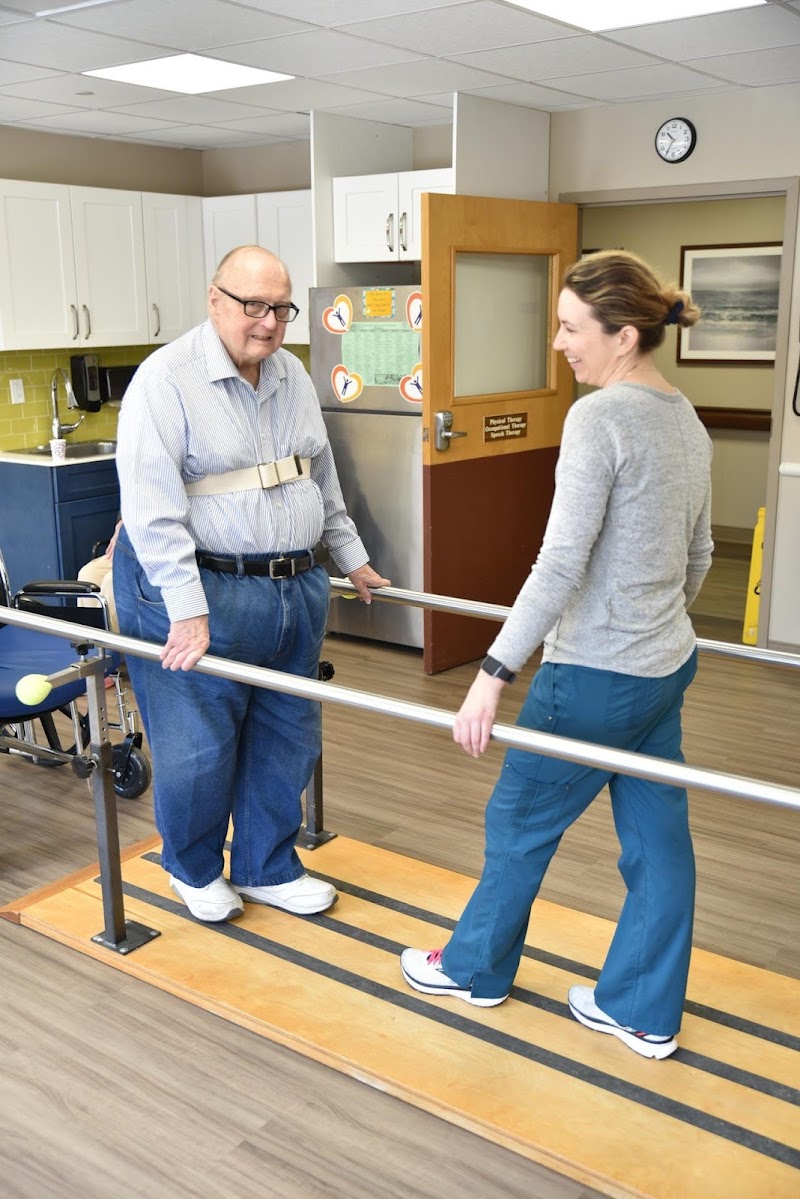
How is Glens Falls Center For Rehabilitation And Nursing Staffed?

CMS rates GLENS FALLS CENTER FOR REHABILITATION AND NURSING's staffing level at 1 out of 5 stars, which is much below average compared to other nursing homes.

What Have Inspectors Found at Glens Falls Center For Rehabilitation And Nursing?

State health inspectors documented 18 deficiencies at GLENS FALLS CENTER FOR REHABILITATION AND NURSING during 2020 to 2023. These included: 18 with potential for harm.
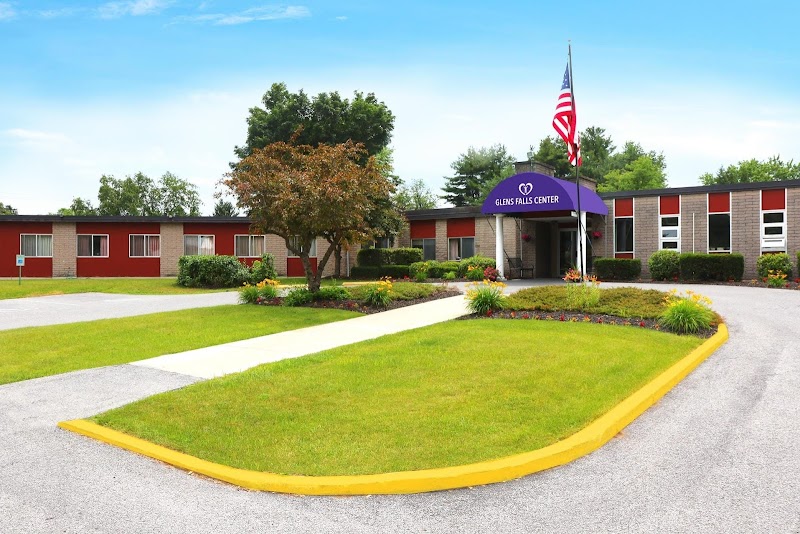
Who Owns and Operates Glens Falls Center For Rehabilitation And Nursing?

GLENS FALLS CENTER FOR REHABILITATION AND NURSING is owned by a for-profit company. For-profit facilities operate as businesses with obligations to shareholders or private owners. The facility is operated by CENTERS HEALTH CARE, a chain that manages multiple nursing homes. With 120 certified beds and approximately 109 residents (about 91% occupancy), it is a mid-sized facility located in GLENS FALLS, New York.
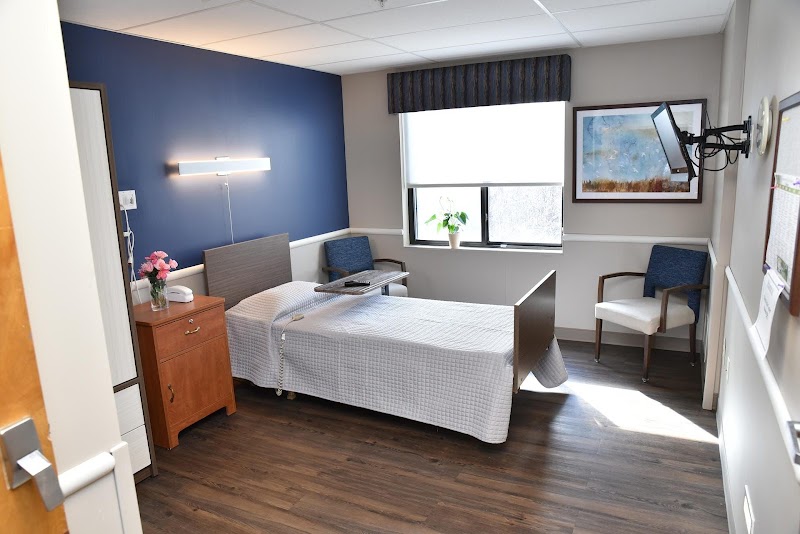
How Does Glens Falls Center For Rehabilitation And Nursing Compare to Other New York Nursing Homes?

Compared to the 100 nursing homes in New York, GLENS FALLS CENTER FOR REHABILITATION AND NURSING's overall rating (2 stars) is below the state average of 3.1 and health inspection rating (3 stars) is at the national benchmark.

What Should Families Ask When Visiting Glens Falls Center For Rehabilitation And Nursing?

Based on this facility's data, families visiting should ask: "Can you walk me through typical staffing levels on day, evening, and night shifts?" "Can I visit during a mealtime to observe dining assistance and food quality?" "How do you handle medical emergencies, and what is your hospital transfer rate?" "Can I speak with family members of current residents about their experience?" These questions are particularly relevant given the below-average staffing rating.

Is Glens Falls Center For Rehabilitation And Nursing Safe?

Based on CMS inspection data, GLENS FALLS CENTER FOR REHABILITATION AND NURSING has a clean safety record: no substantiated abuse findings (meaning no confirmed cases of resident harm), no Immediate Jeopardy citations (the most serious violation level indicating risk of serious injury or death), and is not on the Special Focus Facility watch list (a federal program monitoring the lowest-performing 1% of nursing homes). The facility has a 2-star overall rating and ranks #100 of 100 nursing homes in New York. While no facility is perfect, families should still ask about staff-to-resident ratios and recent inspection results during their visit.

Do Nurses at Glens Falls Center For Rehabilitation And Nursing Stick Around?

GLENS FALLS CENTER FOR REHABILITATION AND NURSING has not reported staff turnover data to CMS. Staff turnover matters because consistent caregivers learn residents' individual needs, medications, and preferences. When staff frequently change, this institutional knowledge is lost. Families should ask the facility directly about their staff retention rates and average employee tenure.

Was Glens Falls Center For Rehabilitation And Nursing Ever Fined?

GLENS FALLS CENTER FOR REHABILITATION AND NURSING has no federal fines on record. CMS issues fines when nursing homes fail to meet care standards or don't correct problems found during inspections. The absence of fines suggests the facility has either maintained compliance or corrected any issues before penalties were assessed. This is a positive indicator, though families should still review recent inspection reports for the full picture.

Is Glens Falls Center For Rehabilitation And Nursing on Any Federal Watch List?

GLENS FALLS CENTER FOR REHABILITATION AND NURSING is not on any federal watch list. The most significant is the Special Focus Facility (SFF) program, which identifies the bottom 1% of nursing homes nationally based on persistent, serious quality problems. Not being on this list means the facility has avoided the pattern of deficiencies that triggers enhanced federal oversight. This is a positive indicator, though families should still review the facility's inspection history directly.