HIGHFIELD GARDENS CARE CENTER OF GREAT NECK

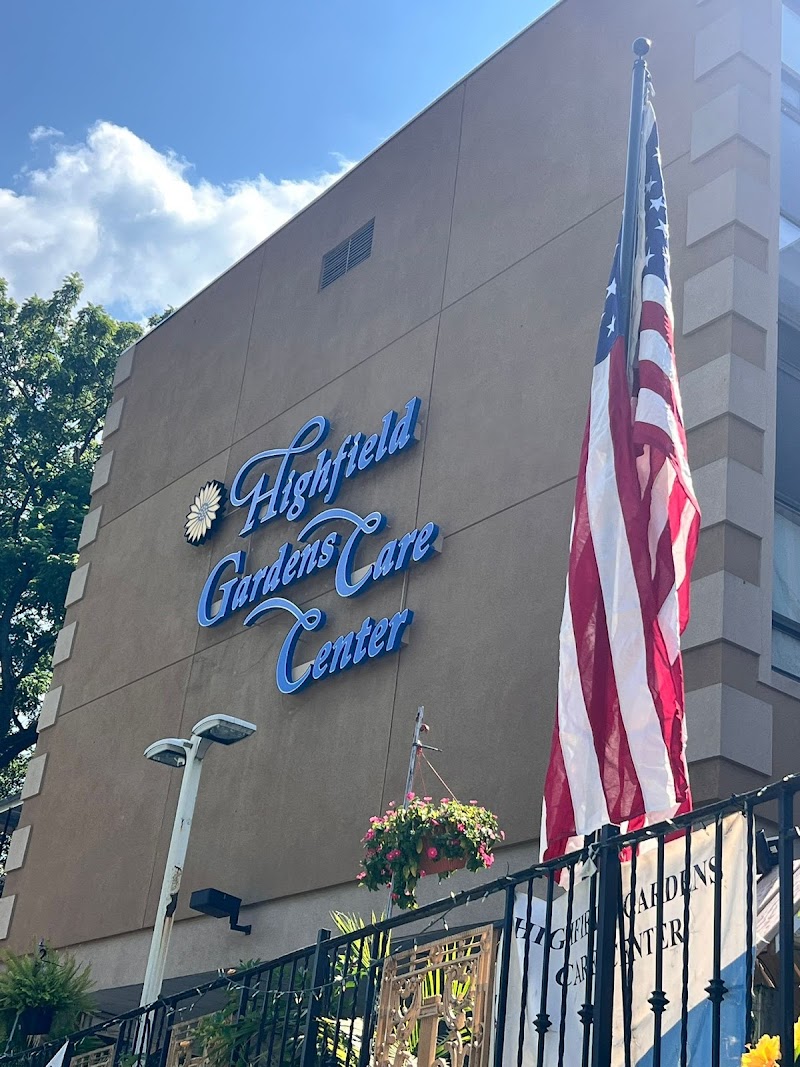
199 COMMUNITY DRIVE, GREAT NECK, NY 11021 (516) 365-9229
For profit - Corporation 200 Beds JONATHAN BLEIER Data: November 2025
Trust Grade
76/100
#180 of 594 in NY
Last Inspection: February 2025

Within standard 12-15 month inspection cycle. Federal law requires annual inspections.

Overview

Highfield Gardens Care Center of Great Neck has a Trust Grade of B, indicating it is a good choice, though not without issues. It ranks #180 out of 594 facilities in New York, placing it in the top half, and #14 out of 36 in Nassau County, meaning only a few local options are better. The facility’s trend is worsening, showing an increase in issues from 5 in 2023 to 8 in 2025. Staffing is a strength with a 4 out of 5 rating and a turnover rate of 28%, which is lower than the state average, indicating that staff members tend to stay longer and build relationships with residents. However, there are some concerns, including reports of food being served cold, improper sanitation practices that could lead to foodborne illnesses, and signs of pests within the facility, which could affect residents' comfort and safety.

Trust Score
B
76/100
In New York
#180/594
Top 30%
Safety Record
Low Risk
No red flags
Inspections
Getting Worse
5 → 8 violations
Staff Stability
✓ Good
28% annual turnover. Excellent stability, 20 points below New York's 48% average. Staff who stay learn residents' needs.
Penalties
✓ Good
$4,922 in fines. Lower than most New York facilities. Relatively clean record.
Skilled Nurses
✓ Good
Each resident gets 42 minutes of Registered Nurse (RN) attention daily — more than average for New York. RNs are trained to catch health problems early.
Violations
⚠ Watch
15 deficiencies on record. Higher than average. Multiple issues found across inspections.
★★★★☆
4.0
Overall Rating
★★★★☆
4.0
Staff Levels
★★★★★
5.0
Care Quality
★★★☆☆
3.0
Inspection Score
Stable
2023: 5 issues
2025: 8 issues

The Good

  • 4-Star Staffing Rating · Above-average nurse staffing levels
  • 5-Star Quality Measures · Strong clinical quality outcomes
  • Low Staff Turnover (28%) · Staff stability means consistent care
  • Full Sprinkler Coverage · Fire safety systems throughout facility
  • No fines on record
  • Staff turnover is low (28%)

    20 points below New York average of 48%

Facility shows strength in staffing levels, quality measures, staff retention, fire safety.

The Bad

Federal Fines: $4,922

Below median ($33,413)

Minor penalties assessed

Chain: JONATHAN BLEIER

Part of a multi-facility chain

Ask about local staffing decisions and management

The Ugly 15 deficiencies on record

Feb 2025 8 deficiencies
CONCERN (D)

Potential for Harm - no one hurt, but risky conditions existed

Deficiency F0645 (Tag F0645)

Could have caused harm · This affected 1 resident

**NOTE- TERMS IN BRACKETS HAVE BEEN EDITED TO PROTECT CONFIDENTIALITY** Based on record review and interviews during the Recertification Survey initiated on 1/28/2025 and completed on 2/3/2025, the fa...

Read full inspector narrative →
**NOTE- TERMS IN BRACKETS HAVE BEEN EDITED TO PROTECT CONFIDENTIALITY** Based on record review and interviews during the Recertification Survey initiated on 1/28/2025 and completed on 2/3/2025, the facility did not ensure that accurate preadmission screening for individuals with a mental disorder and individuals with intellectual disability was accurately conducted. This was identified for one (Resident #69) of 37 residents reviewed for Pre-admission Screening and Resident Review (PASRR). Specifically, Resident #69 did not have a complete Level 1 screen and was missing the screener identification number. The finding is: The facility's policy and procedure titled Pre-admission Screening and Resident Review (PASRR) last revised on 11/16/2023 documented that the admission department/designee will obtain a Screen and Level I Referral prior to a resident's admission to the facility. Level I screen is required for all applicants to determine whether they might have Serious Mental Illness (SMI) or Intellectual Disability (ID) and/or related disorders. Resident #69 was admitted with Diagnoses including Schizoaffective Disorder, Major Depressive Disorder, and Paranoid Personality Disorder. The admission Minimum Data Set assessment dated [DATE] documented a Brief Interview for Mental Status score of 11, which indicated the resident had moderately impaired cognition. The assessment's Pre-admission Screening and Resident Review section documented that Resident #69 was not currently considered by the state level II Pre-admission Screening and Resident Review process to have a serious mental illness, intellectual disability, or other related conditions. A review of Resident #69's Pre-admission Screening and Resident Review screen dated 11/20/2024 revealed that the responses to questions #36 and #37 were blank and question #38 was partially completed. Question #36 required a response to determine the resident's disposition for example a nursing home, community, or an adult care facility, etc. Question #37 required the date and signature of the person/representative being assessed. Question #38 required the printed name, signature, and screener identification number of the qualified screener who completed the Pre-admission Screening and Resident Review. The screener identification number of the qualified screener was not documented. During an interview on 1/31/2025 at 10:36 AM, the admission Coordinator stated the screen should have been reviewed for accuracy and completion. The admission Coordinator stated they did not recall if they reviewed Resident #69's screen prior to their (Resident #69) admission. The admission Coordinator stated they should have contacted the sending facility to obtain a completed copy if they had noticed any problem during their initial review. During an interview on 1/31/2025 at 10:52 AM, the Director of Admissions stated they were also responsible for reviewing the resident's admission documents including a Pre-admission Screening and Resident Review screen. The Director of Admissions stated the screening form should be reviewed to determine if the facility can provide the services the resident needs. The Director of Admissions stated that if a screen form was incomplete, they should reach out to the case worker from the sending facility to obtain a completed copy. The Director of Admissions stated Resident #69's screening form was incomplete and the screener identification number was missing. During an interview on 2/3/2025 at 1:32 PM, the Administrator stated Resident #69's Pre-admission Screening and Resident Review screen should have been reviewed prior to admission to the facility. The Administrator stated the screening form is essential to determine what level of services the resident would require. The Administrator stated the sending facility should be contacted if the Pre-admission Screening and Resident Review form was not accurate or incomplete. 10 NYCRR 400.11
CONCERN (D)

Potential for Harm - no one hurt, but risky conditions existed

Comprehensive Care Plan (Tag F0656)

Could have caused harm · This affected 1 resident

Based on observation, record review, and interviews during the Recertification Survey, initiated on 1/28/2025 and completed on 2/3/2025, the facility did not ensure that it implemented a comprehensive...

Read full inspector narrative →
Based on observation, record review, and interviews during the Recertification Survey, initiated on 1/28/2025 and completed on 2/3/2025, the facility did not ensure that it implemented a comprehensive person-centered care plan for each resident to meet the resident's medical, nursing, mental and psychosocial needs that are identified in the comprehensive assessment. This was identified for one (Resident #337) of three residents reviewed for Pressure Ulcers. Specifically, Resident #337 had a physician's order to wear bilateral (both extremities) heel booties at all times. During multiple observations, the resident was not wearing the physician-ordered heel booties. The finding is: The facility's policy, titled Care Planning Process and Care Conference, dated 7/2023, documented the care plan is a working tool that provides a profile of the needs of the individual resident; the resident care plan will be available for use by staff caring for the resident. The care plan includes initial needs/problems such as falls, skin tears, risk for skin breakdown, nutritional status, behaviors, pacemaker, anticoagulants, psychotropic medication use, etc. The goals should be specific, realistic, and measurable. Specification of the interdisciplinary team members who are responsible for working with the resident to meet specific goals and assist with interventions will be identified. Resident #337 was admitted with diagnoses including Diabetes Mellitus, Cerebral Infarction (stroke), and Venous Insufficiency (blood does not flow properly in the veins of lower extremities). The 12/27/2024 admission Minimum Data Set assessment documented a Brief Interview for Mental Status score of 0, indicating the resident had severe cognitive impairment. The resident was dependent on facility staff for bed mobility and had one Stage 2 (partial thickness loss of skin) and two Stage 3 (full thickness loss of skin) pressure ulcers. A physician's order dated 12/19/2024 and renewed on 1/15/2025 documented, Heel Lift Booties to Bilateral Lower Extremities at all times; remove every shift for nursing care, hygiene, skin checks, and repositioning. Reapply as tolerated. A Comprehensive Care Plan titled Fragile Skin: At Risk for Skin Breakdown, effective 12/19/2024, documented treatment as per physician order as an intervention. The Resident Nursing Instructions (care instructions for Certified Nursing Assistant) effective January 2025, documented under the heading Skin Check/Care, Heel lift booties to bilateral lower extremities at all times, remove every shift for nursing care, hygiene, skin checks, and repositioning. Reapply as tolerated. During an observation on 1/28/2025 at 12:00 PM, Resident #337 was observed in their room in a high-back wheelchair. The resident was not wearing the heel booties. During an observation on 1/29/2025 at 2:40 PM, Resident #337 was observed in bed. A family member was at the bedside visiting. The surveyor requested Registered Nurse #3 to observe the resident. Registered Nurse #3 lifted the sheets covering the resident's feet. The resident had socks on their feet but was not wearing the heel booties. Registered Nurse #3 found the heel booties in the resident's closet and placed them on the resident's feet and stated the Certified Nursing Assistant should have applied the heel booties. During an interview on 1/30/2025 at 10:11 AM, Certified Nursing Assistant #1 stated they worked the 7:00 AM-3:00 PM shift on 1/29/2025 and were assigned to Resident #337. Certified Nursing Assistant #1 stated the resident only wears heel booties when in bed. Certified Nursing Assistant #1 stated on 1/29/2025, they and another Certified Nursing Assistant put the resident in bed using a Mechanical lift before 3:00 PM at the family's request. Certified Nursing Assistant #1 stated they were going to put the heel booties on after they put the Mechanical lift away. Certified Nursing Assistant #1 stated they were not aware that the heel booties should be worn at all times. During an interview on 1/30/2025 at 10:32 AM, Certified Nursing Assistant #2 stated they worked as a float Certified Nursing Assistant on 1/28/2025 and were assigned to Resident #337. Certified Nursing Assistant #2 stated they did not put the heel booties on the resident's feet during the day because heel booties are usually worn at night when the resident is placed back in bed. Certified Nursing Assistant #2 stated they did not check the nursing care instructions at the start of their shift. During an interview on 1/31/2025 at 9:40 AM, Registered Nurse Supervisor #1 stated the Certified Nursing Assistants are responsible for checking the nursing care instructions to know exactly what care is required for each resident. Resident #337 required heel booties at all times except for skin checks and during nursing care. During an interview on 1/31/2025 at 12:00 PM, the Director of Nursing Services stated the Certified Nursing Assistants are expected to review the resident nursing care profile and provide the care as per the resident's plan of care. 10 NYCRR 415.11(c)(1)
CONCERN (D)

Potential for Harm - no one hurt, but risky conditions existed

Pressure Ulcer Prevention (Tag F0686)

Could have caused harm · This affected 1 resident

**NOTE- TERMS IN BRACKETS HAVE BEEN EDITED TO PROTECT CONFIDENTIALITY** Based on observations, record review, and staff interviews during the Recertification Survey initiated on 1/28/2025 and complete...

Read full inspector narrative →
**NOTE- TERMS IN BRACKETS HAVE BEEN EDITED TO PROTECT CONFIDENTIALITY** Based on observations, record review, and staff interviews during the Recertification Survey initiated on 1/28/2025 and completed on 2/3/2025 the facility did not ensure each resident received care, consistent with professional standards of practice to prevent pressure ulcers from developing, promote healing, and prevent infections. This was identified for two (Resident #26 and Resident #38) of three residents reviewed for Pressure Ulcers. Specifically, 1) Resident #26 had a physician's order for an Air Mattress. The facility did not provide the resident with an air mattress as per the physician's orders. 2) Resident #38 with Stage 3 pressure ulcers (a full-thickness skin loss where the underlying fat tissue is visible within the wound but without exposing muscle, tendon, or bone) on the sacrum (bone located at the base of the spine) and the left buttock had a Physician's Order for an air mattress. Resident #38 weighed 150 pounds; however, during multiple observations, the air mattress weight setting was calibrated at 290 pounds. The findings are: The facility policy titled Low Air-Loss Mattress/Alternating Pressure Pump and Mattress, dated 10/28/2020, documented that a specialty bed will be obtained upon the provider's order. The low air-loss mattress/bed will be utilized according to the manufacturer's recommendations to maintain skin integrity and to promote healing of existing pressure ulcers, flaps (healthy skin and tissue that is partly detached and moved to cover a nearby wound), and grafts (a surgical procedure where healthy skin is transplanted from one area of the body (donor site) to another area (recipient site) to replace damaged or missing skin). 1) Resident #26 was admitted with diagnoses including Osteoporosis with Current Pathological Fracture, Muscle Weakness, and Major Depressive Disorder. The 1/22/2025 admission Minimum Data Set assessment documented a Brief Interview for Mental Status score of 13, indicating the resident was cognitively intact. The Minimum Data Set documented the resident was dependent on facility staff for bed mobility and was at risk for developing pressure ulcers. The Minimum Data Set documented the resident had no pressure ulcers upon admission. A nursing progress note dated 1/24/2025, written by Registered Nurse Supervisor #1, documented the resident was noted with excoriation (abrasion) to the right heel. Treatment was initiated. An air mattress and wound consult were ordered. A Physician's order dated 1/24/2025 documented Air Mattress, adjust settings based on patient comfort level. A Physician's order dated 1/24/2025 documented to check the functional status of the air mattress every shift. During an observation on 1/28/2025 at 10:16 AM, Resident #26 was lying in bed and had a standard mattress on the bed. There was no air mattress. A Physician's order dated 1/29/2025 documented to cleanse the right heel with wound cleanser, pat dry, and then apply silver hydrogel (antimicrobial silver dressing to keep the wound moist) and then cover with dry protective dressing daily and as needed for Excoriation. During an observation on 1/29/2025 at 8:40 AM, Resident #26 was observed in bed in the presence of Licensed Practical Nurse #1. The resident did not have an air mattress. Licensed Practical Nurse #1 stated the resident did not have any wounds, their skin was intact. Licensed Practical Nurse #1 stated they would have to call the Physician to confirm if the air mattress order was still necessary. The Comprehensive Care Plan for right heel excoriation dated 1/29/2025 documented an intervention for an air mattress. During an interview on 1/29/2025 at 2:30 PM, Licensed Practical Nurse #1 stated they checked with the wound care nurse and were informed that the resident had a heel wound and that an air mattress use was necessary for the resident. During an observation on 1/29/2025 at 2:32 PM, Resident #26 was lying in bed with an air mattress in place. A review of the January 2025 Treatment Administration Record indicated that nurses have been signing for the presence and functionality of the air mattress since 1/24/2025 each shift. During an interview on 1/30/2025 at 9:30 AM, Licensed Practical Nurse #2 (who signed the Treatment Administration Record on 1/28/2025 for the presence of the air mattress) did not have an explanation as to why they signed for the presence and functional status of the air mattress. During an interview on 1/30/2025 at 11:54 AM, Wound Care Registered Nurse #1 stated they had evaluated Resident #26 on 1/29/2025 for the first time. Wound Care Registered Nurse #1 stated the resident had a right heel excoriation wound and needed the air mattress. During an interview on 1/31/2025 at 9:40 AM, Registered Nurse Supervisor #1 stated they had no explanation as to why the air mattress, which was ordered on 1/24/2025, was not provided for Resident #26 until 1/29/2025. Nursing staff should have called Central Supply when a new order for an air mattress was first obtained. 2) Resident #38 was admitted to the facility with diagnoses including Type 2 Diabetes, Hypertension, and Stage 3 pressure ulcers on the sacral region and left buttock. The admission Minimum Data Set (MDS) assessment dated [DATE] documented a Brief Interview for Mental Status (BIMS) score of 3, which indicated Resident #38 had severely impaired cognition. The Minimum Data Set (MDS) assessment documented Resident #38 had unhealed pressure ulcers and used pressure-reducing devices for the chair and bed, turning and positioning program, and nutrition and hydration intervention to manage skin problems. A Comprehensive Care Plan titled Skin Integrity: At Risk for Skin Breakdown, effective 1/3/2025, documented interventions including an air mattress, weekly skin assessments, and Certified Nursing Assistant (CNA) observation of skin condition daily during care and reporting any abnormalities to the Nurse. A Comprehensive Care Plan titled; Pressure Ulcer-Sacrum and Left Buttock effective 1/8/2025 documented interventions including treatment as per Physician Orders, pressure reduction mattress, and wound care rounds weekly and as needed. A Physician's Order dated 1/8/2025 documented: cleanse the sacral and left buttock wounds with wound cleanser, pat dry, and apply silver hydrogel (an antimicrobial silver compound for maintaining a moist wound environment) by topical route every shift and as needed. The order included the use of an air mattress and checking the functional status of the air mattress every shift. A review of Resident #38's electronic medical record revealed that Resident #38 weighed 150 pounds dated 1/3/2025. During an observation on 1/28/2025 at 9:30 AM, Resident #38 was lying in bed. The weight setting on the air mattress was calibrated at 290 pounds. During an observation on 1/28/2025 at 2:54 PM, Resident #38 was observed lying in bed. The weight setting on the air mattress was calibrated at 290 pounds. During an observation on 1/29/2025 at 3:45 PM, Resident #38 was observed lying in bed. The weight setting on the air mattress was calibrated at 290 pounds. During an interview on 1/29/2025 at 4:03 PM, Licensed Practical Nurse #4, the Medication Nurse, stated that Maintenance and Housekeeping preset the air mattress' weight settings. If Resident #38 had discomfort including restlessness, they (Licensed Practical Nurse #4) would adjust the air mattress weight setting. Licensed Practical Nurse #4 stated they did not call the Maintenance staff when they noticed that Resident #38's air mattress was sagging when the weight setting was at 150 pounds. Licensed Practical Nurse #4 stated they just increased the weight calibration to 290 pounds to achieve optimum firmness of the air mattress themselves. During an interview on 1/30/2025 at 11:07 AM, Licensed Practical Nurse #3, the Unit Manager, stated when the air mattress weight setting is set at 290 pounds, the mattress becomes firm and the pressure is not offloaded on the affected area as desired. Licensed Practical Nurse #3 stated Licensed Practical Nurse #4 should have called Maintenance staff to evaluate the air mattress instead of increasing the weight calibration. During an interview on 2/3/2025 at 8:55 AM, the Director of Housekeeping stated the Housekeeping Department does not calibrate or preset the weight setting of the air mattress. The weight calibration should have been the responsibility of the Nurses. The Director of Housekeeping stated that once a request for an air mattress is received, Housekeeping staff would set up the air mattress and ensure that there are no leaks on the air mattress and the air mattress is inflated properly. The Director of Housekeeping stated that Maintenance staff would be called for any issues with the functionality of the air mattress. If the Maintenance staff is not able to fix the air mattress, then the Housekeeping staff will replace the air mattress with a new one. During an interview on 2/3/2025 at 11:00 AM, Wound Care Nurse #1 stated nurses were responsible for monitoring the air mattress weight settings. Wound Care Nurse #1 stated the air mattress weight setting should be adjusted according to the resident's weight but there were times when the resident's comfort was considered. The Wound Care Nurse #1 stated they did not know that Resident #38's air mattress weight setting was calibrated at 290 pounds. The Wound Care Nurse #1 stated they would expect the air mattress weight setting to be calibrated to the resident's comfort level which is up to 50 pounds over Resident #38's weight of 150 pounds. During an interview on 2/3/2025 at 11:29 AM, the Director of Nursing Services stated that air mattresses should be monitored by the Nurses including the weight settings. Reporting any malfunction on the air mattress should have been relayed immediately to Maintenance. 10NYCRR 415.12(c)(1)
CONCERN (D)

Potential for Harm - no one hurt, but risky conditions existed

Deficiency F0761 (Tag F0761)

Could have caused harm · This affected 1 resident

**NOTE- TERMS IN BRACKETS HAVE BEEN EDITED TO PROTECT CONFIDENTIALITY** Based on observation, record review, and interviews conducted during the Recertification Survey initiated on 1/28/2025 and compl...

Read full inspector narrative →
**NOTE- TERMS IN BRACKETS HAVE BEEN EDITED TO PROTECT CONFIDENTIALITY** Based on observation, record review, and interviews conducted during the Recertification Survey initiated on 1/28/2025 and completed on 2/3/2025, the facility did not ensure that all medications and biologicals were stored properly and labeled in accordance with currently accepted principles. This was identified for one (Resident #35) of seven residents reviewed for Accidents. Specifically, one inhaler of Albuterol Sulfate was observed in Resident #35's room on their nightstand without a nurse in the vicinity. The Albuterol Sulfate inhaler was not labeled with Resident #35's name. The finding is: Resident #35 was admitted with diagnoses that included Asthma, Type 2 Diabetes Mellitus, and Hypertension. A Quarterly Minimum Data Set assessment dated [DATE] documented Resident #35 had a Brief Interview for Mental Status score of 15, indicating the resident had intact cognition. The Minimum Data Set documented Resident #35 did not have shortness of breath. The physician's orders dated 1/21/2025 revealed no evidence of a physician's order for an Albuterol Sulfate (a medication to treat Asthma) inhaler. During an observation and interview on 1/28/2025 at 2:50 PM, one Albuterol Sulfate inhaler was observed on Resident #35's nightstand. Resident #35 was present in the room and stated they usually self-administer 2 puffs of the Albuterol Sulfate inhaler, twice a day when they have difficulty breathing. Resident #35 stated their community Physician prescribed the Albuterol Sulfate inhaler and a family member brought the medication to the facility. During an interview on 1/28/2025 at 2:52 PM, Licensed Practical Nurse #5 stated residents are not allowed to self-medicate without an assessment and a physician's order for the medication and self-administration. Licensed Practical Nurse #5 stated they did not know Resident #35 had the Albuterol Sulfate inhaler in their room. During an interview on 2/3/2025 at 1:19 PM, the Director of Nursing Services stated medications should not be stored in the resident rooms. The Director of Nursing Services stated the residents should not self-administer their medications unless they were assessed for self-administration and had a physician's order to do so. 10 NYCRR 415.18 (d)
CONCERN (E)

Potential for Harm - no one hurt, but risky conditions existed

Deficiency F0804 (Tag F0804)

Could have caused harm · This affected multiple residents

**NOTE- TERMS IN BRACKETS HAVE BEEN EDITED TO PROTECT CONFIDENTIALITY** Based on observations, record review, and interviews during the Recertification Survey initiated on 1/28/2025 and completed on 2...

Read full inspector narrative →
**NOTE- TERMS IN BRACKETS HAVE BEEN EDITED TO PROTECT CONFIDENTIALITY** Based on observations, record review, and interviews during the Recertification Survey initiated on 1/28/2025 and completed on 2/3/2025, the facility did not ensure each resident was served food and drink that was palatable, attractive, and at a safe and appetizing temperature. This was identified for ten (Resident #83, Resident #111, Resident # 33, Resident # 52, Resident #53, Resident #20, Resident #18, Resident #164, Resident #118, and Resident #171) of ten residents during the Resident Council meeting. Specifically, during the Resident Council meeting held on 1/29/2025, ten of the ten residents in attendance complained of hot food being served at cold temperatures. On 1/30/2025, during the lunch meal service, one (Unit 3 North) of three units' meal temperatures for the hot food items were recorded below 135 degrees Fahrenheit. The finding is: The facility's undated policy titled Food Preparation and Service documented that time and temperature-sensitive foods including meats, poultry, seafood, cut melon, eggs, milk, yogurt, and cottage cheese must be maintained below 41 degrees Fahrenheit and above 135 degrees Fahrenheit. Previously cooked food must be reheated to 165 degrees Fahrenheit for at least 15 seconds. The temperature of foods held in steam tables will be monitored by cooks. The Resident Council meeting was conducted on 1/29/2025 at 11:15 AM. Ten of the ten residents during the group interview complained of hot food being served at cold temperatures. Resident #20, the Resident Council President, was admitted with diagnoses that included Multiple Sclerosis, Hypertension, and Hyperlipidemia (high cholesterol). The Quarterly Minimum Data Set assessment dated [DATE] documented a Brief Interview for Mental Status (BIMS) score of 15, indicating the resident was cognitively intact. Resident #33 was admitted with diagnoses that included Obesity, Hypothyroidism, and Hyperlipidemia (High cholesterol). The Quarterly Minimum Data Set assessment dated [DATE] documented a Brief Interview for Mental Status score of 15, indicating the resident was cognitively intact. Resident #53 was admitted with diagnoses that included Seizure, Diabetes Mellitus, and Iron Deficiency Anemia. The Quarterly Minimum Data Set assessment dated [DATE] documented a Brief Interview for Mental Status score of 15, indicating the resident was cognitively intact. A review of the Resident Council minutes from 11/2024 to 1/2025 indicated no concerns were documented in the Resident Council minutes regarding hot foods that were served cold during meals. On 1/30/2025 during the lunch meal service, food temperature testing was conducted on 3 units (Unit 1 North, Unit 2 South, Unit 3 North). Foods held at the steam table on Unit 1 North dining room were tested; two test trays were requested for Unit 2 South and Unit 3 North. Two meal racks for Unit 3 North departed the kitchen at 12:49 PM and arrived at the unit at 12:53 PM. The last meal tray was served at 1:18 PM. The test tray temperatures were taken at 1:18 PM in the presence of Dietary Aide #1. The temperature reading for the protein entrée, the sliced turkey with gravy, was 100 degrees Fahrenheit. The temperature readings for the vegetables (roasted potatoes and braised cabbage) were 112 degrees Fahrenheit and 108 degrees Fahrenheit respectively. During an interview on 1/30/2025 at 11:35 AM, the Food Service Director stated they knew there were concerns regarding hot meals being served cold from the Food Committee meetings and conversations with individual residents, especially the Unit 3 North residents who had many complaints about hot food temperatures. The Food Service Director stated that prior to the start of every meal, hot food temperatures were checked in the kitchen. The Food Service Director stated that the food trucks, currently in use, were not heated and not overly insulated to preserve hot foods at desirable temperatures. The Food Service Director also stated delays in distributing food trays after the food truck arrived at the unit also affected food temperatures. During an interview on 1/31/2025 at 11:08 AM, the Ombudsman stated that they regularly attended monthly Resident Council meetings per invitation. The Ombudsman stated that complaints about food temperatures were brought up in meetings but discussions were typically deferred to the Food Committee that immediately followed the Resident Council meeting; however, they did not usually participate. During a re-interview on 2/3/2025 at 12:51 PM, the Food Service Director stated that hot foods should be held below 165 degrees Fahrenheit and they continued to work with the Administration to explore options; however, there are no other actions taken to improve the food temperature. During an interview on 2/3/2025 at 1:32 PM, the Administrator stated they were not aware of residents' complaints about food temperatures. The Administrator stated they did not discuss any concerns related to hot food being served cold with the Food Service Director. 10 NYCRR415.14(d)(1)(2)
CONCERN (E)

Potential for Harm - no one hurt, but risky conditions existed

Food Safety (Tag F0812)

Could have caused harm · This affected multiple residents

Based on observations, record review, and interviews during the Recertification Survey initiated on 1/28/2025 and completed on 2/3/2025, the facility did not follow proper sanitation practices to prev...

Read full inspector narrative →
Based on observations, record review, and interviews during the Recertification Survey initiated on 1/28/2025 and completed on 2/3/2025, the facility did not follow proper sanitation practices to prevent the outbreak of foodborne illness and did not distribute and serve food in accordance with professional standards for food service safety. This was identified during the Kitchen and Dining task. Specifically, 1) during the kitchen observation on 1/28/2025, the rinse temperature of the high-temperature dishmachine was observed to be below 180 degrees Fahrenheit. The manufacturer's temperature recommendation for the rinse cycle was 180 degrees Fahrenheit and above. Additionally, the facility did not monitor the rinse and wash cycle temperatures of the dishmachine. 2) On 1/30/2025, during the lunch meal service on Unit 3 North, the hot food temperatures for the lunch meal were recorded below 135 degrees Fahrenheit. Additionally, the cold food item temperatures were recorded above 41 degrees Fahrenheit on three (Unit 1 North, Unit 2 South, and Unit 3 North) of three units. This is a repeated deficiency. The findings are: 1) The facility's undated policy titled Procedure for Dishwashing documented that dietary staff would understand and follow proper dishwashing procedures including but not limited to using only chemicals designed for the dish machine for dishwashing, rinsing and sanitizing, and making sure adequate chemicals are available and replaced when needed. The wash temperature gauge should read 140 to 160 degrees Fahrenheit, and the rinse temperature gauge should read 180-185 degrees Fahrenheit. The temperatures should be recorded and if temperatures are below the target range, alert the Food Service Director and/or Cooks. The undated dishmachine user manual documented wash temperature for high-temperature operation should be 160 degrees Fahrenheit and the sanitizing rinse temperature for high-temperature operation should be 180 degrees Fahrenheit. The dishmachine was observed being operated by Dietary Aide #2 on 1/28/2025 at 10:09 AM, in the presence of the Food Service Director. Dietary Aide #3 was also present and was scraping leftover foods from plates to be loaded for wash. The temperature gauges on the dishmachine read 160 degrees Fahrenheit for the Wash and 100 degrees Fahrenheit for the Rinse cycle. The rinse temperature gauge was not moving during two separate cycles. During an interview on 1/28/2025 at 10:20 AM, Dietary Aide #2 stated they were using the dishmachine to wash the dishes from the facility's breakfast meal. Dietary Aide #2 stated they did not notice the rinse temperature was low. Dietary Aide #2 stated that the gauge was functional. The dishmachine Temperature Log sheet for January 2025 was reviewed on 1/28/2025 at 10:24 AM. From 1/1/2025 to 1/28/2025, the dishmachine rinse temperature readings ranged from 100 degrees Fahrenheit to 166 degrees Fahrenheit for the rinse cycle. During an interview on 1/28/2025 at 10:24 AM, the Food Service Director stated the dishmachine used by the facility was a high-temperature machine and was newly installed on 11/6/2024. The Food Service Director stated they expected the final rinse temperature to reach 185 degrees Fahrenheit for effective cleaning and sanitizing. The Food Service Director stated they reviewed the dishmachine temperature logs; however, they did not identify that the rinse cycle temperatures were low because they were only looking at the logs to see that the logs were completed and did not pay attention to the actual values documented. The Food Service Director stated that the staff assigned to dishwashing duty also did not notify them of the improper rinse cycle temperature. The Food Service Director stated the dishmachine utilizes chemicals for sanitization when the rinse cycle temperature is below 180 degrees Fahrenheit. The Food Service Director stated they did not know the chemicals that were being used and were unable to show where the chemicals were loaded in the dishmachine. The Food Service Director stated they also did not know how to test for correct chemical concentration to achieve sanitary standards. The dishmachine Temperature Log sheet for November 2024 was reviewed on 1/28/2025 at 11:05 AM. The rinse cycle temperature ranged from 100 degrees Fahrenheit to 180 degrees Fahrenheit. The dishmachine Temperature Log sheet for December 2024 was reviewed on 1/28/2025 at 11:05 AM. The rinse cycle temperature ranged from 100 degrees Fahrenheit to 172 degrees Fahrenheit. During an interview on 1/18/2025 at 12:31 PM, the dishmachine company Representative stated they installed the current dishmachine approximately 2 months ago and have been providing weekly services to ensure the dishmachine was operational. The dishmachine company Representative stated the temperature gauges were functioning appropriately when they last visited on 1/24/2025 and the temperature readings for the rinse cycle were above 180 degrees Fahrenheit. The dishmachine company Representative confirmed that currently the rinse cycle temperature gauge was broken and that they would have to fix it. The dishmachine company Representative stated the dishmachine can automatically dispense the sanitizer during the rinse cycle; however, the machine was not programmed to automatically dispense sanitizer at this time and the sanitizer supply was not attached to the machine. During an interview on 1/31/2025 at 12:36 PM, Dietary Aide #2 stated they sometimes covered the dishwashing assignment and were aware that the wash cycle temperature of the dishmachine should be at 160 degrees Fahrenheit and the rinse cycle temperature should be 180 degrees Fahrenheit. Dietary Aide #2 stated that they did not notify anyone that the rinse cycle temperatures were low. During an interview on 1/31/2025 at 2:03 PM, Dietary Aide #3 stated they did not check and record the dishmachine temperatures. Dietary Aide #3 stated they were aware that the wash cycle temperature of the dishmachine should be at 160 degrees Fahrenheit, and the rinse cycle temperature should be at 180 degrees Fahrenheit. Dietary Aide #3 stated they did not notify anyone that the rinse cycle temperatures were low. During an interview on 2/3/2025 at 1:32 PM, the Administrator stated they expected the Food Service Director and the dietary staff to accurately monitor and report the dishmachine wash and rinse cycle temperatures and the Food Service Director should have known, acted upon, and contacted the dishmachine technician to address the broken temperature gauge. 2) The facility's undated policy titled Food Preparation and Service documented that time and temperature-sensitive foods including meats, poultry, seafood, cut melon, eggs, milk, yogurt, and cottage cheese must be maintained below 41 degrees Fahrenheit and above 135 degrees Fahrenheit. Previously cooked food must be reheated to 165 degrees Fahrenheit for at least 15 seconds. The temperature of foods held in steam tables will be monitored by cooks. On 1/30/2025 during the lunch meal service, food temperature testing was conducted on 3 units (Unit 1 North, Unit 2 South, Unit 3 North). Foods held at the steam table on Unit 1 North dining room were tested; two test trays were requested for Unit 2 South and Unit 3 North. During the lunch meal service on Unit 2 South on 1/30/2025 at 12:20 PM, the tuna salad sandwich on an individual resident tray was measured at 73.6 degrees Fahrenheit in the presence of [NAME] #1. During the lunch meal service in Unit 1 North dining room on 1/30/2025 at 12:24 PM, the tuna salad sandwich on an individual resident tray was measured at 70 degrees Fahrenheit in the presence of Licensed Practical Nurse #2. During lunch trayline observation in the kitchen on 1/30/2025 at 12:45 PM, the Food Service Director measured the temperature of a tuna salad sandwich on an individual resident tray. The tuna salad sandwich was measured at 73 degrees Fahrenheit. The Food Service Director was immediately interviewed and stated that sandwiches were assembled and stored in the refrigerator, placed on the meal trays, and loaded into the food trucks prior to mealtime. Two meal racks for Unit 3 North departed the kitchen at 12:49 PM and arrived at the unit at 12:53 PM. The last meal tray was served at 1:18 PM. The test tray temperatures were taken at 1:18 PM in the presence of Dietary Aide #1. The temperature reading for the protein entrée, the sliced turkey with gravy, was 100 degrees Fahrenheit. The temperature readings for the vegetables (roasted potatoes and braised cabbage) were 112 degrees Fahrenheit and 108 degrees Fahrenheit respectively. In addition, the egg salad sandwich on an individual resident tray was measured at 60 degrees Fahrenheit. During a re-interview on 2/3/2025 at 12:51 PM, the Food Service Director stated that hot food should be held at 165 degrees Fahrenheit and cold food should be served between 35 to 38 degrees Fahrenheit. The Food Service Director stated that other cold food items such as milk and dessert (except ice cream) were also placed on residents' trays before the time of services. The Food Service Director stated that the sandwich measured at 73 degrees Fahrenheit did not pose a safety hazard if the sandwich was consumed within an hour; however, sometimes meal delivery took more than an hour. The Food Service Director stated moving forward dairy and sandwiches will be sent to the units on ice-bath. During an interview on 2/3/2025 at 1:32 PM, the Administrator stated they were not aware of residents' complaints about food temperatures. The Administrator stated they expected temperatures of hot and cold food items to be kept and served to residents at their respective safe temperature ranges. 10 NYCRR 415.14(h)
CONCERN (E)

Potential for Harm - no one hurt, but risky conditions existed

Deficiency F0925 (Tag F0925)

Could have caused harm · This affected multiple residents

Based on observation, record review, and interviews conducted during the Recertification Survey initiated on 1/28/2025 and completed on 2/3/2025 the facility did not maintain an effective pest control...

Read full inspector narrative →
Based on observation, record review, and interviews conducted during the Recertification Survey initiated on 1/28/2025 and completed on 2/3/2025 the facility did not maintain an effective pest control program. This was identified for two (Unit 2 South and Unit 3 North) of five units observed during the Environmental Task. Specifically, a cockroach was observed at the 2 South nursing station on 1/28/2025. Additionally, all residents (10 of 10) in the resident council meeting confirmed the sighting of cockroaches throughout the facility and had concerns about pest control. The finding is: A facility policy titled, Pest Control, dated July 2018 documented it is the responsibility of the Maintenance Department to coordinate the control of pests with a company engaged in the business of providing Pest Control Services. The pest control logs for November 2024, December 2024, and January 2025 documented requests for the treatment of roaches on Unit 3 North. A review of pest control treatment invoices from 11/14/2024 to 1/4/2025 revealed cockroach gel treatments were provided on multiple units in all resident rooms. During an observation on 1/28/2025 at 10:08 AM, a cockroach was observed at the Unit 2 South nurse's station. During the Resident Council Meeting on 1/29/2025 at 11:15 AM, all ten residents in attendance confirmed the presence of cockroaches throughout the facility. During an interview on 2/3/2025 at 2:46 PM, the Maintenance Director stated they are responsible for the pest control program for the facility. The Maintenance Director stated the facility is treated weekly to address the pest control issue. The Maintenance Director stated that pest control treatments have been provided since 1/4/2024 but could not provide a record of the treatments. The Maintenance Director stated the facility continues to have pest control issues despite their efforts. There was no documented evidence of a weekly pest control treatment after 1/4/2025. During an interview on 2/3/2025 at 2:50 PM, the Administrator stated they are aware of the pest control problem despite their efforts to address the issues by contracting with a pest control company. They attribute the persistent pest control problems to families bringing in unpackaged food items, residents' reluctance to maintain food in sealed containers, and the adjoining county-owned property which often serves as a littering site for the public. 10 NYCRR 415.29(j)(5)
MINOR (B)

Minor Issue - procedural, no safety impact

Deficiency F0838 (Tag F0838)

Minor procedural issue · This affected multiple residents

Based on record review and interviews during the Recertification Survey initiated on 1/28/2025 and completed on 2/3/2025, the facility did not ensure its Facility Assessment included the facility's re...

Read full inspector narrative →
Based on record review and interviews during the Recertification Survey initiated on 1/28/2025 and completed on 2/3/2025, the facility did not ensure its Facility Assessment included the facility's resources of nursing staff who provided services under contract. This was identified during the Sufficient Staffing Task. Specifically, the Facility Assessment, last reviewed in January 2025, did not indicate the use of staffing agencies to meet the staffing needs of the facility. The finding is: The facility's policy titled Facility Assessment reviewed and revised on 7/3/2024, documented the facility will conduct and document a facility-wide assessment to evaluate the resident population and identify the resources needed to provide necessary care required during day-to-day operations, (including nights and weekends) and emergency services. The Facility Assessment was last reviewed in January 2025 and did not include the use of staffing agencies to meet its staffing needs. During an interview on 2/3/2025 at 12:01 PM, the Administrator and the Director of Nursing Services both stated they were involved in developing the Facility Assessment. The Director of Nursing Services stated the facility contracted with five staffing agencies to fill Certified Nursing Assistants and Licensed Practical Nurses positions. The Director of Nursing Services stated the agency staff were utilized on a daily basis. The Administrator reviewed the Facility Assessment and stated the contracted nursing agencies, including the services provided by the contracted staffing agencies, were not specified in the Facility Assessment. The Administrator stated the use of nursing agencies was implicated under the contract services section of the assessment as other agreements with third parties provided service during both normal operations and emergencies. 10 NYCRR 415.26
Apr 2023 5 deficiencies
CONCERN (D)

Potential for Harm - no one hurt, but risky conditions existed

Deficiency F0692 (Tag F0692)

Could have caused harm · This affected 1 resident

**NOTE- TERMS IN BRACKETS HAVE BEEN EDITED TO PROTECT CONFIDENTIALITY** 2) Resident #142 was admitted with diagnoses of Malnutrition, Parkinson's Disease, and Non-Alzheimer's Dementia. The Minimum Dat...

Read full inspector narrative →
**NOTE- TERMS IN BRACKETS HAVE BEEN EDITED TO PROTECT CONFIDENTIALITY** 2) Resident #142 was admitted with diagnoses of Malnutrition, Parkinson's Disease, and Non-Alzheimer's Dementia. The Minimum Data Set (MDS) assessment dated [DATE] documented a Brief Interview for Mental Status (BIMS) score of 5 which indicated the resident had severely impaired cognition. The MDS documented that the resident required extensive assistance with eating. The Comprehensive Care Plan (CCP) for Nutritional Status, effective 2/26/2023, documented Resident #142 will be monitored for Malnutrition and significant weight loss. The Physician's orders dated 3/27/2023 documented weekly weights and to provide a regular diet, with pureed consistency and honey thickened liquids. The Physician's orders dated 4/03/2023 documented to administer 4 ounces of Boost Pudding (nutritional supplement) every day at 10:00 AM and 2:00 PM. The weight records for Resident #142 documented the following: - on 3/14/2023 the resident weighed 139 pounds (lbs) -on 3/24/2023 the resident weighed 130.4 lbs -on 3/28/2023 the resident weighed 126.3 lbs. The Dietary note Weight Change Note dated 4/03/2023 documented that the resident had a 7.5% significant weight loss in one month. Interventions included weekly weights until stable, boost pudding at 10:00 AM and 2:00 PM. The Registered Dietician (RD) #1 was interviewed on 4/11/2023 at 10:22 AM and stated that Resident #142 was stable for the first two weeks of admission on [DATE] until they lost 9 lbs. during the week of 3/14/2023 to 3/24/2023. The RD was not sure why there was a delay from 3/24/2023 to 4/03/2023 to implement dietary interventions. RD #1 stated they first documented a note for significant weight loss on 4/03/2023. The RD stated they did not discuss the significant weight loss with the unit Charge Nurse, the Director of Nursing Services (DNS), nor the Physician. RD #1 further stated that the Physician was not notified and should have been. The DNS was interviewed on 4/11/2023 at 11:36 AM and stated that when there is a significant weight loss, the dietician is responsible for alerting the charge nurse, DNS, Physician, and the resident's family. The RD must do this within 24 hours of the significant weight loss being discovered. The practice is to fill out a Weight Change Communication Form. The DNS stated that the form was filled on 4/11/2023 for Resident #142. The DNS stated RD #1 said they wanted to wait until the monthly weight was recorded before telling someone. The DNS was not aware of the significant weight loss until today, 4/11/2023. The DNS stated they (DNS) and Physician should have been made aware of the significant weight loss when the weight loss was identified. Physician #1 was interviewed on 4/11/2023 at 11:58 AM and stated they were not aware of a significant weight loss for Resident #142. The Physician stated they should have been made aware within 24 hours of the weight loss being triggered as significant. The Medical Director (MD) was interviewed on 4/11/2023 at 12:02 PM and stated the Physician should have been notified at the earliest possible opportunity, within 48 hours of the significant weight loss and that a 9 lbs weight loss should have been brought to the attention of the Physician. The DNS and nursing staff needed to be notified as well. 10NYCRR 415.12(i)(1) Based on record review and interviews during the Recertification Survey initiated on 4/3/2023 and completed on 4/11/2023, the facility did not ensure that each resident maintained, to the extent possible, acceptable parameters of nutritional and hydration status. This was identified for two (Resident #156 and Resident #142) of five residents reviewed for Nutrition. Specifically, 1) Resident #156 had a 7% significant weight loss in eight days, identified in June 2022, which was not addressed by the Registered Dietitian (RD). 2) Resident #142 was identified with a significant weight loss of 12.7 pounds (lbs) from 3/14/2023 to 3/28/2023; however, there was no dietary assessment nor dietary interventions put in place until 4/3/2023. The findings are: The facility's policy titled, Weight Policy and Procedure last reviewed in 4/2023 documented that the RD would review the medical record of residents with significant weight changes (i.e. 5% loss/gain in one month, 7.5% loss/gain in 3 months, 10% loss/gain in 6 months). Dietary interventions will be recommended as needed. All significant weight changes will be reported to the Medical Doctor (MD). 1) Resident #156 has diagnoses which Diabetes with Diabetic Nephropathy and Hypertension. The admission Minimum Data Set (MDS) assessment dated [DATE] documented that the resident had a Brief Interview for Mental Status (BIMS) score of 0 which indicated the resident had severely impaired cognitive skills for daily decision making. The resident required extensive assistance of one person for eating. The resident's height was 63 inches and they weighed 141 pounds. The MDS documented the resident had loss of liquids/solids from mouth when eating or drinking. The Physician's Order dated 4/30/2022 and renewed on 5/11/2022 and 6/6/2022 documented for the resident to have Weekly Weights for one month. The resident's Weight Monitoring Report documented that on 5/24/2022 the resident weighed 146.4 pounds (lbs) and on 6/2/2022 the resident weighed 138 lbs which indicated an 8.4 lb or a 7% significant weight loss in eight days. The resident's weight record also documented that the resident also weighed 138 lbs on 6/8/2022 at 7:48 AM and 136.9 lbs on 6/8/2022 at 7:50 AM. The resident's diet orders dated 5/26/2022 documented Diet Type: No Concentrated Sweets (NCS) No Added Salt (NAS), Solid Consistency: Ground, and Fluid Consistency: Thin. Review of the resident's Electronic Medical Record (EMR) revealed no documented evidence that the resident's significant weight loss was addressed by the facility's RD employed at that time (RD #3). The facility's current RD (RD #1) who began their employment at the facility on 1/10/2023 was interviewed on 4/10/2023 at 2:50 PM and stated that once the monthly or weekly weights are received from Nursing, the dietitians enter them into the EMR for each resident and then run a weight report by each nursing unit which identifies 30-, 90-, and 180-day significant weight losses or gains. RD #1 stated that if they (RD #1) would identify a 5 lbs gain or loss between weights, they (RD #1) would request a re-weight to confirm the weight's accuracy. RD #1 stated that the resident's next weekly weights taken on 6/8/2022 were still on a downward trend, so they (RD#1) would have considered the resident's weight of 138 lbs taken on 6/2/2022 to be an accurate weight. RD #1 stated that then they (RD #1) would talk to the resident to get updated food preferences and if the resident was unable to voice their preferences themselves, they (RD #1) would have called the resident's family to try to get updated preferences and initiated a supplement for the resident. RD #1 stated that they (RD#1) would have notified the resident's Physician. RD #1 stated that there is also a Weight Change Communication Form that they (RD #1) fill out and give to the Director of Nursing Services (DNS) during morning report. RD #1 stated that they (RD #1) would also write a Weight Change Nutrition Note documenting the resident's significant weight change and the interventions they (RD #1) had put in place. RD #1 stated that they (RD #1) would also document the etiology if known of the resident's significant weight change as well and update the Nutritional Comprehensive Care Plan (CCP). RD #1 was re-interviewed on 4/11/2023 at 9:40 AM and stated that from 5/24/2022 to 6/2/2022 the resident had an 8.4 lb or a 7% weight loss which was a significant weight loss. The Regional RD (RD #2) was interviewed on 4/11/2023 at 9:45 AM and stated that they (RD #2) would have updated the resident's food preferences and given the resident nourishments between meals until a baseline for the resident's weight was established and the resident's weight became stable. RD #2 stated that RD #3 should have also used the facility's Weight Change Communication Form to notify the DNS and the resident's Physician. RD #2 stated that this form is discussed during morning report when all the facility's team members are present. RD #2 stated that they (RD #2) did not know if a form was filled out for the change in the resident's weight from 5/24/2022 to 6/2/2022. The DNS was interviewed on 4/11/2023 at 11:25 AM and stated that the RDs are responsible to put the residents' weights into the EMR and then if a weight gain or loss of 5 lbs is identified, the RD should make the Registered Nurse (RN) Supervisor and MD aware. The DNS was re-interviewed on 4/11/2023 at 12:15 PM and stated that they (DNS) had no Weight Change Communication Form for the resident's significant weight loss from 5/24/2022 to 6/2/2022. The facility's former RD (RD #3) was interviewed on 4/11/2023 at 3:45 PM and stated that the change in the resident's weight from 5/24/2022 to 6/2/2022 was significant and they (RD #3) should have documented the weight changes in the resident's EMR. RD #3 stated that they (RD #3) were also not sure why they (RD #3) had not filled out a Weight Change Communication Form for the resident's significant weight loss.
CONCERN (D)

Potential for Harm - no one hurt, but risky conditions existed

Respiratory Care (Tag F0695)

Could have caused harm · This affected 1 resident

Based on observation, record review, and interviews during the Recertification Survey initiated on 4/3/2023 and completed on 4/11/2023 the facility did not ensure that each resident who needs respirat...

Read full inspector narrative →
Based on observation, record review, and interviews during the Recertification Survey initiated on 4/3/2023 and completed on 4/11/2023 the facility did not ensure that each resident who needs respiratory care is provided such care, consistent with professional standards of practice, the comprehensive person-centered care plan, the residents' goals, and preferences. This was identified for one (Resident #176) of four residents reviewed for Respiratory Care. Specifically, Resident #176 had an order for continuous oxygen administration within a range of 2-4 liters per minutes (lpm); however, the resident was observed without supplemental oxygen administration on multiple occasions. There were no physician's orders or parameters established regarding when to administer 2 liters oxygen, 3 liters of oxygen, or 4 liters of oxygen. Additionally, Resident #176's oxygen tubing was observed without a label indicating when the oxygen tubing was last replaced, and facility staff were not knowledgeable of the time frames of when to change the oxygen tubing. The finding is: The facility's policy, titled Oxygen Administration, last reviewed 3/2023, documented to date the tubing when initiated, and at least every two weeks when changed; more often if the tubing malfunctioned or was visibly soiled. Resident #176 was admitted with diagnoses including Diabetes Mellitus, Respiratory Failure, and Morbid Obesity. The 2/8/2023 admission Minimum Data Set (MDS) assessment documented a Brief Interview for Mental Status (BIMS) score of 14, indicating the resident was cognitively intact. The MDS did not document that the resident received oxygen therapy. A physician's order dated 1/31/2023 and renewed on 4/5/2023 documented to administer oxygen via nasal cannula at 2-4 liters per minute (lpm) continuously. Review of the medical record revealed There were no physician's orders or parameters established regarding when to administer 2 liters oxygen, 3 liters of oxygen, or 4 liters of oxygen. A Respiratory Comprehensive Care Plan (CCP) effective 2/1/2023 and last reviewed on 4/4/2023, documented that the resident was on continuous oxygen via nasal cannula. Resident #176 was observed in bed on 4/3/2023 at 12:25 PM. The nasal cannula was observed on the side of the bed, not attached to the resident. The resident stated they were fine and may need the oxygen later but not at the moment. The oxygen tubing was not dated. The resident did not know when the tubing was last changed. Resident #176 was observed in bed on 4/6/2023 at 10:38 AM. The resident stated they place the nasal cannula on and off themselves. The oxygen tubing was hanging off the bedside table attached to the concentrator, and the nasal cannula was not attached to the resident. There was tape on the tubing dated 3/2023. On 4/6/2023 at 10:40 AM Licensed Practical Nurse (LPN) #1 came into the resident's room and confirmed that the documentation on the tubing was 3/2023 and that the resident was not wearing the nasal cannula and was not receiving oxygen therapy. LPN #1 could not explain what the 3/2023 label on the tubing indicated. In addition, there was oxygen tubing hanging on the resident's wheelchair connected to a portable oxygen tank. The tubing on the chair from the portable oxygen tank was not dated. LPN #1 left the room and returned a moment later and stated they (LPN #1) spoke to the Registered Nurse (RN) Supervisor who stated the tubing should be changed and dated every day and that is the policy. RN #1, Supervisor, was interviewed on 4/6/2023 at 10:47 AM. RN #1 observed the oxygen tubing in Resident #176's room and stated the policy is to change the oxygen tubing every day and date it every day. Review of the medical records revealed that there was no physician order to change the oxygen tubing. Review of nursing progress notes dated 4/3/2023 and 4/6/2023 revealed there was no assessment of the resident's respiratory status or documentation related to the resident not receiving oxygen therapy continuously as prescribed by the Physician. The Physician's order dated 4/6/2023 at 11:09 AM documented to change the oxygen tubing every week on Sunday at 6 AM. The Assistant Director of Nursing (ADNS) was interviewed on 4/7/2023 at 8:46 AM and stated the facility's policy was to change tubing once a week and that the nurses did not have to label the tubing. The ADNS stated the nurses sign off on the Treatment Administration Record (TAR) or write a nursing note. Review of the medical record revealed no documentation in the progress notes indicating that oxygen tubing was changed weekly. Review of the TAR revealed there was documented evidence that the oxygen tubing was changed until 4/6/2023 when the physician's order was obtained. The Director of Nursing was unavailable for interview. 10NYCRR 415.12(k)(6)
CONCERN (D)

Potential for Harm - no one hurt, but risky conditions existed

Deficiency F0710 (Tag F0710)

Could have caused harm · This affected 1 resident

**NOTE- TERMS IN BRACKETS HAVE BEEN EDITED TO PROTECT CONFIDENTIALITY** Based on record review and staff interviews during the Recertification Survey initiated on 4/3/2023 and completed on 4/11/2023, ...

Read full inspector narrative →
**NOTE- TERMS IN BRACKETS HAVE BEEN EDITED TO PROTECT CONFIDENTIALITY** Based on record review and staff interviews during the Recertification Survey initiated on 4/3/2023 and completed on 4/11/2023, the facility did not ensure that the medical care of each resident was supervised by the Physician including monitoring changes in the resident's medical status. This was identified for one(Resident #156) of five residents reviewed for Nutrition. Specifically, Resident #156 had a 7% significant weight loss in eight days, identified in June 2022; and a 5.8% significant weight loss in 30 days/8% significant weight loss in 90 days, identified in September 2022. The significant weight loss was not addressed by their Primary Care Physician (PCP). The finding is: The facility's policy titled, Weight Policy and Procedure last reviewed in 4/2023 documented that the RD would review the medical record of residents with significant weight changes (i.e. 5% loss/gain in one month, 7.5% loss/gain in 3 months, 10% loss/gain in 6 months). Dietary interventions will be recommended as needed. All significant weight changes will be reported to the Medical Doctor (MD). Resident #156 has diagnoses that include Diabetes with Diabetic Nephropathy and Hypertension. The admission Minimum Data Set (MDS) assessment dated [DATE] documented that the resident had a Brief Interview for Mental Status (BIMS) score of 0 which indicated the resident had severely impaired cognitive skills for daily decision making. The resident required extensive assistance of one person for eating. The resident's height was 63 inches and they weighed 141 pounds. The MDS documented the resident had a loss of liquids/solids from the mouth when eating or drinking. The Physician's Order dated 4/30/2022 and renewed on 5/11/2022 and 6/6/2022 documented the resident to have Weekly Weights for one month. The resident's Weight Monitoring Report documented that on 5/24/2022 the resident weighed 146.4 lbs (pounds) and on 6/2/2022 the resident weighed 138 lbs which indicated an 8.4 lbs or a 7% significant weight loss in eight days. The resident's diet orders dated 5/26/2022 documented Diet Type: No Concentrated Sweets (NCS), No Added Salt (NAS), Solid Consistency: Ground, and Fluid Consistency: Thin. The Medical Progress Note originally dated 7/13/2022 at 6:02 AM and updated on 7/22/2022 at 6:04 AM, written by Physician #2, documented that the resident was seen and examined at the bedside on 6/2/2022 for a monthly follow-up. The Note also documented that the resident had Malnutrition and to encourage/assist with oral intake and monitor the resident's weight. The Note did not identify the resident's current weight nor address the resident's significant weight loss that was identified on 6/2/2022. The resident's Weight Monitoring Report documented that on 8/1/2022 the resident weighed 133.8 lbs and on 9/7/2022 the resident weighed 126 lbs which indicated an 7.8 lbs or a 5.8% significant weight loss in 30 days. The Report also documented that on 6/8/2022 the resident weighed 136.9 lbs and on 9/7/2022 the resident weighed 126 lbs which indicated a 10.9 lbs or a 8.0% significant weight loss in 90 days. The resident's diet orders dated 6/6/2022 and last renewed on 8/30/2022 documented Diet Type: No Concentrated Sweets (NCS) No Added Salt (NAS), Solid Consistency: Chopped, and Fluid Consistency: Thin. The Change in Weight Nutrition assessment dated [DATE], written by Registered Dietitian (RD) #3, documented that the resident's current weight on 9/7/2022 was 126 lbs. The resident's weight history reflected in the past 30 days the resident had a 7.8 lbs/5.8% significant weight loss and in the past 90 days a 10.9 lbs/8.0% significant weight loss. The Assessment also documented that the Medical Doctor (MD) was made aware of the resident's weight loss. The Medical Progress Note dated 10/6/2022 at 10:46 PM, written by Physician #2, documented that the resident was seen and examined at the bedside on 9/29/2022 for a scheduled monthly follow-up. The Note also documented that the resident had Malnutrition and to encourage/assist with oral intake and monitor the resident's weight and nutrition follow-up. The Note did not identify the resident's current weight or address the resident's significant weight loss that was identified on 9/7/2022. RD #1 was interviewed on 4/11/2023 at 9:40 AM and stated that from 5/24/2022 to 6/2/2022 the resident had an 8.4 lb or a 7% weight loss which was a significant wt loss. The Director of Nursing Services (DNS) was interviewed on 4/11/2023 at 11:25 AM and stated that the RDs are responsible to put the residents' weights into the EMR and then if a weight gain or loss of 5 lbs is seen, the RD should make the RN Supervisor and MD aware. The facility's Medical Director (Physician #1) was interviewed on 4/11/2023 at 11:35 AM and stated that they (Physician #1) would have expected Physician #2 to have a discussion with facility staff and the resident's family about the resident's significant weight loss. Physician #1 stated that Physician #2 should have identified the resident's significant weight losses in their monthly notes and documented a rationale as to what was causing the weight loss such as heart failure, edema, or not eating. The resident's Primary Care Physician (Physician #2) was interviewed on 4/11/2023 at 12:50 PM and stated that they (Physician #2) do not document every single detail about a resident when writing notes. Physician #2 stated that they (Physician #2) could do better when writing their notes and they (Physician #2) would be more careful about putting the words weight loss or significant weight loss in their notes if the resident lost weight. Physician #2 stated that they (Physician #2) would usually be made aware of significant weight losses by the RD and sometimes by the Nurse on the unit. The DNS was interviewed on 4/11/2023 at 1:30 PM and stated that Physician #2 was made aware of the resident's significant weight loss on 9/7/2022 by RD #3 via a message sent through the facility's Electronic Medical Record (EMR) computer system. A message through the facility's EMR computer system dated 9/7/2022 from RD #3 to Physician #2 documented that the resident presented with significant weight loss due to refusal of foods. The facility's former RD (RD #3) was interviewed on 4/11/2023 at 3:45 PM and stated that they (RD #3) were not sure why they (RD #3) had not filled out a Weight Change Communication Form for the resident's two significant weight losses. RD #3 stated that they (RD #3) had created that tool (the Weight Change Communication Form) to make sure they (RD #3) were getting confirmation from Nursing and the Physician as a second layer of protection that they (RD #3) were not missing anyone as far as notifying them of when a significant weight loss occurred in case they (RD #3) would forget to send a message through the facility's EMR computer system. 10 NYCRR 415.15(b)(1)(i)(ii)
CONCERN (D)

Potential for Harm - no one hurt, but risky conditions existed

Deficiency F0712 (Tag F0712)

Could have caused harm · This affected 1 resident

**NOTE- TERMS IN BRACKETS HAVE BEEN EDITED TO PROTECT CONFIDENTIALITY** Based on record review and staff interview. during the Recertification Survey initiated on 4/3/2023 and completed on 4/11/2023, ...

Read full inspector narrative →
**NOTE- TERMS IN BRACKETS HAVE BEEN EDITED TO PROTECT CONFIDENTIALITY** Based on record review and staff interview. during the Recertification Survey initiated on 4/3/2023 and completed on 4/11/2023, the facility did not ensure that residents were seen by a Physician at least once every 30 days for the first 90 days after being admitted to the facility. This was identified for one (Resident #156) of five residents reviewed for Nutrition. Specifically, Resident #156 was admitted to the facility on [DATE] and there was no documented evidence in their Electronic Medical Record (EMR) the resident was seen by a Physician timely at least once every 30 days for the first 90 days after admission. The finding is: The facility's policy titled Physician Services/Visits last revised on 2/22/2022 documented that the first Physician visit (this includes the initial comprehensive visit) must be conducted within the first 30 days after admission and then at 30-day intervals up until 90 days after the admission date. The policy also documented that during the required visits, the Physician/designee must document a review of the resident's total program of care, including the resident's current condition, progress and problems and problems in maintaining or improving their physical, mental, and psychosocial well-being and decisions about the continued appropriateness of the resident's current medical regimen. The Physician need not review the total plan of care at each visit but must review the total plan of care at visits required by federal/state regulations. Resident #156 has diagnoses which include Diabetes with Diabetic Nephropathy and Hypertension. The admission Minimum Data Set (MDS) assessment dated [DATE] documented that the resident had a Brief Interview for Mental Status (BIMS) score of 0 which indicated the resident had severely impaired cognitive skills for daily decision making. The Medical Progress Note dated 7/13/2022 at 5:57 AM, written by Physician #2, documented that the resident was seen and examined at bedside on 5/3/2022 status post admission on [DATE]. The Medical Progress Note originally dated 7/13/2022 at 6:02 AM and later updated on 7/22/2022 6:04 AM, written by Physician #2, documented that the resident was seen and examined at bedside on 6/2/2022 for monthly follow-up. The Medical Progress Note dated 7/22/2022 at 5:52 AM, written by Physician #2, documented that the resident was seen and examined at bedside on 6/30/2022 for monthly follow-up. The Medical Progress Note dated 9/19/2022 at 5:44 AM, written by Physician #2, documented that the resident was seen and examined at bedside on 7/29/2022 for follow-up after incident reported by staff. The facility's Medical Director (Physician #1) was interviewed on 4/11/2023 at 11:35 AM and stated that Physician #2 makes regular visits to the facility; however, they (Physician #2) fell behind in their documentation and they (Physician #1) did not know that their notes were late. Physician #1 stated that they (Physician #1) do not approve of late Physician Notes, but the issue came to their attention too late. Physician #1 stated that Physician #2 was seeing their residents, but it was difficult for Physician #2 to catch up on their notes. Physician #1 stated that their (Physician #1) expectation is for a resident to be seen within 48-72 hours after admission for their initial assessment. The resident's Primary Care Physician (Physician #2) was interviewed on 4/11/2023 at 12:05 PM and stated that they (Physician #2) sometimes do not have time to write notes after seeing a resident. Physician #2 stated that they (Physician #2) prioritize patient care over writing notes. Physician #2 stated that they (Physician #2) know that is not ideal, but that is what happens sometimes. 10 NYCRR 415.15(b)(2)(ii)
CONCERN (E)

Potential for Harm - no one hurt, but risky conditions existed

Food Safety (Tag F0812)

Could have caused harm · This affected multiple residents

Based on observation, record review, and interviews during the Recertification Survey initiated on 4/3/2023 and completed on 4/11/2023, the facility did not ensure that food was stored, prepared, dist...

Read full inspector narrative →
Based on observation, record review, and interviews during the Recertification Survey initiated on 4/3/2023 and completed on 4/11/2023, the facility did not ensure that food was stored, prepared, distributed, and served in accordance with professional standards for food service safety. This was identified during the initial tour of the kitchen on 4/3/2023. Specifically, 12 unopened boxes of food including raw chicken drumsticks, raw fresh ground beef, and cooked turkey breast were observed placed on the patio outside the front entrance of the facility. These boxes of food were observed to be left during multiple observations between 11:16 AM and 2:06 PM when the outside temperature was between 50 to 53 degrees Fahrenheit. The finding is: The facility's undated policy on Food Service documented that every effort is made to ensure all foods are safely received, stored, prepared, and served. The policy did not include guidance related to temperatures that fresh and frozen foods are to be stored at to prevent the outbreak of foodborne illness. During an initial tour of the kitchen on 4/3/2023 at 11:16 AM, an inspection of the garbage area was conducted outside the facility. Crates of milk products and 12 unopened boxes of food were observed on the front entrance patio. The boxes contained raw chicken drumsticks, raw fresh ground beef, and cooked turkey breast. Two food service workers were observed standing where the items were placed. Food Service Worker (FSW) #1 and the Food Service Director (FSD) were interviewed immediately after the observation. FSW #1 stated that a rental freezer truck was expected to arrive at the facility since 8 AM this morning (4/3/2023). FSW #1 stated that the food that was observed outside on the patio will be loaded into the rental freezer container once the rental freezer arrives. FSW #1 stated that the food would be moved into the kitchen if the rental freezer does not arrive soon. The FSD stated that an excessive amount of food was delivered today in preparation for the Jewish holiday. The FSD stated that the facility kitchen did not have enough room to hold all the food. The FSD stated that the plan was to rent a remote freezer for three weeks to provide extra storage onsite and the freezer should have arrived before the food was delivered. The outside temperature was recorded at 50 degrees Fahrenheit at 11:16 AM. The patio of the front entrance was observed again on 4/3/2023 at 11:51 AM and dietary staff were observed transporting the milk into the kitchen. The 12 unopened boxes of food including raw chicken drumsticks, raw fresh ground beef, and cooked turkey breast that were observed in the same location on the patio. FSW #1 was re-interviewed at 11:53 AM and stated that they (FSW #1) and other workers were moving the milk into the kitchen. FSW #1 stated when they came to the facility at 9:30 AM they saw the food items outside; however, they did not know how long the food items had been there. The outside temperature was recorded at 50 degrees Fahrenheit at 11:51 AM. The patio area was observed on 4/3/2023 at 2:05 PM. No staff were seen nearby. The 12 unopened boxes of food including raw chicken drumsticks, raw fresh ground beef, and cooked turkey breast that were observed in the same location on the patio. The outside temperature was recorded at 53 degrees Fahrenheit. The Administrator came outside to the patio and was interviewed on 4/3/2023 at 2:08 PM. The Administrator stated that they (Administrator) knew a freezer container was rented; however, has not yet arrived. The Administrator stated that items in the boxes contained meat products that are perishable items and should not be left outside, unrefrigerated. The Administrator stated that the meat will be discarded. The FSD was re-interviewed on 4/3/2023 at 2:29 PM and stated that they were not aware that the meat was still outside until the Administrator told them to throw the meat out. The FSD stated that no food should be stored outside under any circumstance; however, they had an excess delivery of food this morning and had no room in the kitchen refrigerator and freezer. The FSD stated that they knew they had to hold a lot of food in preparation for the holiday and that was why they had rented a freezer. The FSD stated that the freezer still had not arrived. 10NYCRR 415.14(h)
Sept 2020 2 deficiencies
CONCERN (D)

Potential for Harm - no one hurt, but risky conditions existed

Food Safety (Tag F0812)

Could have caused harm · This affected 1 resident

Based on observations and interviews during the Recertification Survey, the facility did not ensure that food was served in accordance with professional standards for foodservice safety on two of 5 nu...

Read full inspector narrative →
Based on observations and interviews during the Recertification Survey, the facility did not ensure that food was served in accordance with professional standards for foodservice safety on two of 5 nursing units. Specifically, during observations of meal service for two residents (Resident #14 and Resident #78), two Certified Nursing Assistants (CNA #1 and #2) were observed handling the resident food with their bare hands. The finding is: The facility's policy dated 3/26/2020, titled Dining and Meal Service, documented that nursing staff will wash or sanitize hands between assisting residents with meals. On 9/10/20 at 8:47 AM during breakfast observation on the 2 North unit hallway, CNA #1 was observed spreading margarine on a bagel that he was preparing for Resident #14. CNA#1 was handling the bagel with bare hands. After the CNA completed preparing the bagel, he placed it on the tray for consumption. On 9/10/20 at 8:50 AM CNA #1 was interviewed. He stated his hands were clean. CNA #1 was not sure how to handle the food without touching it with his bare hands and did not realize that handling the food with his bare hands was a problem. On 9/10/20 at 10:50 AM the Registered Nurse (RN) unit supervisor was interviewed. She stated CNA #1 was not supposed to touch the food with bare hands. She stated staff do not wear gloves when preparing food. She stated the CNA should have just used a fork and knife or a plastic wrapper that the bagel came in. On 9/14/20 at 12:35 PM during lunch observation on the 3 South unit hallway, CNA #2 was observed prepping the lunch meal for Resident #78. A slice of bread fell out of the plastic wrapper and into the dish tray cover. CNA #2 picked up the bread with bare hands and placed it on the resident's tray. The resident then picked up the bread and started eating it. On 9/14/20 at 12:38 PM CNA #2 was interviewed. She stated she made a mistake and should not have handled the bread with her bare hands. On 9/14/20 at 1:02 PM the Director of Nursing Services (DNS) was interviewed. He stated the CNAs are supposed to use a barrier when handling food, like a napkin, and their bare hands are not supposed to come in contact with the food. 415.14(h)
CONCERN (D)

Potential for Harm - no one hurt, but risky conditions existed

Infection Control (Tag F0880)

Could have caused harm · This affected 1 resident

Based on observations, and interviews during the Recertification Survey, completed on 9/15/2020, the facility did not ensure that an infection prevention and control program was maintained to help pre...

Read full inspector narrative →
Based on observations, and interviews during the Recertification Survey, completed on 9/15/2020, the facility did not ensure that an infection prevention and control program was maintained to help prevent the development and transmission of communicable diseases and infections on 1 of 5 nursing units. Specifically, a Licensed Practical Nurse (LPN #1) on the 3 South nursing unit was observed wearing a facial mask below his nose and was less than 6 feet apart with Resident #78 who did not have a mask on. The finding is: Review of the Health Advisory from NYSDOH Bureau of Healthcare Associated Infections (BHAI): Memorandum dated March 13, 2020, to all Nursing Homes and Adult Care Facilities, provided: All HCP (health care personnel) and other facility staff shall wear a face mask while within six feet of residents. Extended wear of face masks is allowed; face masks should be changed when soiled or wet and when HCP go on breaks. The facility's policy, dated 5/6/2020, titled Personal Protective Equipment, documented that employees/health care personnel should receive job-specific training on personal protective equipment (PPE) and demonstrate competency with selection and proper use. On 9/14/20 at 2:45 PM LPN #1 was observed in unit 3 South hallway. The LPN's mask was below his nose while he was handing a nutritional supplement to Resident #78. LPN #1 was speaking to the resident while handing the nutritional supplement to the resident who was not wearing a mask or facial covering. On 9/14/20 at 2:47 PM LPN #1 was interviewed. He stated he keeps forgetting to pull his mask above his nose. LPN #1 stated that the mask should cover his mouth and nose. On 9/15/20 at 2:49 PM the Director of Nursing Services (DNS) was interviewed. He stated that the LPN should be cognizant of the proper way to wear a face mask and should cover his nose and mouth with the face mask. On 9/15/20 at 2:58 PM the Infection Control Registered Nurse (RN) was interviewed. She stated the mask should have been covering the LPN's nose and mouth which is the correct way to wearing a mask. 10NYCRR 415.19(a)(1),(2)
Understanding Severity Codes (click to expand)
Life-Threatening (Immediate Jeopardy)
J - Isolated K - Pattern L - Widespread
Actual Harm
G - Isolated H - Pattern I - Widespread
Potential for Harm
D - Isolated E - Pattern F - Widespread
No Harm (Minor)
A - Isolated B - Pattern C - Widespread

Questions to Ask on Your Visit

  • "Can I speak with families of current residents?"
  • "What's your RN coverage like on weekends and overnight?"

Our Honest Assessment

Strengths
  • • No major safety red flags. No abuse findings, life-threatening violations, or SFF status.
  • • $4,922 in fines. Lower than most New York facilities. Relatively clean record.
  • • 28% annual turnover. Excellent stability, 20 points below New York's 48% average. Staff who stay learn residents' needs.
Concerns
  • • 15 deficiencies on record. Higher than average. Multiple issues found across inspections.
Bottom line: Generally positive indicators. Standard due diligence and a personal visit recommended.

About This Facility

What is Highfield Gardens Of Great Neck's CMS Rating?

CMS assigns HIGHFIELD GARDENS CARE CENTER OF GREAT NECK an overall rating of 4 out of 5 stars, which is considered above average nationally. Within New York, this rating places the facility higher than 99% of the state's 100 nursing homes. This rating reflects solid performance across the metrics CMS uses to evaluate nursing home quality.

How is Highfield Gardens Of Great Neck Staffed?

CMS rates HIGHFIELD GARDENS CARE CENTER OF GREAT NECK's staffing level at 4 out of 5 stars, which is above average compared to other nursing homes. Staff turnover is 28%, compared to the New York average of 46%. This relatively stable workforce can support continuity of care.

What Have Inspectors Found at Highfield Gardens Of Great Neck?

State health inspectors documented 15 deficiencies at HIGHFIELD GARDENS CARE CENTER OF GREAT NECK during 2020 to 2025. These included: 14 with potential for harm and 1 minor or isolated issues.
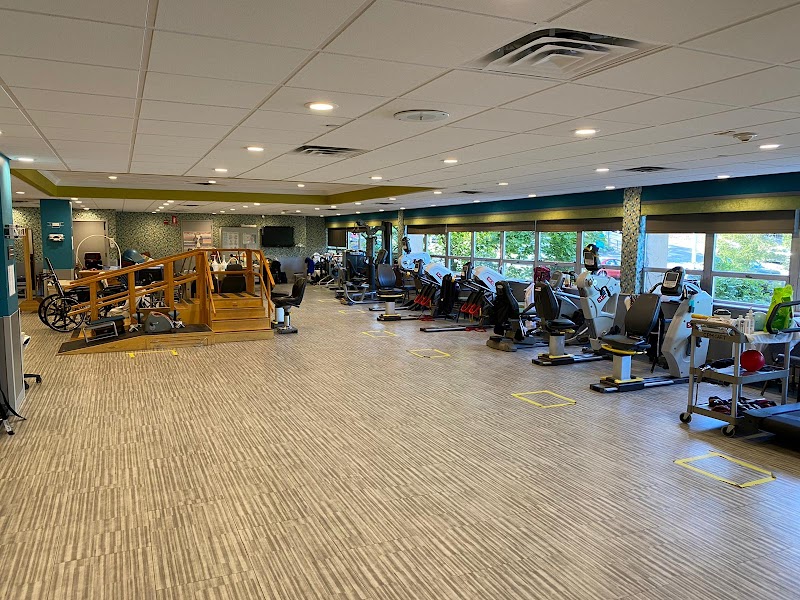
Who Owns and Operates Highfield Gardens Of Great Neck?

HIGHFIELD GARDENS CARE CENTER OF GREAT NECK is owned by a for-profit company. For-profit facilities operate as businesses with obligations to shareholders or private owners. The facility is operated by JONATHAN BLEIER, a chain that manages multiple nursing homes. With 200 certified beds and approximately 197 residents (about 98% occupancy), it is a large facility located in GREAT NECK, New York.

How Does Highfield Gardens Of Great Neck Compare to Other New York Nursing Homes?

Compared to the 100 nursing homes in New York, HIGHFIELD GARDENS CARE CENTER OF GREAT NECK's overall rating (4 stars) is above the state average of 3.1, staff turnover (28%) is significantly lower than the state average of 46%, and health inspection rating (3 stars) is at the national benchmark.

What Should Families Ask When Visiting Highfield Gardens Of Great Neck?

Based on this facility's data, families visiting should ask: "Can I visit during a mealtime to observe dining assistance and food quality?" "How do you handle medical emergencies, and what is your hospital transfer rate?" "Can I speak with family members of current residents about their experience?"

Is Highfield Gardens Of Great Neck Safe?

Based on CMS inspection data, HIGHFIELD GARDENS CARE CENTER OF GREAT NECK has a clean safety record: no substantiated abuse findings (meaning no confirmed cases of resident harm), no Immediate Jeopardy citations (the most serious violation level indicating risk of serious injury or death), and is not on the Special Focus Facility watch list (a federal program monitoring the lowest-performing 1% of nursing homes). The facility has a 4-star overall rating and ranks #1 of 100 nursing homes in New York. While no facility is perfect, families should still ask about staff-to-resident ratios and recent inspection results during their visit.

Do Nurses at Highfield Gardens Of Great Neck Stick Around?

Staff at HIGHFIELD GARDENS CARE CENTER OF GREAT NECK tend to stick around. With a turnover rate of 28%, the facility is 18 percentage points below the New York average of 46%. Low turnover is a positive sign. It means caregivers have time to learn each resident's needs, medications, and personal preferences. Consistent staff also notice subtle changes in a resident's condition more quickly. Registered Nurse turnover is also low at 20%, meaning experienced RNs are available to handle complex medical needs.

Was Highfield Gardens Of Great Neck Ever Fined?

HIGHFIELD GARDENS CARE CENTER OF GREAT NECK has been fined $4,922 across 2 penalty actions. This is below the New York average of $33,128. While any fine indicates a compliance issue, fines under $50,000 are relatively common and typically reflect isolated problems that were subsequently corrected. Families should ask what specific issues led to these fines and confirm they've been resolved.

Is Highfield Gardens Of Great Neck on Any Federal Watch List?

HIGHFIELD GARDENS CARE CENTER OF GREAT NECK is not on any federal watch list. The most significant is the Special Focus Facility (SFF) program, which identifies the bottom 1% of nursing homes nationally based on persistent, serious quality problems. Not being on this list means the facility has avoided the pattern of deficiencies that triggers enhanced federal oversight. This is a positive indicator, though families should still review the facility's inspection history directly.