HEMPSTEAD PARK NURSING HOME
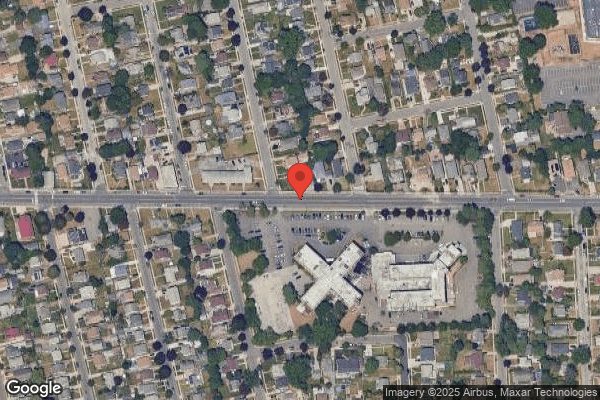
800 FRONT STREET, HEMPSTEAD, NY 11550 (516) 705-9700
For profit - Corporation 251 Beds Independent Data: November 2025
Trust Grade
23/100
#513 of 594 in NY
Last Inspection: December 2023

Within standard 12-15 month inspection cycle. Federal law requires annual inspections.

Overview

Hempstead Park Nursing Home has received a Trust Grade of F, indicating significant concerns about the quality of care provided. Ranking #513 out of 594 facilities in New York places it in the bottom half, and #35 out of 36 in Nassau County shows that only one local option is worse. While the facility's trend is improving, with issues decreasing from 8 in 2023 to 3 in 2025, there are still serious concerns regarding staffing, as they have a low RN coverage ranking that is worse than 89% of facilities in the state. On the positive side, staffing turnover is relatively low at 32%, below New York's average. However, the facility has incurred $15,445 in fines, which is concerning and suggests compliance issues. Specific incidents of concern include a lack of sufficient nursing staff to ensure resident safety and a situation where a resident with intact cognition was involved in a physical altercation with another resident due to inadequate supervision. Overall, while there are some strengths, families should carefully consider the significant weaknesses before making a decision.

Trust Score
F
23/100
In New York
#513/594
Bottom 14%
Safety Record
High Risk
Review needed
Inspections
Getting Better
8 → 3 violations
Staff Stability
○ Average
32% turnover. Near New York's 48% average. Typical for the industry.
Penalties
⚠ Watch
$15,445 in fines. Higher than 91% of New York facilities. Major compliance failures.
Skilled Nurses
⚠ Watch
Each resident gets only 17 minutes of Registered Nurse (RN) attention daily — below average for New York. Fewer RN minutes means fewer trained eyes watching for problems.
Violations
⚠ Watch
24 deficiencies on record. Higher than average. Multiple issues found across inspections.
★☆☆☆☆
1.0
Overall Rating
★☆☆☆☆
1.0
Staff Levels
★★☆☆☆
2.0
Care Quality
★★☆☆☆
2.0
Inspection Score
Stable
2023: 8 issues
2025: 3 issues

The Good

  • Full Sprinkler Coverage · Fire safety systems throughout facility
  • No fines on record
  • Staff turnover below average (32%)

    16 points below New York average of 48%

Facility shows strength in fire safety.

The Bad

1-Star Overall Rating

Below New York average (3.0)

Significant quality concerns identified by CMS

Staff Turnover: 32%

14pts below New York avg (46%)

Typical for the industry

Federal Fines: $15,445

Below median ($33,413)

Minor penalties assessed

The Ugly 24 deficiencies on record

Aug 2025 3 deficiencies
CONCERN (D) 📢 Someone Reported This

A family member, employee, or ombudsman was alarmed enough to file a formal complaint

Potential for Harm - no one hurt, but risky conditions existed

Free from Abuse/Neglect (Tag F0600)

Could have caused harm · This affected 1 resident

**NOTE- TERMS IN BRACKETS HAVE BEEN EDITED TO PROTECT CONFIDENTIALITY** Based on observation, record review, and interviews during the Recertification Survey and Abbreviated Survey (Complaint #697429)...

Read full inspector narrative →
**NOTE- TERMS IN BRACKETS HAVE BEEN EDITED TO PROTECT CONFIDENTIALITY** Based on observation, record review, and interviews during the Recertification Survey and Abbreviated Survey (Complaint #697429) initiated on 07/28/2025 and completed on 08/05/2025, the facility did not ensure resident rights to be free from abuse. This was identified for two (Resident #83 and Resident #98) of three residents reviewed for Abuse. Specifically, on 04/25/2025, Resident #83, with intact cognition, was using a common bathroom. Resident #98, with severely impaired cognition, attempted to enter the same bathroom, and Resident #83 told Resident #98 to get out. Resident #98 made a fist and swung at Resident #83. Resident #83, in turn, punched Resident #98 in the right eye; Resident #98 was sent to the emergency room for evaluation for complained of pain and redness in the right eye.The finding is:The facility's Abuse Prevention Policy, dated 9/19/2022 and revised on 2/3/2025, documented to provide a safe resident environment that protects residents from abuse, including verbal, mental, sexual, or physical abuse. This includes staff-to-resident abuse of any type, resident-to-resident abuse of any type, and visitor-to-resident abuse of any type. Physical abuse is inappropriate physical contact resulting in injury or likely to harm a resident. Physical abuse includes, but is not limited to, hitting, slapping, punching, biting, and kicking. The policy defined willful as the individual must have acted deliberately, not that the individual must have intended to inflict injury or harm.Resident #83 was admitted to the facility with diagnoses of Diabetes, Epilepsy (a disorder in which nerve cell activity in the brain is disturbed, causing seizures), and Metabolic Encephalopathy (a brain disorder caused by a chemical imbalance). The Quarterly Minimum Data Set (MDS) assessment dated [DATE] documented a Brief Interview for Mental Status (BIMS) score of 15, which indicated Resident #83 had intact cognition. The Minimum Data Set documented that Resident #83 did not exhibit any behaviors.A Comprehensive Care Plan titled Risk for Abuse, dated 04/24/2023 and updated on 04/24/2025, with interventions including observing changes in customary routines, keeping the resident away from other peers whenever possible, and staff to observe during rounds and care.Resident #98 was admitted to the facility with diagnoses of Diabetes, Alzheimer's, and Hypertension. The Quarterly Minimum Data Set (MDS) assessment dated [DATE] documented a Brief Interview for Mental Status (BIMS) score of seven (7), which indicated Resident #98 had severe cognitive impairment. The Quarterly Minimum Data Set assessment documented that Resident #98 did not exhibit any behaviors.A review of the Abuse Risk assessment dated [DATE] revealed that Resident #98 had behavior factors of being verbally disruptive, repetitive calling out, and had a history of being aggressive to peers.A Comprehensive Care Plan titled Behaviors, as evidenced by an altercation dated 04/25/2025, documented interventions including administering medications as ordered, observing for changes in behaviors, and redirecting the resident to an alternative environment. The Resident-to-Resident Altercation Report dated 04/25/2025 documented that Resident # 83 was in the common bathroom, by the Activity Room, when Resident #98 went in [the same bathroom] to wash their hands. Resident #83 told Resident #98 to get out, but Resident #98 insisted on coming in. Resident #98 then swung their fist, tapping Resident #83's right side of the chin. Resident #83 then punched Resident #98's right eye. The Recreation Aide (#1) immediately intervened and separated both residents. The investigation summary concluded there was no evidence of abuse, neglect, or mistreatment. The incident was unpredictable. Resident #98's insights and judgment were poor. The facility will continue to offer resident #98 diversional activities and redirection.The Accident and Incident report dated 04/25/2025 for Resident #83 documented a statement from Resident #83 indicating stated the resident was using the bathroom, and Resident #98 opened the bathroom door. Resident #83 stated they told Resident #98 to leave, but Resident #98 refused. Resident #83 stated they hit Resident #98.The Accident and Incident report dated 04/25/2025 for Resident #98 documented a statement from Resident #98 indicating the resident went to the bathroom, but Resident #83 was inside, and they (Resident #98) told Resident #83 to leave. Resident #98 stated that Resident #83 punched them (Resident #98) in the face.During an interview on 07/29/2025 at 10:30 AM, Resident #83 stated they remembered the altercation with Resident #98. Resident #83 stated they were using the bathroom first and needed privacy, and Resident #98 did not acknowledge their request to wait until they were finished using the bathroom. Resident #83 stated they punched Resident #98 to stop them (Resident #98) from coming into the bathroom.During an interview on 07/31/2025 at 8:47 AM, the Recreation Aide #1 stated that they went into the bathroom when a resident reported to them that something was going on in the bathroom. Resident #83 and Resident #98 were already separated. The Recreation Aide stated that they immediately reported the incident to Registered Nurse #2. Recreation Aide #1 stated Resident #83 participates in most activities. Resident #98 would join activities at times, and a staff member would accompany Resident #98 from the Unit to the Activity Room because Resident #98 needed redirection. The Recreation Aide #1stated that Resident #98 often sat next to them (Recreation Aide #1) during activity because the resident needed assistance with participation.During an interview on 08/01/2025 at 12:27 PM, Registered Nurse #2, Unit Manager, stated they were called to assess Resident #83 and Resident #98 after the Recreation Aide had reported the incident on 04/25/2025. Registered Nurse #2 stated that Resident #98 had redness around the right eye and complained of pain. Resident #98's Physician ordered to send Resident #98 to the emergency room for evaluation. Resident #83 told Registered Nurse #2 that Resident #98 would not leave the bathroom, so they punched Resident #98 to get them out.During an interview on 08/05/2025 at 11:17 AM, the Director of Nursing Services stated that they were not the Director of Nursing at the time of the incident. The Director of Nursing Services stated that they had two staff members in the Activity Room to supervise the Activity, but there was no staff in the lobby leading to the bathroom where the incident occurred between Resident #83 and Resident #98. The Director of Nursing Services stated that Residents with cognitive impairment should have been supervised more because they are at risk for abuse.10 NYCRR 415.4(b)(1)(i)
CONCERN (E) 📢 Someone Reported This

A family member, employee, or ombudsman was alarmed enough to file a formal complaint

Potential for Harm - no one hurt, but risky conditions existed

Deficiency F0725 (Tag F0725)

Could have caused harm · This affected multiple residents

**NOTE- TERMS IN BRACKETS HAVE BEEN EDITED TO PROTECT CONFIDENTIALITY** Based on observations, record review, and interviews during the Recertification Survey initiated on 07/28/2025 and completed on ...

Read full inspector narrative →
**NOTE- TERMS IN BRACKETS HAVE BEEN EDITED TO PROTECT CONFIDENTIALITY** Based on observations, record review, and interviews during the Recertification Survey initiated on 07/28/2025 and completed on 08/05/2025, the facility did not ensure that there was sufficient nursing staff to provide nursing and related services to assure resident safety and attain or maintain the highest practicable physical, mental, and psychosocial well-being of each resident. This was identified on one (1) (Unit 4 South) of six (6) units reviewed for the Sufficient Nursing Staffing Task. Specifically, the Centers for Medicare and Medicaid Services Payroll-Based Journal Staffing Data Report for Fiscal Year Quarter Two 2025 (January 1st-March 31st) indicated that the facility had a one (1)-star staffing rating. Additionally, there were multiple occasions when the facility had insufficient Licensed Practical Nurses assigned to Unit 4 South, as specified on the Facility Assessment. The finding is:The Centers for Medicare and Medicaid Services Payroll-Based Journal Staffing Data Report for Fiscal Year Quarter Two 2025 (January 1st-March 31st) documented the facility triggered for the Metric of One Star Staffing Rating.The Facility assessment dated [DATE], last reviewed and/or updated on 06/2025, documented that the facility had a 251-bed capacity with an average daily census of 225.The Administrator provided an updated Facility Assessment on 08/01/2025, which indicated Unit 4 South had a 41-bed capacity and required two Licensed Practical Nurses during the 7:00 AM-3:00 PM shift.A review of the Facility Unit Census logs from 01/05/2025 to 01/11/2025; 02/09/2025 to 02/15/2025; 03/16/2025 to 03/22/2025, and 07/28/2025 to 08/04/2025 revealed resident census on Unit 4 South was between 37 and 41 residents.A review of the 7:00 AM-3:00 PM shift schedule for Unit 4 South from 01/05/2025 to 01/11/2025 indicated the following:- On 01/06/2025, 01/07/2025, 01/08/2025, 01/09/2025, and 01/10/2025, there was one (1) Licensed Practical Nurse assigned to Unit 4 South with a census of 38 residents.A review of the 7:00 AM-3:00 PM shift schedule for Unit 4 South from 02/09/2025 to 02/15/2025 indicated the following:- On 02/10/2025 and 02/11/2025, there was one (1) Licensed Practical Nurse assigned to Unit 4 South with a census of 40 residents.- On 02/12/2025, 02/13/2025, and 02/14/2025, there was one (1) Licensed Practical Nurse assigned to Unit 4 South with a census of 41 residents. A review of the 7:00 AM-3:00 PM shift schedule on Unit 4 South from 03/16/2025 to 03/22/2025 indicated the following:- On 03/17/2025 and 03/19/2025, there was one (1) Licensed Practical Nurse assigned to Unit 4 South with a census of 37 residents.- On 03/16/2025, 03/20/2025, there was one (1) Licensed Practical Nurse assigned to Unit 4 South with a census of 38 residents.- On 03/21/2025, there was one (1) Licensed Practical Nurse assigned to Unit 4 South with a census of 38 residents.A review of the 7:00 AM-3:00 PM shift schedule on Unit 4 South from 07/28/2025 to 08/4/2025 indicated the following:- On 07/28/2025 and 07/30/2025, there was one (1) Licensed Practical Nurse assigned to Unit 4 South with a census of 39 residents.- On 08/01/2025, there was one (1) Licensed Practical Nurse assigned to Unit 4 South with a census of 40 residents.Resident #133 was admitted with diagnoses of Type 2 Diabetes Mellitus, Hypertension, and Major Depressive Disorder. The Annual Minimum Data Set assessment dated [DATE] documented that Resident #133 had a Brief Interview for Mental Status score of 15, which indicated the resident had intact cognition. During an interview on 07/28/2025 at 10:35 AM, Resident #133 stated that they had not received their morning medications today.During the Medication Administration task observation with Licensed Practical Nurse #8 on 07/28/2025 from 11:07 AM to 11:30 AM, Licensed Practical Nurse # 8 administered Resident #133's 10:00 AM medications at 11:30 AM, which was 30 minutes beyond the facility's required time frame. During an interview immediately after the observation on 07/28/2025, Licensed Practical Nurse #8 stated they were the regularly assigned charge nurse on Unit 4 South. Licensed Practical Nurse #8 stated there were usually two Licensed Practical Nurses assigned to each of the 4th-floor units (4 South and 4 North). Licensed Practical Nurse #8 stated that both the assigned Licensed Practical Nurses were responsible for administering medications. Licensed Practical Nurse #8 stated today (07/28/2025) they were alone on the unit, and the second Licensed Practical Nurse (# 2), who usually worked on Unit 4 South, was assigned to work alone on Unit 4 North. Licensed Practical Nurse #8 stated they were passing medications and providing treatments by themselves and therefore were not able to administer Resident #133's morning medications on time. During an interview on 07/28/2025 at 11:40 AM, Licensed Practical Nurse #2 stated that they regularly worked with Licensed Practical Nurse #8 on Unit 4 South and were reassigned to Unit 4 North today (07/28/2025) due to a call-out. Licensed Practical Nurse #2 stated there should be two Licensed Practical Nurses assigned to each unit (4 South and 4 North).During an interview on 07/29/2025 at 12:22 PM, the Staffing Coordinator stated they have worked as a Staffing Coordinator for six months at the facility. The Staffing Coordinator stated that based on the par levels, there should be two Licensed Practical Nurses assigned to each resident unit during the day shift (7:00 AM-3:00 PM) on weekdays (Monday to Friday).During an interview on 07/30/2025 at 10:37 AM, Registered Nurse #1stated there should be two Licensed Practical Nurses on each unit on the 4th floor. Registered Nurse #1 stated there was one Licensed Practical Nurse on each unit (4 South and 4 North) today (07/30/2025). Registered Nurse #1 stated that they had to assist with dining room monitoring today, which would normally be the Licensed Practical Nurse's responsibility.During a re-interview on 07/30/2025 at 11:47 AM, Licensed Practical Nurse #8 stated that they were working alone on unit 4 South today. Licensed Practical Nurse #8 stated that Registered Nurse #1 had to assist them with Dining room monitoring so they could give medications to residents on time. Licensed Practical Nurse #8 stated it is overwhelming when they have to give medication and treatment all by themselves. During a re-interview on 08/05/2025 at 9:56 AM, the Staffing Coordinator stated they were not able to schedule Licensed Practical Nurses during the day shift (7:00 AM-3:00 PM) on weekdays, according to the par levels (provided to them by the Corporate staff), due to a shortage of available Licensed Practical Nurses. The Staffing Coordinator stated that the Director of Nursing Services, the Administrator, and the Human Resources personnel were aware of the issue, and they (the Staffing Coordinator) were told, We are working on it. The Staffing Coordinator stated that the 4th floor units (4 South and 4 North) only had one Licensed Practical Nurse assigned to each unit on 07/28/2025 and 07/30/2025 due to staff vacation and call-out. During an interview on 08/05/2025 at 11:22 AM, the Director of Nursing Services stated they were not familiar with the facility's overall nursing staffing needs; however, each nursing unit should have two Licensed Practical Nurses assigned on the day shift during the weekdays as per the Facility Assessment.During an interview on 08/05/2025 at 11:50 AM, the Administrator stated each resident unit should have two Licensed Practical Nurses assigned on the day shift during the weekdays as per the Facility Assessment. The Administrator stated they submitted the Payroll-Based Journal Staffing Data Report, but did not know that the facility triggered the Metric of One Star Staffing Rating. 10 NYCRR 415.13(a)(1)(i-iii)
MINOR (C) 📢 Someone Reported This

A family member, employee, or ombudsman was alarmed enough to file a formal complaint

Minor Issue - procedural, no safety impact

Deficiency F0838 (Tag F0838)

Minor procedural issue · This affected most or all residents

**NOTE- TERMS IN BRACKETS HAVE BEEN EDITED TO PROTECT CONFIDENTIALITY** Based on record review and interview during the Recertification Survey initiated on 07/28/2025 and completed on 08/5/2025, the f...

Read full inspector narrative →
**NOTE- TERMS IN BRACKETS HAVE BEEN EDITED TO PROTECT CONFIDENTIALITY** Based on record review and interview during the Recertification Survey initiated on 07/28/2025 and completed on 08/5/2025, the facility did not ensure the Facility Assessment considered specific staffing needs for each resident unit for each shift, such as day, evening, and night. This was identified during the Sufficient Nursing Staffing Task. Specifically, the Facility Assessment, last reviewed in June 2025, did not indicate staffing needs for Certified Nursing Aides, Monday to Friday, for each unit and each shift. Additionally, the Facility Assessment did not specify the staffing needs for Licensed Practical Nurses for each unit for the 3:00 PM-11:00 PM shift and the 11:00 PM-7:00 AM shift during the weekdays. The finding is:The facility's policy, titled Facility Assessment, last reviewed/revised on 8/1/2024, documented the facility will conduct and document a facility-wide assessment to determine the resources necessary to care for residents competently during day-to-day operations and emergency services. The Facility Assessment will identify the facility's resident population, including the number of residents, residents' capacity, and the care required by the residents. The Facility Assessment will provide a staffing template for both weekday and weekend/holiday staffing [need] for each shift.A review of the Facility assessment dated [DATE], revealed the Facility Assessment did not indicate weekdays (Monday to Friday) staffing needs for Certified Nursing Aides for each unit and each shift (7:00 AM-3:00 PM, 3:00 PM-11:00 PM, and 11:00 PM-7:00 AM). Additionally, the Facility Assessment did not specify the staffing needs for Licensed Practical Nurses for each unit for the 3:00 PM-11:00 PM shift and the 11:00 PM-7:00 AM shift during the weekdays. During an interview on 08/1/2025 at 08:45 AM, the Administrator stated they and the Director of Nursing Services were involved in developing and reviewing the Facility Assessment. The Administrator stated the Director of Nursing Services was responsible for completing the nursing staffing portion of the Facility Assessment. The Administrator stated they were responsible for reviewing and ensuring the Facility Assessment was completed accurately. The Administrator stated they were not aware that the Facility Assessment did not include the number of nursing staff required for each unit, each shift, for the weekdays (Monday to Friday). The Administrator stated that the Facility Assessment should have clearly indicated specific nursing staffing needs by resident units for each shift, and it was an oversight. The Administrator stated that the Director of Nursing Services, who was responsible for the nursing staffing portion of the Facility Assessment, was no longer employed at the facility.10 NYCRR 415.26
Dec 2023 8 deficiencies
CONCERN (D)

Potential for Harm - no one hurt, but risky conditions existed

Safe Environment (Tag F0584)

Could have caused harm · This affected 1 resident

**NOTE- TERMS IN BRACKETS HAVE BEEN EDITED TO PROTECT CONFIDENTIALITY** Based on observations, record review, and interviews during the Recertification Survey initiated on 11/28/2023 and completed on ...

Read full inspector narrative →
**NOTE- TERMS IN BRACKETS HAVE BEEN EDITED TO PROTECT CONFIDENTIALITY** Based on observations, record review, and interviews during the Recertification Survey initiated on 11/28/2023 and completed on 12/5/2023 the facility did not ensure the residents had a safe, clean, comfortable, and homelike environment. This was identified for one (Resident #29) of one resident reviewed for the Environment. Specifically, Resident #29's bed rail, wheelchair arm rest, and left side of the wheelchair were observed soiled with a cream colored and crusty substance on multiple occasions (11/28/2023, 11/29/2023 and 11/30/2023). The finding is: The facility's policy titled, Wheelchair/Gerichair/Cleaning Monitoring dated 10/12/2021 documented the 3 PM - 11 PM shift will prepare and have all wheelchairs and Geri chairs ready for cleaning. Any wheelchair designated by nursing which needs additional cleaning will be cleaned and returned to the unit by housekeeping staff. The facility policy titled, Cleaning and Disinfecting Resident Rooms dated 5/2020 documented to ensure that all resident's rooms are cleaned and sanitized according to set standards and guidelines to ensure resident's quality of life. Resident room cleaning includes cleaning of horizontal surfaces (e.g., bedside tables, over bed tables, and chairs) daily with disinfectant solution. Clean personal use items (e.g., lights, phones, call bells, bedrails, etc.) with disinfectant solution daily. Resident #29 has diagnoses which include Type 2 Diabetes, Alzheimer's Disease, and Bipolar Disorder. The annual Minimum Data Set (MDS) assessment dated [DATE] documented that the resident had a Brief Interview for Mental Status (BIMS) score of 4 which indicated the resident had severely impaired cognitive skills for daily decision making. Resident #29 used a wheelchair for mobility. The MDS documented Resident #29 required partial/moderate assistance of a helper in order to sit on the side of the bed from a lying position, to stand from a sitting position, and for a chair/bed-to-chair transfer. The MDS documented Resident #29 required supervision or touching assistance for eating. A Comprehensive Care Plan (CCP) titled, Activities of Daily Living (ADL) All Tasks, effective 10/5/2023 documented interventions including bilateral (two sides) half bedrails as enablers for turning and positioning for bed mobility. The CCP documented the resident used a wheelchair for primary locomotion, required partial/moderate assistance for chair transfer, and required meal setup and supervision or touch assistance for eating. On 11/28/2023 at 11:04 AM Resident #29 was observed sitting in their wheelchair in their room. The wheelchair's left armrest and the panel beneath the armrest were soiled with a cream colored and crusty substance. The right half siderail of the bed was also coated with a cream colored and crusty substance. On 11/29/2023 at 3:02 PM Resident #29 was observed sitting on the right side of their bed. Resident #29's wheelchair was positioned next to the bed by the footboard. The right half side rail was soiled with a cream colored and crusty substance. A urinal was hanging on the right half siderail. The urinal handle was coated with a cream colored and crusty substance. The stand of the overbed table was observed to have long drips of a cream-colored substance running down the side. Resident #29's wheelchair was soiled with a cream-colored and crusty substance on the left side of the seat cushion, the left armrest, the panel beneath the armrest, and the mechanism that houses the left footrest. On 11/30/2023 at 8:20 AM the right half siderail was observed with a cream colored and crusty substance. A urinal was hanging on the right half siderail. The urinal handle was coated with a cream colored and crusty substance. The stand of the overbed table was observed to have long drips of a cream-colored substance running down the side. Resident #29's wheelchair was soiled with a cream-colored and crusty substance on the left side of the seat cushion, the left armrest, the panel beneath the armrest, and the mechanism that houses the left footrest. Resident #29 was not able to identify the substance. Certified Nursing Assistant (CNA) #5 was interviewed on 11/30/2023 at 8:25 AM. CNA #5 stated they assisted Resident #29 with care earlier in the morning on 11/30/2023 and did not notice the cream-colored crusty substance on the bed's half siderail or the CNA #5 stated if they observed a soiled area they would wipe the area or alert the housekeeper on the unit. Housekeeper #1 was interviewed on 11/30/2023 at 8:41 AM. Housekeeper #1 stated they clean the resident's bathroom and wipe down the furniture daily and sweep and mop the resident's room twice a day. Housekeeper #1 stated when they are in the room they look around the room for any soiled areas and clean as needed. Housekeeper #1 stated they had not reached Resident #29's room on 11/30/2023 because they started cleaning on the other side of the unit. Housekeeper #1 stated they did not observe the soiled right siderail and wheelchair the previous day. Registered Nurse (RN) #1 was interviewed on 11/30/2023 at 8:54 AM. RN #1 stated the wheelchairs are cleaned on an overnight shift but they were not sure on which day. RN #1 stated the resident rooms are cleaned daily and the side rails and wheelchairs should be checked and cleaned at that time. Licensed Practical Nurse (LPN) #5 was interviewed on 11/30/2023 at 8:45 AM. LPN #5 stated they never observed the resident's soiled siderail or soiled wheelchair; if they observed an area that required cleaning, they would have informed the housekeeper on the unit. The Housekeeping Director was interviewed on 11/30/2023 at 2:12 PM. The Housekeeping Director stated the responsibility of the housekeeper is to inspect the resident's room for cleanliness and any problem areas should be cleaned. The Housekeeping Director stated resident's wheelchairs are cleaned on the overnight shift on Thursday and Friday. The Housekeeping Director stated there was no documentation of wheelchair cleaning. RN #1 was re-interviewed on 12/4/2023 at 9:51 AM. RN #1 stated there are no cleaning logs kept on the unit regarding housekeeping concerns. RN #1 stated anyone can report housekeeping concerns to the unit housekeeper and it is up to that person to ensure the concern has been resolved. The Housekeeping Director was re-interviewed on 12/4/2023 at 10:09 AM. The Housekeeping Director stated there were no logs available for the the wheelchair cleaning schedule. The Housekeeper Director stated they were not able to say when Resident #29's wheelchair was last cleaned. 10 NYCRR 415.5(h)(2)
CONCERN (D) 📢 Someone Reported This

A family member, employee, or ombudsman was alarmed enough to file a formal complaint

Potential for Harm - no one hurt, but risky conditions existed

Free from Abuse/Neglect (Tag F0600)

Could have caused harm · This affected 1 resident

**NOTE- TERMS IN BRACKETS HAVE BEEN EDITED TO PROTECT CONFIDENTIALITY** Based on observation, record review and staff interviews conducted during the Recertification Survey and Abbreviated Survey (NY0...

Read full inspector narrative →
**NOTE- TERMS IN BRACKETS HAVE BEEN EDITED TO PROTECT CONFIDENTIALITY** Based on observation, record review and staff interviews conducted during the Recertification Survey and Abbreviated Survey (NY003183311) initiated on 11/28/2023 and completed on 12/5/2023 the facility did not ensure that each resident was free from abuse. This was identified for three (Resident #61, Resident #71 and Resident #84) of eight residents reviewed for resident to resident altercation. Specifically, on 6/13/2023 Resident #61 threw a can of soda at Resident #71. Resident #71 then threw a can of soda at Resident #61. Resident #61 was assisted to their room by Certified Nursing Assistant (CNA) #9. CNA #9 exited Resident #61's room to get a Hoyer (Mechanical) lift. Resident #61 exited their room with a broomstick and hit Resident #71 and Resident #84 with the broomstick. The finding is: The policy and procedure titled, Abuse Prevention effective 9/19/2022 and last reviewed on 9/19/2023 documented the resident has the right to be free from abuse, neglect, misappropriation of resident property, and exploitation by anyone in the facility. The facility defined physical abuse as a willful infliction of injury with resulting physical harm, pain, or mental anguish. Physical abuse includes but is not limited to hitting, slapping, punching, biting, or kicking. Willful means the individual must have acted deliberately, not that the individual must have intended to inflict injury or harm. Under the procedure section, abuse of any kind is prohibited by all residents of the facility and all visitors in the facility. - Resident #61 was admitted with diagnoses including Persistent Mood Disorder, Depression, and Hemiplegia (paralysis) affecting the right dominant side. The Annual Minimum Data Set (MDS) assessment dated [DATE] documented Resident #61 had a Brief Interview for Mental Status (BIMS) score of 10 which indicated moderately impaired cognition. Resident #61 used a wheelchair as a mobility device. The Comprehensive Care Plan (CCP) for Behavior Victim/Victimizer initiated on 12/28/2022 and last revised on 12/29/2022 documented Resident #61 is at risk for abuse due to congregate living, demonstrates behaviors that have a potential to disturb others and was abusive to a peer on 12/28/2022. Interventions of the CCP included to observe during rounds and one to one supervision to ensure safety of self and others. A physician's order dated 1/18/2023 and discontinued on 6/15/2023 documented to place the resident on one to one monitoring on the 3PM-11PM shift from 3PM-6PM for safety of others. Resident must be placed back in bed at 6 PM daily. The CCP for at risk for abuse initiated on 3/24/2021 and last updated on 6/14/2023 documented Resident #61 was at risk of abuse secondary to congregate living situation, vulnerability due to deficits in cognitive/mental status, vulnerability due to deficits in medical/physical condition and the resident was abusive to peer on 12/28/2022. Interventions included to encourage the resident to voice concerns to staff regarding their peers, address resident concerns as they arise, staff to observe resident during rounds, and monitor for changes in mood/manner. The CCP was updated on 6/14/2023 to include interventions to keep resident away from either peer whenever possible and thirty-minute visual monitoring for behavior. A nursing progress note dated 6/13/2023 documented that Resident #61 was involved in an altercation with Resident #71 and Resident #84 at approximately 4:00 PM. Resident #61 became upset and threw their soda can at Resident #71. Then Resident #71 threw their soda can at Resident #61. The staff present intervened and provided redirection. Resident #61 was wheeled to their room by CNA #9. CNA #9 left Resident #61 in their room to get a Hoyer lift from another room. When CNA #9 stepped away Resident #61 entered the hallway with a broomstick and hit Resident #71 and Resident #84. Staff was unable to redirect Resident #61 and as they attempted to hit Resident #71 and Resident #84 again, they (Resident #61) fell out of their wheelchair. The Registered Nurse Supervisor assessed all residents, and no visible injuries were noted. Resident #61 was sent to the emergency room for a psychiatric evaluation. A nursing progress note dated 6/13/2023 at 11:45 PM documented that Resident #61 returned from the hospital at 10:47 PM. Resident #61 was transferred to a new room (on another floor) upon return to the facility. A medical progress note dated 6/15/2023 documented Resident #61 was seen after a peer to peer altercation. Resident #61 admitted to hitting Resident #71 and Resident #84 with a mop handle. Resident #61 reported their family member brought in the mop to clean their room. -Resident #71 was admitted with diagnoses including Chronic Obstructive Pulmonary Disease (COPD), Bipolar Disorder, and Epileptic Spasms. The Quarterly Minimum Data Set (MDS) assessment dated [DATE] documented the resident had a Brief Interview for Mental Status (BIMS) score of 15 which indicated intact cognition. Resident #71 used a wheelchair as a mobility device. Resident #71's Comprehensive Care Plan (CCP) for at risk for abuse initiated on 2/14/2019 and last reviewed on11/27/2023 documented the resident is at risk for abuse secondary to a congregate living situation, vulnerability due to deficits in medical/physical condition, and demonstrates behaviors that have a potential to disturb others. Interventions included the resident would report any arguments or miscommunication with peers to a nurse and would avoid peers or persons who are argumentative. A nursing progress note dated 6/14/2023 documented that Resident #71 was status/post peer to peer altercation, no visible injuries or complaint of pain noted. -Resident #84 was admitted with diagnoses including Chronic Obstructive Pulmonary Disease (COPD), Wernicke's Encephalopathy (a neurological condition), and Bipolar disorder. The Quarterly Minimum Data Set (MDS) assessment dated [DATE] documented the resident had a Brief Interview for Mental Status (BIMS) score of 12 which indicated moderate cognitive impairment. The resident did not use any mobility devices. The Comprehensive Care Plan (CCP) for Victim/Victimizer initiated on 6/13/2023 documented Resident #84 was at risk for abuse secondary to a congregate living situation, resident was involved in a resident-to-resident altercation and resident was abused by a peer. Interventions included to encourage the resident to voice concerns to staff regarding peers. The CCP for at risk for abuse initiated on 4/13/2021 and last reviewed on 10/24/2023 documented Resident #84 is at risk for abuse secondary to a congregate living situation and vulnerability due to deficits in cognitive/mental status. The resident was involved in a resident-to-resident altercation and was abused by a peer. Interventions included to encourage the resident to voice concerns to staff regarding other residents and to observe during rounds and care. A nursing progress note dated 6/14/2023 documented Resident #84 was status/post a peer to peer altercation, no injury or distress noted. The Accident and Incident (A/I) report dated 6/13/2023 documented that at approximately 4:00 PM Resident #61 and Resident #71 were engaged in a confrontation at the nurse's station on the fourth floor. Resident #61 became upset and threw a can of soda at Resident #71. Then Resident #71 threw a can of soda at Resident #61. Staff intervened and separated Resident #61 and Resident #71 and provided redirection. Resident #61 was taken back to their room via wheelchair by CNA #9. CNA #9 left Resident #61 in their room while they (CNA#9) went to another resident's room to get a Hoyer lift to assist Resident #61 to bed. While CNA #9 was gone Resident #61 took a broomstick from their room and went into the hallway where they met and hit Resident #71 on the left side of their face. Resident #84, who was present at the scene, intervened and was also hit with a broomstick by Resident #61. Staff was unable to redirect Resident #61 and Resident #61 fell out of their wheelchair while continuing to attempt to hit Resident #71 and Resident #84. The Registered Nurse Supervisor assessed Resident # 61, Resident #71, and Resident #84. No visible injuries were noted for all three residents. Resident #61 was sent to the emergency room for psychiatric evaluation. The Accident and Incident report concluded the root cause of the incident was identified and there was satisfactory information that abuse occurred. A review of admission and transfer data revealed Residents #71 and #84 shared a room. Resident #61 resided in the room next to Resident #71 and Resident 84's room. Resident #61 was moved to a different floor on 6/13/2023 after the incident. Resident #71 was interviewed on 11/28/2023 at 3:24 PM. Resident #71 was observed sitting in their wheelchair in their room. Resident #71 stated Resident #61 had a behavior of inappropriately touching women and they (Resident #71) confronted Resident #61 and that is when Resident #61 threw a can of soda at them. Resident #71 stated they were going back to their room when Resident #61 hit them (Resident #71) on the side of the face with a broomstick. CNA #9 was interviewed on 11/30/2023 at 4:06 PM. CNA #9 stated they entered the area of the nurse's station after the soda cans were thrown. CNA #9 stated they wheeled Resident #61 to their room and planned to assist Resident #61 to go back to bed. CNA #9 stated they left Resident #61's room to get a Hoyer lift. CNA #9 stated they did not see Resident #61 hit Resident #71 and Resident #84 with a broomstick. CNA #9 stated they were not aware there was a broomstick in Resident #61's room. Resident #71 was re-interviewed on 12/5/2023 at 9:34 AM. Resident #71 stated they told Resident #61 not to touch women. Resident #61 did not like what they (Resident #71) said, and threw a can of soda at them. Resident #71 stated they (Resident #71) then threw a can of soda back at Resident #61. Resident #71 stated Resident #61 was taken to their room. Resident #71 stated they were returning to their room when Resident #61 wheeled down the hallway toward them and hit them (Resident #71) in the face with a broomstick. Resident #71 stated Resident #84 tried to defend them and was also hit with the broomstick. Resident #71 reported they were upset by the incident. Resident #84 was interviewed on 12/5/2023 at 9:39 AM. Resident #84 stated he observed Resident #61 hit Resident #71. Resident #84 stated they were upset by the incident and attempted to defend Resident #71 when they (Resident #84) were also struck by the broomstick. Resident #84 stated they were upset about being struck. Licensed Practical Nurse (LPN) #9 was interviewed on 12/5/2023 at 11:16 AM. LPN #9 stated on 6/13/2023 at approximately 4:00 PM they were at the nurse's station with Resident #61 and Resident #71. LPN #9 stated they turned to get ice from the ice machine and did not hear what led up to the soda can being thrown. LPN #9 reported they intervened and asked CNA #9 to wheel Resident #61 to their room. LPN #9 stated they observed Resident #61 wheel themselves backward down the hallway, turn their wheelchair around, and strike Resident #71 with a broomstick. LPN #9 stated Resident #61 then struck Resident #84 with the broomstick. LPN #9 stated the incident happened quickly and they were not able to reach Resident #61 before Resident #71 and Resident #84 were struck. The Director of Nursing Services (DNS) was interviewed on 12/5/2023 at 4:36 PM. The DNS stated they completed the investigation of the peer-to-peer altercation between Resident #61, Resident #71, and Resident #84 that occurred on 6/13/2023. The DNS stated CNA #9 should not have left Resident #61 alone while they went to get a Hoyer lift. The DNS stated CNA #9 should have asked another staff member to stay with Resident #61 while they (CNA #9) left the room. 10 NYCRR 415.4(b)(1)(i)
CONCERN (D) 📢 Someone Reported This

A family member, employee, or ombudsman was alarmed enough to file a formal complaint

Potential for Harm - no one hurt, but risky conditions existed

Investigate Abuse (Tag F0610)

Could have caused harm · This affected 1 resident

**NOTE- TERMS IN BRACKETS HAVE BEEN EDITED TO PROTECT CONFIDENTIALITY** Based on record review and interviews during the Recertification Survey and Abbreviated Survey (NY00327941), initiated on 11/28/...

Read full inspector narrative →
**NOTE- TERMS IN BRACKETS HAVE BEEN EDITED TO PROTECT CONFIDENTIALITY** Based on record review and interviews during the Recertification Survey and Abbreviated Survey (NY00327941), initiated on 11/28/2023 and completed on 12/5/2023 the facility did not ensure that all incidents were investigated thoroughly. This was identified for one (Resident #16) of 12 residents reviewed for Abuse. Specifically, Resident #16 was observed with a discoloration to the lower left eyelid, an injury of unknown origin, on 11/11/2023 at approximately 4 AM. The facility investigation did not include the assigned Certified Nursing Assistant (CNA) #1's statement to determine the root cause of the injury. The finding is: The facility Accident and Incident Investigation and Reporting policy and procedure dated 10/20/2023 documented that investigation statements are to be obtained from the assigned CNA, any witnesses to the occurrence, and the person who reported the occurrence. Resident #16 was admitted with diagnoses of Non-Alzheimer's Dementia, Insomnia, and Psychosis. The Quarterly Minimum Data Set (MDS) assessment dated [DATE] documented that Resident #16 had a Brief Interview for Mental Status (BIMS) score of 5, indicating severely impaired cognition. The At Risk for Abuse care plan dated 4/3/2019 and last reviewed on 11/28/2023 documented that Resident #16 was at risk for abuse secondary to congregate living situation, deficits in cognitive/mental status, medical/physical condition, deficits in communication status, and demonstrates behaviors that have potential to disturb others. The Accident Incident (A/I) report dated 11/11/2023 documented that on 11/11/2023 the Director of Nursing Services (DNS) was made aware that Resident #16 was noted with a swollen black and blue lower eye lid during the overnight shift (11/10/2023 to 11/11/2023). Upon assessment by the Registered Nurse (RN) Supervisor, Resident #16 voiced no complaint of pain and was unable to state what happened secondary to cognitive deficit. As per the night nurse on duty, Licensed Practical Nurse (LPN) #1, the discoloration was noted by CNA #1 when CNA #1 went into Resident #16's room to provide care. The RN Supervisor was immediately notified. The Physician was notified and gave an order to send Resident #16 to the emergency room for further evaluation. The A/I report did not include a statement from CNA #1 who was assigned to Resident #16 on the 11PM-7AM shift on 11/10/2023. LPN #1 was interviewed on 12/1/2023 at 11:00 AM and stated that on 11/11/2023 at 4:30 AM, CNA #1 told them that there was black ink on Resident #16's leg. They both (LPN #1 and CNA #1) observed Resident #16 in the bed with [writing] pens in the resident's brief, which was Resident #16's known behavior. LPN #1 and CNA #1 also observed redness and swelling on the resident's lower left eyelid. CNA #1 told LPN #1 that they had not observed that while providing care because the room was dark. LPN #1 stated that Resident #16's roommate did not say anything had occurred. Resident #16 told LPN #1 that a family member had hit them. LPN #1 stated that Resident #16 was confused and did not have any visitors on that shift. LPN #1 stated that they did not hear any commotion from the room at all during the shift and they reported the injury to the supervisor. CNA #1 was interviewed on 12/1/2023 at 1:45 PM. CNA #1 stated when they were providing care to Resident #16 on 11/11/2023 at around 4:00 AM they found burst pens in Resident #16's brief. CNA #1 stated they informed LPN #1 and when LPN #1 came into the room they both (LPN #1 and CNA #1) observed Resident #16's left lower eyelid was red and swollen. CNA #1 stated that they typically do write statements for a resident injury; however, no one asked them (CNA #1) to write a statement related to Resident #16 and therefore they did not provide a written statement to anyone. The Director of Nursing Services (DNS) was interviewed on 12/4/2023 at 9:06 AM and stated they (DNS) had interviewed CNA #1 over the phone and did not document CNA #1's statement while conducting the investigation. The DNS stated that CNA #1 provided care to Resident #16 when the injury was observed, and that CNA #1's statement should have been documented with the investigation. 10 NYCRR 415.4(b)(3)
CONCERN (D)

Potential for Harm - no one hurt, but risky conditions existed

Deficiency F0658 (Tag F0658)

Could have caused harm · This affected 1 resident

Based on record review and staff interviews during the Recertification Survey initiated on 11/28/2023 and completed on 12/5/2023 the facility did not ensure that all services provided by the facility ...

Read full inspector narrative →
Based on record review and staff interviews during the Recertification Survey initiated on 11/28/2023 and completed on 12/5/2023 the facility did not ensure that all services provided by the facility met professional standards of quality. This was identified for one (Resident #140) of five residents reviewed for Medication Regimen Review (MRR). Specifically, Resident #140's Insulin injections sites and Nitroglycerin (Heart medication) transdermal (through the skin) 24-hour patch application sites were not documented on the Medication Administration Record (MAR) on multiple occasions. The finding is: The facility's policy titled, Special Considerations for Medication Administrations, effective 10/10/2022 documented nurses administering medications will adhere to professional standards of practice as stipulated by the American Nurses Association, Centers for Medicare and Medicaid Services, and the Centers for Disease Control. There were no procedures specific to Insulin injections and medicated patch application other than the Fentanyl (controlled substance) patch. Resident #140 was admitted with diagnoses that include Type 2 Diabetes, Chronic Obstructive Pulmonary Disease, and Bipolar Disorder. The 10/1/2023 Annual Minimum Data Set (MDS) assessment documented the resident had a Brief Interview for Mental Status (BIMS) score of 15 indicating Resident #140 was cognitively intact. The Comprehensive Care Plan (CCP) for Endocrine/Metabolic Alteration effective 11/13/2022 and last updated on 10/30/2023 documented the resident had an alteration in Endocrine/Metabolic status related to Diabetes Mellitus. Interventions included to administer medication as ordered and to monitor for effectiveness and for side effects. A physician's order dated 7/18/2023 documented the following orders: -Lantus Solostar U-100 Insulin 100 unit/milliliters (mL) (3mL) subcutaneous pen, inject 20 units by subcutaneous route once daily at bedtime. -Apply one Nitroglycerin 0.1 milligrams (mg)/hour (hr) transdermal 24 hour patch by transdermal route once daily. A review the Medication Administration Record (MAR) for 8/10/2023 through 8/31/2023 documented Lantus was administered twenty-two times and the injection site was documented two times. The Nitroglycerin patch was applied twenty-two times and the application site was documented zero times. A review of the September 2023 MAR documented Lantus was administered thirty times and the injection site was documented two times. The Nitroglycerin patch was applied twenty-nine times and the application site was documented zero times. A review of the October 2023 MAR documented Lantus was administered thirty-one times and the injection site was documented nine times. The Nitroglycerin patch was applied thirty times and the application site was documented zero times. A review of the November 2023 MAR documented Lantus was administered twenty-nine times and the injection site was documented thirteen times. The Nitroglycerin patch was applied twenty-nine times and the application site was documented two times. A review of the MAR from 12/1/2023 through 12/4/2023 documented Lantus was administered four times and the injection site was documented three times. The Nitroglycerin patch was applied four times and the application site was documented one time. Registered Nurse (RN) #1, the supervisor on Resident #140's unit, was interviewed on 11/30/2023 at 12:11 PM. RN #1 stated the nurse who administered the Insulin and the Nitroglycerine patch should have documented the administration sites to prevent the same site from being used repeatedly. Licensed Practical Nurse (LPN) #6 was interviewed on 11/30/2023 at 4:10 PM. LPN #6 stated when Insulin injection and the Nitroglycerin patch are administered the site must be documented so the same site is not used. RN #6 was interviewed on 11/30/2023 at 4:32 PM. RN #6 stated they are regularly assigned to Resident #140 on the 3 PM - 11 PM shift and administer the Lantus injection. RN #6 stated they were aware the injection site for Insulin had to be documented and rotated. RN #6 stated the physician's order for Resident #140's Lantus did not include that the injection site had to be documented. RN #6 was re-interviewed on 12/5/2023 at 3:37 PM and stated Insulin injection sites should be rotated because an abscess could develop if the same site was used repeatedly. LPN #7 was interviewed on 12/5/2023 at 2:46 PM and stated they regularly apply Resident #140's Nitroglycerin patch in the morning. LPN #7 stated they did not document the application site because the physician's order did not indicate to do so. LPN #7 stated they were aware they must rotate the application site of the patch. LPN #7 stated they knew where to place the Nitroglycerin patch because the Nitroglycerin patch is applied every twenty-four hours and they would not apply the patch to the site they just removed it from. The Director of Nursing Services (DNS) was interviewed on 12/5/2023 at 4:25 PM. The DNS stated Insulin injection sites are expected to be rotated because repeated injections to one site could cause inflammation and decrease insulin absorption. The DNS stated Nitroglycerin patches should be rotated because they may cause irritation if applied to one site repeatedly. The DNS further stated they expected the medication nurses to document injection sites of Insulin and the application sites of Nitroglycerin patches on the resident's MAR. 10 NYCRR 415.11(c)(3)(i)
CONCERN (D)

Potential for Harm - no one hurt, but risky conditions existed

Accident Prevention (Tag F0689)

Could have caused harm · This affected 1 resident

**NOTE- TERMS IN BRACKETS HAVE BEEN EDITED TO PROTECT CONFIDENTIALITY** Based on observations, record review and interviews conducted during a Recertification Survey initiated on 11/28/2023 and comple...

Read full inspector narrative →
**NOTE- TERMS IN BRACKETS HAVE BEEN EDITED TO PROTECT CONFIDENTIALITY** Based on observations, record review and interviews conducted during a Recertification Survey initiated on 11/28/2023 and completed on 12/5/2023, the facility did not ensure that the residents' environment remained as free from accident hazards as possible, and each resident receives adequate supervision to prevent accidents. This was identified for one (Resident #186) of 14 residents reviewed for Accidents. Specifically, Resident #186 was observed on 11/28/2023 with multiple medication pills in a medication cup, including an antipsychotic medication, on their overbed table with no staff member in the vicinity. The resident was not assessed to safely self-administer medications. The finding is: The facility's policy titled Medication Administration dated 9/20/2023 documented a nurse will watch the resident swallow the medication and offer appropriate liquid. Resident #186 was admitted with diagnoses that included Schizophrenia, Schizoaffective Disorder and Constipation. A Quarterly Minimum Data Set (MDS) assessment dated [DATE] documented the resident had a Brief Interview for Mental Status (BIMS) score of 15 which indicated intact cognition. The MDS documented the resident is taking antipsychotic medication for seven of seven days during the lookback period. A physician's order in place since 11/26/2022 through 11/28/2023 documented to administer Chlorpromazine 50 milligram (mg) 1 tablet by mouth two times a day for Schizophrenia. A Physician's order in place since 7/27/2022 through 11/28/2023 documented to administer Senna 8.6 mg- 50 mg 2 tablets by mouth every 12 hours for Constipation. A Psychotropic Drug Use Comprehensive Care Plan (CCP) dated 7/31/2022 and last revised on 11/24/2023 documented the resident is receiving antipsychotic medication for diagnosis of Schizophrenia. Interventions included but were not limited to administer medications as per the Physician's MD order. A Gastrointestinal Alteration CCP dated 7/31/2022 and last revised on 11/30/2023 documented alteration in gastrointestinal status related to Gastroesophageal reflux disease (GERD). Interventions included but were not limited to administer medication as ordered. Resident #186 was interviewed on 11/28/2023 at 10:27AM. Resident #186 was observed in bed and alert. A medication cup containing three tablets was observed on the resident's overbed table. The resident was unable to name the medications but stated that the cup contained medication that calm me down. Resident #186 stated that the nurse had just given them (Resident #186) the medications a few minutes ago and left. Resident #186 stated that they would take the medicine now. There was no staff member present in the resident's room. Licensed Practical Nurse (LPN) # 4 was interviewed on 11/28/2023 at 10:33 AM. LPN #4 stated after they gave and watched Resident #186 take their medications, they collected the medication and water cup before they left the room. LPN #4 stated that the resident received a total of two medications (one tablet of Chlorpromazine and two tablets of Senna) and an Iron supplement in the morning. LPN #4 stated they (LPN #4) knew they have to wait to make sure the resident swallowed the medication. LPN #4 stated that maybe the resident spat out the medication after they (LPN#4) left. LPN #4 stated that they could have asked the resident to open their (Resident #186) mouth to ensure they swallowed the medication. LPN #4 stated that the resident did not have history of refusing or spitting out medication before. LPN #3, who was the acting In-service educator, was interviewed on 11/29/2023 at 3:29 PM. LPN #3 stated that the nurse should not leave a resident alone with their medications unless the resident was assessed for self-medication administration. The Director of Nursing Services (DNS) was interviewed on 11/29/2023 at 3:47 PM. The DNS stated that after medication was administered, the nurse should retrieve the empty medication cup. The DNS stated that the nurse should watch the resident swallow the medications. The DNS stated that if the resident spits out medication, the medications should be retrieved as well. The DNS further stated that no resident in the facility was allowed to self-administer medication by themselves and therefore no one should have medication left unattended by their bedside. 10 NYCRR 415.12(h)(1)(2)
CONCERN (D)

Potential for Harm - no one hurt, but risky conditions existed

Deficiency F0710 (Tag F0710)

Could have caused harm · This affected 1 resident

**NOTE- TERMS IN BRACKETS HAVE BEEN EDITED TO PROTECT CONFIDENTIALITY** Based on record review and staff interviews during the Recertification Survey initiated on 11/28/2023 and completed on 12/5/2023...

Read full inspector narrative →
**NOTE- TERMS IN BRACKETS HAVE BEEN EDITED TO PROTECT CONFIDENTIALITY** Based on record review and staff interviews during the Recertification Survey initiated on 11/28/2023 and completed on 12/5/2023 the facility did not ensure that the medical care of each resident was supervised by the Physician including monitoring changes in the resident's medical status. This was identified for one (Resident #38) of four residents reviewed for Nutrition. Specifically, Resident #38 had an unplanned significant weight loss of 5.8% over a 30-day period. There was no documented evidence that the resident's weight loss was addressed by the Physician. The finding is: The facility's policy titled Notification of Clinical Nutrition Changes, last reviewed on 12/1/2023, documented to inform the resident and/or representative and the resident's Physician when there is a change in the resident's clinical nutrition status or diet. The clinical dietician will communicate with the resident's Physician when there is a clinical nutritional status change or an indication for a diet change. The date and time of the communication will be documented in the medical record. Resident #38 was admitted with diagnoses including Parkinson's Disease, Encephalopathy, and Hypertension. The 7/21/2023 quarterly Minimum Data Set (MDS) assessment documented a Brief Interview for Mental Status (BIMS) score of 7, indicating the resident had severe cognitive impairment. The resident's weight was 247 pounds (lbs) and there was no weight loss documented. A Comprehensive Care Plan (CCP) titled Nutritional Status, effective 10/10/2016 and last updated 10/17/2023, documented, see nutrition assessment dated [DATE]. An intervention in the care plan included to consult with the Physician (MD) as needed. The CCP documented to monitor weights monthly. A review of the resident weight monitoring documentation in the Electronic Medical Record (EMR) revealed the following: On 6/8/2023 the resident's weight was 247 lbs; On 7/6/2023 the resident's weight was 247 lbs; On 8/11/2023 the resident's weight was 238 lbs; On 9/9/2023 the resident's weight was 234 lbs; On 10/5/2023 the resident's weight was 225 lbs; On 10/17/2023 the resident's weight was 221 lbs. There were no November weights recorded in the EMR. A progress note written by Dietician #2 on 10/17/2023 documented the Dietitian met with the resident and obtained food preferences. Height 74 inches, current weight 221 lbs; this reflects a 13-pound weight loss over 30 days (5.8% loss). The resident weighed 234 lbs on 9/9/2023. Weight loss was related to the recent hospitalization for Esophagitis (inflammation of the hollow, muscular tube that passes food and liquid from your throat to your stomach). The Physician was aware of the resident's weight loss. The note included interventions: Weekly weights times 4 weeks; Milkshake twice a day to provide approximately 400 calories and 12 grams of protein; LPS (supplement) 30 milliliter (ml) once a day to provide an additional 100 calories and 15-grams of protein; Continue to monitor the resident's weights, laboratory workup, and by-mouth intake. A review of Physician #2's progress notes dated 10/17/2023, 10/30/2023, and 11/2/2023 revealed no documentation of the resident's weight or that the resident's significant weight loss was being addressed. Physician #2's monthly progress note dated 11/22/2023 documented a weight of 234 pounds, which was the weight obtained on 9/9/2023. The weight for the resident on 11/15/2022 was 222 pounds as per the weekly weight worksheet documentation kept by Dietician #1. Dietician #2 was interviewed on 11/30/2023 at 12:18 PM and stated they work at the facility on a part-time basis. Dietician #2 stated they did not notify the Physician of Resident #38's weight loss. Dietician #2 stated they (Dietician #2) documented in their note that the Physician was aware of the resident's weight loss because the physician is supposed to complete an assessment upon readmission and would have seen the dietary note. Dietician #3 was interviewed on 11/30/2023 at 1:00 PM and stated if they write a note in the resident's medical record that the physician was made aware, they (Dietician #3) will call or text the Physician. Dietician #3 stated they would not just assume that the Physician is going to read the dietary notes. Physician #2 was interviewed on 11/30/2023 at 3:18 PM and stated Dietician #2 never called them regarding the significant weight loss. Physician #2 stated their inaccurate assessment of the weight in the monthly progress note of 11/22/2023 was an oversight. Physician #2 stated they were not made aware of the resident's significant weight loss, and if they were made aware they would have addressed the significant weight loss in their notes. Dietician #1 was interviewed on 12/01/2023 at 2:39 PM and stated they were keeping track of all weekly weights on paper worksheets. Dietician #1 stated the weekly weights from the worksheets were not available to the physician and should have been entered in the EMR. Dietician #1 had no explanation as to why the weights were not entered into the EMR. Dietician #1 reviewed Resident #38's Medical Record and was not able to find any documentation that the resident's Physician addressed the weight loss in their progress note. Dietician #1 stated the Dieticians are supposed to make the doctor aware of significant weight loss. Dietician #1 stated, we dropped ball on this one. 10 NYCRR 415.15(b)(1)(i)(ii)
CONCERN (D)

Potential for Harm - no one hurt, but risky conditions existed

Drug Regimen Review (Tag F0756)

Could have caused harm · This affected 1 resident

2) Resident #79 has diagnoses including Hypertension, Parkinson's Disease, and Seizure Disorder. The 11/9/2023 quarterly Minimum Data Set (MDS) assessment documented a Brief Interview for Mental Statu...

Read full inspector narrative →
2) Resident #79 has diagnoses including Hypertension, Parkinson's Disease, and Seizure Disorder. The 11/9/2023 quarterly Minimum Data Set (MDS) assessment documented a Brief Interview for Mental Status (BIMS) was not conducted because the resident was rarely or never understood. The MDS documented the resident had severely impaired cognitive skills for daily decision-making. A physician's order initially dated 2/3/2023 and last renewed on 11/9/2023, documented to administer Norvasc 10 milligrams (mg) tablet, give one tablet by mouth once daily for Hypertension. A Consultant Pharmacy MRR recommendation dated 8/11/2023 documented Resident #79, Receives Norvasc. Daily pulse should be monitored for this medication. A progress note written by the Consultant Pharmacist dated 8/11/2023 documented, Medication Regimen Review: See report for any noted irregularities. There was no documented evidence that the MRR dated 8/11/2023 was signed or reviewed by the resident's Physician. The MRR dated 8/11/2023 was reviewed and signed by the Registered Nurse (RN) Supervisor (RN #5) on 10/25/2023. A progress note written by RN#5 on 10/26/2023 documented that the MRR completed on 8/11/2023 included recommendations for daily pulse with blood pressure medication. The Physician was made aware, and orders were carried out. RN #5 was interviewed on 11/30/2023 at 11:05 AM and stated that the Director of Nursing Services (DNS) receives the completed MRR reports from the Pharmacist and then passes the reports to RN Supervisors on each unit. The RNs then review the recommendations and contact the Primary Care Physician (PCP) and write a note if the PCP agreed or disagreed with the recommendation. If the PCP agrees with the Pharmacist's recommendations, the RN implements the order, documents it, and educates the nursing staff. RN #5 stated that they (RN#5) received the 8/11/2023 MRR recommendations on 10/25/2023. They (RN #5) notified the PCP, the PCP agreed with the Pharmacist's recommendation, and they (RN#5) implemented the recommendation to monitor the resident's pulse daily. PCP #2 was interviewed on 12/04/2023 at 10:42 AM and stated that there are separate forms for nursing and physicians to address the MRR recommendations. They did not review the MRR dated 8/11/2023 that was addressed to nursing. The DNS was interviewed on 12/04/2023 at 1:49 PM and stated the Pharmacist emails the MRR report to the DNS. The DNS distributes the MRR reports to the RN supervisors on each unit. There are separate MRRs for nurses and Physicians. The MRR reports for physicians are placed in their folders to review during their weekly or bi-weekly visits, and Physicians are expected to review and sign these reports when they visit. Nursing-related recommendations, like checking the pulse or documenting the sites for insulin administration, are reviewed by nurse supervisors, who then implement the recommendations. The DNS stated there was a delay in addressing the recommendation on the 8/11/2023 MRR report. The Medical Director was interviewed on 12/04/2023 at 2:28 PM and acknowledged the delay in addressing the MRR report dated 8/11/23, stating that all the MRR recommendations should be addressed within 48 hours. 10 NYCRR 415.18(c)(4) Based on record review and staff interviews during the Recertification Survey initiated on 11/28/2023 and completed on 12/5/2023 the facility did not ensure each Pharmacy Consultant Medication Regimen Review (MRR) recommendation was addressed by the resident's attending physician. This was identified for two residents (Resident #140 and Resident #79) of five residents reviewed for Unnecessary Medications. Specifically, 1) Resident #140 was prescribed Lantus Solostar U-Insulin subcutaneously (beneath the skin) once daily, a Nitroglycerin (Heart medication) transdermal (through the skin) 24-hour patch, Budesonide suspension for nebulization (a mist that is inhaled into the lungs), and Fluticasone nasal spray on 7/18/2023. On 8/10/2023 the Pharmacy Consultant recommended the Lantus and Nitroglycerin patch application site should be documented and rotated. There was no documented evidence that the MRR recommendations were addressed before 11/21/2023. The Pharmacy Consultant also recommended to evaluate the use of both the Budesonide nebulizer and Fluticasone nasal spray because both contain steroids and were administered at 10 AM and 6 PM simultaneously. There was no documented evidence that the MRR recommendations was addressed until 10/25/2023. 2) The Consultant Pharmacist recommended daily pulse monitoring for Resident #79 on 8/11/2023; however, the recommendation by the Consultant Pharmacist was not addressed until 10/25/2023 by the nurse supervisor. The findings are: The facility's policy titled, Pharmacy Drug Regimen Reviews dated 10/3/2023 documented the Primary Care Physician must document on the Drug Regimen Review sheet if they agree or disagree with the recommendation in a timely manner, between 14 to 21 days. 1) Resident #140 was admitted with diagnoses including Type 2 Diabetes, Chronic Obstructive Pulmonary Disease, and Bipolar disorder. The 10/1/2023 Annual Minimum Data Set (MDS) assessment documented the resident had a Brief Interview for Mental Status (BIMS) score of 15 indicating Resident #140 was cognitively intact. The MDS indicated the resident received seven insulin injections over the previous seven days. A physician's order dated 7/18/2023 documented the following orders: -Lantus Solostar U-100 Insulin 100 unit/milliliters (mL) (3mL) subcutaneous pen, inject 20 units by subcutaneous route once daily at bedtime. -Apply one Nitroglycerin 0.1 milligrams (mg)/hour (hr) transdermal 24-hour patch by transdermal route once daily. -Budesonide 0.5 mg/2mL suspension for nebulization by inhaling 2 milliliters (0.5 mg) by nebulization route two times a day. -Fluticasone Propionate 50 micrograms (mcg) by nasal route two times per day. A consultant pharmacy MRR recommendation dated 8/10/2023 documented the Lantus and Nitroglycerin patch application site should be charted (documented) and rotated. The same MRR recommended to evaluate the use of both the Budesonide nebulizer and Fluticasone nasal spray because both contain steroids and are given at 10 AM and 6 PM. There was no documented evidence of the 8/10/2023 MRR recommendations related to the use of Budesonide nebulizer and the Fluticasone nasal spray until 10/25/2023. Additionally, the recommendation related to the Lantus and Nitroglycerin patch were not addressed until 11/21/2023. There were no progress notes from the medical provider in the resident's Electronic Medical Record (EMR) addressing the 8/10/2023 MRR recommendations. A review the Medication Administration Record (MAR) for 8/10/2023 through 8/31/2023 documented Lantus was administered twenty-two times and the injection site was documented two times. The Nitroglycerin patch was applied twenty-two times and the application site was documented zero times. There were no changes documented regarding administration times for the Budesonide and Fluticasone. A review of the September 2023 MAR documented Lantus was administered thirty times and the injection site was documented two times. The Nitroglycerin patch was applied twenty-nine times and the application site was documented zero times. There were no changes documented regarding administration times for the Budesonide and Fluticasone. A review of the October 2023 MAR documented Lantus was administered thirty-one times and the injection site was documented nine times. The Nitroglycerin patch was applied thirty times and the application site was documented zero times. The Fluticasone was discontinued on 10/25/2023 and the Budesonide order remained in place. A review of the November 2023 MAR documented Lantus was administered twenty-nine times and the injection site was documented thirteen times. The Nitroglycerin patch was applied twenty-nine times and the application site was documented two times. A review of the MAR from 12/1/2023 through 12/4/2023 documented Lantus was administered four times and the injection site was documented three times. The Nitroglycerin patch was applied four times and the application site was documented one time. Registered Nurse (RN) #1, the supervisor on Resident #140's unit, was interviewed on 11/30/2023 at 12:11 PM. RN #1 stated the pharmacy recommendations should be addressed within 48-72 hours. RN #1 stated the recommendations and resulting changes, if any, should be documented on the MRR form and in the resident's progress note section in the EMR indicating that the Primary Care Physician was contacted. Physician #2 was interviewed on 12/4/2023 at 10:24 AM. Physician #2 stated the Director of Nursing Services (DNS) gives the MRR sheets to the physicians to review. Physician #2 stated that they sign and date the sheet upon receiving the MRR report. Physicians review the MRR and document whether they agree or disagree with the recommendations on the MRR. The DNS was interviewed on 12/4/2023 at 1:49 PM. The DNS stated once the consulting pharmacist completes their review, they (DNS) receive the MRR via email. The DNS stated they print out the MRRs and give the MRRs to the RN Supervisor on the unit and the Physicians. The DNS stated there are two different MRR documents; one is distributed to the unit RN supervisors and the other to the Physicians. The RN supervisors completes the MRRs that pertain to recommendations, like site rotation and documentation, and the Physicians respond to MRRs that pertain to medication recommendations. The DNS stated the RN supervisors are expected to respond to recommendations by the end of their shift and the Physicians are expected to respond within one week. The Medical Director was interviewed on 12/04/2023 at 2:28 PM and acknowledged the delay in addressing the MRR report dated 8/10/2023. The Medical Director further stated that all the MRR recommendations should be addressed within 48 hours.
CONCERN (D) 📢 Someone Reported This

A family member, employee, or ombudsman was alarmed enough to file a formal complaint

Potential for Harm - no one hurt, but risky conditions existed

Deficiency F0776 (Tag F0776)

Could have caused harm · This affected 1 resident

Based on record review and staff interviews during the Recertification Survey and Abbreviated Survey (Complaint # NY 00325593), initiated on 11/28/2023 and completed on 12/5/2023, the facility did not...

Read full inspector narrative →
Based on record review and staff interviews during the Recertification Survey and Abbreviated Survey (Complaint # NY 00325593), initiated on 11/28/2023 and completed on 12/5/2023, the facility did not ensure each resident obtained radiological services timely. This was identified for one (Resident #6) of 10 residents reviewed for Abuse. Specifically, Resident #6 complained of pain to the right leg on 9/29/2023 and 9/30/2023. STAT (immediate) x-rays were ordered on 10/1/2023; however, the x-rays were not completed as ordered. On 10/2/2023 Resident #6 was found on the floor and continued to complain of pain to their right leg. New orders for the STAT x-rays were obtained on 10/2/2023. The x-rays were not completed until after five days on 10/6/2023, after the original order on 10/1/2023. The x-ray results revealed a right hip fracture. Subsequently the resident was transferred to the hospital. The finding is: The facility's policy titled Diagnostic Testing, dated 9/30/2022, documented the Registered Nurse (RN) supervisor will contact the diagnostic company for all STAT orders; the nurse will communicate any delays in diagnostic testing to the provider; the provider will continue to provide ongoing monitoring and evaluation if services are not performed in a timely manner. Resident #6 was admitted with diagnoses including Cerebrovascular Accident, Seizure Disorder, and Non-Alzheimer's Dementia. The 8/17/2023 Quarterly Minimum Data Set (MDS) assessment documented no Brief Interview for Mental Status (BIMS) score due the resident's short and long-term memory problems. The MDS documented that the resident required supervision for bed mobility and transfers and limited assistance of one person for walking. There was no impairment to functional range of motion; and there was no presence of pain. A nursing progress note dated 9/29/2023 at 11:11 PM documented Resident #6 was alert and responsive and was complaining of pain to the right leg. The Registered Nurse (RN) supervisor was made aware. A nursing progress note dated 9/30/2023 at 7:02 AM documented Resident #6 complained of leg pain and pain medication was given as ordered. A nursing progress note, written by RN #2 who was the evening/night supervisor, on 10/1/2023 at 9:46 PM documented they were called to the resident's room who was complaining of right leg pain. On assessment, the resident could not move the leg because of much pain. The Nurse Practitioner (NP) was notified and ordered x-rays of the right leg and right hip and a Doppler ultrasound to the right leg. The Physician's order dated 10/1/2023 at 10:04 PM documented to obtain STAT right hip and right leg x-rays and a Doppler to the right leg. The order was signed by Physician #2. A nursing progress note written by RN #2 dated 10/2/2023 at 5:21 AM documented they were called to Resident #6's room. The resident was observed on the bathroom floor. Upon assessment the resident was alert and responsive with intact range of motion. No new pain was reported. Resident #6 was assisted back to bed and a Nurse Practitioner was notified. New orders were obtained to hold Aspirin and Plavix for 24 hours and to monitor for changes in condition for 72 hours. A nursing progress note written by RN #1, who was the unit supervisor, dated 10/2/2023 at 9:11 AM documented Resident #6 was complaining of pain to the right knee and the right ribs, status post fall. The Physician [#2] was notified of the resident's complaints of pain. The Physician ordered to obtain x-rays of bilateral knees, right hip, and right ribs. The Physician's orders dated 10/2/2023 at 9:21 AM documented to obtain STAT x-rays for the right hip (2 Views). The order was signed by Physician #2. A progress note, written by an RN dated 10/02/2023 at 11:54 AM documented Resident #6 was complaining of right leg pain after a fall. Resident #6 was seen and assessed in their room. The resident was lying in bed with their right leg flexed and reported they cannot move their right leg due to pain. The right lower extremity was slightly larger than left lower extremity. No further changes to the plan of care at this time. A progress note written by a Physical Therapist (PT) dated 10/2/2023 at 12:21 PM documented Resident #6 was referred for a evaluation because of a fall on 10/2/2023. The PT communicated with nursing staff regarding the resident's significant decline in motor function and pain. Nursing staff advised the PT that a complete set of x-rays were pending. A progress note written by Licensed Practical Nurse (LPN) #2 on 10/2/2023 at 4:34 PM documented the resident was complaining of pain to the right side and knee. The Unit supervisor and the Physician were made aware. A Venous Doppler to the Right Lower extremity was completed with a positive Deep Vein Thrombosis (DVT- blood clot in blood vessels). The Physician was made aware and ordered STAT Lovenox (anticoagulant) 40 milligram (mg) and a standing order of Lovenox 60 milligram every 12 hours. Resident was non- ambulatory and was to be assisted by two staff members with a new order for the use of a Hoyer lift. A progress note written by NP #1 dated 10/4/2023 at 3:48 PM documented the resident was seen for a fall on 10/2/2023 and that imaging (x-rays) was still pending. A nursing progress note written by LPN #2 on 10/4/2023 at 7:16 PM documented pain management with Tylenol was in progress. Waiting for x-rays of the right femur, bilateral knees, and right ribs to be completed. A nursing progress note written by RN #2 on 10/4/2023 at 8:22 PM documented they were called to the resident's room by a Certified Nursing Assistant (CNA). Resident #6 had a red mark to the lateral side of their right hip measuring approximately 4 inches. The area was warm to touch. There is no documentation that RN #2 notified the physician. A nursing progress note written by LPN #2 on 10/5/2023 at 12:11 PM documented they (LPN #2) spoke with a diagnostic company representative who stated, they have been a little bit backed up but will be there as soon as possible. A Nursing progress note written by unit LPN #8 dated 10/5/2023 at 10:42 PM documented that the x-rays were still pending, and the diagnostic company was called. Another note written by the same LPN on 10/6/2023 at 6:26 AM documented x-rays were still pending. A nursing progress note written by the overnight RN #7 supervisor dated 10/6/2023 at 6:33 AM documented the diagnostic company was called and there was no information available. A nursing progress note written by RN #1 on 10/6/2023 at 11:51 AM documented the diagnostic company came to perform the x-rays. The technician started on the right lower extremity and hip and the technician stated no need to continue with more x-rays because right hip is fractured. RN #1 received a telephone order from Physician #2 to transfer the resident to the hospital for further evaluation. A nursing progress note dated 10/6/2023 at 8:36 PM documented Resident #6 was admitted to the hospital for a fractured hip. A radiology report from the diagnostic company dated 10/6/2023 documented significant findings, Hip-Right (two views), evidence of acute intertrochanteric fracture with resultant deformity noted. LPN #2 was interviewed on 12/5/2023 at 10:23 AM and stated on 10/2/2023 they saw the resident with the occupational and physical therapists and the resident said they had pain and could not do therapy because of the pain. The resident touched their right hip area to indicate the pain location. The occupational and physical therapists did not want the resident to stand because of the pain and that is why the Hoyer was ordered. LPN #2 stated the resident was able to get out of bed by themselves before the fall and that the resident was taking Tylenol for pain. LPN #2 stated they (LPN #2) called Physician #2 regarding the delay in the x-rays for the right femur, bilateral knees, and right ribs but may not have documented that in a note. LPN #2 stated the RN unit supervisor was also aware of the delay. RN #1 (unit supervisor) was interviewed on 12/5/2023 at 11:50 AM and stated they started working on Resident #6's floor (third floor) on 10/2/2023. RN #1 stated they were aware that the resident had a positive DVT; however, did not know that the resident had a fall and that the x-rays were ordered and pending. RN #1 stated they did not do an assessment for Resident #6 prior to 10/5/2023. RN #1 stated it took them time to go through the charts and when they got to Resident #6's chart, they noticed that x-rays were pending, they (RN #1) called the diagnostic company on 10/5/2023. RN #1 stated they also called Physician #2 on 10/5/2023 and were told if the x-rays are not done by the next day to send the resident to the hospital. RN #1 stated the technician came on 10/6/2023 and said there was a fracture. The Diagnostic Company President was interviewed on 12/5/2023 at 12:29 PM and stated the x-ray orders for the right hip and right leg that were placed on 10/2/2023 cancelled the order that was placed on 10/1/2023. The Diagnostic Company President stated because there were so many body parts included in the 10/2/2023 orders, they needed more information to do so many body part x-rays at once. The Diagnostic Company President stated they needed additional documentation in the resident's medical record because there was a high risk for audit if the justification for all the x-rays was not supported in the medical record. Additionally, all of the x-rays can expose the resident to excessive radiation. We must make sure the physician really documented what each x-ray was for, so the x-rays were held pending additional documentation. The Diagnostic Company President stated their team reached out to the facility to inform the facility of this problem and delay in obtaining the x-rays for Resident #6. The Diagnostic Company President did not provide the name of the facility staff who was contacted. Review of the record revealed there was no documentation from RN #1 or RN #2 notifying Physician #2 that there was a delay in the x-rays being done. Physician #2 was interviewed on 12/5/2023 at 3:18 PM and stated a reasonable time for a STAT x-ray to be done is 4-8 hours. Physician #2 stated even though the orders had their (Physician #2) name on them, and they are responsible for the resident's care, the NP service followed the resident on 10/2/2023 and 10/4/2023 and they did not call or notify them. Physician #2 stated they were informed by the unit nurse on 10/5/2023 that the x-rays were delayed. Physician #2 stated the x-rays were to rule out a fracture. NP #1 was interviewed on 12/5/2023 at 3:59 PM and stated they had inquired about the status of the resident's x-rays on 10/4/2023 and were told by the nursing staff that the Diagnostic company was busy. The Director of Nursing Services (DNS) was interviewed on 12/5/2023 at 4:26 PM. The DNS stated they told the staff not to put in STAT orders because they do not get done on time due to short staffing everywhere. A non-STAT order usually gets done by the next day. The DNS stated there have been issues with the diagnostic company. The facility staff associated the resident's pain with the DVT, and no one thought anything else was wrong with the resident. The DNS stated RN #1 called the diagnostic company at their (DNS) direction on 10/5/2023. The DNS stated they told RN #1 to speak to a supervisor of the x-ray company and that is what prompted the x-rays getting done because there was too much of a delay. The DNS stated, I think everyone was focused on the DVT. The resident was complaining of pain prior to the fall on 10/2/2023. The DNS stated the NP should have reached out to the doctor if there was a delay with the x-rays because the doctor is ultimately responsible for the resident's overall care. 10 NYCRR 415.21
Nov 2021 9 deficiencies
CONCERN (D)

Potential for Harm - no one hurt, but risky conditions existed

Notification of Changes (Tag F0580)

Could have caused harm · This affected 1 resident

**NOTE- TERMS IN BRACKETS HAVE BEEN EDITED TO PROTECT CONFIDENTIALITY** Based on record review and interview during the Recertification Survey and the Abbreviated survey (Complaint #NY00283512), compl...

Read full inspector narrative →
**NOTE- TERMS IN BRACKETS HAVE BEEN EDITED TO PROTECT CONFIDENTIALITY** Based on record review and interview during the Recertification Survey and the Abbreviated survey (Complaint #NY00283512), completed on 11/8/2021, the facility did not ensure that all resident representatives were informed of significant change in the resident's status for 1 (Resident #355) of 1 resident reviewed for change in condition. Specifically, Resident #355 had a decline in ambulatory status identified on 7/7/2021. The resident was referred to physical therapy and was placed on rehabilitation services. The resident representative was not notified of the resident's change in condition which resulted in a need to commence physical therapy treatment. The finding is: The facility's policy on Family Communication of Staff to Resident Family dated 12/2020 documented that the Nursing Department will update residents' families or representatives on any change in resident condition or upon request by family or representative for any clinical concerns. Documentation of this communication will be present in the resident Electronic Medical Record. Resident #355 was admitted with diagnoses of Non-Alzheimer's Dementia with Behavioral Disturbance, Psychotic Disorder, and Depressive Disorder. The Quarterly Minimum Data Set (MDS) assessment dated [DATE] documented that Resident #355 had short and long-term memory impairment and severely impaired daily decision-making skills. The resident required supervision for transfers and walking in the room and corridor. The MDS documented that Resident #355 started Physical Therapy on 7/8/2021 and received 175 minutes of Physical Therapy for 5 days. The MDS also documented that the resident had a Healthcare Proxy that had been invoked. The Nursing Progress Note dated 7/7/2021 documented at 10:05 AM that Resident #355 was unable to stand up on their own. The Registered Nurse (RN) documented that an attempt was made to stand Resident #355 but Resident #355 had difficulty putting the right leg down. The Nursing Progress Note dated 7/7/2021 documented that at 1:59 PM, the RN had spoken to the Physician about Resident #355 having difficulty walking at first then ambulated with assistance. The plan of care was revised to refer Resident #355 for a Rehabilitation evaluation and to administer Tylenol as needed. The Physician's order dated 7/7/2021 documented an order for a Physical Therapy Screen and to evaluate and treat. The Physician's order documented that the resident requires one-person assistance for ambulation, needed supervision previously. The Physical Therapy Screen dated 7/8/2021 documented that Resident #355 was referred to Rehabilitation because Resident #355 was noted with reduced ambulation distance on the unit, reduced negotiation of obstacles in the hallway, and tight spaces in the room. The Physical Therapist recommended Resident #355 would benefit from skilled Physical Therapy services to address deficits and to return the resident to their prior level of functioning. A review of Resident #355's medical record for July 2021 revealed that there was no documentation of family notification regarding Resident #355's decline in ambulation. Resident #355's family member was interviewed on 11/5/2021 at 3:10 PM. The family member stated that they (family member) were never informed of Resident #355's decline in ambulation status. The family member stated that when Resident #355 was admitted to the facility in April 2021, Resident #355 was able to walk without assistance. The family member stated that they were unable to visit in August 2021 and when they returned in September 2021 for a visit, the family member observed Resident #355 needing assistance with walking and was sitting in a wheelchair during the visits. The family member stated that the facility never informed the family member that Resident #355 required Physical Therapy and was not aware that Resident #355 was on Physical Therapy services in July and August 2021. The facility face sheet for Resident #355 documented that the family member was designated as the primary contact and Health Care Proxy. The Physician was interviewed on 11/8/2021 at 1:57 PM. The Physician stated that they (Physician) did not recall notifying the family member about the change in ambulation status. The Physician further stated that they recalled having conversations with the family member about the bilateral lower leg edema and Psychotropic Medication use but not about the resident's ambulatory status. The Director of Nursing Services (DNS) was interviewed on 11/8/2021 at 2:51 PM. The DNS stated that they (DNS) reviewed the progress notes for Resident #355 and stated that the nurse on 7/7/2021 did not document notifying the family member regarding the change in the resident's condition. The DNS stated the nurse is no longer employed at the facility and the facility expects the nurses to inform the family members whenever there is a change in residents' status. The DNS further stated that they (DNS) expect the nurses to document the phone call made to the family members in the medical record. 415.3(e)(2)(ii)(c)
CONCERN (D)

Potential for Harm - no one hurt, but risky conditions existed

Free from Abuse/Neglect (Tag F0600)

Could have caused harm · This affected 1 resident

**NOTE- TERMS IN BRACKETS HAVE BEEN EDITED TO PROTECT CONFIDENTIALITY** Based on observation, interviews, and record review during the Recertification Survey and Abbreviated Survey (Complaint #NY00284...

Read full inspector narrative →
**NOTE- TERMS IN BRACKETS HAVE BEEN EDITED TO PROTECT CONFIDENTIALITY** Based on observation, interviews, and record review during the Recertification Survey and Abbreviated Survey (Complaint #NY00284403), the facility did not ensure resident rights to be free from abuse for two (Resident #57 and Resident #70) of four residents reviewed for Abuse. Specifically, Resident #57, who had Dementia, kicked Resident #70. Resident #70, who was assessed with intact cognition, in turn threw a garbage can at Resident #57 which resulted in two small lacerations to Resident #57's legs. The finding is: The facility Abuse Prevention Policy and Procedure, dated 11/2018 and revised 10/2020, documented the resident has the right to be free from abuse in the facility. Physical abuse is inappropriate physical contact resulting in injury or harm to a resident. It includes the willful infliction of injury with resulting physical harm. Physical abuse includes but is not limited to hitting, slapping, and kicking. Resident #57 was admitted to the facility with diagnoses of Non-Alzheimer's Dementia, Anxiety Disorder, and Stroke. The Quarterly Minimum Data Set (MDS) assessment dated [DATE] documented that Resident #57 had a Brief Interview for Mental Status (BIMS) score of 11 which indicated Resident #57 had moderately impaired cognition. The MDS documented that Resident #57 required extensive assistance of one-person for walking in the corridor. The resident utilized a wheelchair for mobility. The MDS indicated Resident #57 did not exhibit any behaviors. The Abuse Care Plan dated 5/3/2019 documented that Resident #57 was at risk for abuse secondary to congregate living situation, vulnerability due to deficits in cognitive/mental status, vulnerability due to deficits in communication (speaks Creole) and demonstrates behaviors that have the potential to disturb others. Interventions included to encourage Resident #57 to voice concerns to staff regarding their peers, address Resident #57's concerns as they arise, observe for changes in customary routines, staff to observe during rounds and care, encourage participation in programs of choice, monitor for changes in mood and manner, educate to call for staff assistance if any future issues arise, and psychiatric consultation as needed. The Behavior Care Plan dated 6/28/2020 documented that Resident #57 was physically abusive/aggressive and had a diagnosis of a Mental Disorder. Interventions included but were not limited to observe for changes in behaviors, provided 1:1 opportunities for resident to express concerns, address resident concerns as they arise, observe for changes in mental/cognitive status, administer psychotropic medications as per Physician's Order, approach resident in calm manner, psychiatric consultation as needed and maintain consistent routines. Resident #70 was admitted with diagnoses of Non-Alzheimer's Dementia, Paranoid Schizophrenia, and Obesity. The Quarterly Minimum Data Set (MDS) assessment dated [DATE] documented Resident #70 had a Brief Interview for Mental Status (BIMS) score of 15 which indicated the resident had intact cognition. The MDS documented that Resident #70 required supervision and set up for walking in the corridor and had no mobility devices. The MDS documented the resident did not exhibit any behaviors. The Behavior Care Plan dated 11/23/2020 documented Resident #70 was verbally abusive/aggressive and rejected Activities of Daily Living (ADL) care related to the diagnoses of Mental Disorder and Dementia Cognitive Disorder. The Abuse Care Plan dated 11/23/2020 documented Resident #70 was at risk for abuse secondary to congregate living situations and vulnerability due to deficits in cognitive/mental status. The facility Resident to Resident Altercation Report dated 10/3/2021 documented Resident #57 entered Resident #70's room looking for a friend. Resident #70 asked Resident #57 to leave the room and as a result Resident #57 kicked Resident #70. Resident #70 then threw a garbage can at Resident #57 causing small cuts to Resident #57's bilateral lower extremities. The altercation was unwitnessed. The staff on duty intervened and removed Resident #57 from Resident #70's room. The investigation summary documented statements from Resident #70 and Resident #57. Resident #70 stated, Resident #57 came in here looking for another resident that used to be in this room, I told [Resident #57] to leave and [Resident #57] kicked me so I threw the garbage at [Resident #57]. Resident #57 stated, [Resident #57] went to room [ROOM NUMBER] to look for my friend and [Resident #70] screamed at [Resident #57] to get out and threw a garbage can at [Resident #57]. The summary indicated that Resident #57 denied kicking Resident #70 in their (Resident #57) statement. The investigation summary documented that based on the investigation the root cause of the incident has been identified and there is satisfactory information to rule out abuse, mistreatment, or neglect. Resident #70 was observed and interviewed on 11/01/2021 at 10:08 AM. Resident #70 stated that Resident #57 had attempted to come into the room and was looking for a former resident who resided in the room. Resident #70 approached the doorway and told Resident #57 that the former roommate was no longer there. Resident #57 then kicked Resident #70 in the chest and Resident #70 fell into the dresser. Resident #70 stated that the garbage can was between the two dressers and Resident #70 picked up the garbage can and brought it out to the hallway for defense. Resident #70 denied throwing the garbage can. Resident #70 stated that they (Resident #70) repeatedly hit Resident #57 with a hand and the staff told Resident #70 that they (Resident #70) had scratched Resident #57 with their fingernails. Resident #70 repeatedly called for help and the nurses did not respond until Resident #70 yelled that Resident #70 was calling 911. Licensed Practical Nurse (LPN) #11 was interviewed on 11/4/2021 at 1:09 PM. LPN #11 stated that they (LPN #11) were giving medications on the opposite side of the unit and when they (LPN #11) saw Resident #70 in the hallway on the phone frantically talking. Resident #70 did not say anything about the incident to LPN #11 and LPN #11 did not see what happened. LPN #11 tried to redirect Resident #70 but Resident #70 told LPN #11 that they (Resident #70) were calling 911. LPN #11 sat Resident #70 in the wheelchair and then called the Registered Nurse (RN) #4. Resident #57 was already in the room across from Resident #70's room. RN #4 was interviewed on 11/04/2021 at 1:13 PM. RN #4 stated that they (RN #4) were the supervisor on duty on 10/3/2021. RN #4 was in the nursing office when the facility security guard informed them (RN #4) that the police were in the facility. Resident #70 told RN #4 that Resident #57 was looking for a friend and was trying to go to their (Resident #70's) room. Resident #70 tried to block Resident #57 from entering Resident #70's room. Resident #57, who was sitting in a wheelchair, kicked Resident #70 while Resident #70 stood in front of Resident #57. Resident #70 informed RN #4 that Resident #70 picked up the plastic garbage can and threw the garbage can at Resident #57 which caused small skin tears to Resident #57's legs. Resident #57 reported to RN #4 that they (Resident #57) were looking for a friend and Resident #70 told Resident #57 to get out. Resident #57 demonstrated to RN #4 how Resident #57 kicked Resident #70. Resident #57 was observed and interviewed on 11/05/2021 at 10:00 AM. Resident #57 stated that they (Resident #57) kicked Resident #70 because Resident #70 would not let Resident #57 in the room. Resident #70 took the garbage can and slammed the garbage can on Resident #57's legs because they (Resident #57) were trying to see a friend. The Director of Nursing Services (DNS) was interviewed on 11/05/2021 at 12:06 PM. The DNS stated that they (DNS) reviewed the resident-to-resident altercation incident between Resident #57 and Resident #70. Resident #70 threw a garbage can at Resident #57 which resulted in superficial cuts to Resident #57's leg. The DNS stated that they (DNS) indicated there was no abuse on the investigation because they (DNS) thought that the investigation was to rule out abuse from staff inflicted on the residents. The DNS stated that now they (DNS) understand that they (DNS) should be assessing for abuse when a resident-to-resident altercation occurs. The DNS further stated that based on the definitions of abuse, Resident #57 and Resident #70 did experience abuse. 415.4(b)(1)(i)
CONCERN (D)

Potential for Harm - no one hurt, but risky conditions existed

Report Alleged Abuse (Tag F0609)

Could have caused harm · This affected 1 resident

**NOTE- TERMS IN BRACKETS HAVE BEEN EDITED TO PROTECT CONFIDENTIALITY** Based on record reviews and staff interviews during the Recertification Survey and Abbreviated Survey (Complaint #NY00261845 and...

Read full inspector narrative →
**NOTE- TERMS IN BRACKETS HAVE BEEN EDITED TO PROTECT CONFIDENTIALITY** Based on record reviews and staff interviews during the Recertification Survey and Abbreviated Survey (Complaint #NY00261845 and # NY 00270792) completed on 11/8/2021, the facility did not ensure that injuries of unknown origin were reported immediately (no later than 24 hours) for one (Resident #304) of three residents reviewed for Change of Condition, and did not ensure that an accident and injury involving potential staff neglect was reported immediately (no later than 24 hours) for one (Resident #305) of 10 residents reviewed for Accidents. Specifically, 1) Resident #304 was identified by facility staff on 7/13/2020 and 7/16/2020 to have injuries of unknown origin; however, the injuries were not reported to the New York State Department of Health (NYSDOH) until 8/7/2020; and 2) Resident #305 was injured while being transferred by staff via a mechanical (Hoyer) lift on 1/8/2021; however, the incident was not reported to the NYSDOH until 1/29/2021. In addition, the facility did not ensure that the results of both investigations were reported to the NYSDOH within 5 working days of the incident. The findings are: The facility's policy titled Abuse Prevention, last reviewed 10/2020, documented that all allegations of mistreatment, neglect and abuse, including injuries of unknown origin and misappropriation of resident property, will immediately be reported to the Administrator, the Director of Nursing, and NYSDOH as soon as possible but not more than 24 hours. The policy also documented that the facility has five working days to complete an investigation and the investigative findings will be reported to the Administrator and as indicated to the NYSDOH. The policy also defined Neglect as the failure of the facility, its employees or service providers to provide timely, consistent, safe, adequate and appropriate service, treatment, and care to a resident that is necessary to avoid physical harm, pain, mental anguish or emotional distress. The facility's policy titled Mechanical Lift/Hoyer Transfer, effective 8/2017 and last reviewed 9/2021, documented all nursing staff will be in-serviced on the Hoyer (lift) transfer on initial orientation, and all nursing staff will perform a Hoyer competency during initial orientation. All nursing staff will perform a yearly Hoyer transfer competency. All transfers via Hoyer will be performed by two staff members; two staff members must be present in the resident's room when the hooks from the Hoyer sling are placed on the Hoyer bar; and both staff members are responsible to ensure that hooks are applied properly prior to lifting the resident. 1) Resident #304 was admitted with a diagnosis of Alzheimer's Disease. The Minimum Data Set (MDS) assessment dated [DATE] documented no Brief Interview for Mental Status (BIMS) score as the resident had severely impaired cognitive skills for daily decision making. A nursing progress note dated 7/13/2020 documented the resident was alert and responsive with confusion and at approximately 1:50 PM the writer observed discoloration and slight swelling to the resident's right side of the forehead while sitting in the recliner chair in the hallway. An Accident and Incident (A/I) report dated 7/13/2020 documented that staff were interviewed, and an investigation was conducted regarding the forehead bruising. Staff did not observe the bruise and there were no witnesses or reported occurrences involving the resident. As a result of the investigation, the documentation in the A/I report dated 7/13/2020 noted that the resident sustained an injury of unknown origin and as a result the NYSDOH has been notified. However, there was no date documented when the NYSDOH was notified. An email from the NYSDOH to the facility dated 8/7/2020 documented that the incident that occurred on 7/13/2020 was received. A nursing progress note dated 7/16/2020 documented at approximately 7:38 AM the resident was observed laying supine (on their back) in bed with fading discoloration to the left knee. An A/I report dated 7/16/2020 documented that staff were interviewed, and an investigation was conducted regarding the knee bruising. An investigative summary accompanying the 7/16/2020 A/I report documented that staff who worked 72 hours prior to the discovery of the left knee bruise did not observe the bruise and there were no witnesses or reported occurrences involving the resident. The facility was unable to determine the cause of the injury, and abuse, neglect, and mistreatment could not be ruled out. The incident was reported to the NYSDOH on 8/6/2020, 21 days after the knee bruising was identified. The Assistant Director of Nursing Services (ADNS)/Risk Manager was interviewed on 11/3/2021 at 3:04 PM. The ADNS stated they (ADNS) was not employed at the facility at the time of these incidents, but these incidents should have been reported much sooner and the reporting was out of compliance. The Director of Nursing Services (DNS) was interviewed on 11/3/2021 at 3:27 PM. The DNS stated that they (DNS) and the Administrator report incidents to the NYSDOH. The DNS stated that they (DNS) were not employed at the facility at the time of these incidents; however, the reporting was out of compliance and the identified incidents should have been called in to the NYSDOH within 24 hours. The Administrator was interviewed on 11/4/2021 at 8:58 AM. The Administrator stated that any incident of unknown origin has to be reported to the NYSDOH within 2 to 24 hours of identification of an injury of unknown origin. 2) Resident #305 was admitted with diagnoses including Diabetes Mellitus, Cerebrovascular Accident (CVA), and Seizure Disorder. The Annual Minimum Data Set (MDS) assessment dated [DATE] documented a Brief Interview for Mental Status (BIMS) score of 14, indicating the resident was cognitively intact. The MDS documented that the resident required total assistance of two staff members for transfers. A Comprehensive Care Plan (CCP) titled Activities of Daily Living (ADLs) and Rehabilitation Potential, effective 2/4/2020 and revised 10/6/2020, documented that Resident #305 was totally dependent on two staff members with use of a Hoyer lift for transfers. The Resident Nursing Instructions (instructions for the Certified Nursing Assistants (CNA) to provide care) as of 1/8/2021 documented that the resident was totally dependent for transfers and required a Hoyer lift and two-person assist. A nursing note dated 1/8/2021 documented at approximately 6:30 PM the resident fell from the Hoyer lift in the process of being transferred to the bed and sustained an injury to the head. The CNA reported that the resident slid out of the sling and hit their head on the bed frame. Resident sustained a laceration to the head measuring approximately 1-1/2 centimeters. The physician was notified and ordered to transfer the resident to the hospital for a Computerized Axial Tomography (CAT) scan and for further evaluation. The Accident and Incident (A/I) report dated 1/8/2021 documented an intervention to ensure the Hoyer sling is secure before transfer. The A/I report also documented that the resident sustained an injury and as a result the NYSDOH was notified on 1/12/2020. The undated Nursing Home Incident Form submitted to the NYSDOH for this incident documented an asterisk that the incident was left in saved status by a previous Director of Nursing Services (DNS) and upon resignation of that DNS it was determined that the incident was not submitted to the NYSDOH, therefore is being submitted now. (The Complaint #NY00270792 intake documented that the occurrence date was 1/8/2021 and it was submitted by facility on 1/28/2021). The Administrator was interviewed on 11/4/2021 at 8:58 AM and stated the incident was in saved status and the former DNS did not submit the incident to the NYSDOH. The Administrator stated when they (Administrator) noticed that the incident related to Resident #305 was not submitted, the Administrator submitted it. The Administrator was re-interviewed on 11/8/2021 at 9:00 AM. The Administrator stated the CNAs most likely did not attach the Hoyer correctly. 415.4(b)(2)
CONCERN (D)

Potential for Harm - no one hurt, but risky conditions existed

Comprehensive Care Plan (Tag F0656)

Could have caused harm · This affected 1 resident

**NOTE- TERMS IN BRACKETS HAVE BEEN EDITED TO PROTECT CONFIDENTIALITY** Based on record review and interviews during the Recertification Survey completed on 11/8/2021, the facility did not ensure that...

Read full inspector narrative →
**NOTE- TERMS IN BRACKETS HAVE BEEN EDITED TO PROTECT CONFIDENTIALITY** Based on record review and interviews during the Recertification Survey completed on 11/8/2021, the facility did not ensure that a comprehensive person-centered care plan was developed and implemented for each resident that includes measurable objectives and timeframes to meet a resident's medical and nursing needs. This was identified for one (Resident #148) of five residents reviewed for Unnecessary Medications. Specifically, Resident #148 received Clopidogrel, an anticoagulant; however, there was no Comprehensive Care Plan (CCP) developed for anticoagulant medication use. The finding is: Resident #148 was admitted with diagnoses including Myocardial Infarction, Essential Hypertension, and Atherosclerotic Heart Disease. The Quarterly Minimum Data Set (MDS) assessment dated [DATE] documented a Brief Interview for Mental Status (BIMS) score of 5, indicating the resident had severely impaired cognition. A Physician's admission order dated 5/25/2021 and active as of 11/5/2021 ordered Clopidogrel 75 milligrams (mg) once daily for Myocardial Infarction. The Unit Supervisor and Assistant Director of Nursing (ADNS) were interviewed concurrently on 11/4/2021 at 11:28 AM. The ADNS stated that Resident#148 had no care plan for anticoagulant use and should have had a care plan initiated at the time of the medication order. The ADNS stated that whoever does the initial admission assessment is responsible to initiate the care plans for all ordered medications. The Director of Nursing Services (DNS) was interviewed on 11/5/2021 at 10:40 AM. The DNS stated there should be a care plan for anticoagulant use. The DNS stated that care planning should be completed by the Registered Nurse (RN) at the time of admission, on identification of a condition, or a new medication. The Weekend Supervisor, RN#3, who had admitted Resident #148, was interviewed on 11/8/2021 at 11:35 AM. RN#3 recalled only being responsible for initiating basic care plans at the time of Resident #148's admission. RN#3 stated that all nurses handling an admission or initiation of a new medication are required to initiate a corresponding care plan. 415.11(c)(1)
CONCERN (D)

Potential for Harm - no one hurt, but risky conditions existed

Accident Prevention (Tag F0689)

Could have caused harm · This affected 1 resident

**NOTE- TERMS IN BRACKETS HAVE BEEN EDITED TO PROTECT CONFIDENTIALITY** 2) The facility policy on Accident and Hazard Free Environment dated 3/31/2021 documented that the facility will provide an envi...

Read full inspector narrative →
**NOTE- TERMS IN BRACKETS HAVE BEEN EDITED TO PROTECT CONFIDENTIALITY** 2) The facility policy on Accident and Hazard Free Environment dated 3/31/2021 documented that the facility will provide an environment that is free from accident hazards over which the facility has control as well as providing supervision to prevent avoidable accidents as required under Federal Regulation F323 and the NYCRR Title 10 Part 415.12. The clinical team members will conduct assessments of residents and resident areas to ensure residents are free from any hazards or potential accidents. Any identified potential hazard will be reported to the charge nurse or nursing supervisor for appropriate removal from resident area. Resident #112 was admitted with diagnoses of Sepsis, Chronic Kidney Disease, and Diabetes Mellitus. The 5-day admission Minimum Data Set (MDS) assessment dated [DATE] documented that Resident #112 had a Brief Interview for Mental Status (BIMS) score of 13, indicating intact cognition. The MDS further documented that Resident #112 received intravenous (IV) medications while a resident of the facility and received Antibiotics 4 of 7 days in the MDS look back period. The Nursing Progress note dated 10/30/2021 at 12:07 PM documented Resident #112 with IV access dislodged. The Registered Nurse Supervisor (RNS) attempted to replace IV but unsuccessful. The physician's order dated 10/30/2021 documented to contact the IV company for placement of a Midline IV catheter for Resident #112 for hydration. The Nurses progress note dated 10/30/21 at 3:35 PM documented the IV company inserted a Midline IV catheter to Resident #112's left upper arm. On 11/1/21 at 11:49 AM, a grey plastic caddy with two IV kits with 23-gauge needles and one 18-gauge IV needle was observed left unattended on Resident #112's nightstand. Resident #112 and Resident #150 were laying in their beds at the time of the observation. On 11/1/21 at 11:52 AM, RN Supervisor #1 observed the plastic caddy and stated that there were needles and IV supplies in the caddy. RN Supervisor #1 stated that the needles should not be in the room unattended. RN Supervisor #1 stated that the IV supplies were most likely left by the overnight shift staff. RN Supervisor #1 stated that they (RN Supervisor #1) were not informed that the caddy was there by today's (11/01/2021) LPN or CNA. LPN #1 was interviewed on 11/1/2021 at 1:12 PM. LPN #1 stated that they (LPN #1) did not notice the IV kit needles and syringes in the resident's room this morning and it was an oversight. LPN #1 stated that if they (LPN #1) had noticed the IV supplies, LPN #1 would have removed the items immediately. CNA #1 was interviewed on 11/1/2021 at 1:15 PM. CNA #1 stated that they (CNA #1) did not notice the IV kit needles and syringes in the room but if CNA #1 had noticed the items CNA #1 would have removed the items and informed the RN Supervisor. LPN #2 was interviewed on 11/3/2021 at 10:13 AM and stated that they did work the dayshift on 10/30/2021 and documented that the Midline IV was inserted by the nurse consultant from the IV company. LPN #2 stated they did not check the resident's room after the procedure was completed. LPN #2 stated the facility's IV kit caddies are white colored and the grey caddy may have come from the nurse from the IV company. The Director of Nursing Services (DNS) was interviewed on 11/4/2021 at 9:37 AM. The DNS stated that the nurses and CNAs are expected to conduct rounds to monitor the resident environment for safety concerns. The needles are potentially hazardous and should be discarded in the sharps containers and stored away from the resident rooms. The DNS stated that Resident #112 was on the 24-hour report and should have been monitored closely due to the IV medication administration. The DNS further stated that the consultants are expected to remove all supplies from the room after providing the service. 415.12(h)(1) Based on observation, record review, and interviews during the Recertification Survey and the Abbreviated Survey (Complaint # NY 00273149), the facility did not ensure that each resident receives adequate supervision to prevent accidents for one (Resident #75) of one resident reviewed for Physical Restraints and that the resident environment remained free of accident hazards for one (Resident #112) of four residents reviewed for Accidents. Specifically, 1) Resident #75, who was assessed at high risk for falls, sustained a fall with injury when left unsupervised in a facility dining room on 3/16/2021; and 2) two Intravenous (IV) kits with 23-gauge needles and one IV kit with an 18-gauge needle was observed unattended in Resident #112's room. The findings are: The facility's policy titled Fall Prevention, last reviewed 1/2021, documented that a Fall Risk Assessment is completed upon admission, readmission, significant changes, quarterly, and as needed. Preventative measures shall be initiated immediately based on the risk factors identified by the Fall Risk Assessment Score. The Fall Prevention Care Plan is developed and implemented immediately upon admission. The Fall Prevention Care Plan is reviewed and revised as indicated whenever the resident has experienced a fall and/or there is a change in the Risk Assessment. The facility's policy titled Monitoring Residents in the Dayroom, last reviewed 3/2021, documented that the Charge Nurse/Nursing Care Coordinator will have a standing assignment for dayroom monitoring. The Certified Nursing Assistants (CNAs) will report to the dayroom at their assigned times. The CNA may not leave the dayroom until a replacement staff member comes. The staff member assigned must never leave the residents without a replacement monitor. In the morning, residents who are taken out of bed may be brought to the dining room (dayroom) and a staff member or Hall Monitor will be assigned to monitor them. 1) Resident #75 has diagnoses which include Schizophrenia and Insomnia. The Quarterly Minimum Data Set (MDS) assessment dated [DATE] documented a Brief Interview for Mental Status (BIMS) score of 6 which indicated that the resident had severely impaired cognitive skills. The resident required limited physical assistance of one person for transfers and walking in their room or corridor. The Falls or Injury (Actual) Comprehensive Care Plan dated 12/23/2020 documented that the resident had falls without injuries related to Psychiatric Disorder, poor safety awareness, and decreased level of cooperation. The Briggs Fall Risk Evaluation form dated 2/14/2021 documented the resident had a fall risk score of 17, which indicated the resident was at a high risk for falls. The Nursing Progress Note dated 2/24/2021 documented that due to recurring falls, the resident was provided with a Geri-chair as an intervention to help prevent another fall incident. The resident should be kept in the Geri-chair on the 11:00 PM-7:00 AM shift at the Nurse's station and should be washed and dressed by the 11:00 PM-7:00 AM staff and transferred back to their wheelchair before the end of the shift. The resident should be kept in the dining room through the day for continuous monitoring. An Occurrence Report dated 3/16/2021 documented that at 7:45 AM, the resident was observed lying on their buttocks on the dining room floor. CNA #6 assigned to the resident that morning wrote in their Occurrence Statement that they (CNA #6) had taken the resident to their (Resident #75) room at 6:00 AM. CNA #6 wrote that they toileted, dressed, and put the resident in their wheelchair and brought the resident to the lunch (dining) room and then left the resident seated at a table while CNA #6 went to obtain vital signs (of other residents). CNA #6 stated that after completing vital signs for other residents CNA #6 was told that Resident #75 was on the floor. The Licensed Practical Nurse (LPN) #4 on duty that morning wrote in their (LPN #4) statement that they (LPN #4) observed the resident lying on the floor in the 4 Southwest dining room. LPN #4 also documented that upon interview, the resident stated that they (Resident #75) got up and fell. CNA #6, who was assigned to the resident on the morning of 3/16/2021 was interviewed on 11/8/2021 at 9:40 AM. CNA #6 stated that they (CNA #6) normally get Resident #75 washed and dressed and put them (Resident #75) by the nurse's station because they (CNA #6) usually work 11:00 PM-7:00 AM. CNA #6 stated that on the morning of 3/16/2021, CNA #6 was asked to stay over and work the 7:00 AM-3:00 PM shift as well. CNA #6 stated that since it was almost breakfast time, CNA #6 put Resident #75 in the dining room. CNA #6 stated that they did not think they were doing anything wrong by leaving the resident alone in the dining room. CNA #6 stated that they did not know that there had to be a staff person in the dining room because they usually worked the 11:00 PM-7:00 AM shift when the residents are sleeping. CNA #6 stated that the doors to the dining room were open and the nurse was sitting at the nursing station diagonally across from the dining room. CNA #6 stated that they now know to never leave a resident by themselves in the dining room. LPN #4 who was on duty on 3/16/2021 was interviewed on 11/08/2021 at 10:55 AM and stated that Resident #75 has a history of falls and is normally placed at the nursing station for supervision. LPN #4 stated that they got up from the Nurse's station to attend to another resident and left Resident #75 with the CNAs that were seated at the Nurse's station. LPN #4 stated that when they (LPN #4) came back to the Nurse's station, they (LPN #4) were told that Resident #75 was found on the floor in the dining room. LPN #4 stated that they notified the Registered Nurse (RN) Supervisor who assessed the resident. LPN #4 stated that they (LPN #4) were not aware that no staff person was with the resident in the dining room when the resident fell. After the resident was found on the floor LPN #4 was then aware the resident was left in the dining room unattended by CNA #6. LPN #4 stated that usually there is no dining room coverage until 8:00 AM and the resident fell around 7:30 AM. LPN #4 stated that the CNAs all knew that the resident was at a high risk for falls and should be placed somewhere where the resident could be closely monitored. LPN #4 stated that CNA #6 absolutely knew that the resident should not have been left alone. LPN #4 further stated that they specifically told CNA #6 that the resident had to be monitored. The Director of Nursing Services (DNS) was interviewed on 11/8/2021 at 11:50 AM and stated Resident #75 had a history of falls and should not have been left in the dining room by themselves. The DNS stated that each charge nurse has their own dining room schedule which begins at 8:00 AM and the CNAs take turns rotating through the dining room at 30-minute intervals. The DNS further stated that the resident should never have been left in the dining room alone.
CONCERN (D)

Potential for Harm - no one hurt, but risky conditions existed

Respiratory Care (Tag F0695)

Could have caused harm · This affected 1 resident

**NOTE- TERMS IN BRACKETS HAVE BEEN EDITED TO PROTECT CONFIDENTIALITY** Based on observations, record review, and interviews during the Recertification Survey completed on 11/8/2021, the facility did ...

Read full inspector narrative →
**NOTE- TERMS IN BRACKETS HAVE BEEN EDITED TO PROTECT CONFIDENTIALITY** Based on observations, record review, and interviews during the Recertification Survey completed on 11/8/2021, the facility did not ensure that each resident who needs respiratory care is provided with such care, consistent with professional standards of practice for one (Resident #196) of 6 residents reviewed for Respiratory Care. Specifically, Resident #196, with a diagnosis of Chronic Obstructive Pulmonary Disease (COPD), was administered oxygen without a Physician's order. Additionally, the resident's oxygen saturation rate was not monitored to assess the resident's respiratory status and need for oxygen use. The finding is: The facility's policy titled Oxygen Therapy, dated 7/30/2021, documented the Primary Medical Doctor (PMD) will order supplemental oxygen therapy. The PMD will specify the route, the flow rate, and whether or not the oxygen is continuous or on an as needed basis (PRN). Resident #196 was admitted with diagnoses including Chronic Obstructive Pulmonary Disease (COPD), Diabetes Mellitus, and Anxiety Disorder. The Quarterly Minimum Data Set (MDS) assessment dated [DATE] documented no Brief Interview for Mental Status (BIMS) score as the resident was rarely or never understood. The MDS documented that the resident received oxygen therapy while a resident. Resident #196 was observed in bed receiving oxygen via nasal cannula (tubing used to deliver supplemental oxygen through the nares) from an oxygen concentrator set at 2 liters per minute (LPM) on 11/1/2021 at 12:00 PM. Review of the medical record revealed that there was no physician's order for the use of oxygen therapy. The unit Registered Nurse (RN #2) was interviewed n 11/1/2021 at 12:24 PM and stated Resident #196 receives oxygen therapy. RN #2 was unable to locate a Physician's order for oxygen therapy in the medical record for Resident #196. RN #2 stated there should be a physician's order to administer oxygen. The Physician's order dated 11/1/2021 at 12:28 PM documented to administer oxygen at two liters daily 11 PM-7 AM, 7 AM-3 PM, and 3 PM-11 PM. The Physician's order did not indicate the route and whether the oxygen was to be administered continuously or on a PRN basis. The physician's order did not include monitoring of the oxygen saturation level nor the parameters to administer the oxygen therapy. RN #2 was re-interviewed on 11/3/2021 at 12:45 PM and stated Resident #196 has a history of COPD. RN #2 stated the order was placed as a general order and there was no space for the diagnosis. In addition, RN #2 stated that if the oxygen was PRN, then PRN would be stated in the order, and if PRN is not stated in the order then the oxygen is continuous. The Director of Nursing Services (DNS) was interviewed on 11/3/2021 at 1:30 PM and stated an order for oxygen cannot be a general order. The DNS stated the order must have the diagnosis, whether the oxygen is PRN or continuous, and whether the oxygen is to be delivered by nasal cannula or other means. 415.12(k)(6)
CONCERN (D)

Potential for Harm - no one hurt, but risky conditions existed

Deficiency F0761 (Tag F0761)

Could have caused harm · This affected 1 resident

**NOTE- TERMS IN BRACKETS HAVE BEEN EDITED TO PROTECT CONFIDENTIALITY** Based on observation, record review, and interviews during the Recertification Survey completed on 11/8/2021, the facility did n...

Read full inspector narrative →
**NOTE- TERMS IN BRACKETS HAVE BEEN EDITED TO PROTECT CONFIDENTIALITY** Based on observation, record review, and interviews during the Recertification Survey completed on 11/8/2021, the facility did not label drugs and biologicals used in accordance with currently accepted professional principles, including dating the medication when first opened. This was identified during the medication storage task for two of six medication storage room/medication cart observations. Specifically, Resident #4, #177, and #29 had medications in the unit medication cart that were not dated when first opened. The findings are: The facility policy and procedure for Medication Labeling and Storage last reviewed 12/2020, documented that the nurse initiating a stock medication must ensure that the medication is dated upon opening. The policy did not include procedures to ensure dating of prescription medications upon opening. The Latanoprost Ophthalmic (eye drops used to treat high pressure inside the eye) solution manufacturer guideline last revised 8/2011 provided by the facility documented that once a bottle is opened for use, it may be stored at room temperature up to 25 degrees Celsius (77 degrees Fahrenheit) for 6 weeks. 1) Resident #4 was admitted with diagnoses of Glaucoma, Dry Eye Syndrome and Alzheimer's Disease. The Quarterly Minimum Data Set (MDS) assessment dated [DATE] documented a Brief Interview for Mental Status (BIMS) score was not completed. The resident was rarely or never understood. The MDS documented the resident had adequate vision with corrective lenses. The Physician's order dated 1/19/2021 documented to instill one drop of Latanoprost 0.005% eye drop in each eye once daily at bedtime for Glaucoma. During the Medication Storage observation of the 3rd floor medication cart on 11/4/2021 at 2:00 PM, Resident #4's Latanoprost eye drop medication was observed stored inside a Ziploc bag. The container was opened and used. The pharmacy label indicated the eye drop medication was delivered on 10/12/2021. There was no date indicating when the container was opened. Licensed Practical Nurse (LPN) #12 was interviewed on 11/4/2021 at 2:02 PM and confirmed that the eye drop medication was not labeled. LPN #12 stated that the eye drop medication should be labeled as soon as opened. 2) Resident #177 was admitted with diagnoses of Open-angle Glaucoma, Ocular Hypertension and Type 2 Diabetes Mellitus. The Quarterly Minimum Data Set (MDS) assessment dated [DATE] documented a Brief Interview for Mental Status (BIMS) score of 15 which indicated the resident had intact cognition. The MDS documented the resident had adequate vision with corrective lenses. The Physician's order dated 9/16/2021 documented to instill one drop of Latanoprost 0.005% eye drop in each eye once daily at bedtime for Open-angle Glaucoma. During the Medication Storage observation of the 3rd floor medication cart on 11/4/2021 at 2:00 PM, Resident #177's Latanoprost eye drop medication was observed stored inside a Ziploc bag. The container was opened and used. The pharmacy label indicated the eye drop medication was delivered on 10/31/2021. There was no date indicating when the container was opened. Licensed Practical Nurse (LPN) #12 was interviewed on 11/4/2021 at 2:02 PM and confirmed that the eye drop medication was not labeled. LPN #12 stated that the eye drop medication should be labeled as soon as opened. 3) Resident #29 was admitted with diagnoses of Open-angle Glaucoma, Blindness in both Eyes and Ocular Hypertension. The Quarterly Minimum Data Set (MDS) assessment dated [DATE] documented a Brief Interview for Mental Status (BIMS) score of 15 which indicated the resident had intact cognition. The MDS documented the resident had impaired vision with no corrective lenses. The Physician's order dated 9/19/2017 and last renewed on 10/25/2021 documented to instill one drop of Latanoprost 0.005% eye drop medication into both eyes once daily in the evening for Bilateral Ocular Hypertension. During the Medication Storage observation of the 2nd floor medication cart on 11/4/2021 at 2:28 PM, Resident #29's Latanoprost eye drop was observed stored inside a Ziploc bag. The container was opened and used. The pharmacy label indicated the eye drop medication was delivered on 10/13/2021. There was no date indicating when the container was opened. LPN #13 was interviewed on 11/4/2021 at 2:30 PM and confirmed that the eye drop medication was not labeled. LPN #13 stated that the eye drop medication should be labeled as soon as opened. The Director of Nursing Services (DNS) was interviewed on 11/4/2021 at 3:55 PM and stated that all medications, including stock medications and prescribed medications, need to be dated upon opening. The DNS stated that the policy will be updated to include dating of prescribed medications. 415.18(d)
CONCERN (D)

Potential for Harm - no one hurt, but risky conditions existed

Deficiency F0836 (Tag F0836)

Could have caused harm · This affected 1 resident

**NOTE- TERMS IN BRACKETS HAVE BEEN EDITED TO PROTECT CONFIDENTIALITY** Based on record reviews and staff interviews during the Recertification Survey and the Abbreviated Survey (Complaint # NY0026184...

Read full inspector narrative →
**NOTE- TERMS IN BRACKETS HAVE BEEN EDITED TO PROTECT CONFIDENTIALITY** Based on record reviews and staff interviews during the Recertification Survey and the Abbreviated Survey (Complaint # NY00261845 and NY 00270792) completed on 11/8/2021, the facility did not report an injury of unknown origin and an incident involving a mechanical lift to the New York State Department of Health (NYSDOH) in accordance with the NYSDOH Nursing Home Incident Reporting Manual for one (Resident #304) of three residents reviewed for Change of Condition and for one (Resident #305) of 10 residents reviewed for Accidents. Specifically, 1) Resident #304 was identified by facility staff on 7/13/2020 and 7/16/2020 to have injuries of unknown origin; however, the injuries were not reported to the NYSDOH until 8/7/2020; and 2) Resident #305 was injured while being transferred by staff via a mechanical lift (Hoyer lift) on 1/8/2021, however, the incident was not reported to the NYSDOH until 1/29/2021. The findings are: The New York State Department of Health Nursing Home Incident Reporting Manual dated August 2016 documented the time frames for reporting as follows: Incidents resulting in serious bodily injury must be reported within two hours after forming the suspicion and all other incidents must be reported within 24 hours. The following two elements must be present for an incident to be reportable to the NYSDOH: Injury without known incident and the facility is unable to rule out abuse or care plan violation (page 19). Other reportable incident included an incident or accident related to use of an equipment (page 21) including injury related to Hoyer lift use. The facility's policy titled Abuse Prevention, last reviewed 10/2020, documented that all allegations of mistreatment, neglect and abuse, including injuries of unknown origin and misappropriation of resident property will immediately be reported to the Administrator, the Director of Nursing, and NYSDOH as soon as possible but not more than 24 hours. The policy also documented that the facility has five working days to complete an investigation and the investigative findings will be reported to the Administrator and as indicated to the NYSDOH. The policy also defined Neglect as the failure of the facility, its employees or service providers to provide timely, consistent, safe, adequate and appropriate service, treatment and care to a resident that is necessary to avoid physical harm, pain, mental anguish or emotional distress. 1) Resident #304 was admitted with a diagnosis of Alzheimer's Disease. The Minimum Data Set (MDS) assessment dated [DATE] documented no Brief Interview for Mental Status (BIMS) score as the resident had severely impaired cognitive skills for daily decision making. A nursing progress note dated 7/13/2020 documented the resident was alert and responsive with confusion and at approximately 1:50 PM the writer observed discoloration and slight swelling to the resident's right side of the forehead while sitting in the recliner chair in the hallway. An Accident and Incident (A/I) report dated 7/13/2020 documented that staff were interviewed, and an investigation was conducted regarding the forehead bruising. Staff did not observe the bruise and there were no witnesses or reported occurrences involving the resident. As a result of the investigation, the documentation in the A/I report dated 7/13/2020 noted that the resident sustained an injury of unknown origin and as a result the NYSDOH has been notified. However, there was no date documented when the NYSDOH was notified. An email from the NYSDOH to the facility dated 8/7/2020 documented that the incident that occurred on 7/13/2020 was received. A nursing progress note dated 7/16/2020 documented at approximately 7:38 AM the resident was observed laying supine (on their back) in bed with fading discoloration to the left knee. An A/I report dated 7/16/2020 documented that staff were interviewed, and an investigation was conducted regarding the knee bruising. An investigative summary accompanying the 7/16/2020 A/I report documented that staff who worked 72 hours prior to the discovery of the left knee bruise did not observe the bruise and there were no witnesses or reported occurrences involving the resident. The facility was unable to determine the cause of the injury, and abuse, neglect, and mistreatment could not be ruled out. The incident was reported to the NYSDOH on 8/6/2020, 21 days after the knee bruising was identified. The Assistant Director of Nursing Services (ADNS)/Risk Manager was interviewed on 11/3/2021 at 3:04 PM. The ADNS stated they (ADNS) was not employed at the facility at the time of these incidents, but these incidents should have been reported much sooner and the reporting was out of compliance. The Director of Nursing Services (DNS) was interviewed on 11/3/2021 at 3:27 PM. The DNS stated that they (DNS) and the Administrator report incidents to the NYSDOH. The DNS stated that they (DNS) were not employed at the facility at the time of these incidents; however, the reporting was out of compliance and the identified incidents should have been called in to the NYSDOH within 24 hours. The Administrator was interviewed on 11/4/2021 at 8:58 AM. The Administrator stated that any incident of unknown origin has to be reported to the NYSDOH within 2 to 24 hours of identification of an injury of unknown origin. 2) Resident #305 was admitted with diagnoses including Diabetes Mellitus, Cerebrovascular Accident (CVA), and Seizure Disorder. The Annual Minimum Data Set (MDS) assessment dated [DATE] documented a Brief Interview for Mental Status (BIMS) score of 14, indicating the resident was cognitively intact. The MDS documented that the resident required total assistance of two staff members for transfers. A Comprehensive Care Plan (CCP) titled Activities of Daily Living (ADLs) and Rehabilitation Potential, effective 2/4/2020 and revised 10/6/2020, documented that Resident #305 was totally dependent on two staff members with use of a Hoyer lift for transfers. A nursing note dated 1/8/2021 documented at approximately 6:30 PM the resident fell from the Hoyer lift in the process of being transferred to the bed and sustained an injury to the head. The CNA reported that the resident slid out of the sling and hit their head on the bed frame. Resident sustained a laceration to the head measuring approximately 1-1/2 centimeters. The physician was notified and ordered to transfer the resident to the hospital for a Computerized Axial Tomography (CAT) scan and for further evaluation. The Accident and Incident (A/I) report dated 1/8/2021 documented an intervention to ensure the Hoyer sling is secure before transfer. The A/I report also documented that the resident sustained an injury and as a result the NYSDOH was notified on 1/12/2020. The undated Nursing Home Incident Form submitted to the NYSDOH for this incident documented an asterisk that the incident was left in saved status by a previous Director of Nursing Services (DNS) and upon resignation of that DNS it was determined that the incident was not submitted to the NYSDOH, therefore is being submitted now. (The NYSDOH Complaint #NY00270792 intake documented that the occurrence date was 1/8/2021 and it was submitted by facility on 1/28/2021). The Administrator was interviewed on 11/4/2021 at 8:58 AM and stated the incident was in saved status and the former DNS did not submit the incident to the NYSDOH. The Administrator stated when they (Administrator) noticed that the incident related to Resident #305 was not submitted, the Administrator submitted it. The Administrator was re-interviewed on 11/8/2021 at 9:00 AM. The Administrator stated the CNAs most likely did not attach the Hoyer sling correctly. 400.2
CONCERN (E)

Potential for Harm - no one hurt, but risky conditions existed

Infection Control (Tag F0880)

Could have caused harm · This affected multiple residents

**NOTE- TERMS IN BRACKETS HAVE BEEN EDITED TO PROTECT CONFIDENTIALITY** 3) Resident #112 was admitted to the facility with diagnoses of Chronic Obstructive Pulmonary Disease (COPD), Sepsis, and Stage ...

Read full inspector narrative →
**NOTE- TERMS IN BRACKETS HAVE BEEN EDITED TO PROTECT CONFIDENTIALITY** 3) Resident #112 was admitted to the facility with diagnoses of Chronic Obstructive Pulmonary Disease (COPD), Sepsis, and Stage 3 Chronic Kidney Disease. The admission Minimum Data Set (MDS) assessment dated [DATE] documented that Resident #112 had a Brief Interview for Mental Status (BIMS) score of 13 which indicated the resident had intact cognition. The MDS did not document use of oxygen for Resident #112. The Physician's order dated 10/28/2021 documented to administer oxygen at the rate of 2 liters per minute via nasal cannula (nc) for Shortness of Breath (SOB) and low oxygen saturation. The Physician's order dated 11/2/2021 documented to change the oxygen tubing every Sunday and as needed. On 11/1/2021 at 11:49 AM, Resident #112 was observed laying in bed receiving oxygen therapy via a nasal cannula. The oxygen tubing was not dated. On 11/1/2021 at 11:52 AM, Licensed Practical Nurse (LPN) #1 observed Resident #112's oxygen tubing. LPN #1 stated that the tubing should be dated, and the tubing was not dated. LPN #1 stated that the night shift LPN was responsible for dating the oxygen tubing. The Director of Nursing Services (DNS) was interviewed on 11/8/2021 at 12:56 PM. The DNS stated that the facility expects the nurses to label the oxygen tubing when the oxygen treatment is initiated. The oxygen tubing is expected to be changed on Sundays during the overnight shift. The DNS stated that Resident #112's oxygen tubing should have been dated. 415.19(a)(1-3) Based on observations, record review, and interviews during the Recertification Survey completed on 11/8/2021, the facility failed to ensure that it maintained an infection prevention and control program designed to provide a safe, sanitary, and comfortable environment to help prevent the development and transmission of communicable diseases and infections for four (Resident #203, #86, #112, and#197) of four residents reviewed for Respiratory Care. Specifically, 1) Resident #203's oxygen (O2) tubing connected to their concentrator was not accurately dated and laying on the floor, and the O2 tubing on their wheelchair was undated, 2) Resident #86's O2 tubing connected to their concentrator was undated, 3) Resident #112's O2 tubing connected to their concentrator was undated, and 4) Resident #197's O2 tubing connected to their concentrator was not accurately dated and the O2 tubing on their wheelchair was undated. The findings include, but are not limited to: The facility's policy titled Oxygen Therapy, last reviewed 7/30/2021, documented that the Nurse will date the O2 tubing and storage bag and place the items inside if not in use. The policy also documented that when the use of longer O2 tubing is necessary, provide a clip to loop the longer tubing together and attach it to the resident wheelchair or bed. 1). Resident #203 has diagnoses which include Chronic Obstructive Pulmonary Disease (COPD) and Diabetes Mellitus. The 5-day Minimum Data Set (MDS) assessment dated [DATE] documented a Brief Interview for Mental Status (BIMS) score of 10 which indicated that the resident had moderately impaired cognition. The MDS also documented that the resident received Oxygen therapy. The Physician's Order dated 8/19/2021 documented to administer Oxygen at 2 Liters per minute (2L/min) via nasal cannula (nc) (tubing used to deliver supplemental oxygen through the nares) for Shortness of Breath (SOB) and to change the (O2) tubing once weekly on Sunday on the 11 PM-7 AM shift and as needed (prn). The October 2021 Treatment Administration Record (TAR) documented that the resident's O2 tubing was last changed on Sunday, 10/31/2021, on the 11:00 PM-7:00 AM shift. On 11/1/2021 at 12:35 PM, in the presence of the 3 North/3 South Registered Nurse (RN) Nursing Supervisor (RN #2), Resident #203 was observed lying in bed receiving O2 via nc. The resident's O2 tubing was lying on the floor and the tubing was dated 10/25/2021. Also observed was an O2 tank with undated tubing in a bag on the resident's wheelchair. RN #2 was interviewed on 11/1/2021 at 12:35 PM and stated that the resident's O2 tubing should have been clipped to their shirt and off the floor, but the facility had run out of clips. RN #2 stated that the clips were on order, but did not know when they were coming in. RN #2 stated that the resident's O2 tubing should have been changed last night, Sunday night 10/31/2021, by the 11:00 PM-7:00 AM Nurse. RN #2 also stated that there should have been a date on the resident's O2 tubing connected to the portable O2 tank on the resident's wheelchair. RN #2 stated that the last nurse who put a new tank of O2 on the resident's wheelchair should have dated the tubing. Licensed Practical Nurse (LPN #6), the 11:00 PM-7 AM LPN, who signed the TAR on 10/31/2021 was interviewed on 11/4/2021 at 3:40 PM. LPN #6 stated that they had prepared the new O2 tubing for the resident but had never placed the new tubing on the resident because the resident was sleeping. LPN #6 also stated that they (LPN #6) gave Resident #203 a new O2 tank and did not change the tubing because the O2 tank tubing is changed during the day. The Director of Nursing Services (DNS) was interviewed on 11/5/21 at 10:20 AM and stated that they were not aware that the facility had run out of clips that are used to secure the O2 tubing. Resident #203's O2 tubing should not have been laying on the floor. The DNS stated that on Sundays, all O2 tubing should be changed and dated including the O2 tubing on the residents' wheelchair. The DNS further stated that whoever places a new O2 tank on a resident's wheelchair should also date the O2 tubing. 2) Resident #86 has diagnoses which include Chronic Obstructive Pulmonary Disease (COPD) and Mild Persistent Asthma. The Quarterly Minimum Data Set (MDS) assessment dated [DATE] documented that the resident had a Brief Interview for Mental Status (BIMS) score of 15 which indicated that the resident was cognitively intact. The MDS also documented that the resident received Oxygen therapy. The Physician's Order dated 8/30/2021 documented to administer Oxygen at 2 Liters per minute (2L/min) via nasal cannula (nc) as needed (prn) for Shortness of Breath (SOB) and to change the (O2) tubing once weekly on Sunday on the 11 PM-7 AM shift and prn. The Physician's Order dated 8/30/2021 documented an order for a BiPAP (Bilevel Positive Airway Pressure - a type of ventilator that helps with breathing) to be applied at night every day at 9:00 PM. The October 2021 Treatment Administration Record (TAR) documented that the resident's O2 tubing was last changed on Sunday, 10/31/2021, on the 11:00 PM-7:00 AM shift. On 11/1/2021 at 12:45 PM, in the presence of the 3 North/3 South Registered Nurse (RN) Nursing Supervisor (RN #2), Resident #86 was observed lying in bed receiving O2 via nc. The resident's O2 tubing was undated. RN #2 was interviewed on 11/1/21 at 12:45 PM and stated that the resident's O2 tubing should have been dated by the 11:00 PM-7:00 AM nurse when they changed the resident's O2 tubing last night. The 11:00 PM-7 AM Licensed Practical Nurse (LPN #6) who signed the TAR on 10/31/2021 was interviewed on 11/4/2021 at 3:45 PM and stated that they may have just signed the TAR that they changed the resident's O2 tubing out of repetition. LPN #6 stated that they had never seen Resident #86 using O2 because they only see the resident at night with the tubing from the resident's BiPAP machine. The Director of Nursing Services (DNS) was interviewed on 11/5/2021 at 10:25 AM and stated that a Nurse should never sign a TAR out of repetition and should read what they are signing for. The DNS stated that the resident's O2 tubing should have been changed and dated on Sunday, 10/31/2021.
May 2019 4 deficiencies
CONCERN (D)

Potential for Harm - no one hurt, but risky conditions existed

Investigate Abuse (Tag F0610)

Could have caused harm · This affected 1 resident

**NOTE- TERMS IN BRACKETS HAVE BEEN EDITED TO PROTECT CONFIDENTIALITY** Based on record review and interviews during the Recertification Survey the facility did not ensure that a thorough investigatio...

Read full inspector narrative →
**NOTE- TERMS IN BRACKETS HAVE BEEN EDITED TO PROTECT CONFIDENTIALITY** Based on record review and interviews during the Recertification Survey the facility did not ensure that a thorough investigation was completed following a report of an incident for 1 (Resident #130) of 6 residents reviewed for Accidents. Specifically, a Licensed Practical Nurse (LPN) documented on 3/19/19 that Resident #130 had bumped her head; however, there was no documented Registered Nurse (RN) assessment, no documentation that the Physician was notified, and no documentation that an Occurrence Report investigation was conducted. The finding is: The facility's Policy and Procedure titled Occurrence Investigating and Reporting dated 8/27/18 documented that all occurrences are to be immediately reported to the Registered Nurse (RN) Supervisor (RNS), the RNS will begin the Occurrence Report process, the RNS will conduct a physical assessment of the resident and notify the Physician for medical orders. Resident #130 was admitted to the facility on [DATE] with diagnoses including Diabetes Mellitus, Hypertension, and Manic Depression. The 3/6/19 Quarterly Minimum Data Set (MDS) assessment documented a Brief Interview for Mental Status (BIMS) score of 15, indicating the resident was cognitively intact and that the resident had severely impaired vision. The MDS documented that the resident required limited assist of one staff member for transfers and ambulation. A LPN progress note dated 3/19/19 at 9:47 PM documented that at 4:40 PM the resident reported to the LPN that she bumped her forehead against a cabinet in her room. The nursing supervisor was notified and assessed the resident. There was no redness noted. The resident denied pain at the time and staff will continue to monitor. An LPN progress note dated 3/20/19 at 6:32 AM documented no complaint of pain from bumping head, no redness noted. A Comprehensive Care Plan (CCP) effective 11/28/18 titled Falls/Injury documented the resident had a gait disturbance, was legally blind, and had poor safety awareness. There was no documentation that the resident bumped her head on 3/19/19. A CCP effective 11/30/18 titled Visual Function (Legally Blind) documented the resident was legally blind and had severely impaired vision. There was no documentation that the resident bumped her head on 3/19/19. The RN Risk Manager was interviewed on 5/08/19 at 8:05 AM. He stated that he reviewed the record and discovered that the resident bumped her head in her room on 3/19/19. He stated there was a progress note, he has been trying to get more information by talking to the involved staff, and that he was unable to locate the Occurrence Report. The RN Risk Manager was re-interviewed on 5/08/19 at 9:50 AM. He stated he was unable to identify RNS documentation related to the resident bumping her head. He stated he spoke to the RNS that worked the 3 PM-11 PM shift on 3/19/19 and the RNS was unable to recall seeing the resident that night. He stated there should have been a documented RN assessment and an Occurrence Report should have been done. The RNS who worked on the 3 PM-11 PM shift on 3/19/19 was unavailable for interview. The Director of Nursing Services (DNS) was interviewed on 5/08/19 at 1:13 PM. She stated an assessment should have been documented in a progress note by the RNS, the Physician should have been notified, and the resident should have been followed for 24 hours. The Physician was interviewed on 5/08/19 at 2:38 PM. He stated that he had no explanation and was not sure why he was not called. 415.4(b)(1)(ii)
CONCERN (D)

Potential for Harm - no one hurt, but risky conditions existed

Comprehensive Care Plan (Tag F0656)

Could have caused harm · This affected 1 resident

**NOTE- TERMS IN BRACKETS HAVE BEEN EDITED TO PROTECT CONFIDENTIALITY** Based on observation, record review, and interviews during the recertification survey the facility did not ensure that a compreh...

Read full inspector narrative →
**NOTE- TERMS IN BRACKETS HAVE BEEN EDITED TO PROTECT CONFIDENTIALITY** Based on observation, record review, and interviews during the recertification survey the facility did not ensure that a comprehensive person-centered care plan, with measurable objectives and timeframes to meet the resident's needs, was developed for 1 of 2 residents (Resident #194) reviewed for Smoking. Specifically, Resident # 194 did not have a Comprehensive Care Plan (CCP) developed for smoking to reflect new safety concerns, suspension of smoking privileges, and initiation of a smoking cessation program. The finding is: The facility policy on smoking dated 10/2017 documented that a resident's smoking status will be identified as a smoker or a non-smoker. If a resident is identified as a smoker, an interdisciplinary (IDT) smoking assessment will be completed by Occupational Therapy (OT), Social Work (SW) and Recreation. Upon completion of the IDT smoking assessment, the Comprehensive Care Plan (CCP) team will develop an appropriate care plan to address the resident's needs regarding safety and smoking. The CCP will be updated and/or evaluated quarterly, annually, for significant changes in a resident's condition and as needed. All residents will be offered a smoke cessation program upon admission, quarterly, annually, and for a significant change in condition. The Registered Nurse Supervisor (RNS) will be responsible for revising the care plan and/or implementing any additional safety measures as needed for resident's observed with unsafe smoking behaviors. Resident #194 was admitted to the facility on [DATE] with the diagnoses including Ataxia, Schizophrenia and Diabetes Mellitus. The Annual Minimum Data Set (MDS) assessment dated [DATE] documented that Resident #194 was a smoker. The Quarterly MDS dated [DATE] documented that Resident #194 had a Brief Mental Status (BIMS) Score of 15 indicating intact cognition. Resident #194 was observed sitting in his room watching television on 5/6/19 at 11:54 AM. Resident #194 stated that he was not allowed to smoke because a cigarette fell out his hand and landed on the ground outside two months ago. Resident #194 stated that he would like to smoke and has made several requests to the social worker to smoke again. Review of the current CCPs revealed there was no active CCP developed for smoking. The facility assessment of Smoking Needs and Capabilities dated 12/27/18 documented that Resident #194 was a smoker. It also documented at the time of the assessment, Resident #194 was alert, understood smoking regulations and the designated smoke area, was able to hold smoking materials, required special instructions and complied with safe smoking program/smoke contract. The Physician's Order, dated 3/26/19 and last updated on 4/16/19, documented Resident #194 received a Nicotine 21 milligram (mg)/24 hour transdermal patch daily for Nicotine Dependence. The Social Work (SW) Progress Note dated 3/26/19 documented that a CCP meeting was held with the Interdisciplinary Team (IDT) team and the resident to discuss Resident #194's request to smoke. It was documented that Resident #194 was not safe to smoke at that time. The Recreation Director was interviewed on 5/08/19 at 11:39 AM. The Recreation Director stated that Resident #194 fell out of his chair while waiting to smoke on 2/7/19. A smoking monitor also observed Resident #194 dropping his cigarette on the patio ground on two separate occasions (2/8/19 and 3/7/19). The interdisciplinary team decided that it was unsafe to allow Resident #194 to smoke due to the events that occurred. A CCP meeting was held on 3/26/19 to discuss the conclusion with Resident #194. The Recreation Director reviewed the current CCPs and stated that the Smoking Care Plan was not in the medical record and that developing CCPs was the nursing department's responsibility. The OT was interviewed on 5/08/19 at 1:57 PM. The OT stated that Resident #194 had trouble with motor planning and fell outside when he was wheeling himself on the patio on 2/7/19. The resident was placed on an OT program to improve wheelchair mobility from 3/21/19 to 4/4/19. Resident #194 was able to demonstrate safe mobility practices, however, Resident #194 was not compliant with following proper wheelchair mobility directions and did not have any physical decline impeding his ability to smoke safely. The OT stated that Resident #194 also dropped the cigarette onto the ground on two separate occasions (2/8/19 and 3/7/19). The IDT decided it was not safe to allow Resident #194 to smoke and held a meeting on 3/26/19. The OT reviewed the current CCPs and stated that the Smoking Care Plan was not in the medical record and it is the nursing department's responsibility to develop the CCP. The SW was interviewed on 5/08/19 at 12:54 PM. The SW stated that Resident #194 had two incidents, on 2/8/19 and 3/7/19, in which he dropped his cigarette onto the ground and had a fall out of his wheelchair on 2/7/19. Resident #194 was placed on an OT program and made no improvement, so it was decided that he was not safe to smoke on 3/26/19. The SW stated that a Smoking Care Plan was not in the medical record because it is only implemented for active smokers. The 7 AM - 3 PM RNS was interviewed on 5/09/19 at 12:42 PM. Resident #194 expressed that he wanted to stop smoking and was given a nicotine patch. Resident #194 is anxious and he could not hold the cigarette because of his shaking hands. The RNS stated that a Smoking Care Plan is not needed to document a history of smoking or a smoking cessation program. The RNS further stated that only an Physician's order is required in the medical record. The Director of Nursing Services (DNS) was interviewed on 5/10/19 at 1:14 PM. The DNS stated that the RNS is expected to implement a Smoking Care Plan to document the history of smoking, the explanation of why it is not safe for the resident to smoke, and to outline the smoking cessation program for the resident. 415.11(c)(1)
CONCERN (D)

Potential for Harm - no one hurt, but risky conditions existed

Deficiency F0657 (Tag F0657)

Could have caused harm · This affected 1 resident

**NOTE- TERMS IN BRACKETS HAVE BEEN EDITED TO PROTECT CONFIDENTIALITY** Based on observation, record review and interviews during the recertification survey, the facility did not ensure Comprehensive ...

Read full inspector narrative →
**NOTE- TERMS IN BRACKETS HAVE BEEN EDITED TO PROTECT CONFIDENTIALITY** Based on observation, record review and interviews during the recertification survey, the facility did not ensure Comprehensive Care Plans (CCP) were reviewed and revised by the interdisciplinary team after each assessment. This was evident for one of five residents reviewed for Unnecessary Medications. Specifically, Resident # 84 was being administered an antipsychotic medication for Parkinson's related Psychosis without a revision to the Comprehensive Care Plan for use of the medication. The finding is: Resident # 84 was admitted to the facility on [DATE] with diagnoses of Parkinson's Disease, Anxiety Disorder, and Dementia. The Minimum Data Set (MDS) assessment dated [DATE] documented the resident had moderately impaired cognition and was being administered Antianxiety and Antipsychotic medications for seven of seven days during the assessment period. A Physician's Order dated 10/18/18 documented Nuplazid (an Antipsychotic medication specific for Parkinson's related Psychosis) 34 milligrams (mg) daily for the diagnosis of Parkinson's disease. The CCP for Psychotropic Drug Use, effective date 3/1/18 and last updated 2/19/19, documented the resident was being administered an Antipsychotic medication without a documented diagnosis, and an Antianxiety medication for agitation and restlessness. There were no behaviors documented on the CCP and the need for the antipsychotic medication was documented as deterioration in cognitive state. There was no update to the CCP addressing the addition of the Antipsychotic medication of Nuplazid to the resident's psychotropic drug plan of care. The Mood and Psychosocial well-being CCP dated 3/5/19 documented the resident was to be administered psychotropic drugs. The interventions included to monitor for changes in mood and a Psychiatric Consultation as needed. The use of the antipsychotic, Nuplazid, with order date of 10/18/18, was not added to the Mood and Psychosocial CCP, the Psychotropic Drug CCP or the Neurological CCP. The Licensed Practical Nurse (LPN)/Charge Nurse for the resident's unit was interviewed on 5/09/19 at 11:15 AM. The LPN stated that the resident has exhibited agitated behaviors in the past. The LPN stated that the care plans are reviewed by the interdisciplinary team and should be updated at the CCP meeting. The Registered Nurse (RN)/MDS Coordinator was interviewed on 5/9/19 at 12:00 PM. The RN stated that resident's care plans should be initiated on admission and updated during the CCP meetings. 415.11(c)(2)(i-iii)
CONCERN (D)

Potential for Harm - no one hurt, but risky conditions existed

Accident Prevention (Tag F0689)

Could have caused harm · This affected 1 resident

**NOTE- TERMS IN BRACKETS HAVE BEEN EDITED TO PROTECT CONFIDENTIALITY** Based on observations, record review, and interviews during the Recertification Survey, the facility did not ensure that each re...

Read full inspector narrative →
**NOTE- TERMS IN BRACKETS HAVE BEEN EDITED TO PROTECT CONFIDENTIALITY** Based on observations, record review, and interviews during the Recertification Survey, the facility did not ensure that each resident receives adequate supervision to prevent accidents. This was identified for 1 (Resident # 174) of 3 residents reviewed for Nutrition. Specifically, Resident # 174, who was identified as at risk for aspiration, was observed unsupervised while eating in bed. The finding is: Resident # 174 was admitted on [DATE] with diagnoses including Urinary Tract Infection, Gastro Esophageal Reflux Disease and Unspecified Convulsions. The Minimum Data Set (MDS) Assessment, dated 3/24/19, documented the resident's cognition was severely impaired and that the resident required limited assist of one person for eating. The Comprehensive Care Plan (CCP) for Aspiration and Choking Precaution, dated 3/30/19, documented the resident continues with a regular diet with thin liquids, 1 to 1 feeding and was on aspiration precautions. During an observation on 5/05/19 at 10:00 AM, the resident was observed in her room, asleep while holding a piece of bread. The over-bed table with her partially eaten breakfast tray was in front of her. No staff were present in her room. Resident # 174 was observed, eating in bed, unsupervised, on 5/08/19 at 9:45 AM. The resident was eating scrambled eggs from her over-bed table breakfast tray. No staff were observed in the room. The resident was interviewed on 5/08/19 at 9:46 AM. She stated that she eats in her bed alone all the time. The current Physicians Orders, dated 4/25/19, documented the resident was supposed to be on 1 to 1 assisted feeding in the dining room. The Physician's Order was initially written on 10/2/18 and was last renewed on 4/25/19. An interview was conducted on 5/08/19 at 9:45 AM with Licensed Practical Nurse (LPN) #1. LPN #1 stated that the resident receives assistance at times but is able to eat on her own without assistance. An interview was conducted on 5/08/19 at 9:52 AM with Certified Nursing Assistant (CNA) #1. CNA #1 stated that the resident is able to eat on her own and always eats on her own. An interview was conducted on 5/08/19 at 9:55 AM with Registered Nurse Supervisor (RNS) #1. RNS #1 stated that the resident is supposed to be supervised for aspiration precautions and eat in the dining room as per the current physician orders. An interview was conducted on 5/08/19 at 9:59 AM with CNA #3. CNA #3 stated that she left the breakfast tray for the resident to eat in her room that morning (5/08/19). She stated that she was not aware the resident was supposed to eat in the dining room while supervised by staff. An interview was conducted on 5/08/19 at 11:20 AM with the Dietician. The Dietician stated that the resident was at risk for aspiration. She provided a printed meal ticket that did not indicate aspiration risk. She stated that she was responsible for adding aspiration risk to the meal ticket and did not recall ever adding it as required. An interview was conducted on 5/08/19 at 11:33 AM with the Speech Therapist. The Speech Therapist stated that she evaluated the resident on several occasions and felt that she was an aspiration risk based on her cognitive status. 415.12(h)(1)
Understanding Severity Codes (click to expand)
Life-Threatening (Immediate Jeopardy)
J - Isolated K - Pattern L - Widespread
Actual Harm
G - Isolated H - Pattern I - Widespread
Potential for Harm
D - Isolated E - Pattern F - Widespread
No Harm (Minor)
A - Isolated B - Pattern C - Widespread

Questions to Ask on Your Visit

  • "What safeguards are in place to prevent abuse and neglect?"
  • "Can I speak with families of current residents?"
  • "What's your RN coverage like on weekends and overnight?"

Our Honest Assessment

Strengths
  • • 32% turnover. Below New York's 48% average. Good staff retention means consistent care.
Concerns
  • • Multiple safety concerns identified: Federal abuse finding. Review inspection reports carefully.
  • • 24 deficiencies on record. Higher than average. Multiple issues found across inspections.
  • • $15,445 in fines. Above average for New York. Some compliance problems on record.
  • • Grade F (23/100). Below average facility with significant concerns.
Bottom line: This facility has a substantiated abuse finding. Extreme caution advised. Explore alternatives.

About This Facility

What is Hempstead Park's CMS Rating?

CMS assigns HEMPSTEAD PARK NURSING HOME an overall rating of 1 out of 5 stars, which is considered much below average nationally. Within New York, this rating places the facility higher than 0% of the state's 100 nursing homes. A rating at this level reflects concerns identified through health inspections, staffing assessments, or quality measures that families should carefully consider.
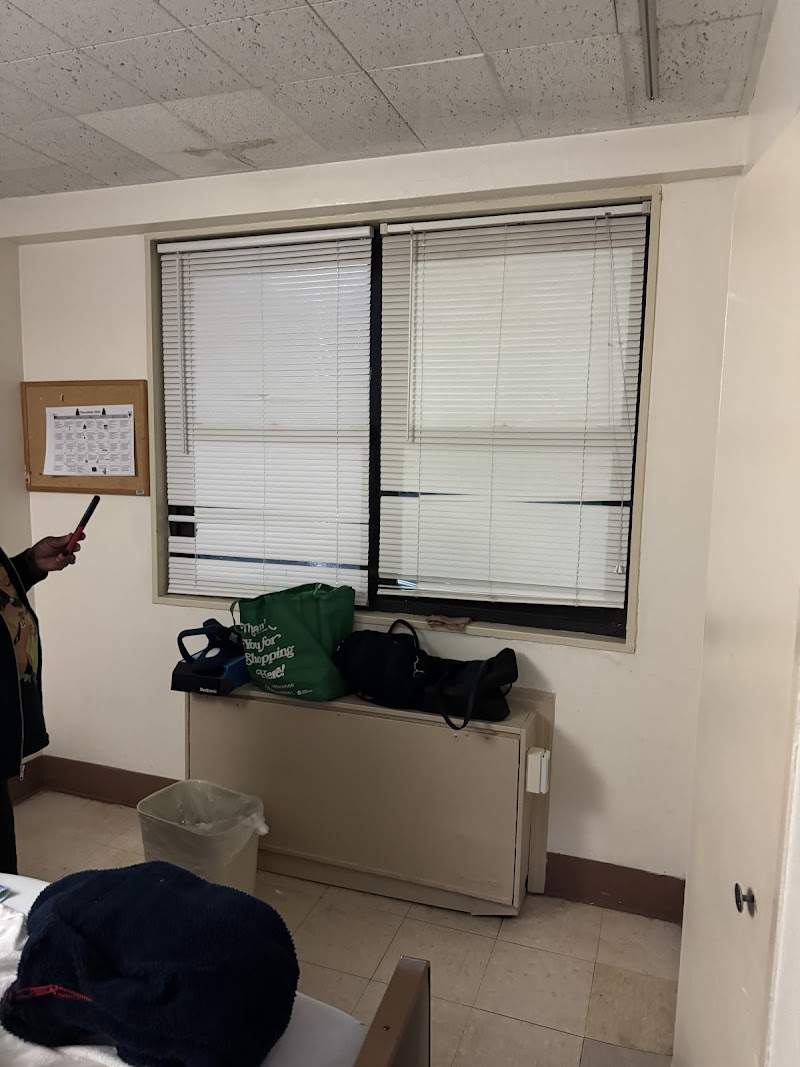
How is Hempstead Park Staffed?

CMS rates HEMPSTEAD PARK NURSING HOME's staffing level at 1 out of 5 stars, which is much below average compared to other nursing homes. Staff turnover is 32%, compared to the New York average of 46%. This relatively stable workforce can support continuity of care. RN turnover specifically is 71%, which is notably high. RNs provide skilled clinical oversight, so turnover in this role can affect medical care quality.

What Have Inspectors Found at Hempstead Park?

State health inspectors documented 24 deficiencies at HEMPSTEAD PARK NURSING HOME during 2019 to 2025. These included: 23 with potential for harm and 1 minor or isolated issues.
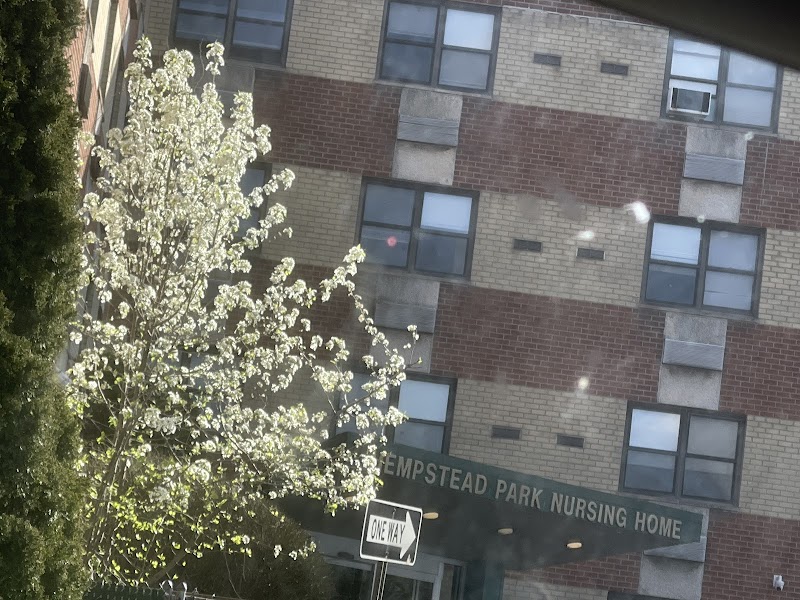
Who Owns and Operates Hempstead Park?

HEMPSTEAD PARK NURSING HOME is owned by a for-profit company. For-profit facilities operate as businesses with obligations to shareholders or private owners. The facility operates independently rather than as part of a larger chain. With 251 certified beds and approximately 235 residents (about 94% occupancy), it is a large facility located in HEMPSTEAD, New York.

How Does Hempstead Park Compare to Other New York Nursing Homes?

Compared to the 100 nursing homes in New York, HEMPSTEAD PARK NURSING HOME's overall rating (1 stars) is below the state average of 3.0, staff turnover (32%) is significantly lower than the state average of 46%, and health inspection rating (2 stars) is below the national benchmark.

What Should Families Ask When Visiting Hempstead Park?

Based on this facility's data, families visiting should ask: "What safeguards and monitoring systems are in place to protect residents from abuse or neglect?" "Can you walk me through typical staffing levels on day, evening, and night shifts?" "Can I visit during a mealtime to observe dining assistance and food quality?" "How do you handle medical emergencies, and what is your hospital transfer rate?" These questions are particularly relevant given the substantiated abuse finding on record and the below-average staffing rating.

Is Hempstead Park Safe?

Based on CMS inspection data, HEMPSTEAD PARK NURSING HOME has documented safety concerns. The facility has 1 substantiated abuse finding (meaning confirmed case of resident harm by staff or other residents). The facility has a 1-star overall rating and ranks #100 of 100 nursing homes in New York. Families considering this facility should ask detailed questions about what corrective actions have been taken since these incidents.

Do Nurses at Hempstead Park Stick Around?

HEMPSTEAD PARK NURSING HOME has a staff turnover rate of 32%, which is about average for New York nursing homes (state average: 46%). Moderate turnover is common in nursing homes, but families should still ask about staff tenure and how the facility maintains care continuity when employees leave.

Was Hempstead Park Ever Fined?

HEMPSTEAD PARK NURSING HOME has been fined $15,445 across 1 penalty action. This is below the New York average of $33,233. While any fine indicates a compliance issue, fines under $50,000 are relatively common and typically reflect isolated problems that were subsequently corrected. Families should ask what specific issues led to these fines and confirm they've been resolved.

Is Hempstead Park on Any Federal Watch List?

HEMPSTEAD PARK NURSING HOME is not on any federal watch list. The most significant is the Special Focus Facility (SFF) program, which identifies the bottom 1% of nursing homes nationally based on persistent, serious quality problems. Not being on this list means the facility has avoided the pattern of deficiencies that triggers enhanced federal oversight. This is a positive indicator, though families should still review the facility's inspection history directly.