NASSAU REHABILITATION & NURSING CENTER


ONE GREENWICH STREET, HEMPSTEAD, NY 11550 (516) 565-4800
For profit - Limited Liability company 280 Beds EXCELSIOR CARE GROUP Data: November 2025 1 Immediate Jeopardy citation
Trust Grade
56/100
#304 of 594 in NY
Last Inspection: April 2025

Within standard 12-15 month inspection cycle. Federal law requires annual inspections.

Overview

Nassau Rehabilitation & Nursing Center has a Trust Grade of C, which means it is average and sits in the middle of the pack compared to nursing homes in New York. It ranks #304 out of 594 facilities statewide, placing it in the bottom half, and #19 out of 36 in Nassau County, indicating that there are better local options available. The facility is experiencing a worsening trend, with issues increasing from 4 in 2024 to 6 in 2025. Staffing is a concern here, rated at 2 out of 5 stars, and while the turnover rate of 24% is better than the state average, the low RN coverage is troubling, as it is less than 94% of other facilities in New York. The facility has faced $16,153 in fines, which is average compared to others in the state, but there are serious issues to consider. For example, a critical incident occurred when a resident was found unresponsive due to being served food that did not meet their dietary needs, resulting in their death. Additionally, there have been concerns regarding the treatment of residents, such as staff standing over them while assisting with meals, which is not respectful. Another finding noted a resident did not receive necessary hygiene assistance, leading to an unpleasant living environment. While there are some strengths, such as quality measures rated at 5 out of 5, families should be aware of these serious deficiencies when considering this facility.

Trust Score
C
56/100
In New York
#304/594
Bottom 49%
Safety Record
High Risk
Review needed
Inspections
Getting Worse
4 → 6 violations
Staff Stability
✓ Good
24% annual turnover. Excellent stability, 24 points below New York's 48% average. Staff who stay learn residents' needs.
Penalties
⚠ Watch
$16,153 in fines. Higher than 88% of New York facilities, suggesting repeated compliance issues.
Skilled Nurses
⚠ Watch
Each resident gets only 17 minutes of Registered Nurse (RN) attention daily — below average for New York. Fewer RN minutes means fewer trained eyes watching for problems.
Violations
⚠ Watch
14 deficiencies on record. Higher than average. Multiple issues found across inspections.
★★★☆☆
3.0
Overall Rating
★★☆☆☆
2.0
Staff Levels
★★★★★
5.0
Care Quality
★★☆☆☆
2.0
Inspection Score
Stable
2024: 4 issues
2025: 6 issues

The Good

  • 5-Star Quality Measures · Strong clinical quality outcomes
  • Low Staff Turnover (24%) · Staff stability means consistent care
  • Full Sprinkler Coverage · Fire safety systems throughout facility
  • No fines on record
  • Staff turnover is low (24%)

    24 points below New York average of 48%

Facility shows strength in quality measures, staff retention, fire safety.

The Bad

3-Star Overall Rating

Near New York average (3.1)

Meets federal standards, typical of most facilities

Federal Fines: $16,153

Below median ($33,413)

Minor penalties assessed

Chain: EXCELSIOR CARE GROUP

Part of a multi-facility chain

Ask about local staffing decisions and management

The Ugly 14 deficiencies on record

1 life-threatening
May 2025 1 deficiency 1 IJ
CRITICAL (J) 📢 Someone Reported This

A family member, employee, or ombudsman was alarmed enough to file a formal complaint

Immediate Jeopardy (IJ) - the most serious Medicare violation

Deficiency F0805 (Tag F0805)

Someone could have died · This affected 1 resident

**NOTE- TERMS IN BRACKETS HAVE BEEN EDITED TO PROTECT CONFIDENTIALITY** Based on observation, staff interview and record review during an abbreviated survey (NY00373760), the facility failed to ensure...

Read full inspector narrative →
**NOTE- TERMS IN BRACKETS HAVE BEEN EDITED TO PROTECT CONFIDENTIALITY** Based on observation, staff interview and record review during an abbreviated survey (NY00373760), the facility failed to ensure food was prepared in a form designed to meet the resident's needs as documented on a hospital discharge summary for one (1) (Resident #1) of three (3) residents reviewed. Specifically, Resident #1 was admitted with a modified consistency diet of minced moist consistency and thickened liquids. The facility diet order documented chopped consistency with thin liquids. Resident # 1 was found unresponsive in the dining room during breakfast on 09/10/2024. This resulted in Resident #1 being transported to the hospital with upper airway obstruction from food and subsequently expired. This deficient practice has the potential to affect all 102 residents in the facility with a modified consistency diet that is Immediate Jeopardy. The finding is: Facility policy and procedure titled Transmission of Diet Orders for New admission dated 01/01/2024, documented nursing staff will review Patient Review Instrument upon admission for the diet that was provided. The nursing supervisor will enter the resident diet into the electronic medical record. Facility policy and procedure titled Texture and Consistency-Modified Diets dated 08/20/2024, documented as part of the nutrition care process upon admission, all new and readmissions admitted on regular consistency will receive a mechanically altered diet (chopped), pending speech language pathologist evaluation. If hospital record states the resident was receiving a pureed or any other texture downgrade (mechanical soft, blenderized, etc.) prior to admission the Registered Dietician will resume with that recommendation and communicate with food service. Resident #1 was admitted on [DATE] at 4:39 PM to the facility with diagnoses that included sepsis (a serious condition in which the body responds improperly to an infection), Parkinson Disease (movement disorder of the nervous system), and asthma. The Minimum Data Set Assessment Brief Interview of Mental Status score was not completed as Resident #1 was at the facility for less than 24 hours. Resident #1 did not have a baseline comprehensive care plan completed. Review of Hospital Discharge paperwork dated 09/09/2024 at 3:48 PM documented Resident #1 was ordered a diet consistency of minced moist with thick liquids. Review of facility orders for Resident #1 dated 09/09/2024 at 5:04 PM documented Resident #1 was to have a chopped consistency with thin liquids. Nursing Progress Note dated 09/10/2024 at 10:52 AM documented Resident #1 became unresponsive in the dining room on 09/10/2024 at 09:35 AM. Hospital medical records received and reviewed on 05/05/2025 documented Resident #1 had a change in mental status due to respiratory arrest from upper airway obstruction. Resident #1 was admitted to the hospital on [DATE] at 10:20 AM. Resident #1 was unresponsive with food suctioned out of the patient's airway during intubation by Emergency Medical Services and afterward from their mouth in the Emergency Department. The medical records also documented Resident #1 had a change in mental status due to upper airway obstruction from food. Resident #1 was placed on a ventilator due to anoxic (lack of oxygen) brain injury. Resident #1 subsequently expired. During an interview on 05/01/2025 at 2:57 PM, Registered Nurse #1 (Admissions Nurse) stated they transcribed the diet incorrectly and Resident #1 should have been placed on a ground diet consistency with thick liquids based on hospital discharge records. Registered Nurse #1 stated that new admissions are initially placed on chopped consistency unless they have a downgraded consistency from the hospital. During an interview on 05/01/2025 at 4:06 PM, Certified Nursing Assistant #1 stated Resident #1 was a total assist with meals and activities of daily living. This instruction was given during morning report by the unit nurse. Certified Nursing Assistant #1 stated they did not assist Resident #1 with their breakfast meal on 09/10/2024. During an interview on 05/01/2025 at 4:48 PM, Licensed Practical Nurse #1 stated that Resident #1 had been provided with their food tray prior to becoming unresponsive. The tray was opened. Licensed Practical Nurse #1 stated their back was turned when Resident #1 became unresponsive and did not see them consume food. The resident was not provided assistance with the breakfast. When Resident #1 became unresponsive, a code was called, cardiopulmonary resuscitation was initiated, and 911 was called. During an interview on 05/01/2025 at 5:21 PM, the Director of Nursing stated Registered Nurse #1 (Admissions Nurse) transcribed the diet incorrectly and Resident #1 should have been placed on a ground diet consistency with thick liquids based on hospital discharge records. During a breakfast meal observation on 05/06/2025 at 9:08 AM, two (2) sample breakfast trays were presented by the dietary supervisor, one (1) tray was labeled chopped and the other was labeled ground. Both trays contained scrambled eggs and bread. One (1) tray had wheat bread the other white bread, both pieces of bread were served whole. The consistency of the eggs was the same. There was no noted difference in texture between a chopped consistency and a ground consistency diet. During an interview on 05/06/2025 at 2:44 PM, Medical Doctor #2 stated they were aware cardiopulmonary resuscitation was done on Resident #1 the morning of 09/10/2024. They stated it was very unlikely the food suctioned out of Resident #1's mouth was from the night before. They further explained, the timespan between dinner and breakfast was 12 hours, which is too long of a timeframe for the regurgitation of food to be contents from dinnertime. 10 NYCRR 415.14(d)(3)
Apr 2025 5 deficiencies
CONCERN (D)

Potential for Harm - no one hurt, but risky conditions existed

Resident Rights (Tag F0550)

Could have caused harm · This affected 1 resident

**NOTE- TERMS IN BRACKETS HAVE BEEN EDITED TO PROTECT CONFIDENTIALITY** Based on observations, record review, and interviews during the Recertification Survey initiated on 4/21/2025 and completed on 4...

Read full inspector narrative →
**NOTE- TERMS IN BRACKETS HAVE BEEN EDITED TO PROTECT CONFIDENTIALITY** Based on observations, record review, and interviews during the Recertification Survey initiated on 4/21/2025 and completed on 4/28/2025, the facility did not ensure that each resident was treated with respect and dignity and cared for in a manner that promoted maintenance or enhancement of their quality of life. This was identified for two (Resident #78 and Resident #155) of the two residents reviewed for Dignity. Specifically, during a lunch meal observation on 4/21/2025, Occupational Therapist Assistant #1 was observed standing over Resident #78 while they assisted the resident with the lunch meal. During the same lunch meal observation, Transporter #1 was also observed standing over Resident #155 while they assisted the resident with their lunch meal. The findings are: The undated facility's policy titled Assistance with Meals, documented that residents who cannot feed themselves will be fed with attention to safety, comfort, and dignity, for example, not standing over residents while assisting them with meals and keeping interactions with other staff to a minimum while assisting residents with meals. 1) Resident # 78 was admitted with diagnoses including Cerebral Vascular Disease, Malnutrition, and Type 2 Diabetes Mellitus. The Quarterly Minimum Data Set assessment dated [DATE] documented a Brief Interview for Mental Status score of 3, indicating the resident had severely impaired cognitive function. The resident required Partial to moderate assistance with eating. The Comprehensive Care Plan reviewed on 3/20/2025 documented that Resident #78 ate with supervision or touch assistance. During the dining task observation in the Unit 5 North dining room on 4/21/2025 at 12:55 PM, Occupational Therapist Assistant #1 was observed assisting Resident #78 with their lunch meal while standing over them. The resident was observed grabbing food off their tray, and Occupational Therapist Assistant #1 held the resident's hand with one hand and fed the resident with the other hand, offering bites of food and sips of liquids. During an interview on 4/21/2025 at 12:59 PM, Occupational Therapist Assistant #1 stated they had to stand to keep the resident from grabbing their food. Occupational Therapist Assistant #1 stated the resident usually feeds themselves, but today, the resident was not eating, which is why Occupational Therapist Assistant #1 came over to assist the resident. Occupational Therapist Assistant #1 stated that they should have been seated by the resident while they assisted the resident with their meal. 2) Resident # 155 was admitted with diagnoses including Parkinson's Disease, Dementia, and Malnutrition. The Quarterly Minimum Data Set assessment dated [DATE] documented a Brief Interview for Mental Status score of 99, indicating the resident was unable to complete the interview. The Minimum Data Set documented that the resident required substantial/maximal assistance with eating. The helper does more than half the effort and assists by lifting or holding the trunk or limbs. The Comprehensive Care Plan reviewed on 3/25/2025 documented that Resident #155 ate their meals with substantial/maximal assistance of one person. During the dining task observation in the Unit 5 North dining room on 4/21/2025 at 12:55 PM, Transporter #1 was observed assisting Resident #155 with their lunch while standing over them. During an interview on 4/21/2025 at 1:04 PM, Transporter #1 stated they did not know they should be sitting down while assisting the resident with a meal. Transporter #1 stated they normally do not assist with meals, but today they were asked by their supervisors to assist with the lunch meal. During an interview on 4/22/2025 at 2:23 PM, Licensed Practical Nurse #5 stated that staff should not stand over the resident when assisting with meals. During an interview on 4/22/2025 at 3:00 PM, the Infection Preventionist/Registered Nurse Educator stated that staff assisting a resident during meals should be sitting and not standing over the resident. During an interview on 4/25/2025 at 1:29 PM, the Director of Nursing Services stated that staff should not stand while assisting residents with meals. 10 NYCRR 415.3(d)(1)(i)
CONCERN (D)

Potential for Harm - no one hurt, but risky conditions existed

ADL Care (Tag F0677)

Could have caused harm · This affected 1 resident

Based on observations, record review, and interviews during the Recertification Survey initiated on 4/21/2025 and completed on 4/28/2025, the facility did not ensure that each resident who is unable t...

Read full inspector narrative →
Based on observations, record review, and interviews during the Recertification Survey initiated on 4/21/2025 and completed on 4/28/2025, the facility did not ensure that each resident who is unable to carry out activities of daily living received the necessary services to maintain good nutrition, grooming, and personal and oral hygiene. This was identified for one (Resident #232) of one resident reviewed for Bowel and Bladder Incontinence. Specifically, Resident #232's room was observed with a strong urine smell. Staff Interviews and record review revealed the resident did not receive staff assistance with incontinence care and assistance with personal hygiene as per the resident's plan of care. The finding is: The facility's policy titled Activities of Daily Living, dated 10/1/2024, documented to provide Activities of Daily Living care to all residents based on assessment of needs. Activities of Daily Living care consists of but is not limited to bathing, dressing, eating, transfers, toileting, bed mobility, and ambulation. The purpose is to ensure all residents' needs are met in a timely manner. In accordance with the plan of care, the Certified Nursing Assistant provides the necessary assistance the resident requires with each activity of daily living. If a resident refuses care, the Certified Nursing Assistant notifies the charge nurse and social services for intervention. Resident #232 was admitted with diagnoses including Obstructive Uropathy (a condition where urine flow is blocked or obstructed within the urinary tract), Hypertension, and Anxiety Disorder. The 2/13/2025 Annual Minimum Data Set assessment documented a Brief Interview for Mental Status score of 8, indicating the resident had moderate cognitive impairment. The Minimum Data Set assessment documented that the resident had an indwelling urinary catheter (which was discontinued on 2/27/2025) and needed partial/moderate assistance for toileting hygiene and supervision for personal hygiene. A Comprehensive Care Plan titled Activities of Daily Living effective 3/5/2025 documented the resident was incontinent of bladder (having no or insufficient voluntary control over urination) and needed supervision for toilet use and cleanup assistance for personal hygiene. A Comprehensive Care Plan titled Behavior, effective 3/6/2025, documented the resident was combative, resisted all care and changing clothes, wore an incontinence brief over clothes, exhibited agitation and wandering, and had removed the Foley and Nephrostomy tubes. The interventions included ambulating if the resident needed to walk or felt restless, providing the resident with reality orientation, redirecting from dangerous situations, and separating from [negative] situations. A care plan note added on 3/28/2025 documented that the resident continued to refuse laboratory services. The care plan did not include interventions related to refusal of incontinence care. During an observation and interview on 4/22/2025 at 8:24 AM, Resident #232 was in bed in their private room. There was a strong urine odor in the room. The resident was not dressed and was wearing an incontinence brief. The resident stated they had no complaints. During an observation and interview on 4/23/2025 at 8:15 AM, Resident #232 was in bed in their private room. There was a strong urine odor in the room. The resident was covered with a sheet. The resident stated they go to the bathroom by themselves and do not need any assistance with toileting. During an observation on 4/23/2025 at 10:28 AM, Resident #232 was not in their room. The resident's bed was made, and there was no urine odor. During an interview on 4/23/2025 at 10:35 AM, Certified Nursing Assistant #2 (7:00 AM-3:00 PM staff assigned to Resident #232) stated that Resident #232 takes a lot of time for Activities of Daily Living care, and that is why they provide morning care to the resident after they rendered care to all other residents on their assignment. Resident #232 is confused; however, they did not exhibit negative behaviors when Certified Nursing Assistant #2 was assigned to care for them. Certified Nursing Assistant #2 stated the resident had a strong urine odor in their room because of the lack of care during the overnight shift. Certified Nursing Assistant #2 stated that when they cleaned the resident this morning, the resident's incontinence brief was saturated with urine, and the bed sheets were also wet with urine. During an interview on 4/23/2025 at 1:00 PM, Certified Nursing Assistant #3 (assigned to Resident #232 during the 11:00 PM-7:00 AM shift on 4/21/25 to 4/22/25) stated the resident was continent (can control urination) of urine and used the bathroom by themselves, and performed their own personal hygiene care. Certified Nursing Assistant #3 stated they conduct 30-minute rounds to check on the resident to ask if the resident needs anything, and if the resident says no, they leave the resident alone. A review of the Certified Nursing Assistant Accountability Record for April 2025 revealed that Certified Nursing Assistant #3 documented that the resident was continent of urine and no personal hygiene care, including toileting, was provided on 4/21/2025 and 4/22/2025 during the 11:00 PM-7:00 AM shift. During an interview on 4/23/2025 at 1:50 PM, Certified Nursing Assistant #4 (assigned to Resident #232 during the 11:00 PM-7:00 AM shift on 4/22/2025 to 4/23/2025) stated the resident's room usually smells bad with a urine smell. Certified Nursing Assistant #4 stated that when they try to provide care for Resident #232, the resident becomes angry, and they just leave the resident alone. Certified Nursing Assistant #4 stated that on the night of 4/22/2025, when they went to the resident's room, the resident was in a deep sleep, so they did not bother to touch the resident and did not provide any care. Certified Nursing Assistant #4 stated they did not want to upset the resident. During an observation on 4/25/2025 at 8:15 AM, Resident #232 was dressed in the hallway, sitting in their wheelchair by the nurse station. In the resident's room, the sheets were removed from the bed, and there was a slight urine odor in the room. During an interview on 4/25/2025 at 8:37 AM, Certified Nursing Assistant #5 (assigned to Resident #232 during the 7:00 AM-3:00 PM shift on 4/25/2025) stated they washed and dressed the resident. Certified Nursing Assistant #5 stated they had to encourage the resident a lot to get washed and dressed, the resident was not combative. Certified Nursing Assistant #5 stated there was a strong urine odor when they entered the room this morning. The resident was wearing an incontinence brief, which was dry. Certified Nursing Assistant #5 stated that the housekeeper cleaned the mattress after they provided morning care. The Resident Nursing Instructions (care instructions that certified nursing assistants follow) generated on 4/25/2025 at 11:49 AM documented that the resident had bladder incontinence, needed supervision for toilet use, and needed clean-up assistance for personal hygiene. There were no behaviors documented in the Resident Nursing Instructions. During an interview on 4/25/2025 at 12:16 PM, Licensed Practical Nurse #3 (assigned to the resident during the 11:00 PM-7:00 AM shift on 4/22/2025 to 4/23/2025) stated they did not know that care was not provided to the resident for the entire shift because the Certified Nursing Assistant did not want to upset the resident. Licensed Practical Nurse #3 stated that Certified Nursing Assistant #4 should have reported their concerns, and Licensed Practical Nurse #3 would have assisted Certified Nursing Assistant #4 or changed the assignment. Licensed Practical Nurse #3 stated that Resident #232 should have been provided incontinence care. Licensed Practical Nurse #3 stated they did not smell any urine odor when they went into the resident's room in the morning because they (Licensed Practical Nurse #3) were wearing a mask. The Resident Nursing Instructions generated by the facility on 4/25/2025 at 1:54 PM had added behaviors, including wandering, combativeness, agitation, resisting care such as showers, and changing clothes. The instructions also included approaching the resident calmly, to explain the process before assisting, and to return at a later time if needed. The Comprehensive Care Plan titled Activities of Daily Living effective 3/5/2025 was revised on 4/25/2025 to include that the resident refused care, showers, and changing clothes. The resident had combative behavior and agitation. Interventions were updated to include approaching the resident calmly, explaining the process before assisting, and returning at a later time. During an interview on 4/28/2025 at 8:00 AM, Registered Nurse #3 (unit supervisor) stated Resident #232 was incontinent of urine and the Certified Nursing Assistants must report refusal of incontinence care to the nurse on the unit. The resident's refusal of care should have been documented. During an interview on 4/28/2025 at 8:39 AM, the Director of Nursing Services stated Resident #232 had a lot of noncompliant behaviors and required a lot of attention. The Director of Nursing Services stated if Certified Nursing Assistants are concerned about the resident's behavior, they should go into the resident's room with another staff member to provide care. The Certified Nursing Assistants should document and report refusals of care to the nurse. 10 NYC RR 415.12(a)(3)
CONCERN (D)

Potential for Harm - no one hurt, but risky conditions existed

Pressure Ulcer Prevention (Tag F0686)

Could have caused harm · This affected 1 resident

**NOTE- TERMS IN BRACKETS HAVE BEEN EDITED TO PROTECT CONFIDENTIALITY** Based on observation, record review, and interviews during the Recertification Survey initiated on 4/21/2025 and completed on 4/...

Read full inspector narrative →
**NOTE- TERMS IN BRACKETS HAVE BEEN EDITED TO PROTECT CONFIDENTIALITY** Based on observation, record review, and interviews during the Recertification Survey initiated on 4/21/2025 and completed on 4/28/2025, the facility did not ensure that residents received care consistent with professional standards of practice to promote healing, prevent infections, and prevent new ulcers from developing. This was identified for two (Resident #176 and Resident#196) of four residents reviewed for Skin Conditions. Specifically, 1) Resident #176 had a history of a pressure ulcer to the mid-back and utilized an air mattress for pressure relief. During multiple observations, Resident #176 was observed in bed with their air mattress weight setting at 450 pounds. Resident #176 weighed 114.4 pounds on 4/02/2025. 2) Resident #196 required the use of an air mattress to decrease the risk of skin breakdown. The resident was provided a bariatric air mattress, as that was the only air mattress available at the time the need for the air mattress was determined for Reisdnet #196. During multiple observations, the air mattress weight setting was set at 850 pounds; however, Resident #196 weighed 150 pounds. The findings are: The facility's policy titled Skin Prevention: Air Mattress, last revised on 3/14/2025, documented that all staff involved in using air mattresses for skin prevention are knowledgeable about the care and maintenance of air mattresses and the proper positioning of residents on an air mattress. The Wound Care Nurse will evaluate the resident to determine the need for an air mattress. The Director of Maintenance/designee will collaborate with unit staff to set up an air mattress while the resident is out of bed and will set it in accordance with the resident's current weight range. Once the Director of Maintenance is ready to place a mattress, the Nurse will place the (Physician's) order for an air mattress in the Electronic Medical Record. The Maintenance Director or designee will place an air mattress on the bed, ensure that it is plugged in and calibrated according to the resident's current weight. Alternatively, based on the manufacturer's recommendation, air mattress firmness can be calibrated based on residents' comfort and during Activities of Daily Living care. Nursing will be responsible for checking the inflation of the air mattress on each shift and checking that settings are appropriate in accordance with the resident's weight. 1) Resident #176 was admitted with diagnoses including Cerebral infarction (when blood flow to the brain is blocked, causing brain tissue to die), Hemiplegia affecting the left side (paralysis or weakness on one side of the body), and Alzheimer's Disease. The Quarterly Minimum Data Set, dated [DATE] documented a Brief Interview for Mental Status score of 99, which indicated the resident was unable to complete the interview. The resident had severely impaired skills for daily decision making; the ability to make self understood: rarely/never understood, and the ability to understand others: rarely/never understands. The Minimum Data Set documented that the resident was at risk for Pressure Ulcers and documented the use of a pressure-reducing device for the bed. The operation manual for the Air Mattress included instructions for weight settings to increase or decrease airflow for a softer or firmer setting. The numbers on the main control panel denote suggested settings based on the resident's weight. A Comprehensive Care Plan titled Skin Prevention, dated 1/28/2025, documented immobility and fragile skin. The interventions included utilizing pressure pressure-reducing device for the bed and chair. Wound Care Note dated 4/05/2024 documented Resident #176 had a blanchable redness (a reddened area on the skin that turns white when pressed upon, but then returns to its original red color quickly when the pressure is released) to midback over a raised area. The resident was given an air mattress. A Physician's order dated 12/202/2024 and renewed 4/08/2025 documented an order to place a Protective Silicone foam dressing on the mid-back every two days, prophylactically. A review of the electronic medical record indicated that Resident #176's most recent weight was 114.4 pounds on 04/02/2025. During an observation on 04/21/2025 at 10:06 AM, Resident #176 was in bed sleeping on an air mattress. The weight setting for the air mattress was set to 450 pounds. During an observation on 4/22/2025 at 10:50 AM, Resident #176 was seen in their bed sleeping on an air mattress. The weight setting for the air mattress was set to 450 pounds. During an interview on 04/22/25 at 02:00 PM, the Director of Maintenance stated the Director of Maintenance stated they were responsible for installing the air mattress but were not responsible for adjusting the weight setting on the air mattress. The Director of Maintenance stated they were not trained to adjust the weight setting because the Nurses should input the appropriate weight setting. During an interview on 04/22/25 at 02:34 PM, the Wound Care Registered Nurse stated Resident #176 had a history of pressure ulcers to the mid back and was provided the air mattress a year ago to promote wound healing and from new pressure ulcers from developing. The Wound Care Registered Nurse stated that after the resident's wounds are healed, they do not monitor or follow the resident or monitor the air mattress settings. During an interview on 04/22/25 at 02:46 PM, Registered Nurse Infection Preventionist/Educator stated that an air mattress is used for comfort and to prevent pressure sores. The Certified Nursing Assistant checks the level of firmness of the mattress, and the nurse will set the mattress setting to a comfort level for the resident. Staff are not expected to document the monitoring of the air mattress weight setting. During an observation on 4/23/2025 at 8:54 AM, Resident #176 was observed in bed receiving morning care from the Certified Nursing Assistant, and the air mattress was set to 280 pounds. During a re-interview on 04/25/25 at 10:50 AM, the Wound Care Registered Nurse stated that the air mattress weight setting should be set according to the resident's weight and comfort level as per the manufacturer's recommendations. The nurses must ensure that the air mattress weight setting is set according to the resident's weight and comfort level. The staff should be educated regarding the air mattress settings and functionality. During an interview on 4/25/2025 at 1:11 PM, the Director of Nursing Services stated that all Nursing staff should be aware of the air mattress function, and all staff should be monitoring the air mattress. The Director of Nursing Services stated that staff will be educated on how to adjust the air mattress settings. 2) Resident # 196 was admitted with diagnoses including Polyneuropathy (a disorder that impacts nerve function in multiple areas of the body), Pneumonia, and Pulmonary Fibrosis (chronic lung disease that occurs when lung tissue around the air sacs becomes damaged and scarred, making it harder to breathe). The Quarterly Minimum Data Set (MDS) assessment dated [DATE] documented a Brief Interview for Mental Status (BIMS) score of 3, which indicated Resident #196 had severely impaired cognition. The resident required staff assistance with bed mobility and transfer from one surface to another. The Quarterly Minimum Data Set (MDS) assessment documented that Resident #196 was at risk for developing pressure ulcers and used pressure-reducing devices for the chair and bed. The operation manual for the Bariatric Air Mattress documented instructions for adjusting the weight setting to increase or decrease airflow for a softer or firmer setting. The numbers on the main control panel denote suggested settings based on the resident's weight. A review of the Comprehensive Care Plan (CCP) titled, Skin: Prevention: Pressure Ulcers, dated 10/28/2022, last revised on 3/22/2025, documented an air mattress provided to decrease the risk of skin breakdown. The interventions included a pressure-reducing device for the bed and chairs, and skin checks by Nurses during shower days. A review of Resident #196's electronic health record revealed that Resident #196 did not have a Physician's Order for an air mattress. A review of Resident #196's electronic health record dated 4/1/2025 documented that Resident #196 weighed 150 pounds. During an observation on 4/21/2025 at 10:00 AM, Resident #196 was in bed. The air mattress weight setting was set at 850 pounds. During an observation on 4/21/2025 at 12:44 PM, Resident #196 was in bed. The air mattress weight setting was set at 850 pounds. During an observation with Licensed Practical Nurse #2 on 4/22/2025 at 7:54 AM, Resident #196's air mattress weight setting was set at 850 pounds. Resident #196 was in bed during the observation. During an interview on 4/22/2025 at 7:54 AM, Licensed Practical Nurse #2, Medication and Treatment Nurse, stated that they do not adjust the weight setting on the control panel because they did not know how to. Licensed Practical Nurse #2 stated that the Director of Maintenance will set up the air mattress. During an interview on 4/22/2025 at 2:05 PM, Certified Nursing Assistant #1 stated that they usually checked the air mattress to make sure the air mattress was inflated and was not responsible for monitoring the weight setting of the air mattress. During an interview on 4/22/2025 at 2:15 PM, the Director of Maintenance stated they were responsible for installing the air mattress but were not responsible for adjusting the weight setting on the air mattress. The Director of Maintenance stated they were not trained to adjust the weight setting because the Nurses should input the appropriate weight setting. During an interview on 4/22/2025 at 2:21 PM, Registered Nurse #2, Unit Manager, stated the air mattress weight setting should be set according to the resident's comfort level. Resident #196's air mattress weight setting was set at 850 pounds, which was too high in comparison to the resident's actual weight. Registered Nurse #2 stated that there is no documentation of the staff checking the mattress. During an interview on 4/25/2025 at 9:42 AM, the Staff Educator stated that they do not provide in-service regarding the air mattress because air mattress care and function were the responsibility of the Director of Maintenance and the Wound Care Nurse. The Staff Educator stated that the air mattress was not set up according to the resident's weight, but according to the resident's comfort level. During an interview on 4/25/2025 at 10:50 AM, the Wound Care Nurse stated Resident #196 needed the air mattress because they were not able to turn and position on their own and were very prone to skin breakdown and developing pressure ulcers. The Wound Care Nurse stated that Resident #196 was given a bariatric air bed mattress, because that was the only bed available at the time Resident #196 needed an air mattress. The resident had been using the same air mattress since they were admitted to the facility. The Wound Care Nurse stated they were responsible for entering the resident's weight range on the air mattress control panel. The Wound Care Nurse stated that the Certified Nursing Assistants (CNAs) were not allowed to change the weight setting. The Wound Care Nurse stated that a Physician's Order was not required for the use of an air mattress. The Wound Care Nurse stated they had just reviewed the current facility policy on an air mattress today and had never seen the air mattress policy before. The Wound Care Nurse stated they will make a recommendation to edit their policy. The Wound Care Nurse stated that Resident #196's air mattress weight setting should not be set at 850 pounds. The Wound Care Nurse stated that the 850-pound setup was too excessive for Resident #196's actual weight of 150 pounds. During an interview on 4/25/2025 at 1:11 PM, the Director of Nursing Services stated that all Nursing staff should be aware of the air mattress function, and all staff should be monitoring the air mattress. The Director of Nursing Services stated that staff will be educated on how to adjust the air mattress settings. 10 NYCRR 415.12(c)(1)
CONCERN (D)

Potential for Harm - no one hurt, but risky conditions existed

Deficiency F0761 (Tag F0761)

Could have caused harm · This affected 1 resident

**NOTE- TERMS IN BRACKETS HAVE BEEN EDITED TO PROTECT CONFIDENTIALITY** Based on observation, record review, and staff interviews during the Recertification Survey initiated on 4/21/2025 and completed...

Read full inspector narrative →
**NOTE- TERMS IN BRACKETS HAVE BEEN EDITED TO PROTECT CONFIDENTIALITY** Based on observation, record review, and staff interviews during the Recertification Survey initiated on 4/21/2025 and completed on 4/28/2025, the facility did not ensure all drugs and biologicals were stored in a locked compartment. This was identified for one (Resident #28) of five residents reviewed for Accident Hazards. Specifically, Resident #28 was observed with an unlabeled, clear bottle of Safetussin Cough and Chest Congestion (medication for cough and congestion) on their nightstand with no nursing staff within the vicinity of Resident #28's room. Additionally, there was no Physician's Order for the Safetussin Cough and Chest Congestion medication, and Resident #28 was not assessed to self-administer medications. The finding is: The facility's policy titled Storage Medications, last revised on 3/25/2024, documented that Medications are stored in an orderly manner in cabinets, drawers, or carts of sufficient size to prevent crowding. All medications, including treatment items, are stored in a locked cabinet. Medications are accessible only to licensed nursing personnel. Resident medication storage boxes do not contain non-medication items. The medications of each resident are stored in their original form as received from the pharmacy. Resident #28 was admitted with diagnoses including Asthma, Type 2 Diabetes, and Chronic Obstructive Pulmonary Disease (COPD). The Quarterly Minimum Data Set assessment dated [DATE] documented a Brief Interview for Mental Status score of 8, which indicated that Resident #28 had moderately impaired cognition. The Quarterly Minimum Data Set assessment documented that Resident #28 had shortness of breath when lying flat. A review of the Comprehensive Care Plan titled Respiratory Disorder dated 6/25/2024 documented interventions that included administering medication as per the Physician's order, monitoring response to the medication, and assessing vital signs and pulse oximetry (measurement of the oxygen saturation in the blood). During an initial tour observation on 4/21/2025 at 10:59 AM, Resident #28 was sitting in their wheelchair outside their room. An unlabeled, clear bottle of Safetussin Chest and Cough Congestion with an expiration of 9/2025 was observed on top of Resident #28's nightstand next to their bed. Resident #28 was unable to verbalize where the medication came from. A review of Resident #28's electronic medical record revealed that Resident #28 did not have a Physician's order for the Safetussin Cough and Chest Congestion medication. During an interview on 4/21/2025 at 11:15 AM, the Registered Nurse #1, Unit Manager, stated Resident #28 was not assessed for self-medication administration and did not have an order for the cough medication. Registered Nurse #1 stated that Resident #28 had confusion and should not have had a bottle of cough medication unattended. During an interview on 4/22/2025 at 7:54 AM, Licensed Practical Nurse #1, the Medication and Treatment Nurse, stated that they did not see the bottle of cough medicine on Resident #28's nightstand. Licensed Practical Nurse #1 stated that Resident #28 should not have any medications unattended because Resident #28 was confused. During an interview on 4/25/2025 at 10:30 AM, the Licensed Pharmacist stated that Safetussin Cough and Chest Congestion medication could cause side effects, including drowsiness, dizziness, and at times nausea (urge to vomit). During an interview on 4/25/2025 at 1:32 PM, the Director of Nursing Services stated that all medications must be stored in the medication carts or in the medication room. 10NYCRR 415.18(e) (1-4)
CONCERN (D)

Potential for Harm - no one hurt, but risky conditions existed

Deficiency F0838 (Tag F0838)

Could have caused harm · This affected 1 resident

**NOTE- TERMS IN BRACKETS HAVE BEEN EDITED TO PROTECT CONFIDENTIALITY** Based on record review and interviews during the Recertification Survey initiated on 4/21/2025 and completed on 4/28/2025, the f...

Read full inspector narrative →
**NOTE- TERMS IN BRACKETS HAVE BEEN EDITED TO PROTECT CONFIDENTIALITY** Based on record review and interviews during the Recertification Survey initiated on 4/21/2025 and completed on 4/28/2025, the facility did not ensure its Facility Assessment considered specific staffing needs for each resident unit in the facility and for each shift, such as day, evening, and night. This was identified during the Sufficient and Competent Nurse Staffing Review Task. Specifically, the Facility Assessment, last updated on 3/5/2025, did not specify the number of Certified Nursing Assistants and Licensed Practical Nurses required to care for the resident population. Additionally, the facility assessment staffing plan did not specify the nursing staffing needs per unit per shift. The finding is: The facility's undated policy titled Facility Assessment documented that the facility assessment is conducted annually to determine and update the capacity to meet the needs of and competently care for our residents during day-to-day operations. Once a year, and as needed, a designated team conducts a facility-wide assessment to ensure that the resources are available to meet the specific needs of our residents. The facility assessment also includes a detailed review of the resources available to meet the needs of the resident population. This part of the assessment includes all personnel, including the Directors, Managers, Regular employees (full and part-time), Contracted staff (full and part-time), and Volunteers. The Facility assessment dated [DATE] documented the facility was licensed for 280 beds. The facility assessment identified a total of seven units, each with 40 beds, including: 2 South, a Subacute unit; 5 North, a secured Dementia unit; and 2 North, 3 North, 3 South, 4 North, and 4 South, which are Long-Term Care units. The facility assessment documented the nursing staff needed to provide competent support and care for the resident population included: two full-time Administration Registered Nurses; seven Registered Nurse Unit Managers on the 7:00 AM to 3:00 PM shift; two Registered Nurse Supervisors on the 3:00 PM to 11:00 PM shift; one Registered Nurse Supervisor on the 11:00 PM to 7:00 AM shift; one Infection Control nurse; and one Minimum Data Set full-time Registered Nurse. The facility assessment documented the facility employed full-time and part-time Certified Nursing Assistants and Licensed Practical Nurses. The facility assessment documented the total number of weekly nursing staff hours: Registered Nurses: 375 hours, Licensed Practical Nurses: 1,365 hours, and Certified Nursing Assistants: 4,080 hours. The facility assessment did not specify the number of Certified Nursing Assistants and Licensed Practical Nurses required to care for the resident population. The facility assessment staffing plan also did not outline the nursing staffing needs per unit per shift. During an interview on 4/23/2025 at 10:22 AM, Staffing Coordinator #1 stated the Administrator and the Director of Nursing provided them (the Staffing Coordinator) with the required nursing staffing levels for each unit and per shift. Staffing Coordinator #1 stated they had the nursing staffing requirements memorized, and did not have a document outlining the nursing staffing levels. During an interview on 4/23/2025 at 1:36 PM, the Director of Nursing Services stated that on the 7:00 AM to 3:00 PM shift, the long-term care units require four (4) Certified Nursing Assistants, and the 2 South unit and 5 North unit require five (5) Certified Nursing Assistants. The Director of Nursing Services stated that on the 3:00 PM to 11:00 PM shift, there are four (4) Certified Nursing Assistants on the 2 South unit and long-term units, and five (5) Certified Nursing Assistants on the 5 North unit. The Director of Nursing Services stated that on the 11:00 PM to 7:00 AM shift, there are three (3) Certified Nursing Assistants on the 2 South unit and 5 North unit, and two (2) Certified Nursing Assistants on the long-term units. The Director of Nursing Services stated the staffing requirements for Certified Nursing Assistants were not documented on the Facility assessment. The Director of Nursing Services stated they provide input to the Facility Assessment when requested by the Administrator; however, they were not sure how and by whom the number of Certified Nursing Assistants needed for each unit was determined. During an interview on 4/28/2025 at 10:38 AM, the Administrator stated they did not know how the staffing levels were determined. The Administrator stated that the facility's nursing staffing requirements were not documented in the facility assessment. The Administrator stated they did not know the nursing staffing levels per unit per shift should to be documented in the Facility Assessment. 10 NYCRR 415.26
Jan 2024 4 deficiencies
CONCERN (D)

Potential for Harm - no one hurt, but risky conditions existed

Accident Prevention (Tag F0689)

Could have caused harm · This affected 1 resident

**NOTE- TERMS IN BRACKETS HAVE BEEN EDITED TO PROTECT CONFIDENTIALITY** Based on observation, record review, and interviews during the Recertification Survey initiated on 1/16/2024 and completed on 1/...

Read full inspector narrative →
**NOTE- TERMS IN BRACKETS HAVE BEEN EDITED TO PROTECT CONFIDENTIALITY** Based on observation, record review, and interviews during the Recertification Survey initiated on 1/16/2024 and completed on 1/23/2024 the facility did not ensure each resident received adequate supervision to prevent accidents. This was identified for one (Resident #26) of three residents reviewed for Accidents. Specifically, Resident #26 was assessed as a high risk for falls, required extensive assistance of one person for transfers and toileting needs, and was to be placed in a high visibility area when awake as per the resident's Comprehensive Care Plan. On multiple occasions, the resident was observed going into the bathroom unassisted in their room to toilet themselves. The finding is: The facility's policy titled, Certified Nursing Assistant Accountability Record dated 11/16/2023, documented the certified nursing assistant reviews nursing instructions for each resident before providing care; in accordance with the plan of care, provides the necessary assistance the resident requires with each activity of daily living; and in the event that there is a change in resident's needs, the certified nursing assistant must report any changes directly to the charge nurse, if necessary and change is consistent, the physician will refer the resident to rehabilitation for changes in activities of daily living. The facility's untitled policy addressing Falls, dated 5/27/2023, documented it is the policy of this facility to ensure every resident is treated in a manner that reduces the risk of falls and falls-related injuries. The charge nurse completes the falls risk assessment--for a score greater than seven - reviews and implements falls-risk interventions, including making sure that the resident's personal belongings or frequently used items are within the resident's reach; Pause as you ask the resident if they need to go to the toilet and/or have brief changed; Keep the call bell within reach and encourage resident to use it when they need assistance; Ensure, where applicable, that all assistive devices are in place and operational such as eyeglasses, hearing aids, side rails (as enablers), chair, bed alarms, floor mats etc.; and Initiate a Falls Care Plan immediately. Resident #26 was admitted with diagnoses including Non-Alzheimer's Dementia, Cerebrovascular Accident, and Seizure Disorder. The 11/2/2023 Quarterly Minimum Data Set (MDS) assessment documented a Brief Interview for Mental Status (BIMS) score of 3, indicating the resident had severe cognitive impairment. The Minimum Data Set documented that the resident had impairment to functional range of motion to bilateral lower extremities; used a walker and a wheelchair; and required partial/moderate assistance for toilet transfers, chair to chair transfers, walking, and toileting hygiene. The most recent Fall Risk assessment dated [DATE] documented a score of 13 indicating the resident was at high risk for falls. The Resident Nursing Instructions (care instructions provided to the Certified Nursing Assistants) currently effective from 1/1/2024-1/22/2024 documented the resident required extensive assistance of one person for transfers and toilet use. Under the monitoring section, the resident was to be monitored for safety precautions related to falls. A Comprehensive Care Plan titled, Actual Fall effective 1/24/2023 and last updated 4/15/2023, documented the resident had falls on 1/24/2023, 2/16/2023, 3/19/2023, 3/23/2023, and 4/15/2023. The interventions included but were not limited to place the resident in high visibility areas while the resident is awake; staff will toilet the resident every 2 hours and when needed and offer toileting during hourly rounds; dayroom Certified Nursing Assistant will sit or stand close to the resident while the resident is in dayroom; staff will keep resident out of bed and in eyes view of staff and redirect as needed. A Comprehensive Care Plan titled, Activities of Daily Living Functional/Rehab Potential effective 12/20/2022 and last updated 1/23/2024, documented interventions that included but were not limited to providing extensive assistance of one person for transfers. This intervention was entered on 1/5/2024. The Comprehensive Care Plan was updated on 1/23/2023 to indicate the resident now required one-person limited assistance with transfers. Resident #26 was observed on 1/16/2024 at 10:30 AM. The resident was self-propelling in their wheelchair from the day room to their own room. The resident was unassisted by staff. The resident was observed going into the bathroom alone in their room. The resident was asked by the surveyor if they needed help and the resident replied they did not need help. There were no staff members observed in the vicinity. On 1/18/2024 at 11:22 AM Resident #26 was not in their room. Licensed Practical Nurse #3 was at the nursing station and stated Resident #26 was in the day room. Upon observation, Resident #26 was not located in the day room. Certified Nursing Assistant #7, who was in the day room, was asked by the surveyor where Resident #26 was. Certified Nursing Assistant #7 looked around the day room and stated the resident was not in the day room. The resident was observed by the surveyor in the hallway in their wheelchair looking out the window. Certified Nursing Assistant #8, who was regularly assigned to Resident #26, was interviewed on 1/22/2024 at 9:03 AM. Certified Nursing Assistant #8 stated Resident #26 self-propels in the wheelchair and does not get into dangerous situations. Certified Nursing Assistant #8 stated the resident toilets and transferred themselves without any difficulties. Certified Nursing Assistant #8 stated they only checked on the resident if the resident was taking a long time in the bathroom because the resident wanted their privacy. On 1/22/2024 at 9:07 AM Resident #26 was observed self-propelling into their room from the hallway to use the bathroom. Certified Nursing Assistant #8 observed the resident and stated to the resident, Call me if you need me. The resident went into their bathroom alone and closed the door behind them. Registered Nurse #3 (unit manager) was interviewed on 1/22/2024 at 10:50 AM. Registered Nurse #3 stated Resident #26 self-propels their wheelchair around the unit. Registered Nurse #3 stated that the resident was a high risk for falls and needed assistance with toileting and transfers. The Certified Nursing Assistants should assist the resident in the bathroom, but the resident tries to be independent. Registered Nurse #3 stated they were aware that the resident was toileting themselves independently. A nursing note written by Registered Nurse #3 dated 1/22/2024 at 12:31 PM documented the resident was noted to need less assistance during toileting. A referral was placed for Occupational Therapy to evaluate the resident's toileting needs and for Physical Therapy to evaluate the resident's transfer needs. A Rehabilitation Department note, written by Physical Therapist #3 on 1/22/2024 at 2:29 PM, documented the resident was seen for an assessment following a nursing referral for improved performance during transfers. Upon assessment, the resident was able to perform transfers in and out of bed and from the toilet to a wheelchair with the limited assistance of one person; able to ambulate with a rolling walker with the limited assistance of one person up to 50 feet. The resident showed improvement in strength, balance, and overall function. Previously upon discharge from skilled physical therapy on 8/17/2023, the resident required extensive assistance of one person for transfers and ambulation. The resident would benefit from skilled physical therapy to improve transfers and ambulatory status in order to facilitate functional independence and safety. Physical Therapist #3 was interviewed on 1/22/2024 at 2:37 PM. Physical Therapist #3 stated when the resident was discharged from rehabilitation on 8/17/2023 they required extensive assistance of one person for transfers and walking. Physical Therapist #3 stated they screened the resident today after getting a referral from nursing. The resident was evaluated and was found to have improved functional status. The resident will now get rehabilitation therapy to improve strength and balance for safety. The resident has been attempting to toilet themselves but still needs cues and supervision from staff for safety. Physical Therapist #3 stated, as of now following the screen the resident is limited assist of one person for toileting and transfers. I still want the certified nursing assistant to help the resident because the resident had balance issues and was still a risk for falls. Registered Nurse #4, the Inservice Coordinator, was interviewed on 1/23/2024 at 8:21 AM. Registered Nurse #4 stated the aides are required to follow the instructions on the Resident Nursing Instruction form, and if there are any changes in the resident's abilities, the Certified Nursing Assistant should report the changes to the nurse. The nurse then reports to the Rehabilitation Department so an assessment can be done. Registered Nurse #4 stated, We want to give residents autonomy, but the staff have to be careful not to give too much autonomy if a resident is not independent and needs assistance with care. Registered Nurse #4 stated that Resident #26 should not be left alone because the resident was assessed as a high risk for falls and required extensive assistance of one person for toileting. The Director of Nursing Services was interviewed on 1/23/2024 at 9:06 AM. The Director of Nursing Services stated no one in a nursing home is truly independent, but the staff should be nearby monitoring the resident rather than leaving the resident alone. The Director of Nursing Services stated that Resident #26 should not have been left alone if they were assessed to be at high risk for falls and needed extensive assistance of one person for toileting. 10 NYCRR 415.12(h)(2)
CONCERN (D)

Potential for Harm - no one hurt, but risky conditions existed

Tube Feeding (Tag F0693)

Could have caused harm · This affected 1 resident

**NOTE- TERMS IN BRACKETS HAVE BEEN EDITED TO PROTECT CONFIDENTIALITY** Based on observations, record review, and interviews during the Recertification Survey initiated on 1/16/2024 and completed on 1...

Read full inspector narrative →
**NOTE- TERMS IN BRACKETS HAVE BEEN EDITED TO PROTECT CONFIDENTIALITY** Based on observations, record review, and interviews during the Recertification Survey initiated on 1/16/2024 and completed on 1/23/2024, the facility did not ensure that each resident who is fed by enteral means received treatment and services to prevent complications of enteral (tube) feeding including but not limited to aspiration pneumonia and vomiting. This was identified for one (Resident #184) of one resident reviewed for Tube Feeding. Specifically, Resident (#184), who was fed by enteral means, had a Physician's order to elevate the head of the bed at a 45-degree angle during and one hour after the tube feeding. Resident #184 was observed lying flat on their back 45 minutes after receiving the bolus (administration of a limited volume of enteral formula over a brief period) feeding. In addition, Licensed Practical Nurse #2 did not administer the enteral feeding to Resident #184 at the time prescribed by their physician. The finding is: The facility Policy and Procedure titled, Tube Feeding last revised on 5/10/2023 documented that Tube feeding would be given as per the physician's order. All residents are to remain in the Semi-Fowler position (supine position in which the head of the bed is elevated between 30-45 degrees) during feeding and for one hour following the feeding to prevent aspiration. Resident #184 was admitted with diagnoses that include Cerebrovascular Disease, Unspecified Paraplegia, and Pelvic and Spine Fracture. The Minimum Data Set (MDS) assessment dated [DATE] documented that the resident's Brief Interview for Mental Status (BIMS) score was 99 which indicated the resident had severely impaired cognition. Resident # 184 required two-person assistance with bed mobility. The Minimum Data set documented the resident required a feeding tube to meet the total calories per day. The Comprehensive Care Plan (CCP) for Tube feeding dated 10/17/2023 and last updated on 11/01/2023 documented interventions, including an assessment for proper placement and patency of the tube, ensuring that the resident is in a comfortable and appropriate position to receive feeding 45-90 degrees angle while feeding and for at least an hour post feeding. Physician's orders dated 1/17/2024 documented to administer 2Cal HN (a nutritionally complete, high-calorie formula designed to meet increased protein and calorie needs) 237 milliliters via bolus feed four times a day at 10:30 AM, 2:00 PM, 7:00 PM, and 10:30 PM; Aspiration Precautions; and to keep the head of the bed elevated at 45 degrees during and one hour after meals. Resident #184 was observed lying flat in the bed in a supine position on 1/16/2024 at 10:44 AM. Resident #184 was observed lying flat in the bed in a supine position on 1/17/2024 at 11:15 AM. Licensed Practical Nurse #2, who administered the bolus tube feeding to Resident #184 on 1/17/2024, was interviewed on 1/17/2024 at 11:30 AM. Licensed Practical Nurse #2 stated that the bolus tube feeding administration for Resident #184 was completed at 10:30 AM. Licensed Practical Nurse #2 stated the head of the bed was elevated during the bolus feeding and they left the resident's room with the head of the bed elevated once they completed the tube feeding administration for Resident #184. Licensed Practical Nurse #2 stated they continued with the medication administration pass to other residents and did not return to Resident #184's room until now, at 11:15 AM. In an attempt to observe the bolus tube feeding administration, the surveyor contacted Licensed Practical Nurse #2 on 1/22/2024 at 9:15 AM. Licensed Practical Nurse #2 notified the surveyor that Resident #184 already received their bolus tube feeding at 9:00 AM. Licensed Practical Nurse #2 stated they decided to start the feeding earlier than the ordered time because they saw the resident in the hallway and they (Licensed Practical Nurse #2) wanted to save time by not going back to the resident's room later when the tube feeding was due to be administered at 10:30 AM. Licensed Practical Nurse #2 stated they should have administered the bolus tube feeding as per the physician's orders. Registered Nurse # 1, the Unit Manager, was interviewed on 1/22/2024 at 11:15 AM and stated they expected Licensed Practical Nurse #2 to follow the Physician's orders for timely administration of medications and tube feeding. Registered Nurse #1 stated they were not aware that Resident #184 received their tube feeding earlier than the prescribed time on 1/22/2024. Registered Nurse #1 further stated that the residents who are fed by tube feeding must not be placed in a flat position during and one hour after the feeding to prevent complications such as aspiration and vomiting. The Director of Nursing Services was interviewed on 1/22/2024 at 2:00 PM and stated that the nurse has a window of one hour before and one hour after the prescribed time to administer the medications ordered by the Physician. The Director of Nursing Services stated that the staff must follow the Physician's orders for medication and tube feeding administration including special instructions and parameters. The Director of Nursing Services stated that the nurses are responsible for making sure that the head of the bed is elevated during feeding and one hour after to prevent complications such as aspiration and vomiting. 10 NYCRR 415.12(g)(2)
CONCERN (D)

Potential for Harm - no one hurt, but risky conditions existed

Deficiency F0710 (Tag F0710)

Could have caused harm · This affected 1 resident

**NOTE- TERMS IN BRACKETS HAVE BEEN EDITED TO PROTECT CONFIDENTIALITY** Based on record review and staff interviews during the Recertification Survey initiated on 1/16/2024 and completed on 1/23/2024,...

Read full inspector narrative →
**NOTE- TERMS IN BRACKETS HAVE BEEN EDITED TO PROTECT CONFIDENTIALITY** Based on record review and staff interviews during the Recertification Survey initiated on 1/16/2024 and completed on 1/23/2024, the facility did not ensure that the medical care of each resident was supervised by the Physician, including monitoring changes in the resident's medical status. This was identified for one (Resident #75) of four residents reviewed for Nutrition. Specifically, Resident #75 had an 8.5% significant weight loss in 30 days identified in November 2023. The significant weight loss was not addressed by the resident's Primary Care Physician or Nurse Practitioner in the resident's Electronic Medical Record. The finding is: The facility's policy titled, Weight Protocol Policy and Procedure last reviewed on 8/23/2023 documented the Registered Nurses/Charge Nurses were responsible for obtaining weights for newly admitted or readmitted residents within 24 hours of their admission and obtaining a Physician's Order for weekly weights for four weeks and then monthly. The weights will be written in the Electronic Medical Record. The Registered Dietician will be responsible for addressing a confirmed weight gain/loss and informing the Medical Doctor of dietary recommendations (supplements, calorie count, weekly weights, etc.). The policy did not document any Primary Care Physician or Nurse Practitioner responsibilities. The facility's undated policy titled, Nutrition At Risk Committee documented that during the significant weight change meeting, the interdisciplinary team will discuss individuals (residents) who are assessed to be at nutritional risk. The meeting may consist of a Registered Dietitian, Director of Nursing Services, Assistant Director of Nursing Services, and unit (Registered Nurse) Nurse Manager. The Medical Director/Nurse Practitioner will attend as available. The committee will meet monthly or as needed to address the needs of high-risk residents. As significant weight changes are identified by the Registered Dietitian, the interdisciplinary team will be made aware of those residents at risk during the morning report (meeting). The Registered Dietitian will provide the list of individuals via email to be discussed at the meeting who present with a significant weight change: 5% in one month and 10% in 6 months. Each committee member will review the resident's medical record and complete a reassessment as appropriate. Clinical documentation of the medical record will be completed according to the results of the interdisciplinary team's decisions. The policy did not address the responsibilities of the Medical Providers related to documentation of the identified significant weight change. Resident #75 has diagnoses which include Type 2 Diabetes Mellitus and Hypertension. The quarterly Minimum Data Set (MDS) assessment dated [DATE] documented that the resident had a Brief Interview for Mental Status (BIMS) score of 14 which indicated the resident had intact cognitive skills for daily decision making. The resident required supervision or touching assistance for eating. The resident's height was 64 inches and they weighed 142 pounds. The Minimum Data Set did not document a weight loss of 5% or more in the last month or 10% or more in the last 6 months. The resident's Weight Monitoring Report documented that on 10/2/2023 the resident weighed 142.2 pounds and on 11/7/2023 the resident weighed 130.0 pounds which indicated a 12.2 pound or an 8.5% significant weight loss in 1 month. The Dietary Progress Note dated 11/7/2023, written by Registered Dietitian #1, documented that the resident had a significant weight loss. The resident's November weight of 128.5 pounds was rechecked to be 130 pounds which reflected a 12.2 pound weight loss or a 5% weight loss in one month. The resident was to start a 3-Day Calorie Count tomorrow and was placed on weekly weights for 4 weeks. The Medical Doctor was to be made aware. The Physician's Order dated 11/7/2023 documented a 3 Day Calorie Count to start Wednesday 11/8/2023 through Friday 11/10/2023. The order was signed by the Medical Director on 11/19/2023. The Physician's Order dated 11/7/2023 documented for the resident to have weekly weights times 4 weeks on Mondays. The order was signed by the Medical Director on 11/19/2023. The Dietary Progress Note dated 11/13/2023, written by Registered Dietitian #1, documented that the resident completed a 3-Day Calorie Count which was initiated for a significant weight loss over one month. Based on the results of the 3-Day Calorie Count, the resident's average caloric intake for just meals was 869 kilocalories per day and their average caloric intake for meals, snacks, and supplements was 1149 kilocalories per day which did not meet the resident's estimated caloric needs of 1773 kilocalories per day based on the resident's 11/7/2023 weight of 130 pounds. The weekly weight obtained today (11/13/2023) was noted to be 127.1 pounds which reflected a 2.9 pound weight loss in one week. The email titled, Significant Weight Change dated 11/24/2023 sent from Registered Dietitian #1 to the Corporate Registered Dietitian, the Director of Nursing Services, the Assistant Director of Nursing Services, and the Medical Director documented that there would be a Significant Weight Change Meeting held on 11/27/2023 after the morning report and that Resident #75' weight status would be discussed at that time. The Nursing Significant Weight Change Note dated 11/27/2023 documented that the resident's weight was 127.4 pounds as of 11/27/2023 and that new interventions put in place were weekly weights. The Dietary Progress Note dated 11/28/2023 documented that an interdisciplinary team meeting was held yesterday (11/27/2023) to discuss the resident's weight trend. The resident was recently addressed on 11/7/2023 for a significant weight loss over one month. The resident's weekly weight of 127.4 pounds for this week reflected a 2-pound loss in one week, and an overall weight loss of 2.6 pounds since the beginning of the month. The Monthly Medical Progress Note dated 12/4/2023 written by Nurse Practitioner #1 documented that the resident was seen on 11/30/2023. Appetite was good and a 3-pound weight loss was noted from 130 pounds to 127 pounds over the last four weeks. The Medical Progress Note did not address the resident's significant weight loss of 8.5% from October 2023 to November 2023. Registered Dietitian #1 was interviewed on 1/22/2024 at 9:45 AM and stated that they usually announce any significant weight losses in the morning report meeting. Registered Dietitian #1 stated that at the end of every month, Nursing and themselves (Registered Dietitian #1) hold a Significant Weight Change Meeting. Registered Dietitian #1 stated that they (Registered Dietitian #1), the Director of Nursing Services, all the Registered Nurse Unit Managers, the Wound Care Nurse, and the Medical Doctor, if available, are present at the meeting. Registered Dietitian #1 stated that the interventions put in place to prevent the resident from having further weight loss are discussed. Registered Dietitian #1 stated that the Medical Director was made aware of all significant weight losses in the facility through a Significant Weight Change Meeting monthly email. Registered Dietitian #1 stated that the Medical Director would then inform the resident's Primary Physician or Nurse Practitioner of the significant weight loss. Registered Dietitian #1 was interviewed again on 1/22/2024 at 1:45 PM for clarification of the weight loss percentage in their Dietary Progress Note dated 11/7/2023. Registered Dietician #1 stated that Resident #75 had a significant weight loss of 8.5 % from October 2023 to November 2023; however, in the Dietary Progress Note, they (Registered Dietician #1) documented that the resident only had a 5% weight loss. Registered Dietician #1 explained that if a resident loses at least 5% of their body weight in one month they only document a 5% weight loss even though the weight loss may be more than 5%. Nurse Practitioner #1 was interviewed on 1/22/2024 at 2:45 PM and stated that they were not aware that Resident #75 had a significant weight loss and were never informed about the significant weight loss. Nurse Practitioner #1 stated that the Registered Dietitian sends an email to the Medical Director monthly regarding notification of any significant weight loss. The Medical Director then forwards the information to them (Nurse Practitioner #1). Nurse Practitioner #1 stated that the reporting of a significant weight loss did not have to wait for the monthly Significant Weight Change Meeting email. The Registered Dietitian or Registered Nurse, Nurse Manager could also let them (Nurse Practitioner #1) know directly when they (Nurse Practitioner #1) are on the unit or by telephone call. Nurse Practitioner #1 stated they completed a monthly note for Resident #75; however, did not compare the October to November weights, they only looked at the November 2023 weights when they wrote the note. Nurse Practitioner #1 stated it was an oversight. The Director of Nursing Services was interviewed on 1/23/2024 at 10:10 AM and stated that when a significant weight loss is identified, Registered Dietitian #1 would request a reweigh. The Director of Nursing Services stated that if a significant weight loss was verified, the resident would be put on weekly weights. The Director of Nursing Services stated that the Registered Nurse Nurse Manager, Charge Nurse, or any Nurse should have notified the resident's Primary Care Physician or Nurse Practitioner of the significant weight loss and written a Nursing Progress Note documenting that they made them (Primary Care Physician or Nurse Practitioner) aware. The Director of Nursing Services stated that there was no Nursing Progress Note written indicating that the resident's Primary Care Physician or Nurse Practitioner was notified and there should have been. The resident's Primary Care Physician, who is also the facility's Medical Director, was interviewed on 1/23/2024 at 10:40 AM and stated that after they (Medical Director) get the Significant Weight Change email every month from Registered Dietitian #1, they (Medical Director) distribute it among the medical personnel for them to order blood work, review vital signs, review weight notes, and look for different causes which could have attributed to the resident's significant weight loss. The Medical Director stated that there was no direct documentation in place addressing the resident's significant weight loss by themselves or from the Nurse Practitioner and there should have been. 10 NYCRR 415.15(b)(1)(i)(ii)
CONCERN (D)

Potential for Harm - no one hurt, but risky conditions existed

Medication Errors (Tag F0758)

Could have caused harm · This affected 1 resident

**NOTE- TERMS IN BRACKETS HAVE BEEN EDITED TO PROTECT CONFIDENTIALITY** Based on observation, record review, and interviews during the Recertification Survey initiated on 1/16/2024 and completed on 1/...

Read full inspector narrative →
**NOTE- TERMS IN BRACKETS HAVE BEEN EDITED TO PROTECT CONFIDENTIALITY** Based on observation, record review, and interviews during the Recertification Survey initiated on 1/16/2024 and completed on 1/23/2024, the facility did not ensure that residents who have not used psychotropic drugs are not given these drugs unless the medication is necessary to treat a specific condition as diagnosed and documented in the clinical record. This was identified for one (Resident #75) of five residents reviewed for Unnecessary Medications. Specifically, Resident #75 was started on Risperdal (Risperidone-an antipsychotic medication) on 8/21/2023 in an attempt to reduce the resident's non-compliant behavior of refusing to take their medications which is not the appropriate indication for the use of Risperdal. The finding is: The facility's policy titled, Psychoactive Medications last reviewed on 2/2023 documented to use psychoactive medications for residents who require psychoactive medications for various reasons such as Psychosis, Schizophrenia, Bipolar Disorder, Depression, Anxiety, Mood Disorders or Sleep Disorders under the direction of a Psychiatrist and Primary Care Physician. According to the Mayo Clinic Risperidone is used to treat schizophrenia, bipolar disorder, or irritability associated with autistic disorder. This medicine should not be used to treat behavioral problems in older adults who have dementia. According to the Physician Desk Reference (PDR), the boxed warning for Risperidone includes: Antipsychotics are not approved for the treatment of dementia-related psychosis in geriatric adults and the use of Risperidone should be avoided if possible due to an increase in morbidity and mortality in elderly adults with dementia receiving antipsychotics. The Beers Criteria considers antipsychotics to be potentially inappropriate medications (PIMs) in elderly patients except for treating Schizophrenia, Bipolar Disorder, and nausea/vomiting during chemotherapy. The Beers panel recommends avoiding antipsychotics in geriatric patients with Delirium, Dementia, or Parkinson's disease. Non-pharmacological strategies are first-line options for treating delirium- or dementia-related behavioral problems unless they have failed or are not possible and the patient is a substantial threat to self or others. Resident #75 has diagnoses which include Type 2 Diabetes Mellitus, Hypertension, Atrial Fibrillation, and Unspecified Dementia with Agitation. The quarterly Minimum Data Set (MDS) assessment dated [DATE] documented that the resident had a Brief Interview for Mental Status (BIMS) score of 14 which indicated the resident had intact cognitive skills for daily decision making. The Minimum Data Set indicated the resident did not exhibit any potential indicators of Psychosis or behavioral symptoms in the Minimum Data Set look-back period. The Nursing Progress Note dated 8/16/2023, written by Registered Nurse #2 who was the Nurse Manager, documented that the resident was noted with noncompliance with their medication regime despite encouragement. Nurse Practitioner #1 was made aware of the resident's noncompliance. Nurse Practitioner #1 ordered blood work and a Psychiatric Consultation. The Physician's Order dated 8/16/2023 documented to obtain Psychiatric Consultation secondary to Noncompliance with medication. The Medical Progress Note dated 8/20/2023, written by the Psychiatric Nurse Practitioner, documented that the resident was seen on 8/17/2023. The reason for the consult was an initial psychiatric appointment and assessment of mood/medication. The resident's psychiatric history was Major Depressive Disorder and Vascular Dementia as per the Electronic Medical Record. The resident has been refusing medication/non-compliance with no episodes of aggression or agitation. The Psychiatry review of symptoms revealed no reported Psychotic/Manic symptoms, Major Depressive symptoms, or Anxiety symptoms. Diagnoses: Major Depressive Disorder, Vascular Dementia per chart, and Unspecified Psychosis. Plan: Start Risperidone 0.5 milligrams daily at hour of sleep for Psychosis. The Physician's Order dated 8/21/2023 documented for the resident to receive Risperidone 1 milligram per milliliter oral solution - give 5 milliliters (5 milligrams) by oral route once daily at bedtime for Unspecified Dementia, Unspecified Severity, with Agitation. The Psychiatric Nurse Practitioner had recommended to start 0.5 milligrams daily at hour of sleep for Psychosis as per the above Medical Progress note dated 8/20/2023. The Nursing Progress Note dated 8/22/2023 written by Registered Nurse #2 who was Nurse Manager, documented that the resident was seen by the Psychiatric Nurse Practitioner on 8/17/2023 for noted behavior of refusing medications and aggressive behavior. Received recommendation to start Risperidone 0.5 milligrams daily at hour of sleep for Psychosis. Nurse Practitioner #1 was made aware of and agreed with the plan of care. The Nursing Progress Note dated 8/23/2023 written by Registered Nurse #2 documented that the resident was noted to continue to refuse medications as ordered despite encouragement. Nurse Practitioner #1 was made aware and ordered a Psychiatric Evaluation regarding the resident's medication refusal. The Physician's Order dated 8/23/2023 documented for the resident to have a Psychiatric Consultation; Reason: Medication Refusal. The Medical Progress Note dated 9/3/2023, written by the Psychiatric Nurse Practitioner, documented that the resident was seen on 8/31/2023. The reason for the consult was: Follow-up appointment and assessment of mood/medication. The resident was referred for continued non-compliance and continuing to refuse medication as per staff. As per staff, there have been no episodes of aggression or agitation. The Psychiatry review of symptoms revealed no reported Psychotic/Manic symptoms, Major Depressive symptoms, and Anxiety symptoms. No Delusions or Paranoia. Diagnosis: Major Depressive Disorder, Vascular Dementia per chart, and Unspecified Psychosis. Plan: Increase Risperidone to 0.5 milligrams 2 times per day for Psychosis. The Physician's Order dated 9/5/2023 documented for the resident to receive Risperidone 1 milligram per milliliter oral solution - give 0.5 milliliters (0.5 milligrams) by oral route 2 times per day for Unspecified Dementia, Unspecified Severity, with Agitation. Despite the Psychiatric Nurse Practitioner recommending an increase in the resident's Risperidone, this Physician's Order was actually a decrease in the medication dosage because when the Risperidone was first ordered on 8/21/2023, the order was transcribed incorrectly as 5 milliliters (5 milligrams) by oral route once daily. The Physician's Order dated 9/27/2023 documented for the resident to have a Psychiatric Consultation. The Medical Progress Note dated 10/1/2023, written by the Psychiatric Nurse Practitioner, documented that the resident was seen on 9/28/2023. The reason for the consult was: Follow-up appointment and assessment of mood/medication. The resident was referred for continued non-compliance, continuing to refuse medication as per staff, and for being agitated and aggressive towards staff. The Psychiatry review of symptoms revealed no reported Psychotic/Manic symptoms, Major Depressive symptoms, and Anxiety symptoms. No Delusions or Paranoia. Diagnosis: Mood Disorder, Major Depressive Disorder, Vascular Dementia per chart, and Unspecified Psychosis. Assessment: Will switch psychotropics to liquid form to promote compliance. Plan: Switch to liquid Risperidone to 0.5 milligrams 2 times per day for Psychosis. A review of the resident's Physician Orders revealed no change of the resident's Risperidone medication to liquid form as the resident was already receiving the Risperidone medication as a liquid. The Nursing Progress Note dated 10/4/2023 documented that Registered Nurse #2 had a meeting with the resident and the resident's Social Worker (Social Worker #1) regarding their medications and refusal of blood work. The resident stated there were some medications they would not take because the medications hurt their stomach and the resident believes they did not need these medications. The resident had been refusing several medications for months. The resident's overall mood had been stable and no agitation was noted at that time and in the past few weeks. The resident agreed to be compliant with some medications and with blood work. The medication regime was reviewed with Nurse Practitioner #1. Nurse Practitioner #1 ordered to change the resident's blood sugar monitoring with insulin coverage to twice a day, discontinue Vitamin C, discontinue Senna (laxative medication), discontinue ferrous sulfate (Iron supplement), discontinue Gabapentin (anticonvulsant medication), discontinue Mirtazapine (antidepressant medication), and discontinue Sertraline (antidepressant medication). The Medical Progress Note dated 10/22/2023, written by the Psychiatric Nurse Practitioner, documented that the resident was seen on 10/19/2023. The reason for the consult was: Follow-up appointment and assessment of mood/medication. As per staff, the resident's mood was stable and at baseline with no reported psychiatric distress. The Psychiatry review of symptoms revealed no reported Psychotic/Manic symptoms, Major Depressive symptoms, and Anxiety symptoms. No delusions or paranoia. Diagnosis: Mood Disorder, Major Depressive Disorder, Vascular Dementia per chart, and Unspecified Psychosis. Assessment: No increase in anxiety or mood dysregulation. Plan: Continue current regime - mood stable. The Nursing Progress Note dated 10/27/2023, written by Registered Nurse #2, documented that the resident refused their medications despite encouragement. The resident was educated on the importance of taking their medications. The resident stated that they did not want to continue to take certain medications, including: Janumet (a Type 2 diabetes medication) 50 milligram-1,000 milligram tablet. Nurse Practitioner #1 was made aware of the resident's concerns and ordered as per the resident's request to discontinue Janumet 50 milligram-1,000-milligram tablet; Risperidone was changed to 0.5 milligrams once in the evening, and Magnesium 1 tablet was changed to daily. The resident agreed to be compliant with their medication regime. The Physician's Order dated 10/27/2023 documented to administer Risperidone 1 milligram/milliliter oral solution - give 0.5 milliliters (0.5 milligrams) by oral route once daily in the evening for Dementia, unspecified severity, with agitation. The Nursing Progress Note dated 11/16/2023, written by Registered Nurse #2, documented that at times the resident refuses their medication and fingersticks. The resident's primary language was Spanish and an interpreter was provided by Social Worker #1. The Interpreter stated that the resident stated that they did not want to take any pills, but would check their blood sugar and take their insulin. The resident was educated on the importance of taking their medications. Nurse Practitioner #1 was made aware and ordered to continue to encourage the resident to take their medications as ordered. The Physician's Order dated 11/29/2023 documented to obtain a Psychiatric Consultation. The Medical Progress Note dated 12/3/2023, written by the Psychiatric Nurse Practitioner, documented that the resident was seen on 11/30/2023. The reason for the consult was: Follow-up appointment and assessment of mood/medication. The resident had no episodes of aggression or agitation. The Psychiatry review of symptoms revealed no reported Psychotic/Manic symptoms, Major Depressive symptoms, and Anxiety symptoms. No delusions or paranoia. Diagnosis: Mood Disorder, Major Depressive Disorder, Vascular Dementia per chart, and Unspecified Psychosis. Assessment: No increase in depression, anxiety, or Mood dysregulation. Plan: Continue current regime - mood stable. The Nursing Progress Note dated 12/8/2023, written by Registered Nurse #2, documented that the resident refused medications at times despite education on refusal of medications. Nurse Practitioner #1 and Social Worker was made aware. The resident agreed to try to be compliant with taking their medications. Registered Nurse #3, the Nurse Manager, was interviewed on 1/19/2024 at 1:55 PM and stated that Resident #75 is legally blind and sometimes hits staff because of trouble seeing. Registered Nurse #3 stated that the resident would get agitated sometimes. Registered Nurse #3 stated that the resident was started on Risperidone to see if there was anything psychologically going on that was causing the resident to refuse their medications. Certified Nursing Assistant #11 was interviewed on 1/19/2024 at 2:30 PM and stated that they were the resident's regular 7 AM-3 PM Certified Nursing Assistant and had cared for the resident for months. Certified Nursing Assistant #11 stated that the resident had never been aggressive with them, but that the resident prefers to do things the way they (Resident #75) want to do. Licensed Practical Nurse #2 was interviewed on 1/22/2024 at 11:00 AM and stated that they were the regular 7 AM-3 PM Nurses who gave Resident #75 their medication. Licensed Practical Nurse #2 stated that they had never seen the resident agitated or aggressive. Licensed Practical Nurse #2 stated that the resident understood the importance of taking their medicine; however, would just choose not to take their medications sometimes. The Psychiatric Nurse Practitioner was interviewed on 1/22/2024 at 12:30 PM and stated that based on collateral reports, staff told them (Psychiatric Nurse Practitioner) that the resident was not taking any of their medications. The Psychiatric Nurse Practitioner stated that the symptoms of psychosis the resident was exhibiting was that they (Resident #75) told staff that they were poisoning the resident. The Psychiatric Nurse Practitioner stated that they recommended the resident be given Risperidone to treat their refusal of medication and to stabilize them, so the resident would take their medication and not end up in the hospital due to medical complications. The Psychiatric Nurse Practitioner stated that they do not prescribe medication, but assess and give their opinion what medication would be appropriate and if the Physician is in agreement, they (Physician) order the medication. The Psychiatric Nurse Practitioner stated that it was a resident's right to refuse their medication; if the resident could make that decision and understand the harm. The Psychiatric Nurse Practitioner stated that they had never assessed the resident to determine their capacity to make medical decisions. Nurse Practitioner #1 was interviewed on 1/22/2024 at 2:15 PM and stated that the resident was refusing a lot of their medications, so to help with their (Resident #75) compliance, they were started on Risperidone. Nurse Practitioner #1 stated that they used the resident's Spanish-speaking Social Worker (Social Worker #1) as an interpreter because although the resident understood English, they (Nurse Practitioner #1) wanted to make sure that the resident understood everything as their primary language was Spanish. Nurse Practitioner #1 stated that the resident felt that some of the medications were not good for their body, and by giving them all these medications, we were trying to kill them (Resident #75). Nurse Practitioner #1 stated that residents have a right to refuse their medication, but prior to August 2023, the resident was refusing all of their medications and that was why they (Nurse Practitioner #1) ordered a Psychiatric Consultation for the resident to try and help with their care. Nurse Practitioner #1 stated that they were hoping that when a certain level of Risperidone was reached in the resident's system, it would calm the resident down and encourage compliance with taking their medication. The facility's Medical Director who is also the resident's Primary Care Physician was interviewed on 1/23/2024 at 9:30 AM and stated that they (Medical Director) would defer to the Psychiatric Nurse Practitioner's recommendation to see if a trial of Risperidone would settle the resident down to help them take their medications. The Medical Director stated that if the Psychiatric Nurse Practitioner recommended the Risperidone, they (Medical Director) would order the medication because it is their (Psychiatric Nurse Practitioner) expertise. Social Worker #1 was interviewed on 1/23/2024 at 12:55 PM and stated the resident had told them (Social Worker #1) that they (Resident #75) did not like the aftertaste of medications and found them bitter tasting and that was why they (Resident #75) often refused to take their medication. Social Worker #1 stated that even though Nurse Practitioner #1 spoke Spanish, they (Social Worker #1) had also met with the resident to make sure they understood the importance of taking their medication. Social Worker #1 stated that the resident understood everything that was said to them (Resident #75) at these meetings and that the resident was alert and oriented times three (person, place, and time). Social Worker #1 stated that they speak to the resident on a daily basis and they have never found the resident to be paranoid or hallucinatory. 10 NYCRR 415.12(l)(2)(i)
Dec 2021 4 deficiencies
CONCERN (D)

Potential for Harm - no one hurt, but risky conditions existed

Accident Prevention (Tag F0689)

Could have caused harm · This affected 1 resident

**NOTE- TERMS IN BRACKETS HAVE BEEN EDITED TO PROTECT CONFIDENTIALITY** Based on the observation, record review, and interviews during the Recertification survey completed on 12/21/2021, the facility ...

Read full inspector narrative →
**NOTE- TERMS IN BRACKETS HAVE BEEN EDITED TO PROTECT CONFIDENTIALITY** Based on the observation, record review, and interviews during the Recertification survey completed on 12/21/2021, the facility did not ensure that each resident environment remained free from accident hazards. This was identified for one (Resident #124) of seven residents reviewed for Accidents. Specifically, Resident #124's room was observed with sharp metal that was protruding out of the heating/ventilation unit. The finding is: The Facility Environmental Maintenance Policy reviewed on 11/28/2021 documented that all staff should report any issues regarding equipment that may need repair to the Maintenance Director, so the problem can be addressed in a timely manner. Resident #124 was admitted with diagnoses including Depression and Hypertension. The Minimum Data Set (MDS) assessment dated [DATE] documented a Brief Interview for Mental Status (BIMS) score of 15 which indicated Resident #124 had intact cognition. The MDS documented Resident #124 required extensive assistance of two staff members for walking in the room. The MDS also documented Resident #124 required limited assistance of one person for locomotion on the unit. The resident utilized a wheelchair and a walker. During an observation on 12/20/2021 at 11:53 AM, Resident #124 was observed self-propelling their wheelchair in their (Resident #124) room and a sharp metal part was observed protruding from the heating/ventilation unit in Resident #124's room. During a subsequent observation on 12/20/2021 at 11:59 AM, with Maintenance Worker #8, the sharp metal part protruding from the heating/ventilation unit in Resident #124's room was observed. Maintenance Worker #8 measured the protruding part and determined the protruding part was 2 feet long. Maintenance Worker #8 was interviewed immediately after the observation on 12/20/2021 at 11:59 AM and stated that the heating/ventilation unit was broken, and the protruding metal was part of the heating and ventilation unit. Maintenance Worker #8 stated that they (Maintenance Worker #8) were unaware that the heating unit was broken until now. Maintenance Worker #8 stated that they (Maintenance Worker #8) were not informed of any issue related to Resident #124's heating and ventilation unit until today. Maintenance Worker #8 stated weekly rounds were conducted to ensure all equipment was in proper working condition however, the facility did not keep a log or documentation of the weekly rounds. The Director of Environmental Services was interviewed on 12/21/2021 at 3:40 PM and stated that the protruding metal part from the heating unit is not normal and was not safe for Resident #124. The Director of Environmental Services stated that they (Director of Environmental Services) were not informed of any issues related to the heating and ventilation unit in Resident #124's room and expected staff to report safety concerns to the maintenance department immediately to prevent accidents. The Director of Environmental Services further stated that the heating and ventilation unit in Resident #124's room will be replaced immediately. 415.12(h)(2)
CONCERN (D)

Potential for Harm - no one hurt, but risky conditions existed

Respiratory Care (Tag F0695)

Could have caused harm · This affected 1 resident

**NOTE- TERMS IN BRACKETS HAVE BEEN EDITED TO PROTECT CONFIDENTIALITY** Based on observation, record review, and interviews during the Recertification Survey completed on 12/21/2021, the facility did ...

Read full inspector narrative →
**NOTE- TERMS IN BRACKETS HAVE BEEN EDITED TO PROTECT CONFIDENTIALITY** Based on observation, record review, and interviews during the Recertification Survey completed on 12/21/2021, the facility did not ensure that each resident who needs respiratory care is provided such care consistent with professional standards of practice and their comprehensive person-centered care plan. This was identified for one (Resident # 494) of one resident reviewed for Respiratory care. Specifically, Resident #494 was observed receiving oxygen at a flow rate of 4 liters per minute (L/min) via a nasal cannula (tubing used to deliver supplemental oxygen) without a Physician's order. The finding is: The facility policy and procedure for oxygen, revised in October 2020 documented to ensure there is a Physician's order for oxygen use. Resident #494 was admitted with the diagnoses of Chronic Obstructive Pulmonary Disease (COPD) and Hypertension. The Minimum Data Set (MDS) assessment dated [DATE] documented a Brief Interview for Mental Status (BIMS) score of one which indicated the resident had severely impaired cognition. The MDS did not indicate Resident #494 utilized oxygen therapy. The Comprehensive Care Plan (CCP) for Cardiac Disease dated 12/9/2021 documented the resident may use supplemental rescue oxygen as needed (PRN) at 2 L/min via nasal cannula as per the Physician's order and or if the oxygen saturation rate falls below 93%. The CCP for Respiratory care dated 2/9/2021 documented interventions including but not limited to administering respiratory medications as ordered. The CCP did not include the use of oxygen as an intervention. Resident #494 was observed in their room in bed on 12/14/2021 at 10 AM receiving oxygen via a nasal cannula at a flow rate of 4 liters per minute. Resident #494 was again observed on 12/14/2021 at 3 PM receiving oxygen via a nasal cannula at a flow rate of 4 liters per minute. In a subsequent observation on 12/15/2021 at 10:45 AM Resident #494 was observed in their room in bed receiving oxygen via a nasal cannula at a flow rate of 4 liters per minute. A review of the Physician's orders from 12/7/2021 to 12/15/2021 was conducted. The Physician's orders did not include an order to administer oxygen therapy to Resident #494. A review of the Medication Administration Record (MAR) and the Treatment Administration Record (TAR) from 12/7/2021 through 12/15/2021 was conducted. Both the MAR and the TAR did not indicate evidence of oxygen administration for Resident #494. The Licensed Practical Nurse (LPN) #5, Medication Nurse, was interviewed on 12/20/2021 at 3:40 PM and stated that they (LPN #5) were the assigned nurse for Resident #494. LPN #5 stated that the resident was receiving supplemental oxygen continuously and LPN #5 made sure that the oxygen concentrator was functioning properly. LPN #5 stated that they (LPN #5) were not aware that Resident #494 did not have a Physician's order to administer oxygen therapy. LPN #5 stated that they did not check Resident #494's physician's order for oxygen administration. LPN #5 further stated that they (LPN #5) did not sign the MAR or the TAR for Resident #494 to indicate the resident was administered oxygen therapy. LPN #5 stated that there should have been a Physician's order to administer oxygen therapy. Registered Nurse (RN) #4 was interviewed on 12/20/2021 at 3:46 PM and stated Resident #494 was receiving oxygen therapy, however, they (RN #4) were not aware that the resident did not have a Physician's order for oxygen administration. RN # 4 stated that there should have been a Physician order to administer oxygen to a resident and they (RN #4) did not know the reason why Resident #494 did not have a Physician order for oxygen administration. RN # 4 further stated the Physician's order should include the flow rate, frequency, and the reason for oxygen therapy. The Director of Nursing Services (DNS) was interviewed on 12/21/2021 at 11:15 AM and stated they (DNS) were unaware Resident #494 was receiving oxygen without a Physician's order. The DNS further stated that a Physician's order should have been obtained for oxygen use for Resident #494 as per the facility's policy. The Primary Care Physician (PCP) was interviewed on 12/21/2021 at 11:56 AM and stated that they (PCP) did not know Resident #494 needed oxygen. The PCP stated that they (PCP) were not contacted by facility staff to obtain orders for Resident #494 regarding oxygen administration. The PCP stated that Resident #494 should have had a Physician's order for oxygen administration. 415.12(k)(6)
CONCERN (D)

Potential for Harm - no one hurt, but risky conditions existed

Deficiency F0809 (Tag F0809)

Could have caused harm · This affected 1 resident

**NOTE- TERMS IN BRACKETS HAVE BEEN EDITED TO PROTECT CONFIDENTIALITY** Based on observation, interviews, and record review during the Recertification Survey and the Abbreviated Survey (Complaint #NY0...

Read full inspector narrative →
**NOTE- TERMS IN BRACKETS HAVE BEEN EDITED TO PROTECT CONFIDENTIALITY** Based on observation, interviews, and record review during the Recertification Survey and the Abbreviated Survey (Complaint #NY00259905) completed on 12/21/2021, the facility did not ensure there was no more than 14 hours between a substantial evening meal and breakfast the following day for one (Resident #88) of 5 residents reviewed for Food and Nutrition. Specifically, Resident #88 verbalized that the time between dinner and breakfast next morning was too long and they (Resident #88) did not consistently get a midnight snack and felt hungry at night. The finding is: An undated document titled Meal Delivery documented the mealtimes were approximate to when the trays/meals would arrive on the 3rd floor: Supper: Unit 3 North: 5:00 PM Unit 3 South: 5:30 PM Breakfast: Unit 3 North: 8:00 AM Unit 3 South: 8:30 AM The mealtimes for the units on the third floor included a lapse of 15-hours between the evening and breakfast meals the following day. Resident #88 was admitted with diagnoses including Low Back Pain, Hypertension and Hyperglyceridemia. The Quarterly Minimum Data Set (MDS) assessment dated [DATE] documented a Brief Interview for Mental Status (BIMS) score of 15 which indicated the resident had intact cognition. Resident #88 had no chewing and swallowing problems and received a therapeutic diet (Low salt, Diabetic, Low cholesterol). The Comprehensive Care Plan (CCP) for Nutrition dated 10/21/2019 documented Resident #88 has potential for nutrition alteration secondary to therapeutic diet for Hypertension and Hyperlipidemia and the resident was not compliant with their diet. The interventions included to provide a Regular, no added salt (NAS), low fat diet and to provide nourishment: juice with breakfast/lunch/supper; yogurt and 2 servings of cottage cheese with breakfast. The Physician's order dated 1/8/2021 documented to provide a diet with no added salt (Low sodium). The resident may have bacon and sausage when on the menu. The Nutrition assessment dated [DATE] documented that Resident #88 was on NAS Regular diet with no supplements or nourishments. Resident #88 was non-compliant with diet related to requesting extra sandwiches with meals. The resident council minutes for October, November and December 2021 were reviewed and there were no documented discussions related to the time lapse between evening meal and breakfast the following day. Resident #88 was interviewed on 12/14/2021 at 12:23 PM and stated they (Resident #88) had requested extra sandwiches on their meal tray to eat at a later time at night because Resident #88 is not offered a snack after supper and gets hungry at night. Resident #88 further stated that often they do not receive the sandwich on their meal tray to eat at a later time. Resident #88 stated they (Resident #88) would often go down to the food service supervisor's office to request a sandwich. The Dietitian was interviewed on 12/17/2021 at 9:42 AM and stated that a high-protein substantial snack was not offered to all residents in the facility every night. The Dietitian stated that evening snacks were entered into the food service management system (Meal Track) for specific residents if found to be clinically necessary or as per resident's request. The Dietitian stated that Resident #88 did not receive bedtime (HS) snack at this time. The Dietitian stated that Resident #88 was not compliant with their diet and often requested extra food. The Dietitian stated that they (Dietitian) gave extra sandwiches to Resident #88 with the meals, however, the resident does not receive a sandwich or snacks at night. The Food Service Director (FSD) was interviewed on 12/20/2021 at 9:32 AM and stated that the meal delivery time for the breakfast and dinner meals had remained unchanged for at least 3 years. The FSD was aware that the hour lapse between the dinner and breakfast meals the following day was 15 hours but was not aware that there must be no more than 14 hours between a substantial evening meal and breakfast the following day, except when a nourishing snack is served at bedtime. The FSD stated that the facility did not provide a substantial nourishing snack to all residents at bedtime. The Director of Recreation was interviewed on 12/21/2021 at 4:10 PM and stated that they (Director of Recreation) reviewed monthly resident council meeting minutes. The Director stated that they did not recall any minutes that documented a discussion of the time lapse between meals with the resident council members. The Director of Recreation further stated that if the time lapse between meals was discussed, the discussion would have been recorded into the minutes during the resident council meeting. The Director of Nursing Service (DNS) was interviewed on 12/17/2021 at 1:52 PM and stated the facility did not provide a substantial snack to all the residents after dinner. The DNS stated that only residents who were identified by the Dietitian to have needs and residents who requested extra bedtime snacks would be provided snacks at bedtime. All other residents usually were provided with juice and cookies every night. The DNS was not aware that the hour lapse between the dinner and breakfast meals the following day was 15 hours. The DNS stated that the facility did not have a policy on bedtime snack distribution. 415.14(h)
MINOR (C)

Minor Issue - procedural, no safety impact

Staffing Information (Tag F0732)

Minor procedural issue · This affected most or all residents

Based on observation and interviews during the Recertification Survey completed on 12/21/2021, the facility did not make staffing information readily available to residents and visitors. Specifically,...

Read full inspector narrative →
Based on observation and interviews during the Recertification Survey completed on 12/21/2021, the facility did not make staffing information readily available to residents and visitors. Specifically, daily staffing was not observed posted in a prominent area in the facility on 12/16/2021. The finding is: During a tour of the facility on 12/16/2021 from 10:35 AM to 10:45 AM the Nursing Staffing information was not observed posted at a prominent area in the facility including the entrance lobby, receptionist desk, and the elevators. The Staffing Coordinator was interviewed on 12/16/2021 at 11:50 AM and stated they (staffing coordinator) were not aware of the requirement to post the daily nursing staffing in a prominent area that was accessible to residents and visitors at all times. The Director of Nursing Services (DNS) was interviewed on 12/16/2021 at 1:07 PM and stated that the daily nursing staffing should be posted in an area that was accessible to everyone. The DNS expected that the staffing coordinator would post the daily nursing staffing during the day shift. During the evening and night shifts the nursing supervisors are responsible to post the daily nursing staffing on their respective shifts. The DNS stated that the daily nursing staffing was usually posted on the bulletin board by the elevators. The DNS stated they (DNS) were not aware that the daily nursing staffing was not posted. 415.13
Understanding Severity Codes (click to expand)
Life-Threatening (Immediate Jeopardy)
J - Isolated K - Pattern L - Widespread
Actual Harm
G - Isolated H - Pattern I - Widespread
Potential for Harm
D - Isolated E - Pattern F - Widespread
No Harm (Minor)
A - Isolated B - Pattern C - Widespread

Questions to Ask on Your Visit

  • "What changes have you made since the serious inspection findings?"
  • "Can I speak with families of current residents?"
  • "What's your RN coverage like on weekends and overnight?"

Our Honest Assessment

Strengths
  • • 24% annual turnover. Excellent stability, 24 points below New York's 48% average. Staff who stay learn residents' needs.
Concerns
  • • Multiple safety concerns identified: 1 life-threatening violation(s). Review inspection reports carefully.
  • • 14 deficiencies on record, including 1 critical (life-threatening) violation. These warrant careful review before choosing this facility.
  • • $16,153 in fines. Above average for New York. Some compliance problems on record.
  • • Grade C (56/100). Below average facility with significant concerns.
Bottom line: Mixed indicators with Trust Score of 56/100. Visit in person and ask pointed questions.

About This Facility

What is Nassau Rehabilitation & Nursing Center's CMS Rating?

CMS assigns NASSAU REHABILITATION & NURSING CENTER an overall rating of 3 out of 5 stars, which is considered average nationally. Within New York, this rating places the facility higher than 0% of the state's 100 nursing homes. This mid-range rating indicates the facility meets federal standards but may have areas for improvement.
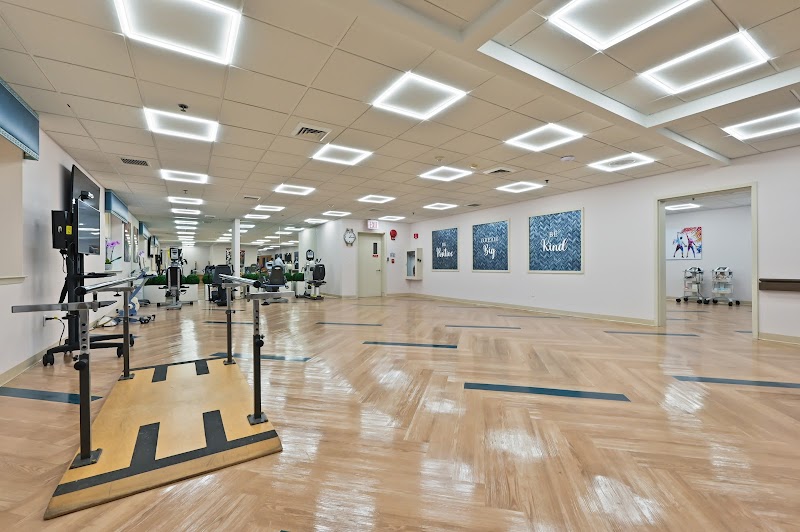
How is Nassau Rehabilitation & Nursing Center Staffed?

CMS rates NASSAU REHABILITATION & NURSING CENTER's staffing level at 2 out of 5 stars, which is below average compared to other nursing homes. Staff turnover is 24%, compared to the New York average of 46%. This relatively stable workforce can support continuity of care.

What Have Inspectors Found at Nassau Rehabilitation & Nursing Center?

State health inspectors documented 14 deficiencies at NASSAU REHABILITATION & NURSING CENTER during 2021 to 2025. These included: 1 Immediate Jeopardy (the most serious level, indicating potential for serious harm or death), 12 with potential for harm, and 1 minor or isolated issues. Immediate Jeopardy findings are rare and represent the most serious regulatory concerns. They require immediate corrective action.

Who Owns and Operates Nassau Rehabilitation & Nursing Center?

NASSAU REHABILITATION & NURSING CENTER is owned by a for-profit company. For-profit facilities operate as businesses with obligations to shareholders or private owners. The facility is operated by EXCELSIOR CARE GROUP, a chain that manages multiple nursing homes. With 280 certified beds and approximately 280 residents (about 100% occupancy), it is a large facility located in HEMPSTEAD, New York.
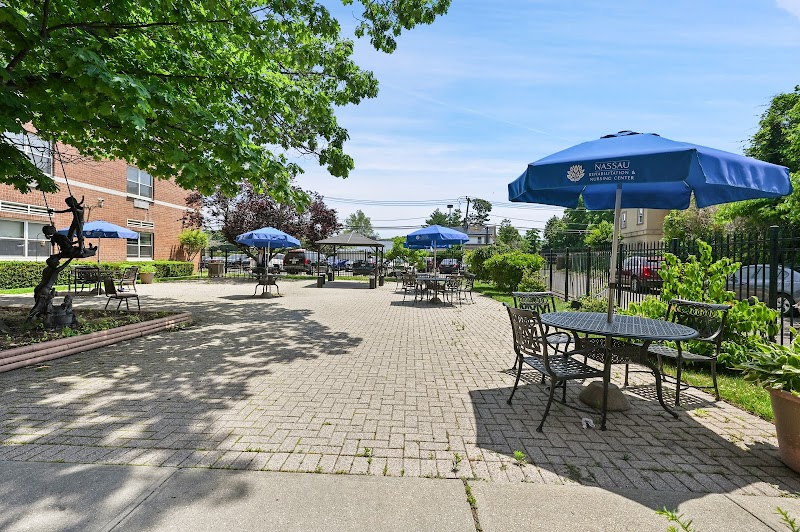
How Does Nassau Rehabilitation & Nursing Center Compare to Other New York Nursing Homes?

Compared to the 100 nursing homes in New York, NASSAU REHABILITATION & NURSING CENTER's overall rating (3 stars) is below the state average of 3.1, staff turnover (24%) is significantly lower than the state average of 46%, and health inspection rating (2 stars) is below the national benchmark.

What Should Families Ask When Visiting Nassau Rehabilitation & Nursing Center?

Based on this facility's data, families visiting should ask: "What changes have been made since the serious inspection findings, and how are you preventing similar issues?" "Can you walk me through typical staffing levels on day, evening, and night shifts?" "Can I visit during a mealtime to observe dining assistance and food quality?" "How do you handle medical emergencies, and what is your hospital transfer rate?" These questions are particularly relevant given the facility's Immediate Jeopardy citations and the below-average staffing rating.

Is Nassau Rehabilitation & Nursing Center Safe?

Based on CMS inspection data, NASSAU REHABILITATION & NURSING CENTER has documented safety concerns. Inspectors have issued 1 Immediate Jeopardy citation (the most serious violation level indicating risk of serious injury or death). The facility has a 3-star overall rating and ranks #100 of 100 nursing homes in New York. Families considering this facility should ask detailed questions about what corrective actions have been taken since these incidents.

Do Nurses at Nassau Rehabilitation & Nursing Center Stick Around?

Staff at NASSAU REHABILITATION & NURSING CENTER tend to stick around. With a turnover rate of 24%, the facility is 22 percentage points below the New York average of 46%. Low turnover is a positive sign. It means caregivers have time to learn each resident's needs, medications, and personal preferences. Consistent staff also notice subtle changes in a resident's condition more quickly. Registered Nurse turnover is also low at 6%, meaning experienced RNs are available to handle complex medical needs.

Was Nassau Rehabilitation & Nursing Center Ever Fined?

NASSAU REHABILITATION & NURSING CENTER has been fined $16,153 across 1 penalty action. This is below the New York average of $33,240. While any fine indicates a compliance issue, fines under $50,000 are relatively common and typically reflect isolated problems that were subsequently corrected. Families should ask what specific issues led to these fines and confirm they've been resolved.

Is Nassau Rehabilitation & Nursing Center on Any Federal Watch List?

NASSAU REHABILITATION & NURSING CENTER is not on any federal watch list. The most significant is the Special Focus Facility (SFF) program, which identifies the bottom 1% of nursing homes nationally based on persistent, serious quality problems. Not being on this list means the facility has avoided the pattern of deficiencies that triggers enhanced federal oversight. This is a positive indicator, though families should still review the facility's inspection history directly.