HUDSON VALLEY REHABILITATION & EXTENDED CARE CTR

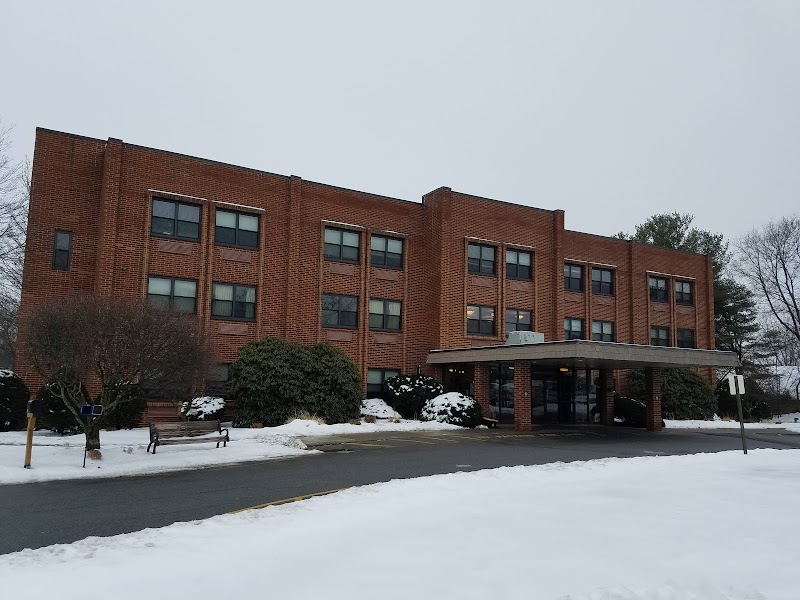
260 VINEYARD AVE, RT 44/55, HIGHLAND, NY 12528 (845) 691-7201
For profit - Limited Liability company 203 Beds Independent Data: November 2025
Trust Grade
20/100
#520 of 594 in NY
Last Inspection: January 2023

Over 2 years since last inspection. Current conditions may differ from available data.

Overview

Hudson Valley Rehabilitation & Extended Care Center has received a Trust Grade of F, indicating significant concerns about the quality of care provided. Ranking #520 out of 594 facilities in New York places it in the bottom half, and #5 out of 7 in Ulster County suggests there are only two better local options. The trend is worsening, with the number of issues increasing from 5 in 2024 to 11 in 2025. While staffing has a good rating of 4 out of 5 stars, with a turnover rate of 54% that is concerning, there have been no fines reported, which is a positive sign. However, specific incidents of serious concern include a resident being involuntarily secluded and left in unsanitary conditions, as well as failure to report abuse allegations promptly. Overall, while staffing may be a strength, the facility has serious weaknesses that families should consider.

Trust Score
F
20/100
In New York
#520/594
Bottom 13%
Safety Record
High Risk
Review needed
Inspections
Getting Worse
5 → 11 violations
Staff Stability
⚠ Watch
54% turnover. Above average. Higher turnover means staff may not know residents' routines.
Penalties
✓ Good
No fines on record. Clean compliance history, better than most New York facilities.
Skilled Nurses
○ Average
Each resident gets 34 minutes of Registered Nurse (RN) attention daily — about average for New York. RNs are the most trained staff who monitor for health changes.
Violations
⚠ Watch
37 deficiencies on record. Higher than average. Multiple issues found across inspections.
★☆☆☆☆
1.0
Overall Rating
★★★★☆
4.0
Staff Levels
★★★☆☆
3.0
Care Quality
★☆☆☆☆
1.0
Inspection Score
Stable
2024: 5 issues
2025: 11 issues

The Good

  • 4-Star Staffing Rating · Above-average nurse staffing levels
  • Full Sprinkler Coverage · Fire safety systems throughout facility
  • No fines on record

Facility shows strength in staffing levels, fire safety.

The Bad

1-Star Overall Rating

Below New York average (3.0)

Significant quality concerns identified by CMS

Staff Turnover: 54%

Near New York avg (46%)

Higher turnover may affect care consistency

The Ugly 37 deficiencies on record

1 actual harm
Jul 2025 11 deficiencies 1 Harm
SERIOUS (G) 📢 Someone Reported This

A family member, employee, or ombudsman was alarmed enough to file a formal complaint

Actual Harm - a resident was hurt due to facility failures

Deficiency F0603 (Tag F0603)

A resident was harmed · This affected 1 resident

**NOTE- TERMS IN BRACKETS HAVE BEEN EDITED TO PROTECT CONFIDENTIALITY** Based on record reviews and interviews during an abbreviated survey (NY00383624, NY00369540) the facility failed to ensure a res...

Read full inspector narrative →
**NOTE- TERMS IN BRACKETS HAVE BEEN EDITED TO PROTECT CONFIDENTIALITY** Based on record reviews and interviews during an abbreviated survey (NY00383624, NY00369540) the facility failed to ensure a resident's right to be free from involuntary seclusion for one (1) (Resident #2) out of six (6) residents reviewed for seclusion. Specifically, on 01/19/2025, Certified Nurse Aide #7 was observed on surveillance video following Resident #2 down the hallway to their room, closing the door and placing disposable washcloths in the corner of the door to prevent the resident from easily opening the door and exiting the room. This occurred at approximately 12:25 PM and was not discovered until 2:55 PM by the Housekeeper Lead and Housekeeper #2. Resident #2 who was assessed as requiring maximal assistance (helper does more than half the effort, helper lifts or holds trunk or limbs and provides more than half the effort) with toileting, was found naked, with urine and feces observed on floor. According to the Housekeeping Lead, resident #2 was observed to be anxious to exit the room as evidenced by the resident quickly getting up from the chair they were in and running out of the room once the door was opened. Applying the reasonable person concept, this resulted in psychosocial harm for Resident #2 that was not immediate jeopardy. The findings are:The facility Abuse policy last revised 11/21/2024 documented it is the policy that all residents will be protected and free from any types of abuse, neglect and mistreatment. The policy defines abuse as the unreasonable confinement with resulting mental anguish. Resident #2 was admitted to the facility on [DATE] with diagnoses including but not limited to Alzheimer's disease, Parkinsonism (brain conditions that cause slowed movements, stiffness, and tremors), and bipolar disorder (episodes of mood swings ranging from depressive lows to manic highs).A Quarterly Minimum Data Set (a resident assessment tool) dated 01/08/2025 documented Resident #2 had moderately impaired cognitive status. The resident required set-up assistance with eating, maximal assistance (helper does more than half the effort, helper lifts or holds trunk or limbs and provides more than half the effort) with toileting.)Review of a behavior/victimization care plan initiated 08/14/2024 documented Resident #2 was at risk for victimization due to wandering, being socially inappropriate and verbally disruptive. Interventions listed included: monitor for anxiety, hostility and aggression, protect from injury, abuse and maltreatment. Review of the undated facility investigative summary included written statements from the Housekeeping Lead, Housekeeper #2, Director of Housekeeping, Licensed Practical Nurse's #2, and #5, and Certified Nurse Assistant #6. The report also documented interviews of Certified Nurse Aide #7 by the Director of Nursing #2 and the Administrator. The summary documented that Resident #2 was alleged to have been barricaded in their room on 01/19/2025. Housekeeper #2 reported that during cleaning rounds they attempted to enter Resident #2's room, but the door wouldn't open. Housekeeper #2 called their supervisor to assist. The Housekeeping Lead stated that upon arrival to the room they saw a disposable washcloth stuffed in the corner of the door. They removed it and saw Resident #2 sitting in a chair watching television calmly. The Housekeeping Lead saw that Resident #2 had been incontinent, so they got Certified Nurse Aide #6 who went to the room and provided care. The surveillance video footage was reviewed by the Administrator and the perpetrator was identified as Certified Nurse Aide #7. According to the Administrator's report, the video surveillance revealed that Certified Nurse Aide #7 saw Resident #2 walking towards the double doors by the elevator after lunch. While passing the nurse's station, Certified Nurse Aide #7 grabbed a few washcloths, took Resident #2 to their room and a few moments later was seen shutting the door and placing the washcloths in the corner of the door and frame. Certified Nurse Aide #7 then continued their work and did not alert anyone. The report documented that Director of Nursing #2, and the Administrator interviewed Certified Nurse Aide #7 upon their return to work on 01/21/2025. Certified Nurse Aide #7 did not deny placing the washcloths in the doorframe of Resident #2's room and stated they were trained that way. Certified Nurse Aide #7 was terminated for abuse and neglect.Review of Housekeeper Lead written statement attached to the facility investigative report documented the resident was found in the room with a puddle of urine on the floor and feces all over the room. The resident was unclothed except for a pair of pants which they pulled up over their chest.There was no documented evidence of a Physician's order for seclusion during the onsite survey on 06/17/2025.During an Interview on 06/20/2025 with the Administrator, they stated they spoke to the Director of Housekeeper concerning timely reporting of incidents. Housekeeping staff were retrained on timely reporting and Abuse.During an interview on 06/26/2025 at 1:15 PM, the Housekeeper Lead stated they remembered the incident that occurred with Resident #2, and it occurred on a weekend, at approximately 3:00 PM or 3:15 PM, right before their shift was about to end. The Housekeeper Lead stated Housekeeper #2, who no longer works with the company, informed them they could not open Resident #2's door because it was locked. The Housekeeper Lead stated they went upstairs to Resident #2's room with Housekeeper #2 and saw disposable washcloths wedged in the door. They pushed the door, and it felt like the door was locked but with more force they were able to push the door open. The Housekeeper Lead stated the disposable washcloths fell out of the doorframe, and they went into the room while Housekeeper #2 stayed in the hallway. The Housekeeper Lead stated when they entered Resident #2's room, they were hit with the smell of feces and urine. The Housekeeper Lead stated there was a puddle of urine on the floor and feces on both beds in the room, on the garbage can and on the nightstand. The Housekeeper Lead stated Resident #2 was sitting on a chair in the corner of the room with a pair of pants held over them covering their body and as soon as the resident saw them, they jumped up and ran out the room. The Housekeeper Lead stated prior to this incident, they have seen disposable washcloths wedged in resident room doors on the second floor and they informed their supervisor. The Housekeeper Lead stated when the residents on the second-floor unit wander, putting washcloths in the door to keep it from opening seems to be the solution for staff. The Housekeeper Lead stated the very first time they heard about this was from another housekeeper but were not told which staff member was involved. The Housekeeper Lead stated they have not seen any disposable washcloths being placed in the doorways again since that incident occurred. During an interview on 06/25/2025 at 2:01 PM, Licensed Practical Nurse #2 stated they spoke with Certified Nurse Aide #6 (Resident #2's assigned Certified Nurse Aide on the day in question) regarding the incident with Resident #2 on 01/19/2025 and they informed Certified Nurse Aide #6 that they should be rounding frequently on their residents. During an interview on 06/25/2025 at 11:18 AM, the Administrator stated on 01/20/2025 after the incident, they added on the mental abuse section to the abuse policy. The Administrator stated all staff receive the abuse policy at orientation and it is also reviewed during annual in-services. The Administrator stated the seclusion incident was not reported to law enforcement. It was only reported to the Department of Health. The incident was discussed for a couple of days in morning report and the quality assurance measure was to re-educate the staff. Since there were several new staff in the facility, they decided to provide abuse in-service to all staff. The Administrator stated they did not discuss the incident at the Quality Assurance and Performance Improvement meeting. The Administrator stated that they did not save the surveillance video footage.During an interview on 07/07/2025, the Director for Social Work stated if they receive a report or allegation of abuse and neglect, they notify nursing and interview the resident for signs of abuse and trauma. They stated that they saw Resident #2 after the incident and for the next three (3) days following the incident. The Director of Nursing stated Resident #2 had no changes in behavior or any sleep disturbances. Resident #2 could not engage in meaningful conversation, and they forgot to document their interaction with Resident #2 in the Electronic Medical Record. The Director of Social Work stated if they notice any signs of trauma, the resident will then be referred to psych.There was no documented evidence of the interaction between the Director of Social Work and Resident #2.During an interview on 07/08/2025 at 12:13 PM, Licensed Practical Nurse #5 stated they were the nurse on the unit on 01/19/2025 when Resident #2 was barricaded in their room, but they did not know the incident had occurred, they found out later from the Administrator. Licensed Practical Nurse #5 stated the Administrator asked them to write a statement about the incident because the Administrator stated while reviewing the video footage, they saw them working on 01/19/2025. None of the nursing staff or the housekeeping staff told them about disposable washcloths being placed in Resident #2's doorway.During an additional interview on 07/07/2025 at 10:56 AM, the Administrator stated the Psychologist would be called if the resident could partake in the visit. The Administrator stated if the resident is alert and oriented then they would call for a psychology consult, but the Social Worker is usually the one that would handle this. The Administrator stated they use the Social Worker for the initial assessment to determine if there is visible trauma or other signs of trauma after such types of incidents. They reviewed the video footage for the entire shift on the day of the incident with no additional concerns for residents' safety. Certified Nurse Aide #7 was terminated on 01/21/2025. The Facility Abuse Policy was revised on 01/20/2025 and included the following language Mental/Emotional abuse includes but is not limited to seclusion or confinement.A review of the facility wide Abuse in-service records revealed that staff in-services were held on 01/20/2025, 01/21/2025, 01/22/2025, 01/23/2025 and 01/28/2025. The topic was Abuse Policy and Procedure review and discussion. However, further reviews revealed that 76 out of 136 (57%) of staff members were in-serviced on the revised Abuse Policy and Procedure. This was six (6) months after the incident date. 10 NYCRR 415.3(d)(1)(vii)
CONCERN (D) 📢 Someone Reported This

A family member, employee, or ombudsman was alarmed enough to file a formal complaint

Potential for Harm - no one hurt, but risky conditions existed

Resident Rights (Tag F0550)

Could have caused harm · This affected 1 resident

**NOTE- TERMS IN BRACKETS HAVE BEEN EDITED TO PROTECT CONFIDENTIALITY** Based on record review and interviews during an abbreviated survey (NY00369602), the facility did not ensure the residents right...

Read full inspector narrative →
**NOTE- TERMS IN BRACKETS HAVE BEEN EDITED TO PROTECT CONFIDENTIALITY** Based on record review and interviews during an abbreviated survey (NY00369602), the facility did not ensure the residents right to a dignified existence or to be treated with respect and care in a manner and in an environment that promotes maintenance or enhancement of his or her quality of life for 1 out of 7 residents (Resident #5) reviewed for dignity. Specifically, (1) Resident #5 was video recorded by Certified Nurse Aide #3 and Certified Nurse Aide #4 while cleaning their briefs in the sink. Certified Nurse Aide #3 then posted the video on social media (Tik Tok). Certified Nurse Aide #3 was terminated by the facility for violating abuse policy.The findings are:The facilities undated Resident Dignity policy documented the purpose is to ensure that all residents in the facility are treated with dignity and respect in every aspect of their care. All staff must recognize and uphold each resident's right to dignity, regardless of physical or cognitive ability. This includes respecting privacy during personal care and protecting from abuse, neglect, or demeaning behavior from others.Resident #5 was admitted with diagnoses including Dementia, Cerebral Infarction and Peripheral Vascular disease. An Annual Minimum Data Set, dated [DATE] documented Resident #5 had moderate cognitive impairment, and no behaviors noted. The resident required a wheelchair for locomotion. Resident #5 required set up assistance for eating or cleanup for eating, bed mobility and transfer, supervision for toileting, hygiene and bathing. Review of a behavior/victimization care plan initiated 5/6/2025 documented Resident #5 was at risk for victimization due to Dementia diagnosis and poor safety awareness. Interventions listed included assess for underlying factors impacting mood, monitor for anxiety, hostility and aggression, social services referral as need and protect from injury, abuse, neglect and maltreatment.The 1/26/2025 Nursing Home Investigative Report documented Resident #5 was videotaped by staff at the facility. Employee Statements dated 1/20/2025 to 1/23/2025 documented Certified Nurse Aides were involved in recording Resident #5 while they were washing their briefs at the sink and posted it on Tik Tok. Statements further documented that Certified Nurse Aide # 3 used their Tik Tok account to post the video of Resident #5. During an interview on 6/18/2025 at 3:10 PM, the Administrator stated they had the video of the incident that occurred on 1/18/2025 with Resident #5 saved in their cellphone, but they can no longer locate the video. The Administrator stated they only have a portion of the recording and can see that Resident #5 was at the sink. On the video, the resident could be seen from below the neck washing out their underwear.During an interview on 6/26/2025 at 2:25 PM, Certified Nurse Aide #8 stated they received a call at home from Certified Nurse Aide #9 telling them to go on Certified Nurse Aide #3's page on Instagram to watch a video of them mocking Resident #5 while they washed their pull up. Certified Nurse #8 stated in the video on Instagram you can hear Certified Nurse Aide #3 saying to Resident #5 why are you washing your pull up in the sink and there were also two other voices on the recording. Certified Nurse Aide #8 stated they did watch the video on Instagram, and they were appalled and the next day when they came into work, they reported it and showed the Administrator and the Director of Nursing #2 the video. Certified Nurse Aide #8 stated they were requested to write a statement regarding the incident.During an interview on 6/26/2025 at 2:55 PM, Certified Nurse Aide #9 stated they were not in the facility when the incident occurred on 1/18/2025. Certified Nurse Aide #9 stated their daughter was on Tik Tok at home and told them a resident from their job was on Tik Tok and showed them the video. Certified Nurse Aide #9 stated they were unable to access the video on Tik Tok, so they watched the video on their daughter's device and saw that it was Resident #5. Certified Nurse Aide #9 stated they called Certified Nurse Aide #8 and informed them of what their daughter had showed them and asked if they could check if they could access the video, and Certified Nurse Aide #8 was able to see it. Certified Nurse Aide #9 stated the next day when they arrived to work, they went to the Administrator and showed them the video, and after they showed the Administrator the video they were instructed to delete the videos from their device. 10 NYCRR 415.5(a)
CONCERN (D) 📢 Someone Reported This

A family member, employee, or ombudsman was alarmed enough to file a formal complaint

Potential for Harm - no one hurt, but risky conditions existed

Investigate Abuse (Tag F0610)

Could have caused harm · This affected 1 resident

**NOTE- TERMS IN BRACKETS HAVE BEEN EDITED TO PROTECT CONFIDENTIALITY** Based on record review and interview during an abbreviated survey (NY00369540) the facility did not ensure in response to allega...

Read full inspector narrative →
**NOTE- TERMS IN BRACKETS HAVE BEEN EDITED TO PROTECT CONFIDENTIALITY** Based on record review and interview during an abbreviated survey (NY00369540) the facility did not ensure in response to allegations of abuse that all alleged violations are thoroughly investigated for 1 out of 7 residents (Resident #2) reviewed for abuse. Specifically, on 1/19/2025 Resident #2 was barricaded in their room by Certified Nurse Aide #7 by stuffing wash cloth wipes in the door of their room preventing the door from opening. There was no documented evidence of Resident #2 being assessed for injury after the incident and statements were not obtained from all staff on duty at the time of the incident. There was also no available video footage to review for the incident that occurred on 1/19/2025. The findings are:The facility Abuse policy last revised 1/20/2025 1) Resident #2 admitted to the facility on [DATE] with diagnoses including but not limited to Alzheimer's disease, Parkinsonism and Bipolar disorder.A Quarterly Minimum Data Set, dated [DATE] documented Resident #2 had severe cognitive impairment. The resident required moderate assistance with eating, maximal assistance with toileting, set up assistance with bed mobility and supervision with transfers.Review of a behavior/victimization care plan initiated 8/14/2024 documented Resident #2 was at risk for victimization due to wandering, being socially inappropriate and verbally disruptive. Interventions listed included monitor for anxiety, hostility and aggression, protect from injury, abuse and maltreatment. Review of the facility investigative summary dated 1/19/2025 documented it was brought to the Administrators attention on 1/20/2025 that Resident #2 was allegedly barricaded in their room. The summary documented that during the afternoon cleaning resident rooms, Housekeeper #2 noticed they could not open the door to Resident #2's room and called the Housekeeping: Lead to assist. Upon arrival the Housekeeping Lead saw washcloth wipes stuffed in the corner Resident #2's room outside the door. The washcloth wipes were removed, and Resident #2 was found inside the room sitting in a chair watching television calmly. The Housekeeping Lead stated they saw Resident #2 was incontinent and they went and got the assigned Certified Nurse Aide who provided cares to the resident and brought the resident to the dayroom around change of shift. After the video footage was reviewed by the Administrator the perpetrator was identified as Certified Nurse Aide #7. Certified Nurse Aide #7 was seen with Resident #2 walking towards the double doors by the elevator after lunch. Certified Nurse Aide #7 brought the resident back to their room. While walking pass the nurse's station Certified Nurse Aide #7 grabbed a few washcloths wipes, took Resident #2 to their room and a few moments later was seen shutting the door and placing the cloths in the corner of the door and frame. Certified Nurse Aide #7 continued their work and did not alert anyone.There was no documented evidence of Resident #2 being assessed by the Registered Nurse, Physician, or the Nurse Practitioner after the incident that occurred on 1/19/2025.The facility did not provide documented evidence from all staff on the unit on 1/19/2025. During an interview on 6/20/2025 at 3:16 PM the Administrator stated Resident #2 was on the 2 East unit and they did not interview all the staff on the unit, because when they reviewed the video footage there was no nurse in the hallway. The Administrator stated they were able to eyeball each hall and the nurse's desks on the video footage as this helps to determine who needs to be interviewed. The Administrator stated it is not their policy to interview all the staff that were on the unit at the time of an incident. Prior to installing cameras in the facility, they used to interview all staff. The Administrator stated the surveillance video for the incidents that occurred in the facility were not available for review by the surveyors as they do not always save the tape. The Administrator stated they do not think they are required to hold on to the video footage. The video footage is used by the facility to identify the staff involved in the incidents. The Administrator stated they know how to work the videos, but they did not know how to copy the footage and so it was not saved. The Administrator stated they can attest that they reviewed the video footage. 10 NYCRR 483.12(c)
CONCERN (D) 📢 Someone Reported This

A family member, employee, or ombudsman was alarmed enough to file a formal complaint

Potential for Harm - no one hurt, but risky conditions existed

Assessment Accuracy (Tag F0641)

Could have caused harm · This affected 1 resident

**NOTE- TERMS IN BRACKETS HAVE BEEN EDITED TO PROTECT CONFIDENTIALITY** Based on record review and interviews during an abbreviated survey (NY00383624) the facility did not ensure assessments accurate...

Read full inspector narrative →
**NOTE- TERMS IN BRACKETS HAVE BEEN EDITED TO PROTECT CONFIDENTIALITY** Based on record review and interviews during an abbreviated survey (NY00383624) the facility did not ensure assessments accurately reflected the resident's status for 2 out of 3 residents (Resident #2, Resident #4) reviewed for assessments. Specifically, Resident #2 was a known wanderer and always has a wander guard in place. The quarterly Minimum Data Set assessment dated [DATE] (under section E) did not document the resident had wandering behavior. (2) Resident #4's was care planned as having a known behavior of rejecting medications and cares. Known to the facility staff as rejecting medication and cares. The Comprehensive Minimum Data Set, dated [DATE] did not accurately reflect the resident's behavior.The Findings are:The facility Completion of the RAI/MDS Process policy last revised 5/25 documented it is the policy of the facility to assure that all residents achieve their highest level of functioning possible and maintain their sense of individuality. Assessments will be completed within the guidelines outlines in the Resident Assessment Instrument Manual and include the CAA and care planning processes to lead to the development of a plan of care to address and monitor each resident's needs and function, and to track changes in the resident's status. 1)Resident #2 admitted to the facility on [DATE] with diagnoses including but not limited to Alzheimer's disease, Parkinsonism and Bipolar disorder. A Quarterly Minimum Data Set, dated [DATE] documented Resident #2 had severe cognitive impairment. Resident #2 did not have wandering behavior. The resident required moderate assistance with eating, maximal assistance with toileting, set up assistance with bed mobility and supervision with transfers. Review of a behavior care plan initiated 7/17/2024 documented Resident #2 exhibited wandering behavior as evidenced by having no purposeful destination. Interventions listed included identify pattern of behavior, document in progress notes the intensity, frequency and duration of behavior and redirect negative behaviors.2) Resident #4 admitted to the facility on [DATE] with diagnoses including but not limited to Peripheral Vascular Disease, Diabetes Mellitus and Delusional disorder. A Comprehensive Minimum Data Set, dated [DATE] documented Resident #4 was cognitively intact with no behaviors noted. The resident had impairment to the lower extremities on both sides and was bedridden. Resident #4 required set up assistance with eating, moderate assistance with bed mobility and dependent for toileting. Facility Behavior care plan last revised 3/22/2024 documented that Resident #4 resists care as evidence by his long-standing history of been non-compliant. Refuses to follow MD orders, refusal of all medications and refuses to have staff perform wound care at times and interventions listed included document frequency of behavior and redirect negative behaviors and notify physician. Of behaviors. The Minimum Data Set assessment completed on 3/20/2025 did not reflect Resident #4's rejection of care behavior.Review of Resident #4's progress noted dated 3/13/2025 and 3/20/2025 revealed the resident had refused their medications. During an interview on 6/25/2025 at 2:30 PM the Minimum Data Set Coordinator stated Resident #2 not being coded as a wander was probably and error on their part as they were still learning. The Minimum Data Set Coordinator stated Resident #2 does wear a wander guard, does wander on the unit and has the potential to wander. The Minimum Data Set Coordinator stated they were just learning the books and thought this did not include when Resident #2 was wandering on the unit and that it only applied to a resident leaving their unit. The Minimum Data Set Coordinator stated they were informed if a resident is care planned for a behavior, then this does not need to be captured in their Minimum Data Set, but if they are wrong or misinterpreted this information, then they will correct this. The Minimum Data Set Coordinator stated when Resident #4's Minimum Data Set was completed 3/20/2025, with the seven day look back period, the resident had not had any outbursts, so this is why this was not coded in the Minimum Data Set. 10 NYCRR 415.11(b)
CONCERN (D) 📢 Someone Reported This

A family member, employee, or ombudsman was alarmed enough to file a formal complaint

Potential for Harm - no one hurt, but risky conditions existed

Deficiency F0760 (Tag F0760)

Could have caused harm · This affected 1 resident

**NOTE- TERMS IN BRACKETS HAVE BEEN EDITED TO PROTECT CONFIDENTIALITY** Based on record review and interviews during an abbreviated survey (NY00383624), the facility did not ensure residents were free...

Read full inspector narrative →
**NOTE- TERMS IN BRACKETS HAVE BEEN EDITED TO PROTECT CONFIDENTIALITY** Based on record review and interviews during an abbreviated survey (NY00383624), the facility did not ensure residents were free from medication errors and accepted professional standards and principles which apply to professionals providing services for 1 out of 3 residents (Resident #3) reviewed for medications. Specifically, Resident #3 was prescribed some narcotic pain medication (Morphine-medication used to help relieve severe pain) to be administered (while on comfort care) at the following scheduled times: 12 AM, 9 AM and 7 PM. Review of Resident #3's administration record for April 2025 and May 2025 revealed the standing doses were not administered within regulated times of one hour before or one hour after scheduled time. There was also no documented evidence of Resident #3 receiving three standing doses of their narcotic pain medication on 5/4/2025 and 5/9/2025 when they were on comfort care. There was pain assessment documented and there was no documentation that the physician was notified of the omission or why the medication was administered late. The findings are:The facility Medication Administration policy last revised 8/13/2024 documented to establish guidelines to promote the health and safety of residents by ensuring the safe assistance and administration of medication and treatments or other necessary procedures. The facility is responsible for meeting the health service needs including medication-related services of the residents. Medications will be administered to residents as prescribed in a manner consistent with good standards of practice. The six rights of medication will be observed; right time-check the frequency of the ordered medications and confirm when the last dose was given (pay attention to the as needed medications). Medications are administered within one hour before or one hour after scheduled time. Unless otherwise specified by prescriber, routine medications are administered according to the established medication administration schedule for the facility.Resident #3 was admitted with diagnoses including but not limited to Dementia, Multiple Sclerosis and Peripheral Artery disease.A Significant Change Minimum Data Set, dated [DATE] documented Resident #3 had severe cognitive impairment. The resident had impairment on both sides to the upper and lower extremities and was bedridden. The resident required maximal assistance with eating and was dependent for toileting and bed mobility.A Physician's progress note dated 4/21/2025 documented Resident #3 had a history of Multiple Sclerosis with bilateral lower extremity contractures and was on comfort care with standing orders for Morphine and as needed. Review of a Physician's order dated 4/24/2024 documented Morphine (medication used to help relieve severe pain) concentrate 100 mg/5 ml (20 mg/ml) oral solution- give 5 milligrams (0.25 ml) by oral route three times per day and as needed every four hours. Maximum Daily Dose: 30 milligrams. Every day at 12 AM, 7 PM and 9 AM.Review of Resident #3's Medication Administration Records for May 2025 revealed the 5/3/2025 12 AM dose was given at 3:42 AM; the 5/4/2025 9 AM dose was given at 11:53 AM; the 5/4/2025 7 PM dose was given at 12:35 AM; the 5/6/2025 7 PM dose was given at 8:52 PM; the 5/9/2025 7 PM dose was given at 9 PM; the 5/11/2025 12 AM dose was given at 1:57 AM; the 5/13/205 12 AM dose was given at 2:14 AM; the 5/16/2025 9 AM dose was given at 11:32 AM; the 5/17/2024 9 AM dose was given at 6:14 PM; 5/19/2025 7 PM dose was given at 5:20 PM.Review of Resident #3's Medication Administration Records for April 2025 revealed the 4/7/2025 7 PM dose was given at 9:09 PM; 4/11/2025 7 PM dose was given at 11:09 PM.Review of Resident #3's Narcotic Log Sheet revealed the 3/28/2025 9 am dose was not signed out but was administered at 10:30 AM; the 3/29/2025 9 am dose was not signed out but was administered at 11:41 AM; the 3/30/2025 9 am dose was not signed out but was administered at 12:03 PM; the 5/4/2025 12 AM dose was not signed out as given; the 5/9/2025 7 PM dose was signed out at 10 PM. During an interview on 6/23/2025 at 2:20 PM, the Director of Nursing stated the standing orders and the as needed orders for narcotics are logged on the same narcotic sheet because they the Physicians are writing the script out on the same order with the separate medication timings on it. The Director of Nursing stated the narcotics should be administered one hour before or one hour after the scheduled administration times as like any other medication. During an interview on 7/8/2025 at 2:50 PM, Licensed Practical Nurse #4 stated they have the heaviest med pass on the third floor in the facility and when they are alone on the unit they can be done with the medication administration within two hours per side of the unit. Licensed Practical Nurse #4 stated if a medication is administered to a resident late then the Physician is notified, and a progress note is written.During a telephone interview on 7/22/2025 at 11:18 AM, Licensed Practical Nurse #9 stated they gave Resident #3 their standing dose of Morphine on 3/28/2025 and 3/29/2025. Licensed Practical Nurse #9 stated Resident #3 must have been on the third-floor north side of that unit because that medication cart is the late medication cart and they start the medication pass on that side at 9 AM. Licensed Practical Nurse #9 stated the standing order for Resident #3's Morphine medication should be at 10 AM. Licensed Practical Nurse #9 stated the third floor is a very heavy medication pass and they were just learning the facility and the resident's medications. Licensed Practical Nurse #9 stated they were giving the medications out and they probably got to Resident #3 late. Licensed Practical Nurse #9 stated if they administered a medication late or did not administer a medication, they would first let their supervisor know and then write a progress note. During a telephone interview on 7/22/2025 at 12:19 PM, Licensed Practical Nurse #8 stated they vaguely remember Resident #3, but they do not recall administering their narcotic pain medication outside of the scheduled time, being that they are standing orders. Licensed Practical Nurse #8 stated they do not have a process they follow because there is no reason to administer the standing medication late being there is an hour before and an hour after to administer the medication, there is time to give the medications. Licensed Practical Nurse #8 stated they would document in the electronic medical record if they administered a medication late. Licensed Practical Nurse #8 stated a lot of times they do not have the Morphine available in the facility, so they would reach out to pharmacy and let them know. Licensed Practical Nurse #8 stated it usually takes no more than 48 hours to receive the Morphine from the pharmacy. Licensed Practical Nurse #8 stated if there is an order for a medication and they do not have it in the facility, they would let the resident know it is unavailable and reach out to the Physician and let them know and see if they want to offer a substitute. Licensed Practical Nurse #8 stated then pharmacy would be informed so they could send the medication on the next run to the facility. NYCRR 415.12(m)(2)
CONCERN (D) 📢 Someone Reported This

A family member, employee, or ombudsman was alarmed enough to file a formal complaint

Potential for Harm - no one hurt, but risky conditions existed

Infection Control (Tag F0880)

Could have caused harm · This affected 1 resident

**NOTE- TERMS IN BRACKETS HAVE BEEN EDITED TO PROTECT CONFIDENTIALITY** Based on record review and interviews during an abbreviated survey (NY00383624), the facility did not ensure enhanced barrier pr...

Read full inspector narrative →
**NOTE- TERMS IN BRACKETS HAVE BEEN EDITED TO PROTECT CONFIDENTIALITY** Based on record review and interviews during an abbreviated survey (NY00383624), the facility did not ensure enhanced barrier precautions were followed by staff for 2 out of 3 residents (Resident #4, Resident #15) reviewed for infection control. Specifically, (1) on 6/17/2025 Certified Nurse Aide #1 and Certified Nurse Aide #2 provided care to Resident #4, who was on enhanced barrier precautions and did not don gowns; (2) On 6/18/2025 Resident #15 was observed walking down the hallway from their room to the nurse's station with their Foley catheter drainage bag in their hand and used the telephone at the nurse's desk. Resident #15 was noted to be on enhanced barrier precautions.The findings are:The facility Infection Control: Enhanced Barrier Precautions policy last revised 4/8/2024 documented it is the policy that Enhanced Barrier Precautions, in addition to Standard and Contact Precautions will be implemented during high-contact resident care activities when caring for residents that have an increased risk for acquiring multidrug-resistant organism such as a resident with wounds, indwelling medical devices or residents with infection or colonization with an multi-drug resistant organism. This policy applies to all employees who provide cares to the residents of this facility to reduce transmission of resistant organisms that employs targeted gown and glove use during high contact resident care activities. Resident #4 was admitted with diagnoses including but not limited to Peripheral Vascular Disease, Diabetes Mellitus and Delusional disorder.A Comprehensive Minimum Data Set, dated [DATE] documented Resident #4 was cognitively intact with no behaviors noted. The resident had impairment to the lower extremities on both sides and was bedridden. Resident #4 required set up assistance with eating, moderate assistance with bed mobility and dependent for toileting. Review of an Enhanced Precautions care plan last reviewed 3/31/2025 documented Resident #4 has wounds requiring dressing changes. Staff will prevent the spread of infection with the following interventions apply isolation equipment upon entry to the room; discuss with patient and family the importance of handwashing; maintain enhanced barrier precautions; maintain infection control practices through proper handwashing; maintain isolation cart outside of patient room. On 6/17/25 at 12:56 PM, Resident #4 was observed in bed, Certified Nurse Aide #1 and Certified Nurse Aide #2 had finished providing care to the resident and were in the room standing by the residents' bed without a gown. Resident #4 was asked when the Certified Nurse Aides left the room if they had worn gowns while providing care, and the resident responded the Certified Nurse Aides did not wear gowns today and further stated sometimes they wear the gowns and sometimes they do not. The enhanced barrier sign on the wall by the door outside Resident #4's room was marked B that indicated Resident #4(in bed B) required enhanced barrier precautionsDuring an interview on 6/17/25 at 1:00 PM, Certified Nurse Aide #1 stated they did not wear a gown while providing care for Resident #4 and they were not informed the resident was on enhanced barrier precautions.During an interview on 6/17/25 at 1:02PM, Licensed Practical Nurse #2 and Administrator looked at enhanced barrier sign and indicated the Resident #4's bed was the window bed which required enhanced precaution protocols to be followed.During an interview on 6/17/25 at 1:04 PM, Certified Nurse Aide #2 stated they did not receive report today and did not know Resident #4 was on enhanced barrier precautions, and did not wear a gown while providing care. During an interview on 6/17/25 at 1:20 PM, Registered Nurse #1 stated Resident #4 was on enhanced barrier precautions for the left foot wound infection. Registered Nurse #1 stated they were to add Resident #4's roommate as needing enhanced barrier precautions, but they got distracted. Registered Nurse #1updated the enhanced barrier precaution sign at the door and added Resident #4's roommate (in bed A) on the sign, in the presence of the surveyors. Resident #15 was admitted with diagnoses including but not limited to Malignant Neoplasm of the Bladder, Metabolic Encephalopathy and Dementia.A Comprehensive Minimum Data Set, dated [DATE] documented Resident #15 had severe cognitive impairment with no behaviors noted. The resident was independent for ambulation, bed mobility and transfers and required set up assistance for eating and toileting. The resident had an indwelling catheter and was occasionally incontinent of urine.Review of a Dementia care plan initiated 12/24/2024 documented Resident #15 had impaired decision making. Interventions listed included use simple word instructions, evaluate medication regimen and offer choices between two items.Review of an enhanced barrier precautions care plan initiated 4/1/2025 documented Resident #15 was on enhanced barrier precautions related to foley use to help reduce risk of infection. Interventions listed included discuss with resident and family the importance of handwashing and maintain enhanced barrier precautions.During rounds on the second floor on 6/18/2025, Resident #15 was observed at 1:59 PM walking from their room to the nurse's station with their Foley drainage bag in their hand. The resident had no leg bag in place. During an interview on 6/18/2025 at 2:03 PM, Licensed Practical Nurse #6 stated they do not know why Resident #15 does not have a leg bag in place. Licensed Practical Nurse #6 stated the Certified Nurse Aides are responsible for changing the resident's bedside drainage bag to a leg bag. Licensed Practical Nurse #6 stated Resident #15 does not comply, and they are alert, so this is why they do not have a leg bag in place at this time.During an interview on 6/18/2025 at 2:10 PM, Certified Nurse Aide #11 stated Resident #15 carries their drainage bag all the time and they had never seen the resident with a leg bag in place. Certified Nurse Aide #11 stated they were aware that residents should be changed to leg bags when they are dressed during the day.During an interview on 6/18/2025 at 2:16 PM, the Staff Educator stated enhanced barrier precautions are used to decrease infection with multi-drug-resistant organisms, pressure ulcers, devices like foley catheters, peripherally inserted central catheter lines, intravenous lines and tube feedings, to prevent spread of infection and/or more cases of multi-drug-resistant organisms. The Staff Educator stated the staff understand the precautions and they have observed staff looking at signs and following protocols, while rounding in the facility. The Staff Educator stated they recently included catheter care as part of the orientation core competency. A competency check list is also used to check off tasks performed by the Certified Nurse Aides. The Staff Educator stated Resident #15 was care planned to carry their foley drainage bag around with them and the resident was encouraged to wear a leg bag. The Staff Educator stated the staff should receive report at the beginning of their shift to know which residents are on enhanced barrier precautions and if not, the Certified Nurse Aide care guide should have a notation and the sign by the resident's room door should also list who is on enhanced barrier precaution. The Certified Nurse Aide receive report and they also have the Certified Nurse Aide care guide to ensure they provide proper care for the residents. 10 NYCRR 415.19(b)(1)
CONCERN (E) 📢 Someone Reported This

A family member, employee, or ombudsman was alarmed enough to file a formal complaint

Potential for Harm - no one hurt, but risky conditions existed

Free from Abuse/Neglect (Tag F0600)

Could have caused harm · This affected multiple residents

**NOTE- TERMS IN BRACKETS HAVE BEEN EDITED TO PROTECT CONFIDENTIALITY** Based on record review and interviews during an abbreviated survey (NY00369540, NY00369602), the facility did not ensure residen...

Read full inspector narrative →
**NOTE- TERMS IN BRACKETS HAVE BEEN EDITED TO PROTECT CONFIDENTIALITY** Based on record review and interviews during an abbreviated survey (NY00369540, NY00369602), the facility did not ensure residents right to be free from abuse for 2 of 7 residents (Resident #2, Resident #5) reviewed for abuse. Specifically, (1) on 1/19/2025 Resident #2 was involuntarily secluded in their room by Certified Nurse Aide #7 for approximately three hours. Certified Nurse Aide #7 placed wash cloth wipes wedged in the corner of the resident's door preventing them from exiting the room. During a rounding of resident rooms Resident #2 was found by Housekeeper #2 and House Keeping Lead in their room with a puddle of urine on the floor and feces all over the room. Resident #2 was unclothed and had a pair of pants in their which they pulled up over their chest. Resident #2 was cleaned up by Certified Nurse Aide #6 and brought to the day room after the incident. (2) On 1/18/2025 Resident #5 was video recorded by Certified Nurse Aide #3 and Certified Nurse Aide #4 while washing their incontinence brief in the sink in their room The video was posted on Certified Nurse Aide #3's .social media platform. The incidents were not reported by facility staff immediately to the administration, there was no documented evidence that Resident #2 and Resident #5 were assessed by the Registered Nurse, Physician or the Nurse Practitioner after the incidents occurred. The incidents were not reported to local law enforcement.The findings are:The facility Abuse policy last revised 1/20/2025 documented it is the policy that all residents will be protected and free from any types of abuse, neglect and mistreatment. The policy defines abuse as unreasonable confinement with resulting mental anguish and treating a resident in any manner that does not uphold a resident's sense of self-worth and individuality dehumanizes the resident and creates an environment that perpetuates a disrespectful or potentially abusive attitude towards the resident (s).The facility Abuse Prohibition Specific to Mental Abuse related to photographs, audio video recordings and unauthorized use of social media policy last revised 1/21/2024 documented residents in the facility have the right to be free from all types of abuse, including mental abuse. Mental abuse includes but is not limited to abuse that is facilitated or caused by our facility staff taking or using photographs or recordings in any manner that demean or humiliate a resident. 1) Resident #2 was admitted with diagnoses including but not limited to Alzheimer's disease, Parkinsonism and Bipolar disorder.A Quarterly Minimum Data Set, dated [DATE] documented Resident #2 had severe cognitive impairment. The resident required moderate assistance with eating, maximal assistance with toileting, set up assistance with bed mobility and supervision with transfers.Review of a behavior/victimization care plan initiated 8/14/2024 documented Resident #2 was at risk for victimization due to wandering, being socially inappropriate and verbally disruptive. Interventions listed included monitor for anxiety, hostility and aggression, protect from injury, abuse and maltreatment. Review of the facility investigative summary dated 1/19/2025 documented it was brought to the Administrators attention on 1/20/2025 that Resident #2 was allegedly barricaded in their room. The summary documented that during the afternoon cleaning resident rooms, Housekeeper #2 noticed they could not open the door to Resident #2's room and called the Housekeeping: Lead to assist. Upon arrival the Housekeeping Lead saw washcloth wipes stuffed in the corner Resident #2's room outside the door. The washcloth wipes were removed, and Resident #2 was found inside the room sitting in a chair watching television calmly. The Housekeeping Lead stated they saw Resident #2 was incontinent and they went and got the assigned Certified Nurse Aide who provided cares to the resident and brought the resident to the dayroom around change of shift. After the video footage was reviewed by the Administrator the perpetrator was identified as Certified Nurse Aide #7. Certified Nurse Aide #7 was seen with Resident #2 walking towards the double doors by the elevator after lunch. Certified Nurse Aide #7 brought the resident back to their room. While walking pass the nurse's station Certified Nurse Aide #7 grabbed a few washcloths wipes, took Resident #2 to their room and a few moments later was seen shutting the door and placing the cloths in the corner of the door and frame. Certified Nurse Aide #7 continued their work and did not alert anyone. Facility Incident report included a written statement by the Housekeeping Lead which documented that Resident #2 was found in the room with a puddle of urine on the floor and feces all over the room. Resident #2 was unclothed and had a pair of pants in their hands which they pulled up over her chest. Certified Nurse Aide #7 was interviewed by the Director of Nursing #2 and the Administrator on 1/21/2025 when they returned to work. Certified Nurse Aide #7 did not deny placing the cloth in the door of Resident #2's room but stated angrily that they were trained that way. Certified Nurse Aide #7 was terminated for abuse and neglect.There was no documented evidence of Resident #2 being assessed by the Registered Nurse, Physician or the Nurse Practitioner after the incident that occurred on 1/19/2025. 2) Resident #5 was admitted with diagnoses including Dementia, Cerebral Infarction and Peripheral Vascular disease. An Annual Minimum Data Set, dated [DATE] documented Resident #5 had moderate cognitive impairment, and no behaviors noted. The resident required a wheelchair for locomotion Resident #5 required set up assistance for eating or cleanup for eating, bed mobility and transfer, supervision for toileting, hygiene and bathing. Review of a behavior/victimization care plan initiated 5/6/2025 documented Resident #5 was at risk for victimization due to Dementia diagnosis and poor safety awareness. Interventions listed included assess for underlying factors impacting mood, monitor for anxiety, hostility and aggression, social services referral as need and protect from injury, abuse, neglect and maltreatment.Review of the 1/26/2025 Facility Nursing Home Investigative Report documented Resident #5 was videotaped by Facility staff at facility. while the resident was washing their briefs at the sink and posted it on Tik Tok (social media). Employee Statements dated 1/20/2025 to 1/23/2025 documented 3 Certified Nurse Aides were involved in recording Resident #5. The Employee Statements also documented that Certified Nurse Aide # 3 used their Tik Tok account to post the video of Resident #5. Certified Nurse Aide #3, #4, and #5 were present while resident was washing their briefs. Certified Nurse Aide #4 stated they were present during cares but was unaware Resident #5 was being videotaped while washing their briefs. Certified Nurse Aide #5 did not report an incident with Resident #5 and staff members when they saw a phone being used during resident care. The Director of Nursing met with Certified Nurse Aide #3 after it was reported to them staff recorded Resident #5 and posted a video on Tik Tok. The Director of Nursing and Administrator reviewed the video and Resident #5 could be heard answering a question about why they were washing their briefs to which the resident responded, so that it will not smell pissery or pussery. The Director of Nursing immediately pulled Certified Nurse Aide #3 off the unit and questioned her about the video. Certified Nurse Aide #3 did not deny they did it but stated they were not the only staff involved. Director of Nursing terminated Certified Nurse Aide #3 for violation of the facility abuse policy that stated photos and videos are prohibited.Review of Certified Nurse Aide #3's personnel file revealed they were hired through agency on 1/31/2024. Further review of Certified Nurse Aide #3's revealed a warning notice which documented they were terminated on 1/21/2025 their agency was called and instructed to not have the certified nurse aide return to the facility.Review of Certified Nurse Aide #4's personnel file revealed they were hired on 12/12/2024. An email correspondence dated 1/24/2025 revealed the Administrator requested Certified Nurse Aide #4 be removed from payroll effective 1/23/2025.There was no documented evidence of Resident #5 being assessed by the Registered Nurse, Physician or the Nurse Practitioner after the incident that occurred on 1/18/2025.During an interview on 6/18/2025 at 3:10 PM, the Administrator stated they had the video of the incident that occurred on 1/18/2025 with Resident #5 saved in their cellphone, but they can no longer locate the video. The Administrator stated they only have a portion of the recording and can see that Resident #5 was at the sink. On the video, the resident could be seen from below the neck washing out their underwear.During an interview on 6/20/2025 at 3:16 PM the Administrator stated they knew who the resident was by their voice, as they had a distinguished voice. The Administrator stated Resident #5 did not have ill effects from the incident. Resident #5 was seen by the social workerDuring a follow up interview on 6/20/2025 at 3:16 PM, the Administrator stated the Director of Housekeeping was aware of the incident that occurred on 1/19/2025 and Certified Nurse Aide #6 completed Resident #2's care and brought the resident to the dayroom. The Administrator stated they spoke with the Director of Housekeeping the next day and asked why they did not inform them about the incident after the discovery by the housekeeper and the housekeeping lead. The Administrator stated they reinforced with the Housekeeper Manager to always call and inform them of anything or any occurrence that looks suspicious in the facilityDuring an interview on 6/26/2025 at 2:25 PM, Certified Nurse Aide #8 stated they received a call at home from Certified Nurse Aide #9 telling them to go on Certified Nurse Aide #3's page on Instagram to watch a video of them mocking Resident #5 while they washed their pull up. Certified Nurse #8 stated in the video on Instagram you can hear Certified Nurse Aide #3 saying to Resident #5 why are you washing your pull up in the sink and there were also two other voices on the recording. Certified Nurse Aide #8 stated they did watch the video on Instagram, and they were appalled and the next day when they came into work, they reported it and showed the Administrator and the Director of Nursing #2 the video. Certified Nurse Aide #8 stated they were requested to write a statement regarding the incident. During an interview on 6/26/2025 at 2:55 PM, Certified Nurse Aide #9 stated they were not in the facility when the incident occurred on 1/18/2025. Certified Nurse Aide #9 stated their daughter was on Tik Tok at home and told them a resident from their job was on Tik Tok and showed them the video. Certified Nurse Aide #9 stated they were unable to access the video on Tik Tok, so they watched the video on their daughter's device and saw that it was Resident #5. Certified Nurse Aide #9 stated they called Certified Nurse Aide #8 and informed them of what their daughter had showed them and asked if they could check if they could access the video, and Certified Nurse Aide #8 was able to see it. Certified Nurse Aide #9 stated the next day when they arrived to work, they went to the Administrator and showed them the video, and after they showed the Administrator the video they were instructed to delete the videos from their device. During a telephone interview on 7/24/2025 at 1:06 PM the Director of Housekeeping stated they received a call at approximately 2:45 PM from the Housekeeper Lead on 1/19/2025, close to the time the housekeepers get off their shift. The Director of Housekeeping stated they were informed that Housekeeper #2 was unable to clean a room, because the door was locked. The Housekeeping Director stated they told the Housekeeper Lead to go up to the room and try the door because the doors are not supposed to be locked. When the door was opened, the Director of Housekeeping stated they were informed that the room was a mess, Resident #2 was in the room sitting in the chair and ran out of the room when it was opened. The Director of Housekeeping stated they instructed the Housekeeper Lead and Housekeeper #2 to clean the room and not allow anyone in the room. They stated they did know there was a time limit to report an incident. The incident happened on Sunday, and they informed the Administrator the next day (1/20/2025) when they returned to work The Director of Housekeeping stated the Administrator asked them why they did not call them or the facility to report what had happened or why the housekeepers did not tell the facility what happened. The Director of Housekeeping stated they wrote a statement regarding the incident and the incident was reported in less than 24 hours. The Director of Housekeeping stated after the incident they were all trained over again by their company. 10 NYCRR 415.4(b)(1)(i)
CONCERN (E) 📢 Someone Reported This

A family member, employee, or ombudsman was alarmed enough to file a formal complaint

Potential for Harm - no one hurt, but risky conditions existed

Report Alleged Abuse (Tag F0609)

Could have caused harm · This affected multiple residents

**NOTE- TERMS IN BRACKETS HAVE BEEN EDITED TO PROTECT CONFIDENTIALITY** Based on record review and interviews during an abbreviated survey (NY00369540, NY00369602), the facility did not ensure a reaso...

Read full inspector narrative →
**NOTE- TERMS IN BRACKETS HAVE BEEN EDITED TO PROTECT CONFIDENTIALITY** Based on record review and interviews during an abbreviated survey (NY00369540, NY00369602), the facility did not ensure a reasonable suspicion of a crime against a resident was reported to law enforcement or an allegation involving abuse was reported immediately, but no later than two hours after the allegation is made if the events that cause the allegation involve abuse for 2 out of 6 residents (Resident #2, Resident #5) reviewed for abuse. Specifically, (1) on 1/19/2025 Resident #2 was barricaded in their room by Certified Nurse Aide #7 by placing wash cloth wipes in their door frame preventing the resident from exiting. Resident #2 was found by the Housekeeping Lead and Housekeeper #2 after getting the door opened. The facility Administrator was not informed of the incident until 1/20/2025, the incident was reported to the New York State Department of Health on 1/27/2025, and the incident was never reported to local law enforcement; (2) Resident #5 was video recorded by Certified Nurse Aide #3 and Certified Nurse Aide #4 washing their brief in the sink on 1/18/2025. Certified Nurse Aide #3 posted the video on their social media platform Tik Tok. The facility Administrator was not made aware of the incident until 1/21/2025, the incident was reported to the New York State Department of Health on 01/26/2025, and the incident was never reported to local law enforcement. The findings are:The facility Abuse policy last revised 1/20/2025 documented it is the policy that all residents will be protected and free from any types of abuse, neglect and mistreatment. Staff are expected to report any action of abuse to the charge nurse or supervisor. Each employee is responsible and obligated to report to Administration or the Director of Nursing immediately, within one hour, of any incidents of abuse. 1) Resident #2 was admitted with diagnoses including but not limited to Alzheimer's disease, Parkinsonism and Bipolar disorder.A Quarterly Minimum Data Set, dated [DATE] documented Resident #2 had severe cognitive impairment. The resident required moderate assistance with eating, maximal assistance with toileting, set up assistance with bed mobility and supervision with transfers.Review of the facility investigative summary dated 1/19/2025 documented it was brought to the Administrators attention on 1/20/2025 that Resident #2 was allegedly barricaded in their room. The summary revealed that during the afternoon cleaning of resident rooms, the housekeeper noticed they could not open the door to Resident #2's room and called their supervisor to assist. Upon arrival the Housekeeping Lead saw washcloth wipes stuffed in the corner of the door. The Housekeeping Lead removed the washcloth wipes and Resident #2 was found inside the room sitting on a chair. The Housekeeping Lead stated Resident #2 was incontinent and they went and got the assigned Certified Nurse Aide who provided cares to the resident and brought the resident to the dayroom around change of shift. After the video footage was reviewed by the Administrator, the perpetrator was identified as Certified Nurse Aide #7. Certified Nurse Aide #7 saw Resident #2 walking towards the double doors by the elevator after lunch, and is seen bringing the resident back to their room. While walking pass the nurse's station Certified Nurse Aide #7 grabbed a few washcloth wipes. Certified Nurse Aide #7 took Resident #2 to their room and a few moments later was seen shutting the door and placing the cloths in the corner of the door and frame. Certified Nurse Aide #7 then continued their work and did not alert anyone. The Administrator was not made aware of the incident until 1/20/2025.There was no documented evidence of the incident being reported to local law enforcement. The incident was not reported to New York State Department of Health until 1/27/2025.2) Resident #5 was admitted with diagnoses including Dementia, Cerebral Infarction and Peripheral Vascular disease. An Annual Minimum Data Set, dated [DATE] documented Resident #5 had moderate cognitive impairment, and no behaviors noted. The resident required a wheelchair for locomotion Resident #5 required set up assistance for eating or cleanup for eating, bed mobility and transfer, supervision for toileting, hygiene and bathing. The 1/26/2025 Nursing Home Investigative Report documented Resident #5 was videotaped by Facility staff on 1/18/2025. Employee Statements dated 1/20/2025 to 1/23/2025 documented 3 Certified Nurse Aides were involved in the recording of Resident #5 while they were washing their briefs at the sink. The video recording was posted it on Tik Tok (social media). Statements further documented that Certified Nurse Aide # 3 used their Tik Tok account to post the video of Resident #5. Certified Nurse Aide #3, #4, and #5 were present while resident was washing their briefs. Certified Nurse Aide #4 stated they were present during cares but was unaware Resident #5 was being videotaped while washing their briefs. The Director of Nursing met with Certified Nurse Aide #3 after the incident was reported to them on 1/20/2025 that staff recorded Resident #5 and posted a video on Tik Tok. The Director of Nursing and Administrator reviewed the video and immediately pulled Certified Nurse Aide #3 off the unit and questioned them about the video. Certified Nurse Aide #3 did not deny the action but stated they were not the only staff involved. Director of Nursing terminated Certified Nurse Aide #3 for violation of the abuse policy.The Administrator was not made aware of the incident until 1/20/2025.There was no documented evidence of the incident being reports to local law enforcement and/or New York State Department of Health.During an interview on 6/20/2025 at 3:16 PM, the Administrator stated the Director of Housekeeping was aware of the incident that occurred on 1/19/2025 and Certified Nurse Aide #6 completed Resident #2's care and went to the dayroom with the resident. The Administrator stated they spoke with the Director of Housekeeping the next day and asked why they were not informed of the incident on the day it occurred. The Administrator stated they reinforced with the Director of Housekeeping that they can call them anytime to report an incident.During a follow up interview on 6/25/2025 at 11:18 AM, the Administrator stated the seclusion, and the recording of the resident videos were not reported to law enforcement, and that they only reported the incidents to the Department of Health. 10NYCRR 415.4(b)(1)(ii)
CONCERN (E) 📢 Someone Reported This

A family member, employee, or ombudsman was alarmed enough to file a formal complaint

Potential for Harm - no one hurt, but risky conditions existed

Quality of Care (Tag F0684)

Could have caused harm · This affected multiple residents

**NOTE- TERMS IN BRACKETS HAVE BEEN EDITED TO PROTECT CONFIDENTIALITY** Based on record review and interview during an abbreviated survey (NY00318055, NY00383624) the facility did not ensure that resi...

Read full inspector narrative →
**NOTE- TERMS IN BRACKETS HAVE BEEN EDITED TO PROTECT CONFIDENTIALITY** Based on record review and interview during an abbreviated survey (NY00318055, NY00383624) the facility did not ensure that residents receive treatment and care in accordance with professional standards of practice for 2 out of 3 residents (Resident #3, Resident #6) reviewed for quality of care. Specifically, (1) Resident #3 had a wound care treatment ordered for their left below the knee area to be completed daily. Review of Resident #3's treatment administration record for March 2025 revealed their treatment was not signed as completed by the Licensed Practical Nurse on 3/9/2025, 3/11/2025, 3/16/2025. (2) Resident #6 had a known history of constipation and a history of small bowel obstruction in 2020. Review of Resident #6's certified nurse aide accountability revealed direct care staff did not consistently document the resident's bowel movement activity, the February 2025 documentation had certified nurse aide signature omissions on 25 occasions and March 2025 on 19 occasions. The findings are:The facility Certified Nurse Aide Electronic Medical Record Documentation policy initiated 10/5/2022 documented the purpose is to ensure accurate, timely and compliant documentation by the certified nurse aides in electronic medical records, supporting high-quality resident care. Certified Nurse Aides will adhere to timeliness, accuracy and completeness. Once documentation is completed.1)Resident #3 was admitted with diagnoses including but not limited to Dementia, Multiple Sclerosis and Peripheral Artery disease.A significant Change Minimum Data Set, dated [DATE] documented Resident #3 had severe cognitive impairment. The resident had impairment on both sides to the upper and lower extremities and was bedridden. The resident required maximal assistance with eating and was dependent for toileting and bed mobility.Review of a skin integrity care plan last revised 3/20/2025 documented Resident #3's plan of care was revised due to newly noted wounds to the left dorsal foot and lateral below the knee area, arterial/venous ulcers as well as overall decline in condition. Plan of care revised ongoing and appropriate.Review of a Physician's order dated 3/6/2025 documented Santyl 250 unit/gram topical ointment apply by topical route once daily for 30 days. Cleanse left lateral below knee area with normal saline apply topical cream to area and cover with silicone dressing daily.Review of Resident #3's treatment administration record for March 2025 revealed the resident's treatment was not signed as being completed on the following days: 3/9/2025, 3/11/2025, 3/16/2025.There was no documented progress note regarding the treatment not being completed and the Physician being notified.During a telephone interview on 7/23/2025 at 10:15 AM Licensed Practical Nurse #7 stated they do not recall, not signing for completion of Resident #3's treatment to their left lateral below the knee area on 3/9/2025. Licensed Practical Nurse #7 stated they complete all their treatments, but they probably forgot to click off in the electronic medical record. Licensed Practical Nurse #7 stated an empty box without a signature on the treatment administration record could mean that they did not do the treatment, or they forgot to click off the task in the electronic medical record. Call placed to Licensed Practical Nurse #10 on 7/23/2025 at 10:20 AM-no answer, voicemail left.Call placed to Licensed Practical Nurse #11 on 7/23/2025 at 10:22 AM-no answer, voicemail full/unavailable.2)Resident #6 admitted with diagnoses including but not limited to Schizophrenia, Dysphagia and Constipation. An admission Minimum Data Set, dated [DATE] documented Resident #6 had severe cognitive impairment. The resident required a walker for locomotion and supervision for eating, maximal assistance with toileting and moderate assistance with bed mobility and transfers. The resident was always incontinent of bladder and bowel. Review of a bowel evacuation and maintenance care plan last reviewed 1/22/2025 documented Resident #6 was at high risk for constipation and had a history of constipation. Interventions listed included monitor for signs and symptoms of constipation, bowel movement and monitoring to be updated and reviewed every shift and bowel elimination record to be completed by the certified nurse aide every shift. Review of Resident #6's certified nurse aide accountability for February 2025 revealed direct care staff did not consistently document if the resident had a bowel movement. There was no documentation noted on the Certified Nurse Accountability in February as follows: 7 AM to 3 PM shift twelve occasions, 3 PM to 11 PM shift six occasions, 11 AM to 7 AM shift five occasions.Review of Resident #6's certified nurse aide accountability for March 2025 revealed direct care staff did not consistently document if the resident had a bowel movement. There was omissions noted on the Certified Nurse Accountability sheet as follows: 7 AM to 3 PM shift nine occasions, 3 PM to 11 PM shift five occasions, 11 AM to 7 AM shift four occasions.During an interview on 7/3/2025 at 12:12 PM Certified Nurse Aide #10 stated when residents have a bowel movement it is logged in Sigma (the electronic medical record), in the toileting section and this is the only area where this information is logged. Certified Nurse Aide #10 stated their responsibility is to log if there was no bowel movement and notify the nurse. Certified Nurse [NAME] #10 stated if a resident does not have a bowel movement in 3 days, then they are supposed to inform the nurse on the unit. Certified Nurse Aide #10 stated if a dash mark is in a box on the certified nurse aide accountability, then this means nothing was documented. Certified Nurse Aide #10 stated they are able to look in the system to see if a resident had a bowel movement. Certified Nurse Aide #10 stated Resident #6 was irregular with their bowel movements, and sometimes they would have a bowel movement and sometimes they would not. During an interview on 7/8/2025 at 3:28 PM the Director of Nursing stated the certified nurse aides can check their documentation their self as it comes up on their dashboard, as well as the nurse on the unit, unit manager and nursing supervisors. The Director of Nursing stated the floor nurse should be checking to ensure the documentation is completed by the certified nurse aides and reminding them to complete the documentation if needed. The Director of Nursing stated the nurse on the unit should be checking their dashboard in the electronic medical record a half before the end of their shift to ensure all documentation is completed. The Director of Nursing stated every morning during the weekdays they and the Assistant Director of Nursing run and print reports from the dashboard of the previous day which shows any tasks undocumented for that day. The Director of Nursing stated the Assistant Director of Nursing then distributes these reports to the unit managers in morning meeting for them to ensure the documentation gets completed and to take any required disciplinary action. The Director of Nursing stated this is what is being done in the facility since they have been in the facility. The Director of Nursing stated a blank box without a signature on the certified nurse accountability, medication administration record or treatment administration record could perhaps mean there was an omission or an oversight in the signature.During an interview on 7/3/2025 at 12:20 PM Licensed Practical Nurse #7 stated there is a bowel list that comes on the dashboard in Sigma at twenty-four, forty-eight and seventy-two hours. Licensed Practical Nurse #7 stated if a resident does not have a bowel movement after forty-eight hours, then the bowel protocol is initiated. Licensed Practical Nurse #7 stated the certified nurse aide documentation triggers the bowel list and if the certified nurse aides do not chart for a bowel movement the list could be activated in error or an issue can be missed.Call placed to Certified Nurse Aide #14 on 7/23/2025 at 2:01 PM and on 7/24/2025 at 9:45 AM-no answer, voicemail not available.During a telephone interview on 7/23/2025 at 2:03 PM Certified Nurse Aide #13 stated they do not work in the facility, and they were not working in the facility in February or March of 2025. Certified Nurse Aide #13 then stated this was a set up and asked who gave the Surveyor their phone number, refused to speak and hung up.10 NYCRR 415.12
CONCERN (E) 📢 Someone Reported This

A family member, employee, or ombudsman was alarmed enough to file a formal complaint

Potential for Harm - no one hurt, but risky conditions existed

Deficiency F0725 (Tag F0725)

Could have caused harm · This affected multiple residents

**NOTE- TERMS IN BRACKETS HAVE BEEN EDITED TO PROTECT CONFIDENTIALITY** Based on record review and interviews during an abbreviated survey (NY00381055), the facility did not ensure Certified Nurse Aid...

Read full inspector narrative →
**NOTE- TERMS IN BRACKETS HAVE BEEN EDITED TO PROTECT CONFIDENTIALITY** Based on record review and interviews during an abbreviated survey (NY00381055), the facility did not ensure Certified Nurse Aide staffing was adequate across multiple shifts according to the Facility Assessment to meet resident's needs. Specifically, review of the facility daily staffing sheets for April 2025, May 3025 and June 2025, revealed Certified Nurse Aide staffing was below the provider average ratio levels documented as needed to care for residents on twenty-six occasions. The findings are:The Facility assessment dated [DATE] documented ideally the facility staffs the facility as stated below plainly to provide safe and quality care. The staffing plan for the Certified Nurse Aides were as follows: Day Shift (7 AM to 3 PM): 1E-2-3; 2E/3E-3-4 per unit; Evening Shift (3 PM to 11 PM):1E-depends on census; 2E/3E-2-3 per unit; Night Shift (11 PM to 7 AM): 2E/3E 2 per unit. During an interview on 6/23/2025 at 1:48 PM, the Staffing Coordinator stated the provider average ratios for each unit are as follows per shift:Day shift: 2E/3E - 4 The Staffing Coordinator stated If there is the need for a 1 to 1 supervision of a resident then a fourth certified nurse aide will be schedule.Evening shift: 2E/3E- 3 and Night shift: 2The Staffing Coordinator stated the above staffing is for a full census: 3rd floor-36, 2nd floor-40, 1st floor-40. The Staffing Coordinator stated the only floor where the census drops is the first floor, which is the rehabilitation unit, and the Certified Nurse Aides staffing would fluctuate down by one. The Staffing coordinator stated the staffing in general is not that bad, but there are some days where there are a lot of call outs. The Staffing Coordinator stated the staffing has gotten better, and the facility used to use a lot of agency staff. The Staffing Coordinator stated they were having a lot of Certified Nurse Aide turnovers, but the rates for the Certified Nurse Aides went up and they have been able to retain them. The Staffing Coordinator stated a lot of the Certified Nurse Aides were kept from agency after working so many hours in the facility and a lot of the nurses are from agency, and they also use the agency staff for random call outs.Review of the daily staffing schedules for April 2025 revealed Certified Nurse Aide staffing was not adequate on 4/3/2025-3 East- Evening Shift: 2; 4/7/2025-2 East- Night Shift:1 ; 4/11/2025-3 East- Night Shift:1; 4/14/2025-1 East- Day Shift:2 ; -3 East- Day Shift:2;1 East- Night Shift:1; 3 East- Night Shift:1; 4/15/2025-1 East- Night Shift:1 4/19/2025-3 East- Evening Shift:2 ;1 East- Night Shift:1; 4/22/2025-2 East- Night Shift:1Review of the daily staffing schedules for May 2025 revealed Certified Nurse Aide staffing was not adequate on 5/2/2025-3 East- Night Shift: 1; 5/3/2025-3 East- Evening Shift: 2; 5/4/2025-1 East- Day Shift:2; -2 East- Night Shift: 1; 5/5/2025-3 East- Night Shift:1; 5/11/2025-2 East- Night Shift:1; 5/17/2025-1 East- Night Shift:1; 5/18/2025-2 East- Day Shift:2; 5/23/2025-1 East- Night Shift: 3 East- Night Shift: 1; 5/29/2025-3 East- Night Shift:1Review of the daily staffing schedules for June 2025 revealed Certified Nurse Aide staffing was not adequate on 6/4/2025-1 East- Night Shift: 1; 6/7/2025-2 East- Night Shift:1; 6/13/2025-1 East- Night Shift:1; 6/14/2025-3 East- Night Shift:1During an interview on 6/26/2025 at 11:40 AM, Certified Nurse Aide #12 stated staffing in the facility is hit or miss and the families get upset that residents are not receiving timely care due to the staffing as sometimes there are only two Certified Nurse Aides.During an interview on 7/8/2025 at 2:50 PM, Licensed Practical Nurse #4 stated they have the heaviest med pass on the third floor in the facility and when they are alone on the unit, they can be done with the medication administration within two hours per side of the unit. During an interview on 7/3/2025 at 12:20 PM Licensed Practical Nurse #7 stated staffing on the third floor is horrible and there are forty residents with seven hundred clicks for medications not including treatments. Licensed Practical Nurse #7 stated the night shift medication pass, or the third floor is three hours long. Licensed Practical Nurse #7 stated the staffing during the week fluctuates, but the weekends are bad. Licensed Practical Nurse #7 stated the certified nurse aides work short staffed two to three times a month. Licensed Practical Nurse #7 stated a lot of staff resign from the facility because of the third-floor staffing issues. 10 NYCRR 415.13(a)(1)(i-iii)
CONCERN (E) 📢 Someone Reported This

A family member, employee, or ombudsman was alarmed enough to file a formal complaint

Potential for Harm - no one hurt, but risky conditions existed

QAPI Program (Tag F0867)

Could have caused harm · This affected multiple residents

Based on record review and interview during an abbreviated survey (NY00369540, NY00369602), the facility did not ensure the Quality Assurance and Performance Improvement committee developed and implem...

Read full inspector narrative →
Based on record review and interview during an abbreviated survey (NY00369540, NY00369602), the facility did not ensure the Quality Assurance and Performance Improvement committee developed and implemented appropriate plans of action to correct identified quality of care deficiencies. Specifically, there was no documented evidence of the Quality Assurance and Performance Improvement committee convening to discuss, develop and prioritize actionable plans for the reportable incidents that occurred on 1/18/2025 and 1/19/2025. On 1/18/2025 Resident #5 was videorecorded by staff; the recording was posted on social media by Certified Nurse Aide #3. On 1/19/2025 Resident #2 was barricaded in their room by Certified Nurse Aide #7, the resident was found in their room by Housekeeper #2 and the Housekeeper lead approximately three hours later.The findings are:The facility Quality Assurance and Performance Improvement policy last revised 10/7/2024 documented the purpose is to promote high-quality care and ensure compliance with federal and state regulations through continuous quality improvement. The objectives listed included to enhance resident safety and quality of care, to identify and address performance issues proactively and to engage staff, residents, and families and other stakeholders in the improvement process.Resident #2 was admitted with diagnoses including but not limited to Alzheimer's disease, Parkinsonism and Bipolar Disorder.Review of the facility investigative summary dated on 1/19/2025 documented it was brought to the Administrators attention that Resident #2 was alleged to have been barricaded in their room. The video footage was reviewed by the Administrator and the perpetrator was identified as Certified Nurse Aide #7. Resident #2 is seen walking towards the double doors by the elevator after lunch certified nurse Aide #7 brought the resident back to their room. While walking pass the nurse's station Certified Nurse Aide #7 grabbed a few washcloths wipes, took Resident #2 to their room and is later seen shutting the door and placing the washcloths wipes in the corner of the door and frame. Certified Nurse Aide #7 then continued their work and did not alert anyone.Resident #5 admitted with diagnoses including Dementia, Cerebral Infarction and Peripheral Vascular disease. The 1/26/2025 Nursing Home Investigative Report documented Resident #5 was videotaped by facility staff and posted on social media (Tik Tok). Employee Statements dated 1/20/2025 to 1/23/2025 documented Certified Nurse Aides were involved in recording Resident #5 while they were washing their briefs at the sink. Statements further documented that Certified Nurse Aide # 3 used their Tik Tok account to post the video of Resident #5. Certified Nurse Aide #3, #4, and #5 were present while resident was washing their briefs. The Director of Nursing and Administrator reviewed the video and immediately pulled Certified Nurse Aide #3 off the unit. The Director of Nursing terminated Certified Nurse Aide #3 for violation of the facility abuse policy.Review of the facility Quality Assurance and Performance Improvement agenda dated 2/28/2025, 3/26/2025, 4/29/2025, 5/29/2025 and 6/26/2025 revealed the incident of Resident #5 being videorecorded by staff on 1/18/2025 and Resident #2 being secluded in their room by Certified Nurse Aide #7 on 1/19/2025 were not discussed. There were also no documented action plans to address the incidents that occurred.During an interview on 6/25/2025 at 11:18 AM, the Administrator stated they discussed the incidents for a couple of days during morning report and the quality measure was to reeducate the staff regarding the two areas of concern. At the time they had a lot of new staff in the facility, so they re-in-serviced all the staff. The Administrator stated they did not discuss either incident in the Quality Assurance and Performance Improvement meeting. The Administrator stated they included the discussion on seclusion and videotaping residents in the in-services as they always do and instructed the staff educator to include the two areas in their in-services to the staff as well. 10NYCRR 415.27(a-c)
Aug 2024 5 deficiencies
CONCERN (D) 📢 Someone Reported This

A family member, employee, or ombudsman was alarmed enough to file a formal complaint

Potential for Harm - no one hurt, but risky conditions existed

Deficiency F0711 (Tag F0711)

Could have caused harm · This affected 1 resident

Based on record reviews, and interviews during an abbreviated survey (NY00349142), the facility did not ensure Resident Primary Care Physicians (Attending Physician) comprehensively reviewed the resid...

Read full inspector narrative →
Based on record reviews, and interviews during an abbreviated survey (NY00349142), the facility did not ensure Resident Primary Care Physicians (Attending Physician) comprehensively reviewed the resident's total program of care, including the Residents' medications and treatments for 24 of 40 residents reviewed. Specifically, a review of the medication administration detailed report from 07/01/2024 to 08/13/2024 revealed residents received their medications late including 19 Residents with significant medications (Antianxiety, Antidiabetic (Insulin), Anticoagulant, Antihypertensive, Antipsychotic, Anti-Parkinson's, and Antiseizure). During an interview with the Medical Director, they stated they were unaware of the consistent late medication administration in the facility. There was no documented evidence that facility staff communicated to the Resident' Primary Care Physician and/or the Medical Director that significant medications were not administered as prescribed by the physician. The Findings are: The facility policy titled By-Laws, Rules and Regulations of the Medical Staff dated 01/2020 documented that the medical staff are responsible for the quality of medical care in the facility and must accept and assume this responsibility subject to the authority of the Governing Body and that the best interests of the residents are protected by concerted effort, physicians practicing in the facility agree to conform and abide with the By-Laws, Rules and Regulations. The facility policy titled Pharmacy Drug Regimen Reviews dated 10/02/2018 documented that the Consultant Pharmacist shall review the medical record of each resident and perform a Drug Regimen Review at least once each calendar month. The Consultant Pharmacist shall identify document and report possible medication irregularities for review and action by the attending physician when appropriate. Any identified irregularities of an urgent nature shall be communicated to the Director of Nursing and/or Nursing Supervisor for immediate follow up and action by the Attending Physician and/or licensed designee. Review of 40 facility residents Physician Orders and the Administration Documentation History Detail Report (Medication Administration Record) from 08/12/2024 to 08/13/2024 revealed 24 Residents received their medications late with no documented evidence that the physician was notified. Out of the 24 Residents, 19 Residents had significant (Antianxiety, Antidiabetic (Insulin), Anticoagulant, Antihypertensive, Antipsychotic, Anti-Parkinson's, and Antiseizure) medication not administered as per prescriber's' order outside the physician ordered scheduled time frame. Out of the 19 residents, 6 Resident (Residents #4, #14, #18, #19, #24, #26) Medication Administration Record was reviewed from 07/01/2024 to 08/13/2024 (Refer to citation text at tag F760 for further information). There was no documented evidence that facility staff communicated to the Resident Attending Physician (Primary Care Physician), and/or Medical Director that there was consistent delay in medication administration from 07/01/2024 to 08/13/2024 until surveyor intervention on 08/12/2024 on the third-floor long term unit and 08/13/2024 on the second-floor dementia unit. This failure to keep the physician informed could directly impact the resident's health outcomes and falls under the physician's oversight responsibilities. During interview on 08/14/2024 at around 4:30 PM, the Medical Director stated they only became aware that medications were being administered late when they were informed by the Director of Nursing on 08/13/2024. Since they were informed, the residents on the second floor have been monitored and no residents have been identified with any acute concerns or discharges to the hospital for medication related issues. The Medical Director stated they will continue to monitor and complete a medical evaluation of all the residents who had their medications administered late on the second floor and third floor. The Medical Director stated that in their opinion the following drug classes are time sensitive such as Hypertensives like the Beta Blockers, Antibiotics, Insulin, Psych Meds, and Short Acting medications like Ativan, including Anticoagulants, Anticonvulsants, and some Controlled Pain Medications. During a telephone interview on 08/21/2024 at 3:04 PM, the Attending Physician stated they have been the attending physician in the facility since June of last year and they have residents assigned to them on the second and third floors. The Attending Physician stated they have been notified of their resident's medications had been given late, but this does not happen often. The Attending Physician stated they were notified within the last couple of weeks. The Attending Physician stated they have not had any concerns related to any medications being late that would have an adverse outcome related to missed medications. The Attending Physician stated none of their resident have been transferred out to the hospital related to late medications. The Attending Physician stated they do not remember the times being changed on the medication's charts on the second floor. The Attending Physician stated they do not believe the time change could adversely affect their residents. During a telephone interview on 08/30/2024 at 2:52 PM, the Administrator stated that staffing has been the root cause of the issue, and they continue to work on the issue with the help of the physicians. The Administrator stated that they are very aware of the seriousness of the late medication administration, and they are addressing the situation now with collaboration with the physicians and physician review of resident care plans. 10NYRCC 415.12(b)
CONCERN (D) 📢 Someone Reported This

A family member, employee, or ombudsman was alarmed enough to file a formal complaint

Potential for Harm - no one hurt, but risky conditions existed

Deficiency F0725 (Tag F0725)

Could have caused harm · This affected 1 resident

F725 - Sufficient Nursing Staff Based on observation, interviews and record review conducted during an abbreviated survey (NY00349142), the facility did not provide sufficient numbers of personnel to ...

Read full inspector narrative →
F725 - Sufficient Nursing Staff Based on observation, interviews and record review conducted during an abbreviated survey (NY00349142), the facility did not provide sufficient numbers of personnel to meet the care needs of all residents on the Second Floor Dementia Unit. Specifically, an observation conducted on 08/13/2024 at 9:35 AM revealed that there was no additional medication nurse to pass medications on the north side of the unit. Consequently, 23 residents received their physician ordered 9 AM medications (see associated tag F760) late. Further review of the Medication Administration History Detailed Report from 07/01/2024 to 08/13/2024 revealed consistent pattern of late medication administration on the second floor. Facility daily shift schedule and Director of Nursing interview revealed one medication nurse assigned to pass meds to all forty residents on the second-floor dementia unit. The findings include but are not limited to: Review of the facility assessment last updated 08/01/2024 and last reviewed by the Quality Assurance and Performance committee on 08/06/2024 for preliminary discussion, documented the facility staffing PAR (Periodic Automatic Replacement) level as follows: Registered Nurses 1 per unit during day shift, 1 Registered Nurse Supervisor to supervise the 3 units during the evening and night shifts. 2 Licensed Practical Nurses providing direct care per unit during day shifts; 1-2 Licensed Practical Nurses per unit during the evening shift; 1 Licensed Practical Nurse or a Registered Nurse per unit during the night shift. The facility policy titled Medication Administration dated 08/06/2024 documented that the purpose of the policy was to establish guidelines to promote the health and safety of residents by ensuring the safe assistance and administration of medication and treatments or other necessary procedures. Medications will be administered to residents as prescribed and by persons lawfully authorized to do so. The six rights of medication administration will be observed including #5 Right Time. Unless otherwise specified by prescriber, routine medications are administered according to the established medication administration schedule. Review of facility resident Physician Orders and the Administration Documentation History Detail Report (Medication Administration Record) for 40 residents from 08/12/2024 to 08/13/2024 revealed 24 Residents received their medications late. There was no documentation that the physician was notified of late medication administration. 19 out of the 24 Residents had significant (Antianxiety, Antidiabetic (Insulin), Anticoagulant, Antihypertensive, Antipsychotic, Anti-Parkinson's, and Antiseizure) medication not administered according to the physician ordered scheduled time frame. Review of the Medication Administration History Detailed Report for 6 of the 19 residents (Residents #4, #14, #18, #19, #24, 26) from 07/01/2024 to 08/21/2024 revealed a pattern of late medication administrations. Review of the Facility Daily Shift Schedule from 07/01/2024 to 08/13/2024 revealed that the second floor Dementia Unit consistently had two Licensed Practical Nurses, one nurse assigned to provide treatments and perform desk work (care planning, schedule appointments, and follow ups) and one nurse assigned to pass medications with a full bed capacity of 40 residents. On 07/01/2024, 07/02/2024, 07/03/2024, 07/07/2024, and 07/08/2024 there was only one Licensed Practical Nurse to do both treatment, desk work, and medication administration to 38 to 40 residents on the second floor Dementia Unit. During an interview on 08/13/2024 at 9:35 AM, Licensed Practical Nurse #3 stated it looks like no one is coming and that they will be the only medication nurse on the unit. They stated they still must administer the 9 AM medications to around 20 residents. They stated when they are short, they need to pass all meds themselves without assistance. They stated that this is usually the case when they are the only nurse to give meds to about 38 to 40 residents on the second floor. They stated since meds must be passed 1 hour before and 1 hour after the scheduled time, it is impossible for them to finish by 10 AM and they usually had to administer them late. They stated they do not usually call for help, and it is not as if they did not try before, but nothing came of it, and they do not have time to call the doctor. During interview on 08/12/2024 at 10:58 AM, the Director of Nursing stated that they have a census of 91 and they have 3 units, First Floor (1-East) is the Rehab Unit, Second Floor (2-East) is the Dementia Unit, and Third Floor (3-East) is the Long-Term Unit. The Director of Nursing stated that on the First Floor (1-East) there are 2-3 nurses and 2-3 CNAs during the Day Shift (7-3), there is 1 nurse (2 nurses only on Thursdays) and 2 CNAs during the Evening Shift (3-11), there is 1 nurse and 1-2 CNAs during the Night Shift (11-7); on the Second Floor (2-East) there are 2-3 nurses, 3-4 CNAs, and 1 Geri Aide to do 1 to 1 during the Day Shift (7-3), there is 1 1/2 nurse (1 nurse from the day shift stays until 7 PM) and 3-4 nurses during the Evening Shift (3-11), and 1 nurse and 1-2 CNAs during the Night Shift (11-7); on the Third Floor (3-East) there are 2-3 nurses, 3-4 CNAs during the Day Shift (7-3), there is 1 1/2 nurse (1 nurse from the day shift stays until 7 PM) and 3-4 nurses during the Evening Shift (3-11), and there is 1 nurse and 1-2 CNAs during the Night Shift (11-7). During interview on 08/13/2024 at 11:40 AM, the Administrator stated that they were aware on what was going on the second floor. The Administrator stated that the agency nurse Licensed Practical Nurse #3 on that floor had been assigned there for a long time and there were no issues with them passing meds for the whole floor (40 Residents) except that day. During interview on 08/13/2024 at 12:15 PM, the Director of Nursing stated that Licensed Practical Nurse #3 had been assigned to the Second Floor for a long time and they are used to passing meds to 40 residents by themselves that was why they were surprised when they were saying they needed help when they came down with the surveyor that morning. The Director of Nursing stated that they are aware that Licensed Practical Nurse #3 and Licensed Practical Nurse #4 completed the 9 AM med pass after 10 AM for at least 20 residents without calling the physician. During an interview conducted on 08/13/2024 at 3:30 PM, the Staffing Coordinator #1 stated they try to complete the staffing schedule at least 2-3 weeks ahead so that open shifts can be covered. The Staffing Coordinator stated the number of nurses to be scheduled is based on directions received from the Director of Nursing. There is usually 2 Licensed Practical Nurses scheduled for the day shift on the second floor Dementia Unit. When there is a call out, they try to call everyone on their list or ask the nurses on duty to do a double. The Staffing Coordinator #1 stated they make all attempts to get coverage before they leave the facility at around 4 PM, they do have a lot of agency people to call to. The Nursing Supervisors are trained to call nurses to come and work if there are call outs. During a follow up interview on 08/14/2024 at 3:30 PM, the Director of Nursing stated that they review the dashboard for medication in the Sigma (Electronic Health Record). They do not run a report to see the time the medications are administered. If medication is not documented, they will follow up with the nurses. It is not unreasonable for one medication nurse to pass meds to forty residents. All nurses are aware of the medication administration policy and know they need to notify the medical provider if the medications are going to be administered late. Agency nurses receive the same training as the facility employed nurses. During an interview on 08/21/2024 at 12:05 PM, the Administrator stated they do not have a policy for mandating personnel, and they cannot mandate agency staff, but they can mandate their facility staff. The Administrator stated they go through the building and ask if someone can stay and if not, then the supervisor will go through, and mandate as needed. The Administrator stated the supervisor is responsible for reviewing the mandating list and informing the nurses of the need to mandate. The Administrator stated the staff has 2-3 hours to call in prior to a shift, so staff does not get much notice of mandating and some staff is already doing a double shift, so they cannot be mandated anymore. The Administrator stated some staff also have medical considerations that they cannot be mandated. During a follow up interview on 08/21/2024 at 1:40 PM, the Administrator stated the facility assessment reflects staffing at full capacity on the units, as follows: 40 on unit 1- 2 nurses; 40 on unit 2- 2 nurses; and 38 on unit 3 - 3 nurses. The Facility Administration did not identify the need to ensure there were enough staff to do medication administration that would meet the prescribers orders on the Second Floor Dementia Unit. 10 NYRCC 415.13(a)(1)(i-iii)
CONCERN (D) 📢 Someone Reported This

A family member, employee, or ombudsman was alarmed enough to file a formal complaint

Potential for Harm - no one hurt, but risky conditions existed

Deficiency F0865 (Tag F0865)

Could have caused harm · This affected 1 resident

Based on record review and interviews conducted during an abbreviated survey (NY00349142), the facility did not ensure that the Quality Assessment and Assurance (QAA) Committee developed and implement...

Read full inspector narrative →
Based on record review and interviews conducted during an abbreviated survey (NY00349142), the facility did not ensure that the Quality Assessment and Assurance (QAA) Committee developed and implemented appropriate plans of action to correct identified quality deficiencies and regularly review, analyzed, and act on available data to make improvements and to ensure improvements are sustained. Specifically, 1) On 06/28/2024 the facility received feedback from Bureau of Narcotics representative regarding facility staff not administering medications according to prescriber's order; 2) a complaint from the facility's Resident Council indicated residents received their medications late on 07/20/2024 and 07/21/2024, the facility did not conduct a thorough investigation, and/or audit the medication administration practice in the facility; 3) during an observation on 08/13/2024 on the Second Floor Dementia Unit and further record review from 07/01/2024 to 08/13/2024 revealed that 23 Residents did not receive significant medications including but not limited to Antianxiety, Antidiabetic (Insulin), Anticoagulant, Antihypertensive, Antipsychotic, Anti-Parkinson's and Antiseizure according to prescriber's order. The findings are: The undated facility policy titled Quality Assurance and Performance and Performance Improvement (QAPI) Program documented that the facility believes in the importance of quality assurance and performance improvement to deliver the best care and service to their residents. The facility Performance Improvement Plans (PIPs) will identify opportunities for improvements and the following areas will be routinely evaluated by the committee: Resident Council, Infections, Falls, Safety, Medication Errors, Rehospitalization Rates, Pressure Ulcers, Weight Loss, Abuse, Neglect, Mistreatment, Exploitation Reports, Complaints, Quality Indicators/measures, and other issues of concern. Review of the Quality Assurance and Performance and Performance Improvement (QAPI) Meeting Agenda for the month of June 2024 held on 06/27/2024 revealed no discussion specific to late medication administration. Review of the Quality Assurance and Performance and Performance Improvement (QAPI) Meeting Agenda for the month of July 2024 held on 08/06/2024 revealed no discussion specific to late medication administration. Review of the Resident Council Meeting Minutes dated 07/22/2024 revealed that the residents complained that they are not receiving their medication on time and this was causing them not be able to attend activity programs. A Facility Grievance Reporting and Response Form dated 07/24/2024 documented that the Director of Nursing was made aware the Resident Council complained about late set ups and medications due to staffing issues. The Investigative findings documented that there were enough staff scheduled on 07/20/2024 and 07/21/2024; however, multiple call outs occurred. The Director of Nursing met up with Resident #40, the Resident Council [NAME] President who was upset about the staffing, late set up and late medications. During the Entrance Conference on 08/12/2024 at 10:30 AM, the Administrator and Director of Nursing were informed by the surveyor that they are working on confidential cases that are both related to medication administration. The surveyor asked if there have been any Resident/Resident Representative complaints / grievances / incidents related to medication from 06/01/2024 to present; 2) Whether there was Staff write ups / counselling for medication error; 3) Any Resident Council meeting discussion / complaints for June, July, and August 2024 regarding medication issues / concerns? Both the Administrator and Director of Nursing stated there was none to all the questions. During a telephone interview on 08/30/2024 at 2:52 PM, the Administrator stated that they review and update their Quality Assurance and Improvement Program (QAPI) Plan annually and as needed. The Administrator stated that they were not able to relate the medication administration issues with the narcotic issues when asked during the entrance conference on 08/12/2024. The Administrator stated that whatever feedback or discussion they had with the representative from Bureau of Narcotic was only related to narcotics diversion where a nurse was signing out narcotics and had nothing to do with medications being administered late. The Administrator stated that they are now aware that staff have not been notifying the attending physicians when medications were administered late until the onsite visit on 08/12/2024. The Administrator stated that staffing has been an issue. Staffing was a challenge even before COVID and the facility had actively use agency staff and they continue to actively recruit new staff. The Administrator stated they will be working with the physicians to come up with a solution. The Administrator stated that they are very aware of the seriousness of the late medication administration, and they had been addressing the situation now such as the collaboration with the physicians on changing medication times and re-educating all their staff regarding the importance of timely medication administration. 10NYRCC 415.27
CONCERN (E) 📢 Someone Reported This

A family member, employee, or ombudsman was alarmed enough to file a formal complaint

Potential for Harm - no one hurt, but risky conditions existed

Deficiency F0658 (Tag F0658)

Could have caused harm · This affected multiple residents

Based on observations, interviews, and record reviews during an abbreviated survey (NY00349142), the facility did not ensure the services provided adhered to accepted standards of practice for medicat...

Read full inspector narrative →
Based on observations, interviews, and record reviews during an abbreviated survey (NY00349142), the facility did not ensure the services provided adhered to accepted standards of practice for medication administration (including right time) for 24 (Residents #26 and #18) of 40 residents reviewed. Specifically, 1) on 08/12/2024 at 12:30 PM Licensed Practical Nurse #1 was observed attempting to administer 13 medications to Resident #26, where the physician ordered these medications to be given at 9:00 AM. Licensed Practical Nurse #1 did not notify the physician prior to changing the medication administration time; 2) on 08/13/2024 from 10:05 AM to 10:12 AM Licensed Practical Nurse #4 was observed passing 10 medications for Resident #18 where the physician ordered them to be given at 9:00 AM. Licensed Practical Nurse # 4 did not notify the physician prior to changing the medication administration time. During interviews both nurses stated that they did not have the time to notify the attending physician that they are administering the medication late. The findings are: The facility policy titled Medication Administration dated 08/06/2024 documented that the purpose of the policy was to establish guidelines to promote the health and safety of residents by ensuring the safe assistance and administration of medication and treatments or other necessary procedures. Medications will be administered to residents as prescribed and by persons lawfully authorized to do so. The six rights of medication administration will be observed including #5 Right Time with guidance to check the frequency of the ordered medication; double check the ordered dose is being given at the correct time; confirm when the last dose was given (pay attention to PRNs - as need medications; medications that are specifically ordered must be administered as per physician's order (with meals, before meals, at HS -hour of sleep, etc.); medications are administered one hour before or one hour after scheduled times. Unless otherwise specified by prescriber, routine medications are administered according to the established medication administration schedule. According to the Physician Desk Reference (PDR) and the Institute for Safe Medication Practice, the 6 rights of medication administration include the right patient, right drug, right dosage, right route, right time, and the right documentation. The right time is the time that was intended by the prescriber. Recommendation is for medications to be administered one hour before or after the scheduled time. Resident #26 had diagnoses which include Bipolar Disorder, Major Depressive Disorder and Generalized Anxiety Disorder. Review of the Physician Order revealed Resident #26 had the following 13 medications ordered to be administered at 9:00 AM: Budesonide-Formoterol HFA(steroid used in the long term management of asthma) 80 micrograms-4.5 microgram/actuation aerosol every day at 9 AM and 5 PM for Chronic Obstructive Pulmonary Disease by inhalation, Cranberry Extract 250 mg every day at 9:00 AM for Urinary Infection by oral route, Duloxetine 30 mg every day at 9 AM for Major Depressive Disorder by oral route, Ferrous Gluconate 324 mg every day at 9 AM for Anemia by oral route, Fluticasone Propionate mcg every day at 9 AM for Allergy by nasal spray, Folic Acid 1 mg every day at 9 AM for Anemia by oral route, Lamictal 100 mg every day at 9 AM for Bipolar Disorder by oral route, Magnesium Oxide 400 mg every day at 9AM and 5 PM for Hypomagnesemia by oral route, Spironolactone 25 mg every day at 9AM and 5 PM for Hypertension by oral route, Sulfasalazine 500 mg every day at 9AM and 5 PM for Ulcerative Colitis by oral route, Vitamin C 500 mg every day at 9 AM for Urinary Infection by oral route, and Vitamin D3 25 mcg every day at 9 AM for Osteoporosis without pathological fracture by oral route. During an observation on 08/12/2024 at 12:25 PM, Licensed Practical Nurse #1 was observed preparing 9:00 AM medications for Resident #26. Licensed Practical Nurse #1 stated they forgot they needed to administer meds to Resident #26, because the resident was not assigned to them. Resident #26 was assigned to Licensed Practical Nurse #2, but the resident does not like Licensed Practical Nurse #2, so they had to administer the meds. Licensed Practical Nurse #1 stated that they were administering 13 medications that were ordered to be administered at 9:00 AM. (The LPN prepared 11 medications that include Spironolactone (Diuretic/Cardiac Med), and Lamictal (Anticonvulsant), 2 meds - nasal spray and inhaler did not need preparation). With surveyor intervention on 08/12/2024 at 12:30 PM, Licensed Practical Nurse #1 did not administer Resident #26's medication. The Director of Nursing was called and immediately counselled Licensed Practical Nurse #1 and Licensed Practical Nurse #2. An Educational Counseling Form dated 08/12/2024 signed by Licensed Practical Nurse #2 revealed that they did not document that Resident #26 was asleep at 9 AM and/or the resident refused their scheduled 9 AM medications. Licensed Practical Nurse #2 did not communicate to Licensed Practical Nurse #1 that they should administer the medications to Resident #26. In addition to documenting reasons for not administering scheduled meds in the resident's medical record, the Licensed Practical Nurse should also notify the physician for late medication administration. During interview on 08/12/2024 at 1:00 PM, the Director of Nursing stated they were made aware by Licensed Practical Nurse #2 that Resident # 26 was asleep and that they were not allowed to administer medications to the resident. Licensed Practical Nurse #2 should have communicated that to Licensed Practical Nurse #1. The Director of Nursing stated Resident #26 had no complaints and was at baseline. The physician was called, and orders received to monitor the resident for any ill effects. The Director of Nursing stated that they counselled Licensed Practical Nurse #1 and Licensed Practical Nurse #2 about communicating with each other and notifying the physician if medications were administered late. On 08/13/2024 at 9:35 PM, surveyor observation revealed that there was no second medication nurse for the 2nd Floor Dementia Unit (North side) to pass meds. During interview on 08/13/2024 at 9:35 AM, Licensed Practical Nurse #3 stated that it looks like no one was coming and that they will be the only nurse on the unit to administer medications. They stated they needed to administer the 9 AM medications to 20 more residents. Licensed Practical Nurse #3 stated when there is no nurse on the opposite side of the unit, the expectation is to pass all meds by themself without assistance to about 38 to 40 residents on the second floor. Licensed Practical Nurse #3 stated this is usually the case when they are the only nurse to give meds. They stated that since meds must be passed 1 hour before or 1 hour after the scheduled time, it is impossible for them to finish by 10 AM and they usually have to administer the meds late. They stated they do not usually call for help, and they do not have time to call the doctor. Resident #18 had diagnoses which include Dementia, Schizophrenia, and Hypertension. Review of the Physician Order revealed Resident #18 had 10 medications scheduled at 9 AM, as follows: Aspirin 81 milligram every day at 9 AM for Atherosclerotic Heart Disease by oral route, Ativan 1 mg twice a day at 9 AM and 9 PM for Anxiety Disorder by oral route, Cholecalciferol 50 microgram every day at 9 AM for Prophylaxis by oral route, Cozaar 100 mg every day at 9 AM for Hypertension by oral route, Demadex 20 mg every day at 9 AM for Hypertension by oral route, Depakote 500 mg twice a day at 9 AM and 9 PM for Major Depressive Disorder, Docusate Sodium 100 mg twice a day at 9 AM and 9 PM for Constipation by oral route, Perphenazine 8 mg twice a day at 9 AM and 9 PM for Schizophrenia by oral route, Potassium Chloride Extended Release 20 milliequivalent every day at 9 AM for Hypertension by oral route, and Seroquel 25 mg twice a day at 9 AM and 9 PM for Schizophrenia by oral route. During observation on 08/13/2024 between 10:05 AM to 10:12 AM, Licensed Practical Nurse #4 was observed administering 10 medications that were ordered to be administered at 9:00 AM to Resident #18 without notifying the residents' primary care physician. Record Review of Physician Orders and the Administration Documentation History Detail Report (Medication Administration Record) of 40 residents from 08/12/2024 to 08/13/2024 revealed 23 residents from the 2nd Floor Dementia Unit and 1 resident from the 3rd Floor Long Term Care Unit received their medications late with no documentation that the physician was notified. During an interview on 08/13/2024 at 12:15 PM, the Director of Nursing stated that Licensed Practical Nurse #3 has been the assigned nurse on the 2nd Floor for a long time and they are used to passing meds to 40 residents by themselves. The Director of Nursing stated, I was surprised when she was saying she needed help when she came down with you this morning. Surveyor informed the Director of Nursing that Licensed Practical Nurse #3 and Licensed Practical Nurse #4 completed the 9 AM med pass after 10 AM for at least 20 residents without calling the physician. The Director of Nursing stated that they will have all the residents who received their medications late assessed and have their primary physicians notified, they will re-educate and write up Licensed Practical Nurse #3 and #4. The Director of Nursing stated that all residents on the 2nd floor unit were stable, and no acute changes were noted. During an interview on 08/14/2024 at 3:30 PM, the Director of Nursing stated they review the dashboard for medications not documented in the Sigma. They do not run a report to check the time the medications were administered. It is not unreasonable for one medication nurse to pass meds to twenty residents. The facility uses agency nurses to staff the building. The facility has a contract with 9 different staffing agencies to staff the building. The agency nurses used by the facility have been with them for at least 6 months or longer. All nurses are aware of the medication administration policy and know they need to notify the medical provider if the medications are administered late. Agency nurses receive the same training as the facility employed nurses. Director of Nursing stated they were only aware of one weekend when there were issues in the building. The weekend of 07/20/2024-07/21/2024 was a rough weekend for the facility and they were in constant communication with the facility staff and the Ombudsman. 10NYRCC 415.11(c)
CONCERN (E) 📢 Someone Reported This

A family member, employee, or ombudsman was alarmed enough to file a formal complaint

Potential for Harm - no one hurt, but risky conditions existed

Deficiency F0760 (Tag F0760)

Could have caused harm · This affected multiple residents

Based on observations, interviews, and record reviews during an abbreviated survey (NY00349142), it was determined that the facility did not ensure residents were free from significant medication erro...

Read full inspector narrative →
Based on observations, interviews, and record reviews during an abbreviated survey (NY00349142), it was determined that the facility did not ensure residents were free from significant medication errors for 23 (Residents #18, #4, #14, #19, #24) of 40 residents reviewed for late medication administration. Specifically, the Residents on the Second Floor Dementia Unit did not receive medications including but not limited to Antianxiety, Antidiabetic (Insulin), Anticoagulant, Antihypertensive, Antipsychotic, Anti-Parkinson's, and Antiseizure timely from 07/01/2024 to 08/13/2024 in accordance with prescriber's order and accepted health standards established by national boards and councils. The findings include but are not limited to: The facility policy titled Medication Administration dated 08/06/2024 documented that the purpose of the policy was to establish guidelines to promote the health and safety of residents by ensuring the safe assistance and administration of medication and treatments. Medications will be administered to residents as prescribed and by persons lawfully authorized to do so. The six rights of medication administration will be observed including(#5) Right Time with guidance to check the frequency of the ordered medication; double check the ordered dose is being given at the correct time; confirm when the last dose was given(pay attention to PRNs - as need medications; medications that are specifically ordered must be administered as per physician's order (with meals, before meals, at HS -hour of sleep, etc.). Medications are administered one hour before or one hour after scheduled times. Unless otherwise specified by prescriber, routine medications are administered according to the established medication administration schedule. According to the Physician Desk Reference (PDR) the 6 rights of safe medication administration includes the right patient, right drug, right dosage, right route, right time, and the right documentation. On 08/13/2024 at 9:35 AM, surveyor observed Licensed Practical Nurse #3 passing medications on the Second Floor Dementia Unit with a census of 38. During interview on 08/13/2024 at 9:35 AM, Licensed Practical Nurse #3 stated that it looked like no one was coming and that they will be the only nurse on the unit to administer medications. They stated they needed to administer the 9 AM medications to around 20 more residents. Licensed Practical Nurse #3 stated when there is no nurse on the opposite side of the unit, the expectation is to pass all meds by themself without assistance to about 38 to 40 residents on the second floor. Licensed Practical Nurse #3 stated this is usually the case when they are the only nurse to give meds, and since meds must be passed 1 hour before or 1 hour after the scheduled time, it is impossible for them to finish by 10 AM, and they usually have to administer the meds late. They stated they do not usually call for assistance, and they do not have time to call the doctor. Licensed Practical Nurse #3 also stated that Licensed Practical Nurse #4 is the Unit Manager who does treatments and care plans for the unit. During interview on 08/13/2024 at 9:56 AM, Licensed Practical Nurse #4 stated that they were asked to pass meds to 19 residents on the 2nd Floor (North side) and they know the meds are late because the dashboard turned yellow in the Electronic Medical Record. They were just following what they were asked to do. Licensed Practical Nurse #4 stated that they are the 2nd Floor Unit Manager, and their role is to do treatment, revise the care plans and set up appointments which no one is doing right now because they had to pass meds. Observed Licensed Practical Nurse #4 administer 10 - 9 AM scheduled medication to Resident #18 between 10:05 AM to 10:12 AM without calling the residents primary care physician. During a follow up interview on 08/13/2024 at 10:12 AM, Licensed Practical Nurse #4 showed the Electronic Medical Record dashboard to the surveyor. The dashboard had turned yellow for all medications that were already late. Record review revealed that 23 residents on the 2nd floor dementia unit received their 9 AM physician ordered medications between 10:04 AM-11:58 AM on 08/13/2024. Resident #18 had diagnoses which include Dementia, Schizophrenia, and generalized anxiety disorder. The Physician Order with original order date of 02/14/2022 and renewed on 08/07/2024 documented the following medications be administered at 9 AM: Aspirin 81 milligram every day at 9 AM for Atherosclerotic Heart disease by oral route; Cozaar 100 milligram every day at 9 AM for Atherosclerotic Heart Disease by oral route; Demadex 20 milligram every day at 9 AM for Hypertension by oral route; Potassium Chloride ER 20 milliequivalent every day at 9 AM for Hypertension by oral route; Cholecalciferol 50 microgram every day at 9 AM for Prophylaxis by oral route; Ativan 1 milligram twice a day at 9 AM, 9 PM for anxiety disorder by oral route; Depakote 500 milligram twice a day at 9 AM, 9 PM for Major Depressive Disorder by oral route; Perphenazine 8 milligram twice a day at 9 AM, 9 PM for Schizophrenia by oral route; Seroquel 25 milligram twice a day at 9 AM, 9 PM for Schizophrenia by oral route; and Docusate Sodium 100 milligram twice a day at 9 AM, 9 PM for Constipation by oral route. Review of Resident #18 Medication Administration History detailed report from 07/01/2024 to 08/13/2024 revealed the 9 AM scheduled medications were not administered as per prescriber's order for 11 out of 44 days reviewed. Resident #4 had diagnoses which include Dementia, Psychosis and Anxiety. The Physician Order with original order date of 04/04/2023 and renewed on 07/18/2024 documented the following medications be administered as follows: Buspirone (anti-psychotic) 15 milligram 1 tablet by oral route three times a day at 9 AM, 1 PM, 5 PM and Lorazepam (anti-anxiety) 0.5 milligram 1 tablet by mouth 3 times a day at 9 AM, 1 PM, 5 PM. Review of Resident #4's Medication Administration History Detailed Report revealed from 07/01/2024 to 08/13/2024 Buspirone(antipsychotic) and Lorazepam(antianxiety) were not administered at 9 AM as ordered on 34 out of 132 occasions (44 days). This included 3 omissions on 07/19/2024 for the 9 AM, 1 PM, and 5 PM doses and 5 occasions when 2 doses were documented as given at the same time, as follows: on 07/14/2024 the 9 AM and 1 PM doses documented as administered at 12:23 PM; on 07/21/2024 the 9 AM and 1 PM doses documented as administered at 12:24 PM; on 07/23/2024 the 9 AM and 1 PM doses documented as administered at 12:34 PM; on 08/01/2024 the 9 AM and 1 PM doses documented as administered at 12:17 PM; and on 08/07/2024 the 9 AM and 1 PM doses administered at 12:00 PM. Resident #14 had diagnoses which include Dementia, Schizophrenia, generalized anxiety disorder, and history of venous thrombosis and embolism. The Physician Order with original order date of 02/21/2022 and renewed on 08/01/2024 documented an order for Xarelto (Anticoagulant) 10 milligram by mouth to be administered every day at 9 AM for Venous Thrombosis and prevention of blood clot. Review of Resident #14's Medication Administration History Detail report from 07/01/2024 to 08/13/2024 revealed Xarelto (anticoagulant) was not administered per prescriber's order for 24 out of 44 days. On 07/07/2024 the 9 AM (Xarelto for anticoagulation) dose was documented as administered at 1:35 PM; on 07/08/2024 the 9 AM dose was administered at 10:14 AM; on 07/09/2024 the 9 AM dose was administered at 12:24 PM; on 07/16/2024 the 9 AM dose was administered at 11:21 AM; on 07/20/2024 the 9 AM dose was administered at 1:58 PM; on 07/21/2024 the 9 AM dose was administered at 3:32 PM; on 07/22/2024 the 9 AM dose was documented as administered at 10:37 AM; on 07/23/2024 the 9 AM dose was administered at 12:11 PM; 07/24/2024 the 9 AM dose was administered at 12:11AM; on 07/25/2024 the 9 AM dose was documented as administered at 12:04 PM; 07/26/2024 the 9 AM dose was documented as administered at 12:50 PM; on 07/28/2024 the 9 AM dose was administered at 11:11AM; on 07/29/2024 the 9 AM dose was documented as administered at 10:13 AM; on 07/30/2024 the 9 AM dose was documented as administered at 11:00 AM; on 08/01/2024 the 9 AM dose was documented as administered at 1:25 PM; on 08/02/2024 the 9 AM dose was documented as administered at 12:28 PM; on 08/03/2024 the 9 AM dose was documented as administered at 2:34 PM; on 08/04/2024 the 9 AM dose was documented as administered at 2:47 PM; on 08/06/2024 the 9 AM dose was documented as administered at 10:17AM; on 08/07/2024 the 9 AM dose was documented as administered at 10:42 AM; on 08/08/2024 the 9 AM dose was documented as administered at 10:57AM; on 08/12/2024 the 9 AM dose was documented as administered at 11:49 AM; on 08/13/2024 the 9 AM dose was documented as administered at 10:50AM; and on 07/19/2024 there was no documentation that the 9 AM was administered. Resident #19 had diagnoses which include Parkinson, Type II Diabetes, Epilepsy, Dysphagia. The Physician Order with original order date of 07/11/2024 and renewed on 08/01/2024 documented an order for Levetiracetam (Anti-seizure) 100 milligram to administer 10 milliliters orally twice daily at 9 AM and 8 PM. Review of Resident #19's Medication Administration history Detailed Report from 07/01/2024 to 08/13/2024 revealed the medication was not administered per prescriber's order for 22 out of 88 occasions (44 days) including 2 missed doses on 07/19/2024 at 9 AM and 8 PM. The Physician Order with original order date of 04/13/2024 and renewed on 08/01/2024 documented an order for Novolog Flex Pen U-100 Insulin (Diabetes) Aspart 100unit/ml (3mililiters) inject by subcutaneous route four times daily before meals and at bedtime per sliding scale at 6:00 AM, 11:30 AM, 4:30 PM, 9:00 PM after blood sugar check. Review of Resident #19's Insulin Medication Administration History detailed Report from 07/01/2024 to 08/13/2024 revealed that for 16 days Insulin was administered late beyond the 1 hour timeframe specifically, on 08/03/2024 the resident received 6 AM dose of Insulin at 5:21 AM in response to a blood sugar level of 203 mg/dl, the 11:30 AM insulin dose was not administered until 2:13 PM in response to a blood sugar level of 220 mg/dl, the 4:30 PM dose was administered at 5:14 PM in response to a blood sugar level of 300 mg/dl, the 8 PM dose was administered at 9 PM in response to a blood sugar of 320 mg/dl, on 08/04/2024 the 11:30 AM dose was not documented as administered with notation that blood sugar was not collected, the 4:30 PM dose was administered at 7:22 PM in response to a blood sugar level of blood sugar level of 400 mg/dl. In addition, there was no documented evidence that any scheduled medication and blood sugar check was administered on 07/19/2024. The Physician Order with original order date of 06/14/2024 and renewed on 08/01/2024 documented the following: Carbidopa (Sinemet for Parkinson's) 25 milligram / Levodopa 100 milligram tablet give 1.5 tablet orally four times daily at 6 AM, 10 AM, 2 PM and 6 PM. Review of Resident #19's Medication Administration History Detail Report from 07/01/2024 to 08/13/2024 revealed Carbidopa / Levodopa for Parkinson was not given per prescriber's order for 37 out of 176 occasions (44 days), including missed doses on 07/01/2024 at 2 PM and on 07/19/2024 at 6 AM,10 AM, 2 PM and 6 PM doses, 3 occasions where 2 doses were documented as given at the same time - on 07/07/2024 10 AM and 2 PM doses were documented as administered at 1:10 PM; on 07/21/2024 10 AM and 2 PM doses were documented as administered at 2:26 PM and on 08/01/2024 2 PM and 6 PM doses were documented as administered at 6:34 PM. Resident #24 had diagnoses which include Cerebral Infarction. Heart Disease, Chronic Obstructive Pulmonary Disease, Major Depressive Disorder. The Physician Order with original order date of 02/15/2022 and renewed on 08/07/2024 documented an order for Eliquis (anticoagulant) 2.5 milligram every 12 hours at 9 AM and 9 PM by oral route. Review of Resident #24's Medication Administration History Detail Report from 07/01/2024 to 08/13/2024 revealed the 9 AM and 9 PM doses of Eliquis were not administered per prescriber's order for 18 out of 88 occasions (44 days) including the 9 AM and 9 PM doses missed on 07/19/2024. During an interview on 08/13/2024 at 12:15 PM, the Director of Nursing stated that Licensed Practical Nurse #3 has always been assigned to the Dementia Unit and they were used to passing meds to 40 residents by themselves. They stated, I was surprised the nurse was asking for help this morning. The Director of Nursing stated they were aware that Licensed Practical Nurse #3 and Licensed Practical Nurse #4 completed the 9 AM med pass after 10 AM for at least 20 residents without calling the physician. The Director of Nursing stated that they will have all the residents who received their medications late assessed and have their primary physicians notified. They will also have the social worker interview the residents who are interview able if they have any complaints. The Director of Nursing stated that all residents on the Dementia unit were stable, and no one had any acute issues/concerns. During a follow up interview on 08/14/2024 at 3:30 PM, the Director of Nursing stated that they are responsible for reviewing the dashboard for medication in Sigma (Electronic Medical Record). They do not run a history detailed report to see the time medication are administered. They follow up with the nurses if there is no documentation as administered. The Director of Nursing denied knowledge that facility staff were administering medications significant to residents' health late and was not aware of missed dosages. They stated it is not unreasonable for one medication nurse to pass meds to 40 residents. All nurses are aware of the medication administration policy and know they need to notify the medical provider if the medications are going to be administered late. Agency nurses receive the same training as the facility employed nurses . During interview on 08/14/2024 at around 4:30 PM, the Medical Director stated they only became aware that medications were being administered late on 08/13/2024 and so far, they had monitored the residents on the second and third floor and there were no residents with any acute concerns, no residents were transferred out to the hospital and there has been no discharge to the hospital, or any deaths reported. The Medical Director stated that they will not know for sure if there would be any ill effects to the residents so they will continue to monitor and evaluate all the residents who had their medications administered late on the second floor. At that moment there were no acute conditions reported. The Medical Director stated that in their opinion the following drug classes such as Hypertensives like the Beta Blockers, Antibiotics, Insulin, Psych Meds, and Short Acting medications like Ativan, including Anticoagulants, Anticonvulsants, and some Controlled Pain Medications are time sensitive. During a telephone interview on 08/20/2024 at 4:30 PM, the Pharmacy Consultant stated they have serviced the facility for 30 years or more. Medication regimen reviews are completed monthly for existing residents and new admission including medication reconciliation, poly pharmaceutical review and drug interactions. They stated they are not aware of any issues, and if there were issues to be addressed, a report is generated for the facility. The Pharmacy Consultant stated the Medication Administration Record they review is not time stamped with the administration time. 10 NYRCC 415.12(m)(2)
Jan 2023 6 deficiencies
CONCERN (D)

Potential for Harm - no one hurt, but risky conditions existed

Grievances (Tag F0585)

Could have caused harm · This affected 1 resident

Based on observation, interview, and record review conducted during the Recertification Survey from 1/19/23 to 1/26/23, it was determined for 1 of 3 resident (Resident #30) reviewed for personal prope...

Read full inspector narrative →
Based on observation, interview, and record review conducted during the Recertification Survey from 1/19/23 to 1/26/23, it was determined for 1 of 3 resident (Resident #30) reviewed for personal property, the facility did not ensure grievances were resolved in a timely manner. Specifically, the facility lacked documentation of the completion of a thorough investigation and timely resolution of the resident's report of a missing shoe. The findings are: The facility Policy and Procedure titled Loss of Resident Clothing documented when an article of clothing is reported lost, a Missing Personnel Belongings Form is generated. The 1/2019 facility Grievance Policy and Procedure documented a specific procedure and a specific form to address missing items. The policy also documented all complaints and grievances were to be addressed promptly and in a timely manner. The 12/4/22 quarterly Minimum Data Set (MDS - a resident assessment tool) documented Resident #30 had a Brief Interview for Mental Status (BIMS) score of 15, indicating no cognitive impairment. During an interview on 1/19/23 at 11:13 AM, Resident #30 stated staff were helping them with cleaning out their room and a shoe went missing. Resident #30 stated staff were informed of the missing shoe and the shoe was never replaced. A review of Resident #30's social services progress notes, dated 8/10/22 to 1/20/23, showed no evidence of discussions with Resident #30 being offered replacement shoes. During an interview on 1/24/23 at 1:22 PM, the SW stated they were aware of the resident's missing shoe but there was no grievance or missing items form completed. When asked for documentation, the SW provided email correspondence, dated 9/1/22 between the dietitian and the Administrator. The email revealed the Administrator was made aware Resident #30 was missing a shoe; the dietitian would inform the social worker of the missing shoe; and the resident stated if they had the shoes and their clothes they would get out of bed. During another interview on 1/24/23 at 2:55 PM, Resident #30 stated they met with the SW a few months ago regarding their missing shoe and expressed they would like their shoe replaced. Resident #30 stated they liked to go out in the community when their family visited and not having the shoe prevented them from doing so. During a subsequent interview on 1/26/23 at 9:23 AM, the SW stated the process for when a resident reported a missing item, a grievance form was completed, and an investigation was conducted. If the item was not found, the resident would be asked if they wanted it replaced. If the resident declined replacement, then the declination would be documented accordingly. The SW stated there was an oversight with completing a grievance form for Resident #30. During an interview on 1/26/23 at 10:05 AM, the Administrator stated a missing item form should be completed if a resident item was missing and there should be a resolution to every grievance for missing items. If a resident declined replacement of a missing item, it was considered a resolution and should be documented on the grievance form and all grievance forms were signed by the Administrator. 415.3(c)(1)(i)
CONCERN (D) 📢 Someone Reported This

A family member, employee, or ombudsman was alarmed enough to file a formal complaint

Potential for Harm - no one hurt, but risky conditions existed

Comprehensive Care Plan (Tag F0656)

Could have caused harm · This affected 1 resident

Based on observation, interview, and record review conducted during the Recertification Survey and Abbreviated Survey #NY00263725) from 1/19/23 to 1/26/23, it was determined that for 1 of 4 resident (...

Read full inspector narrative →
Based on observation, interview, and record review conducted during the Recertification Survey and Abbreviated Survey #NY00263725) from 1/19/23 to 1/26/23, it was determined that for 1 of 4 resident (Resident #15) reviewed for accidents, the facility did not ensure that resident received treatment and care in accordance with professional standards of practice and the comprehensive person-centered care plan. Specifically, a Certified Nursing Assistant (CNA) failed to implement a care plan intervention which resulted in an avoidable accident. The findings are: The facility Policy and Procedure titled Comprehensive Care Plan dated 8/2008 documented each resident of the facility shall have a Comprehensive Care Plan to serve as a guide for individualized delivery of care services. Resident #15 was admitted the facility with diagnoses including Multiple Sclerosis, Hemiplegia, Unspecified Affecting Left Non-Dominant Side and Arthropathy Unspecified. The 7/2/20 quarterly Minimum Data Set (MDS - a resident assessment tool) dated documented Resident #15 had a Brief Interview for Mental Status (BIMS) score of 14, indicating intact cognition. Resident #15 required two-person physical extensive assist for bed mobility, bathing, dressing, and toileting. The 4/23/20 Activities of Daily Living (ADL) Comprehensive Care Plan (CCP) documented Resident #15 required assistance with ADLs and required two-person extensive assist bed mobility. The 5/2020 CNA Resident Care Plan Directives documented the resident was two- person assist for transfers and bed mobility. The 9/9/20 Investigation Summary documented the nurse aide provided one person assist when they were turning the resident to perform PM cares on 8/29/20 and left the resident in a side lying position too close to the edge of the bed, when the resident spontaneously rolled out. During an interview on 1/24/23 at 10:44 AM, CNA #1 stated they did not read Resident #15 plan of care before performing cares. CNA #1 stated they assumed they could provide ADL cares without assistance. During an interview on 1/24/23 at 12:21 PM, the DON stated CNA #1 failed to check CNA care guide for bed mobility which resulted in the Resident #1 falling out of bed. 415-12
CONCERN (D) 📢 Someone Reported This

A family member, employee, or ombudsman was alarmed enough to file a formal complaint

Potential for Harm - no one hurt, but risky conditions existed

Accident Prevention (Tag F0689)

Could have caused harm · This affected 1 resident

**NOTE- TERMS IN BRACKETS HAVE BEEN EDITED TO PROTECT CONFIDENTIALITY** Based on observation, interview, and record review conducted during the Recertification Survey and Abbreviated Survey #NY0026372...

Read full inspector narrative →
**NOTE- TERMS IN BRACKETS HAVE BEEN EDITED TO PROTECT CONFIDENTIALITY** Based on observation, interview, and record review conducted during the Recertification Survey and Abbreviated Survey #NY00263725 from 1/19/23 to 1/26/23, it was determined for 2 of 4 residents (Residents #6 and #15) reviewed for accidents, the facility did not ensure adequate supervision to maintain resident safety. Specifically, Resident #15 was not provided the planned assistance and rolled out of the bed and when Resident # 6 was assessed as unsafe to smoke, the facility did not implement consistent communication to ensure the resident's safety The findings are: The facility Policy and Procedure titled Accident/Incident/Occurrence/Wound Policy and Procedure dated 7/2013 documented it is the facility intention to provide an environment that is free from accident hazard's and provide supervision and assistive devices to each resident to prevent avoidable accidents. The facility Policy and Procedure titled CNA Assignment Sheet/Cares Policy and Procedure dated 2020, revised 7/15/22 documented the Resident Care Plan sheet is utilized to guide CNA on the current needs of the residents on the unit. All CNAs must review these sheets daily prior to starting their rounds for any changes in the person's cares. Resident #15 was admitted the facility with diagnoses which included Multiple Sclerosis, Hemiplegia, Unspecified Affecting Left Non-Dominant Side and Arthropathy Unspecified. 1. The 7/2/20 quarterly MDS documented Resident #15 had a Brief Interview for Mental Status (BIMS) score of 14, indicating intact cognition. Resident #15 required two-person physical extensive assist for bed mobility, bathing, dressing, and toileting. The 4/23/20 Activities of Daily Living (ADL) Comprehensive Care Plan (CCP) documented Resident #15 required assistance with ADLs and required two-person extensive assist for bed mobility. The 5/2020 CNA Resident Care Plan Directives documented resident was two- person assist for transfers and bed mobility. The 9/9/20 Investigation Summary documented the nurse aide provided one person assist when turning the resident and left the resident in a side lying position too close to the edge of the bed, when the resident spontaneously rolled out. The facility concluded the nurse aide failed to ensure Resident #15 safety when they left the bedside. During an interview on 1/24/23 at 10:44 AM, CNA #1 stated at the time of the incident they were floating on the unit. CNA #1 stated they were responsible for providing peri care to Resident #15. CNA #1 stated they did not read Resident #15 plan of care before performing cares. CNA #1 stated they left the bedside to wet the wash cloth and were gone for two seconds. Resident #15 was positioned on their side holding onto the bed rail when they left the bedside. Upon returning they discovered Resident #15 fell out of the bed. CNA #1 also stated they made the mistake of assuming they could provide cares alone. CNA #1 stated they observed other aides providing ADL cares alone which is why they felt comfortable with doing the same. During an interview on 1/24/23 at 12:21 PM, the DON stated CNA #1 failed to check the CNA care guide which resulted in the fall. During an interview on 1/24/23 at 2:45 PM, the Administrator stated CNA #1 failed to ensure the resident safety and did not have two people in the room while performing bed mobility. Resident #6 was admitted to the facility with diagnoses which included Multiple Sclerosis, Dementia, and a new diagnosis of Bell's Palsy. 2. The 12/20/22 quarterly Minimum Data Set (MDS - a resident assessment tool) dated documented Resident #6 had a Brief Interview for Mental Status (BIMS) score of 9, indicating moderate cognition. Resident #6 required assistance with eating, personal hygiene, dressing, and transfers. The Assessment also indicated Resident #6 was a smoker. The 12/13/22 Smoking Assessment documented in the comments section At this time resident has been deemed unsafe to smoke by the Interdisciplinary Care Plan Team. The 1/17/23 nursing progress note documented Resident #6 was a smoker. During an observation on 1/19/23 at 10:31 AM, at the reception desk in the facility lobby, the smoker list listed Resident #6 as a smoker. During an interview on 1/20/23 at 11:05 AM, the Administrator stated Resident #6 still smoked sporadically. During an observation and interviews on 1/23/2023 at 9:30 AM and 10:25 AM, Resident #6 was in the Day Room sitting in the Geri chair with their pocketbook. When asked if they are allowed to smoke, Resident #6 opened their pocketbook and a pack of cigarettes with 5 cigarettes was noted inside. Resident #6 stated they last smoked yesterday, still wanted to smoke, and asked to be taken outside. During an interview on 1/23/23 at 11:51 AM, the Director of Nursing (DON) stated they completed an assessment related to a new diagnosis of Bell's Palsy, and Resident #6 was deemed not safe to smoke and was offered smoke cessation. The DON was unaware Resident #6 still had cigarettes in their possession but was aware the resident expressed a desire to smoke. The DON was unaware Resident #6 was still on the smoker list and stated the recreation department should have been notified to remove the resident from the smoker list. During an interview on 1/24/23 at 10:38 AM, the Director of Recreation (DOR) stated their department was responsible for purchasing cigarettes for the residents and maintaining the smoker list. The DOR stated they were made aware in December that Resident#6 was assessed as unsafe to smoke but they did not remove them from the smoker list. The DOR stated it was only going to be temporary until Resident #6 Bell's Palsy was resolved and then they could smoke again. 415.12(3)(b) Surveyor: [NAME]-[NAME], [NAME]
CONCERN (D)

Potential for Harm - no one hurt, but risky conditions existed

Drug Regimen Review (Tag F0756)

Could have caused harm · This affected 1 resident

Based on record review and interview conducted during the Recertification Survey from 1/19/23 to 1/26/23, the facility did not ensure the monthly medication review by the pharmacist was followed up by...

Read full inspector narrative →
Based on record review and interview conducted during the Recertification Survey from 1/19/23 to 1/26/23, the facility did not ensure the monthly medication review by the pharmacist was followed up by the attending physician/medical director for 1 of 5 residents (Resident #9) reviewed for Unnecessary Medications The finding is: During a review of facility policy titled The Pharmacy Drug Regimen Review revised 10/2/2018 documented the Consultant Pharmacist shall identify, document and report possible medication irregularities for review and action by the attending physician when appropriate. The attending physician or licensed designee shall respond to the drug regimen review within 7 days of receipt. Resident #9 was admitted with diagnoses including Heart Failure, Osteoporosis, and Asthma. The 8/10/22 admission MDS (Minimum Data Set; a resident assessment tool) documented the resident's BIMS score (Brief Interview for Mental Status) was 15 out of 15/cognitively intact. The 8/5/22 Physician's order documented Alendronate 70 mg to be given at 6:00 am every week on Monday for Osteoporosis and Omeprazole 20 mg to be given at 6:00 am daily for Gastro-esophageal reflux disease. The 8/9/222 monthly medication regimen review conducted by the consultant pharmacist revealed a recommendation to give Alendronate 30 minutes prior to other medications and meals. Further record review revealed no documented evidence the attending physician reviewed or acted upon the recommendation. The Medication Administration Record (MAR) dated August, September, October, November, December 2022 and January 2023 documented the Alendronate was administered at the same time as Omeprazole (at 6:00 am). During an interview on 01/26/23 at 11:03 AM with the Director of Nursing (DON), the DON stated there was a delay in addressing the Medication Regimen Review recommendation. During an interview on 01/26/23 at 11:06 AM the Pharmacist clarified that the recommendation was for the Alendronate to be given 30 minutes prior to any other medication or food. The Pharmacist stated they must follow and inform the facility of the manufacturer recommendations. During an interview on 01/26/23 at 12:10 PM with Medical Director, they stated there was a recommendation that needed to be addressed regarding Alendronate but they misunderstood the recommendation. 415.18(c)(2)
CONCERN (D)

Potential for Harm - no one hurt, but risky conditions existed

Food Safety (Tag F0812)

Could have caused harm · This affected 1 resident

Based on observations and interviews conducted during the Recertification Survey from 1/19/23-1/26/23, the facility did not ensure that food was stored in accordance with professional standards for fo...

Read full inspector narrative →
Based on observations and interviews conducted during the Recertification Survey from 1/19/23-1/26/23, the facility did not ensure that food was stored in accordance with professional standards for food safety. Specifically, food was stored on the floor of the refrigerator, freezer, and non-perishable food storage area, and the unit refrigerator temperature logs were not completed. The findings are: During the initial kitchen observation on 01/19/23 at 9:22 AM, food was observed on the floor in the food storage area, freezer, and refrigerator #1. During an observation on 01/19/23 at 11:48 AM, unit 3E refrigerator temperature logs were not completed for 1/17/23, 1/18/23, and 1/19/23. During an observation on 01/19/23 at 2:15 PM, food was observed on the floor in the food storage area, freezer, and refrigerator #1. During an observation on 01/24/23 at 11:04 AM boxes of food were observed on the freezer floor. During observations on 01/24/23 at 12:16 PM, 12:20 PM and 12:33 PM, Unit 1E, 2E and 3E had refrigerator temperature logs that were not completed for 1/20/23, 1/21/23, 1/22/23, and 1/24/23. During an interview with the Food Service Director (FSD) on 01/25/23 at 08:21 AM, the FSD stated when food was delivered it went directly to the area it needed to be in, such as the storage room, refrigerator, or freezer. The FSD stated they usually tried to put items away within 30 minutes of delivery. The FSD acknowledged all food items needed to be stored on shelves or racks, and no food was to be on the floor of the refrigerator, freezer, or storage area. The FSD stated they were unsure why the food items were on the floor of unit refrigerator, freezer and food storage area and the items should have been put away. The FSD stated dietary staff were assigned to monitor the pantry/refrigerator on unit. The FSD stated dietary staff check that food is dated and remove old food items, dietary staff cleans the refrigerator and checks the temps. The FSD stated the dietary staff should be checking the unit refrigerator temperatures. The FSD acknowledged they did not prioritize checking and logging the temperatures in the unit refrigerators. 415.14(h)
CONCERN (D)

Potential for Harm - no one hurt, but risky conditions existed

Infection Control (Tag F0880)

Could have caused harm · This affected 1 resident

**NOTE- TERMS IN BRACKETS HAVE BEEN EDITED TO PROTECT CONFIDENTIALITY** Based on record review and interview conducted during the Recertification Survey from 1/19/23 to 1/26/22, the facility did not e...

Read full inspector narrative →
**NOTE- TERMS IN BRACKETS HAVE BEEN EDITED TO PROTECT CONFIDENTIALITY** Based on record review and interview conducted during the Recertification Survey from 1/19/23 to 1/26/22, the facility did not ensure infection prevention and control standards were maintained. This was evident for the facility's Legionella Sampling and Management Policy and Procedure and Environmental Assessment of Water Systems reviewed during the Infection Prevention and Control Program (IPCP) review. Specifically, the facility did not complete the Legionella Risk Assessment and lacked a diagram of the facility water system to determine possible areas where Legionella could grow and spread in the water system. In addition, only one controlled location (water heater) for legionella was tested on [DATE] and 6/30/22. The Findings Are: Review of the facility Legionella Sampling Plan documented the sampling sites shall include, but not limited to the following locations: at least three samples should be collected from each floor. This is normally done as follows; tap closest to first delivery of hot water from the riser, one sample from the middle of the system, one sample from the last outlet before the water returns to the piping that conveys water back to the heater. The facility Policy and Procedure titled Maintenance and Monitoring of Water Systems dated 2016 documented the Director of Engineering in conjunction with the Infection Control Practitioner, Director of Environmental Services, Clinical Laboratory Director, Nursing and others as deemed necessary by the facility, shall perform a clinical and environmental risk assessment of the facility utilizing the NYS standardized facility assessment. During an interview on 1/24/23 at 9:39 AM, the Director of Maintainenance (DOM) stated there was no flow system diagram for the distribution of water and there was only one controlled location for legionella testing. Water is sampled from the boiler room hot water tank only. The DOM stated they were not aware that more than one sample was needed for legionella testing. As per the DOM, there are different loops connected to the water tank which supplies water to various areas throughout the facility which is why testing was only conducted in one location. The DOM stated they were utilizing the older version of the legionella sampling plan and was told by Environmental Labworks Inc. during the last testing that the plan was outdated and no longer in use and a copy of the current version was provided. The DOM stated they were never made aware by this lab testing company about testing multiple areas in the facility for legionella. During an interview on 1/24/23 at 1:12 PM, the Administrator was asked if they had a copy of the legionella facility risk assessment and responded they did not have one. The Administrator was not aware that the risk assessment needed to be completed annually. During a subsequent interview on 1/24/23 at 2:56 PM, the Administrator stated the facility only takes one water sample from one water source annually to test for Legionella. 415.19 (a) (1-3)
Feb 2019 11 deficiencies
CONCERN (D)

Potential for Harm - no one hurt, but risky conditions existed

Transfer Notice (Tag F0623)

Could have caused harm · This affected 1 resident

**NOTE- TERMS IN BRACKETS HAVE BEEN EDITED TO PROTECT CONFIDENTIALITY** Based on record review and interview conducted during the recertification survey, the facility did not ensure that residents or ...

Read full inspector narrative →
**NOTE- TERMS IN BRACKETS HAVE BEEN EDITED TO PROTECT CONFIDENTIALITY** Based on record review and interview conducted during the recertification survey, the facility did not ensure that residents or their representatives and the Office of the State Long Term Care Ombudsman were given written notification of the resident's transfer to the hospital. This was evident for 1 of 4 residents reviewed for hospitalization. (Resident #152). Findings are: Resident #152 was admitted to the facility on [DATE] with diagnoses including hypertension and unspecified dementia without behavioral disturbance. On 1/10/19 the resident notified nursing of right leg pain. Upon completion of the nursing assessment, the physician and the family were notified and the resident was transferred to the hospital. Resident #152 returned from the hospital on 1/21/19 with a diagnosis of status post right hip open reduction internal fixation. Interviews were conducted with two Licensed Practical Nurses (LPN #1 and LPN #2) on 2/28/19 at 2:00 PM. When asked how family members or resident representatives are notified when a resident is transferred to the hospital, both stated they notify them by phone. On 2/28/19 at 2:12 PM, the Assistant Director of Nursing (ADON) was asked about notification of family or resident representatives upon transfer to the hospital, she stated that the family is notified via telephone. On 2/28/19 at 2:28 PM an interview with the Director of Social Work (DSW) was conducted. She presented a form that documented that written information regarding the transfer of the resident is mailed to the resident's family and the Ombudsman On 2/28/19 at 4:30 PM, the DSW was asked to provide proof of written notification of the hospital transfer that was sent to the resident, the resident's representative and the Ombudsman. She stated that she was unable to locate the written notification form regarding the transfer. 415.3(h)(1)(iii)(a-e)
CONCERN (D)

Potential for Harm - no one hurt, but risky conditions existed

Comprehensive Care Plan (Tag F0656)

Could have caused harm · This affected 1 resident

Based on record review and interview conducted during the recertification survey, the facility did not implement interventions to prevent the development of pressure ulcers for 1 of 5 residents review...

Read full inspector narrative →
Based on record review and interview conducted during the recertification survey, the facility did not implement interventions to prevent the development of pressure ulcers for 1 of 5 residents reviewed for pressure ulcers. Specifically, pressure relieving interventions were not implemented per the physician's order. ( Resident #71). The findings are: Resident #71 was admitted with diagnoses including Non Alzheimer's Dementia, Quadriplegia and Multiple Sclerosis. Review of the 12/14/18 significant change MDS (Minimum Data Set: a resident assessment tool) indicated Resident #71 had a BIMS (Brief Interview for Mental Status) score of 5/15 (severe cognitive impairment), received extensive assist of 2 staff support for bed mobility, had impairment to bilateral lower extremities, had a stage 2 pressure ulcer that was not present on admission, had pressure relieving devices for the bed and chair, was on a turning and positioning schedule, and received pressure ulcer care. Review of the Physician's Orders dated 6/7/18 included; Heel Lift ongoing at all times, ongoing positioning while out of bed and in the geri recliner. Review of the comprehensive care plan dated 12/20/18 revealed the resident to be at risk for skin impairment related to functional quadriplegia and neuropathies. Intervention to prevent skin breakdown was for the resident to wear heel lift booties at all times. Observations on 2/22/19 at 10:30 AM, 12:00 PM and 1:45 PM and 2/26/19 at 10:30 AM, 11:15 AM and 12:40 PM revealed Resident #71 was observed sitting in a recliner geri chair without wearing heel booties. In an interview conducted on 2/26/19 at 12:45 PM with Certified Nursing Assistant (CNA #1) she stated she did not know she was supposed to use heel booties to off load the heels of the resident. After checking the CNA assignment book, she stated the resident was supposed to have heel booties on at all times. She added that she had been removing the heel booties in the morning because she thought they were only supposed to be worn at night. During an interview conducted on 2/26/19 at 12:58 PM with Registered Nurse-Unit Manager (RN #1) she stated the heels of the resident were supposed to be off loaded using heel booties as per the physician's order but were not in place at that time. 415.11(c)(1)
CONCERN (D)

Potential for Harm - no one hurt, but risky conditions existed

Quality of Care (Tag F0684)

Could have caused harm · This affected 1 resident

Based on observation, record review and interview conducted during the re-certification survey, it was determined that treatment and care was not provided to meet a resident's physical needs. Specific...

Read full inspector narrative →
Based on observation, record review and interview conducted during the re-certification survey, it was determined that treatment and care was not provided to meet a resident's physical needs. Specifically, the facility did not ensure that a resident was provided proper leg rests for positioning. This was evident for 1 of 6 residents reviewed for positioning and mobility. (Resident #178). The findings are: Resident #178 was admitted with diagnoses including acute respiratory failure, toxic encephalopathy and heart failure. The admission MDS (Minimum Data Set: an assessment tool) dated 8/1/18 indicated Resident #178 had a BIMS (Brief Interview for Mental Status) score of 3/15 (indicating severe cognitive impairment), received extensive assist of one for bed mobility, extensive assist of 2 for transfers, had functional limitation ROM (range of motion) to both upper extremities and had no limitation to lower extremities. The physician's orders dated 8/6/18 revealed an order for Dermasavers to be worn at all times to both lower extremities; may remove during cares. (Dermasavers are worn to protect fragile skin). The comprehensive care plan dated 8/9/18 indicated the resident had an alteration in mobility related to medical conditions and was at risk for alteration in skin integrity due to skin fragility. Interventions included; Dermasavers to BLE (Bilateral Lower Extremities); may remove during cares. A Rehabilitation Screen form dated 7/25/18 indicated the resident had severe contractures of the shoulders and mild contractures of the hips, knees, and ankles. Recommendation for AROM (active range of motion) exercises during cares and positioning. Observations on 2/21/19 at 10:00 AM, 2/22/19 at 9:48 AM and 2/26/19 at 11:12 AM revealed the legs of Resident #178 to be dangling behind the leg rests and above the ground. During an interview conducted on 2/22/19 at 10:20 AM with Resident #178, she stated her legs were not comfortable. When asked if she would like someone to help position her legs she stated that would be good. In an interview conducted on 2/26/19 at 11:13 AM with the Registered Nurse Manager (RNM #1) she stated she would call the physician to obtain an order for a PT (Physical Therapy) screen. She stated the wheel chair leg rests were too long for the resident. In an interview conducted on 2/26/19 at 11:15 AM with Certified Nursing Assistant (CNA #2) she stated the leg rests on the chair of the resident were too long and her feet could not reach the foot rests. In an interview on 2/26/19 at 11:23 AM with a maintenance employee he stated the wheel chair leg rests were too long causing the legs of the resident to dangle. He further stated the leg rests could be shortened and if that did not work he would provide a new pair. 415.12
CONCERN (D)

Potential for Harm - no one hurt, but risky conditions existed

Accident Prevention (Tag F0689)

Could have caused harm · This affected 1 resident

**NOTE- TERMS IN BRACKETS HAVE BEEN EDITED TO PROTECT CONFIDENTIALITY** Based on observation, record review and interview conducted during the recertification survey, the facility did not ensure that ...

Read full inspector narrative →
**NOTE- TERMS IN BRACKETS HAVE BEEN EDITED TO PROTECT CONFIDENTIALITY** Based on observation, record review and interview conducted during the recertification survey, the facility did not ensure that the call bell was in reach for one of two residents (Resident #81) reviewed for accidents. Resident #81 had diagnoses including dementia. The Minimum Data Set (MDS, an assessment tool), dated 12/28/18 indicated the resident had severely impaired cognitive status, required extenisive assistance for transferring and toilet use, was occasionally incontinent of urine and had no history of falls. A Fall assessment dated [DATE] and noted to be signed on 1/24/19 identified the following interventions: bilateral side rails, call bell within reach and bed at proper height. Environmental rounds were conducted on 2 [NAME] on 2/21/19 at 9:30 AM. Resident #81, assigned to the A bed in room [ROOM NUMBER], was seated between the bathroom door and the head of the resident's bed. The resident's call bell was on the floor on the other side of the bed. During rounds on 2/22/19 at 9:45 AM, the resident was observed in bed with the call bell on the floor, the cord tucked under the resident's pillow. An occurrence report for 2/23/19 documented the resident was found on the left side of the bed on the floor. She sustained a skin tear to left forearm, was treated with normal saline and a medicated dressing covered with a dry sterile dressing. The direct cause was documented as non-compliance with transfers, continues to ambulate without staff assistance. The call light was observed on the floor next to the bed while the resident was in bed on 2/27/19 at 9:36 AM. Four minutes later, at 9:40 AM, the resident's bed alarm sounded and the resident was observed sitting in her wheel chair beside the bed. The call bell remained on the floor. The unit manager was interviewed on 2/27/19 at 11:41 AM and stated that the resident's call bell did not have a clip on the cord to clip to the bed. 415.12(h)(1)
CONCERN (D)

Potential for Harm - no one hurt, but risky conditions existed

Deficiency F0836 (Tag F0836)

Could have caused harm · This affected 1 resident

483.70 (b) Compliance with Federal, State, and Local laws and Professional Standards. The facility must operate and provide services in compliance with all applicable Federal, State, and local laws, ...

Read full inspector narrative →
483.70 (b) Compliance with Federal, State, and Local laws and Professional Standards. The facility must operate and provide services in compliance with all applicable Federal, State, and local laws, regulations, and codes, and with accepted professional standards and principles that apply to professionals providing services in such a facility. Based on observation and interview, the facility was not in compliance with Section 915 of the 2015 edition of the International Fire Code as adopted by New York State, which requires the installation of carbon monoxide detectors in buildings with fuel-fired appliances. A carbon monoxide monitor was not installed in the room housing the facility's diesel-powered emergency generator. The findings are: On 2/26/19 at approximately 12:10 PM, a tour of the generator room was conducted, and a carbon monoxide detector was not observed in the room. The emergency generator housed in this room is diesel-powered. In an interview with the Director of Facilities on 2/27/19 at approximately 12:30 PM, he confirmed that a carbon monoxide detector was not in the generator room and stated that there were no carbon monoxide detectors on the basement level. He further stated that he will contact a vendor to install the carbon monoxide detectors and will consult with the vendor for the proper location of the carbon monoxide detectors. 483.70 (b)
CONCERN (E)

Potential for Harm - no one hurt, but risky conditions existed

Safe Environment (Tag F0584)

Could have caused harm · This affected multiple residents

**NOTE- TERMS IN BRACKETS HAVE BEEN EDITED TO PROTECT CONFIDENTIALITY** Observation of resident rooms and common areas on the third floor unit from 2/21/19-2/28/19 between the hours of 9:45 AM-2:30 PM...

Read full inspector narrative →
**NOTE- TERMS IN BRACKETS HAVE BEEN EDITED TO PROTECT CONFIDENTIALITY** Observation of resident rooms and common areas on the third floor unit from 2/21/19-2/28/19 between the hours of 9:45 AM-2:30 PM revealed the following; -room [ROOM NUMBER]- faucet in the bathroom was leaking. Resident #68 was interviewed on 2/21/19 at 2:15 PM and stated that the faucet had been leaking for three months and she had already notified the nursing staff about the leak. LPN#2 was interviewed on 2/28/19 at 9:55 AM and stated that she was not aware the faucet was leaking. Upon review of the unit's environmental log book, she stated that she did not see a request to repair the leak and would notify maintenance. The Maintenance Supervisor was interviewed on 2/28/19 at 10:35 AM and stated the repair would be completed that day. 415.5 (h) (2) Based on observation and interview conducted during a recertification survey, the facility did not ensure that housekeeping and maintenance services provided a comfortable home-like environment. Specifically, there were numerous instances of disrepair observed in multiple rooms. This was evident for 4 resident rooms including, but not limited to rooms #101, #113, #120, and #302. The findings are: Resident room observations were conducted on 2/22/2019 between 2:16 PM and 2:30PM on the first floor unit. The following was observed: - room [ROOM NUMBER] had chipped wall paint. The electrical heater/AC unit had a brownish substance on the outside. - room [ROOM NUMBER] had brownish water stains on the ceiling, cracked floor tiles, chipped wall paint, and cracked wall plaster near the heater/AC unit. - room [ROOM NUMBER] had scuff marks on the walls, cracked floor tiles, a soiled bathroom door, soiled, rusty bathroom door frame, and cracked floor tiles where the wardrobe was located. The Director of Maintenance (DOM) was interviewed on 2/28/19 at 3:02 PM and stated the staff document environmental problems in a maintenance log book on each floor and he was not aware of these issues. Licensed Practical Nurse (LPN # 3), and Registered Nurse-Unit Manager (RN-UM # 2) were interviewed on 2/28/19 at 4:41 PM and 4:35 PM, respectively and stated that they were not aware of the problems.
CONCERN (E)

Potential for Harm - no one hurt, but risky conditions existed

Comprehensive Assessments (Tag F0636)

Could have caused harm · This affected multiple residents

Based on record review and interview conducted during a recertification survey, the facility did not ensure that 4 out of 12 residents reviewed for Resident Assessment had the required Comprehensive M...

Read full inspector narrative →
Based on record review and interview conducted during a recertification survey, the facility did not ensure that 4 out of 12 residents reviewed for Resident Assessment had the required Comprehensive Minimum Data Set (MDS; a resident assessment and screening tool) conducted within the regulatory time frames using the CMS-specified (Centers for Medicare and Medicaid Services) resident assessment instrument process. The findings are: The MDS records of the following residents were reviewed and revealed that the following comprehensive assessments were not completed within the ARD (assessment reference date) +14 days or 366 days from the most recent comprehensive assessment. 1-Resident #06 -Had an Annual MDS assessment with an ARD date of 1/18/19 indicated the last section was completed on 2/23/19. 2-Resident #16- Had an Annual MDS assessment with an ARD date of 1/10/19 indicated the last section was completed on 2/23/19. 3-Resident #25- Had an Annual MDS assessment with an ARD date of 1/18/19 indicated the last section was completed on 2/17/19. 4-Resident #114-Had an Annual MDS assessment with an ARD date of 1/21/19 indicated the last section was completed on 2/22/19. In an interview with the Director Of Nursing on 2/28/19 at 1:47 PM she stated the MDS assessments were supposed to be completed within 14 days of the ARD and that she was aware they were not being completed on time. She stated the MDS coordinator left in October 2018 and has not yet been replaced. 415.11(a)(3)(iii)
CONCERN (E)

Potential for Harm - no one hurt, but risky conditions existed

Deficiency F0638 (Tag F0638)

Could have caused harm · This affected multiple residents

F 638 Based on record review and interview conducted during the recertification survey, the facility did not ensure that the required Quarterly Minimum Data Set (MDS; a resident assessment and screeni...

Read full inspector narrative →
F 638 Based on record review and interview conducted during the recertification survey, the facility did not ensure that the required Quarterly Minimum Data Set (MDS; a resident assessment and screening tool) was conducted within the regulatory time frames using the CMS-specified (Centers for Medicare and Medicaid Services) resident assessment instrument process. This was evident for 7 of 12 residents reviewed for Resident Assessment. The findings are: The MDS records of the following residents were reviewed and revealed that Quarterly assessments were not completed within the ARD (Assessment Reference Date) +14 days or 92 days from the last Quarterly Assessment. 1-Resident #02 -Had a Quarterly MDS assessment with an ARD date of 12/18/18 indicated the last section was completed on 2/16/19 2-Resident #03- Had a Quarterly MDS assessment with an ARD date of 12/23/18 indicated the last section was completed on 2/16/19. 3-Resident #04- Had a Quarterly MDS assessment with an ARD date of 12/24/18 indicated the last section was completed on 2/25/19. 4-Resident #08- Had a Quarterly MDS assessment with an ARD date of 1/12/19 indicated the last section was completed on 2/14/19. 5-Resident #12- Had a Quarterly MDS assessment with an ARD date of 1/12/19 indicated the last section was completed on 2/25/19 6-Resident #19- Had a Quarterly MDS assessment with an ARD date of 1/21/19 indicated the last section was completed on 2/24/19. 7-Resident #31- Had a Quarterly MDS assessment with an ARD date of 1/14/19 indicated the last section was completed on 2/25/19. In an interview with the Director Of Nursing on 2/28/19 at 1:47 PM she stated the MDS assessments were supposed to be completed within 14 days of the ARD and that she was aware they were not being completed on time. 415.11(a)(4)
CONCERN (E)

Potential for Harm - no one hurt, but risky conditions existed

MDS Data Transmission (Tag F0640)

Could have caused harm · This affected multiple residents

Based on record review and interview conducted during the recertification survey, the facility did not electronically transmit encoded and completed MDS (Minimum Data Set; a federally-mandated process...

Read full inspector narrative →
Based on record review and interview conducted during the recertification survey, the facility did not electronically transmit encoded and completed MDS (Minimum Data Set; a federally-mandated process for clinical assessment of all residents in Medicare or Medicaid-certified nursing homes) to the CMS (Centers for Medicare and Medicaid Services) system within 14 days of the final MDS completion date as indicated in section Z0500 ( date the Registered Nurse (RN) assessment coordinator signed assessment as complete). This was evident for 11 of 12 residents reviewed for resident assessment. The findings are: 1--Resident #03- Had a Quarterly MDS assessment with an ARD date of 12/23/18 indicated the assessment was complete on 1/2/19 and was submitted on 2/26/19. 2-Resident #04- Had a Quarterly MDS assessment with an ARD date of 12/24/18 indicated the assessment was complete on 12/31/18 and was submitted on 2/26/19. 3-Resident #06 -Had an Annual MDS assessment with an ARD date of 1/18/19 indicated the assessment was complete on 1/28/19 and was submitted 2/26/19 4-Resident #08- Had a Quarterly MDS assessment with an ARD date of 1/12/19 indicated the assessment was complete on 1/21/19 and was submitted on 2/20/19. 5-Resident #11-Had a Quarterly MDS assessment with an ARD date of 1/10/19 indicated the assessment was complete on 1/23/19 and was submitted on 2/26/19. 6-Resident #12- Had a Quarterly MDS assessment with an ARD date of 1/10/19 indicated the assessment was complete on 1/14/19 and was submitted on 2/26/19. 7-Resident #16- Had an Annual MDS assessment with an ARD date of 1/10/19 indicated the assessment was complete on 1/14/19 and was submitted on 2/26/19. 8-Resident #19- Had a Quarterly MDS assessment with an ARD date of 1/21/19 indicated the assessment was complete on 1/24/19 and was submitted on 2/26/19. 9-Resident #25- Had an Annual MDS assessment with an ARD date of 1/18/19 indicated the assessment was complete on 1/23/19 and was submitted on 2/20/19. 10-Resident #31- Had a Quarterly MDS assessment with an ARD date of 1/14/19 indicated the assessment was complete on 1/21/19 and was submitted on 2/26/19. 11-Resident #114-Had an Annual MDS assessment with an ARD date of 1/21/19 indicated the assessment was complete on 1/28/19 and was submitted on 2/26/19. In an interview with the Director Of Nursing on 2/28/19 at 1:47 PM she stated the MDS assessments were supposed to be completed within 14 days of the ARD and that she was aware they were not being completed on time. 415.11
CONCERN (E)

Potential for Harm - no one hurt, but risky conditions existed

Pressure Ulcer Prevention (Tag F0686)

Could have caused harm · This affected multiple residents

Based on observation, record review and interview conducted during the recertification survey, the facility did not implement interventions for 1 of 5 residents reviewed for pressure ulcers. Specifica...

Read full inspector narrative →
Based on observation, record review and interview conducted during the recertification survey, the facility did not implement interventions for 1 of 5 residents reviewed for pressure ulcers. Specifically, a pressure relieving device was not implemented according to the physician's order. (Resident #71). The findings are: Resident #71 was admitted with diagnoses including multiple sclerosis, neuropathy and quadriplegia. Review of the 12/14/18 significant change MDS (Minimum Data Set: an assessment tool) indicated the resident had a BIMS (Brief Interview of Mental Status: a tool to assess cognition) score of 5/15 (severe cognitive impairment), received extensive assist of 2 for bed mobility, had impairment to both lower extremities,had a stage 2 pressure ulcer that was not present on admission, had pressure relieving devices for the bed and chair, was on a turning and positioning schedule, and received pressure ulcer care. Physician's orders dated 6/7/18 included heel lift ongoing at all times, ongoing positioning while out of bed and in the geri recliner. Review of the comprehensive care plan dated 12/20/18 revealed the resident to be at risk for skin impairment related to functional quadriplegia, neuropathies, and contractures with the following intervention: heel lift booties at all times. Observations on 2/22/19 at 10:30 AM, 12:00 PM and 1:45 PM and on 2/26/19 at 10:30 AM, 11:15 AM and 12:44 PM revealed Resident #71 was observed sitting in the recliner geri chair without the use of heel booties for offloading the heels. During an interview with Certified Nursing Assistant (CNA #1) on 2/26/19 at 12:45 PM she stated she checked the CNA assignment book prior to providing resident cares and she did not know she was supposed to use heel booties to off load the heels of the resident. After checking the CNA assignment book, she stated the resident was supposed to have heel booties on at all times. She added that she had been removing the heel booties in the morning because she thought they were only supposed to be worn at night. During an interview conducted on 2/26/19 at 12:58 PM with the Registered Nurse Unit Manager (RN-UM #1) she stated the heels of the resident were supposed to be off loaded using heel booties as per the physician order but were not in place at that time. 415.12(c)(1)
MINOR (B)

Minor Issue - procedural, no safety impact

Deficiency F0642 (Tag F0642)

Minor procedural issue · This affected multiple residents

Based on record review and interview conducted during the recertification survey, the facility did not ensure that the completion date as indicated in section Z0500 ( date Registered Nurse (RN) assess...

Read full inspector narrative →
Based on record review and interview conducted during the recertification survey, the facility did not ensure that the completion date as indicated in section Z0500 ( date Registered Nurse (RN) assessment coordinator electronically signed the assessment as complete) reflected the actual completion date. Specifically, section Z0400 (signature and date for persons completing the assessment) was later than the completion date indicated by the RN coordinator in section Z0500. This was evident for 11 of 12 residents reviewed for resident assessment. The findings are: 1--Resident #03- Had a Quarterly MDS assessment with an ARD date of 12/23/18 indicated the last section of the MDS was completed on 2/16/19 and the RN assessment coordinator signed the assessment was completed on 1/2/19 2-Resident #04- Had a Quarterly MDS assessment with an ARD date of 12/24/18 indicated the last section was completed on 2/25/19 and the RN assessment coordinator signed the assessment was completed on 12/31/18. 3-Resident #06 -Had an Annual MDS assessment with an ARD date of 1/18/19 indicated the last section was completed on 2/23/19 and the RN assessment coordinator signed the assessment was completed on 1/28/19. 4-Resident #08- Had a Quarterly MDS assessment with an ARD date of 1/12/19 indicated the last section was completed on 2/14/19 and the RN assessment coordinator signed the assessment as completed on 1/21/19. 5-Resident #11-Had a Quarterly MDS assessment with an ARD date of 1/10/19 7 indicated the last section was completed on 2/23/19 and the RN assessment coordinator signed the assessment as completed on 1/23/19. 6-Resident #12- Had a Quarterly MDS assessment with an ARD date of 1/10/19 indicated the last section was completed on 2/25/19 and the RN assessment coordinator signed the assessment as completed on 1/14/19. 7-Resident #16- Had an Annual MDS assessment with an ARD date of 1/10/19 indicated the last section was completed on 2/23/19 and the RN assessment coordinator signed the assessment as completed on 1/14/19. 8-Resident #19- Had a Quarterly MDS assessment with an ARD date of 1/21/19 indicated the last section was completed on 2/24/19 and the RN assessment coordinator signed the assessment as completed on 1/24/19. 9-Resident #25- Had an Annual MDS assessment with an ARD date of 1/18/19 indicated the last section was completed on 2/17/19 and the RN assessment coordinator signed the assessment as completed on 1/23/19. 10-Resident #31- Had a Quarterly MDS assessment with an ARD date of 1/14/19 indicated the last section was completed on 2/25/19 and the RN assessment coordinator signed the assessment as completed on 1/21/19. 11-Resident #114- Had an Annual MDS assessment with an ARD date of 1/21/19 indicated the last section was completed on 2/22/19 and the RN assessment coordinator signed the assessment as completed on 1/24/19. In an interview with the Director Of Nursing on 2/28/19 at 1:47 PM she was asked why section Z0500 was dated and signed with a date prior to the actual completion of the MDS. She stated the computer program being used by the facility would not allow her to sign using the actual completion date. She further stated she dated and signed section Z0500 using the last date the computer allowed and then she wrote a note on the paper MDS indicating the actual completion date. 415.11
Jun 2017 4 deficiencies
CONCERN (D)

Potential for Harm - no one hurt, but risky conditions existed

Deficiency F0157 (Tag F0157)

Could have caused harm · This affected 1 resident

**NOTE- TERMS IN BRACKETS HAVE BEEN EDITED TO PROTECT CONFIDENTIALITY** Based on interview and record review conducted during a recertification survey, the facility did not ensure for 1 of 2 residents...

Read full inspector narrative →
**NOTE- TERMS IN BRACKETS HAVE BEEN EDITED TO PROTECT CONFIDENTIALITY** Based on interview and record review conducted during a recertification survey, the facility did not ensure for 1 of 2 residents (#229) reviewed for choices that the medical provider was informed of the resident's request to discontinue, alter or start a new form of treatment to maintain the resident's health and well-being. Specifically, the medication Licensed Practical Nurse did not inform the resident's attending physician in a timely manner of the resident's request to stop a medication (Colace; a stool softener) for early intervention and attempt to conduct further assessment or investigation to determine the reason for the resident's refusal of the medication. The findings are: Resident #229 was admitted to the facility on [DATE] and had diagnoses and conditions including Fracture of the Third Lumbar Spine, Gastroesophageal Reflux Disease (GERD), and Depression. The admission Minimum Data Set (MDS; a resident assessment tool) of 6/12/17 indicated the resident scored 12 out of 15 on the BIMS (Brief Interview for Mental Status; used to measure memory recall and orientation) which suggested that the resident had no cognitive impairment. This MDS further revealed that the resident was always incontinent of bowel. The Physician's Order form of 6/5/17 showed orders for a stool softener Colace 100 mg 1 tablet by mouth twice a day, and two medications for pain, Hydrocodone-acetaminophen 5-500 mg 1 tablet by mouth every 4 hours and as needed and Vicodin 5/300 mg 2 tablets by mouth every 4 hours as needed. The most common adverse effect of the pain medications is constipation. The comprehensive care plan (CCP) for Elimination of 6/21/17 had a goal that the resident will have spontaneous bowel movement three times weekly during the next 90 days. Interventions to achieve this goal included, but are not limited to monitor bowel pattern every shift and record, monitor bowel pattern for need for intervention and notify the physician, monitor for signs and symptoms of constipation, and administer Colace 100 mg every 12 hours and monitor for effectiveness and adverse effects such as weakness, dizziness, and excessive bowel activity and report to the physician for early intervention. The Medication Administration Record (MAR) for period 6/01/17 to 6/30/17 revealed that on 6/10/17 at 9:00 PM, 6/11/17 at 9:00 AM, 6/15/17 at 9:00 AM and on 6/17/17 at 9:00 PM, Colace was encircled which suggested that this medication was not given. Further review of the MAR and the Nurses Notes inclusive of the above dates when Colace was not given, revealed no documented evidence that the resident refused or the reasons why the medication was not given. The resident's bowel log summary revealed that the resident had medium to extra large amount of stools from 6/8/17 to 6/21/17, except for 6/19/17 when the resident had no bowel movement. This bowel log did not describe the consistency of the stools. The resident was interviewed on 6/15/17 at 3:00 PM. When asked if the staff includes him in decisions about medications and treatments, the resident stated he keeps telling the staff that the stool softener is giving him diarrhea and he wants it to be discontinued. The resident stated that he keeps having to pick it out of the medication cup containing all his other medications. The LPN (Licensed Practical Nurse) who occasionally gives medications to the resident was interviewed on 6/21/17 at 10:15 AM and stated that she was aware that the resident did not want the medication. She stated that he probably gets it because he is on pain medications. When asked if she informed anyone that the resident wants the medication stopped, she stated she had told the nurse who took over for her on the evening shift but she couldn't remember who it was. There was no documented evidence that any referral was made to the attending physician following four episodes of the resident's possible request to stop the medication for early intervention, and (2.) an assessment or an attempt to interview the resident as to why he wants the medication stopped, were conducted. The unit RN manager and the LPN charge nurse were interviewed on 6/21/17 at 10:20 AM and they stated that the issue had not been brought to their attention. The unit RN manager stated that she would speak to the resident and offer him alternatives. The DON was interviewed on 6/21/17 at 11:30 AM regarding the resident's discussion with the LPN about stopping the stool softener. The DON stated the LPN should have spoken to the doctor about it to find out if the medication was still necessary or alternatively, she could have told the unit RN manager. Further review of the CCP for Elimination revealed that on 6/21/17, the physician discontinued the Colace per resident's request. 415.3(e)(2)(ii)(b)
CONCERN (D)

Potential for Harm - no one hurt, but risky conditions existed

Deficiency F0242 (Tag F0242)

Could have caused harm · This affected 1 resident

**NOTE- TERMS IN BRACKETS HAVE BEEN EDITED TO PROTECT CONFIDENTIALITY** Based on interview and record review conducted during a recertification survey, the facility did not ensure the resident's right...

Read full inspector narrative →
**NOTE- TERMS IN BRACKETS HAVE BEEN EDITED TO PROTECT CONFIDENTIALITY** Based on interview and record review conducted during a recertification survey, the facility did not ensure the resident's right to make choices about aspects of her life that are significant for 1 of 2 residents reviewed for choices (#22). Specifically, Resident #22's preferences to have an assistive positioning device (half siderail) to be in place while she's out of bed, and to keep her room hot, were not considered provided that the resident's safety and well-being were compromised. The findings are: Resident #22 was admitted to the facility on [DATE] and has diagnoses including Diabetes Mellitus, Depression, and Schizophrenia. The Annual Minimum Data Set (MDS; a resident assessment tool) dated 10/29/16 indicated that resident had a Brief Interview for Mental Status score (BIMS; used to measure memory recall and orientation) of 15 out of 15 which suggested that the resident had independent and reasonable decision-making skills and had no behavior issues. The resident was interviewed on 6/19/17 at 11:30 AM and was asked if the staff treats you with respect and dignity, the resident stated that the assigned Certified Nurse Aide (CNA) was not friendly. According to the resident, she asked the CNA to leave the half side rails up on her bed because they help her to get into bed. The CNA told the resident that the side rails should be down when she is not in bed. The resident further stated she likes her room hot. The CNA told her that the CNAs will pass out if the room was too hot. The CNA was interviewed on 6/21/17 at 10:15 AM and stated that she has been trained that the side rails have to be down when residents are out of bed and that it's for safety reasons. When asked about the heat in the resident's room, the CNA stated that it's been an ongoing issue with the resident and that the unit Registered Nurse (RN) manager and the Director of Nursing (DON) had been involved as well. She stated that the resident leaves the heat on while she is in the room but when the resident leaves, she goes back in and turns it off to cool it off a little. When the resident comes back she turns it back on. The RN unit manager was interviewed at that time and stated that the resident has her own room for that very reason. The DON was interviewed further on 6/21/17 at 11:00 AM and stated that the side rails should be down when the resident is out of bed since the reason for the side rails is for bed mobility and the resident is not in bed. The DON stated it has nothing to do with safety and that if a resident wants the side rails to be kept up they can be kept up. The DON stated further that every resident is initially evaluated for the use of side rails and if a resident requests to have the side rails left up they will be reevaluated to determine if it is safe to do so. The unit RN unit manager was interviewed on 6/21/17 at 11:20 AM and stated that she was unaware that the resident had requested that the side rails be left up when the resident is out of bed. When asked if the CNA ever mentioned this to anyone she stated she had not. She stated that the assigned CNA should have reported this issue so the resident can be evaluated to have the side rails up when out of bed. 415.5(b)(1-3)
CONCERN (D)

Potential for Harm - no one hurt, but risky conditions existed

Deficiency F0431 (Tag F0431)

Could have caused harm · This affected 1 resident

Based on observation, interview and record review conducted during a recertification survey, it was determined for 2 of 3 nursing units (1st and 2nd Floors) that current acceptable standard of practic...

Read full inspector narrative →
Based on observation, interview and record review conducted during a recertification survey, it was determined for 2 of 3 nursing units (1st and 2nd Floors) that current acceptable standard of practice regarding storage of insulin injection was not followed. Specifically, multi-dose insulin pens of Humalog and Lantus insulin injections were opened, in use, and not dated. The findings are: 1. Observation of the 2nd Floor medication storage was conducted on 6/21/17 at 2:00 PM. An opened, undated, and in use multi-dose Humalog Insulin pen was found in the East Side medication cart. The medication Licensed Practical Nurse (LPN #1) was interviewed on 6/21/17, at the time of the observation, and stated that the resident who the insulin medication was assigned to, was relocated from another unit on 6/19/17 with the opened, and undated Humalog Insulin pen. 2. Observation of the 1st Floor med storage was conducted on 6/21/17 at 2:30 PM. An opened, undated, and in use multi-dose Lantus Solostar Insulin Pen was found in the East side medication cart. LPN #2 was interviewed on 6/21/17 at the time of the observation, and provided no explanation as to why the insulin was opened, in use, and not dated. The manufacturer of Humalog and Lantus insulins recommended that used (opened) and unrefrigerated insulin must be dated when opened and discarded after 28 days, even if the vials still contain the medicine. 415.18 (d)
CONCERN (E)

Potential for Harm - no one hurt, but risky conditions existed

Deficiency F0371 (Tag F0371)

Could have caused harm · This affected multiple residents

Based on observation and interview conducted during a recertification survey, the facility did not ensure safe food storage and handling of resident food brought in by visitors and family members. Spe...

Read full inspector narrative →
Based on observation and interview conducted during a recertification survey, the facility did not ensure safe food storage and handling of resident food brought in by visitors and family members. Specifically the refrigerators on 4 of 5 resident units (1 East, 3 West, 2 East, and 2 West) contained foods that were either unlabeled, undated, or expired. Additionally, there was no temperature monitoring of food being reheated on the resident units. The findings include but are not limited to: All the refrigerators on the resident units were observed between 11:30 AM and 12:00 noon on 6/15/17. The following were observed: 1. Unit 1 East: A container of pasta and sausage was labeled and dated 6/4/17. The LPN (Licensed Practical Nurse) was interviewed at that time and stated that the container may have been mislabeled. A Certified Nursing Aide (CNA) was interviewed at that time and stated she would throw it away. The CNA stated that after two days, things need to be thrown out if the foods were not properly labeled. When asked who is responsible in checking the refrigerators, the LPN stated the night shift checks and that food can be kept for 24 hours. The unit RN manager and the LPN were interviewed on 6/15/17 at 11:35 AM regarding how they heat up the food for the residents. They stated they have a microwave. When asked who checks the temperature to make sure the food has been reheated properly they stated they understood, but no one really checks. The Food Service Director was interviewed on 6/20/17 at 2:30 PM and stated that the policy is that food can be stored on the unit refrigerators for 72 hours and that foods were not supposed to be reheated on the units. 2. Unit 3 West: Multiple containers of food items including jelly, mayonnaise, salad dressing, and coffee creamer were not dated. The LPN stated she was unsure how long things can be stored in the refrigerator. 3. Unit 2 West: A clear plastic container labeled fish cake and a plastic container of unknown food had a name but no date were found in the freezer. Additionally, a chef salad dated 6/14/17 and a Styrofoam container of meat and rice dated 6/7/17 were found. The unit Registered Nurse (RN) manager stated that food can be kept for 72 hours. 415.14(h)
Understanding Severity Codes (click to expand)
Life-Threatening (Immediate Jeopardy)
J - Isolated K - Pattern L - Widespread
Actual Harm
G - Isolated H - Pattern I - Widespread
Potential for Harm
D - Isolated E - Pattern F - Widespread
No Harm (Minor)
A - Isolated B - Pattern C - Widespread

Questions to Ask on Your Visit

  • "What safeguards are in place to prevent abuse and neglect?"
  • "Can I speak with families of current residents?"
  • "What's your RN coverage like on weekends and overnight?"

Our Honest Assessment

Strengths
  • • No fines on record. Clean compliance history, better than most New York facilities.
Concerns
  • • Multiple safety concerns identified: Federal abuse finding, 1 harm violation(s). Review inspection reports carefully.
  • • 37 deficiencies on record, including 1 serious (caused harm) violation. Ask about corrective actions taken.
  • • Grade F (20/100). Below average facility with significant concerns.
Bottom line: This facility has a substantiated abuse finding. Extreme caution advised. Explore alternatives.

About This Facility

What is Hudson Valley Rehabilitation & Extended Care Ctr's CMS Rating?

CMS assigns HUDSON VALLEY REHABILITATION & EXTENDED CARE CTR an overall rating of 1 out of 5 stars, which is considered much below average nationally. Within New York, this rating places the facility higher than 0% of the state's 100 nursing homes. A rating at this level reflects concerns identified through health inspections, staffing assessments, or quality measures that families should carefully consider.

How is Hudson Valley Rehabilitation & Extended Care Ctr Staffed?

CMS rates HUDSON VALLEY REHABILITATION & EXTENDED CARE CTR's staffing level at 4 out of 5 stars, which is above average compared to other nursing homes. Staff turnover is 54%, compared to the New York average of 46%.

What Have Inspectors Found at Hudson Valley Rehabilitation & Extended Care Ctr?

State health inspectors documented 37 deficiencies at HUDSON VALLEY REHABILITATION & EXTENDED CARE CTR during 2017 to 2025. These included: 1 that caused actual resident harm, 35 with potential for harm, and 1 minor or isolated issues. Deficiencies causing actual harm indicate documented cases where residents experienced negative health consequences.

Who Owns and Operates Hudson Valley Rehabilitation & Extended Care Ctr?

HUDSON VALLEY REHABILITATION & EXTENDED CARE CTR is owned by a for-profit company. For-profit facilities operate as businesses with obligations to shareholders or private owners. The facility operates independently rather than as part of a larger chain. With 203 certified beds and approximately 107 residents (about 53% occupancy), it is a large facility located in HIGHLAND, New York.

How Does Hudson Valley Rehabilitation & Extended Care Ctr Compare to Other New York Nursing Homes?

Compared to the 100 nursing homes in New York, HUDSON VALLEY REHABILITATION & EXTENDED CARE CTR's overall rating (1 stars) is below the state average of 3.0, staff turnover (54%) is near the state average of 46%, and health inspection rating (1 stars) is much below the national benchmark.

What Should Families Ask When Visiting Hudson Valley Rehabilitation & Extended Care Ctr?

Based on this facility's data, families visiting should ask: "What safeguards and monitoring systems are in place to protect residents from abuse or neglect?" "Can I visit during a mealtime to observe dining assistance and food quality?" "How do you handle medical emergencies, and what is your hospital transfer rate?" "Can I speak with family members of current residents about their experience?" These questions are particularly relevant given the substantiated abuse finding on record.

Is Hudson Valley Rehabilitation & Extended Care Ctr Safe?

Based on CMS inspection data, HUDSON VALLEY REHABILITATION & EXTENDED CARE CTR has documented safety concerns. The facility has 1 substantiated abuse finding (meaning confirmed case of resident harm by staff or other residents). The facility has a 1-star overall rating and ranks #100 of 100 nursing homes in New York. Families considering this facility should ask detailed questions about what corrective actions have been taken since these incidents.

Do Nurses at Hudson Valley Rehabilitation & Extended Care Ctr Stick Around?

HUDSON VALLEY REHABILITATION & EXTENDED CARE CTR has a staff turnover rate of 54%, which is 8 percentage points above the New York average of 46%. Moderate turnover is common in nursing homes, but families should still ask about staff tenure and how the facility maintains care continuity when employees leave.

Was Hudson Valley Rehabilitation & Extended Care Ctr Ever Fined?

HUDSON VALLEY REHABILITATION & EXTENDED CARE CTR has no federal fines on record. CMS issues fines when nursing homes fail to meet care standards or don't correct problems found during inspections. The absence of fines suggests the facility has either maintained compliance or corrected any issues before penalties were assessed. This is a positive indicator, though families should still review recent inspection reports for the full picture.

Is Hudson Valley Rehabilitation & Extended Care Ctr on Any Federal Watch List?

HUDSON VALLEY REHABILITATION & EXTENDED CARE CTR is not on any federal watch list. The most significant is the Special Focus Facility (SFF) program, which identifies the bottom 1% of nursing homes nationally based on persistent, serious quality problems. Not being on this list means the facility has avoided the pattern of deficiencies that triggers enhanced federal oversight. This is a positive indicator, though families should still review the facility's inspection history directly.