THE CENTER FOR NURSING AND REHAB AT HOOSICK FALLS
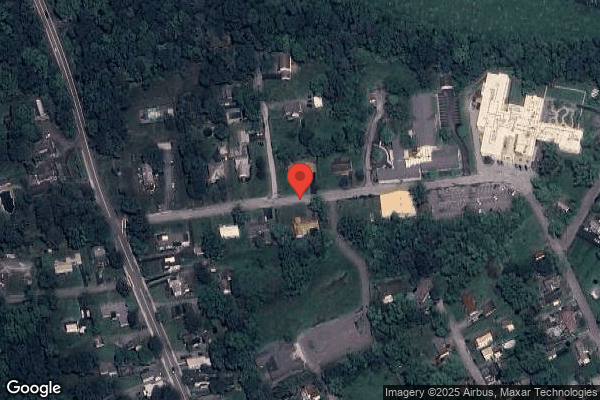
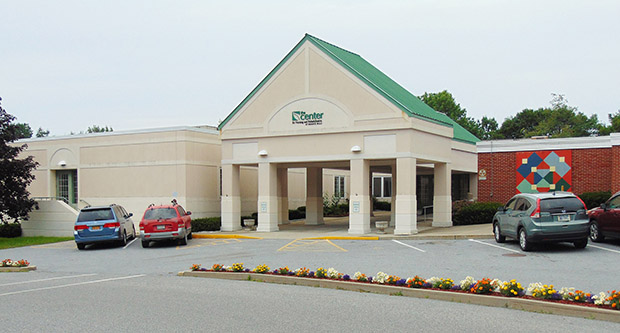
21 DANFORTH STREET, HOOSICK FALLS, NY 12090 (518) 686-4371
Non profit - Corporation 82 Beds Independent Data: November 2025
Trust Grade
55/100
#460 of 594 in NY
Last Inspection: October 2024

Within standard 12-15 month inspection cycle. Federal law requires annual inspections.

Overview

The Center for Nursing and Rehab at Hoosick Falls has a Trust Grade of C, which means it is average compared to other facilities. It ranks #460 out of 594 in New York, placing it in the bottom half of all nursing homes in the state, and #4 out of 9 in Rensselaer County, indicating only three local options are better. Unfortunately, the facility is worsening, with issues increasing from 1 in 2023 to 7 in 2024. Staffing is a concern, receiving a low rating of 1 out of 5 stars, although the turnover rate is reported at 0%, which is good news. There have been no fines, but recent inspections revealed serious concerns, including dirty carpets in resident areas and issues with medication storage, as opened insulin was not labeled with necessary dates, posing potential health risks.

Trust Score
C
55/100
In New York
#460/594
Bottom 23%
Safety Record
Low Risk
No red flags
Inspections
Getting Worse
1 → 7 violations
Staff Stability
○ Average
Turnover data not reported for this facility.
Penalties
✓ Good
No fines on record. Clean compliance history, better than most New York facilities.
Skilled Nurses
○ Average
Each resident gets 41 minutes of Registered Nurse (RN) attention daily — about average for New York. RNs are the most trained staff who monitor for health changes.
Violations
⚠ Watch
17 deficiencies on record. Higher than average. Multiple issues found across inspections.
★★☆☆☆
2.0
Overall Rating
★☆☆☆☆
1.0
Staff Levels
★★★☆☆
3.0
Care Quality
★★★☆☆
3.0
Inspection Score
Stable
2023: 1 issues
2024: 7 issues

The Good

  • Full Sprinkler Coverage · Fire safety systems throughout facility
  • No fines on record

Facility shows strength in fire safety.

The Bad

2-Star Overall Rating

Below New York average (3.1)

Below average - review inspection findings carefully

The Ugly 17 deficiencies on record

Oct 2024 7 deficiencies
CONCERN (D)

Potential for Harm - no one hurt, but risky conditions existed

Deficiency F0582 (Tag F0582)

Could have caused harm · This affected 1 resident

Based on medical record review and interview during the recertification survey, the facility did not ensure that residents and/or their designated representative were fully informed of their right to ...

Read full inspector narrative →
Based on medical record review and interview during the recertification survey, the facility did not ensure that residents and/or their designated representative were fully informed of their right to an expedited review of a service termination for 1 (Resident #54) of 3 residents reviewed. Specifically, a Notice to Medicare Provider Non-coverage, form CMS-10123 was not issued to Resident #54 prior to the Medicare Part A Service Termination. This is evidenced by: There was no documented evidence that a Notice to Medicare Provider Non-coverage, form CMS-10123 was issued to Resident #54 prior to the Medicare Part A Service Termination. During an interview on 10/08/2024 at 10:21 AM, Social Worker #1 stated they could not find the Notice to Medicare Provider Non-coverage, form CMS-10123 for Resident #54 and issuing this notice could have been overlooked. 10 New York Codes, Rules, and Regulations 415.3 (g)
CONCERN (D)

Potential for Harm - no one hurt, but risky conditions existed

Deficiency F0676 (Tag F0676)

Could have caused harm · This affected 1 resident

Based on observation, record review and interview conducted during the recertification survey, the facility did not ensure residents were given the appropriate treatment and services to maintain or im...

Read full inspector narrative →
Based on observation, record review and interview conducted during the recertification survey, the facility did not ensure residents were given the appropriate treatment and services to maintain or improve their ability to carry out the activities of daily living including functional communication systems for 1 (Resident #7) of 1 resident reviewed for communication. Specifically, Resident #7 ' s primary language was Japanese, and was care planned for staff to utilize communication boards. Resident #7 was not consistently provided a functional communication system to communicate their needs independently and effectively. This is evidenced by: The undated Policy and Procedure titled, CNR – Communication with Sensory Impaired and Non-English Persons, stated the facility would utilize all available tools including but not limited to communication boards to ensure the sensory-impaired persons were afforded equal opportunity to benefit from the services provided. Resident #7 was admitted to the facility with the diagnoses of Alzheimer ' s disease, cognitive communication deficit, and unspecified dementia. The Minimum Data Set (an assessment tool) dated 7/06/2024 stated the resident was rarely/never understood, could rarely/never understand others and was severely cognitively impaired. The face sheet demographics stated the resident ' s preferred language was Japanese. The comprehensive care plan titled, Resident is at risk for altered communication, included the interventions to utilize a translator if needed and utilize communication boards. During an observation on 10/03/2024 at 10:00 AM, no communication boards were observed in the Resident #7 ' s room. During an interview on 10/03/2024 at 12:40 PM, Certified Nurse Aide #4 stated they were not aware of a language line or translation services. They stated there were no communication boards used for the resident. They stated that at times some Certified Nurse Aides would use translation apps on their cellular phones to assist in communication but there was nothing provided by the facility. Certified Nurse Aide #4 stated they would do a lot of pantomime, such as by asking Resident #7 if they wanted ketchup and show them the ketchup. During an interview on 10/07/2024 at 12:01 PM, Licensed Practical Nurse #3 stated they were aware of a language line for translation, but they had not been taught how to use it. They stated they had not seen any translation devices or communication boards to use with the resident. During an interview on 10/07/2024 at 2:15 PM, Director of Nursing #1 stated they were unaware of any communication issues with any resident but would look into it. They stated the facility did have access to a language line to help translate for residents and staff. 10 New York Codes, Rules, and Regulations 415.12 (a) (2)
CONCERN (D) 📢 Someone Reported This

A family member, employee, or ombudsman was alarmed enough to file a formal complaint

Potential for Harm - no one hurt, but risky conditions existed

Pharmacy Services (Tag F0755)

Could have caused harm · This affected 1 resident

**NOTE- TERMS IN BRACKETS HAVE BEEN EDITED TO PROTECT CONFIDENTIALITY** Based on observation, record review, and interview conducted during the recertification and abbreviated survey (NY00354719), the...

Read full inspector narrative →
**NOTE- TERMS IN BRACKETS HAVE BEEN EDITED TO PROTECT CONFIDENTIALITY** Based on observation, record review, and interview conducted during the recertification and abbreviated survey (NY00354719), the facility did not ensure they provided medications and/or biologicals, as ordered by the prescriber, to meet the needs of 1 (Residents #65) of 1 resident reviewed for Pharmacy Services and 1 (Resident #165) of 4 residents reviewed for Medication Administration. Specifically, Resident #65 was admitted to the facility on [DATE] and ordered medications were not available for administration the evening of 9/09/2024 or the morning of 9/10/2024. For Resident #165, ordered medications were not available for administration on 10/07/2024 and 10/08/2024. This is evidenced by: The undated and untitled facility policy provided upon request of a policy addressing unavailable medications documented the following: it was the policy of The Center for Nursing and Rehabilitation at Hoosick Falls to act promptly to notify appropriate practitioners for orders to be followed, and pharmacy to obtain medications in accordance with the updated orders, if a medication was unavailable for any reason. Upon identifying that a medication was apparently unavailable, the identifying nurse will immediately notify the nurse manager/supervisor ' and upon determining that the medication was unavailable, the nurse manager/ supervisor shall take the following actions: - Inform the prescriber/attending physician, in their absence, the medical director. - Inform the pharmacy or backup/emergency pharmacy and obtain medications along with any new orders the prescriber may deem necessary. - Document actions and prescriber orders on the 24 -hour report, MD order, and resident chart in a progress note. Resident #65 was admitted to the facility with diagnoses type 2 diabetes, atrial fibrillation (an irregular, often rapid heart rate that commonly causes poor blood flow), and hypertension. The Minimum Data Set (an assessment tool) was not completed during the admission to the facility. The Census History documented the Resident #65 was admitted to the facility on [DATE] at 2:01 PM. Prescription Orders documented the medication orders for Resident #65 were entered into the electronic medical record on 9/09/2024 at 3:00 PM. Resident #65 ' s Medication Administration History for 9/09/2024 and 9/10/2024 documented medications were not administered, drug not available for all medications ordered with the exception of Lantus (insulin), which was documented as administered on 9/09/2024 at 4:00 PM. A Progress Note dated 9/10/2024 at 10:45 AM documented Resident #65 ' s family was taking them home against medical advice because medications had not been administered since admission. There were no other Progress Notes related to medications being unavailable or physician notification of medications not being administered as ordered. During an interview on 10/08/2024 at 11:17 AM, Director of Nursing #1 stated new admission orders were obtained from the hospital and reviewed with the facility physician before being entered into the electronic medical record; orders went directly through electronic medical record to the pharmacy. Director of Nursing #1 stated they were new to the facility and have not been made aware of any issues with obtaining medications from pharmacy; nurses should call the physician for orders whenever medications were not administered, and a Progress Note should document the instructions given. Resident #165 was admitted to the facility with diagnoses of malignant neoplasm of prostate (prostate cancer), protein calorie malnutrition, and chronic viral hepatitis B. The Minimum Data Set, dated [DATE] documented the resident could usually understand and be understood, with moderate cognitive impairment for daily decision making. Prescription Orders dated 9/06/2024 documented the resident was to be given bicalutamide (used to treat prostate cancer that has spread to other parts of the body) 50 milligrams once a day and calcitriol (a form of vitamin D3) 0.25 micrograms twice a day. During a medication administration observation on 10/08/2024 at 8:45 AM, Licensed Practical Nurse #1 did not administer bicalutamide or calcitriol as ordered. Medication Administration History for 10/07/2024 documented bicalutamide 50milligrams and calcitriol 0.25 micrograms were not administered as scheduled because the drugs were unavailable and re-ordered. No documentation of physician notification. Medication Administration History for 10/08/2024 documented bicalutamide 50 milligrams and calcitriol 0.25 micrograms were not administered as scheduled because the drugs were unavailable, and the pharmacy would be called. No documentation of physician notification. Review of the Progress Notes for 10/07/2024 and 10/08/2024 did not reveal documentation of the medications not being administered or physician notification. During an interview on 10/08/2024 at 8:50 AM, Licensed Practical Nurse #1 stated they had ordered the medications yesterday (10/07/2024) and did not know why they were not delivered, but this was a regular problem with the pharmacy. They also stated the physician should have been called and a progress note written when medications could not be administered for any reason. During an interview on 10/08/2024 at 11:19 AM, Assistant Director of Nursing #1 stated they recalled Resident #65 and was aware they did not get their medications but believed the nurse responsible for administering the medications had notified the physician. Assistant Director of Nursing #1 stated the day the resident was admitted was the day the facility switched pharmacies, so there may have been issues with orders going to the wrong pharmacy. The nurse should call the doctor whenever medications were not given and document the new orders or instructions in progress notes. Assistant Director of Nursing #1 stated they were not aware of any issues with obtaining medications from the new pharmacy; there were two deliveries each day so there should not have been anyone going more than a few hours without medications. They also stated there was currently no back-up pharmacy to obtain medications in the event the regular pharmacy was unable to deliver what was needed. 10 New York Codes, Rules, and Regulations 415.18(a)
CONCERN (D)

Potential for Harm - no one hurt, but risky conditions existed

Food Safety (Tag F0812)

Could have caused harm · This affected 1 resident

Based on observation and interview conducted during the recertification survey, the facility did not store, prepare, distributed, or serve food in accordance with professional standards for food servi...

Read full inspector narrative →
Based on observation and interview conducted during the recertification survey, the facility did not store, prepare, distributed, or serve food in accordance with professional standards for food service safety in the main kitchen and 2 (Unit A and Unit B) of 2 nourishment kitchenettes. Specifically, equipment and surfaces were soiled with food particles and plastic single-use articles were stored on the floor. This is evidenced by: During observations on 10/02/2024 at 10:49 AM, single-use plastic tableware and utensils were stored on the floor of the main storeroom and the following items were soiled with food particles or food drips: • Slicer. • Microwave oven. • Table mixer. • Utensil drawers. • Can opener holder. • Cooking line shelving. • K-rated fire extinguisher. • Kitchen mop sink. • Exterior of refrigerator in the Unit A Nourishment Kitchenette. • Microwave oven and refrigerator shelving in the Unit B Nourishment Kitchenette. During an interview on 10/02/2024 at 11:44 AM, Food Service Director #1 stated the items found would be cleaned immediately and that they would speak with their staff about not storing paper products on the floor in the storeroom. 10 New York Codes, Rules, and Regulations 415.14(h) Chapter 1 State Sanitary Code Subpart 14-1
CONCERN (E)

Potential for Harm - no one hurt, but risky conditions existed

Safe Environment (Tag F0584)

Could have caused harm · This affected multiple residents

Based on observation, interviews, and record review conducted during the recertification survey, the facility did not provide effective housekeeping and maintenance services on 2 (Unit A and Unit B) o...

Read full inspector narrative →
Based on observation, interviews, and record review conducted during the recertification survey, the facility did not provide effective housekeeping and maintenance services on 2 (Unit A and Unit B) of 2 resident units. Specifically, the carpeting throughout Unit A, Unit B, and the lobby was heavily soiled with dirt. This is evidenced by: During an observation from 10/03/2024 through 10/08/2024, the carpeting in the corridors on Unit A, Unit B, and the lobby area was heavily soiled with ground-in dirt. During an interview on 10/04/2024 at 1:35 PM, Environmental Manager #1 stated the carpeting cleaning machine has recently been repaired and that the facility had begun working on cleaning the carpeting. During an interview on 10/04/2024 at 1:41 PM, Administrator #1 stated the facility ownership was planning to replace the carpeting. 10 New York Codes, Rules, and Regulations 415.5(h)(4)
CONCERN (E)

Potential for Harm - no one hurt, but risky conditions existed

Comprehensive Care Plan (Tag F0656)

Could have caused harm · This affected multiple residents

**NOTE- TERMS IN BRACKETS HAVE BEEN EDITED TO PROTECT CONFIDENTIALITY** The Policy and Procedure titled, CNR Care Planning - IDT, revised 9/2013 stated the care planning/interdisciplinary team was re...

Read full inspector narrative →
**NOTE- TERMS IN BRACKETS HAVE BEEN EDITED TO PROTECT CONFIDENTIALITY** The Policy and Procedure titled, CNR Care Planning - IDT, revised 9/2013 stated the care planning/interdisciplinary team was responsible for the development of an individualized comprehensive care plan for each resident. Resident #7 was admitted to the facility with the diagnoses of Alzheimer's disease, cognitive communication deficit, and unspecified dementia. The Minimum Data Set (an assessment tool) dated 7/06/2024 stated the resident was rarely/never understood, could rarely/never understand others and was severely cognitively impaired. The face sheet demographics documented the resident's preferred language was Japanese. The Comprehensive Care Plan titled, Resident is at risk for altered communication, included the interventions to utilize a translator if needed and utilize communication boards. During an observation on 10/03/2024 at 10:00 AM, no communication boards were observed in the resident's room. During an interview on 10/03/2024 at 12:40 PM, Certified Nurse Aide #4 stated they were not aware of a language line or translation services. They stated there were no communication boards used for the resident. They stated that at times some Certified Nurse Aides would use translation apps on their cellular phones to assist in communication. During an interview on 10/07/2024 at 12:01 PM, Licensed Practical Nurse #3 stated they were aware of a language line for translation, but they hadn't been taught how to use it. They stated they had not seen any translation devices or communication boards to use with the resident. Resident #20 was admitted to the facility with the diagnoses of atrial fibrillation, obstructive sleep apnea, and lymphedema. The Minimum Data Set, dated [DATE] documented the resident was able to be understood, could understand others, and was cognitively intact. Record review of the resident's comprehensive care plans showed no comprehensive care plan in place for the diagnosis of lymphedema. During an interview on 10/07/2024 at 2:15 PM, Director of Nursing #1 stated all conditions being treated should have a resident specific care plan. Resident #25 was admitted to the facility with the diagnoses of traumatic brain injury (brain dysfunction caused by an outside force, usually a violent blow to the head), severe dementia with agitation, and delusional disorder. The Minimum Data Set, dated [DATE] documented the resident was rarely/never understood, could rarely/never understand others and was severely cognitively impaired. The Comprehensive Care Plan dated 8/18/2024 and titled, The resident exhibits behaviors as evidenced by, contained a list of potential symptoms. None of the symptoms were checked. The only approach documented in the Care Plan was not resident specific and not applicable to this resident who was rarely/never understood or able to understand-- It documented to: 'Approach the resident in a calm, consistent manner. Make eye contact. Use the resident's name and explain the purpose upon approach. Psychiatric/psychological consult and follow-up as necessary. Provide resident with the opportunity to express feelings through 1:1 and group visits. Encourage resident to participate in facility routine. Monitor for any changes in mood state. Provide reassurance and emotional support during episodes. Other.' The Comprehensive Care Plan dated 8/18/2024 and titled, Resident has a diagnosis of dementia severe with agitation, insomnia, traumatic brain injury, hallucinations, delusional disorder, restlessness, psychosis and is at risk for impaired decision making. The only approach documented in the Care Plan was not resident specific and not applicable to this resident who is rarely/never understood or able to understand-- It documented to: 'Administer medications as ordered. Encourage family/conservator/Power of Attorney to attend care planning and call with any changes. Encourage resident to attend preferred recreational activities. Assist resident in engaging tasks of historical interests, past profession, or hobbies as able. Observe for decline and provide rehabilitation services as needed. Speak slowly and clearly allowing time for resident to respond. Use resident's name when speaking to.' During an interview on 10/08/24 at 12:01 PM, Director of Nursing #1 stated care plans should be resident specific, that if there was a checklist then what applied to the resident should be checked off and then specific information that might help the resident should be added. Director of Nursing #1 stated they had just started in this facility last week and was already aware of the issues with the care plans, and would be making corrections as soon as possible. 10 New York Codes, Rules, and Regulations 415.11 (c)(1) Based on record review and interview conducted during the recertification survey, the facility did not ensure the development and implementation of comprehensive person-centered care plans that included measurable objectives and time frames to meet the resident's medical, nursing, and mental and psychosocial needs, that were identified in the comprehensive assessment, for 8 (Resident #s 7, 20, 21, 25, 30, 44, 55, and 215) of 19 residents reviewed for comprehensive care plans. Specifically, for (a.) Resident #7 comprehensive care plan was not implemented to provide the resident with a means of communication; (b.) for Resident #20, a comprehensive care plan was not developed for lymphedema, which the resident was receiving treatment for; And (c.) Residents #30 and #215 comprehensive care plan was not developed to be resident centered as to address the specific needs of the residents. This is evidenced by:
CONCERN (E)

Potential for Harm - no one hurt, but risky conditions existed

Deficiency F0761 (Tag F0761)

Could have caused harm · This affected multiple residents

**NOTE- TERMS IN BRACKETS HAVE BEEN EDITED TO PROTECT CONFIDENTIALITY** Based on observation, record review, and interview conducted during a recertification survey, the facility did not ensure drugs ...

Read full inspector narrative →
**NOTE- TERMS IN BRACKETS HAVE BEEN EDITED TO PROTECT CONFIDENTIALITY** Based on observation, record review, and interview conducted during a recertification survey, the facility did not ensure drugs and biologicals were labeled and stored in accordance with professional standards of practice. Specifically, opened insulin had no open and/or expiration dates written on them. This was evident for 1 (Unit B medication cart) of 2 medication carts reviewed for medication storage. This is evidenced by: The facility's Policy and Procedure, titled Medication Administration and last revised 9/2024 did not address labeling multi-use medications with expiration dates. During a medication cart review on Unit B with Licensed Practical Nurse #1 on [DATE] 9:16 AM, the following was observed: Resident #15's Basaglar KwikPen (insulin) was opened, and had no date opened or date of expiration. Resident #37's Basaglar KwikPen (insulin) was opened, and had no date opened or date of expiration. Resident #165's Humalog KwikPen (insulin) was opened, and had no date opened or date of expiration. Resident #166's Humalog KwikPen (insulin) was opened, and had no date opened or date of expiration. Resident #215 had 2 opened vials of insulin lispro solution with no dates when opened or expiration. Resident #216's Novolog FlexPen (insulin) was opened, and had no date opened or date of expiration. During an interview on [DATE] at 9:16 AM, Licensed Practical Nurse #1 stated both the date opened, and date expired - of 28 days after opening - should have been put on the sticker when a new pen or vial was opened. Licensed Practical Nurse #1 stated they had administered the undated medications to Residents #15, 165, and 166 this morning ([DATE]) and should not have because there was no way to know when the medications were opened or if they were expired, and all the insulins that were not dated would have to be discarded. During an interview on [DATE] at 9:46 AM, Licensed Practical Nurse #3 stated all multi-use insulin pens and vials needed to be labeled with the date they were opened, and that opened insulin pens and via were to be discarded 28 days after that date. hey were to be discarded 28 days after that date. During an interview on [DATE] 11:17 AM, Director of Nursing #1 stated nurses should have been writing on the labels when the insulins was opened and when they expired, which was 28 days after opening. Director of Nursing #1 stated they were new to the facility and not familiar with the policy related to labeling of multi-use medications. 10 New York Codes, Rules, and Regulations 415.18(d)
Mar 2023 1 deficiency
CONCERN (D) 📢 Someone Reported This

A family member, employee, or ombudsman was alarmed enough to file a formal complaint

Potential for Harm - no one hurt, but risky conditions existed

Report Alleged Abuse (Tag F0609)

Could have caused harm · This affected 1 resident

**NOTE- TERMS IN BRACKETS HAVE BEEN EDITED TO PROTECT CONFIDENTIALITY** Based on record review and interviews during an abbreviated survey (Case #s NY00237119, NY00238797, NY00292214, and NY00308701),...

Read full inspector narrative →
**NOTE- TERMS IN BRACKETS HAVE BEEN EDITED TO PROTECT CONFIDENTIALITY** Based on record review and interviews during an abbreviated survey (Case #s NY00237119, NY00238797, NY00292214, and NY00308701), the facility did not ensure an allegation of neglect was reported immediately, but not later than 2 hours after the allegation was made for 7 (Resident #s 3, 4, 5, 6, 7, 8, and #9) of 14 residents reviewed. Specifically, the facility did not ensure it reported an incident of neglect immediately, but not later than 2 hours after an allegation was made that Registered Nurse (RN) #1 signed for medications they did not administer to Resident #s 3, 4, 5, 6, 7, 8, and 9 on 3/2/2023 2:00 PM- 10:00 PM shift (evening shift). These medications included medication used to treat high blood pressure, high cholesterol levels, dementia, depression, and an enlarged prostate. This was evidenced by: The Policy and Procedure titled, Abuse, Neglect, and Exploitation Prohibition Policy last modified on 9/15/2022 documented the Director of Nursing (DON) or designee would report to New York Department of Health (DOH) per the following guidelines: Incidents resulting in serious bodily injury must be reported within 2 hours after forming suspicion. All other incidents must be reported within 24 hours. The facility's Policy and Procedure for Abuse, Neglect, and Exploitation Prohibition Policy did not include that all alleged violations involving abuse, neglect, exploitation or mistreatment, including injuries of unknown source and misappropriation of resident property, are reported immediately, but not later than 2 hours after the allegation is made. Resident #5 was admitted to the facility with diagnoses of severe dementia, epilepsy, and schizophrenia. The Minimum Data Set (MDS- an assessment tool) dated 1/28/2022, documented the resident had severe cognitive impairment, was rarely/never understood, and rarely/never understood others. Resident #6 was admitted to the facility with diagnoses of severe dementia with behavior disturbance, atrial fibrillation, and heart disease. The MDS dated [DATE], documented the resident had severe cognitive impairment, could sometimes be understood, and could sometimes understand others. Resident #8 was admitted to the facility with diagnoses of high blood pressure, transient ischemia attack (a mini stroke), and Alzheimer's disease. The MDS dated [DATE], documented the resident was cognitively intact, could usually be understood, and could usually understand others. The undated document titled Investigative Summary, documented the date of the event was 3/2/2022 on the evening shift. It documented on 3/3/2022 at 7:34 PM, Licensed Practical Nurse (LPN) #4 notified the Director of Nursing (DON) that during their medication pass it appeared several of the residents had not received their medication the evening of 3/2/2022. Per the facility's Investigative Summary, LPN #4 reported the incident to the DON on 3/3/2022 at 7:34 PM. The DOH Intake Information form documented the facility reported the incident on 3/4/2022 at 3:12 PM. During an interview on 2/24/2023 at 9:57 AM, the Director of Nursing (DON) stated the timeframe for reporting abuse was within 2 hours. If it was neglect that caused harm, then within 24 hours or within 24 hours if no harm to the resident. During an interview on 2/24/2023 at 3:00 PM, the Regional Administrator (RA) stated when a case of abuse or suspected abuse was reported, the Police were notified, and the DON and Administrator were notified. Abuse must be reported within 2 hours. During an interview on 3/13/2023 at 11:08 AM, the Administrator stated abuse and neglect needed to be reported within 2 hours if harm occurred and anything with the potential for harm needed to be reported within 24 hours. The Administrator stated the ideal was to report immediately if staff witnessed anything so an investigation could start, and resident safety could be ensured. The Administrator stated those were the standard guidelines from CMS they followed. 10 NYCRR 415.4(b)
Aug 2022 4 deficiencies
CONCERN (D)

Potential for Harm - no one hurt, but risky conditions existed

Comprehensive Care Plan (Tag F0656)

Could have caused harm · This affected 1 resident

Based on record review and interview during the recertification survey, the facility did not ensure the development and implementation of comprehensive person-centered care plans (CCP) for each reside...

Read full inspector narrative →
Based on record review and interview during the recertification survey, the facility did not ensure the development and implementation of comprehensive person-centered care plans (CCP) for each resident that included measurable objectives and timeframes to meet the resident's medical, nursing, mental and psychosocial needs for 3 (Resident # 24, 33, and #47) of 19 residents reviewed for comprehensive care plans (CCP). Specifically, for Resident #24, the facility did not ensure their CCP included the intervention for contact precautions required for the resident's diagnosis of methicillin resistant staph aureus in the urine; for Resident #33's diagnoses of hyperlipidemia (high cholesterol), gastroesophageal reflux disease (GERD), and biliary cholangitis (a disease that causes destruction of the bile ducts in the liver); and for Resident #47, the facility did not ensure CCPs were developed and implemented to address the resident's diagnoses of constipation and angina pectoris. This is evidenced by: The Policy and Procedure titled Plan of Care, revised 6/20/2022, documented that at a minimum, the CCP would include resident diagnoses, activity level, diet, medications, treatments, limitations, and specific requests for therapeutic interventions. As physician orders were updated, or the resident's needs changed, the CCP would be reviewed and updated. Resident #24 Resident #24 was admitted to the facility with diagnoses of methicillin resistant staphylococcus aureus (MRSA) infection, urinary tract infection, and metabolic encephalopathy. The Minimum Data Set (MDS - an assessment tool) dated 7/12/2022 documented the resident was usually able to make themselves understood, usually able to understand others, and was severely cognitively impaired. A physician order dated 7/6/2022 documented contact precautions due to MRSA in the urine. The care plan titled Indwelling Catheter dated as revised on 8/25/2022 did not include a care plan addressing the resident's contact precautions. During an interview on 08/30/22 at 09:19 AM, Licensed Practical Nurse (LPN) #1 stated that when residents were on contact precautions, a care plan would need to be developed for this. During an interview on 08/30/22 at 10:19 AM, the Infection Preventionist/Staff Educator (IP/SE) stated that when residents were on contact precautions, a care plan needed to be developed. This needed to be implemented when the contact precautions were ordered by the physician. The IP/SE stated that a care plan should have been initiated for Resident #24 on 7/6/2022 when their contact precautions were ordered; this was not done. During an interview on 08/30/22 at 10:54 AM, the Director of Nursing (DON) stated that when residents were on contact precautions, a care plan needed to be developed at the time that the order was written. The contact precautions for Resident #24 should have been addressed in their care plan on 7/6/2022, but this was not done until 8/26/2022. Resident #33 Resident #33 was admitted to the facility with diagnoses of hyperlipidemia, gastroesophageal reflux disease, and biliary cyst. The Minimum Data Set (MDS - an assessment tool) dated 7/20/2022 documented the resident was sometimes able to make themselves understood, sometimes able to understand others, and was severely cognitively impaired. Physician orders dated 2/11/2022 documented cholestyramine light packet, give one packet daily diluted in water for hyperlipidemia; famotidine tablet daily at bedtime for GERD; and ursodiol capsule twice daily for biliary cholangitis. The CCP revised 8/2/2022 did not include a care plans that addressed the diagnoses of hyperlipidemia, GERD, and biliary cholangitis. During an interview on 08/30/22 at 09:19 AM, LPN #1 stated that residents who were currently receiving medications or treatments for a particular condition would need to have a care plan in place to address the condition that they were receiving the medication or treatment for. During an interview on 08/30/22 at 10:54 AM, the DON stated that the CCP for Resident #33 did not address their diagnoses of hyperlipidemia, GERD, and biliary cholangitis that they were currently taking medication for. These conditions should have been addressed in the CCP. Resident #47 Resident #47 was admitted to the facility with diagnoses of Alzheimer's disease, depression, and hyperlipidemia. The Minimum Data Set (MDS - an assessment tool) dated 8/8/2022 documented the resident was usually able to make themselves understood, sometimes able to understand others, and was severely cognitively impaired. Physician orders are follows: - 7/26/2021 - Colace capsule daily at bedtime for constipation; - 7/27/2021 - fiber tablet daily for constipation; - 7/28/2021 - documented Linzess capsule, give once every three days for constipation; - 4/22/2022 - isosorbide mononitrate extended release (ER) tablet twice daily for angina pectoris. The CCP revised 8/12/2022 did not include documentation that addressed the diagnoses of angina pectoris or constipation. During an interview on 08/30/22 at 10:54 AM, the DON stated that residents would require care plans for conditions that they were presently receiving medications, treatments, or interventions for. Resident #33's CCP did not address their diagnoses of constipation or angina pectoris. The resident's CCP should have addressed both these conditions. 10NYCRR415.11(c)(1)
CONCERN (E)

Potential for Harm - no one hurt, but risky conditions existed

Food Safety (Tag F0812)

Could have caused harm · This affected multiple residents

Based on observation, record review, and interviews during the recertification survey dated 08/24/2022 through 08/30/2022, the facility did not ensure food was stored, prepared, distributed, or served...

Read full inspector narrative →
Based on observation, record review, and interviews during the recertification survey dated 08/24/2022 through 08/30/2022, the facility did not ensure food was stored, prepared, distributed, or served in accordance with professional standards for food service safety in the main kitchen, the Servery Kitchen, and one (1) of 2 Nourishment Rooms. Specifically, in the main kitchen, the table mixer, slicer, microwave oven, and table fan were soiled with food particles or dust; one spray bottle was not labeled; an obnoxious (sewer odor) odor was detected; and the correct test kit to measure the concentration of sanitizing solution (test kit) used to manually sanitize food contract equipment, was not provided; in the A-Unit Nourishment room, the refrigerator door gasket was soiled with food particles; and in the Servery Kitchen, the microwave oven and cabinets were soiled with food particles. This is evidenced as follows: During observations on 08/24/2022 at 9:51 AM in the main kitchen, the table mixer, slicer, microwave oven, and table fan were soiled with food particles or dust; one spray bottle was not labeled; and an obnoxious odor was detected. In the A-Unit Nourishment room, the refrigerator door gasket was soiled with food particles; and in the Servery Kitchen, the microwave oven and cabinets were soiled with food particles. During an interview on 08/24/2022 at 9:51 AM, the Director of Guest Services stated that the obnoxious odor is from the enzyme solution being pumped into the drainpipes leading to the grease trap (enzyme solution) and that the pipeline to the grease trap (pipeline) is not flushed with water after the recommended nightly treatment at 12:30 AM. The container of enzyme solution titled Santec Eleven Drain + Sewer Treatment (label not dated) states that the pipeline is to be flushed down with a cup of lukewarm water after the grease trap treatment. During an interview on 08/24/2022 at 9:51 AM, the Director of Guest Services presented both an unopened bottle of the concentrated sanitizer used to sanitize equipment (sanitizer) and the test kit to measure the parts per million (ppm) concentration of the sanitizing solution. The bottle of concentrated sanitizer label titled Santec Eight Disinfectant Sanitizer (label not dated) states the sanitizer is to be diluted to between 200-400 ppm when sanitizing food contact surfaces. The test kit label document titled LaMotte QAC QR Test Strips with an expiration date of December 2023, documents color graduations that do not exceed 400 ppm and cannot test sanitizer concentrations exceeding the manufacturer specifications. During interviews on 08/25/2022 at 10:35 AM, the Administrator and Director of Guest Services stated that the correct test kit will be obtained, all spray bottles will be labeled, the issues with the odor and drain treatment will be addressed, and the cleaning items will be addressed. 10 NYCRR 415.14(h); Chapter 1 State Sanitary Code Subpart 14-1.60, 14-1.110, 14-1.112(c), 14-1.130
CONCERN (E)

Potential for Harm - no one hurt, but risky conditions existed

Infection Control (Tag F0880)

Could have caused harm · This affected multiple residents

Based on observations, interviews, and record reviews during a recertification survey, the facility did not ensure an infection prevention and control program designed to provide a safe, sanitary and ...

Read full inspector narrative →
Based on observations, interviews, and record reviews during a recertification survey, the facility did not ensure an infection prevention and control program designed to provide a safe, sanitary and comfortable environment and to help prevent the development and transmission of communicable diseases and infections was maintained for the facility. Specifically, the facility did not ensure that visitors were consistently screened for symptoms of COVID-19 prior to entering the facility; and for Resident #24, the facility did not ensure that contact precautions were implemented as ordered by the physician. This was evidenced by: The Center for Medicare and Medicaid Services (CMS) guidance document QSO-20-39-NH revised 3/10/2022 documented these core principles are consistent with the Centers for Disease Control and Prevention (CDC) guidance for nursing homes and should be adhered to at all times. Facilities should screen all who enter for these visitation exclusions. Visitors who are unable to adhere to the core principles of infection prevention should not be permitted to visit or should be asked to leave. A facility document titled Staff Responsibility for Visitation dated 10/5/2020 documented, each visitor needs to be screened with temperature and questionnaire to be completed in full with no questions skipped. The Facility Daily Visitor Screening Logs dated 8/24/2022 through 8/27/2022 documented that 12 of 75 visitors did not complete the screening process prior to entering the facility. The following information was not included on the visitation logs; - On 8/24/2022, a temperature was not documented for 1 visitor. - On 8/25/2022, temperatures were not documented for 4 visitors, COVID-19 screening questions were not documented for 1 visitor and both temperature and COVID-19 screening questions were not documented for 2 visitors. - On 8/26/2022, a temperature was not documented for 1 visitor and COVID-19 screening questions documented was not documented for 1 visitor. - On 8/27/2022, COVID-19 screening questions were not documented for 2 visitors. During an interview on 8/29/2022 at 3:51 PM, Infection Prevention/Staff Education (IP/SE) said the staff member who unlocks the front door to let the visitors in were responsible to ensure that the screening questions are answered, and the temperature is documented on the log before visitors enter the resident units. IP/SE also said that typically the visitor may document on the form, but staff are responsible to ensure it is complete. During an interview on 8/30/2022 at 8:50 AM, the Occupational Therapist (OT) #2 said any staff member can open the door to let visitors into the facility and instruct the visitor to complete the screening process, an OT would usually get a nurse or a activities department staff member to verify the screening and to do rapid testing if needed. During an interview on 8/30/2022 at 10:24 AM, the Social Worker/Activities Director (SW/AD) said there is usually an Activity Aid assigned to the front desk who makes sure that all visitors complete the screening questions, temperature and rapid testing if needed. The Activities Aides work from 7:30 AM to 8:00 PM and there are no set hours for visitation, so any staff member who unlocks the front door and lets visitors into the facility are responsible to ensure the visitors complete the screening process and document the answers on the visitor log. The visitor then needs to show a negative test within 48 hours or have a rapid test completed in the testing room which is located across the hall from the front desk. The SW/AD also said the IP/SE was responsible to monitor the visitation logs daily. During an interview on 8/30/2022 at 10:19 AM, the IP/SE said the visitor screening process is that they sign in, answer the questions, check their temperature themselves or staff can check their temperature for them and then go for testing. Activities is responsible for monitoring the log and ensuring that it is completed. It was discovered yesterday that there were several blanks on the visitor log, there seems to be some confusion about this. Activities is responsible for the screening. If gaps or blanks are identified on the log, staff should be re-educated that there must not be any blanks on the screening log. If a visitor failed the screen or did not complete the log they should have been re-screened or instructed to leave the building. During an interview on 8/30/2022 at 12:35 PM, the Director of Nursing (DON) said the staff who let the visitors in the facility should be screening and completing the documentation on the visitor log, and nursing staff or activities staff complete the rapid testing. If visitors complete the documentation on the logs, staff should review it and make sure all questions are answered and temperatures are documented before allowing them to enter the facility. There should not be any unanswered questions, if answers are not documented then the screening process was not completed accurately. The IP/SE is responsible overseeing and monitoring the visitor screening process. Resident #24 The Policy and Procedure (P&P) titled Precautions/Transmissions, reviewed 2/18/2020, documented each resident on transmission-based precautions would have an isolation cart placed outside their room. Signage would be posted outside the resident's room indicating which precautions the residents were on and directing visitors to speak with nursing prior to entering the room. Contact precautions required individuals to wear gloves and a gown prior to entering the resident's room and remove these items prior to exiting the room. Resident #24 was admitted to the facility with diagnoses of methicillin resistant staphylococcus aureus (MRSA) infection, urinary tract infection, and metabolic encephalopathy. The Minimum Data Set (MDS - an assessment tool) dated 7/12/2022, documented the resident was usually able to make themselves understood, usually able to understand others, and was severely cognitively impaired. A physician order dated 7/6/2022, documented contact precautions due to MRSA in the urine. During an observation on 08/26/22 at 11:12 AM, Resident #24 was observed sitting in in a wheelchair in their room, their Foley catheter bag was hanging on the left side of their wheelchair. There was no contact precautions signage or Personal Protective Equipment (PPE) bin present outside of the resident's room. During an interview on 08/26/22 at 11:21 AM, Nurse Manager (NM) #1 stated that Resident #24 was presently on contact precautions for MRSA in their urine. Residents who were on contact precautions had signage posted outside their door indicating the type of precautions that were present, and a bin with the necessary PPE located outside the room. During an interview/observation on 08/26/22 at 11:22 AM, NM #1 stated that there was no contact precautions signage or PPE outside of Resident #24's room. This resident was supposed to be on contact precautions for MRSA in their urine, and both contact precautions signage and a bin of PPE needed to be present in front of the resident's room. During an interview on 08/30/22 at 09:03 AM, Temporary Nurse Aide (TNA) #1 stated that residents who were on contact precautions needed to have a bin with PPE and signage posted that explained the contact precautions outside of the resident's room. During an interview on 08/30/22 at 09:19 AM, Licensed Practical Nurse (LPN) #1 stated that residents on contact precautions required signage documenting the precautions and a bin of PPE present outside of the resident's room. During an interview on 08/30/22 at 10:19 AM, the IP/SE stated that contact precautions were implemented when the physician writes the order. When residents were on contact precautions, a sign would be posted outside the resident's room documenting the contact precautions and a bin of PPE would be present. On 8/26/2022, Resident #24 should have had contact precautions signage and a PPE bin outside of their room. IP/SE stated that contact precautions had been implemented for Resident #24, and they had seen signage and a PPE bin outside their room as recently as 8/23/2022 and was unable to explain what had happened to the signage and PPE bin since that date. During an interview on 08/30/22 at 10:54 AM, the DON stated that contact precautions were initiated by staff when the order was received from the physician and consisted of a bin of PPE outside the resident's room and a sign posted outside the resident's door documenting the contact precautions. On 8/26/2022, Resident #24 was on contact precautions for MRSA in their urine and should have had contact precautions signage and a PPE bin present outside of their room. The DON stated that this resident had contact precautions signage and a PPE bin in place recently, and they were not sure why these items were not in place on this date. 10NYCRR415.19(a)(1-3) 10NYCRR415.19(b)(1)
MINOR (C)

Minor Issue - procedural, no safety impact

Safe Environment (Tag F0584)

Minor procedural issue · This affected most or all residents

Based on observation and interviews during the recertification survey dated 08/24/2022 through 08/30/2022, the facility did not provide effective maintenance services for two (2) of 2 resident units. ...

Read full inspector narrative →
Based on observation and interviews during the recertification survey dated 08/24/2022 through 08/30/2022, the facility did not provide effective maintenance services for two (2) of 2 resident units. Specifically, the carpeting throughout the A-Unit and B-Unit corridors was heavily soiled with a black build-up and spot stains. This is evidenced as follows: During observations on 08/24/2022 at 11:02 AM, the carpeting throughout the A-Unit and B-Unit corridors was heavily soiled with a black build-up and spot stains. During interviews on 08/25/2022 at 10:44 AM, the Administrator and Director of Housekeeping and Laundry stated that the carpets are spot-cleaned and will need to be deep-cleaned and assessed, but the present condition is due to the age of the carpeting. 483.10(i)(2); 10 NYCRR 415.5(h)(4)
Feb 2020 5 deficiencies
CONCERN (D)

Potential for Harm - no one hurt, but risky conditions existed

Accident Prevention (Tag F0689)

Could have caused harm · This affected 1 resident

Based on record review and interviews during the recertification survey and an abbreviated survey (Case #NY00252358), the facility did not ensure that the resident's environment remained as free of ac...

Read full inspector narrative →
Based on record review and interviews during the recertification survey and an abbreviated survey (Case #NY00252358), the facility did not ensure that the resident's environment remained as free of accident hazards as was possible for 1 (Resident #33) of 4 residents reviewed for accident hazards. Specifically, for Resident #33, the facility did not ensure the resident's skin integrity was protected in accordance with manufacturer instructions when a chemical hair relaxant was applied to the resident's hair. This is evidenced by: Resident #33: The resident was admitted to the facility with the diagnoses of paranoid schizophrenia, diabetes, and dementia. The Minimum Data Set (MDS - an assessment tool) dated 12/26/19, documented the resident had moderately impaired cognition, could usually understand others and could usually make self understood. The Facility Reported Incident (FRI) dated 2/11/20, documented the resident returned to her unit after going to the salon and two nurses noticed that the resident's hairline on her forehead and scalp were red. The FRI documented after speaking with the Hair Stylist, she reported the resident told her it was burning so she immediately rinsed her hair and applied the neutralizing shampoo that came with the hair straightening chemical kit. The manufacturer safety warnings for the chemical hair relaxant kit used included: Read and follow directions and warnings completely. Failure to follow directions and warnings, or other misuse of the product could cause serious injury to eyes or skin; Keep relaxer off scalp and other skin areas. Contact with scalp or other skin areas can cause serious skin irritations or burns; Do not use hot combs or other heat appliances during the relaxer process. The manufacturer instructions documented to use petroleum jelly on the hairline, nape of neck, and ear area only. The Comprehensive Care Plan for a potential impairment to skin integrity related to fragile skin, diabetes, and anemia, last revised 2/12/20, documented the resident's skin injury, a chemical burn of the scalp, will be healed by the next review date. Interventions included: avoid scratching, follow facility protocols for treatment of injury, monitor/document location, size and treatment of the skin injury and report abnormalities, failure to heal, signs and symptoms of infection to the physician. A Physician's Order dated 2/14/20, documented to apply Vaseline Gel (white Petrolatum) to scalp topically every morning and at bedtime for scalp irritation. A progress note dated 2/11/20 at 11:15 AM, documented the resident came back from hairdresser after getting a perm and it was noticed that the resident had what looked like a chemical burn across the hairline on the forehead, with discoloration of the skin across the hairline. During an interview on 02/19/20 at 11:05 AM, the Administrator stated the Hair Stylist would not be returning to the facility until all the chemicals in the beauty parlor were reviewed and the Hair Stylist received education on the chemicals. She stated the chemicals would be reviewed and additional chemicals could not be brought into the facility until reviewed by administration. During an interview on 2/20/20 at 10:40 AM, the Hair Stylist stated she applied the straightening relaxer to the resident's hair, the same treatment she had applied in the past, and about 10 minutes into the process, the resident stated it was burning. She stated she used a cream protectant prior to putting the relaxant in the resident's hair but did not use petroleum jelly as documented in the manufacturer's instructions. The Hair Stylist stated she checked the resident's hair and saw that the resident's skin pigment along her hairline was lighter which indicated to her that the skin had been burned by the chemical relaxant. She stated she washed the relaxant out of the resident's hair and set the resident's hair in rollers and placed the resident under a dryer. She stated she did not normally put the resident under the dryer after the relaxant process, but she did this time because the resident had rollers in. She stated she felt that the heat from dryer intensified the chemical relaxer and chemically burned the resident's skin. She stated she applied bacitracin to the resident's hairline prior to the resident leaving the beauty parlor. She stated she did not immediately report what happened to nursing staffing and should have. She stated nursing informed her after they saw the skin irritation and burn on the resident's hairline and told her it was a second-degree burn. The Hair Stylist stated she tried to follow the instructions on the relaxant kit, but stated she had a fear of using such chemicals. She stated she told the resident of her fear, but the resident said it would be ok, so she proceeded as usual with the chemical relaxant kit. During an interview on 2/20/20 on 11:08 AM, Licensed Practical Nurse (LPN) #1 stated she became involved because she assisted with staff education. She stated when she saw the resident, the resident had lost color on her hairline and it looked moist, white, and bleached. She stated the resident definitely had some blistering. She stated when she interviewed the Hair Stylist after the incident, the Hair Stylist reported the chemical relaxer was still in the resident's hair when she placed the resident was under the dryer and when the resident complained of burning, she washed the resident's hair two times with neutralizing shampoo. She stated the Hair Stylist provided her the instructions for the chemical hair relaxant kit and then educated the Hair Stylist on all the contraindications. She stated the Hair Stylist stated she did not put petroleum jelly around the resident's hairline, and she should have used the petroleum jelly based on manufacturer's instructions prior to applying the relaxant. She stated she believed this incident could have been prevented if the Hair Stylist followed instructions by applying the Petroleum jelly and by not using a heating device on the resident's hair. She stated the Hair Stylist also applied Bacitracin, a medicated ointment, without a physician order and should never have done that. She also stated she thought the hair stylist needed more knowledge about the chemicals she was using and should have reported the incident immediately to nursing. During an interview on 2/20/20 at 12:21 PM, the Director of Nursing (DON) stated the 2 LPNs stopped her the day of the incident and said the resident had just gotten back from the hairdresser and it looked like she had a burn on her head. She stated when looked at the resident, she saw what looked like a chemical burn across the resident's hairline. She stated she did not recall seeing blisters with the burn, but that the chemical removed the resident's skin pigment. She stated the area of the burn was initially white then turned red. She stated the resident never complained of pain. She stated the Hair Stylist should have followed the manufacturer's instructions and safety warnings at all times and felt the hairdresser could have prevented the burn from happening if she had. She stated the Hair Stylist did not use Vaseline prior to using the relaxant product and should not have placed the resident under the dryer with the relaxant in her hair. She stated the products in the beauty parlor were brought in by the Hair Stylist and the facility was not aware of what chemicals were in the beauty parlor. She stated the facility would not necessarily know if the directions were being followed. The DON stated the only monitoring of the Hair Stylist was ensuring her license and insurance were up to date. She stated the Director of Activities worked with the hairdresser in terms of scheduling residents to see her but did not directly supervise her. She stated the facility expectation was that Hair Stylist would report any injury or incident while the resident was still with her and not try to treat a resident. She stated she did not know the Hair Stylist had bacitracin in the beauty parlor and should not have applied it to the residents burn. She stated the hair stylist was hired around 2006 or 2008 and received general orientation at that time but had not received any additional trainings since. She stated she could not find a facility policy about contracted employees or the beauty parlor and stated the facility did not have a policy for contracted staff to be educated or in-serviced on a regular basis. During an interview on 2/20/20 at 12:45 PM, the Administrator stated the facility did not believe the manufacturer's instructions were followed during the relaxant process, but no one was in the room as a witness except the Hair Stylist and the resident, who was a poor historian. The Administrator stated there was a chance the resident could have been burned even if the instructions had been followed. She stated the Hair Stylist could have done things differently that day. She should have reported the incident immediately to a nurse, she should not have applied bacitracin to the skin, and should have followed all manufacturer's instructions. The Administrator stated there was not a policy on how the facility monitored, supervised, or educated contracted staff, such as the Hair Stylist. She stated the Hair Stylist needed further education on the chemicals she was using, and the facility was going to limit what she had and how she handled the chemicals. The Administrator stated additional chemicals would not come into the facility without the approval of administration. The Administrator stated it was her responsibility as the Administrator to know that the facility had policies in place regarding the beauty parlor and the chemicals used in the beauty parlor. 10NYCRR 415.12(h)(1)
CONCERN (D)

Potential for Harm - no one hurt, but risky conditions existed

Garbage Disposal (Tag F0814)

Could have caused harm · This affected 1 resident

Based on observation and staff interview during the recertification survey, the facility did not dispose of garbage and refuse properly. Specifically, the trash compactor was not clean. This is eviden...

Read full inspector narrative →
Based on observation and staff interview during the recertification survey, the facility did not dispose of garbage and refuse properly. Specifically, the trash compactor was not clean. This is evidenced as follows. The trash compactor area was inspected on 02/18/2020 at 08:41 AM. The compactor door portal was soiled with a thick white build-up. The Director of Plant Operations stated in an interview on 02/18/2020 at 09:28 AM, that the compactor door has not been cleaned in awhile and sometimes trash falls out when the compactor is being emptied by the compactor vendor. 10 NYCRR 415.14(h)
CONCERN (D)

Potential for Harm - no one hurt, but risky conditions existed

Infection Control (Tag F0880)

Could have caused harm · This affected 1 resident

Based on observation, record review and interview during the recertification survey, the facility did not maintain an infection prevention and control program designed to prevent the development and t...

Read full inspector narrative →
Based on observation, record review and interview during the recertification survey, the facility did not maintain an infection prevention and control program designed to prevent the development and transmission of communicable diseases and infections for 1 of 1 (Resident #29) residents reviewed for a dressing change. Specifically, for Resident #29, during observation of a dressing change to the resident's stage three (3) pressure ulcer (PU) on the right (R) heel, the facility did not ensure that scissors were cleansed throughout the dressing change, a barrier was used under the foot/over the floor, supplies were opened properly, and gloves were changed when contaminated during a dressing change . This is evidenced by: Resident #29: The resident was admitted to the facility with diagnoses of chronic kidney disease, hypertension and pressure ulcer (PU) of the right (R) heel. The Minimum Data Set (MDS - an assessment tool) dated 12/28/19, documented the resident was cognitively intact, could understand others and could make self-understood. The facility Policy and Procedure titled Dressing Change, Clean Procedure dated 6/10/19, documented to remove soiled dressing carefully, if dressing is not wet to dry and is adhering to the skin surface, it may be moistened by pouring sterile saline on it. Discard dressing in a plastic waste bag, cleanse area. Do not handle new dressing materials with contaminated gloves, wash and/or sanitize hands and don clean gloves then apply the clean dressing. The Comprehensive Care Plan for a Stage 3 PU (involves the full thickness of the skin and may extend into the subcutaneous tissue layer) of the R medial heel related to a history of ulcers last revised 1/10/2020, documented the resident had an ulcer on the right heel. Interventions included: Administer treatments as ordered and monitor effectiveness, and monitor dressing every shift to ensure it is intact and adhering. A Physician order dated 1/17/20, documented to cleanse the R heel wound with normal saline (NS), pat dry, apply Purocal (Purocal is highly a absorbent material that converts to soft, gel sheet that stays in contact with wound bed as it absorbs exudates) to wound bed, cover with gauze and kling gauze wrap every other day and as needed. During an observation on 02/19/20 at 9:09 AM, Licensed Practical Nurse (LPN) #2 performed the stage 3, R heel PU dressing. The scissors used for the dressing change were not cleansed prior to, or after cutting the old dressing off the foot, before cutting the clean Purocal to use on the clean ulcer bed, at the completion of the dressing change and prior to placing the scissors on top of the medication cart. The old dressing which had yellow/greenish drainage was cut off and left directly on the floor under the residents R heel. Normal saline used to clean the heel dripped onto the old dressing on the floor, the old dressing was folded over, and the resident's heel was placed on top of the old dressing. Gloves were not changed after the wound bed was patted dry, before the clean Purocal and gauze dressings were applied, and when the gauze package (outside is considered dirty) was held and opened by ripping the top off and pulling out the clean gauze. During an interview on 02/19/20 at 9:20 AM, LPN #2 stated he/she did not think about the scissors being contaminated. The surveyor reviewed findings and he/she stated they would do better. During an interview on 02/19/20 at 9:37 AM, LPN #1/Infection Control Nurse stated there will need to be education on dressing change practices and verbalized that infection prevention was not maintained during the dressing change. During an interview on 02/20/20 at 11:14 AM, Registered Nurse Manager #3 stated the nurse did not maintain infection prevention. 10NYCRR415.19(b)(4)
CONCERN (D)

Potential for Harm - no one hurt, but risky conditions existed

Deficiency F0943 (Tag F0943)

Could have caused harm · This affected 1 resident

Based on record review and interviews during the recertification survey and an abbreviated survey (Case #NY00252358), the facility did not ensure training was provided to their staff that at a minimum...

Read full inspector narrative →
Based on record review and interviews during the recertification survey and an abbreviated survey (Case #NY00252358), the facility did not ensure training was provided to their staff that at a minimum educated staff on activities that constituted abuse, neglect, exploitation, and misappropriation of resident property, procedures for reporting incidents of abuse, neglect, exploitation, or the misappropriation of resident property, and dementia management and resident abuse prevention. Specifically, the facility did not ensure contracted staff was educated on the prevention and reporting of abuse and neglect. This is evidenced by: The Policy and Procedure (P&P) titled Abuse, Neglect and Exploitation Prohibition Policy last revised 3/2019, documented the Education Department would schedule and monitor attendance of the annual mandatory training of employees and volunteers regarding the Abuse, Neglect and Exploitation policy. During an interview on 2/20/20 at 10:40 AM, the Hair Stylist stated she was a contract employee and had not received any additional trainings or education since she started working at the facility 12 or 14 years ago when she went through a general orientation process. During an interview on 2/20/20 at 12:21 PM, the Director of Nursing (DON) stated the Hair Stylist was a contract employee at the facility since 2006 or 2008 and had received a general orientation then, but had not received any additional trainings or education since. She stated the Hair Stylist did not receive the yearly mandatory trainings that included abuse, neglect and reporting. The DON stated she could not find any facility policies about contracted employees needing to be educated or in-serviced on a regular basis. During an interview on 2/20/20 at 12:45 PM, the Administrator stated there was not a policy on how the facility monitored, supervised, or educated contracted staff including the Hair Stylist and there was not a policy that contracted staff needed yearly education. She stated all staff, including contracted staff, would start going through the annual mandatory inservices that included not only abuse and neglect but also inservices on reporting incidents, infection control, resident rights, and dementia training. 10 NYCRR 415.4(b)
CONCERN (E)

Potential for Harm - no one hurt, but risky conditions existed

Food Safety (Tag F0812)

Could have caused harm · This affected multiple residents

Based on observation, record review, and staff interview during the recertification survey, the facility did not store, prepare, distribute or serve food in accordance with professional standards for ...

Read full inspector narrative →
Based on observation, record review, and staff interview during the recertification survey, the facility did not store, prepare, distribute or serve food in accordance with professional standards for food service safety. Toxic substances are not to be stored where food or food surfaces can be contaminated, product thermometers are to be kept calibrated, kitchen surfaces are to be cleanable, a test kit is to be provided to measure the parts per million (ppm) concentration of the solution used to sanitize equipment, and floors are to be kept clean. Specifically, toxic substances, product thermometers, kitchen surfaces, test kits, and floors were not in compliance as required. This is evidenced as follows. The kitchen and unit kitchenettes were inspected on 02/18/2020 at 08:41 AM. A spray bottle with sanitizing solution was found above the storage area for food service gloves. When checked for calibration in an ice bath, metal stem food temperature thermometers read 23 degrees Fahrenheit (F), 29 F, and 29 F. In the B-Unit Kitchenette, the contact paper lining shelving was peeling and not cleanable. The floors in corners and next to walls in the A-Unit Kitchenette and Dining Room were soiled with dirt and a build-up of particles. The label of the chemical concentrate used to manually sanitize food equipment was reviewed on 02/18/2020. The label states that the efficacy range of the sanitizer chemical is to be between 150 ppm and 400 ppm. When requested, the facility could not provide a test kit with the required graduations to measure the concentration of the chemical solution used to sanitize food equipment. The Food Service Director stated in an interview on 02/18/2020 at 09:24 AM, that the sanitizing spray is usually stored below the gloves; and she does not know why the thermometers are out of calibration or the floors are not clean in the corners, will get the correct test kit, and will remove the contact paper. 10 NYCRR 415.14(h); 10 NYCRR Chapter 1, Subpart 14-1.60, 14-1.85, 14-1.91, 14-1.112(c), 14-1.170
Understanding Severity Codes (click to expand)
Life-Threatening (Immediate Jeopardy)
J - Isolated K - Pattern L - Widespread
Actual Harm
G - Isolated H - Pattern I - Widespread
Potential for Harm
D - Isolated E - Pattern F - Widespread
No Harm (Minor)
A - Isolated B - Pattern C - Widespread

Questions to Ask on Your Visit

  • "Can I speak with families of current residents?"
  • "What's your RN coverage like on weekends and overnight?"

Our Honest Assessment

Strengths
  • • No major safety red flags. No abuse findings, life-threatening violations, or SFF status.
  • • No fines on record. Clean compliance history, better than most New York facilities.
Concerns
  • • 17 deficiencies on record. Higher than average. Multiple issues found across inspections.
  • • Grade C (55/100). Below average facility with significant concerns.
Bottom line: Mixed indicators with Trust Score of 55/100. Visit in person and ask pointed questions.

About This Facility

What is The Center For Nursing And Rehab At Hoosick Falls's CMS Rating?

CMS assigns THE CENTER FOR NURSING AND REHAB AT HOOSICK FALLS an overall rating of 2 out of 5 stars, which is considered below average nationally. Within New York, this rating places the facility higher than 0% of the state's 100 nursing homes. A rating at this level reflects concerns identified through health inspections, staffing assessments, or quality measures that families should carefully consider.

How is The Center For Nursing And Rehab At Hoosick Falls Staffed?

CMS rates THE CENTER FOR NURSING AND REHAB AT HOOSICK FALLS's staffing level at 1 out of 5 stars, which is much below average compared to other nursing homes.

What Have Inspectors Found at The Center For Nursing And Rehab At Hoosick Falls?

State health inspectors documented 17 deficiencies at THE CENTER FOR NURSING AND REHAB AT HOOSICK FALLS during 2020 to 2024. These included: 16 with potential for harm and 1 minor or isolated issues.

Who Owns and Operates The Center For Nursing And Rehab At Hoosick Falls?

THE CENTER FOR NURSING AND REHAB AT HOOSICK FALLS is owned by a non-profit organization. Non-profit facilities reinvest revenue into operations rather than distributing to shareholders. The facility operates independently rather than as part of a larger chain. With 82 certified beds and approximately 64 residents (about 78% occupancy), it is a smaller facility located in HOOSICK FALLS, New York.

How Does The Center For Nursing And Rehab At Hoosick Falls Compare to Other New York Nursing Homes?

Compared to the 100 nursing homes in New York, THE CENTER FOR NURSING AND REHAB AT HOOSICK FALLS's overall rating (2 stars) is below the state average of 3.1 and health inspection rating (3 stars) is at the national benchmark.

What Should Families Ask When Visiting The Center For Nursing And Rehab At Hoosick Falls?

Based on this facility's data, families visiting should ask: "Can you walk me through typical staffing levels on day, evening, and night shifts?" "Can I visit during a mealtime to observe dining assistance and food quality?" "How do you handle medical emergencies, and what is your hospital transfer rate?" "Can I speak with family members of current residents about their experience?" These questions are particularly relevant given the below-average staffing rating.

Is The Center For Nursing And Rehab At Hoosick Falls Safe?

Based on CMS inspection data, THE CENTER FOR NURSING AND REHAB AT HOOSICK FALLS has a clean safety record: no substantiated abuse findings (meaning no confirmed cases of resident harm), no Immediate Jeopardy citations (the most serious violation level indicating risk of serious injury or death), and is not on the Special Focus Facility watch list (a federal program monitoring the lowest-performing 1% of nursing homes). The facility has a 2-star overall rating and ranks #100 of 100 nursing homes in New York. While no facility is perfect, families should still ask about staff-to-resident ratios and recent inspection results during their visit.

Do Nurses at The Center For Nursing And Rehab At Hoosick Falls Stick Around?

THE CENTER FOR NURSING AND REHAB AT HOOSICK FALLS has not reported staff turnover data to CMS. Staff turnover matters because consistent caregivers learn residents' individual needs, medications, and preferences. When staff frequently change, this institutional knowledge is lost. Families should ask the facility directly about their staff retention rates and average employee tenure.

Was The Center For Nursing And Rehab At Hoosick Falls Ever Fined?

THE CENTER FOR NURSING AND REHAB AT HOOSICK FALLS has no federal fines on record. CMS issues fines when nursing homes fail to meet care standards or don't correct problems found during inspections. The absence of fines suggests the facility has either maintained compliance or corrected any issues before penalties were assessed. This is a positive indicator, though families should still review recent inspection reports for the full picture.

Is The Center For Nursing And Rehab At Hoosick Falls on Any Federal Watch List?

THE CENTER FOR NURSING AND REHAB AT HOOSICK FALLS is not on any federal watch list. The most significant is the Special Focus Facility (SFF) program, which identifies the bottom 1% of nursing homes nationally based on persistent, serious quality problems. Not being on this list means the facility has avoided the pattern of deficiencies that triggers enhanced federal oversight. This is a positive indicator, though families should still review the facility's inspection history directly.