THE ELEANOR NURSING CARE CENTER
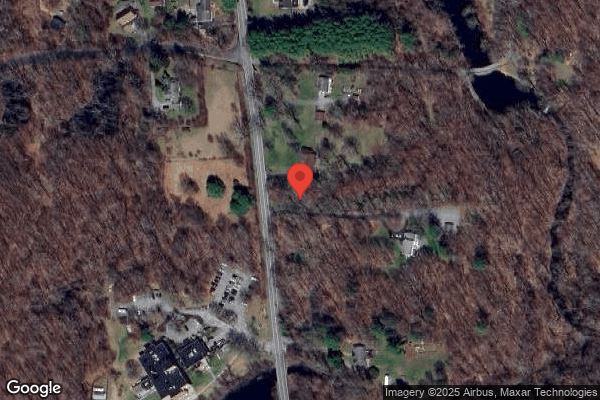
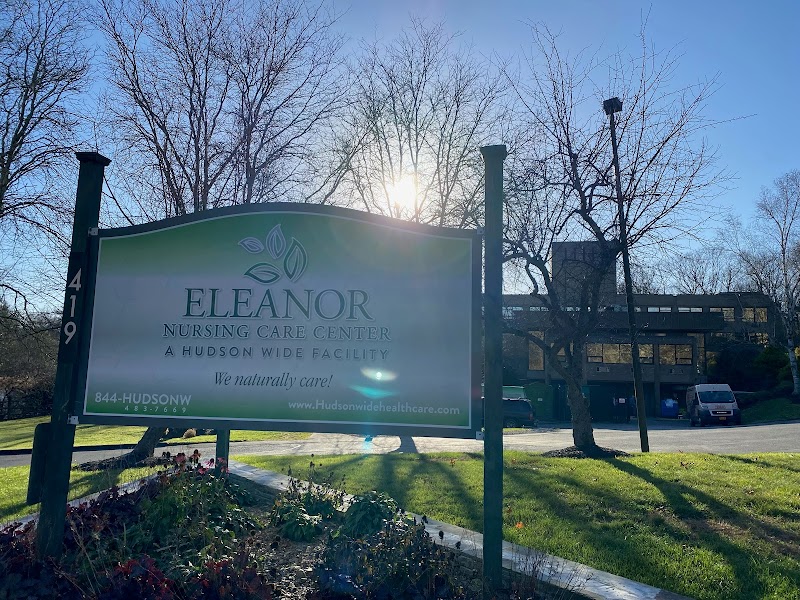
419 NORTH QUAKER LANE, HYDE PARK, NY 12538 (845) 229-9177
For profit - Individual 120 Beds Independent Data: November 2025 1 Immediate Jeopardy citation
Trust Grade
0/100
#569 of 594 in NY
Last Inspection: September 2024

Within standard 12-15 month inspection cycle. Federal law requires annual inspections.

Overview

The Eleanor Nursing Care Center has a Trust Grade of F, indicating a poor facility with significant concerns regarding care quality. It ranks #569 out of 594 in New York and #11 out of 12 in Dutchess County, placing it in the bottom half of facilities in the state and county. While the facility is showing improvement, with issues decreasing from 36 in 2024 to 5 in 2025, it still has a concerning history, including $130,725 in fines, which is higher than 96% of New York facilities. Staffing is below average with a rating of 2 out of 5 stars, but the turnover rate of 29% is better than the state average. Specific incidents include a failure to maintain an effective call system for residents and inadequate staffing to meet residents' daily needs, which raises red flags about overall care.

Trust Score
F
0/100
In New York
#569/594
Bottom 5%
Safety Record
High Risk
Review needed
Inspections
Getting Better
36 → 5 violations
Staff Stability
✓ Good
29% annual turnover. Excellent stability, 19 points below New York's 48% average. Staff who stay learn residents' needs.
Penalties
✓ Good
$130,725 in fines. Lower than most New York facilities. Relatively clean record.
Skilled Nurses
⚠ Watch
Each resident gets only 20 minutes of Registered Nurse (RN) attention daily — below average for New York. Fewer RN minutes means fewer trained eyes watching for problems.
Violations
⚠ Watch
62 deficiencies on record. Higher than average. Multiple issues found across inspections.
★☆☆☆☆
1.0
Overall Rating
★★☆☆☆
2.0
Staff Levels
★★★☆☆
3.0
Care Quality
★☆☆☆☆
1.0
Inspection Score
Stable
2024: 36 issues
2025: 5 issues

The Good

  • Low Staff Turnover (29%) · Staff stability means consistent care
  • Full Sprinkler Coverage · Fire safety systems throughout facility
  • No fines on record
  • Staff turnover is low (29%)

    19 points below New York average of 48%

Facility shows strength in staff retention, fire safety.

The Bad

1-Star Overall Rating

Below New York average (3.0)

Significant quality concerns identified by CMS

Federal Fines: $130,725

Well above median ($33,413)

Significant penalties indicating serious issues

The Ugly 62 deficiencies on record

1 life-threatening
May 2025 5 deficiencies
CONCERN (D) 📢 Someone Reported This

A family member, employee, or ombudsman was alarmed enough to file a formal complaint

Potential for Harm - no one hurt, but risky conditions existed

Notification of Changes (Tag F0580)

Could have caused harm · This affected 1 resident

**NOTE- TERMS IN BRACKETS HAVE BEEN EDITED TO PROTECT CONFIDENTIALITY** Based on interviews and record review conducted during the recertification and abbreviated surveys (NY00376085 and NY00370712) f...

Read full inspector narrative →
**NOTE- TERMS IN BRACKETS HAVE BEEN EDITED TO PROTECT CONFIDENTIALITY** Based on interviews and record review conducted during the recertification and abbreviated surveys (NY00376085 and NY00370712) from 4/29-5/6/2025 , the facility did not ensure the resident representative/emergency contact was notified for 2 of 2 residents (Resident #8 and Resident #201) reviewed for notification of change. Specifically, Residents #8 and #201 were transferred to the hospital and their resident representative was not notified. Findings include:1) Resident #8 had diagnoses that included end stage renal disease, respiratory failure, and atrial fibrillation.Resident #8's family member was listed as the emergency contact on the contact page of the medical record.The Five Day Minimum Data Set assessment dated [DATE] documented Resident #8 had intact cognition and required maximum assistance, or dependent on staff, for most activities of daily living except eating and oral hygiene. The Facility Policy titled Notice of Transfer or Discharge, last revised October 2024, documented the facility must notify the resident and the resident's representative(s) of the transfer or discharge and the reasons for the move in writing and in a language and manner they understand. The Social Worker and Nurse Supervisors/Unit managers are responsible to ensure residents, and their representatives are notified of any transfers and discharges in a timely manner indicating reason of transfer and discharge.A nursing progress note dated 3/16/2025 documented Resident #8 was sent to the hospital to confirm perma- catheter placement. A nursing progress note dated 3/17/2025 documented Resident #8 was admitted to the hospital for hypotension and end stage renal disease.There was no documented evidence of the any emergency contact/representative notification when Resident #8 was sent to the hospital on 3/16/2025. A nursing progress note dated 3/19/2025 documented Resident #8 returned to the facility from the hospital.A nursing progress note dated 3/21/2025 documented an attempt to return a call to Resident #8's family member. During an interview on 05/02/25 at 11:24 AM, Resident #8 stated the facility did not always contact their family member when they went out to the hospital. They stated they recalled a time when they went to the hospital, did not have their phone and could not personally make the call. The family member did not until days later. During an interview on 5/5/2025 at 9:07 AM, the Director Social Services stated when a resident went out, the floor nurse or social services would notify the family. Resident #8 was admitted to the hospital on [DATE] and the nurse documented a call to the family member on 3/21/25 after Resident #8 returned to the facility. This was not a reasonable amount of time to contact the family of a change in the resident's status and transfer. During an interview on 05/05/25 at 2:50 PM, the Director of Nursing stated that the floor nurse or Supervisor should notify the representative/emergency contact when a resident was transferred to the hospital. 2) Resident #201 had diagnoses that included sepsis, viral encephalitis, and chronic lymphocytic leukemia.Resident #201's family member was listed as the emergency contact on the contact page of the medical record.The Admissions Minimum Data Set assessment dated [DATE] documented Resident #201 had intact cognition and required maximum assistance, or dependent on staff, for all activities of daily living. A medical progress note dated 1/21/2025 documented Resident #201 was admitted to the hospital for other medical issues.During an interview on 5/02/2025 at 12:17 PM, Resident #201's family member stated they were not contacted by the facility when the resident was sent to the hospital. The family member stated they were contacted by the hospital that the resident had been brought to the hospital emergency department.There was no documented evidence of the any emergency contact/representative notification when Resident #201 was sent to the hospital on 1/21/2025.10 NYCRR 415.3(f)(2)(ii)(d)
CONCERN (D) 📢 Someone Reported This

A family member, employee, or ombudsman was alarmed enough to file a formal complaint

Potential for Harm - no one hurt, but risky conditions existed

Deficiency F0628 (Tag F0628)

Could have caused harm · This affected 1 resident

**NOTE- TERMS IN BRACKETS HAVE BEEN EDITED TO PROTECT CONFIDENTIALITY** Based on interviews and record review during the recertification and abbreviated surveys (NY00376085 and NY00370712) from 4/29-5...

Read full inspector narrative →
**NOTE- TERMS IN BRACKETS HAVE BEEN EDITED TO PROTECT CONFIDENTIALITY** Based on interviews and record review during the recertification and abbreviated surveys (NY00376085 and NY00370712) from 4/29-5/6/2025, the facility did not ensure that the resident, resident's representative(s), or ombudsman was notified of the transfer or discharge, and the reasons for the move, in writing and in a language and manner they understand for 2 of 4 residents (Resident #8 and Resident #201) reviewed for hospitalization. Specifically, 1) the facility did not complete a discharge notice or notification of bed hold for Resident #8 when they were hospitalized on [DATE], 3/3/2025, and 3/17/2025. The ombudsman was not notified of Resident #8's 2/2/2025 hospitalization. 2) The facility did not complete a discharge notice or notification of bed hold for Resident #201 when they were discharged to the hospital on 1/21/2025. Findings include:Resident #8 had diagnoses that included end stage renal disease, respiratory failure, and atrial fibrillation.The Five Day Minimum Data Set assessment dated [DATE] documented Resident #8 had intact cognition, required maximum assistance or was dependent on staff for most activities of daily living except eating and oral hygiene. The Facility Policy titled Notice of Transfer or Discharge, last revised October 2024, documented the facility must notify the resident and the resident's representative(s) of the transfer or discharge and the reasons for the move in writing and in a language and manner they understand. The Social Worker and Nurse Supervisors/Unit managers are responsible to ensure residents, and their representatives are notified of any transfers and discharges in a timely manner indicating reason of transfer and discharge. Notice to the Office of the State LTC Ombudsman must occur at the same time the notice of discharge is provided to the resident and resident representative, even though, at the time of initial emergency transfer, sending a copy of the transfer notice to the ombudsman only needed to occur as soon as practicable. The nursing progress notes dated 2/2/25 and 2/3/25 documented Resident #8 was discharged to the hospital and admitted with hyperkalemia.There was no documented evidence of the 2/2/25 discharge notice or notification of bed hold in the medical record for Resident #8.There was no documented evidence of notifying the ombudsman of Resident #8's 2/2/25 hospitalization. The nursing progress notes dated 3/3/25 documented Resident #8 was discharged to the hospital and admitted with shortness of breath and end stage renal disease. There was no documented evidence of the 3/3/25 discharge notice or notification of bed hold in the medical record for Resident #8.The nursing progress notes dated 3/16/25 and 3/17/2025 documented Resident #8 was discharged to the hospital and admitted with hypotension and end stage renal disease. There was no documented evidence of the 3/16/25 discharge notice or notification of bed hold in the medical record for Resident #8.During an interview with the Director Social Services on 05/05/25 at 9:07 AM, they stated that discharge notices were completed by nursing or social services and were uploaded into the medical record. They stated they were unable to find evidence of the discharge notices or notification of bed hold for Resident #8 on 2/2/25, 3/3/2025, and 3/16/2025. They stated the ombudsman was notified by social services via email. They were unable to find evidence of the ombudsman being notified of Resident #8's 2/2/2025 hospitalization. 2) Resident #201 had diagnoses that included, but not limited to sepsis, viral encephalitis, and chronic lymphocytic leukemia.Resident #201's family member was listed as the emergency contact on the contact page of the medical record.The Admissions Minimum Data Set assessment dated [DATE] documented Resident #201 had intact cognition and was maximum assist or dependent on staff for all activities of daily living. A medical progress note dated 1/21/2025 documented that Resident #201 was admitted to the hospital for other medical issues.During an interview on 5/02/2025, resident #201's family member stated they were not contacted by the facility when the resident was sent to the hospital. The family representative stated they were contacted by the hospital that their family member had been brought to the emergency department.There was no documented evidence of the 1/21/2025 discharge notice or notification of bed hold in the medical record when Resident #201 was sent to the hospital on 1/21/2025.10NYCRR 415.3(i)(1)(iii)(a-c)
CONCERN (D) 📢 Someone Reported This

A family member, employee, or ombudsman was alarmed enough to file a formal complaint

Potential for Harm - no one hurt, but risky conditions existed

Deficiency F0657 (Tag F0657)

Could have caused harm · This affected 1 resident

**NOTE- TERMS IN BRACKETS HAVE BEEN EDITED TO PROTECT CONFIDENTIALITY** Based on observations, interviews, and record reviews conducted during the recertification and abbreviated surveys (NY00376085) ...

Read full inspector narrative →
**NOTE- TERMS IN BRACKETS HAVE BEEN EDITED TO PROTECT CONFIDENTIALITY** Based on observations, interviews, and record reviews conducted during the recertification and abbreviated surveys (NY00376085) conducted from 4/29-5/6/2025, the facility did not ensure that the Comprehensive Care Plan was revised to reflect the resident's current condition for 3 of 8 residents reviewed for accidents (Resident #8, Resident #9, and Resident #38). Specifically, Resident #8, Resident #9, and Resident #38's Comprehensive Care Plan was not updated to reflect falls that occurred, and the effectiveness of interventions or new interventions implemented after the falls. Findings include: The facility policy, Comprehensive Resident Centered Care Plans, reviewed 1/2025 documented it is the policy of the facility to promote interdisciplinary care for our residents by utilizing the interdisciplinary plan of care based on assessment, planning, treatment, service and intervention. Care plans are modified between care plan conference when appropriate to meet the resident's current needs, problems and goals. The Care Plan will be updated and/or revised for the following reasons: significant change in the resident's condition, a change in planned interventions, goals are achieved and new goals established to meet current resident needs and/or goals, or new diagnosis, new medications, or abnormal labs. The facility policy, Falls and Fall Risk Managing, revised 9/2022 documented based on previous evaluations and current data, the staff will identify interventions related to the resident's specific risks and causes to try to prevent the resident from falling and to try to minimize complications from falling. The policy further documented if falling reoccurs despite initial interventions, staff will implement addition or different interventions or indicate why the current approach remains relevant while keeping the resident safe and preventing re-occurrence. 1) Resident #8 had diagnoses that included, but not limited to, end stage renal disease, atrial fibrillation, and peripheral vascular disease. The five-day Minimum Data Set, dated [DATE] documented intact cognition, maximum assist to dependent for most ADLs, no falls since last assessment. The nursing progress note dated 3/3/25 documented that Resident #8 had a fall while on stretcher when being transported to hemodialysis, the Nurse Practitioner was notified and assessed.The medical progress note dated 3/3/25 documented Resident #8 sustained a fall and was sent to the hospital for evaluation. The Accident and Incident report dated 3/3/25 documented the resident was secured in stretcher, wheel seemed to get caught between black top and bricks during transfer out of building. The Nurse Practitioner assessment was completed; the resident was sent to the hospital for evaluation. Statement from driver. Education provided to staff upon resident return for transferring resident.The Risk for Falls care plan dated 3/19/25 documented fall risk of 15, impaired mobility, mechanical lift status. Interventions included call bell in reach, mechanical lift 2 person assist for transfers, frequently used items within reach. There was no documented evidence of the fall on 3/3/25, or new interventions. 2) Resident #38 had diagnoses that included, but not limited to, peripheral vascular disease, anxiety disorder, and cerebrovascular accident.The Quarterly Minimum Data Set, dated [DATE] documented moderately impaired cognition, independent to maximal assistance for activities of daily living, and no falls since last assessment.The nursing progress notes dated 3/27/25 documented that resident sustained unwitnessed fall, denied hitting head, neuro status check completed.The nursing fall event documentation dated 3/27/25 documented that resident found sitting on floor next to bed. Resident reported that he rolled from bed to floor. Denies hitting head. Blister right foot open and draining. Neuro status evaluated at time of incident. Resident referred to skilled occupational therapy services by nursing status post fall, 3-5 times per week, neuro checks for 24 hours, continue to monitor for 72 hours. The Risk for Falls Care Plan last reviewed 12/4/24 documented goal of maintaining safety. Interventions included assessing resident ability to use call bell, promote appropriate lighting, ensure adequate footwear, call bell in reach. There was no documented evidence of the fall on 3/27/25, or new interventions. 3) Resident #9 had diagnoses that included, but not limited to, chronic obstructive pulmonary disease, iron deficiency anemia, and an aneurysm of iliac artery.The admissions Minimum Data Set, dated [DATE] documented intact cognition, maximum assist or dependent on staff for most activities of daily living with no falls in the last six months. The nursing progress note dated 4/08/25 documented Resident #9 had an unwitnessed fall out of bed. Resident #9 was placed on a 72-hour neurological watch.The Risk for Falls care plan dated 2/13/25 documented a fall risk of 13 with interventions for low bed, frequent items within reach, call bell within reach, ensure a clutter free environment and others. The Risk for Falls care plan was updated on 4/09/25 to document a fall risk of 16.There was no documented evidence of new interventions or a new care plan for Falls created after the actual fall on 4/08/25.During an interview on 05/05/25 at 1:45 PM the acting Director of Nursing stated when a fall occurs, the care plan should be updated with the fall and any interventions implemented after the fall occurred. They were unable to provide any evidence of any updates on the care plans for Resident #8 after their fall on 3/3/2025 or for Resident #38 after their fall on 3/27/2025 and Resident #9's fall on 4/8/2025.During an interview on 05/05/25 at 1:56 PM the Regional Director of Operations assisted with the search and review of care plan for the falls sustained by Resident #8 and Resident #38. They stated they were unable to find any updates to the care plans that would reflect the falls or new interventions after the fall. However, they stated they were uncertain how Resident #8's care plan would have been updated after the fall on 3/3/2025. The fall involved an outside agency so uncertain what other interventions would have been added. During a telephone interview on 5/5/2025 at 2:13 PM, the Regional Nursing Coordinator stated that they were unable to provide any documented evidence of updates to the care plans for Resident #8 after their fall on 3/3/2025 or for Resident #38 after their fall on 3/27/2025. 10 NYCRR 415.11(c)(2)(i-iii)
CONCERN (E) 📢 Someone Reported This

A family member, employee, or ombudsman was alarmed enough to file a formal complaint

Potential for Harm - no one hurt, but risky conditions existed

Safe Environment (Tag F0584)

Could have caused harm · This affected multiple residents

**NOTE- TERMS IN BRACKETS HAVE BEEN EDITED TO PROTECT CONFIDENTIALITY** Based on observation, interview, and record review conducted during the recertification and abbreviated surveys (NY00370712) fro...

Read full inspector narrative →
**NOTE- TERMS IN BRACKETS HAVE BEEN EDITED TO PROTECT CONFIDENTIALITY** Based on observation, interview, and record review conducted during the recertification and abbreviated surveys (NY00370712) from 4/29/25 to 5/6/25, the facility did not ensure the resident's right to a safe, clean, comfortable, and homelike environment. This was evident for 3 of 3 (1st, 2nd, and 3rd Floors) resident units during environmental observation. Specifically, 1) Resident #93 had a broken closet bar preventing clothing from being hung on top of closet unit, 2) Resident #35 was not provided with a lock box resulting in the loss of funds, 3) each resident unit contained heat/air conditioning radiators were dusty, rusty, and had exposed conductor fins that were damaged and bent, 4) room [ROOM NUMBER] had missing closet doors, 5) the 3rd Floor dayroom had inadequate lighting, and 6) the 3rd floor was noisy due to a defective beeping call bell system. The findings are: The facility policy titled Resident Right - Safe/Clean/Comfortable/Homelike Environment, revised 5/2024, documented: It is the policy of the facility to provide a safe, clean, comfortable homelike environment in such a manner to acknowledge and respect resident rights. The resident has a right to a safe, clean, comfortable and homelike environment, including but not limited to receiving treatment and supports for daily living safely. This includes ensuring that the resident can receive care and services safely and that the physical layout of the facility maximizes resident independence and does not pose a safety risk. The facility shall exercise reasonable care for the protection of the resident's property from loss or theft.1) During an interview on 05/02/25 at 10:39 AM with Resident #93's family representative, they stated that Resident #93's closet had been missing a bar at top of closet to hang clothing on for over six months. They stated they requested the closet bar be replaced several times with Director of Social Work and had discussed at resident care plan meetings. During an interview on 05/06/25 at 2:44 PM, the Director of Social Work stated they had a care plan meeting for Resident #93 on 4/21/25 and the resident representative discussed the closet rod. They also stated they may have received emails from Resident #93's representative in the past regarding the bar. They stated they discussed the missing closet bar on 4/21/25 with the Director of Maintenance. They stated the Director of Maintenance stated they did not have a replacement bar and would look for a suitable replacement and/or order if necessary. They stated they could not remember if a work order request had been completed but they had a verbal conversation with the Director of Maintenance. They stated they informed resident representative at recent care plan meeting that a replacement for the closet bar would be worked on by Director of Maintenance. During an interview on 05/06/25 at 2:56 PM, the Director of Maintenance stated they may have been informed of Resident #93's missing closet bar by Director of Social Work and forgot. 2) During an interview on 04/30/25 at 9:48 AM, Resident #35 stated approximately $45 which they kept in wallet on bedside table was missing. Resident #35 stated they did not have a lock box and were not aware of being offered one or exactly what a lock box was. During an interview on 05/02/25 at 10:00 AM, the Director of Social Work stated stated lock boxes were offered to residents and that lock box availability had been addressed at resident council meetings. They were not aware if Resident #35 was offered a lock box in the past. 3) From 4/29/2025 at 2:45 PM to 4/30/2025 at 12:31 PM, the following was observed during environmental observations of residential units on the 1st, 2nd, and 3rd Floors: room [ROOM NUMBER] had a heating/air conditioning radiator unit that was heavily soiled with dust, black stains on the top metal grate, and metal conductor fins located beneath the metal grate that were bent and pinched closed; room [ROOM NUMBER] and the 2nd Floor dayroom were observed with heating/air conditioning radiator units soiled with dust, debris, black stains, and conductor fins that were bent and crushed; and, room [ROOM NUMBER], 324, 316, and the 3rd Floor dayroom contained heating/air conditioning units that were dusty, filled with debris, covered in black stains, and contained bent and crushed rusty conductor fins. 4) From 4/29/2025 at 12:25 PM through 5/06/2025 at 2:22 PM, room [ROOM NUMBER] contained a closet for the W-bed and D-bed with various clothes hanging from hangers on a long pole. Although the closet had a track around the perimeter to allow for a sliding door on each side of the closet, no closet doors were observed in room [ROOM NUMBER]. 5) From 4/29/2025 at 12:25 PM through 5/06/2025 at 2:22 PM, there were multiple observations of the 3rd Floor dayroom with 4 to 6 out of 9 ceiling fluorescent light fixtures illuminated while residents were present for lunch and activities. This resulted in a dim and poorly lit room.6) From 4/29/2025 at 12:25 PM through 5/06/2025 at 2:22 PM, the 3rd Floor unit was observed with a beeping noise that was audible in the hallways, by the nursing station, and from the dayroom. The beeping occurred in 1-second intervals and was observed coming from a call-bell system phone intercom on the wall next to the medication room door behind the nursing station. On 5/01/2025 at 1:51 PM, 5/01/2025 at 3:56 PM, and 5/02/2025 at 3:07 PM, the Director of Plant Operations was interviewed and stated they were responsible for overseeing the maintenance and repairs for the facility including resident units. There were logbooks on each unit where staff could communicate repair needs for the unit when the maintenance staff were not available. The Director of Plant Operations stated they made rounds on the units and pointed out areas that needed to be addressed to their 2 maintenance workers. The facility did not have a system to track repairs completed by maintenance staff and/or indicate whether an outside vendor was required to address the issue. The Director of Plant Operations stated heating/air conditioning radiator units were vacuumed by the housekeeping staff quarterly to ensure they remain clean. The Director of Plant Operations stated the beeping heard on the 3rd Floor was nonstop, 24-hours daily, and stemmed from a call bell telecom system at the nursing station. The facility changed their call bell system and vendor within the last 1-2 years and, when the Director of Plant Operations inquired about the noise coming from the unit, the call bell vendor responded that the system was functioning properly and did not explain any further how to address the issue. An activated call bell produced a separate beeping noise and corresponded to a blinking hallway light indicating call bell activation location. The Director of Plant Operations stated the call bell system was the same on each unit; however, the 3rd Floor was the only unit with the beeping noise.10 NYCRR 415.5(h)(2)
CONCERN (F) 📢 Someone Reported This

A family member, employee, or ombudsman was alarmed enough to file a formal complaint

Potential for Harm - no one hurt, but risky conditions existed

Deficiency F0725 (Tag F0725)

Could have caused harm · This affected most or all residents

Based on record review and interviews conducted during the Recertification and Abbreviated survey (NY00360576) from 04/29/25 to 05/06/25, the facility did not ensure that there was sufficient nursing ...

Read full inspector narrative →
Based on record review and interviews conducted during the Recertification and Abbreviated survey (NY00360576) from 04/29/25 to 05/06/25, the facility did not ensure that there was sufficient nursing staff to attain or maintain the highest practicable physical, mental, and psychosocial well-being of each resident. Specifically, 1. Upon review of the nursing staffing schedule from 3/29/25-5/29/25, for multiple days, on all three shifts of staffing for each unit, the facility did not provide adequate staffing to meet the needs of the residents and as per their Facility Assessment and, 2. Resident Council meeting attendees expressed concerns the facility did not staff enough nurse aides to provide them with necessary activity of daily living care. The findings included:The facility Staffing Policy reviewed 9/2024 documented the facility shall have sufficient nursing staff to provide nursing and related services to attain or maintain the highest practicable physical, mental and psychosocial well-being of each resident. The facility shall further assure that staffing levels enable each resident to receive treatments, medications, diets and other health services in accordance with individual care plans. The Facility Assessment last updated 2/25/25 documented the following minimum status requirements for direct care staff: licensed nurses 1-2 per unit per day days; 1-2 per unit evenings, and 1 at night. Certified nurse aides were documented 3-4 per unit day shift dependent on census, 2-3 per unit evenings, and 1-2 per unit nights. A review of unit resident acuity provided by facility Administrator documented the following unit resident care needs: Unit 1: four mechanical lift transfer residents, three residents required assistance with eating (not including set up assistance), seventeen residents required total or extensive assistance with toileting, eight residents required limited assistance with toileting. One resident required two-person assistance with cares. Unit 2: six mechanical lift transfer residents, four residents required assistance with eating (not including set up assistance), twenty-one residents required total or extensive assistance with toileting, twelve residents required limited assistance with toileting. Unit 3: thirteen mechanical lift transfer residents, eleven residents required assistance with eating (not including set up assistance), twenty-six residents required total or extensive assistance with toileting, eight residents required limited assistance with toileting, two residents required two-person assistance with cares.During an interview on 05/01/25 at 3:49 PM, the Interim Director of Nursing stated staffing had been difficult for the facility. They stated the facility pool of nursing was sufficient but the problems with staffing were related to callouts. Staffing coordinator or supervisor will call staff pool and offer incentives or bonuses to cover callouts. They stated the facility did not currently use staffing agencies. They had used agencies in the past and stopped using them preferring to have an internal staffing pool who were familiar with residents. They stated recruitment was on-going. They stated when facility did not meet minimum staffing numbers, ancillary staff, therapy department would assist getting residents out of bed and activities staff would assist handing out meal trays. They stated they had no concerns with having enough staff for resident acuity. During interviews and observation on 05/02/25 at 02:48 PM and 05/06/25 at 10:52 AM, the Staffing Coordinator confirmed the following dates/shifts did not meet the facility minimum staffing requirements for certified nurse aides for the dates 3/29/25-5/5/25: on 3/30/25 unit 100 had 2.5 certified nurse aides evening shift, 4/1/25 Unit 200 had two certified nurse aides day shift, 4/5/25 units 100 and 300 had two certified nurse aides evening shift, 4/6/25 unit 200 had two certified nurse aides day shift, 4/9/25 units 100 and 200 had two certified nurse aides day shift, 4/10/25 units 100 and 200 had two certified nurse aides day shift, 4/11/25 and 4/12/25 unit 100 had two certified nurse aides day shift, 4/13/25 units 100 and 200 had two certified nurse aides day shift, 4/18/25 unit 200 had two certified nurse aides on day shift, unit 100 had two certified nurse aides evening shift and unit 300 and one certified nurse aide night shift, 4/23/25 unit 100 had three certified nurse aides for one hour only day shift, two certified nurse aides for remainder of shift, 4/27/25 unit 100 had two certified nurse aides day and evening shifts and one certified nurse aide night shift, 4/28/25 units 100, 200 and 300 had two certified nurse aides day shift, and 5/4/25 units 100 and 200 had two certified nurse aides day shift. The Staffing Coordinator stated facility unit staffing is planned daily as follows: three certified nurse aides for all units day and evening shift and two certified nurse aides for night shift. One, and occasionally two, nurses for Unit 100 depending on census, and one nurse for units 200 and 300. They stated that facility corporate staff provided the above staffing guidelines after a meeting in late 2024. They stated that they can staff four certified nurse aides on units for days and evenings only if resident census reaches 120 residents. They stated that nurses and certified nurse aides have expressed concerns with low staffing and heavy workload of units including many residents who require total assistance and two-person assist cares/transfers. They stated they have discussed staff complaints regarding staffing levels with Directors of Nursing and Administrator. They stated that Unit 300 certified nurse aide and nurse staff frequently complain of short staffing and acuity. They stated staff callouts have been excessive on all units with nursing staff. They attempt to restaff with staff already in the building and if not successful they text/call other staff members and offer a bonus. They stated weekends can be difficult, especially Sundays, to meet minimum staffing requirements. During an interview on 05/05/25 at 9:37 AM, Certified Nurse Aide #21 stated they were presently working a double shift due to a callout. They stated this occurs frequently. They stated they usually work the night shift on unit 200 and there have been occasions where there has only been one certified nurse aide on night shift, or they are requested to report to another unit to assist with cares due to low staffing. They stated that they frequently must work into the next shift to complete tasks. They stated that the day shift can be challenging due to two meals with only two to three certified nurse aides. They stated that during day shift on unit 200, they care for approximately eighteen residents and approximately 25 during the night shift. They stated the facility used to have four certified nurse aides on units during day and evening shifts and it was reduced to three resulting in difficulty completing resident cares. During an interview on 05/05/25 at 10:04 AM, Certified Nurse Aide #24 stated unit 200 staffing routinely is three certified nurse aides and one nurse. They stated they have discussed the need for another certified nurse aide with Staffing Coordinator who stated they were only allowed to staff unit with three certified nurse aides. They stated when unit had three or less certified nurse aides, they have difficulty completing resident cares and frequently must work into the next shift to complete. They stated there have been numerous occasions when unit 200 has had two certified nurse aides instead of three due to callouts. They stated due to low staffing, tasks are rushed and stressful. During an interview on 05/05/25 at 10:34 AM, Certified Nurse Aide #23 stated they routinely work on unit 300. They stated the facility was short staffed and there were frequently 2 certified nurse aides on unit due to callouts. They stated they often missed taking a lunch break and worked into the next shift to complete tasks. They stated the facility used to staff the unit with four certified nurse aides and lowered to three certified nurse aides. They stated unit 300 was a heavy workload unit due to most residents requiring monitoring due to dementia diagnosis and dependence for activities of daily living cares. They stated due to low staffing, resident cares were rushed. They stated day shift had two meals which was time consuming because unit had many residents who required assistance with eating. They stated during night shift, there were times when there was only one certified nurse aide on unit and cares were not completed. They stated that frequent staff lateness/leaving early also affected cares completion and resident breakfast service. They stated that on 5/4/25, the unit nurse was also the facility supervisor and had to leave the unit at times to attend to other units. They stated they had addressed staffing concerns to Staffing Coordinator in writing in the past. During an interview on 05/05/25 at 10:58 AM, Registered Nurse Supervisor #32 stated they frequently worked as nurse on unit 300 and worked as facility supervisor. They stated unit 300 was appropriately staffed with three aides due to the Activities Department staff being present and engaging residents. They stated they had one-two activities members on the unit from 7 AM-3 PM. They stated there were occasions when certified nurse aide staff must work into the next shift to complete assigned tasks. They stated Unit 300 had one nurse assigned to unit and that a second nurse was needed to assist with cares, documentation monitoring, de-escalation and treatments. They stated there were times when there were less than the minimum three certified nurse aides on unit 300 and the pull certified nurse aides from other units to assist or call for all hands-on deck assistance to meet resident needs, usually for meals. When this occurred, the activity, therapy, and administrative staff would assist with resident monitoring and food tray distribution. They stated evening and weekends had the most certified nurse aide callouts, leading to less than three certified nurse aides on units. When call outs occur, Staffing Coordinator and Administrator were notified, and staff re-assigned. They stated unit 300 relied on Activity Department staff to keep residents occupied and monitored while nursing staff completed tasks and cares. During a follow-up interview and observation on 05/05/25 at 4:18 PM with the Interim Director of Nursing, facility acuity was reviewed. They stated that it would be difficult to ensure certified nurse aide task would be completed when three or less certified nurse aides were assigned to units. They stated low staffing levels could negatively affect resident cares. During an interview and observation on 05/05/25 at 4:34 PM, the Regional Human Resource/Payroll Director, stated that the current minimum staffing for all units was three certified nurse aides for day shift, three certified nurse aides for evening shift and two certified nurse aides for night shift. They stated that the Staffing Coordinator was allowed to staff 4 or more certified nurse aides per unit for day or evening shift. During the interview, a review of the unit acuity was observed with Regional Human Resources Director. They stated it would be difficult for the minimum staffing guideline of three certified nurse aides on each unit to complete all tasks. They stated that certified nurse aides sometimes must work into next shift to complete assigned tasks. They stated that staff frequently were requested to cover additional shifts or stay later into shifts to cover callouts. 2.) The Resident Council Meeting Minutes dated 2/27/2025 documented attendees reported that nurse aides refused to take them out of bed in the morning saying they were short of staff. There was no documented evidence these concerns or requests were addressed by the facility. The Resident Council Meeting Minutes dated 3/31/2025 documented attendees expressed concerns regarding their call bell being answered timely and weekend staff sleeping or using their phones while working. There was no documented response to the groups nurse staffing concerns. The Resident Council Meeting Minutes dated 4/24/2025 documented attendees expressed concerns that weekend nursing staff were on their phones, were wearing ear buds, and/or were not addressing resident needs. There was no documented evidence these concerns were addressed. On 4/30/2025 at 11:07 AM, Resident Council Meeting was held with Residents #103, 48, 46, 90, 86, 66, 29, 31, 10, and 28 in attendance. All those in attendance stated they expressed nurse staffing concerns during previous resident council meetings because residents had to wait a long time for call bells to be answered, food to be delivered, and to receive activities of daily living care from nursing staff due. On 5/06/2025 at 2:22 PM, the Administrator was interviewed and stated they regularly attended Resident Council meetings. The Administrator stated meeting attendees expressed their concerns with the facility's nursing staffing. The Administrator stated the facility offered bonuses and incentives to attract and keep staff. 10 NYCRR 415.13
Sept 2024 27 deficiencies 1 IJ (1 affecting multiple)
CRITICAL (K) 📢 Someone Reported This

A family member, employee, or ombudsman was alarmed enough to file a formal complaint

Immediate Jeopardy (IJ) - the most serious Medicare violation

Deficiency F0919 (Tag F0919)

Someone could have died · This affected multiple residents

Based on observation, interview, and record review during the recertification and abbreviated surveys (NY00345570) from 9/5/2024 through 9/17/2024, the facility failed to adequately equip the facility...

Read full inspector narrative →
Based on observation, interview, and record review during the recertification and abbreviated surveys (NY00345570) from 9/5/2024 through 9/17/2024, the facility failed to adequately equip the facility to allow residents to call for staff assistance through a communication system which relays the call directly to a staff member or to a centralized staff work area from each resident's bedside and toilet and bathing facilities, or that each resident was consistently provided an alternate method for communicating needs to staff on 1 of 3 units (Unit 3). Specifically, on 9/10/2024 it was revealed there was no functioning centrally located audible call bell system and the current interim system was not functioning throughout the unit. The sound of the tap bells (desk bells with a black base) was not audible at the central nursing station or throughout the hall for 37 residents housed on the Unit 3 Dementia/Long Term Care Unit. Additionally, Resident #31, assessed at moderate risk for falls (fall with no injury on 8/27/2024), was observed on 9/10/2024 at 3:15 PM and 3:42 PM sitting on the toilet in the residents' bathroom. The bathroom call bell was not functioning either audible or visual, a tap bell was noted on the bedside table, and not within resident reach. This resulted in no actual harm with likelihood of serious harm that is Immediate Jeopardy to all Unit 3 residents' health and safety. The findings include: The facility policy, Call Bells, revised 4/2024 documented each resident has a call bell that is within reach to ensure each resident has a means to communicate their needs. The 4/11/2024 Call Bell Contract Proposal for work to be completed on the Unit 3 centrally located call bell light system documented a down payment of 50% was due at signing of the contract. A purchase order was required to process the proposal. By signing the proposal, the price, payment terms and all stipulations mentioned in the proposal have been agreed. The proposal was signed by the facility Assistant Chief Operating Officer on 4/16/2024. (The contractor did not receive the 50% downpayment until 8/29/2024.) Resident #31 was admitted with diagnoses including Parkinson's, Schizophrenia and Muscle Weakness. The 7/2/2024 Minimum Data Set (an assessment tool) documented Resident #31 had intact cognition, was independent with toileting, walking and ambulation, was always continent and received antipsychotic, antidepressant, and antianxiety medications. The 8/27/2024 Fall Risk Assessment documented a score of 18 (moderate risk for falls). The 8/27/2024 Incident and Accident Report documented Resident # 31 sustained a fall outside the bathroom in the resident's room. The 8/27/2024 Care Plan titled Risk for Fall documented the following 9/20/2021 interventions: call bell within reach/encourage use and assess the ability to use the call signal and provide alternate method(s) if necessary. Observations on 9/10/2024 at 3:15 PM and 3:42 PM revealed Resident #31 sitting on the toilet in the residents' bathroom. The bathroom call bell was not audible and did not illuminate above the room door. The designated interim system tap bell was observed on the bedside table and not within Resident #31's reach. During an interview and observation on 09/11/2024 at 3:24 PM, Resident #31 stated they fell coming out of the bathroom on 8/27/2024 because they were trying to pull up their pants and fell backwards. Resident #31 stated they found out today that the bathroom call bell did not work. Resident #31 stated a tap bell had not been in the bathroom prior to that day. Resident #31 stated they were aware of the bedside tap bell and knew how to use it. Resident #31 demonstrated how to use the bedside tap bell. Resident #31 stated when they tapped the bell, staff did not come to check on them for a long time because they could not hear it. During an observation on 9/10/2024 between 9:30 AM and 4:30 PM the call bells on Unit 3 were not audible at the central nursing station or throughout the hall for 37 residents. The call bell light did not illuminate above the room door for Residents #5, #11, #15, #31, #59, #75, #78, and #89. The interim communication tap-bells in the room of Residents #59, #78, and #89 were broken. The interim communication tap-bells in the room of Residents #7, #8, #50, and #56 were not audible in the corridor. Resident #23 did not have an interim communication tap-bell. The low side shower room toilet and front shower call bells were not audible. There was no documented evidence from 4/5/2024 through 9/11/2024 that the facility implemented tap bell function and placement logs. There was no documented evidence from 4/5/2024 through 9/11/2024 that care plans were updated, or that interventions were implemented to address the residents' ability to contact staff while Unit 3 had no functioning centrally located audible call bell light system. There was no documented evidence the facility increased monitoring for all residents on Unit 3 as per the 4/8/2024 Interim Quality Assurance Meeting which documented modification of usual operations that potentially impact routine safety and wellbeing. During an interview on 9/5/2024 at 10:41 AM and 9/10/2024 at 4:37 PM three Certified Nurse Assistants (#5, #6, and #7) stated they were not aware the Unit 3 call bell system was not functioning. During an interview on 09/10/2024 at 5:43 PM the Administrator stated they believed the call bell system on Unit 3 had been out since sometime in April 2024, and the Department of Health was notified. The Administrator stated they did not know why it was taking so long for the call bell system to be repaired. The Administrator stated tap bells had been placed in resident rooms on Unit 3 after the call system stopped working and staff were to provide increased monitoring. The Administrator stated they were not sure if there was documented evidence of such increased monitoring. During an interview on 9/10/2024 at 6:03 PM the Director of Maintenance stated the problem with the Unit 3 call bell system started in 4/2024. The problem was identified when the staff could not hear call bells, as there was a problem with the centrally located call bell system. Tap bells were provided by the maintenance department to all residents and the facility tried to replace the old call bell system. The Director of Maintenance stated the tap bells in some resident rooms often went missing. The Maintenance Director stated they did not receive a proposal to address the problem with the Unit 3 call bell system until late April early May. The Maintenance Director stated they inquired every week with the Regional Office and were told they did not know when the new call bell system would be installed. During an interview on 09/11/2024 at 10:57 AM, Licensed Practical Nurse #1 stated they were not sure if call bell logs were previously started because they did not normally work on the unit. Licensed Practical Nurse #1 stated after checking the binder, there was no documentation to indicate monitoring logs were being done. During an interview on 09/11/2024 at 11:00 AM, Registered Nurse #2 stated they worked per diem (works as needed), and they were not aware when or if call bell rounding logs and/or increased monitoring logs were being completed on Unit 3. During an interview on 09/11/2024 at 11:01 AM, the corporate Director of Nursing stated they did not have documented call bell rounding logs and could not confirm that increased monitoring logs were completed prior to 9/11/2024. During an interview on 09/11/2024 at 3:09 PM, Resident #23 stated there was no bedside tap bell yesterday, and they had to yell for help. Resident #23 further stated sometimes they would become upset/cry when no one came to help them. Resident #23 demonstrated use of the tap bell at that time. During an interview on 9/11/2024 at 1:53 PM the Controller at the contractor company that provided a proposal for the work to be done on the facility call bell system stated the 1st contract proposal was dated 4/17/2024. The Controller stated the proposal went out to the facility, but that no work could be started until after they received a deposit for work to be done. The Controller stated there had been a delay and issues with receiving payment from the facility, but they finally did receive the deposit on 8/29/2024. The Controller stated they thought someone was at the facility recently (Monday) to start the work. The facility was notified of the Immediate Jeopardy on 9/11/2024 at 6:27 PM. The Immediate Jeopardy was removed on 9/13/2024 prior to the completion of the survey. The facility implemented the following plan to remove the immediacy: - The facility assigned two to four staff members as monitors to make continuous rounds on Unit 3. Monitoring logs for room rounds dated 9/11/2024 through 9/13/2024 were presented to the survey team by the facility with no negative findings. -Staff education regarding room rounds on Unit 3 was conducted with 90.2% completion as of 9/13/2024. - Unit 3 residents were assessed for the ability to use the call bell system. Three residents were assessed by therapy as not being able to use a call bell. - The Policy and Procedure titled Alternate Call Bell System for use during a Partial or Full Call Bell System Downtime was initiated on 9/13/2024. -The Temporary Alternative Call Bell System was installed in Unit 3 rooms on 9/13/2024 with a receiver located at the desk. 10 NYCRR 415.29
CONCERN (D) 📢 Someone Reported This

A family member, employee, or ombudsman was alarmed enough to file a formal complaint

Potential for Harm - no one hurt, but risky conditions existed

Investigate Abuse (Tag F0610)

Could have caused harm · This affected 1 resident

**NOTE- TERMS IN BRACKETS HAVE BEEN EDITED TO PROTECT CONFIDENTIALITY** Based on observations, record review and interviews conducted during the Recertification and Abbreviated Surveys (NY 00327092,),...

Read full inspector narrative →
**NOTE- TERMS IN BRACKETS HAVE BEEN EDITED TO PROTECT CONFIDENTIALITY** Based on observations, record review and interviews conducted during the Recertification and Abbreviated Surveys (NY 00327092,), the facility did not ensure for 1 (Residents #104) of 9 residents reviewed for abuse, that all alleged violations involving abuse, mistreatment, or neglect, were thoroughly investigated. Specifically, Resident #104's family member reported to nursing on multiple occasions that they observed bruises to Resident 104's hands which resulted in x rays being done, and the injuries of unknown origin were never investigated by the facility. The findings are: The facility policy titled Resident Accident/Incident Report Policy that was undated documented that if a cause of injury is unknown, the Nursing supervisor is responsible for initiating the investigation into the possible cause. Resident #104 was admitted with diagnoses including but not limited to Anxiety Disorder, Dementia, and Hypokalemia. The 8/2/23 Significant Change Minimum Data Set, dated [DATE] documented that resident had severely impaired cognition, was independent with bed mobility, eating and transfers, and required extensive assist with toileting and had no skin problems. The 10/6/22 Nursing admission Assessment documented that the skin was warm, dry, and intact. The 10/19/22 Skin Integrity Care Plan documented that Resident #102 was at risk for skin breakdown related to incontinence and decreased ability to reposition self. Interventions included Certified Nurse Aide evaluation of skin condition daily during care and reporting any skin abnormalities to the nurse. The 10/26/22 at 5:06 PM Nursing Progress Note documented Resident #104's family verbalized that they were concerned about Resident #104's hands, that they visited over the weekend and Resident #104's hands were discolored and scratched. Orders placed to have x-rays of the hands done. There was no documented evidence in the Skin Integrity Care Plan to address the identified bruising on 10/26/22. There was no documented evidence of an Abuse/Victim Care Plan in place. Review of Resident #104 medical records documented that on 10/27/22 and x-ray of both hands was performed. The 12/11/22 at 6:58 PM Nursing Progress Note documented Resident #104 was seen for a monthly visit and the family verbalized they had noticed some bruising to Resident #104's right hand. Review of Resident #104's medical records documented that on 12/11/22 and x-ray of both hands was performed. There was no documented evidence that Skin Integrity Care Plan was updated for the bruising on 10/26/22 and 12/11/22. The 4/7/23 Physicians Order documented Resident #104 had a bruise to the right hand: apply normal saline and a thin layer of bacitracin and wrap with gauze. There was no documented evidence that the Skin Integrity Care Plan was updated for the bruise and/or skin tear found on 4/7/23. The 8/31/23 and 9/26/23 Physicians Order documented Resident #104 was to have weekly skin checks on bathing days (Mondays, 7 AM-3 PM) and to document the findings in the progress notes. There was no documented evidence in the 12/2022-9/2023 Medication and Treatment Administration Records from 12/2022-09/2023, that skin assessments were being done regularly as per physicians' orders. There was no documented evidence in the 12/2022-9/2023 Certified Nurse Aide documentation that skin checks were being done regularly. During an interview on 09/10/24 at 01:38 PM, the complainant stated that on multiple occasions while visiting Resident #104, they observed skin tears and bruising on the resident, and when they would alert nursing staff, no one would communicate about the complainant's observations, and that they were never called or made aware of the resident's bruising. During an interview on 09/13/24 at 10:21 AM, Certified Nurse Aide #3 stated that if a resident had bruises or skin tears, they would report it the nurse. During an interview on 09/16/24 at 11:28 AM, The Administrator stated they were unable to locate any Accident and Incident reports for Resident #104. The Administrator stated that if there was an injury of an unknown origin, it must be reported immediately. During an interview on 09/16/24 at 12:24 PM, the Director of Nursing stated that if resident had an injury of unknown origin, an Accident and Incident report and an investigation must be initiated and must be reported to the Department of Health. The Director of Nursing stated that even if a resident had Dementia, if staff did not know where the bruises came from, they must report it immediately. During an interview on 09/16/24 at 12:59 PM, the Director of Nursing stated that they looked for Accident and Incident report related to Resident #104 and could not locate any reports. During an interview on 09/17/24 at 10:38 AM, the Medical Director stated that Resident #104 was combative and because of their fragile skin, they bruised easily, and that Resident #104 could have obtained a bruise or a skin tear due to staff holding them tight while getting them dressed. The Medical Director stated that should notify medical immediately if they see bruises. The Medical Director stated that nurses should have been monitoring Resident #104's skin. 10 NYCRR 415.4(b)(3)
CONCERN (D) 📢 Someone Reported This

A family member, employee, or ombudsman was alarmed enough to file a formal complaint

Potential for Harm - no one hurt, but risky conditions existed

Transfer Notice (Tag F0623)

Could have caused harm · This affected 1 resident

Based on record review and interview conducted during the recertification survey and abbreviated survey (NY 00345570) from 9/5/24-9/17/24, the facility did not ensure that a copy of the Notice of Tran...

Read full inspector narrative →
Based on record review and interview conducted during the recertification survey and abbreviated survey (NY 00345570) from 9/5/24-9/17/24, the facility did not ensure that a copy of the Notice of Transfer and Discharge was sent to a representative of the Office of the State Long-Term Care Ombudsman or that a resident's representative was immediately notified when the decision was made to transfer the resident from the facility to the hospital, for 2 of 3 residents (Residents #100 and # 34) reviewed for notification requirement before transfer/discharge. Specifically, 1. Resident #100 was discharged to another facility in July 2024 and there was no documented evidence the Ombudsman had been notified and 2. Resident # 34 was transferred to the hospital on 6/10/24 and there was no documented evidence in the electronic medical record to indicate the resident's Health Care Proxy was notified. The findings are: The facility policy titled Notice of Transfer or Discharge11/2023, revised 3/4/24 documented the facility would adhere to the office of the State Long Term Care Ombudsman practices and would send notices of transfer and discharge of residents from the facility, as to ascertain the State Long Term Care Ombudsman was made aware of the facility practices and activities of residents upon discharge and transfer. The Facility policy titled Notice of Transfer or Discharge dated 10/22, revised 3/24 documented that resident/s and their representative would be provided with notification of transfer as soon as practicable when they were transferred on an emergency basis to an acute care facility. 1. Resident # 100 was admitted with diagnoses including Parkinson, Seizure, and Cerebrovascular Accident. The 7/1/24 Minimum Data Set (an assessment tool) documented Resident #100 had moderate cognitive impairment, experienced a decline in activities of daily living status requiring restorative occupational therapy, and currently required extensive assist of 1 staff for self-care and functional mobility. The Nursing Progress Notes dated 7/22/24 at 10:30 AM documented Resident #100's family member was called and informed of the discharge plan for their family member. The receiving facility will send someone to evaluate the resident before discharge is put in place. The 7/23/24 Discharge Summary documented the resident was admitted from another facility following increased confusion. Resident was found to have a non-traumatic subdural hemorrhage and suffering long-term effects from COVID. Resident was doing well today, and they feel ready to leave tomorrow 7/24/24. The 7/24/24 at 12:52 PM Progress Note documented Resident #100 was discharged to another facility. There was no documented evidence in the electronic medical record that the Office of the State Long-Term Care Ombudsman was sent a copy of the transfer or discharge notice for Resident #100 after the July 2024 discharge from the facility. During an interview on 9/16/24 at 11:34 AM, the Director of Nursing stated the Social Worker was responsible for notifying the Ombudsman on the facility discharges and transfers. During an interview on 9/16/2024 at 4:47 PM, the facility Regional Manager of Operations stated they could not verify that a notification of the facility discharges and transfers letter had been sent to the Ombudsman in July 2024. 2. Resident #34 was readmitted with diagnoses including Epilepsy, Bipolar and Dementia. The 6/24/24 Quarterly Minimum Data Set documented Resident #34 had severely impaired cognition. Nursing progress note dated 6/10/24 at 2:52 PM documented Resident #34 continued to have seizures. The Nurse Practitioner gave orders to send Resident #34 to the emergency room for evaluation. Nursing progress note dated 6/11/24 at 1:52 AM documented Resident #34 was admitted to an acute care facility with diagnosis of seizure. Nursing progress note dated 6/18/24 at 08:42 PM documented the resident returned to the facility. There was no documented evidence in the electronic medical record to indicate the resident's Health Care Proxy was notified on 6/10/24 of the transfer to the hospital. During a telephone interview on 9/10/24 at 8:23 AM Resident # 34's Health Care Proxy stated the resident had 3 seizure episodes in the past year but when the resident was admitted to an acute care facility in June 2024, they did not receive notification from the facility that their family member was hospitalized . During an interview on 09/13/24 at 1:05 PM, Nurse Practitioner #1 stated when residents were transferred to an acute care facility, they notified the Physician, the Director of Nursing, the Administrator, and the Nurses. The Nurses' were responsible for notifying the residents' Health Care Proxy or next of kin. During an interview on 09/13/24 at 1:18 PM, Registered Nurse #17 stated if there was any change in the resident's condition the Physician and the Director of Nursing would be notified and the resident's family member should be notified when a resident is transferred to the hospital. During an interview on 09/16/24 at 12:12 PM, the Consultant Social Worker stated they could not locate any documentation that the resident's next of kin was made aware of the resident's transfer to an acute care facility in June 2024. 10 NYCRR 415.3(h)(1)(iii) (a-c)
CONCERN (D)

Potential for Harm - no one hurt, but risky conditions existed

Assessment Accuracy (Tag F0641)

Could have caused harm · This affected 1 resident

Based on observation, interview, and record review during the Recertification Survey from 9/5/2024 to 9/17/2024, the facility did not ensure that each resident received an accurate assessment, reflect...

Read full inspector narrative →
Based on observation, interview, and record review during the Recertification Survey from 9/5/2024 to 9/17/2024, the facility did not ensure that each resident received an accurate assessment, reflective of the residents status for 1 of 6 residents reviewed for Activities of Daily Living and 1 of 1 resident reviewed for Respiratory Care (Resident #22). Specifically, the 8/8/24 Quarterly Minimum Data Set Assessment for Resident #22 did not accurately code/capture the residents impaired vision and use of oxygen. The Findings Are: Resident # 22 was admitted with diagnoses including but not limited to chronic obstructive pulmonary disease, neuromuscular dysfunction of bladder, and adult failure to thrive. The 3/12/24 admission Minimum Data Set documented Resident #22 was cognitively intact and had highly impaired vision. The 5/27/24 Physician Order documented continuous oxygen 2 liters continuous. The 8/24 Administration Record documented continuous oxygen 2 liters via nasal cannula was administered. The 8/8/24 Quarterly Minimum Data Set documented Resident #22 was cognitively intact, was able to see fine detail and did not use oxygen. During observation on 9/06/24 at 9:22 AM Resident #22 was in bed, oxygen at 3 liters was being administered via nasal cannula. The food tray was set up in front of Resident #22, who was calling out for help. Resident #22 was observed with a fork in their hand and was unable to locate the food on the tray, Resident #22 was asking for help to eat and stated they could not see the food. During an interview on 09/16/24 at 11:12 AM when asked about coding Resident #22's 8/8/24 assessment as being able to see fine details such as regular print in newspapers, the Minimum Data Set Coordinator stated it looked like in the past Resident #22 could only see large print. The Minimum Data Set Coordinator stated in all honesty they wanted to reassess Resident #22's vision and correct the most recent Minimum Data Set Assessment. When asked about the coding in the last Minimum Data Set the Coordinator stated if the oxygen was not signed in the administration record they would not code it in the assessment. The Coordinator pulled up the 8/8 quarterly as well as the 8/24 Administration Record and stated that the oxygen was there and signed for, but not consistently. The Coordinator stated they did not know how they missed it. NYCRR 415.11
CONCERN (D)

Potential for Harm - no one hurt, but risky conditions existed

Comprehensive Care Plan (Tag F0656)

Could have caused harm · This affected 1 resident

Based on observation, record review, and interview during the recertification survey conducted 9/05/2024 through 9/17/2024, the facility did not ensure the development and implementation of a comprehe...

Read full inspector narrative →
Based on observation, record review, and interview during the recertification survey conducted 9/05/2024 through 9/17/2024, the facility did not ensure the development and implementation of a comprehensive person-centered care plan for each resident, that includes measurable objectives and timeframes to meet a resident's medical, nursing, mental and psychosocial needs for 1 of 7 residents (Residents # 40) reviewed for pressure ulcers, and 1 of 5 residents (Resident #19) reviewed for unnecessary medications. Specifically, 1.) Resident #40 was not care planned for an actual Pressure Ulcer and 2.) Resident #19 did not have a plan of care in place to address the residents needs for Psychotropic drug use. Findings Include: Policy and Procedure: dated 2/2024 The care plan will contain information about the physical, emotional/psychological, psychosocial, spiritual, educational and environmental needs as appropriate. The Interim Interdisciplinary Care Plan will be located in the care plan section of the Medical Record. It is our purpose to ensure that each resident is provided with individualized, goal-directed care, which is reasonable, measurable and based on resident needs. A resident's care should have the appropriate intervention and provide a means of interdisciplinary communication to ensure continuity in resident care. The findings are: 1) Resident #40 was admitted with diagnoses including but not limited to Parkinson's Disease, Peripheral Vascular Disease, and an amputation of lower leg. The 5/22/23 Care Plan titled At Risk for Skin Breakdown documented, encourage frequent changes in position, incontinent care, pressure relieving mattress, turning and positioning schedule. The 7/3/24 Quarterly Minimum Data Set (an assessment tool) documented Resident #40 was cognitively intact, required substantial to maximal assistance for activities of daily living, and had no unhealed pressure ulcers. The 7/9/24 Wound Note documented Sacrum Moisture Associated Skin Damage, unmeasurable. The 8/2/24 Hospital Patient Review Instrument documented Decubitus Stage II., Coccyx wound. The 8/3/24 Wound Care Consultant Note documented the resident was re-admitted with a change in wound status of the sacrum. Resident left the facility with Moisture Associated Skin Damage and returned with an Unstageable wound. Patient will be reevaluated, and treatments as ordered. The 8/9/24 Wound Note documented Unstageable Pressure Ulcer to the Sacrum with measurements of 2.9 centimeters x 1.5 centimeters x 0.1 centimeters and 90% eschar (dead tissue). The 8/19/24 Wound Note documented a Stage IV Pressure Ulcer with measurements of 2.8 centimeters x 1.3 centimeters x 0.1 centimeters. There was no documented evidence in the electronic medical record to address the actual Pressure Ulcer Unstageable or Stage IV was developed after the residents return from the hospital on 8/2/24. Observation on 9/05/24 at 3:36 PM Resident #40 was in bed sleeping positioned on their back, on an air mattress. During an interview on 9/09/24 at 9:47 AM Resident #40, stated they have a sore on their bottom and staff do change my dressing but not often enough. During an observation and interview on 9/12/24 at 11:46 AM of the sacral dressing change, Licensed Practical Nurse #28 stated we do the residents dressing, it has been improving since the return from the hospital. During an observation and interview on 9/16/24 at 09:43 AM, Resident #40 was in bed on an air mattress positioned on their back. Resident #40 stated the staff do help me turn but I do not think it is often enough. I am not sure how often they help me. During an interview on 9/16/24 at 1:56 PM the Wound Physician Assistant stated the resident had moisture associated skin damage, the resident went out to the hospital and upon return the sacral wound was noted to be an Unstageable pressure ulcer. The Wound Physician Assistant stated the wound was being treated and the resident was seen weekly during wound rounds. The pressure ulcer was restaged as a stage IV and the wound has shown ongoing improvement. The resident was on an air mattress, and should be turned and positioned, checked and changed as needed. This should be included in a care plan for actual pressure ulcer. During an interview on 9/17/24 at 3:02 PM Licensed Practical Nurse #28 stated the care plan should have been intiated by the Registered Nurse who completed the skin assessment upon the residents return from the hospital. 2) Resident #19 had diagnoses of Type II Diabetes Mellitus, Major Depressive Disorder and Atrial Fibrillation. The Minimum Data Set, an assessment tool, dated 8/21/24, documented the resident was cognitively intact, and did not have mood or behavior problems. The physician orders documented the resident was prescribed Cymbalta 30 mg delayed release, 2 capsules one time a day, Rexulti 0.25 mg one tablet one time a day and Xanax 0.25 mg one tablet one time a day. The nursing care plan for Psychiatric Drug Use dated 9/4/24 has a goal that the resident will be maintained at the highest practicable level of psychosocial well-being as evidenced by reduction of depressive signs and symptoms while on lowest therapeutic dose of medication. There were no interventions for this goal in the resident's record. Other archived care plans for Psychotropic Drug Use were reviewed and none had interventions. During an interview with the Minimum Data Set Coordinator on 9/16/24 at 11:08 AM, they stated the resident had been in and out to the hospital and they will make sure the resident has a current plan of care. The Minimum Data Set Coordinator stated they do not know why there were no interventions but thinks maybe they got called away and the plan was not completed. 10 NYCRR 415.11(c)(1)
CONCERN (D) 📢 Someone Reported This

A family member, employee, or ombudsman was alarmed enough to file a formal complaint

Potential for Harm - no one hurt, but risky conditions existed

ADL Care (Tag F0677)

Could have caused harm · This affected 1 resident

Based on observation, interview and record review conducted during a recertification and abbreviated surveys (NY 00327092 and NY 00337480) from 9/5/24 to 9/17/24, the facility did not ensure residents...

Read full inspector narrative →
Based on observation, interview and record review conducted during a recertification and abbreviated surveys (NY 00327092 and NY 00337480) from 9/5/24 to 9/17/24, the facility did not ensure residents received the necessary assistance for bathing to maintain personal hygiene for 2 of 6 residents (Resident #104, and #105), reviewed for activities of daily living. Specifically, 1. Resident #104 did not receive 41 scheduled showers between May 2023 and September 2023 and 2. Resident #105 did not receive 12 scheduled showers between December 2023 and January 2024. Additionally, there was no documented evidence that skin checks were consistently done as per physician order for Resident #105. Findings include: The facility policy for showering dated 2015 and updated 6/23 documented each resident will be offered a shower minimally twice a week, with consideration of personal preferences and facility care routine (i.e. appointment) when scheduling. The purpose of weekly showering is to promote good hygiene, cleanliness, freedom from odor, stimulation of skin and protection of resident dignity with regard to cleanliness. 1. Resident #104 was admitted with diagnoses including but not limited to Anxiety Disorder, Dementia, and Hypokalemia. The 12/14/22 Certified Nurse Aide Instruction documented Resident #104 was to be showered every week on Tuesdays and Fridays (3-11PM) shift. The 2/20/23 Activities of Daily Living Care Plan documented Resident #104 had self-care deficit related to dementia, give physical help in part of bathing activity and if the resident refuses, encourage the resident to wash themselves by the sink or shower with standby supervision as preferred. There was no documented evidence in the May 2023-September 2023 Certified Nurse Aide Documentation of showers being provided as scheduled on 5/2, 5/5, 5/9, 5/12, 5/16, 5/19, 5/23, 5/26, 5/30, 6/2, 6/6, 6/9, 6/13, 6/16, 6/20, 6/23, 6/27, 6/30, 7/4, 7/7, 7/14, 7/18, 7/21, 7/25, 7/28, 8/1, 8/4, 8/8, 8/11, 8/15, 8/18, 8/22, 8/25, 8/29, 9/1, 9/5, 9/8, 9/12, 9/15, 9/19, and 9/22. The 8/22/23 Significant Change Minimum Data Set documented Resident #104 had severely impaired cognition, required extensive assist with bathing/showering and had no behaviors or rejection of care. During an interview on 9/10/24 at 1:38 PM, the Complainant stated when they visited, Resident #104 was visibly filthy and unkempt, and their clothes were not being changed. The Complainant stated the facility was not giving Resident #104 showers, and on multiple occasions they had to provide Resident #104 with shampoo and body wash because the facility told them that they had to provide it. During an interview on 09/12/24 at 12:36 PM, Liaison #21 stated they were a Training Nurses Aide from 4/2022 until 8/1/24, and there were times they were on the unit by themselves and were unable to give resident's a shower. Liaison #21 stated they were aware of how to document showers given or refusals in sigma care, and that if a resident refused, they would document refusals and let the nurse know. 2. Resident #105 was admitted with the following diagnosis including but not limited to Epileptic Seizures, Overactive Bladder and Spondylolisthesis. The 12/19/23 admission Assessment Minimum Data Set documented Resident # 105 had intact cognition, was dependent with toileting, shower/bathing, and had no rejection of care. The 12/27/23 Activities of a Daily Living Care Plan documented weekly showers per preference/schedule and as needed. There was no documented evidence in the December 2023-January 2024 Certified Nurse Aide documentation of showers being provided as scheduled on 12/15, 12/19, 12/22, 12/26, 12/29, 1/24, 1/5 1/9,1/12, 1/16,1/19, and 1/23. The 12/14/23 Physicians orders documented Resident #105 was to have weekly skin checks on bathing days. There was no documented evidence in the 12/2023 Certified Nurse Aide documentation of skin checks being done on 12/29/23 as per nursing instructions to skin checks on Tuesdays and Fridays, 7-3pm shift. There was no documented evidence in the December 2023 -January 2024 Treatment Administration Record of skin checks being done on 12/29, 1/5, 1/12, and 1/19. During an interview on 09/12/24 12:54 PM, Licensed Practical Nurse Manager #4 stated if a resident refused showers, the Certified Nurse Aide did not always let the nurse/s know. Licensed Practical Nurse Manager #4 stated Certified Nurse Aides were supposed to document refusals in the Certified Nurse Aide documentation and stated if there was only one Certified Nurse Aide on the unit, it was hard to give showers, but showers should still be done. Licensed Practical Nurse #4 stated if showers were not documented, then they were not done. During an interview on 09/13/24 at 10:21 AM, Certified Nurse Aide #3 stated there had been times when they could not give a shower because of insufficient staff, and they were aware that they should document when they gave showers. Certified Nurse Aide #3 stated at times they did not document because the unit could be chaotic at times. During an interview on 09/17/24 at 12:25 PM, the Director of Nursing stated the Nurse Managers were responsible for ensuring they check the charts to see if residents were getting their showers and staff should be giving showers. The Director of Nursing stated Nurses should be monitoring the residents' showers, especially since they must check their skin and sign off in the Treatment Administration Record. 10 NYCRR 415.12(a)(2)
CONCERN (D)

Potential for Harm - no one hurt, but risky conditions existed

Pressure Ulcer Prevention (Tag F0686)

Could have caused harm · This affected 1 resident

**NOTE- TERMS IN BRACKETS HAVE BEEN EDITED TO PROTECT CONFIDENTIALITY** Based on observation, record review and interview conducted during the recertification survey from 9/5/2024 to 9/17/2024, the fa...

Read full inspector narrative →
**NOTE- TERMS IN BRACKETS HAVE BEEN EDITED TO PROTECT CONFIDENTIALITY** Based on observation, record review and interview conducted during the recertification survey from 9/5/2024 to 9/17/2024, the facility did not ensure a resident with pressure ulcers receives necessary treatment and services, consistent with professional standards of practice, to promote healing and prevent new ulcers from developing for 1 of 7 residents (Resident #401) reviewed for pressure ulcers. Specifically, For Resident #401 with a left foot wound, treatments and weekly skin checks were not consistently documented as per physician order and/or care plan, a physician order was not obtained as per wound round recommendations for the implementation of heel booties and an air mattress, and Resident #401 was observed wearing a left air heel boot with velcro straps without a physician order. The Findings Are: Resident #401 was admitted on [DATE] with diagnoses including but not limited to Repeated Falls, Unspecified Dementia, and Pressure Ulcer of Left Heel. The 8/21/24 Care Plan titled Skin Integrity related to presence of wounds documented off load extremities, Certified Nurse Assistant evaluation of skin condition daily during care and report any skin abnormalities to nurse. The 8/21/24 Baseline Care Plan titled Presence of Pressure Ulcers/Blister located interior left heel, documented apply local treatments as ordered. The 8/23/24 Physician Order documented Santyl 250 unit/gram apply to left foot wound after cleanse with wound cleanser then apply abdominal pad and wrap with Kling daily. There was no documented evidence in the August-September 2024 Treatment Administration Record for the administration of Santyl to the left foot wound on 8/27, 8/28, 9/5, 9/6, 9/7, 9/10 and 9/11. The 9/1/24 admission Minimum Data Set Assessment documented moderate cognitive impairment, had functional limitation of 1 upper extremity, was dependent for roll left to right, resident was at risk for pressure ulcers, had 1 stage 3 pressure ulcer and 3 unstageable pressure ulcers and 1 Suspected Deep Tissue Injury present on admission, had a pressure device for chair/bed/nutrition hydration to address skin conditions and application of ointments other than to feet and dressing to feet with/without topical medication, and received 5 days of occupational therapy and 7 days of physical therapy. The 9/3/24 Wound Physician Assistant Note for the 8/22/24 visit documented recommend reposition, heel booties and an air mattress. There was no follow up evidence in the 9/3/24-9/16/24 Physician Order for heel booties/air mattress as per Wound Physician Assistant recommendation During observation on 9/5/24 at 10:50 AM Resident #401 was observed in the dayroom resting in there wheelchair. The left heel was covered with a bandage. Both heels were resting on the wheelchair footrests. There were no heel booties in place/no heel offloading. During observation and interview on 9/06/24 at 11:50 AM Resident #410 was observed in the dayroom with the left foot on the floor. The left foot had an air heel lift boot in place. The velcro straps on the air heel lift boot were open. Resident #401 was attempting to reposition their left leg/foot and stated they would be fine if they could keep this up here, referring to left leg/foot. During observation on 09/12/24 at 9:30AM Resident #401 was in bed laying on their left side,There was an air heel lift boot with velcro straps resting on the mattress at the foot of the bed. There were no heel booties in place/no offloading. Resident #410 did not have an air mattress. During observation on 9/13/24 at 9:24 AM Resident #401 was sitting on the side of the bed, There was an air heel lift boot with open velcro straps on Resident #401's left foot. There were no heel booties in place/no offloading. Resident #410 did not have an air mattress. During an interview on 9/13/24 at 11:26 AM Physical Therapist #15 stated Resident #401 had a heel sore and was admitted to the facility with an air heel lift boot, which should be worn as much as possible. Physical Therapist #15 stated Resident #401 was supposed to have it on in bed, but the resident stated it was not comfortable. Physical Therapist # 15 stated Resident #401 will wear the air heel lift boot if they put them back to bed with it on, then in the morning it is not there. Physical Therapist #15 stated the air heel lift boot only had a velcro strap, so it can come off easily. Physical Therapist # 15 stated the air heel lift boot should be removed for skin checks. During an interview on 9/16/24 at 2:03 PM Licensed Practical Nurse #4 stated Resident #401 had a wound to their left heel, and treatments were supposed to be signed in the administration Record. Licensed Practical Nurse #4 stated there were no orders for the use of the air heel lift boot, but Resident #401 does wear it. Licensed Practical Nurse #4 stated Resident #401 was supposed to wear the air heel lift boot while they were in bed. Licensed Practical Nurse #4 stated there was a note in the electronic medical record indicating Resident #401 was seen by the wound care team on 9/3/24 and it was recommended that reposition, heel booties and an air mattress be put in place. Licensed Practical Nurse # 4 checked the electronic medical record and stated Resident #401 was actually seen on 8/22/24 and the note was not entered in the electronic medical record until 9/3. Licensed Practical Nurse #4 stated none of the wound recommendations were captured. Licensed Practical Nurse #4 was asked what was implemented in regard to the wound recommendations from 8/22/24 to 9/4/24 and they did not provide an answer. During an interview on 9/16/24 at 4:41 PM Registered Nurse #2 stated after checking the electronic medical record that the Wound Physician Assistant had notes in the electronic medical record dated 9/3/24 for 2 earlier visits. Registered Nurse #2 stated they were not aware the Wound Physician Assistant entered the offloading/air mattress recommendations as the notes were put in after the date the resident had actually been seen. During interview on 9/16/24 at 4:56 PM Certified Nurse Assistant #11 stated Resident #401 usually had a left leg brace on, and that they slept in it and unless they were being transferred, they wore the left leg brace all day. During follow up interview on 9/16/24 at 6:03 PM Registered Nurse #2 stated they knew Resident #401 should have their heels off loaded. Reviewed documentation in the chart with Registered Nurse #2 and they confirmed that the Wound Physician Assistant wrote air mattress, booties, and off-loading. Registered Nurse # 2 stated they make rounds with the Wound Physician Assistant and write down what the Wound Physician Assistant says as they are giving a description of the wound/s. Registered Nurse #2 stated they were responsible for reviewing the Wound Physician Assistant notes, changing orders, putting orders in place, and updating the care plan. Registered Nurse #2 stated Resident #401 did not use heel booties and did not have an air mattress as per the Wound Physician Assistant recommendation. NY CRR 415.12
CONCERN (D) 📢 Someone Reported This

A family member, employee, or ombudsman was alarmed enough to file a formal complaint

Potential for Harm - no one hurt, but risky conditions existed

Accident Prevention (Tag F0689)

Could have caused harm · This affected 1 resident

Based on observation, record review, and interview conducted during the Recertification and Abbreviated Surveys (NY 00324324) from 9/05/24 to 9/17/24, the facility did not ensure adequate supervision ...

Read full inspector narrative →
Based on observation, record review, and interview conducted during the Recertification and Abbreviated Surveys (NY 00324324) from 9/05/24 to 9/17/24, the facility did not ensure adequate supervision was provided and that the residents environment remained as free of accidents hazards as possible for 1(Residents #10) of 10 residents reviewed for accidents. Specifically, Resident #102 who had a history of exit seeking behaviors, eloped on 9/18/23 during the night shift, and was found in the early morning hours by the police department at an address away from the facility's property. The findings are: The facility policy titled Elopement/Missing Resident dated 04/2017 and updated on 8/2022 documented that immediately the resident unit is to be searched thoroughly, including bathrooms, closets, behind and under beds, behind privacy curtains, and in any room that is accessible. The facility policy titled Elopement Screening Policy and Procedure dated 04/2017 and updated 8/2022 documented the Individualized Care Plan will include the following interventions at minimum: identification of wandering behavior and possible causative/contributory factors (seeking a person or item), application of wander guard; photo at reception desk, inclusion in Wander Alert Book, assignment to an upper floor in the facility, notification to physician, family, and all staff. 1. Resident #102 was admitted with the following diagnoses including but not limited to dementia, depression, and schizophrenia. The 8/12/23 Risk for Elopement decision tree documented Resident #102 was cognitively impaired, with poor decision-making skills. Resident #102 made statements about leaving the facility. The 8/12/23 Wandering Elopement Care Plan documented Resident #102 was at risk for wandering into unsafe areas, or for elopement out of the building, without supervision, and had a wander guard on their right wrist. Interventions included document the intensity, duration, or frequency of behaviors in the progress notes, ensuring proper placement of ankle alert and check for any malfunction, identifying resident's reason for wandering if possible, and notifying the physician. The 8/12/23 at 3:04 PM Nursing Progress Note documented a wander guard was placed on Resident #102's right wrist. There was no documented evidence in Resident #102 Physician Order of an order for an ankle alert/wander guard. The August 2023 Medication Administration Record documented Resident #102 did not receive Quetiapine 25 mg 8/14/23 at 2 PM. The 8/12/23 Certified Nurse's Aide Instructions documented Resident had #102 had no behaviors, a wander guard was placed on the right wrist and to document on behaviors and wander guard every shift. There was no documented evidence in the August 2023 Certified Nurse's Aide documentation that behavioral symptom and safety (alarms, tasks, protective measures) were documented on multiple days and shifts from 8/13/23-8/31/23. The 8/18/23 at 10:55 AM Nursing Progress Note documented Resident #102 removed the wander guard again, and another wander guard was placed on their left wrist. The 8/18/23 at 9:18 PM Nursing Progress Note documented Resident #102 had increased behaviors and agitation, with attempts to go down the stairs, attempted to get on the elevator stating they were going home, and was argumentative with redirection. The 8/19/23 at 6:51 AM Nursing Progress Note documented Resident #102 had increased behaviors and attempted to elope on the 11PM-7 AM shift. The 8/19/23 at 10:11 PM Nursing Progress Note documented Resident #102 was wandering on the unit, attempting to get on the elevator and go down the stairs all shift. The 8/20/23 at 8:30 PM Nursing Progress Note documented Resident #102 was observed attempting to exit the entrance way, and nursing staff was unable to re-direct due to Resident #102 swinging their cane at staff. Nursing staff always remained with Resident #102 while Resident #102 walked towards and onto road, until 911 was called. The 8/21/23 admission Minimum Data Set documented Resident #102 had moderate intact cognition, was independent with ambulation and bed mobility, and required setup with transfers. The 8/21/23 at 1:14 PM Nursing Progress Note documented Resident #102 was noted with no wander guard on and refused to have it re applied. The 8/22/23 at 11:58 Nursing Progress Note documented Resident #102 went through the stairwell to the bottom floor, was brought back to the unit, and was still seeking ways to leave the floor. Nursing tried to apply the wander guard multiple times and Resident #102 continued to refuse. The 8/22/23 at 12:20 documented Resident #102 attempted to leave facility again and was visibly angry because they could not leave. The 8/23/23 at 6:52 PM Medical Progress Note by the psychiatrist documented that Resident #102 was depressed and anxious, and to was to start Risperdal for Psychotic disorder with delusions and Escitalopram, and to continue Quetiapine. Resident #102 required care and supervision on a full time basis due to their Dementia, psychiatric, and physical conditions. Resident #102 lacked the capacity to make their own Medical or Healthcare decisions, and nursing was to continue to monitor mood and behaviors. Upon review of Resident #102 progress notes, there was no documented evidence that the Social Worker had interactions with Resident #102, except on 8/22/23. The 8/23/23 Wandering Elopement Care Plan documented Resident #102 was at risk for wandering into unsafe areas, or for elopement out of the building, without supervision, and had a wander guard on their left wrist. Interventions included to documenting the intensity, duration, or frequency of behaviors in the progress notes, identifying the pattern of behavior, placing Resident #102 on 15 min checks from 7 A-7 PM daily and a 1:1 from 7 PM-7 AM daily, and referring for psychiatric consult as per Physician order. There was no documented evidence in the Physician Order of an order for a wander guard, 15 min checks, or 1:1 supervision. The 8/24/23 at 10:42 PM Nursing Progress Note documented Resident #102 was ambulating on the unit, looking in rooms, and 1:1 was done that shift. The 8/27/23 at 3:02 PM Nursing Progress Note documented Resident #102 was ambulating on the unit most of the shift, near doorways and elevator, and attempted to go through the stairway door. The 9/2/23 at 7:09 PM Nursing Progress Note documented at approximately 4 PM Resident #102 attempted to get on the elevator and open the door to the staircase. The 9/7/23 at 10:14 PM Nursing Progress Note documented Resident #102 attempted to get on the elevator and stairs with a 1:1 in place. The September 2023 Medication Administration Record documented Resident #102 did not receive Quetiapine 25 mg on 9/1/23, and 9/9/23-9/11/23. There was no documented evidence in the September 2023 Certified Nurse's Aide documentation that behavioral symptom and safety (alarms, tasks, protective measures) were documented on multiple days and shifts from 9/1/23-9/18/23 specifically on the 7 AM-3 PM and 3 AM-11 PM shifts The 9/12/23 Wandering/Elopement Care Plan documented resident at risk for wandering into unsafe areas, or for elopement out of the building, without supervision. Interventions included administering medications as ordered by the physician. documenting the intensity, duration, or frequency of behaviors in the progress notes, ensure proper placement of ankle alert and check for any malfunction, identifying pattern of behavior, and referring for psychiatric consult as per Physician order. There was no documented evidence in the Physician Orders of an order for an ankle alert/wander guard. The 9/14/23 at 9:27 PM Nursing Progress Note documented Resident #102 was wandering on the unit and attempted to go on the elevator. The 9/15/23 at 7:17 PM Nursing Progress Note documented at approximately 4 PM Resident attempted to get on the elevator, to try and go downstairs. The 9/16/23 at 6:45 PM Nursing Progress Note documented at 6:40 PM the stair alarm was heard and on investigation Resident #102 was found going downstairs to the first floor. The 9/17/23 at 9:26 PM Nursing Progress Note documented at 3:45 PM, Resident #102 attempted to go down the stairs. The 9/18/23 at 10:24 PM Nursing Progress Note documented Resident #102 remains on 1 to 1 supervision. An Accident and Incident Report dated 9/18/23 at 4:00 AM documented that the facility received a call from the police department asking to confirm if they had a missing resident. Furthermore, the 9/18/23 Accident and Incident Report documented that there were no safety devices present at the time of the incident, and that usual activity at that time for Resident #102 time was to be sleeping and wandering. An Investigative summary dated 9/18/23 documented Resident #102 was assessed for high risk elopement on admission and was issued a wander guard, that they frequently removed, and prior to their elopement on 9/18/23, they had incidences where they tried to get on the elevator or go down the stairs. The Investigative summary dated 9/18/23 documented at 2:30 AM, the nursing supervisor was doing rounds and observed Resident #102 lying in their bed and left the unit. And at 3:05 AM, Certified Nurse Aide #22 heard the door alarm going off and assumed it was the supervisor still doing their rounds. And at approximately 3:45 AM during their rounds, Staff #22 identified that Resident #102 was not in their room. Furthermore, the Investigative summary dated 9/18/23 documented that Resident #102 was last observed at 3:29 AM in the basement, on camera by the facility. The 9/19/23 at 4:15 PM Registered Nurse #23 documented Late entry: During checks on 9/18/23 at 2:30 AM, Resident #102 observed sleeping in bed. It was later recognized that Resident #102 was no longer in their room. While staff were looking throughout the building for Resident #102, the facility received a call from the police department that they found Resident #102 at an address away from the facility's property. During an interview on 09/11/24 at 05:12 PM, Licensed Practical Nurse #19 stated the wander guards should be order by the physician so that nurses can know to check for placement and functioning. Licensed Practical Nurse #19 stated Resident #102 had history of taking their wander guard off. Licensed Practical Nurse #19 stated Resident #102 always wanted to get on the elevator to go home. Licensed Practical Nurse #19 stated prior to Resident #102's elopement, there were no keypad lock/alarm on stairs to trigger when a resident who has a wander guard tries to open the door. Licensed Practical Nurse #19 stated they would report Resident #102's behaviors to the supervisor and nothing would be done. During an interview on 09/12/24 at 12:02 PM, The Consultant Social Worker stated Resident #102 had a guardian and was unable to leave Against Medical Advice, and that the social workers should have been visiting Resident #102 regularly especially since the resident had the exit seeking behaviors and continued to verbalize going home During an interview on 09/12/24 at 03:20 PM, Certified Nurse Aide #22 stated on the day Resident #102 eloped, they were the only certified nurse aide on duty that night and there was no nurse on the unit. Certified Nurse Aide #22 stated they were sitting at the nurses' station and heard the alarm going off on the door and when they got up to attend to the alarm, they didn't see anything unusual while walking around the unit. Certified Nurse Aide #22 stated they did not know the resident was not in their room until the supervisor called to inform them that a resident was missing and to check all the rooms. Certified Nurse Aide #22 stated Resident # 102 was always trying to get out of the facility. During an interview on 09/13/24 at 11:02 AM, the Medical Director stated all residents assessed as high risk for elopement must have a wander guard and physicians order for wander guard placement and functioning. The Medical Director stated it was not ideal for a resident assessed to be high risk for elopement to be placed near an exit door if they have exit seeking behaviors. The Medical Director stated Resident #102 was high risk for elopement and was supposed to have a wander guard in place as per telephone order, and the nurse did not input the order into the computer. The Medical Director stated the nurse practitioner reviewed all new admissions and their hospital orders within 48 hrs of admissions to make sure all orders are in place and hospital orders/recommendations are followed and stated the nurses were responsible for ensuring that ancillary services, like wander guards were in place. During a follow up interview on 09/13/24 at 01:14 PM, Certified Nurse Aide #22 stated when the alarm went off, they did not look down the stairs because they were the only staff on the unit and did not want to leave the unit. Certified Nurse Aide #22 stated when the exit door alarm sounds, they are supposed to go up and down the stairs. Certified Nurse Aide #22 stated after the exit door alarm went off, and they did not see anything unusual, they went back to the nurses' station and cut the door alarm off. During an interview on 09/13/24 at 01:36 PM, The Corporate Director of Nursing stated they were told about the resident elopement when they had their weekly call with the administrator. The Corporate Director of Nursing stated once an order was placed, wanderguard placement and function would be documented by nurses in the Administration Record. The Corporate Director of Nursing stated if a resident is exit seeking, they should not be by the exit door. During an interview on 09/16/24 at 11:07 AM, Registered Nurse Supervisor #23 stated they were the supervisor on 9/18/23 when Resident #102 eloped and was also passing meds on another unit. Registered Nurse Supervisor #23 stated during their rounds Resident #102 was in the bed sleeping. Registered Nurse Supervisor #23 stated sometime later, they received a phone call from the police department because they identified the resident from their ID bracelet. Registered Nurse Supervisor #23 stated the alarms did not always sound throughout the building and there was a problem with the alarms. Registered Nurse Supervisor #23 stated the general practice was to make sure stairwells were checked when an alarms sounded. 10 NYCRR 415.12 (h)(1)
CONCERN (D)

Potential for Harm - no one hurt, but risky conditions existed

Deficiency F0692 (Tag F0692)

Could have caused harm · This affected 1 resident

Based on observation, record review, and interview during a recertification survey conducted (9/5/2024-9/17/2024), the facility did not ensure the provision of nutrition and hydration care and service...

Read full inspector narrative →
Based on observation, record review, and interview during a recertification survey conducted (9/5/2024-9/17/2024), the facility did not ensure the provision of nutrition and hydration care and services for 1 of 5 residents reviewed for Nutrition (Residents # 22). Specifically, the facility did not ensure that For Resident #22 with a 9.79 % weight loss over 6 months, that meal intake was consistently monitored as per care plan. Additionally, Resident #22 with impaired vision was not reassessed to determine the level of assistance needed during meal intake. This is evidenced by: Resident # 22 was admitted with diagnoses including but not limited to Chronic Obstructive Pulmonary Disease, Neuromuscular Dysfunction of Bladder, and Adult Failure to Thrive. The 3/5/24 Activities of Daily Living Care Plan documented eating supervision set up. The 3/6/24 Dietary Nutrition Risk Care Plan documented at risk for altered nutrition related to advanced age, variable by intake 25-75% and Body Mass Index of 17.2 indicative of underweight status interventions continue ensure plus three times daily, provide tray set up at meals, initiate super cereal at breakfast to help increase calorie intake. Monitor weights, labs, and intake. The weight record documented Resident #22 weighed 104.2 pounds on 03/06/2024. The 3/12/24 admission Minimum Data Set Documented Resident #22 was cognitively intact, received supervision for eating, weighed 104 pounds, had no weight loss. The 5/31/2024 Mini Diet Assessment documented Body Mass Index 19.5 No weight loss. Moderate decrease in food intake. At risk for malnutrition. The June 2024 Certified Nurse Assistant Documentation Record documented no food consumption on 6/3, 6/6, 6/7, 6/8, 6/9, 6/10, 6/13, 6/14, 6/23, 6/26, and 6/28. The weight record documented Resident #22 weighed 97 pounds on 7/11/24, The July 2024 Certified Nurse Assistant Documentation Record documented no food consumption on 7/5, 7/6, 7/7, 10, 7/11, 7/13, 7/14. 7/19, 7/20, 7/21, 7/26, 7/27, 7/30 and 7/31/24. The weight record documented Resident #22 weighed 94 pounds on 08/07/2024. The 8/21/24 Minimum Data Set (an assessment tool) quarterly review documented supervision or touching assistance helper provides verbal cues and or touching/steadying and or contact guard assistance as resident completes activity. Assistance may be provided throughout the activity or intermittently During observation on 9/06/24 at 9:22 AM Resident #22 was in bed calling out for help, as they stated I am hungry. Resident #22 was observed holding a fork in their hand, but was unable to find food on the tray, The meal tray was set up in front of them on the overbed table. During observation on 09/09/24 at 9:15 AM Resident #22 was in bed and stated they were upset because Certified Nurse Assistant #11 left them in the middle of feeding them. Resident #22 asked if there was an ensure on the tray. At 9:29 AM Resident stated I can't believe Certified Nurse Assistant #11 came to feed me and left I am not being taken care of properly I can't see, During interview on Licensed Practical Nurse #4 stated Resident #22 required set up for meals, everything needed to be opened and depending on the day sometime more assistance was needed. During an interview on 9/13/24 at 9:13 AM Registered Dietician #10 stated Resident #22 fed themselves and only needed tray set up. Registered Dietician #10 stated they did not know Resident #22 had a reduction in eyesight. Registered Dietician #10 stated that had they known Resident #1 had a visual deficit they might use a clock method, and would open food for the resident. During an interview on 9/13/24 at 10:34 AM Occupational Therapist #9 stated Resident #4 could feed themselves somethings, Resident #22 stated sometimes I can sometimes I can't. Occupational Therapist #9 stated they did not document meal intake percentages anywhere and stated they did not always communicate percent of food eaten to nursing. During an interview on 9/13/24 at 11:40 AM Certified Nurse Assistant #6 stated Resident #22 required meal set up. Certified Nurse Assistant #6 stated they were not sure if Resident #22 ate or not today. Certified Nurse Assistant #6 stated there were days the resident did not do so well, and at times when the Occupational Therapist was done assisting the resident, they did not always tell staff about the outcome of the meal. Certified Nurse Assistant #6 stated today the Occupational Therapist did not report to them how much the resident consumed. During a follow up interview on 9/13/24 at 10:58 AM Occupational Therapist #14 stated they were aware Resident #22 had vision problems, and the resident might benefit from a clock method or divided plate, Occupational Therapist #14 stated they did not document such recommendations in the electronic medical record but were sure they verbalized to nursing staff. Resident #22 can usually feed themselves, you just have to tell them what is on the tray. Occupational Therapist #14 stated they can feed themselves if they know what it is and if they can reach it, it would be ideal if someone stayed with them to ensure they take in adequate nutrition, but they are usually running short, and can not sit with Resident # 22 for 45 minutes or so, as this is time consuming and Resident # 22 gets frustrated if they feel rushed. Staff only have a limited amount of time. NY CRR 415.12(i)(1)
CONCERN (D)

Potential for Harm - no one hurt, but risky conditions existed

Respiratory Care (Tag F0695)

Could have caused harm · This affected 1 resident

Based on record review, observation and interview during the Recertification Survey the facility did not ensure that a resident who needed respiratory care, was provided such care, consistent with pro...

Read full inspector narrative →
Based on record review, observation and interview during the Recertification Survey the facility did not ensure that a resident who needed respiratory care, was provided such care, consistent with professional standards of practice for 1 of 1 resident reviewed for Respiratory Care (Resident #22). Specifically, Resident #22 with a physician order to receive continuous oxygen 2 liters/min was administered oxygen 3 liters/min via nasal cannula. The findings are: Resident #22 was admitted with diagnoses including Coronary Artery Disease, Congestive Heart Failure and Asthma. The 3/5/24 Care Plan titled Cardiovascular Disease documented provide oxygen as ordered, encourage resident to elevate head as needed. The 5/27/24 Physician Order documented continuous oxygen 2 liters/min The 8/08/24 Quarterly Minimum Data Set documented Resident #22 was cognitively intact, and did not receive oxygen therapy. The September 2024 Medication Administration Record documented continuous oxygen 2 liters/min was administered every shift. There was no documented evidence in the Medication Administration Record that oxygen 2 liters was administered on 9/6/24. During observation on 9/6/24 at 12:59 PM, 9/11/24 at 7:45 PM, 9/13/24 at 9:50 AM and 9/16/24 at 3:00 PM Resident # 22 was resting in bed with oxygen 3 liters/min being administered via nasal cannula. During an interview on 9/16/24 at 5:28 PM Registered Nurse #2 stated during report they were told Resident #22 was receiving 2 Liters of oxygen. At that time Registered Nurse #2 checked Resident #22's oxygen concentrator and stated it was not being administered at 2 liter/min as per physician order, but instead was being administered at 2.5 - 3 liters/min. Registered Nurse #2 stated when they did rounds they only checked to see if the residents were okay. Registered Nurse #2 stated at that time they did not check the oxygen concentrator settings. Registered Nurse #2 stated they normally checked the oxygen concentrator settings when they administered medications. NY CRR 415.12(k)(6)
CONCERN (D) 📢 Someone Reported This

A family member, employee, or ombudsman was alarmed enough to file a formal complaint

Potential for Harm - no one hurt, but risky conditions existed

Deficiency F0711 (Tag F0711)

Could have caused harm · This affected 1 resident

**NOTE- TERMS IN BRACKETS HAVE BEEN EDITED TO PROTECT CONFIDENTIALITY** Based on observation, record review, and interviews conducted during the Recertification and Abbreviated Surveys (NY 00324324 an...

Read full inspector narrative →
**NOTE- TERMS IN BRACKETS HAVE BEEN EDITED TO PROTECT CONFIDENTIALITY** Based on observation, record review, and interviews conducted during the Recertification and Abbreviated Surveys (NY 00324324 and NY 00327092) from 9/05/24 to 9/17/24, the facility did not ensure that the Physician reviewed the resident's total program of care, including medications, and treatments, at each visit for 1 of 10 residents reviewed for Accidents (Residents #102) and 1 of 1 residents reviewed for Change of Condition (Resident #104). Specifically, 1.) Resident #102 who was assessed at high risk for elopement during the 8/12/23 admission, had no physician order in place for placement and checking the function of a wander guard 2.) Resident #104 who was admitted to the facility on [DATE] from the hospital, had no physician order for Oncologist follow up within 1-2 weeks and repeat Computed Tomography Scan within 3-6 months as per Hospital Discharge Instructions. The findings are: The facility policy titled Physicians Visits and Responsibilities dated 10/2023 documented that the intent of these visits is to have the physician take an active role in supervising the care of residents, in order to lead and participate in the development of the resident plan of care. 1. Resident #102 was admitted on [DATE] with diagnoses including but not limited to dementia without behavioral disturbances, depression, and schizophrenia. The 8/21/23 admission Minimum Data Set documented Resident #102 had moderate intact cognition, was independent with ambulation/bed mobility, required setup with transfers, and wandered into places that put the resident at significant risk of getting to a potentially dangerous place(for example stairs or outside of the facility) and had a Wander/elopement alarm. The 8/12/23 Risk Elopement decision tree done on documented that Resident #102 was making statements about leaving, to have a care plan for high risk for elopement, utilization of wander detection systems per the manufacturer's instructions as warranted, and to reevaluate all interventions at least quarterly and verification of the number on the wander guard detection devices. The 8/12/23 nursing progress note documented that Resident #102 had a wander guard placed on their right wrist. Upon review of the Medication and Treatment Administration Records, there was no documented evidence that there was an order for a wander guard. The 8/12/23 Care Plan titled Wandering and Elopement documented Resident #102 was at risk for wandering into unsafe areas, or for elopement out of the building, without supervision, and a wander guard was on their right wrist. Interventions included to ensure proper placement of the ankle alert and check for any malfunction. The 8/23/23 Medical Progress documented Resident #102 had a wander guard for safety. During an interview on 09/11/24 at 05:12 PM, Licensed Practical Nurse #19 stated all residents that wear wander guards should have a physician's order to check for placement and function. During an interview on 09/13/24 at 11:02 AM, the Medical Director stated residents that wear wander guards must have a physician order and Resident #102 should have had an order for their wander guard. The Medical Director stated Resident 102's admission was done via telehealth and the Physician or Nurse Practitioner who reconciled the orders, should have ensured that there was an order for a wander guard. 2. Resident #104 was admitted with diagnoses including but not limited to anxiety disorder, dementia, and Malignant neoplasm of the supraglottis(cancerous growth in the upper part of the larynx, above the vocal cords). The 8/22/23 Significant Change Minimum Data Set documented Resident #104 had severely impaired cognition and had a malignant neoplasm of the supraglottis. The 10/5/22 Hospital Discharge Summary documented Resident #104 was to follow up with an Oncologist in 1-2 weeks and a repeat Computed Tomography Scan of the chest in 3-6 months due to possible bronchial polyp. There was no follow up evidence in the 10/6/22 to 11/16/23 Physician Orders and Progress Notes that Resident #104 was seen by an Oncologist or had a Computed Tomography Scan done, as indicated in the Hospital Discharge summary dated [DATE] During an interview on 09/13/24 at 12:14 PM, the Medical Director stated Resident #104 did not follow up with an Oncologist within 1-2 weeks of admission and did not have a repeat Computed Tomography Scan of the chest within 3-6 months of admission, as per the hospital discharge summary. The Medical Doctor stated that they were addressing the resident current condition and not focused on the resident seeing the Oncologist. The Medical Doctor stated that Nurse Practitioner and/or Physician should review orders to make sure that everything was followed from the Hospital Discharge Summary and the Patient Review Instrument(PRI). 10 NYCRR 415.15(b)(2)
CONCERN (D) 📢 Someone Reported This

A family member, employee, or ombudsman was alarmed enough to file a formal complaint

Potential for Harm - no one hurt, but risky conditions existed

Deficiency F0730 (Tag F0730)

Could have caused harm · This affected 1 resident

Based on interview, and record review conducted during the Recertification Survey from 9/5/24-9/17/24, the facility did not ensure each Certified Nurse Aide received twelve hours in-service education ...

Read full inspector narrative →
Based on interview, and record review conducted during the Recertification Survey from 9/5/24-9/17/24, the facility did not ensure each Certified Nurse Aide received twelve hours in-service education per year based on their individual performance review for 8 of 8 Certified Nurse Aides (#6, #11, #22, #31, #32, #33, #34, and #35) randomly selected for review of 12-hour yearly mandatory in-services and yearly performance reviews The findings include: The 8/12/24 Facility Assessment documented education was provided to staff mostly done by the Director of Nursing/Staff Educator. Several sessions were scheduled to allow the staff to attend on all shifts. The sessions were held regularly to include mandatory education per regulation, as well as new topics or topics needing re-education. There was no documented evidence that Certified Nurse Aides #6, #11, #22, #31, #32, #33, #34, and #35 had performance reviews completed at least once every 12 months. During an interview on 9/13/24 at 10:00 AM, the Director of Nursing stated the Certified Nurse Aide education was done by the cooperate team, but going forward the Director of Nursing would be conducting the education for the nursing staff. During an interview on 9/13/24 at 11:11AM, Certified Nurse Aide #22 stated, they had in-service education on charting residents care, and dementia, but stated they could not remember how long the in-service was. Certified Nurse Aide #22 stated they believe they had a performance evaluation done last year 2023, and when they were hired in 2016. There was no documented evidence of these evaluations. During an interview on 9/17/24 at 11:07 AM,Certified Nurse Aide #36 stated they could not recall getting a yearly performance evaluation. In addition, they could not recall receiving 12 hours of yearly in-service training. Certified Nurse Aide #36 stated they had received a piece of paper to sign off on in-services. During an interview on 9/17/24 at 11:13 AM, Certified Nurse Aide #29 stated they could not recall having a performance evaluation and, could not recall receiving 12 hours of yearly in-service training. 10 NYCRR 415.26 (c)(2)(iii)
CONCERN (D)

Potential for Harm - no one hurt, but risky conditions existed

Drug Regimen Review (Tag F0756)

Could have caused harm · This affected 1 resident

Based on interview and record review conducted during the Recertification Survey completed on 9/5/24-9/17/24, the facility did not ensure that the pharmacist reported irregularities to the attending p...

Read full inspector narrative →
Based on interview and record review conducted during the Recertification Survey completed on 9/5/24-9/17/24, the facility did not ensure that the pharmacist reported irregularities to the attending physician, the facility's Medical Director and the Director of Nursing or that the attending physician documented in the medical record that the identified irregularities had been reviewed and what action should be taken for 3 of 5 residents reviewed for unnecessary medications (# 89, #83, and #19 ). Specifically, 1) Resident # 89 had no documented follow up for drug regimen reviews from 3/24-8/24. 2) Resident # 83 had no documented follow up for drug regimen reviews from 3/24-8/24 and 3)Resident #19 had no documented follow up for drug regimen reviews dated 3/21/24 and 4/15/24. The findings are: 1)Resident # 89 had diagnoses including but not limited to Metabolic Encephalopathy, Type 2 Diabetes, and Dysphagia The 1/29/24 Care Plan titled Psychiatric Drug Use documented assess behavior daily, and psychiatric management. The 7/16/24 Quarterly Minimum Data Set (an assessment tool) documented Resident #89 had severely impaired cognition. The 8/24 Physician Orders documented Rexulti 25 mg daily at bedtime for depression, Buspirone 7. 5mg 2 times a day for Anxiety and Mirtazapine 15 mg at bedtime for depression. The 3/19/24, 4/15/24, 5/19/24, 6/19/24, 7/25/24 and 8/26/24 Medication Regimen Reviews documented irregularities, see report. The 3/24 to 8/24 Drug Regimen Review Reports were requested for resident #89, and were not provided. There was no documented evidence in the 3/24-8/24 Electronic Medical Record of progress notes,and/or interventions to address the drug regimen reviews. There was no documented evidence in the Drug Regimen Review binder that the facility medical provider received, reviewed, or acted upon the pharmacy drug regimen review. 2) Resident #83 with Diagnosis of Dysphagia following unspecified Cerebral Vascular Disease, Depression, and Dementia. The 8/26/24 Quarterly Minimum Data Set documented the Resident #83 had severely impaired cognition and received antipsychotic, antianxiety, and antidepressant medications. The 8/24 Physician Orders documented, Cephalexin 500 mg 2 times a day for 10 days, Clonazepam 0. 5mg 3 times a day, Depakote Sprinkles 125 mg (500) 3 times a day. Trazadone 250mg bedtime, and Zyprexa 5 mg 1 time a day at bedtime. The 6/8/23 Care Plan titled Psychotropic Drug Use documented administer medications, and monitor the need for medication. The 3/24, 4/24, 5/24, 6/24, 7/24 and 8/24 Medication Regimen Reviews documented irregularities, see report. The 3/24 to 8/24 Drug Regimen Review Reports were requested for resident #83, and were not provided. There was no documented evidence in the 3/24-8/24 Electronic Medical Record of progress notes,and/or interventions to address the drug regimen reviews. 3) Resident #19 was admitted with diagnoses that include Chronic Obstructive Pulmonary Disease, Type II Diabetes Mellitus, and Atrial Fibrillation. The 8/21/24 Minimum Data Set documented Resident #19 was cognitively intact. The 3/19/24 Physician Orders documented Apixaban 5mg, Farxiga 10 mg and Bumex 2 mg, 3/29/24 Xanax .25 mg, 4/19/24 Brillinta 90 mg , 4/22/24 Lantus Solostar U-100 and Moprolol Succinate ER 250mg ½ tab, 5/14/24 Cymbalta 30 mg, 5/17/24 Prednisone 250mg and 8/18/24 Rexulti .2.5mg. The 3/24-8/24 Pharmacy Drug Regimen Review documented the pharmacy reviewed the residents drug regimen. There was no documented evidence of follow up for which the pharmacy documented irregularities in 3/24 and 4/24. During an interview on 9/13/24 at 8:58 the Director of Nursing stated they get Pharmacon reports in an email. In addition, the physician gets reports in their email. The physician is supposed to print, sign and return a signed copy to the Director of Nursing. The Director of Nursing stated they did not go back and see if it if this had been done and stated they were working on a better system. They stated they started working at the facility in July 2024 and would only be responsible from that time period. During an interview on 09/16/24 at 11:27 AM the Director of Nursing stated the only Drug Regimen Reviews they had were available in the binder. The Director of Nursing stated when they started working at the facility in July 2024 they noted that the facility had not been receiving the Drug Regimen Reviews, and they emailed the pharmacy to request them. The Director of Nursing stated they were now receiving the reviews; but did not know about past reviews. The Director of Nursing stated the Pharmacist should send the Drug Regimen Reviews to them via email and they should be handed to the medical provider/s for a response, and any ordered interventions should be put in place. 10 NYCRR 415.18 (c)(2
CONCERN (D) 📢 Someone Reported This

A family member, employee, or ombudsman was alarmed enough to file a formal complaint

Potential for Harm - no one hurt, but risky conditions existed

Deficiency F0760 (Tag F0760)

Could have caused harm · This affected 1 resident

**NOTE- TERMS IN BRACKETS HAVE BEEN EDITED TO PROTECT CONFIDENTIALITY** Based on observations, record review, and interviews conducted during the Recertification Survey and Abbreviated Surveys(NY 0033...

Read full inspector narrative →
**NOTE- TERMS IN BRACKETS HAVE BEEN EDITED TO PROTECT CONFIDENTIALITY** Based on observations, record review, and interviews conducted during the Recertification Survey and Abbreviated Surveys(NY 00337480) from 9/05/24 to 9/17/24, the facility did not ensure residents were free of significant medication errors for 2 of 8 residents reviewed for medications (Residents #105 and #19). Specifically, 1.) Resident #105 had multiple medication omissions on the Medication Administration Record including antihypertensive's, antibiotics, antidepressants, antianxiety, and thyroid hormones and 2.) Resident #19 had multiple missed does of Insulin (medication used to lower blood sugar levels in people with Type 2 diabetes mellitus). The findings are: The facility policy titled Administrations of Medications last reviewed on 10/23 documented that Medications administration must be charted in the Medication Administration Record immediately before going on to the next resident. If a medication is not given for any reason, the nurse must document appropriately; the reason medication was not given must be documented in the appropriate area of the Medication Administration Record's. All problems in medication administration are noted and are reported to the Unit Manager/Charge Nurse or Supervisor prior to the end of the shift. At the end of the medication pass, the medication nurse will review the Medication Administration Record's for omissions to ensure documentation reflecting the medication pass is accurate. 1.) Resident #105 was admitted on [DATE] with diagnoses including but not limited to cognitive communication deficit, fibromyalgia, epileptic seizures, generalized anxiety disorder, heartburn, hypothyroidism, major depressive disorder, overactive bladder, sepsis, and spondylolisthesis. The 12/19/23 admission Assessment Minimum Data Set documented Resident # 105 had intact cognition. and had no behaviors and no rejection of care. The 12/14/23 Nine or More Medications Care Plan documented Resident #105 was currently taking 9 or more medications, administer medication per Physician Order, monitor Pharmacy Review and reduce medications if possible. The Physician Orders documented 12/15/23 Ozempic subcutaneously every week on Wednesday for weight loss, 12/14/23 Cefuroxime every 8 hours for sepsis, Baclofen every 8 hours for muscle spasm, Amlodipine once a day for hypertension, Hydralazine every 8 hours for hypertension, Vibegron once a day for overactive bladder, and Duloxetine once a day at bedtime for major depressive disorder. 12/29/23 Bupropion once a day and Klonopin(Clonazepam) twice a day for anxiety, 1/06/24 Acetaminophen two times a day for pain, and 1/24/24, antibiotic Rocephin intravenously for 3 days. The December 2023 Medication Administration Record was left blank and did not identify why the following medications were not administered to Resident #105: Amlodipine 5mg on 12/15/23 (9 am), 12/23/23, and 12/26-12/29 (9 am), Baclofen 10 mg on 12/15/23 (2 pm), 12/19/23 (6 am and 10PM), 12/20/23 (10PM), 12/21/23 (2 pm), 12/25/23 (10PM), 12/26/23-12/29/23 (2 pm), and 12/27/23 (10PM), Bupropion HCL XL 150 mg on 12/23/23, and 12/26-12/29/23, Cefuroxime 500 mg on 12/15/23 (9 am), Clonazepam 1 mg 12/15/23 (11:30am), 12/18/23 (4:30 pm, 9:00 pm), 12/19/23 (6:30am), and 12/20/23 (11:30am), Duloxetine 60 mg on 12/20/23 and 12/25/23 , Hydralazine 25 mg on 12/15/23 (2 pm), 12/19/23 (6 am,10PM), 12/20/23 (10am, 12/21/23 (2 pm), 12/23/23 (2 pm), 12/25/23 (10PM), 12/26/23-12/29/23 (2 pm), and 12/27/23(10PM), Ozempic 2 mg/dose on 12/27/23 and Vibegron 75 mg tab on 12/15/23, 12/23/23, 12/26/23, 12/27/23, and 12/29/23. The January 2024 Medication Administration Record was left blank and did not identify why the following medications were not administered to Resident #105 Acetaminophen 325 mg tablet on 1/16 and 1/20 at 9 pm, Amlodipine on 1/10 (9 am), Baclofen on 1/2 (6 am), 1/4-1/5 (2 pm), 1/9-1/10 (2 pm), 1/16-1/22 (2 pm), 1/12(10PM), 1/16 (10PM), and 1/20 (10PM), Bupropion HCL XL 150 mg on 1/16 and 1/20 at 9 pm, Duloxetine 60 mg not given on 1/16, and 1/20, Hydralazine 2.5mg tab on 1/26 (6 am), 1/2 (6 am), 1/4-1/5 (2 pm), 1/9-1/10 (2 pm), 1/16-1/22 (2 pm), 1/12 (10PM), 1/16 (10PM), and 1/20 (10PM), Klonopin 1 mg tab on 1/16/24 (9 pm), and 1/20 (9 pm, Ozempic on 1/17 and 1/24 and Rocephin 1 gram solution on 1/23 and 1/24 (9 pm). During an observation on 09/11/24 at 7:09 pm, Resident #28 currently residing in building, stated they were waiting for their medications for a long time and wanted to take their medications so they could go to bed. Resident #28 also stated that they did not want to tap the bell because the staff did not respond. During an interview on 09/13/24 at 10:09 am, Licensed Practical Nurse Manager #4 stated there had been plenty of times when they were unable to give medications because if they were the charge nurse, things come up and they don't have time. Licensed Practical Nurse Manager # 4 stated most of the time, they were the only nurse on the unit. Licensed Practical Nurse Manager #4 stated there had been times they were late giving medications, and even if they gave the resident their medications, if it is not documented in the Medication Administration Record, it was not done. Licensed Practical Nurse Manager #4 stated there were times they had to ask for help on the unit if they were unable to give medications. During an interview on 09/13/24 at 10:44 am, Registered Nurse #18 stated they always gave medications late because most of the time it was only one nurse on the unit. Registered Nurse #18 stated it 10:30 am and they were still passing medications for the 9 am medication pass and it was impossible to give medications on time. Registered Nurse #18 stated they have seen that some nurses do not look in the Medication Administration Record when passing medications because they are familiar with the resident's medications and are attempting to get medication administration done. Registered Nurse #18 stated that could be a reason why medications are not being signed for. During an interview on 09/13/24 at 02:06 pm, the Corporate Director of Nursing stated all nurses should document medication administration in the Medication Administration Record and there should be no omissions. They stated if a resident refuses their medications, that should be documented, and the physician should be notified. During an interview on 09/17/24 at 10:30 am, the Medical Director stated if a medication is not given, medical should be notified. If there is an omission report, nursing will put it in the physicians folder for them to review. The Medical Director stated nursing should be reporting to them when medications are not given and stated when they do their reviews, they don't review the Medication Administration Record, they review the orders. The Medical Director stated they rely on nurses to give them reports of residents not getting medications or refusing medications. The Medical Director stated nurses normally call if a resident refuses medications but not for omission of medications because of insufficient staffing or because they simply could not give the medications. During an interview on 09/17/24 at 12:25 pm, the Director of Nursing stated the nurse managers are supposed to check the charts to see if residents are getting their medications. The Director of Nursing stated the nurses should be signing off on medications in the Medication Administration Record and not omitting medications. The Director of Nursing stated they know that there is an issue with medication omissions, and they are trying to fix the problems. 2. Resident # 19 was admitted to the facility with diagnoses which included chronic obstructive pulmonary disease, type II diabetes mellitus and major depressive disorder. The 8/21/24 Minimum Data Set documented the resident had a Brief Interview for Mental Status score of 14 of 15 and the resident received insulin. The 3/19/23 Care Plan titled Diabetes documented administer medications as ordered. The 3/19/24 Physician Orders documented Humalog Kwik pen (U-100) insulin 100 inject 4 units by subcutaneous route 3 times a day before meals and was scheduled at 0730 AM, 11:30 am and 4:30 pm. The September 2024 Medication Administration Record was left blank and did not identify why the following medication was not administered to Resident #19 Humalog Kwik pen insulin 9/1 at 4:30 pm, 9/4 at 4:30 pm, 9/5 at 11:30 am, 9/5 at 4:30 pm, 9/7 at 4:30 pm, 9/9 at 4:30 pm, 9/10 at 7:30 am, 9/10 at 11:30 am, 9/11 at 4:30 pm, 9/12 at 11:30 am, and 9/15 at 430 pm. During an interview on 9/16/24 at 9:35 pm Licensed Practical Nurse #4 stated they thought they gave the medication, but just forgot to sign for them. Licensed Practical Nurse #4 stated they knew if it wasn't signed then it was not given, but when you have so many medications to give, you can forget to sign for them. During an interview on 9/16/24 at 4:06 pm the Medical Director stated the insulin was very important to keep the residents blood sugar in range and should be given as ordered. The Medical Director stated they would normally get a call from the nurse to let them know, but was not aware of the missing insulin doses. 10 NYCRR 415.12(m)(2)
CONCERN (D)

Potential for Harm - no one hurt, but risky conditions existed

Deficiency F0761 (Tag F0761)

Could have caused harm · This affected 1 resident

Based on observation, record review and interview during the recertification survey conducted from 09/5/24-09/17/24, the facility did not ensure that all drugs and biologicals used in the facility wer...

Read full inspector narrative →
Based on observation, record review and interview during the recertification survey conducted from 09/5/24-09/17/24, the facility did not ensure that all drugs and biologicals used in the facility were labeled and stored in accordance with professional standards. Specifically, 1) a cupful of morning medications was left for Resident #45 on their bedside table while the resident was in the bathroom and 2) Dakins' solution and a tube of Silver Sulfadiazine were left on Resident # 90s bedside table. The findings are: 1. Resident #45 had diagnoses of hepatic encephalopathy, hypothyroid and neoplasm of breast. The 9/5/24 Physician Order documented Resident #45 received Aldactone 25 mg, Vitamin E 268 mg, Ursodiol 300mg capsule, Tramadol 250mg, Propranolol 10 mg, Amlodipine 5mg, Gabapentin 100 mg and Acidophilus at 09:00 AM. During an observation on 9/05/24 at 10:35 AM Resident #45 was in the bathroom and a cup with approximately ten pills were observed on the resident's bedside table. The nurse was not in the resident room. During an interview on 9/5/24 at 10:40 AM Resident #45 poured the pills onto the table and a total of 13 pills were noted. Resident #45 stated the pills in the cup were their morning medications and consisted of cancer, thyroid, and heart medications but could not remember what the remaining pills were for. During an interview on 9/16/24 at 9:23 AM Licensed Practical Nurse #4 stated they knew they should not leave the residents medications at the bedside but had a lot of medications to give out. Licensed Practical Nurse #4 stated it would have been better to put the medications in the medication cart and return when the Resident was out of the bathroom. 2. Resident #90 had diagnoses which included chronic obstructive pulmonary disease, hypertension, and pressure ulcer on the sacrum and heels. The 8/16/24 Physician Order documented Resident #90 received Dakins' Solution .125% apply 60 milliliters by topical route to cleanse the sacral wound, pack with Dakins' solution soaked gauze and cover with Opti foam dressing and Silvadene 1% topical cream, apply to the right hip and left heel areas following Normal Saline cleanse and cover with a dry dressing. During an observation on 09/06/24 at 10:27 AM a bottle of Dakins' solution and a tube of Silver Sulfadiazine were observed on Resident #90 bedside table. During an interview on 9/16/24 at 9:30 AM Licensed Practical Nurse #4 stated cream and treatments should be locked up in the treatment cart and had no explanation for the treatments that had been left in Resident #4's room. NY CRR 415.18 (e) [1-4]
CONCERN (D)

Potential for Harm - no one hurt, but risky conditions existed

Dental Services (Tag F0791)

Could have caused harm · This affected 1 resident

**NOTE- TERMS IN BRACKETS HAVE BEEN EDITED TO PROTECT CONFIDENTIALITY** Based on observation, record review and interview conducted during a recertification survey 09/05/24-09/17/24, the facility did ...

Read full inspector narrative →
**NOTE- TERMS IN BRACKETS HAVE BEEN EDITED TO PROTECT CONFIDENTIALITY** Based on observation, record review and interview conducted during a recertification survey 09/05/24-09/17/24, the facility did not ensure that the necessary dental services were provided in a timely manner for 1 of 1 resident (Resident #70) reviewed for dental services. The findings are: Resident #70 was admitted to the facility on [DATE] with diagnoses and conditions including Dementia, Major Depressive Disorder, and Cerebrovascular Accident. The 6/22/24 Annual Minimum Data Set (a resident assessment tool) of 6/22/24 documented Resident #70 had intact cognition, performed oral care independently and had no natural teeth. During interview on 9/6/24 in the late morning Resident #70 stated that they did not have teeth and had not seen a dentist. During an interview on 09/17/24 at 10:30 AM Licensed Practical Nurse #27 stated when a resident is admitted to the unit they will be seen by the dentist on their next routine visit. When the in-house dentist arrives, they will ask the nurses for a list of new residents. Licensed Practical Nurse #27 stated they did not know why the Resident had not been seen but stated they should have been evaluated by now. During an interview on 9/17/24 at 10:43 AM the Director of Nursing stated every resident would see the dentist on admission and as needed. When a resident becomes long term, they qualify for a dental evaluation. This resident transitioned to long term on 5/20/24 and the Social Worker should have made the team aware. The Director of Nursing stated they did not know why this didn't happen. During an interview on 9/17/24 at 10:50 AM the Corporate Licensed Practical Nurse stated it was the facility's responsibility to make sure dental services were provided. NY CRR 415.17(a-d)
CONCERN (D)

Potential for Harm - no one hurt, but risky conditions existed

Food Safety (Tag F0812)

Could have caused harm · This affected 1 resident

Based on observations and interviews conducted during the recertification survey from 9/05/24 to 9/17/24, the facility did not ensure that food was stored in accordance with professional standards for...

Read full inspector narrative →
Based on observations and interviews conducted during the recertification survey from 9/05/24 to 9/17/24, the facility did not ensure that food was stored in accordance with professional standards for food service safety. Specifically, there was open and undated food located in the walk-in refrigerator, there were two metal trays with chicken and tuna salad that passed length of storage and expired half pint boxes of low-fat milk. There were two opened and expired orange juice boxes. In the walk-in freezer there were two boxes of frozen chicken thighs without expiration dates. One of these two boxes was opened to air without the date of opening. In the dry food storage there were Mac orzo and egg noodle pastas' loose in plastic bags without expiration dates. Finding include: The facility policy Food Receiving and Storage which was last revised on 09/2024 documented expired items will be discarded, refrigerator storage of potentially hazardous foods or time/temperature control for safety foods, required time/temperature control for safety to limit the growth of pathogens or toxin formation. All opened items would be labeled and dated and discarded after three days once opened. All non potentially hazardous foods/time/temperature control food items would be labeled and dated and discarded after five days once opened. Freezer Storage: all opened items will be labeled and dated and discarded after five days once opened. The facility policy Trayline Refrigerated Leftover Storage undated documented the following guidelines are to be used for length of storage in refrigerators once food has been on the trayline not to be saved: eggs-cooked, egg-based salads, mayonnaise-based salads. During an initial tour of the kitchen on 09/05/24 at 09:47 AM conducted with the Food Services Director the following were observed in the walk-in refrigerator, there was a metal container with chicken salad dated 8/30/24 and a metal container with tuna salad dated 9/1/24. During an observation on 09/05/24 at 09:57 AM of the milk/juice refrigerator, there was a plastic crate containing 6 boxes of half pint low fat milk with an expiration date of 8/27/24. There were two opened orange juice boxes without date of opening and with an expiration date of 8/7/24. During an observation on 09/05/24 at 10:06 AM of the walk-in freezer, there were two boxes of frozen chicken thighs without an expiration date. One of these two boxes was opened to air without the date of opening. During an observation on 09/05/24 at 10:14 AM of a dry food storage room, there were Mac Orzo and egg noodle pastas' loose in plastic bags, and without expiration dates. During an interview on 09/05/24 at 10:21 AM the Food Services Director stated that chicken and tuna salads passed the appropriate length of storage and must be discarded right away. They stated they did not know why the staff did not throw out the expired juices and milk. The Food Service Director stated all boxes needed to be kept closed with inner plastic wrap between use of the product and dated with a date of opening. They stated the cook used the frozen chicken thighs and must have forgotten to close them. They stated that they always reminded staff to keep all boxes closed once an item was taken out. The Food Service Director stated that they did not know what the expiration date of frozen chicken thighs was and stated that they received these boxes without expiration dates, and had sent the vendor notification but had not heard back from them yet. The Food Service Director stated that they did not know the expiration dates of the Mac orzo and egg noodle pastas' loose in the plastic bags because they were stored without the original boxes. They stated they did not know why the staff kept them stored that way. During an interview on 09/13/24 at 10:21 AM the Food Services Director introduced the description of the code system for manufacturing and expiration dates, which they stated were left for them by the previous Food Services Director. They stated they had to use it to identify the expiration dates, but they forgot about it. 10 NYCRR 415.14 (h)
CONCERN (D)

Potential for Harm - no one hurt, but risky conditions existed

Infection Control (Tag F0880)

Could have caused harm · This affected 1 resident

Based on observation, record review, and interview during the recertification survey conducted 9/05/2024-9/17/2024, the facility did not establish and maintain an infection prevention and control prog...

Read full inspector narrative →
Based on observation, record review, and interview during the recertification survey conducted 9/05/2024-9/17/2024, the facility did not establish and maintain an infection prevention and control program designed to provide a safe, sanitary, and comfortable environment and to help prevent the development and transmission of communicable diseases and infections for 2 of 7 residents (Resident #3 and # 63) reviewed for pressure ulcers. Specifically, 1) Signs identifying resident needs for enhanced barrier precautions or any personal protective equipment were not placed outside the room of Resident #3 with a pressure ulcer and 2) staff were observed not wearing the required personal protective equipment while completing a dressing change for Resident #63 with a stage 4 pressure ulcer. Findings include: A Policy and Procedure titled Enhanced Barrier Precautions date 4/2024 documented; it is the policy of this facility to implement enhanced barrier precautions. Enhanced Barrier Precautions require the use of gowns and gloves for certain residents for high contact resident care activities. Signage will be posted on the door or wall outside the resident's room indicating the need for enhanced barrier precautions. Carts with appropriate Personal protective equipment will be placed outside the resident's room. All staff will receive training on enhanced barrier precautions. Review of the 4/22/24 education topic for enhanced barrier precautions documented 12/50 employees signed off as being educated. 1. Resident #3 was admitted with diagnoses including but not limited to quadriplegia, personal history of traumatic brain injury, and a community acquired pressure ulcer. The 8/5/24 Annual Minimum Date Set (an assessment tool) documented Resident #3 had severely Impaired cognition, and had a community acquired pressure ulcer. During an observation on 09/05/24 at 9:27 AM and 9/6/2024 at 10:42 AM Resident #3 was receiving morning care and staff were not wearing personal protective equipment. There were no enhanced barrier precaution signs on the door and no personal protective equipment bin outside the room door. During an interview on 09/12/24 at 1:46 PM Certified Nurse Aide #17 stated they were in serviced on enhanced barrier precautions yesterday, before that, staff had no idea what that meant. Certified Nurse Aide #17 stated the enhanced barrier precaution signs were only put-up last week. During an interview on 09/12/24 at 2:50 PM Licensed Practical Nurse #28 stated they were not doing enhanced barrier precautions prior to the state survey beginning. During an interview on 9/13/24 at 12:42 PM the Infection Control Practitioner stated they did education on enhanced barrier precautions in the past and was not clear as to why staff stated they had not received the in-service. The Infection Control Practitioner stated they did not know why the enhanced barrier precaution signs were not up or why the personal protective equipment was not placed outside the resident room doors. The facility has enough personal protective equipment on the units and in central supply which is available 24 hours a day. 2. Resident # 63 was admitted with diagnoses including but not limited to Pressure ulcer of sacral region, stage 4; Acute embolism; and Anemia unspecified. The 7/15/24 Annual Minimum Data Set Assessment documented Resident # 63 was cognitively intact. The 9/5/24 Physician Order documented sacrum ulcer, pack with silver alginate, except for left upper corner, apply Santyl, and cover with abdominal pad, xeroform to cover scar tissue. Cleanse areas with wound spray or normal saline prior. During wound observation on 9/17/24 at 1:23 PM Resident # 63 was positioned on their stomach. and the old dressing was removed, treatment provided as per physician order and a new dressing applied. Licensed Practical Nurses #27 and #1, performing the wound treatment were not wearing personal protective equipment. During interview on 9/17/24 at 1:23 PM Licensed Practical Nurse #27 stated they recently received an in-service on enhanced barrier precaution and did know that anyone performing wound care treatment/s should wear a gown when providing the cares. Licensed Practical Nurse #27 stated they did not know an enhanced barrier precaution sign was hanging on the door of Resident #63's room. During interview on 9/17/24 at 1:23 PM Licensed Practical Nurse #1 stated they did not see the enhanced barrier precaution sign outside Resident #63's room door, and there was no personal protective equipment cart outside the room. Licensed Practical Nurse #1 stated they had been in-serviced regarding enhanced barrier precaution after beginning employment. 10NYCRR 415.19(a)
CONCERN (E)

Potential for Harm - no one hurt, but risky conditions existed

Resident Rights (Tag F0550)

Could have caused harm · This affected multiple residents

**NOTE- TERMS IN BRACKETS HAVE BEEN EDITED TO PROTECT CONFIDENTIALITY** Based on observation, interview, and record review during a recertification survey from 9/5/24 to 9/17/24, the facility did not ...

Read full inspector narrative →
**NOTE- TERMS IN BRACKETS HAVE BEEN EDITED TO PROTECT CONFIDENTIALITY** Based on observation, interview, and record review during a recertification survey from 9/5/24 to 9/17/24, the facility did not ensure residents had the right to a dignified experience for 3 of 6 residents. (Residents #80, #401 and # 97) reviewed for dignity. Specifically, 1.) A Registered Nurse was observed standing over Resident #80 and Resident #97 while assisting the residents with their meals. 2.) Resident #401 was observed in the dining room with other residents while wearing a hospital gown and/or sweatshirt with no pants. and 3.) On 9/12/24 on the first floor hallway outside room [ROOM NUMBER] (a resident's room on unit one) Certified Nurse Aide #11 verbally labelled the residents who needed to be fed as Feeders. The findings include: The Facility policy titled Residents' Rights dated 8/22 documented protect the dignity and well-being of the residents by providing a dignified, respectable and a comfortable living environment. 1. Resident # 80 was admitted to the facility with diagnoses including Parkinson, Diabetes, and Alzheimer's disease. The 8/27/24 Annual Minimum Data Set (an assessment tool) documented Resident #80 had severely impaired cognition and required partial to moderate assistance from staff with eating. The 9/1/24 Comprehensive Care Plan titled Activities of Daily Living documented Resident #80 required partial to moderate staff assistance with all cares. During observation on 09/05/24 at 12:49 PM, Registered Nurse #26 was standing over Resident #80 while feeding them their meal. Resident # 97 was admitted to the facility with diagnoses including Congestive Heart Failure, Diabetes, and Dementia. The 8/7/24 Annual Minimum Date Set documented Resident #97 had moderately impaired cognition and required partial to moderate assistance with eating. The 8/8/2024 Comprehensive Care Plan titled Activities of Daily Living documented Resident #97 required moderate staff assistance with all cares. During observation on 09/05/24 at 1:00 PM, Registered Nurse #26 was standing over Resident #97 in the dining room, while feeding them their meal. During an interview on 09/12/24 at 10:25 AM, Licensed Practical Nurse #27 stated when assisting residents' with their meals, staff should be seated and facing the resident/s. The residents mealtime should be a personal experience. During an interview on 9/17/2024 at 12:10 PM, Certified Nurse Aide #29 stated when feeding the residents they should be seated at eye level, and facing the resident. During an interview on 9/17/2024 at 12:05 PM, Licensed Practical Nurse #28 stated staff should be seated and facing the resident when assisting the residents with their meal. 2. Resident #401 was admitted to the facility with diagnoses including but not limited to Unspecified Dementia. The 9/1/24 admission Minimum Data Set Assessment documented Resident #401 had mildly impaired cognition, and was dependent on staff for dressing the upper/lower extremities. During an interview and observation on 9/05/24 at 11:30 AM, Resident #401 was observed sitting in the unit day room watching television,wearing a hospital gown. Resident #401 stated they sit like this everyday. Resident #401 stated they would like to wear their own clothes, but they did not have clothes to wear. During observation on 9/06/24 at 11:46 AM and 1:35 PM, Resident #401 was sitting in the unit day room/dining room, wearing a sweat shirt over a hospital gown. During observation on 9/06/24 at 1:38 PM Resident # 401's closet and drawers contained no resident clothing. During an interview on 9/13/24 at 11:50 AM Certified Nurse Aide #6 stated Resident #401 wore a hospital gown after admission to the facility because they had no clothing. Certified Nurse Aide #6 stated if a resident does not have clothing, staff would check the laundry or at times staff would bring clothing in for the residents. During observation on 9/16/24 at 1:00 PM Resident #401 was observed in the dayroom wearing a sweatshirt and without pants. During an interview on 9/16/24 at 12:53 PM the Corporate Social Worker stated the facility had a donation box of clothing and if a resident did not have clothing they would obtain their size and try to locate, label, inventory and provide clothing to the resident. The Corporate Social Worker stated this was supposed to be done within the first 24 hours post admission, as long as it was not a weekend. If it was a weekend the staff could grab items from the donation box and provide them to the resident. After checking the electronic medical record, the Corporate Social Worker stated thy could not locate a note to indicate that Resident #401 had been offered clothing or that the family had been contacted to request clothing prior to 9/6/24.The Corporate Social Worker stated Resident #401 should have been offered clothing from the donation box. During an interview on 9/16/24 at 1:25 PM Licensed Practical Nurse #4 stated in the past they would reach out to the social worker to find out if they could work on getting clothes or donated clothes, whenever a resident did not have any of their own clothes. Licensed Practical Nurse #4 stated they knew Resident # 401 didnot have clothes, so they ended up bringing in clothes from home for the resident. Licensed Practical Nurse #4 stated they were not aware Resident #401 did not have pants to wear on this day. 3. During an interview and observation on 9/12/24 at 12:09 PM on the first-floor hallway outside room [ROOM NUMBER] with residents in wheelchairs close by, Certified Nurse Aide #11 was asked about staffing on the unit and feeding residents. Certified Nursing Aide #11 stated there were two feeders on the unit and pointed to a room at the end of the hallway. Certified Nurse Aide #11 stated they would get to the feeders next. During an interview on 9/12/24 at 12:09 PM Certified Nurses Aide #11 was asked why they used the term feeders when speaking of residents, and they stated they did not know they could not do that. During an interview on 9/16/24 at 1:41 PM the Director of Nursing stated staff were not allowed to call residents by nicknames and certainly not use the word feeders. 10 NYCRR 415.3 (d)(i)(i)
CONCERN (E)

Potential for Harm - no one hurt, but risky conditions existed

Deficiency F0565 (Tag F0565)

Could have caused harm · This affected multiple residents

Based on interview, and record review conducted during the recertification survey from 9/05/2024 to 9/17/2024, the facility did not ensure residents had a right to organize and participate in resident...

Read full inspector narrative →
Based on interview, and record review conducted during the recertification survey from 9/05/2024 to 9/17/2024, the facility did not ensure residents had a right to organize and participate in resident groups in the facility. Specifically, during a Resident Council meeting on 9/9/2024 at 11:32 AM, Residents #96, #66, #88, #70, #30, #4, #33 and #10 stated it had been a couple of months since they last attended a resident council meeting, because they did not know who should be assisting them. There were no documented resident council minutes for April-July 2024. The findings are: Policy and Procedure dated 10/2020 documented per the regulation found at §483.10(f)(5), residents of a skilled nursing/long term care facility have a right to organize and participate in resident groups in the facility. The Facility promotes the residents' participation in the Resident Council meeting. During a survey scheduled Resident Counsel meeting on 09/09/24 at 11:32 AM attending residents stated it had been a couple of months since the last Resident Council meeting. The residents stated the activities department had previously assisted them, but they did not know who should be assisting them at this time. The Resident Council minutes dated 3/6/24, and 8/15/24 revealed there were no Resident Council minutes for April 2024, May 2024, June 2024, and July 2024. During the survey the Director of Recreation and/or Director of Social Work were not available for interview. During an interview on 9/17/24 at 12:00 PM the Administrator and the Director of Nursing stated they became aware when they started working at the facility that Resident Council meetings were not being held on a regular basis. The Administrator and Director of Nursing stated they were aware meetings should be held on a regular basis and there should have been a staff liaison assigned. The Administrator and Director of Nursing stated they scheduled a meeting on 8/15/24 to introduce themselves to the members of the Resident Council. The meeting was hosted by the activities director. The Administrator and Director of Nursing stated the facility did not have a President of Resident Council, prior to the Resident Council meeting scheduled during the onsite survey. NY CRR 415.5(c)(1-5)
CONCERN (E) 📢 Someone Reported This

A family member, employee, or ombudsman was alarmed enough to file a formal complaint

Potential for Harm - no one hurt, but risky conditions existed

Safe Environment (Tag F0584)

Could have caused harm · This affected multiple residents

**NOTE- TERMS IN BRACKETS HAVE BEEN EDITED TO PROTECT CONFIDENTIALITY** Based on observation, and interview conducted during the recertification survey from 9/5//2024 to 9/17/24, the facility did not ...

Read full inspector narrative →
**NOTE- TERMS IN BRACKETS HAVE BEEN EDITED TO PROTECT CONFIDENTIALITY** Based on observation, and interview conducted during the recertification survey from 9/5//2024 to 9/17/24, the facility did not ensure residents' right to a safe, clean, comfortable and homelike environment for 2 of 3 units. Specifically, during environmental observations on Unit 2, room [ROOM NUMBER] D had missing/broken floor molding, room [ROOM NUMBER] had a rusted/ scratched heater, and the walls had damaged sheet rock/ large gouges. The Unit 3 heater (outside the elevator) was rusty and holes were noted in the wall. The Unit 3 floor tiles near the elevator were dirty and dusty with particles. There was a strong odor of urine noted on the Unit 3 hallway on 9/11/24 and Resident #3, #27, #13 had dusty wheelchairs with ripped arm rests and caked on food. Additionally, One of two passenger elevators on the first floor was out of service and not accessible to residents and staff. The findings are: During observation on 9/05/24 at approximately 9:20 AM and through out the duration of the onsite survey, there was only 1 functional elevator in the building. During an observation on 9/5/2024 at 11:40 PM the 3rd Floor hall heating unit (outside the elevator) was rusty and holes were noted in the walls. The floor tiles near the elevator was dirty and dusty with particles. The wheelchairs for Resident #3, #27, and #13 were dusty, and had ripped arm rests and caked on food. The 3rd Floor (outside the elevator) hall heating unit was rusty and holes were noted in the walls. The floor tiles near the elevator was dirty and discolored. During observation on 9/11/2024 at 8:00 AM, the 3rd floor hallway was noted with a strong smell of urine. During an observation on 9/11/24 at 12:00 PM, the heater in room [ROOM NUMBER] (Private Room) was rusted and scratched. The walls had damaged sheet rock with large gouges. During an observation on 09/11/24 at 1:34 PM, the floor molding in room [ROOM NUMBER] D was broken and missing. An email dated 9/12/24 at 1:57 PM from the Regional Director of Maintenance to the Director of Maintenance was reviewed at the facility on 9/12/24 at 2:00 PM. The email documented the elevator was part of a project which began in the summer of 2022 and would take roughly 24-30 months to complete. At that time Elevator #1 was completed, and work began on Elevator #2. Work was put on a brief hold while renovations were started in the lobby. Work will resume on Elevator #2 once the lobby renovation is completed. During an interview 9/16/24 at 1:49 PM, the Maintenance Director stated, for any maintenance issues, the staff were supposed to note the issue in the maintenance book, which they checked 3 times a day. The Maintenance Director stated they had to prioritize what could be fixed on the units., and they were presently working with contractors on a plan to re-do the units. The Maintenance Director stated the wheel chairs were supposed to be cleaned at night by the nursing staff. They stated there was a machine to clean the wheelchairs, and the machine was inspected by maintenance(daily/monthly/weekly) Despite repeated requests throughout the survey, the facility did not provide a wheelchair cleaning schedule. During an interview on 9/17/2024 at 02:00PM, the Administrator stated the facility was undergoing a renovation. When the 1st floor renovation was complete, the 2nd floor renovation would start. The Administrator stated staff should be updating the maintenance book when needed repairs were noted. 10 NYCRR 415.29 .
CONCERN (E) 📢 Someone Reported This

A family member, employee, or ombudsman was alarmed enough to file a formal complaint

Potential for Harm - no one hurt, but risky conditions existed

Free from Abuse/Neglect (Tag F0600)

Could have caused harm · This affected multiple residents

**NOTE- TERMS IN BRACKETS HAVE BEEN EDITED TO PROTECT CONFIDENTIALITY** Based on observation, record review and staff interviews conducted during the recertification and abbreviated surveys (NY0032475...

Read full inspector narrative →
**NOTE- TERMS IN BRACKETS HAVE BEEN EDITED TO PROTECT CONFIDENTIALITY** Based on observation, record review and staff interviews conducted during the recertification and abbreviated surveys (NY00324750) from 9/5/24-9/17/24, the facility did not protect 5 of 6 residents reviewed for abuse from resident-to-resident abuse/mistreatment. Specifically, the facility did not implement interventions for Resident #84 after escalating behaviors were documented starting on 9/16/23 and Resident#84 punched a Staff in the face and punched Resident #73 in the face on 9/22/23. Resident #84 was sent to the hospital for evaluation. Upon return, there were no new interventions to address Resident #84's unprovoked combative behaviors and on 10/7/23 Resident#84 became combative and hit Resident #70 while being transported in a wheelchair from a shower (no injury), hit Resident #49 on the head while they were sleeping, jumped on Resident #65's bed and scratched them on the chest ripping shirt, jumped on Resident #103's bed and repeatedly punched them in the face and arms opening an abscess on Resident # 103's arm. Residents #103 and #84 were sent to the hospital. The findings are: The facility policy for Abuse Mistreatment and neglect dated 2004 documented the purpose is to ensure residents have a safe and secure environment free from abuse, mistreatment, and neglect. Resident #84 was admitted to the facility on [DATE] with diagnoses that included schizophrenia, rectal prolapse and bipolar disorder. The MDS (Minimum Data Set, a resident assessment and screening tool) dated 9/11/23 documented that Resident #84 was moderately cognitively impaired, had physical and verbal behaviors, rejection of care 1 to 3 days (of 7 days) and no wandering behaviors. The resident was independent with eating ad incontinent of bladder and bowel. The care plan titled Restraint Use: Physical Aggression dated 8/16/23 documented the resident was at risk for injury as evidenced by physical aggression manifested by behaviors such as hitting others. Interventions included to maintain daily routine, redirect resident as needed, and provide activities to keep the resident busy. The care plan dated 9/12/23 titled Mood: documented the resident had diagnosis of schizoaffective disorder depressed type as well as dementia. The goal was the resident would maintain a stable mood. Interventions included providing emotional support and recreational programming as a means of coping with their psychiatric symptoms. The care plan for Behavior problem: disruptive/inappropriate/refusals dated 9/13/23 documented the resident presented with a behavior that was or potentially may be disruptive to others, dangerous to self, verbally abusive, socially inappropriate and resisting care. Interventions included medical and psychiatric management as per physician order, psychiatric evaluation and follow up, psychological services, administer psychoactive medications as per physician order, monitor for S/S of adverse reaction to psychoactive medications and report to physician provide emotional support, provide assistance with ADL, provide nutrition and hydration, provide recreational activities, provide rest periods, place in dayroom for supervision, remove resident from public areas when behavior or language is unacceptable, involve family in plan of care. A nurse note dated 08/15/23 documented at approximately 6:45 AM the resident was found in room [ROOM NUMBER] by the window on side of another resident bed when nurse entered. The resident unable to explain what happened when asked they began talking about their daughter, staff assisted the resident back to their room safely. A nurse care plan note dated 9/13/23 documented the resident, at times refused medications and cares. The resident would place self on floor and refuse to get up and sometimes would allow you to help up and then return self-back to floor. The resident would also paint herself and bed with her feces. Redirection and education were provided, and the resident was observed ambulating. A nurse care plan note dated 9/16/23 documented resident was seen being the aggressor in a peer vs peer argument. Redirected and psych evaluation placed. A nurse note on 9/16/2023 at 3:11 PM documented resident refused oxycodone, slapped this staff and grabbed their breast and scratched their arm. The resident yelled vulgar statements to the staff. A nurse note dated 9/16/23 10:49 PM documented resident was noted walking around on the unit, entering other resident's room, not easily redirected. Around 9:30 PM, she went to the day room, throwing things on the floor, hitting staff that was trying to redirect, after a while, they saw another resident in the dayroom, grabbed and hit the other resident in the head, and pushed both of them to the floor. The resident continued to curse at staff, using vulgar language and they (Resident #84) were afraid they were going to kill themselves. The nurse practitioner was made aware and ordered to send resident to the hospital for evaluation. Resident left on a stretcher with 2 attendants and a policeman. A nurse note dated 9/17/2023 at 3:22 PM documented the resident was yelling, screaming, and cursing. She sat herself on the floor and would not allow staff to put her back to bed. Many attempts were made, and the resident continued to hit staff. There was no evidence in the resident record of interventions to address the resident aggressive behaviors. The Accident/Incident note dated 9/22/23 documented at 12:00 PM the resident became agitated while the Certified Nurse Aide was performing morning care and while the Aide was standing in the doorway of the resident's room, Resident #84 came over and punched the Certified Nurse Aide in the face. Shortly after that staff went back to the room to check on the resident's roommate, Resident #73, who then reported the Resident #84 punched them in the face causing a cut to the lower lip and blue swelling above left eyebrow. The Resident #84 continued to scratch and claw at another Licensed Practical Nurse who was trying to calm the resident. The Resident was sent to the hospital. Interventions to prevent reoccurrence include separate residents for at least 72 hours, Resident #84 will be moved to another floor in a private room. There was no evidence in the resident record of interventions to address the resident aggressive behaviors to prevent recurrence. A nurse note documented Resident#84 returned to the facility on 9/27/23 at 11:51 AM. A nurse note on 9/30/23 at 5:47 AM documented the resident throughout shift undressed and attempted to wander the halls. A nurse note dated 10/1/23 at 5:51 AM documented the resident forcefully slapped them in the face while attempting to redirect the resident back to their room. Resident came from room twice during 11-7 shift fully undressed and walked down to nurse's station yelling out that they wanted their dinner. The resident was redirected back to their room. A nurse note dated 10/3/23 at 1:17 PM documented the resident was observed taking her metal spoon and hit herself in the head with it, stated to nursing staff, I'll just hit myself with this spoon or fork, and throw my glass dish on the floor.'' A nurse note dated 10/4/23 at 1:28 PM documented the resident was observed ambulating in hallway on her own, yelling out Feed me, Feed me. The resident was without clothing and without a brief and was hitting the wall. Resident #84 was re-directed to their room and ensured that breakfast was coming. A nurse note dated 10/7/23 at 9:16 AM documented the resident was disruptive, yelling and wandering into peer's rooms, taking clothes off and coming from room undressed into hallways. The resident took large handful of pancakes off a tray on food cart and ate it, when staff intervened the resident threw the ceramic plate which broke onto the floor. It was difficult to redirect the resident from peer's rooms. The resident's room had food on door handle, floors, furniture, bedding and was in disarray. Resident #70 was admitted with diagnoses of Dementia, fracture of part of neck of right femur, cerebral infarction. Resident #49 was admitted with diagnoses of cervical radiculopathy, atrial fibrillation, lesion of radial verve. Resident #65 was admitted with diagnoses of fracture of rib, rheumatoid arthritis, Wegener's granulomatosis. Resident #103 was admitted with fracture right femur, morbid obesity and Type II Diabetes Mellitus. The Accident/Incident report dated 10/7/23 documented at around 8:40 AM Resident #84 was walking around and grabbed food off the breakfast trays and tried to eat it. Resident #70 was being transported in a wheelchair in the hallway and Resident #84 hit Resident #70. Staff redirected Resident #84 to their room. A few minutes later Resident #84 came out of their room and went into Resident #49's room and hit them on the head. Staff came for Resident #84 and redirected them back to their room. The physician was called and ordered Haldol which was given to the Resident #84. Within minutes staff heard Resident #65 calling from their room and reported that Resident #84 had jumped on their bed, scratched the Resident #65 and ripped their shirt. Staff removed Resident #84 and returned them to their room and left them there. Within minutes Resident #103 was heard calling for help and when staff went to the Resident#103 room, Resident #84 was repeatedly hitting Resident #103 in the face and arms causing bleeding to Resident #103's arm. The facility called the police who arrived, and Resident #84 became aggressive with them. Emergency Medical Technicians arrived and took Resident #84 to the hospital. Resident #103 was sent to the hospital for evaluation for their bleeding arm. During an interview on 9/16/24 at 1:50 PM, Licensed Practical Nurse #100 they stated they remember the incident a little and was at the facility on that day. They stated the resident was having aggressive behaviors and they came to help on the unit because there were not many staff scheduled on the unit. Licensed Practical Nurse #100 remembered redirecting Resident # 84 back to their room as they appeared to be calm, but then Resident #84 got out of their room and went into other resident's rooms. During an interview on 09/17/24 at 10:55 AM with the Corporate Licensed Practical Nurse they stated there was probably more interventions in place, but not documented. They stated there may have been a 1:1 not sure and it was not documented. During an interview with the Director of Nursing on 9/17/24 at 10:58 AM they stated they were not employed by the facility at the time but there should have been increased supervision to prevent another occurrence. During an interview with the Medical Director 09/16/24 04:20 PM about resident #84 they stated they were unaware of Resident #84's psychiatric history until after they were admitted . Resident #84 had a rectal prolapse that was being monitored and impacted the Resident's behaviors. The Medical Director stated they thought about doing 1:1 supervision but the facility did not have enough staff for that, so they sent the resident to the hospital. 415.4(b)(1)(ii)
CONCERN (E) 📢 Someone Reported This

A family member, employee, or ombudsman was alarmed enough to file a formal complaint

Potential for Harm - no one hurt, but risky conditions existed

Report Alleged Abuse (Tag F0609)

Could have caused harm · This affected multiple residents

Based on observation, record review and interview conducted during the Recertification and Abbreviated Surveys (NY 00327092, NY 00324750 and NY 00333010) from 9/5/24-9/17/24, the facility did not ensu...

Read full inspector narrative →
Based on observation, record review and interview conducted during the Recertification and Abbreviated Surveys (NY 00327092, NY 00324750 and NY 00333010) from 9/5/24-9/17/24, the facility did not ensure for 3 (Residents #104, #45, and #73) of 9 residents reviewed for abuse, that all alleged violations involving abuse, neglect, exploitation, or mistreatment, including injuries of unknown source, were reported immediately, but not later than two hours after the allegation was made, to the State Agency in accordance with State law through established procedures. Specifically, 1) For Resident #104 there was no documented evidence that an injury of unknown origin was reported by the facility to the state agency after the family representative reported bruises to the resident's hands; 2) For Resident #45 the facility did not report a 2/4/24 resident reported allegation of staff to resident abuse to the State Agency until 2/7/2024; and 3) For Resident #73 the facility did not report an allegation of resident to resident abuse to the State Agency within the two hour timeframe for Resident #73 who reported they were hit by their roommate. The findings are: The Facility policy titled Abuse, Mistreatment & Neglect Prevention, Investigation and Reporting last revised on 8/2023 documented that New York State Department of Health requires immediate reporting of abuse, neglect, mistreatment (including injuries of unknown source) to the administrator of the facility and, when required by law or regulation, to the New York State Department of Health. In addition, the attending physician and family member or resident representative will be called immediately following the call to New York State Department of Health. 1. Resident #104 was admitted with diagnoses including but not limited to Anxiety Disorder, Dementia, and Hypokalemia. The 8/22/23 Significant Change Minimum Data Set (an assessment tool) documented Resident #104 had severely impaired cognition, was independent with bed mobility, eating and transfers, and required extensive assist with toileting and had no skin problems. The 10/26/22 at 5:06 PM nursing progress note documented Resident #104's family verbalized they were concerned about Resident #104's hands, that they visited over the weekend and Resident #104's hands were discolored and scratched. Orders placed to have x-rays of the hands done. Review of Resident #104 medical records documented on 10/27/22 x-ray of both hands was performed. The 12/11/22 at 6:58 PM medical progress note documented Resident #104 was seen for a monthly visit and family verbalized noticing bruising to Resident #104's right hand. Review of Resident #104's medical records documented that on 12/11/22 x-ray of both hands was performed. There was no documented evidence the injury of unknown origin was reported by the facility to the State Agency. During an interview on 09/16/24 at 11:28 AM, the Administrator stated they were unable to locate an Accident and Incident report for Resident #104. The Administrator stated if there was an injury of unknown origin, it should/must be reported immediately. During an interview on 09/16/24 at 12:24 PM, the Director of Nursing stated if a resident had an injury of unknown origin, an Accident and Incident Report, and an investigation must be initiated. The Director of Nursing further stated the injury of unknown origin must be reported to the Department of Health immediately. During an interview on 09/17/24 at 10:38 AM, the Medical Director stated Resident #104 was combative and had fragile skin, they bruised easily, and that Resident #104 could have obtained a bruise or a skin tear due to staff holding them tight while getting them dressing. The Medical Director stated staff should notify medical immediately if they see bruises. 2) Resident # 45 with diagnosis of Hepatic Encephalopathy, Type 2 Diabetes, and Chronic Obstructive Pulmonary Disease The 2/17/24 Quarterly Minimum Data Set documented Resident #45 was cognitively intact, was independent or required supervision with all activities of daily living, and had no documented behaviors. The 2/4/2024 Facility Accusation of Abuse Investigation by the former Director of Nursing documented the resident was interviewed the next day with 2 nurses present. The resident stated the person was pulling them and being mean. The resident informed them of pain on the left thigh. There was an ecchymotic area present. The resident stated that it came from when they were being changed. A complete skin check was performed. The investigation was signed but not dated. The 2/4/24 at 8:33 PM Nurse Progress Note by the Director of Nursing documented the nurse called the writer and informed them of the complaint. Regional Team made aware and an investigation was initiated. The resident's son called and expressed concerns, stating they had called the police to report the incident There was no documented evidence the alleged allegation of staff to resident abuse was reported to the state agency prior to 2/7/24. During an interview on 09/12/24 at 09:54 AM Resident # 45 stated they had to go to the bathroom a lot that day and the nurse aide got mad and pulled them by the arm. They did not fall, but had bruises on the leg and the top of their foot hurt. Resident #45 stated they told their son someone beat them. Resident #45 stated their son spoke with the former Director of Nursing who came to the room with security and someone from the kitchen. Resident #45 stated they told the staff, the Aide involved was a female, who worked on the night shift. Resident $45 stated the former Director of Nursing saw the bruises and said they would investigate it. Resident #45 stated they believe the aide now worked on the 3rd floor. Resident #45 stated a little while after the incident they asked the former Director of Nursing for papers about the incident and was told do not worry about it, it was taken care of and had been reported. During an interview on 9/16/24 at 12:04 PM the current Director of Nursing stated any accusation of abuse must be reported to the Department of Health with in 2 hours of being reported to the facility. A bruise of unknown origin would need to be investigated and staff and/or witness statements obtained. The current Director of Nursing also stated any changes in skin that are found when providing cares should be reported to the nurse. During an interview on 9/17/24 at 12:49 PM, the current Administrator stated accusations of abuse should be reported within 2 hours to Department of Health. This event involving Resident #45 occurred prior to them starting at the facility. 3) Resident #73 was admitted with diagnoses which include Metabolic Encephalopathy, Dementia and Bipolar Disorder. The 9/8/23 Quarterly Minimum Data Set documented Resident #73 had severely impaired cognition, required limited assistance with transfers and toileting and was dependent with eating and bed mobility. The 9/22/23 Nurse Progress note documented Resident #73 reported they were hit by their roommate, and had scant blood on the center middle lower lip and there was blood on their upper teeth). There was a blue raised area above the left eye. The 9/22/23 Accident and Incident Report documented the incident occurred at 12:00 PM. The email face sheet from the facility documented the Accident and Incident Report was sent to the Department of Health and was received on 9/22/23 at 5:21 PM. During an interview with the Director of Nursing on 9/16/24 at 11:28 AM they stated they were not at the facility at the time of the incident and was recently employed by the facility in July 2024. The Director of Nursing stated the incident should have been called in within the two-hour time frame since this was a resident to resident incident with injuries. They further stated they did not know why it had not been called in prior to 5:00 PM. 10 NYCRR 415.4(b)(2)
CONCERN (E) 📢 Someone Reported This

A family member, employee, or ombudsman was alarmed enough to file a formal complaint

Potential for Harm - no one hurt, but risky conditions existed

Deficiency F0657 (Tag F0657)

Could have caused harm · This affected multiple residents

**NOTE- TERMS IN BRACKETS HAVE BEEN EDITED TO PROTECT CONFIDENTIALITY** Based on observations, record reviews and interviews conducted during the Recertification survey from 9/05/24 to 9/17/24, the fa...

Read full inspector narrative →
**NOTE- TERMS IN BRACKETS HAVE BEEN EDITED TO PROTECT CONFIDENTIALITY** Based on observations, record reviews and interviews conducted during the Recertification survey from 9/05/24 to 9/17/24, the facility did not ensure resident Comprehensive Care Plan was reviewed and revised upon each assessment. This was evident for 2 of 10 residents reviewed for care planning (Resident #31, Resident #88). Specifically, 1) Resident #31 at risk for falls did not have their comprehensive care plan related to falls updated to reflect current interventions in place to prevent falls. 2) Resident #88 did not have documented evidence of quarterly care plan meetings or updates since 2/27/24. Findings include: The facility policy and procedure Comprehensive Care Plan dated 2/2024 documented the care plan will contain information about the physical, emotional/psychological, psychosocial, spiritual, educational and environmental needs as appropriate. The Interim Interdisciplinary Care Plan will be located in the care plan section of the Medical Record. It is our purpose to ensure that each resident is provided with individualized, goal-directed care, which is reasonable, measurable and based on resident needs. A resident's care should have the appropriate interventions and provide a means of interdisciplinary communication to ensure continuity in resident care. 1. The Resident #31 was admitted with diagnoses including but not limited to Parkinson, Schizophrenia and Muscle Weakness. The 11/24/20 care plan titled Risk for Falls documented the resident assessed at moderate risk for falls. Interventions included but were not limited to place call bell within reach and encourage to use, assess the ability to use call signal. The 6/20/24 Quarterly Minimum Data Set Assessment (a resident assessment tool) documented the Resident #31 had moderately impaired cognition, was independent with self-care abilities, and always continent of bowel and bladder. The 12/13/23 Fall Risk Assessment score was 10 (resident is a moderate risk for falls). The 8/27/24 Fall Risk Assessment score was 18 (resident is a moderate risk for falls) Observation on 9/10/24 at 3:15 PM revealed Resident #31 sitting on the toilet in the resident bathroom. The call bell in the bathroom was tested and neither rang nor light went on over the door, there was no tap bell in the bathroom. The resident bedside call bell was not working and tap bell was present on the bedside table. The resident ambulated independently back to bed. Observation on 9/10/24 at 3:42 PM revealed Resident #31 was noted to be back in the bathroom. The bathroom call bell was pulled with no light over the door and no tap bell within reach, no staff responded. The resident was noted to be back in the bed at 3:48 PM and complained of feeling lightheaded. The surveyor notified nursing staff of resident's complaint and staff went into the room at 3:52 PM. The Nurse's Note on 8/27/24 at 7:09 PM documented by Registered Nurse #25, at 6:15 PM the resident was observed sitting on the floor, near their bathroom door, the resident stated that they were coming out of the bathroom, when their left knee gave out and they fell on the floor. No apparent injuries noted, able to move all her extremities, denies any pain at this time. Resident was assisted back up to her bed, reminded to always call for assistance. Call bell and all needed items within reach. During an interview on 9/10/24 at 6:03 PM with the Director of Maintenance, they stated they started on 2/26/24, problems with call bell system started mid-April. The problem was the staff could not hear call bells as there was a problem with the call bell system. Tap bells were provided by their department to all residents. Tried to replace but system was old, and a proposal was offered. Did not receive a proposal until late April early May. Inquired every week with Regional and was told they did not know when the new system would be installed. They said they were advised by (Regional Finance) to use emergency storage tap bells and put the tap bells in all resident rooms on Unit 3. There was no directive to put tap bell in shower or bathroom. When a resident was in the bathroom there would be no way to call for help. During an interview on 09/11/2024 at 03:24 PM, Resident #31 stated that they were aware of the tap bell and knew how to use it and were able to demonstrate how to use it. Resident #31 stated that they used the call bell for when they needed some help, and that when they tapped the bell, staff did not come and that when they did it took too long, they use the wired call bell system that was observed on the bed wrapped around the side rail. Resident #31 stated that the tap bell was just placed in the bathroom and did not know why because staff did not come. Resident #31 stated that they fell coming out of the bathroom because they were trying to pull up their pants and they fell backwards. Resident #31 stated they just found out today that the cord call bell did not work. There was no documented evidence from 4/2024 through 9/10/24 that care plans were updated with interventions to address the resident's ability to contact staff while the call light system was not working. Additionally, there was no documented evidence that the facility increased monitoring for all residents on Unit 3 as per the 4/8/24 Interim Quality Assurance Meeting which documented modification of usual operations that potentially impact routine safety and wellbeing. During an interview on 9/16/2024 at 4:05 PM with Registered Nurse #25 they stated that they were aware about resident fall on 8/27/24. The Registered Nurse #25 stated that any nurse on the unit was able and responsible for updating the care plan. The nurse did not know why the care plan for Resident #31 Risk for Falls was not updated after 8/27/24. 2. Resident #88 was admitted to the facility on [DATE] with diagnoses which included type II Diabetes Mellitus, Pulmonary Embolism, and absence of leg below knee. The Minimum Data Set, an assessment tool dated 8/7/23 documented the resident did not have cognitive impairment and was independent with activities of daily living, chair to bed transfer, toileting and was continent of bladder and bowel. The resident's discharge care plan dated 12/21/23 documented the goal was the resident would return home after completion of skilled treatment. The last care plan meeting with the resident was dated 2/27/24 in the resident's record. During an interview with the resident on 9/9/24 at 10:18 AM the resident stated they had not been to a care plan meeting in a long time and was anxious because there was no Social Worker to help with her Section 8 housing and depended on them for updates. During an interview with the Corporate Social Worker on 9/10/24 at 10:41 AM they stated the former Social Worker left the facility two weeks ago, but residents who were cognitively intact were invited to the care plan meeting quarterly. Documentation of the meeting would include if the family was invited and a sign in attendance sheet. The Corporate Social Worker stated Resident #88 should have had two additional care plan meetings with attendance and invitation in the record. They stated they did not know why there was no documentation the resident was invited or if their representative was invited to any care plan meeting after 2/27/24. 10 NYCRR 415.11(c)(2)(i-iii)
CONCERN (E) 📢 Someone Reported This

A family member, employee, or ombudsman was alarmed enough to file a formal complaint

Potential for Harm - no one hurt, but risky conditions existed

Deficiency F0725 (Tag F0725)

Could have caused harm · This affected multiple residents

Based on interviews and record review conducted during the Recertification and Abbreviated Survey (#NY 00345570) from 9/5/24-9/17/24 the facility did not ensure that sufficient nursing staff was consi...

Read full inspector narrative →
Based on interviews and record review conducted during the Recertification and Abbreviated Survey (#NY 00345570) from 9/5/24-9/17/24 the facility did not ensure that sufficient nursing staff was consistently provided to meet the needs of residents on all shifts. Specifically, 1) Several residents reported in a group meeting (Resident Council) that the facility was short staffed especially on various shifts and weekends which resulted in a lack of timely staff response to call bells 2) several nursing staff reported a lack of sufficient staff. 3) resident family members reported staff were not visible during their visits to the facility and 4). an analysis of the actual staffing schedule showed that on multiple occasions from the month of June 2024, and August 5 2024 through September 5 2024, the facility was below their minimum staffing levels. The Facility Assessment documentation for nursing staff was below the minimum requirement to care for a capacity of 120 residents. The findings are: The 8/12/24 Facility Assessment Tool reviewed and approved by the Administrator was documented as the general staffing plan was to ensure the facility have sufficient staff to meet the needs of the residents at any given time. The Nursing Staff Plan documented: 1 Director of Nursing- Registered Nurse full-time day shift. Registered Nurse Supervisor: day, evening and night shift. Licensed Practical Nurse trained to assume supervisory role with an on call registered nurse. Registered Nurse or Licensed Practical Nurse unit manager on each unit and 1 medication nurse per unit. Staffing is based on acuity of units. Direct Care Staff: 3-4 Certified Nurse Aides on the day shift depending on census. 2-3 Certified Nurse Aides on the evening shift and 1-2 Certified Nurse Aides on the night shift. The Facility Assessment revealed the minimum staffing levels of direct care staff were not sufficient to meet the resident's needs. Furthermore, the facility staffing sheets reflected 2 to 3 Certified Nurse Aides were the ideal staff for every shift on each unit daily. In addition, complaints from the Resident Council and staff interviewed further verified the Facility Assessment staffing plan for direct care staff was not adequate. Furthermore, multiple interviews conducted with various staff revealed the staffing ratios were not adequate to meet the needs of the residents. Review of the Nursing Department 24-Hour Staffing Sheet for June 2024 and August 5 2024 through September 5 2024 revealed: -6/2/24, Sunday 7A-3P Unit 100: 2 Certified Nurse Aides, Unit 300: 2 Certified Nurse Aides. (Need 3 Certified Nurse Aides on each unit, excluding the 3-11 shift.) 11PM-7A All Units: 1 Certified Nurse Aide. -6/3/24 Monday 7A-3P All Units: 2 Certified Nurse Aides. (Need 3 Certified Nurse Aides on each unit) -6/4/24 Tuesday 11P-7A All Units: 1 Certified Nurse Aide. (Need 2 Certified Nurse Aides on all units) -6/16/24 Sunday 7A-3P All Units: 2 Certified Nurse Aides. (Need 3 Certified Nurse Aides on all units) -6/22/24 Saturday 7A-3P All Units 2 Certified Nurse Aides.(Need 3 Certified Nurse Aides on all units) -6/23/24 Sunday 7A-3P All Units 2 Certified Nurse Aides. (Need 3 Certified Nurse Aides on all unit) -6/27/24 Thursday 11P-7A All Units 1 Certified Nurse Aide.(Need 2 Certified Nurse Aides on all units) -6/30/24 Sunday All Units 7A-3P 2 Certified Nurse Aides. (Need 3 Certified Nurse Aides on all units) -8/5/24 Monday 11P-7A Unit 100 and Unit 300: 1 Certified Nurse Aide (Need 2 Certified Nurse Aides on all unit) -8/6/24 Tuesday All Units 7A-3P 2 Certified Nurse Aides (Need 3 Certified Nurse Aides on all units) -8/7/24 Wednesday 11P-7A Unit 300 1 Certified Nurse Aide. (Need 2 Certified Nurse Aides on all units) -8/9/24 Friday 3P-11P All Units 2 Certified Nurse Aides (Need 3 Certified Nurse Aides on all units) -8/9/42 Friday 7A-3P All Units 2 Certified Nurse Aides (Need 3 Certified Nurse Aides on all units) -8/14/24 Wednesday- Director of Nursing on duty till 5 pm, No other licensed nursing staff in the facility -8/25/24 Sunday 7A-3P All Units 2 Certified Nurse Aides (Need 3 Certified Nurse Aides on all units) -9/1/24 Sunday 7A-3P All Units 2 Certified Nurse Aides (Need 3 Certified Nurse Aides on all units) -9/4/24 Wednesday 7A-3P All Units 2 Certified Nurse Aides (Need 3 Certified Nurse Aides on all units) During the Resident Council Group Meeting on 09/09/24 at 11:32 AM, residents in attendance reported that they had not gotten their bed linens changed, they could not get ice, they were only showered once per week, and they had to wait an extended amount of time for pain medication because the nurse was responsible for giving medications to both sides of the unit. In addition, The Director of Nursing had stated the facility is working on improving the staffing ratios for direct care staff. During a telephone interview on 9/10/24 at 8:23 AM, Resident #34's family member stated the facility was very short staffed, and the current staff did not appear to be as caring. Resident #34's family member stated at times when they visited, they could smell that Resident # 34 had a bowel movement and was not changed in a timely manner. During an interview on 9/12/24 at 10:29 AM, Licensed Practical Nurse #27 stated the facility did not have sufficient nursing staff. Licensed Practical Nurse #27 stated they worked 80- 90 hours a week and daily they were stretched too thin. During an interview on 9/12/24 at 10:35 AM, Certified Nurse Aide #6 stated they worked per diem for the facility but due to staffing ended up working 4 days per week. Certified Nurse Aide #6 stated the facility did not have enough staff and many days, the staff needed more help to take care of the residents. During an interview on 9/12/24 at 11:29 AM,Certified Nurse Aide # 39 stated they worked part- time but did double shifts at times and that they averaged 56 hours/ week. Certified Nurse Aide #39 stated they needed more staff Certified Nurse Aide #39 stated they had worked at the facility for 10 years or so, and in the past staffing was better. During an interview on 09/12/24 at 11:43 AM, the Staffing Coordinator stated the facility did not have a contract with outside agencies. An ideal staff of 3-4 Certified Nurse Aides per floor would be ideal. The Staffing Coordinator stated on Mondays there were a lot of call outs and that the facility met the staffing ratio at least 3 days a week. The Staffing Coordinator stated Sundays could be very difficult to staff. The Staffing Coordinator/Director of Human Resources stated although the facility offered bonuses for the nursing staff, because of the location it was a problem to retain staff. The current staff are experiencing burn out from covering extra hours. During an interview on 9/12/24 at 4:29 PM, the Director of Nursing stated the direct care staff of Certified Nurse Aides should be 3-4 Certified Nurse Aides for the day shift, 2-3 Certified Nurse Aides for evening shift and 1-2 Certified Nurse Aides for the nights shift, with a range of 6-9 Certified Nurse Aide staff in 24 hours. During a following-up interview on 9/13/24 at 10:00 AM, the Director of Nursing stated the facility goal was to improve the staffing ratios in the area of sufficient nursing staff through community outreach, referral bonuses for the nursing staff, job fairs and indeed advertising. During an interview on 9/13/24 at 11:23 AM, Licensed Practical Nurse #28 stated they work overtime shifts, 1-2 per week working 12 -16-hour shifts. Stated sometimes they were mandated. Since January 2024, stated they have done multiple overtime shifts and it gradually keeps getting worse with no improvement in the staffing situation. During an interview on 9/17/24 at 11:02 AM, Certified Nurse Aide # 30 stated they work part time, but did double shifts every week more than 32 hours per week of overtime. Stated the facility does not have enough staff to care for the residents. They do cares for residents 1 or 2 times. Stated the facility has only one Hoyer lift for all 3 units in the facility and this contributes to the slow down in providing cares for the residents. Stated on Sunday (9/15/24) they worked alone on the unit. During an interview on 9/17/24 at 11:07 AM, Certified Nurse Aide # 36 stated the facility did not have sufficient staff to provide cares for the residents and stated they worked 80 hours per week. During an interview on 9/17/24 at 11:13 AM, Certified Nurse Aide #29 stated the facility did not have enough staff to provide proper care for the residents. 10 NYCRR 415.13 (a) (7) (i-iii)
CONCERN (E)

Potential for Harm - no one hurt, but risky conditions existed

Deficiency F0837 (Tag F0837)

Could have caused harm · This affected multiple residents

Based on observation, record review, and interviews conducted during the recertification survey on 9/5/2024 - 9/17/2024, it was determined that the facility did not have a process and frequency by whi...

Read full inspector narrative →
Based on observation, record review, and interviews conducted during the recertification survey on 9/5/2024 - 9/17/2024, it was determined that the facility did not have a process and frequency by which the administrator reported to the governing body, the method of communication was not recorded, and the governing body did not establish and implement procedures for a clear line of communication regarding the management and operation of the facility. Furthermore, due to this lack of communication to the governing body, they did not ensure that the call bells on unit 300 (3rd floor) were in working order and in regulatory compliance. Specifically, it was revealed during the survey that the call bell system had been non-functional since April of 2024 and there were no plans in place to correct the issue, as well as no documentation to show that this issue was brought up or addressed in any Quality Assurance Performance Improvement meetings. The facility did not provide documented evidence of a Quality Assurance Performance Improvement plan/action to address identified issues related to the call bell system being out of service. The facility also did not have proper and or through documentation, or evidence of Quality Assurance Performance Improvement meetings regarding the fact that the facility only had one working elevator for more than a year. Findings include: The facility was cited at F919 at an Immediate Jeopardy. The facility was also cited for having only one working elevator and not notifying the Department of Health that this situation had been on-going for more than a year. The facility provided Quality Assurance/Performance Improvement meeting agendas from March and July of 2024. Neither agendum had any mention of the non-working elevator, or non-working call bells. During a brief interview with the Administrator on 9/05/24 at 9:30 AM they stated they did not know exactly how long the elevator had been out as they had only been working at the facility for about a month. The Administrator stated they did not know if the problem regarding the non-working elevator had been called in to the Department of Health. During an interview on 9/10/2024 at 6:03 PM the Director of Maintenance they stated that the problems with the Unit 3 call bell system started in 4/2024. The problem was identified when the staff could not hear call bells, as there was a problem with the centrally located call bell system. Tap bells were provided by the maintenance department to all residents and the facility tried to replace the old call bell system. The Director of Maintenance stated the tap bells in some resident rooms often went missing. The Maintenance Director stated they did not receive a proposal to address the problem with the Unit 3 call bell system until late April or early May 2024. The Maintenance Director stated they inquired every week with the Regional Office and were told they did not know when the new call bell system would be installed. During an interview on 9/10/2024 at 6:10 PM with the Corporate Director of Nursing and the Corporate Licensed Practical Nurse, they stated that in April they were aware of the call bells not working. The previous Administrator reported this to the Department of Health. At that time an audit was completed, and the residents' families were notified of the call bell system failure. They put tap bells in the rooms, an ad hoc meeting was held to discuss the plan to ensure resident safety in the absence of a call bell system. The supervisors were made aware to increase rounding. They were unsure if this was documented. The plan included education of residents and staff, they were unsure if the education was ongoing. They were unsure if an assessment of the residents' ability to use the call bells was done. Maintenance was responsible to ensure tap bells were in the rooms and functioning. The bathrooms would be covered with increased rounding. They stated that they had a call with the operator/owner every week but there was no documentation of these calls. They admitted that there were no documented audits being conducted to ensure tap bells were appropriately placed or that staff could hear them. During an interview on 9/17/24 at 2:50 PM, the Corporate Administrator stated they had weekly calls with the facility operator/owner and went over any issues that were happening at the facility. Once an issue was discussed they moved on to the next topic. The Corporate Administer stated there were no logs of call content discussed with the facility owner. The call was not formal, it was a casual discussion about what was going on at the facility. They stated that the call bell issue would not have waited for the weekly call because they would call the owner sooner. However, they were unable to provide documentation that the owner/operator was aware of the ongoing issues with the call bell system and interim plan. During an interview with the Regional Director of Maintenance on 09/17/24 at 9:20 AM, they stated the elevator did not qualify as a loss of service because there was always one working elevator. They stated they kept in touch with the facility owner and made them aware of facility issues but was not aware the issue needed to go to the Quality Assurance/Performance Improvement committee. Several attempts were made to talk to the facility owner, but they were not available. During an interview on 9/17/24 at 12:41 PM the Assistant Chief Operating Officer stated they worked closely with the facility operator. They stated that they were the person to reach if the operator was not available. They stated they did not know when the call bell system stopped working but thought it was July or August 2024. The Assistant Chief Operating Officer stated the facility owner received notes from QAPI meetings and made visits to the facility once a week. When requested, they were unable to provide notes. 10NYCRR 415.26(b)(3)(1)
CONCERN (E)

Potential for Harm - no one hurt, but risky conditions existed

Deficiency F0865 (Tag F0865)

Could have caused harm · This affected multiple residents

**NOTE- TERMS IN BRACKETS HAVE BEEN EDITED TO PROTECT CONFIDENTIALITY** Based on record review, observation and interviews conducted during the recertification survey from 9/5/24 to 9/17/24, the facil...

Read full inspector narrative →
**NOTE- TERMS IN BRACKETS HAVE BEEN EDITED TO PROTECT CONFIDENTIALITY** Based on record review, observation and interviews conducted during the recertification survey from 9/5/24 to 9/17/24, the facility did not ensure the Quality Assurance Performance Improvement committee developed and implemented an appropriate plan of action to address identified issues that impacted resident safety or ensured corrective actions addressed gaps in systems, and were evaluated for effectiveness; and that clear expectations were set around safety, quality, rights, choice, and respect. Specifically, the centralized call bell system had not been working since April of 2024. The facility did not ensure the Quality Assurance Performance Improvement committee developed and implemented an appropriate plan of action to address identified issues related to the central call bell system being out of service. On the 3rd Floor Unit residents were unable to call for assistance when necessary while in their rooms or when using their bathrooms. Family that were visiting were unable to call for staff assistance if help was needed with their family member when necessary. Staff in a shower room, working with a resident, were unable to call for assistance if necessary. The facility did not provide documentation for any meetings held to address the ongoing problem with the call bell system not functioning, and up until 9/10/2024 there was no plan in place to ensure that residents had ways to have their needs met while in their rooms or bathrooms. Findings include: The facility was cited at F919 at a Immediate Jeopardy. The facility was also cited for having only one working elevator and not notifying the Department of Health that this situation had been on-going for more than a year. The facility provided Quality Assurance/Performance Improvement meeting agendas from March and July of 2024. Neither agenda had any mention of the non-working elevator. There was no documented evidence from 4/5/2024 through 9/11/2024 that the facility documented their interim plan to use tap bells while the call bell system was being fixed. There was no evidence that the Quality Assurance Performance Improvement Committee monitored the interim plan for effectiveness and safety. There was no documented evidence that this issue was brought up in any Quality Assurance Performance Improvement committee meetings. There was no documented evidence that the facility sought input from residents, representatives, or direct care staff. There was no documented evidence that the Governing Body or facility operator was made aware of the ongoing issues with the malfunctioning call bell system. Per the facilities Quality Assurance Policy/Performance Improvement policy The [NAME] failed to follow its purpose specifically number 4. To establish and provide a system whereby a specific process and documentation related to it is maintained to support evidence of an ongoing quality assessment program. During an interview on 9/10/2024 at 6:10 PM, the Corporate Director of Nursing and the Corporate Licensed Practical Nurse stated that in April they were aware of the call bells not working. They stated the previous administrator reported this to the Department of Health and at that time an audit was completed, and the residents' families were notified of the call bell system failure. They stated put tap bells were put in the rooms, and an ad hoc meeting was held to discuss the plan to ensure resident safety in the absence of a call bell system. They stated supervisors were made aware to increase rounding but they were unsure if this was documented. The plan included education of residents and staff but they were unsure if the education was ongoing. They were unsure if assessments of the residents' ability to use the call bells were done. They stated the call bell contractor was onsite yesterday, 9/9/2024, to begin the installation of the system. Maintenance was responsible to ensure tap bells were in the rooms and functioning. The bathrooms would be covered with increased rounding. They were unaware if the care plans were updated. Maintenance checked if the tap bells were audible. They stated they had a call every week regarding falls, and had not noted an increase in falls on Unit 3 since the call bell system went down in April. On 9/11/24 at 1:53 PM in an interview with the Controller for the call bell contractor, they stated the first contact from the facility was on 4/17/24 and they believed that there was a person at the facility on Monday 9/9/2024 to start the install. They described the process of how a job order and work got arranged. They stated a proposal was sent but no work was started until a deposit was received. They recalled there being a delay and issues with getting the money for the deposit, they finally received the deposit on 8/29/24. During an interview on 9/17/24 at 2:50 PM, the Corporate Administrator stated they had weekly calls with the owner and went over any issues that were happening at the facility. They stated once an issue was discussed, they moved on to the next topic. The Corporate Administer stated there were no logs of call content discussed with the facility owner it was a casual talk about what was going on at the facility. The call bell issue would not have waited for the weekly call because they would have called the owner sooner. The Director of Maintenance would talk about the bigger projects. Several attempts were made to talk to the facility owner, but they were not available. During an interview on 9/17/24 at 12:41 PM, the Assistant Chief Operating Officer stated they could be reached if the facility could not reach the facility owner and they worked closely with the facility owner. They stated they did not know when the call bells became an issue but thought it was July or August 2024. The Assistant Chief Operating Officer stated the facility owner received notes from Quality Assurance Performance Improvement meetings and made visits to the facility once a week. 10NYCCR415.26
May 2024 2 deficiencies
CONCERN (D) 📢 Someone Reported This

A family member, employee, or ombudsman was alarmed enough to file a formal complaint

Potential for Harm - no one hurt, but risky conditions existed

Comprehensive Care Plan (Tag F0656)

Could have caused harm · This affected 1 resident

**NOTE- TERMS IN BRACKETS HAVE BEEN EDITED TO PROTECT CONFIDENTIALITY** F656-Care Plan Based on observation, record review, and interviews conducted during an abbreviated survey (NY00315819), the faci...

Read full inspector narrative →
**NOTE- TERMS IN BRACKETS HAVE BEEN EDITED TO PROTECT CONFIDENTIALITY** F656-Care Plan Based on observation, record review, and interviews conducted during an abbreviated survey (NY00315819), the facility did not ensure that a Comprehensive Care Plan (CCP) were followed for 3((Residents #4, #5 & #6) of 11 residents reviewed. Specifically, during observation on 4/4/2024 from 12:09 PM to 12:27 PM Residents #4, #5 and #6 who were care planned as needing supervision and/or limited assistance when eating lunch without staff present for supervision. The findings are: Review of facility Quality of Care Policy and Procedures revision date 4/2024, documented the intent to ensure each resident receive the necessary care and services to attain or maintain the highest practicable physical, mental, psychosocial well-being, in accordance with the comprehensive assessment plan of care, in accordance with state and federal regulations. (7.) The facility will ensure the resident environment remains free of accident hazards as is possible; and each resident receives adequate supervision and assistance devices to prevent accidents. During observation on 4/4/2024 at 12:09 PM, Resident #4, #5 and #6 who require supervision and/or limited assistance with eating and activities of daily living were left unattended in the dining room from 12:09PM to 12:27PM. Resident #4 was admitted with diagnoses that included dysphagia(difficulty swallowing) Type II diabetes, Chronic Obstructive Pulmonary disease, Hypercholesterolemia, Gastro-esophageal reflux disease, Dysphagia, Dementia, Hypertension and Hypothyroidism. Resident #4's Quarterly Minimum Data Set (MDS, an assessment tool) dated 1/18/2024, documented the resident had a Brief Interview for Mental Status (BIMS score of 13/15 denoting intact cognition.(00-07 severe impairment, 08-12 moderate impairment and 13-15 cognitively intact). Resident #4 had a swallowing disorder of holding food in mouth/cheeks or residual food in mouth after meals. Resident #4 was on mechanical altered and therapeutic diet. Review of Resident #4's Activities of Daily Living Care plan last revised 4/18/2024 documented Resident#4 required supervision with eating, resident is at risk for altered nutrition and required therapeutic and mechanically altered diet. Interventions included to encourage fluids between meals. Resident #4 had was observed in the dining room on 4/4/2024 at a table with no staff present in the dinning room. Resident #4 did not eat any of their meal but the pudding and drank the juice. Registered Nurse #1 showed up in the dining room at 12:27PM. Resident #5 was admitted with diagnoses that included ataxia(poor muscle control that affects speech, eating and swallowing), Cognitive Communication deficit, Alzheimer's disease and Dementia. Resident #5 Quarterly Minimum Data Set, dated [DATE], documented the resident had a Brief Interview for Mental Status score of 0/15 denoting severe cognitive impairment. Resident #5 used assistive device with wheelchair. Resident required supervision with eating to include verbal cues and assistance. Resident #5 was on therapeutic diet. Review of Resident #5's Dietary/Nutrition/Hydration Care Plan last revised 3/31/2024 documented Resident #5 was at increased risk for altered nutrition related to required therapeutic diet and diagnosis of Alzheimer's and dementia. The goal was for Resident #5 was to consume greater than 75 percent of meals and have no signs of dehydration and be free from any ingestion of non-food items or accidental ingestion. Interventions included to encourage fluids at meals, during activities, during nourishment and during medication passes. Resident #5 required extensive assistance of 1 person assist at meals. During an onsite dinning room observation on 4/4/2024, there was no staff present to assist Residnet #5 and Resident # 5 was observed attempting to eat food off Resident #4's plate.Registered Nurse #1 showed up in the dining room at 12:27PM. Resident #6 was admitted with diagnoses that included Type II diabetes, Chronic Obstructive Pulmonary disease, Hyperlipidemia, Cognitive Communication deficit, Hypertension and Dementia. Resident #6's Quarterly Minimum Data Set, dated [DATE], documented that the resident had a Brief Interview for Mental Status score of 04/15 denoting severe cognition impairment. The resident was ambulatory with no assistive device. Resident was on mechanical altered diet. Review of Resident #6's Activities of Daily Living Care Plan last revised 3/31/2024 documented Resident #6 required supervision with eating. Goal was to prevent dehydration/aspiration. Interventions included to encourage fluids between meals, provide supervision at meals, aspiration precaution per speech/language pathologist.Resident #6 was on mechanically altered diet. During an onsite dinning room observation on 4/4/2024, there was no staff present to assist Residnet #6. Resident #6 was observed eating and drinking with no supervision. Registered Nurse #1 did not show up to the dining area until 12:27 PM During an interview on 4/4/2024 at 12:27 PM and 4:02 PM, Registered Nurse #1 stated they were assigned to provide supervision to the eleven residents in the dining room, they left for about five minutes to help another resident. Registered Nurse #1 stated that they did not inform anyone that they had left their post and the 11 residents were without supervision. Registered Nurse #1 stated during this interview that all residents were independent with eating. During a follow up interview on 4/4/2024 at 4:02pm, Registered Nurse #1 stated they did not verify all resident information at the time of the first interview. Registered Nurse #1 stated that all residents were not independent with eating. Registered Nurse #1 stated three residents required either supervision or limited assistance and were left without monitoring. Registered Nurse #1 stated supervision means that resident is to be always watched during meals. Registered Nurse #1 stated supervision with eating would require resident to have prompts and be in visual view. Registered Nurse #1 stated that a resident can choke if they are not watched. During an interview on 4/5/2024 at 2:47 PM, the Director of Nursing stated expectation for supervision while eating is that Registered Nurse #1 should not have left the residents alone for any amount of time. The Director of Nursing stated that they will conduct training for staff about supervision while eating and leaving residents alone. The Director of Nursing stated that a resident could have choked. During an interview on 4/5/2024 at 3:21 PM, the Administrator stated that they expect staff to follow care instructions and they should have asked for help from other nurses or other staff on duty. The Administrator stated all staff were in serviced on following residents activity of daily living plan of care. The Administrator stated that if the residents are unsupervised, they could ingest the wrong food which could cause adverse reactions. 483.25(d)(2)
CONCERN (D) 📢 Someone Reported This

A family member, employee, or ombudsman was alarmed enough to file a formal complaint

Potential for Harm - no one hurt, but risky conditions existed

Accident Prevention (Tag F0689)

Could have caused harm · This affected 1 resident

**NOTE- TERMS IN BRACKETS HAVE BEEN EDITED TO PROTECT CONFIDENTIALITY** Based on observation, record review, and interviews conducted during an abbreviated survey (NY00315819), the facility did not en...

Read full inspector narrative →
**NOTE- TERMS IN BRACKETS HAVE BEEN EDITED TO PROTECT CONFIDENTIALITY** Based on observation, record review, and interviews conducted during an abbreviated survey (NY00315819), the facility did not ensure residents received adequate supervision to prevent an avoidable accident from occurring. This was evident for three (Residents # 4, #_5, & #_6) of eleven residents reviewed for accidents. Specifically during an observation on 4/4/2024 from 12:09 PM to 12:27 PM Residents #4, #5 and #6 was eating lunch with no staff supervision in the dinning rom during lunch. The findings are: Review of facility Activities of Daily Living Policy and Procedures revision date 9/2023, documented the intent of policy to specify the responsibility to create and sustain an environment that humanizes and individualizes each resident's quality of life by ensuring all staff, across all shifts and department understand the principles of quality of life and honor and support these principles for each resident: and that the care and services provided are person-centered, and honor support each resident's preferences, choices, values and beliefs. The facility will provide care and services for the following activities of daily living: (d.) Dining-eating, including meals and snacks. Review of facility Quality of Care Policy and Procedures revision date 4/2024, documented the intent to ensure each resident receive the necessary care and services to attain or maintain the highest practicable physical, mental, psychosocial well-being, in accordance with the comprehensive assessment plan of care, in accordance with state and federal regulations. (7.) The facility will ensure the resident environment remains free of accident hazards as is possible; and each resident receives adequate supervision and assistance devices to prevent accidents. During observation on 4/4/2024 at 12:09 PM, Resident #4, #5 and #6 who require supervision and/or limited assistance with eating and activities of daily living were left unattended in the dining room from 12:09PM to 12:27PM. Resident #4 who diagnosed with dysphagia(difficulty swallowing) was observed in the dining room with no staff . Resident #4 did not eat any of their meal but the pudding and drank the juice. Resident # 5 had diagnosis of ataxia(poor muscle control that affects speech, eating and swallowing), was observed attempting to eat food from Resident #4's plate. Resident #6 had diagnosis of dementia and needed supervision with meals ate their food and drank with no supervision. Registered Nurse #1 did not appear in the dining area until 12:27 PM Resident #4 was admitted with diagnoses that included Type II diabetes, Chronic Obstructive Pulmonary disease, Hypercholesterolemia, Gastro-esophageal reflux disease, Dysphagia, Dementia, Hypertension and Hypothyroidism. Resident #4 Quarterly Minimum Data Set (MDS, an assessment tool) dated 1/18/2024, documented that the resident had a Brief Interview for Mental Status (BIMS, used to determine attention, orientation, and ability to recall information) score of 13/15, associated with intact cognition (00-07 severe impairment, 08-12 moderate impairment and 13-15 cognitively intact). Resident #4 had a swallowing disorder of holding food in mouth/cheeks or residual food in mouth after meals. Resident #4 was on mechanical altered and therapeutic diet. Review Resident #4'd Activities of Daily Living Care plan last revised 4/18/2024 documented Resident#4 required supervision with eating, resident is at risk for altered nutrition and required therapeutic and mechanically altered diet. Interventions included to encourage fluids between meals. Resident #5 was admitted with diagnoses that included Cognitive Communication deficit, Hypokalemia, Alzheimer's disease, Dementia, Ataxia and Chronic kidney disease. Resident #5 Quarterly Minimum Data Set, dated [DATE], documented that the resident had a 0/15 Brief Interview for Mental Status denoting severe cognition impairment Resident #5 used assistive device with wheelchair. Resident required supervision with eating to include verbal cues and assistance. Resident #5 was on therapeutic diet. Review Resident #5 Dietary/Nutrition/Hydration Care Plan last revised 3/31/2024 documented Resident #5 was at increased risk for altered nutrition related to required therapeutic diet and diagnosis of Alzheimer's and dementia. The goal was for Resident #5 was to consume greater than 75 percent of meals and have no signs of dehydration and be free from any ingestion of non-food items or accidental ingestion. Interventions included to encourage fluids at meals, during activities, during nourishment and during medication passes. Resident #5 required extensive assistance of 1 person assist at meals. Goals are resident will plan of care will continue. Resident #6 was had diagnoses that included Type II diabetes, Chronic Obstructive Pulmonary disease, Hyperlipidemia, Cognitive Communication deficit, Hypertension and Dementia. Resident #6 Quarterly Minimum Data Set, dated [DATE], documented that the resident had a Brief Interview for Mental Status score of 04/15 denoting severe cognition impairment. The resident is ambulatory with no assistive device. Resident was on mechanical altered diet. Review Resident #6's Activities of Daily Living Care Plan last revised 3/31/2024 documented Resident #6 required supervision with eating. Goals are no signs or symptoms of dehydration and aspiration. Interventions are encouraged fluids between meals, provide supervision at meals, aspiration precaution per speech/language pathologist recommendations. Resident #6 was on mechanically altered diet. During an interview on 4/4/2024 at 12:27 PM and 4:02 PM, Registered Nurse #1 stated they were assigned to provide supervision to the eleven residents in the dining room, they left for about five minutes to help another resident. Registered Nurse #1 stated that they did not inform anyone that they had left their post and the 11 residents were without supervision. Registered Nurse #1 stated during this interview that all residents were independent with eating. During a follow up interview on 4/4/2024 at 4:02pm, Registered Nurse #1 stated they did not verify all resident information at the time of the first interview. Registered Nurse #1 stated that all residents were not independent with eating. Registered Nurse #1 stated three residents required either supervision or limited assistance and were left without monitoring. Registered Nurse #1 stated supervision means that resident is to be always watched during meals. Registered Nurse #1 stated supervision with eating would require resident to have prompts and be in visual view. Registered Nurse #1 stated that a resident can choke if they are not watched. During an interview on 4/5/2024 at 2:47 PM, the Director of Nursing stated expectation for supervision while eating is that Registered Nurse #1 should not have left the residents alone for any amount of time. The Director of Nursing stated that they will conduct training for staff about supervision while eating and leaving residents alone. The Director of Nursing stated that a resident could have choked. During an interview on 4/5/2024 at 3:21 PM, the Administrator stated that they expect staff to follow care instructions and they should have asked for help from other nurses or other staff on duty. Admin stated all staff were in serviced on plan of care and activity of daily living. Administrator stated that if the residents are unsupervised, they could ingest the wrong food which could cause adverse reactions. 483.25(d)(2)
Jan 2024 7 deficiencies
CONCERN (F) 📢 Someone Reported This

A family member, employee, or ombudsman was alarmed enough to file a formal complaint

Potential for Harm - no one hurt, but risky conditions existed

Deficiency F0620 (Tag F0620)

Could have caused harm · This affected most or all residents

**NOTE- TERMS IN BRACKETS HAVE BEEN EDITED TO PROTECT CONFIDENTIALITY** Based on observation, record review, and interviews conducted during an abbreviated survey (NY00331049, NY00330977, NY00330997, ...

Read full inspector narrative →
**NOTE- TERMS IN BRACKETS HAVE BEEN EDITED TO PROTECT CONFIDENTIALITY** Based on observation, record review, and interviews conducted during an abbreviated survey (NY00331049, NY00330977, NY00330997, NY00331846), it cannot be ensured that the facility disclosed the service limitations to residents and potential residents. This was evident for 7 (Resident #1, #2, #3, #4, #5, #6, #7) out of 10 residents reviewed for notification. Specifically, on 11/28/2023 a water restriction was issued due to the presence of legionella bacteria in the facility's water system. There was no evidence of consistent notification to residents and their families regarding water restriction implementation, the potential risk for legionnaires disease, and the steps being taken by the facility to resolve the issue. The findings are: Review of the Resident Council Minutes dated 11/28/2023, and 12/28/2023 revealed that the issues legionella contamination in the facility water system was not discussed, the water restriction implementation, steps taken by the facility to resolve the issue or guidelines on proper handwashing and specific instructions on the prevention of illness from legionnaires. There was no documented evidence that residents in the facility and resident representatives were provided notification specifically addressing the water system contamination and water restriction, and/or education regarding alerting about them of the likely probability that they could get sick with legionnaires disease. Resident #1's Minimum Data Set (MDS, an assessment tool) dated 11/15/2023, documented that the resident had a Brief Interview for Mental Status (BIMS, used to determine attention, orientation, and ability to recall information) score of 15/15, associated with intact cognition (00-7 severe impairment, 08-12 moderate impairment and 13-15 cognitively intact). During an interview conducted with Resident #1 on 01/25/2024 at 10:44 AM, they stated they've been at the facility for 1.5 years. Resident #1 stated they have been without water for about 3 months. Resident #1 stated that they only found out about the water issue when they noticed the staff no longer using the water and they asked about it. Resident #1 stated the aides had gallons of water with them and will warm the water when providing care. Resident #1 stated they receive bed baths and could not recall the last time they had a physical shower. Resident #1 stated their spouse received a phone call regarding the water issue and told them about it as well. Resident #2's MDS dated [DATE] (Entry Tracking Record) had no documented BIMS Score. During an interview conducted with Resident #2 on 01/25/2024 at 10:47 AM, Resident #2 stated they were admitted to the facility on [DATE]. Resident #2 stated they were not informed prior to arriving at the facility about the water issue. Resident #2 stated when they arrived at the facility, they noticed the signs indicating there was issues with the water in the facility, and they asked the staff who confirmed. Resident #2 stated they were told there was legionnaires in the water, and testing is ongoing. One water testing had been completed with negative results. 2 more water testing was needed. Resident #2 stated they were told the additional water test should be completed within a week. Resident #2 stated they were given bottles of water and shown where they could get more if needed. Resident #2 stated they had not seen the staff performing hand washing but stated they had observed them using wipes and hand sanitizer. Resident #3's MDS dated [DATE] documented a BIMS Score of 14/15 associated with intact cognition. During an interview conducted with Resident #3 on 01/25/2024 at 12:37 PM, Resident #3 stated they have not been showered in so long that they could not remember the last time they took a shower. Resident #3 stated they had observed the staff using bottled water, so they asked the staff out of curiosity why they were using bottled water and that's when they were told there was an issue with the water. Resident #3 stated the staff are constantly changing their gloves and using hand sanitizer, but resident denied seeing any hand washing from staff. Resident #4's MDS dated [DATE] documented a BIMS Score of 10/15 associated with moderate cognition impairment. During an interview conducted with Resident #4's representative on 01/25/2024 at 2:20 PM, the resident representative stated they were informed of the water issue over the phone by the facility social worker a while ago. The resident representative stated they did not know the facility was still having water issues until today when they came to visit Resident #4. The resident representative stated Resident #4 has dementia and cannot communicate how long they haven't been showered but the resident had not had a shower today. The resident representative stated they did not know if the resident had received a bed bath or shower in the past due to the dementia. Resident #5 was admitted to the facility on [DATE]. Resident #5's MDS dated [DATE] documented a BIMS Score of 15/15 associated with intact cognition. During an interview conducted with Resident #5 on 01/26/2024 at 1:38 PM, Resident #5 stated they do attend the resident council meetings. Resident #5 stated they were admitted to the facility since the beginning of December 2024. Resident #5 stated the water issue was not brought up in the resident council meetings. Resident #5 stated they did know what the real water issue was. They just knew that staff were not using the water. Resident #6's MDS dated [DATE] documented a BIMS Score of 15/15 associated with intact cognition. During an interview conducted with Resident #6 on 01/26/2024 at 1:41 PM, Resident #6 stated they have attended resident council meetings, and the water outage issue was not been brought up until yesterday's meeting. Resident #6 stated a new admission resident brought up the water issue and asked when it would be fixed. Resident #6 stated they were not given a time for when it would be fixed, they were just told the facility is working on it. Resident stated they were not informed of the water outage; they just saw the signs placed everywhere stating not to use the water. Resident #7's MDS dated [DATE] documented a BIMS Score of 5/15 associated with severe cognition impairment. During a telephone interview conducted with Resident #7's spouse on 01/26/2024 at 3:30 PM, the resident's spouse stated they were never informed about the facility's water system problem prior to their husband's admission on [DATE]. Resident #7's spouse stated they found out about the water issue when they visited the resident and saw the signs posted at the facility. During an interview conducted with the Activity Director (Staff #17) on 1/26/2024 at 1:55 PM, Staff #17 stated they are responsible for holding the resident council meetings. Staff #17 stated that the water concern was first brought up at the resident council meeting on 1/25/2024. Staff #17 stated the residents wanted to know when to expect the water back on and concerns were raised by the residents at the meeting. During an interview conducted with the Director of Admissions (Staff #18) on 1/26/2024 at 1:28 PM, Staff #18 stated they notified new admissions by telling the incoming referral entity that the facility has a water issue, but there is bottled water for the residents to utilize. Staff #18 stated when the hospital call to confirm open beds, that is when they are informed about the facility water issue. Staff #18 stated they ask the referral staff to relay the information to the potential residents. During an interview conducted with the Director of Social Services (Staff #16) on 01/29/2024 at 12:38 PM, Staff #16 stated they were notified by the Administrator (Staff #20) about the water issue and that was when they started to contact every resident's emergency contact via phone and inform them of the water issue. Staff #16 also stated they wrote a note in sigma care to all contacts of resident families. Staff #16 stated they did not know who was responsible for notifying the residents in the facility or how they were notified. During an interview conducted with the Administrator(Staff #20) on 01/29/2024 at 3:25 PM, Staff #20 stated they received the positive legionella testing notification on 11/28/2023. Staff #20 stated they also stopped using water, covered sinks, provided tons of wipes and extra bottles of water. Staff #20 stated residents who were cognitively alert were notified verbally but they did not document the verbal notification. Staff #20 stated Staff #19, Staff #14, and Staff #13 did in servicing with the staff, and they also placed up notification letters in the facility. The Administrator stated they did not develop any form of action plan to monitor the task being completed by department heads. 10 NYCRR 415.3(b)(1-8)
CONCERN (F) 📢 Someone Reported This

A family member, employee, or ombudsman was alarmed enough to file a formal complaint

Potential for Harm - no one hurt, but risky conditions existed

Food Safety (Tag F0812)

Could have caused harm · This affected most or all residents

Based on observation, record review and interview during an Abbreviated survey(NY00331049, NY00330977, NY00330997, NY00331846), the facility did not ensure that sanitary conditions were being maintain...

Read full inspector narrative →
Based on observation, record review and interview during an Abbreviated survey(NY00331049, NY00330977, NY00330997, NY00331846), the facility did not ensure that sanitary conditions were being maintained in the kitchen. Specifically, on a tour of the kitchen, the single rinse water temperature gauge on the dishwashing machine was not reaching appropriate temperature, specifically the wash cycle was not meeting temperatures of 165 degrees Fahrenheit (°F). The findings are: On 1/26/24 at 2:05 PM, observed use of the dishwashing machine twice with maximum wash cycle temperatures of 142 °F. The facility did not provide a policy and procedure on kitchen sanitary procedures or dishwashing procedures. A manual with manufacturer's instructions for the dishwasher was not provided during the survey. Without the manual, it could not be determined if the machine was a high temperature machine or if the sanitizing solution was at the appropriate levels. Documentation of the dishwasher temperature logs were not located during the survey. Documentation of the sanitizing solution logs were not located during the survey. In an interview on 1/26/24, at approximately 2:00 PM, the Director of Food Services stated that they had not been able to locate any of the written policies and procedures for the kitchen, nor could they find the manufacturer's manual for the dishwasher. Temperatures logs and sanitizing solution logs had not been created. The Director of Food Services further stated that the dishwasher was a high temperature machine but not sure what temperature should be reached. Director of Food Services acknowledged that they did not in-service kitchen staff on alternative procedures for all tasks that require water, kitchen staff only received a general in-service about the water being contaminated, done by Director of Maintenance. Director of Food Services stated they had not in-serviced kitchen staff that used the dishwasher on maintaining logs of water temperatures or logs of the sanitizing solutions. In an interview on 1/26/24, at approximately 2:15 PM, Dietary Aide stated they had not received instruction on using the automatic dishwasher, nor how to adjust the chemical solution, they stated the detergents enter the machine automatically through the tubing. Dietary Aide stated they were unaware of how to test for appropriate levels of the sanitizing solution. In an interview on 1/26/24, at approximately 2:30 PM, the Regional Maintenance Director stated that the dishwasher will get serviced immediately to ensure dishware are being sanitized appropriately. 10 NYCRR 415.14(h), 14-1.110 (a) and (e), 14-1.112
CONCERN (F) 📢 Someone Reported This

A family member, employee, or ombudsman was alarmed enough to file a formal complaint

Potential for Harm - no one hurt, but risky conditions existed

Deficiency F0837 (Tag F0837)

Could have caused harm · This affected most or all residents

Based on observation, record review and interview conducted during an abbreviated survey (NY00331049, NY00330977, NY00330997, NY00331846), the facility was not administered in a manner that enables th...

Read full inspector narrative →
Based on observation, record review and interview conducted during an abbreviated survey (NY00331049, NY00330977, NY00330997, NY00331846), the facility was not administered in a manner that enables the use of its resources effectively and efficiently to attain or maintain the highest practicable physical, mental, and psychosocial well-being of each resident. Specifically, on 11/28/2023 a water restriction was issued due to positive legionella bacteria in the facility's water system: (1) the Facility Assessment (FA) was not reviewed or updated to address how the facility can meet the needs of the residents and facility staff; and (2) the facility did not ensure the Quality Assurance Performance Improvement (QAPI) committee developed and implemented appropriate plans of action to correct identified issues with the facility's water system; The findings are: (1) Review of the Facility Assessment submitted by the facility revealed an assessment/update date on 11/30/2020 and 08/15/2023. There was no documented evidence that the Facility Assessment was reviewed/revised after 08/15/2023. Refer to citation text at tag F 838 for further information. (2) A water restriction was implemented due to contamination of the facility water system with Legionella on 11/28/2023, and members of the Quality Assurance Performance Improvement committee were made aware that the water system was contaminated. No quality assurance measures were put in place to identify or address the water issue and ensure clinical staff and residents were educated on interventions/plan to address the problem. The facility could not provide any documentation of interventions/plans that were put in place to address the issue. Refer to citation text at tag F 865 for further information. 10 NYCRR 415.26
CONCERN (F) 📢 Someone Reported This

A family member, employee, or ombudsman was alarmed enough to file a formal complaint

Potential for Harm - no one hurt, but risky conditions existed

Deficiency F0838 (Tag F0838)

Could have caused harm · This affected most or all residents

Based on record review, and interviews conducted during an abbreviated survey (NY00331049, NY00330977, NY00330997, NY00331846), the facility did not ensure that it updated and reviewed their facility ...

Read full inspector narrative →
Based on record review, and interviews conducted during an abbreviated survey (NY00331049, NY00330977, NY00330997, NY00331846), the facility did not ensure that it updated and reviewed their facility assessment (FA) annually, or updated any changes in the facility resources and services necessary to provide for the needs of residents. Specifically, (1) the Facility Assessment was not reviewed or updated from 11/31/2020 to 08/14/2023; and (2) the Facility Assessment was not reviewed or updated to address how the facility will meet the needs of the residents and facility staff after they determined on 11/28/2023 that the potable water system was contaminated due to the presence of legionella and were directed by the state and local health departments to implement water restrictions throughout the building. There was no documented evidence that the Facility Assessment was reviewed/revised after 08/15/2023. The findings are: Review of the Facility Assessment submitted by the facility revealed an assessment/update date on 11/30/2020 and 08/15/2023. There was no documented evidence that the Facility Assessment was reviewed/revised after 08/15/2023. During an interview conducted with the Administrator (Staff #20) on 01/29/2024 at 3:25 PM, Staff #20 stated that the Facility Assessment on 11/30/2020 is the only one they found in their computer and they updated it on 08/15/2023. Staff #20 stated they will continue to look and will submit if they find more in the facility computer. Staff #20 stated they did not review the Facility Assessment after 08/15/2023. 10 NYCRR 415.26
CONCERN (F) 📢 Someone Reported This

A family member, employee, or ombudsman was alarmed enough to file a formal complaint

Potential for Harm - no one hurt, but risky conditions existed

Deficiency F0865 (Tag F0865)

Could have caused harm · This affected most or all residents

**NOTE- TERMS IN BRACKETS HAVE BEEN EDITED TO PROTECT CONFIDENTIALITY** Based on record review, and interviews conducted during an abbreviated survey (NY00331049, NY00330977, NY00330997, NY00331846), ...

Read full inspector narrative →
**NOTE- TERMS IN BRACKETS HAVE BEEN EDITED TO PROTECT CONFIDENTIALITY** Based on record review, and interviews conducted during an abbreviated survey (NY00331049, NY00330977, NY00330997, NY00331846), the facility did not ensure the Quality Assurance Performance Improvement (QAPI) committee developed and implemented appropriate plans of action to correct identified issues with the facility's water system. Specifically, a water restriction was implemented due to water system contamination with legionella bacteria on 11/28/2023, and members of the Quality Assurance Performance Improvement committee were made aware that the water system was not functional. No quality assurance measures were put in place to identify or address the water issue and to ensure clinical staff and residents were educated on interventions/plans to address the problem during their meeting on 12/19/2023. The facility did not provide documentation for any meetings held to address the ongoing water problem. The findings are: The facility undated Quality Assurance Performance Improvement Plan documented that the purpose of the Quality Assurance Performance Improvement is to evaluate the residents experience of the services they provide to determine how the experience can be improved, to realize their vision of innovation and continuous improvement in the delivery of care. The governing body and administration of the facility potentiates high quality resident care by developing and leading the Quality Assurance Performance Improvement program. The Administrator will ensure a leadership role and encourage input from facility staff, residents as well as their families and/or representatives. The Quality Assurance Performance Improvement coordinator will utilize systems thinking and assist departments in the methodology and selection of priority concerns impacting resident care safety. The Facility submitted the Quality Assurance and Process Improvement (Quality Assurance Performance Improvement) Monthly signed attendance sheet for the following dates 07/19/2023, 08/16/2023, 09/27/2023, 10/18/2023, 11/21/2023, and 12/19/2023. The Facility provided one Facility signed In-service Attendance Sheet dated 11/28/2023 on the topic of Legionella Protocol and Filter Reg 2G Showerheads, conducted by the Director of Maintenance (Staff #19). There was no documented evidence that additional in-services / training was conducted after 11/28/2023. The Quality Assurance Performance Improvement Minutes dated 12/19/2023 documented the following information, The Director of Maintenance reported on the results of the Legionella Testing that was completed in November and identified positive culture results in 15 out of 15 samples. They reported that the facility was not able to use the water until the water was treated and there were negative test results. Facility is working with the New York State Department of Health (NYS DOH) and the [NAME] County Environmental Health Department on the best approach to address the situation. There was no documented evidence that staff, residents, resident representatives, and potential residents were informed / notified / educated on the potential risk of and how to prevent from getting sick with Legionnaires Disease. There was no documented evidence of staff and resident in-service / training / competency on how to properly hand wash with soap and water using the bottled water until 01/26/2024 during onsite visit. During an interview conducted with the Staff Educator / Infection Control Preventionist (Staff #13) on 01/29/2024 at 2:43 PM, they stated as part of their job, they were responsible to monitor infections and antibiotic use, but they have not been able to since November 2023 when they assume the position. Staff #13 stated that they had not conducted any staff in-services regarding hand washing and/or how to prevent Legionnaire's Disease until last Friday 01/26/2024. that included how to use the 1-gallon bottled water. Staff #13 stated that the last staff in-service they found on file related to infection control was on wounds/pressure ulcer policy that was conducted in June 2021. During an interview conducted with Staff Educator (SE) / Infection Control Preventionist (Staff #13) on 01/29/2024 at 3:00 PM, Staff #13 stated they had not attended any Quality Assurance Performance Improvement meeting since they assumed the position in November 2023 as the Staff Educator (SE) / Infection Control Preventionist. Staff #13 stated they did not know when Quality Assurance Performance Improvement meetings were held. During an interview conducted with the Director of Nursing (Staff #14) on 01/29/2024 at 3:12 PM, Staff #14 stated they have been the Director of Nursing since September 2023. Staff #14 stated they attended the Quality Assurance Performance Improvement meeting in October and December 2023. During their meetings, issues brought up by each department was discussed. Staff #14 stated that they did discuss the water issue, but they have not conducted any formal staff in-service / training specific to the water restriction. During an interview conducted with the Administrator (Staff #20) on 01/29/2024 at 3:25 PM, Staff #20 stated they received the positive legionella testing notification on 11/28/2023. Staff #20 stated the Quality Assurance Performance Improvement meeting held on 11/21/2023 was held prior to the receipt of positive results so the water issue was not discussed at that meeting. The water issue was not discussed until the meeting held on 12/19/2023. The facility reached out to the water management company and the county for guidance and direction. Staff #20 stated the facility stopped using the water, covered the sinks, provided tons of hand wipes and extra bottles of water to staff and residents. Staff #20 stated they notified the cognitively alert residents of the issue with the water themselves. Staff #20 stated the notification was done verbally and they did not document the notifications. Staff #20 stated Staff #19 conducted in services with the staff, and they also posted alerts (signage) in the facility. Staff #20 stated they did not develop any form of action plan to monitor the task being completed by each department heads. Staff #20 stated they assumed the in-services were thorough and detailed directing/educating the staff on clinical issues regarding the water and legionella. 10 NYCRR 483.75 (a)(2)(h)(i)
CONCERN (F) 📢 Someone Reported This

A family member, employee, or ombudsman was alarmed enough to file a formal complaint

Potential for Harm - no one hurt, but risky conditions existed

Infection Control (Tag F0880)

Could have caused harm · This affected most or all residents

**NOTE- TERMS IN BRACKETS HAVE BEEN EDITED TO PROTECT CONFIDENTIALITY** Based on observation, record review and interviews conducted during an abbreviated survey (NY00331049, NY00330977, NY00330997, N...

Read full inspector narrative →
**NOTE- TERMS IN BRACKETS HAVE BEEN EDITED TO PROTECT CONFIDENTIALITY** Based on observation, record review and interviews conducted during an abbreviated survey (NY00331049, NY00330977, NY00330997, NY00331846), the facility did not ensure infection control prevention practices and procedures were maintained to provide a safe and sanitary environment to help prevent the development and transmission of communicable diseases and infections. Specifically, on 11/28/2023 the facility detected Legionella in their water system. As a result, the facility was directed by state and local health departments to implement water restrictions throughout the building. 1) On 01/26/2024 the kitchen staff were observed using unfiltered tap water for hand washing. There was no signage instructing staff not to use unfiltered tap water to prevent the spread of legionella; 2) During an observation on 01/29/2024 at 1:20 PM of medication administration performed by Licensed Practical Nurse #1 (Staff #10), water bottles were not readily accessible in resident rooms in case hand washing became necessary; 3) During an observation of wound treatment of Resident #1 on 01/29/2024 at 10:40 AM, the Director of Nursing (Staff #14) did not wash their hands with soap and water after removing the dirty wound dressing, and after cleaning the wound. Staff #14 also did not wash hands with soap and water before applying the wound treatment and the clean dressing to the wound. Staff #14 only used Alcohol Based Hand Rub sanitizer and wipes throughout the procedure. There were no water bottles observed in Resident #1's bathroom to allow the performance of proper hand washing (with soap and water); 4) The facility failed to provide consistent guidance to their staff and residents on the prevention of legionella while the potable water system was contaminated. The findings are: The Facility Infection Prevention and Control and Surveillance Program Policy and Procedure reviewed on 01/29/2023 revealed review/revision dates of 08/2021, 09/2022 and 04/2023. The Policy Procedure documented that the facility would require staff to perform hand hygiene as indicated by national guidelines. The facility will provide infection prevention and control training upon hire and ongoing throughout the year as needed including but not limited to the following areas: (a) hand hygiene; (j) other infection prevention and control topics as determined by program needs and opportunities for improvement. Surveillance data and process measures such as hand hygiene compliance will be analyzed monthly. During a telephone interview on 01/25/2024 at 1:16 PM, the Staff Educator/Infection Control Preventionist (Staff #13) stated that for handwashing, they use the antibacterial hand wipes (alcohol based), the sanitizers (alcohol-based hand rub), and they use the bottled water to wash hands when their hands are visibly soiled. When hands are visibly soiled, they use the hand wipes first before they pour the bottled water on their hands. Staff #13 stated that somebody brings 1- gallon bottles of water to the unit and places them where they need to be placed. Staff #13 stated that they have 3 units with 40 patients' capacity on each unit. Staff #13 stated that not every room has gallon size water for hand washing. Staff #13 stated that they have been working as a medication nurse and treatment nurse on the floor, and do wound rounds on Wednesdays, and they wash their hands the same way. During an interview on 01/26/2024 at 11:03 AM with the Director of Nursing(Staff #14), they stated the staff have not been utilizing the showers on the units and they could not remember the last time they were used. Staff #14 stated the staff informed them that the showers were clogged, and the Director of Maintenance (Staff #19) confirmed and informed staff not to use them. Staff #14 stated that all staff were verbally informed by themselves, the Administrator, the Director of Maintenance, and Staff #13 not to use the showers. Staff #14 stated when the water was initially contaminated Staff #19 did a written in-service with all the staff informing them not to use the water, ice or do showers, but Staff #19 did not utilize a bottle or jug of water for the demonstration. Staff #14 also stated they did not do a clinical in-service educating the staff on how to utilize the bottled water, they just verbally did a demonstration using a pitcher of water. During observations in the kitchen on 01/26/2024 at approximately 7:00 AM- 7:30 AM, the Food Services Director (Staff #15), [NAME] #1 (Staff #7), [NAME] #2 (Staff #8), and Dietary Aide (Staff #9) were observed washing their hands at the sink with unfiltered running water from the faucet. There was no sign at the kitchen sink informing staff not to use the water. There were also no bottles of water or hand sanitizers near the sink. During an interview on 01/26/2024 at 10:08 AM, Staff #15 stated they try to remind staff to wash their hands utilizing the bottled water, but staff forget sometimes, and staff have to be verbally reminded continuously. During a follow up interview on 01/29/2024 at 12:01 PM, Staff #15 stated they used the water from the faucet (unfiltered tap) for handwashing the morning of 01/26/2024. Staff #15 stated they are responsible for placing jugs of water out for staff to use for handwashing and they forgot to do so that morning. Staff #15 stated they try constantly to remind the staff not to utilize the water from the faucet but sometimes the staff forgets. The Facility Policy & Procedures on Administration of Medications reviewed in May 2021 documented that a licensed nurse will be responsible for passing medications to residents according to techniques approved for use in compliance with the New York State Codes, rules, and regulations and other applicable state and federal laws. The Facility Medication Administration Observation List (Competency) documented that hands must be washed properly during medication administration. During medication pass observation for Resident #10 and Resident #11 by Staff #10 on 01/29/2024 at 1:20 PM, Staff #10 was observed not performing any hand washing with soap and water during medication administration. Staff #10 administered medication to Resident #10 and #11. There were no bottles of water observed in Resident #10 and Resident #11's bathrooms to allow for the performance of proper hand washing with soap and water. There was no documented evidence that the facility provided in-service or education to staff or residents on how to perform proper hand washing while under water restrictions. The facility did not produce evidence that education was provided to staff or residents on how to utilize the bottled water for hand washing. Resident #1 was admitted to the facility on [DATE] with diagnoses that included Cancer, Anemia, and Malnutrition. Resident #1's Minimum Data Set assessment dated [DATE] documented that the resident had a Brief Interview for Mental Status score of 15/15, associated with intact cognition. The Resident had stage 4 pressure ulcer to the sacrum. Review of Resident #1's physician order revealed an order for Pressure Ulcer Stage 4 Sacrum treatment starting 01/17/2024. Continue to cleanse with wound spray. Apply Xeroform to open area, apply dampened Calcium Alginate to deeper bony area, cover with abdominal pads. A wound treatment observation was conducted for Resident #1's Stage 4 Sacrum Pressure Ulcer by Staff #14 on 01/29/2024 at 10:40 AM. Staff #14 was observed using the alcohol-based hand rub, double gloved (1st - inner and 2nd - top) before wound treatment. Staff #14 removed the soiled dressing and removed the 2nd glove (top glove) and performed hand hygiene with alcohol-based hand rub while wearing the 1st glove (inner glove) and cleansed the resident's wound with wound spray. Staff #14 removed the 1st glove (inner glove) and performed hand hygiene with alcohol-based hand rub on bare hands, waited for hands to dry, and wore double gloves (1st - inner and 2nd - top) again. Resident #1's sacral wound was observed with no drainage and Staff #14's hand was not observed to be visibly soiled. Staff #14 then applied the wound treatment and removed the 2nd glove (top glove) and performed hand hygiene with alcohol-based hand rub while wearing the 1st glove (inner glove) and proceeded to apply clean dressing and placed back the residents' clean diapers. Staff #14 then removed the 1st glove (inner glove) and applied the alcohol-based hand with alcohol-based hand rub on bare hands. There were no bottles of water observed in Resident #1's bathroom to allow for the performance of hand washing with soap and water. During an interview on 01/29/2024 at 10:40 AM, Staff #14 stated that because of the water restrictions, they used Alcohol Based Hand Rubs and wipes instead of soap and water during treatments. Staff #14 stated that they would only wash their hands if their hands became visibly soiled. They further stated that they would use the wipes first and then go wash their hands using the bottled water. The facility's signed attendance sheet for staff in-service dated 11/28/2023 was reviewed. The lesson plan was titled: 'Legionella Protocol and Filter Reg 2G Showerheads.' The Lesson Plan documented that due to the presence of legionella bacteria in the domestic water system, all resident showers and use of tap water for hygiene is to be paused until further notice. Bathing wipes and bottled water will be provided for hygiene purposes. Residents should be monitored for suspected pneumonia (respiratory illness) and GI illness (Nausea, Vomiting, Diarrhea). Residents with any of these symptoms must be reported immediately to Registered Nurse Supervisor, Director of Nursing, and the Administrator. Request for hygiene supplies should be directed to the Housekeeping Supervisor or Director of Maintenance. Any questions regarding legionella can be directed to the Director of Nursing or Infection Control Preventionist. There was no documented evidence that additional in-services or training was provided to staff after 11/28/2023. During an interview on 01/25/2024 at 2:02 PM, Certified Nursing Assistant #4 (Staff #4) stated it was their second day of employment with the facility. Staff #4 stated they were not told about the facility not having any water until today. Staff #4 stated they had been using the water from the tap to wash their hands. Staff #4 was unable to explain how they provide care to the residents. During an interview on 01/26/2024 at 10:15 AM, Licensed Practical Nurse #2 (Staff #11) stated if their hands become visibly soiled, they will first utilize a Sani-cloth wipe to clean hand off, then proceed to wash with the bottles of water provided. Staff #11 stated they were notified of the water outage by the Director Of Maintenance who went around during an in-service informing staff the water was positive for legionnaires and they could not use the tap water. Staff #11 stated they have not received any training or in servicing as to how to utilize the bottles of water for care or hand washing. During an interview on 01/26/2024 at 10:29 AM, Certified Nursing Assistant (Staff #6) stated they were notified of the water issue by word of mouth from other staff. Staff #6 stated they utilize the bottle of water and the water dispenser to provide care to residents. Staff #6 stated they were providing showers to the residents when they had filtered shower heads, but the shower heads clogged and stopped working. Staff #6 stated the last time they provided a shower was Sunday (01/20/2024) on unit 2. Staff #6 stated they had to redirect a resident out of the shower room today after the resident had showered themselves. Staff #6 stated they were not educated or in serviced on how to utilize the bottles of water or water dispenser. During a follow up interview conducted with Staff #13 on 01/29/2024 at 2:43 PM, Staff #13 stated that they were not able to do any staff in-service regarding hand washing and/or how to prevent Legionnaire's Disease until last Friday 01/26/2024 (surveyor intervention) that included how to use the 1-gallon bottled water. Staff #13 stated that the last staff in-service they found on file related to infection control was on wounds/pressure ulcer policy that was conducted in June 2021. During an interview on 01/29/2024 at 3:20 PM, Staff #14 stated that they have not conducted any in-service/training since they became Director of Nursing in September 2023. 10 NYCRR 415.19(b)(4)
CONCERN (F) 📢 Someone Reported This

A family member, employee, or ombudsman was alarmed enough to file a formal complaint

Potential for Harm - no one hurt, but risky conditions existed

Antibiotic Stewardship (Tag F0881)

Could have caused harm · This affected most or all residents

Based on record review, and interviews conducted during an abbreviated survey (NY00331049, NY00330977, NY00330997, NY00331846), the facility did not implement an antibiotic stewardship program that in...

Read full inspector narrative →
Based on record review, and interviews conducted during an abbreviated survey (NY00331049, NY00330977, NY00330997, NY00331846), the facility did not implement an antibiotic stewardship program that included antibiotic use protocols and a system to monitor antibiotic use. Specifically, the facility was unable to provide an infection/antibiotic tracking report as requested on 01/25/2024. In addition, the Infection Control Preventionist (Staff #13) stated that there was no infection / antibiotic tracking in place in the facility. The findings are: The facility policy titled Infection Control - Antibiotic Stewardship reviewed/revised on 08/2021, 09/2022, 04/2023 documented that it is the intent of the facility to support the judicious use of antibiotics in accordance with Stage and Federal Regulations, and national guidelines. The Policy Procedure documented the following: (1) the facility will establish protocols for antibiotic prescribing in accordance with national guidelines and treatment protocols; (2) The facility will establish algorithms for appropriate diagnostic testing (i.e. obtaining cultures) for specific infections; (3) The facility will summarize antibiotic use on a quarterly basis and use the data to evaluate adherence to antibiotic prescribing protocols and appropriate diagnostic testing protocols; (4) The facility will provide an antibiogram annually to medical staff to support prescribing practices; (5) Prescribers are to document dose, duration, and indication for all antibiotic prescriptions. During a telephone interview on 01/25/2024 at 1:16 PM, Staff #13 stated that they do not they do not track/monitor any infections or keep a line list, and they have not started the Island Peer Review Organization (IPRO) antibiotic stewardship training yet. Staff #13 also stated that they have been working as a medication/treatment nurse on the floor. This makes it difficult to function within their title of infection control preventionist. During a subsequent interview on 01/29/2024 at 2:43 PM, Staff #13 stated that part of their job is to monitor infections and antibiotic stewardship, but they have not done so since they assumed their position in November 2023. The Infection Control Preventionist stated that they also work as a nurse on the floor when they are needed. Also, they were supposed to undergo Island Peer Review Organization training, but it has not happened yet. During an interview on 01/29/2024 at 3:20 PM, the Director of Nursing (Staff #14) stated that they do not do any infection control line listing for the facility. Staff #14 stated they received their Island Peer Review Organization antibiotic training when they worked for another facility and this facility does not track anything. Staff #14 stated they only monitor infection cases when they get a list from the Pharmacy. Staff #14 stated they assumed the position as Director of Nursing in September 2023. Prior to that they were the Assistant Director of Nursing. 10 NYCRR 415.19
Oct 2023 1 deficiency
CONCERN (D) 📢 Someone Reported This

A family member, employee, or ombudsman was alarmed enough to file a formal complaint

Potential for Harm - no one hurt, but risky conditions existed

Quality of Care (Tag F0684)

Could have caused harm · This affected 1 resident

**NOTE- TERMS IN BRACKETS HAVE BEEN EDITED TO PROTECT CONFIDENTIALITY** Based on observation, record review and interviews conducted during an abbreviated survey (NY00323727) the facility failed to pr...

Read full inspector narrative →
**NOTE- TERMS IN BRACKETS HAVE BEEN EDITED TO PROTECT CONFIDENTIALITY** Based on observation, record review and interviews conducted during an abbreviated survey (NY00323727) the facility failed to provide diabetic management according to acceptable standards of care to ensure residents remained free from hypoglycemic( caused by lw blood sugar) reactions for 1 of 3 residents (Resident #1) reviewed for quality of care. Specifically, Resident #1 had a diagnosis of Diabetes Mellitus (DM) and had a physician order for blood sugar (BS) testing twice a day, to notify provider if BS less than 70 or above 250. The facility did not provide monitoring of Resident #1's (BS) levels as ordered on 9/8/2023 at 4PM and no BS levels documented on 9/1, 9/2/, 9/3, 9/4 and 9/5. There was no evidence that the physician or nurse practitioner was notified. Resident #1 was transported to the hospital on 9/8/2023 where they were admitted and diagnosed with Hypoglycemia. The Facility Undated Policy and Procedures titled Diabetes Management documented Physician/NP will review resident's diabetic medication(s), sliding scale orders, BS testing schedule, diet and individualize orders and guidelines for glycemic management accordingly. Glucagon orders will be written/obtained if indicated by Physician/NP. Standing order under medication protocols for immediate (STAT) BS testing for signs and symptoms of hypoglycemia. Resident #1 had diagnoses that included but were not limited to DM, cancer, stroke, and bipolar disorder. The admission Minimum Data Set (MDS) dated [DATE] documented Resident #1 had a brief interview for mental health (BIMS) score of 10 indicating moderate cognitive function and exhibited no mood or behavior problems. Resident #1's Diabetes Care Plan dated 8/31/2023 related to elevated blood glucose level due to diagnosis documented a goal that Resident #1 will maintain stable blood sugar levels within desired parameters. Interventions included implement diet as ordered, monitor BS levels as ordered, and monitor for observable signs and symptoms (S/S) of hypoglycemia/hyperglycemia(high blood sugar levels). The Physician Order dated 8/29/2023 included: Lantus Solostar U-100 Insulin 100 unit/mL (3 mL) subcutaneous pen, inject 42 units by subcutaneous route once daily at bedtime, Humalog KwikPen (U-100) Insulin 100 unit/mL subcutaneous, inject 2 units by subcutaneous route 3 times per day before meals and Fingers ticks for blood sugar 2x day, before breakfast and dinner, notify physician if BS less than 70 or above 250. The Nursing Progress Note dated 9/9/2023 at 12:18AM documented at approximately 5:54PM on 9/8/2023, Resident #1's representative (RR) came to nurses' station and reported Resident #1 was not responding. The writer immediately went to resident's room, found Resident #1 staring at the ceiling, unresponsive, but breathing. Vital signs were taken, the NP was notified and Resident #1 was sent to the hospital for evaluation at 6:16PM. There was no documented evidence of a BS check before Resident #1 was transported to the hospital The Nursing Progress Note dated 9/8/2023 at 11:25PM documented the facility was informed Resident #1 was admitted with Hypoglycemia, Hypokalemia and Metabolic Encephalopathy. Review of Resident #1's medication administration record (MAR) documented BS levels from 8/30/2023 through 9/8/2023 had 6 omissions and 1 performed at the wrong time. This included: 9/1/23 before breakfast(AM)-BS not collected 9/1/23 before dinner (PM)-Not documented 9/3/23 before breakfast (AM)-BS refused 9/3/23 before dinner (PM)- Not collected 9/4/23 before breakfast (AM)-BS tested 10AM after meal 9/4/23 before dinner (PM)-Not documented 9/5/23 before dinner (PM)-Not documented The Emergency Department (ED) physician note dated 9/8/2023 documented Resident #1's BS was 18 (critically low). During an interview with Licensed Practical Nurse Unit manager (LPNUM #1) conducted on 9/20/2022 at 11:45AM, the LPNUM #1 stated they checked residents' blood sugar (BS) levels based on the physician/NP's order and additionally if the resident had signs/symptoms of low/high BS. LPNUM #1 stated they would notify the physician/NP if BS was less than 60 or greater than 400. After LPNUM #1 reviewed Resident #1's MAR they stated that when residents had ongoing refusals of care, the nurses should notify the physician/NP. LPNUM #1 stated the nurses should have notified the NP/physician each time the resident refused BS testing. LPNUM #1 stated the nurse should have tested Resident #1's BS level when they became unresponsive, lethargic and unresponsive, which were all signs of hypoglycemia. There was no evidence the NP/physician was notified about BS levels been refused or not completed in Resident #1's health record. During an interview with Acting Director of Nursing (ADON) conducted on 9/20/2023 at 1:09PM the ADON stated Insulin lowers blood sugar levels so it would be prudent to check the BS level prior to administering the insulin, if Resident #1 was refusing their BS testing, the nurse should have informed the Physician or the NP. The ADON stated when Resident #1 was unresponsive the nurse should have checked the BS level to determine if the resident was hypoglycemic and if immediate intervention was needed. During an interview with NP #2 conducted on 9/20/2022 at 3:29PM, NP #2 stated they only saw what was resulted for Resident #1's BS levels but did not see refusals or if BS testing was not performed. NP #2 stated the diabetic medication would be adjusted based on the BS results. NP #2 stated they cannot explain why the nurse did not check the BS level when Resident #1 was unresponsive- the nurse should have checked the BS. During an interview with NP #1 conducted on 10/18/2023 at 5:04PM, NP #1 stated they were not aware the nurses did not check Resident #1's BS for 6 times. NP #1 stated the nurses should notify the NP/Physician when residents refuse BS testing. 415.12
Jun 2023 2 deficiencies
CONCERN (D) 📢 Someone Reported This

A family member, employee, or ombudsman was alarmed enough to file a formal complaint

Potential for Harm - no one hurt, but risky conditions existed

Deficiency F0692 (Tag F0692)

Could have caused harm · This affected 1 resident

**NOTE- TERMS IN BRACKETS HAVE BEEN EDITED TO PROTECT CONFIDENTIALITY** Based on interview and record review conducted during an Abbreviated Survey (#317525) from 6/3/23-6/4/23, the facility did not e...

Read full inspector narrative →
**NOTE- TERMS IN BRACKETS HAVE BEEN EDITED TO PROTECT CONFIDENTIALITY** Based on interview and record review conducted during an Abbreviated Survey (#317525) from 6/3/23-6/4/23, the facility did not ensure that necessary care was provided to prevent dehydration for 1 of 2 residents (R) #1 reviewed for hydration. Specifically, for Resident #1 with an elevated Blood Urea Nitrogen (BUN) and Creatinine the adequacy of the resident's fluid intake was not consistently monitored and the resident's hydration plan of care was not evaluated for effectiveness to address ongoing abnormal laboratory values indicative of dehydration, the use of Lasix (diuretic) and the start of Nitrofurantoin (antibiotic) for acute cystitis The findings are: Resident #1 was readmitted to the facility on [DATE] and had diagnoses including Diabetes, Unspecified Heart Failure and Chronic Obstructive Pulmonary Disease (COPD). The Dehydration Care Plan last reviewed on 3/28/23 documented interventions to encourage by mouth (po) fluids, monitor intake and output as ordered, monitor labs as ordered, monitor for signs of dehydration. The 4/20/23 labs documented BUN 41 (normal 8-24) and Creatinine 1.75 (normal 0.7-1.3) . The 4/22/23 Quarterly Minimum Data Set (MDS) documented Resident #1 had severely impaired cognition, received set up assist with eating, had no functional limitation in range of motion (ROM), had no pain, received 6 days of insulin, antipsychotic, and diuretic therapies. The 4/28/2023 Nurse Practitioner (NP) orders documented Lasix 40mg daily. The 5/2/2023 NP orders documented Sodium Chloride 0.9% intravenous (IV) solution infuse 75cc x2 liters for acute kidney failure. The 5/3/2023 NP orders documented encourage 240ml of oral fluids three times a day and obtain a Basic Metabolic Panel. The 5/6/23 labs documented BUN 90 and Creatinine 2.82. The 5/9/2023 NP orders documented Nitrofurantoin (antibiotic) 100mg capsule, give 1 capsule by oral route 2 times per day for acute cystitis. The May 2023 Medication Administration Record revealed from May 3, 2023-May 10 2023, the nurses documented the administration of the 240ml fluids three times a day only 16 out of 21 scheduled times. There was no documented evidence in the April and May 2023 Certified Nurses Aide (CNA) Documentation Record for Resident #1's fluid intake amounts except on the following dates: 4/1/23, 4/2/23, 4/8/23, and 5/7/23. There was no documented evidence in the Electronic Medical Record (EMR) form 5/10/23- 5/17/23 that the resident's hydration plan of care was evaluated for its continued effectiveness and need for revision in light of the ongoing increase in lab values, the ongoing use of Furosemide 40 mg daily and the start of Nitrofurantoin for cystitis. There was no documented evidence that the ongoing use of Furosemide, at its present dose, was evaluated related to risk for further fluid loss and electrolyte imbalance. An interview was conducted with CNA#1 on 6/3/2023 at 3:11PM. CNA #1 stated they worked with Resident #1 and encouraged the resident to drink. CNA #1 additionally stated that staff were responsible for documenting how much the residents drink in the Electronic Medical Record (EMR). An interview was conducted with the Registered Dietician (RD) on 6/3/2023, at 1PM: The RD stated they followed the residents for dehydration. The RD stated they did not always update the resident care plans. An interview was conducted on 6/3/23 at 2:53PM with (Licensed Practical Nurse) LPN #2 who stated they had labs drawn and stated the resident had been on Intravenous Fluids (IV) but the resident pulled the IV out. LPN #2 stated when they administered the increased fluids to the resident they were signing in the EMR. LPN #2 stated staff were not doing Intake & Output, but the CNA's document intake in their EMR logs. An interview was conducted on 6/3/2023 at 4:45PM with the Nurse Practitioner (NP) who stated they were aware that Resident #1's BUN and Creatinine went up and they told the nurse to continue giving increased fluids by mouth and repeat a Complete Metabolic Panel. NP #1 stated they didn't realize that the order did not go into the EMR, or that the order for 240ml PO fluids 3 times a day was not renewed after 5/10/2023. An interview was conducted on 6/4/2023 at 9AM with LPN #1 who stated they asked the CNA staff to let them know if someone is not eating or drinking, LPN #1 stated they try to check the CNA documentation if they have the time. 415.12(j)
CONCERN (D) 📢 Someone Reported This

A family member, employee, or ombudsman was alarmed enough to file a formal complaint

Potential for Harm - no one hurt, but risky conditions existed

Deficiency F0710 (Tag F0710)

Could have caused harm · This affected 1 resident

**NOTE- TERMS IN BRACKETS HAVE BEEN EDITED TO PROTECT CONFIDENTIALITY** Based on interview and record review conducted during an abbreviated survey (NY00317525) the facility did not ensure that the ca...

Read full inspector narrative →
**NOTE- TERMS IN BRACKETS HAVE BEEN EDITED TO PROTECT CONFIDENTIALITY** Based on interview and record review conducted during an abbreviated survey (NY00317525) the facility did not ensure that the care for 1 of 2 residents (R#1) reviewed for hydration was adequately supervised.Specifically, there was no documented evidence that the Nurse Practitioner (NP) and/or Medical Doctor (MD) continuously monitored the resident's hydration status and provided interventions to address the residents increasing Blood Urea Nitrogen (BUN) and Creatinine. The findings are: Resident #1 was readmitted to the facility on [DATE] and had diagnoses including Diabetes,Unspecified Heart Failure and Chronic Obstructive Pulmonary Disease (COPD). The 3/28/23 Dehydration Care Plan documented interventions to encourage by mouth (po) fluids monitor intake and output as ordered, monitor labs as ordered, monitor for signs of dehydration. The 4/20/23 labs documented BUN 41 (normal 8-24) and Creatinine 1.75 (normal 0.7-1.3) The 4/22/23 Quarterly Minimum Data Set (MDS) documented Resident #1 had a Brief Interview of Mental Status (BIMS) of 7/15 severely impaired cognition, received set up assist with eating, had no functional limitation in range of motion (ROM), had no pain, received 6 days of insulin, antipsychotic and diuretic therapies. The 4/28/2023 NP orders documented Lasix 40mg daily. The 5/2/2023 NP orders documented Sodium Chloride 0.9% intravenous (IV) solution infuse 75cc x2 liters for acute kidney failure. The 5/3/2023 NP orders documented encourage 240ml of oral fluids three times a day and obtain a Basic Metabolic Panel. The 5/6/23 labs documented BUN 90 and Creatinine 2.82. The 5/6/23 Culture and Sensitivity report documented 1)100,000cfu/m organism e-coli and 2)10000-20000 proteous mirabilis. The 5/9/2023 NP orders documented Nitrofurantoin (antibiotic) 100mg capsule, give 1 capsule by oral route 2 times per day for acute cystitis. There was no documented evidence in the Electronic Medical Record (EMR) from 5/10/23-5/17/23 that the Nurse Practitioner and/or a Physician evaluated the outcome for Resident #1 after the completion of the order for 240ml of fluids three times daily. There were no documented orders for follow up labs. There were no documented orders for the continuation of increased fluids.There were no orders for monitoring/documenting fluid intake. Additionally, there was no documented evidence that the Nurse Practitioner and/or Physician evaluated the need for the ongoing use of Lasix (diuretic) in the presence of lab values indicative of dehydration. Resident #1 was discharged to the hospital on 5/17/23. An interview was conducted on 6/3/2023 @ 4:45PM with the NP, who stated they were following the resident for a decline and poor intake. The NP stated they ordered Intravenous (IV) fluids, but the resident pulled out the IV. The NP stated they then ordered increased fluids 240ml three times daily for 7 days. The NP stated they were aware the residents BUN and Creatinine went up and they told the nurse to continue the increased fluids by mouth and repeat a Complete Metabolic Panel. The NP stated they didn't realize that the orders did not go into the electronic medical record. The NP further stated they were not aware the order for 240ml PO fluids 3 times a day was not renewed after the 5/10/2023 completion. An interview was conducted on 6/4/2023 at 11:45 am with the Medical Doctor who stated the NP re-ordered labs on 5/10/2023 (CBC, CMP, Thyroid and Vitamin D).but for some reason the labs did not go through to the laboratory, The MD further stated the NP did order IV fluids but the resident pulled the IV out, so the NP ordered fluids by mouth. The order for fluids by mouth should have continued. 415.15
Feb 2023 1 deficiency
CONCERN (E) 📢 Someone Reported This

A family member, employee, or ombudsman was alarmed enough to file a formal complaint

Potential for Harm - no one hurt, but risky conditions existed

ADL Care (Tag F0677)

Could have caused harm · This affected multiple residents

**NOTE- TERMS IN BRACKETS HAVE BEEN EDITED TO PROTECT CONFIDENTIALITY** Based on observation, interview and record reviews conducted during an abbreviated survey (NY00305249), the facility did not ens...

Read full inspector narrative →
**NOTE- TERMS IN BRACKETS HAVE BEEN EDITED TO PROTECT CONFIDENTIALITY** Based on observation, interview and record reviews conducted during an abbreviated survey (NY00305249), the facility did not ensure a resident who was unable to carry out activities of daily living (ADLs) received the necessary services to maintain grooming and personal hygiene for 1 of 3 residents (Resident #1) reviewed for ADL's. Specifically, Resident # 1 who needed assistance did not consistently receive twice a week showers as per resident care plan, unit shower schedule, and Certified Nursing Assistant (CNA) Instructions and Accountability. The findings are: The facility's policy and procedure entitled Showering of Residents last revised April 2022 documented resident shower schedule will be posted at nursing station and entered into the CNA area of the Electronic Medical Record (EMR). Each Resident will be offered a shower minimally twice a week, with consideration of personal preferences and facility care routine (i.e., appointment etc.) when scheduling. The purpose of weekly showering is to promote good hygiene, cleanliness, freedom from odor, stimulation of skin and protection of resident dignity about cleanliness. Resident refusal of showers will be reported to the nurse on duty, who (if appropriate with cognition of resident) will encourage the resident to have the shower, discussing risks to skin and overall wellbeing. All documentation should reflect care given. Resident #1 was admitted to the facility on [DATE] with diagnoses that included Hypertensive Chronic Kidney Disease (CKD) with stage 5 CKD, Diabetes Mellitus (DM) and Acute Respiratory Failure (ARF). The Minimum Data Set (MDS, an assessment tool) dated 01/06/2023, documented that the resident had a Brief Interview for Mental Status (BIMS, used to determine attention, orientation, and ability to recall information) score of 15/15, associated with intact cognition (00-7 severe impairment, 08-12 moderate impairment and 13-15 cognitively intact). Review of the CNA Accountability from 10/01/2022 to 10/31/2022 documented no shower rendered to Resident #1. Review of the CNA Accountability from 11/01/2022 to 11/30/2022 documented no shower rendered to Resident #1 Review of the CNA Accountability from 12/01/2022 to 12/31/2022 documented 1 shower rendered on 12/09/2022 for resident #1. All other days in December 2022 documented no shower rendered to resident #1 Review of the CNA Accountability from 01/01/2023 to 01/31/2023 documented 1 shower on 01/06/2023 for Resident #1. Shower not performed was documented on 01/16/2023. All other days in January 2023 had no documentation for shower rendered to Resident #1 Review of the Shower Schedule for Resident #1 documented showers were to be given on Mondays and Fridays during the 11PM to 7AM shift. No ADL care plan was noted in Resident #1's caomprehensive care plan. During an interview conducted with Resident #1 on 01/27/2023 at 12:30 PM, Resident #1 stated they have not been given a shower since October 2022. Resident #1 stated they cannot get in the shower bed or chair, and they need new ones. Resident #1 stated CNA #1 gives them a bed bath 3 days a week. During an interview conducted with CNA #1 on 01/27/2023 at 1:36 PM, CNA #1 stated they document all resident care into the CNA accountability record sometimes. CNA #1 stated they are sometimes overwhelmed with care and forget to document. CNA #1 stated they provide Resident #1 with a bed bath at least 3 times a week because they have a good relationship. CNA #1 stated Resident #1 can go into the shower chair but reported to CNA that the chair doesn't look like it could hold them. CNA #1 stated they have notified the nurse of Resident #1's refusals and reasoning behind not wanting to use the shower chair. During an Interview on 1/27/2022 at 1:26 PM with CNA #2, CNA#2 stated Resident #1's showers are performed on the 11PM to 7AM shift. CNA #2 stated Resident #1 can have a shower whenever requested even if it is outside of their shower time. CNA #2 stated they do have a shower chair and shower bed for residents however Resident #1 will not use it because they were scared. CNA #2 stated Resident #1 is on the rehab unit, so they mostly utilize the shower chair. During an interview conducted on 01/27/2023 at 2:05 PM with Licensed Practical Nurse (LPN #5), LPN #5 stated CNAs are to document their care into the CNA accountability and report to the nurse if a resident refused or care is not provided. LPN #5 stated CNAs are to follow the shower schedule. LPN #5 confirmed Resident #1 did not have an ADL care plan done. LPN #5 stated Resident #1 went out to the hospital, and they believe the care plan wasn't reactivated when they readmitted . LPN #5 denied being notified of Resident #1 being afraid to use the shower chair or shower bed. During an interview conducted with the Director of Nursing (DNS) on 02/09/2023 at 11:09 AM, the DNS stated there is a shower list on each unit that staff are to follow. The DNS stated shower times are either listed on the shower list or in the EMR. The DNS stated their expectation is for staff to document when providing care to a resident or if a resident refuses. The DNS stated they communicate with the staff to ensure documentation is done. The DNS stated documentation has been an ongoing issue and they expect for it to be completed. 415.12 (a)(3)
Aug 2022 8 deficiencies
CONCERN (D)

Potential for Harm - no one hurt, but risky conditions existed

Resident Rights (Tag F0550)

Could have caused harm · This affected 1 resident

**NOTE- TERMS IN BRACKETS HAVE BEEN EDITED TO PROTECT CONFIDENTIALITY** Based on record review, observation, and interview conducted during the recertification survey from 7/26/2022 -8/2/2022 for 1 of...

Read full inspector narrative →
**NOTE- TERMS IN BRACKETS HAVE BEEN EDITED TO PROTECT CONFIDENTIALITY** Based on record review, observation, and interview conducted during the recertification survey from 7/26/2022 -8/2/2022 for 1 of 3 residents (Residents #11) reviewed for dignity, the facility did not promote care for residents in a manner and an environment that maintained or enhanced each resident's dignity. Specifically, Resident #11 urine filled catheter bag was observed with no covering on multiple days and exposed to non-medical staff entering the room and on one occasion visible from the unit hallway. The findings are: Review of the Policy and Procedure (P&P) titled Management of Indwelling/Foley Catheters revised 10/22/21 documented the facility must ensure residents who use indwelling catheters for urinary eliminations dignity is not compromised. The P&P further documented the collection bag will be kept in a privacy bag both when in and out of bed for infection control and resident dignity. Resident #11 was a functional quadriplegic with a diagnosis of obstructive and reflux uropathy unspecified, contracted of muscle left hand, and transient ischemic attack. Review of the quarterly MDS dated [DATE] documented resident had moderately impaired-decision cognition. Resident was total dependent for transfers, locomotion on/off unit, dressing, eating, toileting, personal hygiene, and extensive physical assist for bed mobility. Review of Indwelling catheter care plan dated 10/13/21, revised 11/30/21 documented resident has self-care deficits and is dependent for cares. The care plan further documented maintain resident privacy during elimination to ensure bag is not exposed for public view (use urinary bag or anchor bag to side of bed not visible to visitors). Observation on 7/26/22 at 11:36 AM revealed resident #11 catheter bag was attached to resident's left side of bed facing the door without a covering. Urine was noted in the bag and privacy curtain was open. Observation on 7/26/22 at 4:11 PM revealed resident #11 catheter bag attached to resident's left side of bed exposed with urine. No privacy bag noted. Observation on 7/27/22 at 8:15 AM revealed resident #11 catheter bag was noted with urine on resident's left side of bed. The drainage tube was also observed with some urine. No privacy covering noted on the catheter bag. Observation on 7/27/22 at 4:06 PM revealed resident #11 catheter bag noted hanging on resident's left side of bed. There was privacy covering noted. Observation on 7/28/22 at 1:45 PM revealed resident #11 catheter bag noted with urine, no covering; hanging on bed rail on resident left side of bed. Resident was asleep in bed. During an interview on 7/28/22 at 2:02 PM, CNA #3 stated the catheter bag should never touch the floor and covered with a privacy bag. CNA #3 stated privacy bags are not consistently available. There are times pillowcases were used for privacy cover of catheter bags. During an interview on 7/28/22 at 2:35 PM, LPN#3 stated privacy bags are kept in the unit utility room and additional supplies are kept in the 3rd floor storage room. LPN #3 stated privacy bags are always available for use. At this time, LPN #3 located 1 privacy bag in the drawer and 2 in a cabinet in the unit utility room. LPN #3 had to search through drawers and cabinet for the privacy bags; not easily accessible. LPN #3 stated all nursing staff have access to the utility room. The keys are kept at the nursing station. CNAs can access supplies independently. LPN #3 stated resident #11 was not provided with a privacy bag because they are usually in bed. LPN #3 stated they usually provide privacy bags when the resident is not in bed or out of the room. LPN #3 stated they were not aware privacy bags should be provided when a resident is in bed. LPN #3 stated catheter bags should not touch the floor. If the catheter bag is placed upside down, this could cause urine leakage which can become an infection control issue. It can also cause clogging in the tubing. During an interview on 7/29/22 at 10:33 AM, the acting DON stated the catheter bag must be positioned properly to avoid leakage and infection control issues. If The privacy bags are stored in the storage rooms. There should be privacy bags available in the treatment room (utility room on the unit). The aids should go to the charge nurse and ask for a privacy bag if there are none available on the unit. If the resident is not in the room by himself, then a privacy bag should be used. In service trainings are conducted on catheter care. All nursing staff receive this training. 415.5 (a)
CONCERN (D)

Potential for Harm - no one hurt, but risky conditions existed

Comprehensive Care Plan (Tag F0656)

Could have caused harm · This affected 1 resident

**NOTE- TERMS IN BRACKETS HAVE BEEN EDITED TO PROTECT CONFIDENTIALITY** Based on observation, record review and interview during the recertification survey on 7/26/2022- 8/2/2022 it was determined tha...

Read full inspector narrative →
**NOTE- TERMS IN BRACKETS HAVE BEEN EDITED TO PROTECT CONFIDENTIALITY** Based on observation, record review and interview during the recertification survey on 7/26/2022- 8/2/2022 it was determined that for 1 of 2 residents (Resident #46) reviewed for nutrition and hydration, the facility did not ensure the implementation of comprehensive person-centered care plans. Specifically, the facility did not ensure weights were obtained/documented/monitored for Resident #46. The findings are: Review of the Policy and Procedure (P&P) titled Process for Obtaining Weights and Heights revised 8/27/20 documented it is the policy of the facility that resident's heights and weight is obtained and recorded upon admission/readmission/significant changes, and annually. Monthly weights must be obtained and documented in the EMR by the 6th of the month. The P&P further documented if a resident refused to have weight taken record refusal. Resident # 46 was admitted to facility on 5/16/22 with diagnosis of Chronic Right Heart Failure, Hypertension, and Unspecified Dementia without Behavioral Disturbance. Review of admission MDS dated [DATE] documented resident had severe cognitive impairment. Reviewed of the physician orders documented obtain weight monthly every 5th of the month. Review of admission and monthly weights in the Electronic Medical Record (EMR) revealed no record of weights taken upon admission on [DATE] through 8/1/22. Resident #46 was weighed on 8/1/22 at 4:28 PM. Review of the Nutrition/Hydration care plan dated 5/16/22, revised 7/28/22 documented resident is a risk for altered nutrition and hydration secondary to dementia, need for therapeutic diet, Intervention included weights to be monitored (on admission and monthly). Review of the dietary nutritional assessment (progress note) dated 5/19/22 documented no weights taken upon admission. Dietician noted unable to calculate related to no height and weight data. Dietician also noted please put admission and monthly weights for evaluation. During an interview on 8/2/22 at 10:53 AM, the Registered Dietician (RD) stated upon admission residents should be weighted weekly for 4 weeks and monthly thereafter. The RD confirmed there were no weekly weights noted for resident#46 upon admission. Dietary/Nutrition Assessments are completed upon admission and every 3 months quarterly or as needed. The RD stated they are unable complete accurate dietary assessments for residents without weights. The RD stated several emails were sent to administration regarding missing weights and/or weights not being documented consistently. Concerns were also raised during morning reports and communication directly with nursing staff for weight requests. The RD is uncertain if anything has been done to address the issue. During an interview on 8/2/22 at 11:50 AM, the Regional Nurse Clinical (RNC) stated Certified Nursing Assistants (CNAs) are responsible for weighing residents and unit nurse should ensure the task is completed. Monitoring is done by dietary through assessments and evaluations. During an interview on 8/2/22 at 11:57 AM, CNA #2 stated CNAs record residents' weight on a weight sheet. The nurse is responsible for documenting this information in the EMR. Assignments sheets are provided to the CNAs at the beginning of every shift. Residents should be weighted by the 5th of every month. New admissions should be weighed as soon as they are admitted to facility. CNA #3 stated if a resident refuses to be weighed, CNAs will indicate on the weight sheet and notify the nurse. The nurse will make another attempt to weigh the resident. During an interview on 8/2/22 at 12:03 PM, LPN #4 stated monthly weights are done at the beginning of the month. A weight roster is posted at the nursing station for residents who need to be weighed. All weights must be completed on the roster. The nurse is responsible for ensuring weights are documented accordingly. If weights are not documented, the nurse will speak with the CNA or ask another CNA to complete the task. The nurse can also assist with obtaining weights when needed. If there is a refusal, the nurse will speak with resident and encourage them to comply. All refusals and declines should be documented in EMR. During an interview on 8/2/22 at 3:01 PM, the Regional Nurse Clinical (RNC) confirmed there were no weights documented in the EMR since resident was admitted to facility. The RNC did not know why no weights were documented for resident #46. During an interview on 8/2/22 at 12:32 PM, the administrator stated they are aware of weights not being documented consistently in EMR. The administrator stated the facility is actively working on addressing the issue. A new Director of Nursing (DON) was hired and starting next week. The administrator stated more support is needed to monitor the issue more closely. 415.11(c)
CONCERN (D)

Potential for Harm - no one hurt, but risky conditions existed

Deficiency F0658 (Tag F0658)

Could have caused harm · This affected 1 resident

**NOTE- TERMS IN BRACKETS HAVE BEEN EDITED TO PROTECT CONFIDENTIALITY** Based on record review and interviews during the Recertification Survey, the facility did not ensure that care and services were...

Read full inspector narrative →
**NOTE- TERMS IN BRACKETS HAVE BEEN EDITED TO PROTECT CONFIDENTIALITY** Based on record review and interviews during the Recertification Survey, the facility did not ensure that care and services were provided according to accepted standards of clinical practice to meet professional standards of quality. Specifically, the facility did not ensure that a resident with an order for an antidepressant medication (Mirtazapine) was administered as ordered to treat depression. This was evident for 1 of 5 residents reviewed for Unnecessary Medications (Resident #20). The findings are: Policy and Procedure titled Administration of Medications reviewed May 2021 documents that if a medication is not given for any reason, the nurse must document appropriately; the reason the medication was not given must be documented in the appropriate area of the MAR. If a medication is missing, we are to check the emergency box/cubex, if it's not there, the nurse should call the MD/NP for a hold order, document and call the pharmacy on the whereabouts and when the delivery will be. Resident #20 was admitted to the facility with diagnoses that included Depression, Anxiety, and Insomnia. The Minimum Data Set (MDS) dated [DATE] documented the resident had intact cognitive status and required assistance for some Activities of Daily Living. The resident received antidepressant and hypnotic 7 days in the assessment period. Physician's order dated 7/28/2022 documented Mirtazapine 15 mg tablet give 0.5 tablet (7.5 mg) by oral route once daily at bedtime for depression. The Medication Administration Record dated July 2022 documents Mirtazapine 15 mg tablet, give 0.5 tablet (7.5 mg) by oral route daily at bedtime was administered on July 28th, 29th, 30th, and 31st. The Comprehensive Care Plan (CCP) for Psychotropic Drug Use -Depression dated 10/22/2021 documents the resident has Physician's orders for Psychotropic drugs including Zoloft, Remeron, and Trazodone for Diagnosis of depression. Documented interventions include medical and psychiatric management as per MD orders, Psychiatric evaluation and follow-up, psychological services, and administer psychoactive medications as per MD orders. The Comprehensive Care Plan (CCP) for Mood -Depressed, Anxious dated 11/21/22 updated 3/17/22 documents interventions including medical and psychiatric management per Physician's orders, psychiatric and psychological evaluation and follow-up, and administer medications as ordered. On 08/01/22 at 2:00 PM, Registered Nurse ( RN#1) looked several times in medication cart #1 and in the 2nd floor medication storage room, and stated the Mirtazapine medication was not in medication cart #1, or on the unit. RN#1 stated they would ask the Director of Nursing ( DON) to call the pharmacy to see if it been delivered and who had signed for it in an attempt to locate the medication. On 08/01/22 at 03:07 PM, an interview was conducted with Licensed Practical Nurse (LPN#1) who stated that on July 28th they noticed the resident's Mirtazapine wasn't in the medication cart but they thought it would be delivered the following day, so they didn't call the physician or the pharmacy that day. LPN#1 stated that on July 29th, when the Mirtazapine wasn't in the medication cart, they called the pharmacy. LPN#1 stated they knew that if a medication is not available, they should make the Supervisor aware, and call the Physician. On 08/02/22 at 8:50 AM, an interview was conducted with the Director of Nursing (DON). The DON stated that the medication nurses are expected to know the protocol for administering medications including the procedure for what to do if a medication is unavailable. The DON stated that the nurses should have notified the nursing supervisor and called the physician and called the pharmacy. The DON stated that the nurse manager is responsible for the medication nurses, and if there is no acting nurse manager, the DON is responsible for them. On 08/02/22 at 9:20 AM, an interview was conducted with Registered Nurse Supervisor (RNS#1). RNS#1 stated that they were supervising on 7/30/22 from 7 PM to 7AM, and also administering medications on the 2nd floor unit. RNS#1 stated that the resident's Mirtazapine wasn't in the med cart. RNS#1 stated that they didn't call the physician or the pharmacy when they saw that the Mirtazapine wasn't in the med cart. RNS#1 stated that if a medication is unavailable, they should call the Physician and call the pharmacy, but did not. On 08/02/22 at 11:10 AM, an interview was conducted with LPN#2 who stated they were administering medications on the 2nd floor unit on the evening shift on 7/31/22 . LPN#2 stated that the resident's Mirtazapine was not in the medication cart, and they called the supervisor to ask if Mirtazapine was available in the Cubex but they stated that they did not tell the supervisor that the resident's Mirtazapine was not in the med cart. LPN#2 stated that they called the pharmacy and the pharmacy representative said that the Mirtazapine would be delivered, but LPN#2 stated they did not write a note in the resident's EMR, or document the issue on the report, or endorse the issue to the oncoming nurse. LPN#2 stated they should have called the Physician, and documented in the Medication Administration Record (MAR) that the Mirtazapine was not administered and the reason why, documented any new orders, notified the supervisor, documented the issue on the report, and told the oncoming nurse about the issue. 483.21(b)(3)
CONCERN (D)

Potential for Harm - no one hurt, but risky conditions existed

Medical Records (Tag F0842)

Could have caused harm · This affected 1 resident

**NOTE- TERMS IN BRACKETS HAVE BEEN EDITED TO PROTECT CONFIDENTIALITY** Based on observation, interview and record review conducted during the Recertification Survey conducted 7/26/2022-8/2/2022, the ...

Read full inspector narrative →
**NOTE- TERMS IN BRACKETS HAVE BEEN EDITED TO PROTECT CONFIDENTIALITY** Based on observation, interview and record review conducted during the Recertification Survey conducted 7/26/2022-8/2/2022, the facility did not ensure that a medication ordered by the physician for 1 of 5 residents (Resident #20) reviewed for Unnecessary Medications was accurately documented in the residents' medical record. Specifically, nurses inaccurately documented that the medication which had not been delivered and which was not available in the e-box or in the cubex, had been administered to the resident for 4 days. Facility Policy and Procedure titled Administration of Medications reviewed May 2021 documents that if a medication is not given for any reason, the nurse must document appropriately; the reason the medication was not given must be documented in the appropriate area of the MAR. If a medication is missing, we are to check the emergency box/cubex, if it's not there, the nurse should call the MD/NP for a hold order, document and call the pharmacy on the whereabouts and when the delivery will be. Facility Policy and Procedure titled Medication Errors dated 2/12/16, revised 3/21/22 documents medication errors include failure to document omission/refusal/hold. general procedure documents the nurse/person discovering the error is to report specifics of error to Nursing Management. Immediate events by nursing supervisor/licensed designee to follow include: assess resident, notify attending physician, notify resident/designated representative, initiate and complete medication error report. The process for medication error includes identification of responsible parties, specific error, affected resident, identification of immediate corrective action, identification of systemic measures to prevent recurrence, identification of causative/contributory factors. The findings are: Resident #20 was admitted to the facility with diagnoses that included Depression, Anxiety, and Insomnia. The Minimum Data Set (MDS) dated [DATE] documented the resident had intact cognitive status and required assistance for some Activities of Daily Living. The resident received antidepressant and hypnotic 7 days in the assessment period. Physician's order dated 7/28/2022 documented Mirtazapine 15 mg tablet give 0.5 tablet (7.5 mg) by oral route once daily at bedtime for depression. The Medication Administration Record dated July 2022 documents Mirtazapine 15 mg tablet, give 0.5 tablet (7.5 mg) by oral route daily at bedtime was signed that it was administered on July 28th, July 29th, July 30, and July 31st. On 08/01/22 at 2:00 PM, Registered Nurse (RN#1) looked several times in medication cart #1 and in the 2nd floor medication storage room, and stated the Mirtazapine medication was not in medication cart #1, or on the unit. RN#1 stated they would ask the Director of Nursing (DON) to call the pharmacy to see if it had been delivered and who had signed for it in an attempt to locate the medication. On 08/01/22 at 03:07 PM, an interview was conducted with Licensed Practical Nurse (LPN#1) who stated that on July 28th they noticed the resident's Mirtazapine wasn't in the medication and forgot to un-sign the Mirtazapine administration. LPN#1 stated that on July 29th, when the Mirtazapine wasn't in the medication cart, they forgot to un-sign the Mirtazapine medication administration again. LPN#1 stated they know that if a medication is not available, they should make the Supervisor aware, call the Physician, and call the Pharmacy. On 08/02/22 at 9:20 AM, an interview was conducted with Registered Nurse Supervisor (RNS#1). RNS#1 stated that they were supervising on 7/30/22 from 7 PM to 7AM, and also administering medications on the 2nd floor unit. RNS#1 stated that the resident's Mirtazapine wasn't in the med cart, and they did not remember why they signed that they gave the Mirtazapine medication. RNS#1 stated that if a medication is unavailable, they should call the Physician and call the pharmacy. On 08/02/22 at 9:50 AM, an interview was conducted with the Nurse Practitioner (NP) who stated they were recently made aware of the medication error, that Mirtazapine was unavailable on July 28th, 29th, 30th and 31st but documented that it was administered. On 08/02/22 at 11:10 AM, an interview was conducted with LPN#2 who stated that they were administering medications on the 2nd floor unit on the evening shift on 7/31/22 . LPN#2 stated that the resident's Mirtazapine was not in the medication cart and that they could not explain why they signed that they gave the Mirtazapine. LPN #2 stated they should have called the Physician, and documented in the Medication Administration Record (MAR) that the Mirtazapine was not administered and the reason why. 415.22(a) (1-4)
CONCERN (D)

Potential for Harm - no one hurt, but risky conditions existed

Infection Control (Tag F0880)

Could have caused harm · This affected 1 resident

**NOTE- TERMS IN BRACKETS HAVE BEEN EDITED TO PROTECT CONFIDENTIALITY** Based on observation, record review and interview during the Recertification Survey conducted 7/26/2022- 8/2/2022 the facility d...

Read full inspector narrative →
**NOTE- TERMS IN BRACKETS HAVE BEEN EDITED TO PROTECT CONFIDENTIALITY** Based on observation, record review and interview during the Recertification Survey conducted 7/26/2022- 8/2/2022 the facility did not ensure that an infection prevention and control program designed to help prevent the development and transmission of infection was maintained. This was identified for one (Resident #107) of two residents reviewed for Respiratory Care. Specifically, during observation the oxygen tubing for Resident #107 was not labeled (dated). The Finding is: The Policy and Procedure titled Oxygen Administration dated 4/17/2022 documented it is the responsibility of the nurse to change oxygen tubing at least weekly and document in the treatment Administration Record. Resident #107 was admitted to the facility on [DATE] and had diagnoses and conditions including Chronic Obstructive Pulmonary Disease, Anxiety Disorder and Major Depression. The Annual Minimum Data Set (MDS, an assessment tool) dated 6/20/2022 documented the resident was cognitively intact, and extensive assist and one-person physical assist for Activities of Daily Living (ADL). Resident is on oxygen therapy. A Comprehensive Care Plan Titled Respiratory Oxygen Use dated 7/7/2022 documented interventions prevent irritation or pressure from developing caused by oxygen tubing. Provide oxygen as ordered by the Medical Doctor (MD). Assess for pain and discomfort with breathing. During an observation on 7/26/2022 at 10am Resident #107 was lying in their bed with oxygen via nasal canula, the tubing was attached to an oxygen concentrator. The oxygen tubing had no label with a date. During another observation on 7/27/2022 at 11:00am Resident #107 was observed in their room sitting on the bed, the oxygen tubing had no label with date. During an interview on 7/27/2022 at 11:00am Resident # 107 stated they are using the same oxygen tubing from a recent hospitalization on 6/30/2022. During an interview on 7/27/2022 at 11:00am Licensed Practical Nurse (LPN #4) stated the oxygen tubing should be changed and labeled on the night shift every Thursday. LPN #4 stated they were not able to locate a physician order for changing the residents oxygen tubing. During an interview on 7/28/2022 at 2:00pm Registered Nurse Consultant (RN#2) stated the oxygen tubing should be labelled and the night shift is responsible. 415.19(b)(4) Based on observation, record review and interview during the Recertification Survey conducted 7/26/2022- 8/2/2022 the facility did not ensure that an infection prevention and control program designed to help prevent the development and transmission of infection was maintained. This was identified for one (Resident #107) of two residents reviewed for Respiratory Care. Specifically, during observation the oxygen tubing for Resident #107 was not labeled (dated). The Finding is: The Policy and Procedure titled Oxygen Administration dated 4/17/2022 documented it is the responsibility of the nurse to change oxygen tubing at least weekly and document in the treatment Administration Record. Resident #107 was admitted to the facility on [DATE] and had diagnoses and conditions including Chronic Obstructive Pulmonary Disease, Anxiety Disorder and Major Depression. The Annual Minimum Data Set (MDS, an assessment tool) dated 6/20/2022 documented the resident was cognitively intact, and extensive assist and one-person physical assist for Activities of Daily Living (ADL). Resident is on oxygen therapy. During a review of the Treatment Administration Record from 7/1/2022-8/1/2022 there was no order written to change or date the Oxygen tubing. A Comprehensive Care Plan Titled Respiratory Oxygen Use dated 7/7/2022 documented interventions prevent irritation or pressure from developing caused by oxygen tubing. Provide oxygen as ordered by the Medical Doctor (MD). Assess for pain and discomfort with breathing. During an observation on 7/26/2022 at 10am Resident #107 was lying in their bed with oxygen via nasal canula, the tubing was attached to an oxygen concentrator. The oxygen tubing had no label with a date. During another observation on 7/27/2022 at 11:00am Resident #107 was observed in their room sitting on the bed, the oxygen tubing had no label with date. During an interview on 7/27/2022 at 11:00am Resident # 107 stated they are using the same oxygen tubing from a recent hospitalization on 6/30/2022. During an interview on 7/27/2022 at 11:00am Licensed Practical Nurse (LPN #4) stated the oxygen tubing should be changed and labeled on the night shift every Thursday. LPN #4 stated they were not able to locate a physician order for changing the residents oxygen tubing. During an interview on 7/28/2022 at 2:00pm Registered Nurse Consultant (RN#2) stated the oxygen tubing should be labeled and the night shift is responsible. 415.19(b)(4)
CONCERN (D)

Potential for Harm - no one hurt, but risky conditions existed

Deficiency F0925 (Tag F0925)

Could have caused harm · This affected 1 resident

Based on observation, interview, and record review during the Standard Survey condcted 7/26/2022- 8/2/2022, the facility did not maintain an effective pest control program so that the facility was fre...

Read full inspector narrative →
Based on observation, interview, and record review during the Standard Survey condcted 7/26/2022- 8/2/2022, the facility did not maintain an effective pest control program so that the facility was free of pests. Specifically, the facility's main kitchen was observed to have gnats flying throughout the area during the kitchen tour. The facility did not follow the pest inspector's recommendation which was to maintain clean floor drains and prevent water from building up on the kitchen floor. There were multiple observations of wet floor during the kitchen tour. The findings are: Review of the Policy and Procedure (P&P) titled Pest Control undated documented the Director of Food Services contacts the contractor or appropriate party to set up a regular pest prevention program. The P&P further documented the contractor will document the visits along with action taken. Review of the Pest Control Inspection Reports dated 6/9/22, 6/23/22, and 7/14/22 documented the following: Kitchen area floor drains are dry and dirty which is allowing fruit flies to breed in these areas. Must clean floor drains to prevent fruit fly activity; high severity noted. Observed standing water on the floor throughout the kitchen area. Must prevent water from building up underneath the equipment and on the floor; medium severity noted. Dish room area observed with water buildup on the floor. Must prevent water from building up and allow water to properly drain to the floor drains; high severity noted. Observation on 7/26/22 at 9:34 AM revealed gnats in the kitchen and dishwasher area. Garbage can was observed uncovered. The kitchen floor was noted to be wet. Observation on 7/27/22 at 3:43 PM revealed wet counter tops with resident food trays from lunch, water on counters and floor in the dishwasher room. Observation on 7/27/22 at 3:51 PM revealed gnats flying throughout the kitchen. During an interview at the time of the 7/27/22 kitchen observation, the Director of Food Services (DFS) stated the exterminator comes monthly to exterminate. The DFS confirmed there is a problem with drain flies. This is an ongoing issue. Staff are encouraged to keep the kitchen area and floors dry. There is no routine schedule maintained for routine kitchen cleaning. During an interview on 8/1/22 at 2:53 PM, the Director of Maintenance and Housekeeping stated gnats are a problem throughout the facility. Director of Maintenance and Housekeeping stated wet floors are contributing to the gnat problem. Kitchen staff are encouraged and reminded to routinely sweep water into drains to keep the floor dry. During an interview on 8/1/22 at 3:24 PM, the administrator stated they are aware of the gnat issue in the facility. The facility is actively working with the exterminator to address the issue. Gnat issues has increased with the warmer weather. A thorough cleaning schedule of the kitchen will be implemented. To eradicate the gnat issue, staff must ensure the floors are dry in the kitchen. 415.29(j)(5)
CONCERN (E)

Potential for Harm - no one hurt, but risky conditions existed

Safe Environment (Tag F0584)

Could have caused harm · This affected multiple residents

**NOTE- TERMS IN BRACKETS HAVE BEEN EDITED TO PROTECT CONFIDENTIALITY** Based on observation, interview, and record review conducted during a Standard Survey conducted 7/26/2022-8/2/2022 it was determ...

Read full inspector narrative →
**NOTE- TERMS IN BRACKETS HAVE BEEN EDITED TO PROTECT CONFIDENTIALITY** Based on observation, interview, and record review conducted during a Standard Survey conducted 7/26/2022-8/2/2022 it was determined the facility did not provide housekeeping and maintenance services necessary to maintain a sanitary, orderly, and comfortable interior. Specifically, 1. two of three floors (Unit 100 and Unit 200) observed for sanitary and comfortable environment had issues involving dirty tile floors, cluttered rooms, urine order, unclean resident bathroom, soiled privacy curtain, and 2. soiled resident wheelchairs for residents #5, #60, and #66. The findings are: 1. Review of the Policy and Procedure (P&P) titled Maintaining Clean Rooms with a review date of 3/25/10 documented it is the policy of the facility to maintain rooms in a clean and sanitary. During an observation on 07/26/22 11:02 AM unit 200/second floor had an odor of urine and feces, and hallway floors were visibly dirty with debris scattered about. During an observation on 7/26/22 at 11:11 AM room [ROOM NUMBER] was dirty, floors very dirty. Bathroom had a raised toilet seat which had feces splattered on the inner rim. The privacy curtain was stained and dirty. Resident #91 had left over bologna and cheese sandwich, a piece of sausage and a slice of bread left on the bedside table with no plates. Resident #20 observed in bed lying down toward end of bed ad there was a left-over sausage patty on bun with cheese on bed next to resident. During an observation on 7/26/22 at 11:25 AM the housekeeping staff was observed going into room [ROOM NUMBER] to clean room. After housekeeping staff left, the toilet was observed to still have fecal remains on inner rim of raised toilet seat, floors remained dirty with debris on the floor, privacy curtain remained stained and dirty. During an observation on 7/26/22 at 12:55 PM the same conditions remained in room [ROOM NUMBER]. Resident #91 had left over bologna and cheese sandwich, a piece of sausage and a slice of bread left on the bedside table with no plates. During an observation on 7/26/22 at 4:02 PM the same conditions remained in room [ROOM NUMBER]. Resident #91 had a sandwich and a slice of bread on bedside table, and it had flies on it. During an observation on 07/27/22 9:51 AM unit 100/first floor observed to be dirty, floors had debris on them. The housekeeping staff was mopping but still had visible areas that were not cleaned with liquid stains on the floor. The hallway floors had debris scattered about. During an observation on 07/27/22 at 10:18 AM room [ROOM NUMBER] observed to be cluttered with boxes and with a urine odor. Urinals filled with urine attached to garbage next to resident's bed. room [ROOM NUMBER] floors were dirty and the room unkempt.The Nurse came to the room to give medication to Resident #68 stepping over a wheelchair to reach the resident. During an interview on 8/2/22 at 9:36 AM, the administrator stated maintenance is responsible for the upkeep of furniture. Any concerns regarding furniture should be reported to maintenance. The administrator was not sure if the chair belonged to a former or current resident. The administrator stated they will have maintenance look into the issue. During an interview on 8/2/22 at 12:47 PM, The Director of Maintenance stated they are currently working as the Director of Maintenance and Interim Housekeeping Director. They stated they were aware of dirty floors and urine odor on the units. They stated staff will be retrained on the proper cleaning techniques. The Director of Maintenance and Housekeeping stated they were made aware of the dirty dining room chair and confirmed the condition of the chair is poor and beyond cleaning. They stated the facility furniture should be in fair and clean condition. The Director of Maintenance and Housekeeping stated currently there is no formal schedule on the cleaning of the rooms and housekeeping duties and is working on a schedule of duties for the department. The Director of Maintenance and Housekeeping stated they are aware of residents who have cluttered rooms and are working with the social work department to address the issue as this is a safety concern. 2. Review of the Policy and Procedure (P&P) titled Wheelchair and Geri Chair Cleaning with a revision date of 7/1/14 documented the facility will ensure all resident's wheelchairs are cleaned on a regular schedule to ensure infection control, cleanliness, and the well-being of the resident. The P&P further documented wheelchairs will be washed during the 11 PM to 7 AM shifts by the assigned CNA. It is the 11 PM to 7 AM Charge Nurse's responsibility to assign and account for the wheelchair washing by assigned CNA and ensure wheelchair schedules are current. Observation of Unit 200 on 7/27/22 at 12:07 PM, revealed a chair in the dining room with dark brown stains on the backrest, seat, and left and right arms. A resident was observed sitting in the chair. The floor around the parameter had dried spills, footprints, and dark dirt stains. A second observation on 7/28/22 at 11:14 AM revealed the same conditions. During observations on 7/26/22 at 1:17 PM and 7/27/22 at 11:22AM, Resident #5 wheelchair seat was noted with white residue stuck to the chair. The left armrest and seat of the wheelchair had rips and holes exposing the foam. During an observation on 7/29/22 at 1:48 PM, Resident #60 motorized wheelchair was noted with a thick layer of grime around the wheels, leg rests, levers alongside the seat, and motor areas. The wheelchair seat was noted with dirt stains. During an observation on 7/29/22 at 1:49 PM, Resident #66 wheelchair seat was noted with dirt and old food stains. Resident #66 stated the wheelchair is not in good condition and is not cleaned by staff. During an interview on 7/28/22 at 11:17 AM, the Director of Maintenance and Housekeeping stated Certified Nursing Assistants (CNAs) are responsible for maintaining clean wheelchairs for residents. During an interview on 7/28/22 at 2:44 PM, CNA #1 stated the wheelchairs are not being cleaned during the overnight shift. CNA #1 stated resident #5 wheelchair needs to be cleaned regularly as they are incontinent and refuses to wear incontinent briefs. Concerns were brought to management attention, and nothing has been done to address the issue. During an interview on 7/28/22 at 3:02 PM, Licensed Practical Nurse (LPN #3) stated wheelchairs are cleaned during the overnight shift. There is a weekly wheelchair cleaning schedule located in the unit assignment book. The overnight CNAs are responsible for cleaning the wheelchair. LPN #3 stated all units should have a wheelchair assignment sheet at the nursing station. LPN #3 was unable to locate the wheelchair cleaning assignment sheet for unit 200. At this time, LPN#3 observed holes, rips, and stains on resident #5 wheelchair. LPN #3 stated If there are holes in the back rest and seat area of the wheelchair, nursing should request new wheelchair through the rehab department as this is something that cannot be remedied by maintenance. During an interview on 8/2/22 at 1:22 PM, Director of Physical Therapy (PT) stated as of 2 years ago, the rehab department is responsible for ensuring proper maintenance of resident wheelchairs. Maintenance is responsible for wheelchair repairs. CNAs should be cleaning the wheelchair regularly. If a wheelchair is noted dirty by a rehab staff, they should take it for washing; there is a wheelchair cleaning machine located on unit 200. As per PT, wheelchair audits are done on all wheelchairs every 3 months. However, the facility does maintain a logbook for tracking wheelchair audits. 415.5(h)(2)
CONCERN (E)

Potential for Harm - no one hurt, but risky conditions existed

Food Safety (Tag F0812)

Could have caused harm · This affected multiple residents

Based on observation, interview, and record review conducted during a Recertification Survey conducted 7/26/2022-on 8/2/2022, the facility did not store, prepare, distribute, and serve food in accorda...

Read full inspector narrative →
Based on observation, interview, and record review conducted during a Recertification Survey conducted 7/26/2022-on 8/2/2022, the facility did not store, prepare, distribute, and serve food in accordance with professional standards for food service safety. Specifically, during the kitchen tour the facility's main kitchen was observed to have outdated spices, unclean/ sanitized stove drip tray, dirty wet kitchen floor, and no routine schedule maintained for a routine kitchen cleaning. The findings are: Review of the Policy and Procedure (P&P) titled Dietary Infection Control undated documented foods with expiration dates are used prior to the date on the package. Review of the Policy and Procedure (P&P) titled Cleaning Floors Tables and Chairs undated documented Kitchen floors will be swept and cleaned after each meal. Review of the Policy and Procedure (P&P) titled Cleaning Ranges undated documented the cook on each shift is responsible for keeping the range clean as possible during the preparation of the meal. The P&P further documented wash drip pans and/or according to the cleaning schedule. Review of the Policy and Procedure (P&P) titled Sanitation of Dietary Department undated documented the Director of Food Service (DFS) shall record all cleaning and sanitation tasks for the department. The P&P further documented a cleaning schedule shall be posted weekly for all cleaning tasks, and employees will initial tasks as completed. During observation of the kitchen on 7/26/22 at 9:34 AM revealed the following: dirt stains on floor throughout the kitchen, stove drip trays were full of food spillage and grease build up, the spice rack consisted of expired spices (oregano dated 12/29/21, basil leaves dated 4/7/21, chili powder dated 4/14/21, cinnamon dated 5/8/20, ginger dated 5/6/21, poultry seasoning dated 11/3/21, Cajun seasoning dated 6/2/21), and food coloring dated 3/3/20. At the time of the observation, the Director of Food Service (DFS) stated they thought seasonings were good for one year after expiration. The DFS confirmed expiration dates on each spice and discarded the ones that were outdated. The DFS stated the drip tray will be cleaned. Observation of the kitchen on 7/26/22 at 11:42 AM revealed dirty kitchen floors with wet black residue. The drip tray was in the same condition as previously observed, full of grease and food. The DFS stated the drip tray will be cleaned by the end of the day. Observation of the dishwasher room on 7/27/22 at 3:43 PM revealed wet counter tops with resident food trays from lunch, water on counters and floor. The floor was dirty. During an interview on 7/27/22 at 3:51 PM, the DFS stated there is currently no kitchen cleaning schedule for the kitchen and cooking equipment. The DFS stated they were hired 2 months ago and were not sure when was the last time a cleaning schedule was implemented for kitchen staff. The DFS stated it is hard to get everything done in the kitchen including the cleaning because of the staff shortage. The kitchen floors are usually mopped by the end of the day. 415.14 (h)
Sept 2019 9 deficiencies
CONCERN (D)

Potential for Harm - no one hurt, but risky conditions existed

Comprehensive Care Plan (Tag F0656)

Could have caused harm · This affected 1 resident

**NOTE- TERMS IN BRACKETS HAVE BEEN EDITED TO PROTECT CONFIDENTIALITY** 2. Resident #41 was admitted to the facility on [DATE] with diagnoses including Cancer, Hypertension and Peripheral Vascular Dis...

Read full inspector narrative →
**NOTE- TERMS IN BRACKETS HAVE BEEN EDITED TO PROTECT CONFIDENTIALITY** 2. Resident #41 was admitted to the facility on [DATE] with diagnoses including Cancer, Hypertension and Peripheral Vascular Disease. The 7/8/19 Significant Change MDS revealed resident #41 had severe cognitive impairment, had skin tears, and received application of ointment other than to the feet. The 8/22/19 Physician's orders included Eucerin Ointment lotion apply topically to the upper extremities for treatment of a rash. Review of the comprehensive care plan revealed that a plan of care had not been developed to address the upper extremity rash. Observation on 9/10/19 at 1:16 PM and 9/13/19 at 11:00AM revealed small scabbed areas on both upper extremities. An interview was conducted on 9/13/19 at 12:35 PM with the Registered Nurse manager (RN #1). She stated she had not developed a care plan to address the rash. 415.11©(11) Based on interview and record review conducted during the re-certification survey, the facility did not ensure care plans to include measurable goals and interventions were developed to address the needs of each resident when indicated in the area of bladder incontinence (Resident #20) and skin impairment (Resident # 41). This was evident for 2 of 24 sampled residents. The findings are: 1. Resident #20 was admitted to the facility on [DATE] with the diagnoses of Schizophrenia and Dementia. The Minimum Data Set (MDS; an assessment instrument) dated 9/28/18 showed that the resident had severe cognitive impairment based on a BIMS (brief interview for mental status) score of 4/15. She was able to make her preferences known, required set up help for toileting, was occasionally incontinent of bladder (that is having less than seven episodes of incontinence weekly) and was not on a bladder training program. The Care Area Assessment Summary (an extension of the MDS) dated [DATE] noted that incontinence triggered secondary to occasional incontinence, requiring assistance by staff as tolerated and due to the diagnoses of schizophrenia, dementia and psychosis which could contribute to the resident's incontinence. The most recent quarterly MDS dated [DATE] noted that the resident had an improved BIMS score of 7, is occasionally incontinent of bladder, uses the toilet independently and is continent of bowel. The initial care plan for incontinence developed on 9/22/18 and still in effect for September 2019 noted that the goal for the resident is to be free from urinary tract infection. The interventions to achieve this goal included; encourage fluid intake as medically applicable, medical management as per physician's orders and monitor for skin breakdown. This plan does not promote maintaining baseline continence level or interventions to promote continence and prevent an increase in incontinence. A review of the CNA (Certified Nursing Assistant) documentation for August 2019 revealed that data on the frequency of the resident's incontinence and continence should be recorded. However, there were no entries 14 times on the day shift, 20 times on the evening shift and 18 times on the night shift. Two episodes of incontinence were noted on all shifts. For the month of September 2019 CNA Documentation revealed one episode of incontinence on the day shift and six episodes on the night shift. There were no entries three times on the day shift, 11 times on the evening shift and three times on the night shift. On 9/9/19 4:27 PM during an interview, the resident stated that she was incontinent at nights. One of the night shift CNAs was interviewed on 9/12/19 at 5:06 PM. She stated that the resident wears pull-ups and is at times wet in the mornings. When wet in the mornings, the resident will ask for a pull-up. The aforementioned care plan was discussed with the Unit Manger/LPN (LPN #2) on 9/13/19 in the AM. LPN #2 stated that the resident at times will get up at night and ask for a pull-up and that the resident usually goes to bed about 7:00 PM. LPN #2 was asked if any interventions were planned based on the the fact that the resident is mostly incontinent at nights. LPN #2 said, No. On 9/13/19 at 5:10 PM the resident's care plan was reviewed with the MDS Coordinator, a registered nurse who is responsible for developing care plans. This interview revealed that the resident had no input into the development of the aforementioned care plan in terms of goal setting and interventions.
CONCERN (D)

Potential for Harm - no one hurt, but risky conditions existed

Deficiency F0744 (Tag F0744)

Could have caused harm · This affected 1 resident

**NOTE- TERMS IN BRACKETS HAVE BEEN EDITED TO PROTECT CONFIDENTIALITY** Based on interview and record review conducted during the most recent re-certification survey, the facility did not ensure that ...

Read full inspector narrative →
**NOTE- TERMS IN BRACKETS HAVE BEEN EDITED TO PROTECT CONFIDENTIALITY** Based on interview and record review conducted during the most recent re-certification survey, the facility did not ensure that 1 of 4 residents (Resident #72) reviewed for dementia care was provided the necessary treatment to maintain the highest practicable mental or psychosocial well-being. Specifically, a dementia plan of care was not developed promptly and when developed did not include person-centered behavioral interventions to address the resident's behavioral symptoms and to potentially prevent reliance on the use of psychoactive medications. The findings are: Resident #72, with the diagnosis of Dementia, was admitted to the facility on [DATE]. The initial Minimum Data Set (MDS, an assessment instrument) dated 5/21/19 revealed that the resident had severe cognitive impairment, did not ambulate, had no mood or behavioral problems and was receiving an antipsychotic medication daily. According to the physician's order sheet the resident was on the antipsychotic medication Seroquel 200 mg daily at the time of admission, which was reduced to 75 mg twice daily on 5/31/19. A review of the resident's comprehensive care plan revealed no measurable goals and interventions to address dementia care within 21 days of admission. The care plan addressing the use of psychotropic medications dated 5/15/19 did not indicate any specific targeted behaviors. The interventions for the use of these medications included: implement behavior modification activities, document behavioral pattern, and anticipate needs. A psychiatric evaluation completed on 6/2/19 noted that the resident's current behavior profile completed by the nursing staff included insomnia, fidgeting, and nervousness. The psychiatrist noted that the staff reported that the resident randomly gets up purposelessly and walks. The recommendations by the psychiatrist were for the resident to continue on current medications and to continue non-pharmacological interventions (none mentioned) with activities of daily living and medication management. A 30-day MDS dated [DATE] noted that the resident was able to ambulate with extensive assistance of two people, which showed an improvement in the resident's ambulation status from the time of the initial MDS. Behavioral notes written by nursing included the following: 6/18/19 - Noted to be yelling, threatening to hit and refusing to to take medications. He was told that they are going to call his wife; he finally sat down; however, continued to being verbally disruptive. 7/13/19- Repeatedly stood up (no behavioral intervention noted). 7/13/19- stomped feet on floor and waved hands when assisted to sit down; multiple attempts to sit down (no behavioral intervention noted). 7/14/19 - Continues to stand unassisted and presents with unsteady gait ( no intervention noted). 7/16/19- - At times stands against staff requests (no intervention noted). Medical notes included the following: 6/4/19 - Seroquel decreased form 100 mg twice daily mg to 75 mg twice daily. 6/7/19 - Occasionally getting up and tries to walk. 6/11 - Seroquel reduced to 25 mg twice daily today. 6/18/19 - Per staff today, resident became resistant to cares and even physically combative last evening; it took a lot of coaxing today to motivate resident to take med's. Seroquel increased to 25 mg mg three times daily. 6/24/19- Punched evening supervisor in face on 6/23/19 after being encouraged to get out of bed for dinner. Plan to transition to Zyprexa (Per MD order, on 6/24/19 5 mg of Zyprexa, an antipsychotic medication, was prescribed.) 7/5/19 - continues to be physically aggressive in the evening and overnight. Day time behavior controlled better. 7/12/19 - Chief complaint: acute exacerbation of dementia with behaviors. Resident has become increasingly combative in the past 24-48 hours. Trazadone (an antidepressant medication) was started. None of the above mentioned notes showed any attempts by staff to determine what triggered the resident's aggressive behaviors and how the resident's attempts or need to ambulate should be addressed. Additionally, the resident's comprehensive care plan was not revised to include person-centered behavioral interventions to address the behavioral symptoms exhibited mostly in the evenings and to address the resident's attempts or need to ambulate. On 7/12/19, 51 days after the resident's admission to the facility, a dementia care plan was developed. This plan noted that the resident had impaired decision making and was currently being treated with Zyprexa and Namenda (a medication used for the treatment of dementia). The goal was for the resident to be maintained safely within the limitation of Alzheimer's disease and dementia diagnosis. The interventions to achieve this goal were to use simple words or instructions, evaluate medication regimen and promote activities that reduce frustration and support success (none was identified). The nurses and medical notes showed that the resident was hospitalized on [DATE] due to a fractured hip and returned to the facility on 9/7/19. No behavioral problems were documented since his return to the facility. The resident was observed in bed during survey not displaying any behavioral problems. A unit nurse (LPN #3) was interviewed on 9/12/19 at 10:41 AM. She stated that the resident exhibited inappropriate behaviors during cares and had no verbal abusive behaviors. She also stated that he would frequently get up from his chair but since his return from the hospital he has been spending more time in bed, probably due to anesthesia. A certified nurse aide who took care of the resident was interviewed on 9/12/19 in the afternoon. She stated that the resident was only combative when he was being cared for (being changed, fed and bathed) and that he was not verbally abusive. There were no specific interventions on how to approach the resident during cares. The Unit Manager (LPN #2) was interviewed on 9/12/19 in the afternoon regarding the care of the resident as it related to dementia. This interview revealed that the resident was able to walk with assistance and at times the staff would ambulate him. (There is no documented evidence that this was consistently done and evaluated for effectiveness.) The Unit Manager also stated that the resident did not want to get out of bed but the family wanted him to. The Unit Manger indicated that this was a possible trigger for the resident's behavior on 6/23/19 when he punched the supervisor as noted above. (There is no documented evidence that this preference of the resident was considered before the resident's medication regimen was changed to include Zyprexa on 6/24/19 as noted above.) The MDS coordinator, responsible for the development of residents' care plans, was interviewed on 9/13/19 at about 4:50 PM regarding the timeliness of the dementia care plan for Resident #72 and the lack of person-centered interventions to address the behavioral symptoms of the resident. This interview confirmed that no dementia care plan was developed prior to 7/12/19 and that no specific targeted behaviors were identified with specific (or person-centered) behavioral interventions to address these targeted behaviors consistently across all shifts. 415.12
CONCERN (D)

Potential for Harm - no one hurt, but risky conditions existed

Infection Control (Tag F0880)

Could have caused harm · This affected 1 resident

**NOTE- TERMS IN BRACKETS HAVE BEEN EDITED TO PROTECT CONFIDENTIALITY** Based on observation, interview and record review conducted during the recertification survey, the facility did not ensure that ...

Read full inspector narrative →
**NOTE- TERMS IN BRACKETS HAVE BEEN EDITED TO PROTECT CONFIDENTIALITY** Based on observation, interview and record review conducted during the recertification survey, the facility did not ensure that proper hand hygiene was performed during wound care treatment for 2 of 4 residents (#16 and # 87) reviewed for pressure ulcers. The findings are: 1. Resident #16 was admitted on [DATE] with diagnoses of Type 2 Diabetes Mellitus and Stage 2 Sacral Pressure Ulcer. The quarterly minimum data set (MDS; a resident assessment tool) dated 6/13/19 documented that the resident had short-term and long-term memory problems and an unhealed pressure ulcer and was at risk for developing pressure ulcers. A dressing observation was conducted on 9/13/19 at 10:30 AM and the following was observed: LPN #1 performed hand hygiene before and after the wound treatment. However, after LPN #1 removed the soiled dressing, she proceeded to don new gloves without washing her hands. LPN #1 continued to cleanse the resident's wound with the new gloves then proceeded to apply the wound treatment and dressing without washing her hands. LPN #1 was interviewed on 9/13/19 at 1:52 PM and stated she did not wash her hands after she removed the soiled dressing and after she cleansed the wound. 2. Resident #87 was admitted on [DATE] with diagnosis of Peripheral Vascular Disease, Type 2 Diabetes Mellitus and Dementia with behavioral disturbance. The Significant change MDS dated [DATE] documented that the resident had a BIMS score of 6 denoting severe cognitive impairment, had a pressure ulcer and was at risk of developing pressure ulcers. A dressing observation was conducted on 9/13/19 at 9:43 AM and the following was observed: LPN #2 performed hand hygiene before and after the wound treatment. However, when LPN #2 removed the soiled dressing, she proceeded to don new gloves without washing her hands. LPN #2 continued to cleanse the resident's wound with the new gloves then proceeded to apply the wound treatment and dressing without washing her hands again. LPN #2 was interviewed on 9/13/19 at 2:22 PM and stated that she changed her gloves, but she did not wash her hands after she removed the soiled dressing and she did not wash her hands again after she cleansed the wound. 415.19(b)(4)
CONCERN (E)

Potential for Harm - no one hurt, but risky conditions existed

Transfer Notice (Tag F0623)

Could have caused harm · This affected multiple residents

**NOTE- TERMS IN BRACKETS HAVE BEEN EDITED TO PROTECT CONFIDENTIALITY** Based on record review and interview conducted during the recertification survey, the facility did not ensure that residents or ...

Read full inspector narrative →
**NOTE- TERMS IN BRACKETS HAVE BEEN EDITED TO PROTECT CONFIDENTIALITY** Based on record review and interview conducted during the recertification survey, the facility did not ensure that residents or their representatives were given timely written notification of a transfer and the reasons for the move in a language and manner they could understand. This was evident for 2 of 4 residents reviewed for hospitalization. (Residents #11,#75). The findings are: 1. Resident #75 was admitted on [DATE] with diagnoses of Alzheimer's Disease and Schizophrenia. Review of the Nursing Progress Note dated 7/25/19 documented that the resident had a sudden change in mental status. The resident was sent to the hospital with an admission diagnosis of pneumonia. Review of the medical records revealed no documented evidence that the resident's representative received written notification of the transfer. 2. Resident #11 was admitted on [DATE] with diagnoses of Atherosclerotic Heart Disease and Dementia. The admission MDS dated [DATE] documented a BIMS (brief interview for mental status) of 14/15 denoting intact cognition and that the resident participated in her own assessment. Review of the nursing progress note dated 5/23/19 documented that the resident was unresponsive to verbal and tactile stimuli and was sent to the hospital. Review of the medical records revealed no documented evidence that the resident or her representative received written notification of the transfer. Interview with the Director of Social Services (DSS) on 9/12/19 at 1:42 PM revealed that she is responsible for providing notification regarding planned discharges to the family and the Ombudsman. The DSS stated that for emergency discharges it is the nurses responsibility. Interview with LPN #1 on 09/13/19 at 01:52 PM revealed that regarding the discharge/ transfer/bedhold protocol they inform the resident and the family by calling them on the phone and this is documented in the electronic medical record. She stated that she does not send this information in writing. Interview conducted with the DSS, Administrator and the Unit Manager on 9/13/19 in the afternoon revealed that resident representatives and the Ombudsman were not notified in writing regarding transfers to the hospital. 415.3(h)(1)(iii)(a-e)
CONCERN (E)

Potential for Harm - no one hurt, but risky conditions existed

Deficiency F0625 (Tag F0625)

Could have caused harm · This affected multiple residents

**NOTE- TERMS IN BRACKETS HAVE BEEN EDITED TO PROTECT CONFIDENTIALITY** Based on record review and interview conducted during the recertification survey, the facility did not ensure that residents or ...

Read full inspector narrative →
**NOTE- TERMS IN BRACKETS HAVE BEEN EDITED TO PROTECT CONFIDENTIALITY** Based on record review and interview conducted during the recertification survey, the facility did not ensure that residents or their representatives were given timely written notification of the bed hold policy before transfer in a language and manner they could understand. This was evident for 3 of 4 residents (#11, #75, #107) reviewed for hospitalization The findings are: 1. Resident #75 was admitted on [DATE] with diagnoses of Alzheimer's Disease and Schizophrenia. Review of the nursing progress note dated 7/25/19 documented that the resident had a sudden change in mental status and was sent to the hospital with a diagnosis of pneumonia. Review of the medical records revealed no documented evidence that the resident or her representative received written notice of the bed hold and return policy. 2. Resident #11 was admitted on [DATE] with diagnoses of Atherosclerotic Heart Disease and Dementia. The admission MDS dated [DATE] documented a BIMS (brief interview for mental status)of 14/15 denoting intact cognition and documented that the resident participated in her own assessment. Review of the nursing progress note dated 5/23/19 documented that the resident was unresponsive to verbal and tactile stimuli and was sent to the hospital. There was no documented evidence in the resident's clinical record that the resident or the resident's representative received written notice of the bed hold and return policy. 3. Resident #107 was admitted on [DATE] with diagnoses of Encephalopathy and Peripheral Vascular Disease. The Quarterly MDS dated [DATE] documented a BIMS of 10 denoting moderate cognitive impairment and that the resident participated in her own assessment. Review of the nursing progress note dated 8/26/19 documented that the resident was transferred to the hospital to undergo total knee replacement. Interview with the Director of Social Services (DSS) on 9/12/19 at 1:42 PM revealed that she is only in charge of providing notification regarding planned discharges to the resident, the family and the Ombudsman. The DSS stated that for emergency discharges it is the nurses' responsibility to send the notice of bed hold policy. In an interview with LPN #1 on 09/13/19 at 01:52 PM she stated that regarding discharge / transfer / bedhold protocol they inform the resident and the family by phone. She stated that they do not send letters to the resident or family, they simply inform them verbally. Interview with the DSS, Administrator and Unit Manager on 9/13/19 in the afternoon revealed that the resident representative and Ombudsman are not notified in writing regarding transfer to the hospital. Further, information regarding the bed hold policy is only provided at the time of admission. 415.3(h)(1)(iii)(a-e)
CONCERN (E)

Potential for Harm - no one hurt, but risky conditions existed

Accident Prevention (Tag F0689)

Could have caused harm · This affected multiple residents

Based on observation, record review, and resident and staff interviews during the recertification survey, the facility did not ensure the resident's environment remained free of accident hazards. Spec...

Read full inspector narrative →
Based on observation, record review, and resident and staff interviews during the recertification survey, the facility did not ensure the resident's environment remained free of accident hazards. Specifically, 1. On multiple observations no ashtrays were observed in the designated smoking area and 11 of 11 residents (Residents #4, #6, #23, #37, #56, #57, #59, #89, #91, #94, and #97) observed for smoking were observed flicking cigarette ashes on the ground, and 2. One of 11 residents (Resident # 94) maintained possession of his personal smoking paraphernalia when not in the designated smoking area at scheduled smoking times. A facility Smoking Policy and Procedure updated 4/15 included but was not limited to the following: -The designated smoking area will use ashtrays made of non-combustible material, a safe design, and have fire extinguishers available. -The supervising staff member will hand out and light resident cigarettes and supervise and maintain the safety of residents during smoking. -All smoking paraphernalia will be removed from the smoker and be placed at the reception area. -Unsafe smoking practices are defined as: The resident has demonstrated neither cognitive nor safety awareness to smoke without danger of burning self, dropping ashes or lit cigarettes, eating cigarette butts, or other dangerous actions. The findings are: -On 9/11/19 at 9:15 AM: 7 residents were in attendance; no ash trays were observed; all residents were flicking cigarette ashes on the ground; and one cigarette butt receptacle was in the designated smoking area. At that time resident #94 was observed with a pink cigarette lighter in his hand. An interview conducted with Resident #94 at that time revealed he has own cigarette lighter and cigarettes which he keeps in a plastic bag with him. The resident was observed flicking ashes on the ground and was asked what he was educated to do with the ashes, and he responded he was not educated what to do with ashes, he was just told to put butts in the butt extinguisher. -On 9/12/19 at 11:55 AM: 11 residents were in attendance; no ash trays were observed; all residents were flicking cigarette ashes on the ground; and one cigarette butt receptacle was in the designated smoking area. At that time, the staff member (Activity Aide) responsible for supervising the smoking area was interviewed and when asked what equipment is used for smoking revealed a smoking apron. Further, residents flick ashes on the ground and someone comes to clean it, cigarettes are kept at the reception desk and she lights the cigarettes for the residents. In a follow up interview of resident #94 on 9/12/19 at 12:09 PM he revealed he keeps his cigarette lighter in his drawer in his room. He brings his plastic bag with the cigarette and lighter to scheduled smoking times. When asked, resident reported he has used his lighter to light cigarettes outside at other times, but today the Activity Aide lit the cigarette for him. The Director of Nursing was interviewed on 9/12/19 at 1:34 PM and revealed that on admission a resident smoking assessment is completed and the resident signs a contract that indicates the rules for smoking. When asked who educates the staff responsible to supervise the scheduled smoking, she reported staff are trained on smoking safety by the Staff Development LPN. The Staff Development LPN was interviewed on 9/12/19 at 1:57 PM and reported the smoking policy is reviewed with all staff. When asked where the residents are supposed to put cigarettes out, the LPN stated there is a receptacle to put cigarette butts in. When asked where residents are to discard cigarette ashes, the LPN stated the residents flick the ashes onto the ground and the cigarette butt is put in the receptacle. The first floor Unit Manager was interviewed on 9/12/19 at 4:20 PM and reported she was not aware resident #94 had smoking paraphernalia. The Administrator (Admin) was interviewed on 9/12/19 at 4:45 PM and reported she did not know the residents were flicking cigarette ashes on the ground. When asked what she thought were potential risks to residents flicking cigarette ashes, the Admin stated the ashes could come back onto the resident. 415.12(h)(1)
CONCERN (E)

Potential for Harm - no one hurt, but risky conditions existed

Food Safety (Tag F0812)

Could have caused harm · This affected multiple residents

Based on observation and interview during the most recent recertification survey, the facility did not ensure that items in the kitchen were washed, stored and or maintained in a manner to prevent the...

Read full inspector narrative →
Based on observation and interview during the most recent recertification survey, the facility did not ensure that items in the kitchen were washed, stored and or maintained in a manner to prevent the spread of foodborne illnesses. Specifically, 1) items washed and sanitized in the dishwasher were being dried with towels as opposed to being air dried; 2) soiled gloves were used to remove clean and sanitized items from the dishwasher; 3) an institutional size manual can opener was not stored in an area free from greasy built-up residue; and 4) two fans in use exhibited an accumulation of dust. The findings are: 1. During the initial tour of the kitchen on 9/9/19 in the morning an institutional size can opener was observed to be stored in a clamp base holding area that exhibited greasy built-up residue. The Food Service Manger (FSM) who was present stated that the area needed to be cleaned. 2. During the follow-up visit to the kitchen on 9/11/19, the following was observed: a. There were two dietary workers operating the dishwasher, one on the soiled end and the other on both the soiled and clean end (DW #1). DW #1 was observed to stack soiled items into racks and placed them into the dishwasher. Without removing the soiled gloves and washing his hands, DW #1 proceeded to remove the clean items from the dishwasher. This potentially contaminated the clean items. b. DW #1 was also observed to remove trays from the dishwasher that were washed and sanitized. He then proceeded to use a towel to dry the trays instead of allowing them to air dry. Drying food preparation equipment and utensils with a towel or cloth may increase risks for cross-contamination. c. The fans in the dishwasher room and in the kitchen proper exhibited an accumulation of dust. (Dust is a carrier of bacteria.) The fan in the dishwasher room was on while the dishwasher was in operation; the fan was blowing directly onto the clean and sanitized items removed from the dishwasher. The fan in the kitchen area was stationed on the floor and was blowing directly onto the tray line holding foods for the lunch meal. The above-mentioned practices were brought to the attention of the FSW during this observation, who noted that they were not acceptable. 415.14(h)
CONCERN (E)

Potential for Harm - no one hurt, but risky conditions existed

Deficiency F0925 (Tag F0925)

Could have caused harm · This affected multiple residents

Based on observation and interview during the recertification survey, the facility did not ensure that effective pest control measures were implemented to prevent flies from gaining access to the kitc...

Read full inspector narrative →
Based on observation and interview during the recertification survey, the facility did not ensure that effective pest control measures were implemented to prevent flies from gaining access to the kitchen. The findings are: During a follow-up visit to the kitchen on 9/11/19 in the morning multiple flies (at least 3) were observed in the kitchen. At times these flies were observed on food contact surfaces. This problem was immediately brought to the attention of the Food Service Manager (FSM) whose re-employment began with the facility on 9/9/19. He stated that the flies gained entrance into the kitchen through an opened outside door. This door, which was observed to be ajar opens directly into a corridor that leads into the kitchen. The FSM further stated that since his return to the facility he has noticed that a screen door that was installed in the corridor was no longer there. This door prevented the flies from gaining access to the kitchen. A dietary worker (DW #2) in the kitchen was interviewed after the interview with the FSM. She stated that the presence of flies in the kitchen has been an ongoing issue because the door is left open to allow air into the kitchen. 415.29(j)(5)
MINOR (B)

Minor Issue - procedural, no safety impact

Deficiency F0568 (Tag F0568)

Minor procedural issue · This affected multiple residents

Based on interview and record review conducted during the most recent re-certification survey, the facility did not ensure that residents were provided with individual quarterly statements. This was e...

Read full inspector narrative →
Based on interview and record review conducted during the most recent re-certification survey, the facility did not ensure that residents were provided with individual quarterly statements. This was evident for 3 of 3 residents reviewed for personal funds (Residents #18, #52 and #104). The findings are: Residents #52, #104 and #18 reported concerns about their personal funds during individual interviews on 9/10/19 at 11:31 AM, 9/10/19 at 2:48 PM and 9/13/19 at 2:56 PM, respectively. The concern for Resident #52 specifically addressed not receiving quarterly statements. On 9/16/19 in the afternoon the head of the Business Office was interviewed to address the residents' concerns. During this interview account statements for each resident were received and reviewed. The Business Officer was then asked if quarterly statements consistent with the regulation were provided to the residents. She stated that statements were given to the residents upon request but not quarterly as required. 415.26(h)(5)(iii)
Understanding Severity Codes (click to expand)
Life-Threatening (Immediate Jeopardy)
J - Isolated K - Pattern L - Widespread
Actual Harm
G - Isolated H - Pattern I - Widespread
Potential for Harm
D - Isolated E - Pattern F - Widespread
No Harm (Minor)
A - Isolated B - Pattern C - Widespread

Questions to Ask on Your Visit

  • "What changes have you made since the serious inspection findings?"
  • "Can I speak with families of current residents?"
  • "What's your RN coverage like on weekends and overnight?"

Our Honest Assessment

Strengths
  • • 29% annual turnover. Excellent stability, 19 points below New York's 48% average. Staff who stay learn residents' needs.
Concerns
  • • Multiple safety concerns identified: 1 life-threatening violation(s), Special Focus Facility, $130,725 in fines. Review inspection reports carefully.
  • • 62 deficiencies on record, including 1 critical (life-threatening) violation. These warrant careful review before choosing this facility.
  • • $130,725 in fines. Extremely high, among the most fined facilities in New York. Major compliance failures.
  • • Grade F (0/100). Below average facility with significant concerns.
Bottom line: This facility is on CMS's Special Focus list for poor performance. Consider alternatives strongly.

About This Facility

What is The Eleanor Nursing's CMS Rating?

CMS assigns THE ELEANOR NURSING CARE CENTER an overall rating of 1 out of 5 stars, which is considered much below average nationally. Within New York, this rating places the facility higher than 0% of the state's 100 nursing homes. A rating at this level reflects concerns identified through health inspections, staffing assessments, or quality measures that families should carefully consider.
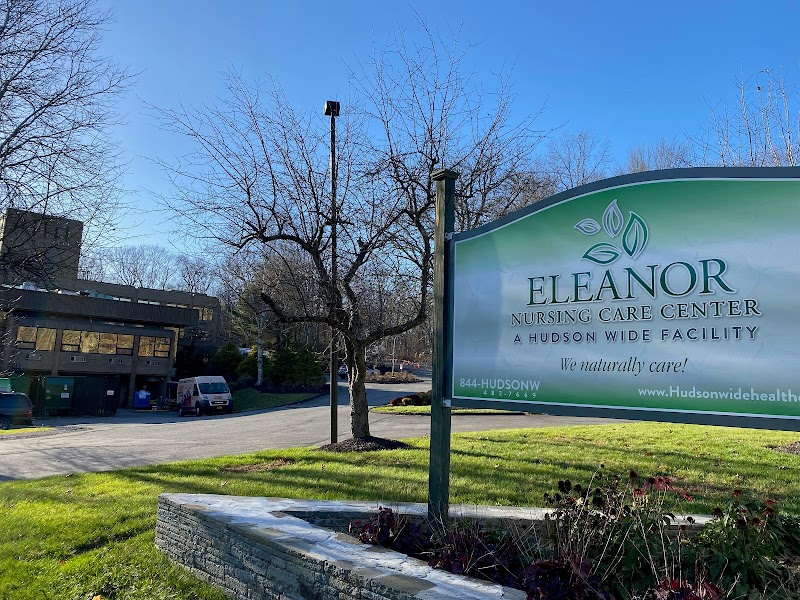
How is The Eleanor Nursing Staffed?

CMS rates THE ELEANOR NURSING CARE CENTER's staffing level at 2 out of 5 stars, which is below average compared to other nursing homes. Staff turnover is 29%, compared to the New York average of 46%. This relatively stable workforce can support continuity of care.

What Have Inspectors Found at The Eleanor Nursing?

State health inspectors documented 62 deficiencies at THE ELEANOR NURSING CARE CENTER during 2019 to 2025. These included: 1 Immediate Jeopardy (the most serious level, indicating potential for serious harm or death), 60 with potential for harm, and 1 minor or isolated issues. Immediate Jeopardy findings are rare and represent the most serious regulatory concerns. They require immediate corrective action.
Who Owns and Operates The Eleanor Nursing?

THE ELEANOR NURSING CARE CENTER is owned by a for-profit company. For-profit facilities operate as businesses with obligations to shareholders or private owners. The facility operates independently rather than as part of a larger chain. With 120 certified beds and approximately 99 residents (about 82% occupancy), it is a mid-sized facility located in HYDE PARK, New York.
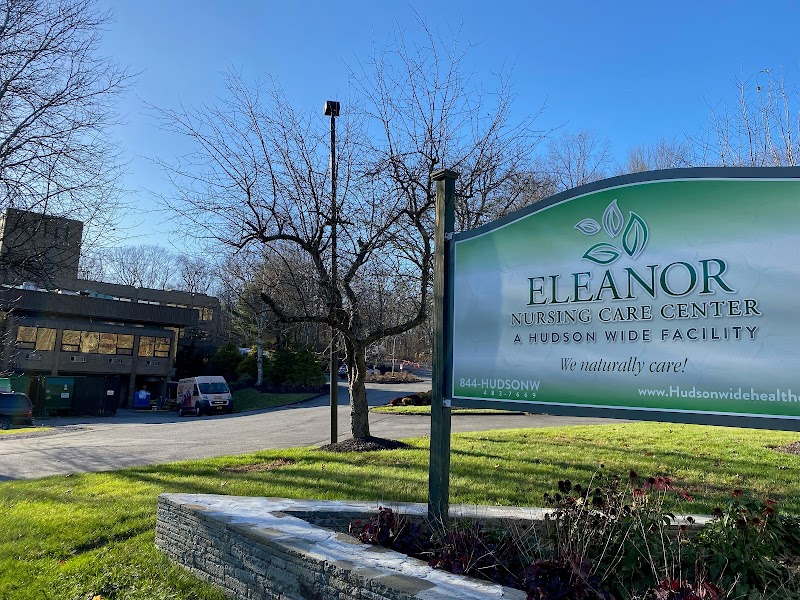
How Does The Eleanor Nursing Compare to Other New York Nursing Homes?

Compared to the 100 nursing homes in New York, THE ELEANOR NURSING CARE CENTER's overall rating (1 stars) is below the state average of 3.0, staff turnover (29%) is significantly lower than the state average of 46%, and health inspection rating (1 stars) is much below the national benchmark.

What Should Families Ask When Visiting The Eleanor Nursing?

Based on this facility's data, families visiting should ask: "What changes have been made since the serious inspection findings, and how are you preventing similar issues?" "Can you walk me through typical staffing levels on day, evening, and night shifts?" "Can I visit during a mealtime to observe dining assistance and food quality?" "How do you handle medical emergencies, and what is your hospital transfer rate?" These questions are particularly relevant given the facility's Immediate Jeopardy citations and the below-average staffing rating.

Is The Eleanor Nursing Safe?

Based on CMS inspection data, THE ELEANOR NURSING CARE CENTER has documented safety concerns. Inspectors have issued 1 Immediate Jeopardy citation (the most serious violation level indicating risk of serious injury or death). The facility is currently on the Special Focus Facility watch list (a federal program monitoring the lowest-performing 1% of nursing homes nationwide). The facility has a 1-star overall rating and ranks #100 of 100 nursing homes in New York. Families considering this facility should ask detailed questions about what corrective actions have been taken since these incidents.

Do Nurses at The Eleanor Nursing Stick Around?

Staff at THE ELEANOR NURSING CARE CENTER tend to stick around. With a turnover rate of 29%, the facility is 17 percentage points below the New York average of 46%. Low turnover is a positive sign. It means caregivers have time to learn each resident's needs, medications, and personal preferences. Consistent staff also notice subtle changes in a resident's condition more quickly.

Was The Eleanor Nursing Ever Fined?

THE ELEANOR NURSING CARE CENTER has been fined $130,725 across 1 penalty action. This is 3.8x the New York average of $34,386. Fines at this level are uncommon and typically indicate a pattern of serious deficiencies, repeated violations, or failure to correct problems promptly. CMS reserves penalties of this magnitude for facilities that pose significant, documented risk to resident health or safety. Families should request specific documentation of what issues led to these fines and what systemic changes have been implemented.

Is The Eleanor Nursing on Any Federal Watch List?

THE ELEANOR NURSING CARE CENTER is currently an SFF Candidate, meaning CMS has identified it as potentially qualifying for the Special Focus Facility watch list. SFF Candidates have a history of serious deficiencies but haven't yet reached the threshold for full SFF designation. The facility is being monitored more closely — if problems continue, it may be added to the official watch list. Families should ask what the facility is doing to address the issues that led to this status.