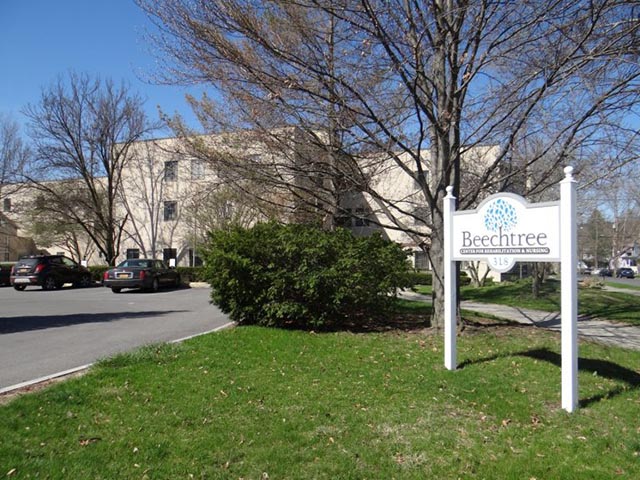
BEECHTREE CENTER FOR REHABILITATION AND NURSING

318 SOUTH ALBANY STREET, ITHACA, NY 14850 (607) 273-4166
For profit - Limited Liability company 120 Beds UPSTATE SERVICES GROUP Data: November 2025
Trust Grade
35/100
#478 of 594 in NY
Last Inspection: November 2023

Within standard 12-15 month inspection cycle. Federal law requires annual inspections.

Overview

Beechtree Center for Rehabilitation and Nursing has received a Trust Grade of F, indicating significant concerns about its care quality. It ranks #478 out of 594 facilities in New York, placing it in the bottom half statewide, and #4 out of 5 in Tompkins County, meaning only one local option is better. The facility is improving, having reduced its issues from 10 in 2023 to just 2 in 2025. However, staffing is a notable weakness with a rating of 1 out of 5 stars and a high turnover rate of 55%, which is concerning when compared to the state average of 40%. While the facility has not incurred any fines, there were incidents where residents received food that was not served at the right temperature or was unappetizing, and some areas were not maintained properly, raising concerns about the overall living environment.

Trust Score
F
35/100
In New York
#478/594
Bottom 20%
Safety Record
Low Risk
No red flags
Inspections
Getting Better
10 → 2 violations
Staff Stability
⚠ Watch
55% turnover. Above average. Higher turnover means staff may not know residents' routines.
Penalties
✓ Good
No fines on record. Clean compliance history, better than most New York facilities.
Skilled Nurses
○ Average
Each resident gets 30 minutes of Registered Nurse (RN) attention daily — about average for New York. RNs are the most trained staff who monitor for health changes.
Violations
⚠ Watch
27 deficiencies on record. Higher than average. Multiple issues found across inspections.
★☆☆☆☆
1.0
Overall Rating
★☆☆☆☆
1.0
Staff Levels
★★★☆☆
3.0
Care Quality
★★☆☆☆
2.0
Inspection Score
Stable
2023: 10 issues
2025: 2 issues

The Good

  • Full Sprinkler Coverage · Fire safety systems throughout facility
  • No fines on record

Facility shows strength in fire safety.

The Bad

1-Star Overall Rating

Below New York average (3.0)

Significant quality concerns identified by CMS

Staff Turnover: 55%

Near New York avg (46%)

Frequent staff changes - ask about care continuity

Chain: UPSTATE SERVICES GROUP

Part of a multi-facility chain

Ask about local staffing decisions and management

Staff turnover is elevated (55%)

7 points above New York average of 48%

The Ugly 27 deficiencies on record

Aug 2025 2 deficiencies
CONCERN (D) 📢 Someone Reported This

A family member, employee, or ombudsman was alarmed enough to file a formal complaint

Potential for Harm - no one hurt, but risky conditions existed

Infection Control (Tag F0880)

Could have caused harm · This affected 1 resident

Based on observations, record review, and interviews during the recertification and abbreviated (NY00383732) surveys conducted 8/24/2025-8/29/2025, the facility did not establish and maintain an infec...

Read full inspector narrative →
Based on observations, record review, and interviews during the recertification and abbreviated (NY00383732) surveys conducted 8/24/2025-8/29/2025, the facility did not establish and maintain an infection prevention and control program designed to provide a safe, sanitary and comfortable environment and to help prevent the development and transmission of communicable diseases and infections for two (2) of seven (7) residents (Residents #8 and #111) reviewed. Specifically, staff did not wear personal protective equipment when entering Residents #8's and #111's rooms, who were on contact precautions.Findings include: 1) Resident #8 had diagnoses including methicillin resistant staphylococcus aureus (antibiotic resistant bacteria) infection and local infection of the skin. The 6/5/2025 Minimum Data Set assessment documented the resident had intact cognition, multidrug-resistant organisms, a wound infection, and required applications of nonsurgical dressings to feet.The 6/30/2025 Comprehensive Care Plan documented the resident had methicillin resistant staphylococcus aureus in the left heel wound. Interventions included bag and transport used linen according to facility protocol, contact isolation, and educate the resident and family regarding the importance of hand washing immediately after activities of daily living, care tasks, and activities.The 8/14/2025 Physician order documented enhanced barrier precautions and contact isolation precautions secondary to wounds and history of methicillin resistant staphylococcus aureus. The Wound culture collected 8/12/2025 documented there was methicillin resistant staphylococcus aureus growth in the left foot wound.The Comprehensive tissue culture collected 8/25/2025 documented there was staphylococcus aureus growth in the left foot wound.The following contact precaution observations were made:-On 8/26/2025 at 8:34 AM, Certified Nurse Aid #11 entered Resident #8's room without donning personal protective equipment and placed a meal tray on the resident's table.-On 8/27/2025 at 9:48 AM, Certified Nurse Aid #18 entered the room without donning and isolation gown or gloves and delivered packages to the resident.During an interview on 8/27/2025 at 10:48 AM, Certified Nurse Aid #17 stated that they knew who was on isolation precautions because of the sign on the door. The sign stated what type of isolation they were on and what to wear. Resident #8 was on enhanced barrier precautions. Surveyor and Certified Nurse Aid #17 observed the door for Resident #8 with a contact precaution sign. They stated they were not sure when the sign was placed as it was not there a day ago. Since they were on contact isolation, one needed a gown and gloves to enter the room.2) Resident #111 had diagnoses including sepsis due to Escherichia coli (a bacteria found in the gut). The 8/11/2025 Minimum Data Set assessment documented the resident had intact cognition, had multidrug-resistant organism infections, and sepsis.The 8/5/2025 Comprehensive Care Plan documented the resident was on contact precautions related to extended-spectrum beta-lactamases (a resistant enzyme produced by Escherichia coli) in their urine and wounds. Interventions included contact precautions.The 8/5/2025 Physician order documented transmission-based precautions: contact precautions secondary to extended-spectrum beta-lactamases in urine.The following observations were made:- On 8/24/2025 at 4:16 PM a contact isolation sign was on the door Resident #111's room.- On 8/24/2025 at 4:20 PM Certified Nurse Aid #19 entered the resident's room without donning gown or gloves, lifted up the resident's blanket and stated they were checking if the resident was dry or needed to be changed.- On 8/24/2025 at 4:27 PM Registered Nurse #20 entered the resident's rooms without donning gown or gloves to deliver food to the resident.During an interview on 8/24/2025 at 4:20 PM, Certified Nurse Aid #19 stated they did not wear a gown or gloves because they did not know the resident was on contact precautions. They had only been working in the facility for three days. They were unsure how to know if a resident was on precautions. They thought that maybe there would be something across the door telling them to stop. They had been in and out of Resident #111's room multiple times and in other resident rooms. They knew they should wear a gown and gloves if someone was on contact precautions but did not know why. They did not remember if they had received education about isolation when they started. They stated that they should have worn a gown and gloves if the resident was on contact precautions. During an interview on 8/28/2025 at 10:50 AM, Assistant Director of Nursing stated staff knew if a resident was on contact precautions by the sign on the door outside the room. The sign indicated what personal protective equipment was required to enter the room. Contact precautions required staff to don a gown and gloves prior to entering the resident's room. Staff received education on this on orientation and annually. Residents #8 and #111 were on contact isolation.During an interview on 8/28/2025 at 1:57 PM, Director of Nursing/Infection Preventionist stated if someone had an active infection they should be on contact isolation. The resident was placed on contact precautions after the result of the culture came back. An order was needed for contact isolation. Staff knew if a resident was on contact isolation by the sign on the door, a doctor order, and it was in the Kardex and Care Plan. Anytime a staff member entered a contact isolation room they were required to wash hands and don gown and gloves prior to entering the room. The rational for wearing personal protective equipment was to decrease the spread of infection. 10 NYCRR 415.19(a)(b)
CONCERN (E) 📢 Someone Reported This

A family member, employee, or ombudsman was alarmed enough to file a formal complaint

Potential for Harm - no one hurt, but risky conditions existed

Deficiency F0804 (Tag F0804)

Could have caused harm · This affected multiple residents

Based on observations and interviews during the recertification survey conducted 8/24/2025-8/29/2025, the facility did not ensure residents were provided food and drink that was palatable, flavorful, ...

Read full inspector narrative →
Based on observations and interviews during the recertification survey conducted 8/24/2025-8/29/2025, the facility did not ensure residents were provided food and drink that was palatable, flavorful, and at an appetizing temperature for two (2) of (2) two meals (lunch meals on 8/25/2025 and 8/26/2025) reviewed. Specifically, food was not served at palatable and appetizing temperatures during the lunch meals on 8/25/2025 and 8/26/2025. Additionally, Residents #3 and #8 stated the food was not palatable and Resident #34 stated the food was often cold. Findings include: The facility policy Food Temperature and Palatability, revised 9/9/2024 documented all hot food items were maintained at 135 degrees Fahrenheit or greater until served. Cold food items were served at 41 degrees Fahrenheit or below. Resident meals would be palatable, visually appealing, and prepared in a manner consistent with resident preferences and nutritional needs. Resident interviews on 8/24/2025 included the following:-at 3:23 PM, Resident #8 stated the food was not palatable.-at 4:27 PM, Resident # 3 stated the food was not palatable. -at 4:47 PM, Resident #34 stated the food was often cold. During a lunch meal observation on 8/25/2025 at 12:42 PM, Resident #20's meal was tested in the presence of Registered Nurse #22, and a replacement tray was ordered. Food temperatures measured as follows: the baked chicken breast was 96 degrees Fahrenheit and fried potatoes with onions were121 degrees Fahrenheit. The baked chicken was dry and tough to chew. During a lunch meal observation on 8/26/2025 at 1:01 PM Resident #34's meal tray was tested in the presence of Certified Nurse Aide #11, and a replacement tray was ordered. Food temperatures were measured as follows: pork cutlet was 123.6 degrees Fahrenheit, zucchini was 131 degrees Fahrenheit, rice was 114.8 degrees Fahrenheit, applesauce was 53 degrees Fahrenheit, water was 43.3 degrees Fahrenheit, and 2% milk was 45 degrees Fahrenheit. The pork cutlet was bland with mushy breading. During an interview on 8/28/2025 at 11:15 AM, Food Service Aide #1 stated the holding temperature for hot food was 175-180 degrees Fahrenheit. The food was cooked prior to being brought to the units and the food service aides were supposed to measure the temperature of the food prior to serving and record it on their temperature log. If the food was not at the proper temperature, they should notify the supervisor. During an interview on 8/29/2025 at 9:07 AM, Kitchen Supervisor #3 stated the food was cooked in the kitchen and held in the hot holding box or refrigerator in the kitchen until the food service aides brought the food to the units. The food service aides took the temperature of the foods prior to serving the residents and recorded them on their temperature log. If there any issues with the temperature of the food the food service aides should call the supervisor. When hot food was served cold it could affect the palatability of the meal. Hot foods should be served at least 135 degrees Fahrenheit and cold foods should be served at 41 degrees or below Fahrenheit to ensure palatability. 10NYCRR 415.14(d)(1)(2)
Nov 2023 10 deficiencies
CONCERN (D) 📢 Someone Reported This

A family member, employee, or ombudsman was alarmed enough to file a formal complaint

Potential for Harm - no one hurt, but risky conditions existed

Resident Rights (Tag F0550)

Could have caused harm · This affected 1 resident

Based on observation, interview, and record review during the recertification and abbreviated (NY00315667 and NY00326467) surveys conducted 11/13/23-11/17/23, the facility did not ensure each resident...

Read full inspector narrative →
Based on observation, interview, and record review during the recertification and abbreviated (NY00315667 and NY00326467) surveys conducted 11/13/23-11/17/23, the facility did not ensure each resident had the right to a dignified existence for 2 of 5 residents (Residents #33 and #91) reviewed. Specifically, Resident #33 had an unclean incontinence pad in their recliner and Resident #91's wheelchair head rest cover was in disrepair with exposed foam. Findings include: The facility policy Resident Rights dated 4/2/2023 documented the facility must focus on assisting the resident in maintaining and enhancing their self-esteem and self-worth. Each resident was to be treated with respect and dignity. The facility policy Wheelchairs dated 9/7/2023 documented wheelchairs were issued by the therapy department. Wheelchair maintenance was performed by the maintenance department in conjunction with therapy and adaptations included headrests. Wheelchairs would be cleaned according to policy. 1) Resident #33 had diagnoses including osteoarthritis, chronic obstructive pulmonary disease (COPD) and hypertension (HTN). The 9/8/2023 Minimum Data Set (MDS) documented the resident had moderately impaired cognition, required limited assistance of one with toileting and transfers, extensive assistance of 1 with dressing, and was always continent of bowel and urine. The comprehensive care plan (CCP) initiated 3/4/2020 and revised 7/13/2023 documented the resident required limited assistance of one staff for activities of daily living (ADLs) including toileting. They were continent of bowel and bladder and would use the toilet or a urinal. The care instructions dated 2/7/2020 and revised 11/10/2023 documented the resident required supervision with ADLs including toileting and was incontinent of bowel. The resident's recliner was observed in their room: - on 11/14/2023 at 8:51 AM with an incontinence pad with a 5-inch dried area of brown discoloration and 2 quarter sized, dark brown areas in the center. - on 11/17/2023 at 9:04 AM with an incontinence pad with a 6-inch dried round area of brown discoloration. At 9:06 AM the incontinent pad was lifted from the recliner exposing the white side which had an 8-inch dried area of light brown discoloration with a half dollar size dark brown area in the center. During an interview on 11/17/2023 at 9:17 AM, certified nurse aide (CNA) #25 stated Resident #33 needed the incontinence pad in their recliner to protect the chair from incontinence episodes. They stated the resident was incontinent of bowel and bladder and the incontinence pad should be changed when it was soiled. The CNA stated It was not homelike to leave dirty items in the resident's room. During an interview on 11/17/2023 at 9:58 AM, CNA # 22 stated they were assigned to Resident #33, and they had not noticed the recliner had a soiled incontinence pad on it. They stated they should have picked up the soiled item when they assisted the resident to breakfast. It was not homelike to have soiled or dirty items left in the room. During an interview on 11/17/2023 at 10:12 AM, registered nurse (RN) # 23 stated that CNAs were responsible for ADL care, but all staff should assist with resident needs. They stated Resident # 33 could toilet themself and was mostly continent of bowel and bladder, but they could not handle soiled clothing or linens themselves. RN #23 stated the resident had an incontinence pad on the recliner to protect it from incontinence episodes. The incontinence pads were supposed to be placed white side up, to better absorb liquid spills, urine, or stool. They stated if the pad was soiled it should have been changed. It was not good for visitors to see the pad and it could produce odors that would not be homelike. During an interview on 11/17/2023 at 10:28 AM, RN Unit Manager (UM) #24 stated soiled linens should not remain in resident rooms and the CNAs were responsible to remove them. They stated Resident #33 would sleep in their recliner and occasionally had incontinence episodes, requiring an incontinence pad. The white side of the incontinence pad should be upright, to protect the cushion. They stated residents should not sit on wet or soiled linens as it could create skin conditions or odors. Soiled linens in the room were not homelike. 2) Resident #91 had diagnoses including stroke, hemiparesis/hemiplegia (one-sided weakness/paralysis), and dementia. The 8/25/2023 Minimum Data Set (MDS) assessment documented the resident had severely impaired cognition, required extensive assistance of 2 with most activities of daily living (ADLs), and used a wheelchair. The 8/15/2023 updated comprehensive care plan (CCP) documented the resident had dementia, was at risk for falls, was at risk for skin breakdown, and had hemiplegia/hemiparesis. Interventions included physical therapy (PT) as needed, place in high visibility areas when awake, anticipate needs, provide emotional support, support self-esteem, and cushion in wheelchair The 10/31/2023 Unit 3 therapy equipment audit documented there was no damage to Resident #91's wheelchair. During observations on 11/13/2023 at 12:56 PM, 11/14/2023 at 11:52 AM, 11/15/2023 at 9:15 AM, 11/15/2023 at 12:43 PM, and 11/16/2023 at 9:10 AM, Resident #91 was sitting in their wheelchair in the unit dining room. The headcover from the wheelchair's headrest was missing and the entire foam headrest was exposed. During an interview on 11/16/23 at 11:23 AM, certified nurse aide (CNA) #16 stated they were assigned to the resident that day. Headcovers for wheelchairs came from the therapy department. They stated the exposed headrest could not be cleaned, would be unsanitary, did not look nice, and could pull on the resident's hair. All staff were able to put in a work order for it or call therapy to make them aware. The CNA stated they told licensed practical nurse (LPN) #15 a couple weeks ago that the head cover for the resident's wheelchair was missing. The CNA stated they assumed the LPN took care of it. During an interview on 11/16/23 at 11:51 AM, LPN Unit Manager (UM) #14 stated they relied on the unit nurses to ensure equipment was in proper condition. They stated they had not noticed the head cover to the resident's headrest was missing. Wheelchair headrest covers came from the therapy department and any staff member could call therapy for a replacement. The foam should not be exposed for infection control purposes and resident dignity. During an interview on 11/16/23 at 12:21 PM, the Director of Therapy stated the resident's wheelchair headrest had a nylon cover that looked as if it had been torn off. They stated therapy relied on nursing staff to notify them if there was an issue with equipment. Therapy performed facility wide monthly audits regarding equipment condition. They stated the foam on the headrest should be covered to prevent the foam from becoming unsanitary and for the resident's dignity. During an interview on 11/17/23 at 9:31 AM, LPN #15 stated unit staff noticed the missing headrest cover and thought they notified therapy. The LPN stated they did not document it and should have. The purpose of the cover was so the headrest was able to be cleaned and disinfected and to be more aesthetically pleasing. 10NYCRR 415.3(a)
CONCERN (D) 📢 Someone Reported This

A family member, employee, or ombudsman was alarmed enough to file a formal complaint

Potential for Harm - no one hurt, but risky conditions existed

Grievances (Tag F0585)

Could have caused harm · This affected 1 resident

Based on observation, record review, and interview during the recertification and abbreviated (NY00315667) surveys conducted 11/13/2023-11/17/2023, the facility did not ensure that prompt efforts were...

Read full inspector narrative →
Based on observation, record review, and interview during the recertification and abbreviated (NY00315667) surveys conducted 11/13/2023-11/17/2023, the facility did not ensure that prompt efforts were made to resolve grievances that residents may have for 1 of 3 residents (Resident #31) reviewed. Specifically, Resident #31 ordered a streaming device that was delivered to the facility, the resident did not receive the device, and the facility did not reimburse the resident for the missing item. Findings include: The facility policy, Grievances last reviewed 4/20/2023, documented complaints and/or grievances may be submitted orally or in writing. Upon receipt of a complaint or grievance, staff must immediately attempt to address and resolve the issue. Resident #31 was admitted to the facility with diagnoses including schizoaffective disorder, cerebral infarction (stroke), and depression. The 8/5/2023 Minimum Data Set (MDS) assessment documented the resident had intact cognition, required extensive assistance with most activities of daily living (ADLs) and did not have behavioral symptoms. A lost/missing item report dated 3/9/2023 and signed by the Director of Social Services and the facility Administrator documented Resident #31 had ordered a streaming device that was never delivered to the resident's room. The resolution documented the resident was to reorder the device or ask for their money back since the device was not delivered. There was no documented evidence the facility investigated why the device was not delivered to the resident. During an interview on 11/13/2023 at 11:34 AM, Resident #31 stated they had ordered a streaming device earlier in the year and had never received it. They were told the device had been delivered to the facility but had not been delivered to their room. They stated that the Activities Director had helped them place the order using the resident's credit card. The resident stated they had reported the problem to social worker #31, who filled out a grievance form. The resident asked for reimbursement but had still not been reimbursed for the missing item. During an interview on 11/16/2023 at 2:56 PM, the Director of Social Services stated that on admission the concierge would make sure all resident belongings were documented on an inventory sheet. Any items ordered from outside the facility were delivered by activities staff and they were not sure if those items were added to the resident inventory sheet. Missing items should be reported to the social worker so a grievance form could be initiated. Staff would then look for the item. After the search was completed, the resolution would be decided on. The Director of Social Services remembered Resident #31 had reported their missing streaming device and believed the facility had reimbursed the resident after the item was not found. During an interview on 11/17/2023 at 8:53 AM, the Business Office Manager stated they handled personal funds accounts for residents. They stated residents were encouraged to have activities help with ordering items. Resident #31's resident funds ledger dated 11/14/2022-11/17/2023 did not include a facility reimbursement for the missing streaming device. During an interview on 11/17/2023 at 9:09 AM, the Activities Director stated mail and packages were delivered to residents by the activity department. Packages were delivered the day or day after arrival. Activities did not add items received to the personal inventory lists but kept track of delivered items received. Resident #31 ordered a streaming device with their own credit card with the assistance of activity staff. The Activities Director stated they remembered the package coming to the facility as it was ordered in their name, and they opened it. The device was then set to be delivered by activity staff. They stated the list of delivered items did not contain the streaming device being delivered to Resident #31. Activities Director stated they notified social work of the missing item and the resident's wish to be reimbursed. There was no documentation of the device being delivered to the resident, and in that case, the facility should have replaced or reimbursed the resident. During an interview on 11/17/2023 at 9:29 AM, the Administrator stated missing property was usually reimbursed to the resident. Activities kept records of items ordered by residents, and who delivered to resident's rooms. The facility was usually responsive to replacing or reimbursing for missing items. Resident #31 was missing a streaming device earlier this year. The Administrator remembered signing the grievance form, and thought the resident was reimbursed. 10NYCRR 415.3(c)(1)(i)
CONCERN (D) 📢 Someone Reported This

A family member, employee, or ombudsman was alarmed enough to file a formal complaint

Potential for Harm - no one hurt, but risky conditions existed

ADL Care (Tag F0677)

Could have caused harm · This affected 1 resident

Based on observation, record review, and interview during the recertification and abbreviated (NY00315667, NY00315978, and NY00326467) surveys conducted 11/13/2023-11/17/2023, the facility did not ens...

Read full inspector narrative →
Based on observation, record review, and interview during the recertification and abbreviated (NY00315667, NY00315978, and NY00326467) surveys conducted 11/13/2023-11/17/2023, the facility did not ensure that residents who were unable to carry out activities of daily living (ADLs) were provided the necessary services to maintain good grooming and personal hygiene for 2 of 4 residents (Residents #11 and #416) reviewed. Specifically, Resident #11 was not assisted with shaving and Resident # 416 was not provided timely incontinence care. Findings include: The facility policy Activities of Daily Living (ADL) revised 3/6/2019 documented that residents would be encouraged to maintain independence with ADLs and if they were unable to complete the tasks attempted, then nursing staff would be responsible to provide care based on the resident's care plan. 1) Resident #11 was admitted to the facility with diagnoses including diabetes, anxiety disorder, and chronic obstructive pulmonary disease (CPOD, lung disease). The 9/9/2023 Minimum Data Set (MDS) assessment documented the resident had severe cognitive impairment, did not reject care, and required limited assistance of 1 with personal hygiene. The comprehensive care plan (CCP) last reviewed 9/21/2023 documented the resident had a functional decline in capabilities with the need for assistance with ADLs and required limited one-person physical assistance with personal hygiene. The CCP did not include the resident's shaving preferences. Observations of Resident #11 included: - on 11/13/2023 at 11:45 AM sitting in the dining room in a wheelchair with facial hair approximately 1/2-inch long. - on 11/14/2023 at 9:36 AM with facial hair approximately 1/2 inch long. - on 11/15/2023 at 10:05 AM the resident stated they did not have a razor and they wanted to be shaved. They had facial hair approximately 1/2-inch long. - on 11/16/2023 at 10:51 AM with facial hair approximately 1/2-inch long. The resident stated staff did not help them shave, and they rubbed their face and stated they did not like looking grubby. The November 2023 certified nurse aide (CNA) Documentation Record documented the resident received assistance with personal hygiene twice on 11/13/2023 and 11/14/2023; three times on 11/15/2023; and once on 11/16/2023. During an interview on 11/17/2023 at 9:54 AM, registered nurse (RN) #37 stated the medication nurses provided oversight of the certified nurse aides (CNAs), but ultimately the resident's personal care was the CNA's responsibility. During an interview on 11/17/2023 at 10:09 AM, CNA #33 stated their duties included providing care to residents. The computer included care information for each resident. They were to document in the computer when tasks were completed. If a task was signed for it meant it was done. Personal hygiene included providing clean clothes, washing peri area, washing face, applying deodorant, shaving, and oral care. They stated they had not been assigned to Resident #11 this week. During an interview on 11/17/2023 at 10:28 AM, CNA #36 stated the resident care information was found in the computer. They stated personal hygiene included washing face and hands, peri area, combing hair, shaving, and oral care. They stated they were assigned to Resident #11 on this day and the resident did not always allow care. They stated the resident could use a shave, but they did not offer shaving this morning. because they did not have time yet today. It was important for a resident's dignity to be neatly groomed. During an interview on 11/17/2023 at 11:45, RN Unit Manager #24 stated resident care information was available in the care card in the electronic health record. It gave information on the amount of assistance needed for care. Personal hygiene consisted of combing hair, oral care, and shaving and should be offered at least daily. The stated if a task was documented as completed it meant it was done. They had not received reports of Resident #11 refusing shaving this week and the resident was not able to shave themself. 2) Resident #416 was admitted to the facility with diagnoses including morbid obesity, chronic respiratory failure, and depression. The 10/20/2023 Minimum Data Set (MDS) documented the resident had intact cognition, was dependent with toileting, was occasionally incontinent of urine, was continent of bowels, was at risk for the development of pressure injury, and had moisture associated skin damage (MASD, incontinence associated dermatitis). The nursing care instructions dated 9/1/2023-11/17/2023 documented the resident required extensive assistance of 2 for bed mobility, supervision with set-up help for personal hygiene, was totally dependent on 2 for transfers with a mechanical lift, was totally dependent for toilet use, and used a bedside commode. The comprehensive care plan (CCP) effective 11/11/2019 documented the resident was at risk for impairment in skin integrity. Interventions effective 3/24/2020 included toilet the resident every 2-4 hours and as needed (prn) and provide incontinence care every 2-4 hours and prn. The CCP did not include ADL level of assistance or interventions prior to 11/16/2023. During an observation and interview on 11/15/2023 at 11:08 AM, Resident #416 stated that they were not going to get up today, as they hurt too much. Certified nurse aides (CNAs) #22 and #27 were present and providing AM care. At 11:19 AM, they rolled the resident onto their right side and the resident called out in pain during the movement. The resident's entire back and bottom was red with raised bumps. The bed linens (bottom sheet, 2 incontinence pads, and an incontinence brief) were saturated from the resident's head to their ankle region. CNAs #22 and #27 stated the resident was usually a full bed change when they provided AM care because of their level of bladder incontinence. During an interview on 11/16/2023 at 8:41 AM, Resident #416 stated they got changed in the morning, afternoon and then at bedtime. They were always wet and would never refuse care as they wanted to get better to return home. During an observation and interview on 11/16/2023 at 10:49 AM, CNA #27 and registered nurse (RN) #23 were providing morning care for the resident. The resident's 2 incontinence pads and brief were saturated. The lower edge of the bottom sheet had dried brown stains and the bottom sheet was wet from the shoulder region to below the resident's knees. CNA #27 stated they came to work at 6:00 AM and was unsure when the resident was last changed. Their mattress had dried stains and dark wet areas. The resident had deep dark pink excoriated (reddened) areas with 2 open (pencil eraser size) bleeding areas to the left side of their back and their left back leg. During an interview on 11/16/2023 at 11:41 AM, CNA #25 stated they knew how to care for residents from the care instructions in the computer. They had not provided care for Resident #416 since arrival at 6:00 AM and night shift would have last provided care near 5:00 AM. During an interview on 11/16/2023 at 1:59 PM, Resident #416 stated they did not get woken up at night for incontinence care and repositioning. During an interview on 11/17/2023 at 9:17 AM, CNA #25 stated that CNAs were responsible for ADL care and nurses would help when needed. Resident #416 was their responsibility and required a full bed change during morning care. During the morning shift report staff said the resident required a full bed change during the overnight. During an interview on 11/17/2023 at 9:58 AM, CNA #22 stated that Resident #416 had skin concerns and they should be checked for incontinence and changed every 2 hours. They stated they were not able to check for incontinence and change every 2 hours because they did not have enough staff. The CNA stated they provided the resident care in the morning, usually after breakfast, and then again after lunch. They stated It was not good for a resident to lie in urine as it could ruin their skin and the resident already had open sores. During an interview on 11/17/2023 at 10:12 AM, RN #23 stated that ADL care was the responsibility of the CNAs, but everyone assisted as needed. Resident #416 should receive incontinence care every 2 hours. They stated the resident almost always required a full bed change because of bladder incontinence. The resident's skin should be kept as dry as possible because they already had open areas, and they did not want secondary infections or additional open areas. During an interview on 11/17/2023 at 10:28 AM, RN Unit Manager (UM) #24 stated that ADL care would be directed in the computer and all responsible staff had access. Resident #416 should be checked for incontinence every two hours with repositioning. The resident was in bed a lot and they already had skin conditions so their skin should be kept as dry as possible to prevent infections and additional sores. They stated it was not pleasant for the resident to be wet. They stated they did not want the resident to be uncomfortable, in pain or have odors associated from urine incontinence. 10NYCRR 415.12(a)(3)
CONCERN (D) 📢 Someone Reported This

A family member, employee, or ombudsman was alarmed enough to file a formal complaint

Potential for Harm - no one hurt, but risky conditions existed

Quality of Care (Tag F0684)

Could have caused harm · This affected 1 resident

**NOTE- TERMS IN BRACKETS HAVE BEEN EDITED TO PROTECT CONFIDENTIALITY** Based on observation, record review, and interview during the recertification and abbreviated (NY00315667, NY00315978, and NY003...

Read full inspector narrative →
**NOTE- TERMS IN BRACKETS HAVE BEEN EDITED TO PROTECT CONFIDENTIALITY** Based on observation, record review, and interview during the recertification and abbreviated (NY00315667, NY00315978, and NY00326712) surveys conducted 11/13/2023-11/17/2023, the facility did not ensure residents received treatment and care in accordance with professional standards of practice for 3 of 16 residents (Residents #4, #71, and #91) reviewed. Specifically, Resident #4 did not receive medications as ordered; Resident #71 had a dressing applied to their left index finger without an order and the dressing was observed soiled; and Resident #91 did not have heel pressure reducing booties in place as planned. Findings include: The facility policy Pressure Ulcer Prevention Strategies reviewed 8/3/2023 documented the facility uses multiple pressure relieving strategies for the prevention of pressure injuries including heel lifts/booties/elevate heels off the bed. 1) Resident #4 was admitted to the facility with diagnoses including cholelithiasis (gall stones) without obstruction, benign prostatic hyperplasia (enlarged prostate) with urinary retention, chronic respiratory failure, and generalized anxiety disorder. The 6/10/2023 Minimum Data Set (MDS) assessment documented the resident had intact cognition, did not reject care, had an indwelling urinary catheter, and received antianxiety and diuretic medications daily. The comprehensive care plan (CCP) documented: - effective 1/6/2022 the resident had generalized anxiety disorder. Interventions included administer clonazepam and monitor response. - effective 5/6/2022 the resident had respiratory failure. Goals included episodes of wheezing to be relieved by treatment. - effective 9/20/2022 the resident had a suprapubic catheter for obstructive uropathy. Interventions included flush catheter per physician order. - effective 9/28/2022 the resident had cholelithiasis (gall stones) without obstruction. Interventions included provide meds as ordered. Physician orders documented: - on 11/18/2022 ursodiol (used to treat gallstones) 300 milligrams (mg) every day at 9:00 AM and 7:00 PM. - on 5/5/2023 acetazolamide (used to treat swelling caused by heart disease) 250 mg tablet every day at 9:00 AM. - on 9/13/2023 acetic acid 0.25% irrigation solution infuse 30 milliliters (ml) by irrigation route two times per day for use to irrigate suprapubic catheter (drains urine from the bladder through an incision in the abdomen). - on 10/17/2023 (renewed order) clonazepam (used to treat anxiety) 2 mg three times a day at 9:00 AM, 3:00 PM, and 9:00 PM. The May 2023 Medication Administration Record (MAR) documented: - clonazepam 2 mg tablet 3 times per day at 8:00 AM, 1:30 PM, and 7:00 PM with original order date of 12/29/2022. Clonazepam was documented as not administered on 5/15/2023 at 1:30 PM and 7:00 PM by LPN #38 due to the medication being out of stock/reorder; on 5/16/2023 at 1:30 PM by LPN #39 due to pharmacy called, delivery in progress (documented as being administered at 8:00 AM by LPN #39); and on 5/23/2023 at 1:30 PM with no initials or reason for not receiving. - ursodiol 300 mg twice daily at 9:00 AM and 7:00 PM. Ursodiol was documented as not administered on 5/15/2023 by LPN #38 due to the medication being out of stock. - acetic acid 0.25% irrigation solution infuse 30 ml by irrigation route 2 times per day at 6:00 AM- 2:00 PM, and at 2:00 PM- 10:00 PM. Acetic acid solution was documented as not administered on 5/27/2023 at 2:00 PM- 10:00 PM by LPN #40 due to on order. The November 2023 MAR documented: - acetazolamide 250 mg tablet every day at 9:00 AM was documented as not administered by LPN #41 on 11/6/2023 due to on order. There was no documented evidence the physician was notified of the missed doses of clonazepam, ursodiol, acetic acid irrigation, and acetazolamide. During an interview on 11/17/2023 at 9:54 AM, registered nurse (RN) #37 stated they worked part time as a medication nurse on unit 1. They stated they had run into not having a medication available. If the medication was a new order, they could go to PXYIS (an automated medication dispensing system) to see if the medication was available. The nurse could also call the pharmacy and get the medication that afternoon or evening. They stated when the last of a blister pack of medications was used, the nurse should check for reserve (extra blister packs). RN #37 stated when the medication was down to 5 days or less the nurse should order the medication. They stated not all nurses did this. RN #37 stated if a resident did not receive their ordered medications, they could have exacerbation of symptoms depending on the medication. If a medication was not administered the Unit Manager and nurse practitioner (NP) should be made aware. During an interview on 11/17/2023 at 11:45 AM, RN Unit Manager #24 stated medication nurses were responsible for reordering medications. They stated there was a way to order right in the MAR if medications were getting low. They stated the pharmacy took a couple of days turnaround once the medications were ordered. RN Unit Manager #24 stated they should be told by the nurses if medications were missed, and they should notify medical if ordered medications were not given. They stated medications had a purpose and if they were not given it could have negative effects on the resident depending on the medication. Nurses should document in the medical record if they spoke to medical regarding missing medications. During an interview on 11/17/2023 at 12:11 PM, the Director of Nursing (DON) stated they were not sure of a specific policy regarding missing medications or ordering medications. They stated there was a possibility for negative effects if a resident did not receive medications as ordered. The DON stated medical should be notified of a resident not receiving meds as ordered. During an interview on 11/17/23 at 12:53 PM NP #10 stated they expected medications to be given as ordered. They stated they should be notified if a medication was not available or not given. The resident may need to have an alternate intervention ordered. The pharmacy was out of town and could take a day or two to deliver medications. They stated the nurses should order medications when they were getting low. A resident could experience negative effects if not given meds as ordered. There should be follow up done by nursing and they were not sure if nursing always let them know. 2) Resident #71 was admitted to the facility with diagnoses including dementia, adult failure to thrive, and osteoarthritis. The 9/15/2023 Minimum Data Set (MDS) assessment documented the resident had moderately impaired cognition, required supervision for transfers, walking, locomotion on the unit, and eating, limited assistance of 1 for locomotion off the unit, dressing, toileting, and personal hygiene, and had no functional limitations in their arms or legs. The 9/16/23 updated comprehensive care plan (CCP) documented the resident was at risk for skin breakdown, required assistance with activities of daily living (ADLs), was on anticoagulants (blood thinners), and had dementia. Interventions included the nurse was to check skin on shower days, monitor skin during care every shift, assist with dressing/bathing/toileting/transfers/locomotion, monitor for bleeding/bruising, and anticipate needs. The 11/13/23 hospital summary documented the resident was seen on 11/11/23 in the ER (emergency room) for an evaluation after a fall. The resident had a scalp hematoma (bruise) and left wrist and hand bruises. Left wrist x-rays showed no changes, dislocations, or fractures. The resident was discharged back to the facility on [DATE] as there were no neuro changes during exams and the resident was stable. There was no documented admission skin assessment for the resident when they returned from the hospital. The following observations of Resident #71 were made: - on 11/13/23 at 12:05 PM lying on their back in bed. Both hands were bruised, and the left index finger had an undated gauze bandage wrapped around it. The bandage appeared unclean and had dried blood on it. - on 11/14/23 at 11:52 AM lying in bed. The gauze dressing on the left index finger was undated, unclean and had dried blood on it. - on 11/15/23 at 9:15 AM lying in bed. The gauze dressing on the left index finger was undated, unclean, and had dried blood on it. - on 11/16/23 at 9:10 AM lying in bed. The gauze dressing on the left index finger was undated, unclean, and had dried blood on it. Nursing progress notes from 11/12/2023-11/15/2023 did not include the presence of a skin tear or dressing to the resident's left index finger. The 11/2023 treatment administration record (TAR) did not include a treatment order for the left index finger until 11/16/2023. The TAR documented to the skin tear on the left pointer finger apply bacitracin (antibiotic ointment), wrap with non-stick gauze every other day until healed with a start date of 11/16/2023. The TAR did not document a dressing was done on 11/16/2023 and the TAR was grayed out for 11/17/2023 out of date range. During an interview on 11/16/23 at 11:35 AM, licensed practical nurse (LPN) #17 stated Resident #71 had a fall recently and went to the hospital. They stated Resident #71 had a laceration on the right forehead and possibly a band aid on their right hand. The LPN stated they noticed the bandage and there was no specific order to change it. The LPN stated they would change the band aid if they noticed it was dirty, but they had not noticed. Any nurse was able to enter a physician order into the medical record after notifying the physician of the need for a dressing. LPN #17 looked at the resident's finger and stated the dressing had dried blood on it and was dirty. LPN #17 removed the dressing, and a 1.5 centimeter (cm) laceration was noted across the middle of the finger between the middle knuckle and hand and was bleeding. The LPN stated there should have been an order to change the dressing for dignity, cleanliness, and sanitary purposes. During an interview on 11/16/23 at 11:51 AM, LPN Unit Manager #14 stated they did not think the resident had an order for a finger dressing. The LPN Manager stated the resident fell on [DATE] and the LPN Manager was on duty when the resident returned from the hospital for evaluation. The LPN Manager stated they saw the laceration and dressing on the resident when Resident #71 went to the hospital. The LPN Manager stated the hospital put a dressing on the finger. They stated not having an order for the dressing was an oversight made during the head to toe assessment done on return to the facility. The LPN Manager stated they knew the dressing was on the finger, the physician assessed the resident upon return, no order to change the dressing was obtained, and there should have been an order. The LPN Manager stated they did not check to ensure there was an order and should have as it was their responsibility. During an interview on 11/16/23 at 12:17 PM, CNA #18 stated they saw a dressing on the resident's finger on 11/14/2023 and did not think it looked dirty. The CNA stated they washed the resident's hands the morning of 11/16/2023 and failed to notice the dressing. If they noticed the dressing was dirty, they would have made the nurse aware. During an interview on 11/17/23 at 12:18 PM, the Director of Nursing (DON) stated the resident should have been assessed by a registered nurse (RN) upon return to the facility and called the physician for any new orders including a dressing. They stated nurses should have seen the dressing. CNAs should inform the nurse of any changes or dirty dressings. Dressing changes were done to prevent infection, for hygiene purposes, and for resident dignity if the dressing was dirty. 3) Resident #91 was admitted to the facility with diagnoses including stroke, hemiparesis/hemiplegia (one-sided weakness/paralysis), and dementia. The 8/25/2023 Minimum Data Set (MDS) assessment documented the resident had severely impaired cognition, required extensive assistance of 2 with most activities of daily living (ADLs), used a wheelchair, was at risk for developing pressure ulcers, and had an unstageable (full thickness tissue loss in which the base is covered with dead tissue) pressure ulcer. The 8/15/2023 updated comprehensive care plan (CCP) documented the resident had dementia, was at risk for skin breakdown, and had hemiplegia/hemiparesis. Interventions included booties in and out of bed, place in high visibility areas when awake, anticipate needs, and a cushion in their wheelchair. The 9/12/2023 physician order documented heel float boots on at all times. The 11/10/2023 through 11/16/2023 Resident #19 care instructions documented Resident #19 was totally dependent for dressing, locomotion, personal hygiene, transfers, and was to have off-loading booties every day at all times. Resident #91 was observed: - on 11/13/2023 from 12:00 PM until 1:33 PM in the unit dining room sitting in their wheelchair and not wearing heel booties. The resident's blue heel booties were on the resident's bed. - on 11/15/2023 from 9:15 AM until 12:43 PM sitting in their wheelchair in the unit dining and not wearing heel booties. The blue booties were in their room on the nightstand. - on 11/16/2023 from 9:10 AM until 11:35 AM sitting in their wheelchair in the unit dining room not wearing heel booties. The blue booties were on a nightstand in the resident's room. The 11/2023 treatment administration record (TAR) documented heel float boots at all times. The TAR documented the heel boots were applied on all shifts from 11/1/2023 day shift until 11/16/2023 day shift. During an interview on 11/16/2023 at 11:23 AM CNA #16 stated CNAs should check their residents' care instructions at least once a week. Resident #91 had an open area on their right heel that was closed now. The resident was to have blue booties on while in bed. The CNA stated they last looked at Resident #91's care instructions the morning of 11/16/2023. The CNA stated they usually worked the evening shift and last put the booties on the resident the evening of 11/15/2023. During an interview on 11/16/2023 at 11:51 AM, licensed practical nurse (LPN) Unit Manager #14 stated they relied on the unit nurses to ensure the resident had the proper equipment on. Resident specific care was documented on the care instructions and care plans. The LPN Manager stated that all CCP changes were their responsibility. The LPN Manager expected care to be provided per the care instructions and care plan. Resident #91 used to have a heel pressure ulcer and the blue booties were to prevent a reoccurrence. The LPN Unit Manager stated they knew the booties were being applied at night, but the blue booties were supposed to be on the resident at all times. The nurses were supposed to check and sign for them on the TAR. During an interview on 11/17/2023 at 12:18 PM, the Director of Nursing (DON) stated the LPN Unit Manager was expected to check the residents. The DON stated they expected the care plans to be carried out and the unit nurses and Unit Managers should ensure the resident equipment was used as planned. The blue booties should be signed for in the TAR and all refusals documented. The booties were used as a pressure ulcer preventative measure. 10 NYCRR 415.12
CONCERN (D) 📢 Someone Reported This

A family member, employee, or ombudsman was alarmed enough to file a formal complaint

Potential for Harm - no one hurt, but risky conditions existed

Deficiency F0692 (Tag F0692)

Could have caused harm · This affected 1 resident

**NOTE- TERMS IN BRACKETS HAVE BEEN EDITED TO PROTECT CONFIDENTIALITY** Based on observation, interview, and record review during the recertification and abbreviated (NY00326712) surveys conducted 11/...

Read full inspector narrative →
**NOTE- TERMS IN BRACKETS HAVE BEEN EDITED TO PROTECT CONFIDENTIALITY** Based on observation, interview, and record review during the recertification and abbreviated (NY00326712) surveys conducted 11/13/2023-11/17/2023, the facility did not ensure residents maintained acceptable parameters of nutritional status for 1 of 8 residents (Resident #49) reviewed. Specifically, Resident #49 had an unplanned weight loss and the resident's care plan was not updated to include the unplanned weight loss, broken and lost dentures, and the need for modified food consistency. Additionally, when the resident's diet consistency was changed to mechanical soft, the change was not reflected on the resident's meal ticket. Findings include: The facility policy Weight Protocol dated 9/2019 documented the registered dietitian (RD) would review weights and communicate to the Minimum Data Set (MDS) coordinator, interdisciplinary team, and the Director of Nursing (DON) at morning report. The residents would be weighed monthly by the 5th of each month. A resident would be reweighed if the resident presented with a 5-pound weight difference for one month or if the weight seemed inaccurate. The [NAME] would meet and discuss the residents' weight loss/gain to determine if the weight change met the criteria for a significant change. The facility policy Texture and Consistency- Modified Diets dated 8/2021 documented texture and consistency- modified diet would be individualized with the modifications made by the speech language pathologist (SLP) and physician in conjunction with the RD or designee and the Director of Food and Nutrition services. A written order was needed. Residents that required dentures would be reminded to have dentures for meals and snacks as needed. If the dentures did not fit properly, facility staff would refer for a dental consult. Resident #49 was admitted to the facility with diagnoses including diabetes, GERD (gastroesophageal reflux disease), and vitamin deficiency. The 9/8/2023 Minimum Data Set (MDS) assessment, documented the resident had severe cognitive impairment, required extensive assistance of 1 for activities of daily living (ADLs), required supervision with set up for eating, did not have a swallowing disorder, weighed 190 pounds, and did not have a weight loss/gain greater than 5% in the last month or greater than 10% in the last 6 months, received a therapeutic diet, and did not receive a mechanically altered diet. The comprehensive care plan (CCP) documented: - effective 12/6/2021 the resident had a dental focus with interventions including dental consult per physician order; maintain dentures within reach at all times; observe for changes in eating patterns; and notify physician/nurse practitioner (NP) for any changes in mouth condition. On 9/15/2022 to dentist yesterday for broken denture repair, no current issues, continue plan of care. The last review of the CCP was documented as 4/5/2023. - effective 12/6/2021 the resident had a nutrition focus with goals including ensuring consumption of 75% or more of the meals/fluids offered and receiving adequate nutrition to maintain stable weight. Interventions included NAS (no added salt), regular consistency diet with thin liquids; monthly weights; monitor and encourage oral intake; refer to SLP as needed; and explore potential reasons for decreased intake such as swallowing problems, mouth pain, and depression. The last review of the CCP was documented as 4/5/2023. Physician orders documented: - on 12/6/2021 monitor weights monthly. - on 10/26/2023 by nurse practitioner (NP) #10 food consistency mechanical soft related to broken dentures. - on 11/2/2023 by NP #10 dental consult for dentures scheduled for 11/8/2023. - on 11/7/2023 by physician #12 dental consult for dentures on 11/14/2023. - on 11/14/2023 by physician #12 return to dentist this week 11/16/2023 for dentures molding/consult. - on 11/16/2023 by NP #10 consultation with dentist on 11/20/2023. The CCP was not updated to include a consistency change to mechanical soft or broken/lost dentures. The following weights were documented in the electronic medical record: - on 9/4/2023 190.9 pounds - on 10/1/2023: 188.2 pounds - on 11/1/2023 184.4 pounds (3.4% loss in 2 months). A 9/5/2023 RD #9 progress note documented the resident had excellent intakes, received a regular consistency diet, weighed 190.4 pounds, had no significant weight changes, and no chewing or swallowing difficulties. There was no documented evidence the registered dietitian (RD) assessed the resident weight loss and a change in food consistency after 9/5/2023. Nursing progress notes documented: - on 10/23/2023 resident's family did not want the resident to be seen by the facility dentist and reported the resident's top denture was also missing. Family to keep appointment with outside dentist and they would make both top and bottom dentures. The family wished the resident to receive dentures as quickly as possible. - on 11/14/2023 resident returned from dentist for molding of new dentures. A return appointment was set for 11/16/2023. During an observation and interview on 11/13/2023 at 3:05 PM, the resident stated their dentures were broken. They stated they had not had their dentures in months and could not eat foods they enjoyed since their dentures were not available. They stated they did not know if they had gained or lost any weight recently. The resident was observed picking pieces of cabbage, served at lunch earlier in the day, out of their mouth and stated they were not able to chew the cabbage. During an observation on 11/15/2023 at 12:57 PM, the resident was seated in the dining room for lunch. The resident was served roast beef, sliced carrots, and scalloped potatoes. The resident did not have natural teeth and was not wearing dentures. The roast beef was cut, by the staff, in half-dollar sized pieces. The resident's meal ticket did not document mechanical soft consistency as ordered. During an observation on 11/16/2023 at 12:55 PM, the resident was seated in the dining room for lunch. The resident was served meatloaf, mashed potatoes with gravy, whole broccoli, cornbread, frosted cake, and applesauce. The resident's meal ticket did not document mechanical soft consistency as ordered. During an interview on 11/15/2023 at 12:37 PM, RD #5 stated they were not aware the resident had lost weight. The RD reviewed the resident's weights and stated the resident was obese and some weight loss would be acceptable. The RD stated they would be concerned if the resident lost equal to or greater than 4 pounds in one month. The RD stated weight loss was not care planned as a goal for the resident. They stated they were recently made aware that the resident's dentures were missing, so the diet consistency was changed to mechanical soft to maximize the resident's intake at meals. The RD stated that lack of dentures could be a factor in the resident's weight loss. During an interview on 11/17/2023 at 11:46 AM, registered nurse (RN)/Unit Manager #2 stated the resident's lower dentures had been missing since March 2023. The resident's upper dentures had been missing since September 2023. They stated they were not aware of any weight loss for the resident. They stated they tracked weights monthly and would have been concerned if they realized the resident was losing weight. They would have consulted the RD, the medical provider, and the dentist to determine what could be done for the resident to prevent additional weight loss. During an interview on 11/17/2023 at 1:16 PM, nurse practitioner #10 stated they were aware of the resident's recent weight loss but was not sure how much weight was lost. They stated the weight loss was due to the loss of the resident's dentures. They stated the denture issue had been going on for close to 9 months. The resident was listed as obese per their BMI (body mass index), and a planned weight loss would be acceptable. They stated a 15-pound weight loss in 6 months was concerning especially since the dentures should have been replaced sooner. They stated the resident was not able to enjoy the foods they liked. 10NYCRR415.12(i)(1)
CONCERN (D) 📢 Someone Reported This

A family member, employee, or ombudsman was alarmed enough to file a formal complaint

Potential for Harm - no one hurt, but risky conditions existed

Deficiency F0790 (Tag F0790)

Could have caused harm · This affected 1 resident

Based on observation, record review and interview during the recertification survey completed 11/13/2023-11/17/2023, and abbreviated survey (NY00326712) the facility did not ensure residents received ...

Read full inspector narrative →
Based on observation, record review and interview during the recertification survey completed 11/13/2023-11/17/2023, and abbreviated survey (NY00326712) the facility did not ensure residents received dental services in a timely manner for 1 of 1 resident (Resident #49) reviewed. Specifically, the resident's lower denture was reported missing in March 2023 and the resident did not see the dentist for an evaluation until June 2023. Findings include: The facility policy titled Dental Visits revised 5/2020 documented residents agreeing to dental interventions by a licensed and currently registered dentist would be scheduled for and receive a complete oral examination by the dentist at the next dental visit date. An individual oral hygiene plan will be implemented. Residents would be referred to the dentist for emergency care as needed. Resident #49 was admitted to the facility with diagnoses including diabetes mellitus type 2 and hypertension (high blood pressure). The Minimum Data Set (MDS) assessment completed on 9/8/2023, documented the resident was severely cognitively impaired, required extensive assistance of 1 staff for activities of daily living, required tray set up for eating and the oral and dental status for broken or loosely fitting full or partial denture or mouth or facial pain, discomfort or difficulty with chewing was not applicable. The comprehensive care plan (CCP) updated 4/5/2023 documented dental as an area of focus. Interventions included a dental consult per physician order, maintain dentures within reach at all times, ensure the dentures were kept clean, observe for changes in eating patterns, and notify the physician/nurse practitioner (NP) for any changes in condition of their mouth. On 10/24/2023 the resident's family member stated in 3/2023 the resident's bottom dentures were missing and they reported the missing denture to the unit staff. The family member was told the dentures may have been lost in the bed sheets and the outside laundry company would be contacted. In 4/2023 the family member asked registered nurse (RN) Unit Manager #2 the status of the dentures and was told the dentist took measurements and impressions for bottom dentures the previous week. RN Unit Manager #2 did not know when the dentures would arrive. The family member continued to inquire about the status of the resident's dentures and requested the process be expedited. During a care plan meeting on 6/29/2023 the family member was told the resident was seen by the dentist on 6/27/2023. The family member made an appointment with an outside dental office scheduled for 10/30/2023. When the family member visited the resident on 10/19/2023 they noticed the resident did not have a top denture in and was informed it was missing. Nursing progress notes from 3/6/2023-6/28/2023 did not include documentation of the resident's dental status or dental visits. A 6/27/2023 dentist #7 progress note documented the resident was placed on the dental list for new dentures. The resident was evaluated by the dentist. There was no documented evidence the resident was seen by the dentist prior to 6/27/2023. A 6/29/2023 at 8:47 PM registered nurse (RN) Unit Manager #2 progress note documented the resident's family member was present at the care plan meeting and requested an update on the resident's dentures. The family member was told the dentist completed molds of the resident's mouth. The dentist was expected back in three weeks. A 7/5/2023 at 12:44 PM nursing staff #13 (unidentified title) progress note documented the resident was seen by the dentist that day. The dentist note was given to nurse practitioner (NP) #10 for review. A 7/25/2023 dentist #7 progress note documented the resident was measured for new lower denture and the tooth color was picked. An 8/21/2023 dentist #7 progress note documented the attempt to fit the new lower denture, but it was not sized correctly. The plan was to send the denture for readjustment. A 9/28/2023 at 1:42PM by RN Unit Manager #2 progress note documented the resident's family member reported it had taken too much time for the resident's dentures to be completed and requested a new dentist. They would need to check with management. A 10/23/2023 dentist #7 progress note documented the resident remained edentulous (no teeth). They attempted to place the lower denture and discovered the upper denture was not available. They asked the nursing staff about the upper denture and was told the upper denture was lost. They advised nursing staff that the lower denture could not be placed properly without an upper denture. The plan was to wait for a week to see if the upper denture could be found. A progress note written on 10/23/2023 at 3:53PM, by RN Unit Manager #2 documented the resident's family member called regarding the dentist. The family member stated they did not want the resident seen by the facility dentist to complete the dentures. The family member reported some concerns with the dentist's practice standards. The family member stated that the resident had lost the top dentures as of the previous Sunday. Family member stated they would bring the resident to a community based dental practice for denture replacement. The family member was told twice that the cost of the resident's care at a community based dental practice would not be covered by the facility. The family member stated they wanted the resident to have lower/upper dentures replaced as quickly as possible. A 10/30/2023 at 11:05 AM RN Unit Manager #2 progress note documented the resident had a dentist appointment at a community based dental practice on this date. During an observation and interview on 11/13/2023 at 2:44 PM, the resident stated their upper/lower dentures were being fixed. The resident was lying in bed and was edentulous (without teeth). The resident stated they could eat softer foods and not having their dentures prevented them from eating foods they enjoyed. The resident was unable to state when they last had both dentures in their mouth. A 11/14/2023 at 7:44 PM licensed practical nurse (LPN) #4 progress note documented the resident was out of the facility at a community based dental practice for an appointment for a denture consult. The next appointment at the community based dental practice was scheduled for 11/18/2023 and would include the molding of new dentures. During an interview on 11/15/2023 at 9:19 AM, certified nurse aide (CNA) #3 stated the resident had upper dentures until about 2 weeks ago. They stated they did not know how long the lower dentures were missing. They stated they worked on the unit for six months and could not recall a time the resident had lower dentures. During an interview on 11/15/2023 at 9:41AM, LPN #4 stated the resident's dentures were lost for about a month. They stated the resident's family member took the resident to an outside dentist yesterday to have the dentures replaced. During an interview on 11/16/2023 at 11:16 AM, CNA #6 stated the resident's dentures had been missing for a while, they thought maybe two or three months. During an interview on 11/16/2023 at 11:22 AM, RN Unit Manager #2 stated the resident's lower dentures had been missing since March 2023. They stated the resident was not referred to the facility dentist until June 2023. They were unable to offer a reason for the delay in dental referral. They stated the dentist came to the facility every 4 to 6 weeks and the dentist started the replacement process but the resident's family member decided they did not want the facility dentist to complete the process. During a telephone interview on 11/17/2023 at 8:19 AM, dentist #7 stated they had a contract with the facility to visit one time per month. They stated they would make an earlier visit to the facility, if needed, for an urgent dental issue. They stated the first referral they received for the resident's denture was in June 2023. They stated they evaluated the resident on 6/27/2023. Dentist #7 stated replacement of a denture took a minimum of 4 visits to complete based on the monthly visit schedule and the resident had a series of measurements and fittings for the lower denture between June and August 2023. They stated they were prepared to deliver the final lower denture in September 2023; however, they were not able to report to work at the facility at that time. They stated on 10/23/2023, they visited the facility with the lower denture completed and realized the resident's upper denture was not available. They stated they could not place a lower denture properly without an upper denture in place. They stated they had a telephone conversation with the resident's family member on 10/27/2023 and was asked to replace both the upper and lower denture. During a telephone interview on 11/17/2023 at 9:49 AM, the resident's family member stated the resident's lower denture was lost in March 2023 and the resident's upper denture was missing for approximately 2 weeks now. They stated they were concerned that the facility knew the lower denture was missing in March 2023, but did not consult the facility dentist until June 2023. They stated they did not understand why it took so long for the resident's denture to be replaced. During an interview on 11/17/2023 at 10:34 AM, the Director of Nursing (DON) stated they expected if a resident lost a denture, they would be evaluated by the facility dentist to start denture replacement at the next scheduled time the dentist was scheduled to visit the facility. They stated a resident without dentures could have difficulty with eating, speaking, and dignity. 10NYCRR415.17 (a-d)
CONCERN (D)

Potential for Harm - no one hurt, but risky conditions existed

Food Safety (Tag F0812)

Could have caused harm · This affected 1 resident

Based on observation, interview, and record review during the recertification survey conducted 11/13/2023-11/17/2023, the facility did not ensure storage, preparation, distribution, and service of foo...

Read full inspector narrative →
Based on observation, interview, and record review during the recertification survey conducted 11/13/2023-11/17/2023, the facility did not ensure storage, preparation, distribution, and service of food in accordance with professional standards for food service safety for 2 of 3 resident dining room refrigerators (Units 1 and 2). Specifically, Unit 1 and Unit 2 had expired and undated food in their dining room refrigerators/freezer. Findings include: The facility policy Refrigerator Monitoring and Cleaning dated 8/2019, documented refrigerators and freezers located in the resident dining rooms would be monitored and logged daily by the Dietary Department. Temperatures would be recorded into a log sheet and maintained by the Dietary Department. Refrigerators would be cleaned at least weekly and as needed by the Dietary Department. Any food/beverage items that were not appropriately labeled and dated would be discarded. Any outdated food/beverage items would be discarded. On 11/13/2023, the following observations were made: - at 11:50 AM, the Unit 1 dining room refrigerator had an unopened package of 6 bagels, that was dated for use by 10/11/2023; and an opened package of 4 bagels with mold with an expiration of 7/28/2023. - at 12:41 PM, the Unit 2 dining room refrigerator had 4 bagels in a paper bag with no expiration date. The freezer had 2 English muffins in a plastic bag and 3 bagels in a plastic bag and both items were not dated. During an interview on 11/16/2023 at 12:44 PM, the Food Service Director stated that they were not aware of the expired and moldy bagels. They stated the kitchen staff checked the unit refrigerators twice a day for proper temperatures, and food and beverages should also be checked and discarded if they were expired or undated. They stated staff should write dates of when the food came into the facility. 10NYCRR 415.14(h)
CONCERN (D)

Potential for Harm - no one hurt, but risky conditions existed

Deficiency F0925 (Tag F0925)

Could have caused harm · This affected 1 resident

**NOTE- TERMS IN BRACKETS HAVE BEEN EDITED TO PROTECT CONFIDENTIALITY** Based on observation and interview during the recertification survey conducted 11/13/2023-11/17/2023, the facility did not maint...

Read full inspector narrative →
**NOTE- TERMS IN BRACKETS HAVE BEEN EDITED TO PROTECT CONFIDENTIALITY** Based on observation and interview during the recertification survey conducted 11/13/2023-11/17/2023, the facility did not maintain an effective pest control program so that the facility was free of pests for 1 of 3 nursing floors (second floor). Specifically, fruit flies were present on the the second floor. Findings include: The second floor pest control log identified gnats on 9/9/2023, 10/24/2023, and 11/6/2023. The third party pest control vendor service reports from 1/10/2023 to 10/6/2023, did not identify fruit flies in the facility. On 11/13/2023, the following observations were made on second floor: - at 11:10 AM, there were fruit flies in resident room [ROOM NUMBER]; - at 12:00 PM, there were fruit flies in resident room [ROOM NUMBER]; - at 12:30 PM, there were 3 fruit flies in the second floor hall outside the short hall shower room. - at 12:41 PM, there was 1 fruit fly in the second floor short hall shower room. - at 12:52 PM, there was 1 fruit fly in the second floor food preparation area. - at 12:58 PM, there were 5 fruit flies in the second floor food preparation area. - at 3:09 PM, there were fruit flies in the hall outside of resident room [ROOM NUMBER]. - at 3:24 PM, an unidentified staff member was overheard telling another staff member a fruit fly just flew in your hair. During an observation on 11/15/2023 at 12:17 PM, there were 2 fruit flies in the second floor food preparation area. During an interview on 11/16/2023 at 9:17 AM, the Maintenance Director stated they were not sure when the fruit flies started to appear on the second floor. They verified that the second floor pest control log documented fruit flies on 9/9/2023 and that there was no mention of fruit flies on the third party pest control service report dated 9/20/2023. They stated that after the 10/6/2023 third party pest control vendor service report there were two separate fruit fly sightings documented on the second floor pest control log, and the vendor did not come onsite. During an interview on 11/16/2023 at 11:50 AM, the Food Service Director stated they did not know about the fruit flies on second floor until 11/13/2023. They stated that if bugs were seen in the kitchen, they would tell the maintenance department and write in the work order book located outside of the Maintenance Director's office. During an interview on 11/17/2023 at 10:19 AM, certified nurse aide (CNA) #21 stated that fruit flies started to appear in resident rooms in 9/2023 and had spread to the rest of second floor in 10/2023. They stated from 9/2023 to the present time they did not see any vendors come to the floor to investigate the fruit flies. They stated there was a pest control log located at the second floor nursing station, and they were annually in serviced to fill out the pest logbook when pests were observed. 10NYCRR 415.29(j)(5)
CONCERN (E) 📢 Someone Reported This

A family member, employee, or ombudsman was alarmed enough to file a formal complaint

Potential for Harm - no one hurt, but risky conditions existed

Safe Environment (Tag F0584)

Could have caused harm · This affected multiple residents

**NOTE- TERMS IN BRACKETS HAVE BEEN EDITED TO PROTECT CONFIDENTIALITY** Based on observation, record review, and interview during the recertification and abbreviated (NY00315978) surveys conducted 11/...

Read full inspector narrative →
**NOTE- TERMS IN BRACKETS HAVE BEEN EDITED TO PROTECT CONFIDENTIALITY** Based on observation, record review, and interview during the recertification and abbreviated (NY00315978) surveys conducted 11/13/2023-11/17/2023, the facility did not ensure residents had the right to a safe, clean, comfortable, and homelike environment for three isolated areas (the shower room across from room [ROOM NUMBER], the bathroom in resident room [ROOM NUMBER], and the main kitchen dish machine room). Specifically, the floor in the shower room across from room [ROOM NUMBER] was damaged; the wall in resident room [ROOM NUMBER] bathroom had a hole in it; and a hand wash sink in the main kitchen dish machine room was leaking. Finding include: During an observation and interview on 11/15/2023 at 10:03 AM, the floor in the shower room across from room [ROOM NUMBER] had cracked and peeled sections where water could get under the vinyl flooring material. The Maintenance Director stated that they were not aware that the vinyl flooring had lifted around the floor drain. During an observation and interview on 11/15/1023 at 10:10 AM, the bathroom wall in resident room [ROOM NUMBER] had a 4 inch by 12 inch hole. The Maintenance Director stated they were not aware of the hole and the wall had probably been damaged by a mechanical lift. During an observation on 11/16/2023 12:40 PM, the main kitchen dish machine room had a handwash sink that was leaking and dripping water into a 5 gallon bucket. The water was dripping from one of the loose, bent pipes under the sink. There were no documented work orders for the damaged vinyl flooring material in the shower room across from room [ROOM NUMBER], the hole in the bathroom in resident room [ROOM NUMBER], or the leaky hand wash sink in the main kitchen dish machine room. During an interview on 11/16/2023 at 2:08 PM, the Maintenance Director stated that it was important for staff to utilize the existing facility work order system properly, and that there were work order books on each floor by the nursing station and outside the maintenance office door. They stated all staff were trained upon hire and annually to document work orders on the facility work order system. The Maintenance Director stated there were no work orders for the flooring in the shower room, the hole in the bathroom in resident room [ROOM NUMBER], or the leaking handwash sink in the main kitchen dish machine area. They stated that a work order was submitted for the kitchen sink on 11/16/2023, and they were not sure when the sink had started leaking. This leak had not been previously mentioned by any kitchen staff members. During an interview on 11/17/2023 at 10:03 AM, food service worker #1 stated the handwash sink in the main kitchen dish machine area had been leaking for two weeks, and they had told a maintenance worker about the water leak. They were aware of the facility work order system and stated that a logbook existed outside the maintenance director's office. They stated that they did not put a work order in the book the day that they had identified the water leak. 10 NYCRR 415.29(j)(1)
CONCERN (E) 📢 Someone Reported This

A family member, employee, or ombudsman was alarmed enough to file a formal complaint

Potential for Harm - no one hurt, but risky conditions existed

Deficiency F0804 (Tag F0804)

Could have caused harm · This affected multiple residents

**NOTE- TERMS IN BRACKETS HAVE BEEN EDITED TO PROTECT CONFIDENTIALITY** Based on observation and interview during the recertification and abbreviated (NY00315667) surveys conducted 11/13/2023-11/17/20...

Read full inspector narrative →
**NOTE- TERMS IN BRACKETS HAVE BEEN EDITED TO PROTECT CONFIDENTIALITY** Based on observation and interview during the recertification and abbreviated (NY00315667) surveys conducted 11/13/2023-11/17/2023, the facility did not ensure each resident received and the facility provided food and drink that was palatable, flavorful, and at an appetizing temperature for 2 of 2 meals reviewed (11/14/2023 and 11/15/2023 lunch meals). Specifically, food was not flavorful and was not served at palatable and appetizing temperatures. Findings include: The facility's undated Hot Foods Policy documented the kitchen would assure that hot foods were held so that all parts of the food met current temperature regulations for hot holding. Potentially hazardous food must be held and served at 135 degrees Fahrenheit (F) or above (or at the temperature dictated by the local health regulations). The facility policy Test Trays dated 5/2009 documented three times a week the food and nutrition supervisor would make up a test tray from either the lunch or supper meal. The cook would let the tray set for up to 15 minutes to properly gauge the food temperatures on the nursing floors. After the proper time of letting the tray set the supervisor would start taking temperatures of the food and beverage items. They must also make notes of whether the food was good, if it was dry, salty, and was the correct texture for the diet. During an observation on 11/14/2023 at 1:19 PM, a lunch tray was delivered to resident room [ROOM NUMBER]. The tray was tested, and a replacement was ordered for the resident. At 1:21 PM, the food temperatures were measured with the following results: the taco meat was 119 degrees F; the corn was 110 degrees F; the Spanish rice was 140 degrees F; and the milk was 51 degrees F. The taco meat was salty with an off taste, the corn was not hot, and the Spanish rice was bland. During a resident group meeting on 11/15/23 at 10:54 AM, seven residents stated they had long standing food issues that had not been addressed. They had a food council that met right before resident council. The residents stated the food remained flavorless and was not hot most of the time. The food seemed to be cooked too long and with too much salt, or it was just bland. During an observation on 11/15/2023 at 1:04 PM, a lunch tray was delivered to resident room [ROOM NUMBER]. The lunch tray was tested, and a replacement was ordered for the resident. At 1:06 PM, the food temperatures were measure with the following results: the roast beef was 115 degrees F; the mashed potatoes were 147 degrees F; the carrots were 124 degrees F; and the pudding was 37 degrees F. The roast beef and carrots were not hot to taste. During an interview on 11/16/2023 at 12:05 PM, The Food Service Director stated the hot food should be served to the residents at 135 degrees F, and cold food items should be served at 44 degrees or lower. They stated the corn temperature of 110 degrees F, the roast beef of 115 degrees F, and the carrots of 124 degrees F were not acceptable hot temperatures. The taco meat was difficult to keep hot when placed on a cold tortilla and with items on top of it. The milk temperature of 51 degrees F was not acceptable. The residents had made complaints that the taco meat was too salty, and the Spanish rice was not flavorful. There were no complaints about under seasoned and/or over seasoned food in the last months. They stated they usually tested on e tray on each floor once a week and they did not have any issues with those test trays. 10NYCRR 415.14(d)(2)
Aug 2021 4 deficiencies
CONCERN (D)

Potential for Harm - no one hurt, but risky conditions existed

Deficiency F0560 (Tag F0560)

Could have caused harm · This affected 1 resident

**NOTE- TERMS IN BRACKETS HAVE BEEN EDITED TO PROTECT CONFIDENTIALITY** Based on record review and interviews during the recertification and abbreviated surveys (NY00264542) conducted [DATE]-[DATE], t...

Read full inspector narrative →
**NOTE- TERMS IN BRACKETS HAVE BEEN EDITED TO PROTECT CONFIDENTIALITY** Based on record review and interviews during the recertification and abbreviated surveys (NY00264542) conducted [DATE]-[DATE], the facility did not ensure residents had the right to refuse room transfers for 1 of 1 residents (Resident #56) reviewed. Specifically, Resident #56's health care proxy (HCP) and representative declined a room transfer and the facility moved the resident to another room within the facility. Findings include: The 10/2018 facility's Room Change policy documented notice of room changes may be made to accommodate the needs of the residents. The Social Worker will allow the resident the opportunity to view the room prior to the room change, provide notice to the designated representative, legal guardian or family member of the need or intent to transfer the resident to another room and will monitor resident/ roommate for signs of adjustment post transfer, and intervene accordingly. Room changes and transfers will be documented in the resident's medical record. The undated facility's admission Agreement documented upon request, the Resident who occupies a private room and who does not pay the private room rate agree to move to a semi-private room unless a private room is medically necessary. The resident occupying a subacute or rehabilitation bed agrees to be transferred to a non-specialized unit or bed after subacute care terminates. Resident #56 had diagnoses including vascular dementia, depression, and generalized anxiety disorder. The quarterly [DATE] Minimum Data Set (MDS) assessment documented the resident was rarely or never understood, had both short and long term memory problems, and had moderately impaired cognitive skills for daily decision making. Staff reported the resident had little pleasure or interest in doing things nearly everyday, had trouble concentrating on things half or more days, and was short tempered and easily annoyed half or more days. The resident had no behavior symptoms present at the time of the assessment. A [DATE] nursing note documented the resident had frequent confusion, took their medications whole with thin liquids with no difficulties, had no complaints of pain or discomfort, and had no had no signs or symptoms of depression. Nursing will continue to monitor. The [DATE] at 12:21 PM Director of Social Services progress note documented an interdisciplinary team (IDT) meeting was held [DATE]. The resident had a decline in cognition and the IDT recommended the resident be moved to the Memory Care Unit (3rd floor). The programming was more appropriate for the resident and they would experience more success in completing activities, as they were at the resident's level of cognition. The Director of Social Services and Administrator were to discuss the room change with the resident's HCP. The [DATE] at 12:22 PM Director of Social Services progress note documented the resident's representative was notified via telephone, the room change was not voluntary, and the resident's representative agreed to waive their 48 hour notification period. The resident's representative voiced their concerns with the room change and had the right to appeal the decision to transfer to another room by contacting the Director of Social Services. The note did not document what concerns the resident's representative had. The [DATE] nursing progress note documented the resident was transferred to 3rd floor per facility policy, a nursing report was given to the 3rd floor nurse and medications were transferred. The [DATE] Director of Social Services note documented they spoke with the resident about their new room. The resident simply answered okay when asked for an update. They would continue to monitor. The [DATE] at 1:48 PM late entry for [DATE] Director of Social Services note documented the resident was adjusting well to recent room change, was interacting well residents on the unit, and participated in programming on the unit. The resident enjoyed music in the dining room. The resident would be offered support and reassurance as needed. The [DATE] at 11:12 AM nursing note documented the resident refused to get out of bed and stated I'm just so tired, refused dinner, and was resistive to care from certified nurse aides (CNA). The [DATE] at 1:50 PM nursing progress note documented the resident had frequent confusion, spit out all of their morning medications, and the nurse practitioner (NP) was notified. The resident appeared to be adjusting well to room change and said their room was okay. The [DATE] nursing note documented the resident started verbal altercations with other residents during the morning and told them to shut up. The resident did not like others and was very hard to redirect. The [DATE] nursing note documented the resident was frequently confused and agitated. The [DATE] nursing note documented the resident was verbally abusive to staff and other residents and yelled out, I want to go home, right now. They joined with activities for a few minutes and then refused. When asked if they felt alright or had any aches or pains, they replied, no more than usual. The [DATE] nursing note documented the resident was verbally abusive to staff, other residents and refused to eat dinner. The [DATE] at 9:11 AM nursing note documented the resident used profanities, told residents they should be dead which escalated into a verbal 4 way argument. Staff were able to redirect the resident and things quieted down. The [DATE] at 11:18 PM nursing note documented the resident was highly agitated, refused medications, and tried to hit nursing staff. The resident could not be redirected and became more agitated around staff and residents. The resident was brought to their room where they continued to yell out, was verbally abusive, and hit staff during care. On [DATE], a nursing progress note documented the resident's representative had concerns that the resident's behavior were related to a urinary tract infection (UTI). The resident was currently asymptomatic and the provider was to be notified of their concerns. The [DATE] Director of Social Services note documented a care plan meeting was held. The resident was not in attendance due to cognitive deficits. The resident's representative attended via a conference call. The care plan and medications were reviewed with resident's representative who stated they were in agreement with current plan of care. The representative wanted it noted that they were still not in favor of resident's most recent room change, despite being educated on the IDT recommendations. They stated they would not be comfortable with the room change until they were able to come to the facility and see it for themselves. The resident had noted recent behaviors and aggression towards staff and the representative stated that was indicative of a UTI. Treatment decisions were to be made by the provider and relayed to the representative. The [DATE] late entry for [DATE] nursing note documented the resident was restless during lunch with exit seeking behaviors, refused lunch, got on the elevator twice, and a wander guard was placed on the resident. The [DATE] late entry for [DATE] by the social worker documented a care plan meeting was held and the resident and representative were invited, but neither were in attendance. The care plan was reviewed and updated related to weight loss. The [DATE] nursing note documented the resident was very agitated on the evening shift, tried to self transfer, tried to leave, and was verbally abusive toward staff using foul and threatening language. The resident was brought to their room as requested to settle down but it was not effective. The resident ate poorly at dinner. On [DATE] a nursing note documented the resident's representative stated that they believed the resident had a UTI due to their negative comments lately. A urine sample was ordered. On [DATE] a nursing note documented the resident was incontinent. The resident stated they were waiting for their son to get them and became upset he didn't come. The resident refused all their medications, supper, and any intake numerous times. On [DATE] and [DATE], referrals were ordered for a psychiatric consultation for negative behaviors. The [DATE] nursing note documented the resident was given their morning medications crushed in pudding. The resident spit out all medications, was re-approached, then tolerated medications whole with water. The [DATE] nursing progress note documented the resident refused breakfast and wanted to go to to their room. The resident was told that as soon as the other residents were done eating they could be put into bed. The resident started calling staff names and stated that they should all be dead. The resident was taken to their room as soon as meal was done and remained quiet in their room. The [DATE] nursing note documented the resident refused breakfast and drank 400 milliliters of fluid. The resident had been verbally aggressive with staff telling them they should be dead, that they hoped they died, and their son would come and kill them. The resident was taken back to bed to rest and was quiet afterwards. On [DATE] the Mood and Psychosocial Status note documented the resident had severely impaired short and long-term memory impairment and their judgment was impaired. The resident had mood state symptoms and feelings of agitation, irritability, aggression, mood swings, and was withdrawn. The resident received psychotherapy services and did not receive psychotropic medications. When interviewed by telephone on [DATE] at 1:07 PM the resident's representative and HCP stated they were notified the day of the resident's room change by the facility's former Administrator and the Director of Social Services. They did not have an opportunity to decline the room change, were told the resident was moving. The resident's representative did not agree with the reasons given for the room change. They were told the resident was not engaging in activities but the representative spoke to the Director of Recreation and was told the resident was engaging in activities. Previously the facility had asked to change the resident's room and they declined and did not waive their 48 hour notice. The representative was told the primary reason for the room change was because there was more staff and increased, and different activities on the 3rd floor. The representative stated they had concerns regarding weight loss, the resident was diagnosed UTIs, and this led to more behaviors and confusion. When interviewed on [DATE] at 1:48 PM, the Director of Social Services stated the resident was moved from the 2nd floor to the 3 floor based on IDT recommendations. The IDT determined the resident was better suited for the 3rd floor (memory care unit) to allow the resident to engage with peers at their cognition level. They stated the resident's representative was not in agreement with the room change. The Director called the resident's representative to discuss the benefits of the room change and the representative still disagreed to the room change. The resident was transferred to the 3rd floor despite the representative's disapproval of the room change. The facility had in the past recommended a room change and the representative declined those room changes as well. It was an IDT decision to move the resident to the 3rd floor. The representative reported to the facility they had heard negative things about the 3rd floor. The resident's representative was not provided an opportunity to view the unit or the resident's room virtually prior to the room change. The resident's representative called daily to receive verbal updates regarding the resident's adjustment to the 3rd floor. When interviewed on [DATE] at 2:25 PM, the Director of Activities stated the resident was often in the dining room during activities and was more of an observer. The resident got frustrated with activities if they were too loud or rowdy. The activity had to be just right for the resident and there were more daily activities on the 3rd floor than on the 2nd floor. The activities were more sensory based. They reported when the resident was on the 2nd floor they were more inclined to decline invites to activities and stay in their room. They stated the resident had a decline in cognition and the IDT thought the 3rd floor would be a better fit due to the programming on that floor. They reported they were not involved in the room change at depth and the Director of Social Services handled the room changes. They reported the resident had seemed to adjust to the 3rd floor. They had observed facility staff doing virtual tours via tablets, but unsure if the resident's representative received a virtual tour prior to the room change. When interviewed on [DATE] at 2:59 PM, the Administrator stated the IDT discussed room changes. 10 NYCRR415.3(c)(2)(ii)(a)
CONCERN (D)

Potential for Harm - no one hurt, but risky conditions existed

Deficiency F0805 (Tag F0805)

Could have caused harm · This affected 1 resident

Based on observation, record review and interview during the recertification survey conducted 8/3/21-8/9/21, the facility did not ensure each resident received food and drink prepared in a form to mee...

Read full inspector narrative →
Based on observation, record review and interview during the recertification survey conducted 8/3/21-8/9/21, the facility did not ensure each resident received food and drink prepared in a form to meet individual needs for 1 of 7 residents (Resident #34) reviewed. Specifically, Resident #34 was ordered to receive a mechanical soft diet and received regular consistency foods. Findings include: The facility's 3/2020 Texture and Consistency-Modified Diets policy documented texture and consistency-modified diets will be individualized with modifications made by the speech language pathologist (SLP) and physician in conjunction with the registered dietitian nutritionist (RDN) or designee and director of food and nutrition services. A written order is needed. The food and nutrition services department will be responsible for preparing and serving the diet texture and fluid consistency as ordered. Resident #34 had diagnoses including dementia and cerebrovascular accident (CVA, stroke.) The 6/12/21 Minimum Data Set (MDS) assessment documented the resident was cognitively intact and required extensive assistance for most activities of daily living (ADL), had a swallowing disorder, had a weight loss, and was not on a physician prescribed weight loss regimen. The 5/5/21 physician's order renewed on 7/26/21 documented the resident was to receive a regular, mechanical soft diet and regular thin liquids. The 5/5/21 Initial Nutrition Assessment documented the resident received a regular mechanical soft diet. The 5/12/21 comprehensive care plan (CCP) documented the resident had potential for weight change related to dysphagia (difficult swallowing). Interventions included to serve a regular, mechanical soft with pureed fruits and vegetables diet and to monitor the resident's oral intake. The 5/12/21 nutrition assessment documented the resident was receiving skilled speech therapy and the SLP recommended the resident receive a mechanical soft diet with pureed fruits and vegetables with supervision when eating. The dietitian was to follow up on the progress and revise the meal plan as needed. On 8/3/21 at 12:48 PM, the lunch meal was observed. The resident's meal ticket documented and the resident received a general regular consistency diet. The resident ate some of the potato wedges but stated they would not eat the coleslaw provided. On 8/4/21 at 12:37 PM, the resident was in their room, their lunch meal was on the overbed table and included a ham slice (whole consistency), scalloped potatoes, green beans and cake. On 8/5/21 at 2:25 PM, the resident's meal tray was observed. The resident had eaten turkey casserole and a lettuce salad remained. The meal ticket documented general regular diet. During an interview on 8/5/21 at 1:25 PM, registered nurse (RN) Manager #6 stated Resident #34 was on a mechanical soft diet and they knew this because they worked on the unit a long time. The RN called the Director of Rehabilitation and confirmed the resident's diet consistency of mechanical soft. During an interview on 12/5/21 at 1:30 PM, licensed practical nurse (LPN) #11 stated as far as they knew, the resident was on a mechanical soft diet. During an interview on 8/5/21 at 1:41 PM, SLP #1 stated if they recommended a diet consistency change, they sent an e-mail to the registered dietitian (RD), the Food Service Director, and also informed nursing of any change. The orders would be in the electronic medical record. The Food Service Director was responsible to change the diet consistency on the meal ticket. The meal ticket was how staff knew what consistency a resident required. The only way to know if the meal ticket was correct was to compare it to the order in the resident's medical orders. If Resident #34 required a mechanical soft diet and was given a regular consistency diet, they might have difficult chewing, potential choking, and reduced intake. During a second interview on 8/6/21 at 12:10 PM, RN Manager #6 stated the kitchen generated the meal tickets. Food service employees plated the residents' food according to the meal ticket, then the unit staff provided the residents their meal trays. The unit staff were not expected to check the resident's diet consistency in the computer prior to serving the residents. The meal tickets were expected to be correct. During an interview with the Food Service Director on 8/5/21 at 4:18 PM, they stated when a resident was admitted , they received an admission email which documented the diet order. If a resident's diet consistency changed after admission, they were notified by SLP and they changed the diet consistency on the meal tickets. The Food Service Director kept the admission emails in a folder on their work computer. When Resident's #34's 5/5/21 admission email was observed in the presence of the Food Service Director and Corporate Food Service Director, it documented the resident was on a regular diet. There was no documentation the resident was ordered to receive an altered diet consistency. The Food Service Director stated they did not have access to view the residents' medical orders to verify the diet order in their system was accurate. They were unaware Resident #34 was ordered a mechanical soft diet. They stated they were made aware that day (8/5/21) that the resident was not receiving the ordered diet consistency and changed the diet on the meal ticket as soon as they were told. They stated it was important to provide the residents with their ordered diet consistency to avoid any coughing, choking, or aspiration. During an interview with Business Office Associate #19 on 8/5/21 at 5:49 PM, they stated they fill in for the admission Coordinator when they were off. They review the admission paper work and create a cover sheet that summarized the residents' information including diet order and this was sent out via email to the interdisciplinary team (IDT). They stated they did not know that Resident #34's admission cover sheet had the wrong diet listed on it. 10NYCRR 415.14 (d-e)
CONCERN (D)

Potential for Harm - no one hurt, but risky conditions existed

Deficiency F0810 (Tag F0810)

Could have caused harm · This affected 1 resident

Based on observation, record review and interview during the recertification survey conducted 8/3/21-8/9/21, the facility did not provide special eating equipment for residents who needed them and app...

Read full inspector narrative →
Based on observation, record review and interview during the recertification survey conducted 8/3/21-8/9/21, the facility did not provide special eating equipment for residents who needed them and appropriate assistance to ensure the resident can use the assistive devices when consuming meals and snacks for 1 of 2 residents (Resident #243) reviewed. Specifically, Resident #243 was not provided a spouted cup at meals as recommended and when nursing changed the adaptive equipment provided to the resident there was no evidence therapy staff were notified so that a reassessment could be completed to determine the appropriate adaptive feeding equipment. Findings include: The facility's 4/2021 Adaptive Equipment policy documented residents will be assessed by occupational therapy (OT) for appropriate devices and will notify the dietitian and dietary staff of recommendations for adaptive equipment. Dietary will make changes to the resident's meal ticket and send the feeding device to the unit at every meal. Certified nurse aides (CNA) will notify nursing and therapy staff of any decline of use of adaptive equipment. Resident #243 had diagnoses including multiple sclerosis (MS) and traumatic brain injury (TBI). The 7/9/21 Minimum Data Set (MDS) assessment documented the resident was severely cognitively impaired, required supervision/set-up assistance for eating, had difficulty swallowing, and needed a mechanically altered diet. The 7/13/21 physician's order documented regular diet, chopped consistency, and thin liquids. The 7/9/21 Speech Language Pathologist (SLP) #1's Speech Therapy Encounter Note documented the resident was seen at the bedside and required maximum verbal cues to alternate liquids and solids. The resident demonstrated adequate oral preparation and swallow of thin liquids and reported they preferred a spouted cup to reduce the potential of spilling. The 7/12/21 SLP #1's Speech Therapy Encounter Note documented the resident demonstrated adequate oral preparation and swallow with no signs/symptoms of aspiration when drinking thin liquids from a spouted cup, The 7/9/21 comprehensive care plan (CCP) documented the resident had potential for malnutrition. Interventions included provide a regular chopped diet, spouted cup and deepdish plate; monitor oral intake. On 8/4/21 at 8:49 AM, Resident #243 was observed in the dining room at the breakfast meal. The resident's meal ticket documented sip cups, deep dish, chopped. The resident had drinks served brown mugs with disposable lids and straws. The resident required much encouragement to take bites and feed themselves. On 8/4/21 at 12:37 PM, 8/5/21 at 12:37 PM, and on 8/6/21 at 9:09 AM, the resident was observed eating meals in the dining room. The resident received drinks in brown mugs with lids and straws. The resident's meal tickets documented the resident was to have a sip cup, deep dish, chopped items at their meals. When interviewed on 8/5/21 at 1:20 PM, CNA #2 stated the resident's meal ticket documented to use sip cups but the staff found that the resident did better with the brown mugs because they had one handle. The CNA stated the resident's meal ticket needed to be changed and the SLP or OT were the people to decide what kind of cup the resident needed. When interviewed on 8/5/21 at 1:52 PM, SLP #1 stated there was a difference between a spouted cup and a mug with a straw; it made a difference in how a resident held the cup or how much fluid the resident received. A straw might increase the risk for aspiration, or a spouted cup might change how the resident tipped their head back to drink. SLP #1 stated they ordered the spouted cup due to the resident having an easier time not spilling their drinks and had preferred the spouted cups at their home. When interviewed on 8/5/21 at 4:42 PM, the Director of Rehabilitation stated if a recommendation for an assistive device was made, the head of the dietary department was sent an email so that the meal ticket could be changed. Nursing staff were not able to change what assistive devices were provided to residents if a recommendation was made. Instead, they were to notify someone to get the resident reassessed, even if it was for an improvement in functioning. When interviewed on 8/6/21 at 9:13 AM, dietary aide #4 stated they received a meal ticket for each resident for each meal and it said what assistive device a resident needed. The dietary staff set up all the meal trays with the correct cups, silverware, plates, and meal tickets then delivered them to the dining rooms. The CNAs filled the cups with the correct drinks, the food was put on the plate, then the licensed practical nurse (LPN) checked to see that the trays matched the meal ticket before it was given to a resident. The dietary aides were not allowed to change meal tickets. That had to come from the dietitian or SLP. When interviewed on 8/6/21 at 9:18 AM, LPN #5 stated Resident #243 liked the brown mugs better than the spouted cups. SLP had to authorize the spouted cup to be changed but the LPN had made the change without notifying SLP. The LPN stated in hindsight they needed to tell someone so the resident could be reassessed. 10NYCRR 415.14(g)
CONCERN (E)

Potential for Harm - no one hurt, but risky conditions existed

Deficiency F0692 (Tag F0692)

Could have caused harm · This affected multiple residents

Based on observation, record review and interview during the recertification survey conducted 8/3/21-8/9/21, the facility did not ensure residents maintained acceptable parameters of nutritional statu...

Read full inspector narrative →
Based on observation, record review and interview during the recertification survey conducted 8/3/21-8/9/21, the facility did not ensure residents maintained acceptable parameters of nutritional status for 2 of 7 residents (Residents #34 and #56) reviewed. Specifically, Residents #34 and 56 had significant weight loss and was not reassessed timely by clinical nutrition staff; did not receive ordered nutritional supplements as planned, and was not weighed as ordered. Findings include: The facility's 3/2019 Nutrition Documentation policy documented the facility will screen individuals for nutrition risk upon admission, at regular intervals, or whenever a change in condition warrants, using a validated nutrition screening tool and approved process. A reassessment and care plan revision should be completed each time an individual is re-admitted , quarterly, upon significant change in condition, and as deemed necessary by the facility or the registered dietician (RD). The 9/2019 Weight Protocol documented new admissions and readmission were to be weighed weekly for 4 weeks then monthly if stable and documented in the electronic medical record (EMR). Reweigh if resident presents with a 5-pound difference in one month or 3% weight loss or gain in 1 week. The RD recommends interventions if appropriate and documents in the EMR. 1) Resident #34 had diagnoses including protein calorie malnutrition, dehydration, and dysphagia (difficult swallowing) following a stroke. The 5/12/21 Minimum Data Set (MDS) assessment documented the resident was cognitively intact, required supervision and set-up assistance at meals, had coughing and/or choking while eating or taking medications, and weighed 154 pounds. The 5/5/21 medical order documented regular diet, mechanical soft solids with thin liquids, weigh weekly for 4 weeks, and then weigh monthly, and 8 ounces (oz.) Ensure Plus (supplement) once daily. The weight record documented the resident weighed 153.6 pounds on 5/12/21. The 5/12/21 registered dietitian (RD) #18's Initial Nutrition Assessment documented the goal was for the resident to maintain weight within 1 to 3 pounds of 150 pounds. RN #18 assessed the resident's calorie and protein needs for weight maintenance, noted the resident's skin was intact, and appetite was fair. The resident was to receive 8 oz. of Ensure Plus daily for an additional 350 calories and 13 grams (g) protein. The 5/12/21 comprehensive care plan (CCP) documented the resident had potential for weight change related to edema and refusal to eat adequate nutrition. Interventions included weekly weights for 4 weeks, then monthly weights if stable. Staff were to encourage and monitor oral intake and provide a regular mechanical soft diet with Ensure Plus (supplement) as ordered. The RD was to revise the meal plan as needed. The 5/12/21 medical order documented Liquicel (protein supplement), 30 milliliters (ml) twice daily. The 5/19/21 medical provider's progress note documented the resident was seen for poor oral intake and was not drinking well. The resident was having difficulty adjusting, acting out, and refused to eat or drink. The plan included encourage oral intake, consider Remeron (appetite stimulant), and give Normal Saline 500 milliliters (ml) clysis (administration of fluids under the skin for dehydration), dietitian to follow and make recommendations to help meet his nutritional needs. The resident's weight record documented on 5/20/21, the resident weighed 145.5 pounds (7.5 pound/4.9% loss in less than 1 month). The 5/26/21 History and Physical documented the resident's laboratory work was consistent with severe malnutrition, the resident had very dry skin, appeared dehydrated, and reported poor appetite. The plan was to start a liquid protein supplementation, 30 ml twice daily for 4 weeks, and the dietitian was to make changes to diet to help replace protein stores and improve nutritional status which posed a life threat. There was no documentation of a reassessment by the RD or changes to the nutrition plan of care following the History and Physical. The weight record documented the resident weighed 134.7 pounds on 6/1/21 (18.9 pounds/12% in one month). The 6/21 Medication Administration Record (MAR) documented to provide the resident with 30 ml Liquicel twice a day from 6/1/21 through 6/4/21. The MAR documented the resident refused the Liquicel 6 out of 7 times and the Liquicel was discontinued on 6/4/21. The 6/12/21 MDS assessment documented the resident weighed 135 lbs and had a significant weight loss of 5% or more in 1 month. The resident's weight record documented on 6/16/21, the resident weighed 133.1 pounds. The 6/17/21 RD #18's quarterly dietary assessment documented the resident weighed 133.1 pounds on 6/16/21 and 153.6 pounds on 5/12/21 and had a significant weight loss. The liquid protein supplement had been discontinued, the resident refused to eat, and intakes were poor at 0-25% of meals. RD #18 documented the diet provided was adequate to meet the resident's needs for wieght gain. No changes to the nutrition plan of care were documented. There was no documented evidence the CCP was reviewed or revised to include new interventions to address the resident's significant weight loss. The 6/21 MAR documented the resident was to receive 8 oz. Ensure Plus daily from 6/1/21 through 6/17/21. The MAR documented Ensure Plus was refused 11 out of 17 times and was discontinued on 6/17/21. A 6/17/21 medical provider's telephone order, entered by the RD, documented Ensure Plus, 8 ounces three times daily. There was no documentation this new order was added to the resident's MAR when the order for Ensure Plus once daily was discontinued. The weight record documented on 7/2/21, the resident weighed 130.1 pounds. On 7/14/21, a nursing progress note documented the resident refused dinner and the alternate meal, was re-approached twice, and would only drink water. On 7/18/21, a nursing progress note documented the resident was agitated on the evening shift and had a poor appetite. On 7/26/21 medical provider's telephone order documented weekly weights for 4 weeks. The 7/21 MAR did not document an order for 8 oz. Ensure Plus to be given 3 times per day. There was no documented evince the Ensure Plus was offered or given in the month of 7/21. The 8/21 MAR did not document an order for 8 oz. Ensure Plus to be given 3 times per day from 8/1/21 to 8/5/21. There was no documented evidence the Ensure Plus was offered or given on those days. On 8/5/21 at 4:50 PM, licensed practical nurse (LPN) #20 stated in an interview, the resident used to receive Ensure Plus and liked it and it was on the MAR to give it. LPN #20 reviewed the MAR during the interview and stated the Ensure Plus was not on the resident's MAR. LPN #20 stated they provided it to the resident when they work because they liked it and they did not eat well. They were unsure why it was not on the MAR and sometimes the resident asked for Ensure as they liked it. On 8/5/21 at 1:25 PM, registered nurse (RN) Manager #6 stated the resident's order for Ensure Plus should have been on the MAR and they were not sure why it was not there. They stated the resident ate poorly and was supposed to receive Ensure Plus because they did not eat well. RN Manager #6 stated they were unsure unsure whether the resident had any significant weight changes at this time. They stated if a resident had weight loss, they should be re-weighed to verify weight loss and they were not sure if the resident was on weekly weights. RN Manager #6 stated the last recorded weight for the resident was on 6/16/21 and the resident weighed 133 pounds. They stated if a resident refused to be weighed it should have been documented. On 8/6/21 at 12:10 PM, RN Manager #6 stated in a second interview, weights were listed on the MAR and the LPNs and RNs entered the weights into the computer. The certified nurse aides (CNA) obtain the weights and report them to the nurses. Weekly weights were done on Wednesdays and the RD let the Managers know via email if a resident needed a re-weight or an additional weight obtained. If they did not receive an email from the RD, they figured the weight was fine. RN Manager #6 stated they could not find any documentation in the electronic medical record (EMR) that Resident #34 refused to be weighed and they did not receive any emails from the RD asking for a weight in July 2021 or asking for weekly weights. RN Manager #6 stated they spoke with the RD over the telephone or virtually as the RD did not come to the facility or perform virtual visits with the residents. RN #6 stated if the RD recommended any supplements to be provided during a medication pass, the RD needed to communicate with the medical providers to have the order added to the MAR. They reported the Food Service Director obtained the resident's food preferences. The weight record documented on 8/8/21, the resident weighed 128.2 pounds (25.4 pounds/16.5% in 3 months). During an interview on 8/9/21 at 11:35 AM, RD #18 stated they started working for the facility in 2/21, worked remotely, never visited the facility in person, and lived in another state. They communicated with the facility staff via telephone, email, or virtual meetings. They reported the last recorded weight for Resident #34 was in 6/17/21, they were unsure why no July 2021 weight was obtained and were unaware the resident had a medical order for weekly weights. If a resident was refusing to be weighed it should have been documented in the EMR. If they were aware the resident was refusing to be weighed they would have also documented this in the EMR. RD #18 reported the resident had Ensure Plus ordered to promote optimal nutritional status as they were refusing to eat. They said the resident was having some adjustment issues to the facility. They did not know the resident was not receiving Ensure Plus as ordered. RD #18 stated the resident had a significant weight loss from 5/21 to 6/21 and they documented the weight loss in the 6/17/21 assessment. RD #18 stated they only addressed significant weight changes at 1, 3, or 6 months. They were unsure if the resident's food preferences had been updated after their significant weight loss. They said the Food Service Director did not tell them when they updated food preferences and they had asked the Food Service Director to see the resident for them. 2) Resident #56 had diagnoses including anorexia, unspecified protein-calorie malnutrition, and dementia. The 2/17/21 Minimum Data Set (MDS) assessment documented the resident had severely impaired cognition, had poor appetitive or over ate nearly everyday, and required supervision and set up at meals. The resident weighed 114 pounds, had no significant weight changes in the past 6 months, received parental/intravenous (IV) feeding, and the parental/ IV feeding provided 25% or less of their caloric and less than 500 milliliters (ml) of fluids a day over the past 7 days. The certified nurse aide (CNA) care instructions, initiated on 9/15/20 and in place on 8/9/21, documented the resident was to be weighed every month and required set-up and supervision at meals. The 2/4/21 renewal medical orders documented the resident was to be weighed twice monthly every 2 weeks, and received a regular diet and 120 milliliters (ml) of Ensure Plus twice daily. The weight record documented on 3/1/21, the resident weighed 114.2 pounds. The 3/3/21 renewal medical order documented the resident was to be weighed twice monthly and received a regular diet, and 120 ml of Ensure Plus twice daily. The weight record documented: - on 3/31/21, the resident weighed 114.4 pounds. - On 4/1/21, the resident weighed 105.4 lbs (9 pounds/7.8% loss in 1 month). The compressive care plan (CCP) documented on 4/21, the resident had a potential for unplanned weight change as evidenced by diagnoses of dementia, Parkinson's and anxiety. Received power pudding at lunch and supper and the resident had a significant weight loss greater than 5% in one month. There was no documentation the RD reassessed the resident following the significant weight loss from 3/1/21 to 4/1/21 or that the medical provider was notified. On 4/4/21, a nursing progress note documented the resident was in their room for breakfast, had a poor appetite, and did not accept assistance with meal. On 4/6/21, a nursing progress note documented the resident drank and ate poorly on evening shift, were provided their ordered Ensure Plus, refused the majority of it, and ate and drank less than 25%. The nurse tried to encourage beverages by offering favorite milk and still refused. Will continue to monitor and encourage fluids. On 4/7/21, a nursing progress note documented the resident had poor intake at breakfast. On 4/8/21, a nursing progress note documented the resident did not eat dinner well, but drank. The CCP, revised 4/9/21, documented Ensure Plus (nutritional supplement) was changed from 120 ml twice daily to 120 ml four times daily. There was no documented evidence an order was written to increase the Ensure Plus from twice a day to 4 times per day and when medical orders were renewed on 4/26/21, the resident had an order for Ensure Plus twice daily. On 4/24/21, a medical progress note documented the resident was seen for a Psychiatric follow-up for depression. The resident's record revealed they had moderate to severe depression, with severely impaired cognition, was agitated, yelling out in room, verbally abusive toward staff, and refusing to eat meals with paranoid delusion and poor appetite. The weight record documented: - on 5/1/21, the resident weighed 95.2 pounds (10.2 pounds/9.6% loss in 1 month and 19.2 pounds/ 16.6% loss in 2 months). - On 5/6/21, the resident weighed 95.2 pounds. On 5/6/21 registered nurse (RN) Manager #6's progress note documented the resident had been demonstrating loss of interest in self feeding as noted by decreased intake throughout all meals. They would refer the resident to therapy. On 5/8/21, RD #18 documented the resident had a significant weight loss of 10.2 pounds or 9.68% in 1 month and 14.8 pounds or 13.45% in 6 months. Their current body weight was 95.2 pounds, weight loss was likely due to a decline in oral intakes, self feeding ability, mood, and behavioral issues. On average the resident consumed 25-50% at meals and received 120 ml of Ensure Plus 3 times daily. The RD recommended the Ensure Plus be changed from 3 times daily to 4 times daily, monitor weekly weights for 4 weeks, and maintain the resident's desire to eat and maximize their enjoyment of food to help increase intakes and minimize the health risks from under-eating. They also suggested to consider a gradual dose reduction of Zoloft (antidepressant medication) and order Remerson (antidepressant medication) to stimulate appetite. The 5/8/21 medical progress note documented the resident was seen for a psychiatric follow-up for abusive behaviors. The note did not address any recent weight loss. The weight record documented on 5/12/21, the resident weighed 95.5 pounds (9.9 pound/9.3% loss in 1 month and 18.9 pounds/16.5% loss in 2 months). On 5/14/21, medical orders documented new orders for 120 ml of Ensure Plus 4 times daily, No added salt diet, and weekly weights for 4 weeks. There was no documentation the medical provider was made aware of the resident's significant weight loss. The weight record documented: - on 5/19/21, the resident weighed 95.4 pounds. - On 6/1/21, the resident weighed 91.6 pounds (3.6 pounds/3.7% loss in 1 month and 22.6 pounds/ 19.7% loss in 3 months). - On 6/23/21, the resident weighed 92.2 pounds. There was no documentation the RD reassessed the resident or updated the plan of care following additional wright loss. In addition, there was no documented evidence the medical provider was made aware of the resident's significant weight loss. The weight record documented: - on 6/30/21, the resident weighed 91.4 pounds. - On 7/1/21, the resident weighed 90.8 pounds (14.6 pounds/13.8% loss in 3 months). - On 7/7/21, the resident weighed 90 lbs. On 7/13/21, the nurse practitioner's (NP) progress note documented the resident's appetite fluctuates, weight was 90 pounds and the resident had unspecified protein calorie malnutrition. The resident had advanced directives which stated no feeding tube. Would continue to monitor tolerance of diet, staff to assist with meals as needed, provide supplements as recommended, and dietary follow-up as needed. On 7/21/21, the CCP was updated to include weight will be monitored per facility policy and RD to revise as needed. The weight record documented: - on 7/21/21, the resident weighed 91.1 pounds. - On 8/1/21, the resident weighed 91.2 pounds. During an interview on 8/6/21 at 12:10 PM, RN Manager #6 stated weights were listed on the MAR and were documented by the licensed practical nurses (LPN) and RNs. The certified nurse aides (CNA) obtain the weights and relayed them to the nurses. The RD let the Manager know via email if they needed a resident to be reweighed or an additional weight to be obtained. If the unit manager did not receive an email from the RD they figured the weight was fine. If a resident refused to be weighed it should be documented in the medical chart. by nursing staff. There was no documentation that the resident was refusing to be weighed. They reported the RD updated the nutrition CCP. They had only emailed, spoken via telephone or had a virtual conversation with the RD. The RD had never been in the building and did not perform virtual visits with the residents. They stated if the RD recommended supplements to be provided during a medication pass the RD needed to communicate with the medical providers to have the order added to the MAR. They reported the Food Service Director obtained the resident's food preferences. During a telephone interview on 8/9/21 at 12:08 PM, RD #18 stated they started working for the facility in 2/21, worked remotely, never visited the facility in person, and lived in another state. They communicated with the facility staff via telephone conversations, email, or virtual meetings. They reported Resident #56 had a significant weight loss from 3/21 to 4/21. They usually wrote progress note to document significant weight changes, but did not write one. They stated they updated the resident's care plan to increase Ensure Plus at 120 ml twice daily to 120 ml four times daily. They were unaware the medical order was not changed until 5/14/21. The RD stated they should write a progress note any time a resident has a significant weight change. They reassess the needs and update the care plans. They obtain all of the information used in their assessments from the EMR, telephone conversations, email, and have never had virtual visits with any of the residents at the facility. 10NYCRR415.12(i)1
Aug 2019 11 deficiencies
CONCERN (D)

Potential for Harm - no one hurt, but risky conditions existed

Deficiency F0657 (Tag F0657)

Could have caused harm · This affected 1 resident

**NOTE- TERMS IN BRACKETS HAVE BEEN EDITED TO PROTECT CONFIDENTIALITY** Based on observation, record review, and interview during the recertification survey, the facility did not ensure the comprehens...

Read full inspector narrative →
**NOTE- TERMS IN BRACKETS HAVE BEEN EDITED TO PROTECT CONFIDENTIALITY** Based on observation, record review, and interview during the recertification survey, the facility did not ensure the comprehensive care plan (CCP) was reviewed and revised after each assessment for 2 of 2 residents (Residents #8 and 68). Specifically, Residents #8 and 68 had significant weight loss and acute medical issues and their nutrition care plans were not updated. Findings Include: The facility's Comprehensive Care Plan policy, effective 3/2019 documented: - Care plan completion is based on the care area assessment process for required comprehensive assessments. - Acute conditions will also be addressed individually, these are completed within 48 hours of admission, reviewed quarterly, with significant change, annually, and readmissions. - All parties of the IDT (interdisciplinary team) are responsible for the initiation of care plans upon admission. - Care plans should evaluate treatment and measurable objectives and address as needed. - Care plans should involve the resident, resident's family, and other resident representatives as appropriate. - Review and revise the care plan as needed with any changes in an ongoing manner toward established goals. 1) Resident #8 was admitted to the facility on [DATE] with diagnoses including abnormal weight loss, urinary tract infection (UTI), and Vitamin B 12 deficiency. The 6/21/19 Minimum Data Set (MDS) assessment documented the resident had severely impaired cognition, required limited assistance of one person for activities of daily living (ADLs) including eating and did not have a swallowing disorder. The MDS did document information regarding the resident's weight. The resident's weight record documented (in pounds): - On 11/2/18, 182.6; - On 12/3/18, 181.6; - On 1/15/19, 169.6 (6.6% loss over one month); - On 1/24/19, 167.2; - On 2/5/19, 168 (loss of 8% over 3 months); - On 3/27/19, 170.2; - On 4/2/19, 166.2; - On 5/1/19, 167.4; - On 7/1/19, 149.4 (loss of 10.1% over 3 months, 11.9% over 6 months); - On 7/31/19, 133 (loss of 11% over one month); and - On 8/1/19, 131.8. There were no documented weights for 6/2019, and between 7/2-7/30/19. The nutrition comprehensive care plan (CCP) last revised 6/27/19 documented the resident was overweight with a BMI (Body Mass Index) of greater than 24.9% with good intake at 80%, but with chronic non-significant weight loss. Interventions included: - NAS (no added salt) diet, no caffeine, monitor fluid intake, honor fluid preferences with increased milk provision, provide extra 120 cubic centimeters (cc) fluid of choice before meals and bedtime (1/18/18); - Monitor weight per protocol (4/4/18); - Trial fortified orange juice twice per day (9/18/18); and - Provide one to one assistance with meals (3/29/19). There was no documented evidence the resident's significant weight loss was addressed in the nutrition care plan. The nutrition CCP review notes documented: - On 3/7/19, the diet technician (DT) documented the quarterly review date of 2/29/19, the resident's weight was stable, with good PO (oral) intake at 88%, meeting caloric needs, and no changes to the plan of care were indicated. - On 4/16/19, the DT documented the quarterly review date of 4/11/19, the resident had slight decrease in PO intake related to the need for more assistance, had a non-significant weight loss of 1.1% over 2 months, and assessed caloric needs being met with current care plan. - On 6/26/19, the DT documented the review date of 6/21/19, the resident had fair intake related to several lunch omissions, evidenced by decreased PO intake average of 69%, continue to partial assistance with cueing and supervision. - On 7/3/19, the DT documented an addendum note for the quarterly 6/27/19 update: the resident had good intake as evidenced by 88% intake, good hydration status, and stable weight. No changes were made to the plan of care. There was no documented evidence the resident's significant weight loss was addressed in the nutrition care plan. The infection process CCP initiated 7/23/19 noted the resident had the presence of an infection and started on antibiotics for a positive urine culture. Interventions included encourage oral fluids, monitor and report changes in elimination pattern. DT progress notes dated 3/7/19, 4/17/19, and 6/28/19 coincided with the nutrition CCP's noted quarterly review updates. There were no dietary progress notes from 12/1/2018 - 3/6/2019, and from 6/29/19 - 8/1/2019 to address the resident's UTI and weight loss. During an interview on 7/31/19 at 4:34 PM, the registered dietitian (RD) stated she was waiting for the resident to be reweighed after the 7/1/19 weight before reassessment. Any significant change in weight should be assessed immediately if possible, at least within 72 hours; she was not sure why the resident was not reassessed after 7/1/19. She stated there had not been any nutritional assessments since the recent weight loss. She stated the resident received fortified juice and this was not a new intervention. The RD stated residents with changes in condition were discussed in morning report. When there was weight loss and infection with antibiotic use, the resident's nutritional and fluid needs should be assessed, intakes reviewed, preferences checked and updated, and possible review of supplements to update the care plan. She stated the DT was primarily responsible for the resident's nutritional care plan and the RD reviewed only the complex issues and did the MDS assessments. When she completed the MDS assessments, she stated the dietary clerk gathered the data for her to complete the assessment and she was unaware of any medical or weight loss issues. The DT had not approached her with concerns about the resident's weight loss or UTI. The DT was not available for interview. The Assistant Director of Nursing (ADON) was interviewed on 8/1/19 at 3:30 PM and stated dietary was responsible for updating the nutritional care plan. The RD and DT received weight reports and could access them anytime, information regarding readmission, illness, and medication changes was communicated through morning meetings and either the RD or DT attended the meetings. She was unaware of any changes to the resident's nutritional care plan since his decline and weight loss. The resident had recently been treated for a UTI with antibiotics and had experienced a significant weight loss. 2) Resident # 68 was readmitted to the facility on [DATE] with diagnoses including dysphagia (difficulty swallowing), abnormal weight loss, and feeding difficulties. The 6/15/19 readmission and significant change Minimum Data Set (MDS) assessment documented the resident had moderately impaired cognition, required extensive assistance for eating, had a urinary tract infection (UTI) in the previous 30 days, had no symptoms of a swallowing disorder, no weight was documented, and there was no or unknown weight loss or gain. The resident had one unhealed Stage 2 (partial-thickness skin loss) pressure ulcer, there were no nutrition/hydration interventions, and the resident was on antibiotics for 3 of the previous 7 days. The 6/8/19 hospital discharge summary documented the resident was admitted on [DATE] for lethargy, UTI, and dehydration. The resident had intravenous (IV) fluids and antibiotics, had 2 swallow evaluations and was approved for pureed diet and thin liquids. The resident was noted to pocket food when she was not interested in eating. The resident had a Stage 2 sacral (lower back) pressure ulcer measuring approximately 3 centimeters (cm) by 4 cm. Discharge medications included Augmentin (antibiotic) 500 milligrams (mg) twice daily for 3 days and Ensure liquid (nutritional supplement) 90 milliliters (ml) as needed. The 6/20/19 MDS assessment documented the resident had symptoms of a swallowing disorder including holding food in mouth/cheeks or residual food in mouth after meals and had no or unknown weight loss or gain (weight was not documented on the assessment). The resident had one unhealed Stage 2 pressure ulcer and there were no nutrition/hydration interventions in place. The resident's weight record documented (in pounds): - On 3/2/19, 141.6; - On 4/4/19, 146.2; - On 5/1/19, 152.6; - On 7/1/19, 130.6 (10.67% loss over 3 months); - On 7/29/19 and 7/31/19,124.6; and - On 8/1/19, 123.8. There were no documented weights for 6/2019, and between 7/1-7/29/19. The comprehensive care plan (CCP) for nutrition initiated 6/17/19 documented the resident had poor intake of 65%, a history of 50% intake, was overweight according to a BMI (body mass index) of greater than 24.9%, was at moderate risk for dehydration and 100% of assessed needs were met. Interventions completed by the registered dietitian (RD) included: pureed consistency and speech evaluation as warranted. There were no comments, interventions or updates documented regarding the UTI, hospitalization, or pressure ulcer on the nutritional care plan. The nutrition CCP review notes documented: - On 6/19/19, the diet technician (DT) noted a quarterly review date of 6/11/19; resident had low to fair PO (oral) intake and often refused meals and evidenced by 65% PO average intake. The resident's calorie intake was 3088 calories per day and 98 grams of protein per day with fortified food provision. - On 6/19/19, the DT noted an addendum stating the resident's total daily intake was 2201 calories per day. There was no documented evidence of further nutritional care plan updates, reviews, or interventions related to significant weight loss, the pressure ulcer, or recent treatment for UTI and dehydration. The CCP for impaired skin integrity initiated 6/17/19 documented the resident had a Stage 2 pressure area on the coccyx (tailbone). Interventions added by the nurse manager included monitoring nutrition and hydration and dietary evaluation as needed. There was no documented evidence of nutritional consults, evaluations, or interventions to address the pressure ulcer. There were no nutrition progress notes from 6/8/19 (readmission date) to 6/18/19. A 6/20/19 quarterly review progress note entered by the DT documented the resident had low to fair intake related to meal refusals, 65% average intake, was taking in 2201 calories per day, 98 grams of protein per day with fortified food provision. She was scheduled for weight measurements and the resident triggered as overweight with a BMI of greater than 24.9%. The plan included to continue to honor meal preferences. There was no evidence of additional dietary interventions or review regarding the resident's weight loss, return from the hospital following treatment for a UTI and dehydration, antibiotic use, or presence of a new pressure ulcer. The nurse practitioner (NP) progress note dated 7/10/19 documented the resident's weight was 130.6 and that was quite a weight drop from 152.6 - 146.2. The assessment and plan included continue to encourage intake, monitor and continue nutritional supplements after meals. The resident was observed on 7/30/19 from 8:36 AM to 9:18 AM, being fed by staff. Her meal ticket documented a regular pureed consistency meal. There were no fortified foods or drinks, or supplements observed on the meal ticket or on the resident's meal tray. During an interview on 7/31/19 at 4:34 PM the RD stated all residents should be reassessed after returning from the hospital, with changes in medications, and with skin impairment in addition to the quarterly MDS review. Any significant change in weight should be assessed immediately if possible, at least within 72 hours. She stated that she did not think the last weight documented was accurate and she was waiting for nursing staff to reweigh the resident. A significant weight change would prompt her to review intakes and meet with the resident or their representative to review and update preferences and the care plan. She stated the DT was overseeing the resident's nutritional plan and the RD was unaware of any current concerns. The DT was not available for interview. During an interview with the resident's family member on 8/1/19 at 9:15 AM, she stated since the resident returned from the hospital on 6/8/19 neither she nor her other family member, who were responsible for the resident, had spoken to anyone from dietary about the resident's nutritional needs, preferences, or care plan. She stated she left a couple of messages for the DT and had seen the RD the prior evening (7/31/19) for the first time in quite a long time. The relative stated the resident easily accepted anything strawberry, such as yogurt, nutritional drinks, shakes, ice cream, or deserts. The relative stated there were no supplements or fortified foods on the resident's meal plan, and she took it upon herself to get yogurt, ice cream and nutritional drinks to provide to the resident in between meals. She stated she would like the resident's meal plan to include her preferences as the resident would eat better and would enjoy her meals more if she had foods she liked. During a follow up interview with the RD on 8/1/19 at 1:04 PM, she stated for the 6/15/19 quarterly assessment, she had not physically observed the resident. She based the assessment on information gathered by the dietary clerk. The resident had not been assessed for her nutritional needs upon readmission with a UTI, significant weight loss, and new pressure ulcer. She did not directly oversee all the DT's activities and reviewed only the complex cases the DT bought to her attention. She stated the resident's pocketing of foods was brought to her attention and she was unaware of the other recent concerns. She stated she was unaware of any new interventions in place to address the resident's weight loss and the resident was on fortified foods with meals. The Assistant Director of Nursing (ADON) was interviewed on 8/1/19 at 3:30 PM and stated dietary received wound and weight reports and could access them anytime, information regarding readmission, illness, and medication changes was communicated through morning meetings and either the RD or DT was there. She was unaware of any changes to the resident's meal plan since readmission. The resident was being treated for a UTI and pressure ulcer at readmission on [DATE] and has had a significant weight loss over the past two months. 10NYCRR 415.11 (c)(2)(iii)
CONCERN (D)

Potential for Harm - no one hurt, but risky conditions existed

Accident Prevention (Tag F0689)

Could have caused harm · This affected 1 resident

**NOTE- TERMS IN BRACKETS HAVE BEEN EDITED TO PROTECT CONFIDENTIALITY** Based on observation, record review, and interview conducted during the recertification survey, the facility did not ensure adeq...

Read full inspector narrative →
**NOTE- TERMS IN BRACKETS HAVE BEEN EDITED TO PROTECT CONFIDENTIALITY** Based on observation, record review, and interview conducted during the recertification survey, the facility did not ensure adequate supervision to prevent accidents for 1 of 7 residents reviewed for accidents. Specifically, the facility did not have a plan in place to address Resident #33's smoking and the resident was observed smoking independently after he had been assessed by the facility to be a safety risk and not eligible for safe-smoking. Findings Include: The 1/2019 Resident Smoking Policy documented it was a smoke-free facility. The 5/28/19 No Smoking Policy Acknowledgement included with the resident admission packet documented the policy was to promote a smoke-free facility and grounds for residents. No smoking or use of smoking materials would be allowed in the building, on its grounds, and/or in the parking lots. There was no documented policy regarding assessment of safe smoking for residents who wished to smoke off facility grounds. Resident #33 was admitted to the facility on [DATE] with diagnoses including nicotine dependence, chronic obstructive pulmonary disease (COPD, lung disease) and cervical spine injury. The 5/21/19 Minimum Data Set (MDS) assessment documented the resident had intact cognition, required extensive assistance of one person for most activities of daily living (ADLs) and did not currently use tobacco. A safe smoking assessment dated [DATE] signed by the Director of Nursing (DON) documented the resident had impaired tactile sensation, did not light his own cigarette safely and was likely to drop smoking material. The resident was able to hold a cigarette in his mouth and flick ashes onto the ground. The resident threw cigarette butts on the ground and was not able to put them out. The assessment determined the resident was a safety risk and was not eligible for a safe-smoking contract. The comprehensive care plan did not include documentation of the resident's smoking status, ability to smoke safely and storage of smoking materials. The certified nurse aide (CNA) resident information sheet (care instructions) did not document instructions regarding the resident's smoking status. A 6/20/19 nursing progress note documented the registered nurse (RN) and social worker spoke with the resident about smoking cessation and the resident declined. The topic would be discussed with the resident at a future date as the resident did not feel well. A 7/1/19 nursing progress note documented the resident was outside on the sidewalk smoking with assistance of a family member. The resident had called the nursing station and asked if a certified nurse aide (CNA) could bring out his cigarettes and lighter and the CNA never did. The nurse spoke to the resident about smoking and staff assistance and the resident told the nurse he had met with the DON and social worker and they had told him it was okay to smoke. The nurse clarified with the DON and social worker and the social worker told the nurse the resident was not safe to smoke due to impaired mobility and dexterity. Staff were updated about the resident's smoking status. a 7/17/19 nursing progress note documented the resident went outside without assistance and was brought back in by a licensed practical nurse (LPN). A 7/21/19 nursing note documented the resident went outside at 11:00 AM and did not come in until 9:00 PM. A 7/29/19 nursing progress note documented resident wanted to go outside to smoke and nursing reports had indicated the resident's smoking materials were removed from his possession and he was not allowed to be smoking. A 7/31/19 at 8:36 AM a nursing progress note documented a CNA reported seeing the resident outside on the sidewalk smoking a cigarette. The resident had been counseled many times regarding the smoke free facility policy. An RN and LPN went out to speak to the resident who admitted to smoking. The resident was reminded of the agreement with management that smoking was to be discontinued and his cigarettes and lighter would be confiscated. The resident stated he would continue to smoke on the sidewalk as it was public property. The RN removed the lighter from the resident's lap with protest from the resident. The resident was observed smoking independently, without supervision on 7/31/19 at 5:32 PM on the sidewalk next to the road outside of the facility. During an interview on 8/01/19 at 8:30 AM the Assistant Director of Nursing (ADON) stated that the sidewalk around the perimeter of the facility was considered off campus. During an interview on 8/01/19 at 9:29 AM, Resident #33 stated he did not keep smoking supplies in his room and declined to state where he obtained them or where he kept them. During an interview on 8/01/19 at 9:59 AM the Director of Nursing (DON) stated she was aware that Resident #33 had been going outside to smoke and stated he was breaking the rules of the facility. She stated that she and the ADON had spoken to him on 6/20/19 regarding the facility's no smoking policy. She completed the smoking assessment on 6/28/19 because the resident believed he was able to smoke safely. A meeting had been held on 6/28/19 with the DON, the administrator, the social worker, the resident, and the resident's family member about smoking cessation and she believed that the resident understood the rules. On 8/01/19 at 10:48 AM RN Unit Manager #6 stated an unknown float CNA had taken the resident outside on 7/31/19. She stated she was aware that the resident was going outside to smoke cigarettes even though he was not supposed to. She thought he was getting his cigarettes from the group home on the corner. She stated she had verbally reviewed with staff that the resident should not be off campus without a responsible party. The regular CNAs should have told the float CNA the resident was not allowed to go beyond the courtyard. During an interview with the facility administrator on 8/01/19 at 11:29 AM he stated that he could not produce a list of the designated locations and smoking times for residents. During a follow up interview on 8/01/19 at 2:42 PM the DON stated the doctor made the determination who could go off campus without supervision based on comprehensive assessment by the interdisciplinary team. She stated she suspected the resident was getting cigarettes from the group home across the street. 10NYCRR 415.12 (h)(2)
CONCERN (D)

Potential for Harm - no one hurt, but risky conditions existed

Deficiency F0692 (Tag F0692)

Could have caused harm · This affected 1 resident

**NOTE- TERMS IN BRACKETS HAVE BEEN EDITED TO PROTECT CONFIDENTIALITY** Based on observation, record review, and interviews during the recertification survey, the facility did not ensure each residen...

Read full inspector narrative →
**NOTE- TERMS IN BRACKETS HAVE BEEN EDITED TO PROTECT CONFIDENTIALITY** Based on observation, record review, and interviews during the recertification survey, the facility did not ensure each resident maintained acceptable parameters of nutritional status for 3 of 8 residents (Residents #8, 68, and 110) reviewed for nutrition. Specifically, Resident #110 had significant weight loss over one month and was not reassessed; Residents #8 and 68 had significant weight loss with medical concerns that impacted their nutritional status and were not reassessed. Findings include: The facility's Initial admission Nutrition Screens and Assessments policy effective 4/2012 documents: - Any resident identified to have pressure ulcers or who have experienced recent weight loss will be referred to the Registered Dietitian (RD) for completion of a comprehensive nutrition assessment within 3 days of admission. The facility's policy for Resident Weights and Heights effective 9/15/18 documents: - All residents will be weighed upon admission/re-admission within the first 24 hours; - New admission/re-admissions will be weighted weekly for four weeks; - Any resident with a 5 pound weight change must be re-weighed within 24 hours; - Weights are in the electronic medical record (EMR) and are to be inputted at the time completed. The dietitian will make a weekly list of weights needed; - All weights will be reviewed by the Interdisciplinary Team; and - Additional weights may be requested at any time by a physician, dietitian, or nursing. 1) Resident #68 was initially admitted to the facility on [DATE] and re-admitted on [DATE]. The resident had diagnoses including dysphagia (difficulty swallowing), abnormal weight loss, and feeding difficulties. The 6/15/19 Minimum Data Set (MDS) assessment documented the assessment type was Significant Change and the resident entered from the hospital. The resident had moderately impaired cognition, required extensive assistance for eating, had a urinary tract infection (UTI) in the last 30 days, had no symptoms of a swallowing disorder, no weight was obtained, and there was no or unknown weight loss or gain.The resident had one unhealed Stage 2 (partial-thickness skin loss) pressure ulcer, did not receive nutrition/hydration interventions to manage skin problems, and was on antibiotics for 3 of the last 7 days. The 6/8/19 hospital discharge summary documented the resident was admitted on [DATE] for lethargy, UTI, and dehydration. The resident had intravenous (IV) fluids and antibiotics, had 2 swallow evaluations, and was approved for pureed diet and thin liquids. The resident was noted to pocket food when she was not interested in eating. The resident had a Stage 2 sacral pressure ulcer measuring approximately 3 centimeters (cm) by 4 cm. Discharge medications included Augmentin (antibiotic) 500 milligrams (mg) twice per day for 3 days and Ensure liquid (nutritional supplement) 90 milliliters (ml) as needed. The 6/20/19 MDS assessment documented the resident had symptoms of a swallowing disorder including holding food in mouth/cheeks or residual food in mouth after meals and no or unknown weight loss or gain The resident had one unhealed Stage 2 pressure ulcer and did not receive nutrition/hydration interventions to manage skin problems. The resident's weight record documented (in pounds): - On 3/2/19, 141.6; - On 4/4/19, 146.2; - On 5/1/19, 152.6; - On 7/1/19, 130.6 (10.67% loss over 3 months); - On 7/29/19 and 7/31/19,124.6; and - On 8/1/19, 123.8. There were no documented weights for 6/2019, and between 7/1-7/29/19. A 4/25/19 quarterly review progress note entered by the Diet Technician (DT) documented the review date was 4/18/19, the resident presented with good intake possibly related to the appetite enhancer, Mirtazapine (an antidepressant used to stimulate appetite). The resident had 88% intake and a significant weight gain of 12 pounds over 3 months. Fortified juice was to be discontinued to achieve weight stability. The resident was at moderate risk if dehydration was present and resident was meeting 95% of assessed fluid needs. A pressure sore treatment was ongoing, and the area continued to be unchanged. Nursing progress notes documented: - On 5/9/19, the Mirtazapine was discontinued due to weight increase; - On 5/28/19, the resident was downgraded to pureed foods after a speech therapy evaluation; - On 5/29/19, the resident refused breakfast and lunch and was pocketing food; - On 5/30/19, the resident had no intake due to pocketing of food and not swallowing; - On 5/31/19, the resident refused breakfast and lunch; - On 6/2/19, the resident began Keflex (antibiotic) 500 milligrams (mg) twice per day for 7 days after final results of urinalysis report; - On 6/3/19, the resident would not accept any medication or intake; - On 6/3/19 at 2:54 PM, staff reported the resident was pocketing food and not taking in any food or fluid; - On 6/3/19 at 4:44 PM, the resident was found with a facility acquired open area to the coccyx, Stage 2 measuring 4 centimeters (cm) by 1.5 cm. Intake of food and fluids had been extremely poor and the resident was sent to the emergency room after intravenous (IV) fluids were attempted; - On 6/8/19 at 2:46 PM, the resident returned to the facility at 2:30 PM, was still having poor intake, was on amoxicillin (antibiotic) for treatment of a UTI, and had a Stage 2 pressure ulcer on the coccyx; - On 6/10/19 at 11:43 AM, the weekly wound assessment documented the area to the coccyx was a Stage 2 measuring 4.0 cm by 1.5 cm and the resident was eating and drinking at the time. - On 6/10/19 at 5:55 PM, the resident was eating some and had fluids, the care plan was reviewed and updated; and - On 6/17/19, the resident refused supper and was pocketing food and drinks. The physician renewal admission order dated 6/8/19 documented 2-Cal supplement (nutritional drink) 90 cc every day after meals. The comprehensive care plan (CCP) for nutrition initiated 6/17/19 documented the resident had poor intake of 65% and a history of 50%, was overweight according to a BMI (body mass index) of greater than 24.9%, was at moderate risk for dehydration and 100% of assessed needs were met. Interventions completed by the Registered Dietitian (RD) included: pureed consistency and speech evaluation as warranted. There were no comments, interventions or updates documented regarding the UTI, hospitalization, or pressure ulcer on the nutritional care plan. The CCP for impaired skin integrity initiated 6/17/19 documented the resident had a Stage 2 pressure area on the coccyx. Interventions added by the nurse manager included monitoring nutrition and hydration and dietary evaluation as needed. A 6/20/19 quarterly review progress note entered by the Diet Technician (DT) documented the resident had low to fair intake related to meal refusals, 65% average intake, was taking in 2201 calories per day, 98 grams of protein per day with fortified food provision. She was scheduled for weight measurements, triggered as overweight with a BMI of greater than 24.9%, and to continue to honor meal preferences. There was no evidence of additional nutritional interventions or review regarding the resident's weight loss, return from the hospital following UTI and dehydration, antibiotic use, or presence of a new pressure ulcer. The nurse practitioner (NP) progress note dated 7/10/19 documented the resident's weight was 130.6 pounds. The assessment and plan included continue to encourage intake, monitor and continue nutritional supplements after meals. The resident was observed on 7/30/19 from 8:36 AM to 9:18 AM, being fed by staff. Her meal ticket documented a regular puree meal and there were no fortified foods, drinks or additional items noted on the ticket. When interviewed on 7/31/19 at 4:34 PM, the RD stated residents must be reweighed if there was a 5 pound difference and it was the DT's responsibility to notify the unit of the needed weight if not received. The resident received 2-Cal supplement since 4/2019 and she was unsure of the reason, as she had a weight gain around that time. She stated she doubted the validity of the 7/1/19 weight of 130.6 pounds and the resident should have been weighed again, as this was a significant weight loss. She said nursing was responsible to obtain weights, and the DT sent weekly notices to each unit for needed weights. She stated the resident should have been reassessed for weight loss, had not been, and was pending a re-weigh. The RD stated even if the weight was not confirmed, residents needed to be reassessed within 72 hours of the noted weight loss. Steps to address weight loss would be to see the resident, assess intake, preferences, talk to family, update meal plan to ensure preferred food were included. She stated the DT was overseeing the resident's nutritional needs. She added the DT was not available for interview as she was on vacation and the RD could respond on her behalf. The Resident Information sheet (care instructions) printed 8/1/19, documented the resident required lactose free milk, was to have no pork, puree consistency, and thin liquids. No snacks or nourishments were noted. During an interview with the resident's family member on 8/1/19 at 9:15 AM, she stated the resident had significant weight loss of approximately 27 pounds since her return from the hospital on 6/8/19. She stated since the resident returned, she had not spoken to anyone from dietary about the resident's nutritional needs or food preferences. She stated she left a couple of messages for the DT and had seen the RD the prior evening (7/31/19) for the first time in quite a long time. The relative stated the resident accepted anything strawberry, such as yogurt, nutritional drinks, shakes, ice cream, or deserts. She stated there were no supplements or fortified foods on the resident's meal plan, and she took it upon herself to get yogurt, ice cream and nutritional drinks to provide to the resident in between meals. She stated she would like the resident's meal plan to include her preferences as the resident would eat better and would enjoy her meals more if she had foods she liked. The resident was observed in bed, being fed by a relative on 8/1/19 at 9:15 AM. The resident's meal ticket documented: cheesy grits, puree fried egg patty, puree home fries, white toast, orange juice, water, and margarine. The relative added a cup of vanilla yogurt from the unit refrigerator and stated it was not included on the meal tray. Certified nurse aide, (CNA) #8 was interviewed on 8/1/19 at 9:40 AM and stated CNAs were responsible for passing snacks and nutritional supplements on the unit. She was unaware of any snacks or supplements the resident had and stated they did not give her any unless the family requested or initiated them. On 8/1/19 at 11:55 AM, CNA #10 was interviewed and stated the resident did not receive snacks or nourishments in between meals or with her meals, she loved strawberry or raspberry yogurt, and her intakes were variable. During a follow up interview with the RD on 8/1/19 at 1:04 PM, she stated for the 6/15/19 quarterly assessment, she had not physically observed the resident. She based the assessment on information gathered by the dietary clerk. The resident had not been assessed for her nutritional needs upon readmission with a UTI, significant weight loss, and new pressure ulcer. She did not directly oversee all the DT's activities and reviewed only the complex cases the DT bought to her attention. She stated the resident's pocketing of foods was brought to her attention and she was unaware of the other recent concerns. She stated she was unaware of any new interventions in place to address the resident's weight loss and the resident was on fortified foods with meals. The Assistant Director of Nursing (ADON) was interviewed on 8/1/19 at 3:30 PM and stated dietary received wound and weight reports and could access them anytime, information regarding readmission, illness, and medication changes was communicated through morning meetings and either the RD or DT attended the meetings. She was unaware of any changes to the resident's meal plan since readmission. The resident was being treated for a UTI and pressure ulcer at readmission on [DATE] and had a significant weight loss over the past two months. The Medical Director was interviewed on 8/1/19 at 5:39 PM, and stated he expected the medical department to be notified of significant weight changes. 2) Resident #8 was admitted to the facility on [DATE] and had diagnoses including abnormal weight loss, urinary tract infection (UTI) and vitamin B12 deficiency anemia. The 6/21/19 Minimum Data Set (MDS) assessment documented the resident had severe cognitive impairment, required supervision and physical assistance of one person for eating, had no swallowing disorder, no weight was available during the assessment, and there was no or no known significant weight changes since the last assessment. Physician orders dated 1/23/17 documented the diet type as no added salt diet (NAS), regular consistency, thin liquids and on 7/20/18, 120 cubic centimeters (cc) fluid of choice, no caffeine every day before meals and at bedtime. The comprehensive care plan (CCP) initiated 4/20/17 and revised 6/27/19 documented the resident was overweight with a BMI (Body Mass Index) of greater than 24.9% with good intake at 80%, but with chronic non-significant weight loss. Interventions included: NAS diet, no caffeine, trial fortified orange juice twice per day (9/18/18), monitor fluid intake, honor fluid preferences with increased milk provision, provide an extra 120 cc fluid of choice before meals and bedtime, and one to one assistance with meals. The resident's weight record documented (in pounds): - On 11/2/18, 182.6; - On 12/3/18, 181.6; - On 1/15/19, 169.6 (6.61% loss over one month); - On 1/24/19, 167.2; - On 2/5/19, 168 (loss of 8% over 3 months); - On 3/27/19, 170.2; - On 4/2/19, 166.2; - On 5/1/19, 167.4; - On 7/1/19, 149.4 (loss of 10.11% over 3 months, 11.91% over 6 months); - On 7/31/19, 133 (loss of 10.98% over one month); and - On 8/1/19, 131.8. There were no documented weights for 6/2019, and between 7/2-7/30/19. Dietary progress notes documented: - On 3/7/19 at 5:24 PM, the Diet Technician (DT) documented the quarterly review date of 2/29/19, the resident's weight was stable, with good PO (oral) intake, good intake at 88%, meeting calorie needs, fortified food provision, and no changes to the plan of care. - On 4/17/19 at 10:51 AM, the DT documented a significant change review date of 4/11/19, the resident had fair to good intake with decreased appetite of average intake at 74% with slight weight fluctuation of 1.1% loss over one month. The resident was receiving additional 400 calories and 12 grams protein per day with fortified foods. - On 6/28/19 at 3:00 PM, the DT documented the quarterly review note for 6/27/19. The resident had good intake with an average of 88%, calorie and protein needs met, no risk or signs/symptoms of dehydration and weight stable. There were no dietary progress notes from 12/1/2018-3/6/2019, and from 6/29-8/1/2019 to address the resident's UTI and weight loss. The CCP initiated 5/3/19 documented the resident had Vitamin B12 deficiency. Interventions included monitor weight and appetite. There were no nutrition comments or updates documented. The nutrition CCP noted by the DT on 7/3/19 documented an addendum to the quarterly 6/27/19 update, resident had good intake as evidenced by 88% intake, good hydration status, and stable weight. The nursing progress note dated 7/22/19 at 4:06 PM, documented a new order for Bactrim DS (antibiotic) twice per day for 7 days for results of the urinalysis. The CCP initiated 7/23/19 noted the resident had the presence of an infection and started on antibiotics for positive urine culture. Interventions included encourage oral fluids, monitor and report changes in elimination pattern. There were no dietary comments or updates documented. The nurse practitioner progress note dated 7/25/19 documented the resident remained on Bactrim DS (antibiotic) for a UTI and to continue with ordered increase fluid intake. The Resident Information sheet (care instructions), printed on 8/1/19, documented the resident was on a NAS diet, regular consistency, thin liquids, and to offer fig cookies at bedtime. During an interview with the RD on 7/31/19 at 4:34 PM, she stated weights were to be done at admission, weekly the first month, and then monthly, unless there was a significant change, then weekly weights should be obtained. She stated the resident should have been reweighed after the 7/1/19 recorded weight of 149.4 pounds, which was a significant weight loss. She stated there had not been any nutritional assessments since then as the DT was awaiting the results of a reweigh. She was unsure of the reason there were no recent weights and stated the DT sent a list to each unit when she needed new weights. She stated the resident's weight difference should have been addressed within 72 hours at the most and was unaware of the reason this had not been done. She stated the resident received fortified juice and this was not a new intervention. She was unable to locate any new interventions or assessments to address the resident's weight loss. The resident should have been assessed again when he began treatment for the UTI, and this information was available at morning report. The RD attended morning report once weekly and the DT attended 3 days per week. She stated the resident had shown significant weight loss over several months (since 1/2019) and was unsure of when he was assessed, as the assessments documented referred the MDS assessment and did not address his weight loss. The RD stated when there was weight loss and infection with antibiotic use, the resident's meal plan needed to be assessed, food and fluid intake reviewed, preferences checked and updated, and possible review of supplements to add to the meal plan. She stated the DT was primarily responsible for the resident's nutritional plan and the RD reviewed only the complex issues brought other attention and did the MDS assessments. The DT had not approached her with concerns about the resident's weight loss or UTI. The Assistant Director of Nursing (ADON) was interviewed on 8/1/19 at 3:30 PM and stated dietary received weight reports and could access them anytime, information regarding readmission, illness, and medication changes was communicated through morning meetings and either the RD or DT was there. She was unaware of any changes to the resident's meal plan since his decline and weight loss. The resident had recently been treated for a UTI with antibiotics and had experienced a significant weight loss. The Medical Director was interviewed on 8/1/19 at 5:39 PM, and stated he expected the medical department to be notified of significant weight changes. 3) Resident #110 was initially admitted to the facility on [DATE] and was hospitalized [DATE] through 7/9/19. The resident had diagnoses including end stage renal disease (ESRD, kidney failure) and major depressive disorder. The 7/2/2019 Minimum Data Set (MDS) documented the resident had moderately impaired cognition, required supervision for eating, had no or unknown significant weight changes, received a therapeutic diet, and went to dialysis. The July 2019 physician orders documented the residents diet type as renal, regular consistency, thin liquids, and a multivitamin was ordered. The 6/18/19 nutrition progress note entered by the diet technician (DT) documented the review date was 6/11/19 and the resident had poor meal intakes and she was meeting her estimated daily needs at 21 calories per kilogram of body weight and 0.8 grams of protein per kilogram of body weight. There were no additional nutrition notes or assessments in the medical record from 6/19/19-7/31/19. The resident's weight record documented (in pounds): - On 6/5/19, 139.6; - On 6/10/19, 141.2; - On 6/11/19, refused; - On 6/26/19, 131.8; and - On 7/11/19, the resident weighed 116.6 (16.4% loss over one month). The undated Resident Information sheet (care instructions), documented the resident received a renal diet, regular consistency, thin liquids, needed cues and/or supervision at meals, and may refuse regular meals offered, but was likely to eat preferred foods, such as toast and ice cream, if offered. The comprehensive care plan (CCP) for nutrition initiated 7/30/19, documented the resident received a therapeutic diet order due to diagnosis of ESRD on hemodialysis and interventions included renal diet as ordered and monitor weight per protocol. There was no documented evidence the resident had an active care plan to address nutritional concerns prior to 7/30/19. The Registered Dietitian (RD) was interviewed on 8/1/19 at 3:06 PM and stated the 6/18/19 nutrition progress note was the only nutrition note. The resident had not been reassessed after the significant weight loss, and she was unaware the resident had significant weight loss. The Medical Director was interviewed on 8/1/19 at 5:39 PM, and stated he expected the medical department to be notified of significant weight changes. 10NYCRR415.12(i)(1)
CONCERN (D)

Potential for Harm - no one hurt, but risky conditions existed

Respiratory Care (Tag F0695)

Could have caused harm · This affected 1 resident

**NOTE- TERMS IN BRACKETS HAVE BEEN EDITED TO PROTECT CONFIDENTIALITY** Based on observation, interview and record review during the recertification survey, the facility did not ensure that a resident...

Read full inspector narrative →
**NOTE- TERMS IN BRACKETS HAVE BEEN EDITED TO PROTECT CONFIDENTIALITY** Based on observation, interview and record review during the recertification survey, the facility did not ensure that a resident who needs respiratory care is provided such care, consistent with professional standards of practice, the comprehensive person-centered care plan, the resident's goals and preferences for 1of 1 resident (Resident #26) reviewed for respiratory care. Specifically, Resident #26 did not have equipment and orders necessary to maintain her bilevel positive airway pressure device (BiPAP, a machine that helps push air into the lungs). Findings include: The 3/2015 facility CPAP (continuous positive airway pressure)/BiPAP Support policy documented the purpose of CPAP/BiPAP was to provide the spontaneously breathing resident with continuous positive airway pressure with or without supplemental oxygen and improve arterial oxygenation in residents with restrictive/obstructive lung disease. Review physician orders to determine the oxygen concentration, flow and pressure settings. Wipe machine with soapy water and rinse at least once a week; use clean distilled water only in the humidification chamber, clean humidifier weekly and air dry; rinse washable filter under running water once a week to remove dust and debris, replace the filter at least once yearly; replace disposable filters at least monthly; clean the mask and tubing daily by placing in warm soapy water and soaking for 5 minutes, rinse with warm water and allow to air dry between uses. Document time therapy was started and duration of the therapy, mode and settings for the BiPAP, and oxygen saturation during therapy and how the resident tolerated the procedure. Resident #26 was admitted to the facility on [DATE] with a diagnosis of chronic obstructive pulmonary disease (COPD, lung disease). The 5/8/19 MDS assessment documented the resident was cognitively intact, required extensive assistance of one or two staff for most ADLs and did not receive respiratory treatments. The 1/15/19-7/25/19 physician/nurse practitioner (NP) progress notes did not document the resident's use of a BiPAP machine. The 5/22/19 physician order documented BiPAP for COPD every day, on at 9:00 PM, off at 8:00 AM. The order did not include settings or mode of the BiPAP, monitoring protocol of the resident when the BiPAP was in use or machine apparatus maintenance instructions. The 6/15/19 physician order documented to wash the BiPAP mask with warm water and air dry after removal every day during the dayshift. There was no documented evidence the resident's respiratory status and need for a BiPAP machine and maintenance of the BiPAP machine was included in the comprehensive care plan (CCP). The 7/2019 treatment administration record (TAR) documented the BiPAP mask had been washed each day except 7/6, 7/7, and 7/30/19. The TAR did not include settings or mode for the BiPAP machine. On 7/29/19 at 09:30 AM and 10:52 AM, and 7/31/19 at 9:41 AM and 1:21 PM, the resident's BiPAP machine was observed on her bedside stand with tubing and a mask attached. The straps to the mask were soiled and the mask contained crusted tan colored material in the folds and seams. On 7/31/19 at 9:44 AM, the resident stated the BiPAP machine and mask were her own. The mask was supposed to be washed daily and air dried on paper towels. She stated it had hardly been washed since she was admitted . She stated the mask was supposed to be changed every three months and it had not been changed for a year because she had been hospitalized and then moved from her home to the current facility. She stated the mask was now stretched out so when it was on it did not fit tight and leaked. The straps were so stretched out she had to tighten them which caused the mask to push up on her nose which was painful. She stated she told the certified nurse aides (CNAs) but they did not wash the mask. When interviewed on 7/31/19 at 1:21 PM CNA #11 stated he was assigned to care for the resident. He stated the nurses took care of the resident's BiPAP. He did not do anything with the machine and had never been trained. If the resident needed it on or off, the CNA stated he notified the nurses. When interviewed on 7/31/19 at 1:34 PM, licensed practical nurse (LPN) #12 stated she was assigned to the resident that day. She stated in the mornings the LPNs were to wash the resident's BiPAP mask, but she had not washed it yet. Tubing or filter changes were supposed to be done on nightshift and were documented on the TAR. She had not seen any orders for the tubing or filter changes for the resident. She stated the resident usually took her BiPAP off on her own then staff just turned off the machine. The resident had not complained to her about the mask not fitting properly. She was unsure where the tubing and filter supplies came from and thought registered nurse (RN) Unit Manager #2 might know. When interviewed on 8/1/19 at 1:04 PM, LPN #1 stated she was assigned to care for the resident on 7/29/19. She stated her involvement with the resident's BiPAP was to take the mask off the resident and wash it, but most of the time when she came in it was already off. She believed that the evening shift was responsible for changing the mask, tubing and filters. She could not remember if she washed the resident's mask on 7/29/19. She did not check the settings but believed the settings required a physician order. She was unsure but believed the settings were documented in the TAR. When interviewed on 8/1/19 2:33 PM, RN Unit Manager #2 stated when residents brought in a BiPAP from home, staff contacted the residents' medical equipment companies to order whatever supplies they would need while the residents were there. She stated she was trying to find a company, where they could get supplies for the resident's BiPAP. She had emailed the facility's supply room person and had been given the name of a company, but she was unsure if the facility still used that company so she emailed again and had not heard back. She stated the facility did not have BiPAP machines, tubing, or filters if the residents did not have their own supplies and she was not aware if the resident's tubing or filters had been changed. She stated the facility used a BiPAP order set that contained the diagnosis, settings, whether additional oxygen was also used, and when to put it on and take off. She stated the resident was not using additional oxygen and her machine came in pre-set. She was unaware that the resident's mask no longer fit. The admissions office notified new residents that they were to bring in the information regarding their BiPAP settings and supplies when they came in. That information was supposed to be forwarded to nursing. She stated she did not see any information in the resident's record regarding her settings, only that the resident was bringing in her own machine. When interviewed on 8/1/19 at 3:41 PM, the Director of Nursing and acting Infection Control RN #3 stated the resident's BiPAP supplies should be regularly cleaned and dried or they would grow bacteria. She stated she was unaware no supplies had been available since the resident's admission. 10NYCRR 415.12(k)(6)
CONCERN (D)

Potential for Harm - no one hurt, but risky conditions existed

Deficiency F0804 (Tag F0804)

Could have caused harm · This affected 1 resident

Based on observation, record review and interview during the recertification survey, the facility did not ensure the provision of food and drink was palatable, attractive, and at a safe and appetizing...

Read full inspector narrative →
Based on observation, record review and interview during the recertification survey, the facility did not ensure the provision of food and drink was palatable, attractive, and at a safe and appetizing temperature for 1 of 2 meals tested (Unit 2). Specifically, food was not served at palatable and safe temperatures. Findings include: The undated kitchen form titled Food Temperatures documented all hot food items must be cooked to appropriate temperatures, held and served at 135 degrees Fahrenheit (F) or greater, and all cold foods must be maintained and served at 41 F or below. On 7/30/19 at 12:38 PM, a room test tray was observed on the second floor. The following temperatures were observed: - Roast beef was 115 degrees Fahrenheit (F); and - Strawberry milk was 65 degrees F. During an interview on 7/30/19 at 12:52 PM, the Food Service Director stated the server was a new hire and the roast beef should have been covered while in the steam table. She also stated the required temperature for hot food holding was 135 degrees F and the required temperature for cold food holding was 41 degrees F or below. During interview on 7/30/19 at 1:36 PM, food service worker #13 stated she was a new employee, was rushed to serve the food, and she should have kept the food covered in the steam table. 10NYCRR 415.14(d)(1)(2)
CONCERN (D)

Potential for Harm - no one hurt, but risky conditions existed

Food Safety (Tag F0812)

Could have caused harm · This affected 1 resident

Based on observation, record review, and interview during the recertification survey, the facility did not store food in accordance with professional standards for food service safety in 1 of 3 unit d...

Read full inspector narrative →
Based on observation, record review, and interview during the recertification survey, the facility did not store food in accordance with professional standards for food service safety in 1 of 3 unit dining rooms. Specifically, there were outdated food items and open/unsealed food items in the Unit 1 dining room refrigerator. Findings include: The facility policy titled Refrigerator Monitoring and Clean dated 4/2012 documented refrigerators and freezers located in the resident dining rooms will be monitored and logged daily by the Dietary department, all items should be checked for resident names and dates, and any unnamed or outdated food should be disposed of immediately. The facility policy titled Handing of Food from Outside Sources dated 11/16/17 documented shelf-stable food in closed containers, as purchased, may be stored in unit refrigerators if labeled with resident name and date. The unit refrigerators are regularly monitored, and any unlabeled food or items dated greater than 3 days will be discarded. On 7/29/19 at 9:49 AM, the following observations were made on Unit 1 in the resident refrigerator: - 1 box of pizza dated 7/24/19; - 3 containers of chocolate puddings dated 7/22/19, 7/23/19, and 7/24/19; - 6 applesauce containers dated 7/24/19; - 1 container of Greek yogurt dated 6/21/19; and - 1 container of Greek yogurt dated 7/4/19. Additionally, 1 uncovered ¾ full pan of brown sugar and 1 open bag of brown sugar with the scoop inside of the package was in the dining room cupboard. On 7/30/19 at 3:06 PM, the following was observed on Unit 1 inside the resident refrigerator: - 1 container of Greek yogurt dated 6/21/19; and - 1 container of Greek yogurt dated 7/4/19. On 7/31/19 at 9:32 AM, the following was observed on Unit 1 inside the resident refrigerator: - 1 container of Greek yogurt dated 6/21/19; and - 1 container of Greek yogurt dated 7/4/19. Additionally, 1 uncovered ¾ full pan of brown sugar was in the dining room cupboard uncovered. During an interview on 7/31/19 at 9:38 AM, the Food Service Director stated the brown sugar should have been covered to avoid contamination and brought back to the kitchen for storage. The outdated food should have been thrown out upon the expiration date on the container or within 3 days opening because residents could get sick eating expired food. 10NYCRR 415.29(j)(1)
CONCERN (D)

Potential for Harm - no one hurt, but risky conditions existed

Deficiency F0836 (Tag F0836)

Could have caused harm · This affected 1 resident

Based on record review and interview during the recertification survey, the facility did not make available clinical records on each resident in accordance with accepted professional standards and pra...

Read full inspector narrative →
Based on record review and interview during the recertification survey, the facility did not make available clinical records on each resident in accordance with accepted professional standards and practices that were complete and accurately documented for all 109 residents of the facility. Specifically, upon survey entrance, resident-identifiable information in the form of CMS-802, Matrix for Providers, was not provided to Department of Health (DOH) surveyors in a timely manner. Findings include: The Centers for Medicare and Medicaid Services (CMS) survey form Entrance Conference Worksheet documents: - The complete matrix for new admissions in the last 30 days who were still residing in the facility be provided to surveyors immediately upon survey entrance. - The complete matrix for all other residents be provided to surveyors within 4 hours of survey entrance. The DOH survey team entered the facility 7/29/19 at 9:00 AM. The Team Coordinator (TC) met with the Facility Administrator at 9:16 AM to review the required documents needed for survey per the entrance conference worksheet. This included the time frame for providing CMS-802. The administrator was unable to provide the complete matrix for new admissions in the last 30 days. On 7/29/19 at 11:00 AM the administrator stated they were still working on CMS-802. On 7/29/19 at 2:45 PM the administrator stated they were still working on CMS-802. On 7/29/19 at 3:23 PM the administrator provided the team coordinator (TC) with the current CMS-802. There was no separate CMS-802 for new admissions. When interviewed 8/1/19 at 5:29 PM the administrator stated the facility had a consulting Minimum Data Set (MDS) coordinator who worked three days a week. When the survey team entered the facility on 7/29/19 the MDS coordinator was not in the facility, so the Director of Nursing (DON) went unit to unit gathering information from the Unit Managers for the CMS-802. 10 NYCRR 483.70(i)
CONCERN (D)

Potential for Harm - no one hurt, but risky conditions existed

Infection Control (Tag F0880)

Could have caused harm · This affected 1 resident

**NOTE- TERMS IN BRACKETS HAVE BEEN EDITED TO PROTECT CONFIDENTIALITY** Based on observation, record review and interview conducted during the recertification survey, the facility did not maintain an ...

Read full inspector narrative →
**NOTE- TERMS IN BRACKETS HAVE BEEN EDITED TO PROTECT CONFIDENTIALITY** Based on observation, record review and interview conducted during the recertification survey, the facility did not maintain an infection prevention and control program designed to provide a safe, sanitary and comfortable environment and to help prevent the development and transmission of communicable diseases and infections. Specifically, for 1 of 5 (Resident #26) residents reviewed for pressure ulcers, proper infection control standards were not maintained during a dressing change. Additionally, the laundry room did not provide appropriate personal protective equipment (PPE) or a way to perform hand hygiene in the soiled laundry sorting area; and washers and dryers were not maintained according to the user manual. Findings include: The 3/2019 facility Standard Precautions policy documented to wash hands with soap and water before and after resident care and whenever visibly soiled. Wear non-sterile gloves when direct contact with potentially infectious material can be reasonably expected. Wear gowns/aprons when potentially infectious substances will come in contact with clothing or skin. Determine type of protection by the task and degree of exposure anticipated. Dressing Change Resident #26 was admitted to the facility on [DATE] with diagnoses of Stage IV pressure ulcer (full thickness skin loss exposing underlying muscle, tendon, cartilage or bone) of the sacral (base of the spine) region and diabetes. The 5/8/19 MDS assessment documented the resident was cognitively intact, required extensive assistance of one or two staff for most ADLs and had a pressure ulcer that required application of nonsurgical dressings. The 7/3/19 physician order documented to cleanse the right heel wound with normal saline, apply calcium alginate (an absorbent wound dressing), and cover with bordered foam dressing every day during the day shift. On 7/29/19 at 10:52 AM, a dressing change to the resident's left heel was observed with licensed practical nurse (LPN) #1. The resident was positioned on her back in the bed. LPN #1 placed clean dressing supplies on top of other care items in the seat of the resident's wheelchair. The LPN donned clean gloves then removed a dressing dated 7/27/19. She used scissors to cut off the gauze wrap, let the gauze wrap fall around the resident's foot then placed the scissors directly on the bed without a barrier. The removed gauze dressing contained a moderate amount of tan/brown, foul-smelling drainage. The LPN lifted the resident's leg and removed a piece of calcium alginate packing from the heel wound with her gloved fingers, placed the packing in the old dressing then set the resident's heel back down on the old dressings. The wound was dime-sized with a red/pink wound bed, white/tan edges and tan colored drainage. The LPN left the room with the same gloves on and returned with a blue barrier pad. She spread the blue barrier on the bed, disposed of the old dressings, and placed the resident's bare heel on the barrier. She removed her gloves, did not wash her hands and donned a new pair of clean gloves. She opened the border gauze package, removed it from the protective wrap and placed it back on a pile of supplies in the seat of the resident's wheelchair. The LPN moved the garbage can with her gloved hand, took a spray bottle of normal saline and sprayed the residents heel multiple times until it dripped onto the blue barrier. She used the barrier to pat the wound dry. She wadded up the part of the barrier she dried the wound with and set the heel back down on a corner of the barrier. She opened the package of calcium alginate, picked up the scissors from the resident's mattress, cut a small piece of calcium alginate and packed it into the wound bed with her gloved fingers then set the heel back on the corner of the wet blue barrier. She took the border gauze from the seat of the wheelchair and peeled back the paper adhesive covering. Her dirty glove on her right hand stuck to the border gauze adhesive, so she placed her left thumb with a dirty glove on it into the center of the clean border gauze to hold it down and pulled her other hand off the border gauze. She picked up the resident's heel and placed the border gauze over the calcium alginate packing. She wrapped the entire heel and ankle in Kling wrap and cut the end with the dirty scissors. She disposed of the blue barrier and her gloves. She then taped the end of the Kling wrap and wrote the date on the tape with her pen. She picked up her pen and the dirty scissors, scratched her neck, placed the pen in her hair bun on top of her head, put the scissors in her pocket then went into the hall. She applied hand sanitizer to her hands. She walked to the end of the hall, removed the scissors from her pocket and placed them on her medication cart. She opened an alcohol wipe and wiped off the scissors. During an interview on 8/1/19 at 12:56 PM, LPN #1 stated that was not the first time she had changed the resident's dressing. She stated when she changed dressings, she would normally wash her hands, gather her supplies, read the order, put down a barrier, then do the treatment. She stated she usually put the barrier down right before she took the old dressing off and cleaned the wound. She stated if her barrier got wet, she would change it or use a corner that was not wet. She thought she remembered using a barrier but was not sure when she put it on the resident's bed. She stated that if she used saline to clean the wound then set the wound back onto the wet barrier then the wound was probably no longer clean. She normally wore gloves when she first removed the dressing and changed them when she was done cleaning the wound. She stated she should have washed her hands before gloving and after removing her gloves. She did not remember if she washed her hands because she was nervous. She did not remember putting her pen in her hair or touching her neck before washing her hands. She remembered cleaning her scissors with alcohol but not until the end of the treatment. During an interview on 8/1/19 at 2:46 PM, registered nurse (RN) #2 Unit Manager stated nurses were given wound care training that taught them how to do a dressing change step by step; when to wash their hands, put on gloves, how to clean the wounds going from the middle part working out to the edges, and when to use barriers. She stated all treatment carts were supplied with barriers for the nurses to use. She stated all the facility staff had received the education but LPN #1 was agency staff and RN #2 was unsure what education the agency staff received. During an interview on 8/1/19 at 3:41 PM, the Director of Nursing (DON) and acting Infection Control RN #3 stated staff were given hand washing training when they were hired but agency staff did not go through the same orientation but had a book they went through. She stated to prevent infections she expected staff to wash their hands before they began a dressing change, every time they went from an unclean portion of a procedure to a clean one and immediately after the dressing change was done. She stated they should not be bringing dirty dressings over their clean work area. She also expected dirty gloves to be taken off, disposed of and then hands washed again. Laundry Room During an inspection 8/1/19 at 10:00 AM, the laundry room was observed with the following lay out: the dirty linen/resident clothing storage area was entered from the main hall. A container of hand sanitizer was on the wall next to the doorway. Large blue rolling carts were used to store the soiled linens. Past the carts, a closed door separated this area from an area housing tubs of dirty resident clothing and three clothes washers. This area had no sink or hand sanitizer. There were hooks by the door that held blue cloth protective gowns and one black plastic apron. A shelf unit on the wall contained boxes of protective gloves. This area opened into a larger work area that contained clothes dryers and carts holding clean resident clothes. At the end a doorway opened back out into the main hall. A container of hand sanitizer was on the wall next to this doorway. During a concurrent interview, the Director of Maintenance stated staff brought dirty resident clothing through one entry and out through the other after they were cleaned. He stated the blue cloth gowns were used when staff sorted the clothes. He stated the laundry staff were supposed to wash the gowns and they would know if the gowns were clean or not because they were the ones who washed them. He stated there was no hand sanitizer or sink for hand washing where the dirty laundry was sorted, but staff could use hand sanitizer in the dirty linen storage area or go through the clean area and use the hand sanitizer by the door. He stated staff could also leave the laundry area and go down the hallway and wash their hands in the bathroom. During an interview on 8/1/19 at 10:07 AM, housekeeping/laundry staff #5 stated she was full time and resident laundry was her main responsibility. She stated she received soiled clothing in bags. She weighed the bags then opened them and separated the pants and underwear into one washer, and shirts and other clothes in the other washers. She stated at times she had clothes come from the nursing units that were full of bowel movement. She stated she only wore gloves when sorting the clothes and was never told about the blue gowns. She only wore gowns when she was on the nursing units and entered a room of a resident who was on isolation. She had never washed the blue gowns. She stated she never used hand sanitizer because it irritated her hands. When she needed to wash her hands, she went down the hall to the bathroom. She never told her supervisor about the sanitizer bothering her skin but if there was a sink by the dirty clothes or hand sanitizer there, she would use it and she would wear a gown if they were available. Washers and Dryers: During record review of the UniWash Washer Extractor Service Manual, there was a monthly requirement to recheck belt tension. During record review of the Drying Tumblers Operation/Maintenance Manual, there were the following monthly requirements: - remove lint and debris from inside exhaust duct; - ensure even lint distribution over lint screen; and - clean lint from thermistor and cabinet high limit thermostat. During record review of the Drying Tumblers Operation/Maintenance Manual, there were the following quarterly requirements: - use a vacuum to clean air vents on drive motors; - clean all exhaust ducts; - check flow of combustion and ventilation air; and - check belt tension and condition. During record review of the Drying Tumblers Operation/Maintenance Manual, there were the following bi-annual requirements: - check mounting hardware for any loose nuts, bolts or screws; - check gas connections for leakage; - check for loose electrical connections; - remove all front panels and vacuum; - inspect cabinet and inner panels for any damage; and - clean cabinet high limit thermostats or thermistors of any lint buildup. During an interview on 7/30/19 at 10:05 AM, the Maintenance Director stated the maintenance for the washers and dryers were completed as per the manuals, and there was no documentation of the maintenance being completed. 10NYCRR 415.19(a)(2)(4)(c)
CONCERN (D)

Potential for Harm - no one hurt, but risky conditions existed

Deficiency F0925 (Tag F0925)

Could have caused harm · This affected 1 resident

**NOTE- TERMS IN BRACKETS HAVE BEEN EDITED TO PROTECT CONFIDENTIALITY** Based on observation, record review, and interview during the recertification survey, the facility did not maintain an effective...

Read full inspector narrative →
**NOTE- TERMS IN BRACKETS HAVE BEEN EDITED TO PROTECT CONFIDENTIALITY** Based on observation, record review, and interview during the recertification survey, the facility did not maintain an effective pest control program for 1 of 3 units (Unit 3). Specifically, there were pest control issues (fruit flies) observed on Unit 3. Findings include: Pest control logs from 3/7/19 to 7/26/19 documented fruit flies were not present on Unit 3. During an observation on 7/29/19 from 12:33 PM to 1:11 PM, on Unit 3, two to three fruit flies were observed at the half wall at the end of the dining room where several residents were eating lunch. At 1:11 PM, one resident seated near the dining room entrance was swatting at a fruit fly. During an observation on 07/29/19 from 2:05 PM to 2:15 PM on Unit 3, one fruit fly was observed near room [ROOM NUMBER], two fruit flies were in the hallway near the service elevator, and 6 fruit flies were in/near the kitchenette. On 7/30/19, fruit flies were observed: - From 9:27 AM to 10:38 AM, 2-3 were flying around the nursing desk across from the dining room. Certified nurse aide (CNA) #10 was swatting at the flies; - At 1:36 PM, 2 flies were in the second-floor conference room; and - At 3:41 PM to 4:00 PM, several fruit flies were in the Unit 3 dining room, at a table near the window, and at the end by the kitchenette. On 7/30/19 at 10:30 AM, CNA #10 stated the fruit flies have been bad on the unit (Unit 3) lately. During an observation on 7/31/19 at 10:53 AM on Unit 3, the Assistant Director of Nursing (ADON) was near the nursing desk and in the hall by the dining area with a container of cleaning wipes. She was wiping surfaces (desk top, overbed tables, tables) and stated she was trying to get the fruit flies. Three to four fruit flies were observed in the area. On 7/31/19 from 12:05 PM to 12:19 PM, several fruit flies were observed in the hall/nurse desk area and in the dining area, where residents were eating lunch. Two residents were observed swatting at the flies. During an interview on 7/31/19 at 1:15 PM, the Maintenance Director stated pest siting sheets were located on each unit and he checked them monthly. He was not aware of any fruit flies within the facility. During an observation on 8/1/19 from 9:15 AM to 9:40 AM, in a resident room on Unit 3, two fruit flies were present as the resident was fed her breakfast and the relative feeding her continued to swat them away. 10NYCRR 415.29(j)(5)
CONCERN (E)

Potential for Harm - no one hurt, but risky conditions existed

Resident Rights (Tag F0550)

Could have caused harm · This affected multiple residents

**NOTE- TERMS IN BRACKETS HAVE BEEN EDITED TO PROTECT CONFIDENTIALITY** Based on observation, interview, and record review during the recertification survey, the facility did not ensure residents had ...

Read full inspector narrative →
**NOTE- TERMS IN BRACKETS HAVE BEEN EDITED TO PROTECT CONFIDENTIALITY** Based on observation, interview, and record review during the recertification survey, the facility did not ensure residents had the right to a dignified existence for 1 of 1 resident (Resident #68) reviewed for dignity, 5 additional residents (Residents #12, 18, 20, 23, and 62), and multiple residents in the 3rd floor dining area. Specifically, Residents #12, 18, 20, 23, 62, and 68 did not receive their meals timely after their tablemate received their meals; and Resident #18 did not receive timely assistance after her meal was provided. Additionally, loud floor buffing was observed during a meal in the 3rd floor dining room. Findings include: The facility's Rules for Fine Dining policy reviewed 11/14/18 documented: - Serve all residents at one table first, then proceed to the next table. - One table must be served before going to the next. - Feeding and assisting residents begins at tray set up. Delay in meal delivery: The following observations were made in the 3rd floor dining room on 7/29/19: - At 12:40 PM, Resident #68 was at a table with another resident; Resident #62 was seated at a table with two other residents; - At 12:41 PM, Resident #62's one tablemate received his meal; - At 12:42 PM, Resident #68's tablemate received his tray and began eating; - At 12:48 PM, Resident #62's other table mate received his meal; - At 12:53 PM, Resident #62 got up from the table and left, 12 minutes after his tablemate received his meal. An unidentified staff member called out across the room Don't go far, your lunch will be out soon.; - At 1:03 PM, Resident #38 received her meal, 21 minutes after her tablemate; and - At 1:11 PM, Resident #62 had not returned to the dining room. The following observations were made in the 3rd floor dining room on 7/30/19: - At 6:06 PM, residents were seated in the dining room and staff had begun to serve dinner; - At 6:25 PM, Resident #12's tablemate had their meals and were eating; - At 6:26 PM, Resident #18 received her meal, Residents #20 and 23 were seated at the table with her; - At 6:40 PM, Resident #12 received her meal,15 minutes after her tablemate; - At 6:43 PM, Residents #20 and 23 received their meals, 17 minutes after their tablemate. Delay in feeding assistance: Resident #18's Minimum Data Set (MDS) assessment dated [DATE] documented the resident required extensive assistance for eating. On 7/30/19 at 6:26 PM, Resident #18's meal was placed uncovered in front of her. She was seated in a Geri chair (a reclining mobile chair), with her left side to the table and made no efforts to reach her food. At 6:43 PM, an unidentified certified nurse aide (CNA) sat to feed the resident, 17 minutes after receiving her meal. Meal disruption: On 7/29/19, multiple residents (23-26) were observed in the 3rd floor dining room for their lunch meal. At 12:37 PM, the first meal tray was served to a resident. Meals continued to be served by multiple staff members until 1:03 PM, and staff were assisting multiple residents during this time. At 12:53 PM, an unidentified housekeeping staff began using a large floor buffing machine in the halls and area immediately surrounding the dining room. Several passes of the machine were made, the noise from the machine was loud and distracting. The staff had to speak loudly to each other and residents over the sound of the buffer. The surveyor was unable to hear staff and residents close by, or the music playing in the background. On 7/29/19 at 1:58 PM, an unidentified resident stated the floor cleaner was very loud and they usually used the machine in the mornings. The floor cleaner was being used outside her room on Unit 2, and she noted it was an unusual time. On 7/31/19 at 12:13 PM, 12 residents were seated in the 3rd floor dining room, one resident was in a Geri chair in the hall near the elevator, and one resident was walking in the hall near the elevator. At 12:14 PM, an unidentified housekeeping staff began using the floor buffer, moving it past the residents near the elevator and the halls around the dining area. Several residents had beverages in the dining area and several staff were directing residents to their seats. One resident at a dining room table became agitated as the buffer neared her on the other side of the half and she was observed yelling get away. Staff were heard yelling over the noise of the machine as they continued to bring residents into the dining room in preparation for the lunch meal. When interviewed on 8/1/19 at 9:40 AM, CNA #8 stated residents were supposed to be served by the table, so that all residents at the same table received their meals before moving on to serve other tables. Residents who required assistance should be served last, in order for staff to immediately sit and feed them, as food should not be left in front of residents until they could be assisted. She was unaware of the reason some residents were not served in table order. If residents moved or were placed at a table after the meal tickets were ordered, staff could go to the kitchen window and specifically request a tray for a resident who had not received it yet. She stated the floor buffer was loud and it was difficult to hear residents and other staff when it was being used near the dining room. During an interview on 8/1/19 at 3:30 PM, the Assistant Director of Nursing (ADON) stated residents who required feeding assistance should be fed at the time their food was brought to them and 17 minutes was too long to wait for assistance. She stated staff were expected to serve all the residents at the same table before serving other tables and 21 minutes was too long between residents being served at the same table. The ADON was uncertain of the schedule for floor buffing and stated it was not good to do it during meals as it was not dignified and was not a very homelike environment. She stated noise and distractions made it difficult for some residents, especially those with dementia, to remain focused on eating and stay seated for the meal. 10NYCRR 415.5(a)
CONCERN (E)

Potential for Harm - no one hurt, but risky conditions existed

Deficiency F0761 (Tag F0761)

Could have caused harm · This affected multiple residents

Based on observation, record review and interview during the recertification survey, the facility did not ensure drugs and biologicals used in the facility were labeled in accordance with currently ac...

Read full inspector narrative →
Based on observation, record review and interview during the recertification survey, the facility did not ensure drugs and biologicals used in the facility were labeled in accordance with currently accepted professional principles, and include the appropriate accessory and cautionary instructions, and the expiration date when applicable for 2 of 3 medication storage refrigerators (Unit 1 and 2nd floor Nursing Office) reviewed for medication storage and labeling. Specifically, expired medications were observed in the 2nd floor nursing office refrigerator, refrigerator temperatures were not monitored, and vaccines were stored at a temperature below freezing. Findings include: The 4/11/18 facility Medication Storage policy documented expired medications will be removed from the medication storage areas and disposed of in accordance with facility policy. Medications requiring refrigeration will be stored in a refrigerator that is maintained between 36 to 46 degrees Fahrenheit. Temperature will be checked daily to ensure it is within the specified range. Refrigerators should be defrosted regularly, if required (every 3 to 4 weeks). During an observation of the Unit 1 medication room on 7/31/19 at 8:53 AM with registered nurse (RN) Unit Manager #6, the Unit 1 medication storage refrigerator was found to have a temperature reading of 35 degrees Fahrenheit. There was a thick build-up (approximately 1 inch) of frost around the freezer portion. The medication temperature log was observed to have 2 temperatures recorded for the month of June, and 3 temperatures recorded for the month of July. When interviewed, RN Unit Manager #6 stated the medication room refrigerator temperature was to be checked daily. The nurses kept the temperature log on their medication cart so the temperature could be checked when the nurses were handing over the medication room keys to the oncoming shift. During an observation of the nursing office medication storage refrigerator on 7/31/19 at 1:49 PM with RN #14, the refrigerator temperature was observed to be 27 degrees Fahrenheit. The last entry on the temperature log was 7/22/19, 36 degrees Fahrenheit. The freezer unit was covered in a thick sheet (approximately 2 inches inside the freezer and 3 inches outside the freezer) of frost that hung down into the top shelf area of the refrigerator. In addition to various brands of insulin and insulin pens, the following vaccines were found stored in the nursing office refrigerator: 1. 7 vials of pneumovax (pneumonia) vaccine. The package insert documented to store the vaccine at 36-46 degrees Fahrenheit 2. 12 vials of hepatitis B vaccine. The package insert documented to store the vaccine at 36-46 degrees Fahrenheit. The following expired medications were identified in the refrigerator: 1. 19 vials of Mumps, Measles, Rubella (MMR) vaccine with expiration date of 4/4/19; 2. 9 vials of sterile diluent (used to dilute the vaccine) for MMR vaccine with expiration dates of 3/27/19; 3. 10 vials of sterile diluent for MMR vaccine with expiration dates of 3/11/19; 4. 10 vials of sterile diluent for MMR vaccine with expiration dates of 5/31/18; 5. 11 syringes of egg-free influenza vaccine with expiration dates of 6/30/19; and 6. 11 multi-dose vials of influenza vaccine with expiration dates of 5/31/19. When interviewed during the medication storage observation RN #14 stated she did not know who was responsible for checking the refrigerator temperatures in the nursing office. She inquired and stated the Minimum Data Set (MDS) coordinator was responsible but that person no longer worked there. She did not know who was responsible for checking for expired medications. She stated the refrigerator on Unit 2 had broken and the medications from that refrigerator were moved into the nursing office refrigerator. She was unsure when that had occurred. When interviewed on 8/1/19 at 4:36 PM, RN Unit Manager #2 stated her unit stored its insulin supplies in the nursing office medication refrigerator, but she did not know who was responsible for checking that refrigerator for expired medications. When interviewed on 8/1/19 at 4:49 PM, the Assistant Director of Nursing (ADON) #9 stated the former MDS coordinator was assigned to checking the nursing office medication refrigerator but she was gone. Medical records coordinator #15 had been checking temperatures but not expirations. There had been no one looking at those. She stated based on pharmacy recommendations they were disposing of all the medications in the refrigerator as they were unable to determine how long the medications had been stored at 27 degrees. 10NYCRR 415.18(e)(1-4)
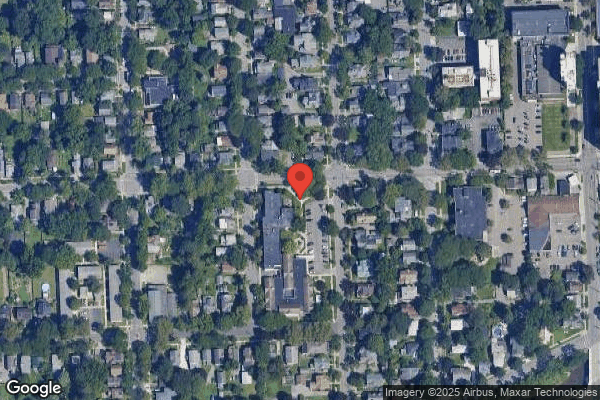
Understanding Severity Codes (click to expand)
Life-Threatening (Immediate Jeopardy)
J - Isolated K - Pattern L - Widespread
Actual Harm
G - Isolated H - Pattern I - Widespread
Potential for Harm
D - Isolated E - Pattern F - Widespread
No Harm (Minor)
A - Isolated B - Pattern C - Widespread

Questions to Ask on Your Visit

  • "Why is there high staff turnover? How do you retain staff?"
  • "Can I speak with families of current residents?"
  • "What's your RN coverage like on weekends and overnight?"

Our Honest Assessment

Strengths
  • • No major safety red flags. No abuse findings, life-threatening violations, or SFF status.
  • • No fines on record. Clean compliance history, better than most New York facilities.
Concerns
  • • 27 deficiencies on record. Higher than average. Multiple issues found across inspections.
  • • Grade F (35/100). Below average facility with significant concerns.
  • • 55% turnover. Above average. Higher turnover means staff may not know residents' routines.
Bottom line: Trust Score of 35/100 indicates significant concerns. Thoroughly evaluate alternatives.

About This Facility

What is Beechtree Center For Rehabilitation And Nursing's CMS Rating?

CMS assigns BEECHTREE CENTER FOR REHABILITATION AND NURSING an overall rating of 1 out of 5 stars, which is considered much below average nationally. Within New York, this rating places the facility higher than 0% of the state's 100 nursing homes. A rating at this level reflects concerns identified through health inspections, staffing assessments, or quality measures that families should carefully consider.

How is Beechtree Center For Rehabilitation And Nursing Staffed?

CMS rates BEECHTREE CENTER FOR REHABILITATION AND NURSING's staffing level at 1 out of 5 stars, which is much below average compared to other nursing homes. Staff turnover is 55%, which is 9 percentage points above the New York average of 46%. High turnover can affect care consistency as new staff learn residents' individual needs.

What Have Inspectors Found at Beechtree Center For Rehabilitation And Nursing?

State health inspectors documented 27 deficiencies at BEECHTREE CENTER FOR REHABILITATION AND NURSING during 2019 to 2025. These included: 27 with potential for harm.

Who Owns and Operates Beechtree Center For Rehabilitation And Nursing?

BEECHTREE CENTER FOR REHABILITATION AND NURSING is owned by a for-profit company. For-profit facilities operate as businesses with obligations to shareholders or private owners. The facility is operated by UPSTATE SERVICES GROUP, a chain that manages multiple nursing homes. With 120 certified beds and approximately 111 residents (about 92% occupancy), it is a mid-sized facility located in ITHACA, New York.

How Does Beechtree Center For Rehabilitation And Nursing Compare to Other New York Nursing Homes?

Compared to the 100 nursing homes in New York, BEECHTREE CENTER FOR REHABILITATION AND NURSING's overall rating (1 stars) is below the state average of 3.0, staff turnover (55%) is near the state average of 46%, and health inspection rating (2 stars) is below the national benchmark.

What Should Families Ask When Visiting Beechtree Center For Rehabilitation And Nursing?

Based on this facility's data, families visiting should ask: "How do you ensure continuity of care given staff turnover, and what is your staff retention strategy?" "Can you walk me through typical staffing levels on day, evening, and night shifts?" "Can I visit during a mealtime to observe dining assistance and food quality?" "How do you handle medical emergencies, and what is your hospital transfer rate?" These questions are particularly relevant given the facility's high staff turnover rate and the below-average staffing rating.

Is Beechtree Center For Rehabilitation And Nursing Safe?

Based on CMS inspection data, BEECHTREE CENTER FOR REHABILITATION AND NURSING has a clean safety record: no substantiated abuse findings (meaning no confirmed cases of resident harm), no Immediate Jeopardy citations (the most serious violation level indicating risk of serious injury or death), and is not on the Special Focus Facility watch list (a federal program monitoring the lowest-performing 1% of nursing homes). The facility has a 1-star overall rating and ranks #100 of 100 nursing homes in New York. While no facility is perfect, families should still ask about staff-to-resident ratios and recent inspection results during their visit.

Do Nurses at Beechtree Center For Rehabilitation And Nursing Stick Around?

Staff turnover at BEECHTREE CENTER FOR REHABILITATION AND NURSING is high. At 55%, the facility is 9 percentage points above the New York average of 46%. High turnover means new staff may not know residents' individual needs, medications, or preferences. It can also be disorienting for residents, especially those with dementia who rely on familiar faces. Families should ask: What is causing the turnover? What retention programs are in place? How do you ensure care continuity during staff transitions?

Was Beechtree Center For Rehabilitation And Nursing Ever Fined?

BEECHTREE CENTER FOR REHABILITATION AND NURSING has no federal fines on record. CMS issues fines when nursing homes fail to meet care standards or don't correct problems found during inspections. The absence of fines suggests the facility has either maintained compliance or corrected any issues before penalties were assessed. This is a positive indicator, though families should still review recent inspection reports for the full picture.

Is Beechtree Center For Rehabilitation And Nursing on Any Federal Watch List?

BEECHTREE CENTER FOR REHABILITATION AND NURSING is not on any federal watch list. The most significant is the Special Focus Facility (SFF) program, which identifies the bottom 1% of nursing homes nationally based on persistent, serious quality problems. Not being on this list means the facility has avoided the pattern of deficiencies that triggers enhanced federal oversight. This is a positive indicator, though families should still review the facility's inspection history directly.