IROQUOIS NURSING HOME INC
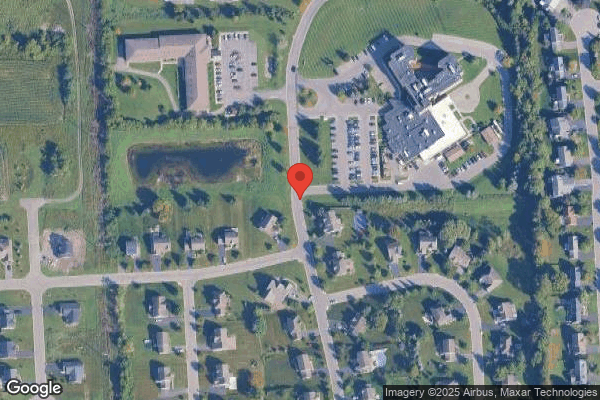
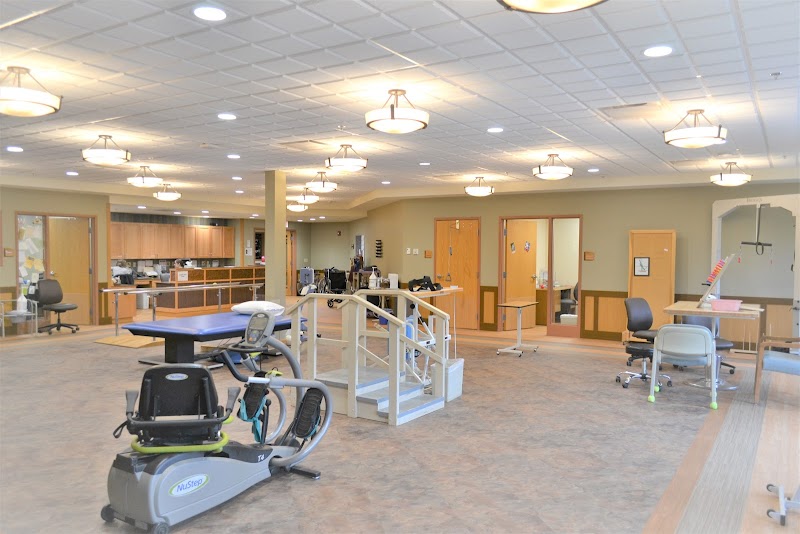
4600 SOUTHWOOD HEIGHTS DRIVE, JAMESVILLE, NY 13078 (315) 469-1300
Non profit - Corporation 160 Beds Independent Data: November 2025
Trust Grade
88/100
#51 of 594 in NY
Last Inspection: August 2024

Within standard 12-15 month inspection cycle. Federal law requires annual inspections.

Overview

Iroquois Nursing Home Inc in Jamesville, New York, has a Trust Grade of B+, which indicates it is above average and recommended for families seeking care. It ranks #51 out of 594 facilities in New York, placing it in the top half, and is the best option among 13 facilities in Onondaga County. However, the facility is currently worsening, with the number of issues increasing from 1 in 2023 to 6 in 2024. Staffing is rated 4 out of 5 stars, indicating a good environment, though the turnover rate is about average at 43%. While the home has only $3,174 in fines, which is considered average, there have been concerning incidents such as residents not receiving timely assistance with personal hygiene and the improper use of restraints, which raises questions about care quality.

Trust Score
B+
88/100
In New York
#51/594
Top 8%
Safety Record
Low Risk
No red flags
Inspections
Getting Worse
1 → 6 violations
Staff Stability
○ Average
43% turnover. Near New York's 48% average. Typical for the industry.
Penalties
⚠ Watch
$3,174 in fines. Higher than 85% of New York facilities, suggesting repeated compliance issues.
Skilled Nurses
○ Average
Each resident gets 30 minutes of Registered Nurse (RN) attention daily — about average for New York. RNs are the most trained staff who monitor for health changes.
Violations
⚠ Watch
12 deficiencies on record. Higher than average. Multiple issues found across inspections.
★★★★★
5.0
Overall Rating
★★★★☆
4.0
Staff Levels
★★★★★
5.0
Care Quality
★★★★☆
4.0
Inspection Score
Stable
2023: 1 issues
2024: 6 issues

The Good

  • 4-Star Staffing Rating · Above-average nurse staffing levels
  • 5-Star Quality Measures · Strong clinical quality outcomes
  • Full Sprinkler Coverage · Fire safety systems throughout facility
  • No fines on record
  • Staff turnover below average (43%)

    5 points below New York average of 48%

Facility shows strength in staffing levels, quality measures, fire safety.

The Bad

Staff Turnover: 43%

Near New York avg (46%)

Typical for the industry

Federal Fines: $3,174

Below median ($33,413)

Minor penalties assessed

The Ugly 12 deficiencies on record

Aug 2024 6 deficiencies
CONCERN (D)

Potential for Harm - no one hurt, but risky conditions existed

Deficiency F0604 (Tag F0604)

Could have caused harm · This affected 1 resident

Based on observations, record review, and interviews during the recertification survey conducted 8/14/2024 - 8/20/2024, the facility did not ensure indicated restraints were used for the least amount ...

Read full inspector narrative →
Based on observations, record review, and interviews during the recertification survey conducted 8/14/2024 - 8/20/2024, the facility did not ensure indicated restraints were used for the least amount of time and documented ongoing re-evaluation of the need for restraints for 1 of 2 residents (Resident #7) reviewed. Specifically, Resident #7 had an order for a Merry [NAME] (an enclosed frame wheeled walker) that was evaluated as a restraint and the Comprehensive Care Plan did not address parameters of use for the Merry Walker; and the restraint assessment was incomplete. Findings include: The facility policy, Restraint Policy, revised 2/2021 documented all residents who required the use of a restraint would have a care plan developed. All care plans would be updated quarterly at a minimum. All restraints were to be released at least every 2 hours to allow the resident to exercise and change position. A specific physicians' order was to be entered in the residents' medical record which identified the medical symptom related to the restraint, type of restraint and parameters of use. It was not necessary to indicate restraint release every 2 hours as this was the facility guidelines for all restraints. Devices that had the potential to be considered physical restraints and required an evaluation included seat belts, scoot chairs and Merry Walkers. Resident #7 had diagnoses including dementia with anxiety. The 6/20/2024 Minimum Data Set assessment documented the resident had severely impaired cognition, wandered daily, was independent with walking, sitting to standing, and transfers, and did not use restraints. The 3/7/2024 at 6:42 AM Physical Therapy evaluation completed by the Director of Rehabilitation documented the resident required evaluation due to a recent fall on the unit. Recommendations were to trial a Merry [NAME] to increase independence within the facility and for safety on the unit. A 3/7/2024 Director of Rehabilitation progress note documented the resident was trialing a Merry [NAME] on the unit to address falls. The resident required moderate assistance of 1 getting in the walker due to resistive behaviors. A 3/7/2024 at 2:50 PM Licensed Practical Nurse Unit Manager #3 progress note documented the resident was evaluated after a fall and a Merry [NAME] was trialed during physical therapy sessions only for safe ambulation. The 3/14/2024 and 3/27/2024 restraint assessments completed by Assistant Director of Nursing #14 documented the assessment was necessary to determine if the restraint was or continued to be an appropriate intervention. A risk versus benefits discussion was done, the resident had a Merry [NAME] that was currently the least restrictive measure, the family representative was educated, and a restraint continued to be appropriate. The eventual goal was independent ambulation. A 3/27/2024 Physician #10 order documented a Merry [NAME] for independent ambulation due to muscular weakness and difficulty walking. A 3/27/2024 at 3:33 PM Licensed Practical Nurse Unit Manager #3 progress note documented the resident had been trialing the use of a Merry [NAME] with therapy on the unit for safe independent ambulation. Therapy recommended the use of the Merry [NAME] on the unit independently for morning only at that time. The resident would continue to work with therapy to increase tolerance. The resident's family was aware. The 3/27/2024 nursing care instructions documented the resident's ambulation was changed to ambulation with a Merry [NAME] in the AM only. The Comprehensive Care Plan initiated 3/27/2024 documented the resident required a Merry [NAME] secondary to a diagnosis of dementia with poor safety awareness, muscle weakness, and frequent falls. Interventions included ensure proper trunk and body alignment, and physical and occupational therapy evaluations and treatments as needed. The care plan did not include parameters for the least restrictive use or least restrictive time for the restraint to be used. The 5/10/2024 nursing care instructions documented ambulation in the Merry [NAME] for safety. The 6/13/2024 quarterly restraint assessment completed by Assistant Director of Nursing #14 documented the resident used a Merry Walker, was unable to rise from the device but could rise from other seating devices, and the Merry [NAME] was considered a restraint. The assessment did not document restraint use or restraint use conclusion if the restraint was indicated. The resident was observed at the following times: - on 8/14/2024 at 11:02 AM sitting in the Merry Walker. The device enclosed the resident while they sat on the seat and there was a latch lock on the front of the cross bar. - on 8/16/2024 from 9:00 AM - 1:22 PM the resident was observed during a continuously. At 9:00 AM, sitting at a dining room table eating breakfast. At 9:13 AM Certified Nurse Aide #1 assisted the resident into the Merry [NAME] after breakfast. Certified Nurse Aide #1 stated they thought the Merry [NAME] was used to assist the resident with walking. They stated the resident could not release the restraint. Certified Nurse Aide #1 demonstrated how to release the front bar and seatbelt. They asked the resident if they could release the front bar of the walker and the resident did not reply. At 10:54 AM ambulating in the hall in the Merry Walker. From 11:41 AM-12:26 PM, sitting on the seat of the Merry [NAME] in the hall across from the dining room. At 12:27 PM transported by staff in the Merry [NAME] to the dining room. At 12:37 PM removed from the Merry [NAME] by staff and placed at the dining room table for lunch. - At 1:22 PM, placed back into the Merry [NAME] by staff after lunch was completed. During an interview on 8/19/2024 at 10:25 AM, Certified Nurse Aide #2 stated the resident used to walk around independently daily and wandered all over the unit but had a couple of falls and now they used a Merry Walker. The resident currently had a hard time standing up from the walker. They did not document when the Merry [NAME] was released because there was no place to document on the resident care instructions. During an interview on 8/19/2024 at 11:22 AM Licensed Practical Nurse Unit Manager #3 stated the resident walked independently, had falls and required a Merry Walker. The resident had a physician order for the restraint, there were no parameters for use, the care plan did not list interventions, and the resident care instructions had no place for the certified nurse aides to document when it was released. During an interview on 8/19/2024 at 3:08 PM Resident #7's family representative stated they were informed by physical therapy a Merry [NAME] was needed to prevent falls as the resident would not remember to use a regular walker. The resident had two recent falls with no significant injuries and used to walk the halls independently. The resident could not release themself from the Merry [NAME] and they were concerned in the event of an emergency that it would not be safe for the resident to be in the Merry Walker. During an interview on 8/20/2024 at 9:27 AM the Director of Rehabilitation stated the resident had an evaluation on 3/7/2024 after a fall and was trialed with a Merry [NAME] to be used in the AM only. The Director of Rehabilitation stated when the resident was discharged from therapy on 5/10/2024 they changed the recommendation for the resident to use the Merry [NAME] at all times. They did not specifically document to release the Merry [NAME] every two hours. It would not be appropriate if the resident was not released after two hours. The risk could be skin breakdown and/or physical decline. During an interview on 8/20/2024 at 10:28 PM Nurse Practitioner #7 stated Merry Walkers were prescribed for a resident that had trialed all other assistive devices, had falls and continued to be injured. Resident #7 had a Merry Walker, could not release it themself, and it should be released every two hours. A physician order should document parameters for the least restrictive use and time for a resident who was unable to release the restraint themself. The risk of a resident not released from a restraint could result in skin breakdown or infection. During an interview on 8/20/2024 at 11:30 AM, the Administrator stated a restraint was any device that restrained or restricted a resident. Any restraint required a physician order, and it was the standard of care per their restraint policy to include the least restrictive use and time. Resident #7 had a Merry Walker, it was considered a restraint, and the resident could not release it themself. 10NYCRR 415.4(a)(2-7)
CONCERN (D) 📢 Someone Reported This

A family member, employee, or ombudsman was alarmed enough to file a formal complaint

Potential for Harm - no one hurt, but risky conditions existed

ADL Care (Tag F0677)

Could have caused harm · This affected 1 resident

Based on observation, record review, and interview during the recertification and abbreviated (NY00318948 and NY00314795) surveys conducted 8/14/2024-8/20/2024, the facility did not ensure residents w...

Read full inspector narrative →
Based on observation, record review, and interview during the recertification and abbreviated (NY00318948 and NY00314795) surveys conducted 8/14/2024-8/20/2024, the facility did not ensure residents who were unable to carry out activities of daily living received the necessary services to maintain grooming and personal hygiene for 1 of 4 residents (Resident #36) reviewed. Specifically, Resident #36 was not assisted with timely toileting. Findings include: The undated facility policy, Certified Nurse Aide Activities of Daily Living, documented the certified nurse aide who completed the resident care was responsible for documenting the level of care the resident received that shift. The undated facility policy, Toileting Schedule, documented an incontinent resident would be placed on a toileting schedule. The resident was to be toileted a minimum of 5 times within a 24-hour period and must be documented. A sign was hung on the resident's bathroom door to serve as a reminder. The resident who required supervision for bowel function was to be taken to the toilet every 2 hours as part of the bladder program. Resident #36 had diagnoses including Alzheimer's dementia and anxiety. The 5/30/2024 Minimum Data Set assessment documented the resident had severely impaired cognition, used a wheelchair, was dependent for toileting hygiene, toilet transfers, and wheelchair mobility, was frequently incontinent of urine and always incontinent of stool, and was not on a toileting program. The undated care instructions documented the resident required 2-person physical assistance and was dependent for toileting and was to wear incontinence briefs. The resident was to be toileted every day from 12:00 AM - 6:00 AM, 8:00 AM - 2:00 PM, and 4:00 PM - 10:00 PM. The 6/12/2024 Comprehensive Care Plan documented the resident had urinary incontinence, a history of urinary tract infections, was at risk for falls, and was at risk for impaired skin integrity. Interventions included offer toileting every 2-3 hours or check and change every 2 - 3 hours, promote good hygiene practices, keep free from moisture, provide with appropriate incontinence products, and increase toileting. During an observation on 8/15/2024 at 9:07 AM, an undated sign on a wall in the nursing office documented every resident was to be toileted per their care plan and not just once per shift. During a continuous observation on 8/16/2024 from 8:59 AM-12:38 PM, Resident #36 was observed: - at 8:59 AM seated in a positioning chair in the unit dining room eating breakfast. - at 9:53 AM, being moved to the back common area TV room for a church service. - at 11:37 AM, being approached by Certified Nurse Aide #22 who asked the resident if they wanted to be moved to their assigned lunch table. Certified Nurse Aide #22 transported the resident back to the dining room table. At 12:38 PM the resident remained seated at the dining room table - at 1:22 PM, the resident remained sitting in their positioning chair in the unit dining room. At 1:25 PM they were transported to their room by Unit Aide #23. The resident was not toileted, and the last documented toileting had been signed for at 5:50 AM. During an interview on 8/16/2024 at 1:43 PM, Certified Nurse Aide #22 stated they documented provision of resident care two times during their shift: before lunch and before the end of their shift. Residents should be toileted at least 3 times a day. Most residents were toileted every 2 hours. Resident-specific care was documented in each resident's care instructions. Resident #36 required transfers by 2 with a mechanical lift. They stated they had not toileted the resident today. Depending on staffing for the shift, there were times the residents did not get toileted as often as they should, and the documentation was not always done. The 8/16/2024 toileting task for Resident #36 documented the resident was toileted by Certified Nurse Aide #22 at 2:20 PM. During an interview on 8/19/2024 at 11:22 AM, Licensed Practical Nurse Manager #3 stated unit staff were expected to toilet each resident before meals, after meals, and as needed. Cognitive residents were toileted as requested. Unit staff were expected to document resident care directly after the care was performed. Resident #36 required transferring by mechanical lift with 2 staff. They were responsible for overseeing that resident care was provided. If documentation was not done, it was assumed the care was not provided. The risk of not toileting a resident as planned was the resident could have skin breakdown in the perineal area. Resident #36 should be toileted as planned as they were at risk for skin breakdown. During an interview on 8/20/2024 at 9:56 AM, the Director of Nursing stated Resident #36 required substantial/maximum assistance with toileting; could stand and pivot and did not use a mechanical lift. They stated if the resident was not toileted per their care plan it would not be appropriate and could result in skin breakdown and/or infections. 10NYCRR 415.12(a)(3)
CONCERN (D)

Potential for Harm - no one hurt, but risky conditions existed

Deficiency F0688 (Tag F0688)

Could have caused harm · This affected 1 resident

Based on observation, record review, and interview during the recertification survey conducted 8/14/2024 -8/20/2024, the facility did not ensure a resident with limited mobility received appropriate s...

Read full inspector narrative →
Based on observation, record review, and interview during the recertification survey conducted 8/14/2024 -8/20/2024, the facility did not ensure a resident with limited mobility received appropriate services, equipment, and assistance to maintain or improve mobility for 1 of 1 resident (Resident #22) reviewed. Specifically, Resident #22 was not evaluated by therapy or care planned for the use of a scoot chair (a low-to-the-ground positioning chair that allows self-propulsion by foot and reduces the risk of falls). Findings include: The facility policy, Devices and Equipment, dated 3/2018 documented recommendations for devices, which included wheelchairs, were to be documented in the residents' plans of care. Nursing would request therapy services to evaluate a device that was not properly fitting. The undated facility policy, Comprehensive Care Planning, documented the interdisciplinary team would review the care plan with a significant change and as needed. The care plan would be individualized for each resident. Changes that resulted in a different approach must be documented in the care plan. The undated facility policy, Therapy Screenings and Referral Procedure, documented residents who had a change in status would receive a referral from nursing, recommended for a therapy evaluation, and treated as indicated. Resident #22 had diagnoses including dementia, fracture of the right femur (thigh bone), and right hip replacement. The 5/22/2024 Minimum Data Set assessment documented the resident had severely impaired cognition, used a manual wheelchair, had impairment of one leg, required supervision to moderate assistance with transfers, was dependent for wheelchair mobility, and received physical and occupational therapy. The resident was unable to attempt walking due to medical condition or safety concerns with a discharge goal of walking 150 feet independently. The 5/16/2024 comprehensive care plan documented the resident had an alteration in activities of daily living, had a history of falls (last fall 7/27/2024), and had dementia. The plan included maintenance of levels for bed mobility, transfers, locomotion, and ambulation as possible. Interventions included hip precautions (used to avoid extra stress on the hip joint), maximum assistance of 1 with bed mobility/sitting/lying, maximum assistance of 2 for transfers, manual wheelchair with pressure-relieving cushion, bilateral anti-rollbacks on wheelchair, bilateral wheelchair leg rests, and physical and/or occupational evaluation as needed. The care plan did not document the use of a scoot chair. The 5/16/2024 at 12:33 PM Registered Nurse #13 admission progress note documented the resident had a diagnosis of left hip fracture with replacement. The resident required maximum assistance of 1 for transfers and used a wheelchair. The 5/16/2024 Physician #10 order documented weight bearing as tolerated on right lower leg. The 5/17/2024 Physician #10 order documented posterior hip precautions. The 5/20/2024 at 4:16 PM Licensed Practical Nurse #3 progress note documented therapy issued the resident a wheelchair pommel cushion (a positioning cushion for the seat) for positioning in their wheelchair. The 6/24/2024 at 2:32 PM Director of Nursing progress note documented the resident was assessed for wheelchair positioning to ensure they were in the proper wheelchair. The 6/28/2024 through 7/10/2024 physical therapy notes did not document the use of a scoot chair. The 7/1/2024 Director of Therapy progress note documented the resident was provided with a new 16-inch regular wheelchair with a gel seat cushion and leg rests. The 7/10/2024 Physical Therapist #16 progress note documented the resident received leg stretches to improve positioning in their wheelchair. The 7/26/2024 Registered Nurse #18 restraint assessment documented the resident had a positioning chair with a matrix cushion (a seat cushion for fragile skin), was unable to rise from the device, and could not rise from any seating device. The positioning chair was not considered a restraint. The 7/31/2024 Physician #10 order documented occupational therapy evaluation and treat 5 times a week for 4 weeks to include wheelchair assessment and management. The 8/14/2024 through 8/18/2024 care instructions documented the resident used a manual wheelchair with pressure relieving cushion, anti-rollback devices, and bilateral leg rests for mobility. Resident #22 was observed: - On 8/14/2024 at 11:00 AM, 12:49 PM, and 1:35 PM sitting in a scoot chair at a table in the unit dining room. - On 8/15/2024 at 9:55 AM, sitting in a scoot chair in their room. - On 8/16/2024 from 9:58 AM through 12:23 PM, sitting in a scoot chair at a table in the unit dining room. - On 8/19/2024 at 9:22 AM, sitting in a scoot chair at a table in the unit dining room. The 8/19/2024 at 2:36 PM Registered Nurse #17 progress note documented a therapy referral for proper wheelchair positioning. The 8/19/2024 Registered Nurse #17 restraint assessment for a scoot chair with matrix cushion documented the resident was unable to rise from the device, could not rise from any seating device, and therefore it was not considered a restraint. During an observation on 8/20/2024 at 10:07 AM, the resident was sitting in the unit dining room in a manual wheelchair with anti-tippers and bilateral leg rests. The resident was sliding down in the chair and was assisted by staff to a better seated position. During an interview on 8/19/2024 at 12:23 PM, Occupational Therapist #19 stated the resident was referred to therapy for a bed wedge evaluation on 7/31/2024. They did not evaluate the resident for the scoot chair. The evaluation documented the resident used a wheelchair prior to onset and not a scoot chair. The resident was using the scoot chair when they were evaluated. The resident was unable to rise by themselves from any type of chair. The process for use of a scoot chair was an order for an evaluation was obtained, nursing was consulted, a therapy referral/evaluation was obtained, the resident was assessed, and the most appropriate chair was provided per recommendation. During an interview on 8/19/2024 at 12:38 PM the Director of Therapy stated the resident was discharged from therapy on 7/10/2024 and was using a manual wheelchair. If the resident was not sitting well in a wheelchair, they would get an order for a therapy referral to assess for a different kind of chair. No referral was obtained from nursing for a scoot chair. Nursing was able to implement a scoot chair, but a therapy referral was still needed per policy. Nursing should have completed a restraint assessment for the scoot chair. The resident was unable to rise by themself from any type of chair. The care plan should have been updated by therapy or nursing. During an interview on 8/19/2024 at 1:02 PM, Certified Nurse Aide #20 stated the resident used a scoot chair since being transferred to the unit about two months ago. They did not know who gave the resident the scoot chair. The type of chair the resident used was supposed to be current in the resident's care plan, as that was how staff knew which chair to provide the resident daily. The current care plan documented the resident was to have a manual wheelchair with anti-rollbacks and leg rests. Staff should notify the Unit Manager if the resident did not have the planned equipment. During an interview on 8/20/2024 at 11:27 AM, Registered Nurse Manager #18 stated nursing and/or therapy were responsible for updating a resident's care plan when changes were made. Nursing should submit a referral to therapy and therapy evaluated and issued the most appropriate chair. In the case of a scoot chair, nursing should complete a restraint assessment. They did not know who initially issued the resident a scoot chair, but a therapy referral and restraint assessment should have been done. They were not aware the resident was not using the manual wheelchair. During an interview on 8/20/2024 at 12:05 PM, the Director of Nursing stated resident-specific care should be documented in the care plan and care instructions. The Unit Managers were responsible for updating the care plans. All scoot chairs should have a therapy evaluation and a restraint assessment completed by nursing to determine the appropriateness of the scoot chair. A progress note should also be completed by nursing and therapy. 10 NYCCR 415.11(c)(2)(iii)
CONCERN (D)

Potential for Harm - no one hurt, but risky conditions existed

Deficiency F0698 (Tag F0698)

Could have caused harm · This affected 1 resident

Based on observation, record review, and interview during the recertification survey conducted 8/14/2024 - 8/20/2024, the facility did not ensure that residents who required dialysis services received...

Read full inspector narrative →
Based on observation, record review, and interview during the recertification survey conducted 8/14/2024 - 8/20/2024, the facility did not ensure that residents who required dialysis services received such services consistent with professional standards of practice for 1 of 1 resident (Resident #301) reviewed. Specifically, Resident #301 received hemodialysis (a process of purifying blood when the kidneys do not work properly) treatments at a community-based dialysis center and did not have a Comprehensive Care Plan that addressed dialysis. Findings include: The undated facility policy, Dialysis, documented the purpose of the policy was to provide proper care for residents receiving dialysis at an external facility. General guidelines included nursing staff observing the resident after returning from each dialysis treatment for their tolerance of the procedure, meals taken, dressing condition, and any other pertinent information as indicated, and to notify the registered nurse of any abnormal findings. Any bleeding from external catheters and fistulas/grafts indicated a medical emergency and required notification of the medical provider. Resident #301 had diagnoses including end-stage renal (kidney) disease and dependence on renal dialysis. The 8/6/2024 Minimum Data Set assessment documented the resident was cognitively intact, received a therapeutic diet, had intravenous access, and required hemodialysis treatments. The 8/1/2024 Registered Nurse #13 Clinical admission Assessment documented the resident had a double lumen peripherally inserted central catheter (a flexible tube inserted into a vein in the upper arm used for intravenous access for administration of medications and not used for dialysis). The assessment did not document the resident received hemodialysis or the presence of external catheters, fistulas, or grafts used for dialysis access. The 8/1/2024 physician orders documented: - Dialysis Monday, Wednesday, and Friday; transport pick-up time 6:00 AM and return time 12:00 PM. - Dialysis communication book to go with resident to dialysis and returned from dialysis. Concerns to be reported to Unit/Clinical manager. - No blood pressures or blood draws from dialysis shunt extremity. - Weights done at dialysis. - Food to be offered to resident upon returning from dialysis. - Monitor atrioventricular fistula (a connection between an artery and a vein for dialysis) left arm every shift for redness, edema, and drainage and palpate site for thrills (vibrations caused by blood flowing through the fistula)/listen for bruit (whooshing sound) over access site. If no thrill, notify Nursing Supervisor/Unit Manager immediately. The comprehensive care plan initiated on 8/1/2024 did not include the need for dialysis and interventions for care. During an observation on 8/15/2024 at 9:44 AM, Resident #301 was sitting in their room watching television. They stated they went to a community-based dialysis center on Monday, Wednesday, and Friday. They took a cab to dialysis, and it was 5 minutes away. During an interview on 8/16/24 at 10:16 AM, Registered Nurse Unit Manager #12 stated there was no dialysis care plan for Resident #301. They did updates to resident care plans, and there should have been a dialysis care plan with interventions. They thought the Assistant Director of Nursing or Director of Nursing did the admission care plan. Registered Nurse #13 had done the initial admission assessment for Resident #301, and they documented the resident had a peripherally inserted central catheter in their right upper chest (for antibiotic therapy) and a former chest tube site, but nothing about the resident having an atrioventricular fistula for dialysis. During an interview on 8/16/24 at 10:42 AM, the Assistant Director of Nursing stated Resident #301 did not have a dialysis care plan. All residents on admission had a baseline care plan. The Nurse Manager or whomever did the initial admission would put particulars in a care plan. They stated they needed to find some more information and would be back (they briefly left the interview). When they returned at 10:48 AM they stated a resident's dialysis care plan should be under the renal topic area, but Resident #301 did not have one. It meant they were not following the medical orders by not having a renal care plan. They also reviewed the certified nurse aide instructions and there was no information regarding dialysis. During an interview on 8/16/24 at 11:03 AM, Registered Nurse #13 stated they admitted Resident #301. When they did the initial admission assessment there should have been an area to address ports on the form and there were not any. They knew the resident had a port, but they did not know where to effectively document that. There should have been a renal care plan, and they should have done the updates for renal failure. A renal care plan should have interventions for monitoring the dialysis site. During an interview on 8/16/24 at 1:33 PM, the Director of Nursing stated registered nurses all worked together during an initial resident admission. The baseline care plan was done by whomever was assigned to do so, then the admissions registered nurse checked to make sure the care plan was accurate. Registered Nurse #13 should have checked the topic area that would have covered the resident's dialysis. It should be documented under renal function. It was important for the certified nurse aide care instructions to contain information about a residents' dialysis status so they would know when a resident should be ready to leave for dialysis. Resident #301 should have had a renal care plan so that interventions could have been followed. 10 NYCRR 415.12(k)
CONCERN (E)

Potential for Harm - no one hurt, but risky conditions existed

Safe Environment (Tag F0584)

Could have caused harm · This affected multiple residents

Based on observation, record review, and interview during the recertification survey conducted 8/14/2024 -8/20/2024, the facility did not ensure a safe, clean, comfortable, and homelike environment fo...

Read full inspector narrative →
Based on observation, record review, and interview during the recertification survey conducted 8/14/2024 -8/20/2024, the facility did not ensure a safe, clean, comfortable, and homelike environment for 1 of 4 resident floors (Unit 1) reviewed. Specifically, Unit 1 had multiple unclean and damaged wheelchairs, positioning chairs, and positioning devices. Findings include: The facility policy, Devices and Equipment, dated 3/2028 documented all resident devices and equipment, to include wheelchairs and walkers, would be maintained on a schedule. Defective or worn devices would be repaired or replaced. The undated facility policy, Work Orders, documented all staff were responsible for submitting work orders in the electronic system and then it was to be forwarded to the maintenance director. The Director of Maintenance was responsible to ensure the work was completed in a timely manner. The following observations were made: - on 8/14/2024 at 10:06 AM, Resident #10 was sitting in a positioning chair in their room. The chair's arm rests were unclean, and the material on the right back side of the chair was ripped. - on 8/14/2024 at 10:11 AM, Resident #61 was sitting in a positioning chair in their room. Both armrests on the chair were unclean. - on 8/14/2024 at 10:52 AM, Resident #117 was sitting in a positioning chair in their room. The left, blue positioning wedge was ripped in several areas. - on 8/14/2024 at 11:00 AM, Resident #89 was sitting in a positioning chair in the unit common area. The chair's backrest was ripped on the side. - on 8/14/2024 at 11:01 AM, Resident #29 was sitting in a high-back wheelchair in the unit common area. The right arm rest had brown tape over it and the left arm rest had visible worn and soiled black foam. - on 8/14/2024 at 11:11 AM, Resident #119 was sitting in a positioning chair. The left, back side of the chair was ripped. During an interview on 8/19/2024 at 10:17 AM, Certified Nurse Aide #2 stated all unit staff were responsible for cleaning resident chairs. Housekeeping also assisted with cleaning. Any staff member was able to put in a work order. If a chair was observed to be in disrepair, maintenance was notified, and the issue was usually fixed quickly. Therapy was responsible for replacing chairs if they were broken. Resident #29's chair should not have been in the condition it was. During an interview on 8/19/2024 at 11:22 AM, Licensed Practical Nurse Manager #3 stated all unit staff were responsible for cleaning wheelchairs and positioning chairs. All staff were responsible for submitting a work order to maintenance for any chairs needing repairs. They were not aware of any recently submitted work orders for chairs. They expected staff to notify them if a chair was ripped or needed repair. If a chair was unable to be fixed by maintenance, therapy would re-issue the resident a new chair. During an interview on 8/20/2024 at 9:56 AM, the Director of Nursing stated all staff were responsible for submitting an electronic work order for any equipment needing repair to the maintenance department. They were unaware of any chairs needing repair as they were checked frequently, and most were recently cleaned. Any chairs needing cleaning or in disrepair were not considered homelike, especially those that were ripped or torn. During an interview on 8/20/2024 at 10:59 AM, the Director of Maintenance stated their department was responsible for overseeing all work orders. All staff were responsible for submitting a work order for repairs. Once the work order was received, they usually had it repaired the same day. They had not received any work orders for Unit 1 chairs. They were not aware some of the chairs were ripped. The goal was for the facility to provide a homelike environment to all residents. 10 NYCRR 415.29(b)(j)(1)
MINOR (B) 📢 Someone Reported This

A family member, employee, or ombudsman was alarmed enough to file a formal complaint

Minor Issue - procedural, no safety impact

Staffing Information (Tag F0732)

Minor procedural issue · This affected multiple residents

Based on observations and interviews during the recertification survey conducted 8/14/2024-8/20/2024, the facility did not ensure nurse staffing information was posted daily at the beginning of each s...

Read full inspector narrative →
Based on observations and interviews during the recertification survey conducted 8/14/2024-8/20/2024, the facility did not ensure nurse staffing information was posted daily at the beginning of each shift and included the total number and actual hours worked by registered nurses, licensed practical nurses, and certified nurse aides for 4 of 5 days of survey. Specifically, daily nurse staffing was not posted daily at the beginning of the shift as required on 8/14/2024, 8/15/2024, 8/16/2024, and 8/19/2024 as required. Findings include: The facility did not have a policy on posting daily nurse staffing. The following observations were made in the main lobby: - on 8/14/2024 at 9:40 AM and 4:35 PM, the daily nurse staffing was posted in a clear plastic frame on a shelf and was dated 8/13/2024 with the day shift (7:00 AM - 3:00 PM) nurse staffing only. - on 8/15/2024 at 4:40 PM the posted daily nurse staffing was dated 8/13/2024. - on 8/16/2024 at 9:01 AM the daily nurse staffing posted was dated 8/13/2024. At 10:07 AM, the posted daily nurse staffing was dated 8/16/2024 and documented nursing staff for the day shift. - on 8/19/2024 at 8:45 AM and 10:47 AM there was no posted daily nurse staffing. At 12:16 PM the posted daily nurse staffing was for the day shift on 8/19/2024. During an interview on 8/20/2024 at 10:05 AM, Administrative Assistant/Day Staffing Coordinator #15 stated they did the day shift nurse staffing schedule every day. They were not aware the daily nurse staffing posted in the lobby on 8/14/2024, 8/15/2024 and 8/16/2024 was not current and had remained dated 8/13/2024. The evening shift staffing coordinator, who was new, might have taken the schedule out of the clear plastic frame and not put it back, or the staffing schedule may have been set aside when they took it to the front lobby desk. The night (11:00 PM - 7:00 AM) Registered Nurse Supervisor did the night shift staffing schedule but they had not been posting it in the lobby. During an interview on 8/20/2024 at 10:15 AM the Administrator stated they were not aware the posted daily nurse staffing schedule was not current on 8/14/2024, 8/15/2024 and 8/16/2024 or that the schedule was absent throughout the morning on 8/19/2024. The day and evening shift staffing schedules should have been posted before the shifts started. 10 NYCRR 415.13
Dec 2023 1 deficiency
CONCERN (D) 📢 Someone Reported This

A family member, employee, or ombudsman was alarmed enough to file a formal complaint

Potential for Harm - no one hurt, but risky conditions existed

Respiratory Care (Tag F0695)

Could have caused harm · This affected 1 resident

**NOTE- TERMS IN BRACKETS HAVE BEEN EDITED TO PROTECT CONFIDENTIALITY** Based on interview and record review during the abbreviated survey (NY00306465), the facility did not ensure a resident who need...

Read full inspector narrative →
**NOTE- TERMS IN BRACKETS HAVE BEEN EDITED TO PROTECT CONFIDENTIALITY** Based on interview and record review during the abbreviated survey (NY00306465), the facility did not ensure a resident who needed respiratory care was provided such care consistent with professional standards of practice and the comprehensive person-centered care plan for 1 of 3 residents (Resident #2) reviewed. Specifically, Resident #2's order for continuous positive airway pressure therapy (a treatment that uses pressure to keep the airway open when sleeping) was not complete and when Resident #2 either refused the treatment or the machine had a missing part, there was no documentation the facility addressed the issues or that the medical provider was notified. Findings include: The 2019 Oxygen Therapy policy documented continuous positive airway pressure therapy was used for residents with sleep apnea (condition where the person stops breathing when sleeping) and a physician order was required for use of the machine. The procedures included: - residents may have personal machines or the facility rents the machine for use while at facility. - If the resident has their own machine, follow the manufacturer's instructions for care. - If the machine is rented, ensure the mask is fitted for resident and the procedure outlined the proper fit for 3 types of masks (nasal mask, full face mask, and breeze mask). - Staff were to document the use of machine in the treatment record. Resident #2 had diagnoses including COVID-19 pneumonia, sleep apnea, and chronic obstructive pulmonary disease (lung disease). The 10/26/2022, Minimum Data Set assessment documented the resident's cognition was intact, they had no behavioral symptoms, and required extensive assistance with all activities of daily living other than eating in which they required supervision. The resident used oxygen and a non-invasive mechanical ventilator (bilevel positive airway pressure or continuous positive airway pressure). The comprehensive care plan initiated on 10/21/2022, did not include documentation related to the resident's respiratory status. The 10/2022 Treatment Administration Record documented: - an order initiated 10/21/2022 for CPAP/BiPAP (continuous positive airway pressure or bilevel positive airway pressure). -The record documented the continuous positive airway pressure machine was not applied on 10/21/2022 through 10/24/2022 and 10/26/2022 through 10/31/2022. The reasons documented was refused, except on 10/21/2022 and 10/23/2022 when licensed practical nurse #2 documented, missing parts. The 11/2022 Treatment Administration Record documented Resident #2 refused the continuous positive airway pressure machine on 11/01/2022 and 11/02/2022. Resident #2 was hospitalized from [DATE] to 11/09/2022. The 11/2022 Treatment Administration Record initiated on 11/09/22 documented: - an order for CPAP/BiPAP (continuous positive airway pressure or bilevel positive airway pressure). - The continuous positive airway pressure machine was documented as refused on 11/11/2022 through 11/13/2022, 11/19/2022, 11/21/2022 through 11/22/2022, 11/24/2022. 11/25/2022, 11/27/2022, and 11/28/2022. - Licensed practical nurse #2 documented the continuous positive airway pressure machine was not administered for missing parts or oxygen attachment not available on 11/09/2022, 11/18/2022, 11/19/2022, 11/23/2022, 11/26/2022, and 11/30/2022. The comprehensive care plan was updated on 11/17/2022 to include Resident #2 had the potential for respiratory distress secondary to chronic obstructive disease and COVID-19 pneumonia. Interventions included oxygen via nasal cannula and continuous positive airway pressure therapy per physician's order. The 12/2022 Treatment Administration Record documented the resident refused the continuous positive airway pressure machine from 12/02/2022 through 12/10/2022 and 12/13/2022 through 12/17/2022. The nursing and/or physician progress notes did not contain any documentation related to Resident #2 refusing the continuous positive airway pressure machine or that the machine was missing parts. During an interview with licensed practical nurse #2 on 11/29/2023 at 3:50 PM, they stated they did not recall Resident #2 but if a resident had a continuous positive airway pressure machine, they would make sure they had an order, which would come up in the Medication or Treatment Administration Record. They would ensure the resident had the machine in place before going to sleep. If the machine was missing a part, they would notify the nursing Supervisor who could notify whoever they needed to. They did not know if the facility or the families supplied the machines. If the resident refused the continuous positive airway pressure machine, they would reapproach the resident and offer it again. They would sometimes document in a nursing progress note about the refusal, how many times the resident was reapproached, and the resident's response. They would document about a missing part only if they needed to. During an interview with Assistant Director of Nursing #3 on 11/29/2023 at 4:10 PM, they stated they filled in as the Unit Manager on Resident #2's unit from 10/2022 through 2/2023. If a continuous positive airway pressure machine was missing a part or if the resident was refusing, they would expect to be notified. The machine was important for adequate oxygenation during sleep. They did not recall Resident #2 or being notified their continuous positive airway pressure machine had missing parts or they were refusing to use it. They would expect it to be reported to them so that it could be addressed. A care plan should be in place if a resident was using a continuous positive airway pressure machine and a behavioral care plan initiated if the resident was consistently refusing to use it. Sometimes the family brought in the machine and other times the facility rented one. They were not sure what type of continuous positive airway pressure machine was in place for the resident but some of the machines required an oxygen attachment. During an interview with registered nurse Supervisor #5 on 11/29/2023 at 4:35 PM, they stated they used to work as a licensed practical nurse on Resident #2's unit until 3/2023 when they passed their registered nursing boards and then worked as a Supervisor. They did not recall Resident #2. They would expect to be notified if a resident was refusing their continuous positive airway pressure therapy, the machine had a missing part or was not working. They would assess the resident to determine the reason for refusing, document in the medical record and notify the Unit Manager the next morning. During an interview with Director of Nursing #4 on 11/29/2023 at 4:45 PM, they stated an order for continuous positive airway pressure therapy should include when to apply the machine, such as at hours of sleep. Typically, the family would provide the machine. If a resident refused the continuous positive airway pressure therapy at bedtime or a machine part was missing, the Supervisor should be notified to assess the resident and then notify the medical provider. If the resident was stable, they could wait to notify the Unit Manager the next day. Both refusals and missing parts should be documented in the progress notes. It was important to address a resident not using a continuous positive airway pressure machine if ordered, to maintain proper oxygenation. During interviews on 12/11/2023 at 12:15 PM and 3:18 PM, the attending physician stated the orders for continuous positive airway pressure usually came from respiratory therapy or the provider who ordered the treatment for the resident prior to their admission to the nursing facility. The orders should include the machine settings but they did not set up the machines at the nursing facility so those settings should already be in place. They stated they believed the resident was on continuous positive airway pressure prior to admission so the facility would follow the settings previously used and the family would bring in the machine used prior to admission. The nurses at the facility would follow the settings that were previously used by the resident. They stated they would probably want to be notified if a resident refused continuous positive airway pressure, but they were not sure they would want to be notified at the time of every refusal. If they were notified of refusals, they would intervene and check with the family. If someone refused the treatment for a month or two, they would want to reassess and see if the treatment was still needed. 10NYCRR 415.12(k)(5)
Jul 2022 3 deficiencies
CONCERN (D)

Potential for Harm - no one hurt, but risky conditions existed

Accident Prevention (Tag F0689)

Could have caused harm · This affected 1 resident

**NOTE- TERMS IN BRACKETS HAVE BEEN EDITED TO PROTECT CONFIDENTIALITY** Based on observation, record review, and interview during the recertification and abbreviated (NY00298995) surveys conducted 7/1...

Read full inspector narrative →
**NOTE- TERMS IN BRACKETS HAVE BEEN EDITED TO PROTECT CONFIDENTIALITY** Based on observation, record review, and interview during the recertification and abbreviated (NY00298995) surveys conducted 7/12/22-7/15/22, the facility failed to ensure each resident received adequate supervision and assistance devices to prevent accidents for 1 of 6 residents (Resident #31) reviewed. Specifically, Resident #31 was found in a non-resident area of the facility 2 hours after a fire drill when the resident left a secured unit undetected. Additionally, the resident's absence was reported by a family member and unnoticed by staff. Findings include: The facility policy Fire Procedures revised 6/2018, documented for alarms including Secured Unit, keep/move residents to the Resident Dining/Activity Room. Following the evacuation, the charge nurse would verify that all residents/staff were accounted for, and report results to Control Station. The Nursing Director/Supervisor was responsible to verify that each unit/department had accounted for all residents/staff and report results to Command Station. Resident # 31 had diagnoses including unspecified dementia and anxiety disorder. The Minimum Data Set (MDS) assessment dated [DATE] documented the resident had severely impaired cognition, exhibited wandering behavior daily, ambulated independently in their room, required limited assistance for ambulation in the corridor and locomotion off the unit, did not use mobility devices, and did not use a wander/elopement alarm. The undated care instructions documented the resident was independent with locomotion on the unit. The comprehensive care plan (CCP) effective 6/30/21 documented the resident had a behavior problem related to dementia and enjoyed exploring the unit. Interventions included reapproach as needed and use calm reassuring manners. The CCP did not include risk for elopement. The Nursing Annual/Significant Change/Transfer elopement risk assessment created on 6/21/22 and completed on 7/6/22 by the Director of Nursing (DON), documented the resident had cognitive impairment with poor decision making skills and was independently mobile. The form documented if one or more questions above were answered yes, then the resident was an elopement risk. The elopement risk assessment summary documented the resident was not at risk for elopement at that time. The 7/7/22 nursing progress note by registered nurse (RN) #2, documented the resident was discovered missing from the locked unit at 6 PM when a family member came to visit. The resident had likely wandered off the unit during a fire drill which took place at 3:30 PM. After searching the unit, a Code Yellow (missing resident) was initiated, and maintenance located the resident in a stairwell on the 4th floor. There was no evidence of injury, the nurse practitioner, and the Director of Nursing (DON) were notified. The 7/7/22 Investigational Summary documented the resident was located in a potentially hazardous non-resident area. The resident was last observed at 3:50 PM sitting with peers in the Unit 1 B lounge during a fire drill. At 5:00 PM the resident's family member arrived at the facility, did not see the resident, and notified staff. AT 5:30 PM staff conducted a thorough search of the unit. At 5:45 PM a Code Yellow was initiated by the building supervisor, and a search of the entire building was started. At 5:48 PM the resident was located in the stairwell by a member of maintenance. A registered nurse (RN) head to toe assessment was completed and the resident did not have any injuries and was returned to their unit. The summary concluded the resident was able to open the stairwell door without the alarm sounding due to door locks being released when the fire alarm activated. The resident had not previously been identified as a high risk for elopement. As a result, an on-site in-service would be done to ensure staff monitored exit doors whenever a fire alarm was activated. The resident's CCP was updated to reflect the incident and a new elopement assessment was completed. The Fire Drill Evaluation Form dated 7/7/22 documented the drill was initiated at 3:20 PM and was completed at 3:29 PM, the location was room [ROOM NUMBER], and all patients/residents were accounted for. During an interview on 7/15/22 at 8:58 AM, certified nurse aide (CNA) #5 stated residents did not wear Wanderguard bracelets on Unit 1as it was a secured dementia unit. The doors were always locked and required a code to open. Doors would open during a fire drill, and a staff member was to stand at the exit doors to prevent residents from leaving. Staff knew the doors were supposed to be monitored, but the CNA was not sure of the exact assignment. During an interview on 7/15/22 at 9:12 AM, housekeeper #6 stated during a fire drill someone was supposed to stand by the exit doors because they would open during an alarm. If staff did not monitor the doors, a resident might leave unnoticed. They were not aware of specific staff assigned to the doors during the drill. During an interview on 7/15/22 at 9:19 AM, CNA#7 stated there were no Wanderguard bracelets for residents on unit 1. The exit doors had keypads and were always locked. The doors unlock automatically during a fire drill. During a fire drill, staff on the unit were assigned to an exit door by a supervisor. After the alarm was cleared, staff were supposed to do a head count to make sure all residents were present. During an interview on 7/15/22 at 11:11 AM, Resident #31's family member stated they could not recall what time they visited on 7/7/22 but they usually visited on Thursdays between 4:30 PM and 5 PM. On 7/7/22 they walked around the circle on the unit because the resident was often in other resident's rooms. They looked in other rooms for 5-10 minutes. They let staff know they could not find the resident, and staff started looking for them. Then they realized the resident was not on the unit. The staff called the Code Yellow, and the resident was found very quickly on another floor in the stairwell. Staff reported there was a fire drill and the resident got off the unit via the stairwell doors. During an interview on 7/15/22 at 11:45 AM, CNA #8 stated during the first hour of their 3-11 PM shift on 7/7/22, they and another CNA made visual checks of the residents. The fire alarm went off while they were doing resident care at about 3:30 PM. They made sure the residents were safe and removed residents from the B lounge. During a fire drill, there was usually a nurse delegating tasks. The CNA was not able to remember who the nurse was on 7/7/22, because there was a lot of commotion. After the fire drill, the drill was discussed and then the CNAs went back and got the residents settled. The CNA stated they did not do a head count directly after the fire drill. At about 5:30 PM, the resident's family member told staff they could not find the resident. The unit staff looked around the unit 5 times without finding the resident. A Code Yellow was called, and it was realized the door had unlocked during the fire drill and the stairwell was searched. Someone from maintenance found the resident upstairs. The CNA stated they brought a wheelchair to the resident and the resident told them they had business to take care of. The resident would often wander the unit and go into other resident rooms. During an interview on 7/15/22 at 11:26 AM, licensed practical nurse (LPN) #11 Unit Manager stated fire safety training was done annually, and for new employees on hire. The facility contracted a company for monthly fire drills. Staff were to respond to exit doors, as they unlocked automatically during a fire alarm. Usually everybody came to the unit during an alarm, and doors were assigned by the nurse. After the fire drill, a head count was supposed to be done. The head count was to be reported to the nursing clinical manager. It was important to make sure that a head count was done, because doors unlock during a drill and residents could leave the unit. During an interview on 7/15/22 at 12:12 PM, LPN#12 stated they were working 3-11 PM on the unit on 7/7/22 during the fire drill. The fire drill lasted a couple of minutes, during which the exit doors were unlocked. Staff were supposed to monitor all the exit doors and do a head count after the fire drill. The LPN could not recall if a head count was done on 7/7/22. At approximately 5:00 PM, Resident # 31's family member reported they could not locate the resident. Staff began a search of the unit and were unable to find the resident. A Code Yellow was called, and the resident was found in the stairwell on the 4th floor. They stated they had last seen the resident before the drill sitting in a chair in the back lounge with other residents. The LPN stated during the drill they had walked with the resident to room [ROOM NUMBER] and there were CNAs in the room with residents. The LPN could not recall seeing the resident after the drill but had not been looking for them. During an interview on 7/15/22 at 12:27 PM, the DON stated fire safety training was done on hire, annually and fire drills monthly were done by a contracted company. During a fire drill unit staff should monitor the stairwell/exit doors as they automatically unlock when the fire alarm was activated. The nurse on the unit usually assigned staff to unit doors. At the end of a drill, the expectation was a head count be done and reported to the Supervisor. The DON was not sure if a head count was performed on the resident's unit after the drill was completed. An accident and incident report was completed, and the reporting manual was followed. The facility was working on an updated policy for the prevention of elopement during a fire drill. During an interview on 7/15/22 at 12:59 PM, RN #2 Clinical Supervisor, stated they worked through a staffing agency. Their orientation was 1:1 shadowing, then working with someone for a couple of days before working independently. Fire safety training had been provided, and there was a Clinical Supervisor book with policies in the Supervisor's office. During a fire drill the Supervisor would respond to the fire location. The location of the fire was isolated, and exit doors were manned by staff because they unlock during fire alarms. They were not sure who assigned staff to monitor doors. At the end of the fire drill, a head count should be done. They were on duty on 7/7/22 during the fire drill and they did not receive any head count until after the resident was missing. The fire drill was at about 3:30 PM and they were notified of a missing resident at about 5:55 PM. A Code Yellow was initiated after a thorough search of the unit. A maintenance staff member found the resident in a stairwell on the 4th floor. An assessment of the resident was done, with no injuries were identified, and the DON was notified of the incident. During an interview on 7/15/22 at 1:08 PM, CNA #13 stated they were working on the 3 PM-11 PM shift on 7/7/22, as the building supervisor. They were receiving report when the fire alarm went off around 3:30 PM. By the time they reached the 1st floor locked unit, staff were searching for the fire and moving residents away from the fire room. They stated when the fire alarm sounded all doors unlocked. Staff were supposed to stand by the exits and monitor the doors to ensure no residents leave. After the fire alarm had been cleared the doors needed to be reset before they locked again. Staff should remain until they were notified All Clear and conduct a head count afterwards. At around 5 PM, CNA #8 reported that the resident's family member was looking for the resident, and the resident could not be found on the unit. Once they were notified the resident was missing, they had staff print a picture of the resident, and called a Code Yellow for a missing resident. The DON was notified via telephone. The resident was found in the locked stairwell on the 4th floor (closed unit) by a maintenance worker. The resident was brought downstairs and was assessed by a nurse. After the resident was located, they conducted a head count of the unit and reported the census to the DON. They stated the nurse on the unit should have completed a head count after the fire alarm was completed and the All Clear was called. 10NYCRR 483.25(d)
CONCERN (D)

Potential for Harm - no one hurt, but risky conditions existed

Deficiency F0804 (Tag F0804)

Could have caused harm · This affected 1 resident

**NOTE- TERMS IN BRACKETS HAVE BEEN EDITED TO PROTECT CONFIDENTIALITY** Based on observation, interview, and record review during the recertification and abbreviated (NY00252303) surveys conducted 7/1...

Read full inspector narrative →
**NOTE- TERMS IN BRACKETS HAVE BEEN EDITED TO PROTECT CONFIDENTIALITY** Based on observation, interview, and record review during the recertification and abbreviated (NY00252303) surveys conducted 7/12/22-7/15/22, the facility failed to provide food and drinks that were palatable, attractive, and at safe and appetizing temperatures for 2 of 2 test trays (lunch trays for Residents #20 and #25). Specifically, food was not served at palatable or safe temperatures. The food service policy Critical Control Daily Temperature Log revised 2009, documented the minimal internal temperatures for cooking raw food were 165 degrees Fahrenheit (F) for poultry, 155 degrees F for ground meats (beef, pork, veal, lamb, and fish), pork (steak & chops), 155 degrees F for pork roasts, and 145 degrees F for beef, veal, and lamb roasts. The policy documented serving temperatures were to be: - under 40 degrees F for cold foods; - soups 160-180 degrees F; - meats, poultry, seafood, and eggs 145-165 degrees F; and - sauces, gravies, and vegetables 160-180 degrees F. Resident #20 had diagnoses including acute transverse myelitis (a progressive neurological disorder). The 4/12/22 Minimum Data Set (MDS) quarterly assessment documented the resident had intact cognition and was able to feed themselves after set-up. Resident #25 had diagnoses including Alzheimer's dementia and malnutrition. The 4/25/22 MDS assessment documented the resident had severely impaired cognition and was independent with eating after set-up. The 10/2021 physician order documented Resident #20 was on a regular consistency no concentrated sweets/no added salt (NCS/NAS) diet with thin liquids. During the 7/13/22 Resident Council Meeting at 10:30 AM, Resident #20 stated the hot food was often cold. During an observation on 7/13/22 at 12:55 PM, the food cart arrived on the 3rd floor unit and at 1:14 PM a meal tray was delivered to Resident #25. The tray was used for testing and a replacement was provided to the resident. The hot food tasted lukewarm and was not flavorful, the cold food was warm, and both the hot and cold foods were not palatable. The following temperatures were recorded: - fried [NAME] was 129 degrees F; - potato wedges were 126 degrees F; - mixed vegetables were 122 degrees F; and - sliced oranges were 61 degrees F. During an interview on 7/14/22 at 12:47 PM, Resident #20 stated the food was usually not warm when their lunch tray arrived at their room. They stated that sometimes the staff would reheat the food if asked, but often were busy assisting other residents with eating. During an observation on 7/14/22 at 12:58 PM, the food cart arrived on the 3rd floor and at 1:07 PM a meal tray was delivered to Resident #20. The tray was used for testing and a replacement was provided to the resident. The hot food tasted lukewarm and was not flavorful, the cold food was too warm and not flavorful, and both the hot and cold foods were not palatable. The following temperatures were recorded: - 2% milk was 57 degrees F; - slice of pork was 114 degrees F; - sliced peaches were 60 degrees F; and - the can of ginger ale was 59 degrees F. When interviewed on 7/14/22 at 1:28 PM, the Food Service Director stated they had conducted weekly audits on the food trays and the last audit was conducted on 7/13/22. They were unsure how long that tray was on the cart before it went to the floor. They stated hot foods were required to be over 140 degrees F, and all cold food holding temperatures were required be 40 degrees F or under. The Food Service Director stated that they had received a week of training from the previous Director and was unaware of any food temperature issues. 10NYCRR 415.14(d)(1)(2)
CONCERN (D)

Potential for Harm - no one hurt, but risky conditions existed

Food Safety (Tag F0812)

Could have caused harm · This affected 1 resident

Based on observation, record review, and interview during the recertification survey conducted 7/12/22-7/15/22, the facility failed to store, prepare, distribute, and serve food in accordance with pro...

Read full inspector narrative →
Based on observation, record review, and interview during the recertification survey conducted 7/12/22-7/15/22, the facility failed to store, prepare, distribute, and serve food in accordance with professional standards for food service safety for 1 of 1 kitchen (main kitchen) reviewed. Specifically, the side of the deep fryer was soiled/unclean, the steam kettle had splattered deep fryer oil, the floor of the walk-in cooler had frozen water and melted water on it, the handwash sink near the 3-bay sink area was leaking, there were two soiled/unclean frying pans, and the walls behind the dish machine and the 3-bay sink area were soiled/unclean. Findings include: There was no documented policy or procedure for kitchen cleaning and maintenance. The following observations were made in the kitchen: - on 7/13/22 at 11:25 AM, the side of the deep fryer was soiled/unclean with food particles/debris. The back section of the steam kettle next to the deep fryer had deep fryer oil residue on it. - on 7/13/22 at 11:45 AM, the walk-in cooler had frozen water/ice along the bottom of the wall shared by the walk-in cooler and the walk-in freezer. Additionally, the walk-in cooler had water puddles on the floor. - on 7/13/22 at 11:56 AM, the handwash sink located near the 3-bay sink area was leaking water at the back of the sink and the water was dripping on to the kitchen floor. Water sprayed from the neck of the faucet towards the person using the sink when the sink was turned on. - on 7/13/22 at 11:58 AM, there were two large frying pans on the clean rack that were not clean. The cooking surface of the pans had baked-on debris. - on 7/13/22 at 12:20 PM, the walls behind the dish machine were soiled/brown/unclean. - on 7/14/22 at 2:35 PM, the wall behind the 3-bay sink was soiled/unclean. During an interview on 7/14/22 at 2:40 PM, the Food Service Director stated that the deep fryer had not been deep cleaned since they were hired a month ago. They were not aware the wall on the side of the deep fryer was unclean, or of the ice buildup/ melted water in the walk-in cooler. They stated the ice build-up appeared to be in the cooler longer than a month. The Food Service Director stated that it was not acceptable to have standing water in a walk-in cooler as unclean/dirty water could be spread throughout the walk-in cooler. None of the ice buildup/water was on food items in the walk-in cooler. They stated that they were not aware of the water dripping from the back of the handwash sink near the 3-bay sink area, and staff had not made them aware of the spraying water from part of the handwash sink. The Food Service Director stated they did not know how to make a work order for repair requests. They stated that the two identified frying pans were not acceptable as they had solid buildup of debris on the cooking area of the pans. The cook using the pans should have noticed this and discarded them and made the Director aware. The Food Service Director stated that the walls behind the 3-bay sink, and the dish machine had not been cleaned for over a month and they were considered unclean. During an interview on 7/15/22 at 11:02 AM, the Director of Maintenance stated the last work order submitted for the walk-in freezer was done in 8/2021 for ice buildup and that there were no previous work orders related to ice/water on the floor of the walk-in cooler. They stated that no staff had told them of any current problems with the walk-in cooler or freezer. All facility computers had a maintenance work sub-task icon that any staff could open and enter any issues requiring maintenance. The Director of Maintenance stated that the work order system covered all areas of the facility and that all facility staff had been trained to use the maintenance work order system. 10NYCRR 415.14(h)
Feb 2020 2 deficiencies
CONCERN (D)

Potential for Harm - no one hurt, but risky conditions existed

Deficiency F0804 (Tag F0804)

Could have caused harm · This affected 1 resident

**NOTE- TERMS IN BRACKETS HAVE BEEN EDITED TO PROTECT CONFIDENTIALITY** Based on observation, interview, and record review during the recertification survey the facility did not provide food and drink...

Read full inspector narrative →
**NOTE- TERMS IN BRACKETS HAVE BEEN EDITED TO PROTECT CONFIDENTIALITY** Based on observation, interview, and record review during the recertification survey the facility did not provide food and drink that was palatable, attractive, and at a safe and appetizing temperature for 2 of 3 meal trays (Unit 1 breakfast tray and a dinner tray for Resident #33) tested. Specifically, food was not served at palatable and safe temperatures. Findings include: The 1/2019 Meal Temperature Record facility policy documented all food and drink should be palatable, attractive and served at a safe and appetizing temperature as determined by the type of food to ensure resident's satisfaction. Hot food should be held for service at 140 degrees Fahrenheit (F) or higher. The policy did not document at what temperature cold food was to be held for service. Resident #33 had a diagnosis of depression. The Minimum Data Set (MDS) assessment dated [DATE] documented the resident had intact cognition. The 11/2019 physician order documented the resident was on a regular diet. During the 2/3/20 Resident Council meeting at 2:30 PM, 1 of 5 residents in attendance stated the hot food was often cold. During an interview with Resident #33 on 2/3/20 at 4:42 PM, the resident stated their meals were often late and the food was not always hot. On 2/4/20 at 5:40 PM the hot dinner food was placed into the steam table by a food service worker. At 6:42 PM, Resident #33's meal tray was tested immediately before the resident was to be served (a replacement tray was obtained for the resident). The following temperatures were observed: - Pasta fagioli soup was 139 degrees Fahrenheit (F); and - Pork dijonnaise was 118 degrees F. The resident received a replacement dinner tray. On 2/5/20 at 8:15 AM the breakfast meal was observed on Unit 1. The hall food cart door was observed open from 8:35 AM until 8:49 AM. The last meal tray was tested immediately before the resident was to be served at 8:49 AM. The following temperatures were observed: - Scrambled eggs were 97 degrees F; and - Milk was 57 degrees F. The resident received a replacement meal tray. During an interview with the Food Service Director and Regional Food Service Director they stated cold items, such as milk, should be served at 50 degrees F or below, and hot food items, such as soup, eggs, and meats should be maintained at 145 degrees F or higher for food safety purposes. 10NYCRR 415.14(d)(1)(2)
CONCERN (D)

Potential for Harm - no one hurt, but risky conditions existed

Infection Control (Tag F0880)

Could have caused harm · This affected 1 resident

Based on observation, record review, and interview during the recertification survey the facility did not establish and maintain an infection prevention and control program designed to provide a safe,...

Read full inspector narrative →
Based on observation, record review, and interview during the recertification survey the facility did not establish and maintain an infection prevention and control program designed to provide a safe, sanitary and comfortable environment and to help prevent the spread of communicable diseases and infections for 1 of 2 residents (Resident #26) reviewed for pressure injury. Specifically, a nurse did not perform hand hygiene between donning and doffing of gloves during a wound care dressing treatment. Findings include: The undated Aseptic Dressing Change policy documented the steps to a clean/aseptic dressing change technique should include the following: - Perform hand hygiene. - [NAME] gloves. - Remove old dressing/discard - Remove gloves/discard. - Perform hand hygiene. - Put on gloves. - Cleanse the wound. - Remove gloves, perform hand hygiene. - Apply clean gloves. Resident #26 was admitted with diagnoses of a Stage 2 (partial thickness skin loss) pressure ulcer of coccyx (tailbone) and cellulitis (skin infection) of left lower limb. The 5/21/19 Minimum Data Set (MDS) assessment documented the resident had severely impaired cognition, required extensive assistance of two staff for activities of daily living (ADLs), had a Stage 2 pressure ulcer and an unstageable deep tissue injury, and did not have any infections. The 12/12/19 physician order documented to cleanse the pressure area on the coccyx with normal saline, pat dry and apply Xeroform (a pertroleum dressing), then cover wound with gauze. Change twice daily and as needed (prn). The 12/26/19 physician order documented to cleanse the left heel with normal saline, pat dry and apply mepilex honey and calcium alginate, and cover with border gauze to the wound. To be change daily and prn if loose or soiled. During a wound care observation on 2/4/20 at 3:13 PM, registered nurse (RN) #1 washed his hands, donned clean gloves and completed the dressing change to the coccyx. He doffed the dirty gloves and placed them in the trash. He donned a new pair of gloves and removed the old dressing from the left heel wound and placed the dirty gloves and old dressing in the trash. He donned a clean pair of gloves and applied a new dressing to the left heel wound. He did not wash his hands or use alcohol-based hand rub (ABHR) after each glove removal and/or prior to completing the left heel dressing change. When interviewed at the time of the observation, RN #1 stated he was not expected to perform hand hygiene between dressing changes because his hands were not visibly soiled, so he just changed gloves. Hand hygiene would be completed after he completed all treatments for Resident #26. During an interview on 2/5/20 at 9:52 AM, RN Unit Manager #2 stated RN #1 should have performed hand hygiene between glove changes because the resident had two separate wounds, and this could lead to the clean wound becoming dirty. She stated the nurse would need some re-education. During an interview on 2/5/20 at 2:35 PM, the Infection Control (IC) RN/Staff Educator stated RN #1 had received education about hand hygiene and his competency was satisfactory. Hand hygiene was expected when gloves were removed or changed to prevent spread of infection. RN #1 would need to be re-educated on hand hygiene. 10NYCRR 415.19(a)(2)(4)
Understanding Severity Codes (click to expand)
Life-Threatening (Immediate Jeopardy)
J - Isolated K - Pattern L - Widespread
Actual Harm
G - Isolated H - Pattern I - Widespread
Potential for Harm
D - Isolated E - Pattern F - Widespread
No Harm (Minor)
A - Isolated B - Pattern C - Widespread

Questions to Ask on Your Visit

  • "Can I speak with families of current residents?"
  • "What's your RN coverage like on weekends and overnight?"

Our Honest Assessment

Strengths
  • • Grade B+ (88/100). Above average facility, better than most options in New York.
  • • No major safety red flags. No abuse findings, life-threatening violations, or SFF status.
  • • $3,174 in fines. Lower than most New York facilities. Relatively clean record.
  • • 43% turnover. Below New York's 48% average. Good staff retention means consistent care.
Concerns
  • • 12 deficiencies on record. Higher than average. Multiple issues found across inspections.
Bottom line: Generally positive indicators. Standard due diligence and a personal visit recommended.

About This Facility

What is Iroquois Inc's CMS Rating?

CMS assigns IROQUOIS NURSING HOME INC an overall rating of 5 out of 5 stars, which is considered much above average nationally. Within New York, this rating places the facility higher than 99% of the state's 100 nursing homes. This rating reflects solid performance across the metrics CMS uses to evaluate nursing home quality.
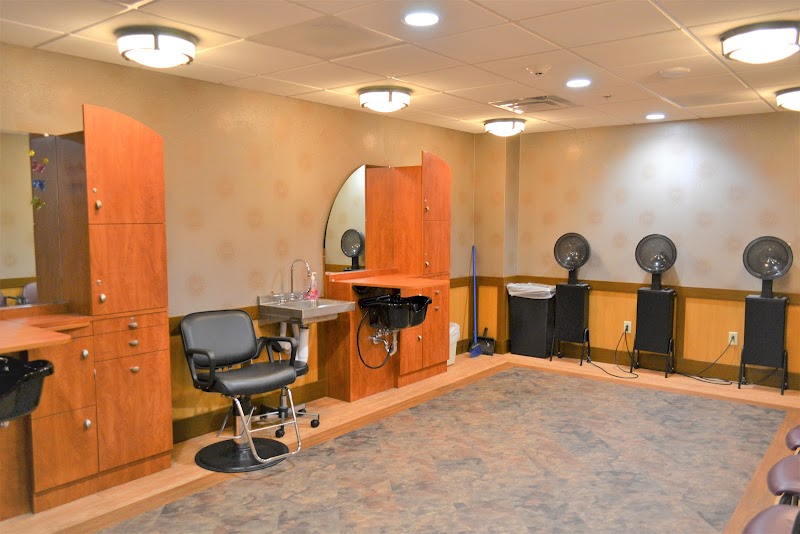
How is Iroquois Inc Staffed?

CMS rates IROQUOIS NURSING HOME INC's staffing level at 4 out of 5 stars, which is above average compared to other nursing homes. Staff turnover is 43%, compared to the New York average of 46%. This relatively stable workforce can support continuity of care.

What Have Inspectors Found at Iroquois Inc?

State health inspectors documented 12 deficiencies at IROQUOIS NURSING HOME INC during 2020 to 2024. These included: 11 with potential for harm and 1 minor or isolated issues.
Who Owns and Operates Iroquois Inc?

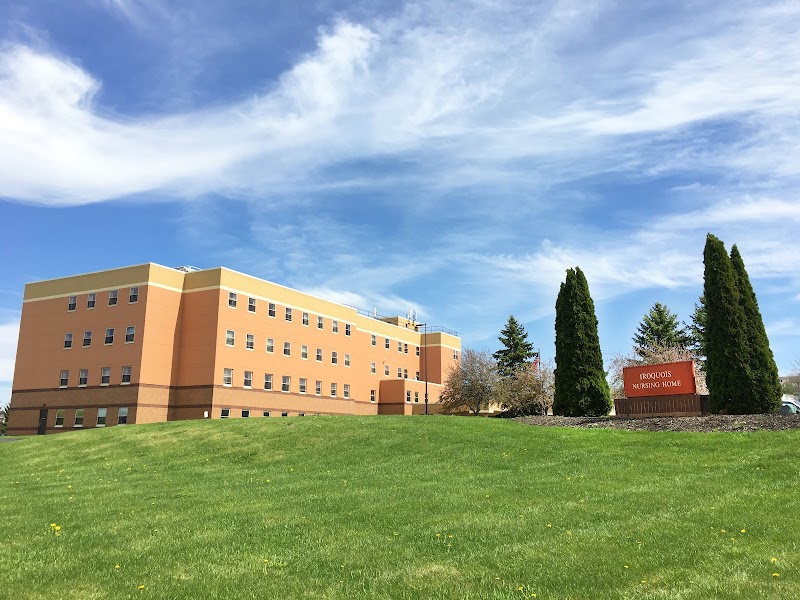
IROQUOIS NURSING HOME INC is owned by a non-profit organization. Non-profit facilities reinvest revenue into operations rather than distributing to shareholders. The facility operates independently rather than as part of a larger chain. With 160 certified beds and approximately 142 residents (about 89% occupancy), it is a mid-sized facility located in JAMESVILLE, New York.
How Does Iroquois Inc Compare to Other New York Nursing Homes?

Compared to the 100 nursing homes in New York, IROQUOIS NURSING HOME INC's overall rating (5 stars) is above the state average of 3.1, staff turnover (43%) is near the state average of 46%, and health inspection rating (4 stars) is above the national benchmark.

What Should Families Ask When Visiting Iroquois Inc?

Based on this facility's data, families visiting should ask: "Can I visit during a mealtime to observe dining assistance and food quality?" "How do you handle medical emergencies, and what is your hospital transfer rate?" "Can I speak with family members of current residents about their experience?"

Is Iroquois Inc Safe?

Based on CMS inspection data, IROQUOIS NURSING HOME INC has a clean safety record: no substantiated abuse findings (meaning no confirmed cases of resident harm), no Immediate Jeopardy citations (the most serious violation level indicating risk of serious injury or death), and is not on the Special Focus Facility watch list (a federal program monitoring the lowest-performing 1% of nursing homes). The facility has a 5-star overall rating and ranks #1 of 100 nursing homes in New York. While no facility is perfect, families should still ask about staff-to-resident ratios and recent inspection results during their visit.

Do Nurses at Iroquois Inc Stick Around?

IROQUOIS NURSING HOME INC has a staff turnover rate of 43%, which is about average for New York nursing homes (state average: 46%). Moderate turnover is common in nursing homes, but families should still ask about staff tenure and how the facility maintains care continuity when employees leave.

Was Iroquois Inc Ever Fined?

IROQUOIS NURSING HOME INC has been fined $3,174 across 1 penalty action. This is below the New York average of $33,111. While any fine indicates a compliance issue, fines under $50,000 are relatively common and typically reflect isolated problems that were subsequently corrected. Families should ask what specific issues led to these fines and confirm they've been resolved.

Is Iroquois Inc on Any Federal Watch List?

IROQUOIS NURSING HOME INC is not on any federal watch list. The most significant is the Special Focus Facility (SFF) program, which identifies the bottom 1% of nursing homes nationally based on persistent, serious quality problems. Not being on this list means the facility has avoided the pattern of deficiencies that triggers enhanced federal oversight. This is a positive indicator, though families should still review the facility's inspection history directly.