NORTHEAST CTR FOR REHABILITATION AND BRAIN INJURY
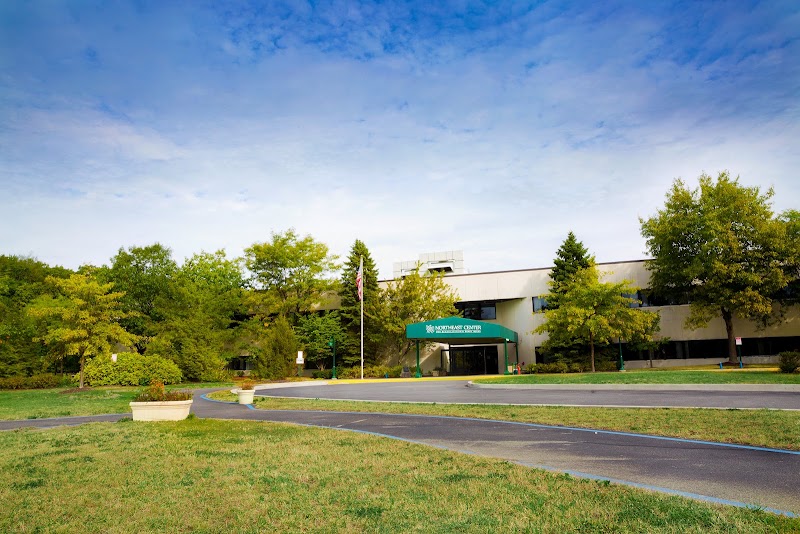
300 GRANT AVENUE, LAKE KATRINE, NY 12449 (845) 336-3500
For profit - Limited Liability company 280 Beds UPSTATE SERVICES GROUP Data: November 2025
Trust Grade
15/100
#538 of 594 in NY
Last Inspection: November 2024

Within standard 12-15 month inspection cycle. Federal law requires annual inspections.

Overview

Northeast Center for Rehabilitation and Brain Injury in Lake Katrine, New York, has received a Trust Grade of F, indicating poor quality and significant concerns about care. It ranks #538 out of 594 facilities in New York, placing it in the bottom half overall, and #7 out of 7 in Ulster County, meaning there are no better local options available. Although the facility is improving, reducing issues from 18 in 2024 to 3 in 2025, it still has serious concerns, including a recent incident where a resident required a two-person assist for transfers but was moved by one staff member, resulting in a fall and injury. Staffing is rated average with a turnover rate of 42%, while the facility has concerning fines of $25,435, higher than 77% of New York facilities. Additionally, there is average RN coverage, which is crucial as more registered nurses can catch potential problems that nursing assistants might miss.

Trust Score
F
15/100
In New York
#538/594
Bottom 10%
Safety Record
High Risk
Review needed
Inspections
Getting Better
18 → 3 violations
Staff Stability
○ Average
42% turnover. Near New York's 48% average. Typical for the industry.
Penalties
⚠ Watch
$25,435 in fines. Higher than 97% of New York facilities. Major compliance failures.
Skilled Nurses
○ Average
Each resident gets 38 minutes of Registered Nurse (RN) attention daily — about average for New York. RNs are the most trained staff who monitor for health changes.
Violations
⚠ Watch
41 deficiencies on record. Higher than average. Multiple issues found across inspections.
★☆☆☆☆
1.0
Overall Rating
★★★☆☆
3.0
Staff Levels
★★★☆☆
3.0
Care Quality
★☆☆☆☆
1.0
Inspection Score
Stable
2024: 18 issues
2025: 3 issues

The Good

  • Full Sprinkler Coverage · Fire safety systems throughout facility
  • No fines on record
  • Staff turnover below average (42%)

    6 points below New York average of 48%

Facility shows strength in fire safety.

The Bad

1-Star Overall Rating

Below New York average (3.0)

Significant quality concerns identified by CMS

Staff Turnover: 42%

Near New York avg (46%)

Typical for the industry

Federal Fines: $25,435

Below median ($33,413)

Moderate penalties - review what triggered them

Chain: UPSTATE SERVICES GROUP

Part of a multi-facility chain

Ask about local staffing decisions and management

The Ugly 41 deficiencies on record

1 actual harm
Jul 2025 3 deficiencies
CONCERN (D) 📢 Someone Reported This

A family member, employee, or ombudsman was alarmed enough to file a formal complaint

Potential for Harm - no one hurt, but risky conditions existed

Resident Rights (Tag F0550)

Could have caused harm · This affected 1 resident

**NOTE- TERMS IN BRACKETS HAVE BEEN EDITED TO PROTECT CONFIDENTIALITY** Based on observation, record review and interviews during an abbreviated survey (NY00371330), the facility did not ensure each r...

Read full inspector narrative →
**NOTE- TERMS IN BRACKETS HAVE BEEN EDITED TO PROTECT CONFIDENTIALITY** Based on observation, record review and interviews during an abbreviated survey (NY00371330), the facility did not ensure each resident each resident was treated with respect and dignity for 1(Resident #22) of 3 residents reviewed. Specifically, on 6/23/2025, Resident # 22 was handed a syringe with Insulin by Registered Nurse #2 on 3 South Wing Nurses station and was observed by the surveyors in the hallway injecting the insulin into their abdomen with Registered Nurse #2, unit manager, 2 surveyors and other residents present. The findings are:A review of the resident rights policy and procedure last revised on 2/2024 documented it is the policy of the facility to protect and honor their resident neighbor rights. Procedure 3.7 documented the facility is committed to protecting and promoting the rights of all resident-neighbors, including but not limited to residents' rights to privacy, dignified existence, self-determination, and participation in their own care.Resident #22 was admitted with diagnoses that include but not limited to Type 2 diabetes mellitus, Hypertension, and Unspecified visual disturbance.A Minimum Data Set, dated [DATE] documented Resident had a Brief Mental Status Score of 15/15; indicating the resident was cognitively intact. Resident had no behaviors or impairments to upper or lower extremities. During an observation on 6/23/2025 at 4:10pm, the floor nurse (Registered Nurse # 2) had the medication cart positioned behind the nurse's station on the south side of NRP-3. Registered Nurse # 2 was observed drawing up insulin from a vial into the syringe. They came from behind the nurse's station to the front of the nurse's station and handed the syringe to Resident # 22. Resident # 22 lifted their shirt and self-administered the insulin in front of two surveyors, unit manager, floor nurse, and other residents present at the nurse's station.During an interview with Registered Nurse# 2 on 6/23/2025 at 4:20pm, they stated that they allowed the resident to administer the insulin because they were scheduled for it. All the residents come around this time to the nurse's station for their medication. Registered Nurse # 2 stated they should have allowed Resident # 22 to go to their room and self-administer their insulin for privacy. Registered Nurse # 2 reported to the surveyor that Resident # 22 had an order to self-administer insulin.During an interview on 6/25/2025 at 4:06pm, the Surveyor requested for Unit Manager # 2 to review the orders in Resident # 22's medical record. Surveyor asked the unit manager if there was a previous order to allow Resident # 22 to self-administer the insulin. Unit Manager #2 stated there was an order to allow Resident # 22 to self-administer eye drops. Unit Manager #2 Stated that prior to 6/24/2025 there was no order for Resident #22 to self-administer insulin. Although the resident continues to receive instructions on how to self-administer insulin, there was no order to self-administer. The order was just added. 10 NYCCR 415.5(a)
CONCERN (E) 📢 Someone Reported This

A family member, employee, or ombudsman was alarmed enough to file a formal complaint

Potential for Harm - no one hurt, but risky conditions existed

Deficiency F0725 (Tag F0725)

Could have caused harm · This affected multiple residents

**NOTE- TERMS IN BRACKETS HAVE BEEN EDITED TO PROTECT CONFIDENTIALITY** Based on observations, record review and interviews conducted during the Abbreviated Surveys (NY00370876 and NY00370334) the fac...

Read full inspector narrative →
**NOTE- TERMS IN BRACKETS HAVE BEEN EDITED TO PROTECT CONFIDENTIALITY** Based on observations, record review and interviews conducted during the Abbreviated Surveys (NY00370876 and NY00370334) the facility did not provide sufficient nursing staff to consistently meet the needs of all residents. The Facility Assessment staff ratio levels were frequently below the levels determined by the facility to be necessary to meet the needs of the residents. Specifically, review of the nursing daily staffing schedule sheets from 6/10/25-6/25/25 revealed staffing was not adequate across various shifts based on the unit needs and the staffing needed as documented in the facility assessment.The Findings are: Review of the undated Facility-Wide Assessment that did not have a signature of approval and did not have a date that it was reviewed by the Quality Assurance Agency/Quality Assurance and Performance Improvement documented the following staffing levels as follows: nursing staff as follows: Total Certified Nurse Aides for the 7am-3pm shift as 26 full time on days, 3pm-11pm shift as 25 full time and 16 fulltime on nights. A total of 12 Fulltime Licensed Practical Nurses for the 3pm-11pm shift and 10 fulltime Licensed Practical Nurses on the nights Review of the evening shift staffing schedule dated 6/10/25, there were a 24 Certified Nurse Aides and 11 Licensed Practical Nurses and 7 Licensed Practical Nurses on the night shift. Review of the evening shift staffing schedule dated 6/11/25 revealed there were a total of 10.5 Licensed Practical Nurses and 14 Certified Nurse Aides There were 4 Licensed Practical Nurses in the facility on the night shift. Review of the evening shift staffing schedule dated 6/12/25 revealed there were 24 Certified Nurse Aides and 9 Licensed Practical Nurses for the evening shift. There were 13 Certified Nurse Aides and 5 Licensed Practical Nurses on the night shift Review of the evening shift staffing schedule dated 6/13/25 revealed a total of 21 Certified Nurse Aides in the facility and a total of 7.5 Licensed Practical Nurses on the evening shift. There was a total of 10 Certified Nurse Aides and 5 Licensed Practical Nurses on the night shift. Review of the day shift staffing schedule dated 6/14/25 revealed a total of 23 Certified Nurse Aides and 11 Licensed Practical Nurses. There was a total of 9 Licensed Practical Nurses and 5 Licensed Practical Nurses for the evening shift and a total of 5 Licensed Practical Nurses on the night shift. Review of the day shift staffing schedule dated 6/15/25 revealed there were 21 Certified Nurse Aides, 20 Certified Nurses' Aides and 11 Licensed Practical Nurses on the Evening Shift and a total of 4 Licensed Practical Nurses on the night shift. Review of the day shift staffing schedule dated 6/16/25 revealed there was a total of 22 Certified Nurse Aides, 21 Certified Nurses' Aides and 8 Licensed Practical Nurses on the evening shift and a total of 5 Licensed Practical Nurses on the night shift. Review of the day shift staffing schedule dated 6/17/25 revealed there were a total of 22 Certified Nurse Aides, 22 Certified Nurses' Aides and 10 Licensed Practical Nurses on the Evening Shift. There was a total of 4 Licensed Practical Nurses on the night shift. Review of the staffing schedule dated 6/18/25, there were a total 11 Licensed Practical Nurses in the facility on the evening shift and a total of 6 Licensed Practical Nurses on the night shift. Review of the day shift staffing schedule dated 6/19/25 revealed there were 25 Certified Nurse Aides, 7 Licensed Practical Nurses on the evening shift 5 Licensed Practical Nurses on the night shift. Review of the evening shift staffing schedule dated 6/20/25 revealed there were a total of 22 Certified Nurse Aides and 5 Licensed Practical Nurses, and a total of 5 Licensed Practical Nurses on the night shift. Review of the day shift staffing schedule dated 6/21/25 revealed there were 21 Certified Nurse Aides and 9 Licensed Practical Nurses, 14 Certified Nurses' Aides and 8.5 Licensed Practical Nurses on the Evening Shift and 12 Certified Nurses' Aides and 7 Licensed Practical Nurses on the Night Shift. Review of the day shift staffing schedule dated 6/22/25 revealed there were 19 Certified Nurse Aides and 10 Licensed Practical Nurses, 16 Certified Nurses' Aides and 8 Licensed Practical Nurses on the Evening Shift and 14 Certified Nurses' Aides and 5 Licensed Practical Nurses on the Night Shift. Review of the day shift staffing schedule dated 6/23/25 revealed there were a total of 23 Certified Nurse Aides, 19 Certified Nurses' Aides and 6 Licensed Practical Nurses on the Evening Shift and 5 Licensed Practical Nurses on the night shift. Review of the Evening Shift staffing schedule dated 6/24/25 revealed there were a total of 21 Certified Nurses' Aides and 7 Licensed Practical Nurses and a total of 6 Licensed Practical Nurses on the night shift. Review of the evening shift staffing schedule dated 6/25/25, there were a total of 7 Licensed Practical Nurses and a total of 6 Licensed Practical Nurses on the night shift. During an interview on 6/20/25 at 10:55 AM, Certified Nurse Aide #1 stated that staffing is bad in the facility and that depending on who is working things does not get done, and that sometimes there is a lot of showers, and it is hard to get them all done because they have no staff. During an interview on 6/20/2025 at 11:20 AM, Certified Nurse Aide #2 stated that staffing is not good in the facility and that there are times when they work short staffed, and they have no help, and it is hard to give good care because they have a lot of residents to take care of. During an interview on 6/26/25 at 10:50 AM, (Resident #61) stated that sometimes they wait 2.5 hours for someone to answer their call bell and that when they verbalized their concerns, they are told that they have behavioral issues. Resident #61 stated it also depends on who is working because that determines how long they have to wait to be taken care of. Resident #61 stated that when they take too long to answer the call bell, they will call the nurses station and if they do not answer, they call the front desk. That gets the facility administration upset and they are usually told that they are not the only resident on unit, there are 39 other residents. During an interview on 6/26/25 at 2:52 PM, the Staffing Coordinator stated that they need 26 full time Certified Nurse Aides on the day shift, 25 full time Certified Nurses' Aides on the evening shift, and 16 full time Certified Nurses' Aides on the night shift. The Staffing Coordinator stated that they are not responsible for the staffing needs indicated in the Facility Assessment. The Staffing Coordinator stated that on some days, they have great staffing but on other days, they fall way below the minimum required. When they fall below the minimum staffing, they continuously call staff to come to work, offer them gift cards and bonuses, and those incentive do not work all the time. The Staffing Coordinator stated that the weekends are the worst when it comes to staffing and that when they leave for the day on Fridays, the staffing schedule may not be sufficiently staffed. During an interview on 6/26/25 at 4:52 PM, the Director of Nursing stated that they are new at the facility, and they still need to familiarize themselves with the staffing. The Director of Nursing stated that they were aware of what Provider Average Ratio (PAR) levels are but was unable to tell the surveyor the required number of staff needed for all units when asked. They also stated they were aware of the inadequate staffing in the facility and that the facility has been providing incentives such as gift cards to the staff so that they can come to work. During an interview on 6/26/25 at 4:44 PM, the Administrator stated that staffing is bad in the facility because the facility is in a difficult area for staff to commute to. The last staffing audit indicated that [NAME] was in a staffing crisis. The Administrator stated that they offer gift cards, bonuses, and they give compensation days to attract staff to work. The Administrator stated that the Facility assessment does not reflect staffing needs on the weekends and does not also reflect low census. If the census is low, staffing is adjusted. That is not reflected in the Facility Assessment. The Administrator stated that they were unaware that the staffing regulations changed and that they will read up on it. The Administrator stated that the Director of Nursing and Assistant Director of Nursing will sometimes help when staffing is low, but it will not be indicated on the schedule. The Administrator stated that when people call out of work, they do not mandate other staff. Efforts made to have the staffing issues addressed include offers to fix staff vehicles and provide housing in the facility suite. These strategies have not helped the staffing. 10NYCRR 415.13(a)(1)(i-iii) The Findings are: Review of the undated Facility-Wide Assessment that did not have a signature of approval and did not have a date that it was reviewed by the Quality Assurance Agency/Quality Assurance and Performance Improvement documented the following staffing levels as follows: nursing staff as follows: Total Certified Nurse Aides for the 7am-3pm shift as 26 full time on days, 3pm-11pm shift as 25 full time and 16 fulltime on nights. A total of 12 Fulltime Licensed Practical Nurses for the 3pm-11pm shift and 10 fulltime Licensed Practical Nurses on the nights Review of the evening shift staffing schedule dated 6/10/25, there were a 24 Certified Nurse Aides and 11 Licensed Practical Nurses and 7 Licensed Practical Nurses on the night shift. Review of the evening shift staffing schedule dated 6/11/25 revealed there were a total of 10.5 Licensed Practical Nurses and 14 Certified Nurse Aides There were 4 Licensed Practical Nurses in the facility on the night shift. Review of the evening shift staffing schedule dated 6/12/25 revealed there were 24 Certified Nurse Aides and 9 Licensed Practical Nurses for the evening shift. There were 13 Certified Nurse Aides and 5 Licensed Practical Nurses on the night shift Review of the evening shift staffing schedule dated 6/13/25 revealed a total of 21 Certified Nurse Aides in the facility and a total of 7.5 Licensed Practical Nurses on the evening shift. There was a total of 10 Certified Nurse Aides and 5 Licensed Practical Nurses on the night shift. Review of the day shift staffing schedule dated 6/14/25 revealed a total of 23 Certified Nurse Aides and 11 Licensed Practical Nurses. There was a total of 9 Licensed Practical Nurses and 5 Licensed Practical Nurses for the evening shift and a total of 5 Licensed Practical Nurses on the night shift. Review of the day shift staffing schedule dated 6/15/25 revealed there were 21 Certified Nurse Aides, 20 Certified Nurses' Aides and 11 Licensed Practical Nurses on the Evening Shift and a total of 4 Licensed Practical Nurses on the night shift. Review of the day shift staffing schedule dated 6/16/25 revealed there was a total of 22 Certified Nurse Aides, 21 Certified Nurses' Aides and 8 Licensed Practical Nurses on the evening shift and a total of 5 Licensed Practical Nurses on the night shift. Review of the day shift staffing schedule dated 6/17/25 revealed there were a total of 22 Certified Nurse Aides, 22 Certified Nurses' Aides and 10 Licensed Practical Nurses on the Evening Shift. There was a total of 4 Licensed Practical Nurses on the night shift. Review of the staffing schedule dated 6/18/25, there were a total 11 Licensed Practical Nurses in the facility on the evening shift and a total of 6 Licensed Practical Nurses on the night shift. Review of the day shift staffing schedule dated 6/19/25 revealed there were 25 Certified Nurse Aides, 7 Licensed Practical Nurses on the evening shift 5 Licensed Practical Nurses on the night shift. Review of the evening shift staffing schedule dated 6/20/25 revealed there were a total of 22 Certified Nurse Aides and 5 Licensed Practical Nurses, and a total of 5 Licensed Practical Nurses on the night shift. Review of the day shift staffing schedule dated 6/21/25 revealed there were 21 Certified Nurse Aides and 9 Licensed Practical Nurses, 14 Certified Nurses' Aides and 8.5 Licensed Practical Nurses on the Evening Shift and 12 Certified Nurses' Aides and 7 Licensed Practical Nurses on the Night Shift. Review of the day shift staffing schedule dated 6/22/25 revealed there were 19 Certified Nurse Aides and 10 Licensed Practical Nurses, 16 Certified Nurses' Aides and 8 Licensed Practical Nurses on the Evening Shift and 14 Certified Nurses' Aides and 5 Licensed Practical Nurses on the Night Shift. Review of the day shift staffing schedule dated 6/23/25 revealed there were a total of 23 Certified Nurse Aides, 19 Certified Nurses' Aides and 6 Licensed Practical Nurses on the Evening Shift and 5 Licensed Practical Nurses on the night shift. Review of the Evening Shift staffing schedule dated 6/24/25 revealed there were a total of 21 Certified Nurses' Aides and 7 Licensed Practical Nurses and a total of 6 Licensed Practical Nurses on the night shift. Review of the evening shift staffing schedule dated 6/25/25, there were a total of 7 Licensed Practical Nurses and a total of 6 Licensed Practical Nurses on the night shift. During an interview on 6/20/25 at 10:55 AM, Certified Nurse Aide #1 stated that staffing is bad in the facility and that depending on who is working things does not get done, and that sometimes there is a lot of showers, and it is hard to get them all done because they have no staff. During an interview on 6/20/2025 at 11:20 AM, Certified Nurse Aide #2 stated that staffing is not good in the facility and that there are times when they work short staffed, and they have no help, and it is hard to give good care because they have a lot of residents to take care of. During an interview on 6/26/25 at 10:50 AM, (Resident #61) stated that sometimes they wait 2.5 hours for someone to answer their call bell and that when they verbalized their concerns, they are told that they have behavioral issues. Resident #61 stated it also depends on who is working because that determines how long they have to wait to be taken care of. Resident #61 stated that when they take too long to answer the call bell, they will call the nurses station and if they do not answer, they call the front desk. That gets the facility administration upset and they are usually told that they are not the only resident on unit, there are 39 other residents. During an interview on 6/26/25 at 2:52 PM, the Staffing Coordinator stated that they need 26 full time Certified Nurse Aides on the day shift, 25 full time Certified Nurses' Aides on the evening shift, and 16 full time Certified Nurses' Aides on the night shift. The Staffing Coordinator stated that they are not responsible for the staffing needs indicated in the Facility Assessment. The Staffing Coordinator stated that on some days, they have great staffing but on other days, they fall way below the minimum required. When they fall below the minimum staffing, they continuously call staff to come to work, offer them gift cards and bonuses, and those incentive do not work all the time. The Staffing Coordinator stated that the weekends are the worst when it comes to staffing and that when they leave for the day on Fridays, the staffing schedule may not be sufficiently staffed. During an interview on 6/26/25 at 4:52 PM, the Director of Nursing stated that they are new at the facility, and they still need to familiarize themselves with the staffing. The Director of Nursing stated that they were aware of what Provider Average Ratio (PAR) levels are but was unable to tell the surveyor the required number of staff needed for all units when asked. They also stated they were aware of the inadequate staffing in the facility and that the facility has been providing incentives such as gift cards to the staff so that they can come to work. During an interview on 6/26/25 at 4:44 PM, the Administrator stated that staffing is bad in the facility because the facility is in a difficult area for staff to commute to. The last staffing audit indicated that [NAME] was in a staffing crisis. The Administrator stated that they offer gift cards, bonuses, and they give compensation days to attract staff to work. The Administrator stated that the Facility assessment does not reflect staffing needs on the weekends and does not also reflect low census. If the census is low, staffing is adjusted. That is not reflected in the Facility Assessment. The Administrator stated that they were unaware that the staffing regulations changed and that they will read up on it. The Administrator stated that the Director of Nursing and Assistant Director of Nursing will sometimes help when staffing is low, but it will not be indicated on the schedule. The Administrator stated that when people call out of work, they do not mandate other staff. Efforts made to have the staffing issues addressed include offers to fix staff vehicles and provide housing in the facility suite. These strategies have not helped the staffing. 10NYCRR 415.13(a)(1)(i-iii)
CONCERN (E) 📢 Someone Reported This

A family member, employee, or ombudsman was alarmed enough to file a formal complaint

Potential for Harm - no one hurt, but risky conditions existed

Deficiency F0838 (Tag F0838)

Could have caused harm · This affected multiple residents

Based on observations, record review and interviews conducted during an Abbreviated Survey (NY00370876 and NY00370334), the facility did not ensure that its facility assessment included staffing level...

Read full inspector narrative →
Based on observations, record review and interviews conducted during an Abbreviated Survey (NY00370876 and NY00370334), the facility did not ensure that its facility assessment included staffing levels necessary to competently provide and meet the needs of the residents based on census, conditions and levels of care both during their day-to-day operations and during emergencies. Specifically, the undated Facility Assessment provided by the facility during the onsite visit did not include the minimum staffing requirements for Certified Nurses' Aides and Licensed Practical Nurses on the weekends. 2)The Facility Assessment did not include the number of staff needed for behavioral healthcare services necessary to meet resident needs. 3) The Facility Assessment did not include a date when it was reviewed/approved by Quality Assurance and Performance Improvement (QAPI) and 4) the Facility Assessment did not have signatures of approval.The findings are:The Undated and Unsigned Facility Assessment provided by the Administrator during the onsite visit documented a total number of 26 full time Certified Nurse Aides needed for the 7am-3pm shift, 25 full time Certified Nurse Aides needed for the 3pm-11pm shift and 16 fulltime Certified Nurse Aides on the 11pm-7am shift. The facility Assessment documented a total of 12 Fulltime Licensed Practical Nurses needed for the day and evening shifts and 10 fulltime Licensed Practical Nurses for the night shift.The Facility Assessment provided by the facility had no date when it was reviewed with Quality Assurance and Performance Improvement (QAPI) and was not signed by any staff involved in creating, reviewing and revising the Facility Assessment. The Facility Assessment did not include staffing for weekends and emergencies as part of day-to-day operations. During an interview on 6/20/2025 at 11:20 AM, Certified Nurse Aide #2 stated that staffing is not good in the facility and that there are times when they work short staffed and they have no help, it is hard to give good care to all residents because there is a lot of residents to take care of. During an interview on 6/26/25 at 10:50 AM, (Resident #61) stated that sometimes they wait 2.5 hours for someone to answer their call bell and that when they verbalized their concerns, they are told that they have behavioral issues. Resident #61 stated it also depends on who is working because that determines how long they must wait to be taken care of. Resident #61 stated that when they take too long to answer the call bell, they will call the nurses station and if they do not answer, they call the front desk. That gets the facility administration upset and they are usually told that they are not the only resident on unit, there are 39 other residents. During an interview on 6/26/25 at 4:44 PM, the Administrator stated that the Facility Assessment does not reflect staffing needs on the weekends and did not include behavioral health services necessary to meet resident needs. The Administrator stated that they were unaware that the staffing regulations had changed and that they will read up on it. The Administrator stated the Facility Assessment is reviewed annually with the Quality Assurance and Performance Improvement (QAPI) committee and it should have been signed by all disciplines present during the review. 10 NYCRR 415.26
Nov 2024 18 deficiencies 1 Harm
SERIOUS (G) 📢 Someone Reported This

A family member, employee, or ombudsman was alarmed enough to file a formal complaint

Actual Harm - a resident was hurt due to facility failures

Accident Prevention (Tag F0689)

A resident was harmed · This affected 1 resident

Based on record review and interview conducted during the recertification and abbreviated surveys (NY00346752) from 11/13/2024 to 11/21/2024, the facility failed to ensure the plan of care for each re...

Read full inspector narrative →
Based on record review and interview conducted during the recertification and abbreviated surveys (NY00346752) from 11/13/2024 to 11/21/2024, the facility failed to ensure the plan of care for each resident was followed and that adequate supervision and/or assistance was provided to prevent accidents for 1 of 8 residents (Resident #234) reviewed for Abuse. Specifically, Resident #234 required a 2- person assist for transfers and the Certified Nurse Aide #25 attempted to transfer the resident without assistance of another staff member. Subsequently, Resident #234 fell and sustained a laceration (a cut or tear in the skin) to the back of their head which required eight staples. This resulted in actual harm that is not immediate jeopardy for Resident #234. The findings are: Resident #234 was admitted to the facility with the diagnosis of Traumatic Brain Injury, Aphasia (disorder affecting a persons ability to understand/express language) and Mood Disorder. The 4/24/2024 Quarterly Minimum Data Set (resident assessment), documented Resident #234 had severe cognitive deficits, was dependent on staff for all Activities of Daily Living, required 2-staff assist for transfers and had 1 fall since the last assessment. The 6/27/2024 Accident & Incident Report documented Certified Nurse Aide #25 was interviewed and described the incident where they showered the resident on the shower trolley (a mobile solution for showering in a lying position) and then attempted to transfer the resident to the bed by themselves.While doing this the resident rolled to the floor between the bed and trolley. Certified Nurse Aide #25 called for help, the nurse responded to the room, and assessed the resident. The Registered Nurse Supervisor also responded and assessed the resident. The physician was notified, and orders were received to send the resident to the hospital. Certified Nurse Aide #25 acknowledged they were aware of the current plan of care and did not follow it. Certified Nurse Aide #25 acknowledged they did not ask others for assistance. The 6/27/2024 Employee Statement from Certified Nurse Aide #25 documented they gave the patient a shower and after the shower was finished and completed, they covered the resident and wheeled them to their room. They put the trolley up to the bed for resident transfer. The resident rolled over the trolley railings, slid down between the trolley and their bed and hit the floor. The resident's head hit the floor. They lifted the resident's head to put a cushion under their head, that's when they noticed the resident was bleeding from the back of their head where they hit the floor. A code was called and 911 was called. The ambulance arrived and the resident was taken to the hospital. The 6/27/2024 Hospital Records documented the resident had a fall after a shower, no fracture/s identified. The resident required sutures to the back of their head. The entire laceration was closed with staples. The 6/27/2024 At Risk for Fall Care Plan evaluation note documented after a shower, Certified Nurse Aide #25 brought the resident back to the room via the shower trolley for transfer back to bed. Certified Nurse Aide #25 stated the resident rolled themselves off the trolley onto the floor, striking their head. The resident was transferred to the emergency room for further assessment. Certified Nurse Aide #25 was re-educated on transfer safety and procedure. The 6/28/2024 At Risk for Fall Care Plan evaluation note documented the resident returned at approximately 10:30 PM on 6/27/2024 with staples to their posterior (back) head. The 10/21/2024 with no creation date tracking history Care Plan titled Activities of Daily Living documented Resident #234 had impaired performance and physical mobility and was dependent in all activities of daily living and required assist of 2 persons for transfer. The 10/21/2024 with no creation date tracking history Care Plan titled At Risk for Falls documented risk for falls related to pain, recent illnesses with decline in activities of daily living, confusion with impaired judgement. Interventions included wear proper foot-wear/nonskid socks, Physical Therapy or Occupational Therapy evaluation, maintain bed in lowest position, call bell within reach, bilateral floor mats when in bed, complete fall risk assessment. During an interview on 11/19/2024 at 10:10 AM the Administrator stated they did suspend and terminate Certified Nurse Aide #25 for failing to follow the residents plan of care. The Administrator stated Certified Nurse Aide #25 reported other staff were busy, so they decided to attempt the transfer alone. The Administrator stated the care plans were originally initiated prior to 10/21/2024 and that the care plans were in place prior to 10/21/2024 but there was no way to show the tracking of the history other than the notes written in the evaluation notes section of the care plan. During an interview on 11/20/2024 at 2:21 PM the Physician stated the fall did not cause permanent harm, they further stated there was nothing broken, the resident just needed sutures. During an interview on 11/21/2024 at 1:41 PM Certified Nurse Aide #26 stated if a resident is a 2-person assist, they need to be transferred with 2 staff members. The transfer should not be completed with 1 person. 10 NYCRR 415.12(h)(1)
CONCERN (D)

Potential for Harm - no one hurt, but risky conditions existed

Resident Rights (Tag F0550)

Could have caused harm · This affected 1 resident

Based on observation and staff interview during the recertification survey from 11/13/24 to 11/21/24, the facility did not ensure residents were provided with a dignified dining experience. Specifical...

Read full inspector narrative →
Based on observation and staff interview during the recertification survey from 11/13/24 to 11/21/24, the facility did not ensure residents were provided with a dignified dining experience. Specifically, Certified Nurse Aide # 18 was observed standing while feeding 2 of 17 residents (Resident #42 and #239) reviewed for dining, The finding is: On 11/18/24 at 12:05 PM, Certified Nurse Aide #18 was observed standing while feeding Resident #42 their lunch meal. During observation Certified Nurse Aide #18 was directed to sit down by another staff and stated prior to sitting, Oh my back was hurting and I'm short. On 11/18/24 at 12:36 PM Certified Nurse Aide #18 was observed standing while feeding Resident #239. During an interview on 11/19/24 at 12:39 PM, Certified Nurse Aide #18 stated they forgot about sitting down when feeding the residents. 10 NYCRR 415.5(a)
CONCERN (D)

Potential for Harm - no one hurt, but risky conditions existed

Deficiency F0582 (Tag F0582)

Could have caused harm · This affected 1 resident

**NOTE- TERMS IN BRACKETS HAVE BEEN EDITED TO PROTECT CONFIDENTIALITY** Based on record review and interview during the recertification survey from 11/13/24 to 11/21/24, the facility did not ensure re...

Read full inspector narrative →
**NOTE- TERMS IN BRACKETS HAVE BEEN EDITED TO PROTECT CONFIDENTIALITY** Based on record review and interview during the recertification survey from 11/13/24 to 11/21/24, the facility did not ensure residents and/or their designated representative were fully informed of their right to an expedited review of a service termination. Specifically, for two of three residents (Resident #8 and #104) reviewed for Beneficiary Protection the facility did not ensure the Notice of Medicare Non-coverage form CMS-10123 was provided to the resident and/or representative at a minimum of two days prior to the end of Medicare Part A covered services. The findings are: The undated Facility Policy titled Notice of Medicare Non-Coverage documented when a resident is no longer eligible for skilled coverage under Medicare Part A, the facility must issue a Notice of Medicare Non-Coverage to the resident or their legal representative with a minimum notice of two days. If the resident is incompetent deliver the Notice of Medicare Non-Coverage to the resident's legal representative. You must notify them in person if available or via phone. Document the representative's name, phone number, date and time you spoke with them and send certified mail on the same day you spoke with them. The Comprehensive Minimum Data Set, dated [DATE] documented Resident #8 had cognitive impairment. The Interdisciplinary Team Note dated 7/30/24, documented Rehabilitation Assistant #14 spoke with the Administrator regarding Resident #8' Medicare Part A coverage and their right to appeal. The Notice of Medicare Non Coverage signed on 7/30/24 by the Administrator documented rehabilitative service ended on 7/23/24 and the last day of covered services will be 8/2/24. There was no documented evidence that the Notice of Medicare Non Coverage was provided to the designated representative/contact person. The Comprehensive Minimum Data Set, dated [DATE] documented Resident #104 had cognitive impairment. The Interdisciplinary Team Note dated 10/29/24, documented Rehabilitation Assistant #14 spoke with the Administrator regarding Resident #104's Medicare Part A coverage and their right to appeal. The Notice of Medicare Non Coverage signed on 10/29/24 by the Administrator documented rehabilitative service ended on 9/19/24 and the last day of covered services will be 11/1/24. There was no documented evidence that the Notice of Medicare Non Coverage was provided to the designated representative. During an interview on 11/18/24 at 12:04 PM Rehabilitation Assistant #14 stated they determine who they have to contact regarding Notice of Medicare Non Coverage based on the resident's capacity and they would discuss with the Social Worker and/or if they should contact the resident representative. They stated they will call the representative if listed, leave a message if unable to reach them, and then send the Notice of Medicare Non Coverage to the designated representative. They stated if unable to reach the representative, the Administrator may sign the Notice of Medicare Non Coverage for the resident. They stated they would document why they had the Administrator sign the notice. They stated for Resident # 8, they tried but were unable to reach the family and did not document the attempted contact on the notice. They stated for Resident #104, the resident's parents passed away, and another family member told the Social Worker they did not want to be involved with anything financial. They stated the Social Worker told them to give the Notice of Medicare Non Coverage to the Administrator for signature. They stated no calls were made for this resident regarding Medicare coverage. During an interview on 11/18/24 at 1:30 PM the Administrator stated Rehabilitation Assistant #14 brings the Notice of Medicare Non Coverage to them if the resident has cognitive impairment/limited capacity/no representative or they are unable to reach the representative. They stated for Resident #8, Rehabilitation Assistant #14 attempted to call the family but was unsuccessful, so they brought the Notification of Medicare Non Coverage to them for signature. When asked about resident #104, the Administrator stated they would have to ask the Social Worker about the resident contacts. The Administrator stated they would expect Rehabilitation Assistant #14 to check on the resident status, capacity, family/representative, before coming to them for a signature. The Administrator stated neither Resident #8 or #104 had the capacity to sign the Notice of Medicare Non Coverage. They stated the expectation would be for the Rehabilitation Assistant to document the attempt made when trying to contact the family. They stated Notice of Medicare Non Coverage are typically sent to the family in addition to a phone call, but in these cases they were not sent because they were signed by the Administrator. They stated it is rare for the Administrator to receive the Notification of Medicare Non Coverage to sign, but does happen at times. 10 NYCRR 415.3 (g)
CONCERN (D) 📢 Someone Reported This

A family member, employee, or ombudsman was alarmed enough to file a formal complaint

Potential for Harm - no one hurt, but risky conditions existed

Safe Environment (Tag F0584)

Could have caused harm · This affected 1 resident

**NOTE- TERMS IN BRACKETS HAVE BEEN EDITED TO PROTECT CONFIDENTIALITY** Based on observation and interview conducted during the recertification survey from 11/13/24 to 11/21/24, the facility did not e...

Read full inspector narrative →
**NOTE- TERMS IN BRACKETS HAVE BEEN EDITED TO PROTECT CONFIDENTIALITY** Based on observation and interview conducted during the recertification survey from 11/13/24 to 11/21/24, the facility did not ensure housekeeping and maintenance services necessary to maintain a sanitary, orderly, and comfortable interior were provided. Specifically, 1) room [ROOM NUMBER] A/B had soiled walls with chipped paint/scratches/holes, garbage can was soiled/privacy curtains were stained and 2) feeding tube pumps and/or poles contained dried formula for five residents (#35, #193, #172, #215, #150) on the VENT unit. The findings are: 1) On 11/13/24 at 11:31 AM room [ROOM NUMBER] B was observed to have walls in disrepair with holes, scratches, and chipped paint. The room had an odor of urine. On 11/13/24 at 11:32 AM room [ROOM NUMBER] A was observed to have walls soiled with stains, and areas of disrepair such as chipped paint, holes, and scratches. The privacy curtain was soiled and stained. The wall near the garbage and dresser had brown soiled stains on it. The dresser and garbage were also soiled with brown stains. The room had an odor of urine. On 11/13/24 at 12:44 PM during a family interview for Resident #17, they stated their only concern is housekeeping and the floors could be kept clean. On 11/14/24 at 10:13 AM room [ROOM NUMBER] A was observed to have walls soiled with stains, and areas of disrepair such as chipped paint, holes, and scratches. The privacy curtain was soiled and stained. The wall near the garbage/dresser and the dresser had brown stains. The room had an odor of urine. On 11/14/24 at 10:14 AM room [ROOM NUMBER] B was observed to have walls in disrepair with holes, scratches, and chipped paint. The room had an odor of urine. During and interview/observation of room [ROOM NUMBER] A/B on 11/21/24 at 12:15 PM the Director of Housekeeping went to room [ROOM NUMBER] A and 324 B with this surveyor to observe the room. The Director of Housekeeping stated there was an odor of urine. The Director of Housekeeping stated the rooms are supposed to be cleaned daily. They stated they did not know why the room had not been cleaned. On 11/21/24 at 1:30PM the Maintenance Assistant stated they were not aware of the chipped paint and the damaged walls in room [ROOM NUMBER] A and 324 B. The Maintenance Assistant stated they do have a system for staff to log maintenance issues into the computer for review but there was no documented evidence that indicated these issues had been logged. The Maintenance Assistant stated if they were made aware of the issues in room [ROOM NUMBER] A and 324 B, they would have addressed and repaired them immediately. 2) During an observation on 11/13/24 at 10:35 AM the tube feeding pump/pole for Resident #35 had dried formula. During an observation on 11/13/24 at 10:40 AM the tube feeding pump for Resident # 193 had dried formula. During an observation on 11/13/24 at 10:48 AM the tube feeding pump for Resident # 172 had dried formula. During an observation on 11/13/24 at 10:54 AM the tube feeding pump for Resident #215 had dried formula. During an observation on 11/13/24 at 11:01 AM the tube feeding pump for Resident # 150 had dried formula. During an interview on 11/21/24 at 10:47 AM the Regional Director of Housekeeping stated housekeeping may wipe the tube feeding pumps/poles when cleaning the rooms. During an interview on 11/21/24 at 10:50 AM the Director of Housekeeping stated that the feeding tube pumps located in resident rooms are supposed to be cleaned when the room is cleaned daily. 10 NYCRR 415.5(h)(2)
CONCERN (D) 📢 Someone Reported This

A family member, employee, or ombudsman was alarmed enough to file a formal complaint

Potential for Harm - no one hurt, but risky conditions existed

Grievances (Tag F0585)

Could have caused harm · This affected 1 resident

**NOTE- TERMS IN BRACKETS HAVE BEEN EDITED TO PROTECT CONFIDENTIALITY** Based on interview and record review conducted during the recertification and abbreviated surveys (#NY00340049 and #NY00351730) ...

Read full inspector narrative →
**NOTE- TERMS IN BRACKETS HAVE BEEN EDITED TO PROTECT CONFIDENTIALITY** Based on interview and record review conducted during the recertification and abbreviated surveys (#NY00340049 and #NY00351730) from 11/13/24-11/21/24, the facility did not make prompt efforts to resolve grievances or inform the complainant of the grievance investigation outcome for 2 (Resident #177 and #72) of 2 residents reviewed for grievances. Specifically, 1) for Resident #177, there was no evidence that grievances were documented on the tracking log in the grievance book, or that the complainant was notified of the outcome of the grievance and 2) Resident #72's friend stated they made a verbal complaint to the social worker and no grievance was initiated. The findings are: Policy & Procedure titled Grievance/Complaint Procedure that was last revised on 8/2024 documented; when grievances are made it is procedure to keep a detailed tracking log of such concerns. Within ten (10) working days of the date the report was filed, the complainant will be informed of the results of the investigation. 1)Resident #177 had diagnoses including Anoxic Brain Injury and Hypoxic Ischemic (an injury to the brain caused by a lack of oxygen to the brain) Encephalopathy (a term for any brain disease). The 7/5/24 Quarterly Minimum Data Set (an assessment tool) documented Resident # 177 had severe cognitive impairment. The 6 grievances for Resident #177 documented 1) Facetime Calls dated January 2024, 2) No Nail Care dated ongoing, 3) No oral care dated ongoing, 4) Discharge Planning dated ongoing, 5) Not providing splints dated August, and 6) Hand Splints dated Ongoing. The grievances were not logged in the grievance book and had no documentation that the grievance or corrective action was reviewed with the individual making the grievance. During an interview on 11/19/24 at 8:58 AM Resident #177's family member stated they had spoken with the social worker regarding their concerns. They stated they were unaware how to complete a grievance and were unaware if a grievance had been created. They stated no one from the facility notified them that a grievance had been filed/outcome of the investigation. During an on 11/19/24 at 10:15 AM the Administrator stated the facility has postings throughout the building regarding grievances. They stated the Grievance Officer was responsible for documenting grievances on the form/log, following up with department heads, and completing an investigation with outcome. They stated the Grievance Officer should than notify the person making the grievance of the outcome. They stated the Grievance Officer who created these grievances is currently out on sick leave and they do not know why the grievances were not recorded in the log and why there was no documentation of complainant notification. 2) Resident #72 admitted to the facility on [DATE] with the following diagnoses, Non-Traumatic Brain Dysfunction, Seizure Disorder and Psychotic Disorder. The 10/11/24 Quarterly Minimum Data Set (MDS) documented Resident #72 was cognitively intact. On 11/21/24 at 10:09 AM complainant stated on 8/30/24 they tried to get confirmation of being able to take a friend out to a store/restaurant. They stated they made the request on Monday, and Wednesday but did not receive an answer back. They stated a timely reply by the facility should go both ways. Complainant stated they filed a verbal complaint with the Social Worker, but because of phone tag, little is done. They stated a month ago, they asked for a complaint form, which they have not received. There was no documented evidence in the January 2024 Grievance Log of grievance/s related to Resident #72. On 11/20/24 at 10:35 AM Social Worker #3 stated they have no grievance for Resident #72. Social Worker #3 stated Resident #72' friend did try to file a complaint and was directed to the Liaison for assistance. The Social Worker stated they take information from the complainant, document it, and refer the information to the Liaison or the Director of Social Work. They stated the Liaison is supposed to document the complaint on a complaint form. Social Worker #3 stated they believe Resident #72's friend had started a complaint about taking the resident out on pass. On 11/21/24 at 9:57 AM Grievance Officer and Liaison were unavailable for interviews. 10 NYCRR 415.3(d)(1)(i)
CONCERN (D) 📢 Someone Reported This

A family member, employee, or ombudsman was alarmed enough to file a formal complaint

Potential for Harm - no one hurt, but risky conditions existed

Free from Abuse/Neglect (Tag F0600)

Could have caused harm · This affected 1 resident

Based on observation, record review and interview conducted during the Recertification and Abbreviated Surveys (NY 00350609) from 11/13/24-11/21/24, the facility did not ensure resident's rights to be...

Read full inspector narrative →
Based on observation, record review and interview conducted during the Recertification and Abbreviated Surveys (NY 00350609) from 11/13/24-11/21/24, the facility did not ensure resident's rights to be free from abuse for 2 of 8 residents (Residents #102 and #73) reviewed for abuse. Specifically, interventions were not implemented as per care plan and/or physician order for Resident #102 with a history of physical aggression and documented episodes of verbal aggression on 8/6/24 at 3:00PM, 4:00 PM and 5:00 PM, resulting in Resident #102 punching Resident #73 on the right side of their head on 8/6/24 at 7:00 PM. Findings include: The 11/13/03 policy with a revision date of 6/24 titled Increased Supervision and Close Visual Observation documented additional supervision for those individuals who are at risk, may be at risk of injury, or who may place others at risk. Close Visual Observation (one staff member monitoring resident always.) The Community Support Specialist must report any issues of concern to the nurse on duty. The policy with a revision date of 9/24 titled Abuse documented residents were protected from abuse, neglect, mistreatment, or misappropriation of property. Physical abuse was defined as including hitting, slapping pinching, and kicking. Resident #102 was admitted with diagnoses including but not limited to Depression, Traumatic Brain Dysfunction and Muscle Weakness. The 2/9/24 Comprehensive Care Plan titled Behaviors documented close visual observation for safety. Observe for signs of intent to harm self or others. Monitor behavior and update physician as needed. The 2/10/24 Physician Order documented close visual observation (one:one) every day, every shift. The 2/10/24 Physician Order documented retain on the behavior unit for safety of self and others. The 2/24 Comprehensive Care Plan titled Potential to Abuse Others documented history of altercations and abusing others. Observe for signs of agitation in overly stimulated areas, redirect, remove other residents from the area, cease interactions and return after agitation has diffused. The 7/12/24 Quarterly Minimum Data Set (an assessment tool) documented Resident #102 had moderately impaired cognition, generally understood others/ made self understood, exhibited no behaviors and was independent in activities of daily living. The 8/6/24 Close Visual Observation Form documented Resident #102 had three verbally aggressive episodes (talk that threatens physical harm.) at 3:00 PM, 4:00 PM, and 5:00 PM. There was no documented evidence the behavior was reported to the Nurse. The 8/6/24 (7:00 PM) Incident Report documented Resident# 102 walked up and punched Resident #73 on the right side of the head but the peer did not retaliate. Behavior code was called. The 8/12/24 Investigative Summary documented Resident #102 had care plans in place and goals that focus on decreasing impulsive behaviors by helping him to remain focus on favorable task. Staff have also been trained that when behavior/s escalate to allow a structured cooling off period to promote de-escalation as well as offering active listening to promote stabilization. There was no reason to suspect abuse, neglect, mistreatment, or misappropriation of property. During observation on 11/13/24 at 10:05 AM Resident #102 was sitting on their bed with a Community Support Specialist Staff #7 sitting at their doorway. At that time Community Support Specialist #7 stated the resident requires one to one supervision for behaviors, suicidal ideation's, throwing chairs, and hitting other residents. During an interview on 11/19/24 at 10:35 AM, Community Support Specialist #8 stated they were aware of the physical altercation between Residents #102 and #73. They stated when assigned to Resident #102 they are mindful of the reason residents are placed on close visual observation. They stated while working with the residents they prioritize maintaining arm's length supervision when necessary, and report any issues to the nurse. They stated they receive training in recognizing and managing abuse and is experienced in working with residents with traumatic brain injury. During an interview on 11/19/24 at 11:35 AM, Social Worker #1 stated they met with Resident #102 following the incident to assess for psychological trauma. They stated Resident #102 recalled the incident but expressed a desire to move forward.They stated Resident #73 had a history of sexually inappropriate behavior toward staff members. They further stated Resident #102 believed they were protecting the staff. During an interview on 11/19/24 at 10:53 AM, the Director of Nursing stated they initiated the investigation and collected staff statements. They stated on the day of the altercation the Community Support Specialist # 7 did not follow Resident #102 down the hallway, and Resident #102 attacked Resident #73. They further stated the nurse on the unit was responsible for supervising Community Support Specialists. During a follow up interview on 11/19/24 at 11:23 AM the Administrator stated they were aware of the physical altercation between Resident #102 and Resident #73. They stated the staff member involved was terminated due to a care plan violation. The care plan required observing for signs of agitation in overly stimulated areas, redirecting and removing other residents from the area. Additionally, Resident #102 had verbal aggression behaviors which had not been reported to the nurse. 10 NYCRR 415.4(b)(1)(i)
CONCERN (D) 📢 Someone Reported This

A family member, employee, or ombudsman was alarmed enough to file a formal complaint

Potential for Harm - no one hurt, but risky conditions existed

Deficiency F0655 (Tag F0655)

Could have caused harm · This affected 1 resident

**NOTE- TERMS IN BRACKETS HAVE BEEN EDITED TO PROTECT CONFIDENTIALITY** 3) Resident #208 was admitted to the facility on [DATE] with diagnoses of cerebral infarction and acute respiratory failure. The...

Read full inspector narrative →
**NOTE- TERMS IN BRACKETS HAVE BEEN EDITED TO PROTECT CONFIDENTIALITY** 3) Resident #208 was admitted to the facility on [DATE] with diagnoses of cerebral infarction and acute respiratory failure. The Minimum Data Set 3.0 assessment dated [DATE] documented Resident #208 had severe cognitive impairment. There was no documented evidence of a completed Baseline Care Plan prior to 10/31/2024. During an interview on 11/19/24 at 1:33 PM Registered Nurse Unit Manager stated Resident #208 was admitted to the facility on [DATE] and the Baseline Care Plan was completed on 10/31/2024. The Registered Nurse Unit Manager stated they were responsible for completing the resident's Baseline Care Plan and was not working when Resident #208 was admitted to the facility. They stated they completed the Baseline Care Plan upon their return to work. During an interview on 11/21/2024 at 02:49 PM, Assistant Director of Nursing #2 stated the Baseline Care Plan form does not automatically populate when the admitting nurse triggers a resident's admission orders/forms in the electronic medical record. They stated the admitting nurse was responsible for triggering the Baseline Care Plan using the hospital discharge paperwork and any other available medical records. Assistant Director of Nursing #2 stated they and the Director of Nursing were responsible for overseeing and ensuring the completion of Baseline Care Plans. During an interview on 11/20/24 at 11:08 AM the Director of Nursing stated the unit nurse managers were responsible for completing Baseline Care Plans. They stated Nursing Supervisors should complete the Baseline Care Plans for residents admitted to the facility on Friday evenings and/or the weekend. They stated the nurse management team was responsible for completing Baseline Care Plans if the unit nurse manager was on leave/ vacation. The Director of Nursing stated they were not aware of issues related to Baseline Care Plans. 10 NYCRR 415.11 Based on observation, interview, record review conducted during the recertification and abbreviated (NY00348027 and NY00340876) from 11/13/2024 to 11/21/2024, the facility did not ensure baseline care plans were developed and implemented for each resident. This was evident for 3 (Resident #676, #677, and #208) of 41 total sampled residents. Specifically, 1) a baseline care plan was not developed for Resident #676 upon their admission to the facility on 5/17/2024, 2) a baseline care plan was not developed for Resident #677 upon their admission to the facility on 4/10/2024, and 3) a baseline care plan was not developed within 48 hours of Resident #208's admission to the facility. The findings are: The facility policy titled Baseline Care Plan dated 2/2024 documented the baseline care plan must be developed within 48 hours of admission or readmission. 1) Resident #676 was admitted to the facility on [DATE] with diagnoses of amyotrophic lateral sclerosis (a neurodegenerative disease) and respiratory failure. The Minimum Data Set 3.0 assessment dated [DATE] documented Resident #676 was cognitively intact. There was no documented evidence a Baseline Care Plan was developed and implemented for Resident #676 within 48 hours of their admission to the facility on 5/17/2024. 2) Resident #677 was admitted to the facility on [DATE] with diagnoses of bipolar disorder and chronic obstructive pulmonary disease. The Minimum Data Set 3.0 assessment dated [DATE] documented Resident #677 was moderately cognitively impaired and had a Health Care Proxy. There was no documented evidence a Baseline Care Plan was developed and implemented for Resident #677 within 48 hours of their admission to the facility on 4/10/2024.
CONCERN (D) 📢 Someone Reported This

A family member, employee, or ombudsman was alarmed enough to file a formal complaint

Potential for Harm - no one hurt, but risky conditions existed

ADL Care (Tag F0677)

Could have caused harm · This affected 1 resident

2)Resident #177 had diagnoses including hypoxic ischemic (an injury to the brain caused by a lack of oxygen to the brain), encephalopathy (a term for any brain disease). The 7/5/24 Quarterly Minimum D...

Read full inspector narrative →
2)Resident #177 had diagnoses including hypoxic ischemic (an injury to the brain caused by a lack of oxygen to the brain), encephalopathy (a term for any brain disease). The 7/5/24 Quarterly Minimum Data Set documented the resident's cognition was severely impaired and the resident was dependent on staff with all other activities of daily living. The May 1, 2024- July 30, 2024 Nurse Aide Record documented showers were completed on 5/5/24, 5/9/24, 5/10/24, 5/12/24, not at this time on 5/6/24, 5/13/24, and 5/30/24 and shower provided on 6/24/24. There was no documented showers from 6/24/24-7/21/24. The Care Plan titled Activities of Daily Living with a revision date of 10/28/24 documented showers on Tuesday and Friday in the evenings and report to the nurse if the resident refuses a shower. During an interview on 11/20/24 at 2:00 PM Registered Nurse Unit Manager #1 stated Resident #177 was scheduled for showers 2 times a week and they were not aware showers were not documented by the Certified Nurse Aide. They stated they found it hard to believe the resident was not showered from 6/17/24-7/22/24 and felt it was more likely that staff did not have time to document due to the low staffing on the unit. During an interview on 11/21/24 at 9:45 AM Certified Nurse Aide #10 stated if the resident is due to have a shower staff should document if the shower was received or if the shower was refused refused. During an interview on 11/21/24 at 12:00 PM the Director of Nursing stated they were aware the shower documentation has been an issue, and they have been working on it. They stated they were not aware of the issue with lack of shower documentation and/or shower provided for Resident #177. They stated the nurse managers run a report at the end of the shift to view missed documentation. During an interview on 11/21/24 at 12:10 PM the Assistant Administrator stated they looked for documentation related to Resident #177's showers from 6/17/24-7/22/24 and could not locate any additional documentation. They stated they did not know why this was not noted at the time of the completed Grievance or why it had not been addressed at the time. 10 NYCRR 415.12(a)(2) Based on observation, record review, and interview conducted during the recertification and abbreviated (NY00349188, and NY00349049) surveys from 11/13/24 to 11/21/24, the facility did not ensure each resident who was unable to carry out activities of daily living received the necessary care and services to maintain good personal hygiene for 2 (Residents #212 and #177) of 9 residents reviewed for Activities of a Daily Living. Specifically, Resident #212 and #177 who required dependent assistance with Activities of Daily Living, did not receive showers as scheduled for multiple months according to the Certified Nurse Aide documentation. The findings are: The facility policy, Activities of Daily Living, reviewed 3/1/2022, documented showers or baths are scheduled and assistance is provided when required. Resident #212 was admitted with diagnoses including unspecified injury of cervical spinal cord, need for assistance with personal care, and generalized muscle weakness. The 6/14/24 Quarterly Minimum Data Set assessment documented Resident #212 had intact cognition and required dependent assistance with showers. The 8/30/24 Comprehensive Minimum Data Set assessment documented, tub shower transfer not assessed/no information. The ADL/Mobility Care Plan documented Bathing: dependent with shower/bath -helper performs all, 2-person tub/shower transfers. Two-person type shower evening, Wednesday, Friday. Interventions: Resident prefers showers. Report to nurse if resident refuses personal hygiene or bathing. The current Shower List documented Resident #212 was scheduled for showers on Wednesdays and Fridays, on the evening shift. The July 2024 Bathing Record documented Resident #212 received a shower on 7/5/24. The August 2024 Bathing Record documented Resident #212 received a shower on 8/13/24, 8/18/24, and 8/23/24. The September 2024 Bathing Record documented Resident #212 received a shower on 9/4/24, 9/6/24, 9/18/24, 9/20/24, and 9/27/24. The October 2024 Bathing Record documented Resident #212 received a shower on 10/02/24 and 10/4/24. The November 1-November 2024 documented Resident #212 received a shower on 11/13/24. During an interview on 11/13/24 at 1:15 PM, Resident #212 stated they had not been getting scheduled showers. They stated the aide did not offer showers on scheduled shower days (Wednesday and Friday evenings). Resident #212 stated at the end of the shift on shower days, the aide would tell the resident they forgot the resident was scheduled for a shower. Resident #212 stated they spoke with the Unit Manager about this issue a few times, but it did not improve. During an interview on 11/14/24 at 3:53 PM, Certified Nurse Aide #2 stated they regularly provided care to Resident #212 on the evening shift. They stated they did not give a shower to Resident #212 last Friday November 8th because they forgot, and stated they also forgot to report the missed shower to the nurse. They stated they knew where the shower list was posted, and the Certified Nurse Aide assignment sheets documented the scheduled showers for each shift. During an interview on 11/14/24 at 4:04 PM with Registered Nurse Unit Manager #1, a review was conducted of Resident #212's Shower Records for October and November 2024, which documented the Resident only received 2 showers in October and 1 shower in November. Registered Nurse Unit Manager #1 stated the nurses should make the Certified Nurse Aide assignments and document the assigned showers on the assignment sheet, and should assure scheduled showers are completed on the shift. Registered Nurse Unit Manager #1 stated Resident #212 complained to them in March or April about scheduled showers not being provided. Registered Nurse Unit Manager #1 stated they tried to address the problem by re-arranging the shower list to help the staff complete assigned showers. Registered Nurse Unit Manager #1 stated they held a meeting in October with Certified Nurse Aide #2 and Resident #212 during which Resident #212 clarified they wanted showers but was not getting them. During a follow-up interview on 11/18/24 at 10:40 AM with Registered Nurse Unit Manager #1, a review was conducted of Resident #212's Shower Records for July, August, and September which documented the Resident only received 1 shower in July, 3 showers in August and 5 showers in September. Registered Nurse Unit Manager #1 stated Resident #212 should have received 8 showers per month. They stated they had not been aware of the number of showers the resident had missed in July, August, September, October, and November. On 11/18/24 at 11:13 AM during an interview, Registered Nurse Supervisor #4 stated they frequently work the overnight shift from 7 PM to 7 AM. They stated the Certified Nurse Aides should complete the showers assigned to them. During an interview on 11/19/24 at 12:16 PM, the Director of Nursing stated if a resident reported lack of showers back in April, the issue should have been addressed within a few days, not longer than that. The Director of Nursing stated the aides should provide showers as assigned. The Director of Nursing stated that if a resident reports they are not getting showers, the Unit Manager should check the Resident's Bathing Record and the Certified Nurse Aide assignments to see who was responsible for the resident's showers, interview the aide to find out the reason showers were not completed, and interview the resident to find out what problems might be causing showers to not be completed.
CONCERN (D) 📢 Someone Reported This

A family member, employee, or ombudsman was alarmed enough to file a formal complaint

Potential for Harm - no one hurt, but risky conditions existed

Quality of Care (Tag F0684)

Could have caused harm · This affected 1 resident

**NOTE- TERMS IN BRACKETS HAVE BEEN EDITED TO PROTECT CONFIDENTIALITY** Based on observation ,record review and interview conducted during the recertification and abbreviated (NY00344233 and NY0034087...

Read full inspector narrative →
**NOTE- TERMS IN BRACKETS HAVE BEEN EDITED TO PROTECT CONFIDENTIALITY** Based on observation ,record review and interview conducted during the recertification and abbreviated (NY00344233 and NY00340876) surveys from 11/13/2024 through 11/21/2024, the facility did not ensure 3 of 3 residents (#573, #677 and # 87) reviewed for quality of care received treatment and care in accordance with the professional standards of practice. Specifically, 1) a follow-up Urology appointment was not provided for a newly placed suprapubic catheter for Resident #573, 2) Resident #677 did not receive a Neurology consultation as recommended in their hospital discharge instructions and 3) Resident #87 with limited range of motion of bilateral lower extremities was observed in a high back chair, sliding down with their buttocks resting at the end of the seat, both knees were bent/both feet were positioned behind the knees. The findings are: The facility policy titled Admission/readmission of the Resident Neighbor dated 5/2024 documented licensed staff verified orders with the Physician, transcribed orders, and filled out other diagnostic test slips. 1) Resident # 573 was admitted with diagnoses including neuromuscular dysfunction of bladder, seizure disorder, and anoxic brain damage. The 9/10/2024 Quarterly Minimum Data Set (an assessment tool) documented Resident #573 was dependent on staff for their activities of daily living and no coding was documented for Resident #573's cognition. The 10/01/2024 Physician Progress Note documented the resident returned to the facility from the hospital on 9/26/24 after being sent in on 9/17/2024 with temperatures 101.8 to 103.2, F and elevated heart rate and found to be in septic shock from Urosepsis. Physician progress note documented an increase in creatinine and blood urea nitrogen was likely an indication of obstructive uropathy from the indwelling foley catheter, and the resident had several bladder stones extracted. During the resident's hospitalization on 9/17/2024, they had surgery for placement of suprapubic catheter on 9/24/2024. The Urologist advised that first change of the suprapubic catheter at 30 days will have to be completed at the urologist's office. The 11/5/2024 Nursing Progress Note at 12:30 AM documented Resident's Blood Pressure, Lying: Left Arm: Systolic 133 / Diastolic: 80: Pulse: 150: Respiration: 35 Temperature(F): 98.7: Pulse Oximetry: 100. Resident had no urine output in the urine bag, Irrigated the resident's suprapubic catheter and it was blocked. Changed new catheter French 16 aseptically and was irrigated, noted back flow in the tubing and some coming out from penile meatus. After an hour noticed an increase in heart rate from the central monitor, checked the resident who was in distress, vital signs taken and recorded, the resident's heart rate was 145-150+H Respiratory Rate of 30-35 and with facial grimacing. Resident had no urine output in the urinary drainage bag. Flushed the suprapubic catheter and observed back flow in the tubing and some in the urinal meatus. Deflated the balloon and observed large frank blood coming from penile meatus. Applied ice compress and called Nursing supervisor. Tylenol dose was given. At 0200 AM, the resident's physician was made aware, ordered to put new suprapubic catheter, and send to emergency room for evaluation. 911 and the hospital emergency room was called. During an interview on 11/15/2024 at 10:11 AM, Resident # 573's family members stated the resident had surgery for suprapubic catheter on 9/24/2024. Stated the Urologist from the hospital recommended the suprapubic catheter. The resident's family stated the facility did not follow up in 30 days. They stated the Registered Nurse Unit Manager on the Vent Unit was to make the appointment because of transportation issues. Family member stated during a care plan meeting 10/10/2024 the facility stated they are having problems with transportation, and the facility's plan was to bring the resident to the emergency room to have the suprapubic catheter change, but never gave a time when this would happen. During an interview on 11/19/2024 at 5:57 PM, Registered Nurse Supervisor # 6 stated they changed the resident's supra pubic catheter. They stated the suprapubic catheter was clogged, the resident had hematuria and was sent out to the hospital. During an interview on 11/20/2024 at 9:24 AM, Unit Clerk/ Clerk Supervisor stated the resident had an appointment on October 28, 2024, at 1 PM, but the resident did not make it to the appointment. They stated the reason was the ambulance company stated they were no longer doing medical doctor's appointments for residents on ventilators, the resident was on a Ventilator. They stated the resident's physician and urologist were in the process of setting up an appointment to send the resident to the hospital to have the supra pubic catheter change, but it never happened. During an interview on 11/21/2024 at 09:05 AM, Registered Nurse Unit Manager # 5 stated registered nurses can change suprapubic catheters. They stated they believe the resident's suprapubic catheter should not have been changed by the nurse before the resident had their first urology appointment. During an interview on 11/21/2024 at 4:32 PM, the Urology Nurse at the Urologist office stated the resident was to have a follow-up for their first suprapubic catheter change this October and did not offer any further information. During an interview on 11/21/24 at 5:13 PM, Physician #1 stated the resident needed to see the urologist for the first catheter change which was delayed by lack of ambulance services. They stated on the night of 11/5/24 at about 12:30 AM the catheter became blocked, the nurse tried to clear it and could not clear it and realized it was an issue and emergently changed it because the resident's heart rate was very fast. They stated after the nurse changed the suprapubic catheter they noticed the resident was discharging secretions and had backflow of urine, then blood coming from the resident penile meatus, so they were contacted, and the nurse deflated the balloon. They stated they told the nurse to leave the suprapubic tube in and send the resident to the emergency room. They stated it was all emergent, the resident pulse was 150. They stated because it was emergent that is why it was done otherwise it would not have been done here absolutely, but there would have been no reason to change it unless it got blocked the resident became symptomatic. 3) Resident #87 was admitted to the facility with diagnoses including Progressive Neurological Condition, Diabetes Mellitus, and Contracture. The 9/24/24 Physician Order documented Physical Therapy evaluation and treat as necessary. The 10/11/24 Rehabilitation Screen documented no change with eating, oral/personal hygiene, toilet hygiene/toileting, upper dressing, lower dressing, putting on/taking off footwear, roll left/right, chair/bed to chair transfer. The 11/1/24 Quarterly Minimum Data Set (resident assessment) documented the resident had moderate impairment in cognition, no behaviors, limited range of motion in the bilateral lower extremities and was dependent of staff for toileting, bed mobility and transfer. During interview on n 11/19/24 at 11:32 AM Resident #87 was observed in a high back chair, sliding down with their buttocks resting at the end of the seat. Both knees were bent and the feet were positioned behind the knees. During interview on 11/20/24 at 4:49 PM, the Director of Rehabilitation stated they felt there was change in the resident's condition and they will need a Broda chair. The Director of Rehabilitation stated the last time they worked with the resident on wheelchair positioning was in May of 2024. The 11/20/24 Physical Therapy evaluation documented the resident was referred to Physical Therapy due to increased difficulty with out of bed positioning. Resident presents with severe flexor withdrawal synergy. Bilateral lower extremity synergy was exacerbated with tactile stimulation and an attempt to stretch. Resident did not respond to slow, gently, prolonged stretch. Resident with left lateral deviation of bilateral lower extremities in supine or in wheelchair sitting . Although resident's existing, personal wheelchair was previously adjusted to meet the resident's positional needs, their condition appears to have changed and necessitates a new intervention. The 11/21/24 at 1:26 PM, Certified Nurse Aide #22 stated the resident was put in the wheelchair in good position prior to going to eat lunch that day but stated the resident slides down. Certified Nurse Aide #22 stated in the past 4 months, they have been working with the resident and the resident has been consistently sliding down in their wheelchair. Certified Nurse Aide #22 stated they did alert nursing staff, but do not know what happened. Certified Nurse Aide #22 stated the facility used a lot of agency nurses and felt maybe they never followed up after they communicated the issues regarding the residents positioning. Certified Nurse Aide #22 stated they have a lack of communication with rehabilitation and the certified nurse aides do not have an option of leaving a note in their documenting system. The 11/21/24 at 1:29 PM, Licensed Practical Nurse #24 stated when they observed the resident in the dining room during lunch they did not think the resident was positioned correctly. Licensed Practical Nurse #24 stated the foot rest also looked lopsided Licensed Practical Nurse #24 stated they repositioned the resident in the chair that day but felt the leg rest was still not right. 10 NYCRR 415.12 2) Resident #677 was admitted with diagnoses of bipolar disorder, dysphagia, and cognitive communication deficit. The Minimum Data Set 3.0 assessment dated [DATE] documented Resident #677 was moderately cognitively impaired and did not document their neurological diagnoses. The Hospital Discharge Instructions dated 4/10/2024 documented Resident #677 needed to schedule a Neurology follow up appointment within 1 to 2 weeks of their discharge. The Nursing Note dated 4/10/2024 documented Resident #677 was admitted to the facility from the hospital following a syncopal episode at home, the Nurse Practitioner would assess, and the orders were placed. The Nurse Practitioner Note dated 4/10/2024 documented Resident #677 was evaluated by Neurology on 4/5/2024 for evaluation of dementia. Neurology ordered labs and noted Resident #677's tremors were thought to be related to Depakote side effects. The assessment and plan included a Neuropsychology consult. The Nursing Note dated 5/25/2024 documented Resident #677 was transferred to the hospital. There was no documented evidence a Neurology consultation was ordered or completed for Resident #677 in accordance with Hospital Discharge Instructions dated 4/10/2024. On 11/21/2024 at 02:49 PM, Assistant Director of Nursing #2 was interviewed and stated the admitting nurse was responsible for reviewing Hospital Discharge Instructions and transcribing orders for the facility's new admissions. On 11/21/2024 at 01:52 PM, Nurse Practitioner #1 was interviewed and stated they were called by the admitting nurses to reconcile medications and admission orders for newly admitted residents. Nurse Practitioner #1 stated they personally review the entire discharge summary including the Hospital Discharge Instructions to ensure the admission orders were accurate and complete. Nurse Practitioner #1 stated they were responsible for ordering consults recommended in the Hospital Discharge Instructions and the nurse was responsible for ensuring the consult gets scheduled. There were times that consultation with specialists outside the facility were postponed because of issues with transportation or a resident's insurance. Nurse Practitioner #1 stated they ordered a Neuropsychology consult for Resident #677 upon their admission to the facility. A Neurology consult was not ordered for Resident #677. Nurse Practitioner #1 stated a Neuropsychologist was not the same as a Neurologist, and they did not know the reason the Neurology consult was not ordered. Nurse Practitioner #1 stated the facility did not have a Neurologist that came in to the facility to assess residents. On 11/21/2024 at 01:11 PM, Physician #1 was interviewed and stated follow up consultations with outside physicians were ordered and arranged for newly admitted residents as recommended by the hospital discharge paperwork. Physician #1 stated that they interface with Neurologists in the hospital as needed. The facility had recent difficulties with arranging for transportation for residents to go to outside consults due to changes in ownership of the available transportation service. The transportation company informed the facility they would only provide emergency transportation and would no longer provide transportation for scheduled appointments.
CONCERN (D) 📢 Someone Reported This

A family member, employee, or ombudsman was alarmed enough to file a formal complaint

Potential for Harm - no one hurt, but risky conditions existed

Pressure Ulcer Prevention (Tag F0686)

Could have caused harm · This affected 1 resident

**NOTE- TERMS IN BRACKETS HAVE BEEN EDITED TO PROTECT CONFIDENTIALITY** Based on interview and record review conducted during the recertification and abbreviated (NY00348027) survey from 11/13/2024 to...

Read full inspector narrative →
**NOTE- TERMS IN BRACKETS HAVE BEEN EDITED TO PROTECT CONFIDENTIALITY** Based on interview and record review conducted during the recertification and abbreviated (NY00348027) survey from 11/13/2024 to 11/21/2024, the facility did not ensure a resident received care to prevent pressure ulcers. This was evident for 1 (Resident #676) of 7 residents reviewed for Pressure Ulcers. Specifically, Resident #676 was admitted to the facility with redness to their buttocks and did not receive a comprehensive skin assessment until they developed a stage 3 facility-acquired sacral pressure sore. The findings are: The facility policy titled Skin/Pressure Injury Preventions and Intervention Program dated 4/2024 documented a risk assessment for pressure injury will be completed by the Registered Nurse upon admission and every week for 4 weeks after admission. Weekly skin evaluations will be done on every resident. 1) Resident #676 had diagnoses of amyotrophic lateral sclerosis (a neurodegenerative disease) and respiratory failure. The Minimum Data Set 3.0 assessment dated [DATE] documented Resident #676 was cognitively intact, totally dependent upon caregivers to provide bed mobility, and clinically assessed to be at risk for developing pressure ulcers. Resident #676 did not have any unhealed pressure ulcers at the time of the assessment. The Nursing Note dated 5/17/2024 documented Resident #676 was admitted to the facility and had 2 small round red areas to the buttock. A Skin assessment dated [DATE] documented Resident #676 was bedfast, had very limited mobility, had skin rarely exposed to moisture, had a potential problem with friction and shearing, and had adequate nutritional intake. The Skin Assessment documented Resident #676 was at mild risk for pressure sores. Resident #676 was scheduled to have their next Skin Assessment within 1 week. A Physician Order dated 5/18/2024 documented Resident #676 have their skin checked daily during the day and evening shifts. There was no documented evidence the Physician ordered a treatment regime to address the 2 red areas on Resident #676's buttocks identified by the nurse on 5/17/2024. The Comprehensive Care Plan related to risk for skin impairment initiated 5/20/2024 documented Resident #676 was bedfast and risk for friction shearing and interventions to prevent skin breakdown included weekly skin assessments, skin observation during care, and turning/positioning every 2 hours. A Wound assessment dated [DATE] documented on 6/5/2024, a stage 3 facility-acquired pressure ulcer was identified on Resident #676's sacrum. The Nursing Note dated 6/13/2024 documented Resident #676 was evaluated by the wound care team and coccyx continues. The Comprehensive Care Plan related to impaired skin integrity was initiated 6/18/2024 and documented Resident #676 was observed by the wound care team on 6/13/2024 for a stage 3 sacral pressure ulcer. The Medical Doctor Note dated 6/17/2024 documented Resident #676 had a stage 3 sacral pressure ulcer. A Nursing Skin Check Form documented Resident #676 had no areas of concern on their skin daily from 5/18/2024 to 6/18/2024. There was no documented evidence Resident #676 received ongoing and accurate Skin Assessments to monitor and prevent Resident #676's risk for and development of a stage 3 sacral pressure ulcer. On 11/21/2024 at 02:33 PM, Assistant Director of Nursing #2 was interviewed and stated they were also the facility's Wound Care Nurse and was responsible for assessing residents with identified skin conditions and coordinating with the Wound Care Doctor for wound rounds and treatments. Assistant Director of Nursing #2 stated nurses on the units performed skin checks of residents at risk for developing pressure ulcers weekly during bathing. Residents were not required to have a pressure ulcer regularly assessed. Nurses were responsible for documenting skin checks on the Medication Administration Record and informed the Wound Care Nurse via email or by telephone if a resident was found to have a wound. The facility began using a new skin assessment software program in 4/2024 that did not interface with their electronic medical record. The Wound Assessments and other wound round documentation were not accessible by the nurses on the units using the facility's electronic medical record. Assistant Director of Nursing #2 stated they had to document twice in both electronic software applications to ensure communication and continuity of care. After reviewing Resident #676's medical record, Assistant Director of Nursing #2 acknowledged that they performed the Wound Assessment of Resident #676 on 6/6/2024. Assistant Director of Nursing #2 confirmed that there was a Nursing Note documenting Resident #676 had 2 small red areas to their buttocks on 5/17/2024 and no other documentation referring to Resident #676's coccyx, sacrum, or buttocks until Assistant Director of Nursing #2 wrote their note on 6/6/2024. Assistant Director of Nursing #2 stated it was theirs and the Director of Nursing's responsibility to oversee the completion and accuracy of assessments performed by the nurses on the units. Assistant Director of Nursing #2 was unable to provide and explanation for the gap in assessment and documentation regarding Resident #676's 2 red areas upon admission to when their stage 3 pressure ulcer was identified. On 11/21/2024 at 01:11 PM, Physician #1 was interviewed and stated they were unable to provide a timeline for Resident #676's stage 3 sacral/coccyx ulcer development and identification. Resident #676 came from the hospital without any pressure sores because the facility was unable to match the staffing in the hospital. The Certified Nursing Assistants did their best to turn the resident every 2 to 4 hours but were not always staffed to do so. Weekly wound rounds only included residents with skin conditions. Nurses on the units were able to refer any resident to be placed on wound rounds at any time by communicating with the Physician and/or Assistant Director of Nursing #2. 10 NYCRR 415.12(c)(1-2)
CONCERN (D)

Potential for Harm - no one hurt, but risky conditions existed

Deficiency F0692 (Tag F0692)

Could have caused harm · This affected 1 resident

Based on observation, interview, and record review conducted during the Recertification Survey from 11/13/2024 to 11/21/2024, for one (Resident #208) of ten residents reviewed for nutrition, the facil...

Read full inspector narrative →
Based on observation, interview, and record review conducted during the Recertification Survey from 11/13/2024 to 11/21/2024, for one (Resident #208) of ten residents reviewed for nutrition, the facility did not ensure services were provided to maintain acceptable parameters of nutritional status. Specifically, for Resident #208, weight measurements were not obtained timely as per physician order when a significant change in weight occurred. The findings are: Resident # 208 had diagnoses including Cerebral Infarction, Acute Respiratory Failure, and Type 2 Diabetes. The Physician orders dated 10/24/24 documented weigh on admission, weekly weights from 10/24/24-11/14/24, then monthly weights. The 10/24/24 weight documented Resident #208 was 183 lbs. The 10/30/24 admission Minimum Data Set (an assessment tool) documented Resident #208 had severely impaired cognition, was dependent with all activities of daily living and had no weight loss. The 11/1/24 weight documented Resident #208 was 181.2 lbs. The 11/7/24 weight documented Resident #208 was 166.0 lbs. (This was a 9.29% weight loss). The Care Plan titled Gastric-Tube updated on 11/7/24 documented Gastric-tube feeding Jevity 1.5 at 75 milliliters/hour, turn feeding on at 4 PM, turn feeding off at 10AM, total calories 2,025 delivered. There was no documented evidence of weights documented for Resident #208 between 11/7/24 and 11/19/24. The 11/19/24 weight documented Resident #208 was 164.4 lbs. During an interview on 11/19/24 at 11:40 AM the Dietician stated when Resident #208 came to the facility, they followed the hospital order for Jevity 1.5 at 55 milliliters per hour continuous. On 11/6/24 they adjusted Resident #208's tube feeding to Jevity 1.5 milliliters to be administered between 4PM-10AM. Caloric intake for Resident #208 was 1980 calories originally and is currently 2025 calories. They stated the physician was notified notified of the weight loss and weekly weights were reordered on 11/14/24. They stated a weigh now order was placed on 11/14/24 but no new weight was available for that time. During an interview on 11/18 /24 at 3:20 PM Registered Nurse Unit Manager (Ventilator unit) stated the weigh now order was placed on 11/14/24 but was never done. They stated the order written would have had an automatic stop and whether it was completed or not, would no longer be valid after 24 hours. They stated they did not know why the weight was not done on 11/14/24 as ordered. During an interview on 11/20/24 at 11:08 AM the Director of Nursing stated when a resident has weight loss, they discuss it with the dietician, and they will make recommendations regarding formula type/rate to the physician. They stated they should have weighed the resident on 11/14/24 when the weigh now order was placed and did not know why it was not done. During an interview on 11/20/24 at 2:29 PM Physician #1 stated the resident should have been weighed weekly for the first four weeks. They stated when the resident had a noted weight loss a weigh now order was placed. They stated they were unaware the weight was not obtained. 10 NYCRR 415.12(i)(1)
CONCERN (D) 📢 Someone Reported This

A family member, employee, or ombudsman was alarmed enough to file a formal complaint

Potential for Harm - no one hurt, but risky conditions existed

Deficiency F0711 (Tag F0711)

Could have caused harm · This affected 1 resident

**NOTE- TERMS IN BRACKETS HAVE BEEN EDITED TO PROTECT CONFIDENTIALITY** Based on interview and record review conducted during the recertification and abbreviated (NY00340876) survey from 11/13/2024 to...

Read full inspector narrative →
**NOTE- TERMS IN BRACKETS HAVE BEEN EDITED TO PROTECT CONFIDENTIALITY** Based on interview and record review conducted during the recertification and abbreviated (NY00340876) survey from 11/13/2024 to 11/21/2024, the facility did not ensure a resident's total program of care, including medications and treatments, were reviewed at each visit. This was evident for 1 (Resident #677) of 41 total sampled residents. Specifically, Nurse Practitioner #1 did not review and ensure the accuracy of transcribed medication orders upon Resident #677's admission to the facility. The findings are: The facility policy titled Admission/readmission of the Resident Neighbor dated 5/2024 documented licensed staff verified orders with the Physician, transcribed orders, and filled out other diagnostic test slips. Resident #677 had diagnoses of bipolar disorder and mononeuropathy (a type of nerve damage). The Minimum Data Set 3.0 assessment dated [DATE] documented Resident #677 was moderately cognitively impaired, did not receive pain medication, and received antipsychotic medication. The Hospital Discharge Instructions dated 4/10/2024 documented Resident #677 was to receive Gabapentin 100 milligrams once daily in the morning before breakfast, Gabapentin 400 milligrams once daily in the evening, Divalproex sodium 2000 milligrams once daily in the evening. and Quetiapine (Seroquel) 100 milligrams once daily in the evening. The Nursing Note dated 4/10/2024 documented Resident #677 was admitted to the facility from the hospital following a syncopal episode at home, the Nurse Practitioner would assess, and the orders were placed. The Nurse Practitioner Note dated 4/10/2024 and the Physician Orders dated 4/10/2024 documented Resident #677 was to receive Divalproex sodium 2000 milligrams daily at 9 AM for bipolar disorder, Seroquel 100 milligrams daily at 9 AM for bipolar disorder, Gabapentin 400 milligrams daily at 9 AM for mononeuropathy, and Gabapentin 100 milligrams daily at 9 AM for mononeuropathy. The Medication Administration Record for April 2024 documented Resident #677 was administered and received Divalproex sodium 2000 milligrams daily at 9 AM, Seroquel 100 milligrams daily at 9 AM, Gabapentin 400 milligrams daily at 9 AM, and Gabapentin 100 milligrams daily at 9 AM from 4/10/2024 to 4/20/2024. A Nursing Note dated 4/20/2024 documented Resident #677's orders for Gabapentin 400 mg and Seroquel 100 mg were changed from 9 AM to 9 PM after the resident's family member alerted Nurse Practitioner #1 that Resident #677's medications were incorrectly reconciled upon their admission to the facility on 4/10/2024. There was no documented evidence Nurse Practitioner #1 reviewed Resident #677's admission medication orders to ensure accurate transcription and administration. On 11/21/2024 at 02:49 PM, Assistant Director of Nursing #2 was interviewed and stated the admitting nurse was responsible for reviewing Hospital Discharge Instructions and transcribing orders for the facility's new admissions. On 11/21/2024 at 01:52 PM, Nurse Practitioner #1 was interviewed and stated they were called by the admitting nurses to reconcile medications and admission orders for newly admitted residents. Nurse Practitioner #1 stated they gave telephone orders for medications to the nurses and then reviewed and verified the telephone orders in writing during their next visit to the facility. Nurse Practitioner #1 stated they would not change a resident's medications from evening to morning administration time when reconciling a resident's admission orders. Nurse Practitioner #1 stated they review all hospital discharge paperwork including the Hospital Discharge Instructions when reconciling admission orders. Nurse Practitioner #1 stated someone did not transcribe Resident #677's admission medication orders for Seroquel and Gabapentin correctly. The mistake was fixed when the orders for Seroquel and Gabapentin were changed on 4/20/2024. Nurse Practitioner #1 stated they focus on dosage when signing off on transcribed admission medication orders because administration timing does not make as much of a difference as dosage of a medication. On 11/21/2024 at 01:11 PM, Physician #1 was interviewed and stated follow up consultations with outside physicians were ordered and arranged for newly admitted residents as recommended by the hospital discharge paperwork. 10 NYCRR 415.15(b)(2)(iii)
CONCERN (D) 📢 Someone Reported This

A family member, employee, or ombudsman was alarmed enough to file a formal complaint

Potential for Harm - no one hurt, but risky conditions existed

Deficiency F0730 (Tag F0730)

Could have caused harm · This affected 1 resident

Based on staff interviews and review of facility records during the recertification and abbreviated surveys (NY00348027, NY00343016, NY00357012) from 11/13/24 through 11/21/24, the facility did not en...

Read full inspector narrative →
Based on staff interviews and review of facility records during the recertification and abbreviated surveys (NY00348027, NY00343016, NY00357012) from 11/13/24 through 11/21/24, the facility did not ensure Certified Nurse Aide performance reviews were completed at least once every 12 months. Specifically, two of five randomly selected Certified Nurse Aides (#19, #20) did not have a performance review documented at least once every 12 months. Findings include: There was no documented evidence that performance reviews were completed in the last 12 months for Certified Nurse Aide (#19, and #20). During an interview on 11/19/24 at 2:44 PM, the Director of Human Resources stated they reviewed the requested personnel files and could not locate the performance reviews completed in the last 12 months for Certified Nurse Aide #19 and #20. They stated the unit manager was responsible for completing the performance reviews. They stated they send the unit managers a list of performance reviews that are due. They stated they monitor the completion by tracking the performance review completion dates on a spread sheet they created. Certified Nurse Aide #19 and #20 did not have a completion date on the tracking spread sheet. During an interview on 11/19/24 at 2:56 PM, Registered Nurse Unit Manager #5 stated they had not been trained to complete performance reviews. They stated they had never received a list of staff who were due for performance reviews. During an interview on 11/21/24 at 12:38 PM, the Director of Nursing stated the managers were responsible for completing the Certified Nurse Aide performance reviews and they did not realize they were not being completed. 10NYCRR 415.26 (c) (2) (iii)
CONCERN (D) 📢 Someone Reported This

A family member, employee, or ombudsman was alarmed enough to file a formal complaint

Potential for Harm - no one hurt, but risky conditions existed

Deficiency F0740 (Tag F0740)

Could have caused harm · This affected 1 resident

**NOTE- TERMS IN BRACKETS HAVE BEEN EDITED TO PROTECT CONFIDENTIALITY** Based on interview and record review conducted during the recertification and abbreviated (NY00340876) survey from 11/13/2024 to...

Read full inspector narrative →
**NOTE- TERMS IN BRACKETS HAVE BEEN EDITED TO PROTECT CONFIDENTIALITY** Based on interview and record review conducted during the recertification and abbreviated (NY00340876) survey from 11/13/2024 to 11/21/2024, the facility did not ensure a resident received behavioral health services to attain their highest practicable well-being, in accordance with the comprehensive assessment and plan of care. This was evident for 1 (Resident #677) of 5 residents reviewed for Behavioral/Emotional Status out of 41 total sampled residents. Specifically, Resident #677 was diagnosed with a mental illness, received antipsychotic medication, and was not evaluated by a psychiatrist in accordance with a Physician Order. The findings are: The facility policy titled Behavior Intervention dated 10/2024 documented residents requiring staff intervention due to physical assault or aggression will be reviewed weekly by the Behavior Event Committee, including the Psychiatrist. Resident #677 had diagnoses of bipolar disorder and cognitive communication deficit. The admission Minimum Data Set 3.0 assessment dated [DATE] documented Resident #677 was moderately cognitively impaired and received antipsychotic medication. The Comprehensive Care Plan related to psychotropic drugs dated 4/10/2024 documented Resident #677 would remain free from psychotropic medication side effects and adverse reactions. The Comprehensive Care Plan related to mood dated 5/6/2024 documented Resident #677 displayed anxiety and would have a psychiatric consultation. The Nursing Note dated 4/10/2024 documented Resident #677 was admitted to the facility from the hospital, assessed by Nurse Practitioner #1, and orders were placed. Resident #677 presented with mild hand tremors and giggles a lot when asked any questions. There was no documentation related to Resident #677's diagnosis of bipolar disorder. The Nurse Practitioner Note dated 4/10/2024 and the Physician Orders dated 4/10/2024 documented Resident #677 was to receive Divalproex sodium 2000 milligrams daily at 9 AM for bipolar disorder, Seroquel 100 milligrams daily at 9 AM for bipolar disorder, and a psychiatry consult. The Nursing Note dated 4/20/2024 documented Resident #677's orders for Seroquel 100 mg were changed from 9 AM to 9 PM after the resident's family member alerted Nurse Practitioner #1 that Resident #677's medications were incorrectly reconciled upon their admission to the facility on 4/10/2024. The Nurse Practitioner Note dated 5/10/2024 documented Resident #677 expressed anxiety and was taking her medication. Resident #677 needs a psychiatric evaluation. On 5/11/2024, the Nurse practitioner documented Resident #677 was evaluated on 4/5/2024 by neurology in the hospital for dementia. Resident #677 was unable to participate in the Mini-Mental Status Exam and it was unclear whether their responses were related to their bipolar disorder. Resident #677 was observed with hand tremors that were previously thought o be related to their use of Depakote medication. On 5/14/2024, the Nurse Practitioner documented Resident #677's Depakote level was noted to be high and Divalproex sodium was decreased. The Nurse Practitioner documented on 5/25/2024 that Resident #677 was hospitalized due to suspected COVID-19 infection. There was no documented evidence Resident #677 received a psychiatry consultation in accordance with the Nurse Practitioner's plan to address Resident #677's diagnosis of bipolar disorder and efficacy/side effects of antipsychotic medication. On 11/21/2024 at 01:52 PM, Nurse Practitioner #1 was interviewed and stated someone did not transcribe Resident #677's admission medication order for Seroquel. The mistake was fixed when the orders for Seroquel was changed on 4/20/2024. Nurse Practitioner #1 stated they ordered a psychiatry consult for Resident #677 upon their admission to the facility on 4/10/2024. The facility transitioned between psychiatry services, and this may be the reason Resident #677 was not evaluated by a psychiatrist. The facility did not have a psychiatrist visiting the facility around 5/2024 until the new Psychiatric Physician Assistant started with the facility. The new Psychiatry Physician Assistant visited the facility every 2 weeks and saw 10 patients each time they visited. The facility was backed up on obtaining psychiatric evaluation and consultations for residents because the census and number of residents referred for psychiatric consultations is greater than the 10 residents evaluated every other week. On 11/21/2024 at 01:11 PM, Physician #1 was interviewed and stated the facility recently changed their psychiatric services provider. The former psychiatrist provided approximately 20 hours a week to the facility to evaluate residents. The new Psychiatry Physician Assistant visits the facility, but the facility had far more residents than they could handle. The facility was looking into possible hiring an additional psychiatry provider on staff. 10 NYCRR 415.12(f)
CONCERN (D)

Potential for Harm - no one hurt, but risky conditions existed

Deficiency F0761 (Tag F0761)

Could have caused harm · This affected 1 resident

Based on observation, interview, and record review conducted during a recertification survey from 11/13/24-11/21/24, the facility did not ensure drugs and biologicals were maintained in accordance wit...

Read full inspector narrative →
Based on observation, interview, and record review conducted during a recertification survey from 11/13/24-11/21/24, the facility did not ensure drugs and biologicals were maintained in accordance with currently accepted professional standards for expiration dates. Specifically, expired medications and a Lantus Insulin Pen not discarded after 28 days of being open were found in one of the five medication storage rooms and one of eight medication carts (Vent Unit) observed for medication storage. Additionally, one medication refrigerator behind a locked door containing Lorazepam (a controlled substance) was not secured to a permanent fixture in the room. The findings are: The facility policy titled Medication Storage dated 11/1/2013, revised 6/2024, documented resident medications will be stored in a manner that maintains the integrity of the product, ensures the safety of the residents and is in accordance with Department of Health Guidelines. All medications will be stored in a locked cabinet, cart, or medication room that is accessible only to authorized personnel, as defined by facility policy, and expired, discontinued and/or contaminated medications will be removed from the storage areas and disposed of in accordance with facility policy. During an observation on 11/14/24 at 10:31 AM of the south medication room on the Vent Unit, the refrigerator behind a locked door, containing 4 vials of Lorazepam (expiration date 11/2024) was not secured to a permanent fixture in the room. During an observation on 11/14/24 at 11:05 AM of the north medication room on the Vent Unit, two unopened bottles of Vitamin D 25 mcg with expiration dates of 7/24 and 9/24, and one unopened bottle of Vitamin B-6 100 mg had an expiration date of 10/24. In the north medication room refrigerator there was a Lantus Insulin Pen with an open on date of 9/24/24. During an interview on 11/14/24 at 11:15 AM Licensed Practical Nurse #16 stated the insulin should be discarded once open after 28 days. They also stated the nurses should check the over the counter medication expiration dates prior to taking them from the closet and before opening for use. They stated each nurse administering medication is responsible for checking the expiration dates. During an observation on 11/14/24 at 11:50 AM of a medication cart on the MCU Unit, there was one open bottle of Fish Oil 500 mg with an expiration date of 9/2024 in the cart. During an interview on 11/14/24 at 12:00 PM Licensed Practical Nurse Unit Manager #3 stated the floor nurses should check the medication carts and medication room on the unit. During an interview on 11/18/24 at 1:09 PM the Director of Nursing stated that unit medication rooms and carts should be checked by the floor nurses on the overnight shift and by Unit Managers. They stated they, the Director of Nursing, do spot checks of the medication storage rooms and medication carts as well to assure there are no expired medications and that items are bagged appropriately. They stated the unit refrigerators are not bolted to the floor or another permanent fixture in the medication storage rooms. During an interview on 11/21/24 at 11:09 AM the Pharmacy Consultant stated that the pharmacy does check the facility medication carts as a courtesy to the facility on a quarterly basis, but it is really the facility's responsibility They stated Central Supply is also supposed to check for expired medications. 10 NYCRR 415.18
CONCERN (E) 📢 Someone Reported This

A family member, employee, or ombudsman was alarmed enough to file a formal complaint

Potential for Harm - no one hurt, but risky conditions existed

Transfer Notice (Tag F0623)

Could have caused harm · This affected multiple residents

**NOTE- TERMS IN BRACKETS HAVE BEEN EDITED TO PROTECT CONFIDENTIALITY** Based on record review and interview conducted during the recertification and abbreviated surveys (NY00348027, NY00343016, NY00...

Read full inspector narrative →
**NOTE- TERMS IN BRACKETS HAVE BEEN EDITED TO PROTECT CONFIDENTIALITY** Based on record review and interview conducted during the recertification and abbreviated surveys (NY00348027, NY00343016, NY00340876, NY00346752, and NY00344233) from 11/13/24 to 11/21/24, the facility did not ensure that the residents and/or resident representatives were notified in writing of the reason for the transfer/discharge to the hospital in a language that they understood for 2 of 8 (#676 and #677) residents reviewed for hospitalization, and the facility did not notify the Ombudsman for 8 of 8 residents (Residents #233, #676, #677, #234, #573, #164, #199, #211) reviewed for hospitalization. The findings are: The facility policy and procedure, Transfer and Discharge Rights, reviewed 6/2024, documented that all residents who are emergently sent to the hospital shall require a Notice of Transfer/Discharge which will be provided to the resident and the resident's representative in writing and in a language and manner that they will understand, and the facility will notify the Long term Care Ombudsman. 1.Resident #233 was admitted with diagnoses including stroke, brain and spinal cord dysfunction, and nondramatic intracerebral hemorrhage. The 4/10/24 Quarterly Minimum Data Set (resident assessment) documented Resident #233 had intact cognition and impairments to one side to upper and lower extremities. The 5/6/24 Nurse's Note documented seizure activity, blood pressure 160/94, heart rate 112, and temperature 99.3. The Nursing Supervisor and Respiratory Therapist responded, the Nurse Practitioner was called. The resident given a one time dose of Hydralazine for elevated blood pressure and sent to emergency room for evaluation. There was no documented evidence the Ombudsman was notified of Resident #233's transfer to the hospital. 2) Resident #676 was admitted to the facility with diagnoses of amyotrophic lateral sclerosis (a neurodegenerative disease) and respiratory failure. The 5/21/24 admission Minimum Data Set 3.0 documented Resident #676 was cognitively intact. The 6/25/24 Nursing Note documented Resident #676 had a change in condition and was transferred to the hospital. There was no documented evidence Resident #676 was provided a notice of transfer in writing in a language they understand explaining the reasons for their transfer to the hospital on 6/25/2024. There was no documented evidence the Ombudsman was notified of Resident #676's transfer to the hospital. 3) Resident #677 was admitted to the facility with diagnoses of bipolar disorder and chronic obstructive pulmonary disease. The 4/16/24 admission Minimum Data Set 3.0 (resident assessment) documented Resident #677 was moderately cognitively impaired and had a Health Care Proxy. The 5/25/24 Nursing Note documented Resident #677 was transferred to the hospital due to deep breathing and an 89% pulse oximeter value while breathing on room air. There was no documented evidence Resident #677 and their Health Care Proxy were provided a notice of transfer in writing in a language they understand explaining the reasons for their transfer to the hospital on 5/25/2024. There was no documented evidence the Ombudsman was notified of Resident #677's transfer to the hospital. During an interview on 11/19/2024 at 10:18 AM Social Worker #1 stated they did not have any information regarding notification of discharges sent to the Ombudsman. During an interview on 11/19/2024 at 11:42 AM Assistant Administrator stated they could not find documentation that the Ombudsman was notified of any resident discharges to the hospital. They stated the Director of Social Work was solely responsible for notifying the Ombudsman, and the Director of Social Work was currently out sick. During an interview on 11/21/2024 at 9:44 AM the Ombudsman stated they did not receive any transfer/discharge notices from the facility for discharges to the hospital from [DATE] through the present date. 10 NYCRR 415.3(i)(1)(iii)(a-c)
CONCERN (E) 📢 Someone Reported This

A family member, employee, or ombudsman was alarmed enough to file a formal complaint

Potential for Harm - no one hurt, but risky conditions existed

Deficiency F0725 (Tag F0725)

Could have caused harm · This affected multiple residents

Based on interview and review of facility records during the recertification and abbreviated surveys (NY00348027, NY00343016, NY00357012) conducted from 11/13/24 through 11/21/24, the facility did not...

Read full inspector narrative →
Based on interview and review of facility records during the recertification and abbreviated surveys (NY00348027, NY00343016, NY00357012) conducted from 11/13/24 through 11/21/24, the facility did not ensure consistent sufficient nursing staff was provided to meet the needs of residents on all shifts. Specifically, 1) Resident and family complaints received by the Department of Health reported the facility was short staffed, (F tag 677 for Resident #177 was cited as no showers were documented from 6/24/24-7/21/24), 2) Several nursing staff reported there was lack of staff to provide care to the residents, and 3 actual nursing staff sheets from 10/19/24 to 11/19/24 showed on multiple occasions the facility was below the projected levels documented on the Facility Assessment. Findings include: The Facility Assessment documented projected staff needs for nurses: Day shift 14, Evening shift 14, Night shift 12, and Certified Nurse Aides Day shift 26, Evening shift 24, and Night shift 16. The Facility staffing sheets from 10/19/24-11/19/24 and the Facility Assessment, for residents to direct care nursing staff documented the actual staffing for 32 of 32 days reviewed was less than the projected staffing needs based on the Facility Assessment with consistent understaffing on both the Vent and NRP5 units. During an interview on 11/20/24 at 9:00AM, Resident #473's family member stated the resident told them staff had told them to hold their urine for 2 hours. When the family member spoke with the nurse at that time, they were told they only had 2 certified nurse aides so the resident needed to wait because the staff could only do rounds every 2 hours. During an interview on 11/19/24 at 9:16 AM the Staffing Coordinator stated there were some days that actual staffing levels did not meet the projected levels as defined in the Facility Assessment. They stated they completed the schedules, and then the schedules were reviewed by the Director of Nursing and Assistant Directors of Nursing. They stated short staffing could affect resident care and stated on the vent unit each resident needs 2 staff for care. They stated staff have complained about low staffing. During an interview on 11/20/24 at 3:11 PM the Registered Nurse Unit Manager on the NRP5 unit, after reviewing the Activities of Daily Living documentation for Resident #177, stated they find it hard to believe the resident did not get a shower for over a month. They stated they believe the staff did not document because of low staffing. During an interview on 11/20/24 at 4:30 PM Certified Nurse Aide #11 stated staffing is hard. They stated they are supposed to have 4 Certified Nurse Aides and the day prior they only had 2 Certified Nurse Aides. They stated they usually had 3 Certified Nurse Aides, but at times, they have only 1 Certified Nurse Aide. During an interview on 11/20/24 at 9:32 AM the Director of Nursing stated they have worked hard to maintain staffing, using agency and have a corporate recruiter. They stated staffing is based on projected staffing levels, census, and acuity. They stated the Nurse Management Team has worked with the staffing coordinator to ensure they have staff, but because of location and population staffing has been difficult. They stated at times they are below the projected staffing level. During an interview on 11/20/24 at 9:39 AM the Administrator stated they staff the building based on projected staffing levels as defined in the Facility Assessment. They stated the Director of Nursing, working with the Staffing Coordinator are responsible to ensure staffing. They stated staffing has been a challenge and they do the best they can. 10NYCRR 415.13(A)(1) (i-iii)
CONCERN (E) 📢 Someone Reported This

A family member, employee, or ombudsman was alarmed enough to file a formal complaint

Potential for Harm - no one hurt, but risky conditions existed

Infection Control (Tag F0880)

Could have caused harm · This affected multiple residents

Based on observation, record review, and interview during the recertification survey from 11/13/24 to 11/21/24, the facility did not maintain an infection prevention and control program designed to pr...

Read full inspector narrative →
Based on observation, record review, and interview during the recertification survey from 11/13/24 to 11/21/24, the facility did not maintain an infection prevention and control program designed to prevent the development and transmission of communicable diseases and infection. Specifically, the facility did not ensure that an infection surveillance plan identifying symptom tracking of infection was implemented prior to the start of antibiotics for Resident #26 and #233. The findings are: The 10/4/24 Progress Notes for Resident #26 documented Urinalysis and Culture/Sensitivity ordered. The 10/7/24 Progress Note documented nursing was unable to obtain a urine sample due to the residents aggressive behavior when collection was attempted. Also noted, the family called to report urinary symptoms and irritation in the groin area. The 10/8/24 Physician Order documented start antibiotic on 10/9/24. The Line List for Antibiotic Use documented Resident #26 was started on antibiotic on 10/8/24, There was no documented evidence that symptom tracking was included on the Line List. The 10/18/24 Progress Notes for Resident #233 documented blood coming from the right ear, assessed by the Nurse Practitioner on 10/18/24. The 10/19/24 and 10/20/24 Progress Notes documented blood oozing from the right ear. The 10/23/24 Progress Note documented Resident #233 was seen by the Nurse Practitioner and started on antibiotic for purulent foul smelling drainage in the right ear. The Line List for Antibiotic Use documented Resident # 233 was started on antibiotics on 10/23/24. There was no documented evidence that symptom tracking was included on the Line List. During interview on 11/19/24 at 9:20 AM, the Assistant Director of Nursing #2/Infection Preventionist/Wound Care Nurse stated that antibiotic use is tracked on a line list and it is updated at the end of each month. They keep a binder of sheets with documentation for each resident currently taking an antibiotic until they transfer the information onto the Line List. They confirmed that the Line List is not a live list and is for antibiotic use only. Symptoms of infection are written on the unit specific 72 hour report sheets, but are not tracked on a line list or other facility wide document. 10NYCRR 415.19(a)(2)
Dec 2023 4 deficiencies
CONCERN (D) 📢 Someone Reported This

A family member, employee, or ombudsman was alarmed enough to file a formal complaint

Potential for Harm - no one hurt, but risky conditions existed

Pharmacy Services (Tag F0755)

Could have caused harm · This affected 1 resident

**NOTE- TERMS IN BRACKETS HAVE BEEN EDITED TO PROTECT CONFIDENTIALITY** Based on record review and interviews conducted during an abbreviated survey (NY00329990, NY00329232) the facility did not ensur...

Read full inspector narrative →
**NOTE- TERMS IN BRACKETS HAVE BEEN EDITED TO PROTECT CONFIDENTIALITY** Based on record review and interviews conducted during an abbreviated survey (NY00329990, NY00329232) the facility did not ensure pharmaceutical services that assure timely acquiring, receiving, and administering medications met the needs of 2 of 3 residents (Resident #2 and #5) reviewed for medication administration. Specifically, Resident #2 was prescribed Dronabinol (an appetite stimulant) 2.5 milligram, 2 capsules twice a day. Resident #2 missed 46 doses when the medication was unavailable. Resident #5 was prescribed Bupropion300 milligram tablet by mouth daily for depression and 8 doses of the medication was not administered. There was no documentation for reasons why doses were missed. The findings are: The Policy and Procedure titled Medication Administration, undated, documented medications shall be administered in a safe and timely manner and as prescribed to assist the resident to meet their highest practicable mental and psychological wellbeing. If a medication is not available, the nurse must contact the Nursing Supervisor and the pharmacy. If a replacement cannot be obtained in a timely manner the physician must be notified and a progress note written with the Physician instructions for the medications. 1. Resident #2 was admitted to the facility on [DATE] with diagnoses including severe protein-calorie malnutrition, atrial fibrillation, and adult failure to thrive. The admission Minimum Data Set (MDS) dated [DATE] documented the resident had moderately impaired cognition and was on a therapeutic diet. A physician order dated 9/5/23 documented to administer Dronabinol 2.5 milligram capsule, 2 capsules twice a day. A nurse note dated 10/21/2023 at 1:18 PM, written by licensed practical nurse (Licensed Practical Nurse) #3 documented the pharmacy notified the facility that Dronabinol 2.5 mg was out of stock and the prescription would be automatically filled when it was back in stock. Review of the Medication Administration Record documented Dronabinol was not administered on the following dates: 9/6/2023 -both doses, 10/15/2023- both doses, 10/16/2023- both doses, 10/22/2023- AM dose, 10/25/2023-PM dose, 10/26/2023- both doses, 10/27/2023- AM dose, 11/4/2023-PM dose, 11/5/2023- both doses, 11/6/2023- both doses, 11/8/2023-AM dose, 11/13/2023-PM dose, 11/14/2023- both doses, 11/15/2023- both doses, 11/16/2023- both doses, 11/17/2023- both doses, 11/18/2023-AM dose, 11/19/2023- both doses, 11/20/2023- both doses, 11/21/2023- both doses, 11/22/2023- both doses, 11/23/2023- both doses, 11/24/2023-both doses, 11/25/20232-both doses, 11/26/2023-both doses, 11/27/2023-PM dose, 11/28/2023-AM dose. There was no documentation in the MAR as to the reason the medication was not given, and review of the nursing progress notes did not document a reason for not giving or if the physician was notified for any of the missed doses. Review of the controlled medication utilization records revealed medication was received as follows: -on 9/7/23 60 capsules were received with the last one administered on 9/21/23 at 5 PM. -on 9/21/23 90 capsules were received with the last one administered on 10/15/23 at 5 PM. -on 10/16/23 20 capsules were received with the first one given on 10/17 at 9 AM (none given 10/16/23) and the last one administered on 10/21/23 at 5 PM. - on 10/21/23 12 capsules were received with the first one given on 10/22 at 5 PM (none given 10/22 AM dose) and the last one administered on 10/25/23 at 9 AM. -on 10/26/23 12 capsules were received with the first one given on 10/27 at 5 PM (none given 10/25 PM or 10/26 AM and PM or 10/27 AM) and the last one administered on 10/30/23 at 9 AM. -on 10/31/23 12 capsules were received with the first one given on 10/31 at 5 PM ( none given 10/30 PM or 10/31 AM) and the last one administered on 11/04/23 at 9 AM. - on 11/6/23 12 capsules were received with the first one given on 11/7 at 9 AM ( none given 11/04 PM or 11/05 and 11/06 AM and PM) and the last one administered on 11/09/23 at 5 PM. -on 11/9/23 12 capsules were received with the first one given on 11/10 at 9 AM and the last one administered on 11/12/23 at 5 PM. There were no further deliveries of Dronabinol documented and there was no documented evidence the physician or pharmacy were notified the resident was not receiving the prescribed medication. A medical progress note written by the nurse practitioner, dated 11/29/2023, documented the resident was seen for COVID-19 follow up and to renew the Dronabinol for appetite. The nurse practitioner was informed by nursing that the Dronabinol had not been given for 15 days, and the resident was eating better. Physician order dated 11/29/2023 documented the Dronabinol was discontinued. During an interview on 12/20/2023 at 2:00 PM Licensed Practical Nurse #1 stated when a medication was not given to a resident, or held, the nurse was supposed to notify the Nurse Practitioner and write a note. Licensed Practical Nurse #1 stated they notified the Nurse Practitioner but did not write a note. During an interview on 12/20/2023 at 2:33 PM, Licensed Practical Nurse#2 stated if a medication was not given, she would call the nurse practitioner, and document in the Medication Administration Record that it was held or not administered. During an interview on 12/20/2023 at 2: PM, Registered Nurse #3 stated that they did not have the Dronabinol in the facility to give the resident and all of the nurses as well as the pharmacy were aware. Registered Nurse #3 stated Licensed Practical Nurse #3 documented a note on 10/21/2023 stating that the Pharmacy basically told them to stop calling and the medication was on back order. Registered Nurse #3 stated they documented not administered on the MAR since the medication was not available. During an interview on 12/21/23 at 9:23AM the Nurse Practitioner they were aware the resident ran out of Dronabinol but was not concerned as the resident's weight was stable. During an interview on 12/21/23 at 12 PM, the pharmacist stated they informed the facility when a medication was on backorder, and it was the facility's responsibility to notify the provider to change the dose or discontinue the medication. 2.Resident # 5 was admitted to the facility on [DATE] with diagnoses including depression, obstructive uropathy (urinary flow problem) and benign prostatic hyperplasia (enlarged prostate). The admission Minimum Data Set (MDS) dated [DATE] documented the resident had intact cognition and felt down, depressed, or hopeless for several days over the last 2 weeks. The resident had a diagnosis of depression and was taking an antidepressant. A physician order dated 11/7/23 documented to administer Bupropion 300 milligram tablet by mouth daily at 9 AM. Review of the Medication Administration Record dated 11/7/23 to 12/20/23 revealed the resident was not administer Bupropion on 12/1, 12/4, 12/6, 12/11, 12/12, 12/14, 12/18, and 12/19/23. On 12/6 and 12/19/23, there was a notation that they were waiting for pharmacy to deliver. During an interview on 12/19/23 at 10AM, Resident #5 stated they did not always get their Bupropion and the nurses told them the medication went to another unit. During an interview on 12/19/2023 at 2:33 PM, Licensed Practical Nurse #2 stated if a medication was not given, they called the Nurse Practitioner and document in the MAR that the medication was held or not administered and the reason. 10NYCRR 415.18(a)
CONCERN (D) 📢 Someone Reported This

A family member, employee, or ombudsman was alarmed enough to file a formal complaint

Potential for Harm - no one hurt, but risky conditions existed

Deficiency F0760 (Tag F0760)

Could have caused harm · This affected 1 resident

**NOTE- TERMS IN BRACKETS HAVE BEEN EDITED TO PROTECT CONFIDENTIALITY** Based on record review and interviews conducted during an abbreviated survey (NY00329990, NY00329232), the facility did not ensu...

Read full inspector narrative →
**NOTE- TERMS IN BRACKETS HAVE BEEN EDITED TO PROTECT CONFIDENTIALITY** Based on record review and interviews conducted during an abbreviated survey (NY00329990, NY00329232), the facility did not ensure that residents are free of significant medication errors. This was evident for 2 of 3 residents (Resident #2 and #5) reviewed for medication administration. Specifically, Resident #2 was prescribed Dronabinol (an appetite stimulant) 2.5 milligram, 2 capsules twice a day. Resident #2 missed 46 doses when the medication was unavailable. Resident #5 was prescribed Bupropion300 milligram tablet by mouth daily for depression and 8 doses of the medication was not administered. There was no documentation for reasons why doses were missed. The findings are: The Policy and Procedure titled Medication Administration, undated, documented medications shall be administered in a safe and timely manner and as prescribed to assist the resident to meet their highest practicable mental and psychological wellbeing. If a medication is not available, the nurse must contact the Nursing Supervisor and the pharmacy. If a replacement cannot be obtained in a timely manner the physician must be notified and a progress note written with the Physician instructions for the medications. 1. Resident #2 was admitted to the facility on [DATE] with diagnoses including severe protein-calorie malnutrition, atrial fibrillation, and adult failure to thrive. The admission Minimum Data Set (MDS) dated [DATE] documented the resident had moderately impaired cognition and was on a therapeutic diet. A physician order dated 9/5/23 documented to administer Dronabinol 2.5 milligram capsule, 2 capsules twice a day. A nurse note dated 10/21/2023 at 1:18 PM, written by licensed practical nurse (Licensed Practical Nurse) #3 documented the pharmacy notified the facility that Dronabinol 2.5 mg was out of stock and the prescription would be automatically filled when it was back in stock. Review of the Medication Administration Record (MAR) documented Dronabinol was not administered on the following dates: 9/6/2023 -both doses, 10/15/2023- both doses, 10/16/2023- both doses, 10/22/2023- AM dose, 10/25/2023-PM dose, 10/26/2023- both doses, 10/27/2023- AM dose, 11/4/2023-PM dose, 11/5/2023- both doses, 11/6/2023- both doses, 11/8/2023-AM dose, 11/13/2023-PM dose, 11/14/2023- both doses, 11/15/2023- both doses, 11/16/2023- both doses, 11/17/2023- both doses, 11/18/2023-AM dose, 11/19/2023- both doses, 11/20/2023- both doses, 11/21/2023- both doses, 11/22/2023- both doses, 11/23/2023- both doses, 11/24/2023-both doses, 11/25/20232-both doses, 11/26/2023-both doses, 11/27/2023-PM dose, 11/28/2023-AM dose. There was no documentation in the Medication Administartion Record as to the reason the medication was not given, and review of the nursing progress notes did not document a reason for not giving or if the physician was notified for any of the missed doses. Review of the controlled medication utilization records revealed medication was received as follows: on 9/7/23 60 capsules were received with the last one administered on 9/21/23 at 5 PM; -on 9/21/23 90 capsules were received with the last one administered on 10/15/23 at 5 PM; on 10/16/23 20 capsules were received with the first one given on 10/17 at 9 AM (none given 10/16/23) and the last one administered on 10/21/23 at 5 PM; on 10/21/23 12 capsules were received with the first one given on 10/22 at 5 PM (none given 10/22 AM dose) and the last one administered on 10/25/23 at 9 AM; -on 10/26/23 12 capsules were received with the first one given on 10/27 at 5 PM (none given 10/25 PM or 10/26 AM and PM or 10/27 AM) and the last one administered on 10/30/23 at 9 AM; on 10/31/23 12 capsules were received with the first one given on 10/31 at 5 PM ( none given 10/30 PM or 10/31 AM) and the last one administered on 11/04/23 at 9 AM; on 11/6/23 12 capsules were received with the first one given on 11/7 at 9 AM ( none given 11/04 PM or 11/05 and 11/06 AM and PM) and the last one administered on 11/09/23 at 5 PM; on 11/9/23 12 capsules were received with the first one given on 11/10 at 9 AM and the last one administered on 11/12/23 at 5 PM. There were no further deliveries of Dronabinol documented and there was no documented evidence the physician or pharmacy were notified the resident was not receiving the prescribed medication. A medical progress note written by the nurse practitioner, dated 11/29/2023, documented the resident was seen for COVID-19 follow up and to renew the Dronabinol for appetite. The nurse practitioner was informed by nursing that the Dronabinol had not been given for 15 days, and the resident was eating better. Physician order dated 11/29/2023 documented the Dronabinol was discontinued. During an interview on 12/20/2023 at 2:00 PM Licensed Practical Nurse #1 stated when a medication was not given to a resident, or held, the nurse was supposed to notify the Nurse Practitioner and write a note. Licensed Practical Nurse #1 stated they notified the Nurse Practitioner but did not write a note. During an interview conducted with the Licensed Practical Nurse#2 on 12/20/2023 at 2:33 PM, the Licensed Practical Nurse#2 stated if a medication was not given, she would call the nurse practitioner, and document in the Medication Administration Record that it was held or not administered. During an interview conducted with the Registered Nurse #3 on 12/20/2023 at 2: PM, the Registered Nurse #3 stated that they did not have the Dronabinol in the facility to give the resident and all of the nurses as well as the pharmacy were aware. The Registered Nurse #3 stated Licensed Practical Nurse #3 documented a note on 10/21/2023 stating that the Pharmacy basically told them to stop calling and the medication was on back order. The Registered Nurse #3 stated they documented not administered on the MAR since the medication was not available. During an interview conducted with the Nurse Practitioner on 12/21/2023 at 9:23AM, the Nurse Practitioner they were aware the resident ran out of Dronabinol but was not concerned as the resident's weight was stable. During an interview conducted with the Pharmacist on 12/21/2023 at 12 PM, the Pharmacist stated they informed the facility when a medication was on backorder, and it was the facility's responsibility to notify the provider to change the dose or discontinue the medication. 2. Resident # 5 was admitted to the facility on [DATE] with diagnoses including depression, obstructive uropathy (urinary flow problem) and benign prostatic hyperplasia (enlarged prostate). The admission Minimum Data Set (MDS) dated [DATE] documented the resident had intact cognition and felt down, depressed, or hopeless for several days over the last 2 weeks. The resident had a diagnosis of depression and was taking an antidepressant. A physician order dated 11/07/2023 documented to administer Bupropion 300 milligram tablet by mouth daily at 9 AM. Review of the Medication Administration Record dated 11/7/23 to 12/20/23 revealed the resident was not administer Bupropion on 12/1, 12/4, 12/6, 12/11, 12/12, 12/14, 12/18, and 12/19/23. On 12/6 and 12/19/23, there was a notation that they were waiting for pharmacy to deliver. During an interview on 12/19/23 at 10AM, Resident #5 stated they did not always get their Bupropion and the nurses told them the medication went to another unit. During an interview on 12/19/2023 at 2:33 PM, Licensed Practical Nurse #2 stated if a medication was not given, they called the Nurse Practitioner and document in the MAR that the medication was held or not administered and the reason. During an interview on 12/21/23 at 10:30AM the Nurse Practitioner stated she was aware that the resident did not have doses of Bupropion and they reordered the medication, but it was not received. 10NYCRR 415.12(m)(2)
CONCERN (D) 📢 Someone Reported This

A family member, employee, or ombudsman was alarmed enough to file a formal complaint

Potential for Harm - no one hurt, but risky conditions existed

Deficiency F0800 (Tag F0800)

Could have caused harm · This affected 1 resident

Based on observation, record review and interviews during an abbreviated survey (NY00329232, NY00329990 and NY00326047), the facility did not ensure a resident's actual food, dietary needs and choices...

Read full inspector narrative →
Based on observation, record review and interviews during an abbreviated survey (NY00329232, NY00329990 and NY00326047), the facility did not ensure a resident's actual food, dietary needs and choices were met for 1 out of 5 residents (Resident #5) reviewed for food and meals. Specifically, Resident #5, did not receive double portions as per his dietary recommendations, physician order, and meal ticket. The findings are: Resident #5 had diagnoses including benign prostatic hyperplasia, obstructive uropathy (the flow of urine is blocked), and depression. The admission Minimum Data Set (MDS-resident assessment tool) dated 11/13/23 documented the resident's cognition was intact and the resident was on a therapeutic diet. The Comprehensive care plan for nutrition dated 11/7/23 documented the resident was on a regular, no concentrated sweets, thin liquids and double portions diet. Interventions included adhering to the resident's foods preferences. A physician order dated 11/10/23 documented the resident's diet as double portions, no concentrated sweets, and regular consistency. A nutrition progress note dated 11/15/23 documented the resident was receiving protein entrée times two at all meals. During a meal observation, in the dining room, on 12/19/2023 at 12:12 PM, the resident received 1 turkey and cheddar melt sandwich and consumed the entire sandwich. Review of meal ticket on the tray revealed Residnet #5 was supposed to receive 2 sandwiches. During a meal observation on 12/21/2023 at 12:10 PM, Resident #5 received 1 grilled turkey and swiss melt sandwich. Review of the meal ticket on their tray revealed the resident was supposed to receive 2 sandwiches. During an interview with the Food Service Director on 12/21/2023 at 10:24 am, stated The line supervisor makes sure all the scoop sizes are correct for portion control and consistencies before the line starts. If a resident was to receive a double portion, they should receive 2 whole sandwiches for double portions. During an interview on 12/21/2023 at 12:15 PM with the Registered Nurse Unit Manager (RUNM #1), stated when trays are delivered to the unit, the nurse and nurse's aide will assist residnets who need set up to be sure all items are opened for the resident. Residents will usually let the staff know if they needed any additional items or if they did not receive an item. During an interview on 12/21/2023 at 1:15 PM, the line supervisor stated the resident should have received 2 sandwiches on their lunch tray. 10NYCRR 415.14
CONCERN (D) 📢 Someone Reported This

A family member, employee, or ombudsman was alarmed enough to file a formal complaint

Potential for Harm - no one hurt, but risky conditions existed

Food Safety (Tag F0812)

Could have caused harm · This affected 1 resident

Based on observation and interview conducted during an abbreviated survey (NY00326047) the facility did not ensure proper storage of refrigerated food in accordance with professional standards for foo...

Read full inspector narrative →
Based on observation and interview conducted during an abbreviated survey (NY00326047) the facility did not ensure proper storage of refrigerated food in accordance with professional standards for food safety. Specifically, food items in the walking refrigerator were unlabeled and undated. The findings are: The policy and procedure titled cold food storage and shelf life dated 1/20/15 documented foods must be labeled with date made or date received. The item then must be properly stored and refrigerated. Food must be discarded after three days. During a tour of the facility kitchen on 12/21/23 at 10:30am, the walk-in refrigerator had a pan with meat marinated in a brown liquid covered with a plastic wrap with no label and no date. In addition, a small plastic container about 4.7 inches wide with a lid had a green paste with no label or date. During an interview on 12/21/2023 at 10:40 PM with the Food Service Director, they stated the containers should be dated and labeled. When not labeled the staff would not know what is in the container and for how long it has been in the refrigerator. During an interview on 12/27/23 at 11:00AM, the Assistant Food Service Director stated, food must be labelled to protect the residents from getting sick. Without the labels staff would not know how long the food has been in the refrigerator. Moving forward all the containers will have dates and labels. 10NYCRR 415.14(h)
Nov 2023 3 deficiencies
CONCERN (D) 📢 Someone Reported This

A family member, employee, or ombudsman was alarmed enough to file a formal complaint

Potential for Harm - no one hurt, but risky conditions existed

Free from Abuse/Neglect (Tag F0600)

Could have caused harm · This affected 1 resident

Based on record review and staff interview during an abbreviated survey (#NY00326982), the facility did not ensure 2 of 4 residents (Residents # 1 and 4) reviewed, had the right to be free from abuse ...

Read full inspector narrative →
Based on record review and staff interview during an abbreviated survey (#NY00326982), the facility did not ensure 2 of 4 residents (Residents # 1 and 4) reviewed, had the right to be free from abuse and neglect. Specifically, on 7/8/23 Resident #1 and Resident #4 had a verbal altercation and were separated. Later that day they had a resident-to-resident altercation involving Resident #1 punching Resident #4 in the face, which resulted in Resident #1 being injured with a bleeding lip. Findings include: The Policy and Procedure (P&P) Abuse dated 11/1/13 documented abuse means the willful infliction of injury, unreasonable confinement, intimidation, or punishment with resulting physical harm, pain or mental anguish. Resident #1 was admitted to facility 10/27/22 with diagnoses including cerebral vascular attack, anxiety disorder, psychotic disorder, and flaccid hemiplegia. The quarterly Minimum Data Set (MDS), an assessment tool, dated 9/29/23 documented Resident #1 had moderate impairment in cognition. The MDS further documented Resident #1 needed extensive assist of 2 for transfer, extensive assist of 1 for bed mobility. Resident #1 was able to eat independently with set up. Resident #1 required supervision for toileting. Resident #1's Behavior Care Plan initiated on 4/29/23 documented the resident had potential for behavior such as self-injury: swings legs out while in the wheelchair, grabbed onto rail on the wall and would attempt to flip chair over, crawled out of bed onto floor and mat, pulling on tubing and was at risk for victimization. The interventions documented on 4/29/23 were to provide a 1 to 1 as needed, reproach as needed, observe for signs of intent to harm self or others, monitor behaviors and update physician as needed, avoid over stimulation, take to another location, and if appropriate delay care until resident is calmed down and reproachable. New intervention added 7/8/23 documented keep resident separate from peer. Resident #4 was admitted to facility 4/27/15 with diagnoses including psychotic disorder and mood disorder due to known physiological condition, unspecified. The quarterly Minimum Data Set (MDS) an assessment tool dated 7/27/23 documented the resident had a brief interview of mental status (BIMS) score of 12 that indicated modified independence in cognition. The MDS further documented Resident #4 displayed physical aggression 1 to 3 days and verbal aggression 4 to 6 days. Resident #4 was independent in bed mobility, transfer and toileting and needed supervision and set up for eating. Resident #4's Behavior Care Plan initiated on 10/13/22 documented the resident was at risk for victimization, resident deemed not to have sexual capacity; easily manipulated by male peers, verbal aggression towards staff and peers for example yelling, cursing, name calling, physical aggression toward staff and peers for example kicking, hitting, spitting, punching, and chasing staff. The interventions documented on 10/13/22, were resident will be offered a private room as available, increased supervision as ordered, provide 1 to 1 as needed, reproach as needed, observe for signs of intent to harm self or others, avoid over stimulation, take to another location, monitor behaviors as ordered and update physician as needed. New intervention added 7/8/23 documented to keep resident separate from peer. The facility accident/incident report dated 7/8/23 documented Resident #1 found with mouth bleeding related to unwitnessed punch from peer. Actions taken: Residents separated for 72 hours; Resident moved to different unit. Resident harmed related to verbal altercation. Resident was found by staff to have been bleeding from his mouth after having a peer call for help, staff came to check what was happening and found Resident #1 bleeding from the mouth. When asked what happened Resident #1 replied peer punched him several times. Code Rainbow was called. Resident #1 had unmeasurable laceration to inner bottom lip. It was recommended to keep resident separate from peer for 72 hours, move Resident #1 to new unit secondary to reoccurring friction between 2 peers. Abuse mistreatment and neglect was ruled out. The certified nurse aide (CNA) #1 statement dated 7/8/23 documented CNA #1 was passing dinner trays on the south side of the unit, when a resident yelled help. CNA #1 ran down to the north side and saw Resident #1 bleeding from his bottom lip. Resident #1 stated he was punched several times by Resident #4. CNA #1 wheeled resident to their room to remove the threat, while the Resident #4 remained at the table. The staff responded to code rainbow. Resident #4 statement dated 7/8/23 documented Resident #1 called them a derogatory name and they (Resident)#4 did not do anything to Resident #1. Nursing evaluation care plan note dated 7/12/23 documented Resident #1 was in common area as usual calling out help. Peer (Resident #4) began to taunt Resident #1 and they began to argue. The two were separated but then some how back near each other. Later on, in the day same peer (Resident #4) and Resident #1 were arguing and this writer upon from returning from break noted that a code rainbow was called involving Resident #1 being struck by peer (Resident #4) leaving his lip bleeding. Resident #1 was transferred off the unit. Code List documented calling a Code Rainbow is used for a behavior. There was no documented evidence of psychiatry follow up following altercation 7/8/23. The nursing note dated 7/9/23 documented resident right lip swollen. The psychiatry consult dated 7/14/23 documented Resident #4 seen for follow up, per nursing there have been recent explosions and Resident #4 has reported hearing people talking in her room. Resident #4 complained about other residents at the table ridiculing Resident #4 while they were sitting quietly at the table. The psychiatry consult dated 8/18/23 documented staff reported Resident #1 has behavioral issues such as constant yelling, screaming, and disruptive behavior. Resident was initially calm, after introduction and then started yelling and screaming and disruptive behavior and cursing at undersigned. Resident was uncooperative. The plan is to Seroquel 25 mg. 3 times a day. Interview with Registered Nurse Unit Manager (RNUM) #3 on 10/31/23 at 3:47 PM, (RNUM) #3, stated she was the unit manager for NRP2 before being moved to NRP5. Resident #1 was punched in the face after having a verbal altercation with Resident #4. (RNUM) #3 stated Resident #1 had a lot of verbal outbursts. Resident #1 used inappropriate language and sexual comments and gestures towards residents. (RNUM) #3 stated the incident occurred on the weekend. (RNUM) #3 stated resident was moved after the incident 7/8/23. (RNUM) #3 stated Resident #1 thinks people are trying to hurt him. Often calls girlfriend and says they are beating resident up, they are mean to Resident #1. Interview with Nurse Practitioner (NP) #2 on 11/2/23 at 1:48 PM, (NP) #2 stated they usually assess the resident the next day following any incident. (NP) #2 stated if they did not write a note, it was not reported to (NP) #2. (NP) #2 stated even though the incident occurred on a weekend they would have received a call about it. (NP) #2 stated he did not have any recollection of being called. (NP) #2 stated that there were no nursing notes that stated NP and/or MD was informed. Interview with Director of Nursing (DON) on 11/2/23 at 1:58 PM, DON stated behavior monitoring included providing a 1 to 1, or doing 25-minute checks, with a Community Support Services (CSS) representative, CSS representative will go to each unit and document on check list that the resident is safe. DON stated the nurse can move the resident's room at their discretion based on medical need, census, and a variety of concerns. Interview with Administrator on 11/2/23 at 3:25 PM, Administrator stated abuse was ruled out because the 2 residents' statements were inconsistent. Administrator stated Resident #1 stated they bit their lip, but Resident #1 could not stick to one statement. Administrator stated the Director of Nursing did not want to report it because of the inconsistencies in the story. Administrator stated they did not review all the notes and did not believe that the Resident #1 was struck by another resident. Administrator stated Resident #1 was not on a close visual observation and was not being monitored more than every 15 min. Incident was not observed. Administrator stated she felt it was a thorough investigation. Administrator stated she would overrule the situation if they felt that it needed to be called in to the Department of Health. Interview with Assistant Administrator on 11/2/23 at 4:05 PM, after reviewing the behavior care plans Assistant Administrator stated a one to one could have been used and was not sure why it was not. 10 NYCRR 415.4(b)(1)(i)
CONCERN (D) 📢 Someone Reported This

A family member, employee, or ombudsman was alarmed enough to file a formal complaint

Potential for Harm - no one hurt, but risky conditions existed

Report Alleged Abuse (Tag F0609)

Could have caused harm · This affected 1 resident

Based on record review and interviews during abbreviated survey (NY00326982), the facility did not ensure that all alleged violations involving abuse were reported no later than 24 hours if the events...

Read full inspector narrative →
Based on record review and interviews during abbreviated survey (NY00326982), the facility did not ensure that all alleged violations involving abuse were reported no later than 24 hours if the events that cause the allegation did not involve abuse and did not result in serious bodily injury, to other officials (including to the State Survey Agency) in accordance with State law through established procedures for 1 (Resident #1 ) of 4 residents reviewed for abuse and neglect. Specifically, the facility did not report allegations of resident-to-resident abuse involving Resident #1 and Resident #4. Findings include: Resident #1 was admitted to facility 10/27/22 with the following diagnoses: cerebral vascular attack, anxiety disorder, psychotic disorder, and flaccid hemiplegia. The quarterly Minimum Data Set (MDS) an assessment tool dated 9/29/23 documented resident has moderate impairment in cognition. The MDS further documented resident needs extensive assist of 2 for transfer, extensive assist of 1 for bed mobility. Resident was able to eat independently with set up. Resident requires supervision for toileting. The facility accident/incident report dated 7/8/23 documented Resident #1 found with mouth bleeding related to unwitnessed punch from peer. Actions taken: Residents separated for 72 hours; Resident moved to different unit. Resident harmed related to verbal altercation. Resident was found by staff to have been bleeding from his mouth after having a peer call for help, staff came to check what was happening and found Resident #1 bleeding from the mouth. When asked what happened Resident #1 replied peer punched him several times. Resident #1 had unmeasurable laceration to inner bottom lip. It was recommended to keep resident separate from peer for 72 hours, move Resident #1 to new unit secondary to reoccurring friction between 2 peers. Abuse mistreatment and neglect was ruled out. The New York State Department of Health (DOH) was not contacted regarding the resident-to-resident altercation involving Resident #1 and Resident #4 with injury to Resident #1's lip. Interview with Nurse Practitioner (NP) #2 on 11/2/23 at 1:48 PM, (NP) #2 stated they usually assess the resident the next day following any incident. (NP) #2 stated if they did not write a note, it was not reported to (NP) #2. (NP) #2 stated even though the incident occurred on a weekend they would have received a call about it. (NP) #2 stated he did not have any recollection of being called. (NP) #2 stated that there were no nursing notes that stated NP and/or MD was informed. Interview with Administrator on 11/2/23 at 3:25 PM, Administrator stated abuse was ruled out because the 2 residents' statements were inconsistent. Administrator stated Resident #1 stated they bit their lip, but Resident #1 could not stick to one statement. The Administrator stated the Director of Nursing did not want to report it because of the inconsistencies in the story. Administrator stated they did not review all the notes and did not believe that the Resident #1 was struck by another resident. Administrator stated Resident #1 was not on a close visual observation and was not being monitored more than every 15 minutes. Incident was not observed. The Administrator stated she felt it was a thorough investigation and did not need to be reported. 10 NYCRR 415.4(b)(2)
CONCERN (D) 📢 Someone Reported This

A family member, employee, or ombudsman was alarmed enough to file a formal complaint

Potential for Harm - no one hurt, but risky conditions existed

Quality of Care (Tag F0684)

Could have caused harm · This affected 1 resident

**NOTE- TERMS IN BRACKETS HAVE BEEN EDITED TO PROTECT CONFIDENTIALITY** Based on observation, record reviews and staff interviews on an abbreviated survey (NY00326982), the facility did not ensure tha...

Read full inspector narrative →
**NOTE- TERMS IN BRACKETS HAVE BEEN EDITED TO PROTECT CONFIDENTIALITY** Based on observation, record reviews and staff interviews on an abbreviated survey (NY00326982), the facility did not ensure that necessary monitoring was performed to maintain weight and prevent loss for 1 (Resident #1) of 3 residents reviewed for nutrition. Specifically, Resident #1, who had a history of weight fluctuations since 1/23, had MD orders for monthly weights but were not carried out as prescribed. The findings are: Resident #1 is a [AGE] year-old admitted to facility 10/27/22 with the following diagnoses: Cerebral Vascular Accident (CVA), Psychotic Disorder, obstructive and reflux uropathy. The quarterly Minimum Data Set (MDS) an assessment tool dated 9/29/23 documented resident has moderate impairment in cognition. The MDS further documented resident needs extensive assist of 2 for transfer, extensive assist of 1 for bed mobility. Resident was able to eat independently with set up. No dental issues. The nursing care plan for Nutrition dated 10/27/22 document's goal; Resident will attain/maintain optimal nutritional status and has goal monitor weight per MD orders. Physician orders dated 10/27/22 document monthly weights and were reordered after each readmission from the hospital. On 4/28/23 the physician ordered a ground, no added salt diet, double portions. Individual orders documented as weigh now were noted on 8/17/23, 8/31/23, 9/11/23, 10/4/23. Weights were documented: 1/5/23 189.9 2/6/23 166 3/3/23 168.4 6/8/23 163.6 7/11/23 168.2 There were no documented weights for April, May, August September, and October 2023. There was no documentation the resident refused weights. During an interview on 10/31/23 10:26AM with the Dietician Tech who stated they looked over the monthly weight obtained from the Certified Nurses Assistant and did the calculations for loss/gain and entered the number into the resident record. The Dietician Tech stated they made observations of the Resident at meals and found the resident fed himself, had a good appetite and ate 75-100% of meals. They stated there were problems with missing weights and sent messages to the Unit Managers and placed a weigh now order in the record for weights to be performed that day. This was done on August 17, August 31, September 11 and October 5. There was no response to the request. The Dietician Tech stated they spoke with the Registered Nurse Unit Manager (RNUM) #2 about obtaining the weights and the RNUM said they would do that but it did not happen. Weights were discussed at morning meeting, and they voiced their concern about weights not being done. The Dietician Tech stated they felt they were doing as much as possible by communicating the need for weights with the staff. During an interview with Certified Nurses Assistant #1 11/2/23 10:53AM they stated the resident was in a Broda chair and could be pushed on to a scale. They were not aware that the resident refused weights. If there was a problem obtaining a weight, they would let the nurse know. During an interview with CNA#2 11/2/23 10:53 AM resident weights have to be done by the 10th of the month. If not in the facility on 10th then will be weighed as soon as they return to unit. They will let the next shift know they could not get weight. Lastly, they will let nurses know if they can't get the weight. During an interview with the Administrator 11/1/23 at 4:45PM who stated they were aware the resident refused a lot of things and heard from staff they refused weights but was aware there was no documentation. During an interview with The Nurse Practitioner NP#1 11/2/23 10:03AM they stated was they were not aware the resident did not have a weight since July. They stated they were not informed by any staff there was a problem with weights. 10NYCRR 415.12
Aug 2023 3 deficiencies
CONCERN (D) 📢 Someone Reported This

A family member, employee, or ombudsman was alarmed enough to file a formal complaint

Potential for Harm - no one hurt, but risky conditions existed

Deficiency F0604 (Tag F0604)

Could have caused harm · This affected 1 resident

**NOTE- TERMS IN BRACKETS HAVE BEEN EDITED TO PROTECT CONFIDENTIALITY** Based on observation, interview, and record review during an abbreviated survey (NY00317036, NY00317748, NY00318254, NY00318419)...

Read full inspector narrative →
**NOTE- TERMS IN BRACKETS HAVE BEEN EDITED TO PROTECT CONFIDENTIALITY** Based on observation, interview, and record review during an abbreviated survey (NY00317036, NY00317748, NY00318254, NY00318419), the facility did not ensure that when a restraint was indicated, the least restrictive alternative for the least amount of time was used and included ongoing re-evaluation of the need for the restraint for 2 of 5 residents (Resident #4 and #5) reviewed. Specifically, restraints were implemented for Resident #4 since admission and the resident was not assessed to determine if the restraints used were appropriate and/or the least restrictive. Resident #5 had multiple restraints that were not consistently assessed to determine if their use remained appropriate and/or was the least restrictive, there were no physician orders for the restraints and the comprehensive care plan (CCP) did not identify all the restraints in use for the resident. Findings include: The facility Restraint Minimization Program Policy revised 06/2023 documented the restraint minimization program will evaluate the use of such restraints and develop individualized plans of care, which will consider the neighbor rights, safety, and dignity and psychosocial well-being. In the event a restraint is deemed necessary to ensure neighbor safety, the least restrictive device form of a restraint will be utilized and will be reassessed at minimally quarterly for continued appropriateness. Physical restraints definitions included a physical or mechanical device, material, or equipment attached or adjacent to the resident's body that the resident cannot easily remove, which restricts the freedom of movement of normal access to one's body. Physical restraints included hand mitts, soft ties or vests, lap cushion, lap trays that resident's cannot easily remove. Also include was placing a bed so close to the wall that the wall prevents the resident from rising out the chair or voluntarily getting out of bed. Resident #4 had diagnoses including traumatic brain injury, craniotomy, and cognitive deficit disorder. The admission Minimum Data Set (MDS) assessment dated [DATE] documented the resident's cognition was severely impaired, used a limb restraint and was total dependent for all activities of daily living. Resident #4 was observed on 07/12/23 at 2:50 PM and 4:00 PM. The resident was lying in bed and had a mitt on the right hand. A sign was observed on the wall stating, Right craniotomy with right bone flap. The bed was lowered to the floor and a mat observed on the right side of the bed. No abdominal binder was observed on the resident. Resident #4 was observed again on 07/13/23 at 9:25 AM. The resident was up in a wheelchair and had a helmet on their head and a mitt on the right hand. The resident was continuously rubbing the mitted hand against the side of their wheelchair. The Physician orders dated 03/22/2023 documented a helmet, hand mitt, abdominal binder and to release the devices every two hours. The comprehensive care plan (CCP) dated 03/30/2023 documented that the restraints used for the resident were an abdominal binder and right hand mitt for a history of pulling on the gastrostomy tube and scratching at the incision on the resident's scalp. Interventions include the restrains would be reviewed quarterly and as needed for possible reduction or least restrictive device. On 05/20/2023, licensed practical nurse (LPN) #13 documented the resident's family was in to visit. The right hand mitt was removed and the resident shook their head to verify they would not pull on their tubes. The certified nurse aide (CNA) [NAME] (care instructions) in place on 07/12/2023 documented restraints used for Resident #4 were a helmet while out of bed, right hand mitt and abdominal binder. The instructions included to release the restraints every 2 hours. On 07/12/2023 there was no evidence in the medical record Resident #4 was assessed for a restraint or assessed for a possible need for reduction. A Restraint Use assessment dated [DATE] at 3:28 PM documented the resident had a helmet, right hand mitt and an abdominal binder that was present on admission. The family requested the use of the devices, and the resident had a history of pulling at their gastrostomy tube and pulling on their craniotomy stitches while in the hospital. The restraints were to be released every two hours. During an interview with CNA #2 on 07/13/2023 at 10:00 AM they stated the resident was to be turned and positioned every two hours and that was when they would remove the right hand mitt. The mitt was used so that the resident did not pull on their gastrostomy tube and catheter. Most of the time they were able to get the resident turned and positioned and release of mitt, they could not say every time but most of the time they were able to get to it. During the interview an abdominal binder was not observed on the resident and the CNA stated the resident does not use an abdominal binder. Resident #4's family member was interviewed on 07/13/2023 at 11:20 AM and stated they come to visit the resident once per week, typically from 11:00 AM to 7:00 PM. The resident always had a mitt on the right hand and during their visits they had not witnessed anyone come in and remove it. They have asked to have it removed as it was the only extremity the resident was able to move. During an interview conducted with CNA #5 on 07/17/23 at 1:00 PM they stated Resident #4 gets out of bed daily. The resident was not able to move around, the only part of the body they were able to move themselves was the right arm. The resident had a hand mitt on the right hand to keep them from pulling at their tubes. There was a care plan that the nurses had access to that would say to release the mitt every two hours. CNA #5 did not know if there was a [NAME] or where special instructions for residents were documented other than the care plan, the nurse would verbally tell the CNAs of any special instructions the resident had. During an interview conducted with LPN #13 on 08/07/23 at 12:20 PM they stated when a resident had a restraint it was the responsibility of the nurse to remove the device every 2 hours. They would know the resident had restraint as a there was an icon that came up on the computer screen and they would have to sign off that the restraint had been removed at the required. They had to sign once per shift. On 05/20/2023 the LPN removed the residents hand mitt because the family member was asking about removing it and the LPN noticed the resident was continuously rubbing the mitt. They took the mitt of and the resident nodded their head that they would not pull on their tube. There had not been an abdominal binder on the resident at that time. The resident had not pulled on their tubing so they left the mitt off. During an interview conducted with Unit Manager RN #15 on 08/07/2023 at 1:30 PM, they stated restraints were anything that could restrict a person such as a bed against a wall, or tray. Anything that restricts their movements. Restraint assessments were done quarterly and consisted of asking questions such as the need for the restraint, type of restraint, residents response to restraints and if a restraint reduction was done. Resident #4 was admitted with the right hand mitt, abdominal binder and helmet. They were in place in the hospital and the family asked for them to the continue using them as the resident would pull on their tubes. The RN did discuss the risks and benefits of the restraints with the family but they were adamant. The resident can move their upper extremities, but it was limited movements. Staff do report to them that when the family comes to visit, they want to make sure the hand mitt and abdominal binder are on the resident. The hand mitt and abdominal binder are restraints and required to be removed every two hours. The restrain icon will come up on the electronic medical record that will include the type of restraint. The computer will ask if the restraint was removed, and the nurses have to click yes or no. The CNAs would know the resident used a restraint when they go to document and the type of restraint will pop up. If there was a CNA or nurse not familiar with the resident, they would be verbally told during morning huddle about the restraints. RN #15 completed a restraint assessment a couple of weeks ago and the mitt and the binder remained in place as the resident continues to pull at their gastrostomy tube. Used for the same thing and it is the mother who is abdomen that he use both of them. The restraint use had not been discussed with the family since the resident's admission. Resident #5 had diagnoses including cerebral infraction (stroke) and cognitive deficit disorder. The 06/16/2023 MDS assessment documented the resident's cognition was moderately impaired, had no behavioral symptoms, required extensive with most activities of daily living (ADLs) and did not have any restraints. Resident #5 was observed on 07/13/23 at 7:45 AM and 9:00 AM lying in bed. The bed was against the wall, lowered to the floor and there was a mat on the left side of the bed. The mattress contained bolsters on both sides of the resident. At 11:30 AM the resident was observed in the unit lounge area in a Broda chair with a black belt around the waist (Huntington restraint). The Restraint Use Assessment was documented on 11/04/2021 for bed bolsters while in bed to establish bed boundaries and safety. The restraint was not used to control any behavioral symptoms and the resident had not fallen in the past 3 months. The comprehensive care plan (CCP) dated 11/05/2022 documented Resident #5 was confused with impaired judgement, had a history of falls and required total care for bathing, dressing, personal hygiene and bed and wheelchair mobility. The resident used bed bolsters to establish bed boundaries and a Broda Chair with Huntington straps (seat belt) for positioning. The CCP did not contain any documentation regarding an abdominal binder or the resident's bed against the wall. The CNA [NAME] (care instructions) in place on 07/12/2023 documented the restraint type used for Resident #5 included bed bolsters, abdominal binder and Huntington straps while in the Broda Chair. The [NAME] instructed to release the restraints every 2 hours. Physician orders did not include an order for the bed bolsters, Huntington straps or abdominal binder. During an interview conducted with CNA #12 on 07/17/2023 at 2:45 PM, they stated the resident had the bed against the wall and the bolster mattress, so they did not roll out of bed. The resident did not have an abdominal binder. The only restraint the resident used was the seatbelt while they were up in the Broda chair. The resident was not able to remove the seatbelt on their own. The CNAs would remove the restraint when the put the resident back to bed as the resident was usually only up in the wheelchair for a short time but will remove the strap for a few minutes if they are in their chair longer than two hours. During an interview conducted with licensed practical nurse (LPN) #13 on 08/07/23 at 12:20 PM, they stated Resident #5 had more than one restraint, a bolster mattress, and a seat belt when in their wheelchair. The resident did not use an abdominal binder. Nursing staff were responsible for removing the straps in the wheelchair every two hours, there was an icon on the computer to let them know the resident had a restraint. During interview conducted with Unit Manager RN #14 on 08/15/2023 at 12:00 PM, they stated restraint assessments were completed to determine if there was a need for the restraint and to ensure there was a physician order for the restraints used. The RN stated they believed the restraint assessment needed to be completed every 90 days. If a restraint was used it would be listed in the medical record and the nursing staff were responsible to ensure the restraints were released every two hours. The RN had not done a restraint assessment for Resident #5 until 08/04/2023. The only restraint the resident utilized was the Huntington straps while in their Broda chair. The Resident did not use an abdominal binder and they did not believe that bolster mattress and bed against the wall was considered a restraint. The resident had spastic movements and the bolster mattress and bed against the wall was used so the resident did not roll out of bed. The resident does not usually stay in the wheelchair long enough that staff would need to release the restraint. 10NYCRR 415.4(b)
CONCERN (D) 📢 Someone Reported This

A family member, employee, or ombudsman was alarmed enough to file a formal complaint

Potential for Harm - no one hurt, but risky conditions existed

Pressure Ulcer Prevention (Tag F0686)

Could have caused harm · This affected 1 resident

**NOTE- TERMS IN BRACKETS HAVE BEEN EDITED TO PROTECT CONFIDENTIALITY** Based on observation, interview, and record during the abbreviated surveys (NY00317036, NY00317748, NY00318254 & NY00318419), th...

Read full inspector narrative →
**NOTE- TERMS IN BRACKETS HAVE BEEN EDITED TO PROTECT CONFIDENTIALITY** Based on observation, interview, and record during the abbreviated surveys (NY00317036, NY00317748, NY00318254 & NY00318419), the facility did not ensure care was provided that prevented residents from developing pressure ulcers and/or did not ensure residents with pressure ulcers received the necessary treatments and services to promote healing for 1 of 5 residents (Residents #4) reviewed for pressure ulcers. Specifically, Resident #4 was not provided with adequate pressure relieving interventions upon admission resulting in the resident developing multiple pressure ulcers. In addition, after the resident developed the pressure ulcers, pressure relieving devices were not consistently implemented and the plan of care was not re-evaluated for effectiveness. Findings include: Resident #4 had diagnoses including traumatic brain injury, craniotomy, and cognitive deficit disorder. The 03/29/2023 admission Minimum Data Set (MDS) assessment documented the resident's cognition was severely impaired, was total dependent for all activities of daily living (ADLs), had an external urinary catheter, a gastrostomy tube for nutrition, did not have any pressure ulcers and was a risk for developing pressure ulcers. The 03/22/2023 comprehensive care plan (CCP) documented the resident was at risk for skin impairment. Interventions included moisture barrier with each incontinent episode, weekly skin checks and to observe skin condition while providing care. Physician orders on 03/24/2023 included right and left heel booties to protect the resident's heels. The order did not include the frequency in which the resident should be wearing the booties. On 04/27/2023 the CCP was updated to reflect the resident had impaired skin integrity. Interventions included turning and repositioning per schedule, PT/OT evaluation as needed for positioning/pressure relieving devices, weekly skin evaluation by the registered nurse (RN), pressure relief reduction equipment as indicated, and to observe for effectiveness of treatment. On 05/20/23 LPN #13 documented the resident's family member was in to visit and questioned the multiple areas on the resident's legs. The supervisor was notified, and booties obtained and applied to the resident's feet. Weekly Wound Care Team notes documented: 04/26/23: -Right heel, deep tissue injury (DTI), measured 1.0 cm x 2.4 centimeters (cm), and apply barrier wipe. -Right lateral ankle, unstageable pressure injury, measured 1.6 cm x 0.6 cm. The wound bed contained 55% granulation (healing tissue), 40% slough (yellow devitalized tissue), and 5 % eschar (black dead tissue) and apply Plurogel and Optifoam dressing daily. 05/03/23: - Right heel DTI, measured 1.2 cm x 2.4 cm, and apply barrier wipe daily. -Right lateral ankle unstageable pressure injury, measured 0.8 cm x 0.8 cm. The wound bed contained 20 % slough, and 80% eschar, and apply a Optifoam dressing daily. -Left heel DTI, measured 2.5 cm x 4.5 cm, and apply barrier wipe daily. 05/10/23: - Right heel DTI, measured 1.0 cm x 2.2 cm, and apply barrier wipe daily. -Right lateral ankle, pressure injury unstageable, measured 0.5 cm x 0.4 cm. The wound bed contained 50% granulation and 50% slough and apply Optifoam dressing daily. -Left heel DTI, measured 2.0 cm x 3.8 cm and apply barrier wipe daily. -Right ischium, unstageable pressure injury, measured 2.6 cm x 2.2 cm. The wound bed contained 50 % eschar and 50 % slough and apply Plurogel with Optifoam dressing daily. 05/17/23: - Right heel DTI, measured 1.0 cm x 2.2 cm and apply barrier wipe daily. -Right lateral ankle unstageable pressure injury, measured 0.4 cm x 0.4 cm. The wound bed contained 100% eschar and apply Plurogel and Optifoam daily. -Left heel DTI, measured 1.6 cm x 3.5 cm and barrier wipe daily. -Right ischium, unstageable pressure injury measured 2.3 cm x 2.0 cm. The wound bed contained 80 % granulation tissue, and 20 % slough, and apply Plurogel with Optifoam dressing daily. -Left great toe DTI, measured 2.0 cm x 1.2 cm and apply barrier wipe daily. 05/31/23: -Right heel DTI healing and continue with barrier wipe daily. - Right lateral ankle unstageable pressure injury, measured 0.6 cm x 0.8 cm. The wound bed contained 100% eschar and apply Plurogel and Optifoam daily. - Left heel DTI declined, measured 4.5 cm x 5.5 cm, and apply barrier wipe daily. - Right ischium unstageable pressure injury, measured 3.4 cm x 2.5 cm. The wound bed contained 80 % granulation tissue, and 20 % slough, and continue Plurogel with Optifoam daily. -Left great toe DTI measured 1.5 cm x 1.8 and apply barrier wipe daily. Two separate areas measured as one. The wound nurse practitioner (NP) #14 documented the resident was unable to adhere to repositioning and recommended consulting with PT/OT for wound offloading needs, pad and protect. 06/07/23: -Right lateral ankle unstageable pressure injury, measuring 0.5 cm x 0.8 cm. The wound bed contained 10% slough and 90% eschar and apply Plurogel with Optifoam daily. -Left heel DTI, measuring 2.2 cm x 3.5 cm, and apply barrier wipe daily. -Right ischium pressure injury measuring 3.4 cm x 2.5 cm. The wound bed contained 80% epithelial and 20% slough and apply Plurogel and Optifoam daily. The right ischium pressure injury had declined, due to resident unable to adhere to repositioning. -Left great toe DTI, measuring 1.6 cm x 1.4 cm and apply barrier wipe daily. -5th right toe, unstageable pressure injury, measuring 5 cm x 1.5 cm. The wound bed contained 100% eschar and apply barrier wipe daily and as needed. -Left lateral foot unstageable pressure injury, measuring 2.2 cm x 1.6 cm. The wound bed contained 100% eschar and apply barrier wipe daily. NP #14 documented to use heel protectors on the resident. 06/12/23: -Right lateral ankle unstageable pressure injury, measuring 0.8 cm x 0.8 cm. The wound bed contained 10% slough and 90% eschar and apply Plurogel with Optifoam daily. -Left heel DTI, measuring 2.2 cm x 3.5 cm and apply barrier wipe daily. -Right ischium pressure injury declined, measuring 2.6 cm x 1.6 cm. The wound bed contained 80% epithelial and 20% slough and apply Plurogel with Optifoam daily. -Left great toe DTI, measuring 1.5 cm x 1.5 cm, and apply barrier wipe daily. -5th right toe, unstageable pressure injury, measuring 5 cm x 1.5 cm. The wound bed contained 100% eschar and apply barrier wipe daily and as needed. -Left lateral foot unstageable pressure injury, measuring 2.2 cm x 1.0 cm. The wound bed contained 100% eschar and apply barrier wipe daily. 06/28/23: -Right lateral ankle unstageable pressure injury, measuring 0.8 cm x 1.0 cm. The wound bed contained 100% eschar and apply Plurogel and Optifoam daily. -Left heel healed. - Right ischium pressure injury declined, resident unable to adhere to repositioning. The wound measured 3.0 cm x 3.0 cm. The wound bed contained 80% eschar and 20% slough. Change treatment to Opticel AG (silver) daily. -Left great toe healed. -5th right toe unstageable pressure injury, measuring 2.5 cm x 1.5 cm. The wound bed contained 100% eschar and apply barrier wipe daily and as needed. -Left lateral foot unstageable pressure injury, measuring 2.2 cm x 1.0 cm. The wound bed contained 100% eschar and apply barrier wipe daily. 07/05/23: -Right lateral ankle pressure injury unstageable, measuring 0.5 cm x 0.5 cm. The wound bed contained 100% eschar and apply barrier wipe daily. -Right ischium unstageable pressure injury, was healing and measured 2.6 cm x 2 cm, no depth. The wound bed contained 80% eschar and 20 % slough and apply Opticel AG daily. -5th toe right foot unstageable pressure injury was healing and measured 2.5 cm x 1.2 cm. The wound contained 100% eschar and apply barrier wipe daily. -Left lateral foot unstageable pressure injury, measuring 2.2 cm x 1.0 cm. The wound bed contained 100% eschar and barrier wipe daily and use heel protectors. There was no evidence in the medical record the resident was evaluated by OT/PT for positioning or pressure relieving devices. The certified nurse aide (CNA) [NAME] (care instructions) in place on 07/12/2023 included pressure relieving device to both heels and did not include the frequency in which the booties should be worn. The [NAME] did not include instructions on repositioning the resident. Resident #4 was observed on 07/12/23 at 2:50 PM and 4:00 PM wearing a bootie on the right foot and a sock on the left foot resting on a pillow. On 07/13/2023 Resident #4 was again observed at 8:30 AM still wearing a sock on the left foot and a bootie on the right foot. Wound/Treatment observation on 07/13/23 at 10:00 AM, with CNA #2 and RN #2: Right Ischium- RN #2 removed an undated Optifoam dressing from the resident's right ischium. The old dressing was saturated with brownish drainage. As the RN was removing the dressing, they stated it was a Stage 4 facility acquired pressure ulcer. The wound was circular with necrotic (black dead tissue) tissue noted to more than 75% of the wound and a small area of granulation (healing tissue) tissue towards the bottom. The surround skin was intact. There was no tunnelling or undermining however the wound was deep. RN #2 measured the wound, 3.0 cm x 2. 8 cm and depth of 1.2 cm. The RN stated due to the slough the wound was unstageable. CNA #2 stated the resident was unable to reposition themselves and was repositioned every two hours. The resident was not resistive to repositioning. Most of the time they were able to get the resident repositioned. The resident was gotten out of bed daily for a few hours. RN #2 removed the resident's right foot bootie and stated the resident gets skin prep to each area on the right foot daily. The booties were to be on at all times. Right Lateral Ankle- To the residents right lateral ankle was a circular wound covered with dry necrotic tissue and the surround skin was intact and red. The RN stated the resident was admitted with this wound, measured 1.0 cm x 0.8 cm and was unstageable. Right lateral foot- On the right lateral foot below the 5th toe was red wound measuring 1.3 cm x 1.0 cm and covered with eschar. Right heel- On the residents right heel was a wound that measured 1.0 cm x 2.2 cm and contained 100% eschar, surrounding skin intact. The RN stated the resident had a DTI to the right ankle and heel upon admission and the DTI on the right lateral foot was also facility acquired. Right 5th toe- The surveyor inquired about the bright red area on the top of the 5th toe and RN #2 stated that was new and believed that was from the seams of the resident's sock and did not think it was related to pressure. Left Foot- RN #2 removed the bootie from the resident's left foot and stated the resident's DTI to the left heel resolved and below the left 5th toe was a scab partially falling off with intact skin underneath. Left big toe- On the resident's left big toe was a small red circular area and the RN stated that was new, looked like a blood blister and the area may have been pinched on something. The area measured 0.5 cm x 0.8 cm. During an interview with CNA #5 on 07/17/23 at 1:00 PM they stated Resident #4 gets out of bed daily, sometimes every other day. The resident was not able to move around, the only part of the body they were able to move themselves was the right arm. The CNA did not know if there was a [NAME] or where special instructions were documented for residents other than the care plan, which only the nurses had access to. The nurse would verbally tell the CNAs of any special instructions the resident had. They tried their best to make sure Resident #4 was repositioned every two hours but sometimes there were not able to get to it. During an interview with LPN #13 on 08/07/23 at 12:20 PM stated they did recall on 05/20/23 when they were assigned to Resident #4. The resident's family member came in around lunch time and questioned them about the multiple open areas on the resident's feet and why the booties were not on their feet. They noticed the Resident did not have booties on, so they looked in the computer and noticed they were supposed to. The LPN called the Nursing Supervisor who came and spoke with the family and got the resident a new pair of booties. During an interview with Unit Manager RN #15 on 08/07/2023 at 1:30 PM they stated the Resident #4 was not admitted with any pressure ulcer, was at risk due to his limited mobility and incontinence. admission orders should have included a turning and repositioning schedule due to their risk. The resident developed multiple pressure ulcers since admission, and they may not be repositioned every two hours as planned or getting the required nutrition. They did not do a root care analysis as to why the pressure ulcers developed. They were notified when they reviewed the progress notes that on 05/20/23 they did not have booties on they should have. They believed the booties were initiated after the resident's admission and they still developed areas on their heels. There should be a physician order for the booties and order for the turning and repositioning. The unit manager does do the wound rounds with the wound nurse and the provider. The wound nurse would update and initiate any changes to the resident's plan of care if any changes and or any recommendations made by the wound provider. The RN reviewed the medical record and stated they were no documentation regarding an OT/PT consult, but it would have been helpful if it had been done for tips on offloading pressure. During an interview with NP #16 on 08/07/23 at 2:30 PM they stated they were not part of the wound team. If a skin impairment was reported to them, they would recommend a dietary consult, pressure relieving devices, and supplement. They do not write an order for turning and position as nursing will institute that. They did talk to the resident's family member a few weeks ago and told them that the resident's body was lacking something that was causing all this skin break down. The resident does not move their legs and their medical condition could cause their skin to breakdown. Good wound care, repositioning and other pressure relieving devices would be helpful. If there was pressure applied and the resident was not able to move themselves than pressure ulcers could develop. During an interview with RN #2 on 08/16/2023 at 2:10 PM, they stated they worked at the facility per diem and would come in on Wednesdays for round wound rounds and Thursdays for charting. Wound rounds were done with a contracted provider, weekly. The wound team consisted of the provider, themselves and one or two CNAs that would assist with positioning the residents. Unit Managers were not part of the weekly wound rounds. Sometimes PT will go on round rounds and would do their own documentation on the resident. For newly developed pressure ulcers RN #2 would look at what interventions were put in place such as turn and positioning and booties. They were unsure if Resident #4 had any pressure ulcers on admission. During wound rounds the provider would assess the wound and then make recommendations of what the resident's needs, and RN #2 would communicate the recommendations to the Unit Manager for them to implement. If an OT/PT consult was recommended the Unit Manager would make that request or put in orders. RN #2 stated they did not find a OT/PT consult regarding positioning for Resident #4. Maybe it was not relayed to themselves directly by the provider and they do not review the wound provider's previous notes in preparation for wound rounds. Resident #4 was initially seen on wound rounds on 04/26/23, for a right ankle pressure ulcer and right heel pressure ulcer. Pressure relieving devices were in place at the time. The pressure ulcers on the resident's lower extremities could be caused from, user error and the booties were not on and they were up in his chair or maybe the resident was wearing sneakers. Something must have been rubbing or squeezing their feet. The pressure ulcer on the right ischium could be from the resident lying on that side. The RN does not document their evaluation of why the pressure ulcers may have developed. If the pressure ulcer was worsening or stalling it is the call of the wound care provider and they can consult their company to have another set of eyes on the wound. During an interview with NP #18 on 08/25/23 at 11: 35 PM they stated their company was contracted to do weekly wound rounds on residents at the facility. Weekly rounds were done with facilities wound nurse RN #4, who would accompany them during rounds. The NP would evaluate the wound, took measurements and then made treatment recommendations. NP #18's recommendations for pressure ulcer would consist of ensuring appropriate pressure relieving interventions were in place. Their note was completed at the time they saw the resident and would include the evaluation and recommendations. The facility was given a copy of their note and they were responsible for following through on any recommendations the NP made. Standard protocols for preventing and treating pressure ulcers included pressure relief, adequate nutrition, treatments and physical therapy evaluations. NP #18 would follow up on any recommendations the following week by verbally asking the nurse if the recommendation was done and the result, such as a physical therapy evaluation. The NP did not recall Resident #4 but if they had documented that the resident was unable to conform to repositioning that would mean the resident was not able to reposition themselves and would need pressure relieving interventions. If there was a concern regarding a resident's vascularization in their extremities, they would document that in their note and then recommended a vascular surgeon consult. Pressure relieving was essential in preventing and healing pressure ulcers but sometimes residents had underlying medical issues such as muscular sclerosis (MS) that made them prone to breakdown and the wounds that developed could be difficult to heal. 415.12
CONCERN (D) 📢 Someone Reported This

A family member, employee, or ombudsman was alarmed enough to file a formal complaint

Potential for Harm - no one hurt, but risky conditions existed

Safe Environment (Tag F0921)

Could have caused harm · This affected 1 resident

**NOTE- TERMS IN BRACKETS HAVE BEEN EDITED TO PROTECT CONFIDENTIALITY** Based on observation and interview during the abbreviated surveys (NY00317036, NY00317748, NY00318254 & NY00318419), the facilit...

Read full inspector narrative →
**NOTE- TERMS IN BRACKETS HAVE BEEN EDITED TO PROTECT CONFIDENTIALITY** Based on observation and interview during the abbreviated surveys (NY00317036, NY00317748, NY00318254 & NY00318419), the facility did not ensure a safe, functional, sanitary, and comfortable environment for residents in 3 of 3 bathing/shower rooms observed. Specifically, 3 bathing/shower rooms were unclean with scattered debris on the floors, with cracked, broken, and missing tiles, with shower stall floor in disrepair and stained shower curtains. Findings include: During an observation conducted on 07/13/23, the below were observed: -At 9:07 AM and again at 11:45 AM room [ROOM NUMBER]-404 bathing/shower area contained flacking and missing coating on the shower stall floor and several missing tiles to the entrance into the shower. Several inches of the bottom of the shower curtain contained a brownish rust color stain. There was a built up of soap scum on the tiles on the shower walls. There were multiple used towels and washcloths scatter on the floor throughout the bathroom. In front of a linen bin was a pile of personal clothing lying on the floor and no bag in the linen bin. At 9:20 AM and 11:40 AM room [ROOM NUMBER]-404 bathing/shower area contained used towels scattered on the floor. The coating on the shower stall floor was flacking and there was a blackish substance in the corners of the shower stall. In the bathtub was a brownish stain and there was a black wheelchair cushion, towels and 4 empty bottles of body wash inside the tub. At 9:50 AM room [ROOM NUMBER]-319 bathing/shower area contained missing and cracked tile in front of the shower stall. The shower floor was flacking and there was a rust colored area around the drain. Parts of the non skid tape to the threshold of the shower had missing sections with other parts of the tape peeling back. The bottom of the shower curtain was stained brown. There was gloves and packets of alcohol wipes scattered on the floor near the overflowing thrash can. On 08/07/2023 between 10:45 AM - 11:00 AM, observation of the bathing/shower rooms 2-404 and 1-404, the shower stalls and tiles remained in disrepair and the shower curtains remained with large stain brownish color on them. On 08/07/2023 between 3:00-3:20 PM the following bathing/shower room observations were made with Housekeeping Manager #8 and Director of Maintenance #9: room [ROOM NUMBER]-404, caution tape had been placed across the doorway. There was a new coat of epoxy observed on the shower stall floor. When they were finished with this room they would be addressing the bathing/shower area in room [ROOM NUMBER]-404. The Housekeeping Manager stated housekeeping staff were responsible to clean the bathing/shower areas daily and the staff member who used the bathtub, which was not very often was responsible to clean the bathtub after use. -2-319 there was missing and cracked tiles in front of the shower stall and the bottom of the shower curtain was stained brown. The threshold to the shower stall had flacking non skip tape. During an interview conducted with Housekeeper (HK #7) on 08/07/2023 at 2:45 PM, the HK stated they clean the bath/shower room once a day in the mornings so it would be clean for the residents who use the room. They were aware of the stained shower curtain and the missing tiles in 2-404. They had notified maintenance who would be responsible for changing the shower curtain and fixing the tiles. During an interview with the Director of Maintenance on 08/07/2023 at 2:45 PM they stated for the past week they were in the process of repairing the shower floors and the missing tiles. they were not aware of the missing and cracked tile and did not recall receiving a requisition. They would be changing out the shower curtains in the rooms. During an interview with the Housekeeper Manager (HKM) on 08/07/2023 at 2:50 PM, the HKM stated the housekeeper assigned to the unit would notify them if there was a concern with any equipment or environmental issues on the unit. They would electronically send a requisition to maintenance to address. They were not aware of any concerns with bathing/shower rooms 2-404 or 1-404 but did fill out a requisition on 08/04/2023 for missing and cracked tile in bathing/shower room [ROOM NUMBER]-319. They had not yet received a notification from maintenance that it was addressed. 415.29
May 2022 4 deficiencies
CONCERN (D)

Potential for Harm - no one hurt, but risky conditions existed

Safe Environment (Tag F0584)

Could have caused harm · This affected 1 resident

**NOTE- TERMS IN BRACKETS HAVE BEEN EDITED TO PROTECT CONFIDENTIALITY** Based on observation and interviews during the Recertification survey conducted from 5/16/22- 5/25/2022, the facility failed to ...

Read full inspector narrative →
**NOTE- TERMS IN BRACKETS HAVE BEEN EDITED TO PROTECT CONFIDENTIALITY** Based on observation and interviews during the Recertification survey conducted from 5/16/22- 5/25/2022, the facility failed to maintain a safe, clean, comfortable, and home-like environment for 1 of 1 resident units (Vent Unit) and 1 of 1 resident (Resident #61) reviewed for tube feeding. Specifically, on the Vent unit in room [ROOM NUMBER] there were sticky floors; old, dried tube feeding on the floor under the tube feeding pole and, on the tube, feeding pole and machine. Findings include: The facility's Daily Patient Room Cleaning policy dated 1/1/2000 documented to follow the 5-step room cleaning method that included: 1. Empty trash; 2. Horizontal dusting; 3. Spot cleaning with a cloth and disinfectant; 4. Dust mop the floor; and 5. Damp mop the floor. The facility's Feeding Poles/Cleaning/Disinfecting policy undated documented, feeding poles are to be cleaned and disinfected with an EPA (environmental protection agency) approved solution. Feeding poles are to be spot cleaned daily when debris/tube feed is visible and poses no risk to the resident/ or to the pump. On 5/16/22 at 12:21 PM and 5/19/22 at 9:46 AM, in room [ROOM NUMBER], there was a sticky/dried puddle of tube feeding on the floor directly below the tube feeding pump. There was tube feeding that had dripped on the tube feeding machine and down the bottom portion of the tube feeding pole. During an interview and observation on 5/19/22 at 1:31 PM, Housekeeper # 1 stated they were a float housekeeper, and they were assigned the Vent unit today. They stated they were responsible to clean resident rooms and equipment including wheelchairs, tube feeding pole, and floors. They were not aware the floor and tube feeding pole in room [ROOM NUMBER] was dirty, but would look at the room again. They stated they complete an Enhanced Environmental room cleaning worksheet. This worksheet was to be completed daily and included each room and was turned into their supervisor at the end of the day. At 1:38 PM, housekeeper # 1 was observed entering room [ROOM NUMBER] with cleaning supplies. Housekeeper # 1 exited the room and told surveyor they sprayed the floor and the tube feeding pole and would need to get their scraper to remove the tube feeding from the floor because it was stuck to the floor. During an interview on 5/19/22 at 1:47 PM, the Director of Environmental Services confirmed housekeeping staff were responsible for cleaning tube feeding poles as well as cleaning the floors in resident rooms. These should be cleaned daily to prevent germs and ensure a home like environment for the residents. If the housekeeping staff were unable to clean the tube feeding pole, they can have nursing staff take the pole apart and send downstairs to have it power washed. During interview on 5/19/22 at 1:55 PM, Housekeeper # 2 stated they float throughout the facility and was assigned to the Vent unit earlier in the week. They stated they were responsible to ensure the floors were clean and tube feeding poles were clean. They stated room [ROOM NUMBER] was most likely an oversite. 10NYCRR 415.29(i)(1)
CONCERN (D)

Potential for Harm - no one hurt, but risky conditions existed

Comprehensive Care Plan (Tag F0656)

Could have caused harm · This affected 1 resident

**NOTE- TERMS IN BRACKETS HAVE BEEN EDITED TO PROTECT CONFIDENTIALITY** Based on record review, observations, and interview during the Recertification Survey conducted from 5/16/2022-5/25/2022, the fa...

Read full inspector narrative →
**NOTE- TERMS IN BRACKETS HAVE BEEN EDITED TO PROTECT CONFIDENTIALITY** Based on record review, observations, and interview during the Recertification Survey conducted from 5/16/2022-5/25/2022, the facility did not ensure the development and implementation of comprehensive person-centered care plans for each resident, consistent with quality of care includes measurable objectives and time frames to meet a resident nursing, mental and psychosocial needs for 2 (residents # 108 and # 403). Specifically, 1. the facility did not ensure that a personalized care plan was developed and implemented for cleaning the resident's room for Resident #108 with a history of refusal of care and 2. the facility did not ensure a comprehensive care plan was developed and implemented to address the use of a long call bell for Resident # 403 with aggressive behaviors. The Findings Are: The Policy and Procedure titled, Comprehensive Care Plan (CCP), dated 11/1/13, reviewed 1/15/22, documents the purpose of the CCP Policy is to promote the highest practicable level of function for each resident psychosocial well-being. Care Plans are to be updated at the time of any changes in the resident status needs goals and interventions. The facility Policy and Procedure, undated, titled, Daily Patient Room Cleaning, documents every resident room should be cleaned. Cleaning includes dusting, emptying trash cans, disinfecting of surfaces, and dust and damp mop the floor. 1. Resident #108 was admitted to the facility on [DATE] with a history of Lupus, Cerebrovascular Accident (CVA) in July 2019 and Type 2 Diabetes. The Minimum data set (MDS) dated [DATE] documents the resident is cognitively intact. Resident required no assistance with personal hygiene, eating, locomotion on unit, transfers, bed mobility and limited physical assist for walking, dressing and toileting. A Comprehensive Care Plan for Activities of Daily Living (ADLs) dated 2/18/2022 documents the resident will be clean, comfortable, and maintain level of independence. Interventions include allow time for completion of tasks and call bell in easy reach. On review of the resident's Electronic Medical Records on 5/16/2022, no Behavior Care Plan and no Refusal Care Plan could be located. During an observation on 5/16/2022 at 11:00am, 5/17/22 at 11:00am and 5/18/22 at 11:00am the resident's room floor had a dried food stain, dirt stains around the bed and bed tray table, and dirty tissues, and empty bottles were noted underneath and around the residents bed During an interview on 5/16/2022 at 11:00am with Resident 108 , they stated the housekeeper doesn't do a good job with cleaning, they come once a week to take out the garbage and do not clean the room. They stated they would like their room to be cleaned more often. During an interview with Housekeeper #3, they stated they are assigned to clean the resident's room and their duties are disinfecting, cleaning surfaces, sweeping, mopping, and emptying garbage cans. They stated they attempted three times to clean the resident's room and the resident is often naked and verbally aggressive towards them and it makes them feel uncomfortable. It was reported to their boss and the nurse. During an interview on 5/25/2022 at 1:12pm with Registered Nurse (RN #2), they stated there is not a behavior care plan that addresses resident behavior. The Social Workers are responsible for the behavior care plan. The plan was to have his room cleaned when resident was at therapy. If the plan was not working, then it needs to be reevaluated. They stated they are aware there is an issue with the resident's room not being cleaned. During an interview with the Director of Social Work on 5/25/2022 at 1:23pm, they stated a behavior care plan had not been put in place, the resident was verbally abusive towards staff, and the resident has never complained about room not being cleaned. Historically the resident's room has been unkempt, and the resident has thrown housekeeping staff out. 2. Resident # 403 was admitted to the facility on [DATE] with diagnoses including Anxiety Disorder, Mild Cognitive Impairment, and Ataxia following unspecified Cerebrovascular Disease. The Minimum data set (MDS) dated [DATE] documents the resident is cognitively intact, is independent with bed mobility, transfers with limited assist with rolling walker and one-person physical assist. A Comprehensive Care Plan for Activities of Daily Living (ADLs) dated 1/2021 and revised 5/22 had no documentation regarding the use of the long call bell, for a resident with aggression. During an observation on 5/16/2022 at 10:00am, and 5/18/2022 at 10:00am all resident rooms on the behavior unit were observed with short call bells except for Resident #403 who had a long call bell. During an interview with the Activity Aide #1 on 5/16/2022 at 10:00am, they stated they don't know why the resident has a long call bell. During an interview with RN #3 on 5/18/2022 at 8:45pm, they stated the residents have short call bells and not long bells, so they don't hurt themselves. During an interview with RN #4 on 5/18/2022 at 9pm, they stated residents are assessed for safety for call bells. There is a scale the facility utilizes to assess for suicide. Resident #403 has no suicidal ideations currently and no history of suicidal ideations. During an interview with Director of Nursing (DON) on 5/18/2022 at 8:18pm, they stated they are responsible for the day-to-day management of the unit, and the Director of the Behavioral Unit is responsible for the policies of the Behavioral Unit. They stated they do not see anything in the care plan to address the use of/reason for the resident having a long call bell. During an interview with the Brain Injury Director on 5/18/2022 at 8:30pm, they stated the longer cords can be used as a whip or weapon. They stated they are not aware that Resident #403 has a long cord and not certain why. They stated that all residents room audits are conducted monthly by the unit manager and kept on the unit. He does not know when the last time the room audit was conducted, and he cannot find the book. 415.11
CONCERN (D)

Potential for Harm - no one hurt, but risky conditions existed

Quality of Care (Tag F0684)

Could have caused harm · This affected 1 resident

Based on record review and interview conducted during a Recertification and Abbreviated Survey (Complaint #NY00281259) conducted from 5/16/2022-5/25/2022, it was determined the facility did not ensure...

Read full inspector narrative →
Based on record review and interview conducted during a Recertification and Abbreviated Survey (Complaint #NY00281259) conducted from 5/16/2022-5/25/2022, it was determined the facility did not ensure that a resident received treatment and care in accordance with professional standards of practice and the comprehensive care plan. This was evident for 1 of 1 residents (R#253) reviewed for change of condition. Specifically, Resident #253 who was being treated with medication for constipation was discharged to the hospital with a diagnosis of bowel obstruction. Record review revealed facility staff did not consistently document resident's bowel movement in the electronic medical record (EMR). Additionally, the facility did not update the Physician timely as per Care Plan interventions when the resident had a change in bowel status. The findings are: Resident #253 was admitted with diagnoses including traumatic subarachnoid hemorrhage gastroparesis and tachycardia. The 3/26/21 Minimum Data Set (MDS) assessment documented the resident's cognition was severely impaired, required extensive assistance with all activities of daily living (ADLs) except eating. The MDS also documented the resident was occasionally incontinent (less than 7 episodes of incontinence) and was not on a toileting program. The 2/11/21 Physician orders included: Senna tab 8.6 mg, 2 tablet by mouth every day at bedtime, for constipation. The Comprehensive Care Plan titled impaired mobility/multiple medication use documented an intervention to monitor bowel status, record every shift and report any changes to the Medical Doctor (MD) PRN (as needed). The 3/1/21 to 4/7/21 bowel record revealed no bowel status documention on the following dates 3/1/21-3/4/21, 3/5/21-3/8/21, 3/10/21-3/13/21, 3/15/21-3/18/21, 3/23/21-3/24/21, 3/26/21, 3/28/21, 3/30/21-4/1/21, and 4/3/21 The 4/4/21 2:53 PM, nursing progress note Licensed Practical Nurse (LPN # 1) documented the resident was having loose, foul odor bowel movement. The Medical Doctor (MD) book updated and will monitor. The Medication Administration Record documented 4/5/21 Senna not administered due to loose stool. The 4/6/21 at 7:16 AM, nursing progress note LPN # 2 documented the resident was alert and responsive, had a loose stool once on evening shift, and had a poor appetite despite being offered an alternative. The resident denied nausea and/or pain and there was no vomiting. The 4/6/21 at 1:31 PM, nursing progress note LPN # 3 documented the resident was complaining of his stomach feeling upset. The resident heart rate was elevated at 110 beats per minute. Supervisor was made aware and assessed the resident. The resident bowel sounds were normoactive, and they did not complain of pain upon palpation when supervisor palpated the resident's abdomen. The nursing supervisor stated to monitor the resident. The resident ate less than 50% of their lunch and stated they were not hungry. The 4/6/21 at 1:44 PM, nursing progress note LPN #3 documented the resident had no loose stools this shift. The 4/6/21 at 7:37 PM, nursing progress note LPN/Unit Manager # 4 documented a situation. background, assessment, recommendation (SBAR) progress note. The resident was complaining of feeling bad, and that their stomach hurt, and they pointed to the epigastric region of the abdomen. The resident had emesis on 4/4/21 and diarrhea on 4/4/21 and 4/5/21. They have had a poor appetite and presented with elevated heart rate ranging from 107- 118 bpm. On 4/6/21 at 4:30 PM, the resident stated the same. On the phone at 6:40 PM, and 7:32 PM notified the resident wife. A call was placed to physician # 1 medical director who was made aware of the above information. An order was received for a stat (urgent) electrocardiography (EKG). The resident does not appear to be in any distress will continue to observe. The 4/6/21 at 11:33 PM nursing progress note RN Nursing supervisor#1 documented the resident vital signs were 128/84, Pulse 140 and resp 18, pulse ox 91 %. The resident has slipped out of his wheelchair at 1045 PM and vomited liquid emesis. The resident denied chest pain, angina shortness of breath because of this fall. The resident vitals signs were taken and the Physician # 1 called and ordered IV fluids. The resident has history of projectile vomiting, tachycardia- heart rate over 130 beats per minute since earlier in the day. Minor bowel sounds noted by charge nurse to Lower right quadrant earlier this evening. The resident was in bed and denied pain. The 4/7/21 at 2:22 AM, nursing progress note LPN # 2 documented the resident BP - 132/102 and Pulse 146, apical, resp- 22, Temp 97.6 F, and pulse ox 93%. The resident is alert and oriented to self only per baseline. The resident was throwing up large amount of brown vomit when entered the room. Tachycardia continues, pulse between 145- 155 .Resident stated, I don't feel right. The resident noted to be deep breathing but denies shortness of breath. The resident not bearing weight on the right side. A call was placed to the nursing supervisor who assessed the resident. Call placed to physician # 1 who gave order to send to the ER. Called the resident wife and informed her of the above. The wife stated, Good. I want him sent to the ER The ambulance services were called, and hospital ER called and given report. The 4/7/21 at 6:52 AM, LPN # 2 nursing progress note documented a call was placed to the hospital emergency room and the resident had been admitted with a small bowel obstruction. During interview on 05/19/22 at 4:44 PM, Certified Nursing Assistant (CNA # 1) they recalled the resident. The resident was total care, had some behaviors, and yelled a lot. The nurses were very attentive to him. He needed assistance with meals. The resident was incontinent of stool required assistance with toileting. Bowel movements were documented in the EMR, under bowel/bladder category, and included how much and consistency of the stool. If a resident does not have a BM for a few days, they usually they let nurse know and/o the nurse will see an alert pop up in the EMR that the resident has not had a BM. The nurse will provide ordered medication to the resident. During a telephone interview on 05/20/22 at 09:11 AM, LPN # 1- recalled the resident. They stated the resident yelled out a lot and they recalled the resident was having loose stools, the CNA had notified them that the resident had a loose stool. They stated they put a note in the resident chart and passed it on to the next shift and put a note in the doctor book at the nurse's station. They stated they would call the doctor if the resident VS were abnormal and if there was bleeding noted with the bowel movement. This resident was able to make their needs known, regarding pain and/or not feeling well, or if they had to go to the bathroom. During an interview on 05/20/22 at 10:55 AM, LPN #2 they went into the resident room with the Respiratory therapy when they had to do an EKG. The resident was docile, and his belly looked distended, only the one quadrant on right side, and there were no bowel sounds. They recalled the night before the resident had loose stools. They called the physician responsible, who was also the medical director and informed them the resident did not have bowel sounds and had a loose bowel movement the day before. Then they called Director of Nursing (DON) (they no longer work there)- and notified the LPN # 4 They explained to DON the symptoms the resident was having, and the DON instructed them to check resident's apical pulse. They stated they called the doctor physician # 1 and reported the resident was not acting like themself, and asked can we send him out? The physician said no. At that time the ex-wife was the primary contact, and they kept her updated. They recalled they went in to check on the resident at 1 AM and it looked like he vomited feces, and his apical was 130-150. The resident heart was beating so fast they were not able to accurately hear it. However, the pulse oximetry machine picked up a reading of 130 beats per minute. They called and reported this to the nursing supervisor. They thought the resident had a bowel obstruction. At that time, the night supervisor called the doctor, because they were very concerned about the resident. The supervisor reached physician #1 and was given the order to send the resident to the hospital. They quickly called 911, complete the transfer paperwork, and sent the resident out. They recalled notifying the residents wife that they were ordered to send the resident to the hospital and the wife agreed with the plan. They called the hospital at 6:30 AM to follow up and the hospital ER staff notified them that he was admitted with a bowel obstruction 415.22(a)(1)
CONCERN (D)

Potential for Harm - no one hurt, but risky conditions existed

Accident Prevention (Tag F0689)

Could have caused harm · This affected 1 resident

**NOTE- TERMS IN BRACKETS HAVE BEEN EDITED TO PROTECT CONFIDENTIALITY** Based on observation, record review, and interviews conducted during a Recertification and Abbreviated Survey (NY00295316) condu...

Read full inspector narrative →
**NOTE- TERMS IN BRACKETS HAVE BEEN EDITED TO PROTECT CONFIDENTIALITY** Based on observation, record review, and interviews conducted during a Recertification and Abbreviated Survey (NY00295316) conducted form 5/16/2022-5/25/2022 the facility did not ensure they provided an environment that is free from accident hazards for 1 of 5 Residents (#18) reviewed for accidents. Specifically, the facility did not provide maintenance to Resident#18's electric wheelchair as per the manufacture's specification. The findings are: The facility Policy and Procedure titled Electrical Equipment/Quality Control documented, as follows: Prior to the initial use of any electrical item in patient care vicinity testing and inspection is required, if repairs or modification are performed on any electrical equipment a re-inspection is required, electrical equipment used in patient vicinity must be tested and inspected, all items must be tagged with an asset label, dated, signed, and marked as passed, and a log must be updated with the inspection details. Review of the facility policy and procedure did not include electrical wheelchair as one of the patient care equipment that should be tested a minimum of once a year. Review of the AllTrack M Series Owner's Manual for Resident#18 electrical wheelchair) dated 2/2017 documented, as follows: Never use non-AmySystems parts to replace AmySystems provided parts to make changes to your chair unless authorized by AmySystems; doing so may create a safety hazard, at least once a year have a complete safety check and service of chair performed by an authorized supplier, frequent maintenance and servicing will improve performance, extend wheelchair life, and help prevent injuries, and check plugs and connectors for proper connections quarterly. Resident#18 was admitted to facility on 6/5/19 with diagnoses including multiple traumatic injuries including bilateral traumatic guillotine amputations of the lower extremities, TBI (Traumatic Brain Injury) with small bifrontal hemorrhage contusions, and multiple right rib fractures. Review of Quarterly Minimum Data Set (MDS) dated [DATE] documented Resident#18 had a BIMS score of 15, indicating no cognitive impairment. Resident is independent for all ADLs (Activities of Daily Living). Review of Transfer/Ambulation/Mobility Care Plan dated 2/14/22 documented Resident#18 will transfer safely and maintain independent mobility. Review of ADL Function Care Plan dated 2/14/22 documented Resident#18 will maintain current level of independence. During an interview with Resident#18 on 12/23/22 at 12:13 PM, resident #1 stated there were Issues with the wheelchair prior to the fire incident on 4/30/22. Resident#18 reported that the wheelchair was not working properly. Resident#18 stated they had complained about the wheelchair moving too slow. Resident#18 stated one night after a group the wheelchair stalled, and they needed to be assisted back to the room. About 1 to 2 days prior to the incident, the wheelchair was taken for repairs. During an interview on 5/16/22 at 10:45 AM with the Director of Nursing (DON), the DON stated that the wheelchair was not plugged in the outlet at the time of the incident. The DON further stated between 3 AM and 4 AM Resident#18 was sitting in the chair and stated that the chair felt warm, and smoke started coming from the chair setting off the smoke alarm. Staff ran into the room after hearing the alarm and removed Resident#18 from the room to the common area. There was an issue with the chair on 4/28/22 and it was repaired in house. During an interview on 5/17/22 at 3 PM with the Assistive Technology Practitioner (ATP), the ATP stated they along with another staff oversee wheelchair repairs. ATP stated that there is no record of when the wheelchair that was involved in the fire was last inspected prior to 4/30/22. ATP stated the wheelchair and battery charger was last inspected on 4/30/22 and during the inspection the equipment was inspected for frayed wires that plug into the outlet and into the wheelchair. ATP stated that wheelchairs are inspected at least annually and there is no policy and procedure for checking the electrical wheelchairs. On 5/18/22 at 10:05 AM, ATP stated that information previously provided was a mistake and that the wheelchair was last inspected on 4/28/22. During an interview on 5/18/22 at 2:05 PM with the Rehab Tech (RT), RT stated that the chair was repaired on 4/28/22 and the wires at the back of the wheelchair were frayed. RT went online to look for the manual for the wheelchair and went to the store to purchase connectors for the wheelchair. RT stated s/he connected the color-coded wires according to the service manual. RT stated they are not a licensed electrician and repairing the wheelchairs does not require a licensed electrician. The repairs performed on the wheelchairs are general repairs. During an interview on 5/24/22 at10:47 AM with the DON, the DON stated they are looking to work with the therapy department about inspecting wheelchairs more often to ensure residents are safe and equipment is properly maintained as per the facility policy. During an interview on 5/24/22 at 11:13 AM with RT, the RT stated they don't believe the fire was related to the repair made to the wheelchair. RT has fixed electrical wheelchairs for other residents and never experienced any issues. According to RT, the wire that was repaired was still intact after the fire. 415.12(3)(b)
Feb 2019 6 deficiencies
CONCERN (D)

Potential for Harm - no one hurt, but risky conditions existed

Safe Environment (Tag F0584)

Could have caused harm · This affected 1 resident

Based on observations and interviews conducted during the most recertification survey, the facility did not exercise reasonable care for the protection of resident's property from loss or theft for on...

Read full inspector narrative →
Based on observations and interviews conducted during the most recertification survey, the facility did not exercise reasonable care for the protection of resident's property from loss or theft for one of twelve residents (Resident #36 ) reviewed for personal property. Specifically, Resident #36 reported that eight months ago when he was admitted all his new clothing was lost. The facility did not ensure that the system in place to protect residents' clothing was implemented for this resident. The findings are: On 1/29/19 during the late morning, the resident stated that he notified the Ombudsman and the social worker that his clothing was lost. To date nothing has been done. The resident further stated that he is using donated clothing the facility provided and that he washes his clothes in the sink in his room for fear of sending them to the laundry. On the morning of 2/04/19 review of the resident's electronic record (e-record) for personal belongings did not reflect any information on the resident's missing clothing. Areas in the e-record for lost/missing items and report/personal belongings checklist were blank. At 10:37 AM on 2/4/19 an interview with the Unit Manager/LPN #1 was conducted in an attempt to locate an inventory list of belongings for the resident. LPN #1 was not able to locate any information. She stated that new residents are admitted to another unit and contacted the LPN Unit Manager (LPN #2) on Unit 1. After conducting a search, LPN #2 stated that she was not able to locate any belongings (or inventory) checklist. On 2/4/19 at 10:46 AM an interview was conducted with a staff member in the laundry department to determine the facility's process for new resident's clothing for the purposes of labeling/identification. This staff member stated that when a resident has new or unlabeled clothing the nurse is supposed to put the clothing in a mesh laundry bag with the resident's name in the bag and on the bag. A bag is then brought to the laundry for labeling. This staff member also stated that a sign in sheet for all clothing brought to the laundry is maintained. The clothing sign in sheets from 8/1/18 to 1/2/ 19 were reviewed and the resident's name was not reflected on any of them. On 2/4/19 at 11:37 AM an interview was conducted with the Social Services Director (SSD) who stated that the resident was supposed to be reimbursed by the facility for the lost clothing and that the Administrator was supposed to issue a check for that. The SSD stated that she would follow up to determine why that had not occurred. On 2/04/19 at 12:49 PM another interview was conducted with the SSD who stated that she looked into the lost clothing that the resident came into the building with about 6 months ago and that the resident will be reimbursed for the missing clothing. 415.5(h)3
CONCERN (D)

Potential for Harm - no one hurt, but risky conditions existed

Report Alleged Abuse (Tag F0609)

Could have caused harm · This affected 1 resident

**NOTE- TERMS IN BRACKETS HAVE BEEN EDITED TO PROTECT CONFIDENTIALITY** Based on interview and record review conducted during the most recent recertification survey, the facility did not report to the...

Read full inspector narrative →
**NOTE- TERMS IN BRACKETS HAVE BEEN EDITED TO PROTECT CONFIDENTIALITY** Based on interview and record review conducted during the most recent recertification survey, the facility did not report to the State agency in a timely manner an incident of alleged sexual abuse. Specifically, this allegation of sexual abuse involving Resident #219 and Resident #43 was not reported within the required time frame of two hours after the facility became aware of it. The findings are: Resident #219 is a [AGE] year-old woman who was admitted to the facility on [DATE] with the medical conditions of frontal lobe and executive function deficit and other specified injuries of the head. An assessment dated [DATE] noted that Resident #219 did not have sufficient mental capacity to engage in sexual relationship due to extremely impaired cognitive functioning The most recent Minimum Data Set (MDS, an assessment tool) dated 12/26/18 indicated that the resident has severe cognitive impairment for decision making. Resident #43 is a [AGE] year-old male who was admitted to the facility on [DATE] with the diagnoses of Psychotic Hallucinations, Mood Disorder and Anoxic Brain Damage. An assessment dated [DATE] noted that Resident #43 did not have sufficient mental capacity to engage in sexual relationship due to extremely impaired cognitive functioning. The resident continues to have severe cognitive impairment for decision making as reflected in current MDS dated [DATE]. The behavior care plan for Resident #219 reviewed by the interdisciplinary team on 10/2/18 stated that the resident, deemed not to have sexual capacity, kisses male peers and observed engaged in oral sex with male peer. The behavior care plan for Resident #43 initiated on 5/14/18 and reviewed on 10/30/18 noted that during the quarter the resident had two events where he was found kissing female peer on the unit. A facility's Resident Event Report (RER) dated 1/28/19 for both residents was obtained and reviewed on 2/1/19. The report indicated that both residents were accounted for during a 15-minute check at 4:45 PM on 1/28/19. The residents were unaccounted for at 5:00 PM. A search for the residents was initiated by facility staff called Community Support Specialists (CSS). The residents were located by CSS staff at 5:18 PM. The RER revealed that the residents were found naked in bed in another resident's room on their unit (NRP2). The CSS indicated in the RER that when the staff found the residents neither resident was demonstrating any sexual activity. The RER further revealed that when Resident #43 was asked by facility staff what happened, he stated that he did not remember. When Resident #219 was asked what happened she denied that there was sexual activity and that she was naked. Both residents were separated and Resident #219 was sent to the hospital emergency room for a physical examination. There was no documented evidence on the State tracking complaint reporting site regarding this incident or any evidence in the residents' clinical records that this incident was reported to the State Survey Agency (Department of Health). An interview was conducted on 2/4/19 at 3:00 PM with the Director of Nursing (DON). The DON stated that the incident was not reported to the Department of Health because the State survey team entered the facility on 1/29/19, the day following the incident. The DON also stated that Resident #219 is childlike and not capable of giving consent for sexual activities. The facility's policy and procedure on abuse dated 10/31/17 revealed that alleged violations should be reported to the state agency. This policy does not address the time frame in which these allegations should be reported. 415.4(b)(1)(i)
CONCERN (D)

Potential for Harm - no one hurt, but risky conditions existed

Pressure Ulcer Prevention (Tag F0686)

Could have caused harm · This affected 1 resident

Based on observation, record review and interview conducted during a recertification survey, the facility did not ensure that care was provided to prevent pressure ulcers for 1 of 3 residents (#194) r...

Read full inspector narrative →
Based on observation, record review and interview conducted during a recertification survey, the facility did not ensure that care was provided to prevent pressure ulcers for 1 of 3 residents (#194) reviewed for pressure ulcers. Specifically, the use of off loading booties recommended by the physician was not implemented for a resident at risk for pressure ulcers. The findings are: Resident #194 had diagnoses including Cerebrovascular Accident, Hemiplegia and Seizure Disorder. The admission MDS (minimum data set-an assessment tool) dated 12/3/18 indicated a BIMS ( brief interview for mental status) could not be performed secondary to severe cognitive impairment. The MDS further documented the resident had a stage 4 pressure ulcer on admission to the facility, was at risk for pressure ulcers, had a pressure relieving device for the bed and wheelchair and received pressure ulcer care. Physician Orders Included: 12/25/18- Air Mattress daily, 12/26/18- liquid protein 30 ml via G-tube daily and Multiple Vitamins with Minerals 5 ml daily, 1/29/19- Off loading Booties every shift. The admission Braden Assessment score was 13 indicating the resident was at moderate risk for pressure ulcers. Review of the comprehensive care plan revealed: 1/22/19- total cares with ADLs (activities of daily living). The resident was at risk for skin impairment with interventions including; turn and position every 2 hours, pressure redistribution mattress and cushion, incontinent management for relief of fecal matter and moisture, impaired skin integrity, skin assessment on admission and every 3 months, keep skin clean and dry, notify nurse of any redness or breakdown as soon as observed, monitor nutritional status and hydration, dietary evaluation PRN (as needed), supplement as ordered and tube feeding and labs as per physician order. Observations on 1/31/19 at 10:30AM and 2/1/19 at 11:07 AM revealed Resident #194 resting in bed rubbing his feet up and down the mattress and not wearing heel booties. Observation on 2/6/18 at 1:15 PM revealed CNA (certified nursing assistant) #1 was observed placing Resident #194 in bed without heel booties. Further observations on that day at 1:30 PM and 2:00 PM revealed the resident was resting in bed, lying on his back without heel booties. An interview on 2/6/19 at 1:37 PM with the Assistant Director Of Nursing (ADON), after checking Resident #194, revealed the resident did not have heel booties applied as per the physician's order. She stated the physician had ordered the heel booties and after checking the CNA Care Card she was unable to locate the directive for the use of heel booties or a directive to off load the heels on the CNA Care Card. She further stated the CNA provided cares based on the directives on the Care Card. An interview was conducted on 2/6/19 at 2:31 PM with CNA #1 and she stated a couple of weeks ago the resident had two heel booties, but this week she noticed only one. She stated she did not report to the nurse when she had noticed the resident had only one heel bootie. She added she received her care directives from the Care Card. 415.12(c)(1)
CONCERN (D)

Potential for Harm - no one hurt, but risky conditions existed

Food Safety (Tag F0812)

Could have caused harm · This affected 1 resident

Based on observation and interview conducted during a recertification survey, the facility did not ensure food was prepared in accordance with professional standards for food service safety. Specifica...

Read full inspector narrative →
Based on observation and interview conducted during a recertification survey, the facility did not ensure food was prepared in accordance with professional standards for food service safety. Specifically, Dietary staff did not perform proper hand hygiene while performing tasks in the kitchen. The findings are: Observations and interviews conducted during the initial tour of the kitchen between 10:45 AM and 12:00 PM on 1/29/19 revealed the following: A Dietary Aide (DA) was preparing sandwiches, then manually opened the lid of a garbage pail to discard her disposable gloves, then put on clean disposable gloves without first washing her hands. She then resumed preparing sandwiches. The DA repeated this process three times. Upon surveyor inquiry, the Food Service Director (FSD) intervened. The FSD was interviewed at that time and revealed she did not have any documentation of employee in-service education for food preparation. She further stated she would be in-servicing all employees. The DA was interviewed and stated she is supposed to wash her hands after removing gloves. 415.14(h)
CONCERN (E)

Potential for Harm - no one hurt, but risky conditions existed

Transfer Notice (Tag F0623)

Could have caused harm · This affected multiple residents

**NOTE- TERMS IN BRACKETS HAVE BEEN EDITED TO PROTECT CONFIDENTIALITY** Based on interviews and record reviews conducted during the most recent recertification survey, the facility did not ensure for ...

Read full inspector narrative →
**NOTE- TERMS IN BRACKETS HAVE BEEN EDITED TO PROTECT CONFIDENTIALITY** Based on interviews and record reviews conducted during the most recent recertification survey, the facility did not ensure for 4 of 4 residents (#149, #181, #212, #265) reviewed for hospitalization/discharge that the resident, resident's representative and/or the Office of the State Long-Term Care Ombudsman were notified in writing of transfers to the hospital, including the effective date of transfer, location of transfer, and reason for transfer. The findings include: 1. Resident #149 has diagnoses and conditions including uterine bleeding secondary to pelvic/uterine mass, Schizophrenia, and Respiratory failure. The Annual Minimum Data Set (MDS; a resident assessment and screening tool) dated 12/1/18 documented the resident has severely impaired cognition. The Licensed Practical Nurses' note dated 11/17/18 revealed that the resident had serosanguinous blood noted in Depends and scant amount of blood coming out of vagina. The Registered Nurses' note dated 11/19/18 indicated that the physician was informed of the bleeding. The physician gave an order for the resident to be sent to the hospital. There was no documented evidence in the resident's clinical record that the resident, the resident's representative and the Office of the State Long-Term Care Ombudsman received written notice of the discharge. An interview was conducted with the Director of Social Work (DSW) on 2/07/19 at 1:48 PM which revealed that she was not aware of new regulations regarding written notification of families and Ombudsman for transfer of residents to the hospital. 2. Resident # 181 has diagnoses and conditions including Diabetes Mellitus, Seizure Disorder, and Depression. The annual MDS dated [DATE] indicated intact cognition for decision making. Nursing notes documented: 12/4/18 - MD aware of retained fluid in neighbor's abdomen, start Lasix every 12 hours for 3 days; 12/5/18 - Abdomen remains edematous, seen by MD related to increased abdominal size, send to emergency room (ER). 12/12/18 - admitted with osteomyelitis, sacral wound and new liver mass. There was no documented evidence in the resident's clinical record that the resident or the resident's representative and the Office of the State Long-Term Care Ombudsman received written notice of the discharge. The Unit Manager #1 was interviewed on 2/4/19 at 2:18PM. This interview revealed that the nurse sending the resident out to the hospital was responsible for notifying the family via phone and documenting this notification in the electronic medical record. This interveiw further revealed that the Unit Manger was not aware that families should be notified in writing for transfers to hospitals. The Social Worker (SW) was interviewed on 2/4/19 at 5:01PM and stated that the nurses were responsible for notifying families via telephone at time of transfer. The SW further stated that she was not aware that the family should be notified in writing and that she was not sure who was responsible for notifying the ombudsman of hospital transfers. The Director of Social Work was interviewed on 2/4/19 at 5:06PM and revealed she only provided written notification of discharges to the county, and that she was not aware that when a resident was discharged the facility was required to notify the family in writing of the discharge. She further added she was not aware that the Ombudsman needed to be notified when a resident was discharged . 3. Resident #265 has diagnoses and conditions including Cholecystitis, Atrial Fibrillation, Ischemic Cardiomyopathy, and Vascular Dementia. The admission MDS dated [DATE] revealed that the resident has a BIMS score of 9, indicating moderately impaired cognition for decision making. The MDS also indicated that family or significant other participated in the resident's assessment. The LPN (Licensed Practical Nurse) note dated 11/28/18 revealed that the resident was lethargic this AM and was aroused only with sternal rub. The resdient's oxygen saturation level fluctuated between 81 to 98 and the resident was on 3L of oxygen. The physician and family were notified and the resident was sent to the ER. The resident was admitted to hospital with the diagnoses of acute respiratory failure and Congestive Heart Failure exacerbation. There was no documented evidence in the resident's clinical record that the resident or the resident's representative and the Office of the State Long-Term Care Ombudsman received written notice of the discharge. The unit SW was interviewed on 2/07/19 12:57 PM and reported she was unaware of new regulation regarding written notification of family/ombudsman regarding transfer or discharge to hospital. 415.3(h)(l)(iv)(a-e)
CONCERN (E)

Potential for Harm - no one hurt, but risky conditions existed

Deficiency F0625 (Tag F0625)

Could have caused harm · This affected multiple residents

**NOTE- TERMS IN BRACKETS HAVE BEEN EDITED TO PROTECT CONFIDENTIALITY** Based on interview and record review conducted during a recertification survey, the facility did not ensure that residents or th...

Read full inspector narrative →
**NOTE- TERMS IN BRACKETS HAVE BEEN EDITED TO PROTECT CONFIDENTIALITY** Based on interview and record review conducted during a recertification survey, the facility did not ensure that residents or their representatives were notified in writing of the facility bed hold policy prior to discharge or transfer. This was evident for 4 of 4 residents reviewed for discharge. (Residents # 149, #181, # 212, # 265). The findings are: 1. Resident #149 had diagnoses and conditions including uterine bleeding secondary to pelvic/uterine mass, Schizophrenia, and Respiratory failure. The Minimum Data Set (MDS; a resident assessment and screening tool) dated 12/1/18 documented the resident had severely impaired cognition. The resident's medical record indicated the resident is a [NAME] of the State. The Licensed Practical Nurse (LPN) progress note dated 11/17/18 documented the resident had serosanguinous material in her diaper and a scant amount of vaginal bleeding. The Registered Nurse (RN) note dated 11/19/18 documented she spoke with the Medical Doctor (MD) who advised that the resident be sent to the hospital. There was no documented evidence in the resident's clinical record that the resident or her representative received written notice of the bed hold policy. An interview with the Director of Social Work (DSW) on 2/07/19 at 1:48 PM revealed she was not aware of the regulation regarding bed hold upon transfer of a resident to the hospital. 2. Resident # 181 had diagnoses and conditions including Diabetes Mellitus, Seizure Disorder and Depression. The Annual MDS dated [DATE] indicated a BIMS (brief interview of mental status; a tool to assess cognition) score of 15/15, indicating intact cognition for decision making. Nursing progress notes dated 12/4/18 documented the following: MD aware of retained fluid in neighbor's abdomen, start Lasix every 12 hours for 3 days; 12/5/18 Abdomen remains edematous, seen by MD related to increased abdominal size, send to emergency room (ER). 12/12/18 admitted with osteomyelitis, sacral wound and new liver mass. There was no documented evidence in the resident's clinical record that the resident or the resident's representative received written notice of the bed hold policy. Social Worker #1 was interviewed on 2/4/19 at 5:01 PM and revealed that the nurses were responsible for notifying family via telephone at time of transfer. She further stated that they had not been providing families with a copy of the bed hold policy. The DSW was interviewed on 2/4/19 at 5:06 PM and revealed she only provided written notification of discharges to the county and was not aware that when a resident was discharged , the facility was required to notify the family in writing of the discharge and the bed hold policy. 3. Resident #265 had diagnoses and conditions including; Atrial Fibrillation, Ischemic Cardiomyopathy and Vascular Dementia. The admission MDS dated [DATE] documented the resident had a BIMS score of 9, indicating moderately impaired cognition for decision making. The progress note dated 11/28/18 at 9:07 AM revealed; neighbor lethargic this AM. MD and family notified and neighbor going to ER; BP 114/68, R 34, P 59, Pulse ox 98. 11/28/18 9:50 PM: resident admitted to the hospital with diagnoses of acute respiratory failure and congestive heart failure exacerbation. There was no documented evidence in the resident's clinical record that the resident or the resident's representative received written notice of the bed hold and return policy. The unit SW was interviewed on 2/7/19 at 12:57 PM and reported she was unaware that the family was to be notified of the bed hold policy. 415.3(h)(4)(i)(a)
Understanding Severity Codes (click to expand)
Life-Threatening (Immediate Jeopardy)
J - Isolated K - Pattern L - Widespread
Actual Harm
G - Isolated H - Pattern I - Widespread
Potential for Harm
D - Isolated E - Pattern F - Widespread
No Harm (Minor)
A - Isolated B - Pattern C - Widespread

Questions to Ask on Your Visit

  • "What safeguards are in place to prevent abuse and neglect?"
  • "Can I speak with families of current residents?"
  • "What's your RN coverage like on weekends and overnight?"

Our Honest Assessment

Strengths
  • • 42% turnover. Below New York's 48% average. Good staff retention means consistent care.
Concerns
  • • Multiple safety concerns identified: Federal abuse finding, 1 harm violation(s), $25,435 in fines. Review inspection reports carefully.
  • • 41 deficiencies on record, including 1 serious (caused harm) violation. Ask about corrective actions taken.
  • • $25,435 in fines. Higher than 94% of New York facilities, suggesting repeated compliance issues.
  • • Grade F (15/100). Below average facility with significant concerns.
Bottom line: This facility has a substantiated abuse finding. Extreme caution advised. Explore alternatives.

About This Facility

What is Northeast Ctr For Rehabilitation And Brain Injury's CMS Rating?

CMS assigns NORTHEAST CTR FOR REHABILITATION AND BRAIN INJURY an overall rating of 1 out of 5 stars, which is considered much below average nationally. Within New York, this rating places the facility higher than 0% of the state's 100 nursing homes. A rating at this level reflects concerns identified through health inspections, staffing assessments, or quality measures that families should carefully consider.
How is Northeast Ctr For Rehabilitation And Brain Injury Staffed?

CMS rates NORTHEAST CTR FOR REHABILITATION AND BRAIN INJURY's staffing level at 3 out of 5 stars, which is average compared to other nursing homes. Staff turnover is 42%, compared to the New York average of 46%. This relatively stable workforce can support continuity of care.

What Have Inspectors Found at Northeast Ctr For Rehabilitation And Brain Injury?

State health inspectors documented 41 deficiencies at NORTHEAST CTR FOR REHABILITATION AND BRAIN INJURY during 2019 to 2025. These included: 1 that caused actual resident harm and 40 with potential for harm. Deficiencies causing actual harm indicate documented cases where residents experienced negative health consequences.
Who Owns and Operates Northeast Ctr For Rehabilitation And Brain Injury?

NORTHEAST CTR FOR REHABILITATION AND BRAIN INJURY is owned by a for-profit company. For-profit facilities operate as businesses with obligations to shareholders or private owners. The facility is operated by UPSTATE SERVICES GROUP, a chain that manages multiple nursing homes. With 280 certified beds and approximately 257 residents (about 92% occupancy), it is a large facility located in LAKE KATRINE, New York.
How Does Northeast Ctr For Rehabilitation And Brain Injury Compare to Other New York Nursing Homes?

Compared to the 100 nursing homes in New York, NORTHEAST CTR FOR REHABILITATION AND BRAIN INJURY's overall rating (1 stars) is below the state average of 3.0, staff turnover (42%) is near the state average of 46%, and health inspection rating (1 stars) is much below the national benchmark.

What Should Families Ask When Visiting Northeast Ctr For Rehabilitation And Brain Injury?

Based on this facility's data, families visiting should ask: "What safeguards and monitoring systems are in place to protect residents from abuse or neglect?" "Can I visit during a mealtime to observe dining assistance and food quality?" "How do you handle medical emergencies, and what is your hospital transfer rate?" "Can I speak with family members of current residents about their experience?" These questions are particularly relevant given the substantiated abuse finding on record.

Is Northeast Ctr For Rehabilitation And Brain Injury Safe?

Based on CMS inspection data, NORTHEAST CTR FOR REHABILITATION AND BRAIN INJURY has documented safety concerns. The facility has 1 substantiated abuse finding (meaning confirmed case of resident harm by staff or other residents). The facility has a 1-star overall rating and ranks #100 of 100 nursing homes in New York. Families considering this facility should ask detailed questions about what corrective actions have been taken since these incidents.

Do Nurses at Northeast Ctr For Rehabilitation And Brain Injury Stick Around?

NORTHEAST CTR FOR REHABILITATION AND BRAIN INJURY has a staff turnover rate of 42%, which is about average for New York nursing homes (state average: 46%). Moderate turnover is common in nursing homes, but families should still ask about staff tenure and how the facility maintains care continuity when employees leave.

Was Northeast Ctr For Rehabilitation And Brain Injury Ever Fined?

NORTHEAST CTR FOR REHABILITATION AND BRAIN INJURY has been fined $25,435 across 1 penalty action. This is below the New York average of $33,333. While any fine indicates a compliance issue, fines under $50,000 are relatively common and typically reflect isolated problems that were subsequently corrected. Families should ask what specific issues led to these fines and confirm they've been resolved.

Is Northeast Ctr For Rehabilitation And Brain Injury on Any Federal Watch List?

NORTHEAST CTR FOR REHABILITATION AND BRAIN INJURY is not on any federal watch list. The most significant is the Special Focus Facility (SFF) program, which identifies the bottom 1% of nursing homes nationally based on persistent, serious quality problems. Not being on this list means the facility has avoided the pattern of deficiencies that triggers enhanced federal oversight. This is a positive indicator, though families should still review the facility's inspection history directly.