LEROY VILLAGE GREEN RESIDENTIAL HEALTH C F, INC
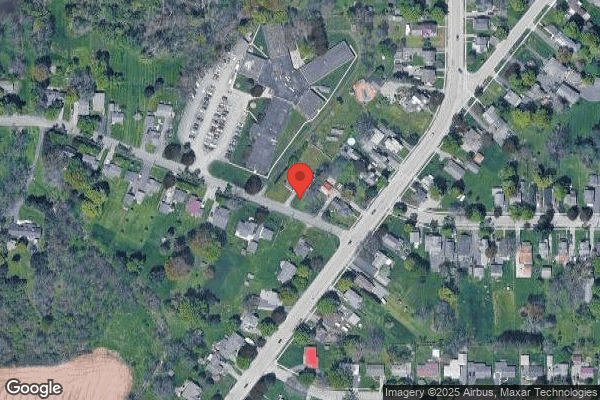
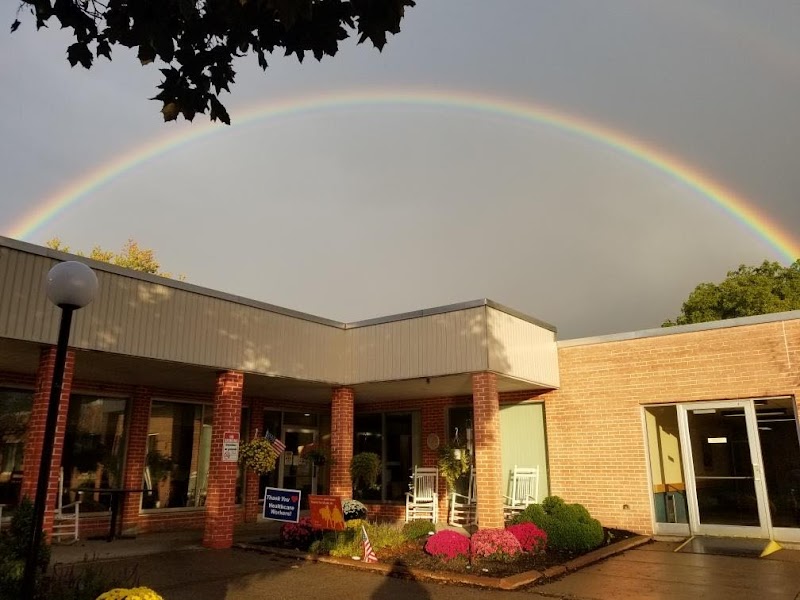
10 MUNSON STREET, LEROY, NY 14482 (585) 768-2561
For profit - Partnership 140 Beds JONATHAN BLEIER Data: November 2025
Trust Grade
90/100
#58 of 594 in NY
Last Inspection: May 2025

Inspected within the last 6 months. Data reflects current conditions.

Overview

Leroy Village Green Residential Health C F, Inc has a Trust Grade of A, indicating it is excellent and highly recommended among nursing homes. It ranks #58 out of 594 facilities in New York, placing it in the top half, and is the best option among the four facilities in Genesee County. The facility is improving, with issues decreasing from four in 2023 to just one in 2025. However, staffing is a concern, receiving a poor rating of 1 out of 5, with a turnover rate of 48%, which is around the state average. Notably, there have been issues with food safety practices, such as staff not changing gloves or washing hands properly, as well as concerns about residents being discharged without proper care plans. On a positive note, the facility has had no fines and offers more RN coverage than 87% of similar facilities, which is a strong point for catching potential issues.

Trust Score
A
90/100
In New York
#58/594
Top 9%
Safety Record
Low Risk
No red flags
Inspections
Getting Better
4 → 1 violations
Staff Stability
⚠ Watch
48% turnover. Above average. Higher turnover means staff may not know residents' routines.
Penalties
✓ Good
No fines on record. Clean compliance history, better than most New York facilities.
Skilled Nurses
⚠ Watch
Each resident gets only 22 minutes of Registered Nurse (RN) attention daily — below average for New York. Fewer RN minutes means fewer trained eyes watching for problems.
Violations
○ Average
6 deficiencies on record. Average for a facility this size. Mostly minor or procedural issues.
★★★★★
5.0
Overall Rating
★☆☆☆☆
1.0
Staff Levels
★★★★★
5.0
Care Quality
★★★★★
5.0
Inspection Score
Stable
2023: 4 issues
2025: 1 issues

The Good

  • 5-Star Quality Measures · Strong clinical quality outcomes
  • Full Sprinkler Coverage · Fire safety systems throughout facility
  • No fines on record

Facility shows strength in quality measures, fire safety.

The Bad

Staff Turnover: 48%

Near New York avg (46%)

Higher turnover may affect care consistency

Chain: JONATHAN BLEIER

Part of a multi-facility chain

Ask about local staffing decisions and management

The Ugly 6 deficiencies on record

May 2025 1 deficiency
CONCERN (D)

Potential for Harm - no one hurt, but risky conditions existed

Infection Control (Tag F0880)

Could have caused harm · This affected 1 resident

Based on interview, observation, and record review conducted during a Standard survey completed on 5/20/2025, the facility did not ensure they established and maintained an infection prevention and co...

Read full inspector narrative →
Based on interview, observation, and record review conducted during a Standard survey completed on 5/20/2025, the facility did not ensure they established and maintained an infection prevention and control program designed to provide a safe, sanitary, and comfortable environment and to help prevent the development and transmission of communicable diseases and infections. Specifically, one (Resident #60) of four residents reviewed for infection control during incontinent care, had issues with inadequate hand hygiene and reusing washcloths to clean the resident. Additionally, the resident had a history of urinary tract infections and was on enhanced barrier precautions for a suprapubic (an indwelling tube that is through a small incision in the abdomen into the bladder) catheter. The finding is: The policy and procedure titled Hand Hygiene dated 6/2024 documented this facility considers hand hygiene the primary means to prevent the spread of infections. Practicing hand hygiene is a simple effective way to prevent infections. Hand hygiene is to be performed before and after contact with a resident's skin. The policy and procedure titled ADL (Activities of Daily Living) Care: Toileting, Bowel and Bladder Incontinent Care dated 3/2025 documented the facility will ensure a resident who is incontinent of bladder receives appropriate treatment and services to prevent urinary tract infections. The policy and procedure titled Transmission Based Precautions dated 4/2025 documented enhanced barrier precautions are indicated for residents with any indwelling medical devices including suprapubic catheters. Resident #60 was admitted to the facility with diagnoses of neuromuscular dysfunction of the bladder (a problem between your brain or spinal cord that causes incontinence of the bladder), spastic hemiplegia of the left side (paralysis of the left side of the body), and urinary bladder infections. Review of the Minimum Data Set (a resident assessment tool) dated 2/15/2025 revealed Resident #60 is cognitively intact; understands others and is understood by others. They are dependent on two staff members for toileting hygiene and has an indwelling catheter (including supra catheter) as indicated. Review of Resident #60's comprehensive care plan dated 1/2025 revealed the resident is to receive foley catheter care every shift and as needed; is to have activities of daily living assist of two staff members with their lower body cleaning; and is on enhanced barrier precautions that needed gown and gloves for high contact care. Review of Physician Orders revealed the following orders for Resident #60: -11/29/2024 Nitrofurantoin monohydrate/ macrocrystals (an antibiotic) 1 capsule (100 milligrams) 2 times per day for 7 days for acute cystitis (a bladder infection). -12/13/2024 Cipro (an antibiotic) 1 tablet (500 milligrams) every 12 hours for 10 doses and Tetracycline (an antibiotic) 2 capsules (500 milligrams) 4 times per day for 20 doses for acute cystitis. -1/10/2025 Nitrofurantoin monohydrate/ macrocrystals 1 capsule (100 milligrams) 2 times per day for 4 days give for 4 more days related to UTI (urinary tract infection). -2/10/2025 Levaquin (an antibiotic) 1 tablet (500milligrams) once daily for chronic interstitial cystitis (a bladder pain syndrome). -3/25/2025 Cipro 1 tablet (500 milligrams) for acute cystitis. -3/27/2025 Bactrim DS (a combination antibiotic to treat urinary tract infections) (800 milligram-160 milligram) 1 tablet 2 times per day for 3 days for acute cystitis. -3/31/2025 Bactrim DS (800 milligram-160 milligram) 1 tablet every 12 hours for 4 days for acute cystitis. -5/17/2025 Sulfamethoxazole 400 milligrams-trimethoprim 80 milligram tablet (generic for Bactrim DS) 1 tablet 2 times per day for 4 days for acute cystitis. During on observation on 5/19/2025 at 10:00 AM outside Resident #60's room was signage for enhanced barrier precautions. At 10:02 AM, catheter and incontinent care was performed on Resident #60. During this observation, Certified Nurse Aide #1 donned (put on) a gown and gloves and proceeded to wash, rinse, and dry the front perineal area of Resident #60. Washcloths were then placed on the barrier on the resident's bed. Resident #60 was then placed on their side, Certified Nurse Aide #1 then took the same used washcloths from the barrier and cleaned, rinsed, and dried the resident's back perineal area. The washcloth used to wash the back perineal area had a scant amount of brown debris. Without removing their gloves or washing their hands, Certified Nurse Aide #1 then applied barrier cream (cream to prevent skin breakdown) to Resident #60's buttocks and replaced the brief. Certified Nurse Aide #1 then removed their gloves and washed hands before they dressed Resident #60. During an interview on 5/19/2025 at 10:15 AM Certified Nurse Aide #1 stated they should have washed their hands and changed their gloves between cleaning the resident and putting on barrier cream as this could cause cross contamination. They stated they always re-use used washcloths when performing perineal care on a resident. During an interview on 5/19/2025 at 10:17 AM Licensed Practical Nurse #1 Unit Manager stated Certified Nurse Aide #1 should have washed their hands and changed their gloves between cleaning the resident and before putting on the barrier cream. They stated that Certified Nurse Aide #1 should have used clean washcloths to clean the resident to prevent any kind of cross contamination. During an interview on 5/19/2025 at 10:24 AM Registered Nurse #1 Infection Preventionist and Nurse Educator stated they expect their staff to change gloves and wash hands anytime they perform incontinent care when there is any chance of cross contamination. They stated Certified Nurse Aide #1 should have used clean linens to clean Resident #60. They stated that Certified Nurse Aide #1 should have changed gloves and washed hands after performing perineal care and before they applied barrier cream. They stated Certified Nurse Aide #1 had infection control training and has been audited for hand hygiene. During an interview on 5/20/2025 at 10:02 AM the Director of Nursing stated they expect their staff to change gloves and wash hands when performing catheter or incontinent care on a resident. They stated that it is to prevent cross contamination for residents. They stated staff are trained in proper hand hygiene and infection control at least annually. 10NYCRR 415.19(b)(4)
Aug 2023 1 deficiency
CONCERN (E) 📢 Someone Reported This

A family member, employee, or ombudsman was alarmed enough to file a formal complaint

Potential for Harm - no one hurt, but risky conditions existed

Deficiency F0661 (Tag F0661)

Could have caused harm · This affected multiple residents

**NOTE- TERMS IN BRACKETS HAVE BEEN EDITED TO PROTECT CONFIDENTIALITY** Based on interview and record review conducted during a complaint investigation (Complaint # NY00319793) completed on 8/8/23 the...

Read full inspector narrative →
**NOTE- TERMS IN BRACKETS HAVE BEEN EDITED TO PROTECT CONFIDENTIALITY** Based on interview and record review conducted during a complaint investigation (Complaint # NY00319793) completed on 8/8/23 the facility did not ensure completion of the discharge summary that included a recapitulation of the residents stay, a final summary and a post (after) discharge plan of care for three (Resident #1, #2 and #3) of three residents reviewed. Specifically, the residents were discharged without a recapitulation of their stay, a final summary of their status and a post discharge plan of care. The findings are: The policy and procedure titled Discharge Transition Packet Instructions revised on 6/23 documented the facility will complete discharge transition instructions when the resident is anticipating discharge to a private residence, or personal care/assisted living. The instructions will assist the resident to adjust to returning to their previous living environment safely or to a new living environment in a safe manner. The process is managed by Social Services. They will open the Discharge Transition Packet UDA (User Defined Assessment) and monitor it for completion. Once the UDA is completed it should be printed and given to the resident. The last page must be signed by the Discharging Nurse and the Resident/Representative. A copy of this page must be made and placed on the chart. This page should be scanned and placed under the Miscellaneous tab in the resident's electronic health record. 1. Resident #1 had diagnoses including epilepsy (a neurological disorder that causes seizures), aphasia, (absence or difficulty with speech) and encephalopathy (disease of both brain and spinal cord). The Minimum Data Set (MDS, a resident assessment tool) dated 6/21/23 documented Resident #1 was severely cognitively impaired. The MDS documented the resident had an active plan to return to the community and was discharged on 6/23/23. The Discharge History and Physical dated 6/24/23 completed by Physician (#7) documented that Resident #1 was stable and suitable to be discharged home. The resident should have a follow up appointment with their primary care physician. The Social Work Progress Notes dated 6/16/23 at 12:36 PM documented Resident #1 had plans to return home. Resident #1 lived with three family members and was open to home health care. Review of the electronic medical record (EMR) Miscellaneous tab revealed there was no document evidence that a discharge summary including a recapitulation of Residents #1 stay at the facility, a final summary of their status and a post plan of care was completed. The unsigned Discharge Instructions dated 6/24/23 provided to Resident #1 per Registered Nurse (RN) Unit Manager (UM) #3 documented the residents name, date of birth , discharge date , activity level (as tolerated), an appointment that was made and confirmed for a primary care physician, a referral made for nursing and therapy at home with a home health care agency, diet as per speech therapy recommendations, and that paper prescriptions were given for all of the medications resident was on at the facility. 2. Resident #2 had diagnoses including unspecified fracture of left femur (long bone of leg), urinary tract infection (UTI) and hemiplegia (paralysis on one side of body). The MDS dated [DATE] documented Resident #2 was cognitively intact and had an active plan to return to the community. Resident #2 was discharged on 6/23/23. The Discharge History and Physical dated 6/22/23 completed by Physician #7 documented that Resident #2 was suitable for discharged to home. The Social Work Progress Notes dated 6/23/23 at 8:47 AM documented that Resident #2 will be discharged with a summary and a referral to home health care. Review of the electronic medical record (EMR) Miscellaneous tab revealed there was no document evidence that a discharge summary including a recapitulation of Residents #2 stay at the facility, a final summary of their status and a post plan of care was competed. The unsigned Discharge Instructions dated 6/24/23 provided to Resident #2 per RN UM #3 documented the residents name, date of birth , discharge date , activity level, follow appointment that was made for orthopedics and primary care provider, a referral for a home health care agency, diet, and paper prescriptions were given for all the medication's resident was on at the facility. 3. Resident #3 with diagnoses of congestive heart failure (CHF, hearts capacity to pump blood cannot keep up with the body's need) and rheumatoid arthritis, (RA, a chronic inflammatory disease that affects the joints) and hyperlipidemia (elevated fat levels in the blood). The MDS dated [DATE] documented Resident #3 was cognitively intact. The MDS documented the resident had an active plan to return to the community and Resident #3 was discharged on 7/26/23. The Discharge History and Physical Examination dated 7/27/23 completed by Physician #7 documented that Resident #3 participated in physical therapy, occupational therapy restoration and was stable and suitable to be discharged home. A referral was made for home health care services. The Social Work Progress Notes dated 7/28/23 at 4:28 PM document that Resident #3 was being discharged with a family member and a referral for home health care. The electronic medical record (EMR) Miscellaneous tab revealed there was no document evidence that a discharge summary including a recapitulation of Residents #3 stay at the facility, a final summary of their status and a post plan of care was competed. The unsigned Discharge Instructions dated 7/26/23 provided to Resident #3 per RN UM #3 documented the residents name, activity level, follow up appointment with primary care physician, a follow up with a gastroenterologist, a follow up with a physician's assistant and a list of the medications the resident was on at the facility. During an interview on 8/7/23 at 10:51 AM, Social Worker (SW) #6 stated that nursing was responsible to provide the resident and/or responsible party with a discharge summary that would include a list of medications and time they were last administered, any special instructions, level of assistance required, and a recapitulation of the residents stay. SW #6 stated the discharge paperwork should contain all the information to ensure the resident received proper care after discharge. During an interview on 8/7/23 at 11:10 AM, RN UM #3 stated the facility does not utilize a standardized form for discharge instructions. Residents and/representatives receive a typewritten summary of their stay at the facility and paper prescriptions for their prescription and over the counter medications. RN UM #3 stated they were unaware of the facility's specific policy and procedure for discharge. During an interview on 8/8/2023 at 9:16 AM, the Administrator stated that all medical instructions, medications, education, residents' mobility status, follow up visits and referrals should be included in the discharge packet to ensure residents receive proper care after discharge. Additionally, the Administrator stated Residents #1, 2 and 3 were not provided with complete discharge instructions. During an interview on 8/8/23 at 12:33 PM, the Director of Nursing (DON) stated the discharge paperwork should include a summary of the residents stay, medication list, diagnoses, physical therapy recommendations, occupational therapy recommendations, speech/language pathology recommendations, dietary recommendations, activity recommendations, any follow up appointments, and home care services. The DON stated all discharge paperwork should be scanned in to the EMR under the miscellaneous section. Additionally, the DON stated Residents #1,2 and 3 were not provided with compete discharge instructions that included a recapitulation of their stay, a discharge summary, and a post plan of care. NYCRR 415.11 (d)(1)(2)(3)
Mar 2023 3 deficiencies
CONCERN (D)

Potential for Harm - no one hurt, but risky conditions existed

Deficiency F0688 (Tag F0688)

Could have caused harm · This affected 1 resident

Based on observation, interview, and record review conducted during the Standard survey completed on 3/3/23, the facility did not ensure that a resident with limited range of motion received the appro...

Read full inspector narrative →
Based on observation, interview, and record review conducted during the Standard survey completed on 3/3/23, the facility did not ensure that a resident with limited range of motion received the appropriate treatment and services to prevent further decrease in range of motion for one (Resident #117) of two residents reviewed for positioning and mobility. Specifically, Resident #117's hand devices (palm protector/ABD (abdominal) pad) were not utilized per the plan of care to maintain range of motion (ROM) and to prevent complications in skin integrity for a resident with contractures. The finding is: The facility policy and procedure (P&P) titled Restorative Nursing Program Policy dated 1/2020 documented that restorative aide/nurse aide will complete daily documentation to indicate performance in the established program, and if a decline is noted in the resident's participation a referral may be made to the therapy department for an evaluation. 1. Resident #117 had diagnoses that included Parkinson's disease, unspecified dementia, and peripheral vascular disease (PVD, poor circulation of the lower extremities). The Minimum Data Set (MDS, a resident assessment tool), dated 12/6/2022 documented Resident #117 had severe cognitive impairments, required the extensive assistance of staff for Activities of Daily Living (ADL's), and had functional limitations in range of motion (ROM) of both upper extremities. An Occupational Therapy note dated 12/2/22 documented the palm protector splint to the right hand and the ABD pad to left hand was for contracture management and to prevent skin breakdown. An Occupational Therapy (OT) Discharge Assessment, dated 1/6/2023, documented that instruction and training was provided to Resident #117 that included proper body mechanics, selfcare/skin checks, splinting/orthotic schedule and compensatory strategies in order to return to previous level of ROM. Education was provided to the resident on the use of the lamb's wool palm protector to their right hand and a rolled ABD pad to the left hand to optimize skin integrity, and to remove for hygiene daily. In addition, the assessment documented that a range of motion program was established and staff were trained for PROM (passive range of motion, exercises completed by staff) to both upper extremities (arms, wrists and hands). Resident Nursing Instructions (care plan used by staff to provide care) for dated 8/25/2022 documented Resident #117 required PROM to upper and lower extremities. Additionally, on 11/1/22 Restorative Nursing for lamb's wool palm protector to Resident #117's right hand, on at all times (AATs) and off for hygiene. Restorative Nursing Program for splinting/bracing dated February and March of 2023 documented that staff were to maintain integrity of affected area through appropriate application of brace/splint per the care plan. Provide ROM, donning (putting on) and doffing (removing) of lamb's wool palm protector splint to right hand and to report any concerns with splint/brace to the nurse in-charge or any rehabilitation supervisor. The Care Plan dated 6/12/2022, documented ADL and mobility deficits. Interventions included to provide restorative physical therapy (PT/OT (occupational therapy) program and to update PT/OT with changes in functional status. The Care Plan also documented restorative nursing for ROM and splinting per therapy recommendations. Review of the physician orders dated 11/1/2022 revealed orders for a lamb's wool palm protector to Resident #117's right hand AAT's except hygiene. Additionally, orders dated 1/9/2023 documented to cleanse the resident's left hand daily, dry thoroughly and to place a rolled ABD pad in the left hand. Review of the January and February 2023 Treatment Administration Records (TAR) revealed the lamb's wool palm protector was signed off as worn 151 out of 177 opportunities. The order to cleanse left hand daily, dry thoroughly, and to place a rolled ABD pad in the left-hand daily was signed off 37 out of 51 opportunities. A physician note, dated 1/23/23, documented Resident #117 had hand contractures and documented a plan to continue with Tylenol for pain management and to continue PT/OT for ROM and strengthening. A nursing progress note, dated 3/2/23, documented Resident #117 was having increased difficulty and decline in ROM in bilateral hands. Staff unable to apply proactive hand equipment at this time after multiple attempts. The physician was made aware and gave new order for OT to evaluate and treat. During observations on 2/27/23 at 12:11 PM, 3/1/23 at 7:47 AM, 3/1/23 at 9:31 AM, 3/1/23 at 11:30 AM, 3/1/23 at 1:25 PM, 3/2/23 at 8:40 AM, 3/2/23 at 9:39 AM, Resident #117 had bilateral hand contractures, their fists were tightly clenched, and the resident had no protectors (lamb's wool or ABD pad) in either hand. Resident #117 had approximately 3/4 cm (centimeter) long fingernails above the tip of the fingers on all fingers. During an interview on 3/1/23 at 1:25 PM, Resident #117 was asked if anything was in their hands, and they stated fingernails. The resident stated it bothered them that staff do not keep anything in their hands as sometimes their fingernails hurt the palms of their hands. During an interview on 3/2/23 at 9:29 AM, temporary certified nursing assistant (CNA) #1 stated the CNAs were responsible for range of motion and that they document as well. The nurses or therapy were responsible to put the lamb's wool palm protector in Resident #117's right hand and the ABD pad in the left hand. CNA #1 stated they did not complete this task. During an observation on 3/2/23 at 9:39 AM, temporary CNA #1 when asked to observe ROM, both of Resident #117's hands were contracted, clenched shut and the resident had no protectors (lamb's wool or ABD pads) in either hand. The CNA stated the nurses or therapy were responsible to put the protectors in the resident's hands. During an observation on 3/2/23 at 11:24 AM, Occupational Therapist (OT) #1 used warm wet washcloths to try and loosen Resident #117's hands and fingers stating, they were tight today. The OT had difficulty with ROM and putting the palm protector in Resident #117's hand, and was observed taking the rolled ABD pad and having to work it into palm pulling the pad from under the curved pinky finger. The resident stated it felt snug. During an interview on 3/2/23 at 9:46 AM, Registered Nurse (RN) Manager #1 stated the expectation was that if staff were signing off for something that it should be done. Resident #117 should have had a lamb's wool palm protector in their right hand and ABD pad their left hand for protection and cleanliness per the resident's plan of care. RN Manager #1 further stated the resident did not have the devices in their hands. During an interview on 3/2/23 at 9:58 AM, Licensed Practical Nurse (LPN) #1 stated they were responsible to ensure the devices were in place and for signing off in the Treatment Administration Record (TAR). During an interview on 3/2/23 at 12:47 PM, OT #2 stated the lamb's wool palm protector and ABD were for skin protection, to reduce injury and keep skin integrity intact secondary to the resident's fingernails digging into the palms of their hands. The aides have been trained for ROM and they wanted a nurse to be the one to apply the palm guards daily. During an interview on 3/3/23 at 10:53 AM, the Director of Nursing (DON) stated the lamb's wool palm protector and ABD pad should have been in place per Resident #117's plan of care. If staff had any difficulty with applying the lamb's wool or the ABD pad the DON stated they would have expected the Nurse Manager/Supervisor and/or therapy to be notified. 10 NYCRR 415.12(e)(2)
CONCERN (E)

Potential for Harm - no one hurt, but risky conditions existed

Food Safety (Tag F0812)

Could have caused harm · This affected multiple residents

Based on observation, interview, and record review conducted during a Standard survey completed on 3/3/23, the facility did not prepare, distribute, and serve food in accordance with professional stan...

Read full inspector narrative →
Based on observation, interview, and record review conducted during a Standard survey completed on 3/3/23, the facility did not prepare, distribute, and serve food in accordance with professional standards for food service safety for one of one main kitchen. Specifically, the [NAME] did not change their gloves or wash their hands in accordance with professional standards, touched multiple surfaces, and did not use appropriated utensils to prepare pureed food. Additionally, milk was served at the lunch meal on 3/2/23 at unsafe temperatures. The findings are: The policy and procedure (P&P) titled Hand Hygiene dated 8/2022 documented the facility considers hand hygiene the primary means to prevent the spread of infections. Practicing good hand hygiene is an effective way of preventing infection. The P&P titled Food and Supply Storage/Production, Purchasing and Storage dated 1/2022 documented all food, non-food items and supplies will be stored in such a manner as to prevent contamination to maintain the safety and wholesomeness of the food for human consumption. Milk will be refrigerated, and temperatures must be maintained at 41°F or below. a. During a lunch meal preparation observation on 3/2/23 between 10:00 AM and 10:40 AM (with the Dietary Manager present) the [NAME] had latex disposable gloves on their hands and proceed to put four gray handled scoops of the cooked chicken tetrazzini (chicken and pasta casserole prepared in a cream-based sauce) from a large bowl on the prep station and added it into the blender and blended till smooth. The [NAME] using a flat spoon then mixed the contents in the blender and then with their gloved hand (finger) the [NAME] wiped the pureed mixture off the spoon back into the blender with the rest of the pureed food. While wearing the same gloves, the [NAME] touched the prep surface and readjusted their face mask. The [NAME] added another 4 scoops of chicken tetrazzini holding on to the blender handle, applied the blender top and turned on the blender. The [NAME] proceeded to pick up the spoon and mixed the contents in the blender, with the same gloved hand (finger) the cook wiped the pureed mixture off the spoon back into the blender with the rest of the pureed food. While wearing the same gloves the [NAME] then touched the prep surface; picked up a spatula and poured the chicken tetrazzini into a pan; wrapped the top of the pan with plastic wrap; opened the oven doors and place the pan in the oven leaving the pureed food from their gloves on the pan, plastic wrap, and oven door. The [NAME] at this time removed their gloves and washed their hands and put on clean gloves. The [NAME] removed a tray of steamed mixed vegetables from the steamer; placed the tray on the prep station; picked up a few of the vegetables with their gloved fingers checking the texture and tossed them back on the pan. While wearing the same gloves proceeded to pick up a large flat spoon and with their gloved hand in the same motion scoop 4-5 spoons full of vegetables and placed the vegetables in the blender till the vegetables were smooth. The [NAME] then with a flat spoon mix the contents in the blender, with their gloved hand (finger) the cook wiped the pureed mixture off the spoon back into the blender with the rest of the pureed mixture. The [NAME] then added another 4 scoops of mixed vegetables holding on to the blender handle applied the blender top and turned on the blender. The cook proceeded to pick- up a gallon sized bottle of liquid butter from under the prep station and added approximately ½ cup to the blender. The [NAME] then picked up the spoon and mixed the contents in the blender, with their gloved hand (finger) the cook wiped the pureed mixture off the spoon back into the blender with the rest of the pureed content. With the same gloved hands, the [NAME] touched the prep surface, picked up a spatula and poured the content the blender into a pan, cover it with plastic wrap and placed the pan in the oven leaving the pureed vegetables from on their gloves on the pan, plastic wrap, and oven door. During an interview on 3/2/23 at 10:41 AM with the Dietary Manager and the [NAME] the Dietary Manager stated, I thought the cook did great, we pride ourselves with everything we do in here. The cook should have changed their gloves after touching other surfaces and the food. The [NAME] agreed. b. During an observation on 3/2/23 between 11:30 AM through 12:26 PM during the lunch tray line service, ½ pint milk cartons were observed at the beginning of the tray line on a tray over a pan of ice. During a test tray observation on 3/2/23 at 12:38 PM the milk was served at 52.2 degrees Fahrenheit (°F). During an interview on 3/2/23 at 12:39 AM, the Dietary Supervisor stated juices and milks were pre poured, some milks were served in cartons and placed on trays at the beginning of tray line they were taken out of the cooler ten minutes before tray line starts and stored on a tray over ice. The Dietary Supervisor stated when the carts hit the units it should be no more than ten degrees less than when it left the kitchen the pass took a long time. During a test tray observation on 3/2/23 at 12:42 PM the milk was served at 61 °F. During an interview on 3/3/23 at 11:47 AM, the Director of Dietary/Registered Dietitian (RD) stated the cook should have changed their gloves and washed their hands after touching multiple surfaces and not touched the pureed food with their gloves. Ideal milk temperatures are below 40°F and 60°F was not acceptable. 10 NYCRR 415.14 14-1.80(b)
MINOR (B)

Minor Issue - procedural, no safety impact

Deficiency F0577 (Tag F0577)

Minor procedural issue · This affected multiple residents

Based on observations, interviews, and record reviews conducted during the Standard survey completed 3/3/23, the facility did not ensure results of the most recent New York State Department of Health ...

Read full inspector narrative →
Based on observations, interviews, and record reviews conducted during the Standard survey completed 3/3/23, the facility did not ensure results of the most recent New York State Department of Health (NYSDOH) survey results were not readily accessible to residents, family members and legal representatives without having to ask a staff person. The findings are: Review of the Facility's admission Packet included a booklet titled Your Rights as a Nursing Home Resident in New York State dated 2022 documented; as a resident in this facility, you have rights guaranteed to you by state and federal laws. The facility is required to protect and promote your rights. Your rights strongly emphasize individual dignity and self-determination, promoting your independence and enhancing your quality of life. In section Access documented; You have the right to: Read the results of the most recent State or Federal inspection survey and the facility's plan to correct any violations. During a Resident Council Meeting, held on 2/28/23 at 10:08 AM, Resident #102 stated they were unaware of where the NYSDOH survey results were located and unaware they had a right to read the results. During observations on 2/27/23 at 10:55 AM and 2/28/23 at 10:40 AM in the hallway near the C WING 100 hall was a posted pink laminated sign that documented, The latest New York State Survey results are located on the wall outside of the Director of Nursing (DON) Office in the C WING 100 hall. Please feel free to review the results and direct any questions to the social work office. Observations of the bulletin board in the hallway near C WING 100 hall outside the DON's office revealed there was no evidence of the most recent NYSDOH survey results. During an interview and observation on 2/28/23 at 10:44 AM, the Administrator stated the NYSDOH survey results should be hanging on the bulletin board outside the DON office. Upon observation the Administrator stated the survey results were gone and does not know why they were not hanging on the bulletin board at the designated location. During an interview on 3/1/23 at 12:03 PM, the Administrator stated they were aware the most recent NYSDOH survey results were to be readily accessible to all residents, family members and legal representatives. 10 NYCRR 415.3(d)(1)(v)
Aug 2021 1 deficiency
CONCERN (E)

Potential for Harm - no one hurt, but risky conditions existed

Menu Adequacy (Tag F0803)

Could have caused harm · This affected multiple residents

**NOTE- TERMS IN BRACKETS HAVE BEEN EDITED TO PROTECT CONFIDENTIALITY** Based on observation, interview and record review conducted during a Standard Survey completed on 8/18/21 the facility did not m...

Read full inspector narrative →
**NOTE- TERMS IN BRACKETS HAVE BEEN EDITED TO PROTECT CONFIDENTIALITY** Based on observation, interview and record review conducted during a Standard Survey completed on 8/18/21 the facility did not meet the nutritional needs of residents in accordance with established national guidelines. Two (lunch and dinner) of two meals did not provide the residents receiving the posted main entrée with proper protein amounts to meet their nutritional needs. This involved Resident #6. The finding is: Review of the undated policy provided by the facility on 8/18/21 entitled Menu Planning revealed meals will be provided to meet the nutritional needs of the residents which are balanced, nutritious, and adequate in amount to meet the daily dietary needs of the residents. Menus will be planned to conserve nutritive value, flavor and appearance and provide food and drink that is palatable and attractive. Menus will be written in accordance with federal/ state/ local guidelines to meet the nutritional needs of the population. All menus, including regular and therapeutic/ mechanically altered extensions, will be developed by the facility, and be approved by the Registered Dietitian Nutritionist (RDN) or designee. Menus will be compliant with the facility's written diet manual. In the event that a menu substitution must be made, it will be approved by the Registered Dietitian Nutritionist (RDN) or designee and be recorded on the Menu Item Substitutions list. Review of the undated policy provided by the facility on 8/18/21 entitled Diet Manual revealed an approved diet manual will be available and used for menu planning of regular, therapeutic, and mechanically altered diets and will reflect current diets used within the facility. Review of the facility Diet and Nutrition Care Manual dated 2019 revealed the following Dietary Guidelines for adequate daily nutrients: Protein Foods (i.e. fish, seafood, lean meat, poultry, eggs, dry beans/peas/lentils, soy products, nuts) the amount each day should be 5-6oz (ounces) or equivalent. Review of the Diabetic Exchange List designed by a committee of the American Diabetes Association and The American Dietetic Association revealed 1oz (one meat exchange) equals 7g (grams). Review of the facility's posted menu dated 8/12/2021 Monday Week 1 revealed the following: Lunch: Sausage Gravy Biscuit, [NAME] Beans, Raspberry Banana Jello Dinner: Stuffed Pepper, Marinara sauce, Glazed Carrots, Hawaiian Cake During an observation on 8/16/21 at 9:19 AM, the Director of Dietary opened a large can of Country Sausage Gravy and placed 13 white handled #6 scoops (equivalent to 5/8 cup) of the gravy in the blender and added 1 cup of broth and blended it to a puree consistency. At this time the Director of Dietary stated they have 13 residents on a puree diet consistency and did not have a specific recipe for this food item as it was an already prepared food item. They stated that the puree diet consistencies would get a #6 scoop of sausage gravy over mashed potatoes instead of the biscuit. During an observation of the Lunch tray line on 8/16/21 between 11:35 AM - 12:20 PM, the following was revealed. Residents on a regular and ground consistency diet receiving the main entrée were provided on their plates 1 biscuit with a 5oz (5/8 cup) ladle of sausage gravy and ½ cup green beans. Residents on a puree diet consistency receiving the main entrée were provided 1/2c mashed potatoes with a white handled #6 scoop (equivalent to 5/8 cup) of puree sausage gravy and white handle #6 scoop of puree green beans. During this observation at 11:51 AM, the Director of Dietary poured thickener into the puree sausage gravy. Amount unknown as no measuring cup was used, it was poured right out of the container into the pan of sausage gravy. The Director of Dietary stated at that time that it was thickener they were adding because the gravy was getting too thin. During an observation of the Dinner tray line on 8/16/21 between 5:30 PM- 5:50 PM, the following was revealed. Residents on a regular and ground consistency diet receiving the main entrée were provided on their plates 1 serving (observed as 1/2 stuffed pepper) and ½ cup of carrots. Residents on a puree diet consistency receiving the main entrée were provided two blue handled #16 scoops (equivalent to ½ cup total) of puree stuffed pepper and one blue handled #16 scoop (equivalent to ¼ cup) of puree peas. The Director of Dietary during tray line stated that the puree consistencies were given two blue handled #16 scoops (equivalent to ½ cup total) of puree stuffed peppers because that would provide 1 serving size (1/2 stuffed pepper). Review of the LVG 5 Week Menu Extension sheet for Monday Week 1 dated 8/16 revealed residents on regular, ground, and puree consistencies should receive 2 oz sausage gravy over biscuits at lunch and 1 each stuffed pepper with sauce at dinner. Review of the product Nutritional Facts for the Country Sausage Gravy revealed one serving size ¼ cup provides 2g protein. Review of the product Nutritional Facts for the Stuffed Pepper revealed one serving size provides 7g protein. During a meal observation on 8/16/21 at 5:36 PM Resident #6 was observed to have a 1/2 stuffed green pepper with sauce on their plate. At that time, Residnet #6 stated sometimes the meat portions here are small. During an interview on 8/17/21 at 12:12 PM, the Registered Dietitian (RD) stated they use the Diet and Nutrition Manual, and the liberalized diets goes by the diet manual guidance. The RD stated the menus are reviewed and discussed with the Director of Dietary. The RD stated they are aware of what is being served. After the surveyor showed the RD the nutritional facts for the sausage gravy, they stated the protein level would be too low as a ½ cup portion would only be 4 grams of protein, which isn't even one serving size for meat. They stated the portion size given at dinner for the stuffed peppers would receive 7g of protein which is also too low in protein amount and that they would have needed 2 stuffed peppers to meet the dinner protein needs. The RD stated the protein needs to be provided for both lunch and dinner should be between 14-21g per meal and that by their calculations residents only received a total of 11g of protein between the two meals. This would only provide 1.5 serving sizes for meat/ protein. The RD stated they should have added additional protein like cottage cheese to the trays. The RD stated they did not calculate the changed menu. The RD stated, I believe this day was not per usual. We do not usually use two of these already prepared products on the same day. Most everything here is prepared from scratch and the protein levels are on the high side. I would say the protein amount yesterday was light and that the protein was not up to what it should be and did not meet adequate protein amount. In addition, the RD stated The main chef was on vacation and the other one had just quit, and the Director of Dietary had a student with them. I think the Director of Dietary was trying to make the food easier to prepare. I think they were short staffed, and this was an easier way to get things done. I believe this was a freak thing and I do not think yesterday's meals are a good representative of what we serve. We always serve a high amount of protein. During an interview on 8/17/21 at 1:11 PM, the Director of Dietary stated I changed the menu because I did not have a cook and I had to cook that day. I put already prepared foods on both meals so that I only would have to heat them up and not have to do a lot of preparation. I normally would have had turkey sandwiches on at lunch, but I only had a [AGE] year-old to help, and they could not use the slicer to slice the turkey up. I never have 2 already prepared dishes on the same day, yesterday was just a bad day. I did not calculate up the nutritional part, nor did I call the RD about this. During an interview on 8/18/21 at 8:28 AM with the Director of Nursing present, the Administrator stated yes, they would expect dietary to provide adequate nutrition daily to the residents. The Administrator stated, I think it would be a joint effort between the RD and the Director of Dietary to make sure adequate nutrition is being provided. 415.14(c)(1-3)
Understanding Severity Codes (click to expand)
Life-Threatening (Immediate Jeopardy)
J - Isolated K - Pattern L - Widespread
Actual Harm
G - Isolated H - Pattern I - Widespread
Potential for Harm
D - Isolated E - Pattern F - Widespread
No Harm (Minor)
A - Isolated B - Pattern C - Widespread

Questions to Ask on Your Visit

  • "Can I speak with families of current residents?"
  • "What's your RN coverage like on weekends and overnight?"

Our Honest Assessment

Strengths
  • • Grade A (90/100). Above average facility, better than most options in New York.
  • • No major safety red flags. No abuse findings, life-threatening violations, or SFF status.
  • • No fines on record. Clean compliance history, better than most New York facilities.
Concerns
  • • No significant concerns identified. This facility shows no red flags across CMS ratings, staff turnover, or federal penalties.
Bottom line: Generally positive indicators. Standard due diligence and a personal visit recommended.

About This Facility

What is Leroy Village Green Residential Health C F, Inc's CMS Rating?

CMS assigns LEROY VILLAGE GREEN RESIDENTIAL HEALTH C F, INC an overall rating of 5 out of 5 stars, which is considered much above average nationally. Within New York, this rating places the facility higher than 99% of the state's 100 nursing homes. This rating reflects solid performance across the metrics CMS uses to evaluate nursing home quality.
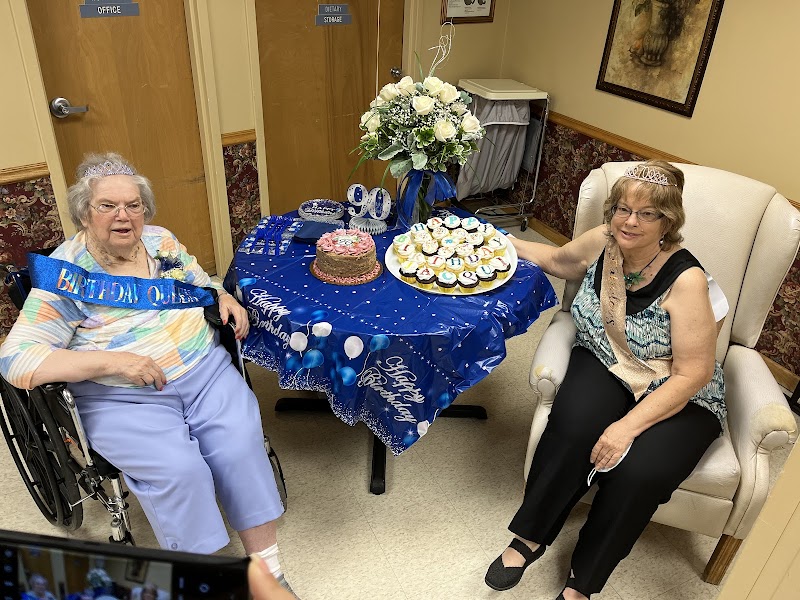
How is Leroy Village Green Residential Health C F, Inc Staffed?

CMS rates LEROY VILLAGE GREEN RESIDENTIAL HEALTH C F, INC's staffing level at 1 out of 5 stars, which is much below average compared to other nursing homes. Staff turnover is 48%, compared to the New York average of 46%.

What Have Inspectors Found at Leroy Village Green Residential Health C F, Inc?

State health inspectors documented 6 deficiencies at LEROY VILLAGE GREEN RESIDENTIAL HEALTH C F, INC during 2021 to 2025. These included: 5 with potential for harm and 1 minor or isolated issues.
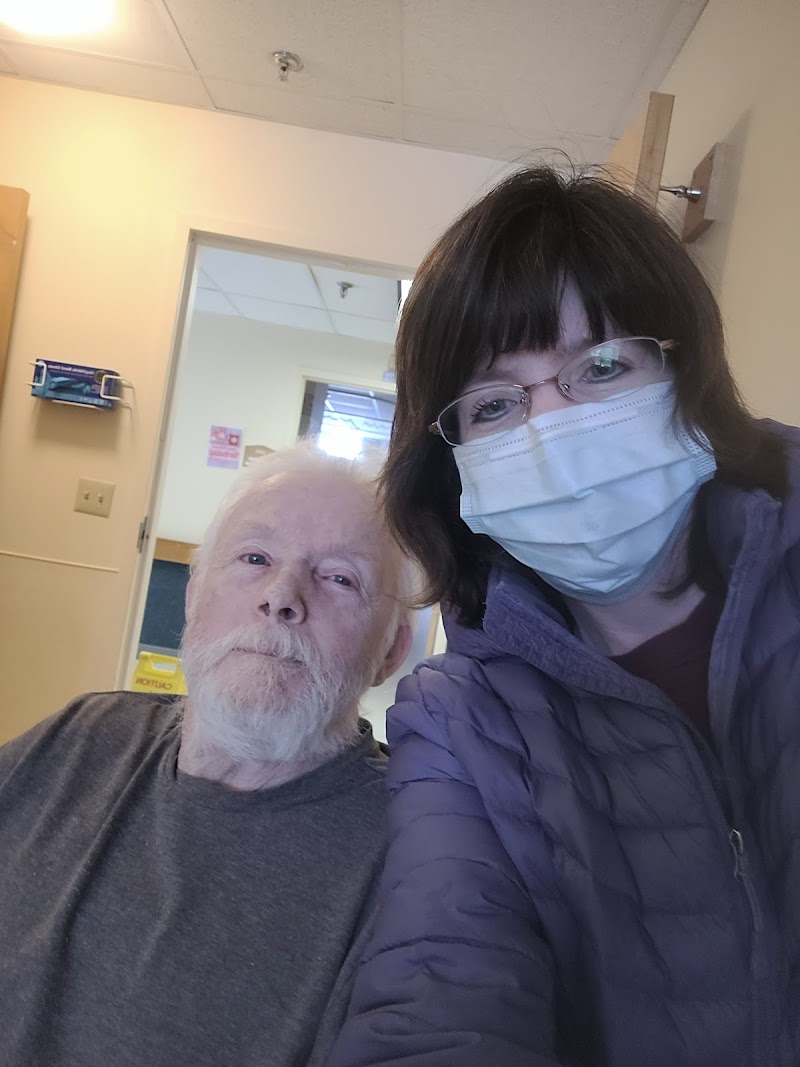
Who Owns and Operates Leroy Village Green Residential Health C F, Inc?

LEROY VILLAGE GREEN RESIDENTIAL HEALTH C F, INC is owned by a for-profit company. For-profit facilities operate as businesses with obligations to shareholders or private owners. The facility is operated by JONATHAN BLEIER, a chain that manages multiple nursing homes. With 140 certified beds and approximately 127 residents (about 91% occupancy), it is a mid-sized facility located in LEROY, New York.
How Does Leroy Village Green Residential Health C F, Inc Compare to Other New York Nursing Homes?

Compared to the 100 nursing homes in New York, LEROY VILLAGE GREEN RESIDENTIAL HEALTH C F, INC's overall rating (5 stars) is above the state average of 3.1, staff turnover (48%) is near the state average of 46%, and health inspection rating (5 stars) is much above the national benchmark.

What Should Families Ask When Visiting Leroy Village Green Residential Health C F, Inc?

Based on this facility's data, families visiting should ask: "Can you walk me through typical staffing levels on day, evening, and night shifts?" "Can I visit during a mealtime to observe dining assistance and food quality?" "How do you handle medical emergencies, and what is your hospital transfer rate?" "Can I speak with family members of current residents about their experience?" These questions are particularly relevant given the below-average staffing rating.

Is Leroy Village Green Residential Health C F, Inc Safe?

Based on CMS inspection data, LEROY VILLAGE GREEN RESIDENTIAL HEALTH C F, INC has a clean safety record: no substantiated abuse findings (meaning no confirmed cases of resident harm), no Immediate Jeopardy citations (the most serious violation level indicating risk of serious injury or death), and is not on the Special Focus Facility watch list (a federal program monitoring the lowest-performing 1% of nursing homes). The facility has a 5-star overall rating and ranks #1 of 100 nursing homes in New York. While no facility is perfect, families should still ask about staff-to-resident ratios and recent inspection results during their visit.

Do Nurses at Leroy Village Green Residential Health C F, Inc Stick Around?

LEROY VILLAGE GREEN RESIDENTIAL HEALTH C F, INC has a staff turnover rate of 48%, which is about average for New York nursing homes (state average: 46%). Moderate turnover is common in nursing homes, but families should still ask about staff tenure and how the facility maintains care continuity when employees leave.

Was Leroy Village Green Residential Health C F, Inc Ever Fined?

LEROY VILLAGE GREEN RESIDENTIAL HEALTH C F, INC has no federal fines on record. CMS issues fines when nursing homes fail to meet care standards or don't correct problems found during inspections. The absence of fines suggests the facility has either maintained compliance or corrected any issues before penalties were assessed. This is a positive indicator, though families should still review recent inspection reports for the full picture.

Is Leroy Village Green Residential Health C F, Inc on Any Federal Watch List?

LEROY VILLAGE GREEN RESIDENTIAL HEALTH C F, INC is not on any federal watch list. The most significant is the Special Focus Facility (SFF) program, which identifies the bottom 1% of nursing homes nationally based on persistent, serious quality problems. Not being on this list means the facility has avoided the pattern of deficiencies that triggers enhanced federal oversight. This is a positive indicator, though families should still review the facility's inspection history directly.