ELDERWOOD AT LIVERPOOL
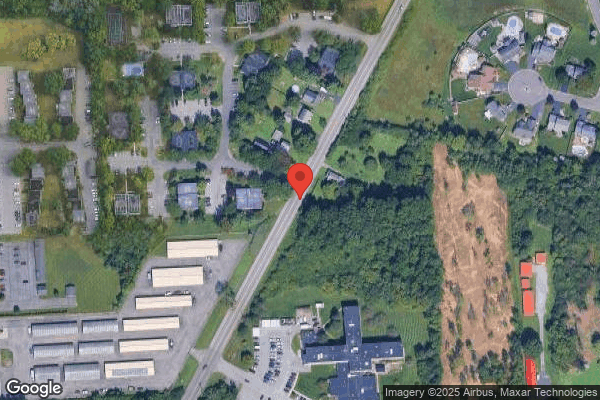
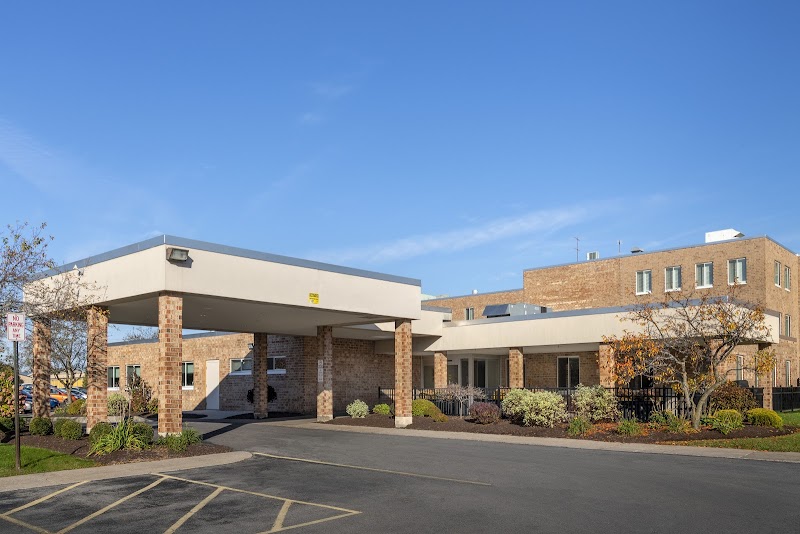
4800 BEAR ROAD, LIVERPOOL, NY 13088 (315) 457-9946
For profit - Limited Liability company 160 Beds ELDERWOOD Data: November 2025
Trust Grade
50/100
#393 of 594 in NY
Last Inspection: February 2024

Within standard 12-15 month inspection cycle. Federal law requires annual inspections.

Overview

Elderwood at Liverpool has a Trust Grade of C, meaning it is average and sits in the middle of the pack among nursing homes. It ranks #393 out of 594 facilities in New York, indicating it is in the bottom half, and #6 of 13 in Onondaga County, so there are only five local options that are better. Unfortunately, the facility is worsening, with issues increasing from 2 in 2021 to 6 in 2024. Staffing is a notable weakness, receiving a poor rating of 1 out of 5 stars with a high turnover rate of 53%, which is above the state average. The facility has incurred $56,921 in fines, higher than 89% of New York facilities, suggesting ongoing compliance issues. While RN coverage is average, meaning it meets basic requirements, there were significant concerns during recent inspections. For instance, food safety practices were not properly followed, with expired food found in storage, and infection control measures were inadequate, as staff failed to use personal protective equipment when caring for a resident on precautions. Additionally, a wound treatment was administered incorrectly to a resident, which did not follow the physician's orders. Families should weigh these strengths and weaknesses carefully when considering this facility for their loved ones.

Trust Score
C
50/100
In New York
#393/594
Bottom 34%
Safety Record
Moderate
Needs review
Inspections
Getting Worse
2 → 6 violations
Staff Stability
⚠ Watch
53% turnover. Above average. Higher turnover means staff may not know residents' routines.
Penalties
○ Average
$56,921 in fines. Higher than 75% of New York facilities. Some compliance issues.
Skilled Nurses
○ Average
Each resident gets 30 minutes of Registered Nurse (RN) attention daily — about average for New York. RNs are the most trained staff who monitor for health changes.
Violations
⚠ Watch
11 deficiencies on record. Higher than average. Multiple issues found across inspections.
★★☆☆☆
2.0
Overall Rating
★☆☆☆☆
1.0
Staff Levels
★★★★☆
4.0
Care Quality
★★★☆☆
3.0
Inspection Score
Stable
2021: 2 issues
2024: 6 issues

The Good

  • 4-Star Quality Measures · Strong clinical quality outcomes
  • Full Sprinkler Coverage · Fire safety systems throughout facility
  • No fines on record

Facility shows strength in quality measures, fire safety.

The Bad

2-Star Overall Rating

Below New York average (3.1)

Below average - review inspection findings carefully

Staff Turnover: 53%

Near New York avg (46%)

Higher turnover may affect care consistency

Federal Fines: $56,921

Above median ($33,413)

Moderate penalties - review what triggered them

Chain: ELDERWOOD

Part of a multi-facility chain

Ask about local staffing decisions and management

The Ugly 11 deficiencies on record

Feb 2024 6 deficiencies
CONCERN (D) 📢 Someone Reported This

A family member, employee, or ombudsman was alarmed enough to file a formal complaint

Potential for Harm - no one hurt, but risky conditions existed

Quality of Care (Tag F0684)

Could have caused harm · This affected 1 resident

Based on observations, record review, and interviews during the recertification and abbreviated (NY00312902 and NY00317893) surveys conducted 2/21/2024-2 /27/2024, the facility did not ensure resident...

Read full inspector narrative →
Based on observations, record review, and interviews during the recertification and abbreviated (NY00312902 and NY00317893) surveys conducted 2/21/2024-2 /27/2024, the facility did not ensure residents received treatment and care in accordance with professional standards of practice, the comprehensive person-centered care plan, and the resident's choices for 1 of 1 resident (Resident #67) reviewed. Specifically, licensed practical nurse #12 administered a wound treatment to Resident #67's foot that was not consistent with the physician ordered treatment. Findings include: The facility policy, Pressure Ulcer, Pressure Injury, Other Skin Conditions: Initial Assessment, Care Planning, Ongoing Evaluation and Management revised 2/2023 documented upon the identification of a new skin condition (on admission or thereafter), an assessment will be completed. Findings will be recorded in the medical record, the care plan will be reviewed and/or revised, the medical provider will be notified, appropriate treatments implemented, and applicable notifications made. Resident #67 had diagnoses including atherosclerotic (plaque buildup) of arteries of the right foot and midfoot, non-pressure chronic ulcer of the right heel and midfoot, and peripheral vascular disease (poor circulation). The 11/30/2023 Minimum Data Set assessment documented the resident had moderately impaired cognition, did not have non-pressure related skin conditions, and required application of dressings to their feet. The comprehensive care plan revised 1/2023 documented the resident had an alteration to skin integrity: a chronic wound to the right foot. Interventions included apply treatments as per medical orders; assess and document status of wound/skin sites weekly and as needed; consult wound care as per medical order; monitor site(s) for signs and symptoms of infection (redness, drainage, tenderness, and warmth); see nutrition on care plan; see skin integrity on care plan; update medical on resident/patient status as needed. The 2/14/2023 physician order documented Betadine solution 10% (povidone-iodine, an antiseptic) to the right foot every day shift for wound healing; soak for 5 minutes in 50 cubic centimeters of Betadine added to basin of water, dry and secure with dry dressing; change daily. A 2/19/2023 nurse practitioner #22 Skin and Wound note documented the resident had a wound to the right dorsal (top) foot that was chronic in nature. Treatment recommendations included Betadine soak with 50 cubic centimeters betadine added to basin, secure with dry dressing and change daily. During a wound care observation and on 2/23/2024 at 11:01 AM with licensed practical nurse #12, they gathered dressing supplies for Resident #67's right foot, put on gloves and removed the soiled pink foam dressing dated 2/22/2024. They cleansed the wound with 2 normal saline vials and dried the wound with gauze. They opened a skin protectant pad and wiped around the edges of the resident's wound. They applied a ½ inch by ½ inch antimicrobial dressing (a dressing to prevent bacteria) and placed a 2 inch by 2 inch pink foam dressing over the entire area. The February 2024 treatment administration record documented povidone-iodine 10% solution apply to right foot wound topically every day shift for wound healing; povidine-iodine soak daily for 5 minutes (50 cubic centimeters of povodine-iodine solution added to basin of water, dry, and secure with dry dressing change daily). The treatment was signed as being completed by licensed practical nurse Supervisor #13 on 2/22/2024 and by licensed practical nurse #12 on 2/23/2024. During an interview on 2/23/2024 at 11:03 AM, licensed practical nurse #12 stated the dressing they removed was not an antimicrobial dressing, but it had been previously ordered as well as a medicated honey type treatment. They stated they also applied the medicated honey treatment to the resident's wound because it worked well and thought it would not hurt. Licensed practical nurse #12 stated they did not apply the iodine-based treatment because they did not find the product in the storage room and would have to order it. They stated it was important to follow the physician's orders so the resident's wounds would heal. During an interview on 2/23/2024 at 11:18 AM, licensed practical nurse Supervisor #13 stated ordered supplies such as iodine-based solutions took 8-16 hours from the time they were ordered and were delivered by the central supply department. They stated if there were no iodine-based swabs for Resident #67's foot treatment the nurse should have filled a medicine cup with the iodine-based solution and soaked the gauze in it. Licensed practical nurse Supervisor #13 stated they had iodine-based swabs and took one out of a green bin at the nurses' station. During an interview on 12/23/2024 at 12:00 PM, registered nurse Unit Manager #6 stated treatments should be followed as per the physician orders. They had iodine-based swabs in the facility, and they would expect the resident's treatment be completed as ordered. They stated if treatment orders were not followed as ordered the physician would not know if the treatment worked and the wound could worsen. During an interview on 2/27/2024 at 9:19 AM the Director of Nursing stated when the medical provider wrote an order, nursing was responsible to implement the order timely and could not change the order or treatment without consulting the provider. The Director of Nursing stated they expected nursing to call the provider if the supplies were not available and should not substitute an older treatment as the resident could have a negative outcome or their wound could worsen. During an interview on 2/27/2024 at 9:36 AM, physician #4 stated when an order was written, the pharmacy double checked the order and nursing implemented it. An iodine-based solution was a common treatment used to clean and dry up the wound. The facility always had it in stock. Physician #4 stated nursing should not use an alternative treatment without consulting the medical provider. Using an alternative treatment could result in the resident's wound worsening. Physician #4 stated the antimicrobial dressing treated infections and the medicated honey prevented infections and should not have been used. 10NYCRR 415.12
CONCERN (D)

Potential for Harm - no one hurt, but risky conditions existed

Deficiency F0697 (Tag F0697)

Could have caused harm · This affected 1 resident

Based on observation, record review, and interviews during the recertification survey conducted 2/21/2024-2/27/2024, the facility did not ensure that pain management was provided to residents who requ...

Read full inspector narrative →
Based on observation, record review, and interviews during the recertification survey conducted 2/21/2024-2/27/2024, the facility did not ensure that pain management was provided to residents who required such services consistent with professional standards of practice for 1 of 1 resident (Resident #143) reviewed. Specifically, Resident #143's physician ordered pain patch was not administered and was documented as administered by licensed practical nurse #3. Findings include: The facility policy Medication Administration revised 1/25/2024 documented licensed practical nurses and registered nurses were responsible for passing medications according to techniques and procedures that met current practice standards and were in compliance with New York State codes, rules, and regulations and other applicable state and federal laws. The nurse must watch each resident take and swallow the medication. The nurse will document the date, time, and their initials on the electronic medical record before starting another resident's medication administration. The facility policy Pain Management revised 2/3/2023 documented the facility would ensure that pain management was provided to residents who required such services, consistent with professional standards of practice, the comprehensive person-centered care plan, and the residents' goals and preferences. Resident #143 was admitted to the facility with diagnoses including hemiplegia (paralysis on one side) and hemiparesis (weakness or paralysis of one side) of the right side following a cerebrovascular accident (stroke). The 1/2/2024 Minimum Data Set assessment documented the resident was cognitively intact, received scheduled pain medication, and the resident did not have pain in the last 5 days. The comprehensive care plan did not include a focus of pain with interventions. The 11/21/2023 physician order documented lidocaine patch 4% (pain patch) apply to lower back topically one time a day for pain. Remove after 12 hours as per schedule. During an interview on 2/21/2024 at 11:21 AM, Resident #143 stated they were supposed to have a pain patch placed every day and it was never applied. They stated it was not on and they were in pain. There was no pain patch observed on the resident. During an interview on 2/22/2024 at 8:45 AM, Resident #143 was in the dining room after breakfast and stated their pain patch was not applied and they were in pain. There was no pain patch observed on the resident. The February 2024 medication administration record documented lidocaine patch 4% for pain, apply to lower back topically one time a day at 6:00 AM and remove at 8:00 PM. The lidocaine patch was documented as administered by licensed practical nurse # 3 at 6:00 AM on 2/21/2024, 2/22/2024, and 2/23/2024; and removed by licensed practical nurse #19 on 2/21/2024, by licensed practical nurse #20 on 2/22/2024, and by licensed practical nurse #21 on 2/23/2024 at 8:00 PM. During an interview on 2/23/2024 at 10:54 AM, licensed practical nurse #3 stated pain patches were used to control pain and allowed residents to participate in daily activities more comfortably. They stated Resident #143 had an order for a pain patch and they did not apply it on 2/21/2024 and 2/22/2022 because they were busy, and on 2/23/2024 because the resident was in physical therapy. They stated they documented they administered the pain patch when they did not, and this was not the standard of practice. If the resident did have the pain patch placed as ordered, they could have pain that was not addressed, and it could impact their daily function and their ability to participate in physical therapy. During an interview on 2/26/24 at 11:27 AM, registered nurse Unit Manager # 6 stated they expected nurses to follow all physician orders regarding resident care. Medications were administered according to physician orders and should be signed only after administration. If a resident refused or was not in their room, there was an area on the electronic medication administration record to document. If the resident's pain patch was not administered the resident could be in pain. During an interview on 2/26/2024 at 1:36 PM physician # 4 stated they ordered oral and topical medications to control pain and improve function. If a pain patch was ordered for a resident, they expected it to be administered. If a medication was signed as administered, it meant it was administered. If the pain patch was not administered but was signed for, the resident could have increased pain and decreased function. During an interview on 2/26/2024 at 3:53 PM the Director of Nursing stated they expected all medications were to be administered as ordered and signed after administration. They looked in the electronic medical record and stated Resident #143 received their pain patch daily from 2/21/2024- 2/23/2024, it was administered by licensed practical nurse #3, and was not held or refused. they stated if the medication was not administered, it should not be signed off as administered. If the resident did not receive the pain patch, they could have increased pain and decreased ability to participate in physical therapy. During a follow up telephone interview on 2/27/2024 at 9:55 AM licensed practical nurse # 3 stated the pain patches were in the medication room, which was down the hall, not in the medication cart where most other medications were located. They stated they did not get the pain patches from the medication room as it interrupted their medication pass. It was inconvenient to lock the medication cart and go all the way to the medication room and back. They signed all medications when they administered them in the morning, including the pain patch, thinking they would come back later and apply the patch. They got busy and forgot to come back and apply the patch. 10NYCRR 415.12
CONCERN (D)

Potential for Harm - no one hurt, but risky conditions existed

Deficiency F0804 (Tag F0804)

Could have caused harm · This affected 1 resident

Based on observation and interview during the recertification survey conducted 2/21/2024 - 2/27/2024, the facility did not ensure each resident received and the facility provided food and drink that w...

Read full inspector narrative →
Based on observation and interview during the recertification survey conducted 2/21/2024 - 2/27/2024, the facility did not ensure each resident received and the facility provided food and drink that was palatable, flavorful, and at an appetizing temperature for 2 of 2 meals reviewed (2/22/2023 and 2/23/2023 lunch meals). Specifically, food was not flavorful and was not served at palatable and appetizing temperatures. Findings include: The facility policy Food Temperature Requirements and Holding Time modified 6/28/2019 documented: - If a food/beverage item does not meet the temperature goals specified, corrective action will be taken, and a second temperature will be obtained and documented. Food/beverage items will not be included in meal service until proper temperatures have been achieved. - Steam table thermostats will be turned on 30 minutes prior to meal service and set to maintain hot food between 140 degrees Fahrenheit and 160 degrees Fahrenheit. - Cold food items should be held in an appropriate container or bin to maintain the Temperature below 41 degrees Fahrenheit. During an interview on 2/21/2024 at 11:14 AM, Resident #143 stated that the food was not hot and had no flavor. During an interview on 2/21/2024 at 10:56 AM, Resident #112 stated the food could be cold. During an observation in the first floor dining room on 2/22/2024 at 12:05 PM, a chocolate milk shake, and a ginger ale were placed on the table for Resident #143. At 12:25 PM the lunch meal was delivered to Resident #143. A replacement tray was ordered for Resident #143 and their original tray was reviewed for temperatures. At 12:27 PM, the chocolate milk shake was 51 degrees Fahrenheit and not a palatable temperature. During an observation on 2/22/2024 at 12:39 PM, after all residents had been served their meals and the steam table was still on, a test tray was requested. The tray included hot food items that were being held in the first floor kitchenette steam table and cold items that were on the counter if residents wanted extra food. At 12:40 PM, the food temperatures were measured. The rice pudding was 68 degrees Fahrenheit, and the broccoli was 118 degrees Fahrenheit. The rice pudding and the broccoli were not held at palatable temperatures. During an interview on 2/23/2024 at 10:54 AM, licensed practical nurse #3 stated that Resident #112 complained the food was cold, the toast was not always hot, and when hot food items were not hot, they would microwave them. Licensed practical nurse #3 stated they did not know the food item temperatures after being heated up as there were no thermometers available. During an on observation on 2/23/2024 at 12:28 PM, a second floor lunch tray arrived at Resident #112's room. A replacement tray was requested, and the original tray was tested for temperatures. At 12:29 PM the lettuce salad was 65 degrees Fahrenheit, and the garlic toast was 100 degrees Fahrenheit. The lettuce salad and garlic toast were not held at palatable temperatures. During an interview on 2/23/2024 at 3:58 PM, the Director of Dietary Services stated that hot food items should be served at 120 degrees Fahrenheit or hotter, and cold food items should be served at 40 degrees Fahrenheit or lower. They stated the chocolate milk shake and the rice pudding both contained milk and it was not acceptable for the chocolate shake to be served at 51 degrees Fahrenheit and the rice pudding to be served at 68 degrees Fahrenheit. The lettuce salad served at 65 Fahrenheit was not at an appetizing temperature. They stated that it was not appetizing for the broccoli to be served at 118 degrees Fahrenheit, the garlic toast served at 100 degrees Fahrenheit, and the lettuce salad served at 65 Fahrenheit. They stated test trays were done twice a week. They took the test tray when it was delivered to a specific resident hallway and measured the temperatures of the hot and cold food items. There had been unacceptable food temperatures on previous test trays, and they had mentioned this during weekly meetings or quality assurance meetings. They stated they talked to the food service staff about the process of delivering food. The resident unit kitchenette steam tables were reviewed weekly and as needed. They stated that it was important for residents to be served food at palatable and safe temperatures. 10NYCRR 415.14(d)(2)
CONCERN (D)

Potential for Harm - no one hurt, but risky conditions existed

Deficiency F0925 (Tag F0925)

Could have caused harm · This affected 1 resident

Based on observation, record review, and interview during the recertification survey conducted 2/21/2024-2/27/2024, the facility did not maintain an effective pest control program so that the facility...

Read full inspector narrative →
Based on observation, record review, and interview during the recertification survey conducted 2/21/2024-2/27/2024, the facility did not maintain an effective pest control program so that the facility was free of pests in the main kitchen. Specifically, the main kitchen had fruit flies. Findings include: The third party pest control vendor service reports from 8/8/2023 to 2/13/2024, did not include documented evidence of fruit flies in the facility. During observations on 2/21/2024 at 9:05 AM, and on 2/23/24 at 11:30 AM, there were fruit flies in the dish machine area and over 20 fruit flies in the rest of the kitchen. During an interview on 2/26/2024 at 9:39 AM, the Director of Maintenance stated that the pest control vendor did a site visit on 2/23/24 which was the vendors second biweekly visit for the month. They stated the pest control vendor had identified that the main kitchen dish machine area floor drain had debris in it and chemicals were poured down this drain. They stated fruit flies were reported in the kitchen via a work order on 11/28/2023, and a vendor came onsite the next day. After reviewing the bi-weekly pest control vendor reports the Director of Maintenance stated fruit flies were not identified on any of the bi-weekly vendor inspections from 8/8/2023 to 2/13/2024. They stated that it was important for the facility to properly treat and eliminate fruit flies and other pests so they would not bother residents and staff. During an interview on 2/26/2024 at 10:30 AM, the Director of Dietary Services stated they had reported via a work order on 11/28/2023 about fruit flies in the main kitchen. They stated a pest control vendor came the next day and poured a solution down all the kitchen drains. They stated the fruit flies had gotten better since then. 10NYCRR 415.29(j)(5)
CONCERN (E)

Potential for Harm - no one hurt, but risky conditions existed

Food Safety (Tag F0812)

Could have caused harm · This affected multiple residents

Based on observation, record review, and interview during the recertification survey conducted 2/21/2024-2/27/2024, the facility did not ensure food was stored, prepared, distributed, and served in ac...

Read full inspector narrative →
Based on observation, record review, and interview during the recertification survey conducted 2/21/2024-2/27/2024, the facility did not ensure food was stored, prepared, distributed, and served in accordance with professional standards for food service safety in 2 of 3 food preparation and storage areas (the main kitchen and the third floor kitchenette). Specifically, the walls and ceiling in the main kitchen dish machine area were unclean, the walls behind the three bay sink were unclean and there was expired and undated food in the main kitchen dry food storage room and the third floor kitchenette. Findings include: The facility policy Kitchen, Dining and Dietary Equipment Routine Cleaning modified 4/26/2019, documented all kitchen walls were to be cleaned monthly. The facility policy Dietary Food and Supply Orders-Storage modified 10/26/2018, documented if a food item is partially used the item is labeled with the name and the date and covered before being put back in storage. The facility policy Food Brought into Facility from Outside Sources, Reheated Food modified 11/16/2021documented all food items brought in from an outside source will be properly labeled by nursing staff with the resident's identifying information including name and room number. Perishable food items will be discarded three (3) days after the label date. Nonperishable items will be discarded after the manufacturer's expiration date. During an observation in the main kitchen on 2/21/2024 between 9:05 AM and 9:40 AM the dish machine area wall behind the clean side of the dish machine was unclean. The dish machine area ceiling tiles were not clean and the metal grid supporting the ceiling tiles were rusty. The walls behind and around the three bay sink area were unclean. The dry food storage area had a loaf of sourdough bread with a best by date of 2/7/2024, an undated package of 6 bagels, and two undated packages of English muffins. During an observation in the main kitchen on 2/21/2024 at 10:15 AM, the dry food storage room had one five-pound package of buttermilk pancake mix with a best by date of 4/1/2023, three five-pound packages of devil's food cake mix with a best by date of 9/5/2023, two five-pound packages of yellow cake mix with a best by date of 3/7/2023, and three five-pound packages of chocolate fudge icing with a best by date of 1/26/2023. During an observation on 2/21/2024 at 10:50 AM, the third floor kitchenette refrigerator had a container of ziti without a labeled opened date, and a large bag containing undated opened food items for Resident #315 including a can of salsa, a block of 1/2 used cheddar cheese, port wine cheddar cheese, pickled beets, and salad dressing. During an interview on 2/26/2024 at 10:46 AM, the Director of Dietary Services stated they were not aware of the dirty ceiling tiles and the rusty ceiling tile grid in the main kitchen dish machine area or the unclean walls behind the clean side of the dish machine and the three bay sink area. They stated the walls in the main kitchen should have been cleaned weekly by whoever was assigned the task, and supervisors were responsible for ensuring this was completed. There was no documentation this had be completed. The Director of Dietary Services stated they were not aware of the expired food items found in the main kitchen and the expired sour dough bread should have been discarded within three days by a kitchen supervisor. The packages of the bagels and English muffins had been taken from larger boxes that had been dated but these dates were not carried over to the smaller packages. They stated that they were responsible for checking the expiration dates of food products in the dry food storage room, were checking this quarterly, and were not aware of the expired products. They were not aware of the undated resident items in the third floor kitchenette and all staff had previously been told to date all food products that were brought in from the outside of the facility once they were opened. They stated it was important to ensure the cleanliness of the main kitchen was maintained and food was not expired for the safety of the residents. 10NYCRR 415.14(h)
CONCERN (E)

Potential for Harm - no one hurt, but risky conditions existed

Infection Control (Tag F0880)

Could have caused harm · This affected multiple residents

Based on observation, record review, and interviews during the recertification survey conducted 2/21/2024 - 2/27/2024, the facility did not establish and maintain an infection prevention and control p...

Read full inspector narrative →
Based on observation, record review, and interviews during the recertification survey conducted 2/21/2024 - 2/27/2024, the facility did not establish and maintain an infection prevention and control program designed to provide a safe, sanitary, and comfortable environment and to help prevent the development and transmission of communicable diseases and infections for 1 of 4 residents (Resident #82) reviewed and for the facility's Legionella (a bacteria that can cause Legionnaires' disease) water management program. Specifically, staff did not wear required personal protective equipment or take off personal protective equipment appropriately when caring for Resident #82 who was on transmission-based precautions. Additionally, the facility's annual Legionella assessment was not completed in 2022 and the annual review of the Legionella program was not completed in 2021 and 2022. Findings included: The facility policy Infection Prevention Control Program modified 2/5/2018 documented the facility would establish and maintain an infection prevention and control program designed to provide a safe, sanitary, and comfortable environment and to help prevent the development and transmission of communicable diseases and infections and included: - Standard and transmission-based precautions to be followed to prevent spread of infections. - Staff should wash their hands before and after coming into contact with residents or handling of possessions. - Residents with a communicable disease would be placed on transmission-based precautions status to protect other residents from cross-contamination. - The Infection Preventionist would educate residents, responsible parties, and visitors on transmission-based precautions as necessary. - Department staff would be informed of the facility infection prevention plan and would be trained and expected to follow proper infection prevention practices. PERSONAL PROTECTIVE EQUIPMENT Resident #82 had diagnoses including Parkinson's disease (a progressive neurological disorder) and respiratory syncytial virus (a contagious respiratory virus). The 1/31/2024 Minimum Data Set assessment documented the resident had intact cognition. A 2/21/2024 laboratory test documented the resident tested positive for respiratory syncytial virus. A 2/21/2024 physician order documented precautions: respiratory syncytial virus isolation (contact and droplet) being maintained every shift. Resident to remain in room and all services provided in room every shift for respiratory syncytial virus. A 2/21/2024 at 10:28 AM physician assistant #14 progress note documented the resident had an acute visit for positive respiratory syncytial virus and continue contact precautions. The care instructions active as of 2/23/2024 did not include contact and droplet precautions. During an observation on 2/21/2024 at 1:48 PM Resident #82's room had a sign on the door documenting, Stop - please check with nurse prior to entering the room. A plastic bin with drawers was outside of the resident's room and contained personal protective equipment including face masks and yellow isolation gowns. During an observation on 2/26/2024 at 11:29 AM activities aide #15 started to deliver mail to Resident #82's room, saw the Stop - please check with nurse prior to entering the room sign, asked licensed practical nurse #8 what personal protective equipment they were supposed to wear when entering the resident's room and the nurse told them to wear a surgical mask, goggles, gown, and gloves. Activities aide #15 put on the required personal protective equipment and entered the resident's room. At 11:33 AM the resident was holding activities aide #15's gloved hand, thanking them for the mail. Activities aide #15 exited the resident's room wearing the personal protective equipment and walked down the hallway, using their gloved hands to push up their goggles. At 11:36 AM they removed their gown and gloves, discarded them in the trash can attached to the medication cart, then sanitized their hands. Wearing the same goggles and surgical mask they continued to pass out mail to four other resident rooms. During an observation on 2/26/2024 at 11:38 AM licensed practical nurse #8, was wearing a surgical mask and put on a gown, gloves, and goggles, and entered Resident #82's room to administer medications. Before exiting the room licensed practical nurse #8 removed their gown and gloves, then placed their goggles on top of the personal protective equipment bin outside of the resident's room without sanitizing them and performed hand hygiene using the alcohol-based hand rub from the medication cart. They did not discard and change their surgical mask. During an interview on 2/26/2024 at 11:41 AM activities aide #15 stated they had infection control training during their orientation and did not recall the training telling them where to dispose of soiled personal protective equipment. They had wanted to remove their soiled personal protective equipment in the shower room trash can, but the medication cart was in the way. They did not want to move the medication cart, so they disposed of their soiled personal protective equipment in the medication cart trash can. They did not recall being told to change their surgical mask after exiting a transmission-based precautions room or sanitizing their goggles. They were not aware they had touched their goggles with their bare hand in the hall. If personal protective equipment was not worn or removed appropriately, they could spread germs to other residents. During an observation on 2/26/2024 at 11:59 AM certified nurse aide #16 was put on a gown and gloves. They were already wearing a surgical mask. They did not put on goggles. They entered Resident #82's room and assisted them with transferring from their bed to the chair for lunch. At 12:04 PM they discarded their gown and gloves prior to exiting the room, they did not perform hand hygiene, and continued to wear the same surgical mask. During an interview on 2/26/2024 at 12:05 PM certified nurse aide #16 stated they had infection control training during orientation and knew that personal protective equipment should be put on before entering a transmission-based precautions room and discarded before exiting the room and wash their hands if needed. They had only assisted Resident #82 with positioning in their chair for lunch and not hands-on care, so they did not need to wash their hands. They changed their surgical mask on occasion. On the back of the signage on Resident #82's door it documented the resident was on droplet precautions which included a gown, gloves, mask, and eye protection. They did not realize they should have worn eye protection while in Resident #82's room. If personal protective equipment was not worn appropriately and infection control practices were not followed correctly, they could get sick or make others sick. During an interview on 2/27/2024 at 8:33 AM the Director of Nursing stated the facility required all residents, staff, and visitors to wear face masks. A respiratory illness required a resident to be placed on contact and droplet precautions. The personal protective equipment would be a gown, gloves, mask, and eye protection. Personal protective equipment should be put on before entering a transmission-based precautions room and removed before exiting the room. Hand hygiene should be performed before exiting the room and there was also hand sanitizer available in the hallways. Staff should wear a surgical mask over an N95 mask in a droplet precautions room and remove the surgical mask before exiting the room. They should not be wearing a surgical mask from a transmission-based precaution room into other residents' rooms. Face shields were disposable, but goggles should be washed with soap and water or with sanitizing wipes that were kept on the medication cart. LEGIONELLA ASSESSMENT AND PROGRAM: There was no documented evidence that the annual review of the Legionella program was completed in 2021 and 2022 or that the facility's annual Legionella assessment was completed in 2022. During an interview on 2/23/2024 at 8:55 AM, the Maintenance Director stated while reviewing the maintenance books they became aware the annual assessment was not completed/documented in 2022, and the annual program review was not completed/documented in 2021 and 2022. They were aware of the Legionella regulations, and it was important for the safety of the residents that the facility completed all the requirements. During an interview on 2/23/2024 at 3:28 PM, the Administrator stated they were not aware of the annual Legionella assessment and assumed that all requirements were being completed by the maintenance department. The Legionella program was reviewed in 2022 but there was no documentation it could be verified. During an interview on 2/27/2024 at 8:33 AM the Director of Nursing stated they had a policy for Legionella and worked as a team with the maintenance department. They were not aware the facility's annual Legionella assessment was not completed in 2022 and the annual review of the Legionella program was not completed in 2021 and 2022. 10 NYCRR 415.19(a)(b)
Oct 2021 2 deficiencies
CONCERN (D)

Potential for Harm - no one hurt, but risky conditions existed

Deficiency F0577 (Tag F0577)

Could have caused harm · This affected 1 resident

Based on observation, record review and interview during the recertification survey conducted 10/18/21-10/21/21, the facility failed to post in a place readily accessible to residents, and family memb...

Read full inspector narrative →
Based on observation, record review and interview during the recertification survey conducted 10/18/21-10/21/21, the facility failed to post in a place readily accessible to residents, and family members and legal representatives of residents, the results of the most recent survey of the facility conducted by Federal or State surveyors. Specifically, the facility did not post the Life Safety Code survey results from the 5/17/19 federal recertification survey. Findings include: The facility policy Administrator Functions and Communications dated 9/14/18 documents the Administrator ensures the posting of the results of the most recent survey including the statement of deficiencies, plan of correction, and enforcement actions. During an observation on 10/19/21 at 3:00 PM, the Life Safety Code recertification survey results from the most recent Federal survey on 5/17/19, were not in the survey results binder located near the reception desk. During an interview on 10/19/21 at 4:35 PM, the Administrator stated that the last Federal survey report binder was kept in a drawer near the reception area for residents and resident families to view. The Administrator stated that this was the only posted report within the facility. The Administrator verified that the last Life Safety Code survey report was missing. The Administrator stated they were not aware the results were missing until it was identified during the current Federal survey. The Administrator stated they knew it was required to have Life Safety Code survey results posted and it was the task of receptionist #5 to check and ensure the binder was kept in the drawer near the reception area. During an interview on 10/20/21 at 2:55 PM, receptionist #5 stated they would do a weekly check to ensure that the survey results binder from the previous Federal survey was present in the lobby area for residents and families to review. The receptionist stated they had been doing these checks since being hired over 10 years ago. They stated the previous Administrator provided the survey results from the 5/2019 Health Survey, but they did not know what the Life Safety Code survey was, and they were unsure if a family member had taken it out of the binder. 10NYCRR 415.3(c)(v)
CONCERN (D)

Potential for Harm - no one hurt, but risky conditions existed

Deficiency F0804 (Tag F0804)

Could have caused harm · This affected 1 resident

Based on observation, interview, and record review during the recertification and abbreviated survey (NY00277317) conducted from 10/18/21 through 10/21/21, the facility failed to ensure each resident ...

Read full inspector narrative →
Based on observation, interview, and record review during the recertification and abbreviated survey (NY00277317) conducted from 10/18/21 through 10/21/21, the facility failed to ensure each resident receives and is provided food and drink that is palatable, attractive, and at a safe and appetizing temperature for 2 of 2 meals (breakfast and lunch) reviewed. Specifically, sampled breakfast and lunch meals were not served at palatable or appetizing temperatures. This is evidenced by: The facility Meal Service Audit Form dated 4/2018 documented taste, temperature, quantity, and appearance of the meal should be enjoyed. The form did not document acceptable food temperatures. During an interview on 10/18/21 at 11:49 PM, Resident #346 stated the hot food was cold. During an interview on 10/18/21 at 12:19 PM, Resident #94 stated the food was cold by the time they were served their meals. During an interview on 10/18/21 at 12:47 PM, Resident #137 stated the food was not always hot and the eggs were always cold. During an observation on 10/18/21 at 12:49 PM, the last tray assembly was finished and the trays were brought to the third-floor west wing. At 12:59 PM, the last assembled tray, containing grilled cheese, was taken from the cart for testing and a replacement was requested. At 1:02 PM, food temperatures were measured, and the milk was 55 degrees Fahrenheit (F), the grilled cheese was 104 degrees F, the green beans were 105 degrees F, and the apple juice was 58 degrees F. The grilled cheese and green beans were not palatable and lukewarm. The milk was not cold or palatable. During an interview on 10/18/21 at 3:54 PM, Resident #114 stated the meals were lukewarm. During an interview on 10/18/21 at 4:15 PM, Resident #446 stated the food was not served at the correct temperature. During an observation on 10/20/21 at 8:28 AM, a breakfast tray for Resident #94 was sampled for palatability and temperature and a replacement was requested. The poached eggs were 110 degrees F, the hot tea was 125 degrees F, the orange juice was 61 degrees F, Boost (oral nutrition supplement) was 57.6 degrees F, the yogurt was 62 degrees F, and the toast was 92 degrees F. The eggs were lukewarm, the hot tea was not hot to taste, the orange juice was not chilled to taste, the Boost was not cold, and the toast tasted less than lukewarm. The yogurt appeared thin in the container and had started to separate. During an interview on 10/20/21 at 12:36 PM, the Food Service Director stated the food temperature complaints had been addressed on a resident-to-resident basis. Steam table temperatures were taken at every meal and test trays were done on the last tray from the cart. They had not been keeping the logs of food temperatures since 5/2021. The beverages were poured the night before and placed in the main kitchen cooler for the first-floor meals and the kitchenette refrigerators for the second and third floors; the trays of cold drinks were pulled out of the coolers 25-30 minutes prior to food service for all three floors. The Food Service Director stated the milk, orange juice, and apple juices from the test trays were not served at a palatable temperature. The yogurt which was 62 degrees F and separating was not acceptable or palatable. The hot foods that were served at lukewarm temperatures were not acceptable or palatable. The facility was not set up for a tray line and was forced to use a tray line due to COVID-19 precautions. The facility had not made changes from their standard protocol for the previous two years. When the dining rooms were open from 2/2021 through 9/2021 the food was sent out a lot faster and they also had the proper staffing to send out the food. The Food Service Director stated when they were serving the lunch meal on 10/18/21, they were slower than the usual staff which had impacted the temperatures. Hot foods should be over 140 degrees F and the cold foods should be under 41 degrees F when served to the residents. 10NYCRR 415.14
May 2019 3 deficiencies
CONCERN (D)

Potential for Harm - no one hurt, but risky conditions existed

ADL Care (Tag F0677)

Could have caused harm · This affected 1 resident

**NOTE- TERMS IN BRACKETS HAVE BEEN EDITED TO PROTECT CONFIDENTIALITY** Based upon observation, record review, and interview during the recertification survey the facility did not ensure all residents...

Read full inspector narrative →
**NOTE- TERMS IN BRACKETS HAVE BEEN EDITED TO PROTECT CONFIDENTIALITY** Based upon observation, record review, and interview during the recertification survey the facility did not ensure all residents who were unable to carry out activities of daily living (ADLs) received the necessary services to maintain good nutrition, grooming, personal and oral hygiene for 1 of 5 residents (Resident #49) reviewed for ADLs. Specifically, Resident #49 was not provided facial grooming as care planned and was not assisted with a change of clothing when soiled. Findings include: Resident #49 was admitted to the facility on [DATE] with diagnoses including dementia with behavioral disturbance and major depressive disorder. The 3/9/19 Minimum Data Set (MDS) assessment documented the resident had severely impaired cognition and required extensive assistance of one for dressing and personal hygiene. The 4/24/19 comprehensive care plan (CCP) documented the resident had a deficit in ADL function, potential for alteration in daily routine, increased confusion, and an inability to comprehend the need for care. Interventions included extensive assistance of one for personal hygiene and dressing, he preferred to be clean shaven daily, had an electric razor in his room and to approach in a calm manner, explain all aspects of care, and re-approach if agitated. The undated certified nurse aide (CNA) [NAME] (care instructions) documented the resident's preference was to be clean shaven daily and he kept an electric razor in his room. The resident was observed unshaven on 5/15/19 at 10:29 AM, 5/17/19 at 11:40 AM, 5/17/19 at 1:21 PM, and 5/20/19 at 9:23 AM. On 5/17/19 at 1:21 PM, the resident was observed sitting in the television lounge area. He had orange/tan colored food on the right upper chest area of his shirt and a large wet area on his left thigh/lap area. On 5/20/19 at 9:23 AM, the resident was in the hall in his wheelchair with food spilled on the front of his shirt below the neck opening. A CNA assisted him to the television lounge where 5 other residents were also seated. She did not change his shirt. During an interview on 5/20/19 at 10:25 AM, CNA #4 stated men were shaved on their shower day. She stated the [NAME] documented resident specific care instructions and did not document when a resident wanted to be shaved daily. She stated she was expected to change a resident's clothes if they were soiled and would change them when she toileted them. Resident #49 was normally assigned to her and she stated his [NAME] did not document that he liked to be shaved daily. She did not shave him on 5/17/19 because the resident refused. If a resident refused care staff were to ask them again later but she did not reapproach Resident #49 when he had refused. She changed his clothing on 5/17/19 after breakfast but not after lunch. She stated it would be a dignity issue for him as he was not provided the care he wanted. During an interview on 5/20/19 at 11:23 AM, registered nurse (RN) Unit Manager #5 stated the CNAs knew what care to provide because it was listed on the resident's [NAME]. If a resident had a preference to be shaved daily it would be on the [NAME] and was done during morning care and on their shower day. All nursing staff were able to provide the care, not only the CNAs. She stated Resident #49's family wanted him clean shaven. When he refused to be shaved he should be offered again later. She stated if a resident's clothing was soiled she expected staff to put clean clothing on them. 10NYCRR 415.12(a)(3)
CONCERN (D)

Potential for Harm - no one hurt, but risky conditions existed

Food Safety (Tag F0812)

Could have caused harm · This affected 1 resident

**NOTE- TERMS IN BRACKETS HAVE BEEN EDITED TO PROTECT CONFIDENTIALITY** Based on observation, interview, and record review during the recertification survey, the facility did not store, prepare, distr...

Read full inspector narrative →
**NOTE- TERMS IN BRACKETS HAVE BEEN EDITED TO PROTECT CONFIDENTIALITY** Based on observation, interview, and record review during the recertification survey, the facility did not store, prepare, distribute and serve food in accordance with professional standards for food service safety for 3 of 3 residents (Resident #10, 72, and 73) reviewed for dining. Specifically, Residents #10, 72, and 73 received unpasteurized eggs that were not cooked until all parts of the egg were completely firm. Findings include: The 4/25/2019 Food Hazard Precautions Policy documented that the Director of Dietary Services or a designee will be responsible for assuring that the proper precautions are taken to prevent the contamination of potentially hazardous food item, which is defined as any food that consists in whole or in part of eggs. Shell eggs or foods containing shell eggs are to be heated to a temperature in excess of 145 degrees Fahrenheit (F). Pasteurized eggs will be used when poached or fried are requested. On 5/16/19 at 12:40 PM, unpasteurized shell eggs were observed in the kitchen's cooler; the eggs and the containers were not labeled as pasteurized. During an interview the Director of Dietary Services she stated she ran out of pasteurized eggs and they had to purchase more shell eggs from the grocery store. She stated the shell eggs were to be used for fried eggs and poached eggs the next morning before the weekly shipment came in. She stated they would not serve poached eggs the next morning. 1) Resident #72 was admitted to the facility on [DATE] with diagnoses including generalized muscle weakness and hyperlipidemia (high fat levels in the blood). The 3/29/19 Minimum Data Set (MDS) assessment documented the resident had moderately impaired cognition and required extensive assistance for most activities of daily living (ADLs). The 7/6/18 comprehensive care plan (CCP) for Resident #72 documented the resident was independent for eating and required setup help only. The 5/17/19 meal ticket for Resident #72 documented the resident received a fried egg for breakfast. The undated Resident [NAME] for Meals (resident instructions) documented the resident received fried eggs every day for breakfast. During an observation on 5/17/19 at 8:39 AM, Resident #72 was consuming a poached egg with a runny yolk. 2) Resident #10 was admitted to the facility on [DATE] with diagnoses including cerebral infraction (stroke), hyperlipidemia and diabetes. The 5/4/19 MDS assessment documented the resident was cognitively intact and required supervision or limited assistance for ADLs. The 9/20/18 CCP documented Resident #10 was independent with eating and required setup help only. The 5/17/19 meal ticket for Resident #10 documented the resident received a fried egg for breakfast. During an observation on 5/17/19 at 8:23 AM, Resident #10 was served fried eggs. The egg yolk was runny and spilled over onto the plate when cut into. 3) Resident #73 was admitted to the facility on [DATE] with diagnoses including hyperlipidemia and anxiety. The 4/4/19 MDS assessment documented the resident was cognitively intact and required extensive assistance for most ADLs. The 2/5/19 CCP documented Resident #73 was independent with eating and required setup help only. The 5/15/19 - 5/17/19 meal ticket for Resident #73 documented the resident received 2 fried eggs over easy each day at breakfast. The undated Resident [NAME] for Meals documented the resident received 2 fried eggs over easy every day. During an observation on 5/17/19 at 8:23 AM, Resident #73 was served fried eggs. The egg yolk was runny and spilled over onto the plate when cut into. During an interview on 5/17/19 at 8:25 AM, the Director of Dietary Services stated the shipment of pasteurized eggs had not come in yet and the eggs from the grocery store were used for the fried eggs that morning. She stated she did not have a vendor to receive pasteurized eggs for a quick fix and she did the best she could with the situation. 10NYCRR 415.14(h)
CONCERN (D)

Potential for Harm - no one hurt, but risky conditions existed

Infection Control (Tag F0880)

Could have caused harm · This affected 1 resident

**NOTE- TERMS IN BRACKETS HAVE BEEN EDITED TO PROTECT CONFIDENTIALITY** Based on observation, record review and interview during the recertification survey the facility did not establish and maintain ...

Read full inspector narrative →
**NOTE- TERMS IN BRACKETS HAVE BEEN EDITED TO PROTECT CONFIDENTIALITY** Based on observation, record review and interview during the recertification survey the facility did not establish and maintain an infection prevention and control program designed to provide a safe, sanitary and comfortable environment and to help prevent the development and transmission of communicable diseases and infections for 3 of 7 resident (Residents #11, 60, and 67) observed during medication administration. Specifically, the nurse did not perform hand hygiene between residents during medication administration observations. Findings include: The facility 1/25/18 Handwashing Technique policy documented that all staff will be expected to use a specified hand-washing technique, which is considered one of the prime methods for controlling the spread of communicable infection, diseases or agents within the facility. Using hand sanitizer is acceptable when passing medication, as long as hands are not soiled. 1) Resident #11 was admitted to the facility on [DATE] with diagnoses including cerebral infarction and muscle weakness. The 5/4/19 Minimum Data Set (MDS) assessment documented the resident had intact cognition. The 5/17/19 physician order documented Tylenol ER (Extended Release) 650 milligrams (mg) by mouth four times a day, aspirin 81 mg by mouth in the morning, levothyroxine (thyroid replacement) 25 micrograms (mcg) 1.5 tablet by mouth in the morning, metoprolol succinate ER (for high blood pressure) 25 mg by mouth every morning, and ranitidine (antacid) 75 mg by mouth every morning. 2) Resident #60 was admitted to the facility on [DATE] with diagnoses including congestive heart failure (CHF), and atrial fibrillation (A-fib, irregular heart beat). The 3/20/19 MDS assessment documented the resident was moderately cognitively impaired. The 5/17/19 physician order documented metolazone (for high blood pressure) 2.5 mg by mouth every Monday, Wednesday, and Friday; aspirin 325 mg by mouth every day; and digoxin 125 mcg (for irregular heart beat) by mouth every Monday, Wednesday, and Friday. 3) Resident #67 was admitted to the facility on [DATE] with diagnoses including sepsis and dementia. The 3/25/19 MDS assessment documented the resident was severely cognitively impaired. The 5/17/19 physician order documented doxycycline (antibiotic)100 mg by mouth every 12 hours for seven days, Tylenol 500 mg 2 tablets by mouth in the morning and at bed time, multiple Vitamin 1 tablet by mouth every day, and ranitidine 75 mg by mouth every morning. During a medication administration observation on 5/17/19 at 9:06 AM with licensed practical nurse (LPN) #6 she was observed exiting a resident's room and proceeded to the medication cart and did not perform hand hygiene. She prepared Resident #11's medications and administered the medications to the resident, did not perform hand hygiene, then prepared and administered Resident #67's medications. She then assisted a different resident to bed, returned to the medication cart, prepared and administered Resident #60's medications and did not perform hand hygiene. During an interview on 5/17/18 at 1:24 PM, LPN #6 stated that the process was to wash or use alcohol hand sanitizer between residents during a medication administration. She stated that she forgot and normally would have done so. During an interview on 5/20/19 at 12:25 PM, the Director of Nursing (DON) she stated expected the nurse to wash their hands prior to medication pass, between residents, and between oral medication and other administration routes. She stated competencies were done for medication administration and hand washing at least annually. She expected hand washing or hand alcohol sanitizing between each resident to prevent potential spread of infection. She stated staff needed to wash hands every 3-4 time when using sanitizer per policy. 10NYCRR 415.19(b)(4)
Understanding Severity Codes (click to expand)
Life-Threatening (Immediate Jeopardy)
J - Isolated K - Pattern L - Widespread
Actual Harm
G - Isolated H - Pattern I - Widespread
Potential for Harm
D - Isolated E - Pattern F - Widespread
No Harm (Minor)
A - Isolated B - Pattern C - Widespread

Questions to Ask on Your Visit

  • "Can I speak with families of current residents?"
  • "What's your RN coverage like on weekends and overnight?"

Our Honest Assessment

Strengths
  • • Licensed and certified facility. Meets minimum state requirements.
Concerns
  • • 11 deficiencies on record. Higher than average. Multiple issues found across inspections.
  • • $56,921 in fines. Extremely high, among the most fined facilities in New York. Major compliance failures.
  • • Grade C (50/100). Below average facility with significant concerns.
Bottom line: Mixed indicators with Trust Score of 50/100. Visit in person and ask pointed questions.

About This Facility

What is Elderwood At Liverpool's CMS Rating?

CMS assigns ELDERWOOD AT LIVERPOOL an overall rating of 2 out of 5 stars, which is considered below average nationally. Within New York, this rating places the facility higher than 0% of the state's 100 nursing homes. A rating at this level reflects concerns identified through health inspections, staffing assessments, or quality measures that families should carefully consider.

How is Elderwood At Liverpool Staffed?

CMS rates ELDERWOOD AT LIVERPOOL's staffing level at 1 out of 5 stars, which is much below average compared to other nursing homes. Staff turnover is 53%, compared to the New York average of 46%.

What Have Inspectors Found at Elderwood At Liverpool?

State health inspectors documented 11 deficiencies at ELDERWOOD AT LIVERPOOL during 2019 to 2024. These included: 11 with potential for harm.

Who Owns and Operates Elderwood At Liverpool?

ELDERWOOD AT LIVERPOOL is owned by a for-profit company. For-profit facilities operate as businesses with obligations to shareholders or private owners. The facility is operated by ELDERWOOD, a chain that manages multiple nursing homes. With 160 certified beds and approximately 154 residents (about 96% occupancy), it is a mid-sized facility located in LIVERPOOL, New York.
How Does Elderwood At Liverpool Compare to Other New York Nursing Homes?

Compared to the 100 nursing homes in New York, ELDERWOOD AT LIVERPOOL's overall rating (2 stars) is below the state average of 3.1, staff turnover (53%) is near the state average of 46%, and health inspection rating (3 stars) is at the national benchmark.

What Should Families Ask When Visiting Elderwood At Liverpool?

Based on this facility's data, families visiting should ask: "Can you walk me through typical staffing levels on day, evening, and night shifts?" "Can I visit during a mealtime to observe dining assistance and food quality?" "How do you handle medical emergencies, and what is your hospital transfer rate?" "Can I speak with family members of current residents about their experience?" These questions are particularly relevant given the below-average staffing rating.

Is Elderwood At Liverpool Safe?

Based on CMS inspection data, ELDERWOOD AT LIVERPOOL has a clean safety record: no substantiated abuse findings (meaning no confirmed cases of resident harm), no Immediate Jeopardy citations (the most serious violation level indicating risk of serious injury or death), and is not on the Special Focus Facility watch list (a federal program monitoring the lowest-performing 1% of nursing homes). The facility has a 2-star overall rating and ranks #100 of 100 nursing homes in New York. While no facility is perfect, families should still ask about staff-to-resident ratios and recent inspection results during their visit.

Do Nurses at Elderwood At Liverpool Stick Around?

ELDERWOOD AT LIVERPOOL has a staff turnover rate of 53%, which is 7 percentage points above the New York average of 46%. Moderate turnover is common in nursing homes, but families should still ask about staff tenure and how the facility maintains care continuity when employees leave.

Was Elderwood At Liverpool Ever Fined?

ELDERWOOD AT LIVERPOOL has been fined $56,921 across 1 penalty action. This is above the New York average of $33,648. Fines in this range indicate compliance issues significant enough for CMS to impose meaningful financial consequences. Common causes include delayed correction of deficiencies, repeat violations, or care failures affecting resident safety. Families should ask facility leadership what changes have been made since these penalties.

Is Elderwood At Liverpool on Any Federal Watch List?

ELDERWOOD AT LIVERPOOL is not on any federal watch list. The most significant is the Special Focus Facility (SFF) program, which identifies the bottom 1% of nursing homes nationally based on persistent, serious quality problems. Not being on this list means the facility has avoided the pattern of deficiencies that triggers enhanced federal oversight. This is a positive indicator, though families should still review the facility's inspection history directly.