GRANDELL REHABILITATION AND NURSING CENTER
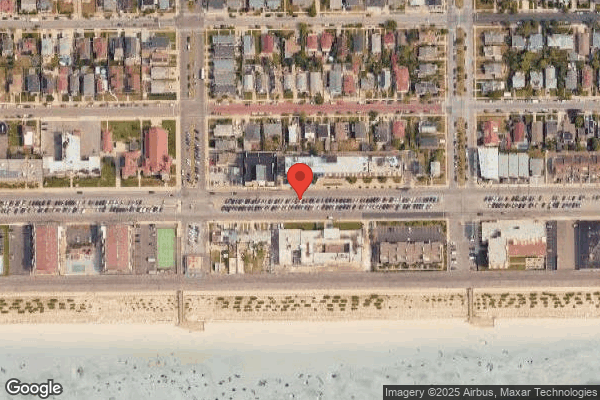
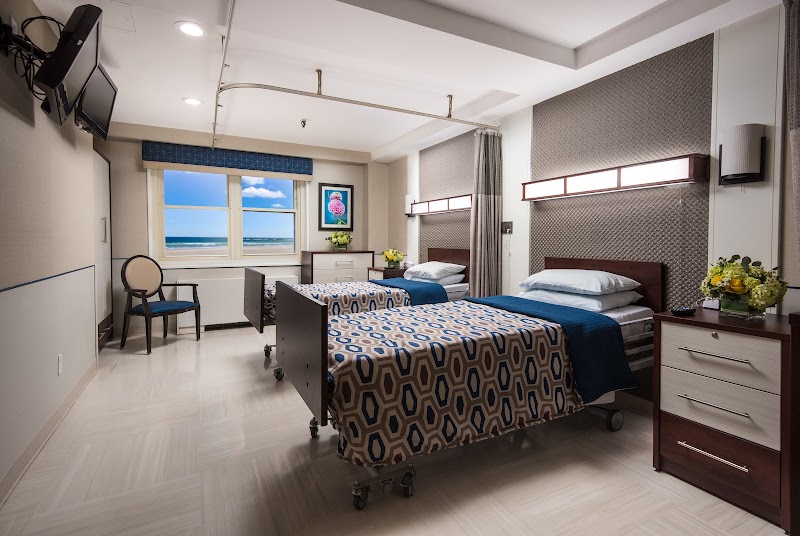
645 W BROADWAY, LONG BEACH, NY 11561 (516) 889-1100
For profit - Corporation 278 Beds Independent Data: November 2025
Trust Grade
80/100
#175 of 594 in NY
Last Inspection: March 2024

Within standard 12-15 month inspection cycle. Federal law requires annual inspections.

Overview

Grandell Rehabilitation and Nursing Center has a Trust Grade of B+, indicating it is above average and recommended for care. It ranks #175 out of 594 facilities in New York, placing it in the top half for quality among state nursing homes, and #13 of 36 in Nassau County, showing only a few local options are better. The facility is improving, with issues decreasing from five in 2024 to one in 2025. Staffing is a relative strength with a turnover rate of 24%, which is well below the New York average of 40%, but the facility has concerning RN coverage, providing less than 98% of state facilities. While there have been no fines, which is a positive sign, recent inspections revealed some significant concerns, such as a lack of thorough investigations into potential abuse or neglect and failures to implement comprehensive care plans for residents' medical needs.

Trust Score
B+
80/100
In New York
#175/594
Top 29%
Safety Record
Low Risk
No red flags
Inspections
Getting Better
5 → 1 violations
Staff Stability
✓ Good
24% annual turnover. Excellent stability, 24 points below New York's 48% average. Staff who stay learn residents' needs.
Penalties
✓ Good
No fines on record. Clean compliance history, better than most New York facilities.
Skilled Nurses
⚠ Watch
Each resident gets only 16 minutes of Registered Nurse (RN) attention daily — below average for New York. Fewer RN minutes means fewer trained eyes watching for problems.
Violations
⚠ Watch
15 deficiencies on record. Higher than average. Multiple issues found across inspections.
★★★★☆
4.0
Overall Rating
★★★☆☆
3.0
Staff Levels
★★☆☆☆
2.0
Care Quality
★★★★☆
4.0
Inspection Score
Stable
2024: 5 issues
2025: 1 issues

The Good

  • Low Staff Turnover (24%) · Staff stability means consistent care
  • Full Sprinkler Coverage · Fire safety systems throughout facility
  • No fines on record
  • Staff turnover is low (24%)

    24 points below New York average of 48%

Facility shows strength in staff retention, fire safety.

The Bad

No Significant Concerns Identified

This facility shows no red flags. Among New York's 100 nursing homes, only 1% achieve this.

The Ugly 15 deficiencies on record

Aug 2025 1 deficiency
MINOR (C) 📢 Someone Reported This

A family member, employee, or ombudsman was alarmed enough to file a formal complaint

Minor Issue - procedural, no safety impact

Deficiency F0838 (Tag F0838)

Minor procedural issue · This affected most or all residents

**NOTE- TERMS IN BRACKETS HAVE BEEN EDITED TO PROTECT CONFIDENTIALITY** Based on record review and interviews during the Recertification Survey initiated on 08/21/2025 and completed on 08/27/2025, the...

Read full inspector narrative →
**NOTE- TERMS IN BRACKETS HAVE BEEN EDITED TO PROTECT CONFIDENTIALITY** Based on record review and interviews during the Recertification Survey initiated on 08/21/2025 and completed on 08/27/2025, the facility did not ensure the Facility Assessment was updated to reflect the actual staffing levels. Specifically, the Facility assessment dated [DATE] inaccurately reflected the number of Registered Nurse Supervisors needed during the 11:00 PM-7:00 AM shifts and the number of Registered Nurses needed on the first floor during the 7:00 AM-3:00 PM shifts.The finding is:The facility policy, titled Facility Assessment, dated 01/15/2024, documented the interdisciplinary team members will conduct a facility-wide assessment to determine what resources are necessary to care for residents competently during both day-to-day operations and emergencies. The interdisciplinary team will review and update the assessment as necessary and at least annually. The interdisciplinary team will also review and update the assessment whenever there are, or the facility plans for, any changes that would require a substantial modification to any part of the assessment.The Facility assessment dated [DATE] documented under the heading: Facility Resources Needed to Provide Competent Support and Care for our Resident Population Every Day and During Emergencies two Registered Nurse supervisors on the 11:00 PM-7:00 AM shift and one Registered Nurse for the 7:00 AM- 3:00 PM shift on the first-floor nursing unit.Review of the projected staffing sheet for 08/22/2025 revealed three (3) Licensed Practical Nurses were scheduled for the first floor during the 7:00 AM-3:00 PM shift, and one Registered Nurse supervisor was scheduled for the 11:00 PM-7:00 AM shift.During an interview on 08/27/2025 at 9:34 AM, Staffing Coordinator #1 stated there are six nursing units at the facility, and each unit is staffed per shift based on the number of nursing staff listed on the par level (the minimum number of staff needed) sheet. Staffing Coordinator #1 stated staffing is not a problem as the facility utilizes a staffing agency to fill nursing staffing needs. Staffing Coordinator #1 stated there is only one Registered Nurse Supervisor required during the 11:00 PM-7:00 AM shift, according to the par level sheet. Staffing Coordinator #1 stated the first floor no longer had a Registered Nurse during the 7:00 AM-3:00 PM shift because the Registered Nurse position was replaced by a Licensed Practical Nurse.A review of the par level sheet revealed three Licensed Practical Nurses were required on the first-floor nursing unit during the 7:00 AM-3:00 PM shift and one Registered Nurse Supervisor for the 11:00 PM-7:00 AM shift.During an interview on 08/27/2025 at 10:50 AM, the Director of Nursing Services stated the Administrator entered the staffing numbers in the Facility Assessment. On the 11:00 PM-7:00 AM shift, the facility usually has one Registered Nurse supervisor assigned, but sometimes an extra Registered Nurse is scheduled to work, because there are a lot of admissions at night. The Facility Assessment documented the need for two Registered Nurse Supervisors during the 11:00 PM-7:00 AM shift and used the staffing on 03/06/2025 and 03/08/2025 as a guide; however, the staffing listed in the facility assessment related to Registered Nurse Supervisor and the Registered Nurse on the first floor is not constant.During an interview on 08/27/2025 at 11:17 AM, the Administrator stated they reviewed the staffing for 03/06/2025 and 03/08/2025 to document the staffing needs in Facility Assessment, but the numbers indicated in the Facility Assessment did not reflect daily staffing needs. The Registered Nurse requirement documented in the Facility Assessment for the first floor during the 7:00 AM-3:00 PM shift was no longer valid because the Licensed Practical Nurse replaced the Registered Nurse position. The change occurred about a month ago. The par levels have changed since the Facility Assessment was updated in March 2025, and the facility only needs one Registered Nurse Supervisor during the 11:00 PM-7:00 AM shift. 10 NYCRR 415.26
Mar 2024 5 deficiencies
CONCERN (D)

Potential for Harm - no one hurt, but risky conditions existed

Investigate Abuse (Tag F0610)

Could have caused harm · This affected 1 resident

**NOTE- TERMS IN BRACKETS HAVE BEEN EDITED TO PROTECT CONFIDENTIALITY** Based on observation, record review, and interviews during the Recertification Survey, the facility did not ensure that all inve...

Read full inspector narrative →
**NOTE- TERMS IN BRACKETS HAVE BEEN EDITED TO PROTECT CONFIDENTIALITY** Based on observation, record review, and interviews during the Recertification Survey, the facility did not ensure that all investigations were thoroughly investigated to rule out abuse, neglect, exploitation, or mistreatment. This was identified for one (Resident #206) of eight residents reviewed for Accidents. Specifically, Resident #206 was noted with swelling and ecchymosis (bruise) of unknown source to the left shoulder and chest on 1/5/2024. The facility did not have documented evidence that an investigation was conducted to rule out abuse, neglect, or mistreatment. The finding is: The facility policy titled, Accident Incident Reporting dated 12/4/2023 documented that if a staff member discovers an abrasion, bruise, or skin tear on a resident an accident/incident report should be completed. Appropriate statements will be requested by personnel who may have been involved, or on the unit, or at the site. If the incident/accident is reported to the nurse by a certified nurse aide, the certified nurse aide must write a statement. For unwitnessed occurrences or injuries of unknown origin, statements will be obtained from staff on the shift when the injury was identified and from staff members who were responsible for caring for the resident for the prior 48-72 hours. Resident #206 was admitted with the diagnoses of Dementia, Anxiety Disorder, and Delusional Disorder. The Quarterly Minimum Data Set assessment dated [DATE] documented that Resident #206 had a Brief Interview for Mental Status score of 99, indicating severely impaired cognition. The resident required moderate assistance of one person where the helper does less than half of the effort for upper body dressing, transfers, and ambulation. The Comprehensive Care Plan entitled, At Risk for Falls dated 6/9/2023 and revised on 1/2/2024 documented that Resident #206 was at risk for falls due to Dementia and Anxiety Disorder. The interventions included to provide close oversight, dayroom supervision, and bilateral rubber mats on both sides of the bed. The Accident/Incident report dated 1/2/2024 documented that at 7:30 AM Resident #206 was observed lying on their left side on their roommate's floor mat. Resident #206 was alert, ambulatory, and had no visible injury. The undated accident incident summary documented that Resident #206 was unable to state how they (Resident #206) fell due to cognitive deficits. Resident #206 had no complaints of pain, and no injuries were noted. The Physician was notified of the fall. The root cause of the fall was cognitive impairment. The added intervention to prevent reoccurrence was to place Resident #206 in the day room when out of bed for close monitoring. A review of nursing progress notes on 1/3/2024 and 1/4/2024 revealed that there were no signs and symptoms of pain, discomfort, distress, or delayed injury during the post-fall observations. Resident #206 received 30-minute visual monitoring. Resident #206 was noted to have periods of restlessness and made attempts to get out of the wheelchair unassisted. The nursing progress note dated 1/5/2024 at 7:36 AM, written by Licensed Practical Nurse #8, documented Resident #206 was noted with a large discoloration and swelling to the left shoulder. The injury was tender to the touch. Licensed Practical Nurse #8 documented that the injury was likely due to a recent fall on 1/2/2024. Registered Nurse #2 was made aware, and the plan of care was discussed. The nursing progress note dated 1/5/2024 at 7:36 AM, written by Registered Nurse #1, documented Resident #206 was noted to have discoloration on the left shoulder. A documented fall occurred on 1/2/2024 during which Resident #206 was discovered lying on the left side on the roommate's floor mat with no apparent injuries. This morning (1/5/2024), Resident #206 was experiencing pain, holding the shoulder, and a purple discoloration was discovered on their left shoulder. Resident #206 had limited range of motion due to the pain. The nursing progress note dated 1/5/2024 at 2:18 PM documented that Resident #206 received an X-ray of the left shoulder. The nursing progress note dated 1/5/2024 at 3:36 PM, written by Registered Nurse #2, documented they (Registered Nurse #2) were called to the unit to speak with Resident #206's family at the bedside. Resident #206 was status post fall, and the family requested an emergency room evaluation due to edema and ecchymosis to the left shoulder and chest. Range of motion was limited, and Resident #206 was hunched over, voicing complaints of pain. The Nurse Practitioner was made aware and agreed to transfer the resident to the emergency room. A nursing progress note dated 1/6/2024 at 1:59 AM documented that Resident #206 returned to the facility at 9:50 PM on 1/5/2024 from the hospital with a diagnosis of a left clavicle (collar bone) fracture. Resident #206 was stable with no complaints of pain or discomfort. A review of Accident and Incident reports revealed that there was no investigation conducted on 1/5/2024 related to Resident #206's identified injury. Resident #206 was observed seated with an arm sling in a high-back wheelchair in the 6th floor dining room on 3/4/2024 at 1:03 PM. Licensed Practical Nurse #8, the 7:00 AM-3:00 PM nurse, was interviewed on 3/8/2024 at 11:15 AM. Licensed Practical Nurse #8 stated that they were assigned to Resident #206 during the day shift. Licensed Practical Nurse #8 stated that they initiated the Accident Incident report on 1/2/2024 when the assigned Certified Nurse Aide reported finding Resident #206 on the floor mats. Licensed Practical Nurse #8 stated that on 1/5/2024 at 7:30 AM, Certified Nursing Assistant #8 was assigned to Resident #206 and had reported to them (Licensed Practical Nurse #8) that Resident #206 had discoloration of the left shoulder. Licensed Practical Nurse #8 stated they observed Resident #206 and it appeared that the bone was protruding from Resident #206's left shoulder; however, the protruding bone did not break through the skin. Licensed Practical Nurse #8 stated that the area was also discolored. Licensed Practical Nurse #8 stated that they did not recall speaking to the 11:00 PM-7:00 AM staff about the injury and they did not report the injury at the change of their shift. Licensed Practical Nurse #8 stated that they reported the injury to Registered Nurse Supervisor #1. Licensed Practical Nurse #8 stated that they initiated the fall Accident Incident Report on 1/2/2024 but did not initiate a new report on 1/5/2024 because the injury was on the same affected side (left side) from the 1/2/2024 fall. Licensed Practical Nurse #8 stated that they assumed that the injury was from the fall on 1/2/2024 and did not consider that a new incident may have occurred. Licensed Practical Nurse #8 stated Resident #206 had no complaints of pain between 1/2/2024 to 1/4/2024 and they (Licensed Practical Nurse #8) did not observe any injuries. Certified Nurse Aide #8 was interviewed on 3/8/2024 at 11:22 AM. Certified Nurse Aide #8 stated that on 1/5/2024 at 7:30 AM, they (Certified Nurse Aide #8) went to provide morning care to Resident #206 and observed that Resident #206's collar bone was sticking up on the left shoulder. Resident #206 complained of shoulder pain on the left side while Certified Nurse Aide #8 attempted to get Resident #206 dressed. Certified Nurse Aide #8 stated that the previous shift Certified Nurse Aide did not report any changes. Certified Nurse Aide #8 stated that they (Certified Nurse Aide #8) usually do provide a statement for a new injury but could not remember if they wrote a statement on 1/5/2024. Certified Nurse Aide #8 stated that they must report a new injury because something new could have happened to Resident #206. Registered Nurse #1 was interviewed on 3/8/2024 at 11:40 AM. Registered Nurse #1 stated that they are the Registered Nurse Supervisor on the 7:00 AM-3:00 PM shift. On 1/5/2024 at 7:30 AM, Licensed Practical Nurse #8 reported Resident #206 had an injury to the left shoulder. Registered Nurse #1 assessed Resident #206 and observed discoloration and a small bump on the left shoulder. Registered Nurse #1 called the Nurse Practitioner who ordered an X-ray. Registered Nurse #1 stated that they were not sure if the bump was anything more than a swelling. Registered Nurse #1 stated that they did not speak to the previous shift because the staff from the previous shift were already gone at 7:30 AM. Registered Nurse #1 stated they did not initiate a new Accident Incident Report because they assumed that the injury was related to the fall that occurred on 1/2/2024. Registered Nurse #1 stated that they did not get statements from the previous shift to ensure that no new incidents had occurred. Registered Nurse #1 stated that they did review the nurse's note from the previous shift which documented that there were no complaints of pain or injuries. Registered Nurse #1 stated that they believed the injury that was identified on 1/5/2024 was from the 1/2/2024 fall. Registered Nurse #2 was interviewed on 3/8/2024 at 11:50 AM and stated that they wrote the investigation summary for the 1/2/2024 fall and did not know when they concluded the investigation as the investigation summary was not dated. Registered Nurse #2 stated that on 1/5/2024, they were called by Resident #206's family who reported the bruising and bone protrusion to Registered Nurse #2. Resident #206's family requested an emergency room visit to address Resident #206's injury. RN #2 stated that they assumed that the injury was from the fall on 1/2/2024 and did not initiate a new Accident Incident report. Registered Nurse #2 did not communicate with the previous shifts on 1/5/2024 to determine if Resident #206 had any new accidents or incidents after the 1/2/2024 fall. The Director of Nursing Services was interviewed on 3/8/2024 at 12:13 PM and stated that they reviewed the 1/2/2024 Accident Incident report on 1/4/2024. The Director of Nursing Services stated after the discovery of the left shoulder injuries on 1/5/2024, a verbal interdisciplinary meeting was held on 1/5/2024. The interdisciplinary team concluded that the injuries were related to the fall on 1/2/2024. The Director of Nursing Services stated they interviewed the staff from 1/4/2024 and 1/5/2024 to ensure that the injuries did not occur from a new incident on 1/4/2024; however, they did not document those interviews. The Director of Nursing Services stated that there should have been an addendum to the 1/2/2024 Accident Incident report to reflect the discovered injuries on 1/5/2024. The Director of Nursing Services stated that the interviews that were completed should have been documented to ensure that the injuries were not related to a new incident. The Director of Nursing Services stated that the investigation summary should reflect the date of the conclusion and when it was reviewed by the Administration. The Director of Nursing Services stated that they did not believe that a new Accident Incident report should have been written for the injury on 1/5/2024. The Director of Nursing Services stated that the 1/2/2024 investigation report was not thorough. 10 NYCRR 415.4(b)
CONCERN (D)

Potential for Harm - no one hurt, but risky conditions existed

Comprehensive Care Plan (Tag F0656)

Could have caused harm · This affected 1 resident

Based on observations, record review, and interviews during the Recertification Survey initiated on 3/4/2024 and completed on 3/8/2024, the facility did not ensure that a comprehensive person-centered...

Read full inspector narrative →
Based on observations, record review, and interviews during the Recertification Survey initiated on 3/4/2024 and completed on 3/8/2024, the facility did not ensure that a comprehensive person-centered care plan (CCP) was implemented to meet the resident's medical and nursing needs to include the services that are to be furnished to attain or maintain the resident's highest practicable physical, mental, and psychosocial well-being. This was identified for one (Resident #156) of six residents observed during the medication administration task Specifically, Resident #156 had a physician's order to administer Timolol Maleate Ophthalmic solution eye drops to both eyes every day for Glaucoma. The comprehensive care plan initiated on 7/6/2020 for the visual function was not updated to reflect the administration of the Timolol Maleate Ophthalmic solution eye drops until 3/5/2024. The finding is: The facility's policy and procedure titled, Care Plans effective 2/14/2019 reviewed and updated on 6/1/2023 documented a comprehensive, person-centered care plan that includes measurable objectives and timetables to meet the resident's physical, psychosocial, and functional needs is developed and implemented for each resident. Resident #156 was admitted with diagnoses including Multiple Sclerosis, Muscle Wasting and Atrophy, and Peripheral Vascular Disease. The 2/12/2024 Quarterly Minimum Data Set assessment documented a Brief Interview for Mental Status score of 15, indicating the resident was cognitively intact. The Minimum Data Set documented the resident had adequate vision. An Optometry consult dated 1/23/2023 documented that the resident had Glaucoma and to add Timolol 0.5% one drop to both eyes each day. A physician's order effective 1/27/2023 and active as of 3/5/2024 documented Timolol Maleate Ophthalmic Solution 0.5 %, 1 drop(s) to both eyes every day for unspecified open-angle Glaucoma, indeterminate stage. A Comprehensive Care Plan titled Visual Function effective 7/6/2020 was last updated on 3/5/2024 with a new intervention to administer Timolol Maleate Ophthalmic Solution 0.5%, 1 drop to the left eye every day. No other previous updates or interventions in the care plan addressed the use of eye drops. During the medication pass observation on 3/5/2024 at 8:22 AM, Licensed Practical Nurse #2 prepared medications to be administered to Resident #156. The label on the Timolol eye drops documented one drop into the affected eye(s) each day. The surveyor asked the nurse which eye was the affected eye. Licensed Practical Nurse #2 stated the resident usually just wants the medication in the left eye. Licensed Practical Nurse #2 then read the eye drop bottle label and stated that the label on the bottle was unclear and did not match the physician's order. Licensed Practical Nurse #2 stated the eye drop bottle label should be changed to match the physician's order. On 3/5/2024 at 8:25 AM, as Licensed Practical Nurse #2 was administering the Timolol eye drops, the resident stated they (resident) wanted the eye drop to their left eye only. Registered Nurse #2 (unit charge nurse) was interviewed on 3/5/2024 at 10:54 AM and stated they were going to speak to the resident to educate them that the Timolol drops are for both eyes, and this is what the doctor prescribed. Registered Nurse #2 stated the nurses administering medications should have identified the discrepancy and brought the discrepancy to their attention. A nursing note dated 3/5/2024 at 11:14 AM, written by Registered Nurse #2, documented that on 1/23/2023 the physician ordered Timolol ophthalmic solution one drop to both eyes; however, the resident informed the writer today (3/5/2024) that the resident only wants the drops to the left eye. The writer spoke to a Physician who gave a telephone order to change the Timolol order to one drop to the left eye only. The writer educated the resident that the Timolol medication was for treating Glaucoma in both eyes. The resident was aware but only wanted the drop to the left eye. The Director of Nursing Services was interviewed on 3/7/2024 at 9:15 AM and stated the medication nurse should have brought the discrepancy to the charge nurse's attention sooner to have the order clarified because the medication label should match the physician's order. The Director of Nursing Services stated that the physician should have been notified sooner that the resident only wanted the drop in the left eye. The Director of Nursing Services further stated that the comprehensive care plan should reflect the resident's current clinical status and preference. 10 NYCRR 415.11 (c)(1)
CONCERN (D)

Potential for Harm - no one hurt, but risky conditions existed

Quality of Care (Tag F0684)

Could have caused harm · This affected 1 resident

Based on observation, record review, and interviews during the Recertification Survey initiated on 3/4/2024 and completed on 3/8/2024 the facility did not ensure that each resident received treatment ...

Read full inspector narrative →
Based on observation, record review, and interviews during the Recertification Survey initiated on 3/4/2024 and completed on 3/8/2024 the facility did not ensure that each resident received treatment and care in accordance with professional standards of practice, the comprehensive person-centered care plan, and the residents' choices. This was identified for one (Resident #192) of three residents reviewed for skin conditions. Specifically, Resident #192, with a chronic large salivary gland mass with a history of intermittent oozing from the mass, was observed on 3/4/2024 with a dressing to the right side of the jaw/neck area. The Electronic Medical Record lacked documented evidence of a physician's order for the dressing or treatment to the affected site. The finding is: The facility's policy titled Wound Care Treatments, effective 12/2/2017, last revised 6/14/2021, documented to check physician orders for the resident's treatment and document that treatment was completed in the Electronic Medical Record. Resident #192 was admitted with diagnoses including Non-Alzheimer's Dementia, Chronic Obstructive Pulmonary Disease, and Hypertension. The 12/6/2023 Quarterly Minimum Data Set assessment documented a Brief Interview for Mental Status score of 10, indicating the resident had moderate cognitive impairment. There were no ulcers, wounds, or skin problems documented in the Minimum Data Set assessment. Resident #192 was observed in bed on 3/4/2024 at 9:16 AM. There was an updated dressing to the right side of the face near the rear part of the jaw and neck area. The resident stated they (resident) did not know what the condition was that required the dressing but It leaks all over. A review of the medical record revealed that there was no physician's order for the dressing or treatment to the resident's right jaw/neck area. A Comprehensive Care Plan titled Other Skin Problems, initiated 4/4/2023 and last updated 3/5/2024, documented on 4/4/2023: dermatological disorder, large protruding mass at the right side of neck, resident states it is an enlarged salivary gland that has been there for years. Interventions included to administer treatment as ordered, monitor for effectiveness of treatment, and to notify the physician of any changes. The care plan was updated on 3/5/2024 with an intervention to clean the mass to the right neck with normal saline, pat dry and apply a small clean dressing daily as per the resident's preference. An ultrasound report dated 9/23/2022 documented an area of concern, right ear showed complex soft tissue mass measuring 37 millimeters x 25 millimeters. Further evaluation with Magnetic Resonance Imaging is recommended. A Dermatology consult dated 4/10/2023 documented the patient was seen for a large salivary gland mass that developed a blister on it. Previously, the family declined further work-ups with an Ear, Nose, and Throat physician who recommended Magnetic Resonance Imaging to rule out underlying malignancy. The area has grown larger over the past few months. The patient would like to keep the area covered with a 3 inch x 5 inch bordered gauze. The Dermatologist recommended a re-evaluation with an Ear, Nose, and Throat physician and a Magnetic Resonance Imaging if the patient and Health Care Proxy agree. A review of the comprehensive care plan revealed that the intervention to keep the area covered at all times as per the resident's preference was not added until 3/5/2024. Licensed Practical Nurse #3, the 2nd-floor charge nurse, was interviewed on 3/4/2024 at 12:38 PM. Licensed Practical Nurse #3 stated they did not apply the dressing to the resident's jaw or neck area and did not know that the resident needed the dressing. Licensed Practical Nurse #3 stated the dressing may have been put on by one of the nurses from the previous shifts. Licensed Practical Nurse #3 advised the surveyor to check with the wound care nurse regarding the dressing. Licensed Practical Nurse #3 stated they think the dressing is covering a mass that the resident has had for a while. Registered Nurse #4, the wound care nurse, was interviewed on 3/4/2024 at 12:48 PM and stated the resident has a mass on the right side of the jaw and neck area, and from time to time the mass oozes. The resident's family refused a follow-up or surgery. The mass is covered when it is needed to be covered as per the resident's preference. The drainage from the mass is intermittent and comes and goes; however, there should be an order for the dressing to be applied as needed. A progress note written by Registered Nurse #4 dated 3/5/2024 at 9:34 AM documented that after speaking with the resident they (resident) preferred to have the mass on their right neck covered with a bandage daily. The resident told Registered Nurse #4 that sometimes the mass has drainage and drips. The resident stated they prefer to have the mass covered at all times. A physician's order dated 3/5/2024 documented to cleanse the mass to the right neck with normal saline, pat dry, and apply a small clean dry dressing daily as per the resident's preference. A review of the March 2024 Treatment Administration Record revealed no entry for the dressing change to the right neck mass until 3/5/2024. On 3/6/2024 at 8:58 AM the mass on Resident 192's right face/neck area was observed with Registered Nurse #4 (wound care nurse). Registered Nurse #4 removed the dressing, which revealed a large growth that was reddened with a small, circular dark opening in the middle. The dressing appeared to be dry. Physician Assistant #1 was interviewed on 3/6/2024 at 10:43 AM and stated that the resident's family did not want to pursue any further aggressive treatment for the mass and wanted to keep the resident comfortable. Physician Assistant #1 stated they did not know why there was no dressing change order because there was potential for infection. The Director of Nursing Services was interviewed on 3/7/2024 at 9:21 AM and stated at times there is drainage from the mass, but the drainage is not constant. The Director of Nursing Services stated that, at a minimum, there should have been an as-needed treatment order in place. Licensed Practical Nurse #4, who worked the 11:00 PM-7:00 AM shift on 3/3/2024-3/4/2024, was interviewed on 3/7/2024 at 2:04 PM. Licensed Practical Nurse #4 stated they did not administer any treatment to Resident #192. Licensed Practical Nurse #4 stated the dressing was most likely placed by the 3:00 PM-11:00 PM nurse on 3/3/2024. Licensed Practical Nurse #5, who worked the 3:00 PM-11:00 PM shift on 3/3/2024, was interviewed on 3/7/2024 at 2:11 PM. Licensed Practical Nurse #5 stated they could not recall anything related to Resident #192's treatment administration. Licensed Practical Nurse #5 stated if there was an order for the dressing change, then they signed for the treatment and administered the treatment. If there was no order, then they did not administer the treatment. 10 NYCRR 415.12
CONCERN (D)

Potential for Harm - no one hurt, but risky conditions existed

Respiratory Care (Tag F0695)

Could have caused harm · This affected 1 resident

**NOTE- TERMS IN BRACKETS HAVE BEEN EDITED TO PROTECT CONFIDENTIALITY** Based on observations, record review, and interviews during the Recertification Survey initiated on 3/4/2024 and completed on 3/...

Read full inspector narrative →
**NOTE- TERMS IN BRACKETS HAVE BEEN EDITED TO PROTECT CONFIDENTIALITY** Based on observations, record review, and interviews during the Recertification Survey initiated on 3/4/2024 and completed on 3/8/2024, the facility did not ensure that a resident who needs respiratory care is provided such care, consistent with professional standards of practice. This was identified for one (Resident #233) of six residents reviewed for Respiratory Care. Specifically, Resident #233 had a physician's order to receive oxygen at 3-10 Liters per minute via a nasal cannula. There were no physician's orders or parameters established to guide the facility staff on when and how much oxygen to administer to the resident (3-10 liters per minute) based on the resident's clinical condition. The finding is: The facility's policy and procedure titled, Oxygen Therapy, last revised on 11/22/2021 documented that residents will be provided with oxygen therapy as ordered by the medical doctor. The delivery of supplemental oxygen will be provided in a safe, efficient manner by competent staff. The nurse will place the delivery system on the resident and adjust flow rates ordered by the medical doctor. The nurse will monitor the response to oxygen therapy, noting respiratory rate and oxygen saturation (oxygen level in the blood). The nurse will check the liter flow on the tank and the concentrator and sign the treatment record each shift. Resident #233 was admitted with diagnoses of Malignant Neoplasm of Intrathoracic Lymph nodes, Pneumonia, and Neuromuscular Dysfunction of the Bladder. The Minimum Data Set (MDS) assessment dated [DATE] documented the resident's Brief Interview for Mental Status (BIMS) score was 15 which indicated that Resident #233 was cognitively intact. The Minimum Data Set documented the resident utilized oxygen therapy. A Comprehensive Care Plan (CCP) titled, Breathing Pattern, dated 12/30/2023 documented COVID-19 Positive and a history of Cancer with Lung Metastases (cancer that starts in one part of the body and spreads to the lungs). The interventions included but were not limited to administering oxygen at 3-10 Liters per minute via nasal cannula, monitoring oxygen saturation as ordered by the Physician, and ongoing monitoring and assessment of the respiratory status. A Physician's Order dated 1/4/2024 documented to administer oxygen at 3-10 Liters per minute via nasal cannula every shift. Obtain oxygen saturation every shift. Change the oxygen tubing weekly and clean the oxygen concentrator filter once a week. There were no parameters included in the oxygen orders to indicate established parameters regarding when to administer 3 liters to 10 liters of oxygen. Resident #233 was observed on 3/4/2024 at 11:46 AM lying in bed and receiving oxygen from an oxygen concentrator at 8 Liters per minute via a nasal cannula. A subsequent observation was completed on 3/5/2024 at 9:07 AM. Resident #233 was observed in bed and was receiving oxygen from an oxygen concentrator at 8 Liters per minute via a nasal cannula. During an observation on 3/6/2024 at 12:07 PM, Resident #233 was observed in bed receiving oxygen from an oxygen concentrator at 10 Liters per minute via a nasal cannula. The Medical Director, who was also the resident's Primary Care physician, was interviewed on 3/6/2024 at 3:28 PM and stated that Resident #233 is on comfort care. Resident #233 started on a low dose of oxygen, but the oxygen saturation level dropped at times. The Medical Director stated that there were no parameters to determine the amount of oxygen to be administered and this was an oversight on their part. Certified Nursing Assistant #3 was interviewed on 3/7/2024 at 8:30 AM and stated that Resident #233 was alert and oriented but at times Resident #233 did not wear the oxygen cannula properly. Certified Nursing Assistant #3 stated if Resident #233 has shortness of breath or is in respiratory distress they would notify the nurse. Licensed Practical Nurse #6 was interviewed on 3/7/2024 at 10:30 AM and stated that they check the resident's oxygen saturation level every shift and would change the level of oxygen if Resident #233 complained of respiratory distress or shortness of breath and would call the Physician if the oxygen saturation level was below 90%. Licensed Practical Nurse #6 stated that there were no parameters for the oxygen saturation level or when to call the Physician. Licensed Practical Nurse #6 stated the resident has an order for oxygen to be administered at 3-10 liters per minute via nasal cannula. Registered Nurse #5 was interviewed on 3/7/2024 at 11:59 AM and stated that Resident #233 has a physician's order to administer Oxygen from 3-10 Liters per minute via nasal cannula. Registered Nurse #5 stated that they check the resident's oxygen saturation level and call the Physician if the oxygen saturation level is below 90%; however, the physician's order did not include the oxygen saturation level parameter. Registered Nurse #5 was unable to state how they determined the amount of oxygen to be administered to the resident as the physician's order has a broad range of 3-10 liters per minute. The Director of Nursing Services was interviewed on 3/7/2024 at 4:00 PM and stated that Resident #233 should have the parameters documented for the oxygen order of 3-10 Liters per minute. The order to check the oxygen saturation level every shift should be clear and should include parameters to indicate what amount of oxygen should be used based on the oxygen saturation levels. 10 NYCRR 415.12(k)(6)
CONCERN (D)

Potential for Harm - no one hurt, but risky conditions existed

Deficiency F0761 (Tag F0761)

Could have caused harm · This affected 1 resident

Based on observation, record review, and interviews during the Recertification Survey initiated on 3/4/2024 and completed on 3/8/2024 the facility did not ensure that drugs and biologicals used in the...

Read full inspector narrative →
Based on observation, record review, and interviews during the Recertification Survey initiated on 3/4/2024 and completed on 3/8/2024 the facility did not ensure that drugs and biologicals used in the facility were labeled in accordance with currently accepted professional principles. This was identified for one (Resident #156) of six residents observed during medication administration task. Specifically, the label on Resident #156's eye drop medication bottle, Timolol (administered for Glaucoma), did not match the physician's order. The finding is: The facility's policy titled Administration of Ophthalmics, dated 5/2/2023, documented for the nurses to check medication labels against medication administration records three times to ensure the correct resident, drug, dose, and time of administration. Resident #156 was admitted with diagnoses including Multiple Sclerosis, Muscle Wasting and Atrophy, and Peripheral Vascular Disease. The 2/12/2024 Quarterly Minimum Data Set assessment documented a Brief Interview for Mental Status score of 15, indicating the resident was cognitively intact. The Minimum Data Set documented the resident had adequate vision. An Optometry consult dated 1/23/2023 documented that the resident had Glaucoma and to add Timolol 0.5% one drop to both eyes each day. A physician's order effective 1/27/2023 and active as of 3/5/2024 documented Timolol Maleate Ophthalmic Solution 0.5 %, 1 drop(s) to both eyes every day for unspecified open-angle Glaucoma, indeterminate stage. A review of the Medication Administration Record for March 2024 revealed that Timolol Maleate Ophthalmic Solution 0.5 %, one drop to both eyes was administered from 3/1/2024 through 3/5/2024 every day as evidenced by staff signature. During the medication pass observation on 3/5/2024 at 8:22 AM, Licensed Practical Nurse #2 prepared medications to be administered to Resident #156. The label on the Timolol eye drops documented one drop into the affected eye(s) each day. The surveyor asked the nurse which eye was the affected eye. Licensed Practical Nurse #2 stated the resident usually just wants the medication in the left eye. Licensed Practical Nurse #2 then read the eye drop bottle label and stated that the label on the bottle was unclear and did not match the physician's order. Licensed Practical Nurse #2 stated the eye drop bottle label should be changed to match the physician's order. On 3/5/2024 at 8:25 AM, as Licensed Practical Nurse #2 was administering the Timolol eye drops, the resident stated they (resident) wanted the eye drops to their left eye only. Pharmacist #1 was interviewed on 3/5/2024 at 10:03 AM and stated the label on the medication bottle should be specific. Pharmacist #1 stated they did not know why the Timolol medication label did not match the physician's order. Pharmacist #1 stated there may have been a coding error; however, the label should have been corrected by the Pharmacist who filled the order. Registered Nurse #2 (unit charge nurse) was interviewed on 3/5/2024 at 10:54 AM and stated they are going to speak to the resident to educate them that the Timolol drops are for both eyes, and this is what the doctor prescribed. Registered Nurse #2 stated the nurses administering medications should have identified the discrepancy and brought the discrepancy to their attention. A nursing note dated 3/5/2024 at 11:14 AM, written by Registered Nurse #2, documented that on 1/23/2023 the physician ordered Timolol ophthalmic solution one drop to both eyes; however, the resident informed the writer today (3/5/2024) that the resident only wants the drops to the left eye. The writer spoke to a physician who gave a telephone order to change the Timolol order to one drop to the left eye only. The writer educated the resident that the Timolol medication was for treating Glaucoma in both eyes. The resident was aware but only wanted the drop to the left eye. The Director of Nursing Services was interviewed on 3/7/2024 at 9:15 AM and stated the medication nurse should have brought the discrepancy to the charge nurse's attention sooner to have the order clarified because the medication label should match the physician's order. The Director of Nursing Services stated that the Physician should have been notified sooner that the resident only wanted the drop in the left eye. 10 NYCRR 415.18(d)
May 2022 6 deficiencies
CONCERN (D)

Potential for Harm - no one hurt, but risky conditions existed

Investigate Abuse (Tag F0610)

Could have caused harm · This affected 1 resident

**NOTE- TERMS IN BRACKETS HAVE BEEN EDITED TO PROTECT CONFIDENTIALITY** Based on record review and interview during the Recertification Survey and Abbreviated survey (NY 00286986) initiated on 4/26/20...

Read full inspector narrative →
**NOTE- TERMS IN BRACKETS HAVE BEEN EDITED TO PROTECT CONFIDENTIALITY** Based on record review and interview during the Recertification Survey and Abbreviated survey (NY 00286986) initiated on 4/26/2022 and completed on 5/3/2022, the facility did not ensure that all accidents and incidents are thoroughly investigated to rule out Abuse, Neglect, or Mistreatment. This was identified for 1 (Resident #65) of 7 residents reviewed for Accidents. Specifically, Resident #65 exited an alarmed stair door and was found in the stairwell on 11/22/2021. The facility did not determine a timeline of preceding events that led up to the fall and if the resident was adequately supervised by staff. Additionally, an assessment of the events including the mobility device used by the resident, the position of the resident upon discovery of the falls, and the extent of the resident's injuries were not documented on the facility's investigation report. The finding is: The facility Elopement/Wandering policy and procedure dated 10/10/16 (revised 9/19) documented that every incident of unsafe wandering will be thoroughly investigated to determine the root cause, both to help prevent recurrence and establish interventions which may prevent an episode of elopement in the future. The facility Fall Prevention/ Actual Falls policy and procedure dated 9/11/13 (revised 3/20/19) documented that when a resident sustains a fall, the Inter-Disciplinary Team (IDT) will attempt to identify the root cause and will perform the following reviews including but not limited to video surveillance and re-enactment. Residents who require day room monitoring will have this clearly documented on the Certified Nursing Assistant Accountability Record (CNAAR). The policy and procedure did not address documentation of 30-minute checks. The facility Accident Incident Reporting policy and procedure dated 10/28/15 (revised 11/5/21) documented those incidents and accidents must be recorded on the forms provided by the facility. The RN Supervisor and the licensed nurse are to complete the Incident/Accident Report, the information should be specific and accurate with emphasis on the Date, time, and the location of the incident/accident; how the incident occurred, or what was observed when the resident was found; and the extent of the injury. Staff should complete the forms including each box and line of the accident/incident form. Resident #65 was admitted with diagnoses of Frontotemporal Dementia, Alzheimer's Disease, and Major Depressive Disorder. The quarterly Minimum Data Set (MDS) assessment dated [DATE] documented that Resident #65 had a Brief Interview for Mental Status (BIMS) score of 3, indicating severely impaired cognition. Resident #65 required extensive assistance of one person for transfers, setup assistance with supervision, oversight, and cueing for locomotion on and off the unit. Resident #65 was not steady and only able to stabilize with staff while moving from a seated to a standing position, walking, turning around, and transferring from surface to surface. The MDS documented that Resident #65 did not walk in the room or corridor during the assessment period. Resident #65 had impairment on one side of the upper extremity and used the wheelchair for mobility. The MDS further documented that Resident #65 had 1 fall since the last admission with a minor injury. The Fall Risk assessment dated [DATE] documented that Resident #65 had a fall risk score of 16, indicating a high risk for falls. The Falls Care plan dated 11/10/2015 (revised 2/17/2022) documented that Resident #65 was diagnosed with Frontotemporal Dementia and age-related Osteoporosis. Resident #65 had fallen on 2/9/2021, 3/18/2021, 10/28/21, and 11/22/21. The interventions included but were not limited to day room monitoring when out of bed (initiated 1/26/2016), 30-minute visual checks (initiated 2/12/2018), chair alarm (initiated 8/11/2020), and the resident's room was moved closer to the nurses' station (initiated 10/28/2021). The Accident and Incident (A/I) report face sheet documented that on 11/22/2021 at 5:00 PM, Resident #65 was lying in the staircase at the 6th Floor Stairwell. The time resident was last seen and by who section was incomplete. The RN assessment at 5:15 PM and the body diagram used to describe the location and size of the area(s) affected indicated the back of the head, nose, and left wrist were affected with no indications of size or description. The assessment documented that Resident #65 was on out of bed monitoring, 30-minute visual checks, and the dining room was being monitored; however, the name of the dining room monitor was not specified in the space provided on the assessment. The RN assessment also documented Resident #65 was a safety hazard and was non-ambulatory. The nurse on duty when the A/I was reported was noted to be LPN #3 and the Certified Nursing Aide on duty was CNA #2. The summary of the investigation indicated that Resident #65 fell down the 6th floor stairway. The accident and incident report lacked documented evidence of an assessment of the resident's position in the stairwell, the extent of injuries sustained, and if the resident was utilizing a wheelchair at the time of the incident. The Certified Nurses Aide Accident and Incident form was dated 11/22/2021 at 4:11 PM, 49 minutes before the documented time of the incident at 5:00 PM. CNA #2 documented that they were told by a staff member that Resident #65 was found at the bottom of the stairway. CNA #2 documented that the last approximate time they saw Resident #65 was around 3:30 PM by the dining room. CNA #4's employee statement dated 11/24/2021 documented that on 11/22/2021 at about 4 PM, an hour before the documented time of the incident at 5:00 PM, CNA #4 heard a loud noise coming from the stairwell. CNA #4 was working on the 4th floor at the time and proceeded to the nearest stairwell door. CNA #4 proceeded up the stairs to the 5th floor and found nothing. Then CNA #4 continued up the stairs further and found Resident #65 laying on the landing. CNA #4 entered the 6th floor and called the operator using the phone in the hallway and had the operator page the supervisor immediately for help. The Director of Nursing Services (DNS)/Designee summary dated 11/23/2021 indicated that a review of the video surveillance, medical records, medications, on-site assessment, and interviews were used in the investigation. The investigation summary documented that on 11/22/2021 at about 4:15 PM, Resident #65 set off the door alarm of stairwell 4, on the Dementia Unit, and went through the doorway. After a thorough investigation, the facility concluded that there was no significant injury to Resident #65 and no reason to believe that any abuse, neglect, or mistreatment occurred. The DNS was interviewed on 5/2/2022 at 9:15 AM. The DNS stated that they were responsible for completing the investigation. The DNS stated that they (DNS) reviewed surveillance footage and spoke to staff members and requested written statements for the investigation related to Resident #65's fall on 11/22/2021. The DNS stated that the Administrator wrote the summary. The DNS stated that the investigation was incomplete with information missing. RN #2 mistakenly documented that the incident occurred at 5 PM. The DNS stated that the investigation did not address the timeline of events and that the staff wrote inconsistent times on the forms and their statements. The investigation should have been more descript about the position of Resident #65 when found. The investigation did not address where the wheelchair was when Resident #65 was found. The body assessment diagram does not indicate measurements of the areas affected. The investigation also did not address who was responsible for supervising Resident #65 at the time of the incident. The Administrator was interviewed on 5/2/22 at 10:03 AM. The Administrator stated that they reviewed the statements, reviewed the surveillance footage, and wrote the summary of the investigation. The Administrator stated that they (Administrator) did not note what time everything occurred because the Administrator did not think the time on the cameras was accurate. The times on the staff interviews were inconsistent and should have been clarified. The Administrator stated that now reviewing the investigation again there are discrepancies in time. The Administrator stated that parts of the accident incident forms were not completed, and RN #2 should have completed all parts of the investigation. The staff statements and the investigation should have described the position of Resident #65 when found. The investigation did not address where the wheelchair was when Resident #65 was found. The Administrator stated that Resident #65's position and the location of the mobility device are usually addressed in the investigations. The Administrator stated that they did not have documentation that anyone was conducting the 30-minute checks for Resident #65. The 30-minute checks should have been included as part of the investigation to rule out neglect or a break in the resident's plan of care. The Administrator stated that they did not know why the 30-minute checks and the out-of-bed monitoring were not addressed in the investigation summary including the staff responsible for supervising Resident #65. The Administrator further stated that after considering the missing parts, the investigation was not thorough. 415.4(b)(3)
CONCERN (D)

Potential for Harm - no one hurt, but risky conditions existed

Comprehensive Care Plan (Tag F0656)

Could have caused harm · This affected 1 resident

**NOTE- TERMS IN BRACKETS HAVE BEEN EDITED TO PROTECT CONFIDENTIALITY** Based on record review and staff interviews during the Recertification Survey and Abbreviated Survey (Complaint #NY 00292844) in...

Read full inspector narrative →
**NOTE- TERMS IN BRACKETS HAVE BEEN EDITED TO PROTECT CONFIDENTIALITY** Based on record review and staff interviews during the Recertification Survey and Abbreviated Survey (Complaint #NY 00292844) initiated on 4/26/2022 and completed on 5/3/2022, the facility did not develop a Comprehensive Care Plan (CCP) for each resident that includes measurable objectives and timeframes to meet a resident's medical and nursing needs that are identified in the comprehensive assessment. This was identified for one (Resident #319) of two residents reviewed for Infection Control. Specifically, Resident #319 was diagnosed with Pneumonia on 3/13/2022 and treated with intravenous (IV) antibiotics, however, there was no CCP developed to address the resident's Pneumonia diagnosis and use of the IV antibiotics. The finding is: The facility's policy titled Comprehensive Care Plans last revised on 2/24/2019 documented that the resident's CCP will be updated by the Interdisciplinary Team (IDT) with any episodic changes to include, but not limited to: Newly diagnosed infection. Resident #319 was admitted with diagnoses that included Acute Bronchospasm and Hypertension. The admission Minimum Data Set (MDS) assessment dated [DATE] documented that the resident had a Brief Interview for Mental Status (BIMS) score of 15 which indicated the resident had intact cognition. The resident needed extensive physical assistance of one person for transfers, walking in their room, locomotion on the unit, dressing, toilet use, and bathing. The Physician Orders dated 3/13/2022 documented for the resident to receive Levofloxacin (an antibiotic medication) 500 milligrams (mg) intravenously in dextrose 5% water (D5W) IV solution, 500 mg/100 milliliters (ml) at bedtime for 7 days for Pneumonia. The Nursing Progress Note dated 3/13/2022 and written by the Registered Nurse (RN) Supervisor (RN#4) documented Levaquin 500 mg IV for 7 days was ordered and started for Left Basal Infiltrate [Pneumonia]. A review of the resident's Electronic Medical Record (EMR) revealed no documented evidence that a CCP was developed to address the presence of Pneumonia, IV antibiotic treatment, or care of the IV site. RN #4 was interviewed on 5/2/2022 at 3:05 PM and stated that they had only worked at the facility for 3 months. After reviewing the resident's EMR, RN #4 stated that they did not see a CCP developed addressing the resident's Left Basal Infiltrate [Pneumonia], the IV, or the antibiotics that was started on 3/13/2022. RN #4 stated that they had never initiated a CCP when there was a change in condition for a resident at this facility. The Director of Nursing Services (DNS) was interviewed on 5/3/2022 at 9:00 AM and stated that it was an oversight that RN #4 had not developed a CCP addressing the resident's Left Basal Infiltrate [Pneumonia], the IV, or the antibiotics started on 3/13/2022. The DNS stated that when RN #4 had obtained the order from the Physician on 3/13/2022, they (RN #4) should have initiated the CCP right away. The DNS stated that a Licensed Practical Nurse (LPN) can put a Physician's Order into the EMR, but only an RN can initiate a CCP. 415.11(c)(1)
CONCERN (D)

Potential for Harm - no one hurt, but risky conditions existed

Deficiency F0658 (Tag F0658)

Could have caused harm · This affected 1 resident

**NOTE- TERMS IN BRACKETS HAVE BEEN EDITED TO PROTECT CONFIDENTIALITY** Based on record review and staff interviews during the Recertification Survey and Abbreviated Survey (Complaint #NY 00292844) in...

Read full inspector narrative →
**NOTE- TERMS IN BRACKETS HAVE BEEN EDITED TO PROTECT CONFIDENTIALITY** Based on record review and staff interviews during the Recertification Survey and Abbreviated Survey (Complaint #NY 00292844) initiated on 4/26/2022 and completed on 5/3/2022, the facility did not ensure that services provided or arranged by the facility met professional standards of quality. This was identified for one (Resident #319) of two residents reviewed for Infection Control. Specifically, 1)Resident #319 was diagnosed with Pneumonia on 3/13/2022 and treated with intravenous (IV) antibiotics, however, there was no documented evidence in the resident's Electronic Medical Record (EMR) that indicated when the IV line was placed, where the IV line was placed (the access site), and the type of catheter used for the IV line. 2) There was no documented evidence that the IV line was flushed before and after the administration of the IV antibiotics. The finding is: The facility's policy titled Intravenous Therapy last revised on 1/17/2020 documented that 1) the Nurse starting the IV therapy will document in the progress note the site of access, the size and type of catheter used, flow rate, type of IV fluid, and the resident's response to the procedure and 2) all medications, flushes, and fluids given through a venous access device will be documented on the E- MAR (Electronic Medication Administration Record); Saline locks will be flushed with 5-10 cubic centimeter (cc) of normal saline in a 10 cc syringe before and after antibiotic therapy; Saline locks will be flushed every shift with 5-10 cc of normal saline if antibiotic therapy is not in use each shift. Resident #319 was admitted with diagnoses that included Acute Bronchospasm and Hypertension. The admission Minimum Data Set (MDS) assessment dated [DATE] documented that the resident had a Brief Interview for Mental Status (BIMS) score of 15 which indicated the resident had intact cognition. The resident needed extensive physical assistance of one person for transfers, walking in their room, locomotion on the unit, dressing, toilet use, and bathing. 1) The Physician Orders dated 3/13/2022 documented for the resident to receive Levofloxacin (Levaquin-an antibiotic medication) 500 milligrams (mg) intravenously (in D5W IV solution 500 mg/100 milliliters (ml) at bedtime for 7 days for Pneumonia. The Nursing Progress Note dated 3/13/2022, written by the Registered Nurse (RN) Supervisor (RN #4), documented Levaquin 500 mg IV for 7 days was ordered and started for Left Basal Infiltrate [Pneumonia]. A review of the resident's EMR revealed there was no documented evidence of the site of access, the size, and the type of catheter used to administer the IV antibiotic. The Director of Nursing Services (DNS) was interviewed on 5/3/2022 at 2:40 PM and stated that when the RN Supervisor (RN #4) wrote their Nursing Progress Note on 3/13/2022, their (RN #4) note should have included that they (RN #4) put in a peripheral IV line, which arm they placed the line in, and which gauge needle was used. 2) The Physician Orders dated 3/13/2022 documented for the resident to receive Levofloxacin (an antibiotic medication) 500 mg (milligrams) intravenously (in D5W IV solution 500 mg/100 milliliters(ml) at bedtime for 7 days for Pneumonia. The Physician Orders dated 3/16/2022 (three days after the IV line was first placed for Resident # 319) documented to flush the IV line with normal saline flush solution 0.9% 1 ml intravenously. A review of the resident's entire Electronic Medication Administration Record (eMAR) and electronic Treatment Administration Record (eTAR) revealed no documented evidence that the IV line was flushed as ordered by the Physician on 3/16/2022. The Director of Nursing Services (DNS) was interviewed on 5/3/2022 at 2:40 PM and stated the Physician's Orders to flush the resident's IV line should have been obtained on the same day the IV was started on 3/13/2022. The DNS stated that the order to flush the IV line never appeared in the eMAR or the eTAR because when the RN Supervisor (RN #4) put the order into the computer, all the necessary elements of the order were not put in for the order to go to the eMAR/eTAR. RN #4 was interviewed on 5/3/2022 at 4:40 PM and stated that they obtained a Physician's Order to flush the IV three days after the resident's IV was started. RN #4 stated at that time, they were new to the facility and did not know there were preset orders in the eMAR when starting a resident on an IV, but they are aware of it now. The resident's Primary Physician, who is also the facility's Medical Director, was contacted on 5/3/2022 at 5:45 PM and was not available for an interview. 415.11(c)(3)(i)
CONCERN (D)

Potential for Harm - no one hurt, but risky conditions existed

Accident Prevention (Tag F0689)

Could have caused harm · This affected 1 resident

**NOTE- TERMS IN BRACKETS HAVE BEEN EDITED TO PROTECT CONFIDENTIALITY** Based on record review, and interviews during the Recertification Survey and Abbreviated Survey (NY00286986) initiated on 4/26/2...

Read full inspector narrative →
**NOTE- TERMS IN BRACKETS HAVE BEEN EDITED TO PROTECT CONFIDENTIALITY** Based on record review, and interviews during the Recertification Survey and Abbreviated Survey (NY00286986) initiated on 4/26/2022 and completed on 5/3/2022, the facility did not ensure that each resident received adequate supervision to prevent an avoidable accident. This was identified for 1 (Resident #65) of 7 residents reviewed for accident hazards. Specifically, Resident #65, with a history of multiple falls was assessed as high risk for falls and required 30-minute monitoring as per the Comprehensive Care Plan. On 11/22/2021, Resident #65 breached an alarmed door without the staff knowledge and fell down a flight of stairs with their wheelchair. Additionally, the facility did not have documented evidence that the resident was monitored every 30 minutes as per their Comprehensive Care Plan. The finding is: The facility Safeguarding Residents Specific to the opening of stairwell doors policy and procedure dated 6/24/2014 (revised on 2/9/2021) documented that any staff member that hears an activated door alarm is responsible to respond immediately and investigate. The Door Alarm is activated when the exit door is opened. When a staff member hears the door alarm activated on the floor, they must stop what they are doing and immediately respond. When the staff members have checked the stairs and did not find a resident of cause for the alarm, the Registered Nurse Supervisor (RNS) is to be paged and Code Yellow activated. Staff members must never reset the door alarm without knowing how the alarm was activated. The facility Elopement/Wandering policy and procedure dated 10/10/2016 (revised 9/19) documented that it is the policy of the facility to utilize all possible measures to maintain the safety and wellbeing of all residents. The facility will have a system and tools in place to do all that is reasonable to identify and prevent unsafe wandering. All staff must promptly and thoroughly investigate door exits/personal alarms which may have been activated (alarm ringing) for the cause of the activation. The Hall Monitor must carefully watch residents who pace up and down the hallway to ensure that they do not wander into another resident's room. Resident #65 was admitted with the diagnoses of Frontotemporal Dementia, Alzheimer's Disease, and Major Depressive Disorder. The quarterly Minimum Data Set (MDS) assessment dated [DATE] documented that Resident #65 had a Brief Interview for Mental Status (BIMS) score of 3, indicating severely impaired cognition. Resident #65 required extensive assistance of one staff member for transfers, setup assistance with supervision and oversight, and cueing for locomotion on and off the unit. The MDS documented that Resident #65 did not walk in the room or in the corridor during the assessment look-back period. The MDS documented that Resident #65 had impairment on one side of the upper extremity and used a wheelchair for mobility. Resident #65 was not steady and was only able to stabilize with staff assistance while moving from a seated to a standing position, walking, and transferring from surface to surface. The MDS further documented that Resident #65 had 1 fall since the last admission with a minor injury. The Fall Risk assessment dated [DATE] documented that Resident #65 had a fall risk score of 16, indicating a high risk for falls. The Falls Care plan dated 11/10/2015 last revised on 2/17/2022 documented that Resident #65 had a fall on 2/9/2021, 3/18/2021, 10/28/2021, and 11/22/2021. The interventions included but were not limited to day room monitoring when out of bed (initiated on 1/26/2016), 30-minute visual checks (initiated 2/12/2018), chair alarm (initiated 8/11/2020), and the resident's room was moved closer to the nurse's station (initiated 10/28/2021). The Certified Nursing Assistant Accountability Record (CNAAR) for November 2021 did not document 30-minute monitoring for Resident #65. The facility was unable to provide documented evidence of 30-minute monitoring for Resident #65. The Accident and Incident report, initiated and signed by the Licensed Practical Nurse (LPN) #2 and the Registered Nurse (RN) # 2, Supervisor, on 11/22/2021 at 5 PM, documented that the resident was discovered lying in the 6th floor stairwell. The report indicated there were no witnesses to the incident. The Accident and Incident report indicated that the resident had bleeding to the back of their head and pain to the right wrist. The body diagram indicated the resident's nose being affected however the extent of the injuries was not documented for the head, the right wrist, or the nose. The Accident and Incident report did not include whether the resident was utilizing the wheelchair for mobility when they (Resident #65) were found in the stairwell. RN #2 documented that the resident was on 30-minute visual monitoring. The Certified Nurse's Assistant (CNA) #2's written statement form dated 11/22/2021 at 4:11 PM (49 minutes prior to the incident documented time) indicated that Resident #65 was last seen at approximately 3:30 PM by CNA #2. The Nursing Progress Note dated 11/22/2021 at 5:11 PM written by RN #2 documented that they (RN #2) responded to a call to the 6th floor. Upon arrival, the resident (#65) was found laying in the stairwell. The resident was alert and verbally responsive with no change in the level of consciousness. The resident was noted with blood coming from the occipital area. 911 was called and responded promptly. The resident was transferred to the emergency room (ER) for evaluation. The Director of Nursing Services (DNS)/Designee summary dated 11/23/2021 indicated that a review of the video surveillance, medical records, medications, on-site assessment, and interviews were used in the investigation. The attached undated investigation summary narrative completed by the facility Administrator documented that on 11/22/2021 at about 4:15 PM, Resident #65 set off the door alarm of stairwell 4 on the Dementia Unit and went through the doorway. CNA #3 responded immediately and did not see anyone in the area of the alarm, they (CNA #3) panicked, and quickly went to check the next exit door. CNA #4 [from another unit] responded to a loud noise in the stairwell and found the resident had fallen into the landing of the stairwell 4. CNA #4 then went to the 6thfloor hallway to call for help. The resident was transferred to the hospital for evaluation. Resident #65 did not sustain significant injury. The Director of Maintenance checked the door alarms which were found to be functioning appropriately. The summary documented that CNA #3 displayed poor judgment and ultimately failed to follow facility policy in the area of [responding to] the alarms. The facility concluded that there was no significant injury to the resident and no reason to believe that any abuse, neglect, or mistreatment occurred. The nursing note dated 11/23/2021 documented that Resident #65 arrived at approximately 7 PM (returned from the hospital) and had multiple areas of abrasions and bruising to the right shoulder to the scapular area, face, bridge of the nose, bilateral knees, and to the bilateral upper and lower extremities. Resident #65 had multiple superficial scratches on the top of their head and a hematoma to the occipital area measuring approximately 2 centimeters (cm) x 2 cm. Resident #65's face and bridge of the nose were noted with abrasions. CNA #2 who was the assigned CNA to Resident #65, was interviewed on 4/28/2022 at 3:28 PM and stated that Resident #65 had a history of getting up unassisted and would fall often. On 11/22/2021 when they (CNA #2) started their shift they saw Resident #65 in the dining room at 3 PM. CNA #2 stated that they (CNA #2) were providing care to another resident whose room was located at the end of the hallway. CNA #2 stated they (CNA #2) could not hear the alarm because the room door was closed. After the care was rendered, CNA #2 exited the resident's room and saw staff running down the hall. CNA #2 stated that they (CNA #2) did not recall hearing any alarms. CNA #2 stated that Resident #65's wheelchair was not in the dining room or in the area outside of the stairway 4 door. CNA #2 stated that the incident occurred approximately an hour or an hour and a half after they (CNA #2) last saw Resident #65 at 3:30 PM. CNA #2 stated that the facility always had a hallway monitor. The hallway monitor is usually there from 3 pm until 11 pm. CNA #2 could not recall who the hallway monitor was on 11/22/2021. CNA #2 stated that the hallway monitor was responsible for completing the 30-minute visual checks for Resident #65 and should be observing the hallway and the areas near the stairway 4. The 30-minute checks are documented on a log sheet at the nurse's station. CNA #2 stated that CNAs were only responsible to monitor residents for 30-minute rotations when covering the dining room. CNA #2 stated that they did not provide dining room monitoring coverage on 11/22/2021 from when they first started the shift until the time Resident #65 was found in stairway 4. On 4/29/2022, the facility provided a typed written statement dated 4/28/2022 (after CNA #2 was interviewed on 4/28/2022 at 3:28 PM) that documented CNA #2 worked the evening shift (3 PM-11 PM) on the 6th floor on 11/22/2021 and conducted the 30-minute checks on all the residents assigned to CNA #2 including Resident #65. The statement was signed by CNA #2. CNA #3 was interviewed on 4/28/2022 at 3:45 PM. CNA #3 stated that they were in the dining room at 4 PM and at around 4:10 PM while they were looking for a resident who had a history of wandering into other resident rooms, CNA #3 heard the door alarm at stairway 4. CNA #3 stated that the alarm sound was faint. CNA #3 approached the door, however, they (CNA #3) did not open the stairwell 4 door to look in the stairway, they (CNA #3) went to the stairway 3 door to continue the search. At that time CNA #4 came from stairway 4 and informed CNA #3 that Resident #65 was in stairway 4. CNA #3 stated that the unit usually has a hallway monitor to assist with redirecting residents but on that day, 11/22/2021, there was no hallway monitor. CNA #4 was interviewed on 4/28/2022 at 3:57 PM. CNA #4 stated that they (CNA #4) work on Unit 4. CNA #4 stated that on 11/22/2021 they (CNA #4) heard a bang sound as they were walking down the hallway on Unit 4. CNA #4 stated that they could not recall the exact time. CNA #4 stated that they followed the sound to stairway 4 and found Resident #65 on the 6th floor landing in a seated position, face down with the wheelchair on Resident #65's back. CNA #4 stated that they stepped around Resident #65 and ran up to the unit and could hear the door alarm. CNA #4 called the operator to announce the fall and to get the RN Supervisor. Recreation Aide (RA) #1 was interviewed on 4/29/2022 at 10:29 AM. RA #1 stated that at 4:00 PM, RA #1 heard the stairway door alarm and saw CNA #3 pass by the dining room to the stairway 4 door. RA #1 was in the dining room facilitating activities with the residents. RA #1 stated that they (RA #1) stayed in the dining room because CNA #3 was responding to the alarm. RA #1 stated that they saw Resident #65 leave the dining room area at 1 PM and redirected Resident #65 back to the dining room to participate in the activity. RA #1 stated that they did not monitor the resident after 1 PM and did not know Resident #65 had left the dining room until they were notified that the resident was found in the stairwell. RA #1 stated they were not aware that Resident #65 needed every 30-minute monitoring. RN #2 was interviewed on 4/29/2022 at 11:26 AM. RN #2 stated that they (RN #2) were the RN Supervisor on 11/22/2021 during the 3 PM-11 PM shift. RN #2 stated that at some time between 5 PM and 6 PM, RN #2 responded to a call on the overhead speaker. RN #2 went to stairway 4 on the 6th floor and observed Resident #65 at the landing down one flight with LPN #2 beside Resident #65. Resident #65 was face down on the landing and the wheelchair beside Resident #65. Resident #65 was alert and talking and was saying I want to get up. Resident #65 did not indicate that they felt pain or what had occurred. Resident #65 was bleeding at the back of the head and LPN #2 applied pressure to the area to stop the bleeding. A staff member alerted 911. RN #2 recalled that a few scratches were on the bridge of Resident #65's nose and it was bruised. RN #2 did not recall any other injuries. RN #2 stated that they completed the assessment and documented their assessment on the Accident and Incident form. LPN #2, the unit charge nurse, was interviewed on 4/29/2022 at 12:11 PM. LPN #2 stated that they were on Unit 6 on 11/22/2021 during the 3 PM-11 PM shift and Resident #65 was assigned to LPN #2. LPN #2 was giving care to another resident and as they (LPN #2) came out of the room they saw CNA #4 from Unit 4. CNA #4 was waving for help in the hallway, and LPN #2 ran to CNA #4. LPN #2 could not recall the time. LPN #2 went with CNA #4 into stairway 4 and observed Resident #65 lying on the platform at the bottom of the first set of steps. The stairway door alarm sound was faint, but it was on. LPN #2 stated that they did not see any injury to the face or the front of Resident #65's body. Recreation Aide (RA) #2 was interviewed on 4/29/2022 at 12:33 PM. RA #2 was in the dining room with the residents on 11/22/2021 during the 3 PM-11 PM shift. While in the dining room there was a CNA (could not recall the name) assigned to provide one-to-one monitoring for another resident. At one point, Resident #65 was in the dining room, but RA #2 could not recall at what time. RA #2 did not see Resident #65 leave the room. RA #2 stated that the chair alarms were going off because other residents were getting up and RA #2 was focused on helping those residents. RA #2 stated that they were not aware that Resident #65 required monitoring while in the dining room. RA #2 heard the fire door alarm sounding and stepped out to the hallway. When RA #2 went to the doorway, RA #2 observed a CNA (did not recall CNA's name) going to the stairway 4. RA #2 went back to the dining room because they (RA #2) assumed the CNA was taking care of the door alarm. The DNS was interviewed on 5/2/2022 at 9:15 AM. The DNS stated that on 11/22/2021 at 4:30 PM, the DNS was in their office and heard a stat call to stairway 4. The DNS stated that they went to the 6th floor and saw staff members running in the hallway. On the first landing at the bottom of the 6thfloor stairs, Resident #65 was seen laying on their left side. Resident #65's wheelchair was next to Resident #65 and tilted to the side. The DNS stated that no other injuries were noted, and Resident #65 did not complain of pain. The 911 attendants came quickly, and Resident #65 was transferred out of the stairwell by the 911 attendants. The DNS stated that they (DNS) and the Administrator later reviewed the surveillance footage and determined that CNA #3 did not respond to the alarm as per facility protocol. CNA #3 should have opened the door to check the stairway to investigate and could have redirected Resident #65 out of the stairway. The DNS reviewed the statements and the accident investigation and stated that CNA #2 reported that they last saw Resident #65 at 3:30 PM and that the incident occurred at 4:11 PM, indicating that 41 minutes had passed since CNA #2 last saw Resident #65. The investigation did not identify who was responsible for supervising Resident #65. The DNS stated there was no 30-minute monitoring log sheet for Resident #65 on 11/22/2021 and the assigned CNA #2 was responsible for the 30-minute monitoring. The DNS stated that Resident #65 was in the dining room and should have been supervised by the 3 staff members in the dining room however, Resident #65 was permitted to move about the unit. The DNS stated that Resident #65 did not receive supervision to prevent the accident when the resident got into the stairwell. The Administrator was interviewed on 5/2/2022 at 10:03 AM. The Administrator stated that they reviewed the statements, reviewed the surveillance footage, and wrote the summary for Resident #65's investigation. The Administrator stated that the surveillance video was not available for review. The Administrator stated that they did not note what time everything occurred because the Administrator did not think the time on the cameras was accurate. The Administrator stated that the time of 4:15 PM on the investigation summary was based on the staff interviews. The times on the staff interviews are inconsistent and should have been clarified. The Administrator stated that there are discrepancies in the investigation after reviewing it again now. The Administrator stated that they did not focus on the 30-minute checks at the time of the investigation and did not have documented evidence that anyone was doing the 30-minute checks. The Administrator stated that the hallway monitor was pulled to do another assignment due to staffing needs on 11/22/2021. The investigation did not specify who was responsible for supervising Resident #65. The Administrator further stated in this incident, Resident #65 should have been supervised to prevent the accident. 415.12(h)(2)
CONCERN (D)

Potential for Harm - no one hurt, but risky conditions existed

Deficiency F0773 (Tag F0773)

Could have caused harm · This affected 1 resident

**NOTE- TERMS IN BRACKETS HAVE BEEN EDITED TO PROTECT CONFIDENTIALITY** Based on record review and staff interview during the Recertification Survey initiated on 4/26/2022 and completed on 5/3/2022 th...

Read full inspector narrative →
**NOTE- TERMS IN BRACKETS HAVE BEEN EDITED TO PROTECT CONFIDENTIALITY** Based on record review and staff interview during the Recertification Survey initiated on 4/26/2022 and completed on 5/3/2022 the facility did not ensure that the ordering Physician was notified promptly of laboratory results that fall outside of clinical reference ranges. This was identified for 1 (Resident #97) of 4 residents reviewed for tube feeding. Specifically, Resident #97 had an elevated Blood Urea Nitrogen (BUN) and Creatinine level (blood levels used to determine kidney function). There was no documented evidence that the laboratory results were reviewed by the nursing staff and that the ordering Physician was notified of the abnormal levels. The finding is: The facility Laboratory Test Orders and Review Policy and Procedure last updated 11/12/2021 documented the Primary Medical Doctor (PMD) will be notified of all abnormal lab results during the 7 AM-3PM shift. Resident #97 was admitted with diagnoses that include Dehydration, Cellulitis, and Hypertension. The Quarterly Minimum Data Set (MDS) assessment dated [DATE] documented the resident's Brief Interview for Mental Status (BIMS) score was 13 which indicated the resident was cognitively intact. The resident had a feeding tube and received 51% or more of their total calories through tube feeding. A Comprehensive Care Plan (CCP) dated 11/12/2015 and last updated on 4/19/2022 for tube feeding documented the resident will receive adequate nutrition via feeding tube, Two Cal HN total formula volume 1422 centimeters (cc) daily, and 237 cc Bolus feeds 6 times daily. A Physician's order dated 4/18/2022 documented to obtain Basic Metabolic Panel (BMP) blood work on 4/18/2022. The laboratory reports dated 4/19/2022 documented the resident's BUN was 41 High (H), and the Creatinine level was 1.52 milligram (mg)/deciliter (dL) H. The normal reference range for BUN is (9-23 mg/dL) and for Creatinine is (0.70-1.30 mg/dL) A Physician's Admission/readmission History and Physical (H&P) dated 4/19/22 documented the resident was readmitted to the facility with diagnoses of Cellulitis to both legs [on 4/18/2022]. Intravenous (IV) antibiotic was given, cellulitis improved, the resident was discharged from the hospital on oral Clindamycin (antibiotic). The H&P did not include documentation of the elevated BUN and creatinine levels that were identified on the 4/19/2022 laboratory report. The Licensed Practical Nurse (LPN #9) was interviewed on 4/29/2022 at 11:44 AM. LPN #9 stated that the resident's BUN runs high on and off, but the Physician usually addresses the abnormal laboratory results and orders to provide extra fluid. LPN #9 stated they (LPN #9) were not aware if the laboratory results on 4/19/2022 were reported to or reviewed by the physician. The Registered Nurse (RN #5), Nursing Care Coordinator (NCC) was interviewed on 4/29/2022 at 11:52 AM. The RN stated that the resident's diagnosis of Dehydration was based on the laboratory report of 4/11/2022. The Physician ordered to repeat the laboratory blood work on 4/18/2022. The RN stated the resident started having swelling in their feet and had a history of Deep Vein Thrombosis (DVT). RN #5 stated the resident was discharged to the hospital for evaluation and treatment on 4/13/2022. The RN stated after the resident returned from the hospital on 4/18/2022. The Physician gave orders to repeat the blood work. RN #5 stated when laboratory reports are received, and there are abnormalities the nurse would notify the Physician and after review, physician orders are given if needed. RN #5 stated they were not sure if the Physician was made aware of the laboratory results on 4/19/2022. RN #5 stated that the Physician should have been made aware of the laboratory results and the nurse who notified the Physician should have documented the notification in the progress note. RN #5 further stated that there were no notes in the medical record regarding the laboratory result notification to the Physician. The Physician was interviewed on 4/29/2022 at 2:25 PM and stated that they did not recall being made aware of the laboratory results on 4/19/2022. The Physician stated that the BUN and Creatinine levels were not critical, however, they (Physician) should have been notified. The Physician stated had they been notified water flush would have been increased and repeat blood work would have been ordered. The Director of Nursing Services (DNS) was interviewed on 5/2/2022 at 9:40 AM. The DNS stated that any nurse can review the laboratory results and notify the Physician. The DNS stated the nurse should document in the progress note and on the 24-hour report that the Physician was notified of the abnormal laboratory result. The DNS stated that the laboratory results should have been reviewed and the Physician should have been notified as soon as the staff were aware of the results. 415.20
CONCERN (D)

Potential for Harm - no one hurt, but risky conditions existed

Infection Control (Tag F0880)

Could have caused harm · This affected 1 resident

**NOTE- TERMS IN BRACKETS HAVE BEEN EDITED TO PROTECT CONFIDENTIALITY** Based on observation, interview and record review during the Recertification and Abbreviated survey (Complaint #NY00285890) init...

Read full inspector narrative →
**NOTE- TERMS IN BRACKETS HAVE BEEN EDITED TO PROTECT CONFIDENTIALITY** Based on observation, interview and record review during the Recertification and Abbreviated survey (Complaint #NY00285890) initiated on 4/26/2022 and completed on 5/3/2022, the facility did not ensure it established and maintained an infection prevention and control program designed to provide a safe, sanitary and comfortable environment and to help prevent the development and transmission of communicable diseases and infections for 1 (Resident #269) of 3 residents reviewed for Activities of Daily Living. Specifically, Resident #269 was administered the first Mantoux Purified Protein Derivative (PPD) on 9/27/2021, however, the facility staff did not document the site of administration and did not read the results as per the facility policy. The finding is: The Policy and Procedure for Screening and Preventing the spread of Tuberculosis- F880 last updated 4/2/2022 documented Tuberculosis is an infectious disease caused by mycobacterium tuberculosis. The procedure to prevent tuberculosis for residents included the residents will be screened for a history and signs of active tuberculosis disease upon admission. Residents will be given PPD within three days of admission and a second dose will be given 14 to 21 days after the initial test by a licensed nurse. The results will be read by a licensed nurse within 48 to 72 hours after administration of the PPD. The license nurse will document the manufacturer, the lot number, and the date in the resident's chart. Resident #269 was admitted with diagnoses which include Multiple Fractures and Hypertension. The admission Minimum Data Set (MDS) assessment dated [DATE] documented the resident had a Brief Interview for Mental Status (BIMS) score of 15 which indicated the resident was cognitively intact. The Physician admission orders dated 9/27/2021 documented that the resident was to have a Mantoux PPD intradermally times one; if negative then repeat in two weeks to rule out tuberculosis. The Medication Administration Record (MAR) for September 2021 documented the resident had their 1st step PPD on 9/27/2021. The PPD lot # and the site of the test was not documented on the MAR or in the nursing progress notes. The results for the 1st step PPD were not documented on the MAR or in the resident's medical record. The 2nd step Mantoux PPD test was administered on October 9, 2021, lot # 760881, and read on 10/11/2021 as negative. Licensed Practical Nurse (LPN) # 1 was interviewed on 5/3/2022 at 11:40 AM and stated they (LPN #1) read the PPD results on October 11 for the 2nd step PPD that was administered on October 9th. LPN #1 was not aware that the 1st step PPD was not read and just followed orders and completed the 2nd step PPD. LPN # 5 was interviewed on 5/03/2022 at 12:50 PM and stated they (LPN #5) worked on 9/27/2021 and administered the 1st step PPD for Resident #269. LPN #5 stated that it was an oversight that the lot number was not recorded. LPN #5 stated they were not assigned as medication nurse on 9/29/2021. The LPN stated they were assigned as Nursing Care Coordinator (NCC) and reading the PPD results was not their responsibility. LPN #5 further stated that reading the PPD results was the medication nurse's responsibility and that the medication nurse that worked on 9/29/2021 was no longer employed by facility. The Infection Control Registered Nurse (RN) # 3 was interviewed on 5/03/2022 at 1:45 PM and stated the NCC should have monitored the medication nurse to ensure the PPD results were documented. The medication nurses should be documenting the lot # of the PPD. RN #3 stated there is currently no tracking system in place to monitor residents' PPD status. The Director of Nursing Services (DNS) was interviewed on 5/3/22 at 11:30 AM and stated PPD results should have been documented and this was not picked up until it was brought to their attention during the survey. 415.19 (a) (1-3)
Jul 2019 3 deficiencies
CONCERN (D)

Potential for Harm - no one hurt, but risky conditions existed

Comprehensive Care Plan (Tag F0656)

Could have caused harm · This affected 1 resident

**NOTE- TERMS IN BRACKETS HAVE BEEN EDITED TO PROTECT CONFIDENTIALITY** Based on record review and staff interviews during the Recertification Survey the facility did not ensure that each residents Co...

Read full inspector narrative →
**NOTE- TERMS IN BRACKETS HAVE BEEN EDITED TO PROTECT CONFIDENTIALITY** Based on record review and staff interviews during the Recertification Survey the facility did not ensure that each residents Comprehensive Care Plan (CCP), with person-centered approaches to care, was implemented to meet the resident's needs. This was identified for 1 (Resident # 259) of 2 residents reviewed for Rehabilitation. Specifically, Resident # 259 has physician's orders for Passive Range of Motion (PROM), 10 repetitions twice a day to both upper and lower extremities. The Resident Care Profile, which provides direction to the Certified Nursing Assistants (CNA) regarding resident care needs, was not updated to reflect the physicians order for PROM and did not document that PROM was provided to the resident. The finding is: The policy and procedure dated 08/01/2013, titled Communicating Change in Resident's Care for Nursing Assistants, documented all changes in the resident's plan of care that pertain to the Nursing Assistants will be documented and communicated by the Nursing Department to ensure that all staff are aware of and carrying out resident care in accordance with the comprehensive care plan. The Nursing Care Coordinator/Charge Nurse will inform the nursing assistant of the changes in the Resident's plan of care. Resident #259 was admitted to the facility on [DATE] with diagnoses including Bipolar Disorder, Cerebral Infarction, and Encephalopathy. The Minimum Data Set (MDS) assessment dated [DATE] documented the resident's Brief Interview for Mental Status (BIMS) score was 12 indicating the resident's cognition was moderately impaired. The resident exhibited impairment of both upper and lower extremities in functional limitation in range of motion. The resident was not on a restorative nursing program for range of motion. An Occupational Therapy (OT) progress note dated 6/05/2019, documented the resident presents with bilateral upper extremities PROM Within Normal Limits and Bilateral lower extremities with limited ROM at the knee and ankle. The OT recommended gentle PROM, 10 repetitions twice a daily with nursing care to maintain ROM. Physician's orders dated 6/05/2019 documented to provide Passive Range of Motion (PROM) to both upper and lower extremities, (gentle PROM) 10 repetitions twice a day during nursing care. The Resident Care Profile dated 06/05/2019 through 07/23/2019 revealed no documented evidence that PROM, 10 repetitions twice a day during nursing care was being performed. An interview with CNA #1 was held on 7/23/2019 at 11:37 AM. The CNA stated that she cares for Resident #259 and could not identify instruction on the Resident Care Profile for Passive Range of Motion, 10 repetitions twice daily. The CNA stated that PROM instructions were not documented on the Resident Care Profile sheet. An interview with the Assistant Director of Nursing Services (ADNS) was conducted on 7/23/2019 at 11:45 AM. The ADNS could not identify any documentation on the Resident Care Profile sheet to instruct the CNA to perform passive range of motion, 10 repetitions twice daily. An interview with the Director of Nursing Services (DNS) was conducted on 7/24/2019 at 10:21 AM. The DNS stated that the LPN who documented the physician's order for PROM did not transcribe the order to the Resident Care Profile sheet. 415.11(c)(1)
MINOR (B)

Minor Issue - procedural, no safety impact

Assessment Accuracy (Tag F0641)

Minor procedural issue · This affected multiple residents

**NOTE- TERMS IN BRACKETS HAVE BEEN EDITED TO PROTECT CONFIDENTIALITY** Based on observation, record review, and interviews during the recertification survey, the facility did not ensure that each Min...

Read full inspector narrative →
**NOTE- TERMS IN BRACKETS HAVE BEEN EDITED TO PROTECT CONFIDENTIALITY** Based on observation, record review, and interviews during the recertification survey, the facility did not ensure that each Minimum Data Set (MDS) assessment accurately reflected the resident's status. This was identified for 1 (Resident #41) of 2 residents reviewed for communication/language. Specifically, Resident #41 is of Asian Indian descent. Review of the resident's MDS Assessments dated 6/8/18, 8/30/18, 11/19/18, 2/10/19 and 5/13/19 revealed that the resident was classified under Section A1000 (Race/Ethnicity) as American Indian or Alaska Native. The MDS assessment did not accurately reflect the resident's race/ethnicity. The finding is: The MDS Section A1000 (Race/Ethnicity) defined Asian as a person having origins in any of the original peoples of the Far East, Southeast [NAME], or the Indian subcontinent including, for example, Cambodia, China, [NAME], Japan, Korea, [NAME], Pakistan, the Philippine Islands, Thailand, Vietnam. Resident #41 has diagnoses including Congestive Heart Failure, Non-Alzheimer's Dementia, and Anxiety Disorder. The resident was admitted to the facility on [DATE]. The MDS Significant Change Status assessment dated [DATE] documented the resident's Brief Interview for Mental Status (BIMS) score was 11, indicating the resident was moderately impaired in cognition. The MDS Section A 1000 documented Race/Ethnicity as an American Indian or Alaska Native and under Section A1100- Language that the resident's preferred language was Hindi. The resident was observed in her room seated in a wheelchair. The resident spoke only in Hindi. Review of the resident's MDS assessments revealed that the Quarterly MDS assessment dated [DATE], Quarterly MDS dated [DATE], Quarterly MDS dated [DATE], and admission MDS dated [DATE], all documented the resident as American Indian or Alaska Native. An interview with the Registered Nurse (RN) MDS Coordinator was conducted on 7/24/19 at 10:00 AM. The RN stated that the resident is an Asian Indian and the MDS assessments should have documented her race in that category. The RN stated that she does not know who is responsible to document the MDS assessment race section. An interview with the RN Unit Manager was conducted on 7/24/19 at 10:05 AM. The RN stated that Section A1000 documentation of American Indian or Alaska Native was an error. An interview with the Director of Social Services was conducted on 7/24/19 at 10:20 AM. The Director stated that it was not her department that completed the resident's demographic section of the MDS. The Director stated that the admission Coordinator completes the demographic section of the MDS. An interview with the Admissions Coordinator was conducted on 7/24/19 at 10:35 AM. The Admissions Coordinator stated that she just follows what was written on the completed Patient Review Instrument (PRI) from the hospital on admission. The PRI documented the resident as American Indian. The Coordinator stated that the MDS Section A1000 should have been rectified. 415.11(b)
MINOR (B)

Minor Issue - procedural, no safety impact

Medical Records (Tag F0842)

Minor procedural issue · This affected multiple residents

**NOTE- TERMS IN BRACKETS HAVE BEEN EDITED TO PROTECT CONFIDENTIALITY** Based on observations, record reviews, and staff interviews during the recertification survey, the facility did not ensure that ...

Read full inspector narrative →
**NOTE- TERMS IN BRACKETS HAVE BEEN EDITED TO PROTECT CONFIDENTIALITY** Based on observations, record reviews, and staff interviews during the recertification survey, the facility did not ensure that a resident's medical record was maintained in accordance with accepted professional standards and practices that are complete and accurately documented. This was identified for 1 (Resident #114) of 2 residents reviewed for positioning and for 1 (Resident #41) of 2 residents reviewed for vision/hearing. Specifically, 1) Resident #114 had a Physician's Order to apply a Right Knee splint to be worn during the day. The Certified Nursing Assistant Accountability Record (CNAAR) and the Resident Care Profile for July 2019 documented a Left Knee splint instead of a Right Knee splint. 2) Resident #41 had a right hearing aid. The Comprehensive Care Plan for Hearing documented that the resident preferred to have herself or her daughter apply the hearing aid. The Certified Nursing Assistant Accountability Record (CNAAR) revealed no instruction for application of the right hearing aid. The findings are: 1) Resident #114 has diagnoses including Alzheimer's Disease, Knee Contracture, and Hypertension. The resident was admitted to the facility on [DATE]. The Quarterly Minimum Data Set (MDS) assessment dated [DATE] documented the resident had short and long term memory problems and had severely impaired cognition. The MDS also documented the resident had impairment of functional range of motion to both upper and lower extremities. The Physician's Order dated 6/13/19 documented for the resident to wear a Right Knee splint during the day time, remove for skin checks, and hygiene. The resident was observed in the day room in a recliner chair on 7/18/19 at 11:00 AM and on 7/24/19 at 9:50 AM. The Right Knee splint was worn by the resident. Review of the CNAAR for July 2019 revealed documentation that a Left Knee splint was to be worn during the day. The documentation was signed by the CNAs from 7/1/19 through 7/23/19. The current Resident's Care Profile documented a left knee splint to be worn during the day. An interview with the 7:00 AM- 3:00 PM shift CNA was conducted on 7/24/19 at 9:58 AM. The CNA stated that the knee splint was already applied when she reported for night shift. The CNA stated that the nurses are responsible to apply the braces and the CNA only checks the skin integrity of the area. An interview with Registered Nurse (RN) Unit Manager was conducted on 7/24/19 at 9:59 AM. The RN stated that the nurses are responsible to apply the splint and the CNAs are responsible to check the skin integrity when giving care or removing the splint. The RN further stated it is the responsibility of the RN charge nurse to complete the CNAAR and the Resident Care Profile. An interview with the Director of Rehabilitation was conducted on 7/24/19 at 11:04 AM. The Director stated that when the resident was discharged from Physical Therapy on 6/12/19, the resident was referred to the nursing department for application of the Right Knee splint. 2) Resident #41 has diagnoses including Congestive Heart Failure, Non-Alzheimer's Dementia, and Anxiety Disorder. The resident was admitted to the facility on [DATE]. The MDS Significant Change in Status assessment dated [DATE] documented the resident's Brief Interview for Mental Status (BIMS) score was 11, indicating the resident was moderately impaired in cognition. The MDS documented the resident had the ability to hear with use of hearing aid. The Care Plan Report initiated on 6/4/18 documented the resident used a right hearing aid. The resident was observed in her room seated in a wheelchair on 7/23/19 at 9:25 AM in the presence of the CNA. The resident refused to have the CNA's assistance when the resident was about to apply her right hearing aid. The resident was able to remove the hearing aid from its case and applied the hearing aid independently. An interview with the 7:00 AM- 3:00 PM shift CNA was conducted on 7/23/19 at 9:30 AM. The CNA stated that the resident does not want the staff to apply the hearing aid to her right ear. The CNA stated that the resident preferred the hearing aid to be applied by either herself or by her daughter. Review of the Resident Care Profile revealed no instruction for the CNAs to be guided on the application of the right hearing aid. Review of the CNAAR did not document this was the arrangement that the resident preferred. The CNAAR stated right hearing aid with no further instructions to guide the CNA. The RN Unit Manager was interviewed on 7/23/19 at 10:32 AM. The RN stated the CNAAR should document the right hearing aid instructions as per the resident's preference. 415.22(a)(1-4)
Understanding Severity Codes (click to expand)
Life-Threatening (Immediate Jeopardy)
J - Isolated K - Pattern L - Widespread
Actual Harm
G - Isolated H - Pattern I - Widespread
Potential for Harm
D - Isolated E - Pattern F - Widespread
No Harm (Minor)
A - Isolated B - Pattern C - Widespread

Questions to Ask on Your Visit

  • "Can I speak with families of current residents?"
  • "What's your RN coverage like on weekends and overnight?"

Our Honest Assessment

Strengths
  • • Grade B+ (80/100). Above average facility, better than most options in New York.
  • • No major safety red flags. No abuse findings, life-threatening violations, or SFF status.
  • • No fines on record. Clean compliance history, better than most New York facilities.
  • • 24% annual turnover. Excellent stability, 24 points below New York's 48% average. Staff who stay learn residents' needs.
Concerns
  • • 15 deficiencies on record. Higher than average. Multiple issues found across inspections.
Bottom line: Generally positive indicators. Standard due diligence and a personal visit recommended.

About This Facility

What is Grandell Rehabilitation And Nursing Center's CMS Rating?

CMS assigns GRANDELL REHABILITATION AND NURSING CENTER an overall rating of 4 out of 5 stars, which is considered above average nationally. Within New York, this rating places the facility higher than 99% of the state's 100 nursing homes. This rating reflects solid performance across the metrics CMS uses to evaluate nursing home quality.
How is Grandell Rehabilitation And Nursing Center Staffed?

CMS rates GRANDELL REHABILITATION AND NURSING CENTER's staffing level at 3 out of 5 stars, which is average compared to other nursing homes. Staff turnover is 24%, compared to the New York average of 46%. This relatively stable workforce can support continuity of care.

What Have Inspectors Found at Grandell Rehabilitation And Nursing Center?

State health inspectors documented 15 deficiencies at GRANDELL REHABILITATION AND NURSING CENTER during 2019 to 2025. These included: 12 with potential for harm and 3 minor or isolated issues.
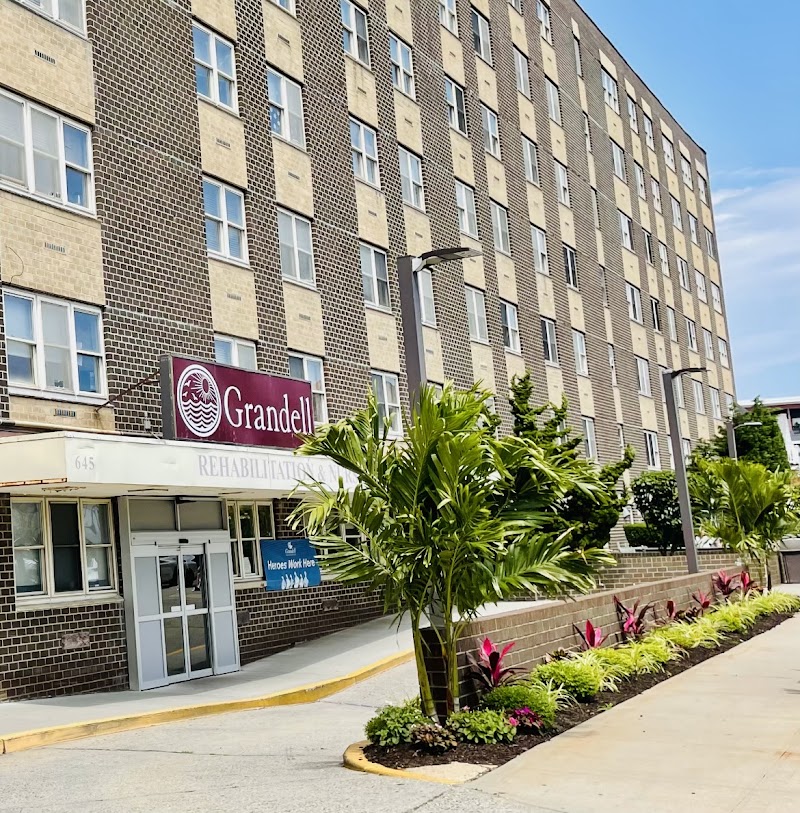
Who Owns and Operates Grandell Rehabilitation And Nursing Center?

GRANDELL REHABILITATION AND NURSING CENTER is owned by a for-profit company. For-profit facilities operate as businesses with obligations to shareholders or private owners. The facility operates independently rather than as part of a larger chain. With 278 certified beds and approximately 264 residents (about 95% occupancy), it is a large facility located in LONG BEACH, New York.

How Does Grandell Rehabilitation And Nursing Center Compare to Other New York Nursing Homes?

Compared to the 100 nursing homes in New York, GRANDELL REHABILITATION AND NURSING CENTER's overall rating (4 stars) is above the state average of 3.1, staff turnover (24%) is significantly lower than the state average of 46%, and health inspection rating (4 stars) is above the national benchmark.

What Should Families Ask When Visiting Grandell Rehabilitation And Nursing Center?

Based on this facility's data, families visiting should ask: "Can I visit during a mealtime to observe dining assistance and food quality?" "How do you handle medical emergencies, and what is your hospital transfer rate?" "Can I speak with family members of current residents about their experience?"

Is Grandell Rehabilitation And Nursing Center Safe?

Based on CMS inspection data, GRANDELL REHABILITATION AND NURSING CENTER has a clean safety record: no substantiated abuse findings (meaning no confirmed cases of resident harm), no Immediate Jeopardy citations (the most serious violation level indicating risk of serious injury or death), and is not on the Special Focus Facility watch list (a federal program monitoring the lowest-performing 1% of nursing homes). The facility has a 4-star overall rating and ranks #1 of 100 nursing homes in New York. While no facility is perfect, families should still ask about staff-to-resident ratios and recent inspection results during their visit.

Do Nurses at Grandell Rehabilitation And Nursing Center Stick Around?

Staff at GRANDELL REHABILITATION AND NURSING CENTER tend to stick around. With a turnover rate of 24%, the facility is 22 percentage points below the New York average of 46%. Low turnover is a positive sign. It means caregivers have time to learn each resident's needs, medications, and personal preferences. Consistent staff also notice subtle changes in a resident's condition more quickly. Registered Nurse turnover is also low at 26%, meaning experienced RNs are available to handle complex medical needs.

Was Grandell Rehabilitation And Nursing Center Ever Fined?

GRANDELL REHABILITATION AND NURSING CENTER has no federal fines on record. CMS issues fines when nursing homes fail to meet care standards or don't correct problems found during inspections. The absence of fines suggests the facility has either maintained compliance or corrected any issues before penalties were assessed. This is a positive indicator, though families should still review recent inspection reports for the full picture.

Is Grandell Rehabilitation And Nursing Center on Any Federal Watch List?

GRANDELL REHABILITATION AND NURSING CENTER is not on any federal watch list. The most significant is the Special Focus Facility (SFF) program, which identifies the bottom 1% of nursing homes nationally based on persistent, serious quality problems. Not being on this list means the facility has avoided the pattern of deficiencies that triggers enhanced federal oversight. This is a positive indicator, though families should still review the facility's inspection history directly.