LONG BEACH NURSING AND REHABILITATION CENTER

375 EAST BAY DRIVE, LONG BEACH, NY 11561 (516) 897-1220
For profit - Limited Liability company 200 Beds CASSENA CARE Data: November 2025
Trust Grade
70/100
#194 of 594 in NY
Last Inspection: March 2025

Within standard 12-15 month inspection cycle. Federal law requires annual inspections.

Overview

Long Beach Nursing and Rehabilitation Center has a Trust Grade of B, indicating it is a good choice for families, offering solid care. It ranks #194 out of 594 facilities in New York, placing it in the top half, and #15 out of 36 in Nassau County, meaning only a few local options are better. Unfortunately, the facility is showing a worsening trend, with issues increasing from 4 in 2023 to 9 in 2025. Staffing is average with a 3/5 rating and a turnover rate of 45%, which is about the same as the state average. The facility has no fines on record, which is a positive sign, and it offers more RN coverage than 96% of other facilities, ensuring better oversight for residents' health. However, there are some concerning incidents noted in recent inspections. For example, medications were not properly labeled or stored, posing a risk of medication errors. Additionally, the kitchen did not meet sanitation standards, with improper dishwashing temperatures and equipment stored without drying, which could lead to foodborne illness. Lastly, the medication refrigerator was found dirty and not properly maintained, indicating potential neglect in hygiene practices. Overall, while there are strengths in staffing and compliance history, families should be aware of the recent issues that need addressing.

Trust Score
B
70/100
In New York
#194/594
Top 32%
Safety Record
Low Risk
No red flags
Inspections
Getting Worse
4 → 9 violations
Staff Stability
○ Average
45% turnover. Near New York's 48% average. Typical for the industry.
Penalties
✓ Good
No fines on record. Clean compliance history, better than most New York facilities.
Skilled Nurses
✓ Good
Each resident gets 74 minutes of Registered Nurse (RN) attention daily — more than 97% of New York nursing homes. RNs are the most trained staff who catch health problems before they become serious.
Violations
⚠ Watch
24 deficiencies on record. Higher than average. Multiple issues found across inspections.
★★★★☆
4.0
Overall Rating
★★★☆☆
3.0
Staff Levels
★★★★★
5.0
Care Quality
★★★☆☆
3.0
Inspection Score
Stable
2023: 4 issues
2025: 9 issues

The Good

  • 5-Star Quality Measures · Strong clinical quality outcomes
  • Full Sprinkler Coverage · Fire safety systems throughout facility
  • No fines on record
  • Staff turnover below average (45%)

    3 points below New York average of 48%

Facility shows strength in quality measures, fire safety.

The Bad

Staff Turnover: 45%

Near New York avg (46%)

Typical for the industry

Chain: CASSENA CARE

Part of a multi-facility chain

Ask about local staffing decisions and management

The Ugly 24 deficiencies on record

Mar 2025 9 deficiencies
CONCERN (D)

Potential for Harm - no one hurt, but risky conditions existed

Pressure Ulcer Prevention (Tag F0686)

Could have caused harm · This affected 1 resident

Based on observations, record review, and interviews during the Recertification Survey initiated on 3/17/2025 and completed on 3/17/2025, the facility did not ensure each resident with pressure ulcers...

Read full inspector narrative →
Based on observations, record review, and interviews during the Recertification Survey initiated on 3/17/2025 and completed on 3/17/2025, the facility did not ensure each resident with pressure ulcers received necessary treatment and services, consistent with professional standards of practice, to promote healing, prevent infection and prevent new ulcers from developing. This was identified for two (Resident #123 and Resident #50) of three residents reviewed for Pressure Ulcers. Specifically, 1) Resident #123 had a physician's order to use an air mattress due to an unstageable pressure injury (a full-thickness tissue loss in which the depth of the wound bed is obscured by slough (yellow, tan, gray, green, or brown) and/or eschar (tan, brown, or black) to the right elbow. During an observation on 3/17/2025, the resident was in bed and the air mattress weight setting was not consistent with the resident's weight, and 2) Resident #50 had a physician's order to use an air mattress due to an unstageable pressure injury to the left buttock. During an observation on 3/17/2025, the air mattress was not plugged into the power outlet. The findings are: The facility's policy titled Air Mattress, effective 10/2023, documented the purpose [of an air mattress] is to prevent pressure ulcer/injury and to assist in healing pressure ulcers. Continuous monitoring of the functionality and effectiveness of an air mattress will be conducted to ensure optimal pressure redistribution and to prevent potential malfunctions. 1) Resident #123 was admitted with diagnoses including Diabetes Mellitus, Cerebrovascular Accident, and Non-Alzheimer's Dementia. The 2/28/2025 Significant Change Minimum Data Set assessment documented no Brief Interview for Mental Status score due to the resident having short and long-term memory problems. The Minimum Data Set assessment documented the resident had one unstageable pressure ulcer, was at risk for developing pressure ulcers, and was dependent on staff members for bed mobility and positioning. A Braden Scale (a scale for determining pressure ulcer risk), dated 3/14/2025, documented a score of 10, indicating the resident was at high risk for pressure ulcer development. A physician's order dated 2/21/2025 documented an order to use an Air Mattress. A physician's order dated 2/26/2025 documented Santyl ointment (Collagenase-an enzymatic debriding agent), to apply to the right elbow topically every day shift for a pressure ulcer injury. A review of the resident's medical record revealed a weight of 95.6 pounds as of 3/12/2025. A review of the undated Operation Manual for the air mattress documented: Determine the resident's weight and set the control knob to that weight setting on the control unit. On 3/17/2025 at 9:54 AM, Resident #123 was observed in bed. The weight setting on the air mattress control unit was set at 230 pounds. Licensed Practical Nurse #1 was at the resident's bedside and stated the resident was admitted to the facility with a pressure ulcer to the right elbow. During an interview on 3/19/2025 at 8:43 AM, Wound Care Registered Nurse #1 stated they are mainly responsible for checking air mattress settings, but the nurses going in and out of the room during the day are also responsible for ensuring the air mattress weight setting is correct. The proper weight setting helps heal the wound. Wound Care Registered Nurse #1 stated they did not have an explanation as to why the air mattress was not set at the appropriate weight setting on 3/17/2025 and this was a mistake. During an interview on 3/19/2025 at 12:55 PM, Wound Care Physician #1 stated the weight setting of the mattress should correspond with the resident's weight to assist in wound healing. During an interview on 3/20/2025 at 10:49 AM, the Director of Nursing Services stated the nurses have to make sure the air mattress weight setting is correct and corresponds to the resident's weight. 2) Resident #50 was admitted with diagnoses including Schizophrenia, Malnutrition, and Peripheral Vascular Disease. The 12/19/2024 Quarterly Minimum Data Set assessment documented a Brief Interview for Mental Status score of 13, indicating the resident was cognitively intact. The Minimum Data Set assessment documented the resident was at risk for pressure ulcer development and did not have a pressure ulcer at the time of the assessment. The assessment documented that the resident required supervision/touching assistance for bed mobility and positioning. A review of the resident's record revealed the resident acquired an unstageable pressure ulcer to the left buttock in the facility, which was identified on 2/12/2025. A Braden Scale (a scale for determining pressure ulcer risk), dated 2/17/2025, documented a score of 11, indicating a high risk of developing pressure ulcers. A physician's order dated 2/14/2025 documented an order for an Air Mattress every shift for pressure relief. A physician's order dated 2/28/2025 documented Santyl ointment (Collagenase-an enzymatic debriding agent), to apply to the left buttock topically every day shift for pressure ulcer. During an observation on 3/17/2025 at 11:15 AM, Resident #50 was lying in bed on an air mattress. The lights on the air mattress control unit were not on, and the air mattress did not appear to be functioning. The surveyor asked Licensed Practical Nurse #1 (unit nurse) to look at the mattress. Licensed Practical Nurse #1 and Registered Nurse Wound Care Nurse # 1 came into the room and untangled the wires of the mattress revealing that the air mattress was not plugged into the power outlet. The air mattress was then plugged into the wall outlet and the mattress control unit light was turned on. During an interview on 3/19/2025 at 8:43 AM, Wound Care Registered Nurse #1 stated all nursing staff that go into the room, including Certified Nursing Assistants, have a responsibility to ensure that the mattress is plugged in and operating. During an interview on 3/20/2025 at 10:49 AM, the Director of Nursing Services stated the nurses are responsible for making sure the air mattress weight settings are set correctly and all nursing staff are responsible for checking that the mattress is turned on and working appropriately. 10 NYC RR 415.12(c)(1)
CONCERN (D)

Potential for Harm - no one hurt, but risky conditions existed

Deficiency F0688 (Tag F0688)

Could have caused harm · This affected 1 resident

**NOTE- TERMS IN BRACKETS HAVE BEEN EDITED TO PROTECT CONFIDENTIALITY** Based on observations, record review, and interviews during the Recertification Survey initiated on 3/17/2025 and completed on 3...

Read full inspector narrative →
**NOTE- TERMS IN BRACKETS HAVE BEEN EDITED TO PROTECT CONFIDENTIALITY** Based on observations, record review, and interviews during the Recertification Survey initiated on 3/17/2025 and completed on 3/21/2025, the facility did not ensure that a resident with a limited range of motion receives appropriate treatment and services. This was identified for one (Resident #42) of seven residents reviewed for Activities of Daily Living. Specifically, Resident #42 was observed on multiple occasions with a gauze roll in their left hand. The resident's Comprehensive Care Plan documented the discontinuation of the use of the gauze roll in April 2024. An interview with the Director of Rehabilitation revealed that any object in the resident's hands may stimulate involuntary tone and greater tension in the resident's hands which was more detrimental than beneficial for the resident due to the Traumatic Brain Injury diagnosis. Additionally, The Rehabilitation screening did not include and measure the resident's current extent of movement of their joints and the identification of limitations and opportunities for improvement. The finding is: The facility's policy titled Contracture Management Program, effective January 2022 documented that residents at risk or present with contractures will be assessed to determine appropriate interventions, including the use of orthotic devices and range of motion (ROM) exercises. Use of orthotic devices will be prescribed by the Occupational Therapist or Physical Therapist as part of the resident's care plan. The schedule of orthotic device use will be documented and followed by the Nursing staff. Nursing staff will receive instructions on the proper application, removal, and monitoring of the orthotic devices as well as performing a range of motion exercise as per the care plan. Nursing and Therapy staff will collaborate in care plan meetings to adjust interventions as necessary. The facility's policy titled Activities of Daily Living, effective November 2018 documented to provide necessary care and services based on comprehensive resident assessment to prevent decline unless it is unavoidable. Passive range of motion shall be encouraged or performed during daily Activities of Daily Living care. Documentation of Activities of Daily Living shall be recorded in the [Electronic Medical Record]. The facility's policy titled Restorative Nursing and Unit Activity Program, effective September 2021 documented Certified Nursing Assistants should review instructions on [NAME] and deliver care to residents who are ordered on the Unit Activity Program. Certified Nursing Assistant then should document information in [the resident's] plan of care. Resident #42 was admitted with diagnoses that include Traumatic Brain Injury, Quadriplegia, and Aphasia (difficulty speaking). The Quarterly Minimum Data Set assessment dated [DATE] documented the Brief Interview for Mental Status was not conducted because the resident rarely understands and was rarely understood. Resident #42 had functional limitations in the range of motion on both sides of the upper and lower extremities. Resident #42 is dependent on all activities of daily living and mobility. The Minimum Data Set did not indicate the use of a splint or brace. The Rehabilitation Therapy Screening dated 7/18/2024 documented Resident #42 had fixed contractures and significant flexor tone in bilateral upper and lower extremities. Resident #42 did not have any orthotics. Resident #42 was on a unit activity program to receive a passive range of motion. There was no documentation that the assessment evaluated the degrees of severity of the existing fixed contractures to determine if current management and interventions were effective. The Rehabilitation Therapy Screening dated 10/16/2024 documented Resident #42 had fixed contractures and significant flexor tone in bilateral upper and lower extremities. Resident #42 did not have any orthotics. Resident #42 was on a unit activity program to receive a passive range of motion. There was no documentation that the assessment evaluated the degrees of severity of the existing fixed contractures to determine if current management and interventions were effective. The Rehabilitation Therapy Screening dated 1/14/2025 documented Resident #42 had fixed contractures and significant flexor tone in bilateral upper and lower extremities. Resident #42 did not have any orthotics. Resident #42 was on a unit activity program to receive a passive range of motion. There was no documentation that the assessment evaluated the degrees of severity of the existing fixed contractures to determine if current management and interventions were effective. The Comprehensive Care Plan titled Potential for Further Skin Breakdown last revised 12/20/2024 did not include the use of gauze handroll for preventative skin care. The Comprehensive Care Plan titled Impaired Mobility and Activities of Daily Living Self-Care Performance Deficit last revised on 3/19/2025 documented resident has impaired ability due to Quadriplegia with contracture and a history of Traumatic Brain Injury. The interventions included passive range of motion during morning and evening care. The interventions did not include the use of a gauze handroll. The Nursing Aide Task Instruction ([NAME]-resident care instruction provided to Certified Nursing Assistants) dated 3/19/2025 documented to keep skin clean and dry. Resident #42 is to receive a Passive Range of Motion to the bilateral upper and lower extremities during morning and evening care. The instructions did not include the use of a gauze handroll. There was no physician's order for the use of the gauze handroll. During an observation on 3/17/2025 at 12:43 PM, Resident #42 was lying in bed with both hands resting on top of their chest, in a fisted position, with a gauze roll in the left hand. Resident #42 was cognitively impaired and therefore was unable to provide information about the gauze roll. During an observation on 3/19/2025 at 11:48 AM, Resident #42 was lying in bed with both hands resting on top of their chest, in a fisted position, with a gauze roll in the left hand. During an observation on 3/19/2025 at 2:17 PM, Resident #42 was lying in bed with both hands resting on top of their chest, in a fisted position, with a gauze roll in the left hand. Resident #42's right hand was observed tightly closed and the fingertips appeared to be digging into the resident's palm and the resident's fingers were blanched. During an interview on 3/19/2025 at 2:42 PM, Certified Nursing Assistant #3 stated they were responsible for placing the gauze rolls in the resident's contracted hands. Certified Nursing Assistant #3 stated they did not document the use of the gauze rolls because the task was not included in the [NAME] (Certified Nursing Assistant instruction). Certified Nursing Assistant #3 stated they did not place a gauze roll in the resident's right hand because they (Certified Nursing Assistant #3) could not open the resident's hand. Certified Nursing Assistant #3 stated they did not notify anyone because the resident's hands had been that way for a long time. During an observation and interview on 3/19/2025 at 3:38 PM, Resident #42's hand was observed with Licensed Practical Nurse #3 and Registered Nurse Supervisor #7. The resident's right hand required more effort and assistance to open. The skin on both hands was intact and moist with some dry skin flakes. Licensed Practical Nurse #3 stated Resident #42 had contractures on both hands and required hand rolls to prevent skin breakdown. Licensed Practical Nurse #3 stated the handrolls were issued by the Rehabilitation department. Licensed Practical Nurse #3 pulled down the blanket and found a gauze roll on top of the resident's gown. Licensed Practical Nurse #3 stated the roll must have slipped out from Resident #42's right hand. Licensed Practical Nurse #3 stated that the nursing staff was responsible for placing and ensuring the hand rolls stayed in place at all times. Registered Nurse Supervisor #7 assessed the skin and assisted Licensed Practical Nurse #3 in placing the gauze roll back into Resident #42's right hand. During an interview on 3/21/2025 at 10:44 AM, Certified Nursing Assistant #4 stated they were regularly assigned to Resident #42 until early March 2025. Certified Nursing Assistant #4 stated they would place the handrolls in the resident's hands daily to keep the resident's fingernails from digging into the palms. Certified Nursing Assistant #4 stated over the years it has become harder to open and clean the resident's hands. The resident requires two staff to perform cleaning and skin checks now, as compared to only one staff earlier years. During an interview on 3/21/2025 at 11:04 AM, the Director of Rehabilitation stated Resident #42 was not a candidate for the Contracture Management program. The Director of Rehabilitation stated that Resident #42 suffered significant flexor tone as a result of neurological symptoms from their Traumatic Brain Injury and Quadriplegia diagnoses. The Director of Rehabilitation stated any object in the resident's hands may stimulate involuntary tone and greater tension in the resident's hands which was more detrimental than beneficial for the resident. The Director of Rehabilitation stated Resident #42 should not have any device in their hands for long periods of time and they were not aware that nursing staff was using the gauze roll for contracture management. The Director of Rehabilitation stated the Rehabilitation department assesses the residents quarterly and upon referral from the nursing staff. Resident #42's hand has been fixed in the same position for a long time and will likely stay that way with no change. The Director of Rehabilitation stated the Rehabilitation screen did not include an assessment related to the degrees of contractures and that they would look into changing that. The Director of Rehabilitation stated that they expect passive range of motion to be provided by nursing staff during care to prevent worsening and deterioration but the Rehabilitation department does not monitor the changes in Range of Motion on a daily basis. During an interview on 3/21/2025 at 1:53 PM, the Director of Nursing Services stated gauze rolls were utilized by nursing staff to clean the hands and prevent skin breakdown and not for contracture management. The Director of Nursing Services stated there should be a physician's order and a care plan for the use of the hand roll. The Director of Nursing Services stated that the nursing staff is supposed to just clean the hand with the roll and remove the gauze roll. 10 NYCRR 415.12 (e)(2)
CONCERN (D)

Potential for Harm - no one hurt, but risky conditions existed

Tube Feeding (Tag F0693)

Could have caused harm · This affected 1 resident

Based on observations, record review, and interviews during the Recertification Survey initiated on 3/17/2025 and completed on 3/21/2025, the facility did not ensure that each resident who is fed by e...

Read full inspector narrative →
Based on observations, record review, and interviews during the Recertification Survey initiated on 3/17/2025 and completed on 3/21/2025, the facility did not ensure that each resident who is fed by enteral means received the appropriate treatment and services to prevent complications of enteral feeding (tube feeding). This was identified for one (Resident #123) of one resident reviewed for Tube Feeding. Specifically, on 3/17/2025, Resident #123 received the wrong enteral formula. The bottle for the enteral formula did not have a label indicating the resident's name, the flow rate, the time, and the date of the administration. The finding is: The facility's policy titled Administration of Gastrostomy Tube Feeding, effective 3/2025, documented tube feeding shall be administered and monitored by a licensed nurse upon the written order of a Physician/Nurse Practitioner. The licensed nurse will verify the physician's order (type of feeding, water flush amount, flow rate, route of administration). Attach the completed label with the details of the physician's order related to the tube feeding. [NAME] the bag or bottle with the resident's name, date, and time of administration. Resident #123 was admitted with diagnoses including Diabetes Mellitus, Malnutrition, and Cerebrovascular Accident. The 2/28/2025 Significant Change Minimum Data Set assessment documented no Brief Interview for Mental Status score due to the resident having long and short-term memory problems. The Minimum Data Set documented the resident had a feeding tube and had a weight loss of 5% or more in the last month or 10% or more in the last 6 months. A Physician's order dated 3/13/2025 documented to administer Enteral (directly into gastrointestinal tract) Feeding, Glucerna 1.2, 1500 milliliter; at the rate of 75 milliliter/hour. A Dietary note dated 3/13/2025 documented a weight warning; significant weight loss, current weight 95.6 pounds. The resident receives nothing by mouth; Glucerna 1.5 1000 milliliters, at the rate of 50 milliliters per hour for 20 hours; recommend to change the formula to Glucerna 1.2, 1500 milliliters at 75 milliliters per hour for 20 hours. During an observation on 3/17/2025 at 9:58 AM, Resident #123 was observed in bed. The Glucerna 1.5 1000 milliliter bottle bottle of tube feeding formula was hanging from a pole at the bedside. There was no label on the bottle including the resident's name or the feeding start time. Licensed Practical Nurse #1, who was in the resident's room, stated the feeding was started at 4:00 PM the previous day and they had just stopped the feeding because the tube feeding was leaking. Licensed Practical Nurse #1 stated they just noticed that there was no resident label on the bottle and that the nurse who started the feeding was supposed to apply the label. A review of the March 2025 Medication Administration Record documented that the tube feeding was started at 4:00 PM on 3/16/2025 by Registered Nurse #2. During an interview on 3/18/2025 at 11:50 AM, Registered Nurse #2 stated they did not remember to add the tube feeding label including the resident's name and the feeding start time. Registered Nurse #2 stated they knew that the flow rate had changed from 50 milliliters per hour to 75 milliliters per hour; however, they did not know that the feeding solution order had also changed to Glucerna 1.2. During an interview on 3/19/2025 at 8:08 AM, the Director of Nursing Services, who was also the Infection Preventionist and Nurse Educator, stated the tube feeding bottle should be labeled with the resident's name, flow rate, and the time the feeding was started. The Director of Nursing Services stated the nurses must check the physician's order prior to hanging the feeding bottles to ensure the right formula in the right amount is being administered. During an interview on 3/19/2025 at 8:19 AM, Registered Dietician #1 stated Resident #123 was noted with weight loss, and the formula was changed from Glucerna 1.5 to Glucerna 1.2 to provide additional calories and protein to Resident #123 for maintaining their weight. 10 NYCRR 415.12(g)(2)
CONCERN (D) 📢 Someone Reported This

A family member, employee, or ombudsman was alarmed enough to file a formal complaint

Potential for Harm - no one hurt, but risky conditions existed

Deficiency F0725 (Tag F0725)

Could have caused harm · This affected 1 resident

Based on interviews and record review during the Recertification Survey and Abbreviated Survey (NY 00357077) initiated on 3/17/2025 and completed on 3/21/2025, the facility did not ensure there was su...

Read full inspector narrative →
Based on interviews and record review during the Recertification Survey and Abbreviated Survey (NY 00357077) initiated on 3/17/2025 and completed on 3/21/2025, the facility did not ensure there was sufficient nursing staff to provide nursing and related services to assure resident safety and attain or maintain the highest practicable physical, mental, and psychosocial well-being of each resident. This was identified for one (Unit 3) of three resident units review for Sufficient and Competent Nurse Staffing. Specifically, there were insufficient Certified Nursing Assistants staffed on Unit 3 on the weekends for the following dates: 9/21/2024, 9/22/2024, 9/28/2024, 9/29/2024, and 10/6/2024 for various shifts. The finding is: The facility assessment dated 12/2024 documented on Unit 3, that there should be five Certified Nursing Assistants staffed for the day shift (7:00 AM to 3:00 PM) and the evening shift (3:00 PM to 11:00 PM). On the night shift (11:00 PM to 7:00 AM) there should be three Certified Nursing Assistants on Unit 3. The facility assessment prior to 12/2024 was not available for review. -The facility nursing staffing sheet dated 9/21/2024 documented that four Certified Nursing Assistants were assigned to Unit 3 during the 3:00 PM to 11:00 PM shift. -The facility nursing staffing sheet dated 9/22/2024 documented that four Certified Nursing Assistants were assigned to Unit 3 during the 7:00 AM to 3:00 PM and the 3:00 PM to 11:00 PM shift. -The facility nursing staffing sheet dated 9/28/2024 documented that four Certified Nursing Assistants were assigned to Unit 3 during the 7:00 AM to 3:00 PM and the 3:00 PM to 11:00 PM shift. -The facility nursing staffing sheet dated 9/29/2024 documented that four Certified Nursing Assistants were assigned to Unit 3 during the 7:00 AM to 3:00 PM and the 3:00 PM to 11:00 PM shift. -The facility nursing staffing sheet dated 10/6/2024 documented that four Certified Nursing Assistants were assigned to Unit 3 during the 7:00 AM to 3:00 PM and the 3:00 PM to 11:00 PM shift. During an interview on 3/21/2025 at 2:52 PM, the Staffing Coordinator stated they were working at the facility as a staffing coordinator from September to October 2024. The Staffing Coordinator stated they would assist with finding coverage on the weekends if there was a call out on a weekend. The Unit 3's full capacity was 50 residents. On 9/21/2024 there were 48 residents, on 9/22/2024 there were 49 residents, on 9/28/2024 there were 50 residents, and on 10/6/2024 there were 50 residents on Unit 3. The Staffing Coordinator further stated the staffing needs remained the same in September and October 2024 as they are documented in the current facility assessment therefore, Unit 3 was not sufficiently staffed on the weekends during the day and evening shifts. During an interview on 3/21/2025 at 4:25 PM, the Administrator stated they updated the facility assessment and did not save the information from the previous facility assessment. The Administrator further stated they did not have the previous facility assessment with the staffing information for each unit prior to December 2024 and did not recall the changes that were made to the current facility assessment. During an interview on 3/21/2025 at 4:35 PM, the Director of Nursing Services stated they had recently started working at the facility and did not know what the staffing needs were in September or October of 2024. The Director of Nursing Services stated that based on the current facility assessment dated 12/2024, the weekend dates from 9/21/2024 to 10/6/2025, Unit 3 had an insufficient number of Certified Nursing Assistant staff during the day and evening shifts. During an interview on 3/21/2025 at 4:50 PM, the Administrator stated that based on the current facility assessment, they expected at least five Certified Nursing Assistants to be working on Unit 3 during the day shift and evening shift. 10 NYCRR 415.13(a)(1)(i-iii)
CONCERN (D)

Potential for Harm - no one hurt, but risky conditions existed

Drug Regimen Review (Tag F0756)

Could have caused harm · This affected 1 resident

**NOTE- TERMS IN BRACKETS HAVE BEEN EDITED TO PROTECT CONFIDENTIALITY** Based on record review and interviews during the Recertification Survey initiated on 3/17/2025 and completed on 3/21/2025, the f...

Read full inspector narrative →
**NOTE- TERMS IN BRACKETS HAVE BEEN EDITED TO PROTECT CONFIDENTIALITY** Based on record review and interviews during the Recertification Survey initiated on 3/17/2025 and completed on 3/21/2025, the facility did not ensure that irregularities reported by the Pharmacist to the attending Physician, the facility's Medical Director, and the Director of Nursing were acted upon for each resident. This was identified for one (Resident #59) of five residents reviewed for Unnecessary Medications. Specifically, the attending Physician for Resident #59 agreed to the recommendations to consider evaluating sliding scale insulin coverage and decreasing finger sticks to twice a day to obtain blood glucose readings made by the Pharmacist; however, the recommendations were not implemented. The finding is: The facility's policy titled Medication Regimen Reviews dated 10/2018 documented the consultant Pharmacist performs a comprehensive review of each resident's Medication Regimen Review upon admission/readmission and at least monthly. The Medication Regimen Review includes evaluating the resident's response to medication therapy to determine that the resident maintains the highest practicable level of functioning, prevents or minimizes adverse consequences related to medication therapy, and is free of unnecessary medications. Findings and recommendations are reported to the Director of Nursing, the attending Physician, the Medical Director, and/or the Administrator. Recommendations are acted upon and documented in the medical record/Medication Regimen form by the facility staff and/or the prescriber. The documentation must reflect that the irregularity has been reviewed and what, if any action has been taken to address it. If there is no change to the medication, the attending Physician should document their rationale. Resident #59 was admitted with diagnoses including Diabetes Mellitus, Diabetic Neuropathy (damaged peripheral nerves), and Essential Hypertension. The Quarterly Minimum Data Set assessment dated [DATE] documented a Brief Interview for Mental Status score of 5, indicating the resident had severe cognitive impairment. The Minimum Data Set assessment documented the resident received insulin injections during the last 7 days. A Comprehensive Care Plan titled The Resident has altered Endocrine/Metabolic Status dated 12/8/2023 and last revised 9/28/2024 documented interventions including fingerstick for blood glucose monitoring as ordered, administer medications as ordered, monitor, document, and report signs and symptoms of hyperglycemia (high blood sugar levels) and hypoglycemia (low blood sugar levels) to the Physician. A Medication Regimen Review form dated 1/6/2025 for Resident #59 documented the Pharmacist's recommendations including discontinuing sliding scale insulin coverage and taper fingerstick order to two times a week in the morning and the evening and notifying the Physician if results are below 70 milligrams per deciliter or greater than 250 milligrams per deciliter. The attending Physician agreed with the Pharmacist's recommendations on 2/6/2025 and documented on the Medication Regimen Review form to change the fingerstick blood glucose monitoring to two times a week and to call the Physician for blood glucose readings over 201 milligrams per deciliter, or blood glucose readings below 70 milligrams per deciliter. A Medication Regimen Review form dated 2/5/2025 for Resident #59 documented the Pharmacist's recommendations including evaluating the current need for sliding scale insulin coverage without a standing physician's order for medication for Diabetes and considering discontinuing insulin coverage. The undated response by the attending Physician on the Medication Regimen Review form documented the attending Physician agreed with the recommendations and further documented adding Metformin (an oral diabetic medication) 100 milligrams twice a day for Diabetes. The Medication Administration Record for February 2025 to March 2025 documented that the physician's order for fingerstick blood glucose monitoring before meals and at bedtime was provided, and the physician's order for Humalog pen-injector insulin coverage before meals and at bedtime was administered. A Physician's Order dated 2/7/2025 documented fingerstick blood glucose monitoring before meals and at bedtime. A physician's order dated 2/14/2025 documented to administer Metformin oral tablet 1000 milligrams orally, two times a day. A physician's order dated 2/20/2025 documented an order to administer Humalog 100 units (insulin) per milliliter subcutaneous (tissue between the inner layer of skin and muscle) solution Pen-injector as per the following sliding scale before meals and at bedtime for Diabetes Mellitus. The order included parameters of glucose readings with the corresponding insulin dosage. During an interview on 3/20/2025 at 10:04 AM, Registered Nurse #1, the Registered Nurse Supervisor, stated the nursing supervisors were responsible for initially reviewing the Medication Regimen Review forms and contacting the attending Physician regarding the recommendations made by the consultant Pharmacist and obtaining physician's orders. Registered Nurse #1 could not recall reviewing the recommendations made by the consultant Pharmacist on 1/6/2025 and 2/5/2025 regarding Resident #59's blood glucose monitoring and sliding scale insulin coverage. Registered Nurse #1 further stated they did not know why the recommendations were not put in place for Resident #59. During an interview on 3/21/2025 at 8:54 AM, Physician #1, the attending Physician, stated the Physicians were responsible for reviewing the Medication Regimen Review form and any Pharmacist recommendations. The Physicians are responsible for documenting their responses to the Pharmacist's recommendations and a rationale if they disagree with the Pharmacist's recommendations. Physician #1 stated they had initially agreed with the Pharmacist's recommendations that were made on 1/6/2025 and 2/5/2025. Physician #1 stated they reviewed the resident's records later and did not feel comfortable changing the orders for blood glucose monitoring and the sliding scale insulin overage for Resident #59 for clinical reasons including the resident's history of episodes of Hyperglycemia, recently starting an oral diabetic medication, and recent removal of enteral tube feeding. Physician #1 further stated they should have documented their rationale in the resident's medical record. During an interview on 3/21/2025 at 12:03 PM, the Medical Director stated all attending Physicians should review and document a response to the Pharmacist's recommendations on the Medication Regimen Review form. The Physician must document whether they agree or disagree with the recommendations with a rationale and any alternative treatments if they were in disagreement with the recommendations. During an interview on 3/21/2025 at 12:27 PM, the Director of Nursing Services stated Physician #1 should have implemented the recommendations made by the Pharmacist or provided documentation of a rationale why the recommendations were not implemented for Resident #59. 10 NYCRR 415.18(c)(2)
CONCERN (E)

Potential for Harm - no one hurt, but risky conditions existed

Deficiency F0761 (Tag F0761)

Could have caused harm · This affected multiple residents

**NOTE- TERMS IN BRACKETS HAVE BEEN EDITED TO PROTECT CONFIDENTIALITY** Based on observations, record review, and interviews during the Recertification Survey initiated on 3/17/2025 and completed on 3...

Read full inspector narrative →
**NOTE- TERMS IN BRACKETS HAVE BEEN EDITED TO PROTECT CONFIDENTIALITY** Based on observations, record review, and interviews during the Recertification Survey initiated on 3/17/2025 and completed on 3/21/2025, the facility did not ensure that drugs and biologicals used in the facility must be labeled and stored in accordance with currently accepted professional principles, and include the appropriate accessory and cautionary instructions, and the expiration date when applicable. This was identified for two (Unit 2 East and Unit 4 [NAME] medication carts) of three medication carts reviewed during the Medication Storage Task. Specifically, 1) one opened Lantus (a long-acting insulin) Solostar pen and one opened bottle of Polyvinyl Ophthalmic solution (a treatment for dry eyes) were observed in the Unit 4 [NAME] medication cart without an open date documented on the medications, and 2) one opened Humalog insulin (fast-acting insulin) pen was observed in the Unit 2 East medication cart without an open date documented on the insulin pen. The findings are: The facility's policy titled Storage of Medications dated 4/2019 documented that multi-dose vials that have been opened or accessed should be dated and discarded within 28 days unless the manufacturer specifies a different date for that opened vial. Prior to and after opening, all medications shall expire on the date specified by the manufacturer on the product label, unless the manufacturer has specifically indicated a shortened expiration date once opened on the product label itself. Any medication that has been prescribed, but is no longer in use by a resident, shall be destroyed or disposed of in accordance with the Public Health Law unless the resident's Physician requests that the medication be discontinued for a specific temporary period. 1) Resident #92 was admitted with diagnoses including Type 2 Diabetes Mellitus, Essential Hypertension, and Chronic Kidney Disease. The Quarterly Minimum Data Set assessment dated [DATE] documented a Brief Interview for Mental Status score of 15, indicating the resident had intact cognition. The Minimum Data Set assessment documented the resident received insulin injections in the last 7 days. The current Physician's order documented to administer 20 units of Lantus Solostar 100 unit per milliliter pen-injector subcutaneously (tissue between the inner layer of skin and muscle) at bedtime for Diabetes Mellitus. Resident #98 was admitted with diagnoses including Glaucoma, Dementia, and Essential Hypertension. The Significant Change in Status Minimum Data Set assessment dated [DATE] documented a Brief Interview for Mental Status of 3, indicating the resident had severe cognitive impairment. The Minimum Data Set Assessment documented the resident had impaired vision and used corrective lenses. A review of the Physician's orders revealed Resident #98 had an order for Artificial Tears Ophthalmic Solution 1.4 percent (Polyvinyl Alcohol), which was discontinued on 1/30/2025. During an observation of the Unit 4 [NAME] medication cart on 3/20/2025 at 1:26 PM with Registered Nurse #1, one opened Lantus insulin pen for Resident #92 and one open bottle of Polyvinyl Ophthalmic Solution for Resident #98 were observed without an open date documented on the medications. During an interview on 3/20/2025 at 1:34 PM, Registered Nurse #1, the Registered Nurse Supervisor, stated insulin pens should be labeled with an open date as soon as the pen is opened. The insulin pens should be discarded within 28 days from the opening date. The insulin pen and the bottle of Polyvinyl Ophthalmic Solution should have had the open date documented on the medication. Registered Nurse #1 stated they did not know when to discard the eye drops after the eye drop bottle was opened. During an interview on 3/21/2025 at 6:59 AM, Pharmacist #1 stated Lantus insulin pens can be stored at room temperature after opening and should be discarded 28 days after opening because the medications can become less effective after 28 days when stored at room temperature. The Polyvinyl Ophthalmic solution can be stored at room temperature once opened, and it should be discarded 28 to 30 days after opening as the preservative in the medication can break down and make the medication more susceptible to contamination. During an interview on 3/21/2025 at 10:47 AM, Registered Nurse #5, the Registered Nurse Supervisor, stated if the medication order was discontinued the medication should be immediately removed from the medication cart. 2) Resident #436 was admitted with diagnoses including Diabetes Mellitus, Peripheral Vascular Disease, and Essential Hypertension. The admission Minimum Data Set assessment dated [DATE] documented a Brief Interview for Mental Status score of 13, indicating the resident had intact cognition. The Minimum Data Set Assessment documented the resident was taking hypoglycemic medication. A Physician's Order dated 3/18/2025 documented to inject Humalog KwikPen Subcutaneous (tissue between the inner layer of skin and muscle) Pen-injector 100 units per milliliter as per the following sliding scale before meals. During an observation of the Unit 2 East medication cart on 3/20/2025 at 2:03 PM with Registered Nurse #8, one opened Humalog insulin pen for Resident #436 was observed without an opened date documented on the pen. During an interview on 3/20/2025 at 2:06 PM, Registered Nurse #8, the medication nurse, stated the Humalog insulin pen should also have had an open date documented on the pen because the insulin had to be discarded 28 days after opening. Registered Nurse #8 further stated they did not know the reason why the Humalog insulin pen was stored in the medication cart without an open date. During an interview on 3/21/2025 at 6:59 AM, Pharmacist #1 stated Humalog insulin pens can be stored at room temperature after opening and should be discarded 28 days after opening because the medications can become less effective after 28 days when stored at room temperature. During an interview on 3/21/2025 at 12:41 PM, the Director of Nursing Services stated all open medications should have the open date documented on them. All nurses are responsible for ensuring proper labeling and storage of medications with an open date. The Director of Nursing Services further stated the discontinued medications should be removed from the medication cart. 10 NYCRR 415.18(d)(e)(1-4)
CONCERN (E)

Potential for Harm - no one hurt, but risky conditions existed

Food Safety (Tag F0812)

Could have caused harm · This affected multiple residents

Based on observations, record review, and interviews conducted during the Recertification survey initiated on 3/17/2025 and completed on 3/21/2025, the facility did not follow proper sanitation practi...

Read full inspector narrative →
Based on observations, record review, and interviews conducted during the Recertification survey initiated on 3/17/2025 and completed on 3/21/2025, the facility did not follow proper sanitation practices to prevent the outbreak of foodborne illness and did not store and prepare food in accordance with professional standards for food service safety. This was identified during the Kitchen Task. Specifically, 1) during the kitchen observation on 3/17/2025, the final rinse temperature of the high-temperature dishmachine was observed to be below 180 degrees Fahrenheit. The manufacturer's temperature recommendation for the rinse cycle was 180 degrees Fahrenheit and above and the dietary staff did not know how to operate and monitor the chemical sanitization process for the dishmachine 2) Multiple observations of washed cooking equipment and washed wet trays, plates, and domes were stored away without drying. 3) One out of six air circulation fans in the walk-in refrigerator was dusty with black build-up around the fan guard; the dry goods storage room floor was unclean; and a condiment compartment tray was in an unsanitary and dirty condition. Additionally, non-food items including but not limited to cutlery bags and tray cover boxes were placed directly on the floor in the paper goods storage room. The findings are: 1) The facility's policy and procedure titled Dish Machine Temperature Procedure dated 5/2022 documented that food service workers, dietary managers, or supervisors will monitor wash and rinse temperature to ensure proper [dishmachine] temperature. The wash temperature should meet a minimum of 150 degrees Fahrenheit, and the final rinse temperature should meet a minimum of 180 degrees Fahrenheit. The dietary manager or supervisor should complete the temperature log every shift. Food service workers should stop using the machine and notify the dietary manager or supervisor if the machine does not meet identified temperatures. Administration, Maintenance, and the dishmachine Service Company should be contacted immediately for repair if the dishmachine is not meeting the proper temperature. The use of low-temperature sanitizing procedures should be instituted if needed. The dishmachine manufacturer's instruction dated 11/2012 documented minimum temperatures of the Wash, Rinse, and Final Rinse cycle while using high-temperature sanitizing were 150 degrees Fahrenheit, 160 degrees Fahrenheit, and 180 degrees Fahrenheit. The dishmachine was observed being operated by Dietary Aide #1 on 3/17/2025 at 9:41 AM, in the presence of the Food Service Director. Dietary Aide #2 was also present and was removing the washed dish load out of the dishmachine. A moderate amount of water was observed leaking from below the digital temperature display on the dishmachine which read 146 degrees Fahrenheit for the Wash and 122 degrees Fahrenheit for the Final Rinse cycle. The Final Rinse temperature of a second load read 121 degrees Fahrenheit. During an interview on 3/17/2025 at 9:48 AM, Dietary Aide #1 stated they were using the dishmachine to wash the dishes from the breakfast meal. Dietary Aide #1 stated the dishmachine is a high-temperature machine and the Wash cycle temperature should be at 160 degrees Fahrenheit and the Final Rinse cycle temperature should be at 180 degrees Fahrenheit. Dietary Aide #1 stated they did not notice that the Final Rinse cycle temperature was low and therefore, they did not notify anyone. Dietary Aide #1 stated they did not know the procedures regarding how and when chemical sanitization should be instituted. Dietary Aide #1 did not know how to test for the chemical concentration of the water solution during the final rinse cycle. During an interview on 3/17/2025 at 9:51 AM, Dietary Aide #2 stated that they were newly hired and were not regularly assigned to the dishwashing task. Dietary Aide #2 stated they knew the basics of how to operate the dishmachine such as turning on the machine, loading and removing dishes, and refilling the sanitizing chemicals. Dietary Aide #2 stated they did not know the operation and procedures of when to use chemical sanitization. During an interview on 3/17/2025 at 10:07 AM, the Director of Food Services stated they were not notified of the low dishmachine Wash and Rinse cycle temperatures and should have been notified. The Director of Food Services stated they would have called the Maintenance Department and the Dishmachine company for servicing. The Director of Food Services stated all kitchen staff should be familiar with the operation of the dishmachine both in high temperature and chemical sanitization mode. 2) The dishwasher instruction dated 11/2012 documented to allow dishes to drain and air-dry before removing the ware [dishes] from the rack. The facility's policy and procedure titled Dish Machine Temperature Procedure dated 5/2022 did not document the procedures to dry and store washed dishes and equipment. During an initial kitchen tour on 3/17/2025 at 9:41 AM, the dishmachine operation was observed. Dietary Aide #1 was washing and loading the dirty dishes into the dishwashing machine and Dietary Aide #2 was clearing the washed load out of the machine and putting the washed dishes away. The washed trays, plates, and domes were not completely air-dried before Dietary Aide #2 stacked the washed items on the meal truck for lunch preparation. During an observation of the meal trucks on 3/17/2025 at 11:39 AM, wet domes were observed set up on the residents' individual meal trays that were set up in preparation for the lunch meal. The Director of Food Services was immediately interviewed after the observation on 3/17/2025 and stated that washed items such as trays, dishes, utensils, pots and pans, etc. should be wiped and dried before storing. The Director of Food Services stated they did not have sufficient space and drying racks to allow items to be completely air-dried before storage. During an observation on 3/17/2025 at 11:45 AM, the pot washer was observed cleaning and sanitizing large cooking pots and pans in a 3-compartment sink. Wet stainless steel sheet pans and steam table pans were nesting on top of each other and water was dripping from the top pans onto pans stacked below. During a follow-up kitchen tour on 3/18/2025 at 2:45 PM, washed trays, plates, and domes were observed to be wet and nesting on top of each other. 3) The facility's policy and procedure titled Storeroom/Food Delivery Procedure dated 7/2022 documented that all food items will be properly rotated, dated, and stored in a clean environment. The dietary aide will clean the storeroom daily per assignment. Nothing is to be stored 18 inches or less from the ceiling. Nothing could be stored on the floor. The policy did not include the cleaning procedure of the walk-in refrigeration units. During an initial tour of the kitchen on 3/17/2025 at 11:26 AM, one out of six air circulation fans in the walk-in refrigerator was observed dusty with black build-up around the fan guard. The fan sat directly above a shelf with stored food items. The Director of Food Services was immediately interviewed and stated the dietary staff/stocker who received food delivery on Wednesdays and Fridays was responsible for cleaning the refrigerator. The Director of Food Services stated they expected the walk-in units to be cleaned at least weekly on one of the two delivery days. Dietary staff assignment and schedule were reviewed for the week of 3/9/2025 and 3/16/2025. There was no documented evidence that the dietary staff/stocker performed weekly cleaning of the walk-in refrigerator. The dietary staff/stocker was unavailable for the interview. During an initial tour of the kitchen on 3/17/2025 at 11:43 AM, the dry goods storage room was observed with debris, single-use jelly jam containers, salt and pepper packets, and spilled dry beans on the floor. A dirty condiment tray, with black unidentified pieces, was observed on a trolley. The Director of Food Services was immediately interviewed and stated the storage room should be kept clean. During a tour of the dry paper goods storage area on 3/17/2025 at 12:03 PM, multiple items including but not limited to a box of food wrap, three chemical bottles, a box of cutlery bags, and three bags of tray covers were observed directly placed on the floor under the storage rack. The Director of Food Services was immediately interviewed and stated nothing should be stored on the floor. 10 NYCRR 415.14(h)
CONCERN (E)

Potential for Harm - no one hurt, but risky conditions existed

Infection Control (Tag F0880)

Could have caused harm · This affected multiple residents

3) The facility's policy titled Medication Refrigerator Cleaning dated 11/2017 documented all medication refrigerators will be cleaned. The night shift licensed nurse assigned to clean the refrigerato...

Read full inspector narrative →
3) The facility's policy titled Medication Refrigerator Cleaning dated 11/2017 documented all medication refrigerators will be cleaned. The night shift licensed nurse assigned to clean the refrigerator at least once a week using a wet cloth or paper towel to clean the interior and exterior cabinet with warm water and wipe the inside of the refrigerator with disinfectant wipes and leave to dry, following the air-dry time of the disinfectant wipes. During an observation on 3/20/2025 at 1:44 PM, the Unit 4 medication storage room refrigerator was observed with dirty drug labels adhered/stuck on the refrigerator shelf and there was dry, scattered debris at the bottom of the refrigerator. During an interview on 3/20/2025 at 1:46 PM, Registered Nurse #1, the Registered Nurse Supervisor for Unit 4, stated the medication refrigerator should not have any debris or anything adhered to the refrigerator shelves. The unit nurses should have notified the housekeeping department to clean the medication refrigerator. During an interview on 3/21/2025 at 12:52 PM, the Director of Nursing Services stated the unit nurses should ensure the unit medication refrigerator is cleaned when debris or dirt is present in the medication refrigerator. The nursing staff was responsible for the cleanliness of the medication refrigerator. The Director of Nursing Services stated that unclean medication refrigerators could pose an infection control issue due to the potential contamination of the medications stored in the medication refrigerator. 10 NYCRR 415.19(a)(b)(1-3) Based on observation, record review, and interviews during the Recertification Survey initiated on 3/17/2025 and completed on 3/21/2025, the facility did not ensure it provided an infection prevention and control program designed to provide a safe, sanitary, and comfortable environment and to help prevent the development and transmission of communicable diseases and infections. This was identified for two (Resident #32 and Resident #3) of four residents observed during Medication Administration; one (Resident #50) of three residents reviewed for Pressure Ulcers; one (Resident #133) of two residents observed for infection control; and One (Unit 4 medication storage room) of two medication storage rooms observed during the Medication Storage Task. Specifically, 1) During the Medication Administration observation on 3/18/2025, Licensed Practical Nurse #1 handled medications with bare hands for Resident #32. 2) Resident #133 had an incorrect isolation precaution signage posted outside their door that was not in accordance with the physician's orders. 3) Unit 4's medication storage room had a dirty medication refrigerator. Additionally, during the Medication Administration observation on 3/18/2025 Licensed Practical Nurse #2 picked up an electrical cord from the floor and did not sanitize their hands prior to preparing the medications a resident; and during the wound care observation for Resident #50, Registered Nurse #3 did not sanitize hands prior to applying the wound medication. The findings include but are not limited to: The facility's policy titled Infection Prevention Control Program, effective 2/2024 documented the primary purpose of the Infection Prevention and Control Program is to establish guidelines to follow in preventing, controlling, and eliminating the development and transmission of contagious, infectious, or communicable diseases. Nursing staff shall follow all policies and procedures related to infection prevention and control, including proper hand washing and transmission-based isolation procedures. Elements of the program include following hand hygiene procedures. 1) Resident #32 was admitted with diagnoses including Schizophrenia, Seizure Disorder, and Hypertension. The 3/7/2025 Quarterly Minimum Data Set assessment documented a Brief Interview for Mental Status score of 15, indicating the resident was cognitively intact. The current physician's orders as of 3/18/2025 documented Aspirin 81 milligram chewable tablet for diagnosis of Deep Vein Thrombosis prevention, Senna tablet 8.6 milligrams (two tablets) for diagnosis of Constipation, and Losartan 50 milligram tablet for diagnosis of Hypertension. During the Medication Administration observation on 3/18/2025 at 8:17 AM, Licensed Practical Nurse #1 poured the Aspirin and Senna tablets from the respective medication bottles directly into their bare hand and then placed the medications from their bare hand into the souffle cup. Licensed Practical Nurse #1 then dispensed the Losartan tablet from the blister pack directly into the souffle cup. Licensed Practical Nurse #1 confirmed that they had handled the medications with bare hands and stated they should have not touched the medications without gloves. Licensed Practical Nurse #1 did not attempt to discard the medications and replace them. Licensed Practical Nurse #1 was then requested by the surveyor to discard and administer newly dispensed medications to the resident. During an interview on 3/19/2025 at 8:14 AM, the Director of Nursing Services, who was also the Infection Preventionist and Nurse Educator, stated Licensed Practical Nurse #1 should have dispensed the medications into the souffle cup without hand contact. The Director of Nursing Services stated that touching medications with bare hands is a significant infection control breach. 2) The facility's policy titled Contact Precautions, effective 11/2017, documented all personnel, including visitors, that have direct contact with a resident on contact precautions shall be required to follow all procedures as outlined within this policy in addition to standard precautions and general isolation precaution guidelines. Contact precautions are intended to prevent transmission of infections that are spread by direct (e.g., person-to-person) or indirect contact with the resident or environment, and require the use of appropriate Personal Protective Equipment, including a gown and gloves upon entering (i.e., before making contact with the resident or resident's environment) the room or cubicle. Before leaving the resident's room or cubicle, the Personal Protective Equipment is removed, and hand hygiene is performed. The facility's policy titled Enhance Barrier Precautions, effective 11/2017, documented the facility will utilize Enhanced Barrier Precautions (EBP) which entail the use of gowns and gloves during high-contact resident care activities for residents with the following : - Infection or colonization with a Centers for Disease Control-targeted Multi-Drug Resistant Organism when Contact Precautions do not otherwise apply; or -Wounds and/or indwelling medical devices even if the resident is not known to be infected or colonized with Multi-Drug Resistant Organism. Enhanced Barrier Precautions protocols are to be followed when secretions or excretions cannot be adequately covered or contained. Resident #133 was admitted with diagnoses including Scabies, Peripheral Vascular Disease, and Type 2 Diabetes Mellitus. The 2/22/2025 Quarterly Minimum Data Set assessment documented a Brief Interview for Mental Status score of 14, indicating the resident was cognitively intact. A physician's order initiated on 3/13/2025 documented to implement Contact Isolation for the diagnosis of Scabies, every shift for 10 Days. Resident # 133's care plan for Contact Precautions for Scabies, dated 3/13/2025, documented the resident was on contact precautions for the diagnosis of Scabies. Interventions included that gowns are to be worn when direct or substantial contact is anticipated with the resident, environmental surfaces, items in the resident's/patient's room, if the resident/patient is incontinent, has diarrhea, an ileostomy, a colostomy, or has wound drainage that is not contained by a dressing. Use appropriate personal protective equipment for any potential contact or exposure to blood, body fluids, mucous membranes, non-intact skin and potentially contaminated environmental surfaces or equipment. During the initial unit tour on Unit 2 East on 3/17/2025 at 11:25 AM, Enhanced Barrier Precautions signage was observed on Resident #133's private room door. The resident was alone in the room. During an interview on 3/17/2025 at 11:30 AM, Registered Nurse #6 stated the Enhanced Barrier Precautions signage at Resident #133's door was correct. Registered Nurse #6 stated staff only wear personal protective equipment when rendering care, and visitors do not have to wear personal protective equipment if they are not providing care. Registered Nurse #6 stated the Director of Nursing Services, designated as the Infection Prevention Specialist, was responsible for placing the transmission-based precautions signage. During an interview on 3/17/2025 at 11:35 AM, Licensed Practical Nurse #6 stated the resident was diagnosed with Scabies and that full personal protective equipment to include a gown, gloves, and a mask should be worn at all times by everyone when entering Resident #133's room. Licensed Practical Nurse #6 was unaware of the differences between the Enhanced Barrier Precautions and the contact isolation precautions. During an interview on 3/17/2025 at 11:54 AM, the Director of Nursing Services stated they were responsible for posting the transmission-based precautions signage, and Resident #133's room had the incorrect signage. The Director of Nursing Services stated the residents on contact precautions must be approached wearing personal protective equipment to include a gown, gloves, and a mask, at all times, by all individuals. During an interview on 3/20/2025 at 11:18 AM, Physician #20 stated all visitors and staff should wear full personal protective equipment including a mask, a gown, and gloves upon entry to Resident #133's room for the duration of the contact isolation precautions. During an interview on 3/20/2025 at 11:25 AM, Certified Nursing Assistant #5, who provided care for Resident #133, stated they were aware the resident was diagnosed with Scabies and was on contact isolation precautions. Certified Nursing Assistant #5 stated all visitors, and staff were supposed to wear full personal protective equipment including a mask, a gown and gloves when entering the room.
MINOR (C)

Minor Issue - procedural, no safety impact

Staffing Information (Tag F0732)

Minor procedural issue · This affected most or all residents

Based on observation, record review, and interviews during the Recertification Survey initiated on 3/17/2025 and completed on 3/21/2025 the facility did not ensure that nurse staff posting data was po...

Read full inspector narrative →
Based on observation, record review, and interviews during the Recertification Survey initiated on 3/17/2025 and completed on 3/21/2025 the facility did not ensure that nurse staff posting data was posted on a daily basis at the beginning of each shift in a prominent place readily accessible to residents and visitors. Specifically, The facility entrance lobby was observed on 3/17/2025 at 9:00 AM with the Daily Staff Posting dated 3/13/2025. There were no Daily Staff Postings for 3/14/2025, 3/15/2025, 3/16/2025 and 3/17/2025. Additionally, the Daily Staff Posting did not include the actual number of licensed and unlicensed nursing staff per shift. The finding is: During an observation on 3/17/2025 at 9:00 AM, a Daily Staff Posting dated 3/13/2025 was observed near the facility reception area. The Daily Staff Posting did not include the actual number of licensed and unlicensed staff directly responsible for resident care for each shift: 7:00 PM-7:00 AM, 3:00 PM-11:00 PM, and 11:00 PM-7:00 AM. During an interview on 3/20/25 at 1:29 PM, the Staffing Coordinator stated that the 7:00 PM-7:00 AM Registered Nurse Supervisor was responsible for posting the Daily Staff Posting sheet at the front desk Reception area. The Staffing Coordinator stated that the Daily Staff Posting should include the total number of licensed and unlicensed nursing staff for each shift and should be posted at the reception area on a daily basis. During an interview on 3/21/25 at 9:10 AM, Registered Nurse #5 stated that they worked the 3/16/2025-3/17/2025 night shift and were usually responsible for posting the Daily Staff Posting. Registered Nurse #5 stated they normally remove the Daily Staff Posting sheet from the previous day before posting the current sheet. Registered Nurse #5 stated that it was a busy weekend and they must have forgotten to remove the old Daily Staff Posting dated 3/13/2025 which was still posted on 3/17/2025. Registered Nurse #5 further stated that the Daily Staff Posting sheet must include the actual total number of licensed and unlicensed staff for each shift. During an interview on 3/21/2025 at 11:37 AM, the Director of Nursing stated the Registered Nurse Supervisors were responsible for ensuring Daily Staff Posting which included the number of licensed and unlicensed staff was posted daily. The Director of Nursing Service stated they were unable to explain why the Daily Staff Posting from 3/13/2025 was still posted on 3/17/2025. 10 NYCRR415.13
Sept 2023 4 deficiencies
CONCERN (D)

Potential for Harm - no one hurt, but risky conditions existed

Deficiency F0711 (Tag F0711)

Could have caused harm · This affected 1 resident

**NOTE- TERMS IN BRACKETS HAVE BEEN EDITED TO PROTECT CONFIDENTIALITY** Based on record review and interviews during the Recertification Survey initiated on 9/7/2023 and completed on 9/13/2023, the fa...

Read full inspector narrative →
**NOTE- TERMS IN BRACKETS HAVE BEEN EDITED TO PROTECT CONFIDENTIALITY** Based on record review and interviews during the Recertification Survey initiated on 9/7/2023 and completed on 9/13/2023, the facility did not ensure that the resident's Primary Care Physician (PCP) comprehensively reviewed the resident's total program of care. This was identified for one (Resident #51) of five residents reviewed for Unnecessary Medications. Specifically, Resident #51 was started on Digoxin (a medication used to treat various heart conditions) on 4/16/2023. On 5/12/2023, the consultant Pharmacist recommended to obtain the serum (blood) Digoxin level. The PCP agreed with the recommendations; however, the serum Digoxin level was not obtained until 6/16/2023 and resulted in a critically high serum Digoxin level. On 6/19/2023 Resident #51's PCP reviewed the laboratory workup and then discontinued the Digoxin medication. The finding is: The facility's policy titled, Drug Regimen Reviews dated 11/2016 documented that Resident-specific irregularities and/or clinically significant risks resulting from or associated with medications are documented in the resident's monthly progress note and reported on a written report to the attending physician and the facility's medical director and Director of Nursing. Notification mode is dependent on the severity of irregularity and is determined through consultation between consultant pharmacist and the attending physician. Recommendations are acted upon and documented in the medical record/drug regimen form by the facility staff and or the prescriber. The documentation must reflect that the irregularity has been reviewed and what, if any action has been taken to address it. The facility policy titled, Laboratory Monitoring of Medication dated 3/2018 documented that residents will have laboratory work monitoring according to the following schedule upon the discretion of the medical provider: A Digoxin level within 30 days of initiation and every 6 months thereafter. Resident #51 had diagnoses which include Hypertension (HTN) and Atrioventricular Block (a type of heart block). The quarterly Minimum Data Set (MDS) assessment dated [DATE] documented that the resident had a Brief Interview for Mental Status (BIMS) score of 7 which indicated that the resident had moderately impaired cognitive skills for daily decision-making. The Physician's Order dated 4/16/2023 documented to administer Digoxin tablet 250 micrograms (mcg), give 1 tablet by mouth one time a day for Atrioventricular Block. The Medication Regimen Review (MRR) report dated 5/12/2023 documented, Currently receiving Digoxin. Unable to locate recent serum level in chart. Please consider ordering to ensure continuous monitoring. The Physician/Prescriber Response documented, Agree; Will do. Order labs. Telephone order received by PCP (Physician #1). The Physician Progress Note dated 5/12/2023 at 7:10 PM, written by Physician Assistant (PA) #1, documented that the resident was seen for monthly evaluation of chronic medical conditions. The resident had active diagnoses including HTN, Hyperlipidemia (HLD), and Congestive Heart Failure (CHF) and was being treated with medications including Digoxin. The case was discussed with the PCP (Physician #1). The Physician Progress Note dated 5/29/2023, written by PA #2, documented that the resident was seen for monthly follow-up care. The resident had active diagnoses including Pulmonary HTN, HLD, and CHF. Check the resident's serum Digoxin level at the next laboratory (blood) draw. The case was discussed with the PCP (Physician #1). The Physician Progress Note dated 6/6/2023, written by PA #1, documented that the resident was seen for follow-up care. The resident had active diagnoses including HTN, HLD, and CHF, and was being treated with medications including Digoxin. The case was discussed with the PCP (Physician #1). The Physician Progress Note dated 6/14/2023 at 3:35 PM, written by PA #1, documented that the resident was seen for monthly evaluation of chronic medical conditions. The resident had active diagnoses including HTN, HLD, and CHF, and was being treated with medications including Digoxin. The case was discussed with the PCP (Physician #1). The Medication Administration Note dated 6/14/2023 at 3:36 AM documented that the resident expressed complaints of nausea. Zofran (a medication used to prevent nausea and vomiting) as needed (PRN) was administered. The Physician's Order dated 6/16/2023, obtained by the Registered Nurse (RN), Supervisor (RN #4) documented to obtain a serum Digoxin level. The laboratory results dated [DATE] documented: Digoxin 2.25 nanograms per milliliter (ng/mL), reference range 0.80-2.00, Flag HH (High-critical level). The Laboratory Review Progress Note dated 6/16/2023, written by the RN Supervisor (RN #4), documented that the Digoxin level drawn on 6/16/2023 was reviewed with PA #1. The serum Digoxin level was 2.25 ng/mL. No new orders were obtained at this time. The Laboratory Review Progress Note dated 6/19/2023, written by RN #4, documented that the serum Digoxin level of 2.25 ng/mL was reviewed with the resident's PCP (Physician #1). Orders were obtained to discontinue Digoxin medication and to repeat a serum Digoxin level on 6/22/2023. The Director of Nursing Services (DNS) was interviewed on 9/12/2023 at 10:35 AM and stated that they (DNS) were the person who communicated with the physician regarding the Pharmacist's recommendation dated 5/12/2023 for the serum Digoxin level; however, the order was not put into the computer. The DNS stated that a telephone order was not obtained from the resident's PCP (Physician #1) until 6/16/2023. The Laboratory's Quality Manager was interviewed on 9/12/2023 at 12:45 PM and stated that any serum Digoxin level above 2.0 ng/mL was considered a critical level and that was why the level was flagged as HH. The RN Supervisor (RN #4) was interviewed on 9/12/2023 at 1:25 PM and stated that they (RN #4) put in the order for the blood work on 6/16/2023 when the resident's PCP (Physician#1) told them (RN #4) to. The resident's PCP (Physician #1) was interviewed on 9/12/2023 at 2:05 PM stated that it was just an oversight on their (Physician #1) part and that they (Physician #1) should have dated the 5/12/2023 MRR when they signed it. Physician #1 stated that they (Physician #1) decided to discontinue the resident's Digoxin medication on 6/19/2023 because the resident was not benefiting from the medication and the resident was on other cardiac medications. Physician #1 stated that they (Physician #1) were not aware of the facility's policy that a serum Digoxin level should be obtained within 30 days of the medication initiation and every 6 months thereafter. Physician #1 stated that it was a reasonable thing to do a Digoxin level one month after starting a resident on Digoxin. Physician #1 stated that one would check the serum Digoxin level after the first month because it would be a good reference point to see if the level was within acceptable range. Physician #1 stated that if the level were low, they (Physician #1) would not change the dose. If the Digoxin level was too high, and there was not much of a benefit of continuing the Digoxin, then they (Physician #1) would discontinue the medication. Physician #1 stated that Digoxin toxicity can lead to nausea, vomiting, bradycardia (low heart rate), and visual disturbances. The facility's Medical Director was interviewed on 9/12/2023 at 2:50 PM and stated that the resident's PCP (Physician #1) should have been aware of the facility's policy that a Digoxin level should be obtained within 30 days of initiation of Digoxin therapy and every 6 months thereafter because a Physician would want to see what the level was and make sure that it was therapeutic. The Medical Director stated that if the serum Digoxin level came back too low, they (Medical Director), would increase the dose and if the level came back too high, they would decrease the dose of the Digoxin. 10 NYCRR 415.15(b)(2)(iii)
CONCERN (D)

Potential for Harm - no one hurt, but risky conditions existed

Deficiency F0726 (Tag F0726)

Could have caused harm · This affected 1 resident

Based on observations, interviews, and record review during the Recertification Survey initiated on 9/7/2023 and completed on 9/13/2023, the facility did not ensure that nurse aides were able to demon...

Read full inspector narrative →
Based on observations, interviews, and record review during the Recertification Survey initiated on 9/7/2023 and completed on 9/13/2023, the facility did not ensure that nurse aides were able to demonstrate competency in skills and techniques necessary to care for residents' needs, as identified through resident assessments and described in the plan of care. This was identified for one (Resident #68) of two residents reviewed for pressure ulcers. Specifically, Resident #68 had a care plan intervention to offload heels while in bed with pillows; however, the resident was observed in bed on multiple occasions with their heels not offloaded but resting on the mattress. When this was brought to the attention of a Certified Nursing Assistant (CNA), the CNA repositioned a pillow directly under the heels, not allowing the heels to be offloaded. The finding is: The facility's policy titled, Pressure Injury/Pressure Ulcer Assessment, Prevention, and Management effective 3/24/2023, documented the facility shall provide care and services consistent with professional standards of practice to prevent pressure injury/ulcer development. The licensed nurse performs or supervises the performance of care plan procedures or treatments; the staff will protect all individuals at risk from friction and shear (offloading pressure areas); use pillows or foam wedges to keep bony prominence's from direct contact; use devices to keep pressure off heels, protecting or offloading heels. Use pillows under the length of the lower leg to suspend the heels. Resident #68 was admitted with diagnoses including Cancer, Peripheral Vascular Disease, and Diabetes Mellitus. The 7/9/2023 Quarterly Minimum Data Set (MDS) assessment documented a Brief Interview for Mental Status (BIMS) score of 13, indicating the resident was cognitively intact. The MDS documented that the resident required extensive assistance of two persons for bed mobility. The resident had one Stage 4 pressure ulcer and was at risk for developing pressure ulcers. Treatments included pressure-reducing devices for the chair and bed and a turning and positioning program. A Comprehensive Care Plan (CCP) titled, The Resident has Potential for Skin Breakdown Related to Ovarian Cancer initiated 1/13/2023 and last updated 6/28/2023 documented interventions to offload both heels with pillows when in bed. A wound consult dated 9/6/2023 documented the right heel wound measured 6 centimeters (cm) x 3.5 cm x 0 cm with 100% dry eschar (dead tissue), most likely vascular in origin, continue heel offloading. Resident #68 was observed in bed on 9/8/2023 at 8:26 AM. CNA #1 was in the room with the resident. The surveyor observed that the resident's heels were resting on the mattress. CNA #1 was asked if the resident had heel boots and the CNA stated they think the heel boots were removed because a dressing change was just done. The resident had dressings in place to the right lower leg and foot, including the right heel. CNA #1 did not attempt to offload the heels. Resident #68 was observed in bed on 9/11/2023 at 8:56 AM. There was a pillow under the resident's calves, but the heels were resting on the mattress. The resident had dressings in place to the right lower leg and foot, including the right heel. Resident #68 was observed in bed on 9/11/2023 at 10:40 AM. CNA #1 was present in the room. There was a pillow under the resident's calves, but the heels were resting on the mattress. CNA #1 was asked if the heels were offloaded. CNA #1 then took the pillow that was under the resident's calves and repositioned the pillow under the resident's feet, with the resident's heels now resting on the pillow. Resident #68 was observed in bed on 9/12/2023 at 8:30 AM. RN #1 was present in the resident's room. The surveyor observed that the resident's lower legs, including the heels, were resting on pillows and not offloaded. RN #1 did not attempt to offload the heels. RN #2, the wound care nurse, was interviewed on 9/12/2023 at 8:35 AM. RN #2 and the surveyor observed Resident #68 in bed. RN #2 stated offloading the heels means that the heels should not touch the mattress and not be in contact with a surface. RN #2 looked at the pillows under the resident's heels and stated the heels were not offloaded and the pillows would have to be repositioned to offload the heels. RN #2 stated the Assistant Director of Nursing Services (ADNS) is the Inservice Coordinator and is responsible for teaching the staff about how to properly offload heels. The ADNS was interviewed on 9/12/2023 at 12:33 PM and stated there is a computerized program titled Pressure Ulcer Prevention that all CNAs are required to watch. The ADNS stated offloading heels is specifically addressed in the training program. The ADNS stated the unit nurses, the wound care nurse, and they (ADNS) have to make observations to ensure that the CNAs are actually doing what they learned during the training. The observation should include ensuring that the CNAs are providing care in accordance with the resident's plan of care. A review of the Pressure Ulcer Prevention teaching module revealed a slide titled Protecting the Heels in the Supine Position. The slide documented the calf should be supported and the heels floated so they are not in contact with the surface of the bed and care should be taken to avoid pressure on the Achilles tendon. The illustration in the slide included a picture of a pillow that was placed below the calf and the heels were not making contact with the mattress or the pillow. The Director of Nursing Services (DNS) was interviewed on 9/13/2023 at 12:17 PM and stated the heels should be floated off the bed so they are not in contact with the mattress. The DNS stated CNA #1 would have to be re-inserviced. 10 NYCRR 415.26(c)(1)(iv)
CONCERN (D)

Potential for Harm - no one hurt, but risky conditions existed

Drug Regimen Review (Tag F0756)

Could have caused harm · This affected 1 resident

Based on record review and staff interviews during the Recertification Survey initiated on 9/7/2023 and completed on 9/13/2023, the facility did not ensure that their policy regarding the Pharmacy Med...

Read full inspector narrative →
Based on record review and staff interviews during the Recertification Survey initiated on 9/7/2023 and completed on 9/13/2023, the facility did not ensure that their policy regarding the Pharmacy Medication Regimen Review (MRR) included time frames for the different steps in the process when the pharmacist identifies an irregularity. Specifically, the facility's policy on Drug Regimen Review did not include timeframes of when the Physician should review the recommendations made by the Pharmacist and document their response. The finding is: The facility's policy titled, Drug Regimen Reviews dated 11/2016 documented that Resident-specific irregularities and/or clinically significant risks resulting from or associated with medications are documented in the resident's monthly progress note and reported on a written report to the attending physician and the facility's medical director and Director of Nursing. Notification mode is dependent on severity of irregularity and is determined through consultation between consultant pharmacist and the attending physician. Recommendations are acted upon and documented in the medical record/drug regimen form by the facility staff and or the prescriber. The documentation must reflect that the irregularity has been reviewed and what, if any action has been taken to address it. The policy did not include time frames for the process to be completed. The Medical Director was interviewed on 9/12/2023 at 2:50 PM and stated that the facility's policy on Drug Regimen Reviews (DRR) should have time frames as to when the Physician should review and implement their recommendations in response to a recommendation made by the Pharmacist. The Medical Director stated that the response and recommendations should be made within the 30 days prior to the resident's next monthly DRR. The Medical Director stated that they (Medical Director) did not have an answer as to why the policy did not include the time frames. The Director of Nursing Services (DNS) was interviewed on 9/12/2023 at 3:40 PM and stated that the facility's policy on Drug Regimen Reviews (DRR) should have time frames as to when the Physician should review and implement their recommendations in response to a recommendation made by the Pharmacist. The DNS stated that they (DNS) do not write policies and did not know why the policy did not have the time frames. 10 NYCRR 415.18(c)(2)
CONCERN (D)

Potential for Harm - no one hurt, but risky conditions existed

Infection Control (Tag F0880)

Could have caused harm · This affected 1 resident

Based on observation, record review, and staff interviews during the Recertification Survey initiated on 9/7/2023 and completed on 9/13/2023 the facility did not maintain an infection prevention and c...

Read full inspector narrative →
Based on observation, record review, and staff interviews during the Recertification Survey initiated on 9/7/2023 and completed on 9/13/2023 the facility did not maintain an infection prevention and control program to help prevent the development and transmission of communicable diseases and infections. This was identified for one (Resident #10) of six residents observed during medication administration. Specifically, during the medication administration observation for Resident #10 on 9/8/2023, Registered Nurse (RN) #3 donned (put on) gloves and handled medication tablets with the gloved hands. RN #3's gloved hands came in contact with the medication cart drawers, medication blister packs, and medication bottles during the process. The finding is: The facility's policy titled Medication Administration Guidelines, effective 6/2017, documented steps including to properly cleanse hands prior to and after medication administration for each resident. The policy only addressed the use of gloves when administering Nitro paste (heart medication) to avoid unintentional absorption of the medication through the skin. The policy did not address the process of removal of a medication capsule or tablet from the blister pack or medication bottle. Additionally, the policy did not address proper handling of the tablets and or capsules to mitigate infection control concerns. Resident #10 was admitted with diagnoses including Hypertension, Cerebrovascular Accident, and Muscle Spasms. The 6/1/2023 Minimum Data Set (MDS) annual assessment documented a Brief Interview for Mental Status (BIMS) score of 15, indicating the resident was cognitively intact. On 9/8/2023 at 8:32 AM the medication administration for Resident #10 was observed, performed by RN #3. RN #3 put on clean gloves before starting the medication administration. RN #3 opened the medication cart drawers, handled the medication bottles, and handled medication blister packs with the gloved hands. The medications prepared for Resident #10 included: -Multivitamin/Minerals Tablet Give 1 tablet by mouth one time a day for supplement. -Baclofen Tablet 10 milligrams (mg), 1 tablet by mouth three times a day for spasm. -Baclofen Tablet 5 mg, 1 tablet by mouth three times a day for spasm. -Furosemide Tablet 40 mg, 1 tablet by mouth one time a day for Edema. -Metoprolol Tartrate Tablet 50 mg, 1 tablet by mouth one time a day for Hypertension. RN #3 removed the medications from the blister-packs and the vitamin tablet from the bottle and placed the medications directly onto their (RN #3) gloved hands. RN #3 then placed the medications into a medication cup. RN #3 was interviewed immediately after the observation on 9/8/2023 and stated they (RN #3) try to pop the medications from the blister packs directly into the cup; however, during the observation RN #3 did not attempt to place the medications directly into the cup rather RN #3 placed the medications directly onto their gloved hands. The RN Infection Preventionist (IP) was interviewed on 9/11/2023 at 9:04 AM and stated they (IP) always teach the nurses to make sure the medications are directly poured into the souffle medication cup. The IP stated handling the medication with your hands defeats the purpose of infection control. RN #3 was re-interviewed on 9/11/2023 at 10:11 AM and stated, I do not usually wear gloves when doing a medication pass. On that day I got really, really nervous. It was my first time being watched during medication pass. It was not right for me to touch the medications. The Medication Pass Competency for RN #3 dated 2/16/2023 did not address the process of removal of a medication capsule or tablet from a blister pack or medication bottle. The Director of Nursing Services (DNS) was interviewed on 9/11/2023 at 1:15 PM and stated it is not the facility's policy to touch medications when administering them. The DNS stated that the nurse was just really nervous. A written statement from the facility's consultant pharmacist, dated 9/13/2023, documented: Based on extensive experience in observing nurses in nursing home practice across the state, I can say unequivocally that popping tablets and capsules directly from the blister pack into the medication cup is the standard of practice in long term care facilities. This matches up with infection control standards that would dictate that a nurse not touch medications with their hands, and employ this clean technique. As a well-known standard of practice that is routinely followed, it would not be considered a necessity to detail popping tablets and capsules directly into a medication cup in a written policy and procedure. 10 NYCRR 415.19(a)(1-3)
Jul 2021 11 deficiencies
CONCERN (D)

Potential for Harm - no one hurt, but risky conditions existed

Deficiency F0561 (Tag F0561)

Could have caused harm · This affected 1 resident

**NOTE- TERMS IN BRACKETS HAVE BEEN EDITED TO PROTECT CONFIDENTIALITY** Based on record review and interviews during the Recertification Survey and Abbreviated Survey (complaint #NY 00273922) complete...

Read full inspector narrative →
**NOTE- TERMS IN BRACKETS HAVE BEEN EDITED TO PROTECT CONFIDENTIALITY** Based on record review and interviews during the Recertification Survey and Abbreviated Survey (complaint #NY 00273922) completed on 7/13/2021 the facility did not ensure that each resident has a right to make choices about aspects of his or her life in the facility that are significant to the resident. This was noted for one (Resident #45) resident reviewed for choices in a sample of 26 residents. Specifically, Resident #45 requested to be placed back to bed between 4:30 and 5:30 PM. The facility staff did not honor the resident's request consistently. The finding is: Resident #45 was admitted with diagnoses including Multiple Sclerosis, Neuromuscular Dysfunction of the bladder and Generalized Muscle weakness. The Quarterly Minimum Data Set (MDS) assessment dated [DATE] documented a Brief Interview for Mental Status (BIMS) score of 15 indicating the resident had intact cognition. The MDS documented that the resident's speech, vision, and hearing were intact. The activities of daily living (ADL) section of the MDS documented the resident required extensive assist of 2 persons for bed mobility, toileting, and transfers; was non ambulatory and required supervision and set up help only for locomotion on and off unit. The MDS documented the resident utilized a manual or an electric wheelchair. Resident # 45 was interviewed on 7/06/2021 at 8:33 AM. The resident stated that they (Resident #45) are out of bed by 6 AM by their choice. The resident stated they prefers to be put back to bed between 4:00 PM and 5:00 PM. The resident complained that sometimes they are not transferred back to bed until after dinner and this could be 7:00 PM which was much too long a time for the resident to be sitting in the wheelchair. The resident stated that they spoke with the Director of Nursing Services (DNS) about wanting to put back to bed earlier 3-4 months ago. DNS told the resident this was not acceptable and that the DNS would speak to the nursing staff to put the resident back to bed by 5 PM. The resident stated that there are still days that the resident is not placed back to bed until after dinner, as late as 7:30 PM which is 13-14 hours sitting in the wheelchair. The Comprehensive Care Plan (CCP) and the Certified Nursing Assistant (CNA) Accountability Record (CNAAR-[NAME]) from March 2021 through July 2021 revealed no documented evidence of the resident's preference to be put back to bed before supper. The Registered Nurse (RN) #12 and #10 were interviewed separately on 7/6/2021 at 11:00 AM and 11:30 AM. Both stated that they were not aware of the resident's request to be placed back to bed before supper. The DNS was interviewed on 7/6/2021 at 2:00 PM and stated that Resident # 45 informed the DNS that they wanted to be placed back to bed before supper about 2 to three weeks ago. The DNS stated that she informed nursing staff of the resident's request. The DNS reviewed the residents medical record and stated that the resident's preference to be put back to bed at a specific time was not documented in the CCP and the CNAAR/[NAME]. The DNS further stated that the DNS should have updated the CCP and the CNAAR and did not. Resident # 45 was interviewed on 7/8/21 at 10:00 AM and stated that he was not put back to bed until after dinner last evening (7/7/2021). Admissions Director was interviewed on 07/08/21 at 10:56 AM, she stated that she had gone to check on Resident #45 and he was still in wheelchair at approximately 5:30 PM on 7/7/2021. The 3:00 PM- 11:00 PM CNA (#4), assigned to Resident #45 on 7/7/2021 was interviewed on 7/8/21 at 3:15 PM and stated they were aware that the resident had to be put back to bed early but CNA #4 got busy with other residents and forgot about placing Resident #45 back to bed. 415.5(b)(1-3)
CONCERN (D)

Potential for Harm - no one hurt, but risky conditions existed

Notification of Changes (Tag F0580)

Could have caused harm · This affected 1 resident

Based on record review and staff interviews during the Recertification Survey and Abbreviated Survey (NY00272845) completed on 7/13/2021 the facility did not ensure that each resident's physician was ...

Read full inspector narrative →
Based on record review and staff interviews during the Recertification Survey and Abbreviated Survey (NY00272845) completed on 7/13/2021 the facility did not ensure that each resident's physician was notified in a timely manner when there were clinical complications and a need to alter treatment for 1 (Resident #317) of 2 residents reviewed for hospitalization. Specifically, Resident #317 had an unstageable pressure ulcer to the sacrum and was identified to be newly malodorous by a Registered Nurse (RN) on 1/31/2021; however, the wound condition was not reported to the physician until 2/2/2021. The finding is: Resident #317 was admitted with diagnoses including Displaced Intertrochanteric Fracture Left Femur, Schizophrenia, and Muscle Weakness. The 1/13/2021 admission Minimum Data Set (MDS) assessment documented a Brief Interview for Mental Status (BIMS) score of 11, indicating the resident had mild cognitive impairment. The MDS documented the resident had one unstageable Deep Tissue Injury (DTI) and one unstageable pressure ulcer. A physician's order dated 1/6/2021 documented to clean the superior portion of the sacral wound and the periwound (area surrounding the wound) with DermaKlenz; pat dry, apply sting free skin prep to wound and periwound and allow to dry, cover with dry protective dressing every day shift for deep tissue injury. A physician's order dated 1/6/2021 documented to apply Santyl (an enzymatic debriding agent) ointment to the sacrum inferior portion topically every day after cleansing with DermaKlenz, cover with dry protective dressing. The initial wound assessment upon admission, dated 1/6/2021, documented a sacrum DTI (superior portion, no measurements) and an unstageable pressure ulcer (inferior portion, 2.5 cm x 4.5 cm x 0 cm). There was no depth documented due to 100% slough on wound bed and branching was noted into the right and left buttock. No wound odor was documented. Subsequent weekly wound documentation dated 1/11/2021 documented that the unstageable inferior sacrum wound was 3.0 cm x 3.5 cm x 0.2 cm. No wound odor was documented. A Wound Physician consult dated 1/14/2021 documented a sacral superficial unstageable pressure ulcer, geographic, no tenderness/fluctuation/drainage/odor/cellulitis, about 3 cm x 4 cm and no depth. The physician's order dated 1/14/2021 documented to change the Santyl order to the sacral wound from daily to every other day. Weekly wound documentation dated 1/18/2021 documented that the unstageable inferior sacrum wound was 3.0 cm x 3.0 cm x 0.2 cm and that there was some DTI discoloration from the superior DTI meeting up with the open wound. No wound odor was documented. Weekly wound documentation dated 1/25/2021 documented that the unstageable inferior sacrum wound was 5.0 cm x 4.0 cm x 0.2 cm and that there was some DTI discoloration from the superior DTI meeting up with the open wound, which may have caused the increase in wound length. No wound odor was documented. Review of the physician progress note dated 1/30/2021 revealed no concerns related to the resident's pressure ulcers. A nursing note dated 1/31/2021, written by RN #4, documented that a foul odor was noted from the wound (sacral wound). Will have wound care nurse follow up. There was no documented evidence in the medical record that either the wound care nurse or qualified medical personnel was notified of the change in the resident's wound status. A nursing note dated 2/2/2021, written by the wound care nurse, RN #2, documented that the resident's sacral wound was observed with malodor and dark peri-tissue. The resident was observed with increased pain as well, despite pain medication given. The Physician was notified and recommended to send the resident to the hospital for further evaluation. The RN wound care nurse (RN #2) was interviewed on 7/12/2021 at 9:49 AM. RN #2 stated 1/31/2021 was a Sunday when RN #4 wrote the progress note regarding the malodorous wound. RN #2 was not working on the weekend and was not notified on Monday 2/1/2021 when RN #2 returned to the facility. RN #2 stated the wound was not assessed until Tuesday 2/2/2021. RN #4, the RN who identified the change in wound status on 1/31/2021, was interviewed on 7/12/2021 at 10:38 AM. RN #4 stated that the note was written on Sunday 1/31/2021 and it was expected that the staff would follow up on Monday because staff are supposed to review notes. RN #4 stated it was not clear where the communication breakdown was and further stated she did not tell anyone and did not call the doctor. On 7/12/2021 at 2:00 PM the Primary Care Physician was interviewed. The Physician stated she was not notified of the resident's change in wound status until 2/2/2021 when the physician sent the resident to the hospital for an infected wound. The physician stated staff should have called the doctor on 1/31/2021 when the malodor was identified so that treatment could be initiated. The doctor stated the resident was under this physician's care in the hospital and the wound was infected. The Director of Nursing Services (DNS) was interviewed on 7/13/2021 at 10:54 AM. The DNS stated the physician should have been notified when the malodor was identified on 1/31/2021. 415.3(e)(2)(ii)(b)
CONCERN (D)

Potential for Harm - no one hurt, but risky conditions existed

Comprehensive Care Plan (Tag F0656)

Could have caused harm · This affected 1 resident

**NOTE- TERMS IN BRACKETS HAVE BEEN EDITED TO PROTECT CONFIDENTIALITY** Based on observation, record review and interviews during the Recertification Survey completed on 7/13/2021, the facility did no...

Read full inspector narrative →
**NOTE- TERMS IN BRACKETS HAVE BEEN EDITED TO PROTECT CONFIDENTIALITY** Based on observation, record review and interviews during the Recertification Survey completed on 7/13/2021, the facility did not ensure that each resident had a Comprehensive Care Plan (CCP) developed that included measurable objectives and interventions to meet the resident's medical and nursing needs to attain or maintain the resident's highest practicable well-being. This was identified for 1 (Resident # 53) of 1 resident reviewed for behavior and mood. Specifically, Resident #53 exhibited hoarding behavior and there was no CCP developed with goals and interventions to address this behavior. The finding is: Resident #53 was admitted with diagnoses including Antisocial Personality Disorder, Mood Disorder, and Major Depressive Disorder. The Minimum Data Set (MDS) assessment dated [DATE] documented the resident had a Brief Interview for Mental Status (BIMS) score of 15, indicating the resident had intact cognition. Resident #53 was observed in their room on 7/6/2021 at 10:00 AM and 2:00 PM) and on 7/7/2021 at 10:00 AM. The following was observed: 12 pillows, 9 bed sheets, 7 blankets and 6-night gowns on the wheelchair. 7 incontinent briefs scattered on the resident's bed. Multiple boxes on the floor near the baseboard heating element. Multiple bags and clothing on the floor near the resident's nightstand. 9 incontinent briefs, 5 nightgowns, 5 pillowcases, 5 bed sheets, and multiple boxes on a chair in the corner of the resident's room. The over bed table was covered with soda bottles and cookie boxes. The windowsill was covered with unfolded clothing, empty ripped food boxes and towels. Resident # 53 was interviewed on 7/7/2021 at 10 AM and stated that they (Resident #53) eat their food on their lap because there is no space to place the food tray on the over bed table. Certified Nursing Assistant (CNA) #3 was interviewed on 7/9/2021 at 2:00 PM and stated they (CNA #3) has taken care of the resident for a couple of months. CNA #3 stated the resident has soda and food delivered from outside every day. CNA #3 stated that she told the nurses about the resident's behavior. CNA #3 further stated that everyone in the facility knew the resident was a hoarder. Licensed Practical Nurse (LPN) #3 was interviewed on 7/9/2021 at 2:20 PM and stated that they (LPN #3) had informed the nursing supervisor of the resident's hoarding behavior multiple times. The LPN stated that everyone in the facility is aware of Residents# 53's hoarding behavior, including the Director of Nursing Services (DNS) and the Social Worker. Social Worker #1 was interviewed on 7/9/2021 at 3:16 PM and stated that they (Social Worker #1) started working at the facility two weeks ago. Social Worker #1 stated that they were aware of the resident's hoarding behavior and that a care plan should have been initiated by the nursing staff or the previous Social Worker. The DNS was interviewed on 7/9/2021 at 3:30 PM and stated that Resident #53 has hoarding behavior and any specific behavioral issues should have a care plan developed with specific goals and interventions. 415.11(c)(1)
CONCERN (D)

Potential for Harm - no one hurt, but risky conditions existed

Deficiency F0657 (Tag F0657)

Could have caused harm · This affected 1 resident

**NOTE- TERMS IN BRACKETS HAVE BEEN EDITED TO PROTECT CONFIDENTIALITY** 2) Resident #22 was admitted with Diagnoses of Dementia, Peripheral Vascular Disease, and Psychosis. The Quarterly Minimum Data ...

Read full inspector narrative →
**NOTE- TERMS IN BRACKETS HAVE BEEN EDITED TO PROTECT CONFIDENTIALITY** 2) Resident #22 was admitted with Diagnoses of Dementia, Peripheral Vascular Disease, and Psychosis. The Quarterly Minimum Data Set (MDS) assessment dated [DATE] documented the resident had long and short-term memory problems and moderately impaired cognitive skills for daily decision making. The Physician's order dated 8/31/2019 documented the use of one top left siderail as an enabler for bed mobility. The siderail order was discontinued on 3/20/2020. An interdisciplinary team (IDT) siderail evaluation form dated 6/28/2021 documented no need for side rails for the resident. The CCP for Siderails dated 10/26/2020 documented the resident uses two siderails Bed rails are not used as a restraint. Interventions included to assess the resident's response to the device and observe for injury or entrapment risk to side rail use. Resident #22 was observed on 7/6/2021 at 10 AM, 11 AM and 2 PM while in bed without siderails. The resident was observed in the bed on 7/8/2021 at 2 PM without siderails. A subsequent observation on 7/9/2021 at 9:20 AM revealed the resident was observed in bed without use of the siderails. The Licensed Practical Nurse (LPN) #3 was interviewed on 7/8/2021 at 12:30 PM and stated the resident had the siderails up at some point but could not recall when the siderails were discontinued. The Director of Rehabilitation was interviewed on 7/9/2021 at 2:25 PM and stated all staff that attend the quarterly IDT meeting must update the care plans. The Director of Rehabilitation stated that the siderail care plan was probably an error. The Director of Nursing Services (DNS) was interviewed on 7/9/2021 at 3:00 PM and stated that they (the DNS) did not know why the care plan was not updated. The DNS expected that the staff update the care plan to reflect the resident's current clinical needs. 415.11(c)(2)(i-iii) Based on Observation, record review and interviews during the Recertification Survey completed on 7/13/2021, the facility did not ensure that the Comprehensive Care Plan (CCP) was reviewed and revised to reflect the resident's current care needs. This was identified for one (Resident #45) of 4 residents reviewed for Activities of Daily Living (ADLs) and one (Resident #317) of three residents reviewed for Pressure Ulcers. Specifically, 1) Resident #45 requested to be placed back to bed before supper and the facility did not review and revise the CCP to include the resident's preference. 2) Resident #317 with Pressure Ulcers had a CCP for use of Bilateral side rails as an enabler. The Bilateral siderails were removed and the CCP was not updated to reflect the siderail removal. The findings are: 1) Resident #45 was admitted with diagnoses including Multiple Sclerosis, Neuromuscular Dysfunction of the bladder and Generalized Muscle weakness. The Quarterly Minimum Data Set (MDS) assessment dated [DATE] documented a Brief Interview for Mental Status (BIMS) score of 15 indicating the resident had intact cognition. The Activities of Daily Living (ADL) section of the MDS documented the resident required extensive assist of 2 persons for bed mobility, toileting and transfers; the resident was non ambulatory and required supervision and set up help only for locomotion on and off unit. The MDS documented the resident utilized a manual or an electric wheelchair. Resident # 45 was interviewed on 7/06/2021 at 8:33 AM. The resident stated that they (Resident #45) are out of bed by 6 AM by their choice. The resident stated they prefer to be put back to bed between 4:00 PM and 5:00 PM. The resident stated that sometimes they are not transferred back to bed until after dinner which was much too long a time for the resident to be sitting in the wheelchair. The resident stated that they spoke with the Director of Nursing Services (DNS) about wanting to put back to bed earlier 3-4 months ago. The DNS told the resident that the DNS would speak to the nursing staff to put the resident back to bed by 5 PM. The resident stated that there are still days that the resident is not placed back to bed after dinner, as late as 7:30 PM which is 13-14 hours sitting in the wheelchair. The Comprehensive Care Plan (CCP) and the Certified Nursing Assistant (CNA) Accountability Record (CNAAR-[NAME]) from March 2021 through July 2021 revealed no documented evidence of the resident's preference to be put back to bed before supper. The DNS was interviewed on 7/6/2021 at 2:00 PM and stated that Resident # 45 informed the DNS that they wanted to be placed back to bed before supper about two to three weeks ago. The DNS stated that she informed nursing staff of the resident's request. The DNS reviewed the residents medical record and stated that the resident's preference to be put back to bed at a specific time was not documented in the CCP and the CNAAR/[NAME]. DNS further stated that the DNS should have updated the CCP and the CNAAR and did not.
CONCERN (D)

Potential for Harm - no one hurt, but risky conditions existed

Quality of Care (Tag F0684)

Could have caused harm · This affected 1 resident

**NOTE- TERMS IN BRACKETS HAVE BEEN EDITED TO PROTECT CONFIDENTIALITY** Based on record review and interviews during the Recertification Survey completed on 7/13/2021, the facility did not ensure that...

Read full inspector narrative →
**NOTE- TERMS IN BRACKETS HAVE BEEN EDITED TO PROTECT CONFIDENTIALITY** Based on record review and interviews during the Recertification Survey completed on 7/13/2021, the facility did not ensure that one (Resident #84) of three residents reviewed for Pressure Ulcers was provided with necessary care and services to maintain the highest practicable physical, mental and psychological well-being in a timely manner. Specifically, Resident #84 was readmitted from the hospital on 6/11/2021 with venous stasis ulcers and pressure ulcers. The facility did not assess and treat the ulcers until 6/14/2021, three days after the readmission. The finding is: Resident #84 has diagnoses which include Hypertension and Depression. The resident's Quarterly Minimum Data Set (MDS) assessment dated [DATE] documented a Brief Interview for Mental Status (BIMS) score of 15 which indicated that the resident was cognitively intact. The MDS also documented that the resident had one Stage 1 pressure ulcer, one Stage 3 pressure ulcer, one unstageable Deep Tissue Injury (DTI), and four venous and arterial ulcers. The hospital Active Wound Details dated 6/8/2021 documented Non Pressure Skin impairment right lower leg with vascular wound. Wound length 9 centimeters (cm), wound width 4 cm, wound bed with red granulation. On 6/9/2021 the wound was treated with Xeroform gauze. The left lower leg documented to have a vascular wound with cellulitis. The left lower leg wound was treated with Xeroform gauze on 6/9/2021. Review of the Nursing admission Record dated 6/11/2021 written by the 3:00 PM-11:00 PM Registered Nurse (RN) Charge/Medication Nurse revealed that the resident had a right lower leg (front) infected wound and rashes in the abdominal folds. There were no other skin impairments identified on the Nursing admission Record. The Nursing Skilled Observation Note dated 6/11/2021 written by the 3:00 PM-11:00 PM RN Charge/Medication Nurse documented the resident's skin was intact and free from lesions, lacerations, ulcers, or wounds. There were no admission Physician's Orders to address wound care treatments. Review of the Interdisciplinary Team (IDT) Weekly Wound Documentation dated 6/14/2021 documented that the resident had a Stage 1 pressure ulcer to the mid back measuring 4.0 centimeters (cm)x (by) 12.4 cm, a suspect DTI to the right ischium measuring 2.0 cm x 2.5 cm, a Stage 3 pressure ulcer to the left knee measuring 4.0 cm x 7.8 cm 0.3 cm, a right shin venous stasis ulcer measuring 13.5 cm x 5.4 cm x 0.2 cm, a left shin (medial) venous stasis ulcer measuring 15.4 cm x 13.0 cm x 0.2 cm, a left shin (anterior) venous stasis ulcer measuring 4.5 cm x 3.5 cm x 0.2 cm, and a left shin (below the knee) venous stasis ulcer measuring 3.0 cm x 9.0 cm x 0.2 cm. The Physician's Order dated 6/14/2021 ordered the following: Left Knee: Clean left knee with DermaKlenz, pat dry, wipe periwound with sting free skin prep and allow to dry. Apply DermaRite Xeroform gauze, cover with abdominal pad wrap with kerlex and secure with paper tape every evening shift for wound care. Left Shin: clean left shin with DermaKlenz, pat dry, wipe periwound with sting free skin prep and allow to dry. Apply DermaRite Xeroform gauze, cover with abdominal pad wrap with kerlex and secure with paper tape every evening shift for venous stasis ulcer. Right ischium: Clean right ischium with DermaKlenz, pat dry, apply sting free skin prep and allow to dry every evening shift for DTI. Right Shin: Clean right shin with DermaKlenz, pat dry, wipe periwound with sting free skin prep and allow to dry. Apply DermaRite Xeroform gauze, cover with abdominal pad wrap with kerlex and secure with paper tape every evening shift for venous stasis ulcer. Mid Back: clean mid back with DermaKlenz, apply Periprotect barrier cream every shift for stage 1 pressure ulcer. The 3:00 PM-11:00 PM RN Charge/Medication Nurse who admitted the resident on 6/11/2021 was interviewed on 7/12/2021 at 11:55 AM and stated that they could not explain why they documented that the resident had no open areas on the Nursing Skilled Observation Note. The RN Charge/Medication Nurse stated that they did remember the resident having a right leg wound but may have overlooked the wounds on the resident's left leg. The RN Charge/Medication Nurse stated that the RN Supervisor usually admits residents, however, they may have been busy and all the Nurses try their best to help each other. The RN Charge/Medication Nurse stated that they work alone on their shift and try their best to accommodate everything that needs to be done. The 3:00 PM-11:00 PM RN Nursing Supervisor who obtained the resident's Physician's Orders upon admission on [DATE] was interviewed on 7/12/2021 at 12:15 PM and stated that as Nursing Supervisor they usually complete the Nursing admission Record, but when there are multiple admissions on their shift, they will ask the Charge/Medication Nurse to help complete the admission forms. The RN Supervisor stated that the Charge/Medication Nurse did not bring to their attention that the resident had any open areas on their body and therefore they did not obtain any treatments for the resident when they were readmitted from the hospital. The RN Wound Care Nurse was interviewed on 7/13/2021 at 10:45 AM and stated that all the vascular ulcers on the resident's left leg and the Stage 3 pressure ulcer to the resident's left knee were not new when the resident was readmitted from the hospital on 6/11/2021. The Wound Care Nurse further stated that the Stage 1 pressure ulcer to the resident's mid back, the suspect DTI to the resident's right ischium, and the venous stasis ulcer to the resident's right shin were all acquired in the hospital. The Wound Care Nurse stated that treatment orders for all pressure ulcers and venous stasis ulcers should have been obtained when the resident was readmitted from the hospital on 6/11/2021. The Wound Care Nurse stated that they (Wound Care Nurse) removed the resident's bandages to these areas in order to measure the wounds and had no idea how old the bandages were. The Wound Care Nurse stated that they did the treatments on 6/14/2021 however, there was no documented evidence that the treatments were administered prior to 6/15/2021. The Wound Care Nurse further stated that medical record did not show the treatments that were completed on 6/14/2021. The Physician's Orders that were obtained on 6/14/2021 did not appear in the Electronic Medical Record (EMR) until 6/15/2021. The resident's Primary Physician was interviewed on 7/13/2021 at 11:20 AM and stated that the Wound Care Nurse typically sees a resident upon arrival to the facility. The Primary Physician stated that they do not order any wound care treatments without the involvement of the Wound Care Nurse and since the resident came in on a weekend there was a delay in the resident's treatments being ordered. The Director of Nursing Services (DNS) was interviewed on 7/13/2021 at 11:40 AM and stated that any Registered Nurse could have done a complete body assessment of the resident upon admission from the hospital on 6/11/2021 which would have included taking the dressings off the resident's legs, measuring the resident's wounds, reporting the wounds to the Physician, and obtaining treatment orders from the Physician for the wounds. The DNS stated that obtaining treatment orders for the resident's wounds did not have to wait until 6/14/2021 when the Wound Care Nurse returned to work after being off the weekend. 415.12
CONCERN (D)

Potential for Harm - no one hurt, but risky conditions existed

Pressure Ulcer Prevention (Tag F0686)

Could have caused harm · This affected 1 resident

Based on record review and staff interviews during the Recertification Survey and Abbreviated Survey (Complaint #NY 00272845) completed on 7/13/2021 the facility did not ensure a resident with pressur...

Read full inspector narrative →
Based on record review and staff interviews during the Recertification Survey and Abbreviated Survey (Complaint #NY 00272845) completed on 7/13/2021 the facility did not ensure a resident with pressure ulcers receives services consistent with professional standards of practice, to promote healing, prevent infection and prevent new ulcers from developing for one (Resident #317) of three residents reviewed for pressure ulcers. Specifically, Resident #317 was admitted to facility with a Deep Tissue Injury (DTI) to the sacrum, however, there was no documented assessment of the identified DTI. The finding is: The facility's policy dated 11/2019 titled Pressure Injury/Pressure Ulcer Assessment, Prevention, and Management documented that Deep Tissue Pressure Injury results from intense and/or prolonged pressure and shear forces at the bone-muscle interface and that all pressure injuries must be measured (length, width, and depth) at the time of identification and then at least weekly. Resident #317 was admitted with diagnoses including Displaced Intertrochanteric Fracture Left Femur, Schizophrenia, and Muscle Weakness. The 1/13/2021 admission Minimum Data Set (MDS) assessment documented a Brief Interview for Mental Status (BIMS) score of 11, indicating the resident had mild cognitive impairment. The MDS documented that the resident had one unstageable DTI and one unstageable pressure ulcer. The resident was discharged from the facility on 5/11/2021. A physician's order dated 1/6/2021 documented to clean the superior portion of the sacral wound and periwound (area surrounding the wound) with DermaKlenz, pat dry, apply sting free skin prep to the wound and periwound and allow to dry, cover with dry protective dressing every day shift for Deep Tissue Injury. The admission wound evaluation dated 1/6/2021, created by the wound care coordinator, RN #2, documented that the resident was admitted to the facility with a suspect DTI at the sacrum, superior portion, true depth unknown, non-open dark purple discoloration without blanching. The wound measurements (length, width, and depth) were entered as zeros. The subsequent weekly wound documentation, dated 1/11/2021, documented the same DTI description with zeros for length, width, and depth. The subsequent weekly wound documentations, dated 1/18/2021 and 1/25/2021, documented that the discolored DTI section has met up with the unstageable wound inferior to it. The length, width, and depth were entered as zero. On 7/12/2021 at 9:49 AM the wound care coordinator, RN #2, was interviewed. RN #2 stated the length, width, and depth of the DTI were not assessed. RN #2 did not have an explanation as to why the measurement assessment was not done but stated that currently when a DTI assessment is done, the length, width, and depth are assessed and entered into the wound documentation. The Director of Nursing Services (DNS) was interviewed on 7/13/2021 at 10:54 AM and stated the DTI size should have been assessed and the measurements should have been documented. 415.12(c)(2)
CONCERN (D)

Potential for Harm - no one hurt, but risky conditions existed

Accident Prevention (Tag F0689)

Could have caused harm · This affected 1 resident

**NOTE- TERMS IN BRACKETS HAVE BEEN EDITED TO PROTECT CONFIDENTIALITY** Based on observation, staff interviews and record review during the Recertification Survey completed on 7/13/2021, the facility ...

Read full inspector narrative →
**NOTE- TERMS IN BRACKETS HAVE BEEN EDITED TO PROTECT CONFIDENTIALITY** Based on observation, staff interviews and record review during the Recertification Survey completed on 7/13/2021, the facility did not ensure the residents' environment remains free of accident hazards. This was identified for 2 (Resident # 5 and Resident #75) of 2 residents reviewed for accidents. Specifically, 1) On 7/8/2021 Resident #5 was observed with four razors within their room. 2) Oral medications were left unattended by the Registered Nurse (RN), Medication Nurse, in a cup on Resident #75's overbed table. The resident ingested the medications without the nurse being present. The findings are: The facility policy titled, Needle/ Syringe Disposal dated 11/2017 documented the facility is responsible to dispose used needles, syringes, or other items that may cause cuts or punctures into a red, sealable, puncture resistant and leak proof container. 1) Resident #5 was admitted with diagnoses including Cataract, Cerebral Infarction and Anxiety. The Quarterly Minimum Data Set (MDS) assessment dated [DATE] documented a Brief Interview for Mental Status (BIMS) score of 9 indicating the resident had moderately impaired cognition. The resident required supervision with set up help for personal hygiene, including shaving. The Comprehensive Care Plan (CCP) for Activities of Daily Living (ADL) Self-Care Performance Deficit related to Chronic Obstructive Pulmonary Disease (COPD), Diabetes Mellitus (DM), Hypertension (HTN), and Anxiety, initiated on 7/25/2015, included interventions to provide supervision with set-up help for activities related to personal hygiene. On 7/6/2021 at 10:30 AM, Resident # 5 was observed in their bedroom. The resident was watching TV and the resident's face was unshaved. On 7/8/2021 at 10:30 AM, Resident # 5 was observed in their bedroom. The resident was unshaved and stated that it would be nice to get a shave, but he would wait for staff to assist him with shaving. The resident proceeded to open the top drawer of the dresser located below the TV. An uncapped razor was observed inside the drawer. Certified Nursing Assistant (CNA) #1 was interviewed on 7/8/2021 at 2:20 PM. CNA #1 stated that they shaved Resident # 5 once a week. An observation was then conducted in Resident #5's room with CNA #1 present. CNA #1 opened the top drawer of the dresser located below the TV and an uncapped razor was identified. CNA #1 opened the mirrored cabinet inside the resident's bathroom and 3 razors were stored in a cup inside the cabinet. CNA #1 stated one of the razors was Resident #5's personally owned razor and the other two razors were facility issued razors. CNA #1 stated that they brought a razor into the resident's room earlier the same day because Resident #5 was scheduled for shaving that day (7/8/2021). CNA #1 was not sure why the razors were in Resident #5's room because razors should be stored in the utility room. Registered Nurse (RN) #3 was interviewed on 7/8/2021 at 2:25 PM and stated that when a shaving task needed to be performed, the staff member assigned should take a razor from the utility storage room located at the nursing station and bring the razor to the resident's room to shave the resident. Once the shaving was completed, the used razor should be discarded into the sharps container attached to the medication cart. RN #3 stated that the razors were not supposed to be in the resident's room and having razors in the resident's room was an issue because razors were dangerous, and residents could cut themselves. The Administrator and Director of Nursing Services (DNS) were interviewed concurrently on 7/8/2021 at 2:41 PM. The Administrator stated the CNAs should supervise and assist in shaving residents who were not alert or able to perform the task independently. The Administrator further stated residents who needed assistance with ADLs, including shaving, should not have razor in their rooms. 2) The facility's policy dated June 2017 titled Medication Administration Guidelines documented medications are not to be left with the resident; the medication nurse must observe ingestion of the drug. Resident #75 was admitted with diagnoses including Peripheral Vascular Disease, Anxiety Disorder, and Adjustment Disorder with Depressed Mood. The Quarterly Minimum Data Set (MDS) assessment dated [DATE] documented a Brief Interview for Mental Status (BIMS) score of 13, indicating the resident was cognitively intact. On 7/6/2021 at 10:30 AM Resident #75 was observed in bed and a cup containing 5 oral medication tablets were seen in the medication cup on the resident's overbed table. The resident stated that the nurse left the medications on the table because when the nurse brought the medications earlier in the morning the resident was on the phone. The resident now proceeded to take the medications. The nurse was not present in the room. RN #1 was interviewed on 7/6/2021 at 10:34 AM and stated that the medications were left with the resident before 9 AM. RN #1 stated when the medications were brought to the resident, the resident was eating breakfast, so the RN left the medications and went to another resident. RN #1 stated the resident was not observed ingesting the medications. RN #1 stated there were five tablets, which were two Vitamin C tablets, one Protonix (Antacid) tablet, one multivitamin tablet, and one iron tablet. The Director of Nursing Services (DNS) was interviewed on 7/7/2021 at 8:00 AM and stated Resident #75 does not take medications independently. The DNS stated the policy requires not to leave medications unattended and that RN #1 was re-educated to not leave the medications unattended in the resident rooms. 415.12(h)(1)
CONCERN (D)

Potential for Harm - no one hurt, but risky conditions existed

Deficiency F0726 (Tag F0726)

Could have caused harm · This affected 1 resident

**NOTE- TERMS IN BRACKETS HAVE BEEN EDITED TO PROTECT CONFIDENTIALITY** Based on interviews and record review during a Recertification Survey and Abbreviated Survey (Complaint # NY 00273922) completed...

Read full inspector narrative →
**NOTE- TERMS IN BRACKETS HAVE BEEN EDITED TO PROTECT CONFIDENTIALITY** Based on interviews and record review during a Recertification Survey and Abbreviated Survey (Complaint # NY 00273922) completed on 7/13/2021, the facility did not ensure that each Certified Nursing Assistant (CNA) implemented the resident care plans as identified through resident assessment for one (Resident #45) of four residents reviewed for Activities of Daily Living (ADL). Specifically, Resident #45 had a physician's order to utilize a Mechanical Lift (Sarita Lift) with assistance of two staff members. The assigned CNA (#6) and the resident both confirmed that the resident was transferred by CNA #6 alone rather than with two staff members as ordered by the Physician. The finding is: Resident #45 was admitted with diagnoses including Multiple Sclerosis, Neuromuscular Dysfunction of bladder, and Generalized Muscle weakness. The Quarterly Minimum Data Set (MDS) assessment dated [DATE] documented a Brief Interview for Mental Status (BIMS) score of 15 which indicated the resident had intact cognition. The MDS documented that the resident required extensive assist of 2 persons for bed mobility, toileting, and transfers. Resident # 45 was interviewed on 7/6/21 at 8:33 AM and stated that they (Resident #45) were transferred using a Sarita lift. Resident #45 further stated that sometimes the staff transfers the resident with only one person instead of two. The Physician's orders from 5/10/2021 to 7/6/2021 documented to transfer the resident out of bed (OOB) with a Hoyer/ Mechanical Lift with assistance of two persons to a standard or motorized wheelchair as needed (Nursing may provide more assistance if necessary). The Comprehensive Care Plan CCP for Activities of Daily Living (ADL) Self-Care Performance Deficit related to Multiple Sclerosis from 5/10/2021 to 7/6/2021 documented to transfer the resident OOB with a Hoyer/ Mechanical Lift with assistance of two persons to a standard or motorized wheelchair as needed (Nursing may provide more assistance if necessary). The Certified Nursing Assistant Accountability Record (CNAAR) from 5/10/21 to 7/6/21 documented to transfer the resident OOB with a Hoyer/ Mechanical Lift with assistance of two persons to a standard or motorized wheelchair as needed (Nursing may provide more assistance if necessary). The 11:00 PM-7:00 AM CNA (#6) was interviewed on 07/12/21 at 10:36 AM and stated that they (CNA #6) were assigned to Resident #45 sometimes because he only works weekends. He stated that I have transferred the resident once or twice without assistance from a second staff member because sometimes we are short-staffed. The Director of Nursing Services (DNS) was interviewed on 7/13/2021 at 10:37 AM and stated that the DNS was not aware that CNAs were not following Resident #45's plan of care and utilizing the appropriate number of staff to transfer the resident when using the Sarita lift. Registered Nurse (RN) #10 Supervisor was interviewed on 7/12/2021 at 9:41 AM and stated that CNAs are always reminded to use two people for transfers if the CCP requires 2 persons to assist for transfer. RN #10 stated that they (RN #10) were never made aware of Resident # 45 being transferred with one person. RN #10 also stated that the CNAs should always follow the CCP. 415.26(c) (1)(iv)
CONCERN (D)

Potential for Harm - no one hurt, but risky conditions existed

Infection Control (Tag F0880)

Could have caused harm · This affected 1 resident

**NOTE- TERMS IN BRACKETS HAVE BEEN EDITED TO PROTECT CONFIDENTIALITY** Based on observation, interviews, and record review during the Recertification Survey completed on 7/13/2021 the facility failed...

Read full inspector narrative →
**NOTE- TERMS IN BRACKETS HAVE BEEN EDITED TO PROTECT CONFIDENTIALITY** Based on observation, interviews, and record review during the Recertification Survey completed on 7/13/2021 the facility failed to maintain an infection prevention and control program to help prevent the transmission of communicable diseases and infections for 1 (Resident ##22) of 2 residents observed for wound care. Specifically, the wound care nurse did not follow proper hand hygiene during wound care observation to prevent cross contamination for Resident #22. The finding is: Resident #22 was admitted with diagnoses of Dementia, Peripheral Vascular Disease and Psychosis. The Quarterly Minimum Data Set (MDS) assessment dated [DATE] documented the resident had long and short-term memory problems and moderately impaired cognitive skills for daily decision making and had 3 unstageable pressure ulcers. The Physician's Orders dated 6/29/2021 documented to cleanse left lateral foot wound with Dermaklenz, pat dry, wipe the periwound (the surrounding area of the wound) with sting free skin prep, allow to dry. Apply wet to dry dressing: wet gauze with saline, squeeze saline from the gauze pad and place the gauze on the wound, cover the wet gauze with a large dry abdominal pad, wrap with kling and secure with a paper tape. During a wound care treatment observation on 7/9/2021 at 9:30 AM the wound care nurse was assisted with another Registered Nurse (RN) # 5. The wound care nurse and RN #2 were both wearing a face mask and protective goggles. The wound care nurse was observed to cleanse the left lateral foot wound, removed the gloves, touched and fixed the goggles and then sanitized their hands. The wound care nurse put on clean gloves and then touched the goggles with the gloved hands, applied the skin prep, removed gloves, touched the goggles again without washing or sanitizing hands. The wound care nurse then sanitized and put on new gloves and placed the wet to dry dressing on the wound. The wound RN #2 was interviewed on 7/9/2021 at 9:45 AM, immediately after the observation. RN #2 stated that they should not have touched her goggles during the wound care treatment and should have removed and washed hands after they touched the goggles with the gloved hands. The Director of Nursing Services was interviewed on 7/9/2021 3:00 PM and stated that the nurse should not have touched the goggles during treatment and should have removed and washed or sanitized hands after touching the goggles with the clean gloves. 415.19(b)(4)
CONCERN (E)

Potential for Harm - no one hurt, but risky conditions existed

Food Safety (Tag F0812)

Could have caused harm · This affected multiple residents

Based on observation and staff interviews during the Recertification Survey completed on 7/13/2021 the facility did not ensure that food service equipments were clean. Specifically, the cooking range ...

Read full inspector narrative →
Based on observation and staff interviews during the Recertification Survey completed on 7/13/2021 the facility did not ensure that food service equipments were clean. Specifically, the cooking range hood panels were observed to be soiled with heavy grime, grease, soot and debris build up. The finding is: During the initial kitchen tour on 7/6/2021 at 9:15 AM with the Food Service Director (FSD) present the entire cooking range exhaust hood (approximately 20 feet long) was observed with heavy grime, grease, soot and debris build up. The FSD stated on 7/6/2021 at 9:15 AM that they (the FSD) started as a FSD a month ago and noticed that the hood required cleaning. The FSD stated that the hood was last serviced by a cleaning company in January 2021. He stated that he contacted the cleaning company 2 weeks ago and was given an appointment for today evening. The FSD also stated that they could not assign staff to clean the exterior parts of the hood and its panels because three of the dietary staff were on vacation The FSD also stated that there is a weekly cleaning schedule assigned to dietary staff that includes cleaning of the hood. The FSD stated that he was unable to locate the schedule documenting the cleaning. The Administrator was interviewed on 7/09/2021 at 9:46 AM and stated that if they (the Administrator) were made aware of a need for hood cleaning the Administrator would have called the cleaning company and would have assigned a Maintenance Department staff member to help clean the hood. 415.14(h)
CONCERN (E)

Potential for Harm - no one hurt, but risky conditions existed

Room Equipment (Tag F0908)

Could have caused harm · This affected multiple residents

Based on observations, resident and staff interviews and record review during a Recertification survey, the Facility did not ensure that all mechanical, electrical, and patient care equipment were mai...

Read full inspector narrative →
Based on observations, resident and staff interviews and record review during a Recertification survey, the Facility did not ensure that all mechanical, electrical, and patient care equipment were maintained in safe operating condition. This was identified for two of two Mechanical lifts (Sarita lifts) that were utilized to transfer residents from one surface to another. Specifically, the safety straps for positioning the residents' legs on both Sarita lifts were in disrepair. The finding is: Resident #45 was admitted with Diagnosis including Multiple Sclerosis, Muscle Spasms, Generalized Muscle Weakness and Neuro Muscular Dysfunction of bladder. The Physician's order dated 5/10/2021 included to transfer the resident with a Sarita Lift with two persons assistance to a standard or motorized wheelchair. Resident #45 was interviewed on 7/6/2021 at 10:33 AM and stated that the staff uses a Sarita lift to transfer the resident. Resident #45 stated that the strap that secures their left leg on the lift was broken for at least a month and they have to find a way to secure their left leg. The resident further stated that if their left leg goes into spasm during the transfer, the leg dangles off the lift platform. During an observation on 7/6/21 at 11:30 AM The Sarita lift used by the resident was noted with the left leg strap buckle (which secures the leg strap to the platform) was missing. The 7:00 AM-3:00 PM Certified Nursing Assistant (CNA) #7 was interviewed on 7/6/2021 at 12 PM and that the left leg strap buckle has been broken since March 2021. CNA #7 stated that they did not report the missing buckle on the strap of the lift. The 7:00 AM-3:00 PM CNA #5 was interviewed on 7/6/2021 at 1:11 PM and stated that she did not report the broken strap to anyone. CNA #5 further stated they started working at the facility in May 2021 and the lift strap was broken at that time. The Maintenance Director was interviewed on 7/6/2021 at 1:25 PM and stated that the broken strap was not brought to the attention of the Maintenance Department. The Maintenance Director stated that the lift was last reported broken and repaired on June 7, 2021. He stated that the Sarita lift from the third floor will be taken out of service for repair. During an observation on 7/6/2021 at 5:30 PM Resident #45 was being transferred with the Sarita lift that was brought from the 4th floor for a shower by two CNAs and an RN. When the transfer was attempted from wheelchair to the shower chair one of the leg strap buckle for the 4th floor Sarita lift was also broken. 415.5(e)(1)(2)
Understanding Severity Codes (click to expand)
Life-Threatening (Immediate Jeopardy)
J - Isolated K - Pattern L - Widespread
Actual Harm
G - Isolated H - Pattern I - Widespread
Potential for Harm
D - Isolated E - Pattern F - Widespread
No Harm (Minor)
A - Isolated B - Pattern C - Widespread

Questions to Ask on Your Visit

  • "Can I speak with families of current residents?"
  • "What's your RN coverage like on weekends and overnight?"

Our Honest Assessment

Strengths
  • • No major safety red flags. No abuse findings, life-threatening violations, or SFF status.
  • • No fines on record. Clean compliance history, better than most New York facilities.
  • • 45% turnover. Below New York's 48% average. Good staff retention means consistent care.
Concerns
  • • 24 deficiencies on record. Higher than average. Multiple issues found across inspections.
Bottom line: Mixed indicators with Trust Score of 70/100. Visit in person and ask pointed questions.

About This Facility

What is Long Beach's CMS Rating?

CMS assigns LONG BEACH NURSING AND REHABILITATION CENTER an overall rating of 4 out of 5 stars, which is considered above average nationally. Within New York, this rating places the facility higher than 99% of the state's 100 nursing homes. This rating reflects solid performance across the metrics CMS uses to evaluate nursing home quality.

How is Long Beach Staffed?

CMS rates LONG BEACH NURSING AND REHABILITATION CENTER's staffing level at 3 out of 5 stars, which is average compared to other nursing homes. Staff turnover is 45%, compared to the New York average of 46%. This relatively stable workforce can support continuity of care.

What Have Inspectors Found at Long Beach?

State health inspectors documented 24 deficiencies at LONG BEACH NURSING AND REHABILITATION CENTER during 2021 to 2025. These included: 23 with potential for harm and 1 minor or isolated issues.

Who Owns and Operates Long Beach?

LONG BEACH NURSING AND REHABILITATION CENTER is owned by a for-profit company. For-profit facilities operate as businesses with obligations to shareholders or private owners. The facility is operated by CASSENA CARE, a chain that manages multiple nursing homes. With 200 certified beds and approximately 131 residents (about 66% occupancy), it is a large facility located in LONG BEACH, New York.
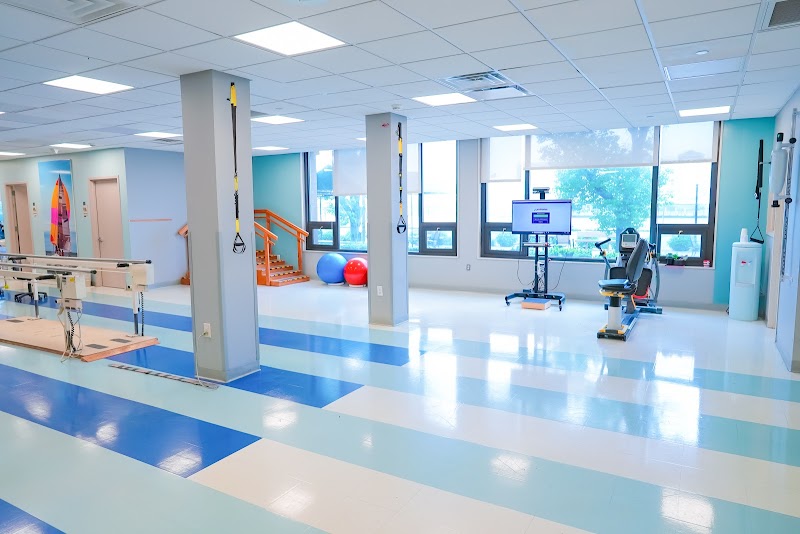
How Does Long Beach Compare to Other New York Nursing Homes?

Compared to the 100 nursing homes in New York, LONG BEACH NURSING AND REHABILITATION CENTER's overall rating (4 stars) is above the state average of 3.1, staff turnover (45%) is near the state average of 46%, and health inspection rating (3 stars) is at the national benchmark.

What Should Families Ask When Visiting Long Beach?

Based on this facility's data, families visiting should ask: "Can I visit during a mealtime to observe dining assistance and food quality?" "How do you handle medical emergencies, and what is your hospital transfer rate?" "Can I speak with family members of current residents about their experience?"

Is Long Beach Safe?

Based on CMS inspection data, LONG BEACH NURSING AND REHABILITATION CENTER has a clean safety record: no substantiated abuse findings (meaning no confirmed cases of resident harm), no Immediate Jeopardy citations (the most serious violation level indicating risk of serious injury or death), and is not on the Special Focus Facility watch list (a federal program monitoring the lowest-performing 1% of nursing homes). The facility has a 4-star overall rating and ranks #1 of 100 nursing homes in New York. While no facility is perfect, families should still ask about staff-to-resident ratios and recent inspection results during their visit.

Do Nurses at Long Beach Stick Around?

LONG BEACH NURSING AND REHABILITATION CENTER has a staff turnover rate of 45%, which is about average for New York nursing homes (state average: 46%). Moderate turnover is common in nursing homes, but families should still ask about staff tenure and how the facility maintains care continuity when employees leave.

Was Long Beach Ever Fined?

LONG BEACH NURSING AND REHABILITATION CENTER has no federal fines on record. CMS issues fines when nursing homes fail to meet care standards or don't correct problems found during inspections. The absence of fines suggests the facility has either maintained compliance or corrected any issues before penalties were assessed. This is a positive indicator, though families should still review recent inspection reports for the full picture.

Is Long Beach on Any Federal Watch List?

LONG BEACH NURSING AND REHABILITATION CENTER is not on any federal watch list. The most significant is the Special Focus Facility (SFF) program, which identifies the bottom 1% of nursing homes nationally based on persistent, serious quality problems. Not being on this list means the facility has avoided the pattern of deficiencies that triggers enhanced federal oversight. This is a positive indicator, though families should still review the facility's inspection history directly.