NORTHWELL HEALTH STERN FAMILY CENTER FOR REHAB

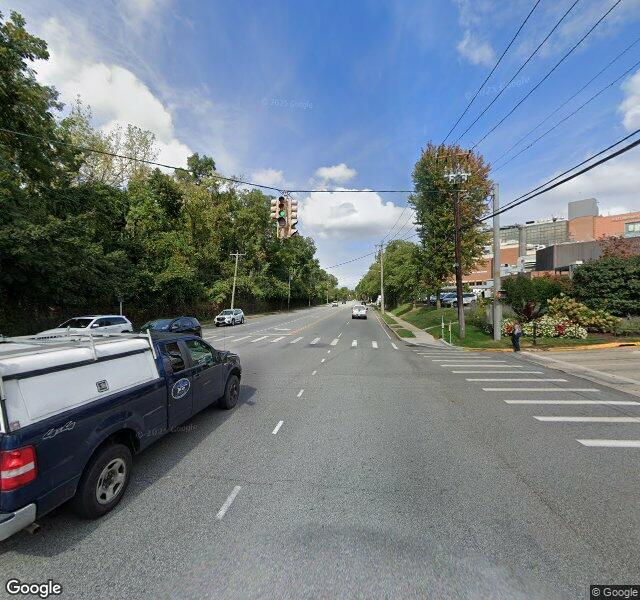
300 COMMUNITY DRIVE, MANHASSET, NY 11030 (516) 562-8008
Non profit - Corporation 256 Beds Independent Data: November 2025
Trust Grade
88/100
#79 of 594 in NY
Last Inspection: February 2025

Within standard 12-15 month inspection cycle. Federal law requires annual inspections.

Overview

Northwell Health Stern Family Center for Rehab has received a Trust Grade of B+, indicating that it is above average and recommended for families considering care for their loved ones. It ranks #79 out of 594 nursing homes in New York, placing it in the top half of all facilities in the state, and #7 out of 36 in Nassau County, which means only six local options are rated higher. Unfortunately, the facility’s trend is worsening, with the number of identified issues increasing from 4 in 2023 to 8 in 2025. Staffing is a strong point with a 5-star rating and a turnover rate of 26%, significantly lower than the state average, suggesting that staff members are experienced and familiar with the residents. Additionally, the facility has no fines on record, which is positive, and boasts more RN coverage than 89% of New York facilities, ensuring better oversight of patient care. However, there are some concerning incidents noted by inspectors. For example, one resident's Do Not Resuscitate order was not properly communicated upon their readmission, which could have serious implications for their care. Another resident did not have a physician's order for their urinary catheter at the time of admission, leading to potential complications. Lastly, the Minimum Data Set assessment for yet another resident was not completed accurately, which raises questions about the quality of care and documentation practices at the facility. Overall, while there are notable strengths, families should be aware of these weaknesses when making their decision.

Trust Score
B+
88/100
In New York
#79/594
Top 13%
Safety Record
Low Risk
No red flags
Inspections
Getting Worse
4 → 8 violations
Staff Stability
✓ Good
26% annual turnover. Excellent stability, 22 points below New York's 48% average. Staff who stay learn residents' needs.
Penalties
✓ Good
No fines on record. Clean compliance history, better than most New York facilities.
Skilled Nurses
✓ Good
Each resident gets 88 minutes of Registered Nurse (RN) attention daily — more than 97% of New York nursing homes. RNs are the most trained staff who catch health problems before they become serious.
Violations
⚠ Watch
14 deficiencies on record. Higher than average. Multiple issues found across inspections.
★★★★★
5.0
Overall Rating
★★★★★
5.0
Staff Levels
★★★★★
5.0
Care Quality
★★★☆☆
3.0
Inspection Score
Stable
2023: 4 issues
2025: 8 issues

The Good

  • 5-Star Staffing Rating · Excellent nurse staffing levels
  • 5-Star Quality Measures · Strong clinical quality outcomes
  • Low Staff Turnover (26%) · Staff stability means consistent care
  • Full Sprinkler Coverage · Fire safety systems throughout facility
  • No fines on record
  • Staff turnover is low (26%)

    22 points below New York average of 48%

Facility shows strength in staffing levels, quality measures, staff retention, fire safety.

The Bad

No Significant Concerns Identified

This facility shows no red flags. Among New York's 100 nursing homes, only 1% achieve this.

The Ugly 14 deficiencies on record

Feb 2025 8 deficiencies
CONCERN (D)

Potential for Harm - no one hurt, but risky conditions existed

Deficiency F0578 (Tag F0578)

Could have caused harm · This affected 1 resident

**NOTE- TERMS IN BRACKETS HAVE BEEN EDITED TO PROTECT CONFIDENTIALITY** Based on record review and interviews during the Recertification Survey initiated on 2/6/2025 and completed on 2/12/2025, the fa...

Read full inspector narrative →
**NOTE- TERMS IN BRACKETS HAVE BEEN EDITED TO PROTECT CONFIDENTIALITY** Based on record review and interviews during the Recertification Survey initiated on 2/6/2025 and completed on 2/12/2025, the facility did not ensure that each resident's Advanced Directive wishes were formulated and clearly communicated. This was identified for one (Resident #374) of five residents reviewed for Advanced Directives. Specifically, Resident #374 completed a Medical Orders for Life-Sustaining Treatment (MOLST) form while in the hospital on 1/19/2025 indicating Do Not Attempt Resuscitation. Upon readmission to the facility, there was no Physician order placed for Do Not Resuscitate. In addition, the Social Work assessment dated [DATE] documented the resident was a Full Code (indicating resuscitation should be provided). The finding is: The facility's policy titled Advanced Directives, dated 6/2024 documented that upon admission, nursing staff will ask the resident if they have a Do Not Resuscitate order (from the community or hospital). If yes, the resident is asked if they would like to continue. If the resident wishes to continue, the Physician is contacted and an order for Do Not Resuscitate is obtained. During the psychosocial assessment of the resident upon admission, the social worker will ask the resident about all Advanced Directives in place. The social worker will also assist a resident with any changes in Advanced Directives. Advanced Directives and related education are documented on the Advanced Directives care plan in the electronic health record. Resident #374 was admitted with diagnoses including Septicemia (infection), Anxiety Disorder, and Depression. The 1/18/2025 admission Minimum Data Set assessment documented a Brief Interview for Mental Status score of 15, indicating the resident was cognitively intact. There were no Advanced Directives documented in the Minimum Data Set assessment. The Social Work admission assessment dated [DATE] documented the resident response to Advanced Directive- Willing to fill out while here. There was no documented follow-up from social work regarding Resident #374's advanced directives between 1/14/2025 (admission) and 1/18/2025 (discharge to hospital). The Medical History and Physical dated 1/14/2025 and completed on 1/16/2025 documented under Advanced Directives: The resident wanted Cardiopulmonary Resuscitation at present. The resident was transferred to the hospital due to Hypoxia (inadequate oxygen supply to body tissues) and shortness of breath on 1/18/2025 and returned to the facility on 1/24/2025. A Medical Orders for Life-Sustaining Treatment (MOLST) form dated 1/19/2025 completed at the hospital documented that Resident #374 gave verbal consent for Do Not Attempt Resuscitation. The document was signed by a Registered Nurse and a Physician from the hospital. The Nursing admission assessment dated [DATE] (completed by Registered Nurse #2) documented the resident's response to Advanced Directives as Yes; a Do Not Resuscitate Advance Directive was completed. The direction in the assessment documented that if the response to the Advance Directive is Yes, then notify the provider to obtain a Do Not Resuscitate order. A review of the medical record revealed Resident #374 did not have a Physician's order for Do Not Resuscitate. The Social Work admission assessment dated [DATE], completed by Social Worker #1, documented under Advanced Directives, Education Provided, Full Code. The Medical History and Physical dated 1/24/2025 and completed on 1/27/2025, documented the resident verbalized they would like their Advanced Directives to be Do Not Resuscitate/Do Not Intubate. A review of the medical record revealed no comprehensive care plan for Advanced Directives. The admission Minimum Data Set assessment dated [DATE] documented: No Advanced Directives. During an interview on 2/7/2025 at 3:41 PM, Registered Nurse #2 stated they completed Resident #374's nursing admission assessment on 1/24/2025 and selected a Yes response to indicate that the resident had Advance Directive and wished for a Do Not Resuscitate order. Registered Nurse #2 stated they did not contact the Physician to obtain the Do Not Resuscitate order because they thought the system would automatically prompt the Physician to write the order based on the response entered in the nursing admission assessment. Registered Nurse #2 stated the resident's paper chart had a Medical Orders for Life-Sustaining Treatment (MOLST) form that was completed in the hospital and indicated the resident wished to be a Do Not Resuscitate, however, Medical Orders for Life-Sustaining Treatment (MOLST) form was not uploaded onto the electronic medical record. Registered Nurse #2 reviewed the current Physician orders and stated there was no order for Do Not Resuscitate. A Physician's order dated 2/7/2025 at 4:24 PM documented Advance Directives: Do Not Intubate. A Physician's order dated 2/7/2025 at 4:25 PM documented Advance Directives: Do Not Resuscitate. During an interview on 2/8/2025 at 7:44 AM, Social Worker #1 stated they did not know why they documented a full code status for Resident #374 in the Social Work assessment on 1/25/2025. Social Worker #1 stated they could not remember if they spoke to the resident or the resident representative regarding the resident's Advance Directive wishes. During an interview on 2/10/2025 at 8:15 AM, the Administrator stated the software in the electronic medical record prompts the admission nurse to contact the Physician to get a Do Not Resuscitate order based on the resident's response entered. Registered Nurse #2 did not contact the Physician and did not obtain orders for Resident #374 for Do Not Resuscitate. It was Registered Nurse #2's responsibility. During an interview on 2/10/2025 at 9:22 AM, Social Work Director #1 stated when Social Worker #1 completed the admission assessment on 1/25/2025 the Medical Orders for Life-Sustaining Treatment (MOLST) form was not uploaded into the electronic medical record and there was no Physician's order for Do Not Resuscitate, therefore the Social Worker documented the resident's Advance Directive as full code. During an interview on 2/10/2025 at 10:03 AM, the Director of Nursing Services stated the resident's Medical Orders for Life-Sustaining Treatment (MOLST) form indicated the resident wished for Do Not Resuscitate as their Advance Directives; a physician's order should have been obtained and a Comprehensive Care Plan should have been in place for Do Not Resuscitate Advance Directive. The Physician who did the History and Physical on 1/24/2025 was unavailable for the interview. During an interview on 2/10/2025 at 1:25 PM, the Medical Director stated if a resident is admitted with a Medical Orders for Life-Sustaining Treatment (MOLST) form indicating an Advanced Directive of Do Not Resuscitate, the admitting nurse should ask the resident if they want to continue the same Advance Directives. If the resident says Yes, the nurse is supposed to call the Physician for an order for Do Not Resuscitate. In addition, the Physician should have also confirmed that there was an order in place. 10NYCRR 415.3(e)(1)(ii)
CONCERN (D)

Potential for Harm - no one hurt, but risky conditions existed

Deficiency F0635 (Tag F0635)

Could have caused harm · This affected 1 resident

**NOTE- TERMS IN BRACKETS HAVE BEEN EDITED TO PROTECT CONFIDENTIALITY** Based on record review and interviews during the Recertification Survey initiated on 2/6/2025 and completed on 2/12/2025, the fa...

Read full inspector narrative →
**NOTE- TERMS IN BRACKETS HAVE BEEN EDITED TO PROTECT CONFIDENTIALITY** Based on record review and interviews during the Recertification Survey initiated on 2/6/2025 and completed on 2/12/2025, the facility did not ensure that at the time each resident was admitted , the facility had physician orders for the resident's immediate care. This was identified for one (Resident #427) of two residents reviewed for Urinary Catheter. Specifically, Resident #427 was re-admitted to the facility on [DATE] and was utilizing an external urinary catheter at bedtime. The Physician's order was not obtained for the use of the external catheter until 2/11/2025. The finding is: Resident #427 was admitted with diagnoses that included a Right Femur Fracture, Osteoporosis, and Malnutrition. The admission Minimum Data Set assessment dated [DATE] documented a Brief Interview for Mental Status score of 14, which indicated the resident had intact cognition. The Minimum Data Set documented the resident was occasionally incontinent of urine and bowel and did not utilize an external catheter. A Comprehensive Care Plan titled Risk for Alteration in Bowel and Bladder Function dated 1/30/2025 documented the resident was continent of bladder and bowel. Interventions included but were not limited to the resident requiring maximum assistance of one person for toilet use. The resident preferred the use of an external catheter at bedtime. The external urinary catheter would be used at night when the resident is in bed and removed when the resident is out of bed. A review of Resident #427's current physician orders revealed there was no documented evidence that a physician's order was obtained for the use of an external urinary catheter until 2/11/2025. During an interview on 2/11/2025 at 11:45 AM, the Director of Nursing Service stated a physician's order should be obtained for residents who utilize an external catheter. The Director of Nursing Services stated the facility's policy was not clear regarding the roles of Certified Nursing Assistants and Licensed Nurses related to the use of the external urinary catheter. During an interview on 2/12/2025 at 10:44 AM, Registered Nurse #12, the unit manager, stated Resident #427 had been using an external catheter since they were admitted to the facility and a Physician's order should have been obtained by the admission nurse. Registered Nurse #12 stated they contacted Resident #427's attending physician on 2/11/2025 and obtained an order for the external catheter. During an interview on 2/12/2025 at 11:04 AM, Physician #1, the attending physician, stated nursing staff should have notified them and obtained an order for an external urinary catheter for Resident #427 upon admission. Physician #1 stated they were not aware Resident #427 requested the use of an external urinary catheter until 2/11/2025. During a re-interview on 2/12/2025 at 12:13 PM, the Director of Nursing Service stated Resident #427's physician should have been notified to obtain an order for the use of the external urinary catheter. The Director of Nursing Services stated they expected Certified Nursing Assistants to apply the external catheter and the Licensed Nurses were responsible for ensuring that correct suction settings were in place. The Director of Nursing Services stated that the current policy must be reviewed and revised to reflect the need to obtain a Physician's order and to clearly indicate the nursing staff's roles involving the care. 10 NYCRR 415.11
CONCERN (D)

Potential for Harm - no one hurt, but risky conditions existed

Assessment Accuracy (Tag F0641)

Could have caused harm · This affected 1 resident

**NOTE- TERMS IN BRACKETS HAVE BEEN EDITED TO PROTECT CONFIDENTIALITY** Based on record review and interviews during the Recertification Survey initiated on 2/6/2025 and completed on 2/12/2025, the fa...

Read full inspector narrative →
**NOTE- TERMS IN BRACKETS HAVE BEEN EDITED TO PROTECT CONFIDENTIALITY** Based on record review and interviews during the Recertification Survey initiated on 2/6/2025 and completed on 2/12/2025, the facility did not ensure the Minimum Data Set assessment was completed to accurately reflect each resident's status. This was identified for one (Resident #222) of two residents reviewed for Hospitalization. Specifically, Resident #222's Discharge Minimum Data Set assessment dated [DATE] did not correctly reflect Resident #222's discharge location. The finding is: The facility's policy titled Minimum Data Set (MDS) Assessment last revised on 9/2024 documented that the Minimum Data Set is utilized by all disciplines responsible for the care of the resident. Each individual completing a portion of the assessment electronically signs and certifies the accuracy of that portion of the assessment. Resident #222 was admitted with diagnoses including Dysphagia and Hypertension. The Discharge Minimum Data Set assessment dated [DATE] documented a Brief Interview for Mental Status score of 12, which indicated the resident had intact cognition. The Minimum Data Set assessment Section A documented the resident had a planned discharge and return was not anticipated. The discharge date was 11/22/2024 and the discharge status as short-term general hospital (acute hospital, Inpatient Prospective Payment System). The Interdisciplinary Team Discharge Patient Instructions dated 11/22/2024 documented that Resident #222 was discharged to home on [DATE] at 11:00 AM. A nursing progress note dated 11/22/2024 documented that the resident left the facility to home with a family member. During an interview on 2/7/2025 at 2:35 PM, the Lead Minimum Data Set Specialist stated they were responsible for completing the Minimum Data Set assessment section related to discharge location and ensuring the information was accurate. The Lead Minimum Data Set Specialist stated Resident #222 was not discharged to the hospital on [DATE] but went home with a Certified Home Health service in place. The Lead Minimum Data Set Specialist stated the current Minimum Data Set book did not accurately reflect the discharge location. The Discharge Minimum Data Set assessment should have documented the discharge location as home under care of organized home health service organization. During an interview on 2/11/2025 at 11:49 AM, the Director of Nursing Services stated all Minimum Data Set assessments should be completed accurately. The Discharge Minimum Data Set assessment dated [DATE] should have accurately reflected Resident #222's discharge location to home and not the hospital. 10 NYCRR 415.11(b)
CONCERN (D)

Potential for Harm - no one hurt, but risky conditions existed

Comprehensive Care Plan (Tag F0656)

Could have caused harm · This affected 1 resident

**NOTE- TERMS IN BRACKETS HAVE BEEN EDITED TO PROTECT CONFIDENTIALITY** Based on observation, record review, and interviews during the Recertification initiated on 2/06/2025 and completed on 2/12/2025...

Read full inspector narrative →
**NOTE- TERMS IN BRACKETS HAVE BEEN EDITED TO PROTECT CONFIDENTIALITY** Based on observation, record review, and interviews during the Recertification initiated on 2/06/2025 and completed on 2/12/2025, the facility did not ensure that a comprehensive person-centered care plan was developed and implemented for each resident that includes measurable objectives and timeframes to meet medical and nursing needs. This was identified for one (Resident #130) of four residents reviewed for Skin Conditions. Specifically, Resident #130 had a Physician Order to apply Mupirocin (an antibiotic) ointment to the left large toe for an infection. There was no documented evidence that a care was developed to address Resident #130's left large toe infection. The finding is: The facility's policy titled, Resident Care Plan, last reviewed and revised on 2/2024 documented that the facility's interdisciplinary team uses a collaborative and coordinated approach to identify, integrate, and prioritize the resident's strengths, needs and personal and cultural preferences in the assessment, reassessment, and development of goals of care. The team formulates a comprehensive care plan specifying actions or interventions to meet/define care. The facility is accountable for ensuring that care plans are followed. Care plans must be individualized to ensure that residents achieve the highest practicable level of function. Resident #130 was admitted with diagnoses including Type 2 Diabetes Mellitus, Pulmonary Hypertension (a type of high blood pressure that affects arteries in the lungs and in the heart), and Urinary Tract Infection. A Quarterly Minimum Data Set (MDS) assessment dated [DATE] documented a Brief Interview for Mental Status (BIMS) score of 15, which indicated Resident #130 had intact cognition. The Minimum Data Set (MDS) assessment documented Resident #130 was at risk for developing pressure ulcers and used pressure-reducing devices for chair and bed, and application of dressing to feet. The nursing progress note dated 1/10/2025 documented a sample for culture was obtained from the abscess on the left big toenail, and was sent to the laboratory. A Physician's Order dated 1/13/2025 documented Mupirocin 2 percent topical ointment applied by topical route three times per day to the left first toe for an infection. Resident #130 was observed in their room on 2/6/2025 at 2:54 PM with a dressing on the left great toe and the second left toe. A review of Resident #130's medical record revealed that Resident #130 did not have any Comprehensive Care Plan (CCP) for the left toe infection or foot care. During an interview on 2/10/2025 at 8:45 AM, Registered Nurse #8, Unit Manager, stated Resident #130 had a wound on the left great toe with treatment in place. Registered Nurse #8 stated they did not know why Resident #130 had no care plan for the left great toe infection. Registered Nurse #8 stated that a care plan should have been developed when the order for Mupirocin ointment was obtained. During an interview on 2/11/2025 at 6:45 AM, Registered Nurse #5 stated the resident had an abscess on the left great toe and on 1/10/2025, they (Registered Nurse #5) obtained an order for the wound culture from the left great toe abscess. Registered Nurse #5 stated they did not initiate a care plan because the culture results were not available. During an interview on 2/11/2025 at 9:15 AM, Registered Nurse #6 stated on 1/13/2025 they received the order for Mupirocin 2 percent ointment to be applied to Resident #130's infected left great toe; however, they forgot to initiate a care plan. During an interview on 2/11/2025 at 1:00 PM, the Director of Nursing Services stated the Nurses should have started a care plan for Resident #130's left large toe infection. 10 NYCRR 415.11(c)(1)
CONCERN (D)

Potential for Harm - no one hurt, but risky conditions existed

Deficiency F0657 (Tag F0657)

Could have caused harm · This affected 1 resident

Based on observation, record review, and interviews during the Recertification Survey initiated on 2/06/2025 and completed on 2/12/2025, the facility did not ensure comprehensive care plans were revie...

Read full inspector narrative →
Based on observation, record review, and interviews during the Recertification Survey initiated on 2/06/2025 and completed on 2/12/2025, the facility did not ensure comprehensive care plans were reviewed and revised by the interdisciplinary team to reflect each resident's preferences and status after each assessment. This was identified for one (Resident #109) of one resident reviewed for Edema. Specifically, Resident #109, had a physician's order to use the ace wrap (elastic bandage) for both lower legs daily for Edema (swelling caused by fluid buildup in the tissues). The resident refused to use the physician-ordered ace wrap and utilized their own compression socks instead. The Comprehensive Care Plan was not updated to include the resident's refusal of the physician-ordered ace wrap and the use of the resident's personal compression socks. The finding is: The facility's policy titled Resident Care Plan, last reviewed 2/2024 documented that the appropriate interventions and goals are documented and reviewed to determine if the anticipated results for the resident are achieved. The facility is accountable for ensuring that care plans are being followed. The facility's policy titled Support (Compression) Stockings, last reviewed 2/2024 documented a physician's order is required before applying any Compression Stockings and the intervention should be documented on the resident's care plan. Resident #109 was admitted with diagnoses including Atrial Fibrillation, Chronic Obstructive Pulmonary Disease, and Hypertension. The Minimum Data Set assessment documented a Brief Interview for Mental Status Assessment score of 14, indicating the resident was cognitively intact. A physician's order dated 1/29/2025 and renewed on 2/08/2025 documented to apply the Ace wraps to the bilateral legs on the day shift, and remove the ace wraps on the evening shift. A Comprehensive Care Plan titled Alteration in Cardiac System effective 1/17/2025 was not updated to include the use of the ace wrap as per the physician's orders. Additionally, the care plan was not updated to reflect the resident was using their own compression socks instead of the physician-ordered ace wraps. The Treatment Administration Record for January 2025 documented that ace wraps were applied as per the physician's order on 1/30/2025 and the resident refused the treatment on 1/31/2025. The Treatment Administration Record for February 2025 documented that Resident #109 refused the ace wraps every day from 2/01/2025 through 2/11/2025. The treatment was discontinued on 2/11/2025. During an interview on 2/11/2025 at 9:34 AM, Registered Nurse Manager #9 stated Resident #109's care plan was not updated to include the use of the ace wraps as per the physician's orders. The staff should have notified the physician if the resident refused the treatment. During an interview and observation on 2/11/2025 at 9:50 AM, Resident #109 was observed wearing compression socks on both legs. Resident #109 stated they use their own compression socks because their socks work better. The Certified Nursing assistants put the compression socks on each morning and remove them at bedtime. During a reinterview on 2/11/2025 at 9:53 AM, Registered Nurse Manager #9 stated the Certified Nursing Assistants should have told the nurses the resident uses their own compression socks and the physician orders and the care plan should have been updated. During an interview on 2/11/2025 at 1:51 PM, Registered Nurse #10 stated Resident #109 has been refusing the Ace wrap bandages. The resident told them they didn't like the ace wraps and would use their own compression socks. Registered Nurse #10 stated they notified the covering physician that the resident refused to use the ace wraps and preferred to use their own compression socks. The covering physician agreed that the resident could use their own compression socks. Registered Nurse #10 stated they did not document the communication with the physician and did not update the physician's orders. Registered Nurse #10 stated they should have revised the care plan to include use of the compression socks. During an interview on 2/12/2025 at 9:12 AM, the Director of Nursing Services stated the physician's orders and care plan should have been updated to reflect the resident's refusal and their use of the compression socks. 10 NYCRR 415.11(c)(2)(i-iii)
CONCERN (D)

Potential for Harm - no one hurt, but risky conditions existed

Quality of Care (Tag F0684)

Could have caused harm · This affected 1 resident

**NOTE- TERMS IN BRACKETS HAVE BEEN EDITED TO PROTECT CONFIDENTIALITY** Based on observation, record review, and interviews during the Recertification Survey initiated on 2/06/2025 and completed on 2/...

Read full inspector narrative →
**NOTE- TERMS IN BRACKETS HAVE BEEN EDITED TO PROTECT CONFIDENTIALITY** Based on observation, record review, and interviews during the Recertification Survey initiated on 2/06/2025 and completed on 2/12/2025, the facility did not ensure that a resident received treatment and care in accordance with professional standards of practice. This was identified for one (Resident #131) of three residents reviewed for Position and Mobility. Specifically, Resident #131 with a diagnosis of Diabetes Mellitus, utilized an Ankle Foot Orthosis (AFO) Brace (a brace that supports the foot) for their right dropped foot, without a Physician's order. The Ankle Foot Orthosis was brought from home by Resident #131. There was no documented evidence that a plan of care was developed for using the Ankle Foot Orthosis and that skin assessment was conducted according to the facility's policy related to the use of the Ankle Foot Orthosis. The finding is: The facility's policy titled Braces, reviewed in December 2022 documented that all braces require a physician's order. Hygiene inspections are done every shift. Inspection includes observing for redness, irritation, or swelling. The facility's policy titled Resident Care Plan reviewed in February 2024 documented to respect the rights of its patients and residents to participate in the development of their person-centered plan of care including, the right to receive services and/or items included in the plan of care. The care plan contains resident problems, needs, and strengths, with reasonable and measurable goals set. Resident #131 was admitted with diagnoses that include Type 2 Diabetes Mellitus and Spinal Stenosis. The admission Minimum Data Set assessment dated [DATE] documented a Brief Interview for Mental Status score of 15, indicating the resident had intact cognition. There was no documentation on the Minimum Data Set for using a splint or brace. The Medical History and Physical report dated 1/23/2025 documented the resident has a history of foot drop. The Nursing admission assessment dated [DATE] did not indicate the use of the Ankle Foot Orthosis (AFO) Brace or a history of a right foot drop. The Physical Therapy Evaluation and Plan of Treatment dated 1/24/2025 documented under the resident's history: the resident used a right Ankle Foot Orthosis (AFO) Brace. There was no documentation of an assessment and recommendations for continued use of the Ankle Foot Orthosis (AFO) Brace. There was also no documented evidence that the nursing staff was educated regarding the use the Ankle Foot Orthosis. The Occupational Therapy Evaluation and Plan of Treatment dated 1/24/2025 documented under the resident's history: the resident used a right Ankle Foot Orthosis (AFO) Brace. There was no documentation of the assessment and recommendations for continued use of the Ankle Foot Orthosis (AFO) Brace. There was also no documented evidence that the nursing staff was educated regarding the use the Ankle Foot Orthosis. The Comprehensive Care Plan titled Rehabilitation dated 1/24/2025 did not include the use of the Ankle Foot Orthosis (AFO) Brace. There was no physician's order for the use of the Ankle Foot Orthosis (AFO) Brace. During an observation and interview on 2/11/2025 at 8:51 AM, Resident #131 was sitting up in bed, fully dressed, and had the Ankle Foot Orthosis (AFO) Brace on that connected to the front of their sneaker. Resident #131 stated they bought three different Ankle Foot Orthosis (AFO) Brace themselves because they have a right foot drop. They put the Ankle Foot Orthosis (AFO) Brace on themselves each day. One of the braces is attached to their sneaker, another one is for when they are not wearing a shoe, and the third one they can wear and put their shoe over the brace. The community doctor told them if the Ankle Foot Orthosis (AFO) Brace works, they should continue to use the brace. Resident #131 stated they brought all three Ankle Foot Orthosis (AFO) Braces to the facility. They put on the Ankle Foot Orthosis (AFO) Brace daily and in the morning and take it off when they get ready for bed. During an interview on 2/11/2025 at 8:53 AM, Registered Nurse Manager #11 stated they were aware Resident #131 used the Ankle Foot Orthosis (AFO) Brace on their right foot that they brought from home. There should have been a physician's order and a Care Plan for the use of the Ankle Foot Orthosis (AFO) Brace. There should be specific instructions for the Ankle Foot Orthosis (AFO) Brace use and to monitor the skin as well. Registered Nurse Manager #11 stated the residents are allowed to use a brace brought from home; however, the resident should have been assessed to ensure they knew how to put the brace on and off correctly. During an interview on 2/11/2025 at 9:23 AM, Occupational Therapist #1 stated they were aware Resident #131 wears the Ankle Foot Orthosis (AFO) Brace and there should be an order and a care plan in place for the use of the Ankle Foot Orthosis (AFO) Brace. Occupational Therapist #1 stated they documented the use of the Ankle Foot Orthosis (AFO) Brace in their notes; however, they did not assess the use of the Ankle Foot Orthosis (AFO) Brace or educate the nursing staff regarding the brace use. During an interview on 02/11/2025 at 9:26 AM, Physical Therapist #1 stated they were aware Resident #131 wears the Ankle Foot Orthosis (AFO) Brace and there should be an order and a care plan in place for the use of the Ankle Foot Orthosis (AFO) Brace. Physical Therapist #1 stated they documented the use of the Ankle Foot Orthosis (AFO) Brace in their notes; however, they did not assess the use of the Ankle Foot Orthosis (AFO) Brace or educate the nursing staff regarding using the brace correctly. During an interview on 2/11/2025 at 9:16 AM, the Director of Nursing Services stated there should be an physician's order and a care plan for the use of the Ankle Foot Orthosis (AFO) Brace. The nursing staff should monitor for the skin integrity under the brace, and document each shift. The resident should have been assessed to ensure they were correctly using the Ankle Foot Orthosis (AFO) Brace. 10 NYCRR 415.12
CONCERN (D)

Potential for Harm - no one hurt, but risky conditions existed

Deficiency F0726 (Tag F0726)

Could have caused harm · This affected 1 resident

Based on observation, interviews, and record review during the Recertification Survey initiated on 2/6/2025 and completed on 2/12/2025, the facility did not ensure that each licensed nurse had the spe...

Read full inspector narrative →
Based on observation, interviews, and record review during the Recertification Survey initiated on 2/6/2025 and completed on 2/12/2025, the facility did not ensure that each licensed nurse had the specific competencies, and skill sets necessary to care for residents' needs and to ensure resident safety and attain or maintain the highest practicable physical, mental, and psychosocial well-being of each resident. This was identified for one (Resident #375) of five residents observed during Medication Administration. Specifically, on 2/7/2025 during the breakfast meal, Registered Nurse #1 handed the resident a souffle cup of oral medication tablets and left the room before the resident consumed the medications. Registered Nurse #1 then returned to the resident's room interrupted the resident's meal and administered a Lovenox (blood thinner) injection into the resident's abdomen. The finding is: The facility's policy titled Medication Administration, dated 2/2024, documented under the heading: Medication Administration During Meal-nurse may bring the medication cart to the dining room and administer medications, which must be given with food. Under no circumstances are drops/ointments of any kind or injections to be given during meals. Resident #375 was admitted with diagnoses including Fracture of the Left Pubic Ramus (pelvis fracture), Sacral fracture (the triangular bone at the base of the spine), and Hypertension. The admission Minimum Data Set assessment documented a Brief Interview for Mental Status score of 15, indicating the resident was cognitively intact. During the medication pass observation for Resident #375 on 2/7/2025 at 8:22 AM, Registered Nurse #1 prepared the following medications outside the resident's room: Famotidine 20 milligram oral tablet for Gastroesophageal Reflux Disease (GERD); Acetaminophen 325 milligrams oral tablet (two tablets) for pain; Lisinopril 20 milligrams oral tablet (for blood pressure); Vitamin D3-25 microgram oral tablet (for a supplement). Enoxaparin (Lovenox) 40 milligram/0.4 milliliter subcutaneous (tissue layer between the skin and the muscle) injection (for blood clot prevention). There was no documentation in the physician's orders that these medications should be administered with food. Registered Nurse #1 entered Resident #375's room. The resident was in bed and the overbed table was in place over the resident's midsection with the resident's breakfast tray on top of the table with the food dome removed and other food items opened. The nurse handed the souffle cup to the resident, and before the resident completed taking the oral tablets, the nurse left the room to get an alcohol pad for the injection to be given. The nurse returned to the room with an alcohol pad after the resident consumed the oral medications. Registered Nurse #1 then administered the Lovenox injection into the resident's abdomen. During an interview on 2/7/2025 at 8:30 AM, Registered Nurse #1 stated the resident did not request to get their medications during breakfast. Registered Nurse #1 stated they should not have left the room before the resident had completed taking the oral medications, and they were not aware of a facility policy about not administering medications or injections during meals. During an interview on 2/10/2025 at 9:12 AM, Nurse Educator #1 stated Registered Nurse #1 should not have left the room while the resident was taking the medications. The nurses should wait for the resident to complete the meal and should not administer injections during a meal. During an interview on 2/10/2025 at 9:59 AM, the Director of Nursing Services stated Registered Nurse #1 should have waited and let the resident take the medications before leaving the room to get the alcohol pad. Registered Nurse #1 should have waited until the breakfast meal was completed to administer the medications, and certainly should not have given an injection if the resident was having breakfast. 10 NYCRR 415.26(c)(1)(iv)
CONCERN (D)

Potential for Harm - no one hurt, but risky conditions existed

Infection Control (Tag F0880)

Could have caused harm · This affected 1 resident

**NOTE- TERMS IN BRACKETS HAVE BEEN EDITED TO PROTECT CONFIDENTIALITY** Based on observation, record review, and interviews during the Recertification Survey initiated on 2/6/2025 and completed on 2/1...

Read full inspector narrative →
**NOTE- TERMS IN BRACKETS HAVE BEEN EDITED TO PROTECT CONFIDENTIALITY** Based on observation, record review, and interviews during the Recertification Survey initiated on 2/6/2025 and completed on 2/12/2025, the facility did not establish and maintain an infection prevention and control program designed to prevent the development and transmission of communicable diseases and infections. This was identified for two (Resident #525 and Resident #32) of three residents reviewed for Transmission Based Precautions. Specifically, Resident #525 was positive for COVID-19 (a contagious disease caused by the Coronavirus) infection and had a Physician's Order for Contact/Isolation Precautions; however, the signage posted outside Resident #525's door indicated Enhanced Barrier Precautions (EBP). Resident #32 was positive for COVID-19 infection and had a Physician's Order for Contact/Isolation Precaution; however, the signage posted outside Resident #32's door did not direct staff to use eye protection as specified in the facility's policy as part of the appropriate Personal Protective Equipment to be used for positive COVID-19 infection. The finding is: The facility's policy titled Coronavirus 2019 (COVID-19) Management Guideline last revised on 7/23/2024 documented that the healthcare provider who enters the room of a resident with suspected or confirmed positive COVID-19 infection should adhere to standard precautions and use a NIOSH (National Institute for Occupational Safety and Health) approved particulate respirator with N95 ( a Non-oil particulate for use in the work environment with 95 percent efficiency) mask, a gown, gloves, and eye protection (i.e., goggles or a face shield that covers the front and sides of the face). Resident #525 was admitted with diagnoses of COVID-19 infection, Pneumonia, and Hypertension. The Minimum Data Set assessment was not yet completed for Resident #525 as the resident was recently admitted to the facility. The Nursing admission assessment dated [DATE] documented that Resident #525 was alert, and oriented to person, place, and time. A Comprehensive Care Plan (CCP) titled, Isolation COVID-19, Droplet and Contact Precaution, dated 2/3/2025 documented interventions that included Contact Droplet Precautions, private room/signage outside the room, and strict handwashing for staff and residents. A physician's order dated 2/3/2025 documented Precautions: Isolation-Standard Droplet and Contact. A physician's order dated 2/3/2025 documented Robafen (cough medication)100 milligrams per 5 milliliters oral liquid, give 5 milliliters by oral route every 6 hours as needed for cough. During an observation on 2/6/2025 at 10:13 AM, a precaution sign outside Resident #525's door indicated the resident was on Enhanced Barrier Precautions (EBP). The sign read: everyone must clean their hands, including before entering and when leaving the room. The sign instructed to use gloves and gown for high-contact resident care activities including dressing, bathing/showering, transferring, changing linens, providing hygiene, changing briefs, or assisting with toileting. An additional sign was posted outside Resident #525's room that indicated the use of an N95 mask instructing the team members that it is clinically necessary to enter a COVID-19 isolation room with an N95 mask. Resident #32 was admitted with diagnoses of Osteomyelitis (bone infection) of the vertebrae, Atrial Fibrillation, and COVID-19 infection. The admission Minimum Data Set (MDS) assessment dated [DATE] documented a Brief Interview for Mental Status (BIMS) score of 15, which indicated Resident #32 had intact cognition. A Comprehensive Care Plan (CCP) dated 2/4/2025 titled Isolation Care Plan documented interventions that included Contact/Droplet Precautions, private room/signage outside the door, and strict handwashing for staff and residents. A physician's order dated 2/4/2025 documented Standard Droplet and Contact Precautions. A physician's order dated 2/4/2025 documented Mucinex (medication that loosens mucus and clears congestion) 600 milligrams tablet, extended-release one tablet twice daily for 14 days. During an observation on 2/6/2025 at 10:13 AM, a precautions sign outside Resident #32's room indicated Contact/Droplet Precautions: everyone must perform hand hygiene before and after entering Resident #32's room. The sign also instructed to use Personal Protective Equipment (PPE) including wearing a gown and gloves before entering Resident #32's room. The signage did not include the use of eye protection (goggles or face shield) before entering Resident #32's room. An additional sign was posted outside Resident #525's room that indicated the use of an N95 mask instructing the team members that it is clinically necessary to enter a COVID-19 isolation room with an N95 mask. During an interview on 2/6/2024 at 10:15 AM, the Unit Secretary stated that they are responsible for putting the isolation precaution signage at the door for any isolation precaution room after they get instructions from the Nurses to place the signage. The Unit Secretary stated that the wrong precaution signage was placed on Resident #525's door because the signage for Enhanced Barrier Precautions (EBP) and Contact/Droplet Precautions are the same color and it was an oversight. During an interview on 2/6/2025 at 11:45 AM, the Infection Preventionist stated staff must wear gowns, gloves, surgical masks, an N95 mask, and eye protection when entering resident rooms with positive COVID-19 infection, and residents placed on Contact/Droplet precautions for other infections. The Infection Preventionist stated they did not know that the wrong signage was posted outside Resident #525's door. The Infection Preventionist stated that the signage on Resident #32's door did not indicate the use of eye shield protection and should have. During an interview on 2/7/2025 at 10:20 AM, the Medical Director stated that eye protection was a requirement as part of the Personal Protective Equipment (PPE) for all staff entering a positive COVID-19 resident's room. The Medical Director stated that Resident #32's signage should have included the use of eye protection. The Medical Director stated that Droplet Precaution is used for residents who tested positive for Influenza (Flu) and in those cases eye protection is not necessarily required unless the resident is coughing or producing copious (a large quantity) amounts of secretion, then staff should wear eye protection when providing care. During a subsequent interview on 2/7/2025 at 10:22 AM, the Infection Preventionist stated the Droplet Precaution signage was meant to be used for residents with positive Influenza (Flu), and in that case, eye protection was not required unless the resident exhibited symptoms of Flu such as coughing. The Infection Preventionist stated that staff must wear eye protection when entering a resident's room who was positive for COVID-19 infection. During an interview on 2/7/2025 at 10:20 AM, the Director of Nursing Services stated all positive COVID-19 residents should have the Contact/Droplet precautions signage posted outside the door. The Director of Nursing Services stated that Resident#525 should have had a Contact/Droplet precaution signage instead of the Enhanced Barrier Precaution signage because of a positive COVID-19 infection. The Director of Nursing Services stated the precautions signage for Resident #32 should have included the use of eye protection as Resident #32 had confirmed positive COVID-19 infection. 10 NYCRR 415.19(a) (1-3)
Nov 2023 4 deficiencies
CONCERN (D)

Potential for Harm - no one hurt, but risky conditions existed

Deficiency F0561 (Tag F0561)

Could have caused harm · This affected 1 resident

**NOTE- TERMS IN BRACKETS HAVE BEEN EDITED TO PROTECT CONFIDENTIALITY** Based on record review and interviews during the Recertification Survey initiated on 10/30/2023 and completed on 11/3/2023, the ...

Read full inspector narrative →
**NOTE- TERMS IN BRACKETS HAVE BEEN EDITED TO PROTECT CONFIDENTIALITY** Based on record review and interviews during the Recertification Survey initiated on 10/30/2023 and completed on 11/3/2023, the facility did not ensure that each resident has a right to make choices about aspects of their life in the facility that are significant to the resident. This was identified for one (Resident #283) of three residents reviewed for Choices. Specifically, Resident #283 had a Physician's order to be weighed every day during the 11:00 PM-7:00 AM shift. The facility staff woke Resident #283 up at 4:00 AM to weigh the resident. Resident #283 refused the weights on multiple occasions and told the staff they did not want to be woken up early in the morning; however, the staff did not honor resident's choices and continued to wake the resident early in the morning to obtain the resident's weights. The finding is: The facility's Resident Rights policy last revised in November 2022 documented that residents have the right to self-determination including but not limited to the right to reasonable accommodation of needs so long as it does not endanger the health or safety of [the resident] or other residents and right to choose activities and schedules (including sleeping and waking times). Resident #283 was admitted with diagnoses that included Atrial Fibrillation, Acute Respiratory Failure with Hypoxia, and Pneumonia. The admission Minimum Data Set (MDS) assessment dated [DATE] documented the resident's Brief Interview for Mental Status (BIMS) score was 14 which indicated intact cognition. The MDS documented, under the Preferences for Customary Routine and Activities section, that it was very important for the resident to choose their own bedtime. The Nursing admission assessment dated [DATE] documented Resident #283's preferred wake-up time was 8:00 AM. The Comprehensive Care Plan (CCP) titled, Nursing Customary Routine, Activities of Daily Living (ADLs), Resident Preference dated 10/18/2023 documented interventions including but not limited to: the resident to choose their own bedtime and be in and out of bed as per the resident's schedule. A Physician's order dated 10/24/2023 documented to weigh the resident daily at 11:00 PM - 7:00 AM shift for Congestive Heart Failure (CHF). A review of the Treatment Administration Record (TAR) for October 2023 documented that Resident #283 refused to be weighed during the 11:00 PM - 7:00 AM nursing shift on 10/24, 10/27, 10/28, and 10/31. On 10/27 the resident refused to be weighed and the reason for the refusal indicated the resident wanted to sleep a little more. On 10/31 the resident refused to be weighed and the reason for the refusal indicated the resident did not want to get out of bed (OOB) in the AM. A review of the Certified Nursing Assistant (CNA) Accountability Record for October 2023 documented that Resident #283 refused to be weighed during the 11:00 PM-7:00 AM nursing shift on 10/28 and 10/31. The refusal was reported to the nurse. Resident #283 was interviewed on 10/30/2023 at 1:20 PM. Resident #283 stated that the staff woke them up at 4:00 AM to be weighed and they did not know why. Resident #283 stated they preferred to sleep some more and had refused to be weighed and many times they (Resident #283) have told the staff that being weighed at 4:00 AM was too early. Resident #283 stated they knew that the staff was coming into their room to weigh them at 4:00 AM because there was a clock in their room and they (Resident #283) saw the time and then Resident #283 looked at the clock which was hung on the upper left corner of the wall facing the resident's bed. CNA #2, who was assigned to Resident #283 on 10/27/2023, 10/28/2023, 10/29/2023, and 10/31/2023 on the 11:00 PM-7:00 AM shift, was interviewed on 11/1/2023 at 6:51 AM. CNA #2 stated that they were weighing Resident #283 during their (CNA#2) shift because there was a Physician's order for daily weights. CNA #2 stated that the resident refused to be weighed on most days and told CNA #2 that they (Resident #283) did not want to get up too early. CNA #2 stated if the resident refused to be weighed they would explain to the resident why they needed to weigh the resident. If the resident continued to refuse, they would not weigh the resident and report the refusals to the nurse. CNA #2 stated that they had notified a nurse (name not recalled) on the unit and documented the refusals in the CNA Accountability Record. Registered Nurse (RN) #3 was interviewed on 11/1/2023 at 6:55 AM and stated they (RN#3) only worked on Resident #283's unit once on 10/27/2023 during the 11:00 PM-7:00 AM shift. RN #3 stated that CNAs usually began providing morning care around 4:30 AM to 5:00 AM each morning and if any resident refused care, CNAs should report the refusals to the nurse. RN #3 stated that on 10/27/2023, they were made aware that Resident #283 refused to be weighed so they (RN#3) went to see the resident. RN#3 stated Resident #283 refused because it was too early and they (Resident #283) were very tired. RN #3 stated if the resident is consistently refusing to be weighed early in the mornings then the timing to weigh the resident should be evaluated and changed. RN #4, the 7:00 AM-3:00 PM Unit Nurse Manager, was interviewed on 11/1/2023 at 10:59 AM. RN #4 stated they were aware that Resident #283 refused to be weighed on 10/29/2023 because it was too early. RN #4 stated they expected staff to honor the resident's right to refuse care and staff should report the refusals to the nurse. RN #4 stated that the weighing schedule could have been changed to the day shift for better compliance. RN #4 was re-interviewed on 11/1/2023 at 1:13 PM and stated Resident #283 did not have a diagnosis of CHF or other medical conditions that warranted daily weights in the early morning. RN #4 stated that Resident #283's Physician had reviewed and discontinued the order for the daily weights on 11/1/2023 for the resident. RN#4 stated that Resident #283's weights will be monitored weekly every Wednesday during the 7:00 AM-3:00 PM shift. Nurse Practitioner (NP) #2 was interviewed on 11/1/2023 at 11:56 AM and stated Resident #283 did not have a CHF diagnosis. They (NP#2) made a mistake by indicating the daily weight monitoring was for CHF when they wrote the daily weight orders for Resident #283. NP #2 stated they (NP#2) ordered daily weights for Resident #283 as a preventive measure due to Resident #283's history of edema in the hospital. The Director of Nursing Services (DNS) was interviewed on 11/1/2023 at 1:54 PM and stated that morning care typically could begin at 5:00 AM and staff could offer to weigh the residents who have Physician's orders for daily weights. The DNS stated if residents complained or repeatedly refused to be woken up early, then the nursing staff is expected to notify the Physician to consider changing the time. 10 NYCRR 415.5(b)(1-3)
CONCERN (D) 📢 Someone Reported This

A family member, employee, or ombudsman was alarmed enough to file a formal complaint

Potential for Harm - no one hurt, but risky conditions existed

Accident Prevention (Tag F0689)

Could have caused harm · This affected 1 resident

**NOTE- TERMS IN BRACKETS HAVE BEEN EDITED TO PROTECT CONFIDENTIALITY** 2) Resident #333 was admitted with diagnoses including Spinal Stenosis, Cancer and Malnutrition. The Minimum Data Set (MDS) asse...

Read full inspector narrative →
**NOTE- TERMS IN BRACKETS HAVE BEEN EDITED TO PROTECT CONFIDENTIALITY** 2) Resident #333 was admitted with diagnoses including Spinal Stenosis, Cancer and Malnutrition. The Minimum Data Set (MDS) assessment dated [DATE] documented the resident had a Brief Interview for Mental Status (BIMS) score of 8 which indicated the resident had moderately impaired cognition. The resident required extensive assistance of one person for transfers, toileting, dressing, and personal hygiene. The MDS documented that Resident #333 was not steady and was only able to stabilize with staff assistance when moving from a seated to a standing position, walking, turning around, moving on and off the toilet, and surface to surface transfers. The Resident Nursing Instructions (Instructions provided to Certified Nursing Assistants regarding the resident's care needs) dated 5/24/2023 documented Resident #333 required extensive assistance of one-person for toilet use. The Comprehensive Care Plan (CCP) for Rehabilitation/Activities of Daily Living (ADL) Potential dated 5/24/2023 documented that Resident #333 had decreased balance, impaired transfers, and decreased functional mobility. The CCP did not indicate how much assistance the resident required for transfers. The facility's Fall Event report dated 5/30/2023 documented that on 5/30/2023 at 9:40 AM, Registered Nurse (RN) #7 was alerted to a loud noise in Resident #333's room. Resident #333 was found lying on their right side on the bathroom floor with a laceration measuring 1 centimeters (cm) x1cm to the scalp. Resident #333 was transferred to the emergency room for evaluation. Resident #333 stated they (Resident #333) were trying to use the toilet without assistance. The fall event report summary documented that Resident #333 required one-person physical assistance for toileting. Rehabilitation Aide #1 transported Resident #333 to their room from the rehabilitation gym. According to Rehabilitation Aide #1, Resident #333 requested to go to the bathroom. Rehabilitation Aide #1 asked Resident #333 if they (Resident #333) were able to toilet on their own and Resident #333 replied yes. Rehabilitation Aide #1 then locked the wheelchair and left Resident #333 in the room. Rehabilitation Aide #1 did not confirm Resident #333's transfer status or toileting needs with the nurse prior to leaving the area. Resident #333 was found on the floor due to attempting to toilet themselves. Resident #333 was returned from the hospital with steri-strips (thin adhesive strips used to close small wounds) to the mid-forehead. Rehabilitation Aide #1 was interviewed on 11/2/2023 at 2:16 PM. Rehabilitation Aide #1 stated that they had been employed by the facility since 5/8/2023. Rehabilitation Aide #1 stated that they were educated during orientation to check the resident's wristbands to identify the fall risk and to be familiar with the resident's assistance needs. On 5/30/2023 at 9:00 AM, Rehabilitation Aide #1 transported Resident # 333 back to their room. Rehabilitation Aide #1 stated they were not familiar with Resident #333 and when Rehabilitation Aide #1 brought Resident #333 to their room, Resident #333 said they had to use the bathroom. Rehabilitation Aide #1 stated they asked Resident #333 if they (resident) needed any assistance to use the bathroom. Resident #333 told Rehabilitation Aide #1 that they can toilet themselves. Rehabilitation Aide #1 stated they (Rehabilitation Aide #1) locked the resident's wheelchair and did not inform the nurses that they left Resident #333 in the bathroom unattended. Rehabilitation Aide #1 stated that they usually inform the nurses when they bring the residents to their room after a therapy session; however, they just forgot to inform the nurses in this instance. Certified Nursing Assistant (CNA) #1 was interviewed on 11/2/2023 at 2:42 PM and stated that Rehabilitation Aide #1 did not inform them that Resident #333 had to use the restroom on 5/30/2023 when they brought the resident back to their room. (RN #7) was interviewed on 11/3/2023 at 9:12 AM. RN #7 stated that on 5/30/2023, Resident #333 was on their assignment. RN #7 stated that they did observe Rehabilitation Aide #1 escort Resident #333 to Resident #333's room. RN #7 was at the nurse's station on a phone call, walked to the medication cart to get information for the call, and then heard a loud noise in Resident #333's room. RN #7 stated that they went to Resident #333's room and observed that Resident #333 had a cut on their scalp. Rehabilitation Aide #1 did not stop by the nurse's station to let RN #7 know that Resident #333 had to use the bathroom. RN #7 stated that if a resident needs to use the bathroom, the Rehabilitation aides have to inform the nurse to ensure the resident's safety. The Director of Rehabilitation was interviewed on 11/3/2023 at 9:25 AM. The Director of Rehabilitation stated that when the residents are transported back to their rooms by the Rehabilitation Aides, the aides are expected to inform the nursing staff if the resident has to use the bathroom. The Rehabilitation Aides are not expected to assist with toileting and are not expected to know the resident's care needs since they do not provide direct care. The Director of Rehabilitation stated that Rehabilitation Aide #1 should have informed the nursing staff that Resident #333 needed to use the restroom. The Director of Nursing Services (DNS) was interviewed on 11/3/2023 at 9:56 AM. The DNS stated that Rehabilitation Aide #1 was expected to inform the nurse that Resident #333 needed to use the restroom. The Standards/Evaluation Criteria for Rehabilitation Aide orientation policy dated July 2023 documented that Rehabilitation Aides transport residents to and from the department according to the daily schedule established by the therapist. The Rehabilitation Aide informs nursing staff upon return to the floor and any change in status. Rehabilitation Aides maintain safety of residents at all times. Based on the following corrective actions taken, there was sufficient evidence the facility corrected the noncompliance and was in substantial compliance with this specific regulatory requirement at the time of this survey: For the incident related to Resident #170 (NY00322792): --CNA #3 admitted to not reviewing the care profile before providing care on 8/23/2023 and was suspended. --CNA #3 confirmed that they received counseling and re-education after the 8/23/2023 incident regarding following the resident's care profile. --Following the incident of 8/23/2023, all facility CNAs and nurses were educated on following the care profile instructions by 9/15/2023. Lesson plans and in-service sign-in sheets were provided. --During the survey other staff were interviewed and confirmed that they had received education related to the need to follow instructions documented on the resident's care profile And For Incident related to Resident #333 (NY00317444): --Rehabilitation Aide #1 was suspended pending investigation. --Rehabilitation Aide #1 Competency Checklist for Resident Transport procedure dated 6/2/2023 documented that Rehabilitation Aide #1 met the competency requirements. --Job-Specific Orientation Form dated 6/6/2023 documented that Rehabilitation Aide #1 received education on 6/6/2023 regarding General Rehabilitation Policy and Procedures including safety, resident transportation procedure/process, safety techniques during transport, communication between nursing/therapist/resident. --The Performance Improvement Committee Group (PICG) meeting minutes dated June 21, 2023, documented that the incident regarding Resident #333's fall was discussed and the Rehabilitation Department was conducting education with all transporters and Rehabilitation Aides. --The facility provided Resident Transport Procedure competency checklists for all Rehabilitation Aides and recreation staff members dated 5/31/23 to 6/12/23. 10 NYCRR 415.12(h)(2) Based on record review, observation, and interviews during the Recertification Survey and Abbreviated Survey (Complaint #NY00322792 and NY00317444), the facility did not ensure each resident received adequate supervision and assistance according to the plan of care to prevent accidents. This was identified for two (Resident #170 and #333) of five residents reviewed for Accidents. Specifically, 1) Resident #170's care plan documented the resident required two-person assistance for transfers. On 8/23/2023 Certified Nursing Assistant (CNA) #3 transferred Resident #170 from a shower chair to a wheelchair without utilizing assistance from a second person. Subsequently, Resident #170 fell sustaining an abrasion to the right knee; and 2) Resident #333 required extensive assistance of one person for toileting as per their Comprehensive Care Plan (CCP). On 5/30/2023 Rehabilitation Aide #1 brought Resident #333 back to their room after a therapy session. Resident #333 verbalized the need to use the restroom. Rehabilitation Aide #1 left Resident #333 unattended in their room and did not notify the nursing staff of the resident's request. Subsequently, Resident #333 attempted to toilet themselves, fell in the bathroom, and sustained a laceration to the scalp. The findings are: 1) The facility's policy titled Activities of Daily Living (ADL)/Bathing/Personal Care Equipment, last reviewed 12/2022, documented the CNAs are expected to review the CNA instructions prior to rendering care. Resident #170 was admitted with diagnoses including Hemiplegia, Chronic Kidney Disease, and Hypertension. The 6/6/2023 admission Minimum Data Set (MDS) assessment documented a Brief Interview for Mental Status (BIMS) score of 15, indicating the resident was cognitively intact. The MDS documented that the resident required extensive assistance of two persons for transfers and extensive assistance of one person for bathing. A CCP titled ADLs, Resident Preferences, effective 6/29/2023, documented under bathing the resident required extensive assistance in transferring back and forth from the wheelchair to the shower chair, and under transfers the resident required two-person physical assist. A Fall Risk assessment dated [DATE] documented the resident needed assistance standing, walking, and toileting. The resident required a yellow wrist band, which indicated that the resident was at risk for falls. The Resident Nursing Instructions (instructions provided to the CNA regarding the resident's care needs) as of 8/23/2023 documented that the resident required two-person physical assistance for transfers and that the resident had left arm weakness. A nursing fall/occurrence note dated 8/23/2023 documented the resident's knees buckled while being transferred from the shower chair to the wheelchair. The resident sustained a right knee abrasion measuring 0.2 centimeter (cm) x 1 cm. The Accident and Incident (A/I) report dated 8/23/2023 documented that while CNA #3 was transferring the resident in the shower room from the shower chair to the wheelchair, the resident's knees buckled. CNA #3 attempted to hold the resident, but the resident slipped to the floor and sustained an abrasion to the right knee. The A/I report documented CNA #3 did not request assistance after the shower was completed to transfer the resident from the shower chair to the wheelchair. The A/I report documented that the resident needed extensive assistance of two persons for transfer activities and CNA #3 transferred the resident by themselves; CNA #3 did not review the transfer instructions prior to the shower; and CNA #3 admitted to not following the care instructions prior to rendering care. Resident #170 was observed in their room sitting in their wheelchair on 10/30/2023 at 11:30 AM. Resident #170 was wearing a yellow fall risk wrist band. Resident #170 stated they remembered the incident on 8/23/2023 but denied getting hurt. CNA #3 was interviewed on 11/1/2023 at 2:21 PM and stated they were the assigned CNA for Resident #170 on 8/23/2023 during the 3 PM-11 PM shift and had never worked with the resident before. CNA #3 stated they had transferred the resident from the shower chair to the wheelchair in the shower room after the shower by themselves. CNA #3 also stated that they transferred the resident right before the shower from the wheelchair to the shower chair by themselves, but there was no problem. CNA #3 stated they did not realize the resident required two-person assistance for transfers because they did not look at the resident's care profile. CNA #3 stated they did not have time to look at the care profile because they had to respond to call bells that were sounding. CNA #3 could not recall if the resident had a yellow wrist band that identified the resident to be at risk for falls. Registered Nurse (RN) #5, the Inservice Coordinator, was interviewed on 11/2/2023 at 8:06 AM. RN #5 stated CNAs are expected to check the resident's care profile before providing any care. RN #5 stated the CNAs must check the resident care profile every day, even if they had the resident the day before, because the residents' status related to their ADL needs could change overnight. The Director of Nursing Services (DNS) was interviewed on 11/2/2023 at 9:00 AM and stated a shower is not an emergency and it can wait until the CNA checks the resident care profile for the resident's transfer status, before providing care.
CONCERN (D)

Potential for Harm - no one hurt, but risky conditions existed

Deficiency F0761 (Tag F0761)

Could have caused harm · This affected 1 resident

Based on observation, record review, and interviews during the Recertification survey initiated on 10/30/2023 and completed on 11/3/2023, the facility did not ensure that all medications and biologica...

Read full inspector narrative →
Based on observation, record review, and interviews during the Recertification survey initiated on 10/30/2023 and completed on 11/3/2023, the facility did not ensure that all medications and biologicals were properly stored. This was identified in one (Unit 2 North West) of four medication rooms reviewed during the medication storage task. Specifically, on 11/3/2023 at 11:41 AM the Unit 2 medication refrigerator was observed with an internal temperature of 50 degrees Fahrenheit. Multiple medications and biologicals were observed being stored in the same refrigerator. The manufacturer's storage directions for all the items stored in the refrigerator were to be maintained between 36 degrees Fahrenheit and 46 degrees Fahrenheit. The finding is: The facility's medication administration policy and procedure dated 12/2022 documented that the refrigerator thermometer should be between 36 degrees Fahrenheit and 46 degrees Fahrenheit. The policy documented that all refrigerated medications should be stored per the manufacturer's guidelines. The facility corrective maintenance work order dated 11/3/2023 at 6:30 AM documented that the 2 North [NAME] Medication Room refrigerator was leaking water. Observations were made on the 2 North [NAME] unit Medication Storage room with Licensed Practical Nurse (LPN) #1 on 11/3/2023 at 11:41 AM. LPN #1 opened the refrigerator and stated that the refrigerator temperature was 50 degrees. The thermometer present inside the refrigerator was observed to read 50 degrees. LPN #1 stated that the refrigerator was not working since they arrived at 6:45 AM today (11/3/2023) and at 6:45 AM the temperature reading was at 50 degrees Fahrenheit. LPN #1 stated that the overnight staff informed them (LPN #1) that the refrigerator was leaking water. LPN #1 stated that they immediately called Engineering to report the leak. LPN #1 stated the Engineering staff came to check the refrigerator later in the morning; however, the refrigerator is still not fixed. The refrigerator was observed to contain two 5 milliliters (ml) vials of Tubersol Purified protein derivative (PPD) intradermal injection solution (used to identify tuberculosis), one of Formoterol Fumarate (Bronchodilator) 20 micrograms per 2ml vials, and one Trulicity (medication used for Diabetes) 3 milligram per 0.5 ml subcutaneous pen injector and a small locked box labeled Dialysis. LPN #1 stated that the manufacturer's recommendation for each item that was in the refrigerator was to be stored at 36 to 46 degrees Fahrenheit. LPN #1 stated that they did not move the contents of the refrigerator because they (LPN #1) called Engineering and thought Engineering was working on the refrigerator. LPN #1 stated that they (LPN #1) were busy and that they would have to move all of the items to another unit. On 11/3/2023 at 11:45 AM, Registered Nurse (RN) #1 entered the medication storage room and stated that they were the Nurse Manager for the 2 North [NAME] unit. RN #1 stated they came to check the refrigerator temperature at the request of the Engineering staff. The Refrigerator temperature was 50 degrees Fahrenheit. RN #1 then instructed LPN #1 to move the contents from the refrigerator. RN #1 was then observed to unlock the small locked box that was labeled Dialysis and revealed that there were fourteen 1 ml vials of Epogen (medication usually used for anemia in dialysis patients) 10,000 units per ml inside the box. RN #1 stated that the manufacturer's recommendation printed on the vials of Epogen indicated the medication should be stored between 36 degrees and 46 degrees Fahrenheit. The Director of Support Services was interviewed on 11/3/2023 at 12:22 PM. The Director of Support Services stated that they received a call at 8:30 AM informing them that the refrigerator was not operating. The nursing staff put in a request (ticket) when there were no maintenance staff available at 6:30 AM. The Director of Support Services stated that they were waiting for a technician to arrive to the facility to service the refrigerator. The Senior Maintenance Mechanic was interviewed on 11/3/2023 at 1:10 PM and stated that at 8:45 AM they responded to the ticket order for 2 North [NAME] unit. The Senior Maintenance Mechanic stated that no one from maintenance was at the facility at 6:30 AM. The Senior Maintenance Mechanic stated they tried switching the fridge on and off and adjusting the breakers, but the refrigerator was not working. The Senior Maintenance Mechanic stated that the temperature was observed to be at 50 degrees at 8:45 AM. The Senior Maintenance Mechanic stated that they had to call a technician in who finished repairing the refrigerator at 1:10 PM. The Director of Nursing Services (DNS) was interviewed on 11/3/2023 at 1:12 PM. The DNS stated that the nursing staff should have moved the medications from the refrigerator when they first observed that the refrigerator was not operating properly. The DNS stated that they instructed the nursing staff to discard the medications since they were not at the recommended storage temperature. 10 NYCRR 415.18(e)(1-4)
CONCERN (D)

Potential for Harm - no one hurt, but risky conditions existed

Infection Control (Tag F0880)

Could have caused harm · This affected 1 resident

Based on observation, record review, and interviews during the Recertification Survey initiated on 10/30/2023 and completed on 11/3/2023, the facility did not maintain an infection prevention and cont...

Read full inspector narrative →
Based on observation, record review, and interviews during the Recertification Survey initiated on 10/30/2023 and completed on 11/3/2023, the facility did not maintain an infection prevention and control program designed to prevent the development and transmission of communicable diseases and infection. This was identified for one (Resident #383) of three residents reviewed for Transmission-Based Precautions (TBP). Specifically, Resident #383 was on contact precautions for an infection in the surgical drainage tube. A contact precaution sign at the resident's doorway directed staff to wear a gown and gloves when providing care to the resident or when coming in contact with the resident's environment. On 10/30/2023 a Nurse Practitioner (NP) #1 was observed in Resident #383's room coming in contact with environmental surfaces. NP #1 was observed not wearing a gown or gloves. The finding is: The facility's policy titled Patients on Precautions Guideline, dated 4/8/2022, documented an infectious agent can be transmitted by inanimate objects in the environment that have become contaminated, such as food equipment, and furniture. Indirect contact can occur when the susceptible host interacts with contaminated inanimate articles in the environment, such as equipment, furniture, bed linens, clothing, instruments, dressings, etc. Use Contact Precautions for specified patients known or suspected to be infected or colonized with epidemiologically important microorganisms that can be transmitted by direct contact with the patient's skin or indirect contact with environmental surfaces or patient care items in the patient's environment. All personnel are responsible for complying with precautions. For Contact Precautions, don (put on) gloves at the entrance of the door. Remove gloves before leaving patient environment and perform hand hygiene. [NAME] a gown at the entrance of the door. Remove the gown before leaving the patient environment. Resident #383 was admitted with diagnoses including Infection following a Procedure, Surgical Aftercare following Surgery on the Circulatory System, and Peripheral Vascular Disease. The 10/27/2023 admission Minimum Data Set (MDS) assessment documented the resident had a Brief Interview for Mental Status (BIMS) score of 15, indicating the resident was cognitively intact. A physician's order dated 10/21/2023 documented to place the resident on Isolation-Contact Precaution due to Klebsiella Aerogenes in the Jackson Pratt (JP) drain (Jackson Pratt-a surgical suction drain that draws fluid from a wound to help recovery after surgery). A physician's order dated 10/20/2023 documented to administer Ciprofloxacin (an antibiotic), give one tablet 500 milligrams (mg) by oral route every 12 hours for 10 days for diagnosis of Klebsiella Pneumoniae; Start date 10/25/2023. Resident #383 was observed in their room on 10/30/2023 at 11:00 AM. A Contact Precautions sign was observed outside Resident #383's door which documented Everyone Must Gown and Glove for patient or environmental contact. A Personal Protective Equipment (PPE) cart and gloves were observed outside the resident's room. NP #1, the wound care NP, was observed entering Resident #383's room and did not put on gloves or a gown. NP #1 was observed with their ungloved hand resting on the resident's footboard and NP #1's lab coat was also observed coming in contact with the bed's footboard. When NP #1 was exiting the room, the surveyor pointed out the contact precautions sign on the resident's door to NP #1 and NP #1 was then observed reading the precaution sign. Registered Nurse (RN) #6, the unit supervisor, was interviewed on 10/30/2023 at 1:06 PM and stated if NP #1's hands and lab coat were in contact with the resident's environment, then NP #1 should have been wearing a gown and gloves. NP #1 was interviewed on 10/31/2023 at 11:13 AM and stated they were aware that Resident #383 was on contact precautions as they had seen the precaution sign outside the resident's room on 10/30/2023. NP #1 stated they went into the resident's room to greet the resident without wearing either a gown or gloves, which was an oversight. RN #5, the Infection Preventionist, was interviewed on 11/1/2023 at 11:02 AM and stated the resident's infection is in the JP drain. There is potential for microorganisms to get on surfaces. RN #5 stated when staff go into the resident's room and make contact with surfaces, they must wear a gown and gloves. The Director of Nursing Services (DNS) was interviewed on 11/1/2023 at 2:00 PM. The DNS stated staff are required to wear gloves and a gown if coming in contact with the resident or the resident's environment as per the contact precaution signage. 10 NYCRR 415.19(a)(1-3)
Sept 2021 2 deficiencies
CONCERN (D)

Potential for Harm - no one hurt, but risky conditions existed

Deficiency F0697 (Tag F0697)

Could have caused harm · This affected 1 resident

Based on record review and interviews during the Recertification Survey completed on 9/29/2021 the facility did not ensure that pain management was provided to each resident who requires such services...

Read full inspector narrative →
Based on record review and interviews during the Recertification Survey completed on 9/29/2021 the facility did not ensure that pain management was provided to each resident who requires such services, consistent with professional standards of practice, the comprehensive person-centered care plan, and the resident's goals and preferences for 1 (Resident #50) of 3 residents reviewed for Pain Management. Specifically, Resident #50 had a physician's order for an Aspercreme pain patch to be applied at 9 AM; however, the location to place the patch was not identified in the order, and on 9/27/2021 the patch was not applied until after 12 PM, when the resident returned from Rehabilitation Therapy (Rehab). The finding is: The facility policy titled Medication Policies and Procedures, dated 9/2020, under a heading titled Time/Hour of Medication Administration (pass), documented a one-hour window before or after the stated time is permissible. Resident #50 was admitted to the facility with diagnoses including Diabetes Mellitus, Cerebrovascular Accident, and Depression. The 8/20/2021 admission Minimum Data Set (MDS) assessment documented a Brief Interview for Mental Status (BIMS) score of 15, indicating the resident was cognitively intact. A Comprehensive Care Plan (CCP) effective 8/16/2021 titled Pain/Actual/Potential documented that Resident #50 had Neuropathy, Chronic Abdominal Pain, and Spinal Stenosis with an intervention to administer pain medication as per the physician's order. A Physician's order dated 8/16/2021 and renewed on 9/8/2021 documented to apply Aspercreme (Lidocaine) 4% topical patch, one patch by topical route to the affected area once daily, place at 9 AM, remove at 9 PM, for diagnosis of pain, unspecified. On 9/23/2021 at 11:00 AM Resident #50 was interviewed. The resident stated that their whole body was in pain. The Registered Nurse (RN) #1, Resident #50's medication nurse, was interviewed on 9/27/2021 at 11:29 AM. RN #1 stated that they (RN #1) do not normally work on the unit. RN #1 stated that they (RN #1) had not placed the Aspercreme patch on the resident yet because earlier in the morning the resident was getting morning care and then went to Rehab therapy. RN #1 stated they (RN #1) did not know where the pain patch was supposed to be placed because the Physician's order does not specify where to place the patch, and they (RN #1) will have to ask the resident. RN #1 was re-interviewed on 9/27/2021 at 12:13 PM and stated that they (RN #1) just placed the Aspercreme patch on Resident #50's lower back after they (RN#1) asked the resident where the pain patch was supposed to be placed. RN #1 stated the location to place the patch should be specified in the physician's order. The RN unit supervisor (RN #2) was interviewed on 9/27/2021 at 12:21 PM. RN #2 stated that the Aspercreme patch should not have been late, and the physician's order should have indicated where to place the patch. Resident #50 was reinterviewed on 9/27/2021 at 1:13 PM and stated Resident #50 likes to have the pain patch placed before therapy because their (Resident #50) lower back is very sensitive and the pain relief from the patch helps Resident #50 concentrate on the therapy. Resident #50 stated that every little bit of pain relief helps, and that Resident #50 was in pain during therapy today (9/27/2021). The Director of Nursing Services (DNS) and the Medical Director were interviewed concurrently on 9/28/2021 at 10:36 AM. They both stated that the location of the pain patch placement should be indicated in the physician's order and the pain patch should have been applied before the resident went to therapy. 415.12
CONCERN (D)

Potential for Harm - no one hurt, but risky conditions existed

Medical Records (Tag F0842)

Could have caused harm · This affected 1 resident

**NOTE- TERMS IN BRACKETS HAVE BEEN EDITED TO PROTECT CONFIDENTIALITY** Based on record review and interviews during the Recertification Survey completed on 9/29/2021, the facility did not ensure that...

Read full inspector narrative →
**NOTE- TERMS IN BRACKETS HAVE BEEN EDITED TO PROTECT CONFIDENTIALITY** Based on record review and interviews during the Recertification Survey completed on 9/29/2021, the facility did not ensure that resident records were accurately documented in accordance with professional standards of practice. This was evident for one resident (Resident #143) of three residents reviewed for Respiratory Care. Specifically, the facility did not have documented evidence that Tracheostomy care was provided to Resident #143 as per the facility protocol. The finding is: The facility Tracheostomy Care policy, protocol, and procedure dated 12/2020 documented that unless otherwise directed, the inner cannula is removed and cleaned every 8 hours; use tracheostomy care kit. Tracheostomy Wound Care is done every 8 hours unless otherwise ordered; sterile technique/dressing. Documentation in the care plan indicates tracheostomy needs and Treatment Record records inner cannula care by shift, nursing notes are not required unless untoward event or unusual findings. Resident #143 was admitted with diagnoses of Neoplasm of Tongue, Embolism/Thrombosis of unspecified artery, and Dysphagia. The admission Minimum Data Set (MDS) assessment dated [DATE] documented Resident #143 had a Brief Interview for Mental Status (BIMS) score of 15, indicating intact cognition. The MDS documented that Resident #143 actively received respiratory treatments which included oxygen therapy, suctioning and tracheostomy care. The Alteration in Respiratory System status post Tracheostomy dated 9/13/2021 documented that Resident #143 will be free of respiratory distress for 30 days. The interventions included Tracheostomy Care and suction as needed. The Physician's Order dated 9/13/2021 documented Tracheostomy Collar care per [facility] protocol. A review of the Nursing notes from 9/13/2021 to 9/29/2021 revealed no documentation that Tracheostomy care was provided to Resident #143 as ordered. Review of Nursing admission Skilled Notes dated from 9/13/2021 to 9/29/2021 did not indicate that Tracheostomy care and Tracheostomy site cleaning was performed on 85 of 90 opportunities. The September 2021 Treatment Administration Record (TAR) for Resident #143 lacked documented evidence that Tracheostomy care was provided to Resident #143. The Licensed Practical Nurse (LPN) #1 was interviewed on 09/29/2021 at 9:18 AM. LPN #1 stated that Resident #143's Tracheostomy Collar was changed earlier in the morning on 9/29/2021 by another nurse. LPN #1 reviewed the Physician's orders and the treatment schedule. LPN #1 stated Resident #143 was scheduled for suctioning at 6 AM, 10 AM, 2 PM, 6 PM, and 10 PM. LPN #1 further stated that the Tracheostomy Collar care is completed when the collar is visibly soiled. The Registered Nurse (RN) #5 was interviewed on 9/29/21 at 10:27 AM. RN #5 stated they (RN#1) are the usual 7 AM-3 PM shift nurse on the unit. RN #5 stated that they witnessed Resident #143's tracheostomy collar care at approximately 6:30 AM by RN #2 on the 11 PM-7 AM shift. RN #5 stated that Tracheostomy Collar care is typically done during the 11 PM-7 AM shift. RN #5 reviewed the Physician's order and indicated that the Tracheostomy Collar care order is a general order and there was no schedule or frequency indicated for Tracheostomy Collar care. RN #5 reviewed the treatment administration record and stated there is no documentation for Tracheostomy Collar care. RN #5 stated that the Tracheostomy Collar care should be documented in the medical record and the frequency should be specified in the Physician's order. RN #6 was interviewed on 9/29/2021 at 11:10 AM. RN #6 stated that they are the regular 11 AM-7 PM shift nurse on the unit. RN #6 stated that they provide Resident #143's Tracheostomy Care every day as ordered after the early morning medications are administered to the residents on the unit. RN #6 stated that they do not remember if there is a place to document when Tracheostomy care is provided. RN #6 stated that sometimes they are busy, and they would verbally report to the next shift nurse that the Tracheostomy Collar care has to be completed for Resident #143. The Director of Nursing Services (DNS) was interviewed on 9/29/2021 at 11:57 AM. The DNS reviewed Resident #143's Physician's order for Tracheostomy Collar care on 9/13/2021 and reviewed the facility protocol. The DNS stated that as per protocol, the Tracheostomy Collar care should be done every 8 hours. The DNS reviewed Resident #143's medical record and the Treatment Administration Record. The DNS stated that the medical record for Resident #143 did not have any documentation of Tracheostomy Collar care provided. The DNS stated that the Tracheostomy Collar care is expected to be documented in the Treatment Administration Record as per the Physician's order. The Physician was interviewed concurrently with the [NAME] Director on 09/29/2021 at 12:28 PM. The Physician reviewed the 9/13/2021 Tracheostomy Collar care order and the facility protocol. The physician stated that the facility protocol indicated Tracheostomy Collar care every 8 hours, but the order for Resident #143 was intended to be completed once a day. The Physician stated that the discrepancy was an oversight, and the order should have been specific to once a day instead of the facility protocol. The Medical Director stated that Tracheostomy Collar care provided more often than once a day would be harmful to the resident. The facility protocol was not the standard for tracheostomy care. 415.22(a)(1-4)
Understanding Severity Codes (click to expand)
Life-Threatening (Immediate Jeopardy)
J - Isolated K - Pattern L - Widespread
Actual Harm
G - Isolated H - Pattern I - Widespread
Potential for Harm
D - Isolated E - Pattern F - Widespread
No Harm (Minor)
A - Isolated B - Pattern C - Widespread

Questions to Ask on Your Visit

  • "Can I speak with families of current residents?"
  • "What's your RN coverage like on weekends and overnight?"

Our Honest Assessment

Strengths
  • • Grade B+ (88/100). Above average facility, better than most options in New York.
  • • No major safety red flags. No abuse findings, life-threatening violations, or SFF status.
  • • No fines on record. Clean compliance history, better than most New York facilities.
  • • 26% annual turnover. Excellent stability, 22 points below New York's 48% average. Staff who stay learn residents' needs.
Concerns
  • • 14 deficiencies on record. Higher than average. Multiple issues found across inspections.
Bottom line: Generally positive indicators. Standard due diligence and a personal visit recommended.

About This Facility

What is Northwell Health Stern Family Center For Rehab's CMS Rating?

CMS assigns NORTHWELL HEALTH STERN FAMILY CENTER FOR REHAB an overall rating of 5 out of 5 stars, which is considered much above average nationally. Within New York, this rating places the facility higher than 99% of the state's 100 nursing homes. This rating reflects solid performance across the metrics CMS uses to evaluate nursing home quality.

How is Northwell Health Stern Family Center For Rehab Staffed?

CMS rates NORTHWELL HEALTH STERN FAMILY CENTER FOR REHAB's staffing level at 5 out of 5 stars, which is much above average compared to other nursing homes. Staff turnover is 26%, compared to the New York average of 46%. This relatively stable workforce can support continuity of care.

What Have Inspectors Found at Northwell Health Stern Family Center For Rehab?

State health inspectors documented 14 deficiencies at NORTHWELL HEALTH STERN FAMILY CENTER FOR REHAB during 2021 to 2025. These included: 14 with potential for harm.

Who Owns and Operates Northwell Health Stern Family Center For Rehab?

NORTHWELL HEALTH STERN FAMILY CENTER FOR REHAB is owned by a non-profit organization. Non-profit facilities reinvest revenue into operations rather than distributing to shareholders. The facility operates independently rather than as part of a larger chain. With 256 certified beds and approximately 237 residents (about 93% occupancy), it is a large facility located in MANHASSET, New York.

How Does Northwell Health Stern Family Center For Rehab Compare to Other New York Nursing Homes?

Compared to the 100 nursing homes in New York, NORTHWELL HEALTH STERN FAMILY CENTER FOR REHAB's overall rating (5 stars) is above the state average of 3.1, staff turnover (26%) is significantly lower than the state average of 46%, and health inspection rating (3 stars) is at the national benchmark.

What Should Families Ask When Visiting Northwell Health Stern Family Center For Rehab?

Based on this facility's data, families visiting should ask: "Can I visit during a mealtime to observe dining assistance and food quality?" "How do you handle medical emergencies, and what is your hospital transfer rate?" "Can I speak with family members of current residents about their experience?"

Is Northwell Health Stern Family Center For Rehab Safe?

Based on CMS inspection data, NORTHWELL HEALTH STERN FAMILY CENTER FOR REHAB has a clean safety record: no substantiated abuse findings (meaning no confirmed cases of resident harm), no Immediate Jeopardy citations (the most serious violation level indicating risk of serious injury or death), and is not on the Special Focus Facility watch list (a federal program monitoring the lowest-performing 1% of nursing homes). The facility has a 5-star overall rating and ranks #1 of 100 nursing homes in New York. While no facility is perfect, families should still ask about staff-to-resident ratios and recent inspection results during their visit.

Do Nurses at Northwell Health Stern Family Center For Rehab Stick Around?

Staff at NORTHWELL HEALTH STERN FAMILY CENTER FOR REHAB tend to stick around. With a turnover rate of 26%, the facility is 20 percentage points below the New York average of 46%. Low turnover is a positive sign. It means caregivers have time to learn each resident's needs, medications, and personal preferences. Consistent staff also notice subtle changes in a resident's condition more quickly.

Was Northwell Health Stern Family Center For Rehab Ever Fined?

NORTHWELL HEALTH STERN FAMILY CENTER FOR REHAB has no federal fines on record. CMS issues fines when nursing homes fail to meet care standards or don't correct problems found during inspections. The absence of fines suggests the facility has either maintained compliance or corrected any issues before penalties were assessed. This is a positive indicator, though families should still review recent inspection reports for the full picture.

Is Northwell Health Stern Family Center For Rehab on Any Federal Watch List?

NORTHWELL HEALTH STERN FAMILY CENTER FOR REHAB is not on any federal watch list. The most significant is the Special Focus Facility (SFF) program, which identifies the bottom 1% of nursing homes nationally based on persistent, serious quality problems. Not being on this list means the facility has avoided the pattern of deficiencies that triggers enhanced federal oversight. This is a positive indicator, though families should still review the facility's inspection history directly.