PARKVIEW CARE AND REHABILITATION CENTER, INC
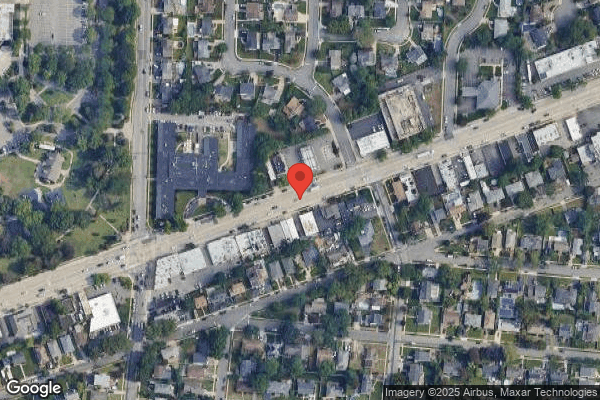
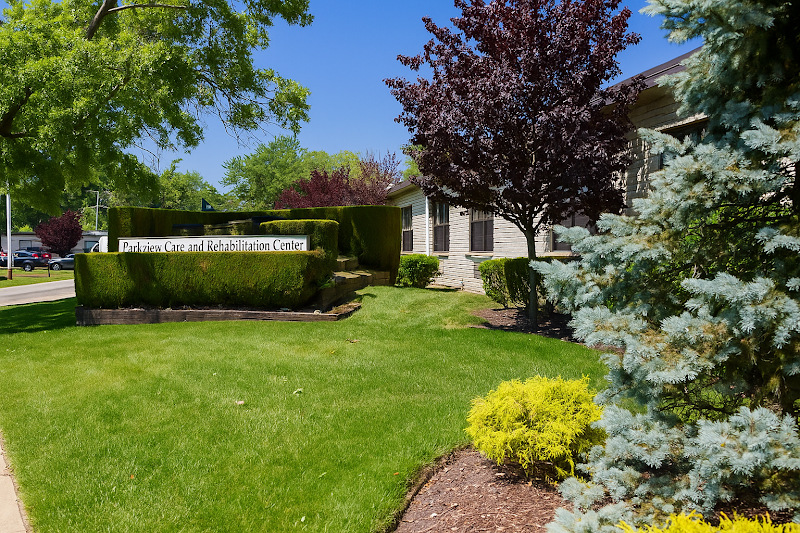
5353 MERRICK ROAD, MASSAPEQUA, NY 11758 (516) 798-1800
For profit - Limited Liability company 169 Beds PHILOSOPHY CARE CENTERS Data: November 2025
Trust Grade
65/100
#314 of 594 in NY
Last Inspection: April 2025

Within standard 12-15 month inspection cycle. Federal law requires annual inspections.

Overview

Parkview Care and Rehabilitation Center, Inc. in Massapequa, New York has a Trust Grade of C+, indicating it is slightly above average but not exceptional. It ranks #314 out of 594 facilities in New York, placing it in the bottom half, and #23 out of 36 in Nassau County, meaning there are only a few local options that rank higher. The facility's performance has remained stable, with 5 issues reported in both 2023 and 2025. Staffing is a significant concern, receiving only 1 out of 5 stars, although the 36% turnover rate is better than the state average. Notably, the facility has no fines on record, which is a positive sign. However, there are serious care deficiencies, such as failing to conduct timely comprehensive assessments and not fully implementing care plans, which could compromise resident safety and well-being.

Trust Score
C+
65/100
In New York
#314/594
Bottom 48%
Safety Record
Low Risk
No red flags
Inspections
Holding Steady
5 → 5 violations
Staff Stability
○ Average
36% turnover. Near New York's 48% average. Typical for the industry.
Penalties
✓ Good
No fines on record. Clean compliance history, better than most New York facilities.
Skilled Nurses
⚠ Watch
Each resident gets only 22 minutes of Registered Nurse (RN) attention daily — below average for New York. Fewer RN minutes means fewer trained eyes watching for problems.
Violations
⚠ Watch
14 deficiencies on record. Higher than average. Multiple issues found across inspections.
★★★☆☆
3.0
Overall Rating
★☆☆☆☆
1.0
Staff Levels
★★★☆☆
3.0
Care Quality
★★★★☆
4.0
Inspection Score
Stable
2023: 5 issues
2025: 5 issues

The Good

  • Full Sprinkler Coverage · Fire safety systems throughout facility
  • No fines on record
  • Staff turnover below average (36%)

    12 points below New York average of 48%

Facility shows strength in fire safety.

The Bad

3-Star Overall Rating

Near New York average (3.1)

Meets federal standards, typical of most facilities

Staff Turnover: 36%

Near New York avg (46%)

Typical for the industry

Chain: PHILOSOPHY CARE CENTERS

Part of a multi-facility chain

Ask about local staffing decisions and management

The Ugly 14 deficiencies on record

Apr 2025 5 deficiencies
CONCERN (D)

Potential for Harm - no one hurt, but risky conditions existed

Comprehensive Assessments (Tag F0636)

Could have caused harm · This affected 1 resident

**NOTE- TERMS IN BRACKETS HAVE BEEN EDITED TO PROTECT CONFIDENTIALITY** Based on record review and staff interviews during the Recertification Survey initiated on 3/27/2025 and completed on 4/3/2025, ...

Read full inspector narrative →
**NOTE- TERMS IN BRACKETS HAVE BEEN EDITED TO PROTECT CONFIDENTIALITY** Based on record review and staff interviews during the Recertification Survey initiated on 3/27/2025 and completed on 4/3/2025, the facility did not conduct a comprehensive resident assessment within 14 calendar days after admission and not less than once every 12 months. This was identified for one (Resident #123) of one residents reviewed for the Resident Assessment Task. Specifically, Resident #123's five-day Prospective Payment System (PPS) Minimum Data Set (MDS) assessment was not completed timely and in accordance with the Long Term Care Facility Resident Assessment Instrument 3.0 User's Manual. The finding is: The facility's policy and procedure titled Completion of the RAI (Resident Assessment Instrument) Process, last revised on 2/4/2025, documented that all assessments will be completed within the guidelines outlined in the RAI (Resident Assessment Instrument) Manual. The Minimum Data Set Coordinator or other staff as designated by the coordinator will develop and maintain a schedule of assessment and provide the schedule to team members. The Minimum Data Set (MDS) Coordinator will be responsible for providing information needed for billing to the billing department. The Long Term Care Facility Resident Assessment Instrument 3.0 User's Manual, October 2024, documented on Page 2-12: If a resident is discharged from Part A, leaves the facility, and does not resume Part A within the 3-day interruption window, it is not an interrupted stay and the Part A PPS Discharge and OBRA [Omnibus Budget Reconciliation Act ] Discharge are both required and must be combined if the Medicare Part A stay ends on the day of, or one day before, the resident's discharge date . Resident #123 was admitted to the facility with diagnoses including Hypertension, Chronic Kidney Disease, and Urinary Retention. The Five-Day Prospective Payment System (PPS) Minimum Data Set (MDS) dated [DATE] documented that Resident #123 had a Brief Interview for Mental Status (BIMS) score of 0, indicating the resident had severely impaired cognition. Resident #123 was rarely and never understood. The Minimum Data Set documented that the assessment was a Skilled Nursing Facility Part A Interrupted Stay. A baseline care plan was not completed for Resident #123, as the resident was discharged against medical advice on 11/9/2025. The Five-Day Prospective Payment System Minimum Data Set assessment had an assessment reference date of 11/9/2024 and was completed on 12/11/2024, which was 32 days after the Assessment Reference Date of 11/9/2024 (18 days late). During an interview on 4/1/2025 at 9:54 AM, the Minimum Data Set Coordinator stated the Minimum Data Set Director is responsible for the Minimum Data Set assessments schedules. The Minimum Data Set Coordinator stated they completed the assessment from the list provided by the Minimum Data Set Director and could not recall any issues with Resident #123's Minimum Data Set assessment. During an interview on 4/1/2025 at 7:56 AM, the Director of Nursing Services stated they were the Minimum Data Set Director in November 2024. The Director of Nursing Services stated they had completed the Entry Minimum Data Set assessment on 11/9/2024 for Resident #123 and the resident was discharged against medical advice on the same date of admission [DATE]). The Director of Nursing Services stated they initiated the Discharge Minimum Data Set assessment and the Five-Day Prospective Payment System Minimum Data Set assessments on 11/9/2024. The Director of Nursing Services stated that they completed the Entry and Discharge Minimum Data Set assessments on time (11/22/2024). The Director of Nursing Services stated they and the facility's billing department were unsure if a Five-Day Prospective Payment System (PPS) Minimum Data Set (MDS) assessment was required or not. The Director of Nursing Services stated the billing department had later confirmed that the Five-Day Prospective Payment System (PPS) Minimum Data Set (MDS) assessment was required; however, by then the assessment was already late. The Director of Nursing Services stated they had completed the Five-Day Prospective Payment System (PPS) Minimum Data Set (MDS) assessment on 12/11/2024 and transmitted the assessment on the same day. During an interview on 4/2/2025 at 8:37 AM, the Administrator stated all Minimum Data Set (MDS) assessments should have been completed and submitted on time. 10 NYCRR 415.11(a)(3)(i)
CONCERN (D)

Potential for Harm - no one hurt, but risky conditions existed

Comprehensive Care Plan (Tag F0656)

Could have caused harm · This affected 1 resident

**NOTE- TERMS IN BRACKETS HAVE BEEN EDITED TO PROTECT CONFIDENTIALITY** Based on observations, record review, and interviews during the Recertification Survey initiated on 3/27/2025 and completed on 4...

Read full inspector narrative →
**NOTE- TERMS IN BRACKETS HAVE BEEN EDITED TO PROTECT CONFIDENTIALITY** Based on observations, record review, and interviews during the Recertification Survey initiated on 3/27/2025 and completed on 4/3/2025, the facility did not ensure the comprehensive person-centered care plan for each resident was developed and implemented to meet the resident's medical, nursing, mental and psychosocial needs. This was identified for one (Resident #96) of five residents reviewed for Accidents. Specifically, the resident's care plan required the use of floor mats. On 3/27/2025, 3/28/2025, and 4/1/2025, Resident #96 was observed in bed with only one floor mat on the left side of the resident's bed. The finding is: The facility Floor Mat policy and procedure last updated in October 2024 documented that floor mats may be selected for use as deemed appropriate by the interdisciplinary team, and floor mats should only be on the floor when the resident is resting in bed. Resident #96 was admitted with diagnoses that included Altered Mental Status, Glaucoma, and Diabetes Mellitus. A Minimum Data Set assessment dated [DATE] documented the resident had long-term and short-term memory problems and was severely impaired in daily decision-making. The resident had no behavioral problems and required maximum assistance for transfers. The resident had no falls since admission. A Comprehensive Care Plan for Falls dated 1/13/2025 documented the resident was at risk for falls, injury, and fracture related to impaired balance, limited endurance, debility, weakness, and visual and hearing impairment. Interventions included placing the bed in the lowest position and placing floor mats next to the bed. During an initial tour on 3/27/2025 at 11:10 AM, Resident #96 was observed in bed and appeared to be asleep. One floor mat was observed on the left side of the resident's bed. During an observation on 3/28/2025 at 9:28 AM, the resident was asleep in bed, and one-floor mat was observed on the left side of the bed. During a third observation on 4/1/2025 at 11:30 AM, the resident was awake in bed. One floor mat was observed on the left side of the resident's bed. During an interview on 4/1/2025 at 11:56 AM, Certified Nursing Assistant #1 stated they cared for Resident #96 since the resident was admitted to the unit. Certified Nursing Assistant #1 stated they occasionally observed the resident leaning over the left side of the bed. Certified Nursing Assistant #1 stated they always used only a floor mat on the left side of the bed. A review of the Certified Nursing Assistant Accountability Record was conducted on 4/1/2025 with Certified Nursing Assistant #1. The Certified Nursing Assistant Accountability Record documented floor mats at bedside. Certified Nursing Assistant #1 stated they had always seen a floor mat on the left side of the resident's bed and did not realize the resident should also have a floor mat on the right side of the bed. During an interview on 4/1/2025 at 1:30 PM, Licensed Practical Nurse #3 stated the resident should have floor mats on both sides of their bed. Licensed Practical Nurse #3 stated they could not explain why the resident did not have a floor mat placed on the right side of the bed. During an interview with the Director of Nursing Services on 4/1/2025 at 3:18 PM, the Director of Nursing Services stated the care plan documented the resident should have floor mats at the bedside, which meant the resident should have the floor mats on both sides of the bed. The Director of Nursing Services further stated Certified Nursing Assistant #1 should have clarified the number of floor mats that should be placed at the resident's bedside. 10 NYCRR 415.11(c)(1)
CONCERN (D)

Potential for Harm - no one hurt, but risky conditions existed

Quality of Care (Tag F0684)

Could have caused harm · This affected 1 resident

Based on observation, record review, and interviews during the Recertification Survey initiated on 3/27/2025 and completed on 4/3/2025, the facility did not ensure that each resident received treatmen...

Read full inspector narrative →
Based on observation, record review, and interviews during the Recertification Survey initiated on 3/27/2025 and completed on 4/3/2025, the facility did not ensure that each resident received treatment and care in accordance with professional standards of practice, the comprehensive person-centered care plan, and the residents' choices. This was identified for one (Resident #14) of four residents reviewed for Pressure Ulcers. Specifically, on multiple occasions, the weight setting on Resident #14's air mattress weight setting was not consistent with the resident's current weight as required by the physician's order. Additionally, during the wound care observation, the treatment nurse did not follow the physician's treatment order and left the resident's sacral wound uncovered after the topical cream was applied to the sacral wound. The finding is: The facility's undated/untitled policy related to the quality of care and air mattresses documented to provide an environment of care that promotes the highest quality of care and comfort for residents. This includes the treatment and prevention of pressure injuries with the use of air mattresses. Set the motor to appropriate settings per the manufacturer's recommendation and resident assessment, i.e. weight. Adjust the mattress' internal pressure according to the patient's weight by using the weight button on the control panel of the power unit. The undated Air Mattress manual documented to press the weight button to adjust the patient's weight from 100 pounds to 325 pounds according to the patient's weight. Resident #14 was admitted with diagnoses including Non-Alzheimer's Dementia, Cerebrovascular Accident, and Depression. The 1/1/2025 Quarterly Minimum Data Set assessment documented a Brief Interview for Mental Status score of 3, indicating the resident had severely impaired cognition. The Minimum Data Set assessment documented the resident was at risk for developing pressure ulcers. A review of the electronic medical record revealed the resident's most recent weight was 139.8 pounds on 3/6/2025. A Physician's order dated 3/24/2025 documented to provide the resident with an Air Mattress on their bed and for nursing staff to check for proper functioning of the air mattress every shift. The air mattress setting was to be in correlation to the resident's current weight. Do Not Use Firm Setting. A Physician's order dated 3/20/2025 documented to cleanse the sacral wound with normal saline; apply Silver Sulfadiazine 1 % topical cream and cover with bordered gauze daily for diagnosis of Irritant Contact Dermatitis due to Friction or Contact with Body Fluids. Resident #14's Braden Risk Assessment (a scale for determining pressure ulcer risk), dated 3/28/2025, documented a score of 17, indicating the resident was at a mild risk for developing pressure ulcers. During an observation on 3/28/2025 at 9:46 AM, Resident #14 was in a geri-chair in their room adjacent to their bed. The weight setting on the air mattress was set at 200 pounds. During an observation on 3/31/2025 at 8:41 AM, Resident #14 was in bed. The weight setting on the air mattress was set at 100 pounds. During an interview on 3/31/2025 at 8:44 AM, Licensed Practical Nurse #3 (unit nurse) acknowledged that Resident #14's air mattress weight setting was set at 100 pounds. Licensed Practical Nurse #3 stated they are not responsible for adjusting or checking the weight setting on the air mattresses. Licensed Practical Nurse #3 stated the treatment nurse was responsible for checking, adjusting, and documenting the air mattress weight setting. During an interview on 3/31/2025 at 8:49 AM, Licensed Practical Nurse #4 (treatment nurse) acknowledged that Resident #14's air mattress weight setting was set at 100 pounds. Licensed Practical Nurse #4 stated they were not sure what the resident's weight was, and that they would have to check the medical record. Licensed Practical Nurse #4 stated the unit nurse or any nurse can check and adjust the air mattress weight settings. During an interview on 3/31/2025 at 8:52 AM, Registered Nurse #1 (unit supervisor) stated the air mattress weight control was in increments of 50 pounds. Resident #14's last recorded weight was 139 and the air mattress weight setting should be set at 150 pounds. Registered Nurse #1 stated the unit nurses are supposed to adjust the weight setting based on the resident's weight. Registered Nurse #1 stated whoever signs the Treatment Administration Record should ensure the weight is correct. A review of the March 2025 Treatment Administration Record revealed that during the 7:00 AM-3:00 PM shift, Licensed Practical Nurse #4 (the treatment nurse) consistently documented the air mattress was functioning and that the air mattress weight setting was consistent with the resident's weight evidenced by staff signature. During a wound care observation on 3/31/2025 at 9:49 AM, Resident #14's sacrum treatment was performed by Licensed Practical Nurse #4 (treatment nurse) and assisted by Certified Nursing Assistant #1. The resident was lying on their side with the assistance of Certified Nursing Assistant #1. Licensed Practical Nurse #4 (treatment nurse) stated the sacrum had already been cleansed with normal saline. Licensed Practical Nurse #4 then applied the Silver Sulfadiazine cream and began to close up the resident's brief. Licensed Practical Nurse #4 stated they did not know they had to cover the wound with a gauze covering. They had just been applying the Silver Sulfadiazine cream and had not been covering the wound. During an interview on 4/2/2025 at 9:06 AM, the Director of Nursing Services stated the nurses are supposed to check and follow the physician's orders. The Director of Nursing Services stated that unit nurses are also supposed to check the air mattress weight setting when doing their rounds and adjust the air mattress accordingly. During an interview on 4/2/2025 at 1:33 PM, Wound Care Physician #1 stated the air mattress weight setting should be in correlation with the resident's weight so the pressure is correctly distributed to aid in wound healing. 10 NYCRR 415.12
CONCERN (D)

Potential for Harm - no one hurt, but risky conditions existed

Deficiency F0685 (Tag F0685)

Could have caused harm · This affected 1 resident

**NOTE- TERMS IN BRACKETS HAVE BEEN EDITED TO PROTECT CONFIDENTIALITY** Based on observations, record review, and interviews during the Recertification Survey initiated on 3/27/2025 and completed on 4...

Read full inspector narrative →
**NOTE- TERMS IN BRACKETS HAVE BEEN EDITED TO PROTECT CONFIDENTIALITY** Based on observations, record review, and interviews during the Recertification Survey initiated on 3/27/2025 and completed on 4/3/2025 the facility did not ensure that each resident received proper treatment and assistive devices to maintain hearing abilities. This was identified for one (Resident #96) of one resident reviewed for vision and hearing. Specifically, Resident #96 had a Physician's order for an Audiology consult dated 1/17/2025 and again on 3/18/2025 to evaluate the resident's hearing ability and for the functionality of the resident's hearing aids, which were brought in by the resident's family member, before the resident can start using the hearing aids. As of 4/3/2025, there was no documented evidence that an Audiology consult was completed for Resident #96. The finding is: The facility's Consultation and Diagnostic Services policy and procedure dated 10/2024 documented to ensure all residents receive medical care in a timely manner. Once an order for consultation has been written by the attending Physician, the unit Registered Nurse or Licensed Practical Nurse will fill out the consult form heading and indicate the appropriate time frame within which the consult has to be done. Resident #96 was admitted with diagnoses that included Altered Mental Status and Hypertension. A Minimum Data Set assessment dated [DATE] documented the resident had long-term and short-term memory problems and was severely impaired in daily decision-making. The Minimum Data Set documented that the resident's hearing ability was highly impaired. A Comprehensive Care Plan for Hearing Deficit dated 1/13/2025 documented interventions including decreasing background noise when speaking to the resident, and encouraging staff to speak slowly, clearly, and loudly while facing the resident. The care plan was updated on 1/28/2025 and documented that the resident's family member brought in bilateral nonfunctional hearing aids, awaiting for the Audiologist to evaluate the hearing aid devices which were currently at the nurse's station. A Physician's order dated 1/17/2025 and renewed on 3/18/2025 documented to obtain an Audiology consult. A Consultation Report form dated 1/17/2025 documented a request for an Audiology consult. The consult form further documented the first available appointment was on 5/2/2025. During an initial tour conducted on 3/27/2025 at 11:10 AM, Resident #96 was observed trying to get out of bed by themselves. The Surveyor attempted to talk to the resident; however, the resident did not respond. During the lunch meal observation on 4/1/2025 at 12:00 PM, Certified Nursing Assistant #1 was observed assisting Resident #96 with setting up the meal tray. Certified Nursing Assistant #1 spoke loudly to the resident and gently touched the resident's hand to initiate a response from the resident. During an interview on 4/1/2025 at 12:10 PM, Certified Nursing Assistant #1 stated they were assigned to care for the resident since admission, and the resident did not wear hearing aids. Certified Nursing Assistant #1 stated they were not aware that the resident had hearing aids. Certified Nursing Assistant #1 stated the resident had difficulty hearing and they had to speak loudly for the resident to hear them. Certified Nursing Assistant #1 stated they had to provide physical cues by gently touching the resident's hand to get their attention. During an interview on 4/1/2025 at 12:14 PM, Licensed Practical Nurse #3 stated the hearing aids were given to them by the resident's family in 1/2025 and requested for the resident to be seen by the Audiologist to evaluate the hearing aids for functionality. Licensed Practical Nurse #3 stated they kept the hearing aids at the nursing station because they were waiting for the Audiologist. Licensed Practical Nurse #3 stated they obtained an order for the resident to be seen by the Audiologist, filled out a consult sheet, and brought the consult sheet to the Nursing Office. Licensed Practical Nurse #3 stated they did not know the schedule of the Audiologist and that the Assistant Director of Nursing Services was responsible for obtaining an appointment for the Audiology consult. During an interview on 4/1/2025 at 1:22 PM, Social Worker #2 was interviewed and stated the Assistant Director of Nursing Services, who was in charge of scheduling appointments for the Audiology consult, was not available, and in early March 2025 Social Worker #2 took over the responsibility for scheduling the Audiology appointment Social Worker #2 stated that originally the appointment was scheduled for May 2, 2025; however, they called the Audiology office to ask for an earlier appointment and the appointment was then changed to 4/14/2025. Social Worker #2 stated the Audiologist only visited the facility if there were five or more residents who needed the Audiology consult. During an interview on 4/1/2025 at 2:21 PM, the Assistant Director of Nursing Services stated they contacted the Audiologist's office in January 2025 and the earliest appointment available was in May 2025. The Assistant Director of Nursing Services stated that they asked Social Worker #2 to follow up and Social Worker #2 succeeded in getting the appointments switched to April 14, 2025. The Assistant Director of Nursing Services stated that it was not acceptable for the resident to wait for months to be seen by the Audiologist; however, the Audiologist will not come to the facility unless there are more than five residents scheduled to be seen and that the Director of Nursing Services was aware. During an interview on 4/1/2025 at 2:59 PM, the Director of Nursing Services stated there was no standard time frame for the Audiology consult to be completed and that they can not dictate when the Audiologist should complete the consultations for the residents. The Director of Nursing Services stated that depending on the urgency of the consult, they would speak with the resident's family members to determine if the resident had an Audiologist in the community so that the resident could be seen sooner. The Director of Nursing Services stated the facility would have facilitated transportation so that the resident could be seen sooner. The Director of Nursing Services stated they were not aware that an Audiology consult was ordered on 1/17/2025 and that the resident was not yet seen by the Audiologist. The Director of Nursing Services stated that the unit nurse should have called the resident's family to discuss if the resident could be seen by an Audiologist in the community and document the conversation in the resident's medical record. 10 NYCRR 415.12(a)(3)(b)(1-3)
CONCERN (D)

Potential for Harm - no one hurt, but risky conditions existed

Deficiency F0761 (Tag F0761)

Could have caused harm · This affected 1 resident

**NOTE- TERMS IN BRACKETS HAVE BEEN EDITED TO PROTECT CONFIDENTIALITY** Based on observation, record review, and interviews during the Recertification Survey, initiated on 3/27/2025 and completed on 4...

Read full inspector narrative →
**NOTE- TERMS IN BRACKETS HAVE BEEN EDITED TO PROTECT CONFIDENTIALITY** Based on observation, record review, and interviews during the Recertification Survey, initiated on 3/27/2025 and completed on 4/3/2025, the facility did not ensure drugs and biologicals used in the facility were labeled in accordance with currently accepted professional principles. This was identified for one (Resident #299) of six residents observed during the Medication Administration Task. Specifically, Resident #299 had a change in the Physician's order for Oxycodone (a narcotic pain reliever). The medication dosage for Oxycodone was changed on the blister-pack label with hand-written dosage instructions written by a Licensed Practical Nurse, and the instructions were not accurate. The finding is: A review of the facility's policies titled Medication Storage dated 2/20/2025; Ordering and Obtaining Medications dated 3/1/2025; and Medication Administration and Documentation dated 2/20/2025 revealed that there was no guidance for nursing staff on updating dosage label changes. Resident #299 was admitted with diagnoses including Left Tibial Spine Fracture, Muscle Weakness, and Depression. The admission Minimum Data Set assessment dated [DATE] documented a Brief Interview for Mental Status score of 14, indicating the resident was cognitively intact. The Minimum Data Set assessment documented that the resident received as-needed pain medication during the five-day lookback period. A physician's order dated 3/12/2025 documented Oxycodone IR (Immediate Release) 5 milligrams tablet, give half tablet (2.5 milligrams) by mouth every 12 hours as needed. This order was discontinued on 3/20/2025. A new physician's order dated 3/26/2025 documented Oxycodone 5 milligram tablet, give one tablet by oral route every 8 hours as needed, for diagnosis of Pain (unspecified). During the medication administration observation for Resident #299 on 3/28/2025 at 8:35 AM, Licensed Practical Nurse #1 prepared the Oxycodone for administration. The Oxycodone blister pack used by Licensed Practical Nurse #1 had a label that documented Oxycodone IR (Immediate Release) 5 milligrams tablet, give half tablet (2.5 milligrams) by mouth every 12 hours as needed. The blister pack label was consistent with the original Oxycodone order dated 3/12/2025. The blister pack label was modified with handwritten instructions that documented give 2 tabs. The blister pack contained one-half tablet in each blister slot. Licensed Practical Nurse #1 stated they did not know who wrote give 2 tabs on the blister pack label. Licensed Practical Nurse #1 stated they administered two 2.5 milligram tablets to fulfill the current order for 5 milligrams of Oxycodone. Licensed Practical Nurse #1 stated the Oxycodone order was changed when the resident returned from the hospital on 3/26/2025, and the facility did not receive the new Oxycodone 5 milligram tablets. During an interview on 3/31/2025 at 11:00 AM, Licensed Practical Nurse #2 stated they modified the Oxycodone blister pack label and wrote the newly ordered Oxycodone dosage on the current blister pack to avoid a medication error because the Oxycodone dosage was changed from 2.5 milligrams to 5 milligrams. Licensed Practical Nurse #2 stated they needed to administer two of the half tablets to provide a total of 5 milligrams of Oxycodone to the resident. Licensed Practical Nurse #2 stated they usually apply a sticker to the blister pack that directs the nurses to review the medication order change in the electronic medication administration record. Licensed Practical Nurse #2 stated they did not have any stickers available, so they wrote on the blister pack instead. During an interview on 3/31/2025 at 12:26 PM, Pharmacist #1 from the facility's pharmacy stated the nurses should affix a sticker that indicates see new order. The pharmacy did not send the new order of the 5 milligrams of Oxycodone tablets to the facility until 3/29/2025 because the Pharmacy needed clarification on the Oxycodone order because the resident also had an order for an as-needed Tramadol (pain medication) and the facility needed to provide pain scales for both orders to the Pharmacy. During an interview on 3/31/2025 at 1:55 PM, the Assistant Director of Nursing/Nurse Educator stated when there is a medication change, the facility utilizes a sticker on the blister pack to indicate the change and the sticker directs the nurses to review the electronic medication administration record for changes in the physician's order. The nurses are not supposed to write on the blister pack. During an interview on 4/1/2025 at 11:20 AM, the Director of Nursing Services stated the nurse is not supposed to write an order change on the blister pack label. The facility utilizes a sticker to indicate medication order changes. Any licensed nurse who receives the medication order change can place the sticker on the blister pack. The Director of Nursing Services stated the facility's policies do not address the use of stickers for medication order changes. The Director of Nursing Services stated that the facility just contracted with the new Pharmacy, and the facility is in the process of updating policies and procedures. The Director of Nursing Services acknowledged the writing on the Oxycodone blister pack, indicating that administering two tablets was inaccurate, and the dose frequency on that blister pack did not match the current order. 10 NYCRR 415.18(d)
Nov 2023 5 deficiencies
CONCERN (D)

Potential for Harm - no one hurt, but risky conditions existed

Deficiency F0655 (Tag F0655)

Could have caused harm · This affected 1 resident

**NOTE- TERMS IN BRACKETS HAVE BEEN EDITED TO PROTECT CONFIDENTIALITY** Based on record review and staff interviews during the Recertification Survey initiated on 11/8/2023 and completed on 11/15/2023...

Read full inspector narrative →
**NOTE- TERMS IN BRACKETS HAVE BEEN EDITED TO PROTECT CONFIDENTIALITY** Based on record review and staff interviews during the Recertification Survey initiated on 11/8/2023 and completed on 11/15/2023, the facility did not ensure that a baseline care plan for each resident that includes the instructions needed to provide effective and person-centered care of the resident that meet professional standard of quality care was developed within 48 hours of admission. This was identified for one (Resident #11) of three residents reviewed for pressure ulcers. Specifically, Resident #11 was admitted on [DATE] with multiple areas of skin impairment. A Baseline care plan was not developed within 48 hours for the skin impairment as required. The finding is: The Facility's Baseline Care Plan Policy and procedure revised 4/2023 documented within 48 hours of a resident's admission, a base line plan of care for the resident's needs will be prepared, developed, and implemented. The policy documented the Nurse/designee will review the transfer orders and documentation to initiate goals and interventions at the point of admission. Resident #11 was admitted with diagnoses that included Severe Protein Calorie Malnutrition, Cerebral Palsy, and Hypertension. The admission Minimum Data Set (MDS) assessment dated [DATE] documented the resident had short and long term memory problems and was severely impaired for daily decision making. The resident had no behavioral symptoms and required extensive assistance of two staff members for bed mobility and transfers; and required total assistance of two staff members for toileting. The MDS documented the resident was at risk for developing pressure ulcers/injuries and had two unhealed Stage II Pressure Ulcers (PU) and two unhealed unstageable PU that were present on admission. The Hospital Patient Review Instrument (an assessment tool to assess selected physical, medical, and cognitive characteristics) dated 5/13/2023 documented the resident had Stage II Pressure Ulcers. The Nursing admission Comprehensive Assessment note dated 5/14/2023 at 4:08 PM documented No to the presence of pressure ulcers. The admission Skin assessment dated [DATE] documented the resident had ecchymosis (bruising) to the left inner knee area and the inner ankle area. The assessment did not include any other skin impairment. The Baseline care plan section for skin concerns dated 5/14/2023 was blank. An admission Wound Care Note dated 5/15/2023 by Licensed Practical Nurse (LPN) #3, who was the wound care nurse, documented the following skin findings: -Left Medial Great Toe to Medial Foot measuring 6-centimeter (cm) x 2 cm purple discoloration with surrounding erythema (redness) and areas of denuded (removed) skin. -Right 5th Metatarsal (toe) measuring 0.5 cm x 0.6 cm x <0.1 cm pink base with moderate serous (clear) drainage. -Right Lateral Foot measuring 2 cm x 0.5 cm purple discoloration with skin intact. -Right Medial Malleolus (ankle bone) noted with blanchable (skin is a term used to describe skin that remains white or pale for longer than normal when pressed) redness with skin intact. -Sacrum wound measuring 3 cm x 2 cm x <0.1 cm pink base, with small amount of serosanguinous (blood tinged) drainage. The Physician's Admitting History and Physical (H&P) dated 5/15/2023 documented the following under the skin section: Left medial great toe to medial foot, 6 [centimeter}) x 2 cm; right 5th metatarsal scab 0.5 [cm] x 0.6[cm] x 0.1 cm; right lateral foot, 2 [cm] x 0.5 cm; right medial malleolus with blanchable redness, and sacrum 3 cm x 2 cm x 0 [cm]. A Physician's order dated 5/15/2023 documented to Paint the left medial great toe to left medial foot with Betadine followed by a dry clean dressing (DCD) daily and as needed (PRN). A Physician's order dated 5/15/2023 documented to cleanse the right 5th medial toe with normal saline (NS) and apply Calcium Alginate and a DCD daily and PRN. A Physician's order dated 5/15/2023 dated documented to paint the right lateral foot with Betadine followed by a DCD daily and PRN. A Physician's order dated 5/152/2023 documented to cleanse the sacrum with NS and apply Triad Cream daily and PRN. The Nurse Practitioner (NP) initial wound evaluation dated 5/18/2023 documented a Deep Tissue Injury (DTI) to the resident's Left Medial Great toe to the Left Medial foot measuring 8 centimeters (cm) x 3 cm and purple in color; a Stage II Pressure Ulcer to the Right 5th toe measuring 0.3 cm x 0.5 cm x 0.1 cm; A DTI to the Right Lateral foot measuring 2 cm x 0.5 cm and purple in color, a Stage II Pressure Ulcer to the Sacrum pink in color measuring 1 cm x 2 cm x 0.1 cm; and the Right medial shin was noted with clusters of Papular Erythema (areas of redness). A Physician's order dated 5/18/23 documented to apply Dermafungal to right medial shin twice (BID) daily for 10 days. LPN #3 was interviewed on 11/13/2023 at 3:05 PM and stated that the resident was admitted with Deep tissue injuries (DTI) to the left medial great toe to left medial foot and to the right lateral foot. LPN #3 stated the resident also had stage two pressure ulcer injuries to the right fifth toe and the sacrum. LPN #3 further stated they checked the resident's skin on 5/15/2023; however, they did not develop a care plan for the resident's skin impairments. Registered Nurse (RN) #3, who was the Unit Manager, was interviewed on 11/14/2023 at 3:57 PM and stated they were familiar with Resident #11. RN #3 stated the admitting nurse was responsible for initiating the baseline care plan. RN #3 stated if the resident was admitted with pressure ulcers, the baseline care plan should be initiated upon admission to include the resident's impaired skin status. RN #3 stated that the baseline care plan for the pressure ulcer is completed within 24 hours of admission. The Director of Nursing Services (DNS) was interviewed on 11/15/2023 at 9:15 AM and stated that RN #4 (admitting nurse) was a new RN, and they (RN #4) should have documented the resident's skin impairment on the baseline care plan. The DNS stated if RN #4 was unsure of how to assess the resident's skin impairment, they (RN #4) should have notified the RN Supervisor and should have asked for assistance with assessing the resident's skin. RN #4 was interviewed on 11/15/2023 at 11:06 AM and stated they became an RN in March of 2023. RN #4 stated they were the admission nurse for Resident #11 on 5/14/2023. RN #4 stated when a resident is admitted , a head to toe assessment is completed on the resident, a Braden Scale (assessment to determine pressure ulcer risk development), and a baseline care plan is initiated. RN #4 stated they did not complete the skin concerns section of the baseline care plan because they were not able to determine if the resident had healing bruises or actual DTIs. RN #4 stated they did not notify the RN Supervisor or ask for assistance regarding assessing the resident's skin. RN #4 stated they spoke with the Wound Care Nurse who was not in the facility at the time regarding the resident's skin on 5/14/2023. RN #4 stated they did not call the resident's Physician to obtain treatment orders related to Resident #11's skin impairments. 10 NYCRR 415.11
CONCERN (D)

Potential for Harm - no one hurt, but risky conditions existed

Comprehensive Care Plan (Tag F0656)

Could have caused harm · This affected 1 resident

**NOTE- TERMS IN BRACKETS HAVE BEEN EDITED TO PROTECT CONFIDENTIALITY** Based on observation, record review and interviews during the Recertification Survey initiated on 11/08/2023 and completed on 1...

Read full inspector narrative →
**NOTE- TERMS IN BRACKETS HAVE BEEN EDITED TO PROTECT CONFIDENTIALITY** Based on observation, record review and interviews during the Recertification Survey initiated on 11/08/2023 and completed on 11/15/2023, the facility did not implement a comprehensive person-centered care plan for each resident to meet a resident's medical and nursing needs that are identified in the comprehensive assessment. This was identified for 1) one (Resident #130) of one resident reviewed for Activities of Daily Living, and 2) one (Resident #439) of three residents reviewed for Communication. Specifically, 1) Resident #130, who had diagnosis of Diabetes, had a Physician's order to monitor the resident's blood glucose level and report the findings to the Physician if the blood glucose levels were less than 70 milligrams (ml)/Deciliter(dl) or greater than 300 ml/dl. In October 2023, on three occasions Resident #130's blood glucose level was greater than 300 ml/dl. The resident's Physician was not notified as per the physician's orders. 2) Resident #439, who has a diagnosis of Diabetes, had a Physician's order to monitor the resident's blood glucose level and report the findings to the Physician if the blood glucose levels were less than 70 milligrams (ml)/Deciliter (dl) or greater than 250 ml/dl. In November 2023, on three occasions Resident #439's blood glucose level was greater than 250 ml/dl. The resident's Physician was not notified as per the physician's orders. The findings are: The facility's policy titled Insulin Administration and Sliding Scale Management, last reviewed June 2023, documented that Blood glucose testing will have standard parameters for notification to the primary care provider to ensure treatment is provided as needed. Critical value range for blood glucose is defined as per the physician's order. The nurse will document if there are any new orders received in a progress note. The nurse will document physician notification on the Medication Administration Record (MAR). 1) Resident #130 was admitted with diagnoses of Type 2 Diabetes Mellitus (DM) with Hyperglycemia, Hypertension, and Seizure Disorder. The Minimum Data Set (MDS) assessment dated [DATE] documented a Brief Interview for Mental Status (BIMS) score of 15 which indicated the resident was cognitively intact. The MDS documented Resident #130 had a diagnosis of DM. The Physician's Order dated 9/05/2023 documented to monitor the resident's blood glucose levels via finger stick every day at 8:30 AM and 4:30PM and to notify the physician (MD) for blood glucose levels less than 70 mg/dl or greater than 300 mg/dl. The Comprehensive Care Plan (CCP) for Diabetes Mellitus dated 10/10/2023 documented interventions to monitor blood glucose level as ordered, and to monitor for observable signs and symptoms of Hyperglycemia or Hypoglycemia. The October 2023 MAR documented the following blood glucose levels: -On 10/15/2023 at 4:33 PM the resident's blood glucose level was 389 mg/dl. -On 10/28/2023 at 4:20 PM the resident's blood glucose level was 342 mg/dl. -On 10/29/2023 at 4:17 PM the resident's blood glucose level was 345 mg/dl. There was no documentation in the medical record that the resident's Physician was notified of the elevated blood glucose levels. Licensed Practical Nurse (LPN) #4 was interviewed 11/13/2023 at 10:58 AM and stated they were assigned to Resident #130 on 10/28/2023 and 10/29/2023 during the 3:00 PM-11:00 PM shift. LPN #4 stated they were not aware that the physician's orders included parameters to call the physician. LPN #4 stated reviewing the Physician's orders now they realized that they should have called and notified the Physician of the elevated blood glucose levels for further guidance. LPN #7 was interviewed 11/13/2023 at 3:26 PM and stated that the facility policy is to notify the Physician when the blood glucose levels are out of range. LPN #7 stated they text the Physician the results and the Physician then instructs them if any new orders are needed. LPN #7 further stated they should have written a progress note regarding Resident #130's elevated glucose level out of range. The Director of Nursing Services (DNS) was interviewed on 11/14/2023 at 11:10 AM and stated that the nurses should have followed the Physician's orders for glucose monitoring, reported the elevated glucose levels to the resident's Physician, and documented the communication they had with the Physician. The DNS was re-interviewed on 11/14/2023 at 11:15 AM and stated there is no documentation in the medical record that indicated the resident's Physicians were notified regarding the resident's elevated blood glucose levels on 10/15/2023, 10/28/2023 and 10/29/2023. Physician #1 was interviewed on 11/15/2023 at 9:37 AM and stated they expected the nursing staff to follow the Physician's orders and notify the Physician when the blood glucose levels are outside the established parameters. 2) Resident #439 was admitted with diagnoses of Cerebral Infarction, Chronic Atrial Fibrillation, and Diabetes Mellitus (DM). The Minimum Data Set (MDS) assessment dated [DATE] documented a Brief Interview for Mental Status (BIMS) score of 13 which indicated the resident was cognitively intact. The MDS documented Resident #439 had a diagnosis of DM. The Comprehensive Care Plan (CCP) for Diabetes Mellitus dated 10/13/2023 documented interventions to monitor the resident's blood glucose level as ordered; and to monitor for observable signs and symptoms of Hyperglycemia or Hypoglycemia. The Physician's order dated 10/15/2023 documented to monitor the resident's blood glucose levels via finger stick twice a day before breakfast and after dinner. Notify the physician (MD) for blood glucose levels less than 70 mg/dl or greater than 250 mg/dl. The November 2023 MAR documented the following blood glucose levels: -On 11/04/2023 at 3:51 PM the resident's blood glucose level was 321 mg/dl. -On 11/05/2023 at 4:15 PM the resident's blood glucose level was 265 mg/dl. -On 11/11/2023 at 10:03 PM the resident's blood glucose level was 275 mg/dl. There was no documentation in the medical record that the resident's Physician was notified of the elevated blood glucose levels. LPN #7 was interviewed 11/13/2023 at 3:26 PM and stated that the facility policy is to notify the Physician when the blood glucose levels are out of range. LPN #7 stated they text the Physician the results and the Physician then instructs them if any new orders are needed. LPN #7 further stated they should have written a progress note regarding Resident #439's elevated glucose level out of range. LPN #6 was interviewed on 11/14/2023 at 10:30 AM and stated they were assigned to Resident #439 on 11/11/2023 during the 3:00 PM-11:00 PM shift. LPN #6 stated the protocol for glucose monitoring is to notify the provider if a glucose level is out of range. LPN #6 stated they could not recall if they had called the Physician or wrote a progress note regarding Resident #439's elevated blood glucose level because they had a lot going on that night. The Director of Nursing Services (DNS) was interviewed on 11/14/2023 at 11:15 AM and stated there is no documentation in the medical record that indicated the resident's Physicians were notified regarding the resident's elevated blood glucose levels on 11/4/2023, 11/5/2023, and 11/11/2023. Physician #1 was interviewed on 11/15/2023 at 9:37 AM and stated they expected the nursing staff to follow the Physician's orders and notify the Physician when the blood glucose levels are outside the established parameters. 10 NYCRR 415.11(c)(1)
CONCERN (D)

Potential for Harm - no one hurt, but risky conditions existed

Deficiency F0657 (Tag F0657)

Could have caused harm · This affected 1 resident

Based on observation, record review, and interviews during the Recertification Survey initiated on 11/8/2023 and completed on 11/15/2023, the facility did not ensure comprehensive care plans were revi...

Read full inspector narrative →
Based on observation, record review, and interviews during the Recertification Survey initiated on 11/8/2023 and completed on 11/15/2023, the facility did not ensure comprehensive care plans were reviewed and revised to meet each resident's current needs. This was identified for one (Resident #49) of six residents reviewed for Accidents. Specifically, Resident #49 required extensive assistance of one person for transfers as per the resident's nursing care instructions and Comprehensive Care Plan (CCP). Resident #49 had non-compliant behavior of transferring independently. The facility staff were aware of the resident's noncompliance; however, the CCP was not updated to reflect the identified behavior. The finding is: The facility's policy, titled Accident/Incident, reviewed and revised 8/2022, documented a plan of care will be updated or initiated by the interdisciplinary team. The comprehensive care plan will be updated quarterly, and as needed, to develop staff awareness of fall/accident risk factors of potential preventative strategies and to prevent another fall/accident; as well as the Certified Nursing Assistant (CNA) accountability record to alert the CNA of the new plan of care and interventions. Resident #49 was admitted with diagnoses including Morbid Obesity, Generalized Muscle Weakness, and Chronic Obstructive Pulmonary Disease. The resident also has a past medical history of Leukemia. The 9/28/2023 admission Minimum Data Set (MDS) assessment documented the resident had a Brief Interview for Mental Status (BIMS) score of 15, indicating the resident was cognitively intact. The MDS documented that the resident required extensive assistance of two persons for transfers and toileting. A Comprehensive Care Plan (CCP) effective 9/21/2023 and last updated 11/14/2023, titled Falls: at risk for falls/injury, documented the resident had a history of falls prior to admission, had impaired balance, impaired gait, limited endurance, and was weak and debilitated. An intervention included to place the call bell within easy reach at all times. There was no documentation in the care plan that the resident had non-compliant behaviors related to getting out of bed unassisted, transferring from surface to surface by themselves, and performing toileting tasks without calling for staff assistance. A CCP titled Non-Compliance: Resident Rejects Evaluation or Care, effective 10/10/2023, documented the resident was non-compliant with adherence to the dietary regimen. There was no documentation prior to 11/13/2023 that the resident was non-compliant with safety and Activities of Daily Living (ADL) care. The Resident Nursing Instructions (care instructions for CNAs) as of 11/13/2023 documented that the resident required extensive assistance of one person for transfers and toilet use. The Fall Risk Evaluation dated 11/1/2023 documented a score of 10. A total score of 10 or above represents a high risk for falls. Resident #49 was observed in bed on 11/8/2023 at 10:43 AM. The resident's call bell was observed on the floor behind the bed and out of reach of the resident. The resident stated they never use the call bell. The resident stated they get out of bed and get into the wheelchair by themselves, self-propel to the bathroom, and transfer to the toilet on their own. The resident stated they have to walk about a foot from their bed to get into the wheelchair. Resident #49 was observed in their room sitting in their wheelchair on 11/9/2023 at 1:44 PM. The resident's call bell was observed on the floor behind the bed. The resident stated they hardly use the call bell and will go to the bathroom on their own. The resident stated they had five falls at home prior to being admitted to the facility. The resident stated the falls were from weakness and may have been due to Chemotherapy. CNA #2 was interviewed on 11/9/2023 at 2:12 PM. CNA #2 stated the resident gets out of bed and goes into the wheelchair and to the bathroom by themselves. CNA #2 stated the resident does not use the call bell. CNA #2 observed the call bell on the floor in the resident's room and put the call bell on the resident's bed. The Director of Rehabilitation (Rehab Director) was interviewed on 11/13/2023 at 10:36 AM and stated extensive assistance for transfers and toileting means someone should be present with the resident because there is a risk of the resident falling. The Rehab Director stated as of today (11/13/2023), with a skilled therapist in Rehab, the resident walks 10 feet with a rolling walker and contact guard of one person; transfers with contact guard of one person, and requires a contact guarding of one person for toileting, but this has not yet been transferred over to CNA nursing instructions because we still have to make sure that the resident is safe. The Rehab Director stated the nursing staff still have to provide extensive assistance of one person for ADLs care needs. Registered Nurse (RN) #1 (unit supervisor) was interviewed on 11/13/2023 at 11:20 AM and stated the call bell should definitely be within the resident's reach even if the resident can get up by themselves. RN #1 was asked if they (RN #1) were aware that the resident was transferring themselves. RN #1 stated they (RN #1) would have to check the CNA nursing instructions and speak to the CNA and the Licensed Practical Nurse (LPN)/Medication nurse. RN #1 was re-interviewed on 11/13/2023 at 12:44 PM and stated if a CNA notices that the care profile is not matching what the resident is doing, then the CNA must bring it to their attention so they (RN #1) can re-evaluate the resident and update the resident's care plan as necessary. RN #1 stated the resident does have a non-compliance care plan, but the care plan has to be updated to include the noncompliance behaviors of self-transferring and self-toileting. RN #1 stated the resident was not steady and staff had to assist the resident because the resident was at risk for falls. RN #1 stated they (RN #1) were not sure if the CNA nursing instructions should be updated. A nursing progress note, written by RN #1 dated 11/13/2023 at 1:11 PM, documented the interdisciplinary team, including the Physician, discussed the resident's occasional refusal for assistance with ADL care. Resident #49 was provided education regarding adherence to safety and ADL needs and verbalized understanding. The non-compliance care plan was updated to include the resident was non-compliant with safety and daily Care Needs/ADL care. The Director of Nursing Services (DNS) was interviewed on 11/14/2023 at 9:06 AM and stated Resident #49 overestimates their ability and if the CNA notices that the resident is doing things that are not consistent with the nursing care instructions, they are supposed to inform the nurse so the nurse can evaluate the situation and update the care plan. 10 NYCRR 415.11(c)(2)(i-iii)
CONCERN (D)

Potential for Harm - no one hurt, but risky conditions existed

Drug Regimen Review (Tag F0756)

Could have caused harm · This affected 1 resident

**NOTE- TERMS IN BRACKETS HAVE BEEN EDITED TO PROTECT CONFIDENTIALITY** Based on record review and staff interviews during the Recertification Survey initiated on 11/8/2023 and completed on 11/15/2023...

Read full inspector narrative →
**NOTE- TERMS IN BRACKETS HAVE BEEN EDITED TO PROTECT CONFIDENTIALITY** Based on record review and staff interviews during the Recertification Survey initiated on 11/8/2023 and completed on 11/15/2023, the facility did not ensure that a Physician Response (action) documented on a monthly Medication Regimen Review (MRR) was carried out to address an irregularity identified by the Pharmacist. This was identified for one (Resident #52) of five residents reviewed for Unnecessary Medications. Specifically, a serum Valproic Acid (an anticonvulsant medication to treat Bipolar Disorder and migraine headaches) level was requested for Resident #52 by the Nurse Practitioner (NP) on 9/12/2023 in response to the Consultant Pharmacist's Recommendation dated 9/5/2023; however, no Physician's Order was documented in the resident's Electronic Medical Record (EMR) and the serum Valproic Acid level was never obtained. The finding is: The facility's policy titled, Drug Regimen Review dated August 2022 documented that the Consultant Pharmacist shall review the medical record of each resident and perform a Drug Regimen review at least once each calendar month. The Consultant Pharmacist shall identify, document, and report possible medication irregularities for review and action by the Attending Physician, where appropriate. The attending Physician or licensed designee shall respond to the Drug Regimen Review within 7-14 days or more promptly, whenever possible. Resident #52 has diagnoses which include Bipolar Disorder and Type 2 Diabetes Mellitus. The quarterly Minimum Data Set (MDS) assessment dated [DATE] documented that the resident had a Brief Interview for Mental Status (BIMS) score of 7 which indicated that the resident had severely impaired cognitive skills for daily decision-making. The MDS also documented that the resident received an antipsychotic and antidepressant medication during the last 7 days of the review period. The original Physician's Order dated 8/3/2023 and last renewed on 10/27/2023 documented to administer Valproic Acid 250 milligrams (mg)/5 milliliters (ml) oral solution - give 5 ml (250 mg) by oral route 2 times per day for Bipolar Disorder. The MRR dated 9/5/2023 documented the Consultant Pharmacist's Recommendations as: Currently receiving Valproic Acid. Unable to locate recent serum level in the chart. Recommend at initiation of therapy and every 6 months. Please consider the order. The Physician/Prescriber Response was: Agree; Will do. The NP wrote, Ordered q 6 months. The MRR was signed by Nurse Practitioner (NP) #2 on 9/12/2023. A review of the resident's EMR revealed that the Physician's Order for a serum Valproic Acid level was never written. NP #2 was interviewed on 11/14/2023 at 9:50 AM and stated that when they (NP #2) agree with a recommendation made by a Pharmacist on an MRR, either they (NP #2) enter the Physician's Order into the resident's EMR themselves or they (NP #2) give the MRR to the Director of Nursing Services (DNS) to enter the Physician's Order into the resident's EMR. NP #2 stated that sometimes there are stacks of MRRs that have to be addressed and sometimes they (NP #2) do not have the time to enter all of the Physician's Orders themselves. NP #2 stated that they (NP #2) did not know why a Physician's Order was never entered into the resident's EMR but wanted the resident to have a serum Valproic Acid level obtained in response to the recommendation made by the Pharmacist on the MRR dated 9/5/2023. NP #2 further stated they would place a Physician's Order into the resident's EMR right away. The DNS was interviewed on 11/14/2023 at 10:25 AM and stated that the NP or the Physician, sometimes enters the order themselves, and sometimes if they do not get to them, they (DNS) will enter the Physician's orders into the computer for them (NP or Physician). The DNS stated that NP #2 would hand them (DNS) two piles of MRRs, ones that they (NP #2) entered into the EMR and ones that they (NP #2) did not get to. The DNS stated that they (DNS) did not know how the oversight occurred, and that the Physician's Order to have a serum Valproic Acid level done was never entered into Resident #52's EMR on 9/12/2023. The DNS stated that a stat (immediate) serum Valproic Acid level was ordered for the resident today (11/14/2023) and the level will be checked every 6 months from now on. 10 NYCRR 415.18(c)(2)
CONCERN (D)

Potential for Harm - no one hurt, but risky conditions existed

Deficiency F0761 (Tag F0761)

Could have caused harm · This affected 1 resident

**NOTE- TERMS IN BRACKETS HAVE BEEN EDITED TO PROTECT CONFIDENTIALITY** Based on observations, interviews and records review during the Recertification Survey initiated on 11/8/2023 and completed on 1...

Read full inspector narrative →
**NOTE- TERMS IN BRACKETS HAVE BEEN EDITED TO PROTECT CONFIDENTIALITY** Based on observations, interviews and records review during the Recertification Survey initiated on 11/8/2023 and completed on 11/15/2023 the facility did not ensure that all controlled drugs were appropriately stored. This was identified on one (West Unit) of two facility medication rooms. Specifically, on 11/9/2023 at 10:25 AM, a 1 milliliter (ml) vial of Lorazepam containing a small amount of solution was observed on the top shelf of the [NAME] Unit narcotic box. The vial was not refrigerated (as required per manufacturer's recommendation) or labeled with a resident's name. The finding is: The facility policy and procedure on Open Injectable Storage and Handling, dated 10/2022 documented that single dose vials of injectable medication that are opened shall be discarded in the sharps container or other disposal method that is safe from resident contact and retrieval. On 11/09/23 at 10:25 AM a vial of Lorazepam LOT# 092073 was observed on the top shelf inside of the [NAME] Unit narcotics box in the presence of Licensed Practical Nurse (LPN #4). The vial was not labeled with a resident's name. LPN #4 was interviewed immediately after the observation and stated they did not know who the Lorazepam vial belongs to or why it was stored on the top shelf of the narcotic box and not in a refrigerator. LPN #4 estimated that there was approximately 0.1ml of solution in the vial. The solution was not stored under refrigeration or labeled with an order or resident's name. LPN #4 stated that the vial was likely taken out of the emergency medication box, used, and then forgotten. LPN #4 stated that they were unaware that the vial was in the narcotic box and that they do not usually explore the contents of the narcotics box. LPN #8, the LPN Charge Nurse, was interviewed on 11/09/2023 at 10:30 AM and stated that the medication was likely a vial used from the emergency medication box and intended for disposal but ultimately placed and forgotten in the narcotics cabinet. LPN #8 was unable to provide any record of its origin or use. LPN #8 stated that approximately 10% of the bottle contents (0.1ml) appeared to be remaining in the vial. The Director of Nursing Services (DNS) was interviewed on 11/09/2023 at 1:25 PM and stated that the Lorazepam was ordered for and administered to Resident #52 on 7/27/2023. The DNS stated that the medication was placed in the narcotic storage box with intent to dispose of it and was forgotten by the administering nurse. Resident #52 has diagnoses which include Bipolar Disorder and Type 2 Diabetes Mellitus. The quarterly Minimum Data Set (MDS) assessment dated [DATE] documented that the resident had a Brief Interview for Mental Status (BIMS) score of 7 which indicated that the resident had severely impaired cognitive skills for daily decision making. The Physician's Order dated 7/27/2023 documented to inject 1 milliliter (2 mg) Ativan by intramuscular route immediately for agitation for diagnosis of Personality disorder, unspecified. This order was a telephone order, taken by Registered Nurse (RN)#2. The Medication Administration Record for the month of July 2023 for Resident #52 documented that 1ml of Lorazepam was administered by RN#2 on 7/27/2023 at 10:30 PM, as per the Physician's order. RN #2 was interviewed on 11/09/2023 at 3:16 PM and stated that they did administer the Lorazepam to Resident #52 on 7/27/2023 and secured the Lorazepam vial in the [NAME] Unit narcotics cabinet because there was some remaining solution in the vial. RN#2 stated that they did not refrigerate the vial because their intention was to discard the vial in the sharps disposal container. They wanted another licensed nurse to witness the destruction because of the remaining content in the vial since it was a controlled substance. RN#2 stated that they forgot about the vial and never returned to destroy it. The DNS was re-interviewed on 11/10/2023 at 11:25 AM and stated that the Lorazepam vial should have been immediately disposed of in the sharps disposal container. The DNS stated that because 1ml was drawn and administered from a 1ml vial, a second licensed observer would not have been required in order to destroy the residual solution in the vial. 10 NYCRR 415.18(e)(1-4)
Nov 2021 4 deficiencies
CONCERN (D)

Potential for Harm - no one hurt, but risky conditions existed

Free from Abuse/Neglect (Tag F0600)

Could have caused harm · This affected 1 resident

**NOTE- TERMS IN BRACKETS HAVE BEEN EDITED TO PROTECT CONFIDENTIALITY** Based on observation, interview, and record review during the Recertification Survey and Abbreviated Survey (Complaint #NY002745...

Read full inspector narrative →
**NOTE- TERMS IN BRACKETS HAVE BEEN EDITED TO PROTECT CONFIDENTIALITY** Based on observation, interview, and record review during the Recertification Survey and Abbreviated Survey (Complaint #NY00274572) completed on 11/19/2021, the facility did not ensure resident rights to be free from abuse for one (Resident #235) of two Residents reviewed for Abuse. Specifically, Resident #232 hit Resident #235 when Resident #232 was attempting to lower the television volume in Resident #235's room. Both residents had a verbal exchange and Resident #232 hit Resident #235. Subsequently, Resident #235 was transferred to the hospital and returned to the Nursing Home with a hematoma to the right abdomen and a lip laceration with 3 sutures. The finding is: The facility Abuse Prohibition and Prevention policy dated 4/13/2021 documented each resident shall be free from abuse. Abuse means the willful infliction of injury, unreasonable confinement, intimidation or punishment with resulting physical harm, pain or mental anguish. Willful means that the individual must have acted deliberately, not that the individual must have intended to inflict injury or harm. Physical Abuse Examples include a resident picks a fight with another resident and knocks him/her down. Resident to resident abuse includes all forms of abuse defined and described in this policy regardless of the resident's cognitive functioning. In addition, resident to resident abuse may include the following hitting, slapping, pinching, kicking attempting to strike, and attempting to in any way to cause physical harm. 1) Resident #232 was admitted with the diagnosis of Non-Alzheimer's Dementia, Depression and Insomnia. The Minimum Data Set (MDS) dated [DATE] documented a Brief Interview for Mental Status (BIMS) score of 13, indicating the resident had intact cognition. Resident #232 required supervision and set up with transfers, walking in corridor and locomotion on the unit. Resident #232 was not steady while walking but able to stabilize without staff assistance and did not use any devices for mobility. The Behavioral Symptoms/Dementia care plan dated 4/1/2021 and last updated 4/13/2021 documented Resident #232 exhibits physical behavioral symptoms directed towards others including hitting and Resident #232 exhibits verbal behavioral symptoms directed towards others including threatening others, screaming at others, cursing- peer to peer 2/13/21. Interventions included but were not limited to intervene before resident agitation escalates; separate from others when agitated; allow ample time for resident to calm down; escort resident to a less stimulating area; counsel resident on appropriate behavior. The CCP was updated on 2/13/2021 regarding a peer to peer verbal altercation and on 4/13/2021 after physical peer to peer altercation with Resident # 235. The potential for abuse/neglect/mistreatment/victimization care plan dated 4/14/2021 documented Resident #232 was at potential risk for abusing others related to Dementia. The care plan interventions included but were not limited to encourage the resident to express their feelings; intervene if the resident shows signs and symptoms of anger or hostility; provide emotional support; provide redirection as needed; monitor resident as needed; and monitor for change in mood and behavior. 2) Resident #235 was admitted with diagnoses including Anxiety Disorder, Chronic Pain Syndrome and Chronic Obstructive Pulmonary Disease. The Minimum Data Set (MDS) assessment dated [DATE] documented a Brief Interview for Mental Status (BIMS) score of 14, indicating the resident had intact cognition. Resident #235 required limited assistance of one person for transfers and extensive assistance of one person for locomotion on the unit. Resident #235 was not steady while walking but was able to stabilize without staff assistance, and utilized a wheelchair for mobility. The Behavioral symptoms/Dementia Comprehensive Care Plan (CCP) dated 12/31/2020 documented Resident #235 exhibits verbal behavioral symptoms directed towards others including screaming at others and cursing related to Traumatic Brain Injury diagnosis. The interventions included but were not limited to intervene before resident's agitation escalates, allow ample time for resident to calm down, escort resident to a less stimulating area. The potential for abuse/neglect/mistreatment/victimization care plan dated 4/14/2021 documented Resident #235 was at potential risk for abusing others and at risk of victimization related to Traumatic Brain Injury. The interventions included but were not included to intervene if resident shows signs and symptoms of anger or hostility, remove potentially dangerous objects from environment, diversional activities as needed, remove from potentially dangerous situations, provide redirection as needed, monitor resident as needed, monitor for change in mood and behavior. The Accident/Incident (A/I) Report for Resident #232 dated 4/13/21 at 1:00 AM documented that Resident #232's statement of occurrence was that Resident #235 hit me first and then I hit them (Resident #235) back. The A/I dated 4/13/2021 at 1:00 PM for Resident #235 documented Resident #235's statement that Resident #232 hit me on my face. Certified Nursing Assistant (CNA) #3's statement documented that CNA #3 entered the hallway and heard Resident #235 yelling and arguing with Resident #232 who was exiting Resident #235's room. CNA #3 went to calm the situation and separated both residents while calling for the nurse. Before CNA #3 was able to stop Resident #235, Resident #235 stood in front of Resident #232 punched Resident #232. Resident #235 fell to the floor. The social worker's statement (undated) documented Resident #232 stated that they (Resident #232) went into Resident #235's room to turn the television down. Resident #235 was not in the room. Resident #232 stated that they (Resident #232) and Resident #235 had a verbal exchange in front of Resident #235's room and Resident #235 attempted to hit Resident #232 and Resident #232 hit Resident #235 back. The undated Facility Summary Investigation report documented that on 4/13/2021 at approximately 1:00 AM, CNA #3 heard Resident #235 having a loud verbal exchange with another Resident #232 who was exiting Resident #235's room. CNA #3 attempted to redirect both residents and separate them while calling out for help and suddenly Resident #235 got up from the wheelchair and stood in front of Resident #232. Resident #232 shoved Resident #235 causing Resident #235 to fall onto the floor in the hallway. CNA #3 saw Resident #232 hit Resident #235 causing Resident #235 to lose their balance and fall to the floor by the weight scale. Both residents were separated by staff and assessed. Resident #232 had no injury, pain, discomfort or skin impairment. Resident #235 had a lip abrasion and demanded that 911 be called and to be transferred to the hospital. Resident #235 returned with right lip inner area dissolving stitches and an abrasion to right lateral abdomen with a local dressing in place. The investigation concluded there was no evidence to suggest abuse. The occurrence appears to be an isolated incident between both residents. It appears occurrence is most likely related to Resident #232 not being aware of respecting peer's personal space and failing to call for staff assistance along with Resident #235 being territorial over Resident #235's personal space and not being mindful of Television noise level which resulted in them having an inappropriate peer to peer interaction. CNA #3 was interviewed on 11/18/2021 at 12:35 PM. CNA #3 stated that they (CNA #3) overheard an argument in the hallway. Resident #235 was in the hallway standing at Resident #232's door and was saying, You see he's in my room? When CNA #3 approached Resident #235, Resident #232 was observed standing in Resident #235's room. Resident #235 said What you doing in my room? They (Resident #232) took my stuff. CNA #3 thought Resident #232 called Resident #235 an idiot. CNA #3 stated that they (CNA) were standing behind Resident #235 in the hallway and Resident #235 was seated in the wheelchair at Resident #235's doorway. Before CNA #3 knew it, Resident #235 jumped up from the wheelchair and CNA #3 saw Resident #232's hand went back then Resident #235 fell backwards. Resident #235 immediately said Resident #232 hit Resident #235 on the mouth and CNA #3 observed Resident #235's mouth was bleeding. The Social Worker was interviewed on 11/18/21 at 12:04 PM. The social worker stated that they (Social Worker) followed up with Resident #232 the next day after the incident. Resident #232 stated that they (Resident #232) went into Resident #235's room to turn the TV down and had a verbal exchange with Resident #235. Resident #235 yelled at Resident #232 to get out of Resident #235's room. Resident #232 reported that Resident #235 attempted to hit Resident #232 so Resident #232 hit Resident #235 back. The Director of Nursing Services (DNS) and the Administrator were interviewed concurrently on 11/18/2021 at 3:37 PM. The DNS reviewed the investigation summary and statements. The DNS stated that they (DNS) determined that the case was not abuse because there were prevention methods in place and the residents had no history of altercations. 415.4(b)(1)(i)
CONCERN (D)

Potential for Harm - no one hurt, but risky conditions existed

Comprehensive Care Plan (Tag F0656)

Could have caused harm · This affected 1 resident

**NOTE- TERMS IN BRACKETS HAVE BEEN EDITED TO PROTECT CONFIDENTIALITY** Based on observations, record review, and interviews during the Recertification Survey completed on 11/19/2021, the facility did...

Read full inspector narrative →
**NOTE- TERMS IN BRACKETS HAVE BEEN EDITED TO PROTECT CONFIDENTIALITY** Based on observations, record review, and interviews during the Recertification Survey completed on 11/19/2021, the facility did not ensure that care was implemented according to each resident's care plan for one (Resident #37) of one resident reviewed for Hydration. Specifically, Resident #37 was observed receiving Intravenous (IV) fluid at a rate exceeding the rate indicated in the Physician's order. The finding is: The facility's policy titled Intravenous Therapy last reviewed on 8/2020 documented that the nurse will review the Physician's (MD) order when starting a peripheral IV line. Resident #37 was admitted with diagnoses including Hemiplegia, Cerebral Infarction and Gastro-Esophageal Reflux Disease (GERD). The Quarterly Minimum Data Set (MDS) assessment dated [DATE] documented the resident was rarely or never understood and the Brief Interview for Mental Status (BIMS) was not conducted. A Comprehensive Care Plan (CCP) for Hydration dated 11/10/2021 documented Resident #37 has a need for IV therapy for hydration secondary to decreased fluid intake. Interventions included to monitor the IV site every shift as needed, observe for allergic reaction, and to notify the Physician immediately. The Physician's order dated 11/11/2021 documented to infuse Sodium Chloride 0.45%100 cubic centimeter (cc) per hour by intravenous route every shift for 6 days. Resident #37 was observed and interviewed on 11/15/2021 at 12:06 PM. Resident #37 was sitting in their (resident's) room in a wheelchair by the bed and was receiving clear fluid intravenously from a transparent bag. The bag of fluid was labeled 0.45% Sodium Chloride (NaCl) injectable and was dated 11/15/2021. The dial, which indicated the IV flow rate, was observed set at 125 cc per hour. Resident #37 was eating lunch and could not recall why the IV fluid was being administered to the resident. Resident #37 was observed on 11/15/2021 at 2:00 PM. Resident #37 continued to receive IV fluid while sitting in the wheelchair by the bed. The dial, which indicated the IV flow rate, was observed set at 125 cc per hour. The Licensed Practical Nurse (LPN) #2 was interviewed on 11/15/2021 at 2:06 PM and stated that Resident #37 had an order for IV fluid at 100 cc per hour for 6 days for hydration starting on 11/11/2021. LPN#2 stated that they (LPN #2) did not administer the IV fluid for Resident #37 as the IV fluid was running from the prior shift. LPN #3, the Charge Nurse, was interviewed on 11/17/2021 at 1:04 PM and stated that IV fluid therapy was administered to Resident #37 since 11/11/2021 due to decreased oral intake. LPN #3 stated that they (LPN #3) were not made aware of an issue relating to Resident #37's IV fluid on 11/15/2021 until it was identified by the surveyors. LPN #3 stated that they expected that medication nurses should monitor to ensure IV fluid was administered according to the Physician's order. The Registered Nurse (RN) supervisor (RN #2) was interviewed on 11/19/2021 at 9:23 AM and stated they (RN #2) had noticed that Resident #37's IV was running slightly higher than what the Physician has ordered during one of their rounds on the unit on 11/15/2021. RN #2 stated they did not recall the time of the finding but stated that it was in the afternoon. RN #2 stated that they proceeded to turn the IV flow rate down to 100 cc per hour as specified in the Physician's order. RN#2 stated that all treatments must be provided according to the Physician's orders. The Director of Nursing Services (DNS) was interviewed on 11/19/2021 at 2:07 PM. The DNS stated the Physician's order for Resident #37's IV fluid therapy was not followed and should have been followed. 415.11(c)(1)
CONCERN (D)

Potential for Harm - no one hurt, but risky conditions existed

Quality of Care (Tag F0684)

Could have caused harm · This affected 1 resident

**NOTE- TERMS IN BRACKETS HAVE BEEN EDITED TO PROTECT CONFIDENTIALITY** Based on record review and staff interviews during the Recertification Survey and Abbreviated Survey (Complaint #NY00281022) com...

Read full inspector narrative →
**NOTE- TERMS IN BRACKETS HAVE BEEN EDITED TO PROTECT CONFIDENTIALITY** Based on record review and staff interviews during the Recertification Survey and Abbreviated Survey (Complaint #NY00281022) completed on 11/19/2021, the facility did not ensure that each resident received treatment and care in accordance with professional standards of practice and the comprehensive person-centered care plan for one (Resident #233) of two residents reviewed for Hospitalization. Specifically, Resident #233 was admitted to the facility from the hospital with a diagnosis of Myasthenia Gravis. The Hospital records received by the facility indicated there were 4 pages listing discharge medications; however, only three pages were received by the facility in the discharge paperwork. The facility did not follow up with the hospital to obtain the missing paperwork to reconcile all medications. This resulted in Resident #233 not receiving the Mycophenolate (Cellcept), a medication used to treat Myasthenia Gravis, until seen by the Neurologist, approximately 3 months after admission to the facility. The finding is: The facility's policy titled Nursing admission assessment dated [DATE] documented the Registered Nurse (RN) will review the Patient Review Instrument (PRI) and discharge instructions; the licensed nurse will review the hospital discharge orders, the PRI, and assessment to obtain admission orders from the physician; and the admission nurse will document a comprehensive admission note in the Electronic Medical Record (EMR) based upon assessment, hospital record review, and physician orders. Resident #233 was admitted with diagnoses including Myasthenia Gravis, Diabetes Mellitus, and Dementia. The admission Minimum Data Set (MDS) assessment dated [DATE] documented a Brief Interview for Mental Status (BIMS) score of 8, indicating the resident had moderately impaired cognitive impairment. A Comprehensive Care Plan (CCP) titled Neurological Diseases: Myasthenia Gravis effective 3/12/2021 documented Myasthenia Gravis is eminently treatable and untreated patients are at risk of having an acute deterioration of their symptoms and developing myasthenic crisis. The interventions included but were not limited to administer medications as prescribed. The Hospital documentation provided to the facility included a list of discharge medications which was attached to a PRI dated 3/11/2021. The list included medication sheets 2 of 4, 3 of 4 and 4 of 4. However, sheet 1 of 4 was missing. The medication Pyridostigmine (used to decrease muscle weakness resulting from myasthenia gravis) 60 milligram (mg) tablet, total dosage of 300 mg per day, was documented on sheet 2 of 4. The hospital Medication Administration Record (MAR) as of the morning of 3/12/2021 was also provided to the facility. The MAR documented that Mycophenolate (Cellcept) 500 mg was administered at 9:39 am on 3/12/2021. In addition, Pyridostigmine 300 mg was administered at 9:38 am on 3/12/2021. Review of the facility admission orders documented an order dated 3/12/2021 for Pyridostigmine 60 mg tablet give 5 tablets (300 mg) by oral route once daily for diagnosis of Myasthenia Gravis without (acute) exacerbation. There was no order entered for Mycophenolate (Cellcept) upon admission on [DATE]. The Comprehensive Nursing assessment dated [DATE], completed by the admitting RN (RN #1), documented the Physician (MD) made aware of the resident's admission and all medications were reconciled. A handwritten Neurology consult dated 6/1/2021 documented the resident with recent swallowing problems, admitted to facility on 3/12/2021. The Cellcept (Mycophenolate) was never started. Recommendations included to begin Mycophenolate 500 mg twice a day and to continue Pyridostigmine 60 mg, 1.5 tablets three times a day. A Physician order dated 6/5/2021, four days after the Neurology consult, documented to administer Mycophenolate 500 mg tablet, give 1 tablet (500 mg) by oral route 2 times per day starting on 06/06/2021 for Myasthenia gravis without (acute) exacerbation. The MARs for March 2021, April 2021, May 2021 and June 2021 revealed that Mycophenolate 500 mg twice a day was started on 6/6/2021. The resident's primary Physician, who is also the Medical Director, was interviewed on 11/17/2021 at 1:32 PM. The physician stated that when they (Physician) reviewed the chart, the Pyridostigmine was the only medication for Myasthenia Gravis listed in the hospital documentation. The Physician stated the hospital could have given Cellcept as a medication to treat Myasthenia Gravis, but they (Physician) did not see it as something to be continued in the discharge paperwork. The Physician stated if they (Physician) had seen the medication Cellcept, the medication would have been ordered. The Neurologist who completed the consult on 6/1/2021 was interviewed on 11/18/2021 at 8:47 AM. The Neurologist stated that Resident #233 was a patient of the Neurologist in the community prior to being admitted to the facility, and that the Neurologist had prescribed both Mycophenolate (Cellcept) and Pyridostigmine, which are recognized treatments for Myasthenia Gravis. The Neurologist stated that they (Neurologist) were under the impression that the facility had stopped the Cellcept for Resident #233 and that is why the Neurologist recommended that Cellcept be restarted. The Physician who performed the History and Physical for Resident #233 on 3/12/2021 was interviewed on 11/18/2021 at 10:10 AM. The Physician stated they (Physician) reviewed all medications for Resident #233 upon admission. The Physician stated they (Physician) saw no reason why the Mycophenolate (Cellcept) would not be given in the facility if it was given in hospital. The Director of Nursing Services (DNS) was interviewed on 11/18/2021 at 1:10 PM. The DNS stated the admission department uploads all the admission paperwork into the EMR immediately upon admission of a new resident. The DNS stated they (DNS) was not sure what was listed on page 1 of 4 of the medication list of the missing page that was attached to the PRI. The DNS stated the Physician and admitting nurse do the admission together and rectify the medications. The DNS stated all the medications that are given in the hospital may not always be given in the nursing home because of the nature of the medications, but all the medications that were given in the hospital should be reviewed as part of the admission process. The DNS stated that the Physician and admitting nurse may not have seen all pages of the medication list and may not have been looking at page numbers. The admitting nurse (RN #1) was interviewed on 11/19/2021 at 8:30 AM. RN #1 stated they (RN #1) did not recall Resident #233, but during an admission RN #1 reconciles all medications with the physician and the physician determines whether a medication will be continued or not following the hospitalization. RN #1 stated another nurse enters the medications into the EMR after the doctor and admitting nurse reconcile the medications. The Pharmacist was interviewed on 11/19/2021 at 10:42 AM and stated the Mycophenolate (Cellcept) was delivered for the first time to the facility on 6/7/2021. Licensed Practical Nurse (LPN) #1 was interviewed on 11/19/2021 at 11:34 AM. LPN #1 stated they (LPN #1) entered the ordered medications into the EMR on 3/12/2021 when Resident #233 was admitted . LPN #1 stated the process during an admission is for the RN to call the doctor to confirm the medications, and then they (LPN #1) enter the medications into the EMR. LPN #1 stated they (LPN #1) will only review the hospital paperwork to confirm a diagnosis when entering the medications into the EMR. The LPN stated the RN is responsible to review the hospital discharge paperwork and to reconcile the medications with the doctor. 415.12
CONCERN (D)

Potential for Harm - no one hurt, but risky conditions existed

Pharmacy Services (Tag F0755)

Could have caused harm · This affected 1 resident

**NOTE- TERMS IN BRACKETS HAVE BEEN EDITED TO PROTECT CONFIDENTIALITY** Based on observation, record review, and interviews during the Recertification Survey completed on 11/19/2021, the facility did ...

Read full inspector narrative →
**NOTE- TERMS IN BRACKETS HAVE BEEN EDITED TO PROTECT CONFIDENTIALITY** Based on observation, record review, and interviews during the Recertification Survey completed on 11/19/2021, the facility did not ensure a system of records and accounts of all controlled drugs were maintained and reconciled. This was identified for two (Resident #55 and Resident 119) of two residents reviewed during the Medication Storage task. Specifically, Resident #55 was administered Oxycodone (a narcotic medication) Immediate Release (IR) 5 milligrams (mg) and Resident #119 was administered Tramadol (a narcotic medication) 25 mg without accurate reconciliation on the Controlled Substance Records (Narcotic Sheets). The findings are: During a Medication Storage observation on 11/19/2021 at 11:02 AM on the Center Nursing Unit, a review of narcotic medication was completed on the unit's medication cart. Resident #55's Control Substance Administration Record for Oxycodone IR 5 mg was reviewed. The Control Substance Administration Record documented the last tablet was used on 11/19/2021 at 8:00 AM and the amount remaining was 18 tablets. However, the Blister Pack for Oxycodone IR 5 mg documented there were only 17 tablets remaining. Resident #119's Control Substance Administration Record for Tramadol was reviewed and documented the last 1/2 tablet was used on 11/19/2021 at 6:00 AM and the amount remaining was 32 tablets. However, the resident's Blister Pack #1 had one 1/2 tablet remaining and Blister Pack #2 had thirty 1/2 tablets remaining for a total of 31 half tablets in both the blister pack combined. 1) Resident #55 was admitted with diagnoses that included Left Tibia Fracture and Anxiety Disorder. The admission Minimum Data Set (MDS) assessment dated [DATE] documented the resident had a Brief Interview for Mental Status (BIMS) Score of 15 which indicated the resident had intact cognition. The MDS documented the resident received scheduled pain medication as needed. The resident had no pain during the last five days of the assessment period. A Physician's order dated 11/15/2021 documented to administer Oxycodone 5 mg give 1 tablet by oral route every 4 hours as needed (PRN) for 14 days. The Resident's Medication Administration Record (MAR) dated 11/2021 documented the last Oxycodone medication was administered on 11/19/2021 at 8:00 AM. 2) Resident #119 was admitted with diagnoses that includes Muscle Spasm, Pain, and Osteoarthritis. An Annual Minimum Data Set (MDS) assessment dated [DATE] documented the resident's Brief Interview for Mental Status (BIMS) score of 14 which indicated the resident had intact cognition. The resident received scheduled pain medication regimen and had no pain in the last 5 days of the assessment period. A Physician's order dated 11/19/2021 documented Tramadol 50 mg, administer 0.5 tablet (25 mg) by oral route every 8 hours at 10:00 PM, 2:00 PM and 6:00 AM. A Physician's order dated 11/19/2021 at 11:00 AM documented Tramadol 50 mg, administer 0.5 tablet (25 mg) by oral route as one time dose. Resident #119's Medication Administration Record (MAR) dated 11/2021 indicated administration of Tramadol 50 mg, give 0.5 tablet (25 mg) by oral route at 8 AM and then a onetime dose at 11:00 AM. Licensed Practical Nurse (LPN) #4 who administered medications to Resident #55 and Resident #119 was interviewed on 11/19/2021 at 11:02 AM and stated that they (LPN #4) had administered Tramadol to Resident #119 during the morning medication pass but did not sign the Control Substance Record. In a subsequent interview conducted on 11/19/2021 at 11:45 AM with LPN #4 they (LPN #4) stated when administering narcotic medication to a resident, the facility process is the nurse would administer the medication then sign the Control Substance Record right after administration. The Nurse stated it was an error on their (LPN #4) part that they (LPN #4) did not sign the record. LPN #4 stated that they should have signed the Control Substance Record right after administering the narcotic medication. The Registered Nurse (RN) #3, Nurse Manager, was interviewed on 11/19/2021 at 2:05 PM and stated LPN #4 should have signed the Control Substance Records soon after LPN #4 administered the narcotic. The Director of Nursing Services (DNS) was interviewed on 11/19/2021 at 2:08 PM and stated after discharging the medication from the Blister Pack, LPN #4 was supposed to sign the narcotic sheet (Control Substance Record). After LPN #4 administered the narcotic medication to the residents the LPN should have signed the MAR. 415.18(b(1)(2)(3)
Understanding Severity Codes (click to expand)
Life-Threatening (Immediate Jeopardy)
J - Isolated K - Pattern L - Widespread
Actual Harm
G - Isolated H - Pattern I - Widespread
Potential for Harm
D - Isolated E - Pattern F - Widespread
No Harm (Minor)
A - Isolated B - Pattern C - Widespread

Questions to Ask on Your Visit

  • "Can I speak with families of current residents?"
  • "What's your RN coverage like on weekends and overnight?"

Our Honest Assessment

Strengths
  • • No major safety red flags. No abuse findings, life-threatening violations, or SFF status.
  • • No fines on record. Clean compliance history, better than most New York facilities.
  • • 36% turnover. Below New York's 48% average. Good staff retention means consistent care.
Concerns
  • • 14 deficiencies on record. Higher than average. Multiple issues found across inspections.
Bottom line: Mixed indicators with Trust Score of 65/100. Visit in person and ask pointed questions.

About This Facility

What is Parkview Care And Rehabilitation Center, Inc's CMS Rating?

CMS assigns PARKVIEW CARE AND REHABILITATION CENTER, INC an overall rating of 3 out of 5 stars, which is considered average nationally. Within New York, this rating places the facility higher than 0% of the state's 100 nursing homes. This mid-range rating indicates the facility meets federal standards but may have areas for improvement.
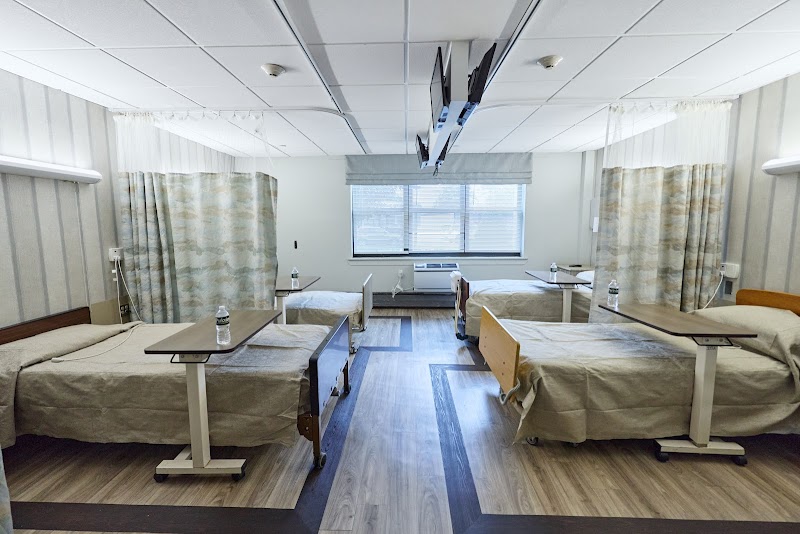
How is Parkview Care And Rehabilitation Center, Inc Staffed?

CMS rates PARKVIEW CARE AND REHABILITATION CENTER, INC's staffing level at 1 out of 5 stars, which is much below average compared to other nursing homes. Staff turnover is 36%, compared to the New York average of 46%. This relatively stable workforce can support continuity of care.

What Have Inspectors Found at Parkview Care And Rehabilitation Center, Inc?

State health inspectors documented 14 deficiencies at PARKVIEW CARE AND REHABILITATION CENTER, INC during 2021 to 2025. These included: 14 with potential for harm.
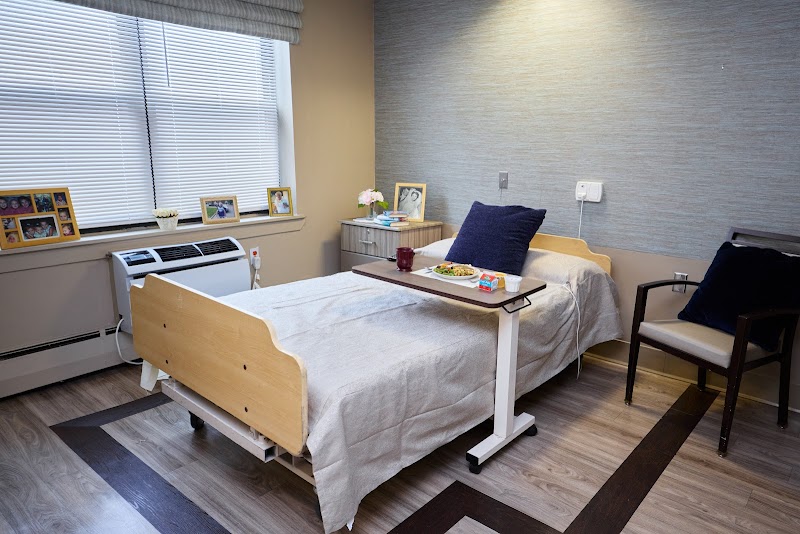
Who Owns and Operates Parkview Care And Rehabilitation Center, Inc?

PARKVIEW CARE AND REHABILITATION CENTER, INC is owned by a for-profit company. For-profit facilities operate as businesses with obligations to shareholders or private owners. The facility is operated by PHILOSOPHY CARE CENTERS, a chain that manages multiple nursing homes. With 169 certified beds and approximately 147 residents (about 87% occupancy), it is a mid-sized facility located in MASSAPEQUA, New York.
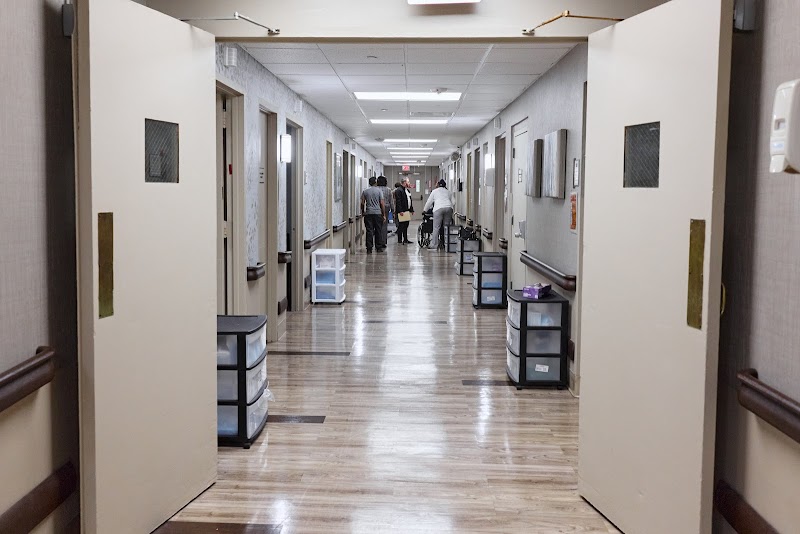
How Does Parkview Care And Rehabilitation Center, Inc Compare to Other New York Nursing Homes?

Compared to the 100 nursing homes in New York, PARKVIEW CARE AND REHABILITATION CENTER, INC's overall rating (3 stars) is below the state average of 3.1, staff turnover (36%) is near the state average of 46%, and health inspection rating (4 stars) is above the national benchmark.

What Should Families Ask When Visiting Parkview Care And Rehabilitation Center, Inc?

Based on this facility's data, families visiting should ask: "Can you walk me through typical staffing levels on day, evening, and night shifts?" "Can I visit during a mealtime to observe dining assistance and food quality?" "How do you handle medical emergencies, and what is your hospital transfer rate?" "Can I speak with family members of current residents about their experience?" These questions are particularly relevant given the below-average staffing rating.

Is Parkview Care And Rehabilitation Center, Inc Safe?

Based on CMS inspection data, PARKVIEW CARE AND REHABILITATION CENTER, INC has a clean safety record: no substantiated abuse findings (meaning no confirmed cases of resident harm), no Immediate Jeopardy citations (the most serious violation level indicating risk of serious injury or death), and is not on the Special Focus Facility watch list (a federal program monitoring the lowest-performing 1% of nursing homes). The facility has a 3-star overall rating and ranks #100 of 100 nursing homes in New York. While no facility is perfect, families should still ask about staff-to-resident ratios and recent inspection results during their visit.

Do Nurses at Parkview Care And Rehabilitation Center, Inc Stick Around?

PARKVIEW CARE AND REHABILITATION CENTER, INC has a staff turnover rate of 36%, which is about average for New York nursing homes (state average: 46%). Moderate turnover is common in nursing homes, but families should still ask about staff tenure and how the facility maintains care continuity when employees leave.

Was Parkview Care And Rehabilitation Center, Inc Ever Fined?

PARKVIEW CARE AND REHABILITATION CENTER, INC has no federal fines on record. CMS issues fines when nursing homes fail to meet care standards or don't correct problems found during inspections. The absence of fines suggests the facility has either maintained compliance or corrected any issues before penalties were assessed. This is a positive indicator, though families should still review recent inspection reports for the full picture.

Is Parkview Care And Rehabilitation Center, Inc on Any Federal Watch List?

PARKVIEW CARE AND REHABILITATION CENTER, INC is not on any federal watch list. The most significant is the Special Focus Facility (SFF) program, which identifies the bottom 1% of nursing homes nationally based on persistent, serious quality problems. Not being on this list means the facility has avoided the pattern of deficiencies that triggers enhanced federal oversight. This is a positive indicator, though families should still review the facility's inspection history directly.