SAPPHIRE NURSING AT MEADOW HILL
172 MEADOW HILL ROAD, NEWBURGH, NY 12550 (845) 564-1700
For profit - Partnership 190 Beds SAPPHIRE CARE GROUP Data: November 2025
Trust Grade
40/100
#326 of 594 in NY
Last Inspection: April 2025

Within standard 12-15 month inspection cycle. Federal law requires annual inspections.

Overview

Sapphire Nursing at Meadow Hill has received a Trust Grade of D, indicating below-average quality and some concerning issues. It ranks #326 out of 594 nursing homes in New York, placing it in the bottom half, and #4 out of 10 in Orange County, meaning there are only three local options that are better. Unfortunately, the facility's trend is worsening, with issues increasing from 1 in 2024 to 8 in 2025. Staffing is a relative strength, with a turnover rate of 31%, which is lower than the New York average, but the staffing rating is only 2 out of 5 stars. The facility has faced significant fines totaling $129,090, which is higher than 94% of facilities in the state, hinting at ongoing compliance problems. There is average RN coverage, which is important for catching issues that CNAs might miss. Recent inspector findings revealed serious concerns; for instance, a resident with a high risk for pressure ulcers did not receive timely treatment, resulting in a worsening stage 3 pressure ulcer. Additionally, there were issues with the environment, as peeling wallpaper and chipped paint were noted in multiple areas, and complaints about insufficient nursing staff were common, highlighting the need for better staffing to meet residents' needs. While there are some strengths, such as good staffing retention, the overall picture shows significant areas for improvement.

Trust Score
D
40/100
In New York
#326/594
Bottom 46%
Safety Record
High Risk
Review needed
Inspections
Getting Worse
1 → 8 violations
Staff Stability
○ Average
31% turnover. Near New York's 48% average. Typical for the industry.
Penalties
✓ Good
$129,090 in fines. Lower than most New York facilities. Relatively clean record.
Skilled Nurses
○ Average
Each resident gets 31 minutes of Registered Nurse (RN) attention daily — about average for New York. RNs are the most trained staff who monitor for health changes.
Violations
⚠ Watch
32 deficiencies on record. Higher than average. Multiple issues found across inspections.
★★★☆☆
3.0
Overall Rating
★★☆☆☆
2.0
Staff Levels
★★★★★
5.0
Care Quality
★★☆☆☆
2.0
Inspection Score
Stable
2024: 1 issues
2025: 8 issues

The Good

  • 5-Star Quality Measures · Strong clinical quality outcomes
  • Full Sprinkler Coverage · Fire safety systems throughout facility
  • No fines on record
  • Staff turnover below average (31%)

    17 points below New York average of 48%

Facility shows strength in quality measures, fire safety.

The Bad

3-Star Overall Rating

Near New York average (3.1)

Meets federal standards, typical of most facilities

Staff Turnover: 31%

15pts below New York avg (46%)

Typical for the industry

Federal Fines: $129,090

Well above median ($33,413)

Significant penalties indicating serious issues

Chain: SAPPHIRE CARE GROUP

Part of a multi-facility chain

Ask about local staffing decisions and management

The Ugly 32 deficiencies on record

1 actual harm
Apr 2025 8 deficiencies
CONCERN (D)

Potential for Harm - no one hurt, but risky conditions existed

Resident Rights (Tag F0550)

Could have caused harm · This affected 1 resident

Based on observation, interview, and record review during the Recertification survey from 3/26/2025 through 4/1/2025, the facility did not ensure residents had the right to a dignified dining experien...

Read full inspector narrative →
Based on observation, interview, and record review during the Recertification survey from 3/26/2025 through 4/1/2025, the facility did not ensure residents had the right to a dignified dining experience for 2 of 35 residents (Residents #2 and #113) reviewed for dignity while dining. Specifically, Certified Nurse Aides were observed standing over Resident #2 and Resident #113 while assisting with their meals. The findings include: The facility policy titled Quality of Life-Dignity dated 9/1/17 documented: Each resident shall be cared for in a manner that promotes and enhances quality of life, dignity, respect and individuality. 1. Resident #2 was admitted to the facility with diagnoses including malnutrition, non-Alzheimer dementia and cerebrovascular accident (stroke). The Comprehensive Care Plan for Activities of Daily Living- Range of Motion dated 11/29/19 documented Resident #2 required extensive assistance of one person for eating. The 2/22/25 Quarterly Minimum Data Set Assessment (a resident assessment tool) documented Resident #2 had severely impaired cognition and was dependent on staff with all activities of daily living. During an observation on 3/26/25 at 1:27 PM, Resident #2 was in the bed and Certified Nurse Aide #13 was standing over the resident while assisting them with eating their lunch meal. During an interview on 03/26/25 at 1:30 PM, Certified Nurse Aide #13 stated that they often assisted Resident #2 with eating. They stated that they knew they had to sit next to residents while assisting them to eat, rather than standing over them. Certified Nurse Aide #13 stated that they chose to stand over the resident because it was comfortable position to assist the resident with eating. 2. Resident #113 had diagnoses including but not limited to dementia, failure to thrive and chronic obstructive pulmonary disease. The Quarterly Minimum Data Set (a resident assessment tool) dated 2/27/25 documented Resident #113 had severe cognitive decline and was dependent on staff for eating. The Resident Care plan titled Activities of Daily Living/Range of Motion dated 5/30/24, documented Resident #113 was totally dependent on staff for eating. During an observation on 03/27/25 at 12:26 PM, Certified Nurse Aide #5 was observed standing over Resident #113 while assisting with feeding the lunch meal. During an interview on 03/27/25 at 12:40 PM with Certified Nurse Aide #5, they stated there were no chairs available while feeding Resident #113 lunch. They stated they were aware they should not stand over residents when assisting with eating. During an interview on 04/01/25 at 2:28 PM with Licensed Professional Nurse #6, they stated that Certified Nurse Aides should always be sitting at eye level when assisting residents with eating to maintain dignity. 10 NYCRR 415.5 (d) (1)(i)
CONCERN (D)

Potential for Harm - no one hurt, but risky conditions existed

Safe Environment (Tag F0584)

Could have caused harm · This affected 1 resident

**NOTE- TERMS IN BRACKETS HAVE BEEN EDITED TO PROTECT CONFIDENTIALITY** Based on observation, interview, and record review conducted during the Recertification survey from 3/26/25 to 4/1/25, the facil...

Read full inspector narrative →
**NOTE- TERMS IN BRACKETS HAVE BEEN EDITED TO PROTECT CONFIDENTIALITY** Based on observation, interview, and record review conducted during the Recertification survey from 3/26/25 to 4/1/25, the facility did not ensure the Residents right to a safe, clean, comfortable, and homelike environment. This was evident for 1 of 35 resident rooms (Resident #10) and the hallways of 2 [NAME] Unit during observation of the environment. Specifically, Resident #10's room was observed with a strong odor of urine on multiple occasions and there was a strong odor of urine in hallways of 2 [NAME] unit. The findings included: The facility policy titled Homelike Environment reviewed 10/18/24 documented: It is the policy of facility to ensure that all Residents live in an environment that is clean and neat, with appropriate furnishings in a state of good repair. Resident #10 had diagnoses including hyperkalemia, repeated falls, and schizoaffective disorder. A significant change Minimum Data Set, dated [DATE] documented Resident #10 had moderately impaired cognition, was dependent for toileting hygiene, and incontinent of bladder and bowel. A resident care plan titled Activities of Daily Living/Range of Motion dated 7/25/24 documented Resident #10 had a self-care deficit related to toileting and interventions included extensive assistance. During an observation on 03/26/25 at 9:35 AM, there was a strong smell of urine upon entering unit 2 [NAME] from the elevator, near the nurse station/day room and in hallways. During an observation on 03/26/25 at 09:59 AM, Resident #10's room had a strong smell of urine. During an observation on 03/27/25 at 12:24 PM, there was a strong smell of urine upon entering unit 2 [NAME] from elevator, near the nurse station/day room and in hallways. During an observation on 03/27/25 at 12:46 PM, Resident #10's room had a strong smell of urine. During an observation on 03/28/25 at 12:14 PM, Resident #10's room and laundry hamper had a strong smell of urine. The laundry hamper was approximately 1/3 full of soiled clothing and the soiled clothing was not double bagged and sealed to contain odors. During an observation on 04/01/25 at 11:35 AM, Resident #10's room had a strong smell of urine in room and clothing in laundry hamper was not doubled bagged and sealed to contain odors. During an interview on 04/01/25 at 12:15 PM with Housekeeping staff #19, they stated laundry and housekeeping services were provided daily for 2 [NAME] Unit. Resident #10's laundry was picked up every morning abut 5:30 AM. When the laundry was picked up, resident clothing should be covered with a sheet for transport downstairs or if heavily soiled with feces or urine, transported in plastic bag. Housekeeping staff changed the plastic liners in resident laundry baskets during complete room cleaning daily. They stated rooms/hallways could smell like urine if clothing with urine odors were placed in laundry hampers without being bagged and tied to contain odors. They stated that linens were laundered outside of the facility and heavily soiled/wet linens should also be placed in plastic bags and tied before transporting to the soiled linen room on the units. They stated that soiled linens were removed from units each shift by housekeeping staff and transported to basement. During an interview and observation on 04/01/25 at 2:08 PM with Certified Nurse Aide #12, they stated Resident #10's urine had a very strong odor. They stated that Resident #10 was mostly incontinent and would use the toilet intermittently with assistance. They stated the 11 PM-7 AM shift changed the resident's adult brief at end of their shift and the day shift changed the resident again at about 7:45 AM while providing cares. They stated they did not usually find Resident #10 soaked but sometimes their clothing was wet. They stated soiled clothes were placed in laundry hamper and if the clothing was wet or smelled strongly of urine, they wrapped it in a plastic bag. The laundry bin was observed during the interview with Certified Nurse Aide #12. A strong odor of urine was detected from laundry hamper; the plastic laundry hamper liner was in place and soiled, and urine smelling clothes were not bagged and tied. During an interview on 04/01/25 at 2:15 PM with Licensed Practical Nurse #6, they stated that Resident #10 was incontinent and used pull-up style disposable briefs at family request. They stated that the pull-up style briefs leaked more than facility adult briefs and the resident had been found wet at times. They stated that all soiled clothing, whether wet or with urine smell should be placed in a plastic bag and tied before placing in resident laundry hamper to avoid resident rooms and hallways from urine odors. If there was a particularly bad urine smell from a resident laundry hamper or clothing, the Certified Nurse Aides should remove the odorous clothing from hamper and transport to the Housekeeping/Laundry department located in the facility basement to avoid odors in resident rooms and unit hallways. They stated there should not be urine odors in resident rooms or unit hallways. 10 NYCRR 415.5(h-i)(1-3)
CONCERN (D)

Potential for Harm - no one hurt, but risky conditions existed

ADL Care (Tag F0677)

Could have caused harm · This affected 1 resident

Based on observation, record review, and interview conducted during the recertification survey from 3/26/2025-4/1/2025, the facility did not ensure that each resident who was unable to carry out activ...

Read full inspector narrative →
Based on observation, record review, and interview conducted during the recertification survey from 3/26/2025-4/1/2025, the facility did not ensure that each resident who was unable to carry out activities of daily living received the necessary care and services to maintain good personal hygiene for 1 (Residents #90) of 5 residents reviewed for Activities of a Daily Living. Specifically, Resident #90, who required supervision with Activities of Daily Living, was observed during multiple observations with long, greasy hair, an unshaven face, and long, ungroomed fingernails. The findings include: The Policy and Procedure titled Activities of Daily Living was last reviewed on 10/1/2024 and documented. This center's policy is to provide activities of daily living care to all residents based on an assessment of their needs. Resident #90 had diagnoses including dementia, chronic kidney disease, and hypertensive heart disease. The Annual Minimum Data Set (a resident assessment tool) dated 3/13/2025 documented Resident #90 had severely impaired cognition and needed supervision or touching assistance (assistance is provided throughout the activity) with toileting, dressing, and personal hygiene. A resident care plan dated 3/21/2024 titled Activities of Daily Living documented the resident required supervision for personal hygiene. A physician order dated 10/8/2024 documented skin checks and body audits once a week. During an observation on 3/26/2025 at 10:30 AM, Resident # 90 was lying in bed with long, greasy hair, an unshaven face, and dirty, jagged fingernails. During an interview on 03/27/25 at 9:02 AM, the resident's family member stated on their last visit, the resident needed a haircut, shave, and nails trimmed. During an observation on 3/28/2025 at 10:48 AM, the resident was lying in bed with long, greasy hair and dirty, jagged fingernails. During an observation on 3/31/25 10 00 AM, the resident is in bed with long, jagged fingernails and greasy hair. During an interview on 04/01/25 at 1:05 PM, Certified Nurse Aide #17 stated they provided activities of daily living care to residents on the unit. They stated personal hygiene was provided daily and they were responsible for cutting and grooming residents' nails. They stated there was not always enough time to perform all the tasks. During an interview on 04/01/25 at 01:06 PM, the Licensed Practical Nurse # 18 stated the certified nurse aide was responsible for the resident's hygiene. They stated the Licensed Practical Nurse supervised and should ensure the hygiene was done. They stated the resident needed their nails trimmed and cleaned, face shaved, and a shower. During an interview on 04/01/25 at 1:10 PM, Registered Nurse Unit Manager #11 stated that the expectation was that Certified Nurse Aides provided all residents with nail care (cutting and grooming). They stated that Nurses and Nurse Managers on the unit were responsible for supervision to ensure tasks were completed. They stated that residents should not have long and ungroomed nails or unshaven and greasy hair. 10 NYCRR 415.12(a)(2)
CONCERN (D)

Potential for Harm - no one hurt, but risky conditions existed

Deficiency F0688 (Tag F0688)

Could have caused harm · This affected 1 resident

Based on observation, record review, and interviews during the recertification survey from 3/26/2025- 4/1/2025, the facility did not ensure that needed services, care, and equipment were provided to e...

Read full inspector narrative →
Based on observation, record review, and interviews during the recertification survey from 3/26/2025- 4/1/2025, the facility did not ensure that needed services, care, and equipment were provided to ensure that a resident with limited range of motion and mobility maintained or improved function based on the resident's clinical condition for 1 of 6 residents (Resident #40) reviewed for position and mobility. Specifically, Resident #40 was observed three times without a left palm guard in place, as ordered by the physician, to prevent further contractures. Findings include: The Policy and Procedure titled Issues of Splints, Orthoses, and Prostheses, last reviewed 8/17/2024, documented that the Nursing department will take responsibility for daily applications and removal of devices, and the Nurse Manager will be responsible for ensuring that the information is entered in the Certified Nurse Aide Accountability Record. Resident #40 had diagnoses that included dementia, muscle weakness, and a stroke affecting the left nondominant side. The Quarterly Minimum Data Set (resident assessment tool) dated 2/2/2025 documented the resident had severely impaired cognition, an impairment to the upper extremity on one side, and was dependent on staff with activities of daily living. The Comprehensive Care Plan for Activity of Daily Living, last updated 3/21/2022, documented that the resident will maintain optimal function range of motion to joints. Interventions included applying the left palm guard to the left hand daily. The physician's order dated 1/8/2024 documented to apply a left palm guard to the left hand daily as tolerated. An occupational therapy evaluation & treatment plan for the certification period 4/26/2024- 5/25/2024 documented the application of left-hand roll 80% of the time to prevent contractures. During observations on 3/26/2025 at 12:26 PM, 3/29/2025 at 2:19 PM, and 3/31/2025 at 4:46 PM, Resident #40 was sitting in their wheelchair in the 2nd-floor dayroom. Both of the resident's hands were contracted, and no palm guard was noted. During an interview on 04/01/25 at 1:16 PM, Certified Nurse Aide #8 stated they did not apply the resident's device to her left hand. They further stated they were responsible for placing the palm guard, and knew they were supposed to but they did not do it. During an interview, 04/01/25 at 1:19 PM, Registered Nurse Manager #10 stated they were unaware that Resident #40 was not wearing their left palm guard. During an interview on 04/01/25 at 9:40 AM, the Director of Rehabilitation stated that the left palm guard was to prevent the contracture from worsening and also to prevent the resident from fingernails digging into her hand. They stated nurses were responsible for applying the device. 10NYCRR: 415.12(e)(2)
CONCERN (D)

Potential for Harm - no one hurt, but risky conditions existed

Respiratory Care (Tag F0695)

Could have caused harm · This affected 1 resident

Based on observations, record review and interviews conducted during the Recertification survey from 3/26/2025 to 4/1/25, the facility did not ensure that 1 of 1 Resident (Resident #129) reviewed for ...

Read full inspector narrative →
Based on observations, record review and interviews conducted during the Recertification survey from 3/26/2025 to 4/1/25, the facility did not ensure that 1 of 1 Resident (Resident #129) reviewed for Respiratory Care was provided with such care, consistent with the professional standards of practice. Specifically, Resident #129, had a physician's order for oxygen to be administered via nasal cannula at 2 liters per minute, and was observed with the oxygen rate not consistent with the physician's order. The findings include: The facility policy titled OxygenTherapy - Face Mask and Cannula (undated) documented: Oxygen is administered appropriately to residents to improve oxygenation and provide comfort to residents experiencing respiratory difficulties. Oxygen is administered by licensed staff. Oxygen administration requires physician order. Resident #129 had diagnoses including failure to thrive, cough, fatigue and diabetes. A Significant Change Minimum Data Set (a resident assessment tool) dated 1/14/25, documented Resident #129 was severely cognitively impaired, aphasic, was dependent for toileting and transfers. A resident care plan titled Respiratory/Pulmonary care plan dated 2/9/24 documented to administer Oxygen as needed for wheezing/shortness of breath. Interventions included oxygen 2 liters via nasal cannula as needed. A physician order dated 1/10/24 documented to administer Oxygen at 2 liters via nasal cannula as needed. During an observation on 03/27/25 at 10:24 AM, Resident #129 was observed lying in bed, nasal cannula in place and the oxygen concentrator running at 3 liters/minute. During an observation on 03/28/25 at 9:42 AM, Resident #129 was observed lying in bed, nasal cannula in place and the oxygen concentrator running at 1.5 liters/minute. During an interview on 4/1/25 at 2:20 PM with Licensed Practical Nurse #6, they stated oxygen levels were set by Licensed Practical Nurse or Registered Nurse as per physician order. They stated Resident #129's medical order was for oxygen to be administered at 2 Liters/minute via nasal cannula as needed. They stated they complete rounds of residents at start of every shift and oxygen concentration levels were checked at this time. They were not aware why the concentrator would have been observed running at 3 liters/minute or 1.5 liters/minute. They stated that possibly a Certified Nurse Aide may have accidentally touched the dial on concentrator during cares. They stated that as far as they were aware, oxygen at 2 liters/minute had been set on oxygen concentrator daily. 10 NYCRR 415.12
CONCERN (D) 📢 Someone Reported This

A family member, employee, or ombudsman was alarmed enough to file a formal complaint

Potential for Harm - no one hurt, but risky conditions existed

Infection Control (Tag F0880)

Could have caused harm · This affected 1 resident

**NOTE- TERMS IN BRACKETS HAVE BEEN EDITED TO PROTECT CONFIDENTIALITY** Based on observation, record review, and interview during the recertification survey from 3/26/25 to 4/1/25, the facility did no...

Read full inspector narrative →
**NOTE- TERMS IN BRACKETS HAVE BEEN EDITED TO PROTECT CONFIDENTIALITY** Based on observation, record review, and interview during the recertification survey from 3/26/25 to 4/1/25, the facility did not ensure an infection prevention and control program designed to prevent the development and transmission of communicable diseases and infection was maintained for 2 of 3 residents (Residents #129 and #118) reviewed for Infection Control. Specifically, 1) Licensed Practical Nurse #21 and Certified Nurse #21 were observed providing cares to Resident #129, on enhanced barrier precautions, without donning a gown. 2) Resident #118 had an indwelling urinary catheter and the drainage bag and a portion of the drainage tube were lying on the floor. The findings are: The Policy titled Enhanced Barrier Precautions, last reviewed 1/6/25, documented: It is the policy of this facility to follow Center for Disease Control guidelines by utilizing Enhanced Barrier precautions in the care of patient susceptible to multiple drug-resistant organisms and to reduce the spread and prevalence of multiple drug-resistant organism related infections. The use of gown and gloves for high-contact resident care activities as indicated, when Contact Precautions do not otherwise apply, for nursing home residents with wounds and/or indwelling medical devices regardless of multiple drug-resistant colonization as well as for residents with multiple drug-resistant organism infection or colonization. 1) Resident #129 had diagnoses including failure to thrive, altered mental status and pressure ulcer of unspecified buttock. A Significant Change Minimum Data Set (a resident assessment tool) dated 1/14/25 documented Resident #129 had severe cognitive impairment, was at risk for pressure ulcer and had application of non-surgical dressings other than to feet. A Physician's order dated 3/26/25 documented to apply Santyl External Ointment to the sacrum on evening shift for pressure ulcer of unspecified buttock. A resident care plan titled Impaired Skin Integrity, updated 3/5/25, documented the resident had a Stage 3 pressure ulcer to sacral region. Interventions (updated 1/8/25) included to treat / change dressing as per physician orders. During an observation on 03/31/25 at 3:58 PM Certified Nurse Aide #20 and Licensed Practical Nurse #21 were providing incontinence cares for Resident #129 and neither were wearing a gown. Certified Nurse Aide #20 was interviewed and stated it was an oversight and they should have worn a gown while providing cares. They stated that Resident #129 had a wound and they should have checked the resident's door for precaution information before providing cares. During an interview on 03/31/25 at 4:48 PM with Licensed Practical Nurse #21, they stated Resident #129 was on enhanced barrier precautions and they forgot to gown when prepping and assisting Certified Nurse #20 with cares prior to wound care. 2) Resident #118 was admitted to the facility with diagnoses including neurogenic bladder, Parkinson's disease and urinary tract infection. The Minimum Data Set (MDS) dated [DATE] documented the resident had severely impaired cognition, and was dependent on staff with toileting hygiene, rolling left to right, and chair to bed transfer. The Comprehensive Care Plan titled Foley Catheter- Suprapubic Tube dated 9/30/22 documented enhanced barrier precautions, follow infection control practices for catheter care. The physician order dated 2/5/25 documented to change Foley catheter every month. During observations on 3/26/25 at 12:53 PM and on 3/27/25 at 10:50 AM Resident #118 was in bed; the indwelling urinary catheter drainage bag was in the privacy bag and attached to the bed frame. The drainage bag and portion of the drainage tube were lying on the floor. During an interview and observation on 3/27/25 at 10:53 AM, Licensed Practical Nurse #15 stated the urine collection bag and drainage tube were on the floor and should always be off the floor. This was infection control issue and should be corrected immediately. They stated that the privacy bag straps should be shorter to prevent the privacy bag and drainage tube from touching the floor. Licensed Practical Nurse #15 stated that they would talk to the Certified Nurse Aide who provided care for this drainage bag. During an interview on 03/28/25 at 11:22 AM, Certified Nurse Aide #14 stated that they provided care for Resident's #118 drainage bag. They stated that they needed to make sure the indwelling urinary catheter drainage bag and drainage tube had to be off the floor at all times. They stated that they were busy and missed observing when the drainage bag and tube were on the floor. 10NYCRR 415.19(a)(2)
CONCERN (D)

Potential for Harm - no one hurt, but risky conditions existed

Deficiency F0887 (Tag F0887)

Could have caused harm · This affected 1 resident

Based on interview and record review conducted during the recertification survey on 03/26/2025-04/01/2025, the facility did not ensure each staff was screened, offered the COVID-19 vaccine, and provid...

Read full inspector narrative →
Based on interview and record review conducted during the recertification survey on 03/26/2025-04/01/2025, the facility did not ensure each staff was screened, offered the COVID-19 vaccine, and provided education regarding the benefits, risks, and potential side effects associated with for 2 of 10 staff reviewed for COVID-19 vaccines. Specifically, there was no documented evidence of immunization records for Covid-19 vaccination for Certified Nurse Aide #1, and Certified Nurse Aide #2. Findings include: The facility policy titled COVID-19 revised 11/20/2024, documented it is the policy of the facility to follow the regulatory guidelines for COVID-19. In addition, providing all staff and residents who declined to be vaccinated a written affirmation of their signature, which indicates they were offered the opportunity for COVID-19 vaccination but declined. The New Hire Report dated 3/26/25, documented Certified Nurse Aide #1 was hired 3/19/25 and Certified Nurse Aide #2 was hired 3/5/25. The facility's immunization records for staff revealed Certified Nurse Aide #1 and #2 had no record of Covid-19 immunization, education, or declination documented. During an interview on 03/31/2025 at 5:08 PM, the Infection Control Preventionist/ Assistant Director of Nursing stated the facility offered immunization to staff and residents for Covid-19, Influenza, and pneumococcal vaccination. In addition, Hepatitis B vaccination was offered to the staff. During a follow-up interview on 03/31/2025 at 5:19 PM, the Infection Control Preventionist/Assistant Director of Nursing stated the two certified nurse aides were newly hired and had been given a verbal consent or education. They stated there was no documentation the education was provided, and they did not find declinations in their records. During an interview on 03/31/2025 at 5:23 PM, the Director of Nursing stated they were not aware that the two certified nurse aides did not have any documentation of Covid-19 vaccination, education or declination on their records. 10NYCRR 415.19 (a) (1-3)
CONCERN (D)

Potential for Harm - no one hurt, but risky conditions existed

Deficiency F0947 (Tag F0947)

Could have caused harm · This affected 1 resident

Based on record review and interview conducted during a recertification survey from 03/26/2025 to 04/01/2025, the facility did not ensure Certified Nurse Aides were provided the required hours of trai...

Read full inspector narrative →
Based on record review and interview conducted during a recertification survey from 03/26/2025 to 04/01/2025, the facility did not ensure Certified Nurse Aides were provided the required hours of training and/or annual in-services on dementia care management to ensure safe delivery of care. Specifically, the facility was unable to provide documentation that 3 of 5 Certified Nurse Aides (#23, #24, and #25), had the required hours of the mandatory training. Findings include: The facility policy titled: Employees' Annual Mandatory Education, revised 11/28/2024, documented all staff must complete a series of mandatory annual education modules to comply with regulations and ensure high-quality resident care. The policy further states that completion records will be maintained by the Education Coordinator. A review of the facility's Certified Nurse Aide annual in-service training records revealed that the following Certified Nurse Aides did not meet the 12-hour annual training requirement and lacked documentation of mandatory dementia care management education: - Certified Nurse Aide #23 was hired on 07/19/2023. Completed in-service education record with a last training dated 11/25/2024 did not include documentation that dementia care management education was provided. - Certified Nurse Aide #24 was hired on 03/01/2019. The most recent documented in-service training was completed on 11/20/2024, but no documented evidence of dementia care management education was provided. - Certified Nurse Aide #25 was hired on 5/18/2023. No documentation was available confirming completion of dementia care management education. During an interview on 03/28/2025 at 11:45 AM, the Assistant Director of Nursing stated the documentation for dementia care for Certified Nurse Aides #23, #24 and #25 could not be located. 10 NYCRR 415.26 (c)(1)(iv)
May 2024 1 deficiency
CONCERN (D) 📢 Someone Reported This

A family member, employee, or ombudsman was alarmed enough to file a formal complaint

Potential for Harm - no one hurt, but risky conditions existed

Free from Abuse/Neglect (Tag F0600)

Could have caused harm · This affected 1 resident

**NOTE- TERMS IN BRACKETS HAVE BEEN EDITED TO PROTECT CONFIDENTIALITY** Based on record review and interview during an abbreviated survey (NY00337556, NY00340055, NY00348324) the facility did not ensu...

Read full inspector narrative →
**NOTE- TERMS IN BRACKETS HAVE BEEN EDITED TO PROTECT CONFIDENTIALITY** Based on record review and interview during an abbreviated survey (NY00337556, NY00340055, NY00348324) the facility did not ensure a resident's right to be free from abuse for 2 (Resident #1 and Resident #2) out of 4 residents reviewed for abuse. Specifically, on 3/30/2024, Resident #2 was witnessed by 2 certified nurse assistants(Staff #6 and Staff #7) being fondled under their shirt by Resident #3. Resident #2 was removed from Resident #3's room and Resident #2's shirt was pulled down by the certified nurse assistant. 2) On 4/22/2024, Resident #1 stated that a certified nurse assistant(Staff #1) was grabbing and pulling their right arm roughly while attempting to change their shirt and Resident #1 sustained an ecchymosis to the area.There was no care plan to address potential victim for abuse. Findings include: The facilities Resident Abuse, Neglect, Exploitation or Misappropriation policy statement documented it is the policy of the facility that acts of physical, verbal, mental and financial abuse including neglect and exploitation directed against residents are absolutely prohibited. Each resident has the right to be free from verbal, sexual, physical and mental abuse, corporal punishment, involuntary seclusion, mistreatment, neglect, exploitation and misappropriation of property. Residents will not be subjected to abuse by anyone, including but not limited to, staff, other residents, consultants, volunteers, contractors, and staff from other agencies, family members, legal guardians, resident representatives, friends or other individuals. The policy defines sexual abuse as the non-consenting contact of any kind and includes but is not limited to sexual harassment, sexual coercion or sexual assault. Resident #2 (victim) was admitted to the facility with diagnosis including but not limited to Dementia, major depressive disorder, and poly osteoarthritis. A Comprehensive Minimum Data Set, dated [DATE] documented Resident #2 is severely cognitively impaired, the resident wanders significantly daily and wanders into other residents room. Resident #2 required set up assistance for meals, partial/moderate assistance for toileting and supervision for bed mobility and transfers. Resident #2 was always incontinent of bladder and bowel. Review of the accident/incident report dated 3/30/2024 documented Resident #2 was unable to verbalize how the incident occurred. The Accident/Incident report documented 2 certified nurse assistants witnessed Resident #2 in Resident #3's room with Resident #3's hand inside Resident #2's blouse. The investigative summary documented Resident #2 has dementia with poor safety awareness. Resident #2 wanders within the unit. The Accident/Incident report documented Resident #2 with no history of going into other resident's rooms, and that they may have been called into the room by Resident #3. Resident #2 with no verbalization on how the incident occurred and had no recall of the event due to dementia. Resident #2 had no evidence of emotional distress or psychological effects from the incident. The accident /incident report documented that after thorough investigation, there is cause to believe an alleged resident abuse occurred. Safeguards in place to keep the resident safe and prevent re-occurrence. Resident #3 (pepertrator) was admitted to the facility with diagnosis including but not limited to Macular degeneration, Glaucoma and Type 2 Diabetes Mellitus. The Quarterly Minimum Data Set, dated [DATE] documented Resident #3 had a Brief Interview for Mental Status (BIMS, used to determine attention, orientation, and ability to recall information) score of 13/15, associated with intact cognition. Resident #3 had moderate difficulty hearing and impaired vision. Resident #3 exhibited behavioral symptoms directed towards others and rejected cares, required set up with eating and substantial/maximal assistance with toileting. Resident #3 required partial/moderate assistance with bed mobility and transfers and was frequently incontinent of urine and occasionally incontinent of bowel. Review of the accident/incident report dated 3/30/2024 documented Resident #3 was observed by staff with their hand inside Resident #2's blouse in their room. The investigative summary documented Resident #3 had sexually inappropriate behavior towards staff and others and usually kept to their room and did not congregate with other residents. The accident/incident report documented Resident #2 wanders on the unit and had no history of going into other resident's rooms. Most likely Resident #3 called Resident #2 into their room. Resident #3 was observed with their hand inside Resident #2's blouse and when confronted by staff, Resident #3 pulled their hand away and denied doing anything wrong. Resident #3 refused to be moved off the unit, police were called in to assist and Resident #3 then complied. Resident #3 then complained of pain despite pain medications being given and demanded to be sent to the hospital. Resident #3 was sent to the emergency room for a psychiatric and pain evaluation. The investigation concluded that there was cause to believe an alleged resident abuse occurred. Immediate safeguards were put in place to keep Resident #2 and other residents safe and prevent re-occurrence. During an interview on 5/7/2024 at 2:05 PM with the Director of Social Services, they stated Resident #3 was sexually inappropriate with Resident #2. They stated Resident #3 was observed by staff putting their hands under Resident #2's shirt. The Director of Social Services stated Resident #2 is very confused and non-verbal and could not verbalize what occurred. The Director of Social Services stated they did not enter a note regarding the incident with Resident #2 in their medical record. During an interview on 5/8/2024 at 10:15 AM the Assistant Director of Nursing, they stated they were informed of the incident that occurred on 3/30/2024 by the Nursing Supervisor who notified them that 2 staff members reported they saw Resident #3 with their hand up Resident #2's shirt. The Assistant Director of Nursing stated they told the nursing supervisor to notify the residents families, the physician, and the Director of Nursing. The Assistant Director of Nursing stated they also instructed the Nursing Supervisor to remove Resident #3 from the unit. The Assistant Director of Nursing Stated Resident #3 had attempted to kiss another resident prior to this incident. The Assistant Director of Nursing stated the supervisor called back and to informed them that Resident #3 refused to move off the unit. The Assistant Director of Nursing stated they directed the Nursing Supervisor to notify the police, and upon police arrival, Resident #3 was escorted from their room on another unit. Stated the incident was witnessed by Certified Nurse Assistant (staff #6) and certified nurse assistant (staff #7), and that the incident took place in Resident #3's room. The Assistant Director of Nursing stated there is no video of the incident and that they called the Town of Newburgh police department and were informed no report was created, that there is only a log that the police responded to the facility, but no report about the incident was written. During a telephone interview on 5/15/2024 at 1:45 PM certified nurse assistant-witness Staff #7 they stated they recall the incident that occurred on 3/30/2024 with Resident #2 and Resident #3. Stated they were coming from the day room, closer to the 2 East unit with certified nurse assistant-witness Staff #6 . As they walked past Resident #3's room Staff #6 (certified nurse assistant-witness said what are you doing-stop that. Stated they were about a foot ahead of Staff #6 and they back stepped and saw Resident #3's hand coming from underneath the blouse of Resident #2. Staff #7 stated they went into Resident #3's room and removed Resident #2 and pulled their shirt down, then reported it to the nurse. Stated the nurse called the supervisor and they were told to do an incident report and write statements. Stated the nurse did a body check on Resident #2 and the resident did not seem to them to be in any distress. Stated Resident #2 was just kind of looking dazed when they removed them from Resident #3's room. Staff #7 stated they asked Resident #3 why they were doing that, and the resident did not respond. Stated Resident #2 wanders a lot and goes into other resident's rooms all the time. Stated staff have to redirect Resident #2 when they see them wandering. Stated if they are assigned to Resident #2, they have to observe them and see what they are doing. Staff #7 stated they have heard about Resident #3 touching resident's before but have not witnessed it before this incident. Stated Resident #3 always has something going on with them and their behaviors, but they are never assigned to them. Stated they have not seen any changes in Resident #2's behavior and they are still always wandering. During a telephone interview on 5/15/2024 at 5:15 PM Staff #6 (certified nurse assistant-witness #1) stated they recall the incident that occurred on 3/30/2024 with Resident #2 and Resident #3. Stated they were passing Resident #3's room and saw Resident #2 standing in front of Resident #3 and they had their arm under Resident #2's shirt. Stated Resident #3 was moving their hand up and down and in a circular motion under Resident #2's shirt. Staff #6 stated they stopped and said what are you doing and Staff #7 that was with them, went in took Resident #2 out of the room. Stated Resident #3 did not say anything in response and just moved their hand fast from under Resident #2's shirt. Staff #6 stated Resident #2 was just standing there innocently looking at Resident #3 and they did not know what was going on. Resident #1 was admitted to the facility with diagnosis including, but not limited to Dementia, weakness and Rheumatoid arthritis. Review of the Quarterly Minimum Data Set, dated [DATE] documented Resident #1 minimal difficulty hearing and wears a hearing aid. Documented a BIMS score of 12. Required supervision for eating and bed mobility, dependent for toileting and required substantial/maximal assistance for transfers. No behaviors noted. Documented Resident #1 is frequently incontinent of bladder and bowel. Review of the accident/incident report dated 4/23/2024 documented alleged physical abuse/neglect/mistreatment, a purple discoloration was noted on Resident #1's right forearm, measuring 7.5 x 2.5 cm. Resident #1' daughter and the physician were notified of the skin discoloration on 4/23/2024. A description of the incident documented Resident #1 alleged that at 3:30 AM a staff member was trying to remove their shirt and was pulling and grabbing their right arm, and had their arm against their body, and they told the staff member to stop because they were hurting them. Resident #1 stated the staff member did not let go of their arm and continued to pull their arm trying to take it out of the sleeve and take their shirt off. Documented Resident #1 was observed with a purple discoloration to their right forearm upon skin assessment measuring at 7.5 x 2.5 cm. The Accident/incident report documented the incident occurred in Resident #1's room, the certified nurse assistant involved was trying to remove the shirt sleeve from Resident #1's right arm and was tugging at the sleeve which was tight and snug. The staff was pulling the right arm and firmly held the arm in the process. Stated the resident however indicated that the staff was hurting them and they did not stop to consider this during the undressing process. The investigative conclusion documented it revealed there is cause to believe alleged resident, abuse, mistreatment or neglect/injury of unknown origin/exploitation/misappropriation of resident property after a thorough/ complete investigation regarding the incident has occurred. Immediate safeguards are in place to keep the resident safe and prevent re-occurrence. Review of a progress note dated 4/23/2024 written by the Director of Nursing documented Resident #1 with a 7.5 cm x 2.5 cm purple discoloration to the right forearm with no associated swelling or change to range of motion noted. Complained of some light tenderness with touch. Skin is fragile with increased tendency to bruise easily which was also reported by Resident #1's daughter who was notified of the findings and of resident claim that staff on the overnight shift pulled on their arm while trying to take their long sleeve shirt or sweater off to dress them. Documented the physician was notified of the findings and an order was obtained for an x-ray of the right forearm and there was no fracture. Resident #1 was provided reassurance and emotional support and the Administrator was aware. During an interview on 5/7/2024 at 1:15 PM Resident #1 stated their whole forearm was purple from the incident. Stated they did an x-ray of their arm. Resident #1 stated when the certified nurse assistant was taking their blouse off they pulled their arm very hard and they told them to stop, and that they were hurting them, but the certified nurse assistant did it anyway. Stated the facility stated they talked to the person, but they could not explain who they were because of their age and memory not being so good. Stated they were not sure if the certified nurse assistant was dismissed [NAME] not. Stated now when the staff try to remove their shirt, they tell them to wait and let them help. Stated the staff is in a hurry to dress and undress them. Stated they are [AGE] years old. Stated their arm still hurts from the incident. Resident #1 stated they are not sure if the staff member had worked with them again or not because they could not remember what they looked like. The facility told them they were going to dismiss the certified nurse assistant and they do not know if they did. Resident #1 stated they are scared when a new aide takes care of them because they are not sure if they will hurt them. Verbalized again that they are always afraid now when someone comes into their room thinking it is the certified nurse assistant. During an interview at 5/7/2024 at 3:28 PM with Staff #4 (Unit manager-1 West) stated they were informed by Staff #3 (certified nurse assistant) that Resident #1 stated the night shift certified nurse assistant grabbed them and was rough with them and bruised their arm. Stated they did observe a darkened area to Resident #'1's right forearm. Stated Resident #1 did have a discoloration on their arm, but they did not do a full skin assessment of the resident. Stated they did not write a note about the observation either. Staff #4 stated an ecchymosis area classifies as a skin impairment and they should have documented in a progress note that they saw the area on Resident #1's arm and informed the Director of Nursing. Stated the certified nurse assistant does not work with Resident #1 but they are still on the unit 1 West, but that was not their decision. During an interview on 5/7/2024 at 4 PM the Director of Nursing stated they did not substantiate the allegation because the certified nurse assistant stated the bruise was there already, that she had noticed some discoloration prior to that area on Resident #1's forearm. Stated they changed the incident report to state that there was no cause today (5/8/2024), because the initial accident/incident report stated that there was cause to believe abuse occurred. Review of the accident/incident report provided now has all changed documentation stating the incident was not substantiated. The Director of Nursing stated that it was a preliminary report provided initially by accident and they had to modify it based on the final outcome of the investigation. Stated they will be assigning the certified nurse assistant to the other side of the building and that Resident #1 has not verbalized to them or the unit manager of their feelings they verbalized today prior. Stated Resident #1 is still anxious and fearful when they spoke with them and the unit nurse reassured Resident #1 that the certified nurse assistant has not been working with them. During an interview on 5/8/24 at 2:10 PM Staff #3 (certified nurse assistant) stated they went into Resident #1's room and they stated staff were cleaning them, and they pulled their arm, and they were really rough. Staff #3 stated Resident #1 told them what happened, and they stated they were wet, and Staff #1 (certified nurse assistant) was changing their shirt at 3:30 in the morning, they were being rough and pulled their arm. Staff #3 stated Resident #1 usually has on a long sleeve shirt and a little sweater. Staff #3 stated when they were talking with Resident #1 their arm was exposed and they could see the bruise immediately. Staff #3 stated when they took care of Resident #1 the day before the incident (4/21/2024), Resident #1 did not have the bruise on their arm. Staff #3 stated when the resident told them about the incident, they immediately approached the certified nurse assistant and the nurse, and they stated that Resident #1's name band was the cause of the bruise. Stated Resident #1 stated the name band had nothing to do with it. Stated Resident #1 is very anxious since after the incident, reminding them constantly to be careful and gentle with them. Stated the resident did not want to change her shirt after that day. Stated the certified nurse assistant is still working on the unit, but they are not allowed to be on the assignment with Resident #1. During an interview on 5/8/2024 at 3:55pm with Certified Nursing Assistant (Staff #1), they stated they went into Resident #1's to provide cares. Resident #1's clothing was damp so they proceeded to take their shirt off and when they took off the right sleeve, they heard a pop. Resident #1 stated they hurt them and they replied they were not hurting them. Staff #1 stated they noticed Resident #1 had some discoloration on their right arm and they did not pay attention to the discoloration and did not report the discoloration to anyone. When they left Residnet #1's room, Licensed Practical Nurse(Staff #2) went behind them and thats when they heard Residnet #1 crying. Certified Nurse Assisitant(Staff #1) stated they have not worked with the resident since the incident. They were suspended for 2days and provided a statement to Director of Nursing. 10NYCRR 415.4(b)(1)(i)
Mar 2023 1 deficiency
CONCERN (D) 📢 Someone Reported This

A family member, employee, or ombudsman was alarmed enough to file a formal complaint

Potential for Harm - no one hurt, but risky conditions existed

Notification of Changes (Tag F0580)

Could have caused harm · This affected 1 resident

**NOTE- TERMS IN BRACKETS HAVE BEEN EDITED TO PROTECT CONFIDENTIALITY** Based on record review and interview during an abbreviated survey (NY00307014), the facility did not promptly notify the residen...

Read full inspector narrative →
**NOTE- TERMS IN BRACKETS HAVE BEEN EDITED TO PROTECT CONFIDENTIALITY** Based on record review and interview during an abbreviated survey (NY00307014), the facility did not promptly notify the resident representative of a need to alter treatment or to commence a new form of treatment for 1 of 3 residents (Resident #1) reviewed for notification. Specifically, Resident#1 was placed on a therapy bed on 2/03/2023 and there was no documentation by the facility that the family was notified prior to the initiation of the therapy bed. The finding is: The facility policy on Acute Change of Condition and Notification dated 4/12/2022 was reviewed and did not specify who was responsible to notify resident representative when there was a change in condition or treatment. Resident #1 was admitted to the facility on [DATE] with diagnoses including Hypertension, Pressure Ulcer, Failure to thrive and Hypothyroidism. The quarterly Minimum Data Set (MDS; a resident assessment tool) dated 1/30/23 documented that Resident #1 has severe cognitive impairment. The assessment documented that Resident #1 required extensive staff assistance of 2 staff support for bed mobility and transfer, total dependence with assistance of 1 staff support for toileting, extensive assist of 1 staff for eating, and was incontinent of bladder and bowel. Also documented was that Resident #1 has (1) Stage 3 pressure ulcer and (2) venous ulcers. Review of Resident #1's face sheet documented the daughter as their emergency contact. Review of wound care notes dated 1/13/2023, 1/20/2023, 1/27/2023 and 2/10/2023 recommended a specialty bed/mattress for off-loading. Review of facility nursing progress note dated 2/3/2023 at 12:21 AM documented Resident #1 was placed on a Airus A210 Air Fluidized Therapy (AFT) Bed System. There was no documentation that the family was notified. There was no documented evidence that the resident representative/emergency contact was notified of the recommendation for treatment using a specialty bed system prior to initiating the use of the specialty bed system. Review of a Nursing progress note dated 2/6/2023 at 11:54AM documented extensive telephone communication with the daughter and a third party. The nurse discussed the necessity for a specialty mattress (bed system) as recommended by the wound care center for pressure reduction. The writer noted the resident representative was upset and hung up the phone. Review of a Nursing progress note dated 2/13/2023 documented that the therapy bed was discontinued and Resident #1 was placed on a turn and select mattress. Review of an undated written statement submitted to surveyor by the Director of Nursing (DON) via email on 2/21/2023 documented the facility does not have a policy for notification of families regarding change of equipment. In regard to Resident #1 and notification of the family about the bed, Resident #1 was initially placed on a turn and select air mattress for pressure reduction, over the course of treatment and based on recommendation from the wound care center for a specialty mattress and 15-minute offloading, the Airus bed was selected as it provided the next level of pressure reduction. The DON did not confirm that the resident family was notified prior to the implementation of the wound care center recommendation. An interview was conducted with the Director of Nursing (DON) on 2/14/2023 at 12:15PM. The DON stated they had an informal conversation with Resident #1's representative about the bed. The DON stated they were sure they mentioned to the resident's representative because they frequently visited the resident and obtained updates on the resident condition. The DON stated a formal meeting or discussion about the therapy bed did not occur. The DON could not provide written documentation about any discussion with the resident representative. Additional documents requested by surveyor from the facility was obtained on 3/7/2023. 483.10(g)(14)
Dec 2022 12 deficiencies 1 Harm
SERIOUS (G)

Actual Harm - a resident was hurt due to facility failures

Pressure Ulcer Prevention (Tag F0686)

A resident was harmed · This affected 1 resident

**NOTE- TERMS IN BRACKETS HAVE BEEN EDITED TO PROTECT CONFIDENTIALITY** Based on observation, interview and record review completed during the Recertification Survey conducted 11/28/2022-12/7/2022 the...

Read full inspector narrative →
**NOTE- TERMS IN BRACKETS HAVE BEEN EDITED TO PROTECT CONFIDENTIALITY** Based on observation, interview and record review completed during the Recertification Survey conducted 11/28/2022-12/7/2022 the facility did not ensure that a resident assessed as high risk for pressure ulcers received necessary treatment and services, consistent with professional standards of practice, to prevent new ulcers from developing and to promote healing of a facility acquired stage 3 pressure ulcer for one of four residents (Resident #135) reviewed for pressure ulcers. Specifically, interventions and treatment measures were not implemented timely for Resident #135 who developed a facility acquired new and worsening stage 3 pressure ulcer. This resulted in actual harm that is not immediate jeopardy for Resident #135. The findings are: The facility Policy and Procedure titled Pressure Ulcer Risk assessment dated 6/20/2019 with no revision date documented the staff at Sapphire will assess residents for risk of pressure ulcers in attempts to aid in prevention of pressure ulcers. The intent of the policy is that the resident does not develop a pressure ulcer while in the facility unless clinically unavoidable. Documentation should occur with each dressing change. Develop and implement a prevention plan when residents have been identified as being at high risk for developing pressure ulcers. Resident #135 was admitted with diagnoses including, but not limited to Dementia, Constipation Unspecified and Essential Hypertension. The admission MDS (Minimum Data Set) dated 9/16/2022 documented Resident #135 had severe cognitive impairment, received extensive assist of two staff support for bed mobility and transfers, extensive assist of 1 staff support for toileting and eating, was always incontinent of bladder and bowel, was at risk for developing pressure ulcers, had no pressure ulcers, had a pressure relieving device for bed, received no nutrition/hydration to manage skin problems and was not on a turning and positioning program. The admission Braden assessment dated [DATE] documented Resident #135 was at high risk (13) for pressure ulcers. The admission Body assessment dated [DATE] documented right hip abrasion, rash/discoloration to upper and lower extremities, chest and back, and blanchable redness to both heels. There was no documented evidence for prevention of pressure ulcers in Resident # 135's Admissions Base line care plan dated 9/9/2022. Physician orders dated 9/14/2022 documented cleans buttock excoriation with normal saline apply zinc bordered foam day shift. There was no documented evidence for the administration of the above treatment for September 17, 18, 28 and 30 in the September 2022 TAR. Nursing progress note dated 9/26/2022 late entry blanchable redness noted to the left hip. Nurse Practitioner (NP) aware and writer received order to apply skin prep twice daily and leave open to air. Turn and position every 2 hours. Writer put orders in place. Physician orders dated 9/26/2022 documented wound care consult request follow up for buttock excoriation and turn and position every 2 hours when in bed. There was no documented evidence that turn and position every 2 hours when in bed was provided prior to September 26, September 28th (2PM 4PM 6PM 8PM), 29th (4PM, 6PM, 8PM, 10PM), and 30th (8AM, 10AM, 12PM, 2PM) in the September 2022 TAR There was no documented evidence that skin checks were conducted September 13, 20 and 27 in the September 2022 TAR. Initial NP #3 Wound assessment dated [DATE] documented left hip abrasion 0.6x0 centimeters (cm) 6x0.1cm PU (pressure ulcer) Stage 3 sacral PU 3.5 x 2.1 x 0.1, 50% slough (dead tissue separating from living tissue) 50% granulation (new connective tissue and capillaries forming around wound edges). Recommendation cleanse with normal saline apply Medi honey every day (qd) and as needed (PRN) Physician Orders dated 9/29/2022 documented pressure relieving mattress on bed, turn and position every 2 hour and administer nutritional supplementation vitamins as indicated. The Risk for increase in size of ulceration care plan dated 9/29/2022 included the following interventions: Braden scale per protocol, treatment per MD (Medical Doctor) /NP (Nurse Practitioner) order, wound care team weekly and PRN, monitor and document changes in ulceration size color depth drainage, monitor and document signs and symptoms of infection to ulcer and report to MD/NP, pressure reducing or pressure relieving mattress on bed, and turn and position per schedule. NP progress note dated 10/4 and 10/7 2022 included pressure ulcer as a reason for evaluation. There was no directed PU treatment included in the note. NP #3 Wound assessment dated [DATE] documented left hip abrasion resolved, improving pressure ulcer (PU) stage 3 sacral 3.5 x 1 x 0.1 cleanse with normal saline apply Medi honey every day and as needed. NP progress note dated 10/13/2022 included pressure ulcer as a reason for evaluation. There was no directed PU treatment included in the note. NP # 3 Wound assessment dated [DATE] documented deteriorating PU stage 3 sacral 5 x 4 x 0.1. Recommendation cleanse with normal saline, apply xeroform every day and as needed. A review of the MD progress note dated 10/20/2022 revealed that they assessed the rash/PU below the sacrum. The MD documented rash/PU had been healing with the regular dressing. The MD further documented that the wound consultant was also on board. called to see rash/PU below the sacrum, has been healing with regular dressing. They ordered to continue using barrier cream and dressing to the PU and that the wound consultant was in agreement with the treatment. There was no documented evidence that a physician order was put in place as per the 10/19/2022 wound consultation recommended treatment cleanse stage 3 sacral pressure ulcer with normal saline apply xeroform every day and as needed. NP # 3 Wound assessment dated [DATE] documented no change pressure ulcer stage 3 sacral 5 x 4 x 0.1. Recommendation cleanse with normal saline, Santyl /calcium alginate every day and as needed. There was no documented evidence that a physician order was put in place as per the 10/26/2022 wound consultation recommended treatment cleanse stage 3 sacral pressure ulcer with normal saline, Santyl/calcium alginate every day and as needed. The October 2022 TAR documented cleanse with normal saline apply Medi honey every day and as needed. There was no documented evidence the above treatment was provided on October 14th, 19th, 24th and 31st in the October 2022 TAR. The October 2022 TAR revealed no documented evidence that turn and position every 2 hours when in bed was provided 10/1 (12AM, 2AM 4AM and 6AM), 10/3 (4PM 6PM), 4th (4PM 6PM 8PM), 10/6 (10AM 12PM 2PM 4PM 6PM 8PM 10PM), 10/10 (4PM 6PM 8PM 10PM) and 10/12 (8PM 10PM). NP #3 Wound assessment dated [DATE] documented pressure ulcer stage 3 sacral 5 x 2, 100% eschar. Debrided. Recommendation Dakin wet to dry cover with dry dressing every day and as needed. NP progress note dated 11/8/2022 included pressure ulcer as a reason for evaluation. There was no documented evidence for PU treatment. Nursing progress note dated 11/8/2022 and 11/9/2022 documented resident seen by wound care NP this day in house. New treatment order in place. Flagged for MD order/review. MD progress note dated 11/10/2022 documented evaluated wound healing status stage 3 sacral pressure ulcer. Debridement done. Dakin wet to dry Santyl border foam. Wound consult on board. Maintain pressure ulcer prevention protocol. Regular dressing. Turn and position as per facility protocol. Optimize nutrition. MD progress note dated 11/13/2022 documented stage 3 pressure ulcer debridement done. Dakin wet to dry with Santyl, border foam dressing daily as needed. Maintain pressure ulcer turn and position, optimize nutrition. NP #3 Wound assessment dated [DATE] documented pressure ulcer stage 3 sacral 7 x 4 x 0.1. Nursing progress note dated 11/16/2022 documented that the resident was seen by wound by the NP during wound rounds. Sacral wound stage 3 was debrided. There was a new order to continue cleansing with Dakin solution (used to treat and prevent tissue infections caused by pressure ulcers), apply Santyl, and cover with border foam. Recommendations for air mattress were in place. The note documented that the Resident tolerated the treatment well. NP progress note dated 11/18/2022 documented Pressure ulcer. Nutritional status adult failure to thrive with current weight 78.5 (underweight) but stable this past month. Continue Ensure three time daily and Pro-stat 30 ml daily. Physician order dated 11/18/2022 documented Dakin solution 1/2 strength 0.2-0.25% 1 application twice daily unspecified sacral pressure ulcer. There was no documented evidence that Santyl was ordered by the Physician. Nursing progress note dated 11/23/2022 documented daughter visited and stated resident was sweating and appeared to have a fever. Temperature 97.7. Daughter notified writer an ambulance had been called and the resident was going to the hospital against medical advice (AMA). NP evaluated and stated resident okay for hospital transfer. NP note dated 11/24/2022 documented evaluated status post emergency room (ER) visit, family insisted resident be seen to evaluate sacral pressure ulcer measuring 6.6 x 4.3 S/P ER visit no signs or symptoms (s/s) osteomyelitis. Santyl external ointment 250unit/gm Dakin 1/2 strength 0.2-2.5% twice daily to sacral wound. PU unavoidable due to bed bound status and risk for malnutrition low Albumin. PU unavoidable secondary to advanced age, risk for malnutrition, and bed bound status continue air mattress and Tylenol for pain management. S/P (status post, after) ER visit Santyl 250 unit/gm apply daily Dakin solution 0.2-0.25% application twice daily. There was no documented evidence of the presence of or treatment of the stage 3 sacral pressure ulcer in the MD progress note dated 11/25/2022 There was no documented evidence that the sacral pressure ulcer treatment was provided from 1/1/2022-11/17/2022 or that Santyl was applied during the month on the November 2022 TAR. Nursing progress note dated 11/26/2022 documented Negative for COVID-19. Mid-line placed poor appetite. Chest XRAY. Zosyn 3.375 every 8 hours x 10 days. NP note dated 11/26/2022 documented evaluate progress PU coccyx continue wound treatment as ordered Santyl Dakin twice daily. Nursing progress note dated 11/27/2022 documented start Piperacillin Sodium 3.0-.375 gm IV 3 x daily x 10 days elevated [NAME] Blood Count (WBC). Nursing progress note dated 11/28/2022 in house NP saw resident on 11/23/2022 consult report ulcer sacral 7x4x0.3 progress deteriorating wound has strong odor. Recommendation Consider antibiotic cleanse with Dakin solution apply wet to dry dressing every day and as needed. Flagged for MD review. Resident started on Piperacillin. MD progress note dated 11/28/2022 documented pressure ulcer appears less toxic to staff continue wound treatment. The November 2022 Medication Administration record (MAR) documented Piperacillin Sodium was not started until 11/27/2022. There was no documented evidence Piperacillin Sodium was administered 11/30 at 2PM. MD progress note dated 11/29/2022 documented Elevated WBC non stageable PU with foul odor continue IV (intravenous) Piperacillin and continue Santyl external ointment 250unit/gm Dakin 1/2 strength 0.2-2.5% twice daily to sacral wound. Dietician progress note dated 12/1/2022 documented recommended multivitamin with mineral, vitamin C 500 mg and Zinc Sulfate 220mg x 14 days for wound healing approved orders in place. The Physician order dated 12/1/2022 documented Vitamin C 500 mg 1 tablet by mouth to Sacral daily x 14 days and Zinc Sulfate 220 mg 1 capsule by mouth to Sacral x 14 days. Nursing progress note dated 12/2/2022 documented the resident went to wound care center for consult regarding sacral wound. Non stageable PU with foul odor. Recommend apply Santyl to wound bed than layer with Flagyl gel cover apply foam dressing every day and as needed. Continue frequent turn and position consult flagged for MD review/approval. MD Wound Assessment note dated 12/2/2022 documented cleanse wound and apply Flagyl/Santyl mix, pack wound with saline moist gauze apply A llevyn Life (silicone gel adhesive composite hydro cellular foam dressing) or comparable dressing daily and PRN. Turn and position the resident every 2 hours, avoid position pressing on the wound site, and limit side lying 30-degree tilt. The Physician orders dated 12/2/2022 documented cleanse sacral PU with normal saline apply Santyl to wound bed layer Flagyl and apply A llevyn dressing daily. A review of the TAR for December 2022 revealed there was no documented evidence that Santyl was applied on 12/2/2022. It also revealed no documented evidence that on 12/2/2022 and 12/3/2022 the Metronidazole (Flagyl) was applied. Nursing progress note dated 12/3/2022 documented the resident's family was at the resident's bedside voicing multiple concerns regarding the recent wound care order. Juven supplement (to promote wound healing). The progress note documented that the nurse explained to the family that the orders were reviewed by RN unit manager. The family spoke with the supervisor and was informed follow up wound care appointment is 12/16/2022, On 11/28/2022 at 9:00 AM, Resident #135 was observed in bed lying in bed on their back with an air mattress in place. On 11/28/2022 at 11:00 AM, Resident #135 was observed in bed lying on their right side. Resident had intravenous antibiotic infusing well, site intact. (tDuring an interview on 12/6/2022 at 2:46 PM, Certified Nursing Assistant (CNA #5) stated the resident had the wound prior to transferring to 1 [NAME] from 2 East Unit. CNA #5 stated since being transferred to their unit, they assist the resident with turning and position, changed the resident as needed, assist with transferring the resident to a chair for 2 hours. CNA #5 further stated the resident has an air mattress, and a chair cushion. CNA #5 stated the resident's appetite was 50% and they love their shakes. During an Interview on 12/6/2022 at 3:00 PM, the Director of Nursing (DON) stated the resident's relative (Relative #1) asked them if they were aware that Resident #135 had a red area on their bottom. The DON stated that the wound was initially identified by the resident's other relative (Relative#2) and reported to the nursing staff. The DON stated that the resident was seen by the wound team and was assessed as having a stage 3 pressure ulcer. The DON stated all the treatments are on the Treatment Administration Record, the nurses sign for the treatment which provides proof that the treatments were completed. During an interview on 12/6/2022 at 2:37 PM, Registered Nurse (RN#1) stated when Resident #135 was admitted to the facility the resident did not have wounds. RN #1 stated therefore, there was no reason to put interventions in place for turning and positioning the resident. RN #1 further stated they were not aware the resident was assessed as high risk for pressure ulcers based on the Braden Assessment. During an interview on 12/7/2022 at 9AM, the Medical Nurse Practitioner (NP #1) stated that Resident #135 was referred to the wound team. The NP #1 stated they follow the recommendations from the wound team regarding treatments and administration orders for supplements. During an interview on 12/7/2022 at 9:45 AM, the Wound Nurse Practitioner (NP #2) stated they did not know if the resident had wounds when they were admitted . NP #2 also stated they saw the resident when they developed the sacral stage 3 wound. NP #2 further stated the resident cannot turn and position without staff assistance, and currently has a pressure relieving mattress. 10 NYCRR 415.12(c)(2)
CONCERN (D)

Potential for Harm - no one hurt, but risky conditions existed

Deficiency F0558 (Tag F0558)

Could have caused harm · This affected 1 resident

**NOTE- TERMS IN BRACKETS HAVE BEEN EDITED TO PROTECT CONFIDENTIALITY** Based on observation, interview and record review conducted during the Recertification Survey conducted 11/28/22 to 12/07/22, th...

Read full inspector narrative →
**NOTE- TERMS IN BRACKETS HAVE BEEN EDITED TO PROTECT CONFIDENTIALITY** Based on observation, interview and record review conducted during the Recertification Survey conducted 11/28/22 to 12/07/22, the facility did not ensure that residents received services with reasonable accommodation of resident's needs and preferences for one of one resident (R#1) reviewed for Resident Rights. Specifically, the facility did not provide Resident #1 with adaptive equipment such as a lip plate and built-up utensils for meals as per care plan. The findings are: A review of the facility's policy and procedure titled, Nutrition Services dated 1/2019 documented Residents' food, beverage and feeding assistive devices/silverware will be placed appropriately to accommodate their needs. Resident #1 was admitted to the facility on [DATE] with diagnoses including Hemiplegia Left Non Dominant Side and Cerebrovascual Accident (CVA). A review of the Minimum Data Set (MDS; a resident assessment tool) dated 11/20/22 documented moderately impaired cognition and a Brief Interview of Mental Status (BIMS) score of 10, and documented the resident required set-up assistance for eating. A review of the Physician's orders dated 2/26/22 documented Lip plate with meals. A review of the resident's Care Profile dated 12/6/22 documented for Eating-Adaptive Devices- Lip Plate, Light Weight Built-Up Utensils. A review of the Activities of Daily Living (ADL) Care Plan dated 11/25/2019 documented interventions dated 5/15/22 including for eating to provide adaptive devices, lip plate, and built-up utensils. On 12/2/2022 at 12:30 PM, an observation was conducted at lunch. The lunch for Resident #1 was served in a disposable container. No lip plate or built-up utensils provided. Spilled food was noted on the resident's tray. On 12/5/22 at 1:25PM, an observation was conducted during the lunch meal. Food was provided on a styrofoam plate, there were no lip plate or built-up utensils provided On 12/2/2022 at 12:30 PM, during an interview with the mother of Resident @1, They stated the resident should be getting a special plate and it is hard for the resident to eat from the styrofoam plate. On 12/2/2022 at 3:00 PM, during an interview with the Food Service Director they stated that residents requiring adaptive feeding devices were assessed by rehabilitation. The Food Service Director stated that since using disposable plates/utensils due to recent Covid positive cases, they did not know if the residents were assessed for not using the adaptive equipment. On 12/7/22 at 8:42 AM, during an interview with the Director of Rehabilitation (DOR), they stated they had discussions in morning meetings attended by the Director of Nursing (DON) and the Assistant Director of Nursing (ADON) during COVID outbreaks concerning residents not receiving their proper feeding utensils and explained that it would be difficult for residents to be able to feed themselves. The DOR stated they were making rounds last week and noticed that Resident#1 had a styrofoam plate and plastic utensils and told the Food Service Director (FSD) and the Dietary Manager (DM) that the resident needs their built-up utensils and lip plate. On 12/7/22 at 9:05 AM, during an interview with Certified Nursing Assistant (C.N.A)#2, they stated the resident was not receiving their lip plate and built-up utensils during the COVID out-break. CNA #2 stated they went to the kitchen on Monday and asked a dietary aide for the resident's lip plate and built-up utensils, but the dietary aide told them the residents are getting meals on styrofoam and given plastic utensils due to the COVID outbreak. They stated they told the nurse. 415.5
CONCERN (D)

Potential for Harm - no one hurt, but risky conditions existed

Deficiency F0561 (Tag F0561)

Could have caused harm · This affected 1 resident

**NOTE- TERMS IN BRACKETS HAVE BEEN EDITED TO PROTECT CONFIDENTIALITY** Based on observation, interview and record review conducted during the Recertification Survey completed 11/28/22 to 12/7/22, it ...

Read full inspector narrative →
**NOTE- TERMS IN BRACKETS HAVE BEEN EDITED TO PROTECT CONFIDENTIALITY** Based on observation, interview and record review conducted during the Recertification Survey completed 11/28/22 to 12/7/22, it was determined that for one of two residents (R#13) reviewed for Choices, the facility did not ensure that it promoted and facilitated the resident's right to self-determination through support of resident choice. Specifically, Resident #13 who is requires extensive assist and the use of a Hoyer lift, was put to bed early on multiple occasions at the request of the assigned CNAs. The findings are: The facility Policy and Procedure titled Residents' Rights-Nursing Homes dated 8/1996, with a revision date of 5/2022 documented all staff, whether directly or indirectly involved in the residents' care, are expected to aide by, adhere to, protect, and promote the residents' rights. The policy further documented the resident rights and policies shall ensure that each resident admitted to the facility is treated with consideration, respect, and full recognition of dignity, individuality including privacy in treatment and in care for personal needs. Resident #13 was admitted into the facility on [DATE] and has diagnoses which includes Major Depressive Disorder, History of Falling, and Type 2 Diabetes Mellitus without complications. Review of the Minimum Data Set (MDS - a resident assessment tool) dated 9/22/22 documented Resident #13 had a Brief Interview of Mental Status (BIMS) score of 15, was a two-person physical extensive assist for bed mobility, transfers, and one-person physical extensive assist for dressing and personal hygiene. Review of Activities of Daily Living (ADL) Comprehensive Care Plan (CCP) with a revision date of 11/1/21, documented resident will maintain optimal level of self-care. Interventions include allow sufficient time for all ADL tasks and provide privacy and maintain dignity at all times. During an interview on 11/28/22 at 9:55 AM, Resident #13 stated they frequently go to bed too early because staffing scheduling on the unit. Resident #13 stated they try to be understanding and not complain. During a following up interview on 11/29/22 at 11:16 AM, Resident #13 stated they went to bed at about 10PM the night before but would like to go to bed at 11PM or midnight. During an interview on 12/6/22 at 2:41 PM, Certified Nursing Assistant (CNA #5) stated there are times when staff are unable to assist residents out of bed. CNA #5 stated, if they are unable to assist a resident out of bed, they will try to explain to the resident why they can't get out of bed without mentioning staff shortages. CNA #5 stated residents who require a Hoyer lift can become a challenge if there aren't enough staff. If an aide must leave early, they will assist with trying to get residents to bed early so that the residents are not left alone. CNA #5 stated there are some residents who prefer to go to bed late, but it is hard when there aren't enough aides to help. During an interview on 12/7/22 at 11:28 AM, CNA #3 stated Resident #13 likes to stay up late. CNA #3 confirmed that Resident #13 is sometimes asked to go to bed early. Resident #13 prefers to sit in their chair all day and socialize with other residents. Resident #13 does not like to be in bed unless they are not feeling well. During an interview on 12/7/22 at 12:14 PM, the Director of Nursing (DON) stated they were not aware of aides asking residents to go to bed early, if an aide leaves early the remaining tasks on their shift should be divided amongst the aides who are still present. The DON stated asking a resident to go to bed early because of a staffing shortage should never happen as residents' preferences should always be honored. The DON stated the floor nurse is responsible for overseeing the CNAs and making sure they are completing their tasks. During an interview on 12/7/22 at 12:42 PM, Licensed Practical Nurse (LPN #2) stated the resident likes to stay up late and prefers to be out of bed. LPN #2 stated the resident mentioned the concern of being asked to go to bed early to their attention. However, LPN #2 stated they did not view this as a concern because this does not occur often. LPN #2 stated most times CNAs will switch their assigned residents with another aide if they must leave early, as swapping assignments usually helps with ensuring residents needs are met. LPN #2 stated CNAs will communicate concerns and any changes to LPN #2 throughout their shift. LPN # 2 stated CNAs often feel their assignments aren't complete if they don't get to complete all tasks before the end of their shift, this may be the reason aides are asking residents to go to bed early. 415.5(b)(1-3)
CONCERN (D)

Potential for Harm - no one hurt, but risky conditions existed

Comprehensive Care Plan (Tag F0656)

Could have caused harm · This affected 1 resident

**NOTE- TERMS IN BRACKETS HAVE BEEN EDITED TO PROTECT CONFIDENTIALITY** Based on observation, interview, and record review conducted during the Recertification conducted from 11/28/22 to 12/7/22, the ...

Read full inspector narrative →
**NOTE- TERMS IN BRACKETS HAVE BEEN EDITED TO PROTECT CONFIDENTIALITY** Based on observation, interview, and record review conducted during the Recertification conducted from 11/28/22 to 12/7/22, the facility had not ensure that they developed a thorough care plan based on the resident's assessment to ensure the services were provided to maintain the resident's highest practicable physical well-being for one of two residents (Resident #112) reviewed for Rehabilitation Services, Specifically, Resident #112 who was admitted to the facility for rehabilitative services after a fall at home, had no Acitivities of Daily (ADL) goals or interventions established on the Comprehensive Care Plan (CCP). The Findings Are: The facility Policy and Procedure titled Comprehensive Care Planning (CCP) undated documented the facility will develop a comprehensive, person-centered care plan for each resident that include measurable objectives and time tables to meet a resident's medical, nursing, mental, and psychosocial needs which are identified in the comprehensive assessment and lead to the highest obtainable level of independence. The policy further documented all care plans associated with the resident's needs will be initiated upon admission and maintained within the resident's medical record. Resident #112 was admitted into the facility on [DATE] and has diagnoses which includes Type 2 Diabetes Mellitus Without Complications, Morbid (severe) Obesity Due To Excess Calories, and Unspecified Inflammatory Spondylopathy, Lumbar Region. Review of the admission Minimum Data Set (MDS - a resident assessment tool) dated 10/11/22 documented resident had a Brief Interview of MEntal Status (BIMS) score of 15, required two-person physical extensive assist for bed mobility, one-person physical extensive assist for toileting, and one-person limited assist for eating. Transfers, walking, and locomotion activities did not occur at the time the assessment was completed. Review of ADL Comprehensive Care Plan (CCP) dated 10/4/22, revealed care plan is still in development. There were no interventions or goals implemented for the CCP. Review of the Therapy Recommendations for Nursing ADL Form documented the form was created on 12/7/22. CCP goals and interventions were not triggered on the CCP until 12/7/22. During an interview on 12/7/22 at 9:30 AM, MDS Coordinator stated nursing is responsible for completing care plans. Before the MDS assessment is initiated, a clinical review meeting is held with nursing and rehab. After completing the MDS assessment, a care plan meeting is held with nursing and rehab. At that time nursing should update the care plan. During an interview on 12/7/22 at 9:38 AM, the Director of Nursing (DON) stated the unit manager is responsible for updating the care plans. If there is no unit manager, the DON stated they are responsible for updating the care plans. During an interview on 1027/22 at 11:40 AM, Certified Nursing Assistant (CNA #2) stated the resident care profile in the Electronic Medical Record (EMR) is derived from the care plan and therapy assessment. This is what CNAs utilize to provide cares for each resident. CNA #2 stated goals and interventions should be completed on the care plan if a resident has been at the facility for 2 months. CNA #2 stated they have been employed by the facility for 2 years and under developed care plans are something that happens often. CNA #2 stated they will speak with someone from the rehab department if clarity is needed regarding what type of care to provide for a resident. At this time, CNA #2 stated after looking in the EMR that the ADL care plan was not completed. CNA #2 stated there were no goals or interventions noted. During an interview on 12/7/22 at 3:19 PM, the DON confirmed the care plan for the resident was not completed. The DON stated rhabilitation signed off on the ADL Care Plan form today which is the reason some interventions were triggered today. During an interview on 12/7/22 at 3:41 PM, the Certified Occupational Therapy Aide (COTA) stated information for the resident is entered in the EMR when the resident is first admitted to facility. COTA stated this information does not carry over into the care plan until someone hits complete. COTA stated the therapy ADL recommendation form was initiated on 10/5/22 and was never submitted, but was not sure why there was a delay and attributed this to a possible oversight. COTA stated if a rehabilitation staff sees ADLs are missing, then the therapy ADL form is submitted. 415.12
CONCERN (D)

Potential for Harm - no one hurt, but risky conditions existed

Deficiency F0657 (Tag F0657)

Could have caused harm · This affected 1 resident

**NOTE- TERMS IN BRACKETS HAVE BEEN EDITED TO PROTECT CONFIDENTIALITY** Based on observation, interview, and record review conducted during the Recertification Survey conducted from 11/28/22 to 12/7/2...

Read full inspector narrative →
**NOTE- TERMS IN BRACKETS HAVE BEEN EDITED TO PROTECT CONFIDENTIALITY** Based on observation, interview, and record review conducted during the Recertification Survey conducted from 11/28/22 to 12/7/22, it was determined that for one of three residents (Resident #58) reviewed for Accidents, the facility did not ensure that the Comprehensive Care Plan was revised to reflect the resident's current condition. Specifically, Resident #58 Comprehensive Care Plan (CCP) was not reviewed to determine effectiveness of interventions and not revised to include new interventions after a fall with major injury. The Findings Are: The facility Policy and Procedure titled Falls and Fall Risk, Managing with a revision date of 9/2022 documented based on previous evaluations and current data, the staff will identify interventions related to the resident's specific risks and causes to try to prevent the resident from falling and to try to minimize complications from falling. The policy further documented if falling reoccurs despite initial interventions, staff will implement addition or different interventions, or indicate why the current approach remains relevant while keeping the resident safe and preventing re-occurrence. Resident #58 was admitted into the facility on 7/31/19 and has diagnoses which includes Unspecified Dementia without Behavioral Disturbance, Schizoaffective Disorder Unspecified, and Partial Traumatic Amputation at Knee, Right Lower Leg. Review of the Significant Change Minimum Data Set (MDS - a resident assessment tool) dated 10/29/22 documented resident had a Brief Interview of Mental Status (BIMS) score of 10, required two-person physical extensive assist for bed mobility, and dressing, total dependent for transfers and toileting and had one fall since the prior assessment. Review of Accident & Incident Report dated 10/9/22 documented resident #58 was observed lying on floor on their left side in the room. Resident #58 was unable to verbalize account of incident due to dementia. Resident was unable to move left leg without severe pain. Review of summary of investigator's findings dated 10/14/22 documented it is reasonable to conclude based on resident self-directed behavior, poor safety awareness, and dementia resident fell while attempting self-transfer that resulted in left fracture distal femur/chronic femoral neck fracture. Physical Therapy (PT) screen was the only intervention noted on the summary. Review of fall risk assessment dated [DATE] documented resident is at risk for falls. Review of the falls Comprehensive Care Plan (CCP) with new problem indicator added on 10/9/22 documented resident #58 had left knee immobilizer secondary to left femur fracture minimally displaced. Interventions dated 6/22/21 included encourage resident to call for assistance, ensure that call bell is always within reach, and maintain height of bed at lowest position when retired for the night. The CCP goal was updated on 10/23/22 to state Resident #58 will be free of complications related falls and accidents. However, interventions were not updated after the 10/9/22 fall to address how falls and accidents will be prevented. As per fall care plan, resident last fall was on 1/7/21. During an interview on 12/2/22 at 9:29 AM, Certified Nursing Assistant (CNA #4) stated Resident # 58 can be combative and times and difficult to work with. Resident # 58 likes to remain in bed and take naps often. CNA #4 was unable to recall what interventions were in place prior to the fall on 10/9/22. Current interventions being used are side rails and pillows placed on both sides of the resident body. During an interview on 12/2/22 at 9:22 AM, Licensed Practical Nurse (LPN #5) stated Resident #58 falling out of bed was unusual. Resident #58 likes to spend a lot of time in the bed and usually stays in place. Resident #58 did not have a history of attempting to get out of bed and was able to utilize the call bell for assistance. The bed is now always kept at the lowest position. As per LPN #5, care plans are updated by the unit manager. Currently no unit manager is assigned to the unit. During an interview on 12/2/22 at 10:10 AM, the Director of Nursing (DON) stated Resident #58 was attempting to self-transfer at the time of the accident. Care plans should be updated after every fall. At this time, the DON confirmed in the Electronic Medical record (EMR) that there were no new interventions implemented on the falls care plan after the fall. The DON stated care plans are updated by the unit manager. However, since there is no unit manager on the unit the DON stated they were responsible for updating the care plan interventions. The DON stated they thought they had updated the interventions. 415.11( c) (1)
CONCERN (D)

Potential for Harm - no one hurt, but risky conditions existed

Quality of Care (Tag F0684)

Could have caused harm · This affected 1 resident

Based on observation, interview and record review conducted during the Recertification Survey completed 11/28/22 to 12/7/22, it was determined that for one of one resident (Resident #91) reviewed for ...

Read full inspector narrative →
Based on observation, interview and record review conducted during the Recertification Survey completed 11/28/22 to 12/7/22, it was determined that for one of one resident (Resident #91) reviewed for quality of care, the facility did not ensure a resident received treatment and care in accordance with professional standards of practice necessary to maintain or improve the resident's highest practicable physical, mental, and psycho-social well-being. Specifically, the facility failed to provide consistent routine oral care for Resident #91. The findings are: The facility Policy and Procedure titled Mouth Care dated 3/1/17 documented the purpose of the procedure is to keep the resident's lips and oral tissues moist, to cleanse and freshen the resident's mouth, and to prevent infections of the mouth. Preparation includes review the resident's care plan to assess for any special needs of the resident, oral care is provided with am and pm care as needed and assemble the equipment and supplies as needed. The policy further documented if the resident refused mouth care, the reasons(s) why and the intervention taken should be recorded in the resident medical record. Resident #91 was admitted into the facility on 9/18/19 and has diagnoses which includes Spastic Quadriplegic Cerebral Palsy, Quadriplegia Unspecified, and Muscle Weakness (generalized). Review of the Minimum Data Set (MDS - a resident assessment tool) dated 9/22/22 documented resident had a Brief Interview of Mental Status (BIMS) score of 13 was total dependent for bed mobility, transfers, dressing, toileting, and personal hygiene. Review of Activities of Daily Living Comprehensive Care Plan (CCP) with a revision date of 10/4/22, documented resident is total dependent for personal/oral hygiene. Treatment intervention included provide assistance with oral hygiene every shift (QS) and as needed. Review of Dental Care CCP dated 6/7/22 documented resident #91 has decreased manual dexterity and potential for inadequate oral hygiene. Resident #91 will have no dental/oral hygiene decline. Intervention included provide dental/oral care as resident #91 requires total assistance. Review of the CNA instructions documented daily cleaning of teeth and daily mouth care. Review of the nurse practitioner progress note dated 9/5/22 documented Resident #91 was noted with poor hygiene and bad breath. Dental consult was reviewed, and resident diagnosed with gingivitis. An order for Chlorhexidine Gluconate Mouth/Throat Solution 15 ML by mouth twice daily for 90 days was prescribed. Review of Dental Consult dated 9/6/22 documented please aide patient in setting up toothbrush/toothpaste in water to enable brushing 2 times a day. Review of Dental Orders & Progress Note dated 9/13/22 documented please aide patient in brushing and set up of oral health 2 times a day. During an intermittent observation on 11/28/22 at 2:17 PM, Resident #91 teeth were noted to be very yellow and not clean. Poor oral hygiene was noted at the time of observation. During an interview on 12/2/22 at 9:04 AM, Resident #91 stated their teeth had not been brushed all week except for yesterday morning after breakfast. Resident #91 stated their teeth are supposed to be brushed in the morning and night and is only being done some mornings sporadically. Resident #91 stated sometimes he is told by staff they will return to assist with their oral care set up and most times do not return. Residnet #91 stated they prefer to use their electric toothbrush, but because the batteries are no good they have not been provided with the electric toothbrush for 1 month. During an interview on 12/2/22 at 9:11 AM, Certified Nursing Assistant (CNA #4) stated Resident #91 teeth should be brushed twice a day and upon request. CNA #4 stated Resident #91 often requests for teeth to be brushed. Resident #91 has refused oral care a few times, but most times wants teeth to be brushed. CNA #4 acknowledged resident has complained about teeth not being brushed regularly. CNA #4 stated if they are short staffed it makes it difficult to complete all assigned tasks. During an interview with on 12/2/22 at 9:15 AM, Licensed Practical Nurse (LPN #5) stated they have been working on the unit for a few weeks. LPN #5 was not aware of resident # 91 complaining about their teeth not being brushed. LPN #5 stated It's probably true. LPN #5 stated resident care is possibly being impacted because of limited staff. During an interview on 12/2/22 at 9:55 AM, the Director of Nursing (DON) stated the nurse assigned to the resident during their shift is responsible for ensuring the residents are receiving proper cares. If the resident is refusing cares, the nurse should attempt to encourage the resident to comply with cares. If encouragement doesn't help, a progress note should be written. At this time, the DON confirmed in the EMR that there was no refusal care plan or refusal progress notes written for resident #91 regarding oral care. The Unit Manager is responsible for updating care plans. Currently, there is no unit manager assigned to Unit 1 West. 483.25 (b)(1)
CONCERN (D)

Potential for Harm - no one hurt, but risky conditions existed

Deficiency F0692 (Tag F0692)

Could have caused harm · This affected 1 resident

**NOTE- TERMS IN BRACKETS HAVE BEEN EDITED TO PROTECT CONFIDENTIALITY** Based on [NAME] review, observation and interview during the Recertification Survey conducted 11/28/22-12/08/22, the facility di...

Read full inspector narrative →
**NOTE- TERMS IN BRACKETS HAVE BEEN EDITED TO PROTECT CONFIDENTIALITY** Based on [NAME] review, observation and interview during the Recertification Survey conducted 11/28/22-12/08/22, the facility did not ensure residents were provided nutritional care and services consistent with the resident's comprehensive assessment for 1 of 3 residents (R#75) reviewed for Nutrition. Specifically, the facility did not consistantly provide dietary supplements to Resident #75 with significant weight loss. The finding is: Resident #75 was admitted to the facility on [DATE] with diagnose including Chronic Kidney Disease, Dehydration, Dementia, and Depression. A review of the Quarterly Minimum Data Set (MDS; a resident assessment tool) dated 9/26/22 documented the resident had moderately impaired cognition and a BIMS score of 8. The resident required limited assistance for eating, had 1 stage 3 Pressure Ulcer and 4 venous and arterial ulcers and received Nutrition or Hydration to manage skin problems. A review of the December 2022 Physician's orders documented Ensure Plus 8 oz by mouth twice a day. Nutritional Notes documented May 3 2022 Weight 112, August 2 2022 Weight 92., October 10, 2022 Weight 89 and 11/14/22 Weight 84.5. An observation was conducted on 12/01/22 at 01:11 PM of Resident #75's lunch tray. The tray ticket reflected Ensure Plus. Ensure Plus was not observed on the tray The Mighty Shake substitution for the Ensure Plus was not on the tray. An observation was conducted on 12/02/22 at 09:16 AM of Resident #75's Breakfast tray. Ensure Plus 8 oz., was not observed on the breakfast tray. The Mighty Shake substitution for the Ensure Plus was not on the tray. On 12/6/22 at 8:35 AM, during an interview with Certified Nursing Assistant (C.N.A.)#1, they stated they were not aware of substitutions for Ensure or Ensure Plus. On 12/7/22 at 9:05 AM, during an interview with C.N.A#2, they stated on Monday 12/5/22 they were informed on that Monday that a substitution two (2) mighty shakes was being given in place of the backordered Ensure Plus, On 12/6/22 at 9:20 AM, during an interview with CNA #3, they stated they went down to the kitchen to ask a dietary aide for Ensure plus for a resident and was told that it's on backorder. The C.N.A stated they were not informed about substitutes for Ensure Plus by anybody in the kitchen or in the nursing department, but when they saw Mighty Shakes on some resident meal trays they assumed that was the substitute for Ensure plus On 12/6/22 at 8:40 AM, during an interview with Licensed Practical Nurse (LPN)#1, they stated they were informed this morning about substitutes for Ensure Plus but was not informed prior to this morning. On 12/02/22 at 09:11 AM, during an interview with the Registered Dietician (RD#2), the RD stated they are currently out of Ensure Plus and substituting with Mighty Shake. The RD stated that the nursing department would educate the nursing staff on the substitution. On 12/6/22 at 2:27 PM, during an interview with the Director of Nursing (DON), they stated there was no written education regarding substitutions for Ensure Plus, but verbal education was given to the day staff on weekdays which started on 10/10/22 and continued for a few days, but the education did not specify what would be substituted. The DON stated, they believed that the Dietician would figure out the substitutions and the substitutions would be provided on the resident's trays. On 12/6/22 at 1:45 PM, during an interview with the Administrator, they stated that the Food Service Director told them that the Dietician would give other supplements as substitution for Ensure Plus. The Administrator stated the Dietician would provide education to the nursing staff and the Food Services Director would provide education to the dietray staff 415.12
CONCERN (D) 📢 Someone Reported This

A family member, employee, or ombudsman was alarmed enough to file a formal complaint

Potential for Harm - no one hurt, but risky conditions existed

Deficiency F0726 (Tag F0726)

Could have caused harm · This affected 1 resident

**NOTE- TERMS IN BRACKETS HAVE BEEN EDITED TO PROTECT CONFIDENTIALITY** Based on observation and interview during the Recertification Survey conducted 11/28/22-12/08/22, the facility did not ensure th...

Read full inspector narrative →
**NOTE- TERMS IN BRACKETS HAVE BEEN EDITED TO PROTECT CONFIDENTIALITY** Based on observation and interview during the Recertification Survey conducted 11/28/22-12/08/22, the facility did not ensure that licensed nurses and certified nursing assistants had the specific competencies and skill sets necessary to provide substitutions for Ensure plus supplements ordered for weight loss per Physician's orders. Specifically, the facility did not provide documentation to verify that licensed nurses and certified nursing assistants were educated on which substitution was in place for Ensure Plus for 1 of 3 residents reviewed for Nutrition (Resident #75). The finding is: Resident #75 was admitted to the facility on [DATE] with diagnose including Chronic Kidney Disease, Dehydration, Dementia, and Depression. A review of the Quarterly Minimum Data Set (MDS; a resident assessment tool) dated 9/26/22 documented the resident had moderately impaired cognition and a BIMS score of 8. The resident required limited assistance for eating, had 1 stage 3 Pressure Ulcer and 4 venous and arterial ulcers and received Nutrition or Hydration to manage skin problems. A review of the December 2022 Physician's orders documented Ensure Plus 8 oz by mouth twice a day. An observation was conducted on 12/01/22 at 01:11 PM of Resident #75's lunch tray. The tray ticket reflected Ensure Plus. Ensure Plus was not observed on the tray The Mighty Shake substitution for the Ensure Plus was not on the tray. An observation was conducted on 12/02/22 at 09:16 AM of Resident #75's Breakfast tray. Ensure Plus 8 oz., was not observed on the breakfast tray. The Mighty Shake substitution for the Ensure Plus was not on the tray. On 12/6/22 at 8:35 AM, during an interview with Certified Nursing Assistant (C.N.A.)#1, they stated they were not aware of substitutions for Ensure or Ensure Plus. On 12/7/22 at 9:05 AM, during an interview with C.N.A#2, they stated on Monday 12/5/22 they were informed on that Monday that a substitution two (2) mighty shakes was being given in place of the backordered Ensure Plus, On 12/6/22 at 9:20 AM, during an interview with CNA #3, they stated they went down to the kitchen to ask a dietary aide for Ensure plus for a resident and was told that it's on backorder. The C.N.A stated they were not informed about substitutes for Ensure Plus by anybody in the kitchen or in the nursing department, but when they saw Mighty Shakes on some resident meal trays they assumed that was the substitute for Ensure plus On 12/6/22 at 8:40 AM, during an interview with Licensed Practical Nurse (LPN)#1, they stated they were informed this morning about substitutes for Ensure Plus but was not informed prior to this morning. On 12/02/22 at 09:11 AM, during an interview with the Registered Dietician (RD#2), the RD stated they are currently out of Ensure Plus and substituting with Mighty Shake. The RD stated that the nursing department would educate the nursing staff on the substitution. On 12/6/22 at 2:27 PM, during an interview with the Director of Nursing (DON), they stated there was no written education regarding substitutions for Ensure Plus, but verbal education was given to the day staff on weekdays which started on 10/10/22 and continued for a few days, but the education did not specify what would be substituted. The DON stated, they believed that the Dietician would figure out the substitutions and the substitutions would be provided on the resident's trays. On 12/6/22 at 1:45 PM, during an interview with the Administrator, they stated that the Food Service Director told them that the Dietician would give other supplements as substitution for Ensure Plus. The Administrator stated the Dietician would provide education to the nursing staff and the Food Services Director would provide education to the dietray staff 415.26 (c)
CONCERN (D)

Potential for Harm - no one hurt, but risky conditions existed

Deficiency F0804 (Tag F0804)

Could have caused harm · This affected 1 resident

Based on observation, interview, and record review during the Recertification Survey conducted 11/28/22-12/08/22, the facility did not ensure liquids concistantly remained at a safe and appetizing tem...

Read full inspector narrative →
Based on observation, interview, and record review during the Recertification Survey conducted 11/28/22-12/08/22, the facility did not ensure liquids concistantly remained at a safe and appetizing temperature for 1 of 1 meal (lunch) observed. Specifically, a lunch tray temperature check on 12/6/2022 revealed a container of milk and juice were not kept at safe and appetizing temperatures. This is evidenced by: During an observation of a Test Tray on 12/6/2022 at 1:25 on the East Unit the Food Service Director sampled beverages temperature revealing a milk container was 56 degrees F, and a juice container was 62 degrees F. During an interview on 12/6/22 at 1:30PM, the Food Service Director stated milk and juice should be served below 40 degrees and food temperature can affect palatability The Food Service Director stated juice at 62 degrees may not necessarily be harmful, but it should be cool for palatability. The juice, and milk were not palatable because they were too warm. The Food Service Director stated the milk and juice became warm after being in the cart with warm food and stated the milk and the juice were at acceptable temperature when they left the kitchen but both were too warm when they came out of the cart on the resident unit. 415.14(d)(2)
CONCERN (D)

Potential for Harm - no one hurt, but risky conditions existed

Food Safety (Tag F0812)

Could have caused harm · This affected 1 resident

Based on observations, record review, and staff interviews conducted during the Recertification 11/28/2022-12/7/2022 the facility did not ensure food was procured, distributed, and served in accordanc...

Read full inspector narrative →
Based on observations, record review, and staff interviews conducted during the Recertification 11/28/2022-12/7/2022 the facility did not ensure food was procured, distributed, and served in accordance with professional standards of food service safety. Specifically, the facility did not ensure supplements were available, monitored and ordered to maintain the residents' nutritional needs. Specifically, during meal observation from12/2/2022-12/3/2022 Resident #75 was not provided Magic Cup as per Physician order. The findings are: Resident # 75 admitted to the facility 5/22/22 with diagnosis of Chronic Kidney Disease, Acute Kidney Failure, Dehydration, Dementia, and Depression The MDS (Minimum Data Set) dated 9/26/22 Quarterly Assessment documented a Brief Interview of Mental Status ( BIMS) score of. 8 The December 2022 Physician Orders documented Magic Cup three times a day. During an Observation on 12/01/22 at 01:11 PM revealed the meal ticket for Resident # 75 reflected Magic Cup 4 oz. The lunch meal was delivered to the resident by the nurse. The meal was set up by the nurse and all containers were opened. Magic Cup 4 oz. was not on the tray. During an Observation on 12/02/22 at 09:16 AM revealed there was no Magic Cup 4 oz on the residents breakfast tray. During an Interview 12/02/22 at 12:26 PM with the Food Service Director they stated the dieticians update the Meal Tracker per the doctor's order and the ordered supplements will reflect on the resident meal ticket. The Food Service Director stated the supplements are put in place on the tray line. Food Service Director stated they are responsible for ordering the supplements. The Food Service Director stated the facility ran out of Magic Cup on Thursday and had it back in the building on Friday. The Food Service Director stated they could not explain how the facility would run out of Magic Cups. 415.14 (h)
CONCERN (D)

Potential for Harm - no one hurt, but risky conditions existed

Medical Records (Tag F0842)

Could have caused harm · This affected 1 resident

**NOTE- TERMS IN BRACKETS HAVE BEEN EDITED TO PROTECT CONFIDENTIALITY** Based on observation, interview, and record review conducted during the Recertification Survey conducted from 11/28/22 to 12/07/...

Read full inspector narrative →
**NOTE- TERMS IN BRACKETS HAVE BEEN EDITED TO PROTECT CONFIDENTIALITY** Based on observation, interview, and record review conducted during the Recertification Survey conducted from 11/28/22 to 12/07/2022, the facility did not ensure that medical records were complete and accurately documented for one of three residents (Resident # 81) reviewed for Nutrition. Specifically, the Medication Administration Record for Resident #81 documented that the resident received Ensure although no Ensure was observed by the surveyor on the resident's tray, The findings are: A review of the facility Policy and Procedure (P&P) titled Physician Medication Orders dated 1/2019 documented that the physician will be notified immediately for all identified medication errors and or missed dose of medication/treatment. Resident #81 was admitted on [DATE] and diagnoses included Congestive Heart Failure, Hypertension, and Pleural Effusion. A review of the Minimum Data Set (MDS; a resident assessment tool) dated 9/15/22 documented no Brief Interview of Mental Status ( BIMS) was completed and the resident required extensive assistance for eating. Weight Loss was documented. A review of the Physician's orders documented: Ensure 8 oz 3 times daily dated 8/31/22. A review of the Nutrition Care Plan dated 8/7/2020 documented interventions dated 11/3/21 included to provide set-up help, provide diet as ordered, and provide nutritional supplements as ordered. A review of the Medication Administration Record (MAR) dated December 2022 documented Ensure 8 oz TID was signed as administered on 12/6/22 at 7:30 AM. A review of the MAR dated December 2022 documented Ensure was administered on 12/01/22 at breakfast, lunch and dinner, on 12/02/22 at lunch and dinner, on 12/04/22 at breakfast and lunch, on 12/05/22 and 12/06/22 at breakfast, lunch and dinner. On 12/6/22 an observation was conducted at breakfast and lunch. Observed the resident's meal tray with no Ensure. On 12/6/22 at 8:40 AM, during an interview with Licensed Practical Nurse (LPN)#1, the LPN stated they sign off that the Ensure was given unless the Certified Nursing Assistant (C.N.A) tells them the Ensure was not on the tray or if the resident didn't drink it. On 12/6/22 at 10:20 AM, during an interview with the Director of Nursing (DON) they stated the nurse should ask the CNA if the resident received the Ensure, and how much the resident drank prior to signing that the resident received the Ensure 415.3
CONCERN (E) 📢 Someone Reported This

A family member, employee, or ombudsman was alarmed enough to file a formal complaint

Potential for Harm - no one hurt, but risky conditions existed

Safe Environment (Tag F0584)

Could have caused harm · This affected multiple residents

**NOTE- TERMS IN BRACKETS HAVE BEEN EDITED TO PROTECT CONFIDENTIALITY** Based on observation, interview, and record review conducted during the Recertification survey and Abbreviate Survey (NY304719) ...

Read full inspector narrative →
**NOTE- TERMS IN BRACKETS HAVE BEEN EDITED TO PROTECT CONFIDENTIALITY** Based on observation, interview, and record review conducted during the Recertification survey and Abbreviate Survey (NY304719) conducted from 11/28/22 to 12/7/22, it was determined the facility did not ensure that a safe, clean, comfortable, and homelike environment was maintained on 3 of 4 units (units 1 West, 1 East, and 2 West). Specifically, peeling wall paper, chipped paint, cracked broken plaster were observed in multiple resident rooms and dining room. The findings are: The facility Environmental Services Manager Job Description documented the primary purpose of the job position is to assure facility is maintained in an efficient, clean, safe, and comfortable manner. On 11/28/22 at 9:43 AM during a tour of unit 1 West, room [ROOM NUMBER] and 122 were noted with peeling discolored wall paper. On 11/29/22 at 9:55 AM during a tour of unit 2 West, room [ROOM NUMBER] was noted with peeling wall paper by the window and room door. Dark brown stains were noted underneath the peeling wall paper. On 12/2/22 03:03 PM during tour of unit 1 West, the dinning room was observed with cracked and broken plaster. room [ROOM NUMBER] was observed with paint chipping on the walls. room [ROOM NUMBER] was observed with paint chipped on the door. On 12/7/22 9:40 AM during tour of unit 1 East, room [ROOM NUMBER] was observed with peeling wall. During an Interview on 12/7/22 at 9:00 AM, Certified Nursing Assistant (CNA #9) stated if they identify maintenance issues, they will notify the nurse and a request would be placed in the computer to the maintenance department. During an interview on 12/7/22 at 9:46 AM, the Director of Maintenance (DOM) stated maintenance issues reported by staff should be entered into TELS which is a computer program used to communicate concerns or issues that need to be addressed by maintenance. The DOM stated they are aware of the cracked and chipped paint, peeling wall paper, and broken drywall on the units. The DOM stated they have been aware of the issue since April when they started in their current position. 415.5(h)(2)
May 2019 10 deficiencies
CONCERN (D)

Potential for Harm - no one hurt, but risky conditions existed

Comprehensive Care Plan (Tag F0656)

Could have caused harm · This affected 1 resident

**NOTE- TERMS IN BRACKETS HAVE BEEN EDITED TO PROTECT CONFIDENTIALITY** Based on observation, interview and record review the facility did not ensure that the comprehensive person-centered care plan w...

Read full inspector narrative →
**NOTE- TERMS IN BRACKETS HAVE BEEN EDITED TO PROTECT CONFIDENTIALITY** Based on observation, interview and record review the facility did not ensure that the comprehensive person-centered care plan was followed for 2 of 7 residents (Residents #12 and #76) reviewed for pressure ulcers, and a comprehensive person- centered care plan was developed for 1 of 2 resident (#58) reviewed for constipation. Specifically, 1.Heel boots were not applied for a resident with a suspected deep tissue injury in accordance with the care plan. 2. A bed cradle was not used/applied in accordance with the resident's care plan. 3.A care plan was not developed for a resident with a diagnosis of Rectal Cancer The findings are: 1. Resident #12 was admitted to the facility on [DATE] for long term care and had diagnoses and conditions including Heart Disease, Dementia, and Coronary Artery Disease. The Annual Minimum Data Set (MDS, a comprehensive resident assessment tool) dated 7/20/18 and the Quarterly MDS dated [DATE] indicated Resident #12 was cognitively impaired and was at risk for pressure ulcer. The comprehensive care plan for at risk for skin breakdown with an effective date of 7/26/18 had interventions including heel boot to right foot no shoes. The Physician's orders dated 3/29/19 included applying heel lift boots on both heels and checking for placement every shift when in bed. The resident was observed on 4/24/19 at 10:00 AM, 4/25/19 at 8:32 AM and 4/26/19 at 8:45 AM and 9:15 AM resting in bed without the use of the heel boots. The Registered Nurse (RN #1) was interviewed on 4/29/19 12:20 PM and stated that new heel boots had been brought to the unit for Resident #12 and that they would be applied. The assigned Certified Nursing Assistant (CNA #2) was interviewed on 5/1/19 at 1:48 PM and stated that she was not aware the resident was supposed to wear heel boots. CNA #2 stated she was told earlier that morning and the heel boots should be applied when the resident was in bed. 2. Resident #76 was re-admitted to the facility on [DATE] for long-term care and had diagnoses and conditions to include Diabetes, Polyneuropathy and Onychogryphosis. The Quarterly MDS dated [DATE] and the Annual MDS of 2/5/19 indicated Resident #76 was cognitively impaired and was at risk for skin breakdown. The comprehensive care plan for risk for skin breakdown with an effective date of 2/5/18 had interventions including use of a bed cradle on the bed. The Physician's orders dated 4/1/19 included the use of a bed foot cradle every shift to be used in bed The resident was observed resting in bed on 4/25/19 at 9:42 AM, and 10:37 AM, and 4/2619 at 1:30 PM. The blankets were resting tightly on the tips of the resident' toes. No bed cradle was in place. The resident was again observed on 4/26/19 at 2:45 PM resting in bed. The blankets were resting tightly on the tips of the toes and the toes on the right foot were inflamed. No bed cradle was in place. Review of the CNA accountability record revealed that bed cradle should be provided for foot care. The assigned CNA (CNA #3) was interviewed on 4/26/19 at 3:30 PM and stated that the bed cradle had been used until approximately one month ago. She stated the resident's bed had been changed and the bed cradle was taken away at that time. The Licensed Practical Nurse (LPN #1) was interviewed on 4/26/19 at 3:45 PM and stated she was not aware the resident was supposed to have the bed cradle or if it was still needed. After checking the physician's orders she stated an order was still in place for the use of the bed cradle. The unit Nurse Manager (RN #1) was interviewed on 4/26/19 at 4:00 PM and was asked about the documentation by the CNAs that the foot cradle was being applied She was not able to provide any documentation to show that the task was performed. Following surveyor inquiry, the resident was provided with a foot cradle on 4/26/19 at 4:00 PM. 3. Resident #58 was re-admitted on [DATE] for long term care and had diagnoses and conditions including Malignant Neoplasm of Rectum, Atherosclerotic Heart Disease, and Anemia. The admission MDS dated [DATE] and the Quarterly MDS of 2/8/19 indicated that Resident #58 was cognitively intact and had a diagnosis of Malignant Neoplasm of the Rectum. Review of the current Comprehensive Care Plan revealed that a care plan was not initiated/developed to address the diagnosis of Rectal cancer, and Rectal Bleed. The Physician Orders dated 3/31/19 included an order for a Gastroenterology follow up in June 2019 for surveillance colonoscopy (related to the rectal cancer). The Registered Nurse Manager (RN#1) was interviewed on 4/29/19 at 1:02 PM and stated she would put a care plan in place to address the diagnosis of Cancer. 415.11(c)(1)
CONCERN (D)

Potential for Harm - no one hurt, but risky conditions existed

Deficiency F0657 (Tag F0657)

Could have caused harm · This affected 1 resident

**NOTE- TERMS IN BRACKETS HAVE BEEN EDITED TO PROTECT CONFIDENTIALITY** Based on interview and record review conducted during the most recent recertification survey, the facility did not ensure that t...

Read full inspector narrative →
**NOTE- TERMS IN BRACKETS HAVE BEEN EDITED TO PROTECT CONFIDENTIALITY** Based on interview and record review conducted during the most recent recertification survey, the facility did not ensure that the plan of care addressing falls for 1 of 3 residents (Resident #180) reviewed for accidents was reviewed after each fall to determine if there was a need for revision. Specifically, during a six-week period the resident, who required assistance with transfers, was seen out of bed and on the floor 4 times. There was no evidence that the resident's plan of care was reviewed to address the adequacy of the supervision being provided and effectiveness of other planned interventions until after the fourth fall which resulted in the resident sustaining a left hip fracture. The findings are: Resident #180 is a [AGE] year-old female who was admitted to the facility on [DATE] with the diagnoses of Cerebrovascular Accident and Dementia. According to the Annual Minimum Data Set (an assessment instrument) dated 2/15/19, the resident had moderate cognitive impairment, was able to move around in bed independently, required extensive assistance with transfer, walked in her room independently, used a walker and/or wheelchair for locomotion, needed assistance to balance self while transferring and walking, and had a history of falls with no injuries. The comprehensive care plan dated 2/19 revealed that the resident was at risk for falls related to confusion, impaired judgement, and history of falls. The goal for the resident was to be free of falls, accidents, and major injuries related to falls. The interventions to achieve this goal included call bell within reach, clutter free environment, toileting schedule every 2 - 3 hours, nonskid socks when shoes off, and the use of a wing tip mattress. A review of nurses' notes revealed the following incidents/falls: - 2/6/19 at 11:20 PM: Resident observed on floor. Resident stated that she had to use rest room. - 2/8/19 at 11:30 PM: [NAME] up and down hallway looking for family. - 3/3/19 at 10:15 AM: Seen sitting on floor near bed. Had red knuckle. Stated that she hit her head. Redness to back of head. Resident stated that she was getting out of bed to bathroom, slipped and fell and landed on buttocks. - 3/13/19 at 10:10 PM: Noted resident sitting on floor at foot of bed; resident stated that she fell while she was going to look for daughter. Review of the Accident/Incident (A/I) Reports for the above-mentioned falls showed the following findings and/or recommendations: 2/6/19 - offer assistance with toilet and wing tipped mattress (included in the above-mentioned care plan) and evaluation for broken locks on wheel chair. 3/3/19- Self transfer from bed to wheelchair. In stocking. Resident educated/encouraged to use call bell for assistance with transfer and toileting and reeducated on use of proper non-skid foot wear while out of bed for safety. 3/13/19 - medical work-up to rule out medical cause due to increased confusion The physician's note dated 3/14/19 showed that the resident was assessed to have dementia with behaviors and a gait disorder. The note further stated that fall precautions were in place. There was no documented evidence that the resident's plan of care was reviewed to address the incidents on 3/3/19 and 3/13/19 to determine if any revision related to supervision of the resident was indicated and if the other interventions already in place were effective to prevent future falls. An additional nurses' note dated 3/14/19 at 9:30 PM revealed that the resident was observed laying on the floor on her right side complaining of extreme pain in her left hip. The resident was sent to a local hospital and was diagnosed with fracture of the left hip. A review of the A/I for the incident on 3/14/19 documented that the resident was barefoot at the time she was found on the floor of another resident's room while looking for her daughter. After the resident was returned to the facility on 3/18/19, the resident's plan of care was revised on 3/20/19 to include the use of a bed alarm, which is designed to alert the staff that the resident is attempting to rise or is rising from the bed. The Unit Manager/Registered Nurse (RN #2) was interviewed on 5/2/19 at 10:40 PM. She was asked about the need for the revision of the resident's plan of care to address increase supervision. She stated that all the residents on the unit are checked every hour and that increased frequency in checking on the resident was indicated. (The use of a bed alarm implemented on 3/20/19 is intended to aid staff in providing closer supervision or monitoring.) 415.14(a)(1)(2)
CONCERN (D)

Potential for Harm - no one hurt, but risky conditions existed

Quality of Care (Tag F0684)

Could have caused harm · This affected 1 resident

**NOTE- TERMS IN BRACKETS HAVE BEEN EDITED TO PROTECT CONFIDENTIALITY** Based on interview and record review conducted during the most recent re-certification survey, the facility did not ensure that ...

Read full inspector narrative →
**NOTE- TERMS IN BRACKETS HAVE BEEN EDITED TO PROTECT CONFIDENTIALITY** Based on interview and record review conducted during the most recent re-certification survey, the facility did not ensure that each resident received treatment and care based on the comprehensive assessment of the resident that was in accordance with professional standards of practice. Specifically, 1. Resident #76 with a diagnosis of Diabetes did not receive timely Podiatry follow-up care, and 2. Resident #58 with a diagnosis of Rectal Cancer did not receive timely Oncology follow-up care. The findings are: 1. Resident #76 was re-admitted to the facility on [DATE] and had diagnosis and conditions including Diabetes, Polyneuropathy, and Parkinson's Disease. Review of the Quarterly Minimum Data Set (MDS, a resident assessment tool) dated 1/5/19 and the Annual MDS dated [DATE] indicated that Resident #76 was cognitively impaired and was at risk for skin breakdown A care plan for risk for skin breakdown related to chronic toe/foot issues was initiated on 2/5/18; a podiatry care plan related to history Left great toe cellulitis was initiated on 2/26/18; and a care plan for diabetes management was initiated on 2/5/18. Review of the facility's policy entitled Guidelines for Care of Resident with Diabetes Mellitus dated 12/1/17 revealed the Licensed Nurse was to schedule Podiatry Consultations as needed, on admission and at least every 65 days for routine nail cutting and diabetic foot care. Review of Physician's Orders revealed there were no Physician Order in place for a Podiatry consultation or follow up. A Podiatry Consult dated 6/18/18 indicated the resident had a left lateral ingrown nail, which was tender and mildly red, and that pressure areas should be monitored. There was no further documented evidence that the resident was seen by a podiatrist. The resident's Weekly Skin Audit was last completed on 4/2/19. An Observation on 4/26/19 at 2:30 PM revealed that all toe nails on the resident's bilateral feet were overgrown The fifth toe nail on the left foot was pressing against the fourth toe. The tip of the hallux (left great toe) was reddened and inflamed. An interview was conducted with the Registered Nurse (RN#1) on 4/26/19 at 2:45 PM. RN #1 stated she had checked the left foot of the resident on the prior day when the resident had complained of pain. She further stated the left great toe had blanchable redness. When asked if the resident had been seen by the podiatrist she stated the resident was seen on 6/18/18. She stated she could not locate a more recent podiatry consult. An interview was conducted on 4/30/19 at 10:30 AM with the Podiatrist. He stated that he was asked to see the resident on that day. He further stated the staff at his office had checked for paperwork regarding Resident #76 and were not able to find any record of visits after 6/18/18. An interview was conducted on 5/2/19 at 950 AM with the Nurse Practitioner, she stated all residents had an order set in place to be seen by podiatry. She further stated Resident #76 was a diabetic and needed to be checked by a podiatrist. After checking the record she stated there were no orders in place for Resident #76 to be seen by Podiatry. She further stated there had been orders dated 8/18 and 10/18. After surveyor's intervention, Resident #76 was seen on 4/29/19 with the following plan put in place: Record monitoring of the left hallux and left 4th toe erythema. If worsened recommend re-consultation. 2. Resident # 58 was re-admitted to the facility on [DATE] for long term care and had diagnoses and conditions including Malignant Neoplasm of the Rectum, Anemia, and Atherosclerotic Heart Disease. Review of the admission MDS dated [DATE] and the Quarterly MDS dated [DATE] indicated Resident #58 was cognitively intact. Review of Physician Orders Included: 2/5/19 Schedule Cat Scan of the Pelvis (please get script from Dr), Hematology follow up, Oncology appointment on 1/31/19 at 2:30 PM. Follow up in June 20198 for surveillance Colonoscopy. There were no care plans in place to address Rectal cancer. A 2/25/19 Pelvis cat Scan without Intravenous Contrast indicated: 1. a presacral soft tissue density with thickening of the perirectal fascia bilaterally which may represent post surgical changes. However, correlation with follow up is suggested to exclude possible infiltration of recurrent mass and 2. Evaluation is very limited in the absence of oral as was intravenous contrast agent. A 3/4/19 Oncology Consultation Report indicated repeat cat scan with contrast and to follow up in 1 month. An interview was conducted on 4/29/19 at 10:00 AM with RN #1. She stated that the resident had an appointment scheduled for April 1 2019 but had missed the appointment. She stated she was unable to find documentation in the resident's record to indicate a physician order for the appointment, why the resident had not gone to the appointment, or if transportation had been set up. An interview was conducted with the appointment scheduler on 4/29/19 at 1:57 PM. She stated that she was not aware of the 3/4/19 Oncology recommendation for follow up in 1 month and Cat Scan with Contrast. She also stated that a physician's order should have been put in place for the Cat Scan and the follow up appointment with the Consulting physician. An interview was conducted with Resident #58 on 4/29/19 at 2:04 PM. He stated that he had gone for a cat scan without contrast, and after returning to the oncologist he was told he would need the cat scan repeated with contrast. He stated the staff were to let him know when he was supposed to go out for the appointment. An interview was conducted with the Nurse Practitioner on 5/2/19 at 9:50 AM. She stated that she had not seen the 3/4/19 oncology consultation form. She also stated that if she had seen it she would have signed it. After surveyor intervention on 4/29/19 a follow up oncology appointment was scheduled for May 2019. 415.12
CONCERN (D)

Potential for Harm - no one hurt, but risky conditions existed

Pressure Ulcer Prevention (Tag F0686)

Could have caused harm · This affected 1 resident

**NOTE- TERMS IN BRACKETS HAVE BEEN EDITED TO PROTECT CONFIDENTIALITY** Based on observation, record review and interview conducted during the recertification survey, the facility did not ensure that ...

Read full inspector narrative →
**NOTE- TERMS IN BRACKETS HAVE BEEN EDITED TO PROTECT CONFIDENTIALITY** Based on observation, record review and interview conducted during the recertification survey, the facility did not ensure that a resident received treatment and services to prevent and/or heal pressure ulcers. Specifically, there was no evidence the nursing staff implemented interventions to remove risk factors for a resident with a pressure ulcer This was evident for 1 of 7 residents reviewed for pressure ulcers. (Resident #12)). The findings are: Resident #12 was admitted to the facility on [DATE] with the diagnoses of Coronary Artery Disease and Dementia. The 7/20/18 Annual MDS Assessment Minimum Data Set (MDS, an assessment tool) indicated the resident was cognitively impaired, received total dependence for bed mobility, was at risk for pressure ulcers, and had a pressure reducing device in bed and chair. The 1/16/2019 Quarterly Minimum Data Set indicated the resident was cognitively impaired, required extensive assistance for bed mobility, had functional limitation range of motion to one lower extremity, was at risk for pressure ulcers, and had a pressure reducing device for bed and chair. The Physician Orders included on the following dates: - 1/28/19 Heel lift boots bilaterally and check for application every shift while in bed. Skin prep to bilateral heels days and evenings after cleanse with Normal Saline; - 3/28/19 Back to bed after lunch daily; - 4/23/19 Apply treatment to bilateral lower extremities from toes to knees every morning before getting out of bed and discontinue at bedtime Right heel blister cleanse area with normal saline pat dry with 4 x 4 calcium alginate cover with bordered foam dressing daily. The care plan dated 7/26/18 for Risk for Skin Breakdown noted that the resident was at high risk for skin breakdown and included the following interventions: treatment per Physician/Nurse Practitioner, skin prep, border foam dressing to right heel, bilateral heels up on pillows, and heel lift boot to right foot. This plan was updated on 4/14/19 to show that the resident had developed a blister. The Wound Notes addressing this blister included: - 4/15/19 Initial visit- Right (R) heel 3.3 x 4.7, partial filled blister, non-blanchable purple, pillows under heel, skin prep and border foam dressing. - 4/22/19 R heel DTI (deep tissue injury) measuring 4.0 x 4.5, heel pillows, Calcium Alginate Border Foam every day and as needed (PRN) and 4/29/19 Right DTI 44.5 with moderate serous fluid, 50% granulation and 50% epithelium. The CNA Care Guide included offloading feet at night and heel boot on. Observations on 4/24/19 at 10:00 AM, 4/25/19 at 8:32 AM, and 4/26/19 at 8:45 AM and 9:15 AM revealed Resident #12 resting in bed without the use of the heel boots. The heels of the resident were resting on the mattress. An interview conducted on 4/26/19 at 9:15 AM with the Certified Nursing Assistant (CNA #1) revealed that he was not aware the resident was supposed to wear heel boots. An interview conducted on 4/29/19 at 1:03 PM with the Registered Nurse (RN #1) revealed that the the Certified Nurse Aides were responsible for applying the heel boots as ordered. The directions for the CNA would be found on the care card. An interview conducted on 5/1/19 at 1:48 PM with CNA #2 revealed that she was not aware the resident was supposed to wear heel booties. She stated she was told the resident was supposed to wear heel boots that morning of 5/1/19 and that heel boots had been applied that morning. She stated at times the care cards were not always up to date. She stated she must have missed the directive to apply the heel booties. 415.12 c(1)
CONCERN (D)

Potential for Harm - no one hurt, but risky conditions existed

Accident Prevention (Tag F0689)

Could have caused harm · This affected 1 resident

**NOTE- TERMS IN BRACKETS HAVE BEEN EDITED TO PROTECT CONFIDENTIALITY** Based on interview and record review conducted during the most recent recertification survey, the facility did not ensure that f...

Read full inspector narrative →
**NOTE- TERMS IN BRACKETS HAVE BEEN EDITED TO PROTECT CONFIDENTIALITY** Based on interview and record review conducted during the most recent recertification survey, the facility did not ensure that falls were thoroughly investigated to determine the contributory factors and if planned interventions, were implemented to prevent recurrent falls for 1 of 3 residents reviewed for accidents (Resident #180). Specifically, during a six-week period the resident, who required assistance with transfers, was seen out of bed and on the floor 4 times. The investigations of these falls did not determine if the resident's plan of care regarding the wearing of nonskid socks when in bed was implemented. Also, the resident's plan of care was not reviewed to determine if revision was needed to more effectively address unassisted transfers from bed. The fourth incident resulted in the resident sustaining a left hip fracture. The findings are: Resident #180 is a [AGE] year-old female who was admitted to the facility on [DATE] with the diagnoses of Cerebrovascular Accident and Dementia. According to the Annual Minimum Data Set (an assessment instrument) dated 2/15/19, the resident had moderate cognitive impairment, was able to move around in bed independently, required extensive assistance with transfer, walked in her room independently, used a walker and/or wheelchair for locomotion, needed assistance to balance self while transferring and walking, and had a history of falls with no injuries. The comprehensive care plan dated 2/19 revealed that the resident was at risk for falls related to confusion, impaired judgement, and history of falls. The goal for the resident was to be free of falls, accidents, and major injuries related to falls. The interventions to achieve this goal included call bell within reach, clutter free environment, toileting schedule every 2 - 3 hours, nonskid socks when shoes off, and the use of a wing tip mattress. A review of nurses' notes revealed the following incidents/falls: - 2/6/19 at 11:20 PM: Resident observed on floor. Resident stated that she had to use rest room. - 2/8/19 at 11:30 PM: [NAME] up and down hallway looking for family. - 3/3/19 at 10:15 AM: Seen sitting on floor near bed. Had red knuckle. Stated that she hit her head. Redness to back of head. Resident stated that she was getting out of bed to the bathroom, slipped and fell and landed on buttocks. - 3/13/19 at 10:10 PM: Noted resident sitting on floor at foot of bed; resident stated that she fell while she was going to look for daughter. Review of the Accident/Incident (A/I) Reports for the above-mentioned falls showed the following findings and/or recommendations: 2/6/19 - offer assistance with toileting, wing tipped mattress and evaluation for broken locks on wheel chair. 3/3/19- Self transfer from bed to wheelchair in stockings. Resident educated/encouraged to use call bell for assistance with transfer and toileting and reeducated on use of proper non-skid foot wear while out of bed for safety. 3/13/19 - medical work-up to rule out medical cause due to increased confusion The physician's note dated 3/14/19 showed that the resident was assessed to have dementia with behaviors and a gait disorder. The note further stated that fall precautions were in place. There is no documented evidence that any of the above-mentioned A/Is with attached investigative reports addressed whether nursing staff was ensuring that the resident was wearing nonskid socks to bed. Also, there was no documented evidence that the resident's plan of care was reviewed to address the incidents on 3/3/19 and 3/13/19 to determine if any revision related to supervision of the resident was indicated. An additional nurses' note dated 3/14/19 at 9:30 PM revealed that the resident was observed laying on the floor on her right side complaining of extreme pain in her left hip. The resident was sent to a local hospital and was diagnosed with fracture of the left hip. A review of the A/I for the incident on 3/14/19 showed that prior to being found on the floor at 9:20 PM, the resident was last seen at 9:00 PM during check. She was barefoot at the time she was found on the floor of another resident's room while looking for her daughter. The Occurrence Investigation Worksheet attached to the A/I report revealed that a plan of care was in place to prevent the occurrence. The interventions noted to be in place were call bell within reach and fall prevention. The worksheet also noted that the care plan was updated to include nonskid socks. As noted above, this intervention should have already been in place since at least 2/19. The investigation did not address if staff had ensured that the resident was wearing the nonskid socks while in bed prior to the fall. The resident returned to the facility on 3/14/19 and her plan of care was revised on 3/20/19 to include the use of a bed alarm, which is designed to alert the staff that the resident is attempting to rise or is rising from the bed. On 5/1/19 in the morning the surveyor reviewed the above-mentioned A/Is dated 2/6/19, 3/3/14 and 3/13/19 with the Director of Nursing to determine if the presence of the nonskid socks when the resident was in bed was addressed prior to the incident of 3/14/19. The DON provided no evidence that this was done. The Unit Manager/Registered Nurse (RN #2) was interviewed on 5/2/19 at 10:40 PM. She was asked about the use of the nonskid socks on the day of the 3/13/19 incident. She stated that she was not present at the time of the fall an did not know if they were being worn. RN #2 also stated that increased supervision of the resident was indicated to address the ongoing falls or getting out of bed unassisted. 415.12(h)(1)(2)
CONCERN (D)

Potential for Harm - no one hurt, but risky conditions existed

Infection Control (Tag F0880)

Could have caused harm · This affected 1 resident

Based on observation, interview, and record review conducted during the most recent recertification survey, the facility did not ensure that nursing staff followed proper hand hygiene during wound car...

Read full inspector narrative →
Based on observation, interview, and record review conducted during the most recent recertification survey, the facility did not ensure that nursing staff followed proper hand hygiene during wound care treatment for 1 of 7 residents (#12) reviewed for pressure ulcers. The findings are: Resident #12 had diagnoses and conditions including Suspected Deep Tissue Injury, Coronary Artery Disease and Hypertension. The Quarterly Minimum Data Set (a resident assessment tool) of 1/16/19 revealed that the resident had cognitive impairment. The Pressure Ulcer Care Plan was initiated on 4/14/19 to address the resident's Right Heel Blister. The Physician Orders, on the following 4/23/19 included: right heel blister cleanse area with Normal Saline, apply Calcium Alginate, and cover with dry protective dressing daily. A dressing change observation was conducted on 4/30/19 at 10:30 AM and the following was noted: The Registered Nurse (RN #1) washed her hands and donned a pair of gloves. She then blotted the right heel wound 8 times with a saline soaked 4 x 4. Following cleansing of the wound RN#1 removed the soiled gloves. Without washing or sanitizing her hands RN #1 proceeded to handle the clean dressing. She then placed the clean dressing back in the package, left the room to obtain a pair of gloves from the medication cart, and upon re-entering the room RN #1 used the wall sanitizer to cleanse her hands, donned a pair of gloves, and applied the potentially contaminated dressing to the right heel wound. RN#1 was interviewed on 4/30/19 at 12:00 PM following above observation and stated she should not have handled the clean dressing without first washing her hands. She further stated she was nervous. 415.19(b)(4)
CONCERN (E)

Potential for Harm - no one hurt, but risky conditions existed

Deficiency F0725 (Tag F0725)

Could have caused harm · This affected multiple residents

Based on observation, interview and record review conducted during the most recent recertification survey, the facility did not ensure that it provided sufficient nursing staff to meet the needs of re...

Read full inspector narrative →
Based on observation, interview and record review conducted during the most recent recertification survey, the facility did not ensure that it provided sufficient nursing staff to meet the needs of residents on 2 of 4 units (Units 1 and 2). This was evidenced by Units 1 and 2 (1 East and 1 West) being staffed below the maximum par levels for Certified Nurse Aides (CNAs) approximately 50 % of the time during the past 3 months, multiple residents and staff complaints related to insufficient nursing staff, and observation of untimely care on one of the two units (Unit 1) for Residents #10, #42, #52, #83, and #138. The findings are: 1. Residents' Complaints During confidential interviews held on 4/24/19 to 4/26/19 residents made the following complaints: - Sometimes only 2 CNAs on the unit. It's hard for them. Sometimes don't get showers. - They don't have enough staff; supposed to have 4 CNAs and don't always. - There is not enough staff to use the Hoyer lift for her to get into bed and be changed. Sits in soiled diaper for long periods of time. - Long waits for call bell response. - The staff are terrific but are spread thin. Quite often less than 4 CNAs. - Waited 2-3 hours to have diaper changed. - Over the last 4-5 months had to stay in bed on 4 occasions all day as there was not enough staff. The minutes of the Resident Council meetings showed that the residents in attendance expressed concerns about lack of sufficient staff as follows: -February 2019- Residents stated that they feel the facility is short of staff. The Administrator reported his efforts to recruit staff. -March 2019- Residents asked what the facility is doing to get better staffing. The DON (Director of Nursing) stated that call outs are part of the problem and the facility has been dealing with call outs with progressive discipline. Facility has new staff in general orientation and continues to recruit. Some staff do not meet minimal expectations and are let go. 2. Staffing Levels and Facility Staffing Levels According to the facility's par levels for CNAs, the following were needed per unit on the day shift: 1 East (capacity of 47) - 4 maximum/3 minimum 1 [NAME] (capacity of 44) - 4 maximum/3 minimum 2 East (rehab unit with capacity of 37) - 4 maximum/3 minimum 2 [NAME] (capacity of 62) - 8 maximum/6 minimum A review of the actual staffing schedules for CNAs for the months of February 2019 to April 2019 revealed that the facility frequently provided below the maximum par levels for the day shift on units 1 East and 1 [NAME] as follows: - February 2019 - Schedules for 27 of 28 days were available. Of these 27 days, there were 14 days on 1 East and 19 days on 1 [NAME] below maximum level. - March 2019 - Schedules were available for 21 of 31 days. Of these 21 days there were levels below maximum 16 days on 1 East and 15 days on 1 West. - April 2019 - There were 3 CNAs 16 of 22 days for which the schedules were available on both 1 East and 1 [NAME] During this 3-month period there were 2 CNAs on both units for 1- 3 days: 1 East on 2/3 and 1 [NAME] - 2/14, 3/4, and 3/6. 3. Interview with Administrative Staff On 5/1/19 in the afternoon, the DON and the Administrator were interviewed about the lack of sufficient staff on the day shift. This interview revealed that the facility has sufficient CNAs on the payroll (81) but actual staffing below the maximum par levels is usually a result of call outs. The DON stated that progressive disciplining is being used to address this problem. 4. Observation of Care and CNAs Interviews On 5/2/19 a tour of units 1 East and 1 [NAME] between 11:19 AM and 11:45 AM and interview with 4 CNAs at that time revealed that multiple residents on 1 East were in bed waiting to be provided with morning cares and that when there were 3 or less CNAs on the day shift it was difficult to meeting the needs of the resident. The specific findings are as follows: a. Resident #42 on 1 East, who required extensive assistance with activities of daily living and was incontinent per the most recent Minimum Data Set (MDS), was observed sitting on the edge of her bed. The resident stated at that time that she was waiting on staff to get her changed and dressed. The resident stated that she was last changed at 6:30 AM. Other residents observed in bed waiting to be dressed on 1 East were Residents #10, #52, #83, and #138. All these residents required assistance with ADLs per their most recent MDS. b. A CNA (CNA #4) on 1 East was observed at 11:21 AM providing a resident with care. CNA #4 stated that there were only 3 CNAs on the unit and that it was more manageable with 4 CNAs. She was responsible for the care of 16 residents on the morning of 5/2/19. CNA #4 also stated having less than 4 CNAs on the unit results in the shower schedule not being followed. On the residents shower days if they are dressed before being provided their showers they do not want to undress again to be showered that day, which makes them upset. This CNA further stated that she had residents still in bed who were waiting to be provided with morning cares. c. CNA #5 on 1 East was observed at 11:29 AM getting a resident dressed while in the bed. CNA #5 stated that having 3 CNAs on the shift interferes with toileting, getting showers done as scheduled and providing morning cares. She stated that 4 CNAs were scheduled for that day but only 3 showed up. (This was confirmed by the DON in the afternoon on 5/2/19.) d. Observation on 1 [NAME] at 11:43 AM revealed that all residents scheduled to be out of bed were out. Two CNAs (CNAs #6 and #7) were interviewed after this observation. They both stated that there were 5 CNAs on the unit for the day shift on that day. However, when there were 3 CNAs and less it was difficult to provide care. When there are 3 CNAs on the unit, there are 15 residents on their assignment as opposed to 11. On those days with 3 CNAs, they finished getting the residents out of bed just before lunch. Some of the residents gotten up late get upset because they missed activities, especially church. When there are 2 CNAs, it is impossible. They have complained to management about the staffing situation and they say that things will get better and that they were hiring more staff. 415.13(a)(1)(i-iii)
CONCERN (E)

Potential for Harm - no one hurt, but risky conditions existed

Staffing Information (Tag F0732)

Could have caused harm · This affected multiple residents

Based on record review and interview conducted during the most recent recertification survey, the facility did not ensure that the daily posting of nursing staff information consistently reflected all...

Read full inspector narrative →
Based on record review and interview conducted during the most recent recertification survey, the facility did not ensure that the daily posting of nursing staff information consistently reflected all shifts and required data. The findings are: The Director of Nursing (DON) was asked on 4/30/19 to provide the daily posting on nursing staff information for the past 30 days prior to 4/24/1. A review of these postings revealed that the following information was missing: 3/24 - no data regarding evening shift; 3/25- no data for the day and evening shifts; 3/26, 3/27, 3/28, 3/29, 4/1, 4/2, 4/3- 4/4, 4/9, and 4/10 - no data for the day shift; The data for the census was missing on the postings for 4/11, 12, and 13 for all shifts. The DON was interviewed on 5/2/19 regarding the missing information. She stated that the nurse mangers were responsible to furnish the information. The facility was cited for not providing sufficient certified nurse aides frequently (approximately 50 % of the time on 2 of 4 units. See F725. 415.13
CONCERN (E)

Potential for Harm - no one hurt, but risky conditions existed

Deficiency F0760 (Tag F0760)

Could have caused harm · This affected multiple residents

Based on interview and record review conducted during the recertification survey the facility did not ensure that residents were free of significant medication errors. Specifically on 4/29/19 a Licens...

Read full inspector narrative →
Based on interview and record review conducted during the recertification survey the facility did not ensure that residents were free of significant medication errors. Specifically on 4/29/19 a Licensed Practical Nurse (LPN) did not administer medications prescribed by the physician to 12 of 14 residents. this was evident for Residents #32, 41, 64, 69, 72, 75, 86, 94, 101, 104, 119, and 142.) whose Medication Administration Records were reviewed for the omission of medications. Complaint #NY00237913 The findings are: Review of the 4/1/19 - 4/30/19 Medication Administration Record (MAR) revealed the following medications were not administered on 4/29/19: 1. Resident #32 -was not administered 9:00 AM Eliquis 2.5 mg (1 tablet), Metroprolol ER 100 mg (1 tablet), and Levetiracetam 500 mg (1 tablet). Additional review of the MAR revealed on 4/29/19 the following medications were not signed out as being administered: Finasteride, Polyethylene Glycol, Magnesium Oxide, and Ranitidine. 2. Resident # 41 was not administered 9:00 AM Lisinopril 5 mg (1 tablet) and Metroprolol Tartrate 25 mg (1 tablet) Additional review of the MAR revealed on 4/29/19 the following medications were not signed out as being administered: Namenda, Clopidogrel, Midodrine, Sodium Chloride, and Artificial Tears. 3. Resident #64 was not administered 9:00 AM Eliquis 5 mg (1 tablet), Metroprolol 25 mg (.5 tablet), and Cardizem 30 mg (1 tablet). Additional review of the MAR revealed on 4/29/19 the following medications were not signed out as being administered: Vitamin B-1, Ferrous Sulfate, 4. Resident #69 was not administered 9:00 AM Metroprolol Tartrate 100 mg (1 tablet) and 2:00 PM Phenobarbital 64.8 mg (1 tablet). Additional review of the MAR revealed on 4/29/19 the following medications were not signed out as being administered: Famatodine, Multi-vitamin, Finasteride, Benicar, and Senna. 5. Resident #72 was not administered 9:00 AM Metroprolol Tartrate 50 mg (1 tablet) and Levetiracetam 250 mg (1 tablet).Additional review of the MAR revealed on 4/29/19 the following medications were not signed out as being administered: Benicar and Albuterol Solution. 6. Resident #75 was not administered 9:00 AM Lisinopril 10 mg (1 tablet). Additional review of the MAR revealed on 4/29/19 the following medications were not signed out as being administered: Oxybutynin ER, Senna, Polyethylene Glycol, Artificial tears, and Zoloft, 7. Resident #86 was not administered 9:00 AM Metroprolol Tartrate 25 mg ( 1 tablet), Amlodipine Besylate 5 mg (1 tablet), and Lisinopril 40 mg (1 tablet). Additional review of the MAR revealed on 4/29/19 the following medications were not signed out as being administered: Aspirin and Ferrous Sulfate. 8. Resident #94 was not administered 9:00 AM Metroprolol Tartrate 25 mg (1 tablet), Amlodipine Besylate 2.5 mg (1 tablet), and Cozaar 25 mg (1 tablet). Additional review of the MAR revealed on 4/29/19 the following medications were not signed out as being administered: Chlorhexidine Gluconate, Clopidogrel and Aspirin. 9. Resident #101 was not administered 9:00 AM Amlodipine Besylate 5 mg (1 tablet) and Hydrochlorothiazide 12.5 mg (2 capsules). Additional review of the MAR revealed on 4/29/19 the following medications were not signed out as being administered: Celebrex , Namenda , Clopidogrel, Aspirin, Artificial Tears and Coreg. 10. Resident #104 was not administered 7:15 AM Glipizide 5 mg (1 tablet), 7:30 AM Metformin HCL 500 mg (1 tablet), and 9:00 AM Atenolol 25 mg (1 tablet). Additional review of the MAR revealed on 4/29/19 the following medications were not signed out as being administered: Aricept and Aspirin. 11. Resident #119 was not administered 9:00 AM Metroprolol 50 mg (1 tablet) Additional review of the MAR revealed on 4/29/19 the following medications were not signed out as being administered: Sodium Bicarbonate, Baclofen, Azelastine HCL and Ferrous Sulfate. 12. Resident #142 was not administered 8:00 AM Allopurinol 100 mg (1 tablet). Additional review of the MAR revealed on 4/29/19 the following medications were not signed out as being administered: Multi vitamin, Potassium Chloride, Artificial Tears, Albuterol, and Senna-Docusate Sodium. In an interview with the Licensed Practical Nurse (LPN #2) on 4/29/19 at 3:45 PM she stated it was nearly impossible to complete the medication pass within the time frame of 1 hour before and 1 hour after prescribed administration times if she was working alone. She stated she had not given some 9:00 AM medications that day because she did not feel safe giving the medications outside the 1 hour window as some residents receive medications again at 1:00 PM. When asked if she had reported to the Physician the missed medications she stated she had reported it to the Medical Director earlier that day. Interview with the Corporate Nurse RN on 4/30/19 at 10:00 AM revealed that the Unit LPN had reported to work that morning and refused to take the medication keys because she was scheduled to work alone. The Corporate Nurse RN further stated she and the Director of Nursing had been informed by the unit LPN that 14 residents on the 1 [NAME] Unit had not been given their morning medications the prior day. In an interview with the Medical Director on 4/30/19 at 11:14 AM, he stated he was notified that on 4/29/19 the Unit LPN had not administered 9:00 AM medications to 14 residents. He stated the LPN had not notified him on 4/29/19 that medications for the 14 residents were not given. He further stated he was not aware the nurse was having trouble completing her medication pass. In an interview with LPN #1 on 5/1/19 at 1:30 PM she stated since starting the electronic medical record (EMR) it was impossible to get medications done on time if she was the only nurse on the unit. She stated the morning medication pass could last until 11:30 AM. She stated if she was running behind she would let the unit manager know. She further stated the Director of Nursing (DON) was aware that the medication administration ran late at times. In an interview with the Nurse Manager (RN #1) on 5/1/19 at 1:55 PM she stated there were times she had only one medication nurse on the unit, but that was not a normal occurrence. She stated since starting the new EMR the nurses ran late administering medications at times and they would then update the Medical Director. 415.12(m)(2)
CONCERN (E)

Potential for Harm - no one hurt, but risky conditions existed

QAPI Program (Tag F0867)

Could have caused harm · This affected multiple residents

Based on observation, interviews and record review conducted during the most recent recertification survey, the facility did not ensure that proactive quality assurance measures were put in place to i...

Read full inspector narrative →
Based on observation, interviews and record review conducted during the most recent recertification survey, the facility did not ensure that proactive quality assurance measures were put in place to identify and address problems related to the implementation of a new electronic system for the administration of medications. This was evidenced by 1) medications being administered late, 2) nursing staff complaints that there was a delay in administering medications related to the new system, 3) a licensed Practical nurse not administering medications to 12 residents (Residents #32, #41, #64, #69, #72, #75, #86, #94, #101, #104, #119, and #142) on 4/29/19, and 4) lack of a structured Performance Improvement Plan to address actual and potential problems of the implementation of the new administration system in accordance with the facility's Quality Assurance Performance Improvement Plan (QAPIP) . The findings are: According to the facility's QAPIP dated 2/1/17, Any change that is made has the potential to have broader impact than intended. The impact of all changes to specific systems or processes are reviewed and assessed for both intended and 'unintended' consequences/outcomes. Observation of the medication pass on 2 units (1 [NAME] and 1 East) , interview with licensed nurses and the Director of Nursing revealed that after the facility implemented the administration of medications utilizing a new electronic system, the facility did not review, assess and address the impact of the implementation of this system. 1. Observation on Unit 1 [NAME] on 4/30/19 revealed that the administration of medications scheduled for 9:00 AM was completed at 11:05 AM by a Licensed Practical Nurse (LPN #1). On 5/2/19 at 10:00 AM after completing the administration of 9:00 AM medications on 1 West, LPN #1 began to assist with the administration of medications on 1 East at 10:42 AM, almost 2 hours after the medications were scheduled to be administered. On 5/2/19 LPN #3 completed her administration of 9:00 AM medications at 11:13 AM. When asked if she had called the physician to inform him of the lateness of the administration of medications to be administered more than once daily, she stated that she had not done so. Following surveyor's inquiry, LPN #4 informed the surveyor at 11:37 AM that the physician was contacted to inform him about the lateness of the administration of the medications. The physician told her to her to hold the 1:00 PM cardiac medications, repeat the blood pressure at 3:00 PM, and let him know of the blood pressure readings before administering the medications ordered for 1:00 PM. Additionally, on 5/2/19 at 10:42 AM LPN #4 was observed administering medications on 1 West. At that time she informed the surveyor that she had one 9:00 AM medication left to be administered. She also stated that the medication pass took about 4 hours that day on 1 West. LPN #4 further stated that she usually worked on the the Dementia unit (Unit 2 West) and that she normally took 2 hours to administer all the morning medications. However, since the new system, it took 4 - 5 hours because of additional documentation, which included information on vital signs. 2. Review of the April 2019 Medication Administration Record (MAR) revealed on 4/29/19 the following medications were not administered to 12 residents residing of 1 West: The findings included but not limited to the following: - Resident #32 -was not administered 9:00 AM Eliquis 2.5 mg (1 tablet, an anticoagulant), Metroprolol ER 100 mg (1 tablet for blood pressure), and Levetiracetam 500 mg (1 tablet for seizure disorder). - Resident #64 was not administered 9:00 AM Eliquis 5 mg (1 tablet), Metroprolol 25 mg (.5 tablet), and Cardizem 30 mg (1 tablet for blood pressure). - Resident #69 was not administered 9:00 AM Metroprolol Tartrate 100 mg (1 tablet), and 2:00 PM Phenobarbital 64.8 mg (1 tablet for seizure disorder). - Resident #94 was not administered 9:00 AM Metroprolol Tartrate 25 mg (1 tablet), Amlodipine Besylate 2.5 mg (1 tablet), and Cozaar 25 mg (1 tablet for blood pressure). - Resident #104 was not administered 7:15 AM Glipizide 5 mg (1 tablet, for diabetes), 7:30 AM Metformin HCL 500 mg (1 tablet for diabetes), and 9:00 AM Atenolol 25 mg (1 tablet for blood pressure). The Licensed Practical Nurse (LPN #2) who was assigned to administer these medications was interviewed on 4/29/19 at 3:45 PM. LPN #2 stated that it was nearly impossible to complete the unit medications within the time frame of 1 hour before and 1 hour after if she was working alone. She stated she had not given some 9 AM medications that day because she did not feel safe giving the medications outside the 1 hour window as some residents received medications again at 1:00 PM. When asked if she had reported to the missed medications to anyone, she stated she had reported it to the Medical Director earlier that day. LPN #2 provided no evidence that she had done this. Interview with the Cooperate Registered Nurse on 4/30/19 at 10:00 AM revealed that LPN #2 had reported to work that morning and refused to take the medication keys because she was scheduled to work alone. The Cooperate nurse further stated she and the Director of Nursing had been informed by LPN #2 that 14 residents on unit 1 [NAME] had not been given their morning medications the prior day. Interview with the Medical Director on 4/30/19 at 11:14 AM revealed that he was notified that day that on 4/29/19 that LPN #2 had not administered 9:00 AM medications to 14 residents. He stated LPN #2 had not notified him on 4/29/19 that medications for the 14 residents were not given. He further stated that he was not aware the nurse was having trouble completing her medication pass. Interview with LPN #1 on 5/1/19 at 1:30 PM revealed that since starting the new electronic medical record (EMR) it was impossible to get medications done on time if she was the only nurse on the unit. She stated the morning medication pass could last until 1130 AM. She stated if she was running behind she would let the unit manager know. She further stated the Director of Nursing (DON) was aware that the medication administration ran late at times and stated that the facility was doing what they can. Interview with Nurse Manager (RN #1) on 5/1/19 at 1:55 PM reveled that since starting the new EMR the nurses ran late administering medications at times and they would update the Medical Director. 3. Interview with the Director of Nursing (DON), the Director of Quality Assurance, on 5/2/19 in the morning revealed that no measures were put in place proactively to identify and address any problems that may have resulted from the new electronic medical record (EMR) system implemented the first week of April 2019. The DON stated that the facility had identified one incident of medication being transcribed incorrectly from paper to the EMR. At that time all the MARs were reviewed for accuracy. No other potential problems were identified. The DON denied that she was informed by the nursing staff of any concerns regarding the lateness of medication administration mentioned above. An additional interview was conducted with the DON on 5/2/19 at 3:40 PM. The DON stated at that time that all the nurse mangers were members of the Quality Assurance (QA) committee who had the responsibility to identify problems and report to the Committee for corrective measures. The DON was then asked what methods were used to identify problems to be addressed by the QA committee. The DON stated that problems addressed by the Quality Assurance Committee should include ones identified with having patterns and increase in trends, and ones discussed in morning reports. The DON offered no explanation as to why the lateness of the administration of medications was not identified as a problem to be addressed by the QA committee. 415.27(a-ac)
Understanding Severity Codes (click to expand)
Life-Threatening (Immediate Jeopardy)
J - Isolated K - Pattern L - Widespread
Actual Harm
G - Isolated H - Pattern I - Widespread
Potential for Harm
D - Isolated E - Pattern F - Widespread
No Harm (Minor)
A - Isolated B - Pattern C - Widespread

Questions to Ask on Your Visit

  • "Can I speak with families of current residents?"
  • "What's your RN coverage like on weekends and overnight?"

Our Honest Assessment

Strengths
  • • 31% turnover. Below New York's 48% average. Good staff retention means consistent care.
Concerns
  • • Multiple safety concerns identified: 1 harm violation(s), $129,090 in fines. Review inspection reports carefully.
  • • 32 deficiencies on record, including 1 serious (caused harm) violation. Ask about corrective actions taken.
  • • $129,090 in fines. Extremely high, among the most fined facilities in New York. Major compliance failures.
  • • Grade D (40/100). Below average facility with significant concerns.
Bottom line: Trust Score of 40/100 indicates significant concerns. Thoroughly evaluate alternatives.

About This Facility

What is Sapphire Nursing At Meadow Hill's CMS Rating?

CMS assigns SAPPHIRE NURSING AT MEADOW HILL an overall rating of 3 out of 5 stars, which is considered average nationally. Within New York, this rating places the facility higher than 0% of the state's 100 nursing homes. This mid-range rating indicates the facility meets federal standards but may have areas for improvement.

How is Sapphire Nursing At Meadow Hill Staffed?

CMS rates SAPPHIRE NURSING AT MEADOW HILL's staffing level at 2 out of 5 stars, which is below average compared to other nursing homes. Staff turnover is 31%, compared to the New York average of 46%. This relatively stable workforce can support continuity of care.

What Have Inspectors Found at Sapphire Nursing At Meadow Hill?

State health inspectors documented 32 deficiencies at SAPPHIRE NURSING AT MEADOW HILL during 2019 to 2025. These included: 1 that caused actual resident harm and 31 with potential for harm. Deficiencies causing actual harm indicate documented cases where residents experienced negative health consequences.
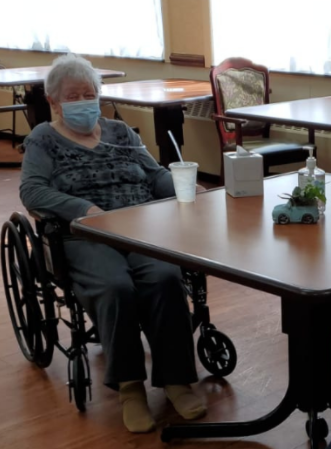
Who Owns and Operates Sapphire Nursing At Meadow Hill?

SAPPHIRE NURSING AT MEADOW HILL is owned by a for-profit company. For-profit facilities operate as businesses with obligations to shareholders or private owners. The facility is operated by SAPPHIRE CARE GROUP, a chain that manages multiple nursing homes. With 190 certified beds and approximately 182 residents (about 96% occupancy), it is a mid-sized facility located in NEWBURGH, New York.
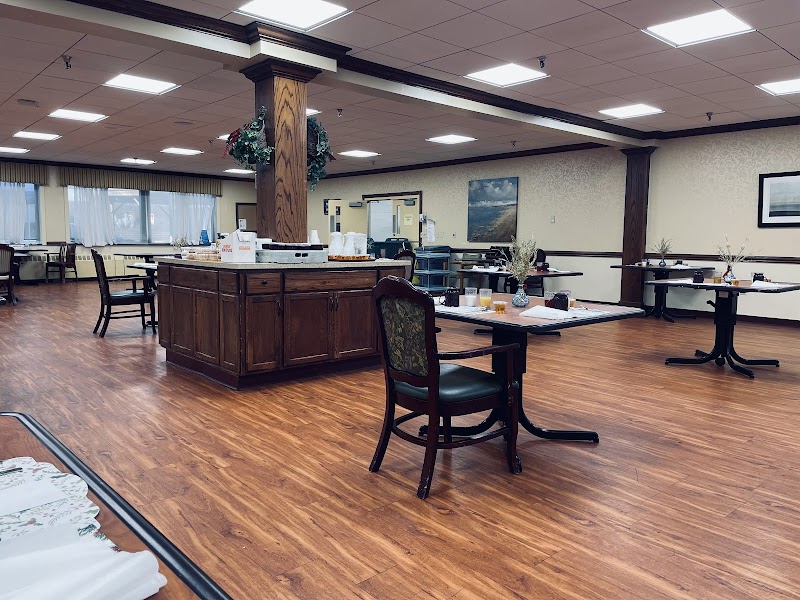
How Does Sapphire Nursing At Meadow Hill Compare to Other New York Nursing Homes?

Compared to the 100 nursing homes in New York, SAPPHIRE NURSING AT MEADOW HILL's overall rating (3 stars) is below the state average of 3.1, staff turnover (31%) is significantly lower than the state average of 46%, and health inspection rating (2 stars) is below the national benchmark.

What Should Families Ask When Visiting Sapphire Nursing At Meadow Hill?

Based on this facility's data, families visiting should ask: "Can you walk me through typical staffing levels on day, evening, and night shifts?" "Can I visit during a mealtime to observe dining assistance and food quality?" "How do you handle medical emergencies, and what is your hospital transfer rate?" "Can I speak with family members of current residents about their experience?" These questions are particularly relevant given the below-average staffing rating.

Is Sapphire Nursing At Meadow Hill Safe?

Based on CMS inspection data, SAPPHIRE NURSING AT MEADOW HILL has a clean safety record: no substantiated abuse findings (meaning no confirmed cases of resident harm), no Immediate Jeopardy citations (the most serious violation level indicating risk of serious injury or death), and is not on the Special Focus Facility watch list (a federal program monitoring the lowest-performing 1% of nursing homes). The facility has a 3-star overall rating and ranks #100 of 100 nursing homes in New York. While no facility is perfect, families should still ask about staff-to-resident ratios and recent inspection results during their visit.

Do Nurses at Sapphire Nursing At Meadow Hill Stick Around?

SAPPHIRE NURSING AT MEADOW HILL has a staff turnover rate of 31%, which is about average for New York nursing homes (state average: 46%). Moderate turnover is common in nursing homes, but families should still ask about staff tenure and how the facility maintains care continuity when employees leave.

Was Sapphire Nursing At Meadow Hill Ever Fined?

SAPPHIRE NURSING AT MEADOW HILL has been fined $129,090 across 1 penalty action. This is 3.8x the New York average of $34,370. Fines at this level are uncommon and typically indicate a pattern of serious deficiencies, repeated violations, or failure to correct problems promptly. CMS reserves penalties of this magnitude for facilities that pose significant, documented risk to resident health or safety. Families should request specific documentation of what issues led to these fines and what systemic changes have been implemented.

Is Sapphire Nursing At Meadow Hill on Any Federal Watch List?

SAPPHIRE NURSING AT MEADOW HILL is not on any federal watch list. The most significant is the Special Focus Facility (SFF) program, which identifies the bottom 1% of nursing homes nationally based on persistent, serious quality problems. Not being on this list means the facility has avoided the pattern of deficiencies that triggers enhanced federal oversight. This is a positive indicator, though families should still review the facility's inspection history directly.