MOUNT SINAI SOUTH NASSAU T C U
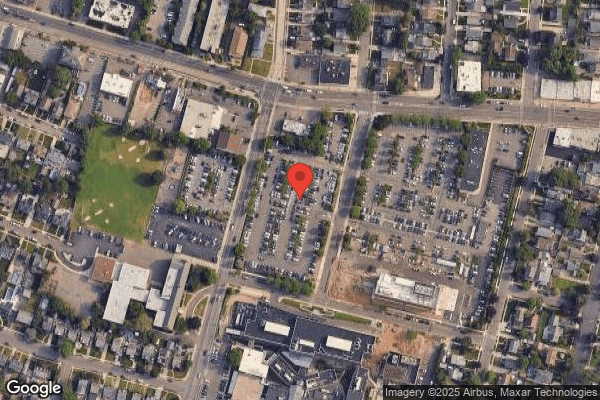

1 HEALTHY WAY, OCEANSIDE, NY 11572 (516) 632-3500
Non profit - Corporation 20 Beds Independent Data: November 2025
Trust Grade
90/100
#73 of 594 in NY
Last Inspection: October 2024

Within standard 12-15 month inspection cycle. Federal law requires annual inspections.

Overview

Mount Sinai South Nassau T C U has received an impressive Trust Grade of A, indicating it is highly recommended and offers excellent care. It ranks #73 out of 594 facilities in New York, placing it in the top half, and #6 out of 36 in Nassau County, meaning there are only five better options nearby. The facility's performance has remained stable, with four issues reported in both 2023 and 2024, showing no worsening trend. Staffing is a notable strength, with a perfect 5/5 rating and more RN coverage than 99% of state facilities, although the staff turnover rate of 48% is average. However, there have been concerns, such as a staff member entering a resident's room without knocking and a lack of proper care plans for two residents, highlighting areas for improvement while still showcasing the facility's overall strong performance.

Trust Score
A
90/100
In New York
#73/594
Top 12%
Safety Record
Low Risk
No red flags
Inspections
Holding Steady
2 → 2 violations
Staff Stability
⚠ Watch
48% turnover. Above average. Higher turnover means staff may not know residents' routines.
Penalties
✓ Good
No fines on record. Clean compliance history, better than most New York facilities.
Skilled Nurses
✓ Good
Each resident gets 245 minutes of Registered Nurse (RN) attention daily — more than 97% of New York nursing homes. RNs are the most trained staff who catch health problems before they become serious.
Violations
✓ Good
Only 4 deficiencies on record. Cleaner than most facilities. Minor issues only.
★★★★★
5.0
Overall Rating
★★★★★
5.0
Staff Levels
★★★★★
5.0
Care Quality
★★★★★
5.0
Inspection Score
Stable
2023: 2 issues
2024: 2 issues

The Good

  • 5-Star Staffing Rating · Excellent nurse staffing levels
  • 5-Star Quality Measures · Strong clinical quality outcomes
  • Full Sprinkler Coverage · Fire safety systems throughout facility
  • No fines on record

Facility shows strength in staffing levels, quality measures, fire safety.

The Bad

Staff Turnover: 48%

Near New York avg (46%)

Higher turnover may affect care consistency

The Ugly 4 deficiencies on record

Oct 2024 2 deficiencies
CONCERN (D)

Potential for Harm - no one hurt, but risky conditions existed

Resident Rights (Tag F0550)

Could have caused harm · This affected 1 resident

**NOTE- TERMS IN BRACKETS HAVE BEEN EDITED TO PROTECT CONFIDENTIALITY** Based on observation, record review, and interviews during the Recertification Survey initiated on 10/17/2024 and completed on 1...

Read full inspector narrative →
**NOTE- TERMS IN BRACKETS HAVE BEEN EDITED TO PROTECT CONFIDENTIALITY** Based on observation, record review, and interviews during the Recertification Survey initiated on 10/17/2024 and completed on 10/22/2024, the facility did not ensure that each resident was treated with respect and dignity in a manner and in an environment that promotes maintenance or enhancement of quality of life. This was identified for one (Resident #64) of 10 sampled residents. Specifically, Nurse Practitioner # 1 was observed on 10/17/2024 walking into Resident # 64's room without knocking on the resident's door. The finding is: The policy and procedure titled Privacy During Care, revised October 2022 documented that the resident/patient is entitled to privacy during care and all staff is to knock on a closed door and ask to enter before entering the resident/patient's room (unless the staff just left the room momentarily and is returning to complete care, etc.). Resident #64 was admitted with diagnoses that include Diabetes and Cellulitis (skin infection). The Minimum Data Set assessment dated [DATE] documented a Brief Interview for Mental Status score of 15, indicating the resident had intact cognition. During an observation and interview on 10/17/2024 at 11:00 AM, while the surveyor was interviewing Resident #64, Nurse Practitioner # 1 walked into the resident's room without knocking on the resident's door or asking permission to enter. Resident # 64 stated staff walks into their room without knocking. Resident # 64 stated they were dissatisfied and that the staff could provide better customer service. During an interview on 10/17/2024 at 11:02 AM, Nurse Practitioner # stated they didn't knock on the resident's door because they saw the Surveyor talking to the resident in the room. During an interview on 10/18/2024 at 12:02 PM, the Director of Nursing Services was interviewed and stated all staff should knock on the resident's door before entering the room. The Director of Nursing Services stated Nurse Practitioner #1 was a hospital employee who should have knocked on the resident's room before entering. 10 NYCRR 415.3(d)(1)(i)
CONCERN (D)

Potential for Harm - no one hurt, but risky conditions existed

Deficiency F0655 (Tag F0655)

Could have caused harm · This affected 1 resident

**NOTE- TERMS IN BRACKETS HAVE BEEN EDITED TO PROTECT CONFIDENTIALITY** Based on observations, record review, and interviews during the Recertification Survey initiated on 10/17/2024 and completed on ...

Read full inspector narrative →
**NOTE- TERMS IN BRACKETS HAVE BEEN EDITED TO PROTECT CONFIDENTIALITY** Based on observations, record review, and interviews during the Recertification Survey initiated on 10/17/2024 and completed on 10/22/2024 the facility did not ensure that each resident had a Baseline Care Plan that included instructions to provide effective person-centered care that meets professional standards. This was identified for one (Resident #165) of one resident reviewed for skin conditions. Specifically, Resident #165 was assessed as at risk for falls and was placed on tele-sitter remote visual monitoring using a camera in the resident's room. The resident's care plan interventions did not include the tele-sitter remote visual monitoring. The finding is: The facility's policy titled, Continuous Visual Monitoring Using Remote Tele-Sitter Technology or Virtual Safety Companion Technology, last revised 9/2022 documented that the initiation of continuous visual monitoring is a nursing intervention. It can be utilized to ensure patient safety as an additional tool in the plan of care for patients at high risk for falls, confusion, impaired mobility, etc. Communication shall be entered in the Patient Care Record as a nursing intervention to include tele-sitter monitoring continuous and the reason for monitoring. Resident #165 was admitted with diagnoses that included Lower Left Leg Cellulitis (skin infection), Dementia, and Type 2 Diabetes Mellitus. The admission Minimum Data Set assessment dated [DATE] documented the Brief Interview for Mental Status score of 9, indicating the resident had moderate cognitive impairment. The Minimum Data Set assessment documented Resident #165 required partial to moderate assistance for standing from a sitting position. Resident #165 had a fall within the past month and in the past 2-6 months before admission. The Baseline Care Plan dated 10/10/2024 documented the resident was at risk for falls due to poor balance related to Lower Left Extremity Cellulitis. The interventions did not include the use of a tele-sitter remote visual monitoring. A nursing progress note dated 10/10/2024 at 2:37 AM documented Resident #165 presented with confusion and poor safety awareness. Resident #165 was non-compliant with the use of the call bell and bed alarm; a tele-sitter camera was requested for remote visual monitoring. The nursing progress notes dated 10/13/2024, 10/16/2024, and 10/22/2024 documented the use of the tele-sitter remote visual monitoring for enhanced safety. On 10/17/2024 at 11:28 AM, Resident #165 was observed sitting in their wheelchair watching television in their room. The tele-sitter remote visual monitoring camera was observed in the corner of the room. During an interview on 10/17/2024 at 11:28 AM, Resident #165 pointed to the tele-sitter remote visual monitoring camera in the room and stated Did you meet ET? Resident #165 further stated they were not sure why the camera was in the room. During an observation and interview on 10/22/2024 at 10:43 AM, Resident #165 stated that the camera is a spy. Resident #164 stated staff told them that they were not the only resident with the spy camera. During an interview on 10/22/2024 at 10:38 AM, Registered Nurse #1 stated the monitor in Resident #165's room is to keep an eye on a resident who is getting up out of bed and is in danger of falling or pulling at the intravenous lines. The use of a tele-sitter remote visual monitoring is a nursing intervention. Registered Nurse #1 checked Resident #165's Medical Record and stated the resident's care plan did not document the tele-sitter remote visual monitoring as an intervention. During an interview on 10/22/2024 at 02:14 PM, the Director of Nursing Services stated the use of the tele-sitter remote visual monitoring should be documented in the fall care plan as an intervention. 10 NYCRR 415.11
Jun 2023 2 deficiencies
CONCERN (D)

Potential for Harm - no one hurt, but risky conditions existed

Comprehensive Care Plan (Tag F0656)

Could have caused harm · This affected 1 resident

**NOTE- TERMS IN BRACKETS HAVE BEEN EDITED TO PROTECT CONFIDENTIALITY** Based on observation, record review and interviews during the Recertification Survey initiated on 6/14/2023 and completed on 6/1...

Read full inspector narrative →
**NOTE- TERMS IN BRACKETS HAVE BEEN EDITED TO PROTECT CONFIDENTIALITY** Based on observation, record review and interviews during the Recertification Survey initiated on 6/14/2023 and completed on 6/16/2023 the facility did not ensure that a person-centered care plan for each resident was developed and implemented that includes measurable objectives and time frames to meet a resident's medical and nursing needs. This was identified for one (Resident #117) of one resident reviewed for hydration. Specifically, on 6/14/2023 Resident #117 was administered Packed Red Blood Cells (PRBC). There was no documented evidence in the medical record of a Care Plan related to blood transfusion that included goals and interventions to monitor the resident during and after the blood transfusion. The finding is: Resident #117 was admitted with diagnoses that include Cancer, Peripheral Vascular Disease (PVD), and End Stage Renal Disease (ESRD). A 5-Day Minimum Data Set (MDS) assessment dated [DATE] documented a Brief Interview for Mental Status (BIMS) score of 15 which indicated the resident was cognitively intact. The resident received Intravenous (IV) Medications and transfusion prior to and after their admission to the facility. The Nursing Progress Note dated 6/13/2023 documented the Physician was aware of the blood work results. The Physician ordered two units of Packed Red Blood Cells to be transfused. The first unit of PRBC is transfusing with no issues. A Nursing Progress Note dated 6/14/2023 documented the resident was receiving 2 Units of PRBC due to the resident's low hemoglobin level. A second PRBC unit was started at 10:15 PM and completed at 1:10 AM. The medical record lacked documented evidence of a Care Plan related to blood transfusion that included goals and interventions to monitor the resident during and after the blood transfusion. The Clinical Nurse Coordinator, Registered Nurse (RN) was interviewed on 6/16/2023 at 2:58 PM and stated that there should have been a Comprehensive Care Plan (CCP) initiated for the blood transfusion by the RN that started the transfusion that included goals and interventions to monitor the resident. The Director of Nursing Services (DNS) was interviewed on 6/16/23 at 3:46 PM and stated that there should have been a CCP initiated by the RN that initiated the blood transfusion. 10 NYCRR 415.11(c)(1)
CONCERN (D)

Potential for Harm - no one hurt, but risky conditions existed

Medical Records (Tag F0842)

Could have caused harm · This affected 1 resident

Based on observation, record review and interviews during the Recertification Survey initiated on 6/14/2023 and completed on 6/16/2023, the facility did not ensure that resident records were complete ...

Read full inspector narrative →
Based on observation, record review and interviews during the Recertification Survey initiated on 6/14/2023 and completed on 6/16/2023, the facility did not ensure that resident records were complete and accurately documented in accordance with professional standards of practice. This was identified for one (Resident #69) of one resident reviewed for Skin Condition. Specifically, Resident #69 was admitted to the facility with a left dorsal (back) hand and forearm discoloration, however, there was no documented evidence of the identified left-hand and forearm discolorations in the medical record. The finding is: Resident #69 was admitted with diagnoses that included Type II Diabetes Mellitus, Hypertension, and Heart Failure. A review of the Baseline care plan dated 6/10/2023 was conducted on 6/15/2023 at 4:30 PM. The Baseline care plan did not include documented evidence of the resident's left dorsal hand and forearm discoloration. The Skin-Body [NAME] Assessment form (form to indicate skin issues upon admission) dated 6/10/2023 did not include evidence of left dorsal hand and forearm discoloration. A review of the progress notes from the admission to 6/15/2023 revealed no indication of the dorsal left hand and left forearm discoloration. Certified Nurse Aide (CNA) #1 was interviewed on 6/15/2023 at 2:45 PM. CNA #1 stated the resident was admitted with several areas of discoloration including the discoloration on the back of the left hand and the forearm when the resident was first admitted from the hospital on 6/9/2023. Registered Nurse (RN) #1 was interviewed on 6/15/2023 at 2:54 PM. RN #1 stated that the resident was admitted to the facility from the hospital with discolorations to the left hand and the forearm. RN #1 stated that the resident received Intravenous antibiotic therapy in the hospital. RN #1 stated when a resident is admitted to the facility a full body assessment is conducted. All alterations in the resident's skin should be documented in the Skin-Body [NAME] section of the admission Data Collection form by the admitting RN. RN #2, who was the unit's Clinical Care Coordinator, was interviewed on 6/15/2023 at 3:58 PM. RN #2 stated the admission RN was responsible to document all alterations in skin integrity issues observed during the admission assessment on the Skin-Body [NAME] section of the admission Data Collection Form. RN #2 stated that Resident #69's admission assessment did not include the discoloration to the left dorsal hand and the left forearm on the Skin-Body [NAME] section of the admission Data Collection Form. The Director of Nursing Services (DNS) was interviewed on 6/16/2023 at 3:34 PM. The DNS stated that the admission nurse should have documented all bruising and discoloration including the dorsal hand and the forearm identified during the admission assessment on the Skin-Body [NAME] section of the admission Data Collection Form. 10 NYCRR 415.22(a)(1-4)
Understanding Severity Codes (click to expand)
Life-Threatening (Immediate Jeopardy)
J - Isolated K - Pattern L - Widespread
Actual Harm
G - Isolated H - Pattern I - Widespread
Potential for Harm
D - Isolated E - Pattern F - Widespread
No Harm (Minor)
A - Isolated B - Pattern C - Widespread

Questions to Ask on Your Visit

  • "Can I speak with families of current residents?"
  • "What's your RN coverage like on weekends and overnight?"

Our Honest Assessment

Strengths
  • • Grade A (90/100). Above average facility, better than most options in New York.
  • • No major safety red flags. No abuse findings, life-threatening violations, or SFF status.
  • • No fines on record. Clean compliance history, better than most New York facilities.
  • • Only 4 deficiencies on record. Cleaner than most facilities. Minor issues only.
Concerns
  • • No significant concerns identified. This facility shows no red flags across CMS ratings, staff turnover, or federal penalties.
Bottom line: Generally positive indicators. Standard due diligence and a personal visit recommended.

About This Facility

What is Mount Sinai South Nassau T C U's CMS Rating?

CMS assigns MOUNT SINAI SOUTH NASSAU T C U an overall rating of 5 out of 5 stars, which is considered much above average nationally. Within New York, this rating places the facility higher than 99% of the state's 100 nursing homes. This rating reflects solid performance across the metrics CMS uses to evaluate nursing home quality.
How is Mount Sinai South Nassau T C U Staffed?

CMS rates MOUNT SINAI SOUTH NASSAU T C U's staffing level at 5 out of 5 stars, which is much above average compared to other nursing homes. Staff turnover is 48%, compared to the New York average of 46%.

What Have Inspectors Found at Mount Sinai South Nassau T C U?

State health inspectors documented 4 deficiencies at MOUNT SINAI SOUTH NASSAU T C U during 2023 to 2024. These included: 4 with potential for harm.

Who Owns and Operates Mount Sinai South Nassau T C U?

MOUNT SINAI SOUTH NASSAU T C U is owned by a non-profit organization. Non-profit facilities reinvest revenue into operations rather than distributing to shareholders. The facility operates independently rather than as part of a larger chain. With 20 certified beds and approximately 15 residents (about 75% occupancy), it is a smaller facility located in OCEANSIDE, New York.

How Does Mount Sinai South Nassau T C U Compare to Other New York Nursing Homes?

Compared to the 100 nursing homes in New York, MOUNT SINAI SOUTH NASSAU T C U's overall rating (5 stars) is above the state average of 3.1, staff turnover (48%) is near the state average of 46%, and health inspection rating (5 stars) is much above the national benchmark.

What Should Families Ask When Visiting Mount Sinai South Nassau T C U?

Based on this facility's data, families visiting should ask: "Can I visit during a mealtime to observe dining assistance and food quality?" "How do you handle medical emergencies, and what is your hospital transfer rate?" "Can I speak with family members of current residents about their experience?"

Is Mount Sinai South Nassau T C U Safe?

Based on CMS inspection data, MOUNT SINAI SOUTH NASSAU T C U has a clean safety record: no substantiated abuse findings (meaning no confirmed cases of resident harm), no Immediate Jeopardy citations (the most serious violation level indicating risk of serious injury or death), and is not on the Special Focus Facility watch list (a federal program monitoring the lowest-performing 1% of nursing homes). The facility has a 5-star overall rating and ranks #1 of 100 nursing homes in New York. While no facility is perfect, families should still ask about staff-to-resident ratios and recent inspection results during their visit.

Do Nurses at Mount Sinai South Nassau T C U Stick Around?

MOUNT SINAI SOUTH NASSAU T C U has a staff turnover rate of 48%, which is about average for New York nursing homes (state average: 46%). Moderate turnover is common in nursing homes, but families should still ask about staff tenure and how the facility maintains care continuity when employees leave.

Was Mount Sinai South Nassau T C U Ever Fined?

MOUNT SINAI SOUTH NASSAU T C U has no federal fines on record. CMS issues fines when nursing homes fail to meet care standards or don't correct problems found during inspections. The absence of fines suggests the facility has either maintained compliance or corrected any issues before penalties were assessed. This is a positive indicator, though families should still review recent inspection reports for the full picture.

Is Mount Sinai South Nassau T C U on Any Federal Watch List?

MOUNT SINAI SOUTH NASSAU T C U is not on any federal watch list. The most significant is the Special Focus Facility (SFF) program, which identifies the bottom 1% of nursing homes nationally based on persistent, serious quality problems. Not being on this list means the facility has avoided the pattern of deficiencies that triggers enhanced federal oversight. This is a positive indicator, though families should still review the facility's inspection history directly.