THE GRAND REHABILITATION AND NURSING AT PAWLING
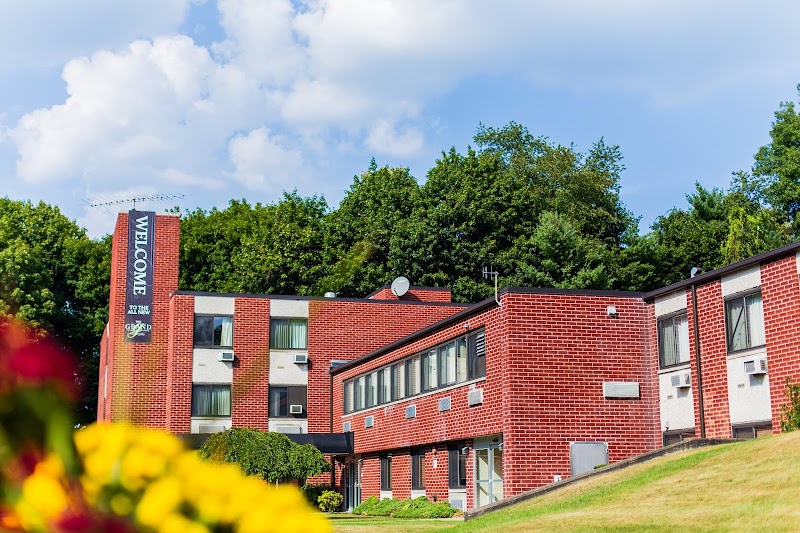
9 RESERVOIR ROAD, PAWLING, NY 12564 (845) 855-5700
For profit - Corporation 122 Beds THE GRAND HEALTHCARE Data: November 2025
Trust Grade
33/100
#574 of 594 in NY
Last Inspection: April 2023

Over 2 years since last inspection. Current conditions may differ from available data.

Overview

The Grand Rehabilitation and Nursing at Pawling has received a Trust Grade of F, indicating significant concerns about its care quality. It ranks #574 out of 594 facilities in New York, placing it in the bottom half of all nursing homes in the state, and it is the lowest-ranked among the 12 facilities in Dutchess County. The situation appears to be worsening, with issues increasing from 1 in 2024 to 6 in 2025. Staffing is a major concern here, with a low rating of 1 out of 5 stars and a high turnover rate of 52%, significantly above the state average, indicating difficulties in maintaining consistent care. In terms of specific incidents, there were serious gaps in care, such as a resident not receiving necessary treatment for a pressure ulcer and others not being provided adequate personal hygiene assistance, leading to concerns about their overall well-being. While the facility has some average RN coverage, the repeated compliance issues and high fines of $15,935 raise additional red flags for potential residents and their families.

Trust Score
F
33/100
In New York
#574/594
Bottom 4%
Safety Record
Moderate
Needs review
Inspections
Getting Worse
1 → 6 violations
Staff Stability
⚠ Watch
52% turnover. Above average. Higher turnover means staff may not know residents' routines.
Penalties
✓ Good
$15,935 in fines. Lower than most New York facilities. Relatively clean record.
Skilled Nurses
⚠ Watch
Each resident gets only 24 minutes of Registered Nurse (RN) attention daily — below average for New York. Fewer RN minutes means fewer trained eyes watching for problems.
Violations
⚠ Watch
27 deficiencies on record. Higher than average. Multiple issues found across inspections.
★☆☆☆☆
1.0
Overall Rating
★☆☆☆☆
1.0
Staff Levels
★★★☆☆
3.0
Care Quality
★☆☆☆☆
1.0
Inspection Score
Stable
2024: 1 issues
2025: 6 issues

The Good

  • Full Sprinkler Coverage · Fire safety systems throughout facility
  • No fines on record

Facility shows strength in fire safety.

The Bad

1-Star Overall Rating

Below New York average (3.0)

Significant quality concerns identified by CMS

Staff Turnover: 52%

Near New York avg (46%)

Higher turnover may affect care consistency

Federal Fines: $15,935

Below median ($33,413)

Minor penalties assessed

Chain: THE GRAND HEALTHCARE

Part of a multi-facility chain

Ask about local staffing decisions and management

The Ugly 27 deficiencies on record

1 actual harm
Jun 2025 5 deficiencies 1 Harm
SERIOUS (G) 📢 Someone Reported This

A family member, employee, or ombudsman was alarmed enough to file a formal complaint

Actual Harm - a resident was hurt due to facility failures

Quality of Care (Tag F0684)

A resident was harmed · This affected 1 resident

Based on observation, record review and interviews during the recertification and abbreviated surveys (NY00351988), the facility failed to ensure residents received treatment and care in accordance wi...

Read full inspector narrative →
Based on observation, record review and interviews during the recertification and abbreviated surveys (NY00351988), the facility failed to ensure residents received treatment and care in accordance with professional standards of practice for one (1) of four (4) residents (Resident #217) reviewed for pressure ulcers. Specifically, Resident #217 reported ongoing loose bowel movements and there was no documented evidence of clinical monitoring and collection of stool for Clostridium Difficile as planned in the 7/22/2024 Nurse Practitioner progress note, and no documented evidence that stool for Clostridium Difficile (a bacterium that causes an infection of the colon) and a Complete Blood Count/Comprehensive Metabolic Panel were collected as planned in the 7/24/2024 Nurse Practitioner progress note. Additionally, Docusate Sodium (stool softener) 100 milligrams was not held for loose stools as per physician order on 7/24/2024, 7/25/2024 and 7/27/2024. Subsequently Resident #217 was transferred to the hospital on 7/29/2024 due to lethargy and slurred speech and was admitted to the hospital with a diagnosis of septic shock. This resulted in actual harm that is not immediate jeopardy for Resident #217. The findings are: The Policy and Procedure titled Lab and Diagnostic Test Results-Clinical Protocol last revised 1/2022, documented the physician will identify and order diagnostic and lab testing based on diagnostic and monitoring needs. The staff will process test requisitions and arrange for tests. The Laboratory, diagnostic radiology provider, or other testing source will report test results to the facility. The Policy and Procedure titled Medication and Treatment Orders, last revised 1/2025, documented verbal orders must be recorded immediately in the resident's chart by the person receiving the order and must include prescriber's last name, credentials, the date and the time of the order. Verbal orders must be signed by the prescriber at their next visit. Resident #217 was admitted to the facility with diagnoses which included diabetes mellitus, dehiscence of the amputation stump (surgical complication where a closed incision opens) and morbid obesity. The Minimum Data Set (resident assessment) dated 6/7/2024 documented Resident #217 had intact cognition, was dependent on staff assistance with toileting hygiene, had an indwelling catheter and was frequently incontinent of bowel. The Comprehensive Care Plan titled Risk for Fluid and Electrolyte Imbalance, dated 6/8/2024, documented monitor labs and report abnormal findings to the medical doctor. The 6/17/2024 Physician's Order documented administer Imodium A-D Capsule 2 milligrams, 1 capsule by mouth every 6 hours as needed for diarrhea. The 7/3/2024 Physician's Order documented Docusate Sodium 100 milligrams, give 1 capsule by mouth in the morning for constipation, hold for loose stools. The 7/21/2024 at 6:25 PM Nursing Progress Note documented the resident complained of having loose stools all day and requested and received Imodium. The 7/21/2024 at 8:19 PM Nursing Progress Note documented the Imodium was ineffective. The 7/22/2024 at 1:34 PM Nurse Practitioner Progress Note documented the resident was seen for reports of loose stool after each meal. The resident reported it had been occurring for a few weeks. The plan was to order stool test for Clostridium Difficile, start Metamucil and monitor clinically. Review of the resident's electronic medical record revealed no documented evidence the stool test was ordered, or clinical monitoring was started as planned in the Nurse Practitioner's progress note on 7/22/2024. The 7/24/2024 at 7:04 PM Nurse Practitioner Progress Note documented the resident was seen for follow up to complaints of loose stools after meals. The resident reported the loose stools continued. The resident has been recently started on Metamucil and the plan was to order a stool test for Clostridium Difficile, continue Metamucil, and order Complete Blood Count/Comprehensive Metabolic Panel (blood work) for monitoring. Review of the resident's electronic medical record revealed no documented evidence of laboratory results for the stool test or blood work planned in the Nurse Practitioner's progress notes on 7/24/2024. The July 2024 Bowel Movement Record documented on 7/21/2024 Resident #217 had one small loose bowel movement, on 7/23/2024 one large and one medium loose bowel movement, on 7/24/2024 one large loose bowel movement, on 7/25/2024 one small loose bowel movement, on 7/27/2024 one large loose bowel movement, and on 7/28/2024 one small and one large loose bowel movement. The bowel movement record had no documentation on day and evening shifts for 7/22/2024 and 7/26/2024. The July 2024 Medication Administration Record documented Docusate Sodium 100 milligrams was given 1 capsule by mouth every morning and to be held for loose stools. The medication was not held as ordered for loose stool on 7/22/2024, 7/24/2024, 7/25/2024, 7/26/2024 and 7/27/2024. There was no documentation on 7/28/2024 as to if it was administered or held. The July 2024 Medication Administration Record and physician orders revealed no documented evidence the Metamucil was ordered or started as planned in the Nurse Practitioner progress notes. The 7/29/2024 at 12:58 PM Nursing Progress Note documented the resident had slurred speech, the Nurse Practitioner assessed the resident and gave new orders. New orders included to obtain Complete Blood Count/Comprehensive Metabolic Panel/Ammonia level, intravenous hydration and a chest x-ray. An intravenous saline lock was placed, and the staff would continue to monitor. The 7/29/2024 at 4:17 PM Nurse Practitioner Progress Note documented the resident was seen for follow up to complaints of fatigue and slurred speech. The plan was to order Complete Blood Count/Comprehensive Metabolic Panel/Ammonia, start intravenous hydration, order chest x-ray and monitor clinically. There was no nurse progress notes or evidence of monitoring on 7/29/2024 between 12:58 PM and 8:21 PM. There was no evidence the laboratory blood tests, or chest x-ray were completed. The July 2024 Medication Administration Record documented intravenous fluid was administered at 6:38 PM. The 7/29/2024 at 8:21 PM Nursing Progress Note documented Registered Nurse #16 was notified by the assigned Licensed Practical Nurse #17 that the resident was increasingly lethargic. The nurse notified the on-call medical doctor of the findings due to the resident's significantly drastic decline. The Medical Doctor instructed to send the resident to the emergency room for medical work up. The Registered Nurse #16 called 911, and at 9:00 PM the resident was taken to the hospital via ambulance. The 7/30/2024 at 6:18 AM Nursing Progress Note documented the resident was admitted to the hospital for septic shock. During an interview on 6/17/2025 at 2:09 PM, Licensed Practical Nurse #14 stated any registered nurse, or licensed practical nurse could accept orders from the medical doctor or nurse practitioner and process test requisitions and arrange for tests. During an interview on 6/16/2025 at 10:37 AM, Nurse Practitioner #18 stated they followed up with Resident #217 on 7/22/2024 for episodes of loose stool and ordered a stool test for Clostridium Difficile, to start Metamucil and to monitor clinically. The orders on 7/22/2024 were given verbally to the Nurse Manager. The Nurse Practitioner stated they met with the resident again on 7/24/2024 and noted the stool test for Clostridium Difficile was not completed as planned. They ordered the stool test for Clostridium Difficile again, to continue Metamucil, and ordered Complete Blood Count /Comprehensive Metabolic Panel (blood work) for monitoring. Nurse Practitioner #18 stated these orders were communicated with the nurse and put into the electronic medical record. Nurse Practitioner #18 stated they assessed the resident again on 7/29/2024 and noted at that time the laboratory tests were not completed and ordered Complete Blood Count /Comprehensive Metabolic Panel, an ammonia level, to start intravenous (IV) hydration, and a chest x-ray. Nurse Practitioner #18 stated they gave all these orders verbally to the nurse unit manager. Nurse Practitioner #18 stated they were new to the facility and may not have been clear how to order and check the laboratory results. They stated they were an independent practitioner and did not talk to the Medical Director about the condition of the resident. Nurse Practitioner #18 stated since laboratory tests such as stool for Clostridium Difficile, Complete Blood Count /Comprehensive Metabolic Panel and ammonia were not completed, they were unable to diagnose and treat the resident, which resulted in actual harm to the resident. During an interview on 6/17/2025 at 1:50 PM, the Medical Director stated a nurse practitioner can work independently, but in the nursing home setting, a nurse practitioner provides care under a physician. They stated they were not aware of the resident's condition or that the laboratory tests were not completed. They stated Nurse Practitioner #18 should have notified the Medical Director of changes in the resident's condition. 10 NYCRR 415.12
CONCERN (D) 📢 Someone Reported This

A family member, employee, or ombudsman was alarmed enough to file a formal complaint

Potential for Harm - no one hurt, but risky conditions existed

Safe Environment (Tag F0584)

Could have caused harm · This affected 1 resident

**NOTE- TERMS IN BRACKETS HAVE BEEN EDITED TO PROTECT CONFIDENTIALITY** Based on observation, interview, and record review conducted during the recertification and abbreviated (NY00356909, NY00339190)...

Read full inspector narrative →
**NOTE- TERMS IN BRACKETS HAVE BEEN EDITED TO PROTECT CONFIDENTIALITY** Based on observation, interview, and record review conducted during the recertification and abbreviated (NY00356909, NY00339190) surveys from 6/10/25 to 6/17/25, the facility did not ensure resident's right to a safe, clean, comfortable, and homelike environment. Specifically, 1) Maintenance Care Logs dated January 2024 to present documented more than five hundred (500) reports of television and television remote controls not working properly and many not repaired timely. Additionally, Resident #314's family reported during April and September 2024 visits Resident #314 did not have a functioning television in their room, and 2) the closet door in Resident #39's room had broken hinges which prevented proper attachment. The findings are: The Policy dated January 2025 titled Maintenance Service, documented the maintenance department is responsible for maintaining the buildings, grounds, and equipment in a safe and operable manner. During an interview on 06/10/25 at 11:51 AM, Resident #46 stated every time they moved to a different room, the television did not work. The Maintenance Care Logs reviewed from January 2024 to the present date documented more than five hundred (500) reports of televisions and television remote controls not working properly and many not repaired timely, with some lag times up to several days. During a telephone interview on 6/12/25 at 1:08 PM, a family member of Resident #314 (room [ROOM NUMBER]) stated during visits they observed the resident's television was not working. The Maintenance Logs dated 4/11/24, 4/12/24, and 9/10/24 documented install a new television in room [ROOM NUMBER], as the family was upset about the situation. During an interview on 06/11/25 at 03:02 PM, the Director of Maintenance reviewed the Maintenance Log reports of televisions and television remote controls not working. They stated all staff are responsible for reporting broken items via the computer on Maintenance Care. When reviewing lag times for repairing televisions and television remotes, they stated sometimes they run out of batteries for the infrared channel changers. They stated they must prioritize leaks and other safety issues over television issues. They stated they have only one helper, and no other staff can replace the batteries besides the maintenance staff. 2. During an interview and observation on 06/11/25 at 9:17 AM, Resident #39 stated their closet door had been broken for over two years and they told multiple staff members. They stated they hold the door closed with a chair as it falls if not propped. Resident #39 was observed moving the chair. The chair was propped against the closet door. The closet door was not attached at the hinges. During an observation in room [ROOM NUMBER] B on 6/12/25 at 9:38 AM a chair was observed propped against the closet door to prevent it from falling. There were no documented work orders in the Maintenance Repair logs to address the closet door, During an interview on 6/12/25 at 3:07 PM, the Director of Maintenance assessed the closet door in room [ROOM NUMBER] B and stated the door needed repair and removed it from the room. They stated when a repair is needed, staff enter the work order in the computer program used for reporting needed repairs, but they had not received a recent work order for this closet. When work orders are received, they prioritize them, complete the work, and mark the work completed. They stated a broken wardrobe door would be prioritized for repair because it is a safety hazard. They stated they have not been auditing the rooms routinely to assess for safety issues. During an interview on 06/17/25 at 09:00 AM the Administrator stated there is a maintenance program that should be used for reporting any needed repairs. They stated maintenance and housekeeping both round on the units, but there is no formal tool in use to audit the rooms for safety. 10 NYCRR 415.5(h-i)(1-3)
CONCERN (D) 📢 Someone Reported This

A family member, employee, or ombudsman was alarmed enough to file a formal complaint

Potential for Harm - no one hurt, but risky conditions existed

Grievances (Tag F0585)

Could have caused harm · This affected 1 resident

**NOTE- TERMS IN BRACKETS HAVE BEEN EDITED TO PROTECT CONFIDENTIALITY** Based on interview, and record review conducted during the recertification and abbreviated surveys (NY00364897) from 6/10/25 to ...

Read full inspector narrative →
**NOTE- TERMS IN BRACKETS HAVE BEEN EDITED TO PROTECT CONFIDENTIALITY** Based on interview, and record review conducted during the recertification and abbreviated surveys (NY00364897) from 6/10/25 to 6/17/25, the facility did not ensure each resident's right to file a grievance and/or that prompt efforts were made to resolve a grievance for one of six residents (Resident #14) reviewed for Personal Property. Specifically, there was no documented evidence that a grievance was filed an investigation conducted and/or a grievance was resolved when Resident 14 reported to staff they were missing a bag that contained their license, gift cards, and some cash and multiple clothing items. The findings include: The Policy titled Grievances, complaints, and filing, which was revised in January 2025, documented residents and their representatives have the right to file grievances either orally or in writing with the facility staff. The administrator and staff are committed to making prompt efforts to resolve grievances to the satisfaction of the resident and /or representative. Individuals filing a grievance will be informed verbally and in writing about the outcome. A written summary of the investigation will also be provided to the resident. The Policy titled Missing Items reviewed January 2025 documented residents are permitted to retain and use personal possessions and appropriate clothing, as space permits. The residents belongings and clothing shall be inventoried and documented upon admission and as such items are replenished. The facility will promptly investigate any complaints of misappropriation or mistreatment of resident property. Resident #14 had diagnoses that included, but not limited to, heart failure, chronic kidney disease, and lymphedema. The Annual Minimum Data Set, dated [DATE] and 5/6/2025 Quarterly Minimum Data Set documented Resident #14 had intact cognition, and had no behaviors. During an interview on 6/12/25 at 9:51 AM, Resident #14 stated when they purchased new items of clothing, they did not think the facility recorded the clothing on an inventory sheet. They stated the facility sent clothing to an outside launderer some time in the last year and may have lost some of their items. They stated they have receipts for all the missing clothing. They stated they had not seen the Social Worker or Administration regarding the missing items, just housekeeping staff. They stated they spoke with the housekeeping manager again last week but was not offered a grievance form. During an interview on 6/13/25 at 12:27 PM the Director of Housekeeping stated when a new resident is admitted their personal items should be listed on an inventory sheet and clothing is taken to be labeled. They stated if a resident acquires new items during their stay, housekeeping should be informed, and the items should be labeled and inventoried. They stated when missing clothing items are reported, staff often notify them so they can look for the item. They stated if they can't find the missing items, they let the Social Worker know. There stated there was a time when clothing was removed from the facility and sent to an outside launderer. They stated when clothing was sent out, they did not re-inventory the clothing. They stated they had spoken with Resident #14 many times about missing items and contacted the outside launderer. They stated they had not located the described items. They stated they had discussed this with the resident for the last couple of months but did not inform the Social Worker. During an interview on 6/16/25 at 12:04 PM, the Director of Social Work stated if there were reports of missing personal items, staff should look for the item first and if not found, contact the Social Worker. They stated laundry may be contacted to check for the item if it is clothing. They stated if the missing item was listed on the inventory form and not found they would request reimbursement from the facility. They stated any items newly purchased for a resident already living at the facility should be added to the inventory form. They stated if items were not on the inventory form, but the resident had receipts, they would need approval from administration for reimbursement. They stated all staff should be aware of the process. They stated they were not made aware of missing clothing reported by Resident #14. During an interview on 6/16/25 at 3:45 PM, Resident #14 stated that they had also been missing a bag since February which contained their license, gift cards, and some cash. They stated the items had not been added to their inventory form,but the Unit Manager acknowledged that they had the bag. They stated the Social Worker told them they had no proof of the bag, so they never wrote the item up. During an interview on 6/17/25 at 9:34 AM the Administrator stated when a resident is missing an item, a missing item form should be completed. Any staff member can complete the form and the Unit Manager should be made aware. They stated they were not certain how the Social Worker is involved but they should be notified. They stated they were not certain who kept the inventory forms but believed they may be in the paper chart. They stated if clothing is missing, housekeeping/laundry should investigate and if the item/s are not found, the resident should be reimbursed. They stated the Assistant Administrator typically handles reimbursement. They stated if an item was never added to the inventory form, staff could not verify that the item existed. They stated if the resident had receipts that would help. They stated a reasonable amount of time to investigate missing items would be 7-14 days. They stated the process is a little unclear right now. During an interview on 6/17/25 at 10:13 AM, the Director of Social Work stated they were not aware that Resident #14 was missing a bag, but stated they would follow up to investigate. During an interview on 6/17/25 at 11:01 AM, Registered Nurse Unit Manager #10 stated when an item is missing, they looked for the item first and then informed the Social Worker. They stated Resident #14 reported a missing bag and the Social Worker was made aware. They stated the bag had not been found. They stated housekeeping was working on Resident #14's missing clothing and the investigation is ongoing but never resolved. 10NYCRR 415.3 (d)(1)(ii)
CONCERN (E) 📢 Someone Reported This

A family member, employee, or ombudsman was alarmed enough to file a formal complaint

Potential for Harm - no one hurt, but risky conditions existed

ADL Care (Tag F0677)

Could have caused harm · This affected multiple residents

**NOTE- TERMS IN BRACKETS HAVE BEEN EDITED TO PROTECT CONFIDENTIALITY** Based on observations, interviews, and record reviews during the Recertification and Abbreviated Surveys (NY00339190, NY00364897...

Read full inspector narrative →
**NOTE- TERMS IN BRACKETS HAVE BEEN EDITED TO PROTECT CONFIDENTIALITY** Based on observations, interviews, and record reviews during the Recertification and Abbreviated Surveys (NY00339190, NY00364897, NY00368159, NY00372669, NY00377396, NY00356909, and NY00373290) from 6/10-6/17/2025, the facility did not ensure that residents unable to carry out activities of daily living received the necessary services to maintain grooming and personal hygiene for 9 of 9 residents (Residents #46, #14, #74, #216, #364, #214, #78, #314, #165, and 13) reviewed for Activities of Daily Living and 3 additional residents (Residents #61, 76, and 6) observed during the sufficient staffing task. Specifically, 1) Resident # 46 was not provided timely incontinence care and was not gotten out of bed daily. 2) Resident #14 was not provided consistent incontinence care and showers. 3) Resident #74 was observed with long dirty finger nails, clothes soiled with food and a noticeable urine odor. Additionally, Residents #78 and #13 were not showered as planned; Residents #214, #216, #165, #364 and #314's Certified Nurse Aide Accountability Records were noted with multiple omissions over multiple day for activity of daily living that included showers, personal hygiene, and toileting; and on 6/15/25, a Sunday afternoon at 12:45 PM, Resident #6 was in bed, stated they had urinated and had not been changed since 5:00 AM; Resident #76 was in bed and their sheets and hospital gown were soaked with urine; Resident #61 was out of bed in a chair with a strong odor of urine and rings of dried urine were observed on the bedsheet. Findings include: The Facility Policy Activities of Daily Living reviewed 1/2025 documented the purpose of this procedure is to accurately assist with the residents need for support for basic ADL(activities of daily living) function. The procedures included those for toileting for ambulatory and non-ambulatory residents, hair care, dressing and undressing, skin inspection and cleanliness, oral care, peri care, personal care and infection prevention. Documentation should be completed after the care is provided. 1. Resident #46 had diagnoses including severe morbid obesity, anxiety, and depression. The 3/12/25 annual Minimum Data Set (resident assessment) documented the resident's cognition was intact. Resident #46 had an impairment to lower extremity on one side and was dependent on staff for toileting hygiene and transfers. The 6/4/25 Care Plan, at risk for functional decline in mobility and self-care, documented intervention included to provide dependent assistance with footwear/toileting hygiene, and chair to bed transfers with 2-person mechanical lift. The 6/12/25 Kardex documented the resident required a mechanical lift with 2 staff for transfers. The resident wore incontinence brief and used a urinal. During a resident interview on 6/10/25 at 12:55 PM, Resident #46 stated when there was not enough staff, it was hard to get someone to assist them to get their brief changed, to get washed and dressed, and to be transferred out of bed. They stated they frequently called the corporate main office number to ask for assistance. The corporate office would call the facility to get a staff member to wash, dress, and get them out of bed. They stated they felt afraid to have a bowel movement because they might have to stay soiled for long periods of time. They stated on weekends, the staff told them they could not get them out of bed due to short staffing. During an observation and resident interview, on 6/15/25 at 12:45 PM, Resident #46 was observed visibly soiled through the sheets. The resident stated they told the Certified Nurse Aide 30 minutes ago and was still dirty. During a follow-up observation and resident interview, on 6/15/25 at 2:29 PM, Resident #46 was observed clean and dry, but was still in bed. The resident stated they had requested to get out of bed when they were cleaned earlier. During a follow-up resident interview, on 6/16/25 at 10:41 AM, Resident #46 stated that sometimes the Certified Nurse Aide told the resident there were not enough staff to get the resident out of bed that day. They only washed and changed the resident, but did not take the resident out of bed those days. They stated they need two staff for transfers with the mechanical lift. They stated they had a bowel movement yesterday morning around 9:00 AM and was not changed until after 12:00 PM. They stated they had rung the bell after having the bowel movement and a Certified Nurse Aide answered the call bell but did not come to change their brief until later. Resident #46 stated they told the Assistant Administrator that they want to get out of bed every day and the Assistant Administrator told them to tell the head nurse. Resident #46 stated they told the unit manager, and the unit manager tried but often stated there were not enough staff to get them out of bed. When interviewed on 6/16/25 at 10:59 AM, Certified Nurse Aide #5 stated they were assigned to Resident #46 and was told the resident got out of bed every day and required a 2-person assist and mechanical lift. They stated they worked the night shift and Resident #46 had a large bowel movement around 2:00 AM and they changed the resident with the assistance of another Certified Nurse Aide. They stated they planned to get resident out of bed this morning. During a follow-up resident interview on 6/16/25 at 2:52 PM, Resident #46 stated that on 12/17/24 and 12/25/24 (Christmas Day) they could not get out of bed when their family came to visit, which made them feel angry. They stated they felt depressed and anxious every morning, not knowing if they would be able to get out of bed that day. 2. Resident #14 had diagnoses including heart failure, chronic kidney disease, and lymphedema. The Quarterly Minimum Data Set, dated [DATE] documented intact cognition, no behaviors, and dependent on staff assistance for all activities of daily living except eating and oral hygiene, which were documented as set up assistance. The Annual Minimum Data Set, dated [DATE] documented intact cognition, no behaviors, dependent on staff assistance for most activities of daily living except eating and oral hygiene which were documented as set up assistance, and maximal assistance for personal hygiene and upper body dressing. The Care Plan for at risk for functional decline in mobility and self-care, initiated 10/5/2023 and reviewed 2/27/2025, documented the resident was dependent on assistance from staff for all activities of daily living except oral hygiene and eating. Their shower days were Sunday and Thursday. The Care Plan for bowel incontinence, initiated 1/5/2023 and revised on 3/6/2025, documented the resident's incontinence would be managed in a timely manner. Interventions included checking the resident every 2-4 hours and assisting with toileting as needed. The Care Plan for bladder incontinence, initiated 1/7/2023 and revised on 3/6/2025, documented a goal that the resident would remain free from skin breakdown due to incontinence and brief use. Interventions included brief check and change every 3-4 hours and apply incontinence devices as appropriate. The May 2025 Certified Nurse Aide Accountability Record for Resident #14 contained no documented evidence that toileting hygiene was completed on 5/18 and 5/25/2025. Toileting hygiene was documented for one shift only on 5/4-5/6, 5/11, 5/17, 5/22, 5/27, and 5/29/2025. There was no documented evidence that personal hygiene was completed on 5/18 or 5/25/2025. Personal hygiene every shift was documented for one shift only on 5/4-5/6, 5/11, 5/17, 5/22, 5/27, and 5/29/2025. There was no documented evidence that showers were completed on 5/1, 5/5, 5/19, and 5/29/2025. The June 2025 Certified Nurse Aide Accountability Record for Resident #14 documented the resident was given a shower on 6/9/25 for the first time that month. During an interview and observation on 6/10/25 at 1:39 PM, Resident #14 was observed in bed with messy, unkept hair, and poor grooming. Resident #14 stated that they did not receive enough assistance with activities of daily living. There was rarely enough staff to get them out of bed and they usually receive incontinence care once a day. They stated showers were rarely given. During an interview and observation on 6/12/25 at 10:18 AM, Resident #14 was in bed and stated they were changed last around 5:00 AM and were waiting to be changed. They stated they used to get out of bed, but it was a rare occurrence now as there was not enough staff. During an observation on 6/12/25 at 10:33 AM, two Certified Nurse Aides arrived to provide care for Resident #14 and get them out of bed. At 6/12/25 at 11:16 AM, Resident #14 was observed out of bed. During an interview and observation on 6/13/25 at 12:56 PM, Resident #14 was observed in bed. Resident #14 stated they had not been changed since 4:00 AM and were waiting to be changed. They stated they did not know who their assigned aide was. During an interview on 6/13/25 at 1:14 PM Registered Nurse Unit Manager #10 stated the nurse would have to assist with cares for Resident #14 if there were only 2 Certified Nurse Aides assigned to the unit. Residents should be checked every 2-3 hours even with only 2 Certified Nurse Aides. They stated that they also assisted with cares as needed. Resident #14 did not call for assistance much, but since they were incontinent, they should have been checked every 2-3 hours. During an interview on 6/16/25 at 9:24 AM Resident #14 stated that the staff told them they would get them up yesterday and Friday, but never did. During an interview on 6/16/25 at 9:35 AM, Registered Nurse Unit Manager #10 stated of the 40 residents on Unit 300, approximately 18 were independent or required limited assistance. The remaining residents on the unit required 1-2 assist, with many requiring a mechanical lift. During an interview on 6/16/25 at 9:45 AM Certified Nurse Aide #12 stated that the information for the residents' level of care was on the Kardex (care instructions) in the computer. They were supposed to document on the Certified Nurse Aide Accountability record in all the sections for the care provided. The tasks that they did not complete should be documented as not attempted or not available if the resident was out of the facility. If a shower was not given, they would document not attempted with a reason. They stated that not all residents were gotten out of bed when there were only 2 Certified Nurse Aides on the unit for the shift. They stated there were times when they were the only Certified Nurse Aide and they were not able to complete all tasks. They need 2 people to provide Resident #14 care. During the day shift, they usually checked and changed Resident #14 after breakfast or before lunch. They tried to provide care at least one time for them during their eight-hour shift. They stated sometimes Resident #14 they refused to get out of bed, but sometimes they did not have enough help to get them out of bed. They stated they prefer to have a third person when getting them out of bed. They were not sure when Resident #14 was showered and had not showered them. During an interview on 6/17/25 at 3:04 PM, the Director of Nursing stated that the Licensed Practical Nurse and Unit Manager oversee the Certified Nurse Aides and should ensure that the activities of daily living are met according to the tasks assigned for each resident. Residents get showers twice a week and as requested. They are aware that they have gotten bed baths instead of showers. They were not aware that the showers were not being given consistently twice a week. They stated they do review the Certified Nurse Aide documentation and are aware that there are a lot of omissions. Three signatures should be there for 3 shifts when a task is indicated every shift. However, the care takes priority over the documentation. Residents have the right to get out of bed when they want. Their preference should be followed for dressing and getting out of bed. Certified Nurse Aides should be making rounds to check and change the residents every 2-4 hours and as needed. 3. Resident #74 was admitted to the facility with diagnoses including non-Alzheimer's dementia, diabetes mellitus and depression. The Minimum Data Set (MDS) dated [DATE] documented the Resident #74 had moderately impaired cognition and needed substantial staff assistance with personal hygiene and shower/bathe self. The Comprehensive Care Plan for Resident Requires Assist with Activities of Daily Living last updated on 09/13/2024, documented cut fingernails weekly. The Comprehensive Care Plan last updated on 3/20/25, documented the resident required substantial assistance with personal hygiene and shower/bathing. During observation on 6/10/25 at 1:07 PM Resident #74 was sitting in their wheelchair. The resident had long and dirty fingernails on both hands. The resident stated that the staff took care of their fingernails and did not remember when they were clipped last time. During observation on 6/11/25 at 12:16 PM Resident #74 was sitting at the overbed table in front of untouched lunch meal tray. The resident's clothes were soiled with food, and noticeable urine odor. During an interview on 6/17/25 at 10:16 AM Certified Nurse Aide #7 stated that they provide all personal care assistance for Resident #74, which included facial hair care, clipping and trimming of fingernails. Certified Nurse Aide #7 stated that they believed the resident was not diabetic that was why when the resident's fingernails were long, they clipped and filed them. Certified Nurse Aide #7 stated that they did not remember when they clipped the resident's fingernails last time. They stated that they did not remember what the resident's appearance and clothes were before lunch on 6/11/25. During an interview on 6/17/25 at 10:34 AM Licensed Practical Nurse Unit Manager #1 stated that Resident #74 was diabetic and that was why they clipped their fingernails on 6/11/25. Licensed Practical Nurse Unit Manager #1 stated nurses took care of fingernails for diabetic residents. They stated that they did not remember when the resident's fingernails were clipped previously, and it was not documented. 10NYCRR 415.12 (a)(3)
CONCERN (F) 📢 Someone Reported This

A family member, employee, or ombudsman was alarmed enough to file a formal complaint

Potential for Harm - no one hurt, but risky conditions existed

Deficiency F0725 (Tag F0725)

Could have caused harm · This affected most or all residents

Based on record review and interviews conducted during the Recertification and Abbreviated surveys (NY00339190) from 06/10/25 to 06/17/25, the facility did not ensure there was sufficient nursing staf...

Read full inspector narrative →
Based on record review and interviews conducted during the Recertification and Abbreviated surveys (NY00339190) from 06/10/25 to 06/17/25, the facility did not ensure there was sufficient nursing staff to attain or maintain the highest practicable physical and psychosocial well-being of each resident. Specifically, the facility did not provide adequate nurse staffing per the Facility Assessment Staffing Plan to meet the needs of the residents on sixty-nine of ninety days reviewed. This was evidenced by the nurse staffing schedules dated April 26, 2024, May 7, 2024, December 1 through December 31, 2024, weekends from January 1, 2025 through March 31, 2025, and May 10-June 10, 2025. Additionally, residents expressed concerns that there were not enough nurse aides to provide them with necessary care and assistance, residents were observed in bed late into the day shift, and nursing staff expressed concerns about low staffing. The findings included: The July 2024 Facility Assessment Staffing Plan documented: Unit 100: Day shift: one (1) Licensed Practical Nurse Unit Manager, two (2) Licensed Practical Nurses, two (2) Certified Nurse Aides. Evening shift: two (2) Licensed Practical Nurses, two (2) Certified Nurse Aides. Night shift: 0.33 Supervisor, one (1) Licensed Practical Nurse, two (2) Certified Nurse Aides. Unit 200: Day shift: one (1) Registered Nurse Unit Manager, two (2) Licensed Practical Nurses, two (2) Certified Nurse Aides. Evening shift: two (2) Licensed Practical Nurses, two (2) Certified Nurse Aides. Night shift: 0.33 Supervisor, one (1) Licensed Practical Nurse, two (2) Certified Nurse Aides. Unit 300: Day shift: one (1) Registered Nurse Unit Manager, two (2) Licensed Practical Nurses, two (2) Certified Nurse Aides. Evening shift: one (1) Licensed Practical Nurse, two (2) Certified Nurse Aides. Night shift: 0.33 Supervisor, one (1) Licensed Practical Nurse, two (2) Certified Nurse Aides. The Nurse Staffing Schedules reviewed documented the facility did not meet facility minimum staffing 4/26/2024 and 5/7/2024 (two of two days), December 1, 2024 through December 31, 2024 (twenty-eight of thirty-one days), January 1, 2025 through March 30, 2025 (twenty-three of twenty-six weekend days), and May 10, 2025 through June 10, 2025 sixteen of thirty-one days. During interview on 06/10/25 at 10:15 AM Resident #13 stated if the unit is short staffed, they don't get a shower. They stated in April and May they only received one shower per week. During observation and interview on 06/10/25 at 11:36 AM Resident #6 stated they had not been washed yet and had a soiled brief since 5:00 AM. They stated the night Certified Nurse Aide knew they were soiled but told them they did not have time to change their brief. During a resident interview on 6/10/25 at 12:55 PM, Resident #46 stated when there was not enough staff, it was hard to get someone to assist them to get their brief changed, to get washed and dressed, and to be transferred out of bed. They stated they frequently call the corporate main office number to ask for assistance. The corporate office would call the facility to get a staff member to wash, dress, and get them out of bed. They stated they felt afraid to have a bowel movement because they might have to stay soiled for long periods of time. They stated on weekends, the staff told them they could not get them out of bed due to short staffing. During interview on 06/10/25 at 01:12 PM, Resident # 57 stated there was not enough staff at the facility. During the Resident Council meeting on 06/11/25 at 10:58 AM, Resident #78 stated their roommate waited three hours for their overfilled colostomy bag to be emptied, and many times there was only one Certified Nurse Aide for forty residents. Resident #39 stated their roommate waited six hours for their adult brief to be changed. Resident #89 stated staff was overworked. Resident #13 stated showers were canceled when staff was low and not rescheduled. They stated residents go several weeks without a shower. During interview on 06/11/25 at 12:42 PM, the Administrator stated the Assistant Administrator who had been the Acting Administrator in July 2024 had reviewed the July 2024 Facility Assessment Staffing Plan based on resident needs, and stated the Staffing Plan accurately documented the minimum staffing requirement for the facility During interviews on 06/11/25 at 03:53 PM, 06/11/25 at 04:38 PM, and 06/13/25 at 11:06 AM, the Staffing Coordinator reviewed the Facility Assessment Staffing Plan and the Nurse Staffing Schedules for 4/26/24 and 5/7/24, December 1 through 31 2024, weekends from January 1, 2025 through March 30, 2025 and daily staffing schedules from May 10, 2025 through June 10, 2025. They stated the facility did not provide the minimum staffing required for the shifts/units per the Facility Assessment Staffing Plan. They stated there were a lot of callouts and vacations, and majority of the facility staff are per diem staff who only work when they want to work. During interview on 06/12/25 at 09:31 AM Registered Nurse Unit Manager #6 stated they scheduled resident showers two times a week, they do the best they can to get them done but they are not always able to get them done. They stated they should have three Certified Nurse Aides on day shift but most of the time they have one or two. During interview on 06/12/25 at 11:30 AM, Certified Nurse Aide #2 stated often there was only one Certified Nurse Aide on the unit. They stated residents had to wait hours to be changed and got frustrated because they had to wait so long. They stated nurses tried to help when they could but they had to give medications and administer treatments and document notes. They stated the facility did not pay extra to Certified Nurse Aide who worked alone, and the facility did not send out texts to offer extra money or a bonus to get staff to come in like some other facilities do. During interview on 06/12/25 at 11:37 AM, Licensed Practical Nurse #3 stated they were usually the only nurse on the unit and frequently work with one Certified Nurse Aide, so the residents wait a long time for assistance with activities of daily living. They stated they tried to help with resident care, but they were responsible for administering medications and treatments and had to document everything, so they did not have a lot of extra time to help with cares. During interview on 06/13/25 at 11:48 AM, the Assistant Administrator and Administrator stated they were aware of low staffing. They stated they had trouble hiring new staff and had trouble getting staff to come in to work. They stated they rarely offered bonuses for staff to come in last minute and only as a last resort. They stated they did not provide extra pay to staff who worked alone, such as when only one of two Certified Nurse Aides or when only one of two Licensed Practical Nurses works on a unit. When asked if they have considered decreasing new admissions, they stated they would not be able to stop taking new admissions without corporate directive. During observation on 06/15/25 at 12:40 PM, Resident #19 was still in bed, and not dressed. During observation and interview on 6/15/25 at 12:42 PM, Resident #6 stated they had their brief changed at 4:00 or 5:00 AM, and had not been changed since then. They stated they urinated and needed to be changed. During observation and interview on 6/15/25 at 12:44 PM, Resident #19's family member was observed feeding Resident #19 in bed. They stated they would like their mother to be out of bed but stated the low staffing ratio caused this issue. During interview on 6/15/25 at 01:21 PM, the Director of Nursing stated they wanted to hire more staff, but no one wants the job. They stated they were doing the best they can with the staff they have. During follow-up observation and interview on 06/15/25 at 02:29 PM, Resident #6 was observed in bed, and had not had a brief change. They stated they had a bowel movement, and their adult brief was soiled and wet. During a follow-up interview, on 6/16/25 at 10:41 AM, Resident #46 stated sometimes the Certified Nurse Aide told the resident there was not enough staff to get them out of bed and only washed and changed the resident on those days. They stated they need two staff for transfers with the mechanical lift. They stated they had a bowel movement yesterday morning around 9:00 AM and was not changed until after 12:00 PM. They stated they had rung the bell after having the bowel movement and a Certified Nurse Aide answered the call bell but did not come to change their brief until later. Resident #46 stated they told the Assistant Administrator that they want to get out of bed every day and the Assistant Administrator told them to tell the head nurse. Resident #46 stated they told the unit manager, and the unit manager tried but often stated there were not enough staff to get them out of bed. During interview on 6/16/25 at 10:59 AM, Certified Nurse Aide #5 stated they have often worked at the facility without another Certified Nurse Aide and do not like to be the only Certified Nurse Aide working on a unit because they do not feel it is safe for the residents and very difficult to meet all the resident's care needs. They stated if they transfer a resident without the sufficient assistance, there could be an accident. During follow-up interview on 6/16/25 at 3:07 PM, Licensed Practical Nurse Unit Manager #1 stated that to have more staff in the facility would be much better for the residents. There would be less wait time for resident cares to be completed such as toilet hygiene, brief changes, and getting out of bed. During interview on 6/16/25 at 3:16 PM, Certified Nurse Aide #7 stated if the staffing were better, the resident care would be better. Stated they have worked as the only Certified Nurse Aide on duty and the residents had to wait longer for cares to be provided and some residents did not get out of bed that day. During follow-up interview on 6/17/25 at 1:12 PM, the Assistant Administrator and Administrator stated that after reviewing the Facility Assessment Staffing Plan, they determined that it does not document a sufficient number of staff to provide care to the residents. 10 NYCRR 415.13
Mar 2025 1 deficiency
CONCERN (D) 📢 Someone Reported This

A family member, employee, or ombudsman was alarmed enough to file a formal complaint

Potential for Harm - no one hurt, but risky conditions existed

Free from Abuse/Neglect (Tag F0600)

Could have caused harm · This affected 1 resident

**NOTE- TERMS IN BRACKETS HAVE BEEN EDITED TO PROTECT CONFIDENTIALITY** Based on record review and interview during an abbreviated survey (NY00348469, NY00349271) the facility did not ensure a residen...

Read full inspector narrative →
**NOTE- TERMS IN BRACKETS HAVE BEEN EDITED TO PROTECT CONFIDENTIALITY** Based on record review and interview during an abbreviated survey (NY00348469, NY00349271) the facility did not ensure a resident was free from physical and verbal abuse from a staff member for 1 of 3 residents reviewed for abuse, neglect, or mistreatment was free from verbal abuse. Specifically, on 7/16/2024, Resident #2 reported that a Certified Nurse Aide #1 that provided care pulled their hair, hit and pulled their thumb. The incident was witnessed by the residents' roommate (Resident #3). In addition, Certified nurse Aide #5's statement revealed that when they walked into Resident #2's room, they found Resident #2 crying and Certified Nurse Aide #1 was telling Resident #2, I am a serious person, and you are racist. The Findings are: The Facility's Policy on Abuse Prevention dated 1/2025 documented that facility's residents have the right to be free from abuse, neglect, misappropriation of resident property and exploitation. This includes but is not limited to freedom from corporal punishment, involuntary seclusion, verbal, mental, sexual or physical abuse, and physical or chemical restraint not required to treat the resident's symptoms. Resident #2 had diagnoses that included Major Depressive Disorder, Anxiety Disorder, Dysphagia, Cerebral Infarction and Dysphagia following Cerebral Infarction. The Minimum Data Set (MDS, an assessment tool) dated 2/8/2025, documented a Brief Interview for Mental Status (BIMS) score of 15/15 indicating that the resident was cognitively intact. Resident #2 required maximal assistance with personal hygiene and toileting and was dependent with all transfers and bed mobility with 2 person assistance. Resident was unable to speak clearly so they wrote everything down on a yellow pad. Review of the Behavior care plan dated 6/4/2024 documented that the Resident exhibited behavior symptoms such as (tapping on bedside table for staff response to needs). Resident taps on table repeatedly to get the attention of the staff even though she can use the call bell. The resident will ask the same questions repeatedly even though it has already been addressed. Interventions included to assess resident for signs and symptoms of abuse and/or neglect and report to appropriate resources, investigate all allegations of abuse and neglect promptly, provide support and ensure resident is free from abuse. Review of the Behavior care plan dated 7/16/2024 documented Resident #2 alleged a Certified Nurse Aide pulled their hair, hit their right arm and twisted their thumb. Review of the Employee Disciplinary Action form dated 7/23/2024 documented status post investigation it was founded that Certified Nurse Aide #1 did verbally respond to the resident inappropriately, as per resident and witness. Review of a signed Employee Statement Form dated 7/16/2024 documented by Licensed Practical Nurse #3 documented that Resident #2 was found still crying and they asked the resident what happened. Resident #2 motioned by pulling their right thumb back, hitting their right arm and grabbing their hair and put up 2 fingers. Resident #2 was asked if it was Certified Nurse Aide #1, and the resident said yes. They looked at the resident's right arm and did not see any visible marks. They looked at the resident's right thumb which appeared red but Resident #2 was rubbing it as they said it hurts. Resident #2's head had no marks that could be seen. They told Resident #2 that that Certified Nurse Aide #1 would not be back in their room. Review of the Weekly Skin Monitoring dated 7/19/2024 documented that upon assessment, the resident had discoloration to right thumb palm area. Physician made aware. X-rays were ordered. Review of the X-ray results dated 7/19/2024 revealed no fracture to the right hand. Review of the Accident/Incident Report dated 7/16/2024 documented that the resident reported to staff and to resident's sibling that Certified Nurse Aide#1 pulled their right thumb backwards, hit my right arm and pulled my hair twice. The Administrator and Director of Nursing were notified. The Sheriff's office was called and given summary of incident and asked to come and see the resident and take report. The resident's sibling was contacted by the resident and floor nurse. Oncoming Supervisor made aware of the situation and staff in question was called and told not to return to work pending investigation per administration. Resident was not taken to the hospital. There were no obvious injuries. Resident #8 was admitted with diagnoses that included dementia, hearing loss and polymyelitis. The Mininum data set dated [DATE] docuemnted a Brief Interview for Mental Status (BIMS) score of 8/15 indicating the resident was cognitvely impaired. Resdient #8 was dependent with all cares and mobility. During an interview on 2/24/2025 at 9:28am with the Director of Social Work, they confirmed that the Resident #2 told them that it was a Certified Nurse Aide and not a nurse that to pulled their hair and thumb. During an interview with Licensed Practical Nurse #2 on 2/18/2025 at 3:33pm, they stated Certified Nurse Aide #1 was fired. Resident #2 informed them that after they called Certified Nurse Aide #1 a Nigger, Certified Nurse Aide #1 pulled their hair like a rag doll. A body audit was done and there was no discoloration was noted on the right thumb. There were no other visible injuries noted. Resident #2 was very distraught for hours, but Licensed Practical Nurse #2 was able to calm the resident down after a few hours. Licensed Practical Nurse #2 stated I know the resident well. Resident #2 can get a little dramatic but they would not make up a story like that. During an interview with Resident #2 on 2/19/2025 at 11:33am, they wrote on their yellow pad, I remember my thumb was pulled back. Certified Nurse Aide pulled my hair. I don't remember the name of the Certified Nurse Aide. During an interview on 2/24/2025 at 1:03pm, Certified Nurse Aide #1 stated when they went to help Certified Nurse Aide #5, Resident #2 was banging their phone on the table and they stood by the resident's door in the hallway. Certified Nurse Aide #5 was caring for another resident. Certified Nurse Aide #1 stated Resident #2 was calling them the N word and kept saying come change me now and they kept answering Resident #2, we have to wait for Certified Nurse Aide #5. They do not know why Resident #2 was so upset. Certified Nurse Aide #1 stated after providing care to Resident #2 they went back upstairs. An hour later, the supervisor called them at home and told them that they abused Resident #2 and they can't really recollect exactly what the supervisor said they did. They were taken off the schedule pending an investigation and was told the Director of Nursing and the Administrator will be in contact with them. Certified Nurse Aide #1 stated they were off the schedule for about 2 weeks. They were provided education on abuse. They were provided a re-orientation class and put back on shadowing for 10 shifts and they had to do a packet as well. Certified Nurse Aide #1 stated denied the allegation During an attempt to interview Resident #8(Resident #2's roommate) on 3/17/2025 at 11:01am, Resident #8 did not respond to questions and had their eyes closed. 10 NYCRR 415.4(b)(1)(i)
Dec 2024 1 deficiency
CONCERN (D) 📢 Someone Reported This

A family member, employee, or ombudsman was alarmed enough to file a formal complaint

Potential for Harm - no one hurt, but risky conditions existed

Quality of Care (Tag F0684)

Could have caused harm · This affected 1 resident

Based on record review and interviews conducted during an abbreviated survey (NY00326926), the facility did not ensure a resident received treatment and care in accordance with professional standards ...

Read full inspector narrative →
Based on record review and interviews conducted during an abbreviated survey (NY00326926), the facility did not ensure a resident received treatment and care in accordance with professional standards of practice. This was evident for 1 of 3 Residents (Resident #1) reviewed for quality of care. Specifically, the facility did not ensure a endocrinology consult recommendation on 10/17/2023, to start an oral anti diabetic medication (Glipizide) was completed. Resident #1 was discharged on 3/21/2024. The recommendation from the nephrologist was not carried out at the time of discharge. Findings included: Review of facility undated policy, titled, Medication and Treatment Orders last reviewed 01/2024 documented, Orders for medications and treatments will be consistent with principles of safe and effective order writing. Resident # 1 was admitted with diagnoses including Cerebral Infraction affecting left non-dominant side, Type 2 Diabetes and Chronic Kidney Disease. The Quaterly Minimum Data Set (MDS) dated 2 documented a Brief Interview for Mental Status (BIMS) score of 13 which indicated the resident was cognitively intact (00-7 severe impairment, 08-12 moderate impairment and 13-15 cognitively intact). Review of a endocrinology Consult note dated 10/17/23 documented Resident #1 feels okay and is not on standing oral diabetes medications. Resident concerned with always getting insulin shots. Recommendation to start Glipizide (an oral anti diabetic agent) ER 2.5 MG daily with breakfast. There was no documented evidence that the physician(endocrinologist) recommendation to start Glipizide ER 2.5 mg daily with breakfast was carried out. During interview on 11/22/24 at 1:45 PM, the Director of Nursing stated when a resident comes back from an appointment the consult sheet is given to the Unit Manager and the Unit Manager contacts the doctor with any recommendations. The Unit Manager is responsible for documenting and following through with the recommendations from the consult. The Director of Nursing stated the Unit Clerk is responsible for filing the consult. The Director of Nursing stated if the resident comes back from an appointment after hours and the Unit Manager is not in the building then the Supervisor is responsible for consulting with the doctor and documenting what they did The Director of Nursing acknowledged Resident #1 was not started on Glipizide(anti oral diabetic medication) after their endocrinology visit on 10/17/23 until they were discharged on 3/21/2024. 10NYCRR 415.12
Apr 2023 11 deficiencies
CONCERN (D)

Potential for Harm - no one hurt, but risky conditions existed

Safe Environment (Tag F0584)

Could have caused harm · This affected 1 resident

**NOTE- TERMS IN BRACKETS HAVE BEEN EDITED TO PROTECT CONFIDENTIALITY** Based on observation and interviews during the Recertification survey conducted from 4/4/23 to 4/13/23, the facility failed to m...

Read full inspector narrative →
**NOTE- TERMS IN BRACKETS HAVE BEEN EDITED TO PROTECT CONFIDENTIALITY** Based on observation and interviews during the Recertification survey conducted from 4/4/23 to 4/13/23, the facility failed to maintain a safe, clean, comfortable, and home-like environment for 1 of 3 resident units (Unit 200) and 1 of 9 resident (Resident #358) reviewed for accidents. Specifically, on the 200-unit there were multiple zip ties found (some with sharp edges) attached to residents' bed frames. Findings include: The facility's Bed Inspection/Repair Policy dated 11/03/22 documented, the maintenance department would handle all maintenance, repairs, and inspections on resident beds. Specifically, The maintenance department would conduct regular bed inspections (bed frames, mattresses, bed rails and FDA's Potential Zones of Entrapment) and whenever safety risks were identified and reported by nursing/ building services/ resident/resident representative and or any other facility staff. While completing a bed inspection, maintenance would check the integrity of the bed frame to ensure all bolts and pins were in place. Resident # 358 was admitted to the facility on [DATE] with diagnoses that included Atrial Fibrillation (A-Fib), Coronary Artery Disease, and Muscle Weakness. The admission Minimum Data Set (MDS-an assessment tool) dated 03/30/2023 documented a Brief Interview for Mental Status (BIMS) score of 15, indicating intact cognitive function. During observation and resident interview on 04/04/23 at 01:32 PM, Resident # 358 had multiple smears of blood on their bed linen and a linear scratch of approximately 1.5 centimeters with dry blood on the back of their right calf. Resident #358 stated that something on the bed frame scratched their leg. This surveyor's inspection of the metal bed frame found 3 plastic zip ties and 1 of the 3 zip ties had a sharp edge. During an interview on 04/07/23 at 09:40 AM, the Director of Maintenance (DM) stated that the facility did a visual inspection of bed frames when the mattress was removed and when a long stay resident was discharged . The DM stated that sometimes they used zip ties to secure the cords of resident's remotes to the bed frame to prevent them from hanging. During an interview on 4/11/23 at 4:45 PM, the Director of Nursing (DON) stated, if a resident reported anything was broken, maintenance would be notified. The DON stated that they made sure to get things fixed as soon as possible. They stated there were no report of resident injuries from the beds. During observations on 4/12/23 and 4/13/23 at 10:15 AM, 8 of 10 beds sampled on Unit 200 had zip ties of varying sizes and locations on the bed frames. Some zip ties were anchoring call lights and television remotes. Specifically, on bed 201A there was 1 zip tie, 202A there were 4 zip ties, 203A there was 1 zip tie, 207A there were 3 zip ties, 209B there was 1 zip tie, 210 there were 2 zip ties, 211B there were 5 zip ties, and 213B there were 4 zip ties. During an interview on 4/13/23 at 10:40 AM, the DON stated she was not aware of the zip ties used on resident beds. The DON stated the sharp edges could put residents at risk for injury and she would notify the Maintenance Department. §483.10(i)
CONCERN (D)

Potential for Harm - no one hurt, but risky conditions existed

Transfer Requirements (Tag F0622)

Could have caused harm · This affected 1 resident

**NOTE- TERMS IN BRACKETS HAVE BEEN EDITED TO PROTECT CONFIDENTIALITY** Based on interviews and record review during a Recertification Survey conducted 4/4/23-4/13/23 the facility failed to provide a ...

Read full inspector narrative →
**NOTE- TERMS IN BRACKETS HAVE BEEN EDITED TO PROTECT CONFIDENTIALITY** Based on interviews and record review during a Recertification Survey conducted 4/4/23-4/13/23 the facility failed to provide a safe and appropriate discharge for one of four residents (Resident #105) reviewed for discharge. Specifically, Resident #105 who was found smoking in a non-smoking facility was discharged from the facility without a physician order. Additionally, prior to discharge there was no documented evidence in Resident #105's Electronic Medical Record (EMR) of the facility efforts in meeting the resident's smoking needs and/or smoking cessation prior to the 3/7/23. The findings are: The Facility Policy and Procedure titled Transfer and Discharge Notice with a review date of 1/2/23 documented a 30-day notice would be given as soon as practicable but before the discharge date if the safety/health of individuals in the facility would be endangered. Resident #105 was admitted to the facility on [DATE] with diagnoses including but not limited to Hip Fracture, Respiratory Failure and Depression. The 2/21/23 Physician Order documented Resident #105 required a Skilled Nursing Facility (SNF) for 60 days, and to continue all orders for 60 days. The 2/21/23 Care Plan documented Resident #105's placement was short term. The discharge (D/C) status was uncertain and included interventions to educate the resident about community resources and to facilitate discharge planning with all disciplines via Care Plan (CC) Meeting. The 2/22/23 Physician Order documented Physical Therapy (PT) 5 times weekly for 8 weeks to include therapy, gait training and neuro muscular reeducation. The 2/27/23 Minimum Data Set (MDS) documented Resident #105 had a Brief Interview of Mental Status (BIMS) score of 15/15 (cognitively intact). Resident #105 required extensive assistance of 1 staff member for bed mobility; total assistance of 1 staff member for transfers, and extensive assistance of 2 staff members for toileting. The resident was frequently incontinent of bowel and bladder, had frequent pain in the last 5 days (8/10 severe pain), had a fall with fracture in the last 6 months before admission, had a stage 3 and 4 pressure ulcer and 2 venous/arterial ulcers. The MDS also documented Resident #105 did not use tobacco. The 3/7/23 at 2:15 PM Care Plan Meeting note documented that nursing, the social worker, dietary, therapy, family and Resident #105 were in attendance. The resident was receiving physical therapy (PT) and occupational therapy (OT) and required a Hoyer (mechanical lift) for transfers and was working on a 2 person assist for transfers. Resident #105 stated they used a walker to transfer to a chair on that date with PT present. Resident #105 was not allowed to put full weight on the surgical leg. Nursing stated they would need someone to demonstrate wound care, before discharging the resident, as the wound care needed to be done daily. Resident #105 stated they wanted a pass to go home for their things. The physician order dated 3/7/23 documented the resident could not go out on pass for any reason and must get a direct out on pass order from the Nurse Manager or Director of Nursing (DON). The 3/7/23 Registered Nurse (RN) Assessment note documented the Certified Nursing Assistant (CNA) informed them the resident was smoking in their room. The DON was notified and instructed the staff to call the police. The DON and police showed up and nothing was found during a room search. The resident was instructed not to smoke and agreed. At approximately 9 PM the floor nurse saw the resident smoking in their room and quickly extinguished the cigarette in a small bottle. The DON and Administrator were made aware, and the resident was being evicted from the facility immediately. A discharge form was completed and copies were given to the resident. The Transfer/Discharge Notice dated 3/7/23 documented Resident #105 would be discharged on 3/7/23 to home per the resident's request. The 3/7/23 Discharge MDS documented an unplanned discharge and return was not anticipated. The MDS documented Resident #105 had no behavior issues, required extensive assistanc for bed mobility and toilet use and total assistance for transfers. The resident was always incontinent and had a stage 3 and 4 pressure ulcer. There was no active discharge plan occurring for the resident to return to the community, and no referral was made. The MDS did not indicate if Resident #105 did/did not use tobacco. During an interview on 4/12/23 at 11:47 AM Registered Nurse Unit Manager (RNUM) #2 stated the facility was a non smoking facility and if the resident wanted a cigarette, they needed to leave the premises. RNUM #2 stated the resident was not cleared to leave on pass due to their inability to physically transfer into a car. During an interview on 4/12/23 at 12:18 PM The Administrator stated the resident's smoking was putting others at risk had to leave the facility. The Administrator stated the resident finally agreed to leave the facility, which was uneventful until the resident called the police and Emergency Medical Services (EMS). The Administrator stated they were not sure what the resident reported to them as they were not there. The Administrator did not know if the resident's physician was notified at the time of the resident's discharge or what was signed upon the resident's discharge. The Administrator stated if the resident signed out Against Medical Advice (AMA) it should have been documented. During an Interview on 4/13/23 at 2:30PM Social Worker (SW) #1 stated the resident was not given a 30-day notice. SW # 1 stated they were not at the facility when Resident #105 was discharged , and they were unaware if Resident #105 had signed an AMA form. During an interview on 4/13/23 at 3:43PM, Medical Doctor ( MD#1 ) stated they did not write a discharge order and they were surprised Resident #105 had been kicked out. 483.(c)
CONCERN (D)

Potential for Harm - no one hurt, but risky conditions existed

Transfer Notice (Tag F0623)

Could have caused harm · This affected 1 resident

**NOTE- TERMS IN BRACKETS HAVE BEEN EDITED TO PROTECT CONFIDENTIALITY** Based on interviews and record review during Recertification and Abbreviated Surveys (NY00308264 and NY00312103), conducted from...

Read full inspector narrative →
**NOTE- TERMS IN BRACKETS HAVE BEEN EDITED TO PROTECT CONFIDENTIALITY** Based on interviews and record review during Recertification and Abbreviated Surveys (NY00308264 and NY00312103), conducted from 4/4/23-4/13/23, the facility did not ensure that the Office of the State Long Term Care Ombudsman was notified of the transfer/discharge for four of six residents (Residents #25, 31, 208 and 209) reviewed for hospitalization and one of four residents (#105) reviewed for discharge. The findings are: The Facility Policy and Procedure titled Transfer and Discharge Notice with a review date of 1/2/23 documented a copy would be sent to the Ombudsman office at the same time the notice of transfer/discharge was provided to the resident family and/or family representative. 1. Resident #25 was admitted to the facility on [DATE] with diagnosis including but not limited to Arthritis, Cellulitis and Muscle Weakness. The 2/6/23 admission Minimum Data Set (MDS, an assessment tool) documented Resident #25 had a Brief Interview of Mental Status (BIMS)score of 15 (cognitively intact). The 3/5/23 and 3/16/23 Discharge Progress Note documented the resident was transferred to the hospital due to Sepsis secondary to Bilateral Lower Extremity Cellulitis. 2. Resident # 105 was admitted to the facility on [DATE] with diagnoses including but not limited to Hip Fracture, Respiratory Failure and Depression. The 2/27/23 MDS documented Resident #105 had a BIMS score of 15/15. The 3/7/23 Discharge Progress Note documented Resident #105 was discharged from the facility to the community due to smoking in a non-smoking facility. Review of the Ombudsman Notification of transfer/discharge emails, revealed Resident #25's transfers to the hospital on 3/6/23 and 3/16/23, and Resident #105's discharge to the community on 3/7/23, were not sent to the Ombudsman office. 3. Resident # 31 had a diagnoses including but not limited to Sepsis, Metabolic Encephalopathy, and a Pressure Ulcer to the Right Heel. The 3/30/23 Quarterly Minimum Data Set, dated documented the BIMS score of 4, indicating severely impaired cognition. The 12/24/22 nurses note documented Resident #31 was transferred to the hospital and admitted with sepsis. The 12/24/22 Hospital Transfer notice for Resident #31 was provided by the Social Worker. Upon further record review, there was no documented evidence that the State Long Term Care Ombudsman was notified of this transfer. During an interview on 4/12/23 at 10:45 AM, the Director of Social Services stated they were responsible for notification to the Ombudsman who preferred monthly notification. The Director of Social Services stated they could not locate the email containing proof the notice of transfer/discharge had been sent to the Ombudsman for Residents #25, #105 and #31. During an Interview on 4/12/23 at 1:09 PM, the Administrator stated the facility Social Worker was supposed to send the transfer/discharge notifications monthly to the Ombudsman. The Administrator stated they were unsure how to reach the new Ombudsman when there was a change, so the transfer/discharge notices were not being sent. During a telephone interview on 4/12/23 at 3:20 PM, the Ombudsman stated they had not been receiving consistent transfer/discharge notification from the facility. The Ombudsman stated they received a bunch of notifications dated September 2022 to March 2023 after the survey team arrived onsite. 483.15(c)(3)(1)
CONCERN (D)

Potential for Harm - no one hurt, but risky conditions existed

Deficiency F0625 (Tag F0625)

Could have caused harm · This affected 1 resident

**NOTE- TERMS IN BRACKETS HAVE BEEN EDITED TO PROTECT CONFIDENTIALITY** Based on interview and record review conducted during the recertification survey and abbreviated survey from 4/04/23 through 4/1...

Read full inspector narrative →
**NOTE- TERMS IN BRACKETS HAVE BEEN EDITED TO PROTECT CONFIDENTIALITY** Based on interview and record review conducted during the recertification survey and abbreviated survey from 4/04/23 through 4/13/23 (NY00308264, NY00312103), it was determined that for 3 of 6 residents (#31 #208 and #209) reviewed for hospitalizations, the facility failed to ensure that the resident or the resident's representatives were notified in writing of the facility's Bed Hold Policy. Specifically, the residents were transferred to the hospital and the facility could not provide evidence that a written notice of the facility's Bed Hold Policy was provided to the residents or the resident's representatives. The findings are: 1. Resident #31 was admitted to the facility on [DATE] with diagnoses including but not limited to Sepsis, Metabolic Encephalopathy, and a Pressure Ulcer Right heel. The Quarterly Minimum Data Set (MDS, a resident assessment and screening tool) dated 3/30/23 documented Resident #31's cognition was severely impaired. A review of the Nursing note dated 12/24/2022 documented Resident #31 was transferred to the hospital with Sepsis. Review of the clinical records revealed no documented evidence that the facility provided a written notice to Resident #31's family, which specified the duration of the facility bed hold policy prior to the resident transfer to the hospital. 2. Resident #208 had diagnoses including but not limited to Hemiplegia, Dysphagia and Chronic Kidney Disease. The admission MDS dated [DATE] documented the resident's cognition was intact. A nursing note dated 1/12/2023 documented Resident #208 was transferred to the hospital due to tea colored urine. Review of the clinical records revealed no documented evidence that the facility provided a written notice to Resident #208's family, which specified the duration of the facility bed hold policy prior to the resident's transfer to the hospital. 3. Resident # 209 had diagnoses including but not limited to Type 2 Diabetes Mellitus, Dementia and Traumatic Subdural Hemorrhage. The Quarterly MDS dated [DATE], documented Resident #209 had moderately impaired cognition. A Nursing note dated 2/26/23 documented Resident #209 was transferred to the hospital at their daughter's request. A copy of the Hospital Transfer dated 2/26/2023 was provided by the Social Worker. Upon further record review, there was no documented evidence that the State Long Term Care Ombudsman was notified of this transfer, or a notice of bed hold given to the family. During an interview on 04/12/23 at 01:09 PM , the Administrator stated that the Social Worker sent the notifications monthly to the ombudsman. The Bed Hold notification was available for review in the admission packet which the resident or designee signed upon admission. The Administrator further stated they were not aware the bed hold notices were not going out to the resident or representative. During an interview on 04/13/23 at 01:46 PM, the Social Worker stated they had not been giving out the bed hold notices and was unaware it needed to be done. 415.3
CONCERN (D)

Potential for Harm - no one hurt, but risky conditions existed

Comprehensive Care Plan (Tag F0656)

Could have caused harm · This affected 1 resident

**NOTE- TERMS IN BRACKETS HAVE BEEN EDITED TO PROTECT CONFIDENTIALITY** Based on interviews and record review during a Recertification Survey conducted 4/4/23-4/13/23, the facility did not ensure that...

Read full inspector narrative →
**NOTE- TERMS IN BRACKETS HAVE BEEN EDITED TO PROTECT CONFIDENTIALITY** Based on interviews and record review during a Recertification Survey conducted 4/4/23-4/13/23, the facility did not ensure that a person focused comprehensive care plan was developed and implemented to meet a resident's medical, nursing, and mental and psychosocial needs for one of nine residents (Resident #105) reviewed for accidents. Specifically, a care plan was not developed for Resident #105 with a history of smoking and was found smoking outside the nonsmoking facility on 3/2/23. The findings are: The facility Policy and Procedure titled Care Plan Comprehensive Person Centered with a revision date of 1/23, documented that identifying problem areas and developing interventions that were targeted and meaningful to the resident, was the endpoint of an interdisciplinary process. The comprehensive, person-centered care plan is developed within seven (7) days of the completion of the required comprehensive assessment (MDS). Resident #105 was admitted to the facility on [DATE] with diagnoses including but not limited to Hip Fracture, Respiratory Failure and Depression. The 2/21/23 Hospital Community Patient Review Instrument (HC-PRI) documented Resident #105 was a smoker. The 2/21/23 Hospital Discharge Note for Resident #105 documented the resident was a current every day smoker. The 2/27/23 Minimum Data Set (MDS, an assessment tool) documented Resident #105 had a Brief Interview of Mental Status (BIMS) score of 15/15 (cognitively intact), rejected care 1-3 days out of 7 days, required total assistance of 1 staff member for transfers, and did not use tobacco. The 3/2/22 Registered Nurse (RN) Narrative Assessment documented Resident #105 was seen smoking on the back porch alone. Resident #105 refused to turn in their cigarettes and lighter. The Director of Nursing (DON) and the Administrator were made aware. The 3/5/23 care plan titled Exhibits Behaviors Symptoms such as refusing cares did not include goals or interventions. There was no documented evidence in the Electronic Medical Record of a care plan to address Resident #105's Risk for Accidents/ Smoking with goals and interventions During an interview on 4/12/23 at 11:47 AM, Registered Nurse Unit Manager (RNUM) #2 stated the admission MDS was completed on 2/27/23 but they did not have time to fully build a comprehensive care plan and what they did complete was very minimal. RNUM #2 stated an episodic care plan should have been put in place for Resident #105's smoking, with goals and interventions to prevent accidents. 483.21(b)
CONCERN (D) 📢 Someone Reported This

A family member, employee, or ombudsman was alarmed enough to file a formal complaint

Potential for Harm - no one hurt, but risky conditions existed

Quality of Care (Tag F0684)

Could have caused harm · This affected 1 resident

**NOTE- TERMS IN BRACKETS HAVE BEEN EDITED TO PROTECT CONFIDENTIALITY** Based on interview and record review conducted during the Recertification and Abbreviated surveys (NY00310035), the facility did...

Read full inspector narrative →
**NOTE- TERMS IN BRACKETS HAVE BEEN EDITED TO PROTECT CONFIDENTIALITY** Based on interview and record review conducted during the Recertification and Abbreviated surveys (NY00310035), the facility did not provide the necessary care and services to address psychiatry follow up for 1 of 6 residents (Resident #207) reviewed for unnecessary medications. Specifically, Resident #207 was on antipsychotic medications, refused medications, exhibited behavioral disturbances, and was not followed up by psychiatry as planned. The findings are: Resident #207 admitted [DATE] with diagnoses including Alzheimer's Disease, unspecified dementia with behavioral disturbance, and adult failure to thrive. The Quarterly Minimum Data Set assessment (MDS, a resident assessment tool) dated 12/21/22 documented the resident had severely impaired cognition. The Psychiatry note dated 6/26/22 documented resident had a diagnosis of unspecified dementia without behavioral disturbances and Alzheimer's Disease. The resident was stable calm and cooperative, mood was euthymic, they were confused but oriented to person and place. Resident #207's short- and long-term memory was impaired. The plan was to continue the current regimen, maintain non-pharmacological interventions, and follow up in 1-2 months or as needed. The behavior note dated 7/16/22 at 10:00 PM documented the resident continued to refuse their medication, was resistive to care at times, and grabbed and bent the Certified Nurse Aide's (CNA) eyeglasses. The RN assessment dated [DATE] at 9:54 AM documented the resident was combative, smearing feces and pacing room naked at all times. The resident had been refusing medication and was combative with staff. The physician was notified and increased the resident's Seroquel (antipsychotic medication). Resident #207 was added to the psychiatry list. The comprehensive care plan for behaviors dated 9/23/22 documented the resident exhibited behavior symptoms including socially inappropriate, verbally, and physically aggressive and abusive behaviors; hallucinations and delusions; refusals of cares, meals, and medications; and combativeness during cares. Interventions included administering psychotropic medications as ordered, determining the cause of the behavior and notifying the physician of inappropriate or negative behavior. The physician note dated 9/26/22 documented the resident was non-compliant with taking medications, but there was no documented plan for the medication refusals. The physician's notes dated 6/27/22, 7/5/22, 7/822, 7/27/22, 8/18/22, 9/19/22, 9/26/22, 12/8/22, 12/13/22, and 12/22/22 documented recommendations for psychiatry to follows up and to monitor behavior. The December 2022 and January 2023 Medication Administration Records (MARs) showed that the resident refused Seroquel, Lipitor, Mirtazapine and Namenda in December 2022 and January 2023. In December 2022, the resident had 20 refusals of Seroquel, 17 refusals of Lipitor, 20 refusals of Mirtazapine and 49 refusals of Namenda. The Care plan meeting note dated 1/5/23 documented Resident #207 was followed by psychiatry. There was no reference made as to how the facility addressed the resident's continued medication refusals. There was no documented evidence of psychiatry follow up in Resident #207's medical record after 6/26/2022. When interviewed on 04/11/23 at 3:32 PM, Registered Nurse (RN) #2 stated Resident #207 was admitted with with advanced dementia and was non-verbal but at times would be able to say a few words. RN #2 stated the resident had behavioral issues, often refused medication and they informed the physician almost daily about the medication refusals. When interviewed on 04/13/23 at 2:19 PM, the psychiatrist stated Resident #207 was on the list to be seen in July 2022, however they stopped working at facility shortly after the resident's initial psychiatric consult in June 2022. When interviewed on 04/13/23 at 3:25 PM, the medical doctor (MD) #1 stated Resident #207 was admitted with a psychiatric history and was not taking their medication for most of the time they resided at the facility. MD #1 stated their plan was to discontinue the medications. MD #1 stated Seroquel was being used to treat Resident #207 behaviors resulting from dementia with psychosis. MD #1 stated the resident was positive for COVID-19 twice and that may have disrupted the resident from being seen by psychiatry. MD #1 stated when they put in an order for psychiatry, they expected the resident to be followed monthly. MD #1 stated they were unaware that Resident #207 did not have psychiatry follow up after June 2022. 415.12
CONCERN (D)

Potential for Harm - no one hurt, but risky conditions existed

Accident Prevention (Tag F0689)

Could have caused harm · This affected 1 resident

**NOTE- TERMS IN BRACKETS HAVE BEEN EDITED TO PROTECT CONFIDENTIALITY** Based on record review and interview during the Recertification Survey conducted from 4/4/23-4/13/23 the facility did not ensure...

Read full inspector narrative →
**NOTE- TERMS IN BRACKETS HAVE BEEN EDITED TO PROTECT CONFIDENTIALITY** Based on record review and interview during the Recertification Survey conducted from 4/4/23-4/13/23 the facility did not ensure the residents environment remained free from accident hazards and residents received adequate supervision to prevent accidents for one of nine residents (Resident #105) reviewed for accidents. Specifically, Resident #105 with a history of smoking and was found smoking outside the facility on 3/2/23. Additionally, Resident #105 was not adequately supervised and care plan interventions were not put in place to address the resident's smoking behaviors. The findings are: The facility policy, dated 10/2017 and reviewed 1/2023, titled Smoke Free Policy documented: - Upon admission the resident would be given the facility's Smoke Free policy and asked to sign the smoking agreement/contract. - Nursing/Social Service would conduct an initial interview of the resident and/or designated representative to obtain a current history of smoking habits and record information in the medical record. - Any smoking-related privileges, restrictions, and concerns would be noted on the care plan, and all personnel caring for the resident would be alerted to the issues. Resident # 105 was admitted to the facility on [DATE] with diagnoses including but not limited to Hip Fracture, Respiratory Failure and Depression. The 2/21/23 Hospital Community Patient Review Instrument (HC-PRI) documented Resident #105 was a smoker. The 2/21/23 Hospital Discharge Note documented Resident #105 was a current every day smoker. The 2/27/23 Minimum Data Set (MDS, an assessment tool) documented Resident #105 had a Brief Interview of Mental Status (BIMS) score of 15/15 (cognitively intact), required total assistance of 1 staff for transfers and did not use tobacco. The 3/2/22 Registered Nurse (RN) Narrative Assessment documented Resident #105 was seen smoking on the back porch alone. Resident #105 refused to turn in their cigarettes and lighter, and stated they just bought them. The Director of Nursing (DON) and the Administrator were made aware. The 3/3/23 Social Service Note documented a staff member found a cigarette butt on the floor in the resident's room while cleaning. The social worker and Administrator conducted a thorough room search in which a pack of cigarettes and a lighter were discovered in the resident's purse. Resident #105 was provided another copy of the list of items that were not allowed in the resident room and the items were confiscated. The 3/6/23 Registered Nurse (RN) note documented the resident went outside with their fiancée and had a cigarette. Resident #105 refused to be checked and said they had no cigarettes. The resident was reeducated on the No Smoking Policy. Review of the resident's comprehensive care plan (CCP) for 2/21/23 through 3/7/23 revealed no documented evidence of a plan or interventions for smoking or safety. The 3/7/23 Registered Nurse (RN) note documented the Certified Nurse Aide (CNA) informed them the resident was smoking in their room. The DON was notified and instructed the staff to call the police. Nothing was found during a room search and the resident was instructed not to smoke and agreed. At approximately 9 PM the floor nurse saw the resident smoking in the room and quickly extinguished the cigarette in a small bottle. The 3/7/23 at 9:44 PM Social Worker Discharge/Transfer progress note documented there was a distinct odor of cigarettes in the hallway outside of the room. The resident had been given multiple notices outlying the facility was smoke free both inside and outside. The Resident denied smoking even when being caught with a cigarette. During an interview on 4/12/23 at 11:16 AM Social Worker (SW) #1 stated all residents were given admission agreement information that the facility was smoke free but the resident refused to sign the agreement. The resident's record did not document the resident's refusal to sign. SW #1 stated Resident #105's smoking events cascaded one on top of the other and the facility could not put a plan in place. During an interview on 4/12/23 at 11:47 AM, Registered Nurse Unit Manager (RNUM #2) stated an assessment and episodic care plan should have been put in place for the resident's smoking with goals and interventions to prevent accidents. RNUM #2 stated they talked about the resident in morning report and that they had offered nicotine patches/gum but stated they had not documented any of this in the resident record. RNUM #2 stated they had not increased supervision or monitoring for Resident #105. During an interview on 4/12/23 at 12:18 PM the Administrator stated the resident did not have a history of smoking and the facility only suspected the resident was smoking. The Administrator stated they were not sure what could have been addressed as the resident denied smoking. The Administrator stated the facility could have increased monitoring but the facility was a 24 hour nursing facility with 24 hour supervision. The Administrator stated they could not care plan titled stop in and see if resident was smoking, therefore no smoking interventions were put in place. The Administrator stated they may have offered a contract, could have brought the Medical Doctor in the room but felt they made the best decision at the time and could not undo anything. During an interview on 4/13/23 at 11:45 AM, the Director of Nursing (DON) stated Resident #105 was not placed on increased frequency rounding. The DON stated they spoke with staff to keep an eye out for someone potentially smoking in the room as no one at that time saw the resident physically smoking in the room. When asked what interventions were put in place regarding the resident smoking/accident hazards the DON stated the resident was on every 2-hour checks, however the facility was unable to provide documented checks. 483.25(d)
CONCERN (D)

Potential for Harm - no one hurt, but risky conditions existed

Drug Regimen Review (Tag F0756)

Could have caused harm · This affected 1 resident

Based on interviews and record reviews during the Recertification Survey conducted from 4/4/23-4/13/23, the facility did not ensure development of policies and procedures for the monthly drug regimen ...

Read full inspector narrative →
Based on interviews and record reviews during the Recertification Survey conducted from 4/4/23-4/13/23, the facility did not ensure development of policies and procedures for the monthly drug regimen review that included time frames for the different steps in the process when an irregularity was identified for one of six residents (Resident #28) reviewed for unnecessary medications. Specifically, pharmacy recommendations for Resident #28 were not addressed by medical providers. The findings are: The Facility Policy and Procedure titled Medication Regimen Review with a review date of 1/2023 documented: - An irregularity included the use of medication without an indication. - The attending physician would document in the medical record that the irregularity was reviewed and what (if any) action was taken to address it. Resident #28 was admitted to the facility with diagnoses including but not limited to Cerebrovascular Accident (CVA, stroke), Depression and Anxiety. The Physician Orders documented: - On 2/10/23 Trazadone 100 mg at bedtime for insomnia; and - On 2/11/23 Quetiapine Fumarate 50 mg 1 tab at bedtime for insomnia and to hold for lethargy. The 2/13/23 Pharmacy Drug Regime Review documented to see report for any noted irregularities: The resident was on Trazadone for insomnia which is not an approved indication for this drug, studies have shown the drug is ineffective to induce sleep after 2 weeks please consider a Gradual Dose Reduction ( GDR) with goal to discontinue. The resident is on an antipsychotic for a non psychotic indication, Seroquel for mood please reevaluate use in view of Centers for Medicare Services (CMS) regulations. There was no documented evidence that the physician addressed (agreed/disagreed) the irregularities documented by the pharmacist. The 2/15/23 admission Minimum Data Set (MDS) documented Resident #28 had a Brief Interview of Mental Status (BIMS) score of 11/15 (moderately impaired cognition); received 5 days antipsychotic and antidepressant therapies and had no attempted GDR. The GDR was clinically contraindicated, an issue was found during the drug regime review, and the facility alerted the Medical Doctor (MD) before midnight of the next day to identify issues since admission. During an interview on 4/12/23 at 4:34 PM the Director of Nursing (DON) stated the pharmacy review should be given to the physician and the physician was supposed to document in the Electronic Medical Record (EMR) whether they agree or disagree with the pharmacy irregularities. The DON stated both the Seroquel and Trazadone orders for Resident # 28 did not have proper indications for the use of the medications. The DON stated the nurse that entered the orders did not include the correct diagnosis, and the correct reason for using the medications should have been indicated. While reviewing the EMR, the DON stated the physician should have addressed the pharmacist irregularities and did not document that they agreed or disagreed with the pharmacist's findings. During an interview on 4/13/23 at 6:01 PM, the Psychiatric Nurse Practitioner (NP) stated Seroquel was being administered for panic and anxiety/mood fluctuations, and Trazadone was administered for bedtime anxiety/depression. The NP stated they were not responsible for writing the indication for psychiatric medications. 483.45(c)
CONCERN (D)

Potential for Harm - no one hurt, but risky conditions existed

Deficiency F0761 (Tag F0761)

Could have caused harm · This affected 1 resident

**NOTE- TERMS IN BRACKETS HAVE BEEN EDITED TO PROTECT CONFIDENTIALITY** Based on observation, interview and record review during a recertification survey conducted from 4/4/23-4/13/23, the facility di...

Read full inspector narrative →
**NOTE- TERMS IN BRACKETS HAVE BEEN EDITED TO PROTECT CONFIDENTIALITY** Based on observation, interview and record review during a recertification survey conducted from 4/4/23-4/13/23, the facility did not ensure that pharmaceutical services (including procedures that assure the accurate acquiring, receiving, dispensing, and administering of all drugs and biologicals met the needs of each resident on two observed occasions. Specifically, 1) 1 pill was observed on the bedside table of Resident #42; and 2) an observation was made of a medicine cup with pills on a medication cart not kept under direct observation of authorized staff in the presence of Resident #67 who had wandering behaviors. The findings are: 1) Resident # 42 was admitted to the facility on [DATE] with diagnoses that included but were not limited to Chronic Obstructive Pulmonary Disease (COPD), Diabetes Mellitus (DM), and a Displaced Fracture of Upper End of Left Humerus (broken arm). The 3/22/23 Quarterly Minimum Data Set (MDS-an assessment tool) documented a Brief Interview for Mental Status (BIMS) score of 8 indicating moderate cognitive function. The 4/2023 Physician Orders included Acetaminophen Extra Strength Tablet 500 mg, 2 tabs every 12 hours for pain. The 4/2023 Medication Administration Record (MAR) documented Acetaminophen 500 mg 2 tabs every (Q) 12 hours for pain was signed for as administered by Licensed Practical Nurse (LPN) #1 on 4/5/23 at 9 PM and 4/6/23 at at 9 AM. During an observation and interview on 4/6/23 at 11:00 AM, 1 pill was found on the resident's bedside table. Resident #42 stated they were not aware the pill was there and could not recollect who left it there. During an interview on 4/6/23 at 11:00 AM, LPN # 1 promptly identified the medication as an Acetaminophen (Tylenol)- round white tablet and stated they did not leave the pill there during the morning medication pass. LPN #1 stated they observed the resident take their medications. During an interview on 4/10/23 at 3:54 PM, LPN #1 stated they have worked at the facility since September 2022. LPN #1 stated they work doubles 2 times weekly. LPN #1 stated when administering medications they announce themselves to the resident and tell the resident what medications they were administering. LPN #1 stated they did not leave pills at the bedside. LPN #1 stated if they found medications at the bedside, they would ask the next shift if they left it there. If not, they would discard. During an interview on 4/12/23 at 10:17 AM, Registered Nurse Unit Manager (RNUM) #2 stated all medications were to be locked in the medication cart and no resident on the unit had orders to self-administer medications. RNUM #2 stated all staff know how I feel about leaving pills for the resident to take. RNUM #2 stated the staff had been instructed to wait and ensure the resident takes the medications, especially as needed (PRN) meds. RNUM #2 stated if medications were found at the bedside the nurse would be written up and re-education would be provided. 2) The facility policy for Administering medications updated 1/2023 documented during administration of medications, the medication cart would be kept closed and locked when out of sight of the medication nurse, and no medications were kept are kept on top of the cart. For residents not in their rooms or otherwise unavailable to receive medication on the pass, the MAR may be flagged. After completing the medication pass, the nurse will return to the missed resident to administer the medication. The facility's policy and procedure entitled Medication Storage/labeling dated revised 1/2022 and reviewed on 1/2023 documented Drugs shall be stored in an orderly manner in cabinets, drawers, carts, or automatic dispensing systems. Only persons authorized to prepare and administer medications shall have access to the medication room, including any keys. Resident #67 was admitted with diagnoses including Arthritis, Dementia, and Depression. The 1/31/23 Annual MDS documented Resident #67's cognition was severely impaired. The 4/4/23-4/13/23 Nurses notes documented ongoing wandering behavior. During an observation on 4/10/23 at 12:30 PM, Resident #67 was wandering in and out of resident rooms and in front of the medication cart within reach of the cart. During an observation on 04/10/23 at 12:34 PM, Resident #67 wandered unattended in front of the medication cart. The cart was positioned in the hallway against the wall with the drawers facing the hallway. On the top of the cart was a medication cup with pills inside and left unattended by authorized staff. Licensed Practical Nurse ( LPN) #4 was observed approximately 10 feet away bent down looking for supplies in a drawer of the treatment cart with their back turned to the medication cart unaware that Resident #67 was right in front of the pill cup on the medication cart. During an interview on 4/10/23 at 12:40 PM with LPN#4, they stated they were having a bad day and were trying to get everything together with her medications when they stepped away from the cart. §483.45(h)
CONCERN (D)

Potential for Harm - no one hurt, but risky conditions existed

Infection Control (Tag F0880)

Could have caused harm · This affected 1 resident

**NOTE- TERMS IN BRACKETS HAVE BEEN EDITED TO PROTECT CONFIDENTIALITY** Based on observations, record reviews and interviews conducted during the recertification and abbreviated surveys (NY00313274), ...

Read full inspector narrative →
**NOTE- TERMS IN BRACKETS HAVE BEEN EDITED TO PROTECT CONFIDENTIALITY** Based on observations, record reviews and interviews conducted during the recertification and abbreviated surveys (NY00313274), the facility did not ensure that staff followed proper hand hygiene and had access to Personal Protective Equipment (PPE) to prevent cross contamination and the spread of infection. Specifically, 1) hand hygiene was not observed for Residents #88, #60, #22, during the lunch meal observation. 2) Hand hygiene was not observed during and after a wound dressing change for Resident #34. 3) The PPE carts with clean gowns and masks were observed to be stored inside the resident rooms for Residents #79, #96, #34, and #57, preventing staff from donning a gown before entering an isolation room. The findings are: 1) A lunch meal observation was made on 04/04/23 at 1:06 PM on the 100 unit. Resident Assistant (RA) #1 passed meal trays to residents in their rooms. RA #1 took a tray from the meal truck into the room of Resident #88. A sign on Resident #88's door revealed Resident #88 was on contact isolation (precaution used when a resident had an infectious disease that could be spread by either touching the resident or other objects the resident has handled). RA #1 came out of the room to the meal truck without performing hand hygiene, removed another meal tray and delivered it to Resident #60's room, and then delivered a tray to Resident #22. RA #1 did not performed hand hygiene before or after meal trays were passed. During an interview on 04/04/23 at 1:07 PM, RA #1 stated they were told to use hand sanitizer if they felt comfortable doing that, and stated they were not aware hand hygiene needed to be performed between residents. 2) Resident #34 was admitted on [DATE] with diagnoses of essential hypertension, hypothyroidism, and diabetes. Resident #34 was being treated for sebaceous cyst on their left anterior scalp. A physician order dated 4/4/23, instructed staff to cleanse Resident #34's left anterior forehead with normal saline and apply triple antibiotic ointment to site once daily. Wound culture results received 04/09/23 revealed the site was positive for Methicillin Resistant Staphylococcus Aureus (MRSA), an infectious agent. A physician order dated 4/09/23, Resident #34 was to be placed on Contact Isolation. During an observation on 4/10/23 at 1:03 PM, Licensed Practical Nurse (LPN)#4 was at the bedside of Resident #34 with gloves on both hands. LPN #4 then removed the dirty dressing from Resident #34's head and threw the dressing and doffed gloves into a pail in the resident's room. LPN#4 did not perform hand hygiene after doffing gloves. LPN#4 then left the room and went over to the treatment cart located in the hallway and began prepping for a wound dressing change. The LPN poured normal saline into medicine cups then dropped the tray on the floor. LPN#4 wiped the floor with paper towels from a supply closet and threw the used towels into the pail located on the side of the cart. The LPN #4 did not perform hand hygiene at any time before prepping the cups or after the spill was cleaned up from the floor. LPN#4 was then observed going through the treatment cart drawers until the normal saline was located and began to pour the liquid into another set of medicine cups. There was no hand hygiene observed before prepping the second set of normal saline in the cups. During an interview on 04/10/23 at 1:28 PM, LPN #4 stated they were not focused, not feeling well, and should have known to follow infection control protocol. During an interview on 4/10/23 at 1:24 PM, RN #3 stated frequent hand hygiene must happen and hands needed to be cleaned before prepping medications and treatments. RN #3 stated nurses had been trained and should always practice infection control. 3) During an observation on 4/12/23 at 11:34AM, isolation carts containing clean gowns and masks were noted to be inside the rooms of Residents #79, #96, #34 and #57, not allowing staff access to PPE prior to entry into the isolation room. An undated facility procedure for Contact Precautions documented donning PPE upon room entry and properly discarding before exiting the resident's room was done to contain pathogens. During an interview on 4/12/23 at 1:22 PM, LPN #3 stated they did not know why the isolation carts were located inside of the resident's rooms, and that normally if a resident was on isolation, the cart containing PPE was kept outside of the room. During an interview on 4/12/23 at 3:26 PM, the Director of Nursing (DON) stated that they were trying to clean up the hallways and put the isolation carts inside resident rooms. They did not realize the move prevented staff from donning equipment outside the room. §483.80
CONCERN (D)

Potential for Harm - no one hurt, but risky conditions existed

Deficiency F0947 (Tag F0947)

Could have caused harm · This affected 1 resident

Based on record reviews and interviews conducted during a recertification and survey the facility did not ensure the Certified Nurse Aides (CNAs) were provided the required 12 hours of training and an...

Read full inspector narrative →
Based on record reviews and interviews conducted during a recertification and survey the facility did not ensure the Certified Nurse Aides (CNAs) were provided the required 12 hours of training and annual in-service training on dementia care management to ensure safe delivery of care. This was identified for 9 of 10 CNAs (CNAs #2, 4, 5, 6, 7, 8, 9, 10, and 11) reviewed for nurse aide training. Specifically, the facility was unable to provide evidence that CNAs #2, 4, 5, and 10 were provided 12 hours of mandatory annual training, and CNAs #6, 7, 8, 9, and 11 were provided the mandatory training in dementia care. The findings are: The CNA annual in-service training records were reviewed with the facility Nurse Educator on 04/12/23 and 04/13/23. The facility was unable to provide evidence that CNAs #2, 4, 5, and 10 were provided 12 hours of mandatory annual training, and CNAs #6, 7, 8, 9, and 11 were provided the mandatory training in dementia care. During an interview on 4/12/23 at 8:44 AM, with the Nurse Educator stated they had been at the facility since March 2023 and knew the mandatory in-services needed to be done. They stated there was no documentation showing the CNAs were up to date with training's. The Nurse Educator stated there were some records but there was no documentation of 12-hour training which included Dementia care. During an interview with CNA #4 on 04/12/23 at 1:22 PM, they stated they had not taken the annual mandatory in-services for over a year. During an interview on 04/12/23 at 11:21 AM, the Administrator stated there was no longer a web-based program for CNA training and the new Nurse Educator was working on a 12 hour training course for CNA's. §483.95(g)
Oct 2019 2 deficiencies
CONCERN (D)

Potential for Harm - no one hurt, but risky conditions existed

Comprehensive Care Plan (Tag F0656)

Could have caused harm · This affected 1 resident

**NOTE- TERMS IN BRACKETS HAVE BEEN EDITED TO PROTECT CONFIDENTIALITY** Pressure Ulcer/Injury Resident #40 was admitted to the facility on [DATE] with diagnoses including Non-Alzheimer Dementia, Cata...

Read full inspector narrative →
**NOTE- TERMS IN BRACKETS HAVE BEEN EDITED TO PROTECT CONFIDENTIALITY** Pressure Ulcer/Injury Resident #40 was admitted to the facility on [DATE] with diagnoses including Non-Alzheimer Dementia, Cataracts, and Anemia. The 5/4/19 Annual MDS and the 7/25/19 Quarterly MDS revealed that Resident # 40 had severe cognitive impairment, received extensive assist of 1-2 staff support for bed mobility, transfers and toilet use, and was always incontinent of bowel and bladder. The 4/6/17 Risk for Pressure Ulcer Care Plan had a goal for no further skin breakdown with interventions including, but not limited to, undergarment check and change every 2 hours. An interview was conducted on 10/15/19 at 10:13AM with a Certified Nursing Assistant (CNA #2). She stated the resident was gotten up daily at 7:30AM and was normally changed at 1:30PM. When asked how often the resident was supposed to be changed she stated every 2 hours. Resident # 40 was observed sitting in her wheel chair on 10/8/19 from 10:00AM-1:00PM (in the day room), 1:00PM-2:00PM (in the corridor), and 2:00PM-3:00PM (in activities). Resident #40 was observed sitting in her wheel chair on 10/11/19 from 10:00AM-1:30PM (in the day room), 1:30PM-2:00PM (in the corridor), and 2:00PM-3:00PM (in activities). Staff were not observed checking and changing the resident's undergarments during the observation times. Further interview with CNA #2 showed that she did not change the resident more frequently because the resident thought she had to stay in bed and would begin to cry when she was changed. CNA #2 stated she never reported to the nurse that the resident was changed only once on her shift, but stated that the nurses are aware. An interview was conducted on 10/15/198 at 10:26AM with Registered Nurse Manager (RN #1). She stated that the residents are to be checked and changed every 2-3 hours. She stated she had never been informed that Resident #40 was checked and changed only once during the day shift. 415.11(c)(1) Based on observation, interview and record review conducted during a recertification survey, the facility did not ensure for 1 of 5 residents (#40) reviewed for Pressure Ulcer/Injury and 1 resident (#75) reviewed for Respiratory Care that a Plan of Care with measurable goals, time frames and interventions was developed and implemented to address the resident's assessed medical needs. The findings are: Resident #75 was admitted to the facility on [DATE] with the most recent readmission on [DATE] with diagnoses and conditions including; End Stage Renal Disease, Diabetes, Depression and obesity. The Minimum Data Set (a resident assessment and screening tool) dated 8/29/19 showed that the resident had no cognitive impairment and is totally dependent in most ADL areas. Review of the 9/5/19 Care Plan (CP) showed that Resident #75 has an alteration in her respiratory system. Specifically, the CP notes that Resident #75 is diagnosed with obesity related to hypercapnia (a high concentration of carbon dioxide in the blood). The CP's goal is for Resident #75 to receive effective treatments, experience no shortness of breath or bronchospasms and to receive adequate oxygen evidenced by acceptable oximetry levels. The CP also notes that Resident #75 is to receive oxygen as per the doctor's orders. The physician's orders in effect on 10/8/19 included an order for 2 Liters (2L) of Oxygen (O2) via nasal cannula continuously. Observation on 10/8/19 at 2:56p showed that Resident #75 was receiving 4L of O2 via nasal cannula continuously. On 10/11/19 at 12:13pm LPN #1 examined the O2 and stated that it was set at 3.5L. RN #1 was interviewed and explained that the doctor was notified that Resident #75's O2 was set to 3.5L. She went on to say that the doctor requested that Resident #75's 02 level be checked, and that the O2 level be left at 2L. Interview with the Nurse Practitioner on 10/11/19 at 2:27p showed that an increased level of O2 will result in the resident becoming dependent on the 02 cannula. She explained that she wants to decrease Resident #75's dependency on the O2 so it is imperative for the staff to maintain the lowest level of O2 for Resident #75. 415.11(c)(1)
CONCERN (D)

Potential for Harm - no one hurt, but risky conditions existed

Infection Control (Tag F0880)

Could have caused harm · This affected 1 resident

Based on observation, interview and record review conducted during the recertification survey, the facility did not ensure that infection control policies and procedures were followed. Specifically, 1...

Read full inspector narrative →
Based on observation, interview and record review conducted during the recertification survey, the facility did not ensure that infection control policies and procedures were followed. Specifically, 1) a urinary drainage bag was observed lying on the bed of Resident #95 2) a urinary drainage bag was observed touching the floor on two occasions (Resident #95) 3) two Licensed Practical Nurses (LPNs) did not follow proper hand hygiene during wound care observations. The findings are: Review of the facility policy on Urinary Catheter Care dated 3/19 documented that the Urinary Drainage Bag must be held or positioned lower than the bladder to prevent the urine in the tubing and drainage bag from flowing back into the bladder. The policy also documented the catheter tubing and drainage bag must be kept off the floor. Review of the Clean Wound Dressing Treatment Administration Competency Procedure dated 8/17/19 documented that staff must wash hands upon entering the resident's room, staff must wash hands before setting up the clean or aseptic field and staff must wash hands after removing the old dressing. Resident #95 was admitted with diagnoses that included Morbid Obesity, Muscle Weakness and Atrial Fibrillation. The admission Minimum Data Set (MDS; a resident assessment tool) dated 09/23/19 documented a Brief Interview for Mental Status (BIMS) score of 15 denoting intact cognition. Review of the care plan for ESBL ( Extended Spectrum Beta Lactamase ) and Klebsiella revealed it was initiated on 9/28/19 with a goal that the resident would develop no complications. Interventions included; evaluate site of infection and report relevant findings to the physician, labs as ordered and provide medication/treatment as ordered. Review of the care plan for Foley Catheter Care initiated on 09/24/19 revealed a goal that the resident will show no signs or symptoms of urinary tract infection. Interventions included catheter care every shift, change urine collection bag as needed, maintain urine collection bag below the level of the bladder, monitor and document intake and output as per facility policy and monitor and document for pain and discomfort due to catheter. During observation of Resident #95 on 10/08/19 at 10:30 AM the urinary drainage bag was resting on the bed. On 10/08/19 at 01:20 PM the drainage bag was observed resting on the floor. On 10/09/19 at 08:42 AM while the resident was in bed the drainage bag was observed to be on the floor. CNA #3 was interviewed at that time and stated that the drainage bag should have been hooked to the lowest portion of the bed frame. During Resident #95's wound care on 10/11/19 at 10:15 AM, two Licensed Practical Nurses (LPNs #2 and #3) were observed donning Personal Protective Equipment (PPE) without performing hand hygiene prior to its application. LPN #2 was observed to remove the wound vac tubing and cleanse the wound. An interview was conducted with LPN #2 on 10/11/19 at 01:55 PM and she stated that she should have washed her hands before donning and after removal of the PPE each time. After adjusting Resident #95's nasal cannula on 10/11/19 at 11:00 AM, LPN #3 proceeded to open the wound dressing without performing handwashing. An interview was conducted with LPN #3 on 10/11/19 at 01:55 PM and she stated that she should have washed her hands after adjusting Resident #95's nasal cannula and before opening the wound dressing. 415.19(b)(4)
Jan 2018 7 deficiencies
CONCERN (D)

Potential for Harm - no one hurt, but risky conditions existed

Assessment Accuracy (Tag F0641)

Could have caused harm · This affected 1 resident

**NOTE- TERMS IN BRACKETS HAVE BEEN EDITED TO PROTECT CONFIDENTIALITY** Based on interview and record review conducted during a recertification survey, the facility did not ensure the accuracy of the ...

Read full inspector narrative →
**NOTE- TERMS IN BRACKETS HAVE BEEN EDITED TO PROTECT CONFIDENTIALITY** Based on interview and record review conducted during a recertification survey, the facility did not ensure the accuracy of the MDS (Minimum Data Set; a resident assessment and screening tool) for 1 of 4 residents reviewed for accidents (#266). Specifically, the comprehensive 5-day Significant Change MDS with a reference date of 11/22/17 did not reflect an incident of a fall sustained by the resident on 11/17/17 during the assessment period. The MDS Section J1800 Steps for Assessment states that the facility must review all available sources for any fall since the last assessment, no matter whether it occurred while out in the community, in an acute hospital, or in the nursing home. The nursing home must review incident reports, fall logs and the medical record (physician, nursing, therapy and nursing assistant notes. The findings are: Resident #266 was re-admitted to the facility on [DATE] with diagnoses and conditions including bilateral below knee amputations, disorder of the kidneys with dependence on renal dialysis, and muscle weakness. Review of the Fall Care Plan that was updated on 11/17/17 revealed that the resident had an fall in hallway with no apparent injury. The MDS Section J1800 that refers to any falls the resident had since admission/entry or re-entry or prior assessment, of the 5-day Significant Change MDS, with an assessment reference date of 11/22/17, indicated the resident has been free from falls. The MDS Coordinator was interviewed on 1/16/18 at 1:05 PM and was asked about the coding on Section J1800 on the above MDS. She stated that she did not recall the resident sustaining a fall at that time. After looking through the resident's record, the MDS Coordinator stated that the resident had a fall. She stated that the other MDS Coordinator who works remotely from home coded the MDS in error and should have captured the fall that occurred on 11/17/17. 415.11(b)
CONCERN (D)

Potential for Harm - no one hurt, but risky conditions existed

Comprehensive Care Plan (Tag F0656)

Could have caused harm · This affected 1 resident

**NOTE- TERMS IN BRACKETS HAVE BEEN EDITED TO PROTECT CONFIDENTIALITY** Based on observation, interview and record review conducted during a recertification survey, the facility did not ensure for 1 o...

Read full inspector narrative →
**NOTE- TERMS IN BRACKETS HAVE BEEN EDITED TO PROTECT CONFIDENTIALITY** Based on observation, interview and record review conducted during a recertification survey, the facility did not ensure for 1 of 1 resident (#166) reviewed for constipation that a plan of care with measurable goals, time frames and interventions was developed to address the resident's assessed medical needs. Specifically, dietary interventions to address constipation were not included in the resident's plan of care to help promote bowel regularity and decrease dependence on medications. The findings are: Resident #166 was admitted to the facility on [DATE] with diagnoses and conditions to include Paraplegia, Traumatic Brain Injury, Anxiety Disorder and Depression. The Minimum Data Set (a resident assessment and screening tool) dated 12/22/17 showed that the resident had no cognitive impairment and was frequently incontinent of bowel. The physician orders in effect on 1/9/18 included Abilify (used to treat schizophrenia, bipolar disorder and depression) and Tramadol (used for moderate to severe pain). Both medications have the potential to cause constipation. The following medications were prescribed for the treatment of constipation: Docusol Plus Mini Enema rectally in the morning for constipation, Methylnatrexone Bromide Tablet 450 at bed time (used to treat medication caused by narcotic pain medications), Milk of Magnesia (MOM) 30 ml if no bowel movements (BM) in 3 days, and Bisacodyl suppository 10 mg if no result from MOM and Fleet enema 118 ml rectally every 24 hours if no BM after suppository. A review of the Medication Administration Record for the months of December 2017 and January 2018 revealed that the following as needed medications were used: Fleet enema on 12/26 and MOM on 12/31/17, 1/8/18, 1/9/18 and Bisacodyl on 1/2/18. Lunch observation on 1/10/18 revealed that the resident was served two sandwiches on white buns. No specific food items in the resident's menu to promote bowel regularity were noted. The planned interventions reflected in the care plan for constipation dated 1/10/18 were limited to administering medications per physician's orders, bowel protocol every morning, monitor amount, frequency of BM. There was no mention made pertaining to any dietary interventions. Lunch observation on 1/10/18 revealed that the resident was served two sandwiches on white buns. No specific food items to promote bowel regularity were noted. This was brought to the attention of the dietitian in the morning of 1/16/18. At that time she offered no explanation why this was not done. After surveyor inquiry, the dietitian revised the resident's plan of care to include dietary measures. 415.11(c)(1)
CONCERN (D)

Potential for Harm - no one hurt, but risky conditions existed

Deficiency F0659 (Tag F0659)

Could have caused harm · This affected 1 resident

Based on observation, interview and record review conducted during a recertification survey, the facility did not ensure that a resident's plan of care was followed for 1 of 6 residents (#106) observe...

Read full inspector narrative →
Based on observation, interview and record review conducted during a recertification survey, the facility did not ensure that a resident's plan of care was followed for 1 of 6 residents (#106) observed during a medication pass. Specifically, resident #106 was administered a high protein caloric supplement, during a medication pass observation which was not part of the resident's plan of care. The findings are: Resident #106 has diagnoses and conditions including Hypertension, Anemia, and nausea and vomiting. A medication observation was conducted on 1/11/18 at 10:06 AM on Unit 100. The Licensed Practical Nurse (LPN #1) administered the resident's medications, which included Metoprolol Tartrate 12.5 mg tablet oral (for hypertension), Imbruvica 140 mg capsule 4 capsules orally (for treatment of certain cancers), and Clotrimazole 10mg Lozenges orally, and half of a 7-ounce cup of high protein, caloric Resource 2.0 supplement. Review of the resident's clinical records, including the 1/8/18 physician orders and the January 2018 Medication Administration Record did not reveal an order or recommendation for the administration of the Resource 2.0 supplement. LPN #1 was interviewed on 1/11/18 following review of clinical documents and stated that the resident did not have an order for Resource 2.0 supplement. LPN #1 stated that she gave the resident the supplement with his medications the day before, and he liked it so she gave it to him again. LPN #1 stated that she did not inform anyone that she administered the supplement to the resident nor obtain an order to administer the supplement. The Nurse Practitioner was interviewed on 1/11/18 at 11:14 AM and stated that he was not aware that the resident was receiving Resource 2.0 supplement. The Registered Dietician (RD) was interviewed on 1/11/18 at 11:27 AM and stated that Resource 2.0 supplement is a high protein, caloric supplement that was not part of the resident's meal plan. 415.11(c)(3)(ii)
CONCERN (D)

Potential for Harm - no one hurt, but risky conditions existed

Quality of Care (Tag F0684)

Could have caused harm · This affected 1 resident

**NOTE- TERMS IN BRACKETS HAVE BEEN EDITED TO PROTECT CONFIDENTIALITY** Based on observation, interview and record review, conducted during a recertification survey, the facility did not ensure for 1 ...

Read full inspector narrative →
**NOTE- TERMS IN BRACKETS HAVE BEEN EDITED TO PROTECT CONFIDENTIALITY** Based on observation, interview and record review, conducted during a recertification survey, the facility did not ensure for 1 of 1 resident (#166) reviewed for constipation that appropriate care in accordance with professional standards of practice was provided to the resident. Specifically, (1.) the physician's orders for the treatment of constipation was not consistently implemented and (2.) the bowel regimen planned and implemented to promote bowel regularity for the resident did not include dietary interventions to help promote bowel regularity and decrease dependence on medications. The findings are: Resident #166 was admitted to the facility on [DATE] with diagnoses and conditions to include Paraplegia, Traumatic Brain Injury, Anxiety Disorder and Depression. The Minimum Data Set (a resident assessment and screening tool) dated 12/22/17 showed that the resident had no cognitive impairment and was frequently incontinent of bowel. The physician orders in effect on 1/9/18 included Abilify (used to treat schizophrenia, bipolar disorder and depression) and Tramadol (used for moderate to severe pain). Both medications have the potential to cause constipation. The following medications were prescribed for the treatment of constipation: Docusol Plus Mini Enema rectally in the morning for constipation, Methylnatrexone Bromide (used to treat medication caused by narcotic pain medications) Tablet 450 at bed time, MOM 30 ml if no bowel movements (BM) in 3 days, and Bisacodyl suppository 10 mg if no result from MOM and Fleet enema 118 ml rectally every 24 hours if no BM after suppository. 1. The Medication Administration Records (MARs) for the months of December 2017 and January 2018 revealed that the following as needed medications were given on the dates noted: Fleet enemas on 12/26/18 and MOM on 12/31/17, 1/8/18, 1/9/18, and Bisacodyl on 1/2/18. The Bowel Movement Record showed that the resident had bowel movements on the following dates in December 2017- 23, 24, 26, 27, and 31 and on January 2018 - 2, 3, 4, 5, 6, 9, 10, 14, and 15. No BM on 12/28, 12/29, 12/30 and none on 1/11, 1/12, and 1/13. Based on the physician's order mentioned above, there was no indication for the Fleet enemas on 12/26, Bisacodyl on 1/2 and MOM on 1/8. There was no documentation in the resident's clinical record to indicate why these medications were not administered in accordance with the physician's orders. The Charge Nurse was interviewed on 1/16/17 at 4:45 PM regarding the physician's orders not being followed as reflected on the MARs mentioned above. The nurse provided no explanation. According to nursing standards of practice, medications should be administered as prescribed by the physician. 2. The planned interventions reflected in the care plan for constipation dated 1/10/18 were limited to administer medications per physician's orders, bowel protocol every morning, monitor amount, frequency of BM. No mention was made of any dietary interventions. The observation of lunch on 1/10/18 revealed that the resident was served two sandwiches on white buns. No specific food items to promote bowel regularity were noted. This was brought to the attention of the dietitian on 1/16/18. At that time she offered no explanation why this was not done. After surveyor inquiry, the dietitian revised the resident's plan of care to include dietary measures. The dietary note written on 1/16/18, after the interview with the dietitian, revealed that she had spoken to the resident regarding fiber intake. The resident declined prune juice or stewed prunes and stated that he would take a side serving of salad at lunch and dinner. Upon further education the resident also agreed to eat wheat bread and bran cereal. 415.12
CONCERN (D)

Potential for Harm - no one hurt, but risky conditions existed

Deficiency F0757 (Tag F0757)

Could have caused harm · This affected 1 resident

**NOTE- TERMS IN BRACKETS HAVE BEEN EDITED TO PROTECT CONFIDENTIALITY** Based on interviews and record review conducted during a recertification survey, the facility did not ensure that for 1 of 5 res...

Read full inspector narrative →
**NOTE- TERMS IN BRACKETS HAVE BEEN EDITED TO PROTECT CONFIDENTIALITY** Based on interviews and record review conducted during a recertification survey, the facility did not ensure that for 1 of 5 residents (#73) reviewed for unnecessary medications that an antipsychotic medication was not used at an excessive dose. Specifically, the dose of Risperdal, an antipsychotic medication, was increased after two behavioral incidents that were not life-threatening to resident or others and for which staff did not make any attempt to determine the root cause. The findings are: Resident #73 is an [AGE] year old female with the diagnoses of Cerebrovascular Accident, Major Depression, and Dementia with Behavioral Disturbance. The resident's medical record for historical data revealed that on 6/18/16 the resident was initially placed on Risperdal to address sundowning symptoms while being on Zoloft, an antidepressant. On 3/22/17 Risperdal was decreased from 0.5 mg. daily to 0.25 mg. daily. The interdisciplinary notes in the electronic medical medical record revealed the following documentation regarding the resident's behavior after the reduction of Risperdal: - A Social Worker (SW) note dated 4/27/17 - over the past 2 weeks on a daily basis, the resident reported little interest, feeling down, having poor appetite and had trouble concentrating - mood score reflects moderate depression - resident expressed feeling down related to worrying about her children and not knowing where they are or where she is. The SW will provide support; -5/3/17 by recreation - resident can be verbally demanding and rude towards others; -5/18/17 by nursing - resident refused to allow blood sugar to be taken this PM. Refused shower. Angry with staff. All needs met. Angry to be here, my daughter doesn't care about me. Zoloft was discontinued on 5/19/17 per the psychiatrist's recommendation written on 5/19/17, which stated that the resident was stable. The care plans addressing the resident's behavioral status that were in effect at the time Zoloft was discontinued were as follows: - The Behavioral Care Plan dated 5/4/17 noted that the resident exhibited socially inappropriate behavior and can be verbally abusive. The interventions to address her behavior included: Determine cause of behavior; intervene as appropriate; encourage diversional activities; praise and reinforce appropriate behavior; provide an opportunity to express self; and redirect negative behavior as needed. - The Psychotropic Care Plan dated 5/4/17 for antipsychotic drug use related to psychosis with the goal to show decreased episodes of signs and symptoms of depression, psychosis, negative behaviors and anxiety. The interventions to achieve this goal were to monitor and record target behaviors, monitor and record side effects of medications and utilize non-pharmacological interventions. Further review of the resident's clinical record revealed that from 5/19/17 to 6/25/17 there was no mention of any behavioral incidents. After 6/25/17, Behavior Monitoring notes showed the following: -6/26/17 on the evening shift - yelling, cursing and stating that she was going to hurt Certified Nursing Aide (CNA); -6/27/17 on the evening shift - yelling, cursing and attempting to hit aide when aide tried to get her to sit after trying to get up from chair. There was no documentation regarding attempts to determine what triggered the behavior in order to choose the appropriate non-pharmacological interventions and determine if future behaviors of this nature could be prevented without the need for pharmacological interventions. The nursing staff requested a psychiatric evaluation in response to these two incidents on 6/29/17. The top portion of the psychiatric consultation report was completed by nursing, which noted that an evaluation was being requested due to increase agitation and verbal aggression. The recommendation by the psychiatrist was that Risperdal be increased from 0.25mg daily to 0.25 mg. twice daily. The unit Nurse Manager was interviewed on 1/16/18 at 12:14 PM and revealed no evidence that attempts were made to determine the root cause of the two behavioral incidents that triggered the need for the psychiatric evaluation and increase in the dose of Risperdal on 6/29/17. As of 1/16/18, the resident remained on the increased dose of Risperdal prescribed by the Nurse Practitioner (NP). The NP was interviewed via telephone on 1/16/18 at 4:30 PM and was asked to explain why the two incidents that were not life threatening and with no known root causes would trigger the need for an increase in an antipsychotic medication. The NP was reminded that these two incidents occurred six weeks after Zoloft was discontinued for the resident who does suffer from depression. The NP stated that he follows the recommendation of the psychiatrist. The facility's policy on the use of antipsychotic medication revealed no reference to frequency and intensity of behaviors as a consideration in the use of antipsychotic medications to address behavioral symptoms for residents with dementia. 415.18(c)(1)
CONCERN (D)

Potential for Harm - no one hurt, but risky conditions existed

Unnecessary Medications (Tag F0759)

Could have caused harm · This affected 1 resident

Based on observation, interview and record review conducted during a recertification survey, the facility did not ensure that its medication error rate did not exceed 5% for 2 of 6 residents (#53 and ...

Read full inspector narrative →
Based on observation, interview and record review conducted during a recertification survey, the facility did not ensure that its medication error rate did not exceed 5% for 2 of 6 residents (#53 and #106) observed during a medication pass for a total of 30 observations. This resulted in a medication error rate of 6.6 percent. The findings are: 1. Resident #106 has diagnoses and conditions including Hypertension, Anemia, and nausea and vomiting. A medication observation was conducted on 1/11/18 at 10:06 AM on Unit 100. The Licensed Practical Nurse (LPN #1) applied Scopolamine 1mg/3-day transdermal patch behind the resident's left ear. (Transdermal refers to application of a medicine through the skin, typically by using an adhesive patch, so that it is absorbed slowly into the body). The current physician orders dated 1/5/18 revealed instructions to administer Scopolamine Base 1.5 mg transdermal patch every 72 hours in the morning for nausea and vomiting for 10 days. The medication label affixed to the plastic bag that contained the medication had instructions for Scopolamine 1 mg/3 days to apply transdermally in the morning every three days for nausea/vomiting for 10 days, substitute for the 1.5 mg dose. The actual medication packet label that included instructions for Scopolamine 1 mg/3 days did not reflect the 1.5 mg/3-day dose ordered by the physician. LPN #1 was interviewed on 1/11/18, following review of the physician's orders, and stated that she was unaware that the order was written for 1.5 mg/3 days. LPN #1 stated that she was unaware that the plastic bag included instructions as indicated above. LPN #1 stated that the physician's order should have reflected the medication that was administered. The Nurse Practitioner was interviewed on 1/1/18 at 11:14 AM and stated that he was aware that the resident was receiving the Scopolamine 1 mg every 3 days and he did not update the order. 2. Resident #53 has diagnoses including Vitamin D deficiency, Major Depression, and Hypertension. A medication observation was conducted on 1/12/17 at 8:55 AM on Unit 100. LPN #2 obtained Vitamin D3 1,000 mcg. one tablet from a stock bottle and administered it to the resident. The current physician orders and the Medication Administration Record (MAR) dated 1/1/18 -1/31/18 revealed that the resident should receive Vitamin D2 1,000-unit tablet orally in the morning for Vitamin D Deficiency. Review of the stock bottle revealed instructions for Vitamin D3 1,000 mcg tablets. LPN #2 was interviewed on 1/12/18 at 10:35 AM and stated that she assumed that the Vitamin D3 1,000 mcg tablet taken from the stock bottle was the same as Vitamin D2 that was ordered. 415.12(m)(1)
CONCERN (E)

Potential for Harm - no one hurt, but risky conditions existed

Food Safety (Tag F0812)

Could have caused harm · This affected multiple residents

Based on observation, interview and record review during a recertification survey, the facility did not ensure that food was stored and prepared under sanitary conditions. Specifically, (1.) the therm...

Read full inspector narrative →
Based on observation, interview and record review during a recertification survey, the facility did not ensure that food was stored and prepared under sanitary conditions. Specifically, (1.) the thermometer used to monitor the temperature of the walk-in freezer did not reflect acceptable temperatures and no corrective action was taken to use an accurate thermometer; (2.) dietary staff did not observe proper hand hygiene while performing tasks in the kitchen; (3.) all canned goods available for use did not have uncompromised seals; and (4.) all containers of food were not stored off the floor. The findings are: 1. The initial inspection of the kitchen was conducted on 1/8/18 at 10:35 AM. The gauge of the thermometer in the walk-in freezer registered at 3 degrees Fahrenheit (F). The temperature log of the freezer for the month of January 2018 was then reviewed and ranged from 1 to 4 degrees F. The Food Service Director (FSD) was interviewed at this time and stated that the temperature of the freezer should be between minus 10 to zero degrees F (A variance of 2 degrees is acceptable.). The food items, including chicken, were checked and at that time were frozen solid. Review of the temperature logs for the months of September 2017 to December 2017 revealed the following number of times temperatures were above 2 degrees F. September - 19 (in the range of 2.4 to 12.4) October - 22 (in the range of 2.1 to 11.6) November - 27 (in the range of 2.6 to 16.5) December - 27 (in the range of 3.8 to 17.4) Following review of the above logs, the FSD stated that he was aware of the above temperatures but no action was taken because the temperatures noted on the thermometer inside the freezer showed acceptable temperatures and the food was frozen solid. There was no documented evidence to validate this. The log did not instruct the dietary staff members what to do if the temperature was not within the acceptable range. The dietary staff who recorded the temperatures was interviewed on the morning of 1/9/18 and stated that he was aware that the temperatures were high but when he checked the food in the freezer, it was hard. 2. The following was further identified during the initial inspection of the kitchen on 1/8/18 as follows: - Two boxes containing institutional size cans of vegetables were placed directly on the floor in the storage room, located on the First Floor. The FSD stated that they should not have been there and proceeded to place them on a shelve off the floor. - The FSD was asked where dented cans were stored. He stated that none was stored and that they were discarded. During this inspection, three institutional size cans that were dented at the rim were then observed being stored on racks containing other canned goods. 3. A follow-up visit of the kitchen was conducted in the morning of 1/16/18. Three dietary workers were observed washing their hands between tasks. Two of these workers (#1 and #2) used their bare hands to turn off the faucet after washing their hands and prior to drying them. Dietary worker (#3), after partially drying her hands, was observed to use the same paper towel to turn off the faucet and then dried her hands using the same towel. This was brought to the attention of the FSD. During late afternoon on 1/16/17, dietary worker #3 was asked why she used the same towel used to turn of the faucet to dry her hands. She stated that she did not know that this should not have been done. 415.14(h)
Understanding Severity Codes (click to expand)
Life-Threatening (Immediate Jeopardy)
J - Isolated K - Pattern L - Widespread
Actual Harm
G - Isolated H - Pattern I - Widespread
Potential for Harm
D - Isolated E - Pattern F - Widespread
No Harm (Minor)
A - Isolated B - Pattern C - Widespread

Questions to Ask on Your Visit

  • "Can I speak with families of current residents?"
  • "What's your RN coverage like on weekends and overnight?"

Our Honest Assessment

Strengths
  • • Licensed and certified facility. Meets minimum state requirements.
Concerns
  • • 27 deficiencies on record, including 1 serious (caused harm) violation. Ask about corrective actions taken.
  • • $15,935 in fines. Above average for New York. Some compliance problems on record.
  • • Grade F (33/100). Below average facility with significant concerns.
Bottom line: Trust Score of 33/100 indicates significant concerns. Thoroughly evaluate alternatives.

About This Facility

What is The Grand Rehabilitation And Nursing At Pawling's CMS Rating?

CMS assigns THE GRAND REHABILITATION AND NURSING AT PAWLING an overall rating of 1 out of 5 stars, which is considered much below average nationally. Within New York, this rating places the facility higher than 0% of the state's 100 nursing homes. A rating at this level reflects concerns identified through health inspections, staffing assessments, or quality measures that families should carefully consider.
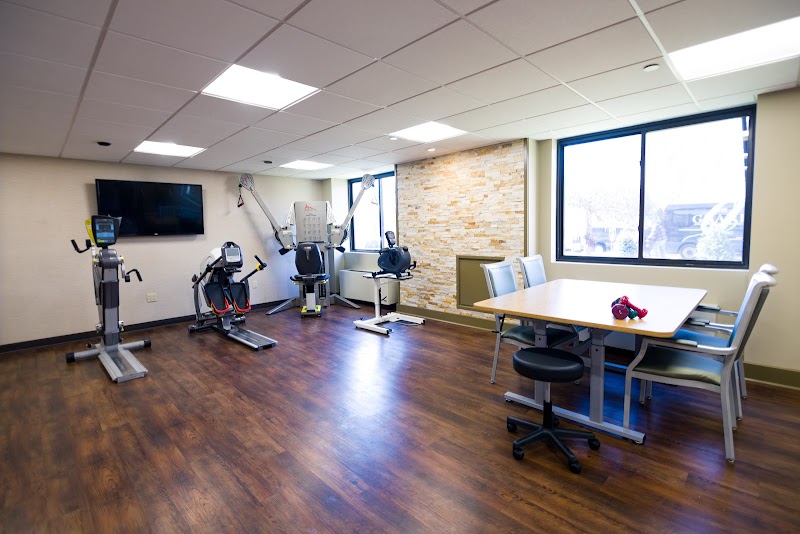
How is The Grand Rehabilitation And Nursing At Pawling Staffed?

CMS rates THE GRAND REHABILITATION AND NURSING AT PAWLING's staffing level at 1 out of 5 stars, which is much below average compared to other nursing homes. Staff turnover is 52%, compared to the New York average of 46%.

What Have Inspectors Found at The Grand Rehabilitation And Nursing At Pawling?

State health inspectors documented 27 deficiencies at THE GRAND REHABILITATION AND NURSING AT PAWLING during 2018 to 2025. These included: 1 that caused actual resident harm and 26 with potential for harm. Deficiencies causing actual harm indicate documented cases where residents experienced negative health consequences.
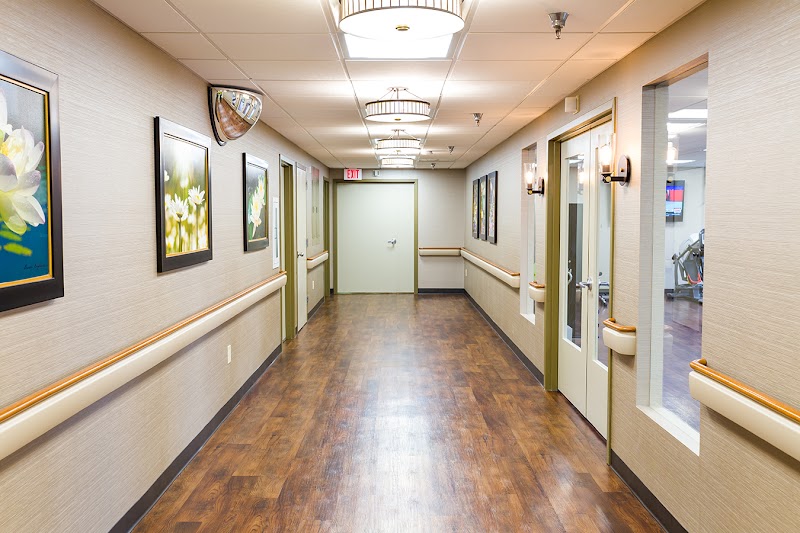
Who Owns and Operates The Grand Rehabilitation And Nursing At Pawling?

THE GRAND REHABILITATION AND NURSING AT PAWLING is owned by a for-profit company. For-profit facilities operate as businesses with obligations to shareholders or private owners. The facility is operated by THE GRAND HEALTHCARE, a chain that manages multiple nursing homes. With 122 certified beds and approximately 114 residents (about 93% occupancy), it is a mid-sized facility located in PAWLING, New York.

How Does The Grand Rehabilitation And Nursing At Pawling Compare to Other New York Nursing Homes?

Compared to the 100 nursing homes in New York, THE GRAND REHABILITATION AND NURSING AT PAWLING's overall rating (1 stars) is below the state average of 3.0, staff turnover (52%) is near the state average of 46%, and health inspection rating (1 stars) is much below the national benchmark.

What Should Families Ask When Visiting The Grand Rehabilitation And Nursing At Pawling?

Based on this facility's data, families visiting should ask: "Can you walk me through typical staffing levels on day, evening, and night shifts?" "Can I visit during a mealtime to observe dining assistance and food quality?" "How do you handle medical emergencies, and what is your hospital transfer rate?" "Can I speak with family members of current residents about their experience?" These questions are particularly relevant given the below-average staffing rating.

Is The Grand Rehabilitation And Nursing At Pawling Safe?

Based on CMS inspection data, THE GRAND REHABILITATION AND NURSING AT PAWLING has a clean safety record: no substantiated abuse findings (meaning no confirmed cases of resident harm), no Immediate Jeopardy citations (the most serious violation level indicating risk of serious injury or death), and is not on the Special Focus Facility watch list (a federal program monitoring the lowest-performing 1% of nursing homes). The facility has a 1-star overall rating and ranks #100 of 100 nursing homes in New York. While no facility is perfect, families should still ask about staff-to-resident ratios and recent inspection results during their visit.

Do Nurses at The Grand Rehabilitation And Nursing At Pawling Stick Around?

THE GRAND REHABILITATION AND NURSING AT PAWLING has a staff turnover rate of 52%, which is 6 percentage points above the New York average of 46%. Moderate turnover is common in nursing homes, but families should still ask about staff tenure and how the facility maintains care continuity when employees leave.

Was The Grand Rehabilitation And Nursing At Pawling Ever Fined?

THE GRAND REHABILITATION AND NURSING AT PAWLING has been fined $15,935 across 1 penalty action. This is below the New York average of $33,238. While any fine indicates a compliance issue, fines under $50,000 are relatively common and typically reflect isolated problems that were subsequently corrected. Families should ask what specific issues led to these fines and confirm they've been resolved.

Is The Grand Rehabilitation And Nursing At Pawling on Any Federal Watch List?

THE GRAND REHABILITATION AND NURSING AT PAWLING is not on any federal watch list. The most significant is the Special Focus Facility (SFF) program, which identifies the bottom 1% of nursing homes nationally based on persistent, serious quality problems. Not being on this list means the facility has avoided the pattern of deficiencies that triggers enhanced federal oversight. This is a positive indicator, though families should still review the facility's inspection history directly.