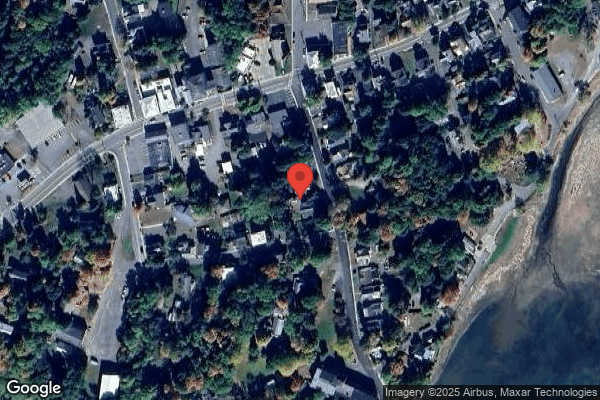
PINE HAVEN HOME

NY ROUTE 217, PHILMONT, NY 12565 (518) 672-4021
For profit - Corporation 128 Beds JONATHAN BLEIER Data: November 2025
Trust Grade
75/100
#213 of 594 in NY
Last Inspection: April 2025

Within standard 12-15 month inspection cycle. Federal law requires annual inspections.

Overview

Pine Haven Home has received a Trust Grade of B, indicating it is a solid choice for families looking for care. Ranked #213 out of 594 facilities in New York, it is in the top half, and it is the best option out of four nursing homes in Columbia County. However, the facility is experiencing a worsening trend, with issues increasing from three in 2022 to four in 2025. Staffing is a concern, rated at only 2 out of 5 stars, with a turnover rate of 38%, which is slightly below the state average of 40%. Although there have been no fines recorded, which is a positive sign, a recent inspection found that the nursing staff hours fell below the required minimum, and food storage practices were not up to standard, including unlabeled containers of juices in the kitchen. Overall, while Pine Haven Home has strengths in its ranking and lack of fines, it has significant weaknesses in staffing and adherence to care standards that potential residents should consider.

Trust Score
B
75/100
In New York
#213/594
Top 35%
Safety Record
Low Risk
No red flags
Inspections
Getting Worse
3 → 4 violations
Staff Stability
○ Average
38% turnover. Near New York's 48% average. Typical for the industry.
Penalties
✓ Good
No fines on record. Clean compliance history, better than most New York facilities.
Skilled Nurses
○ Average
Each resident gets 35 minutes of Registered Nurse (RN) attention daily — about average for New York. RNs are the most trained staff who monitor for health changes.
Violations
⚠ Watch
13 deficiencies on record. Higher than average. Multiple issues found across inspections.
★★★★☆
4.0
Overall Rating
★★☆☆☆
2.0
Staff Levels
★★★★☆
4.0
Care Quality
★★★★☆
4.0
Inspection Score
Stable
2022: 3 issues
2025: 4 issues

The Good

  • 4-Star Quality Measures · Strong clinical quality outcomes
  • Full Sprinkler Coverage · Fire safety systems throughout facility
  • No fines on record
  • Staff turnover below average (38%)

    10 points below New York average of 48%

Facility shows strength in quality measures, fire safety.

The Bad

Staff Turnover: 38%

Near New York avg (46%)

Typical for the industry

Chain: JONATHAN BLEIER

Part of a multi-facility chain

Ask about local staffing decisions and management

The Ugly 13 deficiencies on record

Apr 2025 4 deficiencies
CONCERN (D) 📢 Someone Reported This

A family member, employee, or ombudsman was alarmed enough to file a formal complaint

Potential for Harm - no one hurt, but risky conditions existed

Report Alleged Abuse (Tag F0609)

Could have caused harm · This affected 1 resident

Based on record review and interviews during a recertification and abbreviated survey (Case #NY00309923), the facility did not ensure that all alleged violations involving abuse were reported immediat...

Read full inspector narrative →
Based on record review and interviews during a recertification and abbreviated survey (Case #NY00309923), the facility did not ensure that all alleged violations involving abuse were reported immediately, or no later than 2 hours after the allegation was made for one (1) (Resident #115) of eight (8) residents reviewed for abuse. Specifically, an allegation of verbal abuse reported by a resident to a Certified Nurse Aide on 2/05/2023 was not reported to Administration until 2/06/2023, and not reported to The New York State Department of Health until 2/08/2023. This is evidenced by: Facility policy titled, Abuse Policy-Prevention and Management, reviewed August 2024, documented the Facility has designed and implemented processes, which strive to ensure the prevention and reporting of suspected or alleged resident/patient abuse. Under the heading Identification the policy documents instruct staff, resident/patient, family, visitor, to report immediately, without fear of reprisal, any knowledge or suspicion of suspected abuse. Under the heading Reporting the policy documents staff would notify the Shift Supervisor/Charge Nurse/Manager immediately of an allegation or suspected abuse. This responsible Manager would then notify the Administer and Director of nursing immediately. The designated State agency(s) would be notified within 2 hours after identification of the alleged/suspected abuse. Resident #115 was admitted to the facility with diagnoses of acute kidney failure (sudden loss of kidney function), osteoarthritis (inflammation of one or more joints), and anxiety disorder (intense, excessive and persistent worry and fear about everyday situations). The Minimum Data Set (an assessment tool) dated 1/28/2023, documented the resident could be understood, could understand others, and had no cognitive impairment. The facility Investigation Summary dated 2/14/2023 documented the resident reported that on 2/05/2023 Certified Nurse Aide #3 yelled at them, and they felt intimidated. The resident reported the incident was witnessed by Certified Nurse Aide #4. It was determined that the accused did not act with the intention to upset the resident, however, did not use an appropriate approach as outlined in the resident's care plan. The Summary also documented there was no awareness of this event until 2/06/2023 when the resident asked to speak with the social worker During an interview on 4/01/25 at 10:27 AM, Administrator #1 stated they were unable to substantiate the abuse allegation but terminated the agency staff because they were not receptive to being educated on how to speak to the residents. Administrator #1 stated they did question Certified Nurse Aide #4 about why they did not report the incident, and the Aide said they did not think of it as abuse because the accused was usually loud and gruff with everyone. Administrator #1 stated they were new to the position when this incident occurred and may have been unclear as to their responsibilities to report. They further stated they were now aware this should have been reported sooner and made sure all relevant incidents are reported within 2 hours as they should. 10 New York Codes, Rules, and Regulations 415.4(b)(2) 1
CONCERN (D) 📢 Someone Reported This

A family member, employee, or ombudsman was alarmed enough to file a formal complaint

Potential for Harm - no one hurt, but risky conditions existed

Accident Prevention (Tag F0689)

Could have caused harm · This affected 1 resident

**NOTE- TERMS IN BRACKETS HAVE BEEN EDITED TO PROTECT CONFIDENTIALITY** Based on record review and interview conducted during a recertification and abbreviated survey (Case #NY00356721), the facility ...

Read full inspector narrative →
**NOTE- TERMS IN BRACKETS HAVE BEEN EDITED TO PROTECT CONFIDENTIALITY** Based on record review and interview conducted during a recertification and abbreviated survey (Case #NY00356721), the facility did not ensure the environment remained as free of accident hazards as possible for one (1) (Resident #41) of seven (7) residents reviewed for accident hazards. Specifically, for Resident #41 the temperature of the resident's microwave reheated beverage was not checked prior to serving, resulting in a first degree burn to the resident's chest. This is evidenced by: The facility Policy and Procedure titled Food - Microwave Reheating, last revised 7/26/2024, documented the staff were to use the thermometer to ensure a maximum temperature of the reheated food or beverage was not greater than 140 degrees Fahrenheit prior to serving. Resident #41 was admitted to the facility with diagnoses of anxiety, chronic pain and peripheral venous insufficiency (veins have trouble sending blood from limbs back to the heart). The Minimum Data Set, dated [DATE] documented the resident could understand, be understood, and moderate cognitive impairment. The Care Plan initiated 5/2/2020, titled Functional Abilities/Eating, documented the resident required set-up and clean-up assistance. An Incident/Accident Report dated 10/8/2024 at 11:45 AM documented the resident spilled hot tea on upper chest resulting in a surface burn In a written statement dated 10/8/2024 Registered Nurse #1 documented they heated the Resident's tea in the microwave and placed it on the bedside table. Approximately ten minutes later an aide reported the resident had spilled the tea resulting in a burn. A Nurse Practitioner Note dated 10/8/2024 documented the resident was seen for a thermal burn resulting from hot liquid spilled on the chest. The diagnosis was first degree thermal burn with orders for cool compresses for comfort and topical antibiotic cream to be applied twice daily. During an interview on 3/25/25 at 12:10 PM, Resident #41 stated they remembered the incident because everyone made a big fuss out of nothing. I missed my mouth, spilled tea down the front of myself and got a little burn. Registered Nurse #1 is no longer employed by the facility and could not be reached for interview. During an interview on 3/27/2025 at 9:15 AM, Director of Nursing #1 stated the nurse responsible for the accident immediately reported they forgot to check the temperature prior to serving the reheated tea and felt terrible about it. The nurse was an excellent employee with no other issues. All nursing staff were re-educated regarding the microwave policy. 10 New York Codes, Rules, and Regulations 415.12(h)(1)
CONCERN (E) 📢 Someone Reported This

A family member, employee, or ombudsman was alarmed enough to file a formal complaint

Potential for Harm - no one hurt, but risky conditions existed

Deficiency F0725 (Tag F0725)

Could have caused harm · This affected multiple residents

**NOTE- TERMS IN BRACKETS HAVE BEEN EDITED TO PROTECT CONFIDENTIALITY** Based on record review and interview conducted during the recertification and abbreviated survey (Case #s NY00309923 and NY00359...

Read full inspector narrative →
**NOTE- TERMS IN BRACKETS HAVE BEEN EDITED TO PROTECT CONFIDENTIALITY** Based on record review and interview conducted during the recertification and abbreviated survey (Case #s NY00309923 and NY00359733), the facility did not ensure provision of sufficient nursing staff to assure resident safety and attain or maintain the highest practicable physical, mental, and psychosocial well-being of each resident throughout the facility. Specifically, between 3/23/2025 and 3/31/2025, the minimum hours of nursing care per resident day was less than the established minimum set by the Centers for Medicaid/Medicare Services. This is evidenced by: The Facility assessment dated [DATE], documented under Staffing plan, that the facility worked diligently to maintain staffing levels for all departments that met Center for Medicare and Medicaid Services Guidelines for providing optimal resident centered care. Facility Nursing Levels based on an Average Daily Census of 110 (in past 30 days) equaled 3.07 Hours Per Patient Day. Licensed Nursing equaled 1.43 Hours Per Patient Day. Certified Nurse Aides equaled 1.64 Hours Per Patient Day. Below were the facility's documented staffing levels per unit (including house staff and contracted agency staff). Day Shift (7 AM to 3 PM) Certified Nurse Aides: 4 standard (2 minimum) Licensed Nurse (Registered and Licensed Practical): 4 standard (2 minimum) Supervisor Registered Nurse: 1 House Supervisor every day, and 3 Unit Managers Monday through Friday Evening Shift (3 PM to 11 PM) Certified Nurse Aides: 4 standard (2 minimum) Licensed Nurse (Registered and Licensed Practical): 2 standard (1 minimum) Supervisor Registered Nurse: 1 House Supervisor Night Shift (11 PM to 7 AM) Certified Nurse Aides: 2 standard (1 minimum) Licensed Nurse (Registered and Licensed Practical): 1 standard Supervisor Registered Nurse: 1 House Supervisor It was noted that when there was a minimal number of Certified Nurse Aides on any unit, a licensed nurse would be assigned to assist with direct care. Continued efforts were being made to increase staffing levels to meet the minimum requirements. These efforts included, but were not limited to working with recruiters, negotiating agency contracts for temporary staff, enforcing attendance policies and offering incentives (bonuses and flexible schedules) to encourage staff to cover needed shifts. Recruitment and retention efforts were a constant operational focus to maintain adequate staffing levels while experiencing a state of emergency in the state regarding the health care worker shortage. Review of the untitled staff assignment sheets dated 3/23/2025 through 3/31/2025, documented less than Centers for Medicaid/Medicare Services' minimum hours of care per resident day nursing staffing levels for 8 out of 9 days, as follows: • 3/23/2025 facility census 115. • Requiring a total staffing hours of 402.5 hours. • Per facility staffing sheets provided, 336 hours of resident care staff hours scheduled, facility short 66.5 hours of staffing care. • Should have been 16 Licensed Nurses, 36 Certified Nurse Aides working to cover a census of 115. • Schedule reflected that there were 16 Licensed Nurses and 26 Certified Nurse Aides working. • 3/24/2025 facility census 116. • Requiring a total staffing hours of 406 hours. • 392 hours of resident care staff hours were scheduled. • Facility short 14 hours of staffing care. • Schedule reflected that there were 19 Licensed Nurses and 30 Certified Nurse Aides working. • 3/25/2025 facility census 117. • Requiring a total staffing hours of 409.5 hours. • 408 hours of resident care staff hours were scheduled. • facility short 1.5 hours of staffing care. • There should have been 17 Licensed Nurses and 36 Certified Nurse Aides working to cover a census of 117. • Schedule reflected that there were 19 Licensed Nurses and 32 Certified Nurse Aides working. • 3/26/2025 facility census 117. • Requiring a total staffing hours of 409.5 hours. • 400 hours of resident care staff hours were scheduled. • Facility short 9.5 hours of staffing care. • There should have been 17 Licensed Nurses and 36 Certified Nurse Aides working to cover a census of 117. • Schedule reflected that there were 22 Licensed Nurses and 28 Certified Nurse Aides working. • 3/28/2025 facility census 117. • Requiring a total staffing hours of 409.5 hours. • 360 hours of resident care staff hours were scheduled. • Facility short 49.5 hours of staffing care. • There should have been 16 Licensed Nurses and 36 Certified Nurse Aides working to cover a census of 117. • Schedule reflected that there were 19 Licensed Nurses and 26 Certified Nurse Aides working. • 3/29/2025 facility census 115 • Requiring a total staffing hours of 402.5 hours. • 320 hours of resident care staff hours were scheduled • Facility short 82.5 hours of staffing care. • There should have been 16 Licensed Nurses and 36 Certified Nurse Aides working to cover a census of 115. • Schedule reflected that there were 17 Licensed Nurses and 23 Certified Nurse Aides working. • 3/30/2025 facility census 115 • Requiring a total staffing hours of 402.5 hours. • 328 hours of resident care staff hours were scheduled • Facility short 74.5 hours of staffing care. • There should have been 16 Licensed Nurses and 36 Certified Nurse Aides working to cover a census of 115. • Schedule reflected that there were 13 Licensed Nurses and 23 Certified Nurse Aides working. • 3/31/2025 facility census 116 • Requiring a total staffing hours of 406 hours. • 328 hours of resident care staff hours were scheduled. • Facility short 78 hours of staffing care. • There should have been 16 Licensed Nurses and 36 Certified Nurse Aides working to cover a census of 116. • Schedule reflected that there were 18 Licensed Nurses and 29 Certified Nurse Aides working. During an interview on 4/01/2025 at 12:57 PM, Director of Nursing #1 stated that they knew the minimum hours of resident care required was 3.5 hours per day per resident. Director of Nursing #1 stated that the facility struggled to hire Certified Nurse Aides and attributed much of the difficulty to the remote location of the facility. Additionally, when there were large gaps in the staffing schedule, Licensed Practical Nurses would work as Certified Nurse Aides and that there was a team approach to resident care at the facility. During an interview on 4/01/2025 at 12:57 PM, Administrator #1 stated that Director of Nursing #1 had a solid orientation, low turnover, and that they were both looking to feel exclusive with their staffing so that the people that worked there felt important. The schedule was flexed for employees in school and cluster schedule people that carpooled to help with transportation as there was no public transportation due to the rural nature of the area. Additionally, Administrator #1 listed the ways they had been working to encourage people to come work at the facility including hiring 2 outside recruiters, offering a Certified Nurse Aide online course, working with the local Board of Cooperative Educational Services, ads, local boards in the community, by recruiting people that come and hand out applications in site. They also relied on word of mouth from other employees, incentives for picking up shifts and recruiting other people, and encouraging staff advancement. 10 New York Code Rules and Regulations 415.13(a)(1)(i-iii)
CONCERN (E)

Potential for Harm - no one hurt, but risky conditions existed

Food Safety (Tag F0812)

Could have caused harm · This affected multiple residents

Based on observation and interview conducted during the recertification survey, the facility did not ensure food was stored in accordance with professional standards for food service safety. Specifica...

Read full inspector narrative →
Based on observation and interview conducted during the recertification survey, the facility did not ensure food was stored in accordance with professional standards for food service safety. Specifically, (a) a container of tomato juice was found unlabeled in the refrigerator; and (b) a container of opened, unlabeled cranberry juice was found in the dry storage area. This is evidenced by: During the initial tour of the kitchen between 11:00 AM and 12:00 PM on 3/24/2025, the following was observed: (a) A pitcher with red liquid, unlabeled in the dessert refrigerator. At the time of observation, Kitchen Director #1 identified the red liquid to be tomato juice, stated there should have been a label on it stating it was opened today. Kitchen Director #1 then removed the pitcher and stated that they would refresh the supplies correctly. (b) An opened, unlabeled bottle of Ocean Spray Cranberry Juice in the dry storage area. At the time of observation, Regional Food Director #1 stated that a new employee that started a week prior had walked out an hour before the survey team arrived at the facility, and they believed the item was left by the employee. The facility's policy titled, Food from Home, dated 12/01/2022, documented that it was the policy of this facility to provide safe and sanitary storage, handling and consumption of all foods including those brought to residents by family and other visitors. Additionally, the policy documented that the food service workers, cooks, dietary aides, dishwashers, food prep aides, or any person (s) who were in the kitchen working with any type of food, were responsible for to adhere to the food safety requirements. During an interview on 3/24/2025 at 11:25 AM, Kitchen Director #1 stated that all food items must be dated and labeled when they were opened and prior to bring refrigerated. During an interview on 3/24/2025 at 12:15 PM, Regional Food Director #1 stated that they believed the two unlabeled bottles of liquid found in the refrigerator and the dry storage area belonged to the employee. 10 New York Codes of Rules and Regulations 415.14(h)
Mar 2022 3 deficiencies
CONCERN (D)

Potential for Harm - no one hurt, but risky conditions existed

Accident Prevention (Tag F0689)

Could have caused harm · This affected 1 resident

Based on observation, interview, and record review during a recertification survey on 03/23/2022 through 03/30/2022 the facility did not ensure each resident received adequate supervision to prevent a...

Read full inspector narrative →
Based on observation, interview, and record review during a recertification survey on 03/23/2022 through 03/30/2022 the facility did not ensure each resident received adequate supervision to prevent accidents for 2 (Resident #s 22 and 59) of 8 residents reviewed for accidents. Specifically, for Resident #22 and #59, the facility did not ensure the residents' nursing assessments documented the residents were able to self-administer medications, had a care plan or a physician order to self-administer medications that were left at bedside by nursing staff. This was evidenced by: The Policy and Procedure (P&P) titled Medication Administration dated 1/2022 documented residents may self-administer their own medications if the Attending Physician, in conjunction with the Interdisciplinary Care Planning Team, has determined that they have the decision-making capacity to do so safely. Resident #22: Resident #22 was admitted to the facility with diagnoses of gastro-esophageal reflux disease, atherosclerotic heart disease, and benign prostatic hyperplasia. The Minimum Data Set (MDS - an assessment tool) dated 1/13/22, documented resident was cognitively intact, was understood and could make self understood. During an observation on 3/24/2022 at 10:27 AM, Resident #22 had 12 pills in a medicine cup at their bedside. The Comprehensive Care Plan did not include a care plan to address the resident's ability to self-administer medications. The Physician Orders did not include an order for the resident to self-administer medications. The assessment titled Nursing - Assessment of self-administration of medication dated 2/4/2019, 2/13/2020 and 11/3/2020 documented Resident #22 was not approved for self-administration of medication. During an interview on 3/24/2022 at 10:27 AM, Licensed Practical Nurse (LPN) #6 stated they left the pills for resident to take. The LPN did not know if Resident #22 was care planned for self-administration of medications. During an interview on 3/25/2022 at 9:26 AM, LPN #7 stated medications were not supposed to be left at the bedside. During an interview on 3/30/2022 at 10:06 AM, the Director of Nursing (DON) stated medications should not be left at the bedside. The assessment for self-administration of medication was done on admission and as needed after admission. In addition, the doctor needed to sign an order for self-administration of medication. Without an assessment documenting a resident can self-administer medication and a physician order reflecting that, medications should not be left with an unsupervised resident. Resident #59: Resident #59 was admitted with diagnoses of multiple sclerosis (MS), pain, and hypothyroidism. The Minimum Data Set (MDS-an assessment tool) dated 2/14/2022 documented the resident was cognitively intact, could understand others and could usually make self understood. During an observation on: -3/24/2022 at 10:35 AM, Resident #59 had 2 white tablet pills in cup on the over bed table. The resident stated the pills in the cup were their MS medication (Ampyra) and Tylenol. The resident stated the nurse gave them their pills at 10:00 AM for the resident to take by themselves at 11:00 AM. The resident stated that was how they always did it. They were given their pills ahead of time to self-administer later. -3/25/2022 at 9:17 AM, Resident #59 had 3 pills at bedside on the over bed table. The resident stated the pills were Ampyra, Colace, and Senna. The resident stated they would take the Ampyra at 11:00 AM, but did not want to take the stool softeners, Colace, and Senna. The Resident stated they would give the stool softeners back to the nurse when they saw the nurse again. -3/28/2022 at 9:25 AM, Resident #59 had 2 white tablet pills in cup on the over bed table. The resident stated the pills were Ampyra and Tylenol. The Resident stated they were always given their pills ahead of time to self-administer later. The Comprehensive Care Plan did not include a care plan to address the resident's ability to self-administer medications. The Physician Orders did not include an order for the resident to self-administer medications. The medical record did not include an assessment that documented the resident was able to self-administer medications. During an interview on 3/30/2022 at 9:17 AM, Certified Nursing Assistant (CNA) #2 stated it was the CNAs responsibility to tell the nurses when pills were left on the table at a resident's bedside. The CNA stated they once saw pills on Resident #59's bedside table and reported it. During an interview on 3/30/2022 at 9:38 AM, Licensed Practical Nurse (LPN) #5 stated Resident #59 did not like to take the Ampyra medication until exactly 10:00 AM, but the medication pass on that side of the unit was scheduled for 8:00 AM. Resident #59 usually received their medications around 9:00 AM. The LPN stated honestly, they thought they could leave Resident #59's medications with them at bedside. The LPN stated they thought it was ok and that the resident was care planned to have medications at bedside because other nurses were doing it. The LPN stated normally the nurses were not allowed to leave medication for any residents. LPN #5 stated they did not see that Resident #59 took their pills so they could not say they took them. During an interview on 3/30/2022 at 12:28 PM, the Director of Nursing (DON) stated they were once made aware medications were left at bedside and immediate education was completed. The DON stated nurses were not allowed to leave medication at the bedside and was not aware of nurses leaving medication at bedside. 10NYCRR 415.12(h)(2)
CONCERN (D)

Potential for Harm - no one hurt, but risky conditions existed

Deficiency F0761 (Tag F0761)

Could have caused harm · This affected 1 resident

Based on observation, interview and record review during a recertification survey on 03/23/2022 through 03/30/2022, the facility did not ensure it provided separately locked, permanently affixed compa...

Read full inspector narrative →
Based on observation, interview and record review during a recertification survey on 03/23/2022 through 03/30/2022, the facility did not ensure it provided separately locked, permanently affixed compartments for storage of controlled drugs listed in Schedule II of the Comprehensive Drug Abuse Prevention and Control Act of 1976 and other drugs subject to abuse, except when the facility used single unit package drug distribution systems in which the quantity stored was minimal and a missing dose could be readily detected for 1 (South Unit) of 2 units reviewed. Specifically, the facility did not ensure the #2 narcotic cabinet for the South Unit had two functioning locked doors. This was evidenced by: During an observation on 03/30/2022 at 9:38 AM, the #2 double door narcotic cabinet on South Unit, did not have a functioning lock on the inner door. The inner door had a strip of greying white tape affixed to the bottom of the door with a small portion extended from the bottom of the door which was used to pull the door open. Licensed Practical Nurse (LPN) #5 was observed unlocking the outer door of the #2 narcotic cabinet with a key, then used the tape on the bottom of the inner door to pull it open. LPN #5 used the inner door key to demonstrate the key did not work to lock or unlock the inner door. During an interview on 03/30/2022 at 9:38 AM, LPN #5 stated they began working the South Unit 1 month ago and the #2 narcotic cabinet inner door lock was broken then. LPN #5 stated they asked the Unit Manager when the lock was going to get it fixed. LPN #5 stated the narcotic cabinets were supposed to be double locked. During an interview on 03/30/2022 at 9:51 AM, Maintenance Staff #1 stated they were not aware the inside lock on the #2 narcotic cabinet was not working. A work order for maintenance should have been done through the computer and maintenance would have fixed the lock. During an interview on 03/30/2022 at 10:11 AM, the Licensed Practical Nurse Unit Manager #4 (LPNUM) stated they were aware that the inner lock of the #2 narcotic cabinet was broken. LPNUM #4 stated they knew the #2 narcotic cabinet should have double locked doors. A while ago a request was put into maintenance to have the lock fixed. LPNUM #4 did not know how long it had been broken. During an interview on 03/30/2022 at 11:00 AM, the Maintenance Director stated they had checked the maintenance requests for the last month and there were no work orders to fix the #2 narcotic cabinet. The Maintenance Director did not know the #2 narcotic cabinet lock was broken. During an interview on 03/30/2022 at 12:28 PM, the Director of Nursing (DON) stated the #2 narcotic cabinet was getting fixed. The #2 narcotic cabinet should have been repaired and the DON should have been notified that it had been broken. 10NYCRR 415.18(e)(1-4)
CONCERN (E)

Potential for Harm - no one hurt, but risky conditions existed

Deficiency F0813 (Tag F0813)

Could have caused harm · This affected multiple residents

Based on observation, record review, and staff interview during the recertification survey on 03/23/2022 through 03/30/2022 the facility did not ensure foods brought to residents by family and other v...

Read full inspector narrative →
Based on observation, record review, and staff interview during the recertification survey on 03/23/2022 through 03/30/2022 the facility did not ensure foods brought to residents by family and other visitors was in accordance with adopted regulations. Specifically, food brought to residents was not labeled and discarded per the facility policy. This is evidenced as follows: The policy titled Food from Home - Safety dated 09/2021, documented food brought in from the outside will be labeled by staff with the resident name and dated with the current date the item(s) was brought to the facility and will be discarded after 72 hours. The policy documented unlabeled/undated food found will be discarded immediately. During observations on 3/24/22 at 9:45 AM, store-bought cold cuts and a frozen entree were found in the North Unit Nourishment Station refrigerator. Both the bologna and baked ham cold cuts were not labeled with the resident room number, or the date received. The bologna had sell-by date printed on the package of 2/17/22, and the bologna was moldy. The surveyor witnessed the bologna discarded. The frozen entree was not labeled with the resident room number or the date received. On the [NAME] Unit Nourishment Station refrigerator, a package of frozen vegetables and two (2) frozen entrees were not labeled with a resident name, room number, or date received. During an interview on 3/24/22 at 10:10 AM, LPN #1 stated that food should be labeled with resident name, room number, and date brought in then discarded after 3 days. The cold cuts should have been discarded, and the refrigerator should be checked Wednesdays by nursing or housekeeping During an interview on 3/24/2022 at 1:24 PM, the Administrator stated that staff should have written the resident name and room number and the date received into the facility, and food should have been discarded after three (3) days. 10 NYCRR 415.14(h)
Oct 2019 6 deficiencies
CONCERN (D)

Potential for Harm - no one hurt, but risky conditions existed

Resident Rights (Tag F0550)

Could have caused harm · This affected 1 resident

Based on observations, record reviews, and interviews during the recertification survey, the facility did not ensure residents were treated with dignity and respect and cared for in a manner and in an...

Read full inspector narrative →
Based on observations, record reviews, and interviews during the recertification survey, the facility did not ensure residents were treated with dignity and respect and cared for in a manner and in an environment that promoted maintenance or enhancement of his or her quality of life in the Haven dining room for 4 (Resident #'s 24, 29, 30, and 46) of 5 residents reviewed for dignity, and did not ensure residents were transported in a dignified manner for 1 (Resident #81) of 5 residents reviewed for dignity. Specifically, the facility did not ensure residents' were provided dignity during dining, when staff were observed standing and feeding multiple residents at the same time, that food under a residents mouth was not caught by bare hands rather than using a clothes protector, that a resident was not transported in a wheelchair in a rear-facing position down 2 hallways, and did not attend to a resident who was yelling out and crying in a timely manner. This is evidenced by: Finding #1: The facility did not ensure residents' were provided dignity during dining, when staff were observed standing and feeding multiple residents at the same time, Resident #'s 24, 30, and 46: During observations in the Haven Dining Room on 10/18/19: - 12:10 PM, Registered Nurse (RN) #2 was standing and feeding Resident #30. - 12:11 PM, RN #2 was standing and feeding Resident #46. - 12:12 PM, RN #2 was standing and feeding Resident #24. - 12:17 PM, RN #2 continued to stand and feed Resident's #'s 24, 30, and 46 at the same time. During an interview on 10/18/19 at 2:37 PM, the Registered Dietitian stated staff who assist residents in the dining room should be seated when feeding residents. During an interview on 10/18/19 at 2:50 PM, RN #2 stated she had been in-serviced on dining with dignity, including to feed residents at eye level. She stated based on where the residents were sitting, she felt she had to walk between them in order to feed them before their food got cold. Finding #2: The facility did not ensure that a resident was not transported in a wheelchair down 2 hallways in a rear-facing position. During an observation on 10/18/19 at 9:47 AM, the resident was transported down the hallway rear-facing by LPN # 1. During an interview on 10/21/19 at 11:10 AM, the ADON stated she would not expect a resident to be transported down the hallway rear-facing behind an LPN. During an interview on 10/22/19 at 8:30 AM, the DON stated the resident should not have been brought down the hallway rear-facing behind the Licensed Practical Nurse (LPN). She stated this was a dignity concern. Finding #3: The facility did not ensure that food under a residents mouth was not caught by bare hands rather than using a clothes protector. Resident #29: During an observation on 10/18/19 at 12:05 PM, Certified Nursing Assistant #2 was seated next to Resident #29, cupping his hands under her mouth while the resident was eating a sandwich. CNA #2 caught the sandwich in his bare hands when Resident #29 dropped the food, placed the sandwich on her plate The sandwich was not discarded. During an interview on 10/18/19 at 2:37 PM, the Registered Dietitian stated staff should not be placing their hands underneath the resident's mouth to catch food. She stated the resident should be offered a clothing protector. Finding #4: The facility did not ensure a resident who was yelling out and crying out was attended to in a timely manner; Resident #81: During an observation on 10/16/19 at 11:50 AM, the resident was in the dining room, yelling out and crying, and staff that were present in the dining room did not address the resident's behaviors. During an observation on 10/16/19 at 12:00 PM, a staff member entered the Haven dining room, approached the resident and asked what is the matter. During an interview on 10/21/19 at 11:10 AM, the Assistant Director of Nursing (ADON) stated she would expect staff in the dining room to intervene as soon possible when resident's behaviors occur. During an interview on 10/22/19 at 8:30 AM, the Director of Nursing stated the actions of the staff were likely related to habit and lack of dementia care related education, and the facility is currently addressing issues as they come up and working on a dementia care program for the future. 10NYCRR415.3(c)(1)(i)
CONCERN (D)

Potential for Harm - no one hurt, but risky conditions existed

Quality of Care (Tag F0684)

Could have caused harm · This affected 1 resident

**NOTE- TERMS IN BRACKETS HAVE BEEN EDITED TO PROTECT CONFIDENTIALITY** Based on observation, interview, and record review during the recertification survey, the facility did not ensure each resident ...

Read full inspector narrative →
**NOTE- TERMS IN BRACKETS HAVE BEEN EDITED TO PROTECT CONFIDENTIALITY** Based on observation, interview, and record review during the recertification survey, the facility did not ensure each resident received treatment and care in accordance with standards of practice for 1 (Resident #81) of 4 residents reviewed for positioning. Specifically, the facility did not ensure a resident received the needed care or services for positioning resulting in one or more residents' failure to attain their highest practicable physical well-being, and did not ensure the resident's response to a positioning intervention was monitored and evaluated in a timely manner. This is evidenced by: Resident #81: The resident was admitted to the facility on [DATE], with diagnoses of anxiety disorder, dementia, and bipolar disorder. The Minimum Data Set (MDS - an assessment tool) dated 9/25/19, documented the resident had severely impaired cognitive skills for daily decision making, could sometimes understand others and could sometimes make self understood. A Policy and Procedure (P&P) titled Positioning of the Resident dated August 2016, did not include documentation related to proper positioning or repositioning in a May chair (reclining medical chair). During an observation on 10/16/19 at 11:52 AM, the resident was in the Haven dining room seated in the May chair leaning to the side with a meal tray in front of her on the table. During an observation on 10/16/19 at 12:10 PM, the resident was repositioned by Certified Nursing Assistant (CNA) #1 prior to assisting the resident with her meal. At 12:15 PM, the resident was leaning to the side, and the CNA repositioned again and continued to assist the resident with her meal. During an observation on 10/18/19 at 9:47 AM, Licensed Practical Nurse (LPN) #1 was in front of the May chair and transported the resident backwards down 2 hallways while leaning to the side. During an obervation on 10/18/19 at 12:05 PM, the resident was in the dining room seated in the May chair leaning to the right. A Comprehensive Care Plan (CCP) for Positioning last updated 7/9/19, documented the resident had impaired physical mobility and was forward leaning in the wheelchair. The CCP documented staff were to consult Physical or Occupational therapy as needed and monitor for safety while in the wheelchair, with the goal of maintaing optimal position for comfort, meals and activities while in the wheelchair. A CCP note dated 7/9/19, documented food pedals are used to prevent sliding in wheelchair and proper hip/leg alignment. An Occupational therapy evaluation and plan of treatment documented the resident was to receive therapy 9/24/19 - 10/23/19, with a short term goal of sitting upright in the chair for 2 hours without leaning forward or complaints of discomfort (target 10/7/19) and a long term goal of sitting upright in the chair for greater than 8 hours without leaning forward or compalints of discomfort (target date 10/23/19). A therapy recommendation noted 10/8/19, documented the patient was to sit in the May chair daily to facilitate proper body alignment and posture. A therapy treatment encounter note dated 10/18/19, documented the resident demonstrated good sitting tolerance up to 4 hours in May chair with no leaning to left or right or anteriorly. During an interview on 10/18/19 at 12:39 PM, CNA #1 stated the resident was in a regular wheelchair before and she would lean forward. She stated the resident was recently changed to a May chair, and if she noticed a change in the resident's positioning, she would tell the charge nurse. During an interview on 10/21/19 at 11:30 AM, Occupation Therapy Assistant #9 stated she had been working with the resident on positioning, and was not aware the resident was leaning to the side until this morning. and she was not aware the resident needed to be repositioned at the lunch meal time for feeding. She stated the resident is woken up early, and is currently assessed to be able to maintain her position for approximately 4 hours. She stated the resident may have been up for that period or longer than 4 hours by the time she went to lunch. During an interview on 10/22/19 at 10:22 AM, the Director of Therapy stated the resident was changed from a wheelchair to a May chair due to risk of falls, and that if she is leaning to the right or left, nursing staff should reposition her and/or assess her needs upon the observation. He stated if she is unable to maintain the re-positioning, therapy should be notified for evaluation, and/or nursing staff should assess her needs. During an interview on 10/22/19 at 8:30 AM, the Director of Nursing stated she would expect a re-evaluation of the resident's positioning would have occurred when staff noticed the resident was leaning in the May chair, and the care plan should have been updated. She stated there was not a system in place at the current time for rehabilitation to provide caregiver training or to follow up on recommendations. 10NYCRR415.2
CONCERN (D)

Potential for Harm - no one hurt, but risky conditions existed

Medication Errors (Tag F0758)

Could have caused harm · This affected 1 resident

**NOTE- TERMS IN BRACKETS HAVE BEEN EDITED TO PROTECT CONFIDENTIALITY** Based on record review, and interviews during a recertification survey the facility did not ensure that residents who use psycho...

Read full inspector narrative →
**NOTE- TERMS IN BRACKETS HAVE BEEN EDITED TO PROTECT CONFIDENTIALITY** Based on record review, and interviews during a recertification survey the facility did not ensure that residents who use psychotropic drugs receive gradual dose reductions (GDR's), and behavioral interventions, in an effort to discontinue these drugs and did not ensure as needed (PRN) orders for psychotropic drugs were limited to 14 days unless the attending physician or prescribing practitioner believed it was appropriate for the PRN order to be extended beyond 14 days, he or she should document their rationale in the resident's medical record and indicate the duration for the PRN order for 3 (Resident #'s 14, 46, and #48) of 5 residents reviewed for psychotropic medications. Specifically, for Resident #14, the facility did not ensure the attending physician or prescribing practitioner was presented with the need to attempt a GDR in the absence of identified and documented clinical contraindications for a resident on Remeron (a psychotropic medication); for Resident #46, the facility did not ensure that the resident's behaviors were monitored and documented to justify an increase in Trazodone (an antidepressant medication); for Resident #48, the facility did not ensure a PRN antianxiety medication (Ativan) was not ordered for more than 14 days without a documented rationale by the attending physician. This is evidenced by: The Policy and Procedure (P & P) titled Psychotropic Medications/Gradual Dose Reduction dated 09/2018, documented the provider was to attempt a GDR based on the current Department of Health guidelines, and the consulting pharmacist was to make recommendations for a possible gradual dose reduction. The policy documented nursing would monitor for the presence of target behaviors on a daily basis charting by exception (i.e., charting only when they behaviors were present), and the facility would make every effort to comply with state and federal regulations related to the use of psychopharmacological medications in the long-term care facility to include regular review for continued need, appropriate dosage, side effects, risks and/or benefits. Resident #14: The resident was admitted to the facility on [DATE] with diagnoses of dementia, occlusion and stenosis of left middle cerebral artery, and hypertension. The Minimum Data Set (MDS - an assessment tool, documented the resident had moderately impaired cognition, and could usually understand others, and could make self understood. The Comprehensive Care Plan (CCP) for Psychotropic Drug Use last updated 8/26/19, documented the resident was taking Remeron for a diagnosis of depression, and the resident was to be evaluated for dose reduction. The physician orders dated 6/26/18, documented the resident was to receive Remeron 15 milligrams (mg) once daily at bedtime for a diagnosis of major depressive disorder. A Psychiatry note dated 9/18/19, did not include documentation of a clinical contraindication for a dose reduction of Remeron. During an interview on 10/22/19 at 8:30 AM, the Director of Nursing stated the resident's medical record should include documentation of the reason a Remeron dose reduction was contraindicated, and it did not. Resident #46: The resident was admitted to the facility on [DATE], with diagnoses of vascular dementia, chronic heart failure, and hypertension. The Minimum Data Set (MDS - an assessment tool) dated 9/2/19, documented the resident had severely impaired cognition, could sometimes understand others and could sometimes make self understood. The Comprehensive Care Plan for Psychotropic Drug Use: Anxiety State, last revised 5/17/19, documented the resident received Trazodone at HS (hours of sleep) related to agitation and restlessness. A Physician Order dated 2/21/19, documented to give Trazodone 50 mg by oral route once daily at bed time for 14 days as needed for restlessness and agitation and insomnia. A Physician Order dated 3/8/19, documented to give Trazodone 150 mg tablet, 0.5 tablet (75 mg) once daily at bedtime for insomnia. A Nursing Progress Note dated 2/21/19 at 5:33 PM, documented Trazodone at HS was now PRN x 14 days for restlessness/insomnia at HS and was to be monitored and documented when used to review in 14 days. A review of the February 2019 and March 2019 Medication Administration Records did not include documentation that the resident received the PRN Trazodone over the 14 days it was ordered (2/21/19-3/6/19). A review of the medical record dated 2/21/19-3/5/19, did not include documentation that the resident was having poor sleep or insomnia. The resident was not on behavior tracking prior to the increase in Trazodone on 3/6/19. A Nursing Progress Note dated 3/6/19 at 2:33 PM, documented the resident's poor sleep was addressed with the psychiatric nurse practitioner. A Psychiatry note dated 3/6/19, documented staff reported the resident was having insomnia and made the recommendation to increase Trazodone to 75 mg at HS (hours of sleep) for insomnia. During an interview on 10/21/19 at 2:20 PM, the Director of Social Work stated behavioral tracking sheets were implemented in April 2019, and prior to the behavioral tracking sheets the staff was leaning strictly on progress notes for documentation and were not capturing the behaviors with just the progress notes. She stated the resident's behaviors should have absolutely been noted somewhere prior to the change in medication in March. She stated the staff needed to be tracking resident behaviors and there should be documentation in the medical record. During an interview on 10/22/19 on 9:57 AM, the Director of Nursing stated she would have expected there to be documentation through behavior tracking or a written medical justification prior to an increase in the medication. She stated there should be clinical documentation to justify the order for Trazodone at 75 mg especially since the PRN Trazodone had not been give according to the MAR. She stated one of the things she identified when she came to the facility a year ago was a lack of education regarding psychotropic medications and behavior monitoring. Resident #48: The resident was admitted to the facility on [DATE] with diagnoses of dementia with behavioral disturbance, anxiety disorder and psychotic disorder. The Minimum Data Set (MDS - an assessment tool) dated 8/30/19, documented the resident had severely impaired cognition, could usually understand others, and could usually make self understood. The Comprehensive Care Plan for Psychotropic Drug Use: Anxiety State, last revised 5/10/19, documented the resident received Ativan related to anxiety. A physician order dated 9/25/19, last renewed 10/14/19, documented to give Ativan 1 mg by oral route 3 times per day for 14 days as needed every 8 hours for anxiety disorder. Pharmacist Consultant note to the attending physician dated 8/21/19, documented the Medical Doctor (MD) would be required to document in the medical record the ongoing necessity for PRN use vs. routine administration of Ativan. The MD signed the Pharmacist's note on 10/5/19 and documented the resident was on 14-day Ativan and to monitor and renew if needed. A psychiatry consult dated 10/9/19, documented due to risk for falls and lack of benefit to consider taper and discontinue Ativan. The medical record did not include documentation of a medical justification by the attending physician or prescribing practitioner for continuing the PRN Ativan order for more than 14 days. During an interview on 10/21/19 at 2:03 PM, the Director of Social Work stated the facility physicians looked to psychiatry for a lot of psychotropic medication recommendations and a PRN was usually ordered in case the resident needed it. She stated there should be a 14-day check when a PRN was ordered and documentation to justify the continued use of a PRN. She stated the physicians were typically very good at keeping track of the PRN psychotropic medications and would document the need for the PRN in the medical record. During an interview on 10/22/19 at 9:57 AM, the Director of Nursing stated the facility had a Psych utilization meeting every week and was unsure why the resident's PRN antianxiety order slipped through the cracks. She stated there needed to be a clinical justification documented for the continued use of a PRN psychotropic medication. She stated the physician's documentation was usually in the medical record. 10NYCRR 415.12(1)(2)(ii)
CONCERN (D)

Potential for Harm - no one hurt, but risky conditions existed

Deficiency F0806 (Tag F0806)

Could have caused harm · This affected 1 resident

**NOTE- TERMS IN BRACKETS HAVE BEEN EDITED TO PROTECT CONFIDENTIALITY** Based on observations, record review, and interviews during a recertification survey, the facility did not ensure that each resi...

Read full inspector narrative →
**NOTE- TERMS IN BRACKETS HAVE BEEN EDITED TO PROTECT CONFIDENTIALITY** Based on observations, record review, and interviews during a recertification survey, the facility did not ensure that each resident received, and the facility provided food that accommodated resident allergies, intolerances, and preferences, for one (Resident #63) of one resident reviewed for dietary preferences. Specifically, for Resident #63, the facility did not ensure the resident was provided with his preference of Activia yogurt when available. This is evidenced by: Resident #63: The resident was admitted to the facility on [DATE], with diagnoses of cerebral infarction, hypertension, and depressive episodes. The Minimum Data Set (MDS - an assessment tool) dated 9/9/19, documented the resident had severely impaired cognition, could understand others and could make self understood. The Policy and Procedure titled Flexible Dining Program Policy dated 12/1/2017, documented tray cards are used to communicate care plan interventions to the resident and staff for use in making mealtime selections. Resident's choices are honored. If the resident does not make a choice, the tray card and diet spreadsheet are used to serve the meal. The Comprehensive Care Plan for Nutritional Status, last revised 2/1/18, documented to evaluate the resident's needs, eating habits, and food preferences as needed. During an observation on 10/16/19 at 12:33 PM, the resident's wife was sitting with him at lunch in the main dining room. The wife got up from the resident's lunch table and went back to the kitchen doors. When she came walking back through the dining room, holding an Activia yogurt, she showed it to the Registered Dietician (RD) who was also in the dining room. The RD stated to the resident's wife to read the resident's meal ticket because the yogurt was on his meal ticket. During an observation on 10/17/19 at 12:23 PM, Resident #63 was served lunch and was not provided with an Activia yogurt. At 10/17/19 at 12:51 PM, the resident was removed from the dining room by staff. He had not received an Activia yogurt. At 1:00 PM, the surveyor went into the kitchen and observed Activia yogurt in the refrigerator. During an observation on 10/18/19 at 12:07 PM to 12:30 PM, the resident was served lunch and was not provided with an Activia yogurt. He was provided with a raspberry yogurt of a different brand. The RD opened the yogurt for the resident. At 12:30 PM, the surveyor went into the kitchen and observed Activia yogurt in the refrigerator. A Nutrition Risk assessment dated [DATE], documented the resident's wife requested the resident have probiotic yogurt at meals, yogurt added to meal tracker with preference for Activia brand if available. A dietary progress note dated 3/18/19 at 12:30 PM, documented the RD spoke with the resident's wife and added yogurt (specifically Activia if available) to resident meals. On 10/17/19 at 11:50 AM, the Resident Diet and Preference List provided to the survey team documented Resident #63 was to receive an Activia Yogurt when available. A review of the resident's meal tickets for breakfast, lunch and dinner dated 10/16/19, 10/17/19, and 10/18/19, documented Activia Yogurt if available. During an interview on 10/22/19 at 9:12 AM, the RD stated the facility had different types of yogurt and the wife, who was the resident's health care proxy, preferred the resident receive Activia yogurt for the probiotics. She stated the Activia yogurt preference was listed on the resident's meal ticket for all meals and if the facility had the yogurt, he should be getting it with his meal. She stated if the Activia yogurt was in the fridge it meant the yogurt was available for him and should be going on the tray. She stated she did recall the resident's wife going to the kitchen on 10/16 to get the Activia yogurt because it was not on the resident's tray. She stated she was responsible for putting the resident preferences on the meal ticket, but not ensuring the resident received the preference. During an interview on 10/22/19 on 9:14 AM, the Food Service Director stated dietary staff in the kitchen should be providing the Activia yogurt on the resident's tray when the yogurt was available. She stated 3 dietary staff looked at the tray and meal ticket before it was passed to ensure the resident received the correct meal. She stated dietary staff was responsible for ensuring the Activia yogurt was on the resident's tray. She stated if the Activia yogurt was in the fridge, then it was available for the resident to have and it should have been provided. 10NYCRR 415.14(d)(4)
CONCERN (E)

Potential for Harm - no one hurt, but risky conditions existed

Comprehensive Care Plan (Tag F0656)

Could have caused harm · This affected multiple residents

**NOTE- TERMS IN BRACKETS HAVE BEEN EDITED TO PROTECT CONFIDENTIALITY** Based on observation, record review and interview during the recertification survey, the facility did not ensure comprehensive c...

Read full inspector narrative →
**NOTE- TERMS IN BRACKETS HAVE BEEN EDITED TO PROTECT CONFIDENTIALITY** Based on observation, record review and interview during the recertification survey, the facility did not ensure comprehensive care plans (CCP) were developed and implemented for each resident that included measurable objectives and time frames to meet a resident's medical, nursing and mental and psychosocial needs for 8 (Resident #'s 3, 14, 17, 29, 31, 46, 48, and 54) of 23 residents reviewed for comprehensive care plans. Specifically, for Resident #3, the facility did not ensure that the CCP for Feeding Tube did not include an incorrect physician order for the tube feeding; for Resident #14, the facility did not ensure the comprehensive care plans for depression and anxiety included person centered non-pharmacological interventions; for Resident #17, the comprehensive care plan for Activities of Daily Living that documented the resident ambulated (walked) with extensive assist of one was implemented; for Resident #31, the CCP for Pain did not include the etiology of the pain; for Resident #46, the CCP for mood state included person-centered non-pharmacological interventions; for Resident #29 and #48, the facility did not ensure the CCP for cognition due to dementia included person-centered interventions; and for Resident #54, the facility did not ensure that the CCPs for dementia care and behavior monitoring included individualized, person centered interventions. This is evidenced by: The Policy & Procedure (P&P) titled Careplanning dated 8/2018, documented the facility will develop a comprehensive, resident centered care plan for each resident. All resident care and interventions must be carried out per the Care Plan. Resident #46: The resident was admitted to the facility on [DATE], with diagnoses of vascular dementia, chronic heart failure, and hypertension. The Minimum Data Set (MDS - an assessment tool) dated 9/2/19, documented the resident had severely impaired cognition, could sometimes understand others and could sometimes make self understood. The CCP for mood state related to restlessness and agitation, last revised 9/21/18, documented the resident would have decreased episodes of restlessness and/or inability to relax through next review. The interventions included support self-esteem through positive feedback, encourage participation in leisure and self-care activities, encourage family involvement and visits, obtain psychiatric consult and evaluation, and administer medications as prescribed. The care plan did not include person-centered non-pharmacological interventions to address the resident's mood state. During an interview on 10/22/19 at 9:57 AM, the Director of Nursing (DON) stated mood, behavior, and dementia care plans needed to be more individualized and the care plans tended to be very [NAME] and not detailed specific to the resident. She stated it was an area where the facility was lacking but the facility was actively working to improve their care planning process. She stated the resident's care plan should have real interventions that are meaningful to the resident for her mood and/or behaviors. Resident #48: The resident was admitted to the facility on [DATE], with diagnoses of dementia with behavioral disturbance, anxiety disorder and psychotic disorder. The Minimum Data Set (MDS - an assessment tool) dated 8/30/19 documented the resident had severely impaired cognition, could usually understand others, and could usually make self understood. The CCP for cognition due to dementia, last revised 8/16/19, documented the resident had severe cognitive impairment and behaviors related to rejection of care. The goal was the resident would participate safely in her care within her physical and cognitive abilities. The interventions were to engage the resident in appropriate social conversation within the facility and to encourage family support and involvement in daily routine and plan of care. The care plan did not include person-centered interventions to address the resident's cognitive impairment. During an interview on 10/22/19 at 9:57 AM, the DON stated the facility now had a dementia care committee and were working from the ground up with the staff to better understand dementia care. She stated the facility has started education on the fundamentals on dementia care and identified that the care planning was lacking meaningful activities that were specific to the resident. She stated the dementia care plan should be individualized, but in order to do that, the staff needed to really learn who the resident is now and was in their past. She stated the mood, behavior, and dementia care plans needed to be more individualized and the care plans tended to be very [NAME] and not detailed specific to the resident. Resident #54: The resident was admitted to the facility on [DATE], with the diagnoses of Parkinson's disease, dementia and psychotic disorder. The Minimum Data Set (MDS) dated [DATE], documented the resident had severely impaired cognition and was able to make himself understood and sometimes able to understand others. The CCP titled Dementia related to Impaired Decision Making, last revised 5/28/19, documented resident will be comfortable in this environment with minimal behaviors and anxiety. Interventions included, provide a low stimulation environment, calm approach, allow time to process, use simple words or instructions, evaluate medication regimen, and reduce psychoactive meds to reduce fall risk. The care plan did not include individualized, person-centered approaches to support the resident's dementia care needs. The CCP titled Behavior Monitoring, as evidenced by combative behavior, hitting, scratching, verbal abuse, insults to staff. CCP documented resident will maintain positive interactions with staff and peers, being receptive to receiving assistance from staff during care-related routines. Interventions included, initiate behavior monitoring record, Behavior monitoring sheet to be filled out every shift, nurse to review behavioral sheets routinely, provide medications per MD orders, document in progress notes the intensity, frequency, and duration of behavior, redirect negative behaviors, honor preference in care routines, notify Medical Doctor with changes in behaviors, follow up with psychology/psychiatry as indicated. The care plan did not include person-centered non-pharmacological interventions to address the resident's behaviors. During an interview on 10/22/19 at 12:52 PM Registered Nurse Manager (RNM) #3 stated the careplan's do need to be more individualized to the resident. The resident preferences and things he may relate to from his past, should be used for the interventions. Dementia training does need to happen here. 10NYCRR415.11(C)(1)
CONCERN (E)

Potential for Harm - no one hurt, but risky conditions existed

Food Safety (Tag F0812)

Could have caused harm · This affected multiple residents

Based on observation and staff interview during the recertification survey, the facility did not store, prepare, distribute or serve food in accordance with professional standards for food service saf...

Read full inspector narrative →
Based on observation and staff interview during the recertification survey, the facility did not store, prepare, distribute or serve food in accordance with professional standards for food service safety. Food preparation and serving area floors and equipment are to be kept clean, and kitchen equipment is to be kept in good repair. Specifically, equipment in the main kitchen and unit nourishment Stations were not clean and/or not in good repair; and the facility did not ensure proper food handling practices for residents in the Haven dining room. This is evidenced as follows. Finding #1: The main kitchen and the nourishment stations were inspected on 10/16/2019 at 08:51 AM. Drawers, mixer, slicer, microwave ovens, and stove were soiled with food particles. The floors next to walls and under equipment were soiled. The food preparation sink in the main kitchen had an open hole where the overflow drain and pipe should be connected, and open holes were found in the upper lip next to the faucets in the Nourishment Stations on the west and north units. The Food Service Director stated in an interview on 10/16/2019 at 08:51 AM, that she will clean all soiled items found and institute a cleaning schedule and submit work orders for the sinks. Finding #2: During an observation on 10/16/19 at 11:51 AM, Resident #17 placed a hair brush in her lunch meal. Certified Nursing Assistant (CNA) # 1 removed the brush from the lunch meal and discarded the brush. Resident #17 continued to eat the lunch meal and was not provided with a new meal. During an interview on 10/18/19 at 12:39 PM, CNA #1 stated she should have ordered another meal tray for the resident after she removed the brush from the food. During an interview on 10/18/19 at 2:37 PM, the Registered Dietitian stated staff should have gotten the resident a new tray if a hair brush was dropped into the food and the food should be discarded. Finding #3: During an observation on 10/18/19 at 12:05 PM, CNA #2 was seated next to Resident # 29, cupping his hands under her mouth while the resident was eating a sandwich. CNA #2 caught the sandwich using his bare hands when Resident #29 dropped the food, placed the sandwich on her plate, and did not discard it. During an interview on 10/18/19 at 2:37 PM, the Registered Dietitian stated the CNA should have discarded the sandwich after he touched it with his bare hands. 10 NYCRR 415.14(h); Chapter 1 State Sanitary Code Subpart 14-1.95, 14-1.110, 14-1.170
Understanding Severity Codes (click to expand)
Life-Threatening (Immediate Jeopardy)
J - Isolated K - Pattern L - Widespread
Actual Harm
G - Isolated H - Pattern I - Widespread
Potential for Harm
D - Isolated E - Pattern F - Widespread
No Harm (Minor)
A - Isolated B - Pattern C - Widespread

Questions to Ask on Your Visit

  • "Can I speak with families of current residents?"
  • "What's your RN coverage like on weekends and overnight?"

Our Honest Assessment

Strengths
  • • No major safety red flags. No abuse findings, life-threatening violations, or SFF status.
  • • No fines on record. Clean compliance history, better than most New York facilities.
  • • 38% turnover. Below New York's 48% average. Good staff retention means consistent care.
Concerns
  • • 13 deficiencies on record. Higher than average. Multiple issues found across inspections.
Bottom line: Generally positive indicators. Standard due diligence and a personal visit recommended.

About This Facility

What is Pine Haven Home's CMS Rating?

CMS assigns PINE HAVEN HOME an overall rating of 4 out of 5 stars, which is considered above average nationally. Within New York, this rating places the facility higher than 99% of the state's 100 nursing homes. This rating reflects solid performance across the metrics CMS uses to evaluate nursing home quality.

How is Pine Haven Home Staffed?

CMS rates PINE HAVEN HOME's staffing level at 2 out of 5 stars, which is below average compared to other nursing homes. Staff turnover is 38%, compared to the New York average of 46%. This relatively stable workforce can support continuity of care.

What Have Inspectors Found at Pine Haven Home?

State health inspectors documented 13 deficiencies at PINE HAVEN HOME during 2019 to 2025. These included: 13 with potential for harm.

Who Owns and Operates Pine Haven Home?

PINE HAVEN HOME is owned by a for-profit company. For-profit facilities operate as businesses with obligations to shareholders or private owners. The facility is operated by JONATHAN BLEIER, a chain that manages multiple nursing homes. With 128 certified beds and approximately 115 residents (about 90% occupancy), it is a mid-sized facility located in PHILMONT, New York.

How Does Pine Haven Home Compare to Other New York Nursing Homes?

Compared to the 100 nursing homes in New York, PINE HAVEN HOME's overall rating (4 stars) is above the state average of 3.1, staff turnover (38%) is near the state average of 46%, and health inspection rating (4 stars) is above the national benchmark.

What Should Families Ask When Visiting Pine Haven Home?

Based on this facility's data, families visiting should ask: "Can you walk me through typical staffing levels on day, evening, and night shifts?" "Can I visit during a mealtime to observe dining assistance and food quality?" "How do you handle medical emergencies, and what is your hospital transfer rate?" "Can I speak with family members of current residents about their experience?" These questions are particularly relevant given the below-average staffing rating.

Is Pine Haven Home Safe?

Based on CMS inspection data, PINE HAVEN HOME has a clean safety record: no substantiated abuse findings (meaning no confirmed cases of resident harm), no Immediate Jeopardy citations (the most serious violation level indicating risk of serious injury or death), and is not on the Special Focus Facility watch list (a federal program monitoring the lowest-performing 1% of nursing homes). The facility has a 4-star overall rating and ranks #1 of 100 nursing homes in New York. While no facility is perfect, families should still ask about staff-to-resident ratios and recent inspection results during their visit.

Do Nurses at Pine Haven Home Stick Around?

PINE HAVEN HOME has a staff turnover rate of 38%, which is about average for New York nursing homes (state average: 46%). Moderate turnover is common in nursing homes, but families should still ask about staff tenure and how the facility maintains care continuity when employees leave.

Was Pine Haven Home Ever Fined?

PINE HAVEN HOME has no federal fines on record. CMS issues fines when nursing homes fail to meet care standards or don't correct problems found during inspections. The absence of fines suggests the facility has either maintained compliance or corrected any issues before penalties were assessed. This is a positive indicator, though families should still review recent inspection reports for the full picture.

Is Pine Haven Home on Any Federal Watch List?

PINE HAVEN HOME is not on any federal watch list. The most significant is the Special Focus Facility (SFF) program, which identifies the bottom 1% of nursing homes nationally based on persistent, serious quality problems. Not being on this list means the facility has avoided the pattern of deficiencies that triggers enhanced federal oversight. This is a positive indicator, though families should still review the facility's inspection history directly.