CENTRAL ISLAND HEALTHCARE

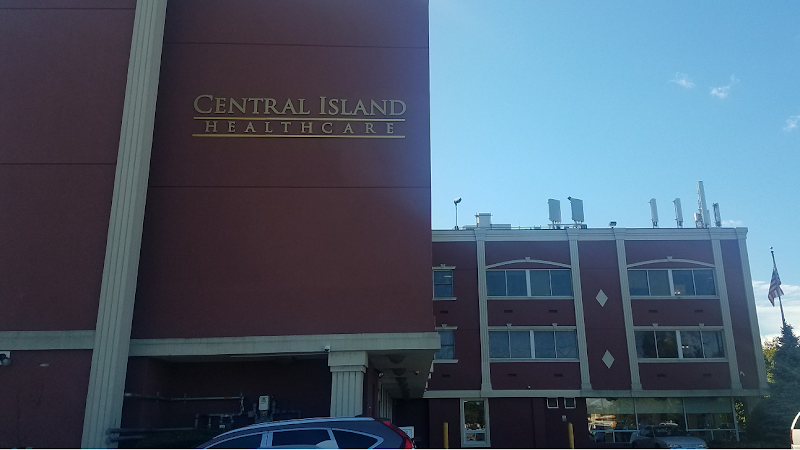
825 OLD COUNTRY RD, PLAINVIEW, NY 11803 (516) 433-0600
For profit - Limited Liability company 202 Beds Independent Data: November 2025
Trust Grade
75/100
#147 of 594 in NY
Last Inspection: June 2025

Inspected within the last 6 months. Data reflects current conditions.

Overview

Central Island Healthcare in Plainview, New York, has a Trust Grade of B, indicating it is a good choice for families seeking care, but not among the top tier. It ranks #147 out of 594 facilities in New York and #9 out of 36 in Nassau County, placing it in the top half of both rankings. The facility's trend is stable, with 8 issues reported in both 2024 and 2025, suggesting consistent challenges but no worsening situation. Staffing is below average with a rating of 2 out of 5 stars, although the 34% turnover rate is better than the state's average, indicating some staff stability. Notably, there have been no fines reported, which is a positive sign, and the RN coverage is average, meaning that while there are RNs present, they may not be as accessible as in some other facilities. However, there are concerning incidents from recent inspections. The facility failed to ensure timely transmission of critical resident assessments to federal systems for 15 residents, which could affect their care planning. Additionally, there was a lack of a comprehensive care plan for a resident with a Foley catheter, which is essential for their proper care. Another resident did not receive required compression bandage wraps as ordered, highlighting gaps in following care protocols. Overall, while there are strengths in the absence of fines and a solid trust grade, families should be aware of these care planning issues and consider them when making their decision.

Trust Score
B
75/100
In New York
#147/594
Top 24%
Safety Record
Low Risk
No red flags
Inspections
Holding Steady
8 → 8 violations
Staff Stability
○ Average
34% turnover. Near New York's 48% average. Typical for the industry.
Penalties
✓ Good
No fines on record. Clean compliance history, better than most New York facilities.
Skilled Nurses
✓ Good
Each resident gets 43 minutes of Registered Nurse (RN) attention daily — more than average for New York. RNs are trained to catch health problems early.
Violations
⚠ Watch
19 deficiencies on record. Higher than average. Multiple issues found across inspections.
★★★★☆
4.0
Overall Rating
★★☆☆☆
2.0
Staff Levels
★★★★★
5.0
Care Quality
★★★☆☆
3.0
Inspection Score
Stable
2024: 8 issues
2025: 8 issues

The Good

  • 5-Star Quality Measures · Strong clinical quality outcomes
  • Full Sprinkler Coverage · Fire safety systems throughout facility
  • No fines on record
  • Staff turnover below average (34%)

    14 points below New York average of 48%

Facility shows strength in quality measures, fire safety.

The Bad

Staff Turnover: 34%

12pts below New York avg (46%)

Typical for the industry

The Ugly 19 deficiencies on record

Jun 2025 7 deficiencies
CONCERN (D)

Potential for Harm - no one hurt, but risky conditions existed

Deficiency F0655 (Tag F0655)

Could have caused harm · This affected 1 resident

**NOTE- TERMS IN BRACKETS HAVE BEEN EDITED TO PROTECT CONFIDENTIALITY** Based on observations, record review, and interviews during the Recertification Survey initiated on 6/10/2025 and completed on 6...

Read full inspector narrative →
**NOTE- TERMS IN BRACKETS HAVE BEEN EDITED TO PROTECT CONFIDENTIALITY** Based on observations, record review, and interviews during the Recertification Survey initiated on 6/10/2025 and completed on 6/16/2025, the facility did not develop and implement a baseline care plan for each resident that includes the instructions needed to provide effective and person-centered care of the resident that meets professional standards of quality care. This was identified for one (Resident #305) of one resident reviewed for Urinary Catheter. Specifically, Resident #305 was admitted on [DATE] with the use of an indwelling Foley catheter. The baseline care plan, completed on 6/9/2025, did not document the use of the Foley catheter. The finding is: The facility's policy titled Baseline Care Plans, last revised on 1/2025, documented that a baseline care plan that meets the resident's immediate health and safety needs is developed for each resident within forty-eight hours of admission. The baseline care plan must include the minimum healthcare information necessary to properly care for the resident. Resident #305 was admitted with diagnoses including Neuromuscular Dysfunction of the Bladder and infective Endocarditis (an inflammation of the heart's inner lining, the endocardium, often caused by a bacterial or fungal infection). The admission Minimum Data Set assessment was not completed, and a Brief Interview for Mental Status was not conducted due to the resident's recent admission to the facility. The Patient Review Instrument (an assessment to determine a person's overall health and a measurement tool for their placement into a skilled nursing facility), dated 6/5/2025, documented that Resident #305 required a Foley catheter. A Physician's Order dated 6/6/2025 documented an Indwelling French #17 Foley Catheter with a 10 cubic centimeter sterile water balloon. Irrigate with 60 cubic centimeters of normal saline (NS) as needed for decreased output. Change the Foley catheter if there is no urine output. This order was discontinued on 6/10/2025. The Baseline Care Plan, dated 6/6/2025 and completed 6/9/2025, documented Resident #305 was incontinent of bowel and bladder. There is no documented evidence that a care plan was developed for the use of a Foley catheter. A review of the June 2025 Treatment Administration Record documented that the Foley catheter and urine output were monitored. During an interview on 6/11/2025 at 3:24 PM, Resident #305 stated that they were admitted to the facility from the hospital with a Foley catheter in place. During an interview on 6/12/2025 at 2:00 PM, Registered Nurse # 1, the unit manager, stated Resident #305 was admitted to the facility with an indwelling Foley catheter. Registered Nurse # 1 stated that a baseline care plan should be developed and implemented for the use of the indwelling Foley catheter. During an interview on 6/13/2025 at 2:33 PM, Registered Nurse # 5, the admission nurse who admitted Resident #305 on 6/6/2025, stated that they were not the regularly assigned admission nurse and on 6/6/2025, they were not able to complete all the documentation related to Resident #305's admission documentations, including the baseline care plan. Registered Nurse #5 stated that they told the following night and day shift nurses to complete the remaining documents, including the baseline care plan for Resident #305. During an interview on 6/16/2025 at 10:10 AM, the Director of Nursing Services stated that a baseline care plan should have been developed for Resident #305's Foley catheter use. The Director of Nursing Services stated that the admission nurse should have initiated and completed the baseline care plan, and the nurses on the following shifts should have followed up and completed the baseline care plan if the baseline care plan was incomplete. 10 NYCRR 415.11
CONCERN (D)

Potential for Harm - no one hurt, but risky conditions existed

Comprehensive Care Plan (Tag F0656)

Could have caused harm · This affected 1 resident

Based on observations, record review, and interviews during the Recertification Survey initiated on 6/10/2025 and completed on 6/16/2025, the facility did not ensure that a comprehensive person-center...

Read full inspector narrative →
Based on observations, record review, and interviews during the Recertification Survey initiated on 6/10/2025 and completed on 6/16/2025, the facility did not ensure that a comprehensive person-centered care plan was developed or implemented for each resident to meet a resident's medical and nursing needs. This was identified for one (Resident #93) of four residents reviewed for Skin Conditions Non-Pressure. Specifically, Resident #93 had a Physician's Order to put on a compression bandage wrap in the morning and remove at bedtime, for bilateral (both) lower extremities. Resident #93 was observed multiple times without the compression bandage wrap on the right lower extremity. Additionally, there was no care plan developed to address Resident #93's use of the compression bandage wrap for both lower extremities. The finding is: The facility's policy titled Comprehensive Care Plan, last revised on 4/1/2024, documented that within 14 days of the resident's admission, a comprehensive assessment of the resident's needs will be prepared and developed by the interdisciplinary team. Information obtained from the comprehensive assessment enables the facility staff to plan care that focuses on the resident's ability to achieve their highest practicable mode of functioning, which includes but is not limited to medically defined conditions and past medical history, physical and mental function status. Resident #93 was admitted with diagnoses including Chronic Obstructive Pulmonary Disorder, Congestive Heart Failure, and Sjögren Syndrome (an immune system illness that mainly causes dry eyes and dry mouth). The Minimum Data Set assessment, dated 5/2/2025, documented a Brief Interview for Mental Status score of 15, which indicated that Resident #93 had intact cognition. A Physician's Order dated 5/9/2025 documented bilateral lower extremities Ace wrap (compression bandage): on in the morning and off at bedtime for bilateral localized swelling, mass, and lump. A Comprehensive Care Plan dated 4/29/2025 titled, Cardiac: Congestive Heart failure (CHF) documented interventions including elevating edematous (swollen) extremities, observing for skin breakdown or evidence of weeping edema (leakage of fluid from the skin), and administering medication as per the Physician's order. The use of the bilateral compression bandage wrap was not documented as an intervention until 6/12/2025. During an observation on 6/10/2025 at 10:03 AM, Resident #93 was lying in bed and was wearing a compression bandage wrap on the left lower extremity. Resident #93 did not have a compression bandage wrap on the right lower extremity. During an observation on 6/11/2025 at 1:28 PM, Resident #93 was at the facility's gymnasium for Physical Therapy. Resident #93 was wearing a compression bandage wrap on the left lower extremity. Resident #93 did not have a compression bandage wrap on the right lower extremity. Resident #93 had some swelling on the right extremity. During an interview on 6/10/2025 at 10:10 AM, Resident #93 stated they used to wear the compression bandage wrap on both legs, but after the infection had cleared up and the swelling went down on the right lower leg, they did not need the compression bandage wrap. Resident #93 stated that the Nurses put the compression bandage wrap in the morning and take it off at bedtime. During an interview on 6/10/2025 at 10:18 AM, Registered Nurse #3, a Medication Nurse, stated that the Nurses were responsible for putting the compression bandage wrap on both lower extremities for Resident #90; however, the resident refused to wear the compression bandage wrap on the right lower extremity. Registered Nurse #3 stated that they were not sure if the Physician was aware of the resident's refusal to wear the compression bandage wrap on the right lower extremity. Registered Nurse stated she worked Per Diem (work as needed) and had never notified the Physician regarding Resident #93's refusal to wear the compression bandage wrap. During an interview on 6/11/2025 at 1:18 PM, Registered Nurse #2, a Medication Nurse, stated that they had educated the resident regarding the use of the compression bandage wrap, and Resident #93 refused the use of the compression bandage wrap on the right lower extremity. Registered Nurse #2 stated that they did not document the refusal and did not call the Physician. During an interview on 6/11/2025 at 1:46 PM, Registered Nurse #4, Unit Manager, stated they were not aware that Resident #93 was refusing the compression bandage wrap on the right extremity. Registered Nurse #4 stated that the Nurses should have followed the order and documented the refusal. Registered Nurse #4 stated that the use of the compression bandage wrap should have been added to the care plan as an intervention and that it was an oversight on their part. During an interview on 6/12/2025 at 1:27 PM, the Director of Nursing Services stated that nurses should have initiated a care plan for the use of the compression bandage wrap. Additionally, the care plan should have been updated, and the Physician should have been notified of the resident's refusal to use the compression bandage wrap. 10 NYCRR 415.11(c)(1)
CONCERN (D)

Potential for Harm - no one hurt, but risky conditions existed

Pressure Ulcer Prevention (Tag F0686)

Could have caused harm · This affected 1 resident

**NOTE- TERMS IN BRACKETS HAVE BEEN EDITED TO PROTECT CONFIDENTIALITY** 2) The facility's policy titled Maintenance Book, revised 1/2025, documented that the maintenance books and daily work orders wi...

Read full inspector narrative →
**NOTE- TERMS IN BRACKETS HAVE BEEN EDITED TO PROTECT CONFIDENTIALITY** 2) The facility's policy titled Maintenance Book, revised 1/2025, documented that the maintenance books and daily work orders will be inspected and completed by the end of the shift daily unless an outside vendor must be involved. As the Maintenance Technician arrives and starts the assignment, all maintenance books located on all units at the nurse's station will be checked. As work orders are written in the maintenance log books on each unit, Maintenance Technicians are to do daily rounds and check and complete work orders. The Maintenance Technician must sign off on any work orders completed. If unable to complete, report to the [Maintenance] Director for further assistance and direction. Resident #142 was admitted with diagnoses including Cerebrovascular Accident, Heart Failure, and Malnutrition. The 5/13/2025 admission Minimum Data Set assessment documented a Brief Interview for Mental Status score of 14, indicating the resident was cognitively intact; was at risk for pressure ulcer development but had no pressure ulcers; needed partial to moderate assistance for bed mobility; had a Foley catheter; and was continent of bowel. A Braden scale (a scale for determining pressure ulcer risk) assessment dated [DATE] documented a score of 15, indicating the resident had a mild risk for pressure ulcer development. A wound care consult note dated 5/29/2025 documented that the resident had an acute sacral (triangular bone at the lower back) Stage 3 pressure ulcer (full-thickness skin loss that extends into the subcutaneous fat tissue) measuring 0.7 centimeters in length, 0.5 centimeters in width, and 0.1 centimeters in depth. The wound bed was noted with 40% slough (dead tissue). The wound development was likely due to failure to thrive/weight loss, significant Anemia, and multiple comorbidities. The wound was unavoidable. Plan/Recommendations: alternating air mattress. A Comprehensive Care Plan, effective 5/29/2025, titled Presence of Skin Breakdown: Sacrum, documented an intervention for Air Mattress-Low Air Loss. A physician's order dated 5/29/2025 documented cleansing the sacral area with normal saline, applying medihoney (wound treatment), covering with gauze, and securing with bordered gauze, to be changed daily, for diagnosis of Stage 3 pressure ulcer of the sacral region. During an observation on 6/10/2025 at 10:23 AM, Resident #142 was observed in bed. The resident was alert and verbal. There was no air mattress on the resident's bed. During an observation on 6/12/2025 at 10:09 AM, Resident #142 was not in their room. The resident's bed had an air overlay (a pad placed on top of a regular mattress to provide pressure relief and redistribution to prevent or treat pressure ulcers) on top of the mattress and was covered with a sheet. The air overlay pump was on the footboard of the bed and was set on firm (the dial settings only had options of soft and firm settings). During an interview on 6/12/2025 at 10:15 AM, Registered Nurse #2, the unit medication/treatment nurse, stated the new overlay was just placed on Resident #142's bed by the housekeeper. The overlay that was placed on the bed yesterday (6/11/2025) was not inflating properly, which is why the Housekeeper had to replace it today. During an interview on 6/12/2025 at 10:21 AM, Resident #142 stated that they did not have the air overlay on their bed until after the surveyor spoke to them on 6/10/2025. During an interview on 6/12/2025 at 10:26 AM, Housekeeper #1 stated they put a new air overlay on Resident 142's bed today because the air overlay that was there was not functioning properly and was not filling up with air. Housekeeper #1 did not know when the air overlay was first placed on Resident #142's bed. During an interview on 6/12/2025 at 10:49 AM, Director of Engineering and Housekeeping #1 stated they did not keep a record of when an air overlay was placed on a resident's bed; the wound care nurse would have the record because the air overlay is provided to the resident at the directions of the Wound Care Nurse. During an interview on 6/12/2025 at 11:06 AM, Certified Nursing Assistant #2 stated they have been assigned to Resident #142 this week, but did not recall if an air overlay was on the resident's bed on 6/10/2025 or when the air overlay was first placed. During an interview on 6/12/2025 at 11:08 AM, Registered Nurse Wound Care Nurse #1 stated that a physician's order is not required for placing the air overlay. Residents with Stage 3 or 4 pressure ulcers should have the air overlay as a nursing intervention based on the facility protocol. Registered Nurse Wound Care Nurse #1 stated a request for the air overlay was first placed on 5/29/2025 for Resident #142 when the wound was first identified; however, the resident did not receive the air overlay until after a second request was put in place on 6/10/2025. Registered Nurse Wound Care Nurse #1 was unable to explain why the air overlay had not been provided yet on 6/10/2025. During a re-interview on 6/12/2025 at 1:54 PM, the Director of Engineering and Housekeeping #1 stated that if the original request was done on 5/29/2025 and the air overlay was not placed on 5/29/2025, that was the maintenance department's fault. I have no explanation. During an interview on 6/12/2025 at 2:15 PM, the Director of Nursing Services stated the resident should have been provided an air overlay as per the resident's plan of care. The Maintenance staff should have reviewed the request and provided the air overlay to the resident. If there was a problem getting the air overlay, then the maintenance department should have communicated with the Wound Care Nurse to resolve the issue. 10 NYCRR 415.12(c)(1) Based on observations, record review, and interviews during the Recertification Survey initiated on 6/10/2025 and completed on 6/16/2025, the facility did not ensure each resident with pressure ulcers receives necessary treatment and services, consistent with professional standards of practice, to promote healing, prevent infection, and prevent new ulcers from developing. This was identified for three (Resident #18, Resident #354, and Resident #142) of the three residents reviewed for Pressure ulcers. Specifically, 1) Resident #18 had an unstageable (a type of pressure ulcer where the extent of tissue damage cannot be assessed due to the presence of non-viable tissue) pressure ulcer to the right heel and the right ankle. On 6/10/2025, the right heel pressure ulcer treatment was discontinued, and there was no documented evidence that the treatment was rendered to the right heel pressure ulcer from 6/10/2025 until 6/13/2025. Interviews with treatment nurses indicated that they applied incorrect treatment to the right heel without a Physician's order. 2) Resident #142 had a Stage 3 pressure ulcer (full-thickness skin loss, where the wound extends into the subcutaneous tissue, but not exposing bone, tendon, or muscle) to the sacrum. The resident was not provided with an air mattress as per the resident's Comprehensive Care Plan and recommendations by the wound care team. The findings are: A facility policy titled Pressure Ulcers/Wound Care, last revised on 2/20/2025, documented: a resident having pressure sores receives necessary treatment and services to promote healing, prevent infection, and prevent new sores from developing. Treatments will be ordered as per the physician's order when a new pressure ulcer is noted. The Physician orders the treatment based on the type of wound and the team's assessment of the resident's condition. Wound care treatment will be based on each individual resident's current medical condition in conjunction with the Attending Physician, Wound Care Physician's clinical concerns, and nursing staff. 1) Resident #18 was admitted with diagnoses including Parkinson's Disease, Pressure Ulcer of the Right Ankle, and Pressure Ulcer of the Right Heel. The Quarterly Minimum Data Set assessment dated [DATE] documented that a Brief Interview for Mental Status score was not conducted because the resident had severely impaired cognitive skills for daily decision making and was rarely or never understood. The Minimum Data Set assessment documented that the resident was at risk for developing pressure ulcers or injuries and had two unstageable, unhealed pressure ulcers. A Braden Scale Assessment (a widely used assessment tool that helps healthcare professionals evaluate a patient's risk of developing pressure ulcers) dated 5/13/2025 documented a score of 13, indicating the resident had a moderate risk of pressure ulcer development. A nursing progress note dated 4/16/2025 documented pressure ulcer was observed on the right heel and right ankle. The Physician and Nursing Supervisor were made aware. A Comprehensive Care Plan titled Skin Integrity: Presence of Skin Breakdown Right Heel effective 4/16/2025, documented interventions including applying local treatments as ordered by the Physician, providing pressure-relieving devices as appropriate, and monitoring for signs and symptoms of infection. A Comprehensive Care Plan titled Presence of Skin Breakdown Right Lateral Ankle effective 4/16/2024, documented interventions including providing pressure-relieving devices, follow-up with the wound care team, and applying local treatments as ordered by the physician. A nursing progress note dated 4/25/2025 by the Wound Care Nurse documented that Resident #18 had an area of brown eschar (a type of dead tissue) to the right heel that measured 2 centimeters in length and 2 centimeters in width. The right ankle had an area of brown eschar that measured 1 centimeter in length and 1 centimeter in width. There was no drainage from the wounds and no signs of infection. There was no evidence of pain or discomfort. A treatment of Betadine was ordered for all areas with daily dressing changes. A Wound Care Note written by the Wound Care Physician dated 5/23/2025, documented that the resident had an unstageable right heel pressure ulcer that measured 2.1 centimeters in length, 3 centimeters in width, and 0.5 centimeters in depth. The right heel pressure ulcer had a scant amount of serous drainage (thin, watery, and clear fluid), and the wound bed was covered with 100 percent slough (dead tissue). The recommendations included cleansing the wound with Dakin's solution, applying nickel thick Santyl (an enzymatic debriding agent) topical ointment, pack the wound with gauze moistened with Dakin's solution (a diluted antiseptic solution used to clean and disinfect wounds to prevent or treat infections) and cover with an abdominal pad, and secure with a Kling gauze daily and if wet or soiled. The note also included assessment and recommendations for the right ankle wound treatment to cleanse the right lateral ankle wound with normal saline solution, apply nickel thick Santyl topical ointment, cover with an abdominal pad, and secure with a Kling daily and change the dressing if wet or soiled. A Physician's Order dated 5/23/2025 documented treatment orders for the right heel and right ankle pressure ulcer: cleanse the wound with normal saline solution, apply Gentamycin topical ointment (an antibiotic ointment), and cover with alginate (wound treatment that absorb wound fluid resulting in gels that maintain a moist environment and minimize bacterial infections at the wound site), and secure with bordered gauze. Change the dressing daily or when soiled or wet. A Physician's Order dated 5/26/2025 documented to cleanse the right lateral ankle wound with normal saline solution, apply nickel thick Santyl topical ointment, cover with an abdominal pad, and secure with a Kling daily and change the dressing if wet or soiled. A Physician's order dated 5/26/2025 documented to cleanse the right heel wound with Dakin's solution, apply nickel thick Santyl topical ointment, then pack with gauze moistened with Dakin's solution, cover with an abdominal pad, and secure with Kling gauze daily for Pressure Ulcer of Right Heel. The right heel pressure ulcer treatment order was discontinued on 6/10/2025. There were no physician orders for the right heel pressure ulcer from 6/10/2025-6/13/2025. A Physician's order dated 6/10/2025 documented to cleanse the right lateral ankle wound with normal saline solution, apply nickel thick Santyl topical ointment (a topical ointment containing an enzyme used to remove dead or damaged tissue from a wound), cover with an abdominal pad and secure with Kling gauze daily for Pressure ulcer of the right ankle. Change if wet or soiled. The Treatment Administration Record for 6/2025 documented wound care treatment to the resident's right ankle pressure ulcer was administered as per the Physician's order. Wound care treatment for the right heel pressure ulcer was administered from 6/1/2025 to 6/9/2025. There was no documentation in the Treatment Administration Record that a wound care treatment was rendered to the right heel pressure ulcer after 6/9/2025 until 6/13/2025. The Medication Administration Record for 6/2025 did not document any Physician's orders for wound care treatment for the right heel pressure ulcer. A wound care note written by the Wound Care Physician dated 6/13/2025 documented that the resident had an unstageable pressure ulcer to the heel that measured 1.5 centimeters in length, 2 centimeters in width, and 0.5 centimeters in depth. The wound bed was covered with 50 percent slough and 50 percent granulation tissue. The recommendations included cleansing the right heel wound with Dakin's solution, packing the wound with gauze moistened with Dakin's solution, then covering with an abdominal pad and securing with Kling gauze; and changing the dressing daily or if wet or soiled. A Physician's Order dated 6/13/2025 at 10:51 AM documented to cleanse the right heel wound with Dakin's solution, apply nickel thick Santyl topical ointment, then pack with gauze moistened with Dakin's solution and secure with a Kling gauze. Change the dressing daily, and if wet or soiled. During an interview on 6/13/2025 at 10:17 AM, Registered Nurse #7 stated Resident #18 had one pressure ulcer on the right ankle and one pressure ulcer on the right heel, and they (Registered Nurse #7) completed the wound care treatment for Resident #18 on the morning of 6/13/2025. Registered Nurse #7 stated they review the wound care orders and instructions prior to administering the wound care treatment; they assumed the treatment order was for both the right ankle and right heel wounds. Registered Nurse #7 stated they applied the same treatment to the right heel and right ankle wound, and did not use Dakin's solution for the right heel wound. During an interview on 6/13/2025 at 10:26 AM, Registered Nurse #1, the Unit Manager, reviewed the wound care treatment orders for Resident #18 and stated there was an active order for the wound care treatment to the right ankle pressure ulcer; however, there was no order for treatment to the right heel after 6/10/2025. The wound care nurse would be responsible for initiating, updating, and changing the orders for wound care treatments. During an interview on 6/13/2025 at 10:30 AM, the Wound Care Nurse stated the wound care treatment for Resident #18's right heel pressure ulcer should have included cleansing the wound with Dakin's solution and applying Santyl solution, and then packing the wound with gauze moistened with Dakin's solution. The Wound Care Nurse stated they were responsible for entering, updating, and changing orders; however, they did not know why the treatment to the right heel was discontinued on 6/10/2025. The Wound Care Nurse stated there should have been an order in place to treat the resident's right heel pressure ulcer. During an interview on 6/13/2025 at 11:26 AM, Registered Nurse #6 stated they completed the wound care treatment for Resident #18 on 6/12/2025 and did not realize the treatment order that was in place only specified a treatment for the right ankle pressure ulcer. Registered Nurse #6 stated they applied the same treatment to the right heel pressure ulcer that was ordered for the right ankle pressure. During an interview on 6/16/2025 at 9:48 AM, Licensed Practical Nurse #3, the regularly assigned nurse who completed the wound care treatment for Resident #18 on 6/11/2025, stated they were usually present during the wound care rounds with the Wound Care Nurse and the Wound Care Physician and know that treatment orders would not change until the next weekly wound care round. On 6/11/2025, they do not recall checking the Treatment Administration Record and applied the same treatment to the right heel wound that was discontinued on 6/10/2025. Licensed Practical Nurse #3 further stated that they should have confirmed the physician's orders before each wound care treatment and notified the Wound Care Nurse of any discrepancies. During an interview on 6/16/2025 at 10:29 AM, the Director of Nursing Services stated that the treatment nurses should have confirmed and followed the treatment order to treat Resident #18's pressure ulcers prior to performing the treatment. 10 NYCRR 415.12(c)(1)
CONCERN (D)

Potential for Harm - no one hurt, but risky conditions existed

Pharmacy Services (Tag F0755)

Could have caused harm · This affected 1 resident

**NOTE- TERMS IN BRACKETS HAVE BEEN EDITED TO PROTECT CONFIDENTIALITY** Based on observation, record review, and interviews during the Recertification Survey initiated on [DATE] and completed on [DATE...

Read full inspector narrative →
**NOTE- TERMS IN BRACKETS HAVE BEEN EDITED TO PROTECT CONFIDENTIALITY** Based on observation, record review, and interviews during the Recertification Survey initiated on [DATE] and completed on [DATE], the facility did not ensure each resident received pharmaceutical services (including procedures that assure the accurate acquiring, receiving, dispensing, and administering of all drugs and biologicals) to meet their needs. This was identified for one (Unit 2 North medication cart) of ten medication carts observed during the Medication Storage Task. Specifically, Licensed Practical Nurse #1 administered the Lantus Insulin to Resident #128 on [DATE] and [DATE] from a a multidose vial that was dated [DATE]. As per the manufacturer's recommendations, the Lantus insulin multidose vial should be discarded after 28 days from opening. The finding is: The facility's policy titled Storage and Discard Dating of Drugs and Biologicals, last revised on [DATE], documented that all drugs and biologicals shall be stored appropriately as per manufacturer guidelines, facility policy, and applicable law. Drugs shall be stored in an orderly manner in cabinets, drawers, or carts. All medications and other drugs, including treatment items, shall be stored in a locked cabinet or room inaccessible to residents and visitors. All bedside storage of medications and supplies must be specifically ordered by the attending Physician by the facility's medication self-administration policy. Drugs shall not be kept on hand after the expiration date on the label. Never use insulin beyond the Discard On date listed on the auxiliary label. Resident #128 was admitted with diagnoses including Type 2 Diabetes Mellitus, Essential Hypertension, and Dementia. The Quarterly Minimum Data Set, dated [DATE] documented a Brief Interview for Mental Status score of 12, indicating the resident had moderately impaired cognition. The resident received insulin during the last seven days of the look-back period. Comprehensive Care Plan for Diabetes Mellitus dated [DATE] documented interventions including administering medications as ordered and monitoring blood glucose level as ordered. A Physician's order dated [DATE] documented Lantus U-100 Insulin 100 units/milliliter subcutaneous solution: inject 10 units by subcutaneous (the layer of tissue between the skin and muscle) route once daily at bedtime. The Medication Administration Record for [DATE] and [DATE] documented that Resident #128 was administered Lantus insulin daily on the evening shift, evidenced by the nurses' signature. During the Medication Storage Task observation on [DATE] at 1:57 PM, the Unit 2 North medication cart was observed with an opened multidose vial of Lantus for Resident #128. The vial had a date written on a label indicating it was first opened on [DATE]. During an interview on [DATE] at 1:11 PM, Licensed Practical Nurse #1 stated the insulin vial is good for 28 days after opening. The nurses were responsible for putting a 'discard date on the insulin vial when they first opened the vial. Licensed Practical Nurse #1 stated there were three additional Lantus insulin vials in the refrigerator for Resident #128 to replace the expired insulin vial and did not know why the expired vial was not discarded and why the new vials were not used. Licensed Practical Nurse #1 stated they usually check the date on the insulin vial; however, they did not recall checking the dates on Resident #128's Lantus insulin vial on [DATE] and [DATE] and administered the insulin from the expired Lantus insulin vial that was in the medication cart [ and was dated [DATE]]. During an interview on [DATE] at 01:21 PM, the Director of Nursing Services stated that the insulin vial should have been discarded after 28 days from the date of opening. The Director of Nursing Services stated that the nurses must ensure that the insulin vial is not expired and that the nurses should not administer expired medication to the resident. During an interview on [DATE] at 12:02 PM, the Pharmacist stated the insulin is good for use for 28 days after the vial is first opened per manufacturer recommendation, as the efficacy of the insulin deteriorates. 10 NYCRR415.18(a)
CONCERN (D)

Potential for Harm - no one hurt, but risky conditions existed

Deficiency F0761 (Tag F0761)

Could have caused harm · This affected 1 resident

**NOTE- TERMS IN BRACKETS HAVE BEEN EDITED TO PROTECT CONFIDENTIALITY** 2) Resident #93 was admitted with diagnoses including Chronic Obstructive Pulmonary Disorder, Congestive Heart Failure, and Sj&o...

Read full inspector narrative →
**NOTE- TERMS IN BRACKETS HAVE BEEN EDITED TO PROTECT CONFIDENTIALITY** 2) Resident #93 was admitted with diagnoses including Chronic Obstructive Pulmonary Disorder, Congestive Heart Failure, and Sjögren Syndrome (an immune system illness that mainly causes dry eyes and dry mouth). The admission Minimum Data Set assessment, dated [DATE], documented a Brief Interview for Mental Status score of 15, which indicated that Resident #93 had intact cognition. The Minimum Data Set assessment documented that Resident #93 had shortness of breath or trouble breathing when lying flat. A Physician Order dated [DATE] documented Breyna 160 micrograms-4.5 micrograms/actuation aerosol inhaler, inhale 2 puffs by inhalation route every 12 hours for Asthma. A review of Resident #93's Electronic Medical Record indicated Resident #93 did not have a Physician Order and was not assessed to self-administer their medications. A Comprehensive Care Plan titled, Respiratory Disorder: Asthma/Chronic Obstructive Pulmonary Disease dated [DATE], documented interventions including administering medications as per the Physician's orders. The Medical Administration Record for [DATE] and [DATE] indicated the resident received Breyna 160 micrograms-4.5 micrograms/actuation 2 puff every 12 hours daily at 8:00 AM and 8:00 PM. During an observation on [DATE] at 10:03 AM, Resident #93 was in their bed. A labeled Breyna 160 micrograms- 4.5 micrograms inhaler was observed on Resident #93's overbed table. The label indicated that the inhaler was dispensed by the facility's Pharmacy. During an interview on [DATE] at 10:04 AM, Resident #93 stated they keep their inhaler on their overbed table and self-administer the inhaler medication, one puff every day. Nurses sometimes come and watch them self-administer the inhaler, but most of the time, they (Nurses) let them administer their inhaler medications without supervision. During an interview on [DATE] at 10:18 AM, Registered Nurse #3, Medication Nurse, stated Resident #93 preferred keeping their inhaler at their overbed table, and the nurses supervised Resident #93 for self-administration of the inhaler medication. 3) Resident # 134 was admitted with diagnoses including Pulmonary Embolism (defined as a condition in which one or more arteries in the lungs become blocked by a blood clot), Pruritus Vulvae (persistent itching of the female genital organs), and Flatulence (intestinal gas). The admission Minimum Data Set assessment, dated [DATE], documented a Brief Interview for Mental Status score of 15, which indicated that Resident #134 had intact cognition. The A review of Resident #134's Electronic Medical Record revealed that Resident #134 did not have a Physician's Order for the Vagicaine cream (a vaginal anti-itch cream) and for Tums (Antacid) chewable tablets. A review of Resident #134's Electronic Medical Record revealed that Resident #134 did not have a Physician's Order to self-administer their medications and was not assessed for self-administration. During an observation on [DATE] at 10:13 AM, Resident #134 was not in their room. A Vagicaine anti-itch cream and a bottle of Tums chewable tablets were on Resident #134's overbed table. During an interview on [DATE] at 10:15 AM, Licensed Practical Nurse #2, Medication Nurse, stated they did not know that Resident #134 had Vagicaine and Tums stored in their room, on the overbed table. Licensed Practical Nurse #2 stated the resident should not have any medications in their room. Licensed Practical Nurse #2 stated that the Nurses were responsible for administering the medications to Resident #134. During an interview on [DATE] at 8:44 AM, Resident #134 stated that the Vagicaine anti-itch cream and a bottle of Tums chewable tablets found in their room were from home. Resident #134 stated they needed the Vagicaine cream to treat the burning sensation in the private area. Resident #134 stated they apply the cream themselves whenever they need the medication. Resident #134 stated they did not know that medications from home were not allowed in the facility. Resident #134 stated they did not take any of the Tums chewable tablets. During an interview on [DATE] at 2:11 PM, Registered Nurse #4, Unit Manager, stated that Resident #93 and Resident #134 were not allowed to have any medications stored in their room. Registered Nurse #4 stated that the Nurses and Certified Nursing Assistants should have checked and reported any concerns related to medications left unattended in the resident rooms. During an interview on [DATE] at 1:27 PM, the Director of Nursing Services stated that Resident #93 and Resident #134 should not have any medications left in their room. The Director of Nursing Services stated all medications should be stored in the medication cart or the medication room unless the resident was assessed and had a Physician's order for self-administration of medication. 10NYCRR 415.18(e)(1-4) Based on observations, record review, and staff interviews during the Recertification Survey initiated on [DATE] and completed on [DATE], the facility did not ensure that drugs and biologicals were stored in accordance with accepted professional principles. This was identified for one (Unit 2 North medication cart) of ten medication carts observed during the Medication Storage Task, and two (Resident #93 and Resident #134) of four residents reviewed for Accident Hazards. Specifically, 1) a multidose vial of Lantus insulin (a long-acting insulin) was observed stored in the medication cart with a label dated [DATE], indicating the vial was opened beyond 28 days and Licensed Practical Nurse #1 administered the Lantus Insulin to Resident #128 on [DATE] and [DATE] from the same multi dose vial. 2) A labeled Breyna Aer 160/4.5 micrograms (Symbicort-an inhaler to treat a chronic lung condition) inhaler was observed on the overbed table in Resident #93's room with no nursing staff within the vicinity. Additionally, Resident #93 was not assessed to self-administer medications. 3) Resident #134's room was observed with an unlabeled tube of Vagicaine (vaginal anti-itch cream) and a bottle of Tums chewable (medication for indigestion) on the over-bed table, with no nursing staff within the vicinity. Resident #134 did not have a Physician's Order for the Vagicaine and Tums medications, and was not assessed to self-administer medications. The findings were: The facility's policy titled Storage and Discard Dating of Drugs and Biologicals, last revised on [DATE], documented that all drugs and biologicals shall be stored appropriately as per manufacturer guidelines, facility policy, and applicable law. Drugs shall be stored in an orderly manner in cabinets, drawers, or carts. All medications and other drugs, including treatment items, shall be stored in a locked cabinet or room inaccessible to residents and visitors. All bedside storage of medications and supplies must be specifically ordered by the attending Physician by the facility's medication self-administration policy. Drugs shall not be kept on hand after the expiration date on the label. Never use insulin beyond the Discard On date listed on the auxiliary label. 1) Resident #128 was admitted with diagnoses including Type 2 Diabetes Mellitus, Essential Hypertension, and Dementia. The Quarterly Minimum Data Set, dated [DATE] documented a Brief Interview for Mental Status score of 12, indicating the resident had moderately impaired cognition. The resident received insulin during the last seven days of the look-back period. Comprehensive Care Plan for Diabetes Mellitus dated [DATE] documented interventions including administering medications as ordered and monitoring blood glucose level as ordered. A Physician's order dated [DATE] documented Lantus U-100 Insulin 100 units/milliliter subcutaneous solution: inject 10 units by subcutaneous (the layer of tissue between the skin and muscle) route once daily at bedtime. The Medication Administration Record for [DATE] and [DATE] documented that Resident #128 was administered Lantus insulin daily on the evening shift, evidenced by the nurses' signature. During the Medication Storage Task observation on [DATE] at 1:57 PM, the Unit 2 North medication cart was observed with an opened multi-dose vial of Lantus for Resident #128. The vial had a date written on a label indicating it was first opened on [DATE]. During an interview on [DATE] at 1:11 PM, Licensed Practical Nurse #1 stated the insulin vial is good for 28 days after opening. The nurses were responsible for putting a 'discard date on the insulin vial when they first opened the vial. Licensed Practical Nurse #1 stated there were three additional insulin vials in the refrigerator for Resident #128 to replace the expired insulin vial. Licensed Practical Nurse #1 stated they usually check the date on the vial; however, they did not recall checking the dates on Resident #128's Lantus insulin vial on [DATE] and [DATE] and administered the insulin from the vial that was in the medication cart [that was dated [DATE]]. During an interview on [DATE] at 01:21 PM, the Director of Nursing Services stated that the multidose insulin vial should have been discarded after 28 days from the date of opening. The Director of Nursing Services stated that the nurses must ensure that the insulin vial is not expired and that the nurses should not administer expired medication to the resident. During an interview on [DATE] at 12:02 PM, the Pharmacist stated the insulin is good for use for 28 days after the vial is first opened per manufacturer recommendation, as the efficacy of the insulin deteriorates.
CONCERN (D)

Potential for Harm - no one hurt, but risky conditions existed

Medical Records (Tag F0842)

Could have caused harm · This affected 1 resident

Based on record review and interviews during the Recertification Survey initiated on 6/10/2025 and completed on 6/16/2025, the facility did not ensure that each resident's medical records were in acco...

Read full inspector narrative →
Based on record review and interviews during the Recertification Survey initiated on 6/10/2025 and completed on 6/16/2025, the facility did not ensure that each resident's medical records were in accordance with accepted professional standards and practices and were complete and accurately documented. This was identified for one (Resident #94) of five residents reviewed for Unnecessary Medications. Specifically, Resident #94 had a physician's order for sliding scale insulin (adjusting the insulin dose based on the current blood glucose reading) coverage. Review of the June 2025 medication administration record revealed multiple instances when the insulin was administered based on the sliding scale order; however, the dosage and the injection site were not documented. The finding is: The facility's policy titled Administration of Medication, effective 4/1/2024, documented that the Electronic Medication Administrative record shall serve as the source from which all medications are poured and administered and on which medication doses are charted. The Electronic Medication Administrative Record is a permanent part of the resident's medical record. The licensed nurse shall document administration of medication on the Electronic Medication Record immediately following administration. Resident #94 was admitted with diagnoses including Diabetes Mellitus, Cerebrovascular Accident, and Non-Alzheimer's Dementia. The 5/14/2025 admission Minimum Data Set assessment documented a Brief Interview for Mental Status score of 3, indicating the resident had severe cognitive impairment. A physician's order dated 5/8/2025 documented Admelog Solostar U-100 Lispro (insulin) 100 units/milliliter subcutaneous pen, inject per prescriber's instructions. Insulin dosing requires individualization per sliding scale every day before meals and at hour of sleep: If Blood sugar is less than 70 Milligrams per deciliter, call the Physician. Blood sugar level: 71 Milligrams per deciliter -150 Milligrams per deciliter = no insulin; 151 Milligrams per deciliter -200 Milligrams per deciliter =2 units; 201 Milligrams per deciliter -250 Milligrams per deciliter =4 units; 251 Milligrams per deciliter -300 Milligrams per deciliter =6 units; 301 Milligrams per deciliter -350=8 units; 351 Milligrams per deciliter -400 Milligrams per deciliter =10 units; and Greater than 400 Milligrams per deciliter =12 units, and call the physician for diagnosis of Type 2 Diabetes mellitus without complications. Review of the June 2025 Electronic Medication Administration Record revealed the following: For the 7:30 AM sliding scale dose for 6/1/2025, 6/2/2025, 6/9/2025, 6/11/2025, and 6/12/2025, the blood sugar reading was documented above 151 Milligrams per deciliter, meaning insulin was required; however, the dosage administered, in units, and the injection site were not documented. For the 11:30 AM sliding scale dose for 6/1/2025, 6/2/2025, 6/3/2025, 6/5/2025, 6/6/2025, 6/7/2025, 6/8/2025, and 6/11/2025, the blood sugar reading was documented above 151 Milligrams per deciliter, meaning insulin was required; however, the dosage administered, in units, and the injection site were not documented. For the 4:30 PM sliding scale dose for 6/1/2025, 6/2/2025, and 6/4/2025 through 6/11/2025, the blood sugar reading was documented above 151 Milligrams per deciliter, meaning insulin was required; however, the dosage administered, in units, was not documented. The injection site was documented for 6/4/2025 through 6/11/2025. During an interview on 6/12/2025 at 1:10 PM, Registered Nurse #2 (the medication nurse who worked multiple day shifts in June 2025 without documenting the sliding scale dosage and injection site) reviewed the Electronic Medical Record and stated they had administered the required insulin dosage according to the sliding scale coverage, but the Electronic Medical Record did not prompt the nurse to document the dosage and the injection site. Registered Nurse #2 stated, I have to remember to document the dosage and site, that is why there are blank spaces in the Electronic Medication Administration Records regarding the amount of insulin administered and the site of administration. During an interview on 6/13/2025 at 10:09 AM, Registered Nurse #4 (Unit Supervisor) stated there was an issue with the way the sliding scale insulin was entered in the Electronic Medical Record; the order did not prompt the medication administration nurses to enter the insulin dose administered and injection site. The order entered in the Electronic Medical Record had indicated NO for documentation for the dose and the site of insulin administration. Registered Nurse #4 stated they had to discontinue the previous sliding scale order and then re-order the sliding scale insulin on 6/13/2025. The new order, dated 6/13/2025, indicated YES for documentation required for the dose and site of insulin administration, which should enable a prompt for the nurses to enter the dose and site of insulin administration based on the sliding scale order. During an interview on 6/13/2025 at 12:15 PM, the Director of Nursing Services stated that when the nurse enters the order for sliding scale insulin, the nurse has to indicate YES for documentation for the dose and site of insulin administration. The Director of Nursing Services stated that they would expect the nurses to document the dose and site when administering the sliding scale insulin. 10 NYCRR 483.70(i)
CONCERN (D)

Potential for Harm - no one hurt, but risky conditions existed

Infection Control (Tag F0880)

Could have caused harm · This affected 1 resident

Based on observations, record review, and interviews during the Recertification Survey initiated on 6/10/2025 and completed on 6/16/2025, the facility did not maintain an infection prevention and cont...

Read full inspector narrative →
Based on observations, record review, and interviews during the Recertification Survey initiated on 6/10/2025 and completed on 6/16/2025, the facility did not maintain an infection prevention and control program to help prevent the development and transmission of communicable diseases and infections. This was identified for one (Resident #303) of three residents reviewed for Transmission-Based Precautions. Specifically, Resident #303 was placed on Contact and Droplet Precautions as per the physician's order for a diagnosis of Bronchitis (inflammation of the lining of the airway) due to Rhinovirus (common cold). Registered Nurse # 1 was observed entering Resident #303's room without wearing appropriate Personal Protective Equipment. The finding is: The facility's policy titled Infection Control, effective 1/2024 and last revised 1/2025, documented that Droplet Precautions are intended to reduce the risk of transmission of infectious microorganisms spread primarily by coughing, sneezing, or talking and during certain procedures. A Contact/Droplet Precaution is used for infections involving the respiratory system. Wear a gown, gloves, and face shield/goggles when caring for [residents] on Droplet Precaution. [NAME] (put on) the Personal Protective Equipment upon room entry and discard the Personal Protective Equipment before exiting the room to contain pathogens. Resident #303 was admitted to the facility with diagnoses of Bronchitis (inflammation of the lining of the airway) due to Rhinovirus, Congestive Heart Failure, and Muscle Wasting and Atrophy (muscle shrinkage). The Minimum Data Set assessment was not available due to the resident's recent admission to the facility. The Nursing admission Progress note dated 6/6/2025 documented the resident was alert and oriented to person, place, and time. Resident #303 was hospitalized and had been diagnosed with Rhinovirus on 6/2/2025. A Physician's order dated 6/6/2025 documented Contact/Droplet precautions for Acute Bronchitis due to Rhinovirus. A Comprehensive Care Plan titled, Rhinovirus, effective 6/6/2025, documented interventions including but not limited to: monitor vital signs as ordered, and notify the Physician if symptoms of Rhinovirus persist over 14 days or after completion of the medication regimen. A Comprehensive Care Plan titled, Isolation Precautions for Rhinovirus, effective 6/8/2025, documented interventions including maintaining infection control practices through proper handwashing and maintaining Contact Precautions. The care plan did not include Droplet Precautions. During an observation on 6/10/2025 at 9:50 AM, a pink signage posted outside Resident #303's room documented: Isolation, Droplet/Contact Precautions. Staff and Providers must clean their hands when entering and exiting; wear a gown, an N95 Respirator (facemask acceptable if an N95 is not available), eye protection, and gloves. Resident #303's room door was wide open, and Resident #303 was visible from the door threshold. Resident #303 was seated in their wheelchair at the bedside. Registered Nurse # 1, who was the unit manager, was interviewed and stated that Resident #303 was admitted with a diagnosis of Rhinovirus and was maintained on precaution due to residual coughing. During an observation on 6/10/2025 at 10:01 AM, Registered Nurse #1 donned a gown, gloves, and a blue surgical mask prior to entering Resident #303's room. Registered Nurse # 1 did not wear any eye protection as indicated on the isolation precaution signage posted outside the resident's room. Registered Nurse #1 entered the room and closed the door upon entry. Registered Nurse #1 was wearing a blue surgical mask when they (Registered Nurse # 1) exited the room after three minutes at 10:04 AM. Registered Nurse # 1 stated they knew Resident #303 was on Droplet Precautions and were familiar with the instructions on the signage. Registered Nurse # 1 stated they wore a gown, gloves, and two surgical double masks when they entered the resident's room, but did not wear any eye protection. Registered Nurse # 1 stated that eye protection was not required for a diagnosis of Rhinovirus. During an interview on 6/12/2025 at 10:20 AM, the Infection Preventionist stated Registered Nurse # 1 should follow the directions on the isolation precaution signage. The Infection Preventionist stated that staff are expected to wear eye protection for any respiratory diagnosis that requires Droplet Precautions. The Infection Preventionist stated that staff are expected to wear an N95 respirator or don double mask if an N95 respirator is not available. The Infection Preventionist stated that staff should discard their gown, gloves, and outer mask when they exit the isolation room. During an interview on 6/12/2025 at 11:26 AM, the Nurse Educator stated that staff are educated to follow all types of isolation precaution signages and use appropriate Personal Protection Equipment prior to the provision of care. The Nurse Educator stated that staff are expected to wear eye protection for any respiratory diagnosis that requires Droplet Precautions. The Nurse Educator stated Registered Nurse # 1 should have used the eye protection prior to entering Resident #303's room. During an interview on 6/12/2025 at 01:14 PM, the Director of Nursing Services stated that the staff should have followed the isolation precautions directions provided on the signage. 10 NYC RR 415.19(a)(1-3)
Jun 2025 1 deficiency
CONCERN (D) 📢 Someone Reported This

A family member, employee, or ombudsman was alarmed enough to file a formal complaint

Potential for Harm - no one hurt, but risky conditions existed

Assessment Accuracy (Tag F0641)

Could have caused harm · This affected 1 resident

**NOTE- TERMS IN BRACKETS HAVE BEEN EDITED TO PROTECT CONFIDENTIALITY** Based on record review and staff interview during the abbreviated survey (NY00367963) the facility did not ensure that each resi...

Read full inspector narrative →
**NOTE- TERMS IN BRACKETS HAVE BEEN EDITED TO PROTECT CONFIDENTIALITY** Based on record review and staff interview during the abbreviated survey (NY00367963) the facility did not ensure that each resident receive an accurate assessment reflective of the resident's status. This was evident for one (Resident #1) resident reviewed for Minimum Data Set (MDS) Accuracy. Specifically, the Minimum Data Assessment Assessments dated 12/16/2024 with a look back period of 12/09/2024 to 12/16/2024 documents the resident had 1 (one) unstageable pressure ulcer due to coverage of wound bed by slough and eschar present on admission and 1 (one) unstageable pressure injuries presenting as deep tissue injury that were present on admission/entry (12/09/2024). The Nursing admission Progress Noted dated 12/10/2024 at 11:58PM documented redness to the sacrum no openings, bilateral heals red and dry. The finding are: The centers for Medicaid / Medicare Resident Assessment instrument manual dated 10/20/2025 documents pressure injuries must be coded in the 7-day look back period based on review of the medical records, including skin care flow sheets. For each pressure ulcer/injury, determine if the pressure ulcer/injury was present at the time of admission/entry or reentry and not acquired while the resident was in the care of the nursing home. Consider current and historical levels of tissue involvement. (Pg M-8) The facility policy titled Resident Assessment Instrument (MDS 3.0), effective June 15, 2011, and revised October 1, 2023, in the section titled General Information, documents information is gathered from multiple sources: the resident, resident family, significant other, and health care providers including licensed and non-licensed, physicians and therapists. Health care team members utilize various methods to obtain data including observation, interview and record review. Resident #1 was admitted to the facility on [DATE] and has diagnoses including Chronic Kidney Disease Stage 3 and Diabetes Mellitus. A Minimum Data Set assessment dated [DATE] documented a Brief Interview Mental Score of 13 indicating mild cognitive impairment. Section GG - Functional Abilities documents Resident #1 is dependent in ambulation but requires only partial / moderate assist in all other Activities of Daily Living related to mobility. Minimum Data Set further documents the resident had wounds on admission to the facility (12/9/2024) 1 (one) unstageable pressure ulcer due to coverage of wound bed by slough and eschar present on admission and 2 (two) unstageable pressure injuries presenting as deep tissue injury that were present on admission/entry. The Nursing admission Progress Noted dated 12/10/2024 at 11:58PM documents in the section Presence of skin breakdown: sacrum red no openings, bilateral heals red and dry. A Nursing Progress Noted dated 12/17/2024 at 12:32PM by RN #1(Wound Care RN) documents request to see resident for suspected Deep Tissue Injury, on admission redness was noted to sacral area and now appears to have evolved. Section M identified resident is at risk of developing pressure ulcer. Nursing admission assessment dated [DATE] Section titled Nursing Braden Scale documents mild risk for skin break down. Section titled Nursing Intake and Assessment documents sacrum is red and intact, left heel is dry, red and intact, Right heel is dry, red and intact. Base Line Care Plan completed 12/12/2024 Section titled Bowel and Bladder documents skin is intact. A Comprehensive Care Plan dated effective 12/10/2024 titled Skin Integrity: At Risk for Skin Break Down include intervention for the preventions of skin break down. Interventions include completing a Pressure Ulcer Risk Assessment, using a pressure reducing cushion in wheelchair and using skin protectant / barrier when performing perineal care. Comprehensive Care Plans dated effective 12/17/2024 titled Skin Integrity: Presence of Skin Break Down Right Heel includes interventions for an air mattress, consult with wound care doctor and apply wound treatments per medical order. Comprehensive Care Plans dated effective 12/19/2024 titled Skin Integrity: Presence of Skin Break Down Left Heel includes interventions for an air mattress, consult with wound care doctor and apply wound treatments per medical order. Comprehensive Care Plans dated effective 12/19/2024 titled Skin Integrity: Presence of Skin Break Down Sacral Area includes interventions for an air mattress, consult with wound care doctor and apply wound treatments per medical order. Medical order dated 12/11/ 2024 documented, Apply A&D Ointment to sacrum twice a day. Medical order dated 12/11/ 2024 documented, Apply A&D Ointment to bilateral heels every day. Medical order dated 12/17/ 2024 documented, Cleanse sacral area with normal saline solution. Apply clean dry dressing, every day. Medical order dated 12/20/2024 Cleanse sacral area with normal saline solution. Apply Silicone boarded foam dressing every day. Medical order dated 12/26/ 2024 documented Santyl 250 unit/gram topical ointment, apply by topical route, cleanse sacral area with normal saline solution apply nickel size of Santyl cover with moisten gauze then abdominal pad and secure with boarded gauze daily. Medical order dated 12/31/2024 Paint left heel with betadine and cover with dry protective dressing daily and as needed. During an interview conducted on 05/07/2025 at 2:54 PM with Minimum Data Set Coordinator. who stated the Minimum Data Set was completed on 12/26/24 and they referenced a noted dated 12/20/24 for the wound, they confirmed the look back period was 12/9-12/16/24. The MDS Coordinator stated they did not see the admission note or the admission assessment and they don't review hospital paperwork. MDS Coordinator could not provide explanation as to why she used a note outside of the look back period. 483.20 (g)(h)(i)(i)
Jan 2024 8 deficiencies
CONCERN (D)

Potential for Harm - no one hurt, but risky conditions existed

Investigate Abuse (Tag F0610)

Could have caused harm · This affected 1 resident

**NOTE- TERMS IN BRACKETS HAVE BEEN EDITED TO PROTECT CONFIDENTIALITY** 2) Resident #174 has diagnoses that include Dementia, Chronic Kidney Disease, and Atrial Fibrillation. The Minimum Data Set (MDS...

Read full inspector narrative →
**NOTE- TERMS IN BRACKETS HAVE BEEN EDITED TO PROTECT CONFIDENTIALITY** 2) Resident #174 has diagnoses that include Dementia, Chronic Kidney Disease, and Atrial Fibrillation. The Minimum Data Set (MDS) assessment dated [DATE] documented the resident had a Brief Interview for Mental Status (BIMS) score of 5 which indicated the resident has severe cognitive impairment. A Baseline Care Plan for Skin Care dated 11/18/2023 documented that a Certified Nursing Assistant evaluates skin condition daily during care and reports any skin abnormalities to the nurse. A Physician's Order dated 12/26/2023 documented to apply Xeroform dressing (a non-adherent dressing) after normal saline cleanses to the left lateral shin daily and as needed. The medical record lacked documented evidence of a progress note or an accident and incident report related to the left lateral shin skin tear. Resident # 174 was observed on 1/2/2024 at 11:00 AM in bed with a dressing on the left lower leg. Registered Nurse #1 was interviewed on 1/4/2024 at 10:30 AM and stated they called the doctor to get a treatment order after the Certified Nursing Assistant reported the incident on 12/26/2023. Registered Nurse #1 stated it was an oversight that an accident or Incident report were never initiated and that a progress note was not written related to the resident's skin tear. During a subsequent observation on 1/4/2023 at 10:33 AM Resident #174 was observed in bed with a wrapped dressing on their left lower leg. A Late Entry Nurses Progress Note dated 1/4/2024 at 10:53 AM documented that on 12/26/2023, a small dry scab over the ecchymotic (a discoloration of the skin resulting from bleeding underneath, typically caused by bruising) area was observed during care. An order for Xeroform dressing with border gauze daily was obtained. Two days later, a Certified Nursing Assistant noted drops of blood on the rim of Resident #174's sock. Upon assessment, the skin had split on the same area where the scab was and was bleeding. Registered Nurse #2, the Unit Manager, was interviewed on 1/4/2024 at 11:00 AM and stated that the nurse on the unit should write a progress note, obtain a Physician order, and notify the Supervisor when a change in skin condition is identified. An Occurrence Report form should be completed after an assessment of the wound. Registered Nurse #2 stated they were not aware of the change in Resident #174's skin condition because Registered Nurse#1 forgot to write the note and did not notify anyone. The Director of Nursing Services was interviewed on 1/8/2024 at 12:00 PM and stated that any skin changes which include bruising, skin tears, or pressure wounds of unknown origin must be reported, documented, and an incident report should be initiated as per the facility's policy. 10 NYCRR 415.4(b)(3) Based on observations, record review and interviews during the Recertification Survey initiated on 1/2/2024 and completed on 1/9/2024 the facility did not ensure that all alleged violations were thoroughly investigated. This was identified for one (Resident #129) of five residents reviewed for Accidents and one (Resident #174) of three residents reviewed for Skin Care (Non-Pressure Related). Specifically, 1) on 10/2/2023 a skin tear to Resident #129's left leg was identified by a Certified Nursing Assistant and reported to the nursing supervisor. There was no documented evidence that the facility initiated an investigation to identify the root cause of the skin tear, an injury of unknown origin, to rule out abuse, neglect, and mistreatment; and 2) Resident #174 had a Physician's order to treat a skin tear to the left lower leg. There was no documented evidence that the facility initiated an investigation to identify the root cause of the skin tear, an injury of unknown origin, to rule out abuse, neglect, and mistreatment. The finding is: The facility's policy titled, Occurrence-Accident/Incident Reports, revised 12/2020, documented all accidents/incidents will be investigated to determine if any mistreatment, neglect, or abuse has occurred. An incident is defined as an unexpected, unintended event that can cause a resident superficial or no injury. Examples of incidents include but are not limited to non-injury falls, soft tissue injury or hematoma, superficial scratches, scrapes, blisters, and abrasions resulting from actual occurrence. When an accident/incident occurs, the Licensed Practical Nurse/Registered Nurse/Registered Nurse Supervisor will complete the occurrence report form. For occurrences of unknown origin (for example, skin tears and bruises), statements will be obtained from staff on the shift when the discovery was made and from staff who were responsible for caring for the resident for the prior shifts as needed. 1) Resident #129 was admitted with diagnoses including Non-Alzheimer's Dementia, Cerebrovascular Accident, and Depression. The 10/21/2023 Quarterly Minimum Data Set (MDS) assessment documented no Brief Interview for Mental Status (BIMS) score due to memory problems and severely impaired cognitive skills for daily decision making. The accident and incident report dated 10/1/2023 at 7:55 AM documented Resident #129 had a fall from the bed when the resident attempted to stand. The resident slid out of the bed to the floor. As per the Registered Nurse assessment in the accident and incident report, there were no signs and symptoms of head injury, cuts, or abrasions. There were no changes in the resident's range of motion, and no injuries were found. A nursing progress note dated 10/2/2023 at 4:10 AM, written by Registered Nurse Supervisor #3, documented that during care the Certified Nursing Assistant reported to the Licensed Practical Nurse that when the Certified Nursing Assistant turned the resident in bed an open skin area was identified to the left leg. Upon assessment, the resident's skin appeared fragile and the resident had a medium-sized skin laceration to the back of the left thigh. There was no active bleeding, pain, or discomfort at the site. The site was cleaned and covered with a dry protective dressing and the Physician was notified. A nursing progress note dated 10/2/2023 at 4:17 AM, written by Licensed Practical Nurse #9, documented the resident was found with a skin tear to the left thigh area during care. The Supervisor was informed. A physician's order dated 10/2/2023 documented to cleanse the left lower thigh (skin tear) with normal saline, pat dry, apply Bacitracin (topical antimicrobial cream) and cover with a dressing daily until healed. There was no documented evidence that an accident and incident report was initiated to determine the root cause of the identified skin tear. Review of the October 2023 Treatment Administration Record revealed that the treatment to the left thigh skin tear was administered from 10/2/2023 until 10/17/2023. A Comprehensive Care Plan titled, Skin, Senile Purpura, Fragile Skin effective 8/16/2023 was last updated on 10/31/2023. There was no update from 10/2/2023 when the resident was identified with a skin tear. The Comprehensive Care Plan was updated on 10/17/2023 indicating the treatment to the left lower thigh skin tear was discontinued. The Assistant Director of Nursing Services was interviewed on 1/5/2024 at 11:40 AM. The Assistant Director of Nursing Services stated the facility does not have a staff member with the title of risk manager. The Registered Nurse Supervisor is responsible for completing the investigation/occurrence report when the incident happens or is identified. The Assistant Director of Nursing Services stated the Director of Nursing Services and they (Assistant Director of Nursing Services) are responsible to review the investigation reports after the reports are completed by the Registered Nurse Supervisor. Registered Nurse Supervisor #3 was interviewed on 1/5/2024 at 1:15 PM. Registered Nurse Supervisor #3 stated if a skin tear is identified, then the policy is to do an incident report. Registered Nurse Supervisor #3 stated they did not remember if an incident report was completed for Resident #129's skin tear that was identified on 10/2/2023. Registered Nurse Supervisor #3 stated that if an accident and incident report was completed, then the report would have included a full assessment of the wound. The Director of Nursing Services was interviewed on 1/8/2024 at 8:05 AM. The Director of Nursing Services stated they thought the skin tear was probably related to the resident's fall on 10/1/2023. The skin tear may have been missed by the Registered Nurse Supervisor who did the accident and incident report for the 10/1/2023 fall. When the skin tear was identified on 10/2/2023, the Registered Nurse Supervisor wrote a progress note, but a new accident and incident report should have been initiated for the skin tear with an assessment.
CONCERN (D)

Potential for Harm - no one hurt, but risky conditions existed

Comprehensive Care Plan (Tag F0656)

Could have caused harm · This affected 1 resident

**NOTE- TERMS IN BRACKETS HAVE BEEN EDITED TO PROTECT CONFIDENTIALITY** 2) Resident #80 has diagnoses that include Malignant Neoplasm of the Colon, Left Lower Leg Laceration, and Dementia. The Minimum...

Read full inspector narrative →
**NOTE- TERMS IN BRACKETS HAVE BEEN EDITED TO PROTECT CONFIDENTIALITY** 2) Resident #80 has diagnoses that include Malignant Neoplasm of the Colon, Left Lower Leg Laceration, and Dementia. The Minimum Data Set (MDS) assessment dated [DATE] did not include a Brief Interview for Mental Status score as the resident had short and long term memory problems and never/rarely made decisions. The resident required extensive assistance with all Activities of Daily Living. The Minimum Data Set assessment documented the resident was at high risk for developing pressure ulcers and needed a pressure-reducing device for the chair and bed. The Comprehensive Care Plan for Skin Condition dated 3/20/2023 documented interventions that included offloading heels while in bed. The Comprehensive Care Plan was updated on 12/11/2023 and documented the presence of skin breakdown to both lower legs. The Comprehensive Care Plan did not document the use of the heel booties and to use pillows to elevate the arms, and legs in a vertical position at all times. A Physician Order dated 3/21/2023 documented that heel booties are to be worn at all times and each arm and leg is to be elevated on individual pillows in a vertical position at all times. During an observation on 1/4/2024 at 2:47 PM, Resident #80 was observed in the activity room accompanied by a family member. The resident was not wearing heel booties and individual pillows to elevate the arms and legs were not in place while sitting in the wheelchair. During a subsequent observation on 1/5/2024 at 10:53 AM Resident (# 80) was observed lying in bed. There were no heel booties on the resident's heels or individual pillows to elevate the arms and legs. Certified Nursing Assistant #1 was interviewed on 1/5/2024 at 10:56 AM and stated they knew the resident had an order for heel booties and pillows for the arms and legs. Certified Nursing Assistant #1 stated they only found one heel booty in the closet and asked the nurses on the unit for an extra pair of heel booties. Certified Nursing Assistant #1 further stated they did not know anything about the use of pillows for Resident #80's arms and legs even though they were signing for the use of the pillows. Certified Nursing Assistant #2 was interviewed on 1/8/2024 at 11:43 AM and stated they work as a float Certified Nursing Assistant on the resident's unit and care for the resident usually once a week. Certified Nursing Assistant #2 stated they did not place heel booties on the resident's feet and use pillows under the resident's arms and legs. Licensed Practical Nurse #2 was interviewed on 1/8/2024 at 11:45 AM and stated that Resident #80 has fragile skin and needs heel booties and pillows. They were not aware that the assigned Certified Nursing Assistants were not providing the physician ordered skin devices to the resident. The Director of Nursing Services was interviewed on 1/8/2024 at 1:39 PM and stated that the Certified Nursing Assistants should provide interventions that are documented in the residents plan of and should not sign for interventions that were not provided. 10 NYCRR 415.11(c)(1) Based on observation, record review, and interviews during the Recertification Survey initiated on 1/2/2024 and completed on 1/9/2024 the facility did not ensure that a comprehensive person-centered care plan was developed or implemented for each resident to meet a resident's medical and nursing needs. This was identified for one (Resident #62) of two residents reviewed for pressure ulcers and one (Resident #80) of three residents reviewed for Skin Condition. Specifically, 1) Resident #62 had a physician's order and care plan intervention to float heels while the resident was in bed. On multiple occasions the resident was observed in bed with their heels directly on the mattress; and 2) Resident #80 had a physician's order to elevate all extremities and to wear heel booties at all times. There was no Comprehensive Care Plan developed for the use of pillows to elevate all extremities or the use of heel booties. The resident was observed on two occasions without the use of pillows or the heel booties. The findings are: The facility's policy titled, Pressure Ulcer Care last revised 12/31/2018, documented the Certified Nursing Assistant's responsibility is to follow the nursing care profile for turning and positioning, application of moisture barriers and skin lotions, toileting, brief changes, use of supportive devices, floating heels, and heel booties; and to notify the nurse if the resident is non-compliant with preventative devices. The facility policy titled, Comprehensive Care Planning last revised in February 2021, documented the facility shall have a care planning process that is person-centered. The care plan shall describe the services that are being provided and any services/treatment that would otherwise be required but are not provided due to resident's/patient's exercise of right to decline. 1) Resident #62 was admitted with diagnoses including Non-Alzheimer's Dementia, Depression, and Foot Drop (left foot). The 10/27/2023 Annual Minimum Data Set (MDS) assessment documented a Brief Interview for Mental Status (BIMS) score of 8, indicating the resident had moderate cognitive impairment. The Minimum Data Set documented that the resident was at risk for pressure ulcer development and had one deep tissue injury (DTI- a purple or maroon localized area of discolored intact skin or blood-filled blister due to damage of underlying soft tissue from pressure and/or shear). A Physician's order dated 10/12/2023 and last renewed 1/2/2024 documented to float heels when in bed for diagnosis of pressure-induced deep tissue damage of unspecified heel. A Comprehensive Care Plan titled, Skin Integrity: At Risk for Skin Breakdown, effective 12/14/2021 and last reviewed 11/2/2023, documented interventions that included but were not limited to offload heels when in bed. The care plan documented that the resident had decreased mobility and was status-post left hip fracture. A wound physician progress note dated 12/1/2023 documented the resident had a left heel Deep Tissue Injury that was now healed. The area remains tender with no open wound, and recommended to continue applying skin prep (a liquid film-forming dressing that, upon application to intact skin, forms a protective film to help reduce friction) daily and heel floaters at all times when in bed. The Resident Nursing Instructions (instructions for the Certified Nursing Assistant to follow for resident care), as of 12/1/2023, documented to use heel protectors and barrier cream for decubitus/pressure ulcer care. The instructions did not document to float or offload the resident's heels. Resident #62 was observed in bed sleeping on 1/2/2024 at 10:19 AM. The resident was not wearing heel booties and the heels were observed directly on the mattress. During a subsequent observation on 1/3/2024 at 8:16 AM, Resident #62 was observed in bed. The resident was not wearing heel booties and the heels were resting directly on the mattress. Licensed Practical Nurse #3, the resident's assigned nurse, was present in the room and stated the resident had heel booties that were observed on the resident's wheelchair. The resident stated they (resident) did not want to wear the heel booties because they were uncomfortable. A nursing note dated 1/3/2024 at 10:32 AM written by Licensed Practical Nurse #3 documented the resident refused to float heels when in bed and staff encouraged the resident multiple times and educated them on the importance of protecting their heels. Certified Nursing Assistant #3 was interviewed on 1/4/2024 at 9:37 AM and stated they are the regularly assigned Certified Nursing Assistant for Resident #62. The resident is supposed to wear heel boots but removes them. Certified Nursing Assistant #3 stated when the resident keeps removing the heel boots, the staff uses pillows to float the resident's heels. Registered Nurse #1, the Wound Care Nurse, was interviewed on 1/4/2024 at 9:50 AM. Registered Nurse #1 stated Resident #62 had a Deep Tissue Injury to the left heel that resolved. Registered Nurse #1 stated if the resident does not want to wear the heel booties, then the heels need to be floated with a pillow, and if the resident refuses, then they (Registered Nurse #1) should be notified so they can revise the care plan. The wound care nurse stated they did not know the resident was refusing to wear the heel boots. The Director of Nursing Services was interviewed on 1/5/2024 at 9:04 AM and stated that when a resident refuses to wear heel boots, the Wound Care Nurse should be notified and alternate interventions should be explored such as offloading the heels with pillows. The Director of Nursing Services stated that they expected staff to follow interventions listed on the Resident Nursing Instructions and the resident's care plan.
CONCERN (D)

Potential for Harm - no one hurt, but risky conditions existed

Deficiency F0676 (Tag F0676)

Could have caused harm · This affected 1 resident

**NOTE- TERMS IN BRACKETS HAVE BEEN EDITED TO PROTECT CONFIDENTIALITY** Based on observation, record review and interviews during the Recertification Survey initiated on 1/2/2024 and completed on 1/9/...

Read full inspector narrative →
**NOTE- TERMS IN BRACKETS HAVE BEEN EDITED TO PROTECT CONFIDENTIALITY** Based on observation, record review and interviews during the Recertification Survey initiated on 1/2/2024 and completed on 1/9/2024, the facility did not ensure that all residents were provided the necessary services to ensure that a resident's abilities in activities of daily living do not diminish. This was identified for one (Resident #19) of three residents reviewed for Activities of Daily Living. Specifically, Resident #19 did not receive the nursing Floor Ambulation Program in December 2023 and January 2024 as recommended by the Rehabilitation Department and as indicated on the resident's Comprehensive Care Plan. The finding is: The facility's Floor Ambulation Program policy and procedure dated 9/15/2018 documented that residents with limited abilities in ambulation will be assisted to maintain and/or regain these abilities to the greatest extent possible. The procedure documented the Physical Therapist recommends floor ambulation program via electronic medical record directive request and specifies the distance the resident may ambulate, the level of assistance needed, the frequency that is recommended, and any assistive devices that will be needed. The Charge Nurse alerts the nursing staff of the resident's referral to the Floor Ambulation Program. Rehabilitation updates the comprehensive care plan and certified nurse aide accountability record on the electronic medical record system. The certified nurse aide ambulates the resident as per the Rehabilitation directive and documents the same on the certified nurse aide record including the number of feet walked. The certified nurse aide alerts the licensed nursing staff to any change in the resident's ability to ambulate or pattern of refusals. Resident #19 was admitted with the diagnoses of Cerebral Infarction, Hemiplegia, and Diabetes Mellitus. The Quarterly Minimum Data Set assessment dated [DATE] documented that Resident #19 had a Brief Interview for Mental Status score of 14, indicating intact cognition. The assessment further documented that Resident #19 required extensive assistance of one person for walking in the corridor. Resident #19 was not steady and was only able to stabilize with staff assistance while moving from seated to standing position, walking, turning around, and surface to surface transfer. Resident #19 had no impairments on both sides of the upper and lower extremities. Resident #19 utilized a walker and wheelchair for mobility. Resident #19 started Physical therapy on 9/11/2023 for 420 minutes, 6 days a week. At the time of the assessment, Resident #19 did not receive a restorative nursing program. The Physical Therapy discharge assessment dated [DATE] documented that Resident #19 was discharged with the ability to ambulate with a rolling walker with supervised assistance for a distance of 175 feet. The Physical Therapist documented the recommendation for a Restorative Nursing Program to facilitate Resident #19 maintaining their current level of performance to prevent decline. The Activities of Daily Living care plan dated 11/24/2023 documented that Resident #19 had weakness and impaired mobility as evidenced by a decline in ambulation and transfers. The care plan interventions included but were not limited to assisting the resident with the Floor Ambulation Program with a rolling walker and close supervision as ordered. A review of the Physician's orders for December 2023 and January 2024 revealed that there were no physician's orders for the Floor Ambulation Program. A review of all care plans for Resident #19 revealed no documented behavior of refusals in care or ambulation. The Resident Nursing Instructions (resident care instructions provided to the Certified Nursing Aide) for Resident #19 from 12/1/2023 to 1/31/2024 documented: Walk in Corridor with Supervision and Setup help only for a distance of 150 feet with a rolling walker. A review of the Certified Nursing Aide Accountability Records for December 2023 and January 2024 revealed no documentation regarding the daily distance walked by Resident #19 under the Walk-in Corridor task. Resident #19 was observed on 1/3/2024 at 10:06 AM sitting in their wheelchair watching television. Resident #19 stated that they were not happy with not receiving floor ambulation in the hallway with the rolling walker. Resident #19 stated that the Certified Nurse Aides occasionally ambulated Resident #19 within the room; from the wheelchair to the bathroom and back to the wheelchair. Resident #19 stated that they want to receive services that they are entitled to and were disappointed that they did not receive floor ambulation services in the hallway. The day shift Certified Nurse Aide #5, who was assigned to Resident #19, was interviewed on 1/5/2024 at 2:07 PM. Certified Nurse Aide #5 stated they had worked with Resident #19 for the past month and were not instructed by the licensed nurses to ambulate Resident #19 in the hallway. Certified Nurse Aide #5 stated the ambulation task is listed on Resident #19's accountability record and they only ambulate Resident #19 to and from the bathroom within the resident's room. Certified Nurse Aide #5 stated that they do not have enough time to ambulate Resident #19 in the hallway because they are pulled to the dining room to do monitoring for 15 minutes in the morning and again for 40 minutes after lunch. The evening shift Certified Nurse Aide #6 was interviewed on 1/5/2024 at 3:20 PM. Certified Nurse Aide #6 stated that they mostly ambulate Resident #19 within the room to use the restroom. Certified Nurse Aide #6 stated that once in a while, Resident #19 just wants to be ambulated in the room and not in the hallway. Certified Nurse Aide #6 stated they did not inform the licensed nurses when Resident #19 refused to walk in the hallway. Certified Nurse Aide #6 stated that they (Certified Nurse Aide #6) should have documented any refusals in the accountability record. The Dayshift Licensed Practical Nurse #6 was interviewed on 1/8/2024 at 9:09 AM. Licensed Practical Nurse #6 stated that Certified Nurse Aide #5 usually walks Resident #19 in the room back and forth to the bathroom. Licensed Practical Nurse #6 stated that Resident #19 has not refused to be ambulated in the hallway. Licensed Practical Nurse #6 stated that they were not sure if ambulation in the room was the equivalent of ambulating in the hallway. Licensed Practical Nurse #6 stated that they did not review the accountability record for Resident #19 and were not sure if the floor ambulation instructions were documented in the Certified Nurse Aide accountability record. The Evening shift Licensed Practical Nurse #7 was interviewed on 1/8/2024 at 9:18 AM. Licensed Practical Nurse #7 stated that Certified Nurse Aide #6 usually ambulates Resident #19 in the room to the bathroom and not the hallway. Certified Nurse Aide #6 never reported that Resident #19 refused to walk in the hallway. Licensed Practical Nurse #7 stated that Certified Nurse Aide #6 should follow the instructions in the accountability and document the distance ambulated by Resident #19. Physical Therapist #2, who completed the discharge assessment for Resident #19, was interviewed on 1/8/2024 at 11:14 AM. Physical Therapist #2 stated that they provided services to Resident #19 and were familiar with Resident #19. When Resident #19 was discharged from therapy on 11/24/2023, Resident #19 was able to ambulate 150 to 175 feet with supervision while using a rolling walker. Physical Therapist #2 recommended the nursing Floor Ambulation Program and updated Resident #19's care plan and Certified Nurse Aide accountability instructions to reflect the distance to be walked. The facility does not require a physician's order for floor ambulation. Physical Therapist #2 stated that Resident #19 should be walked 150 feet daily to maintain their ambulation status. Physical Therapist #2 reviewed the resident's Certified Nurse Aide Accountability record and stated that there was no documentation of the distance walked by Resident #19. Physical Therapist #2 stated that Certified Nurse Aides are expected to document the distance ambulated and it is up to the nursing department to track and monitor for a decline in ambulation. The rehabilitation department does not monitor the nursing floor ambulation and waits for the nursing department to report any decline to rehabilitation. Physical Therapist #2 stated that Resident #19 should be encouraged to maintain ambulation and should be ambulated in the hallway. Physical Therapist #2 stated that walking the resident in the resident's room would not be the equivalent of walking in the corridor because Resident #19 could go a further distance in the hallway. Registered Nurse Unit Manager #7 was interviewed on 1/8/2024 at 11:45 AM. Unit Manager #7 stated that the Licensed Practical Nurses are expected to review the Certified Nurse Aide's accountability and report any changes in ambulation to the Unit Manager. Unit Manager #7 stated that they do not review the Certified Nurse Aide's accountability or monitor for changes in ambulation. If the Licensed Practical Nurses report a change in ambulation, the Unit Manager would then report it to the physician and make a referral to the Rehabilitation Department for an evaluation. Unit Manager #7 stated that Certified Nurse Aides are expected to document the distance walked. Certified Nurse Aides should document refusals if the task is refused. Unit Manager #7 reviewed Resident #19's Certified Nurse Aide's Accountability Record and stated that there were no documented refusals or distance walked under the Walk in Corridor task for Resident #19. The Director of Nursing Services was interviewed on 1/8/2024 at 2:56 PM and stated the Certified Nurse Aides should have provided Resident #19's floor ambulation as per the Rehabilitation Department's recommendations, reported any refusals, and documented the distance ambulated in the Certified Nurse Aide accountability record. 10 NYCRR 415.12(a)(2)
CONCERN (D)

Potential for Harm - no one hurt, but risky conditions existed

Quality of Care (Tag F0684)

Could have caused harm · This affected 1 resident

**NOTE- TERMS IN BRACKETS HAVE BEEN EDITED TO PROTECT CONFIDENTIALITY** Based on observations, record review, and interviews during the Recertification Survey initiated on 1/02/2024 and completed on 1...

Read full inspector narrative →
**NOTE- TERMS IN BRACKETS HAVE BEEN EDITED TO PROTECT CONFIDENTIALITY** Based on observations, record review, and interviews during the Recertification Survey initiated on 1/02/2024 and completed on 1/09/2024, the facility did not ensure each resident received treatment and care in accordance with professional standards of practice and the comprehensive person-centered care plan. This was identified for one (Resident #152) of five residents reviewed for Accidents. Specifically, Resident #152 sustained a left wrist fracture, was sent to the hospital for evaluation and returned to the facility with recommendations to use a left wrist splint. The facility staff did not obtain physician's orders for the use of the splint, did not refer the resident to the Rehabilitation Therapy department for recommendations related to the wrist fracture. Resident #152 was observed on multiple occasions not wearing the left wrist splint and was observed ambulating with a rolling walker without the use of the splint. The finding is: Resident #152 has diagnoses that include a Displaced fracture of the Left Wrist, Parkinson's with Paranoia, and General Anxiety. The 11/23/2023 admission Minimum Data Set assessment documented a Brief Interview for Mental Status score of 14, indicating the resident had intact cognitive skills for daily decision-making. The resident required one-person limited assistance for locomotion. The resident used a rolling walker as a mobility device. The hospital Discharge summary dated [DATE] documented Resident #152 had a fall on 12/22/2023 and was sent out to the emergency room for evaluation. X-ray on the Left Wrist indicated a Tiny fracture of the distal outer left radius. The resident was provided with a Velcro Wrist Splint and discharged with recommendations to follow up with their primary care Physician within 2-3 days and schedule an appointment with an orthopedic surgeon. A nursing progress note dated 12/23/2023 at 3:09 AM documented the resident came back from the emergency room [on 12/22/2023] at 4:30 PM. The resident was wearing a Velcro wrist splint for a wrist fracture. A review of the Physician's Orders between 12/22/2023 and 1/05/2024 indicated no physician orders for the use of the left wrist splint. There was no documented evidence of evaluations completed by a Medical Doctor, Occupational Therapist, or Physical Therapist during the period between 12/22/2023-1/05/2024 related to the fall and the use of a left wrist splint. Resident #152 was observed on 01/02/2024 at 10:44 AM, sitting on their bed in their room with a large fading bruise observed on their left forearm to the wrist area. The resident was not wearing a splint. The resident stated they had fallen about two weeks ago. Resident #152 was observed again on 1/05/2024 at 4:05 PM. The resident was not wearing a splint. Certified Nursing Assistant # 4 was also present in the room with the resident. The splint was observed on top of the nightstand drawer. The resident stated they did not want to wear the splint because of the discomfort caused by the splint. Certified Nursing Assistant #4 was interviewed on 1/5/2024 immediately after the observation and stated they were not aware that Resident #152 needed to use a splint. Resident #152 was interviewed on 1/05/2024 at 4:05 PM. The resident stated they (Resident #152) were aware of the importance of wearing the splint but expressed discomfort, pointing to the forearm near the elbow and stating, It hurts around here when I wear this. The resident further stated nurses and aides did not assist the resident in wearing the splint, but they (resident) could manage to put it on and take it off independently. Licensed Practical Nurse #5 was interviewed on 1/05/2024 at 4:10 PM and stated they were not aware of the resident requiring a wrist splint and indicated no knowledge of any existing order for the resident to wear a splint. Licensed Practical Nurse #5 stated the order for the splint might be a recent order, as they were away for a week. Licensed Practical Nurse #5 reviewed Resident #152's electronic medical record and verified that there was no physician's order for the splint. A Late Entry Treatment Order dated 01/05/2024 at 5:23 PM documented, Left Velcro wrist splint to be worn at all times, remove for hygiene, and skin checked. Diagnosis- Displaced fracture of the left radial styloid (wrist). During a subsequent observation on 1/08/2023 at 9:45 AM, Resident #152 was observed without wearing a wrist splint and ambulating in their room using a rolling walker. Certified Nursing Assistant #8 and Licensed Practical Nurse #5 were in the resident's room during the observation. Registered Nurse #4, the unit manager, was interviewed on 1/08/2024 at 12:35 PM and stated they were not aware the resident had a splint. Registered Nurse #4 stated the unit nurse should have reviewed the hospital discharge summary, notified the Physician, and transcribed any necessary orders. The 3:00 PM-11:00 PM shift Licensed Practical Nurse #5 was interviewed on 01/08/2023 at 4:16 PM and stated they reviewed the resident's hospital discharge summary after the resident returned to the facility. The hospital records included a recommendation to use the left wrist splint; however, they did not inform the resident's Physician to obtain the order for the splint. The Occupational Therapist was interviewed on 1/08/2024 at 8:23 AM and stated the resident was discharged from Rehabilitation therapy on 12/22/2023, the same day when the resident had a fall. The Occupational Therapist stated they were aware of the resident's return from the hospital with a splint due to a wrist fracture; however, they did not know that the resident was non-compliant with the use of the splint. The Occupational Therapist stated that nursing should handle splint care until therapy receives a referral or assessment request from nursing or the Physician. The Occupational Therapist stated that if the resident does not wear a splint after a fracture, it may affect proper bone alignment, cause delayed healing, and pain. Physical Therapist #1 was interviewed on 1/08/2024 at 9:13 AM and stated when a resident returns from the hospital with a splint, Rehabilitation requires a referral to assess the resident. Typically, nursing or the doctor initiates this referral process. In the meantime, nursing is responsible for assessment until Rehabilitation receives clearance from the doctor, considering factors like weight-bearing status or other restrictions. Physical Therapist #1 stated the doctor should place an order and recommend a referral. The Director of Rehabilitation was interviewed on 01/08/2024 at 11:09 AM and stated when Resident #152 returned from the hospital with a splint, nursing was responsible for obtaining the Physician's order. The Director of Rehabilitation stated that since the resident was not on therapy, the Rehabilitation department was not aware that the resident did not have a doctor's order for the splint nor the resident's non-compliance. The Director of Rehabilitation stated it was unsafe for a resident with a wrist fracture to use a rolling walker without wearing a splint. The Director of Rehabilitation stated the use of a rolling walker should have been discontinued due to Resident #152's poor safety awareness and inability to follow directions. The Director of Nursing Services was interviewed on 1/09/2024 at 9:26 AM and stated that it was an oversight as the nurse failed to notify the physician and did not obtain an order for the splint. The Director of Nursing Services stated the primary care physician should have assessed the resident within the recommended two-to-three-days for the use of the splint after the resident returned from the hospital. 10 NYCRR 415.12
CONCERN (D)

Potential for Harm - no one hurt, but risky conditions existed

Deficiency F0697 (Tag F0697)

Could have caused harm · This affected 1 resident

Based on observation, record review, and staff interviews during the Recertification Survey initiated on 1/2/2024 and completed on 1/9/2024 the facility did not ensure that pain management was provide...

Read full inspector narrative →
Based on observation, record review, and staff interviews during the Recertification Survey initiated on 1/2/2024 and completed on 1/9/2024 the facility did not ensure that pain management was provided to residents who require such services, consistent with professional standards of practice, the comprehensive person-centered care plan, and the residents' goals and preferences. This was identified for one (Resident #88) of two residents reviewed for Pain Management. Specifically, Resident #88 had a physician's order for Oxycodone (a narcotic pain medication), 10 milligrams (mg) tablet, to be administered six times per day (for a total of 60 milligrams daily); however, the resident was only receiving the medication four times a day (for a total of 40 milligrams daily) due to a discrepancy in how the physician's order was written, which was not identified by the facility staff. The finding is: The facility's policy titled Pain Management, revised 2/6/2012, documented the facility evaluates and works to improve the quality of pain management provided. To that end, the facility assures that residents admitted for pain management and those assessed as requiring pain management will achieve the highest level of pain control and comfort. Recognizing pain is an interdisciplinary responsibility: the facility plans, supports, and coordinates activities and resources to assure the pain of all residents is recognized and addressed appropriately. The comprehensive pain management program goals include the right of every resident to receive appropriate assessment and treatment of pain. Resident #88 was admitted with diagnoses including Fusion of Spine (cervical region), Low Back Pain, and Depression. The 10/31/2023 Minimum Data Set (MDS) assessment documented a Brief Interview for Mental Status (BIMS) score of 15, indicating the resident was cognitively intact. The Minimum Data Set assessment documented that the resident received scheduled pain medication in the last five days and received non-medication intervention for pain. The resident did not have pain or hurting at any time in the last five days. A comprehensive care plan titled, Pain Management effective 10/24/2023 documented an intervention to administer pain medications as ordered by the physician. A physician's order dated 12/27/2023 documented to administer Oxycodone 10 mg tablet, give one tablet (10 mg) by oral route six times per day, maximum daily dose: four tablets, every day at 8 AM, 12 PM, 4 PM, and 8 PM, for a diagnosis of Pain in Unspecified Joint. The order was entered by Physician #1, who is also the Medical Director. Physician #1's progress note dated 12/27/2023 documented the resident claims that Morphine did not work for their pain and wanted to terminate the Morphine and stay on the standing dose of Oxycodone. The medications were adjusted. Review of the December 2023 and January 2024 Medication Administration Records revealed that the resident received Oxycodone 10 milligrams four times a day from 12/27/2023-1/3/2024. Resident #88 was observed on 1/2/2024 at 10:33 AM lying awake in bed. The resident stated they are not getting adequate pain control due to nerve pain in the shoulders. Resident #88 stated they get the last dose of Oxycodone at 8 PM and then do not get another dose for 12 hours at 8 AM. The resident stated they also have an order for Tylenol, but they do not take that because it is ineffective. Certified Nursing Assistant #7 was interviewed on 1/4/2024 at 10:20 AM. Certified Nursing Assistant #7 stated Resident #88 does complain about pain, mostly in the shoulders. Certified Nursing Assistant #7 stated they report the resident's complaints of pain to the nurse. Physician #1 was interviewed on 1/4/2024 at 10:41 AM and stated Resident #88 has chronic pain syndrome and complains about shoulder pain. The resident has had many different interventions to address their pain. Physician #1 was asked to clarify the 12/27/2023 order for Oxycodone 10 milligrams tablet, which documented to give six times a day, but the maximum daily dose was four tablets. Physician #1 stated the maximum daily dose should be six tablets and they would change the order. A new order dated 1/4/2023 documented to administer Oxycodone 10 mg tablet, give one tablet (10 mg) by oral route six times per day, maximum daily dose six tablets, every day at 12 AM, 4 AM, 8 AM, 12 PM, 4 PM, and 8 PM. Physician #1's progress note dated 1/5/2024 documented the resident claims they feel better with Oxycodone 10 mg six times a day. A nursing note dated 1/5/2024, written by Licensed Practical Nurse #4, the medication nurse, documented the resident reported they feel much better with the [Oxycodone] time changes. Resident #88 was re-interviewed on 1/9/2024 at 9:00 AM and the resident stated they feel much better now that the Oxycodone dose has been adjusted. The resident stated the pain was so excruciating that it affected their breathing. Now they are not using the oxygen, they can walk better, breath better, and are feeling better mentally. Resident #88 stated that before the Oxycodone dose was adjusted their pain level was about 7 or 8 out of 10 and sometimes 10 out of 10, but now it is 4 or 5 out of 10. Resident #88 stated they feel good for the first time in so long. Licensed Practical Nurse #4 was interviewed on 1/9/2024 at 11:27 AM and stated the resident complains about pain in the shoulders, but since the dose of Oxycodone was changed, the pain has improved according to the resident. Regarding the order discrepancy in the 12/27/2023 order, Licensed Practical Nurse #4 stated they administered the Oxycodone as per the administration times in the physician's order and did not notice the discrepancy in the order. Physician #1 was re-interviewed on 1/9/2024 at 12:02 PM and stated they did not know how the discrepancy in the 12/27/2023 order happened and did not know why the pharmacy did not question it. Physician #1 stated now the resident is feeling better. The Director of Nursing Services was interviewed on 1/9/2024 at 12:22 PM and stated the pharmacy should have picked up the discrepancy in the 12/27/2023 order for Oxycodone, especially with a narcotic. The pharmacy should not dispense the medication if there was a mistake. The pharmacy should call us, and we would get clarification from the doctor. The Director of Pharmacy (medication supply pharmacy) was interviewed on 1/9/2024 at 12:36 PM. The Director of Pharmacy reviewed the 12/27/2023 Oxycodone order. The Director of Pharmacy stated they can see that there was a gray area and a discrepancy in the way the Oxycodone order was written. The Director of Pharmacy stated they will speak to their team and see if there is a protocol to put in place on how to handle discrepancies. 10 NYCRR 415.12
CONCERN (D)

Potential for Harm - no one hurt, but risky conditions existed

Deficiency F0740 (Tag F0740)

Could have caused harm · This affected 1 resident

Based on observation, record review, and interviews during the Recertification Survey initiated on 1/2/2024 and completed on 1/9/2024 the facility did not ensure each resident received the necessary b...

Read full inspector narrative →
Based on observation, record review, and interviews during the Recertification Survey initiated on 1/2/2024 and completed on 1/9/2024 the facility did not ensure each resident received the necessary behavioral health care and services to attain or maintain the highest practicable mental and psychosocial well-being, in accordance with the comprehensive assessment and plan of care. This was identified for one (Resident #138) of three residents reviewed for Mood and Behavioral Symptoms. Specifically, Resident #138 exhibited depressive symptoms and had a Physician's order for psychological counseling one to five times a month. Resident #138 was not provided with psychological counseling as per the Physician's orders. The Finding is: The facility's policy for Consultations and Criteria for Medically Ordered Consults dated 8/2021 documented that residents will have consultation services provided in accordance with the Physician's plan of care and the medical doctor's orders. Resident #138 was admitted with diagnoses including Major Depressive Disorder, Heart Failure, and Type 2 Diabetes Mellitus. The 10/27/2023 Minimum Data Set (MDS) assessment documented a Brief Interview for Mental Status (BIMS) score of 12 which indicated the resident had moderately impaired cognition. The Minimum Data Set documented that the resident had little interest in doing things, felt down, depressed, or hopeless, and felt tired or had little energy. The Physician's orders dated 1/25/2023 and last renewed on 12/28/2023 documented to provide psychological evaluation and psychotherapy 1-5 times a month to help the resident with adjustment to the facility and/or any further negative signs or symptoms. The Physician's order dated 12/28/2023 documented to administer the following: -Effexor XR (extended-release) 225 milligrams daily for Depression; -Trazodone 200 milligrams daily for Depression; -Wellbutrin 150 milligrams daily for Depression. A social work progress note dated 11/1/2023 documented that the resident expressed sadness related to being in the facility and not being in their home in the community. A Psychiatry consult dated 11/17/2023 documented that the resident made the statement, I'm still depressed and was struggling with ongoing depression in the context of loss of autonomy. The comprehensive care plan for Mood State dated 1/25/2023 and last updated 8/29/2023 documented that the facility will provide appropriate psychological or spiritual services. A review of the individual Psychotherapy Progress Notes from February 2023 through December 2023 revealed that the resident received Psychotherapy services on 3/3/2023, 5/6/2023, 6/7/2023, 7/8/2023, 8/2/2023, 8/14/2023, 9/1/2023, 9/16/2023, 9/23/2023 and 9/29/2023. The medical record lacked documented evidence that Resident #138 received Psychotherapy services in February, April, October, November, or December of 2023. During an interview with the resident on 1/2/2024 at 11:24 AM, Resident #138 stated they were sad because they were not able to go home to the community and they lost their autonomy. Resident #138 stated they had been receiving psychological services up until several months ago, however, the services were stopped without explanation. Resident #138 stated they were interested in the continuation of psychological services because they felt it may help with their feelings of sadness. During an interview with the resident's Social Worker #2 on 1/9/2024 at 10:16 AM, Social Worker #2 stated that they were aware of the resident having orders for psychotherapy but unaware that they were not receiving psychotherapy. During an interview with the Director of Social Work #1 on 1/9/2024 at 10:25 AM they stated that they were aware that Resident #138 had a Physician's order for psychotherapy. Director of Social Work #1 stated they did not know that Resident #138 was not receiving psychotherapy. Director of Social Work #1 stated they were not sure who was responsible for ensuring that the resident received the services as ordered by the Physician. During an interview with the Director of Nursing Services on 1/9/2024 at 11:00 AM, the Director of Nursing Services stated they were aware that Resident #138 was exhibiting signs and symptoms of Depression. The Director of Nursing Services stated they did not know that the resident had not been receiving psychological services as per the physician's orders. During an interview with the Unit Nurse Manager, Registered Nurse #7, on 1/9/2024 at 11:30 AM, Registered Nurse #7 stated the resident is known to be depressed but was not sure if the resident was being seen by the Psychologist who comes to the facility one day a week. Registered Nurse #7 stated that the Psychologist sees residents identified on a list that they (the Psychologist) maintains independently. During an interview with the Psychologist on 1/9/2024 at 12:29 PM, the Psychologist stated that they come to the facility once a week on Fridays. They receive referrals via email from various members of the facility based on orders from the primary care medical doctor. The Psychologist stated they were aware of orders for psychotherapy for Resident #138 and acknowledged last seeing the resident in September of 2023. The Psychologist stated that they lost track of Resident #138 because they (Psychologist) were overwhelmed with other referrals and were unable to effectively manage their caseload. During an interview with the Medical Director on 1/9/2024 at 2:18 PM, the Medical Director stated that they were aware that Resident #138 was depressed and had physician's orders for psychological services. The Medical Director stated they were not aware that the psychological services had stopped and expected physician's orders should be followed as written. 10 NYCRR 415.12(f)(1)
CONCERN (D)

Potential for Harm - no one hurt, but risky conditions existed

Infection Control (Tag F0880)

Could have caused harm · This affected 1 resident

Based on observations, interviews, and record review during the Recertification Survey initiated on 1/02/2024 and completed on 1/09/2024, the facility did not ensure an infection prevention and contro...

Read full inspector narrative →
Based on observations, interviews, and record review during the Recertification Survey initiated on 1/02/2024 and completed on 1/09/2024, the facility did not ensure an infection prevention and control program was established to help prevent the development and transmission of communicable diseases and infections. This was identified for one (Resident #523) of three residents reviewed for Transmission-Based Precautions. Specifically, Resident #523 had a physician's order for Contact and Droplet precautions for a confirmed positive COVID-19 infection. On 1/4/2024 Certified Nursing Assistant #9 was observed exiting Resident #523's room wearing Personal Protective Equipment (a gown, gloves, and a surgical mask). Certified Nursing Assistant #9 did not remove the Personal Protective Equipment prior to wheeling the resident out of their room to obtain the resident's weight. The finding is: The facility's policy titled Infection Control, effective 6/04/2009, revised 10/2021, documented all staff must put on appropriate Personal Protective Equipment upon entry into the environment of a resident on Contact/Droplet precautions. All staff must wear a mask, clean non-sterile gloves, and a clean non-sterile gown when entering the room when providing care to prevent the transfer of microorganisms to another resident. Gloves must be removed, and hands washed before the staff member leaves the resident's room. Remove the gown before leaving the resident's room or environment and place all Personal Protective Equipment in the appropriate labeled trash bin. Resident #523 was admitted with diagnoses including Dementia, Chronic Obstructive Pulmonary Disease, and Non-Traumatic Intracerebral Hemorrhage. The 12/23/2023 Minimum Data Set (MDS) assessment documented a Brief Interview for Mental Status (BIMS) score of 13, indicating the resident had intact cognition. The Physician's order dated 1/2/2024 documented to place the resident on Contact and Droplet precautions. Monitor for 10 days for signs and symptoms of COVID-19 infection. Note: All entering the room are to wear PPE, including a gown, gloves, mask, and eye protection. Certified Nursing Assistant #9 was observed exiting the COVID-19 Isolation Room with Resident #523 on 1/04/23 at 2:26 PM. Certified Nursing Assistant #9 was observed wearing gloves, a gown, and a surgical mask and was pushing Resident #523 in a wheelchair. The resident was observed wearing a mask. A family member was observed wearing a gown and a surgical mask and was walking next to Certified Nursing Assistant #9. Certified Nursing Assistant #9, Resident #523, and a family member entered the hallway. Certified Nursing Assistant #9 was interviewed on 1/4/2024 immediately after the observation. Certified Nursing Assistant #9 stated they did not remove the gown, gloves, and mask because they did not want to get COVID-19. Certified Nursing Assistant #9 stated they should have removed the Personal Protective Equipment before exiting the room. Registered Nurse #4, the Unit Manager, was interviewed on 01/04/2024 at 2:35 PM and stated Certified Nursing Assistant #9 should have removed the Personal Protective Equipment in the resident's room before exiting the room. Registered Nurse #4 stated Resident #523 was recently admitted to the facility and Certified Nursing Assistant #9 must have left the room with the resident to obtain the resident's weight. Registered Nurse #4 stated they did not know what the protocol was related to weighing a resident with an active infection and would consult the Infection Preventionist for clarification. The Infection Preventionist, who was also the Assistant Director of Nursing Services, was interviewed on 1/04/2024 at 3:55 PM. The Infection Preventionist stated Certified Nursing Assistant #9 should have removed gloves and the gown before leaving the resident's room who was on Contact and Droplet precautions. The Infection Preventionist stated they were not sure of the protocols related to obtaining residents' weights who were on Contact and Droplet precautions. The Director of Nursing Services was interviewed on 1/04/2024 at 4:10 PM and stated Certified Nursing Assistant #9 should have removed the Personal Protective Equipment before leaving the resident's room. The Director of Nursing Services further stated they have plans to update the policy, specifying that if a resident has an active infection, certain procedures, like obtaining the weight, should wait until the resident's infection is resolved. 10NYCRR 415.19(a)(1-3)
CONCERN (F)

Potential for Harm - no one hurt, but risky conditions existed

MDS Data Transmission (Tag F0640)

Could have caused harm · This affected most or all residents

Based on record review and interviews during the Recertification Survey, initiated on 1/2/2024 and completed on 1/9/2024 the facility did not ensure that all residents' Minimum Data Set assessments we...

Read full inspector narrative →
Based on record review and interviews during the Recertification Survey, initiated on 1/2/2024 and completed on 1/9/2024 the facility did not ensure that all residents' Minimum Data Set assessments were transmitted to the Centers for Medicaid and Medicare Services System within 14 days of the resident assessment completion. This was identified for 15 (Resident #37, #49, #52, #57, #65, #67, #80, #83, #87, #102, #122, #125, #127, #135, and #142) of 16 residents reviewed for Resident Assessment. Specifically, the facility identified transmittal rejections on 10/1/2023. As of 1/9/2024, the Quarterly Minimum Data Set assessments were not transmitted to the Centers for Medicaid and Medicare Services System. The findings include: The facility Minimum Data Set 3.0 policy and procedure dated 10/1/2023 documented that the Minimum Data Set records must be submitted to iQIES (Internet Quality Improvement and Evaluation System) database within 14 days of completion. A review of the iQIES Minimum Data Set 3.0 Nursing Home Validation Reports provided by the facility revealed the following: Resident # 37's Quarterly Minimum Data Set assessment with the reference date of 10/7/2023 was submitted on 10/17/2023 and rejected. As of 1/9/2024, Resident #37's Minimum Data Set transmittal was 66 days late. Resident # 49's Quarterly Minimum Data Set assessment with the reference date of 10/22/2023 was submitted on 11/1/2023 and rejected. As of 1/9/2024, Resident #49's Minimum Data Set transmittal was 51 days late. Resident # 52's Quarterly Minimum Data Set assessment with the reference date of 11/25/2023 was submitted on 12/12/2023 and rejected. As of 1/9/2024, Resident #52's Minimum Data Set transmittal was 17 days late. Resident # 57's Quarterly Minimum Data Set assessment with the reference date of 11/25/2023 was submitted on 12/12/2023 and rejected. As of 1/9/2024, Resident #57's Minimum Data Set transmittal was 17 days late. Resident # 65's Quarterly Minimum Data Set assessment with the reference date of 11/25/2023 was submitted on 12/12/2023 and rejected. As of 1/9/2024, Resident #65's Minimum Data Set transmittal was 17 days late. Resident # 67's Quarterly Minimum Data Set assessment with the reference date of 10/21/2023 was submitted on 11/06/2023 and rejected. As of 1/9/2024, Resident #67's Minimum Data Set transmittal was 52 days late. Resident # 80's Quarterly Minimum Data Set assessment with the reference date of 11/20/2023 was submitted on 12/4/2023 and rejected. As of 1/9/2024, Resident #80's Minimum Data Set transmittal was 22 days late. Resident # 83's Quarterly Minimum Data Set assessment with the reference date of 11/28/2023 was submitted on 12/22/2023 and rejected. As of 1/9/2024, Resident #83's Minimum Data Set transmittal was overdue by 14 days. Resident # 87's Quarterly Minimum Data Set assessment with the reference date of 11/4/2023 was submitted on 11/13/2023 and rejected. As of 1/9/2024, Resident #87's Minimum Data Set transmittal was 38 days late. Resident # 102's Quarterly Minimum Data Set assessment with the reference date of 10/21/2023 was submitted on 11/1/2023 and rejected. As of 1/9/2024, Resident #102's Minimum Data Set transmittal was 52 days late. Resident # 122's Quarterly Minimum Data Set assessment with the reference date of 11/14/2023 was submitted on 11/27/2023 and rejected. As of 1/9/2024, Resident # 122's Minimum Data Set transmittal was 28 days overdue. Resident # 125's Quarterly Minimum Data Set assessment with the reference date of 11/18/2023 was submitted on 12/4/2023 and rejected. As of 1/9/2024, Resident #125's Minimum Data Set transmittal was 24 days late. Resident # 127's Quarterly Minimum Data Set assessment with the reference date of 11/25/2023 was submitted on 12/12/2023 and rejected. As of 1/9/2024, Resident #127's Minimum Data Set transmittal was 17 days late. Resident # 135's Quarterly Minimum Data Set assessment with the reference date of 10/20/2023 was submitted on 11/1/2023 and rejected. As of 1/9/2024, Resident #135's Minimum Data Set transmittal was 53 days late. Resident # 142's Quarterly Minimum Data Set assessment with the reference date of 11/24/2023 was submitted on 12/5/2023 and rejected. As of 1/9/2024, Resident #142's Minimum Data Set transmittal was overdue by 18 days. The Minimum Data Set Director was interviewed on 1/9/2024 at 12:41 PM and stated that the Quarterly Minimum Data Set assessments have been rejected by the Centers for Medicaid and Medicare Services since the transition to the patient-driven payment model on 10/1/2023. The Minimum Data Set Director stated that they (Minimum Data Set Director) were advised that the assessments were being rejected due to a coding error and to reach out to the facility's electronic medical record system vendor. The Minimum Data Set Director stated they have been getting the run around from the electronic medical record system representatives and started emails instead of phone calls a few weeks ago to have a record of attempts to resolve the problem. The Administrator was made aware of the problem since 10/1/2023. The Minimum Data Set Director stated that this error applies to every single quarterly and annual assessment that was submitted after 10/1/2023. The Minimum Data Set Director stated that besides the 15 residents identified with an overdue transmittal, there are additional residents whose transmission was rejected. The Minimum Data Set Director stated that they do not know the exact number of residents whose submissions were rejected since 10/1/2023. The Minimum Data Set Director stated that another 14 books from last night (1/8/2024) were also rejected. The Administrator was interviewed on 1/9/2024 at 1:39 PM and stated that the Minimum Data Set Director informed the Administrator on 10/1/2023 of the rejected transmittals. The Administrator stated they (the Administrator and Minimum Data Set Director) have been in touch with the electronic medical record system company since 10/1/2023. The Administrator stated that they have been getting the run around on how to rectify the problem and it was out of their control. 10 NYCRR 415.11
Jan 2022 3 deficiencies
CONCERN (D)

Potential for Harm - no one hurt, but risky conditions existed

Report Alleged Abuse (Tag F0609)

Could have caused harm · This affected 1 resident

**NOTE- TERMS IN BRACKETS HAVE BEEN EDITED TO PROTECT CONFIDENTIALITY** Based on record review and staff interviews during the Recertification Survey and the Abbreviated Survey (Complaint #NY 00262655...

Read full inspector narrative →
**NOTE- TERMS IN BRACKETS HAVE BEEN EDITED TO PROTECT CONFIDENTIALITY** Based on record review and staff interviews during the Recertification Survey and the Abbreviated Survey (Complaint #NY 00262655) completed on 1/4/2022, the facility did not ensure that injuries of unknown origin were reported immediately (no later than 24 hours) to the New York State Department of Health (NYSDOH) for one (Resident #67) of one resident reviewed for Abuse. Specifically, on 7/29/2020 Resident #67 was noted with edema to the right knee and discoloration to the lower right leg. Subsequently, the X-ray report indicated a right knee fracture. The identified injury was of unknown origin and the facility did not report the injury to the NYSDOH. The finding is: The facility's policy titled Prevention of Mistreatment, Neglect, Abuse, and Misappropriation of Resident Property last revised August 2013 documented that all reports of alleged mistreatment, neglect, abuse, or misappropriation of property will be responded to immediately as outlined the facility's policies and procedures. All complaints will be investigated. The Policy did not indicate time frames to report alleged abuse, neglect, and Misappropriation of Resident Property to the NYSDOH. Resident #67 was admitted with diagnoses including Alzheimer's Disease, Hypertension and Atherosclerotic Heart Disease. The Quarterly Minimum Data Set (MDS) assessment dated [DATE] documented the resident was rarely or never understood and the Brief Interview for Mental Status (BIMS) was not conducted. The MDS documented that Resident #67 required extensive assistance of one person for bed mobility, dressing, eating, toilet use and personal hygiene: extensive assistance of two persons for transfer and total dependence of one person for locomotion on and off unit. A Comprehensive Care Plan (CCP) for Falls dated 8/3/2020 documented Resident #67 has potential for falls related to cognitive deficits, impaired mobility, and balance problems. Interventions included but were not limited to maintain rooms and pathways free from clutter, gripper non-skid socks, and a low bed. The Occurrence Report dated 7/29/2020 documented that at 12:15 AM, Resident #67 was found in bed and noted with edema to the right knee and discoloration to the right lower leg. The resident was unable to give a statement due to confusion and the injury of unknown origin was unwitnessed. An X-ray was taken on 7/29/2020 and demonstrated right knee acute angulated displaced fracture. Registered Nurse (RN) #1 was interviewed on 1/4/2022 at 1:38 PM and stated that they (RN #1) reviewed the investigative statements collected for Resident #67's incident on 7/29/2020 and completed the occurrence investigation summary on 7/31/2020. RN #1 stated there was no evidence of trauma or fall identified or reported prior to the incident. RN #1 stated that the injuries Resident #67 sustained were considered injuries of unknown origin. RN #1 stated the report was completed on 7/31/2020 and submitted to the Director of Nursing Services (DNS), the Assistant Director of Nursing Services (ADNS) at the time, and the Administrator for review. The DNS was interviewed on 1/4/2022 at 2:33 PM and stated that they (DNS) were notified of the incident on 7/29/2020 regarding Resident #67. The DNS stated that a decision was made to not report Resident #67's injuries sustained on 7/29/2020 after the Administrator, the DNS and the ADNS had reviewed and discussed as it was determined that the cause of Resident #67's fracture was pathological due to advanced osteoporosis and therefore the injury was not unknown. The DNS stated that an injury of unknown origin should be reported to NYSDOH. The Medical Director was interviewed on 1/4/2022 at 3:22 PM and stated that they (MD) were the attending physician for Resident #67. The MD stated that there was no clear indication how the resident sustained injury in this incident, it could be related to trauma sustained during care, advanced age or being fragile. The MD stated that an x-ray was ordered the same day of the incident and Resident #67 was also sent to the hospital for orthopedic evaluation after the x-ray revealed a fracture. The MD stated that per discussion with the Orthopedic specialist and the resident's family member, it was decided to perform a closed reduction and place the resident in a [NAME] brace. Resident #67 received the brace and returned to the facility on 7/31/2020. 415.4(b)(2)
CONCERN (D)

Potential for Harm - no one hurt, but risky conditions existed

Pharmacy Services (Tag F0755)

Could have caused harm · This affected 1 resident

Based on observation, record review, and interviews during the Recertification Survey completed on 1/4/2022, the facility did not ensure that opened medications were discarded according to the manufac...

Read full inspector narrative →
Based on observation, record review, and interviews during the Recertification Survey completed on 1/4/2022, the facility did not ensure that opened medications were discarded according to the manufacturer's recommendation. This was identified in 1 of 3 medication room refrigerators. Specifically, an opened multidose vial of Influenza Vaccine was not discarded within the timeframe specified by the manufacturer. The finding is: The facility policy titled Medication Storage for Injectables documents, All other multiple-dose vials will be discarded according to manufacturer's specifications, and if not specified, shall be maintained no longer than 1 year or the manufacturer's list expiration date on the vial, whichever is shorter. During an observation of the medication storage room on 1/4/2022 at 11:20 AM located at the 1st-floor nurses' station, an opened 5 milliliter (ml) multi-dose vial of Afluria Quadrivalent Influenza Vaccine was observed in the medication room refrigerator. The vial contained 2 ml of 5 ml remaining medication. The vial was labeled with Lot number P100352674 and an expiration date of May 28, 2022. The opened date documented on the vial was 11/24/2021. The Medication Licensed Practical Nurse (LPN#1) was interviewed on 1/4/2022 at 11:25 AM and stated, The Influenza Vaccine is disposed of according to the expiration date printed on the vial, not the date of opening. The expiration date of the identified Afluria flu vaccine is May 28, 2022. The Director of Nursing Services (DNS) was interviewed on 1/4/2022 at 11:35 AM and stated, I don't remember if you're supposed to follow the expiration date or dispose of the flu vaccine 28 days after opening. A review of the package-insert for Afluria Flu Vaccine, conducted in the presence of the DNS on 1/4/2022 at 11:35 AM, revealed the following directions from the manufacturer, Once the stopper of the multi-dose vial has been pierced the vial must be discarded within 28 days. 415.18(d)
CONCERN (D)

Potential for Harm - no one hurt, but risky conditions existed

Medication Errors (Tag F0758)

Could have caused harm · This affected 1 resident

**NOTE- TERMS IN BRACKETS HAVE BEEN EDITED TO PROTECT CONFIDENTIALITY** Based on record review and staff interviews during the Recertification Survey and Abbreviated Survey (NY#00286283), completed on...

Read full inspector narrative →
**NOTE- TERMS IN BRACKETS HAVE BEEN EDITED TO PROTECT CONFIDENTIALITY** Based on record review and staff interviews during the Recertification Survey and Abbreviated Survey (NY#00286283), completed on 1/4/2022, the facility did not ensure non-pharmacological interventions were implemented and documented for each resident who was administered an as-needed (PRN) psychotropic medication for one (Resident #401) of two residents reviewed for Hospitalization. Specifically, Resident #401 received PRN Alprazolam (Xanax-an antianxiety medication) on two occasions with no documented evidence for the need to use the antianxiety medication nor non-pharmacological interventions attempted prior to the administration of the antianxiety medication. The finding is: The facility's policy, titled Unnecessary Drugs, revised 1/2021, documented that for PRN psychotropic drug administration, the licensed nurse will communicate the resident's behavior problems with the appropriate members of the team and attempt non-pharmacological interventions first. The interventions will be evaluated and documented; if non-successful, then medicate as ordered; and for short-acting Benzodiazepines (Alprazolam), evidence exists that other possible reasons for the resident's distress have been considered and ruled out. Resident #401 was admitted with diagnoses including Congestive Heart Failure, Diabetes Mellitus, and Anxiety Disorder. The nursing admission assessment dated [DATE] documented that the resident was alert and oriented to person, place, and time and had no behavioral concerns. A physician's order dated 10/19/2021 documented to administer Alprazolam (Xanax), 0.25 milligram (mg) tablet, give 1 tablet (0.25 mg) by oral route once daily at bedtime for 14 days as needed (Schedule: PRN for 14 Days), for diagnosis of Anxiety Disorder. Review of the October 2021 Medication Administration Record (MAR) documented that Resident #401 received Alprazolam (Xanax) PRN on 10/21/2021 and 10/22/2021. There was no documentation in the monitoring section of the MAR for either day the Alprazolam (Xanax) was administered. A nursing progress note dated 10/21/2021 at10:42 PM, documented the resident was alert and oriented to person, place and time and was able to make their needs known. The resident had a good appetite. Xanax was offered for Anxiety. Resident was calm and sleeping. Blood Pressure: 127/74 (normal), Pulse: 76 (normal), Respiration: 18 (normal), Temperature: 97.3 F (normal), Oxygen Saturation: 97% (normal). There was no corresponding nursing note for the evening of 10/22/2021 documenting the administration of Alprazolam (Xanax). Licensed Practical Nurse (LPN) #3, who administered the Alprazolam (Xanax) on 10/21/2021, was interviewed on 1/3/2022 at 3:16 PM. LPN #3 stated the nurses are supposed to assess for what is causing anxiety, document symptoms, and document the interventions utilized to help alleviate the anxiety. LPN #3 stated if they (LPN #3) did not document their evaluation of Resident #401, including non-pharmacological interventions and a need to administer Xanax, then it was an oversight. LPN #3 could not recall if they (LPN #3) utilized any non-pharmacological interventions to help alleviate the resident's anxiety. Registered Nurse (RN) #2, who administered the Alprazolam (Xanax) on 10/22/2021, was interviewed on 1/4/2022 at 8:29 AM. RN #2 stated the Alprazolam (Xanax) was ordered PRN (as needed), so as soon as Resident #401 asked for Xanax, they (RN #2) provided the medication to the resident. RN #2 stated the resident asked for the medication, so the resident knew that they (the resident) needed it. RN #2 stated sometimes they (RN #2) document in a progress note when giving an as-needed medication, but not always. The Director of Nursing Services (DNS) was interviewed on 1/4/2022 at 9:10 AM and stated for any administration of a PRN medication, there has to be documentation as to why the medication was administered and what non-pharmacological interventions were attempted before administering the medication. The DNS further stated this should be documented in a progress note or in the MAR. 415.12(l)(2)(i)
Understanding Severity Codes (click to expand)
Life-Threatening (Immediate Jeopardy)
J - Isolated K - Pattern L - Widespread
Actual Harm
G - Isolated H - Pattern I - Widespread
Potential for Harm
D - Isolated E - Pattern F - Widespread
No Harm (Minor)
A - Isolated B - Pattern C - Widespread

Questions to Ask on Your Visit

  • "Can I speak with families of current residents?"
  • "What's your RN coverage like on weekends and overnight?"

Our Honest Assessment

Strengths
  • • No major safety red flags. No abuse findings, life-threatening violations, or SFF status.
  • • No fines on record. Clean compliance history, better than most New York facilities.
  • • 34% turnover. Below New York's 48% average. Good staff retention means consistent care.
Concerns
  • • 19 deficiencies on record. Higher than average. Multiple issues found across inspections.
Bottom line: Generally positive indicators. Standard due diligence and a personal visit recommended.

About This Facility

What is Central Island Healthcare's CMS Rating?

CMS assigns CENTRAL ISLAND HEALTHCARE an overall rating of 4 out of 5 stars, which is considered above average nationally. Within New York, this rating places the facility higher than 99% of the state's 100 nursing homes. This rating reflects solid performance across the metrics CMS uses to evaluate nursing home quality.

How is Central Island Healthcare Staffed?

CMS rates CENTRAL ISLAND HEALTHCARE's staffing level at 2 out of 5 stars, which is below average compared to other nursing homes. Staff turnover is 34%, compared to the New York average of 46%. This relatively stable workforce can support continuity of care.

What Have Inspectors Found at Central Island Healthcare?

State health inspectors documented 19 deficiencies at CENTRAL ISLAND HEALTHCARE during 2022 to 2025. These included: 19 with potential for harm.

Who Owns and Operates Central Island Healthcare?

CENTRAL ISLAND HEALTHCARE is owned by a for-profit company. For-profit facilities operate as businesses with obligations to shareholders or private owners. The facility operates independently rather than as part of a larger chain. With 202 certified beds and approximately 158 residents (about 78% occupancy), it is a large facility located in PLAINVIEW, New York.
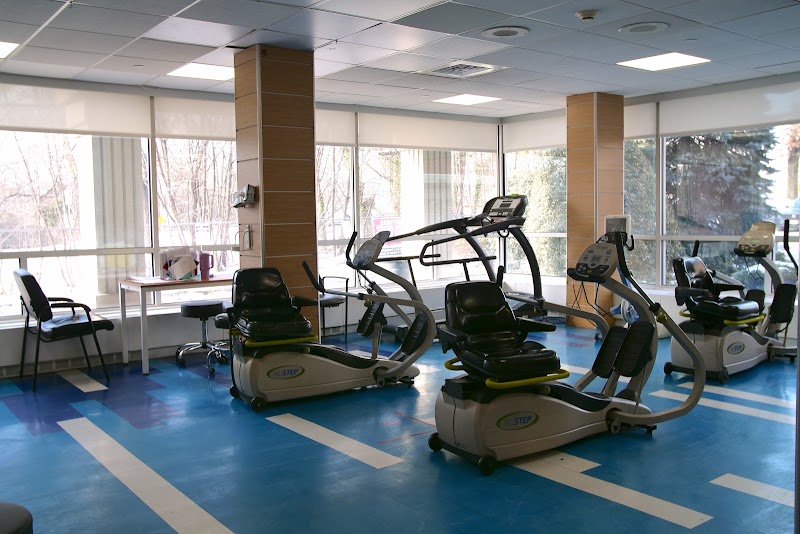
How Does Central Island Healthcare Compare to Other New York Nursing Homes?

Compared to the 100 nursing homes in New York, CENTRAL ISLAND HEALTHCARE's overall rating (4 stars) is above the state average of 3.1, staff turnover (34%) is significantly lower than the state average of 46%, and health inspection rating (3 stars) is at the national benchmark.

What Should Families Ask When Visiting Central Island Healthcare?

Based on this facility's data, families visiting should ask: "Can you walk me through typical staffing levels on day, evening, and night shifts?" "Can I visit during a mealtime to observe dining assistance and food quality?" "How do you handle medical emergencies, and what is your hospital transfer rate?" "Can I speak with family members of current residents about their experience?" These questions are particularly relevant given the below-average staffing rating.

Is Central Island Healthcare Safe?

Based on CMS inspection data, CENTRAL ISLAND HEALTHCARE has a clean safety record: no substantiated abuse findings (meaning no confirmed cases of resident harm), no Immediate Jeopardy citations (the most serious violation level indicating risk of serious injury or death), and is not on the Special Focus Facility watch list (a federal program monitoring the lowest-performing 1% of nursing homes). The facility has a 4-star overall rating and ranks #1 of 100 nursing homes in New York. While no facility is perfect, families should still ask about staff-to-resident ratios and recent inspection results during their visit.

Do Nurses at Central Island Healthcare Stick Around?

CENTRAL ISLAND HEALTHCARE has a staff turnover rate of 34%, which is about average for New York nursing homes (state average: 46%). Moderate turnover is common in nursing homes, but families should still ask about staff tenure and how the facility maintains care continuity when employees leave.

Was Central Island Healthcare Ever Fined?

CENTRAL ISLAND HEALTHCARE has no federal fines on record. CMS issues fines when nursing homes fail to meet care standards or don't correct problems found during inspections. The absence of fines suggests the facility has either maintained compliance or corrected any issues before penalties were assessed. This is a positive indicator, though families should still review recent inspection reports for the full picture.

Is Central Island Healthcare on Any Federal Watch List?

CENTRAL ISLAND HEALTHCARE is not on any federal watch list. The most significant is the Special Focus Facility (SFF) program, which identifies the bottom 1% of nursing homes nationally based on persistent, serious quality problems. Not being on this list means the facility has avoided the pattern of deficiencies that triggers enhanced federal oversight. This is a positive indicator, though families should still review the facility's inspection history directly.