THE GRAND REHABILITATION AND NRSG AT RIVER VALLEY

140 MAIN STREET, POUGHKEEPSIE, NY 12601 (845) 454-7600
For profit - Corporation 160 Beds THE GRAND HEALTHCARE Data: November 2025
Trust Grade
68/100
#347 of 594 in NY
Last Inspection: October 2023

Over 2 years since last inspection. Current conditions may differ from available data.

Overview

The Grand Rehabilitation and Nursing at River Valley has a Trust Grade of C+, indicating that it is slightly above average but not outstanding. Ranking #347 out of 594 facilities in New York places it in the bottom half, while its county rank of #5 out of 12 means there are only four local options that are better. The facility is showing an improving trend, with reported issues decreasing from seven in 2020 to five in 2023. Staffing is a weak point with a rating of 2 out of 5 stars, although the turnover rate of 26% is below the state average, suggesting some staff stability. Notably, the facility has no fines, but it does have concerning RN coverage, being lower than 91% of New York facilities. However, there are significant weaknesses to consider. Recent inspections revealed multiple food safety violations, such as improper food storage, unsanitary kitchen conditions, and failure to maintain proper food temperatures. Additionally, the facility did not report an incident involving inappropriate touching between residents in a timely manner, which raises concerns about resident safety and oversight. Overall, while there are some positive aspects, families should weigh these issues carefully when considering this nursing home for their loved ones.

Trust Score
C+
68/100
In New York
#347/594
Bottom 42%
Safety Record
Low Risk
No red flags
Inspections
Getting Better
7 → 5 violations
Staff Stability
✓ Good
26% annual turnover. Excellent stability, 22 points below New York's 48% average. Staff who stay learn residents' needs.
Penalties
✓ Good
No fines on record. Clean compliance history, better than most New York facilities.
Skilled Nurses
⚠ Watch
Each resident gets only 19 minutes of Registered Nurse (RN) attention daily — below average for New York. Fewer RN minutes means fewer trained eyes watching for problems.
Violations
⚠ Watch
19 deficiencies on record. Higher than average. Multiple issues found across inspections.
★★★☆☆
3.0
Overall Rating
★★☆☆☆
2.0
Staff Levels
★☆☆☆☆
1.0
Care Quality
★★★★☆
4.0
Inspection Score
Stable
2020: 7 issues
2023: 5 issues

The Good

  • Low Staff Turnover (26%) · Staff stability means consistent care
  • Full Sprinkler Coverage · Fire safety systems throughout facility
  • No fines on record
  • Staff turnover is low (26%)

    22 points below New York average of 48%

Facility shows strength in staff retention, fire safety.

The Bad

3-Star Overall Rating

Near New York average (3.1)

Meets federal standards, typical of most facilities

Chain: THE GRAND HEALTHCARE

Part of a multi-facility chain

Ask about local staffing decisions and management

The Ugly 19 deficiencies on record

Oct 2023 4 deficiencies
CONCERN (D)

Potential for Harm - no one hurt, but risky conditions existed

Report Alleged Abuse (Tag F0609)

Could have caused harm · This affected 1 resident

Based on interview and record review conducted during the recertification survey from 9/27/2023 to 10/3/2023, the facility did not ensure that all alleged violations involving abuse were reported time...

Read full inspector narrative →
Based on interview and record review conducted during the recertification survey from 9/27/2023 to 10/3/2023, the facility did not ensure that all alleged violations involving abuse were reported timely for one (Residents #4) of two residents reviewed for abuse. Specifically, Resident #4 was observed in another resident's room inappropriately touching the other resident and the facility did not report the incident to the New York State Department of Health (NYSDOH). Findings include: Review of a facility policy and procedure (P&P) titled Abuse Prevention Program/Abuse and Neglect Clinical Protocol/Abuse investigation and reporting last reviewed 1/2023, documented sex abuse was non-consensual sexual contact of any type with a resident. All reports of resident abuse, neglect, exploitation, misappropriation of resident property, mistreatment and or injuries of unknown origin shall promptly report to local, state and federal agencies. All allegation of abuse neglect or mistreatment will be reported immediately but no later than 2 hours if the allegation involves abuse. Resident #4 had diagnoses including Schizophrenia, Traumatic Brain Injury, and Bipolar disorder. The Minimum Data Set (MDS, an assessment tool) dated 7/2/2023, documented the resident was cognitively intact; required supervision with bed mobility, transfers and eating; and limited assistance with toilet use. A review of the medical record behavior note dated 9/19/2023, documented at approximately 1:44 AM the resident was observed in another resident's room at the foot of the bed. Resident #4 had their pants down and was rubbing the other resident's leg with his left hand and had his right hand inside his pull up. A resident to resident incident report was initiated and Resident #4 was moved to another unit. A review of the Accident/Incident report dated 9/19/2023, documented Resident #4 was found in the room of Resident #99 on 9/19/2023. Resident #4 had their hand on Resident #99's leg and Resident #4's pants were lowered. A review of Resident #99's progress note dated 9/19/2023, documented Resident #99 was inappropriately touched by another resident and Resident # 99 did not have capacity to consent. During an interview on 10/02/2023 at 12:25 PM, the Administrator stated they were aware of the incident and thought the Director of Nursing (DON) did an investigation. During an interview on 10/02/2023 at 1:45 PM, the DON stated they were notified and investigated, but since Resident #99 slept through the incident, they did not consider it abuse and did not report it. 415.4(b)(4)
CONCERN (D) 📢 Someone Reported This

A family member, employee, or ombudsman was alarmed enough to file a formal complaint

Potential for Harm - no one hurt, but risky conditions existed

Deficiency F0657 (Tag F0657)

Could have caused harm · This affected 1 resident

Based on observation, interview, and record review during a recertification survey the facility did not ensure that comprehensive care plans were reviewed and revised by the interdisciplinary team. Th...

Read full inspector narrative →
Based on observation, interview, and record review during a recertification survey the facility did not ensure that comprehensive care plans were reviewed and revised by the interdisciplinary team. This was identified for 1 of 6 residents (Resident # 59) reviewed for accidents. Specifically, Resident # 59 had a fall on 2/4/23 and a fall with injury on 2/28/23 and the Fall Care Plan was not revised. Findings include: Resident # 59 had diagnoses including arthritis, lymphedema, and peripheral neuropathy. The Annual Minimum Data Set (MDS-an assessment tool) dated 8/26/23, documented the resident's cognition was intact. Resident #59 needed limited assistance of one person for bed mobility, transfer, and toileting. The Accident/Incident (A/I) reports dated 2/4/23 and 2/28/23, documented Resident #59 falls when getting up to ambulate with their walker. The fall care plan created 10/7/19, documented the resident had an actual fall related to decreased mobility, depression, psychoactive drug use, and use of psychoactive drug use. It further documented the resident had an actual fall while out on pass on 11/10/19 and on 9/24/21 an actual fall with no injury. There was no documented evidence the fall care plan was reviewed and revised for the falls Resident #59 had on 2/4/23 and 2/28/23. During an interview on 10/03/23 at 3:18 PM, the Director of Nursing (DON) stated the Assisted Director of Nursing (ADON) and DON were responsible for updating care plans. The DON stated when they reviewed the electronic medical record there were no updates made to the fall care plan. The DON stated the registered nurse (RN) that completed the A/I reports should have updated the care plans but did not. 415.11 (c)(2)(i-iii)
CONCERN (D) 📢 Someone Reported This

A family member, employee, or ombudsman was alarmed enough to file a formal complaint

Potential for Harm - no one hurt, but risky conditions existed

Deficiency F0761 (Tag F0761)

Could have caused harm · This affected 1 resident

Based on record review and interviews conducted during the recertification and abbreviated surveys (NY00325065) from 9/27/2023-10/03/2023. The facility failed to ensure the safe and secure storage of ...

Read full inspector narrative →
Based on record review and interviews conducted during the recertification and abbreviated surveys (NY00325065) from 9/27/2023-10/03/2023. The facility failed to ensure the safe and secure storage of medications, in accordance with currently accepted professional standards. Specifically, the registered nurse (RN) Supervisor #1 accepted and signed for thirty Oxycodone tablets (a narcotic pain medication) and placed the medication in the supervisor's office with one lock on the door and not a locked cabinet for narcotics. As a result, the medication went missing and was not found. Resident #59 had diagnoses including low back pain, Bipolar disorder and hypertension. The annual Minimum Data Set (MDS, an assessment tool) dated 8/23/2023 documented the resident had intact cognition and received pain medication daily. The Policy and Procedure titled Medication Controlled Substance revised 1/2023, documented the facility shall comply with all laws, regulations and other requirements related to handling, storage, disposal and documentation of controlled substances. The policy further documents all controlled substances must be stored in the medication room in a locked container. Review of the packing slip from the pharmacy documented 30 Oxycodone HCL 20 milligrams (mg) were received and signed for by RN Supervisor #1 on 9/28/2023 at 8:00 PM for Resident #59. Review of the investigation by the Director of Nursing (DON) dated 9/29/23 documented RN Supervisor #1 stated that he had placed narcotics for Resident #59 in the Supervisor's Office and when he returned, they were missing. During multiple observations on the 2 [NAME] Unit from 9/27/23 to 10/2/23, all narcotics were kept in the medication room secured with double locked cabinets. During an interview on 10/2/2023 at 10:51 PM, RN Supervisor #3 stated they relieved RN Supervisor #1 on the evening of 9/28/23 and during report RN Supervisor #1 stated the Oxycodone blister pack was placed in a room adjacent to the nursing office, it was not double locked, and it was missing. During a telephone interview on 10/3/2023 at 8:00 AM, RN Supervisor #1 stated at 8:00 PM they got a delivery of a blister pack of 30 tables of Oxycodone. They signed the packing slip, took the blister pack to the supervisor's office, and left it in the locked office. When they went back to get the medication it was missing. RN Supervisor #1 stated the normal process was to log the medication in, immediately deliver it to the resident's nurse, and then the medication would be put in a double locked cabinet. During an interview on 10/2/23 at 5:00 PM the DON stated the procedure for receiving narcotics was to log it in the book, take it directly to the unit, have the nurse on the unit sign for the medication, and then put it in a double locked cabinet. 10NYCRR 415.18(e)(1-4)
CONCERN (E)

Potential for Harm - no one hurt, but risky conditions existed

Food Safety (Tag F0812)

Could have caused harm · This affected multiple residents

Based on observations, interviews, and record review conducted during the recertification survey 9/27/2023 - 10/3/2023, the facility did not ensure that food was stored, prepared, distributed, and ser...

Read full inspector narrative →
Based on observations, interviews, and record review conducted during the recertification survey 9/27/2023 - 10/3/2023, the facility did not ensure that food was stored, prepared, distributed, and served in accordance with professional standards for food safety. Specifically, 1) A dietary aide did not handle cleaned and sanitized dishware in a sanitary manner; 2) Equipment used for food service preparation, storage, and service was not maintained in a sanitary condition; 3) A cook did not properly sanitize a thermometer being used to check meal time food temperatures; 4) One dry storage room was being used to store dry foods and large quantities of multiple chemicals; 5) Cold foods temperatures were not maintained at 41 degrees Fahrenheit (F) or less. The findings are: The initial tour of the kitchen was conducted on 09/27/2023 between 9:50 AM and 11:50 AM with the Food Service Director (FSD) in attendance. The following were noted: 1) At 10:22 AM dietary aide (DA #1) was observed on the clean end of the dairy kitchen dishwasher using a gloved hand to push away water from the dishwasher counter (used to hold racks of clean dishes). DA #1 then touched cleaned and sanitized plate covers without use of proper hand hygiene and changing their soiled gloves. When asked the purpose of wiping the dishwasher counter with their gloved hand and then touching the plate covers, DA#1 stated they were checking the plate covers to make sure they were clean, and they would change their gloves. 2) At 10:29 AM a metal storage rack in the dairy side kitchen was observed to be rusted and held an accumulation of dust. The rack held 2 empty coffee pots and 5 empty, large Tupperware-style beverage containers which were stored upside down allowing for the open tops of the pots and containers to be in contact with the rusted, dusty metal rack. The FSD was interviewed at that time and stated that the rusted, dusty metal rack was not appropriate. 3) At 10:35 AM Three (3) large, standing storage bins for flour, rice, and breadcrumbs were observed in the dairy kitchen. The top of the flour bin was observed to be heavily soiled with brown-ish and red-ish colored dried spills, dried food debris, and dried, raised, yellowish-colored matter of unknown origin. The flour bins' clear plastic sliding lid was soiled with sticky, clear dried spills. The front of the flour bin was heavily soiled with dried, raised, yellow-ish colored matter of unknown origin and dried black-ish colored areas. The scoop for the bin was attached to a hook on the front of the flour bin. The flour scoop was covered with flour, and the rim of the scoop was in contact with the soiled front of the bin. At that time the FSD was interviewed and stated that the flour bin should be cleaned every other day, the bin did not look like it was cleaned every other day, and they would be counseling their pot washer about that. The FSD stated that the flour should have been washed before being put back on the flour bin. The FSD stated that the black-ish colored areas on the front of the flour bin may have come from mopping in the area. The tops of the bins used for storing breadcrumbs and rice were soiled with dried brown-ish colored spills, sticky yellowish spills on their sliding lids, and had pink-ish, yellow-ish, and black-ish colored soiling on the fronts of the bins. At that time the pot washer responsible for cleaning the bins was interviewed and asked the possible risk related to the soiled food storage bins. The pot washer observed the 3 storage bins, and stated that the bins were grimy, and the scoop rim touching the grimy bin could cause cross contamination and possible sickness. 4) At 11:00 AM, a 3-shelf pot rack with plastic racks was observed to be heavily soiled with sticky-to-touch, blackish colored grime. The racks were holding 3 extra-large pots stored face side down with their rims in contact with the soiled racks. In an interview at that time the FSD stated that the food contact surfaces should not be in contact with the shelves as they are unsanitary. 5) At 11:10 AM, an observation of the dairy side cooks' area revealed a 20 slot cooks' rack used to hold trays of prepared foods. The slots were heavily soiled with an accumulation of yellow-ish colored, raised, dried soiling, and raised brown-ish soiling. In an interview at that time the FSD stated that the soiling was due to spillage, the rack was supposed to be cleaned weekly, and the rack had not been cleaned in the last 2 months based upon the amount of spillage. The FSD stated that the soiling is a risk for cross contamination if it drops into food. The FSD stated that they are responsible for oversight of staff to ensure the cleaning of kitchen equipment. 6) At 11:19 AM, during an observation of the lunch meal food temperature checks in the dairy kitchen, the cook (cook #1) was observed wiping their food thermometer with a dry chix wipe (chix food service towels are a non-woven, low-lint material) and proceeding towards placing the thermometer into a large pan of green beans. Surveyor asked cook #1 to stop that action. In an interview at that time, cook #1 stated they use the chix wipes to sanitize the thermometer, and to prevent the prevent food from cross contamination and possible harm to the residents. [NAME] #1 stated they usually use a chix in sanitizer solution, but another staff member had left the dry chix wipes for them today. [NAME] #1 stated that the risk of using the dried chix without sanitizer solution would be that the thermometer would not be sanitized and there would be a risk of food contamination. 7) At 11:37 AM, during an inspection of the dairy kitchen refrigerator seven (7) plastic shelving racks were observed to be heavily soiled with both dried and sticky to the touch black-ish colored grime. The shelves held a variety of cold food items intended for resident use. At that time the FSD was asked the potential risk from the soiled shelving. The FSD stated that there was a risk of bacterial cross contamination. The FSD stated that the soiling occurred from humidity, moisture, and food spillage. The FSD stated that if the staff had seen this, they should have brought it to their attention immediately. A follow up inspection was conducted on 09/28/23. The findings were: 8) At 10:44 AM, an observation of the downstairs dry food storage room was conducted with the FSD in attendance and revealed that the room was also being used to store chemicals. A variety of chemicals were observed on shelves a few feet away from shelves of dry food items. Those chemicals included, but were not limited: Eight (8) 5-gallon containers of Santec Red heavy duty surface cleaner. Four (4) 5-gallon containers of Kleer-it for grease traps and drains. Three (3) 5-gallon containers of rapid dry drying agent for dish machines. Two (2) 5-gallon containers of clean slate Ajo manual dish soap Nine (9) one-gallon clean slate automatic dish machine detergent by Bristol. At that time the FSD stated that they thought the chemicals were stored separately from the food. 9) At 11:08 AM, the meat kitchen tray line was preparing to serve the lunch meal. Surveyor asked staff to check the temperatures of the cold food alternates which were being stored in the meat cooler. Temperature checks revealed: Egg salad sandwich: 45.9 degrees (F) Tuna salad sandwich 47.2 degrees (F). At that time the FSD stated they would move the sandwiches into the freezer. In an interview on 9/28/23 at 11:15 PM a Dietary Aide (DA #2) stated that the tuna salad and egg salad had been made last night. At that time Surveyor requested to obtain temperatures of additional items in the meat cooler which revealed: Tuna salad in metal pan: 43.8 degrees (F) Ground chicken in a metal pan: 43.8 (F). The meat cooler thermometer was checked and read 41 degrees F. In an interview on 9/28/23 at 11:38 AM the FSD stated that the door to the meat cooler does not always close with a full seal, and they had reported this to the maintenance director. The FSD stated they would discard all leftovers, and the tuna salad, egg salad, and ground chicken. The FSD stated that that the meat cooler has been unreliable since they came to the facility over a year ago, and they had spoken to the administrator about it but did not have any documentation of this. Surveyor review of the September 1st to 28th temperature log for the meat cooler revealed one reading of 47 degrees on 9/4/2023, one reading of 60 degrees F on 9/9/2023, and readings of 42 degrees F on 9/15 and 9/19/2023. No documented evidence was provided that a maintenance order was submitted to address the meat cooler temperatures greater than 41 degrees (F). In an interview on 9/28/23 at 2:28 PM the Administrator stated that they were not aware of any issues with the meat cooler. On 9/28/2023 in the afternoon, the FSD produced a maintenance order dated 4/3/2023 which documented the meat cooler was 60 degrees, and the response from maintenance documented added more r22 and brought back within operating pressures. Cooler now dropping temperature. No documented evidence was provided that there was communication from the kitchen to maintenance regarding meat cooler temperatures greater than 41 degrees (F) after 4/3/2023. §483.60(i)(2)
Jun 2023 1 deficiency
CONCERN (D) 📢 Someone Reported This

A family member, employee, or ombudsman was alarmed enough to file a formal complaint

Potential for Harm - no one hurt, but risky conditions existed

Deficiency F0625 (Tag F0625)

Could have caused harm · This affected 1 resident

**NOTE- TERMS IN BRACKETS HAVE BEEN EDITED TO PROTECT CONFIDENTIALITY** Based on record review and interview conducted during an abbreviated survey (NY00317806), it cannot be ensured that the resident...

Read full inspector narrative →
**NOTE- TERMS IN BRACKETS HAVE BEEN EDITED TO PROTECT CONFIDENTIALITY** Based on record review and interview conducted during an abbreviated survey (NY00317806), it cannot be ensured that the resident or the resident's representative were notified in writing of the facility's Bed Hold Policy. This was evident for 1 of 3 resident's (Resident #1) reviewed for hospitalization. Specifically, Resident #1 was transferred to the hospital on [DATE] and the facility could not provide evidence that a written notice of the facility's Bed Hold Policy was provided to the resident or the resident's representatives. The findings include: A review of the facility policy titled 'Bed-Holds and Returns' dated 10/2018 and last reviewed 01/2023 documented that the resident's or resident representatives will be informed in writing of the bed-hold and return policy prior to transfers and therapeutic leaves. Resident #1 was admitted to the facility on [DATE] with diagnoses including but not limited to atrial fibrillation, ovarian cancer, and a stroke. The annual MDS (Minimum Data Set, a resident assessment tool) dated 04/29/2023 documented Resident #1 had a Brief Interview of Mental Status (BIMS- a tool to assess cognitive function) score of 7, indicating severe cognitive impairment. A review of the Nursing progress note dated 6/4/2023 documented that Resident #1 was transferred to the hospital per the resident and resident's family's request on 06/04/2023 and was admitted [DATE] with diagnoses including but not limited to colitis and constipation. The facility was unable to provide documented evidence that Resident #1 or their representative had been provided a written Notice of their Bed Hold Policy at or close to the time of transfer to the hospital on [DATE]. During an interview conducted with the facility's administrator on 06/09/2023 at 2:13pm, the facility administrator stated Resident #1 did not receive a notification of bed hold policy for their hospitalization on 06/04/2023 when they should have received one. §483.15(d)(2)
Feb 2020 7 deficiencies
CONCERN (D)

Potential for Harm - no one hurt, but risky conditions existed

Comprehensive Care Plan (Tag F0656)

Could have caused harm · This affected 1 resident

**NOTE- TERMS IN BRACKETS HAVE BEEN EDITED TO PROTECT CONFIDENTIALITY** 2. Resident #70 admitted with diagnosis Deep Vein Thrombosis, Diabetes Mellitus, Hemiplegia According to the 7/7/19 Annual and 1...

Read full inspector narrative →
**NOTE- TERMS IN BRACKETS HAVE BEEN EDITED TO PROTECT CONFIDENTIALITY** 2. Resident #70 admitted with diagnosis Deep Vein Thrombosis, Diabetes Mellitus, Hemiplegia According to the 7/7/19 Annual and 12/18/19 Quarterly MDS the resident had impaired cognition, required extensive assist x 2 staff support for bed mobility, had impairment of the unilateral upper and lower extremities, and was at risk for pressure ulcers. The 6/30/18 care plan for risk for impaired skin integrity noted the resident had muscle weakness, hemiparesis status post Cerebral Vascular Accident, immobility and Peripheral Vascular Disease. The interventions included but were not limited to apply moisturizer as needed (PRN) to skin, and apply protective preventative skin care. The 6/30/18 care plan for limited physical mobility noted the resident had impaired mobility related to muscle weakness. The interventions included but were not limited to initiate interventions to prevent skin breakdown or injury. No mention was made of how the resident should be positioned and the use of assistive devices to offload at risk pressure areas. The CNA Care Guide did not indicate how the resident should be positioned or the use of off loading devices when in bed. An interview was conducted on 2/13/20 at 9:35AM with the RN # 3. She stated the care plan would be updated to reflect interventions for prevention of skin breakdown. 415.11(c)(1) Based on observation, interview and record review conducted during the most recent recertification survey and an abbreviated survey (Complaint #NY00237514), the facility did not ensure that the plan of care for each resident included the necessary person-centered interventions to address, when indicated, their needs related to respiratory care, activities of daily living, and the prevention of the development of pressure sores. This was evident for 1 of 2 resident (Resident #18) reviewed for respiratory care; 1 of 4 residents (Resident #121) reviewed for bowel and bladder incontinence and 1 of 5 residents (Resident #70) reviewed for pressure ulcer. Specifically, 1) the plan of care for Resident #18 was not implemented as planned regarding the use of oxygen and changing of the oxygen tubing, did not address what devices and number of people to use to assist the resident when being toileted, and did include measures to involve the resident in assisting with her toileting needs; and 2) the plan of care for Resident #70, with the diagnoses of Peripheral Vascular Disease and reliance on staff for extensive assistance with bed mobility, did not include measures to prevent the development of pressure ulcer to the resident's feet when in bed. The findings are: 1. Resident #18 was admitted to the facility on [DATE] and has diagnoses that include Dementia, Cerebrovascular Accident and history of Respiratory Failure. The resident's plan of care initiated on 2/8/19 and most recently reviewed on 1/31/20 showed that the resident had an alteration in her respiratory system related to asthma and a history of respiratory failure. This plan included included the interventions to provide oxygen per physician's orders, maintain and change tubing per protocol, observe for symptoms of poor airway, and moisten airway by humidifier. Observation on 2/6/20 in the morning revealed that the oxygen nasal cannula tube was dated for 1/26/20 in the AM and was delivering 2.5 liters of oxygen per minute. A review of the current physician's order sheet revealed no order for oxygen. A follow-up observation of the tube on 2/11/20 revealed that it was dated 2/9/20 to indicate the date on which the previous tube was replaced. The Unit Manager/Registered Nurse (RN #1) was interviewed on 2/13/20 between 12:05 PM and 12:56 PM. This interview revealed that according to the facility's protocol, the oxygen tubing should have been changed weekly. RN #1 then reviewed the resident's record and stated that the resident was on oxygen in the past and that the order was not carried over monthly. The resident's plan of care for oxygen to be administered in accordance with physician's order and for the oxygen tubing to be changed according to the facility's protocol was not implemented. 2. Complaint #NY00237514: Resident #121, who is [AGE] years old, was admitted to the facility on [DATE]. The resident's diagnoses and medical conditions include Diabetes Mellitus, Arthritis, Dementia, Depression and muscle weakness. According to the annual Minimum Data Set (MDS, an assessment instrument) dated 10/8/19, the resident had moderate cognitive impairment, required extensive assistance of 2 people for transfer and toileting and was frequently incontinent of bowel and bladder. The care plan for incontinence initially developed on 12/14/18 and recently evaluated on 1/17/20 noted that the resident was incontinent of bowel and bladder related to cognitive impairment. The interventions to address the resident's incontinence included but not limited to: apply incontinence devices as identified as appropriate and brief check/change every 3 to 4 hours as needed. No mention was made of how the resident was to be transferred to the toilet. According to the CNA Care Guide (or Task), the resident was to be transferred with the use of a Serita lift (a mechanical lift that allows the resident to stand while being assisted with the transfer). The CNA Care Guide did not indicate how the resident was to be transferred from her chair or bed when being toileted or if the resident was to be toileted in the bed with the use of a bed pan. Additionally, the Care Guide stated that the resident should be toileted with the assistance of one person, not consistent with the above-mentioned MDS, and the care plan did not mention how many persons were to assist the resident. The surveyor brought the inconsistencies with the MDS, care plan and CNA Care Guide to the attention of the Unit Manager/Registered Nurse (RN #1) on 2/10/20 at 1:17 PM. RN #1 stated that she would update the resident's plan. Also at that time RN #1 stated that sometimes the resident would ring the bell for assistance with toileting and at times would be wet and did not know it. The above mentioned care plan did not include any intervention to encourage the resident or to remind the resident to call for assistance after an incontinence episode or for assistance to use the toilet. CNAs on the day and evening shifts were interviewed as to how the resident was toileted. The day shift certified nurse aide (CNA #1) was interviewed on 2/10/20 at 3:11 PM. She stated that the resident was toileted with the use of a Serita lift and when the resident was in bed she was placed on a bed pan in the bed. The evening shift CNA (CNA #2) was interviewed on 2/12/20 at 4:36 PM. CNA #2 stated that the resident was toileted with the assistance of 2 aides while holding onto the rail next to the toilet. On 2/12/20 at 4:20 PM the surveyor visited the resident. There was a strong odor of urine in the resident's room. The surveyor asked the resident if she was wet. The resident stated that she was. The surveyor asked the resident why she did not call for assistance? The resident stated that the staff passed by and she thought that they would know to check on her. On 2/11/20 a family member reported to the surveyor by phone that he had found the resident several times sitting in urine and feces.
CONCERN (D)

Potential for Harm - no one hurt, but risky conditions existed

Deficiency F0657 (Tag F0657)

Could have caused harm · This affected 1 resident

Based on observation, interview and record review conducted during the recertification survey, the facility did not ensure that the comprehensive care plan was revised for one resident (#39) reviewed ...

Read full inspector narrative →
Based on observation, interview and record review conducted during the recertification survey, the facility did not ensure that the comprehensive care plan was revised for one resident (#39) reviewed for diabetes management. It was determined that the care plan was not updated to address the recent change of insulin administration from periodic insulin pen injections and fingersticks to an external continuous insulin pump with continuous blood glucose monitoring. The findings are: Resident # 39 was admitted to the facility 2/9/2019 with diagnoses of Type I diabetes, hypertension, and diabetic ketoacidosis with coma. MDS ( minimum data set, a resident assessment tool) quarterly assessment from 11/22/2019 documented the resident is cognitively intact and independent with bed transfers, supervision with ambulation in room and hall and supervision with dressing. The MDS further documented the resident had impairment of the right upper extremity. Review of progress notes dated 1/28/2020 documented that as a result of the right arm impairment an external Tslim X2 insulin pump and Dexcom G6 sensor were placed on the resident on 1/28/2020 at the Endocrinologist's office. The current nursing care plan initiated 2/7/2019 had a goal that the resident will be free from the complications related to insulin therapy. A second goal initiated 2/15/2019 documented the resident will be free of episodes of hyper/hypoglycemia through review period. Interventions included monitor for signs and symptoms of hypo/hyperglycemia, administer meds per MD order, monitor fingersticks per MD order, administer therapeutic diet, monitor for effectiveness of medications. Further review revealed the care plan had not been updated since 5/10/2019. The current nursing care plan did not make mention of the new external insulin delivery device that was placed 1/28/2020. The new device does not require fingersticks as the new device monitors blood glucose and transmits results to the residents phone. The physicians orders from 1/28/2020 document fasting blood sugar prior to meals and at bedtime per insulin pump, record reading on EMAR, call MD if BG <70 or >250 was not on the plan. Physicians orders from 2/19/2019 state the resident may go out on LOA with meds. Care of the infusion set, site changes and pump sensor change ordered by the physician were not addressed on the care plan. The resident has stated, and nurses agreed the resident frequently goes out of the facility for appointments, food, visits. Leave of absence forms reviewed for the month of January and February reveal the resident goes out almost every day. The care plan did not have interventions to address the safety of the resident and measures to prevent hypo/hyperglycemia while out of the facility. An interview conducted 2/10/2020 with the Unit Manager (#1) revealed that the current nursing care plan needed to be updated to accurately reflect the resident plan of care using a new insulin pump with continuous blood glucose monitoring. 415.11(c)(2)(i-iii)
CONCERN (D)

Potential for Harm - no one hurt, but risky conditions existed

Quality of Care (Tag F0684)

Could have caused harm · This affected 1 resident

Based on observation, interview, and record review conducted during the recertification survey, the facility did not ensure that 1 of 4 residents reviewed for bowel and bladder incontinence was provid...

Read full inspector narrative →
Based on observation, interview, and record review conducted during the recertification survey, the facility did not ensure that 1 of 4 residents reviewed for bowel and bladder incontinence was provided the necessary care to address bowel regularity. Specifically, the nursing staff did not implement the physician's orders to address the absence of bowel movements in at least three days. (Resident #4). The findings are: Resident #4 has diagnoses and conditions including; Hemiplegia following Cardiovascular Accident, Slow Transition Constipation, and Mixed Irritable Bowel Syndrome. According to the 8/13/19 admission Minimum Data Set (MDS; an assessment tool), the resident had a Brief Interview for Mental Status (BIMS) score of 15/15 which indicated the resident was cognitively intact. The Policy/Procedure for bowel protocol initiated 10/97 and revised 3/19 documented that as part of the initial assessment the staff and physician will help identify individuals with previously identified lower gastrointestinal conditions and symptoms. Examples of lower gastrointestinal tract conditions and symptoms include, but are not limited to; irritable bowel syndrome (IBS), fecal incontinence and alteration in bowel movements (BM). Staff will initiate the Bowel Protocol, as indicated by the Medical Director, of Milk of Magnesium 30 ml (for renal residents Lactulose 30ml) for no bowel movement times three days, followed by Dulcolax Suppository 10 mg; if no results, Fleet enema. Physician notification is required during the protocol implementation. The physician's orders dated 1/18/2020 included orders for bowel routine per protocol; Benefiber Powder two teaspoons orally as needed for constipation, Docusate Sodium 100 mg capsule orally two times a day for constipation, Dulcolax Suppository 10 mg one suppository rectally every twenty four hours as needed for no BM times 6 shifts and no results from Milk of Magnesium (MOM) Milk Of Magnesium 30 ml orally every twenty four hours as needed at bedtime for constipation if no BM in three days, Fleet Enema insert one applicator rectally every twenty four hours as needed if no bowel movement times six shifts, or no result from the Dulcolax. The Certified Nursing Assistant (CNA) Bowel Regimen Record for 1/24/2020 to 2/12/2020 was reviewed and revealed documentation of no BM on all shifts from the period of 2/4/20 to 2/8/20. Review of nurses' notes, as well as the January 2020 and February 2020 ( up to date of survey exit 2/13/20) Medication Administration Record (MAR) revealed no documented evidence that the bowel medications were offered and/or refused by the resident The Registered Nurse Manager (RN #2) was interviewed on 2/12/2020 at 4:11 PM and stated that she was not aware that the resident had no BM from 2/4/20 to 2/8/20. RN #2 reviewed the physician's bowel orders in the presence of the surveyor and identified the medications that were to be given on an as needed basis as indicated above. She then stated that none was administered to the resident. RN #2 stated that the nurses on all shifts were responsible for checking the resident's bowel record daily. RN #2 further stated that the computer software system produced an alert regarding absence of bowel movements to alert the nurses and that she was not sure why nothing was done. On 2/13/20 in the morning RN #2 gave the surveyor a Clinical Alert Listing Report, computer generated, dated 1/30/20-2/13/20. This report reflected that from 2/6/20 to 2/8/20 the resident had no bowel movement for 3 days. Further review of this sheet revealed each notification was acknowledged with signatures for each date. In an interview with the resident on 2/12/20 at 4:23 PM she stated that she had a problem with Irritable Bowel Syndrome (IBS) and sometimes she would go a week without having a bowel movement. The resident stated that Benefiber usually helps her with the condition, but it was not given to her. 415.12
CONCERN (D)

Potential for Harm - no one hurt, but risky conditions existed

Pressure Ulcer Prevention (Tag F0686)

Could have caused harm · This affected 1 resident

Based on observations, interview and record review conducted during the recertification survey, the facility did not ensure that care and treatment were provided to prevent the development of pressure...

Read full inspector narrative →
Based on observations, interview and record review conducted during the recertification survey, the facility did not ensure that care and treatment were provided to prevent the development of pressure ulcers for 1 of 5 residents (Resident #70) reviewed for pressure ulcers. Specifically, there were no pressure relieving measures including off loading and the use of heel booties for a resident at risk for the development of pressure ulcers. The findings are: Resident #70 was admitted with diagnoses of Peripheral Vascular Disease, Diabetes Mellitus, Hemiplegia. According to the 7/7/19 Annual and 12/18/19 Quarterly Minimum Data Set (MDS: an assessment tool) revealed the resident had impaired cognition, required extensive assistance of 2 persons for bed mobility, had impairment of the unilateral upper and lower extremities, and was at risk for pressure ulcers. The 6/30/18 care plan for risk for impaired skin integrity noted the resident had muscle weakness hemiparesis status post Cerebral Vascular Accident, immobility and Peripheral Vascular Disease. The interventions included but were not limited to apply moisturizer as needed (PRN) to skin, and apply protective preventative skin care. The 6/30/18 care plan for limited physical mobility noted the resident had impaired mobility related to muscle weakness. The interventions included, but were not limited to, initiate interventions to prevent skin breakdown or injury. Review of the CNA (certified nursing assistant) Care Guide revealed no information about how the resident should be positioned or the use of pressure relieving devices for the resident's heels when in bed. Observations on 2/6/20 at 10:00 AM, 02/07/20 at 11:02 AM, and 2/13/20 at 9:43 AM revealed Resident #70 was resting in a semi-Fowlers position while in bed. Resident #70 did not have pressure relieving devices in place i.e. bilateral foot heel booties and the heels were not off loaded. Further observation revealed the bottoms of both feet to be in direct contact with the foot board. On 2/13/20 at 9:43 AM the Registered Nurse (RN) Manager removed the socks of Resident #70 revealing dry, peeling skin on both feet. An interview was conducted on 2/13/20 at 9:35 AM with RN # 3. After checking the resident's room it was determined the resident did not possess heel booties. RN #3 stated she was not aware the resident did not wear heel booties while in bed. She further stated the bottom of the resident's feet should not be resting on the footboard and she would check the resident's bed to determine if the foot board should be removed. An interview was conducted on 2/13/20 at 9:39 AM with CNA #3. She stated the bottom of the resident's feet were frequently pressed against the foot board. She further stated the resident did not have and never wore heel booties. 415.12(c)(2)
CONCERN (D)

Potential for Harm - no one hurt, but risky conditions existed

Deficiency F0726 (Tag F0726)

Could have caused harm · This affected 1 resident

**NOTE- TERMS IN BRACKETS HAVE BEEN EDITED TO PROTECT CONFIDENTIALITY** Based on observations, interviews and record review, the facility did not ensure that staff demonstrated competency in providing...

Read full inspector narrative →
**NOTE- TERMS IN BRACKETS HAVE BEEN EDITED TO PROTECT CONFIDENTIALITY** Based on observations, interviews and record review, the facility did not ensure that staff demonstrated competency in providing necessary care to meet the needs of one resident reviewed for diabetes management. Specifically, staff were not provided education and competency review for the use of an insulin pump for 1 resident ( Resident #39 ). The findings are: Resident # 39 was admitted to the facility on [DATE] with diagnoses of Type I diabetes, hypertension and diabetic ketoacidosis with coma. The minimum data set (MDS; a resident asssessment tool) dated 11/22/2019 documented the resident is cognitively intact and independent with bed transfers, requires supervision with ambulation and supervision with dressing. The MDS further documented the resident had impairment of the right upper extremity. Review of the progress notes dated 1/28/2020 documented that as a result of the right arm impairment an external Tslim X2 insulin pump (device that measures blood glucose levels and automatically administers insulin or withholds it based on the blood glucose level) and Dexcom G6 sensor (sends glucose readings to a smart device) were placed on the resident on 1/28/2020 at the Endocrinologist's office. An interview was conducted with Resident #39 on 2/06/2020 at 11:31 AM. The resident stated the insulin pump was placed about one week ago and the resident inputs all the glucose data and receives corresponding insulin amounts based on the data and number of carbohydrates ( carbs) she consumes. The resident added that the staff nurses do not touch the machine. The resident stated she had recently experienced a low blood glucose level while out on pass but since she was not provided any glucose tabs, she ate food to correct the low level. An observation was conducted 2/10/2020 at 3:30 PM in the resident's room with her lunch tray at the bedside. Crusts from two grilled cheese sandwiches were still on the plate. The resident stated she intentionally input 24 carbs that she consumed instead of the 60 carbs per the Calorie King carbohydrate counter. The resident stated she was afraid she would have a low blood glucose level later in the day had she input the actual carb count. An interview was conducted with Licensed Practical Nurse (LPN) #1 on 02/10/20 at 3:40 PM. The LPN stated she does not routinely look at the resident's insulin pump or provide pump care and stated the resident takes care of the pump herself. The LPN added that the resident often goes out on pass and usually returns many hours later. On 2/10/2020 at 3:50 PM the Unit Manager (#1) was interviewed and stated she thought the resident was independent with the insulin pump. She did not know that carbs need to be manually inputted with each meal and that insulin was injected by the pump. She did not know how to disconnect the pump and did not think to give the resident supplies prior to leaving. During this interview the resident came to the desk and asked for a pass to leave the building. At no time did the Unit Manager offer glucose tabs or an insulin pen to the resident prior to her departure. The dietician was interviewed on 2/10/2020 in the afternoon and stated she was not aware that the resident received the insulin pump and would review dietary and carb counting with the resident. In an interview with the Assistant Director of Nursing on 2/10/2020 at 4:15 PM it was revealed that she did not know there should be staff training with regard to the insulin pump as she was not aware how an insulin pump operates. There was no documented evidence that the staff received education required to address the management of diabetes from periodic dosing of insulin through an insulin pen or injection to a continuous insulin infusion and continuous blood glucose monitoring via an external pump device. 415.26
CONCERN (D)

Potential for Harm - no one hurt, but risky conditions existed

Unnecessary Medications (Tag F0759)

Could have caused harm · This affected 1 resident

Based on observation, interview and record review conducted during the recertification survey, the facility did not ensure that the medication error rate did not exceed five percent for a total of 29 ...

Read full inspector narrative →
Based on observation, interview and record review conducted during the recertification survey, the facility did not ensure that the medication error rate did not exceed five percent for a total of 29 opportunities for error. This resulted in an error rate of 6.9%. The findings are: A medication pass observation was conducted on 2/12/2020 at 9:02 AM on the second-floor unit. The Licensed Practical Nurse (LPN #1) administered Docusate Sodium 100mg softgel and Cranberry 450 mg tablet oral from stock bottles to Resident #78. Review of the current physician's orders dated 1/16/2020 revealed an order for Docusate Sodium 1 capsule oral two times a day for constipation. The order did not specify the dosage to be given. The resident was given Cranberry 450 mg tablet which was not consistent with the physician's order that specified Cranberry Fruit 475 mg capsule oral daily for cystitis. Review of online literature, including multiple manufacturers of Docusate Sodium revealed the medication is available in several different doses, but not limited to 50mg and 100mg capsules. LPN #1 was interviewed on 2/12/2020 at 10:35 AM and stated that she thought the order was for the Cranberry 450 mg because that is the dosage the facility uses. She also stated that the doctor's order did not specify the dosage of Docusate Sodium to be administered and the dosage should have been stated in the order. 415.12(m) (1)
CONCERN (D)

Potential for Harm - no one hurt, but risky conditions existed

Menu Adequacy (Tag F0803)

Could have caused harm · This affected 1 resident

Based on observation, interview, and record review conducted during the recertification survey, it was determined that the facility did not ensure that residents received menu items listed on their me...

Read full inspector narrative →
Based on observation, interview, and record review conducted during the recertification survey, it was determined that the facility did not ensure that residents received menu items listed on their meal tickets. Specifically, food and drink items were not provided according to each resident's personal preference. (Residents #7, #64 and #99). The findings are: Observation of the lunch meal on 2/11/20 at 12:50 PM revealed the meal ticket for Resident #7 indicated ground cut up apple cake. The tray did not include the apple cake. At the time of observation the resident stated she would like apple cake, and did not know why she did not receive it. Observation of the lunch meal on 2/11/20 at 12:45 PM revealed the meal ticket for Resident #64 indicated ground cut up diet apple cake, pudding 1/2 cup, and 6 oz thickened coffee. The tray contained apple sauce. The tray did not contain coffee, pudding or apple cake. At the time of observation the resident stated he would like apple cake and coffee. He further stated the staff never give him the coffee. Observation of the lunch meal on 2/7/20 at 12:45 PM revealed the meal ticket for Resident #99 indicated pureed corned beef and pureed red cabbage. The tray contained pureed white meat and pureed green vegetables. At the time of observation the Registered Nurse (RN#3) was asked about the food items on the resident's tray and she stated she thought it was corned beef and cabbage. An interview was conducted on 2/7/20 at 12:50 PM with the food service director (FSD). He stated he did not know why the resident was not given the corned beef and red cabbage. An interview was conducted on 2/11/20 at 12:50 PM with the food service manager(FSM). He stated he would check with the kitchen staff to determine why the apple cake and pudding was not on the trays. A follow up interview on 2/11/20 at 1:00 PM was conducted with the FSM. He stated that after speaking with the kitchen staff he was informed they were afraid they would run out of apple cake so they provided some residents with apple sauce instead. He added that it was determined the facility did not have enough apple cake for all residents. He stated he did not know why Resident #7 did not receive dessert, but would bring dessert to her. In an additional interview on 2/13/20 at 1:53 pm with the FSM he stated that some residents had complained that items on the meal trays did not match items listed on their meal tickets. He stated the dietary supervisor was assigned the responsibility of auditing trays on the tray line, and that errors had been identified. 415.14(c)(1-3)
May 2018 7 deficiencies
CONCERN (D)

Potential for Harm - no one hurt, but risky conditions existed

Comprehensive Assessments (Tag F0636)

Could have caused harm · This affected 1 resident

**NOTE- TERMS IN BRACKETS HAVE BEEN EDITED TO PROTECT CONFIDENTIALITY** Based on observation, record review and interviews conducted during a recertification survey, the facility did not ensure that t...

Read full inspector narrative →
**NOTE- TERMS IN BRACKETS HAVE BEEN EDITED TO PROTECT CONFIDENTIALITY** Based on observation, record review and interviews conducted during a recertification survey, the facility did not ensure that the initial comprehensive assessment for 1 of 5 residents (#125) reviewed for dental concerns addressed the need for dentures for the resident who is endentulous (having no teeth). The finding is: Resident #125 was admitted to the facility on [DATE] with diagnoses to include Schizophrenia, Depression and Anxiety Disorder. The admission Minimum Data Set (MDS; an assessment instrument) dated 6/11/17 noted that the resident was edentulous. The resident was evaluated by the dentist in June 2017 which was the only dental evaluation to date. The evaluation showed that the resident was at the facility for short term stay. The evaluation did not address the resident's need for dentures or her history of having dentures. The Annual MDS dated [DATE] also noted that the resident is edentulous. The corresponding Care Area Assessment Summary, an extension of the MDS that provides more in-depth information, noted that complications related to the resident's edentulousness included difficulty with oral intake and increased risks for infections. This summary did not address the need for dentures and noted that the resident was tolerating her current diet well (a regular diet). The resident was observed and interviewed on 5/2/18 at 2:27 PM. At that time she was noted to be edentulous. When asked if she had dentures, she stated that she left them behind. The Nurse Manager/Registered Nurse (UNM #1) was interviewed in the morning of 5/9/18 about an assessment for the resident that determined her need for dentures. UNM #1 stated that the resident's diet has been upgraded from a pureed diet to a regular diet. UNM #1then proceeded to review the June 2017 dental evaluation. After this review, UNM #1 stated that an assessment for dentures was not done by the dentist because the resident was supposed to be at the facility for short term stay only. The resident was observed during the lunch meal on 5/9/18. She was served small slices of roast beef. She did not eat most of it and stated that she could not handle it. 415.11(a)(3)(iii)
CONCERN (D)

Potential for Harm - no one hurt, but risky conditions existed

Assessment Accuracy (Tag F0641)

Could have caused harm · This affected 1 resident

**NOTE- TERMS IN BRACKETS HAVE BEEN EDITED TO PROTECT CONFIDENTIALITY** Based on interview and record review conducted during a recertification survey, the facility did not ensure that an accurate ass...

Read full inspector narrative →
**NOTE- TERMS IN BRACKETS HAVE BEEN EDITED TO PROTECT CONFIDENTIALITY** Based on interview and record review conducted during a recertification survey, the facility did not ensure that an accurate assessment was conducted relating to urinary continence for 1 of 2 residents (#143) reviewed for urinary continence. Specifically, the resident was coded to be frequently incontinent on the most recent annual Minimum Data Assessment, which when compared to the prior quarterly assessment reflected an increase in the resident's level of incontinence. The corresponding Care Area Assessment summary noted that there was no change in the continence level and the resident's plan of care was not revised to reflect the decline in his level of bladder continence. The findings are: Resident #143 has medical conditions that include urolithiasis (the process of forming stones in the kidney, bladder, and/or urinary tract) with kidney stent. The Quarterly Minimum Data Set (MDS; a resident assessment instrument) dated 6/23/17 showed that the resident was occasionally incontinent of bladder, was toileted, and wheelchair bound. The Annual MDS dated [DATE] showed that the resident was frequently incontinent of bladder. This was not consistent with the corresponding Care Area Assessment summary (CAAs), an extension of the MDS that provides more in-depth information of areas/problems triggered by the MDS. The CAAs noted that the resident was occasionally incontinent of bladder as opposed to being frequently incontinent. The information from the assessment is used to develop appropriate goals and interventions for a resident and should accurately reflect the resident's status. The resident's current care plan addressing urinary continence revealed that the goal for the resident was to maintain continence during waking hours. Interventions to achieve this goal were to: check skin for impairment. encourage fluids during the day to promote prompted voiding responses; monitor for signs and symptoms/ of urinary tract infection, monitor and document, report to MD as needed any changes in incontinence and urology follow-up as ordered. This care plan did not accurately reflect the resident's level of urinary continence and included a plan to attempt to return the resident to his previous level of continence (occasionally incontinent) as possible as noted on the 6/23/17 MDS. The Certified Nurse Aide (CNA #2) assigned to the resident was interviewed on 5/9/18 at 2:00 PM. CNA #2 stated that the resident was able to use a urinal before and was able to toilet himself. CNA #2 stated that after he returned from the hospital in June 2017, the resident was using a Hoyer lift and required total care. The resident is now able to pivot (turning while standing) with assistance but is not on a toileting program. The CNA care guide was revised on 4/23/18 to show that the resident could stand and pivot with the assistance of one person. The MDS Registered Nurse was interviewed on 5/9/18 at 2:10 PM regarding the accuracy of the CAAs for the Annual MDS and the lack of care plan revision to address the decline in the resident's urinary status. The MDS nurse concurred that the CAA summary was inaccurate and that the care plan did not address the need for returning the resident to a higher level of continence. The director of Rehabilitation Services was interviewed in the morning of 5/11/18 and stated that the resident is currently not strong enough to use the toilet but would be a future candidate for the toileting program. 415.11(b)
CONCERN (D)

Potential for Harm - no one hurt, but risky conditions existed

Comprehensive Care Plan (Tag F0656)

Could have caused harm · This affected 1 resident

**NOTE- TERMS IN BRACKETS HAVE BEEN EDITED TO PROTECT CONFIDENTIALITY** Based on observation, interview and record review conducted during a recertification survey, the facility did not develop and im...

Read full inspector narrative →
**NOTE- TERMS IN BRACKETS HAVE BEEN EDITED TO PROTECT CONFIDENTIALITY** Based on observation, interview and record review conducted during a recertification survey, the facility did not develop and implement comprehensive person-centered care plans with measurable goals, time frames and appropriate interventions to meet the needs 1 of 2 residents (#139) reviewed for pain, 1 of 1 resident reviewed for vision 465) and 1 of 5 residents (#138) reviewed for pressure ulcers. Specifically, Resident # 139 did not have a care plan in place to address pain and diabetic foot care problems and Resident # 465 did not have a care plan to address his vision needs. The findings are: 1. Resident #139 had diagnoses including Diabetes, Arthritis, and Heart Failure. The admission Minimum Data Set (MDS; a resident assessment and screening tool) of 3/12/18 indicated that the resident had a BIMS (Brief Interview Mental Status) score of 15 out of 15 which indicated the resident was cognitively intact; required supervision of one staff member with bed mobility and eating; limited assist of 1 staff for transfers, and extensive assist of 1 staff for toilet use with activities of daily living(ADL). This MDs further documented that the resident received scheduled pain medication with indicator of pain (vocal complaint) 1-2 days during staff assessment for pain. The Physician Order form dated 4/23/18 included instructions to administer Gabapentin 300mg capsule by mouth two times daily for pain. There was no care plan in place to address pain and discomfort which was caused by long toe nails at the time of the above admission assessment. The resident was interviewed on 5/4/18 at 2:00 PM and stated he has long toenails that cause discomfort when touched. The resident stated he was concerned and fearful of infection if his toenails become ingrown due to his diabetes. The Unit Nurse Manager (UMN #1) was interviewed on 5/7/18 at 10:30 AM and stated that it was the responsibility of the nurses and MDS Coordinators to initiate the care plans to address the residents' needs. The nurse manager was unable to locate a care plan addressing the resident's pain. The MDS Coordinator was interviewed on 5/7/18 at 12:00 PM and she stated the ground work for initiating care plans starts with MDS but it is the responsibility of the nurses on the unit to modify the care plans as needed. She stated that the care plan for pain should have been included in the comprehensive person-centered care plans with the prescribed pain medication. The MDS coordinator was unable to locate a pain care plan at that time. 2. Resident #465 had diagnoses including Diabetes Mellitus, Benign Prostatic Hyperplasia, and Hypertension. The admission MDS dated [DATE] indicated the resident had a BIMS score of 12 out of 15 which suggested the resident had moderately-impaired cognition and required limited assistance of 1 staff member with most aspects of activities of daily living (ADL). The Physician Order form dated 5/3/18 included order to administer Artificial Tears solution 1.4% instill 1 drop in both eyes two times a day for dry eyes. An Optometry Consultation Note dated 4/27/18 revealed that the resident had floaters and dry eye syndrome and included directions to treat with Artificial Tears 1 drop two times daily in both eyes. There was no care plan in place to address vision problems related to dry eyes and the use of Artificial Tears. UNM #3 was interviewed on 5/11/18 at 10AM and stated the nurse managers and MDS Coordinators were responsible for initiating the care plans. UNM #3 was unable to locate a care plan for the resident's vision problems and the prescribed medication Artificial Tears. She stated that a vision care plan should have been put in place. 415.11(c)(1)
CONCERN (D)

Potential for Harm - no one hurt, but risky conditions existed

Deficiency F0685 (Tag F0685)

Could have caused harm · This affected 1 resident

Based on observation, interview, and record review, conducted during a recertification survey, the facility did not ensure that treatment and services to correct visual impairment were provided in a t...

Read full inspector narrative →
Based on observation, interview, and record review, conducted during a recertification survey, the facility did not ensure that treatment and services to correct visual impairment were provided in a timely manner for 1 of 4 residents (#45) reviewed for vision. Specifically, the resident did not receive the eyeglasses that was recommended by the optometrist and which was ordered physician. The findings are: Resident # 45 has diagnoses and conditions including Acute Kidney Failure, Myopia, and Cataracts. An Optometry Evaluation report dated 8/21/17 documented that the resident had Tortuosity and Myopia of both eyes, and bifocal glasses were ordered. An Optometry Evaluation dated 12/1/17 revealed that glasses were re-ordered. The Annual Minimum Data Set (a resident assessment and screening tool) of 2/5/18 indicated that the resident had impaired vision, sees large print, but not regular print in newspapers and books, and had no corrective lens. The 2/16/18 Impaired Vision Care Plan documented that the resident had impaired vision related to the aging process and diagnoses of Myopia and Cataracts. Interventions included to arrange consultation with eye care practitioner as required, ensure that the resident wears glasses which are clean and free of scratches, and remind resident to wear glasses as needed. The Physician Orders of 4/24/18 included instructions to obtain optometry consult as needed. The resident was interviewed on 4/30/18 at 1:12 PM and he stated that he needed glasses to read. The resident stated that the facility doctor was notified of his request for glasses and that the doctor would consult the eye doctor so he could get his glasses. The resident stated that he had a pair of glasses a long time ago but it got broken, and never received a new one. The resident was observed on multiples occasions, throughout the survey, including the initial interview, as indicated above, as well as on 5/7/18, at 2:52 PM, 5/11/18, at 10:50 AM, 5/14/18 at 11 AM, and other times, without glasses. There was no documented evidence found or produced by the facility, upon request, indicating that the glasses that should have been re-ordered as documented on the 12/1/17 Optometry Evaluation Report was re-ordered or received. The Unit Nurse Manager (UNM #2) was interviewed on 5/11/18 at 10:32 AM and stated that the resident was supposed to receive new glasses after being seen by the optometrist in December 2017. UNM #2 stated that the resident had glasses that got broken, but it was supposed to be re-ordered in December 2017, but no one followed it up. UNM #2 stated that it was the nurse manager's responsibility to follow up when glasses or anything are ordered by the eye doctor. UNM #2 further stated that she could not find any evidence that the resident received the ordered glasses. The resident was further interviewed on 5/11/18 at 10:50 AM and stated that he never received his glasses. The resident stated he was not informed by anyone that the glasses were ordered. UNM #2 was interviewed again on 5/14/18 at 11:00 AM and she stated that she contacted the eye doctor on 5/11/18 and he ordered the glasses, which should been received in 2 weeks. The Medical Director (MD) was interviewed on 5/14/18 at 1:10 PM and stated that the resident did not complain of any eye issues to him. The MD stated that when orders are placed in the computer, the eye doctor would come to examine the residents, and it is the nurse's responsibility to follow up with recommendations. A Nurse Practitioner, present in the facility, was interviewed on 5/14/18 at 1:46 PM and stated that she also covers the resident but the resident never complained of vision problems or requested glasses. 415.12 (3) (b)
CONCERN (D)

Potential for Harm - no one hurt, but risky conditions existed

Pressure Ulcer Prevention (Tag F0686)

Could have caused harm · This affected 1 resident

**NOTE- TERMS IN BRACKETS HAVE BEEN EDITED TO PROTECT CONFIDENTIALITY** Based on interviews, observations, and record review conducted during a recertification survey, the facility did not ensure that...

Read full inspector narrative →
**NOTE- TERMS IN BRACKETS HAVE BEEN EDITED TO PROTECT CONFIDENTIALITY** Based on interviews, observations, and record review conducted during a recertification survey, the facility did not ensure that care and treatment were provided to promote healing of existing pressure ulcers and prevent development of new pressure ulcers for 2 of 5 (#138 and #62) residents reviewed for pressure ulcers. Specifically, for Resident #138, there was no ongoing monitoring and assessment of the resident's skin in accordance with the written care plan including timely implementation of pressure relieving measures including off loading and turning and positioning to heal or prevent development of further pressure ulcers. For Resident #62, there was no comprehensive person-centered care plan with appropriate and timelt interventions to address prevention of pressure ulces at the time the MDS was initiated for this resident at risk at the time of admission. The findings are: 1.Resident #138 was admitted on [DATE] and has diagnoses and conditions including Anemia, Heart Failure, and Hip Fracture. The admission Minimum Data Set (MDS; a resident assessment and screening tool) with reference date of 2/21/18 indicated that resident has no cognitive impairment; required extensive assistance of 2 persons for bed mobility, transfers and toileting and limited assist of 1 person for eating. This MDS documented that the resident had a Stage 1 or greater, a scar over bony prominence pressure ulcer and was asssessed as high risk for developing pressure ulcers; an unhealed pressure ulcer at Stage 1 or higher; and one Stage 2 pressure ulcer. According to this MDS, pressure reducing devices to chair and bed were initiated. The care plan for At Risk for Impaired Skin Integrity related to immobility and incontinence initiated on 2/14/18 had a goal that the resident's skin will remain intact throughout the review period. Interventions to achive this goal included to apply moisturizer as needed to the skin, apply protective/preventive skin care, avoid prolonged sitting, ensure frequent weight shifts and monitor skin condition daily during care and report changes. The interventions listed did not include specific and appropriate measures with time frames to address the treatment and healing of the existing pressure ulcer. Additionally, there was no indication that pressure relieving measures for the right heel and sacral area were initiated at the onset following identification of this resident to be at risk for developing pressure ulcers. Furthermore, there was no documented evidence that daily monitoring and ongoing assessment of the pressure ulcer was conducted between of 2/14/18 and 3/1/18. A review of the facility investigation report revealed that on 3/1/18, pressure ulcers were noted on the right heel to be a deep tissue injury measuring 4.5 cm x 4.5 cm, and a Stage 2 pressure ulcer to the sacrum measuring 2 cm x 2 cm. The care plan for At Risk for Impaired Skin Integrity was updated on 3/5/18. The interventions did not address the presence of the right heel pressure ulcer. The care plan was then revised on 3/13/18. It was not until this date that the interventions including the use of pressure relieving devices was added while the resident was in bed and on the wheelchair. Turning and repositioning was not listed as one of the interventions on both of these care plans. A wound assessment note dated 3/22/18 showed that on that date, the sacrum wound measured 2.5 cm x 2.6 cm x 0.3 cm with moderate exudate (fluid seeping from the wound), and the right heel wound measured 4.4 cm x 4.2 cm with exudate. On 3/23/18 the CNA (Certified Nursing Assistant) care guide showed that turning and positioning had been initiated. Off loading of the heels was not included as an intervention. The Unit Nurse Manager (UNM #1) was interviewed on 5/11/18 at 10:00 AM and was asked about the resident's Stage 2 pressure ulcer present on admission. UNM #1 responded by saying, What pressure ulcer, he did not have a pressure ulcer. The resident's clinical record was then reviewed with UNM #1 and stated there was a pressure ulcer measuring 2 cm x 3 cm on that document which she had signed but she does not remember this wound. UNM #1 stated she obviously would have looked at him and put him on wound monitoring. She stated further that she must have noted it on admission and did not get back to it. UNM #1 stated that the RN is responsible for assessing the resident's skin on admission and the LPN is responsible for putting in orders. She was unable to locate treatment orders or any documentation for wound monitoring or tracking. During an interview conducted on 5/7/18 at 12:00 PM with the MDS Coordinator, she said that the ground work for care plans is started by the MDS department but it is the responsibility of the nurses to modify the care plans as needed and on a timely manner. The assigned 3-11 shift Licensed Practical Nurse (LPN #1) was interviewed on 5/9/18 at 4:55 PM and stated that on 3/1/18, a CNA (#1) reported that the resident had a wound to the coccyx. She stated that she received an order for treatment until the resident could be seen by the wound care team. LPN #1 stated that after she noted the coccyx wound on 3/1/18, she put in a request for an air mattress and after noting the heel wound on 3/1/18 she put a request in for heel booties, and to off load heels when in bed. LPN #1 stated that these interventions were not in place prior to 3/1/18. She stated there were no reasons for these interventions to be in place because this resident had no skin issues. (The 2/21/18 MDS assessed the resident to be at risk for developing pressure ulcers.) The assigned Certified Nurse Aide (CNA #2) was interviewed on 5/14/18 at 10:35 AM and she stated that she does not remember if she was ever told to turn and position the resident every 2 hours. CNA #2 added that she does not remember if the resident was being turned on any schedule. A wound observation was conducted with the unit nurse on 5/14/18 at 1:30 PM. The sacral wound measured 1.0 cm x 0.5 cm x 0.2 cm with a small amount of exudate and the right heel wound measured 0.7 cm x 0.6 cm x 0.1 cm with exudate, there was no odor or obvious signs of infection. 2. Resident #62 was admitted to the facility on [DATE] and has diagnoses and conditions that include Diabetes Mellitus and Dementia. The admission MDS dated [DATE] showed that the resident was severely cognitively impaired, required extensive assistance with bed mobility, had poor appetite, had no pressure ulcers, at risk for developing pressure ulcers, had a pressure reducing device for the bed, and was not on a turning and positioning schedule. There was no care plan initiated addressing the prevention of the development of pressure sores at the time of this initial MDS for this at risk resident. An at risk pressure ulcer plan of care was developed on 9/21/17 with the following interventions: frequent incontinent care, monitor intake and record, monitor changes in skin status, monitor labs, and apply moisture to skin as needed. This care plan was revised on 9/28/18 to reflect the presence of a blister to the right heel measuring 3.4 cm x 3.2 cm. The interventions to promote wound healing at that time were to use Skin Prep (a pad that protects the skin) to the heels daily and to off load heels. It was not until 11/8/17, 25 days after the resident was admitted , that the CNA care guide showed that a turning and positioning schedule was initiated for the resident. The facility's investigation of this pressure sore showed that the pressure ulcer discovered on 9/18/17 was noted on the right heel to be a deep tissue injury (or a blister filled with fluid) measuring 3 cm x 3 cm. The investigation documented that at the time of discovery new interventions were planned for the resident to include off loading the heel and that the resident was severely debilitated, had bilateral edema of the lower extremities, and decreased sensation to area of wound. The conclusion was that this wound was unavoidable due to the resident's condition and medical problems. This investigation did not address what measures were in place prior to 9/18/17 to prevent the development of pressure sores in light of the fact that the resident's condition described in the investigation put him at high risk for breakdown to his lower extremities. A wound observation was conducted in the morning of 5/14/18. The wound was clean, there were no signs of infections and no drainage. Following this observation, the Director of Nursing was interviewed on 5/14/18 about the lack of timely interventions to prevent the development of pressure sores to the resident's heels at the time of his admission and about the delay in the development of a preventive care plan as noted above. She stated that the nurse manager who was responsible was for updating and implementing preventive measures was terminated because of her failure to develop care plans. 415.12(c)(1)(2)
CONCERN (D)

Potential for Harm - no one hurt, but risky conditions existed

Medication Errors (Tag F0758)

Could have caused harm · This affected 1 resident

**NOTE- TERMS IN BRACKETS HAVE BEEN EDITED TO PROTECT CONFIDENTIALITY** 2. Resident #67 has diagnoses and conditions including non-Alzheimer's dementia, Diabetes Mellitus, and Psychotic Disorder. The ...

Read full inspector narrative →
**NOTE- TERMS IN BRACKETS HAVE BEEN EDITED TO PROTECT CONFIDENTIALITY** 2. Resident #67 has diagnoses and conditions including non-Alzheimer's dementia, Diabetes Mellitus, and Psychotic Disorder. The Quarterly MDS dated [DATE] coded the resident had moderately-impaired cognitive skills; had no behavior problems; and on antipsychotic, anti-depressant, and copied medications. The Psychiatric Evaluation Consultation Long Term Care Form dated 7/31/17 and signed by the Nurse Practitioner included depression, anxiety, crying, confusion, and psychosis with prescription for Trazadone 50 mg po (by mouth) at hs (bedtime), Haldol 0.5 mg po every 12 hours, Olanzapine 5 mg every 12 hours, and Effexor 100 mg po two times a day, and diagnoses of Psychotic Features and Dementia. The plan was to decrease Trazadone 25 mg po hs for 7 days then discontinue, start Remeron 7.5 mg po every bedtime for 7 days and then increase Remeron to 15 mg by mouth every bed time and follow up in 3-4 weeks. The behavior care plan initiated on 12/7/16 included behaviors such as wandering, elopement risk, cognitive impairment, and mental illness (anxiety/pseudobulbar affect/depression/psychosis). The Behavior Psychiatry assessment record of 1/31/17 documented that the family stated on two separate occasions that they do not want psych medication adjustments. During an interview in the morning of 5/8/18 with UNM #1, she stated she spoke with the resident's daughter today after the surveyor questioned if the family has been educated on use of psych medications and to confirm the documentation in the chart regarding psych medication dosage changes. UNM #1 stated the family does not want the medications increased or decreased at this time and that if the resident is seen by the psychiatrist the family would like to be notified and would consider changes if medical staff thinks it is needed. UNM#1 stated that the psychiatry evaluation dated 7/31/17 was the last that she was aware of and could not locate in the chart. She also said the resident is stable without behavior issues at that time. The resident's physician (MD) was interviewed on 5/10/18 at 1:30 PM and he stated that he recently spoke with the resident family and they requested a neurology consult to better understand the effect dementia could have on the resident. He said he has known this resident for many years as he cared for her in a previous facility. The MD stated that anytime her medications have been changed/tapered she has been re-hospitalized and that the resident has had long standing psychiatric behaviors with multiple hospitalizations in the past. The MD further stated that he had educated the family on the use of psychotropic medications. There was no evidence documented evidence in the resident's clinical record of this intervention and of any ongoing monitoring/GDR consideration for the use of these medications. The resident's family member was interviewed on 5/14/18 at 10:53 AM and stated that her mother has a history of epilepsy since childhood with escalating behaviors and that the resident has had multiple psychiatric hospital admissions when facilities she had been in could not handle her. This family member stated that she was open to psychiatric consults and medication adjustments, either up or down, if the team feels it is warranted as long as the facility lets her know of what is being done and the reason why. She stated further that her family had requested that her mom be seen by a neurologist to see if the medications may need to be changed to benefit her mother. 415.12(l)(2)(ii) Based on interviews and record review conducted during a recertification survey, the facility did not ensure that the doses of antipsychotic medications were gradually reduced unless clinically contraindicated for 2 of 5 residents (#72 and #67 ) reviewed for unnecessary medications. Specifically, gradual dose reduction (GDR) of antipsychotic medications did not occur for these residents with the diagnosis of dementia. The decision not to conduct GDR was due to input from family members whose decisions were made without the facility ensuring that they were educated on dementia care and the benefits and the risks of using antipscyhotic medications. The findings are: 1. Resident #72 has diagnoses and conditions that include Major Depressive Disorder, Mood Disorder for known physiological reason, and Dementia. A review of two of the psychiatric evaluations conducted by a Psychiatric Nurse Practitioner (NP) revealed the following notations about the resident: - 12/8/17 - Displaying more of a flat/blah effect, not sure if it is depression progressing or dementia, Seroquel (an antipsychotic medication) is being tapered. Tolerating this well but (resident) appears worsening mood. Recommendations made was to decrease Seroquel from 50 mg to 25 mg for 14 days then to 12.5 mg. (This was done on 12/25/17). - 3/5/18 - Noted to be delusional and depressed, not as sad appearing since last consultation (2/5/18). Frequently will say that her grandchildren are here and can not find them; as a result, becomes worried. The recommendation was to increase Effexor (an antidepressant) to 75 mg. The March 2018 care plan addressing the use of psychotropic medications (antipsychotic and antidepressants) related to the diagnosis of mood disorder and depression showed that the goals for the resident were to show decreased episodes of signs and symptoms of depression, psychosis, negative behaviors and anxiety and to have minimal side effects or adverse reactions related to use of psychotropic medications. The interventions to achieve these goals included to educate the resident family/caregivers about risks, benefits and the side effects and/or toxic symptoms of psychotropic drugs; give medications ordered by physician; monitor/document side effects and effectiveness; and monitor/record occurrence of target behavior symptoms: irritability, change in appetite/sleep pattern, lethargy, inappropriate response to verbal communication, violence/aggression towards staff/others. Review of nursing notes following the psychiatric NP evaluation of 3/5/18 to the present, revealed no documented evidence of ongoing incidents of delusional thinking. According to the comprehensive person-centered care plan meeting note dated 4/5/18, the family reported that the resident was having visual hallucinations and requested that the resident have a psychiatric evaluation for a dose increase. The Psychiatric NP evaluated the resident on 4/6/18. This evaluation noted that the resident appeared to have progressed in dementia since last visit and was not having any delusion or hallucinations. The NP also noted that it was unclear if Seroquel was beneficial. The recommendation by the NP was to increase Effexor to 75 mg. The nursing note of 4/11/18 documented that the family was spoken to regarding to decrease Seroquel as recommended by the Psychiatric NP. The family stated they did not want any gradual dose reduction with medications. The family reported that the resident was having visual hallucinations at times during their visits and felt that these hallucinations were increasing at times. This was discussed with the NP (a Family NP) who gave an order to place the resident back on previous dose of Seroquel (25 mg). The resident's primary designated representative was interviewed on 5/9/18 at 4:45 PM and stated that no one in the facility educated her on dementia care and on the use of antipsychotic medications including how behavioral symptoms are addressed and noting that they should be persistent and causing clinical decline or discomfort to warrant the continuation of medication therapy. The Psychiatric NP was interviewed on 5/9/18 at 2:25 PM. This interview revealed that she did not educate the family on the use of antipsychotic medications. She stated that this education would be done by the nursing staff. The Social Worker, UNM #1, and the Psychiatric NP were interviewed on 5/14/18 at 2:25 PM and revealed no evidence that the resident was exhibiting hallucinations/ delusional thinking other than what was reported by the family at the time Seroquel was reordered. This interview revealed no evidence that the family was provided any education by any member of the care planning team on dementia care and the use of antipsychotic medications. Additionally, the Psychiatric NP stated that she was not aware of the concern expressed by the family and the objection to further gradual dose reduction of the resident's medications.
CONCERN (E)

Potential for Harm - no one hurt, but risky conditions existed

Food Safety (Tag F0812)

Could have caused harm · This affected multiple residents

Based on observations and interview conducted during a recertification survey it was determined that the facility did not store food in accordance with professional standards for food safety practice....

Read full inspector narrative →
Based on observations and interview conducted during a recertification survey it was determined that the facility did not store food in accordance with professional standards for food safety practice. Specifically, leftover foods were unlabeled and illegibly dated and stored in the kitchen refrigerator; time and temperature controlled for safety (TCS) foods were not maintained at 41 degrees Fahrenheit (F) or less; and the dry storage room was not maintained in a sanitary manner. The findings Include: Observations and interviews were conducted during the initial tour of the kitchen between 10:00 AM and 11:00 AM on 4/30/18 and revealed the following: 1. One full stainless-steel pan of turkey sandwiches was unlabeled and undated, and one one-third full stainless-steel pan of turkey sandwiches was labeled with an illegible date. The Food Service Director (FSD) was interviewed at that time and stated that the dated label was not clear, and then proceeded to discard both pans of turkey sandwiches. 2. The dry storage room floor was heavily soiled with pieces of paper and cardboard; plastic cup lids were scattered on the floor; a large brownish-black colored spill visually estimated to be 24 x 12 inches was observed under a food storage rack; a reddish-brown spill was observed under the supplement rack; and the floor in general was heavily soiled with dirt and stains. Baseboards and walls were soiled with dirt. Four plastic storage racks were observed to be heavily soiled with blackish and brownish colored debris including dried, raised-to-touch accumulated debris. The FSD was interviewed at that time and stated that he did not know when the last time the racks were cleaned. He stated that the dry storage room floor cleaning schedule is for the floor to be swept and mopped every Wednesday. He stated he is the person responsible to make sure the cleaning was done and that the dry storage room floor was cleaned last Wednesday and that if something was spilled it should be cleaned up immediately. 3. A blackish-colored 4 round-shaped area was observed on the dry storage room floor and was wet and greasy to the touch. The area was directly beneath a partially exposed ceiling pipe. The pipe was covered with a foam wrap and there was an opening in the foam wrap. The FSD was interviewed at that time and stated that he was not aware of any leak in the dry storage room and further stated that he would inform maintenance. A follow-up Kitchen observation and interview was conducted on 5/04/18 between 11:30 AM and 12:00 PM. Egg salad and tuna salad sandwiches were being held on a cart in front of the tray line prior to tray line service. Temperatures were obtained by a kitchen staff for two tuna sandwiches, one of which was recorded at 50 degrees Fahrenheit (F) and the other at 60 degrees F. Additionally, the temperature for one egg salad sandwich was recorded at 50 degrees F. The Food Service Director was interviewed at that time and stated that the sandwiches had been put into the refrigerator about one and a half hours ago, and further stated that cold food temperatures are not being checked at the beginning of meal service unless there is a problem. A follow up observation of the dry storage room was conducted on 5/4/18 at 2:40 PM with the FSD present. At that time, a slow drip sound could be heard directly under the area of the ceiling pipe that remained partially exposed from its foam wrap. The Director of Maintenance (DOM) was called by the FSD to the dry storage room. The DOM was interviewed at 2:45 PM and stated that following the initial surveyor observation on 4/30/18, the FSD informed the DOM about a possible leak in a ceiling pipe in the dry storage room. The DOM stated that he repaired on the same day it was reported to him of a leak in the walk-in refrigerator line, and had left the insulation open to monitor for further leaking. The DOM further stated that the dripping was from a condensation as the insulation needs to be replaced. 415.14(h)
Understanding Severity Codes (click to expand)
Life-Threatening (Immediate Jeopardy)
J - Isolated K - Pattern L - Widespread
Actual Harm
G - Isolated H - Pattern I - Widespread
Potential for Harm
D - Isolated E - Pattern F - Widespread
No Harm (Minor)
A - Isolated B - Pattern C - Widespread

Questions to Ask on Your Visit

  • "Can I speak with families of current residents?"
  • "What's your RN coverage like on weekends and overnight?"

Our Honest Assessment

Strengths
  • • No fines on record. Clean compliance history, better than most New York facilities.
  • • 26% annual turnover. Excellent stability, 22 points below New York's 48% average. Staff who stay learn residents' needs.
Concerns
  • • 19 deficiencies on record. Higher than average. Multiple issues found across inspections.
Bottom line: Mixed indicators with Trust Score of 68/100. Visit in person and ask pointed questions.

About This Facility

What is The Grand Rehabilitation And Nrsg At River Valley's CMS Rating?

CMS assigns THE GRAND REHABILITATION AND NRSG AT RIVER VALLEY an overall rating of 3 out of 5 stars, which is considered average nationally. Within New York, this rating places the facility higher than 0% of the state's 100 nursing homes. This mid-range rating indicates the facility meets federal standards but may have areas for improvement.
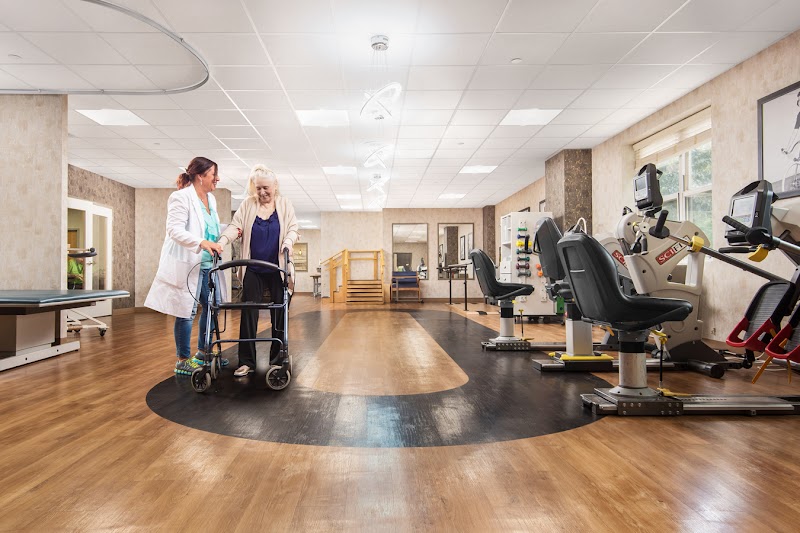
How is The Grand Rehabilitation And Nrsg At River Valley Staffed?

CMS rates THE GRAND REHABILITATION AND NRSG AT RIVER VALLEY's staffing level at 2 out of 5 stars, which is below average compared to other nursing homes. Staff turnover is 26%, compared to the New York average of 46%. This relatively stable workforce can support continuity of care.

What Have Inspectors Found at The Grand Rehabilitation And Nrsg At River Valley?

State health inspectors documented 19 deficiencies at THE GRAND REHABILITATION AND NRSG AT RIVER VALLEY during 2018 to 2023. These included: 19 with potential for harm.

Who Owns and Operates The Grand Rehabilitation And Nrsg At River Valley?

THE GRAND REHABILITATION AND NRSG AT RIVER VALLEY is owned by a for-profit company. For-profit facilities operate as businesses with obligations to shareholders or private owners. The facility is operated by THE GRAND HEALTHCARE, a chain that manages multiple nursing homes. With 160 certified beds and approximately 153 residents (about 96% occupancy), it is a mid-sized facility located in POUGHKEEPSIE, New York.

How Does The Grand Rehabilitation And Nrsg At River Valley Compare to Other New York Nursing Homes?

Compared to the 100 nursing homes in New York, THE GRAND REHABILITATION AND NRSG AT RIVER VALLEY's overall rating (3 stars) is below the state average of 3.1, staff turnover (26%) is significantly lower than the state average of 46%, and health inspection rating (4 stars) is above the national benchmark.

What Should Families Ask When Visiting The Grand Rehabilitation And Nrsg At River Valley?

Based on this facility's data, families visiting should ask: "Can you walk me through typical staffing levels on day, evening, and night shifts?" "Can I visit during a mealtime to observe dining assistance and food quality?" "How do you handle medical emergencies, and what is your hospital transfer rate?" "Can I speak with family members of current residents about their experience?" These questions are particularly relevant given the below-average staffing rating.

Is The Grand Rehabilitation And Nrsg At River Valley Safe?

Based on CMS inspection data, THE GRAND REHABILITATION AND NRSG AT RIVER VALLEY has a clean safety record: no substantiated abuse findings (meaning no confirmed cases of resident harm), no Immediate Jeopardy citations (the most serious violation level indicating risk of serious injury or death), and is not on the Special Focus Facility watch list (a federal program monitoring the lowest-performing 1% of nursing homes). The facility has a 3-star overall rating and ranks #100 of 100 nursing homes in New York. While no facility is perfect, families should still ask about staff-to-resident ratios and recent inspection results during their visit.

Do Nurses at The Grand Rehabilitation And Nrsg At River Valley Stick Around?

Staff at THE GRAND REHABILITATION AND NRSG AT RIVER VALLEY tend to stick around. With a turnover rate of 26%, the facility is 20 percentage points below the New York average of 46%. Low turnover is a positive sign. It means caregivers have time to learn each resident's needs, medications, and personal preferences. Consistent staff also notice subtle changes in a resident's condition more quickly. Registered Nurse turnover is also low at 29%, meaning experienced RNs are available to handle complex medical needs.

Was The Grand Rehabilitation And Nrsg At River Valley Ever Fined?

THE GRAND REHABILITATION AND NRSG AT RIVER VALLEY has no federal fines on record. CMS issues fines when nursing homes fail to meet care standards or don't correct problems found during inspections. The absence of fines suggests the facility has either maintained compliance or corrected any issues before penalties were assessed. This is a positive indicator, though families should still review recent inspection reports for the full picture.

Is The Grand Rehabilitation And Nrsg At River Valley on Any Federal Watch List?

THE GRAND REHABILITATION AND NRSG AT RIVER VALLEY is not on any federal watch list. The most significant is the Special Focus Facility (SFF) program, which identifies the bottom 1% of nursing homes nationally based on persistent, serious quality problems. Not being on this list means the facility has avoided the pattern of deficiencies that triggers enhanced federal oversight. This is a positive indicator, though families should still review the facility's inspection history directly.