ROSEWOOD REHABILITATION AND NURSING CENTER
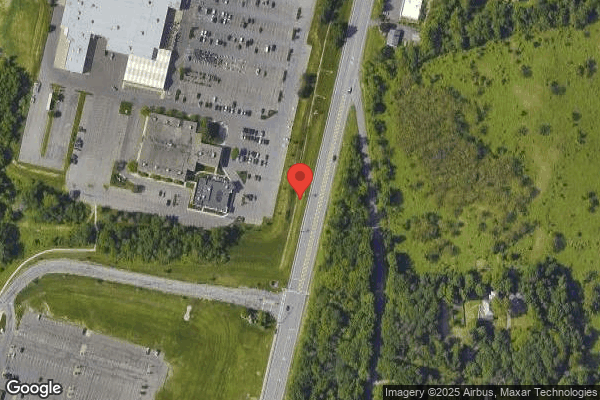

284 TROY ROAD, RENSSELAER, NY 12144 (518) 286-1621
For profit - Partnership 80 Beds Independent Data: November 2025
Trust Grade
45/100
#440 of 594 in NY
Last Inspection: June 2023

Over 2 years since last inspection. Current conditions may differ from available data.

Overview

Rosewood Rehabilitation and Nursing Center has received a Trust Grade of D, indicating below-average performance with some concerning issues. Ranking #440 out of 594 in New York places it in the bottom half of facilities statewide, although it ranks #3 out of 9 in Rensselaer County, meaning only two local options are worse. While the facility is improving overall, reducing its issues from 8 in 2021 to 7 in 2023, there are still significant concerns, including $31,815 in fines, which is higher than 90% of New York facilities. Staffing is a highlight, with a low turnover rate of 0%, but the facility has less RN coverage than 98% of its peers, which raises concerns about the quality of care. Specific incidents noted during inspections include failing to provide residents with information about their rights, inadequate housekeeping, and incomplete care plans for some residents, indicating a need for improvement in both communication and care standards.

Trust Score
D
45/100
In New York
#440/594
Bottom 26%
Safety Record
Low Risk
No red flags
Inspections
Getting Better
8 → 7 violations
Staff Stability
○ Average
Turnover data not reported for this facility.
Penalties
⚠ Watch
$31,815 in fines. Higher than 77% of New York facilities, suggesting repeated compliance issues.
Skilled Nurses
⚠ Watch
Each resident gets only 17 minutes of Registered Nurse (RN) attention daily — below average for New York. Fewer RN minutes means fewer trained eyes watching for problems.
Violations
⚠ Watch
26 deficiencies on record. Higher than average. Multiple issues found across inspections.
★★☆☆☆
2.0
Overall Rating
★★☆☆☆
2.0
Staff Levels
★★★★☆
4.0
Care Quality
★★☆☆☆
2.0
Inspection Score
Stable
2021: 8 issues
2023: 7 issues

The Good

  • 4-Star Quality Measures · Strong clinical quality outcomes
  • Full Sprinkler Coverage · Fire safety systems throughout facility
  • No fines on record

Facility shows strength in quality measures, fire safety.

The Bad

2-Star Overall Rating

Below New York average (3.1)

Below average - review inspection findings carefully

Federal Fines: $31,815

Below median ($33,413)

Moderate penalties - review what triggered them

The Ugly 26 deficiencies on record

Jun 2023 7 deficiencies
CONCERN (D)

Potential for Harm - no one hurt, but risky conditions existed

Deficiency F0761 (Tag F0761)

Could have caused harm · This affected 1 resident

**NOTE- TERMS IN BRACKETS HAVE BEEN EDITED TO PROTECT CONFIDENTIALITY** Based on observation, interview and record review during a recertification survey, the facility did not ensure it provided separ...

Read full inspector narrative →
**NOTE- TERMS IN BRACKETS HAVE BEEN EDITED TO PROTECT CONFIDENTIALITY** Based on observation, interview and record review during a recertification survey, the facility did not ensure it provided separately locked, permanently affixed compartments for storage of controlled drugs listed in Schedule II of the Comprehensive Drug Abuse Prevention and Control Act of 1976 and other drugs subject to abuse, except when the facility used single unit package drug distribution systems in which the quantity stored was minimal and a missing dose could be readily detected for 1 (South Unit) of 2 units reviewed. Specifically, the facility did not ensure that only authorized personnel were permitted access to the locked, permanently affixed narcotic storage box inside the refrigerator of the South Unit medication storage room. This was evidenced by: The facility policy titled Storage of Controlled Substances revised 12/22/2022, effective date 1/4/2023 documented, Drugs listed in Schedule II, lll, lV and V of the Comprehensive Drug Abuse Prevention and Control Act of 1970 and any State specific Public Health Laws shall not be accessible to those other than licensed nursing, pharmacy, and medical personnel designated by the facility. Only one authorized medication nurse may have possession of the keys. When the keys are transferred to an on-coming medication nurse, a shift-to-shift count of narcotics will be performed and documented. During an observation on 6/29/2023 at 9:58 AM, the clear, locked narcotic box inside of the medication refrigerator of the south unit medication storage room were 2 vials of Lorazepam 2 milligram (MG) for intramuscular (IM) injection every 24 hours as needed for agitation, for a resident in room [ROOM NUMBER]P on the side 2 medication cart. Licensed Practical Nurse (LPN) #5 opened the refrigerator and the locked box with keys on the 2 key ring. LPN #6 opened the refrigerator and the locked box with keys on the 1 key ring. During an interview on 6/29/2023 at 9:58 AM, LPN #5 stated the Lorazepam was ordered for a resident on the side 2 medication cart and completes the shift-to shift narcotic count when the keys are transferred. LPN #5 stated there are keys to the refrigerator and the refrigerated locked narcotic box on both side 1 and side 2 key rings because both nurses would need access to the narcotic box depending on the room number of the resident with an order for a narcotic medication that needs to be refrigerated. During an interview on 6/29/2023 at 10:10 AM, LPN #5 stated the nurse completing the shift-to-shift count and accepting the keys should be the only one with access to the refrigerated narcotic medications because both nurses having keys was not secure. During an interview on 6/29/2023 at 10:15 AM, LPN #6 stated they were new to the position and while orienting on side 2 they used the keys to the refrigerated narcotic box to complete the shift-to-shift count, but since moving to side 1 has not had a reason to access it and was not aware there was a key on the side 1 key ring. LPN #6 stated side 1 should not have access to narcotics that are counted by the side 2 medication nurse. During an interview on 6/29/2023 at 10:25 AM, Unit Manager LPN #3 stated both side 1 and side 2 medication nurses have keys to the refrigerator and the locked narcotic box inside, but only the nurse who counts the narcotics should access it. During an interview on 6/29/2023 at 10:57 AM, Registered Nurse Consultant (RNC) #3 stated the refrigerated locked narcotic box is not secure when more than one nurse has keys and access to it. The nurse that counts and signed for the narcotic medications should be the only one with keys to the access them, or both nurses should be present every time the locked box is accessed. During an interview on 6/29/2023 at 2:10 PM, LPN #3 stated the medication cart key rings were adjusted, with the refrigerator key on the side 1 key ring and the refrigerated locked narcotic box key on the side 2 key ring and both nurses will need to be present to access the narcotic box. 10NYCRR 415.18(e)(1-4)
CONCERN (D)

Potential for Harm - no one hurt, but risky conditions existed

Deficiency F0883 (Tag F0883)

Could have caused harm · This affected 1 resident

Based on record review and interview during the recertification survey, the facility did not ensure each resident was offered influenza and/or pneumococcal immunizations and received education regardi...

Read full inspector narrative →
Based on record review and interview during the recertification survey, the facility did not ensure each resident was offered influenza and/or pneumococcal immunizations and received education regarding the benefits and potential side effects of the immunizations for 2 (Residents #10 and #61) of 5 residents reviewed. Specifically, the facility did not ensure Resident #10 was offered, declined or educated on the influenza and pneumococcal immunizations, and the facility did not ensure Resident #61 was offered, had declined or was educated on the influenza immunization. This was evidenced by: The facility policy titled Resident & Employee Health/Immunizations undated, documented the purpose of this policy is to protect the health and safety of residents, employees, family members, and the community as a whole by providing consistent testing and immunization standard for all Health Care Personnel. The facility did not provide policy and procedures for influenza or pneumococcal immunizations. Resident #10: Resident #10 was admitted to the facility with diagnoses of depression, hypertension and seizure disorder. The Minimum Data Set (MDS-an assessment tool) dated 2/24/2023 documented the resident had severe cognitive impairment, could understand and was understood by others; was usually able to make their needs known. During record review on 6/30/2023 at 11:24 AM, the medical record did not document evidence Resident #10 was offered, had declined or was educated on the influenza and pneumococcal immunizations. Resident #61: Resident #61 was admitted to the facility with diagnoses of Alzheimer's disease, dementia with behavioral disturbance, anxiety, depression, and diabetes mellitus. The Minimum Data Set (MDS= an assessment tool) dated 3/31/2023 documented the resident had severe cognitive impairment and was rarely/never able to make needs known. During record review on 6/30/2023 at 11:24 AM, the medical record did not document evidence Resident #61 was offered, had declined or was educated on the influenza immunization. During an interview on 6/30/2023 at 1:14 PM, Registered Nurse (RN) #1 stated the immunizations should be documented in the electronic medical record (EMR) and the signed consent or declination form should be scanned into the EMR. During an interview on 6/30/2023 at 1:27 PM, Registered Nurse Supervisor, MDS Coordinator and Infection Control Nurse (RNS) #1 stated upon admission the resident current immunization record should be reviewed and documented in the EMR. Influenza and pneumococcal immunizations are offered when indicated, the signed consent form or declination form with the provided education should be scanned in to the EMR and the paper copy would be filed in the immunization binder that was secured in the supervisors' office. RNS #1 stated immunizations not documented in the EMR or in the immunizations binder were not done. 10NYCRR 415.19 (a)(1-3)
CONCERN (E)

Potential for Harm - no one hurt, but risky conditions existed

Deficiency F0572 (Tag F0572)

Could have caused harm · This affected multiple residents

Based on observation, record review, and interviews during the recertification and abbreviated survey conducted from 06/26/2023 - 06/30/2023, the facility did not ensure residents were informed both o...

Read full inspector narrative →
Based on observation, record review, and interviews during the recertification and abbreviated survey conducted from 06/26/2023 - 06/30/2023, the facility did not ensure residents were informed both orally and in writing, of their rights and rules and regulations governing resident conduct and responsibilities during the resident's stay for residents on 2 (North and South) of 2 Units reviewed for residents' rights. Specifically, the facility did not ensure resident rights were provided or reviewed during monthly Resident Council meetings. This is evidenced by: An undated Policy and Procedure titled Guidelines: Resident Council provided during the recertification survey on 6/26/2023 documented the following: 1. Every facility will conduct a general monthly resident council meeting as per Centers for Medicare and Medicaid Services (CMS). 2. All residents will be invited to attend and be afforded the opportunity to express issues/concerns related to their care. 3. It is recommended that resident elections be held in January and DNR and Health Care Decisions and Residents Rights Presentations by the Social Work be held in February. Record review of Resident Council Meeting Minutes dated from January 2022 to June 2023 did not include documentation that residents' rights were reviewed per regulations. The facility did not provide documentation that Residents Rights were reviewed yearly with the residents since the past recertification survey dated 12/03/2021. During an interview on 6/26/2023 at 11:34 AM, Resident #4, President of the Resident Council for the facility granted permission for a group resident council meeting to be held on 6/26/2023 at 2:00 PM. Resident #4 further granted permission for this surveyor to review all resident council meeting minutes for the last year. This included the resident's food meetings conducted separately. Resident #4 stated meeting were conducted monthly and set up with the assistance of the Activities Director. During an interview required at the time of the recertification survey a Group Resident Council meeting was conducted on 06/26/2023 at 2:00 PM. It was attended by 9 residents from the North and South units including the President of the Resident Council. Residents stated they were not familiar with their rights as residents. The President of the council stated previous Activities Directors reviewed the residents' rights and facility rules during council meetings and notified the ombudsman so that they could attend. Residents stated they were provided packets at the time of admission that included a copy of resident's rights but nothing had been reviewed during the council meetings so any concerns could be addressed. Residents stated they had been unable to vote, had not been informed about the end of the pandemic, and did not know what the facility rules were since the ending of the pandemic. Currently they were unaware of who their Ombudsman was since the previous ombudsman retired a year ago. During an interview on 6/27/23 at 2:26 PM, the Director of Activities (DA) stated they had been in the role for over a year. The DA stated they assisted the residents to set up the monthly council meeting and the only time they did not have the monthly meeting was if there was an infection concern that would compromise the residents by conducting a group activity. The DA stated they were not taught what needed to be done during Resident Council monthly meetings and no presentation or discussion of the resident's rights had been done during the time they were the assisting the residents with meetings. The DA did not know who would be responsible to review the residents rights with them or who it was who could provide them with information of voting and other rights and rules of the facility. During an interview on 6/29/23 at 3:16 PM, the Director of Social Work (DSW) stated they had been the previous Activity Director but had been in the position as the social worker for over a year. The DSW stated they had not given any formal presentations at resident council regarding resident's rights. There used to be an Ombudsman and after they retired last year no one from that program had attended resident council. Residents are given a packet on admission with rights and rules of the facility, but the DSW was not sure who would review that with the family or the resident. Individual visits were made to a resident if they had questions. During an interview on 6/29/2023 at 4:03 PM, the Corporate Registered Nurse stated they reviewed the regulations for reviewing residents' rights and rules with the DA and became aware the DA had not been properly inserviced when hired for the position. The DA would be the one to review all facility's rights and rules with the residents and the current policy and procedure that was in place would need to be redone because it was not adequate to address the regulation and the AD and DSW would need to be reeducated to ensure the facility was in compliance with the regulation. 10 NYCRR 483.10(g)(1)(16)
CONCERN (E) 📢 Someone Reported This

A family member, employee, or ombudsman was alarmed enough to file a formal complaint

Potential for Harm - no one hurt, but risky conditions existed

Safe Environment (Tag F0584)

Could have caused harm · This affected multiple residents

**NOTE- TERMS IN BRACKETS HAVE BEEN EDITED TO PROTECT CONFIDENTIALITY** Based on observation and interviews during the recertification survey dated 06/26/23 through 06/30/23, the facility did not prov...

Read full inspector narrative →
**NOTE- TERMS IN BRACKETS HAVE BEEN EDITED TO PROTECT CONFIDENTIALITY** Based on observation and interviews during the recertification survey dated 06/26/23 through 06/30/23, the facility did not provide effective housekeeping services for two (2) of 2 units and the lobby. Specifically, the bottoms of the window tracks were soiled with a black substance in room #s 100, 104, 115, 119, 124, 126, 127, 200, 203, 206, 210, 223, 225, and #227; the windows were soiled with white water stains in room [ROOM NUMBER] and in the dining room; dead flies were found in the ceiling lights in room #s 206, 210, 223, and #225; ceiling tiles were splattered with a light red substance in room #s 223 and #225; the walls had scuff marks or had gouge marks in room #s 100, 115, 119, 126, 127, 206, 210, 223, 225, and #227 and in the corridor below the handrail on Unit #1; the floors were soiled with dirt in corners and next to walls in room #s 100, 104, 115, 119, 124, 126, 127, 200, 206, 223, and #225; the Unit #2 nurse station floor was soiled with dirt; the lobby floor was soiled with dirt in corners and next to walls; the elevator car door tracks were soiled with dirt; and the following corridor floor tiles were cracked: 17 by room #s 100 and #101, eight by room #s 106 and #107, seven across from room [ROOM NUMBER], eight by room [ROOM NUMBER], 15 by the Unit #1 nurse's station, 7 by room #s 200 and #201, and 8 by the Electric Room on Unit #2. This is evidenced as follows: Unit #1 During observations on Unit #1 on 06/28/23 at 11:29 AM, the bottoms of the window tracks were soiled with a black substance in room #s 100, 104, 115, 119, 124, 126, and #127; the walls had scuff marks or had gouge marks in room #s 100, 115, 119, 126, and #127, and in the corridor below the handrail; the floors were soiled with dirt in corners and next to walls in room #s 100, 104, 115, 119, 124, 126, and #127; and the following corridor floor tiles were cracked: 17 by room #s 100 and #101, eight by room #s 106 and #107, seven across from room [ROOM NUMBER], eight by room [ROOM NUMBER], and 15 by the nurse station. Unit #2 During observations on 06/28/23 at 11:29 AM, the bottom of the window tracks were soiled with a black substance room #s 200, 203, 206, 210, 223, 225, and #227; the windows were soiled with white water stains in room [ROOM NUMBER] and the dining room; dead flies were found in the ceiling lights in room #s 206, 210, 223, and #225; ceiling tiles were splattered with a light red substance in room #s 223 and 225; the walls had scuff marks or had gouge marks in room #s 206, 210, 223, 225, and #227; the floors were soiled with dirt in corners and next to walls in room #s 200, 206, 223, and #225; the Unit #2 nurse station floor was soiled with dirt; and the following corridor floor tiles were cracked: 7 by room #s 200 and 201 and 8 by the Electric Room on Unit #2. Lobby During observations on 06/28/23 at 11:29 AM, the lobby floor was soiled with dirt in corners and next to walls, and the elevator car door tracks were soiled with dirt. Interviews During an interview on 06/29/23 at 2:20 PM, the Administrator stated that the areas found will be cleaned, and the cracked floor tiles will be repaired. The Administrator stated that the facility was aware of the items found during survey from previous observations, and to address these issues, a new Director of Environmental Services had been hired during the first week of June 2023 and was starting on 07/03/23. 483.10(i)(3); 10 NYCRR 415.5(h)(4)
CONCERN (E) 📢 Someone Reported This

A family member, employee, or ombudsman was alarmed enough to file a formal complaint

Potential for Harm - no one hurt, but risky conditions existed

Comprehensive Care Plan (Tag F0656)

Could have caused harm · This affected multiple residents

**NOTE- TERMS IN BRACKETS HAVE BEEN EDITED TO PROTECT CONFIDENTIALITY** Based on observation, record review and interviews during the recertification survey, the facility did not ensure comprehensive ...

Read full inspector narrative →
**NOTE- TERMS IN BRACKETS HAVE BEEN EDITED TO PROTECT CONFIDENTIALITY** Based on observation, record review and interviews during the recertification survey, the facility did not ensure comprehensive person-centered care plans were developed and implemented for 5 (Resident #'s 45, 46, 61, 62, and 68) of 18 residents reviewed for Comprehensive Care Plans (CCP). Specifically, for Resident's #45, 46, and 68 the facility did not ensure an antipsychotic medication care plan was developed and implemented for Risperdal (an antipsychotic medication); Specifically, for Resident #61 the facility did not ensure a CCP for dementia with behavioral disturbances that included measurable goals and resident specific interventions was developed and implemented; Specifically, for Resident #62, the facility did not ensure the CCP included resident specific goals and interventions to address dialysis care. This is evidenced by: The Policy and Procedure (P&P) titled Care Planning Process and Baseline, dated 8/2022, documented each resident's CCP was designed to incorporate identified problem areas, incorporate risk factors associated with identified problems, and reflect currently recognized standards of practice for problem areas and conditions. Resident #46 Resident #46 was admitted to the facility with diagnoses of schizophrenia, major depression, and anxiety. The Minimum Data Set (MDS - an assessment tool) dated 03/29/2023, documented the resident was able to make themselves understood, usually able to understand others, and severely cognitively impaired. A review of physician orders documented: - 2/13/2023: Risperdal 2 mg tablet twice daily for major depression The CCP was reviewed on 06/27/2023; it did not include a care plan for antipsychotic medications. During an interview on 06/29/23 at 05:24 PM, the Medical Director stated when residents were taking antipsychotic medications, Nursing should establish care plans to monitor these medications. During an interview on 06/30/23 at 10:01 AM, Registered Nurse Unit Manager (RNUM) #1 stated residents taking antipsychotic medications should have a care plan in place to address the medication and provide guidance for monitoring. This resident's CCP should have addressed their use of Risperdal. They did not know how this got overlooked. During an interview on 06/30/23 at 11:09 AM, the Director of Nursing (DON) stated this resident should have had an antipsychotic medication care plan in place to address their order for Risperdal; they did not know why this had not been done. Resident #61: Resident #61 was admitted to the facility with diagnoses of Alzheimer's disease, dementia with behavioral disturbance, anxiety, depression, and diabetes mellitus. The Minimum Data Set (MDS= an assessment tool) dated 3/31/2023 documented the resident had severe cognitive impairment and was rarely/never able to make needs known. On 6/28/23 at 10:12 AM, resident #61 was observed sleeping while sitting up in a wheelchair in the hallway with other residents. On 6/29/23 at 12:23 PM, resident #61 was sitting in wheelchair near the nurses' desk, staff assisting with feeding meal. During record review on 6/27/2023 at 3:30 PM, the medical record did not document a CCP to address the care needs of the resident with dementia with behavioral disturbances that included measurable goals and resident specific interventions. During an interview on 6/28/2023 at 9:23 AM, Registered Nurse (RN) #1 stated a CCP for dementia with behavioral disturbance that included goals and person-centered interventions should have been developed for resident #61. During an interview on 6/28/2023 at 10:14 AM, Registered Nurse Consultant (RNC) #3 the CCPs were not person centered, the goals were not reviewed quarterly, and the interventions were not personalized. The care plans are canned, meaning computer generalized. The care areas, goals and interventions should be individualized, including resident specific interventions. RNC #3 reviwed the medical record and stated a CCP for dementia with behavioral disturbance, that included behavioral monitoring and interventions such as personal interest and hobbies should have been developed for resident #61. The admitting nurse was responsible to initiate CCPs and the unit managers and the MDS coordinators were responsible to ensure CCP were reviewed and revised at least quarterly and as needed with changes in residents' condition or care needs. Resident #62 Resident #62 was admitted to the facility with diagnosis including chronic kidney disease, stage 4 (severe), myelodysplastic syndrome. and dysphagia. The MDS dated [DATE], documented the resident was able to be understood, to understand others, received dialysis, and had moderate cognitive impairment. A Physician's Order dated 6/12/23 documented, monitor right chest hemodialysis catheter every shift for signs and symptoms of infection. A Comprehensive Care Plan titled Dialysis, was initiated on 6/14/2023 and documented one intervention, Resident will be free of complications at dialysis access site with the following interventions: administer medications as ordered, diet as ordered, monitor access site each shift, no blood pressure or needle stick in (blank space) arm, and observe dialysis site for infection, bleeding, edema. During an Interview on 06/30/23 at 10:08 AM LPN/UM #3 stated the nurse that initiated this care plan is no longer here. Upon review LPN/UM #3 stated the care plan had no person-centered interventions and lacks information needed to care for the resident. During an Interview on 06/30/23 at 11:28 AM RN #1 reviewed the care plan and stated it appears to be incomplete. The care plans in the system are meant to be filled in with resident specific information and that was not done here. 10 NYCRR 415.11(c)(1)
CONCERN (E)

Potential for Harm - no one hurt, but risky conditions existed

Deficiency F0657 (Tag F0657)

Could have caused harm · This affected multiple residents

**NOTE- TERMS IN BRACKETS HAVE BEEN EDITED TO PROTECT CONFIDENTIALITY** Based on observations, record review and interviews during a recertification survey, the facility did not ensure Comprehensive C...

Read full inspector narrative →
**NOTE- TERMS IN BRACKETS HAVE BEEN EDITED TO PROTECT CONFIDENTIALITY** Based on observations, record review and interviews during a recertification survey, the facility did not ensure Comprehensive Care Plans (CCP) were reviewed after each assessment and revised based on changing goals, preferences and needs of the resident and in response to current interventions for 6 (Resident #'s 25, 27, 30, 45, 46, and #61) of 18 residents reviewed. Specifically, for Resident #25, the facility did not ensure the CCP for psychotropic medication was reviewed and revised with the comprehensive assessment, for Resident #27 the facility did not ensure the CCP for nutrition was reviewed and revised with the comprehensive assessment, for Resident #30, the facility did not ensure the CCP for Risk for Abuse and Resident Preferences were reviewed or revised quarterly, for Resident #46, the facility did not ensure the CCP for depression, antidepressant medications, and altered mood status were reviewed quarterly, for Resident #61, the facility did not ensure the CCPs for communication, advanced directives and risk for impaired skin integrity were reviewed and revised with quarterly assessments and for Resident #45, the facility did not ensure CCP for Dementia Care were reviewed or revised with the quarterly comprehensive assessment. This was evidenced as follows: The Policy and Procedure (P&P) titled Care Planning Process and Baseline dated 8/2022, documented the Care Planning/Interdisciplinary Team was responsible for the review and updating of care plans when there has been a significant change in resident's condition; when the desired outcome is not met; when the resident has been readmitted to the facility from a hospital stay; and at least quarterly. Resident #27 Resident #27 was admitted to the facility with the diagnoses of Multiple Sclerosis, type 2 diabetes mellitus and essential (primary) hypertension. The Minimum Data set (MDS - an assessment tool) dated 4/26/2023 documented the resident was cognitively intact, could understand others and could make themselves understood. The Comprehensive Care Plan (CCP) for Nutrition/Hydration, last updated on 1/5/2023, documented the resident's goal was to gradually lose weight with a target review date of 3/8/2023. The interventions for the CCP included monitoring of weight and intake, with a last revision date of 9/22/2022. A document titled Weight Summary documented Resident #27's weight as 190.4 pounds on 1/16/2023 and 196.6 pounds on 3/1/2023, documenting a weight gain of 6.2 pounds through the review period. During an interview on 6/26/2023 at 12:48 PM, Resident #27 stated they had asked to see the dietician and knew they'd gained weight. Resident #27 stated they would like to lose weight. During an interview on 6/29/2023 at 3:14 PM, Registered Nurse (RN) #1 stated they would be updating the care plans and that they had been in their current position for one week. During an interview on 6/30/2023 at 10:17 AM, the Registered Dietician (RD) stated they were in the process of updating the care plans for all the residents and that they had recently spoken to the resident. The RD stated that when reviewing a care plan for planned weight loss, if weight gain was noted the care plan should be revised with new or additional interventions to help achieve that goal. During an interview on 6/30/2023 at 10:30 AM, the Director of Nursing (DON) stated care plans should be reviewed quarterly and as needed. The DON stated the target date on the CCP's was the date the care plans should be reviewed by and on each review the target date should be changed to reflect that. Resident #46 Resident #46 was admitted to the facility with diagnoses of schizophrenia, major depression, and anxiety. The Minimum Data Set (MDS - an assessment tool) dated 03/29/2023, documented the resident was able to make themselves understood, usually able to understand others, and severely cognitively impaired. The Policy and Procedure (P&P) titled Care Planning Process and Baseline, dated 8/2022, documented the Care Planning/Interdisciplinary Team (IDT) was responsible for reviewing and updating the CCP when there had been a significant change to the resident's condition, when a desired outcome had not been met, following readmission to the facility after a hospital stay, and at least quarterly. The CCP, titled: - Depression, was dated as last reviewed on 1/29/2022 - Antidepressant Medication, was dated as last reviewed on 2/4/2022 - Altered Mood Status, was dated as last revised on 2/13/2023 A quarterly MDS, dated [DATE] was completed; care plans for depression, antidepressant medication, and altered mood status were not reviewed. During an interview on 06/30/23 at 10:01 AM, Registered Nurse Unit Manager (RNUM) #1 stated it was the job of the Unit Manager to review and revise the CCP for depression, mood, and medications. Resident #46's CCP for depression, antidepressant medications, and altered mood status should have been reviewed when the resident had their last quarterly MDS on 03/29/2023. They had only been working at the facility for a few days, so they were not sure why these CCP had been overlooked. During an interview on 06/30/23 at 11:09 AM, the Director of Nursing (DON) stated the CCP for Resident #46 should have been reviewed and revised at least quarterly with their last MDS in March. They just started working at the facility that week and did not know why these CCP were not reviewed. Resident #61: Resident #61 was admitted to the facility with diagnoses of Alzheimer's disease, dementia with behavioral disturbance, anxiety, depression, and diabetes mellitus. The Minimum Data Set (MDS= an assessment tool) dated 3/31/2023 documented the resident had severe cognitive impairment and was rarely/never able to make needs known. During record review on 6/27/2023 at 3:30 PM, the CCP for Communication Problem related to Alzheimer's Disease was initiated on 1/10/2023 with a target review date of 4/12/2023, the goal and review date were printed in red. During record review on 6/27/2023 at 3:30 PM, the CCP for Advanced Directives was initiated on 1/10/2023 with a target review date of 4/12/2023, the goal and review date were printed in red. During record review on 6/27/2023 at 3:30 PM, the CCP for risk for Impaired Skin Integrity initiated on 1/10/2023 with a target review date of 4/12/2023, the goal and review date were printed in red. During an interview on 6/28/2023 at 9:23 AM, Registered Nurse (RN) #1 stated they were new to the position of Unit Manager and had not been oriented to the facilities process for CCPs. RN #1 stated they would be responsible to review and revise CCP with quarterly assessments and as needed. During an interview on 6/28/2023 at 10:14 AM, Registered Nurse Consultant (RNC) #3 the CCPs and should be reviewed on or before the target review date, the review date will appear red in the computer if the review is overdue. The nurse managers and the MDS coordinators were responsible to ensure CCP were reviewed and revised at least quarterly and as needed with changes in residents' condition or care needs. 10 NYCRR 415.11(c)(2)(i-iii)
CONCERN (E)

Potential for Harm - no one hurt, but risky conditions existed

Medication Errors (Tag F0758)

Could have caused harm · This affected multiple residents

**NOTE- TERMS IN BRACKETS HAVE BEEN EDITED TO PROTECT CONFIDENTIALITY** Based on observation, record review and interviews during the recertification survey, the facility did not ensure residents who ...

Read full inspector narrative →
**NOTE- TERMS IN BRACKETS HAVE BEEN EDITED TO PROTECT CONFIDENTIALITY** Based on observation, record review and interviews during the recertification survey, the facility did not ensure residents who have not used psychotropic drugs are not given these drugs unless the medication is necessary to treat a specific condition as diagnosed and documented in the clinical record for 4 (Resident #'s 25, 45, 46, and #68) of 5 residents reviewed for unnecessary medications. Specifically, for Resident #25, the facility did not ensure an antipsychotic medication (Risperidone, a drug used to treat schizophrenia, bipolar disorder, and irritability caused by autism) was ordered for a clinically indicated medical diagnosis, for Resident #45, the facility did not ensure an antipsychotic medication (Risperidone, a drug used to treat schizophrenia, bipolar disorder, and irritability caused by autism) was ordered for a clinically indicated medical diagnosis (was ordered for dementia with agitation), for Resident #'s 46, the facility did not ensure Risperidone, an antipsychotic drug used to treat schizophrenia, and bipolar disorder, and irritability associated with autism, was ordered to treat one of these diagnoses (was ordered for major depression), and did not ensure Certified Nurse Aide (CNA) behavior monitoring was completed and/or documented between 06/23/2023 - 06/27/2023, for Resident #68, the facility did not ensure Seroquel, an antipsychotic drug used to treat schizophrenia, bipolar disorder, and depression, was ordered to treat one of these diagnoses (was ordered for agitation). This was evidenced by: Resident #25 Resident #25 was admitted to the facility with the diagnoses of major depressive disorder, metabolic encephalopathy, and anxiety disorder. The Minimum Data Set (MDS - an assessment tool) dated 2/17/23 documented resident had moderate cognitive impairment, could understand others, and could make themselves understood by others. The Physician Order renewal dated 6/26/23 documented risperidone oral tablet 0.25mg give 1 tablet by mouth one time a day for other. Monthly pharmacy reviews, dated: - 3/20/23 documented the resident's medication regimen was reviewed and recommended Artificial Tears ordered for as needed be discontinued as it had not been used. The medical provider reviewed and discontinued this medication. - 4/27/23 documented the resident's medication regimen was reviewed and there were no irregularities noted. - 5/26/23 documented the resident's medication regimen was reviewed and there were no irregularities noted. During an interview on 6/27/23 at 12:37 PM, the Director of Nursing (DON) stated each medication, especially a psychotropic medication, required a diagnosis and that other was not a diagnosis. During an interview on 6/29/23 at 3:16 PM, Registered Nurse (RN) #1 stated that each medication should have the diagnosis the medication is treating attached to the order. RN #1 agreed that other was not an acceptable diagnosis for a medication. Resident #46: Finding #1: The facility did not ensure antipsychotics were ordered for an appropriate clinical diagnosis. Resident #46 was admitted to the facility with diagnoses of schizophrenia, major depression, and anxiety. The MDS dated [DATE], documented the resident was able to make themselves understood, usually able to understand others, and was severely cognitively impaired. The Policy and Procedure (P&P) titled Psychotropic Medication Policy, reviewed 01/04/2023, documented antipsychotic medications used to treat behaviors must have a clinical indication. The package inserts, titled Highlights of Prescribing Information for Risperidone, revised 09/2009, documented Risperidone was indicated for usage for treatment of schizophrenia, bipolar disorder, and irritability associated with autistic disorder in children and adolescents. Physician orders, dated 02/13/2023, documented Risperidone 2 mg twice a day for major depressive disorder. Monthly pharmacy reviews, dated: - 02/14/2023, documented the resident's medication regimen was reviewed and there were no irregularities noted. - 03/30/2023, documented the resident's medication regimen was reviewed and there were no irregularities noted. - 04/28/2023, documented the medical record had been reviewed and no recommendations or irregularities were noted. - 05/26/2023, documented the medical record had been reviewed and no recommendations or irregularities were noted. A physician note, signed 06/25/2023 at 8:43 PM, documented the resident was taking Risperidone 2 mg twice a day for major depressive disorder. During an interview on 06/29/23 at 04:14 PM, Consultant Pharmacist (CP) #1 stated they had been the facility's consultant pharmacist for the past 7 - 8 years and performed their monthly pharmacy reviews. When performing the monthly reviews, one of the things they needed to ensure, was that each drug had an appropriate clinical indication, and if a drug had an inappropriate diagnosis ordered, they needed to follow up with nursing or the physician. Since this was an off-label indication for Risperidone, it needed to be addressed by the physician. This could have been identified and addressed in the monthly pharmacy reports after the drug was ordered in February, they were not sure why this was consistently missed each month. During an interview on 06/29/23 at 05:24 PM, the Medical Director stated when they reviewed each resident's medications during their monthly visits, any resident with a medication with an inappropriate indication for usage would be reviewed and discontinued if the indication was inappropriate. They were not aware they documented Resident #46 was taking Risperidone for major depression in their note, dated 06/25/2023; they did not always review all the medications and diagnoses thoroughly. Resident #46's Risperidone should not be ordered for major depression since this was not an indication for use for this drug; this should have been identified in the monthly pharmacy reviews and [NAME] to their attention so they could address it. If the drug was supposed to be ordered for the resident's schizophrenia, this needed to be clarified and ordered appropriately; ordering the drug for major depression was not an appropriate order. During an interview on 06/30/23 at 10:01 AM, Registered Nurse Unit Manager (RNUM) #1 stated an order for Risperidone for major depression should be questioned by the pharmacy or the physician, because this was not an appropriate indication for this drug. If nursing had noticed the order, they also could have requested clarification. During an interview on 06/30/23 at 11:09 AM, the Director of Nursing (DON) stated Risperidone was an antipsychotic medication and was not clinically indicated for depression. This should have been caught in the monthly pharmacy reviews between February 2023 - May 2023 after the drug was ordered, or by the provider during their resident reviews. Finding #2: The facility did not ensure monitoring of psychotropics was completed and documented as indicated. The Comprehensive Care Plan (CCP), titled Depression, reviewed 1/29/2023, documented to monitor, document, and report signs and symptoms of depression to the nurse/physician. CNA documentation, titled Behavior Monitoring, every shift, did not include documentation that resident behaviors were monitored between 06/23/2023 - 06/27/2023. Unit 2 assignment sheets, dated: - 06/24/2023, documented CNA #4 was assigned to Resident #46 between 7:00 AM - 3:00 PM. - 06/25/2023, documented CNA #4 was assigned to Resident #46 between 7:00 AM - 3:00 PM. - 06/27/2023, documented CNA #6 was assigned to Resident #46 between 7:00 AM - 3:00 PM. During an interview on 06/29/23 at 11:39 AM, CNA #6 stated the CNAs were responsible for completing and documenting behavior monitoring whenever they had this documented on their CNA task list in the Electronic Medical Record (EMR). They were required to document any behaviors the resident was having during their shift, or if they had none; they had to document something. During an interview on 06/30/23 at 09:03 AM, CNA #6 stated they were assigned to Resident #46 on 06/27/2023 during the day shift. There was no behavior monitoring documented for the resident during their shift on this day because they were busy and forgot to perform behavior monitoring for the resident that day. During an interview on 06/29/23 at 05:24 PM, the Medical Director stated staff should be performing behavior monitoring as documented in their CCP. During an interview on 06/30/23 at 09:22 AM, CNA #4 stated they were assigned to Resident #46 on 06/24/2023 and 06/25/2023 during the day shift. They did not document any behavior monitoring for the resident on these dates, because they did not do it. During an interview on 06/30/23 at 10:01 AM, RNUM #1 stated Resident #46's CNA behavior monitoring should have been completed and documented every shift. During an interview on 06/30/23 at 11:09 AM, the DON stated behavior monitoring needed to be completed and documented according to the CCP. Resident #68 Resident #68 was admitted to the facility with diagnoses including metabolic encephalopathy, insulin dependent diabetes mellitus disease, and peripheral vascular disease. The MDS dated [DATE], documented the resident was able to be understood and to understand others with moderate cognitive impairment. A review of physician orders documented: - 4/21/2023: Seroquel 25 mg (antipsychotic)1 tablet twice daily for agitation. - 4/21/2023: Fluoxetine 20 mg 1 tablet one time a day for depression. - 6/6/2023: Ativan 0.5 mg 1 tablet twice daily for anxiety. A physician progress note, dated 04/12/23 at 11:13 PM, documented the resident had Altered Mental Status (AMS), and behaviors of agitation, confusion, and yelling; undiagnosed dementia was a possibility. A progress note dated 4/12/23 at 3:03 PM, documented patient was seen by the Nurse Practitioner (NP) and Seroquel 12.5 mg by mouth PO was ordered at bedtime HS. An NP progress note, dated 04/25/23 at 12:51 PM, documented the resident had AMS, and behaviors of yelling agitation, and confusion with a high suspicion of undiagnosed dementia. Seroquel was increased to 25 mg twice daily. The Medication Administration Record (MAR) dated April - June 2023, documented the resident received Seroquel 25 mg twice daily for agitation. The CCP was reviewed on 06/28/2023; it did not include care plans for antipsychotic medications or behavior monitoring. Monthly pharmacy reviews, dated: - 3/20/23 documented the resident's medication regimen was reviewed and there were no irregularities noted - 4/27/23 documented the resident's medication regimen was reviewed and there were no irregularities noted. - 5/26/23 documented the resident's medication regimen was reviewed and there were no irregularities noted. During an observation on 6/27/23 at 9:25 AM to 10:30 PM, Resident #68 was observed in their room resting in bed. The door to the resident's door had been closed. No staff interaction was observed. The resident demonstrated no signs or symptoms of agitation. During an observation on 6/28/23 at 12:30 PM, Resident #68 was observed siting in a Broda (special reclining) chair at the nursing station on unit 2 while their significant other was visiting. The resident sleeping on and off and exhibited no signs of yelling, agitation, or confusion. During an interview on 6/27/23 at 9:45 AM, The RNUM #1 stated they had only been at the facility for a short time and was not familiar with all the residents. Resident #68's CCP did not include care plans for antipsychotic medication or monitoring of resident behaviors related to these medications. The RNUM #1 stated when a resident was on an antipsychotic medication a CCP with goals and interventions should be in place. Monitoring of behaviors and non-pharmalogical interventions should be documented to determine if the medication was effective or needed. During an interview on 6/29/23 at 10:50 AM, Licensed Practical Nurse (LPN) #1 stated they were unaware of any behavior monitoring for Resident #68. During an interview on 6/29/23 at 3:45 PM, LPN #2 stated they were unaware of any behavior monitoring for Resident #68. During an interview on 6/30/23 at 11:17 AM, CNA #5 stated resident behaviors were sometimes documented in the CNA documentation, but it did not always get completed if they were short staffed. CNA #5 was not aware of Resident #68 exhibiting any behaviors. During an interview on 6/30/23 at 12:36 PM, the NP for the facility stated they ordered Seroquel for Resident #68 for behaviors and agitation. There was no dementia or mental health diagnoses documented for Resident #68 at the time of admission. They became aware the resident had increased behaviors following admission, and there was a possible underlying dementia or unconfirmed mental health diagnoses contributing to these behaviors. The antipsychotic medication was needed to manage the resident's behaviors. Documentation and reports from staff, as well as several observations they had made of the residents out of control behavior was what led the NP to determine the resident needed antipsychotic medication with an increase ordered after. The indication for prescribing this medication did not match the recommendations for use, but they felt it resulted in better behavior for the resident. They did not know if the resident received any attempted non-pharmalogical interventions or behavior monitoring prior to the use of the antipsychotic, or after the increase in dosage. During an interview on 6/30/22 at 12:56 PM, The DON stated anyone on an antipsychotic medication should have a psychotropic CCP with interventions and goals for assessing the effectiveness and monitoring of the medication. 10 NYCRR 415.12(l)(2)(i)
Dec 2021 8 deficiencies
CONCERN (D)

Potential for Harm - no one hurt, but risky conditions existed

Comprehensive Care Plan (Tag F0656)

Could have caused harm · This affected 1 resident

Based on observation, record review and interviews during the recertification survey, the facility did not ensure the development and implementation of comprehensive person-centered care plans (CCP), ...

Read full inspector narrative →
Based on observation, record review and interviews during the recertification survey, the facility did not ensure the development and implementation of comprehensive person-centered care plans (CCP), that included measurable objectives and timeframes to meet the resident's medical, nursing, mental and psychosocial needs for 6 (Resident #s 3, 21, 35, 53, 58, and #67) of 23 residents reviewed for comprehensive care plans. Specifically, the facility did not ensure that CCP's were developed to address Resident #3's urinary catheter; Resident #21's impaired skin integrity; Resident #35's pain; Resident #53's psychotropic medication or hypothyroidism; Resident #58's edema and Resident #67's activities of daily living and pressure ulcers. This is evidenced by: Facility Policy and Procedure (P&P) titled Care Planning Process & Baseline revised 7/2020 documented the comprehensive care plan (CCP) should incorporate identified problem areas and risk factors, reflect resident's wishes and treatment goals with timetables and measurable outcomes, and is revised as information about the resident and resident's condition change. Resident #35: Resident #35 was admitted to the facility with diagnoses of aftercare following joint replacement surgery, dorsalgia (back or spine pain), and restless leg syndrome. The Minimum Data Set (MDS- an assessment tool) dated 11/11/2021 documented the resident was cognitively intact, understands and was understood by others, had reported frequent pain 10/10 intensity, and received opioid medications 7 out of 7 days. The medical record documented physician orders for: Pain Observation, each shift a pain observation will be conducted, indicate a score of 0-10 dated 10/14/2021, tizanidine 4 mg by mouth three times a day for pain in left hip dated 10/14/2021, acetaminophen 500 mg tablet, give two tablets by mouth every 8 hours for hip pain dated 10/19/2021, Nitrofurantoin 50 mg by mouth daily for pain: unspecified dated 10/19/2021, gabapentin 600 mg by mouth three times a day for hip pain dated 10/27/2021, celebrex 200 mg by mouth two times a day for arthritis dated 11/18/2021, ropinirole HCL 2 mg tablets, two tablets by mouth daily at 1800 for restless leg syndrome dated 11/18/2021 and oxycodone HCL 5 mg by mouth four times a day, to be given at 0600, 1200, 1800, 2400, do not give with gabapentin or tizanidine for hip pain dated 11/24/2021. The comprehensive care plan (CCP) did not include a care plan that addressed the resident's pain. During an interview on 12/03/2021 at 1:58 PM, the Administrator stated there should have been a care plan for pain management initiated on admission and updated as needed. Resident #53: Resident #53 was admitted with diagnoses of major depressive disorder unspecified, unspecified dementia without behavioral disturbance, and hypothyroidism. The Minimum Data Set (MDS - an assessment tool) dated 11/10/2021 documented Resident #53 had severe cognitive impairment, was understood and could understand others. The resident's medical record documented the resident was prescribed the following medications: escitalopram 5 mg by mouth one time a day for major depressive disorder, levothyroxine 0.075 mg tablet by mouth for hyperthyroidism, and olanzapine 2.5 mg one tablet by mouth for major depressive disorder. The medical record did not include care plans for the diagnoses of major depressive disorder and use of psychotropic medication, and did not include a care plan that addressed the resident's diagnosis of hypothyroidism. During an interview on 12/03/2021 09:55 AM the Director of Nursing (DON) stated a resident receiving treatment for a specific diagnosis should have a comprehensive care plan in place. The DON stated if a resident is receiving a psychotropic medication they should have a care plan addressing that. Resident #58 Resident #58 was admitted to facility with diagnoses of Parkinson's disease, dementia and edema. The Minimum Data Set (MDS - an assessment tool) dated 11/13/2021 documented Resident #58 had severe cognitive impairment, sometimes understood others and was sometimes understood by others. During observations on 11/29/2021 at 10:33 AM, 11/30/2021 at 10:21 AM, and 12/1/2021 at 11:50 AM Resident #58 had pedal edema. The resident's medical record documented Resident #58 was prescribed furosemide (diuretic) 20 mg to start on 11/3/2021 and end on 11/6/2021. Progress notes dated 11/4/2021 at 7:28 PM, 11/6/2021 at 7:58 PM, 11/9/2021 at 12:03 AM, 11/18/2021 at 9:35 AM and 11/30/2021 at 9:35 PM written by Nurse Practitioner #2 documented the presence of pedal edema. The comprehensive care plan (CCP) did not include a care plan to address the resident's edema. During an interview on 12/03/2021 09:55 AM, the Director of Nursing (DON) stated a resident receiving treatment for a specific diagnosis should have a comprehensive care plan in place. 10 NYCRR 483.21(b)(1)
CONCERN (D)

Potential for Harm - no one hurt, but risky conditions existed

Pressure Ulcer Prevention (Tag F0686)

Could have caused harm · This affected 1 resident

Based on observation, record review and interviews during the recertification survey and abbreviated survey (Case #NY00282450), the facility did not ensure a resident with pressure ulcers received nec...

Read full inspector narrative →
Based on observation, record review and interviews during the recertification survey and abbreviated survey (Case #NY00282450), the facility did not ensure a resident with pressure ulcers received necessary treatment and services, consistent with professional standards of practice for 2 (Resident #'s 34 and #67) of 4 residents reviewed for pressure ulcers. Specifically, for Resident #34, the facility did not ensure wound care was provided as ordered by the physician and per professional standards of practice, for Resident #67, who did not have skin breakdown upon admission to the facility, the facility did not ensure the resident's risk for skin breakdown was evaluated, did not evaluate the need for preventative interventions to avoid skin breakdown and did not ensure treatment for a newly discovered pressure sore was started until 6 days post discovery on 11/29/2021. This is evidenced by: The Policy and Procedure P&P titled, Pressure Ulcer Treatment, dated 6/18, documented the steps in the procedure for wound care were: check the treatment administration record and obtain necessary supplies; remove soiled dressing and soiled gloves; wash hands; apply gloves; clean wound with Normal Saline and pat dry; apply dressing/treatment according to manufacturer's direction, care plan and physician's orders; remove and discard gloves; wash and dry hands thoroughly. The P&P titled, Physician's Orders dated 8/09, documented all medication and treatment orders must be transcribed including medication, dose, route, and frequency of administration pursuant to the Physician's orders sheet and onto the Medication Administration Record (MAR). Additionally, it documented all physician's orders must be checked by all three consecutive shifts and this consisted of comparing the order to the order transcribed on the MAR or treatment record (TAR) and assuring accuracy. Resident #34: Resident #34 was admitted to the facility with diagnoses of cerebral infarction with hemiplegia and hemiparesis, depression, and stage IV pressure ulcers. The Minimum Data Set (MDS- an assessment tool) dated 10/20/2021 documented the resident had two stage III pressure ulcers (full thickness skin loss) and two venous ulcers (leg ulcers caused by problems with blood flow). The facility did not ensure that Resident #34's wound care was provided as ordered by the physician and per professional standards of practice Medical Doctor orders dated 11/5/2021 documented the following orders for wound care: -Cleanse coccyx and buttock with Normal Saline (NS), apply collagen powder then Santyl, pack wound with calcium alginate and cover with a dry dressing daily; -Cleanse right lower extremity with NS, apply xeroform and cover with a dry dressing daily; -Cleanse posterior pelvis with NS and apply Santyl pack wound with calcium alginate and cover with dry dressing. The Treatment Administration Record (TAR) dated 11/1/2021 documented to; -cleanse the coccyx and buttock with normal saline (NS), apply collagen powder and then Santyl (removes dead tissue from wounds so they can start to heal), pack wound with calcium alginate (highly absorptive, non-occlusive dressings made of soft, non-woven calcium alginate fibers derived from brown seaweed or kelp) and cover with dry dressing. -cleanse the right lower extremity with NS, apply xeroform and cover with an ABD pad and wrap with a Kling daily. Additionally, it documented to cleanse the posterior pelvis with NS, apply Santyl and pack the wound with calcium alginate. The TAR did not include documentation that wound care was provided from 11/5/2021 through 11/18/2021, 11/19/2021, 11/20/2021, 11/21/2021, 11/24/2021, 11/25/2021, 11/27/2021 or 11/28/2021. A Nurse Practitioner (NP) Wound Care Progress Note dated 11/23/2021 documented the resident had a full thickness wound on their coccyx, a vascular ulcer on their right lower leg and a stage III pressure ulcer on the posterior pelvis. It documented: Wound #1: Coccyx, was 8 centimeters (cm) in length, 13 cm in width and 0.4 cm in depth and should be cleansed with NS, apply collagen powder, Santyl, pack with calcium alginate and cover with a dry dressing. Wound #4: Posterior pelvis, was 2.6 cm length, 3.9 cm width and 0.3 cm depth and should be cleansed with NS, Santyl applied and packed with calcium alginate. Review of the progress notes from 11/11/2021 through 12/1/2021 did not include documentation regarding the resident's wounds or wound care. During an observation of wound care on 11/30/2021 at 12:02 PM, by Licensed Practical Nurse (LPN) #4, three full thickness tissue loss wounds were observed on the resident. The wound on the resident's coccyx was cleansed with NS, collagen powder was applied to the wound bed, calcium alginate was placed inside the base of the wound, and a dry dressing was placed over the wound. The LPN cleansed the wound on the resident's right upper buttock and left upper buttock with NS, and cut a piece of calcium alginate with the scissors from the resident's bedside table and applied the calcium alginate to the residents' wound. The LPN did not apply Santyl to the resident's wounds. During an interview on 11/30/2021 at 12:51 PM, LPN #4 stated they provided wound care to the resident yesterday and the treatment record did not match the wounds they observed. LPN #4 stated the resident had three separate wounds, but orders for two wounds. LPN #4 stated they did not have access to the MD (medical doctor) orders as they were in an electronic record they did not have access to and they were not printed and placed in the paper chart on the unit. LPN #4 stated they clarified the MD orders with the Director of Nursing (DON) and were told the resident had one wound on their coccyx and the other two wounds were considered the posterior pelvis. LPN #4 stated they were told by the DON the MD order was not correct and the Santyl ointment should only be applied to the darkened areas at the wound base, and since they did not note darkened areas to the three wounds, Santyl was not applied. LPN #4 stated they only applied Collagen powder to the resident's coccyx wound. During an interview on 11/30/2021 at 1:50 PM, NP #1 stated they assessed the Resident #34's wounds on a weekly basis. NP #1 stated on 11/27/2021 the resident had one very large wound that extended from the coccyx to the right upper buttock and one wound on the resident's left buttock or posterior pelvis. NP #1 reviewed the wound care note and wound orders from 11/27/2021 and stated they ordered Santyl to be placed on the wound bases on the resident's coccyx extending to the right buttock and left posterior pelvis. Collagen powder should have been placed on the resident's coccyx wound and the extended wound to the right buttock, and calcium alginate placed on the residents' wound base as ordered. During an interview on 11/30/2021 at 3:32 PM, the DON stated they were the Registered Unit Manager (RNUM) for Resident #34 priot to becoming the DON. They stated the RNUM was responsible for ensuring wound care consults were reviewed, the orders entered into the computer system, and ensuring they were transcribed to the TAR. The DON stated they were aware the MD orders and TAR did not match and were attempting to correct the TAR, however they were unable to complete that as well as other tasks they were assigned consistently. The DON stated they reviewed the MD orders that morning with LPN #4 and instructed LPN #4 to only apply Santyl to the resident's wounds if there were darkened areas. The DON stated they thought the MD orders were entered incorrectly. The DON stated after the survey team requested a copy of the wound care orders, they contacted the NP to clarify the wound care orders and identified the LPN was incorrectly instructed on how to complete the wound care. The DON stated the LPN was new to the facility and did not have access to the electronic medical record where MD orders were or to document a progress note in the resident's medical record. The DON stated they did not notify the provider or document in the resident's medical record about the communication with MD, clarification of MD orders, or wound care not provided per MD orders that day. Resident #67: Resident #67 was admitted to the facility with the diagnoses of chronic obstructive pulmonary disease, atrial fibrillation, and anxiety disorder. The Minimum Data Set (MDS-an assessment tool) dated 8/9/2021 documented the resident could understand others, could make self understood and cognition was intact. The MDS documented the resident required extensive assist of 2 persons for bed mobility, extensive assist of 1 person with dressing and personal hygiene. Section M of the MDS documented the resident was at risk for pressure sores and had no pressure sores. Section M further documented the resident had a pressure reducing device for their chair, and documented the resident did not have a pressure reducing device for the bed and did not have an intervention for turning & positioning when in bed. The Observation Detail List Report (admission Assessments) dated 8/3/2021 documented the Resident #67 was alert, had normal skin turgor, and had normal skin condition. The Assessments included; wandering, pain, indwelling catheter, aggressive behavior, self-administration of medications, and smoking. The report did not include a risk assessment for pressure ulcers. Review of the resident's medical record did not include documentation that the resident's risk of developing a pressure ulcer was evaluated. A record request given to the Administrator on 12/2/2021 included a copy of the comprehensive care plan (CCP). The Administrator stated they were unable to retrieve the care plan from their computer program because the resident record was closed. The physician orders dated 8/3/2021 documented weekly skin checks on shower days. The Occupational Therapy (OT) evaluation dated 8/4/2021 documented the resident required moderate to maximum assistance with bathing and toileting, moderate assistance with upper body dressing and maximum assistance with lower body dressing. The Physical Therapy (PT) evaluation dated 8/4/2021 documented the resident required moderate assistance with bed mobility and transfers. The Skin Check Flow Sheet dated August 2021 documented the resident was scheduled for showers and a skin check every Wednesday. The flow sheet did not include documentation that the resident's skin was checked on Wednesday 8/4/2021. The Treatment Administration Record (TAR) dated August 2021 documented the first skin check on shower days was done on 8/12/2021. The Occupational Therapy note dated 8/10/2021 documented the patient complained of sore heels, nursing assessed. Patient given off loading boots to wear when in bed. The Occupational Therapy note dated 8/11/2021 documented; patient had open wound on buttocks and wounds on heels, nurse assessed. The Wound Care Consultant Progress Note dated 8/12/2021 documented, the patient was referred for initial evaluation/treatment of wounds. The comprehensive assessment was performed today. -Wound #2 sacral is a stage 3 pressure injury pressure ulcer. Initial wound measurements 5 cm x 5 cm with no measurable depth. The wound margin is flat and intact, wound ed has 1-25% eschar (dead or devitalized tissue that is hard or soft in texture; usually black, brown, or tan in color, and may appear scab-like. Necrotic tissue and eschar are usually firmly adherent to the base of the wound and often the sides/ edges of the wound), 1-25% slough (non-viable yellow, tan, gray, green or brown tissue; usually moist, can be soft, stringy and mucinous in texture. Slough may be adherent to the base of the wound or present in clumps throughout the wound bed), 25-50% granulation (Granulation tissue is new connective tissue and microscopic blood vessels that form on the surfaces of a wound during the healing process). -Wound #3- right heel is a deep tissue pressure injury (persistent non-blanchable deep red, maroon or purple discoloration pressure ulcer). Initial wound measurement 3.5 cm x 5 cm width with no measurable depth. -Wound #4- left heel is a deep tissue pressure injury (persistent non-blanchable deep red, maroon or purple discoloration pressure ulcer). Initial wound measurement 4 cm x 7 cm width with no measurable depth. -- -Wound #1- breast cleanse with Normal Saline (a mixture of sodium chloride and water and has a number of uses in medicine), apply Nystatin powder (used to treat some types of fungus infections of the skin) TID (three times per day). Wound #2- sacral cleanse with Normal Saline, apply Medihoney (medical-grade honey-based product line for the management of wounds and burns) daily. #3 right heel cleanse with Normal Saline, apply Skin Prep (forms a film upon application to intact or damaged skin) two times per day (bid). #4 left heel cleanse with Normal Saline, apply Skin Prep bid. The Medical Doctor's (MD) order dated 8/13/2021 documented; Skin Prep apply to both heels two times a day. The Resident Profile (CNA guide) documented the following interventions and the date initiated: 08/16/2021- offloading (minimizing or removing weight placed on the foot to help prevent and heal ulcers) heel booties to relieve pressure on the heels when out of bed; 08/26/2021- heels up when in bed; 09/07/2021- air mattress; 9/14/2021 back to bed after meals. The resident record did not include documented interventions for the prevention of skin breakdown prior to the discovery of a pressure sore on 8/12/2021. The Treatment Administration Record (TAR) dated August 2021 documented; 8/13/21 skin prep to bilateral heel twice per day (bid), until healed. The MD order dated 8/17/2021 documented; Medihoney apply to sacrum. Cleanse with Normal Saline and dry, apply small amount of Anasept (a clear, amorphous, isotonic hydrogel that helps maintain a moist wound environment that is conducive to healing) to the wound bed. Apply Medihoney (medical-grade honey-based product line for the management of wounds and burns), cover with foam dressing. The Treatment Administration Record (TAR) dated August 2021 documented; 8/17/2021 Sacrum-cleanse with Normal Saline, apply Medihoney and Anasept to wound bed, cover with dry protective dressing. On 8/17/2021 at 9:04 PM, Nurse Practioner (NP) documented; Stage 3 pressure ulcer (refers to localized damage to the skin and/or underlying soft tissue usually over a bony prominence or related to a medical or other device). Under treatment by wound NP. Right and Left heel deep tissue injury (Intact skin with localized area of persistent non-blanchable deep red, maroon, purple discoloration due to damage of underlying soft tissue.), skin prep and off-loading. The Certified Nurse Aide (CNA) Point of Care History (documentation of care provided) dated 8/3/2021 through 8/31/2021 documented the date and time/shift each area of care was provided to the resident. The documentation following the admission, of the shifts care was provided were as follows: Day 1 and 2 documented care was provided on the evening shift, day 3 documented care was provided on the day shift, day 4 documented care was provided on the evening shift, day 5 documented care was provided on the day and evening shift, day 6 documented care was provided on the evening shift, day 7 no care documented, day 8 documented care was provided on the evening shift, day 9 documented care was provided on the day shift, day 10 and 11 documented care was provided on the evening shift, day 12,13,14 documented care was provided on the day shift. On 20 days there was documentation of care provided only 1 of 3 shifts. On 4 days there was documentation of care provided only 2 of 3 shifts. On 5 days there was no documentation of care. During an interview on 12/02/21 at 02:26 PM, CNA #4 stated they did remember Resident #67, the resident required extensive assistance and did prefer to stay in bed. August staffing was as difficult as it is now in November. When there was 1, 2, or 3 CNAs on the unit for 40 resident's, showers would not get done. If there is not enough CNAs the turning and positioning would not get done. The residents do complain sometimes about the short staffing, but they do love their CNAs. CNA #4 stated they work with only 2 CNAs on the unit 8 out of 10 days. During an interview on 12/02/2021 at 03:12 PM, the Acting Director of Nursing stated they did not work in the facility when Resident #67 was admitted . When a new resident is admitted there should be an RN assessment with a full body check. A skin assessment should be done and interventions should be put into place to prevent skin breakdown i.e.: turn & position, positioning pillows, and air mattress. The CNA care guide should include all the interventions. The TAR should have been initiated with the shower day and skin check included. During an interview on 12/03/2021 at 10:21 AM, CNA #5 stated they remembered Resident #67, but was not assigned to care for the resident. In August 2021 staffing shortages were the same that we have now. Typically, there are only 2 CNAs on the day shift and the evening shift, sometimes would have 3 aides. One aide would be assigned to rooms 1 thru 12 and the 2nd aide would be assigned to rooms 13 thru 24. CNAs would do everything they could to make sure each resident was bathed, but they were not able to do showers when there are only 2 aides working, If a resident needed to be toileted we would offer the bedpan instead of walking them to the bathroom. During an interview on 12/03/2021 at 10:29 AM, the Director of Rehabilitation (DOR) stated Resident #67 was evaluated by therapy on 8/4/2021. The resident required extensive assistance with their ADLS (activity of daily living) on the unit. The OT note dated 8/10/2021 documented the resident complained of heel pain, the DOR stated a nurse was notified and the resident was given off loading boots. The OT note dated 8/11/2021 documented open wounds on the resident's buttocks and heels. The DOR stated the wounds were discovered by OT. A nurse assessed the wounds and should have completed a skin discovery form but the DOR could not find the form. 10NYCRR415.12(c)(2)
CONCERN (D)

Potential for Harm - no one hurt, but risky conditions existed

Medical Records (Tag F0842)

Could have caused harm · This affected 1 resident

Based on observation, record review and interviews during the recertification survey and abbreviated survey (Case #s NY00282450 and NY00278611 and NY00279874), the facility did not maintain medical re...

Read full inspector narrative →
Based on observation, record review and interviews during the recertification survey and abbreviated survey (Case #s NY00282450 and NY00278611 and NY00279874), the facility did not maintain medical records in accordance with accepted professional standards and practices that were accurately documented and complete for 7 (Resident #'s 1, 21, 23, 34, 46, 67, and #70) of 23 residents reviewed. Specifically, for Resident #1, the Treatment Administration Record (TAR) dated November 2021 did not accurately reflect the provision of wound care, and did not ensure the treatment accurately reflected the physician orders, for Resident #21, the facility did not ensure daily wound care to the bilateral below the knee amputation (BKA) wounds were accurately documented, for Resident #23, the Medication Administration Record (MAR) dated November 2021 did not accurately reflect the provision of medications, for Resident #34, the TAR dated 11/2021 did not accurately reflect the provision of wound care and did not ensure the documented treatments accurately reflected the physician orders, for Resident #46, the facility did not ensure the TAR was complete for wound care to the resident's buttocks and toe for ten out of twenty days in November 2021, for Resident #67, the facility did not ensure daily CNA documentation for the resident's Activities of Daily Living (ADL) care were complete and accurate, for Resident #70, and the facility did not ensure the TAR was complete for wound care to the resident's sacrum for 2 out of 3 days. This was evidenced by: The Policy & Procedure titled Activities of Daily Living (ADL) and Mobility dated 8/2020 documented, CNA documentation-the accountability/care tracker sheets are extremely important in documenting what level a resident is at regarding the ADL's. Accurate documentation is extremely important. Resident #21: Resident #21 was admitted to the facility with the diagnoses of diabetes mellitus (DM), bilateral below the knee amputations (BKA); aftercare, and congestive heart failure (CHF). The Minimum Data Set (MDS- an assessment tool) dated 10/5/2021 documented the resident was cognitively intact, understands and was understood by others. Physician orders dated 10/29/2021 through 11/24/2021 were not provided by the facility. A Treatment Administration Record (TAR) dated 11/01/2021 through 11/24/2021 documented left BKA (below the knee amputation) cleanse with normal saline, pat dry, apply Santyl (ointment used to remove damaged tissue from chronic skin ulcers) and an ace wrap with a start date of 11/3/2021. The TAR did not document that wound care was provided to the left BKA on the following days: 11/6/2021, 11/7/2021, 11/92021, 11/10/2021, 11/11/2021, 11/13/2021, 11/14/2021, 11/18/2021, 11/19/2021, 11/20/2021, and 11/21/2021. The TAR dated 11/01/2021 through 11/24/2021 documented right BKA, cleanse with normal saline, pat dry, apply Santyl. ace wrap once a day with a start date of 11/3/2021. The TAR did not document wound care was provided to the Right BKA was provided on the following days: 11/6/2021, 11/7/2021, 11/92021, 11/10/2021, 11/11/2021, 11/13/2021, 11/14/2021, 11/18/2021, 11/19/2021, 11/20/2021, and 11/21/2021. Physician orders dated 11/24/2021 documented to cleanse the left BKA and right BKA with normal saline solution (NSS) and pat dry. Apply Bactroban and cover with Calcium Alginate and dry dressing. The TAR dated 11/24/2021 through 11/30/2021 documented to clean the left BKA with normal saline, pat dry, apply Bactroban and calcium alginate and cover with dry dressing daily. The TAR did not document wound care was provided to the Left BKA was provided on the following shifts: 11/25/2021, 11/26/2021, 11/27/2021, 11/28/2021, 11/29/2021, and 11/30/2021. A TAR dated 11/24/2021 through 11/30/2021 documented to clean right BKA with normal saline, pat dry, apply Bactroban and calcium alginate and cover with dry dressing daily. The TAR did not document wound care was provided to the right BKA was provided on the following shifts: 11/25/2021, 11/26/2021, 11/27/2021, 11/28/2021, 11/29/2021, and 11/30/2021. During an interview on 12/1/2021 at 11:57 AM, Licensed Practical Nurse (LPN) #6 stated there have been times when a physician order was documented multiple times on the TAR. LPN #6 stated that when a new order was written on the TAR, the previous order was not always discontinued. This can be very confusing for the treatment nurse. New orders should be checked by three nurses but that does not always happen. LPN #6 also stated the copy of the TAR provided, did not include their signatures for some of the days, they were sure they had provided wound care to this resident. Resident #34: Resident #34 was admitted to the facility with the diagnoses of hemiplegia and hemiparesis following cerebral infarction, major depressive disorder, adult failure to thrive, and osteomyelitis of right ankle and foot. The admission Minimum Data Set (MDS-an assessment tool) dated 10/20/2021, assessed the resident had adequate hearing, clear speech, was understood, understood others, and was cognitively intact. The physician's orders dated 11/5/2021 documented: Cleanse coccyx and buttocks with normal saline (NS), apply collagen powder and then Santyl. Pack wound with calcium alginate and cover with dry dressing daily. Cleanse right lower extremity with NS, apply Xeroform and cover with a dry dressing daily. Cleanse posterior pelvis with NS and apply Santyl. Pack wound with calcium alginate and cover with dry dressing. The physician's order dated 7/26/2021 documented to discontinue, Medihoney-Apply to left buttock one time daily. The physician's order dated 7/29/2021 documented to discontinue, skin preparation-apply to left heel once daily. During a record review on 12/1/2021 at 1:34 PM, the following was observed: For the previously described 11/5/2021 physician's orders, the TAR (Treatment Administration Record) was blank between the dates of 11/5/2021-11/17/2021, 11/19/2021, 11/20/2021, 11/22/2021, 11/24/2021, 11/25/2021, 11/27/2021, 11/28/2021, and 11/30/2021. Additionally, the TAR documented that the 7/26/2021 discontinued Medihoney was administered to the left buttock on 11/18/2021, 11/21/2021, 11/23/2021, 11/26/2021, and 11/29/2021, and the 7/29/2021 discontinued skin preparation to the left heel was administered on 11/18/2021, 11/21/2021, 11/23/2021, 11/26/2021, and 11/29/2021. During an interview on 11/30/2021 at 1:50 PM, NP (Nurse Practitioner) #1 stated that recommendations from wound care assessment Unit Manager should then update the orders in the computer and in the TAR. During an interview on 11/30/2021 at 3:32 PM, the DON (Director of Nursing) stated that the Unit Manager is responsible for updating the TARs and the facility is working on documentation procedures with QA (Quality Assurance). The DON stated that it was unclear why the orders and treatments did not match and stated that the Medihoney was discontinued a while ago. The DON further stated that they did not notify the provider or document in the resident's medical record about communication with the MD (medical doctor), clarification of wound care MD orders, or wound care orders not provided per MD orders. Resident #67: Resident #67 was admitted to the facility with the diagnoses of chronic obstructive pulmonary disease (COPD), atrial fibrillation, and anxiety disorder. The Minimum Data Set (MDS-an assessment tool) dated 8/9/2021 documented the resident could understand others, could make self understood and cognition was intact. The Certified Nurse Aide (CNA) Point of Care History (documentation of care provided) dated 8/3/2021 through 8/31/2021 did not include documentation of the care provided on the following shifts: -11:00 PM to 7:00 AM shift; on 26 days; 8/4/2021, 5, 6, 7, 8, 9, 10, 11, 12, 13, 14, 15, 16, 17, 18, 19, 20, 21, 22, 23, 24, 26, 27, 28, 29, and 8/30/2021. -7:00 AM to 3:00 PM shift on 20 days; 8/4/2021, 6, 8, 9, 10, 12, 13, 14, 15, 19, 20, 21, 22, 23, 24, 25, 26, 27, 29, and 8/31/2021. -3:00 PM to 11:00 PM shift on 14 days; 8/5/2021, 9, 11, 14, 15, 16, 17, 18, 20, 23, 25, 28, 29, and 8/31/2021. During an interview on 12/3/2021 at 12:47 PM, the Administrator stated that since they had been at the facility the Director of Nursing was responsible to ensure all documentation was done and completed. Documentation is an issue that the facility had already identified and are working on the improvement. 10NYCRR 483.70(i)(1)-(5)
CONCERN (D)

Potential for Harm - no one hurt, but risky conditions existed

Infection Control (Tag F0880)

Could have caused harm · This affected 1 resident

Based on observation, interview and record review during a recertification survey, the facility did not ensure it established and maintained an infection prevention and control program designed to pro...

Read full inspector narrative →
Based on observation, interview and record review during a recertification survey, the facility did not ensure it established and maintained an infection prevention and control program designed to provide a safe, sanitary and comfortable environment and to help prevent the development and transmission of communicable diseases and infections for 2 (Resident #'s 34 and #46) of 3 residents reviewed for wound care. Specifically, for Resident #34, the facility did not ensure facility staff cleansed scissors after using them to remove a contaminated dressing and prior to using the scissors to cut a wound packing, and did not place a contaminated item in a multi-resident use treatment cart. Additionally, for Resident #46 the facility did not ensure a facility staff member performed hand hygiene after doffing soiled gloves and prior to donning clean gloves, or between wounds. The findings are: The Policy and Procedure P&P titled, Pressure Ulcer Treatment, dated 6/18, documented the steps in the procedure for wound care were: Check the treatment administration record and obtain necessary supplies; Remove soiled dressing and soiled gloves; Wash hands; Apply gloves; Clean wound with Normal Saline and pat dry; Apply dressing/treatment according to manufacturer's direction, care plan and physician's orders; Remove and discard gloves; and wash and dry hands thoroughly. Finding #1: The facilty did not ensure that a facility staff member followed infection control practices during wound care; multi-resident use scissors were not cleansed after they were used to remove a soiled dressing and before the scissors were used to cut a dressing to pack a wound. Resident #34: Resident #34 was admitted to the facility with diagnoses of cerebral infarction with hemiplegia and hemiparesis, depression, and stage IV pressure ulcers. The Minimum Data Set (MDS- an assessment tool) dated 10/20/2021 documented the resident had two stage III pressure ulcers (full thickness skin loss) and two venous ulcers (leg ulcers caused by problems with blood flow). A Nurse Practitioner (NP) Wound Care Progress Note dated 11/23/2021 documented the resident had a full thickness wound on their coccyx, a vascular ulcer on their right lower leg and a stage III pressure ulcer on the posterior pelvis. During an observation on 11/30/2021 at 12:02 PM, Licensed Practical Nurse (LPN) #4 used scissors to cut off a dressing that had a moderate amount of drainage from the resident's right lower leg. LPN #4 placed the scissors on the resident's bedside table. LPN #4 cut the calcium alginate dressing (highly absorptive, non-occlusive dressings made of soft, non-woven calcium alginate fibers derived from brown seaweed or kelp) with the scissors placed on the resident's bedside table. The scissors were not cleansed after removing the soiled dressing from the resident's leg and before cutting the calcium alginate. The LPN placed the calcium alginate dressing that was cut with scissors used to remove a soiled dressing to the wound bed of the coccyx. LPN #4 dropped a box of Santyl ointment on the resident's floor three times during the wound care observation and placed it each time on the resident's bedside table. Upon completion of wound care, LPN #4 placed the scissors in her right scrub top pocket and the container of Santyl on top of the multi-resident use treatment cart. LPN #4 opened the treatment cart and placed the container of Santyl into the second drawer of the treatment cart. LPN #4 did not cleanse the box of Santyl that had been dropped on the floor before placing it into a multi-resident use treatment cart. During an interview on 11/30/2021 at 12:51 PM, LPN #4 stated they should have cleansed the scissors after using them to remove a soiled dressing from the residents right lower leg wound and prior to using them to cut the calcium alginate. LPN #4 stated she should have cleansed the box of Santyl that was dropped onto the floor several times, prior to placing it on top of the multi-resident use treatment cart and prior to placing the box into treatment cart. During an interview on 11/30/2021 at 3:32 PM, the Director of Nursing (DON) stated multi-resident use scissors should be cleansed after removing a soiled dressing and prior to using the scissors to cut a dressing supply used for wound packing. The DON stated items dropped on the floor should be discarded or cleansed prior to placing them on or in the multi-resident use treatment cart. The DON stated all items in the drawer the contaminated box of Santyl should be cleansed or discarded. Finding #2 The facility did not ensure a facility staff member performed hand hygiene after doffing soiled gloves and prior to donning clean gloves, or between wounds. Resident #46: Resident #46 was admitted to the facility with diagnosis of heart disease, respiratory disease and wound to the right great toe. The Minimum Data Set (MDS- an assessment tool) dated 11/2/2021 documented the resident had a stage 2 (partial thickness skin loss) pressure ulcer. The Policy and Procedure P&P titled Pressure Ulcer Treatment dated 6/18 (2018), documented the steps in the procedure for wound care were: Check the treatment administration record and obtain necessary supplies; Remove soiled dressing and soiled gloves; wash hands; apply gloves; clean wound with Normal Saline and pat dry; Apply dressing/treatment according to manufacturer's direction, care plan and physician's orders; Remove and discard gloves; and wash and dry hands thoroughly. A Nurse Practitioner (NP) Wound Care Progress Note dated 11/23/2021 documented the resident had wounds to the right great toe and sacral area. During an observation of wound care on 12/2/2021 at 2:21 PM, LPN #3 cleansed Resident #46's sacral area with a saline soaked gauze, doffed gloves and donned clean gloves, and applied ointment to the residents sacral wound. LPN #3 doffed gloves and donned clean gloves and cleansed the resident's right great toe with a saline soaked gauze. LPN #3 doffed gloves and donned clean gloves, applied ointment to the resident's right great toe, wrapped the resident's toe with a dry clean dressing and doffed gloves. LPN #3 did not perform hand hygiene after doffing soiled gloves and prior to donning clean gloves, or between wounds. During an interview on 12/2/2021 at 2:35 PM, LPN #3 stated hand hygiene should be performed before starting wound care, after removing gloves and between each wound on the resident. During an interview on 11/30/2021 at 3:32 PM, the Director of Nursing (DON) stated hand hygiene should be performed before and after providing resident care, after each glove removal and between each area when providing wound care. 10NYCRR415.19(b)(4)
CONCERN (E)

Potential for Harm - no one hurt, but risky conditions existed

Deficiency F0655 (Tag F0655)

Could have caused harm · This affected multiple residents

Based on interviews and record review during a recertification survey, the facility did not develop baseline care plans for 12 (Resident #'s 1, 19, 21, 35, 39, 42, 43, 53, 63, 64, 68, and #71) of 12 r...

Read full inspector narrative →
Based on interviews and record review during a recertification survey, the facility did not develop baseline care plans for 12 (Resident #'s 1, 19, 21, 35, 39, 42, 43, 53, 63, 64, 68, and #71) of 12 residents reviewed. Specifically, for Resident #'s 1, 19, 21, 35, 39, 42, 43, 53, 63, 64, 68, and #71 the facility did not ensure a baseline care plan that included instructions needed to provide resident care was developed within 48 hours of the residents' admission. This is evidenced by: The Policy and Procedure (P&P) titled Care Planning Process and Baseline, last reviewed 7/2020, documented the nurse will create from the assessment a baseline care plan. The Interdisciplinary Team (IDT) will review at Clinical Morning Meeting to further enhance and specialize the baseline care plan for all care needs related to the individual resident within 48 hours. The resident or responsible party will receive a copy. There will be documentation in the electronic medical record (EMR) that the baseline care plan was provided to the resident or responsible party and the method it was provided. Resident #21: Resident #21 was admitted to the facility with diagnoses of diabetes mellitus (DM), bilateral below the knee amputations (BKA) aftercare and congestive heart failure (CHF). The Minimum Data Set (MDS- an assessment tool) dated 10/5/2021 documented the resident was cognitively intact, was understood and could understand others. The medical record did not include documentation that a baseline care plan was developed for impaired skin integrity for the resident admitted with bilateral below the knee amputations with surgical wounds infected with methicillin resistant staff aureus (MRSA). During an interview on 12/03/21 at 1:58 PM the Administrator stated there should have been a care plan initiated for skin integrity initiated on admission and updated as needed. Resident #53: Resident #53 was admitted to the facility with diagnoses of muscle wasting and atrophy not elsewhere classified multiple sites, unspecified dementia without behavioral disturbance, and hypothyroidism. The Scheduled 5 -day admission Minimum Data Set (MDS - an assessment tool) dated 11/10/2021 documented the resident was understood and could understand others. Resident #53 had severe cognitive impairment. The baseline care plan dated 11/5/2021 was blank for the sections titled Therapy Services. During an interview on 12/3/2021 at 9:55 AM the Acting Director of Nursing (DON) stated the registered nurse (RN) should complete an admission assessment and develop a baseline care plan within 48 hours. Resident #64: Resident #64 was admitted to the facility with diagnoses of muscle wasting and atrophy not elsewhere classified multople sites bilateral lower legs, cellulitis of other sites bilateral lower legs, other specified disorders of bone density and structure other sites. The MDS (Minimum Data Set - an assessment tool) dated 11/17/2021 documented Resident #64 was cognitively intact, was understood and could understand others. The baseline care plan dated 8/13/2021 was blank for the sections titled Dietary and Therapy Services. During an interview on 12/3/2021 at 9:55 AM the Acting Director of Nursing (DON) stated the Registered Nurse (RN) should complete an admission assessment and develop a baseline care plan within 48 hours. 10NYCRR483.21(a)(1)(3)
CONCERN (E)

Potential for Harm - no one hurt, but risky conditions existed

Deficiency F0726 (Tag F0726)

Could have caused harm · This affected multiple residents

Based on observations, record review, and interviews during a recertification survey, the facility did not ensure that licensed nurses had the specific competencies and skill sets necessary to care fo...

Read full inspector narrative →
Based on observations, record review, and interviews during a recertification survey, the facility did not ensure that licensed nurses had the specific competencies and skill sets necessary to care for residents' needs, as identified through resident assessments, and described in the plan of care; providing care includes but is not limited to assessing, evaluating, planning and implementing resident care plans and responding to resident's needs. Specifically, for Resident #'s 34 & #46, the facility did not ensure two staff members competency in skills and techniques necessary to care for residents' needs for wound care and infection control were demonstrated and evaluated. This is evidenced by: The findings are: Resident #34 Resident #34 was admitted to the facility with diagnoses of cerebral infarction with hemiplegia and hemiparesis, depression, and stage IV pressure ulcers. The Minimum Data Set (MDS- an assessment tool) dated 10/20/2021 documented the resident had two stage III pressure ulcers (full thickness skin loss) and two venous ulcers (leg ulcers caused by problems with blood flow). A Nurse Practitioner (NP) Wound Care Progress Note dated 11/23/2021 documented the resident had a full thickness wound on their coccyx, a vascular ulcer on their right lower leg and a stage III pressure ulcer on the posterior pelvis. Medical Doctor orders dated 11/5/2021 documented the following orders for wound care: Cleanse coccyx and buttock with normal saline (NS), apply collagen powder then Santyl, pack wound with calcium alginate and cover with a dry dressing daily; Cleanse right lower extremity with NS, apply xeroform and cover with a dry dressing daily; Cleanse posterior pelvis with NS and apply Santyl, pack wound with calcium alginate and cover with dry dressing. During an observation on 11/30/2021 at 12:02 PM, Licensed Practical Nurse (LPN) #4 used scissors to cut off a dressing that had a moderate amount of drainage from the resident's right lower leg. LPN #4 placed the scissors on the resident's bedside table. LPN #4 cut the calcium alginate dressing (highly absorptive, non-occlusive dressings made of soft, non-woven calcium alginate fibers derived from brown seaweed or kelp) with the scissors placed on the resident's bedside table. The scissors were not cleansed after removing the soiled dressing from the resident's leg and before cutting the calcium alginate. The LPN placed the calcium alginate dressing that was cut with scissors used to remove a soiled dressing to the wound bed of the coccyx. LPN #4 dropped a box of Santyl ointment on the resident's floor three times during the wound care observation and placed it each time on the resident's bedside table. Upon completion of wound care, LPN #4 placed the scissors in her right scrub top pocket and the container of Santyl on top of the multi-resident use treatment cart. LPN #4 opened the treatment cart and placed the container of Santyl into the second drawer of the treatment cart. LPN #4 did not cleanse the box of Santyl that had been dropped on the floor before placing it into a multi-resident use treatment cart. During an interview on 11/30/2021 at 12:51 PM, LPN #4 stated they worked at the facility for 3 days and received no training or competency reviews specific to wound care or infection control. The LPN stated she had not completed wound care for over a year. LPN #4 stated they inquired about the MD orders for wound care as they did not have access to the electronic record at the facility. LPN #4 stated they received a directive from the Director of Nursing (DON) that Santyl should only be applied to dark areas on the wound bases of the coccyx and posterior pelvis. During an interview on 11/30/2021 at 1:50 PM, Nurse Practitioner #1 stated Resident #36 was ordered to have Santyl placed to the entire base of the wound bed on both the coccyx and posterior pelvis wounds as ordered. During an interview on 11/30/2021 at 3:32 PM, the DON stated they were hired at the facility in October 2021 as a Registered Nurse Unit Manager (RNUM). They stated LPN #4 worked at the facility for three days through an agency, they did not know what training the LPN received from the facility and the LPN did not have access to the electronic medical record to review MD orders or write progress notes. The DON stated they were unaware the LPN did not have wound care experience. The DON stated they provided directive to the LPN to only apply Santyl to the dark areas of the wound base of the coccyx and posterior pelvis, and they identified this was not correct after speaking to the Nurse Practitioner on 11/30/21. Resident #46 Resident #46 was admitted to the facility with diagnosis of heart disease, respiratory disease and wound to the right great toe. The Minimum Data Set (MDS- an assessment tool) dated 11/2/2021 documented the resident had a stage 2 (partial thickness skin loss) pressure ulcer. A Nurse Practitioner (NP) Wound Care Progress Note dated 11/23/2021 documented the resident had wounds to the right great toe and sacral area. During an observation on 12/2/2021 at 2:03 PM, LPN #3 provided wound care to Resident #46. LPN #3 donned clean gloves, cleansed the resident's sacral area, removed gloves, donned clean gloves and applied ointment to the resident's sacral area. LPN #3 doffed gloves, and donned clean gloved cleansed the resident's right great toe, doffed gloves and donned clean gloves and provided wound care to the resident's right great toe. LPN #3 did not perform hand hygiene after doffing contaminated gloves and prior to donning clean gloves. During an interview on 12/2/2021 at 2:21 PM, LPN #3 stated they should have performed hand hygiene each time they removed dirty gloves and before putting on clean gloves. The LPN stated they could not recall the last time they received education of competency at the facility for hand hygiene. During an interview on123/2021 at 12:47 PM, the Administrator stated competencies for staff should be completed by the staff educator. They stated the facility did not currently have a staff educator and this was being done by department heads and consultants for education. The administrator stated LPN #3 did not have an annual competency completed for hand hygiene and LPN #4 did not have competencies completed by the facility or provided by the agency LPN #4 worked for. The Administrator stated they were aware there were problems with dressing changes, however there have not been dressing changes audits since they started in July 2021. 10NYCRR 415.26(c)(1)(iv)
CONCERN (E)

Potential for Harm - no one hurt, but risky conditions existed

Food Safety (Tag F0812)

Could have caused harm · This affected multiple residents

Based on observation and staff interview during the recertification survey the facility did not store, prepare, distribute and serve food in accordance with professional standards for food service saf...

Read full inspector narrative →
Based on observation and staff interview during the recertification survey the facility did not store, prepare, distribute and serve food in accordance with professional standards for food service safety. Food packages shall be in good condition to protect the integrity of the contents, toxic substances shall be labeled, food temperature thermometers shall be calibrated, equipment is to be in good repair, food contact surfaces shall be cleaned after use, and walls and floors are to be kept clean. Specifically, cans of food were dented; spray bottles were not labeled, food temperature thermometers were not in calibration; equipment was not in good repair; and food contact surfaces, walls, and floors were not clean. This is evidenced as follows. The main kitchen was inspected on 11/29/21 at 6:38 AM. One #10 can of stewed tomatoes found in the common stock had a V-shaped dent in the top seam. A spray bottle with pink liquid not labeled. One in-use thermometer was found out of calibration at 28 degrees Fahrenheit when checked by the standard ice-bath method. The gasket on walk-in refrigerator door peeling off, and the ice machine and dishwashing machine were leaking. And the table-top mixer, slicer, roll-in refrigerator, can opener holder, stove, drawers and shelving, automatic dishwashing machine, floor under equipment, walls, and doors were not clean. The Food Services Director stated in an interview on 11/29/2021 at 7:36 AM that the all the cans of food will be checked for dents, chemical supply vendor will be contacted to provide labels for the spray bottle of pink cleaner, all thermometers will be replaced with digital thermometers for so the calibration will hold better, maintenance will be asked for a new gasket for the walk-in refrigerator and to check the ice machine and dishwashing machine, and a cleaning schedule will be developed. The Administrator stated in an interview on 11/30/2021 at 3:50 PM, that the issues found in the kitchen during survey are have been discussed with the the Food Services Director and are being addressed. 10 NYCRR 415.14(h); Chapter 1 State Sanitary Code Subpart 14-1.32, 14-1.60, 14-1.85, 14-1.95; 14-1.110, 14-1.170, 14-1.171
MINOR (C)

Minor Issue - procedural, no safety impact

Safe Environment (Tag F0584)

Minor procedural issue · This affected most or all residents

**NOTE- TERMS IN BRACKETS HAVE BEEN EDITED TO PROTECT CONFIDENTIALITY** Based on observation, record review, and staff interview during the recertification survey, the facility did not provide effecti...

Read full inspector narrative →
**NOTE- TERMS IN BRACKETS HAVE BEEN EDITED TO PROTECT CONFIDENTIALITY** Based on observation, record review, and staff interview during the recertification survey, the facility did not provide effective housekeeping and maintenance services. Specifically, the facility did not ensure that on 2 of 2 resident units and the core area, walls, ceilings, and floors were clean and/or in good repair. This is evidenced as follows. The first-floor unit and second-floor unit were inspected on 12/02/2021 at 12:15 PM. The walls had spaces and were not painted around the new electrical outlets in resident room #'s 103, 105, 108, 109, 112, 123, 125, 127, 200, 206, 211, 215, 217, 222, 224, 226, and #227. The first-floor unit and second-floor unit corridor floors, the floors next to walls and door thresholds, and the janitor closets and electrical panelboards were soiled with old wax build-up, dust, or dirt. Old rodent droppings were found in the corridor above the suspended ceiling near resident room [ROOM NUMBER]. Stained ceiling tiles were found in resident room #'s 103, 105,109, 125, and #127. Record review of the pest control vendor reports on 12/03/2021 found no sightings of rodent activity in 2021. The Administrator stated in an interview on 12/03/2021 at 11:22 AM, that a new floor cleaning schedule is being put in place, the wall repairs will be completed by a contractor, stained ceiling tiles will be replaced, and the top of the ceiling tiles will be cleaned. 483.10(i)(3); 10 NYCRR 415.5(h)(4)
Feb 2020 11 deficiencies
CONCERN (D)

Potential for Harm - no one hurt, but risky conditions existed

Deficiency F0638 (Tag F0638)

Could have caused harm · This affected 1 resident

Based on interview and record review during the recertification survey, the facility did not ensure the resident's quarterly review assessments were completed in a timely manner for 6 (Resident #'s 2,...

Read full inspector narrative →
Based on interview and record review during the recertification survey, the facility did not ensure the resident's quarterly review assessments were completed in a timely manner for 6 (Resident #'s 2, 3, 4, 6, 7, 8) of 6 residents reviewed for resident assessment. Specifically, the facility did not ensure the quarterly review instrument (Minimum Data Set -MDS) was completed no later than 14 days after the annual reference date (ARD). This is evidenced by: The Policy and Procedure (P&P) titled MDS 3.0 dated 11/19 documented each discipline was responsible for completion and electronic signature of their assigned section. The P&P did not include documentation of the quarterly review completion requirement of 14 days after the ARD date. The following quarterly assessments were completed greater than 14 days after the ARD date: Resident #2 Quarterly assessment ARD date: 12/17/19; Completion date: 1/27/20 Resident #3 Quarterly assessment ARD date: 12/26/19; Completion date: 2/6/20 Resident #4 Quarterly assessment ARD date: 11/9/19; Completion date: 1/28/20 Resident #6 Quarterly assessment ARD date: 6/9/19; Completion date: 6/26/19 Quarterly assessment ARD date: 9/9/19; Completion date: 10/14/19 Quarterly assessment ARD date: 11/26/19; Completion date: 2/1/20 Resident #7 Quarterly assessment ARD date: 12/11/19; Completion date: 2/6/20 Resident #8 Quarterly assessment ARD date: 12/14/19; Completion date: 1/28/20 During an interview on 2/11/20 at 9:26 AM, the MDS Coordinator stated there was a time period in which the MDS Coordinator position was vacant. The MDS Coordinator stated she was new and had been in the position for one week. During an interview on 2/12/20 at 12:23 PM, the Director of Nursing (DON) stated there had been turnover in the MDS Coordinator position. The DON stated it is the MDS Coordinator's responsibility to ensure the MDSs were completed, and Corporate would oversee the MDS coordinator. 10NYCRR415.11(a)(4)
CONCERN (D)

Potential for Harm - no one hurt, but risky conditions existed

Comprehensive Care Plan (Tag F0656)

Could have caused harm · This affected 1 resident

**NOTE- TERMS IN BRACKETS HAVE BEEN EDITED TO PROTECT CONFIDENTIALITY** Based on observation, record review and interviews conducted during the recertification survey, the facility did not ensure the ...

Read full inspector narrative →
**NOTE- TERMS IN BRACKETS HAVE BEEN EDITED TO PROTECT CONFIDENTIALITY** Based on observation, record review and interviews conducted during the recertification survey, the facility did not ensure the development and implementation of comprehensive person-centered care plans (CCP) to meet the resident's medical, nursing, mental and psychosocial needs, for 4 (Resident #'s 42, 47, 49, and #71) of 18 residents reviewed. Specifically: For Resident #71, the CCP did not address the use of the antidepressant medication (Trazodone); for Resident #42, a CCP was not developed for the diagnosis of hypertention; for Resident #47, a CCP was not developed for the diagnosis of benign prostatic hypertrophy (enlarged prostate) requiring 2 different medications and for psychotropic medication (until 6 months after they were initiated); and for Resident #49, a CCP was not developed for the resident's risk for skin breakdown prior to the resident developing a pressure injury. This is evidenced by: The findings are: Resident #71: The resident was admitted to the facility with diagnosis of chronic kidney disease, anxiety disorder, and MRSA (Methicillin-resistant Staphylococcus aureus) infection. The Minimum Data Set (MDS - an assessment tool) dated 1/14/2020, documented the resident was cognitively intact. A Physician's Order dated 11/19/2019, documented the resident was to be given Trazodone 50 milligrams at bedtime. The diagnosis documented on the order was major depressive disorder, recurrent, moderate. During an interview on 2/12/2020 at 11:00 AM, Registered Nurse (RN) #1 stated the diagnosis justifying the use of Trazodone was depressive disorder and there should be a CCP addressing the resident's symptoms and potential side effects of the medication and there was not. Resident #49: The resident was admitted with diagnoses of diabetes mellitus, hypertension (HTN), and dementia. The Minimum Data Set (MDS-an assessment tool) dated 11/30/19, assessed the resident as having severely impaired cognitive skills for daily decision making. Section V of the MDS documented that the resident triggered as at risk for pressure injury and that a care plan was developed. The CCP did not address the resident's risk for skin break down or actual breakdown until 10/16/19, after the resident developed a stage 4 pressure injury. During an interview on 02/12/20 at 10:33 AM, the Director of Nursing (DON) stated she could not locate a CCP for at risk or actual pressure injury prior to 10/16/19, but there should have been one in place. Resident #42: The resident was admitted with diagnoses of HTN, cerebral vascular accident, and chronic obstructive pulmonary disorder. The Minimum Data Set, dated [DATE], assessed the resident as having moderately impaired cognitive skills for daily decision making. The medical record did not include a CCP for the resident's HTN and need for multiple medications to control it. Medical Doctor (MD) Orders documented the following medications for HTN: Hydroclorthiazide 25 mg; every 8 hours carvedilol 6.25 mg; 1 twice daily Hydralazine 25 mg; 1 every 12 hours During an interview on 02/11/20 at 09:27 AM, Registered Nurse Manager (RNM) #1 stated she was responsible for care planning for the unit. There was no CCP to address the resident's HTN, but their should have been. 10NYCRR415.11(c)(2)(1)
CONCERN (D)

Potential for Harm - no one hurt, but risky conditions existed

Quality of Care (Tag F0684)

Could have caused harm · This affected 1 resident

**NOTE- TERMS IN BRACKETS HAVE BEEN EDITED TO PROTECT CONFIDENTIALITY** Based on observations, record review, and interviews during a recertification survey the facility did not ensure that ensure tha...

Read full inspector narrative →
**NOTE- TERMS IN BRACKETS HAVE BEEN EDITED TO PROTECT CONFIDENTIALITY** Based on observations, record review, and interviews during a recertification survey the facility did not ensure that ensure that residents receive treatment and care in accordance with professional standards of practice, the comprehensive person-centered care plan, and the residents' choices for one (Resident #204) of one resident reviewed for a death in the facility. Specifically, the facility did not ensure the resident was assessed by a Registered Nurse and the Medical Doctor notified for changes in condition. This is evidenced by: Resident #204: The resident was admitted with diagnoses of cerebrovascular accident, diabetes mellitus and anemia. The Minimum Data Set (MDS-an assessment tool) dated [DATE], assessed the resident as having severely impaired cognitive skills for daily decision making. It documented that the resident sometimes understood and was sometimes understood by others. The resident had a pressure area to his/her buttocks and coccyx and advanced directive wishes for a full code. A facility policy titled Change in Resident Condition last revised in 12/2019, documented that licensed staff will notify the attending physician when there is a significant change in the resident's physical/emotional/mental condition. The 24-hour Supervisor Report sheet and Nursing Unit Report sheets for [DATE] and [DATE], did not include any entries for this resident. A urine culture report dated [DATE] and reported [DATE], documented that the resident had greater than 100,00 colony forming units per Milliliter (mL) of Proteus mirabilis indicating that the resident had a urinary tract infection (UTI), that was sensitive to Amoxicillin/clavulanic Acid (Bactrim). Medical Doctor (MD) order dated [DATE], documented Augmentin 875 milligrams (mg) 1 twice daily for 7 days. Progress notes documented the following: -[DATE], the resident's urine remained cloudy and concentrated; urine specimen obtained. -[DATE], the resident was started on Augmentin for a UTI and Tramadol was given for stomach pain. -[DATE] 12:27 AM, at the resident's temperature (T) was 101 and extra fluids were given via the GT; supervisor made aware. -[DATE] at 1:45 AM, the resident's T was 100.4 at 12:00 AM; Tylenol given. -[DATE] at 5:51 AM the resident's T was 99.8 at 2:00 am. -[DATE] at 12:42 PM, the resident's T was 100.8 at 10:00 AM. Tylenol given -[DATE] at 3:00 pm (entered into the medical record on [DATE] at 8:08 am by an RN) the resident vomited and his/her the tube feeding was temporarily stopped, lungs were clear, no coughing. The resident answered yes when asked if she was feeling well. -[DATE] at 5:04 AM the resident's T was 99.4 -[DATE] at 4:59 AM, the resident's T was 99.4 at 12:15 AM -[DATE] at 10:08 PM, the LPN documented the resident was very shaky, nervous, and pulling on his/her foley catheter and gastric tube (GT) (tube inserted into the stomach for feeding); the Registered Nursing Supervisor (RNS) was aware. -[DATE] at 8:23 AM, the RNS documented the resident was quiet during the night, shaking had stopped, the foley was draining, and GT was patent. At 6:25 AM, the resident had stopped breathing, Cardiopulmonary Resuscitation (CPR) was started. The MD was notified, and CPR was stopped. -[DATE] at 3:15 PM, (late note for [DATE] at 11:10 PM), the RNS documented she was notified by the LPN that the resident was shakier than usual. The resident appeared slightly more tremulous than usual but has Parkinson's (a neurological disease that causes tremors) (the resident's medical record did not include a diagnoses of Parkinson's) The resident had a good output of clear yellow urine, the GT feeding was infusing without difficulty, and no distress was noted. -[DATE] at 3:15 PM, (late note for [DATE] at 2:15 AM), the RNS documented the resident was sleeping quietly, tremors subsided, no distress noted. -[DATE] at 3:16 PM, (late note for [DATE] at 5:00 am), the RNS documented resident was sleeping, appeared comfortable and no tremors were noted. [DATE] at 3:32 PM, (late note for [DATE] at 6:30 AM), the RNS documented called to the unit at 6:18 AM, CPR was in progress by the LPN. The resident was cold and lividity in place. Call to the MD and an order was received to stop CPR. The resident was without pulse or respirations for 6 minutes. During an interview on [DATE] at 10:11 AM, Licensed Practical Nurse (LPN) #3 stated that on [DATE], the resident was trembling, shaking, and pulling at his/her gastric tube (GT) and foley catheter; she tried to administer medications via the resident's GT, but the resident was shaking and pulling LPN #3's hands, so she had to get a staff member to hold the resident's hands while she gave him/her medication. The resident did not normally have tremors and the resident said he/she was nervous. She called the RNS but did not recall if she documented anything on the 24-hour report sheet. During an interview on [DATE] at 01:44 PM, Registered Nurse Supervisor (RNS) stated the LPN reported to her that the resident was having tremors but did not recall hearing that he/she was pulling at his/her tubes. The resident would move her hand sometimes (tremor) and when she checked the him/her she did not see tremors. She did not ask for clarification from the LPN as to what she meant by tremors, because the LPN worked evenings and had already gone home. She first saw the resident when she went up to do her first unit rounds (per late note from RNS it was 5:00 AM). She listened for a heart rate which was weak and irregular and his/her color was yellowish and waxy looking, but the resident's condition had been like that for a while. She was aware that the resident was a full code, but did not see a change for her to call the MD. She was not aware that the resident was having an issue with low grade temperatures. She did not check the resident's blood sugar or get vital signs. She checked on her during her second round (per late note from RNS it was 5:00 AM) and did not bother her because she looked comfortable and was sleeping. At 6:18 AM she was called to the unit and when she arrived the LPN was doing chest compressions on the resident, but it was very obvious that the resident had been gone for quite a while. During an interview on [DATE] 08:28 AM, the Director of Nursing (DON) stated that on [DATE], when the resident was noted with a temperature of 101, there should have been an RN assessment and the MD should have been contacted because the temperature of 101 was a significant change especially seeing that the resident had been on antibiotics for a week. After seeing the resident was having low grade temperatures, there should have been an RN assessment. They could have done a better job with this resident. There was no documentation from the RNS in the resident's medical record and on the 24-hour report, but there should have been. During an interview on [DATE] at 01:13 PM, the resident's MD stated she did not recall anyone reporting the resident spiked a temperature of 101. She would have expected an assessment especially since the resident was a diabetic and having issues with her blood sugars and had a foley catheter. If the resident was having shaking the night before being found in cardiopulmonary arrest, she definitely needed assessment; the resident's blood sugar should have been checked to ensure she was not running low, and vital signs with a blood pressure to see if she was going septic. It was hard to say if it could have been prevented but it does not look good. It could have been handled differently but she was very sick and had large pressure injuries. 10NYCRR 415.12
CONCERN (D)

Potential for Harm - no one hurt, but risky conditions existed

Accident Prevention (Tag F0689)

Could have caused harm · This affected 1 resident

Based on observations, record review and interview, the facility did not ensure each resident received adequate supervision to prevent accidents for 1 (Resident #24) of 2 residents reviewed for accide...

Read full inspector narrative →
Based on observations, record review and interview, the facility did not ensure each resident received adequate supervision to prevent accidents for 1 (Resident #24) of 2 residents reviewed for accident hazards. Specifically, for Resident #24, the facility did not ensure supervision was provided during the resident's medication administration. This is evidenced by: The resident was admitted to the facility with diagnoses of chronic obstructive pulmonary disease (COPD), asthma, and heart failure. The Minimum Data Set (MDS - an assessment tool) dated 1/12/20, documented the resident was cognitively intact, could understand others, and could make self understood. During an observation on 2/06/20 at 8:52 AM, the medication nurse put the resident's medication on the bedside table and left the room. A review of the resident's Comprehensive Care Plan (CCP) did not include documentation that the resident was to self-administer medications. As of 2/12/20 at 3:30 PM, the facility did not provide documentation of a medication self-administration assessment. During an interview on 2/11/20 at 11:52 AM, the resident stated the medication nurse would sometimes leave the medication unattended in the resident's room when they were busy. During an interview on 2/12/20 at 12:23 PM, the Director of Nursing stated the medication nurse should not leave medications in the resident's room and should not leave the room until medications have been taken by the resident unless care planned otherwise. 10NYCRR415.12(h)(2)
CONCERN (D)

Potential for Harm - no one hurt, but risky conditions existed

Respiratory Care (Tag F0695)

Could have caused harm · This affected 1 resident

Based on observations, record review and interview, the facility did not ensure residents received respiratory care consistent with professional standards of practice for 1 (Resident #24) of 2 residen...

Read full inspector narrative →
Based on observations, record review and interview, the facility did not ensure residents received respiratory care consistent with professional standards of practice for 1 (Resident #24) of 2 residents reviewed for respiratory care. Specifically, for Resident #24, the facility did not ensure the resident's medical record included documentation of the administration of oxygen consistant with the resident's care plan and physician order, and did not ensure the resident's Ventolin (a medication to treat or prevent bronchospasm) inhaler was monitored and filled. This is evidenced by: The resident was admitted to the facility with diagnoses of chronic obstructive pulmonary disease (COPD), asthma, and heart failure. The Minimum Data Set (MDS - an assessment tool) dated 1/12/20 documented the resident was cognitively intact, could understand others, and could make self understood. Finding #1 The Comprehensive Care Plan (CCP) for shortness of breath, dated 11/19/19 documented the resident was to receive oxygen at 3 liters continuously. The current physician orders dated 2/4/20 documented the resident was to receive continuous, humidified oxygen via nasal cannula at a rate of 3 liters. The Medication Administration Record (MAR) and Treatment Administration Records (TARs) dated 12/26/19 - 1/25/19, 1/26/19 - 1/30/19, and 1/31/20 - 2/9/20 did not include documentation that the oxygen was being administered. During an interview on 2/12/20 at 9:15 AM, the Director of Nursing (DON) stated oxygen is considered a medication and should be signed for on the MAR or TAR. The DON stated there was no process in place for oversight of the MAR/TAR documentation. Finding #2 During an observation on 2/11/20 at 11:50 AM, the resident had a blue Ventolin inhaler on her bed with 0 inhalations left. The Policy and Procedure (P&P) titled Self-Administration of Medications dated 11/19 documented the resident would have a skill assessment for self-administration of medication, the nursing staff would determine who (the resident or the nursing staff) was responsible for documenting that medications were taken, the facility would re-order the medication in the same manner as the other medications, and nursing staff would routinely check self-administered medication. The CCP for shortness of breath dated 11/4/19, documented the resident had an order to keep rescue inhaler at bedside and would advise staff of use. As of 2/12/20 at 3:30 PM, the facility did not provide documentation of the resident's skill assessment for self-administration of medications. The physician orders dated 1/31/20, documented the resident was to receive Ventolin inhaler 90 micrograms (mcg) two puffs by mouth every 6 hours as needed. During an interview on 2/11/20 at 11:52 AM, the resident stated her Ventolin inhaler ran out 4-5 days ago, and the resident stated he/she told nursing staff. During an interview on 2/12/20 at 9:15 AM, the Director of Nursing (DON) stated a resident who self administers an inhaler should not have an empty inhaler at bedside. The DON stated the nurse assigned to the resident should have checked the inhaler, and the policy and procedure should be followed. 10NYCRR415.12(k)(6)
CONCERN (D)

Potential for Harm - no one hurt, but risky conditions existed

Deficiency F0698 (Tag F0698)

Could have caused harm · This affected 1 resident

Based on observation, record review and interviews during the recertification survey, the facility did not ensure that residents who require dialysis receive such services, consistent with professiona...

Read full inspector narrative →
Based on observation, record review and interviews during the recertification survey, the facility did not ensure that residents who require dialysis receive such services, consistent with professional standards of practice for 2 (Resident #'s 69 and 223) of 2 residents reviewed for dialysis care. Specifically, for Resident #69, the facility did not ensure the resident's fluid intake was monitored in accordance with the comprehensive care plan and professional standards of practice, and did not ensure the resident's pre- and post-dialysis weights were documented in the resident's medical record; for Resident #223, the facility did not ensure ongoing assessment of the resident's condition, monitoring for complications related to dialysis treatments and ongoing communication and collaboration with the dialysis facility regarding dialysis care and services. This is evidenced by: The facility policy titled, Residents Receiving Dialysis Care, last reviewed/revised on 1/2020 documented; Pre-dialysis assessment and documentation on flow sheet completed by nurse. Nurse communicates pertinent information to dialysis unit via communication book. Post-dialysis assessment and documentation on flow sheet. Resident #69 The resident was admitted to the facility with diagnosis of end stage renal disease (ESRD) with dependence on hemodialysis, acute respiratory failure, and chronic atrial fibrillation. The Minimum Data Set (MDS - an assessment tool) dated 1/1/20, documented the resident was cognitively intact, could understand others and make self understood. Finding #1: The facility did not ensure the resident's fluid intake was monitored in accordance with the comprehensive care plan and professional standards of practice. The Policy and Procedure (P&P) titled Restricting Fluids dated 11/2019 documented staff were to verify the physicians order, review the residents care plan and daily assignment sheet, record fluid intake on the intake side of the intake and output record, and maintain an intake and output record in the resident's room. Additionally, the P&P documented staff were to document the date and time, the name and title of the individual performing the procedure, amount of fluid consumed during the shift, the type of liquid consumed, refusal of the treatment, and the signature and title of the person recording the data for a resident on a fluid restriction. The Comprehensive Care Plan for Dialysis last updated 12/27/19, documented the resident was to have intake and output (I & O) monitored, lab work monitored, and fluid restricted to (blank) cc/day if ordered. The CCP for Nutrition last updated 12/31/19, documented the resident was to receive ongoing evaluation of food/fluid by nursing and dietary, and the resident was to receive a 1500mL fluid restriction, with nursing to provide 300mL per day. The CCP for Urinary Incontinence for the resident's dependence on hemodialysis related to renal failure, last updated 12/27/19 documented the resident was to have intake and output monitored. The physician order dated 12/31/19 documented the resident was to receive a 1500mL fluid restriction, and 1200mL from dietary and 300mL from nursing. The Medication Administration Record (MAR) dated 1/28/20 - 2/10/20 did not include documentation of the resident's fluid intake. The Meal Consumption Log dated 12/1/19 - 2/6/20 did not include documentation on food or fluid consumption for 15 of 60 days and did not include completed documentation (one or more meals blank) on 27 of 60 days. During an interview on 2/11/20 at 9:18 AM, Licensed Practical Nurse (LPN) #5 stated there was no process for residents on a fluid restriction. The LPN stated she provided the resident with 240mL (8 ounces (oz) of fluid) with the morning medications, and 120mL (4 oz of fluid) with the afternoon medications. The LPN stated she did not document the resident's fluid intake on the MAR. During an interview on 2/11/20 at 10:34 AM, the Registered Dietitian (RD) stated the resident's fluid intake at meals was documented on the intake sheets and the resident's fluid intake with medications was documented on the MAR. The RD stated the resident's noncompliance with his fluid restriction was determined by interviewing staff and reviewing the documentation on the MAR. The RD stated nursing is responsible for documenting intake and output and the unit manager is responsible for oversight and completion of the intake records. During an interview on 2/12/20 at 9:15 AM, the Director of Nursing (DON) stated the meal intake documentation was not complete and there was no one responsible in the facility for overseeing the meal intake documentation and there was not a process for intake and output documentation. Finding #2: The facility did not ensure the resident's pre- and post-dialysis weights were documented in the resident's medical record. The P&P titled Dialysis dated 1/20, documented the nurse was to communicate information to the Dialysis unit via the communication book, and the interdisciplinary team was to review and revise the care plan as indicated. The CCP for Urinary Incontinence for the resident's dependence on hemodialysis related to renal failure, last updated 12/27/19, documented the resident was to have weights taken at dialysis monitored. The pre and post hemodialysis care sheets dated 1/3/20 - 2/10/20 did not include documentation of a pre-dialysis weight on 9 out of 15 sheets and did not include documentation of a post-dialysis weight on 3 of 15 sheets. A review of the resident's medical record and dialysis book and the 2nd floor weight book did not include documentation of pre- and post-dialysis weights. The Medication Administration Record dated 1/28/20 - 2/10/20, did not include documentation of the resident's fluid intake, weights, or vital signs pre- and post-dialysis. As of 2/12/20 at 3:30 PM, the facility did not provide documentation of physician notes for the past 6 months. During an interview on 2/11/20 at 10:34 AM, the RD stated the weights are faxed to her monthly from the dialysis center, she reviews them, and then discards them. The RD stated she cannot answer how the physician reviewed the weights, as they are not part of the resident's medical record. The RD stated she would expect the resident's pre- and post-weights would be documented on the pre-and post-hemodialysis care sheets. During an interview on 2/12/20 at 9:15 AM, the Director of Nursing (DON) stated the dialysis center was responsible for completing the pre and post hemodialysis care sheets. The DON stated the resident refused weights and she cannot control what the dialysis center writes on the communication sheets. The DON stated the weights faxed from the dialysis center should be part of the medical record and should not be discarded. Resident #223 The resident was admitted to the facility with diagnoses of end stage renal disease, congestive heart failure, and diabetes. The Minimum Data Set (MDS- an assessment tool) dated 1/2020, documented the resident was cognitively intact. Physician's Orders dated 1/16/2020 documented, dialysis days Monday, Wednesday, and Friday. The orders also documented, check right chest wall hemodialysis catheter every shift to ensure dressing is in place, no redness, swelling, or bleeding is noted. If there is an issue notify RN immediately. The Medication Administration Record (MAR) for January 1 through February 12, 2020 documented the order to check the chest catheter with a handwritten notation FYI written next to the order. The MAR was signed one time on 2/12/2020. The Dialysis Communication Book was reviewed on 2/11/2020 and contained partially filled out forms (incomplete pre-dialysis information, no weights, and no post-dialysis assessments) for dialysis days on 1/17, 1/20, 2/3, 2/5, 2/7, and 2/10/2020. There were no forms in the book for scheduled dialysis treatments on 1/22, 1/24, 1/29, and 1/31/2020. During an interview on 02/12/20 at 10:48 AM, Registered Nurse/Unit Manager (RN) #1 stated, all communication forms are kept in the Dialysis Communication Book. RN #1 was not aware of any other place the forms might be kept. RN #1 stated it was the responsibility of the day shift nurse to fill out the pre-dialysis portion of the form and the Evening Nurse Supervisor should review the communication upon the resident's return from dialysis and write a Progress Note and assessment of the resident's condition. RN #1 was unable to provide any documentation of post-dialysis assessments or weights. During an interview on 02/12/20 at 2:06 PM, the Director of Nursing (DON) stated the dialysis assessments were not being done as they should. 10NYCRR 415.12
CONCERN (D)

Potential for Harm - no one hurt, but risky conditions existed

Medication Errors (Tag F0758)

Could have caused harm · This affected 1 resident

Based on observation, record review and interviews during the recertification survey, the facility did not ensure that residents who have not used psychoactive drugs are not given these drugs unless t...

Read full inspector narrative →
Based on observation, record review and interviews during the recertification survey, the facility did not ensure that residents who have not used psychoactive drugs are not given these drugs unless the medication is necessary to treat a specific condition as diagnosed and documented in the clinical record for 1 (Resident #71) of 5 residents reviewed for psychoactive medications. Specifically, for Resident #71, the facility did not ensure there was documented clinical justification for the need for an antidepressant medication (Trazodone) prescribed for the resident as needed for sleep. This is evidenced by: Resident #7: Resident #71 was admitted to the facility with diagnosis of chronic kidney disease, anxiety disorder, and MRSA (Methicillin-resistant Staphylococcus aureus) infection. The Minimum Data Set (MDS - an assessment tool) dated 1/14/2020, documented the resident was cognitively intact. A Psychiatry Consultation Note dated 11/18/2019, documented the resident reports continued issues with insomnia and is asking for something to help sleep. Recommend Trazodone (antidepressant used to treat major depressive disorder, decrease insomnia related to depression) 50 milligrams at bedtime as needed for sleep. A Physician's Order dated 11/19/2019, documented the resident was to be given Trazodone 50 milligrams at bedtime. The diagnosis documented on the order was major depressive disorder, recurrent, moderate. The facility medical record revealed no other documentation of the diagnosis, insomnia or depressive disorder. There were no Progress Notes documenting the resident was experiencing difficulty sleeping. The Psychoactive Medications Review Committee Progress Note dated 12/26/2019, addressed the resident's use of another psychoactive medication. It did not include any documentation related to the use of Trazodone. During an interview on 2/12/2020 at 11:00 AM, Registered Nurse (RN) #1 stated the diagnosis justifying the use of Trazodone was depressive disorder. RN #1 was unable to provide any documentation other than the Physician's Order documenting a depressive disorder diagnosis. Upon review of the Psychiatry Consult Note, RN #1 stated there was no documentation of the resident experiencing difficulty sleeping. RN #1 stated, before a psychoactive medication is started there should be documentation of the symptoms the resident is experiencing. RN #1 was unable to provide documentation regarding insomnia or depression. During an interview on 02/12/20 at 2:23 PM, the Director of Nursing (DON) stated, it appears this medication was ordered based on the physiatry consult note only which should not have happened. It also should have been reviewed by the Psychoactive Medications Review Committee and it was not. The DON stated, there does not appear to be a valid reason for the resident to be on Trazadone. 10NYCRR415.12(1)(2)(i)
CONCERN (D)

Potential for Harm - no one hurt, but risky conditions existed

Infection Control (Tag F0880)

Could have caused harm · This affected 1 resident

Based on observations, record review, and interviews during a recertification survey the facility did not ensure that it established and maintained an infection prevention and control program designed...

Read full inspector narrative →
Based on observations, record review, and interviews during a recertification survey the facility did not ensure that it established and maintained an infection prevention and control program designed to provide a safe, sanitary and comfortable environment and to help prevent the development and transmission of communicable diseases and infections, for one (Resident #49) of one reviewed for pressure injuries and one of two units. Specifically they did not ensure that infection control procedures were followed during a dressing change observation on Resident #49 and that a staff member providing care to a resident, who was on contact precautions for Methicillin-resistant Staphylococcus Aureus (MRSA) in the urine, donned Personal Protective Equipment (PPE) prior to providing care and that hand hygiene was performed. This is evidenced by: The facility policy titled Isolation, last revised 1/2020, documented, contact precautions; wear gloves when entering the room. Remove gloves before leaving the room and perform hand hygiene. Wear a disposable gown upon entering the Contact Precautions room or cubicle. Resident #49: The resident was admitted with diagnoses of diabetes mellitus, hypertension, and dementia. The Minimum Data Set (MDS-an assessment tool) dated 11/30/19, assessed the resident as having severely impaired cognitive skills for daily decision making. The resident had a healing stage 4 pressure injury to the left heel. The facility policy titled Isolation, last revised 1/2020, documented, contact precautions; wear gloves when entering the room. Remove gloves before leaving the room and perform hand hygiene. Wear a disposable gown upon entering the Contact Precautions room or cubicle. A Medical Doctor (MD) Order 1/15/20, documented to apply wound gel and an alginate 4 centimeter (cm) x 4 cm dressing to the left heel every 2 days after cleansing with normal saline; cover with a dry protective dressing. During a dressing change observation on 02/11/20 at 10:35 AM, the Licensed Practical Nurse (LPN) #2 placed supplies and the resident's Treatment Administration Record (TAR) on the windowsill then placed it on the overbed table that was just cleaned. After a dry dressing was applied, the LPN picked up the unused packets of 4 x 4 plain gauze, alginate 4 x 4 dressing, wound gel and left over normal saline, and placed them on the medication cart that was in front of the nursing station. She then picked up the supplies from the medication cart and carried them to the lobby, holding them against her uniform, walked them into the administrative suites, came back out and placed all the supplies on the lobby front desk The LPN then picked the items up from the front desk and placed them back in the treatment cart. During an interview on 02/11/20 at 11:12 AM, LPN #2 stated she should have disposed of the dressings and should not have placed them back in the cart. During an interview on 02/12/20 at 01:01 PM, the Infection Control Nurse (ICN) stated the supplies should not have gone back in the treatment cart. By placing them against her uniform and placing them on the medication cart and front desk the items were contaminated. Resident #71 The resident was admitted to the facility with diagnosis of chronic kidney disease, anxiety disorder, and MRSA infection. The Minimum Data Set (MDS - an assessment tool) dated 1/14/2020, documented the resident was cognitively intact. A Progress Note dated 2/4/202 documented the resident needs private room due to infection. Room change made. A Care Plan titled, Resident is on isolation precautions (contact) for the diagnosis of MRSA in the urine, was created on 2/6/2020. One of the approaches documented the use of personal protective equipment. During an observation on 2/6/2020 at 8:45 AM a Certified Nurses Aid (CNA) #3 was seen standing next to the resident's bed without donning PPE despite presence of signage and supplies outside the room . When called out of the room by Licensed Practical Nurse (LPN) #1, CNA #3 exited the room without performing hand hygiene and donned gown and gloves. During an interview on 2/6/2020 at 8:48 AM, LPN #1 stated the resident has MRSA and everyone entering the room should wear gown and gloves. During an interview on 2/6/2020 at 8:55 AM, CNA #3 stated he/she did not see the contact precaution sign or the cart with the PPE supplies. During an interview on 02/12/20 11:02 AM Registered Nurse, Unit Manager (RN) #1 stated gown and gloves must be worn when entering a room with contact precautions. There is a very visible sign on the doorway and a cart outside the room notifying everyone. RN #1 stated the nurse reported the CNA was providing care without PPE and the CNA was provided re-education regarding isolation procedures. 10NYCRR 415.19
CONCERN (D)

Potential for Harm - no one hurt, but risky conditions existed

Deficiency F0925 (Tag F0925)

Could have caused harm · This affected 1 resident

Based on observation, record review, and staff interview during the recertification survey the facility did not maintain an effective pest control program so that the facility is free of pests and rod...

Read full inspector narrative →
Based on observation, record review, and staff interview during the recertification survey the facility did not maintain an effective pest control program so that the facility is free of pests and rodents. Specifically, an infestation of fruit flies was found in the main kitchen. This is evidenced as follows. During the inspection of the main kitchen on 02/06/2020 at 8:37 AM, an infestation of fruit flies was found under the drain boards in the dishwashing machine area. Additionally, the floor in this area was soiled with grime and food particles. The pest control vendor reports were reviewed on 02/06/2020. Fruit fly sightings were noted on the reports during a period of 4 months and 4 days from survey observations; the reports are dated 01/20/2020, 01/03/2020, 11/18/2019, 11/01/2019, and 10/02/2019. The Food Service Director stated in an interview on 02/06/2020 at 8:37 AM,that flies have been seen in the kitchen for four months, they subsided but now are back, and he left a note to the pest control vendor to contact him during their next service call. 10 NYCRR 415.29(j)(5)
CONCERN (D)

Potential for Harm - no one hurt, but risky conditions existed

Deficiency F0947 (Tag F0947)

Could have caused harm · This affected 1 resident

Based on observations, record review, and interviews during a recertification survey the facility did not ensure that the continuing competence of nurse aides, was no less than 12 hours per year. Spec...

Read full inspector narrative →
Based on observations, record review, and interviews during a recertification survey the facility did not ensure that the continuing competence of nurse aides, was no less than 12 hours per year. Specifically, the facility did not ensure the required Certified Nursing Assistant (CNA) continuing education was provided based on the date of hire was maintained. This is evidenced by: The facility was unable to provide documentation of 12 hours of continuing education including the dates and number of hours of education based on hire dates for three of three Certified Nursing Assistants reviewed. During an interview on 02/12/20 at 12:25 PM, the Staff Educator stated she was new to the position and kept a tracker on all staff and tried to give 1 hour of inservice each month prior to her coming it was not monitored. She was not keeping track of educational hours for each CNA based on their hire date and was not aware that education was based on the hire date. 10NYCRR 415.26(c)(1)(iv)
CONCERN (E)

Potential for Harm - no one hurt, but risky conditions existed

Food Safety (Tag F0812)

Could have caused harm · This affected multiple residents

Based on observation and staff interview during the recertification survey, the facility did not store, prepare, or distribute or serve food in accordance with professional standards for food service ...

Read full inspector narrative →
Based on observation and staff interview during the recertification survey, the facility did not store, prepare, or distribute or serve food in accordance with professional standards for food service safety. Food preparation and serving areas are to be kept clean. Specifically, floors were not clean. This is evidenced as follows. The main kitchen was inspected on 02/06/2020 at 8:37 AM. The floors next to walls, in the utility room, and under the cooking line equipment and dishwashing machine were soiled with a build-up of grime and food particles. Fruit flies were found under the dishwashing machine. The Food Service Director stated in an interview on 02/06/2020 at 8:37 AM, that he will have the floors cleaned and placed on a cleaning schedule. 10 NYCRR 415.14(h); Chapter 1 State Sanitary Code Subpart 14-1.170
Understanding Severity Codes (click to expand)
Life-Threatening (Immediate Jeopardy)
J - Isolated K - Pattern L - Widespread
Actual Harm
G - Isolated H - Pattern I - Widespread
Potential for Harm
D - Isolated E - Pattern F - Widespread
No Harm (Minor)
A - Isolated B - Pattern C - Widespread

Questions to Ask on Your Visit

  • "Can I speak with families of current residents?"
  • "What's your RN coverage like on weekends and overnight?"

Our Honest Assessment

Strengths
  • • No major safety red flags. No abuse findings, life-threatening violations, or SFF status.
Concerns
  • • 26 deficiencies on record. Higher than average. Multiple issues found across inspections.
  • • $31,815 in fines. Higher than 94% of New York facilities, suggesting repeated compliance issues.
  • • Grade D (45/100). Below average facility with significant concerns.
Bottom line: Trust Score of 45/100 indicates significant concerns. Thoroughly evaluate alternatives.

About This Facility

What is Rosewood Rehabilitation And Nursing Center's CMS Rating?

CMS assigns ROSEWOOD REHABILITATION AND NURSING CENTER an overall rating of 2 out of 5 stars, which is considered below average nationally. Within New York, this rating places the facility higher than 0% of the state's 100 nursing homes. A rating at this level reflects concerns identified through health inspections, staffing assessments, or quality measures that families should carefully consider.
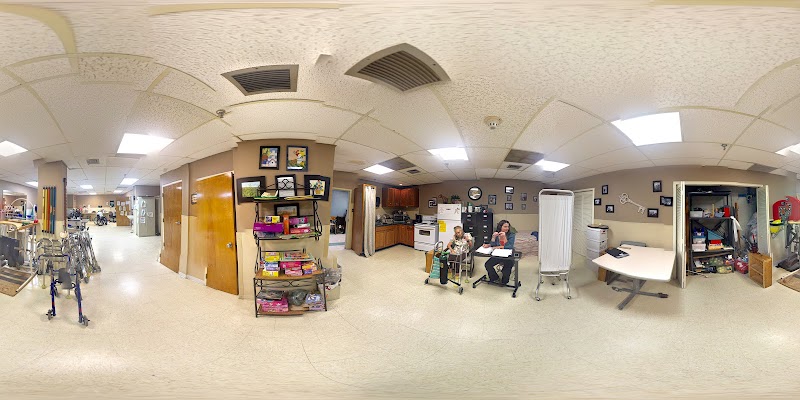
How is Rosewood Rehabilitation And Nursing Center Staffed?

CMS rates ROSEWOOD REHABILITATION AND NURSING CENTER's staffing level at 2 out of 5 stars, which is below average compared to other nursing homes.

What Have Inspectors Found at Rosewood Rehabilitation And Nursing Center?

State health inspectors documented 26 deficiencies at ROSEWOOD REHABILITATION AND NURSING CENTER during 2020 to 2023. These included: 25 with potential for harm and 1 minor or isolated issues.

Who Owns and Operates Rosewood Rehabilitation And Nursing Center?

ROSEWOOD REHABILITATION AND NURSING CENTER is owned by a for-profit company. For-profit facilities operate as businesses with obligations to shareholders or private owners. The facility operates independently rather than as part of a larger chain. With 80 certified beds and approximately 73 residents (about 91% occupancy), it is a smaller facility located in RENSSELAER, New York.

How Does Rosewood Rehabilitation And Nursing Center Compare to Other New York Nursing Homes?

Compared to the 100 nursing homes in New York, ROSEWOOD REHABILITATION AND NURSING CENTER's overall rating (2 stars) is below the state average of 3.1 and health inspection rating (2 stars) is below the national benchmark.

What Should Families Ask When Visiting Rosewood Rehabilitation And Nursing Center?

Based on this facility's data, families visiting should ask: "Can you walk me through typical staffing levels on day, evening, and night shifts?" "Can I visit during a mealtime to observe dining assistance and food quality?" "How do you handle medical emergencies, and what is your hospital transfer rate?" "Can I speak with family members of current residents about their experience?" These questions are particularly relevant given the below-average staffing rating.

Is Rosewood Rehabilitation And Nursing Center Safe?

Based on CMS inspection data, ROSEWOOD REHABILITATION AND NURSING CENTER has a clean safety record: no substantiated abuse findings (meaning no confirmed cases of resident harm), no Immediate Jeopardy citations (the most serious violation level indicating risk of serious injury or death), and is not on the Special Focus Facility watch list (a federal program monitoring the lowest-performing 1% of nursing homes). The facility has a 2-star overall rating and ranks #100 of 100 nursing homes in New York. While no facility is perfect, families should still ask about staff-to-resident ratios and recent inspection results during their visit.

Do Nurses at Rosewood Rehabilitation And Nursing Center Stick Around?

ROSEWOOD REHABILITATION AND NURSING CENTER has not reported staff turnover data to CMS. Staff turnover matters because consistent caregivers learn residents' individual needs, medications, and preferences. When staff frequently change, this institutional knowledge is lost. Families should ask the facility directly about their staff retention rates and average employee tenure.

Was Rosewood Rehabilitation And Nursing Center Ever Fined?

ROSEWOOD REHABILITATION AND NURSING CENTER has been fined $31,815 across 8 penalty actions. This is below the New York average of $33,397. While any fine indicates a compliance issue, fines under $50,000 are relatively common and typically reflect isolated problems that were subsequently corrected. Families should ask what specific issues led to these fines and confirm they've been resolved.

Is Rosewood Rehabilitation And Nursing Center on Any Federal Watch List?

ROSEWOOD REHABILITATION AND NURSING CENTER is not on any federal watch list. The most significant is the Special Focus Facility (SFF) program, which identifies the bottom 1% of nursing homes nationally based on persistent, serious quality problems. Not being on this list means the facility has avoided the pattern of deficiencies that triggers enhanced federal oversight. This is a positive indicator, though families should still review the facility's inspection history directly.