


SUNHARBOR MANOR

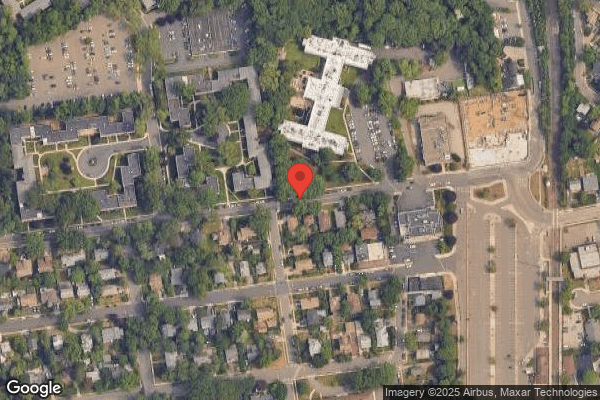
255 WARNER AVENUE, ROSLYN HEIGHTS, NY 11577 (516) 621-5400
For profit - Limited Liability company 266 Beds THE SHERMAN FAMILY Data: November 2025
Trust Grade
50/100
#453 of 594 in NY
Last Inspection: March 2024

Within standard 12-15 month inspection cycle. Federal law requires annual inspections.

Overview

Sunharbor Manor has a Trust Grade of C, which means it is average and sits in the middle of the pack among nursing homes. It ranks #453 out of 594 facilities in New York, placing it in the bottom half, and #32 out of 36 in Nassau County, indicating that there are only a few local options that are better. The facility is experiencing a worsening trend, with issues increasing from 8 in 2022 to 10 in 2024. Staffing is rated at 2 out of 5 stars, indicating below-average performance, but the turnover rate of 31% is better than the state average of 40%, suggesting some stability among staff. While there have been no fines, which is a positive sign, specific incidents raise concerns. For example, the facility did not ensure adequate nursing staff, leading to delays in responding to call bells and missed ambulation for residents. Additionally, a staff member was found to be partially vaccinated, which is a compliance issue with health regulations. Overall, while there are some strengths, such as no fines and a lower turnover rate, the facility has significant areas for improvement, particularly in staffing adequacy and adherence to care plans.

Trust Score
C
50/100
In New York
#453/594
Bottom 24%
Safety Record
Low Risk
No red flags
Inspections
Getting Worse
8 → 10 violations
Staff Stability
○ Average
31% turnover. Near New York's 48% average. Typical for the industry.
Penalties
✓ Good
No fines on record. Clean compliance history, better than most New York facilities.
Skilled Nurses
○ Average
Each resident gets 33 minutes of Registered Nurse (RN) attention daily — about average for New York. RNs are the most trained staff who monitor for health changes.
Violations
⚠ Watch
27 deficiencies on record. Higher than average. Multiple issues found across inspections.
★★☆☆☆
2.0
Overall Rating
★★☆☆☆
2.0
Staff Levels
★★☆☆☆
2.0
Care Quality
★★☆☆☆
2.0
Inspection Score
Stable
2022: 8 issues
2024: 10 issues

The Good

  • Full Sprinkler Coverage · Fire safety systems throughout facility
  • No fines on record
  • Staff turnover below average (31%)

    17 points below New York average of 48%

Facility shows strength in fire safety.

The Bad

2-Star Overall Rating

Below New York average (3.1)

Below average - review inspection findings carefully

Staff Turnover: 31%

15pts below New York avg (46%)

Typical for the industry

Chain: THE SHERMAN FAMILY

Part of a multi-facility chain

Ask about local staffing decisions and management

The Ugly 27 deficiencies on record

Mar 2024 10 deficiencies
CONCERN (D)

Potential for Harm - no one hurt, but risky conditions existed

Comprehensive Care Plan (Tag F0656)

Could have caused harm · This affected 1 resident

Based on observation, record review, and interviews during the Recertification Survey initiated on 3/14/2024 and completed on 3/21/2024, the facility did not ensure that a comprehensive person-centere...

Read full inspector narrative →
Based on observation, record review, and interviews during the Recertification Survey initiated on 3/14/2024 and completed on 3/21/2024, the facility did not ensure that a comprehensive person-centered care plan was developed and implemented for each resident that includes measurable objectives and timeframes to meet each resident's medical and nursing needs. This was identified for one (Resident #246) of three residents reviewed for pain management. Specifically, Resident # 246 had a physician's order for a Lidocaine (a medication used to treat pain) patch to be applied to the resident's lumbar area (lower back). On 3/15/2024 during the medication pass observation, the medication nurse applied a Menthol patch to the resident's lower back instead of the Lidocaine patch. The finding is: The facility's policy titled Medication Administration, last revised 5/2023, documented that medication shall be administered as prescribed by the attending physician. Medication must be administered in accordance with the written orders of the attending physician. Prior to administering the resident's medication, the nurse should compare the drug and dosage scheduled on the resident's electronic medical record with the drug label. Resident #246 was admitted with diagnoses including Wedge Compression Fracture Fourth Lumbar Vertebra (a bone of the spinal column in the lower back), Low Back Pain, and Anxiety. The 1/18/2024 admission Minimum Data Set assessment documented a Brief Interview for Mental Status score of 8, indicating the resident had moderate cognitive impairment. The Minimum Data Set assessment documented no pain in the last five days and that the resident received scheduled and as-needed pain medications. A physician's order dated 1/11/2024 documented to apply a Lidocaine 4% topical patch, place one patch on the skin (lumbar area) in the morning, and remove and discard the patch within 12 hours, for a diagnosis of Pain. A comprehensive care plan titled Pain Management, effective 1/11/2024, documented under the Etiology section: Fracture (L4- the 4th lumbar vertebra), back injury, Osteoarthritis as evidenced by back pain, and the resident's verbalization of pain. Interventions included to administer medications as ordered by the physician. On 3/15/2024 at 8:39 AM Licensed Practical Nurse #1 prepared medications to be administered to Resident #246. Licensed Practical Nurse #1 prepared Acetaminophen 325 milligrams, two tablets (an as-needed oral pain medication), and a Menthol Frosty Heat Patch, 5% Menthol. The surveyor asked Licensed Practical Nurse #1 if the Menthol Frosty Heat Patch was the same as the Lidocaine 4% topical patch, which was the physician-ordered patch. Licensed Practical Nurse #1 stated they usually use these Menthol patches and did not re-check the physician's order in the electronic medical record. The nurse applied the Menthol patch to Resident #246's lower back. A review of the March 2024 Medication Administration Record revealed that Licensed Practical Nurse #1 signed for applying the Lidocaine 4% topical patch on 3/15/2024. Registered Nurse #1, the unit supervisor, was interviewed on 3/15/2024 at 2:02 PM. Registered Nurse #1 stated Licensed Practical Nurse #1 should have applied the Lidocaine patch that was ordered because the Lidocaine patch and the Menthol patch are not the same and not interchangeable. A nursing progress note dated 3/15/2024 at 3:11 PM, written by Registered Nurse #5 documented that during the medication pass the resident was scheduled to receive a Lidocaine 4% topical patch. The nurse applied a Menthol 5% patch. The resident's Physician was made aware and ordered to apply a Menthol topical patch 5% as needed to the resident's lower back. The Lidocaine 4% patch order continues. The resident was also informed and agreed with the plan. The resident's skin was assessed, and no redness or irritation was observed. The Director of Nursing Services was interviewed on 3/18/2024 at 9:32 AM and stated the primary care physician was notified of the medication error right away and an order was obtained to apply the Menthol patch as needed and to continue the Lidocaine patch as a standing order. A medication error report was completed and Licensed Practical Nurse #1 was provided education counseling. The Director of Nursing Services stated the nurse should have applied the Lidocaine patch as per the physician's order. 10 NYCRR 415.11 (c)(1)
CONCERN (D) 📢 Someone Reported This

A family member, employee, or ombudsman was alarmed enough to file a formal complaint

Potential for Harm - no one hurt, but risky conditions existed

Deficiency F0660 (Tag F0660)

Could have caused harm · This affected 1 resident

**NOTE- TERMS IN BRACKETS HAVE BEEN EDITED TO PROTECT CONFIDENTIALITY** Based on record review and interviews conducted during the Recertification and Abbreviated Survey (Complaint # NY 00320409) init...

Read full inspector narrative →
**NOTE- TERMS IN BRACKETS HAVE BEEN EDITED TO PROTECT CONFIDENTIALITY** Based on record review and interviews conducted during the Recertification and Abbreviated Survey (Complaint # NY 00320409) initiated on 3/14/2024 and completed on 3/21/2024, the facility did not ensure that they developed and implemented an effective discharge planning process that focuses on the resident's discharge goals, the preparation of residents to be active partners, and effectively transition the resident to post-discharge care. This was identified for one (Resident #466) of one resident reviewed for Discharge. Specifically, Resident #466 was discharged from the facility on 7/17/2023 with no confirmation of acceptance from a Home Care Agency. On 7/18/2023 the referred Home Care Agency denied Home Healthcare Services for Resident #466. Consequently, Resident #466 did not receive acceptance for Home Healthcare Services until 7/25/2023, eight days after they were discharged from the facility. The finding is: The facility policy titled, Discharge Plan dated 11/2017 documented the post-discharge plan will include patient diagnosis, history, follow-up instructions, functioning status, and arrangements for home care and equipment that is needed. Resident #466 was admitted with diagnoses that included Symptomatic Epilepsy, Cerebral Palsy, and Major Depressive Disorder. The Minimum Data Set assessment dated [DATE] documented the resident's Brief Interview for Mental Status score was 00 which indicated the resident had severely impaired cognition. The Minimum Data Set assessment documented active discharge planning already occurring for the resident to return to the community. The Comprehensive Care Plan titled; Discharge Planning dated 6/26/2023 documented that the goal for the resident was to return home. The interventions included but were not limited to ordering equipment and a referral to a home care agency. The progress note, written by Social Worker #2, dated 7/12/2023 documented Resident #466 was to be discharged home on 7/17/2023 as per the family's request. The resident lives at home with family, and a referral for Homecare will be made. The progress note, written by Social Worker #2, dated 7/14/2023 at 3:27 PM documented that they spoke to Resident #466's Managed Care Plan. The representative from the Managed Care Plan stated that everything was in place and requested a copy of the resident's Discharge Summary. At 3:28 PM Social Worker #2 documented that a Home Care Referral will be made. The Discharge Plan and Instructions form dated 7/17/2023 documented that the resident required home care for Physical Therapy, Nursing care, and needed Aide care. A progress note, written by Licensed Practical Nurse #8, dated 7/17/2023 documented the resident was discharged from the unit in stable condition with family, and discharge instructions to follow up with the Primary Medical Doctor were provided to the family member. The resident's family member verbalized understanding. A Post Discharge Follow-Up Note, written by Social Worker #2, dated 7/18/2023 at 5:15 PM documented they spoke to the resident's family; the resident was referred to a Home Care agency but was denied due to lack of skilled services. The resident was referred to an agency for Physical and Occupational Therapy and was approved. A referral will be made to other agencies for getting skilled Nursing Services. The progress note, written by Social Worker #2, dated 7/20/2023 at 9:32 AM documented that they spoke to the Resident's Managed Care Plan regarding the resident's Home Care referral. The resident was denied due to the lack of skilled need and the need for a nurse. The resident was accepted for Physical Therapy and Occupational Therapy with another Home Care Agency, but the start of care date was mid to end of August 2023. Social Worker #2 requested a referral to other agencies for an earlier start of care date. The progress note, written by Social Worker #2, dated 7/20/2023 at 3:45 PM documented that Social Worker #2 reached out to a Home Care Agency for Physical and Occupational Therapy and discussed the resident's family's request for an earlier start date. The Home Care Agency representative explained that there was no earlier date available. The progress note, written by Social Worker #2, dated 7/25/2023 at 10:17 AM documented Social Worker #2 spoke with the resident's Managed Care Plan and inquired about authorization for the Home Care Agency to start services (earlier). The Case Manager/Discharge Coordinator was interviewed on 3/19/2024 at 11:59 AM and stated for discharge planning a meeting is held with the Nursing, Rehabilitation, and Social Worker along with the Resident and family members to discuss the resident's discharge, 72 hours before the resident's discharge. When a resident is being discharged with Home Care Services, the facility will submit a referral to an agency that the family agrees with, and the facility will make sure that the resident is accepted by the Home Care Agency. The Home Care Agency will then communicate with the facility if the resident was accepted for Home Care services along with the start date of the Home Care services. The communication held with the Home Care Agency is documented in the resident's medical record by the Social Worker or the Discharge Coordinator. The Case Manager/Discharge Coordinator stated they do not always document in the resident's medical record because they do not always have time to do so. The Case Manager/Discharge Coordinator was re-interviewed on 3/19/2024 at 12:37 PM and stated a Home Care referral was made for Resident # 466; however, they could not recall the date of the referral. The Case Manager/Discharge Coordinator stated after the referral a confirmation was not obtained to ensure Home Care services for Resident #466. The Case Manager/Discharge Coordinator stated that the Discharge Coordinator or the Social Worker was responsible for ensuring that confirmation for Home Care services was received and documented in the resident's medical record prior to the resident's discharge. The Case Manager/Discharge Coordinator stated after Resident #466 was discharged from the facility, Home Care Agency #1 called the facility on 7/18/2023 to notify them that they (Home Care Agency #1) would not take the case because Resident #466 had no skilled needs. The Case Manager/Discharge Coordinator stated that Resident #466 was approved for Home Care eight days after they were discharged from the facility. The Director of Social Work was interviewed on 3/19/2024 at 3:05 PM and stated that Resident #466 had developmental disabilities and required a skilled level of care. The resident's Social Worker sent a referral to a Home Care Agency for continuing services. After Resident #466 was discharged from the facility on 7/17/2023, the liaison at the Home Care Agency called the facility on 7/18/2023 and informed the facility that they found no skilled needs for Resident #466 and the resident would not qualify for a Home Health Aide. The Director of Social Work stated that the facility should have confirmed the provision of Home Care services before the resident was discharged from the facility. 10 NYCRR 415.11(d)(3)
CONCERN (D)

Potential for Harm - no one hurt, but risky conditions existed

Deficiency F0685 (Tag F0685)

Could have caused harm · This affected 1 resident

**NOTE- TERMS IN BRACKETS HAVE BEEN EDITED TO PROTECT CONFIDENTIALITY** Based on observation, record review and interviews during the Recertification Survey initiated on 3/14/2024 and completed on 3/2...

Read full inspector narrative →
**NOTE- TERMS IN BRACKETS HAVE BEEN EDITED TO PROTECT CONFIDENTIALITY** Based on observation, record review and interviews during the Recertification Survey initiated on 3/14/2024 and completed on 3/21/2024 the facility did not ensure that residents receive proper treatment and assistive devices to maintain hearing abilities. This was identified for one (Resident #155) of four residents reviewed for communication. Specifically, Resident #155 required hearing aid devices for both ears. Resident #155 lost the left ear hearing aid. The resident had multiple physician orders on 1/18/2024, 1/23/2024, 2/03/2024, 2/20/2024, 3/11/2024, and 3/19/2024 for an Audiology Consult. The Audiology appointment was not confirmed until 3/19/2024, two months after the first physician's order was written. The finding is: Resident #155 was admitted with diagnoses that included Type 2 Diabetes, Hypertension, and Congestive Heart Failure. The Quarterly Minimum Data Set assessment dated [DATE] documented the resident had a Brief Interview for Mental Status score of 15 which indicated the resident had intact cognition. The Minimum Data Set assessment documented the resident had minimal difficulty hearing and was not utilizing the hearing aids. A review of the physician's orders from January 2024 through March 2024 revealed the resident had multiple physician orders on 1/18/2024, 1/23/2024, 2/03/2024, 2/20/2024, 3/11/2024, and 3/19/2024 to obtain an Audiology Consult. Resident #155 was observed in their room on 3/14/2024 at 9:30 AM. Resident #155 was observed wearing a hearing aid in their right ear. When the surveyor greeted the resident, they had to adjust the tonal quality for the resident to hear the greeting. Resident #155 was interviewed on 3/14/2024 at 9:31 AM and stated over a year ago they lost their left hearing aid when they were in the hospital. Now they only have the right ear hearing aid and it does not always work well. Resident #155 stated the facility staff is aware that they (Resident#155) need new hearing aids because they have told the nursing staff on several occasions that the left ear hearing aid is lost and the right ear hearing aid does not function properly. Registered Nurse Supervisor #3 was interviewed on 3/19/2024 at 8:52 AM and stated that Resident #155 lost their left hearing aid in the hospital over a year ago and the insurance would not pay for a new hearing aid at that time and the hospital also refused to pay for the lost hearing aid. The resident was also not willing to pay for the new hearing aid as it was not their fault that the hearing aid was lost at the hospital. Registered Nurse Supervisor #3 stated that the social worker was aware that the resident's hearing aid was lost and may qualify for a new hearing aid at this time. Registered Nurse Supervisor #3 was re-interviewed on 3/20/2024 at 8:54 AM and stated the resident had an appointment set for an Audiology Consult; however, did not know the date of the appointment. Registered Nurse Supervisor #3 stated that when a consult order is obtained, the nursing supervisor is responsible for filling out the consult form and the unit clerk is responsible for making an appointment with the Consultant's office, arrange the transportation, and notify the charge nurse of the appointment date. The Director of Nursing Services was interviewed on 3/20/2024 at 10:47 AM and stated there has been a change with the unit clerk that caused the delay in obtaining the Audiology consult for Resident #156. The Director of Nursing Services stated that it is not acceptable to have a resident wait this long for an Audiology appointment. 10 NYCRR 415.12(a)(3)(b)(1-3)
CONCERN (D)

Potential for Harm - no one hurt, but risky conditions existed

Accident Prevention (Tag F0689)

Could have caused harm · This affected 1 resident

**NOTE- TERMS IN BRACKETS HAVE BEEN EDITED TO PROTECT CONFIDENTIALITY** 2) A facility's policy and procedure titled, Medication Administration last revised on 5/2023 documented that medication must be...

Read full inspector narrative →
**NOTE- TERMS IN BRACKETS HAVE BEEN EDITED TO PROTECT CONFIDENTIALITY** 2) A facility's policy and procedure titled, Medication Administration last revised on 5/2023 documented that medication must be administered following the written order of the attending Physician. Medications may not be set up in advance and must be administered within one hour before and or one hour after their prescribed time. During routine medication passes, the nurse should position the medication cart inside the doorway of the resident's room. Drawers should be facing inward. The nurse administering the medications must initial the resident's Electronic Medical Record, on the appropriate line and date for that specific day. Resident #101 was admitted with diagnoses that included Chronic Kidney Disease, Restless Leg Syndrome, and Asthma. A Minimum Data Set (MDS) assessment dated [DATE] documented that Resident #101's Brief Interview for Mental Status (BIMS) score was 15 which indicated that Resident #101 was cognitively intact. The Minimum Data Set assessment documented that Resident #101 was taking high-risk drug classes including Anti-Anxiety, Anti-Depressant, Hypnotic, Anticoagulant, Opioid, and Hypoglycemic medications. The physician's order dated 12/18/2023 and last renewed on 3/14/2024 documented to administer the following medications: -Sertraline 25 milligrams tablet, give 5 tablets (125 milligrams) daily for Depression. -Eliquis 5 milligrams tablet, give one tablet twice a day for Atrial Fibrillation. -Famotidine 20 milligrams, give one tablet daily for Gastroesophageal Reflux Disease. -Ventolin Hydrofluoroalkane (HFA) 90 microgram/actuation aerosol inhaler, give 2 puffs every 6 hours as needed for Asthma and shortness of breath. A Comprehensive Care Plan dated 7/16/2022 and last revised on 1/3/2024 for Multiple Medication Use, documented interventions that included but were not limited to monitor for side effects; review medication monthly; monitor vital signs as ordered; and monitor for Gastrointestinal (GI) discomfort. A Comprehensive Care Plan for Polypharmacy dated 12/13/2023 documented that the resident will not experience adverse side effects related to the use of nine or more medications. Interventions included to administer medications as ordered, and observe for any adverse reactions and notify the Physician. A review of the Electronic Medical Record revealed that Resident #101 was not assessed to self-administer their medications including the inhalers. During an observation on 3/14/2024 at 11:02 AM, Resident #101 was sitting in a wheelchair in their room. A medication cup containing seven tablets, and an inhaler that had no label, were observed on the resident's bedside table. There was no staff member present in the resident's room. Resident #101 was interviewed on 3/14/2024 at 11:02 AM and stated that they take a while to take the medications and they do not want to be rushed into taking the medications. Resident #101 stated that the medication cup contained medications for their Depression, stomach, and heart, and the inhaler was for their Asthma. Licensed Practical Nurse # 4 was observed knocking on the resident's room door on 3/14/2024 at 11:20 AM and asked Resident #101 if they had taken all the medications. Resident #101 stated that they would take their medications as soon as possible and that they were just getting ready for the day. Licensed Practical Nurse #4 was re-interviewed on 3/14/2024 at 11:30 AM and stated that Resident #101 does not abide by the medication schedule set up by the facility. Licensed Practical Nurse #4 stated that Resident #101 has scheduled medications at 9:00 AM and they usually administer medications to Resident #101 at around 10:00 AM. Resident #101 usually refuses some of their medications and will tell the nurses that they do not feel good, and will take their medications later. Licensed Practical Nurse #4 stated that this morning (3/14/2024) they went to the resident's room multiple times to see if Resident #101 had taken their medications. Registered Nurse #1, the Unit Supervisor, was interviewed on 3/14/2024 at 1:30 PM and stated that residents should not have any medications in their rooms unless there is a Physician's order for the resident to self-administer their medications. During a subsequent observation on 3/20/2024 at 10:38 AM Resident #101 was observed in their room sitting in a wheelchair. Two inhalers with no label, were observed on the bedside table. No staff member was present in the room. Resident #101 was interviewed on 3/20/2024 at 11:00 AM and stated they had the inhalers with them for a long time and did not know who gave the inhalers to them. Resident #101 stated they keep both inhalers in their pocket. Today, 3/20/2024, they took a shower in the morning, emptied their pocket, and placed the inhalers on the bedside table. Resident #101 stated that they knew how to use the inhaler and used the inhalers during transportation from the Dialysis treatment to the facility when they felt out of breath. A subsequent interview with Licensed Practical Nurse #4 was completed on 3/20/2024 at 11:24 AM. Licensed Practical Nurse #4 stated that they did not know why Resident #101 had two inhalers in their possession. The inhaler prescribed by the Physician (Ventolin) was kept in the medication cart and was not administered to the resident on 3/20/2024. Resident #101 did not ask for the inhaler when Licensed Practical Nurse #4 gave the resident their medications that morning. A subsequent interview with Registered Nurse #1 was completed on 3/20/2024 at 11:30 AM. Registered Nurse #1 stated that Resident #101 had two inhalers in their room. Registered Nurse #1 stated they removed both inhalers from the resident's room on 3/20/24 after the surveyor found the inhalers on the bedside table. One of the inhalers (Albuterol ) was not ordered by the Physician and was empty; the second inhaler was Ventolin. Resident #101 has a Physician's order for the use of Ventolin on an as-needed basis. Registered Nurse #1 stated that the Ventolin inhaler that was removed from the resident's room was not supplied by the facility. Registered Nurse #1 stated they did not know how and when the resident got the inhalers. The Director of Nursing Services was interviewed on 3/20/2024 at 11:45 AM and stated that all nurses should administer medications according to the scheduled times and according to the doctor's orders. The Director of Nursing Services stated they expected nurses to follow the facility's guidelines for dispensing the medications. The medications can be administered one hour before and an hour after the scheduled medication administration time. The Director of Nursing Services stated that unless a resident has a Physician's order to self-administer their medications, all medications should only be administered by the nurses. 10 NYCRR 415.12(h)(1)(2) Based on observations, interviews, and record review during the Recertification Survey initiated on 3/14/2024 and completed on 3/21/2024 the facility did not ensure that each resident received adequate supervision to prevent accidents. This was identified for two (Resident #240 and Resident #101) of seven residents reviewed for Accidents. Specifically, 1) on 3/15/2024 Resident #240 was observed unsupervised outside of the building on the front sidewalk in the facility's designated smoking area. The resident was smoking but was not one of the residents that had been assessed and determined to be a safe smoker. The facility was not aware the resident had exited the building; and 2) Resident #101 was observed with multiple medication tablets in a medication cup and an inhaler on their overbed table on 3/14/2024 and 3/20/2024. There were no staff members in the vicinity. Resident #101 was not assessed to safely self-administer medications. The findings are: 1) The facility's policy titled Out on Pass, dated 7/2022, documented residents that request an independent out on pass order need to be reviewed by the interdisciplinary team to determine the reason for out on pass and if the facility could assist in meeting the resident's needs to avoid being alone when out on pass; the resident's cognitive and physical ability to safely function independently in the community for several hours; and the risk factors that a resident has that could result in a negative outcome if allowed out on pass independently. Based on interdisciplinary team review, if a resident is deemed safe to go out on pass independently, the primary physician will review and give final approval and a physician's order will be placed for independent out on pass. The facility's policy titled, Non-Smoking Facility, last reviewed/revised 4/28/2023, documented that the facility is non-smoking, but there are certain residents admitted prior to 4/28/2023 who are active smokers and considered grandfathered and are permitted to smoke. For the grandfathered smokers, the facility will provide supervision as needed. The facility's undated Receptionist Job Description documented duties and responsibilities which included operating paging/telephone system, directing all incoming calls, greeting visitors and directing to appropriate office/room, giving directions to visitors, ensuring guests/visitors abide by existing rules, observing television cameras for illegally parked cars, viewing cameras and monitoring/supervising any issues, assisting residents to their destination, and being alert and aware of residents in and around the first-floor lobby and outside the main front entrance. Resident #240 was admitted with diagnoses including Diabetes Mellitus, Hypertension, and Major Depressive Disorder. The 2/22/2024 admission Minimum Data Set assessment documented a Brief Interview for Mental Status score of 15, indicating the resident was cognitively intact. The Minimum Data Set documented that the resident did not use tobacco. A physician's order dated 3/9/2024 documented that Resident # 240 may go out on pass with a responsible party. A physician's order dated 3/18/2024 documented Resident # 240 may ambulate on the nursing unit using a rolling walker with assistance; wheelchair use for off unit as needed. A comprehensive care plan titled Smoking, effective 2/19/2024, documented on 2/19/2024 that resident reports that they quit smoking about a month ago. The Social worker offered the resident a smoking cessation program, but the resident declined. Resident #240 was educated on the no smoking policy and the resident indicated they have no current desire to smoke. On 3/15/2024 at 2:24 PM, the surveyor was present at the facility's front reception/security guard desk area reviewing the smoking supplies that are left at the front desk with security. Receptionist/Security Guard #1 was present, who stated the smoking materials are left in a plastic box at the front desk for the residents to retrieve before they go out the front door to the designated smoking area. An approved smoker, Resident #172 was observed retrieving their smoking supplies and stated they had to sign a form before they went out and give the form to the Receptionist/Security Guard. The large video screen, that the Receptionist/Security Guard uses to monitor the smokers as well as various cameras located around the building, including the rear patio, was observed. The Receptionist/Security Guard was observed answering multiple phone calls at the desk. At this time, the lobby/reception area was very busy with guests coming into the building and leaving, and various staff members passing by. The surveyor went outside to talk to the residents who were smoking in the designated smoking area on 3/15/2024 at 2:33 PM. There were three residents smoking, two of the facility-approved residents (Resident # 172 and another resident who was not part of the survey sample) and a third resident (Resident #240). Resident #240 was sitting in their wheelchair and stated they keep their cigarettes in their pocket and did not know anything about a smoking contract. Resident # 240's name was not included on the list of names on the smoking paraphernalia box at the Receptionist/Security Guard desk. On 3/15/2024 at 3:05 PM Receptionist/Security Guard #1, a security company contract employee, was interviewed. Receptionist/Security Guard #1 stated sometimes it is very busy at the front desk and in the lobby. Receptionist/Security Guard #1 stated they are required to monitor the residents who are coming and going through the front entrance, including the smokers. Receptionist/Security Guard #1 stated they did not see Resident #240 exit the building to go outside. A progress note, written by the Social Work Director, dated 3/15/2024 at 4:42 PM documented Resident #240 was observed smoking on this date (3/15/2024). The Social Work Director met with the resident to re-review the smoking policy and procedure. Resident #240 stated they were admitted a few weeks ago and saw smokers when they went out on pass with their family and had a desire to smoke. During the out on pass with their family, Resident #240 took cigarettes from the home setting. Resident #240 stated that when they observed other residents smoking outdoors in the front of the building when out on pass, they assumed they could smoke. Resident #240 was interviewed on 3/18/2024 at 8:15 AM. Resident #240 stated they went outside on their own on Friday (3/15/2024) right after they finished their rehabilitation session which is located adjacent to the front lobby. Resident #240 stated no one wheeled them outside and they can self-propel their wheelchair. Resident #240 stated they saw other residents smoking when they went out on pass and thought it was okay to smoke. Resident #240 stated they did not tell anyone they were going outside, and they were not aware that they could not go outside by themselves. Social Worker #1 (the Social Worker for Resident #240's unit) was interviewed on 3/18/2024 at 8:21 AM. Social Worker #1 stated whenever a resident leaves the unit, they should inform the staff and the staff should know each resident's whereabouts. The Assistant Director of Nursing Services was interviewed on 3/18/2024 at 8:25 AM. The Assistant Director of Nursing Services stated Resident #240 does not a physician's order order to go outside independently and does not have privileges to go outside in front of the building on their own. The Assistant Director of Nursing Services stated if Resident #240 wants to go outside, they can go outside on the rear patio. The Assistant Director of Nursing Services stated residents who go out independently require a physician's order. Registered Nurse #1, the unit supervisor, was interviewed on 3/18/2024 at 8:39 AM. Registered Nurse #1 stated for a resident to go outside in front of the building independently, the Rehabilitation Department must evaluate the resident for safety and the Physician must issue an independent out on pass order. Registered Nurse #1 stated residents can not go outside in front of the building if they do not have an order. Registered Nurse #1 stated if a resident attempts to leave through the front entrance and does not have an independent out on pass order, then security must intervene. The Rehabilitation Director was interviewed on 3/18/2024 at 9:09 AM. The Rehabilitation Director stated if a resident has an order to go out on pass with a responsible party, then that resident has not been assessed yet to go out independently. The Rehabilitation Director stated Resident #240 has been expressing that they want to go home, so they (Resident #240) have been getting training to be independent, but the resident has not reached that status yet. The Rehabilitation Director stated going on the back patio area is safer and is different than going out front. Out front of the facility requires an assessment because the area is very busy. There are deliveries, cars, and families coming and going. The Rehabilitation Director stated even if a resident can maneuver a wheelchair, they would have to be assessed by the Rehabilitation Department to be out front independently. The Rehabilitation Director stated Resident #240 has not been assessed to go out front independently and that the resident still needs assistance. The Director of Nursing Services was interviewed on 3/18/2024 at 1:53 PM. The Director of Nursing Services stated security is responsible to monitor who is outside in front of the building and also responsible to monitor the camera surveillance. The Director of Nursing Services stated alert and oriented residents can go from floor to floor on their own, but should not go outside in front of the building without the proper assessment. Receptionist/Security Guard #2, the facility's regularly assigned 8:00 AM-4:00 PM receptionist, was interviewed on 3/20/2024 at 8:34 AM. Receptionist/Security Guard #2 stated their job is both the receptionist and security guard. They monitor the smoking area through cameras and also monitor who comes and goes out of the building. They have to know who goes out and who comes into the facility. Residents are not allowed to freely leave the facility. The residents who are allowed to smoke must sign a form to go out. Residents can not just leave. Receptionist/Security Guard #2 stated they have to multitask and it is possible that a resident could go out without being seen by them. The Administrator was interviewed on 3/20/2024 at 9:29 AM. The Administrator stated the regularly assigned 8:00 AM - 4:00 PM Receptionist/Security Guard #2 was off on Friday, 3/15/2024, and Receptionist/Security Guard #1, who is from a contracted agency, was working that shift. The Administrator stated the Receptionist/Security Guard's job is to monitor who comes and goes in and out of the building, answer phones, greet visitors, monitor security cameras located all over the building through a video screen at the front desk, and periodically monitor the smokers. If there are any immediate concerns identified on the video screen, the Receptionist/Security Guard must contact the nursing supervisor to intervene or call for an immediate response through the paging system. The Administrator stated that it is the Receptionist/Security Guard's responsibility to monitor the front entrance and that the Receptionist/Security Guard should have stopped Resident #240 from going out front. Receptionist/Security Guard #1 was re-interviewed on 3/21/2024 at 12:00 PM. Receptionist/Security Guard #1 stated they did not see Resident #240 go out in front of the building on 3/15/2024. Receptionist/Security Guard #1 stated one of their responsibilities is to monitor the front entrance. Receptionist/Security Guard #1 stated the phone calls at the desk are overwhelming.
CONCERN (D)

Potential for Harm - no one hurt, but risky conditions existed

Tube Feeding (Tag F0693)

Could have caused harm · This affected 1 resident

**NOTE- TERMS IN BRACKETS HAVE BEEN EDITED TO PROTECT CONFIDENTIALITY** Based on observation, record review and interviews during the Recertification Survey initiated on 3/14/2024 and completed on 3/2...

Read full inspector narrative →
**NOTE- TERMS IN BRACKETS HAVE BEEN EDITED TO PROTECT CONFIDENTIALITY** Based on observation, record review and interviews during the Recertification Survey initiated on 3/14/2024 and completed on 3/21/2024 the facility did not ensure that a resident who is fed by enteral means receives the appropriate treatment, care, and services to prevent complications of enteral feeding. This was identified for one (Resident #161) of one resident reviewed for Tube Feeding. Specifically, on 3/15/2024 at 12:03 PM, Resident #161's tube feeding and hydration (water) bags were observed hanging without labels including the resident's name, and the time the tube feeding was initiated. The finding is: The facility's Gastrostomy Tube Feeding policy dated 5/2023 documented that the facility will provide gastrostomy tube feedings to residents according to Physician's orders. Step 11 of the procedure documented to fill out the label that is included with the pouch to affix to both the feeding bag and the water bag. Resident #161 was admitted with diagnoses of Cerebral Infarction, Aphasia, and Hemiplegia. The Significant Change Minimum Data Set assessment dated [DATE] documented that Resident #161 had a Brief Interview for Mental Status score of 3, indicating the resident had severely impaired cognition. Resident #161 utilized a feeding tube and received 51% or more of the total calories through tube feeding. Resident #161 also received 501 cubic centimeters or more fluid intake per day by tube feeding. The Physician's Orders dated 3/15/2024 documented to administer Tube Feeding Formula Diabetisource 1500 milliliters per 24 hours, 1 bag via Percutaneous Endoscopic Gastrostomy tube pump. Rate: 75 milliliters per hour, start at 5:00 PM and end at 1:00 PM or until completed. Flush 35 milliliters of water every hour with a total minimum fluid of 2200 milliliters per 24 hours. Total Calories Provided 1800 Kilocalories per 24 hours, total Protein Provided: 90 grams per 24 hours, and total water Provided 1924 milliliters per 24 hours. The Tube feeding care plan dated 12/21/2022 and revised on 2/8/2024 documented that Resident #161 was at nutritional/hydration risk related to Hemorrhage, Diabetes, Percutaneous Endoscopic Gastrostomy tube (12/7/2022), right-sided weakness status post Stroke, motor Aphasia, and Dysphagia. Resident #161 had a need for therapeutic tube feeding formula and tube feeding as the primary source of nourishment and hydration. Interventions included to check the feeding pump before each feeding and to check the feeding tube patency/position before each feeding. On 3/15/2024 at 12:03 PM, Resident #161 was observed with a tube feed and hydration bag hanging without a label (including the resident's name and start time of the feeding). The feeding formula was observed to be placed on hold on the enteral pump machine. Licensed Practical Nurse #6 was interviewed on 3/15/2024 immediately after the observation at 12:05 PM and stated that the tube feed bag was hung by the evening shift nurse and should have been labeled. Resident #161 is scheduled for feedings from 5:00 PM to 1:00 PM the next day. Licensed Practical Nurse #6 stated that the tube feed and water bag should be labeled with Resident #161's name, the start time of the feed, and the amount of the feeding tube in cubic centimeters per hour. Licensed Practical Nurse #6 stated that they paused the tube feed moments ago so that the assigned Certified Nurse Aide could get Resident #161 dressed for the day. Licensed Practical Nurse #6 stated that they knew that the tube feeding and the water bags were not labeled by the nurse who hung the tube feeding the day before. Licensed Practical Nurse #6 stated they did not get around to labeling the bag themselves and would now. Licensed Practical Nurse #7, the 3:00 PM-11:00 PM nurse, was interviewed on 3/18/2024 at 9:25 AM. Licensed Practical Nurse #7 stated that they usually hang Resident #161's tube feeding bags on the 3:00 PM to 11:00 PM shift. Licensed Practical Nurse #7 usually writes on the tube feeding bag and water bag with a Sharpie marker and includes the Resident's name, feed volume, date, start time, and flow rate directly on the tube feeding bag. Licensed Practical Nurse #7 stated that on 3/15/2024 they must have forgotten to label the tube feeding and water bags. The Director of Nursing Services was interviewed on 3/18/2024 at 1:45 PM. The Director of Nursing Services stated that the evening shift nurse should have labeled the water and tube feed bags with the name, date, feed rate, and start time for Resident #161. 10 NYCRR 415.12(g)(1-7)
CONCERN (D)

Potential for Harm - no one hurt, but risky conditions existed

Deficiency F0694 (Tag F0694)

Could have caused harm · This affected 1 resident

**NOTE- TERMS IN BRACKETS HAVE BEEN EDITED TO PROTECT CONFIDENTIALITY** Based on observations, record review, and interviews conducted during the Recertification Survey initiated on 03/14/2024 and com...

Read full inspector narrative →
**NOTE- TERMS IN BRACKETS HAVE BEEN EDITED TO PROTECT CONFIDENTIALITY** Based on observations, record review, and interviews conducted during the Recertification Survey initiated on 03/14/2024 and completed on 03/21/2024, the facility did not ensure that each resident received care and services for the provision of parenteral fluids consistent with professional standards of practice and in accordance with physician orders and the comprehensive person-centered care plan. This was identified for one (Resident #216) of one resident reviewed for Hydration. Specifically, on three separate occasions, 03/14/2024 at 10:02 AM, 03/15/2024 at 10:30 AM, and 03/18/2024 at 09:12 AM, Resident #216 was observed with a Peripheral Intravenous Catheter in their left hand; however, there was no Physician's order for the placement and the care of the Intravenous Catheter. The finding is: The facility policy's titled Guidelines for Preventing Parenteral/Intravenous Catheter-Related Infections documented that residents receiving Parenteral/Intravenous therapy will receive therapies safely, timely, and efficiently in according with the Physician's orders. Additionally, Parenteral/Intravenous lines will be maintained according to evidence-based practices to maximally reduce the risk of infection associated with Parenteral/Intravenous Catheters. Resident #216 was admitted with diagnoses that included Heart Failure, Type 2 Diabetes Mellitus, and Vascular Dementia. The Minimum Data Set assessment dated [DATE] documented the resident's Brief Interview for Mental Status score was 15 which indicated the resident had intact cognition. The Comprehensive Care Plan titled, Intravenous Therapy: Hydration dated 03/15/2024 documented to monitor the Intravenous Catheter site every shift and as needed. The Physician's order dated 3/15/2024 documented to administer Sodium Chloride 0.9% Intravenous Solution, give 80 cubic centimeters per hour intravenously, 1000 milliliters only. A review of the resident's medical record revealed there was no Physician's order for the insertion, assessment, or care of the Peripheral Intravenous Catheter. A review of the Treatment Administration Record revealed no documentation related to the care and assessment of the Peripheral Intravenous Catheter. The Physician's order dated 3/19/2024 documented the removal of the Peripheral Intravenous Catheter. Resident #216 was observed to have a Peripheral Intravenous Catheter in their left hand on 3/14/2024 at 10:02 AM, with no fluids infusing. Resident #216 was interviewed on 3/14/2024 at 10:02 AM and stated they were not sure why and for how long they had the Peripheral Intravenous Catheter in their left hand. The resident further stated that they were told by nursing staff to keep the Intravenous catheter covered so it doesn't fall out. Resident #216 was observed 3/15/2024 at 10:30 AM and on 3/18/2024 at 9:12 AM with the Peripheral Intravenous Catheter in their left hand. The resident's Peripheral Intravenous Catheter had a dressing in place with no date. No fluids were infusing through the catheter. On 3/18/2024 at 9:12 AM Registered Nurse Supervisor #3 was present during the observation. Registered Nurse Supervisor #3 was interviewed on 3/18/2024 at 9:13 AM and stated they were not sure why Resident #216 had a Peripheral Intravenous Catheter in their left hand. Registered Nurse Supervisor #3 stated they just reviewed the Physician's order dated 3/15/2024 which indicated to administer Sodium Chloride Intravenously; however, there was no order in place for the placement, care, or assessment of the Peripheral Intravenous Catheter. Registered Nurse Supervisor #3 stated they were unsure who placed the Peripheral Intravenous Catheter in the resident's left hand. Registered Nurse Supervisor #3 further stated that the Peripheral Intravenous Catheter should be assessed every shift and the assessment should be documented in the electronic medical record. The Director of Nursing Services was interviewed on 3/18/2024 at 1:46 PM and stated there should have been an order for the placement, assessment, and care of the Peripheral Intravenous Catheter. The Director of Nursing Services stated that the assessment should have been conducted and documented on the Treatment Administration Record every shift. Physician # 1 was interviewed on 3/18/2024 at 2:28 PM and stated intravenous fluids were ordered for Resident #216 to help with maintaining hydration because the resident forgets to eat and drink. Physician #1 stated the intravenous fluids were started last month. The Peripheral Intravenous Catheter should have been removed after fluids were finished infusing. Physician # 1 stated that not assessing the Peripheral Intravenous Catheter could result in complications such as phlebitis (inflammation of the walls of veins), infection, and skin breakdown. 10 NYCRR 415.12(k)(2)
CONCERN (D)

Potential for Harm - no one hurt, but risky conditions existed

Medication Errors (Tag F0758)

Could have caused harm · This affected 1 resident

Based on record review and interviews during the Recertification Survey initiated on 3/14/2024 and completed on 3/21/2024, the facility did not ensure that for each resident, as-needed orders for psyc...

Read full inspector narrative →
Based on record review and interviews during the Recertification Survey initiated on 3/14/2024 and completed on 3/21/2024, the facility did not ensure that for each resident, as-needed orders for psychotropic drugs were limited to 14 days, and there was a rationale and indication for the duration of the medication. This was identified for one (Resident #68) of one resident reviewed for Choices. Specifically, on 2/9/2024 Resident #68 was prescribed Ambien (a sedative medication to help people sleep) 10 milligrams to be taken as needed. The order was not limited to 14 days and there was no rationale and indication for the continued use of the medication documented in the physician's notes. The finding is: The facility's undated policy titled Use of Psychoactive Medications and Gradual Dose Reductions documented psychoactive medications will be used in accordance with F758 of the State Operations Manual and shall minimize use of as-needed psychoactive medications whenever possible and ensure use is in accordance with F758 of the State Operations Manual. Resident #68 was admitted with diagnoses including Leukemia, Anxiety Disorder, and Depression. The 1/12/2024 admission Minimum Data Set assessment documented a Brief Interview for Mental Status score of 15, indicating the resident was cognitively intact. There were no documented mood or behavior concerns in the Minimum Data Set assessment. A physician's order dated 2/9/2024 documented to administer Ambien 10 milligram tablet, give one tablet by oral route once daily at bedtime as needed for adjustment Insomnia. The physician's order was not limited to 14 days for Ambien on an as needed basis. A review of the February 2024 and March 2024 Medication Administration Records revealed that the resident received Ambien every night from 2/9/2024 to 3/18/2024. A pharmacist medication regimen review dated 2/28/2024 documented the resident currently has an active order for Zolpidem (Ambien) as needed without a specified stop date. Please note that Centers for Medicare and Medicaid Services guidelines do not allow open-ended orders for as-needed psychotropics. Please evaluate and consider discontinuing, if appropriate. Physician #1, who was the resident's primary care physician, progress note dated 3/14/2024 documented under the action/plan section of the note: Insomnia-Ambien as needed. Physician #1 responded to the pharmacist's recommendation on the medication regimen review form on 3/17/2024, disagreeing with the consult. The Physician documented: per resident's adamant wishes. Physician #1's progress note dated 3/17/2024 documented under the action/plan section: Insomnia-Ambien as needed; resident wants the ability to refuse. Physician #1 was interviewed on 3/18/2024 at 12:30 PM. Physician #1 stated they did not know of the requirement of the 14-day limit for as-needed psychotropics and the need to provide a rationale for continued use and duration. Physician #1 stated they were new to the Nursing Home role and the resident requested the medication be ordered as needed because they (Resident #68) wanted the option to refuse. Physician #1 stated the resident could refuse the medication even if the medication is a standing order, but the resident wanted the medication ordered as needed. The Medical Director was interviewed on 3/19/2024 at 11:35 AM. The Medical Director stated they spoke to Physician #1 and provided education. The Medical Director also stated they spoke to Resident #68 and educated the resident about the regulation and that the resident can always refuse the Ambien if they do not want it. A comprehensive care plan titled Insomnia was initiated on 3/19/2024. The resident's Insomnia was due to Anxiety and Obsessive-Compulsive disorder. Interventions included to medicate as per the physician's order, make the environment conducive to sleep, and to avoid heavy meals and caffeine before bedtime. 10 NYCRR415.12(I)(2)(ii)
CONCERN (D)

Potential for Harm - no one hurt, but risky conditions existed

Deficiency F0761 (Tag F0761)

Could have caused harm · This affected 1 resident

Based on observations, record review, and interviews during the Recertification Survey initiated on 3/14/2024 and completed on 3/21/2024 the facility did not ensure that all drugs used were labeled in...

Read full inspector narrative →
Based on observations, record review, and interviews during the Recertification Survey initiated on 3/14/2024 and completed on 3/21/2024 the facility did not ensure that all drugs used were labeled in accordance with professional standards including expiration dates, and that the medications were stored at proper temperatures. This was identified for three of twelve medication carts reviewed during the Medication Storage task. Specifically, 1a) an open Lantus Solostar insulin pen for Resident #194 was observed on 3/19/2024 in the medication cart with an open date of 2/23/2024, more than 28 days. 1b) Resident # 518's unopened Admelog insulin pen was observed stored in the medication cart which was supposed to be stored in the refrigerator at a temperature range of 36-46 degrees Fahrenheit 1 c) Resident #3's unopened Humalog insulin pen was observed stored in the medication cart which was supposed to be stored in the refrigerator at a temperature range of 36-46 degrees Fahrenheit. The finding is: The facility's policy titled, Medication Storage revised on 12/2008 documented medications will be stored in a manner that maintains the integrity of the product and ensures the safety of the residents. Expired, discontinued, and/or contaminated medications will be removed from the medication storage areas and disposed of in accordance with facility policy. Medications will be stored at the appropriate temperature in accordance with the pharmacy and/or manufacturer's labeling. Appropriate temperatures will be determined as per the following: Controlled Room Temperature: 59-86 degrees Fahrenheit. Cold Place: 36-46 degrees Fahrenheit. Medications requiring refrigeration will be stored in a refrigerator that is maintained between 36-46 degrees Fahrenheit. 1a) A Physician's order for Resident # 194 dated 2/12/2024 documented to administer Lantus Solostar U-100 insulin 100 unit/milliliter subcutaneous pen. Inject 25 units by subcutaneous route at bedtime. During the medication storage task with Licensed Practical Nurse #2 on 3/19/2024 at 8:45 AM on Unit 2 South a used Lantus insulin pen was observed in the medication cart. The insulin pen was opened more than 28 days with an opening date of 2/23/2024. Licensed Practical Nurse #2 from Unit 2 South was interviewed on 3/19/2024 at 9:30 AM and stated that they did not know why Resident # 194's Lantus pen was still in the medication cart. Licensed Practical Nurse #2 stated that after the insulin pen is first opened it is only good for 28 days and should have been discarded. 1b) A Physician Order for Resident #518 dated 3/13/2024 documented to administer Admelog Solostar U-100 Insulin lispro 100 unit/milliliter subcutaneous pen. Accucheck (fingerstick blood sugar check) four times a day, before meals and at bedtime with insulin coverage for blood sugar readings as follows: 60-200= 0 units, 201-250= 2 units, 251-300= 4 units, 301-350= 6 units, 351-400= 8 units, below 60 or above 400 notify the doctor. 1c) A Physician Order for Resident #3 dated 2/8/2024 documented to administer Humalog Kwikpen U-100 Insulin 100 unit/milliliter subcutaneous. Inject 10 units by subcutaneous route with breakfast, 10 units by subcutaneous route at lunch and 16 units subcutaneous route with dinner. During the medication storage task with Licensed Practical Nurse #3 on 3/19/2024 at 9:15 AM on Unit 1 South an Admelog Solostar Insulin pen and a Humalog Insulin pen were both unopened, not dated, and were in the medication cart. Licensed Practical Nurse # 3 from Unit 1 South was interviewed on 3/19/2024 at 9:40 AM and stated that they were not sure why the two unopened insulin pens for Resident # 518 and Resident #3 were in the medication cart and not in the refrigerator. Licensed Practical Nurse # 3 stated that unopened insulin pens should be stored in the refrigerator. Registered Nurse #1, the Manager for Unit 1 South and 2 South, was interviewed on 3/19/2024 at 11:30 AM and stated that the medication nurses are responsible for making sure that all medications in the medication carts are properly labeled, and that all expired medications are discarded. The Pharmacist was interviewed on 3/19/2024 at 11:33 AM and stated that all medications labeled refrigerate upon delivery should be stored in the refrigerator. The stated that Lantus insulin should be discarded after the 28th day once opened. Medications that have specific guidelines for storage, including insulin pens, must be followed. Medications that are not stored or discarded properly can lose their efficacy and the residents who use them will not receive the desired effect. A policy provided by the Pharmacist titled, Insulin Expiration Updates dated 10/2022 documented that all insulins should be stored in the refrigerator until opening and protected from light. Once opened or removed from the refrigerator for storage in the medication cart, the insulin should be dated as it will expire in a specified time as per the manufacturer. The policy documented: Expiration Upon Opening or Removing from Refrigerator: Lantus- 28 days. Admelog and Humalog- 28 days. The Director of Nursing Services was interviewed on 3/20/2024 at 8:23 AM and stated that all medications in the medication cart should be checked for proper labeling and the expired medications should be discarded as per the manufacturer's guidelines. The Director of Nursing Services further stated that all medications, including the insulin pens, should be stored at appropriate temperatures according to the manufacturer's guidelines and pharmacy recommendations. 10 NYCRR 415.18(e)(1-4)
CONCERN (D)

Potential for Harm - no one hurt, but risky conditions existed

Dental Services (Tag F0791)

Could have caused harm · This affected 1 resident

**NOTE- TERMS IN BRACKETS HAVE BEEN EDITED TO PROTECT CONFIDENTIALITY** Based on record review and interviews during the Recertification Survey initiated on 3/14/2024 and completed on 3/21/2024, the f...

Read full inspector narrative →
**NOTE- TERMS IN BRACKETS HAVE BEEN EDITED TO PROTECT CONFIDENTIALITY** Based on record review and interviews during the Recertification Survey initiated on 3/14/2024 and completed on 3/21/2024, the facility did not ensure that residents were assisted in obtaining routine dental care. This was identified for one (Resident #2) of one resident reviewed for Dental. Specifically, Resident #2 had a Physician's Order for a dental consult dated 7/6/2023; however, the resident was not seen by the Dentist until 2/4/2024. Additionally, during a subsequent dental visit on 2/16/2024, the Dentist made a recommendation for the resident to have six tooth extractions so that a full upper and lower denture could be made. These recommendations were never addressed by the facility until it was brought to the facility's attention on 3/19/2024 by the Surveyor. The finding is: The facility's undated policy for Dental Department documented that residents will be assisted to obtain regular and emergency dental care. Resident #2 has diagnoses which include Type 2 Diabetes Mellitus and Peripheral Vascular Disease. The resident was readmitted from the hospital on 7/6/2023. The annual Minimum Data Set (MDS) assessment dated [DATE] documented that the resident had a Brief Interview for Mental Status (BIMS) score of 9 which indicated the resident had moderately impaired cognitive skills for daily decision making. Resident #2 was interviewed on 3/14/2024 at 10:22 AM and stated that they were waiting for dentures. Resident #2 stated that they were seen by the Dentist a while ago and would like some follow-up because they still did not know when they would be getting their new teeth. The Nursing Progress Note dated 7/6/2023, written by the 3:00 PM-11:00 PM Registered Nurse Supervisor (Registered Nurse #2), documented that the resident was admitted from the hospital, their vision and hearing were adequate, and they had no teeth. The Physician's Order dated 7/6/2023, obtained by Registered Nurse #2, documented for the resident to have a Dental Consult. This Physician's Order was renewed by the Physician on 8/3/2023, 9/8/2023, 10/13/2023, 11/17/2023, 12/16/2023, and 1/27/2024 and was discontinued on 2/1/2024. The Physician's Order dated 2/1/2024 obtained by Registered Nurse #3 documented for the resident to have a Dental Consult. The Initial Dental Exam dated 2/4/2024 documented that some of the resident's natural teeth were lost and they did not have/did not use dentures or a partial plate. The resident had broken teeth and no work needed to be done. The Physician's Order dated 2/16/2024, obtained by the Registered Nurse Minimum Data Set Assessor #1, documented for the resident to have a Dental Consult for possible tooth extraction and new dentures. The Dental Progress Note dated 2/16/2024 documented that the resident was seen regarding dentures and that they would need 6 tooth extractions in the lower jaw and then a full upper/full lower denture could be made. A review of the resident's medical record on 3/19/2024 at 11:25 AM revealed no documented evidence that the recommendations made by the Dentist on 2/16/2024 were ever addressed. Registered Nurse #2 was interviewed on 3/19/2024 at 2:27 PM and stated that they were the Registered Nurse Supervisor who admitted the resident on 7/6/2023 when they (Resident #2) returned from the hospital. Registered Nurse #2 stated that after they obtain any Physician's Order for a Dental Consult, a handwritten consult form is completed and placed in the Dentist's folder in the nursing office. When the Dentist comes to the facility, they (Dentist) collect the Consult form and complete the Consult. Registered Nurse #2 stated that they could not remember if they filled out the consult form for Resident #2, but they should have. Registered Nurse #3 was interviewed on 3/19/2024 at 3:20 PM and stated that while doing an audit on 2/1/2024 of the 3 South unit, they realized that despite the resident having a Physician's Order since 7/6/2023 to have a Dental Consult, the resident was never seen by the Dentist and should have been. Registered Nurse #3 stated that at that time, they discontinued the old Dental Consult Physician's Order dated 7/6/2023 and put in a new Physician's Order on 2/1/2024 for the resident to be seen by the Dentist and filled out a new Dental Consult form and put the completed form in the Dentist's folder in the nursing office. Registered Nurse #3 stated that they were not aware that the resident was seen again by the Dentist on 2/26/2024 who made recommendations for the resident to have 6 tooth extractions, but they should have been. Registered Nurse Minimum Data Set Assessor #1 was interviewed on 3/19/2024 at 3:50 PM and stated that when they had met with the resident to assess them for their annual Minimum Data Set assessment on 2/16/2024, the resident had mentioned that they would like to have a nice smile after showing Assessor #1 that all of their (Resident #2) teeth were broken. Assessor #1 stated that it was at this time they put a Physician's Order into the computer for the resident to be evaluated by the Dentist for possible dentures. The Dental Comprehensive Care Plan initiated on 4/5/2023 was updated on 2/20/2024 by the Registered Nurse Minimum Data Set Assessor #1. Annual Assessment: Resident remains edentulous with broken roots on mandibula (jaw). The resident was seen by Dentist on 2/16/2024 regarding dentures. As per the Dentist, the resident requires 6 tooth extractions in the lower jaw in order to have dentures. The Registered Nurse Minimum Data Set Assessor #1 was re-interviewed on 3/20/2024 at 10:05 AM and stated that they had updated the resident's Dental Comprehensive Care Plan on 2/20/2024 and documented what the Dentist wrote in their evaluation of the resident on 2/16/2024, but never checked the resident's medical record to confirm if the recommendations were carried out. The Registered Nurse Minimum Data Set Assessor #1 stated that when the Dentist completes a consult, they would tell a Registered Nurse Supervisor of any recommendations. The Dentist was interviewed on 3/20/2024 at 11:40 AM and stated that when they (Dentist) make recommendations for a resident, they usually tell the Nurse sitting at the Nurse's station; however, the Dentist could not recall if they (Dentist) did that for this resident, but they should have. The Dentist stated that the nursing staff should have contacted the resident's Primary Physician to make them aware of their (Dentist) recommendations because the resident required medical approval for the tooth extractions. The Director of Nursing Services was interviewed on 3/21/2024 at 9:50 AM and stated that the Dental Consult should have been completed as per the Physician's Orders and if the Dentist makes any recommendations, they (Dentist) usually tell one of the Nursing Supervisors. The Nurse should have then followed up on the recommendations made by the Dentist for Resident #2. 10 NYCRR 415.17(a-d)
CONCERN (D)

Potential for Harm - no one hurt, but risky conditions existed

Infection Control (Tag F0880)

Could have caused harm · This affected 1 resident

**NOTE- TERMS IN BRACKETS HAVE BEEN EDITED TO PROTECT CONFIDENTIALITY** Based on observations, record review, and interviews during the Recertification Survey initiated on 3/14/2024 and completed on 3...

Read full inspector narrative →
**NOTE- TERMS IN BRACKETS HAVE BEEN EDITED TO PROTECT CONFIDENTIALITY** Based on observations, record review, and interviews during the Recertification Survey initiated on 3/14/2024 and completed on 3/21/2024, the facility did not establish and maintain an infection prevention and control program designed to prevent the development and transmission of communicable diseases and infections. This was identified for one (Resident #252) of four residents reviewed for Infection Control. Specifically, Resident #252 had a physician's order for Contact Precautions for an infection of Clostridium Difficile(C-Diff). During an observation on 3/14/2024 of the resident's room, the Contact Precaution signage that included instructions for the use of specific Personal Protective Equipment was not posted in a conspicuous location outside of the resident's room. There was a Droplet Precaution sign stored in the pocket of a caddy that was hanging outside the resident's door and the Droplet Precaution signage was not visible to the staff and visitors. The finding is: The facility's policy titled Infection Control Precaution: Transmission-Based Precautions, revised on 5/2023 documented that Transmission-Based Precautions shall be used when caring for residents who are suspected to have communicable diseases or infections that can be transmitted to others. Based on the Centers for Disease Control definitions, three types of Transmission Based Precautions are airborne, droplet, and contact. In addition to standard precautions, the facility shall implement contact precautions for residents known or suspected to be infected with microorganisms that can be transmitted by direct contact with the resident or indirect contact with environmental surfaces or residents' care items in the environment. The facility will implement a system to alert staff to the type of precaution the resident requires. A yellow caddy will be placed over the resident's door or a container with a drawer to hold the gowns, gloves, and mask. Contact Precaution sign to be placed inside the clear pocket of the over-the-door caddy or on the resident's door. Resident #252 was admitted with diagnoses including Osteomyelitis, Enterocolitis due to Clostridium- Difficile infection, and Malignant Neoplasm of the Breast. A Minimum Data Set (MDS) assessment dated [DATE] documented a Brief Interview for Mental Status (BIMS) score of 14, indicating the resident was cognitively intact. A physician's order dated 2/28/2024 documented to administer Ceftriaxone (antibiotic medication) 2 grams solution for injection once daily for three days. Provide a private room due to positive Clostridium-Difficile. Administer Vancomycin 50 milligrams/milliliter, give 2.5 milliliters by oral route every 6 hours for 40 days with the start date of 3/5/2024. A Comprehensive Care Plan (CCP) dated 3/5/2024 for Clostridium Difficile Toxin Infections documented interventions that included to always maintain Contact Precautions, maintaining infection control practices through proper handwashing, and to provide a private room due to Clostridium Difficile infection. During an observation on 3/14/2024 at 9:20 AM, a caddy was observed hanging on the door with Personal Protective Equipment including gloves, gowns, and masks. There was no signage posted outside the resident's room indicating that the resident was on Transmission-Based Precautions. A laminated signage was observed sticking out of the caddy; however, the signage was not visible to staff and visitors to identify the type of Transmission-Based Precaution that Resident #252 required. Registered Nurse #1 and Licensed Practical Nurse #2 posted the signage that was inside the caddy outside the resident's room immediately after an observation made by the surveyor on 3/14/2024. The signage read, Droplet Precaution-Visitors please see Nurse before entering. Clean Hands before entering and leaving the room. If contact with secretions/body fluids likely, use gown and gloves. Eye cover if splash/sprays likely. Licensed Practical Nurse #2 was interviewed on 3/14/2024 at 9:25 AM and stated that they did not know why the Transmission-Based Precaution sign was not posted outside Resident #252's room and was kept inside the caddy instead. Licensed Practical Nurse #2 stated that the precaution sign was not visible to staff and visitors and should have been. Licensed Practical Nurse #2 stated they were aware that Resident #252 was on Contact Precautions for Clostridium Difficile infection. Licensed Practical Nurse #2 stated they must use gowns and gloves prior to entering the resident's room, and any equipment used by Resident #252 must be designated for Resident #252's room only. Registered Nurse #1, the unit Supervisor, was interviewed on 3/14/2024 at 9:39 AM and stated that the Unit Supervisor is responsible for placing the appropriate Transmission-Based Precaution signage for any resident who is on isolation precautions. Registered Nurse #1 stated not posting the Contact Precaution signage, and then putting the wrong sign (Droplet Precaution) was an oversight. The Assistant Director of Nursing Services, who is the facility's Infection Control Preventionist, was interviewed on 3/18/2024 at 8:44 AM. The Assistant Director of Nursing Services stated that residents on Transmission-Based Precautions should have appropriate signage outside their rooms. There are specific signs for Contact, Droplet, and Airborne Precautions. Resident #252 was on Contact Precautions due to Clostridium-Difficile infection. The unit supervisor should have placed the appropriate Contact Precaution sign outside the resident's room. The Assistant Director of Nursing Services stated they did not know why the signage was never posted outside Resident #252's room door and why the wrong isolation precaution sign was posted afterward. The Director of Nursing Services was interviewed on 3/20/2024 at 8:30 AM and stated that the correct signage should be posted outside the residents' door who are supposed to be on Transmission-Based Precautions for the staff and visitors to know what precautions to follow. 10 NYCRR 415.19(a)(1-3)
May 2022 8 deficiencies
CONCERN (D)

Potential for Harm - no one hurt, but risky conditions existed

Investigate Abuse (Tag F0610)

Could have caused harm · This affected 1 resident

**NOTE- TERMS IN BRACKETS HAVE BEEN EDITED TO PROTECT CONFIDENTIALITY** Based on record review and interviews during the Recertification Survey and Abbreviated Survey (NY 00288885) initiated on 5/18/2...

Read full inspector narrative →
**NOTE- TERMS IN BRACKETS HAVE BEEN EDITED TO PROTECT CONFIDENTIALITY** Based on record review and interviews during the Recertification Survey and Abbreviated Survey (NY 00288885) initiated on 5/18/2022 and completed on 5/25/2022, the facility did not ensure that all injuries of unknown origin are thoroughly investigated. This was identified for one (Resident # 228) of four residents reviewed for Accidents. Specifically, Resident #228 sustained an unwitnessed displaced fracture of the distal femur (leg bone). The Accident/Incident (A/I) report lacked documented evidence that all statements were obtained from staff that cared for Resident #228 prior to the identification of the injury. The statements that were obtained were not complete to rule out abuse, neglect, and mistreatment. Additionally, there was no statement obtained from Resident #228, who was cognitively intact, to ascertain the cause of the fracture. The finding is: The Facility Accident/Incident (A/I) Policy dated 1/2013 documented that Injuries of Unknown origin will require staff interviews as far back as 24 hours prior to the identification of the injury. Resident #228 was admitted with diagnoses including Diabetes Mellitus, Left Above the Knee Amputation (AKA), and Right Below Knee Amputation (BKA). The Annual Minimal Data Set (MDS) assessment dated [DATE] documented the resident's Brief Interview for Mental Status (BIMS) score was 14, which indicated the resident was cognitively intact. The resident required extensive assistance of two staff members for Bed mobility; total assistance of two staff members to transfer out of bed and chair; and was non-ambulatory. The resident utilized a wheelchair while out of bed and required supervision with setup help for locomotion. A Comprehensive Care Plan (CCP) for at risk for falls dated 12/5/2018, and last updated on 8/16/2021 documented Resident #228 was at risk for falls due to limited mobility, cardiac medications, Congestive Heart Failure, Hypertension and Anemia. The interventions included but were not limited to: Bilateral half siderails up while in bed; anticipate the resident's needs; call bell within reach; minimize environmental hazards; and to provide adequate illumination. A Nursing note dated 9/23/2021 at 12:59 PM documented Resident #228 reported severe discomfort and tenderness to the lateral aspect of the Right BKA. There was hyperpigmentation (dark colored skin) surrounding a healed wound to that area. Pain was reproducible with palpation. The Physician was notified and ordered to increase gabapentin (used for nerve pain), an x-ray of the limb and Ceftriaxone (antibiotic) 1 Gram (G) intramuscularly (IM). The x-ray report dated 9/23/2021 documented Resident #228 had diffused demineralization of bone and an acute displaced fracture of the distal femoral metaphysis. A Medical progress note dated 9/23/2021 documented the resident was seen for Right Lower extremity limb pain. The resident had no history of injury. The x-rays revealed an acute displaced distal right femoral metaphysis fracture. The plan included to provide analgesic support and to transfer the resident to the hospital for evaluation and orthopedic consultation. The A/I Report dated 9/23/2021 documented the resident complained of severe pain to the lateral aspect of the right BKA; specifically, to the hyperpigmented area of a healed wound. The Care Giver Investigation (Certified Nursing Assistant (CNA) #5's written statement) dated 9/23/2021 documented the occurrence was not witnessed. The CNA [#5] informed the nurse that the resident had discomfort to the right BKA and that the resident was in bed. The report did not identify if the care giver statement was provided by the staff member assigned to care for the resident, nor when the resident was last seen or cared for. This statement was not signed and was incomplete. The A/I report did not indicate if CNA (#5) was assigned to Resident #228 on 9/23/2021, the sections regarding what occurred was left blank; when the resident was last seen, and when the last brief change occurred was also left blank. Additionally, the A/I report did not contain a statement from Resident # 228 who was alert with intact cognition. The A/I summary documented on 9/23/2021 X-Ray was ordered for Right BKA pain and the results showed The resident had a below knee amputation with surgical clips and soft tissue swelling throughout. Diffuse Demineralization of bone, Acute Displaced Fracture of the Distal Femoral Metaphysis. The facility concluded that the fracture was likely a pathological fracture due to Diffused Mineralization of bones as per the X-Ray results. A Nursing progress note dated 9/24/2021 at 3:59 AM documented the resident was transferred to the hospital at approximately 2:35 PM. RN Supervisor (RN) #1 was interviewed on 5/20/2022 at 12:21 PM and stated that if a nursing unit is without a RN charge nurse, they (RN Supervisor #1) would complete the RN section of the A/I report. The RN stated for an injury of unknown origin interviews are obtained from the staff who worked with the resident during the previous 24 hours. The RN Supervisor #1 stated that the resident was alert and oriented and was able to give a statement. The RN Supervisor stated they did not recall the interview with the resident; however, it would be normal to ask the resident if the resident had a fall, when the resident started having pain, and that the resident's statement should be documented on the A/I report. The Registered Nurse/(RN) Risk Manager was interviewed on 5/24/2022 at 11:50 AM and stated they had completed the A/I summary. The facility's policy for an injury of unknown origin requires that the staff who cared for the resident 24 hours prior to the injury would be contacted to obtain a statement. The Risk Manager stated that whoever completed the summary is responsible to contact these staff members to ensure statements are completed. The Risk Manager concluded the resident had a pathological fracture based on the X-Ray report. The Risk Manager stated neglect and abuse was ruled out because the resident was alert and oriented and did not complain of pain prior to 9/23/2021. The 7 AM-3PM CNA #5 was interviewed on 5/24/2022 at 12:25 PM and stated they (CNA #5) worked with Resident #228 on 9/23/2021 on the 7 AM - 3 PM nursing shift. CNA #5 stated they (CNA #5) were cleaning the resident and when the resident was moved, they (Resident # 228) complained of pain to their right leg. CNA #5 informed the nurse that Resident #228 was complaining of pain and Resident #228 was not transferred out of bed at all on 9/23/2021. CNA #5 further stated Resident #228 did not complain of pain of the right leg prior to that day. The Director of Nursing Services (DNS) was interviewed on 5/25/2022 at 2:04 PM and stated for injuries of unknown origin the staff should go back to the previous shifts to verify if any staff member saw or heard anything related to the injury. The DNS stated that the RN Supervisor was responsible to initiate the A/I report and to communicate with the off tour Supervisors to obtain statements from the staff members on the previous shifts. The DNS stated that the person who summarizes the A/I report should review the A/I report to ensure that all the required statements are obtained before completing the summary as all statements are needed before a summary may be concluded. The DNS further stated that all sections of the statements should be completed and that statements should have been obtained 24 hours prior to the identification of the injury before the summary was concluded. 415.4(b)(3)
CONCERN (D)

Potential for Harm - no one hurt, but risky conditions existed

Deficiency F0658 (Tag F0658)

Could have caused harm · This affected 1 resident

Based on observation, record review, and staff interviews during the Recertification Survey initiated on 5/18/2022 and completed on 5/25/2022, the facility did not ensure services provided or arranged...

Read full inspector narrative →
Based on observation, record review, and staff interviews during the Recertification Survey initiated on 5/18/2022 and completed on 5/25/2022, the facility did not ensure services provided or arranged by the facility, as outlined by the comprehensive care plan, met professional standards of quality. This was identified for 1 (Resident #66) of 4 residents reviewed during the medication administration task. Specifically, Registered Nurse (RN) #2 crushed and mixed 11 medications and supplements together and administered them simultaneously to Resident #66 with applesauce, including an extended-release heart medication (Metoprolol Succinate). The finding is: The facility's undated policy, titled Crushing Medications, documented long-acting or enteric-coated medications may not be crushed without a physician's order. The Vendor pharmacist will screen medications and notify the facility of medications that should not be crushed by placing a Do Not Crush label on the prescription packaging. Resident #66 was admitted with diagnoses including Hypertension, Cerebrovascular Accident, and Heart Failure. The 3/9/2022 Annual Minimum Data Set (MDS) assessment documented a Brief Interview for Mental Status (BIMS) score of 14, indicating the resident was cognitively intact. On 5/19/2022 at 8:20 AM RN #2 was observed administering Resident #66's medications during the medication administration observation task. RN #2 crushed the following medication tablets and combined them together in applesauce: Torsemide (Diuretic) 20 milligrams (mg), Eliquis (blood thinner) 5 mg, Acetaminophen (pain reliever) 325 mg (2 tablets), Iron tablet 325 mg, Amoxicillin (antibiotic) 500 mg, Finasteride (urinary retention medication) 5 mg, Famotidine (antacid) 20 mg, Multivitamin, and Metoprolol Succinate (hypertension), 25 mg Extended Release. In addition, RN #2 emptied two capsules of potassium chloride (kcl) 10 milliequivalent (mEq) and two capsules of acidophilus into the medication/apple sauce mixture. The seven medications and four supplements (a total of 11 items) in applesauce were administered simultaneously to the resident. A review of the blister pack for Resident #66 for Metoprolol Succinate Tablet, 25 mg Extended Release, revealed a label documenting: swallow whole, do not crush or chew. Review of Resident #66's physician orders dated 5/11/2022 revealed no order to crush medications. The dietary order was regular diet, regular consistency, and thin fluids. RN #2 was interviewed on 5/19/2022 at 8:30 AM regarding crushing and mixing medications together. RN #2 stated they (RN #2) were not sure if crushing and mixing the medications together was acceptable or that each medication should have been given separately. A review of a competency for RN #2 dated 10/14/2021 titled Medication Administration Observation, revealed that RN #2 received a checkmark for meeting the following two competencies: a) staff did not crush tablets that the manufacturer states do not crush such as enteric-coated or timed-release medications, and b) staff did not crush and combine medications and then give medications all at once orally in pudding or other similar food. On 5/19/2022 at 12:43 PM the Consultant Pharmacist was interviewed. The Consultant Pharmacist stated the Metoprolol Succinate Tablet, 25 mg Extended Release cannot be crushed. RN #2 was re-interviewed on 5/19/2022 at 1:03 PM and stated they (RN #2) were not a regular nurse on the unit, but in the past Resident #66 had told RN #2 that they (Resident #66) had trouble swallowing and that is why RN #2 crushed the medications. RN #2 stated they (RN #2) did not inform the physician about the resident's preference for crushed medications. RN #1 (RN Supervisor) was interviewed on 5/19/2022 at 1:14 PM and stated medications should be given one at a time, so the nurse knows exactly what was taken by the resident. RN #1 further stated the extended-release medications cannot be crushed. The Director of Nursing Services (DNS) was interviewed on 5/23/2022 at 12:03 PM. The DNS stated nurses should not crush and mix medications all together, they should be given individually. The DNS further stated that an extended-release medications should not be crushed. 415.11(c)(3)(i)
CONCERN (D)

Potential for Harm - no one hurt, but risky conditions existed

Pressure Ulcer Prevention (Tag F0686)

Could have caused harm · This affected 1 resident

Based on observations, record review, and interviews during the Recertification Survey initiated on 5/18/2022 and completed on 5/25/2022, the facility did not ensure that each resident with pressure u...

Read full inspector narrative →
Based on observations, record review, and interviews during the Recertification Survey initiated on 5/18/2022 and completed on 5/25/2022, the facility did not ensure that each resident with pressure ulcers received the necessary treatment and services, consistent with professional standards of practice and that interventions were implemented in accordance with the resident's Comprehensive Care Plan (CCP). This was identified for 1 (Resident #10) of 4 residents reviewed for Pressure Ulcers. Specifically, Resident #10 had a Stage 4 Pressure Ulcer to the sacral region and was utilizing an air mattress to offload the bony prominences and the sacral area. The physician ordered the air mattress setting to be set at 210 pounds. Upon two separate observations, the air mattress was observed at the firm setting. The finding is: The facility's undated policy titled Use of Low Air Loss Relieving Pressure Mattress documented physician orders will be entered according to the weight requirements, and the air mattress is set up and adjusted according to the resident's weight or by the manufacturer's recommendation. The wound care nurse and nurses are to monitor for proper setting, and staff on the unit should monitor the air mattress for deflation and proper setting. Resident #10 was admitted with diagnoses including Diabetes Mellitus, Stage 4 Pressure Ulcer of the sacral region, and Peripheral Vascular Disease. The 2/4/2022 admission Minimum Data Set (MDS) assessment documented a Brief Interview for Mental Status (BIMS) score of 13, indicating the resident was cognitively intact. The resident required extensive assistance of two staff members for bed mobility and required total assistance of two staff members for transfers and toileting. The MDS documented the resident had one Stage 4 pressure ulcer and utilized a pressure relieving device while in bed. The resident's height was 64 inches and no weight was documented on the MDS. The dietary progress note dated 5/13/2022 documented the resident had a Stage 4 pressure ulcer measuring 2.5 centimeter (cm) length, 2.2 cm width, and 0.9 cm depth on 5/11/2022 per nursing note. The resident's last weight was documented on 12/8/2021 as 212.4 pounds. The Ideal Body Weight (IBW) range for geriatrics is 108-138 pounds. The resident's estimated Body Mass Index (BMI) was 36.5 indicative of morbid obesity status. The resident refuses to be weighed. A physician's order effective 2/15/2022 and renewed on 4/27/2022 documented for the air mattress to be set at 210 pounds and to check the air mattress weight setting every shift. A Comprehensive Care Plan (CCP) titled Skin Integrity, Presence of Sacral Stage 4 Pressure Injury, effective 1/28/2022 and recently updated on 5/18/2022 documented interventions that included but were not limited to the use of an air mattress set at 210 pounds weight, to check air mattress weight setting every shift, and to provide pressure-relieving devices as appropriate. The nursing progress note dated 5/18/2022 documented the resident had Stage 4 pressure ulcer measuring 2.7 centimeter (cm) length, 1.8 cm width and 1.1 cm depth. The wound was noted with 40 % slough (dead tissue) and 60 % granulation tissue (healthy tissue). The wound had medium amount of serosanguinous (blood tinged) drainage. Resident #10 was observed in bed on 5/18/2022 at 2:06 PM. An air mattress was in place and the normal pressure light was illuminated on the mattress pump. The pump had a dial that was observed at the firm setting. The other options to set the dial on the pump ranged from soft to firm and the weight range was from 80 (soft) pounds to 400 (firm) pounds. A review of the May 2022 Treatment Administration Record (TAR) revealed that Licensed Practical Nurse (LPN) #1 signed for Air Mattress Set At 210 Pounds Weight 12 times, including on 5/18/2022. Resident #10 was observed in bed on 5/20/2022 at 10:22 AM. The resident refused observation of the pressure ulcer treatment. LPN #1, who was the medication and treatment nurse for Resident #10, was present in the resident's room. The air mattress pump dial was observed at the firm setting. LPN #1 observed the pump setting and stated they (LPN #1) do not touch the pump setting. LPN #1 stated they (LPN #1) do not do anything with the pump setting. LPN #1 was unable to state what they (LPN #1) were signing for on the TAR related to the air mattress settings. Registered Nurse (RN) #1, Supervisor, was interviewed on 5/20/2022 at 10:28 AM. RN #1 checked the air mattress pump for Resident #10 and moved the dial to 210 pounds. RN #1 stated they (RN #1) were not sure if the wound care team moved the setting to firm and would have to check with the wound care nurse. The Wound Care Nurse (RN #3) was interviewed on 5/20/2022 at 10:49 AM. RN #3 stated the setting on the pump was not moved by the wound care team. RN #3 stated that the air mattress dial should be set at 210 pounds as per the physician's order. The wound care Nurse Practitioner (NP) was interviewed on 5/23/2022 at 10:27 AM and stated the air mattress setting should be set at the weight of 210 pounds for Resident #10. The NP stated the correct setting improves blood circulation by alleviating pressure and the weight setting on the pump is meant to correlate with the resident's weight to provide optimal pressure distribution. The Director of Nursing Services (DNS) was interviewed on 5/23/2022 at 12:30 PM. The DNS stated the pump should be set at the proper setting for the resident's weight. The DNS stated the nurses are trained to monitor the air mattress setting according to the resident's weight. 415.12(c)(2)
CONCERN (D)

Potential for Harm - no one hurt, but risky conditions existed

Unnecessary Medications (Tag F0759)

Could have caused harm · This affected 1 resident

Based on observation, record review, and interviews during the Recertification Survey initiated on 5/18/2022 and completed on 5/25/2022, the facility did not ensure that its medication error rates wer...

Read full inspector narrative →
Based on observation, record review, and interviews during the Recertification Survey initiated on 5/18/2022 and completed on 5/25/2022, the facility did not ensure that its medication error rates were not 5 percent or greater. This was identified for 11 of 26 opportunities during a medication pass observation resulting in a 42.3 % medication error rate. Specifically, during the medication administration observation for Resident #66, the Registered Nurse (RN) #2 crushed and mixed 11 medications and supplements together and administered them simultaneously to the resident with apple sauce. The finding is: The facility's undated policy, titled Crushing Medications, documented long-acting or enteric-coated medications may not be crushed without a physician's order. Vendor pharmacist will screen medications and notify the facility of medications which should not be crushed by placing a Do Not Crush label on the prescription packaging. Resident #66 was admitted with diagnoses including Hypertension, Cerebrovascular Accident, and Heart Failure. The 3/9/2022 Annual Minimum Data Set (MDS) assessment documented a Brief Interview for Mental Status (BIMS) score of 14, indicating the resident was cognitively intact. On 5/19/2022 at 8:20 AM RN #2 was observed administering Resident #66's medications during the medication administration observation task. RN #2 crushed the following medication tablets and combined them together in applesauce: Torsemide (Diuretic) 20 milligrams (mg), Eliquis (blood thinner) 5 mg, Acetaminophen (pain reliever) 325 mg (2 tablets), Iron tablet 325 mg, Amoxicillin (antibiotic) 500 mg, Finasteride (urinary retention medication) 5 mg, Famotidine (antacid) 20 mg, Multivitamin, and Metoprolol Succinate (hypertension), 25 mg Extended Release. In addition, RN #2 emptied two capsules of potassium chloride (kcl) 10 milliequivalent (mEq) and two capsules of acidophilus into the medication/apple sauce mixture. The 7 medications and 4 other supplements (a total of 11 items) in apple sauce were administered simultaneously to the resident. Review of the blister pack for Resident #66 for Metoprolol Succinate Tablet, 25 mg Extended Release, revealed a label documenting: swallow whole, do not crush or chew. Review of Resident #66's physician orders dated 5/11/2022 revealed no order to crush medications. The dietary order was regular diet, regular consistency with thin fluids. RN #2 was interviewed on 5/19/2022 at 8:30 AM regarding crushing and mixing medications together. RN #2 stated they (RN #2) were not sure if crushing and mixing the medications together was acceptable and was not sure if each medication should have been given separately. The Consultant Pharmacist was interviewed on 5/19/2022 at 12:43 PM. The Consultant Pharmacist stated the Metoprolol Succinate cannot be crushed because the drug is meant to be released slowly over time to reduce side effects and keep the drug level consistent in the body. RN #2 was re-interviewed on 5/19/2022 at 1:03 PM. RN #2 stated they (RN #2) were not a regular nurse on the unit, but in the past Resident #66 stated to RN #2 that they (Resident #66) had trouble swallowing and that is why RN #2 crushed the medications. RN #2 stated they (RN #2) did not inform the physician about the resident's preference for crushed medications. RN #1 (RN Supervisor) was interviewed on 5/19/2022 at 1:14 PM. RN #1 stated medications should be given one at a time, so the nurse knows exactly what was taken. RN #1 further stated the extended-release medication cannot be crushed. The Director of Nursing Services (DNS) was interviewed on 5/23/2022 at 12:03 PM. The DNS stated nurses should not crush and mix meds all together, they should be given individually. The DNS further stated that an extended-release medication should not be crushed. 415.12(m)(1)
CONCERN (D)

Potential for Harm - no one hurt, but risky conditions existed

Deficiency F0760 (Tag F0760)

Could have caused harm · This affected 1 resident

Based on observation, record review, and interviews during the Recertification Survey initiated on 5/18/2022 and completed on 5/25/2022, the facility did not ensure that each resident remained free of...

Read full inspector narrative →
Based on observation, record review, and interviews during the Recertification Survey initiated on 5/18/2022 and completed on 5/25/2022, the facility did not ensure that each resident remained free of significant medication errors. This was identified for 1 (Resident #66) of 4 residents reviewed during the medication administration task. Specifically, during the medication administration observation for Resident #66, the Registered Nurse (RN) #2, the medication administration nurse, crushed and mixed seven medications and four supplements (total of 11 items) together, including Metoprolol Succinate (heart medication) 25 milligram (mg) extended-release tablet. RN #2 then administered the medications simultaneously to the resident with apple sauce. The finding is: The facility's undated policy, titled Crushing Medications, documented long-acting or enteric-coated medications may not be crushed without a physician's order. Vendor pharmacist will screen medications and notify the facility of medications which should not be crushed by placing a Do Not Crush label on the prescription packaging. Resident #66 was admitted with diagnoses including Hypertension, Cerebrovascular Accident, and Heart Failure. The 3/9/2022 Annual Minimum Data Set (MDS) assessment documented a Brief Interview for Mental Status (BIMS) score of 14, indicating the resident was cognitively intact. On 5/19/2022 at 8:20 AM RN #2 was observed administering Resident #66's medications during the medication administration observation task. RN #2 crushed the following medication tablets and combined them together in applesauce: Torsemide (Diuretic) 20 milligrams (mg), Eliquis (blood thinner) 5 mg, Acetaminophen (pain reliever) 325 mg (2 tablets), Iron tablet 325 mg, Amoxicillin (antibiotic) 500 mg, Finasteride (urinary retention medication) 5 mg, Famotidine (antacid) 20 mg, Multivitamin, and Metoprolol Succinate (hypertension), 25 mg Extended Release. In addition, RN #2 emptied two capsules of Potassium Chloride (kcl) 10 milliequivalent (mEq) and two capsules of Acidophilus into the medication/applesauce mixture. The Seven medications and four supplements (a total of 11 items) in applesauce were administered simultaneously to the resident. Review of the blister pack for Resident #66 for Metoprolol Succinate Tablet, 25 mg Extended Release, revealed a label documenting: swallow whole, do not crush or chew. Review of Resident #66's physician orders dated 5/11/2022 revealed no order to crush medications. The dietary order was regular diet, regular consistency with thin fluids. RN #2 was interviewed on 5/19/2022 at 8:30 AM regarding crushing and mixing the medications together. RN #2 stated they (RN #2) were not sure if crushing and mixing the medications together was acceptable and was not sure if each medication should have been given separately. The Consultant Pharmacist was interviewed on 5/19/2022 at 12:43 PM. The Consultant Pharmacist stated the Metoprolol Succinate Tablet, 25 mg Extended Release, cannot be crushed because the drug is meant to be released slowly over time to reduce side effects and keep the drug level consistent in the body. RN #2 was re-interviewed on 5/19/2022 at 1:03 PM and stated they (RN #2) were not a regular nurse on the unit, but in the past Resident #66 told RN #2 that they (Resident #66) had trouble swallowing and that is why RN #2 crushed the medications. RN #2 stated they (RN #2) did not inform the physician about the resident's preference for crushed medications. RN #1 (RN Supervisor) was interviewed on 5/19/2022 at 1:14 PM and stated medications should be given one at a time, so the nurse knows exactly what was taken. RN #1 further stated the extended-release medication cannot be crushed because the medication is meant to be released in the body slowly over an extended period of time to reduce side effects and maintain a consistent level of the drug in the body. The Director of Nursing Services (DNS) was interviewed on 5/23/2022 at 12:03 PM. The DNS stated nurses should not crush and mix medications all together, they should be given individually. The DNS further stated that an extended-release medication should not be crushed because crushing will cause the medication to be released too quickly. 415.12(m)(2)
CONCERN (E)

Potential for Harm - no one hurt, but risky conditions existed

Deficiency F0725 (Tag F0725)

Could have caused harm · This affected multiple residents

**NOTE- TERMS IN BRACKETS HAVE BEEN EDITED TO PROTECT CONFIDENTIALITY** Based on record review and interviews during the Recertification Survey initiated on 5/18/2022 and completed on 5/25/2022, the f...

Read full inspector narrative →
**NOTE- TERMS IN BRACKETS HAVE BEEN EDITED TO PROTECT CONFIDENTIALITY** Based on record review and interviews during the Recertification Survey initiated on 5/18/2022 and completed on 5/25/2022, the facility did not ensure that there was sufficient nursing staff to provide nursing and related services to assure resident safety and to attain or maintain the highest practicable physical, mental, and psychosocial wellbeing of each resident as determined by resident assessment and individual plans of care. This was identified through staff interviews, resident council task, review of Facility Assessment and staffing assignments. Specifically, 1) The facility nursing staffing assignments did not reflect the staffing needs as indicated in the Facility Assessment for the Certified Nursing Assistants (CNA), the Licensed Practical Nurses (LPN), and the Registered Nurses (RN); 2) Resident #94 did not receive floor ambulation twice a day as ordered; 3) during the Resident Council meeting held on 5/19/2022, six of eight (Resident #27, #53, #69, #85, #94, and #131) Resident Council members indicated a delay in call bell response, late medication administration and skipped floor ambulation due to staffing shortage. The findings include but were not limited to: 1) The Facility assessment dated [DATE] documented that the Staffing Ratio was as follows: Unit 3 South staffing based on maximum capacity of 54 residents: Weekdays: 7AM to 3PM shift-1 RN Manager, 2 LPNs and 6 CNAs Weekends: 7AM-3PM shift-2 LPNs and 6 CNAs and on 3PM-11PM Shift- 2 LPNs and 5 CNAs Unit 3 North staffing based on a maximum of 52 residents: Weekdays: 7AM to 3PM shift-1 LPN Manager, 2 LPNs, and 6 CNAs Weekend: 3PM to 11PM shift- 2 LPNs and 5 CNAs. The facility staffing sheets from 4/2/2022 to 5/25/2022 were reviewed. The staffing sheets revealed that the facility was understaffed on the 3 South Unit on the following days: Weekdays: 7AM to 3PM shift the following was identified: On 4/12/2022 the facility had one CNA less than indicated in the Facility Assessment, and on 5/25/2022 the facility was two CNAs less than indicated in the Facility Assessment. On 5/18/2022, 5/23/2022, and 5/24/2022 the facility had one LPN less than indicated in the Facility Assessment. On 5/24/2022 and 5/25/2022 the facility had one RN Manager less than indicated in the Facility Assessment during the day shift. Weekends: 7AM-3PM shift the following was identified: On 4/2/2022 one CNA less than indicated in the Facility Assessment. 3PM-11PM Shift the following was identified: On 4/9/2022, 4/10/2022, 4/16/2022, 4/23/2022 and 5/22/2022 the facility had one CNA less than indicated in the Facility Assessment. On 5/7/2022 and 5/8/2022 the facility had two CNAs less than indicated in the Facility Assessment. On 4/9/2022, 4/10/2022, 4/23/2022 the facility had one LPN less than indicated in the Facility Assessment. The staffing sheets indicated that 1 LPN floated between Units 3 North and 3 South on 5/18/2022 (weekday) and 5/21/2022 (weekend) during the 3PM-11PM shift. Review of the facility census for the 3 South Unit revealed that the facility maintained a bed occupancy rate of 94-96% on 4/2/2022, 4/9/2022, 4/10/2022, 4/12/2022, 4/16/2022, 4/23/2022, 5/7/2022, 5/8/2022, 5/18/2022, 5/23/2022, 5/21/2022, 5/23/2022, 5/24/2022 and 5/25/2022. Review of the facility census for the 3 North Unit revealed that the facility maintained a bed occupancy rate of 92% on 5/18/2022 and 5/21/2022. The Director of Human Resources (HR) was interviewed 5/25/2022 at 12:49 PM. The Director of HR stated that they (HR) have been employed by the facility since the end of June 2021. When the Director of HR started employment at the facility, they (HR) were aware of staffing shortages with CNAs, LPNs and RNs. The Director of HR stated that they (HR) have done various recruitment strategies but has had difficulty getting staff. The Director of HR stated that they (HR) were not aware of the New York State Department of Health (NYSDOH) Surge and Flex Center assistance to obtain emergency staffing resources and they were also not familiar with the Center for Medicaid and Medicare Services (CMS) waiver for Temporary Nurse Aides (TNA). The Data Analysis Coordinator (DAC) was interviewed on 5/25/2022 at 1:20 PM and stated that they (DAC) are currently working as the interim staffing coordinator because the staffing coordinator left the faciity on 4/22/2022. Since 4/23/2022 the DAC has been responsible for staff tracking and scheduling. The DAC stated that the facility is having a staffing crisis and they have utilized several strategies to try to fill in the shortages. The DAC stated they (DAC) were given staffing par levels for the units from the Director of Nursing Services (DNS) and they (DAC) tried to meet those levels. The facility staffing was below the par levels after call outs on the dates reviewed in April and May 2022. On Mother's Day weekend, 5/7/2022 and 5/8/2022, the facility had many staff call outs, including the CNAs and the LPNs. Unit 3 South had only 3 CNAs and one LPN floated between Units 3 North and 3 South because both units were short an LPN. The DAC stated that it was common practice to fill a shortage of LPNs by having an LPN split between the two units. The DAC also stated that Unit 3 South has been short 1 RN manager for the weekday day shift for a year. The DAC stated that they (DAC) are unreachable on the weekends; and it is the responsibility of the RN Supervisors to reach out to the Assistant Director of Nursing Services (ADNS) and the DNS to receive help with staffing. When the RN Supervisors are unable to find staff to replace the staff who called out, they (RN Supervisors) are responsible to take the responsibilities of the floor RN and assist the staff where needed. The DNS was interviewed on 5/25/2022 at 1:45 PM and stated the facility is experiencing a staffing crisis and the facility has many challenges with recruiting staff. The DNS stated that they (DNS) attempted to recruit Home Health Aides as TNAs, but they have been unsuccessful. The DNS stated that the facility does not have enough ancillary staff to train to be Temporary Nurse Aides. The regular RN Manager on Unit 3 South left last year and the facility has been filling in that position with a per diem RN two to three days a week and on the weekends. The LPNs oversee the CNAs when there is no RN Manager on the unit. The DNS stated that the LPNs are overwhelmed with overseeing the CNAs, providing treatments, and administering medications. When the units are short of an LPN, it is common practice to float an LPN between two nursing units. The DNS stated that it is expected that the nursing staff complete all tasks and assist the residents according to their care plan, even with a staffing shortage. 2) Resident #94 was admitted with the diagnoses of Cerebrovascular Accident, Hemiplegia, and Depression. The Quarterly Minimum Data Set (MDS) assessment dated [DATE] documented that Resident #94 had a Brief Interview for Mental Status (BIMS) score of 15, indicating intact cognition. Resident #94 required extensive assistance of one staff member for transfers, walking in the room, walking in the corridor and locomotion on the unit and utilized a wheelchair for mobility. Resident #94 was not steady and was only able to stabilize with staff assistance while moving from a seated to a standing position, walking, turning around, and performing a surface-to-surface transfer. The Physician's orders originally dated 4/14/2021 and last renewed on 5/1/2022 documented Floor ambulation program (walk in corridor) 100-150 feet with assistance of one person by pushing the wheelchair twice daily 7 days a week. Review of the April 2022 Certified Nursing Assistant (CNA) Accountability Record revealed that Nurse Rehabilitation Walking (floor ambulation program) was not documented during the 7AM-3PM shift on 4/2/2022 and 4/12/2022 and during the 3PM-11PM shift on 4/9/2022, 4/10/2022, 4/16/2022 and 4/23/2022. Review of the May 2022 CNA Accountability Record revealed that Nurse Rehabilitation Walking (floor ambulation program) was not documented on 5/7/2022, 5/8/2022 and 5/22/2022 during the 3PM-11PM shift. CNA #3 who was assigned to Resident #94 on 4/2/2022 and 4/12/2022 during the 7AM-3PM shift was interviewed on 5/23/2022 at 2:04 PM. CNA #3 stated that they (CNA #3) were a float CNA and worked wherever needed throughout the building. CNA #3 stated that the facility is usually short staffed. CNA #3 stated that if they did not document ambulation occurred, it did not happen because they were too busy providing care to other residents. CNA #4 who was assigned to Resident #94 on 4/16/2022 and 4/23/2022 during the 3PM-11PM shift was interviewed on 5/23/2022 at 3:19 PM. CNA #4 stated that they (CNA #4) are regularly assigned to work during the 7 AM-3 PM shift, however, they usually also cover the 3 PM-11PM shift when there are staff call outs. On 4/16/2022 they (CNA #4) worked the 7AM-3PM shift and agreed to cover the 3PM-11PM shift until 9PM. CNA #4 stated that there are a lot of staff call outs on the 3PM-11PM shift and they often agreed to work extra hours to cover until 9PM. CNA #4 could not recall if they walked Resident #94 on 4/16/2022 or 4/23/2022 however, they (CNA #4) stated they would not document something that was not done. CNA #2 who was assigned to Resident #94 on 4/9/2022, 4/10/2022, 5/7/2022, 5/8/2022 and 5/22/2022 during the 3PM-11PM shift, was interviewed on 5/23/2022 at 3:32 PM. CNA #2 stated that they (CNA #2) were regularly assigned to Resident #94 on the 3PM-11PM shift on Unit 3 South. CNA #2 stated that the facility was short of CNAs. CNA #2 stated that Mother's Day weekend was really short staffed due to a lot of call outs. CNA #2 stated that there were only 3 CNAs on Unit 3 South that weekend and it was very difficult to provide care for the residents. CNA #2 stated that they (CNA #2) ran out of time to walk Resident #94 because the unit was short staffed. LPN #2 who was on the schedule for 4/12/2022 was interviewed on 5/24/2022 at 2:00 PM and stated they (LPN #2) are the regularly scheduled LPN on Unit 3 South during the 7AM to 3PM shift. LPN #2 stated that they worked on 4/12/2022 and there was no RN Manager assigned for Unit 3 South. LPN #2 stated that since last year, they have been short an RN Manager during the 7AM-3PM shift. LPN #2 stated that this affects their work because they have to pick up the tasks of the RN Manager on top of their normal duties. LPN #2 stated that the workload is difficult to manage, and mistakes can be made. As an LPN, they are responsible for wound treatments, medication administration, and to oversee the CNAs. LPN #2 stated that not every CNA comes to work on time and when a CNA shows up late or calls out, LPN #2 has to re-assign the workload so that the residents can receive care. LPN #2 stated that CNA #3 did not report to LPN #2 that they were unable to complete the floor ambulation for Resident #94. LPN #2 could not recall if they reviewed the CNA accountability record to ensure that the floor ambulation was completed for Resident #94. LPN #3 who was on the schedule for the 7AM-3PM shift on 4/2/2022 and the 3PM-11PM shift on 4/16/2022 on Unit 3 South was interviewed on 5/24/2022 at 2:06 PM. LPN #3 stated that they were a float LPN and were assigned to different units throughout the building. LPN #3 stated that as an LPN, they oversee the CNAs and review their documentation, complete treatments and administer medications. LPN #3 stated that the facility often does not have an RN manager on Unit 3 South during the 7AM-3PM shift. LPN #3 stated that typically the units have 5 or 6 CNAs and on 4/16/2022, Unit 3 South had only 4 CNAs and they were short staffed. LPN #5 who was on the schedule on 5/7/2022 and 5/8/2022 during the 3PM-11PM shift on Unit 3 South was interviewed on 5/24/2022 at 3:15 PM. LPN #5 stated that on Mother's Day weekend (5/7/2022 and 5/8/2022) the nurses had to split the floor because there was not enough nursing staff. LPN #5 stated that on that weekend there were not enough CNAs. LPN #5 stated that there were 3 CNAs and on a good day they would have 5. LPN #5 stated when the unit has less CNAs, that they (LPN #5) have to put their (LPN #5) work on hold to assist the CNAs with resident care. LPN #5 stated that they were the assigned nurse for Resident #94 and stated that the CNAs assigned to Resident #94 did not inform LPN #5 that the floor ambulation task for Resident #94 was not completed. RN #4 who was on the schedule on 4/9/2022, 4/10/2022, 5/7/2022 and 5/8/2022 during the 3PM-11PM shift was interviewed on 5/25/2022 at 11:23 AM. RN #4 stated that they (RN #4) normally worked on Unit 3 South on the 3PM-11PM shift on the weekends with only one LPN. RN #4 stated that when the facility is short an LPN on Unit 3 North, they (RN #4) have to cover Units 3 North and 3 South. RN #4 stated that there are not enough staff on Unit 3 South. There are usually 4 CNAs and at times only 3 CNAs. Specifically, on Mother's Day weekend (5/7 and 5/8) there were just 3 CNAs working. RN #4 stated that they try to oversee the CNA tasks and sometimes they are not able to check the CNA accountability records. RN #4 did not recall if the CNAs reported that they did not complete the floor ambulation for Resident #94. The Director of Nursing Services (DNS) was interviewed on 5/25/2022 at 1:45 PM and stated that CNAs are expected to speak up when they are unable to do their tasks, such as floor ambulation. The DNS stated that LPNs are overwhelmed with the treatment and the medication administration for the residents. The DNS stated that it is expected that the RN Supervisor and MDS Coordinators review the CNA accountability records to ensure the tasks are completed. LPNs oversee the CNAs when there is no RN Manager on the unit. 3) The Resident Council Meeting was held on 5/19/2022 at 10:40 AM. Six of Eight residents (Resident #94, #69, #131, #85, #53, and #27) stated that the facility is short staffed at times. Resident #94 stated that the CNAs are too busy to assist in the floor ambulation program for Resident #94 as ordered, which is twice a day. Resident #94 stated that they only get walked once a day and sometimes not at all. Resident #69 stated that they too have had floor ambulation skipped because there were not enough CNAs on their unit. Resident #69 stated that on the 3PM-11PM shift and the weekends, Unit 3 North is short of CNAs which results in long wait times for call bell response. Resident #69 stated that CNAs were very busy, and they (Resident #69) need assistance to use the restroom. Resident #131 stated that on Unit 3 South, there have been just one nurse to pass medications that causes the medication administration to be late. Resident #131 stated that the 3PM-11PM shift seems to be the shift that often has staffing issues. Resident #85 stated that on Unit 3 North the medications have been administered late, between 30 minutes to an hour late. Resident # 85 stated that they (Resident #85) want their medication given on time because they (Resident #85) can feel their symptoms getting worse as the medication for Parkinson's wears off. Resident #53 stated that on Unit 3 South the staff are overworked, and they (Resident #53) feel bad that the staff are working shorthanded. Resident #27 stated that the 3PM-11PM shift on Unit 3 South is often short staffed. The Resident Council Meeting minutes dated 4/28/2022 documented residents verbalized concerns regarding staffing. Resident #94 has diagnoses of Cerebrovascular Accident, Hemiplegia, and Depression. The Quarterly Minimum Data Set (MDS) assessment dated [DATE] documented that Resident #94 had a Brief Interview for Mental Status (BIMS) score of 15, indicating intact cognition. Resident #94 required extensive assistance of one staff member for transfers, walking in room, walking in the corridor and locomotion on the unit and utilized a wheelchair for mobility. Resident #94 was not steady and only able to stabilize with staff assistance while moving from a seated to a standing position, walking, turning around, and performing a surface-to-surface transfer. Resident #69 has diagnoses of Diabetes Mellitus, Arthritis, and Heart Failure. The MDS assessment dated [DATE] documented that Resident #69 had a BIMS score of 15, indicating intact cognition. Resident #131 has diagnoses of Cerebrovascular Accident, Hemiplegia, and Depression. The MDS assessment dated [DATE] documented that Resident #131 had a BIMS score of 15, indicating intact cognition. Resident #85 has diagnoses of Cerebrovascular Accident, Parkinson's Disease, and Depression. The MDS assessment dated [DATE] documented that Resident #85 had a BIMS score of 15, indicating intact cognition. Resident #53 has diagnoses of Peripheral Vascular Disease, Anemia and Depression. The MDS assessment dated [DATE] documented that Resident #53 had a BIMS score of 15, indicating intact cognition. Resident #27 has diagnoses of Seizure Disorder, Atrial Fibrillation and Thyroid Disorder. The Minimum Data Set (MDS) assessment dated [DATE] documented that Resident #27 had a Brief Interview for Mental Status (BIMS) score of 15, indicating intact cognition. The Director of Recreation was interviewed on 5/25/2022 at 10:17 AM and stated that they were present for the Resident Council meeting on 4/28/2022 and the resident council members voiced concerns about staffing. The residents expressed that they are not able to get an aide to respond to call bells. The residents were informed of a systemic staffing shortage crisis and that the Human Resource Department was actively recruiting for more staff members. The Director of Human Resources (HR) was interviewed on 5/25/2022 at 12:49 PM and stated that they (HR) were not aware of the staffing concerns expressed by Residents during the Resident Council meeting held on 4/28/2022 regarding the staffing shortage. The Director of Nursing Services (DNS) was interviewed on 5/25/2022 at 1:45 PM and stated that they were aware of the staffing concerns brought up by the Resident Council. The DNS did not meet with the Resident Council to discuss short staffing concerns and there was nothing else that the facility could do to address the problem. 415.13(a)(1)(i-iii)
CONCERN (E)

Potential for Harm - no one hurt, but risky conditions existed

Deficiency F0888 (Tag F0888)

Could have caused harm · This affected multiple residents

Based on record reviews and staff interviews during the Recertification Survey initiated on 5/18/2022 and completed on 5/25/2022, the facility failed to have 100% vaccination compliance rate. Specific...

Read full inspector narrative →
Based on record reviews and staff interviews during the Recertification Survey initiated on 5/18/2022 and completed on 5/25/2022, the facility failed to have 100% vaccination compliance rate. Specifically, the staff matrix for staff vaccination documented that out of the 341 staff members employed by the facility, one staff member, a Licensed Practical Nurse (LPN) #1 was not fully vaccinated and provided resident care. The finding is: The Center for Medicaid and Medicare Services (CMS) QSO-22-07-ALL, dated 12/28/2021, CMS expects all providers' and suppliers' staff to have received the appropriate number of doses by the timeframes specified in the QSO-22-07 unless exempted as required by law, or delayed as recommended by CDC. Facility staff vaccination rates under 100% constitute noncompliance under the rule. The facility policy for Covid-19 Staff Vaccination, revised on 2/24/2022, documented employees must be fully vaccinated unless any staff-member meets the criteria for a medical exemption. The Staff Vaccination Matrix titled Staff Vaccination Status, documented that there was one partially vaccinated staff, LPN #1. LPN #1 did not have a granted medical exemption, religious exemption, nor a clinical contraindication for the delay in completion of the vaccination series. The staffing schedule for LPN #1 documented that LPN #1 worked from 11/01/2021 through 5/17/2022 except for the week of 1/04/2022-1/11/2022. The Vaccine card for LPN #1 documented that they (LPN #1) received their first dose of the Pfizer Vaccine on 9/27/2021. The card documented that LPN #1 received their second dose of the Pfizer Vaccine on 5/21/2022, eight months after they received their first dose. The Assistant Director of Nursing Services (ADNS)/Infection Preventionist (IP) was interviewed on 5/19/2022 at 2:47 PM and stated that they were unaware if LPN #1 was fully vaccinated or not. The ADNS stated that LPN #1 got the first dose of the vaccine around the time that the mandate for being fully vaccinated was established. The ADNS stated that LPN #1's vaccine card was only filled out with the first dose of a two-dose vaccination series. The ADNS stated that LPN #1 works directly with residents. The ADNS was not clear about what type of Personal Protective Equipment (PPE) the LPN was supposed to wear when working with residents. The ADNS stated LPN #1 had worked at the facility on 5/17/2022. The Director of Nursing Services (DNS) and the ADNS were interviewed concurrently on 5/19/2022 at 3:18 PM and stated that the Data Analyst Coordinator (DAC) was responsible to maintain the Vaccine Tracking for the facility's staff. The DNS and the ADNS stated they were not aware that LPN #1 was not fully vaccinated. The DAC was interviewed on 5/19/2022 at 3:45 PM and stated that they are responsible to track the vaccination status for all staff members in the facility. The DAC stated that they were aware that LPN #1 got their first dose of the vaccine in September 2021. The DAC stated that they reached out to LPN #1 about the second dose around the end of October or beginning of November 2021. LPN #1 told the DAC that they did not get the second dose of the vaccine and did not want to get it at the facility's clinic. The DAC stated that they had never asked LPN #1 about getting the second dose of the vaccine again and were not aware if anyone else at the facility had followed up with LPN #1. The DAC stated that it was their responsibility to track the Vaccine Rate of facility employees, however, did not know what the actual vaccination rate was. The DNS and ADNS were re-interviewed on 5/23/2022 at 9:13 AM and stated that LPN #1 did not get their second dose of the vaccine due to being afraid of the reactions they got when they received their first dose. The DNS stated that LPN #1 received their second dose of the vaccine on 5/21/2022 after they (DNS and ADNS) called LPN #1 on 5/20/2022 about getting the second dose of the vaccine. The DNS and ADNS stated that it was the DAC's job to make sure all staff were fully vaccinated and that the DAC told them that they (DAC) had followed up with LPN #1 on multiple occasions. The DNS and the ADNS stated they did not receive a medical exemption or documentation for clinical contraindication for the delay in receiving the second dose of the 2-dose series for LPN #1. 415.19(a) (1-3)
MINOR (B)

Minor Issue - procedural, no safety impact

Staffing Information (Tag F0732)

Minor procedural issue · This affected multiple residents

Based on observations and interviews during the Recertification Survey initiated on 5/18/2022 and completed on 5/25/2022, the facility did not ensure that the nurse staffing data was posted on a daily...

Read full inspector narrative →
Based on observations and interviews during the Recertification Survey initiated on 5/18/2022 and completed on 5/25/2022, the facility did not ensure that the nurse staffing data was posted on a daily basis at the beginning of each shift in a prominent place readily accessible to residents and visitors. Specifically, during a tour on 5/18/2022 and 5/19/2022, there was no posting of the number of Registered Nurses (RNs), Licensed Practical Nurses (LPNs), and Certified Nursing Assistants (CNAs) observed in a prominent area such as the lobby, near the elevator, or on the individual nursing units. The finding is: A tour was made on 5/18/2022 between 9:30 AM and 11:00 AM of the lobby and the five nursing units. There was no staffing data posting visible that contained the number of staff providing care for each nursing shift: 7AM-3 PM, 3 PM-11PM, and 11 PM-7 AM. A tour was made on 5/19/2022 between 10:00 AM and 1:00 PM of the facility including the lobby and the five nursing units. There was no staffing data posting visible that contained the number of staff providing care for each nursing shift: 7AM-3 PM, 3 PM-11PM, and 11 PM-7 AM. The Staffing Coordinator was interviewed on 5/19/2022 at 1:12 PM and stated the staff posting was located on the second floor, outside the nursing office. The Staffing Coordinator stated they (Staffing Coordinator) were not aware that the staff posting needed to be placed in a location that was visible to the residents and visitors. The Director of Nursing Services (DNS) was interviewed on 5/19/2022 at 3:46 PM and stated that the staff posting is located on the second floor outside the nursing office and should also be posted on the first floor by the receptionist. The DNS stated the Registered Nurse (RN) Supervisor is responsible to post the staff information for their shift (7 AM-3PM, 3 PM-11PM and 11 PM-7 AM). The DNS further stated that now they (DNS) would be posting the staffing for all three shifts. The Registered Nurse Supervisor (RNS) was interviewed on 5/19/22 at 4:04 PM and stated that they (RNS) were responsible for posting the daily nursing staffing at the start of the shifts. The RNS stated after tallying all the nursing staff that they (RNS) would post the staffing data on the second floor. The RNS stated that they (RNS) did not post the staffing data on 5/18/2022 and that on 5/19/2022 they (RNS) were going to post the staffing data, however, got distracted. The RNS stated that they (RNS) did not know they (RNS) were supposed to post the staffing on all the floors. 415.13
Nov 2019 9 deficiencies
CONCERN (D)

Potential for Harm - no one hurt, but risky conditions existed

Comprehensive Care Plan (Tag F0656)

Could have caused harm · This affected 1 resident

**NOTE- TERMS IN BRACKETS HAVE BEEN EDITED TO PROTECT CONFIDENTIALITY** Based on record review and staff interviews during the Recertification Survey the facility did not ensure that a comprehensive p...

Read full inspector narrative →
**NOTE- TERMS IN BRACKETS HAVE BEEN EDITED TO PROTECT CONFIDENTIALITY** Based on record review and staff interviews during the Recertification Survey the facility did not ensure that a comprehensive person-centered care plan was implemented for each resident. This was identified for one (Resident #114) of three residents reviewed for Activities of Daily Living (ADLs). Specifically, Resident #114 had a physician's order for a nursing rehabilitation (rehab) standing program to be done twice a day; however, the resident consistently refused the standing program during the evening shift and there was no documented evidence that the Certified Nursing Assistant (CNA) reported the resident's refusals to the nurse. The finding is: The facility's policy titled Rehabilitative Nursing, dated 10/17/19, documented that the CNA is responsible to report to the charge nurse and complete the stop and watch notification for all refusals and changes in the resident's functional status. Resident #114 was admitted to the facility on [DATE] with diagnoses including Seizure Disorder, Major Depressive Disorder, and Peripheral Vascular Disease. The 9/17/19 Annual Minimum Data Set (MDS) assessment documented a Brief Interview for Mental Status (BIMS) score of 14, indicating the resident was cognitively intact. The MDS documented the resident required extensive assist of one staff member for transfers, did not walk in the room or the corridors, and could only stabilize with staff assistance from a seated to a standing position. A Physician's order, dated 11/29/18 and renewed on 10/10/19, ordered Nursing Rehab Standing Program: Standing pulling up at railing with assist of two people, 4-6 reps as tolerated twice daily, 7 days per week for at least 15 minutes daily. A Comprehensive Care Plan (CCP) titled Nursing Rehabilitation-Standing Program, dated 11/30/18 and last updated 10/18/19, documented the resident was stable and no changes were noted from the last assessment. The prior assessment dated [DATE] documented that the resident was currently on the nursing rehab standing program twice a day and was able to tolerate the program. A CCP titled Non-Compliance, effective 6/13/18 and last updated 9/24/19, documented the resident was on a nursing rehab standing program. However, there was no documentation that the resident was refusing the program. A Quarterly Rehabilitation Screening Form dated 9/23/19 documented that there was no change in the resident status, the resident did not require Rehab, and the recommendation to nursing was the Nursing Rehab standing program, Standing pulling up at railing with assist of two people, 4-6 reps as tolerated twice daily, 7 days per week for at least 15 minutes daily. The resident was interviewed on 11/1/19 at 10:08 AM. The resident was in bed. He stated he does not do the standing program. He stated he used to do it in therapy, but he does not do it anymore now that he is not in therapy. Review of the Resident Nursing Instructions, which provides directions to the CNAs regarding resident care needs, last updated 6/17/19, documented the nursing rehab standing program was to be done every day on the 7 AM-3 PM and the 3 PM-11 PM shifts. Review of the CNA Accountability Record (CNAAR) for August 2019, September 2019, and October 2019 revealed the following: For August 2019, during the 3 PM-11 PM shift, the standing program was not performed 26 out of 31 days. For September 2019, during the 3 PM-11 PM shift, the standing program was not performed 28 out of 30 days. For October 2019, during the 3 PM - 11 PM shift, the standing program was not performed 24 out of 31 days. The resident's 7 AM - 3 PM CNA was interviewed on 11/1/19 at 11:15 AM. She stated she was the regular 7 AM - 3 PM CNA and works with the resident 5 days a week. She stated the resident likes to stay in bed and that the resident does the standing program during her shift but does it from the bed, not a railing. She stated the resident is supposed to do at least 4 repetitions, but sometimes he does only 2 repetitions. The resident's evening 3 PM - 11 PM CNA was interviewed on 11/4/19 at 12:10 PM. She stated the resident always refuses the standing program and that she told the charge nurse. The Rehab Director was interviewed on 11/5/19 at 9:46 AM. She stated she became aware the resident was refusing the standing program on the 3 PM - 11 PM shift yesterday (11/4/19). She stated that she spoke to the resident yesterday, the resident stated he did not want to participate, and she wanted to re-assess the resident, but he refused. She stated it was a Rehab recommendation for the standing program since 11/29/18 and if the resident was not participating, nursing has to let the Rehabilitation Department know. The 3 PM -11 PM Licensed Practical Nurse (LPN) charge nurse was interviewed on 11/5/19 at 10:30 AM. She stated she did not remember if the CNA told her that the resident was refusing the standing program. The Registered Nurse (RN) supervisor was interviewed on 11/5/19 at 11:10 AM. He stated he was not made aware that the resident was refusing the standing program and that the resident likes to stay in bed. He stated that when he did the care plan update on 10/18/19 he interviewed the CNA but was not informed that the resident was refusing the standing program. The Director of Nursing Services (DNS) was interviewed on 11/5/19 at 12:45 PM. She stated the CNA is supposed to inform the charge nurse if the resident was refusing the standing program. 415.11(c)(1)
CONCERN (D)

Potential for Harm - no one hurt, but risky conditions existed

Deficiency F0657 (Tag F0657)

Could have caused harm · This affected 1 resident

**NOTE- TERMS IN BRACKETS HAVE BEEN EDITED TO PROTECT CONFIDENTIALITY** Based on observation, record review and staff interviews during the recertification survey, the facility did not ensure that eac...

Read full inspector narrative →
**NOTE- TERMS IN BRACKETS HAVE BEEN EDITED TO PROTECT CONFIDENTIALITY** Based on observation, record review and staff interviews during the recertification survey, the facility did not ensure that each resident's Comprehensive Care Plan (CCP) was reviewed and revised to reflect the resident's current status. This was identified for one (Resident #62) of two residents reviewed for Communication-Sensory Care. Specifically, Resident #62 experienced double vision, had an Ophthalmology Consultation outside the facility, and wore an eye patch for three weeks without the resident's Vision Comprehensive Care Plan (CCP) being updated. The finding is: Resident #62 was admitted to the facility on [DATE] and has diagnoses which include Psychotic Disorder with Delusions and Hypertension. The Annual Minimum Data Set (MDS) assessment dated [DATE] documented the resident was understood and could understand and had a Brief Interview for Mental Status Score of 15 which indicated that the resident was cognitively intact. The MDS documented that the resident's vision ability to see in adequate light was adequate and corrective lenses were used. On 10/30/19 at 10:30 AM, the resident was observed in her room, seated in her wheelchair, with gauze taped over the left lens of her eyeglasses. The resident stated that she was seeing double out of her left eye and went to her eye doctor outside of the facility who said she had to rest her eye, but did not know the actual diagnosis he gave her. The Medical Progress Note dated 10/14/19, written by the Physician's Assistant (PA), documented the resident was seen for double vision which had started the day before. The double vision was discussed with the resident's family member and the family member was to make an appointment for the resident to see an outpatient Ophthalmologist. The Ophthalmology Consult dated 10/16/19 documented the resident had Sixth Nerve Palsy and would be allowed auto resolution. No treatment was indicated at the present time and to follow-up in 3 weeks. The Medical Progress Note dated 10/17/19, written by the PA, documented the resident was seen for a follow up appointment for double vision. The resident was seen by an outpatient Ophthalmologist yesterday and he told that her left eye is not lined up properly. The resident was to wear a patch on left eye for three weeks to correct it. The Nursing Progress Note dated 10/23/19 documented the resident was seen by an Ophthalmologist for blurred vision. The resident was noted with Sixth Nerve Palsy and that the resident would be allowed auto resolution. No treatment indicated. The Registered Nurse (RN) Unit Manager was interviewed on 11/5/19 at 9:10 AM and stated she did not know why the left lens of the resident's eyeglasses was covered and that she would have to review the resident's medical record. The Physician Assistant (PA) was interviewed on 11/5/19 at 9:20 AM and stated that she never saw the completed Ophthalmology Consult form of 10/16/19. The PA stated that she called the Ophthalmologist's office and as far as she knew they had not sent anything. The PA stated that she had not written a Physician's Order for the gauze taped to the resident's left lens of her eyeglasses because it was an odd thing, not an extra thing because it was just added to the resident's eyeglasses. The PA stated that either she or a Nurse could look into obtaining a follow-up appointment for a resident, but that this resident's family member is very on top of things and he probably made one already. The PA stated that she would have to contact the resident's family member because she did not know if he had made a follow-up appointment for the resident. Review of the Vision Comprehensive Care Plan (CCP) dated 1/8/19 revealed no documentation that the resident experienced double vision, had an Ophthalmology Consultation outside the facility, and wore an eye patch for three weeks. The Director of Nursing Services was interviewed on 11/5/19 at 9:30 AM and stated that she would have expected the CCP to be updated when the resident returned from the Ophthalmology Consult by whatever Nurse was there when she returned or by the RN Unit Manager. In a follow-up interview with the RN Unit Manager on 11/5/19 at 11:15 AM, the RN stated that to her knowledge the resident's family member was just taking the resident out on pass on 10/16/19. The RN stated that the family member actually took the resident to the Ophthalmology Consult on 10/16/19 without her knowledge. The RN also stated that for the past three weeks she had not seen the resident's left eyeglass lens patched and that was why she had not updated the resident's Vision CCP. The RN stated that when she would go into the resident's room in the morning, the resident would not have her eyeglasses on so she never saw the patch. 415.11(c)(2)(i-iii)
CONCERN (D)

Potential for Harm - no one hurt, but risky conditions existed

Deficiency F0692 (Tag F0692)

Could have caused harm · This affected 1 resident

**NOTE- TERMS IN BRACKETS HAVE BEEN EDITED TO PROTECT CONFIDENTIALITY** Based on record review and staff interviews during the recertification survey, the facility did not provide care and services to...

Read full inspector narrative →
**NOTE- TERMS IN BRACKETS HAVE BEEN EDITED TO PROTECT CONFIDENTIALITY** Based on record review and staff interviews during the recertification survey, the facility did not provide care and services to maintain acceptable parameters of nutritional status for one (Resident #157) of five residents reviewed for Nutrition. Specifically, Resident #157 had a significant weight loss of over 7.5% in a three month time period with no updates to the resident's plan of care to address this weight loss. The finding is: The undated Documentation of Weight Loss policy documented Nursing will report significant weight change upon discovery to the Physician and Dietitian. The Dietitian will review weights timely within one week of notification. The Dietitian must evaluate the resident with significant weight change, initiate the weight loss protocol if not already ordered by the Physician and change the resident's treatment plan. Resident #157 was admitted to the facility on [DATE] and has diagnoses which include Alzheimer's Disease and Insomnia. The Significant Change Minimum Data Set (MDS) dated [DATE] documented the resident was usually understood and could usually understand. The MDS documented the resident had a Brief Interview for Mental Status (BIMS) score of 5 which indicated the resident had severely impaired cognitive skills for daily decision making. The MDS further documented the resident was independent in eating and required setup help only from staff. The Physician's Order dated 8/2/19 documented the resident was receiving a Regular, Mechanical Soft diet. The Physician's Order dated 10/7/19 documented weekly weights on Wednesday for 4 weeks. Review of the resident's weight history revealed: 8/2/19 weight of 162 lbs (pounds-documented on the Initial Nutrition assessment dated [DATE]); 8/9/19 weight of 168 lbs; 8/16/19 weight of 164.4 lbs; 8/23/19 weight of 162.2 lbs; 8/30/19 weight of 162 lbs; 10/1/19 weight of 155 lbs; 10/16/19 weight of 154 lbs; 10/26/19 weight of 149.5 lbs (reflecting a significant weight loss of 7.72% from admission weight of 162 lbs on 8/2/19); 10/30/19 weight of 48.5 lbs (reflecting a significant weight loss of 8.33% from admission weight of 162 lbs on 8/2/19); and reweight on 11/1/19 with weight of 146.5 lbs (reflecting a significant weight loss of 5.48% in one month and 9.57% in 3 months from weight of 155 lbs on 10/1/19). Review of the resident's Electronic Medical Record (EMR) revealed no further documentation from Dietary since the quarterly Nutrition Progress Note dated 9/16/19. Review of the Nutrition Comprehensive Care Plan (CCP) dated 8/5/19 revealed the last update to the CCP was 9/16/19. The Registered Dietitian assigned to the resident was interviewed on 11/1/19 at 10:10 AM and stated she was aware that the resident had lost 7 lbs from 8/30/19 to 10/1/19 and obtained a Physician's Order for the resident to be started on weekly weights on 10/7/19. The RD stated that she never wrote a Progress Note reflecting the recommendation for weekly weights or added her recommendation to the Nutrition CCP and she should have. The RD stated when a resident is first admitted they are weighed weekly for the first four weeks and then monthly thereafter. The RD stated Nursing inputs the weights into the EMR and then she (the RD) reviews the weights for changes. The RD stated she reviews the monthly weights every month and if there is a 3 or more pound weight difference, the resident gets re-weighed. The RD stated if there is a significant weight loss, the Significant Weight Protocol is put into place which includes a 3 Day Food Study, recommend laboratory tests to be ordered, and monitoring the resident's weight weekly for another four weeks. The RD stated she would also see the resident if they had any food preference updates and if the resident was unable to communicate, she would contact the resident's family. The RD stated she was going to follow up with the resident today (11/1/19) and go over her food preferences and add a nutritional supplement to her diet. The RD also stated the resident was receiving no supplements or nourishments of any kind. The RD further stated the resident was only offered routine snacks that all residents are offered on a daily basis. The Chief Clinical RD was interviewed on 11/1/19 at 10:55 AM and stated that the inputting of weights into the EMR is done by nursing. The Chief Clinical RD stated that nursing and dietary are a team and if there was an actual weight loss, she would expect Nursing to notify Dietary and an RD would assess the resident to see how they are eating, start a 3 day calorie count, make the Physician aware, order bloodwork, and start weekly weight monitoring. The Chief Clinical RD stated that she would have expected the RD to write a note when she reviewed the resident's weights when she made a recommendation to get a Physician's Order for the weekly weights. The Registered Nurse (RN) Unit Manager was interviewed on 11/1/19 at 12:50 PM and stated the RD usually tells her who has to be on weekly weights. The RN stated that she was aware the resident was losing weight and that she assessed the resident by reviewing her laboratory results which were stable and was observing her at meals. The RN stated that even though she saw the resident losing weight, despite her good appetite, she (the RN) did not notify the Physician or the Dietitian (RD) and never documented her assessment in the resident's medical record. The RN stated that the interdisciplinary care team all look at the resident's weight and if a weight loss is seen, action would be taken. The RN stated that she was unsure of what the facility's policy was, but she thought it was a 5% weight loss in a month for the Physician and Dietitian to be notified. The Director of Nursing Services (DNS) was interviewed on 11/1/19 at 2:30 PM and stated that if a resident has progressive weight loss, the Dietitian (RD) and Physician should be notified. In a follow up interview on 11/5/19 at 11:50 AM, the Chief Clinical RD stated that she did her own evaluation of the resident's weight and there was over a 7.5% weight loss in 3 months. The Chief Clinical RD stated that Nursing should have let Dietary know when the resident started to lose weight. 415.12(i)(1)
CONCERN (D)

Potential for Harm - no one hurt, but risky conditions existed

Deficiency F0711 (Tag F0711)

Could have caused harm · This affected 1 resident

**NOTE- TERMS IN BRACKETS HAVE BEEN EDITED TO PROTECT CONFIDENTIALITY** Based on record review and staff interview during the recertification survey, the facility did ensure that each resident's total...

Read full inspector narrative →
**NOTE- TERMS IN BRACKETS HAVE BEEN EDITED TO PROTECT CONFIDENTIALITY** Based on record review and staff interview during the recertification survey, the facility did ensure that each resident's total program of care, including medications and treatments was reviewed at each visit. This was identified for one (Resident # 157) of five residents reviewed for Nutrition. Specifically, Resident #157 had a significant weight loss of over 7.5% in a three month time period which was not addressed by the Attending Physician and Physician's Assistant. There was no a physician's evaluation when a change in a resident's nutritional status was identified to address the medical and nutritional issues related to the significant weight loss. The finding is: The undated Documentation of Weight Loss policy documented that Nursing will report significant weight change upon discovery to the Physician and Dietitian. The Dietitian will review weights timely within one week of notification. The Dietitian must evaluate the resident with significant weight change, initiate the weight loss protocol if not already ordered by the Physician and change the resident's treatment plan. Resident #157 was admitted to the facility on [DATE] and has diagnoses which include Alzheimer's Disease and Insomnia. The Significant Change Minimum Data Set (MDS) assessment dated [DATE] documented the resident was usually understood and could usually understand and that the resident had a Brief Interview for Mental Status (BIMS) score of 5 which indicated the resident had severely impaired cognitive skills for daily decision making. The MDS documented that the resident was independent in eating and required setup help only from staff. The Physician's Order dated 8/2/19 documented that resident was receiving a Regular, Mechanical Soft diet. The Physician's Order dated 10/7/19 documented weekly weights on Wednesday for 4 weeks. Review of the resident's weight history revealed: 8/2/19 weight of 162 lbs (pounds-documented on the Initial Nutrition assessment dated [DATE]); 8/9/19 weight of 168 lbs; 8/16/19 weight of 164.4 lbs; 8/23/19 weight of 162.2 lbs; 8/30/19 weight of 162 lbs; 10/1/19 weight of 155 lbs; 10/16/19 weight of 154 lbs; 10/26/19 weight of 149.5 lbs (reflecting a significant weight loss of 7.72% from admission weight of 162 lbs on 8/2/19); 10/30/19 weight of 48.5 lbs (reflecting a significant weight loss of 8.33% from admission weight of 162 lbs on 8/2/19); and reweight on 11/1/19 with weight of 146.5 lbs (reflecting a significant weight loss of 5.48% in one month and 9.57% in 3 months from weight of 155 lbs on 10/1/19). Review of the Medical Progress Notes revealed that the resident was seen by the Primary Physician on 10/4/19 (Monthly), 10/25/19, 10/28/19, and 10/29/19; a covering Physician on 10/27/19; and the Physician Assistant (PA) on 10/2/19, 10/22/19, 10/23/19, and 10/30/19. None of these notes addressed the resident's weight or weight loss. The resident's Primary Physician was interviewed on 11/1/19 at 11:20 AM and stated that she usually asks the Nurses if there has been any issues with the resident's weight and also looks at the weights herself. The Physician stated that if there was an issue with weight loss, she would order laboratory bloodwork, look at the resident's dental status, and order a supplement. The Physician stated she did not see the resident's weight loss, that she would normally be alerted by Nursing or Dietary, and she was not. The Registered Nurse (RN) Unit Manager was interviewed on 11/1/19 at 12:50 PM and stated the RD usually tells her who has to be on weekly weights. The RN stated that she was aware the resident was losing weight and that she assessed the resident by reviewing her laboratory results which were stable and was observing her at meals. The RN stated that even though she saw the resident losing weight, despite her good appetite, she (the RN) did not notify the Physician or the Dietitian (RD) and never documented her assessment in the resident's medical record. The RN stated that the interdisciplinary care team all look at the resident's weight and if a weight loss is seen, action would be taken. The RN stated that she was unsure of what the facility's policy was, but she thought it was a 5% weight loss in a month for the Physician and Dietitian to be notified. The Physician Assistant (PA) was interviewed on 11/1/19 at 2:05 PM and stated that usually on a Monthly Medical Review she would look back on the resident's weights, but she did not do the resident's Monthly for October, the Primary Physician did. The PA stated normally Nursing or Dietary would alert her if a resident lost weight and that no one told her about this resident. The Director of Nursing Services (DNS) was interviewed on 11/1/19 at 2:30 PM and stated that if a resident has progressive weight loss, the Dietitian (RD) and Physician should be notified. 415.15(b)(2)(ii)
CONCERN (D)

Potential for Harm - no one hurt, but risky conditions existed

Drug Regimen Review (Tag F0756)

Could have caused harm · This affected 1 resident

**NOTE- TERMS IN BRACKETS HAVE BEEN EDITED TO PROTECT CONFIDENTIALITY** Based on record review and staff interview during the recertification survey, the facility did not ensure that the Attending Phy...

Read full inspector narrative →
**NOTE- TERMS IN BRACKETS HAVE BEEN EDITED TO PROTECT CONFIDENTIALITY** Based on record review and staff interview during the recertification survey, the facility did not ensure that the Attending Physician documented review of an identified irregularity as identified by the Pharmacist for one (Resident #62) of five residents reviewed for Unnecessary Medications. Specifically, the Pharmacist documented on 9/30/19 a recommendation for the Primary Physician to address. The Physician agreed to the recommendation on 10/4/19; however, never documented or addressed it in the resident's medical record. The finding is: The facility's undated Monthly Drug Regimen Review policy documented that the Prescriber/Licensed Designee (Physician) shall document on the drug regimen review form whether he/she agrees or disagrees with the recommendation and provide a brief clinical rationale if no change is to be made. Resident #62 was admitted to the facility on [DATE] and has diagnoses which include Psychotic Disorder with Delusions and Hypertension. The Annual Minimum Data Set (MDS) assessment dated [DATE] documented the resident was understood and could understand. The MDS also documented that the resident had a Brief Interview for Mental Status Score of 15 which indicated that the resident was cognitively intact. The resident had an initial Physician's Order dated 11/5/18 and last renewed 10/17/19 for Folic Acid 1 mg (milligram) tablet - give 1 tablet (1 mg) by oral route once daily. Resident #62's Medication Regimen Review (MRR) was conducted by the Consultant Pharmacist on 9/30/19 and the recommendation documented was: Currently receiving Folic Acid 1 mg daily. Recent folate level elevated. Please evaluate current need. Consider discontinue if no longer needed. The report has Agree or Disagree boxes that are to be checked by the Physician. The Agree box was checked by the Physician on 10/4/19. Review of the resident's medical record revealed no documented evidence that the Primary Physician addressed the Pharmacy Report. The resident's Primary Physician was interviewed on 11/4/19 at 11:30 AM and stated that she did not address the Pharmacist's recommendation of 9/30/19 anywhere in her notes. The Physician stated that folic acid plays a role in cognitive function, so even though the resident's level was high she wanted the resident to continue to receive it. The Physician stated that she thought about the reason for not discontinuing the folic acid supplement, but never put it into words. The Physician stated that she was agreeing to continue to evaluate the need for the supplement, not to discontinue the use of the supplement. 415.18(c)(2)
CONCERN (D)

Potential for Harm - no one hurt, but risky conditions existed

Deficiency F0761 (Tag F0761)

Could have caused harm · This affected 1 resident

Based on observation and interviews during Recertification survey the facility did not ensure that medications were stored in accordance with currently accepted professional principles and under prope...

Read full inspector narrative →
Based on observation and interviews during Recertification survey the facility did not ensure that medications were stored in accordance with currently accepted professional principles and under proper temperature controls on 1 of 5 nursing units. Specifically, the 2 North nursing unit refrigerator thermometer was observed at 50 degrees Fahrenheit (F). Insulin pens and Insulin vials, as well as a vial of Procrit, were observed in a plastic tray which contained a 1/2 inch of water that had collected from defrosting ice. In addition, there was one flu vaccine in the refrigerator. The finding is: The facility's undated policy, titled Refrigerator Policy-Nourishment and Medication, documented that refrigerator temperatures should be within the range of 36-46 degrees F. If the refrigerator temperature is above or below the acceptable temperature range, the maintenance department is to be notified. On 10/31/19 at 9:58 AM the unit 2 North medication refrigerator was observed with a unit Licensed Practical Nurse (LPN) medication nurse. The refrigerator thermometer was observed at 50 degrees F. The temperature control gauge was set at 1. There was ice build-up observed in the refrigerator and water was observed dripping from the ice. There was a puddle of water in the refrigerator. In addition, there was a plastic case that had a half inch of water accumulated in the plastic case. Inside the plastic case the following were enclosed in plastic bags: -Three Humalog Kwikpens for Resident #46; -One Procrit injection vial for Resident #137; -One Novolin R vial for Resident #13,; -One Humalog pen for Resident #12. Review of manufacturer's instructions revealed the following: Store all unopened Humalog in the refrigerator at 36°F to 46°F. Store Procrit in the refrigerator between 36°F to 46°F. Keep all unopened Novolin R in the refrigerator between 36° to 46°F. The plastic bags had labels that documented to refrigerate until opened. There was also a box of influenza vaccine in the refrigerator with one vaccine left. The label on the box documented to store at 36 degrees F-46 degrees F. The LPN medication nurse was interviewed on 10/31/19 at 10 AM and stated someone turned the temperature control dial to 1 to defrost the refrigerator, but she stated she did not know who. She stated that she was unaware that the refrigerator was being defrosted. Observation of the Refrigerator Temperature Log, located on the refrigerator door, revealed that the 11 PM-7 AM nurse documented that the temperature in the refrigerator was 40 degrees F on 10/31/19. The Registered Nurse unit supervisor was interviewed on 10/31/19 at 11:10 AM. She stated that the medications that were in the refrigerator will be discarded and re-ordered. She stated she was not aware that the refrigerator was being defrosted. The Maintenance Director was interviewed on 11/1/19 at 8:15 AM and stated that turning the control dial to 1 is a warm setting and that someone had turned it to 1 to defrost the refrigerator. He stated that if there is ice build-up the nursing staff should call maintenance. He stated he would have taken the medications out of the refrigerator and put them in a different refrigerator and then defrosted the refrigerator. He further stated the mistake was that the machine was turned off, rather than calling maintenance. The 11 PM-7 AM nurse who had documented the refrigerator temperature on 10/31/19 was interviewed on 11/1/19 at 11:54 AM and stated she did not turn the dial to 1 to defrost. The Director of Nursing Services (DNS) was interviewed on 11/4/19 at 11:40 AM and stated the staff should have called the maintenance department to defrost the refrigerator rather than turning off the refrigerator. 415.18(e)(1-4)
CONCERN (D)

Potential for Harm - no one hurt, but risky conditions existed

Infection Control (Tag F0880)

Could have caused harm · This affected 1 resident

**NOTE- TERMS IN BRACKETS HAVE BEEN EDITED TO PROTECT CONFIDENTIALITY** Based on observation, record review, and interviews during the Recertification Survey the facility did not ensure that practices...

Read full inspector narrative →
**NOTE- TERMS IN BRACKETS HAVE BEEN EDITED TO PROTECT CONFIDENTIALITY** Based on observation, record review, and interviews during the Recertification Survey the facility did not ensure that practices were in place to help prevent the development and transmission of communicable diseases and infections for one (Resident #142) of two residents reviewed for Pressure Ulcers. Specifically, during the wound care observation for Resident # 142, the Registered Nurse (RN) treatment nurse did not not wash his hands or change his gloves after cleansing the wound. The finding is: The facility's policy titled Aseptic Dressing, dated 4/4/18, documented that the nurse will remove gloves and wash hands after cleansing the wound. Resident #142 was originally admitted to the facility on [DATE] and re-admitted on [DATE] with diagnoses including Diabetes Mellitus, Peripheral Vascular Disease, and Stage 4 Pressure Ulcer to the Sacral Region. The 9/22/19 Quarterly Minimum Data Set (MDS) assessment documented a Brief Interview of Mental Status (BIMS) of 15, indicating the resident was cognitively intact. A Physician's order dated 9/19/19 ordered to cleanse the sacral region with normal saline, apply collagenase plus calcium alginate and cover with a dry protective dressing twice a day for a diagnosis of Stage 4 pressure ulcer to the sacral region. A Comprehensive Care Plan (CCP) titled Sacrum Stage 4 Pressure Wound, effective 12/14/18 and last updated 10/31/19, documented interventions to provide local treatments as ordered by physician and to assess characteristics of ulcer daily during treatment care and document findings weekly. The wound care was observed on 11/1/19 at 9:38 AM, performed by the Registered Nurse (RN) unit manager who was assisted by a Certified Nursing Assistant (CNA). Also present during the wound care observation was the RN wound care nurse. During the set up of the aseptic area on the over-the-bed table the RN wound care nurse was observed giving the treatment nurse direction on how to set up the area aseptically, such as removing gauze from the packages and applying the collagenase to a wooden tongue depressor. The wound was observed to be a Stage 4 pressure ulcer. After the treatment nurse cleansed the wound with normal saline, he did not remove the gloves or wash his hands. The nurse applied the collagenase with the tongue depressor and then with the same gloved hands that were used to cleanse the wound, applied the calcium alginate into the wound and then covered the wound with a dry protective dressing. The RN wound care nurse was present throughout the wound care process. The treatment nurse was interviewed on 11/1/19 at 9:55 AM. He stated that he should have washed his hands and changed gloves after he had cleansed the wound. The RN wound care nurse was interviewed on 11/1/19 at 10:18 AM. She stated the treatment nurse should have washed his hands and that she did not notice because she was busy trying to keep the resident calm. The Director of Nursing Services (DNS) was interviewed on 11/4/19 at 11:40 AM. She stated the nurse should have cleansed his hands after cleansing the wound. 415.19(b)(4)
MINOR (B)

Minor Issue - procedural, no safety impact

MDS Data Transmission (Tag F0640)

Minor procedural issue · This affected multiple residents

**NOTE- TERMS IN BRACKETS HAVE BEEN EDITED TO PROTECT CONFIDENTIALITY** Based on record review and interview during the recertification survey, the facility did not meet the electronic transmittal req...

Read full inspector narrative →
**NOTE- TERMS IN BRACKETS HAVE BEEN EDITED TO PROTECT CONFIDENTIALITY** Based on record review and interview during the recertification survey, the facility did not meet the electronic transmittal requirements for a Minimum Data Set (MDS) Discharge Assessment to the Centers for Medicare and Medicaid Services (CMS) system within fourteen days after the completion of the assessment. This was evident for one of two residents reviewed in the Resident Assessment Facility Task. Specifically, Resident #1 was discharged to home on 6/6/19. The MDS Discharge Assessment with a completion date of 6/17/19, had not been transmitted within 14 days of the completion of the assessment, the MDS was transmitted to CMS on 11/5/19. The finding is: Resident #1, with diagnoses including Hypertension and Diabetes Mellitus, was admitted to the facility on [DATE] for short term rehabilitation. The Social Work progress note dated 6/6/19 documented the resident was discharged to home on 6/6/19. A MDS assessment dated [DATE] and completed 6/17/19 documented that the resident was discharged to the community. The resident's Electronic Medical Record (EMR) was reviewed on 11/4/19 at 11:25 AM and revealed no documented evidence that the MDS Discharge Assessment was transmitted to the CMS. The MDS Coordinator/Registered Nurse (RN) was interviewed on 11/5/19 at 1:33 PM. The RN stated that the Discharge MDS dated [DATE] for Resident #1 was completed on 6/17/19, but was never transmitted. The RN stated that she was unaware of why it had not been transmitted, but she completed the transmittal today, 11/5/19. 415.11
MINOR (C)

Minor Issue - procedural, no safety impact

Deficiency F0813 (Tag F0813)

Minor procedural issue · This affected most or all residents

Based on record review and staff interview during the recertification survey, the facility did not ensure that their policy regarding use and storage of foods brought to residents by family and other ...

Read full inspector narrative →
Based on record review and staff interview during the recertification survey, the facility did not ensure that their policy regarding use and storage of foods brought to residents by family and other visitors to ensure safe and sanitary storage, handling, and consumption specifically included how facility staff would ensure that a resident is assisted in accessing and consuming the food, if the resident is not able to do so on his or her own. The finding is: The facility's Handling of Food from Outside Sources dated 3/12/18 was reviewed on 11/4/19 at 9:30 AM. The policy did not specifically include how the facility would ensure that a resident was assisted in accessing and consuming food brought in by family and other visitors, if the resident was not able to do so on his or her own. The Food Service Director (FSD) was interviewed on 11/4/19 at 9:45 AM and stated if a resident could not consume food brought in by a family or friend, a Certified Nursing Assistant (CNA) or a Nurse would feed them. The FSD stated that a Nurse would be the one calling for a resident's food to be reheated by the kitchen, so they would be aware if the resident needed help in eating that food. The FSD stated that it was not written in the policy because it is a standard of practice; if a resident needs assistance, they get assistance. The FSD stated that she was not aware that this information should have been included in the facility's Handling of Food from Outside Sources policy. 415.14(h)
Understanding Severity Codes (click to expand)
Life-Threatening (Immediate Jeopardy)
J - Isolated K - Pattern L - Widespread
Actual Harm
G - Isolated H - Pattern I - Widespread
Potential for Harm
D - Isolated E - Pattern F - Widespread
No Harm (Minor)
A - Isolated B - Pattern C - Widespread

Questions to Ask on Your Visit

  • "Can I speak with families of current residents?"
  • "What's your RN coverage like on weekends and overnight?"

Our Honest Assessment

Strengths
  • • No major safety red flags. No abuse findings, life-threatening violations, or SFF status.
  • • No fines on record. Clean compliance history, better than most New York facilities.
  • • 31% turnover. Below New York's 48% average. Good staff retention means consistent care.
Concerns
  • • 27 deficiencies on record. Higher than average. Multiple issues found across inspections.
  • • Grade C (50/100). Below average facility with significant concerns.
Bottom line: Mixed indicators with Trust Score of 50/100. Visit in person and ask pointed questions.

About This Facility

What is Sunharbor Manor's CMS Rating?

CMS assigns SUNHARBOR MANOR an overall rating of 2 out of 5 stars, which is considered below average nationally. Within New York, this rating places the facility higher than 0% of the state's 100 nursing homes. A rating at this level reflects concerns identified through health inspections, staffing assessments, or quality measures that families should carefully consider.

How is Sunharbor Manor Staffed?

CMS rates SUNHARBOR MANOR's staffing level at 2 out of 5 stars, which is below average compared to other nursing homes. Staff turnover is 31%, compared to the New York average of 46%. This relatively stable workforce can support continuity of care.

What Have Inspectors Found at Sunharbor Manor?

State health inspectors documented 27 deficiencies at SUNHARBOR MANOR during 2019 to 2024. These included: 24 with potential for harm and 3 minor or isolated issues.

Who Owns and Operates Sunharbor Manor?

SUNHARBOR MANOR is owned by a for-profit company. For-profit facilities operate as businesses with obligations to shareholders or private owners. The facility is operated by THE SHERMAN FAMILY, a chain that manages multiple nursing homes. With 266 certified beds and approximately 251 residents (about 94% occupancy), it is a large facility located in ROSLYN HEIGHTS, New York.

How Does Sunharbor Manor Compare to Other New York Nursing Homes?

Compared to the 100 nursing homes in New York, SUNHARBOR MANOR's overall rating (2 stars) is below the state average of 3.1, staff turnover (31%) is significantly lower than the state average of 46%, and health inspection rating (2 stars) is below the national benchmark.

What Should Families Ask When Visiting Sunharbor Manor?

Based on this facility's data, families visiting should ask: "Can you walk me through typical staffing levels on day, evening, and night shifts?" "Can I visit during a mealtime to observe dining assistance and food quality?" "How do you handle medical emergencies, and what is your hospital transfer rate?" "Can I speak with family members of current residents about their experience?" These questions are particularly relevant given the below-average staffing rating.

Is Sunharbor Manor Safe?

Based on CMS inspection data, SUNHARBOR MANOR has a clean safety record: no substantiated abuse findings (meaning no confirmed cases of resident harm), no Immediate Jeopardy citations (the most serious violation level indicating risk of serious injury or death), and is not on the Special Focus Facility watch list (a federal program monitoring the lowest-performing 1% of nursing homes). The facility has a 2-star overall rating and ranks #100 of 100 nursing homes in New York. While no facility is perfect, families should still ask about staff-to-resident ratios and recent inspection results during their visit.

Do Nurses at Sunharbor Manor Stick Around?

SUNHARBOR MANOR has a staff turnover rate of 31%, which is about average for New York nursing homes (state average: 46%). Moderate turnover is common in nursing homes, but families should still ask about staff tenure and how the facility maintains care continuity when employees leave.

Was Sunharbor Manor Ever Fined?

SUNHARBOR MANOR has no federal fines on record. CMS issues fines when nursing homes fail to meet care standards or don't correct problems found during inspections. The absence of fines suggests the facility has either maintained compliance or corrected any issues before penalties were assessed. This is a positive indicator, though families should still review recent inspection reports for the full picture.

Is Sunharbor Manor on Any Federal Watch List?

SUNHARBOR MANOR is not on any federal watch list. The most significant is the Special Focus Facility (SFF) program, which identifies the bottom 1% of nursing homes nationally based on persistent, serious quality problems. Not being on this list means the facility has avoided the pattern of deficiencies that triggers enhanced federal oversight. This is a positive indicator, though families should still review the facility's inspection history directly.