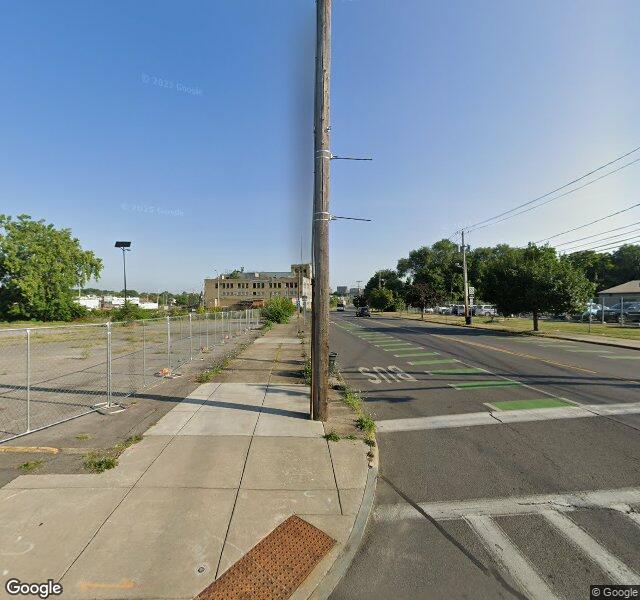
CENTRAL PARK REHABILITATION AND NURSING CENTER

116 EAST CASTLE STREET, SYRACUSE, NY 13205 (315) 475-1641
For profit - Limited Liability company 160 Beds UPSTATE SERVICES GROUP Data: November 2025 1 Immediate Jeopardy citation
Trust Grade
28/100
#490 of 594 in NY
Last Inspection: May 2025

Inspected within the last 6 months. Data reflects current conditions.

Overview

Central Park Rehabilitation and Nursing Center has received a Trust Grade of F, indicating significant concerns and a poor reputation among similar facilities. Ranking #490 out of 594 in New York places it in the bottom half, and #9 out of 13 in Onondaga County means only four facilities in the area are rated worse. Unfortunately, the facility is worsening, with the number of issues found increasing from 1 to 11 over the past year. Staffing is a relative strength with a 4/5 rating and a turnover rate of 40%, which is average for New York, while the RN coverage is considered average as well. However, serious issues were identified in recent inspections, including improper food storage that could lead to foodborne illnesses and a lack of processes for residents to voice grievances, leaving them feeling unheard in their care.

Trust Score
F
28/100
In New York
#490/594
Bottom 18%
Safety Record
High Risk
Review needed
Inspections
Getting Worse
1 → 11 violations
Staff Stability
○ Average
40% turnover. Near New York's 48% average. Typical for the industry.
Penalties
✓ Good
No fines on record. Clean compliance history, better than most New York facilities.
Skilled Nurses
○ Average
Each resident gets 30 minutes of Registered Nurse (RN) attention daily — about average for New York. RNs are the most trained staff who monitor for health changes.
Violations
⚠ Watch
42 deficiencies on record. Higher than average. Multiple issues found across inspections.
★☆☆☆☆
1.0
Overall Rating
★★★★☆
4.0
Staff Levels
★★☆☆☆
2.0
Care Quality
★☆☆☆☆
1.0
Inspection Score
Stable
2024: 1 issues
2025: 11 issues

The Good

  • 4-Star Staffing Rating · Above-average nurse staffing levels
  • Full Sprinkler Coverage · Fire safety systems throughout facility
  • No fines on record
  • Staff turnover below average (40%)

    8 points below New York average of 48%

Facility shows strength in staffing levels, fire safety.

The Bad

1-Star Overall Rating

Below New York average (3.0)

Significant quality concerns identified by CMS

Staff Turnover: 40%

Near New York avg (46%)

Typical for the industry

Chain: UPSTATE SERVICES GROUP

Part of a multi-facility chain

Ask about local staffing decisions and management

The Ugly 42 deficiencies on record

1 life-threatening
May 2025 11 deficiencies 1 IJ (1 facility-wide)
CRITICAL (L)

Immediate Jeopardy (IJ) - the most serious Medicare violation

Food Safety (Tag F0812)

Someone could have died · This affected most or all residents

⚠️ Facility-wide issue

Based on observations, record review, and interviews during the recertification and partial extended surveys conducted 4/28/2025 - 5/5/2025, the facility failed to store, prepare, distribute, and serv...

Read full inspector narrative →
Based on observations, record review, and interviews during the recertification and partial extended surveys conducted 4/28/2025 - 5/5/2025, the facility failed to store, prepare, distribute, and serve food in accordance with professional standards for food service safety in the main kitchen. Specifically, the main kitchen walk-in cooler was not maintained in appropriate operating condition and had an air temperature of 50 degrees Fahrenheit. Milk stored in the walk-in cooler was measured at 47.8 degrees Fahrenheit. Potentially hazardous foods (food that requires time/temperature control for safety to limit the growth of pathogens) were in the stand-up unit refrigerators on four (4) of four (4) units (1st, 2nd, 3rd, and 4th floor) and originated from the main kitchen walk-in cooler. The potentially hazardous foods included tuna salad sandwiches, egg salad sandwiches, turkey sandwiches, and cottage cheese. The facility's failure to properly maintain the temperature of the main kitchen walk-in cooler placed all 153 residents at risk for food borne illness from consuming potentially hazardous food with the potential to cause serious harm, serious impairment, or death resulting in Immediate Jeopardy to resident health and safety. Findings include: The United States Food and Drug Administration Food Code (current as of 1/8/2025) Section 3-501.12 Time/Temperature Control documented temperature control for food under refrigeration would maintain the food temperature at 41 degrees Fahrenheit or less. The National Food Safety Information Network Gateway to Government Food Safety Information Guidelines documented cold food storage for eggs, luncheon meat, egg salad, tuna salad should be refrigerated at 40 degrees Fahrenheit or below. The undated facility policy Food Storage - Refrigerators & Freezers, documented the refrigerator would be maintained at 41 degrees Fahrenheit or lower. The hanging thermometer was placed in the warmest part of the refrigerator. The temperatures would be checked twice daily. The undated facility policy Food Safety and Sanitation Plan, documented to refrigerate meat and other potentially hazardous foods so an internal temperature was less than or equal to 41 degrees Fahrenheit. The 4/2025 Temperature Record for the main kitchen walk-in cooler documented the temperature was measured at 54 degrees Fahrenheit on 4/29/2025 at 8:00 PM. The column documenting the staff who checked the temperature was blank. Initial Cooling Concern: During an observation with the Food Service Director on 4/30/2025 at 11:00 AM, the main kitchen walk-in cooler had a digital thermometer on the compressor unit and an analog thermometer hanging inside the cooler. Both thermometers read 50 degrees Fahrenheit. Food items in the cooler were measured using the New York State issued thermometer and included chocolate milk at 47.8 degrees Fahrenheit, deli ham at 47.5 degrees Fahrenheit, and yogurt at 48 degrees Fahrenheit using the New York State issued thermometer. The facility thermometer verified the measured food temperatures, and all were within one (1) degree. During an interview on 4/30/2025 at 11:50 AM, [NAME] #4 stated they measured the walk-in cooler temperature on 4/29/2025 at 8:00 PM and it read 54 degrees Fahrenheit. Cold food was required to be maintained between 35-40 degrees Fahrenheit. They stated the Corporate [NAME] President told them at 4:00 PM on 4/29/2025 to watch the temperature of the walk-in cooler as staff had been going in and out of the cooler for food preparation (opening and closing the door). [NAME] #4 stated the walk-in cooler was 49 degrees Fahrenheit at 7:15 PM on 4/29/2025 but was not documented and they should have contacted the supervisor or the Director of Food Service to inform them the air temperature of the walk-in was out of range. During an observation and interview on 4/30/2025 at 12:25 PM, the Director of Food Service stated the walk-in cooler compressor unit was stuck in defrost mode. Food items in the walk-in cooler were measured using the New York State issued thermometer and included raw chicken measured at 47.8 degrees Fahrenheit, deli turkey meat at 48 degrees Fahrenheit, and sausage at 50 degrees Fahrenheit. The facility thermometer verified the food temperatures and was within one (1) degree difference. The Director of Food Service voluntarily discarded the contents of the walk-in cooler. They stated they were not told of any temperature issues regarding the walk-in cooler. Cold food items were required to be maintained between 35-40 degrees Fahrenheit. Staff that observed the air temperature out of range in the walk-in cooler should have reported it to the supervisor or to them, and a work order should have been placed. During a follow-up interview at 1:55 PM, the Director of Food Service stated the main walk-in cooler contained milk, cheese, produce, yogurt, cream, thawed meats, cottage cheese, and thawed meals. If the walk-in cooler was out of temperature, they expected dietary staff to contact maintenance or them, and they were not notified of the elevated temperatures on 4/29/2025. They contacted maintenance on 4/30/2025 at 11:00 AM after entering the walk-in cooler with a survey team member. During an interview on 4/30/2025 at 1:35 PM, the Corporate [NAME] President stated they told [NAME] #4 on 4/29/2025 to check the temperatures of the walk-in cooler as people were going in and out. [NAME] #4 was told to check on this situation after dinner to see if the air temperatures in the walk-in cooler had cooled back down below 40 degrees Fahrenheit, and if there were any issues to contact a supervisor, the Director of Food Service, or the Maintenance Director. They stated the walk-in cooler temperature log had a section on the bottom of the form that documented the approved cold food temperature range. During a follow up interview on 5/1/2025 at 2:41 PM, the Corporate [NAME] President stated they walked into the walk-in cooler on 4/29/2025 at approximately 5:00 PM and noticed it was warm. The digital thermometer measured 54 degrees Fahrenheit, and the analog hanging thermometer measured 44 degrees Fahrenheit. They told [NAME] #4 to measure the temperature again at 6:00 PM. During an interview on 4/30/2025 at 4:35 PM, the Corporate Maintenance Director stated during the morning of 4/30/2025 they discovered a broken wire in the walk-in cooler compressor causing the compressor to not fully function and provide the full amount of cold air. They were not told of the 4/29/2025 walk-in cooler air temperature issue. All kitchen staff knew how to submit work orders, and they should be completed via the computer. Prepared Sandwiches timeline: During an interview on 5/1/2025 at 9:34 AM, Dietary Aide #37 stated they worked the 2nd floor kitchenette. The milk was stocked on the unit on 4/29/2025 in the evening. The 2nd floor kitchenette's refrigerator contained one (1) egg salad sandwich dated 4/29/2025. During an observation and interview on 5/1/2025 at 9:35 AM, Food Service Aide #42 stated they were responsible for stocking the 1st floor kitchenette. There was an issue with the walk-in cooler in the main kitchen on 4/29/2025, so someone in the kitchen divided up the sandwiches by unit and brought them up to the unit's refrigerator from the walk-in cooler. The refrigerator in the 1st floor kitchenette contained three (3) tuna salad sandwiches, two (2) egg salad sandwiches, and one (1) turkey sandwich. During an observation and interview on 5/1/2025 at 9:35 AM, Food Service Aide #6 stated they were responsible for stocking the unit kitchenette refrigerators and had stocked the 4th floor refrigerator the morning of 4/30/2025 with milk and Health Shakes from the main kitchen walk-in cooler and these were served for breakfast on 5/1/2025 and the Mighty Shakes were served to residents by the licensed practical nurses that morning as well. The refrigerator was measured with the facility thermometer at 52 degrees Fahrenheit. The refrigerator contained one (1) egg salad sandwich dated 4/29/2025, three (3) bowls of creamer, and cottage cheese. Dietary Aide #6 stated the refrigerator was 50 degrees Fahrenheit which was an appropriate temperature. During an observation and interview on 5/1/2025 at 9:39 AM, Food Server #38 stated they floated to all the units, but was assigned to the 3rd floor. They gathered items needed from the walk-in cooler in the main kitchen for the meals they were serving. The clear door refrigerator contained two (2) egg salad sandwiches dated 4/29/2025, and more than 20 cottage cheese cups. During an observation and interview on 5/1/2025 at 10:35 AM, the white refrigerator on the 4th floor was measured at 45 degrees Fahrenheit and the thickened milk was 48.3 degrees Fahrenheit. Food Service Aide #6 stated they brought yogurt, cottage cheese, and a few other items to the unit that morning. The yogurt measured 52.5 degrees Fahrenheit, and the cottage cheese was 48.3 degrees Fahrenheit. There were nine (9) containers of cottage cheese, five (5) yogurts, and two (2) containers of yogurt. During a follow up interview on 5/1/2025 at 12:27 PM, the Director of Food Service stated the food service aides stocked milk, yogurt, and Health Shakes on the units the morning of 4/30/2025, but when the walk-in main kitchen cooler was discovered to be under temperature, they had them discard all items brought from the walk-in cooler on 4/30/2025. Sandwiches dated 4/29/2025, which were made between 3:00 and 4:00 PM and brought to the units at approximately 5:00 PM, were also discarded on 4/30/2025. If a resident was served food that needed to be refrigerated and was not properly refrigerated, they could get sick. The white refrigerator on the units were not meant for this type of setting, they were home style refrigerators. During an interview on 5/1/2025 at 12:35 PM, Food Service Aide #7 stated they made approximately 45 egg salad, tuna salad, and turkey sandwiches on 4/29/2025 between 12:30 PM and1:00 PM. The sandwiches were dated with the date they were made and stored in the walk-in cooler on trays for each floor. When they stored the sandwiches, the walk-in cooler felt warm, and they observed the temperature at 55 degrees Fahrenheit and they told [NAME] #4. During a telephone interview on 5/1/2025 at 1:55 PM, Food Service Aide #41 stated they worked in the main kitchen and the 4th floor for the evening shift on 4/29/2025. They saw the rack of sandwiches in the walk-in cooler before they went to the 4th floor to serve dinner, at approximately 5:30 PM. During a telephone interview on 5/1/2025 at 1:55 PM, Food Service Aide #40 stated they worked the evening of 4/29/2025 and the walk-in cooler was warmer than normal at 5:00 PM. They could not recall who they told but the person's response was they already knew about it. They stocked the refrigerator on the units with chocolate milk, regular milk, and sandwiches from the walk-in cooler. They stated the items felt cool to the touch, but not nearly as cold as usual. During a telephone interview on 5/1/2025 at 1:56 PM, Food Service Aide #39 stated they brought tuna salad sandwiches, egg salad sandwiches, turkey sandwiches, yogurt, and cottage cheese up from the walk-in cooler in the main kitchen to the 2nd floor kitchenette on 4/29/2025 at 5:00 PM. After dinner, they checked the dates of the items, discarded old items, and stocked again. The walk-in cooler was a bit warmer than usual on 4/29/2025, but they did not report it to anyone. During an interview on 5/5/2025 at 2:28 PM, the Director of Nursing stated if the main refrigerator was out of temperature, that food should not be brought to the unit, as it could cause a resident to get sick. During an interview on 5/5/2025 at 3:16 PM, the Administrator stated food storage temperatures should be accurate. The appropriate storage temperature for cold food was 41 degrees Fahrenheit and below. It was important to monitor refrigerator temperatures because they needed to make sure they were in the appropriate range. If the main refrigerator was out of temperature, that food should not be brought to the units. If a resident was served food that did not maintain proper temperature it could cause gastro-intestinal illness and food borne illness. During a telephone interview on 5/5/2025 at 3:45 PM, the Medical Director stated it was important to monitor refrigerator temperatures because temperatures were set to keep food from spoiling. If a resident was served food that did not maintain proper temperature, there could be a concern for food poisoning. 10 NYCRR 415.14(h) ______________________________________________________________________________ The facility was notified of the Immediate Jeopardy on 5/1/2025 at 6:35 PM. The Immediate Jeopardy was removed on 5/2/2025 at 12:00 PM prior to the completion of the survey. The facility implemented the following to remove the immediacy: - The facility discarded all items in the walk-in cooler on 4/30/2025 at 12:00 PM. Facility vendor arrived onsite at 1:45 PM for repairs to the walk-in cooler. Walk-in cooler was in working order per facility on 4/30/2025 at 5:00 PM. - All perishable foods in the unit kitchenettes were observed as discarded on 5/1/2025 at 7:44 PM. - Residents were monitored by 24-hour reporting system for 72 hours for signs and symptoms of foodborne illness. - The facility monitored temperatures twice per day, logs documented all temperatures were in appropriate temperature range. - The facility provided in-service education to over 85% of all staff as of 5/1/2025 at 8:00 PM, with plans for ongoing education of staff prior to the start of their next shift for those not currently on the schedule. - The survey team interviewed 13 staff members from various disciplines during an onsite visit(s) on 5/2/2024. All staff demonstrated knowledge of the education provided.
CONCERN (D) 📢 Someone Reported This

A family member, employee, or ombudsman was alarmed enough to file a formal complaint

Potential for Harm - no one hurt, but risky conditions existed

Resident Rights (Tag F0550)

Could have caused harm · This affected 1 resident

Based on observations, record review, and interviews during the recertification survey conducted 4/28/2025-5/5/2025, the facility did not ensure residents had the right to a dignified existence in a m...

Read full inspector narrative →
Based on observations, record review, and interviews during the recertification survey conducted 4/28/2025-5/5/2025, the facility did not ensure residents had the right to a dignified existence in a manner and an environment that promoted the maintenance or enhancement of quality of life for four (4) of seven (7) residents (Residents #30, #97, #121, and #123) reviewed. Specifically, Residents #97, #121, and #123 were provided unplanned plastic silverware and plastic cups during meals; and Resident #30 wore soiled shorts because they did not get their personal laundry items returned to them timely. Findings include: The facility policy Quality of Life-Dignity, revised 3/2025, documented staff would address the resident by their name and not label them or refer to them by the care needs. 1) Resident #30 had diagnoses including need for assistance with personal care. The 1/23/2025 Minimum Data Set assessment documented the resident was cognitively intact, felt it was somewhat important to take care of personal belongings or things, required partial/ moderate assistance with dressing and toileting, was always continent of bowel and bladder, and was on a diuretic (causes frequent urination). The undated care instructions documented the resident was independent with toileting, continent of bowel and bladder, and used size 2XL (extra-large) incontinence products. The 3/12/2025 Resident Council Meeting Minutes documented residents had concerns with laundry not returning clothing timely. Observations and interviews with Resident #30 included: - on 4/28/2025 at 2:24 PM, they stated laundry was a two-week process. They only had two pairs of shorts left because laundry did not return their other clothing. They had to recycle their clothing, including shorts soiled with urine and they hung up their shorts to dry. There was a pair of shorts hanging from the windowsill and a pair hanging in the bathroom. The resident was seated on their bed wearing a purple shirt and a gown over their lap. The resident stated when they asked why laundry took so long to get back, they were told there were four floors of laundry to do. They stated they were incontinent and took themself to the bathroom. Today they gave one pair of pants to laundry they wore for the past 2 weeks. - on 4/29/2025 at 2:43 PM, there was a pair of shorts hanging in the bathroom. The resident was wearing the same purple shirt as 4/28/2025. The resident was seated on their bed wearing an incontinence brief and no pants/shorts. They stated they were never a person to wear the same thing twice without washing it and never imagined recycling dirty clothes. It made them feel old. - on 4/302025 at 11:58 AM, self-propelling their wheelchair to lunch wearing red shorts. At 4:17 PM, the red shorts were hanging in the bathroom. The resident was sitting up in bed wearing a purple nightgown. During an interview on 5/2/2025 at 12:15 PM Certified Nurse Aide #32 stated housekeeping came every night and collected residents' personal laundry from the bucket in the dirty utility room. Laundry Personnel #46 was the only person that returned the laundry for the entire facility. The residents complained that it often took a week or two to get their laundry items back. Laundry Personnel #46 was up to their head with the laundry in the laundry room. It was important the resident had clean clothes. They stated they complained to the Director of Housekeeping. During an interview on 5/2/2025 at 12:25 PM, Laundry Personnel #46 stated they were behind with laundry and tried to catch up the next day, but the laundry just kept coming. It was important residents had clean clothing for appointments and family visits. It was a health issue to wear dirty clothes. Resident #30 did not have very many personal clothing items. During an observation with Laundry Personnel #46 on 5/2/2025 at 12:30 PM the laundry room had laundry piled from floor to ceiling with a small workspace in the middle of the room. During an interview on 5/2/2025 at 12:34 PM, Laundry Personnel #47 stated they washed personal items first thing in the morning. There were usually five to six loads daily and after the items were dried, they went to the laundry room for Laundry Personnel #46 to fold/ hang and return the clothing to the residents. During a telephone interview on 5/5/2025 at 12:55 PM, Licensed Practical Nurse #16 stated the residents complained laundry took forever. There was only one person that returned laundry for the entire facility. Some of the residents complained it had been weeks since their items were returned. It was inappropriate Resident #30 had to dry their urine-soaked clothes and re-wear them. The residents were at the facility because they needed help with care, and they should all have clean clothes to wear. During an interview on 5/5/2025 at 1:12 PM, Registered Nurse Unit Manager #31 stated Resident #30 was frequently incontinent of urine. They were not aware the resident was holding onto and re-wearing soiled laundry. The resident should not wear soiled clothing and fear their items would not be returned timely. This was a dignity issue, and the resident had a right to have their belongings returned timely. During an interview on 5/5/2025 at 3:54 PM, the Director of Housekeeping stated they were responsible for overseeing the laundry process. Laundry should be returned in one to two days. Laundry should never take two weeks to be returned, and they were not aware it was taking that long. Residents should have clean clothes, this was their home, and everyone deserved to have clean clothes. 2) Resident #97 had diagnoses including dementia with behavioral disturbances, restlessness and agitation, and anxiety. Resident #97's Comprehensive Care Plan dated 2/25/2025 documented the resident used psychotropic medications for behavioral impairment. The resident's antipsychotic was discontinued due to resident remaining calm and cooperative without exhibited behaviors. There was no documentation the resident required plastic/paper dinnerware. Resident #97's meal tickets did not include the use of plastic/paper dinnerware. Resident #121 had diagnoses including dementia with agitation and violent behavior. Resident #121s Comprehensive Care Plan dated 4/17/2023 documented the resident used psychotropic medications for behavioral impairment. The resident had increased agitated behaviors, aggression, and combative behaviors when redirection was provided. There was no documentation the resident required plastic/paper dinnerware. Resident #123 had diagnoses including dementia with behavioral disturbances and anxiety. Resident #123's Comprehensive Care Plan dated 2/14/2024 documented the resident had potential for behavioral problems and disruptive behaviors related to dementia. The resident became increasingly agitated and aggressive. There was no documentation the resident required plastic/paper dinnerware. During an observation on 4/30/2025 at 12:56 PM, Residents # 97, #121, and #123 were assisted with their meals by nursing staff at a table in the middle of the dining room. The residents were provided with plastic silverware. During an observation on 5/2/2025 at 1:00 PM, Residents #97 and #121 were assisted with their meal by staff. The residents were provided with plastic silverware. At 1:03 PM, there were regular plates and regular several knives, forks, and spoons in the kitchenette silverware holder. During an interview on 5/02/2025 at 2:26 PM, Certified Nurse Aide #26 stated some residents in the dining room used plastic silverware if they had behaviors and were care planned for it. However, not every resident at the table where residents received assistance from staff had behaviors which required plastic silverware. They stated they may have run out of regular silverware. They stated it was not dignified for residents to use plastic dinnerware if they were not care planned to use it. During an interview on 5/2/2025 at 2:43 PM, Licensed Practical Nurse #43 stated residents who required feeding were assisted by staff and received plastic silverware. There were days the residents received plastic silverware or plates because the kitchen staff did not bring up enough plates and silverware. They stated by the time staff get to the residents who required feeding they often ran out of cups and silverware. It was not dignified for residents to receive plastic silverware if there was not a reason why. Acceptable reasons could be for safety. During an interview on 5/05/2025 at 12:41 PM, Licensed Practical Nurse #19 stated It was not dignified for residents who received total assistance with their meals to be assisted using plastic silverware. During an interview on 5/5/2025 at 1:23 PM, Licensed Practical Nurse Unit Manager #44 stated the residents assisted with dining received plastic cups and silverware on 5/2/2025 because they did not have enough by the time they got to that table. It was not dignified for residents who did not require plastic silverware, plates, or cups to be served those items. 10 NYCRR 415.5(d)(1)(i)
CONCERN (D) 📢 Someone Reported This

A family member, employee, or ombudsman was alarmed enough to file a formal complaint

Potential for Harm - no one hurt, but risky conditions existed

Report Alleged Abuse (Tag F0609)

Could have caused harm · This affected 1 resident

Based on record review and interviews during the recertification and abbreviated (NY00355209) survey conducted 4/28/2025-5/6/2025, the facility did not ensure all alleged violations were thoroughly in...

Read full inspector narrative →
Based on record review and interviews during the recertification and abbreviated (NY00355209) survey conducted 4/28/2025-5/6/2025, the facility did not ensure all alleged violations were thoroughly investigated and a plan was implemented to prevent further potential abuse for one (1) of two (2) residents (Resident #121) reviewed. Specifically, Resident #121 sustained an injury of unknown origin, a human bite mark, and it was not reported to the New York State Department of Health within 24 hours as required. Findings include: The facility policy Accident/Incident Reporting, revised 3/2025 documented all accidents or incidents that involved residents, employees, visitors or vendors that occurred at the facility had to be investigated and reported to the Administrator. Injuries of unknown source must be reported to the department supervisor as soon as such accident/incident was discovered or when information of such accident/incident was learned. The Nurse Supervisor/Charge Nurse must be immediately informed of accidents or incidents so that medical attention can be provided. The Nurse Supervisor/Charge Nurse Complete was to complete an Accident/ Incident Report and submit it to the Director of Nursing Services. The policy did not include procedures for reporting to the New York State Department of Health. The New York State Department of Health Nursing Home Incident Reporting Manual dated 8/2016 documented the following two elements must be present for an incident to be reportable to the New York State Department of Health: - Injury without known incident - the facility was unable to rule out abuse or care plan violations. Incidents resulting in serious bodily injury must be reported within two hours after forming a suspicion; all other incidents must be reported within 24 hours. Resident #121 had diagnoses including dementia with agitation, delirium, and violent behavior. The 7/3/2024 Minimum Data Set documented the resident was severely cognitively impaired, had physical behaviors 1 to 3 days that interfered with the resident's care and social interactions, had no wandering behaviors, and required supervision for transfers and ambulation. The 4/17/2023 Comprehensive Care Plan documented the resident was a potential victim of abuse due to their cognitive disabilities and having previously abused other residents. Interventions included redirect the resident away from persons of concern, encourage attendance at supervised activities, encourage the resident to spend leisure time in supervised areas, monitor socialization, observe and intervene with residents removing clothing, observe whereabouts of resident, intervene as needed to redirect, assess for behaviors used as communication for symptoms of pain, and offer diversional activities. The unsigned 9/20/2024 facility Investigative Summary documented: - on 9/20/2024 at approximately 8:20 PM, Licensed Practical Nurse #50 was informed by Licensed Practical Nurse #51 the resident had a possible bite mark on their left forearm. The incident was unwitnessed, and the resident was unable to state what happened. - the corrective actions taken by staff were frequent checks by staff, monitor the resident for changes in behavior and baseline mental state, the resident was up to date on their tetanus shot having last received it in 2018, the resident was assessed by a registered nurse, the provider was notified, and a dressing order for the wound was obtained. - based upon record review, interviews and internal investigation, the facts in this investigation do not support the allegation of abuse as defined by the New York State Department of Health regulations. - the report was signed by Licensed Practical Nurse #50 and the Director of Nursing. There was no documented evidence the incident was reported to the New York State Department of Health within 24 hours as required. The untimed 9/20/2024 Director of Nursing progress note documented they were notified by the licensed practical nurse the resident had an open crescent shaped area of concern to their left elbow. There was no determination on how or when the wound happened. The impression appeared to be teeth marks with 3 small open areas with purple/maroon discoloration and slight swelling. There was no documented evidence the incident was reported to the New York State Department of Health. The 9/23/2024 facility Investigative Summary documented: - on 9/20/2024 at approximately 8:20 PM Certified Nurse Aide #26 entered the resident's room to provide care during their last rounds. Certified Nurse Aide #26 discovered a bite mark on the resident's arm. The bite mark was reported to Licensed Practical Nurse #51 and Licensed Practical Nurse #50 informed the Nurse Supervisor. - there were no other residents observed in the area or in the resident's room. The resident was unable to say what occurred, but they did not appear fearful of anyone on the unit. - A registered nurse (not identified) completed an assessment which noted a crescent shaped laceration to the left elbow midline. The impression appeared to be teeth marks and there were three small open areas with purple/maroon discoloration and swelling was noted. - The resident was followed up with by the Director of Nursing and Nurse Practitioner #11 on 9/23/2024. There were no signs or symptoms of infection. - Per the staff interviews, the resident was last seen at 7:45 PM by Licensed Practical Nurse #51 prior to the care provided by Certified Nurse Aide #26. - The conclusion documented based on record review, interviews, and investigation, this event was reportable to the New York State Department of Health related to an injury of unknown origin with no clear understanding of where the injury came from. The 9/23/2024 Director of Nursing progress note documented they followed up on the resident's left elbow injury. The resident was unable to report what happened. The incident was reported to the Department of Health due to injury of unknown origin. During an interview on 5/5/2025 at 4:28 PM, Licensed Practical Nurse #50 stated it was reported to them Resident #121 had a bite mark on their elbow. They went to look at the mark then notified the Director of Nursing since it was a state reportable incident. The Director of Nursing or the Administrator made the decision if something was reported to the state. During an interview on 5/5/2025 at 4:00 PM, the Director of Nursing stated they were notified of injuries of unknown origin. If they were in the building staff called them to come to the floor. If they were not in the building the Registered Nurse Supervisor called them to inform them of the incident. It was determined if the injury of unknown origin was reportable to the State by the assessment of the resident, the resident's history, and the statements from the resident and staff. They assessed if there was the possibility of abuse or neglectful injury. Resident #121's bite mark was sustained on their elbow, and they were not able to determine a cause. The incident was reportable. They stated the incident occurred on 9/20/2024 but was not reported to the New York State Department of Health until 9/23/2024 because they received the notification of the incident late and was not notified until 9/23/2024. They stated they assessed the resident on 9/20/2024 due to the bite mark and did not know why they did not report it on 9/20/2024. 10 NYCRR 415.4
CONCERN (D) 📢 Someone Reported This

A family member, employee, or ombudsman was alarmed enough to file a formal complaint

Potential for Harm - no one hurt, but risky conditions existed

ADL Care (Tag F0677)

Could have caused harm · This affected 1 resident

Based on observations, record review, and interviews during the recertification and abbreviated (NY00375619, NY00359259, and NY00351358) surveys conducted 4/28/2025-5/5/2025, the facility did not ensu...

Read full inspector narrative →
Based on observations, record review, and interviews during the recertification and abbreviated (NY00375619, NY00359259, and NY00351358) surveys conducted 4/28/2025-5/5/2025, the facility did not ensure residents who were unable to carry out activities of daily living received the necessary services to maintain good nutrition, grooming, and personal and oral hygiene for two (2) of eight (8) residents (Residents #60 and #158) reviewed. Specifically, Residents #60 was not provided showers as planned; and Resident #158 was not provided incontinence care as planned. Findings include: The facility policy Activities of Daily Living, revised 3/2025, documented activities of daily living would be documented by staff after completion; the resident's care plan and profile care card provided information on the level of assistance required by each individual to complete activities of daily living; and the nurse was notified of any resists/refusals and document in the progress notes. The facility policy ADL (activities of daily living) Support, revised 3/2025, documented residents who were unable to carry out activities of daily living independently received the services necessary to maintain good nutrition, grooming, and personal and oral hygiene. The facility policy Quality of Life-Dignity, revised 3/2025, documented residents shall be groomed as they wish to be groomed. 1) Resident #60 had diagnoses including left and right above the knee amputations and need for assistance with personal care. The 5/31/2024 Minimum Data Set assessment documented the resident felt it was very important to decide their type of bath. The 2/14/2025 Minimum Data Set assessment documented the resident had intact cognition and required moderate assistance for showering/bathing. The Comprehensive Care Plan, revised 1/13/2025, documented the resident had an activities of daily living/mobility problem. Interventions included partial/moderate assistance for shower/bathing, and dependence for transfers in and out of tub/shower. Comments documented sponge bath. The 4/2025 care card (care instructions) documented the resident was to receive showers on Sundays and Wednesdays during the 7:00 AM -3:00 PM shift. The 4/2025 certified nurse aide assignment sheets documented the resident was planned to receive a shower on Tuesday and Friday evenings on the 3:00 PM-11:00 PM shift. The resident's Care Log report documented the resident received one shower the weeks of 1/12/2025, 1/19/2025, 3/2/2025, 3/9/2025, 3/23/2025, 4/13/2025, and 4/27/2025 and no shower the weeks of 2/10/2025, 3/30/2025, 4/6/2025, 4/20/2025. Nursing progress notes 1/1/2025-4/30/2025 did not document refusals of showers. During interviews on 4/29/2025 at 9:39 AM and 3:07 PM, Resident #60 stated they were supposed to receive showers twice a week but only received a shower once a week. They stated if they did not receive a shower, they felt gross. They did not receive a shower in two weeks, but felt they would get into trouble if they complained. During an interview on 4/30/2025 at 10:00 AM, Resident #60 stated they got a shower, but staff told them they would not get one if they complained. During an interview on 5/2/2025 at 1:57 PM, Certified Nurse Aide #29 stated shower days and shifts were on the assignment sheets and the aides documented showers in the computer. If a resident refused, they reported that to the nurse and re-approached the resident. They stated on 4/29/2025, the resident requested a partial bed bath and not a regular shower. The resident complained to them about lack of showers yesterday. The resident had never refused their shower since they had been taking care of them. During an interview on 5/5/2025 at 12:00 PM, Licensed Practical Nurse #24 stated scheduled showers were on the assignment sheet. If a resident refused their shower they were reapproached, a bed bath was offered, and the refusal would be documented. They thought Resident #60's shower was scheduled during the day shift. The resident liked their shower and would not refuse one. During an interview on 5/5/2025 at 12:17 PM, Registered Nurse Unit Manager #22 stated the resident's scheduled shower days were listed in the computer and on the assignment sheet and the two should match. Resident #60's shower schedule in the computer did not match the assignment sheet. Showers were scheduled based on room number not resident preference. Resident #60 transferred from another unit in 3/2025 and was getting their showers on evenings. They did not talk to the resident about changing the day of their shower. The resident was supposed to get a shower twice a week, but the care log documentation did not document they were receiving showers as planned. They were not aware the resident was not getting their shower, and the resident did not complain to them recently about not receiving showers. They were responsible for making sure the assignment sheet and care instructions in the computer matched and was in the process of updating things. They stated they were aware the resident was not getting their showers twice weekly in the past and spoke to the evening staff about the importance of providing showers per the schedule. During an interview on 5/5/2025 at 12:48 PM, Certified Nurse Aide #31 stated showers were given twice a week and were listed on the assignment sheet. If the assignment sheet did not match the computer, they asked the nurse to determine when to give the shower. Resident #60 was an evening shower and required assistance of two. If a resident refused, they re-approached and documented the refusal. They would also tell the nurse and suggest a bed bath. If they gave a bed bath, they would document a bed bath was provided. During an interview on 5/5/2025 at 3:03 PM, Social Worker #30 stated Resident #60 approached them in 3/2025 and said they were told they would only get one shower a week. Social Worker #30 spoke with the Ombudsman, the Director of Nursing, and Registered Unit Manager #22 about the resident's concerns. They thought the issue was resolved. During the 4/2025 Resident Council Meeting the resident brought up their concern again and they passed the information along to the Nurse Manager. They had not heard anything since the meeting and was hoping the issue was resolved. It was important for everyone to get a shower twice a week and if not, it could impact the resident emotionally. 2) Resident #158 had diagnoses including Alzheimer's disease and need for assistance with personal care. The 2/17/2025 Minimum Data Set assessment documented the resident had moderate cognitive impairment, required partial/ moderate assistance with toileting, was frequently incontinent of bowel and bladder, and did not reject care. The Comprehensive Care Plan initiated 2/3/2025 and revised 2/11/2025 documented the resident had an elimination problem related to the need for assistance with personal care and difficulty walking. Interventions included an individualized toileting schedule and was to be checked and changed every 2 hours and as needed. The following observations of Resident #158 were made: - on 4/28/2025 at 1:30 PM, self-propelling in their wheelchair into their room. There was a strong odor of urine. There was a sign on the wall from the resident's family member documenting One outfit a day please. If going through more than 1 outfit, change brief more often. After 1st outfit of the day, use gown, brief, socks and sweater (over gown). Should not be going through 2 and 3 outfits a day. At 3:02 PM, self-propelling in their wheelchair through the hallway with a strong odor of urine. - on 4/29/2025 at 3:00 PM self-propelling in the hallway. There was a strong odor of urine, and their sweatpants were wet from the groin to just above the knees on both legs. At 3:08 PM, there were two visitors conversing with the resident in their room. Their navy-blue sweatpants were wet. The visitor stated the resident often smelled of urine and last week had a puddle under their wheelchair. The electronic care log for 4/29/2025, included Certified Nurse Aide #32's documentation the resident was incontinent of bladder at 10:00 AM. Certified Nurse Aide #33 documented the resident was incontinent of bowel and bladder at 4:00 PM. There was no documented evidence incontinence care was provided between 10:00 AM and 4:00 PM on 4/29/2025. During a telephone interview on 4/30/2025 at 9:11 AM, the resident's representative stated they asked the facility to toilet the resident every two hours because when they came to visit the resident was often wet. They did the resident's laundry and visited every evening around 5:30 PM. They typically took home three pairs of soiled pants every day. They stated they felt they had to come every day because the resident might be toileted less frequently if they were not there. Last week the resident was eating dinner in the dining room with a puddle of urine under their wheelchair. They stated the resident was wet approximately 4 out of 7 days when they visited. The resident always had an odor of urine, and they brought their own cleaning supplies because they could not stand the smell in their room. They stated when the resident was always very modest and clean. During an interview on 5/2/2025 at 12:08 PM, Certified Nurse Aide #32 stated Resident #158 was incontinent. They attempted to toilet the resident every two hours because they were a heavy wetter. It was important to toilet the resident to prevent skin breakdown. The resident's family complained about the resident being wet. They stated every time the resident was provided toileting assistance it was documented. On 4/29/2025 they toileted the resident in the morning and again in the afternoon. Usually, if they toileted the resident by 4:00 PM, they were dry, if they waited until 5:00 PM, they were soaking wet. During a telephone interview on 5/5/2025 at 1:02 PM, Licensed Practical Nurse #16 stated if Resident #158 was toileted every two hours as planned, they would not be wet to their knees. The resident often smelled of urine. Frequent incontinence care was important for dignity and prevented skin issues. During an interview on 5/5/2025 at 1:20 PM, Registered Nurse Unit Manager #31 stated Resident #158 was provided with incontinence care every two hours and as needed. The resident was a heavy wetter, and they had seen urine puddles under their wheelchair before. They had several conversations with family regarding incontinence care and explained the resident was often wet again a half hour after being changed. 10NYCRR 415.12(a)(3)
CONCERN (D)

Potential for Harm - no one hurt, but risky conditions existed

Deficiency F0679 (Tag F0679)

Could have caused harm · This affected 1 resident

**NOTE- TERMS IN BRACKETS HAVE BEEN EDITED TO PROTECT CONFIDENTIALITY** Based on observations, record review, and interviews during the recertification survey conducted 4/28/2025-5/5/2025, the facilit...

Read full inspector narrative →
**NOTE- TERMS IN BRACKETS HAVE BEEN EDITED TO PROTECT CONFIDENTIALITY** Based on observations, record review, and interviews during the recertification survey conducted 4/28/2025-5/5/2025, the facility did not provide ongoing programs to support each resident in their choice of activities, for two (2) of three (3) Residents (Residents #74 and #156) reviewed. Specifically, Residents #74 and #156 were not offered meaningful activities that included their interests and preferences. Findings include: An activities policy was requested on 5/1/2025 at 8:36 AM. At 9:35 AM, the Administrator sent an electronic communication the facility did not have an activities policy. 1) Resident #156 had diagnoses including depressive disorder and stroke. The 3/24/2025 Minimum Data Set assessment documented the resident was cognitively intact, was dependent for mobility with use of a manual wheelchair, and felt it was very important to do their favorite activities; somewhat important they had books, newspapers, and magazines to read, to go outside; and to participate in religious services; and very important to listen to music they liked. The activities Comprehensive Care Plan initiated 3/19/2025 documented an activities focus. Interventions included encourage to attend group programs on and off the unit, place a calendar in the resident's room, provide tools for independent activities, and transport the resident to programs that met their interests. The 3/18/2025 Director of Activities initial activities assessment documented the resident's activity program included trivia games, musical entertainment, small groups for reminiscing, and outings. Independent programs included library cart, radio, family outings, and television watching. The 4/2025 Activity Calendar present in Resident #156's room posted on the bulletin board outside the nursing station documented the following daily activities: - on 4/28/2025 at 7:00 AM coffee cart, 9:30 AM garden club, and 10:00 flower crafts. At 2:00 PM, Unit 1 had BINGO, Unit 3 had coloring [NAME], and Unit 4 had manicures. Unit 2 (short term rehabilitation unit) did not have any unit specific activities listed at 2:00 PM. - on 4/29/2025 at 10:00 AM trivia games and at 11:00 AM word games. At 2:00 PM, Unit 1 had an ice cream social, Unit 3 had social hour, and Unit 4 had BINGO. Unit 2 did not have a unit specific activity at 2:00 PM. - on 4/30/2025 at 7:00 AM coffee cart, 10:00 AM sing-fit, 1:00 PM- 3:3:30 PM walking taco fundraiser, and Unit 4 had music hour at an unspecified time. During an interview and observation on 4/28/2025 at 3:09 PM, Resident #156 was lying in bed. Their television was off, and they stated their remote control did not work. They liked to watch television and go to therapy, otherwise there was nothing to do at the facility. They knew there were activities because there was an activity room on the first floor. They were never invited to an activity. They stated they liked to draw. There were no drawing supplies observed in their room. Resident #156's activity log documented they had 1:1 time with Activities Leader #18 daily from 4/28/2025 through 5/1/2025. During a follow up observation and interview on 4/29/2025 at 4:40 PM, Resident #156 stated nobody from the facility had ever sat down and talked with them except for the psychiatrist. They did not know who Activities Leader #18 was and they never met anyone in the activities department. One of the occupational therapists told them about a religious bible study that took place every Thursday and they wanted to attend. The resident had a bible, and a book titled Jesus Calling on their nightstand. During an observation on 4/29/2025 at 4:45 PM, there was a flyer approximately 6 feet from the floor on the wall in the hallway across from the resident's room that advertised spiritual group at 2:00 PM on Thursdays. During a telephone interview on 5/2/2025 at 1:56 PM, Certified Nurse Aide #17 stated the second floor was their usual unit and there were no activities on the second floor. They had never seen any 1:1 visits conducted on the floor. Occasionally, someone from activities would take a few of the residents from the second floor to activities on other floors. Residents could get bored and aggravated, and activities kept them going, gave them excitement and joy, and gave them something to do to keep busy. They were told the activities department was short staffed and there was nobody to cover the second floor. During an interview on 5/2/2025 at 2:51 PM, Activities Leader #18 stated the former Director of Activities was responsible for the second floor, but the current Director of Activities told them the floor was to be split. There were three activities leaders, all assigned a different floor. They were supposed to split up the second floor between them. They stated they were responsible for rooms 201-208. They were not sure who Resident #156 was but was sure they invited them to activities before, and they never completed a 1:1 visit with Resident #156. During a telephone interview on 5/5/2025 at 12:51 PM, Licensed Practical Nurse #16 stated there were no activities on the second floor. They advocated for their residents and if they saw an activity in the first-floor activity room, they called down and asked if activities would come get some of the residents from the second floor and they would. There was nobody from activities assigned to the second floor. It was important for the residents to have activities to give them something to do and keep their cognition going. During an interview on 5/5/2025 at 11:20 AM, The Director of Activities stated activities were important because they kept the residents active, entertained, and kept them thinking. The calendar showed large activities for the entire facility in the morning and then unit specific activities in the afternoon. The second floor was split between the activity's leaders. The expectation was when the daily chronicle was passed out, they should speak with each resident and review the activities for the day and see if the resident wanted to attend. Activities Leader #18 documented they completed 1:1 visits with Resident #156 and they expected they were completed if documented. 2) Resident #74 had diagnoses including Parkinson's disease (a progressive neurological disorder), neurocognitive disorder with Lewy bodies (a progressive brain disorder), and depression. The 2/14/2025 Minimum Date Set documented the resident had moderate cognitive impairment and required supervision to moderate assistance with most activities of daily living. The 8/30/2024 Minimum Data Set for Preferences for Customary Routine was not completed with the resident due to the resident rarely/never being understood. The staff assessment of Customary Routine and Activities documented the resident preferred reading books, newspapers, or magazines; listening to music; and participating in favorite activities The resident's Comprehensive Care Plan documented the following: - 8/16/2022 and last reviewed 3/3/2025, the resident had depression with goals to not exhibit signs or symptoms of depression and continue to participate in their plan of care. Interventions included invite the resident to activities of choice, encourage adequate rest periods, and increase daytime activities. - 4/4/2024 the resident had a mental health issue with a goal to have emotional, social, and psychiatric needs met with no need for acute inpatient psychiatric hospitalization. Interventions included encourage and assist the resident to attend therapeutic group activities to address emotional, cognitive, and behavioral symptoms of their mental illness. The resident enjoyed fishing, watching television, and talking with their family. -12/2/2024 last revised 2/24/2025, the resident did not wish to attend activities with other residents, had low motivation or interest, and had cognitive deficits. The goal was for the resident to attend small group activities, participate more actively within the activity program, respond positively to one-to-one activity visits, and socialize with staff during one-to-one visits. Interventions included to place a calendar in the resident's room, provide activity tools for independent activities, transport to programs that met the resident's interest, encourage activities where the resident could gain independence, encourage the resident to watch the activity a few minutes before deciding on participation, and allow the resident to choose programs to attend. The resident's activity log documented the resident participated in the following activities: - three music performer activities on 4/2/2025, 4/16/2025, and 4/30/2025; - one one-to-one time on 3/24/2025; - one social hour and a music entertainer on 2/19/2025; There was no documented evidence of activity attendance for 1/2025 or invitations to activities the resident declined. The April Activities calendar documented: - on Monday 4/28/2025 coffee cart at 7:00 AM, Garden Club at 9:30 AM, Flower Crafts at 10:00 AM, and Manicures at 2:00 PM on Unit 4. - on Tuesday 4/29/2025 10:00 AM Trivia time, 11:00 AM World Games, and Bingo at 2:00 PM on Unit 4. - on Wednesday 4/30/2025 coffee cart at 7:00 AM, 10:00 AM Sing-fit, and 4:00 PM Music Hour. The resident was observed on: - 4/30/2025 at 10:14 AM in their wheelchair in front of a TV playing a movie in the alcove area across form the nurses' station. The resident's head was down, and they appeared asleep. At 10:34 AM, Activities Leader #48 came onto the unit with a cart of Bingo supplies and other activity items. The resident was not invited to the activity. - 4/29/2025 2:58 PM Activities Leader #48 escorted two residents off the unit to the ice cream social. Resident #74 was not one of the residents invited. - 5/2/2025 at 11:29 AM, the resident was at a table in the dining room. At 11:30 AM, an unidentified nurse aide brought the resident to the area across from the nurses' station and placed them in front of the TV. The resident was alert and looking around. During an interview on 5/05/2025 at 10:37 AM, the Activities Director stated there was an activities leader assigned to the fourth floor. The activities leader's job was to transport residents to the large group activities, return the residents to the unit in a timely manner, organize their own activities on the unit, do one-to-one visits, and do the activities assessments for the Fourth floor. Every other Wednesday there was a happy hour entertainer on the Fourth floor. The one-to-one activities were documented in the electronic medical record. There was no set schedule for one-to-one visits, but they were fit in throughout the day when they had a break in activities. At least twice a week a resident should be a part of a group activity or a one-to-one visit. The after-breakfast movie staff put on for the resident did not count as one of the activities. The activity department should make sure residents from all floors participated in the large activities that mixed all the floors together. During an interview on 5/05/2025 at 11:15 AM, Activities Leader #48 stated they tracked the activity attendance via an activities sheet and entered it into the electronic medical record. The one-to-one activities were documented in the electronic medical record. They stated they tried to do an activity every day but for residents who did not come to the large group activities, they had to make sure there were at least two activities throughout the week to include one-to-one visits. Resident #74 did not come to activities a lot and liked to be independent. The resident enjoyed the happy hour and sitting with the music. They tried to do more one-to-ones with the resident as the resident liked to socialize. They stated the resident enjoyed food activities as well and seeing their sibling who was also in the facility on another unit. During an interview on 5/05/2025 at 2:55 PM, Certified Nurse Aide #49 stated Resident #74 did not attend activities so the certified nurse aides on the unit tried to get the resident to watch movies. They stated the resident liked to watch sports and their favorite thing to watch was a drag race show. The resident also liked to socialize and talk to people one-on-one. They stated the only people who did one-on-one with the resident was therapy. Activities sometimes socialized with the resident, but they could not remember when they last saw that occur. 10NYCRR 415.5(f)(1)
CONCERN (D)

Potential for Harm - no one hurt, but risky conditions existed

Deficiency F0692 (Tag F0692)

Could have caused harm · This affected 1 resident

Based on observations, record review, and interviews during the recertification survey conducted 4/28/2025-5/5/2025, the facility did not ensure residents maintained acceptable parameters of nutrition...

Read full inspector narrative →
Based on observations, record review, and interviews during the recertification survey conducted 4/28/2025-5/5/2025, the facility did not ensure residents maintained acceptable parameters of nutritional status for one (1) of four (4) residents (Resident #56) reviewed. Specifically, Resident #56 had significant weight loss, weekly weights were not competed as ordered, reweighs were not obtained per policy, nutritional needs were not reassessed following the significant weight loss, and they did not receive assistance at meals as planned. Findings include: The undated facility policy Registered Dietitian Intervention and Documentation on Resident's Nutritional Status, documented the Registered Dietitian would assess and evaluate residents with significant weight loss or gain per the Minimum Data Set assessment guidelines and would develop care plans with the interdisciplinary team. All residents considered to be high nutritional risk were to have nutritional assessments completed monthly until nutritional status had improved (weight loss had at least stabilized with body mass index (BMI) greater than 19, pressure ulcers had resolved, meal intakes were greater than 75% estimated energy and fluid needs). Residents clinically assessed to be high risk were to have weekly weights obtained. Residents who exhibited recent unplanned weight loss of five (5) % over 1 month, seven and half (7.5) % over three (3) months or ten (10) % over six (6) months were considered high risk: The facility's revised 3/2025 Resident Weights policy documented each resident would have a weight on admission and at least monthly unless otherwise indicated by Physician, Nurse Practitioner, or Dietitian. It was the responsibility of the Nursing Department to provide accurate weights on residents monthly. The re-weights would be done within 72 hours of the weight discrepancy. A five (5) pound gain or loss required that a re-weight be obtained, unless specifically contraindicated by a Physician or Nurse Practitioner. The Unit Manager or Dietitian would document weights in the resident's clinical record. The Dietitian would document weight problems, reassess if needed, and discuss with the interdisciplinary team. Resident #56 had diagnosis including dementia, Parkinson's disease (a progressive neurological disorder), and dysphagia (difficulty swallowing). The 2/26/2025 Minimum Data Set assessment documented the resident had severely impaired cognition, required partial/ moderate assistance with eating, and was 62 inches tall. There was no documented weight and had no known significant weight changes at one (1) or six (6) months. The Comprehensive Care Plan initiated 6/2022 documented the resident required partial/moderate assistance with eating, provide finger foods, encourage fluids, set-up, open containers, cut up meat, butter bread, monitor/ document meal consumption, offer alternatives, and encourage the resident to be out of bed for meals. The resident had potential for nutrition problems. Interventions included provide diet as order, monitor weights, Ensure Plus (oral nutrition supplement) three times daily, and high calorie dairy items. The 7/22/2024 physician order documented 7.5 milligrams of Remeron (appetite stimulant) once daily. The resident's record documented the following weights: - on 10/2/2024 128.9 pounds. - on 11/22/2024 114 pounds (14.9 pound/ 11.56 % loss x 30 days). There was no documented evidence a re-weight was obtained. The 11/25/2024, Dietetic Intern/ Diet Technician #20 progress note documented the resident triggered for a weight loss. Intakes at meals were 51-100%, they continued to receive eight ounces of Ensure Plus three times daily, family continued to bring in outside foods, they received additional snack items on their meal tray, and high calorie dairy items. They discussed the weight loss with Registered Dietitian #21 and the Registered Nurse Unit Manager and would follow up with the Registered Nurse Manager regarding notification of weight decline. There was no documented evidence the resident's nutritional needs were reassessed or nutritional interventions were updated. The 11/29/2024 physician order documented weekly weights. The 12/5/2025 Physician #27 progress note documented the resident's recent weights had trended downward, and the resident appeared to be eating and drinking without signs of worsening trouble swallowing or aspiration. They would continue Remeron for appetite stimulant and continue to encourage oral intakes and monitor weights. There was no documented evidence weekly weights were obtained as ordered from 11/29/2024-12/13/2024. On 12/13/2024, the resident's record documented they weighed 105 pounds (9 pound/ 7.89% loss x 23 days). There was no documented evidence a re-weight was obtained. The12/17/2024, Dietetic Intern/ Diet Technician #20 progress note documented the resident triggered for a weight loss. Intakes were documented 76-100% at meals, they continued to receive eight ounces of Ensure Plus three times daily, family continued to bring in outside foods, and the resident received high caloric dairy items on their tray. The plan was to increase Ensure Plus to four times daily and follow up with the Unit Manager about family preferences regarding weight decline. There was no documented evidence the resident's nutritional needs were reassessed after the significant weight loss. The resident's record documented the following weights: - on 12/17/2024, 108 pounds. - on 12/31/2024, 107 pounds. There was no documented evidence weekly weights were obtained 12/17/2024-12/31/2024. The 1/8/2025 Nurse Practitioner #11 progress note documented the resident's weight was 107 pounds and their body mass index was 19.6. The 1/14/2025 Registered Dietitian #21 progress note documented they spoke with the Unit Manager and Speech Language Pathologist about the resident's weight decline and family bringing in foods for additional calories. There was no documented evidence the resident's nutritional needs were reassessed. The 1/14/2025 Physician #27 progress note documented Remeron was discontinued, and the resident appeared to be tolerating their modified diet appropriately. The 1/27/2025 physician orders documented to upgrade diet to regular consistency. There was no documented evidence the resident was weighed in 1/2025. The 2/4/2025, Dietetic Intern/ Diet Technician #20 quarterly nutrition assessment documented the resident was on a regular diet with thin liquids, required set-up help at meals, received eight ounces of Ensure Plus four times daily, intakes were good with occasional refusals, they received juice, water, coffee, and pudding at all meals, and diet soda and ice cream at lunch and dinner. The resident weighed 107 pounds, their body mass index was 19.5, had a significant weight loss at 90 days of 16.99% and at 180 days of 17.82%. Weight gain was goal, and estimated nutritional needs still applied from since last assessment. There was no documented evidence the resident's nutritional needs were reassessed for their current weight. The resident was weight once in 2/2025. On 2/13/2025 the resident's weighed 109.2 pounds (18.8 pound/ 15.2% loss x 90 days). There was no documented evidence weekly weights were obtained as ordered in 2/2025. On 3/13/2025, the resident's record documented they weighed 102.6 pounds (6% loss x 30 days). There was no documented reweight, the resident's nutritional needs were not reassessed, and there was no documented evidence their nutritional interventions were updated. The 3/14/2025 Physician orders documented to discontinue weekly weights. The 3/17/2025, Registered Dietitian #21 progress note documented the resident triggered for a significant weight loss at 30 and 180 days and the resident continued to receive eight ounces of Ensure Plus four times daily. The plan was to add ice cream to the lunch meal and pudding to the dinner meal to aid with providing additional calories. The 3/17/2025, Nurse Practitioner #11 progress note documented the resident's weight was 102.6 pounds, and their body mass index was 18.2. On 4/2/2025, the resident's record documented they weighed 104.2 pounds (24.7 pounds/ 19.16% loss x 180 days). On 4/10/2025, Registered Dietitian #21's progress note documented the resident triggered for a significant weight loss at 180 days. The resident's diet was heavily supplemented with eight (8) ounces of Ensure Plus four (4) times daily, weights had stabilized, mealtime intakes were 76-100% at most meals, pudding, and ice cream had been added to the meal pattern for additional calories. On 4/14/2025, Physician #3 documented the resident was seen for 60-day follow up visit. The resident weighed 104 pounds, their body mass index (BMI) was 19, appeared thin and frail, had weight loss, and received Ensure Plus. The following observations were made of Resident #56: - on 4/28/2025 at 1:30 PM, residents were eating lunch in the main dining room. The resident was in their bed sleeping, appeared thin, and there was no meal in their room. - on 4/29/2025 at 1:29 PM, seated at a table in the dining room. The resident consumed 100% of their ice cream, 100% of one pudding, and 25%-50% of the second pudding, 0-25% milk, 0-25% fruit cup, 25-50% of their coffee, and 0-25% of meatloaf, carrots, and potatoes. Staff did not help the resident during the meal. - on 5/2/2025 at 1:09 PM seated at a table in the dining room. The resident asked the surveyor to remove the lid from their ice cream. Another resident at the table assisted the resident with removing the lids. At 1:12 PM, the resident was eating their ice cream with a fork. The resident continued to eat their meal without staff assistance. At 1:30 PM, they resident closed their eyes. They consumed 100% ice cream, 75% turkey stroganoff, 50% of broccoli and cauliflower mix, 0-25% of milk and ginger ale. During an interview on 5/5/25 at 12:17 PM Registered Nurse Unit Manger #22 stated nursing was responsible for obtaining resident's weights and they were weighed monthly unless there was a physician order for weekly weights. The aides obtained the weights, and the Nurse Manager entered the weights into the computer. If there was a weight discrepancy of five pounds staff should obtain a reweight. It was the Nurse Manager's responsibility to ensure all weights were obtained as ordered. They stated Resident #56 had an order for weekly weights and had weight loss in the past. They stated the resident was supposed to receive partial to moderate assistance at meals and staff should be opening items for them. It was important for staff to provide the correct level of assistance to aid with promoting intakes. During an interview on 5/5/2025 at 12:48 PM Certified Nurse Aide #25 stated the Nurse Manager let the aides know which residents needed to be weighed, the aides obtained the weights, and the nurse entered them into the computer. If there was a five pound change from the previous weight a reweight should be obtained. They stated Resident #56 was on weekly weights and had weight loss. The resident had variable intakes depending on their mood, but typically ate their sweets. They stated it was the responsibility of the person passing the meal tray to ensure all items were opened and items were cut up if needed. The resident did not always require assistance at meals and could eat without assistance most of the time. During an interview on 5/5/2025 at 1:30 PM Registered Dietitian #21stated weights should be completed as ordered. It was the responsibility of nursing to obtain weights. If there was a weight discrepancy of five pounds a reweight should be obtained within 72 hours. They alerted the Nurse Managers, Director of Nursing, and Administrator of any missing weights. Significant weight changes were 5% change at 30 days, 7.5% at 90 days, and 10% at 180 days. Significant weight changes were discussed weekly during the weight and skin meeting with the Nurse Managers and the wound care nurse, and a copy of the weight changes were provided to the Director of Nursing and Administrator. Once a resident had a significant weight change, they reviewed the resident's record to see what had changed. If needed they added or removed any supplements and reviewed menu preferences. They stated Resident #56 was on weekly weights, the resident's weight was not always obtained as ordered, and they had a significant weight loss and reweights were not obtained per policy. It was a struggle to get the weights at the facility. They reassessed the resident's nutritional needs on admission, annually, or for significant changes. They were unaware the resident was no longer receiving an appetite stimulant, and they did not complete meal rounds on the unit. They stated the resident liked sweets and their meal pattern reflected preferred food items. The resident was provided with eight ounces of Ensure Plus four times daily. Nursing staff should ensure all items were opened to aid with promoting optimal intakes. 10NYCRR 415.12(i)1
CONCERN (D)

Potential for Harm - no one hurt, but risky conditions existed

Deficiency F0806 (Tag F0806)

Could have caused harm · This affected 1 resident

Based on observations, record review, and interviews during the recertification survey conducted 4/28/2025-5/5/2025, the facility did not ensure each resident received food that accommodated resident ...

Read full inspector narrative →
Based on observations, record review, and interviews during the recertification survey conducted 4/28/2025-5/5/2025, the facility did not ensure each resident received food that accommodated resident allergies, intolerances, and preferences for one (1) of one (1) resident (Resident #95) reviewed. Specifically, Resident #95 did not receive double portions per their preference. Additionally, during the facility's April 2025 Food Committee Meeting 20 residents voiced concerns regarding double portions. Findings include: The facility policy Fine Dining- Meal Captain, revised 4/2024 documented the facility would provide a Meal Captain for each meal to coordinate the efficient process of the meal and to ensure that all residents have an enjoyable meal experience. The Meal Captain would give the dietary staff the residents' meal tickets, and the food would be prepared as directed on the ticket and served to the resident. Resident #95 had diagnoses including depressive disorder, anxiety, and heart failure. The 4/18/2025 Minimum Data Set assessment documented the resident had intact cognition, required setup or clean-up assistance with meals, and received a therapeutic diet order. The 2/16/2024 physician orders documented the resident received a regular consistency two gram sodium diet with thin liquids. The revised 2/4/2025 Comprehensive Care Plan for nutrition documented the resident received a regular two gram sodium diet and double portions per their request. The 4/27/2025 Dietetic Intern/ Diet Technician #20 Nutrition Assessment documented the resident continued a two gram sodium regular consistency diet and their meal pattern provided coffee, juice, and water three times daily along with double portions per their preference. The 4/2025 care instructions documented the resident received a regular consistency two gram sodium diet and required set-up/ clean-up assistance at meals and to offer alternatives if needed. The following meal observations of Resident #95 were made: - on 4/28/2025 at 1:33 PM, the resident was seated in the dining room and their meal ticket documented a two gram sodium diet with double portions. The meal ticket documented six ounces of herb baked chicken, eight ounces of vegetarian baked beans, eight ounces capri vegetables, eight ounces mandarin oranges, sixteen ounces of ice water, and eight ounces of juice. The resident had a double portion of the herb baked chicken, but only had four ounces of vegetarian baked beans, capri vegetables, and fruit. - on 5/2/2035 at 1:15 PM, the resident was seated in the dining room and their meal ticket documented a two gram sodium diet with double portions. The meal ticket documented eight ounces of Tukey stroganoff with mushroom cream sauce, eight ounces egg noodles, eight ounces broccoli and cauliflower, and eight ounces watermelon cup. The resident had a double portion of turkey stroganoff and noodles, but only had four ounces of broccoli and cauliflower, and watermelon. During an interview on 5/2/2025 at 2:04 PM Certified Nurse Aide #29 stated Resident #95 received double portions. They stated the food service aide plated the hot foods, and nursing staff placed the cold items on the meal trays. During an interview on 5/2/2025 at 2:12 PM Food Service Aide #14 stated they plated the hot foods and nursing staff placed the cold items on the meal trays. All staff should read the meal tickets to ensure the right items and correct portion sizes were plated. They stated they would place two scoops of vegetables into the dishes if a resident was on double portions and would not provide two separate dishes. A normal portion size for most vegetables and fruits was four ounces and a double portion would be eight ounces. During an interview on 5/5/2025 at 11:34 AM the Food Service Director stated food service aides plated the hot food items according to the meal ticket and nursing staff provided the cold items per the meal ticket. The dishes used for the vegetables either held four or six ounces. If a resident's meal ticket indicated they received double portions they should receive two bowls because eight ounces would not fit into either bowl used for side dishes/ or vegetables. The fruits and most desserts were pre-portioned out four ounces so they should receive two of them if their meal ticket documented double portions. During an interview on 5/5/2025 at 12:48 PM Certified Nurse Aide #25 stated the food service aides plated the hot items according to the meal ticket and nursing placed the cold items on the tray. All staff should review the tickets to ensure the resident received the correct portion sizes. Resident #95 should receive double portions, and their preferences should be honored. During an interview on 5/5/2025 at 1:30 PM Registered Dietitian #21 stated resident meal preferences were added to their meal pattern and printed on the ticket. Nursing staff and the food service aides should review the tickets to ensure the residents received the correct portions and items. Resident #95 requested double portions, and it was listed on their meal ticket. It was important to honor resident food preferences. 10NYCRR 415.14(d)(3)(4)
CONCERN (E)

Potential for Harm - no one hurt, but risky conditions existed

Deficiency F0565 (Tag F0565)

Could have caused harm · This affected multiple residents

Based on interviews and record review during the recertification survey conducted 4/28/2025-5/5/2025, the facility did not ensure that views, grievances, or recommendations voiced by residents during ...

Read full inspector narrative →
Based on interviews and record review during the recertification survey conducted 4/28/2025-5/5/2025, the facility did not ensure that views, grievances, or recommendations voiced by residents during Resident Council group meetings were considered or acted upon and responded to with a rationale for 14 of 14 anonymous residents present at the resident group meeting. Specifically, 14 of 14 anonymous residents present at the resident group meeting stated they did not receive responses to topics or concerns addressed in prior Resident Council meetings. Additionally, there was no documented evidence residents' voiced concerns were investigated, and rationales or responses were provided to the residents. Findings include: The undated facility policy Resident Council, documented the facility would listen to the views of the council and respond to and/or act upon the grievances and recommendations of the council concerning proposed policy and operational decisions affecting resident care and life in the facility. Any grievances/suggestions voiced during the resident council that was specific to only one resident would be documented on a resident grievance form. Prior concerns or suggestions would be discussed each month. Concerns that had not been resolved would be documented on the Resident Council Grievance Form. New concerns or suggestions would be reviewed and documented on the Resident Council Grievance Form. The Resident Council Grievance Forms would be reviewed at the daily Inter-disciplinary team meeting. The facility's response to each grievance/suggestion would be reviewed at the next Resident Council Meeting. Reasonable attempts would be made to accommodate those recommendations/ grievances to the extent practicable and those decisions would be communicated to the Resident Council. During a resident group meeting on 4/29/2025 at 10:08 AM, 14 anonymous residents stated the facility did not always follow up, address, or resolve their concerns. They did not receive any feedback about their concerns regarding housekeeping, missing items from laundry, long call bell wait times, staff cell phone usage, toileting, and activities. Resident Council meeting minutes documented: - on 4/10/2024, new concerns noted housekeeping, missing items from laundry, linen, call bell times, and staff phone usage. - on 5/8/2024, new concerns noted housekeeping, missing items from laundry, linen, call bell times, and staff cell phone usage. - on 6/20/2024, new concerns noted housekeeping, missing items from laundry, linen, staff cell phone usage, and showers. - on 7/10/2024, new concerns noted housekeeping, missing items laundry, linen, staff cell phone usage, and new board games. - on 8/14/2024, new concerns noted housekeeping, missing items from laundry, linen, call bell times, staff cell phone usage, and different types of activities. - on 9/11/2024, new concerns noted housekeeping, missing items from laundry, and call bell times. - on 10/9/2024, new concerns noted housekeeping, missing items from laundry, linen, call bell times, and staff cell phone usage. - on 11/14/2024, new concerns noted housekeeping, missing items from laundry, staff cell phone usage, and call bell times. - on 12/11/2024, new concerns noted housekeeping, missing items from laundry, and staff cell phone usage. - on 1/8/2025, new concerns noted housekeeping, missing items from laundry, linen, staff cell phone usage, and more trivia activities. - on 2/12/2025, new concerns noted housekeeping, missing items from laundry, call bell times, staff cell phone usage, toileting, and more karaoke. - on 3/12/2025, new concerns noted housekeeping, missing items from laundry, linen, staff cell phone usage, call bell times, toileting, and types of activities. - on 4/9/2025 new concerns noted housekeeping, missing items from laundry, linen, staff cell phone usage, call bell times, toileting, and types of activities. There was no documented evidence the new concerns were investigated, or the rationales and responses were provided to the Resident Council during subsequent meetings. During an interview on 5/5/2025 at 10:37 AM the Director of Activities stated social work did the grievances for resident council and the concierge did missing items/personal issues. They provided housekeeping with a copy of the minutes as well, so they knew there were recurrent issues with the environment. The grievance forms prior to March 2025, did not have a place to put what the follow up was from the grievance. They stated some of the issues that were recurrent were being worked on but the staff members responsible for that department did not always come to Resident Council meetings when requested for follow up. They stated for every Resident Council meeting they reviewed the minutes from the month prior and all the issues discussed. The residents did not speak up and say issues were not resolved until they discussed new issues, and the old issues were brought up as still being a problem. During an interview on 5/5/2025 at 2:40 PM Social Worker #30 stated they recently began being invited to attend the Resident Council meetings. They were informed by the residents there were a lot of recurrent issues. They stated they had only been to two meetings so far and agreed there were recurrent issues without follow up. The reason behind not having resolutions was situational but they could not give an overall reason During an interview on 5/5/2025 at 4:12 PM, the Administrator stated they were notified of issues brought up during Resident Council and there were a lot of audits regarding linen, call bell times, and staff cell phone usage occurring. It was important for the issues brought up in Resident Council to be addressed as that was the purpose of the Resident Council. Resident issues should be addressed timely. 10NYCRR 415.5(c)(6)
CONCERN (E) 📢 Someone Reported This

A family member, employee, or ombudsman was alarmed enough to file a formal complaint

Potential for Harm - no one hurt, but risky conditions existed

Safe Environment (Tag F0584)

Could have caused harm · This affected multiple residents

**NOTE- TERMS IN BRACKETS HAVE BEEN EDITED TO PROTECT CONFIDENTIALITY** Based on observations, record review, and interviews during the recertification survey conducted 4/28/2025-5/5/2025, the facilit...

Read full inspector narrative →
**NOTE- TERMS IN BRACKETS HAVE BEEN EDITED TO PROTECT CONFIDENTIALITY** Based on observations, record review, and interviews during the recertification survey conducted 4/28/2025-5/5/2025, the facility did not ensure a safe, clean, comfortable, and homelike environment for two (2) of four (4) resident units (First and Fourth Floors) and the main kitchen. Specifically, the first floor, the fourth floor, and the main kitchen had unclean surfaces including stained and sticky floors, unclean walls, and unclean shelving. Findings include: 1.Unclean Surfaces Resident Units On 4/28/2025 the following observations were made in the Fourth Floor dining room: - at 12:35 PM, there was food debris and stains on the floor under six of nine tables. - at 12:37 PM, the section of floor on the side area to the right of the kitchenette was sticky and shoes stuck to the floor. - at 12:42 PM, the dining room wall had a black/grey line running along the entire length of the wall. On 4/29/2025 the following observations were made in the Fourth Floor dining room: - at 3:16 PM, there were stuck on food stains on the floor under seven of nine tables. - at 3:17 PM, there was food debris and stains on a section of floor next to the window on the kitchenette side of the dining room and the floor was sticky. During an observation on 4/30/2025 at 9:46 AM, the floors in the common area of the First Floor next to room [ROOM NUMBER] were sticky and shoes stuck to the floor. On 5/2/2025 the following observations were made in the Fourth Floor dining room: - at 12:14 PM, there was food debris and stains on the floor under and near the table near the dining room half wall. - at 12:16 PM, there was food debris and other marks on the floor in the front of the kitchenette serving window. - at 12:16 PM, shoes stuck to the floor in multiple areas of the dining room. - at 12:17 PM, there was food debris and dried spill marks under a table on the kitchenette side of the dining room. - at 12:28 PM, there were visible footprints and marks on the floor in the eating area across from the kitchenette. There was food debris and dried spill marks on the floor around one of the tables and the dining room walking area. During an interview on 5/5/2025 at 1:41 PM, Certified Nurse Aide #52 stated the housekeeping department was responsible for the cleanliness of the dining room floor, and the housekeepers should mop and sweep the floors. They stated they had never noticed there was food debris on the dining room floor under the tables or the dining room floors were sticky. Certified Nurse Aide #52 stated if they observed unclean or sticky floors they would tell a housekeeper. During an interview on 5/5/2025 at 2:55 PM, Certified Nurse Aide #49 stated the housekeeping department was responsible for cleaning the dining room floors and they helped housekeeping pick up the bigger pieces of food debris from the floor after meals. They stated most housekeeping staff worked until 3:00 PM, and there was one employee who worked 3:00 PM to 11:00 PM who cleaned the dining room after dinner. Certified Nurse Aide #49 stated they did not see a housekeeper on the fourth floor after the 5/5/2025 lunch meal. During an interview on 5/5/2025 at 3:07 PM, Licensed Practical Nurse #44 stated they did not see a housekeeper on the Fourth Floor unit until after lunch. They stated the housekeeper they saw today was not normally on this unit. Licensed Practical Nurse #44 stated a spill should not be left on the floor. Sticky floors could be caused by the cleaning chemicals and visibly soiled food debris. During an interview on 5/5/2025 at 3:19 PM, the Director of Housekeeping stated cleaning the dining rooms were part of the housekeeping staff daily tasks. After every meal housekeepers should sweep and mop the floors. They recently changed over the whole housekeeping roster, and it was difficult to train new employees. They stated the housekeeper usually assigned to the Fourth Floor was sick this day so two of the housekeepers had to go together to the Second Floor and the other housekeepers worked their assigned floor. The Director of Housekeeping stated they had just been on the fourth floor and stated it was difficult to maintain the floor as it could be cleaned and two minutes later the floor was sticky. Nursing staff was supposed to clean up a preliminary stains or spills, but nursing staff did not do this and did not inform the housekeeping department there was a spill. They stated the Fourth Floor dining room floor was last stripped on 3/3/2025, and a top scrub had been completed twice since that date. 2. Main Kitchen During an observation on 4/28/2025 at 9:20 AM, the main kitchen pots and pan area had unclean shelving with multiple pots and pans on top. The shelves were wet and covered with standing water. During an observation on 4/29/2025 the following observations were made in the main kitchen: - at 12:15 PM, near the clean area of the dish machine there was 1 ceiling tile stained with food debris and the metal ceiling grids were rusty. - at 12:20 PM, the wall behind the three bay sink was sticky and unclean. During an interview on 5/2/2025 at 10:43 AM, the Director of Food Service stated they were aware of the unclean surfaces and told staff to clean all components of the main kitchen before the next federal survey. They stated the porter was responsible for cleaning the pots and pans area shelving and wall behind the three-bay sink. The Director of Food Service stated staff who completed this task signed off every day at the end of the shift. The Director of Food Service verified this form was not completed. They stated maintenance staff was responsible for stained ceiling tiles and rusty metal grids, and a work order should have been made. The Director of Food Service stated it was important the main kitchen environment was maintained for the safety of residents and staff. 10 NYCRR 415.29(j)(1)
CONCERN (E)

Potential for Harm - no one hurt, but risky conditions existed

Deficiency F0804 (Tag F0804)

Could have caused harm · This affected multiple residents

Based on observations, record review, and interview during the recertification survey conducted 4/28/2025-5/5/2025, the facility did not ensure residents were provided food and drink that was palatabl...

Read full inspector narrative →
Based on observations, record review, and interview during the recertification survey conducted 4/28/2025-5/5/2025, the facility did not ensure residents were provided food and drink that was palatable, flavorful, and at an appetizing temperature for two (2) of two (2) meals reviewed (Lunch meals on 4/30/2025 and 5/2/2025). Specifically, food was not served at palatable and appetizing temperatures during the lunch meals on 4/30/2025 and 5/2/2025. Additionally, Resident #5 complained the food was cold. Findings include: The undated facility Food Safety and Sanitation Plan documented hot foods were required to be held at 135 degrees Fahrenheit or greater. During an interview with Resident #5 on 4/28/2025 at 1:47 PM, they stated the food was usually cold and the meat was tough. Test Tray #1: During an observation on 4/30/2025 at 1:15 PM, after all the residents had been served on the Third floor, a portion of meatloaf was requested from the Third floor steam table. The meatloaf's temperature was 118 degrees Fahrenheit and tasted lukewarm. Food Service worker #14 verified the measured temperature of the meatloaf. During an interview on 4/30/2025 at 1:15 PM, Food Service Worker #14 stated food should be held in the steam table at 140 degrees Fahrenheit or higher. They stated the meatloaf should have been warmer. Test Tray #2: During an observation on 5/2/2025 at 1:08 PM, after all residents were served on the First floor, there were three resident tickets not plated and the steam table was still on. Resident #142's food items were requested for a test tray in addition to a serving of the ground stroganoff. Resident #142 was provided a replacement meal. At 1:13 PM, the temperature of the ground stroganoff was 117 degrees Fahrenheit, noodles were 88 degrees Fahrenheit, and broccoli was 120 degrees Fahrenheit. During an interview on 5/2/2025 at 2:20 PM, the Food Service Director stated hot food items should be maintained at 135 Fahrenheit, or above. They stated that it was not acceptable the noodles were 88 degrees Fahrenheit, the ground stroganoff was 117 degrees Fahrenheit, and the broccoli was 120 degrees Fahrenheit. The Food Service Director stated noodles alone would not stay warm, and the temperature of the ground stroganoff in a pan would not be maintained if the bottom of the pan was not immersed in the hot water of the steam table. They stated it was important hot food items were maintained at palatable temperatures, so the residents were happy with the food served, and to ensure the food was safe for the residents to consume. During an interview on 5/5/2025 at 11:34 AM, the Food Service Director stated the meatloaf temperature of 118 degrees Fahrenheit was not acceptable and was required to be served at 135 degree Fahrenheit or above. 10NYCRR 415.14(d)(1)(2)
CONCERN (F)

Potential for Harm - no one hurt, but risky conditions existed

Grievances (Tag F0585)

Could have caused harm · This affected most or all residents

Based on observations, record review, and interviews during the recertification survey conducted 4/28/2025-5/6/2025, the facility did not ensure a process was in place for residents to have their grie...

Read full inspector narrative →
Based on observations, record review, and interviews during the recertification survey conducted 4/28/2025-5/6/2025, the facility did not ensure a process was in place for residents to have their grievances addressed appropriately for 153 of 153 residents residing in the facility. Specifically, information on how to file a grievance and grievance forms were not available to the residents and the facility did not have a process for residents to file an anonymous grievance. Additionally, 14 of 14 anonymous residents present at the resident group meeting stated they did not know where to obtain grievances forms from or of their right to file anonymously; some residents present did not know who the grievance officer was. Findings include: The undated facility policy Grievance Policy and Procedure, documented residents, family members, resident advocates or any other individuals had the right to voice grievances regarding such things as resident care and treatment which was provided or was not provided, the behavior of staff and other residents, and other concerns regarding their stay at the facility, without discrimination, reprisal, or the fear of discrimination or reprisal. The facility notified residents upon admission and through postings in prominent locations within the facility who the facility Grievance Official was and their rights related to grievances. The Grievance Official was responsible for overseeing the grievance process, receiving, and tracking grievances through to their conclusions. Grievances and/or complaints may be submitted orally or in writing and any facility staff member may assist any such individual in filing/reporting a grievance or complaint. Grievance forms were available on each nursing unit and through the social work department and may be filed anonymously. There were no documented grievances or grievance logs from April 2024-December 2024. January 2025 documented three grievances. There were no grievances documented in February of 2025. An email received on 4/30/2025 at 11:51 AM from the Administrator documented there was a lapse in time for the grievance logs. When the facility transitioned from one Director of Social Work to another, the new Director did not complete the process for the grievance program, and it was not identified until March of 2025. During a resident group meeting on 4/29/2025 at 10:08 AM, 14 of 14 anonymous residents stated they did not know how to obtain grievance forms or file a grievance anonymously. They felt it was hard to file grievances about staff to other staff. Some residents did not know who the grievance officer was. During observations on 4/29/2025 at 2:26 PM and 3:20 PM; 4/30/2025 at 10:53 AM; and 5/2/2025 at 11:19 AM ,11:38 AM, and 1:07 PM there were no postings in prominent locations throughout the facility of the right to file grievances orally (meaning spoken) or in writing; the right to file grievances anonymously; and the contact information of the grievance official with whom a grievance could be filed. During an interview on 5/5/2025 at 10:37 AM, the Director of Activities stated the Director of Social Work was responsible for the overall grievance process. Residents filed grievances by discussing their concerns with any staff member they chose. The Director of Activities stated the residents used to be able to get grievance forms on the unit from a folder behind the nurses' station. A resident could file an anonymous grievance via the form. They stated they were unsure where the resident could turn in the form and remain anonymous. It was important to have an anonymous grievance process as it was a resident's right to voice their concerns without fear of retaliation or being identified. During an interview on 5/5/2025 at 1:41 PM, Certified Nurse Aide #52 stated a resident could file a grievance by voicing their concern to a staff member. The staff member should inform the social worker or the Unit Manager. Grievance forms were available on the unit in a binder on a shelf behind the nurses' station. Residents had to ask staff for the grievance forms. During an interview on 5/5/2025 at 1:49 PM, Licensed Practical Nurse #53 stated they did not know how to file a grievance. At 1:51 PM, they went to the Unit Manager to inquire how a resident filed a grievance. At 1:55 PM, they stated if a resident wanted to file a grievance, staff should get the form from social work or the concierge, fill it out and give the form to the responsible department. The responsible department let the Administrator know. There was a 7-day investigation and by day 10, the resident was informed of the outcome. They stated residents did not have to ask for the grievance forms as they were kept at the nurses' station. Licensed Practical Nurse #53 could not locate a grievance form at the nurses' station and stated if a resident wanted to file a grievance anonymously, they could get a form from the front desk. During an interview on 5/5/2025 at 2:20 PM, the Director of Security stated they kept grievances at the front desk in a green folder labeled resident grievance forms. Residents had to ask for the grievance forms. If they wanted to file anonymously, they could pull the Director of Security aside or go to the social worker and they would make it confidential. Once the form was filled out it went into a locked box outside the Administrator, Director of Nursing, or Human Resource offices. The residents had to hand them to staff for the forms to be put inside the boxes as the offices were behind a locked door. It was important for a resident to be able to file a grievance anonymously as it prevented any retaliation, and they should be able to express how they feel without their name being mentioned. During an interview on 5/5/2025 at 2:40 PM, Social Worker #30 stated they weekly grievance meetings for follow up and to review any new grievances. If a resident or visitor needed to fill out a grievance, the front desk and the nurses' station had the forms. The form then went to the Director of Social Work. They stated the residents would have to ask for the grievance form since they were in a folder behind the nurses' station the residents did not have access to. They did not know how a resident filed a grievance anonymously because the resident had to ask for the form and where to turn it in. When the Director of Social Work was not available the Administrator was responsible for the grievance process. It was a resident's right to file a grievance and have their issues followed up on, and they had the fight to file anonymously to avoid fear of retaliation. During an interview on 5/5/2025 at 4:12 PM, the Administrator stated if the Director of Social Work was not available, the Administrator and Social Worker #30 were responsible for the grievance process. There were grievance forms at the front desk or on the units. The staff assisted as needed with filling out grievance forms. They stated residents filed anonymous grievances by obtaining the grievances from the nurses' station, but they had to ask the staff for the forms. They stated for the grievance to be filed anonymously, the resident would still have to hand the grievance form to a staff member for them to be put in the lock boxes outside the Administrator, Director of Nursing, and Human Resources' offices. They did not have a lock box in the lobby for residents to file anonymously. They stated it was important for residents to have a grievance process and be able to file anonymously so they could speak freely. 10NYCRR 415.3(C)(1)(ii)
Jul 2024 1 deficiency
CONCERN (D) 📢 Someone Reported This

A family member, employee, or ombudsman was alarmed enough to file a formal complaint

Potential for Harm - no one hurt, but risky conditions existed

Safe Environment (Tag F0584)

Could have caused harm · This affected 1 resident

Based on observation, record review and interview during the abbreviated survey (NY00341649), the facility did not ensure residents had the right to a safe, clean, comfortable, and homelike environmen...

Read full inspector narrative →
Based on observation, record review and interview during the abbreviated survey (NY00341649), the facility did not ensure residents had the right to a safe, clean, comfortable, and homelike environment for 1 of 3 residents (Resident #2) reviewed. Specifically, Resident #2's bedroom had food debris on the floor, there were no linens on the bed, the mattress had large tears, and the privacy curtain was stained. Findings include: The facility's Housekeeping Operations Manual, revised 3/2020, documented daily procedures for cleaning a resident room included dust mopping the floor, damp mopping the floors, and cleaning vertical and horizontal surfaces. Resident #2 had diagnoses including dementia and Parkinson's disease (a progressive neurological disorder). The 2/28/2024 Minimum Data Set assessment documented the resident had severe cognitive impairment, required partial/moderate assistance with toileting, personal hygiene, and transfers, and did not have behavioral symptoms. The 3/21/2024 comprehensive care plan documented the resident was at risk for falling, needed assistance with activities of daily living, and was noncompliant with transfers, showers, medications, and threw drinks and food on the floor. Interventions included clear pathway, clutter free room, divert attention, avoid overstimulation, inquire as to reasoning for non-compliance and provide alternate options. The following observations were made of Resident #2's room: - On 7/17/2024 at 12:50 PM, the bedside tray table was tipped over on the floor with an empty plate next to it. A brown crumbled food substance was scattered on the floor near the bed and on the bedside mat. A half-eaten slice of pizza with dried hardened cheese was on a plate on the nightstand. The lunch meal with a meal ticket dated 7/17/2024 was on the nightstand uncovered and uneaten. A protective pad on the bed had dried yellow stains. - On 7/19/2024 at 8:36 AM, the floor near the resident's bed and bedside mat had scattered pieces of chocolate candy, a container of wipes, and a non-slip sock. The mattress had no sheets or blankets, and 2 pillows with pillowcases were on the bed. The mattress had a protective coating with multiple large open gouge marks near the head of the mattress. At 10:44 AM, the resident's room remained in the same condition as 8:36 AM. The privacy curtain had a large area of dried brown stains along the bottom of the curtain. The 7/17/2024 untimed Registered Nurse Manager #1 progress note documented the resident was highly agitated that morning. The aide had put the resident's hair in a ponytail and dressed them neatly when the resident proceeded to take out their ponytail and kept ripping their briefs off. Attempts at redirection were not successful. Additionally, the resident flipped over their bedside table with their breakfast tray and would not eat when given a replacement. During an interview on 7/19/2024 at 10:50 AM, Certified Nurse Aide #2 stated the aides typically changed bed linens and housekeeping cleaned resident rooms. If linens were not available on the unit, they were typically delivered by the end of the shift and they waited for delivery of linens before making up the beds. The resident had a lot of snacks in their room the resident's family brought in. The resident often had behaviors including throwing food on their floor. When they came on duty that morning, they found the resident's room with food on the floor and linens stripped from the bed and they reported it to the floor nurse and to Registered Nurse Manager #1. Housekeeping should have cleaned up the room and they were not sure why it had not been done yet. Certified Nurse Aide #2 stated they did not make the resident's bed yet because they did not have any linens available. The resident had a specialty mattress, the linen on the unit did not fit their mattress, and they were waiting for linen to be delivered from housekeeping. Towels, linens, and washcloths were typically in short supply at the facility. During an interview on 7/19/2024 at 11 AM, Registered Nurse Manager #1 stated housekeeping cleaned resident rooms daily and certified nurse aides changed bedding on shower days and more frequently if soiled. Certified nurse aides should be making beds and tidying resident rooms after resident's got up for the day. Resident #2 had behaviors and when agitated, the resident dumped snacks on the floor. When the resident was agitated and trashing their room, staff typically brought them out of the room to engage them in conversation. Certified Nurse Aide #2 did not make them aware the resident's room was not cleaned that day. Housekeeping should clean the resident's room daily and they were not sure if they had cleaned the resident's room yet. During a telephone interview on 7/23/2024 at 10:32 AM, Housekeeper #1 stated they were responsible for cleaning resident rooms and did tasks such as sweeping, mopping, dusting, and cleaning bathrooms. They typically started in one hallway of the unit and cleaned Resident #2's hallway last, getting there around 12:00 PM most days. Staff could always ask them to clean a resident room sooner if it was very dirty. They were familiar with Resident #2 and frequently cleaned up food and drink items from their floor. On 7/17/2024, they were running late to clean the resident's room. On 7/19/2024, they had not made it to the resident's hall to clean until around 12:00 PM. No staff on the unit asked them to clean the resident's room earlier on either 7/17/2024 or 7/19/2024. Laundry was responsible to care for the soiled privacy curtain. During a telephone interview on 7/23/2024 at 2:11 PM, Housekeeping Supervisor #4 stated there was no expectation for what time housekeeping staff should be finished cleaning resident rooms on the unit. Each unit had one housekeeper assigned during the day shift and they needed to do as much as they could get done in their 8-hour shift. If a resident had a spill in their room, including liquids or food, the process was for the aides or nurses to clean up the initial spill and then notify housekeeping for sanitizing. There was plenty of linens available on each unit and if linens were not available, they expected to be notified. Every day, 1 resident room on each unit, had a deep clean and that was when the privacy curtains were inspected and removed for cleaning if needed. If staff noticed a spill or an unclean curtain, they should notify the housekeeping staff. Nobody made them aware Resident #2's privacy curtain was stained and or there were no linens to make the resident's bed. If they had known, they would have addressed the issue. During a telephone interview on 7/24/2024 at 8:06 AM, Registered Nurse Manager #1 stated staff needed to let them know if there was an issue with a resident's mattress and they would complete an electronic work order for the Maintenance Department to address the issue. They stated no one notified them there was an issue with the resident's mattress. 10 NYCRR 415.29(j)(1)
Sept 2023 13 deficiencies
CONCERN (D) 📢 Someone Reported This

A family member, employee, or ombudsman was alarmed enough to file a formal complaint

Potential for Harm - no one hurt, but risky conditions existed

Resident Rights (Tag F0550)

Could have caused harm · This affected 1 resident

**NOTE- TERMS IN BRACKETS HAVE BEEN EDITED TO PROTECT CONFIDENTIALITY** Based on observation, record review, and interview during the recertification and abbreviated surveys (NY00315085 and NY00318580...

Read full inspector narrative →
**NOTE- TERMS IN BRACKETS HAVE BEEN EDITED TO PROTECT CONFIDENTIALITY** Based on observation, record review, and interview during the recertification and abbreviated surveys (NY00315085 and NY00318580) conducted 9/5/2023-9/12/2023, the facility did not ensure residents were treated with respect and dignity and cared for in a manner that promoted quality of life and protected the residents' rights for 2 of 5 residents (Residents #70 and 133) reviewed. Specifically, Resident #133 wore other residents' clothing that did not fit and attended an appointment wearing the clothing; Resident #70's urinary catheter collection bag was not covered and visible to other residents and visitors. Findings include: The facility policy Quality of Life-Dignity revised 3/2023 documented residents shall be treated with dignity and respect at all times. Treated with dignity meant the resident would be assisted in maintaining and enhancing their self-esteem and self-worth. Residents shall be groomed as they wish. Residents shall be encouraged and assisted to dress in their own clothes. Staff should promote dignity and assist residents as needed by helping residents to keep urinary catheter bags covered. 1) Resident #133 was admitted to the facility with diagnoses including cerebral infarction (stroke), morbid obesity, and diabetes. The Minimum Data Set (MDS) assessment dated [DATE] documented the resident was cognitively intact, did not display behaviors, did not reject care, and required extensive assistance of one or two people with activities of daily living (ADLs) including bathing. The comprehensive care plan (CCP) dated 8/1/2023 documented Resident #133 required one person assistance with bathing and dressing. The care instructions card (undated) documented the resident required one person assistance and supervision with dressing. During an interview on 9/6/2023 at 9:46 AM, Resident #133 stated that the peach colored pants they were wearing were not their pants. The resident stated their clothes went to the laundry 2 weeks ago and had not been returned. They stated that the staff gave them the peach colored pants to wear because they had an appointment out of the building and needed to be dressed. The resident stated they did not agree with wearing another resident's clothing and this made them feel undignified. The resident stated when they asked staff for their own clothing, staff stated they could not find them anywhere in the facility. During an interview on 9/8/2023 at 10:16 AM, Resident #133 stated that on 9/7/2023 they had to wear another resident's clothes for an appointment outside of the building. The resident stated they refused to wear the clothes and insisted that staff find their clothes. The resident stated staff could not find their clothes anywhere in the building, so they agreed to wear another resident's clothes to make the appointment on time. They stated the clothes they were provided were too big and staff at the medical appointment commented about the oversized clothing. The resident reported they were embarrassed to be dressed and sent out of the building in another resident's oversized clothes. During a telephone interview on 9/11/2023 at 11:50 AM, certified nurse aide (CNA) #8 stated they dressed Resident #133 in another resident's clothes last week and was unable to recall the date. CNA #8 stated the person responsible for residents' laundry was recently on vacation and when they were away whoever did the laundry did not return it timely. They stated they looked everywhere in the facility but could not find clothing that belonged to Resident #133. They stated the resident was upset and they made CNA #8 aware they did not want to wear another resident's clothing. During an interview on 9/11/2023 at 1:32 PM, registered nurse (RN)/Unit Manager #3 stated residents should not be dressed in clothing that did not belong to them. They expected staff to search for resident's clothing until it was found. This included going to the laundry area of the facility to search for the clothing. They stated it was not an acceptable practice to dress a resident in another resident's clothes and it was not dignified for the resident. During an interview on 9/12/2023 at 12:41 PM, the Director of Nursing (DON) stated residents should not be dressed in other residents' clothing, and if they were it was not a dignified experience for the resident. They stated all resident clothing was labeled with the residents' name. If clothing that belonged to another resident was found in a closet, the articles should be returned to the rightful owner if labeled. 2) Resident #70 was admitted to the facility with a diagnosis of obstructive and reflux uropathy (obstructed urine flow). The 4/24/2023 Minimum Data Set (MDS) assessment documented the resident had severe cognitive impairment, required extensive assistance of two with toileting and bed mobility, and had an indwelling urinary catheter. The comprehensive care plan (CCP) initiated 4/24/2023 documented Resident #70 had bladder needs which required a urinary catheter. Interventions included position catheter collection bag below the level of the bladder and cover with a dignity bag. The following observations of Resident #70 were made: - On 9/5/2023 at 11:24 AM, lying in bed with their uncovered catheter bag clipped to the right side of the bed frame, 1/4 full of amber colored urine and visible from the resident's doorway. - On 9/6/2023 at 1:25 PM, lying in bed with their uncovered catheter bag clipped to the right side of the bed frame, 1/4 full of amber colored urine and visible from the resident's doorway. - On 9/7/2023 at 8:53 AM, lying in bed with their uncovered catheter bag clipped to the right side of the bed frame, 1/4 full of amber colored urine and visible from the resident's doorway. During an interview on 9/12/2023 at 10:11AM, certified nurse aide (CNA) #17 stated they looked at the care card to tell them how to care for a resident and it included specifics including catheter care. They stated Resident #70 had a catheter and the catheter bag was supposed to be kept off the floor and covered with a dignity bag. They stated they took a facility class on catheter maintenance and dignity, and it was important to cover the catheter bag to protect Resident #70's privacy. During an interview on 9/12/2023 at 12:12 PM, licensed practical nurse (LPN) #18 stated all direct care staff should know that catheter bags had to be covered with a blue bag, kept off the floor, and if they noticed a catheter bag not covered, they would cover it immediately. They stated it was important to keep the catheter bag covered to protect Resident #70's dignity. During an interview on 9/12/2023 at 1:45 PM, registered nurse (RN) #19 stated all catheter bags should be covered for resident dignity. They stated Resident #70's care card and care plan told the CNA and LPN to keep the catheter bag covered and all staff members had to attend dignity training. During an interview on 9/12/2023 at 3:12 PM, the Director of Nursing (DON) stated a catheter bag should always be covered. They stated the facility had blue dignity bags that attached to a chair, or a bed and all direct care staff were responsible to keep a catheter bag covered. They stated the facility did in-services on dignity yearly and as needed. They stated it was important to keep Resident #70's catheter bag covered to protect their dignity. 10 NYCRR 415.5(a)
CONCERN (D)

Potential for Harm - no one hurt, but risky conditions existed

Deficiency F0577 (Tag F0577)

Could have caused harm · This affected 1 resident

Based on observation and interview during the recertification survey conducted 9/5/2023-9/12/2023, the facility did not ensure the results of the most recent survey of the facility conducted by Federa...

Read full inspector narrative →
Based on observation and interview during the recertification survey conducted 9/5/2023-9/12/2023, the facility did not ensure the results of the most recent survey of the facility conducted by Federal or State surveyors and any plan of correction were posted in a place readily accessible to residents, family members, and legal representatives. Specifically, the survey results and plan of correction were in a black plastic file bin on the wall, approximately 4-foot off the ground behind a 5-foot sign. Findings include: During the resident council meeting on 9/6/2023 at 10:15 AM, an anonymous resident stated they could not access the previous survey results. During an observation on 9/6/2023 at 1:55 PM, the survey results binder was in a dark corner near the palm scan time clock behind a 5-feet tall by 2-feet-wide facility advertisement sign with clear plastic containers resting at the foot of sign. Survey results binder were in the black file bin approximately 4 feet off the ground. During observations on 9/11/2023 at 12:01 PM and 9/12/23 at 2:25 PM the survey results were observed in a dark corner in a black plastic file bin on the wall next to the employee time clock behind a facility advertisement sign that was 5 feet tall and 2 feet wide, with clear plastic containers resting on the base of the sign. The bin was approximately 4 feet from ground level. The survey results in the binder were reviewed and included the recertification survey from 2/17/2022 and the abbreviated survey from 4/20/2022. It did not include abbreviated survey results from 1/6/2023 and 2/14/2023. During an interview on 9/11/2023 at 3:37 PM, the Activities Director stated the results of the previous survey could be found behind the front desk and the residents could ask for the survey results it if they wanted to view them. The Administrator was responsible for posting the survey results and updating the binder. During an interview on 9/12/2023 at 4:49 PM, the Administrator stated they were unsure who was responsible for posting survey results, but knew they were located next to the employee time clock. The Administrator observed the location of the results, and the binder was in a bin, in a dark corner next to the time clock behind a 5-foot sign. The Administrator acknowledged the facility advertisement sign and stated the sign was normally located across the lobby next to a pillar and was unsure why it was in this location. They stated the file bin was debatably too high to be reached by wheelchair bound residents. 10NYCRR 415.3(1)(c)(1)(v)
CONCERN (D) 📢 Someone Reported This

A family member, employee, or ombudsman was alarmed enough to file a formal complaint

Potential for Harm - no one hurt, but risky conditions existed

Free from Abuse/Neglect (Tag F0600)

Could have caused harm · This affected 1 resident

Based on observation, record review, and interview during the recertification and abbreviated (NY00315085, NY00318580, NY00321728) surveys conducted 9/5/2023-9/12/2023, the facility did not ensure res...

Read full inspector narrative →
Based on observation, record review, and interview during the recertification and abbreviated (NY00315085, NY00318580, NY00321728) surveys conducted 9/5/2023-9/12/2023, the facility did not ensure residents were free from abuse for 1 of 2 residents (Resident #422) reviewed. Specifically, CNA #60 was witnessed verbally abusing Resident #422 and CNA #60 was not immediatley removed from the facility and returned to the unit after the abuse had occurred. Findings include: The facility policy Resident Rights revised 3/2023 documented the residents were to be treated with respect, kindness, and dignity. Each employee was given a copy of resident rights upon being hired and was responsible to read and learn them. Training related to resident rights was completed in orientation and annually. The facility policy Abuse Prevention revised 3/2023 documented residents were to be free from verbal, mental, sexual, and physical abuse, as well as corporal punishment, and involuntary seclusion. Staff was educated on techniques to protect all parties. Residents were protected from abuse, neglect, and harm, and abuse and harm of any kind was not tolerated. Resident #422 was admitted to the facility with a diagnosis of schizophrenia (a mental health condition), anxiety, and metabolic encephalopathy (a disease that alters brain function). The admission Minimum Data Set (MDS) assessment had not yet been completed. The comprehensive care plan (CCP) initiated 8/16/2023 documented the resident had the potential to be the victim of abuse related to diagnosis of metabolic encephalopathy with dementia and hallucinations. Interventions included providing a safe, quiet environment; approaching in a calm, positive manner; redirection and refocusing; and offering active listening. The care instructions dated 8/16/2023 documented the resident was alert and lacked information about how to intervene when behaviors occurred. The 9/6/2023 licensed practical nurse (LPN) #59's progress note documented the resident was up at 6:00 AM yelling and causing a commotion and was redirected without success. The day shift was notified of the incident. A 9/6/2023 investigation completed by the Director of Nursing (DON) documented on 9/6/2023 at approximately 7:00 AM there was a verbal altercation between a resident and a staff. Social worker (SW) #6 reported between 6:30 AM and 7:00 AM, they observed CNA #60 using profanity, was in the resident's personal space, putting their hands in the resident's face, and stated nobody wants you. The resident was severely cognitively impaired. CNA #60 was asked to leave the unit and not to engage further with the residents. Immediate actions taken included: removing CNA #60 from the unit and suspending them pending investigation. Statements were obtained from all parties. SW #6 interviewed all involved residents and residents in the surrounding area for safety concerns. On 9/7/2023 the Department of Health was notified, and the medical provider evaluated the resident for physical and emotional status. The 9/8/2023 investigation conclusion documented the termination of CNA #60 and licensed practical nurse (LPN) #59 who was supervising the CNA on the night shift and did not intervene. There were no documented staff statements included in the investigation report. During an interview on 9/6/2023 at 8:43 AM, Resident #406 stated CNA #60 approached them saying I will put my hands on you and slap the [explicative] out of you. CNA #60's timecard documented on 9/5/2023 they clocked in at 11:53 PM and clocked out at 7:46 AM on 9/6/2023. On 9/6/2023 at 9:18 AM, CNA #60 was observed on the second floor (the resident's unit) just outside the television area with a half wall, by the nursing station where residents were gathered watching television (approximately 2 1/2 hours after the witnessed incident). CNA #60 was walking and headed towards the elevator and stated, If that was the case you will have to fire everybody. Residents were in the television area and CNA #60 started yelling immediately outside that area as they walked toward the elevator. During an interview on 9/6/2023 at 9:20 AM, Resident #408 stated they were sleeping and awakened by yelling across the hall. They left their room and witnessed CNA #60 pointing their finger in Resident #422's face stating I will whip your [explicative]. Resident #408 stated they did not feel safe until SW #6 arrived. They felt anxious and fearful again after they saw and heard CNA #60 on the unit discussing the incident with the day staff later in the morning. They stated they requested and accepted medication for anxiety. During an interview on 9/6/2023 at 9:36 AM, SW #6 stated they observed CNA #60 yelling at Resident #422 with other residents in the area trying to intervene and protect Resident #422. They asked CNA #60 to leave the unit and notified the DON. The 9/8/2023 medical report completed by nurse practitioner (NP) #49 documented they were asked to evaluate Resident #422 after a verbal altercation a few days ago. The resident was alert and confused and in no acute distress. Recommendations included continuing to optimize a safe environment and follow closely. During an interview on 9/8/2023 at 12:05 PM, CNA #60 stated on 9/6/2023 Resident #422 was disrespectful to staff. They observed the resident throwing water on LPN #59 and attempted to redirect them to their room. CNA #60 stated they continued completing their morning rounds, ignoring Resident #422 who was following them from room to room. Resident #408 came out of their room, and they redirected them to their room to avoid an audience. At approximately 6:45 AM, they asked SW #6 to assist getting residents back to their rooms. CNA #60 stated they were not asked to leave the unit and continued working until their shift ended. They were waiting for a ride home from LPN #59 who had left for an appointment. The Assistant Director of Nursing (ADON) whom they had never met before stated they were suspended until the incident was investigated. They were asked to leave the unit and could not remember what time that occurred. During an interview on 9/8/2023 at 12:28 PM, LPN #59 stated on 9/6/2023 Resident #422 came out of their room when a dialysis driver arrived to pick up another resident. Resident #422 had previously stated they were attracted to the driver and did not like the way CNA #60 and LPN #59 were interacting with the driver. The resident spilled water on the floor and LPN #59 asked why they spilled the water and Resident #422 stated [explicative] I can do whatever I want. They ignored the resident's behavior and continued passing medications. Resident #408 came out of their room and started swearing at CNA #60 at approximately 7:00 AM, SW #6 arrived at the unit and was asked to redirect both residents back to their room. They stated they wrote a progress note and had to leave the facility before writing a statement because they had an obligation. When they returned to the facility after more than one hour, they wrote a statement and picked up CNA #60, as they were their ride. They did not hear any staff swear or make any gestures at the resident. They were not asked to leave the unit and was unsure if CNA #60 was asked to leave the unit. If they heard staff swearing or making inappropriate gestures they would intervene, redirect staff, and notify the supervisor. During an interview on 9/12/2023 at 10:22 AM, the Assistant Director of Nursing (ADON) stated they ruled out cases of abuse and neglect by taking a statement from the resident about their concern. After a report of abuse, residents were assessed for signs of physical or psychological abuse. The ADON stated they gathered statements from anyone involved. On 9/6/2023 around 7:00 AM they were notified by phone that CNA #60 was in a verbal altercation with a resident and was being disrespectful and using profanity. Staff were trained during orientation on appropriate ways to intervene and address behaviors. Some interventions in Resident #422's care plan included ignoring, verbal redirection, and diffusion which were not implemented per the report from SW #6. Resident #422 was evaluated by NP #49. CNAs that work overnight normally clocked out at 7:15 AM and LPNs at 7:30 AM and should not return to the unit after clocking out. CNA #60 was suspended around 8:00 AM and should have left the building. They were not sure how or why CNA #60 accessed the unit again. They were notified at least one hour later that CNA #60 was on the unit discussing the incident with day staff. CNA #60 was escorted to the first floor to leave the building by the ADON. During an interview on 9/12/23 at 12:11 PM, SW #6 stated on 9/6/23 around 7 AM, they arrived on the unit and heard CNA #60 swearing at Resident #422 and Resident #408 was intervening by redirecting Resident #408 to their room. They stated they also observed CNA #60 gesturing and putting their hands in the face of Resident #422. They asked CNA #60 to leave the unit and witnessed them leave the unit. They did not ask any other staff to leave the unit. They interviewed Resident #422 and recommended a psychiatric consultation and they also interviewed Resident #408. During an interview on 9/12/2023 at 12:01 PM, the Administrator stated if there was a report of staff being physically or verbally abusive with residents, the staff member would be immediately removed from the unit and interviewed by nursing administration. The staff member would be sent home pending an investigation. If they returned to the unit, they could possibly retaliate against residents and could be disruptive to resident care by distracting staff. They stated on 9/6/2023 around 6:30 AM to 7:00 AM, SW #6 reported a verbal altercation between a staff member and a resident. CNA #60 cursed at Resident #422. CNA #60 was sent to Human Resources where the ADON met with CNA #60 and obtained their statement of the incident. After obtaining the statement the CNA was asked to leave the building pending investigation of the incident. The CNA did not leave the building and returned to the unit where the incident occurred and discussed the incident with day staff. They stated that over an hour later, they were notified by SW #6 that CNA #60 had returned to the unit. They notified the ADON who escorted CNA #60 out of the building. Normally, the Safety Department was notified when staff or residents were restricted from getting on the units. The Safety Department was not notified and they should have been. 10NYCRR 415.4(b)(1)(i)
CONCERN (D)

Potential for Harm - no one hurt, but risky conditions existed

MDS Data Transmission (Tag F0640)

Could have caused harm · This affected 1 resident

Based on record review and interview during the recertification survey conducted 9/5/2023-9/12/2023 the facility did not ensure that within 14 days after completion of a resident's assessment they ele...

Read full inspector narrative →
Based on record review and interview during the recertification survey conducted 9/5/2023-9/12/2023 the facility did not ensure that within 14 days after completion of a resident's assessment they electronically transmitted encoded, accurate, and complete Minimum Data Set (MDS) data to the CMS (Centers for Medicare and Medicaid Services) System for 4 of 4 residents (Residents #24, 30, 81, and 100) reviewed. Specifically, the MDS assessments for Residents #24, 30, 81, and 100 were not transmitted within 14 days of completion. Findings include: The CMS Minimum Data Set (MDS) Resident Assessment Instrument Version 3.0 Manual documented that comprehensive assessments must be transmitted electronically to the Quality Improvement Evaluation System (QIES) Assessment Submission and Processing (ASAP) system using the CMS wide area network within 14 days of the care plan completion date and all other MDS assessments must be submitted within 14 days of the MDS completion date. The facility's MDS Transmission Logs for 9/7/2023 documented: - Resident #100 had a significant change in status requiring an MDS assessment with the target date of 7/26/2023 and was signed as completed on 8/9/2023. The MDS was transmitted on 9/7/2023. - Resident #24 had an Annual MDS assessment due with the target date of 8/1/2023 and was signed as completed on 8/14/2023. The MDS was transmitted on 9/7/2023. - Resident #30 had a Quarterly MDS assessment due with the target date of 7/28/2023 and was signed as completed on 8/11/2023. The MDS was transmitted on 9/7/2023. The facility's MDS Transmission Log for 9/9/2023 documented: - Resident #81 had a Quarterly MDS assessment due with a target date of 7/28/2023 and was signed as completed on 8/11/2023. The MDS was transmitted on 9/9/2023. On 9/12/2023 at 2:51 PM, an electronic communication from the Administrator documented that the facility did not have a MDS policy, and they would refer to the RAI (Resident Assessment Instrument) manual located online. During an interview on 9/12/2023 at 3:29 PM, the MDS registered nurse (RN) #16 stated that assessment completed meant sections were completed by all the interdisciplinary team members but did not mean they were submitted. They stated the MDS assessment needed to be submitted within 14 days of completion, and that meant sending the file electronically to CMS. They stated they signed off on section Z (Assessment Administration, provides billing information and signatures of persons completing the assessment) indicating that the assessment was completed. Corporate MDS Consultant RN #50 would then be notified the MDS was completed and would submit the information to CMS. During a telephone interview on 9/12/2023 at 3:59 PM, Corporate MDS Consultant RN #50 stated their position was to guide staff that completed the MDS and update the facility on MDS rules and regulations to keep the facility in compliance. MDS assessments were completed by MDS RN #16. The ARD was the start date that drives the completion date which was 14 days afterwards. Once the MDS assessment was completed, the MDS needed to be transmitted to CMS within 14 days. They stated in the last 6 months, some MDS assessments had been completed late, and the facility had started to submit them. The facility had pulled in other staff to assist MDS RN #16 with getting up to date and in compliance. Corporate MDS RN #50 stated they had access to the electronic medical record (EMR) and reviewed specific resident records. They stated Resident #100's ARD was 7/26/2023 and was submitted on 9/7/2023; Resident #24's ARD was 8/1/2023 and was submitted on 9/7/2023; Resident #81's ARD date was 7/28/23 and was submitted on 9/9/23; and Resident #30's ARD was 7/28/23 and was submitted on 9/7/23. They stated those submissions were not completed timely. They stated they were aware the facility had several MDSs out of compliance. 10 NYCRR 415.11 (a)(5)
CONCERN (D)

Potential for Harm - no one hurt, but risky conditions existed

Comprehensive Care Plan (Tag F0656)

Could have caused harm · This affected 1 resident

**NOTE- TERMS IN BRACKETS HAVE BEEN EDITED TO PROTECT CONFIDENTIALITY** Based on observation, record review, and interview during the recertification survey conducted 9/5/2023-9/12/2023, the facility ...

Read full inspector narrative →
**NOTE- TERMS IN BRACKETS HAVE BEEN EDITED TO PROTECT CONFIDENTIALITY** Based on observation, record review, and interview during the recertification survey conducted 9/5/2023-9/12/2023, the facility did not implement a person-centered care plan to meet the medical, mental, and psychosocial needs for 3 of 3 residents (Residents #119, 143, and 505) reviewed. Specifically, Resident #119 did not speak English and was not provided a communication board as planned; Resident #143 was addressed by a name not included in their care plan; and Resident #506 required glasses and was observed wearing broken glasses. Findings include: The undated facility policy Care Planning/Care Conference documented the comprehensive care plan (CCP) should describe the resident's medical, nursing, physical, mental, and psychosocial needs, and preferences and how the facility will assist in meeting these needs and preferences. Care plans should reflect person-centered care with resident specific interventions. 1) Resident #119 was admitted to the facility with a diagnosis of cerebral infarction (stroke). The Minimum Data Set (MDS) assessment dated [DATE] documented the resident was cognitively intact, required extensive assistance of one for most activities of daily living (ADLs), had unclear speech, and was able to make self understood and understood others. The comprehensive care plan (CCP) initiated on 6/14/2023, documented the resident had a communication problem; was rarely/never understood, did not speak English, and sometimes understood others. Interventions included anticipating the resident's needs, understanding the resident's frustration, ask yes and no questions, reassure and praise all efforts, speak slowly, and enunciate distinctly, provide clues, point to items when discussing them, and provide and encourage communication board/picture board use. On 9/8/2023 at 9:54 AM, the Administrator documented in an electronic communication (email) the facility utilized two internet links that were resources for the resident's primary language other than English and there were no additional communication policies and procedures. The 8/2/23 at 6:31 PM progress note by the Director of Nursing (DON) documented Resident #119's first language was [not English], and the resident spoke minimal English. The language services should be used whenever possible for clear and efficient communication. During observations on 9/5/2023 at 12:34 PM and 9/6/2023 at 11:44 AM Resident #119 was in their room with no visible writing board, communication/picture board, or book. On 9/8/2023 at 10:50 AM Resident #119 was observed and interviewed with the use of visual cues including pointing to the bulletin board, asking about a poster or picture board, and showing hand movements of opening a book. Resident #119 indicated that a picture board or book would be helpful to ask for assistance. Resident #119 looked for a book or poster in their wardrobe, dresser, and nightstand and there was no communication book or picture board present in the room. During an interview and observation on 9/11/2023 at 9:27 AM, Resident #119 was ambulating in their room, and agreed to the use of a language line (language service that assists with translation via telephone). There was no communication board or book present in the room. With the use of visual cues, to represent a book, Resident #119 grabbed their book bag and stated, book bag for to go home. During an interview on 9/11/2023 at 11:28 AM, certified nurse aide (CNA) #8 stated there was only one resident on the unit who used a communication board, and it was not Resident #119. They stated they were not able to understand Resident #119 and had never seen a communication board or book in the resident's room. If the resident rang their call bell, CNA #8 stated they had to ask several simple questions or point to items to understand what the resident was asking for. They stated the resident rarely rang for anything. The Nurse Manager was responsible for updating the care plan. During an interview on 9/11/2023 at 2:03 PM, registered nurse (RN) #3 stated that communication devices used on the unit were a board or book. The tools were provided by social work and came with the residents when they transitioned from the rehabilitation unit to the long-term care unit. They stated Resident #119 did not use a communication device and the resident was unable to communicate freely. RN #3 stated that staff would have to use simple questions to determine the resident's needs. During an interview on 9/12/2023 at 9:33 AM, licensed practical nurse (LPN) #7 stated that specific communication methods included the use of housekeepers for interpretation of some languages, boards, tablets, and writing, depending on the resident. Resident #119 did not have any communication devices. LPN #7 stated they thought the resident would be receptive to a communication board, as it was hard to communicate with them. They used visual cues to understand the resident's needs. Communication boards would be brought in for the resident by the family. Resident #119 never had visitors but spoke freely and with ease with family in their primary language via Facetime on their personal phone. During a follow-up interview with Resident #119 on 9/12/2023 at 11:00 AM, the language line interpretation service was attempted. An interpreter for Resident #119's primary language was not available. Resident #119 dialed their personal phone with the name Cellular Customers Service, the customer service agent stated the resident's full name and the resident wanted to know when they could leave the hospital and go home. During an interview on 9/12/2023 at 11:59 AM, social worker #6 stated that speech therapy was responsible for creating communication boards and books for residents receiving therapy. If social work was aware of a resident with English as a second language, they would create a binder with the resident's primary language and images, and this would be in their care plan. Social Worker #6 stated they were unaware if Resident #119 had a communication board or binder. During an interview on 9/12/2023 at 12:29 PM, the Director of Nursing (DON) stated communication devices included whiteboards, picture boards, and tablets for Facetiming with providers and family. The communication book was on each unit. They stated they were unsure if anyone had tried a language line with Resident #119. When the DON tried to get a language line, they were told they had the language communication books, but could not recall who advised them. They stated a communication line was needed for Resident #119, and they were trying to figure out what they could do to help. Resident #119 was unable to explain their needs and desires without a language line. 2) Resident #506 had diagnoses including glaucoma (an eye disease that can cause loss of vision). The 8/23/2023 Minimum Data Set (MDS) assessment documented the resident had moderately impaired cognition, wore corrective lenses, and had adequate ability to see with glasses or other visual appliances. An 8/17/2023 progress note by registered nurse (RN)/Unit Manager #47 documented the resident wore glasses. The 9/6/2023 care plan documented the resident had a visual function deficit related to glaucoma. Interventions included to encourage glasses to be worn, keep glasses clean and in good repair, monitor for changes, adapt activities to visual limitations, and schedule appointments with ophthalmology as needed. Resident #506 was observed: - on 9/5/2023 at 11:39 AM, was seated in their room in a wheelchair wearing glasses. The glasses were broken and had white tape on the dark frame. - on 9/6/2023 at 9:36 AM, seated in their wheelchair in the common television area, wearing glasses with white tape on the bow of the glasses. - on 9/7/2023 at 9:53 AM and 10:53 AM, seated in their wheelchair in the common television area, not wearing their glasses. At 1:04 PM, the resident's glasses were observed in the top drawer of the resident's bedside stand. The white tape remained on the bow, and the bow was separated from the frame. - on 9/8/2023 at 10:25 AM, seated in the common television area not wearing their glasses. During an observation and interview on 9/11/23 at 10:32 AM, the resident was seated in their wheelchair in their room and was not wearing their glasses. They stated they liked to draw, watch tv, and listen to music. The resident stated they could not see when their glasses were not on. The resident stated their glasses had been broken for quite some time and the nurses were aware. During an interview on 9/11/2023 at 11:19 AM, licensed practical nurse (LPN)/Unit Manager #31 stated they had been trying to make an eye appointment for the resident with no success. They stated the resident transferred to their unit with the broken glasses and they were unsure how long the glasses had been broken. 3) Resident #143 was admitted to the facility with diagnoses of cerebral infarction (stroke), dysphasia (speech impairment), and hemiplegia (paralysis) of the left side. The Minimum Data Set (MDS) assessment dated [DATE] documented Resident #143 had moderately impaired cognition, had clear speech, could understand others, and required supervision with activities of daily living (ADLs). The comprehensive care plan (CCP) dated 8/24/2023 documented communication difficulty including inability to be understood with speech, unclear speech, and repeatedly saying pat pat. Interventions included a communication board, speech therapy as ordered, anticipate resident's needs, monitor for changes, and the resident did not like to use the communication board. There was no documentation the resident had a preferred name other than their legal name. Speech language pathologist (SLP) #42's progress notes documented: - on 4/27/2023 the resident was assessed to have marked difficulty with cognitive-communicative skills. - on 6/2/2023 the resident communicated 4 out of 20 target words, was able to articulate numbers 1-10 with moderate verbal cues and additional time, and experienced difficulty with naming tasks revolving around days of the week, months of the year, and the alphabet. - on 6/12/2023 the resident became overly frustrated and emotional with speech attempts which increased the inability to understand language. - on 8/17/2023 the resident had reached their highest practical level with skilled services. The resident continued to experience difficulty producing words with maximum verbal and visual cues and clinician prompt. Observations of Resident #143 were made: - on 9/5/2023 at 11:56 AM, certified nurse aide (CNA) #8 addressed the resident as back-pack in the common dining area in the presence of other residents. - on 9/6/2023 at 12:15 PM, CNA #2 called the resident back-pack in the resident's room. - on 9/7/2023 at 10:04 AM, CNA #8 and CNA #36 referred to the resident as back-pack in a conversation with the resident. - on 9/7/2023 at 1:35 PM, an unidentified resident called Resident #143 back-pack. During a telephone interview on 9/6/2023 at 12:15PM, Resident #143's family member stated the resident had no way to communicate with staff. They stated the resident could answer yes/no questions only. The communication issue was a result of a stroke the resident suffered 6 months ago. During an interview on 9/7/2023 at 10:30 AM Resident #143 was only able to answer yes/no questions. The resident was asked if the staff called them back-pack, the resident nodded yes and began to cry. When asked if they liked to be referred to as back-pack the resident waved their arms in a back and forth motion and shouted no. The resident acknowledged they did not like being called backpack and buried their head in their hand and cried. During an interview on 9/7/2023 at 12:55 PM, CNA #36 stated they call the resident pat pat. CNA #36 stated the second-floor staff, where resident previously resided, reported to the first-floor staff they had called the resident pat pat since the resident was admitted . CNA #36 stated they had never asked the resident if they wanted to be called something other than their legal name. CNA #36 stated the resident's care card did not list any other name the resident preferred to be called. During an interview on 9/7/2023 at 1:05 PM, CNA #8 stated they call the resident pat pat. CNA #8 stated staff had called the resident pat pat since the resident moved to the first floor. CNA #8 stated the care card did not list resident preference to be called any other name than their legal name. During an interview on 9/11/2023 at 10:38 AM, Resident #143 acknowledged they did not want to be called back-pack. The resident was asked if the staff called them pat pat and the resident shouted no and began to cry. When asked if they wanted to be called anything other than their legal name, the resident nodded their head no and began to cry. During an interview on 9/11/2023 at 2:08 PM, SLP #42 stated Resident #143 had receptive and expressive language deficits. The resident refused to use a communication board because they became very frustrated. The resident was not able to write or use a keyboard. The SLP stated the resident did not like to be called by any other name than their legal name. The SLP stated the resident was very clear about how they wanted to be addressed. NY10CRR 415.11 (c)(1)
CONCERN (D) 📢 Someone Reported This

A family member, employee, or ombudsman was alarmed enough to file a formal complaint

Potential for Harm - no one hurt, but risky conditions existed

Accident Prevention (Tag F0689)

Could have caused harm · This affected 1 resident

**NOTE- TERMS IN BRACKETS HAVE BEEN EDITED TO PROTECT CONFIDENTIALITY** Based on observation, record review, and interview during the recertification and abbreviated (NY00312648 and NY00315085) survey...

Read full inspector narrative →
**NOTE- TERMS IN BRACKETS HAVE BEEN EDITED TO PROTECT CONFIDENTIALITY** Based on observation, record review, and interview during the recertification and abbreviated (NY00312648 and NY00315085) surveys conducted 9/5/2023-9/12/2023, the facility did not ensure the resident environment remained free of accident hazards as is possible for 2 of 7 residents (Residents #65 and #95) reviewed. Specifically, Resident #65 had unidentified medications on the floor of their shared room, and following falls, Resident #95's care plan was not updated with recommended interventions for fall prevention (fall mats) and they were not implemented as recommended. Findings include: The facility policy General Medication Administration revised 3/2023 documented that medications were not to be left at the bedside. If a resident refused their medications, they were to be reapproached twice, if refusal continued medications were discarded and notification was made to the provider. The facility policy Fall Protocol revised 3/2023 documented the facility completed a fall assessment on every resident upon admission and risk factors were documented in the chart. The cause of a resident's fall was investigated and interventions to prevent additional falls was implemented. After a fall, staff and the physician identified pertinent interventions to try and prevent subsequent falls and addressed risks of serious consequences of falling. 1) Resident #65 was admitted to the facility with diagnoses including schizoaffective disorder (mental health condition), epilepsy (seizure disorder), and mild intellectual disabilities. The Minimum Data Set (MDS) assessment dated [DATE], documented the resident was cognitively intact, required supervision and setup for most activities of daily living (ADLs), did not have behavioral symptoms, and did not reject care. The comprehensive care plan (CCP) revised on 6/19/2023, documented the resident had behaviors and non-compliance. Behavior interventions included providing a safe, quiet environment, monitor behaviors and update the physician, and medications as ordered. Non-compliance interventions included educating the resident on the need for treatment, provide alternatives, allow the resident some control, inquire on the reason for non-compliance, report to medical provider, and re-approach as needed. The 3/12/2023 to 8/15/2023 physician orders documented the resident was to receive: - acetaminophen (pain reliever) 1000 milligrams (mg) three times a day (for low back pain) - Lexapro (antidepressant) 20 mg daily in the morning (for major depressive disorder) - hydroxyzine (antihistamine) 25 mg daily in the morning (for anxiety) - amlodipine Besylate (antihypertensive) 10 mg daily in the morning (for high blood pressure) - potassium chloride (mineral supplement) 40 milliequivalents (mEq) daily in the morning (for low potassium) The 8/15/2023 progress note by licensed practical nurse (LPN) #11 documented the resident continued to have medication found in bed with them. During an observation and interview on 9/5/23 at 11:06 AM, Resident #65 there were two medication cups and three white circle pills on the floor in their room. Resident #65 stated the medications on the floor were from the previous day. They stated the nurse gave the resident the cup of medications and left the room. During an interview on 9/11/2023 at 9:48 AM, housekeeper #1 stated that pills had been found in Resident #65's room a number of times. They had discarded too many pills to count from Resident #65's room. They stated the process was to notify the medication nurse on the unit when they found pills. Resident #65 had never declined to have their room cleaned. The last time they found pills in the resident's room was Saturday, 9/9/2023 on the day shift. During an interview on 9/11/2023 at 10:28 AM, certified nurse aide (CNA) #2 stated that when they saw pills on the resident's floor they notified the charge nurse. During an interview on 9/11/2023 at 2:03 PM, registered nurse (RN) #3 stated that there were residents that wandered on the unit, and unidentified pills should never be found on the floor. All residents should be watched until all medications were taken and completely gone. If pills were found on the floor the nurse should be notified and they should discard them. If a resident routinely refused or discarded their medication the provider should be notified, as the resident would not be properly medicated for their condition. The concern for unknown pills on the floor included who was supposed to receive them but did not, how long had they been there, and who could have had access to them. RN #3 stated they always remained with Resident #52 until medications were taken and they never found pills on the floor. During an interview on 9/12/2023 at 9:33 AM, LPN #7 stated that they would never leave medications with Resident #65, and they would re-approach if they did not take all the medications. If the medications were ordered as AM, they had until 1 PM to administer the medications. The concern about unknown medications on the floor was that other residents could obtain them and take them. Another concern was that if a resident held onto their medications after several medication passes, they could take them all together, which could result in an overdose of those prescriptions. They stated if unknown pills were found they would pick them up, discard them in the sharps container, and notify the Unit Manager. Resident #65 knew how to tongue medications (pretended to take medication by holding medication under their tongue instead of swallowing them), and mouth checks upset the resident and caused behaviors. The medical provider and Nurse Manager should be made aware of continuous medication refusals and the resident could be educated on the importance of medication and treatment plans. During an interview on 9/12/2023 at 3:05 PM, physician #5 stated they would expect to be notified if a resident routinely refused medications. Resident #65 was a difficult resident at times, they had a personality change in August 2023 and had refused medications. They were unaware that the resident had been tonguing/pocketing their medication or that medications were being found in the resident's room. During an interview on 9/12/2023 at 12:29 PM, the Director of Nursing (DON) stated that the nurse should ensure that medications were taken before exiting a resident's room. No medications should ever be left in a room. Refusal of any medication should be reported to the RN Manager and the provider should be notified. If unidentified medications were found, they should be picked up and given to the LPN, who should report to the RN Manager. The concern with pills found on the floor was that other residents could pick them up and take them. The provider should be notified of every refusal. Resident #65 refused medication frequently but could be reapproached to take them at later times. 2) Resident #95 was admitted to the facility with diagnoses including sepsis (extreme reaction to infection) and generalized muscle weakness. The 7/22/2023 Minimum Data Set (MDS) assessment documented the resident was cognitively intact, required extensive assistance of two for bed mobility, transferring, and toileting, used a wheelchair, and had fallen once. The comprehensive care plan (CCP) initiated 7/17/2023 documented the resident was at risk for falls due to recent illnesses with a decline in activities of daily living. The goal was to decrease falls. Interventions included modifying the environment, completing a falls assessment, wearing non-skid socks, ensuring proper lighting, and keeping the call bell in reach. The fall assessment dated [DATE] completed by registered nurse (RN) # 20 documented the resident was at risk for falls with a total score of 11. The fall assessment scale documented a score from 1-11 meant the resident was at risk for falls and 12-27 was high risk for falls. An incident report dated 7/15/2023 at 2:15 PM documented a resident assistant (RA) checked on the resident and called for help. When the certified nurse aide (CNA) reached the room, the resident was already on the floor. There was a documented bruise on the left dorsal (back) hand. The resident stated, I went down slowly and did not hit my head. Close monitoring and checking from time to time were recommended. The care plan at the time of the fall documented frequent observation, low bed with mat, call bell in reach, proper lighting, encouraged the resident to ask for assistance, monitored for change in functional ability, and the resident was on a toileting program. Corrective action put in place were floor mats, physical therapy (PT), occupational therapy (OT), toileting, and the resident was encouraged to ask for assistance. The fall assessment dated [DATE] completed by RN # 21 documented the resident was at high risk for falls with a total score of 15. The fall assessment dated [DATE] completed by RN #10 documented the resident was at risk for falls with a total score of 9. An incident report dated 8/15/2023 at 11:20 PM, documented the resident was on the floor next to the bed. The resident rolled out of bed. The resident had bruising on both knees and right hip pain. The care plan in place was the call bell would be within reach, proper lighting, wearing proper footwear, and the resident was encouraged to ask for assistance. The recommended corrective actions were floor mats and a low bed. A wedge attached to the bed with mattress was documented as potentially preventing a future fall. There was no documentation the CCP was updated to include the fall mat or wedge. The incident report dated 9/4/2023 at 4:50 PM, documented the CNA found the resident on the floor during their rounds. The resident was unable to say how the fall occurred. Frequent checks were recommended to prevent future falls. The care plan documented having a low bed with a fall mat, the room was clutter free, the call bell was in reach, there was proper lighting, and the resident was encouraged to call for assistance. The CCP dated 7/17/2023 stated interventions included modifying the environment, completing a falls assessment, wearing non-skid socks, ensuring proper lighting, and keeping the call bell in reach. There was no documenation the CCP was updated to include the recommended fall mat or wedge. The fall assessment dated [DATE] completed by RN # 22 documented the resident was at risk for falls with a total score of 9. (1-11 at risk for falls and 12-27 high risk for falls) Resident #95 was observed at the following times: - on 9/5/2023 at 1:55 PM, in bed with the call bell not in reach with the left side of the bed pushed against the wall and no fall mat. - on 9/6/2023 at 9:58 AM, in bed without a fall mat. - on 9/7/2023 at 1:22 PM, in bed without a fall mat. - on 9/8/2023 at 9:52 AM, in bed without a fall mat. During an interview on 9/8/2023 at 09:52 AM, LPN #44 stated resident #95 did not have a floor mat in the room and they were not sure if the resident was on fall precautions. During an interview on 9/8/2023 at 1:31 PM, RN Manager #10 stated residents were placed on fall precautions when they scored high on the fall assessment tool. Resident #95 had a number of falls and was a fall risk. They were not sure what interventions were in place but read through the electronic record and stated the resident was referred to PT. They stated the resident had a fall mat after a previous fall to prevent injury from a fall. During an interview on 9/12/2023 at 10:36 AM, CNA #35 stated Resident #95 was not on fall precautions and did not have a fall mat. They know this because they have had this resident on their assignment for months. During an interview on 9/12/2023 at 5:36 PM, RN Supervisor #22 stated some interventions implemented for fall risk were fall mats, low bed, and PT/OT evaluation. If fall mats were recommended, the CNA knew where to get them and brought them to the room. Interventions were also documented in the CCP by the nurse on duty. Interventions were recommended to prevent falls or injuries from falls in the future. If recommendations were not implemented a resident could fall and have a major injury including a broken bone. Resident #95 had fallen several times when they were the Supervisor and was on fall precautions. A fall mat was recommended and should have been in place to prevent injury following a fall. They could not remember seeing a fall mat when they completed the fall assessment or injury report. During an interview on 9/12/2023 at 10:58 AM, Assistant Director of Nursing (ADON) #58 stated when a fall mat was recommended it was implemented by the CNA. They were not sure if Resident #95 was a fall risk or if they had a fall mat. However, if they were on fall precautions, they should have had a mat. Failure to implement recommended interventions could cause an injury from a fall. NY10CRR 415.12 (h) (1) (2)
CONCERN (D) 📢 Someone Reported This

A family member, employee, or ombudsman was alarmed enough to file a formal complaint

Potential for Harm - no one hurt, but risky conditions existed

Tube Feeding (Tag F0693)

Could have caused harm · This affected 1 resident

Based on observation, record review and interview during the recertification survey and abbreviated (NY00315254) surveys conducted 9/5/2023-9/12/2023, the facility did not ensure that a resident being...

Read full inspector narrative →
Based on observation, record review and interview during the recertification survey and abbreviated (NY00315254) surveys conducted 9/5/2023-9/12/2023, the facility did not ensure that a resident being fed by enteral means (tube placed in the stomach for feedings) received the appropriate treatment and services to prevent complications for 1 of 2 residents (Resident #17) reviewed. Specifically, Resident #17 did not receive the ordered amount of feeding formula in a 24 hour period and the resident's medication administration, tube flushes, tube placement checks, and feeding tube care were not performed according to acceptable professional standards. Additionally, the resident was on transmission based precautions and staff did not wear personal protective equipment (PPE) when providing care. The facility policy Tube Feeding revised 4/2020, documented the purpose of the tube feeding was to provide adequate nutrition/hydration for residents who are unable to orally ingest adequate nutrients to meet nutritional and metabolic demands. The caloric and nutritional needs were determined by the physician and the dietitian. Procedure included: - Change equipment every 24 hours. - Label the equipment with date, time, and initials. - Verify correct placement of tube at the insertion site and observe for any signs/symptoms of infection. - Flush the tube with ordered amount of water to verify patency. - Check placement of the tube every shift with continuous feedings and before the start of feedings or medication administration. - Plug the end of the tube when the feeding was completed. - Flush the feeding tube per order. Resident #17 was admitted to the facility with diagnoses including cerebral infarction (stroke), osteomyelitis (bone infection), and dysphagia (difficulty swallowing). The 8/7/2023 Minimum Data Set (MDS) assessment documented the resident was severely cognitively impaired, required extensive assistance of 2 for all care, was totally dependent on a tube feeding for nutrition/hydration, and had a Stage 4 pressure ulcer (full thickness tissue loss with exposed bone, tendon, or muscle) on the sacrum (lower back). The comprehensive care plan (CCP), updated 8/10/2023, documented the resident required tube feedings for nutrition/hydration. Interventions included Jevity (tube feeding formula) 1.5, with an infusion rate of 70 ml (milliliters) per hour for 22 hours from 7:00 AM - 5:00 AM. The resident required infection control precautions related to antibiotic resistance, indwelling feeding tube, and ostomy. Interventions included wearing PPE (personal protective equipment) for care and transmission based precautions. The 8/14/2023 medical order documented Isolation precautions, enhanced barrier: other: medical tubes and was entered by Infection Control registered nurse (RN) #15. Medical orders by nurse practitioner (NP) #49 dated 8/18/2023, documented the resident was to receive nothing by mouth (NPO) and enteral feedings of Jevity 1.5 (tube feeding formula) continuously from 7:00 AM to 5:00 AM at 70 mls per hour for a total of 1540 mls in a 24 hour period. The order included use of a 1500cc container of formula. The resident had a percutaneous endoscopic gastrostomy (PEG) tube (a medically inserted tube into the stomach used for feeding). The medical orders for tube feeding care included: 1) Flush the tube before and after each feeding with 50 ml of water. 2) Flush the tube with an additional 200 ml of water every 4 hours. 3) Flush the tube with 30 ml of water before and after every medication pass. 4) Flush the tube between medications with 10 ml of water. If medications were required on an as needed (PRN) basis, flush the tube with 60 cc water. The following medication orders were written on 8/18/2023 by NP #49: -active liquid protein 30ml via GT (gastrostomy tube, feeding tube in the stomach) everyday at 9AM and 8PM, mix with 120ml of water -Juven Revigor 1 packet via GT twice daily, mix with 30ml of water (nutritional supplement) -NPO (nothing by mouth), Tube feeding -cholecalciferol tablet 1000unit, 1 tablet via GT everyday (vitamin D supplement) -acetaminophen liquid 160mg/5ml, 6ml via GT three times a day (used to treat minor aches/pains, fever) -methylcellulose powder laxative 5 grams via GT every day (laxative) -cyanocobalamin tablet 1000mg 1 tablet via GT every day (vitamin B12 supplement) -sertraline HCl 20mg in 1 ml concentrate, 5ml via GT every day (used to treat depression/anxiety) -levothyroxine sodium tab 150mcg, 1 tablet via GT every day (thyroid hormone) -lansoprazole cap delayed release 15 mg, 1 capsule via GT two times a day (used for treatment/prevention of stomach acid) -ferrous sulfate syrup 300mg/5ml, 7.5ml via GT every day (iron supplement) -carvedilol tab 3.125mg, 1 tablet via GT two times a day (used to treat high blood pressure) -apixaban tab 5 mg, 1 tablet via GT two times a day (used to prevent blood clots) -atorvastatin calcium tab 40 mg, 1 tablet via GT every day (used to treat high cholesterol) During an observation on 9/7/2023 at 9:40 AM, the resident was lying in bed with the head of their bed elevated. The tube feeding formula container was a 1000 ml container and was labeled 9/7/2023, the time on the container was written as 1100 (no AM or PM) and there were no staff initials on the container. There was approximately 300 ml remaining in the container. The tube feeding pump was alarming and indicated occlusion (plugged tube). The tube feeding formula was not infusing due to the occlusion in the tube feeding line. At 9:42 AM, licensed practical nurse (LPN) #51 entered the room, and did not put on the required personal protective equipment (PPE) as indicated on the sign by the door; they stopped the tube feeding pump, disconnected the current tube feeding line attached to the formula container, and inserted new tubing into a new 1000 ml container of prescribed formula. LPN #51 primed the tube feeding line with formula and then connected the newly primed tube to the resident's PEG tube site. LPN #51 did not check the feeding tube for placement prior to connecting the new tube feeding line. LPN #51 stated they could not locate a 1500cc container of fluid as ordered by the medical provider. During an observation on 9/7/2023 at 10:00 AM, LPN #51 entered the resident's room and disconnected the tube feeding from the resident. A pillowcase was placed over the formula container to maintain resident privacy, and the tube feeding formula and pump were moved outside of the resident's room to allow the certified nurse aides (CNAs) to complete personal care. LPN #51 did not flush the feeding tube as ordered. At 10:05 AM, 4 CNAs entered the resident's room. CNA #8 explained to the resident they were prepared to get them dressed. CNA #8 and CNA #2 began to provide a bed bath to the resident. Neither CNA #8 nor CNA #2 applied PPE for personal care. During an observation on 9/7/2023 at 1:07 PM, the resident was seated in a reclining chair in the television room with their head elevated. The tube feeding was infusing via pump at 70 ml per hour. The tube feeding formula container had 850 ml remaining of the 1000 ml container that was hung at 9:42 AM that morning. During an observation on 9/8/2023 at 8:13 AM, LPN #23 entered the resident's room dressed in personal protective equipment as directed by the infection control sign. LPN #23 opened a sterile container to use for tube feeding flush and filled the container with 400 ml of tap water. LPN #23 stated the tube feeding should be infusing at a rate of 40 ml per hour. LPN #23 stated they would need to check the medical orders again because their hand copied documentation was not written for 70 ml per hour. LPN #23 left the tube feeding pump infusing at 70 ml per hour. The tube feeding formula hanging was dated 9/7 at 1100 and the pump was indicated that 542 ml of formula had infused. LPN #23 disconnected the tube feeding line from the resident's feeding tube and placed the tube feeding pump line, uncovered, on a soiled soaker pad on the bed. The resident's skin around the tube insertion was red and irritated. LPN #23 sprayed wound cleanser on the area, gently cleaned around the tube feeding insertion site, and placed a separated sterile 4X4 around the insertion site. After the area was cleansed, LPN #23 commented that the medical order stated to clean the area around the insertion site with normal saline, but normal saline was not readily available in the room. LPN #23 stated they would discuss the appearance of the insertion site with the Nurse Manager. During an observation on 9/8/2023 at 9:20 AM, LPN #23 prepared the resident's medications for administration, there were 6 medications in pill form. LPN #23 crushed the 6 medications together in one pill cup (cholecalciferol tablet 1000 unit, cyanocobalamin tablet 1000 mg, lansoprazole cap delayed release 15 mg, carvedilol tab 3.125 mg, apixaban tab 5 mg, and atorvastatin calcium tab 40 mg). The feeding tube was not checked for placement before the medication was administered. LPN #23 flushed the tube with 30 ml of water and administered the liquid acetaminophen and flushed the tube with 10 ml of water. LPN #23 proceeded to administer 30 ml of liquid protein supplement. The medication did not infuse by gravity. LPN #23 jiggled the syringe holding the medication and massaged the tubing to get the medication to infuse. LPN #23 then added 10 ml of water (not the 120 ml of water ordered) to the liquid protein in the syringe, the medication still did not infuse. LPN #23 stated they would normally use the syringe plunger to force the medication in, instead they raised the level of the syringe, and the medication began to infuse. LPN #23 did not flush the tube with water as ordered between medications. LPN #23 added 5 ml of water to the cup that contained the 6 crushed medications and attempted to administer all the medications at once. The medications did not flow through the feeding tube. The tube was occluded with several very small pieces of medication that did not crush to powder consistency. LPN #23 emptied the syringe into the original pill cup situated on the soiled soaker pad and laid the syringe down on a meal tray on the resident's bedside table. LPN #23 stated they needed to get the RN to assist with the occluded feeding tube. RN Unit Manager #3 entered the room with LPN #23. RN Unit Manager #3, dressed in required PPE, removed the syringe from the tray and used the plunger of the syringe in a push/pull motion and cleared the occluded tube. When RN Unit Manager #3 used the push/pull technique with the syringe, they injected approximately 10 ml of free air into the feeding tube leading to the resident's stomach. During the time the tube was occluded and would not flow, neither RN Unit Manager #3 nor LPN #23 checked the placement of the tube in the stomach. RN Unit Manager #3 left the room. LPN #23 attempted to flush the tube with 10ml of water by gravity, and the tube would not flush. LPN #23 attempted to force the fluid in using the syringe plunger and the fluid would not infuse. LPN #23 then dragged the garbage can with their foot to the side of the bed. They disconnected the syringe from the PEG tube and dumped the contents of the syringe into the garbage can. LPN #23 used the same syringe and placed the next liquid medication in the syringe and used the plunger of the syringe to force the medication into the stomach. LPN #23 flushed the tube with 10 ml of water and administered the last medication and then flushed with 20 ml of water and closed the feeding tube. During an observation on 9/8/2023 at 11:58AM, RN #15 entered the resident's room donned in appropriate PPE as instructed on the infection control sign. The tube feeding pump was alarming occlusion. RN #15 corrected the position of the tube and the tube feeding pump began to flow. RN #15 with LPN #25 advised the resident they were prepared to change the dressings on the resident's sacrum and leg. RN #15 asked the resident if they had pain, and the resident nodded their head yes. LPN #25 left the room to ascertain whether the resident had any medication ordered for pain. LPN #25 returned to the resident's room with LPN #23. LPN #23 stated they had a dose of acetaminophen to administer to the resident for pain. LPN #23 filled the flush bottle with additional tap water. LPN #23 disconnected the tube feeding formula from the resident and hung the tube feeding line, uncapped, over the tube feeding pole. LPN #23 flushed the feeding tube with 30 ml of water and administered the acetaminophen at 12:08 PM, then flushed the tube feeding line with 30 ml of water. LPN #23 did not check for tube feeding placement prior to administering medication and flush. The resident was administered 2 doses of acetaminophen within a 3 hour time frame (8:40 AM and 12:08 PM). During an observation on 9/11/2023 at 9:26 AM, there was a 1500 ml container of Jevity 1.5 infusing into the resident's PEG tube. The container was not labeled with a date, time, or initials to indicate when the formula was started. The tube feeding was infusing at 70 ml per hour and there was 450 ml of formula remaining in the container. During an observation on 9/11/2023 at 10:00 AM, LPN #25 hung a new container of Jevity 1.5, 1500 ml container. LPN #25 dated, timed, and initialed the container. During an interview on 9/11/2023 at 9:58 AM, CNA # 2 stated if there was any issue with the tube feeding or the tube feeding pump, they would get a nurse immediately. During an interview on 9/11/2023 at 10:00 AM, LPN #26 stated they were a float on the unit today and they were assigned to perform CNA duties. LPN #28 stated they disconnected the tube feeding this morning to assist CNA #2 with the resident's personal care. LPN #28 stated they did not know when the tube feeding was hung last as there was no date, no time, and no initials on the container. LPN #28 stated they were not responsible for the tube feeding as they were in a CNA role for that day. During an interview on 9/11/2023 at 10:23 AM, LPN #25 stated there was no medical order to crush and mix the resident's medication. They stated a medical order was required if medications were crushed. They stated it was important to flush the tube with the amount of fluid ordered by the medical provider to keep the tube flowing and to be sure the resident received the fluid they needed for the day. LPN #25 stated that a container of tube feeding formula could hang for 24 hours after the container was opened. LPN #25 stated they did not know when the current container of formula was hung as there was no date, time, or initials on the container. During an interview on 9/11/2023 at 1:32 PM RN Unit Manager #3 stated the LPN was responsible for ensuring the bottle of formula and the tubing was changed every day at 7:00 AM per the medical order. The LPN was responsible for totaling the amount of formula infused on their shift according to the pump, then they should zero the pump for the next shift to capture the amount of formula infused. The LPNs were responsible for documenting the total amount of formula infused in the enteral feeding area of the electronic medical record (EMR). During an interview on 9/12/2023 at 9:42 AM, LPN #23 stated they documented the amount of tube feeding formula infused in the enteral section of the electronic medical record (EMR). They stated they entered the amount infused based on multiplying the 70 ml per hours times the number of hours they worked. They stated they did not know how to check the tube feeding pump for volume infused or clear the pump for the next shift. They stated they did not know if all the medications they administered were safe to be administered crushed and mixed together. They stated in the past, the pharmacy would enter a note if some medications could not be crushed or mixed together. They stated there was no note from the pharmacy on the resident's MAR. They stated they did not cover the tube feeding line when it was disconnected on 9/8/2023 and they were told by RN #15 that it was important for the tube feeding line to be covered to prevent contamination of the formula. During an observation on 9/12/2023 at 10:11 AM, the tube feeding container was labeled 9/11/2023 with a time hung of 10:00 AM. The formula was hanging for more than 24 hours and there was approximately 300 ml left in the container. The MAR documented that the tube feeding was changed on 9/12/2023 at 7:00 AM by LPN #11. During a telephone interview on 9/12/2023 at 11:30 AM, LPN #11 stated they stopped the tube feeding in the morning at 5:00 AM as ordered and administer the Synthroid as ordered at 6:00 AM. They stated the tube feeding infused at 70 ml per hour, and the resident generally received 400 ml-450 ml on the night shift from 11:00 PM-7:00 AM. They stated the tube feeding was stopped at least twice during the shift to allow the CNAs time to provide the resident with personal care and positioning. They stated the resident was not on any infection control precautions and therefore they did not wear a gown when providing wound or tube feeding care. They stated that they completed the tube feeding formula and tubing change at 7:00 AM as ordered by the physician. They stated that changing the tube feeding formula and tubing as ordered at 7:00 AM meant they set a new bottle of formula and tubing at the bedside for the next nurse to change when the formula was empty. During an interview on 9/12/2023 at 12:41 PM, the Director of Nursing (DON) stated it was their expectation that the licensed staff followed the policy and procedures outlined by the facility when managing a tube feeding. They stated they would expect that a tube feeding ordered to infuse at 70 ml per hour for 22 hours would infuse an entire 1500 ml container. They stated that each nurse was responsible to clear the tube feeding pump at the end of their shift and record the total amount infused in the MAR (medication administration record). They stated they would expect a nurse to report to the RN Unit Manager, or the RN Supervisor if the required amount of tube feeding formula did not infuse based on the medical order. They would expect the RN to perform an assessment of the resident and contact the medical provider if the resident did not receive the tube feeding formula as ordered. They stated it was the responsibility of the RN/Unit Manager to check to ensure the correct amount of formula in a 24 hour period was infused based on the medical order. During an interview on 9/12/2023 at 2:57 PM, registered dietitian (RD) #28 stated the resident was receiving an adequate amount of the tube feeding based on current practice. They stated they had not been made aware of any deviations from the current tube feeding order. They stated they would want to be made aware if the tube feeding was not infused as ordered, including the free water flush. They stated they completed a monthly review of the resident and checked the MAR for amount infused and tolerance of formula and volume. They stated the resident's nutritional status was acceptable based on all the information available to them. 10NYCRR 415.12(g)(2)
CONCERN (D) 📢 Someone Reported This

A family member, employee, or ombudsman was alarmed enough to file a formal complaint

Potential for Harm - no one hurt, but risky conditions existed

Respiratory Care (Tag F0695)

Could have caused harm · This affected 1 resident

**NOTE- TERMS IN BRACKETS HAVE BEEN EDITED TO PROTECT CONFIDENTIALITY** Based on observation, record review, and interview during the recertification and abbreviated (NY00312648) surveys conducted 9/5...

Read full inspector narrative →
**NOTE- TERMS IN BRACKETS HAVE BEEN EDITED TO PROTECT CONFIDENTIALITY** Based on observation, record review, and interview during the recertification and abbreviated (NY00312648) surveys conducted 9/5/2023-9/12/2023, the facility did not ensure that a resident who needed respiratory care was provided such care, consistent with professional standards of practice, the comprehensive person-centered care plan, and the residents' goals and preferences for 2 of 2 residents (Residents #28 and #33) reviewed. Specifically, Resident #28's portable oxygen tank was not replaced when it was empty, Resident #28's care plan did not include directions for oxygen use, and Resident #33's care plan did not include the need for oxygen therapy. Findings include: The facility policy Oxygen Administration revised 3/2023 documented oxygen therapy was delivered by way of an oxygen mask or nasal canula using a portable oxygen cylinder or oxygen concentrator and must be verified by a physician order. Once the appropriate setup was placed on a resident, observe the resident periodically thereafter for flow of oxygen and to be sure oxygen was being tolerated. The undated facility policy Care Planning/Care Conference documented care plans must include the services to attain or maintain a resident's highest practicable physical, mental, and psychosocial well-being. The comprehensive care plan should include any specialized services and should reflect person-centered care with resident specific interventions. 1) Resident #28 was admitted to the facility with diagnoses including cerebral infarction due to embolism of the left cerebral artery (a blood clot that travels to the brain), pulmonary nodule (single mass in the lung), and anxiety disorder. The Minimum Data Set (MDS) assessment dated [DATE] documented the resident had moderately impaired cognition, required extensive assistance of two for bed mobility, transfers, dressing, and toilet use, and received oxygen therapy. A physician order dated 7/20/2023 documented oxygen therapy at 2 liters/min continuously by nasal canula to maintain oxygen saturations greater than 90% every day and check levels every shift. The comprehensive care plan (CCP) revised 8/29/2023, documented Resident #28 was at risk for compromised respiratory status due to a pulmonary nodule. Interventions included monitor respiratory status, shortness of breath, restlessness, vital signs, oxygen per physician order, and monitor oxygen saturation. The care plan did not include the administration volume of the oxygen. The undated resident care instructions did not include oxygen use. During observations of Resident #28 on 9/6/2023 from 10:23 AM to 12:37 PM, the following was observed: - at 10:23 AM, lying in the reclining chair in the dining room with a nasal canula in their nose. The gauge on the portable oxygen tank gauge was in the red, past the refill line indicating the tank was empty. The resident pulled down the nasal canula and stated that no oxygen was coming out. - at 10:37 AM, lying reclined in the reclining chair with their eyes closed. Certified nurse aide (CNA) #41 approached the resident asking if they wanted to go back to their room, fixed their blanket, and walked away without checking the oxygen tank. The resident was observed with no obvious signs of respiratory distress. - at 11:04 AM- 11:37 AM lying in the reclining chair with their eyes closed and without obvious signs of respiratory distress. - at 12:12 PM, lying in the reclining chair with their eyes closed and without obvious signs of respiratory distress. Registered nurse (RN) #19 approached the resident and stated it was time for them to wake up for lunch and placed the chair in an upright position. - at 12:37 PM, RN #19 approached the resident and attached a new portable oxygen tank, the resident was sitting up in the reclining chair and awake without obvious signs of respiratory distress. During an interview on 9/12/2023 at 10:42 AM, certified nursing aide (CNA) #40 stated they would check the care card to tell them how to care for Resident #28 and specifics like oxygen should have been listed on it. They stated they knew the resident was on continuous oxygen, everyone was responsible for checking the portable oxygen tanks, and they would check the oxygen tank every few hours during their shift to make sure it had oxygen. They stated full oxygen tanks were brought up to the unit every morning and were readily accessible in the clean utility room. They stated it was important for Resident #28 to always have oxygen available because they could become short of breath, pass out, and it could turn into an emergency. During an interview on 9/12/2023 at 12:01 PM, licensed practical nurse (LPN) #18 stated Resident #28 had an order for 2 liters continuous oxygen and it should have been in the resident's care plan and on the CNA's care card. They stated the RN Unit Manager was responsible for initiating and updating care plans. They stated they would be responsible for making sure the portable oxygen tank was full and the oxygen concentrator was functioning properly, but the CNAs would also help monitor oxygen. They stated Resident #28's portable oxygen tank should have not been empty because the unit always had full oxygen tanks available in the clean utility room. It was very important for Resident #28 to not run out of oxygen because it could have turned into an emergent situation. During an interview on 9/12/2023 at 1:36 PM, RN #19 stated a physician order was needed for oxygen. They stated the oxygen order was a template that populated onto the LPN's medication administration record (MAR) and treatment administration record (TAR) so they would know to check things like the oxygen tank and oxygen saturations. They stated the resident should also have a respiratory care plan that contained an oxygen template to fill in specifics like continuous oxygen or as needed oxygen, how many liters of oxygen, and by nasal canula or mask. They stated RNs would be responsible for all nursing aspects of the care plan, initiating and updating them quarterly, annually, and as needed. They stated the LPN was responsible for making sure portable oxygen tanks were not low and if it was, switch it out with a full one. They stated it was important for Resident #28 to have an oxygen care plan so staff would know how to care for them, and without the continuous oxygen available it put the resident at risk. During an interview on 9/12/2023 at 3:12 PM, the Director of Nursing (DON) stated the RN Unit Manager was responsible for initiating the appropriate care plans and updating them as needed, quarterly, and annually. They stated any LPN was able to update a care plan but could not initiate them. They stated it was important for Resident #28 to have an oxygen care plan so staff would know how to care for them and ensure the resident was kept safe and given the proper care. 2) Resident #33 was admitted to the facility with diagnoses including dementia, morbid (severe) obesity, and chronic systolic heart failure. The Minimum Data Set (MDS) assessment dated [DATE] documented the resident had severely impaired cognition, required extensive assistance of two for bed mobility, transfers, dressing, and toilet use, extensive assistance of one person for personal hygiene, and received oxygen therapy. A physician order dated 6/23/2023 documented oxygen therapy at 2 Liters/min as needed (PRN) by nasal canula to maintain oxygen saturations greater than 92% every day and check levels every shift. The comprehensive care plan (CCP) did not include the use of oxygen. The 9/2023 treatment administration record (TAR) documented the resident received oxygen at 2 Liters/min every shift from 9/10/2023 to 9/12/2023. During an interview on 9/12/2023 at 11:18 AM, certified nurse aide (CNA) #41 stated they would check the care card to tell them how to care for Resident #33 and specifics like oxygen should have been listed on it. They stated they were familiar with the resident, and they knew the oxygen was used as needed when in bed or if the resident felt short of breath. They stated it was important to know Resident #33 was on oxygen because without it, they could have difficulty breathing and pass out. During an interview on 9/12/2023 at 12:29 PM, licensed practical nurse (LPN) #18 stated they were not aware Resident #33 did not have a care plan for oxygen use, but one should have been in place. They stated if an oxygen care plan was in place the specifics would have populated onto the CNA care card and the staff would know how to care for the resident. The LPN stated they were not involved with care plans and the RN Unit Manager was responsible for initiating and updating them. They stated it was important to know a resident was on oxygen so it was available if they felt short of breath, and it could turn into an emergent situation and put the resident at risk. During an interview on 9/12/2023 at 1:44 PM, registered nurse (RN) #19 stated a physician order was needed for oxygen. They stated Resident #33 should have a respiratory care plan in place. They stated the care plan had an oxygen section that included specifics like continuous oxygen or as needed oxygen, how many liters of oxygen, and by nasal canula or mask. They stated the care plan populated the CNA care card and the CNAs would look at the care card daily to tell them how to properly care for the resident. The RN stated they were responsible for all nursing aspects of the care plan, initiating and updating them quarterly, annually, and as needed. They stated it was important to keep Resident #33's care plan up to date and include oxygen because without it resident could be at risk. During an interview on 9/12/2023 at 3:00 PM, the DON stated the RN Unit Manager on the unit was responsible for initiating the appropriate care plans and keeping them updated. LPNs could not initiate a care area, but they could update them. They stated care plans were reviewed and updated as needed, quarterly, and annually. They stated it was very important to have oxygen use in Resident #33's care plan to ensure the resident was kept safe and given the proper care they needed. 10 NYCRR 415.12(k)(6)
CONCERN (D)

Potential for Harm - no one hurt, but risky conditions existed

Staffing Information (Tag F0732)

Could have caused harm · This affected 1 resident

Based on observation and interview during the recertification survey conducted 9/5/2023-9/12/2023, the facility did not post the following required information for resident and visitor viewing on a da...

Read full inspector narrative →
Based on observation and interview during the recertification survey conducted 9/5/2023-9/12/2023, the facility did not post the following required information for resident and visitor viewing on a daily basis: the current resident census and the actual number of hours worked by licensed and unlicensed nursing staff directly responsible for resident care per shift. Specifically, the last posted report during the survey period was 9/9/2023. During an observation on 9/12/2023 at 12:20 PM, the resident census and staff hours list was posted on the desk in the main lobby and was dated 9/9/2023. During an interview on 9/12/2023 at 12:20 PM, the Director of Nursing (DON) stated that the posted document that included the resident census and staff hours was for 9/9/2023, and the posted staffing was required to be updated every day. They were not certain who was responsible to gather and post the required nursing staff information. During an interview on 9/12/2023 at 2:43 PM, staff coordinator #29 stated they provided the staffing details to Nursing Administration for the next 48 hours every day. The Nursing Supervisor received all variances to the staffing numbers provided based on unplanned staff absence. The Nursing Supervisor was responsible for the updated staff numbers and posting the sheet in full view on the main lobby desk every day. 10NYCRR415.13
CONCERN (D)

Potential for Harm - no one hurt, but risky conditions existed

Deficiency F0925 (Tag F0925)

Could have caused harm · This affected 1 resident

Based on observation, record review, and interview during the recertification survey conducted 9/5/2023-9/12/2023, the facility did not maintain an effective pest control program so that the facility ...

Read full inspector narrative →
Based on observation, record review, and interview during the recertification survey conducted 9/5/2023-9/12/2023, the facility did not maintain an effective pest control program so that the facility was free of pests for 4 of 4 nursing units (1, 2, 3, and 4) and the main kitchen. Specifically, there was evidence of live fruit fly infestation on Units 1, 2, 3, 4 and the main kitchen. Findings include: The facility policy Pest Control dated 3/2023, documented the facility maintained an effective pest control program. Staff would report staff sightings via the pest sighting logs. Sightings will report the type, number, and location of pests noted. Pest control vendor records dated 7/7/2023 and 4/26/2023, documented flies as a targeted treatment pest. During an observation in the main kitchen on 9/05/2023 at 10:00 AM 20 fruit flies were in the main kitchen. Observations on the nursing units included the following fruit fly sightings: - On 9/05/2023 at 11:00 AM, 5 fruit flies were in the 4th floor soiled utility room. - On 9/05/2023 at 11:26 AM, 20 plus fruit flies were in the 3rd floor kitchenette and 5 fruit flies were in the adjacent dining room area. - On 9/05/2023 at 11:40 AM, 4 fruit flies were in the 2nd floor kitchenette. - On 9/05/2023 at 1:40 PM, 2 drain flies and 1 fruit fly were in the 1st floor kitchenette. - On 9/06/2023 at 11:16 AM, 3 drain flies, 3 fruit flies were in the 1st floor kitchenette. - On 9/06/2023 at 11:38 AM, 1 drain fly was in the 4th floor kitchenette. - On 9/07/2023 at 11:21 AM, 1 drain fly was in the 3rd floor kitchenette. During an interview on 9/12/23 at 10:39 AM, the Director of Housekeeping stated there were pest control sighting books on each unit. Any staff could enter pest sightings into the books. When the vendor came in for proactive treatments, they looked at the books on each unit for what pests and what areas needed to be focused on. They stated they made the call to the pest control vendor if there was something that needed more emergent attention before the next scheduled treatment or check. The vendor would come out to assess the situation to determine whether it needed to be treated. They stated they had not made calls for fruit flies and did not believe there were any issues with fruit flies for months. During an interview on 9/12/23 at 11:10 AM, ward secretary #38 stated they had the ability to log pest sightings in the digital work order system. They were not aware of a physical logbook kept at the nursing station. During an interview 9/12/23 at 11:23 AM, certified nurse aide (CNA) #30 stated the digital work order system on the computer could be used to enter info about any pests that were seen. They had not seen a physical pest control book. During an interview 9/12/23 at 11:25 AM, licensed practical nurse (LPN) #39 stated they knew there was a pest control book. They preferred to use the digital work order system on the computer. They felt it was an easier system to use and that maintenance staff would respond better and faster to issues entered into that system. During an interview on 9/12/23 at 11:30 AM, licensed practical nurse LPN #31 stated there was a pest book, but was not used much. They stated they could also use the work order system if there was any issue found with pests on the unit. They had not seen flies on the unit. 10NYCRR 415.29(j)(5)
CONCERN (E) 📢 Someone Reported This

A family member, employee, or ombudsman was alarmed enough to file a formal complaint

Potential for Harm - no one hurt, but risky conditions existed

Safe Environment (Tag F0584)

Could have caused harm · This affected multiple residents

**NOTE- TERMS IN BRACKETS HAVE BEEN EDITED TO PROTECT CONFIDENTIALITY** Based on observation, interview, and record review during the recertification and abbreviated (NY00318580, NY00315254, NY0031264...

Read full inspector narrative →
**NOTE- TERMS IN BRACKETS HAVE BEEN EDITED TO PROTECT CONFIDENTIALITY** Based on observation, interview, and record review during the recertification and abbreviated (NY00318580, NY00315254, NY00312648, NY00302926, NY00315085, and NY00314497) surveys conducted 9/5/2023-9/12/2023, the facility did not ensure residents had the right to a safe, clean, comfortable, and homelike environment for 4 of 4 resident units (Units 1, 2, 3, and 4). Specifically, floors were unclean, windows were damaged or had missing components, and linen items were not available in sufficient quantities for resident use on all units. Finding include: The facility policy Work Orders dated 9/11/2023, documented the system was utilized to report issues requiring maintenance and/or housekeeping attention. The housekeeper job description documented daily resident room cleaning included proper techniques for all vertical and horizontal surface cleaning, sweeping, and mopping floors, sanitizing, and disinfecting restrooms. All housekeepers must report problems, concerns, and maintenance issues to the supervisor. The facility's resident admission Agreement documented under services included under the daily basic rate was fresh bed linens. Monthly linen order for the past 9 months (1/28/2023, 2/25/2023, 3/26/2023, 4/29/2023, 5/28/2023, 6/24/2023, 7/29/2023, 8/26/2023, and 9/18/2023), documented wash cloths, towels, bed pads, pillowcases, fitted sheets, flat sheets and gowns were ordered each month. Each month 100-300 wash cloths, 25-50 dozen towels, 2.5-7 dozen bed pads, 5-10 dozen pillowcases, 5-20 dozen fitted sheets, 5-10 dozen flat sheets, and 5-10 dozen gowns were ordered each month. Unclean floors, walls, and equipment: The following observations were made on 9/5/2023: - at 10:21 AM, there were 11 total discolored white quarter size spots on the floor within resident room [ROOM NUMBER]. - at 10:43 AM, there was a cluster of brown spots on the floor outside the door to resident room [ROOM NUMBER] measuring 6 inches by 4 inches - at 11:20 AM, there was an unclean and soiled folding chair and commode in the 3rd floor shower room. - at 11:26 AM, there were 5 soiled and unclean ceiling tiles with food debris in the 3rd floor kitchenette. The wall adjacent to the soiled ceiling tiles was unclean and soiled with food debris. - at 1:00 PM, there was a stained post in the 1st floor activity room with debris on it and a 1 foot x 1 foot stained section on the flooring adjacent to it. - at 1:40 PM, the walls were unclean and stained with food debris within the 1st floor kitchenette. The floor behind and under equipment on the back wall was unclean and soiled with food debris. The following observations were made on 9/6/2023: - at 8:58 AM, there were approximately 10 discolored white spots on the wall within resident room [ROOM NUMBER]. - at 11:38 AM, there were unclean and stained sections of ceiling in multiple spots within the 4th floor dining room. During an observation on 9/7/2023 at 10:53 AM, the floors and walls in the 3rd floor kitchenette were unclean and soiled with food debris under and behind the food preparation table. The following observations were made on 9/8/2023: - at 10:38 AM, the wall mounted toilet in common shower room [ROOM NUMBER] was leaking from the wall and rear of the toilet onto the wall and floor when flushed. The floor under the toilet was discolored and black. - at 10:53 AM, the bed on the left side of resident room [ROOM NUMBER] was unmade with a bare mattress that had a large soiled, unclean section with black staining, and a strong urine odor. - at 11:25 AM, the floors were sticky throughout the dining room adjacent to resident room [ROOM NUMBER]. - at 11:35 AM, the bathroom floors in resident room [ROOM NUMBER] were hazy and unclean in appearance. During an interview on 9/8/2023 at 10:38 AM, the Regional Director of Housekeeping stated it seemed like the wax ring on the toilet in the shower room [ROOM NUMBER] might be leaking. They were not sure if maintenance knew about it. During an interview on 9/8/2023 at 10:53 AM, the Regional Director of Housekeeping stated the mattress in room [ROOM NUMBER] needed to be changed out. Nursing staff should not have left the mattress in place to be made and should have known it needed to be replaced. The mattress would not be able to be cleaned. During an interview on 9/8/2023 at 10:56 AM, certified nurse aide (CNA) #40 stated they cleaned mattresses with bleach wipes and then let them air dry. If a mattress needed to be replaced the Nurse Supervisor would be notified. They were not sure who was changing the resident's bed in room [ROOM NUMBER]. They did not know the mattress was soiled and needed to be changed. They stated the mattress should not have been used. CNA #17 stated the mattress was beyond cleanable and should have been replaced. They believed the supervisor should have been keeping a log to share with the maintenance department. During an interview on 9/8/2023 at 11:00 AM, registered nurse (RN) #19 stated they kept logs and let maintenance know of anything that had been brought to their attention that needed to be fixed or replaced. They did not know the mattress in room [ROOM NUMBER] needed to be replaced and was so badly soiled. They further stated the mattress should not have looked like that and was beyond cleanable and should be replaced. The nursing staff would enter a work order for maintenance and that can be done at any computer. During an interview on 9/8/2023 at 11:35 AM, the Regional Director of Housekeeping stated the bathroom floors that were replaced with sand color tile had looked that way for years due to a poor grouting job by the installers. The grout was not removed properly during installation and was now on top of the tiles and looked unclean even when it was clean. During an interview on 9/8/2023 at 2:00 PM, the Director of Maintenance stated they were not aware of the leaking toilet in the common shower room [ROOM NUMBER] and there was no work order. The toilet should not have been leaking. Laundry and linens: Observations made of linen carts on unit 1 on 9/5/2023 included: - at 12:36 PM, the red linen cart in front of resident room [ROOM NUMBER] was stocked with: 2 bath blankets, 1 gown, 1 flat sheet, 10 blue briefs, 2 yellow briefs, 1 package of wet wash clothes, and 1 pair of socks. - at 2:29 PM, the linen cart located outside the TV lounge #1 was stocked with: 18 incontinence briefs, 7 nightgowns, and 4 bath towels. Observations made of linen carts on unit 1 and 2 on 9/6/2023 included: - at 8:41 AM, the linen cart arrived on the 2nd floor and was stocked with incontinence briefs, 2 washcloths, 2 towels, 3 gowns, 2 blankets, 2 bottom fitted sheets, and 2 top sheets. - at 8:58 AM, there were three linen carts on unit 1 and one was stocked with: 5 gowns, one blanket, one sheet, one fitted sheet, and one wet towel. The second cart was stocked with 4 fitted sheets. The third cart was stocked with 4 blankets, 3 gowns, 6 pillowcases, 13 fitted sheets, and 1 soaker pad. - at 9:07 AM, the red linen cart in front of resident room [ROOM NUMBER] was stocked with: 5 blue briefs, 5 yellow briefs, 50 wash clothes, 2 bath blankets, 1 bed blanket, 1 box of gloves, and 1 fitted sheet. - at 9:24 AM, the red linen cart in front of resident room [ROOM NUMBER] was stocked with: personal clothing, 2 boxes of gloves, 1 blanket, 1 bag of large briefs, 1 fitted sheet, 1 towel, and 2 white briefs. Observations made of linen carts on unit 2 on 9/7/2023 included: - at 8:56 AM, the red linen cart in front of resident room [ROOM NUMBER] was stocked with: 2 gowns, 2 white briefs, 8 blue briefs, 4 yellows briefs, stack of soft dry wipes, packet of wet wipes, 1 boxes of gloves, 4 fitted sheets, 2 chux pads, 1 blanket, and 1 towel. - at 8:56 AM, the red linen cart in front of resident room [ROOM NUMBER] was stocked with: 10 yellow briefs, bins on tissues boxes, 2 blue briefs, 4 wash clothes, 1 gown, 1 fitted sheet, and 2 boxes of gloves. - at 9:35 AM, the linen cart outside resident room [ROOM NUMBER] was stocked with: 2 gowns, 2 blankets, 2 top sheets, and 5 fitted sheets. - at 9:37 AM, the linen cart outside resident room [ROOM NUMBER] was stocked with: 1 pillowcase, 11 fitted sheets, and 4 gowns. During an interview on 9/7/2023 at 10:17 AM, the Regional Director of Housekeeping stated nurses were responsible for changing beds and making beds. Laundry staff was responsible for delivery of linen carts to units each shift. During an interview on 9/07/2023 at 10:24 AM, Resident #45 stated they had been waiting over 2 weeks for their laundry to come back. Observations made of linen carts on units 1, 2, 3, and 4 on 9/8/2023 included: - at 8:14 AM, there were three linen carts for unit 2 outside resident room [ROOM NUMBER]: one cart had no linen. The second cart was stocked with one fitted sheet. The third cart was stocked with 5 washcloths, 1 pillowcase, 5 fitted sheets, 2 flat sheets, 3 soaker pads, 2 blankets, and 4 gowns. There was a linen cart outside resident room [ROOM NUMBER] was stocked with 1 pillowcase, 3 fitted sheets, 2 towels, 1 flat sheet, 4 washcloths, and 3 blankets. - at 10:20 AM, the blue linen cart on unit 4 was stocked with 3-4 towels and 8 wash clothes. - at 10:50 AM, the blue linen cart on unit 3 was stocked with 3 resident gowns, 5 towels and 8 wash clothes. - at 11:22 AM, the blue linen cart on unit 2 was stocked with 3 resident gowns, 6 towels, 8 wash clothes and 2 bed pads. - at 11:34 AM, the blue linen cart on unit 1 was stocked with 3 resident gowns, 4 towels, 8 wash clothes and 1 bed pad. During an interview on 9/8/2023 at 11:06 AM, CNA #40, stated they needed linens because resident rooms required fresh new linen for bed making. The laundry staff was responsible for bringing linens to the unit and putting them on the unit carts. During an interview on 9/8/2023 at 11:30 AM, the Laundry Supervisor stated each shift gets a blue cart with linens on it. More linen could be requested if needed. Staff could also come down to the laundry area to get more. There were plenty of new linen supplies in stock within the basement. Laundry staff only got back about half of what gets delivered to the units. Linen was thrown away in the garbage by unit staff, residents hoarded linens, and staff have taken linen home. During an observation on 9/8/2023 at 11:33 AM, there was a bundle of soiled linen on the floor within the right side of resident room [ROOM NUMBER]. The resident's bed was made, and linen was left on the floor. During an interview on 9/8/2023 at 11:35 AM, CNA #53 stated the linen should not have been left on the floor once the bed linens were changed out and needed to be put in the soiled linen room. They were not sure who changed the bed, but the soiled linens should not be left in the room on the floor. Observation made of linen supplies in the basement on 9/8/2023 included: - at 12:00 PM, the laundry supply room had new banded supplies that were stocked with 3,600 wash clothes, 600 towels, 120 fitted sheets, and 90 bed pads. - at 12:03 PM, the back storage room was stocked with 1,200 towels, 60 fitted sheets, 3,000 wash clothes, and 30 bed pads. During an interview on 9/8/2023 at 11:45 AM, the Laundry Supervisor stated they delivered linen each shift and each day on the floors. Missing linen on the floors was an issue for years now and they were not sure how to solve it. There were plenty of stocked supplies of linens of all kinds. Linen items were purchased often and held in the basement. New stock could be worked into the par level, but it happened way too often. The laundry staff only get back about half of what was sent out. During an interview on 9/8/2023 at 12:00 PM, the Regional Director of Housekeeping stated they believed staff were treating items like towels and washcloths as disposable items and throwing them away. They stated residents were also taking and hoarding the linens. During an interview on 9/8/2023 at 12:25 PM, housekeeper #55 stated nursing staff would throw linen out in the trash. They found linen in the garbage, and it seemed like the nursing staff treated linen as if they were disposable. During an interview on 9/8/2023 at 12:30 PM, laundry aide #56 stated they folded linen at the end of every shift and filled 4 blue linen carts, one for each unit. The carts were delivered on all three shifts and did not get back the stock of linen to wash they sent to the unit; they may get back half of the supply. There was plenty of linen in stock, but not sure what happened to it all on the floors and in rotation. They stated they get back less every day and shift. Linen was found in the garbage many times. Trying to get staff to not throw linen away especially washcloths and towels was difficult. If staff came down to ask for more linen, they would ask staff if they had any dirty linen that could be washed and replaced for them. If the staff stated there was no linen that could be washed, then they would open more new linen. Resident clothes were kept for 90 days and if not claimed with nursing staff help the clothes would go into donations. During an interview on 9/8/2023 at 1:00 PM, CNA #30 stated there was a big issue with no linen on the unit. They work overnights and would go to the basement to look for linen and sometimes there was not any available to use or gather for the resident. There were carts for each shift but sometimes evening shift takes the night shifts allotment and there will be no linen for night shift. During an interview on 9/08/2023 at 1:20 PM, LPN #46 stated there was not enough linen which made residents wait to get showered. During an interview on 9/08/2023 at 1:20 PM, LPN #46 stated there was not enough linen and this resulted in the residents waiting for showers. During an interview on 9/11/2023 at 10:12 AM, CNA #2 stated the unit was always low on linens and they had gone to the basement to find linen for the unit, but not all CNAs would do that. When they do not have linen, they used wet wipes. They could not shower residents without linen. During an interview on 9/12/2023 at 9:33 AM, licensed practical nurse (LPN) #7 stated there was only one person responsible for laundry at the facility. There was no linen when they needed it. There had been times when there were no blankets to provide to the residents. Residents could not receive showers, because there were no towels or washcloths available on the carts. Damaged or missing equipment and furnishings: The following observations were made on 9/5/2023: - at 10:05 AM, there was a section of the radiator falling off the wall and rusted within resident room [ROOM NUMBER]. - at 11:17 AM, the soap dispenser was off the wall and sitting on the sharp's container within shower room [ROOM NUMBER]. The following observations were made on 9/8/2023: - at 10:22 AM, the right side window screen frame was bent and not fitting flush with the window frame within resident room [ROOM NUMBER]. - at 10:23 AM, the right side window had a loose screen that was bent and not fitting flush to the window frame within resident room [ROOM NUMBER]. - at 10:30 AM, the baseboards were peeling and loose from the wall on the right side of resident room [ROOM NUMBER]. - at 10:42 AM, there was a missing window operation handle on the right side window within resident room [ROOM NUMBER]. - at 10:46 AM, the bathroom tiles were broken and missing at the threshold from the bathroom to the bedroom within resident room [ROOM NUMBER]. - at 11:08 AM, there was a window screen frame that was broken and rolled under itself within the dining room adjacent to resident room [ROOM NUMBER]. - at 11:15 AM, the right side window screen had a baseball sized hole through the screening within resident room [ROOM NUMBER]. - at 11:18 AM, the window screen was broken, and a linear rip was through the screen approximately 3-4 inches long within resident room [ROOM NUMBER]. - at 11:25 AM, the window frame was bent and had a quarter size hole in the screening within the dining room adjacent to resident room [ROOM NUMBER]. - at 11:55 AM, there was a damaged outlet cover with the left side sheared off within resident room [ROOM NUMBER] adjacent to the wall side resident bed. During an interview on 9/8/2023 at 10:30 AM, the Regional Housekeeping Director stated the baseboards should have been replaced. The Director of Maintenance stated they were not aware of a work order for the peeling or damaged base boards. They should not have been peeling and needed to be put up or replaced. Window screens should not be broken or have holes in them. During an interview on 9/8/2023 at 10:46 AM, the Director of Maintenance stated they did not the bathroom tiles in room [ROOM NUMBER] were broken and missing. They should not have been missing and broken. During an interview on 9/8/2023 at 11:55 AM, the Director of Maintenance stated there was no work order in place for the broken outlet covers and they did not know about them. They stated it was something that should have been fixed and not left. 10 NYCRR 415.29(j)(1)
CONCERN (E) 📢 Someone Reported This

A family member, employee, or ombudsman was alarmed enough to file a formal complaint

Potential for Harm - no one hurt, but risky conditions existed

ADL Care (Tag F0677)

Could have caused harm · This affected multiple residents

**NOTE- TERMS IN BRACKETS HAVE BEEN EDITED TO PROTECT CONFIDENTIALITY** Based on observation, record review, and interview during the recertification and abbreviated surveys(NY00302926, NY00311496, NY...

Read full inspector narrative →
**NOTE- TERMS IN BRACKETS HAVE BEEN EDITED TO PROTECT CONFIDENTIALITY** Based on observation, record review, and interview during the recertification and abbreviated surveys(NY00302926, NY00311496, NY00314497, NY00315085, NY00315254, NY00317770, NY00318580, and NY00321728) conducted 9/5/2023-9/12/2023, the facility did not ensure residents who were unable to carry out activities of daily living (ADLs) received the necessary services to maintain adequate nutrition, and personal care including grooming and oral hygiene for 7 of 9 residents (Residents #3, 27, 76, 95, 110, 133, and 417) reviewed. Specifically, Resident #3 was not dressed in clean clothes or shaved as they preferred; Resident #27 was not assisted with range of motion (ROM) as planned; Resident # 76 was not toileted every two hours as planned; Resident #95 was not turned and positioned, shaved, or provided with nail care as planned; Resident #110 was not changed when visibly incontinent in the dining area; and Residents #133 and 417 were not assisted with showering. The facility policy Activities of Daily Living (ADLs) revised 3/2023, documented residents should be provided assistance with daily living based on their care plans. ADLs included moving residents from side to side and positioning the body when in bed, dressing, eating, toileting, and personal hygiene. Residents who were unable to carry out ADLs independently received the necessary services to maintain good nutrition, grooming, personal, and oral hygiene. Residents were to be dressed, toileted, and provided assistance with personal hygiene including shaving according to the care plan. The facility policy Quality of Life-Dignity revised 3/2023, documented residents would be treated with dignity and respect at all times. Treated with dignity was defined as assisting with maintaining and enhancing their self-esteem and self-worth, and the residents were groomed as they wished. 1) Resident #95 was admitted to the facility with diagnoses including sepsis (widespread infection), dysphagia (difficulty swallowing), and muscle weakness with the need for assistance with ADLs. The 7/20/2023 Minimum Data Set (MDS) assessment documented the resident was cognitively intact and required extensive assistance of 2 for bed mobility, transferring, toileting, and personal hygiene. The comprehensive care plan (CCP) initiated 7/17/2023, documented Resident #95 was at risk for skin tears due to aging frail skin and their nails were to be short. The resident had a self-care deficit and was dependent on staff for personal care, due to decreased ADL function. The resident required extensive assistance of 1 for bed mobility. The 11/28/2023 CCP documented the resident was at risk for skin impairment. Interventions included to teach weight shift as able every 20 minutes and use a lift pad/sheet for repositioning. The undated care instructions documented the resident required extensive assistance of 2 for bathing, bed mobility and transfers. The 7/14/2023 occupational therapist (OT) #63 progress note documented the resident required extensive assistance of 1 for bed mobility and turning and positioning and limited assistance of 1 for personal hygiene. Resident #95 was observed: - on 9/5/2023 at 1:55 PM, lying on their back in bed, leaning to the left, with their eyes closed. There was stubble on their face. Their fingernails were long with a brown substance under the nails. - on 9/6/2023 at 9:58 AM, lying on their back in bed, leaning to the left, with their feet over the end of the bed on the right side. There was stubble on their face. The resident stated they would like to be showered, shaved, have their nails clipped, and they were uncomfortable in their current position. - on 9/7/2023 at 8:22 AM, in bed with the head of the bed elevated, their feet were hitting the bottom of the bed board, and their upper body leaned to the left. They stated they were not comfortable and would like to be repositioned. Their fingernails were long with brown substance underneath. They stated they wanted their nails cut. At 1:22 PM, they were in bed covered with a sheet and blanket with the head of the bed slightly less than 90 degrees. Their feet and their ankles were approximately 2 inches over the end of the mattress and resting on the footboard. The resident stated their feet hurt and they wanted assistance with repositioning and wanted their nails clipped. They stated they wanted to get out of bed and had not been out of bed this week. - on 9/8/2023 at 8:36 AM, in bed on their back with the head of the bed up slightly less than 90 degrees and the foot slightly elevated. Their feet were hitting the foot of the bed and upper body was leaning to the left. At 9:36 AM, in bed on their back with their feet hitting the footboard and their upper body leaning to the left. At 9:47 AM, certified nurse aide (CNA) #35 entered and left the residents room and stated they just repositioned the resident. At 9:52 AM licensed practical nurse (LPN) # 44 went into the room and stated the resident needed to be repositioned and attempted to reposition the resident. CNA #35 documented they turned and position the resident on 9/5/2023, 9/7/2023, 9/8/2023 and the resident required assistance of 1. During an interview on 9/7/2023 at 2:32 PM, CNA #35 stated they provided Resident #95 care that morning. They stated AM care included a bed bath, oral care, and nail clipping. They stated they did not shave the resident. CNA #35 stated they turned the resident three times when they changed the resident's brief. They were not sure if the resident was care planned for one or two assistance for bed mobility and stated they turned and positioned then independently. They stated it was important to shave a resident for dignity purposes and it was important to have nails clipped and cleaned to prevent scratching of the skin and for infection control to prevent getting sick from dirty fingernails. They stated they should have shaved the resident and cleaned their nails. During an interview on 9/8/2023 at 1:20 PM, LPN # 46 stated if residents did not get washed, they could have skin issues and get infections. They stated turning and positioning was important to prevent skin breakdown from lack of blood flow and infections. They stated the night shift was not always able to get residents up and sometimes left them soiled because there was only one or two staff on the night shift. During an interview on 9/8/2023 at 1:30 PM, with registered nurse (RN) Unit Manager #10 stated CNAs were responsible for showering, turning, and positioning, shaving, and providing nail care to residents. They stated residents confined to bed required turning and positioning every two hours and this was put on the schedule by the nurse. If turning and positioning was not done it could lead to skin breakdown. 2) Resident #133 was admitted to the facility with diagnoses including cerebral infarction (stroke), morbid obesity, and diabetes. The Minimum Data Set (MDS) dated [DATE] documented the resident was cognitively intact, did not display behaviors, did not reject care, and required extensive assistance of one or two people with activities of daily living including bathing, and required a mechanical lift for transfers. The comprehensive care plan (CCP) dated 8/1/2023 documented Resident #133 required assistance of 1 with bathing and dressing. The undated care card (care instructions) documented a shower was to be provided every Tuesday and Friday. The undated care log documented the last shower was provided 8/18/2023. Resident #133 was observed on 9/8/2023 at 10:16 AM, 9/11/2023 at 10:05 AM, and 9/12/2023 at 08:57 AM with greasy and matted hair. During an interview on 9/6/2023 at 9:46AM, Resident #133 stated they had not been showered in at least 2 weeks. The resident stated the last shower they received was on a Friday in the middle of August 2023, but they could not recall the exact date. The resident stated that their hair was greasy and matted and they felt they smelled bad. The resident stated staff had been spraying a detangler in their hair and the product caused their hair to look bad. During an on 9/11/2023 at 1:32PM, registered nurse (RN)/Unit Manager #3 stated they were not aware of the resident not receiving a shower on their scheduled shower day. RN/Unit Manager #3 stated the CNA assigned to the resident was responsible to provide a shower on the assigned day. RN/Unit Manager #3 stated if the CNA was unable to complete their assignment for any reason, they were expected to report that to the charge nurse or the RN/Unit Manager who would then ensure the resident received their shower on their assigned day. During an interview on 09/12/2023 at 12:41PM, the Director of Nursing (DON) stated it was normal facility procedure to provide showers to the residents two times per week on their assigned days. The DON stated the CNAs received an assignment sheet which included shower days. Resident shower day was also listed in the electronic care card. The CNA was required to document the shower was provided in the CNA assignment area of the electronic medical record. The DON stated if there was no documentation in the electronic medical record then the shower was not completed. The DON stated the only time a resident should not receive a shower on their assigned day was with a medical order for resident to not shower. The DON stated if a resident was not showered as scheduled, it was not a dignified experience for the resident. 3) Resident #27 was admitted to the facility with diagnoses including non-Alzheimer's dementia and contractures (tightening of muscles, tendons, or joints). The 7/12/2023 Minimum Data Set (MDS) assessment documented the resident had severe cognitive impairment, required extensive assistance of 2 for hygiene, repositioning and transfers, and had limited range of motion (ROM) in both upper and lower extremities and a stage 4 pressure ulcer on the sacrum. Physician orders dated 8/8/2023 documented nursing apply and/or check placement of bilateral palm guards every shift and remove for hygiene only. The comprehensive care plan (CCP) initiated 8/14/2023 documented the resident required total assistance with ADLs, had contractures of their upper body, and required palm guards to both hands to prevent worsening condition. Interventions included to monitor and follow up with occupational therapy (OT) as needed, reposition every 2 hours and keep skin clean and dry. The undated care instructions documented: bilateral palm guards, a pillow between knees at all times, turn and position every 2 hours, and extensive assistance of 2 for hygiene, transfers, and repositioning. The following observations of Resident #27 were made: - on 9/5/2023 at 10:04 AM, seated in the common television area without palm guards in either hand or a cushion placed between their knees. At 1:09 PM, the resident had a bright white palm guard in their right hand only. There was no palm guard in the left hand and there was no pillow between their knees. -on 9/6/2023, 9/7/2023, 9/8/2023, 9/11/2023 and 9/12/2023, the resident was observed with a palm guard in their right hand. There was no palm guard in their left hand and there was no pillow between their knees. The September 2023 treatment administration record (TAR) documented the resident was checked to ensure they had bilateral (left and right) palm guards in place as ordered from 9/5/2023-9/12/2023, every shift. During an interview on 9/8/2023 at 1:53 PM, certified nurse aide (CNA) #34 stated the resident should have palm guards in each hand, but the left palm guard could not be found. They stated the resident should have something between their knees, but they did not have anything to use. They stated they knew that the resident required these items as they were listed in the care card instructions for the resident. During an interview on 9/11/2023 at 11:19 AM, licensed practical nurse (LPN)/Unit Manager #31 stated that staff could locate each resident's ADL instructions from their care card. During an interview on 9/12/2023 at 1:03 PM, LPN #33 stated that the resident should have a palm guard but could not recall for which hand. During an observation and interview on 9/12/2023 at 1:27 PM, LPN #33 entered the resident's room. The resident was lying in bed with a palm guard in their right hand and nothing in their left hand or between their knees. LPN #33 stated the resident should have palm guards in both hands and something between their knees. They stated if the palm guards and padding were not used as ordered, the areas of concern could become more contracted and cause skin breakdown or pain. During an interview on 9/12/2023 at 3:23 PM, physical therapist (PT) #32 stated they would provide a recommendation for palm guards and medical would order the item. The therapy department provided the item and would follow up with application and evaluate the resident's ability to tolerate the appliance. Resident #27 was last seen by PT on 8/17/2023, and PT recommended the resident to have bilateral palm guards. The palm guards were a soft cushion used to maintain, not improve, positioning of the hand. They stated if the resident did not have the palm guard, nursing would usually tell PT who would get them one. The facility stocked the palm guards used for Resident #27. During an interview on 9/12/2023 at 3:41 PM, LPN Unit Manager #31 stated that palm guards were ordered by medical after therapy evaluated the resident. Nursing staff updated the residents care card and care plan and would also verbally notify unit staff. Therapy provided the palm guards and instructed staff on the application and use. Resident #27 had palm guards ordered for both hands. They stated they saw them on the resident that morning. If the resident needed another palm guard because they were missing or soiled, nursing staff should call therapy. They stated without the palm guard the resident could have skin break down and/or their contractures could worsen. During an interview on 9/12/2023 at 5:22 PM, the DON stated they expected a palm guard to be worn by a resident when recommended by therapy and ordered by medical. Therapy provided all the palm guards, and they had a supply of many commonly used supplies and could order what they did not have. Resident #27 had an order for bilateral palm grips. The DON stated they expected the resident to have them. 10NYCRR 415.12(a)(3)
MINOR (B) 📢 Someone Reported This

A family member, employee, or ombudsman was alarmed enough to file a formal complaint

Minor Issue - procedural, no safety impact

Deficiency F0573 (Tag F0573)

Minor procedural issue · This affected multiple residents

Based on record review and interview during the recertification and abbreviated surveys (NY00316269) conducted 9/5/2023-9/12/2023, the facility did not ensure access to medical records was provided to...

Read full inspector narrative →
Based on record review and interview during the recertification and abbreviated surveys (NY00316269) conducted 9/5/2023-9/12/2023, the facility did not ensure access to medical records was provided to a resident's legal representative within 24 hours of an oral or written request (excluding weekends and holidays) for 1 of 1 resident (Resident #360) reviewed. Specifically, the facility did not provide Resident #360's requested medical records to the legal representative within 24 hours as required. Findings include: Resident #360 passed away on 1/15/2022. Electronic letters (emails) from Resident #360's legal representative to medical records associate #43 dated 9/8/2022, 3/15/2023, 4/11/2023, and 5/9/2023 documented Please see attached request for complete certified nursing home records for Resident #360. Please forward records as soon as possible. If records are available in electronic format, include a secure share file link to download said records. The above dated requests were also faxed to the facility. During an interview on 9/11/2023 at 10:51 AM, the legal representative stated Resident #360's family member was given incomplete medical records that were requested on 8/22/2022. The law firm had placed an initial request for complete records on 9/8/2022. They stated on 5/12/2023 medical records associate #43 sent an email to the law firm and carbon copied (cc) the facility Administrator with an invoice for $432.00 to have the records copied and sent. The law firm never received the requested medical records after sending a check. On 6/29/2023 the legal representative faxed a copy of the check to the facility. They stated as of 7/12/2023 they had received all requested documents. During an interview on 9/11/2023 at 12:21 PM, the Director of Medical Records stated they remembered Resident #360's family member coming into the facility on 8/22/2022 and requesting medical records. They were not handling that case at the time. Medical records associate #43 was handling that case and left employment at the facility on 5/31/2023. They stated they were not sure of any specific timeline that requested records had to be sent out. They always tried to get the requests out as fast as possible, usually within 72 hours. They stated when they started they received initial training on the process and how fast to turn over requested documents. They were not aware of the 24 hour timeframe for patient medical record requests (excluding holidays and weekends). The only part they had in the transaction was placing a follow up call in July of 2023 to the law firm requesting the resident's documentation to make sure everything they needed was sent over. The legal representative told them everything was received at that time and no further communication took place. Medical records associate #43's computer had all their files on it and there were no shared drives. They stated they only received access to the files on 6/30/2023 but did not know the status of any of the work being done on the files. During an interview on 9/11/2023 at 1:33 PM, the Administrator stated they were not sure of any emails they were copied on in May of 2023. Medical record associate #43's email would have been expunged and they would have no knowledge of what was in them. They stated they did not send any requested documents to the law firm for Resident #360. They were not sure who sent the information to the law firm in July. They stated they received a subpoena from the law firm on 7/26/2023 but the documents had already been received at that point. The timeframe they used to gather and send resident requested documents was 72 hours and they believed that timeframe only applied to the resident and their family. They stated they did turn over documents to Resident #360's family member on 8/22/2022 and believed everything was settled at that time. They stated they did not know the request for records and timeline applied to someone other than the resident especially if the resident was no longer in the facility. They stated they were not aware of the 24 hour timeline, and it seemed very short, so they aimed for 72 hours. They stated it looked like medical records associate #43 did not do anything with the records and was not sure why they waited until May of 2023 to send over a fee request for the documents that were copied. They stated the facility did not have a policy on the release of medical records. 10NYCRR 415.3(c)(1)(iv)
Feb 2023 1 deficiency
CONCERN (D) 📢 Someone Reported This

A family member, employee, or ombudsman was alarmed enough to file a formal complaint

Potential for Harm - no one hurt, but risky conditions existed

Quality of Care (Tag F0684)

Could have caused harm · This affected 1 resident

**NOTE- TERMS IN BRACKETS HAVE BEEN EDITED TO PROTECT CONFIDENTIALITY** Based on observation, interview, and record review during the abbreviated survey (NY00309223), the facility failed to ensure res...

Read full inspector narrative →
**NOTE- TERMS IN BRACKETS HAVE BEEN EDITED TO PROTECT CONFIDENTIALITY** Based on observation, interview, and record review during the abbreviated survey (NY00309223), the facility failed to ensure residents received treatment and care in accordance with professional standards of practice for 1 of 3 residents (Resident #3) reviewed. Specifically, Resident #3 had a history of positive cultures for multidrug-resistant organisms (MDROs, bacteria that are resistant to many antibiotics) in their blood and body fluids and the facility did not have appropriate transmission based precautions signage or personal protective equipment (PPE) available when entering the resident's room. Findings include: The Centers for Disease Control and Prevention (CDC) Multidrug-Resistant Organisms (MDRO) Management updated 7/12/2022 documented Contact Precautions were intended to prevent transmission of infectious agents, like MDROs, that are spread by direct or indirect contact with the resident or the resident's environment. Enhanced Barrier Precautions expand the use of PPE and refer to the use of gown and gloves during high-contact resident care activities that provide opportunities for transfer of MDROs to staff hands and clothing. Nursing home residents with wounds and indwelling medical devices are at especially high risk of both acquisition of and colonization with MDROs. The use of gown and gloves for high-contact resident care activities is indicated, when Contact Precautions do not otherwise apply, for nursing home residents with wounds and/or indwelling medical devices regardless of MDRO colonization as well as for residents with MDRO infection or colonization. The facility policy Contact Precautions revised 10/2022, documented contact precautions were to be used for a specific resident known or suspected to be infected or colonized with epidemiological important microorganisms that can be transmitted by direct contact with the resident or indirect contact with environmental surfaces or resident care items in the resident environment. As soon as precautions were implemented a STOP REPORT TO NURSE sign would be placed on the resident's door. Hand washing should be completed with an antimicrobial agent immediately after glove removal, and gloves should be changed after having contact with infective material that may contain high concentration of microorganisms. Gowns were to be worn when staff anticipated that they would have substantial contact with the resident or if the resident is incontinent, has diarrhea, an ileostomy, colostomy, or wound drainage not contained by a dressing. Resident #3 had diagnoses including rectal abscess (collection of pus), bacteremia (blood infection), and colostomy (diverts stool through opening on abdomen). The 1/5/2023 Minimum Data Set (MDS) assessment documented the resident had intact cognition, required extensive assistance of 1 with toileting, had an indwelling urinary catheter, was always incontinent of bowel, and did not have infections with MDROs. The hospital Discharge summary dated [DATE] documented the resident's primary diagnosis was bacteremia. The resident had recurrent hospitalizations for sepsis (system wide infection), polymicrobial (multiple organisms) bacteremia in setting of recurrent rectal abscess. The resident had a history of multidrug resistant organisms including ESBL (extended spectrum beta-lactamase) and Enterobacter cloaca complex. The care plan grid with a report period beginning 12/30/22 documented the care plan was placed according to medical management and diagnosis. The resident had a rectovaginal fistula (an opening between the vagina and rectum). The resident refused to wear briefs despite education and was offered ultra-absorbent pads to help with drainage. The resident continued to request towels to place underneath themself. The care plan did not include MDROs and the need for transmission based precautions. A 1/13/23 progress note by registered nurse (RN) Unit Manager #1 documented at the end of August, the resident had septic shock with recurrent rectal abscess resulting in necrotizing fasciitis, debridement, and eventual diverting colostomy in September. The resident had ESBL. The resident felt if they had a colostomy revision it would close the fistula and eliminate the ongoing stool drainage from their rectum and vaginal area. The 1/13/23 History and Physical (H&P) competed by physician #21 documented the resident was hospitalized due to bacteremia and received antibiotic therapy. The resident had a rectovaginal fistula, and the plan was for colostomy revision to reduce stool output. The physician reviewed extensive hospital paperwork including history and physical, discharge summary, consult notes, imaging reports, and lab results. There was no documented evidence of the presence of MDROs or precautionary interventions. Physician orders from 12/30/22-1/27/23 to did not include transmission based precautions. The resident's room was observed without transmission based precaution instructions or PPE outside the room: - on 1/29/23 at 11:06 AM, there was a single box of gloves on the windowsill inside the resident room. Resident #3 stated they had loose stool leaking all over the back of them while lying in the bed. - on 1/31/23 at 8:10 AM. At 8:20 AM, certified nurse aide (CNA) #6 stated there were two residents on the unit with COVID-19 and one resident with c-difficile and they were not aware of any other residents who were on transmission based precautions. When interviewed on 1/31/23 at 9:33 AM, licensed practical nurse (LPN) #4 stated none of the residents they were assigned to had infection precautions including Resident #3. When interviewed on 1/31/23 at 12:51 PM, RN Unit Managers #1 and #2 stated they were not aware of any residents on the unit with an MDRO. They were not aware that Resident #3 was infected with an MDRO. When interviewed on 2/1/23 at 1:14 PM, the Director of Nursing (DON)/Infection Preventionist (IP) stated they were the facility DON, IP, and the Manager for two of the facility units. They were not aware Resident #3 had an MDRO. When interviewed on 2/1/23 at 2:31 PM, the Administrator stated they were not aware of the MDRO in the facility until recently. When a new admission came to the facility the admission staff should comb through the charts and determine if a resident would require isolation and then share this information with all staff, nurses, CNAs, doctors, and anyone who provided hands on care with the resident. 10NYCRR415.12
Jan 2023 2 deficiencies
CONCERN (D) 📢 Someone Reported This

A family member, employee, or ombudsman was alarmed enough to file a formal complaint

Potential for Harm - no one hurt, but risky conditions existed

Pharmacy Services (Tag F0755)

Could have caused harm · This affected 1 resident

**NOTE- TERMS IN BRACKETS HAVE BEEN EDITED TO PROTECT CONFIDENTIALITY** Based on interview and record review during the abbreviated survey (NY00302580) the facility failed to ensure that drug records ...

Read full inspector narrative →
**NOTE- TERMS IN BRACKETS HAVE BEEN EDITED TO PROTECT CONFIDENTIALITY** Based on interview and record review during the abbreviated survey (NY00302580) the facility failed to ensure that drug records were in order and that an account of all controlled drugs was maintained and periodically reconciled for 2 of 13 controlled substance reconciliation records reviewed. Specifically, the facility was unable to locate the controlled substance reconciliation sheets for 2 controlled substances ordered for Resident #3 for [DATE]. Findings include: The facility policy Storage of Medication revised [DATE] documented drugs and biologicals should be stored in a safe, secure, and orderly manner. The facility did not have a policy and procedure for the medication reconciliation process. Resident #3 had diagnoses including anxiety disorder, rheumatoid arthritis (chronic inflammatory disorder affecting joints), and low back pain. The [DATE] Minimum Data Set (MDS) assessment did not document cognitive skills for daily decision making or mood status, the resident required supervision or limited assistance for most activities of daily living (ADLs) and received antianxiety and opioid medications 7 of 7 days. The [DATE] physician orders documented Ativan (anti-anxiety) 0.5 milligram (mg) tablets by mouth every day, three times a day for anxiety; oxycodone HCl (opioid used for severe pain relief) tab 10 mg, 1 tablet by mouth every 6 hours for pain. Medication orders were discontinued on [DATE] at 11:30 AM (date of discharge). A nursing progress note by registered nurse (RN) Unit Manager #7 dated [DATE] documented the resident was being discharged to ALF (Assisted Living Facility) with supports in place, the resident understood their discharge plan, and all meds were reviewed. Staff would assist the resident to the lobby upon arrival of the resident's transportation. There was no documentation of what medications and amounts of medication were to be sent with the resident or a reconciliation of the resident's Ativan or oxycodone. The Transfer/Discharge Notice for Resident #3 dated [DATE] by the Director of Social Work documented the resident's health had improved sufficiently so the resident no longer needed the services provided by the facility. The resident's medication use included Ativan 0.5 mg one tablet by mouth every day at 6 AM, 2 PM, and 9 PM; and oxycodone HCl tab 10 mg, 1 tablet by mouth every 6 hours. The notice did not include medications the resident had possession of at the time of discharge. On [DATE], Resident #3's [DATE] narcotic count (reconciliation) sheets for controlled substances were not available for review. The Administrator documented on [DATE] at 12:06 PM, in a secure file transfer email (SFT) message they were having trouble locating Resident #3's [DATE] narcotic count reconciliation sheets. The Administrator documented on [DATE] at 10:36 AM, via electronic mail they were unable to locate the narcotic count reconciliation sheets for Resident #3 for [DATE]. During a telephone interview on [DATE] at 11:46 AM, the Director of Nursing (DON) stated they were unable to locate the blue count sheets for Resident #3 for [DATE]. The DON stated the process for narcotic reconciliation was to have the medication nurse sign off the blue sheet when the medication was administered. When a resident was discharged or expired the nurses would leave discontinued narcotics on the unit until the DON was able to collect them. They stated the resident was discharged with all their medications and they were not sure what had happened to the resident's blue sheets. During a telephone interview on [DATE] at 9:00 AM, registered nurse (RN) #11 stated the process for narcotic reconciliation was the licensed practical nurse (LPN) that did the original count and the other licensed staff, usually the DON, signed off on the actual physical count/number of pills for each narcotic and the medication and the count sheet would be released to the DON. They also had a separate log used when new medications arrived and were logged in. The narcotic count sheet was a blue sheet and when they were filled in, or medications were discontinued, they thought the unit secretary filed the sheets in the DON office. During a discharge if the resident's insurance approved the resident taking medications home, the medications were sent with the resident. This included narcotics and there should be an actual narcotic count with two nurses, at the time of discharge. During a telephone interview on [DATE] at 2:46 PM, RN Unit Manager #7 stated when narcotics were received, they came with the medication listed on a packing slip and a blue count sheet. The nurse should compare the medication name and prescription number to the blue sheet to the actual narcotic blister pack/card. The blue sheet (narcotic count sheet) stays with the nurse passing medications and was updated when the medication was administered. When a resident was discharged or expired the blue sheets and any remaining medications were collected from the medication room by the DON and brought to their office. Upon discharge if the resident's insurance authorized the resident to take their medications home, the nurse should give the blister card with the medications and the blue sheet to the resident and explain the medications. The nurse should sign out on the blue sheet and document, sent medication home with resident, and the actual number of remaining tablets. The blue sheet should be copied to send with the resident. The original blue count sheet would be picked up by the ward clerk. The RN unit Manager was not sure what happened to the blue sheets after those steps were completed. During a telephone interview on [DATE] at 1:04 PM, the DON stated the blue count sheets should be kept for 5 years. They were not aware [DATE] narcotic count (blue) sheets were missing for Resident #3. During a telephone interview on [DATE] at 1:16 PM, pharmacist consultant #14 stated they were aware there were missing blue controlled substance count sheets for Resident #3. The facility should retain the blue reconciliation sheets for 5 years, and it was important to keep these documents to ensure the facility could reconcile the narcotic medication counts. For purposes of security, all medications should be accounted for, and all numbers should match. They stated the facility printed out the medication list when a resident was discharged but they did not have the cognitive resident sign that they received the medications. They were not sure if Resident #3 signed for the medications. During a telephone interview with the DON and the Administrator on [DATE] at 12:09 PM, they stated they were not aware of the missing narcotic count (blue) sheets. The Administrator added the resident was discharged to an assisted living facility with the original narcotic blue count sheets and medications for the month of December. The staff should have made copies of the blue count sheets for their records. During a telephone interview with the Director of Social Work on [DATE] at 10:00 AM, they stated they typically reviewed the discharge packet with the resident, and this included reviewing the medications. They stated they verified the medications that were listed on the discharge paper were available to give the resident. There were narcotic blister packet and non-controlled medications. They stated they should not have taken the controlled medications, but they initialed the blue count sheet with the nurse, and they should have made copies, but they sent the original with the resident when they were discharged . The resident had a friend pick them and the resident was going to go home for approximately 14 hours prior to being admitted to the assisted living facility. They had called the assisted living facility and notified the nursing staff that they had wrapped the controlled medications in the controlled substance count sheet with a rubber band. They also stated they expressed to the resident and family friend the importance of ensuring all the medications were brought to the assisted living facility. They stated the assisted living had called them and asked about a discrepancy and they stated the resident had all the medications when they were discharged . They said it was an accident that they sent the original copy with the resident. 10NYCRR 483.45 (g)(h) 10NYCRR 415.18 (a)
CONCERN (E) 📢 Someone Reported This

A family member, employee, or ombudsman was alarmed enough to file a formal complaint

Potential for Harm - no one hurt, but risky conditions existed

Safe Environment (Tag F0584)

Could have caused harm · This affected multiple residents

**NOTE- TERMS IN BRACKETS HAVE BEEN EDITED TO PROTECT CONFIDENTIALITY** Based on observation, interview, and record review during the abbreviated (NY00303718) survey, the facility failed to ensure res...

Read full inspector narrative →
**NOTE- TERMS IN BRACKETS HAVE BEEN EDITED TO PROTECT CONFIDENTIALITY** Based on observation, interview, and record review during the abbreviated (NY00303718) survey, the facility failed to ensure residents had the right to a safe, clean, comfortable, and homelike environment for 4 of 4 units (Units 1, 2, 3, and 4) reviewed. Specifically, on Units 1, 2, 3, and 4 there were unclean floors and surfaces; dirty linens on floors; unclean, unmade mattress/beds; urine and fecal odors; and unclean resident personal chairs and wheelchairs. Findings included: The facility's undated Housekeeping In-service Training - Resident Room Cleaning documented the steps to be completed when cleaning a resident room. Daily cleaning would ensure optimum levels of cleanliness and sanitation, prohibit the spread of infection and bacteria, and maintain the outward appearance of the facility. The facility's undated Housekeeping In-Service Training- Complete Room Cleaning documented complete room cleaning was performed monthly. Each housekeeper would be responsible for one room per day. Complete room cleaning included moving all of furniture away from wall and cleaning underneath and behind the furniture. Disinfection of furniture and any beds or floormats located within the room. Daily complete room cleanings would be inspected by the director of housekeeping to ensure necessary cleanliness and sanitation levels have been achieved. The 11/28/22 Housekeeping Quality Assurance Report documented rooms 422, 322, 222, and 122 were audited. Each room was found to have unacceptable clean areas. Specifically, room [ROOM NUMBER] was documented to have been unacceptable in the areas of other furniture, corners/edges, walls, hi/low dusting, and bathroom walls The 12/12/22 and 12/13/22 Enhanced Environment Room Cleaning for Unit 4 was assigned to floor technician/housekeeper #3. Each resident room was listed with areas that were required to be cleaned including the bed control, bed side table, bathroom sink, call bell, bathroom inner doorknob, toilet seat, and liners in the garbage can. There was no documented time these tasks were completed. There was a line marked through the task for each room number. There was no supervisor notation, or comments in the notes section. On 12/12/22 the following observations were made: - at 10:10 AM, room [ROOM NUMBER] had a wet soaker pad and dirty linen on the bed, used dirty wash cloths were observed on floor in the bathroom and the room smelled of urine. - at 10:15 AM, residents were seated in wheelchairs in the dining room, there were breakfast food remnants on the floor, including French toast, and a bowl with ground meat. room [ROOM NUMBER] had a strong urine odor detected from just outside the door. In room [ROOM NUMBER] there was no resident in the A bed which had visibly soiled wet linens. The floor was sticky, and an unlined trash can contained a clear yellow liquid. - at 10:35 AM, room [ROOM NUMBER] had a strong odor of urine. - at 10:45 AM, room [ROOM NUMBER] had a trash can spilling over with garbage. - at 10:47 AM, the bathroom in room [ROOM NUMBER] was dirty with a sticky yellow substance on the floor, there was no liner in the trash can, a soiled rubber glove was on the floor near the resident bed, the mattress had no linen on it and appeared to be wet, and the room smelled of urine. - at 11:00 AM, room [ROOM NUMBER] had dirty linen on the floor near the B bed. - at 11:10 AM, the bathroom in room [ROOM NUMBER] had a dirty floor with a dry brown substance between the tiles, underneath the back of the toilet and along the baseboard was dirty, and the bathroom smelled of feces. There was no resident in the room. - at 11:15 AM, near the double doors to the Unit 1 exit there was a hand sanitizer dispenser with approximately 20 dead fruit flies stuck to the wall. - at 12:44 PM, room [ROOM NUMBER] had a strong urine odor. Residents were not in the room. - at 12:45 PM, room [ROOM NUMBER] had sticky floors on both sides of the room, there was a white plastic shower chair in the bathroom with a brown substance on the middle of the seat. room [ROOM NUMBER] A bed had a dirty bed side table with a sticky substance on the surface with food crumbs. The privacy curtain had been pulled and the B bed had a wet mark in the middle, the mattress appeared worn and discolored, there was no linen on the bed, a use white sheet was bunched up at the foot of the unmade bed, and the resident's pillow was on the floor near the head of the bed - at 12:55 PM, Unit 4, in the hallway between room [ROOM NUMBER] and 420 there was a green sitting chair that was soiled with dried smeared brown substance on the seat. - at 1:23 PM, Resident #7 was in the dining room in a scoot wheelchair with a large amount of sticky pink substance on the right-side arm rest and on the right side of the seat. On 12/13/22 the following environmental observations were made: - at 11:18 AM, room [ROOM NUMBER] had the door partially close, a stand up oscillating fan was on, and the room had a strong urine odor. There were no residents in the room. - at 11:20 AM, room [ROOM NUMBER] had a soiled shower chair in the bathroom with a brown substance in the middle of the seat area. - at 11:25 AM, the handrail on the wall outside of room [ROOM NUMBER] had a thick brown substance smeared on the corner. - at 12:30 PM, a moderate amount of a pink/red sticky substance was under a table in the dining room where residents were arriving to eat lunch. - at 12:53 PM, the divider wall in the dining had a brown dried sticky substance that appeared to have dripped down the side of the wall and there was a small amount of pink sticky substance on the floor at the base of the wall. - at 1:06 PM while residents were eating their lunch, on the side of the dining room closest to the serving kitchen, the wall had brown liquid drip/splash marks. When interviewed on 12/13/22 at 11:40 AM, certified nurse aide (CNA) #6 stated the chair in room [ROOM NUMBER] had smelled of urine for a while, and they had tried to clean the chair with a disinfectant and the smell would not go away. They thought maintenance or housekeeping should take the chair and clean it, but they were not sure how to make sure this was done. The chair was the resident's personal chair, and the resident would sometimes urinate on the chair or on the floor in front of the chair. They stated they thought the odor was bad. The family had brought in blue disposable soaker pads to put on the chair to protect it, but the odor of urine remained. The CNA stated they were responsible for immediate cleaning up of messes in the resident rooms such as urine and feces, but housekeeping would be notified about additional cleaning. Cleaning of resident equipment was the responsibility of housekeeping staff. When interviewed on 12/13/22 at 12:00 PM, floor technician/housekeeper #3 stated they were assigned to floor care and was not the normal housekeeper for unit 4 but had filled in on 12/12/22 during the day and on 12/13/22 during the day. As a floor maintenance technician, they were responsible for buffing and keeping the floors clean. When they covered as a housekeeper, they were responsible for cleaning the resident rooms, toilets, sinks, floors, and wheelchairs. Personal chairs were taken downstairs to clean only if nursing staff asked them. They were not aware that room [ROOM NUMBER] had an odor and if the staff wanted a chair deep cleaned, they should create a work order and let the Director of Maintenance or Director of Housekeeping know. Floor technician/housekeeper #3 observed room [ROOM NUMBER] and stated the odor in the room appeared to be coming from the recliner chair and the chair needed a deep clean. Floor technician/housekeeper #3 observed the brown substances smeared on the handrail outside of room [ROOM NUMBER] and the brown substance on the shower chair in the bathroom and stated the chair must have been an oversite and the handrail must have just happened. They stated Unit 4 was the dementia unit, and the residents were always making messes. When interviewed on 12/13/22 at 1:56 PM, the Director of Housekeeping stated they expect the housekeeper assigned or filling in on a unit to clean mattresses if they were dirty, sweep and mop the floors, make sure there were no stains on the walls, and dust the vents. They stated they did rounds on all the units every day. The housekeeper assigned to Unit 4 was not the regular housekeeper. floor technician/housekeeper #3 who had filled in on 12/12/22 and 12/13/22 would be expected to do all the same cleaning and they were crossed trained in housekeeping. The rooms on the dementia unit should be deep cleaned continuously. It was important to ensure the corners, walls, mattresses and under the bed were clean. They were not aware the recliner chair in room [ROOM NUMBER] was foul smelling, and they would have to reach out to the family to get permission to deep clean the chair. The unit housekeepers should be ensuring the walls, floors, and railings were clean and resident equipment should also be cleaned and old food removed. Housekeeping staff were supposed to empty all trash cans and replace the liners. The Director of Housekeeping state they were not aware of the hand sanitizer on Unit 1 at the double doors that was covered with dead fruit flies. They stated it was important to have a clean facility for the health of the residents, and a clean place for residents to live and the families to see when they visit. A dirty room and facility were not dignified and did not represent quality of care. When interviewed by telephone on 12/14/22 at 10:56 AM, the complainant stated they were concerned about the lack of cleanliness on Units 2 and 4. The rooms were dark, the doors were kept closed, they smelled of urine and feces, and the trash cans were overflowing. During a telephone interview on 12/14/22 at 2:00 PM, the Administrator stated their housekeeping service was a contracted company and they did not have housekeeping policies. The Administrator stated their in-service trainings served as policies. When interviewed on 12/16/22 at 10:20 AM, CNA #5 who was assigned to Unit 4 stated the unit needed 2 housekeepers. They tried to do their best to clean up after meals, but the residents were continuously making messes. The CNA stated they were supposed to wipe down mattresses after an incontinence episode and ask a housekeeper to spray the mattress with disinfectant. This would not always happen timely, and they would not make the resident beds until the mattress had been cleaned. Dirty linen should not be left on the floors of the resident rooms or in hallways. Linen should be placed in clear plastic bags and then put in the dirty utility room. Beds should be made with completion of daily care. During a telephone interview on 12/19/22 at 2:34 PM, the Director of Housekeeping stated they did not have housekeeping policies. They used the department in-service training guide as instructions for their staff. Floor technician/housekeeper #3 was cross trained for housekeeping and was aware of the duties and responsibilities of a housekeeper. Housekeeping duties included completing the enhanced environment room cleaning worksheets. The staff should check the room area with a line or check mark, to demonstrate it was completed, and they should include a date, time, and their name and turn the worksheet into the supervisor at the end of their shift. The Director stated they completed daily audits of each unit and kept records of these audits. They were not sure the last time room [ROOM NUMBER] was deep cleaned. Whenever a resident room was deep cleaned the chairs and wheelchairs would be deep cleaned as well. They were not aware Resident #7's scoot chair was dirty. When interviewed on 12/20/22 at 11:47 AM, the Director of Nursing (DON) stated they did rounds on the units at least every 2 hours. If they noticed any housekeeping issues such as overflowing trash cans, they would address it immediately. Nursing staff was expected to empty a trash can if it was overflowing, remove dirty linen from a room, and if they noticed rooms with odors, or furniture that needed deep cleaning they should notify housekeeping. It was important to keep resident rooms and living spaces clean for infection control purposes. They stated it was not dignified for residents to have dirty rooms or visitors to see their loved ones in dirty rooms. This was the resident's home, and staff should keep all living areas clean. 10NYCRR 415.29(j)(1)
Feb 2022 14 deficiencies
CONCERN (D)

Potential for Harm - no one hurt, but risky conditions existed

Deficiency F0558 (Tag F0558)

Could have caused harm · This affected 1 resident

**NOTE- TERMS IN BRACKETS HAVE BEEN EDITED TO PROTECT CONFIDENTIALITY** Based on observation, record review, and interview during the recertification survey conducted 2/9/22-2/17/22, the facility fail...

Read full inspector narrative →
**NOTE- TERMS IN BRACKETS HAVE BEEN EDITED TO PROTECT CONFIDENTIALITY** Based on observation, record review, and interview during the recertification survey conducted 2/9/22-2/17/22, the facility failed to ensure the right to reside and receive services in the facility with reasonable accomodation of resident needs and preferences for 2 of 9 Residents (#56 and 89) reviewed. Specifically, Residents #56 and 89 were not properly positioned during mealtime to maximize eating abilities and comfort. Findings included: The facility Meal Captain, Fine Dining Policy and Procedure dated 5/27/16 documented to observe and report to charge nurse/ Nurse Manager/Assistant Director of Nursing (DON) any meal consumption changes, and difficulty with chewing or swallowing that residents may be having. Assess for diet change, need for adaptive equipment and/or change in feeding technique. 1) Resident #56 had diagnoses including dementia, cervical disc (vertebrae in neck) degeneration, and repeated falls. The 12/21/21 Minimum Data Set (MDS) assessment documented the resident had severely impaired cognition, inattention, disorganized thinking, required extensive assistance with most activities of daily living (ADLs), supervision only after set up for eating, used a wheelchair, and was on a therapeutic diet. The physical therapy (PT) progress and Discharge summary dated [DATE] by PT #58 documented the resident had a scoot chair (an adjustable wheeled, cushioned chair) for a seating system for fall prevention and comfort and was able to ambulate up to 15 feet using a wheeled walker. Staff were educated on positioning for injury and fall prevention. The 1/15/22 updated comprehensive care plan (CCP) did not document use of a scoot chair. The 2/10/22 Safety/Risk Assessment completed by the Director of Nursing (DON) documented the resident had a scoot chair for safety and comfort. Observations of Resident #56 included: - on 2/11/22 at 9:05 AM and 1:06 PM, the resident was seated in a scoot chair at a dining table in the unit dining room. The top of the dining table was at the height of the resident's chin. The resident was having difficulty seeing the food on the table and had to reach up and over the tabletop to access their food. - on 2/14/22 at 9:29 AM, the resident was seated in a scoot chair in the unit dining room with the table at chin height. The resident was holding a bowl of cereal in their lap and spilling the food down their front. - on 2/14/22 at 12:47 PM, the resident was seated in a scoot chair in the unit dining room with the table at chin height. The resident's ham was not cut, the resident had no knife, and was using their fingers and a fork to pull the ham apart. When interviewed on 2/16/22 at 12:47 PM, PT #40 stated the scoot chair was safer and more comfortable for Resident #56. The PT stated the resident should be transferred to a stationary chair during meals for better access to food and positioning. When interviewed on 2/16/22 at 12:56 PM, the Director of Rehabilitation stated unit staff should attempt to transfer the resident to a stationary chair at mealtime for socializing and proper table positioning. The Director stated the interdisciplinary team decided what type of chair worked best for the resident. The Director stated the care plan should include moving the resident to a stationary chair at meals and return to the scoot chair post meal. When interviewed on 2/16/22 at 2:37 PM, the DON stated the resident should be upright and able to see their food for mealtime positioning. It was not appropriate positioning for the table to be too high and the resident was unable to see or reach their food. The DON stated therapy would evaluate and recommend proper positioning devices. 2) Resident #89 had diagnoses including Alzheimer's disease, scoliosis (curvature of the spine), and age indeterminate fracture of the left humerus (upper arm bone). The 1/5/22 Minimum Data Set (MDS) assessment documented the resident had severely impaired cognition, required extensive assistance of 1 for most activities of daily living (ADL), supervision of 1 for eating, and used a wheelchair. A 1/14/22 nursing referral for rehabilitation screen by registered nurse (RN) #59 documented the resident had 2 recent falls from their wheelchair. Please evaluate for possible seating adjustments in standard wheelchair or scoot chair. The 1/18/22 updated comprehensive care plan (CCP) documented the resident was at risk for falls, had dementia, was non-ambulatory, and was on a therapeutic diet. Interventions included scoot chair for positioning, assist to safety circle after meals, anticipate needs, assist for all surface transfers, assist with mobility, ate independent after set up, provide assist with meals, and PT/OT evaluation as needed. A 1/21/22 progress note by RN/MDS Coordinator #60 documented the resident was placed in a scoot chair to maximize upright posture and comfort. The resident required limited assistance of 1 with set-up for eating. Observations of Resident #89 included: - on 2/11/22 at 9:05 AM and 1:06 PM, the resident was in the dining room for meals sitting in a scoot chair. The resident was positioned with their chin at table height during both meals. The resident was having difficulty reaching the meal plates at both meals and holding a bowl of oatmeal in their lap at breakfast. - on 2/15/22 at 9:55 AM, the resident was in the dining room in a scoot chair with their chin at table height. The resident had to pull their plate down to lap level to eat. When interviewed on 2/15/22 at 10:03 AM, registered diet technician (DTR) #2 stated the table was adjustable and should have been changed to a height more comfortable for the resident. The DTR stated there was no assigned seating in the dining room and proper mealtime positioning was important for the resident's intakes and dignity. When interviewed on 2/16/22 at 11:36 AM, RN Unit Manager #4 stated the resident's scoot chair was for positioning as the resident was noted to lean at times while seated. The RN Manager stated a regular chair at mealtime would benefit the resident as it would be a better height for the resident to feed themself and engage with others. The resident was unable to see or reach for their food if the table was at an inappropriate height. The resident should not have their chin at the same level as the table. When interviewed on 2/16/22 at 12:09 PM, licensed practical nurse (LPN) #18 stated transferring the resident to a stationary chair would make it easier for the resident to eat and provide better positioning for a good mealtime experience. The resident should not have been positioned with their chin at the table level. When interviewed on 2/16/22 at 12:17 PM, certified nurse aide (CNA) #14 stated it was difficult for the resident to eat if the table was too high while seated in the scoot chair. The resident was unable to see or easily reach the food making it difficult to eat. The CNA stated the resident should have been assisted to a proper position for meals. When interviewed on 2/16/22 at 12:38 PM, OT #36 stated the scoot chair should be raised for meals to provide proper positioning for the resident. Other options included to transfer the resident to a stationary chair. The OT stated mealtime positioning was determined by therapy, education was provided to unit staff, and the care plan should reflect the need for the table to be at proper height for the resident. 10NYCRR 415.5(e)(1)
CONCERN (D)

Potential for Harm - no one hurt, but risky conditions existed

Free from Abuse/Neglect (Tag F0600)

Could have caused harm · This affected 1 resident

Based on observation, record review, and interview during the recertification and abbreviated surveys (NY00287571) conducted 2/9/21-2/17/22, the facility failed to ensure each resident had the right t...

Read full inspector narrative →
Based on observation, record review, and interview during the recertification and abbreviated surveys (NY00287571) conducted 2/9/21-2/17/22, the facility failed to ensure each resident had the right to be free from abuse for 3 of 5 residents (Residents #54, 109, and 141) reviewed. Specifically, Resident #109 had a history of sexually inappropriate behaviors and was care planned to be supervised when in common areas with other residents. Residents #54 and #109 were left unsupervised in a common area together and Resident #109 touched Resident #54 in a sexually inappropriate manner. Findings include: The policy Prevention of Abuse, Neglect, Involuntary Seclusion and Misappropriation of Property revised 5/5/16 documents to assure that all staff are familiar with the abuse prevention program to ensure that all residents are protected form abuse, neglect, involuntary seclusion, and misappropriation of property. All employees shall be trained through regular in-services on how to recognize events and occurrences. During an investigation of abuse, the facility shall take every precaution to protect residents from harm. Resident #109 had diagnosis including a cerebral infarction (stroke) affecting the right side, abnormality of gait, and sexual disorders. The 1/7/22 Minimum Data Set (MDS) assessment documented the resident had intact cognition, exhibited no behavioral symptoms, and required set-up assistance with transfers and locomotion. The resident had right hemiplegia (paralysis on one side of the body) and utilized a wheelchair independently for locomotion. The comprehensive care plan (CCP), initiated on 8/19/21, documented the resident had the potential to be a victim of abuse; the potential to abuse others; poor impulse control; attempted to extort or manipulate others, and exhibited inappropriate sexual behaviors. Interventions included 1:1 observation, observe for signs of intent to harm, monitor behaviors, contact physician, redirection, and to help the resident understand why their behavior was inappropriate. On 9/17/21, the CCP was updated and documented the resident was socially inappropriate and exhibited physical aggression. Interventions included 1:1 as needed, observe for signs of intent to harm others, monitor behaviors, update physician, medications as ordered, psychiatric evaluation as needed, divert attention, avoid over stimulation, bring to another location when behaviors occur, delay care until calm and approachable, help resident understand why behavior was inappropriate, and listen to resident and offer to help with any issues. The 10/28/21 licensed practical nurse (LPN) #52's progress note documented Resident #109 was in the dining room having a conversation with Resident #141. Resident #109 took Resident #141's hand and started rubbing their own genitals with Resident #141's hand. The incident report dated 10/28/21 at 8:45 PM, documented Resident #109 was holding the hand of Resident #141 and was rubbing it on their (Resident #109's) genitals. The report documented Resident #109 stated Resident #141 was touching them and Resident #109 liked it. A social services note, attached to the incident report, documented Resident #141 was moved to another room on another unit. A nursing progress note, attached to the incident report, documented Resident #109 was placed on 1:1 supervision. There was no documentation that 1:1 took place following the incident report dated 10/28/21. The 11/2/21 social worker #34's progress note documented the resident was at baseline with their mood. The 11/2/21 social worker #71's progress note documented they were notified of a resident to resident incident involving Resident #109 and Resident #141. The social worker interviewed both residents and Resident #109 declined to answer questions and stated nothing happened. A 12/6/21 at 11:00 AM, Incident Report completed by Director of Social Services #34, documented: - registered nurse (RN) #54 observed Resident #109 with their hand on Resident #54's breast. - Resident #54 was in the hallway near the nurse's station with Resident #109, sitting side by side in their wheelchairs. - The residents were separated and immediately interviewed by RN #54. - Resident #54 stated that Resident #109 was touching their nipple. - No statement was made by Resident #109 when interviewed by RN #54. - Resident #109 was asked to stay in their room, instructed to use the call light for assistance, placed on 1:1 for the shift, and had an alarm placed outside their door. - The report noted Resident #109 had a history of sexually inappropriate behaviors. Resident #54 had poor safety awareness due to dementia, was weak and unable to defend themselves. Resident #54 had diagnosis including dementia, multiple sclerosis, and depression with anxiety. The 12/10/21 MDS assessment documented the resident was moderately cognitively impaired. The MDS noted the resident required extensive assistance of 2 staff with bed mobility, transferring, dressing, toileting, personal hygiene, and bathing, and extensive assistance of 1 staff with locomotion and utilizing a wheelchair. The 12/6/21 Incident Report included information by RN #70. RN #70 noted inappropriate touching occurred, interventions included social work to follow-up and medical to follow up with a medication review for Resident #109, stop sign on Resident #54's door, and temporary 1:1 for safety for Resident #109. Resident #109 stated I never touched anyone that didn't want it. When asked to explain, the resident stated to the social worker, well if a woman pulls up her shirt and shows me her breast, what else does that mean? Resident later told the social worker they did not remember what occurred. Resident #54 was assessed and had no psychological changes or discomfort and was brought back to their room. The next day, Resident #54 the resident was moved to another unit. Resident #109 was evaluated by the provider and started on Tagament 200 milligrams (mg, used to mange sexually inappropriate behaviors) and Zoloft (anti-depressant) 100 mg for sexually inappropriate behaviors. The CCP, updated on 12/6/21, documented Resident #109: - was a risk for potential for sexual abuse, unwanted sexual advances, sexual harassment, coercion or assault, touching, gestures or words of sexual orientation that is inappropriate to the setting or person. - Interventions included monitoring the resident for signs of agitation in overly stimulated area, redirection, and removing other residents from the area. The resident was to be monitored and staff were to intervene with resident removing clothing. Staff were to monitor the resident during interactions with others for gestures, speech, touching and intervene when determined the setting/person is inappropriate or the other person is noted to be upset. Staff were to monitor the whereabouts of the resident and intervene as needed to redirect, counseling to vent feelings and explore alternate coping mechanisms. Resident #109 was observed on 2/9/22 at 11:14 AM resting in their bed; on 2/10/22 at 6:53 AM, in their room; on 2/11/22 at 2:42 PM, sitting in a wheelchair in the dining room drinking coffee; on 2/14/22 at 1:29 PM, in their room; and on 2/15/22 at 12:24 PM in bed and at 3:16 PM in common area on unit. When interviewed on 2/15/22 at 12:35 PM RN Manager #4, stated the LPN witnessed the 10/28/21 incident and reported back to me. Resident #109 was alone in the dining room with Resident #54. The staff were all busy bringing residents back to their rooms and no one was monitoring Resident #109. If the staff had brought the female resident back to their room or if they had brought Resident #109 back to their room, the incident might have been prevented. When interviewed on 2/15/22 at 12:56 PM LPN Manager #55 stated the plan included monitoring Resident #109 to prevent incidents. They stated they also tried to keep Resident #54 in areas where they could be monitored. When interviewed on 2/15/22 at 3:22 PM RN #54 stated they monitored Resident #109 to prevent them from getting near female residents. After the 10/28/21 incident, they transferred the female resident to another unit. They stated the plan was to monitor Resident #109 on their current unit to prevent further incidents. When interviewed on 2/16/22 at 8:26 AM, the Director of Nursing (DON) stated interventions were put in place to protect other residents. The DON stated after the 10/21 incident, the resident should not have had access to other female residents where incidents could occur. When interviewed on 2/16/22 at 8:51 AM, Director of Social Services #34 stated if the interventions that were in place on 10/28/21 were working properly, meaning the resident was being monitored, Resident #109 would not have been able to have access to another female resident. 10NYCCR 415.4(b)(l)(i)
CONCERN (D)

Potential for Harm - no one hurt, but risky conditions existed

Deficiency F0679 (Tag F0679)

Could have caused harm · This affected 1 resident

Based on observation, interview, and record review during the recertification survey conducted 2/9/22-2/17/22, the facility did not provide based on the comprehensive assessment and care plan and the ...

Read full inspector narrative →
Based on observation, interview, and record review during the recertification survey conducted 2/9/22-2/17/22, the facility did not provide based on the comprehensive assessment and care plan and the preference of each resident, an ongoing program to support residents in their choice of activities, designed to meet the interests and support the physical, mental, and psychosocial well-being of each resident for 1 of 1 resident (Resident #15) reviewed. Specifically, Resident #15 was not offered meaningful activities and was not provided with activities of their choosing. Findings include: Resident #15 had diagnoses including stroke, multiple muscle contractures, and traumatic brain injury. The 1/28/22 Minimum Data Set (MDS) assessment documented the resident had severely impaired cognition; had difficulty hearing; did not speak; was unable to make self understood; sometimes understood others; had highly impaired vision; preferred music, doing things with groups of people, and participating in favorite activities; required extensive assistance to total dependence with most activities of daily living (ADLS) and had a feeding tube. The 2/8/21 activity assessment documented the resident preferred 1:1 in their own room, liked music, watched TV, listened to the radio, and enjoyed Gospel music. The 3/29/21 activity assessment documented the resident preferred 1:1 and watching TV. The 11/17/21 updated comprehensive care plan (CCP) documented the resident was at risk for limited activity participation. Interventions included 1:1 activity visits, Facetime with family, watch/hear TV, and radio and sensory stimulation. The 12/8/21 activity assessment documented the resident preferred 1:1; liked special visits, radio and TV watching. The 2/2022 Activity calendar documented the following activities on Unit 3: - 2/9/22 at 11:00 AM nail care; - 2/10/22 at 9:00 AM social visits and 1:1 visits; - 2/11/22 at 10:30 AM Yahtzee; - 2/14/22 at 9:00 AM social visits and 1:1 family and friends calls; and - 2/15/22 at 2:00 PM Phase 10 game. During observations on 2/9/22 from 10:30 AM until 1:40 PM, Resident #15 was lying in bed with a G-tube feeding infusing and the TV was on in the room. Activity personnel did not enter the resident's room. There was a group gaming activity being conducted in the unit dining room area from 11:00 AM until 11:50 PM by activity staff. On 2/10/22 from 9:08 AM until 11:30 AM and from 1:30 PM until 3:00 PM, the resident was observed lying in bed with the TV on in their room. No activity staff were observed on the unit interacting with the resident providing 1:1 or social visits as scheduled. On 2/11/22 from 9:06 AM until 11:15 AM and from 1:05 PM until 3:43 PM, Resident #15 was observed lying in bed with the TV on in their room. No activity staff was observed entering the resident's room. On 2/14/22 from 9:45 AM until 1:45 PM, the resident was lying in bed with the TV on in their room. No activity members were observed entering the room to provide social visits and 1:1 as scheduled. The 1/15/22-2/15/22 Resident #15 activity logs documented the resident attended 2 activities a day every day except 1/23/22, 1/26/22, 1/28/22, 2/5/22, 2/6/22, and 2/9/22. TV on the unit was documented as an activity attended 20 of 21 days during that time. When interviewed on 2/16/22 at 9:29 AM, activity leader #47 stated residents should have activities a few times a week for about 20 minutes each time and activity staff tried to give each resident some 1:1 time. TV on the unit meant the resident came out of their rooms, they gathered and watched either TV or a movie in a group. Social hour was when the residents gathered in the activity room, received entertainment and snacks, or received mail or a package. The activity leader stated 1:1 was documented if activity staff spent more than 5 minutes with a resident or went to the store to purchase something the resident requested. They stated Resident #15 conferenced called family with activity staff once a month when the resident was out of bed. The leader stated staff should document TV time if the resident had the TV on in their room. Social hour meant the resident was out of bed and passively being present for a group activity. The resident should receive touch stimuli, being read to, nail care, and hand massages for meaningful activities. The leader stated according to the activity logs and knowing the resident, the resident did not receive meaningful activities based on their abilities and cognition. When interviewed at 2/16/22 at 11:37 AM, certified nurse aide (CNA) #44 stated Resident #15 did not get out of bed and had not attended out of the room activities. The CNA stated they had not seen activity staff provide the resident with any activities in the resident's room. When interviewed on 2/16/22 at 11:59 AM, licensed practical nurse (LPN) #45 stated Resident #15 did not get out of bed as the resident was severely contracted and slid out of a Geri (positioning) chair. The LPN did not remember activity staff ever going into the resident's room to provide activities. The LPN stated the resident did not respond to changes in the TV and did not appear to be aware of surroundings. The LPN had not seen activity staff provide massages or nail care to the resident since before the COVID-19 pandemic. When interviewed on 2/16/22 at 1:57 PM, the Director of Social Services stated Resident #15 should have at least a half hour a week of social stimulation provided by staff other than nursing. The Director stated sensory activities would have a positive benefit to the resident. When interviewed on 2/17/22 at 11:22 AM, activity leader #48 stated TV on the unit meant the resident was out of bed watching TV in the unit lounge. Coffee hour consisted of a resident receiving coffee from activity staff if the resident wanted some. If it was documented the resident attended coffee hour, then that resident received something to eat or drink. The activity leader stated the resident did not attend any other activities. The activity leader stated activit staff did not provide any activities other than TV, to the resident. The activity leader stated training was done by the previous Activity Director they had told the leader to check the boxes in the record for activities performed by the activity leader. The activity leader stated the TV on the unit should not be checked if the resident remained in their room with the TV on and the activity staff did not assist the resident with the TV. The activity leader stated coffee hour should not be checked as the resident was not able to take anything by mouth and did not come out of their room. The leader stated they had not brought Resident #15 out of their room and had not personally done an individual activity with the resident. 10NYCRR 415.5(f)(1)
CONCERN (D)

Potential for Harm - no one hurt, but risky conditions existed

Quality of Care (Tag F0684)

Could have caused harm · This affected 1 resident

Based on observation, interview, and record review during the recertification and abbreviated (NY00280835) surveys conducted 2/9/22 -2/16/22, the facility failed to ensure that residents received trea...

Read full inspector narrative →
Based on observation, interview, and record review during the recertification and abbreviated (NY00280835) surveys conducted 2/9/22 -2/16/22, the facility failed to ensure that residents received treatment and care in accordance with professional standards of practice for 1 of 1 resident (Resident #9) reviewed. Specifically, Resident #9 had a medical order for TEDS (thrombo-embolic deterrent stockings, compression stockings), the stockings were not applied and were documented as applied by licensed practical nurse (LPN) #19. Findings include: Resident #9 had diagnoses including Alzheimer's disease and hypertension. The 1/28/22 Minimum Data Set (MDS) assessment documented the resident had severely impaired cognition and required extensive assistance with dressing. The 11/10/21 comprehensive care plan documented the resident required extensive assistance with dressing. A physician progress note dated 11/11/21 documented the resident was being seen for lower leg swelling (up to mid-calf) which had prompted an ED (Emergency Department) visit on October 18. Podiatry, occupational and physical therapy referrals were made in addition to elevation of the left leg to treat the swelling. A physician order dated 12/1/21 documented apply TEDS to bilateral lower extremities every day, 8:00 AM on 8:00 PM off. Please check for placement of TEDS every 2 hours during the day and evening shift and replace if not on. On 2/7/22 nurse practitioner (NP) #32 documented the resident had a recent fall and staff were to monitor for signs and symptoms of pulmonary embolism (blockage of a blood vessel in the lung) and deep vein thrombosis (a blood clot in a deep vein) as the resident was not a candidate for chronic anticoagulation. During an observation on 2/15/22 at 11:52 AM, Resident #9 was not wearing TEDS. Registered nurse (RN) Unit Manager #4 stated they would apply the resident's TEDS as they were not on. The 2/15/22 treatment administration record (TAR) documented that licensed practical nurse (LPN) #19 applied TEDS at 8:00 AM and checked the placement of the TEDS at 10:00 AM. During an interview with LPN #19 on 2/16/22 at 12:08 PM, they stated the TAR documented what treatments each resident needed and when they needed to be completed. They stated if the TAR documented TEDS, they should visually check for the placement of the TEDS. LPN #19 stated on 2/15/22 they documented that Resident #9 had TEDS applied at 8:00 AM and they remained on at 10:00 AM. They stated they did not apply the resident's TEDS at 8 AM and did not check for placement at 10:00 AM. They were unaware the resident did not have them on. The LPN stated they should not document something that was not completed. The LPN stated if the TEDS were not applied it could lead to increase swelling of the legs. During an interview on 2/16/22 at 1:21 PM, RN Unit Manager #4 stated they applied Resident #9's TEDS on 2/15/22 at 11:52 AM. They were unaware LPN #19 documented the TEDS were on at 8:00 AM and 10:00 AM. They stated LPN #19 should not have documented the TEDS were on unless they visually saw the resident wearing them. They stated it was important for the resident to wear TEDS to help with edema and swelling. On 2/16/22 at 4:08 PM, the Director of Nursing (DON) stated nursing staff should visually check to make sure TEDS were applied. The DON stated nursing staff should not document they applied the TEDS or had checked for placement if they had not done so. 10NYCRR 415.12(c)(1)
CONCERN (D)

Potential for Harm - no one hurt, but risky conditions existed

Pressure Ulcer Prevention (Tag F0686)

Could have caused harm · This affected 1 resident

**NOTE- TERMS IN BRACKETS HAVE BEEN EDITED TO PROTECT CONFIDENTIALITY** Based on observation, record review, and interview during the recertification survey conducted 2/9/21-2/17/21, the facility fail...

Read full inspector narrative →
**NOTE- TERMS IN BRACKETS HAVE BEEN EDITED TO PROTECT CONFIDENTIALITY** Based on observation, record review, and interview during the recertification survey conducted 2/9/21-2/17/21, the facility failed to ensure a resident receives care, consistent with professional standards of practice, to prevent pressure ulcers for 1 of 3 (Resident #125) residents reviewed. Specifically, Resident #125 was at risk for pressure ulcers, did not have an air mattress in place as ordered, and nursing documented the air mattress was in place. Findings include: The facility policy Skin assessment and prevention revised 7/16/19, documented preventative measures will be applied according to protocols and resident needs. High risk protocol includes air mattress overly on bed as appropriate. Resident #125 was admitted to the facility on [DATE] with Alzheimer's disease and a displaced fracture of left femur. The Minimum Data Set (MDS) dated [DATE] documented the resident had severe cognitive impairment, required extensive assistance of 2 for all activities of daily living (ADLs), was at risk developing pressure ulcers, did not have pressure ulcers and required a pressure reducing device for the bed. The comprehensive care plan (CCP) dated 7/8/21 documented the resident had a right hip fracture and suspected deep tissue injury of the left heel. Interventions included position for comfort, air mattress, multipodus boot (protective boot) left foot and heel protectors right foot. The undated care instructions documented the resident required 2- person assistance with activities of daily living, required an air mattress, heel protectors and boots as tolerated. The facility room change form documented on 2/7/22 Resident #125 was transferred from one room to another on the same unit. The 2/2022 Treatment Administration Record (TAR) documented to check placement and function of air mattress every shift: - On 2/8/22, licensed practical nurse (LPN) #21 documented the resident's air mattress was in place and functioning. - On 2/8/22, LPN #18 documented the resident's air mattress was in place and functioning. - On 2/9/22, LPN #29 documented the resident's air mattress was in place and functioning. The 2/9/22 REQQER Maintenance Request (work order) by registered nurse (RN) Unit Manager #4 documented at 10:50 AM a request was placed to move the air mattress bed from the resident's previous room to their new room (2 days after the resident was transferred to the new room). The request was documented as done by maintenance worker #23 on 2/10/22 at 4:43 PM. The resident's bed was observed on 2/9/22 at 12:51 PM, 12:55 PM, and 3:19 PM with no air mattress. The resident was observed on 2/10/22 lying on their bed, with no air mattress, at 8:52 AM, 9:41 AM, 10:06 AM, and 10:28 AM. The 2/10/22 TAR documented to check placement and function of air mattress every shift and was documented as completed by LPN #29, LPN #79, and LPN #80. The TAR did not include times. On 2/10/22 at 2:48 PM, maintenance worker #23 was observed taking Resident #125's bed out of their room and replacing it with an air mattress. They stated they were changing out the bed because a work order had been placed on 2/9/22. On 2/16/22 at 9:54 AM during an interview with the Director of Admissions, they stated they communicated with housekeeping and maintenance about resident moves using group text messages or email to department heads. If a resident required any specialty equipment, such as an air mattress, it was nursing's responsibility to let maintenance know so resident equipment could be cleaned and moved with the resident into their new room. On 2/16/21 at 10:22 AM during an interview with LPN #21, they stated if there was a medical order on the TAR to check the air mattress then it should have been checked to ensure it was working and inflated. They should visually check to make sure it was in the room and functioning. They should not have signed for something they did not check, and they had. The air mattress was important for the resident because it helped with preventing skin breakdown. On 2/16/22 at 10:36 AM during an interview with LPN #18 they stated they were required to check air mattresses as ordered and document on the TAR to ensure the mattress was functioning and inflated. Resident #125 had a special air mattress ordered and was moved from one room to another and their mattress was not moved to the new room. They stated they should not have signed for the air mattress if it was not in the room, and they did. The LPN stated when they realized the mattress was not in the resident's new room, they put in a work order. During an interview with RN Unit Manager #4 on 2/16/22 at 1:21 PM, they stated they were unaware the resident's air mattress was not in their current room until maintenance worker #23 came to the unit to switch the mattress. If there was an order on the TAR for the nurse to check the placement and function of the mattress, they should visually check to make sure it was there and working. If it was not working or not there, then they should complete a work order. The nurse should not sign for something they did not check. The RN stated the air mattress helped to prevent skin breakdown. On 2/16/22 at 2:05 PM, the Director of Maintenance stated all work orders go through the REQQER system. Resident room changes were discussed in the AM meeting, and they were notified via email when the room change was going to happen. On 2/9/22 a work order was placed at 10:50 AM to move Resident #125's bed from one room to another on the same unit. The work order was closed out on 2/10/22. On 2/16/22 at 4:08 PM, the DON stated nurses should visually be checking to make sure the air mattress is in place and working and should not sign as completed if was not. 10NYCRR 415.12(c)(1)
CONCERN (D)

Potential for Harm - no one hurt, but risky conditions existed

Accident Prevention (Tag F0689)

Could have caused harm · This affected 1 resident

**NOTE- TERMS IN BRACKETS HAVE BEEN EDITED TO PROTECT CONFIDENTIALITY** Based on observation, record review, and interview during the recertification and abbreviated surveys (NY00276799, NY00284318, a...

Read full inspector narrative →
**NOTE- TERMS IN BRACKETS HAVE BEEN EDITED TO PROTECT CONFIDENTIALITY** Based on observation, record review, and interview during the recertification and abbreviated surveys (NY00276799, NY00284318, and NY00271865) conducted on 2/9/22-2/17/22, the facility failed to ensure 3 of 6 residents (Residents #38, 87, and 88) reviewed received adequate supervision and assistance devices to prevent accidents and/or their environments remained as free of accident hazards as possible. Specifically: - Resident #38 was on an altered consistency diet and had a history of attempting to consume other residents' meal items. Interventions were not implemented to prevent reoccurrence and the resident consumed food that was included with their ordered food consistency. - Resident #87 did not have interventions in place to prevent wandering and elopement and the resident exited the building. - Resident #88 did not have a thorough investigation to rule out abuse, neglect or mistreatment or a plan to prevent recurrence for a hematoma. Findings include: The facility policy, Elopement Prevention Program, last revised 9/16/21, documented the LPN (licensed practical nurse) checks the resident every shift, and documents in the EMR (electronic medical record) to ensure the Secure Care Bracelet Transmitter/Wanderguard is in place, and that the band is in good repair. In the event the bracelet band is not in place, or the bracelet band is coming off, the LPN will notify the charge nurse/nurse manager/nursing supervisor to have it replaced. The nursing supervisor will conduct nightly testing of Secure Care Bracelet Transmitters/Wanderguards. The facility policy, Accident /Incident Reporting, last revised 6/21/16, documented all bruises, injuries of unknown origin, or skin tears are to be investigated and an accident/incident report completed, with statements to determine the root cause of the injury. 1) Resident #87 had diagnoses including dementia, cognitive communication deficits, and difficulty walking. The 3/24/21 Minimum Data Set (MDS) assessment documented the resident was severely cognitively impaired; did not exhibit behavioral symptoms including wandering; required supervision for locomotion on the unit; and used wheelchair and walker for ambulation. The 4/6/21 registered nurse (RN) #4 progress note documented the resident was on 1:1 observation, a wanderguard was placed on the resident as the resident late this evening became verbally aggressive and made two attempts to leave the facility and insisted they were being held against their will. Attempts to redirect were uneventful, resident cursed and swore. Continued to state they were getting the [explicit language] out of here. Resident was kept in high visibility areas and a wanderguard was initiated. The 4/6/21 licensed practical nurse (LPN) #68's progress note documented the resident was trying to leave the facility stating they had a rental car outside. A Wanderguard was placed on the resident's right leg. The comprehensive care plan (CCP) active on 4/6/21 documented the resident had verbal aggressive, physical aggression, and disruptive behavior. The CCP was updated on 4/6/21 and documented on the above noted 4/6/21 incident. The CCP was updated on 4/15/21 and documented the resident had dementia, refused care at times, and was an elopement/wandering risk. Interventions included complete elopement risk assessments, Wanderguard applied to bottom of wheelchair, and placement was to be checked every shift. The 5/24/21, 5/25/21, and 5/26/21 treatment administration record (TAR) documented staff checked placement of the Wanderguard on the resident's right ankle on the night shift. The 5/26/21 incident report documented the resident made continuous attempts to leave the facility and successfully got out of the building. The report further documented: - Prior to the incident, the resident was observed security guard #81 getting off the elevator and entering the lobby at 5:00 AM. The resident had been followed by certified nurse aide (CNA) #69. - Security guard #81's statement, included with the incident report, documented the front lobby door was unlocked at 5:00 AM for incoming dietary staff and the security guard was at the desk, except to go to the bathroom, from 5:00 AM until the resident was returned to the facility. - Security made sure the front door was locked and CNA #69 took the resident back to the unit. - At 5:45 PM, security guard #81 received a call from CNA #51, who was not in the building asking if anyone was missing a resident. The security guard called the resident's unit, they searched the unit and noted that the resident was not present. Licensed practical nurse (LPN) #82 came down, the security guard reported the call to the LPN, and the LPN left the building. When the LPN returned, CNAs #51 and 69 were coming downstairs to see if they could locate the resident. CNAs #51 and 69 then left the building. The security guard noted on the report that the front door had been unlocked at 5:00 AM for the dietary staff. They had remained at the desk, other than using the restroom. - At 5:45 AM, CNA #51's witness statement noted they were on their way into work at the facility and noticed the resident in a wheelchair down the street from the facility. They called the facility and CNA #69 went to assist. CNAs #51 and 69 were able to get the resident into a personal vehicle and bring him back to the facility. - The resident was assessed upon return with no injuries and the elevator alarmed when returning to the unit. - The resident's Wanderguard was not present on their person at the time of the elopement. - A Wanderguard was placed on the resident's ankle upon return. - Based on staff interviews completed by the facility, the resident exited the lobby at 5:15 AM expressing a desire to go home. - The resident was transferred to a secure unit following the incident, the alarm company was called to assess the system, and a keypad lock was placed on the front lobby doors. A 5/26/21 registered nurse (RN) #67's progress note documented the resident made continuous attempts to leave the facility and successfully got out of the building. The resident was noticed outside by a staff member and brought back inside. The resident did not have a Wanderguard on when they were found. The Wanderguard was applied to resident's right ankle. The note documented that was the first time the writer was aware of the resident attempting to get outside. The 5/26/21 RN Unit Manager #43's progress note documented the resident was out of the facility unescorted, no injuries were seen, the resident was self-propelling a wheelchair on the unit, the Wanderguard was checked and functioning properly, and elopement assessment was completed, and the resident was transferred to a secure unit. The resident was observed: - On 2/9/22 at 11:17 AM, sitting in a wheelchair in the doorway of their room. - On 2/9/22 at 11:30 AM, wheeling around the unit in their wheelchair. - On 2/14/22 at 10:13 AM, wheeled self to the dining room to talk with a resident. - On 2/14/22 at 12:14 PM, wheeled self to dining room, then back to their room. Resident then sat in their doorway. Resident remained in doorway of room through 12:36 PM. - On 2/14/22 at 1:24 PM, the resident was wheeling self from their room towards nursing station, Wanderguard visible on back right of wheelchair prong. When interviewed on 2/16/22 at 9:43 AM, RN Supervisor (RNS) #67 stated a staff member reported to them when the resident was not on the unit on 5/26/21. Wanderguards were placed on those residents trying to leave the facility. The RNS was unaware if the resident's Wanderguard was either not functioning or missing from the resident when the resident was found, and they placed a Wanderguard on the resident upon return to the facility. When interviewed on 2/16/22 at 9:58 AM, LPN #29 stated unit staff were to check for Wanderguard placement every shift and if one was missing, one could be obtained from the front lobby desk. The Supervisor should be made aware and the situation documented in a progress note after applying another one. When interviewed on 2/16/22 at 11:41 AM, RN Unit Manager #43 stated the resident was assessed on 3/18/21 and was not at risk to elope at that time. Another RN completed the 3/18/21 assessment. The resident had been on their unit and then moved to another unit on 5/3/21. The resident had a history of removing the Wanderguard but RN #13 stated that was not part of the resident's CCP. They stated they heard about the elopement on 5/26/21 when they reported to duty at the start of their shift. By the time the RN arrived, the resident's Wanderguard had been replaced. They felt the resident removed their Wanderguard prior to eloping. It was their understanding that on 5/26/21, a staff person saw the resident when they were coming into work. The RN stated earlier that shift the resident got off the unit and as a result, someone should have kept an eye on them and been on high alert. When interviewed on 2/16/22 at 1:12 PM, CNA #69 stated on the day of the elopement, CNA #51 was coming on duty and informed them the resident was seen down the street and asked CNA #69 to go bring the resident back to the facility. The CNA left in a car with CNA #51 to bring the resident and the wheelchair back. Security was at the front desk when they returned. CNA #69 stated the Wanderguard alarm on the wheelchair sounded when the resident was returned, they did not know if it did when the resident left the unit as they did not hear an alarm. The Wanderguard was usually on the ankle or the bottom of the wheelchair. The CNA stated the resident was known to remove the Wanderguard from the wheelchair in the past. They did not know how, but thought they just used their hands to pop it off. They did not remember the resident making any statements prior to 5/26/21 at 5:45 AM about wanting to leave. The resident would say they did not want to be there, but never about leaving. After the resident was brought back to the unit, they poked their head out the door. The night shift did last rounds between 4:30 and 5:00 AM. That's when they would check on the resident to make sure they were not exhibiting behaviors or wandering. The CNAs and charge nurse would check Wanderguards throughout the night. The resident was challenging as they felt like they were being held captive. The resident was often up all night. During an interview with RN Unit Manager #59 on 2/16/22 at 2:30 PM, they stated the resident had not taken their Wanderguard off recently. They viewed the resident's CCP during the interview and said there was not a plan in place to address interventions related to the residnet removing the Wanderguard. They knew it was on the nurse record to check every shift that it was in place on the person, and the Supervisor would check the function of the Wanderguard. The Wanderguard would stop the elevator from moving and the resident would not be able to leave the floor. During an interview with the DON on 2/16/22 at 3:05 PM, they stated that the night Supervisor and the on-coming RN should have worked together on the incident report and coming up with a plan for the resident on interventions for wandering and preventing further elopement. The staff that saw the person on the street should have stayed with them; however, to her understanding the staff person did not know if it was them so they went back to the facility to check. The resident had a Wanderguard on before the elopement and when they got into the lobby the first time. The Wanderguard did not work on the elevator. It was then checked when they returned the resident to the unit. The second time the resident left the unit and had actual elopement, they had determined the resident had removed the Wanderguard. It was not clear in the investigation that the facility looked into how the resident was able to remove the Wanderguard and when. When asked about the resident leaving the unit at 5:00 AM and then at 5:45 AM, the DON stated, if staff knew the resident was someone who would remove the Wanderguard or said they wanted to, a plan should have been in place, or they should have moved them to a secure unit before the elopement occurred. 2) Resident #88 had diagnoses including Alzheimer's dementia, history of falls, and seizures. The 1/26/22 Minimum Data Set (MDS) assessment documented the resident ad severely impaired cognition; was inattentive; had disorganized thinking; needed total assistance for bathing; needed extensive assistance for dressing, toilet use, and hygiene; needed limited assistance for transfers and locomotion; needed supervision for bed mobility, walking, and eating; was frequently incontinent of urine and always incontinent of bowels; and had a fall with minor injury during the assessment period. The 10/26/21 updated comprehensive care plan (CCP) documented the resident wandered without purpose, had impaired safety awareness, had poor impulse control, was a risk for abuse, was a fall risk, was at risk for bruising, and had activities of daily living (ADL) deficits. Interventions included intervene when wandering into others' rooms, redirect from situation, involve in programs of interest, provide snacks, diversional activities, floor mats, low bed, left ankle Wanderguard, fall screen per policy, call bell in reach, wear eye glasses, therapy screens as indicated, bed and chair alarms as indicated, proper non-skid footwear, toilet every 2-3 hors as needed, do not leave alone in bathroom, gentle handling with care, monitor for bleeding, ambulate on unit with supervision, and assist with mobility as needed. The 1/3/22 fall risk assessment documented the resident was a high risk for falls The 1/16/22 incident report documented the resident was found on the floor next to their bed at 6:00 AM and had a 2 centimeter (cm) x 2 cm abrasion on the top of their head. The resident was unable to provide a statement due to cognition level. The resident was last seen at 5:30 AM while staff was providing care. The 1/25/22 physician progress note documented the resident was found on the floor on 1/16/22 with no injuries. The 1/27/22 incident report initiated by registered nurse (RN) #54 at 4:30 AM documented the 3 PM to 11 PM Supervisor reported to them that the resident was observed during unit rounds walking near the nursing station with an unexplained deep purple bruise to the upper right arm. RN #54 assessed the resident and notified medical at 6 AM. The resident had a bruise on the right upper arm that was deep purple in color, and a small hematoma was present. The resident was unable to give an explanation due to cognition level. There was no documented evidence any of the staff members were asked if they knew what occurred or if any abnormalities occurred during care on the prior shift. No possible cause was documented on the incident report and no interventions to prevent recurrence. The CCP was updated 1/27/22 with the presence of the right arm bruising. There were no updated interventions added to the CCP. The 1/27/22 registered nurse (RN) # 4 progress note documented the resident was reported by the evening Supervisor to have a bruise on the right upper arm. When assessed, the right upper arm had a fading bruise. The last reported fall was on 1/17/22. On 2/09/22 at 11:22 AM, the resident was observed with a purple discoloration down the inside of the right arm, extending from armpit to elbow. Just above the resident's bicep was a golf ball sized lump, purple in color. When interviewed on 2/16/22 at 11:51 AM, RN Unit Manager #4 stated the evening shift Supervisor on 1/27/22 made the RN Manager aware that the resident had a bruise on their right arm. There was no note in the resident's record documenting the reporting of the bruise, or an assessment by the RN. RN Manager #4 stated whomever found the area should have done the incident report and looked into the injury. They stated the purpose of the incident report was to determine a root cause of the incident and if further interventions were needed to prevent reoccurrence. When interviewed on 2/16/22 at 12:03 PM, licensed practical nurse (LPN) #18 stated they were unsure how the bruise on the resident's right arm occurred. The LPN stated anytime a bruise was noticed, it should be reported to the charge nurse. When interviewed on 2/16/22 at 12:21 PM, certified nurse aide (CNA) # 14 was not sure how the area on the resident's right arm occurred, and anytime staff note any injury it was to be reported to the charge nurse when found. When interviewed on 2/16/22 at 2:14 PM, Director of Nursing (DON) #25 stated it was expected that the incident report be initiated by the unit manager or nursing supervisor on duty. The DON stated the purpose of the incident report was to rule out abuse, determine root cause, rule out care pan violations, and determine if further preventative interventions were needed. Injuries of unknown origin require a full and complete investigation be done. A complete investigation would have staff interviews to determine onset of injury and identify cause. When interviewed on 2/16/22 at 2:51 PM, RN Supervisor #54 stated all accidents and incidents were to be reported to the on duty supervisor. The supervisor was responsible to assess the resident and investigate the incident. an incident report should be done to include staff interviews. Staff interviews should have been done to determine when the injury occurred. Investigation of an injury of unknown origin A nursing progress note should also be completed. There were times when the RN Manager would finish the investigation if started on an off shift. 3) Resident #38 was admitted with cerebral infarction, dysphagia (difficulty swallowing), and dementia. The Minimum Data Set (MDS) assessment dated [DATE] documented the resident was severely impaired, required assistance of 2 staff for person for dressing, eating, toileting, bathing, personal hygiene, was incontinent of bladder and bowel and was on an altered therapeutic diet. The undated certified nurse aide (CNA) care instructions documented the resident was pleasantly confused, required a low bed, was on mechanical soft diet with thin liquids and required set up assistance. Monitor resident during meals and redirect as needed if resident attempted to eat another resident's food. Staff were to sit with resident with their own tray table during meals and encourage them to eat in their room. The comprehensive care plan (CCP) dated 12/7/21 documented the resident steals other resident's food. Interventions included to provide food preferences as available, 4 ounce (oz) mighty shakes twice a day, puree thin liquid. On 2/9/22 at 1:29 PM, the resident was observed eating food from another resident's tray which consisted of regular consistency food. LPN #11 was alerted by the surveyor that the resident was eating a regular piece of chicken, when ordered altered consistency pureed food. The nurse then stated, the resident had never had an issue when this had happened before. The nurse believed the resident was supposed to have a pureed diet but was uncertain. The nurse stated there was always a risk of choking if the resident was supposed to receive puree and ate regular consistency. The CCP was updated on 2/11/22 and documented to seat resident at a tray table. On 2/14/22, the resident was upgraded to mechanical soft diet. On 2/16/22 at 1:21 PM during an interview with RN Unit Manager #4 they stated that they were unaware that the resident took items off other residents' trays. After reviewing the care plan the nurse stated, the resident should be provided with favorite foods as per the interventions listed in the care plan for removing items from trays. On 2/16/22 at 2:21 PM during an interview with Director of Therapy #41, they stated their current speech language pathologist (SLP) and covering SLP were out of the building on medical leave and unavailable to interview. The resident tested positive for COVID-19 in 12/2021. The resident was on a puree diet and they were notified that the resident was eating another resident's regular consistency baked chicken. The resident was on aspiration precautions at the time this occurred. The resident should have been observed at meals and should have been sitting upright. If the resident was not eating a puree diet and was on aspiration precautions, it was a safety hazard and the resident was at risk for choking, and aspirating. On 2/16/22 at 3:11 PM during an interview with per diem SLP #20 they stated the resident was on a puree diet with aspiration precautions. Eating a regular chicken leg was inappropriate while on a puree diet. It was unsafe to chew and swallow, and the resident might have choked or aspirated. The resident diet was changed to mechanical soft, and it was still not appropriate to eat a chicken leg, the food had to be soft with sauces and cut up, or ground as well. On 2/16/22 at 3:00 PM nurse practitioner (NP) #28 stated if the resident was ordered a puree diet, then they should have received a puree. 10NYCRR 415.12(h)(1)(2)
CONCERN (D)

Potential for Harm - no one hurt, but risky conditions existed

Deficiency F0692 (Tag F0692)

Could have caused harm · This affected 1 resident

**NOTE- TERMS IN BRACKETS HAVE BEEN EDITED TO PROTECT CONFIDENTIALITY** Based on observation, record review and interview during the recertification and abbreviated surveys (NY00280835) conducted on 2...

Read full inspector narrative →
**NOTE- TERMS IN BRACKETS HAVE BEEN EDITED TO PROTECT CONFIDENTIALITY** Based on observation, record review and interview during the recertification and abbreviated surveys (NY00280835) conducted on 2/9/22 through 2/17/22, the facility failed to ensure residents maintained acceptable parameters of nutritional status for 2 of 6 residents (Resident #9 and 34) reviewed. Specifically, Resident #9 did not receive all their food items at 2 meals and weekly weights were not completed as ordered. Resident #34 had a significant weight loss and weekly weights were not completed as ordered. Findings include: The facility policy Meal Captain, Fine Dining revised 5/27/16 documents meal captains would be identified on the assignment sheet for the day and evening shifts. Certified nurse aides (CNA) will serve the resident's their food per their meal ticket and ensure proper consistency. The facility policy Resident Weights revised 5/18/18 documents weights are an overall assessment tool to monitor the status of each resident. Weights are essential to assess the nutritional and fluid status. Nursing staff was responsible for documenting the residents' weight into the kiosk; and weekly weight meetings are to be conducted. 1) Resident #9 had diagnoses including Alzheimer's disease and abnormal weight loss. The 9/24/21 Minimum Data Set (MDS) assessment documented the resident had severe cognitive impairment, required set-up assistance and supervision with eating, weighed 168 pounds (lbs), had a significant weight change, and received a therapeutic diet. On 7/4/21 the medical record documented the resident weighed 185.8 pounds (lbs.) The 7/13/21 comprehensive care plan (CCP) documented the resident had a nutrition problem related to a diagnosis of Alzheimer's disease. Interventions included to provide regular diet, adhere to resident food preferences, and monitor weights per policy. The resident required set-up assistance at meals. On 7/22/21 the medical record documented the resident weighed 183.8 lbs and on 8/5/21, the resident weighed 178.8 lbs. The 9/21 medical orders documented the resident received a regular diet. On 9/9/21 the weight record documented the resident weighed 171 lbs (14.8 lbs./7.9% in 2 months). On 9/14/21, nurse practitioner (NP) #32's progress note documented the resident had unintentional weight loss. Their current weight was 171 lbs The resident had advanced dementia and a decline was expected. The plan of care was discussed with the registered dietitian (RD) and Mighty Shakes (nutritional supplements) were increased. Staff were to continue to assist the resident with meals. On 9/14/21, RD #3's progress note documented they spoke to the NP about the resident's decline, and they would request to increase Mighty Shakes. The NP would discuss the resident's overall decline with the family. On 9/14/21, Mighty Shakes were increased to three times daily. On 9/24/21, the medical record documented the resident weighed 168.4 lb. and on 10/5/21, the resident weighed 169.8 lbs. On 10/12/21, the CCP was revised and documented the resident weighed 169.8 lbs., and had a loss of 9.68% in the past 90 days. On 10/12/21, physician #33's progress note documented the resident's dementia has progressed and they had a slow weight loss starting in 12/2020 with weight dropping from 204.4 lbs. to current weight of 169.8 lbs. Their dementia was progressing, and it is known that will lead to decreased appetite. At this time, their appetite was good, but they were having a harder time sitting through their meals, as they liked to walk around. The resident needed a lot of redirection and cuing. The RN was following and supplements, fortified foods, and snacks were provided. The physician documented the team needed to put in more focused efforts into cuing the resident to eat. On 10/19/21, RD #3's progress note documented they attended the resident's interdisciplinary team (IDT) meeting. The resident had an accelerated weight decline since 8/21 and intakes averaged 51 to 100% at meals. At times they left the table during meals. Mighty shakes were provided and the RD was going to request weekly weights. The 10/20/21 registered nurse (RN) #85's progress note documented the resident had a change in feeding, recent weight loss, and a swallow evaluation was needed due to weight loss. On 10/20/21 RD #3's progress note documented no diet changes were recommended by the speech language pathologist (SLP). RD #3 added a sandwich to the resident's lunch and dinner meals for additional calories and double portions continued. A 10/25/21 physician's order documented weekly weights were to be obtained. On 10/26/21 occupational therapist (OT) #1's progress note documented the resident was able to self-feed after set up utilizing regular silverware. The resident seemed to prefer sandwiches and other finger foods items. The resident's record documented they weighed 171.2 lbs. on 11/1/21 and 11/2/21. On 11/2/21, OT #1's progress note documented the resident was able to self-feed after set up utilizing regular utensils and preferred sandwiches and other finger foods items. On 11/2/21, RD #3's progress note documented they attended a conference and the resident's family will come in 2 times a week to assist with feeding. On 12/1/21, RD #3's progress note documented the resident was COVID-19 positive, their intakes averaged 51-100%, and the diet was highly supplemented. The 12/3/21 Resident Profile (care instructions) documented the resident ate their meals in the dining room, staff were to provide set-up and encouragement at meals. On 12/17/21, RD #3's progress note documented the resident remained on a regular diet, intakes were 51-75% at meals, their current weight was 165.4 lbs., they triggered for a significant weight lost at 180 days of 12.49%. Multiple interventions were in place including Mighty Shakes and family provided feeding assistance two times a week. On 1/3/22 the medical recorded documented the resident weighed 170 lbs. During a meal observation on 2/9/22 at 12:56 PM, Resident #9 was provided their lunch meal. The meal ticket documented the resident was on a regular diet with double portions of the entrée and was to receive 1 soft salad sandwich, baked chicken, fortified mashed potatoes, gravy, collard greens, Jello with whipped topping, chocolate milk, diet soda, juice, and coffee. The resident did not receive the soft salad sandwich and ate the food that was provided. During a meal observation on 2/14/22 at 12:39 PM, CNA #5 provided Resident #9 with their lunch meal. The meal ticket documented the resident was to receive 1 soft salad sandwich, baked ham, fortified mashed potatoes, gravy, mixed vegetables, chocolate pudding, chocolate milk, diet soda, juice, and coffee. The resident did not receive the soft salad sandwich and received chocolate ice cream instead of chocolate pudding. The resident ate 75% of the baked ham, fortified mashed potatoes, and mixed vegetables. During an interview with CNA #5 at 12:48 PM on 2/14/22, they stated they provided Resident #9 with their meal tray, and they did not check to make sure all the items listed on the meal ticket were on their tray. They had assumed all the items were on the meal tray. The CNA stated they should have read the meal ticket to ensure all the items were on the tray. They stated the meal captain was supposed to check the tray ticket to make sure the items matched what was on the tray. During an interview with dietary staff person #12 on 2/14/21 at 12:58 PM, the stated they put they items on the meal tray per the meal ticket. They put the hot and cold food items on the tray and nursing staff was responsible to place the drinks on the tray. They stated they did not see the sandwich on the meal ticket and did not provide it. During an interview with CNA #9 on 2/14/22 at 1:25 PM, they were the assigned meal captain for the lunch meal. They stated they forgot to check to make sure the sandwich was on the resident's tray and missed the other items. They stated it was important for the residents to receive all the items on their tray to help maintain their nutritional status. During an interview an interview with CNA # 3 on 2/16/22 at 10:49 AM, they stated CNAs obtained the residents' weights as ordered. They knew who needed to be weighed and how often by the weight book on the unit. They stated the 1/22 and 2/22 weight list did not indicate there were any residents on weekly weights. They stated if a resident was on weekly weights staff should obtain their weight on Mondays. During an interview with registered dietitian technician (DTR) #2 on 2/16/22 at 11:03 AM, they stated it was important to obtain weights as ordered because it helped to monitor the resident's nutritional status. They stated Resident #9 had weekly weights ordered and weekly weights had been obtained. During an interview with RD #3 on 2/16/22 at 11:35 AM, they stated they expected weekly weights to be obtained as ordered. They stated Resident #9 had an order for weekly weights and the weights had not been consistently obtained. They stated they expected staff to provide the resident their sandwich. If the resident refused to be weighed or declined the sandwich, nursing staff should document those things. During an interview with registered nurse (RN) Unit Manager #4 on 2/16/22 at 1:16 PM, they stated the list of residents who needed to be weighed and frequency of weights was in the weight book on the unit. Weights should be done as ordered. They stated it was important for the residents to receive all the items on their meal ticket to maintain or improve their nutritional status. 2) Resident #34 had diagnoses including vascular dementia and dysphagia (difficulty swallowing). The 12/9/21 Minimum Data Set (MDS) assessment documented the resident had severe cognitive impairment, required set up assistance and supervision with eating, held food in their mouth/ cheeks or had residual food in their mouth after meals, did not have significant weight change, and received a mechanically altered therapeutic diet order. There was no documented weight on the MDS assessment. The medical record documented on 11/2/21, the resident weighed 185.6 pounds (lbs.). The 12/27/21 hospital discharged summary documented the resident was hospitalized from [DATE] to 12/27/21 and was positive for COVID-19. The 12/27/21 physician's orders documented the resident was to be weighed weekly. The 12/28/21 comprehensive care plan (CCP) documented the resident was on a puree diet with nectar liquids and needed set - up with supervision at meals. On 12/30/21, physician #33's progress note documented the resident had been hospitalized for COVID-19 in 12/21. They had physical deconditioning and a diagnosis of vascular dementia. Staff were to assist with activities of daily living (ADL) to optimize nutrition and skin status. The undated resident profile care card (care instructions) documented the resident was on weekly weights starting 12/27/21. The resident received a mechanically altered diet; thickened liquids; ate in the dining room and required set-up and supervision at meals. The resident's weight report documented on 1/2/22, the weight was in progress and on 1/4/22, the resident weighed 166 lbs. (19.6/10.5% loss in 2 months). There was no documented evidence the resident's weekly weights were completed as ordered. On 1/4/22 registered dietitian (RD) #3's progress note documented the resident's current weight was 166 lbs., with a goal to maintain their weight. The resident was a high nutritional risk and needed assistance with meals. Average intakes were 51-100% and the RD was to request Mighty Shakes (supplements) 3 time per day between meals. On 1/21/22, nurse practitioner (NP) #28 ordered 8 ounces (oz). Mighty Shakes three times daily at medication passes. On 2/10/22, the medical record documented the resident weighed 165.4 lbs. (10.94% loss in 3 months). There were no documented weights from 1/4/22 to 2/10/22. During an interview an interview with CNA #3 on 2/16/22 at 10:49 AM, they stated CNAs obtain the residents' weights as ordered. They stated they knew who needed to be weighed and how often by the weight book on the unit. The 1/22 and 2/22 weight list did not documented any residents were on weekly weights. They stated if a resident was on weekly weights staff should obtain their weight on Mondays. During an interview with registered dietetic technician (DTR) #2 on 2/16/22 at 11:03 AM, they stated they would generate a resident list for the nursing staff to write down the weights. They stated RD #3 sent out the outstanding weight email to the unit managers and team along with notification of which residents were on weekly weights. They stated there was no current list on the unit that documented which residents were on weekly weights. They stated staff would only know who to weigh weekly if the unit manager told them. They stated it was important to obtain weights as ordered because it helped to monitor the resident's nutritional status. They stated Resident #34 had weekly weights ordered on 12/27/21 and no weekly weights had been obtained. During an interview with RD #3 on 2/16/22 at 11:35 AM, they stated the CNAs were alerted to who needed to be weighed through the kiosk (computerized charting system) and the weight list. DTR #2 provided the weight list to the units each month and they indicated who should be weighed and not weighed. The weight list should be updated monthly. If a resident was on weekly weights, it would alert the CNA via the kiosk system, and it was also indicated in the electronic medical record. Once the weights were obtained, they were entered into the medical record. They expected weekly weights to be done weekly as ordered. They stated Resident #34 was ordered for weekly weights and they had lost a lot of weight after testing positive for COVID-19 and their hospital stay. During an interview with RN Unit Manager #4 on 2/16/22 at 1:16 PM, they stated the list of residents who needed to be weighed and when the frequency they needed to be weighed was in the weight book on the unit. They did not think the weights were triggered on the kiosk for the CNAs to see and if the weight list did not indicate the resident needed to be weighed weekly the CNAs would not know. They thought the nutrition department provided the unit with the weight list. Weights should be done as ordered, but nursing staff needed to be notified if residents were on weekly weights. 10NYCRR 415.12(i)1
CONCERN (D)

Potential for Harm - no one hurt, but risky conditions existed

Food Safety (Tag F0812)

Could have caused harm · This affected 1 resident

Based on observation, interview, and record review during the recertification survey conducted 2/9/22-2/17/22, the facility failed to store, prepare, distribute and serve food in accordance with profe...

Read full inspector narrative →
Based on observation, interview, and record review during the recertification survey conducted 2/9/22-2/17/22, the facility failed to store, prepare, distribute and serve food in accordance with professional standards for food service safety for 1 of 4 (first floor) nursing unit steam tables reviewed. Specifically, hot food items in the first floor steam table for the lunch meal on 2/9/22 were not held above 135 Fahrenheit (F). Findings included: The undated facility policy Tray Accuracy documents hot food will be kept hot (>135 degrees F). During an observation on 2/9/22 at 12:37 PM, a resident meal tray was measured for temperatures. The meal was a regular diet with a baked quarter of chicken, collard greens and rice pilaf. The food was plated directly from the steam table and immediately tested behind the steam table in the first floor kitchenette. The following temperatures were measured; baked chicken 120 F, collard greens 121 F, and the rice pilaf 115 F. When interviewed on 2/9/22 at 1:00 PM, food service aide #12 stated supervisors checked the temperatures of food in the steam table. They stated all the steam tables are the same and stay plugged in and turned on high before the start of meals. When interviewed on 2/9/22 at 1:29 PM, the Food Service Director stated no food temperatures were taken after food leaves the main kitchen. The food was delivered to the units and placed into the steam tables for service. The food temperatures were not measured on the units. The Director stated all temperatures of food were fine before leaving the kitchen and should not measure low from the steam table. All steam tables were treated the same with the same amount of water in the wells and all were turned up to ten which is the high setting. Food in the steam tables should be held at 140 F or more. 10NYCRR 415.14(h)
CONCERN (D)

Potential for Harm - no one hurt, but risky conditions existed

Deficiency F0888 (Tag F0888)

Could have caused harm · This affected 1 resident

Based on observation, record review and interview during the recertification and Focused Infection Control Surveys conducted 2/9/22-2/17/22, the facility failed to develop and implement policies and p...

Read full inspector narrative →
Based on observation, record review and interview during the recertification and Focused Infection Control Surveys conducted 2/9/22-2/17/22, the facility failed to develop and implement policies and procedures to ensure proper precautions to prevent the spread of COVID-19 in accordance with the Centers for Disease Control and Prevention (CDC) recommendations and the regulations for 3 of 6 employees (housekeepers #16 and #38, and certified nurse aide #39) reviewed. Specifically, housekeepers #16 and #38 and certified nurse aide (CNA) #39 were not fully vaccinated for COVID-19 and there was no process to ensure the implementation of additional precautions, intended to mitigate the transmission and spread of COVID-19, for staff who were not fully vaccinated. Findings include: The facility 3/6/20 COVID Action Plan policy documented all employees, agency staff, affiliated parties, contracted staff, medical, nursing, students and volunteers are fully vaccinated against COVID-19 in accordance with the New York State Department of Health under public Health Law Sections 225, 2800, 2803, 3612 and 4010, as well as Social Services Law Sections 461 and 461(e), Title 10 (Health) of the Official Compilation of Codes, Rules and Regulations of the State of New Work. 1) Housekeeper #16's vaccination record documented they received their first COVID-19 vaccine on 9/27/21 and their second dose on 2/8/21. Housekeeper #16's time sheet documented they worked 1/3, 1/4, 1/6, 1/8, 1/9, 1/11-1/14, 1/17-1/20, 1/22, 1/23, 1/25-1/28, and 2/3/22 before their second vaccination. Housekeeper #16's COVID-19 testing documented between 12/28-2/5/21, the employee was tested on ce on 1/4/22. When interviewed on 2/17/22 at 9:40 AM, Employee #16 stated they received the 2nd COVID vaccine recently and completed a COVID test on 2/16/22. They stated all staff were required to wear a face shield as well as an N95 mask on the resident units. The housekeeper stated they were assigned to Unit 4 full time, and they did not have to make adjustments to their work schedule and worked on resident units and in resident rooms every time they worked. 2) Housekeeper #38's vaccination record documented they received their first COVID-19 vaccine on 9/22/21 and their second dose on 2/5/21. Housekeeper #38's time sheet documented they worked 1/1, 1/4, 1/8, 1/9, 1/14, 1/15, 1/22, 1/23, 1/18, 1/20, 1/28 and 2/1/22 before their second vaccination. There was no documentation Employee #38 was tested for COVID-19 between 12/28-2/1/22. 3) CNA #39's vaccination record documented they received their first COVID-19 vaccine on 12/20/21 and their second dose on 2/4/22. CNA #39's time sheet documented they worked 1/2, 1/14-1/12, 1/16, 1/18, 1/20, 1/21, and 1/22/22. CNA #39 tested positive for COVID-19 on 1/25/22. There was no documentation CNA #39 was tested for COVID-19 between 12/28-1/24/22. During a combined interview on 2/10/22 at 10:09 AM, the DON and Infection Control (IC) Nurse stated their current outbreak started with a COVID-19 positive resident on 11/18/21. Their first COVID-19 positive staff was on 1/18/22. The staff that were currently working in their facility were vaccinated and there were some staff that were partially vaccinated. The DON stated housekeeper #16 had their first COVID-19 dose on 9/27/21 and then they went on medical leave, and they were not aware if the housekeeper returned. During an interview with the IC Nurse on 2/17/22 at 9:22 AM, they stated staff COVID-19 vaccination clinics were scheduled weekly. The plan for a second shot had to be done. The IC Nurse stated they were not certain what the time frame between the first and second shot should be. They kept track of employee COVID-19 vaccinations on a spread sheet. Staff that were not vaccinated wore N95s and PPE on resident units. The IC Nurse stated they were not sure if any of the unvaccinated or partially vaccinated staff were reassigned to different areas. They conducted weekly testing for part time employees and twice weekly staffing for full time employees. During an interview with the DON on 2/17/22 at 9:32 AM, they stated they had a spread sheet of staff that needed the second COVID-19 vaccination. Staff were required to wear N95s while working. The DON stated they could not comment on precautions that were put into place prior to them beginning to work at the facility. During an interview with the RN Staff Educator #70 on 2/17/22 at 9:54 AM, they stated they kept track of staff COVID-19 vaccinations on a spread sheet. They had 2 staff that did not have their second shot that were tested weekly and wore PPE and N95s. They did not know what other precautions were needed. CNA #39 had started in 12/2021 and Housekeeper #38 had been way overdue between [COVID-19] shots. 10NYCRR 415.19(a)(1)
CONCERN (D)

Potential for Harm - no one hurt, but risky conditions existed

Room Equipment (Tag F0908)

Could have caused harm · This affected 1 resident

Based on observation, interview, and record review during the recertification survey conducted 2/9/22-2/17/22, the facility failed to maintain all mechanical, electrical, and patient care equipment in...

Read full inspector narrative →
Based on observation, interview, and record review during the recertification survey conducted 2/9/22-2/17/22, the facility failed to maintain all mechanical, electrical, and patient care equipment in safe operating condition for 1 of 4 (Unit 1) nursing unit kitchenette steamtables. Specifically, the Unit 1 steam table did not maintain power and had a faulty AC (alternating current) plug and a faulty electrical wall outlet. Findings include: The facility maintenance work order for the steam table on Unit 1 documented the order had been entered on 2/9/22 at 11:11 AM by the Food Service Director. The description documented the outlet for the steam table was loose in the wall housing and shorted out occasionally when the cord was moved. The work order did not include documentation the issue was reviewed or assigned by maintenance. When observed on 2/9/22 at 2:08 PM, the Unit 1 steam table was not operating properly when plugged into the wall outlet. The Regional Food Service Director attempted to turn the steam table on and check for proper operation. The steam table power indication light would turn on and off when the AC power cord was lightly touched. After several attempts to keep the steam table running, to check the operating temperature, it was determined there was not a proper connection being made between the AC plug and the electrical wall outlet. The electrical wall outlet was very loose and easily movable inside its receptacle. When interviewed on 2/9/22 at 2:08 PM, the Regional Food Service Director stated the plug to the steam table and the outlet were very loose and had not been fixed yet. The Director stated there should have been a work order in place from that morning around 11:00 AM when the loose wall outlet was noticed. They stated that may have been the reason for low food temperatures for a test tray earlier that afternoon. The Director stated they had hoped the issue would have been addressed sooner. When observed on 2/10/22 at 9:10 AM, the Unit 1 steam table was plugged into the electrical wall outlet and remained very loose. There was a wet floor sign leaning against the AC cord holding it in place to maintain a connection between the AC cord and electrical wall outlet. When interviewed on 2/10/22 at 10:22 AM, the Regional Food Service Director stated the Unit 1 steam table was plugged in at 7:00 AM that morning and was not working. The table was plugged in again at 7:45 AM and was working. The Director stated the plug was jiggled into place and the light came on. The Director stated the steam table was working so they put a wet floor sign in front of the plug so it would not get bumped and interrupt the power connection. The work order was still in place and had not yet been addressed. When interviewed on 2/10/22 at 10:32 AM, the Maintenance Director stated there was a work order in place for the steam table on Unit 1. They stated they were unsure why the work order had not yet been addressed. 10NYCRR 415.29
CONCERN (E)

Potential for Harm - no one hurt, but risky conditions existed

Safe Environment (Tag F0584)

Could have caused harm · This affected multiple residents

**NOTE- TERMS IN BRACKETS HAVE BEEN EDITED TO PROTECT CONFIDENTIALITY** Based on observation, interview, and record review during the recertification and abbreviated (NY00280835) surveys conducted 2/9...

Read full inspector narrative →
**NOTE- TERMS IN BRACKETS HAVE BEEN EDITED TO PROTECT CONFIDENTIALITY** Based on observation, interview, and record review during the recertification and abbreviated (NY00280835) surveys conducted 2/9/22-2/17/22, the facility failed to properly maintain a clean comfortable and homelike environment for 4 of 4 units (Units 1, 2, 3 and 4) reviewed. Specifically, there were unclean floors, surfaces, privacy curtains, wheelchairs, and linens; and comfortable sound levels were not maintained during meal service on the 4th floor. Findings included: The facility Resident Orientation Handbook documents residents have the right to dignity, respect, and a comfortable living environment. During a Resident Council Meeting on 2/11/22 at 9:08 AM, 2 anonymous residents stated that their surrounding environments and rooms were not kept clean. Floors: The following observations were made: - on 2/9/22 at 10:52 AM, there was a 2 inch round brown layered substance on the floor next to Resident #18's bed and a paper cup under bed. - on 2/09/22 at 10:56 AM, there were three red circular stains the dining area adjacent to room [ROOM NUMBER]. - on 2/9/22 at 11:05 AM, the bathroom in resident room [ROOM NUMBER] had brownish staining. - on 2/9/22 at 11:08 AM, the third floor dining room floor and wall adjacent to resident room [ROOM NUMBER] had pink and brown stains. - on 2/9/22 at 11:08 AM, the floor in resident room [ROOM NUMBER] had a large brown stain near the B side bed. - on 2/9/22 at 11:14 AM, resident room [ROOM NUMBER] bathroom floor had yellow/brown stains under the toilet. - on 2/9/22 at 11:26 AM, the second floor dining room floor adjacent to resident room [ROOM NUMBER] had pink and yellow stains. - on 2/9/22 at 11:39 AM the floor in resident room [ROOM NUMBER] had orange spotting around the A side bed. - on 2/9/22 at 11:45 AM, the bathroom floor in resident room [ROOM NUMBER] had brown stains under the toilet. - on 2/9/22 at 1:09 PM, the floor in resident room [ROOM NUMBER] had crumbs and debris under the bed against the wall, and debris with crumbled napkins to side of the dresser. The family was present during the observation and stated the debris had been there for several days. - on 2/9/22 at 1:43 PM, the floor in resident room [ROOM NUMBER], B side, had debris on the floor and was spotted with dried spilled liquids. - on 2/9/22 at 1:48 PM, the floor in resident room [ROOM NUMBER] had dried red drips under and to the edge of Resident #256's bed and dried pink/red spots heading towards the window. Resident #256 stated the stains had been there a week. - on 2/9/22 at 2:15 PM, the floor in resident room [ROOM NUMBER] had small red drips between the nightstand and the head of the resident's bed. On 2/10/22 at 2:07 PM, the small red drips were still present between the nightstand and bed. - on 2/9/22 at 3:38 PM, in resident room [ROOM NUMBER] there were black stains around the outlet adjacent to the windows and a black stained baseboard behind the A-side bed. - on 2/10/22 at 9:12 AM, the bathroom floor in resident room [ROOM NUMBER] had brown staining under the toilet. - on 2/11/22 at 2:08 PM, the bathroom floor in resident room [ROOM NUMBER] had brown coloring under the toilet. - on 2/11/22 at 2:10 PM, the floor in resident room [ROOM NUMBER] on the A side of the room was unclean. - on 2/14/22 at 11:09 AM, there were red rings remaining on the partition by room [ROOM NUMBER] and the baseboard in front of the kitchenette had dark/dirty build up. When interviewed on 2/9/22 at 12:40 PM, housekeeper #16 stated that mopping, sweeping, and wiping down surface areas was done daily, and if there were any issues that the housekeeper could not handle, they would discuss that with their supervisor. They stated that the schedule for the deep cleaning of resident rooms was decided by the Director of Housekeeping. Housekeeping would clean the floors and wipe down tables along with nursing staff who also wiped down tables. The housekeeper stated that once residents were finished eating, they would begin to clean the tables and the floors. When interviewed on 2/10/22 at 9:20 AM, the Housekeeping Supervisor and maintenance technician #23 stated that all bathroom floors were getting waxed and stripped, and they were systematically replacing floors with 2-inch tiles. The Supervisor stated the floors were being replaced and they were not sure how long before all floors would be completed. When interviewed on 2/10/22 at 10:12 AM, the Administrator stated that specific floors were replaced as needed. The Administrator stated the facility was in the process of replacing the tile floors with vinyl flooring. When interviewed on 2/11/22 at 2:08 PM the Housekeeping Director stated the floor in resident room [ROOM NUMBER] bathroom had been cleaned many times and that was how it always looked. They stated that the facility had hard water and they were not sure if that was part of the problem. The Housekeeping Director stated the floor could be mopped and would still look like that. They stated that there were sections of stained flooring within the facility that would not look clean even after stripping, waxing or even buffing. The floor in resident room [ROOM NUMBER] was stripped and waxed every two months and was swept and mopped twice a day. When interviewed on 2/14/22 at 9:19 AM, the Director of Maintenance stated the black dirty area in room [ROOM NUMBER] was easily cleaned that morning and was not mold but some dirty markings. They stated they checked inside the outlet as well to make sure there was no further issue. Wheelchairs: When observed on 2/9/22 at 10:31 AM, Resident #117 was seated in their wheelchair in their room and the wheelchair was covered with dried food debris and had spotted stains on it. When observed on 2/9/22 at 4:36 PM, Resident #136 was seated in a soiled scoot chair. Resident #41's and Resident #89's wheelchairs were soiled on the armrests and seats. During a Resident Council Meeting on 2/11/22 at 9:08 AM, 2 anonymous residents stated their resident mobility equipment was not kept clean and they were not aware of a cleaning schedule for them. When interviewed on 2/11/22 at 2:10 PM, the Housekeeping Director stated that there was a monthly wheelchair cleaning assignment sheet. They stated they usually cleaned the wheelchairs as needed. The monthly wheelchair logs documented identification by housekeepers of wheelchairs that needed cleaning. The monthly wheelchair cleaning logs for December 2021 and January 2022 documented no unclean wheelchairs were identified. Privacy Curtains: The following observations were made: - on 2/9/22 at 3:38 PM, the privacy curtain in resident room [ROOM NUMBER] was soiled. - on 2/11/22 at 10:54 AM, the privacy curtain in resident room [ROOM NUMBER] was soiled. - on 2/11/22 at 2:19 PM, the privacy curtain in resident room [ROOM NUMBER] had a brown stain on it. When interviewed on 2/11/22 at 2:19 PM, the Housekeeping Director stated the privacy curtain in room [ROOM NUMBER] had been replaced multiple times. They stated privacy curtains would be washed and if stains came out the curtains would be reused. They stated the privacy curtain in room [ROOM NUMBER] was replaced multiple times. Linens: The following observations were made: - on 2/9/22 at 12:39 PM and 3:38 PM, resident room [ROOM NUMBER] had stained and unclean flat sheets hanging from the windows in place of curtains. The bed linen on bedside B was exposed and was stained with a brown spot 2 inches x 2 inches in the middle of the fitted sheet. - on 2/9/22 at 1:09 PM, resident room [ROOM NUMBER] had a pillow with brown smears on the edges, the back side of one of the pillows was ripped showing stuffing, and there were two dried brown spots on the mat located next to the bed. The resident was resting their head on a stained, pink tinged pillowcase. - on 2/9/22 at 01:24 PM, Resident # 32 was sleeping in bed and the bottom sheet had food debris around the resident's lower legs and feet. The sheet had thin spots and the blue mattress was visible. - on 2/10/22 at 1:50 PM, the mattress in resident room [ROOM NUMBER] had stains. - on 2/14/22 at 10:22 AM, the bed in resident room [ROOM NUMBER] had brown stains on the fitted sheet near the pillow, and a softball sized wet mark in the middle of the fitted sheet. - on 2/14/22 at 1:02 PM, the bed in resident room [ROOM NUMBER] had a brown stain on the fitted sheet. When interviewed on 2/9/22 at 11:58 AM, the Director of Nursing (DON) stated certified nurse aides (CNA) were responsible for changing the linens. When interviewed on 2/09/22 at 12:40 PM, housekeeper #16 stated they were not sure who put unclean sheets on the resident window in place of curtains. When interviewed on 2/10/22 at 10:22 AM, the Director of Housekeeping stated that laundry staff should be disposing of tattered or soiled linen that came out of the dryers. When interviewed on 2/11/22 at 9:29 AM, the Director of Maintenance stated staff should not be using sheets in place of curtains. The Director stated they had roll down window fixtures they could use if there were no curtains. A work order should be placed if new window treatments were broken or missing. When interviewed on 2/14/22 at 10:32 AM, CNA #63 stated that bed linens were changed after showers or if they were soiled. They stated linens were not always available and they would have to call the Housekeeping Director to bring more linens and towels. The CNA stated residents should not have stained linens. When interviewed on 2/14/22 at 10:32 AM, CNA #26 stated that the linens were cleaned multiple times a day, and there were times when the facility did not have enough linens. When interviewed on 2/14/22 at 4:09 PM CNA #77 stated they would change bed linens after a resident had a shower and residents should be showered twice a week. Beds should also be changed at any time as needed. When interviewed on 2/14/22 at 4:12 PM, CNA #76 stated they would strip a bed if it was soiled or stained and on all shower days which were typically twice a week. The CNA stated if they found stained or ripped linen in the clean rack, they would throw it out. They stated they would not make the bed with linens that had stains on them. Sound levels: The following observations were made: - on 2/9/22 at 9:56 AM, the auto scrubber floor cleaning machine was in use in the Unit 4 dining room while 7 residents (Residents #23, 35, 38, 43, 88, and 99) were eating breakfast. The volume of the operating auto scrubber was loud enough that staff were observed having to lean into each other and residents to communicate and hear. - on 2/9/22 at 9:57 AM, Resident #136 stated they could not hear while the floor cleaner was going by. - on 2/9/22 at 9:59 AM, Resident #99 had a visitor in the dining room. The resident and their visitor were taken into the resident's room because the resident stated they could not hear over the cleaner. When interviewed on 2/15/22 at 11:10 AM, utility worker #8 stated they cleaned the floors with the auto scrubber in the hallway and that it was used daily on all floors. They stated they had not received any complaints about the noise because they would wait unit the residents were done eating. Utility worker #8 stated there was no schedule for using the auto scrubber and they were not supposed to use the machine while people were eating. They stated that they would use the auto scrubber when breakfast was mostly over and there were only a couple of residents left in the dining room. They stated they had been told not to run the machine while residents were eating. Utility worker #8 stated that the auto scrubber was loud. They stated the auto scrubber was normally used between 10:00 AM and 11:00 AM and they would always ask the nurses if the auto scrubber could be started. When interviewed on 2/15/22 at 11:26 AM, the Regional Housekeeping Director stated the porter (utility worker) runs the auto scrubber and should go into the dining rooms after residents were done eating. The machine was loud so it should not be running during meals. 10NYCRR 415.29(j)(1)
CONCERN (E)

Potential for Harm - no one hurt, but risky conditions existed

Deficiency F0657 (Tag F0657)

Could have caused harm · This affected multiple residents

Based on interview and record review during the recertification survey conducted 2/9/22-2/17/22 the facility failed to ensure to the extent practicable, the participation of the resident and resident'...

Read full inspector narrative →
Based on interview and record review during the recertification survey conducted 2/9/22-2/17/22 the facility failed to ensure to the extent practicable, the participation of the resident and resident's representative(s) in the development of the comprehensive care plan (CCP) for 3 of 3 residents (Residents #30, 126, and 256) reviewed. Specifically, there was no documented evidence Residents #30, 126 or their representatives were invited to or attended comprehensive care plan meetings, and Resident #256 was not invited to attend a meeting regarding their care and discharge plan and was not updated timely following the meeting. Findings include: The facility policy Interdisciplinary Care Conference Meeting revised 7/16/19 documented the resident, the resident's family and/or the resident's legal representative/guardian or surrogate are invited to participate in the development of and revisions to the resident's care plan. Every effort will be made to schedule care plan meetings to accommodate the resident and family. 1) Resident #30 had diagnoses including cerebral palsy, diabetes, and depression. The 11/19/21 Minimum Data Set (MDS) assessment documented the resident had intact cognition and required supervision with most activities of daily living (ADLs). The 6/16/20-12/7/21 Care Conference Summaries had no documented evidence the resident or their representative were notified of meetings or in attendance at meetings. The surrogate notification of meetings was unchecked and there were no resident signatures as attending the meetings. The summaries documented staff signatures verifying attendance at the meetings. The 12/12/21 updated comprehensive care plan (CCP) documented to inform the resident what was being done, allow to express, listen to concerns, encourage attendance at supervised activities, educate, provide alternative options, allow some control, provide safe environment, and allow to express in appropriate ways. When interviewed on 2/10/22 at 10:22 AM, Resident #30 stated they attended a care plan meeting when they were first admitted almost 2 years ago but had not been invited to or attended a meeting since then. The resident stated they would like to attend their care plan meetings. When interviewed on 2/16/22 at 12:19 PM, registered nurse (RN) Unit Manager #43 stated social services was responsible for inviting residents and families to CCP meetings and during the pandemic CCP meetings were done via phone or video conference. The RN Manager stated social services should document if the resident or family was at the meeting either in person or by conference call. The RN Manager did not know if Resident #30 or their representative were invited to CCP meetings. When interviewed on 2/16/22 at 1:57 PM, the Director of Social Services stated the social services department normally would send resident and family invitations to CCP meetings but had not taken over that role yet. The Director stated the MDS Coordinator was responsible for sending the invitations before 7/2021. The Director stated they were unaware how the MDS Coordinator sent the annual, quarterly, or significant change CCP meeting invitations. The Director stated it should be documented in the care plan conference summary if a resident or family member attended the care plan meeting. The Director stated it was not documented in Resident #30's records that the resident or their family were invited or attended CCP meetings. When interviewed on 2/16/22 at 2:45 PM, the Director of Nursing (DON) stated the MDS Coordinator scheduled the meetings and the CCP meeting invitations were sent by social services. The DON stated they did not think the MDS Coordinator notified the residents or families of the meetings. When interviewed on 2/16/22 at 4:28 PM, the Administrator stated the MDS Coordinator scheduled and ran the CCP meetings which were done annually, quarterly, and with significant changes. The Administrator was not sure who was responsible for sending out the meeting invitations or how they were tracked, although it should be documented. The Administrator stated the facility was using a conference line for meetings with residents and families due to the pandemic. 2) Resident #126 had diagnoses including end stage renal disease, stroke, and hemiplegia (paralysis on one side of the body). The 1/13/22 Minimum Data Set (MDS) assessment documented the resident was cognitively intact and felt it was very important to include having family involved in discussions about the resident's care. The 2/8/21-1/31/22 Care Conference Summaries sign in sheets documented interdisciplinary team members attended the meetings. The sign in sheets documented no resident signatures of attendance and the box for family notifications were unchecked. When interviewed on 2/10/22 at 2:10 PM, the resident stated they had never been or invited to a care plan meeting and neither had their family. The resident stated they would like to attend care plan meetings and would like to be invited. When interviewed on 2/16/22 at 12:19 PM, registered nurse (RN) Unit Manager #43 stated social services should invite residents and families to CCP meetings and that during the pandemic CCP meetings were conducted via phone or video conference. The RN Manager stated social services should document if the resident or family was at the meeting either in person or on conference call. The RN Manager did not know if Resident #126 or their family were invited to attend CCP meetings. When interviewed on 2/16/22 at 1:57 PM, the Director of Social Services stated the social services department normally would send resident and family invitations to CCP meetings but had not taken over that role yet. The Director stated the MDS Coordinator was responsible for sending the invitations before 7/2021. The Director stated they were unaware how the MDS Coordinator sent the annual, quarterly, or significant change CCP meeting invitations. The Director stated it should be documented in the care plan conference summary if a resident or family member attended the care plan meeting. The Director stated it was not documented in Resident #126's records that the resident or their representative were invited or attended the CCP meetings. When interviewed on 2/16/22 at 2:45 PM, the Director of Nursing (DON) stated the MDS Coordinator scheduled the meetings and the CCP meeting invitations were sent by social services. The DON stated they did not think the MDS Coordinator notified the residents or families of the meetings. When interviewed on 2/16/22 at 4:28 PM, the Administrator stated the MDS Coordinator scheduled and ran the CCP meetings which were done annually, quarterly, and with significant changes. The Administrator was not sure who was responsible for sending out the meeting invitations or how they were tracked, although it should be documented. The Administrator stated the facility was using a conference line for meetings with residents and families due to the pandemic. 3) Resident #256 had diagnoses including gastroenteritis and colitis (inflammation of the gastrointestinal tract) and ileostomy (the small intestine is diverted through an opening in the abdomen and waste is collected in a bag). The 2/7/22 Minimum Data Set (MDS) assessment documented the resident was cognitively intact, required extensive assistance with most activities of daily eating (ADLs), had an ostomy, expected to be discharged to the community and active discharge planning was occurring for the resident to return to the community. The 2/2/22 comprehensive care plan (CCP) documented the resident was independent at home prior to coming to the facility. The goal was for the resident to discharge home with a tentative discharge date of 2/15/22. The plan was to interview the resident and/or representative regarding barriers to discharge and discharge planning. The care plan documented the resident's family was contacted to set up a plan of care meeting and message was left. There was no documentation the resident was included in discharge planning. During an interview with the resident on 2/11/22 at 3:43 PM, the resident stated there was a meeting held earlier in the day via video conference and their family member was invited to attend. The meeting was with social services and the occupational therapist. The resident said the meeting was at 1:30 PM, they were not invited or told about the meeting and found out about from the family member afterwards. The family member told the resident the social worker had said they would update the resident after the meeting. They stated as of now they still had not been updated or approached by staff regarding the meeting. They stated the meeting did not include nursing and they did not know why nursing would not be involved. They stated nursing was involved with their medical conditions and changes that occurred during their stay. On 2/14/22 there was no documentation by social services the resident was updated on the meeting held on 2/11/22. During an interview with certified occupational therapy assistant (COTA) #57 on 2/16/22 at 2:12 PM, they stated there was a recent conference call meeting with the social worker, family member and the COTA. The COTA stated during the meeting they asked where the resident was and was told by the social worker they were too busy to go to the resident to have them attend. The COTA stated there was not a nurse at the meeting and they did not know why. The COTA stated they did not think the resident had been updated on the meeting, The social worker was responsible for discussing this with the resident. During an interview with RN Unit Manager #59 on 2/16/22 at 2:30 PM, they stated the plan was for the resident to be discharged home and the resident needed to be prepared to handle their new ostomy. They had spoken to the family member when they stopped in the office on their way out the door but had not attended a formal meeting. The social worker was responsible for setting up meetings. The RN Unit Manager stated they did not participate in the conference call on 2/11/22 and was not aware that one took place. During an interview with the Director of Social Services on 2/17/22 at 8:52 AM, they stated that they were responsible for discharge planning on the resident's unit. Discharge meetings were currently held by phone and the therapist would go in the room with the resident during the meeting and the social worker would take notes on the computer. They had a recent meeting for the resident. They stated normally meetings would include the social worker, therapy, and nursing with dietary and medical if needed. The Director stated they were present for the meeting in addition to the COTA and the family member. The Director stated they had invited nursing, but they had not attended. They stated they updated the resident on the meetings and could not recall when. They stated they should write a progress note after updating the resident, but they did not recall writing one. 10NYCRR 415.3(e)(v)
CONCERN (E)

Potential for Harm - no one hurt, but risky conditions existed

ADL Care (Tag F0677)

Could have caused harm · This affected multiple residents

**NOTE- TERMS IN BRACKETS HAVE BEEN EDITED TO PROTECT CONFIDENTIALITY** Based on observation, record review, and interview during the recertification and abbreviated surveys (NY00288029, NY00276190, N...

Read full inspector narrative →
**NOTE- TERMS IN BRACKETS HAVE BEEN EDITED TO PROTECT CONFIDENTIALITY** Based on observation, record review, and interview during the recertification and abbreviated surveys (NY00288029, NY00276190, NY00278739, NY00280835, NY00289363, NY00261027, NY00264434, NY00269202, NY00269912, NY00271865, NY00272787, NY00274516, NY00276582, NY00275967, NY00277089, NY00280135, NY00281096, NY00281327, NY00283023, NY00289363, NY00261027) conducted 2/9/22-2/17/22, the facility failed to ensure a resident who is unable to carry out activities of daily living (ADL) receives the necessary services to maintain good nutrition, grooming, and personal and oral hygiene for 5 of 10 residents (Residents #9, 18, 88, 125, and 256) reviewed and 2 anonymous residents at the Resident Council Meeting. Specifically, Residents #9 and 125 were not provided toileting care, Resident #18 was not assisted out of bed and provided daily care at the time they requested, Resident #256 was not provided regular showers/baths, and Resident #88 was not provided timely care including dressing and toileting. Findings include: The facility policy Activities of Daily Living revised 2/2022 documents to assist and encourage all residents to their highest practicable level of independence and to provide the necessary support in all activities of daily living (ADL) functioning. ADLs will be completed on a daily basis and documented by staff after they have been completed. ADL activities include bathing, grooming, mobility, nutritional needs, and toileting. The resident's care plan and profile card will provide information relative to the level of assistance required along with specific guidelines pertaining to that resident's care needs. If the resident resists/refuses care notify the nurse and the nurse is to document in the resident's progress notes. During a Resident Council Meeting on 2/11/22 at 1:58 PM, 2 anonymous residents stated that they did not receive showers timely or as often as they wanted or were care planned for. 1) Resident #9 had diagnosis including Alzheimer's dementia and osteoarthritis. The 1/28/22 Minimum Data Set (MDS) assessment documented the resident had severely impaired cognition, required extensive assistance with toileting, dressing, hygiene, and locomotion, supervision with bed mobility, transfers, and walking, was frequently incontinent of bladder and was always incontinent of bowel. The undated care instructions documented the resident required toileting every 2-3 hours, assistance on and off the toilet, offer a bed pan, offer a urinal, and assist as needed. The resident was frequently incontinent of bowel and bladder. The comprehensive care plan (CCP) updated 2/7/22 documented the resident required assistance with activities of daily living (ADLs), was frequently incontinent of bladder, had an alteration in bowel status, and was at risk for skin integrity impairment. Interventions included offer bedpan or urinal as needed, extensive assistance of 1 with toileting, assist in adjusting clothing after toileting, assist with changing incontinence briefs, keep skin clean and dry, and maintain toileting schedule of every 2-3 hours. During a continuous observation on 2/14/22 from 10:43 AM until 4:06 PM, the resident was toileted at 10:43 AM. The resident walked around the unit and ate in the unit dining room from 10:50 AM until 2:10 PM with their pants unzipped. At 2:10 PM, there was a wet area on the rear leg of the resident's pants. The resident remained in the unit dining room and attended an activity wearing the pants with a wet area. At 4:06 PM, family was in visiting the resident and the resident was wearing new pants. When interviewed on 2/14/22 at 4:13 PM, certified nurse aide (CNA) #10 stated they had changed the resident at 3:30 PM at the beginning of their shift. The resident had been incontinent of stool and required their pants changed when the CNA began their shift. When interviewed on 2/15/22 at 3:18 PM, temporary nurse aide (TNA) #7 stated they were told that all the residents were up on 2/14/22 at the beginning of their day shift. The CNA stated they had not been told which residents they had been assigned at the beginning of the shift. TNA #7 stated they had not toileted Resident #9 on 2/14/22 and they were unsure if the resident had a toileting schedule. The TNA stated they did not document the care they provided. When interviewed on 2/15/22 at 10:32 AM, CNA #9 stated they did not help toilet the resident on 2/14/22 and was unsure if the resident was toileted that day. They stated they documented completed care for all the unit residents on 2/14/22. When interviewed on 2/16/22 at 1:21 PM, registered nurse (RN) Unit Manager #4 stated each resident's toileting schedule was found in the resident's care instructions. Residents were to be checked and changed every 2-3 hours. The RN Unit Manager stated that a toileting schedule was important to prevent skin breakdown, improve incontinence and provide dignity. The RN Unit Manager was unaware that resident #9 had not been toileted and stated that staff should only document completion of the work they completed themself and not document for their co-workers. When interviewed on 2/16/22 at 4:08 PM, the Director of Nursing (DON) stated all residents on a toileting schedule should be checked and changed every 2-3 hrs. The CNA completing a resident task should be the only one documenting the task was completed. The DON stated they expected resident care to be completed as care planned. 2) Resident #18 had diagnoses including paraplegia (paralysis), morbid obesity, and high blood pressure. The 11/9/21 Minimum Data Set (MDS) assessment documented the resident had moderately impaired cognition, considered it important to choose method of bathing, own clothes, own bedtime, and required extensive assistance of 2 with most activities of daily living (ADLs). The 11/26/21 updated comprehensive care plan (CCP) documented the resident was a paraplegic and was non-compliant at times. Interventions included provide alternative options, allow some control, 2 assist for bathing and all ADLs. During an observation on 2/15/22 at 11:15 AM, the resident was lying in bed with night clothes on. The resident stated they had asked to get out of bed but was told by an unidentified certified nurse aide (CNA) that the resident was not able to get out of bed until 11:45 AM. The resident stated they were not washed up yet and they thought it was their shower day. The resident did not know who their assigned CNA was. The resident stated their preference was to be out of bed between 10:30 AM and 11:00 AM at the latest. During an observation on 2/15/22 at 4:20 PM, the resident was lying in bed, wearing the same night clothes as the morning, and stated they had not been washed up yet. When interviewed on 2/16/22 at 11:37 AM, CNA #44 stated resident specific care was documented on their care instructions. All residents were supposed to be out of bed daily unless care planned not to, or the resident refused. The CNA stated they were to inform the nurse if a resident refused to get out of bed or have a bath. They stated no one had mentioned the resident had refused getting out of bed or a bath. The CNA stated the resident required a mechanical lift with assistance of 2 for transfers and there were times residents who required mechanical lifts did not get out of bed due to staffing concerns. When interviewed on 2/16/22 at 11:59 AM, licensed practical nurse (LPN) #45 stated resident specific care was on the resident's care instructions. Staff were expected to offer each resident to get out of bed every morning and all residents should be out of bed by 11:00 AM unless they refused. Each resident should have had hygiene and been dressed by the time they were out of bed. The CNAs should let the nurse know and document if a resident refused to get out of bed or have a shower. If a resident refused the nurse should reapproach the resident and then document in a progress note. If a bath was not documented, then it was not done. The LPN did not know why the resident was not out of bed by lunch time on 2/15/22 and staff did not report the resident had refused. When interviewed on 2/16/22 at 12:19 PM, registered nurse (RN) Unit Manager #43 stated all residents should be out of bed at least once a day barring any refusals or physical reason. The RN Manager expected the residents to be up by 10:00 AM unless they refused. Resident #18 usually preferred to be out of bed between 10:30 AM and 11:00 AM, as they did not like to sit up for extended periods of time. The RN Manager stated the unit had staffing issues on 2/15/22 and was not sure why the resident did not get out of bed until after lunch. The RN Manager stated there were times all the residents were not up due to staffing concerns. The RN Manager expected the assigned CNA to inform the nurse of refusals, the nurse would reapproach the resident, and then document the refusal in a nursing progress note. If there was no documentation of care being provided or the resident refusing, then care was not done. When interviewed on 2/17/22 at 11:50 AM, CNA #46 stated Resident #18 was not assigned to them on 2/15/22, and they were the only CNA on the unit that day until 8:30 AM. They stated they were not sure why the resident was not out of bed by lunch time. The CNA stated all residents should be out of bed by 8:30 AM for breakfast unless care planned to get up later or if they had refused. When interviewed on 2/17/22 at 11:58 AM, RN Unit Manager #43 stated CNA #46 had signed for the resident receiving care on the day shift on 2/15/22. The RN Manager stated the unit was short staffed that day and there was some confusion about the resident assignment sheet. The RN Manager was not sure why the resident was not up by lunch time. 3) Resident # 256 had diagnoses of morbid obesity, osteoarthritis, and anxiety disorder. The Minimum Data Set (MDS) assessment dated [DATE] documented the resident had intact cognition, did not have presence of behaviors, did not reject care, and required extensive assistance of 1 for most activities of daily living (ADL). The 2/1/22 updated comprehensive care plan (CCP) documented the resident had difficulty walking, muscle weakness, and required assistance with activities of daily living (ADL's). Interventions included provide 1 person physical assist with wound precautions for bathing and personal hygiene. The activity of daily living care log dated 2/1/22 -2/17/22 documented 2 bathing entries. On 2/2/22 the resident received a bed bath, and on 2/16/22 received a shower. Nursing progress notes from 2/1/22-2/17/22 did not document refusal of bathing. On 2/9/22 at 1:48 PM the resident was observed in their room, in a hospital gown with greasy hair. They stated they had not had a bath since they had been in the facility. Occupational therapy had done a bed bath with them twice, but no unit staff had offered or assisted with bathing. On 2/14/22 at 10:00 AM the resident was observed in their room wearing a hospital gown. The gown was pulled up exposing the resident's ostomy, which was leaking. The resident's hair was unkept and greasy. On 2/16/22 at 2:04 PM during an interview with CNA #83 they stated they had not offered the resident assistance with care that morning. The CNA stated at about 10:50 AM the therapist asked them to help the resident wash their hair. They were aware from the care instructions that the resident required help with care. They stated the resident had not requested any help on this day, and they had not helped the resident until therapy came and got them. On 2/16/22 at 2:12 PM during an interview with certified occupational therapy assistant (COTA) #57, they stated prior to today the resident required extensive assistance from staff for care with lower body and set up for their upper body. They stated the resident was not always clean when they went to provide treatment. They had washed the resident's hair the other day because it was greasy. They stated the resident was able to stand at the sink but had to hold on with one hand. Staff needed to provide assistance with personal hygiene. On 2/16/22 at 2:30 PM during an interview with RN Unit Manager #59 they stated that the resident was not able to shower due to their recent surgery. They stated the resident was to receive a bed bath. There was a basin in their room which staff should encourage the resident to use to wash up. They stated staff should be offering bed baths and recording it in the medical record. The RN stated the resident had only one bed bath recorded. The RN stated they were not aware staff had not provided care, and that it should have been done. 10NYCRR 415.12(a)(3)
CONCERN (E)

Potential for Harm - no one hurt, but risky conditions existed

Infection Control (Tag F0880)

Could have caused harm · This affected multiple residents

Based on observation, record review and interview during the recertification and abbreviated surveys (NY00267849 and NY00288029) conducted 2/9/22-2/17/22, the facility failed to establish and maintain...

Read full inspector narrative →
Based on observation, record review and interview during the recertification and abbreviated surveys (NY00267849 and NY00288029) conducted 2/9/22-2/17/22, the facility failed to establish and maintain an infection prevention and control program designed to provide a safe, sanitary, and comfortable environment and to help prevent the development and transmission of communicable diseases and infections for 3 of 5 residents (Residents #43, 73, and 96) reviewed for isolation precautions, 2 of 31 residents (Residents #44 and 87) reviewed for COVID-19 vaccinations, and 1 of 4 (Unit 3 high side) medication cart storage areas. Specifically, Residents #43, 73, and 96 were COVID-19 positive and the facility did not ensure precautionary measures were in place to prevent transmission of COVID-19; there was no documented evidence Residents #44 and 87 were offered a COVID-19 vaccination; and an opened bag of potato chips and a water bottle were observed in the Unit 3 high side medication cart. Findings include: The facility policy Isolation-Categories of Transmission-Based Precautions revised 3/2020 documents airborne precautions are used in addition to standard precautions for anyone who is documented or suspected to be infected with microorganisms transmitted by airborne droplets. The resident should only leave an isolation room when absolutely necessary. Someone on airborne precautions, should wear a mask when leaving the room or coming in contact with others. Contact precautions are used in addition to standard precautions for residents known or suspected to be infected with microorganisms that can be transmitted by direct contact with environmental surfaces or resident care items. Isolate the individual in a private room if the individual wanders and touches others. The facility policy Storage of Medications revised 10/24/19 documents nursing staff shall be responsible for maintaining medication storage and preparation areas in a clean, safe, and sanitary manner, and medications must be stored separately from food. The facility policy COVID Action Plan dated 3/2020 documents transmission-based precautions will be used whenever measures more stringent than standard precautions are needed to prevent the spread of infection. For airborne precautions, relating to measles, varicella, tuberculosis and COVID, all individuals must wear respiratory protection when entering the room. The resident should only leave an isolation room when absolutely essential. Someone on airborne precautions, should wear a mask when leaving the room or coming in contact with others. People who are closer than 6 feet from the infected person are most likely to get infected. If a resident is suspected of infection should be given a facemask. If confirmed cases assure residents remain in their rooms and they must wear facemasks. The facility will educate all residents and resident's designated representatives on the benefits of the COVID-19 vaccine, and risk. All new residents and resident readmitted to the facility have an opportunity to receive the first or any required next dose of the COVID-19 vaccine within 14 days of having been admitted or re-admitted to the facility. Informed consent will be obtained from residents and/or designated representatives and for the vaccine. All residents who decline to be vaccinated will sign a declination, which indicates that they were offered the opportunity for a COVID-19 vaccination but declined. COVID-19 Positive Residents Resident #43 had diagnoses including Alzheimer's disease and COVID-19. The 12/3/21 Minimum Data Set (MDS) assessment documented the resident had severe cognitive impairment, required supervision with walking in room and in the corridor, displayed inattention and disorganized thinking, and did not wander. The 2/2/22 physician orders entered by the Assistant Director of Nursing (ADON)/Infection Control (IC) Nurse documented the resident was on isolation precautions including contact and droplet. A 2/7/22 nursing progress note by licensed practical nurse (LPN) #18 documented the resident was tested for COVID-19 and a positive result was obtained. The resident was difficult to redirect to dining area for meals and was observed carrying around a wet floor sign. A 2/9/22 nursing progress note by registered nurse (RN) Unit Manager #4 documented the resident did not comprehend to stay in their room, was to wear a mask and maintain 6 feet from others. A 2/9/22 nursing progress note by LPN #18 documented the resident was difficult to redirect to the dining room for meals. The comprehensive care plan (CCP) did not document a plan for COVID-19 or interventions to prevent exposure to other residents on the unit. During multiple observations on 2/9/22 from 10:11 AM through 5:16 PM Resident #43 was observed wandering throughout the unit unsupervised, was not wearing a mask or wearing a mask incorrectly, standing within 6 feet of other residents, touching, and talking to other residents, touching survey and facility staff, licking their hands, touching surfaces, and entering other resident rooms. The CCP was updated on 2/9/22 and documented the resident had COVID-19 and staff were to encourage and redirect the resident to their room. The resident was noncompliant, and staff were to encourage the resident to wear a surgical mask. A 2/10/22 nursing progress note by RN #64 documented the resident refused to wear a mask and stay in one place. The resident was placed on 1:1 with a certified nurse aide (CNA). A 2/10/22 nursing progress note by LPN #18 documented the resident was on 1:1 monitoring due to not being able to easily direct from wandering about peers' rooms. The resident was observed multiple times on 2/10/22 from 8:41 AM through 1:54 PM with resident assistant (RA) #15. The resident was observed in the dining room, sitting within less than 6 feet from other residents, not wearing a mask or wearing a mask incorrectly, walking closely with other residents, touching other residents, and touching services. RA #15 did not attempt to distance or redirect Resident #43 from other residents and did not sanitize surfaces the resident touched. During an interview with resident assistant (RA) #15 on 2/10/22 at 1:50 PM, they stated they were told to walk with the resident and keep an eye on them. Other residents should not be around the resident as the resident was positive for COVID-19. The RA stated they had tried to keep the resident 6 feet away from other residents, but resident kept following them. During observations on 2/10/22 at 2:11 PM, the resident and Resident #113 were walking side by side. RA #15 was by them and was attempting to keep Resident #43 engaged, unsuccessfully. The resident was picking up the wet floor signs. At 2:24 PM, Residents #43 and 113 remained walking by each other with RA #15 present. At 2:30 PM, a visitor approached the RA and said someone was sleeping in Resident #43's bed. The RA went into the room and brought out Resident #255 at 2:33 PM. At 2:35 PM, Residents #4 and 130 went into Resident #43's room. During an interview with the Director of Housekeeping on 2/10/22 at 3:35 PM, they stated they communicated each day with their staff about what residents were COVID-19 positive and where they were located. The Director stated they were familiar with Resident #43 and the resident touched everything. The staff needed to go behind that resident and clean, including the housekeeping staff. They would automatically clean 2 times a day, and then would try to catch [the resident's] touch and clean those areas around the unit. During an interview with RN Unit Manager #4 on 2/10/22 at 3:36 PM, they stated the 4th floor was a dementia unit and it was hard to redirect the residents at times. The RN stated there was currently 1 positive resident, Resident #43, on the unit and 3 unvaccinated residents on the unit as well. They stated Resident #43 did not keep their mask on when they were out of their room, and it was important for the resident to wear a mask to help stop the spread of COVID. The resident was placed on 1:1 supervision on 2/9/22. Prior to that staff redirected the resident to put a mask on and stay away from other residents as much as possible. The RN Unit Manager was unaware Resident #43 had wandered into other resident rooms and other residents had wandered into Resident #43's room. During a combined interview with the Director of Nursing (DON) and the Infection Control (IC) Nurse on 2/10/22 at 3:45 PM, the IC Nurse stated staff should try in-room activities with the residents that wanted to leave their rooms and were COVID-19 positive before allowing that resident out of their room. When out of the room staff should redirect other residents away from the COVID-19 positive resident. Resident #43 was one of the residents that did not stay in their room. When the resident was not in their room the door should have been shut. The resident would often open the door after staff had closed it. If another resident went into a COVID-19 positive resident's room, they should be redirected out of that room and into a common area. They were not aware another resident had been in the bed of Resident #43. The DON stated ideally the resident should have stayed in their room. If a resident was non-compliant with transmission-based precautions, it should have been included in their care plan. If staff was assigned as a 1:1 for the resident, they should encourage the resident to go back to their room. If a resident was out of their room with staff, staff should have encouraged the use of a mask. During an interview with licensed practical nurse (LPN) #37 on 2/10/22 at 3:41 PM, they stated the resident's door should have been shut to keep other residents out. Staff should make sure the resident was not touching everything and disinfecting surfaces after the resident had touched them. During an interview with TNA #78 on 2/10/22 at 3:50 PM they stated they were the 1:1 assigned to Resident #43 who was COVID-19 positive. They stated the Unit Manager gave them instructions to try to redirect the resident from being in close contact with others, and to wipe down surfaces after they touched them. They were to distract the resident if possible. The resident was hard to keep in their room and they were supposed to try to keep other residents out of Resident #43's room. Resident COVID-19 Vaccinations Resident #87 had diagnoses including dementia, pneumonia, and hypothyroidism. The 12/24/21 Minimum Data Set (MDS) assessment documented the resident was cognitively intact. There was no documented evidence the resident was provided and/or declined the COVID-19 vaccination. Resident #44 had diagnoses including altered mental status, diabetes, and epilepsy. The 6/28/21 comprehensive care plan (CCP) documented the resident was alert and oriented on admission. There was no documented evidence the resident was provided and/or declined the COVID-19 vaccination. During an interview with the Director of Admissions on 2/17/22 at 1:35 PM, they stated when a new admission was coming into the facility, they did a search in the NYS System to see if residents had COVID vaccinations. The Director stated they did not find a vaccination in the system for Resident #44. They stated it was nursing's responsibility to address vaccinations after admission. During an interview with the Infection Control (IC) Nurse on 2/17/22 at 1:56 PM, they stated when they started working at the facility in Fall 2021, there were still residents who had not received COVID vaccines. The Nurse Managers would receive a copy of a list of residents that needed the vaccine. Medication Storage During an observation on 2/10/22 at 1:45 PM licensed practical nurse (LPN) # 49 was observed sitting with the medication cart in front of them, talking with a resident and eating from a bag of potato chips. The LPN wrapped up the bag of potato chips and placed them in the medication cart. During a medication cart storage observation on 2/10/22 at 2:02 PM the 3rd floor high side medication cart had an opened bag of potato chips and an opened bottle of water in a drawer with resident specific medication blister cards and stock bottles of medications. Licensed practical nurse (LPN) #49 stated the potato chips and water were theirs. The LPN stated it was their lunch and they would normally go to a quiet corner of the unit to eat. They stated they had retrieved their lunch and sat in the hallway to eat and should not have placed the food items in the medication cart. During an interview with the Director of Nursing (DON) on 2/16/22 at 2:45 PM they stated staff were not to take breaks or eat on the unit. The DON stated food and drink should not be stored in the medication cart. During an interview with the Infection Control Nurse on 2/16/22 at 3:24 PM they stated eating in the hallway posed an infection control issue as the staff could be near a resident and would not have their nose and mouth covered. They stated food and drink should not be stored in the medication cart because staff would have their hands in the food and near their mouth and this could allow possible cross contamination from the staff's hands and mouth to the resident medications. 10NYCRR 415.19
Understanding Severity Codes (click to expand)
Life-Threatening (Immediate Jeopardy)
J - Isolated K - Pattern L - Widespread
Actual Harm
G - Isolated H - Pattern I - Widespread
Potential for Harm
D - Isolated E - Pattern F - Widespread
No Harm (Minor)
A - Isolated B - Pattern C - Widespread

Questions to Ask on Your Visit

  • "What changes have you made since the serious inspection findings?"
  • "Can I speak with families of current residents?"
  • "What's your RN coverage like on weekends and overnight?"

Our Honest Assessment

Strengths
  • • No fines on record. Clean compliance history, better than most New York facilities.
  • • 40% turnover. Below New York's 48% average. Good staff retention means consistent care.
Concerns
  • • Multiple safety concerns identified: 1 life-threatening violation(s). Review inspection reports carefully.
  • • 42 deficiencies on record, including 1 critical (life-threatening) violation. These warrant careful review before choosing this facility.
  • • Grade F (28/100). Below average facility with significant concerns.
Bottom line: Trust Score of 28/100 indicates significant concerns. Thoroughly evaluate alternatives.

About This Facility

What is Central Park Rehabilitation And Nursing Center's CMS Rating?

CMS assigns CENTRAL PARK REHABILITATION AND NURSING CENTER an overall rating of 1 out of 5 stars, which is considered much below average nationally. Within New York, this rating places the facility higher than 0% of the state's 100 nursing homes. A rating at this level reflects concerns identified through health inspections, staffing assessments, or quality measures that families should carefully consider.

How is Central Park Rehabilitation And Nursing Center Staffed?

CMS rates CENTRAL PARK REHABILITATION AND NURSING CENTER's staffing level at 4 out of 5 stars, which is above average compared to other nursing homes. Staff turnover is 40%, compared to the New York average of 46%. This relatively stable workforce can support continuity of care.

What Have Inspectors Found at Central Park Rehabilitation And Nursing Center?

State health inspectors documented 42 deficiencies at CENTRAL PARK REHABILITATION AND NURSING CENTER during 2022 to 2025. These included: 1 Immediate Jeopardy (the most serious level, indicating potential for serious harm or death), 40 with potential for harm, and 1 minor or isolated issues. Immediate Jeopardy findings are rare and represent the most serious regulatory concerns. They require immediate corrective action.

Who Owns and Operates Central Park Rehabilitation And Nursing Center?

CENTRAL PARK REHABILITATION AND NURSING CENTER is owned by a for-profit company. For-profit facilities operate as businesses with obligations to shareholders or private owners. The facility is operated by UPSTATE SERVICES GROUP, a chain that manages multiple nursing homes. With 160 certified beds and approximately 161 residents (about 101% occupancy), it is a mid-sized facility located in SYRACUSE, New York.

How Does Central Park Rehabilitation And Nursing Center Compare to Other New York Nursing Homes?

Compared to the 100 nursing homes in New York, CENTRAL PARK REHABILITATION AND NURSING CENTER's overall rating (1 stars) is below the state average of 3.0, staff turnover (40%) is near the state average of 46%, and health inspection rating (1 stars) is much below the national benchmark.

What Should Families Ask When Visiting Central Park Rehabilitation And Nursing Center?

Based on this facility's data, families visiting should ask: "What changes have been made since the serious inspection findings, and how are you preventing similar issues?" "Can I visit during a mealtime to observe dining assistance and food quality?" "How do you handle medical emergencies, and what is your hospital transfer rate?" "Can I speak with family members of current residents about their experience?" These questions are particularly relevant given the facility's Immediate Jeopardy citations.

Is Central Park Rehabilitation And Nursing Center Safe?

Based on CMS inspection data, CENTRAL PARK REHABILITATION AND NURSING CENTER has documented safety concerns. Inspectors have issued 1 Immediate Jeopardy citation (the most serious violation level indicating risk of serious injury or death). The facility has a 1-star overall rating and ranks #100 of 100 nursing homes in New York. Families considering this facility should ask detailed questions about what corrective actions have been taken since these incidents.

Do Nurses at Central Park Rehabilitation And Nursing Center Stick Around?

CENTRAL PARK REHABILITATION AND NURSING CENTER has a staff turnover rate of 40%, which is about average for New York nursing homes (state average: 46%). Moderate turnover is common in nursing homes, but families should still ask about staff tenure and how the facility maintains care continuity when employees leave.

Was Central Park Rehabilitation And Nursing Center Ever Fined?

CENTRAL PARK REHABILITATION AND NURSING CENTER has no federal fines on record. CMS issues fines when nursing homes fail to meet care standards or don't correct problems found during inspections. The absence of fines suggests the facility has either maintained compliance or corrected any issues before penalties were assessed. This is a positive indicator, though families should still review recent inspection reports for the full picture.

Is Central Park Rehabilitation And Nursing Center on Any Federal Watch List?

CENTRAL PARK REHABILITATION AND NURSING CENTER is not on any federal watch list. The most significant is the Special Focus Facility (SFF) program, which identifies the bottom 1% of nursing homes nationally based on persistent, serious quality problems. Not being on this list means the facility has avoided the pattern of deficiencies that triggers enhanced federal oversight. This is a positive indicator, though families should still review the facility's inspection history directly.