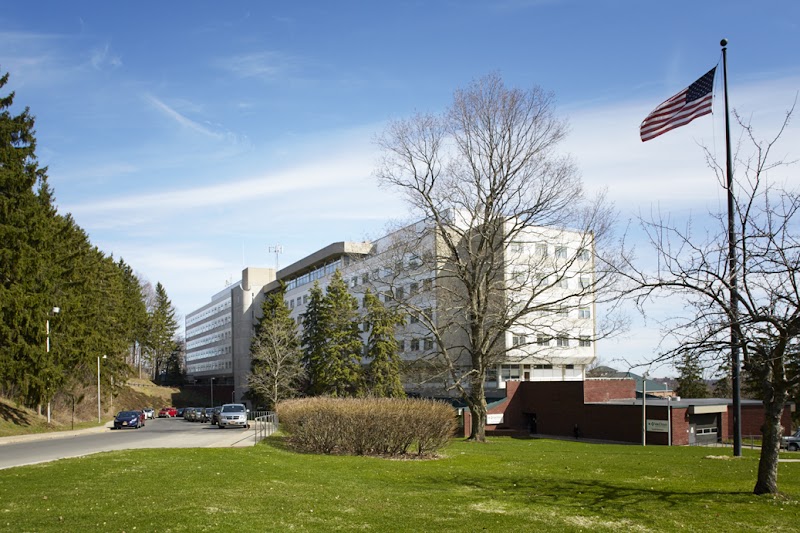
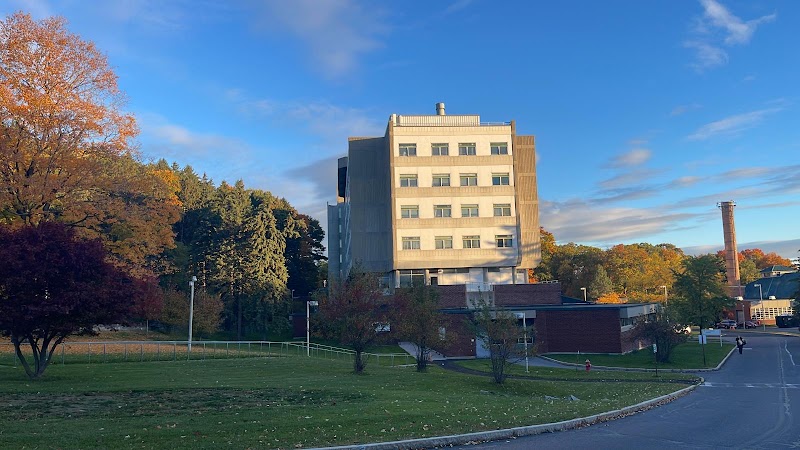
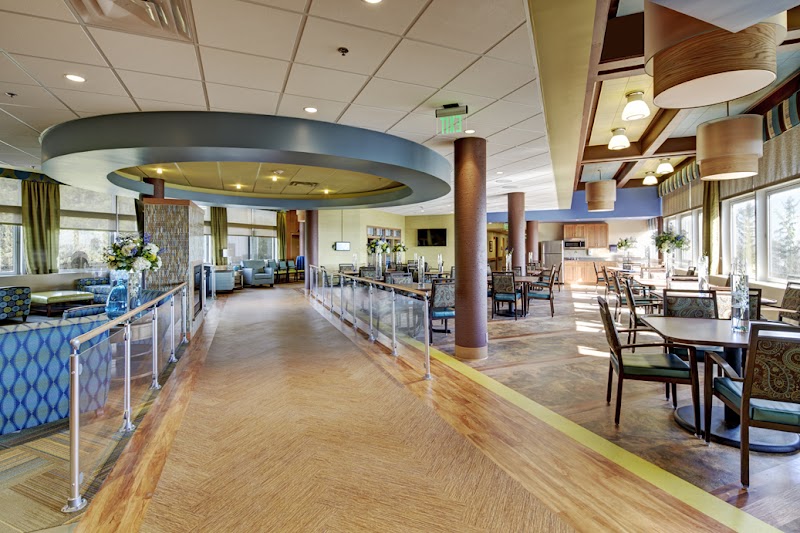
VAN DUYN CENTER FOR REHABILITATION AND NURSING

5075 WEST SENECA TURNPIKE, SYRACUSE, NY 13215 (315) 449-6000
For profit - Limited Liability company 513 Beds UPSTATE SERVICES GROUP Data: November 2025 4 Immediate Jeopardy citations
Trust Grade
0/100
#584 of 594 in NY
Last Inspection: April 2025

Within standard 12-15 month inspection cycle. Federal law requires annual inspections.

Overview

Van Duyn Center for Rehabilitation and Nursing has received a Trust Grade of F, indicating significant concerns about its care and operations. Ranking #584 out of 594 facilities in New York, it is situated in the bottom half of state facilities, and it is the lowest-ranked option in Onondaga County. The facility's performance is worsening, with the number of reported issues increasing from 20 in 2023 to 27 in 2025. While staffing is rated 4 out of 5 stars, indicating a relatively stable workforce with a turnover rate of 45%, the quality of care is poor, with an alarming total of 66 issues found, including serious concerns about infection control and inadequate supervision. Specific incidents include failing to ensure effective communication for Deaf residents, which led to psychosocial harm, and not maintaining proper infection precautions for residents with contagious diseases, raising significant red flags for prospective families.

Trust Score
F
0/100
In New York
#584/594
Bottom 2%
Safety Record
High Risk
Review needed
Inspections
Getting Worse
20 → 27 violations
Staff Stability
⚠ Watch
45% turnover. Above average. Higher turnover means staff may not know residents' routines.
Penalties
✓ Good
$381,455 in fines. Lower than most New York facilities. Relatively clean record.
Skilled Nurses
⚠ Watch
Each resident gets only 25 minutes of Registered Nurse (RN) attention daily — below average for New York. Fewer RN minutes means fewer trained eyes watching for problems.
Violations
⚠ Watch
66 deficiencies on record. Higher than average. Multiple issues found across inspections.
★☆☆☆☆
1.0
Overall Rating
★★★★☆
4.0
Staff Levels
☆☆☆☆☆
0.0
Care Quality
★☆☆☆☆
1.0
Inspection Score
Stable
2023: 20 issues
2025: 27 issues

The Good

  • 4-Star Staffing Rating · Above-average nurse staffing levels
  • Full Sprinkler Coverage · Fire safety systems throughout facility
  • No fines on record

Facility shows strength in staffing levels, fire safety.

The Bad

1-Star Overall Rating

Below New York average (3.0)

Significant quality concerns identified by CMS

Staff Turnover: 45%

Near New York avg (46%)

Higher turnover may affect care consistency

Federal Fines: $381,455

Well above median ($33,413)

Significant penalties indicating serious issues

Chain: UPSTATE SERVICES GROUP

Part of a multi-facility chain

Ask about local staffing decisions and management

The Ugly 66 deficiencies on record

4 life-threatening 3 actual harm
Jul 2025 1 deficiency
CONCERN (D) 📢 Someone Reported This

A family member, employee, or ombudsman was alarmed enough to file a formal complaint

Potential for Harm - no one hurt, but risky conditions existed

Pharmacy Services (Tag F0755)

Could have caused harm · This affected 1 resident

Based on record review and interviews during the abbreviated survey (NY00361295), the facility did not ensure they provided or obtained routine and emergency medications and biologicals in order to me...

Read full inspector narrative →
Based on record review and interviews during the abbreviated survey (NY00361295), the facility did not ensure they provided or obtained routine and emergency medications and biologicals in order to meet the needs of each resident for 2 of 3 residents reviewed (Residents #2 and 4). Specifically: Resident #2 had physician orders for Lithium (psychotropic medication for mood stabilization), the Lithium was not obtained timely and as a consequence, the resident had a low Lithium blood level. Resident #4 was a newly admitted and had physician orders for Sevelmer and cinacalcet ( for kidney disease) and the medications were not obtained timely (11 days). Findings include:The 9/2018 facility policy, “Ordering and Receiving Non-Controlled Medications,” documented medications and related products were received from the pharmacy on a timely basis. Medications were reordered based on estimated refill date and the pharmacy prescription label, or at least 3 days in advance to ensure adequate supply was on hand. The refill order was called in, faxed, sent electronically, or otherwise transmitted to the pharmacy. 1) Resident #3 had diagnoses including schizophrenia. The 10/24/24 Minimum Data Set assessment documented the resident’s cognition was intact, they required supervision/touch assistance with rolling left and right and partial/moderate assistance with chair/bed-to-chair transfers and they were receiving an antipsychotic medication. The 10/18/2024 physician order documented Lithium Carbonate (psychotropic medication for mood stabilization) 150 milligrams, 3 tablets twice daily The 10/18/2024 Comprehensive Care Plan documented the resident had a Level 2 Mental Health Evaluation and they used psychotropic medications. Interventions included observe for changes in mood or behavior (withdrawal, restlessness, irritability), monitor side effects, and administer medications as ordered. The November 2024 Medication Administration Record documented Lithium was not administered: -on 11/18/2024 at 5 PM, 11/19/2024 at 8 AM and 11/19/2024 at 8 AM by Licensed Practical Nurse #7. -on 11/20/2024 at 5 PM by Licensed Practical Nurse #8. The 11/18/2024 untimed nursing note by Registered Nurse #8 documented they received a call from the family with concerns the resident was experiencing Lithium toxicity (excess Lithium in the body leading to symptoms). The resident was noted with slight shakiness in their hands and denied other symptoms. The medical provider was notified with orders to obtain a Lithium level (blood test). The 11/19/2024 untimed nursing note by Registered Nurse #8 documented a Lithium level was drawn that day. The 11/20/2024 laboratory report documented the resident’s Lithium level was low at 0.3 mmol/L (millimoles per liter, normal range 0.6-1.2 millimoles per liter). The 11/21/2024 medical provider note documented the resident’s family member believed the resident was suffering from Lithium toxicity and discussed with them the resident’s Lithium level was low. The family member got upset and stated the resident was not acting themselves and was constantly shaking and lethargic. The resident did not appear to be shaking or lethargic at this time. The resident was transported to the hospital per family’s request. During an interview on 6/26/2025 at 8:31 AM, Licensed Practical Nurse #7 stated the purpose of the Medication Administration Record was to direct them on which medication was due and to document that it was given. When a medication was not given they were required to document that it was not given on the Medication Administration Record. When they documented “not administered” that meant the medication might have been not available or the resident refused the medication. They did not recall the reason they did not administer the resident’s Lithium on 11/18 and 11/19/2025. Lithium was not available in their automated medication dispensing machine. On 6/26/2025 at 9:15 AM, Licensed Practical Nurse #8 was not able to reached for an interview. During an interview on 7/8/2025 at 10:25 AM, Pharmacist #11 stated they were in charge of Quality Assurance for the facility’s pharmacy. On 10/19/2024, the pharmacy delivered 150 tablets of Lithium and sent another 30 tablets on 10/26/2024 for Resident #3. The 180 tablets should have lasted one month and would have run out on or around 11/17/2024. They saw in their system a request to refill Lithium on 11/18, 11/19 and 11/20/2024, however the computer system considered it too soon to refill the Lithium and rejected the refill. That was a pharmacy computer error. No staff from the facility called the pharmacy to inquire about the medication. Had the facility called, the pharmacy would have investigated the issue and found their error and would have been able to send the medication. Missing several doses of Lithium over the course of a few days would cause a low blood Lithium level. During a telephone interview on 7/14/2025 at 9:34 AM, Registered Nurse Manager #21 stated the licensed practical nurses could send the pharmacy a request to refill medications. If the medications did not arrive with the next pharmacy delivery, they expected the nurse to call the pharmacy to inquire about the medication. If a medication was refilled too soon, they could get permission for a certain amount of medications to be sent or get an emergency supply. The medical provider should be notified for further instruction as well. They did not recall if staff notified them of the resident missing medications from 11/18-11/21/2024, although they should have notified them if not. The resident did not get their Lithium timely. 2) Resident #4 had diagnoses including End Stage Renal Disease, Diabetes and malnutrition. The 6/11/2025 Minimum Data Set assessment documented the resident’s cognition was intact and they were receiving dialysis (procedure to remove waste products/excess fluid from kidneys when they are no longer able to do so adequately). The 6/5/2025 physician orders documented: - dialysis on Monday, Wednesdays and Fridays; - cinacalcet (lowers blood calcium levels related to dialysis treatments) 60 milligram tablet daily for End Stage Renal Disease; and - Sevelamer Carbonate (lowers blood phosphorus levels for those with chronic kidney disease receiving dialysis) 800 milligram tablet, 2 tablets at 7 AM, 12 PM and 5 PM. The 6/5/2025 Comprehensive Care Plan documented the resident had End Stage Renal Disease and was receiving dialysis. Interventions included to receive dialysis treatments as scheduled and medicate per physician orders. The June 2025 Medication Administration Record documented cinacalcet 60 milligrams daily was not administered: - by Licensed Practical Nurse #10 on 6/6, 6/9-6/12, and 6/14-6/16/2025; - by Licensed Practical Nurse #12 on 6/7/2025; - by Licensed Practical Nurse #7 on 6/8/2025; and - by Licensed Practical Nurses #13 on 6/13/2025. The June 2025 Medication Administration Record documented Sevelamer 800 milligrams, 2 tabs three times daily was not administered: - by Licensed Practical Nurse #10 on 6/6-6/12, 6/15-6/16, 6/18 and 6/2025 x 2 doses; - by Licensed Practical Nurse #14 on 6/6/2025 X 1 dose; - by Licensed Practical Nurse #15 on 6/6/2025 x 1 dose; - by Licensed Practical Nurse #12 on 6/7/2025 x 2 doses; - by Licensed Practical Nurse #20 on 6/7 and 6/10/2025 x 1 dose; - by Licensed Practical Nurse #7 on 6/8/2025 x 2 doses; - by Registered Nurse #17 on 6/8, 6/9, 6/12, 6/13 and 6/16/2025 x 1 dose; - by Licensed Practical Nurse #18 on 6/11/2025 x 1 dose; - by Licensed Practical Nurse #13 on 6/11/2025 x 1 dose; and - by Licensed Practical Nurse #19 on 6/14 and 6/15/2025 x 1 dose. During a telephone interview on 7/10/2025 at 10:08 AM, Pharmacist #11 stated the first time cinacalcet and Sevelamer were filled for Resident #4 was on 6/17/2025. Sevelamer was in the facility’s automated medication dispensing machine, however cinacalcet was not. Pharmacist #11 checked the facility records for their automated medication dispensing machine and there was no record that Sevelamer was removed from the machine. Implications for not getting these medications timely could result in symptoms the medications were used to prevent and could potentially worsen kidney disease as a result from not getting them. During a telephone interview on 7/11/2025 at 8:23 AM, Licensed Practical Nurse #19 stated the resident’s medications were not available to administer on 6/14 and 6/15/2025. Those medications were supposed to be provided by dialysis and were not available in the automated medication dispensing machine. They notified the supervisor they did not have the medications. During a telephone interview on 7/11/2025 at 8:48 AM, Licensed Practical Nurse #16 stated if a medication was not available on their medication cart, they were supposed to order it and notify the supervisor. They could also check the automated medication dispensing machine. They did not recall what the issue was on 6/7 and 6/10/2025 or why the medications were not administered. During a telephone interview on 7/11/2025 at 9:07 AM, Licensed Practical Nurse #10 stated when a medication was not available, they usually ordered the medication and let the unit manager know. They had an automated medication dispensing machine at the facility that had some stock medications available for use. The physician should be notified if a medication was not available. On 6/6, 6/9, 6/10, 6/11, 6/12, and 6/14-6/16/2025, they did not administer Sevelamer or cinacalcet as they were not available. They let their unit manager know they did not have the medications. Those medications were typically provided to the facility by dialysis. They called dialysis at one point to inquire to where the medications were, and staff at the dialysis center told them their pharmacy did not take the resident’s insurance and the facility needed to get the medications from the facility's pharmacy. Licensed Practical Nurse #10 called their pharmacy and they sent the medications. They stated with other residents, sometimes it could take up to 3 days to get the medications from dialysis. Licensed Practical Nurse #10 stated the resident did not get their medications timely. During a telephone interview on 7/14/2025 at 10:07 AM, Registered Nurse Manager #6 stated when physician orders were entered into the electronic record, they went directly to the pharmacy to be filled. If medications were not available on the medication cart, nursing staff should notify the manager, the medical provider, and the pharmacy. They believed they were aware the resident had no cinacalcet and Sevelamer between 6/6 and 6/16/2025. They called the dialysis center and spoke with staff there who reported the medication would be delivered. When the medication was not delivered, the dialysis center said it was due to an issue with the resident's insurance. At that point, they reached out to the facility's pharmacy and got the medication filled. The resident did not receive their medications timely. NYCRR 415.18(a)
Apr 2025 25 deficiencies 2 IJ (2 affecting multiple)
CRITICAL (K) 📢 Someone Reported This

A family member, employee, or ombudsman was alarmed enough to file a formal complaint

Immediate Jeopardy (IJ) - the most serious Medicare violation

Deficiency F0561 (Tag F0561)

Someone could have died · This affected multiple residents

Based on observations, record review, and interviews during the extended recertification and abbreviated (NY00376311) surveys conducted 4/6/2025 - 4/18/2025, the facility failed to ensure resident's r...

Read full inspector narrative →
Based on observations, record review, and interviews during the extended recertification and abbreviated (NY00376311) surveys conducted 4/6/2025 - 4/18/2025, the facility failed to ensure resident's right to choose activities and health care services consistent with their interests, assessments, and plan of care and the right to participate in social and community activities for two (2) of three (3) residents (Resident #50 and #162) reviewed. Specifically, Residents #50 and #162 were Deaf and were not provided their preferred method of communication and thus were unable to communicate their needs and preferences to staff, socialize with other residents, or participate in meaningful activities. This resulted in actual psychosocial harm to Resident #50 that was Immediate Jeopardy and Substandard Quality of Care. Findings include: The facility policy Language Assistance, last reviewed 7/2021, documented each resident's language access needs would be reviewed and monitored during their comprehensive care plan review and conference. Language assistance would be provided through use of competent bilingual staff, staff interpreters, contracts or formal arrangements with local organizations providing interpretation or translation services, communication boards, or technology and telephonic interpretation services. If an internal staff member who was fluent in the needed language was not available, Language Line or other local agencies would be contracted for assistance. Family members or friends of a Limited English Proficiency resident would not be used as an interpreter unless specifically requested by the resident and after they understood that an offer of an interpreter at no charge to the resident had been made by the facility. The facility policy Resident Rights, reviewed 8/2023 documented residents had the right to choose activities, schedule, and health care consistent with their interests and plan of care. The facility must promote care for residents in a manner and in an environment that maintained or enhanced each resident's dignity and respect in full recognition of their individuality. 1) Resident #50 had diagnoses including deafness, non-speaking and anxiety disorder. The 3/4/2025 Minimum Data Set assessment documented the resident was cognitively intact, had absence of useful hearing and spoken words, their preferred language was sign language, and they sometimes felt lonely or isolated from those around them. The answer to the question How often do you need to have someone help you when you read instructions, pamphlets, and other written material from your doctor or pharmacy? was blank. The Comprehensive Care Plan revised 12/14/2024 documented the resident had highly impaired hearing, absence of useful hearing, did not have the ability to produce speech, was able to understand American Sign Language, and had the ability to read and write. Interventions included anticipate needs due to communication barrier, use simple language and yes/no questions when communicating, ensure access to writing material/white board, utilize picture board for simple American Sign Language communication if requested, writing equipment was available at bedside/table, and make attempts to understand the resident's frustrations, when necessary. The 4/5/2024 Speech Language Pathologist #34 progress note recommended for all communication staff/family continued to utilize live American Sign Language interpreting service via tablet which could be obtained in Administration. Should staff be unable to access live American Sign Language services, it was recommended to utilize written language via whiteboard to ensure Resident #50 was able to effectively communicate wants/needs. Invoices provided by the facility documented interpreting services were contracted twice for Resident #50 on 7/12/2024 for two (2) hours, and on 2/21/2025 for two (2) hours. During an interview on 4/7/2025 at 12:42 PM, Resident #50 communicated via simple word document and gestures. They wanted a tablet to help with interpretation for everyday communication and socialization. The resident provided the surveyor with contact information for interpretation services and asked for them to be contacted to help with communication. During a telephone interview on 4/8/2025 at 11:13 AM, Deaf Services Manager #18 (from local advocacy agency for the Deaf) communicated the facility had a tablet they were supposed to regularly use for interpretation for Resident #50. During an interview on 4/8/2025 at 9:12 PM, Certified Nurse Aide #4 stated Resident #50 communicated with gestures or whiteboard and marker. Certified Nurse Aide #4 took the surveyor to the resident's room to show the whiteboard and Resident #50 began to use signing to communicate. Certified Nurse Aide #4 stated the resident had a tablet for interpreting services but did not use it. The Certified Nurse Aide stated they did not know how to use the tablet. It was important to know how to communicate with the resident to know their needs. Certified Nurse Aide #4 interrupted after overhearing the interview and stated the only means of communication for Resident #50 was the whiteboard and the resident did not use the tablet for communication. During an interview on 4/8/2025 at 11:08 PM, Certified Nurse Aide #19 stated the resident's care instructions documented to use a writing board for communication. The facility had used video services for the residents during the COVID-19 pandemic, but it was not specific for Resident #50. They did not have a tablet on the unit for communication and the Supervisor would have to be called to use that. They did not know how to get video interpretation for Resident #50. They should use the resident's preferred method of communication because it was familiar to them, and it would let staff know what the resident needed. During an interview on 4/8/2025 at 11:08 PM, Certified Nurse Aide #20 stated Resident #50 wrote on a whiteboard for the staff. The resident did not speak and was Deaf. They did not have interpreting services on the overnight shift. During an interview on 4/9/2025 at 9:42 AM, Licensed Practical Nurse #21 stated if a resident's language was other than English, they could not see that information in the computer. Resident #50 used a whiteboard for communication. If the resident needed something they came out of their room carrying their whiteboard. It was important for Resident #50 to be able to communicate with them and feel comfortable asking for things and have open communication. During an interview on 4/9/2025 at 2:20 PM, Resident #50 communicated via in-person certified American Sign Language Interpreter #53 (from local advocacy agency for the Deaf). The resident communicated they felt isolated in the facility because the staff only used a whiteboard to communicate with them. Staff did not acknowledge them when they came to their room because they were Deaf. Their preferred method of communication was American Sign Language, either with use of staff that used American Sign Language, an in person interpreter, or video phone interpretation. English was not their primary language, and they were not comfortable writing in English. They stated they were isolated on the 4th floor, because they could not explain their needs in detail. The video relay phone interpreter would allow them to communicate with Deaf peers outside the facility as well as people in the facility. If the activity programs had an interpreter they would attend, but interpretation was not provided. When medication changes were made, such as adding a new medication, or a change in their regular medication, it was not explained to them. They were expected to take whatever was given to them. There was one point they refused to take their medications because the facility added two (2) pills, and no one explained what they were. The resident stated Deaf Services Manager #18 came to visit, and the facility explained the medication was because other residents in the building had the flu and it was ordered for everyone. The resident stated they lived a very structured life at home, and the routine kept them comfortable. They ate lunch at noon, and the lunch trays at the facility were not delivered until 2:00 PM or 2:30 PM, which caused a stomachache from hunger. They stated they were suffering in the facility, because they could not communicate when they were hungry, did not feel good, or if they had specific needs. They stated they were just alone and that no one cared about them. During an observation on 4/10/2025 at 11:23 AM, Resident #50 walked out of their room and down the hall to the dining area. They passed two (2) unidentified staff members, went to the kitchenette, got coffee and ice from the machine, and there was no staff interaction. The resident walked back towards their room, past the staff at the nurse's station, and no staff interacted with them. An unidentified staff crossed in front of the resident with no interaction. During an interview on 4/10/2025 at 11:30 AM, Licensed Practical Nurse Unit Manager #22 stated the expectation for residents that spoke a language other than English was to use their primary language. The resident's preference for communication should be honored. They stated Resident #50's primary language was English. If they wanted to use a tablet for communication, they should be allowed, and Activities had a tablet that could be used. Use of the whiteboard for communication was done by trial and error. The facility had not set up interpreting services for Resident #50. Resident #50 was a loner and preferred to stay in their room. When there were facility-wide or floor-wide activities there was no interpreter present. The resident should not have to ask for interpreting services to participate in activities. They stated they did not ask the resident if they would attend activities if an interpreter were present. There were three (3) residents on the 4th floor that used American Sign Language. The medical providers did not use an interpreter when they visited the residents. The resident did not have means of communication with friends outside the facility and was not asked if they wanted to communicate with people outside the facility. The resident should not have to ask to communicate with people. During a telephone interview on 4/10/2025 at 12:55 PM, Nurse Practitioner #23 stated the expectation for residents with English as a second language was to use the language line tablet from the business office. The resident's communication preferences should be honored. It was important to allow the resident to speak openly and freely. Resident #50's primary language was English, and they preferred to use the whiteboard for communication. They were not sure how the determination was made the whiteboard was the preferred method. They ensured understanding with teach back methods (return demonstration) and reinforcements of writing on the whiteboard and the resident would respond. If medical consent was needed, they would ensure the interpreting service was contacted first, and the interpreting service was aware of all medication changes for the resident. During a telephone interview on 4/10/2025 at 1:03 PM, the Medical Director stated staff could be used as interpreters and translators, but if that was not available, they could get additional translators. The resident's communication preference should be honored. It was important to get good, detailed information from the resident. The resident needed to be able to explain their concerns freely. During an interview on 4/10/2025 at 2:59 PM American Sign Language Interpreter #53 stated they knew the resident well. The resident had very limited English proficiency and the best access for the resident was live American Sign Language interpretation. If no interpreter was available, a tablet with a video relay interpreter was the best choice. The resident was unable to reach out to Deaf friends in the community or communicate with anyone from the facility. The video relay interpreter was a free service. During an interview on 4/10/2025 at 2:30 PM, the Administrator stated they expected to accommodate residents with English as a second language. They used the language line and picture boards provided by speech therapy. A resident's communication preference should be honored. The language line was easily accessible and accommodating. They stated they had never attempted to communicate with Resident #50. The resident's primary language was American Sign Language and the preferred method of communication for the resident was the whiteboard. They did not know how that was determined. They were not sure if the provider used an interpreter during medical exams, and did not know how they ensured informed consent. The facility did not set up interpreting services to ensure effective communication. They stated the Deaf advocacy organization should have advocated for the resident. They stated they did not feel the resident was socially isolated, even though they did not provide means of communication or means to participate in activities or meaningful discussion. During an interview on 4/10/2025 at 2:48 PM, the Assistant Administrator stated Resident #50's primary language was American Sign Language, and they used a whiteboard for communication. They did not know how the whiteboard was determined to be the resident's preferred method of communication, but that was what the facility used for all residents that could read and write. The providers in the facility did not use an interpreter for every visit, but did have the whiteboard available. They did not use an interpreter to get a better understanding of the resident's needs. Informed consent was done with the whiteboard. When the facility held activities, they did not provide an interpreter, and the resident should not have to ask for interpreting service for activities that were provided to all residents. 2) Resident #162 had diagnoses including degenerative disorder of the retina (part of the eye) and stroke. The 1/20/2025 Minimum Data Set assessment documented the resident had moderately impaired cognition, had absence of useful hearing and spoken words, and had highly impaired vision. Their preferred language was sign language; and they needed or wanted an interpreter to communicate with a doctor or health care staff. The Comprehensive Care Plan, revised on 4/10/2025, documented the resident had a communication deficit related to absence of useful hearing, was able to speak and communicate their wants or needs, had vision deficits, and had cognitive impairment related to stroke which affected their ability to understand despite using communication intervention. The 3/21/2025 interventions included to provide and encourage use of communication board, ensure writing equipment was available, and encourage use of and utilize live American Sign Language interpreter services, tablet was available in Administration. The 4/10/2025 interventions included to arrange in-person interpreter services, speech therapy as needed and utilize picture board for simple American Sign Language communication. The 2/1/2024 Speech Language Pathologist #34 progress note documented Resident #162 was provided with basic important medical signs on their wall, in their primary language, American Sign Language. All staff were encouraged to use American Sign Language when communicating with the resident. The 2/2/2024 Social Worker #33 progress note documented Resident #162 was Deaf and communicated through American Sign Language. The resident was able to answer 2-3 word questions with a white board; however, their handwriting was not legible. Speech therapy staff would provide the resident with a white board for short term use. The 3/5/2024 Speech Language Pathologist #34 progress note documented they recommended the facility pursue live, in-person American Sign Language interpreting services, which was also recommended by the resident's Case Manager and an American Sign Language speaking peer. Pending interpreting service, the recommendation was for staff to continue communicating with the resident through 1-3 large written words via whiteboard. The 4/9/2024 Social Worker #35 progress note documented Resident #162's third party social worker had concerns the resident's wishes were not being heard due to the language barrier. The 6/12/2024 Social Worker #36 progress note documented Resident #162 could not hear and had very bad vision, therefore, could not hear staff during assessments nor see when they wrote a question on the white board. The cognition assessment was done by staff. Invoices provided by the facility documented interpreting services were contracted for Resident #162 twice, on 4/5/2024 for 2 hours, and 6/26/2024 for 1 hour. There were no invoices provided for interpreting services in 2025. The 4/8/2025 Speech Language Pathologist #34 Therapy Progress Report documented Resident #162 had precautions listed for low vision, Deaf, and American Sign Language as the primary modality of communication. During an observation on 4/15/2025 at 10:37 AM, Resident #162 was in the hallway with the Assistant Administrator and an in-person interpreter. Resident #162 communicated they needed their ears cleaned, they wanted to go home soon to their own family, and that they knew another person in the building that signed well. During a telephone interview on 4/15/2025 at 11:33 AM, Resident #162's family stated the resident's preferred method of communication was American Sign Language. They could use a tablet for video interpretation, and the facility used one in the beginning, but not anymore. If the resident had concerns, they could not alert staff to their needs. They were told by the former social worker the facility was working on getting a full-time interpreter for the facility. The facility had not attempted to use the tablet or interpreter service since the resident's re-admission after surgery in 3/2025. The facility would call the family when they did not understand what the resident needed, but not everyone in the family used American Sign Language. The family depended on the facility to ensure the resident's needs were met. During an interview on 4/17/2025 at 1:26 PM, Certified Nurse Aide #38 stated Resident #162 had a tablet of their own, it was in the resident's closet. They always had it, but they were not sure if staff knew how to use it. During an interview on 4/17/2025 at 1:27 PM, [NAME] Clerk #39 stated Resident #162 preferred to use the tablet for interpreting or signing. They did not have a tablet for interpreting before this week; it was not available to them. The staff would write or Google signs to help understand. They were taught about the language line but had not used it before this week. During an interview on 4/17/2025 at 1:32 PM, Licensed Practical Nurse Assistant Unit Manager #40 stated Resident #162 did not own a tablet and was provided a tablet by the facility this week. The tablet was not readily available to the resident before then. The resident could see with their glasses on or off, but it was more beneficial when they wore them. Their right eye was much stronger and if staff used the right side the resident could communicate. 10 NYCRR 415.5(b)(1-3) *********************************************************************************************** The facility was notified of the Immediate Jeopardy on 4/11/2025 at 12:42 PM. The Immediate Jeopardy was removed on 4/16/2025 at 10:50 AM prior to the completion of the survey. The facility implemented the following to remove the immediacy: - Initial plan of immediacy was approved on 4/11/2025 at 5:50 PM and included the facility providing Residents #50 and #162 tablets programmed with the video relay interpreting service that were always accessible to the resident. Education was provided to the staff and residents on their use. The tablets were to be kept in the resident's rooms. - The second plan for immediacy was approved on 4/12/2025 at 11:14 PM, following determination staff and residents were unable to use the tablet for communication. - The facility provided in-service education to 89.5% of staff as of 4/16/2025 at 10:50 AM, with plans for ongoing education of staff not currently on the schedule, prior to the start of their next shift. - Multiple interdisciplinary staff were interviewed during onsite visits through 4/16/2025. All staff demonstrated knowledge of the education provided regarding the communication devices.
CRITICAL (K)

Immediate Jeopardy (IJ) - the most serious Medicare violation

Infection Control (Tag F0880)

Someone could have died · This affected multiple residents

**NOTE- TERMS IN BRACKETS HAVE BEEN EDITED TO PROTECT CONFIDENTIALITY** Based on observations, record review, and interviews during the recertification survey conducted 4/6/2025 - 4/18/2025, the facil...

Read full inspector narrative →
**NOTE- TERMS IN BRACKETS HAVE BEEN EDITED TO PROTECT CONFIDENTIALITY** Based on observations, record review, and interviews during the recertification survey conducted 4/6/2025 - 4/18/2025, the facility failed to establish and maintain an infection prevention and control program designed to provide a safe, sanitary, and comfortable environment and to help prevent the development and transmission of communicable diseases and infections for six (6) of eight (8) residents (Residents #160, #417, #425, #461, #485, and #790) reviewed. Specifically: - Resident #485 was on contact precautions for clostridium difficile (a resistant contagious bacterium) colitis (inflammation of the colon) and droplet precautions for COVID-19 (a contagious respiratory disease) and did not have the appropriate isolation precaution signs, precautions were not consistently followed, and contaminated laundry items were not separated from general population laundry. - Resident #790 tested positive for COVID-19 on 4/4/2025 and isolation precaution signs were not observed on 4/6/2025. - Resident #417 tested positive for metapneumovirus (respiratory virus) on 4/4/2025 and did not have an isolation precaution sign displayed until 4/7/2025. - Resident #425 tested positive for metapneumovirus and the isolation precaution sign erroneously identified their roommate as being on isolation precautions and isolation precautions were not followed. - Residents #160 and #461 droplet isolation precautions were not followed. - Housekeeper #105 was observed transferring refuse in an unsanitary manner. These practices resulted in the likelihood of serious harm, serious impairment, or death due to the potential transmission of communicable diseases and infections for all 485 residents of the facility. Findings include: The facility policy Infection Control-Policy #1 revised 1/2024, documented the facility would develop prevention, surveillance and control measures to protect residents and staff from institution-acquired infections. The infection control nurse would monitor infection control practices and employee compliance. The facility policy Infection Control-Policy #3 revised 5/2024, documented three (3) categories of transmission-based precautions: contact precautions, droplet precautions, and airborne precautions. The appropriate sign was to be placed on the resident's door. The contact precaution signs were yellow except for the ones for clostridium difficile colitis (C-diff), which were purple. If a resident was on contact precautions, an effort should be made to utilize disposable items when able and any resident equipment was to be wiped down with the appropriate germicidal wipes upon leaving the room. All personal protective equipment utilized should be removed and disposed of prior to leaving the resident's room. Linen was to be placed into green bags in the bin in the resident's room, tied and then removed and placed in the linen bin in the Soiled Utility Room. Droplet precaution signs were green and were to be placed outside the resident's room. In addition to standard precautions, a mask and eye protection needed to be worn. Staff were to limit movements of the resident outside their room to essential purposes only. The facility policy Infection Control-Policy #14, revised 6/2019, documented residents would be monitored at the first sign of respiratory illness-like symptoms and have exposure to other residents restricted and droplet/contact precautions implemented. The facility policy Infection Control-Policy #17 revised 6/2019, documented for clostridium difficile colitis, contact precautions would be utilized and handwashing with soap and water after glove use was to be done prior to leaving the resident's room. 1) Resident #485 had diagnoses including COVID-19 and enterocolitis (inflammation of the digestive tract) due to clostridium difficile. The 3/16/2025 Minimum Data Set documented the resident had intact cognition and was dependent for toileting hygiene. The resident's bowel continence was not rated. A 4/1/2025 physician order entered by Registered Nurse Unit Manager #9 documented the resident was on contact isolation precautions for diarrhea associated with clostridium difficile. The 4/4/2025 Registered Nurse Unit Manager #9 progress note documented the resident's polymerase chain reaction (a laboratory test) result for COVID-19 was positive. The resident had nasal congestion and a sore throat, was seen by the nurse practitioner, their care plan was updated, and precaution orders were in place. Observations and interviews: - On 4/06/2025 at 10:16 AM, Resident #485 had a contact precaution sign (for the clostridium difficile) on their door however, there was no droplet precaution sign for the COVID-19. Certified Nurse Aide #79 entered the room without personal protective equipment, took the resident's meal tray and touched the bedding, then exited the room without performing hand hygiene. At 10:22 AM, Certified Nurse Aide #106 donned a gown and handed a gown to Certified Nurse Aide #79 before entering the resident's room. Certified Nurse Aide #106 informed Certified Nurse Aide #79 they had to wear a gown due to the resident having clostridium difficile colitis. Both certified nurse aides left the room with their gowns balled up in their hands with gloves on. Certified Nurse Aide #106 disposed of their gown and gloves in the trash can at the nurses' station. They did not perform hand hygiene and walked to the other unit. At 10:24 AM, Certified Nurse Aides #95 and #79 entered the resident's room without donning personal protective equipment. - On 4/06/2025 at 11:39 AM, the resident's room had a droplet/contact precaution sign and a stop sign. Licensed Practical Nurse #17 stated the resident had tested positive for COVID-19 on 4/4/2025, but they did not have the sign posted that morning, so they had [NAME] Clerk #88 get the appropriate sign. - On 4/07/2025 10:28 AM, Physical Therapist #85 entered Resident #485's room and exited the room wearing full personal protective equipment, took a phone call, and paced up and down the short hallway, touching the handrail. Physical Therapist #85 entered and exited Resident #485's room twice to take a phone call and did not change their personal protective equipment. The resident's door was shut during the physical therapy visit. At 10:35 AM, [NAME] Clerk #88 entered the resident's room without personal protective equipment and asked therapy to turn off the call light. At 10:41 AM, Physical Therapist #85 disposed of their personal protective equipment prior to exiting the resident's room with the exception of their N95 mask which they disposed of at the nurses' station. - On 4/07/2025 at 11:10 AM, Registered Nurse Unit Manager #9 entered the resident's room wearing only a surgical mask for protection and was at the resident's bedside. At 11:15 AM, Registered Nurse Unit Manager #9 exited the resident's room, removed their gown, balled it up with gloves on, and carried the balled-up gown, with one glove on, into the soiled utility room down the hall. At 11:40 AM, Certified Nurse Aide #94 entered the resident's room wearing only a surgical mask for protection. - On 4/08/2025 at 10:52 AM, Certified Nurse Aide #96 entered the resident's room wearing a gown, gloves and a surgical mask. Certified Nurse Aide #96 was in the room with the door open and was about to go into the resident's bathroom. They removed one arm from the gown with gloves on. The resident asked for something, and the certified nurse aide went back toward the resident's window and adjusted something. The certified nurse aide entered the resident's bathroom, threw out their gloves and gown, and left the room. When interviewed, Certified Nurse Aide #96 stated they did not wear an N95 mask because there were none in the personal protective equipment caddy. They stated they did not wash their hands in the resident's room, as there were no paper towels. - On 4/08/2025 at 11:27 AM, Physical Therapy Assistant #97 exited the resident's room with the resident's water cup and a to-go container of food, dispensed ice from the communal ice machine into the resident's cup, put the cup on the counter in the unit kitchenette, emptied the to-go container onto a plate, and microwaved the food. Physical Therapy Assistant #97 brought the cup and plate back to the resident and handed it to staff in the room. During an interview at 11:33 AM, Physical Therapy Assistant #97 stated they should not have brought the pitcher out of the room to use communal equipment to refill the cup as items coming out of the resident's room could be contaminated. - On 4/08/2024 at 11:42 AM, Licensed Practical Nurse #98 removed their gloves outside the resident's room and put them in the garbage bag on the housekeeper's cart. They did not wash their hands after removing their gloves and prior to going to the medication cart to access their computer. During an interview Licensed Practical Nurse #98 stated the resident was just on precautions for COVID-19. They were unaware the resident was on precautions for clostridium difficile colitis until they read the resident's orders in the computer and then they went to wash their hands. - On 4/09/2025 at 4:34 PM, Certified Nurse Aide #100 was in the resident's room with the door partially open. Their hands were ungloved and touching the resident's clothing and linen piled in a chair. They took a roll of garbage bags from inside the room, came to the personal protective equipment door caddy to get gloves, and shut the door. At 4:39 PM, Certified Nurse Aide #100 opened the resident's door wearing personal protective equipment and put a plastic bag with the resident's under-pad and linen and a trash bag with briefs on the ground while they removed their personal protective equipment. They did not wash their hands prior to donning new gloves and picking the trash bags off the ground. They placed the resident's linen bag into the regular laundry bin in the soiled utility room. They washed their hands in the soiled utility which did not have paper towels. At 4:44 PM, Certified Nurse Aide #100 stated the isolation precautions a resident was on were listed on the resident's door. They stated gowns, gloves, a mask, and a face shield should be worn in a droplet precaution room. The linen for Resident #485's room should be put in the red precaution bin inside the dirty utility room. Gloves should always be worn in a contact precaution room and handwashing should be completed after taking off personal protective equipment and prior to leaving the resident's room. Wearing the appropriate personal protective equipment helped prevent the transmission of germs to other employees and residents. During an interview on 4/10/2025 at 11:47 AM, Registered Nurse Unit Manager #9 stated if a resident needed to be on precautions, they checked the labs in the computer to see if a resident had a positive result for whatever was tested. They would put signs on the door, place a precaution order in the computer, and then put in a request for central supply to bring up the personal protective equipment. They went into Resident #485's room with just a surgical mask and not an N95 because they could not locate a N95 mask in the resident's personal protective equipment caddy. If a resident was on precautions for clostridium difficile colitis, the only time the red biohazard bags and bin were utilized was if the resident had items saturated with bowel movements. For residents on precautions for clostridium difficile colitis, staff should wash their hands in the resident's bathroom, put on gloves to take out the trash bags, then wash their hands again in the soiled utility room. If a staff member did not wear the correct personal protective equipment, they could transmit the disease to someone else. 2) Resident #425 had diagnoses including COVID-19, acute cough, and pneumonia. The 1/23/2025 Minimum Data Set assessment documented the resident was cognitively intact. A 4/5/2025 laboratory report documented a specimen sample was collected on 4/3/2025 at 2:00 PM and received by the lab on 4/4/2025 at 3:59 AM. The results were reported on 4/5/2025 at 6:58 AM and human metapneumovirus was detected. A physician order documented droplet isolation precautions for metapneumovirus was discontinued on 4/14/2025. The orders did not include the start date for isolation precautions. During an observation and interview on 4/08/2025 at 9:34 AM, Dietetic Technician #102 entered Resident #425's room without donning personal protective equipment or performing hand hygiene. Dietetic Technician #102 stated they were trained on infection control annually and were familiar with the signs for isolation precautions. The sign on the door documented what personal protective equipment was needed when caring for a resident. They stated they did not see the sign on the resident's door to indicate they were on precautions and did not perform hand hygiene because there was no hand sanitizer outside of the room. If the precaution signs were not followed, they could spread the infection. During an observation and interview on 4/09/2025 at 9:15 AM, Licensed Practical Nurse Assistant Unit Manager #40 stated Resident #425 was on droplet precautions for human metapneumovirus and that it started with their roommate, but the roommate was off droplet precautions as it had been 10 days. The sign on the door documented the precautions were for the resident's roommate, not the resident who was currently on precautions. 3) Resident #461 had diagnoses including cough, fever, pneumonia, and COVID-19. The 1/26/2025 Minimum Data Set assessment documented the resident was cognitively intact. A physician order documented the resident was on isolation contact/droplet precautions pending a polymerase chain reaction (lab test) test for COVID-19. The order was discontinued 4/7/2025 (the resident was hospitalized from [DATE]-[DATE]). The orders did not include the start date for isolation precautions. The 4/7/2025 Nurse Practitioner #48 progress note documented the resident was seen for cough, nasal congestion, and a fever. The plan was a chest x-ray, cough medicine, nebulizer treatment, and a respiratory panel. The 4/7/2025 untimed Registered Nurse Unit Manager #9 progress note documented the resident had a cough and nasal congestion. Lungs with crackles bilaterally. A rapid COVID-19 test swab was done with negative results, a polymerase chain reaction (a laboratory test for COVID-19) was obtained and sent to the laboratory, and a chest x-ray was ordered. During an observation on 4/7/2025 at 10:45 AM, the resident's door had a droplet/contact precaution sign. There was no personal protective equipment outside the resident's room. During an observation on 4/7/2025 at 11:36 AM, Certified Nurse Aide #106 walked into the resident's room to talk to the resident, turned their call light off, and left the room. Certified Nurse Aide #106 did not apply personal protective equipment or perform hand hygiene. 4) Resident #790 had diagnoses of chronic obstructive pulmonary disease (lung disease) and Hodgkin lymphoma (cancer of the lymphatic system). The 3/25/2025 Minimum Data Set documented the resident had intact cognition. The 4/4/2025 Registered Nurse Unit Manager #9 progress note documented the resident was swabbed for COVID-19 and the result was positive. A physician order documented droplet isolation precautions, contact precautions, COVID-19 droplet precautions were discontinued on 4/15/2025. The orders did not include the start date for isolation precautions. During an observation and interview on 4/6/2025 at 10:57 AM, there were no precaution signs posted outside of Resident #790's door and no personal protective equipment caddy hanging on or near the resident's door. There were two gowns on a bedside table outside the resident's room. Certified Nurse Aide #79 stated the resident was not on precautions They thought the resident used to be on precautions but did not think they were presently. During an interview on 4/6/2025 at 11:32 AM, Licensed Practical Nurse #17 stated the resident was on droplet/contact precautions due to testing positive for COVID-19. They were informed yesterday the resident was on precautions, but they did not have a proper sign, so they put up a contact precaution sign that was later removed. Housekeeping: During an observation and interview on 4/9/2025 at 9:19 AM, Housekeeper #105 carried a garbage bag with personal protective equipment slung over their shoulder, down the hallway into the soiled utility at the other end of the hall. They were not wearing personal protective equipment. Housekeeper #105 stated the garbage was from their cart with garbage bags from the resident rooms. The garbage bag became full at the end of the C Unit hallway, which was on precautions for droplet. They stated they did not wait to do the isolation precaution rooms last but emptied the rooms in order. During an interview on 4/10/2025 at 11:12 AM, Housekeeper #143 stated they did not wear personal protective equipment, and all rooms were cleaned the same. They stated they cleaned surfaces with a yellow cleaner with water in a basin and a washcloth. They stated they used to use the same cleaner in the mop bucket, but it messed up the floors, so the mop water was now just plain water in every room. During an interview on 4/10/2025 at 1:02 PM, Housekeeper/Laundry Aide #108 stated there was a bin on each unit for the resident laundry and resident linen. They stated they collected the bins from the unit and then the clothes went into the washer and the dryer. All linen was sent out. They stated they were not told if a resident had an illness. They sometimes got a note on the laundry with the resident's name and to wash the items separately. They wore gloves when the items were removed from the bags, but no other protective equipment. There were no separate water temperatures or different detergents used if someone was sick. Staff were supposed to rinse out any stool prior to putting it into a bag, but that did not always happen. They stated they did not wear personal protective equipment as it was hot in the laundry room. During an interview on 4/11/2025 at 10:22 AM, the Infection Preventionist stated they reviewed the labs every morning for residents and then they delegated to the Nurse Managers and told them whom to put on isolation precautions based on that information. Staff were educated on infection control through orientation and yearly competencies. The last education was March 2025. The spread of infection was lessened by housekeeping doing enhanced cleaning with bleach and not floating staff, if possible. Once a resident tested positive for an infectious disease, whoever tested the resident would write a progress note, get a physician's order for isolation precautions, and place the isolation precautions on the care plan. The ward clerk printed out the appropriate isolation precaution sign and made sure the rooms had personal protective equipment. The off-shift nursing supervisor had a folder with the color-coded isolation precaution signs. Purple contact signs were used for residents with clostridium difficile colitis, pink special droplet/contact precaution signs were utilized for COVID-19, and green droplet signs were used for influenza. The isolation sign would designate if it was the window or door bed, if it was a double room. The signs for Residents #417and #790 for COVID-19 and metapneumovirus should have been on the door on 4/6/2025. The risk of not having the appropriate signage was spread of the infection. Staff were expected to wear the personal protective equipment designated on the sign, remove their personal protective equipment prior to exiting the room, and perform proper hand hygiene. Staff should never enter a room on droplet precautions without wearing personal protective equipment. For rooms on contact for clostridium difficile colitis, they let the Housekeeping Director know so they would clean the room last and use bleach. It was also communicated to the direct care staff to use soap and water for hand hygiene and use bleach to clean equipment. Laundry went into a regular linen bag unless it was saturated. Staff should clean their hands with soap and water prior to donning new gloves to carry the linen bag to the soiled utility room. This would limit the spread of infection. Laundry personnel should be wearing gowns and gloves when handling dirty laundry, as there was no way for them to know if they were handling infectious material. During an interview on 4/11/2025 at 10:40 AM, the Medical Director stated isolation precautions should be initiated when the resident became symptomatic. If a resident had respiratory symptoms, they should be on droplet precautions unless the test came back negative. If a resident was positive for COVID-19, influenza, or clostridium difficile colitis, they expected to be notified when the results came back. There should be appropriate signage, so staff knew what personal protective equipment to use. Staff should follow the use of personal protective equipment per policy. If staff were not using the proper personal protective equipment they could spread the infection. Every staff member needed to follow the isolation signage and wear the proper personal protective equipment. During an interview on 4/11/2025 at 10:43 AM, the Administrator stated there was an Infection Preventionist in the facility that led the process for infection control. During morning report, they discussed any infections in the facility. When a resident presented with symptoms, the Registered Nurse Unit Managers or Nursing Supervisor would assess the resident. If the resident required testing, the Infection Preventionist and the Medical Director were informed. The resident should be on precautions from the time they were symptomatic, and precautions only removed if the test was negative. All residents on precautions should have the appropriate sign and personal protective equipment in a caddy on their door. They expected staff to follow the recommendations of personal protective equipment based on the precaution signage and to perform the correct hand hygiene. Residents on precautions for clostridium difficile colitis should have their rooms cleaned with bleach. If proper personal protective equipment was not worn, proper hand hygiene was not done, and the proper chemicals were not used to clean, there was a potential that a disease could spread. During an interview on 4/11/2025 at 11:46 AM, the Director of Nursing stated if a resident had a cough, they should be assessed by nursing, who then reported to medical. The resident would also be placed on precautions in case anything infectious came back from testing. The order for the precautions was put in by either the Infection Preventionist or the Registered Nurse Unit Manager. The signs for the precautions were put up by the ward clerk. If there was no ward clerk on shift, the precaution signs could be placed by the nurse. The door caddy of personal protective equipment was put up by central supply and there were extra personal protective equipment items in the clean utility room. If the resident had a positive result of an infectious disease, there should be the appropriate signage hung. All staff should review the isolation precaution signs prior to entering the room and follow the directions on the sign. If the appropriate sign was not hung or the staff did not wear the correct personal protective equipment, infection could spread. The rooms of residents on precautions for clostridium difficile colitis should be cleaned with bleach. They were unsure how the laundry was separated for a resident on precautions for clostridium difficile colitis, but laundry staff was required to wear personal protective equipment when handling all laundry. 10 NYCRR 415.19(a)(b) ************************************************************************ The facility was notified of the Immediate Jeopardy on 04/11/2025 at 2:03 PM. The Immediate Jeopardy was removed on 4/15/2025 at 2:40 PM prior to the completion of the survey. The facility implemented the following to remove the immediacy: - Initial plan of immediacy was approved on 4/11/2025 at 4:47 PM and included the facility ensuring all residents on precautions were reviewed and had the appropriate isolation precaution signage in place, all in-house staff were educated on infection control with competency-based training, and all oncoming staff would be educated prior to the start of their shift. - The facility provided in-service education to 85% of staff as of 04/15/25 at 1:25 PM, with plans for ongoing education of staff not currently on the schedule, prior to the start of their next shift. - Multiple interdisciplinary staff were interviewed during onsite visits through 4/15/2025. All staff demonstrated knowledge of the education provided on appropriate infection control precautions.
SERIOUS (G) 📢 Someone Reported This

A family member, employee, or ombudsman was alarmed enough to file a formal complaint

Actual Harm - a resident was hurt due to facility failures

Quality of Care (Tag F0684)

A resident was harmed · This affected 1 resident

**NOTE- TERMS IN BRACKETS HAVE BEEN EDITED TO PROTECT CONFIDENTIALITY** Based on observations, record review, and interviews during the recertification and abbreviated (NY00325460) surveys conducted 4...

Read full inspector narrative →
**NOTE- TERMS IN BRACKETS HAVE BEEN EDITED TO PROTECT CONFIDENTIALITY** Based on observations, record review, and interviews during the recertification and abbreviated (NY00325460) surveys conducted 4/6/2025 - 4/18/2025, the facility failed to ensure residents received treatment and care in accordance with professional standards of practice for two (2) of three (3) residents reviewed (Residents #274 and #461). Specifically, Resident #274 was not provided a wound vacuum machine (vacuum assisted closure using negative pressure to assist in wound healing) or the back-up wet to dry dressing treatment as ordered; and Resident #461 did not receive timely follow-up care for their dehisced wound (a surgical incision that reopens) This resulted in harm to Resident #461 that was not Immediate Jeopardy. Findings include: The facility policy Change in Resident Condition, reviewed 12/2022, documented the nursing supervisor would notify the medical provider when there was a change in the resident's condition. All physician's or practitioner's orders would be followed. The nursing supervisor was to notify the resident of any changes in their condition or medical care. The facility policy Negative Pressure Wound Therapy, revised 3/12/2019, documented any resident who has an ulcer would receive care and services to promote healing to include, when needed, negative pressure wound therapy (wound vacuum). Responsible parties include licensed practical nurses and registered nurses who have been trained and have demonstrated competency may apply, change, or remove negative pressure wound dressings. 1) Resident #461 had diagnoses including peripheral vascular disease (poor blood flow) and right above the knee amputation. The 1/26/2025 Minimum Data Set documented the resident had intact cognition and did not have surgical wounds at the time of the assessment. The resident was hospitalized [DATE] - 3/11/2025 for acute lower limb ischemia (lack of blood flow) and underwent a right above the knee amputation. The 3/11/2025 physician's order documented apply abdominal gauze pad to right above the knee amputation surgical site and wrap with kerlix every Tuesday and Friday during the day shift and as needed. The 3/27/2025 Registered Nurse Unit Manager #9 progress note documented the resident returned from their post-operative follow up appointment following a right above the knee amputation. The consult documented the resident did not have significant pain, the stump was soft and nontender, the incision line was intact with the sutures in place without drainage. The incision had necrosis (dead tissue) but was dry. The resident was to return in two (2) to three (3) weeks for suture removal. The incision was to be covered daily. The follow-up appointment was scheduled for 4/15/2025 at 10:15 AM. The 4/4/2025 Licensed Practical Nurse Assistant Unit Manager #7 progress note documented the right above the knee amputation site sutures appeared to have come undone on the inner left side. The dehisced area appeared red with white drainage around the area. The resident had pain to the dehisced area. The nurse practitioner saw the resident and gave new orders for an antibiotic and requested a vascular consult. The 4/4/2025 Nurse Practitioner #48 progress note documented they were following up on a possible wound infection. Staff was giving the resident a shower and noticed the stitches had come out of the right above the knee amputation site. The area looked infected, a couple of sutures came out and an area of the incision had dehisced. The area had redness, pus filled drainage, was warm, and painful. The resident was started on an antibiotic twice a day for seven days. They directed nursing to call and try to get the resident back into the vascular consultant as soon as possible. There was no documented evidence the vascular consultant was contacted for an appointment for surgical wound follow up. During an observation and interview on 4/6/2025 at 11:55 AM, the resident stated they were concerned their right above the knee amputation was opening. The surgical incision was dehisced about two (2) or more inches. The above the knee amputation surgical site was mid/upper thigh. Inside the wound was a whitish, flesh colored lump. The resident stated they had pain, and it had been open for more than two (2) days. The resident's incontinence brief was positioned next to the wound at the upper thigh and had brownish red fluid on the side. The resident's bed sheets also had a brownish red fluid. At 11:57 AM, [NAME] Clerk #88 entered the resident's room and stated they would get someone to look at the resident's surgical site. [NAME] Clerk #88 left the room and came back at 12:02 PM. They asked the resident what happened, and the resident stated their incision site was broken open. At 4:46 PM, the resident had two overlapping pink adhesive bandages over the entire end of their stump and the blankets under resident had dried reddish-brown spots. The 4/6/2025 Registered Nurse Unit Manager #9 progress note documented the resident had an unwitnessed fall in their room. The resident had right above the knee amputation dehiscence with no drainage noted. The resident was on antibiotics and a dressing was applied. The resident denied pain or discomfort. The on-call providers were notified. There was no documented evidence of a planned vascular consultant follow-up. I The 4/7/2025 Registered Nurse Unit Manager #9 progress note documented the resident was seen during rounds by the attending nurse practitioner for respiratory symptoms. There was no documentation regarding the resident's surgical wound dehiscence. The 4/7/2025 progress notes by Licensed Practical Nurse #170 documented they were notified by Licensed Practical Nurse Assistant Unit Manager #7 resident had a fall at 8:30 PM on 4/6/2025. The resident's sutures to their right above the knee amputation had come undone and the resident's bone was protruding. The unit nurse provided wound care. The physician was called and ordered the resident to be sent to the Emergency Department. The resident was hospitalized from [DATE] - 4/11/2025 for post-operative infection and wound dehiscence. During an interview on 4/9/2025 at 10:49 AM, [NAME] Clerk #88 stated they took care of all the appointments for the residents on the unit. If a provider wanted a resident to see an outside provider sooner than what their scheduled appointment was, there would be a consult order in the electronic medical record. They stated they reviewed every resident's chart every day for new consult orders. If a provider ordered a resident to be seen by vascular as soon as possible on a Friday afternoon, the nurse practitioner informed Registered Nurse Unit Manager #9 or Licensed Practical Nurse Assistant Unit Manager #7. The information was passed to them, and they would call the vascular provider. Resident #461 had a vascular appointment scheduled for 4/15/2025 at 10:00 AM and they informed Registered Nurse Unit Manager #9 on 4/4/2025 when they asked about an appointment. They were not asked to schedule the appointment sooner. During an interview on 4/16/2025 at 11:26 AM, Licensed Practical Nurse #17 stated they were informed on 4/6/2025 that Resident #461's surgical incision had opened more. They applied a dry dressing on the surgical incision site early in the morning as the resident's dressing had fallen off. They noted the incision was open about an inch. After the resident's second fall on 4/6/2025, they observed the surgical incision was open about 3 to 4 inches and put a foam dressing on it. During an interview on 4/17/2025 at 12:50 PM, Licensed Practical Nurse Assistant Unit Manager #7 stated when they saw Resident #461's surgical incision on 4/4/2025, the first one (1) to two (2) sutures had come undone and there was some drainage. They called Nurse Practitioner #48 to assess the resident. Nurse Practitioner #48 ordered Bactrim for cellulitis (a bacterial infection) and wanted a vascular consult as soon as possible which meant within the next day or so. If a resident needed an appointment scheduled as soon as possible the nurse or medical provider put in an order for the appointment to be scheduled as soon as possible by the ward clerk. They were unsure if the vascular consult was called for Resident #461 on 4/4/2025. They stated an appointment on 4/15/2025 would not be considered as soon as possible. During an interview on 4/17/2025 at 1:31 PM, Registered Nurse Unit Manager #9 stated if a provider saw a resident and stated they needed a follow up as soon as possible, the ward clerk should call the outside provider to schedule an appointment. They stated if they were unable to get an appointment scheduled, they should notify the nurse practitioner to find out the next steps. During an interview on 4/17/2025 at 1:58 PM, Nurse Practitioner #48 stated they saw Resident #461 on 4/4/2025 for their surgical incision opening. The wound was open two (2) to three (3) centimeters. They stated they started the resident on antibiotics for cellulitis and wanted the resident seen by vascular as soon as possible. They were informed the resident was going to be seen on 4/15/2025 but had instructed the nursing staff to try again as that was too long to wait for the resident to be seen. They stated if they had been informed it had opened to 3 - 4 inches with drainage, they would have sent the resident to the hospital. 2) Resident # 274 had diagnoses including osteomyelitis (bone infection) of the left foot, left toe amputations, and diabetes. The 2/4/2025 Minimum Data Set Assessment documented the resident had intact cognition, was independent with most activities of daily living, had a surgical wound, and received surgical wound care. The Comprehensive Care Plan initiated 1/11/2025 documented the resident had surgical debridement (removal of dead tissue) of the left foot. Interventions included provide wound care as ordered; observe for effectiveness of treatment; wound vacuum-assisted closure; weekly skin evaluations by registered nurse; and monitor for pain prior to dressing change. Physician orders documented: - On 11/14/2024, wet-to-dry dressing as backup if wound vacuum malfunctions or cannot restore vacuum in 24 hours, as needed. - On 11/29/2024, continuous negative pressure wound therapy to left trans metatarsal amputation (removal of toe) open site every day during the day shift. - On 11/29/2024, dressing type: black foam, change wound vacuum dressing every Monday, Wednesday, and Friday; pack 5th toe amputation site with Aquacel Ag (antimicrobial wound dressing) and cover with black foam, three (3) times a week on Monday, Wednesday, and Friday during day shift. - 11/29/2024 change canister and canister tubing (of wound vacuum) weekly on Wednesday day shift. The 1/17/2025 Physician #3 progress note documented the resident had wound vacuum-assisted closure changes three times a week, and recent wound pictures showed good granulation (new tissue). A 1/31/2025 Wound Care Clinic progress note documented the resident had a non-healing diabetic foot ulcer. The ulcer was worsening despite standardized wound care, off-loading, serial debridement (removal of dead tissue), and negative pressure wound therapy. The wound vacuum was not on during the visit. The resident was having issues with the wound vacuum being placed at the facility, the usual wound care nurse was out. The facility was working on finding someone who could replace the wound vacuum regularly as scheduled on Monday, Wednesday, and Friday. Otherwise, the wound appeared stable. A 2/5/2025 Wound Care Registered Nurse #128 progress note documented the surgical wound to the left foot measured 7.0 centimeters x 5.0 centimeters x 0.2 centimeters and had a large amount of drainage with no odor. The wound was pink in color with no signs of infection. The wound was cleaned, and treatment was applied. The 2/2025 Medication Administration Record documented the vacuum-assisted closure dressing was not changed from 2/6/2025 - 2/19/2025. There was no documented evidence of wet-to-dry dressing applied from 2/6/2025 - 2/19/2025 per orders for when the wound vacuum was not used. There were no documented nursing progress notes regarding the resident's wound or dressing from 2/6/2025 - 2/19/2025. The 2/7/2025 Wound Care Clinic visit summary documented the resident had a non-healing diabetic foot ulcer. The ulcer was worsening despite standardized wound care, off-loading, serial debridement (removal of dead tissue), and negative pressure wound therapy. The resident was receiving adjunctive hyperbaric oxygen therapy to improve healing. The wound care instructions included wound vacuum to left foot, black foam, vacuum set to 125 millimeters of mercury, change Monday, Wednesday, and Friday. The 2/21/2025 Medical Director progress note documented the resident had a wound vacuum with dressing changes three times a week. There was no documented evidence the physician was notified of the wound vacuum not being applied. The 2/26/2025 Wound Care clinical communication documented the resident's wound was improving. During an observation and interview on 4/8/2025 at 9:57 AM, Resident #274 stated there was a time when the vacuum assisted closure device had been off for several days in February 2025, specifically during the time the wound nurse was out. They stated there was no one in the facility that was able to provide the care needed for the wound vacuum-assisted closure device. They stated during that time they wheeled around the hallway to find someone who was able to apply their wound vacuum. The resident stated they covered the wound with gauze and tape until the wound care nurse returned. The resident stated they relied heavily on Wound Care Registered Nurse #128, and they had never met the other wound care nurse. During an observation and interview on 4/9/2025 at 8:56 AM, Wound Care Registered Nurse #128 completed wound care and applied Resident #274's wound vacuum. The wound was dry without drainage or redness. Wound Care Registered Nurse #128 stated if the wound vacuum was to come off, a dressing would be put in place until the wound vacuum was able to be replaced. Wound Care Registered Nurse #128 stated in the event of their absence, the nursing supervisor, or the unit nurse would be responsible for applying the device. They stated they were off for 10 days between 2/6/2025 and 2/21/2025 and they expected Wound Care Registered Nurse #136 to monitor or consult for residents with specialized treatments such as Resident #274. Anyone who provided care for the resident was expected to document in the Medication Administration Record to indicate the treatment was done. They stated there was a lack of continuity of care during their absence. During an interview on 4/15/2025 at 11:11 AM, Registered Nurse Unit Manager #9 stated there was a gap in treatment documentation between 2/6/2025 and 2/21/2025 which indicated they forgot to document the wound care. They were confident the care was done; however, it was not documented. Registered Nurse Unit Manager #9 stated in the absence of the primary wound nurse, the other wound nurse should be responsible for changing the wound vacuum-assisted closure. During an interview on 4/16/2025 at 12:38 PM, the Director of Nursing stated all licensed practical nurses completed wound vacuum-assisted closure care competencies annually and were able to provide that care. When the wound team registered nurses were off, it was communicated to the licensed practical nurses they would be responsible for the treatments. They were not aware Resident #274's wound vacuum-assisted closure dressing had not been changed. The Medication Administration Record documented the dressing was on, but not that it was changed. During an interview on 4/18/2025 at 9:30 AM, Licensed Practical Nurse #7 stated nursing staff failed to document the resident's wound care between the dates of 2/6/2025 and 2/21/2025. They stated adhering to a wound care plan was important because the resident was a diabetic and had already lost the top half of their foot and failure to follow physician orders for wound care could result in the wound not healing. During an interview on 4/18/2025 at 10:51 AM, Wound Care Registered Nurse #136 stated they had not provided wound care to Resident #274. They stated they were not responsible for covering the entire caseload of the other wound care nurse during their absence. 10NYCRR 415.12
SERIOUS (H) 📢 Someone Reported This

A family member, employee, or ombudsman was alarmed enough to file a formal complaint

Actual Harm - a resident was hurt due to facility failures

Resident Rights (Tag F0550)

A resident was harmed · This affected multiple residents

Based on observations, record review, and interviews during the recertification and abbreviated (NY00374160) surveys conducted 4/6/2025 - 4/18/2025, the facility did not ensure residents were treated ...

Read full inspector narrative →
Based on observations, record review, and interviews during the recertification and abbreviated (NY00374160) surveys conducted 4/6/2025 - 4/18/2025, the facility did not ensure residents were treated with respect and dignity in a manner and in an environment that promotes maintenance or enhancement of quality of life, recognizing each resident's individuality for two (2) of three (3) residents (Residents #170 and #335) reviewed. Specifically, Residents #170 and #335 were continent (able to control bladder and bowel), placed in incontinence briefs, and were told by staff to urinate/defecate in the briefs instead of using the toilet and/or bedpan. This resulted in psychosocial harm to Residents #170 and #335 that was not Immediate Jeopardy. Findings include: The facility policy Dignity and Respect, last reviewed 8/2023 documented residents had the right to be treated with dignity, respect, and consideration at all times. Staff should ensure residents were treated as individuals and encourage them to participate in programs and services of their choice and protect them from any kind of harsh and abusive treatment. 1) Resident #335 had diagnoses including difficulty walking, need for assistance with personal care, and had menstrual cycles. The 2/25/2025 Minimum Data Set assessment documented the resident had moderate cognitive impairment, toilet transfer was not attempted due to medical condition or safety concerns, was dependent for toileting hygiene, and did not reject care. The 3/27/2025 Physical Therapist #42 discharge summary documented discharge recommendations of moderate assistance of one (1) for transfers with a stand pivot technique. The undated care instructions documented the resident was dependent on one-person assist for toileting hygiene and required substantial/maximum assist of two (2) staff for toilet transfers; incontinent of bladder, bedpan, assist with changing briefs, and occasionally incontinent of bowel. The April 2025 certified nurse aide Activities of Daily Living Toileting Use record documented the resident was incontinent and toilet transfer was not attempted at the following times: - On 4/6/2025 once on the day shift and once on the night shift. - On 4/7/2025 once on day shift, once on evening shift, and twice on night shift. - On 4/8/2025 once on day shift and once on evening shift. - On 4/9/2025 once on day shift, once on evening shift, and twice on night shift - On 4/10/2025 once on day shift and once on evening shift. - On 4/11/2025 once on day shift, once on evening shift and once on night shift. - On 4/12/2025 twice on day shift, once on evening shift and once on night shift. - On 4/13/2025 - 4/15/2025 once on day shift, once on evening shift and once on night shift Resident #335 was observed and interviewed: - On 4/6/2025 at 2:52 PM, they were in their room sitting up in their wheelchair wearing a hospital gown. They stated when they asked to go to the bathroom, the certified nurse aides would not let them and told them to just go in their incontinence brief. When they told the certified nurse aides they could use the toilet instead of an incontinence brief, the certified nurse aides got mad and wanted to argue. The resident was currently on their menstrual cycle, and they were told they had to have their brief changed in the bed so once they were up for the day, they were not provided with toileting assistance until they wanted to go back to bed. - On 4/8/2025 at 9:19 AM, they were lying in bed in a hospital gown. They stated the certified nurse aides just told them to go in their brief and the next shift would change them. It made them want to cry that they had to soil themself, but it was even worse because it was during their menstrual cycle. The last time they were assisted with a brief change was last night before bed. At 11:50 AM Certified Nurse Aide #43 entered the resident's room with a razor, washcloths, and towels. At 12:17 PM, the resident was up in their wheelchair in the room in a hospital gown. The resident stated Certified Nurse Aide #43 had just changed their incontinence brief, cleaned them, and transferred them from the bed into their wheelchair by stand and pivot. This was the first time their brief was changed since before bed last night. - On 4/9/2025 at 9:37AM, the resident had completed breakfast and was lying in bed in a hospital gown. They stated Certified Nurse Aide #45 changed them around 11:00 PM last night. Their incontinence brief was currently wet and had not been changed since last night. Certified Nurse Aide #43 (the current day certified nurse aide) told them they were not allowed to utilize the bathroom and told them to go in the brief. They got frustrated because they knew when they needed to go to the bathroom and if they put their call bell on, staff just turned the light off and never came. They could not hold it anymore and had to soil the brief. Their menstrual cycle ended yesterday, and they did not like being dirty and it smelled; it was embarrassing. They ate breakfast today and dinner last night with a wet brief. If they told the certified nurse aides they wanted their brief changed before their meal, the certified nurse aides got mad and told them they had to wait. The resident liked going to visit their daughter because their daughter helped them on to the toilet and assisted with wiping and they did not have to use the incontinence brief. The worst was when they had to have a bowel movement; it was embarrassing, it made them feel dirty, and it smelled. - On 4/15/2025 at 10:58 AM, they were lying in bed in a hospital gown. The resident stated they had a new brief placed around midnight last night and had not been provided with any toileting assistance since then. During an interview on 4/15/2025 at 12:12 PM, Certified Nurse Aide #43 stated they always provided incontinence care to the resident before lunch and once the resident was up in their wheelchair, they were good for the shift. The resident was incontinent because they could not walk, and therapy had not cleared them to utilize the bathroom. They were aware the resident wanted to use the bathroom, but they had not mentioned anything to anyone to get them a therapy evaluation. They stated if a resident soiled themself when they could be toileted, it was not appropriate and would not be comfortable. They would not want to be around other people or would not like to eat their meals like that. It was a dignity issue and could make the resident feel like nobody cared. It would not be a good feeling and would be sad and embarrassing. They stated the resident's legs were weak, and they were not comfortable putting them on the toilet and would need assistance of another person to place the resident on the toilet. During an interview on 4/16/2025 at 11:30 AM, the Director of Rehabilitation stated the resident was discharged from physical therapy on 3/27/2025 and their transfer status was moderate assistance of one (1) with a stand and pivot, so there was no reason why they should not be able to use a toilet. The care plan documented toileting was not attempted due to a medical condition/ safety concern and was never updated. The resident was not reassessed for toileting after their transfer status improved but they should have been. It was not good the resident was soiling themself in a brief because the certified nurse aides told them they could not use the bathroom. This was a quality-of-life issue. Nursing should have put in a referral; physical therapy should have communicated with occupational therapy so the toileting status could be updated. During an interview on 4/16/2025 at 2:37 PM, Certified Nurse Aide #45 stated when they started their night shift, the resident was already in bed. Sometimes they were wet and sometimes not. The resident was in their right mind, could ring for help, and did not like being soiled. The resident had reported to them they were left soiled all day until they wanted to go to bed. During an interview on 4/17/2025 at 9:30 AM, Certified Nurse Aide #44 stated Resident #335 could verbalize when they needed to use the restroom and was a stand and pivot of one (1) assist for transfers. When they came in for their evening shift, the resident was in their wheelchair, and they assisted them into the bed during their shift. The bathroom was small, but they did not know why the resident did not have a bedside commode. The resident told them it made them sad the certified nurse aides did not listen to them and they hated sitting in their own feces. Going to the bathroom was a basic human right, this was their home, and the resident should be able to do what they were able to do. It was not right they were being told to just use the brief and wait for hours to be changed. During an interview on 4/17/2024 at 10:10 AM, Licensed Practical Nurse Assistant Unit Manager #46 stated Resident #335 would call for the bedpan. The resident was incontinent at times but was alert and oriented and able to make their needs known. The resident should not be told to soil themselves. It was not appropriate, and it made the resident feel horrible. Even if the resident did not ring their call bell, the certified nurse aides should be checking in every 2-3 hours to ask if the resident needed to use the bathroom. During an interview on 4/17/2025 at 11:14 AM, Assistant Director of Nursing #47 stated Resident #335 was incontinent at times, but they had known the resident to use a bedpan in the past. The resident transferred with a stand and pivot and occupational therapy needed to evaluate the resident for use of the bathroom. During an interview on 4/18/2025 at 11:00 AM, Nurse Practitioner #48 stated Resident #335 was alert and oriented and should not be told to utilize an incontinence brief, as it was a dignity issue. This would be frustrating and upsetting for the resident. It was also a dignity issue to eat their meals with a soiled brief/smell of waste, and the resident should also have regular care for their menses. During an interview on 4/18/2025 at 11:28 AM, the Medical Director stated a continent person should never be told to use an incontinence brief. The facility had a lack of assistance, the staff told the residents just to urinate in their incontinence briefs and put on their call bell, and maybe three (3) hours later someone would come back to change them. All residents should be treated with respect, and this treatment would definitely affect mental health and negatively affect psychosocial well-being. 2) Resident #170 had diagnoses including anxiety disorder, pain, and morbid obesity. The 1/21/2025 Minimum Data Set assessment documented the resident had intact cognition, did not reject care, was occasionally incontinent of urine, frequently incontinent of bowel, and was dependent on staff for toileting. The Comprehensive Care Plan initiated 2/9/2024 and revised 4/14/2025 documented the resident required assistance with self-care and toileting related to impaired mobility. The resident was continent of bladder and bowel, used the bedpan for toileting, was unable to use the toilet, used a lifting device for transferring, and was dependent on staff for toileting. The resident care instructions documented Resident #170 was continent of bladder and bowel, was dependent on one staff for toileting, and used the bedpan. Resident #170 was observed and interviewed: - On 4/6/2025 at 12:41 PM, Resident #170 was sitting in the dining room. They stated certified nurse aides made them wear a brief even though they were continent of urine. Two (2) incontinence briefs were put on in the morning and certified nurse aides told them to urinate in the briefs. The resident preferred to go back to bed and use the bedpan, however staff told them if they went back to bed, they had to stay there for the remainder of the day and would not be able to attend activities they enjoyed. At times they were so soaked with urine there was a puddle underneath their chair, and it was embarrassing. Their lift pad that was underneath them was always wet and smelled of urine. They could not send it to laundry because it never came back and then they were stuck in bed. They did not get changed until after 8:00 PM when they were put to bed for the day. They did not want to be in incontinence briefs, but did not want to be isolated to their room because they were very social. They felt worthless and like they did not matter to staff. They feared retaliation if they refused to wear an incontinence brief. - On 4/7/2025 at 8:07 AM, resident was in the dining room. There was a strong smell of urine coming from the resident. They stated they asked their certified nurse aide for a new lift pad that was underneath them but there was not one available to use so a certified nurse aide sprayed the pad. They wanted their shower last Wednesday (4/2/2025), but did not get it as they required two (2) staff for showering and there was only one (1) staff available. They stated they were wearing an incontinence brief for staff convenience as staff did not want to get them in and out of bed to use the bedpan. They preferred to wear underwear and not being able to wear underwear and having to urinate in the incontinence brief made them feel bad and like they were not human. - On 4/8/2025 at 9:21 AM, resident was wearing a gown in bed. Their hair was greasy, and they had their call bell on. Licensed Practical Nurse #11 entered the room with medication for the resident. An unidentified certified nurse aide called into the room and told Licensed Practical Nurse #11 to cut the light, we are in the dining room, and the nurse turned the call bell light off and left the room without asking the resident what they needed. There was a strong smell of urine from the room that became stronger closer to the lift pad. The lift pad smelled of urine and had a dark outline on the pad where it had been wet and then dried. The resident stated they needed the bedpan and was upset staff left without putting them on the bedpan or even asking why the call bell was on. At 12:59 PM, the resident stated Certified Nurse Aide #124 put them on the bedpan and then put an incontinence brief on them before getting them up for the day. They stated the lift pad underneath them smelled of urine and they called central supply themself yesterday and today for a new pad and was told there were none available. They stated they were wearing two (2) incontinence briefs and did not want to be wearing incontinence briefs or have a lift pad that smelled of urine. They stated wetting themself was embarrassing. During an interview on 4/9/2025 at 12:43 PM, Certified Nurse Aide #124 stated Resident #170 had a routine of asking for the bedpan as soon as they woke up, usually around 9:00 AM. After they were done with the bedpan, staff washed them up and put on powder and incontinence briefs. Utilizing a lifting device, they and another staff member transferred the resident to the chair. They stated they were assigned to Resident #170 on 4/8/2025, but were unable to get the resident on the bedpan because they were assigned to the dining room during mealtimes. Staff covering the unit should have answered the resident's call bell and put them on the bedpan. The resident was continent, but they placed an incontinence brief on them because the resident did not have underwear. If the resident had underwear, they would not put an incontinence brief on the resident. During an observation on 4/9/2025 at 12:34 PM, Resident #170 was in the dining room with a strong smell of urine coming from them. During an observation and interview on 4/10/2025 at 1:09 PM, Resident #170 was in an incontinence brief in their wheelchair with a strong smell of urine coming from them. They stated they were in a dry incontinence brief and did not want to be in the brief because it was embarrassing and degrading to have to wet themself. Their lifting pad underneath them smelled because it was urine soaked and they wanted a new pad. During an observation and interviews on 4/15/2025 9:37 AM, Resident #170 was observed being transferred to their wheelchair and was wearing an incontinence brief. Certified Nurse Aide #124 stated although the resident was continent, they put an incontinence brief on them because the resident would need the bedpan every hour in the morning. Certified Nurse Aide #124 stated months ago, the resident asked the provider to change the time of their water pill to the evening time as they were in bed, and it was easier for staff to get them on the bedpan. They did not want the water pill in the morning because staff made them urinate in the incontinence briefs and they went so much there were puddles underneath them. Certified Nurse Aide #124 stated they also put an incontinence brief on the resident to keep the lifting pad dry, so it did not smell. Lifting pads were washed by laundry. They stated last week the lifting pad smelled so bad they went to laundry, and they did not have a clean lifting pad, so the resident continued to use the lifting pad that smelled of urine. The resident's lifting pad was sent to laundry 4/10/2025 or 4/11/2025 and there was not an available lifting pad when they worked on 4/12/2025 so the resident remained in bed. Certified Nurse Aide #124 stated if a continent resident was wet or if a lifting pad was urine-soaked and smelled it could make the resident embarrassed and feel bad. At 10:28 AM, Resident #170 stated they asked to get out of bed on 4/13/2025 and were told there were no lifting pads available to get them out of bed. They called Assistant Activities Director #125, as that was the only person that helped them. They also told Social Worker #121 about being forced to wear incontinence briefs and nothing was done. During an interview on 4/17/2025 at 10:20 AM, Certified Nurse Aide #127 stated the resident was continent of urine and on their shift (evenings), they asked for the bedpan. The resident was wet most days when they put them back to bed and they had seen them in their wheelchair with a puddle of urine underneath. If a resident was told to wear a brief and was continent it could be uncomfortable and embarrassing. During an interview on 4/17/2025 at 11:33 AM, Social Worker #121 stated residents should not be told to wear an incontinence brief for staff convenience. If a resident sat in a wet incontinence brief all day it could make them feel terrible and a soiled lifting pad could make them feel dirty. During an interview on 4/17/2025 at 11:56 AM, Licensed Practical Nurse #21 stated Resident #170 was continent of urine and should not be put in an incontinence brief because it could make them feel badly. They were unsure if the resident was toileted during the day, and they should be. During an interview on 4/17/2025 at 12:12 PM, Licensed Practical Nurse Unit Manager # 22 stated if a resident required a lifting pad for transferring and there was not one available, the resident would be confined to bed and could feel isolated. If the pad was soiled and smelled of urine it could make the resident feel horrible. Continent residents should not be wearing incontinence briefs unless it was their preference because it could be a dignity issue and was embarrassing. Residents who were able to use the bedpan should be put back to bed for toileting and returned to their wheelchair. When a resident was wet, they should be changed and not left in the wet incontinentce brief. Resident #170 was continent, should not be wearing an incontinence brief, and if they did not have underwear, the social worker should be notified to get some. During an interview on 4/17/2025 at 2:22 PM, Nurse Practitioner #23 stated continent residents should be either taken to the bathroom or placed on a bedpan. No resident should be left in a wet incontinence brief as they could get a urinary tract infection or skin breakdown. More importantly, research showed being left in a wet incontinence brief had a huge negative impact on mental health. Resident #170 was continent and should not be in an incontinence brief. Putting Resident #170 in an incontinence brief and having them wet themself and/or not having a clean lifting pad could cause psychosocial harm. 10 NYCRR 415.5(d)(1)(i)
CONCERN (D)

Potential for Harm - no one hurt, but risky conditions existed

Deficiency F0554 (Tag F0554)

Could have caused harm · This affected 1 resident

Based on observations, interviews, and record review during the recertification survey conducted 4/6/2025-4/18/2025, the facility did not ensure the interdisciplinary team determined a resident's abil...

Read full inspector narrative →
Based on observations, interviews, and record review during the recertification survey conducted 4/6/2025-4/18/2025, the facility did not ensure the interdisciplinary team determined a resident's ability to appropriately self-administer medications for one (1) of one (1) resident (Resident #50) reviewed. Specifically, Resident #50 had medications in their room they stated they could self-administer. Findings include: The facility policy, Self-Administration of Medications, revised 8/2020, documented if the resident desired to self-administer medications, the interdisciplinary team conducted an assessment of the resident's cognitive, physical, and visual ability to carry out this responsibility during the care planning process. Resident #50 had diagnoses including deafness, pain, and atherosclerotic heart disease (plaque buildup in the arteries). The 3/4/2025 Minimum Data Set assessment documented the resident was cognitively intact and independent with activities of daily living. The Comprehensive Care Plan revised 12/30/2024 documented the resident's cognition, psychosocial, mood state, and behavior care plan. Interventions included to encourage continued establishment of goals and participation in his plan of care as able. There was no documented evidence of the resident's ability to self-administer medications. The following medications were ordered for Resident #50: - on 4/5/2024, by Nurse Practitioner #48 aspirin 81 milligrams and atorvastatin (cholesterol medication) 20 milligrams every day - on 2/9/2025, by Nurse Practitioner #23 acetaminophen (pain medication) 1,000 milligrams twice daily. During an interview on 4/9/2025 at 2:20 PM, Resident #50 communicated via in-person certified American Sign Language Interpreter #53. Resident #50 stated staff just came into their room with no introductions or acknowledgement. They came into the resident's room dropped off the medication cup on their table and left. They stated they knew what medications they took; they had 3 in the morning and 3 at night. They stated the facility claimed they refused their medications, but that was because the nurse added medications to the medication cup, did not explain what they were, and just expected them to take what was given without question. During an observation on 4/12/2025 at 9:26 AM, Resident #50 took their medications from the medication cup without a nurse present. Licensed Practical Nurse #126 was at the opposite end of the hall. During an observation on 4/13/2025 at 9:25 AM, Resident #50 had four (4) pills in a medication cup on their bedside table. The resident attempted to communicate the medications with gestures but pointed to the medication poster on the floor. The pills matched the medications for acetaminophen, atorvastatin, and aspirin. At 9:59 AM and 10:13 AM, the 4 pills remained in the medication cup at the resident's bedside. During an interview on 4/18/2025 at 11:11 AM, Licensed Practical Nurse Unit Manager #22 stated there were no residents with medication self-administration orders. The nurses should not leave medications at the bedside, they should stay and observe them being taken. Resident #50 would be a good candidate for self-administration after preparation. The nurse could prepare the medications in the cup, and they would take them when they wanted with breakfast. The resident knew what routine medications they took and when to take them. They had residents that did that in the past, and there was an assessment that could be completed. 10 NYCRR 415.3 (f)(1)(vi)
CONCERN (D) 📢 Someone Reported This

A family member, employee, or ombudsman was alarmed enough to file a formal complaint

Potential for Harm - no one hurt, but risky conditions existed

Deficiency F0602 (Tag F0602)

Could have caused harm · This affected 1 resident

Based on observations, interviews, and record review during the recertification survey conducted 4/6/2025-4/18/2025, the facility did not ensure a resident's right to be free from misappropriation of ...

Read full inspector narrative →
Based on observations, interviews, and record review during the recertification survey conducted 4/6/2025-4/18/2025, the facility did not ensure a resident's right to be free from misappropriation of property/funds for two (2) of two (2) residents (Residents #50 and #102) reviewed. Specifically, Activity Aide #5 had possession of Resident #50's money; and Resident #102 had multiple bags of deposit cans redeemable for cash removed from their room and did not receive the deposit money. Findings include: The 10/2028 facility Staff Member Handbook documented the expectation was all staff members would conduct themselves in a professional manner that would contribute to the provision of the highest quality of care for the residents and the safety and security of residents. Just cause for discipline, up to and including termination would include but not be limited to: accepting gratuities (except for in kind gifts of a minimal value, e.g., baked goods) from residents, family members, supplies, or vendors. 1) Resident #50 had diagnoses including deafness, and non-speaking. The 3/4/2025 Minimum Data Set assessment documented the resident was cognitively intact and independent with activities of daily living. The Comprehensive Care Plan revised 1/28/2025 documented the resident was a potential victim of abuse due to their inability to communicate their needs effectively. Interventions included offering diversional activities, snacks, and toileting; redirect resident away from persons of concern; and encourage resident to spend leisure time in supervised areas. During an interview on 4/9/2025 at 11:07 AM, Ombudsman #101 stated the Administrator, Assistant Administrator, and the Director of Nursing were made aware on 3/28/2025 at approximately 12:00 PM, at their weekly meeting, that Activity Aide #5 had approximately $400.00 of Resident #50's money. The Administrator stated they would start an investigation. Ombudsman #101 stated they were not provided any information or updates regarding the situation with Resident #50's money. During an interview on 4/9/2025 at 2:20 PM, Resident #50 communicated via in-person certified American Sign Language Interpreter #53 that Activity Aide #5 wanted to be the resident's friend and to learn American Sign Language from them. Activity Aide #5 asked the resident to do things like putting together a puzzle or play a board game, and the resident trusted them. Resident #50 stated they gave Activity Aide #5 $400.00 to hold on to for them sometime in 1/2025. When Resident #50 asked for the money back Activity Aide #5 stated they only had $300.00 remaining. They were waiting to hear back from Activity Aide #5 and had not seen them in a long time. Activity Aide #5 told the resident they were struggling to provide care for a family member and was not working as much. Resident #50 stated that they were not aware the facility could hold money for them in an account. They felt embarrassed, they became visibly upset about the financial situation and not understanding how the process worked. The 4/17/2025 file from the Administrator titles Misappropriation of Resident Property Investigation, documented Activity Aide #5 clearly had the resident's consent, given the money was given over time. There was no evidence of taking anything without consent. There was no misplacement. The resident gave them the money and did not misplace or take any funds. The aide promptly returned the balance when asked to do so. There was no evidence they used the funds for personal use. In summary, the action was a bad judgement call, Activity Aide #5 was educated upon hire regarding our gifts and gratuities policy. However, this was not a gift, the money was not for their use. They returned the balance of funds with some receipts for food items requested by the resident. The following documents were included in the file: - on 3/18/2025, a high priority electronic communication from Deaf Services Manager #18 (from local advocacy agency for the Deaf) to Social Worker #121 documented Resident #50 was visited and reported giving $400.00 to the activity director because they brought the resident coffee and was nice to them. The resident had an additional $200.00 that was returned to their account. They requested the concern be investigated. If the aide still had the resident's $400.00, the resident would like to deposit it back into their bank account. - on 4/8/2025 Activity Aide #5 was placed on administrative leave. - A balance of $819.00 was returned to the facility on 4/9/2025, along with 2 shopping lists and 2 receipts. The receipts totaled $11.45. - The 4/8/2025 Activity Aide #5's statement documented Resident #50 asked them to hold $1,000.00 for them and if they died, they wanted them to keep it safe. The resident asked them to go shopping, and they would use the money from the resident. They helped the resident because the resident felt they could not communicate with the staff for their needs. - The 4/8/2025 statement by the Director of Social Work and Social Worker #37 documented they interviewed Resident #50 on 4/8/2025. The resident stated there were 3 people holding money for them and Activity Aide #5 was one. Resident showed social work the types of items received from the store. The Director of Social Work asked the amount of money given and the resident showed $300.00 to Recreation Therapist #5. The statement was signed 4/8/2025 at 6:37 AM. - Photos of the white board communication included the 3 names and included Activity Aide #5 and My friend [Activity Aide #5] hold my money $300 now. - The 4/10/2025 Social Worker #121's statement documented on 3/13/2025 they were made aware by nursing staff that Resident #50 may have exchanged $400.00 with an activities staff member. They attempted to engage the resident with the white erase board, Resident #50 got angry, and the Social Worker left the room. They attempted to contact the resident's Case Manager (from local advocacy agency for the Deaf) and left a message for American Sign Language Interpreter #53, the phone message was not returned. - The 4/10/2025 Licensed Practical Nurse Assistant Unit Manager #122's statement documented on 3/12/2025 staff reported that Resident #50's case workers reported the resident gave $400.00 to someone to help them sign and had an additional $200.00 waiting for them. They reported the incident to Social Worker #121. - The 4/10/2025 Certified Nurse Aide #123 statement documented Resident #50's visitors stated the resident gave someone $400.00 for helping them and was going to give that person another $200.00 that day. Activity Aide #5's timecard documented they worked and continued to have access to all residents on 3/28/2025, 4/1/2025, and 4/8/2025. They were scheduled to work 4/2/2025, 4/3/2025, 4/4/2025, 4/5/2025, and 4/7/2025, but were out of work due to illness. During an interview 4/9/2025 at 4:28 PM, the Administrator stated they had an ongoing investigation for Resident #50. The Ombudsman told them on 3/28/25 or 3/29/25 that Resident #50 had an employee handling money for them, and they did not know who the employee was. They just found out on Monday 4/7/2025 who the employee was based on the name, and they were interviewed on 4/8/2025. The staff had returned $819.00 and had some receipts to the resident. Activity Aide #5 told them they received $1,000. They took the money to hold it so the resident could keep it safe, and they felt like the resident could not communicate their needs. They stated they did not have all the receipts, and the receipts they do have did not add up to the difference. There were 2 receipts for [a local grocery store] for 4 donuts and one receipt for a banana and donuts. The resident opened a bank account at a local credit union. The resident was cognitively intact and trusting. They had a policy on accepting gifts and money including staff members were prohibited from accepting gifts or gratuities and may end up terminated. During the investigation they had to rule out misappropriation. Misappropriation was deliberate exploitation or wrongful temporary or permanent use of belongings without the resident consent. The resident had two lists of requested items. Resident stated they gave the staff $300.00. During an interview on 4/10/2025 at 9:15 AM, Activity Aide #5 stated they did not work with Resident #50 regularly, as they were not assigned to that unit. They communicated with the resident in Sign Language, they were in school for American Sign Language. Resident #50 gave them $1,000.00 in cash in mid-January 2025 and the resident wanted them to have it if they died. They were afraid they were dying because of the severe stomach pain they were having, and afraid the nurses were going to take the money. The resident asked them to go shopping for them because there was not enough food in the facility. During a follow-up interview on 4/10/2025 at 2:30 PM, the Administrator stated the whiteboard was used to interview Resident #50 and they were not sure if they got a detailed view of the situation from the resident using the whiteboard. They did not clarify what the resident meant by their My friend [Activity Aide #5] hold my money $300 now statement. They were not sure how the facility ensured the resident understanding, and did not provide the resident an interpreter. During an interview on 4/17/2025 at 10:37 AM, Certified Nurse Aide #123 stated the 2 people from the Deaf Advocacy Program that visited Resident #50 told them about a month ago the resident had given someone money. They reported it to Licensed Practical Nurse Assistant Unit Manager #122. They stated they should not take gifts or money from residents because it was not allowed and against the policy. During an interview on 4/17/2025 at 10:49 AM, Licensed Practical Nurse Assistant Unit Manager #122 stated it was reported to them that a [staff member] was given money from Resident #50, at the end of February or early March. They reported it to Social Worker #121. The stated staff should not take money or gifts from residents. During an interview on 4/17/2025 at 11:55 AM, Social Worker #121 stated they met with Resident #50 about the money situation and the resident did not want to talk about it. They were made aware of the staff member that took the money; they did not know how they knew; they just did. The staff member was learning Sign Language from Resident #50. They attempted to reach out to American Sign Language Interpreter #53 on 3/13/2025 and left a message. They did not start an accident or incident report, and they did not recall going to Administration about the situation. It was not appropriate for staff to take money from a resident. During a follow-up interview on 4/18/2025 at 12:40 PM, the Administrator stated Activity Aide #5 returned $819.00 of Resident #50's money they were holding. They did not report the financial situation to any agency outside the facility. They did not consider the holding of the resident money financial abuse, just poor judgement. Activity Aide #5 was not able to produce receipts for the $181.00 difference. The Administrator stated they did not necessarily consider the inability to account for the complete $181.00 as misplaced funds. They did not expect Social Worker #121 to report the financial abuse or misappropriation of funds to the Administrator, they should start the investigation first, which was what they did. 2) Resident #102 had diagnoses including depression and post-traumatic stress disorder. The 1/21/2025 annual Minimum Data Set documented the resident had intact cognition and it was very important to the resident to take care of their personal belongings. The 11/4/2024 Comprehensive Care Plan documented the resident was a trauma survivor. Approaches included staff were to be consistent, positive and honest as well as non-judgmental and be respectful of the resident's personal space and reassure resident of their safety and security. The 3/10/2025 Director of Social Work progress note documented a deep room clean was completed, and cans were removed. The resident was encouraged to keep their room clean to avoid future issues and the resident was agreeable. During an interview and observation on 4/06/2025 at 2:45 PM, Resident #102 stated they were holding cans in their room to turn them in for the deposit so they could buy things for themself. They had bags of cans at one point, but the facility made them get rid of them. The cans were given to a staff member to cash in for them, but they never received the money. They stated they needed money to get a copy of their birth certificate so they could obtain housing and leave the facility. During a follow up interview on 4/16/2025 at 11:41 AM, the resident stated they had made it clear to the facility they wanted the cans to be cashed in and the money was to be given back to them. They were told it was not the facility's problem they wanted to cash in the cans and the Administrator wanted the cans thrown out. The resident stated Housekeeper #112 wanted the cans for themself, and the Director of Social Work told them they did not care what happened to the cans if they were out of the building. During an interview on 4/15/2025 at 9:09 AM, [NAME] Clerk #111 stated the resident had a lot of cans in their room at one point. The shower in the resident's room was filled with bags of cans and empty bottles. They stated the resident gave the bags to someone in housekeeping to return for money on their behalf, but the housekeeper never returned the money to the resident. They were not sure if the resident filed a grievance about this. They did not report the situation to any supervisors as the resident had told them they had already talked to the Nursing Supervisor. During an interview on 4/15/2025 at 10:03 AM, the Director of Social Work stated they assisted the resident with getting rid of the bags of cans in their room as they were not redeemable and did not have a value due to most of them being small, off-brand cans. To their knowledge, the cans were taken down to the loading dock to be recycled and disposed of. During a follow up interview on 4/17/2025 at 10:12 AM, the Director of Social Work stated they were previously mistaken, and the cans did have a refundable value. They brought the issue to Administration once they found out the cans had value. They did not know what happened with the money from the redeemed cans. They were unsure since the cans did have value and were removed by staff without the resident's permission if it would be considered misappropriation of a resident's property. During a telephone interview on 4/18/2025 at 9:30 AM, Housekeeper #112 stated Administration had removed the bags of cans from the resident's room and instructed them to throw out the cans. Housekeeper #112 stated they were not going to throw them out, so they took them. They stated they picked up cans every day on the job. They stated they confirmed with the resident they cashed in the cans. If the resident wanted to cash in the cans or the facility was letting the resident save the cans so they could cash them in, they should not have had staff get rid of them. During an interview on 4/18/2025 at 12:40 PM, the Administrator stated they were not aware of recycled cans being taken from Resident #102 and cashed in. They were only looking at the situation from an infection control and pest control standpoint. The resident collected the cans from the dining room tables after meals, and from other residents who donated the cans to them. The facility did not have a means for residents to cash in recyclable cans collected to redeem cash. 10 NYCRR 415.4(b)
CONCERN (D) 📢 Someone Reported This

A family member, employee, or ombudsman was alarmed enough to file a formal complaint

Potential for Harm - no one hurt, but risky conditions existed

Investigate Abuse (Tag F0610)

Could have caused harm · This affected 1 resident

**NOTE- TERMS IN BRACKETS HAVE BEEN EDITED TO PROTECT CONFIDENTIALITY** Based on observations, record review, and interviews during the recertification survey conducted 4/6/2025-4/18/2025, the facilit...

Read full inspector narrative →
**NOTE- TERMS IN BRACKETS HAVE BEEN EDITED TO PROTECT CONFIDENTIALITY** Based on observations, record review, and interviews during the recertification survey conducted 4/6/2025-4/18/2025, the facility did not ensure allegations of abuse, neglect, or mistreatment were thoroughly investigated for one (1) of nine (9) residents (Resident #50) reviewed. Specifically, the facility did not complete a timely investigation when they were notified a facility staff member was in possession of Resident #50's money (see F 602) and did not report the incident to the New York State Department of Health as required. Findings include: The facility policy Reporting and Monitoring Accidents and Incidents, revised 9/2024 documented all incidents were reviewed for alleged abuse, mistreatment, neglect, injury of unknown origin, misappropriation of resident property, or resident elopement and must be reported to Administration immediately. The incident report system was used to document, assess, investigate and develop interventions for any accident/ incident that involved a resident. A description of the incident was provided on the incident report, and based on observations, interviews, and record review, if causative factors were identified, resident specific interventions were developed. Resident #50 had diagnoses including diabetes, deafness, and non-speaking. The Minimum Data Set assessment dated [DATE] documented the resident was cognitively intact, and independent with activities of daily living. During a telephone interview on 4/7/2025 at 10:11 AM, Ombudsman #101 stated they met with the Administrator, Assistant Administrator, and the Director of Nursing weekly. Resident #50 gave $400 to a staff member and Administration was going to look into it, they started an investigation without an interpreter. They asked the resident questions on a white board, but they used to have a tablet for interpretation that had not been seen in a long time and was locked up at night. The facility grievance log reviewed from 10/8/2024-4/3/2025 did not include any grievances for Resident #50. The 3/2025 and 4/2025 facility Accident and Incident Reports did not include accidents or incidents for Resident #50. During a follow up interview on 4/9/2025 at 11:07 AM, Ombudsman #101 stated the Administrator, Assistant Administrator, and Director of Nursing were made aware on 3/28/2025 at approximately 12:00 PM that Activity Aide #5 had approximately $400 dollars of Resident #50's money. The Administrator stated they would start an investigation. The Ombudsman stated they were not provided with updates regarding the resident's money. As of 4/9/2025 at 11:31 AM, Resident #50 was not included in the provided accident and incident reports. At 11:33 AM, Administrative Assistant #159 stated all opened/active investigations and completed investigations were already provided to the survey team. There was no documented evidence of an investigation, accident/incident report, or active grievance investigation for Resident #50. During an interview on 4/9/2025 at 2:20 PM, Resident #50 communicated via in-person certified American Sign Language Interpreter #53 and stated Activity Aide #5 wanted to be their friend and wanted to learn sign language. Activity Aide #5 asked the resident to do things like putting together a puzzle or play a board game, and the resident trusted them. Resident #50 stated they gave Activity Aide #5 $400 to hold on to for them. When Resident #50 asked for the money back Activity Aide #5 stated they only had $300 remaining. They were still waiting to hear back from Activity Aide #5, and they had not seen them in a long time. Activity Aide #5 said they were struggling to provide care for a family member and was not working as much. Resident #50 stated that they were not aware the facility could hold money for them, or they could have a separate account. During an interview 4/9/2025 at 4:28 PM, the Administrator stated they had an ongoing investigation for Resident #50 they had forgotten to provide the survey team. The Ombudsman told them on 3/28/25 or 3/29/25 Resident #50 had an employee handling money for them. The did not know who the employee was. They just found out on Monday 4/7/2025 who it was based on the name and originally thought it was a nursing staff. When they finally realized who it was, Activity Aide #5 was interviewed on 4/8/2025. Activity Aide #5 returned $819 and had some receipts and had received $1,000. Activity Aide #5 took the money to hold it so the resident could keep it safe, as they felt like the resident could not communicate their needs. The facility had a policy on accepting gifts and money which documented staff members were prohibited from accepting gifts or gratuities and could be terminated. The Administrator stated they had to rule out misappropriation. Misappropriation was deliberate exploitation or wrongful temporary or permanent use of belongings without the resident's consent. During an interview on 4/10/2025 at 10:29 AM, Social Worker #37 stated Resident #50's primary language was American Sign Language. They interviewed Resident #50 regarding who was handling their money. They conducted the interview with the resident via whiteboard. The resident was taken advantage of financially in the community and then with this situation in the facility. They felt they were able to get details from the resident's perspective as they were just looking for basic information. The resident was able to write the names of the people and the amounts of money they gave to them. During a follow-up interview on 4/10/2025 at 2:30 PM, the Administrator stated Resident #50's primary language was American Sign Language and the interview for the financial situation was conducted via whiteboard. They were not sure if they got a detailed view of the situation from the resident's perspective with the use of the whiteboard. They were not sure how the facility ensured informed consent for Resident #50. They did not provide Resident #50 an interpreter to better understand the situation. During an interview on 4/17/2025 at 10:37 AM, Certified Nurse Aide #123 stated they were made aware by the two people from the Deaf advocacy program who visited Resident #50, that the resident gave money to someone, and they reported it to Licensed Practical Nurse Assistant Unit Manager #122 about a month ago. During an interview on 4/17/2025 at 10:49 AM, Licensed Practical Nurse Assistant Unit Manager #122 stated staff made them aware of Resident #50 giving money to someone about 6 weeks ago. They reported it to Social Worker #121. During an interview on 4/17/2025 at 10:56 AM, Licensed Practical Nurse Unit Manager #22 stated they were unaware of Activity Aide #5 was holding Resident #50's money until after the State came to the facility. The Administrator brought it up, but Social Worker #121 and the Director of Social Work were handling it. During an interview on 4/17/2025 at 11:55 AM, Social Worker #121 stated they met with Resident #50 about the money situation and the resident did not want to talk about it. They were made aware of the staff member that took the money; they did not know how they knew they just did. They did not start an accident or incident report, and they did not recall going to administration about the situation. On 4/15/2025, all parts of investigation/ incident reports were requested from the facility. The 4/16/2025 at 2:43 PM electronic communications by the Administer documented that Resident #50 did not have any grievances or incident reports. During an interview on 4/17/2025 at 4:15 PM, the surveyor reviewed the electronic communication with the Administrator that documented there were no grievances or incident reports for Resident #50. The Administrator stated that was correct. They were reminded of the investigation reviewed together the previous week. They stated, Oh, that one, it's not completed. When asked if the investigation had been open for more than 5 days, given the reported date was 3/28/2025, the Administrator stated the investigation was not started on 3/28/2025, but they would provide what they had. The 4/17/2025 facility document file from the Administrator titled Misappropriation of Resident Property Investigation, documented Activity Aide #5 clearly had the resident's consent, given the money was given over time. There was no evidence of taking anything without consent. There was no misplacement. They gave them the money and they did not misplace or take any funds. They promptly returned the balance when asked to do so. There was no evidence they used the funds for personal use. In summary, the action was a bad judgement call, they were educated upon hire regarding the gifts and gratuities policy. However, this was not a gift, the money was not for their use. They returned the balance of funds with some receipts for food items requested by the resident. The 4/8/2025 statement by the Director of Social Work and Social Worker #37 documented they interviewed Resident #50 on 4/8/2025 and wrote the following statement. On this date at approximately 5:30 PM, resident said there were 3 people holding money for them, Recreation Therapist #5 was one. Resident showed social work the types of items received from the store. Director of Social Work asked the amount of money given and the resident showed $300 to Activity Aide #5. The statement was signed 4/8/2025 at 6:37 AM. The 4/10/2025 Social Worker #121's statement documented on 3/13/2025 they were made aware by nursing staff that Resident #50 may have exchanged $400 with an activities staff member. They attempted to engage the resident with the white erase board, Resident #50 got angry, and the Social Worker left the room. They attempted to contact the resident's case manager and left a message for American Sign Language Interpreter #53; the phone message was not returned. During a follow up interview on 4/18/2025 at 11:37 AM, Social Worker #121 stated with the information they received on 3/13/2025, they considered the situation to be abuse. They reported it to their supervisor, the Director of Social Work. During an interview on 4/18/2025 at 11:43, the Director of Social Work stated they were not made aware of the situation on 3/13/2025, and they only started their own investigation into new items in the resident room on 4/10/2025. During an interview on 4/18/2025 at 12:40 PM, the Administrator stated they were made aware of the financial situation by the Ombudsman at the end of March but could not recall the exact date. The resident was interview on 4/8/2025 and they confirmed the staff member's name. They did not interview any one on the unit before 4/8/2025, because there was not a lot of information to go off. They did not report the financial situation to any agency outside the facility. They did not consider the holding of the resident money financial abuse, just poor judgement. Activity Aide #5 was not able to produce receipts for the $181 difference. The Administrator stated they did not necessarily consider the inability to account for the complete $181 as misplaced funds. They did not expect Social Worker #121 to report the financial abuse or misappropriation of funds to the Administrator. They expected them to start the investigation first, which was what was they did. If the situation was communicated to them with the staff member's name, they would have started the investigation right away. 10NYCRR 415.4(b)(3)
CONCERN (D)

Potential for Harm - no one hurt, but risky conditions existed

Assessment Accuracy (Tag F0641)

Could have caused harm · This affected 1 resident

Based on observations, record review, and interviews during the recertification survey conducted 4/6/2025 - 4/18/2025, the facility did not ensure the accuracy of resident assessments reflective of th...

Read full inspector narrative →
Based on observations, record review, and interviews during the recertification survey conducted 4/6/2025 - 4/18/2025, the facility did not ensure the accuracy of resident assessments reflective of the resident's status during the observation period of the Minimum Data Det assessment for one (1) of three (3) residents (Resident #200) reviewed. Specifically, the most recent Minimum Data Set Resident Assessment inaccurately documented the resident as nonverbal and severely cognitively impaired. Findings include: The facility policy Accuracy of the Resident Assessment, revised 6/24/2016, documented all personnel who complete any portion of the Minimum Data Set Assessment, tracking form, or correction request form must sign assessment certifying the accuracy of that portion of the assessment. Resident #200 had diagnoses cancer of the mouth and throat with absence of larynx (voice box) and had a tracheostomy (a hole created in the neck into the windpipe). The 2/18/2025 Minimum Data Set Assessment documented the resident had absence of spoken word, was sometimes able to express ideas and wants, and was sometimes understood. The Brief Interview for Mental Status (a tool used to evaluate cognition) was unable to be completed as the resident was rarely/never understood. The staff assessment for mental status documented the resident's cognitive skills for daily decision making were severely impaired. The 9/4/2024 resident care instructions documented for communication explain and speak clearly, face the resident with speech; allow time for the resident to gesture for communication; point to items while discussing them; ask resident yes or no questions; and the resident would shake their head yes or no and use hand gestures for communication. The 1/27/2025 Registered Nurse #174 Nursing readmission Assessment (readmitted from the hospital) documented the resident could usually make themself understood, did not speak, and was able to understand others. The 1/29/2025 Medical Director/Physician #3 Initial History and Physical documented review of systems was limited by dementia; the resident had no complaints. The 2/18/2025 Minimum Data Set assessment documented Registered Nurse Minimum Data Set Coordinator #120 signed as completing Section C-Cognitive Patterns. The completion of section B- Hearing, Speech, and vision was cut off and unable to be determined who completed the section. During an observation on 4/8/25 at 8:53 AM Licensed Practical Nurse #7 provided Resident #200's tracheostomy care. The resident indicated via a whiteboard they chose to remove the speaking valve (a one-way valve that helps the resident to speak) for the tracheostomy when they slept and, in the morning, following tracheostomy care they put the speaking valve in place for the day. The resident then used the speaking valve for the remainder of the interaction with Licensed Practical Nurse #7. The Comprehensive Care Plan initiated 1/11/2025 revised 4/8/2025 documented the resident had a problem with communication; had no speech; shook their head yes or no and used hand gestures for communication; explain and speak to resident clearly; face resident, speak slowly and enunciate distinctly; encourage the use of communication board; time should be allowed for resident to gesture for communication; monitor for changes; ask yes or no questions; resident would shake head and gesture for communication. There was no documented evidence of the resident's use of a speaking valve. During an observation on 4/15/2025 at 10:18 AM Licensed Practical Nurse #6 entered the resident's room, the resident verbally indicated they needed to be suctioned, and the Licensed Practical Nurse confirmed the request and completed the task. The resident replaced the speaking valve, and the Licensed Practical Nurse asked if there was anything else they needed before they left the room, the resident stated, no thank you and stated the name of Licensed Practical Nurse # 6. During an interview on 4/8/2025 at 8:53 AM Resident #200 stated they preferred to talk with their speaking valve. The resident placed the speaking valve and stated they were diagnosed with tonsil cancer five years ago which resulted in a tracheostomy in 7/2024. Until a speaking valve device was available, they communicated with a white board but since acquiring the speaking valve device they only used the white board when the speaking valve device was cleaned. During an interview on 4/15/2025 at 9:16 AM Licensed Practical Nurse #6 stated the resident had no problem communicating their needs. The resident removed the speaking valve at times but was always able to access it. During an interview on 4/15/2025 at 10:18 AM Certified Nurse Aide #115 stated the resident could always verbalize exactly what they needed, and the resident was cognitively intact. During an interview with resident's significant other on 4/15/2025 at 1:30 PM they stated they had a difficulty when they attempted to obtain notary service from the business office. They stated the facility notary denied the service, citing the residents cognitive score of zero (0). They stated the resident was never diagnosed with dementia and they were unaware of the origin of the diagnosis. The resident joked and stated the correct name of the President of the United States, the season, month, date, day and year. They further added, What else do you need to know? During an interview on 4/16/2025 at 11:01 AM Business Office Notary #116 stated their responsibility as a notary was to determine if the resident had the cognitive capacity, specifically the resident required a score of nine (9) or above for the Brief Interview for Mental Status as indicated in Section C of the most recent Minimum Data Set assessment. They reviewed Section C of Resident #200's assessment and stated the resident had no score and that indicated Resident #200 was significantly cognitively compromised. They stated If the score was not correct that could impact the outcome for the resident's needs. During an interview on 4/17/2025 at 10:12 AM Social Worker #117 stated there were no guidelines for updating the Minimum Data Set quarterly for cognitive assessments. They commonly used the assessment from the initial Minimum Data Set and carried it over to the next. They stated they were not given instruction to redo it every quarter. They had never done a Brief Interview for Mental Status for the resident. They stated an inaccurate assessment of a resident's cognitive ability would not give the complete picture for the resident's capabilities. During an interview on 4/17/2025 at 10:34 AM Registered Nurse Minimum Data Set Coordinator #120 stated the cognitive assessment should be completed quarterly. If a resident had impaired communication, they interviewed the resident to confirm the cognitive status was accurate. The Minimum Data Set information comes from specific departments assigned to their own section. Social work did the cognitive assessment which was either the staff assessment or Brief Interview for Mental Status and nursing was responsible for the communication section. They expected the social worker to accurately assess the resident every quarter. They were not aware the resident's cognition was not reassessed since admission. It was important to have an accurate assessment of the resident because the assessment drove care and could affect the quality of care. During an interview on 4/17/2025 at 1:30 PM Speech Language Pathologist #34 stated they worked with the resident when they first received their speaking valve. They stated the resident did great with it and learned quickly. There was no indication the resident's cognition was impaired, and the resident was quite sharp since their admission. During a telephone interview on 4/18/2025 at 12:40 PM Registered Nurse #118 stated the Minimum Data Set indicated the resident had no speech. This was their status since their admission. If there was not a significant change, they would look at the previous Minimum Data Set but, in this case, they stated they most likely looked at the care plan and if the care plan was inaccurate the Minimum Data Set information would be entered inaccurately as well. They explained they work remotely therefore relied on correct documentation to complete the care plans. They stated a Minimum Data Set assessments should reflect the resident within the time frame on the tool itself and this was a problem that cascaded from prior inaccurate assessments. 10NYCRR415.11(B)
CONCERN (D)

Potential for Harm - no one hurt, but risky conditions existed

Comprehensive Care Plan (Tag F0656)

Could have caused harm · This affected 1 resident

Based on observations, record review, and interviews during the recertification survey conducted 4/6/2025-4/18/2025, the facility did not develop and implement a comprehensive person-centered care pla...

Read full inspector narrative →
Based on observations, record review, and interviews during the recertification survey conducted 4/6/2025-4/18/2025, the facility did not develop and implement a comprehensive person-centered care plan for each resident to include services provided to maintain the resident's highest practicable physical well-being for one (1) of two (2) residents (Resident #372) reviewed. Specifically, Resident #372 did not have their wheelchair leg rests applied or included in their care plan as recommended by physical therapy. The facility policy Care Planning/Care Conference, issued 8/7/2024 documented the Comprehensive Care Plan should describe the resident's medical, nursing, physical needs and preferences and how the facility would assist in meeting those needs and preferences. The facility policy Wheelchair Transporting (Leg Rest), 2/2017 documented wheelchair leg rests must be used for all residents at all times unless otherwise care planned. Resident #372 had diagnoses including edema (swelling caused by fluid), gout (a type of arthritis), and rheumatoid arthritis (a chronic inflammatory disease affecting the joints). The 2/18/2025 Minimum Data Set assessment documented the resident utilized a wheelchair; required supervision to wheel self at least 150 feet in corridor; and required moderate assistance for transfers. The 1/29/2025 Minimum Data Set documented the resident had severely impaired cognition. The 2/28/2025 Nurse Practitioner #32 progress note documented the resident had lower extremity edema and the resident spent most of their time with their legs in a dependent position (legs dangle or hang down while sitting). The 3/11/2025 Physical Therapy Assistant #31's progress note documented a recommendation for a standard wheelchair with bilateral leg rests. The 3/11/2025 comprehensive care plan documented an activities of daily living performance/physical mobility impairment. Interventions included wheelchair when out of bed and handheld assistance to ambulate 50 feet. The Care Plan did include the recommendation by therapy for the use of bilateral leg rests. Resident #372 was observed sitting in their wheelchair without wheelchair leg rests and their feet dangling and not touching the floor on 4/7/2025 at 10:13 AM, 4/8/2025 at 9:03 AM, and 4/16/2025 at 9:56 AM. During an interview on 4/15/2025 at 10:10 AM, Certified Nurse Aide #27 stated if a resident's feet did not touch the ground, they should have leg rests because it provided support and helped with positioning. Slouching, improper positioning, and pain could occur if they were not provided. Resident #372 was in a wheelchair most of the time and their feet did not touch the floor when sitting in the wheelchair. They thought the resident had leg rests and was unsure why they did not have them on. During an interview on 4/15/2025 at 12:15 PM, Licensed Practical Nurse #26 stated therapy determined which residents should have leg rests. Residents who could not self-propel should have leg rests as it could cause edema and discomfort if they did not. Resident #372 used their arms to self-propel in the chair; received ace wraps to their legs; sometimes complained of knee pain; was in the wheelchair most of the day; and if therapy recommended the leg rests, they should have had them. During an interview on 4/15/2025 at 12:57 PM, Registered Nurse Unit Manager #29 stated all residents had wheelchair leg rests unless therapy recommended otherwise. If a resident's feet did not touch the floor while sitting in their wheelchair, they should have leg rests. If they did not have leg rests, it could cause dependent edema and exacerbate pain if the resident had arthritis. Resident #372 self-propelled in their wheelchair using their arms. Their feet did not touch the ground when sitting in the wheelchair. If therapy recommended leg rests, then the resident should have them. The resident had a diagnosis of edema and gout which made it even more important for the leg rests to be used. During an interview on 4/17/2025 at 10:11 AM, the Director of Rehabilitation Services stated all residents should have leg rests unless care planned not to. If a resident's feet did not touch the floor while sitting in their wheelchair, they should have leg rests as it could cause leg edema and discomfort. If therapy recommended leg rests, then they should be used. Resident #372 should have bilateral leg rests per the 3/11/2025 Physical Therapy Assistant #31's progress note and if the resident had edema, required leg wraps, and had chronic leg pain they should have leg rests. 10NYCRR 415.11(c)(1)
CONCERN (D)

Potential for Harm - no one hurt, but risky conditions existed

Deficiency F0658 (Tag F0658)

Could have caused harm · This affected 1 resident

**NOTE- TERMS IN BRACKETS HAVE BEEN EDITED TO PROTECT CONFIDENTIALITY** Based on observation, interview, and record review during the recertification survey conducted 4/6/2025-4/18/2025, the facility ...

Read full inspector narrative →
**NOTE- TERMS IN BRACKETS HAVE BEEN EDITED TO PROTECT CONFIDENTIALITY** Based on observation, interview, and record review during the recertification survey conducted 4/6/2025-4/18/2025, the facility did not ensure that services were provided to meet professional standards of quality for five (5) of five (5) resident units (Units 3, 4, 5, 6, and 7) reviewed. Specifically, direct care staff wore electronic earbuds; were scrolling or talking on their personal phones in resident care areas; and were observed in the breakroom for extended periods longer than documented break/mealtimes or at the end of their shifts. Additionally, 12 of 12 residents present at the Resident Council Meeting complained staff did not answer their call bells timely, were rude, and made them feel disrespected. Findings include: The facility Staff Member Handbook, revised 10/2018, documented staff were permitted one 15-minute break for each 7.5 hours of work per day and a half hour meal period during a shift that lasted more than six hours. Cell phones were not to be used during working hours and may only be used in the staff break room or outside the facility before or after their scheduled shifts and during their scheduled break and meal periods only, except in cases of emergency. The facility policy Call Bells, effective 8/2/2022, documented call bells would be addressed as timely as possible with a goal of under 5 minutes. Resident interviews: During an interview on 4/6/2025 at 10:09 AM, Resident #355 stated staff were rude especially during nights and weekends. When staff arrived in the morning, they often did not know who their aide was until 9:30 or 10:00 AM. Most of the staff did not introduce themselves when they provided care. They stated administrative staff never came around and introduced themselves. Most days staff told them they were out of coffee, but they just did not make it. During an interview on 4/6/2025 at 10:20 AM Resident #212 stated staff were not trained properly, did not want to do their job, were rude, had attitudes, hid their badges and would not tell residents their names when asked. When they asked staff for help, staff told them they were too busy. During an interview on 4/6/2025 at 11:25 AM, Resident #210 stated they had been a resident a long time, and most staff did a great job. Some of the staff were overworked and some did not seem to care about the residents. They stated recently the certified nurse aide caring for them took 2.5 hours to answer their call bell. They stated the certified nurse aides usually had 8 assigned residents and should stop in and see if everyone was alive and well or if they had any problems. During an interview on 4/6/2025 at 12:26 PM Resident #80 stated certified nurse aides yelled at residents and staff sat at the nurses' station using their cell phones. The last time the Department of Health was at the facility, they were told if they said anything they would get kicked out of the facility. During an interview on 4/6/2025 at 1:20 PM, Resident #94 stated the residents were disrespected. If they asked for something they would get the runaround or staff just would not do it. Some of the staff were rude and nasty to the residents. They stated they felt they were singled out on many occasions and yesterday the certified nurse aide who delivered their meal tray just threw the tray down and slammed the door. During an interview on 4/7/2025 at 7:21 AM Resident #70 stated staff ignored their call bell, so they had to wait and wait and holler to get anyone to help them. During an interview on 4/7/2025 at 8:37 AM, Resident #376 stated there was a 2-hour call bell wait time. There was no supervision on weekends, and they called it the weekend [expletive] show. They had told the Administrator who responded, what do you want me to do?. The resident stated their response to the Administrator was to get rid of cell phones. There was a lot of agency staff, and it took forever to get someone. Sometimes there was only one Supervisor, and they had to pass medications because someone did not come in. During a Resident Council meeting on 4/7/2025 at 11:17 AM residents unanimously stated they were afraid to complain as they feared nursing staff would retaliate and be [NAME] and yell at them. They agreed when they put their call bells on either no one answered, staff turned them off, or staff answered and said they had to get the resident's assigned staff and then never come back. Several residents stated they called the ward clerk to tell them they needed help. The ward clerk's response was often stop calling the desk. Residents stated they felt disrespected because staff did not answer the call bells. They stated they observed evening and overnight shift staff sleeping in the shower room or break room. During an interview on 4/8/2025 at 10:34 PM, Resident #94 stated staff were rude, and it was very hurtful to see staff given rewards for poor treatment. The chart in the lobby displayed things that staff had won, but when you read the names, they were staff that treated residents poorly. The following observations were made of the 3rd floor: - on 4/8/2025 at 9:26 PM Certified Nurse Aide #175 was at the desk scrolling on their phone with an ear bud in. An unidentified certified nurse aide approached Certified Nurse Aide #175 and asked them for help with a resident. Certified Nurse Aide #175 did not respond. After several more requests for help, Certified Nurse Aide #175 told the unidentified certified nurse aide to wait a minute because they were ordering something. - on 4/8/2025 at 9:33 PM an unidentified certified nurse aide was on their phone at the nurses' station while five residents were sitting in chairs across from the nurses' station. There was interaction between the certified nurse aide and the residents. The following observations were made of the 4th floor: - on 4/6/2025 at 9:45 AM three residents were in the dining room unattended, and an unidentified staff member was on their cell phone. - on 4/6/2025 at 12:57 PM, Certified Nurse Aide #172 was in the dining room on their cell phone. - on 4/6/2025 at 2:35 PM, two unidentified certified nurse aides were sitting and talking at the nurses' station while room [ROOM NUMBER] had an active call light on. - on 4/7/2025 from 6:18 AM to 7:00 AM, two unidentified certified nurse aides remained in the breakroom on their phones until they put their coats on and departed the unit for the end of their shift. - on 4/8/2025 at 9:09 AM, Certified Nurse Aide #51 was observed with earbuds in both ears. - on 4/8/2025 at 9:21 AM, an unidentified certified nurse aide told Licensed Practical Nurse #21 to turn off Resident #170's call light because they were in the dining room. Licensed Practical Nurse #21 went to the resident's room and turned off the call light without asking the resident what they needed. Resident #170 stated they turned on the call light because they needed the bedpan and was upset staff left without putting them on the bedpan or asking what they needed. - on 4/8/2025 at 12:49 PM two unidentified certified nurse aides were in the dining room on their cellphones. - on 4/9/2025 at 12:39 PM Certified Nurse Aide #172 was in the dining room with an ear bud in their left ear. - on 4/9/2025 at 12:40 PM Licensed Practical Nurse #21 walked through the dining room with earbuds in both ears. - on 4/18/2025 at 12:20 PM Certified Nurse Aide #51 was in the 4th floor dining room on their phone eating Chinese food. The following observations were made of the 6th floor: - on 4/6/2025 at 10:12 AM Certified Nurse Aide #79 silenced a call light tone at the nurses' station. - on 4/6/2025 at 10:16 AM Certified Nurse Aide #79 silenced a call light tone at the nurses' station. - on 4/6/2025 at 12:34 PM unidentified staff were arguing loudly in the area behind the nurses' station and other staff intervened to calm the situation. - on 4/7/2025 at 9:49 AM an unidentified certified nurse aide and an unknown dietary aide were on their phones in the dining room. - on 4/7/2025 at 6:42 AM a call bell was ringing with Certified Nurse Aide #176 sitting at the desk with 2 earbuds in and playing on their phone. - on 4/8/2025 at 11:28 PM room [ROOM NUMBER]'s call light was on and the call bell system phone at the nurses' station documented it had been on for 31 minutes and 50 seconds. At 11:30 PM an unidentified nurse entered the room, the resident asked for their tramadol, the nurse stated they would see what they could get them and turned the call light off. At 11:45 PM the resident had not received their medication. - on 4/9/2025 at 11:46 AM room [ROOM NUMBER]'s call light was going off and the call light system phone showed it had been on for 20 minutes and 13 seconds. - on 4/9/2025 at 12:23 PM Certified Nurse Aide #177 was sitting on a side table using their personal phone while a resident was eating, and the tray line was in progress. - on 4/15/2025 at 9:09 AM [NAME] Clerk #111 silenced room [ROOM NUMBER]W's call light at the nurses' station. The following observations were made of the 7th floor: -on 4/8/2025 at 10:02 PM, a call bell was on while an unidentified certified nurse aide was on their phone in the pod near the common area. Staff Interviews: During an interview on 4/8/2025 at 1:05 PM, Residents Dining Experience Manager #99 stated staff ate fast food in front of the residents, and they saw staff on their phones all the time. It was against the rules to have electronic devices on the units. During an interview on 4/9/2025 at 11:19 AM, Certified Nurse Aide #51 stated they had enough staff when the Department of Health was there. The staff did hang out in the breakroom, and sometimes had more down time. Staff ate outside food in the dining room in front of the residents. They felt bad, but did not know what they could do about it. They were not allowed to wear earbuds, because they might not be able to hear a resident or the call bell. They had worn them earlier in the week during the survey but took them out. During an interview on 4/9/2025 at 11:48 AM, Licensed Practical Nurse #52 stated they saw certified nurse aides and nurses sitting in the break room for extended periods of time. They could tell them to leave the break room, but they were not listened to and did not want to get targeted. They heard certified nurse aides be rude to residents by either yelling at them or ignoring them. Earbuds were not allowed because staff might not hear a fall, a call bell, or someone yell. They saw staff wearing earbuds and told Licensed Practical Nurse Unit Manager #40. Staff were not allowed to have cell phones out in resident areas, and they saw staff with their phones and asked them to put them away, but some did not listen. During an interview on 4/15/2025 at 12:13 PM, Certified Nurse Aide #54 stated if staff were in the core they were supposed to stay in the core (common area/dining area) but staff that were not in the core were supposed to answer all lights even if the resident was not on their assignment. They witnessed staff tell residents their assigned certified nurse aide was in the core area and could not assist the resident. During an interview on 4/17/2025 at 11:56 AM, Licensed Practical Nurse #21 stated earlier during the survey they turned Resident #170's call bell off when staff told them to turn it off because their certified nurse aide was in the core. The resident had not told them what they needed but usually needed the bedpan. The certified nurse aide on the floor was not able to answer the bell because most of the staff were in the core. There were not enough staff to answer call bells during the core times. During an interview on 4/18/2025 at 10:38 AM, Licensed Practical Nurse #130 stated earbuds were not allowed and if they saw staff using them, they told them to go in the breakroom. They noticed certified nurse aides sitting in the break room but assumed they were on their break and that care was complete. They usually took a break at 10:00 AM and returned at 11:00 AM. They were unsure how long their break was supposed to be, but staff got two 15 minute breaks and a 30 minute break. During an interview on 4/18/2025 at 11:32 AM, Licensed Practical Nurse Unit Manager #40 stated staff were not supposed to be on cell phones when on the floor or in the dining room. It could be seen as disrespectful and sometimes they were swearing or yelling or using inappropriate language. Licensed practical nurses should tell certified nurse aides to get off their phones and put them away. Earbuds should not be worn because that was disrespectful. They saw staff with earbuds and phones and told them to put them away. It was rude to residents. Staff got a 15-minute break and a 30-minute lunch break, and they could not take their breaks when residents were eating. During an interview on 4/18/2025 at 1:44 PM, the Director of Nursing stated they combatted earbuds. Staff were not supposed to have them or cell phones because of Health Insurance Portability and Accountability Act concerns (resident privacy). It could make residents feel not heard. Staff were not allowed to eat when the residents were eating, and they did not expect staff to be in break rooms as they should be caring for the residents. 415.11(c)(3)(i)
CONCERN (D) 📢 Someone Reported This

A family member, employee, or ombudsman was alarmed enough to file a formal complaint

Potential for Harm - no one hurt, but risky conditions existed

ADL Care (Tag F0677)

Could have caused harm · This affected 1 resident

**NOTE- TERMS IN BRACKETS HAVE BEEN EDITED TO PROTECT CONFIDENTIALITY** Based on observations, record review, and interviews during the recertification and abbreviated (NY00374160) surveys conducted 4...

Read full inspector narrative →
**NOTE- TERMS IN BRACKETS HAVE BEEN EDITED TO PROTECT CONFIDENTIALITY** Based on observations, record review, and interviews during the recertification and abbreviated (NY00374160) surveys conducted 4/6/2025-4/18/2025, the facility did not ensure residents who were unable to carry out activities of daily living received the necessary services to maintain good nutrition, grooming, and personal and oral hygiene for two (2) of five (5) residents (Residents #160 and #336) reviewed. Specifically, Residents #160 and #336 were not provided with oral hygiene or hair care. Findings include: The facility policy Hygiene/Grooming, revised 3/2023, documented personal hygiene, skin integrity, personal dignity, and a feeling of well-being was maintained for each resident. Residents requiring assistance with activities of daily living received a partial bed bath daily. Residents were provided the opportunity for a bed bath, shower, or whirlpool once a week unless otherwise indicated in their plan of care. Resident hygiene included hair care, nail care, foot care, and mouth care. 1) Resident #160 had diagnoses including morbid obesity, major depressive disorder, and diabetes. The 2/6/2025 Minimum Data Set assessment documented the resident had intact cognition, no behavioral symptoms, did not reject care, and was dependent on one for most activities of daily living. The Comprehensive Care Plan initiated 1/21/2020 and revised 4/6/2025, documented the resident had alterations in activities of daily living function related to a mobility deficit, decreased muscle strength, general deconditioning, and chronic respiratory failure. Interventions included shampooing hair with showers or as desired by the resident and oral care with partial/moderate assistance of one. The resident's care instructions ([NAME]) documented the resident required partial or moderate assistance with oral hygiene and was dependent on staff for hygiene needs. Resident #160 was observed at the following times: - on 4/7/2025 at 9:08 AM with uncombed, matted, greasy hair. The resident had foul breath. - on 4/8/2025 at 9:10 AM with uncombed, matted, greasy hair. The resident had foul breath. The resident stated they wanted their teeth brushed and only had to be set up with their electric toothbrush, but no one ever set them up. They resident stated they wanted their hair shampooed. - on 4/10/2025 at 1:13 PM with uncombed, matted, greasy hair. The resident had foul breath. The resident stated they did not get their shower on Fridays on the 3 PM-11 PM shift. They stated they got cellulitis from not being washed in months. They wanted to brush their teeth every day and was capable of doing it independently, however staff did not hand them their toothbrush, toothpaste, or a cup of water. They were afraid to ask for their toothbrush because they thought staff would retaliate against them. They stated many of their teeth fell out since being at the facility. 2) Resident #336 had diagnoses including morbid obesity, depression, and heart failure. The 3/8/2025 Minimum Data Set assessment documented the resident had intact cognition, had no behavioral symptoms, did not reject care, and was dependent on one for most activities of daily living. The section for oral/dental status was not completed. The Comprehensive Care Plan, initiated 7/1/2024 and revised 4/14/2025, documented the resident had an alteration in activities of daily living function related to a mobility deficit and decreased muscle strength. Interventions included showers every Tuesday day shift and the resident was dependent on staff for hygiene and oral care. The resident's care instructions ([NAME]) documented the resident was dependent on one for showers, showers were scheduled on Tuesdays during the day shift, the resident had their own upper and lower teeth and required total assistance of one staff with oral hygiene. The 7/18/2024 dental consultation report documented the resident did not have upper teeth. Resident #336 was observed: - on 4/6/2025 at 10:05 AM in bed with no upper teeth, several missing bottom teeth, a foul breath odor, and long uncombed, tangled hair. - on 4/8/2025 at 9:40 AM in bed with no upper teeth, several missing bottom teeth, a foul breath odor, and long uncombed, tangled hair on - on 4/9/2025 at 9:17 AM in bed with no upper teeth, several missing bottom teeth, a foul breath odor, and long uncombed, tangled hair. The resident stated their shower day was 4/8/2025 and a certified nurse aide told them they would wash them up and get them out of bed at 1:00 PM yesterday afternoon and they never did. They did not know the name of the staff member because they were not wearing a badge or had the badge turned over, so their name was not seen. They wanted to get washed and had been asking for a haircut for several weeks. Two different times a barber came to their room and said they would come back to cut their hair and never did. The certified nurse aide activities of daily living log documented the resident was bathed on 4/2/2025 and 4/9/2025 during the day shift by Certified Nurse Aide #54. During an interview on 4/9/2025 at 11:48 AM, Licensed Practical Nurse #52 stated certified nurse aides were responsible for grooming residents. Residents were showered weekly, and the shower date was listed on the assignment sheet. It was important to brush resident's teeth, so they did not lose their teeth. Resident #336 had long hair and if it was not brushed it could become matted. If hygiene needs were not met the residents could get sick. It was also a dignity issue. During an interview on 4/17/2025 at 2:35 PM, Certified Nurse Aide #54 stated they completed all morning care which included showering, washing, oral care, combing hair, and shaving. Resident #336asked for a haircut several months ago and they notified the barber. They did not comb Resident #336 hair or provide oral care to the resident today and should have. When they are in the Core (dining room) they are not able to provide care to residents and did not always have time to complete their assignments. During an interview on 4/18/2025 at 11:32 AM, Licensed Practical Nurse Unit Manager #40 stated certified nurse aides were responsible for resident care which included get dressed, washed, and out of bed for the day. Some staff did a better job that others and rotated the assignment to keep them fair. When the care was completed, it was documented in the computer as completed. If a resident refused care, they were notified and documented the refusal in a nursing progress note. Hair should not be matted, and a shower cap should be used at least once a week. Approximately two weeks ago a barber came to Resident #336 to cut their hair and was going to come back the following day and did not. They did not follow up with the barber and should have. It was a resident right to be groomed properly. During an interview on 4/18/2025 at 12:21 PM, Certified Nurse Aide #173 stated Resident #336 asked for a haircut at least two months ago when the resident was on their assignment. The back of their hair was so matted they were not able to comb through it. They stated the barber came into the resident's room about two months ago and said they would be back and did not return. If a resident wanted to be groomed and was not it could be a dignity issue. During an interview on 4/18/2025 at 1:44 PM, the Director of Nursing stated activities of daily living care should be provided according to the care plan and resident preference. Hair should be brushed, and oral care should be done every day unless a resident refused. If hair and teeth were not brushed or showers not provided it could make the resident feel down. During an interview on 4/15/2025 at 12:29 PM, Certified Nurse Aide #169 stated they were responsible for providing care to residents including bathing, showering, feeding, dressing, hair care, and oral care. A lot of staff did not provide oral care because they lost track of it over the years. They completed all care for their assigned residents for the day and included brushing hair and teeth. They were assigned to Resident #160 and brushed their hair and teeth. The resident had intact cognition and did not refuse care. They threw away the toothbrush they used and was unable to locate the hairbrush. They stated the tangled mat of hair on Resident #160 was worse before when they had to cut out the chunk of hair because it could not be combed through. Resident #160 stated they did not have their teeth brushed and showed the certified nurse aide their electric toothbrush. Certified Nurse Aide #169 stated they were not sure why they did not wash the resident's hair or comb it. 10 NYCRR 415.12(a)(3)
CONCERN (D)

Potential for Harm - no one hurt, but risky conditions existed

Pressure Ulcer Prevention (Tag F0686)

Could have caused harm · This affected 1 resident

**NOTE- TERMS IN BRACKETS HAVE BEEN EDITED TO PROTECT CONFIDENTIALITY** Based on observations, record review, and interviews during the recertification survey conducted 4/6/2025-4/18/2025, the facilit...

Read full inspector narrative →
**NOTE- TERMS IN BRACKETS HAVE BEEN EDITED TO PROTECT CONFIDENTIALITY** Based on observations, record review, and interviews during the recertification survey conducted 4/6/2025-4/18/2025, the facility did not ensure residents received care, consistent with professional standards of practice, to prevent pressure ulcers and promote healing of pressure ulcers for two (2) of three (3) residents (Residents #71 and #114) reviewed. Specifically, Resident #71's and #114's physician orders for alternating air mattresses (a specialty mattress providing air flow to relieve pressure) did not include individualized settings and the mattresses were not monitored to ensure appropriate settings for the resident's current weights. Findings include: The Alternating Air Mattress Manual documented it was recommended the pressure-selector knob was set to firm or pressed auto firm on the touch panel each time the mattress was first inflated. Thereafter the air mattress was easily adjusted to the desired firmness according to the patient's weight. 1) Resident #71 had diagnoses including left sided paralysis following a stroke. The 2/6/2025 Minimum Data Set assessment documented the resident was cognitively intact, dependent for bed mobility and transfers, was at risk for pressure ulcers, had a pressure reducing device for the bed, and weighed 117 pounds. The Comprehensive Care Plan, initiated 2/10/2025 and revised 4/16/2025, documented the resident was at risk for impaired skin integrity related to bed mobility/ bedfast, incontinence, and friction and shearing. Interventions included the use of an alternating air mattress. The 10/10/2024 Nurse Practitioner #48's order documented the resident was to have an alternating air mattress and an inflation and function check every shift. The order did not include settings for the mattress. The resident's weights documented: - on 3/19/2025 118.5 pounds. - on 4/14/2025 117.8 pounds. The following observations were made of Resident #71 lying on their back in bed with the alternating air mattress set at [PHONE NUMBER] pounds: - on 4/6/2025 at 10:41 AM - on 4/8/2025 at 8:54 AM - on 4/9/2025 at 9:12 AM - on 4/15/2025 at 9:30 AM, 11:27 AM and 12:27 PM. The April 2025 Treatment Administration Record documented alternating air mattress check inflation and function every shift. The air mattress was documented as checked for inflation and function every shift 4/6/2025- 4/15/2025 (except 4/8/2025 and 4/10/2025 day shifts, and 4/12/2025-4/13/2025 evening shifts). The Treatment Administration Record did not include the recommended mattress settings. 2) Resident #114 had diagnoses including a Stage 2 pressure ulcer (partial thickness skin loss) of left buttock and a Stage 4 pressure ulcer (full thickness tissue loss with exposed bone, tendon, or muscle) of the buttocks. The 3/2/2025 Minimum Data Set assessment documented the resident was cognitively intact, required substantial/ maximum assistance with bed mobility and transfers, was frequently incontinent of bowel and bladder, did not have pressure ulcers, was at risk for pressure ulcers, and had a pressure reducing device for chair and bed. The Comprehensive Care Plan, initiated 3/10/2025 and revised 3/18/2025, documented the resident had impaired skin integrity following an incision and drainage (an incision to drain pus and fluids) of the sacrum (end of spine). Interventions included wound care as ordered and an alternating air mattress. The 2/24/2025 Nurse Practitioner #48's order documented the resident was to have an alternating air mattress and an inflation and function check every shift. The order did not include settings for the mattress. The 4/7/2025 Wound Care Nurse Practitioner #148 progress note documented the wound was assessed with improvement noted. Continue same treatment plan. The resident remained on a low air loss mattress. On 3/17/2025 Resident #114's weight was documented as 76.5 pounds. Resident #114 was observed lying on their back in bed with the alternating air mattress set at 420-pounds on 4/6/2025 at 10:19 AM, 4/8/2025 at 8:58 AM, and 4/15/2025 at 9:29 AM. The April 2025 Treatment Administration Record documented alternating air mattress, check for proper function and inflation every shift. The Treatment Administration Record documented the air mattress was checked for function and inflation every shift 4/6/2025-4/15/2025 except for the evening shift on 4/13/2025. The Treatment Administration Record did not include the recommended mattress settings. During an interview on 4/15/2025 at 10:11 AM, Certified Nurse Aide #152 stated some residents had air mattresses and the only thing they did with them was call maintenance if the pump was alarming. During an interview on 4/15/2025 at 12:28 PM, Licensed Practical Nurse #151 stated they did not have any responsibility related to the air mattresses. They did not know which residents had air mattresses and would only know if they saw the machine at the foot of their bed. There were no routine checks of air mattresses and if the machine alarmed, it meant it was not working properly and they would call central supply. During an interview on 4/16/2025 at 10:04 AM, Licensed Practical Nurse Assistant Unit Manager #149 stated the wound registered nurse determined if a resident needed an air mattress. Central supply set up the mattress to include setting the mattress to the correct weight. Resident #114's mattress was set at 420 pounds and Resident #71's mattress was set to [PHONE NUMBER] pounds; both were not appropriate settings for their weights. They did not know much about air mattresses but thought if there was a weight setting that meant the mattress should be set to the resident's weight. The point of the air mattress was for support, pressure alleviation, and prevention of further worsening of wounds and inappropriate settings could cause worsening wounds. Resident #71 did not have a wound and Resident #114's wound had stayed about the same. They stated nursing did not check the mattresses and if the mattresses were not checked, there was no way of knowing if the mattresses were set appropriately. During an interview on 4/16/2025 at 11:14 AM, the Director of Central Supply #150 stated the wound nurses put in a work order if they needed an air mattress set up. The air mattresses were set up based on the resident's weight which was obtained by asking a certified nurse aide or the Nurse Manager. From there, the wound nurses made sure it was set appropriately, and the weight setting was accurate. During an interview on 4/17/2025 at 11:06 AM, the Assistant Director of Nursing #47 stated air mattress checks were documented on the Treatment Administration Record. Checks consisted of checking to make sure the mattress was on and functioning and did not include checking the settings. Before yesterday, they had not realized the air mattresses had a weight setting. Resident #114 was followed by the wound team and did not weigh 420 pounds. Resident #71 did not have a pressure wound but was at risk to develop one. Resident #71was tiny and not [PHONE NUMBER] pounds. They thought the weight setting should be checked to ensure the mattress was effective. It if was not set at the appropriate weight it was not at the right pressure and defeated the purpose of the mattress. During an interview on 4/18/2025 at 9:39 AM, Wound Registered Nurse #136 stated there was an order to check air mattress inflation and function every shift once central supply installed the mattress. The air mattresses were regulated by body weight. They double checked the settings after central supply installed the mattress. If the setting was too low, it would not work and if it was too high it could cause harm. Resident #114 had a sacral wound which was staying about the same. Resident #71 had limited mobility in bed and was at risk for a pressure wound. If their air mattresses were inappropriately set it could increase the chances of Resident #71 getting a wound and increase Resident #114's chance of their wound worsening. The nurses were signing off on the Treatment Administration Record for inflation and function. The appropriate weight setting was part of checking function and if it was signed off, it should have been checked. 10NYCRR 415.12(c)(1)
CONCERN (D)

Potential for Harm - no one hurt, but risky conditions existed

Deficiency F0692 (Tag F0692)

Could have caused harm · This affected 1 resident

Based on observations, record review, and interviews during the recertification survey conducted 4/6/2025-4/18/2025, the facility did not ensure residents maintained acceptable parameters of nutrition...

Read full inspector narrative →
Based on observations, record review, and interviews during the recertification survey conducted 4/6/2025-4/18/2025, the facility did not ensure residents maintained acceptable parameters of nutritional status for two (2) of two (2) Residents (Residents #306 and #740) reviewed. Specifically, Resident #306 had significant weight loss and did not receive fortified cran-apple juice, Magic Cups (fortified frozen dessert) and double portioned entrees as planned; and Resident #740 had significant weight loss and planned preferred food items for weight maintenance were missing from their meal trays. Additionally, Resident #306 was not assisted with eating in a dignified manner. The facility policy Comprehensive Nutritional Assessment, revised 9/2023 documented the Registered Dietitian or designee helped identify nutritional risk factors and recommended nutritional interventions based on the individual's medical condition, needs, desires, and goals. The facility policy Fine Dining, revised 3/2025 documented certified nurse aides would serve residents their food per their meal ticket and ensure proper accuracy. Nursing staff would be assigned to deliver and monitor the residents with room trays. The undated facility Oral Nutrition Supplement Substitution List documented fortified juice should be substituted with Ensure Clear if not available; if no Health Shakes, substitute with Ensure Plus and if there were no Magic Cups call the Registered Dietitian. 1) Resident #306 had diagnoses including dementia and failure to thrive (a decline in overall health and function). The 3/18/2025 Minimum Data Set assessment documented the resident had severely impaired cognition, required substantial/maximum assistance of 1 with eating, was 59 inches tall, weighed 71 pounds, and had an unplanned 5% weight loss. The Comprehensive Care Plan initiated 9/2024 documented a potential alteration in nutrition related to adult failure to thrive, dysphagia (difficulty swallowing), dementia, gastro-esophageal reflux disease, and low body mass index (estimates body fat). Interventions were regular diet, ground solids, fortified foods, double portions on meal plan, Ensure (liquid nutritional supplement), and pour liquids into cup before giving to resident. The 12/27/2024 Registered Dietitian #75 nutritional assessment documented the resident weight 75 pounds and triggered for significant weight loss of 6.5% in 30 days, 18.5% loss in 90 days, and 18.7% loss in 180 days. Meal pattern adjustments made were entrée x2, fortified juice, super cereal (fortified cereal), yogurt for breakfast, Health Shake, fortified juice, whole milk for lunch, and entrée x2, fortified juice, Health Shake, whole milk, and super pudding (fortified pudding) for dinner. Snacks were to be provided on the unit (did not indicate what the snacks were). The 12/2024 Physician #49 progress note documented per nutrition assessment, Resident #306 met the criteria for severe protein-calorie malnutrition due to severe muscle wasting and fat loss. The resident triggered for significant weight loss at 30, 90 and 180 days. Interventions were Health shakes, Magic Cups, and fortified foods. Resident #306's weights documented: - on 10/18/2024 82.2 pounds. - on 11/6/2024 80.2 pounds. - on 12/11/2024 75 pounds. - on 1/2/2025 74 pounds. - on 2/10/2025 72.5 pounds. - on 3/5/2025 71 pounds (5.3% weight loss in 3 months). There were no weights documented from 4/1/2025-4/9/2025. The 3/17/2025 physician order documented monthly weights on the 1st and 5th and as needed. The 3/24/2025 physician order documented mirtazapine (an antidepressant used as an appetite stimulant) 15 milligrams by mouth every day between 5:00 PM and 10:00 PM. The 4/2025 resident care instructions documented encourage or assist resident to sit upright after meals, pour Ensure or other fluids into cup prior to giving to the resident, regular diet, ground consistency, thin fluids, encourage the resident to be out of bed for all meals, and the resident was to be in a regular chair with supervision at all times. The 3/18/2025 untimed resident nutritional assessment by Registered Dietician #75 documented the resident weighed 71 pounds and triggered for significant weight loss of 2.1% in 30 days, 5.3% in 90 days and 22.8% in 180 days with an underweight body mass index of 14.4. Registered Dietician #75 documented meal plan adjustments were entrée x 2, fortified juice, whole milk at breakfast, entrée x2, gravy on side, fortified juice, health shake and whole milk at lunch, entrée x2, gravy on side, health shake, super pudding and whole milk at dinner. The 4/8/2025 Dietetic Technician #73 progress note documented a meeting was held with the resident's family representative and sweets were requested for the resident for assistance with appetite. Magic cups were added to their meal tray, fortified foods would be continued, and nutrition would continue to monitor. During an observation on 4/8/2025 at 1:50 PM the resident was served their lunch tray. The meal ticket documented beef and rice stuffed pepper, 8 ounces whole milk, (1) container of fortified cran-apple juice, (1) container of strawberry Health Shake, 4 ounces ground green beans, 2 ounces gravy on side, 4 ounces pureed fruit mix, and (1) vanilla Magic Cup. The meal ticket did not document double portion entree. The strawberry Health Shake, fortified juice, and side of gravy were missing from the tray. The resident consumed 0-25% of their stuffed pepper and green beans, 100% of fruit and 0-25% of their milk. No alternative food items were offered or obtained. During an observation on 4/9/2025 at 1:01 PM, the resident was served their lunch tray. The meal ticket documented 3 ounces ground zesty chicken, 2 ounces poultry gravy, gravy on side, 4 ounces mashed potatoes with gravy, 4 ounces ground broccoli, pureed pineapple tidbits, a vanilla Magic Cup, (1) container of fortified cran-apple juice, and 8 ounces whole milk. The meal ticket did not document double portion entree. The gravy on the side, fortified cran-apple juice, and broccoli were missing from the tray. There was a 4-ounce container of regular apple juice on the tray. The resident's meal tickets from 4/6/2025-4/10/2025 did not list double portions for the resident's entrées. During an observation and interview on 4/9/2025 at 1:04 PM, Certified Nurse Aide #71 stated they checked meal tickets for accuracy as they were assigned to be a meal captain. Meal captains checked resident's tickets for accuracy and if food items were missing, they were required to notify dietary aides who would call the kitchen. They stated regular apple juice was not the same as fortified cran-apple juice, they had never seen the resident get fortified cran-apple juice on their tray and did not know why they were not receiving it. Residents should receive all the items on their meal ticket. At 1:12 PM, Certified Nurse Aide #71 was assisting the resident with eating in a hurried manner and standing over them. Certified Nurse Aide #71 stated they would normally pull up a chair and sit next to the resident and standing over them was not dignified. During an interview on 4/10/2025 at 11:37 AM Licensed Practical Nurse Unit Manager #72 stated Resident #306 had had weight loss. They did not know why they did not receive their fortified juice. They notified Dietetic Technician #73 and did not hear back from them. Licensed Practical Nurse Unit Manager #72 stated they assigned two certified nurse aides every day to be meal captains who responsible to check trays for accuracy. It was important for residents with significant weight loss to receive their food or they could lose more weight. They stated Resident #306 had orders for fortified foods and should have received them. They expected staff to pull up a chair and sit next to a resident when assisting with eating. During an interview on 4/10/2025 at 11:58 AM Dietetic Technician #73 stated they performed nutritional assessments quarterly, annually and with any significant change. Supplements were ordered by them and placed in a meal tracker so the kitchen staff would see and could print the meal tickets. Certified nurse aides and dietary aides were responsible for checking tickets for accuracy. Resident #306 had significant weight loss, and if fortified juices were not available, they should be substituted with Ensure clear. Weekly and sometimes monthly audits were conducted by them. They were not aware Resident #306 was not receiving their fortified foods. 2) Resident #740 had diagnoses including Alzheimer's disease, transient ischemic accidents (mini strokes), nausea and weakness. The 4/2/2025 Minimum Data Set assessment documented the resident was cognitively intact, required set up assistance with eating, had no swallowing disorders, and had a 5% weight loss not prescribed by a physician. The Comprehensive Care Plan initiated 4/3/2025 documented potential alteration in nutrition related to Alzheimer's Disease, gastro-esophageal reflux disease, and chronic obstructive pulmonary disease (lung disease). Interventions included regular diet, regular textures, thin liquids, extra 240 milliliters fluids, intake >75%, identify/honor food preferences. The 4/2025 resident care instructions documented the resident had their own upper and lower teeth, required set up/clean up assistance for meals and to open containers, cut up meat and butter bread. The Unit 3 South weight book documented the following: for Resident #306: - 10/22/2024, 266.2 pounds. - 11/14/2024 242 pounds. - 1/17/2025 227.4 pounds. - 2/26/2025 216 pounds. - 3/27/2025 211.7pounds. - 4/4/2025 203 pounds (23.7% weight loss in 6 months) The 1/17/2025 Registered Dietitian #75 progress note documented the resident triggered for significant weight loss of 2.4 % in 30 days and 14.2 % in 90 days. Meal plan adjustments were apple juice x 2 and hot oatmeal at breakfast; cheese and crackers, chicken noodle soup x 2, chocolate milk, and mashed potatoes with gravy for lunch and dinner. The 1/22/2025 Physician #49 progress note documented the resident had monthly weights their weight was trending down, and they received a regular diet. The 2/26/2025 Registered Dietitian #75 progress note documented the resident's weight was 227.4 pounds and they had a significant weight loss at 30, 90 and 180 days related to inadequate by mouth intake. The meal plan was adjusted per the resident's preferences. Resident was to receive chocolate milk and mashed potatoes at lunch and dinner to provide extra calories/protein. Snacks provided and staff to encourage intake of food/fluids. Medical was aware. The 4/8/2025 Registered Dietitian #75 progress note documented the Resident triggered for significant weight loss at 30, 90, and 180 days, medical was notified to discuss an appetite stimulant due to interventions not working and food preferences continued to be updated. Resident received nutritional supplements on their meal tray and the Resident continued to lose weight despite their interventions. There was no documented evidence of a physician order for an appetite stimulant. During an observation on 4/6/2025 at 1:54 PM, the resident's lunch meal ticket listed 1 can cola, 4 ounces turkey, 4 ounces gravy, apple juice, 6 ounces tomato soup with unsalted crackers, 4 ounces mashed potatoes, peanut butter and jelly sandwich, 4 ounces of glazed carrots, 4 ounces tropical fruit, strawberry yogurt, and a chocolate Magic Cup. The Magic Cup, fruit cup, peanut butter and jelly sandwich, and strawberry yogurt were missing from the resident's tray. During an observation on 4/7/2025 at 10:02 AM, the resident's breakfast meal ticket documented 8 ounces milk, cranberry juice, 2 slices of French toast, 2 ounces breakfast sausage, two strawberry yogurts, margarine, and syrup. One slice of French toast and the cranberry juice were missing from the tray. During an observation on 4/9/2025 at 1:14 PM, the resident received their lunch tray and was not assisted with set up. Their meal ticket documented cola, apple juice, 6 ounces tomato soup and crackers, 3 ounces zesty chicken, 2 ounces poultry gravy, peanut butter and jelly sandwich, ½ cup parslied potatoes, 4 ounces mashed potatoes, 4 ounces peas, 4 ounces pineapple tidbits, one package of cheese and crackers, two strawberry yogurts, and a chocolate Magic Cup. The tomato soup and crackers and strawberry yogurts were missing from their tray. During an interview on 4/15/2024 at 9:54 AM Resident #740 stated they lost a lot of weight due to the food not tasting good. They stated Dietetic Technician #73 visited them all the time to ask about food preferences, but the food never showed up on their trays. They stated they had never been seen by the physician regarding their weight loss. During an interview on 4/10/2025 at 11:58 PM Dietetic Technician #73 stated Resident #740 had significant weight loss, could make their own decisions, and food preferences were often discussed with the resident. Resident #740 preferred yogurts and peanut butter and jelly pocket sandwiches so they added them up to the resident's meal trays. They stated if tomato soup, crackers and yogurt were on the resident's meal ticket they should receive them. If the resident did not receive preferred foods, it was not acceptable and could lead to further weight loss. During an interview on 4/15/2025 at 9:58 AM Certified Nurse Aide #74 stated they had never seen Magic Cups or supplements on Resident #740's meal trays. They were unsure if the resident had lost weight. During an interview on 4/15/2025 at 12:47 PM Registered Dietitian #75 stated residents had a full annual nutritional assessment and if they exhibited changes, such as significant weight loss, the registered dietitian should re-assess. Food preferences and supplements were initiated first, then the resident would be re-assessed and medical notified if the interventions did not work. Resident #306 had significant weight loss, received supplements such as fortified juice and if the juice was not available, it should be replaced by Ensure clear. The Director of Dietary notified the registered dietitians if a supplement was not available. There was a substitution list in the kitchen if a supplement was not available. Resident #306 should have received their supplements on their meal tray to prevent further weight loss. Registered Dietitian #75 stated Resident #740 had significant weight loss and multiple food preferences were honored. It was unacceptable for the resident not to receive their soup and yogurts; those were the resident's choices and assisted in maintaining their weight. Dietary staff and certified nurse aides should check meal trays for accuracy and notify them if an item was not available. During an interview on 4/15/2025 at 11:15 AM the Director of Dietary Services stated dietary staff gathered the cold food items, and a cart was brought to the unit. The cold food cart included milks, juices, fortified juices and Health Shake supplements to be distributed to the residents per their meal ticket. Dietary aides and certified nurse aides were responsible for meal ticket accuracy. If a resident required a supplement and it was not available, a substitution list would tell them what to put on the tray. The facility did not have fortified cran-apple juice due to a national recall. Staff should substitute fortified cran-apple with fortified orange juice or Ensure Plus. If a resident had supplements ordered they should receive them to maintain their nutritional needs. During an interview on 4/15/2025 at 1:30 PM Nurse Practitioner #23 stated Resident #740 had significant weight loss. They stated the resident should receive Ensure and fortified foods on their meal trays. If preferred food items were missing from their tray, it was not acceptable. Resident #740 had preferred food items such as soup and yogurt to assist them in maintaining their weight and nutritional needs. It was important for the resident to receive them to prevent further weight loss. 10NYCRR 415.12(i)1
CONCERN (D)

Potential for Harm - no one hurt, but risky conditions existed

Deficiency F0697 (Tag F0697)

Could have caused harm · This affected 1 resident

**NOTE- TERMS IN BRACKETS HAVE BEEN EDITED TO PROTECT CONFIDENTIALITY** Based on observations, record review, and interviews during the recertification survey conducted [DATE]-[DATE], the facility did...

Read full inspector narrative →
**NOTE- TERMS IN BRACKETS HAVE BEEN EDITED TO PROTECT CONFIDENTIALITY** Based on observations, record review, and interviews during the recertification survey conducted [DATE]-[DATE], the facility did not ensure that pain management was provided to residents who required such services consistent with professional standards of practice for one (1) of one (1) resident (Residents #179) reviewed. Specifically, Resident #179 did not have their prescribed pain patch placed as ordered and the pain patch was signed as administered. Findings include: The facility policy Pain Management Program, effective [DATE] documented pain would be managed and assessed to promote optimal functioning and maintain quality of life. The facility Medication Administration Policy and Procedure, revised 11/2021, documented the nurse administering medication was responsible to administer the right medication to the right resident in the right dose at the right time, using the right method of administration and the right method of documentation. Resident #179 had diagnoses including pain, morbid obesity, and hemiplegia (weakness on one side of their body). The [DATE] Minimum Data Set assessment documented the resident had intact cognition, required partial/moderate assistance of 1 for most activities of daily living, received a scheduled pain medication regimen, received as needed pain medications, and did not reject care. The Comprehensive Care Plan initiated [DATE] and revised [DATE] documented Resident #179 had pain. Interventions included repositioning, administration of medication as ordered, and documenting response to pain medication. The [DATE] Nurse Practitioner #23 order documented Lidocaine patch 4% one patch topically to left knee every day (between 8:00 AM and 1:00 PM) for pain. The 4/2025 Medication Administration Record documented Lidocaine patch 4% one patch topically to left knee every day (between 8:00 AM and 1:00 PM) for pain: - time expired for administration on 4/1 and 4/5 - was not administered on 4/6, 4/12, 4/14, 4/15, and 4/16 The following observations of and interviews with Resident #179 were made: - on [DATE] at 11:08 AM, Resident #179 reported they had chronic pain, especially in their leg, that interfered with their ability to leave their room and go to the first floor. They had an order for a Lidocaine patch but most days it was not administered, and they were not sure why. There was no Lidocaine patch applied on the resident. They self-propelled themselves to the hallway and asked Licensed Practical Nurse #50 to administer the Lidocaine patch and Licensed Practical Nurse #50 stated the patch was not in the medication cart and they would order it from pharmacy. The resident had facial grimacing when they asked for the pain patch and their voice was raised. - on [DATE] at 8:32 AM, in their wheelchair in their room without a Lidocaine patch on their leg. They reported their pain level as 6 out of 10 and stated they were unable to move their leg secondary to throbbing pain. They stated they had been without the patch for one month and asked every nurse for it and it was not administered. Most nurses offered an Icy Hot patch but that did not alleviate their pain, only the Lidocaine patch worked. - on [DATE] at 8:44 AM, in bed and stated they were not able to get out of bed because their knee was throbbing. They did not receive their patch yesterday and wanted it. A Lidocaine patch was not observed on their leg. They reported a current pain level of 5-6 out of 10 and throbbing in their knee. At 10:16 AM, in their room in their wheelchair without a Lidocaine pain patch on their leg. - on [DATE] at 9:07 AM, in their room sitting in their wheelchair without a Lidocaine pain patch on their leg. They reported their pain level as 5 out of 10 and wanted the Lidocaine pain patch as it was the only thing that alleviated their pain. At 11:15 AM, the resident was smiling and had a Lidoderm patch on their right knee. They reported improved pain level of 3 out of 10 with the pain patch and stated the pain patched helped and wished it was administered every day as ordered. During an interview on [DATE] at 11:19 AM, Certified Nurse Aide #51 stated when a resident complained of pain, they told the nurse and often the residents told them the nurse did not do anything about it. Resident #179 was on their assignment and was not wearing a pain patch. During an interview on [DATE] at 11:48 AM, Licensed Practical Nurse #52 stated Resident #179 had an order for a Lidocaine patch every day and it was not administered as ordered because the patch was kept in the treatment cart and not the medication cart. They meant to go to the treatment cart to get the patch but forgot, therefore the resident never received the medication that was signed as administered. Licensed Practical Nurse #52 stated they should not sign off on medications before they were administered as they might forget to go back and administer that medication. If a resident did not receive their ordered pain medication their pain might not be controlled. During an interview and observation on [DATE] at 5:33 PM, Resident #179 was on the first floor self-propelling in their wheelchair. They had facial grimacing and there was no Lidocaine patch on their knee. They stated their pain level was 7 out of 10 and they wished the pain patch had been administered in the morning because they wanted it, and their knee was throbbing. During an interview and observation on [DATE] at 3:49 PM, Resident #179 was on the first floor common area without a Lidocaine patch on their leg and reported their pain level was a 4 out of 10. They stated they were not offered their Lidoderm pain patch only an Icy Hot patch which did not work. During an interview on [DATE] at 8:59 AM, Licensed Practical Nurse #70 stated it was important to administer pain medication as ordered so residents mobility was not restricted, and they were not in pain. They did not apply the Lidocaine patch to Resident #179 on [DATE] as the resident was getting care from the certified nurse aide at the time and they were going to go back and they forgot. They were unaware the Lidocaine patches were kept in the treatment cart and believed they were kept in the medication cart. They signed the patch as administered and should not have signed for the patch until after it had been administered. During an interview on [DATE] at 12:12 PM, Licensed Practical Nurse Unit Manager #40 stated if a resident had an order for a Lidocaine Patch to be given daily, they expected it to be administered. If it was not administered the resident could be in pain. Staff should never sign a medication was administered until it was administered to ensure the resident received their medications and did not refuse them. They believed the Lidocaine patches were in the medication cart. They were a floor stock item and ordered from central supply with additional patches in the medication room. During an interview on [DATE] at 1:44 PM, the Director of Nursing stated pain medication should be administered as ordered. Nurses should not sign off medication until it was administered. If pain medication was not administered as ordered the resident could be in pain. 10NYCRR 415.12
CONCERN (D)

Potential for Harm - no one hurt, but risky conditions existed

Deficiency F0700 (Tag F0700)

Could have caused harm · This affected 1 resident

Based on observations, record review, and interviews during the recertification survey conducted 4/6/2025-4/18/2025, the facility did not provide on-going assessment and monitoring of bed rails (side ...

Read full inspector narrative →
Based on observations, record review, and interviews during the recertification survey conducted 4/6/2025-4/18/2025, the facility did not provide on-going assessment and monitoring of bed rails (side rails) for one (1) of one (1) resident (Resident #41) reviewed. Specifically, Resident #41 had bed rails on both sides of the bed and did not have an order for bed rails, a comprehensive care plan that included the use of bed rails, regular maintenance inspections for entrapment, or regular assessments to ensure the bed rails remained appropriate. Findings include: There was no documented evidence of a facility policy for the use of bedrails. Resident #41 had diagnoses including quadriplegia (weakness or paralysis of arms and legs), reduced mobility, and need for assistance with personal care. The 2/27/2025 Minimum Data Set assessment documented the resident was cognitively intact, was dependent for all activities of daily living, and did not reject care. The Comprehensive Care Plan, initiated 1/29/2024 and revised 12/8/2024, documented the resident was dependent for activities of daily living/ mobility. Interventions included the resident was dependent on 2 for bed mobility. The comprehensive care plan did not include the use of bed rails. The 2/10/2023 Side Rail Consent form documented alternatives attempted were previous physical and occupational therapy services and other mobility aide (did not specify what the mobility aide was). There was no documented evidence risks/ benefits of bedrails were discussed, alternatives attempted, or continued consent was obtained beyond this date. There was no documented physician order for the use of bed rails. Two quarter rails were discontinued on 8/12/2024 by system discharge. Quarterly side rail safety risk assessments were documented as completed by Assistant Director of Nursing #47 on 1/29/2024, 4/19/2024, and 3/20/2025. All three assessments documented the resident demonstrated poor bed mobility or difficulty moving to a seated position on the side of the bed. Bed entrapment zone inspections were documented as completed by the Director of Maintenance in April 2024 and in January 2025. Therapy progress notes documented: - on 3/15/2024 by Occupational Therapist #163 the resident had some generalized movement in left shoulder/ elbow without significant functional use. - on 8/17/2024 by Physical Therapist #164 the resident required total assistance at baseline for bed mobility. - on 9/9/2024 by Physical Therapist #42 the resident required total assistance of two for bed mobility. - on 12/19/2024 and 2/20/2025 quarterly interdisciplinary rehabilitation screens by Occupational Therapist #165 documented no changes in self-care abilities. There was no documented evidence of bed rail use or assessments that determined appropriate use. During an observation and interview on 4/10/2025 at 11:31 AM, Resident #41 was sitting up in bed, and had bilateral bed rails on their bed. They stated they only got out of bed for appointments and used the bed rails to hold onto during wound care. They had the bedrails for as long as they had been in the facility and wanted the bed rails. During an interview on 4/15/2025 at 10:41 AM, Certified Nurse Aide #166 stated Resident #41 had enabler bars they used to hold themself during wound dressing changes or during bed linen changes. The residents were not supposed to have them, and the facility had tried to take them off, but the resident refused. During an interview on 4/15/2025 at 10:54 AM, Licensed Practical Nurse Assistant Unit Manger #149 stated Resident #41 was allowed the bed rails because they were grandfathered in. Therapy often asked if the resident still used them. One of the bars needed to be removed every time the resident went on an appointment and maintenance had to put it back on after they came back, but they were not sure if maintenance checked the other rail. They were not sure if there were any routine assessments that needed to be completed. During an interview on 4/16/2025 at 11:58 AM, the Director of Rehabilitation stated bed rails needed to be appropriate for the resident and used to improve independence. There was a quarterly therapy screen and nursing also had to complete a quarterly assessment. Resident #41's bed rails were taken off yesterday as they were not appropriate for bed rails. They had required total assistance for a long time and did not have any strength in their hands. There was risk of the resident getting their hands stuck in the bed rails, bruising, or entrapment. They stated they attempted to remove the resident's bed rails in the past, but the resident repeatedly refused. The quarterly therapy screens were not completed as required and the ones completed did not mention the use of bed rails. During an interview on 4/16/2025 at 12:44 PM, the Director of Maintenance stated maintenance checks were completed on bed rails once a year and entrapment zones were tested. If nursing reported the bedrails were loose, they were tightened. It was important for routine assessments to ensure safety and prevention of bed entrapment. The bed rail inspections were due this month. During an interview on 4/17/2025 at 10:59 AM, the Assistant Director of Nursing #47 stated the facility policy was there were no side rails. Resident #41 adamantly wanted to keep their bilateral quarter bed rails. It required a physician order, and they were not sure why Resident #41 did not have an order for them. The resident had an order discontinued by the system on 8/12/2024 for a hospitalization and it was never reordered upon their return. They stated they were responsible to ensure quarterly assessments were completed and they just did not get done. There was one done in March but otherwise the last one was a year ago. It was important the assessments were completed for safety risk. They were not sure if reeducation of risks/ benefits or consents needed to be obtained routinely or just once prior to installation. 10NYCRR 415.12(h)(1)(2)
CONCERN (D)

Potential for Harm - no one hurt, but risky conditions existed

Deficiency F0711 (Tag F0711)

Could have caused harm · This affected 1 resident

**NOTE- TERMS IN BRACKETS HAVE BEEN EDITED TO PROTECT CONFIDENTIALITY** Based on record review and interviews during the recertification survey conducted 4/6/2025-4/18/2025, the facility did not ensur...

Read full inspector narrative →
**NOTE- TERMS IN BRACKETS HAVE BEEN EDITED TO PROTECT CONFIDENTIALITY** Based on record review and interviews during the recertification survey conducted 4/6/2025-4/18/2025, the facility did not ensure a resident's total program of care, including medications and treatments, was reviewed by the medical provider for one (1) of one (1) resident (Resident #322) reviewed. Specifically, Resident #322 was readmitted to the facility from the hospital with sliding scale insulin (the amount of insulin administered was based on the blood glucose readings) instructions that were not initiated, the resident's finger sticks (blood glucose readings) were not consistently done as ordered and there was no evidence the provider was aware. Subsequently, the resident was readmitted to the hospital with hyperglycemia (above normal blood glucose levels). Findings include: There were no documented facility policies on Admission/readmission medical orders. Resident #322 had diagnoses including diabetes and end stage kidney disease. The 10/9/2024 Minimum Data Set assessment documented the resident had intact cognition, required partial to moderate assistance with most activities of daily living, and received insulin injections every day during the last 7 seven days. The hospital discharge summary documented the resident was hospitalized from [DATE]-[DATE] with a primary diagnosis of uremia (buildup of waste products in the blood). The Endocrine department was consulted for management of hyperglycemia and insulin recommendations. Discharge medications included Insulin Lispro (short-acting insulin) inject as directed per algorithm (used to titrate insulin to maintain adequate blood glucose levels), not to exceed 110 units; Tresiba (long-acting insulin) Flex Touch pen, inject 45 units into skin nightly. The insulin sliding scale instructions documented directions for insulin coverage for blood glucose levels without a bolus tube feeding and with bolus tube feeding (glucose checked 30 minutes or less prior to administering tube feeding). The 3/5/2025 Registered Nurse #145, documented the admission orders were reviewed with Nurse Practitioner #78, discontinue insulin lispro and monitor fingerstick four times a day. The 3/6/2025 facility admission orders signed by Nurse Practitioner #32 documented Tresiba 47 units subcutaneously at bedtime; finger sticks (blood glucose monitoring) every day at 8:00 AM, 2:00 PM, 5:00 PM and 8:00 PM, call physician if below 60 milligrams/deciliter or over 400 milligrams/deciliter. There was no documented evidence of a physician order for sliding scale insulin coverage to accompany the blood glucose monitoring. The 3/7/2025 Nurse Practitioner #78 readmission progress note documented a medication review/reconciliation and included Tresiba 47 units daily at bedtime. The review did not include sliding scale short-acting insulin. The resident had diabetes, and the plan was to monitor the resident's Hemoglobin A1C (measures long term average blood glucose levels), monitor for hypoglycemia (low blood glucose levels) and hyperglycemia, low carbohydrate diet, avoid concentrated sweets (resident was on a tube feeding for nutritional support), and continue Tresiba. The 3/10/2025 Physician #49 Initial History and Physical documented the resident was seen for readmission after hospitalization. Blood sugars were often greater than 200 milligrams/deciliter. The plan was to increase the Tresiba from 45 units to 47 units given frequent hyperglycemia. There was no documentation regarding hospital discharge recommendations for sliding scale insulin coverage. The 3/2025 Medication Administration Record documented Nepro/Carb Steady Oral Liquid (tube feeding formula) bolus via gravity 250 ml at 8:00 AM, 2:00 PM, 5:00 PM, 8:00 PM, and 11:00 PM; finger sticks every day at 8:00 AM, 2:00 PM, 5:00 PM, and 8:00 PM, call physician if below 60 milligrams/deciliter or over 400 milligrams/deciliter. Finger sticks were documented as not done on 3/7/2025 at 2:00 PM, 3/8/2025 at 2:00 PM, 3/11/2015 at 8:00 PM, 3/11/2025 at 2:00 PM, 3/13/2025 at 8:00 AM and 2:00 PM, 3/14/2025 at 8:00 PM, 3/15/2025 at 2:00 PM and 8:00 PM, 3/18/2025 2:00 PM, 3/20/2025 at 2:00 PM and 5:00 PM, 3/22/2025 at 2:00 PM, 3/24/2025 2:00 PM, 3/25/2025 at 2:00 PM, 3/26/2025 8:00 PM, 3/27/2025 2:00 PM, 3/29/2025 2:00 PM, and 3/30/2025 2:00 PM and 8:00 PM. The resident's fingerstick readings results were as follows: - from 3/5/2025-3/16/2025 ranged from 140-389 milligrams/deciliter. - from 3/17/2025-3/31/2025 ranged from 112-491 milligrams/deciliter. The 4/2025 Medication Administration Record (MAR) documented finger sticks every day at 8:00 AM, 2:00 PM, 5:00 PM, and 8:00 PM, call physician if below 60 milligrams/deciliter or over 400 milligrams/deciliter. Finger sticks were documented as not done on 4/1/2025 at 8:00 AM and 2:00 PM, 4/2/2025 at 8:00 PM, 4/3/2025 at 2:00 PM, 4/5/2025 at 2:00 PM, and 4/8/2025 at 2:00 PM. The resident's fingerstick readings results from 4/1/2025-4/8/2025 ranged 140-400 milligrams/deciliter. The 4/8/2025 Physician #49 progress note documented the resident had diabetes and was on Tresiba. The resident's most recent glycemic status (hemoglobin A1C or glucose management indicator0 was not known or had not been performed. There was no documented evidence the physician was aware of the resident's high blood glucose readings or that finger sticks were not completed as ordered. The 4/9/2025 Registered Nurse #133 progress noted documented the resident was increasingly lethargic today, and their blood sugar reading was high on the glucometer. Nurse Practitioner #78 notified and in route to bedside. 10 unit of Lispro Insulin order and administered. Emergency Medical Services called, and the resident was sent to the hospital. The 4/9/2025 Nurse Practitioner #78 progress note documented they were notified by nursing the resident's fingerstick was greater than 500 milligrams/deciliter and had a temperature of 101.3 degrees. The resident was clammy, and difficult to arouse. The Medical Director was notified, 911 was called, and the resident was sent to the Emergency Department. There was no documented evidence Nurse Practitioner #78 was aware of the resident's high blood glucose readings or that finger sticks were not completed as ordered. During an interview on 4/15/025 at 3:23 PM, Nurse Practitioner #78 stated if a resident had a lengthy hospital stay, they would come back and continue to be under their service. They stated they did not discontinue any orders from the hospital. They usually reviewed the discharge paperwork and saw the resident within 24- 48 hours of readmission. They stated the Endocrine clinic managed the resident for their diabetes and they would not change any of the endocrine orders. They were not sure about the hospital discharge orders with the fingerstick and sliding scale. They stated the results of the resident's blood sugars would determine if they needed a sliding scale. They saw the resident multiple times and was not notified by nursing of blood sugar issues. The resident should have been on a sliding insulin scale per the hospital Endocrinologist discharge orders. The sliding scale was missed by the admitting nurse who called and reviewed the orders with the provider team. If a resident did not get the insulin ordered by Endocrine, they could end up hyperglycemic. During an interview on 4/16/2025 at 12:05 PM, Registered Nurse #145 stated they reviewed the medications for newly admitted residents. They received a discharge summary and discharge medication summary and reviewed the orders with the admitting nurse practitioner or the provider. Resident #322 was a longevity resident, and they would have reviewed the order with longevity Nurse Practitioner#78. The resident had a new tube feeding order with standard sliding scale insulin coverage per their discharge orders. They stated they discontinued the insulin because the resident had a lot of nausea and vomiting, and the nurse practitioner decided to just do fingerstick and see how the resident did with the long action insulin. The discharge orders had an injection algorithm, and two scales, one for a tube feeding and one without. Those were discontinued, and the nurse practitioner ordered to monitor the fingerstick. When the resident was admitted the blood sugar checks were at the same time as the bolus tube feeding. The fingerstick were not getting checked during the tube feeding time. Blood sugars should be checked prior to the bolus feeding to verify accurate sugar levels. During an interview on 4/18/2025 at 1:37 PM, the Director of Nursing stated they oversaw the admission nurses, and all orders should be reviewed for a new admission. When the nurse called the provider, they should go over all orders to finalize. All medications were reviewed by the providers, and it was the providers decision what to order for the resident. 10 NYCRR 415.15(b)(2)(iii)
CONCERN (D) 📢 Someone Reported This

A family member, employee, or ombudsman was alarmed enough to file a formal complaint

Potential for Harm - no one hurt, but risky conditions existed

Deficiency F0760 (Tag F0760)

Could have caused harm · This affected 1 resident

Based on observations, record review, and interviews during the recertification surveys conducted 4/6/2025-4/18/2025, the facility did not ensure that residents were free of any significant medication...

Read full inspector narrative →
Based on observations, record review, and interviews during the recertification surveys conducted 4/6/2025-4/18/2025, the facility did not ensure that residents were free of any significant medication errors for one (1) of one (1) resident (Resident #1098) reviewed. Specifically, Resident #1098 was administered lispro insulin (a fast-acting insulin) and was not provided food. Findings include: The facility policy Medication Administration Policy and Procedure, last revised 11/2021, documented when medications were ordered before or after meals, assure the medicine was given correctly in relationship to meals Resident #1098 had diagnoses including diabetes. The 4/1/2025 Minimum Data Set assessment documented the resident had intact cognition, required set up assistance for eating, and received insulin injections daily. The Comprehensive Care Plan, initiated 3/31/2025, documented the resident had diabetes with hyperglycemia. Interventions included monitor for signs and symptoms of high glucose levels and insulin shock. The 4/1/2025 Nurse Practitioner #23's orders documented a glucose check (finger stick) every day at 7:00 AM, 12:00 PM and 5:00 PM; administer lispro insulin based on the following sliding scale: - if glucose level 151-200 milligrams/deciliter give 3 units - if glucose level 201-250 milligrams/deciliter give 6 units - if glucose level 251-300 milligrams/deciliter give 9 units - if glucose level 301-350 milligrams/deciliter give 12 units - if glucose level 351-400 milligrams/deciliter give 16 units The Fingerstick Report documented on 4/7/2025 at 7:00 AM the resident's glucose level was 196 milligrams/deciliter The April 2025 Medication Administration Record documented on 4/7/2025 at 7:00 AM Licensed Practical Nurse #26 administered the resident 3 units of lispro insulin. The 4/7/2025 7 North 7:00 AM-3:00 PM Assignment Sheet documented Resident #1098 had an outside appointment that day at 9:15 AM. The Eating/Fluid Report did not document any breakfast intake for the resident on 4/7/2025. During an observation on 4/7/2025 at 11:30 AM, Resident #1098 was not in their room and their breakfast tray was sitting untouched on their table. During an interview on 4/8/2025 at 10:04 AM, Resident #1098 stated they did not have breakfast before they went to their appointment on 4/7/2025. Their daughter had to get them something from the vending machine while at the medical appointment because they were about to go down from not eating. During an interview on 4/15/2025 at 10:40 AM, Certified Nurse Aide #27 stated if a resident left for an appointment before a meal, their meal tray was left for them so they could eat it when they came back. They saw residents leave for appointments without any food and did not think there were any early breakfasts offered. There was nothing different done for diabetic residents. During an interview on 4/15/2025 at 12:32 PM, Licensed Practical Nurse #26 stated if a resident had to leave early for an appointment, they could get a sandwich or snacks from the kitchenette. Diabetics should get something to eat because their sugar could drop. If a resident received insulin before they left that would be even worse. Resident #1098 was a diabetic and received insulin based on a sliding scale. They did not recall the resident going out on an appointment last week and did not send them with any food, but food should have been sent with the resident just in case. During an interview on 4/16/2025 at 12:21 PM, Registered Nurse Manager #30 stated outside appointments were listed on the daily assignment sheet and they notified the dietetic technician if a resident was going to need a breakfast due to an early appointment. They were not always aware of every appointment and if not, [NAME] Clerk #110 might catch that a resident needed a meal and order one. There was no concrete process in place to ensure meals were provided. Resident #1098 was a diabetic and on sliding scale insulin before meals. The resident had an appointment on 4/7/2025 with a pickup time of 8:15 AM. They did not call the dietetic technician to get the resident food because they were unaware of the appointment. After reviewing the medication administration record, they stated at 7:00AM on 4/7/2025 the resident's glucose level was 196 and they were given 3 units of insulin. If a resident was on a sliding scale the facility needed to make sure they had food to take with them and the certified nurse aide should know the resident needed to eat. Without food the resident could become hypoglycemic and confused. Someone should have touched base to make sure the resident had food. During an interview on 4/16/2025 at 12:59 PM, [NAME] Clerk #110 stated if a resident had an early appointment, they or the certified nurse aide tried to get the resident an early breakfast or something to bring with them from the unit refrigerator. It was important to make sure that a resident did not go hungry. Resident #1098 had an appointment on 4/7/2025 and was picked up around 8:15 AM. An aide went with them and their family met them at the office. They did not call for any food for the resident to take with them. During an interview on 4/16/2025 at 1:06 PM, Certified Nurse Aide #109 stated only residents that went to dialysis received food to take with them not residents who went on regular appointments. On 4/7/2025 at 8:15 AM they went on an appointment with Resident #1098 and did not bring a meal for the resident. While at the appointment the resident told them they were hungry and had not yet eaten. The resident's daughter, who met them at the appointment, had to get the resident something to eat. 10NYCRR 415.12(m)(2)
CONCERN (D) 📢 Someone Reported This

A family member, employee, or ombudsman was alarmed enough to file a formal complaint

Potential for Harm - no one hurt, but risky conditions existed

Dental Services (Tag F0791)

Could have caused harm · This affected 1 resident

**NOTE- TERMS IN BRACKETS HAVE BEEN EDITED TO PROTECT CONFIDENTIALITY** Based on observations, interviews, and record review during the recertification and abbreviated (NY00358079 and NY00376311) surv...

Read full inspector narrative →
**NOTE- TERMS IN BRACKETS HAVE BEEN EDITED TO PROTECT CONFIDENTIALITY** Based on observations, interviews, and record review during the recertification and abbreviated (NY00358079 and NY00376311) surveys conducted 4/6/2025-4/18/2025, the facility did not assist residents in obtaining routine and emergency dental care for two (2) of three (3) residents (Residents #102 and #336) reviewed. Specifically, Resident #336 did not receive their dentures as planned and Resident #102 was not scheduled for an outside dental consult for a tooth extraction as recommended by the in-house dentist. Findings include: 1) Resident #336 had diagnoses including dysphagia (difficulty swallowing), obesity, and dehydration. The Minimum Data Set assessment dated [DATE] documented the resident was cognitively intact, was dependent on staff with activities of daily living, did not have broken natural teeth, or mouth pain/discomfort with chewing. The Comprehensive Care Plan revised 4/14/2025 documented an activities of daily living deficit. Interventions included dependency on one staff for assisting with oral hygiene. A 7/18/2024 dental consult completed by Dentist #80 documented the resident wanted full upper dentures. Impressions for full upper dentures would need to be done. During an observation and interview on 4/6/2025 at 10:05 AM, Resident #336 stated they asked several staff to see the dentist and there was no appointment scheduled at this time. They had no upper teeth and needed dentures to chew their food. During an interview on 4/17/2025 at 9:04 AM, [NAME] Clerk #39 stated if a resident saw the in-house dentist all scheduled appointments were made by that department. Resident #336 was seen by the in-house dentist, and all follow up appointments were made by that office directly. During an interview on 4/17/2025 at 9:42 AM, Licensed Practical Nurse #11 stated they were responsible for scheduling appointments for the dental clinic. When a resident was seen, and dentures were recommended they were responsible for scheduling those appointments. Several appointments were required for the impressions, fitting, and making the dentures. When the dentist recommended dentures the next appointment for impressions was scheduled the next time the dentist was in the facility. The dentist was in the facility once or twice a month. After reviewing the medical record Licensed Practical Nurse #11 stated Resident #336 was seen by the dentist on 7/18/2024 and the provider recommended upper dentures. For denture impressions it took 6-8 weeks from the initial appointment to the final appointment where the resident had their dentures. They never scheduled a follow up appointment for impressions because they were waiting to see if the resident was going to remain in the facility for 8 weeks. They did not schedule the appointment because if the resident was discharged before the 8 weeks, they would not be able to complete the fitting. If the resident completed the process and was discharged before the dentures arrived in the facility, they would not know how to get the dentures to the resident. Resident #336 was admitted to long term care and should have started the process for dentures. During an interview on 4/18/2025 at 11:14 AM, Dentist #80 stated when they recommended dentures for a resident, they expected to see them at the next available appointment to start the process for denture fitting. All appointments were scheduled by Licensed Practical Nurse Unit Secretary #11 and started with the impression, then bite registration, then try on, and deliver of the dentures. They stated there was a delay in some dental procedures because equipment was broken, however they did not need that equipment for dentures. It should not take six months or more for a resident to get their dentures. 2) Resident #102 had diagnoses including gastroesophageal reflux disease, anxiety, and dental caries. The Minimum Data Set assessment dated [DATE] documented the resident was cognitively intact, independent with activities of daily living, did not have broken natural teeth, or mouth pain/discomfort with chewing. The 2/21/2025 Comprehensive Care Plan documented a dental care plan. Interventions included monitoring for evidence or oral pain and/or chewing problems, dental evaluation yearly and as needed, and to notify the medical provider for all variance of oral observations. The 2/26/2025 Nurse Practitioner#32 order documented the resident was to receive a dental consult. The 3/7/2025 dental consult documented Resident #102 was seen for complaints of a tooth ache and tooth #18 would need to be extracted. The 3/7/2025 Physician #49 order documented Resident #102 required a dental appointment with an x-ray of tooth #18 for extraction. The 4/2/2025 annual dental exam documented tooth #18 had a cavity and the tooth required extraction. Resident #102 also needed to be seen by the registered dental assistant and hygienist. During an interview on 4/06/25 at 2:45 PM, Resident #102 stated they had not received any dental care, and they stated they have a cracked and rotting tooth. During an interview on 4/09/2025 at 11:33 AM, Licensed Practical Nurse #11 stated the facility dentist does not do extractions. If there was a referral, they would put the order in and then whoever was the ward clerk would set up the appointment with whatever clinic they follow with. Resident #102 was recently seen for their annual exam. The resident needed to be seen by dental hygienist. Tooth #18 had not been extracted, it was a fractured tooth that required extraction, the tooth had broken off. They confirmed there was an order placed on 3/7/2024 for a dental consult. They stated once they put the order in, they do not follow up. During an interview on 4/15/25 at 9:09 AM, [NAME] Clerk #111 stated if a resident had referrals from a dentist, they would get the referral from the Nurse Supervisor or nurse practitioner and send the referral to the dental office. They stated Resident #102 had a referral for a tooth extraction but there was something wrong with their insurance and they were trying to get the resident into a dentist in Rochester. During an interview on 4/16/2025 at 11:41 AM, Resident #102 stated administration was supposed to be assisting them with getting the insurance set up and they would try to send them to Rochester dental. They stated they were in agony with this tooth. 10NYCRR 415.17(b)
CONCERN (E) 📢 Someone Reported This

A family member, employee, or ombudsman was alarmed enough to file a formal complaint

Potential for Harm - no one hurt, but risky conditions existed

Safe Environment (Tag F0584)

Could have caused harm · This affected multiple residents

**NOTE- TERMS IN BRACKETS HAVE BEEN EDITED TO PROTECT CONFIDENTIALITY** Based on observations, record review, and interviews during the recertification survey conducted 4/6/2025-4/18/2025, the facilit...

Read full inspector narrative →
**NOTE- TERMS IN BRACKETS HAVE BEEN EDITED TO PROTECT CONFIDENTIALITY** Based on observations, record review, and interviews during the recertification survey conducted 4/6/2025-4/18/2025, the facility did not ensure a safe, clean, comfortable, and homelike environment for four (4) of six (6) resident units (Units 3 North and South, Units 4 North and South, Units 6 North and South, and Unit 7) reviewed. Specifically, several residents' rooms and common living areas were unclean, had scraped or cracked walls, dirty soiled linens left on the floors, dirty tables and chairs, several pieces of paper trash collecting on resident floors, and there were unpleasant/offensive odors. Findings include: The facility policy Dignity and Respect, dated 8/2023 documented staff must ensure they provided residents with a safe, clean, and comfortable room and surroundings. Units 3 North and South The following observations were made on 4/6/2025: - at 9:30 AM, room [ROOM NUMBER] had a scraped wall behind the bed, the wall under the base board was crumbling, there was a hole cut out for an electric outlet with old phone wires hanging out. There were medicine cups, old bed frame wheels under the resident bed with dust and spider webs, and food crumbs and dust on the baseboards. - at 10:04 AM, there was a strong odor of urine in the back hallway near the exit and room [ROOM NUMBER], several chairs in the hallway, coffee stains on the floor, room [ROOM NUMBER]'s bathroom sink was unclean, a chair at the end of the hallway in front of room [ROOM NUMBER] had a brown substance on it, the television room's toilet had a dark brown substance in the bowl and smelled of urine. - at 10:07 AM, the dining area had several tables with dried coffee, and bits of dried cereal. - at 11:13 AM, a chair located in the hallway had a brown/yellow stain in the middle of the seat approximately 4 inches wide. - at 11:35 AM, room [ROOM NUMBER] had a wheelchair cushion with a brown stain, the nightstand was missing the top drawer, and there were brown splatters on the wall where the television was supposed to be. - at 1:54 PM, room [ROOM NUMBER] had a soiled brief containing feces on the floor of the bathroom. - at 2:08 PM, the alcove across from room [ROOM NUMBER] had a commode and a brief on the floor. The following additional observations were made: - From 4/7/2025- 4/18/2025, the chair outside of room [ROOM NUMBER] was unclean with a dark brown substance. - on 4/07/2025 at 6:56 AM, there was a strong urine odor in the dining area and near the elevator entrance. - on 4/7/2025 at 10:31 AM, there was a commode in the alcove. Units 4 North and South The following observation were made on 4/6/2025: - at 10:54 AM, there was a red splatter on the wall outside the bathroom and a ceiling tile had a brown stain. - at 11:18 AM, room [ROOM NUMBER] had an orange sized hole in the wall under the light switch by the head of the bed, a black line mark from the door to the right of the head of the bed. - at 11:22 AM room [ROOM NUMBER] smelled of urine and, there a mat on the window side of bed with a large brown stain on it. - at 12:12 PM, room [ROOM NUMBER]D had bed linens lying the on floor. - at 12:41 PM, Resident #170 stated their room was always a mess and they did not like it. They stated housekeeping staff never wiped down the counters. The only thing that was done routinely was emptying the trash, but it was not done every day. They cleaned their own room and wiped down the counters. - at 2:39 PM, room [ROOM NUMBER] had a pillow with a brown/red stain on the pillowcase. - at 2:42 PM, room [ROOM NUMBER] had personal clothes in a yellow bag lying on the floor. - at 2:51 PM, room [ROOM NUMBER] had a purple substance spilled on the floor in front of the bedside stand, and the over bed table had dried purple liquid on the top and was sticky. The following observation were made on 4/7/2025: - at 6:25 AM, room [ROOM NUMBER] had food wrappers on the floor. The room was filled with food and bags. - at 6:34 AM, room [ROOM NUMBER] had gloves on the floor turned inside out. There was a strong smell of urine, no pillowcase on the pillow, crumbled up napkins and tissue on the floor surrounding the trash can, under the bed, and behind the nightstand. - at 8:02 AM, there was a pink/white stain along the floor outside the oxygen storage room, and a large black taped area on the floor between resident rooms. - at 8:31 AM, room [ROOM NUMBER] had dirty linen on the floor outside the bathroom. - at 8:43 AM, room [ROOM NUMBER] had a strong smell of urine, and there were brown stained wet towels lying on the floor by the door. - at 9:06 PM, the 4A hall had a discolored brown washcloth in the middle of the hallway in front of nurse's station. During an observation on 4/08/2025 at 9:16 AM, room [ROOM NUMBER]'s soap dispenser was cracked on the wall, and there was no soap in the dispenser. Units 6 North and South The following observation were made on 4/6/2025: - at 9:56 AM, there were 3 large trash bags piled up outside of the sixth-floor conference room. - at 9:58 AM, there was a strong foul odor in the hallway outside of rooms 651-653. - at 10:20 AM, there was a bed frame in the hallway between rooms [ROOM NUMBERS] on the opposite side of the linen cart, making is difficult to pass in the hallways, and there was a two-seat couch next to the fire door on the same side of the linen cart. - at 12:19 PM, room [ROOM NUMBER] had a strong urine smell, and there was paper on the floor that was wet and yellow. - at 1:03 PM, room [ROOM NUMBER] had food and other debris on the floor, dirty personal dishes all over the room, soda can tabs scattered all over the room, the floor was sticky, there was half eaten and uneaten food, food stains on the sheets, and fast-food wrappers on the floor. During an observation on 4/8/2025 at 1:02 PM, there was a soiled, wet towel on the floor outside of room [ROOM NUMBER]. At 9:21 PM, the core area to the right of exit from the elevator smelled of urine. Unit 7: During an observation on 4/07/2025 at 6:12 AM, the counter in the 7th floor dining area was lined with approximately 7 dirty meal trays, some piled on top of each other. During an interview on 4/15/2025 at 11:51 AM, Licensed Practical Nurse #6 stated every unit staff person was responsible for emptying trash and putting a new trash can liner in, and dirty linen bags should be emptied when care was done for a resident. Splatters on walls should be initially cleaned by nursing staff and then housekeeping staff to sanitize the area after the initial clean. Environmental issues were supposed to be entered into the ringer system that went to maintenance to alert them of the issue that needed to be addressed. Dining room tables should be cleaned by nursing staff and housekeeping. They stated whoever found the mess, should be cleaning it up. The unit manager was also responsible to make rounds on the environment and address the issues. Soiled briefs should be placed in a clear trash bag and should not be on the floor in the hallway. During an interview on 4/15/2025 at 12:01 PM, Housekeeper #82 stated they were responsible for cleaning dining room tables before and after meals. They were also responsible for cleaning the floor and emptying out the garbage cans. During an interview on 4/15/2025 at 12:10 PM, Registered Nurse Unit Manager #9 stated all environmental issues should be entered as a work order for maintenance. Housekeeping staff were responsible to clean the core dining areas and dietary staff cleaned the kitchen areas. Those areas were also cleaned by the night shift housekeeping staff. They stated garbage cans should be emptied by housekeeping and a new liner placed in the can. Nursing staff were supposed to remove bags after care and put a new liner in the trash can. Floor mats were to be cleaned by nursing staff and housekeeping was responsible to sanitize them. Soiled briefs should be placed in a trash bag and not left on the floors in the hallways. During an interview on 4/15/2025 at 1:19 PM, the Director of Maintenance stated all staff were trained on how to enter work orders. If there were walls that needed patching, that would take longer because they had to sand and then paint. The certified nurse aides cleaned the wheelchairs during the night shift and the Director of Housekeeping rounded to ensure this was completed. During an interview on 4/15/2025 at 1:24 PM, the Interim Director of Housekeeping stated the wheelchairs were cleaned between nursing and housekeeping and there was a schedule for cleaning them. Housekeeping was responsible to pick up soiled linen from the utility rooms. The housekeepers were also required to clean the dining area and kitchenettes. Nursing staff were responsible to clean soiled floor mats and let housekeeping know if they needed to be sanitized. Both nursing and housekeeping staff were responsible for emptying trash cans and replacing the bag. 10 NYCRR 415.29(j)(1)
CONCERN (E)

Potential for Harm - no one hurt, but risky conditions existed

Accident Prevention (Tag F0689)

Could have caused harm · This affected multiple residents

Based on observations, record review, and interviews during the recertification survey conducted 4/6/2025-4/18/2025, the facility did not ensure residents received adequate supervision to prevent acci...

Read full inspector narrative →
Based on observations, record review, and interviews during the recertification survey conducted 4/6/2025-4/18/2025, the facility did not ensure residents received adequate supervision to prevent accidents for 4 of 6 residents (Residents #27, #167, #274, and #419) reviewed. Specifically, Resident #27 had an order not to receive straws due to oral phase dysphagia (difficulty swallowing) and was observed using straws; Resident #167 had medications left at their bedside; Resident #274 had a used needle and vacuum from a blood draw disposed of in the trash can in their room; and Resident #419 sustained a burn after using a microwave independently to heat food. Findings include: The facility policy Standard Precautions, revised 6/2019, documented used disposable needles would be placed in appropriate puncture-resistant containers located as close as practical to the area in which the items were used. The facility policy, Reheating of foods, effective 1/8/2020 documented food would be reheated to appropriate temperatures for resident satisfaction and to ensure food safety by staff members. A digital probe thermometer was used to check the temperature of foods and beverages not to exceed a temperature of 165 degrees Fahrenheit. The facility policy, Medication Administration Policy and Procedure, revised 11/2021 documented all residents should be given the right medication, the right dose, the right time, using the right method with the right method of documentation. Medications were never to be left in a resident's room. Needles were always disposed of in a sharp's container. The facility policy, Comprehensive Nutrition Assessment, reviewed 9/2023 documented therapists (including the speech language pathologist) identified concerns related to feeding ability, mobility, and swallowing, and tailored interventions accordingly. 1) Resident #27 had diagnoses including dysphagia (difficulty swallowing), dementia, and cough. The 2/4/2025 Minimum Data Set assessment documented the resident had severely impaired cognition, did not have behavioral symptoms, and was independent with eating. The 2/12/2025 Speech Language Pathologist #34 evaluation documented the resident had moderate symptoms of dysphagia. The resident had immediate and delayed coughing while sipping liquid with a straw. The recommendations included thin liquids, and no straws, nursing and nutrition made aware. The 2/13/2025 physician order documented thin regular liquids and no straws. The 2/14/2025, comprehensive care plan documented the resident had dysphagia. Interventions included regular diet, ground solids, and thin liquids with no straws. The undated care instructions documented the resident was a on a regular diet, ground consistency, no straws and assist the resident with set up of meals. The following observations were made of Resident #27 in their room: - On 4/7/2025 at 9:10 AM, sitting up in their wheelchair with a tray table in front of them. They were coughing, there were three pink straws on the bedside table and their breakfast meal ticket documented no straws. They were finished with breakfast. The resident stated the straws were for their drinks and came from the facility. - On 4/8/2025 at 12:47 PM, sitting up in their wheelchair with the tray table in front of them. The resident stated they were waiting for lunch. There were two pink and one blue straw on the bedside tray table. At 1:41 PM, they were drinking their ginger ale with a pink straw, about one third of the ginger ale had been consumed. One pink straw and one blue straw were next to the lunch tray. At 2:09 PM, there were two pink straws and one blue straw on the bedside table. - On 4/9/2025 at 9:22 AM and 12:46 PM there were three pink straws on the bedside tray table in front of the resident. - On 4/15/2025 at 11:06 AM, there was one pink straw, one blue straw, and one orange straw on the bedside table. The resident stated they did not know where the straws came from. During an interview on 4/15/2025 at 11:11 AM, Certified Nurse Aide #114 stated Resident #27was not allowed to have straws. When the resident used straws, they did not keep things down and would throw up. They had not noticed any straws in the resident's room today. The resident could independently place a straw in their drink, but they were not supposed to have them. Resident #27 was on their normal assignment, and they did not know where the straws kept coming. During an interview on 4/17/2025 at 10:21 AM, Licensed Practical Nurse Assistant Unit Manager #46 stated if a resident was not supposed to have straws it was on their meal ticket but also on their care card. Resident #27 was not supposed to have straws because they had difficulty swallowing. If the resident used straws, they were at risk to aspirate (inhale fluid into their lungs) and get pneumonia. If staff saw straws in their room, they should immediately remove the straws and report to a nurse. During an interview on 4/17/2025 at 11:19 AM, Assistant Director of Nursing #47 stated Resident #27 frequently had straws, but staff should be taking them away. The resident was not to use straws per speech recommendation, and they could aspirate if they used them. Their roommate might be giving them the straws but either way, they needed to be taken away. During an interview on 4/17/2025 at 2:19 PM, Speech Language Pathologist #34 stated they made the recommendations for no straws and if there was an order from the medical provider it was expected to be followed. Staff should take the straws away. Resident #27 was recommended to have no straws because they demonstrated the liquid was going in or around their airway so they could not safely use straws to drink. 2) Resident #274 had a diagnosis of osteomyelitis (bone infection). The 2/4/2025 Minimum Data Set assessment documented the resident had intact cognition and was independent with most activities of daily living. The 4/8/2025 lab report documented the resident had a blood specimen collected on 4/8/2025 in the morning. During an observation on 4/8/2025 at 8:46 AM, there was a lab draw needle connected to a vacutainer and a blue tourniquet in the trash can Resident # 274's room. Blood was present in the tubing. The resident stated they had bloodwork done earlier that morning. During an interview on 4/8/2025 at 9:19 AM, Licensed Practical Nurse #7 stated they drew the resident's blood for labs that morning. They stated needles and the vacutainer used for blood draws should be placed in a sharps container after use and they should not have tossed it into the trash can. They should have put the needle and the vacutainer in the sharp's container, however they were rushed and tossed the needle in the trash. The stated not placing sharps in the proper container could result in someone accidentally getting a needle poke which could lead to a transmission of a blood borne pathogen. The sharps containers were located on each medication cart. During an interview on 4/18/2025 at 9:15 AM, Housekeeper #82 stated if they observed a needle in a garbage can, they would put the garbage can on the table and mark it with a pen or marker and alert the nurse. When someone did not dispose of sharps correctly it could cause an accident such as a needle stick. During an interview on 4/18/2025 at 2:07 PM, Infection Control Nurse #104 stated blood draw needles and vacutainer should be disposed of in a sharp's container. It was not appropriate for any sharp to be discarded in the regular trash. There was a potential for the spread of infection, bloodborne pathogens, and risk of injury to other residents. 3) Resident #419 had diagnoses including left side paralysis following a stroke, chronic obstructive pulmonary disease, and diabetes. The 2/6/2025 Minimum Data Set documented the resident was cognitively intact, had no behavioral symptoms, utilized a wheelchair, and required supervision or was independent with most activities of daily living. The resident's Comprehensive Care Plan did not document the resident's ability to safely heat up or cook foods in a microwave oven. The 3/15/2025 Licensed Practical Nurse Assistant Unit Manager #7 progress note documented they were called to the unit due to Resident #419 stating they had burned themselves accidentally. They interviewed the resident who stated they were pouring hot water out in their bathroom sink when it slipped out of their hands and splashed on them. The resident had small superficial burns that blistered on their lower abdomen as well as the upper inner thigh. The resident stated that it was an accident, and they denied pain. They notified the on-call providers and were awaiting return call. The 3/17/2025 Nurse Practitioner #48 documented the resident had a small burn to their thigh that occurred when they were taking something out of the microwave and it spilled on them which caused the burn. The resident had told staff they were pouring hot water in their sink, and it splashed on them. The resident denied pain and there were no signs on infection. The orders documented were to continue to monitor the superficial burn to the left thigh. The facility 3/15/2025 Incident/Accident report documented: - The supervisor was called to the floor related to the resident stating they had burned themselves with hot water at 5:45 PM. - Resident #419's verbal statement transcribed by Licensed Practical Nurse Assistant Unit Manager #7 documented they were pouring hot water out in the bathroom sink when it slipped out of their hands and spilled on them. - Certified Nurse Aide #161's statement documented at 5:35 PM, they were sitting at the nurses' station when the resident was in the staff breakroom behind the nurses' stations heating up their food in the microwave. They overheard the resident laugh about burning themselves. - Licensed Practical Nurse #6's statement documented they were asked by the resident to heat up their food. They put the resident's food in the microwave in the breakroom. They walked away and when they made it back by the nurses' station, the resident was wheeling out of the breakroom with their food and stated they burned themselves. - Certified Nurse Aide #162's statement document they walked into the breakroom as the resident was rolling out in their wheelchair laughing about how they had burned themselves getting their food out of the microwave. The resident stated they were okay when asked. - The summary of the incident documented the incident was determined to be self-inflicted while removing their food from the microwave without staff assistance. The facility determined this was not reportable to the New York State Department of Health. During an observation and interview with the resident on 4/8/2025 at 2:07 PM, Resident #419 stated they had wanted ground turkey in the microwave in hot water for their spaghetti, as was their normal routine, and Licensed Practical Nurse #6 informed them they were not allowed to use the microwave behind the nurses' station anymore. The nurse heated up their meat for them and then gave back the bowl with the water and the meat. The resident stated they were straining it in their bathroom in their room when the bowl slipped and splashed hot water on them. The resident did not have care plan related to their continuous attempts to use the staff breakroom microwave behind the nurses' station on the unit. During an interview on 4/10/2025 at 9:09 AM, Certified Nurse Aide #114 stated resident food brought in from the outside was stored in both the staff breakroom fridge behind the nurses' station and in the core (the main dining room area). The unit had two microwaves, one in the staff breakroom and one in the core. Residents had access to the microwave in the core with supervision only as needed. During an interview on 4/10/2025 at 9:16 AM, Licensed Practical Nurse #6 stated the microwaves on the unit were in the core and in the breakroom. Residents did have access to the microwave in the core, but it was too high up for most residents to reach. They used the breakroom microwave to heat Resident #419's food for them and the resident had wheeled their wheelchair into the breakroom and removed the food from the microwave themselves. The resident had laughed when coming out of the breakroom and stated they had got burnt removing their food from the microwave. They let the supervisor know about the burn and took the resident's vitals. They had utilized the staff breakroom microwave because it was the closest microwave to heat the resident's food. They stated the resident had a habit of attempting to use the staff breakroom microwave themselves, especially if there was new staff who didn't know them, which is why they had stopped the resident and heated it for them. During an interview on 4/10/2025 at 9:22 AM, Licensed Practical Nurse Assistant Unit Manager #7 stated the procedure for heating a resident's food was to heat it in the microwave in the core and then test the temperature by piece of the food on the back of the hand or with a gloved hand; if it was too hot to you, it would be too hot for the resident. They were one of the supervisors on duty when Resident #419 had gotten burned. They had come to the unit when they were notified and observed the resident had bubble blisters on the left thigh and left side of their abdomen but reported no pain. They informed the Register Nurse Supervisor, the Director of Nursing and the on-call medical providers. When they didn't receive a response from the on-call providers, they informed Nurse Practitioner #48 and described the burn to them. The resident did have a behavior of coming into the breakroom to heat their food and had been told previously they could not heat their food in the breakroom. During an interview on 4/10/2025 at 11:47 AM, Registered Nurse Unit Manager #9 stated that residents could not reheat food independently and it had to be done by staff in the core microwave to prevent a burn or incident. There were staff who used the breakroom microwave to heat resident food because it was closer, but they should not. Staff were to heat resident food in 20-30 second intervals to ensure it was not too hot. Resident #419 had an incident where they were burned by food being removed from the microwave. During a follow up interview on 4/17/2025 at 1:47 PM, they stated they were unaware Resident #419 was using the breakroom microwave prior to the incident but the resident liked to do things their way. They would have care planned the resident attempting to use the breakroom microwave themselves if they had known. During a phone interview on 4/10/2025 at 1:39 PM, Certified Nurse Aide #162 stated microwaves were in the core and in the breakroom on the unit. They stated residents were not supposed to use the microwave in the breakroom and if they saw a resident in there, they tell the resident they can't be there. They stated on 3/15/2025 they walked into the breakroom and saw Resident #419 in there. The resident told them they had burnt themselves by taking their food out of the microwave. They stated the nurse was right there when the interaction occurred. They stated they weren't sure if the resident always used the microwave in the breakroom but did know the resident liked to do what they wanted. During an interview on 4/10/2025 at 2:14 PM, the Director of Nursing stated the staff were aware of the protocol for reheating food for the residents. They were unaware of any residents in the facility who could access microwaves independently. Residents should not be utilizing the breakroom microwaves but if staff did heat up a resident's food in the breakroom, they would have heat to it in increments and take the temperature prior to giving it to the resident. 10NYCRR 415.12 (h)
CONCERN (E)

Potential for Harm - no one hurt, but risky conditions existed

Deficiency F0804 (Tag F0804)

Could have caused harm · This affected multiple residents

Based on observations and interviews during the recertification survey conducted 4/6/2025-4/18/2025, the facility did not ensure residents were provided food and drink that was palatable, flavorful, a...

Read full inspector narrative →
Based on observations and interviews during the recertification survey conducted 4/6/2025-4/18/2025, the facility did not ensure residents were provided food and drink that was palatable, flavorful, and at an appetizing temperature for three (3) of three (3) meals reviewed (Lunch meals on 4/6/2025 and 4/8/2025). Specifically, food was not served at palatable and appetizing temperatures during the lunch meal on 4/6/2025 and two (2) lunch meals on 4/8/2025. Additionally, 12 anonymous residents during a resident council meeting and six (6) residents (Resident #80, 160, 285 336, 355, and 425) interviewed stated the food did not taste good and was cold. Findings include: The undated facility Meal Service Food Temperature Log documented holding temperatures were hot beverages and soups greater than 135 degrees Fahrenheit; hot food items greater than 135 degrees Fahrenheit, and cold food and beverages 45 degrees Fahrenheit or less. If hot food temperatures fell below standards, it must be reheated to 165 degrees F and hold temperature for 15 seconds. During an interview with Resident #336 on 4/6/2025 at 10:05 AM, they stated the food was terrible, lacked flavor, and was not hot. During an interview with Resident #355 on 4/6/2025 at 10:09 AM, they stated the food was not good. During an interview with Resident #285 on 4/6/2025 at 11:46 AM, stated the food was terrible, didn't taste good, and was cold. During an interview with Resident #80 on at 4/6/2025 at 12:06 PM, stated the food was horrible. During an observation on 4/6/2025 at 1:14 PM, Resident #336's meal was tested in the presence of Certified Nurse Aide #55, and a replacement was ordered. Food temperatures were measured as follows: mashed potatoes were 116 degrees Fahrenheit, glazed carrots were 104 degrees Fahrenheit, roast turkey was 116 degrees Fahrenheit, diced pears were 64 degrees Fahrenheit, apple juice was 61 degrees Fahrenheit, and milk was 55 degrees Fahrenheit. During an interview with Resident #160 on 4/7/2025 at 9:08 AM, they stated the food was terrible. During an interview with Ombudsman #101 on 4/7/2025 at 10:11 AM, they stated the food was one of the biggest concerns the residents had. During a resident group meeting on 4/7/2025 at 11:33 AM, 12 anonymous residents stated the food was often cold, did not taste good, was not appealing, and they often had to order take out. During an interview with Resident #80 on 4/8/2025 at 9:29 AM, they stated the food was cold. On 4/8/2025 the 3rd floor lunch hot food service started at 12:25 PM, at 1:10 PM, the A side food cart (last hallway food cart) started to be plated by food service staff. At 1:15 PM, Food Service Supervisor #59 left the unit to obtain additional ground entrée items, and the meal service stopped. The A side meal food cart door was open. Meal service started again at 1:24 PM once the ground food items were brought to the unit and the last tray was plated at 1:33 PM. The meal cart was brought to the A side and nursing staff started passing trays at 1:35 PM, the meal cart door remained opened since 1:15 PM. The last meal tray was passed at 1:50 PM and an extra meal tray was tested for taste and temperature in the presence of the Licensed practical nurse #56. The oven fried chicken measured 107 degrees Fahrenheit, puree rice was 102 degrees Fahrenheit, the puree fruit was 69 degrees Fahrenheit, green beans were 94 degrees Fahrenheit. The food tasted flavorful, but the hot food items were cool. During a meal observation on 4/8/2025 at 1:03 PM, Resident #480's meal tray was tested in the presence of certified nurse aide #56, and a replacement tray was requested. The sliced meat sandwich was 68.4 degrees Fahrenheit, mixed fruit was 71.1 degrees Fahrenheit, apple juice was 66.4 degrees Fahrenheit, ginger ale was 59.5 degrees Fahrenheit, and milk was 63 degrees Fahrenheit. During an interview with Resident Dining Experience Manager #99 on 4/8/2025 at 1:05 PM, they stated residents sometimes would complain the food was cold or did not look good. During an interview with Certified Nurse Aide #51 on 4/9/2025 at 11:19 AM, they stated the residents complained the food didn't taste good. During an interview Licensed Practical Nurse #52 on 4/9/2025 at 11:48 AM, they stated the residents complained the food was cold. During an interview with the Food Service Director on 4/17/25 on 9:45 AM, they stated hot food temperatures should be 140 degrees Fahrenheit and cold food and beverages temperatures 40 degrees Fahrenheit or below. They stated meal trays were plated by the food service department, but the nursing staff were responsible for passing the trays. If the trays were not passed in a timely manner, it could affect the temperature and taste of the food. 10NYCRR 415.14(d)(1)(2)
CONCERN (E) 📢 Someone Reported This

A family member, employee, or ombudsman was alarmed enough to file a formal complaint

Potential for Harm - no one hurt, but risky conditions existed

Deficiency F0806 (Tag F0806)

Could have caused harm · This affected multiple residents

Based on observations, interviews, and record review during the recertification survey conducted from 4/6/2025-4/18/2025, the facility failed to ensure each resident received food that accommodated re...

Read full inspector narrative →
Based on observations, interviews, and record review during the recertification survey conducted from 4/6/2025-4/18/2025, the facility failed to ensure each resident received food that accommodated resident allergies, intolerances, and preferences for three (3) of five (5) (Resident #306, 336, and 704) reviewed. Specifically, Resident #306 was missing food items including their nutritional supplements at meals; Resident #336 was missing food items at meals; and Resident #740 was missing food items including their nutritional supplements at meals. Additionally, 12 anonymous residents during a resident council meeting and five (5) residents (Resident #80, 160, 210, 355, and 480) interviewed stated their meal trays were frequently missing food items. Findings include: The facility policy Fine Dining, revised 3/2025 documented certified nurse aides would serve residents their food per their meal ticket and ensure proper accuracy. Nursing staff would be assigned to deliver and monitor the residents with room trays. 1) Resident #306 had diagnoses including dementia and failure to thrive (a decline in overall health and function). The 3/18/2025 Minimum Data Set assessment documented the resident's cognition was severely impaired, required maximum assistance of 1 with eating, had an unplanned 5% weight loss, and received a mechanically altered diet. On 4/8/2025 at 9:52 AM, Certified Nurse Aide #141 was observed assisting Resident #306 with their breakfast meal in their room. The resident's meal documented they were to receive ground donut holes, fortified orange juice, hot coffee, yogurt, and super cereal. The resident's tray was missing yogurt and coffee. At 1:50 PM, Certified Nurse Aide #141 was observed assisting the resident with their lunch meal in the hallway. The resident's meal ticket documented they were to receive ground beef and rice stuffed pepper casserole, side of gravy, chopped green beans, fruit mix, whole milk, fortified juice, and a health shake. The resident's meal tray did not contain the fortified juice, health shake or side of gravy. On 4/9/2025 at 1:01 PM, the resident's lunch meal ticket documented they were to receive whole milk, health shake, fortified juice, double portions of ground chicken, side of gravy, mashed potatoes, ground broccoli, and magic cup (oral nutrition supplement). They did not receive their fortified juice, double portion of ground chicken, side of gravy, and health shake. 2) Resident #336 was admitted with diagnosis including dysphagia (difficulty swallowing), dehydration, and congestive heart failure. The 3/8/2025 Minimum Data Set assessment documented the resident's cognition was intact and they required supervision with eating. During an interview with Resident #336 on 4/6/2025 at 10:05 AM, they stated their meal trays often had missing items. During a meal observation on 4/6/2025 at 1:14 PM, certified nurse aide #54 was observed to enter Resident #336 room with their lunch meal. The resident meal ticket documented they were to receive six (6) ounces of roast turkey, gravy, mashed potatoes, glazed carrots, cottage cheese and fruit, fresh oranges, pears, vanilla ice cream, apple juice, and milk. The resident's meal tray only contained two (2) slices of roast turkey and was missing the fruit and cottage cheese, fresh orange, and vanilla ice cream. Certified nurse aide #54 explained to the resident there was no cottage cheese and fruit or vanilla ice cream available and asked if they would like a substitute. They stated their fresh orange was coming up from the kitchen. During an interview on 4/8/2025 at 1:05 PM, Dining Experience Manager #99 stated the residents at times told them they were missing items or not getting the correct portions. They would tell the Director of Nutritional Services so they were aware and could make any changes as needed. During an interview with Licensed Practical Nurse Assistant Unit Manager on 4/16/2025 at 12:12 PM, they stated the residents often complained about missing items and not getting a substitution. If the residents were not getting what was on their meal ticket it could impact their nutritional status. 3) Resident #740 was admitted with diagnoses of Alzheimer's Disease, nausea and weakness. The 4/2/2025 annual Minimum Data Set assessment documented the resident's cognition was intact, required set up assistance with eating, did not have a swallowing disorder and had 5% weight loss not prescribed by a physician. On 4/6/2025 at 1:54 PM, the resident was observed in laying in their bed with their meal tray in front of them. Their meal ticket documented they were to receive roast turkey, mashed potatoes, carrots, fruit cup, yogurt, tomato soup, peanut butter and jelly sandwich, magic cup, (nutrition supplement), and apple juice. They were missing their magic cup and strawberry yogurt. On 4/7/2025 at 10:02 AM, the resident was observed laying in their bed with their meal tray in front of them. Their meal ticket documented they were to receive French toast, sausage, yogurt, milk, and cranberry juice. The did not have their cranberry juice. On 4/8/2025 at 1:44 PM, the resident received their meal tray in their room and their meal ticket documented they were to receive tomato soup and cheese and crackers, which were not on their meal tray. On 4/9/2025 at 1:17 PM, the resident was observed in their room. Their meal ticket documented they were to receive zest chicken, parslied potatoes, pineapple tidbits, peanut butter and jelly sandwich, yogurt, tomato soup, crackers, cola, apple juice, milk and a magic cup. Their meal tray was missing yogurt, tomato soup, and crackers. When asked if staff offered to replace the missing items the resident stated No, because it would not make a difference, they don't get them for you anyways. During an interview on 4/9/2025 at 1:04 PM, Certified Nurse Aide #71 stated the Meal Captains were assigned to check the resident's meal tickets and ensure all items were on the trays. They were the Meal Captain for the south side of the unit. If residents were missing items staff called down to the kitchen to get the replacement. The facility did not have fortified cranberry apple juice, so they just provided the residents with regular apple juice. During an interview with Licensed Practical Nurse Unit Manger #72 on 4/10/2025 11:37 AM, they stated the Meal Captains were to ensure that the meal trays were accurate. They expect staff to notify the kitchen of any missing food items and offer a replacement or alternative if needed. It was important for the residents to receive all the items on their tray including nutritional supplements such as fortified juices. If they did not get the items on their tray it could lead to possible weight loss. During an interview with the Food Service Director on 4/15/2025 at 11:13 AM, they stated there was a national shortage of certain fortified juice products and the facility had not had them in stock for the past 6 weeks. The residents were to receive a different oral nutritional supplement such as ensure or fortified orange juice. It was the nursing staff's responsibility to ensure the residents had all the items listed on their ticket when they passed the meal trays, if there were any missing items staff should call the kitchen for a replacement item. It was important for the residents to receive all their items on their tray to ensure they did have weight loss. 10NYCRR 415.14(d)(3)(4)
CONCERN (E) 📢 Someone Reported This

A family member, employee, or ombudsman was alarmed enough to file a formal complaint

Potential for Harm - no one hurt, but risky conditions existed

Deficiency F0925 (Tag F0925)

Could have caused harm · This affected multiple residents

**NOTE- TERMS IN BRACKETS HAVE BEEN EDITED TO PROTECT CONFIDENTIALITY** Based on observations and interviews during the recertification survey conducted 4/6/2025-4/18/2025, the facility did not mainta...

Read full inspector narrative →
**NOTE- TERMS IN BRACKETS HAVE BEEN EDITED TO PROTECT CONFIDENTIALITY** Based on observations and interviews during the recertification survey conducted 4/6/2025-4/18/2025, the facility did not maintain an effective pest control program so that the facility was free of pests for the administrative area and for 3 of 7 units (3rd, 4th, and 6th floors) reviewed. Specifically, there were fruit flies observed in the administrative area, and the 3rd, 4th, and 6th floors. Findings include: The facility policy, Insect and Rodent Control, revised 3/2020 documented to prevent insect and rodent entry into the facility, the facility would ensure proper cleaning of the facility daily per Centers for Medicare and Medicaid policies and procedures, proper food storage in the facility, ability to identify rodent infestation and notify proper personnel when a rodent infestation was identified. An outside vendor was contracted to manage insect and rodents at the facility and vendor books would be placed at the nursing stations for staff to update and report any sightings. The vendor would follow up with a deep cleaning of the specified area and perform preventative measures as needed. The following observations of multiple fruit flies were made on 4/6/2025: - at 12:36 PM, in the 6 south dirty utility room. - at 1:03 PM, in Resident #105's room. - at 1:35 PM, in the administrative sitting area outside of the receptionist window area. On 4/6/2025 at 1:44 PM, there were mouse droppings on the floor in Resident #200's room. The following observations of multiple fruit flies were made on 4/7//2025: - at 6:25 AM, in room [ROOM NUMBER]. - at 8:56 AM, at the 6th floor North B side nursing station. - at 9:46 AM, in the 3rd floor North side nursing conference area bathroom. - at 11:29 AM, at the 6th floor C side nursing station. - at 1:25 PM, in the 4th floor D side hallway. The following observations of multiple fruit flies were made on 4/8/2025: - at 10:45 AM, a fruit fly landed on the surveyor's hand at the 6th floor C side nursing station. - at 11:03 AM, at the 6th floor C side nursing station. - at 11:04 AM, at the 3rd floor C side nursing station. The following observations of multiple fruit flies were made on 4/9/2025: - at 9:31 AM, at the 6th floor nursing station. - at 9:39 AM, on the floor at the 6th floor nursing station. - at 11:41 AM, in the 4th floor resident kitchen. During an interview on 4/6/2025 at 12:44 PM, Resident #200 stated there were mice in their room that came out at night through the vents. They stated they observed mouse droppings on the floor in their room. During an interview on 04/15/25 at 11:43 AM, Certified Nurse Aide #138 stated they had not seen fruit flies. If they had they would report to housekeeping and put any sightings in the pest control book for the exterminator to see when they came. They had not seen any mice. All unit staff were responsible for emptying garbage and replacing the bag. Housekeeping was responsible for cleaning floor mats and nursing staff should clean up immediate spills and housekeeping would sanitize after. During an interview on 04/15/25 at 11:51 AM, Licensed Practical Nurse #6 stated they had not seen any bugs and if they did, they would log it into the pest control book. During an interview on 04/15/25 at 12:01 PM the 6th floor Housekeeper #107 stated housekeeping was responsible for cleaning dirty dining room tables before and after meals. They had not seen fruit flies or mice and would tell their boss and the unit nurse if they had. During an interview on 04/15/25 at 12:10 PM, Registered Nurse Unit Manager #91 stated they had not observed any pests. If they did, they would call housekeeping and enter it into the vendor book. The vendor came weekly, and they would also call maintenance for all environmental concerns. During an interview on 04/15/25 at 1:24 PM, the Interim Director of Housekeeping stated they were aware of the fruit flies. Each unit had a site logbook, and staff should log pests for the pest control expert who came in every Friday and took care of the issue. They were not aware of any mice sightings. During an interview on 4/15/25 at 1:50 PM, the Director of Dietary stated housekeeping and dietary aides cleaned tables and chairs after the tables were bussed. Dietary staff spot cleaned the kitchenettes and housekeeping cleaned them daily. If fruit flies were observed, they were reported to the vendor when they come every Friday. The Director of Dietary stated there were fruit flies scattered throughout the building on random units. Audits of the kitchenettes were performed weekly, and housekeeping audited the main core dining area, but they were not sure how often. During an interview on 4/15/25 at 11:40 AM, Certified Nurse Aide #142 state they saw fruit flies occasionally. They had not seen mice or other bugs. They stated if they saw fruit flies they were usually near the food and they would move the trays away and remove the food until the fruit flies were gone. During an interview on 4/17/25 at 2:16 PM, Resident #179 stated they saw mice in room [ROOM NUMBER] a week or so ago. They stated they reported it to staff but could not recall their names During an interview on 4/18/25 at 11:32 AM, Licensed Practical Nurse Unit Manager #40 stated rooms should be cleaned and tidied. Sometimes the facility got mice. If mice were observed, they placed a note in the vendor book and maintenance would set a trap. The vendor came once a week. 10 NYCRR: 415.29(j)(5)
CONCERN (F)

Potential for Harm - no one hurt, but risky conditions existed

Deficiency F0761 (Tag F0761)

Could have caused harm · This affected most or all residents

**NOTE- TERMS IN BRACKETS HAVE BEEN EDITED TO PROTECT CONFIDENTIALITY** Based on observations, record review, and interviews during the recertification and abbreviated (NY00358079) survey conducted 4/...

Read full inspector narrative →
**NOTE- TERMS IN BRACKETS HAVE BEEN EDITED TO PROTECT CONFIDENTIALITY** Based on observations, record review, and interviews during the recertification and abbreviated (NY00358079) survey conducted 4/6/2025-4/18/2025, the facility did not ensure drugs and biologicals were stored in accordance with currently accepted professional standards for five (5) of five (5) resident floors (3rd, 4th, 5th, 6th, and 7th floors). Specifically, the 4th, 5th, 6th, and 7th floors had unattended and unlocked treatment/medication carts; the 3rd, 4th, and 7th floors had medication refrigerators without daily temperature monitoring; the 3rd, 5th, and 6th floors had medications without open dates; and the 4th and 7th floors medication rooms had an excessive number of discontinued medications. Findings include: The facility policy Storage of Medications, dated 8/2020, documented all medications dispensed by the pharmacy were stored in the pharmacy container with the pharmacy label. When the original seal of a manufacturer's container or vial was initially broken, the container or vial would be dated. If a vial or container was found without a stated date opened, the date opened will automatically default to the date dispensed and the expiration date would be calculated accordingly. All medications were maintained with the temperature ranges for refrigerated medications at 36 to 46 degrees Fahrenheit with a thermometer to allow temperature monitoring. The facility should maintain a temperature log in the storage area to record temperatures at least once a day. Medication rooms, carts, and medication supplies were locked when they were not attended by persons with authorized access. The undated facility document, Treatment Cart Supply List, documented the following items were located in the treatment carts, wound cleaner, normal saline, gauze, Kling wrap (type of gauze), abdominal gauze pads, 3 types of wound dressings, compression wraps, band aids, bacitracin (antibiotic ointment), barrier cream, z-guard (zinc oxide ointment), and anti-fungal powder. Unsecured Medication and Treatment Carts The following observations of unsecured medication and treatment carts were made: - on 4/6/2025 at 10:42 AM, the 4th floor C side treatment cart located to the left of the nurse's station was unlocked. Items inside the cart included 2 prescription creams for Resident #160, 1 prescription ointment for a discharged resident, 1 unlabeled anti-fungal cream, methyl muscle ointment, silicone cream, gauze, internal urinary catheter insertion trays, a wound care dressing, and betadine/iodine swabs. No staff were visible in the vicinity of the cart. - on 4/6/2025 at 12:53 PM, the 4th floor South side treatment cart located across from the nurse's station was unlocked. Items inside the cart included oxygen tubing, band aids, thermometer, thermometer covers, enemas, skin protectant wipes, sterile water, anti-embolism hose, bacitracin, syringes, lubricating jelly, iodine swabs, internal urinary catheter insertion tray, wound care dressings, gauze, gloves, and blood pressure cuff. There were 2 residents in the area and no staff in the vicinity of the cart. - on 4/6/2025 at 1:13 PM, the 4th floor C side treatment cart located to the left of the nurse's station was unlocked. No staff were visible in the vicinity of the cart. - on 4/6/2025 at 4:45 PM, the 6th floor C side treatment cart was unlocked. Items inside the cart included a glucometer, alcohol wipes, medical tape, insulin syringes, gauze, protective barrier wipes, silicone dressing, lancets for glucometer, four wander alert bracelets, blood specimen tubes, iodine swabs, wound wash, gloves, hand sanitizer, and a container of bleach wipes. No staff were visible in the vicinity of the cart. - on 4/7/2025 at 6:18 AM, the 7th floor treatment cart located outside room [ROOM NUMBER] was unlocked. Items inside the cart included ostomy supplies, several ointments, antifungal cream, and lancets for blood sugar checks. There was a resident in a chair in the common room, and the cart was at the wall that meets the common area. No staff were visible in the vicinity of the cart. - on 4/7/2025 at 6:21 AM, the 4th floor B side medication cart was unlocked. - on 4/7/2025 at 8:10 AM, the 4th floor C side treatment cart located to the left of the nurse's station was unlocked. No staff were visible in the vicinity of the cart. - on 4/7/2025 at 8:54 AM, the 4th floor C side treatment cart located outside room [ROOM NUMBER] was unlocked. The licensed practical nurse was around the corner behind the nurse's station. - on 4/7/2025 at 8:57 AM, the 4th floor A side treatment cart located near room [ROOM NUMBER] was unlocked. No staff were visible in the vicinity of the cart. - on 4/7/2025 at 11:06 AM, the 4th floor A side treatment cart located near room [ROOM NUMBER] was unlocked. No staff were visible in the vicinity of the cart. There were 4 residents in that common area, one resident was independently propelling themself in their wheelchair. - on 4/8/2025 at 9:08 PM, the 4th floor A side medication room door was not latched closed. No staff were visible in the vicinity of the cart. - on 4/8/2025 at 9:50 PM, the 6th floor A side treatment cart located near room [ROOM NUMBER] was unlocked. The nurse was passing medications in room [ROOM NUMBER]. - on 4/8/2025 at 10:13 PM, the 5th floor D side treatment cart located near room [ROOM NUMBER] was unlocked. There was no staff was present in the area. There were residents walking in the core area. Items inside the cart included petroleum jelly, albuterol (breathing treatment), anti-bacterial ointment, silicone cream, border gauze, wound dressings, vitamin A&D ointment, hydrocortisone cream, and bacitracin zinc ointment. No staff were visible in the vicinity of the cart. - on 4/8/2025 at 11:32 PM, the 4th floor C side medication cart located between rooms [ROOM NUMBERS] was unlocked. No nursing staff were present in the hallway. - on 4/8/2025 at 11:33 PM, the 4th floor C side treatment cart located near room [ROOM NUMBER] was unlocked. There was no nursing staff present in the hallway. Items inside the cart included 3 prescription creams for Resident #160, 1 prescription ointment for a discharged resident, methyl muscle ointment, silicone cream, skin protectant wipes, internal urinary catheter insertion trays, wound dressings, and iodine swabs. 2 residents traveled between the 2 unlocked carts at 11:41 PM, 11:42 PM, and 11:45 PM. - on 4/9/2025 at 9:05 AM, the 4th floor North treatment cart to the left of the nurse's station was unlocked. No staff were visible in the vicinity of the cart. - on 4/9/2025 at 10:29 AM, the 7th floor treatment cart was left unlocked and unattended when Wound Care Registered Nurse #128 went into a resident's room for wound care. Items in the cart included silver nitrate sticks, two cell phones, gauze, anti-fungal powder, scissors, and box of #10 scalpels. - on 4/10/2025 at 1:23 PM, the 4th floor D side medication cart was unlocked and unattended with a resident sitting behind the nurse's station. Licensed Practical Nurse #129 was down the hallway, walking towards the medication cart, and stated the medication cart should be always locked so no one could have access to it. They stated they did not lock the cart because when they left the cart Licensed Practical Nurse #130 was training them and should have locked it when they left it unattended. - on 4/12/2025 at 12:20 PM, the 7th floor B side medication cart located in the hall across from room [ROOM NUMBER], was unlocked. - on 4/16/2025 at 12:13 PM, the 6th floor South treatment cart was unlocked. Items inside the cart included saline syringes and dressing supplies. - on 4/17/2025 at 2:10 PM, the 4th floor North treatment cart, located to the left of the nurse's station was unlocked and unattended. There was a resident walking in the hallway. - on 4/18/2025 at 9:49 AM, the 4th floor North treatment cart was unlocked. There was one resident at the nurse's station During an interview on 4/7/2025 at 6:23 AM, Licensed Practical Nurse #14 stated that treatment ointments were kept in the treatment cart. If a resident had a dressing treatment or medication for dressings, it was stored in the treatment cart. During an interview on 4/7/2025 at 6:41 AM, Licensed Practical Nurse #131 stated they were assigned the 4th floor B side medication cart. The medication cart was supposed to be always locked for privacy and to make sure residents did not access medications. The unit had a few residents that wandered. Their assigned medication cart was unlocked because they normally left it unlocked on the night shift as residents were sleeping. They stated they should always lock the cart when unattended. During an interview on 4/9/2025 at 10:42 AM, Wound Care Registered Nurse #128 stated they should lock the treatment cart when it was not attended because anyone could touch it and open it. If someone got in the cart, they could take items. Upon opening the cart and they noted the scalpels and stated those items could cause harm. The silver nitrate sticks were activated when touched to the skin and could be a problem if someone got their hands on them. During an interview on 4/16/2025 at 12:12 PM, Licensed Practical Nurse Assistance Unit Manager #40 stated medication carts and treatment carts should be locked when not in use because residents, visitors, and other employees could get into them. There were ointments and creams in the treatment cart that could be harmful if ingested. Medication Refrigerators During an observation and interview on 4/7/2025 at 6:28 AM, the 7th floor medication room refrigerator was not monitored for appropriate temperature on the temperature log sheet attached to the front of the door on 4/2/2025, 4/3/2025, and 4/5/2025. Licensed Practical Nurse #14 stated the nurse on the overnight shift was responsible for monitoring the refrigerator temperatures. During an observation and interview on 4/7/2025 at 6:41 AM, the 4th floor B side medication refrigerator log was missing temperatures for 4/2/2025 and 4/3/2025. Licensed Practical Nurse #131 stated these dates should not have missing temperatures. It was important to document the temperature daily to ensure proper temperature for the storage of medications. If they were not checked, they could not ensure the temperature was maintained. If a resident was administered medications that were not stored at the proper temperature, the medication might not be effective. During an observation and interview on 4/7/2025 at 7:09 AM, the 3rd floor B side medication room refrigerator was not monitored for appropriate temperature on the temperature log sheet attached to the front of the door on 4/3/2025 and 4/6/2025. Registered Nurse #13 stated they completed the medication refrigerator temperature from the previous night and wrote it on the log sheet for 4/7/2025. The blank date on 4/6/2025 should have been for the night of 4/5/2025. They stated the medication refrigerator needed to be monitored to ensure the medication remained in the required temperature window to work the right way. During an observation and interview on 4/7/2025 at 8:05 AM, the 3rd floor D side medication room refrigerator was not monitored for appropriate temperature on the temperature log sheet attached to the front of the door on 4/1/2025, 4/2/2025, 4/4/2025, and 4/5/2025. The current refrigerator temperature was 27 degrees Fahrenheit and verified by Licensed Practical Nurse #16. The refrigerator included several diabetic medication injection pens and schizophrenia medication injection pen. Licensed Practical Nurse #16 stated they did not know the appropriate temperature range for the medication refrigerator. The evening shift nurse was responsible for completing the temperature log. Improper Storage and Labeling of Medication During an observation and interview on 4/7/2025 at 6:45 AM, the 6th floor B side medication cart had 4 loose pills in the top drawer. Licensed Practical Nurse #12 stated they were assigned the medication cart on the overnight shift. They did not know what the loose pills were, and they did not administer those medications on their shift. During an observation and interview on 4/7/2025 at 7:04 AM, the 3rd floor B side medication cart had fast-acting and long-acting insulin pens for Resident #103 without an open date. Registered Nurse #13 stated the insulin was labeled to make sure it was still effective and not out of date. Insulin should only be used for 30 days after its opened. If there was no date written on the insulin pen, they used the ERD date on the label. They stated the ERD stood for estimated received date, which met that the pen was received by the facility on that date, so the pen would not have been opened before that date. During an observation and interview on 4/7/2025 at 7:37 AM, the 5th floor B side medication cart had long-acting insulin pens for Resident #95 without an open date. Licensed Practical Nurse #132 stated when the nurse opened the insulin, they were responsible for writing the date on it. The insulin was good for 28 days. They checked the date before giving the medication and if there was no date they discarded it and got a new one. Without the date written on the insulin they had no way of knowing if it was still good, and residents should not get expired medications, it could be less effective. During an observation and interview on 4/7/2025 at 8:11 AM, the 3rd floor D side medication cart had a long-acting insulin pen for Resident #86 without an open date. They stated they did not know when the insulin pen without date was opened. Without a date on the insulin pen they would not know how long the insulin could be used. They only had 30 days to use the insulin, and the medication might not be effective after that date. During an observation and interview on 4/7/2025 at 8:30 AM, the 6th floor C side medication cart had a long-acting insulin pens for Resident #332 and 2 long-acting insulin pens for Resident #74 without an open date. Licensed Practical Nurse #17 stated without an open date they would not know when it was opened, and it was only good for 28 days. If a resident received the medication after the 28 days, the medication might not be effective and could cause high or low blood sugar. The ERD stood for earliest refill date. That is the date the nurse could request the pharmacy to restock their prescription medication. They stated that did not use the long-acting insulin on their shift. During an interview on 4/17/2025 at 3:29 PM, the Director of Nursing stated the medication refrigerator temperatures should be 36-46 degrees Fahrenheit and monitored on temperature logs on the refrigerators. If the refrigerator was out of temperature the medication nurse should notify the supervisor and maintenance. The provider and pharmacy should be notified to get replacement medications. Pharmacy Return Medications During an observation and interview on 4/7/2025 at 6:28 AM, the 7th floor medication room had a large pharmacy return bag full of medication blister packs, a large box (approximately 18 inches long by 12 inches wide by 8 inches high) overflowing with medication blister packs, and a stack of medication blister packs leaned against the height of the refrigerator (approximately 3 feet high). Licensed Practical Nurse #14 stated they were not sure when medications were picked up by the pharmacy when they were discontinued or when the resident left the facility. There was no list of medications that were expected to be picked up by pharmacy. During an observation and interview on 4/7/2025 at 8:10 AM, the 4th floor C side medication room had 10 bags of medications to be returned to the pharmacy. Licensed Practice Nurse #52 stated they were not sure how often the medications were picked up by the pharmacy. During an interview on 4/16/2025 at 12:19 PM, Registered Nurse Unit Manager #133 stated the discontinued medication went in bags in the medication room and taken to the supervisor's office. They were not sure how often they were taken to the supervisor's office, they usually had the licensed practical nurses on the unit do it. During an interview on 4/16/2025 at 1246 PM, Licensed Practical Nurse #134 stated the extra medications from the medication room were picked up by someone, but they did not know the process for the returning of medications. During an interview on 4/17/2025 at 12:30 PM, the Director of Nursing stated the pharmacy picked up medications daily at 4:00 PM for discontinued medications, dose changes, or residents that passed away. Narcotics were destroyed on Tuesdays with the pharmacy consultant. During a follow up interview on 4/17/2025 at 3:29 PM, the Director of Nursing stated they set the schedule to destroy narcotics. It was a big facility, and they could not destroy/dispose of medications every single day, but the medication nurses knew to bring them to the supervisor's office and not let them pile up. The risk for keeping narcotics in the medication room for an extended period did not change between having only one medication card or multiple. Medication diversion could be a risk when having multiple discontinued medications in the medication room. It was not appropriate to have multiple bags and boxes of expired/discontinued medications remaining in the medication rooms. They should be picked up every day. 10NYCRR 415.18(d)
CONCERN (F)

Potential for Harm - no one hurt, but risky conditions existed

Food Safety (Tag F0812)

Could have caused harm · This affected most or all residents

Based on observations, record review, and interviews during the recertification survey conducted 4/6/2025-4/18/2025, the facility did not ensure that food was stored, prepared, distributed, and served...

Read full inspector narrative →
Based on observations, record review, and interviews during the recertification survey conducted 4/6/2025-4/18/2025, the facility did not ensure that food was stored, prepared, distributed, and served in accordance with professional standards for food service safety for 1 of 1 main kitchen, and 1 of 2 (Northwest Unit) kitchenette nourishment areas. Specifically, food was held at the improper temperature for service during two (2) meals observed that could have affected all residents, eight (8) of nine (9) handwashing sinks were not properly equipped in the food production and service areas and improper handwashing was observed. Findings include: The facility policy, Fine Dining Policy and Procedure, dated revised 3/2025, did not document temperatures of meals during service. The undated facility Meal Service Food Temperature Log documented the hot food items measured should have been between 135 and 155 degrees Fahrenheit. If they fell below the standard they were to reheat the item to 165 degrees Fahrenheit and document the corrective action. The facility policy, Hand Washing Policy, dated revised 7/2021, documented hands were to have been washed after handing soiled equipment or utensils, during food preparation, as often as necessary to prevent cross contamination when changing tasks, and before donning gloves. The procedure for how to wash hands was documented as the following: - wet hands with warm water (minimum 105 degrees Fahrenheit) and apply antibacterial soap. - rinse thoroughly with clean, running warm water. - dry hands with paper towel. Improper temperature for service - During an observation on 4/7/2025 at 12:25 PM, the 6th floor kitchenette started meal service. The following food items located on the steam table were measured by the surveyor: cooked pasta was 129 degrees Fahrenheit, stewed tomatoes were 109 - 125 degreesFahrenheit, and ground pasta was 125 degrees Fahrenheit. Water in the steam table was measured at 130 degrees Fahrenheit. During an interview on 4/7/25 at 12:28 PM, Dietary Aide #160 who was serving lunch from the 6th floor kitchenette stated they turned the steam table on before service. The food was brought up to the kitchenette in the hot box and then that was plugged in during service to keep the food hot. During service it was transfered to the steam table. They stated everything out for service should have been hot, but they did not measure the temperatures, the supervisors were responsible for measuring the temperatures. During an observation and interview on 4/7/2025 at 1:01 PM, the 7th floor kitchenette was serving lunch. Dietary Aide #177 stated all food was hot on the steam table and they were in the middle of service. The stewed tomatoes were measure at 115 - 136 degrees Fahrenheit. Items in the hot box were measured, pureed chicken was 115 degrees Fahrenheit and cooked bow tie pasta was 124 degrees Fahrenheit. The hot box digital display read 157, but the unit did not appear hold proper temperature. Dining Service Manager #155 came in and checked the temperature of the food on the steam table, but they did not remove any items. Dietary Aide #158 resumed serving the stewed tomatoes from the steam table without any corrective action. During an observation and interview on 4/7/2025 at 1:30 PM, the 3rd floor kitchenette was serving lunch. The following items were measured on the steam table, pureed stewed tomatoes were 120 - 134 degrees Fahrenheit and chicken noodle soup was 128 degrees Fahrenheit. The steam table was missing a wheel in the back and tipped heavily from front to back, only one of the 5 bays had the red light illuminated. Food Service Supervisor #59 stated they heard there was an issue with the stewed tomatoes so they came to help. Dietary Aide #156, who was serving from the 3rd floor kitchenette, stated they did not measure temperatures, that would have been the supervisor and they did not know who that was today. The water was measured under the first bay that held the pureed stewed tomatoes at 136 degrees Fahrenheit, and under the chicken soup was 115 degrees Fahrenheit . During an interview on 4/7/2025 at 2:50 PM, Dining Service Manager #155 stated they were responsible for checking the temperatures on the kitchenettes, but lunch had started before they started their shift today. When checking temperatures, all hot foods should have been above 140 degrees Fahrenheit cold items under 41 degrees Fahrenheit, and those were recorded in a log. They stated Kitchen Manager #179 checked the temperatures before the supervisors checked the temperatures in the kitchenettes. They stated when they checked the temperatures, the noodles on 3 and the stewed tomatoes on every floor were out of temperature. They stated they do not check the temperatures of the food in the hot boxes. For correction the items that they found out of temperature were pulled from service and reheated before they were returned to service. They stated they asked the staff who were serving on the 7th floor if they were done, and they said yes so they left the items out of temperature up there. They stated they should have pulled them and did not realize they resumed serving after they left the kitchen. Dining Service Manager #155 stated it was important the meals were cooked and served at the proper temperatures for the health and safety of the food and the residents liked the food hot. During an interview on 4/7/2025 at 3:03 PM, Sous Chef #180 stated they cooked the stewed tomatoes today. They were cooked to 170 degrees Fahrenheit and then transferred to the hot box in the kitchen. After the tomatoes were identified out of temperature on the units by the surveyor, they noticed the hot box in the kitchen was not plugged in and that was why the tomatoes had cooled off before service. They stated they also discovered at that time that their thermometer was not reading correctly either and they had to get a new one. Sous Chef #180 stated the stewed tomatoes should not have been served for lunch because they were not maintained at a safe temperature, and it was important the meals were cooked and served at the appropriate temperate to keep down bacteria and so the residents got hot food. During an interview on 4/7/2025 at 3:16 PM, Kitchen Manager #179 stated did check the temperatures that morning, but only checked the chicken. They stated they did not check anything else, but they should have. During an interview on 4/8/2025 at 5:15 PM, Director of Dietary Services #76 stated the meal temperatures were checked by the cooks in the kitchen and again when loaded onto the steam tables for service by a supervisor. The hot foods should have been over 140 degrees Fahrenheit for hot holding and that should have been documented. They stated the stewed tomatoes were out of temperature because the plug was knocked out of the wall and the hot box in the kitchen wasn't working properly in the kitchen. They stated staff should have identified that before service because it was important the food temperatures were maintained properly to prevent food borne illness. Hand wash sinks not properly equipped - The following were observed: - on 4/7/2025 at 11:08 AM, the hand wash sink by dish machine in the kitchen did not have hot water. The foot pedal that controlled the hot water was missing. - on 4/7/2025 at 11:14 AM, the hand wash sink by the windows in the main kitchen did not have soap available. - on 4/7/2025 at 11:15 AM, the hand wash sink by the offices in the main kitchen did not have paper towels. The dispenser handle was broken and towels were not accessible. - on 4/7/2025 at 12:19 PM, the 6th floor kitchenette hand wash sink lacked paper towels. They were visible in the dispenser, but not accessible and did not dispense when tested. The soap dispenser was also not working. - on 4/7/2025 at 12:52 PM, the 5th floor kitchenette soap dispenser was not working and the paper towel dispenser not working. - on 4/7/2025 at 1:01 PM, the 7th floor kitchenette soap dispenser and paper towel dispenser were not working. - on 4/7/2025 at 1:47 PM, the 4th floor kitchenette hand wash sink soap dispenser and paper towel dispenser were not working. - on 4/8/2025 at 12:11 PM, the 6th floor kitchenette hand wash sink did not have soap or paper towels. Dietary Aide #157 did not wash their hands before serving, they just applied gloves. At 12:23 PM they touched the lid of the garbage to dispose of trash, did not change gloves and resumed service. At 12:29 PM they used their gloved hand to serve the fried chicken. - on 4/8/2025 at 12:36 PM, the 5th floor kitchenette did not have hot water, soap, or paper towels at the hand wash sink. - on 4/8/2025 at 12:52 PM, the 4th floor kitchenette hand was sink did not have soap or paper towels available. - on 4/8/2025 at 12:57 PM, the 3rd floor kitchenette hand wash sink did not have paper towels available. At 1:03 PM, Dietary Aide #156 washed their hands, but did not dry them because of the lack of towels available and used a wiping cloth instead. During an interview on 4/8/2025 at 2:30 PM, Dietary Aide #157 stated they washed their hands in the sink at the back of the kitchenette before, in the middle, and at the end of service. They stated they did not do that today because they forgot, and they were not aware the sink in their kitchenette did not have soap or paper towels available. They stated it was important to wash their hands properly to avoid cross contamination of germs and to keep the area clean for the food service. They stated they should have washed their hands and changed their gloves after they touched the garbage can. During an interview on 4/8/2025 at 2:40 PM, Dietary Aide #156 stated they washed their hands in the sink in the kitchenette. They stated today they did not have paper towels and had to use a washcloth instead, but there should have been paper towels available. They stated they had a group chat they could have used to ask someone to get the paper towels but did not because the washcloth was there. They stated if they didn't have that they would have left the kitchenette to go to the bathroom to wash their hands because it was important their hands were clean while they were serving the food to the residents, everything should have been kept clean, including themselves. During an interview on 4/8/2025 at 4:47 PM, the [NAME] President of Operations #181 stated the facility had a staff person who stocked and cleaned the kitchenettes daily and they should have been checking that the handwash sinks were properly equipped with soap and paper towels. During an interview on 4/8/2025 at 5:15 PM, Director of Dietary Services #76 stated staff were supposed to use any of the 9 hand wash sinks in the main kitchen and kitchenettes to wash their hands. Staff should have had hot water available, soap, and paper towels to properly wash their hands. They stated if any of the facilities lacked any of those items, staff should have reported that to a supervisor and they would send an email to housekeeping. They stated they were not aware that 8 of the 9 sinks available were not properly equipped, but that had been reported to maintenance and housekeeping. 10NYCRR 415.14(h)
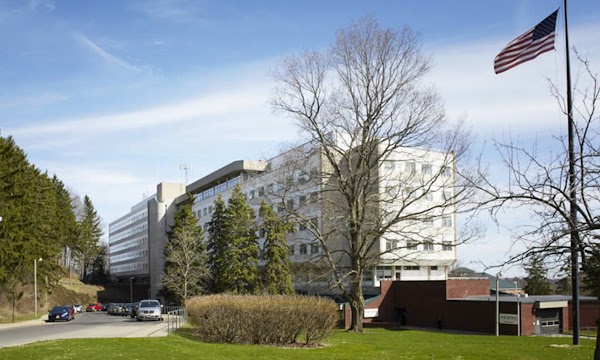
Jan 2025 1 deficiency 1 Harm
SERIOUS (G) 📢 Someone Reported This

A family member, employee, or ombudsman was alarmed enough to file a formal complaint

Actual Harm - a resident was hurt due to facility failures

Free from Abuse/Neglect (Tag F0600)

A resident was harmed · This affected 1 resident

Based on record review, and interviews during the abbreviated survey (NY00351636), the facility failed to protect the resident's right to be free from sexual abuse for one (1) of five (5) residents (R...

Read full inspector narrative →
Based on record review, and interviews during the abbreviated survey (NY00351636), the facility failed to protect the resident's right to be free from sexual abuse for one (1) of five (5) residents (Resident #5) reviewed. Specifically, Resident #5, who was not competent to give consent, was sexually assaulted by Resident #4. The facility's failure to protect residents from sexual abuse resulted in harm past non-compliance, that was not Immediate Jeopardy for Resident #5. Findings include: The facility policy Prevention of Abuse, Neglect, Involuntary Seclusion and Misappropriation of Property revised 1/20/2023, documented residents in the facility were to be free from abuse neglect and exploitation. All staff are in-serviced annually and upon hiring on prevention of abuse, neglect, involuntary seclusion, and misappropriation of property and will report abuse immediately. Abuse is a willful act of verbal abuse, sexual abuse, nonconsensual sex contact of any type, physical abuse, and mental abuse. Resident #4 had diagnoses including atrial fibrillation (irregular heart rhythm), weakness with unsteadiness on feet and hyperlipidemia (high cholesterol). The 8/7/2024 Brief Interview for Mental Status (an assessment tool) score was 13/15 indicating the resident's cognition was intact and they were able to make their own decisions and needs known. Resident #5 had diagnoses including epilepsy (neurologic condition that causes seizures), intellectual disabilities, dysphasia (difficulty swallowing), and adult failure to thrive. The 8/9/2024 Brief Interview for Mental Status score was 0/15 indicating the resident had severe cognitive impairment. The 8/07/2024 and 8/08/2024 nursing progress notes documented the resident was alert, confused, nonverbal, and staff were to anticipate their needs. They had a gastrostomy tube (tube inserted into the stomach to receive liquid nutrition) in place and received tube feedings and medications via this tube. The resident was ambulating around the unit. Resident #5's comprehensive care plan, initiated 8/7/2024 documented the resident had potential for wandering and potential to be a victim of abuse. Interventions included: intervene when the resident was wandering into other rooms; monitor the resident's whereabouts and redirect; observe for anxiety; wander alert device to their right ankle; and monitor socialization. The 8/16/2024 nursing progress note by Licensed Practical Nurse #17 documented Resident #5 entered other residents' rooms and took food from meal trays. The 8/17/2024 nursing progress note by Registered Nurse Supervisor #9 documented they were notified Resident #5 was in another resident's room, undressed with their brief on the floor, and sitting on the side of the bed. The resident was removed from the room and was assessed. The resident was guarded, they had no pain, their inner upper thighs were red, labia was red, and they were incontinent of urine. The physician was notified and ordered to send the resident to the emergency department for evaluation. The 8/17/2024 Incident and Accident Report completed by Registered Nurse Supervisor #9 documented: - on 08/17/2024, Resident #5 was last observed walking in the hallway between 2:50 PM to 2:52 PM by assigned Certified Nursing Assistant #12. - At approximately 3:30 PM, Certified Nurse Assistant #10 reported to Registered Nurse Supervisor #9, Resident #5 and Resident #4 were in Resident #4's room and both residents were naked, and Resident #4 was lying over Resident #5 with their clothes on the floor and the feeding tube was no longer connected to Resident #5's abdomen. - Resident #5 was removed from the room and brought to their room where a gown was placed on them, and a certified nursing assistant stayed with Resident #5 until the ambulance arrived. - Registered Nurse Supervisor #9's statement documented when they went to the unit, Resident #4 was lying in bed, there was tube feeding liquid on the floor next to the bed and on the sheets located on the bed, and there was urine on the floor. When Resident #4 was asked what happened they verbalized that they were attempting to have sexual intercourse with Resident #5. They answered questions appropriately. The resident was placed on 1:1 supervision, where a staff person stayed with them until they were discharged and taken into police custody. - The nursing assessment completed by Registered Nurse Supervisor #9 found Resident #5 had redness to inner thighs and labia and was incontinent of bladder and bowel. There was fluid present which appeared to be tube feeding fluid that was leaking from their abdomen. The resident was agitated and visibly upset at the time of the exam. - The Administrator was notified at 3:45 PM, the physician and families were notified at approximately 4:10 PM. - The police were notified, and emergency services summoned for transport to the hospital. - Resident #4 was placed under arrest and discharged to the Sheriff's department at 7:30 PM. - Staff from all shifts were interviewed and there were no previously reported incidents Resident #4 made sexual remarks or attempted any inappropriate physical contact with staff or residents. There were no witnesses to Resident #5 entering Resident #4's room prior to the event. The 8/17/2024 at 6:15 PM hospital emergency department report documented Resident #5 presented with alleged sexual assault. The resident was significantly limited verbally and developmentally delayed. -It was reported that staff walked in on another resident attempting to sexually assault/rape this resident. This resident was unable to consent. -Evaluation showed the resident was alert and able to move all extremities and had no signs of acute distress. Vital signs were within normal limits. The resident had a small abrasion to central forehead. There were no signs of obvious significant injury, deformity, or trauma to their vulva or groin. Mental status was at baseline. -The resident's feeding tube was dislodged during assault and replaced. -The resident had a comprehensive sexual assault examination by a registered nurse with photos and specimens obtained. There was no discharge or bleeding noted from the vaginal area. The resident grimaced during the exam. This resident had entered the accused resident's room and was found with no clothing and the accused resident reported we had sex. -The resident was stable and appeared to have been sexually assaulted by another resident. Concerned that resident may have had a seizure during this event. Findings were noted as sexual assault, breakthrough seizure and dislodged gastrostomy tube. During an interview on 12/16/2024 at 3:22 PM, Licensed Practical Nurse #15 stated on 8/17/2024, Certified Nurse Aide #10 reported they had removed Resident #5 out of Resident #4's bed and put them in their own bed. Licensed Practical Nurse #15, Certified Nurse Aide #9, and Licensed Practical Nurse #14 went to Resident #4's room. Resident #4's pants were partially down. Resident #5's brief was on the floor and there was tube-feeding formula all over. They went back to Resident #5's room; the resident looked sad and was making sounds and different voices. They assisted the resident by trying to clean them up and put clothes on them. Licensed Practical Nurse #14 called Registered Nurse Supervisor #9 who took statements from all staff on the unit. The police were in Resident #4's room for a long time. Resident was on 1:1 observation until the police arrived and left with the police. During an interview on 12/16/2024 at 3:40 PM, Licensed Practical Nurse #14 stated on 8/17/2024 Certified Nurse Aide #10 reported to them Resident #4 was in their room unclothed, on top of Resident #5 who was also unclothed. When the licensed practical nurse arrived at Resident #4's room, the resident was dressed. They then went to Resident #5's room and saw they were covered and in bed. The resident's gastrostomy tube was out, and they notified Registered Nurse Supervisor #11. During a phone interview on 12/17/2024 at 2:36 PM, Registered Nurse Supervisor #9 stated on 8/17/2024, they were notified by certified nurse aides (unnamed) they needed help on the unit. The unit staff had already separated the two residents and stayed with them. The assessment was completed, the physician and Administrator were notified, and an ambulance was called to send Resident #5 to the hospital for evaluation. The Sheriff and a detective arrived and took Resident #4 away. Resident #4 was newer to the facility and had been there about a week prior to the incident. During an interview on 1/13/2025 it 12:35 AM at 1:30 PM, Certified Nurse Aide #12 stated on 8/17/2024 they were assigned to care for Residents #4 and #5, and that was the first time they had cared for either resident. Resident #4 did not come out of their room the entire shift. They saw them several times during the shift in their room when they checked on them and provided care. Resident #5 was at therapy in the morning and when they returned, was observed wandering the unit. Certified Nurse Aide #12 provided care to the resident around 1:50 PM, covered the resident in bed, and turned off their lights. They were directed to go on break from 2:15-2:45 PM. When they returned, they did final rounds on residents and observed Resident #5 wandering the hall. They left the facility for the day around 2:52 PM. During a telephone interview on 1/21/2025 at 11:35 AM, Certified Nurse Aide #10 stated they typically visualized their residents at the beginning and end of their shifts, and throughout the shift as they responded to call lights, checking rooms as they did their rounds. On 8/17/2024, they started their safety rounds and picking up lunch trays left by the previous shift around 3:15 PM. They went to Resident #5's room and the resident was not there. They went to the next room, which was Resident #4's room, knocked on the closed door, and went directly to the second bed by the window to see if there was a tray left in the room. Certified Nurse Aide #10 saw Residents #4 and 5 fully undressed on Resident #4's bed. They immediately took Resident #5 back to their room and called for help. During a phone interview on 1/22/2025 at 10:49 AM the Director of Nursing stated Resident #5 was assessed upon admission for behavioral needs and monitoring, they did not require continuous monitoring for their wandering. All nursing staff were educated on abuse and wandering following the incident. No policy or procedure changes were made. Education was for review, due to the incident. No care plan violations or delays in reporting were identified. The facility Quality Assurance and Performance Improvement meeting was held on the third Thursday of every month and this incident was reviewed and abuse is an ongoing area of review. 10NYCRR 415.4(b)(1)(i) ______________________________________________________________________________ Deficient practice was identified in the area of sexual abuse that resulted in harm to Resident #5 by Resident #4. The facility provided verification the following corrective actions were completed by 8/24/2024: - On 8/17/2024, female residents who reside in the facility on the same unit as Resident #4 were interviewed by the Director of Operations to determine if there was any interaction with Resident #4 prior to this incident and if they felt safe at the facility. There were no female residents who identified they felt unsafe nor had any contact with the resident. There was ongoing evaluation of female residents on the unit for any change in behavior. - The staff on the unit were reinterviewed to determine if Resident #4 demonstrated any behaviors that indicated the potential for abuse by Resident #4 and none were identified. - From 8/17/2024 through 8/24/2025, all staff were educated on abuse, the necessity for prompt action, including securing evidence and to reinforce policies and procedures in response to incidents of actual or suspected sexual abuse and reporting. Additional education included wandering prevention and managing cognitively impaired residents. - This incident was reviewed at the Quality Assurance and Performance Improvement meeting in 8/2024. Abuse and incident reviews continue at monthly Quality Assurance meetings. -Neither resident returned to the facility.
Oct 2023 1 deficiency
CONCERN (D) 📢 Someone Reported This

A family member, employee, or ombudsman was alarmed enough to file a formal complaint

Potential for Harm - no one hurt, but risky conditions existed

Deficiency F0925 (Tag F0925)

Could have caused harm · This affected 1 resident

**NOTE- TERMS IN BRACKETS HAVE BEEN EDITED TO PROTECT CONFIDENTIALITY** Based on observation, record review, and interview during the abbreviated survey (NY00325653) the facility did not maintain an e...

Read full inspector narrative →
**NOTE- TERMS IN BRACKETS HAVE BEEN EDITED TO PROTECT CONFIDENTIALITY** Based on observation, record review, and interview during the abbreviated survey (NY00325653) the facility did not maintain an effective pest control program so that the facility was free of pests for 2 of 4 nursing floors (4th and 5th floors) reviewed. Specifically, there was evidence of cockroaches on the 4th and 5th floors. Findings include: The facility policy Pest Control revised 8/2019 documented work orders will be placed for maintenance to address areas that may facilitate pests access or harbor growth, for example, unsealed cracks or holes in walls/doors, or low grout that collects food debris and water. An approved pest control contractor comes into complete routine preventative treatments at prescheduled times. Staff will report pest sightings via the pest sighting logs. Sightings will report the type, number, and location of pests noted. If a pest situation is reported, maintenance may treat the area and will request the contractor come in as soon as possible to treat the areas identified. The contractor will document all visits along with the actions taken. The Pest Sighting/Evidence Log dated 9/2023 to 10/2023 documented: - on 9/20/2023, 9/27/2023, 10/2/2023, 10/3/2023, and 10/17/2023 cockroaches were observed in resident room [ROOM NUMBER]; - on 9/3/2023 and 9/20/2023 cockroaches were observed in resident room [ROOM NUMBER]; - on 9/20/2023 cockroaches were observed in the 5th floor north soiled utility room; - on 10/6/2023 cockroaches were observed in resident room [ROOM NUMBER]; - on 10/6/2023 cockroaches were observed in resident room [ROOM NUMBER]; and - there were no cockroach sightings for the 5th floor south soiled utility room, resident room [ROOM NUMBER], and the 4th floor south soiled utility room. The Pest Control Vendor Service Reports dated 9/2023 to 10/2023 documented: - resident room [ROOM NUMBER] was serviced on 9/1/2023, 9/22/2023, 9/29/2023, 10/5/2023; - resident room [ROOM NUMBER] was serviced on 9/1/2023, 9/8/2023, 9/22/2023, 9/29/2023; - the 5th floor south soiled utility rooms were serviced on 9/22/2023, 9/29/2023, 10/5/2023; - the 5th floor north soiled utility rooms were serviced on 9/22/2023, 9/29/2023, 10/5/2023; There was no documented evidence resident rooms [ROOM NUMBERS] were serviced from 9/2023 to 10/2023. During observations of the 5th floor on 10/25/2023 from 12:05 PM-12:58 PM, the following areas had cockroaches: - resident room [ROOM NUMBER] had 5 live cockroaches on the floor behind the door side resident bed, and there were 2 dead cockroaches in the door side resident nightstand; - resident room [ROOM NUMBER] had 3 dead cockroaches on the shelf unit under the window; and - resident room [ROOM NUMBER] had one dead cockroach on the floor next to the window side resident bed, and one dead cockroach on the floor next to the door side resident bed. During observations of the 5th floor on 10/25/2023 from 3:45 PM-4:00 PM, the following areas had cockroaches: - the 5th floor north soiled utility room had 5 live cockroaches that went under the cove base around the sink: - the 5th floor south soiled utility room had 1 live cockroach located behind a peeling, damaged section of cove base. During an observation on 10/25/2023 at 4:15 PM, the 4th floor south soiled utility room had 20 dead cockroaches in the locked shelf area under the sink. During an interview on 10/26/2023 at 8:41 AM, the Housekeeping Director stated that resident rooms and common areas were cleaned daily and were not cleaned in any set order. They stated that during the 10/25/2023 observations resident room [ROOM NUMBER] had not been cleaned as of 12:30 PM, and they were not sure if resident rooms [ROOM NUMBERS] had their daily cleaning yet. The Housekeeping Director stated that the window shelving units in resident rooms were cleaned monthly. The shelving units in actively treated rooms like room [ROOM NUMBER] would be cleaned at greater frequency but was not sure what this frequency was. They stated that the pest control vendor did weekly inspections and as needed which included the soiled utility rooms. They stated they toured with the vendor when the vendor was onsite. The Housekeeping Director stated they had not seen any signs of cockroaches in the 4th and 5th floor soiled utility rooms, the building mechanical spaces, or on the 4th floor. They stated that cockroach sightings in resident room [ROOM NUMBER] had been entered in the pest sighting/evidence log for the 4th floor, the resident in that room had passed away on 10/7/2023, and the room was deep cleaned on 10/9/2023. The Housekeeping Director stated the pest control vendor had inspected resident room [ROOM NUMBER] on 10/20/2023 during a weekly inspection and was not sure if the vendor had inspected this room prior to that date. The vendor would usually come onsite the next day if a pest sighting was reported. During an interview on 10/26/2023 at 9:22 AM, the Assistant Administrator stated the Housekeeping Department would report to them about pests. The pest sighting/evidence logs were reviewed weekly to look for trends regarding pest activity and vendor actions. They stated if a pest was observed in a resident area, they would expect the vendor to inspect the specific area at a greater frequency in addition to the weekly visits. The Assistant Administrator stated that there was no supporting documentation that resident room [ROOM NUMBER] had been inspected by the pest control vendor prior to 10/20/2023. They stated resident rooms with a pest complaint were not usually investigated for the first time by the vendor two weeks after pests had been identified. They stated that during the 10/25/2023 tour of the facility they observed dead cockroaches in resident rooms 533,536, and 557, and the 4th floor south dirty utility room. They observed live cockroaches in resident room [ROOM NUMBER] and small unknown pests in the 5th floor south soiled utility room, and the 5th floor north utility room. During an interview on 10/26/2023 at 10:10 AM, the Administrator stated that on 10/6/2023 a family member had notified a nurse about cockroaches in resident room [ROOM NUMBER], the nurse had identified cockroaches in room [ROOM NUMBER], and the sighting was documented in the pest sighting/evidence log. They stated the pest control vendor had told them that resident room [ROOM NUMBER] was inspected on 10/20/2023 during a weekly visit, had written the date of 10/26/2023 in the logbook, and that there was no documentation to indicate that the vendor inspected the resident room prior to 10/20/2023. The Administrator stated that the resident in resident room [ROOM NUMBER] was on precautions due to COVID testing, and the precautions were lifted when the resident passed away 10/7/2023. They stated that if a resident area was identified with pests the vendor would come onsite, when possible, on top of the weekly visits. The Administrator stated that the pest control vendor service reports demonstrated that the sightings on pest sightings logs were treated in a timely manner, and that the soiled utility rooms were being preventively treated weekly. They stated that with resident consent, it would be fair to check ancillary areas such as nightstands and shelves under the window for pests in resident rooms that had been previously treated. 10NYCRR 415.29(j)(5)
Sept 2023 2 deficiencies 1 IJ
CRITICAL (J) 📢 Someone Reported This

A family member, employee, or ombudsman was alarmed enough to file a formal complaint

Immediate Jeopardy (IJ) - the most serious Medicare violation

Deficiency F0624 (Tag F0624)

Someone could have died · This affected 1 resident

**NOTE- TERMS IN BRACKETS HAVE BEEN EDITED TO PROTECT CONFIDENTIALITY** Based on record review and interview during the abbreviated survey (NY00322098 and NY00323044) the facility failed to provide an...

Read full inspector narrative →
**NOTE- TERMS IN BRACKETS HAVE BEEN EDITED TO PROTECT CONFIDENTIALITY** Based on record review and interview during the abbreviated survey (NY00322098 and NY00323044) the facility failed to provide and document sufficient preparation and orientation to residents to ensure safe and orderly transfers or discharges from the facility for 2 of 3 residents reviewed (Residents #1 and 2). On 9/11/2023, immediate jeopardy was identified during an abbreviated complaint survey. Concerns rising to the level of immediate risk to resident health and safety include the provider's failure to provide a safe and orderly discharge for Residents #1 and 2 which had the potential for serious harm for both residents. Residents #1 and 2 were discharged to the Department of Social Services (DSS), which is not a dischargeable location, without a plan for shelter or services; without a discharge plan; without notice, and without following the proper 30-day notice requirements. Both were homeless following discharge, one is currently residing in a homeless shelter, both are without their prescribed medications, and neither have secured permanent housing. Specifically, on 8/8/2023, Resident #1 was given a notice of discharge and on 8/9/2023 was discharged to a DSS building without money or identification to apply for temporary assistance and shelter. The resident was homeless for over 2 weeks until they were found walking on the wrong side of the highway by New York State Police on 8/23/2023. Interviews with the resident confirm that Resident #1 did not agree to a discharge. Interviews with the Director of Social Work revealed the discharge was directed by the facility's Administration. The resident is currently living with a family member but is unable to stay long term and is working to secure temporary assistance. Additionally, Resident #2 has primary diagnoses including diabetes, anxiety, and dementia with behaviors, and was issued a 30-day notice for discharge on [DATE], but the receiving facility ultimately refused to accept the resident. Documentation stated the discharge date was 8/9/2023 due to medical clearance, episodes of violence, and smoking. The resident was discharged to a DSS building, which is not a discharge location, and was extremely confused and attempted to return to the facility as the resident did not know what to do or where to go but was refused re-entry. The resident is currently living in a homeless shelter and has a friend who helped the resident to apply for temporary assistance. Interviews with the Director of Social Work revealed that the discharge was directed by the facility's Administration. This resulted in Immediate Jeopardy to Residents #1 and 2 with the potential to affect all of the facility's 376 residents. Findings include: The Discharge Planning policy, revised 3/2018, documented discharge planning allows for continuity of care in the community. While discharge planning is interdisciplinary, the social worker is responsible for coordination of facility and community services needed to facilitate the resident's transfer to a lower level of care. Nursing staff is responsible for ensuring all education needs are met prior to discharge, including training of the resident and appropriate family members or responsible party. A discharge can be requested at any time by the resident and/or responsible party. If the facility is unable to provide discharge planning, the resident and/or responsible party will be encouraged to stay at the facility until appropriate arrangements can be made. When it is not advisable for the resident to be discharged , and the resident insists upon discharge, the Against Medical Advice (AMA) form must be completed to remove the facility from any liability that may incur resulting from the discharge. The policy noted to see the AMA policy. On 9/11/2023 at 4:08 PM, the Administrator stated in an interview, there were no other polices related to any aspect of discharges, including discharge planning, notices, or facility-initiated discharges. There was no AMA policy provided when additional discharge-related polices were requested. 1) Resident #1 Resident #1 had diagnoses including dementia, PTSD (post traumatic stress disorder), personal history of self-harm, major depressive disorder, and unspecified psychosis. The 7/15/2023 Minimum Data Set (MDS) assessment documented the Brief Interview for Mental Status (BIMS) was not conducted as the resident rarely/never understood others. A staff assessment of mental status was done and documented the resident had moderate cognitive impairment (made poor decisions and required cues/supervision). The resident required supervision with activities of living (ADL) and exhibited behaviors of rejection of care. The resident had an active discharge plan to return to the community. The 7/18/2020 PASRR (Pre-admission Screening and Resident Review) Level II assessment documented the resident had serious mental illness and recommendations included ongoing psychiatric care and medication management. The 7/12/2023 registered nurse (RN) MDS Coordinator #5's progress note documented they unsuccessfully attempted an interview with Resident #1. They went to the medication nurse who said the resident had paranoia, expressed fear of being poisoned, was afraid people were after them, and appeared to be afraid of their reflection in windows or mirrors and voices on television, computers, or radio. The 7/28/2023 social worker (SW) #3's progress note documented a care plan meeting was held and the resident did not participate. The resident remained appropriate for long term care. The 8/2/2023 and 8/4/2023 SW #2's progress note documented the resident had moderate cognitive impairment and spoke about the food being poisoned and was upset about foreign military action. SW #2 sent a referral to a psychiatric center. The 8/4/2023 SW #3's progress notes documented they contacted 2 local homeless shelters to inquire about placement. SW #3 was advised a temporary assistance (TA) case had to be opened at DSS before the resident could go to a shelter. SW #3 called DSS and left a message to obtain additional information. The 8/4/2023 and 8/5/2023 Director of Social Work's (DSW) progress notes documented they requested referrals to be sent by Medical Records to 11 psychiatric centers and 8 skilled nursing facilities for a transfer. On 8/7/2023, the DSW's progress note documented they spoke to the resident and their relative, who stated they wanted the resident in their county. The relative asked that a referral be sent to a senior living center near them and the DSW sent the referral. The resident and their relative stated they would accept a discharge to a shelter in order to be closer to one another. The Transfer/Discharge Notice dated 8/8/2023, documented the notice was to inform the resident the interdisciplinary team (IDT) determined the resident would be discharged on 8/9/2023. The discharge location documented the address to a DSS building in another county (71 miles from the facility). The reasons for discharge included the resident's health improved sufficiently and the resident no longer needed services provided by the facility; the resident was medically cleared for discharge by occupational and physical therapy (OT, PT) and medical, and the safety of individuals in the facility would be endangered as evidenced by episodes of violence. The resident and DSW signed the form on 8/8/2023. The 8/8/2023 SW #3's progress note documented they called a shelter in another county and was advised a TA case was required before shelter placement. The 8/8/2023 DSW's progress note documented the DSW was notified by Administration the resident was being discharged to another county (71 miles away) on 8/9/2023 at 9:00 AM. The unit SW advised the resident of the move and the DSW called the resident's relative and explained the discharge plan. The 8/9/2023 DSW's progress note documented the resident was discharged and transported by the facility to another county (71 miles away). The resident planned to seek TA from DSS and obtain housing. The 8/9/2023 Discharge Packet documented the discharge address was the DSS office building in another county; a pharmacy name and address were listed; a psychiatric provider's name and phone number were listed with no appointment date noted; the resident had 5 medications, including an antidepressant, and there were no other providers, community contact/agencies, or service providers noted on the discharge packet. The 8/23/2023, New York State (NYS) police report documented they picked up the resident walking on the wrong side of the highway (7 miles from where they were dropped off on 8/9/2023 and 75 miles from the facility). The resident was brought to the DSS office in the city in which they were initially left by the facility transport vehicle. During an interview with SW #2 on 9/5/2023 at 9:46 AM, they stated if a resident had no residential location for a discharge, the facility would provide assistance in establishing the needed community services. If a resident wanted to go to a shelter, SW #2 thought they had to go through DSS first. Resident #1's discharge was handled by the Administrator and Assistant Administrator #7. SW #2 thought the resident was brought to DSS and assisted in getting placed in a shelter. SW #2 stated DSS was not an appropriate or safe discharge location as it was an office building and not a place to reside. SW #2 stated they did not think Resident #1 was able to live independently due to their history of behaviors, mental illness, and non-compliance with medications. During an interview on 9/6/2023 at 8:46 AM, facility transport person #6 stated they received instructions to take Resident #1 to the DSS office building in another county (71 miles away). The resident had 4 plastic bags and they assisted the resident with the bags. Inside the office building, a security guard was present. They left the resident in the entrance of the office building with their bags. During an interview on 9/6/2023 at 12:00 PM, Adult Protective Services (APS) worker #12 stated on 8/23/2023, the police called APS after picking the resident up on the highway. APS worker #12 suggested they bring the resident to the DSS office building. APS worker #12 stated they did not see the resident that day and there was no record the resident was seen by APS or DSS on 8/23/2023. APS worker #12 reviewed their records and stated the resident arrived to DSS 8/9/2023 for housing assistance. The resident had no identification or Medicaid card and was denied assistance. The resident was advised by DSS to go to the warming shelter in the city. As of 9/6/2023, the resident was listed as homeless in DSS records and had no active case for assistance or housing. During a telephone interview with the resident's relative on 9/6/2023 at 2:05 PM, they stated someone from the facility contacted them at the beginning of 8/2023 to say the resident was being discharged and the relative said they wanted the resident to be near them. The relative was not able to care for the resident and asked the facility to send a referral to an assisted living facility nearby. The facility told the relative they could find a shelter for the resident until they could get into an assisted living. They were told the resident would be brought to the DSS building in their county and would get shelter placement. The relative was not told the resident needed to open a case before getting shelter placement and was not told to meet the resident at DSS to assist with obtaining shelter placement. When the relative called the facility after the resident was discharged , they were unable to tell them where the resident was. The relative called DSS and they did not know anything about the resident so the relative made several posts to social media and located the resident on 9/2/2023. The resident was found very dirty, with no belongings, and no medications. The resident did not know the area or the relative's phone number. The resident's whereabouts was unknown from 8/9/2023 to 9/2/2023. During a telephone interview with Resident #1 on 9/6/2023 at 2:18 PM, they stated they did not know why they left the facility and they were just told they were going. They did not ask to leave and did not want to go to a shelter. They did now know where they were going when they left the facility. They were brought to the DSS building and did not know what to do. They had no identification, money, or telephone and did not know their relative's phone number. From 8/9/2023 through 9/2/2023, they walked around the city, spent time in the bus station, park, and sometimes slept at the shelter or bus station. The shelter opened at 7:00 PM and the resident had to be out by 6:00 AM. The resident was able to have dinner and breakfast at the shelter when they stayed there and had no means to get food otherwise. They did not know what happened to their belongings and they had not taken their medications since they left the facility. During an interview with the DSW on 9/11/2023 at 10:21 AM, they stated a safe discharge included making plans with the resident, family, and IDT to determine what was needed following discharge. Discharge planning included verification of all needed levels of support, including housing, prior to discharge. The DSW stated a DSS case was required before an individual could get into a shelter. Resident #1's discharge was very sudden. The DSW was instructed by Assistant Administrator #7 to see the resident about discharge and they met with the resident for the first time on 8/8/2023 to notify them of the discharge. The DSW called the resident's relative to discuss options and sent a referral to a facility in their county. The DSW asked if the resident was willing to go to a shelter and told them they would have to go through DSS first. The resident and relative agreed. Upon communicating this to Assistant Administrator #7, they instructed the DSW to immediately send the resident to DSS in the relative's county. The DSW did not have an opportunity to verify a TA case could be established with DSS; was unable to verify what the resident needed to do, and was unable to verify what the relative's role would be. The DSW was not aware if the resident had identification or the understanding to establish services with DSS. The resident's relative was informed the resident was going to DSS and was not provided any other information. The DSW did not feel it was a safe discharge, there was no plan for supports in the community, and there was no assessment to determine the resident's ability to live independently. The DSW stated the resident remained appropriate for long term care and should have had time for a lateral move to another facility, or assessed for assisted living. During an interview with Assistant Administrator #7 on 9/11/2023 at 12:04 PM, they stated Resident #1 had been requesting to leave the facility and was agreeable to shelter placement. The discharge occurred rapidly due to the facility having the means to transport the resident to the other county and not wanting to lose a spot at the shelter. Assistant Administrator #7 was unaware of the discharge plan details and stated the DSW handled it. Assistant Administrator #7 stated they did not direct the DSW to initiate Resident #1's discharge and stated it was a team decision. During an interview with the Administrator on 9/11/2023 at 12:41 PM, they stated Resident #1 insisted on discharge and was to obtain shelter placement upon arrival to DSS. The facility was not able to discharge directly to a shelter, individuals must go through DSS in order to obtain shelter placement. The plan was for the resident's family member to meet them at DSS. The Administrator stated they did not have anything to do with the discharges and expected the social worker documented the plan appropriately. The resident insisted on going and the facility did their best to ensure they were discharged with the safest plan, per the resident's wishes. During a telephone interview with nurse practitioner (NP) #8 on 9/12/2023 at 2:12 PM, they stated it was their understanding Resident #1 requested to be discharge to another county to a shelter. The NP was not aware of the details of the discharge or what would make it a safe discharge. The NP stated they would expect the nursing and social work departments to ensure needed areas were addressed. The NP thought the family was involved in the discharge plan and would be available to assist the resident. 2) Resident #2 Resident #2 had diagnoses including unspecified dementia with behavioral disturbance, unsteadiness on feet, contracture of unspecified joint, and type 2 diabetes. The 7/7/2023 Minimum Data Set (MDS) assessment documented the resident had severe cognitive impairment and exhibited physical behaviors directed toward others 1 to 3 day of the assessment period. The resident required supervision with their activities of daily living (ADL). The resident took antipsychotic, antianxiety, and antidepressant medication daily during the last 7 days of the assessment period and took opioids 2 days of the assessment period. The resident did not have an active discharge plan. Social worker (SW) #3's progress notes documented on 11/16/2022, the resident's friend called and reported the resident wanted to be discharged ; on 11/20/2022, an application for the resident to go to a local shelter was submitted, and on 12/23/2022, the shelter application was denied due to the resident's dementia diagnosis. SW #3's progress notes documented on 1/3/2023, an application was submitted to another shelter; on 1/19/2023, a care plan meeting was held, the resident had severe cognitive impairment, and on 3/23/2023, the shelter declined the resident's application due to the resident not being fully independent with cooking, bathing, and medication management. SW #3's progress notes documented on 7/18/2023, SW #3 discussed a third smoking warning with the resident and a 30-day discharge notice was given. The resident refused to sign the notice. A referral was sent to a skilled nursing facility (SNF) in another county and on 7/20/2023, lateral transfer referrals were sent to 6 SNFs in the same county as the facility. SW #3's progress note documented on 7/20/2023, the care plan meeting was held, the resident had severe cognitive impairment and their cognition fluctuated due to dementia. The resident had a 30-day discharge notice and referrals were sent to multiple SNFs. Two shelters in the area declined the resident due to dementia, behaviors, and age. SW # 3's progress notes documented on 8/3/2023 and 8/4/2023, the SW contacted multiple adult homes and skilled nursing facilities for possible transfers. The Director of Social Work's (DSW) progress notes documented: - On 8/5/2023, a call was placed to the resident's relative to inquire if any family members were able to have the resident live with them. - On 8/8/2023, the resident's relative stated there were no family members who could take the resident. The DSW was directed by Administration to set up a discharge for 8/9/2023 to the Department of Social Services (DSS). - On 8/8/2023, the resident's relative called and stated the resident notified them they were being shipped off to a shelter. The relative voiced their frustration and stated they thought they had another week to make a plan. The DSW reminded the relative that no one in their family wanted to take the resident and the relative stated they were still working on some things. - On 8/8/2023, a Medicaid cab was set up for the resident with a 10:00 AM pick up time on 8/9/2023. The Transfer/Discharge Notice dated 8/8/2023, documented the notice was to inform the resident the interdisciplinary team (IDT) determined the resident will be discharged on 8/9/2023. The discharge location documented the address of the DSS building in the facility's county. The reasons for the discharge included the resident's health improved sufficiently and the resident no longer needed services provided by the facility; the resident was medically cleared for discharge by occupational and physical therapy (OT, PT) and medical; the safety of individuals in the facility would be endangered as evidenced by episodes of violence, and the health of individuals in the facility would be endangered as evidenced by episodes of smoking. The resident and DSW signed the form on 8/8/2023. The DSW's 8/9/2023 progress note documented they spoke to the resident on 8/7/2023 and 8/8/2023 regarding discharge. They discussed issues with smoking and episodes of violent behavior toward staff. The resident stated they wanted to leave due to being followed by staff (1:1 supervision). The DSW explained to the resident and their friend, and the resident's relative in a separate call, that the resident would be able to obtain Temporary Assistance (TA) from the county, who will find the resident temporary housing. They expressed understanding, the resident was discharged from the facility, and transported via taxi to the DSS office building. The 8/9/2023 Discharge Packet documented the resident was discharged to the address of the county DSS office building; a pharmacy name and address were listed; a community health center was listed as the medical provider with no appointment date noted, and 13 medications were listed, including: Buspirone (anti-anxiety), Depakote Sprinkles (seizure medication), Lorazepam (anti-anxiety, controlled substance), Norco (narcotic pain reliever), Quetiapine fumarate (antipsychotic), and Trazadone (sedative). There were no providers, community contacts/agencies, or service providers noted on the discharge packet. During a telephone interview with the resident's relative on 9/8/2023 at 9:45 AM, they stated they knew the facility was discharging the resident due to behaviors. They were told by the DSW the resident had a shelter set up and would have a case manager who would help find more suitable housing. The relative did not agree to shelter placement but felt they had no choice due to the resident being discharged the next day. When the resident was dropped off at DSS, the resident did not know what to do. They had no identification or phone and was not able to receive assistance. The resident went back to the facility that night (8/9/2023) and was told to leave. The resident's friend picked them up and the fried helped the resident get into a homeless shelter. The relative had had to pick the resident up at times to assist them with bathing and other tasks as the resident had contractures in their hands limiting their mobility. At times, the resident called them because they got lost walking the streets during the day. The resident wandered all day until it was time to go to the shelter in the evening. The resident had not lived on their own since going to the facility in 2018 and was not able to safely care for themselves. During a telephone interview with the resident's friend on 9/8/2023 at 10:40 AM, they stated they were told when the resident was discharged that someone would be at DSS waiting to take them to the shelter. Later that evening (8/9/2023), after 9:00 PM, the facility called and told them the resident returned to the facility and if they did not leave, they would call the police. The friend picked up the resident who had a plastic bag full of medications with them. The resident did not know how to take their medications and could not manipulate the packages as their hands were contracted. They brought the resident to a hotel for the night and then assisted the resident in getting into the shelter. The resident remained at the homeless shelter without their medications or a permanent plan for housing. During an interview with the DSW on 9/11/2023 at 10:21 AM, they stated a safe discharge included making plans with the resident, family, and the IDT to determine what they will need following discharge. Facility-initiated discharges should include a safe plan. When Resident #2 was discharged , it was driven by Administration in order to get the residents who smoked out of the facility. There was no time for the resident to be fully assessed for their ability to live independently or to find appropriate placement. The resident was previously declined for the shelters due to their inability to manage their medications and was not fully independent in their ADLs. The discharge to DSS was not safe, it was not a residential location and the resident was not able to obtain their own services needed for placement. During an interview with the Administrator on 9/11/2023 at 12:41 PM, they stated Resident #2 initiated their own discharge, it was not a facility-initiated discharge. The Administrator was unaware of the reasons the Discharge Notices noted otherwise. The resident was medically cleared and had capacity to make their own decisions and they insisted on leaving. The facility could not discharge directly to a homeless shelter and the resident had to go through DSS in order to obtain assistance. The Administrator expected the SW to ensure the resident had the needed documentation and was set up for a case at DSS. The Administrator stated they felt this was a safe discharge since the facility set up transportation, ensured the resident had their medications, gave instructions for applying for assistance at DSS, and notified their family. During a telephone interview with nurse practitioner (NP) #8 on 9/12/2023 at 2:12 PM, they stated it was their understanding Resident #2 requested to be discharged to a shelter. The NP was not aware of the details of the discharge or what would make it a safe discharge. The NP stated they would expect the nursing and social work departments to ensure needed areas were addressed. The NP thought the resident was going to have a SW or case manager assigned upon arrival to DSS to assist them in obtaining shelter placement. 10NYCRR415.11(d)(3) ______________________________________________________________________________ Immediate Jeopardy was identified, and the facility Administrator was notified on 9/11/2023 at 4:42 PM. Immediate Jeopardy was removed on 9/12/2022 at 1:00 PM prior to survey exit based on the following corrective actions taken: - All discharges planned for 9/11/2023 -9/12/2023 were postponed pending verification of post-discharge services, receiving locations, and approval of the correction plan for future discharges. - SW and Assistant Administrators educated on discharge planning process to include verification of safety. - SW and Assistant Administrators were educated on discharges to shelters, proper steps, criteria, needed materials, appointments, and safety assessment. - The DSW was educated and will document review all discharges for needs and safety verification. - All Unit Managers, SWs, Director of Nursing (DON), Assistant Director of Nursing (ADONs), Therapy Director, and Assistant Administrators were educated on the updated discharge policy. - The policy update and education included education on facility-initiated and AMA discharges. - All staff identified for education received education on 9/11/2023 and 9/12/2023, with the exception of 3 staff members who were not available. The individuals who did not received education will complete education upon their return, prior to the start of their shift. - Interviews were completed on 9/12/2023 to determine compliance with staff training and education including the DSW, 1 SW, 1 Assistant Administrator, 1 Unit Manager, and 1 ADON.
CONCERN (D) 📢 Someone Reported This

A family member, employee, or ombudsman was alarmed enough to file a formal complaint

Potential for Harm - no one hurt, but risky conditions existed

Transfer Notice (Tag F0623)

Could have caused harm · This affected 1 resident

Based on record review and interviews during the abbreviated survey (NY00323044, NY00322098) the facility did not ensure that the Office of the State Long Term Care Ombudsman received a written notice...

Read full inspector narrative →
Based on record review and interviews during the abbreviated survey (NY00323044, NY00322098) the facility did not ensure that the Office of the State Long Term Care Ombudsman received a written notice of transfer or discharge at least 30 days before the resident was transferred or discharged for 2 of 3 residents reviewed (Residents #1 and 2). Specifically, Residents #1 and 2 were issued facility-initiated discharge notices and the Office of the State Long Term Care Ombudsman were not provided the notifications. Findings incude: The Discharge Planning policy revised 3/2018 did not contain any information related to notification of the Office of the State Long Term Care Ombudsman when residents were discharged . On 9/11/2023 at 4:08 PM, the Administrator stated there were no other polices related to any aspect of discharges, including discharge planning, notices, or facility-initiated discharges. 1) Resident #1 had diagnoses including dementia, PTSD (post-traumatic stress disorder), personal history of self-harm, major depressive disorder, and unspecified psychosis. The 7/15/2023 Minimum Data Set (MDS) assessment documented the resident had moderate cognitive impairment. The resident had an active discharge plan to return to the community. The Transfer/Discharge Notice dated 8/8/2023, documented the notice was to inform the resident the interdisciplinary team (IDT) determined the resident would be discharged on 8/9/2023. The discharge location documented the address to the Department of Social Services (DSS) building in another county (71 miles from the facility). The reasons for the discharge included the resident's health improved sufficiently and the resident no longer needed services provided by the facility; the resident was medically cleared for discharge by occupational and physical therapy (OT, PT) and medical, and the safety of individuals in the facility would be endangered as evidenced by episodes of violence. The resident and the Director of Social Work (DSW) signed the form on 8/8/2023. It was noted the document was mailed to the New York State (NYS) Ombudsman on 9/1/2023. 2) Resident #2 had diagnoses including unspecified dementia with behavioral disturbance, unsteadiness on feet, contracture of unspecified joint, and type 2 diabetes. The 7/7/2023 Minimum Data Set (MDS) assessment documented the resident had severe cognitive impairment and exhibited physical behaviors directed toward others 1 to 3 day of the assessment period. The resident did not have an active discharge plan. The Transfer/Discharge Notice dated 7/18/2023, documented the notice was to inform the resident the interdisciplinary team (IDT) determined the resident will be discharged on 8/18/2023. The discharge location was another skilled nursing facility in another county. The reasons for the discharge included the health of individuals in the facility would be endangered as evidenced by continuing to smoke. It was noted on the form the resident refused to sign. There were no other signatures or documentation the notice was provided to the NYS Ombudsman. The Transfer/Discharge Notice dated 8/8/2023, documented the notice was to inform the resident the interdisciplinary team (IDT) determined the resident will be discharged on 8/9/2023. The discharge location documented the address to the Department of Social Services (DSS) building in the facility's county. The reasons for the discharge included the resident's health improved sufficiently and the resident no longer needed services provided by the facility; the resident was medically cleared for discharge by occupational and physical therapy (OT, PT) and medical; the safety of individuals in the facility would be endangered as evidenced by episodes of violence, and the health of individuals in the facility would be endangered as evidenced by episodes of smoking. The resident and Director of Social Services (DSW) signed the form on 8/8/2023. There were no other signatures or documentation the notice was provided to the NYS Ombudsman. During an interview with social worker (SW) #2 on 9/5/2023 at 9:46 AM, they stated they did not handle Resident #1's discharge, as it was led by Administration. They did not have a role in providing notices. During an interview with the DSW on 9/11/2023 at 10:21 AM, they stated they were directed by Assistant Administrator #7 to discharge Resident #1 on 8/9/2023 and there was no prior planning. The discharge notice was provided to Resident #1 on 8/8/2023. The DSW spoke to Resident #2 on 8/7/2023 and 8/8/2023 about being discharged the following day. The DSW stated they were not typically involved in discharges and the unit social workers were responsible for coordinating discharges and making the proper notifications. During an interview with Assistant Administrator #7 on 9/11/2023 at 12:04 PM, they stated they expected the social worker to document and ensure all aspects of discharge and notification were completed. During an interview with the NYS Ombudsman Coordinator on 9/12/2023 at 1:38 PM, they stated they did not receive any discharge notices for Residents #1 or 2 as of this date. The facility typically sent a monthly list of standard discharges such as hospitalizations and planned rehabilitation discharges and they had not received a list for 8/2023. The last list received was 7/29/2023 and Resident #2 was not on that list. When there were facility-initiated discharges, facilities were expected to send the notices immediately to ensure the Ombudsman had an opportunity to follow-up with the resident for assistance with the appeal process and understanding their rights if they desired to do so. During an interview with the facility Ombudsman on 9/12/2023 at 1:46 PM, they stated they met with the Administrator on a weekly basis and the discharges for Residents #1 and 2 were not discussed. The Ombudsman was not notified of Residents #1 or 2's discharges and they did not receive a copy of their discharge notices. The Ombudsman had previously asked the facility to ensure they were sending copies of discharge notices to them and this continued to be an issue. 10NYCRR415(h)(1)(iii)(a-c)
Jul 2023 16 deficiencies 1 IJ (1 affecting multiple)
CRITICAL (K) 📢 Someone Reported This

A family member, employee, or ombudsman was alarmed enough to file a formal complaint

Immediate Jeopardy (IJ) - the most serious Medicare violation

Accident Prevention (Tag F0689)

Someone could have died · This affected multiple residents

Based on observation, record review, and interview during the recertification, abbreviated (NY00317278), and extended surveys conducted from 7/17/23- 7/28/23, the facility failed to ensure each reside...

Read full inspector narrative →
Based on observation, record review, and interview during the recertification, abbreviated (NY00317278), and extended surveys conducted from 7/17/23- 7/28/23, the facility failed to ensure each resident received adequate supervision for 3 of 3 residents (Residents #42, 198, 204) reviewed for smoking. Specifically, from 9/22/22-7/24/23 Resident #42 had 15 documented occurrences when they were discovered by staff smoking in the facility. Adequate supervisory interventions were not put into place to prevent additional occurrences. Observation on 7/24/23 revealed cigarette smoke odor near a common bathroom, licensed practical nurse (LPN) #1 was notified, and Resident # 42 was discovered in a bathroom with a strong smell of cigarette smoke and immediately admitted to smoking and flushing the cigarette in the toilet. Resident #198 was a known smoker and was found smoking in the facility and in the possession of smoking materials; and Resident #204 was witnessed by staff smoking in the facility. The facility staff and administration were aware of Residents #42's, 198's, and 204's smoking behaviors and there were no plans in place to supervise the residents. Subsequently, the failure to provide adequate supervision for Resident #42 resulted in Immediate Jeopardy and Substandard Quality of Care with the likelihood for serious harm to Resident #42 and the other 106 residents residing on Resident #42's nursing unit. The facility also failed to ensure each resident received adequate supervision for 1 of 2 residents (Resident #763) reviewed for elopement. Specifically, Resident #763 was left unsupervised while waiting for a wander alert device replacement. Subsequently, Resident #763 exited the facility undetected. Findings include: SMOKING The facility policy titled (Resident) No Smoking revised on 1/16/19 documented the facility promoted a smoke-free facility and grounds for their residents and provided a smoke-free community to maintain the health and welfare of the resident's residing at the facility. Prior to offering a bed, the Screener and/or Director of admission would discuss the no smoking policy with the individual. Upon admission, the social worker would ensure that that resident or designated representative would sign the admission agreement indicating that they understood there was a no smoking policy at the facility. Smoking materials, including tobacco cigarettes, matches, lighters, e-cigarettes would not be allowed in the possession of the residents at the facility. Security may conduct a physical inspection of the resident room and possessions to locate smoking materials. If at any time during the course of the stay the resident is found to be in violation of this policy, the following actions will be taken: 1st Offense: The Social Worker will review no smoking policy and the resident will sign the NO SMOKING NOTICE which states that they agree to follow the smoking policies of the facility. The form will be kept in the resident's Social Services file. Documentation and narrative note by the social worker will be completed at that time. The social worker will review with the resident that continued violation of this policy may/can result in a 30-day discharge letter and transfer to the first appropriate available bed. Physician services will offer smoking cessation again (if not already completed pre-admission by the hospital). 2nd Offense: The social worker will reiterate with the resident that this is a non-smoking facility and will offer transfer to another facility that permits smoking. Document and care plan. 3rd Offense: The social worker will present the resident and first contact with a 30-day letter of discharge/transfer. Document and care plan. The undated facility Resident Orientation Handbook documented residents and visitors were not permitted to smoke in the building or on the grounds of the health care center. On 7/17/23 at 10:07 AM, during the entrance conference meeting with the facility Administrator, they stated the current census was 358 residents and there were no residents in the building who smoked. On 7/23/23 a request for Resident #42's smoking/non-smoking agreement or any resident no smoking notices were requested. The facility did not provide any such documentation. 1) Resident #42 was admitted to the facility with diagnoses including nicotine dependence and hemiplegia (paralysis on one side) following a cerebral infarction (stroke). The 7/3/23 Minimum Data Set (MDS) assessment documented the resident had intact cognition, did not exhibit behavioral symptoms, required supervision with assistance of 1 for locomotion on the unit, extensive assistance of 1 for toileting and personal hygiene, had functional limitation in range of motion in one arm, and used a wheelchair for mobility. The 1/17/23 annual MDS assessment documented the resident did not use tobacco. The admission comprehensive care plan did not include the resident's history of smoking. The 9/22/22 registered nurse (RN) #74's progress note documented the resident's bathroom smelled of cigarette smoke and the resident denied smoking. Security was called to search the room but did not find any cigarettes. The 10/31/22 licensed practical nurse (LPN) #73's progress note documented there was a strong odor of cigarette smoke noted when walking by the resident's room. The resident was observed sitting in their wheelchair in front of the open window. The resident denied smoking and said they did not know why the room smelled like cigarette smoke. When the resident was asked to hand over their lighter and cigarettes, they stated No. I don't have any. The incident was reported to the RN supervisor (RNS). The 10/31/22 social worker #2's progress note documented the resident was found smoking and they reiterated to the resident the facility's non-smoking policy and smoking was dangerous due to oxygen use. (There were no documented orders for the resident to receive oxygen). The 11/1/22 RN #4's progress note documented the resident was smoking in their room again. The social worker was notified. The resident was reminded of the non-smoking policy and offered a nicotine patch. The resident denied smoking but stated they would like a nicotine patch. The room had obvious smoke and a strong odor of cigarettes. The 11/1/22 social worker #2's progress note documented they visited the resident in their room due to being caught smoking again. Upon entering the room, it clearly smelled of smoke. The resident was seen in the hallway and was re-educated about not smoking. The resident responded, Well I can't go outside to do it. The resident was told smoking was not allowed inside or outside the facility. The 11/1/22 nurse practitioner (NP) #21's progress note documented the resident was seen at the request of nursing due to smoking in their room. The resident was found smoking in their room. The plan included to start a 7 milligram (mg) nicotine patch for nicotine withdrawal and dependence. A 11/1/22 physician order documented nicotine transdermal patch 7 milligram (mg)/24 hours, one patch as needed for nicotine dependence. The 11/26/22 RN #4's progress note documented there was a strong odor of cigarette smoke emanating from the resident's room/bathroom. The resident denied smoking and was reminded of the facility smoking policy. The resident was not receptive to the reminder. The 11/30/22 LPN #72's progress note documented a strong odor of cigarettes was smelled within the resident's room. Upon entering the resident room, the resident was sitting on the edge of the bed facing the open window. The resident stated they were not smoking and did not have any cigarettes. The resident was re-educated the facility was a non-smoking facility. The 12/8/22 LPN #72's progress note documented the smell of smoke was noted outside of the resident's room. The staff member heard a spray sound within the room. The resident said they were not smoking and was reminded the facility was a nonsmoking facility. There were no documented Incident/Accident reports for the 9/22/22, 10/31/22, 11/1/22, 11/26/22, 11/30/22, and 12/8/22 incidents; and no documentation the CCP was revised to reflect the resident's history of smoking in the facility. A 1/10/23 at 9:00 PM Incident/Accident Report completed by RN #41 documented upon exiting the elevator the smell of smoke was present in the core (the central area dividing the north and south ends of the unit) and Resident #42 was the only one present. The resident denied smoking and NP #46 was notified. The section care planning interventions currently in place and any changes implemented to care plans had a line drawn through them. The 1/11/23 NP #46's progress note documented the resident was caught smoking again and frequently refused the nicotine patch as they felt it was ineffective. Nicotine lozenges were prescribed to aid the resident in quitting smoking. The 3/13/23 LPN #1's progress note documented the resident was witnessed smoking in the bathroom in the 5 South core bathroom. LPN #1 explained to the resident that smoking was prohibited in the building and the resident began to yell, I cannot go outside to smoke. The social worker and the Unit Manager were notified. A 3/13/23 at 1:44 PM Incident/Accident Report completed by RN Unit Manager #4 documented they were notified by LPN #1 that Resident #42 was found smoking in the core bathroom on the 5th Floor. The resident was re-educated on the no smoking policy and NP #46 was notified. The resident stated they smoked in there because I can't smoke outside. The care plan was reviewed. The section care plan interventions currently in place had N/A written in. Corrective actions included issuance of a smoking violation, education on the policy, and nicotine replacement was ordered. The report was signed by the Administrator with no date. The 3/13/23 RN Unit Manager #4's progress noted documented the resident was found smoking in the core bathroom (the common area between the north and south ends of the units was referred to as the core) against policy. The resident was assessed and did not sustain any injuries or burns. The resident was re-educated on the smoking policy of the facility. Smoking cessation assistance was offered and declined by the resident. The resident had been issued a smoking violation in the past and was issued an additional violation statement which they refused to sign. The incident was reported to the attending nurse practitioner. A 3/17/23 at 9:30 AM Incident/Accident Report completed by RN Unit Manager #4 documented they were notified by staff that Resident #42 was again smoking in the core bathroom. RN Unit Manager #4 knocked on the door and the resident denied smoking. When exiting the room smoke was present and a cigarette butt was found in the toilet. The resident denied smoking. The care plan was reviewed. The sections care plan interventions currently in place and corrective actions were blank. The report was signed by the Director of Nursing (DON) on 3/21/23 and by the Administrator with no date. The 3/17/23 RN Unit Manager #4's progress note documented the resident was found smoking in the 5th Floor core bathroom. RN #4 knocked on the door of the bathroom asking if the resident was smoking in the room and the resident denied smoking. When the resident exited the bathroom, there was an odor of smoke, and smoke vapor was visible. There was a cigarette in the toilet. The resident was educated again about the no-smoking policy, and smoking cessation assistance could be provided. The resident continued to deny they were smoking. The attending NP, administration, and social work were informed of the incident. The 3/20/23 NP #46's progress note documented the resident was caught smoking again in a bathroom and had been caught multiple times for smoking in the facility. The resident was extremely anxious during the bedside evaluation and reported the smoking cessation aids had not worked. They had tried Wellbutrin (antidepressant used as a smoking cessation aid) in the past and that did not work. The resident stated the reason for smoking was anxiety. The resident was started on alprazolam (sedative) 0.25 mg twice a day and was told it was not a long-term solution and the resident would be referred to psychiatry for pain and anxiety. A 3/23/23 at 9:32 AM Incident/Accident Report completed by LPN Assistant Unit Manager #25 documented the resident was caught smoking in the common restroom on the 5th Floor at the end of the hall near the core area. The resident denied they were smoking and refused the offer of smoking cessation. The resident's room was searched, and no smoking materials were found. NP #46 was notified. The Incident/Accident form did include the care plan sections. The report was signed by the DON on 3/24/23 and by the Administrator with no date. There was no documented evidence of a CCP to address the resident's continued incidents of smoking in the facility or interventions to ensure safety from 9/22/22-4/13/23. The CCP initiated 4/13/23 documented smoking as a problem area. The resident had a history of smoking in the community prior to admission. The resident was found smoking in their room and in the bathroom. Goals included the resident would follow the facility No Smoking rules and policy. Interventions included sign smoking contract, monitor compliance with smoking contract, social worker counseling as necessary regarding accepting smoking material from peers, visitors and/or outside contractors, offer nicotine replacement treated, praise all positive efforts to quit smoking. A 4/16/23 at 8:20 PM Incident/Accident Report completed by RN #26 documented the resident fell in the bathroom near the core. The resident stated they were washing their hands and slipped from their electric wheelchair. The resident was smoking in the bathroom, the cigarette had been extinguished upon staff entry. The care plan was reviewed. The section for care plan interventions currently in place documented requested resident to refrain from smoking in building. Security met with the resident. Corrective action documented the resident's cigarettes and lighter were requested and the resident stated they threw them in the garbage can and RN #26 was unable to locate the items. The report was signed by the DON on 4/17/23 and by the Administrator with no date. The CCP was updated on 4/17/23 at 12:22 PM and included the resident was found smoking in the core bathroom and had a fall at that time The 5/12/23 social worker #3 progress note documented they witnessed the resident coming out of the bathroom with an overwhelming smell of cigarette smoke. The social worker educated the resident that there was no smoking allowed in the building and why. The resident refused to sign the smoking agreement. Numerous referrals to other facilities were made and the resident could not be safely discharged to the community. The Unit Manager and the Director of Social Services were made aware. On 6/29/23 at 12:22 PM, the CCP for smoking was reviewed and updated. There were no additional interventions documented. During an observation on 7/24/23 at 2:15 PM, there was a smell of cigarette smoke in the hallway on the 5th Floor North end D side. The surveyor and LPN #1 knocked on the bathroom door and Resident #42 was in the bathroom. There was a very strong smell of cigarette smoke present. The resident stated they were smoking in the bathroom because they were tired of being lied to and wanted to leave the facility against medical advice. The resident stated they found the cigarette on the floor of the elevator, and the lighter was in the bathroom. The resident stated they put the cigarette butt in the toilet. No lighter was observed in the bathroom. The 7/24/23 at 2:20 PM LPN #1's progress noted documented they smelled cigarette smoke when they walked into the core. They searched the area and opened and closed all the doors. When they attempted to open the bathroom door near the core, the door was locked, and the smell was stronger. They knocked on the door and the door was opened by Resident #42. When asked if they were smoking, the resident said yes. Social worker #3 and the RN were made aware. The resident stated the lighter was in the bathroom, but there was no lighter found in the bathroom. The resident stated they flushed the cigarette down the toilet. During an observation and interview on 7/25/23 at 11:04 AM, Resident #42 stated they were aware it was a non-smoking facility. They obtained cigarettes from a resident on the 4th Floor, and they got one cigarette at a time. They stated they had smoked every day for 46 years and since being admitted to the facility they only smoked occasionally. They stated they flushed the lighter down the toilet. They had been offered nicotine gum and patches, but they did not work. During an interview on 7/25/23 at 11:27 AM, RN Unit Manager #4 stated that any residents that were caught smoking were given 30-day notice and were now on 1:1 supervision with a staff member. They stated if a staff member was aware of a resident smoking, they should report it to the Unit Manager or the RN supervisor during an off shift. They had never seen Resident #42 actually smoking but there was evidence of smoking, such as the smell of smoke and a cigarette in the toilet. During an interview on 7/26/23 at 12:47 PM RN #41 stated they remembered doing an Accident/Incident report regarding smelling cigarette smoke for Resident #42. They were aware Resident #42 was suspected of smoking in the past. They stated a more thorough investigation may have been needed due to the resident's history of smoking. A prevention plan included offering cessation several times, and violations and 30 day notices were given to the resident. The process for Accident/Incidents was to determine a root cause and try to prevent recurrence. They stated if someone smoked in the facility it could put all residents and staff in danger. During an interview on 7/26/23 at 2:02 PM LPN Supervisor #25 stated they previously worked on the 5th Floor. Their duties included reviewing 24 hour report and filling out Accident/Incident paperwork. The RN was responsible for the actual assessment. An Accident/Incident was used to document an occurrence and identify ways to prevent it from happening again. They stated they caught Resident #42 smoking in April 2023, they completed an Accident/Incident report, and spoke to the resident about smoking. The social worker and security were called, and there was a possibility of the resident having to leave if they were caught again. Smoking in the building presented a danger of starting a fire. There was oxygen in use throughout the building which would put both residents and staff at risk. During a follow-up interview on 7/26/23 at 2:07 PM, RN Unit Manager #4 stated they wrote progress notes on 3/13/23 and 3/17/23 about the resident smoking in the bathroom. They stated they did not witness the resident actively smoking, but the area around the resident looked smoky and they saw a cigarette butt in the toilet. They stated they reported it to the social worker. They did not complete the accident and incident report, and they reported it to the social worker, DON, and the Administrator. RN Unit Manager #4 stated when a staff member observed a resident smoking, they should notify security, the DON, a medical provider, administration, and the family. They thought verbally reporting the smoking incidents to the appropriate staff was the start of the investigation but stated they should have started a written accident and incident report. The resident care plan should be updated, and a referral should be made for discharge. They stated the resident care plan was updated on 4/17/23 with a smoking care plan. During an interview on 7/26/23 at 2:28 PM social worker #3 stated they had not witnessed the resident smoking. They stated no one had actually caught the resident smoking but staff had suspicions the resident was smoking because of smelling cigarette smoke. No smoking materials had ever been found on the resident. The resident had been educated on not smoking. They stated they were not involved with completing Accident/Incident reports and nursing was responsible for care plans. They stated they informed their supervisor of the resident potentially smoking in the facility. Security was also made aware so they could perform a search for smoking materials. The resident was offered smoking cessation and the facility looked into discharge planning and had sent referrals. During an interview on 7/26/23 at 3:37 PM, NP #46 stated Resident #42 had been seen on many occasions for witnessed smoking in the facility. The facility should complete investigations for the smoking, and they were not involved in that. The resident was accepting of treatment for anxiety but would not accept any smoking cessation aides. During an interview on 7/26/23 at 3:51 PM, the Medical Director stated the facility was a non-smoking facility. All residents should have received an admission packet that stated the facility was a non-smoking facility. The residents would also be told by the hospital that discharged them to the facility, that the facility was a non-smoking facility. They stated it was the facility's job to do their best to keep all residents safe. Smoking in the facility could potentially cause an unsafe situation as there were several residents that utilized oxygen. During an interview on 7/26/23 at 4:29 PM, the facility Administrator stated that if residents were smoking in in the building, they wanted to be made aware. They stated when there was an incident, an investigation must be completed. The purpose of an investigation was to determine a root cause of the incident and information should be obtained from all parties involved. The Administrator stated they were not sure if they were made aware of all the smoking incidents with Resident #42 since September 2022, but the facility dealt with each issue daily. They stated when there was an odor of cigarette smoke, they could not accuse a resident, because they worked with a very dynamic patient population. They stated they did not want their staff to be accusatory toward the residents. They should investigate right away and do whatever was needed to keep the resident safe. They stated the resident would be at risk for being burned if they had a physical disability. The resident was aware they were not supposed to smoke in the facility and was able to make their needs known. They stated they thought the front-line staff did what they should do when they observed a resident smoking. 2) Resident #204 had diagnoses including nicotine dependence with withdrawal, schizophrenia, and chronic obstructive pulmonary disease (COPD, restricted airway). The 9/21/22 admission Minimum Data Set (MDS) assessment documented the resident currently used tobacco. The 4/5/23 MDS documented the resident was cognitively intact and required supervision with setup for most activities of daily living (ADLs) The 9/14/22 admission assessment did not document a history of smoking. The 10/6/22 at 6:53 AM, licensed practical nurse (LPN) #23 progress note documented the resident attempted to go outside to smoke. A staff member brought the resident back to the unit, informed the LPN, and handed the LPN two cigarettes wrapped in a paper towel. The resident refused to tell the LPN where the cigarettes were obtained from. The supervisor was made aware. The 10/14/22 at 8:27 PM, registered nurse (RN) #24 progress note documented a cigarette smell was evident when the RN exited the 7-South elevator. There were 2 residents observed in the unit TV area corner. The residents were sitting in wheelchairs smoking cigarettes. Both residents were educated on the safety aspect of not smoking in the building and were encouraged to try nicotine replacement programs. Education had been provided previously. The residents were told the incident would be reported to medical, social services and nursing administration. The 10/14/22 at 8:27 PM unsigned Incident/Accident Report documented Resident #204 was found by the RN Supervisor (RNS) smoking in their wheelchair in the 7th Floor dining room. The resident was counseled and told How would you feel if you hurt someone by causing a fire? The section for care plan interventions currently in place was not completed. Corrective action included verbal education and nicotine replacement treatment. The medical provider was notified on 10/14/22 at 8:50 PM. The incident report was signed by the Director of Nursing (DON) on 10/19/22 and signed by the Administrator with no date. The 10/14/22 social worker #3's progress note documented the resident was spoken to about their first smoking violation. The social worker clearly outlined the policy and reviewed the rules. The social worker made the resident aware they would receive a 30-day letter of discharge if smoking in the building. The resident signed the smoking agreement. The resident apologized and stated they would not smoke in the facility again. The 10/14/22 Resident No Smoking Notice, signed by the resident, documented the social worker reviewed the Smoking Contract and Rules with the resident. The resident agreed to abide by the terms and a violation could result in a 30-day discharge letter and transfer to the first appropriate available bed at another facility. There was no documented evidence of a CCP to address the resident's continued incidents of smoking in the facility or interventions to ensure safety. The 4/17/23 at 4:29 AM RN #26 progress note documented security addressed the resident that evening due to the resident being found smoking in the building. The 4/17/23 at 4:29 AM, Incident/Accident Report completed by RN #26 documented the resident was found by security smoking in the building. The report did not document where in the building the resident was found. Verbal education was provided, and the resident apologized. The resident refused to sign a statement and nicotine was offered to the resident. The section for care plan interventions currently in place was not completed. Corrective action included social worker counseling as needed and nicotine was offered. The on-call provider was notified on 4/17/23 at 4:29 AM. The report was signed by the DON on 4/19/23 and by the Administrator with no date. The 4/17/23 comprehensive care plan (CCP) documented the resident had a long history of smoking and was found smoking in the facility. Interventions included offering nicotine replacement treatment, all lighting materials would be removed and maintained by the facility, social work counseling as necessary about accepting smoking materials from peers/visitors/outside contractors, praise positive efforts, social work/Activity Director would review smoking policy with resident and issue violations as needed. When interviewed on 7/25/23 at 11:06 AM, certified nurse aide (CNA) #27 stated the facility was a non-smoking facility and staff were to immediately inform the charge nurse if a resident was caught smoking. Security then came to the resident's room and searched for smoking materials. The CNA was not aware if Resident #204 had been caught smoking in the past. The resident had not smelled like smoke, and they had not noticed burn marks on their clothes. The resident was usually not in their room during the day but downstairs or out on the unit. When interviewed on 7/25/23 at 11:17 AM, LPN Assistant Unit Manager #25 stated there was to be no smoking on the premises and signs were posted everywhere. They thought there was a section on the admission assessment for the resident's smoking history. LPN Assistant Unit Manager #25 stated the resident had not been caught smoking recently. Social services and the NP became involved if a resident was caught smoking and a warning was issued to the resident and smoking cessation was offered. The LPN accessed the resident's records and stated the resident was caught smoking on 4/17/23. The RN was responsible for initiating care plans, but the LPNs were able to add to any topic initiated by the RN. The resident had a care plan for smoking that was initiated on 4/17/23. 3) Resident #198 was admitted to the facility with diagnoses including nicotine dependence and dementia with behavioral disturbances. The 7/7/23 MDS assessment documented the resident had severely impaired cognition, required supervision of 1 for most activities of daily living (ADL), and used a wheelchair. The 1/20/23 NP #46's progress noted documented the resident was seen for medication management and documented the resident was a long-term resident of the facility and had no alcohol or tobacco use. The 5/18/23 social worker #3's progress note documented they were made aware the resident was caught smoking in the clinic (health clinic on the 2nd floor) on 5/15/23 at around 10:05 PM. The resident became hostile with security staff. The resident was issued a smoking warning but refused to sign it. The resident denied smoking and stated they did not smoke. They state they were closing the clinic door and the smoke smell was not from them. The 6/13/23 social worker #3's progress note documented the resident was caught smoking in the bathroom last evening on 6/12/23. The social worker met with the resident to review the smoking policy. The resident denied smoking and refused to sign the smoking notice. The undated resident care instructions documented the resident was ambulatory and had behaviors, and staff should redirect, avoid over stimulation, and offer to take the resident outside for walks. There was no documentation the resident had history of smoking and was caught smoking in the building. The 7/18/23 social worker #2's progress note documented they met with the resident to issue a third smoking warning. The resident stated, I was not caught smoking. Social worker #2 explained to the resident cigarettes were found in their room. The resident nodded and said, Yeah, I smoke them when I walk outside. Why can't I have them? I don't smoke in the building. Social worker #2 tried to explain why the resident could not have cigarettes and the resident walked away. Resident #198 declined to sign the smoking notice. This was the resident's 3rd offense. The resident was given a 30-day notice, which the resident did not sign. A referral was sent to another facility. The 7/18/23 transfer/discharge notice documented the resident was informed they would be discharged on 8/10/23 because the safety of individuals in the facility would be endangered, as evidence by continued smoking. The facility documented the resident refused to sign the notice. The form was not signed by a facility representative. The 7/20/23 social worker #2 progress note documented the resident was resident given a 30 day notice recently due to the continued smoking. Lateral transfers to various skill nursing facility were sent. During the meeting, the resident became upset when confronted about smoking and said, I am going to keep doing it. Social worker #2 stated to the resident it was a non-smoking facility. During an observation and interview on 7/24/23 at 4:55 PM, Resident #198 was sitting in the lobby and stated, I got smokes on the outside and I sell them to the residents on the 4th floor, 3 cigarettes for $20, but I don't smoke. Resident #198 stated they did not have a lighter on them. The resident smelled of cigarette smoke. During an interview on 7/24/23 at 12:28 PM social worker #3 stated they were familiar with Resident #198, and they were a smoker. The resident was not supposed to smoke, had been caught smoking in the facility, and would always deny they smoked. During an interview on 7/25/23 at 11:23 AM, CNA #75 stated Resident #198 had been caught smoking in the past. They stated they did not confront them because some of the residents were violent. They
CONCERN (D) 📢 Someone Reported This

A family member, employee, or ombudsman was alarmed enough to file a formal complaint

Potential for Harm - no one hurt, but risky conditions existed

Resident Rights (Tag F0550)

Could have caused harm · This affected 1 resident

**NOTE- TERMS IN BRACKETS HAVE BEEN EDITED TO PROTECT CONFIDENTIALITY** Based on observation, interview and record review during the recertification and abbreviated surveys (NY00303148, NY00298386, NY...

Read full inspector narrative →
**NOTE- TERMS IN BRACKETS HAVE BEEN EDITED TO PROTECT CONFIDENTIALITY** Based on observation, interview and record review during the recertification and abbreviated surveys (NY00303148, NY00298386, NY00319766, and NY00280070) conducted 7/17/23-7/28/23, the facility did not ensure each resident had the right to a dignified existence for 2 of 3 residents (Residents #62 and #410) reviewed. Specifically, Resident #410 was observed on multiple occasions wearing a hospital gown in common areas on the unit, exposed while in their room and visible from the hallway, and was left in urine-soaked incontinence briefs; Resident #62 was not showered more than once weekly as requested and was left in urine-soaked undergarments resulting in an offensive body odor to the resident. Findings include: The facility's admission Agreement last revised 2/2023 documented basic service included under the daily rate would include twenty-four hours per day nursing care, fresh bed linens, and assistance/or supervision when required with activities of daily living (ADL), including but not limited to toileting, bathing, feeding and ambulation assistance. The facility policy Dignity and Respect revised 5/19/23 documented the resident had the right to be treated with dignity, respect, and consideration always and provided treatment and care of their personal needs. The facility policy titled Hygiene/Grooming revised 2/2023, documented each resident would have personal hygiene, skin integrity, personal dignity, and a feeling of wellbeing maintained. Incontinent residents would receive peri-care with soap and water once a shift, and residents would be dressed in clean clothing. The facility's undated Certified Nursing Assistant (CNA) job description, documented CNA duties included to complete or assist residents with bathing, dressing, hygiene, and grooming in accordance with the established care plan. The CNA knocked on the door prior to entering resident rooms and maintained resident privacy and dignity when providing personal care such as bathing, dressing and toileting. 1) Resident #410 was admitted to the facility with diagnoses including acute respiratory failure with hypoxia (lack of oxygen), cerebral palsy (a movement disorder), and dementia. The 6/21/23 Minimum Data Set (MDS) assessment documented the resident had severe cognitive impairment, was rarely/never understood and, required extensive assistance of one for toileting and dressing, limited assistance of one for personal hygiene, was occasionally incontinent of urine, always continent of bowel, and did not refuse care. The comprehensive care plan (CCP) imitated 6/15/23 documented a deficit with activities of daily living (ADL) function. Interventions included partial or total care with bathing, give weekly bathing on Fridays during day shift, assist with cleansing perineal area after each incontinence episode and dry before application of barrier cream, assist with changing briefs, and encourage resident to participate in care. The resident required limited assistance with dressing and personal hygiene. The resident care instructions active as of 7/2023 documented the resident required extensive assist of 1 for dressing and toileting, limited assistance of 1 for personal hygiene, physical assistance of 1 for bathing; oral care every morning, evening and as needed communicating with resident before providing care, weekly bathing on Friday day shift, and was always incontinent of bladder and bowel. The care log dated 6/15/23-7/21/23 did not document the resident was dressed on 6/16, 6/21, 6/22, 6/27, 7/1, 7/2, 7/9, 7/10, 7/12, 7/13, 7/15, and 7/16/23; and on 7/4/23 and 7/20/23 CNA #10 documented the activity did not occur on the day shift. Resident #410 was observed: - on 7/18/23 at 8:38 AM, sitting on their bed visible from the hallway. The resident was wearing a clumpy, droopy incontinence brief that had a strong urine odor. They were not dressed in clothes and did not have a gown on. - on 7/19/23 at 6:16 AM, lying in bed visible from the hallway, wearing a hospital gown with their bed sheet not covering their buttocks and their incontinence brief observed from the hallway. Their incontinence brief was clumpy and droopy. - on 7/19/23 at 8:19 AM, sitting in a wheelchair at the nursing station, wearing a hospital gown with their legs exposed. CNA #10 brought the resident to the dining room where other residents were dressed in clothing. - on 7/19/23 at 10:03 AM, sitting in their wheelchair in the dining room wearing a hospital gown. Staff were playing checkers in the dining room. - on 7/19/23 at 10:59 AM, sitting in their room in their wheelchair wearing a hospital gown. - on 7/21/23 at 12:55 PM, siting in their wheelchair talking on the phone at the nursing station wearing a hospital gown. During an interview on 7/18/23 at 8:50 AM, Resident #410's family representative stated they were concerned that personal hygiene was not being completed and the resident was not being dressed. They stated Resident #410 preferred being dressed and they had dropped off clothing the resident liked to wear such as t-shirts, muscle shirts, and joggers. During an interview on 7/21/23 at 8:23 AM, CNA #10 stated they had found the resident with wet incontinence briefs on several occasions. They stated they always worked the day shift and was responsible for providing morning care and dressing the resident. They stated they were aware the resident was in the hall and dining room wearing a gown. They stated because breakfast was early in the day shift, sometimes there was not enough staff to get residents dressed before breakfast which is why Resident #410 might have been in a hospital gown. They stated residents should be dressed when they were out of their room and when they were in their room their buttocks should not be exposed even if they were in a brief. They stated wearing a gown in front of other residents in a common area may make a resident feel uncomfortable and/or embarrassed. They stated all care was documented in the CNA care area and they documented care provided to each resident on their assignment. If something was not documented, it was not completed. During an interview on 7/21/23 at 12:56 PM, licensed practical nurse (LPN) #17 stated residents should be dressed if they were out of their room. They stated they would never allow a resident in the dining room in just a gown unless it was the resident's preference. They stated they would make sure the resident was covered with a blanket or sheet so that their back and legs would not be uncovered. They stated residents should have their brief checked every two hours and should not be in a wet brief as they could have problems with infection and skin breakdown. They stated a resident with an exposed incontinent brief or uncovered buttocks in their room, and being in a gown in the hallway, nursing station, or dining room was a dignity issue and should not occur. During an interview on 7/24/23 at 1:33 PM, registered nurse Supervisor (RNS) #22 stated residents should be dressed by CNAs before going to the dining room. They stated they saw Resident #410 in the hall in a gown because the resident did not have clothes. RNS #22 stated that it was a dignity issue for residents to be in the hallway or dining room in just a gown unless that was their preference. They stated Resident #410 liked to be dressed but they did not think the family had brought in clothing. They stated if a resident did not have clothing staff could get clothing from the basement. 2) Resident #62 was admitted to the facility with diagnoses including limitations of activities due to disability, muscle weakness, and major depressive disorder. The Minimum Data Set (MDS) assessment dated [DATE] documented the resident was cognitively intact, they felt down, depressed, or hopeless nearly every day, felt bad about themself several days, required extensive assistance of 1 with dressing, extensive assistance of 2 with personal hygiene, toileting, and bathing, and was occasionally incontinent of urine, and always continent of bowel. The comprehensive care plan (CCP) revised on 6/26/23 documented ADL (activities of daily living) functional limitation. The resident required limited assistance with bathing with a shower weekly on Wednesday, and extensive assistance with dressing and personal hygiene. The goals were for the resident to be clean and comfortable and have good hygiene, maintain current level of independence, and assist with care and provide supplies for grooming as needed. Resident #62 was observed: - on 7/17/23 at 12:30 PM, sitting up in the wheelchair, with greasy and messy hair, wearing a T-shirt and pants soiled with food particles. The resident had an odor of urine. During the observation Resident #62 stated they used their incontinence brief to urinate. They stated they were aware of when they needed to urinate and could use a urinal but required assistance with removing their pants. Staff would not come fast enough when they called for help, so they urinated in their brief. Resident #62 stated their urine-soaked brief was changed once per shift if they were lucky. Resident #62 stated when the brief was changed, depending on the staff member, they may use soap and water to wash the area, but staff usually only changed the brief without washing them down there. The resident stated they were aware they smelled like urine because staff did not use soap and water to cleanse the area. - on 7/24/23 at 8:55 AM, in bed wearing only an incontinence brief. The brief was sagging and had yellow stains, and the room had a strong odor of urine. The resident stated they were left in bed all night with no staff checking on them and they did not change the incontinence brief. The resident stated they asked for a shower this morning and were told it was not possible since it was not their assigned shower day. Resident #62 added they asked for a shower yesterday morning and were told no without a reason. The resident stated they took a shower at home every morning and felt if they received a shower more than once per week it would make them feel better. The resident stated when they smelled like urine it made them feel bad about themself and they avoided leaving the room and interacting with others. The resident's room floor was sticky, had juice stains on the floor in the areas of the bed, tray table, and window area. The resident's care log documented there was no shower provided the week of 5/31/23, 6/28/23, and 7/5/23. During a telephone interview on 7/24/23 at 1:40 PM, the resident's family member stated they had concerns that clothes did not come back from laundry timely and sometimes the resident had to wear a hospital gown for weeks at a time. The family member said they did not like to see the resident in a nightgown during the day and the resident did not like to wear a hospital gown during the day. They stated the resident took a shower every day at home and felt their hygiene could be improved. During an interview on 7/27/23 at 9:10 AM, CNA #6 stated they regularly cared for Resident #62. They stated the resident often asked for additional showers during the week and they tried hard to accommodate the request, but it depended on staffing for the day. CNA #6 said when the resident looked unkempt it bothered the resident. They stated the resident would tell them when they were not working that they did not get the required care. CNA #6 stated when this happened, it made the resident angry and verbally aggressive toward the other CNAs. CNA #6 stated it was not dignified for the resident to be dirty and smell of urine and the resident was sad when they did not receive adequate care. During an interview on 7/27/23 at 9:34 AM RN Unit Manager/Assistant Director of Nursing (ADON) #4 stated they considered Resident #62 to be clean and their shower day was Wednesday. They stated they were never told the resident requested additional showers. They expected staff to accommodate the resident's request for additional showers during the week. They stated the resident was unable to shower without staff assistance and it was not dignified when the resident's request for additional showers was not honored. 10NYCRR 415.3(a)
CONCERN (D) 📢 Someone Reported This

A family member, employee, or ombudsman was alarmed enough to file a formal complaint

Potential for Harm - no one hurt, but risky conditions existed

Grievances (Tag F0585)

Could have caused harm · This affected 1 resident

Based on record review and interviews during the recertification and abbreviated (NY00279884, NY00315105) survey conducted 7/17/23-7/28/23, the facility did not ensure residents had the right to and t...

Read full inspector narrative →
Based on record review and interviews during the recertification and abbreviated (NY00279884, NY00315105) survey conducted 7/17/23-7/28/23, the facility did not ensure residents had the right to and the facility must make prompt efforts to resolve grievances the resident may have for 1 of 3 residents (Resident #113) reviewed. Specifically, Resident #113 had a missing cell phone and wallet that was not investigated. Findings include: The facility policy, Grievance/Complaint Procedure revised 11/2022 documented the facility will assist residents, their family members or advocates a means to file a grievance or complaint regarding medical care, treatment or theft of property without fear of threat or reprisal. Social services will be responsible for checking the grievance boxes on the units, the Director of Social Services will be responsible for logging the grievances/complaints, and the Administrator or Assistant Administrator will review the findings and discuss with the team investigating the complaint to determine what corrective actions will be taken. Resident #113 had diagnoses of chronic obstructive pulmonary disease, acute respiratory failure with hypoxia, pneumonia, and adult failure to thrive. The quarterly 5/25/23 Minimum Data Set (MDS) assessment documented the resident had intact cognition, no behaviors, no rejection of care or wandering, and required extensive assistance with dressing and toilet use. During an interview on 7/17/23 at 12:20 PM, Resident #113 stated they lived on the 7th floor for a short period of time when they were admitted to the facility. They brought a wallet and cell phone with them to the facility. The wallet and cell phone were missing, and was reported to facility staff. They had not been found, and the wallet contained important documents such as identification and a benefit card. When interviewed again on 7/20/23 at 10:45 AM, Resident #113 stated they were still missing the cell phone they had at admission. The cell phone at bedside was purchased and provided by his friend as a replacement. During an interview on 7/20/23 at 11:15 AM, resident's emergency contact stated Resident #113 was admitted to the facility with their cell phone, large print bible, colored pencils and a coloring book. The resident was admitted to the 7th floor, and when they were transferred to the 5th floor these items went missing. The resident's representative was able to replace the cell phone through a state funded program. They stated they had reported the missing items to a facility social worker, but had not received any communication regarding an investigation or plan to replace the items. A facility personal belonging list for resident #113 listed one cell phone and one wallet dated 5/17/23. There were several items of clothing listed with the date 5/31/23. There was a statement in the remarks section MIA during transfer of patient from 7th floor to 5th floor. There was no specific items referred to in that statement. A 5/18/23 progress note by registered nurse (RN) # 22 documented the resident transferred to unit 5 north. A 6/1/23 progress note by social worker (SW) #3 documented the resident's friend reported they were unable to locate some of the resident's belongings. Social work was to follow-up. A request for all grievances filed by or on behalf of Resident #113 was requested from the facilty on 7/21/23 and none were provided. During an interview on 7/21/23 at 10:07 AM, the Director of Concierge Services stated their duties included advocating for residents and addressing any concerns they had which were communicated to the proper department by email or verbally. Follow-up was done to make sure concerns were addressed. They were not sure if electronics were inventoried and labeled on admission the way clothing was. Reports of missing items would require a grievance form to be filled out. Grievance forms were filled out by anyone who received the complaint. Grievance forms were to go to Administration for investigation and then decisions were made about reimbursement. During a room change, CNAs pack up the resident's room and security moved the items. The concierge was not aware of any process to check resident inventory form for all items getting moved to a new room. They were not aware of Resident #113 having missing items. During an interview on 7/21/23 at 11:26 AM, RN #4 Manager/ADON stated a resident's missing items should be reported to the Unit Manager and if they were aware, they would talk to the resident and look for the item. If not found it would be reported to Administration for investigation. A grievance form was usually done by a social worker, Director of Operations, or Administration. Resident room moves were facilitated by the team. A certified nurse aide (CNA) or resident assistant (RA) will move the resident's belongings. The RN was not sure if all residents had an inventory sheet or if there was a check of belongings with a room change. They were aware of the resident's wallet and cell phone being missing and reported it to the social worker and Administration but was not sure the status of the investigation. During an interview on 7/21/23 at 11:36 AM, SW #3 stated resident belongings were inventoried by the concierge and listed on a form upon admission. Electronics should be labeled and inventoried on admission. During a room move, belongings were packed by CNAs or RAs. They were not sure if items moved were compared to inventory list. They stated Resident #113 was missing colored pencils and a cell phone from before the room move. SW #3 stated they believed a grievance form was completed by SW #81 on the 7th floor. During an interview on 7/21/23 at 12:05 PM, SW #81 stated Resident #113 reported their cell phone and charger were missing the day of the notification of the room move. They looked under the resident's bed and kept an eye throughout move. The Director of Concierge Services was notified of the missing items at that time. SW #81 stated they assumed the Director of Concierge Services had filled out a grievance and that it was investigated by the 5th floor staff. During an interview on 7/21/23 at 3:01 PM, the Administrator stated they were not aware of a grievance being filed for Resident #113's missing items. 10NYCRR 415.3(C)(1)(ii)
CONCERN (D) 📢 Someone Reported This

A family member, employee, or ombudsman was alarmed enough to file a formal complaint

Potential for Harm - no one hurt, but risky conditions existed

Report Alleged Abuse (Tag F0609)

Could have caused harm · This affected 1 resident

**NOTE- TERMS IN BRACKETS HAVE BEEN EDITED TO PROTECT CONFIDENTIALITY** Based on observation, record review, and interview during the recertification and abbreviated (NY00319766) surveys conducted 7/1...

Read full inspector narrative →
**NOTE- TERMS IN BRACKETS HAVE BEEN EDITED TO PROTECT CONFIDENTIALITY** Based on observation, record review, and interview during the recertification and abbreviated (NY00319766) surveys conducted 7/17/23-7/28/23, the facility did not ensure all alleged violations were thoroughly investigated and a plan was implemented to prevent further potential abuse for 1 of 5 residents (Resident #198) reviewed. Specifically Resident #198 was involved in multiple physical and verbal altercations and there was not documented evidence all incidents were thoroughly investigated to rule out abuse; there was not documented evidence the plans of care were updated to prevent further abuse, and incidents were not reported to the New York State Department of Health (NYS DOH ) when required. Findings include: The facility policy Prevention of Abuse, Neglect, Involuntary Seclusion and Misappropriation of Property last reviewed 1/2023 documented the facility would ensure all residents were free from abuse, neglect, or exploitation. All allegations of abuse, with or without injury fall into the immediate reporting category. The facility will investigate and report all allegation of abusive conduct. The facility will prevent further abuse of the allegedly abused resident or other residents while the investigation is in process. Findings include: Resident #198 was admitted to the facility with diagnoses including dementia with behavioral disturbances, major depressive disorder, and impulsiveness. The 4/20/23 quarterly MDS assessment documented the resident had severely impaired cognition, the resident reported feeling down and depressed nearly every day, had no reported behaviors, required supervision with walking in the room, corridor, and on and off the unit and supervision was required for most of their activities of daily living (ADL). Resident #198's CCP documented: - on 12/7/21 with updates on 4/6/23, the resident had the potential to abuse others due to dementia with behavioral disturbances, restlessness and agitation, and anxiety. Interventions included observe for signs of agitation in overly stimulated areas, redirect, remove other residents for the area, if the resident is agitated cease interaction/activity and return after agitation has diffused. Counseling to vent feeling, observe the resident during interactions to observe when to intervene if the other person is observed to be upset. Use diversional activities, such as snacks and walks outside. - On 11/2/21, with updates on 7/17/23, the resident had the potential for behaviors that included verbal aggression, socially inappropriate behavior, disruptive behavior, resident to care, physical aggressions. Interventions included redirect resident from performing staff task, approach in a calm positive manner, avoid overstimulation, refer for team meeting if change in behavior status is observed, offer to take outside for a walk, refer for psychology or psychiatry evaluation. The 1/3/23 nursing progress documented Resident #198 and an unknown resident were in the common area on the unit. A verbal argument was overheard by staff over a television program. Resident #198 picked up a chair and threw it at an unknown resident. There was no documented evidence that an incident report was completed, the event investigated and/or Administration was notified, and no documentation of changes made to the plan of care to prevent reoccurrence. The 2/22/23 RN unit manager/Assistant Director of Nursing (ADON) #4's progress note documented Resident #198 was behavioral. There was no sign of injury to the resident, and the resident was placed on 1:1 per Administration. The 2/23/23 facility Accident/Incident Report initiated by RN #22 documented Resident #198 receive a new roommate. The roommate accidentally bumped Resident #198's tray table and Resident #198 became aggressive. The roommate was removed from the room. The incident report documented Resident #198 admitted having slapped the resident once. There was no evidence that this incident was completely investigated or reported to the NYS DOH. Resident #198's CCP was reviewed on 3/24/23 with no meaningful interventions added to address the resident's aggressive behaviors toward other residents. The 5/20/23 licensed clinical social worker (LCSW) #79's progress note documented the resident was referred for an initial evaluation. Treatment objectives included anger, anxiety, and depression. The methods of treatment recommended were supportive counseling, and cognitive behavior. Recommendations were individual psychotherapy to reduce emotional symptoms, with a frequency of treatment was one (1) to five (5) times monthly. There was no documented evidence Resident #198 received the additional recommended individual psychotherapy treatments. The 6/27/23 facility Accident/Incident report initiated by RN unit manager/ADON #4 documented Resident #198 punched an unknown resident in the face after a verbal disagreement. The unknown resident was cognitively impaired according to the documentation. The report documented Resident #198 admitted to hitting the unknown resident. The Director of Nursing (DON) signed the completed incident report. There was no evidence that an investigation was completed to rule out abuse and/or that the incident was reported to NYS DOH. On 6/27/23, the CCP was updated to direct resident away from other residents when aggressive following a physical resident to resident interaction. During observation on 7/17/23 at 10:32 AM, Resident #198 engaged in a verbal altercation with Resident #161 in the hallway outside of room [ROOM NUMBER], near the food tray cart. Resident #198 was picking up other resident's meal trays and Resident #161 was trying to get something off one of the trays that had been placed on the cart by Resident #198. Resident #198 pushed Resident #161 hand away from the trays and the Resident #161 continued to try to remove items off the cart. Resident #198 punched Resident #161 in the arm and pushed the resident into the wall. The 7/17/23 at 10:30 AM, facility Incident/Accident Report documented by Registered Nurse (RN)/unit manager/ADON #4, the resident was observed by LPN #1 to have a negative physical interaction with a fellow resident. The residents were arguing over the meal trays being put away after breakfast. The resident reported, per the sign language translator, that a resident had hit them in the arm. The residents were separated, and the nurse practitioner (NP) and family were notified. The 7/17/23 facility Accident/Incident report initiated by RN unit manager/ADON #4 documented they were notified of a negative physical interaction between Resident #198 and another fellow resident. The resident became agitated and combative when another resident interfered with Resident #198 putting their tray on the meal cart. Resident #198 hit the other resident in their arm and the residents were separated by staff. The resident statement was documented on the accident/incident report and included That (expletive) tried taking my tray. I am working this cart. The crazy (expletive), I'll kill (them). Yeah, I hit (them), and I don't give a (expletive). The 7/17/23 RN unit manager/ADON #4's progress note documented they were notified by staff of a negative physical interaction with another resident. The staff reported Resident #161 was attempting to take trays and items of the dietary cart as another resident was attempting to place trays in the cart. The residents both became agitated which led fellow resident to hit Resident #161 with their closed fist on Resident #161 right arm. There does not appear to be any sign of acute injury, no bruising or redness noted. The resident denied pain. The care plan was reviewed and updated to redirect the resident away from staff designate area. Nurse Practitioner (NP) # 46 and the resident emergency contact were notified about the incident. On 7/17/23, Resident #198's CCP was updated following a resident-to-resident physical altercation and included interventions to direct resident away from staff assigned tasks and patient care areas and to continue to redirect negative behaviors. On 7/19/23 at 12:05 PM, a request was made to the Administrator for the last 12 months of Accidents/Incident reports involving Resident #198. At 1:03 PM, the facility provided incident reports dated 8/30/22 (physical altercation), 2/23/23 (physical altercation), 6/27/23 (physical altercation), and 7/17/23 (physical altercation). The 7/19/23 LCSW #79's progress note documented they met with Resident #198 at the facility's request. They documented the resident had stress related to interpersonal conflict. Functional/behavioral challenges included adjustment difficulty, aggression (verbal and physical) and inappropriate behaviors and interactive skills. Resident #198 expressed concern with continued current residence, doesn't understand why placement at the facility continued. During an interview on 7/24/23 at 9:04 AM, Resident #198 stated other residents do things that prompt them to strike out. They stated whenever they have a physical fight with another resident, the staff would separate them. They stated they feel fine after a fight if they were left alone. Resident #198 stated they did not need any help other than for people to leave them alone. They said sometimes they would hurt others when they got upset. They stated they were not asked to pick up meal trays, but they enjoyed doing this. During an interview on 7/24/23 at 11:48 AM, LPN #1 stated Resident #198 was pleasant most of the time and liked to help by picking up meal trays. The resident should not be picking up other resident meal trays, for the safety of themselves and other residents. The resident was not supervised when they were picking up the trays. The resident would get angry and shout expletives at other residents. They were not aware of any care planning for the resident's aggressive behaviors. The resident was on psychiatric medications to calm them down. If there was a resident-to-resident interaction or altercation they would separate the residents, redirect the resident, and notify the unit manager. The LPN would complete the incident report and give it to the unit manager. If a resident was injured, they would call the supervisor. They were not familiar with what incidents were reported to NYS DOH. During an interview on 7/24/23 at 12:10 PM, certified nurse aide (CNA) #5 stated Resident #198 had dementia and was abusive, aggressive, would fight with other residents, and would pick up meal trays even when asked not to do this task. When staff reminded Resident #198 not to pick up the meal trays, they would go off the hinges cussing loudly, causing a scene, and drawing a lot of attention to themselves. Resident #198 verbally attacked residents in the past and several residents feared Resident #198. They had only seen the resident hit another resident one time. During an interview on 7/24/23 at 12:28 PM, social worker #3 stated Resident #198 had a diagnosis of dementia, could be pleasant and engaging, but had aggressive outbursts and would threaten staff and residents. They had not seen any physical aggression, but it had been reported to them. They would always approach the resident after an incident and try to talk about what happened. Nursing staff was supposed to enter the behaviors on the care plan. Resident #198 received psychotherapy services one to five times monthly. They stated the CNA staff were assigned to take the resident for a walk twice per day per care plan to manage their behaviors. SW #3 stated they thought they were to follow up with both residents involved in a physical altercation 2-3 times during the week after a physical altercation. During an interview on 7/24/23 1:56 PM, RN unit manager/ADON #4 stated Resident #198 did not like to be told no, had psychological problems and some dementia. The resident was impulsive, and would swear or become argumentative with other residents. They stated on 2/22/23, the resident had been physical with the staff, choked another resident and punched and pushed a male CNA while the resident was on 1:1 observation, and then was sent out for psychiatry evaluation. There were two additional physical altercations, one when Resident #198 punched a male resident and then another resident last week. They stated the accident and incident reports were to be completed by the staff members involved. When they complete a report, they would bring them to Administration. They thought the DON or Administrator was responsible to notify NYS DOH. They stated the DOH reportable should include a resident to resident, misappropriation, and/or an injury. When Resident #198 had an episode of verbal or physical outburst they would redirect the resident until they calmed down. During an additional interview on 7/25/23 at 11:28 AM, RN unit manager/ADON #4 stated they were made aware of the incident between Resident #198 and Resident #161. They stated the two residents got into an issue with the meal cart. Resident #198 picked up meal trays, and Resident #161 liked to take milk off the tray and bring to their room. Resident #161 took a milk and then Resident #198 hit Resident #161 in the arm. They assessed Resident #161 and then they talked to the resident with the use of the IPAD ASL interpreter, and Resident #161 kept saying there was a bad man, and the nurse needed help. They completed an incident report and turned it into the DON and made NP #46 aware. They stated Resident #161 was transferred to another unit because the resident said they were uncomfortable and wanted to move. They were unsure who the resident expressed that to, but the room change was made. During an interview on 7/27/23 at 10:06 AM, the Director of Social Services #71 stated Resident #161 was moved off their unit after a having a physical fight with Resident #198. Resident #161 was afraid Resident #198. They were not aware of any other physical altercations Resident #198 may have had with other residents. During the interview they referred their computer to review the electronic record for Resident #198 and then counted 3 episodes of aggressive behavior dated back to January 2023. They stated Resident #198 was very social but had a temper and was impulsive. Resident #198 would be able to recognize someone weaker and the vulnerable residents. The resident had been given a discharge date but really had no place to go in the community. It was a challenge to place higher functioning residents with a history of addiction. There were other residents that were cognitively aware and realized Resident #198 potential to be aggressive. During an interview on 7/27/23 at 10:54 AM, the Director of Nursing stated they were not aware of any specific incident involving Resident #198 and abuse of another resident. They stated it was the process of the facility to report allegations of abuse to the DON. They stated resident to resident altercations were only reported to DOH if there was injury or it is determined that there was intent to cause injury. They stated intent to harm was determined based on each investigation. During the interview the DON obtained a computer to review the current electronic medical record for Resident #198 and reviewed the incident between Resident #198 and Resident #161 on 7/17/23. They confirmed this was a resident-to-resident altercation that caused injury and was reported to the NYS DOH. The DON then stated they were notified of the incident immediately after it happened. They stated to prevent further abuse of a resident after a resident-to-resident altercation, they would separate the resident, start enhanced supervision, get an immediate assessment by the RN and then an IDT meeting would be held, and the care plan would be updated. They stated they were familiar with Resident #198, and they had behaviors but would not say they were violent. They have staff that were aware of how to redirect the resident when needed. There was no documented evidence why the incidents on 8/30/22 (physical altercation), 2/23/23 (physical altercation), 6/27/23 (physical altercation) and 7/17/23 (physical altercation) were not completely investigated and/or reported to NYSDOH as required for resident-to-resident physical altercations. 10NYCRR 415.4(b)(3)
CONCERN (D) 📢 Someone Reported This

A family member, employee, or ombudsman was alarmed enough to file a formal complaint

Potential for Harm - no one hurt, but risky conditions existed

Comprehensive Care Plan (Tag F0656)

Could have caused harm · This affected 1 resident

Based on observation, record review, and interview during the recertification and abbreviated (NY00316638) surveys conducted 7/17/23-7/28/23, the facility did not ensure the implementation of a compre...

Read full inspector narrative →
Based on observation, record review, and interview during the recertification and abbreviated (NY00316638) surveys conducted 7/17/23-7/28/23, the facility did not ensure the implementation of a comprehensive person-centered care plan for 1 of 10 residents (Resident #326) reviewed. Specifically, Resident #326 had a history of removing their wander alert device and their care plan did not address the frequent removal of the device. Additionally, the planned intervention of checking the resident's wander alert device placement was not consistently documented as completed. Findings include: The facility policy Care Planning/Care Conference reviewed 6/2019 documented care plans must include person-specific measurable objectives and time frames to evaluate the resident progress toward their goals. Care plans should reflect person-centered care with specific interventions. Care plans should be updated/initiated at the time of any change in the resident status, needs, goals and/or interventions. Resident # 326 was admitted to the facility with diagnoses including dementia and unsteadiness on their feet. The 6/20/23 Minimum Data Set (MDS) assessment documented the resident had severely impaired cognition, verbal behavioral symptoms directed toward others 1-3 of 7 days, required supervision when walking, was not steady but was able to stabilize without staff assistance, and used a wander/elopement alarm daily. The 6/27/22, Elopement risk assessment documented the resident was at risk for elopement. The revised 7/31/22, comprehensive care plan (CCP) documented the resident was at risk for elopement. The resident wandered without purpose, attempted to leave the unit unassisted, and had impaired safety awareness. Interventions included to complete an elopement risk assessment tool on admission, quarterly, and as needed. A wander alert device was applied on 6/28/22 and placement was to be checked every shift. There was no documented evidence that staff checked the placement of the resident's wander alert device every shift as care planned until 5/30/23. The 8/17/2022 and 8/26/2022, Elopement risk assessments documented the resident was at risk for elopement. The facility's Security Wander Alert List book located at the security desk in the main lobby documented on 1/9/23, the resident's wander alert device was lost. On 4/2/23, registered nurse (RN) #4 documented the resident made several attempts to leave the unit this shift to go across the street to the house. The resident had taken a bag of clothing with them and rode the elevator to the lobby. Staff were able to redirect the resident back to their unit safely. The resident reported they felt tired now and was encouraged to rest. The resident was in no acute danger or distress at the time. There was no documentation if the resident had a wander alert device on as planned. The facility's Security Wander Alert List book located at the security desk in the main lobby documented on 4/13/23, the resident's wander alert device was noted to be cut off and on 4/16/23, 5/2/23, 5/14/23, 5/19/23, 5/22/23, 5/23/23, the wander alert device failed. On 5/28/23, licensed practical nurse (LPN) #86 documented the resident left the floor and went to the lobby and ran towards the front door. Staff at the desk stopped the resident and brought them back to the unit. The resident was later was seen getting on the elevator and was gone off the floor for 45 minutes. The resident had gone back downstairs to the front desk. Staff brought the resident back upstairs and a wander alert device was applied. There was no documentation why the resident did not have a wander alert device on prior to leaving the unit. On 5/29/23, LPN #86 documented the resident had cut of their wander alert device and went to the lobby and tried to get out the main door. The resident was redirected. They would attempt to apply a wander alert device again. On 5/31/23, RN #87 documented staff found the resident wandering on a different unit and their wander alert device was not in place. The resident was brought back to their room and a wander alert device was reapplied to their right lower extremity. The undated certified nurse aide (CNA) care instructions documented the resident was an elopement risk and had a wander alert device applied to their left wrist and to check placement. There was no documented evidence the CCP was revised to include the resident's removal of their wander alert device. The resident was observed to be wearing a wander alert device on their left wrist that was ½ inch in width on 7/18/23 at 9:39 AM, 7/19/23 at 12:16 PM and 3:16 PM, and 7/25/23 at 11:16 AM. During an interview with Assistant Director of Nursing (ADON)/Unit Manager RN #41 on 7/24/23 at 12:18 PM, they stated residents were assessed for elopement upon admission, annually, and as needed, such as a significant change. If a resident scored higher than a 5 on their elopement risk assessment, they would be considered at risk for elopement and would have an order for a wander alert device to be placed. Nursing staff along with security staff checked for placement and function of the wander alert device. Resident #326 wore a wander alert device, frequently removed their wander alert device, and they were unsure how the resident removed the device. The resident was an elopement risk since admission, was care planned to wear a wander alert device, and nursing staff should have been checking placement of the wander alert device each shift. An RN was responsible for updating the CCP and completing assessments. It was important for the resident's CCP to be individualized and assessments to be completed to ensure they were accurate. It was important for staff to check the placement and function of the wander alert device as the resident was at risk for elopement. During an interview on 7/24/23 at 1:29 PM, RN #4 stated the initial nursing assessments triggered areas that needed to be care planned for, such as elopement. CCPs were to be person-centered. If a resident triggered to be at risk for elopement their CCP should be followed. If the interventions stated the resident needed a wander alert device an order should be placed in the medical record for elopement precautions and nursing staff should document they visually checked placement of the wander alert device. Security staff checked the function of the wander alert device daily. They stated the resident had dementia, was known to cut off their wander alert device, and was an elopement risk. They could not recall the 4/2023 incident they noted and did not recall if they visually observed the resident to ensure their wander alert device was in place. They stated it would be important for staff to be checking the placement and function of the resident's wander alert device to prevent elopements and the resident's care plan should have documented they were known to remove their wander alert device. During an interview on 7/24/23 at 2:07 PM, CNA #61 stated CNAs checked to ensure the wander alert device was on and if they noticed it was missing, they would tell a nurse who would then call security to have another device placed on the resident. They stated Resident #326 attempted to go downstairs and was known to take the wander alert device off. They stated they were unsure how the resident removed their wander alert device. During a follow up interview with ADON/Unit Manager RN #41 on 7/25/23 at 2:14 PM, they stated nursing staff should document if a resident's wander alert device was missing or removed. It was known to all disciplines that the resident removed their wander alert device. During an interview with LPN #63 on 7/25/23 at 2:46 PM, they stated if a resident had an order for a wander alert device staff would visually ensure the device was in place and document in the medical record. If a resident who had an order for a wander alert device was observed not to have it on, they should tell the nursing Supervisor and document it was not in place. Security would come to the unit and replace the missing wander alert device. During an interview with Security Supervisor #65 on 7/27/23 at 11:48 AM, they stated security staff checked the function of the wander alert devices daily and documented if the device passed, failed, was missing, or if the resident refused. They printed a list daily from the medical record system and that was how security staff knew which residents needed to have their wander alert device checked. Nursing staff could only remove the resident's name from the list of residents who needed to be checked. If a resident's name was not on the list, then security staff would not know to check the resident. If security staff documented fail that meant either the wander alert device was not on the resident or the device failed when tested for function. If they observed the wander alert device to be missing or failed the function check, they would tell the nurse and a new wander alert device was placed on the resident. They were familiar with Resident #326 and stated the only time the resident was listed as failed meant they had removed their wander alert device. During an interview with the Director of Nursing (DON) on 7/27/23 at 12:25 PM, they stated residents were assessed for elopement risk at admission. If it was determined a resident required a wander alert device, it should also be listed on their CCP, and nursing staff should be checking placement. Security staff checked the function of the device. At the end of 5/2023, the facility changed their process to include having a medical order to ensure nursing staff was documenting the placement of the wander alert device in the resident's record. 10NYCRR 415.11(c)(1)
CONCERN (D) 📢 Someone Reported This

A family member, employee, or ombudsman was alarmed enough to file a formal complaint

Potential for Harm - no one hurt, but risky conditions existed

ADL Care (Tag F0677)

Could have caused harm · This affected 1 resident

Based on observation, record review, and interviews during the recertification and abbreviated (NY00303148, NY00291155, NY00315773, NY00308481, NY00319766, NY00316638, NY00314610, NY00297015, NY002852...

Read full inspector narrative →
Based on observation, record review, and interviews during the recertification and abbreviated (NY00303148, NY00291155, NY00315773, NY00308481, NY00319766, NY00316638, NY00314610, NY00297015, NY00285215, NY00313566, and NY00310531) surveys conducted 7/17/23-7/28/23, the facility did not ensure residents who were unable to carry out activities of daily living (ADLs) received the necessary services to maintain good nutrition, grooming, and personal and oral hygiene for 3 of 14 residents (Residents #277, 408 and 410) reviewed. Specifically, Resident #277 was not assisted with shaving and showering; Resident #408 did not receive assistance with showering as care planned or a hair cut as requested, and Resident #410 was not assisted with showering, toileting, or the application of barrier cream as planned. Findings include: The facility policy, Standards of Resident Care- ADLs revised 6/2021 documented all residents would receive a partial bath daily, incontinent residents would receive peri-care as needed and male residents should be shaved. The facility policy, Hygiene/Grooming revised 2/2023 documented all residents would receive a partial bath daily, be provided the opportunity for a bed bath, shower, or whirlpool once a week unless contraindicated with their care plan. Incontinent residents would be provided peri-care with soap and water once a shift. Resident hygiene must include care of hair, nails, feet, and mouth, and residents would be dressed in appropriately placed clothing in such a way that they were adequately covered, including undergarments, socks, and footwear. 1)Resident #410 was admitted to the facility with diagnoses including acute respiratory failure with hypoxia (lack of oxygen in tissues), cerebral palsy, and dementia. The 6/21/23 Minimum Data Set (MDS) assessment documented the resident had severe cognitive impairment, did not reject care, required extensive assistance of one for toileting and dressing, limited assistance of one for personal hygiene, and was totally dependent for bathing. The comprehensive care plan (CCP) initiated 6/15/23 documented Resident #410 had activities of daily living (ADL) functional deficits. Interventions included to provide oral care twice a day and as needed, skin checks weekly, partial, or total care with bathing, give weekly bathing on Fridays during the day shift, assist with cleansing perineal area after each incontinence episode, dry before application of barrier cream, assist with changing briefs, and encourage the resident to participate in care. The resident care instructions as of 7/2023 documented the resident required extensive assistance of 1 for dressing, limited assistance of 1 for personal hygiene, and physical assistance of 1 for bathing. Oral care every morning, evening and as needed, weekly bathing on Friday day shift, and communicate with the resident before providing care. The 7/21/23 (Friday) care log did not include documentation the resident was showered or had barrier cream applied after urinary incontinence. Resident #410 was observed: - on 7/18/23 at 8:38 AM sitting up in bed wearing only soiled incontinence briefs and a white abdominal binder. - on 7/19/23 at 6:16 AM lying in bed facing the window wearing a hospital gown and soiled incontinence briefs. - on 7/21/23 at 8:26 AM sitting in their wheelchair in the dining room dressed in yellow shirt and shorts. The resident's bed was soaked through with urine. - on 7/24/23 at 8:21 AM in their room with urine observed on the floor at foot of their bed. The resident's hair was uncombed. During an interview on 7/18/23 at 8:50 AM with Resident #410's family representative, they stated they were concerned with the resident's hygiene. They stated they visited several times and smelled urine from outside the resident's bedroom door. They stated they came for a visit over the previous weekend and found the resident in bed wet from head-to-toe and soaking through their sheets. They stated the resident did not like to sit in a wet brief and told staff immediately when they were wet. They stated the resident liked a shower at least once a week but would prefer them more often as they were incontinent of urine. They stated the resident preferred being dressed and the family had dropped off clothing including t-shirts, muscle shirts, and joggers. During an interview on 7/21/23 at 8:23 AM, CNA #10 stated they have found the resident wet on several occasions. They stated they went to the resident's bed and the pad was soaked with urine. They stated they believed the resident had been in the wet briefs for sometime as urine had soaked through the briefs and soaker pad. CNA #10 stated sitting in a soaked brief could cause skin breakdown. CNA #10 stated LPNs would apply barrier cream to residents who were incontinent. During a follow up interview on 7/26/23 at 9:29 AM CNA #10 stated they did not give the resident a shower on 7/21/23 because it was not listed in the computer, and they used the computer as the care guideline for residents. CNA #10 looked at the assignment sheet and confirmed the resident was on the assignment sheet for getting a shower. CNA #10 stated they did not look at the assignment sheet, they referred to the computer. CNA #10 stated they told the nursing supervisor that the shower day on the assignment sheet did not match the shower date in the computer. During an interview on 7/21/23 at 12:56 PM licensed practical nurse (LPN) #17 stated nurses were responsible for applying barrier cream. LPN #17 stated they has not applied barrier cream to the resident that morning. LPN #17 stated if a resident did not get a shower, they would be concerned about skin breakdown and infection. LPN #17 stated if a resident did not get good perineal care and sat in a wet brief that would increase the risk for skin breakdown and infection. During an interview on 7/24/23 at 1:33 PM registered nurse Supervisor (RNS) #22 stated barrier cream was applied by CNAs and not LPNs. RNS #22 stated CNAs were responsible for providing perineal care to residents and included barrier cream application to prevent skin breakdown. RNS #22 stated residents should be showered at least once a week but could have a shower more often if they were soiled or requested one. They stated showers were important for keeping skin from breaking down, infection, and for mental health and feeling better. RNS #22 stated the shower schedule in the computer matched the shower schedule on the assignment sheet. RNS #22 stated Resident #410 liked to be washed up early in the morning and liked to smell good and did not refuse care. 2)Resident #277 was admitted to the facility with diagnoses including hemiparesis and hemiplegia (muscle weakness and partial paralysis on one side of the body) following a cerebral vascular accident (CVA, stroke) and diabetes. The 9/23/22 Minimum Data Set (MDS) assessment documented the resident was cognitively intact, required extensive assistance of 2 for transfers, toileting and dressing, extensive assistance of 1 for personal hygiene, and had no behavioral symptoms or refusal of care. The comprehensive care plan (CCP) revised 5/2022 documented the resident had activities of daily living (ADL) functional deficits. Interventions included to provide partial or total care with bathing, give weekly bathing and skin checks on Thursday at 7:00 PM, encourage the resident to participate in care, and allow time for completion. The resident care instructions as of 7/2023 documented the resident required extensive assistance of 2 for transfers, bathing, and dressing; extensive assistance of 1 for personal hygiene; participated in oral care and simple grooming after set-up, and proper positioning and required weekly bathing on Thursday with skin checks at 7:00 PM. The 7/4/23 CNA ADL documentation by unit clerk/CNA #29 documented Resident #277 was shaved. Resident #277 was observed: - on 7/18/23 at 10:17 AM lying in bed in a hospital gown with a facial beard length of approximately 1-2 inches and the bed had a soiled bottom sheet. - on 7/19/23 at 4:15 PM lying in bed sleeping with a sheet covering them. The resident had a full beard with a length of 1-2 inches. - on 7/21/23 at 10:51 AM lying in bed in a hospital gown with a soiled bed sheet, and a full beard with a length of 1-2 inches. During an interview on 7/18/23 at 10:17 AM Resident #277 stated they preferred to be shaved and had not been shaved in at least 2 weeks. They stated unit clerk #29 usually shaved them, the CNAs did not offer to shave them, and they thought shaving was done on shower day or when they requested. During an interview on 7/21/23 at 9:35 AM the family representative stated Resident #277 preferred to be shaved and was always a clean and well-kept person. They stated they came to visit frequently, and the resident often had soiled sheets and was unshaven. The 7/20/23 3:00 PM-11:00 PM CNA ADL documentation by CNA #31 documented the resident (Resident #277) received a bed bath. During a follow-up interview on 7/21/23 at 10:51 AM Resident #277 stated they did not have a shower last evening, was not offered to be shaved, did not refuse care, and they needed to be transferred out of bed with a mechanical lift to receive a shower. During an interview on 7/25/23 at 1:02 PM CNA #31 stated they knew to shower a resident because their name would be highlighted on their assignment. CNA #31 stated when they document their CNA ADL documentation, bed bath and shower were two different categories. Shower meant the resident received a shower and bed bath meant they received a bed bath. CNA #31 could not recall if they showered Resident #277, they documented bed bath, and they did not shave the resident. During an interview on 7/25/23 at 1:24 PM licensed practical nurse (LPN) Assistant Unit Manager #30 stated their expectation for resident care was the resident was cleaned from head to toe, washed, dried, and dressed. LPN #30 stated Resident #277 should be shaved and showered per their preference. If they received a shower, it would be documented as a shower on the ADL documentation. They stated shaving was usually done on a shower day. During an interview on 7/25/23 at 2:03 PM registered nurse (RN) Unit Manager #4 stated their expectation of staff was to follow a resident's care card and complete their care as assigned. They expected showers to be given on assigned shower days. If there were a deviation from a resident's scheduled shower day, they expected the charge nurse or LPN to document the change and the CNAs should document any refusals. 10NYCRR 415.12(a)(3)
CONCERN (D)

Potential for Harm - no one hurt, but risky conditions existed

Deficiency F0679 (Tag F0679)

Could have caused harm · This affected 1 resident

**NOTE- TERMS IN BRACKETS HAVE BEEN EDITED TO PROTECT CONFIDENTIALITY** Based on observation, interview, and record review during the recertification survey conducted 7/17/23-7/28/23, the facility did...

Read full inspector narrative →
**NOTE- TERMS IN BRACKETS HAVE BEEN EDITED TO PROTECT CONFIDENTIALITY** Based on observation, interview, and record review during the recertification survey conducted 7/17/23-7/28/23, the facility did not provide an ongoing program of activities to support residents in their choice of activities designed to meet the interests of and support the physical, mental, and psychosocial well-being of each resident for 1 of 2 residents reviewed (Resident #408). Specifically, Resident #408 did not have a plan to provide activities of their preference. Findings include: The facility policy, reviewed 6/2019, on care planning documented the interdisciplinary team, in conjunction with the residents family representative provided an individual comprehensive resident assessment and care planning process in order to attain or maintain the residents highest practicable physical, mental, and psychosocial well-being. The facility policy last reviewed 5/2023 titled Dignity and Respect documented residents have the right to choose activities, schedules, and health care consistent with their interest and plan of care. Resident # 408 was admitted to the facility with a diagnoses of Parkinson's disease, dysphagia (swallowing difficulty) Alzheimer's, and depression with a past suicide attempt. The 6/28/23 Minimum Data Set (MDS) assessment documented the resident was moderately cognitively impaired, it was important for the resident to choose between a bath, shower, and sponge bath and was occasionally incontinent; they felt down, depressed or hopeless nearly everyday; it was important to do their favorite activity, doing things with groups of people; it was very important for the resident to keep up with the news and have books, newspapers, and magazines to read, and they required supervision or limited assistance of one staff for bathing, dressing, transferring, and walking in their room. The 6/24/23 nurse practitioner (NP) #21 orders documented the resident was NPO (nothing by mouth) and received food and fluids via tube feedings. The comprehensive care plan (CCP) dated 6/23/23 documented the resident was at risk for being a victim of abuse due to diagnosis of dementia and cognitive disabilities. Interventions included monitoring socialization, observe whereabouts of resident and intervene as needed to redirect, assess for behavior used as communication for symptoms of pain, diversional activities, toileting, scheduled activities, and structured activities. The resident's interests included cards, sports, music, reading, religion, television, socializing, and cooking. The current care card noted a plan to involve the resident in programs of interest, and diversional activities such as scheduled structured activities or cards. Recreation therapy comments included the resident's interests were but, were not limited to cards (pitch), sports (SU), music, reading, religion (catholic), television, socializing, and cooking. Diet was listed as NPO (nothing by mouth) with a tube feeding. The 6/22/23 activities assessment by Activities Aide #47 documented Resident #408 was a candidate for 1:1 treatment and programming including the beverage cart (Resident #408 did not consume foods/fluids by mouth). It also documented making sure they had supplies needed and encouragement in activity involvement. The activities attendance log for the last 10 days in 6/2023 documented Resident #408 attended Chronicles and coffee five times and they were nothing by mouth (NPO). The activities attendance log through 7/20/23 documented 12 visits for Chronicles and coffee and they were NPO. There was no documentation of 1:1 treatment or encouragement in activity involvement as documented in the activities assessment 6/22/23. On 7/17/23 at 10:43 AM Resident #408 was observed in their room alone in the bed by the window without a roommate. They invited this surveyor to sit in a chair by their bed. They reported when they ring the callbell it takes a long time for staff to come and when they come they are ticked off so they did not ring the bell. On 7/18/23 at 8:55 AM, Resident #408 was observed in bed in the same clothes as the previous day. They discussed sports with the surveyor, local, and national sports teams. They reported missing the [NAME] game the prior evening as women's basketball was on. They stated they would have enjoyed watching the [NAME] game or even listening to it on the radio. When surveyor went to leave the room, Resident #408 asked the surveyor to stay longer. On 7/24/23 at 11:19 AM Resident #408 was observed in their room with the facility daily Chronicles they were asking housekeeping to throw out. They stated someone drops off the paper every day when coming around with a coffee cart. They stated this was upsetting because they want a cup of coffee and can not have one. The curtain separating the room was drawn, limiting view of the resident to only his legs. They reported wanting a real newspaper and not that junk. They stated not having any staff in their room except the housekeeper. They stated the only staff that came in their room was the nurse for medications with their tube feeding and some days they saw physical therapy. They talked about their favorite football team and asked the surveyor to sit in a chair and discussed facts about a sports team for 20 minutes loudly and animated. During an interview on 7/20/23 at 9:10 AM, certified nurse aide (CNA) #11 stated the resident was independent in their care and they never saw staff in the room because the resident was independent. During an interview on 7/24/23 at 9:22 AM, Activities Director #12 stated activities were important as they prevent depression and isolation. They did not believe Resident #408 refused activities. They stated if care planned for 30 activities in a month that would equate to two activities a day and they did not know why they were only getting one. They stated the Chronicle was a paper containing crosswords and coloring. During an interview on 7/24/23 at 9:44 AM, activities aide #47 stated they dropped off a Chronicle every day when they came around with the coffee cart and Resident #408 would tell them to get out. They reported knowing the resident was not allowed to have coffee and was not able to eat or drink. They reported the resident enjoyed reading and they were not sure about any other likes. They stated it was important to get residents engaged in activities as it improved both physical and psychosocial health. They had not attempted any 1:1 activities as they did not know what the resident liked other than reading. They had not provided them with a local newspaper or asked if they would like one. During an interview on 7/24/23 at 11:44 AM LPN # 8 stated most of the activities on the unit were coffee, ice cream cart, or strawberry shortcake, and these would not be appropriate individualized activities for someone who was NPO. They stated being engaged in activities could improve socialization, and decrease the potential for depression and anxiety. During an interview on 7/27/23 at 8:16 AM, activities aide #47 stated they now learned the resident liked the Yankees. They stated they offered to bring them outside earlier this week for a picnic but they refused. The activities aide then stated it may not be appropiate for someone who could not eat. NYCRR 415.5 (f)(1)(i)
CONCERN (D)

Potential for Harm - no one hurt, but risky conditions existed

Tube Feeding (Tag F0693)

Could have caused harm · This affected 1 resident

Based on observation, interview, and record review during the recertification survey conducted 7/17/23-7/28/23, the facility did not ensure a resident who was fed by enteral means (through a feeding t...

Read full inspector narrative →
Based on observation, interview, and record review during the recertification survey conducted 7/17/23-7/28/23, the facility did not ensure a resident who was fed by enteral means (through a feeding tube), received the appropriate treatment and services to prevent complications for 1 of 3 residents (Resident #408) reviewed. Specifically, Resident #408 received all their nutritional needs through tube feedings, their tube feedings were not administered as ordered, and there was no documented evidence the medical team was notified the tube feedings were not administered as ordered. The facility policy Tube Feeding revised 4/2020 documented the nurse was to administer the tube feeding to the resident and document in the Medication Administration Record (MAR). If the resident experienced emesis (vomiting) during the feeding, the feeding should be stopped, and the resident should be placed on their side and suctioned if necessary. The feeding should be held for one hour then restarted. If the feeding was still not tolerated, the provider was to be notified. If a feeding was missed, the dietitian must be notified prior to the next feeding. If the dietitian was not available, the supervisor was to be notified. Resident #408 was admitted to the facility with a diagnoses including Parkinson's disease (a progressive neurological disorder), dysphagia (difficulty swallowing), and use of a gastrostomy tube (G-tube, a feeding tube inserted into the stomach). The 6/28/23 Minimum Data Set (MDS) assessment documented the resident had moderately impaired cognition, required assistance of one for eating (includes intake of nourishment by tube feeding), did not have a swallowing disorder, was 68 inches tall and weighed 138 pounds, did not have weight loss, had a feeding tube, received 51% or more of their total calories through the feeding tube, and received an average of 501 cubic centimeters (cc) or more of fluid per day by tube feeding. The 6/24/23 nurse practitioner (NP) #21 orders documented the resident was NPO (nothing by mouth); give medications via G-tube; enteral feeding orders for Nutren 2.0 (tube feeding formula) via PEG tube (percutaneous endoscopic gastrostomy, a feeding tube) 237 milliliters (ml) bolus (all at once) at 6:00 AM, 10:00 AM, 2:00 PM, 6:00 PM, and 10:00 PM. Weigh the resident from June 22 to July 18 weekly on Tuesday, in the morning. The comprehensive care plan dated 6/22/23 documented the resident had nutritional problems related to Parkinson's disease and dysphagia. Goals included to tolerate tube feeding, weight stability within 5% of current body weight, maintain skin integrity, and have no signs or symptom of dehydration. The approaches included NPO diet, 1185 ml Two Cal HN (equivalent of Nutren 2.0) (237 ml x 5 boluses daily), flushes per physician order. The resident's weight record documented the resident's admission weight was 138.4 pounds on 6/22/23. On 7/14/23 the resident weighed 132.6 pounds (a 4.1% weight loss in 3 weeks). There was no documentation the resident was weighed weekly as ordered. The 7/15/23 registered dietitian (RD) #89 nutritional assessment documented the resident received artificially administered fluids and nutrition. The resident's estimated nutritional needs were 1684 calories, 63 grams of protein, and 1575 cc of fluid per day. The resident was placed on Nutren tube feeding formula as Two Cal was not available and received a bolus of 237 ml at 6:00 AM, 10:00 AM, 2:00 PM, 6:00 PM, and 10:00 PM potentially providing 2370 calories, 105 grams of protein, and 865 ml of fluids, and received flushes per shift/meds appropriately. The resident may be getting more calories than their calculated needs. The residents body mass index (BMI) was on the low side of normal. The resident had agitation which could increase their needs. The resident weighed 138.4 pounds and a small weight gain may be beneficial The medication administration record (MAR) documented Nutren 2.0 via PEG tube 237 ml bolus at 6:00 AM, 10:00 AM, 2:00 PM, 6:00 PM, and 10:00 PM was not administered on the following dates and times: - on 6/25/23 at 6:00 AM and 10:00 PM - on 6/26/23 at 6:00 AM and 2:00 PM - on 6/30/23 at 10:00 AM, 2:00 PM, 6:00 PM, and 10:00 PM - on 7/1/23 at 10:00 AM, 2:00 PM, 6:00 PM, and 10:00 PM - on 7/3/23 at 6:00 AM, 10:00 AM, 2:00 PM, 6:00 PM, and 10:00 PM - on 7/4/23 at 6:00 AM - on 7/6/23 at 6:00 AM - on 7/8/23 at 2:00 PM, 6:00 PM, and 10:00 PM - on 7/10/23 at 6:00 AM - on 7/11/23 at 6:00 AM - on 7/13/23 at 6:00 PM and 10:00 PM - on 7/14/23 at 6:00 AM - on 7/16/23 at 10:00 PM - on 7/19/23 at 10:00 PM - on 7/20/23 at 6:00 AM and 10:00 PM. There were no documented weekly weights from 6/22/23-7/19/23 as ordered. Nursing progress notes did not include documentation on the missed tube feedings or if the medical team was notified when the tube feedings were not administered as ordered. A 6/27/23 physician #106 progress documented the resident was tolerating tube feedings and had no residuals. There was no documented evidence the physician was aware the tube feedings on 6/25/23 and 6/26/23 were not administered as ordered. The 6/30/23, 7/5/23, 7/7/23, 7/11/23, and 7/14/23 NP #21 progress notes did include documentation of tube feedings not administered as ordered. There was no documentation the RD was aware of the tube feedings not being administered or of weekly weights not being completed. During an interview on 7/24/2023 at 10:36 AM Resident # 408 stated they did not receive their tube feeding at 10:00 AM as ordered. During an interview on 7/20/23 at 11:00 AM, licensed practical nurse (LPN) #7 stated residents that received tube feedings required them for healing and to prevent malnourishment. They stated all tube feedings were documented on the MAR and they did not believe any tube feedings had been held for Resident #408. They stated there were times when tube feedings were not administered when staffing was low. If a tube feeding was not administered because the resident had emesis, refused, or other reasons, it should be documented in a progress note, and the supervisor would be notified. They stated if a tube feeding was not documented in the MAR, it was not administered. They stated they were working on 7/19/23 and did not administer the 10:00 PM ordered tube feeding because the medication pass was disrupted several times for residents that were in an altercation. They did not tell the supervisor as required and did not document this in a progress note. They stated they should have told the supervisor and documented in a progress note that the tube feeding was not administered as ordered. During an interview on 7/21/23 at 12:56 LPN #17 stated tube feedings were documented on the MAR and if a tube feeding was not given for emesis, intolerance, or any other reason, a progress note should be written by the nurse and the supervisor should be notified. They stated they would be concerned if the resident was losing weight and was on a tube feeding. They stated they would question if the tube feeding was being administered as ordered. They stated Resident #408 always told them they were glad when they were working because they always received their feeding. They stated the resident told them when they were not working their feedings had been missed. They stated they never reported this to a supervisor because Resident #408 could be confused about their days. They stated if weights were ordered weekly, they were completed by the CNA, and documented in the chart. They did not know why weekly weights were not done as ordered, but they should have been done especially for residents on tube feedings. During an interview on 7/24/23 at 11:19 AM Resident #408 stated their tube feedings were not always given as ordered. They were concerned about weight loss since they did not always get their tube feedings. They stated on 7/24/23 they did not receive their 10:00 AM scheduled tube feeding. The resident stated LPN #8 told them there was a mess up and they could not administer their 10:00 AM feeding because it was too close to their next scheduled tube feeding. The resident stated the LPN said it was okay to miss the scheduled 10:00 AM tube feeding. During an interview on 7/24/23 at 11:44 AM LPN # 8 stated residents required tube feedings for swallowing problems, strokes, and other diagnoses. For some residents it was the only source of nutrition. They stated when tube feedings were not administered as ordered there could be issues with cognition and absorption of medications. They stated if a tube feeding was not administered for emesis, refusal, or other reasons it should be documented in a progress note and the supervisor should be notified. They stated if a tube feeding was not documented in the MAR, it meant it was not administered. They stated they worked on 6/30/23. They reviewed the medical record and stated they were unable to find documentation why 4 of the 5 tube feedings were not administered that day and they thought there could have been a computer glitch. After reviewing the medication administration record, they stated other medications administered on 6/30/23 were documented. They stated they were assigned to work on 7/3/23. They reviewed the resident's MAR for 7/3/23 and there were four tube feedings for that were not documented as being administered. They stated they did not remember not administering 4 of the 5 tube feedings, but it was probable. They stated the 7/24/23 administration of Resident #408's tube feeding was not completed because the resident refused. They stated they did not document the refusal in a progress note or notify a supervisor, but they should have. During an interview on 7/24/23 at 12:52 PM RD #9 stated tube feedings were calculated individually to meet nutritional requirements for protein, calories, and vitamins to promote healing. If tube feedings were missed there was a higher rate of medical conditions, and a resident could become malnourished. RD #9 stated they should be notified if a tube feeding was not given as ordered, per policy. They were not aware of any of Resident #408's tube feedings not being given. They stated when tube feedings were missed residents could exhibit a decrease in energy and weight loss, which is why they obtained weekly weights on newly admitted residents. The RD stated if weights were not obtained as ordered, they would not know about weight loss. They were not aware Resident #408 missed any of their ordered tube feedings and was weighed weekly. They stated they should have been notified by nursing when a feeding was missed. They stated if Resident #408 did not receive their tube feedings as ordered they could lose weight. Resident #408's weight loss of 4.1 % would only be concerning if the resident continued to lose weight as some weight loss may have occurred following the transfer from the hospital when IV (intravenous) fluids were discontinued. They stated new admissions were to be weighed weekly for the first month and monthly thereafter. During an interview on 7/24/23 at 1:33 PM registered nurse supervisor (RNS) #22 stated resident tube feedings were administered by a nurse. All tube feedings were documented in the MAR. They stated it was important for residents to receive their tube feeding as ordered to prevent decline in physical and mental health. They stated if a tube feeding was not given for any reason the RNS should be notified and there should be a note written by the RNS. They stated they had not been notified of any residents not receiving tube feedings as ordered. They were not aware Resident #408 had not been weighed weekly as ordered or had lost weight. They would want to be notified of weight loss so they could notify the RD and the medical provider. They also would notify the RD and medical provider if tube feedings were not being documented as administered. During an interview on 7/26/23 at 9:35 AM nurse practitioner (NP) #21 stated if a resident was not receiving an ordered tube feeding that would be a problem and could lead to starvation. They were unaware of anyone not receiving their tube feeding and would want to be notified if tube feedings were not being administered as ordered. NP #21 stated a 4.1% weight loss in three or four weeks could be concerning especially if the only source of nutrition was tube feedings. NP #21 stated they would be concerned if Resident #408 had a 4.1% weight loss because that resident also had a diagnosis of dementia that could cause weight loss. NP #21 stated either nursing or the RD should notify them of tube feedings not being administered as ordered. 10 NYCRR 415.12 (g)(2)
CONCERN (D)

Potential for Harm - no one hurt, but risky conditions existed

Deficiency F0729 (Tag F0729)

Could have caused harm · This affected 1 resident

**NOTE- TERMS IN BRACKETS HAVE BEEN EDITED TO PROTECT CONFIDENTIALITY** Based on record review and interview during the recertification survey conducted [DATE]-[DATE], the facility did not ensure they...

Read full inspector narrative →
**NOTE- TERMS IN BRACKETS HAVE BEEN EDITED TO PROTECT CONFIDENTIALITY** Based on record review and interview during the recertification survey conducted [DATE]-[DATE], the facility did not ensure they received registry verification before allowing an individual to serve as a certified nurse aide (CNA) for 1 of 1 CNA (CNA #29) reviewed. Specifically, CNA #29 performed CNA duties with an expired New York State certificate. Findings include: The facility's undated job description, Certified Nursing Assistant documented qualifications were to hold a current, not expired, or lapsed New York State nurse aide certification and be eligible to work according to the New York State Department of Health (NYSDOH) nurse aide registry. CNA #29's New York State CNA certificate documented an expiration date of [DATE]. Resident #277's care instructions as of 7/2023 documented the resident required extensive assistance of 2 for transfers, dressing, and bathing; extensive assistance of 1 for personal hygiene; participated in oral care and simple grooming after set-up and proper positioning; and required weekly bathing on Thursday with skin checks at 7:00 PM. The care log dated [DATE]-[DATE] documented CNA #29 provided personal care to Resident #277 on [DATE], [DATE], [DATE], [DATE], [DATE], [DATE], [DATE], [DATE], [DATE], [DATE], [DATE], [DATE], and [DATE] after their CNA certificate had expired. Personal care included transferring, toileting, turning and positioning, dressing, personal hygiene, and bathing. During an interview on [DATE] at 4:07 PM CNA #34 stated CNA #29 had worked overtime occasionally as a CNA. CNA #34 stated CNA #29 worked as a ward clerk Monday through Friday and was not usually on the CNA schedule. During an interview on [DATE] at 10:07 AM CNA #29 stated they had worked at the facility for 13 years. They stated they used to be employed as a CNA but was the ward clerk now. They stated they had worked as a CNA the previous weekend. During a follow up interview on [DATE] at 2:12 PM, CNA #29 stated they were not currently working as a CNA due to their expired certificate. They stated they had changed job positions recently and did not bring in their certificate because they thought Human Resources (HR) automatically renewed the certificates when they expired. During an interview on [DATE] at 1:24 PM licensed practical nurse (LPN) #30 stated they assisted with overseeing the unit and the staff. They stated CNA #29 occasionally signed up for overtime and worked on the unit as a CNA. During an interview on [DATE] at 2:03 PM registered nurse (RN) #4 stated they were responsible for overseeing the unit and the staff. RN #4 stated the unit ward clerks worked as CNAs on occasion, but they were not aware that CNA #29 had worked with an expired certificate. RN #4 stated they thought Staff Education or HR were the departments that managed checking the certificates for expiration dates. During an interview on [DATE] at 2:30 PM Director of Human Resources #69 stated they were responsible for hiring, recruitment, and termination of employees including reviewing the CNA certificates for expiration dates. They stated they had 3-unit ward clerks in the facility who also worked as CNAs. They stated they pulled monthly reports to check for expired certificates and had missed CNA #29's expired certificate due to an incorrect search. They stated they were not aware CNA #29's certificate was expired, and it was the facility's responsibility to check them. 10NYCRR 415.26 (b)(3)(1)
CONCERN (D)

Potential for Harm - no one hurt, but risky conditions existed

Deficiency F0761 (Tag F0761)

Could have caused harm · This affected 1 resident

**NOTE- TERMS IN BRACKETS HAVE BEEN EDITED TO PROTECT CONFIDENTIALITY** Based on observation, interview, and record review during the recertification survey conducted [DATE]-[DATE], the facility did n...

Read full inspector narrative →
**NOTE- TERMS IN BRACKETS HAVE BEEN EDITED TO PROTECT CONFIDENTIALITY** Based on observation, interview, and record review during the recertification survey conducted [DATE]-[DATE], the facility did not ensure drugs and biologicals were stored in accordance with currently accepted professional principles for 2 of 7 medication carts (3-North and 7-High) and 1 of 7 medication rooms (3-South) observed. Specifically, medications were not stored in a clean environment in the 3-South medication room refrigerator, and the 3-North and 7-High medication carts were left unlocked and unattended in an area where residents had access. Findings include: The facility policy General Medication Administration reviewed [DATE] documented the medication cart was not to be left unattended and unlocked. All medications were to be properly labeled, with all labels clean and clear. The facility policy Medication Use: Mediation Storage reviewed 7/2021 documented all resident specific medications will be stored in a manner that maintains the integrity of the product and ensures the safety of the residents. Additionally, expired, discontinued, and/or contaminated medications will be removed from the medication storage areas and disposed of according to the facility policy. 1) During a medication storage observation on [DATE] at 2:52 PM with licensed practical nurse (LPN) #43 the 3-South medication room had 3 unopened/unused Trulicity insulin pens on a metal drawer inside the medication room refrigerator. The entire top of the metal drawer was covered with a fine black powdery substance. The insulin pens were lying directly on the powdery substance. There was also a 1 inch wide large, dried gelatinous spill about 12 inches from the top middle of the inside door that extended to the bottom of the door and widened to about 5 inches at the bottom. During an interview on [DATE] at 2:55 PM LPN #43 stated they it was the medication nurse's responsibility to ensure the medication storage areas were clean. The LPN stated they had just cleaned the refrigerator last week and did not remember if the refrigerator contained the spill and black substance when they last cleaned it. During an interview on [DATE] at 2:14 PM, registered nurse (RN) Unit Manager/Assistant Director of Nursing (ADON) #41 stated medication room refrigerators should be checked on the night shift, but any medication nurse could check them for cleanliness. The ADON did not believe there was a routine schedule for cleaning the refrigerator, but they should be cleaned when dirty. They stated the insulin pens should have been replaced if there was no barrier between them and the black substance. During an interview on [DATE] at 1:16 PM, Director of Nursing (DON) #38 stated pharmacy completed random audits of medication rooms and refrigerators 3 times a week. Medication nurses should ensure their assigned medication storage areas were clean and should clean any spills. The black substance in the refrigerator should have been addressed and the door cleaned as soon as it was noticed. The DON stated there had not been any resident on that unit that received Trulicity insulin. The Trulicity pens should have been returned to pharmacy when the resident was transferred or discharged . Medication storage cleanliness was important to prevent any possibility of contamination between substances. 2) During an observation on [DATE] from 10:36 AM until 11:44 AM, the 7-High medication cart was unlocked and unattended in the resident hallway. No staff were observed in the area. During an interview on [DATE] at 11:44 AM, LPN #8 stated the medication cart should be always be locked. LPN #8 stated an unlocked medication cart was dangerous as it could be accessed by a resident. The LPN stated the unit had residents that wandered. The LPN was not aware the 7-High medication cart had been unlocked since 10:36 AM. During an observation on [DATE] from 11:27 AM until 11:34 PM, the 3-North medication cart located near the nursing station, was unlocked and unattended. No staff was observed in the area and multiple residents were in the area. During an interview on [DATE] at 11:34 AM, LPN #60 returned to the 3-North medication cart and stated they ran downstairs and did not realize the cart was not locked. They stated medication carts were not supposed to be left unattended and unlocked because they could be accessible to residents. They stated the 3rd floor was a dementia unit and there were many residents who wandered who could possibly access the unlocked medication cart and take medications not prescribed to them. During an interview on [DATE] at 12:35 PM, RN Unit Manager/ADON #41 stated medication carts should be locked when not in use or unattended by staff for resident safety. Locking the cart would prevent residents from getting medications that may be dangerous to them. Medication administration competencies were given to LPNs when they were hired and locking the cart was part of that training. 10 NYCRR 415.18 (d)
CONCERN (D) 📢 Someone Reported This

A family member, employee, or ombudsman was alarmed enough to file a formal complaint

Potential for Harm - no one hurt, but risky conditions existed

Deficiency F0800 (Tag F0800)

Could have caused harm · This affected 1 resident

Based on observation, record review and interviews during the recertification and abbreviated (NY00299865, NY00318443, NY00291155, NY00315773, NY00298386, NY00285215, NY00310531) surveys conducted 7/1...

Read full inspector narrative →
Based on observation, record review and interviews during the recertification and abbreviated (NY00299865, NY00318443, NY00291155, NY00315773, NY00298386, NY00285215, NY00310531) surveys conducted 7/17/23-7/28/23, the facility did not provide each resident with a nourishing, palatable, well-balanced diet that meets their daily nutritional and special dietary needs, taking into consideration the preferences of each resident for 7 of 10 residents (Residents #30, 62, 79, 80, 90, 104, and 764) reviewed, and for 2 of 3 test trays reviewed. Specifically: - Residents #62, 79, 80, 90, and 764 did not receive food items on their meal trays as planned. - Residents #79 and 764 were not provided adaptive equipment with meals as planned. - 2 lunch test trays had hot and cold food items that were not maintained at safe temperatures and the food did not taste appetizing or palatable. Findings include: The undated facility policy Food Temperatures and Test Tray Audits documented minimal temperatures at time of service of test tray were; soups greater than 135 degrees Fahrenheit (F); milk and milk products less than 45 degrees F; cold entrees less than 55 degrees F; hot entrees greater than 135 degrees F; starches greater than 135 degrees F; hot vegetables greater than 135 degrees F; cold desserts less than 55 degrees F; cold beverages less than 55 degrees F; and hot beverages greater than 140 degrees F. If food did not reach minimal temperatures, it must be reheated to 165 degrees F and hold temperature for 15 seconds. The facility policy Adaptive Equipment effective 8/26/11 documented the clinical nutrition department was to assure that residents received adaptive equipment as determined by OT (occupational therapy) to aid with self feeding. The facility policy, Accuracy and Quality of Tray Line Service revised 1/2023 documented all trays were checked by food service personnel for accuracy, and trays were also checked by the employees serving the trays before giving the tray to the individual. TEST TRAYS: During an observation on 7/18/23 at 1:16 PM Resident #146's meal was tested, and a replacement was ordered. Food temperatures were measured as follows: the mashed potatoes were 128 degrees; the pork was 128 degrees F; the green beans were 118 degrees F; and the milk was 54 degrees F. The meal ticket listed oriental vegetables, and the tray contained green beans. Portions were accurate and adequate. The pork was difficult to bite into and flavor was good. The mashed potatoes, milk, vegetables, and Jell-O were edible and decent in appearance. During an observation on 7/21/23 at 2:15 PM Resident #62's meal tray was tested, and replacement was ordered. Food temperatures were measured as follows: the pork chop was 123 degrees F; the potato was 101 degrees F; the broccoli was 114 degrees F; and the milk was 53 degrees F. There was gravy on the pork chops and the meal ticket specified no gravy. The pork chop was over cooked and difficult to pick up with a plastic fork. The potatoes had a portion that were burned, rock hard, and were not palatable. The broccoli was cold and not palatable. The replacement tray for Resident #62 was received on the unit at 2:26 PM. The tray was inaccurate. It included white milk instead of chocolate milk, and diet cola instead of ginger ale as listed on the meal ticket. A third of the potatoes were burned. MISSING ITEMS/ADAPTIVE EQUIPMENT: 1) Resident #79 had diagnoses including multiple sclerosis (MS, nerve disorder), tremors, and depression. The 6/14/23 Minimum Data Set (MDS) assessment documented the resident was cognitively intact, required extensive assistance of 1 for eating, had limited range of motion in 1 arm, and coughed or choked during meals. The updated 6/15/23 comprehensive care plan documented the resident had MS with activities of daily living (ADLs) deficits. Interventions included a regular diet with thin liquids, adaptive equipment per occupational therapy (OT) recommendations, meal plan to resident's preferences, extensive assistance of 1 for meals, provide choice as able, and provide and serve diet as ordered. The undated care instructions documented the resident required limited assistance for eating and was to have adaptive equipment for meals per OT recommendations. The adaptive equipment included built up utensils, a sippy cup, a weighted commuter mug, a straw, and an inner lip plate. The 6/28/23 certified occupational therapy assistant (COTA) #93 progress note documented the resident was provided education on adaptive equipment to facilitate self-feeding tasks. The 7/7/23 COTA #93 note documented the resident used a lidded mug with handle/straw and fed themself using a built up handle spoon with limited assistance of 1. During an observation and interview on 7/18/23 at 9:49 AM, Resident #79 stated they were not going to eat the eggs on their plate as they were yellow and cold. The resident's meal ticket listed a banana, and the banana was not served with the meal. CNA #95 stated that morning meals were rough, and staff had to run around looking for residents' missing meal tray items. During an observation on 7/19/23 at 9:44 AM Resident #79's meal tray accuracy was verified with the corporate dietitian. The eggs were not hot and tasted acceptable. The tray was missing a banana, jelly, and margarine as documented on the meal ticket. The corporate dietitian pointed out the inner lip tray and was unsure if the mug was weighted. During an interview on 7/19/23 at 12:30 PM, Dietary Supervisor #94 stated the dietary supervisor was responsible for verifying the meal tickets and trays were accurate and contained the required adaptive equipment. The Dietary Supervisor reviewed a picture from the 7/19/23 at 9:44 AM tray and stated that the plate was not an inner lip plate, and the mug was not weighted. During a meal observation on 7/20/23 at 9:53 AM Resident #79 was being fed by certified nurse aide (CNA) #84. The tray did not include a weighted mug or built-up silverware documented on the meal ticket. The tray contained plastic utensils. During an interview on 7/25/23 at 11:33 AM, registered nurse (RN) Unit Manager #4 stated CNAs knew how to provide resident specific care by looking at the resident's care instructions. The care instructions were generated from the comprehensive care plan (CCP). The care instructions included diet orders, level of feeding assistance, and any adaptive devices needed for the resident. Resident #79 was only able to use 1 arm and needed assistance with meals. The resident also needed built up utensils, sippy cups, a weighted mug, and an inner lip plate with each meal. During an interview on 7/25/23 at 1:08 PM, OT #96 stated Resident #79 was evaluated for feeding as the CNAs reported the resident's assistance levels were changing. The resident currently required limited assist of 1 and needed help at times. The resident was able to eat some things by themself and had tremors. The resident's eating abilities fluctuated daily due to their MS. The resident needed built up utensils, a cup with a lid and straw, and a weighted mug to decrease food and liquid spillage. Therapy and nursing frequently communicated. Therapy recommendations should be on the care instructions and communicated to dietary. All pertinent departments were updated when the resident had a status change. Use of the equipment was important to promote as much independence as possible. If the resident was eating finger foods, the adaptive equipment was not required. 2). Resident #90 had diagnoses including chronic obstructive pulmonary disease (COPD, lung disease) and unsteadiness on their feet. The 5/1/2023 Minimum Data Set (MDS) assessment documented the resident was cognitively intact, required supervision with set-up for eating, and had no upper body impairments. The comprehensive care plan (CCP) revised 5/2023 documented Resident #90 had dysphagia (difficulty swallowing). Goals were for the resident to tolerate the least restrictive diet and identify/honor preferences. Approaches included a regular diet, regular solids, cut up, added moisture, thin liquids, skim milk at all meals, 2 juices, hot chocolate at breakfast, gravy on the side, yogurt at lunch, and diet ginger ale. A 5/8/23 physician #97 order documented Resident #90 was to receive a regular diet, regular consistency, and required food cut-up and added moisture. The resident care instructions as of 7/2023 documented the resident had a regular diet, regular consistency, added moisture, cut up food, required assistance with opening containers as needed and supervision with set-up only. During an observation and interview on 7/18/23 at 12:35 PM Resident #90 received their lunch. Food items on the meal ticket documented sweet and sour pork, fried rice, 1 serving tossed salad, 1 salad dressing packet, carrots, gravy on side, 4 ounces (oz) strawberry yogurt, and 4 oz strawberry Jell-O with non-dairy whipped topping. The resident stated they were missing their ginger ale, their tossed salad, and dessert. Resident #90 removed a large bag of salad dressing packets from their top drawer. They stated they were supposed to get a tossed salad for lunch and dinner, had not been getting them, and had been saving the salad dressing packets off their meal trays. During an observation on 7/19/23 at 6:41 PM, resident #90's tray contained a hot dog in a bun, baked beans, mashed potatoes, gravy on side, sliced apples, sauerkraut on side, and milk. Resident #90 stated they didn't have her tray, so they gave her a substitute one until they could fix it in the kitchen. The resident said they didn't get their gingerale, tossed salad, or vanilla pudding at lunch today either. During an interview on 7/24/23 at 1:39 PM, resident assistant (RA) #98 stated Resident #90 often had tossed salad missing from their tray and was unsure why. RA #98 stated they would have to call the kitchen and ask that the resident's salad be sent upstairs. During an interview on 7/25/23 at 11:52 AM, dietary technician (DT) #99 stated they were responsible for nutritional assessments and making changes to resident's meal tickets per their preferences or their diet if it were recommended by a physician or speech pathologist. They stated they were aware of Resident #90 missing food items on their tray but had called the kitchen in the past over missing salads. The tray line supervisor was responsible for checking trays before they came up to the floors. They stated themself or a CNA could call the kitchen for replacements if needed. During an interview on 7/26/23 at 12:15 PM Clinical Nutritional Manager #9 stated they and the nutrition team were responsible for creating the meal tickets as well as adding and subtracting items per the resident's request. They stated trays were audited multiple times per week, and it was important for a resident to receive the correct meal so they could maintain their independence. 3) Resident # 764 had diagnoses of dysphagia oropharyngeal phase (difficulty swallowing), diabetes, and rheumatoid arthritis. The 6/28/23 Minimum Data Set (MDS) assessment documented the resident had intact cognition, required supervision and setup help for eating, had no signs or symptoms of a possible swallowing disorder, and received a mechanically altered diet. During a lunch observation and interview on 7/17/23 at 12:33 PM, Resident #764's meal ticket documented thin liquids with 10 cubic centimeter (cc) provale (designed to deliver small sips) cup only. There was no cup on the resident's tray. There was a carton of 2% milk and apple juice in a plastic container. The resident stated there was a special cup in their room, but one was not provided with their meal. During a lunch observation on 7/24/23 at 12:27 PM, Resident #764's lunch ticket documented 4 oz apple juice and there was no apple juice on their tray. The meal ticket documented thin liquids, with 10 cc provale cup. Resident #764 stated they had talked with the speech language pathologist (SLP) that morning and they were to continue to use the provale cup, probably until the end of the week. They stated it was to help take small sips, they had 2 provale cups in their room, but did not bring them to the dining room. They did like to have apple juice with their meal and sometimes items were missing. The undated nutrition comprehensive care plan listed a goal to tolerate least restrictive diet possible, and honor preferences. Approaches included regular solids, thin liquids with 10 cc provale cup, and update preferences as needed. A SLP #39 evaluation and plan of treatment for Resident #764 dated 6/26/23 documented a diagnosis of dysphagia, oropharyngeal phase. Goals included safely tolerate 100% of thin liquid via 5 cc provale cup free from airway compromise. A SLP #39 progress note dated 7/19/23 documented continue short term goal of safely tolerate 100% of thin liquid via 10 cc provale cup free from airway compromise. During an interview on 7/24/23 at 12:39 PM, resident assistant #90 (RA) stated they delivered meal trays to residents, helped to open items, fix coffee, and add condiments. The meal trays were all checked by dietary staff before the RA delivered. During an interview on 7/24/23 at 12:42 PM, dietary aide #91 stated meal trays came from the kitchen setup with the meal ticket, silverware, and condiments. They stated sometimes adaptive equipment had to be added to the tray. There were two residents on the unit who used provale cups and they had been given to the residents. The cups were not returned but were kept by the residents. The tray caller and dietary aide worked together to ensure accuracy of meal trays. If there was not adaptive equipment available, they called the kitchen. Adaptive equipment was important and was recommended by therapy. The dietary aide stated they were not sure what a provale cup was. During an interview on 7/24/23 at 12:51 PM, dietary aide #92 stated they worked on the 7th floor as a tray caller. Their job included checking trays for accuracy, condiments, and adaptive equipment. Adaptive equipment was important because it helped the residents eat and was recommended by therapy. If adaptive equipment was missing, they called downstairs to get it. Provale cups were used by 2 residents on this unit. The dietary aide was not sure if the cups were on their trays today and usually the cups were kept with the residents because there were not enough in the building. During an interview on 7/24/23 at 1:18 PM, SLP #39 stated adaptive equipment was recommended based on need. Provale cups premeasured sips for residents with dysphagia. They came in either 5 cc or 10 cc sip size, which impacts transit speed to protect the airway. In essence the cup helped to prevent aspiration and penetration. They stated if a meal ticket documented a 10 cc provale cup, then it should be used for liquids at meals. The facility provided one cup to residents needing them. The resident must have intact cognition and be able to clean the cup independently. The SLP was not sure if there was a process or who was responsible to ensure use of the cup. They stated nursing would usually monitor and report compliance. Resident #764 came from the hospital using a provale cup. SLP saw the resident 5 times weekly while on treatment, and stated it was important for the resident to use the recommended adaptive equipment to prevent aspiration. They were seen this morning and encouraged to continue using the provale cup when drinking liquids. 10NYCRR 415.14
CONCERN (D) 📢 Someone Reported This

A family member, employee, or ombudsman was alarmed enough to file a formal complaint

Potential for Harm - no one hurt, but risky conditions existed

Room Equipment (Tag F0908)

Could have caused harm · This affected 1 resident

Based on observation, interview, and record review during the recertification survey conducted 7/17/23-7/28/23, the facility did not maintain all mechanical, electrical, and patient care equipment in ...

Read full inspector narrative →
Based on observation, interview, and record review during the recertification survey conducted 7/17/23-7/28/23, the facility did not maintain all mechanical, electrical, and patient care equipment in safe operating condition for the main kitchen and 1 of 4 kitchenettes (7th floor). Specifically, one steamer unit and the plumbing of the three-bay sink in the main kitchen, and multiple equipment items in the 7th floor kitchenette were not maintained. Findings include: 1) Main kitchen During an observation and interview on 7/19/23 at 2:52 PM, the end sink of the pots and pans area three bay sink was not being used and was clogged and would not drain. That was confirmed by Dietary Supervisor #118. During an observation and interview on 7/19/23 at 3:01 PM, the steamer on the end of the cookline was clicking on and off. The Director of Dining Services #114 stated that the steamer will just stop working, and they thought there was a short or something, because it sounded electrical to them. During an observation on 7/20/23 at 11:10 AM, water was backed up in the garbage disposal of the pots and pans area three bay sink. During an interview on 7/20/23 at 11:11 AM, dietary aide #116 stated that they had to get a stick to turn the disposal and that usually got the water to go down. During an interview on 7/24/23 at 10:39 AM, Dining Services Director #114 stated that they were able to report issues in the kitchen via the work order system. They submit the issue into the system and were notified via email when the issue was corrected. They stated that they did have an issue with the steamer and there was an issue before they started at the facility. They added that they believed a work order was put in for that before they started by one of the Regional Staff but were not sure who. They stated the three bay sink was draining, maintenance had come and snaked the wash sink, but they were not sure how long that was an issue. Review of the work orders provided by the facility for main kitchen for the past 6 months documented that on 6/5/23 and 7/12/13 the garbage disposal at the pots and pans sink was reported as not working, but no mention of the drain issues. On 7/19/23 at 3:07 PM, a work order was submitted for the steamer in the kitchen, but no correction had been noted by the due date of 7/21/23. 2) 7th Floor Kitchenette During an interview on 7/19/23 at 12:30 PM, Dietary Supervisor #94 stated that the drink cooler in the kitchenette was not holding temperature and that was why they were not using that cooler. Drinks were held in bins with ice during the meal service because of that cooler being down. They were not sure if this had been reported. During an interview on 7/19/23 at 12:32 PM, dietary aide #91 stated that the ice machine outside of the kitchenette had been down for about a month. They stated that the plate warmer in the kitchenette did not work which was why they kept their dishes in the hot box during service. They added that the outlet for the hot box did not work and that now had to share an outlet with the toaster. They stated they were not sure if those issues were reported. During an interview on 7/24/23 at 10:39 AM, Dining Services Director #114 stated they were not aware of the issues with the 7th floor kitchenette, cooler, outlet, plate warmer, leak, or the shared outlet concern, but they would see that they were fixed. Review of the work orders provided by the facility for the 7th floor kitchenette from the past 6 months documented that on 2/11/23 it was reported that the faucet by the juice machine was leaking. That was documented as corrected on 2/16/23. On 1/2/21 an outlet in the 7th floor kitchenette was not working. That was documented as corrected on 1/4/21. No other work orders were available from the 7th floor kitchenette. 10NYCRR 415.29 10NYCRR: Subpart 14
CONCERN (D) 📢 Someone Reported This

A family member, employee, or ombudsman was alarmed enough to file a formal complaint

Potential for Harm - no one hurt, but risky conditions existed

Deficiency F0925 (Tag F0925)

Could have caused harm · This affected 1 resident

**NOTE- TERMS IN BRACKETS HAVE BEEN EDITED TO PROTECT CONFIDENTIALITY** Based on observation, record review, and interview during the recertification and abbreviated (NY00315105) surveys conducted 7/1...

Read full inspector narrative →
**NOTE- TERMS IN BRACKETS HAVE BEEN EDITED TO PROTECT CONFIDENTIALITY** Based on observation, record review, and interview during the recertification and abbreviated (NY00315105) surveys conducted 7/17/23-7/28/23, the facility did not maintain an effective pest control program so that the facility was free of pests on 4 of 4 resident units (third floor, fourth floor, fifth floor, and seventh floor). Specifically, pest control was not maintained for fruit flies, cockroaches and mice for the above-mentioned resident units. Findings include: The Facility Pest Control policy, revised 8/2019, stated it is the policy to promote a pest free environment in all areas through routine cleaning, preventative maintenance and contracting with an approved pest control vendor. Review of the Pest Sighting/Evidence Logs, between 1/2023 and 7/2023, verified that the logs were being completed and reviewed by the facility. Review of the third party vendor pest control customer service reports documented on 5/19/23 under sanitation issues, to please clean up the dead cockroaches from the previous treatments. On 2/15/23, 4/25/23, and 7/10/23, under structural concerns they documented to fix broken floor tiles and baseboards that were loose or missing because these provided potential harborage and breeding sites for pests. On 7/10/23 under sanitation issues they documented to clean in and around the drains to prevent pest breeding sites. On 7/14/23 under sanitation issues they documented several rooms had empty soda and juice cans causing the small fly issues observed during treatment. On 3/3/23 under sanitation issues, the trash room floors were noted to be dirty and asked to please clean all trash room floors. Third Floor: The following observations were made on the third floor: - on 7/17/23 at 10:37 AM, the water dispenser located opposite room [ROOM NUMBER] had multiple fruit flies near it; - on 7/17/23 at 10:53 AM, the hall near resident room [ROOM NUMBER] had a fly; - on 7/17/23 at 11:35 AM, resident room [ROOM NUMBER] had 10 fruit flies; - on 7/17/23 at 11:40 AM, the dining room kitchenette had ten fruit flies; - on 7/17/23 at 11:40 AM, the trash/linen room [ROOM NUMBER] had one dead roach on the floor; - on 7/17/23 at 11:44 AM the housekeeping storage room had one fruit fly and the floor was heavily soiled; - on 7/17/23 at 11:45 AM, the soiled utility room [ROOM NUMBER] had four fruit flies and some broken missing cove molding; - on 7/17/23 on 11:52 AM, and on 7/20/23 at 12:42 PM, the day room had several dead fruit flies along the windowsill; - on 7/17/23 at 12:00 PM, the pantry had approximately 30 fruit flies and a drawer that contained empty beverage containers; - on 7/17/23 at 12:14 PM the M-4 Mechanical chase contained one dead mouse. - on 7/17/23 at 12:19 PM, the tub room had one dead roach and numerous rodent droppings dried onto the floor and cove molding in the corner of the room; - on 7/17/23 at 12:24 PM the soiled utility room [ROOM NUMBER] had a couple of dead roaches; - on 7/17/23 at 12:34 PM, the M-4 mechanical chase located opposite resident room [ROOM NUMBER]D-331 contained one dead mouse. This mechanical space has an access door on either side of the hall and each contained a dead mouse; and - on 7/19/23 at 5:19 PM, resident room [ROOM NUMBER] contained 1 live roach and one dead roach behind the resident's dresser. Fourth Floor: The following observations were made on the fifth floor: - on 7/17/23 at 12:48 PM, the soiled utility room [ROOM NUMBER] had numerous dead roaches under the sink. - on 7/17/23 at 1:14 PM, the janitor's closet room [ROOM NUMBER] had a very soiled floor the mop sink basin was full of debris and soiled. - on 7/20/23 at 12:55 PM, the bathroom beside kitchenette contained several flies. Fifth Floor: The following observations were made on the fifth floor: - on 7/18/23 at 9:12 AM, the janitor's closet had a few small dead roaches; - on 7/18/23 at 9:25 AM, the trash room [ROOM NUMBER] had some dead roaches; - on 7/18/23 at 9:40 AM, the soiled utility room [ROOM NUMBER] had one roach under the sink; - on 7/18/23 at 9:46 AM, the janitor closet 5095 had one dead roach; - on 7/18/23 at 9:57 AM, the soiled utility room [ROOM NUMBER] had one live roach and multiple dead roaches; - on 7/18/23 at 10:02 AM the mechanical room M-6 had several live roaches in it that scattered as the door was opened and verified by Corporate Dietary Consultant #109 who was present; - on 7/18/23 at 10:07 AM, the 5D shower room had numerous fruit flies in it; and - on 7/18/23 at 10:12 AM, the janitors closet 5113 had dead roaches and empty drink cans. Seventh Floor: The following observations were made on the seventh floor: - on 7/18/23 at 10:28 AM, the trash room had several dead roaches and the cove molding was loose and away from the wall; - on 7/18/23 at 10:40 AM, the lounge area had numerous fruit flies under the sink where a leak was present; and - on 7/18/23 at 10:46 AM, the nursing station had several fruit flies where a small refrigerator was soiled by food spills and debris. During an interview on 7/17/23 at 12:48 PM, Corporate Dietary Consultant #109 stated that they knew the facility had been treating for roaches, but did not know of any issues with mice. During an interview on 7/20/23 at 11:36 AM, Certified Nursing Assistant (CNA) #42 stated that the facility had a pest control vendor that would come and clean rooms and spray them. They stated that flies were everywhere, and that there was a bug book that would be completed by staff. During an interview on 7/24/23 at 1:40 PM housekeeper #102 stated that one time they caught a mouse in a resident's room. They stated that when they would see pests they would go downstairs and report it to their supervisor, and that they were not sure if this pest sighting was documented. During an interview on 7/26/23 at 10:50 AM, CNA #5 stated that mice and roaches have been observed on the fifth-floor core area, bathrooms, locker rooms, and utility rooms. They stated that there was a pest sighting logbook on the fifth floor, and the staff were supposed to document their pest sightings. CNA #5 stated that the exterminator would come every Friday and would follow-up on the rooms identified in the logbook. They stated that not all the residents were capable to complain about pests, and the sighting that were reported by residents would be entered into the pest sighting logbook. During an interview on 7/26/23 at 11:24 AM, Licensed Practical Nurse (LPN) Supervisor #25 stated that there had been bed bugs in resident room [ROOM NUMBER], and the mattresses and the curtains within the room were destroyed a few weeks ago. They stated the pest control vendor had come onsite and treated the resident room, and that the bed bugs sighting was sent up the chain and reported to superiors. LPN Supervisor #25 stated that residents being afraid of pests crawling on them at night was not a dignified situation. During an interview on 7/26/23 at 12:46 PM, the Housekeeping Manager stated that if they saw any pests, they would call the pest control vendor and report it to the maintenance department. They stated that pest sighting would be reported in the pest sighting logbook, and that there was a logbook located in each wing of every resident floor. The Housekeeping Manager stated that resident rooms with unclean conditions can provide food and shelter for pests. During an interview on 7/26/23 at 2:24 PM The Director of Plant Operations #112 stated that missing floor tiles and cove molding that they were aware of was in the kitchen and that had been taken care of, the other areas of the facility they handled those as they saw them. They stated that the pest control reports went to the housekeeping department, but they would hear about the issues that were cited here and there by word of mouth, and the maintenance department did not review the reports. 10NYCRR 415.29(j)(5)
CONCERN (E) 📢 Someone Reported This

A family member, employee, or ombudsman was alarmed enough to file a formal complaint

Potential for Harm - no one hurt, but risky conditions existed

Safe Environment (Tag F0584)

Could have caused harm · This affected multiple residents

**NOTE- TERMS IN BRACKETS HAVE BEEN EDITED TO PROTECT CONFIDENTIALITY** Based on observation, record review and interview during the recertification and abbreviated (NY00299865, NY00318443, NY00319766...

Read full inspector narrative →
**NOTE- TERMS IN BRACKETS HAVE BEEN EDITED TO PROTECT CONFIDENTIALITY** Based on observation, record review and interview during the recertification and abbreviated (NY00299865, NY00318443, NY00319766, NY00316638, NY00310531, NY00315105, NY00298386)surveys conducted 7/17/23-7/28/23, the facility did not maintain a safe, clean, comfortable, and homelike environment for 4 of 4 occupied nursing units (Unit 3, Unit 4, Unit 5, and Unit 7). Specifically, resident areas on Unit 3, Unit 4, Unit 5, and Unit 7 had unclean areas, strong foul odors, and multiple items broken, or in disrepair. Findings include: The facility's Housekeeping Operations manual with a revised date of 3/2020 documented that following areas were to be cleaned daily: -corridor walls were spot cleaned -public bathroom floors, walls, and fixtures -breakroom appliances and flooring -resident dining room floors, walls were spot cleaned, and window sills were dusted and damp wiped. The following observations were made on Unit 3: -on 7/17/23 at 10:53 AM, resident room [ROOM NUMBER] had an unclean and sticky floor, and there was a section of wall that had brown streaks on it. -on 7/17/23 at 11:13 AM, resident room [ROOM NUMBER] had a damaged bed foot board. -on 7/17/23 at 11:29 AM, a slight urine smell was present outside of the lobby elevator. -on 7/17/23 at 12:00 PM, pantry bottom right drawer beside sink was full of soiled partial rolls of toilet paper, empty drink containers, wadded up soiled papers, wrappers, and empty squished milk cartons. -on 7/17/23 at 12:02 PM and on 7/20/23 at 12:13 PM, a poorly mopped dried spill was present in the dining room by the stairwell beside elevators 6 and 7. -on 7/17/23 at 12:09 PM, the trash room was full of garbage bags and the floor was soiled. -on 7/17/23 at 12:16 PM, the janitor's closet opposite room [ROOM NUMBER]C-311 had a bag of wet rags on the floor, and a wall near the sink had a small hole in it. -on 7/17/23 at 12:19 PM, the shower and tub room had soiled wet towels in the bottom of the tub. The corner of the room below the shelving there were dried small brown substances on the floor and on the cove molding. -on 7/17/23 at 12:28 PM, the nurses station freezer was heavily soiled and food debris was on the floor around the refrigerator and the bathroom sink. -on 7/17/23 at 12:29 PM, the D side shower room toilet was soiled by brown substances smeared on the floor and on the wall above the garbage. The Century (manufacturer's name) tub had squished chocolate milk cartons and a cup in the basin. -on 7/17/23 at 12:41 PM and 2:02 PM, the ice and water machine located opposite room [ROOM NUMBER]D-336 had a 10-inch brown smear on the wall beside machine, and a brown substance was on the floor and handrail beside the machine. On 7/20/23 at 12:17 PM, the brown substances from the wall and floor had been cleaned, but the brown substance on the handrail remained and food debris was present on the floor beside machine. On 7/21/23 at 11:29 AM, the same food debris was on the floor around the machine and the brown substance on the rail. On 7/24/23 at 1:30 PM, the ice machine was now labeled out of order, the floor food debris was cleaned up, but handrail brown debris remained. -on 7/17/23 at 12:46 PM, resident room [ROOM NUMBER] had an unsealed hole through the wall with exposed insulation. On 07/20/23 12:28 PM, room [ROOM NUMBER] bottom foot of the wall was hastily spackled with the cove molding leaning against the base of the wall. -on 7/17/23 at 1:52 PM in resident room [ROOM NUMBER] resident's tube feeding pole was dirty, with dried tan tube feeding formula on pole and floor surrounding. -on 7/17/23 at 4:11 PM, resident room [ROOM NUMBER] had a urine smell and the floor was sticky. -on 7/18/23 at 9:45 AM, 7/19/23 at 12:25 PM, and on 7/20/23 at 9:23 AM, resident room [ROOM NUMBER]'s access door had a brown substance handprint on the inside door handle and door frame. -on 7/20/23 at 12:22 PM, the D side shower room had debris on the floor around the tub, a brown substance on the floor beneath the toilet, on the handrail beside the toilet, on the floor by the garbage, and on the wall above and beside the garbage. The sink had a plastic glove holder with brown water and debris inside. -on 7/20/23 at 12:13 PM and 7/21/23 at 11:00 AM, the dining room floor and radiator in the corner by the window and patio entrance were soiled with debris and a buildup of grime. There was spilled debris on the windowsill beside the patio entrance that consisted of a yellowish substance in circles from the bottom of a cup. -on 7/21/23 at 11:01 AM the trash room was overflowing with bags of trash and blue linen bags that prevented the door from closing. -on 7/21/23 at 11:06 AM and on 7/24/23 at 1:29 PM, a crib located in the alcove opposite room [ROOM NUMBER]D-323 had a large brown handprint smear on the rail of the crib several inches long and a brown substance within the crib. The following observations were made on Unit 4: -on 7/17/23 at 12:50 PM, the trash room was full of garbage bags. -on 7/17/23 at 12:54 PM, the tub room beside the janitor's closet room [ROOM NUMBER] tub had an inch of stagnant water, debris, and dead bugs in the basin and contained a strong urine smell. -on 7/17/23 at 1:03 PM, the north nurse break area refrigerator was heavily soiled from food spills. -on 7/17/23 at 1:12 PM, the activities room beside the janitor's closet 4113, sink was heavily soiled and the drain was caked with debris. -on 7/17/23 at 1:14 PM, janitor's closet room [ROOM NUMBER] had a very soiled floor, and the mop sink basin was full of debris and heavily soiled. -on 7/17/23 at 1:16 PM, the ice and water machine was soiled by water staining and the stainless steel front was smeared and not clean. Under the machine behind an access panel there was a blanket, a chunk of ceiling tile, and a basin that contained an inch of stained dried debris. The floor under and around the machine was soiled with debris. -on 7/17/23 at 1:21 PM, the restroom located opposite the dayroom had a brown substance on the underside of the toilet seat, the wall beside the toilet, the floor beneath toilet, and dried in the basin of sink. The sink was lacking paper towels. The garbage area had several used briefs hanging out of the stainless-steel sleeve to hold the garbage can, but no bag or garbage can was present. -on 7/17/23 at 2:04 PM, the pantry area top drawer beside the refrigerator contained several empty soda cans. -on 7/17/23 at 2:16 PM, the storage room, located opposite room [ROOM NUMBER]B-485, floor was dirty from spills, debris, and candy wrappers. -on 7/17/23 at 2:18 PM, room [ROOM NUMBER] had a brown dried spill on floor. -on 7/17/23 at 2:20 PM, the cove molding tiles were coming away from the wall beside the toilet within the 4B shower room. -on 7/17/23 at 2:22 PM, the nurse's station 4 south break area had dried spills on the floor beside the refrigerator, no soap in bathroom, and the wall and dispenser were in disrepair. -on 7/18/23 at 4:56 PM, the ceiling was in disrepair over the window resident's bed, the curtain divider rail that runs along the ceiling was hanging low by an inch or two along with two 12inch by 12inch ceiling tiles. That rail was lacking the privacy curtain. The door resident's bed was not very clean with dust and debris on some of the mechanical rails, foot board, and headboard. A wall patch behind the door side resident's bed consisted of a plastic board approximately 2.5 feet by 4 feet. The following observations were made on Unit 5: -on 7/18/23 at 9:09 AM, the ice machine by room [ROOM NUMBER]A-558 had thick water staining and was not clean. -on 7/18/23 at 9:15 AM, the tub room had a razor and wet balled up wet paper towels under the sink in the exposed rusty cavity. -on 7/18/23 at 9:22 AM, the nurses station refrigerator was dirty inside and out. -on 7/18/23 at 9:33 AM, the pantry had some splatters on the drawer fronts and the drawers contained some empty soda and juice cans and bottles. -on 7/18/23 at 9:46 AM, the janitor's closet, room [ROOM NUMBER], floor was wet, and the puddle extended under the door and into the hallway. -on 7/18/23 at 9:50 AM, the tub room beside room [ROOM NUMBER] had a rubber band with hair hanging from a hook in the shower. The sink had tile damage, no soap dispenser, but a bagged soap for a dispenser left on the sink. -on 7/18/23 at 9:53 AM, the storage closet beside room [ROOM NUMBER]C-513 had visible water droplets on a black stained drywall ceiling. The floor was very dirty and the cove molding coming away from the wall. -on 7/18/23 at 10:04 AM, the north nurses station refrigerator and freezer had significant spills and food debris in and around the unit. -on 7/18/23 at 10:15 AM, the restroom beside the pantry toilet not flushed and full of a brown liquid. A garbage bag was on the floor, the collection bin on the wall was full of trash as well. The following observations were made on Unit 7: -on 7/18/23 at 10:25 AM, the central shower sink was running, and the faucet would not shut off. -on 7/18/23 at 10:40 AM, the lounge area contained a sink and the cabinet area beneath the sink was all wet and the floor in front of the sink was wet. A plastic bag left under sink was saturated and the interior of the cabinet was soiled by a black substance. The drawers beside the sink had some open butter packets, brown debris, and were soiled from food debris and water damage. Leaking hot water faucet appears to be dripping through the sink into the cabinet below and was the source of the water. -on 7/18/23 at 10:46 AM, the nurse's station small staff refrigerator under the counter was soiled with food debris and spills. -on 7/18/23 at 10:55 AM, the ice machine showed water damage staining to the floor under the machine. -on 7/18/23 at 11:05 AM, the kitchenette outer service area had something leaking on the counter and into the under counter cabinet. The cabinet contained large amounts of a black substance and a strong foul odor of mold and mildew. A hole into a side cavity area was very wet with several old bait stations present. During an interview on 7/17/23 at 12:09 PM, the Director of Housekeeping and Laundry #111 stated that the trash rooms had two people assigned to them, one on each side for each shift throughout the day. They were responsible for emptying the trash and soiled linen rooms, and then they would sweep and mop each of those rooms throughout the day. During an interview on 7/17/23 at 12:54 PM, the Regional Housekeeping and Laundry Director #110 stated the tub room beside the janitor's closet room [ROOM NUMBER] had a leak in the ceiling above recently, but they were not sure what the cause was, but they made a mess of the spackling during the repairs. They were not sure why the tub had an inch of soiled water left in it and thought that was from the repairs. During an interview on 7/18/23 at 9:53 AM, Corporate Dietary Consultant #109 stated they had no idea what the lead in the ceiling of the storage closet beside room [ROOM NUMBER]C-513 was from, but though it may have been from the sprinkler pipe. During an interview on 7/18/23 at 4:56 PM, room [ROOM NUMBER] resident #43 stated they were afraid of the rail, and ceiling tiles falling on them when they were in their bed. Their roommate, Resident #301 stated that the ceiling, and the wall had been like that since they had moved to that room about a month ago. During an interview on 7/18/23 at 5:10 PM, Corporate Dietary Consultant #109 stated that they were not aware of why, or when the wall was patched in resident room [ROOM NUMBER], or the hanging ceiling tiles and curtain rail. During an interview on 7/20/23 at 11:17 AM, Certified Nursing Assistant (CNA) #49 stated that when equipment would break a work order would be made. They stated that besides creating a work order, they would also tell the maintenance department about an identified issue. CNA #49 stated that maintenance would fix the identified issue and complete the work order. They stated that the painting of the walls in resident room [ROOM NUMBER] had been started, and that the damaged section of wall had not yet been patched up. During an interview on 7/20/23 at 11:36 AM, CNA #42 stated that when equipment broke a work order would be made, and that the maintenance department would come and fix any issue identified. During an interview on 7/24/23 at 1:40 PM, housekeeper #102 stated that they had worked on the fifth floor for the past four years, and that resident rooms were cleaned daily. They stated that their tasks included sweeping the floors and tables, wiping down the windowsills, changing the trash, tissue paper, and mopping resident rooms and bathrooms. Housekeeper #102 stated that if they smelled an odor they would go to a CNA, or tell a supervisor and let them know. They stated that they would spray something in the resident room to address the smell, and that resident rooms were cleaned daily so the residents can maintain good health. Housekeeper #102 stated they clean the nursing stations, the utility rooms, the trash rooms, the shower rooms, and the linen rooms daily before cleaning the resident rooms. They stated that although they did clean the sink in the pantry area, they did not clean the inside of the nursing station refrigerator, or inside the kitchenette. Housekeeper #102 stated that they did not document the areas they cleaned each day, and if there were any issues with a resident's room or bathroom, they would tell the maintenance department, or their supervisor. During an interview on 7/25/23 at 1:34 PM, CNA #50 stated that CNAs could do light housework, and that the housekeeping staff was responsible for wiping down unclean equipment and sweeping. They stated that if feces were found, CNAs would do an initial clean-up and then contact the housekeeping department to do a deeper clean. CNA #50 stated that the facility had 6 housekeepers, and the housekeeping department has cleaned resident room [ROOM NUMBER] because resident #235 was kind of messy and liked to throw food trays. They stated that splatter on wall and other surfaces, and a window screen on the floor was not homelike. During an interview on 7/25/23 at 1:53 PM, housekeeper #51 stated that they worked on the third floor north unit and their tasks would include cleaning resident rooms, sweeping and mopping the floors, and wiping down walls. They stated that they would get a list of resident rooms to deep clean from their supervisor, and did not clean resident equipment. Housekeeper #51 stated that once a resident room was deep cleaned, and they would not know to reclean a resident room unless told by nursing staff. During an interview on 7/25/23 at 2:02 PM, CNA #61 stated that resident equipment IV poles should be cleaned by a nurse, and that any spills should be cleaned as soon as they were observed. They stated that stained hand prints on walls and old wall spill stains could be nursing staff and housekeeping staff issue, and that this was both an infection control issue and a homelike environment issue. CNA #61 stated that bodily fluids would be cleaned first by the nursing staff and then by the housekeeping staff. During an interview on 7/25/23 at 2:08 PM, Licensed Practical Nurse (LPN) #62 stated that IV poles were checked by nurses on every shift and should be cleaned to ensure they are santized prevent infection spread. They stated that if an IV pole was unclean it would be not considered a homelike environemnt. During an interview on 7/25/23 at 2:14 PM, Registered Nurse (RN) #41 stated that if IV poles were soiled, then nursing staff would have to clean them. They stated that it was important for infection control that IV poles were clean, and that dirty IV poles were not homelike. RN #41 stated that bodily fluids were first cleaned by nursing staff and then by housekeeping staff. They stated that unknown splatter on walls, family pictures and other surfaces, and the window screen on the floor was not a homelike environment. During an interview on 7/25/23 at 2:46 PM, LPN #63 stated that the nursing staff should clean IV poles as soon as they were seen dirty. They stated that it was important for infection control purposes that dirty IV poles were cleaned immediately, and that dirty IV poles were not homelike. During an interview on 7/26/23 at 11:24 AM, LPN Supervisor #25 stated that they had bed bugs in room [ROOM NUMBER] and that was why the curtain was down. That happened a few weeks ago before the current residents had moved into that room. They stated they had not noticed the ceiling and curtain rail hanging, but the previous resident who was in there used to use the curtain to pull themself up out of bed and they had left the room after the first time it was treated for bed bugs. LPN Supervisor #25 stated that it was not dignified, or homelike to be afraid of the ceiling falling on you while in your bed. During an interview on 7/26/23 at 12:46 PM, Housekeeping Manager #107 stated that every resident room was cleaned daily, and the dirtier rooms were cleaned two to three times a day. They stated that their tasks included taking out the trash, sweeping and mopping the floors, cleaning and dusting the walls, cleaning and dusting resident beds, and cleaning the bathrooms. Housekeeping Manager #107 stated that the resident complete room cleaning included a schedule for cleaning beds, that a resident room was assigned to be deep cleaned each day, and that all resident rooms were deep cleaned monthly. They stated that resident rooms were cleaned because the residents stay here and we want to do our job. Housekeeping Manager #107 stated that common areas get cleaned after each meal, that shower rooms get cleaned each day, and that the resident rooms were cleaned after the common areas were cleaned. They stated that the water dispensers were cleaned by wiping down the exterior of the machine, and the floors around the ice dispenser would be cleaned daily by the housekeeping staff responsible for cleaning the floors. Housekeeping Manager #107stated that they were responsible for cleaning the kitchenette and pantry area floors, and dietary staff was responsible for cleaning the inside of the refrigerators. They stated that the housekeeping staff would replace the privacy and window curtains if they were broken or stained, the maintenance staff was responsible for fixing any other broken items, and when they would saw something broken, they would put in a work order for the maintenance department. Housekeeping Manager #107 stated that the floors were cleaned daily and the floors were stripped and waxed every six months. They added, they do not use any air fresheners, the disinfectant that they used did have a nice smell. During an interview on 7/26/23 at 2:24 PM, Director of Plant Operations #112 stated the wall in room [ROOM NUMBER] looked like the bed had hit a weak spot in the wall and crushed it in, but they were not sure when or what happened. They also did not believe they had a work order had been put in for that, but normally that was something that would have a work order. They added that they try their hardest to have everybody put the work orders in, but they also had a phone, so sometimes things were not documented. It helped to have it in the work order system to make it easier to monitor what was getting done and to see that things were completed. As for the curtain rail in room [ROOM NUMBER], they stated they assumed someone had pulled on the curtain trying to move the curtain. As for the patch on the wall, that was from a leak on the fifth or sixth floor and that came down the sides of the wall. They were not sure when the leak was. And they did not believe there was a work order for the wall, or the curtain rail in room [ROOM NUMBER]. The Director of Plant Operations #112 stated that it was not dignified, or home like to have ceiling tiles hanging loose above your bed, or exposed insulation through your walls, and that was not a homelike environment, it had to be repaired. Review of the third party vendor pest control customer service reports on 6/8/23 documented that bed bugs were in resident room [ROOM NUMBER] and recommended throwing out the curtains. Review of the facility's Enhanced Environmental Room Cleaning for room [ROOM NUMBER] documented that it was cleaned on 7/1/23 - 7/5/23. No other documentation was provided, but the month of July was requested. Review of the facility's Enhanced Environmental Room Cleaning for room [ROOM NUMBER] documented that it was cleaned on 7/24/23 - 7/25/23. No other documentation was provided, but the month of July was requested. Review of the facility's Housekeeping QA Report for room [ROOM NUMBER] documented that the room received the deep cleaning as the Complete Room Cleaning on 6/15/23. Nothing unacceptable was noted on the forms. Review of the facility's Housekeeping QA Report for room [ROOM NUMBER] documented that the room received the deep cleaning as the Complete Room Cleaning on 6/8/23. The floors, corners, and edge were documented as unacceptable, with a note that the room was posted to be completely stripped and waxed. On 7/5/23 other furniture was documented as unacceptable, but no additional notation was provided regarding the furniture. There was a note that the floor, corners, and edge were stripped and waxed. On 7/25/23 there was a note that the curtains were washed and rehung. Review of the facility's Housekeeping QA Report for room [ROOM NUMBER] documented that the room received the deep cleaning as the Complete Room Cleaning on 6/8/23, 7/7/23, and 7/24/23. Nothing unacceptable was noted on the forms. 10NYCRR 415.29(j)(1)
CONCERN (E) 📢 Someone Reported This

A family member, employee, or ombudsman was alarmed enough to file a formal complaint

Potential for Harm - no one hurt, but risky conditions existed

Investigate Abuse (Tag F0610)

Could have caused harm · This affected multiple residents

**NOTE- TERMS IN BRACKETS HAVE BEEN EDITED TO PROTECT CONFIDENTIALITY** Based on observation, record review, and interview during the recertification and abbreviated (NY00319766) surveys conducted 7/1...

Read full inspector narrative →
**NOTE- TERMS IN BRACKETS HAVE BEEN EDITED TO PROTECT CONFIDENTIALITY** Based on observation, record review, and interview during the recertification and abbreviated (NY00319766) surveys conducted 7/17/23-7/28/23, the facility did not ensure all alleged violations were thoroughly investigated and a plan was implemented to prevent further potential abuse for 2 of 5 residents (Residents #161 and 198) reviewed. Specifically Resident #198 was involved in multiple physical and verbal altercations and there was not documented evidence all incidents were thoroughly investigated to rule out abuse; there was not documented evidence the plans of care were updated to prevent further abuse, and incidents were not reported to the New York State Department of Health (NYS DOH ) when required. Resident #198 was subsequently observed striking Resident #161. Findings include: The facility policy Prevention of Abuse, Neglect, Involuntary Seclusion and Misappropriation of Property last reviewed 1/2023 documented the facility would ensure all residents were free from abuse, neglect, or exploitation. All allegations of abuse, with or without injury fall into the immediate reporting category. The facility will investigate and report all allegation of abusive conduct. The facility will prevent further abuse of the allegedly abused resident or other residents while the investigation is in process. Resident #161: Resident #161 had diagnoses including deafness, was nonverbal, and had anxiety. The 5/26/23 quarterly Minimum Data Set (MDS) documented the resident had severely impaired cognition, highly impaired hearing, no speech, sometimes understands, responded adequately to simple direct communication, had not wandered 1 to 3 days prior to the assessment, and required supervision with walking in their room and on the unit. Resident #161's comprehensive care plan (CCP) documented on 10/10/21, the resident was a potential victim for abuse due to being deaf and non-speaking. The interventions included redirect the resident away from persons of concern, monitor socialization, observed the resident whereabouts and intervene as needed to redirect. Resident #161's undated care instructions documented the resident was able to walk in the hallway with supervision and was able to communicate by the use of yes or no questions, staff should allow time for resident to attempt words or gestures and provide electronic American Sign Language (ASL) translator with IPAD when needed. Resident #198: Resident #198 was admitted to the facility with diagnoses including dementia with behavioral disturbances, major depressive disorder, and impulsiveness. The 4/20/23 quarterly MDS assessment documented the resident had severely impaired cognition, the resident reported feeling down and depressed nearly every day, had no reported behaviors, required supervision with walking in the room, corridor, and on and off the unit and supervision was required for most of their activities of daily living (ADL). Resident #198's CCP documented: - on 12/7/21 with updates on 4/6/23, the resident had the potential to abuse others due to dementia with behavioral disturbances, restlessness and agitation, and anxiety. Interventions included observe for signs of agitation in overly stimulated areas, redirect, remove other residents for the area, if the resident is agitated cease interaction/activity and return after agitation has diffused. Counseling to vent feeling, observe the resident during interactions to observe when to intervene if the other person is observed to be upset. Use diversional activities, such as snacks and walks outside. - On 11/2/21, with updates on 7/17/23, the resident had the potential for behaviors that included verbal aggression, socially inappropriate behavior, disruptive behavior, resident to care, physical aggressions. Interventions included redirect resident from performing staff task, approach in a calm positive manner, avoid overstimulation, refer for team meeting if change in behavior status is observed, offer to take outside for a walk, refer for psychology or psychiatry evaluation. The 1/3/23 nursing progress documented Resident #198 and an unknown resident were in the common area on the unit. A verbal argument was overheard by staff over a television program. Resident #198 picked up a chair and threw it at an unknown resident. There was no documented evidence that an incident report was completed, the event investigated and/or Administration was notified, and no documentation of changes made to the plan of care to prevent reoccurrence. The 2/22/23 RN unit manager/Assistant Director of Nursing (ADON) #4's progress note documented Resident #198 was behavioral. There was no sign of injury to the resident, and the resident was placed on 1:1 per Administration. The 2/23/23 facility Accident/Incident Report initiated by RN #22 documented Resident #198 receive a new roommate. The roommate accidentally bumped Resident #198's tray table and Resident #198 became aggressive. The roommate was removed from the room. The incident report documented Resident #198 admitted having slapped the resident once. There was no evidence that this incident was completely investigated or reported to the NYS DOH. Resident #198's CCP was reviewed on 3/24/23 with no meaningful interventions added to address the resident's aggressive behaviors toward other residents. The 5/20/23 licensed clinical social worker (LCSW) #79's progress note documented the resident was referred for an initial evaluation. Treatment objectives included anger, anxiety, and depression. The methods of treatment recommended were supportive counseling, and cognitive behavior. Recommendations were individual psychotherapy to reduce emotional symptoms, with a frequency of treatment was one (1) to five (5) times monthly. There was no documented evidence Resident #198 received the additional recommended individual psychotherapy treatments. The 6/27/23 facility Accident/Incident report initiated by RN unit manager/ADON #4 documented Resident #198 punched an unknown resident in the face after a verbal disagreement. The unknown resident was cognitively impaired according to the documentation. The report documented Resident #198 admitted to hitting the unknown resident. The Director of Nursing (DON) signed the completed incident report. There was no evidence that an investigation was completed to rule out abuse and/or that the incident was reported to NYS DOH. On 6/27/23, the CCP was updated to direct resident away from other residents when aggressive following a physical resident to resident interaction. During observation on 7/17/23 at 10:32 AM, Resident #198 engaged in a verbal altercation with Resident #161 in the hallway outside of room [ROOM NUMBER], near the food tray cart. Resident #198 was picking up other resident's meal trays and Resident #161 was trying to get something off one of the trays that had been placed on the cart by Resident #198. Resident #198 pushed Resident #161 hand away from the trays and the Resident #161 continued to try to remove items off the cart. Resident #198 punched Resident #161 in the arm and pushed the resident into the wall. The 7/17/23 at 10:30 AM, facility Incident/Accident Report documented by Registered Nurse (RN)/unit manager/ADON #4, the resident was observed by LPN #1 to have a negative physical interaction with a fellow resident. The residents were arguing over the meal trays being put away after breakfast. The resident reported, per the sign language translator, that a resident had hit them in the arm. The residents were separated, and the nurse practitioner (NP) and family were notified. The 7/17/23 facility Accident/Incident report initiated by RN unit manager/ADON #4 documented they were notified of a negative physical interaction between Resident #198 and another fellow resident. The resident became agitated and combative when another resident interfered with Resident #198 putting their tray on the meal cart. Resident #198 hit the other resident in their arm and the residents were separated by staff. The resident statement was documented on the accident/incident report and included That (expletive) tried taking my tray. I am working this cart. The crazy (expletive), I'll kill (them). Yeah, I hit (them), and I don't give a (expletive). The 7/17/23 RN unit manager/ADON #4's progress note documented they were notified by staff of a negative physical interaction with another resident. The staff reported Resident #161 was attempting to take trays and items of the dietary cart as another resident was attempting to place trays in the cart. The residents both became agitated which led fellow resident to hit Resident #161 with their closed fist on Resident #161 right arm. There does not appear to be any sign of acute injury, no bruising or redness noted. The resident denied pain. The care plan was reviewed and updated to redirect the resident away from staff designate area. Nurse Practitioner (NP) # 46 and the resident emergency contact were notified about the incident. On 7/17/23, Resident #198's CCP was updated following a resident-to-resident physical altercation and included interventions to direct resident away from staff assigned tasks and patient care areas and to continue to redirect negative behaviors. On 7/19/23 at 12:05 PM, a request was made to the Administrator for the last 12 months of Accidents/Incident reports involving Resident #198. At 1:03 PM, the facility provided incident reports dated 8/30/22 (physical altercation), 2/23/23 (physical altercation), 6/27/23 (physical altercation), and 7/17/23 (physical altercation). The 7/19/23 LCSW #79's progress note documented they met with Resident #198 at the facility's request. They documented the resident had stress related to interpersonal conflict. Functional/behavioral challenges included adjustment difficulty, aggression (verbal and physical) and inappropriate behaviors and interactive skills. Resident #198 expressed concern with continued current residence, doesn't understand why placement at the facility continued. During an interview on 7/24/23 at 9:04 AM, Resident #198 stated other residents do things that prompt them to strike out. They stated whenever they have a physical fight with another resident, the staff would separate them. They stated they feel fine after a fight if they were left alone. Resident #198 stated they did not need any help other than for people to leave them alone. They said sometimes they would hurt others when they got upset. They stated they were not asked to pick up meal trays, but they enjoyed doing this. During an interview on 7/24/23 at 11:48 AM, LPN #1 stated Resident #198 was pleasant most of the time and liked to help by picking up meal trays. The resident should not be picking up other resident meal trays, for the safety of themselves and other residents. The resident was not supervised when they were picking up the trays. The resident would get angry and shout expletives at other residents. They were not aware of any care planning for the resident's aggressive behaviors. The resident was on psychiatric medications to calm them down. If there was a resident-to-resident interaction or altercation they would separate the residents, redirect the resident, and notify the unit manager. The LPN would complete the incident report and give it to the unit manager. If a resident was injured, they would call the supervisor. They were not familiar with what incidents were reported to NYS DOH. During an interview on 7/24/23 at 12:10 PM, certified nurse aide (CNA) #5 stated Resident #198 had dementia and was abusive, aggressive, would fight with other residents, and would pick up meal trays even when asked not to do this task. When staff reminded Resident #198 not to pick up the meal trays, they would go off the hinges cussing loudly, causing a scene, and drawing a lot of attention to themselves. Resident #198 verbally attacked residents in the past and several residents feared Resident #198. They had only seen the resident hit another resident one time. During an interview on 7/24/23 at 12:28 PM, social worker #3 stated Resident #198 had a diagnosis of dementia, could be pleasant and engaging, but had aggressive outbursts and would threaten staff and residents. They had not seen any physical aggression, but it had been reported to them. They would always approach the resident after an incident and try to talk about what happened. Nursing staff was supposed to enter the behaviors on the care plan. Resident #198 received psychotherapy services one to five times monthly. They stated the CNA staff were assigned to take the resident for a walk twice per day per care plan to manage their behaviors. SW #3 stated they thought they were to follow up with both residents involved in a physical altercation 2-3 times during the week after a physical altercation. During an interview on 7/24/23 1:56 PM, RN unit manager/ADON #4 stated Resident #198 did not like to be told no, had psychological problems and some dementia. The resident was impulsive, and would swear or become argumentative with other residents. They stated on 2/22/23, the resident had been physical with the staff, choked another resident and punched and pushed a male CNA while the resident was on 1:1 observation, and then was sent out for psychiatry evaluation. There were two additional physical altercations, one when Resident #198 punched a male resident and then another resident last week. They stated the accident and incident reports were to be completed by the staff members involved. When they complete a report, they would bring them to Administration. They thought the DON or Administrator was responsible to notify NYS DOH. They stated the DOH reportable should include a resident to resident, misappropriation, and/or an injury. When Resident #198 had an episode of verbal or physical outburst they would redirect the resident until they calmed down. During an additional interview on 7/25/23 at 11:28 AM, RN unit manager/ADON #4 stated they were made aware of the incident between Resident #198 and Resident #161. They stated the two residents got into an issue with the meal cart. Resident #198 picked up meal trays, and Resident #161 liked to take milk off the tray and bring to their room. Resident #161 took a milk and then Resident #198 hit Resident #161 in the arm. They assessed Resident #161 and then they talked to the resident with the use of the IPAD ASL interpreter, and Resident #161 kept saying there was a bad man, and the nurse needed help. They completed an incident report and turned it into the DON and made NP #46 aware. They stated Resident #161 was transferred to another unit because the resident said they were uncomfortable and wanted to move. They were unsure who the resident expressed that to, but the room change was made. During an interview on 7/27/23 at 10:06 AM, the Director of Social Services #71 stated Resident #161 was moved off their unit after a having a physical fight with Resident #198. Resident #161 was afraid Resident #198. They were not aware of any other physical altercations Resident #198 may have had with other residents. During the interview they referred their computer to review the electronic record for Resident #198 and then counted 3 episodes of aggressive behavior dated back to January 2023. They stated Resident #198 was very social but had a temper and was impulsive. Resident #198 would be able to recognize someone weaker and the vulnerable residents. The resident had been given a discharge date but really had no place to go in the community. It was a challenge to place higher functioning residents with a history of addiction. There were other residents that were cognitively aware and realized Resident #198 potential to be aggressive. During an interview on 7/27/23 at 10:54 AM, the Director of Nursing stated they were not aware of any specific incident involving Resident #198 and abuse of another resident. They stated it was the process of the facility to report allegations of abuse to the DON. They stated resident to resident altercations were only reported to DOH if there was injury or it is determined that there was intent to cause injury. They stated intent to harm was determined based on each investigation. During the interview the DON obtained a computer to review the current electronic medical record for Resident #198 and reviewed the incident between Resident #198 and Resident #161 on 7/17/23. They confirmed this was a resident-to-resident altercation that caused injury and was reported to the NYS DOH. The DON then stated they were notified of the incident immediately after it happened. They stated to prevent further abuse of a resident after a resident-to-resident altercation, they would separate the resident, start enhanced supervision, get an immediate assessment by the RN and then an IDT meeting would be held, and the care plan would be updated. They stated they were familiar with Resident #198, and they had behaviors but would not say they were violent. They have staff that were aware of how to redirect the resident when needed. There was no documented evidence why the incidents on 8/30/22 (physical altercation), 2/23/23 (physical altercation), 6/27/23 (physical altercation) and 7/17/23 (physical altercation) were not completely investigated and/or reported to NYSDOH as required for resident-to-resident physical altercations. 10NYCRR 415.4(b)(3)
CONCERN (E)

Potential for Harm - no one hurt, but risky conditions existed

Food Safety (Tag F0812)

Could have caused harm · This affected multiple residents

Based on observation, record review, and interview during the recertification survey conducted from 7/17/23- 7/28/23, the facility did not ensure food was stored and prepared in accordance with profes...

Read full inspector narrative →
Based on observation, record review, and interview during the recertification survey conducted from 7/17/23- 7/28/23, the facility did not ensure food was stored and prepared in accordance with professional standards for food service safety in the main kitchen and 4 of 4 kitchenette and pantry areas (third, fourth, fifth, and seventh floors). Specifically, improper cooling procedures, improper hot holding, improper dishwashing were obseved in the main kitchen and unclean equipment and surfaces were located in the foodservice areas of the facility. Findings include: The facility's undated Food Temperatures and Test Tray Audits policy was provided to cover the facility's cooling and reheating policy. This policy did not include any procedure, or requirements for cooling foods properly. This policy did document the service temperature of hot entrees to be greater than 135 degrees Fahrenheit (F). Item #13 also documented if food did not reach the minimum internal temperature when tested, it must be reheated to 165 F and hold temperature for 15 seconds. The facility's Pot Washing Policy dated revised 3/19/21, documented the first sink was to be full of hot water and detergent, the second sink full of clean hot water, and the third sink full of water and sanitizing agent which was to be tested and within the correct range. Dishes were to be washed in the first sink, rinsed in the second, sanitized in the third, and then air dried, not wiped dry. The policy documented not to stack wet dishes and avoid pooling of water in the dishes, or wet nesting. 1) Improper Cooling During an observation on 7/18/23 at 12:15 PM, turkey was being prepped for lunch service on 7/19/23. Foil wrapped turkey breasts had been removed from the walk-in cooler were cut to portioned sizes. Three breasts that remained in the cooler from the previous day were measured with Corporate Dietary Consultant #109 and were between 48-51 F. A total of 9 turkey breasts that were cooked on 7/17/23 were measured between 48-51 F. During an interview on 7/18/23 at 12:15 PM, the Director of Dining Services #114 stated that two hours were allowed to cool the product completely for safe cooling. Staff cooked the turkey on 7/17/23, and let that cool, then placed it in the cooler at the end of the night. The 9 wrapped turkey breasts had been in the walk-in cooler all night, if they were not below 40 F now, then they were not properly cooled and should be discarded. They added that the cooling process was not documented, and they were not sure who would have completed the cooling from the previous day. During an observation on 7/19/23 at 7:27 AM, Food Service Director #124 had a rack with cooked turkey breasts sitting out in the kitchen. Turkey measured 50-54 F, verified by Corporate Dietary Consultant #109 and Regional Foodservice Director #123's thermometers. While measuring the temperature of the turkey on the table, the rack was returned to the walk-in cooler. The walk-in cooler was measured at 38 F by measuing the internal temperature of the margarine that had been in the cooler for a few days, according to Regional Foodservice Director #123. Eight 8-10 pound turkey breasts on the rack were measured at 47-54 F. The turkeys were in pairs in metal hotel pans and covered with plastic wrap. During an interview on 7/19/23 at 7:27 AM, Food Service Director #124 stated the turkeys were just pulled out of the walk-in cooler. Corporate Dietary Consultant #109 stated the turkeys will be voluntarily discarded because they must not have been properly cooled and only checked the outside edge of the product before moving them to the walk-in cooler from the walk-in freezer last night. Review of the facility's Daily Cooling Log for Hot Potentially Hazardous Foods documented the turkey with a starting temp of 165 F at 5:30, and 36 F at 7:35 on 7/18/23. The log did not identify AM or PM. This entry was initialed by the Director of Dining Services #114. During an interview on 7/19/23 at 7:40 AM, Director of Dining Services #114 stated they measured the temperature of two pans, but just one of the turkeys in each pan. They stated that staff must have had them out for more than just a few minutes. The Director of Dining Services stated they removed the foil from the turkeys after they were cooked and covered them with plastic wrap and cracked the corner to vent them. They then placed the turkeys in the walk-in freezer to cool. There was ice on the plastic wrapping when they put the turkeys in the walk-in last night before they left. During an interview on 7/19/23 at 7:44 AM, Food Service Director #124 stated that they pulled the turkey from the walk-in cooler as soon as they got to work which was around 7:15 AM. They stated they brought the rack out, put the one tray on the table, and pushed the rack back in the cooler. During an interview on 7/19/23 at 7:50 AM, the Director of Dining Services stated that the turkeys had been in the walk-in cooler all night. They stated they must have read just the outside when measuring the temperature last night. They added they were voluntarily discarding the 8 turkeys cooked yesterday. 2) Improper Hot Holding During an observation on 7/18/23 at 11:47 AM, pureed pork on the line service was measured by the surveyor with Director of Dining Services #114 present. The pork was at 127 degrees Fahrenheit (F). At that time the Director of Dining Services pulled the pureed pork to have it reheated. During an interview on 7/18/23 at 11:47 AM, the Director of Dining Services stated that was the first bin of pureed pork put on the line and the temperature was not taken prior to it being put into service. They added, someone from the line grabbed the pork out of the steamer before it was done, it was not checked, and just put on the line for service. No pureed diets had been served yet. The pork was fully cooked to 160 F, then pureed, and was being reheated in the steamer. It came in as a frozen raw product, baked to temperature, and then processed for the line. Water added during the puree was also boiling water to help maintain the temperature. Dietary Supervisor #117 on the line calling the tickets was supposed to check the temperatures before putting them on the line. During an interview on 7/18/23 at 12:09 PM, Chef #113 stated they cooked the pork that morning and the ground and pureed consistencies all came from the same cooked pork. They stated they wrote down the final cooking temperature in the log as 168 F. They added, after the pork was pureed, it was placed in the steamer to come back up to temperature about 20 minutes ago. Review of the facility's Kitchen Line Temperature Log dated 7/18/23 did not have a temperature recorded for the pureed pork, the entrée regular pork was 168 F and the ground pork was 185 F. During an interview on 7/18/23 at 12:35 PM, Dietary Production Manager #105 stated that they reheated the pureed pork and returned that to the line for service. They stated that they brought the temperature up to 160 F or 161 F but they did not document that anywhere. During an interview on 7/18/23 at 12:37 PM, Dietary Supervisor #117 stated they did not measure the temperature of the pureed pork before it was served, they went to ask for it and then noticed it was on the line for service. They stated they did not know who put the pork on the line. They stated they did not check after it was reheated either, they were told by Dietary Production Manager #105 that they reheated it, so it was put on the line for service. They did not know what temperature it was reheated to. 3) Improper Dishwashing During an observation on 7/19/23 at 2:23 PM, 3 staff were handwashing dishes (Dietary Supervisor #118, Regional Foodservice Director #123, and dietary aide #116) in the pots and pans area three bay sink. The three bay sink was set up with dishes and water in the first two sink basins, and the third basin was stacked full of dishes but no liquid, and staff were spraying dishes with the spray line over the garbage disposal. During an interview on 7/19/23 at 2:23 PM, dietary aide #116 stated the first sink was the sanitizer, the second was the wash, the third was not draining so they were not using that, and they were rinsing the dishes with the hose and then putting them away. During an observation on 7/19/23 at 2:33 PM, Regional Foodservice Director #123 corrected the process, having staff wash, spray rinse, then pass the dishes down to the sanitizer sink, and then placing the dishware onto racks to dry. Dietary Supervisor #118 and dietary aide #116 resumed the original process, sanitize, wash, spray rinse, and then place the dishes on the racks. Dietary aide #122 then removed the wet lids, stacked them, and delivered them to the tray line where the dishes were being dumped, towel dried, and set for the next meal service by dietary aide #125. During an interview on 7/19/23 at 3:04 PM, Regional Foodservice Director #123 stated that the dishwashing procedure was wash, rinse, and sanitize; however, the first basin was not draining, so they washed in the second, and were spray rinsing and then dropping in the sanitizer for 30 seconds. They stated the spray rinse was not part of their correct procedure, but they were just rinsing that way now because the other sink was not draining. They added, if they stopped and waited, they would not get out the next meal out on time. Regional Foodservice Director #123 stated that the dishes were to be air dried and once they were dried, they were good to go. They stated that wiping the dishes dry was absolutely not acceptable. During an interview on 7/19/23 at 3:15 PM, dietary aide #125 stated that when the dishwashing machine had gone down, they were told to wipe the trays down so they could use them. During an observation on 7/20/23 at 10:58 AM, dietary aide #116 was manually washing dishes at the pots and pans area three bay sink. Dishwashing observed was washing in the first basin, rinsing in the second basin, nothing in the third basin. Dietary aide #116 was performing two steps of the process. During an interview on 7/20/23 at 11:11 AM, dietary aide #116 stated the first sink was the soap and the sanitizer together to save time and then they were rinsing here in the second sink basin and putting the dishes on the rack to dry. During an observation on 7/21/23 at 1:38 PM, Dietary Supervisor #115 was pouring water off the bases and lids before setting the trays on the line during lunch service. 4) Unclean Areas of the Foodservice Areas During an observation on 7/17/23 at 10:20 AM, dry storage stock room B had a large, dried puddle of brown liquid in the corner. During a follow up observation on 7/20/23 at 11:48 AM the dried puddle had been cleaned, but some debris remained under the racks. During an observation on 7/17/23 at 11:56 AM, the third-floor kitchenette cove molding was coming off the wall that created a small gap behind the storage rack. A pack of crackers was visible stuck down in the gap. A small spill was left on the floor and on a tray stored on the shelf. During an observation on 7/17/23 at 12:00 PM, the third-floor pantry refrigerator had a large spill of dried on red liquid under the drawers. During a follow up observation on 7/20/23 at 12:43 PM, the red spills remained in the refrigerator. During an observation on 7/17/23 at 2:04 PM, the fourth-floor pantry area refrigerator had some food spills on the door shelves and in the freezer. During an observation on 7/17/23 at 2:08 PM, the fourth-floor kitchenette floor had some food debris present under the shelving, and drink spills were in the back refrigerator unit. Food debris was under equipment on the stainless-steel table that consisted of a slice of bread, crumbs, and coffee grounds. During an observation on 7/18/23 at 9:31 AM, the fifth-floor kitchenette had a small puddle on the stainless-steel table under equipment. During an observation on 7/18/23 at 9:33 AM, the fifth-floor pantry had some debris splattered on the drawer fronts. During an observation on 7/18/23 at 10:59 AM, the seventh-floor pantry refrigerator exterior had food debris, spills, streaky exterior, and dusty ventilation grate on the front. During an observation on 7/18/23 at 11:05 AM, the seventh-floor kitchenette outer service area had something leaking under the ice machine and drink machine. Inside the kitchen area, debris was on the floor, under shelving, behind equipment and on upper shelving. During an interview on 7/19/23 at 12:30 PM, Dietary Supervisor #94 stated that dietary staff were responsible for cleaning the equipment in the kitchenette and in the pantry area. Housekeeping would be responsible to clean the drink station outside of the kitchenette and they then come through the kitchenette area and take care of the garbage and the floors. During an interview on 7/24/23 at 10:39 AM, Dining Services Director #114 stated that dietary staff were responsible for the kitchenette and pantry areas on the fourth floor and the seventh floor where they were serving. Nursing staff should be taking care of the third floor and the fifth floor, or dietary if they had extra staff. Those areas were supposed to be cleaned between breakfast and lunch, and between lunch and dinner that should be done every day by a kitchen staff person. During a follow up interview on 7/26/23 at 12:06 PM, Dining Services Director #114 stated that the kitchen was to be cleaned throughout the day, with one staff person assigned on the AM shift and another on the PM shift. They stated that equipment was to be cleaned daily, and after every use. The floors were supposed to be cleaned every day, everywhere in the kitchen, dry storage areas, and in the offices. They added that the old cooler, dry storage stock room B probably did get overlooked, but that was supposed to be done daily. 10NYCRR 415.14(h)
Jan 2023 1 deficiency
CONCERN (D) 📢 Someone Reported This

A family member, employee, or ombudsman was alarmed enough to file a formal complaint

Potential for Harm - no one hurt, but risky conditions existed

Free from Abuse/Neglect (Tag F0600)

Could have caused harm · This affected 1 resident

Based on observation, record review and interview during the abbreviated survey (NY00309044), the facility failed to ensure residents were free from abuse for 1 of 3 residents (Resident #1) reviewed. ...

Read full inspector narrative →
Based on observation, record review and interview during the abbreviated survey (NY00309044), the facility failed to ensure residents were free from abuse for 1 of 3 residents (Resident #1) reviewed. Specifically, when Resident #1 became argumentative and combative during care, certified nurse aide (CNA) #11 witnessed CNA #12 pouring water over the resident's head and restraining the resident's arm. Findings include: The facility policy Prevention of Abuse, Neglect, Involuntary Seclusion & Misappropriation of Property Policy revised 1/23 documented the purpose of the policy was to assure that all staff was familiar with the prevention of abuse, neglect, involuntary seclusion, and misappropriation of property. Resident #1 had diagnoses including hemiplegia (paralysis on one side of body) following cerebral infarction (stroke) affecting left non-dominant side. The 10/24/22 Minimum Data Set (MDS) assessment documented the resident had intact cognition, did not have presence of behavioral symptoms, and required extensive assistance with most activities of daily living (ADLs). The 10/17/22 comprehensive care plan (CCP) documented the resident was verbally and physically aggressive with staff causing physical injury, they were resistant or refused care, and accused staff of not rendering care. Interventions included 2 staff in attendance at all times, negative comments should be avoided, a calm manner should be used when approaching the resident, staff should reapproach as needed in times of verbal or physical aggression and provide for a safe environment. The 1/20/23 untimed Director of Nursing (DON) progress note documented the resident was assessed after an interaction with staff. The resident did not have any injuries or skin alterations from the interaction. The 1/20/23 unsigned Investigative Summary documented it was reported to Administration by a CNA there was an altercation between another CNA and the resident. During the resident's morning care, CNA's #11 and 12 were giving the resident a bed bath when CNA #12 rolled the resident onto their left side to wash their backside. The resident asked for their pillow which was removed from behind their head to change the pillowcase. The resident started to argue with CNA #12, used derogatory language and antagonized CNA #12 regarding the pillow. The resident reached out for an item off the windowsill and before they could throw the item, CNA #12 removed it from their hand. While the resident was still on their side, CNA #11 witnessed CNA #12 picking up water from the bedside table and pouring the water over the resident's head getting the resident's head and bedding wet. CNA #11 walked toward the doorway, stopped, and turned around, and witnessed the resident attempting to kick CNA #12. CNA #12 then grabbed the resident's right forearm area. CNA #11 attempted to deescalate the situation and stated to CNA #12 to leave, and CNA #11 would continue care. CNA #12 exited the room. The registered nurse (RN) assessed the resident, there was no injury, and the provider and family were notified. Social work saw the resident post incident and the resident was at their baseline. The summary concluded CNA #11 intervened immediately and removed CNA #12 from the situation. CNA #12 was placed on Administrative Leave immediately for the inappropriate interaction with the resident and the incident was reportable to the New York State Department of Health (NYSDOH). A full house abuse education was initiated and continued. CNA #12 had last completed abuse education on 11/9/22. CNA #12 was terminated on 1/23/23. The following statements were included with the Investigative Summary: - CNA #12's statement dated 1/20/23 documented they asked CNA #11 to help with Resident #1's care before breakfast trays arrived. They grabbed supplies, went into the room, and began conversing with the resident. They started to wash the resident and the resident started to ask why they took the resident's pillows off the bed. CNA #12 explained the pillowcases needed to be washed and then the resident started complaining their phone charger was broken and used foul language. CNA #12 told the resident they would get the resident a new charger. The resident continued to yell and use foul language and told the CNAs they needed to hurry up and the resident needed their pillow back. The resident then grabbed a bottle of water and threw it towards CNA #12. The resident then tried to grab another item to hit CNA #12 with, used foul language, and kicked CNA #12 knocking the wind out of them. CNA #12 saw the Nurse Manager as they walked out of the resident's room and told them they were never going into the resident's room again. - CNA #11's statement dated 1/20/23 documented they and CNA #12 went to the resident's room to clean them up. CNA #12 removed the resident's pillow from under the resident's head to change the pillowcase as it was dirty. The resident was mad the pillow was taken away and the resident wanted it back. CNA #12 told the resident the pillow was dirty and had to be changed. The resident grabbed an item from the windowsill and before they could throw it, CNA #12 removed it from the resident's hand. CNA #12 then took the water pitcher from the bedside table and poured it on the resident's head. CNA #11 walked to the hall and then came back in and observed CNA #12 holding the resident's right wrist while saying do not think I am going to let you hit me like that again. CNA #11 told CNA #12 they would finish washing the resident up and to let go of the resident and walk away. CNA #12 let go of the resident's wrist and the CNAs walked out of the room together. The RN Supervisor was in the hall and CNA #12 stated to the RN Supervisor you need to handle that [expletive] [they] hit me. CNA #12 walked to the break room and CNA #11 entered the resident's room where they told the RN Manager what happened. - RN Manager #13's statement dated 1/20/23 documented they were walking onto the unit when they heard CNA #12 screaming in the hallway. They went into the resident's room and the resident stated CNA #12 put water in their ears. They reported the incident to Administration. During an observation and interview on 1/25/23 at 11:09 AM, the resident was observed in bed in a hospital gown. The resident's left arm appeared limp and remained at their side. The resident used their right hand to grab a cup of ice water from the bedside table, used a spoon to scoop ice into an empty cup, and unscrewed a cap from a juice bottle and poured it into the cup. The resident stated they were paralyzed on their left side of their body and could use their right side only. On Friday 1/20/23, CNAs #11 and 12 came into their room for care. They were supposed to get a shower that day, but CNA #12 told the resident they would receive a bed bath because there were not enough CNAs to complete a shower. The resident stated they were turned in bed toward the window and CNA #12 was washing their back while CNA #11 was at their front side holding them in place. They got thirsty so they reached for a bottle of water on the windowsill. CNA #12 grabbed the bottle out of their hand because they thought they were going to throw it at the CNA. CNA #12 poured the bottle of water over their head and then threw the bottle at them while CNA #11 told CNA #12 to stop. The resident stated CNA #12 restrained their arm and was hitting them in the head with their fist a few times. CNA #11 yelled to stop and grabbed CNA #12's hand to pull it off their restrained arm. CNA #12 left the room and they had not seen them since. At that time, they were scared CNA #12 could have killed them because they were missing part of their brain and they did not have their helmet on during the bed bath. They never had an issue with CNA #12 in the past. On 1/25/23 at 1:30 PM, CNA #11 stated in an interview they were an agency CNA and trained by the facility on abuse and neglect. Resident #1 was difficult to deal with and had behaviors such as fabricating stories and was insulting to staff. Two staff were required during care because of the resident's behavior. Staff were supposed to reapproach the resident when they had behaviors. On 1/20/23, they and CNA #12 were in the resident's room providing care. CNA #12 removed the resident's pillow because it was dirty, and they planned on doing a full bed change after the bed bath. The resident was due for a shower that day and CNA #12 told the resident they were short staffed, and they would come back later to do their shower. The resident agreed. The resident became upset during the bed bath because their pillow was removed, and they kept saying they needed the pillow for their head. The resident began to yell and curse when the pillow was not returned. The resident grabbed a bottle of water to throw it and they told the resident not to throw it. CNA #11 stated they panicked when they witnessed CNA #12 pouring water on the resident's head and they left the room just out the doorway. Nobody was in the hall to ask for assistance. They returned to the room about 5 seconds later and observed both of CNA #12's hands restraining the resident's right wrist and CNA #12 had rage in their eyes. CNA #11 stated they attempted to pry CNA #12's hands off the resident, the resident was screaming the entire time. CNA #12 let go of the resident and left the room. CNA #11 stated they reported the incident to the Nurse Manager. On 1/30/23 at 10:47 AM, CNA #12 stated in a telephone interview they were a per diem CNA and did not recall ever being trained on abuse/neglect though knew what to do based on their CNA experience. They were very familiar with the resident and typically had them on their caseload because other CNAs refused to care for them. The resident had many behaviors though they always had a good relationship with the resident. On 1/20/23, they told the resident they would give them a bed bath to get them cleaned up and comfortable for breakfast and come back later to shower them. The resident's pillow was filthy, and they removed it from their head. CNA #11 was with them in the room, they turned the resident on their side towards the window and CNA #12 began cleaning the resident's back. The resident became inpatient and said they needed their pillow back and CNA #12 told the resident to give them a second. The resident continued to ask for their pillow, raised their voice and grabbed a water bottle from the windowsill to throw it at them. The bottle cap must have not been screwed on tightly because when CNA #12 struggled to get the bottle from the resident's hand, water spayed everywhere with most of the water getting on themselves and some on the resident's head/face. The resident yelled out that they were trying to drown them. The CNA stated they did not intentionally pour water on the resident. The resident was rolled to their back and punched them (CNA #12) in the chest. The resident attempted to punch again, and CNA #12 stated they blocked the punch with their arm. The resident kept yelling hurry up, you are trying to kill me. The resident attempted to punch again, and CNA #12 stated they told the resident to chill out. As CNA #12 turned away, the resident kicked them so hard that they cried and then walked out of the room. They told the Supervisor they were done and walked to the break room. They stated CNA #11 did not intervene when the resident acted out and CNA #11 did not remove their hands from the resident's wrist. On 1/30/23 at 12:21 PM, RN #13 stated in a telephone interview they were doing morning rounds when they walked onto the unit and heard CNA #12 yelling in the hall in front of the resident's room. They walked into the room, the resident reported CNA #12 threw water on their face and CNA #11 confirmed that. The resident's face and hair were a little wet, there was no injuries, and the resident was upset. When they exited the resident's room, CNA #12 was no longer on the unit, and they did not speak with them. The incident was reported to Administration. They checked on the resident later that evening and they had no emotional distress from the incident. CNA #12 was terminated from employment at the facility. 10NYCRR 415.4(b)
Jun 2021 19 deficiencies
CONCERN (D)

Potential for Harm - no one hurt, but risky conditions existed

Resident Rights (Tag F0550)

Could have caused harm · This affected 1 resident

**NOTE- TERMS IN BRACKETS HAVE BEEN EDITED TO PROTECT CONFIDENTIALITY** Based on observation, interview, and record review during the recertification survey conducted from 6/14/21 through 6/21/21, the...

Read full inspector narrative →
**NOTE- TERMS IN BRACKETS HAVE BEEN EDITED TO PROTECT CONFIDENTIALITY** Based on observation, interview, and record review during the recertification survey conducted from 6/14/21 through 6/21/21, the facility failed to ensure each resident had the right to a dignified existence for 4 of 7 residents reviewed (Resident #58, 84, 165 and 284). Specifically, Resident #84 was observed during physical therapy not dressed and/or not covered appropriately when sitting in their room. Resident #58 was not fed in a dignified manner with staff standing and spilling food on the resident while assisting. Resident #165 was assisted at a meal by a staff member with airpods in. Resident #284 was fed by a staff member while standing. This is evidenced by: The 2/2019 reviewed Cell Phone Policy documents cell phones must be turned off when on duty and may only be used on lunch/break in the cafeteria, 2nd floor locker room/lounge, main entrances, and outside. If any emergent situation arises, the Department Manager must provide permission to turn on cell phones during work hours. The 3/2019 revised Resident Rights policy documents employees should treat all residents with kindness, respect, and dignity. The undated Job Description for the Certified Nurse Aide (CNA) documented the CNA will complete or assist residents with bathing, dressing, hygiene and grooming; ensure all residents are out of bed according to the established care plan, is aware of and adheres to resident bill of rights and confidentiality, and maintain resident privacy and dignity when providing personal care such as bathing, dressing, and toileting. The CNA feeds residents requiring help and addresses residents in a respectful manner. 1) Resident #84 was admitted to the facility with diagnoses of urinary tract infection and obstructive reflux uropathy (urine cannot drain through the urinary tract). The 3/3/21 Minimum Data Set (MDS) assessment documented the resident was severely impaired cognition, had an indwelling catheter (to drain urine from the urinary tract), and required extensive assistance for most activities of daily living. The 6/1/21 comprehensive care plan (CCP) documented the resident required total care of 1 person for activities of daily living (ADL's) and the resident required a urinary catheter. Interventions included covering the drainage bag with a dignity cover when the resident was out of their room, or when the catheter was visible from the hallway. The Certified Nurse Aide (CNA) Care Card active on 6/18/21 documented the resident needed assistance of 1 person for all ADL's and had a Foley catheter in place. On 6/14/21 at 11:51 AM, Resident #84 was seen from the hallway in bed with a gown on and no cover over the gown. The urine collection bag was uncovered. On 6/15/21 at 9:13 AM, the resident was observed ambulating with physical therapy using a walker with 2 unidentified staff; one staff member pushed the resident's wheelchair behind them, and the other staff member assisted them with walking. The resident wore a patient gown only and the urine collection bag was not covered with a dignity bag. The resident's catheter and bare legs were visible. On 6/15/21 at 12:16 PM, the resident was in bed without covers, dressed in a patient gown, and wore an adult incontinence brief. The urine drainage bag was visible from the hallway. On 6/16/21 at 12:18 PM, the resident sat in their wheelchair in their room. They wore a patient gown and the uncovered urine drainage bag attached to the wheelchair was visible from the hallway. On 6/16/21 at 2:03 PM, concierge staff #6 transferred the resident in a wheelchair from the seventh floor to the fourth floor. The staff member wheeled the resident from their down the hallway to the elevator near the dining room. The resident was in a gown with no covers, and their urine collection bag was on their lap. At the elevator, concierge staff # 6 stated they should get a sheet to cover the resident. Concierge Staff #6 took the resident in their wheelchair to the fourth floor. They obtained a sheet and placed it on the resident's lap. They wheeled the resident around the fourth floor to their new room. The resident was still wearing a gown, their urine bag was on their lap, and the urine bag was covered with a sheet while on the fourth floor. On 6/17/21 at 9:10 AM, Resident #84 ambulated with physical therapy aide #5 and another unidentified phyical therapy staff on the fourth floor. The resident was not dressed and wore a patient gown. The urine drainage bag did not have a dignity cover. The physical therapy staff members pushed a wheelchair behind the resident and the urine drainage bag was observed hanging on the wheelchair. The resident ambulated in this manner from room [ROOM NUMBER] to room [ROOM NUMBER], and then the staff members pushed the resident in their wheelchair back to their room. During an interview on 6/17/21 at 9:24 AM, physical therapy aide #5 stated the resident ambulating in the hallway in a gown and with the urine collection bag uncovered was not dignified. They stated the resident gowns were too short to cover the resident appropriately and the resident should have been dressed for physical therapy. During an interview on 6/18/21 at 10:56 AM, registered nurse (RN) Unit Manager #1 stated all residents should be dressed for physical therapy and when walking in the hallway. The RN was not aware the resident was provided physical therapy without being dressed appropriately four days during the survey. They stated the resident was at a level of therapy where they should have been dressed for therapy. They stated the resident's urine drainage bag should have been covered with a blue dignity cover when they ambulated in the hallway or were in a wheelchair to leave the unit. During an interview on 6/18/21 at 1:30 PM, certified nurse's aide (CNA) #7 stated residents should be dressed prior to physical therapy. Staff should follow the directions on the resident's care card. CNA #7 also stated that urine collection bags should be covered with a blue dignity cover during the day, when the resident is in their room, the hallway, their wheelchair, or in bed. During an interview on 6/18/21 at 4:18 PM, the Director of Nursing (DON) stated residents may wear resident gowns during the day if that is their preference. Resident have the right to choose if they prefer to wear a gown or the same clothes every day. If the resident has this preference it would be listed on their care card as an alternate choice. 2) Resident #58 was admitted to the facility with diagnoses including adult failure to thrive and legal blindness. The 5/20/21 Minimum Data Set (MDS) assessment documented the resident had severely impaired cognation, severely impaired vision, and required supervision or limited assistance with most activities of daily living (ADLs), and supervision for eating The 5/30/21 comprehensive care plan (CCP) documented the resident had the potential for altered nutrition status related to diagnosis legal blindness, and interventions included staff needing to cut up food and tell the resident the location of items due to their visual impairment. On 6/17/21 at 9:04 AM, the resident was served breakfast by an unidentified staff member; they opened items for the resident and told the resident what was included on the tray. - At 9:41 AM, LPN #66 asked the resident to eat their breakfast; they told the resident where the food items were, reheated their eggs, and cut up the hash brown. The resident requested assistance and LPN #66 instructed certified nurse aide (CNA) #18 to assist the resident and encourage intake. The CNA said to the resident eat. The CNA was standing and told the resident to give them to fork, and said Give me the fork, you just asked me to help you and you are trying to take the fork and talking. I can't do 3 things at once. The CNA looked to the LPN and stated are you serious?. The resident told the CNA that they were spilling food on them; the resident was not wearing a clothing protector. The resident told the CNA they were going to choke them. The CNA stated here, open, and swallow' while standing over the resident while feeding them. The resident asked the CNA to stop doing that. The CNA provided a drink to the resident and the resident told the CNA they only had half a sip. The CNA provided the resident with full forks of food that was spilling off the fork and onto the resident's shirt. - At 9:56 AM, the CNA removed the tray from the resident without saying the meal was done with one and a half apple juices remaining on the tray. The resident was saying please help me. The CNA told the LPN the resident was a feeder now. During an interview 6/17/21 at 12:30 PM, CNA #54 stated Resident #58 needed cues and supervision with eating. Staff should have been facing the resident and not standing over them during their meal, as it is not dignified. During an interview on 6/17/21 at 12:42 PM, registered nurse (RN) Unit Manager #34 stated residents with visual impairments should have their meals set up and the clock method to tell them where items were arranged in front of them. Resident #58 was legally blind and had been feeding themselves to a point; sometimes the resident refused. The resident required cueing and supervision during meals. Staff should not be calling resident's feeders; they should sit to feed the resident and converse with them while eating. Staff should not say open, chew; the resident should have been provided a clothing protector. During an interview 6/18/21 at 2:18 PM, occupational therapist (OT) #57 stated if Resident #58 asked for help they would expect staff to cue and redirect the resident if needed. Staff should not have stood over the resident saying open. 3) Resident #165 was admitted to the facility with diagnoses including paranoid schizophrenia. The 4/8/21 Minimum Data Set (MDS) assessment documented the resident had moderately impaired cognition, and required extensive assistance for most activities of daily living (ADLs) including eating. The 3/5/21 updated comprehensive care plan (CCP) documented to allow the resident to feed themselves as much as they could and to assist as needed for the resident to complete their meal. On 6/16/21 at 12:34 PM, the resident was observed in their meal at lunch time. Certified nurse aide (CNA) #92 was assisting the resident with their meal. The CNA was wearing air pods while feeding the resident; the CNA could not hear the surveyor knock or say hello. During an interview on 6/16/21 at 12:40 PM, CNA #92 stated that airpods were not allowed and they forgot to take them out. The CNA removed the airpods at the time of the interview. During an interview on 6/17/21 at 12:42 PM, registered nurse (RN) Unit Manager #34 stated staff should not be wearing airpods; staff had been told not to wear airpods, they should not be in their ears while working, and the RN expected staff to be able to hear a knock on a door. Staff sat with the resident during meals and the resident was dependent on staff for assistance. During an interview 6/18/21 at 2:18 PM, occupational therapist (OT) #57 stated the resident required staff to provide occasional assistance with meals and the resident required someone in their room during mealtimes. 10NYCRR 415.3(a)
CONCERN (D)

Potential for Harm - no one hurt, but risky conditions existed

Deficiency F0552 (Tag F0552)

Could have caused harm · This affected 1 resident

Based on interview and record review during the recertification survey conducted on 6/14/21-6/21/21, the facility did not ensure each resident had a right to be fully informed in language that they ca...

Read full inspector narrative →
Based on interview and record review during the recertification survey conducted on 6/14/21-6/21/21, the facility did not ensure each resident had a right to be fully informed in language that they can understand of their total health status, including but not limited to, their medical condition for 1of 1 (Resident #297) reviewed. Specifically, Resident #297's primary language was not English, and the resident was not offered a translation service for explanation of medical assessments and conditions. This is evidenced by: The 3/2015 revised Language Assistance policy documents the facility is to take reasonable steps to ensure residents with limited English proficiency (LEP) have meaningful access and an equal opportunity to participate in services. Language assistance will be provided through the use of bilingual staff, staff interpreters, contracts or formal arrangements with local organizations providing interpretation or translation services, communication boards, or technology and telephonic interpretation services. Family members will not be used as interpreters unless specifically requested by the resident and after the resident has understood that an offer of an interpreter at no charge to the resident has been made by the facility; such an offer and response will be documented in the resident's medical record. Children and other residents will not be used to interpret to ensure confidentiality of information and accurate communication. The 1/23/20 Language Line instructions documented the steps to obtain an interpreter via phone; any phone could be used to obtain an interpreter. Resident #297 was admitted to the facility with diagnoses including dementia. The 5/12/20 Minimum Data Set (MDS) assessment documented the resident did not need or want an interpretor to communicate with a doctor or health care staff, did not have a preferred language listed, had severely impaired cognition and required extensive assistance for most activities of daily living (ADLs). The 4/30/20 comprehensive care plan (CCP) documented the resident had a Medical Orders for Life Sustaining Treatment (MOLST) form and the resident was a full code, limited medical interventions, trial intubation, trial tube feeding, trial intravenous fluids (IV fluids) and to use antibiotics. The 5/1/20 physician #72 progress note documented the resident verbally consented to a Telehealth appointment and expressed feeling comfortable at the facility. The physician spoke with the resident's son, who stated they spoke with the resident recently and the resident wanted to change their MOLST to a let me go status. The physician documented they would pursue that with the resident and assess their capacity to make that decision as time went on. The 5/15/20 social work progress note documented the resident was from a European country and English was their second language. The 5/19/20 social worker #73 progress note documented the resident transferred units. The resident was pleasant upon approach, did not really speak, and made kissy noises. The 5/23/20 physician #72 progress note documented the resident was able to answer yes or no questions with reasonable consistency but could not report anything spontaneously. The 7/4/20 social worker #73 progress note documented the resident was verbal but not necessarily always sensical or on subject. The resident's primary language was a European language and they spoke on the phone with their son. The 8/3/20 physician #72 progress note documented the resident did not speak English and it was difficult to communicate with them. The 8/12/20 Medical Orders for Life Sustaining Treatment (MOLST) documented the resident verbally consented to the MOLST translated by son and was signed by physician #72. The resident was a Do Not Resuscitate (DNR), Do Not Intubate (DNI), no feeding tube, and limited medical interventions. The 9/17/20 social worker #73 progress note documented during the BIMS (Brief Interview for Mental Status), the resident was verbal but nonsensical to any interview questions and a staff assessment was required. The resident's MOLST was a DNR. There was no documentation a translator service was attempted. The 5/12/21 social work progress note documented the resident's BIMS was a 3 (indicating severe cognitive impairment). There was no documentation a translation service was attempted. During an interview on 6/18/21 at 9:17 AM, physician #73 stated they worked for an outside physician group. The resident's MOLST was changed according to the resident's son and HCP. The resident did not speak English and communicated to their son that they desired a change in code status. The physician stated it was not possible to have an in-person translator in the facility due the COVID-19 pandemic and they did not know if the facility had phone translation available for resident's who did not speak English. During an interview on 6/18/21 at 9:45 AM, registered nurse (RN) Unit Manager #69 stated phone translation was available and set up through social work. During an interview on 6/18/21 at 9:50 AM, social worker #73 stated a phone translation service was available. They had not used phone translation for BIMS interviews in the past months. The resident used to speak more English, they spoke some broken English, and the language line had not been used with the resident. The social worker stated the facility should attempt to get a third, neutral party for translation with health care decisions to take away any unbalanced translations. The social worker stated that the translator services were available to the physician though they worked for an outside group. 10 NYCRR 415.12
CONCERN (D)

Potential for Harm - no one hurt, but risky conditions existed

Safe Environment (Tag F0584)

Could have caused harm · This affected 1 resident

**NOTE- TERMS IN BRACKETS HAVE BEEN EDITED TO PROTECT CONFIDENTIALITY** Based on observation, record review and interview during the recertification survey conducted 6/14/21-6/21/21, the facility did ...

Read full inspector narrative →
**NOTE- TERMS IN BRACKETS HAVE BEEN EDITED TO PROTECT CONFIDENTIALITY** Based on observation, record review and interview during the recertification survey conducted 6/14/21-6/21/21, the facility did not maintain a safe, clean, comfortable, and homelike environment for the main kitchen and 2 of 5 nursing units (Unit 3 and Unit 4) reviewed. Specifically, the main kitchen and resident areas on Unit 3 and Unit 4 had clutter and multiple items broken or in disrepair. Findings include: The following sinks were observed to be in disrepair with exposed rust: -on 6/14/21 at 9:25 AM, a main kitchen hand wash sink located next to the dish machine. -on 6/14/21, at 11:15 AM, the 4B shower room hand wash sink. -on 6/14/21 at 12:15 PM, the 4D shower room hand wash sink. -on 6/14/21 at 1:00 PM, the 3B shower room hand wash sink. During an observation on 6/14/21 at 1:08 PM, the plastic mail holder located on the hall side of the door for resident room [ROOM NUMBER] was broken and had sharp edges. During an observation on 6/14/21 at 1:20 PM, there was a 1 foot x 1 foot section of solid ceiling in the 3A shower room that had a jagged/rough hole in it. During an interview on 6/14/21 at 1:25 PM, certified nurse aide (CNA) #41 had given showers to residents in the 3A shower room earlier that day and had not seen the damaged solid ceiling. During an observation on 6/14/21 at 4:30 PM, there was a broken electrical outlet in resident room [ROOM NUMBER] that had exposed metal. During an observation on 6/15/21 at 9:25 AM, there was a wheelchair in the hallway outside room [ROOM NUMBER] that had a brown stain on the seat cushion. During an interview on 6/17/21 at 1:00 PM, the Maintenance Director stated they were not aware of the physical environment issues that were identified during observations. The Director stated the multiple damaged sinks, the room [ROOM NUMBER] broken resident mailbox, and the room [ROOM NUMBER] broken electrical outlet were not acceptable and were not safe. The hole in the ceiling of the 3A shower room was caused the morning of 6/17/21 and there was no work order for any floods on the floor above. During an observation on 6/18/21 at 9:25 AM, resident room [ROOM NUMBER] had piles of clothes/linens on top of and in front of the PTAC unit. Also, on the floor were plastic bins, gloves, paper, and miscellaneous food debris. The monthly complete rooms cleaning checklist documented Resident #243 refused the facility staff from deep cleaning room [ROOM NUMBER] in March 2021, April 2021, and May 2021. During an observation on 6/18/21 at 9:35 AM, one of the bed support rails for room [ROOM NUMBER] (window bed) was on the floor and not attached to the bed. During an interview on 6/18/21 at 10:20 AM, Maintenance Supervisor #43 stated if maintenance staff would see a bed support rail on the floor, they would attach it to the bed. There was no reason for an assist bar to be on the ground. During an interview on 6/18/21 at 10:20 AM, temporary nurse aide (TNA) #45 stated that the assist bar should have been attached to the window side bed located in resident room [ROOM NUMBER]. During an interview on 6/18/21 at 12:10 PM, housekeeper #44 stated they would clean the visible parts of the floor in resident room [ROOM NUMBER] and clean the room the best they could. The resident would usually put the linens and clothes on the floor into a bag and leave it outside the room for staff to pick up. Housekeeper #44 stated Resident #243 had always let them into the room as long as they did not touch the resident's belongings on the floor. The resident would not allow housekeeping to move items in the room to clean more sections of the floor. Housekeeper #44 stated the clutter in room [ROOM NUMBER] prohibited parts of the room from being cleaned. During an interview on 6/18/21 at 12:10 PM, certified nurse aide (CNA) #46 stated Resident #243 in room [ROOM NUMBER] would not let any staff move items that were on the floor. During an interview on 6/18/21 at 12:35 PM, the Housekeeping Director stated that resident #243 had never refused people from entering their room. Resident #243 has been at the facility a long time and since the resident had been in that room, the room had not been deep cleaned. They had tried in January 2021, in March 2021, and every month since. Resident #243 would not let any staff touch or move the items on the floor so the entire floor could be deep cleaned. During an interview on 6/18/21 at 12:35 PM, the Housekeeping Director was not aware of the brown stain on a wheelchair seat cushion located outside room [ROOM NUMBER]. Staff should put a work order in and call the housekeeping main line. 10NYCRR 415.29(j)(1)
CONCERN (D)

Potential for Harm - no one hurt, but risky conditions existed

Investigate Abuse (Tag F0610)

Could have caused harm · This affected 1 resident

Based on observation, record review and interview during the recertification survey conducted 6/14/21-6/21/21, the facility did not ensure that all alleged violations involving abuse, neglect, exploit...

Read full inspector narrative →
Based on observation, record review and interview during the recertification survey conducted 6/14/21-6/21/21, the facility did not ensure that all alleged violations involving abuse, neglect, exploitation or mistreatment, including injuries of unknown source and misappropriation of resident property, were thoroughly investigated for 1 of 5 residents (Resident #250) reviewed. Specifically, Resident #250 had an injury of unknown origin which was not thoroughly investigated to rule out abuse and was not reported to the New York State Department of Health (NYSDOH) as required. This is evidenced by: The 8/2016 Nursing Home Incident Reporting Manual documents an injury of unknown source occurs when the source of the injury is not observed and if the resident is unable to report the cause, and the injury is suspicious due to the extent or location of the injury. To be reportable, the injury must be without known incident and the facility is unable to rule out abuse or care plan violations. The facility policy Freedom/Prevention of Abuse, Neglect, Exploitation, Involuntary Seclusion and Misappropriation of Property revised 9/2020 documents: - The facility will investigate and report all allegations of abusive conduct to include all injuries of unknown origin. - Reporting of alleged violations of abuse, misappropriation of funds, mistreatment, and neglect, including injuries of unknown origin and failure to follow the plan of care must be made to the administrator and in accordance with state law, to the Department of Health. These alleged violations should be reported as soon as possible, but not to exceed 24 hours upon having reasonable cause to believe that abuse, neglect, or mistreatment has occurred. - All incidents of potential abuse, neglect, or exploitation to include all injuries of unknown origin shall be investigated. The Administrator, Director of Nursing or Director of Investigations shall be responsible for the initial reporting, investigation and reporting of results to the proper authorities. Resident #250 was admitted to the facility with diagnoses including dementia. The 4/18/21 Minimum Data Set (MDS) assessment documented the resident had severely impaired cognition, required extensive assistance for most activities of daily living and did not have any falls before or since admission to the facility. The 5/28/21 at 6:57 PM updated comprehensive care plan (CCP) documented the resident was at risk for falls. The resident had a fall out of bed on 4/17/21 and was found sitting on the floor in the middle of their room. The resident was assessed at the time of the fall and did not have injury. The 5/28/21 at 7:31 PM updated CCP documented the resident continued with dissipating facial bruising of the right and left eyes, with no swelling. Medical was made aware and ordered facial x-rays. The x-ray reported results were suspicious for a non-displaced nasal bone fracture with no other fractures seen and a CT (computed topography) was recommended. The 5/17/21 Incident/Accident Report documented the resident was found sitting on the floor in the middle of their room and no injury was noted at the time of the fall. The 5/17/21 Assistant Director of Nursing (ADON) progress note documented the resident had a recent fall with no injury and fall safety measures were in place. The 5/24/21 ADON progress note documented the resident had facial bruising involving the right eye area faded yellowish purple to left eye. The resident had a recent fall on their floor and the bruising could be consistent with the recent fall out of bed. The resident's family was notified. There was no documented evidence the injury of unknown origin was reported to the NYSDOH. The 5/24/21 Incident/Accident Reported completed by the ADON documented the ADON noted facial bruising on the resident to the right side of the face dissipating up to the right eye and left eye area. The report documented the following: - The 5/24/21 ADON statement documented they last saw the resident on 5/19/21, the resident had a fall on 5/17/21, and bruising was first noted by the ADON on 5/21/21. - The 5/26/21 staff statements from 2 certified nurse aides (CNA) and 2 temporary nurse aides (TNA) documented I don't know and did not include when the resident was last seen and if bruising was present. - The 5/27/21 CNA statement documented on 5/25/21 at 5:50 PM, the CNA brought the resident their dinner tray and noticed their left eye was bruised. - The report conclusion dated 5/27/21 by the ADON documented the resident was noted to have facial bruising to right facial side light purplish dissipating to left eye area fading purplish yellow green. The resident had dementia and poor safety awareness with a fall on 5/17/21 as well as bruising consistent with resident bumping their face on a bedside chair. - The typed Resident Incident with updates from 6/17/21 documented the resident had a fall on 5/17/21. On 5/24/21, a darkening purplish bruise was noted by a CNA with notification to the supervisor and to the DON. Based on staff statement and record review and internal investigation the facility has determined that the resident did not sustain an injury of unknown origin as defined by NYSDOH Regulation and Incident Reporting Manual. The report was not signed or dated. There was no documented evidence the facility thoroughly investigated the facial bruising that was noted by the ADON 4 days after the resident sustained a fall. The 5/25/21 nursing progress note documented the unit licensed practical nurse (LPN) requested the registered nurse (RN) look at the resident's face due to bruising. The resident's forehead had multiple stages of discoloration. The right eye had red/purple discoloration, the left eye had red/purple discoloration with edema and was closed and appeared unable to open without assistance. The resident cried out when the other supervisor palpated the area. The resident had a fall on 5/17/21. The area lined up with the bedside chair on the window side of the room. On 6/14/21 at 11:10 AM, the resident was observed in a scoot chair near the nursing station and had faded bruises on the upper half of their face. During an interview on 6/15/21 at 9:29 AM, the resident's representative stated they had been notified that the resident had a fall, then days later they were notified that the resident had bruising. On 5/23/21, the representative had a video call with the resident at 3:00 PM. They could clearly see the resident's face which had no signs of bruising. Two days after the video call, the representative was called by the ADON to see if you were aware of the resident's facial bruising. The ADON told the representative the bruising was from the fall the week before. The ADON stated they were going to conduct an investigation and the representative was told the resident may have bumped their head on a stand near their bed. The following Saturday after being notified of the facial bruising, the representative had a video call with the resident. They stated the resident had black eyes and looked awful. The representative insisted the resident have an X-ray which was completed on 5/28/21 and was suspicious for a fractured nasal bone. During an interview on 6/18/21 at 10:26 AM, the ADON stated the RN on the shift was responsible for initiating an investigation. A bruise should have an individual investigation if it occurred days after a fall. The ADON stated the resident had two separate investigations for the 5/17/21 fall and the 5/24/21 bruise. The ADON recalled starting the investigation for the bruise. The resident's bruising was not seen for several days after their fall, an investigation was completed, and the family was included. The resident had a video call with their family the Sunday after the fall and before the bruising and the resident had no facial bruising at that time. The ADON was confident that the resident bumped their face on a chair in their room. The resident had a lot of bruising and the ADON thought the resident possibly broke their nose. The resident had facial X-rays which were suspicious for a fracture. When the ADON notified the resident's representative of the bruising, the ADON stated it could have been from the recent fall, and the representative said there was no facial bruising afterwards during the video call. All staff involved were interviewed, and the ADON and the DON (Director of Nursing) went into the resident's room and they determined the resident possibly bumped their face on the chair in their room. On 6/18/21 at 11:43 AM, the DON provided the Incident/Accident Reports for the resident. The reports did not include the typed report with the 6/17/21 updates or the statement that the resident did not sustain an injury of unknown origin. During an interview on 6/18/21 at 1:30 PM, the DON stated the RN on the shift was responsible for initiating an Accident/Incident Report and the investigation was reviewed as a team. The Nursing Home Reporting Manual was referenced to determine if an incident was reportable. Injuries of unknown origin were included in the Nursing Home Reporting Manual. A complete and thorough investigation was completed to determine if an incident met reporting guidelines. The DON or the Administrator were responsible for reporting, and the decision was made by the team the bruising was not reportable. The DON stated the Accident/Incident Report documented the bruising was first noted on 5/21/21 which was the Friday before the family's video call. The DON stated the family was not able to see the resident's bruising on the video call due to the resident's hair being in their face. The DON stated the report documented the resident had a dissipating bruise which had been there for a few days. The bruise did not come up for a couple of days following the resident's fall. The bruise was attributed to the resident's previous fall, so it was not an injury of unknown origin. The DON also stated that one of the staff statements documented the resident had erratic movements and tried to throw their legs out of the bed. 10NYCRR 415.4(b)(2)(3)
CONCERN (D)

Potential for Harm - no one hurt, but risky conditions existed

Transfer Notice (Tag F0623)

Could have caused harm · This affected 1 resident

**NOTE- TERMS IN BRACKETS HAVE BEEN EDITED TO PROTECT CONFIDENTIALITY** Based on observation, record review and interviews during the recertification survey conducted 6/14/21-6/21/21, the facility did...

Read full inspector narrative →
**NOTE- TERMS IN BRACKETS HAVE BEEN EDITED TO PROTECT CONFIDENTIALITY** Based on observation, record review and interviews during the recertification survey conducted 6/14/21-6/21/21, the facility did not send a notice of resident facility-initiated discharges/transfers to a representative of the Office of the State Long-Term Care Ombudsman as soon as practicable when an immediate transfer or discharge was required by the residents urgent medical needs for 2 of 2 residents (Residents #231 and #243) reviewed. Specifically, Residents #231 and 243 were transferred to a local hospital for medical needs and the Ombudsman did not receive notification of the transfer. Findings include: The 2/2020 Transfer and Discharge Rights facility policy documented the facility must send a copy of the Notice of Transfer/Discharge to a representative of the Office of the State Long term care Ombudsman. This should be sent before or as close as possible to the actual time of transfer or discharge. For temporary transfers on an emergency basis to an acute care facility, notification to the Office of the State Long Term Care Ombudsman may be sent in a list format on a monthly basis. 1) Resident #231 had diagnoses including diabetes with foot ulcer, osteomyelitis (bone infection) and gangrene. The 4/9/21 discharge Minimum Data Set (MDS) documented the resident's discharge to the hospital was unplanned, the resident was anticipated to return and had intact cognition. The 4/22/21 physician progress note documented the resident was hospitalized for left foot osteomyelitis with debridement and partial second and third toe amputations. The resident was hospitalized from [DATE]-[DATE]. There was no documentation the Ombudsman was notified of the resident's transfer to the hospital. 2) Resident #243 had diagnoses including metabolic encephalopathy (disease that affects the brain), sepsis and urinary tract infection. The 4/21/21 MDS assessment documented the resident had an unplanned discharge and their return was anticipated and had moderate cognitive impairment. The 4/21/21 nursing progress note documented they received a call from the dialysis service and the resident wanted to go to the hospital and complained of stomach distress and loose stools. They accommodated the resident's wish to be evaluated and the resident was sent to a local emergency room. The resident was hospitalized from [DATE]-[DATE] and there was no documentation that the Ombudsman was notified of the resident's transfer to the hospital. On 6/15/21 at 1:04 PM, the Ombudsman Coordinator stated they had not received any discharge notices from the facility for Resident #231 and 243. When interviewed on 6/18/21 at 1:32 PM, the Director of Social Services stated when a resident was transferred, they notified the residents point of contact and the Ombudsman. Nursing would write a progress note. The social worker would usually check to make sure the discharge note was done. The Director reviewed the records for Residents #231 and 243 and stated there was no documentation the Ombudsman had been notified of the transfers. 10NYCRR 415.3(h)(1)(iv)(a-e)
CONCERN (D)

Potential for Harm - no one hurt, but risky conditions existed

Deficiency F0657 (Tag F0657)

Could have caused harm · This affected 1 resident

Based on interview and record review during the recertification survey conducted 6/14/21-6/21/21, the facility did not ensure to the extent practicable, the participation of the resident and resident'...

Read full inspector narrative →
Based on interview and record review during the recertification survey conducted 6/14/21-6/21/21, the facility did not ensure to the extent practicable, the participation of the resident and resident's representative(s) in the development of the comprehensive care plan (CCP) for 1 of 3 residents (Resident #131) reviewed. Specifically, Resident #131 was not included in their admission CCP meeting after voicing interest in attending. Findings include: The facility policy Interdisciplinary Care Conference Meeting revised 9/2020 documented the resident, the resident's family and/or the resident's legal representative/guardian or surrogate are invited to participate in the development of and revisions to the resident's care plan. Every effort will be made to schedule care plan meetings to accommodate the resident and family. Resident #131 had diagnoses including bipolar disease, anxiety, and traumatic brain injury. The 3/23/21 admission Minimum Data Set (MDS) assessment documented the resident had intact cognition, required supervision for transferring and walking, used a walker and wheelchair and participated in the assessment. The 3/29/21 social services progress note documented the resident was invited to the care plan meeting on 4/2/21 at 10:30 AM and accepted. The resident did not want any of their contacts in attendance. The 4/2/21 social services progress notes documented the resident had a care plan meeting on 4/2/21. The list of attendees did not include Resident #131. The updated 4/29/21 comprehensive care plan (CCP) documented the resident had bipolar disease, anxiety, and a traumatic brain injury. Interventions included social work support, encourage establishment of goals, and encourage to participate in plan of care. When interviewed on 6/14/21 at 4:46 PM, Resident #131 stated he had never been to a care plan meeting at the facility and would like to attend. When interviewed on 6/18/21 at 1:32 PM, the Director of Social Services stated care plan meeting invitations and attendees of those meetings were to be documented in social work progress notes. During the pandemic, meetings were attended by residents and representatives via conference call. The Director stated the resident's name would have been listed as an attendee if the resident was in present for the meeting. The Director expected a note to have been written by the unit social worker if the resident declined to attend. The Director stated Resident #131 was fully cognizant and there was no note in Resident #131's record they declined to attend the care plan meetings. The Director stated that since there was no note the resident declined attendance, it was assumed the resident was not reminded and offered transportation by the facility to attend the meeting. 10NYCRR 415.3(e)(v)
CONCERN (D)

Potential for Harm - no one hurt, but risky conditions existed

Pressure Ulcer Prevention (Tag F0686)

Could have caused harm · This affected 1 resident

**NOTE- TERMS IN BRACKETS HAVE BEEN EDITED TO PROTECT CONFIDENTIALITY** Based on record review and interview during the recertification and abbreviated surveys (NY00276122) conducted from 6/14/21-6/21...

Read full inspector narrative →
**NOTE- TERMS IN BRACKETS HAVE BEEN EDITED TO PROTECT CONFIDENTIALITY** Based on record review and interview during the recertification and abbreviated surveys (NY00276122) conducted from 6/14/21-6/21/21, the facility did not ensure a resident with pressure ulcers received necessary treatment and services, consistent with professional standards of practice, to promote healing, prevent infection and prevent new ulcers from developing for 1 of 3 residents (Resident #611) reviewed. Specifically, Resident #611 was not provided with an alternating air mattress as ordered. This is evidenced by: The facility policy Skin/Pressure Injury Prevention and Intervention Program reviewed 9/2020 documents residents at risk for skin/pressure injuries will have a prevention plan in place and residents with skin/pressure injuries will have an intervention plan in addition to prevention plan. Weekly skin evaluations will be done on every resident. When a skin/pressure injury is identified, a registered nurse (RN) will assess the wound, start new wound tracking sheets, and notify the practitioner for treatments. Residents with new skin/pressure injuries will be assessed for the need of additional adaptive and assistive devices. Resident #611 was admitted to the facility with diagnoses including Stage III (full-thickness skin loss) pressure ulcer to sacral region (lower back), intertrochanteric fracture (hip fracture) of left femur (upper leg bone) status post repair, and diabetes mellitus with diabetic polyneuropathy (nerve damage). The 11/23/20 Minimum Data Set (MDS) assessment documented the resident was cognitively intact, required extensive assistance for bed mobility, had one Stage III pressure ulcer on admission, treatments included pressure reducing device for chair, pressure reducing device for bed, turning and positioning program, pressure ulcer care, application of nonsurgical dressings, applications of ointments/medications, and application of dressings to feet. The 11/17/20 comprehensive care plan (CCP) documented the resident had impaired skin integrity. Interventions included a turn and position schedule, gel cushion in chair, monitor wound with dressing changes, alternating air mattress, and weekly wound rounds to evaluate the adequacy of the plan. The resident was admitted with a Stage III to their sacrum which measured 2.2 centimeters (cm) x 0.3 cm x 0.3 cm with 90% granulation (healing skin area), 10% skin, moderate drainage, wound edges defined, odor absent. Treatment was initiated and applied, the mattress was changed to an alternating air mattress (redistributes weight to relieve pressure), the resident had a gel seat, and a turn and position schedule was started. The 11/17/20 Wound registered nurse (RN) #61 progress note documented the resident was admitted status post left femur fracture with repair. The resident was able to roll themself but had discomfort upon doing so and an air mattress and turn and position schedule was started. The resident's bilateral heels were intact and sure prep (a protective barrier) was applied for prevention. The resident was admitted with a Stage III to their sacrum which measured 2.2 centimeters (cm) x 0.3 cm x 0.3 cm with 90% granulation, 10% skin, moderate drainage, wound edges defined, odor absent. Treatment was initiated and applied, the mattress was changed to an alternating air mattress, they had a gel seat, and a turn and position schedule. The 11/17/20 nurse practitioner (NP) #62 progress note documented the resident had a Stage III pressure ulcer to their sacrum which measured 2.2 cm x 0.3 cm x 0.3 cm with 90% granulation and 10% skin with moderate drainage. Treatments had been applied, the resident was on an alternating air mattress, they had a gel seat for their wheelchair, and the resident was on a turn and repositioning schedule. The resident was able to turn and reposition themselves. The 11/17/20 physician order documented an alternating air mattress and to check inflation each shift; to apply sure prep every 3 days to bilateral heels for prevention; and for the sacrum pressure ulcer: cleanse with wound cleanser, pat dry, apply sure prep to peri wound (area surrounding wound), apply Opticell (wound dressing that manages drainage and dead tissue) to wound bed and to secure with Optifoam (adhesive foam dressing) every 3 days and as needed. The resident bed changes documented the resident moved from 7N to 6S on 12/4/20. The 12/4/20 through 12/8/20 Treatment Administration Record (TAR) documented the resident's alternating air mattress was checked on the following dates: - On 12/4/20 by LPN #60 - On 12/5/20 by registered nurse supervisor (RNS) #63), LPN #58 and LPN #59 - On 12/6/20 by LPN #64 and LPN #58 - On 12/7/20 by LPN #58 - On 12/8/20 by LPN #64 and LPN #59 The 12/8/20 updated CCP documented the resident was admitted with a Stage III area to their sacrum which was now unstageable (unable to visualize wound bed), measuring 3.0 cm x 2.0 cm x unknown depth with 50% granulation, 50% eschar (dry, dead tissue) with moderate drainage. Wound edges were defined, and odor was absent. The resident had a previous alternating air mattress on 7N which needed to be reapplied. The resident's left heel was assessed and had a ruptured blister, Stage II (partial-thickness skin loss), measuring 3.0 cm x 5.5 cm x <0.1 cm with a pink moist wound base with defined edges, moderate drainage. The resident was to offload heels on pillows and offloading booties were to be obtained. The right heel was intact, treatment was changed and applied for prevention. The 12/8/21 TAR documented the inflation of the alternation air mattress was not checked with the comment needs an air mattress by LPN #58. There was no documented evidence the resident was provided with an alternating air mattress when transferred from 7N to 6S on 12/4/20. The 12/10/20 Hospital Skin Assessment documented the resident was admitted to the hospital on [DATE]. The resident's wound to the coccyx (tailbone) had been present since the previous summer and the left heel ulcer was new. The wounds were classified as a suspected deep tissue injury to coccyx and left heel which were present on admission. The wound on the coccyx was likely to continue evolving into a larger open deep wound. During an interview on 6/16/21 at 11:49 AM, the resident stated they were admitted to the facility for rehabilitation on the 7th floor. Three weeks into their stay, they developed COVID-19 and had to move to the COVID-19 unit on the 6th floor. While on the 7th floor the resident stated they had a small open area on their coccyx and had an alternating air mattress. When they were moved to the 6th floor, they were on a hard mattress. The resident recalled being very sick and was not able to turn and position or move as much as they had before getting COVID-19. The resident stated they did not have an alternating air mattress and was not assisted with bed mobility. When on the COVID-19 unit, NP #62 picked up the resident's left heel and a big flap of skin came off. Since leaving the facility, the resident had continued issues with the worsening coccyx and heel pressure ulcers and stated they were at risk of a foot amputation. During an interview on 6/17/21 at 12:04 PM, LPN #60 stated they had worked on the COVID-19 unit frequently. When residents required an alternating air mattress, their previous bed remained in their own room until it was cleaned. Central supply was supposed to bring up a new mattress for the resident. The LPN could not recall the resident or a missing alternating air mattress. During an interview on 6/17/21 at 4:38 PM, LPN #59 stated alternating air mattresses were used for residents with skin breakdown and were provided by central supply. There was an order on the TAR for the LPNs to check the pressure of the air mattresses. The LPN worked on the COVID-19 unit frequently but could not recall the resident or their alternating air mattress. During an interview on 6/17/21 at 5:13 PM, registered nurse Supervisor (RNS) #63 stated they usually worked evening shifts and alternating air mattress orders were usually fulfilled on the day shifts. When residents moved rooms, the staff usually attempted to move the resident's bed with them. The resident had an alternating air mattress and the RNS could not recall if the alternating air mattress went with the resident when they were transferred to the COVID-19 unit. The resident became very ill while on the COVID-19 unit and had to be sent to the hospital. RNS #63 recalled the resident's wounds were bad. During an interview on 6/18/21 at 8:59 AM, LPN #58 stated they were often the only nurse on the COVID-19 unit. If a resident required a specialty mattress, it had to be deep cleaned before it was brought on the unit. The LPN stated that if they had documented the resident needs an air mattress it meant the resident did not have one. There were often 2 certified nurse aides (CNAs) on the unit and they attempted to do the best they could with the turning and positioning schedule. During an interview on 6/18/21 at 3:33 PM, Wound RN #61 stated when residents were admitted with preexisting wounds, the RN would review the hospital documentation and completed a head to toe assessment of the resident's skin. Alternating air mattresses were supposed to go with the resident when transferred to the COVID-19 unit. The resident was admitted in 11/2020 following a lip hip fracture with repair; they had a wound to the sacrum on admission and an alternating air mattress and skip prep to the heels was ordered. The resident's Stage III turned into an unstageable ulcer. The RN expected the mattress would have gone with the resident. The RN stated there was not an investigation into what happened with the resident's air mattress. The order was entered into the TAR to ensure the nurses were checking the air mattress and to make sure it was working. During an interview on 6/18/21 at 3:50 PM, the Central Supply Director stated if a resident was moved to a different floor their alternating air mattress would go with them. Due to COVID-19 staffing shortages, air mattresses were not inspected/checked in 12/2020. Air mattresses were normally checked monthly to ensure they were in working order. 10NYCRR 415.12(c)(2)
CONCERN (D)

Potential for Harm - no one hurt, but risky conditions existed

Accident Prevention (Tag F0689)

Could have caused harm · This affected 1 resident

**NOTE- TERMS IN BRACKETS HAVE BEEN EDITED TO PROTECT CONFIDENTIALITY** Based on observation, interview and record review during the recertification survey and abbreviated surveys (NY00277467) conduct...

Read full inspector narrative →
**NOTE- TERMS IN BRACKETS HAVE BEEN EDITED TO PROTECT CONFIDENTIALITY** Based on observation, interview and record review during the recertification survey and abbreviated surveys (NY00277467) conducted on 6/14/21-6/21/21, the facility did not ensure the resident environment remained as free of accident hazards as possible for 1 of 5 residents (Resident #82) reviewed. Specifically, the facility did not have a plan to evacuate #82 from their room in the event of an emergency. Findings include: The Facility's Fire Procedure Manual, current on 6/17/21, did not document evacuation procedures specific to residents with bariatric (obesity) considerations. Resident #82 was admitted with diagnoses including morbid obesity. The 5/24/21 Minimum Data Set (MDS) assessment documented the resident was cognitively intact; required extensive assistance of 2 staff person with bed mobility, and had not transferred out of bed, walked or used locomotion devices in the room or corridors during the assessment period. The 10/15/20 hospital discharge summary documented the resident had a Body Mass Index (BMI, measure of body fat) of 70. (over 25 signified obesity). The 4/21/21 physician's progress note documented the resident weighed around 700 pounds, was not mobile, and was stuck in bed. The comprehensive care plan (CCP), updated on 6/14/21, documented the resident was not weighted due to increased weight and a bariatric Hoyer (mechanical) lift was needed. The resident was morbidly obese, non-compliant, and required assistance with activities of daily living (ADL). Interventions included providing a safe environment, providing proper equipment, to include bed and mechanical lift, and transfer via mechanical lift and the assistance of 2 staff members. The CCP did not include a plan for evacuating the resident out of the room in the event of an emergency. When interviewed on 6/14/21 at 12:06 PM, Resident #82 stated it took 4-5 staff to reposition them in bed due to their weight. The resident's bed was an extra-large bariatric bed and the resident's torso filled the entire width of the bed. During an observation on 6/16/21 at 1:10 PM with maintenance staff present, the resident's bariatric bed measured 56 inches wide when extended, 52 inches wide when non-extended, and the resident's room doorway measured 45 inches wide. During an interview on 6/16/21 at 1:10 PM, the Maintenance Director stated the bariatric bed in the resident's room did not break down narrower then the door frame and was built in the room. During an interview on 6/16/21 at 1:17 PM, the Director of Central Supply stated the facility had wheelchairs sized from 18 inches wide to 34 inches wide. Both of the 34 inch wide wheelchairs were in use. If a larger custom chair was needed, it would have to purchased by the facility. When interviewed on 6/16/21 at 1:46 PM, temporary nurse aide (TNA) #15 stated the resident required total assistance for care, was very obese, and did not get out of bed as the Hoyer lift pad did not fit under the resident. TNA #15 stated they were told the facility did not have a Hoyer lift with the capacity to lift the resident as their Hoyer lifts could lift up to 600 pounds. TNA #15 stated they thought the resident weighed around 700 pounds. TNA #15 stated they were not sure how staff would get the resident out of the room if they needed to be evacuated. When interviewed on 6/16/21 at 2:43 PM, graduate nurse (GN) Manager #16 stated the resident's bariatric bed would not fit through the room doorway, they were not trained in bariatric evacuation, and they were not sure if an emergency plan was in place to evacuate the resident. When interviewed on 6/16/21 at 3:42 PM, certified nurse aide (CNA) #17 stated the resident's bed could not fit through the door if staff had to evacuate the resident out of the room in an emergency. CNA #17 stated they were not trained on bariatric evacuation and did not know how staff would get the resident out. When interviewed on 6/16/21 at 3:46 PM, licensed practical nurse (LPN) #18 stated they worked the evening shift and had not had bariatric evacuation training. LPN #18 stated the resident did not have a bed that would fit through the doorway. LPN #18 did not know how staff would evacuate the resident from the room in an emergency. During an interview on 6/16/21 at 3:50 PM, the Direct of Security stated specific resident information should be in their care plan and [NAME]. They stated there was no specific training for staff on bariatric evacuation. When interviewed on 6/16/21 at 3:55 PM, TNA #19 stated the resident weighed over 700 pounds, would take at least 8 strong people to evacuate the resident from the room, and was not trained on bariatric evacuation protocol. When interviewed on 6/18/21 at 4:10 PM, the Director of Nursing (DON) stated they were unsure if the facility had an evacuation plan for bariatric residents. The DON stated the safety of each resident should be looked at prior to accepting a resident for admission. 10NYCRR 415.12(h)(1)
CONCERN (D)

Potential for Harm - no one hurt, but risky conditions existed

Deficiency F0692 (Tag F0692)

Could have caused harm · This affected 1 resident

**NOTE- TERMS IN BRACKETS HAVE BEEN EDITED TO PROTECT CONFIDENTIALITY** Based on observation, interview, and record review during the recertification and abbreviated surveys (NY00275439) conducted on ...

Read full inspector narrative →
**NOTE- TERMS IN BRACKETS HAVE BEEN EDITED TO PROTECT CONFIDENTIALITY** Based on observation, interview, and record review during the recertification and abbreviated surveys (NY00275439) conducted on 6/14/21 to 6/21/2021, the facility failed to ensure residents maintained acceptable parameters of nutritional status for 1 of 7 residents (Resident #208) reviewed. Specifically, for Resident #208 who had significant weight loss, the family's request to bring in outside meals was not accommodated by the facility and a medical order for a gastroenterology consult for a percutaneous endoscopic gastrostomy (PEG, feeding tube) insertion was not implemented by the facility. Findings include: The facility Nutrition Assessment Process Policy, dated 10/2019, documented the purpose of the nutrition assessment is to gain pertinent important information in order to adequately manage and prevent nutrition related health conditions. The facility Nutritional Policy for High Risk Residents, revised 12/16/20, documented residents are considered high risk if they have one or more of the following concerns: feeding tube; impaired skin integrity significant weight change, and dialysis treatments. The policy listed multiple potential interventions the registered dietitian (RD) could consider and documented the RD will update the comprehensive care plan (CCP) and inform the interdisciplinary team (IDT) of the problem via email. Interventions will be monitored for success or failure within 1 week of initiation. The facility's Food Brought in From Outside Sources policy, revised 10/2019, documented residents have the right to choose when and what to eat. Therefore, food may be brought in for residents by family or visitors. The policy outlined appropriate storage of food brought in from outside sources and documented if residents could not access the food on their own, staff were to assist. The facility Change in Condition policy, revised 9/2020, documented the Nurse Supervisor/Charge Nurse will notify the resident's attending physician or on-call physician when there has been: - A significant change in the resident's physical/emotional/mental condition; and - A need to alter the resident's medical treatment significantly. Any changes in the resident's condition will be reported to the Physician/ Practitioner and all Physician/Practitioner orders will be initiated. Resident #208 was admitted to the facility with diagnoses including adult failure to thrive (FTT), post- traumatic stress disorder (PTSD), schizoaffective disorder, and avoidance restrictive food intake disorder (a feeding disturbance characterized by persistent failure to meet nutritional needs). The 5/17/21 Minimum Data Set (MDS) assessment documented the resident had moderate cognitive impairment, required supervision and set-up at meals, weighed 106 pounds, received a therapeutic diet, and had a significant unplanned weight loss of 5% or greater at one month or 10% or greater at six months. Prior to admission, on 5/19/20, the resident designated their family member and their family member's spouse to be their health care proxy (HCP) in the event they could not make their own medical decisions. The 4/7/21 admission assessment documented the resident weighed 115.2 pounds. The Medical Orders for Life Sustaining Treatment (MOLST), dated 4/7/21, documented the resident verbally consented to a full code (cardiopulmonary resuscitation, CPR, in the event the heart stopped) order, wanted no limitations on medical interventions, and wanted a trial period of artificially administered intravenous (IV) fluids and nutrition. The 4/7/21 nutrition progress note documented the resident's diet order was gluten free. The 4/9/21 History and Physical documented the resident weighed 115.2 pounds with a history of FTT. The resident was deemed not competent to make medical decisions and the HCP was their decision-maker. Nurse practitioner (NP) #20's progress notes documented: - on 4/13/21, the resident was significantly hypotensive (low blood pressure), on the cusp of tachycardia (rapid heart rate), reported dizziness and lightheadness upon standing likely from orthostatic drop (blood pressure decrease when standing). Nursing reported to NP #20, the resident had no meaningful intake for 3 days. The resident reported they were waiting for organic products and was afraid of chemicals in food. The resident had a history of anorexia (lack or loss of appetite). NP #20 ordered intravenous (IV) fluids and labs. - On 4/14/21, the resident had no intake for 4 days. The resident refused the IV fluids and labs ordered the prior day and refused again today. NP #20 ordered for the resident to go to the hospital for likely dehydration and inadequate caloric intake. The 4/15/21 registered nurse (RN) #1's progress note documented Resident #208 returned to the facility after being hydrated in the emergency room. The resident was re-admitted to a different room as the resident previously reported their roommate was very loud, making the resident unable to eat. The 4/16/21 and 4/20/21 nutrition progress notes documented the resident's family brought in an organic nutrition supplement (shake). The resident refused Ensure (supplement) and other fortified foods due to their chemical and sugar content. The resident added multiple foods to their dislike list and agreed to bottled water, organic applesauce, and apple juice. There was no documentation in the nutrition note that the resident's nutritional needs (calories/protein) had been assessed since admission and no documentation regarding the nutritional value of the shakes brought in by the family or how often the resident was to consume the shakes. On 4/22/21, NP #20's progress note documented the resident continued with poor intake and intake was not sufficient to maintain their metabolic needs. The resident again cited concerns with chemicals in food and other irrational reasoning behind not eating. The resident received routine anti-psychotic and anti-anxiety medications and the NP noted in the past, there was a court order for PEG tube placement for the resident and the tube was not placed when the resident agreed to eat. NP #20 asked the social worker to investigate whether the court order was current as the resident needed a PEG tube. On 4/23/21, diet technician (DT) #24's progress note documented the resident was transferred to a long-term care unit and requested organic applesauce, which the DT told the resident the facility did not have. The resident was provided with their own Greek yogurt from the refrigerator. The resident had their vegan drink at bedside. On 4/26/21, NP #20's progress note documented the resident continued with poor intakes. The social worker was investigating the prior court order for PEG tube insertion. The resident appeared frail and thin. DT #24's progress notes documented on 4/28/21 and 4/29/21, the resident ate and drank the foods/fluids their significant other brought to the facility for them and on 5/7/21, the significant other brought in more organic shakes and baby food. On 5/12/21, Director of Social Services #22's progress note documented the resident's significant other came to the facility and demanded the resident be released to their custody. The significant other was not the HCP and the resident did not want to see their significant other. Administration called the police to escort the resident off of the property. The significant other was no longer allowed on the property and a trespassing order was on file with the police. The note contained no documentation in regard to the social worker investigating the prior court order for the PEG tube for the resident. The weight record documented on 5/12/21, the resident weighed 104 pounds (11.2 pound/9.72% loss in 5 weeks). On 5/21/21, DT #24's progress note documented the resident requested puree foods, the Nurse Manager was made aware, and the meal pattern was adjusted. The weight record documented on 5/21/21, the resident refused to be weighed. On 5/24/21 NP #20's progress note documented the resident was continually loosing weight. The resident recently requested puree consistency foods as their significant other, who was brining in baby food, was no longer allowed to visit. NP #20 planned to follow-up with social work again about the prior court order for PEG tube insertion. The attending physician's orders documented: - on 5/24/21 physician's orders documented an order for a gastroenterology consult for PEG tube insertion. - on 5/26/21, the diet order was gluten free with pureed consistency solids per resident request. The resident was to receive 30 milliliters (ml) of a protein supplement once daily for a diagnosis of severe protein-calorie malnutrition. The weight record documented on 5/26/21, the resident weighed 95 pounds (9 pound/8.65% loss in 2 weeks). On 5/26/21 the complainant reported, the RD asked them to bring in food for the resident because they lost so much weight. The significant other was so shocked to see how thin the resident was, they took a picture, and called the police and an ambulance to have the resident removed from the facility. The facility then barred the significant other from visiting. Since the visit, they tried to deliver food for the resident and had been turned away. They stated they also tried a meal delivery service as they knew facility staff received food deliveries and they were turned away too. On 5/27/21, RD #33's progress note documented the resident had significant weight loss despite interventions. RD #33 documented all avenues that nutrition services could do have been tried to maintain adequate nutrition status had been tried and a PEG tube was recommended. On 6/2/21, NP #20's progress note documented the gastroenterology consult was ordered and they were awaiting an appointment. On 6/2/21, Director of Social Services #22's progress note documented during a family meeting, the resident's poor intakes and weight loss were discussed. The resident Nursing, medical, and nutrition were to confer regarding the next best course of action. There was no documentation the social worker was looking into the resident's prior court order for the PEG tube placement. On 6/4/21 and 6/6/21 the complainant reported, they were informed by the facility they were placing a feeding tube in the resident due to poor intake and weight loss. They reported the resident would not eat institutional food and the staff said they could bring in food for the resident. They reported when they tried to bring food or have it delivered, even though they were told it was okay, they were turned away at the front desk. On 6/8/21, attending physician #30's progress note documented the resident reported no new concerns or complaints. A medical diagnosis of anorexia was noted and there was no documentation of a plan of care to address the resident's weight loss. The weight record documented on 6/10/21, the resident weighed 90.8 pounds (4.2 pounds/4.42% loss over 15 days). The resident weighed 115.2 pounds on admission on [DATE]. The comprehensive care plan (CCP), reviewed on 6/16/21, documented the resident was at risk for altered nutritional status related to stated gluten intolerance, significant weight loss, avoidance and restrictive food intake disorder, severe protein-calorie malnutrition, low body mass index (BMI), refusal of most nutrition supplements and fortified foods. Interventions included updating meal preferences, providing gluten free and puree food, organic nutritional supplements, and other food family can provide which resident may consume. On 6/14/21 at 9 AM, a sign was observed at both visitor screening stations in the main lobby. The sign documented Attention visitors no food or beverage allowed. On 6/14/21 at 10:02 AM, Resident #208 was observed in their room lying in bed. They were thin in appearance. There was a breakfast tray on the over the bed table that contained a 2 oz. bowl of puree scrambled eggs, 6 oz. bowl of puree hot cereal, 4 oz. of unopened of apple juice, 8 oz of unopened skim milk, and 4 oz of opened applesauce. Twenty five percent of the solid food was consumed. The resident stated in an interview at that time, the food was good as could be expected, they had weight loss, but were unsure how much weight they lost. The resident reported they would like to choose their foods and wanted outside food delivered to them. They reported in the past, their significant other brought in organic juice and a lot of other foods and beverages. On 6/15/21 9:32 AM, Resident #208 was observed sitting on the side of their bed eating a jar of puree green beans and drinking an organic nutrition supplement. The meal ticket documented the resident was on a gluten free puree diet. The resident received the following on their meal tray: 4 oz of water in a cup with the lid on, 8 oz of skim milk opened, 2 oz of puree eggs, 6 oz of a hot cereal, and 4 oz of apple sauce. The resident reported the puree green beans and juice boxes were brought in by their significant other. On 6/16/21 1:54 PM, Resident #208 was observed in their room, sitting in the wheelchair with the lunch tray in front to them. The resident received and consumed the following items: 4 oz water, unopened, 0% consumed; 8 oz skim milk, 25% was consumed; 4 oz of apple juice, 0% consumed; 3 oz puree chicken, 25% consumed; 4 oz puree carrots, 0% consumed; 4 oz puree peaches, 100% consumed, 4oz applesauce, 0% consumed; 4 oz vanilla yogurt, 0% consumed, and 8 oz organic nutrition supplement, unopened, 0% consumed. All foods were in Styrofoam containers and the resident reported eating out of Styrofoam containers made them sick. During telephone interviews with the resident's HCP on 6/15/21 at 5:02 PM and 6/16/21 at 8:06 AM, they stated the resident at baseline ate healthy organic food and was a picky eater. The resident's significant other could bring in prepackaged foods, such as baby food for the resident but not prepared food as the facility did not permit that. The HCP was aware the resident lost weight and knew they needed a PEG tube to help meet their nutritional needs. The HCP reported the PEG tube insertion was discussed at a care plan meeting (on 6/2/21), they were told an appointment was pending, and they had not heard back from the facility regarding the appointment yet. The HCP stated it had been a couple of weeks since they heard anything from the facility. On 6/16/21 at 5:58 PM, a food delivery from a local restaurant was observed on the desk in the main lobby. At that time, Receptionist #31 (who was sitting next to the food delivery bag) was interviewed and reported residents could not receive any outside food deliveries, including pre-packed foods and take out meals. If a resident received a food delivery, they turned it away. Receptionist #31 did not have a copy of the facility policy related to outside food and stated if people had questions or concerns they were referred to the Director of Operations or Nursing Supervisor in the off-hours. Receptionist #31 then provided conflicting information and stated some residents could accept food deliveries but there was no list of which residents could receive deliveries. Receptionist #31 told the surveyor the food delivery at the desk at that time was food for the Director of Operations and they referred the surveyor to the Director of Operations for more information. During an interview with the Director of Operations on 6/18/21 at 3:36 PM, they stated per Administration, the facility could not accept food deliveries for residents. They turned away food deliveries in the past and then the resident was notified of this by unit staff. There could be exceptions to this made by administration. They were unsure if staff could have food delivered to the facility and had not ever witnessed food being delivered to the facility for a staff member. During an interview with CNA #32 on 6/17/21 at 10:30 AM, they reported they were told residents could not receive take out orders and staff were allowed to. They reported Resident #208 needed encouragement at meals, intakes were variable, the resident received a special organic nutrition supplement that they sip on throughout the day and had special tea in their room they could ask for. During an interview with DT #24 on 6/17/21 at 10:45 AM, they stated residents were allowed to receive food packages via the mail but food could not be brought to the facility by families or delivery drivers. Resident #208's significant other was dropping off items the resident liked, such as cookies, different beverages, and baby food, but they had not dropped off items recently and they were unsure why. The resident was a poor eater and interventions had been trialed without success. DT #24 reported they told everyone including NP #20, RD #33, and RN Manager #34 about the resident's weight loss and there was a gastroenterology consult ordered for PEG tube insertion. During an interview with RD #33 on 6/17/21 at 11:42 AM, they reported Resident #208 was a picky eater, who had refused to eat and had diagnoses that affected their intakes. The resident was provided an organic nutrition supplement. The resident was not meeting their caloric needs and needed a PEG tube inserted. There was a consult placed to for a PEG tube insertion, but they were unsure if the appointment had been scheduled at this time. Residents were allowed to receive mail ordered food packages but could not receive any food deliveries via the main entrance. This has been going on since the start of the pandemic and Administration created the no outside food policy. During an interview with RN Manager #34 on 6/17/21 at 12:42 PM, they stated the resident was being followed by psychology and was going to see a psychiatrist on 7/1/21. They were also looking into a PEG tube placement. When the consult for the gastroenterologist was ordered on 5/24/21, RN #34 googled gastroenterologists and called the first name that came up in their online search. When RN #34 called they were told the resident had seen this provider in the past, had canceled appointments previously, and the provider was unsure if they would accept the resident again. The provider was supposed to call the facility back when a decision was made. RN #34 had not yet heard back from the gastroenterology office and then RN #34 went on vacation. RN #34 did not know who covered for them when they were on vacation. RN #34 stated the resident would eat for a bit, was not capable of making their own medical decisions, and their MOLST documented they wanted a trial of artificial nutrition and hydration. RN #34 stated it was a long time for someone in the resident's condition to wait for a gastroenterology appointment. During an interview with Director of Social Services #22 on 6/17/21 at 4:45 PM, they stated residents could receive food care packages, if they were diet appropriate, via the mail and prepackaged foods could be dropped off during a scheduled visit. No one was allowed to get take out food at this time, including staff. This policy had been in place due to the COVID-19 pandemic and was in place prior them starting at the facility. The Director of Social Services #22 stated, they felt it was a resident right's issue if residents were not allowed to receive take out food and staff could. They reported nutrition staff spoke with Resident #208's HCP due to their concerns and they were aware an order had been placed for a consult for PEG Tube insertion. The Director of Social Services stated staff should be discussing PEG tube insertion with the HCP. During a telephone interview with NP #20 on 6/18/21 12:45 PM, they reported Resident #208 had a prior court order for a PEG tube insertion. The resident ate organic foods, drank bottled water, and ate baby food. The resident was followed by psychology. NP #20 stated the HCP was agreeable to a PEG tube and the consult was ordered on 5/24/21 and the appointment was pending. NP #20 was unaware there had been a delay in scheduling the appointment and would have expected to be notified that the consult was not scheduled yet. During an interview with the facility Administrator on 6/18/21 at 4:24 PM, they reported it was case by case for outside food. The facility just came off of a 14-day restriction quarantine related to a staff member testing positive. No take out deliveries were allowed during the COVID-19 lock down due to infection control. The residents could receive unopened prepackaged foods in the mail They reported the facility was just starting to open up and this would be discussed next week during the quality assurance meeting. During a telephone interview on 6/21/21 12:50 PM, attending physician #30 stated they seen the resident once since the resident moved to the long-term care unit. They reported NP #20 had not reached out to them regarding this resident's consult. The attending physician stated with a consult of this nature, they would have expected to be notified of the delay because they would have helped to try and get an appointment sooner and the delayed appointment could have led to more weight loss. They stated if they were aware of the situation, they would have followed up with the patient again. They reported they would expect this type of consult to be completed sooner rather than later. 10NYCRR415.12(i)1
CONCERN (D)

Potential for Harm - no one hurt, but risky conditions existed

Deficiency F0761 (Tag F0761)

Could have caused harm · This affected 1 resident

**NOTE- TERMS IN BRACKETS HAVE BEEN EDITED TO PROTECT CONFIDENTIALITY** Based on observation, interview, and record review conducted during the recertification survey conducted [DATE] to [DATE], the f...

Read full inspector narrative →
**NOTE- TERMS IN BRACKETS HAVE BEEN EDITED TO PROTECT CONFIDENTIALITY** Based on observation, interview, and record review conducted during the recertification survey conducted [DATE] to [DATE], the facility did not label drugs and biologicals used in the facility in accordance with currently accepted professional standards, and include the appropriate accessory and cautionary instructions, and the expiration date when applicable for 2 of 6 nursing unit medication carts and medication rooms (Units 4 and 5) reviewed. Specifically, expired stock medications, insulin and influenza vaccine were observed in medication refrigerators, carts, and medication rooms. Findings include: The 6/2019 facility policy Medication Use: Medication Storage documented medications will be stored in a manner that maintains the integrity of the product, ensures the safety of the residents and is in accordance with Department of Health Guidelines. Expired, discontinued and/or contaminated medications will be removed from the medication storage areas and disposed of in accordance with facility policy. During a medication storage review on [DATE] at 10:08 AM on Unit 5 South with licensed practical nurse (LPN) #36 the following was observed: - On the medication cart, there was an opened bottle of Calcium Carbonate (an antacid) 500 milligrams (mg) with a 3/21 expiration date; an opened bottle of Milk of Magnesia (laxative) 16 fluid ounces with a 4/21 expiration date; and an opened bottle of Mylanta (antacid) 12 fluid ounces with a 3/21 expiration date. -In the medication room, there was an unopened bottle of Calcium 600 + D (calcium and vitamin D supplement) had an expiration date of 11/20, and an unopened bottle of Calcium Carbonate 150 mg had an expiration date of 11/20. -In the medication refrigerator, there were 2 unopened influenza vaccine mulit-dose vials labeled with an opened date of [DATE]. There was a bottle of Humalog insulin opened [DATE] with a resident label. The resident did not have a current order for Humalog. During the observation, LPN #36 stated they were a float nurse. LPN #36 stated the calcium and calcium carbonate were expired. When the influenza vaccine multidose vials were opened, they were good for 28 days and not dated when they are opened. LPN #36 had not given any influenza vaccines recently. LPN #36 stated insulin was only good for 30 days once opened and the Humalog vial was opened [DATE] and they had not given this medication today. The LPN stated they were not sure who was responsible for checking the medication carts, medication rooms, and refrigerators. During a medication storage review on [DATE] at 10:52 AM on Unit 4 South with LPN #38, the medication cart contained an opened bottle of Docusate Sodium (stool softener) 100 mg with an expiration date of 5/21. LPN #38 stated the medication was expired. LPN #38 stated they thought the 11-7 shift staff checked the medication expiration dates but all nurses should check the dates. LPN #38 stated they had not given the Docusate Sodium today. During an interview on [DATE] at 3:50 PM graduate nurse (GN) Unit Manager #16 stated the pharmacy consultant checked expiration dates of medications but was unsure how often this was done. The medication nurses should look at expiration dates when giving a medication. Insulin vials are only good for 30 days once opened, and then they should be discarded. The GN stated they were not sure if a specific shift was assigned to check the medication room, carts, and refrigerators. 10NYCRR 415.18(d)(e)(2-4)
CONCERN (D)

Potential for Harm - no one hurt, but risky conditions existed

Deficiency F0838 (Tag F0838)

Could have caused harm · This affected 1 resident

Based on record review and interview during the recertification survey conducted 6/14/21-6/21/21, the facility did not conduct and document a facility-wide assessment to determine what resources were ...

Read full inspector narrative →
Based on record review and interview during the recertification survey conducted 6/14/21-6/21/21, the facility did not conduct and document a facility-wide assessment to determine what resources were necessary to care for its residents competently both during day-to-day operations and emergencies. The facility did not review and update the facility assessment as necessary and at least annually. Specifically, the facility assessment did not include what services and equipment were needed to provide care for their bariatric (related to the treatment and care of obesity) population. Findings include: The 5/2021 Facility Assessment documented based on the resident population profile, key identifiers are residents requiring one or more staff for all activities of daily living (ADLs) and residents with cognitive impairment based on their Brief Interview for Mental Status (BIMS). These residents present comprehensive care challenges. The facility obtains/upgrades equipment based on the changing needs of the resident population. The facility assessment did not document bariatric resident population and include care requirements or specialized equipment necessary as part of the services provided by the facility. When interviewed on 6/18/21 at 4:55 PM, the Administrator stated the facility assessment was completed before the Administrator began their employment at the organization. The purpose of the assessment was to allow the facility to know the resources in the facility when accepting residents for admission. The assessment identified strengths, weaknesses, and areas to improve upon to meet the needs of the current residents and potential new admissions. The Administrator stated the facility did accept and serve bariatric residents and had bariatric equipment. The Administrator was unsure if the exclusion of the bariatric population was just an oversight. The facility had a mechanical lift that accommodated up to 700 pounds and they had obtained a specialty bed, mattress, and slings for lifting. 10NYCRR 415.26
CONCERN (D)

Potential for Harm - no one hurt, but risky conditions existed

Deficiency F0840 (Tag F0840)

Could have caused harm · This affected 1 resident

Based on interview, and record review during the recertification and abbreviated surveys (NY00276149) conducted on 6/14/21-6/21/21, the facility did not provide a service by a person or agency outside...

Read full inspector narrative →
Based on interview, and record review during the recertification and abbreviated surveys (NY00276149) conducted on 6/14/21-6/21/21, the facility did not provide a service by a person or agency outside the facility if the facility did not employ a qualified professional person to furnish a specific service for 1 of 1 residents (Resident #250) reviewed. Specifically, Resident #250 missed a scheduled appointment at an outside facility due to lack of transportation. Findings include: The 12/2013 Transportation policy documents residents will be safely transported to necessary providers for medical interventions that cannot be provided in the facility. Residents without Medicaid will have transportation arranged through the facility and Unit Clerks were responsible for setting up transportation. Transportation will review the transportation log. Resident #250 had diagnoses including dementia. The 4/18/21 Minimum Data Set (MDS) assessment documented the resident had severely impaired cognition, required extensive assistance for most activities of daily living (ADL), and did not have any falls before or since admission to the facility. The comprehensive care plan (CCP), updated on 5/28/21 at 6:57 PM, documented the resident was at risk for falls; had a fall out of bed on 4/17/21, and was found sitting on the floor in the middle of their room. The resident was assessed at the time of the fall to be without injury. The resident had facial bruising, light purplish right eye bruising dissipating over to the left eye that was yellowish green in color with no swelling. Medical was made aware, a new order for facial x-rays reported as suspicious for a nondisplaced nasal bone fracture with no other fractures seen and a CT (computed topography) was recommended. The 5/28/21 Assistant Director of Nursing (ADON) progress note documented the resident continued with facial dissipating bruising, light purplish right eye dissipating over to left eye yellowish green in color with no swelling. Medical was made aware and new orders were placed for facial x-rays. The x-ray was suspicious for a nondisplaced nasal bone fracture and was recommended for a CT scan. An order for a CT scan and an Ear, Nose, and Throat (ENT) consult was placed. The 6/10/21 registered nurse (RN) Manager #69's progress note documented the resident had a CT scan scheduled for 6/14/21 at 10:00 AM. The 6/11/21 RN Manager #69's progress note documented the RN spoke with the nurse practitioner (NP) regarding the resident's baseline anxiousness with concern for increased anxiousness and agitation with pending CT scan of facial bones on 6/14/21. Ativan 0.5 milligrams (mg) was ordered to be given before the resident left the unit. The 6/14/21 RN Manager #69's progress note documented the resident was scheduled for a CT scan that day at 10:00 AM. Transportation for the appointment did not arrive. The CT was rescheduled for 6/17/21 at 10:30 AM. During an interview on 6/15/21 at 9:29 AM, the resident's representative stated the resident was scheduled to have a CT scan on 6/14/21; the resident was unable to speak for themselves so another family member was meeting the resident at the CT scan to help with communication. The family member was waiting for the resident to arrive and then the resident's transportation did not show up to bring the resident to the appointment. During an interview on 6/18/21 at 8:18 AM, the Director of Safety stated the facility had a bus available for transportation. The air conditioning on the bus broke on 6/10/21 and was at the shop through 6/14/21 while waiting for a part. The Director stated all the Unit Clerks were notified on 6/10/21 that the bus was down and other modes of transportation were needed for residents with outside appointment. The Director stated they were aware the resident missed their outside appointment after the fact and that it should not have happened; there was ample time prior to the appointment reschedule transportation. During interviews on 6/17/21 at 9:34 AM and 6/18/21 at 8:37 AM, Unit Clerk #70 stated outpatient appointment requests were communicated through the electronic medical record. When an appointment was scheduled, the Unit Clerk was also responsible for scheduling transportation. If the resident had Medicare as their insurance, the facility had their own transport bus. The facility bus was often breaking down and the Unit Clerk had to set up transportation from outside companies. The Unit Clerk was off on 6/14/21 and it was too late to reschedule the transportation by the time the unit was notified the bus was broken. Unit Clerk #71 covered for them when they were off. Sometimes if it was an early appointment, it would be too early to reschedule the appointment. During an interview on 6/18/21 at 8:40 AM, Unit Clerk #71 stated the unit clerks were responsible for scheduling outside appointments and transportation. There was a transportation log on the computer's shared drive which allowed the unit clerks to schedule transportation. If the facility bus was not working, the Director of Safety notified all the Unit Clerks. Unit Clerk #70 was off on 6/14/21, Unit Clerk #71 was notified the resident missed their appointment due to lack of transportation after it was too late to schedule the transportation, and if they had known before the time of the appointment, they could have rescheduled the transportation. During an interview on 6/18/21 at 8:48 AM, RN Manager #69 stated the Unit Clerks were responsible for setting up outside appointments and transportation. The resident had a CT scan scheduled for 6/14/21; resident was provided with as needed Ativan prior to the appointment and went down to the lobby to wait to be picked up, then the van did not show. The RN was not aware the bus had been out of service since 6/10/21 and stated there was a drop in communication somewhere. The RN expected transportation to be rescheduled with a different company if the facility bus was down. During an interview on 6/18/21 at 10:26 AM, the ADON stated the resident had a CT scan that was rescheduled, and the facility's transportation had been down. 10NYCRR 415.26(e)
CONCERN (D)

Potential for Harm - no one hurt, but risky conditions existed

Infection Control (Tag F0880)

Could have caused harm · This affected 1 resident

Based on observation, record review and interview during the recertification survey conducted 6/14/21-6/21/2021, the facility did not establish and maintain an infection prevention and control program...

Read full inspector narrative →
Based on observation, record review and interview during the recertification survey conducted 6/14/21-6/21/2021, the facility did not establish and maintain an infection prevention and control program to ensure the health and safety of residents and to prevent the transmission of COVID-19 for residents in 4 areas observed (Units 3 North, 4 North, 4 Core and 5 Core) reviewed. Specifically, 3 staff members were observed wearing surgical masks that did not cover their nose and a staff member was observed not wearing a mask while drinking coffee in the hallway. Findings include: The New York State Department of Health (NYSDOH) Revised Health Advisory entitled COVID-19 Cases in Nursing Homes and Adult Care Facilities, dated 3/13/20 and updated 7/10/20, documented all healthcare personnel (HCP) and other facility staff shall wear a facemask while within 6 feet of residents. Extended wear of facemasks is allowed; facemasks should be changed when soiled or wet and when HCP go on breaks. The 3/29/21 CDC guidance, titled Interim Infection Prevention and Control Recommendations to Prevent SARS-CoV-2 (COVID-19) Spread in Nursing Homes, directs nursing homes to implement source control measures. Per such guidance, source control means the use of well-fitting cloth masks, facemasks, or respirators to cover a person's mouth and nose to prevent spread of respiratory secretions when they are breathing, talking, sneezing, or coughing. In addition to providing source control, these devices also offer varying levels of protection against exposure to infectious droplets and particles produced by infected people. Because of the potential for asymptomatic and pre-symptomatic transmission, source control measures are recommended for everyone in a healthcare facility, even if they do not have symptoms of COVID-19. The 3/6/20 facility COVID-19 Action Plan documented all health care providers and other facility staff should wear a face mask while within 6 feet of residents. Extended wear of facemask is allowed; face masks should be changed when soiled or wet and when HCP go on breaks. The action plan did not include the appropriate way to wear a face mask. During an observation and interview on 6/14/21 at 12:00 PM, while touring the fourth floor with a surveyor, the Maintenance Director was confused on having to wear a N95 and face shield on a residents floor after wearing a mask and goggles earlier during tour of the facility. On 6/15/21 at 8:21 AM, diet technician #24 was observed in the 5 Core (a common area between 2 residential wings) with their mask below their nose while at the table of an unidentified resident. The resident was consuming breakfast and the diet technician was reading the tray ticket within 6 feet of the resident. On 6/15/21 at 10:54 AM and 11:00 AM, certified nurse aide (CNA) #25 was observed wearing their mask below their nose on 4 North while within 6 feet of two unidentified residents. On 6/15/21 at 1:03 PM, licensed practical nurse (LPN) #26 was observed on 3 North with their mask below their chin and face shield tilted up while at the medication cart. An unidentified resident was within 6 feet of LPN #26. The LPN was drinking coffee and speaking to the resident. On 6/17/21 at 9:16 AM, food service worker #27 was observed on 4 Core with their mask under their nose. The food service worker was assisting an unidentified resident with opening a pudding cup and was within 6 feet of the resident. During an interview on 6/17/21 at 9:18 AM, food service worker #27 stated the proper way to wear a mask was with it covering both the nose and mouth. The food service worker stated their mask had fallen down and it should have been covering their nose when they were near a resident. During an interview on 6/17/21 at 10:35 AM, diet technician #24 stated masks were used to keep germs from spreading and were to be above the nose and below the mouth. The diet technician stated they had been off from work on 6/14/21 and when they returned, they were told just a surgical mask was required. The diet technician stated they had been near a resident, within 6 feet, at the breakfast table. The diet technician was not aware their mask was below their nose and it should not have been. During an interview on 6/18/21 at 10:42 AM, LPN #26 stated surgical masks were to be worn covering the nose and mouth to prevent germs from traveling. The LPN stated they should not have been drinking coffee at their medication cart and they should not have their mouth and nose exposed near residents. They had not been thinking when they were drinking coffee at their medication cart. When interviewed on 6/18/21 at 3:06 PM, the registered nurse (RN) Infection Preventionist stated surgical masks should be worn upon entry to the facility and they should remain over the nose to be worn appropriately. This rule applied to all levels of staff working. The RN stated staff should not be drinking beverages in the hallway or around residents. This was not allowed because of infection control standards and potential accidental issues. They stated the staff should be wearing surgical masks within 6 feet of a resident and if they are providing direct care the staff should be wearing a face shield. 10NYCRR 415.19(a)(1); 400.2
CONCERN (D)

Potential for Harm - no one hurt, but risky conditions existed

Room Equipment (Tag F0908)

Could have caused harm · This affected 1 resident

**NOTE- TERMS IN BRACKETS HAVE BEEN EDITED TO PROTECT CONFIDENTIALITY** Based on observation, record review and interview during the recertification survey conducted 6/14/21-6/21/21, the facility did ...

Read full inspector narrative →
**NOTE- TERMS IN BRACKETS HAVE BEEN EDITED TO PROTECT CONFIDENTIALITY** Based on observation, record review and interview during the recertification survey conducted 6/14/21-6/21/21, the facility did not maintain all mechanical, electrical, and patient care equipment in safe operating condition for the main kitchen and 3 of 5 unit kitchenettes (Unit 3, Unit 4, and Unit 5) reviewed. Specifically, the main kitchen had equipment that was not working for over three months; the Unit 3 and Unit 5 kitchenette coffee makers were broken; and the electrical supply to run the appliances in Unit 3 kitchenette was not continuously working. Findings include: 1) Main Kitchen Equipment During an observation on 6/14/21 at 9: 45 AM, a [NAME] Master 200 oven, one of the kitchen steamers and the garbage disposal for one of the 3 bay sinks were not working. During the observation, the Food Service Director stated that work orders had been submitted. During an interview on 6/16/21 at 11:32 AM, the Maintenance Director stated one of the [NAME] Master 200 ovens in the main kitchen had been down for 3 months and the wrong motor was ordered for it. The oven and steam table both had been repaired multiple times in the last year. One of the steamers had been down about three months because the punctured steamer lines were specialized and could not be replaced. The Maintenance Director was not sure how long the main kitchen three bay sink food garbage disposal had not been working. The garbage disposal component was to be removed next week. The Maintenance Director stated it was facility policy to submit work orders for repairing equipment but this was not always done by staff. 2) Unit Kitchenette Coffee Maker During an observation on 6/15/21 at 11:40 AM, the Unit 3 kitchenette microwave, coffee maker, toaster and 5 bay steam table were not on, and there was a maintenance worker who was in the process of replacing the electrical breakers from the electrical panel found in the room. During an interview on 6/15/21 at 11:40 AM, the food service worker #39 stated the power had been down for the Unit 3 kitchenette for two weeks. The coffee maker, toaster, microwave and steam table were not working at the time of this interview and have not worked for two weeks. Food service worker #39 had told her supervisor about this. During an interview on 6/17/21 at 9:55 AM, the food service worker #39 stated the coffee machine was still inoperable in the Unit 3 kitchenette. It was plugged into the wall and it was on. The only unit in which the coffee machine works was on the Unit 7; and was not working on Unit 3, Unit 4, or Unit 5. During an observation on 6/17/21 at 11:00 AM, the coffee machine in the Unit 5 kitchenette was not working, but a light indicated it was on. During an interview on 6/17/21 at 5:30 PM, the Food Service Director stated the vendor were called twice today after being made aware coffee machines were not working in the unit kitchenettes. The Food Service Director was not sure why the Unit 3 kitchenette and Unit 5 kitchenette coffee machines were not working. 3) Unit 3 Kitchenette Equipment Electrical Panel During an observation on 6/15/21 at 11:40 AM, the Unit 3 kitchenette microwave, coffee maker, toaster and 5 bay steam table were not on, and there was a maintenance worker who was in the process of replacing the electrical breakers from the electrical panel found in the room. During an interview on 6/15/21 at 11:40 AM, the food service worker #39 stated the power had been down for the Unit 3 kitchenette for two weeks. A staff person would have to get hot water from the main kitchen and fill up the Unit 3 kitchenette steam table to keep hot foot over 145 F while plating food. To try to maintain hot and cold food during dinner meals she would have two bays of steam table for hot foods and two bays for cold foods. The coffee maker, toaster, microwave and steam table were not working at the time of this interview and have not worked for two weeks. During an interview on 6/15/21 at 5:00 PM, Food Service Director was previously told that the Unit 3 kitchenette steam table was not working. On 6/7/21 the Food Service Director was made aware that the electrical breaker connected to this steam table was loose. On 6/8/21 the electricity to the Unit 3 kitchenette went down again, and on 6/9/21 Administration was made aware of this. The old breaker was removed and a new one was added to the panel box in the Unit 3 kitchenette. The Food Service Director assumed it was working at this time, and found out on 6/14/21 that the electricity in the Unit 3 kitchenette was not working again. The Food Service Director was told that the facility had replaced the electrical panel within the Unit 3 kitchenette. The facility decided to take the Unit 6 kitchenette electrical panel, and install it in the Unit 3 kitchenette. Food service worker #39 had told the Food Service Director about the electrical power issue in the Unit 3 kitchenette and was aware of the hot boiling water being brought to third floor to temporarily warm food while serving. The Food Service Director was aware of the equipment being down in the Unit 3 kitchenette. The initial work order for the electrical issues in the Unit 3 kitchenette was made of 6/2/21. A facility work order would be closed the day it was looked at, and would not indicate any additional issues found to same equipment after old work order was closed out. During an interview of 6/16/21 at 11:25 AM, the Maintenance Director did not have any documentation regarding the electrical issues for the Unit 3 kitchenette. The refrigerator was on same panel as other equipment that was not working. The Maintenance Director thought the kitchen staff had been flipping the individual breakers off and on. There would be no other reason for a circuit breaker to come loose inside an electrical panel. The electrical panel in the room was unlocked. It had been very difficult and took time to get replacement parts. That is why the breakers and electrical panel was moved from Unit 6 kitchenette to the Unit 3 kitchenette. 10NYCRR 415.29
CONCERN (E)

Potential for Harm - no one hurt, but risky conditions existed

Deficiency F0676 (Tag F0676)

Could have caused harm · This affected multiple residents

**NOTE- TERMS IN BRACKETS HAVE BEEN EDITED TO PROTECT CONFIDENTIALITY** Based on observation, record review and interview during the recertification and abbreviated surveys (NY00276149) conducted on 6...

Read full inspector narrative →
**NOTE- TERMS IN BRACKETS HAVE BEEN EDITED TO PROTECT CONFIDENTIALITY** Based on observation, record review and interview during the recertification and abbreviated surveys (NY00276149) conducted on 6/14-6/21/21, the facility did not ensure residents were provided the necessary care and services to maintain or improve their ability to carry out activities of daily living (ADL) including dressing, eating, and bathing for 4 of 15 residents (Residents #58, 84, 146, and 245) reviewed for ADLs. Specifically, Residents #58 and 245 were not assisted at meals; Residents #84 and 245 were not assisted with dressing daily, and Resident #146 was not provided with morning care timely. Findings include: The 5/2010 Activities of Daily Living (ADL) facility policy documented it was the policy of the facility to support and encourage autonomy and independence of all residents in their ADLs to the fullest extent possible. ADLs included bathing and nutritional needs (policy does not note dressing). ADLs will be completed on a daily basis for the resident with the assistance of the facility resident care staff as needed. 1) Resident #146 had diagnoses including malignant brain tumor and hemiparesis (paralysis on one side of the body). The 5/11/21 Minimum Data Set (MDS) assessment documented the resident was cognitively intact and dressing occurred once or twice during the assessment period. The resident required assistance from 1 1 person for dressing, and set-up help for meals. The comprehensive care plan (CCP) last reviewed 3/31/21 did not document the level of care the resident required with ADLs. The CCP did include the resident had a recent illness with a decline in ADLs. The occupational therapy (OT) progress note dated 6/2/21 documented the resident needs assistance with personal care due to hemiplegia affecting the left non-dominant side. The certified nurse aide (CNA) care instructions, active on 6/14/21, documented the resident required extensive assistance of one person for dressing and ate independelty after set-up for meals. The resident was observed: - On 6/16/21 at 9:32 AM, sitting up in bed, sleeping with a hospital gown on and food on their chin. At 11:05 AM, the resident was in their bed, wearing a hospital [NAME], and the same food was on their chin. - On 6/17/21 at 9:06 AM, the resident was sitting up in bed with breakfast tray in front of them. The resident was not dressed and was wearing a hospital gown. At 10:28 AM, the resident was observed in bed wearing a hospital gown and they stated they did not like to stay in bed that long. During an interview on 6/17/21 at 10:36 AM, licensed practical nurse (LPN) #3 stated the CNA assigned to the resident was assisting another resident with a bath at that time and there was not staff available to provide care to the resident right now. During an interview on 6/17/21 at 10:37 AM, CNA #4 stated they staff were not able to provide Resident #146 yet and they would assist the resident with getting dressed and would get the resident up before lunch to go to the dining room. They stated it takes two staff to get the resident out of bed into the wheelchair. They stated the resident was able to eat breakfast in bed after being set-up. The resident ate lunch and dinner in the dining room independently, once the food was brought to them. During an interview on 6/17/21 at 11:36 AM, Acting registered (RN) Manager #1 reviewed Resident #146's care plan and stated the resident required assistance of 1 staff per the OT and PT screens. 2) Resident #58 had diagnoses including adult failure to thrive and legal blindness. The 5/20/21 Minimum Data Set (MDS) documented the resident had highly impaired vision and required supervision with eating. The 5/24/21 Nutrition Quarterly Assessment documented the resident required supervision and set up-help at meals. The 5/30/21 comprehensive care plan (CCP) documented the resident had the potential for altered nutrition status related to legal blindness, with interventions including staff needing to cut up the resident's food and tell them the location of items due to the resident's visual impairment. The certified nurse aide (CNA) [NAME] (care instructions), active 6/18/21, documented the resident required supervision and set-up at meals and staff were to cut up meat, butter their bread, and open containers for the resident. Staff were to monitor meal consumption. The resident was observed: - On 6/16/21 at 10:10 AM, alone in thier room and touching their food attempting to find meal items on the meal tray/plate. At 12:35 PM, the resident's breakfast tray was in the hallway and toast, eggs, and 2 apple juices were not consumed/opened. The cereal had 1-2 spoonfuls missing and 75% of the milk remained. - On 6/17/21 at 9:14 AM, the resident was seated in the hallway and an unidentified licensed pratcical nurse (LPN) and certified nurse aide (CNA) were hard telling Resident #58 to eat, but did not offer any other verbal guidance or assistance to the resident, and the resident did not touch the meal items. At 9:27 AM, the food on the resident's meal tray remained untouched and the resident asked out loud for help more than once. The resident then played with her napkin and was not eating or drinking. At 9:37 AM, an unidentified staff member walked past Resident #58 and did not offer assistance. At 9:41 AM, LPN #66 approached and sat with the resident to assist with their meal, including picking up silverware and placing solid items on the fork and handing it to the resident. The resident then started to consume their meal with assistance. During an interview on 6/17/21 at 12:30 PM, CNA #54 stated there was a list of residents at the nursing desk that documented which residents needed help with meals including supervision and assistance. The resident required set up help, needed cueing and supervision with meals with no feeding assistance. The resident did not have a problem with eating when staff set them up. During an interview on 6/17/21 at 12:42 PM, registered nurse (RN) Manager #34 stated the resident was legally blind and had been feeding themselves, but would sometimes decline to feed themselves. The staff were to check on the resident during meals and provide cuing and supervision. During an interview on 6/18/21 at 2:18 PM, occupational therapist #57 stated Resident #58 had visual deficits and there were some anxiety components. If the resident asked for help to eat, they would expect staff to cue and redirect them to their meal. If the resident required more assistance with meals, the OT expected the resident to be referred to them for an evaluation. 3) Resident #84 had a diagnosis of history of cerebral vascular accident (CVA, stroke) with hemiplegia and hemiparesis (paralysis on one side of the body). The 3/3/21 Minimum Data Set (MDS) assessment documented the resident was severely cognitively impaired and required extensive assistance with dressing. The comprehensive care plan (CCP) and certified nurse aide (CNA) care instructions, active on 6/14/21, documented the resident required extensive assistance with dressing. A 6/15/21 physical therapy (PT) progress note documented the resident required assistance of 1 staff for all care and demonstrated decreased bilateral lower extremity strength. The resident was observed: - On 6/14/21 at 11:51 AM and 12:27 PM, sitting in a wheelchair in their room wearing a hospital gown with no personal clothing on with legs fully exposed - On 6/16/21 at 9:45 AM, 10:12 AM, and 2:03 PM, sitting in a wheelchair with a hospital gown on. - On 6/17/21 at 9:10 AM, ambulating in the hallway with PT with a hospital gown on. During an interview on 6/17/21 at 9:24 AM, physical therapy assistant (PTA) #5 stated residents should be dressed for physical therapy. The patient gowns were short and did not provide a lot of privacy and there were no larger gowns available for the resident on that date. During an interview on 6/18/21 at 10:56 AM, Acting registered nurse (RN) Manager #1 stated Resident #84 required assistance of one person for care and the staff should have resident dressed and ready for therapy. The resident level of recovery required the staff to assist with care in the morning so the resident could participate in therapy. During an interview on 6/18/21 at 1:30 PM, CNA #7 stated that CNAs were to assist residents as much as they needed and would follow the specifications on the care instructions. 10NYCRR 415.12(a)(2)(iv)
CONCERN (E)

Potential for Harm - no one hurt, but risky conditions existed

ADL Care (Tag F0677)

Could have caused harm · This affected multiple residents

**NOTE- TERMS IN BRACKETS HAVE BEEN EDITED TO PROTECT CONFIDENTIALITY** Based on observation, record review, and interview during the recertification and abbreviated (NY00261852) surveys conducted on ...

Read full inspector narrative →
**NOTE- TERMS IN BRACKETS HAVE BEEN EDITED TO PROTECT CONFIDENTIALITY** Based on observation, record review, and interview during the recertification and abbreviated (NY00261852) surveys conducted on 6/14/21-6/18/21, the facility did not ensure residents unable to carry out activities of daily living (ADL) received the necessary services to maintain good nutrition, grooming and personal and oral hygiene for 4 of 15 residents (Residents #43, 92, 290 and 411) reviewed. Specifically, Resident #43 was observed wearing a hospital gown and was not dressed daily per their preference; Resident #92 was ordered medicated shampoo, it was not provided, and the resident's hair was unclean; Resident #290 was not shaved, was not dressed daily, did not have nails cleaned or trimmed and did not receive oral hygiene per care plan; and Resident #411 was not assisted with shaving, opening fluid items and meals, and was not dressed appropriately during survey. Findings include: The 9/2020 Assistance with Meals policy documents the residents shall receive assistance with meals in a manner that meets the individual needs of each resident. The 9/2020 activities of daily living (ADL) policy, documents ADLs will be completed on a daily basis for the resident, with the assistance of the facility staff as needed. The resident's individual care plan and certified nurse aide (CNA) care profile will provide information relative to the level of assistance required by each resident to complete ADLs along with any specific guidelines pertaining to that resident's care needs. 1) Resident #290 had diagnoses including dysphagia (difficulty swallowing) and hemiplegia (paralysis) affecting left, non-dominant side. The Minimum Data Set (MDS), dated [DATE], documented the resident had severely impaired cognition and required extensive assistance from two staff persons for hygiene. The certified nurse aide (CNA) care instructions, dated 6/11/21, documented the resident required limited assistance with personal hygiene. The comprehensive care plan (CCP), active on 6/14/21, documented the resident required limited assistance with hygiene. Interventions included assist with shaving, provide toothbrush within reach of resident, resident rinses own mouth, and provide resident choices as able. The CNA activities of daily living (ADL) log documented temporary nurse aide (TNA) #76 provided nail and mouth care to the resident on 6/15/21 and 6/16/21 during the day shift. The resident was observed with long, unclean fingernails and a full beard on 6/14/21 at 11:35 AM, and 6/16/21 at 1:12 PM and 5:56 PM. During an interview with TNA #76 on 6/16/21 at 10:11 AM, they stated the resident had a beard and they had a razor to keep it trimmed. During an interview with CNA #77 on 6/16/21 at 11:10 AM, they stated resident refused to let staff assist with brushing teeth, and staff would put the toothbrush in reach. They stated the resident had not mentioned whether they wanted a beard or not and they had a razor to trim the beard when needed. During an interview with the resident on 6/16/21 at 1:20 PM, their nails were observed to be long and dirty (1/2 -1 inch long). The resident stated they wanted to be clean shaven, and every time they asked staff, they would tell the resident tomorrow. They stated the same happened with nail care. The resident stated when they asked staff to cut their nails, they stated, tomorrow. The resident stated the last time they brushed their teeth was 2 weeks ago and there should be a toothbrush in the bathroom. The surveyor looked in the bathroom and there was no toothbrush or toothpaste there, or near the resident. The resident stated they could brush their teeth if they had a toothbrush. During a follow up interview with TNA #76 on 6/16/21 at 1:50 PM, they stated all residents should have a toothbrush, toothpaste, and wash basin in their room. With this resident, the TNA stated the staff only had to wipe out their mouth, and did not use a toothbrush. They were not aware the resident wanted to be clean shaven. When asked about nail care, the TNA stated the resident did not need it as their nails were okay. During an interview on 6/16/21 at 2:10 PM with CNA #77, the CNA stated that all residents should have had toothbrushes in their rooms. During an interview on 6/16/21 at 6:01 PM with CNA #78, the CNA stated they used disposable toothbrushes and wash basins and staff would change them out every 2 days. During an interview with registered nurse (RN) Manager #79 on 6/16/21 at 9:55 AM, they stated care would include cleaning and trimming nails and shaving. The CNAs reported to the RN the resident declined toothbrushing. When asked what the plan was when resident declined mouth care, the RN stated they were currently trying to come up with one. Toiletries should be in the resident's drawer in their room and staff should be helping with the toothbrush and not just wiping out their mouth. 2) Resident #411 had diagnoses of altered mental status, delirium, and reduced mobility. The 6/11/21 Minimum Data Set (MDS) assessment documented the resident was severely cognitively impaired and required extensive assistance with shaving and dressing. The resident required supervision, oversight and cueing for eating with one-person physical assistance. The comprehensive care plan (CCP), active on 6/15/21, documented the resident had an ADL self-care deficit and required assistance of 2 staff for dressing, personal hygiene and supervision with set-up help with eating. The undated CNA [NAME] (care instructions) documented the resident was totally dependent for personal hygiene, transferring, dressing, and bed mobility. The resident required supervision and set up help only with eating. The 6/10-6/18/21 CNA Activities of Daily Living (ADL) documented the resident required extensive assistance with dressing, and had not been provided shaving on 6/10/21, 6/11/21, 6/12/21, 6/14/21, 6/15/21, 6/17/21 and 6/18/21. On 6/14/21 at 10:32 AM, the resident was observed in bed, not dressed, with brief exposed and no cover over them. On 6/15/21 at 9:42 AM, the resident was lying in bed dressed in a hospital gown. Their breakfast tray was to the side of the bed, and out of their reach. The roommate was seen setting up the tray and preparing to feed the resident. At 9:49 AM, CNA #29 went into the room, told the surveyors the resident required total feeding assistance. The CNA left the room at 9:52 AM and the resident's meal tray remained in the room untouched. At 10:06 AM, CNA #29 went back in to assist the resident with his meal. At 12:23 PM, the resident was lying in bed, uncovered, wearing a hospital gown. The resident was unshaven. At that time, the surveyor observed the resident's closet, there was 2 shirts in the closet that was labeled with their roommate's name (including a hot pink shirt) and 3 clothing items in a drawer that were labeled with their roommate's name. At 4:56 PM, the surveyor entered the resident's room. At that time the resident was seated in a wheelchair. The resident had on tight fitting and short gray sweatpants. The resident also had on a hot pink t-shirt that was significantly small on the resident, exposing their stomach. The shirt was cut down the back and the resident's upper back was exposed. The resident was unable to comment on the clothing at that time due to cognitive impairment. On 6/16/21 at 10:41 AM, the resident was sitting on the side of bed wearing a hospital gown. The hospital gown was positioned off to the side and the resident's genitals were exposed. The had a meal tray in front of them and was not eating. The resident's roommate was trying to assist the resident with their tray. At 2:33 PM, the resident's face was partially shaven, had patches of hair under their neck and to one side of their face was shaved more than the other. The hair under their nose resembled a mustache. On 6/17/21 at 11:04 AM, the resident was lying in bed without any clothing on. During an interview with CNA #67 on 6/18/21 at 10:30 AM, they stated they were assigned to the resident's care over the recent weekend on 6/12-6/13/21. The resident did not have any personal clothing at that time. There was donated clothing available in the facility, the CNA did not retrieve any clothing as they thought they had a moved from one floor to another and their clothing would eventually show up. The CNA did not think that any resident should wear a hospital gown daily. The resident was able to assist with eating at breakfast, but by lunch time they were confused and unable to feed themselves, so staff had to provide total feeding assistance. The CNA was going to offer shaving on 6/13/21; they did not get a chance to and told the resident he would be offered shaving on 6/14/21. During an interview on 6/18/21 at 12:30 PM, CNA #28 stated the resident was already shaved when they arrived in the resident's room that morning. The resident did not have any personal clothing in their room, so the staff put a gown on the resident. There was donated clothing available in the building, but they did not retrieve any. The resident did not need assistance with feeding. During an interview with licensed practical nurse (LPN) #81 on 6/18/21 at 1:42 PM, they stated they had worked with the resident over the weekend on 6/12-6/13/21. The resident moved from one unit to another and there was no clothing available for the resident on the weekend (6/12-6/13/21) and the resident was dressed in a hospital gown. During an interview with CNA #29, who signed as providing care to the resident on 6/15 and 6/16/21 day and evening shifts and on 6/18/21 at 2:03 PM, they stated the resident was moved from one floor to another. They needed feeding assistance as there was one day they were unable to feed themselves related to confusion and they needed to be fed that day. The resident was not able to open their own drinks. The resident required the assistance of 3 staff for a lot of ADL and it was difficult to find 3 staff able to provide care at the same time. The resident only had t-shirt and sweatpants that they thought were theirs, so they dressed the resident in them. The CNA heard there was clothing available to residents if needed, but they had not retrieved any. The resident would not be able to do their own shaving or hygiene. The CNA would shave about weekly or so. During an interview with the Director of Nursing (DON) on 6/18/21 at 4:18 PM, they stated there was clothing available in the facility if a resident was in need of clothing, and CNAs were able to retrieve this clothing on their own. It was not a CNAs practice to borrow or alter clothing to fit a resident, and it should not occur as there was enough resources for other clothing available in the facility. Resident care should be provided daily to the resident. Any personal choices were to be listed in the resident's care plan. 3) Resident #92 was admitted to the facility with a diagnosis of seborrheic dermatitis (skin condition that causes scaly patches, red skin, and stubborn dandruff) and muscle weakness. The 6/24/21 Minimum Data Set (MDS) assessment documented the resident had moderately impaired cognition, required extensive assistance for most activities of daily living, and did not exhibit rejection of care. The 10/27/20 physician's order documented the resident was to have their hair washed with Selsun Blue shampoo (medicated shampoo) twice a week. The 2/21/21 comprehensive care plan (CCP) documented the resident required extensive assistance of 1 person for bathing. The 3/2021 through 6/2021 treatment administration record (TAR) did not document the resident was ordered for medication shampoo. The certified nurse aide (CNA) care log documented the resident received a bath on 4/27/21 and 6/8/21; there were no other documented baths since 4/27/21, including 6/15/21 (Tuesday). The CNA care instructions, active on 6/17/21, documented the resident required extensive assistance for bathing and the resident's required shower day was Tuesday on the 7:00 AM- 3:00 PM shift. There was no documentation the resident required medicated shampoo. The resident was observed with unclean and greasy appearing hair on 6/14/21 at 1:27 PM; 6/15/21 at 12:35 PM; 6/16/21 at 9:39 AM (the resident's hair appeared matted down to their head); and on 6/17/21 at 9:26 AM. During an interview on 6/17/21 at 9:29 AM, CNA #46 stated showers were on the CNA assignment sheet and were documented in the electronic medical system. The resident was not known to reject showers and they had not received report that the resident was in need of a shower. During an interview on 6/17/21 at 11:21 AM, temporary nurse aide (TNA) #45 stated they showered the resident on Tuesday 6/15/21. The TNA did not know the shower was not documented in the electronic record, the resident did not refuse to have their hair washed, and they did not know the resident's hair looked unclean. During an interview on 6/17/21 at 11:24 AM, CNA #46 stated the resident had a skin condition and required a medicated shampoo. The regular shampoo did not work on the resident's hair so it still appeared greasy and unclean. There had not been consistent medication nurses or nurse managers on the unit, so the CNAs had no one to ask for medicated shampoo for the resident. During an interview on 6/17/21 at 4:49 PM, licensed practical nurse (LPN) #18 stated if a resident required a medicated shampoo, the nurse would tell registered nurse (RN) Manager #16 who would enter an order. Any nurse could contact central supply for Selsun Blue for the floor. The CNAs used the Selsun Blue during the resident's shower. The LPN could not recall seeing an order for the resident for Selsun Blue and had not been told by the CNAs that the resident needed a medicated shampoo. The LPN reviewed the TAR which did not document the resident required Selsun Blue. The LPN reviewed the physician orders, saw the order for Selsun Blue from 10/2020, and was not sure why it had not shown up on the TAR. Per the LPN, there was not a way for the nurses to see this order without going to the physician orders and scrolling down; it was not easily available on the LPNs computer screen. During an interview on 6/18/21 at 8:31 AM, CNA #46 stated Selsun Blue was not on resident's care cards. CNAs would know if a resident was on Selsun Blue if the shampoo was available in their room or if it was communicated by the nurses. There had not been consistent LPNs or unit managers on the unit to communicate the orders. The CNA stated it would be helpful to have the Selsun Blue on their care cards. During an interview on 6/18/21 at 8:31 AM, RN Manager #16 stated if a resident needed a specialty shampoo, they would request an order from the medical providers. The LPNs would see the order as a treatment order on the TAR and they could communicate the order to the CNAs. The general nurse stated the LPNs should be washing the resident's hair with medicated shampoos and not the CNAs. The general nurse was not aware the resident required Selsun Blue or that there was an order that did not show up on the TAR; they were new to the unit manager role. 10NYCRR 415.12(a)(1)(i)(iv)(3)
CONCERN (E)

Potential for Harm - no one hurt, but risky conditions existed

Deficiency F0804 (Tag F0804)

Could have caused harm · This affected multiple residents

Based on observation, record review and interview during the recertification survey conducted on 6/14/21-6/21/21, the facility did not ensure the provision of food and drink was palatable, attractive,...

Read full inspector narrative →
Based on observation, record review and interview during the recertification survey conducted on 6/14/21-6/21/21, the facility did not ensure the provision of food and drink was palatable, attractive, and at a safe and appetizing temperature for 2 of 3 meals (Unit 3 lunch and Unit 5 dinner) affecting residents on those units including Residents #48, 131, 231, and 242. Specifically, food was not served at palatable and safe temperatures for Unit 3 lunch and a Unit 5 dinner. Findings include: During an interview on 6/14/21 at 11:55 AM, Resident #243 stated the food tasted terrible. It was possible to get an alternate food item but Resident #243 did not like the other options. During an interview on 6/14/21 at 4:20 PM, Resident #231 stated food was lukewarm most of time and they ate in their room. During an interview on 6/14/21 at 4:30 PM, Resident #131 stated food was not always hot. During an interview on 6/15/21 at 10:01 AM, Resident #48 stated the hot food was cold, especially at dinnertime. Unit 3 During an interview on 6/15/21 at 11:40 AM, food service worker #39 stated the power had been down for the Unit 3 kitchenette for two weeks and they had been temping the hot foods while food was in the hot box. Cold foods were maintained at 45 Fahrenheit (F) or lower via ice bath bins. Food service worker #39 stated themselves or another staff person would get hot water from the main kitchen and fill up steam table to keep hot foot over 145 F while plating food. To try to maintain hot and cold food during dinner meals, there would be two bays on steam table for hot foods and two bays for cold foods. During an interview on 6/15/21 at 1:05 PM, certified nurse aide (CNA) #67 stated lunch on Unit 3 was usually between 12:30-1:00 PM but at times it was served at 1:30 PM. Lunch was running very late on that day. Residents became restless waiting for their meals; sometimes they refused to eat if it was too late. During an observation during lunch on Unit 3 on 6/15/21 at 2:15 PM, the surveyor took the last tray on the 3D rolling cart. The hamburger was 108 F, mashed potatoes was 110 F, the Magic Cup (frozen supplement) was 56 F. The hamburger was overcooked/dry/not palatable and not hot. The Magic Cup was not cold. The potatoes were not hot. During an interview on 6/15/21 at 2:30 PM, the Corporate Food Service Director stated the overcooked hamburger on the test tray was not appealing and they would not want to be served that hamburger. The Director verified the temperatures from the NYS DOH thermometer as surveyor was temping the test tray. During a follow-up interview on 6/17/21 at 9:55 AM, food service worker #39 stated the hamburgers served on 6/15/21 at the lunch meal were dry/not juicy. They checked all hot and cold food temperatures before plating food and all temperatures were appropriate. They stated they did not think staff on other side of third floor kitchenette were icing milk products properly and was not surprised that the Magic Cup on the test tray was over 45 F. Due to the electrical panel issue during the lunch meal on 6/15/21 that delayed service, the milk products were kept in the ice baths longer then usual. Covers were required to be over all resident food until it gets to the residents and she was not sure why one would be removed in a rolling cart. Unit 5 During an interview on 6/15/21 at 5:12 PM, CNA #68 stated the 5N side of the unit often did not get dinner until 7:30 PM and residents complained that they ate so late. The core (dining area) was served first, followed by 5S, and then 5N. The residents who ate in the core would be done with their meal while 5N was still being served, and would request to go to bed or for care and the CNAs would be too busy passing trays. If a resident was missing a meal item or wanted something different at their meal, the resident would often go without because the kitchen would be closed by the time they received their tray. During an observation during dinner on 6/15/21 at 6:50 PM on Unit 5, the last tray was taken and tested and included mashed potatoes at 107 F, chicken at 99 F, apple sauce at 59 F, milk at 61 F, and ginger ale at 61 F. The mashed potatoes and chicken were cool to the touch and not palatable. The milk was warm and not palatable. During an interview on 6/17/21 at 4:50 PM, the Food Service Director stated: - cold food items should be kept at 40 F or lower and hot food should be maintained at 135 F or above. - Covers should be kept over the food until it gets to the residents. There was no reason why a staff person would take a lid off a residents tray while it would be in a floor food cart. - If resident meals move fast, food should be able to served to the residents warm, and cold items should be served cold. - A hamburger of 108 F was not palatable or acceptable. - Food service staff should not serve food items that do not look palatable/dry/overcooked. - Magic Cup was not acceptable at 56 F, and was well over required 40 F or lower. If too much ice had melted in the ice bath, any staff could have gotten more ice to maintain 40 F of lower. - The Food Service Director has told staff in the past to keep milk products separate from juice and soda in three separate bins. - Mashed potatoes was not palatable and not acceptable at 107 F or 110 F. - Chicken at 99 F was not palatable and not acceptable. The Food Service Director was not sure why the chicken temperature was so low, as it was prepared last for dinner service. - Milk was not acceptable at 61 F, should be under 40 F. - Ginger ale at 61 F is not palatable. If a staff person is aware that a soda was not cold it could be poured into a cup with ice in it. - Applesauce at 61 F is personal choice as some people like it at room temperature, and apple sauce is stored in the dry storage room prior to resident usage. - Dinner would usually be prepped at 4:45 PM and food would be plated starting at 5:00 PM. A two hour window from start of plating food to the last tray started during COVID-19, and had continued as COVID-19 was not finished yet. 10NYCRR 415.14(d)(1)(2)
CONCERN (E)

Potential for Harm - no one hurt, but risky conditions existed

Deficiency F0836 (Tag F0836)

Could have caused harm · This affected multiple residents

**NOTE- TERMS IN BRACKETS HAVE BEEN EDITED TO PROTECT CONFIDENTIALITY** Based on observation and staff interview during the recertification conducted on 6/14/21-6/21/21, the facility did not ensure th...

Read full inspector narrative →
**NOTE- TERMS IN BRACKETS HAVE BEEN EDITED TO PROTECT CONFIDENTIALITY** Based on observation and staff interview during the recertification conducted on 6/14/21-6/21/21, the facility did not ensure the New York State Department of Health (NYSDOH) was notified of a loss of service and was not in compliance with Federal, State, and Local Laws and Professional Standards. Specifically, NYSDOH was not notified of a loss of the Commercial dishwasher within the main kitchen according and a water leak from one resident room to another resident room to the NYS DOH Nursing Home Incident Reporting Manual. Findings include: 1) Loss of Commercial Dishwasher When observed on 6/14/21 at 10:30 AM, the commercial dishwasher was not functional in the main kitchen. Plates and utensils were not being used and disposable cups, plates, and utensils were in use from the facilities back up supply. There were two 3 bay sinks in the kitchen being used to wash and sanitize pots, pans and other dishware. When interviewed on 6/14/21 at 10:30 AM, the Food Service Director stated the dish machine was down and not working for over a week. The facility was using disposable products for resident trays until the machine can be fixed. They stated they were hoping the dishwasher vendor would be onsite to fix the machine today or tomorrow. They were not sure if NYS DOH was notified for the equipment outage. During an interview on 6/16/21 at 9:50 AM, the Corporate Resident Dietitian Consultant stated they did not think the broken/not in use dish machine met the threshold for reporting to NYS DOH. During an interview on 6/16/21 at 12:13 PM, the Administrator stated he met with the Corporate Resident Dietitian Consultant and decided that the facility's interpretation was that the facility did not need to report this as the facility could properly perform kitchen sanitization. When interviewed on 6/17/21 at 4:38 PM, the Administrator stated they did not report the dishwasher being down. They do not see how that would be reportable. They were still able to wash dishes and have food service. Its a gray area to us and would not think that was reportable. So that's why it was was not reported and was not viewed as reportable. 2) Water leaking from Resident Room on Floor Above to Resident Room Below During an observation on 6/14/21 at 11:30 AM, there was a 6 inch x 3 foot section of stained ceiling tiles near a separating wall with the next resident room. Resident #82 stated in an interview at that time, their television was broken/damaged by a leak from the room above their room They thought it was a clogged sink that overflowed. During an interview on 6/15/21 at 5:46 PM, the Administrator stated the leak in Resident #82's room started from the sink in room [ROOM NUMBER] and that leaked down to their room (room [ROOM NUMBER]). The leak happened on the third shift and no residents were relocated. The facility replaced the television in room [ROOM NUMBER] and there was no incident report done. During an interview on 6/16/21 at 12:07 PM, maintenance technician #48 stated the sink flood incident that occurred in room [ROOM NUMBER] was on the weekend around noon time and was the only one on maintenance staff at the time. A call came in that water was coming through the ceiling tiles into room [ROOM NUMBER]. Maintenance technician #48 went to the floor above to find that room [ROOM NUMBER] bathroom floor and main room floor leading to the opposite side of the residents bed next to the windows had a 1/2 inch of water all over the floor. There was a hand towel found plugged into the bathroom sink of the 508 bathroom and water was running out onto the floor. The water ran to the opposite side of the room and must have worked down to the 408 room below next to the windows. Resident #82's television in 408 was located on the ledge next to the windows and that was where the water came down and damaged the television. Maintenance technician #48 turned off the sink in room [ROOM NUMBER], cleaned up the water in room [ROOM NUMBER], then replaced the ceiling tiles that were damaged in room [ROOM NUMBER]. Only the TV and ceiling tiles were damaged in room [ROOM NUMBER]. It took approximately 2 hours from initial notification of the water leak to finished cleanup, and a housekeeper helped him during this time. The resident in 408 was moved to the other side of the room to clean and the resident in 508 was moved out into the hallway while cleanup took place. During an 6/16/21 at 12:47 PM, the Administrator stated that there was water flowing from 508 to 408, and the facility acted immediately. A work order was put in to replace the damaged television, and to immediately identify and stop the cause of water flowing into room below. the Administrator was not sure of how much water flowed into the room. During an interview on 6/17/21 at 1:00 PM, the Maintenance Director was aware of the damaged television in resident room [ROOM NUMBER] from a staff person and a work order was put in immediately. There was water in resident room [ROOM NUMBER] that was flowing into resident room [ROOM NUMBER]. During an interview on 6/17/21 4:38 PM, the Administrator stated they were not sure this would be something the facility would report as overflows happen and they immediately get cleaned up. It was a gray area and that was why the flood from room [ROOM NUMBER] into room [ROOM NUMBER] was not reported, or considered reportable. The Administrator did not feel the incident was reportable. During an interview on 6/18/21 at 10:00 AM, certified nurse aide (CNA) #49 stated that during the water leak on 5/29/21 a wet vacuum was used, and water was coming out of the room [ROOM NUMBER] bathroom towards the bed of resident #99. Resident #99 was not taken out of the room. 2012 NFPA 101: 2.2 483.70 (b) 10NYCRR 400.2 incident reporting manual.
CONCERN (E)

Potential for Harm - no one hurt, but risky conditions existed

Deficiency F0925 (Tag F0925)

Could have caused harm · This affected multiple residents

Based on observation, record review and interview during the recertification and abbreviated (NY00251784) surveys conducted 6/14/21-6/21/21, the facility did not maintain an effective pest control pro...

Read full inspector narrative →
Based on observation, record review and interview during the recertification and abbreviated (NY00251784) surveys conducted 6/14/21-6/21/21, the facility did not maintain an effective pest control program so that the facility is free of pests and rodents for the main kitchen and 2 of 5 unit kitchenettes (Unit 3 and Unit 5 kitchenette) reviewed. Specifically, cockroaches were observed in the main kitchen and in the Unit 3 and Unit 5 kitchenettes. Findings include: The pest control third party vendor customer service report dated 5/7/21 documented no cockroach activity was noted during the inspection. The facility pest sighting logs dated 8/25/20-4/6/21 documented multiple cockroach sightings on resident units, including the Unit 3 and Unit 5 kitchenettes. Main Kitchen During an observation on 6/14/21 at 9:27 AM, there were 2 dead cockroaches, approximately 1/2 an inch in length, on the main kitchen floor adjacent to the elevator bank. During an observation on 6/14/21 at 9:30 AM, the floor behind the main kitchen dish machine was not clean and had debris, including collapsed cardboard. There were 3 live cockroaches on the floor on top of the boxes and two live cockroaches on the wall. When the boxes were moved, over 20 live cockroaches scattered on the floor. During an observation on 6/14/21 at 4:05 PM, there were 10 dead cockroaches on the floor around the perimeter of the M2 mechanical closet located adjacent to the main kitchen. The closet door opened into the main kitchen. During an interview on 6/14/21 at 4:05 PM, the Maintenance Director stated that pest control was coming into the facility twice a month and there had been less cockroaches seen in the building. During an observation on 6/15/21 at 11:05 AM, there were 5 live cockroaches on the walls behind the main kitchen dish machine. During an interview on 6/15/21 at 5:25 PM, the Food Service Director stated on 6/10/21, a 3rd party vendor had placed cardboard under the main kitchen dish machine so they could lie on the ground without getting wet and do maintenance on the machine. The cardboard was left on the wet floor after the vendor had left the facility. During an interview on 6/16/21 at 9:35 AM, the Food Service Director stated the main kitchen floor was cleaned twice each day during the day and night shift. The kitchen was very short staffed during the weekend (June 10 to June 14). The night kitchen supervisor was responsible for ensuring floors were cleaned. The Food Service Director assumed that the area had been cleaned up and was aware that cockroaches liked to eat/be around cardboard. During an interview on 6/16/21 at 12:24 PM, the Administrator stated any time a cockroach was seen in the facility a pest control third party vendor would be called to treat the identified area. The cockroach count in the kitchen had been improving. The Administrator was only made aware of the pest sightings on resident units via the pest sighting logs located on each unit. Housekeeping would review those logs daily and would report at daily morning meetings and QAPI meetings (Quality Assurance and Performance Improvement). Kitchenettes During an observation on 6/17/21 at 9:45 AM, the tray shelves of the Unit 3 kitchenette had 13 live cockroaches. During an observation on 6/17/21 at 9:55 AM, the Unit 3 kitchenette had 20 dead cockroaches on the floor in a corner. During an interview on 6/17/21 at 9:55 AM, food service worker #39 stated there was a section of the Unit 3 kitchenette where there used to lots of cockroaches. The food service worker had asked the maintenance department to seal up the wall near the steam table plug about two months ago and there were less cockroaches since then. Within the last year food service worker #39 stated they had taken pictures of live roaches in this area. Food service worker #39 was not aware that pest sighting logs were located at the nursing stations on Unit 3 and could be completed by staff. During an observation with the Regional Director of Housekeeping on 6/17/21 at 10:50 AM, there were 4 live roaches and 1 dead cockroach in the Unit 5 kitchenette. During an observation with the Regional Director of Housekeeping on 6/17/21 at 11:15 AM, there was one live cockroach in the Unit 3 kitchenette. During an interview on 6/17/21 at 11:35 AM, the Director of Housekeeping stated the facility had gotten better with treating/maintaining pest control. The pest control vendor came to treat the facility weekly, and Director of Housekeeping would walk with the vendor as the treatment was completed. The areas checked would include the main kitchen, all the kitchenettes, and specific rooms identified on the pest citing log. 10NYCRR 415.29(j)(5)
Understanding Severity Codes (click to expand)
Life-Threatening (Immediate Jeopardy)
J - Isolated K - Pattern L - Widespread
Actual Harm
G - Isolated H - Pattern I - Widespread
Potential for Harm
D - Isolated E - Pattern F - Widespread
No Harm (Minor)
A - Isolated B - Pattern C - Widespread

Questions to Ask on Your Visit

  • "What changes have you made since the serious inspection findings?"
  • "What safeguards are in place to prevent abuse and neglect?"
  • "Can I speak with families of current residents?"
  • "What's your RN coverage like on weekends and overnight?"

Our Honest Assessment

Strengths
  • • Licensed and certified facility. Meets minimum state requirements.
Concerns
  • • Multiple safety concerns identified: Federal abuse finding, 4 life-threatening violation(s), Special Focus Facility, 3 harm violation(s), $381,455 in fines. Review inspection reports carefully.
  • • 66 deficiencies on record, including 4 critical (life-threatening) violations. These warrant careful review before choosing this facility.
  • • $381,455 in fines. Extremely high, among the most fined facilities in New York. Major compliance failures.
  • • Grade F (0/100). Below average facility with significant concerns.
Bottom line: This facility has a substantiated abuse finding. Extreme caution advised. Explore alternatives.

About This Facility

What is Van Duyn Center For Rehabilitation And Nursing's CMS Rating?

CMS assigns VAN DUYN CENTER FOR REHABILITATION AND NURSING an overall rating of 1 out of 5 stars, which is considered much below average nationally. Within New York, this rating places the facility higher than 0% of the state's 100 nursing homes. A rating at this level reflects concerns identified through health inspections, staffing assessments, or quality measures that families should carefully consider.

How is Van Duyn Center For Rehabilitation And Nursing Staffed?

CMS rates VAN DUYN CENTER FOR REHABILITATION AND NURSING's staffing level at 4 out of 5 stars, which is above average compared to other nursing homes. Staff turnover is 45%, compared to the New York average of 46%. This relatively stable workforce can support continuity of care.

What Have Inspectors Found at Van Duyn Center For Rehabilitation And Nursing?

State health inspectors documented 66 deficiencies at VAN DUYN CENTER FOR REHABILITATION AND NURSING during 2021 to 2025. These included: 4 Immediate Jeopardy (the most serious level, indicating potential for serious harm or death), 3 that caused actual resident harm, and 59 with potential for harm. Immediate Jeopardy findings are rare and represent the most serious regulatory concerns. They require immediate corrective action.

Who Owns and Operates Van Duyn Center For Rehabilitation And Nursing?

VAN DUYN CENTER FOR REHABILITATION AND NURSING is owned by a for-profit company. For-profit facilities operate as businesses with obligations to shareholders or private owners. The facility is operated by UPSTATE SERVICES GROUP, a chain that manages multiple nursing homes. With 513 certified beds and approximately 480 residents (about 94% occupancy), it is a large facility located in SYRACUSE, New York.

How Does Van Duyn Center For Rehabilitation And Nursing Compare to Other New York Nursing Homes?

Compared to the 100 nursing homes in New York, VAN DUYN CENTER FOR REHABILITATION AND NURSING's overall rating (1 stars) is below the state average of 3.0, staff turnover (45%) is near the state average of 46%, and health inspection rating (1 stars) is much below the national benchmark.

What Should Families Ask When Visiting Van Duyn Center For Rehabilitation And Nursing?

Based on this facility's data, families visiting should ask: "What changes have been made since the serious inspection findings, and how are you preventing similar issues?" "What safeguards and monitoring systems are in place to protect residents from abuse or neglect?" "Can I visit during a mealtime to observe dining assistance and food quality?" "How do you handle medical emergencies, and what is your hospital transfer rate?" These questions are particularly relevant given the facility's Immediate Jeopardy citations and the substantiated abuse finding on record.

Is Van Duyn Center For Rehabilitation And Nursing Safe?

Based on CMS inspection data, VAN DUYN CENTER FOR REHABILITATION AND NURSING has documented safety concerns. The facility has 1 substantiated abuse finding (meaning confirmed case of resident harm by staff or other residents). Inspectors have issued 4 Immediate Jeopardy citations (the most serious violation level indicating risk of serious injury or death). The facility is currently on the Special Focus Facility watch list (a federal program monitoring the lowest-performing 1% of nursing homes nationwide). The facility has a 1-star overall rating and ranks #100 of 100 nursing homes in New York. Families considering this facility should ask detailed questions about what corrective actions have been taken since these incidents.

Do Nurses at Van Duyn Center For Rehabilitation And Nursing Stick Around?

VAN DUYN CENTER FOR REHABILITATION AND NURSING has a staff turnover rate of 45%, which is about average for New York nursing homes (state average: 46%). Moderate turnover is common in nursing homes, but families should still ask about staff tenure and how the facility maintains care continuity when employees leave.

Was Van Duyn Center For Rehabilitation And Nursing Ever Fined?

VAN DUYN CENTER FOR REHABILITATION AND NURSING has been fined $381,455 across 4 penalty actions. This is 10.3x the New York average of $36,893. Fines at this level are uncommon and typically indicate a pattern of serious deficiencies, repeated violations, or failure to correct problems promptly. CMS reserves penalties of this magnitude for facilities that pose significant, documented risk to resident health or safety. Families should request specific documentation of what issues led to these fines and what systemic changes have been implemented.

Is Van Duyn Center For Rehabilitation And Nursing on Any Federal Watch List?

VAN DUYN CENTER FOR REHABILITATION AND NURSING is currently an SFF Candidate, meaning CMS has identified it as potentially qualifying for the Special Focus Facility watch list. SFF Candidates have a history of serious deficiencies but haven't yet reached the threshold for full SFF designation. The facility is being monitored more closely — if problems continue, it may be added to the official watch list. Families should ask what the facility is doing to address the issues that led to this status.