ELDERWOOD AT TICONDEROGA
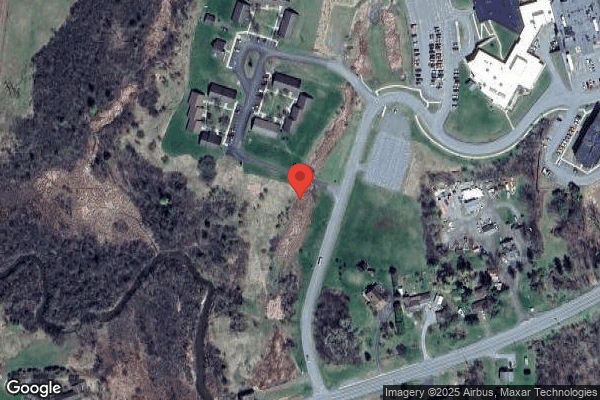

101 ADIRONDACK DRIVE, TICONDEROGA, NY 12883 (518) 585-6771
For profit - Limited Liability company 84 Beds ELDERWOOD Data: November 2025
Trust Grade
38/100
#502 of 594 in NY
Last Inspection: July 2024

Within standard 12-15 month inspection cycle. Federal law requires annual inspections.

Overview

Elderwood at Ticonderoga has a Trust Grade of F, indicating significant concerns about the quality of care provided, which places it among the lowest-rated facilities. In New York, it ranks #502 out of 594, putting it in the bottom half of all nursing homes, and #2 out of 3 in Essex County, meaning only one local option is rated better. The facility is improving, having reduced its issues from 9 in 2024 to 2 in 2025, but it still faces challenges, including a concerning staff turnover rate of 51%, which is higher than the state average. While it has better RN coverage than 84% of state facilities, there have been serious concerns, such as residents not receiving proper nutritional care, with some not monitored for weight loss or dehydration, and others receiving meals that did not meet their dietary needs. Overall, families should weigh the facility's improvements against its significant weaknesses when considering care for their loved ones.

Trust Score
F
38/100
In New York
#502/594
Bottom 16%
Safety Record
Low Risk
No red flags
Inspections
Getting Better
9 → 2 violations
Staff Stability
⚠ Watch
51% turnover. Above average. Higher turnover means staff may not know residents' routines.
Penalties
○ Average
$4,516 in fines. Higher than 50% of New York facilities. Some compliance issues.
Skilled Nurses
✓ Good
Each resident gets 45 minutes of Registered Nurse (RN) attention daily — more than average for New York. RNs are trained to catch health problems early.
Violations
⚠ Watch
27 deficiencies on record. Higher than average. Multiple issues found across inspections.
★☆☆☆☆
1.0
Overall Rating
★★☆☆☆
2.0
Staff Levels
★☆☆☆☆
1.0
Care Quality
★★☆☆☆
2.0
Inspection Score
Stable
2024: 9 issues
2025: 2 issues

The Good

  • Full Sprinkler Coverage · Fire safety systems throughout facility
  • No fines on record

Facility shows strength in fire safety.

The Bad

1-Star Overall Rating

Below New York average (3.0)

Significant quality concerns identified by CMS

Staff Turnover: 51%

Near New York avg (46%)

Higher turnover may affect care consistency

Federal Fines: $4,516

Below median ($33,413)

Minor penalties assessed

Chain: ELDERWOOD

Part of a multi-facility chain

Ask about local staffing decisions and management

The Ugly 27 deficiencies on record

Aug 2025 2 deficiencies
CONCERN (D) 📢 Someone Reported This

A family member, employee, or ombudsman was alarmed enough to file a formal complaint

Potential for Harm - no one hurt, but risky conditions existed

Notification of Changes (Tag F0580)

Could have caused harm · This affected 1 resident

Based on record review and interviews conducted during an abbreviated survey (Case #2577186), the facility did not ensure they immediately consulted with the resident's physician when there was a sign...

Read full inspector narrative →
Based on record review and interviews conducted during an abbreviated survey (Case #2577186), the facility did not ensure they immediately consulted with the resident's physician when there was a significant change in condition for one (1) (Residents #1) of one (1) resident reviewed for significant changes. Specifically, for Resident #1 the physician was not notified that the resident had pulled out the urinary catheter. This is evidenced by:The Facility's Policy and Procedure titled, Change in Resident Condition Assessment, last modified 4/12/2018, documented; A change of condition is defined as a major change in the resident's status that: 1. Is not self-limiting. 2. Impacts one or more areas of health status. 3. Requires review/revision of the care plan. The procedure staff were to follow was documented as: 1. The change of condition is documented in the resident's medical record. 2. The physician will be contacted to determine the need for medical intervention.Resident #1 was admitted to the facility with diagnoses of acute pyelonephritis (kidney infection), multiple sclerosis (a disease in which the immune system eats away at the protective covering of nerves), and chronic kidney disease stage four (4). The Minimum Data Set (an assessment tool) dated 6/12/2025, documented the resident could be understood, could understand others and had moderately impaired cognition for decisions of daily living.A Nursing Progress note dated 6/29/2025 at 4:05 AM documented the resident had been awake all night and staff found them with catheter pulled out and blood was noted on the bedding.The resident's medical records did not have documented evidence that the physician was notified of the catheter removal.A Comprehensive Care Plan Titled: Indwelling Urinary Catheter, initiated 6/11/2025, documented the medical provider was to be updated as needed.During interview on 8/05/2025 at 10:30 AM, Administrator #1 and Director of Nursing #1 stated the resident was only here for a short time and was sent to the hospital following a rapid decline. The resident's family was with them when this occurred and requested, they be sent to the hospital despite the do not hospitalize wishes of the resident. They did not recall the resident having pulled out the urinary catheter. Director of Nursing #1 stated ‘that did not sound like something that resident would have done.'During interview on 8/05/2025 at 12:30 PM, Director of Nursing #1 stated the nurse that was assigned to the resident at the time of the incident no longer worked there and there was no documentation that a medical provider was notified when the resident pulled out the catheter causing a change in condition. They stated the on-call provider service was contacted to see if they had been called by the nurse on 6/29/2025 but were unable to provide the information.During an interview on 8/05/2025 at 2:21 PM, Registered Nurse #1 stated that they assumed care of the resident in the afternoon after the facility changed assignments around due to staffing issues. They stated that the resident pulled their Foley catheter out earlier in the day and was urinating in the brief throughout the day. They were not aware if the Physician was notified. During interview on 8/05/2025 at 2:36 PM, Licensed Practical Nurse #1 stated the resident was up and appeared fine during the day shift on 6/29/2025. The resident had no complaints and was urinating in the briefs. Licensed Practical Nurse #1 was told by night nurse the catheter was not being replaced because there was no order, and they thought it should not be replaced due to the trauma caused by resident pulling it out with balloon inflated. They stated they were not aware the physician was not called. They would have called the on-call provider if resident had pulled the catheter out on their shift.Registered Nurse #4 was the nurse responsible for the care of Resident #1 at the time of the incident. On 8/05 2025 at 1:50 PM and 8/06/2025 at 11:50 AM, attempts to contact Registered Nurse #4 were unsuccessful.On 8/05/2025 at 3:52 PM, attempt to contact Medical Provider #1 was unsuccessful. 10 New York Codes Rule Regulations 415.3(e)(2)(ii)(b)
CONCERN (D) 📢 Someone Reported This

A family member, employee, or ombudsman was alarmed enough to file a formal complaint

Potential for Harm - no one hurt, but risky conditions existed

Incontinence Care (Tag F0690)

Could have caused harm · This affected 1 resident

Based on record reviews and interviews conducted during an abbreviated survey (Case #2577186), the facility did not ensure that a resident with an indwelling catheter, received the appropriate care an...

Read full inspector narrative →
Based on record reviews and interviews conducted during an abbreviated survey (Case #2577186), the facility did not ensure that a resident with an indwelling catheter, received the appropriate care and services in accordance with professional standards of practice. Specifically, there was no documented evidence that resident's catheter care was provided. This is evidenced by:A review of facility policies documents that the facility had policies for insertion of an indwelling catheter for male patients last modified on 1/23/2028, removal of supra-pubic or indwelling catheter last revised on 4/11/2028, and the daily care of an indwelling catheter last modified on 11/22/2023. The policies did not address unintended removal of a catheter.Resident #1 was admitted to the facility with diagnoses of acute pyelonephritis (kidney infection), multiple sclerosis (a disease in which the immune system eats away at the protective covering of nerves), and chronic kidney disease stage four (4). The Minimum Data Set (, an assessment tool) dated, 6/12/2025 documented the resident could be understood, could understand others and had moderately impaired cognition for decisions of daily living. Resident #1 was admitted to the facility with a Foley catheter.Review of Physician orders did not indicate any orders for the appropriate care for the resident's Foley catheter.Review of the resident's Comprehensive Care Plan documented that the resident had an indwelling Foley catheter due to urinary retention and acute pyelonephritis (kidney infection). Interventions included providing catheter care daily and as needed, updating the medical director or nurse practitioner of the resident's status as needed, and monitoring and documenting urinary output and urine characteristics (i.e. color, odor, consistency).Review of nursing progress notes on 6/29/2025 documented that the resident self-removed their Foley catheter with balloon inflated. The resident was found at 4:05 AM by Registered Nurse #4 sitting on the edge of their bed with blood on the bedding. The facility physician was not notified about the resident's situation, and the resident was eventually transferred to the hospital.During an interview on 8/05/2025 at 12:30 PM, Director of Nursing #1stated that the nurse who was there at the time of the incident no longer worked at the facility, and there was no documentation that a medical provider was notified when the resident had a change in condition and pulled out their catheter. There should have been orders for daily care, routine changing and replacement of the catheter. There were no complaints or grievances from the resident or family during their stay. Director of Nursing #1 stated they did not see that the resident's urine output was monitored after the catheter was pulled out, which was not documented. They stated that the resident's catheter was not replaced because the resident was on a comfort measure-only order. Director of Nursing #1 stated that nurses follow physician orders. If there was no order, then the provider should be called for any issue not addressed by the physician. They stated that since the resident was admitted with an indwelling urinary catheter, there should have been an order from the physician.Attempt to interview Registered Nurse #4 on 8/05/2025 at 1:52 PM were unsuccessful.During an interview on 8/05/2025 at 2:21 PM, Registered Nurse #1 stated that they assumed care of the resident in the afternoon after the facility changed assignments around due to staffing issues. They stated that the resident pulled their foley catheter out earlier in the day. They stated that there was no order for the foley catheter and therefore did not replace it. They stated that the only time they called a physician was when the resident was sent to the hospital. They stated that they would monitor the resident for the need to replace based on bladder scans and the ability to urinate.During an interview on 8/05/2025 at 2:36 PM, Licensed Practical Nurse #1 stated that they were the nurse taking care of the resident on 6/29/2025. They stated that they came into work that day at 6:10 AM and were not told that the resident pulled their foley catheter out, and they read it on the 24-hour report that is used for daily reporting of the unit. They stated that the resident did not complain of any discomfort throughout the day. Licensed Practical Nurse #1 stated that in any case that a resident pulled their Foley catheter out, staff should follow the physician's orders. They stated that if there were no orders, staff should be contact a physician and following their directions. They stated that they did not call the physician that day as the resident was not complaining of any discomfort.During an interview on 8/05/2025 at 3:36 PM, Licensed Practical Nurse #1 stated that residents with foley catheters had orders for routine care of the residents' indwelling catheter. They stated that the routine care of residents with indwelling catheters included cleaning the area of insertion of the catheter, making sure that the catheter is intact, and recording the color, consistency, and amount of urine. Licensed Practical Nurse #1 reviewed the residents' electronic chart and stated there were no orders from the physician for the residents' indwelling catheter.Attempt to interview Medical Provider #1 were unsuccessful. 10 New York Codes and Rules and Regulations 415.12
Jul 2024 9 deficiencies
CONCERN (D)

Potential for Harm - no one hurt, but risky conditions existed

Deficiency F0604 (Tag F0604)

Could have caused harm · This affected 1 resident

**NOTE- TERMS IN BRACKETS HAVE BEEN EDITED TO PROTECT CONFIDENTIALITY** Based on observations, record review, and interviews during a recertification survey, the facility did not ensure the resident h...

Read full inspector narrative →
**NOTE- TERMS IN BRACKETS HAVE BEEN EDITED TO PROTECT CONFIDENTIALITY** Based on observations, record review, and interviews during a recertification survey, the facility did not ensure the resident had a right to be treated with respect and dignity, including: The right to be free from any physical or chemical restraints imposed for purposes of discipline or convenience, and not required to treat the resident's medical symptoms for 1 (Resident #47) of 4 residents reviewed for restraints. Specifically, Resident #47 had a chair alarm (a pad placed on a chair) hooked to a sensor box that alarmed if a resident attempted to stand) on their wheelchair to alert staff if they attempted to stand up. This is evidenced by: Resident #47 was admitted to the facility with diagnoses of dementia with mood disturbance, a stroke (a medical condition in which poor blood flow to the brain causes cell death), and generalized muscle weakness. The Minimum Data Set (an assessment tool) dated 7/04/2024, documented the resident had severe cognitive impairment, could be understood, and could understand others. The Minimum Data Set, dated [DATE], documented in the restraint assessment section that an alarm was any physical or electronic device the monitored resident movement and alerted the staff when movement was detected. It documented the resident did not have a chair alarm. The Policy and Procedure titled, Physical Restraints Policy last modified on 5/24/2018, documented a resident had to right to be free from physical restraints for the purposes of discipline or convenience, and for purposes not required to treat the resident's medical condition or symptoms. It documented an interdisciplinary physical assessment was to be initiated by the Unit Manager/Social Worker/Designee when a long-term care resident was utilizing a physical restraint. On 7/09/2024 at 11:30 AM, a chair alarm was observed on the back of the resident's wheelchair. On 7/10/2024 at 11:38 AM, a chair alarm was observed on the back of the resident's wheelchair. The document titled, Physical Restraint/Device Decision Tree Evaluation dated 5/18/2024 at 3:04 AM, documented the resident did not have a physical device or equipment that may potentially restrict a resident's movement and/or access to their body. The Comprehensive Care Plan had no documentation the resident had a chair alarm in use. The Certified Nurse Aide care plan as of 7/10/2024 did not document the resident had a chair alarm. The Medical Doctor orders were reviewed. There was no order for a chair alarm. During an interview on 7/12/2024 at 12:18 PM, Licensed Practical Nurse Unit Manager #3 stated a restraint assessment should be completed before using a chair alarm. They stated Resident #47 was not supposed to have a chair alarm. During an interview on 7/15/2024 at 3:06 PM, Director of Nursing #1 stated the facility used chair alarms. They stated it was an intervention used to keep residents from falling out of their wheelchairs. Director of Nursing #1 stated a restraint assessment was not done for the use of a chair alarm because it was not considered a restraint. 10 New York Codes, Rules, and Regulations 415.4(a)(2-7)
CONCERN (D) 📢 Someone Reported This

A family member, employee, or ombudsman was alarmed enough to file a formal complaint

Potential for Harm - no one hurt, but risky conditions existed

Investigate Abuse (Tag F0610)

Could have caused harm · This affected 1 resident

Based on record review and interviews during a recertification and abbreviated survey (Case #NY00307330), the facility did not ensure that a thorough and accurate investigation was conducted after an ...

Read full inspector narrative →
Based on record review and interviews during a recertification and abbreviated survey (Case #NY00307330), the facility did not ensure that a thorough and accurate investigation was conducted after an injury of an unknown origin was observed for one (Resident #48) out of three residents reviewed for incident investigations. Specifically, when Resident #48 was observed with bruising to their right eye on 12/07/2022 which was of an unknown origin, the facility did not conduct an investigation. This is evidenced by: Resident #48 was admitted to the facility with diagnoses of unspecified dementia, dysphagia (difficulty swallowing) and cognitive communication deficit. The Minimum Data Set (an assessment tool) dated 4/30/2024, documented the resident had severe cognitive impairment for decisions of daily living, could usually be understood and could usually understand others. The Policy and Procedure titled Abuse Prevention, Identification, Investigation, Protection and Reporting, last revised 4/30/2024, documented upon identification of an observed act or outcomes of abuse, mistreatment, a suspicious injury, a sudden or unexplained change in behaviors or expressions of fear, feelings of guilt or shame that could be an indication of abuse, mistreatment, neglect, exploitation or misappropriation of resident property, all staff members were required to report the observation immediately to their direct supervisor, the Director of Nursing or the Administrator so an investigation could begin. The investigation was to include identification and interview of all involved persons, including the alleged victim, alleged perpetrator, witnesses, and others who might have knowledge of the allegation. A complete and thorough documentation of the investigation should be maintained. A Nursing Progress Note dated 12/07/2022 documented that nursing staff attempted to update Resident #48's family member regarding bruising to their right eye but was unable to reach them and had left a message to return the call. On 7/11/2024, review of the facility's Electronic Medical Record did not reveal a nursing assessment or progress notes which documented the bruising Resident #48's eye. An Incident Report dated 12/07/2022 was completed by Registered Nurse #3 on 7/15/2024. The Incident Report documented that an area of ecchymosis (discoloration of the skin due to the breaking of blood vessels) was noted in the corner of resident's right eye and the resident was unable to state what happened to them. The report noted that the location of the injury could have been self-inflicted while the resident was putting on their glasses. The report documented no witnesses found. A Nursing Documentation Note dated 12/07/2022 marked as Late Entry was entered on 7/15/2024 at 8:51 AM by Registered Nurse #3 documented that a small ecchymosis area was noted in the corner of the resident's right eye. The resident was unable to state how the injury occurred and denied pain or discomfort. The note documented that the Nurse Manager tried to call the resident's family member. During an interview on 7/15/2024 at 11:00 AM, Nursing Home Administrator #1 stated they had tried to locate an investigation into bruising of unknown origin to Resident #48's face and was unable to find evidence that investigation was conducted. They stated that an Incident Report was completed that morning based on Registered Nurse #3's recollection of what had occurred at the time. During an interview on 7/15/2024 at 12:40 PM, Registered Nurse #3 stated they had completed an Incident Report earlier that day based on their recollection of the bruising to Resident #48's eye in December 2022, however, that it was difficult to recall all the details of the incident given that how long it had been since it occurred. They stated they had assessed the resident at the time but did not document their assessment. They stated that if anyone had touched (Resident #48) they would have yelled out, therefore they did not think the injury could have been caused by any potential abuse. They stated they assumed the other nurse on the unit who was working at the time had documented about the resident's bruising. They stated nursing assessments should always be documented. They stated from what they recalled, the resident had a very small bruise on their right eye which looked older and was faded. They stated they thought the bruise could have been caused by the resident's glasses and also the resident had a behavior of laying their head on tables, but the resident could not say what had happened to them. They stated they did not believe an investigation of the injury was conducted. They stated when a resident was observed with an injury of an unknown origin, an investigation should be initiated immediately to determine what may have caused the injury and rule out abuse. They stated that investigation of the incident could include taking statements from staff on various shifts who or interviewing any alert and oriented residents who may have witnessed something. They stated that injuries of unknown origin should be reported within two hours. During an interview on 7/15/2024 at 1:05 PM, Director of Nursing #1 stated injuries of an unknown origin should be investigated immediately if the resident was not able to state what happened to them. They stated a nursing assessment of any injuries should be completed and documented in the Electronic Medical Record. They stated that the intent of the investigation was to try to determine a root cause of the injury in order to implement interventions to try to prevent recurrence and to rule out that abuse that could have occurred. They stated they would conduct interviews, review the residents record, and any camera footage that may have captured what occurred. 10 New York Codes, Rules and Regulations 415.4(b)(3)
CONCERN (D)

Potential for Harm - no one hurt, but risky conditions existed

Comprehensive Care Plan (Tag F0656)

Could have caused harm · This affected 1 resident

Based on observations, record review, and interviews, during a recertification survey, the facility did not ensure it developed and implemented a comprehensive person-centered care plan for each resid...

Read full inspector narrative →
Based on observations, record review, and interviews, during a recertification survey, the facility did not ensure it developed and implemented a comprehensive person-centered care plan for each resident, consistent with the resident rights for 1 (Resident #47) of 20 residents reviewed for comprehensive care plans. Specifically, Resident #47 did not have a comprehensive care plan for the chair alarm (a pad placed on a chair that is hooked to a sensor box). It alarmed if a resident attempted to stand) on their wheelchair to alert staff if they attempted to stand up. This is evidenced by: Resident #47 was admitted to the facility with diagnoses of dementia with mood disturbance, a stroke, and generalized muscle weakness. The Minimum Data Set (an assessment tool) dated 7/04/2024, documented the resident had severe cognitive impairment, could be understood, and could understand others. The Policy and Procedure titled, Care Planning (Interdisciplinary Team) last modified on 01/22/2019, documented the interdisciplinary team would develop and implement a comprehensive person-centered care plan for each resident consistent with the resident rights that included measurable objective and timeframe to meet a resident's medical, nursing, and mental and psychosocial needs that were identified in the comprehensive assessment. On 7/09/2024 at 11:30 AM, a chair alarm was observed on the back of the resident's wheelchair. On 7/10/2024 at 11:38 AM, a chair alarm was observed on the back of the resident's wheelchair. The Comprehensive Care Plan had no documentation the resident had a chair alarm in use. The Certified Nurse Aide care plan as of 7/10/2024 did not document the resident had a chair alarm. During an interview on 7/15/2024 at 3:06 PM, Director of Nursing #1 stated facility used chair alarms as an intervention to keep residents from falling out of their wheelchairs. Director of Nursing #1 stated if a resident had a chair alarm it should be documented on their care plan. 10 New York Codes, Rules, and Regulations 415.11(c)(1)
CONCERN (D)

Potential for Harm - no one hurt, but risky conditions existed

Deficiency F0679 (Tag F0679)

Could have caused harm · This affected 1 resident

**NOTE- TERMS IN BRACKETS HAVE BEEN EDITED TO PROTECT CONFIDENTIALITY** Based on observations, record review, and interviews during a recertification survey, the facility did not ensure that it provid...

Read full inspector narrative →
**NOTE- TERMS IN BRACKETS HAVE BEEN EDITED TO PROTECT CONFIDENTIALITY** Based on observations, record review, and interviews during a recertification survey, the facility did not ensure that it provided, based on the comprehensive assessment, care plan, and the preferences of each resident, an ongoing activities program to meet the interests of and support the physical, mental, and psychosocial well-being of each resident for 2 (Resident #'s 10 and 24) of 3 residents reviewed for activities. Specifically, Resident #'s 10 and 24 were not provided with activities on an ongoing basis according to the residents' Comprehensive Care Plan and activities provided did not meet the residents' preferences. This is evidenced by: A facility policy titled Activity Program Content and Planning dated 7/23/2018 and last revised 7/12/2018, documented that the Director of Activities would establish a plan for a leisure-time activities program for residents of the facility to include individual and group programs seven days a week at various times of the day and evening. To meet these programming requirements the Director of Activities would plan leisure activities classified as follows: One to One Programming, Person Appropriate, combinations of large and small group activities which would promote a resident's sense of usefulness to self and others, make daily living more meaningful, enjoyable, and stimulate and support the resident. Resident #10 Resident #10 was admitted with diagnoses of unspecified dementia severe with agitation, anorexia (an eating disorder causing food avoidance), and failure to thrive (inability to care for oneself). The Minimum Data Set (an assessment tool) dated 5/01/2024, documented the resident had significant cognitive impairment, sometimes understood, and could sometimes understand others. The Comprehensive Care Plan for Activities initiated 12/14/2018 and last revised on 4/29/2024, documented the resident had potential for alteration in activities related to their diagnoses. No goals were listed. Interventions included: Resident would attend Mass and Related Services. The Comprehensive Care Plan for Activities: Leisure initiated 8/08/2019 and last revised on 3/04/2024, documented the resident had potential barriers related to leisure activities of choice related to cognition, social skills, endurance, mobility, fear, range of motion limitations, hearing deficits, visual acuity, communication, pain, and general weakness. Goals included address cognitive engagement, physical activity tailored to the resident's physical state, social activities, and attendance. Interventions listed included attending programs through invitation, programs involving coloring and drawing, Bingo, exercise, going outdoors, Rummy, music, pet visits, reading and writing, social activities, and parties, conversing with peers, family or staff, individual visits with staff, pets and volunteers, and sensory programs like aromatherapy and massage. During an observation on the Adirondack unit on 7/08/2024 from 11:30 AM to 1:30 PM, Resident #10 was observed to be sitting in their wheelchair at a table, alone. The resident was served lunch at the same table during lunch time. Staff were observed interacting with the resident only during the passing of the lunch trays. During an observation on Adirondack unit on 7/09/2024 from 8:45 AM to 11:00 AM, Resident #10 was again observed sitting by themselves, and was served lunch alone at a table. During an observation on Adirondack unit on 7/10/2024 from 8:15 AM to 11:30 AM, Resident #10 was observed sleeping in their wheelchair in front of the television in the main common room on the unit. Resident #10 was woken for lunch and taken to the main dining room off the unit. There were no activities offered to Resident #10 during these observations. Record Review of the Activity Log for Resident #10 for May 2024 provided documentation of between 1 and 3 activities daily. Documentation showed Resident #10's participation level varied between active and passive participation. The activity log for May 2024 documented the following: On 5/05/2024, the activity log documented Resident #10 received a total of 14 minutes of activities that day. On 5/16/2024, the activity log Resident #10 received a total of 9 minutes of activities. On 5/19/2024 the activity log documented Resident #10 received 23 minutes of activities. On 5/27/2024, the activity log documented Resident #10 did not participate in any activities for the day. Review of the activity log for May 2024 revealed no documentation of activities for the following dates: 5/04/2024, 5/06/2024, 5/12/2024, 5/13/2024,5/15/2024, 5/17/2024, 5/18/2024, 5/20/2024, 5/25/2024, and 5/26/2024. Resident #24 Resident #24 was admitted with diagnoses of Parkinson's disease with dyskinesia (a neurological disorder causing involuntary movements), dementia, major depressive disorder. The Minimum Data Set, dated [DATE], documented the resident was cognitively impaired, could be understood, and understand others. The Comprehensive Care Plan for Activities initiated 4/27/2018 and last revised on 5/28/2024, documented the resident had potential for alteration in activities related to their diagnoses. Goals listed included interacting with family and friends, attending, and actively participating in facility like and activity programs. Interventions included: environmental modifications such as positioning resident near staff, reminding resident when activities were taking place, and attending religious services. The Comprehensive Care Plan for Activities: Leisure initiated 9/09/2019 and last revised on 12/07/2023, documented the resident had potential barriers related to leisure activities of choice related to cognition, mobility, communication, pain, and general weakness. Goals included addressed cognitive engagement, motivation, perception, visual acuity, physical activity tailored to the resident's physical state, social activities, and attendance. Interventions listed included attending programs through invitation, programs involving coloring and drawing, Bingo, exercise, cooking programs, crafting, gardening, going outdoors, Rummy, music, pet visits, reading and writing, social activities, and parties, conversing with peers, family or staff, individual visits with staff, pets and volunteers, and sensory programs like aromatherapy and massage. Record review of the Activity Log for Resident #24 for May 2024 provided documentation of between 1 and 5 activities daily. Documentation showed Resident #24's participation level varied between active, passive, and refused participation. The activity log for May 2024 documented the following: On 5/16/2024, the activity log documented Resident #24 received a total of 26 minutes of activities. On 5/19/2024 the activity log documented no activities for Resident #24. On 5/26/2024 the activity log documented no activities for Resident #24. On 5/27/2024, the activity log documented Resident #24 received a total of 27 minutes of activities. Review of the activity log for May 2024 revealed no documentation of activities for the following dates: 5/17/2024 and 5/25/2024. Record review of the one- to one participation summary provided by the facility from May 2024 through July 2024 documented the resident received one to one visit on 5/02/2024, 5/20/2024, 5/22/2024, 5/23/2024, 5/29/2024, 6/01/2024, 6/20/2024, 6/26/2024, and 7/11/2024. During an observation on Adirondack Unit on 7/08/2024 from 11:30 AM to 1:30 PM, Resident #24 was observed sitting in their wheelchair at a table, sometimes with another resident, or sometimes by themselves. The resident was served lunch at the same table during that time. Staff were observed interacting with the resident only during the passing of the lunch trays. No activities were observed being done on Adirondack Unit where Resident #24's resided. However, in the main dining room, off the unit, activities were observed on and off all day for residents brought to the main room, or residents that were able to self-propel themselves to the activity area. During an observation on Adirondack Unit on 7/09/2024 from 8:45 AM to 11:00 AM, , Resident #24 was again observed sitting by themselves, and was served lunch alone at a table. No activities were observed being done on Resident #24's unit. During an observation on Adirondack Unit on 7/10/2024 Resident #24's from 8:15 AM to 11:30 AM, Resident #24 was observed sitting alone at a table in the common room on the unit. No activities were observed being done on the unit. However, in the main dining room, off the unit, activities were observed on and off all day for residents brought to the main room, or residents that were able to self-propel themselves to the activity area. The staff were observed interacting with the resident while they fed the resident lunch. During an interview on 7/09/2024 at 9:24 AM, Resident #24 stated they would like to do more activities. They stated they understood that due to their physical state, going places was limited, however they would enjoy more interaction. Resident #24 stated they had to yell to get the staff to pay attention to them when they were placed in the main common area. Resident #24 stated their family had also asked the facility to provide the resident with more activities. During an interview on 7/11/2024 at 12:17 PM, Certified Nurse Aide #4 stated residents were offered drinks and smoothies when the activities person came around with a beverage cart. During an interview on 7/11/2024 at 12:22 PM, when asked what kind of activities were offered to residents, Licensed Practical Nurse #1 stated that activities person came every day with a smoothie cart and flavored water. Snacks could be requested and sometimes they offered to residents who were nonverbal. During an interview on 7/12/2024 at 10:15 AM, Activities Director #1 stated they tracked resident's activities through a system that documented participation. Normally the large dining room was used for the participants from the Patriot Unit and at the same time, the same program would be run on the Adirondack Unit by another staff member in the main area or in the ancillary rooms off the back of the unit. Activities Director #1 stated the person who ran the Adirondack Unit activities left with minimal notice and had not yet replaced. The loss of that staff member made running dual activities at the same time impossible to do. Activities Director #1 stated they run a report every 7 days to find out which residents were not participating in activities and sets up one -on ones within a week's time. One on one visits were documented in the Electronic Medical Record. Residents who just liked to talk were supposed to be given one-on-one visits. New admissions were given about a month to settle in before they were approached with activities. If the resident had been resistant to activities in the past, they were given some room to decide what they would like to do. If possible, they tried to keep the person assigned to resident for one-on-one visits or have developed good rapport with a resident so there would be continuity of care. The staff helped set up zoom and facetime calls with family if the resident's family could not come to see them. There have been some volunteers that came in. Religious leaders also came to the facility to do services, Jehovah Witnesses came and did bible study, people with service animals including dogs, a rabbit, a turtle, and a donkey came to visit the residents. 10 New York Code of Rules and Regulations 415.5(f)(1)
CONCERN (D)

Potential for Harm - no one hurt, but risky conditions existed

Pharmacy Services (Tag F0755)

Could have caused harm · This affected 1 resident

Based on observation, record review, and interviews conducted during a recertification survey, the facility did not provide pharmaceutical services including procedures that assured the accurate dispe...

Read full inspector narrative →
Based on observation, record review, and interviews conducted during a recertification survey, the facility did not provide pharmaceutical services including procedures that assured the accurate dispensing and administering of all drugs and biologicals according to professional standards for 1 (Resident #21) of 11 residents reviewed. Specifically, Resident #21 was observed being administered a controlled substance which was not signed out on the controlled Drug and the medication was documented as administered on the Medication Administration Record. This is evidenced by: The facility ' s Medication Administration Policy and Procedure effective 1/25/2024, documented under Administration of Controlled Substances section, the registered nurse/licensed practical nurse would sign for the needed dose for the resident on the Controlled Drug Receipt record. Additionally, under Administration of Controlled Substances, Prior to administration, the amount to be administered would be recorded on the Controlled Substance Inventory Record and the Medication administration would be recorded on the Medication Administration Record/Electronic Medication Administration Record after administration. During an observation on 7/12/2024 at 11:42 AM, Registered Nurse #4 withdrew a narcotic medication, clonazepam 0.5 milligram tablet, from the medication blister pack and administered the medication to Resident #21. Registered Nurse #4 did not document the medication given on the narcotic inventory sheet. Registered Nurse #4 was observed removing the resident information from the newly empty blister pack medication card and disposed of the rest in the garbage. During an interview on 7/12/2024 at 11:42 AM, Registered Nurse #4 stated they intended to document the medication in the narcotic book and inventory sheet eventually. They also stated they knew they were supposed to do it when the medications were given, however, they usually wait until they have free time and do bunches of narcotic documentation at one time. Registered Nurse #4 stated they were being lazy and that they did the same thing that morning and had already put those medication passes into the narcotic book and on the inventory sheets. During an interview on 7/15/2024 at 10:45 AM, Registered Nurse Supervisor #1 stated it was the expectation that when a narcotic was given, the staff member would document the medication given at the time it was given. Additionally, staff should not be wait to the end of their shift or when they have free time to document medication passes or narcotics. Registered Nurse Supervisor #1 stated they were aware of the narcotic that was given out without being signed out and the staff member that did it. They stated they had done a mini education already with the staff regarding documentation of medications given and that staff should be dating and initialing the medication pill sheets as well in case something distracts the staff member. That way the staff could go back and see the documentation that something was given, and they could put it in the book if for some reason they got sidetracked before it could be entered. It was not the expectation nor was it good practice to hold off signing out narcotics until later. During an interview on 7/15/2024 at 11:15 AM, Director of Nursing #1 stated it was expected staff would document narcotic administration in the Electronic Medical Record and narcotic book at the time of administration. The narcotic count should be done at every shift change, and it was never appropriate to delay documenting a given narcotic until later in the shift. 10 New York Codes, Rules and Regulations 415.18 (b)(1)(2)(3)
CONCERN (D)

Potential for Harm - no one hurt, but risky conditions existed

Deficiency F0761 (Tag F0761)

Could have caused harm · This affected 1 resident

**NOTE- TERMS IN BRACKETS HAVE BEEN EDITED TO PROTECT CONFIDENTIALITY** Based on observation, record review, and interviews conducted during a recertification survey, the facility did not ensure drugs...

Read full inspector narrative →
**NOTE- TERMS IN BRACKETS HAVE BEEN EDITED TO PROTECT CONFIDENTIALITY** Based on observation, record review, and interviews conducted during a recertification survey, the facility did not ensure drugs and biologicals were labeled and stored in accordance with professional standards of practice in 1 of 2 medication carts reviewed for medication storage. This is evidenced by: The facility policy Medication Administration Methods, dated [DATE] documented medication expiration dates should be checked prior to administration. No facility policy was provided regarding the requirements for labeling insulin pens with the observed sticker showing the date opened and date of expiration. During an observation of the Patriot Unit medication cart on [DATE] at 11:33 AM with Licensed Practical Nurse #3, there was 1 opened Basaglar (glargine, long-acting insulin) Kwik insulin pen with a sticker documenting the date opened without the expiration date filled out. During an interview on [DATE] at 11:33 AM, Licensed Practical Nurse #4 stated the person who opened the Basaglar Kwik insulin pen should have labeled the sticker with both the date it was opened and the date it expired. Licensed Practical Nurse #4 stated the sticker on the insulin pen, with just the opened date and not the expiration date was incorrect, and a new one should be obtained from pharmacy. During an interview on [DATE] at 10:45 AM, Registered Nurse Supervisor #1 stated they expected when an insulin pen was opened for the first time, a sticker should be placed on the pen and include the date it was opened and the date it expired. During an interview on [DATE] at 11:15 AM, Director of Nursing #1 stated when opening insulin pens, they should include the opened date and the expiration date. 10 New York Codes, Rules and Regulations 415.18(d)
CONCERN (E)

Potential for Harm - no one hurt, but risky conditions existed

Deficiency F0804 (Tag F0804)

Could have caused harm · This affected multiple residents

Based on record review, observation, and interview during the recertification survey, the facility did not ensure each resident received food and drink that was palatable, flavorful, and at an appetiz...

Read full inspector narrative →
Based on record review, observation, and interview during the recertification survey, the facility did not ensure each resident received food and drink that was palatable, flavorful, and at an appetizing temperature for 2 of 2 test trays (the 7/09/2024 and 7/10/2024 lunch meals) reviewed. Specifically, food and beverages served to residents for the 7/09/2024 and 7/10/2024 lunch meals on the Adirondack and Patriot main Dining Room were not palatable. Additionally, multiple residents complained of food palatability during the monthly facility Food Forum meetings. This was evidenced by: Food Forum Meeting documentation included the following concerns: - On 5/06/2024 all residents in attendance stated the soups lacked consistency. Some items such as rice, pork chops, and chicken were dry. One unnamed individual stated their hamburger was served on bread instead of a hamburger bun. - On 6/03/2024 residents requested more robust tastes, more gravy made available, and butter served with rolls, biscuits, and rice. During an observation on the Patriot main Dining Room on 7/09/2024 at 12:30 PM, the food arrived in steam tables and service to residents began immediately. The test tray was provided at 12:42 PM, and included beef baked stew and carrots. The beef baked stew did not appear appetizing, a large chunk of beef was difficult to chew and tasted gristly and tough, and the sauce was bland. The carrots tasted bland and unseasoned. During an observation on the Patriot main Dining Room on 7/10/2024 at 12:45 PM, the food arrived in steam tables and service to residents began immediately. The test tray was provided at 12:52 PM, and included a slice of herb roasted turkey, gravy, corn bread sausage stuffing, and green beans. The herb roasted turkey was bland, the gravy tasted very salty, the sausage in the corn bread stuffing was hard, the pepper in the stuffing was overcooked, the stuffing tasted bland, and the green beans were bland and overcooked Resident interviews included: -on 7/08/2024 at 11:37 AM, Resident #49 stated the food was not good. - on 7/08/2024 at 1:09 PM, Resident #15 stated the facility changed their menus about six months ago and the food had not been good since the change. - on 7/09/2024 at 9:28 AM, Resident #27 stated that the breakfast meal was good, but the rest of the meals were not. - on 7/09/2024 at 12:29 PM, Resident #54 stated the sausage was hard. During a Resident Council meeting on 7/09/2024 at 1:52 PM, residents stated the meat served at lunch on 7/09/2024 was hard to chew. The meals in general were salty and did not appear appetizing on the plate. The residents stated the food did not taste like it should have tasted. During an interview on 7/11/2024 at 11:02 AM, Registered Dietitian #1 stated they planned to meet with each resident to go over food preferences. They stated they were new to the position and had not had the opportunity to talk to every resident yet. They were unaware of any food complaints. During an interview on 7/11/2024 at 12:37 PM, Director of Dietary Services #1 stated they were aware of the food complaints brought up in the Food Forum meeting. The facility had switched vendors, and the facility was working with new menus. During an interview on 7/12/2024 at 11:30 AM, Administrator #1 stated there was a Food Forum held separately from the resident council where residents could provide feedback on the meals. 10 New York Codes, Rules, and Regulations 415.14 (d)(1)(2)
CONCERN (F)

Potential for Harm - no one hurt, but risky conditions existed

Deficiency F0692 (Tag F0692)

Could have caused harm · This affected most or all residents

**NOTE- TERMS IN BRACKETS HAVE BEEN EDITED TO PROTECT CONFIDENTIALITY** Based on observation, record review, and interviews during a recertification survey, the facility did not ensure the provision o...

Read full inspector narrative →
**NOTE- TERMS IN BRACKETS HAVE BEEN EDITED TO PROTECT CONFIDENTIALITY** Based on observation, record review, and interviews during a recertification survey, the facility did not ensure the provision of nutritional and hydration care and services to each resident, consistent with the resident's comprehensive assessment, therapeutic diet, and preferences for 4 (Residents #3, #23, #24 and #63) of 5 residents reviewed. Specifically, Residents #3, #23, and #63 were not monitored for weight loss, assessed when significant weight loss occurred, and did not receive correct meals consistent with physician ordered diets and recommendations for meal/caloric intake. Additionally, Residents #24 and #63 were not monitored for dehydration and beverages were not offered throughout the day. This is evidenced by: Cross-referenced to F805: Food in Form to Meet Individual Needs and F804: Nutritive Value/Appearance/Palatability The facility policy, Nutrition and Hydration Needs, last revised 7/19/2018, documented the Registered Dietitian or Diet Technician would assess the nutritional needs of each resident upon admission and as needed. Factors used to estimate needs included but were not limited to the resident's diagnosis, comorbidities, lab values, and skin status. The facility policy, Intake and Output-Monitoring, initiated 1/30/2018 and last revised 8/31/2018, documented that all residents were offered sufficient fluid intake to maintain proper hydration and health, additional fluids were offered throughout the day, every resident would be monitored daily to identify clinical conditions that placed them at risk for dehydration, and hydration guidelines would be considered based on clinical judgement. Clinical conditions that placed residents at risk for dehydration included but were not limited to decrease in typical fluid consumption, hot weather, compromised skin integrity, dehydration, and others. The facility policy, Nutrition and Hydration Needs, initiated 7/19/2018 and modified on 7/19/2018, documented estimated fluid needs were based on weight and a minimum of 1500 milliliters per day. 1) Resident #3 had diagnoses including dysphagia-oropharyngeal phase (difficulty swallowing), chronic kidney disease, and need for assistance with personal care. The Minimum Data Set (an assessment tool) dated 5/22/2024, documented the resident had moderate cognitive impairment for decisions of daily living, could be understood, and could understand others. The Comprehensive Care Plan dated 1/26/2022, documented the resident had an alteration/potential for alteration to their nutrition related to a history of weight fluctuation, was at risk for weight loss due to medical diagnoses including dysphagia. The resident had a potential for alteration to their oral/dental status related to the use of dentures and tendency to keep food in their mouth when eating or taking medications, related to dysphagia. Interventions included provide the resident's diet as ordered and modify their meal consistency as necessary and per physician orders. Resident #3's Nutritional Assessment completed on 5/30/2024 documented the resident was at nutritional risk related to low body mass index (measure of body fat based on height and weight, healthy weight is 18.5-24.9). At the time, the resident had relatively good acceptance of offered supplements with a goal of adequate intake of food and fluid and to have no signs or symptoms of significant weight loss. The nutrition recommendation/plan was to provide the resident with their diet as ordered and monitor the need for changes in dietary regimen. Resident #3's Weight Record documented they were weighed monthly. Weights were documented as: - March 2024 90.5 pounds - April 2024 89.6 pounds - May 2024 88.5 pounds - June 2024 87.5 pounds - July 2024 84.4 pounds (6.7 % weight loss in 3 months) During an interview on 7/10/2024 at 10:55 AM, Registered Dietitian #1 stated they were a part-time employee between two different facilities. They had not received a report or information on residents who were at risk for weight loss from the previous Registered Dietitian. The Director of Dietary Services monitored residents' weight loss in the building and alerted them of residents who were losing weight. They had not seen or assessed Resident #3 yet and was not alerted to the resident's weight loss. They accessed the Electronic Medical Record used by the facility and noted the resident's weight was trending down over six months. They stated that adjusting supplements may be a recommendation they made for a resident's weight trending down. They still needed to learn what the facility did to implement additional interventions when a resident was losing weight. During an observation and interview on 7/10/2024 at 12:16 PM, Resident #3 was eating their lunch meal in the dining room of the care unit. The resident stated their meal tasted terrible. The resident's meal ticket documented their diet consistency as easy to chew. The resident's meal included baked ham which was cut in inconsistent shapes and sizes and had a skin/thicker outer layer. The baked dinner roll had varying textures with the exterior being hard/crispy and the interior being soft. Resident #3 stated their meal had been cut up by nursing staff. Resident #3 was seated across from Resident #38 who had the same diet consistency. Resident #38's meal had ham that was cubed into equal sizes, approximately one inch by one inch, with a sauce to moisten the ham. Registered Dietitian #1 was present in the dining room and observed the two trays and noted the differences between the two meal trays with the same ordered diet. Registered Dietitian #1 stated Resident #3's meal was not correct for the ordered consistency. They stated the skin/ outer layer on the ham could present a choking risk. Registered Dietitian #1 offered to have Resident #3's meal brought to the kitchen to be corrected, however, Resident #3 stated they could do it themselves and proceeded to tear the ham into smaller pieces with their fingers and pick at their food. 2) Resident #23 had diagnoses including dysphagia-oropharyngeal phase (difficulty swallowing), iron deficiency anemia, and chronic obstructive pulmonary disease (lung disease). The Minimum Data Set, dated [DATE], documented the resident had intact cognition, was understood, and could understand others. The Minimum Data Set documented resident was on mechanically altered diet. The Comprehensive Care Plan dated 4/21/2023, documented the resident had had an alteration/potential for alteration to their nutrition related to weight loss and diagnoses which included iron deficiency, sepsis (system wide infection), chronic obstructive pulmonary disease, anemia, and dysphagia (difficulty swallowing) and was ordered a mechanically altered diet consistency. Interventions included the resident's dietary preferences should be determined with substitutions offered as needed, the resident's diet be provided as ordered, and provide Magic Cup (nutritional supplement) and 4 ounces of cottage cheese with meals. Resident #23 Weight Record documented the following monthly weights: - March 2024, 109 pounds -April 2024, 105 pounds -May 2024, 105 pounds -June 2024, 103 pounds -July 2024, 91.4 pounds (a 16% weight loss in 4 months) A 6/13/2024 Director Dietary Services #1 Weight Warning progress note documented Resident #23 continued to gradually lose weight over the previous month. Supplements were adjusted the previous month from Boost Breeze (nutritional supplement) to Boost Plus, but the resident stated they did not like the supplements and was not going to consume them. Traditional food options available were reviewed with the resident to increase calories and protein. The resident liked cottage cheese, cheese slices, hard boiled eggs, egg salad, and tuna salad. The resident liked milk (not chocolate) and enjoyed chocolate ice cream. Magic Cups (nutritional supplement) were to be offered and cottage cheese was added to lunch and dinner. During an observations and interview on 7/08/2024 at 12:06 PM, Resident #23 was served their lunch meal tray by Certified Nurse Aide #5 in their room. The resident's meal ticket documented the resident required a mechanical soft ground diet and should be served cottage cheese. The resident's ordered a mashed sweet potato without skin included and mixed vegetables that should be soft (able to be easily mashed). The resident did not receive cottage cheese with their meal and was served instant mashed potato (not sweet potato) and green beans. The resident stated they were often served meals that were not correct, incomplete or of a consistency that they could safely eat, and they had lost a lot of weight because of it. The resident stated they were supposed to receive cottage cheese with their meals and that their family had bought cottage cheese and placed it in the resident refrigerator on the unit to ensure that they received it even if the facility did not have it. The resident stated they had lost so much weight that they had boney prominences in their back, buttocks and hips that caused them pain and need for frequent repositioning. The resident stated the vegetables they were served were often undercooked/too hard for them to chew. The resident then placed the green beans on the tray and used their fork to demonstrate that the green beans were undercooked and were too tough. The resident stated that they only could use their upper denture and their lower denture no longer fit them due to significant weight loss. The resident was not provided with a magic cup (nutritional supplement). Resident #23 pointed to their ticket and showed Certified Nurse Aide #5 that their meal order was not correct. Certified Nurse Aide #5 offered to take away the items that the resident stated they could not/would not eat but did not offer an alternative. When asked about the meal ticket, Certified Nurse Aide #5 stated they could check with the kitchen to see if they had cottage cheese to provide. During an observation and interview on 7/09/2024 at 12:07 PM, Resident #23 was served their lunch meal tray. The resident's meal ticket documented the resident's diet texture should be soft, and bite sized. The resident's meal order included beef stew at ordered thickness with moistened, bite sized noodles and soft bite sized carrots. The resident took a bite of the beef stew and then spit a chunk of meat back onto the tray. The piece of meat was approximately two inches by one inch in size. The resident pulled out another piece of meat which had a thick band of gristle (cartilage) and was observed to be tough and not bite sized. The resident stated they could not eat the stew or the carrots and demonstrated that the carrots were undercooked by trying to mash them and being unable to. The resident's meal tray did not include cottage cheese, or a magic cup (nutritional supplement). Registered Nurse #1 came to the resident's room and observed the meal and stated they did not think the meal was proper consistency and should be sent back to the kitchen. Registered Nurse #1 removed the resident's meal tray and offered the resident a sandwich as an alternative which the resident agreed to. During an interview on 7/10/2024 at 10:55 AM, Registered Dietitian #1 stated that since they started at the facility three weeks prior, they had not yet run a weight report to look at residents for weight loss and weight fluctuations. They stated they did not receive any information from the former Registered Dietitian when they started. They stated the Registered Dietitian should be the one to review meal intake documentation, weight fluctuations, those triggered for weight loss and evaluate interventions. They stated there was a lot of residents at the facility who had difficulties with chewing and swallowing. They stated they had not seen/assessed Resident #23 since they started working at the facility. They then reviewed the Electronic Medical Record/facility's dietary system and noted that the resident had had significant weight loss. Based on the record, they stated that the resident did not like some of the supplements that had been offered but they did like cottage cheese, hard boiled eggs and chocolate magic cup. They stated cottage cheese should be served to the resident during lunch and dinner and the resident should be served a magic cup with their breakfast, lunch and dinner. They stated the resident received liquiCell (supplement for wound healing) during medication pass. They stated residents with wounds had increased nutrient needs. During an interview on 7/15/2024 at 1:05 PM, Director of Nursing #1 stated the Director of Dietary Services #1 monitored residents for weight loss and would report to the Registered Dietitian. They stated they did not know whether nursing or dietary staff would then report weight loss to the physician. They stated residents with significant weight loss would be discussed in daily huddles. They stated the Registered Dietitian would evaluate the resident's nutrition and set up interventions/appropriate supplements to target weight loss. They stated that residents should receive complete, accurate meals in order to meet their nutritional needs. 3) Resident #24 was admitted with diagnoses of Parkinson's disease with dyskinesia (a neurological disorder causing involuntary movements), dementia, and major depressive disorder. The Minimum Data Set, dated [DATE], documented the resident was cognitively intact, could be understood, and understand others. The Comprehensive Care Plan titled Nutrition dated 5/14/2018, documented the resident needed to be encouraged to intake adequate fluids, use of adaptive equipment to prevent spilling for all fluids, and monitoring signs of dehydration such as poor skin turgor, dry skin, or confusion. During an observation on Adirondack Unit on 7/08/2024 from 11:30 AM to 1:30 PM, Resident #24 was observed sitting in their wheelchair at a table, periodically an independently mobile resident would sit with Resident #24. The resident was served lunch at the same table during that time. Staff were observed interacting with the resident only during the passing of the lunch trays. The resident was not observed to have a drink expect during meals. No staff were observed offering beverages in between meals. During an observation on Adirondack Unit on 7/09/2024 from 8:45 AM to 11:00 AM, Resident #24 was again observed sitting by themselves, and was served lunch alone at a table. No drinks were observed to be near the resident except during mealtimes and no staff were observed offering Resident #24 a drink between meals. During an observation on Adirondack Unit on 7/10/2024 from 8:15 AM to 11:30 AM, Resident #24 was observed sitting alone at a table in the common room on the unit. Resident was not observed with beverages except during mealtimes. During an interview on 7/09/2024 at 9:24 AM, Resident #24 stated they would like to do more activities. Resident #24 also stated that they had to yell to get the staff to pay attention to them when they were placed in the main common area, which they found to be upsetting. Resident #24's tongue was observed to be dry and have ridges during the interview. No drinks were noted to be on the table for Resident #24 to enjoy between meals. During an interview on 7/11/2024 at 10:55 AM Registered Dietitian #1 stated there was a hydration protocol for people with hydration issues. They did not know if hydration protocol was applicable to everyone in the building. When asked what they would do if they noticed hydration issues, like a ridged tongue, Registered Dietitian #1 stated they would mention it to the Medical Doctor based on intakes and outputs. They stated they relied on staff to tell them about physical signs of dehydration issues. Registered Dietitian #1 stated that they were the corporate dietitian and that their time worked was split between multiple buildings. They stated both the Activities Director and the Director of Food Service would reached out when there were issues. During an interview on 7/11/2024 at 12:17 PM, Certified Nurse Aide #4 stated residents were offered drinks and smoothies when the activities person came around with a beverage cart in the afternoon. During an interview on 7/11/2024 at 12:22 PM, Licensed Practical Nurse #1 stated that activities person would come every day with a smoothie cart and flavored water. Snacks could be requested and sometimes they were offered especially if the resident was nonverbal. During an interview on 7/15/2024 at 11:15 AM, Director of Nursing #1 stated that it was the expectation that staff provided drinks and refreshments throughout the day. Drinks were provided by the unit clerks and activities staff. It was expected that residents would be rounded on every couple of hours. 10 New York Codes, Rules, and Regulations 415.12(i)(1)
CONCERN (F)

Potential for Harm - no one hurt, but risky conditions existed

Deficiency F0805 (Tag F0805)

Could have caused harm · This affected most or all residents

**NOTE- TERMS IN BRACKETS HAVE BEEN EDITED TO PROTECT CONFIDENTIALITY** Based on observations, record review, and interviews during a recertification survey, the facility did not ensure food was prepa...

Read full inspector narrative →
**NOTE- TERMS IN BRACKETS HAVE BEEN EDITED TO PROTECT CONFIDENTIALITY** Based on observations, record review, and interviews during a recertification survey, the facility did not ensure food was prepared in a form designed to meet the individual needs for 5 of 5 residents (Residents #3, #10, #23, #35, and #48) reviewed for diet consistency. Specifically, the Resident #3, #10, #23, #35, and #48 received meals that were not consistent with their physician ordered diets. This is evidenced by: Cross-referenced to F692: Nutrition/Hydration The facility policy, Nutrition and Hydration Needs, last revised 7/19/2018, documented the Registered Dietitian or Diet Technician would assess the nutritional needs of each resident upon admission and as needed. Factors used to estimate needs included but were not limited to the resident ' s diagnosis, comorbidities, lab values and skin status. The facility ' s Diet Manual, reviewed 5/14/2024, documented in accordance with the International Dysphagia Diet Standardization Initiative (IDDSI), diet consistency which was ordered as easy to chew included foods that were soft/tender in texture and diet consistency ordered as soft and bite sized included meats and other foods diced into half inch pieces or altered to make the food easier to chew and swallow. 1) Resident #3 had diagnoses including dysphagia-oropharyngeal phase (difficulty swallowing), chronic kidney disease, and need for assistance with personal care. The Minimum Data Set (an assessment tool) dated 5/22/2024, documented the resident had moderate cognitive impairment, could be understood, and could understand others. The Comprehensive Care Plan 1/26/2022, documented the resident had an alteration/potential for alteration to their nutrition related to a history of weight fluctuation, and was at risk for weight loss due to medical diagnosis including dysphagia. The resident had a potential for alteration to their oral/dental status related to the use of dentures and tendency to keep food in their mouth when eating or taking medications related to dysphagia. Interventions included to provide the resident ' s diet as ordered and to modify their meal consistency as necessary per physician orders. Resident #3 ' s physician ' s diet order dated 7/08/2024 documented regular diet easy to chew texture. A 7/03/2024 Speech Language Pathologist #1 progress note documented the facility would be transitioning to IDDSI (International Dysphagia Diet Standardization Initiative) diets. The resident was recommended to stay on a regular diet with easy to chew consistency with thin liquids. During an observation and interview on 7/10/2024 at 12:18 PM, Resident #3 was served their lunch meal in the dining room of the care unit. The resident ' s meal ticket documented the resident ' s diet consistency as easy to chew. The resident ' s meal included baked ham cut into inconsistent shapes and sizes, and the ham had a skin/thicker outer layer. A baked dinner roll had varying textures. The exterior of the roll was hard/crispy, and the interior was soft. The resident stated their meal was cut up by nursing staff. The resident was seated across from another resident who had the same diet consistency ordered, however, their meal had ham that was cubed into approximately one-inch by one-inch consistent size pieces with a sauce that moistened the ham. Registered Dietitian #1 was in the dining room and noted the differences between the two meal trays having the same ordered diet consistency. Registered Dietitian #1 stated that Resident #3 ' s meal was not correct for the ordered consistency. The skin/ outer layer that was left on the ham could present a choking risk to Resident #3. Registered Dietitian #1 offered to have Resident #3 ' s meal brought to the kitchen to be corrected, however, Resident #3 stated they could do it themselves and proceeded to tear the ham into smaller pieces with their fingers. 2) Resident #23 had diagnoses including dysphagia-oropharyngeal phase (difficulty swallowing), iron deficiency anemia, and chronic obstructive pulmonary disease (lung disease). The Minimum Data Set assessment dated [DATE], documented the resident had intact cognition. The Minimum Data Set documented resident was on mechanically altered diet. The Comprehensive Care Plan dated 4/21/2023, documented the resident had an alteration/potential for alteration in nutrition related to weight loss and diagnoses which included iron deficiency, sepsis (system wide infection), chronic obstructive pulmonary disease, anemia, and dysphagia. The resident received a mechanically altered diet consistency. Interventions included the resident ' s dietary preferences should be determined, and substitutions offered as needed, the resident ' s diet was provided as ordered, provide Magic Cup (nutritional supplement) and 4 ounces of cottage cheese with meals. During an observations and interview on 7/08/2024 at 12:06 PM, Resident #23 was served their lunch meal tray by Certified Nurse Aide #5. The resident ' s meal ticket documented the resident was on a mechanical soft, ground diet and should be served cottage cheese daily. The resident ordered a mashed sweet potato, without skin included, and mixed vegetables that should be soft (able to be easily mashed). The resident did not receive cottage cheese with their meal and was served instant mashed potatoes (not sweet potato) and green beans. The resident stated they were often served meals that were not the consistency they could safely eat or meals that were incomplete and they had lost a lot of weight because of it. They stated they had been served meal items on many occasions which they needed to spit back out or that caused them to cough/choke. The resident stated the vegetables they were served were often undercooked/too hard for them to chew. The resident then placed the green beans on the tray and used their fork to demonstrate that the green beans were undercooked and were too tough. Resident #23 pointed to their ticket and showed Certified Nurse Aide #5 that their meal order was not correct. Certified Nurse Aide #5 offered to take away the items that the resident stated they could not eat. The Certified Nurse Aide did not offer an alternative. Certified Nurse Aide #5 stated they would check with the kitchen to see if they had cottage cheese for the resident. During an observation and interview on 7/09/2024 at 12:07 PM, Resident #23 was served their lunch meal tray. The resident ' s meal ticket documented the resident ' s diet texture as soft, and bite sized. The resident ' s meal order included beef stew with moistened, bite sized noodles, and soft bite sized carrots. The resident took a bite of the beef stew and spit a chunk of meat back onto the tray. The piece of meat was approximately two inches by one inch in size. The resident pulled out another piece of meat which had a thick band of gristle and was not bite sized. The resident said they could not eat the stew or the carrots and demonstrated the carrots were undercooked by trying to mash them and was unable to. The resident stated they had been served soup for dinner the night before that was too salty with undercooked vegetables, and they could not eat it due to the consistency. Registered Nurse #1 came to the resident ' s room and observed the meal and stated they did think the meal was the proper consistency and should be sent back to the kitchen. Registered Nurse #1 removed the resident ' s tray and offered them the alternative of a sandwich which the resident agreed to. During an observation and interview on 7/09/2024 at 12:51 PM, Speech Language Pathologist #1 observed the meal tray that was served to Resident #23 and stated the meat in the stew was larger than half-inch pieces the resident should have been served and could present a risk for choking/aspiration. They noted the thickness/gristle of some of the meat in the stew as a potential hazard to the resident. They tried to mash the carrots and stated the consistency was not soft and could not be easily mashed. All staff in the facility had received training on diet consistencies. They stated that all meals should be prepared per physician orders by the kitchen staff. Nursing staff were trained to recognize the correct diet consistencies and should bring meals back to the kitchen to be corrected if they noticed that a resident was served a meal that was not consistent with their ordered diet. The facility had changed their system to International Dysphagia Diet Standardization Initiative (IDDSI) that day and the language of meal consistencies in diet orders had changed so residents that were previously ordered a mechanical soft diet were now ordered to receive meals that were soft, and bite sized or easy to chew. During an observation and interview on 7/09/2024 at 1:20 PM, Director of Dietary Services #1 observed the meal tray that was served to Resident #23 and stated the meat in the stew was larger than the half-inch size that was required for residents with modified diet consistencies. The carrots should be soft and easily mashed with a fork. They stated the carrots served to Resident #23 were not soft enough and were undercooked. The kitchen staff should be checking to ensure the meals served were the correct size and consistency for residents who required modified diet consistencies. 3) Resident #48 had diagnoses including dementia, dysphagia (difficulty swallowing), and cognitive communication deficit. The Minimum Data Set assessment dated [DATE], documented the resident had severe cognitive impairment, could usually be understood, and could usually understand others. The Minimum Data Set documented resident was on mechanically altered diet. The undated Comprehensive Care Plan documented the resident had had an alteration/potential for alteration to their nutrition and required a mechanically altered diet. Interventions included the resident should be served their diet as ordered. A 5/20/2024 Speech Language Pathologist #1 progress note documented the facility and all facilities owned by the company would be transitioned to International Dysphagia Diet Standardization Initiative (IDDSI) diets. Resident #48 was on and tolerating a mechanical soft diet which would translate to a soft and bite sized in the International Dysphagia Diet Standardization Initiative (IDDSI). Due to the resident ' s age and cognitive status, soft and bite sized foods without bread was recommended. A 6/30/2024 Speech Language Pathologist #1 progress note documented they met with the resident ' s family and discussed transition to the International Dysphagia Diet Standardization Initiative (IDDSI) diets. They explained all diet textures offered with the International Dysphagia Diet Standardization Initiative (IDDSI) and reviewed the resident ' s strengths and weaknesses with swallow function. The resident ' s family explained the importance of food as comfort and pleasure for the resident throughout their life, and requested the resident be placed on an easy to chew diet consistency when the IDDSI diet plan was rolled out at the facility, and consider downgrade to soft bite sized if the resident demonstrated difficulty with the easy to chew diet. During an observation and interview on 7/10/2024 at 12:20 PM, Resident #48 was served their lunch meal in the dining room. The resident received slabs of whole turkey meat with gravy and a whole dinner roll. The resident picked up the roll, bit one section, and used their hand and arm strength to tear away a large piece of the roll. The roll had mixed textures with a hard outer layer and was soft inside. Certified Nurse Aide #3 cut the resident ' s turkey into pieces. Certified Nurse Aide #3 stated that meals served to residents who required modified diets should have the consistency modified by the kitchen staff. The resident should be served easy to chew meals with bite size pieces. During an interview on 7/10/2024 at 10:55 AM, Registered Dietitian #1 stated Resident #48 had a significant change related to nutritional intake. The resident should receive meals that were easy to chew and were not hard or have any gristle. They stated residents should be evaluated for particular food items they enjoyed determining if those particular items could be tolerated and were safe for them to eat. Any specific items the resident was assessed to be safe with should be added to the meal ticket. Modification for altered meal consistencies should also be completed in the kitchen. All staff at the facility had received training to recognize what food consistencies should look like and to return the meal tray if the meal served was not consistent with the ordered diet. They stated items that were considered easy to chew should be bite sized and easy to cut (with no sawing motion required). They stated that bread should be soft and not of mixed consistency. 10 New York Codes Rules and Regulations 415.14(d)(3)
Sept 2021 5 deficiencies
CONCERN (D)

Potential for Harm - no one hurt, but risky conditions existed

Deficiency F0761 (Tag F0761)

Could have caused harm · This affected 1 resident

Based on observation and interview during the recertification survey the facility did not maintain drugs and biologicals labeled in accordance with currently accepted professional standards on 1 (Unit...

Read full inspector narrative →
Based on observation and interview during the recertification survey the facility did not maintain drugs and biologicals labeled in accordance with currently accepted professional standards on 1 (Unit 2) of 2 nursing units inspected. Specifically, the facility did not ensure that medications designed for multiple administrations (insulin) located in one (Unit 2 Medication Cart #2) of two medication carts were labeled with the date they were opened. This is evidenced by: The Policy and Procedure titled Medication Carts last revised 2/6/2019, documented all medications that require date when opened will be properly labeled and discarded according to manufacturer's recommendations. The manufacturer's instructions for insulin glargine pen injector documented to discard opened pen after 28 days. The manufacturer's instructions for insulin lispro pen injector documented to discard opened pen after 28 days. On 9/21/2021 at 9:40 AM, the inspection of Unit 2's medication cart #2 revealed the following medications that were opened and were not labeled with the date they were opened: -Insulin glargine pen injector -insulin lispro pen injector Interview on 09/21/21 at 09:31 AM, Licensed Practical Nurse (LPN) #1 stated I don't know why they aren't dated. Maybe they should be, I'm not sure, I have to check the policy, I don't know it. Interview on 09/21/21 09:58 AM, Registered Nurse (RN) #1 stated I guess we have to discard the insulin pens because we don't know how long they've been opened, they should have been dated when they were opened. We'll get white stickers to put on them and label. Interview on 09/22/21 at 12:20 PM, Assistant Director of Nursing (ADON) #1 stated it is the expectation that medications such as eye drops, ear drops, and insulins should be dated immediately upon opening and that education on this policy is part of nurse orientation. 10NYCRR415.18(e)(1-4)
CONCERN (D)

Potential for Harm - no one hurt, but risky conditions existed

Infection Control (Tag F0880)

Could have caused harm · This affected 1 resident

Based on observation, and interviews during the recertification survey, the facility failed to maintain an effective infection control program designed to provide written standards for when and to who...

Read full inspector narrative →
Based on observation, and interviews during the recertification survey, the facility failed to maintain an effective infection control program designed to provide written standards for when and to whom possible incidents of communicable disease or infections should be reported. Specifically, on 9/19/2021, the facility did not ensure that an employee (DC #1) received a viral test for COVID-19 as soon as possible after multiple administrative facility staff members learned of or were provided with the knowledge that the employee was self-reporting symptoms consistent with COVID-19 and when one administrative staff member was also informed that DC #1 was observed exhibiting symptoms consistent with COVID-19. This was evidenced by: The facility policy titled COVID-19 Reference, Infection Prevention, & Control dated 7/1/2021 documented everyone entering the facility will be screened for symptoms of COVID-19 (temperature, cough, shortness of breath, difficulty breathing, fever, chills, muscle pain, sore throat, headache, nausea or vomiting, diarrhea, runny nose or stuffy nose, fatigue recent loss of taste or smell), travel, and exposure history. The facility policy titled COVID-19 Reference, Infection Prevention, & Control dated 7/1/2021, documented all staff members should self-monitor for symptoms throughout the shift; if symptoms are suspected or displayed, staff must notify their immediate supervisor. The facility policy titled COVID-19 Reference, Infection Prevention, & Control dated 7/1/2021 documented employees are directed to stay home if they have symptoms of COVID-19. The Centers for Disease Control (CDC) guidance titled Interim Infection Prevention and Control Recommendations to Prevent SARS-CoV-2 Spread in Nursing Homes dated 9/10/2021 documented anyone with even mild symptoms of COVID-19, regardless of vaccination status, should receive a viral test as soon as possible. The (CDC) guidance titled Interim Infection Prevention and Control Recommendations to Prevent SARS-CoV-2 Spread in Nursing Homes dated 9/10/2021 documented healthcare providers (HCP) should not work while acutely ill, even if SARS-CoV-2 testing is negative, in order to minimize the risk of transmission of other infectious pathogens, including respiratory pathogens such as influenza. A COVID-19 Screening Tool for Dietary [NAME] (DC) #1 dated 9/19/2021 at 8:00 AM documented no to the question Have you had any of the following symptoms in the last 48 hours that are not related to a previously diagnosed condition? Cough, shortness of breath, difficulty breathing, fever, chills, muscle pain, sore throat, headache, nausea and vomiting, diarrhea, runny nose or stuffy nose, fatigue, recent loss of taste or smell. During an observation on 9/19/2021 at 11:20 AM, ten residents were observed in the Patriot Unit dining area; however, none of the residents were eating. DC #1 was observed to be sniffling frequently and pulling their mask away from their face several times. During an interview on 9/19/2021 at 11:22 AM, DC #1 stated that lunch typically starts at 11:00 AM; however, it was running late because staff was short today and they were not feeling well. DC #1 stated that they had a migraine headache, but that they get these sometimes. DC #1 stated that they self-screened for COVID-19 downstairs when they reported to work that morning, and then reported to the kitchen and told their supervisor that they had a migraine headache. DC #1 stated that they did not have a cold, that their sniffling was related to standing over the steam table, and that they needed to keep manipulating their facemask so they could breathe. During an interview on 9/19/2021 at 11:55 AM, the ADON stated that staff self-screen downstairs when they enter the building, and that if they have any signs or symptoms of COVID-19 that they must report these to a supervisor. The ADON stated that once it is known that an employee is experiencing symptoms consistent with COVID-19, they should probably be tested and a determination whether the employee should be sent home must be made. The ADON was informed that DC #1 had reported and been observed exhibiting symptoms consistent with COVID-19, and reported not feeling well; however, ADON stated that they were in the facility at 5:00 AM, and that no one had reported any signs or symptoms of COVID-19 to them. The ADON stated that they would have to look for DC #1's screening form for further review. During an interview on 9/19/2021 at 1:14 PM, the Administrator stated that employees should mark yes and go home during self-screening if any symptoms of COVID-19 are present and that staff have been educated on this process. The Administrator stated that they were aware that DC #1 had been reported as having symptoms consistent with COVID-19 earlier in the day; however, they were not sure if any follow up had occurred. The Administrator stated that re-education with the staff regarding the screening process would occur. The Administrator recommended following up with DC #1's supervisor, the Food Service Director (FSD), for additional information. During an interview on 9/19/2021 at 1:20 PM, the Food Service Director (FSD) stated that they overheard DC #1 telling a NYSDOH surveyor that they had a migraine headache. The FSD stated that to the best of their knowledge, the employee didn't report their symptoms to anyone, and that the employee was still at work. The FSD stated that if anyone reported symptoms to them at work, they would refer them to the Infection Control Nurse. During an interview on 9/19/2021 at 1:32 PM, the ADON stated that they believed that DC #1 reported their headache to a supervisor following screening. Additionally, the ADON stated that if an employee develops symptoms while at work, this should be reported to the Infection Control Nurse. The ADON stated that if an employee is exhibiting symptoms, including sniffles, they should be tested for COVID-19. The ADON stated that as long as the symptomatic employee tests negative and is afebrile, they would be cleared to work; however, the ADON stated that DC #1 was still currently at work and had not been screened further or tested for COVID-19 at this time. An untimed education document dated 9/22/2021 documented that education was provided to DC #1 by ADON regarding the reporting of symptoms referenced on the facility's COVID-19 screening tool, specifically headache and runny nose, both on the facility's self-screening tool and to supervisory personnel to determine the need for appropriate follow-up action. During an interview on 9/23/2021 at 8:10 AM, the ADON stated that DC #1 should have been pulled from work and tested following the identification that they were experiencing symptoms consistent with COVID-19 while at work; however, with everything going on at the time related to the facility's NYSDOH survey they didn't think of it. The ADON stated that as the facility's Infection Control Nurse, if an employee is experiencing a headache while at work, they would typically re-screen the employee and test them for COVID-19 in order to more thoroughly determine if the employee is safe to work. The ADON stated that following the completion of their shift at 1:00 PM on 9/19/2021, DC #1 was called back in to work for testing and tested negative, The ADON stated that DC #1 had not been restricted from working based on their symptoms. Additionally, the ADON stated that DC #1 was re-educated regarding reporting signs and symptoms consistent with COVID-19 to a supervisor and that these should be reported to their supervisor or any one of the nurses in the building. During an interview on 9/23/2021 at 8:39 AM, the Director of Nursing (DON) stated that when employees enter the facility, they perform hand hygiene and self-screening for COVID-19. DON stated that if staff are experiencing any symptoms of COVID-19, they are instructed not to report to work. DON stated that if staff begin experiencing symptoms of COVID-19 during their shift, they should report this to either their supervisor or the supervisor on duty so the employee can be screened further by an RN, tested for COVID-19, and sent home. DON stated that once the employee is asymptomatic, they can return to work; however, if the symptom experienced is related to a previously known condition, that would be considered in determining whether the employee could return to work immediately. DON stated that upon notification that DC #1 was experiencing symptoms consistent with COVID-19 on 9/19/2021, the ADON should have immediately followed up with DC #1 and provided rescreening and re-education. 10 NYCRR 415.19(a)(1-3)
CONCERN (E)

Potential for Harm - no one hurt, but risky conditions existed

Food Safety (Tag F0812)

Could have caused harm · This affected multiple residents

Based on observation, record review, and staff interview during the recertification survey, the facility did not maintain food preparation areas in accordance with professional standards for food serv...

Read full inspector narrative →
Based on observation, record review, and staff interview during the recertification survey, the facility did not maintain food preparation areas in accordance with professional standards for food service safety. Food preparation and serving areas and equipment are to be kept clean, and a test kit is to be provided to measure the parts per million (ppm) concentration of the solution used to sanitize equipment. Specifically, food contact equipment in the main kitchen and 3 of 3 kitchenettes were not clean, and an accurate test kit was not provided. This is evidenced as follows. The main kitchen and the kitchenettes were inspected on 09/19/2021 at 10:24 AM. In the main kitchen, one rubber spatula, the slicer, floor-stock prep table, microwave oven exterior, wheeled 4-door hot food unit exterior, mop bucket, and floor under cooking line equipment were soiled with food particles, dirt, or grime. The bottle of chemical concentrate used to sanitize food equipment in the 3-compartment sink stated the dilution is to be between 150 ppm and 300 ppm; the chemical test kit used to measure the sanitizer did not provide color graduations within the required range. The main dining room kitchenette, Adirondack Unit kitchenette, and Patriot Unit kitchenette refrigerators including the door gaskets, cabinets, and floors were soiled with food particles or dirt. The Food Service Director stated in an interview on 09/19/2021 at 11:45 AM, that the soiled items found will be taken care of, and the correct test papers will be ordered. The Administrator stated in an interview at 1:31 PM, that the cleaning issues with the kitchen will be investigated. 10 NYCRR 415.14(h); Chapter 1 State Sanitary Code Subpart 14-1.110, 14-1.170
MINOR (C)

Minor Issue - procedural, no safety impact

Safe Environment (Tag F0584)

Minor procedural issue · This affected most or all residents

**NOTE- TERMS IN BRACKETS HAVE BEEN EDITED TO PROTECT CONFIDENTIALITY** Based on observation and staff interview during the recertification survey, the facility did not provide effective housekeeping ...

Read full inspector narrative →
**NOTE- TERMS IN BRACKETS HAVE BEEN EDITED TO PROTECT CONFIDENTIALITY** Based on observation and staff interview during the recertification survey, the facility did not provide effective housekeeping and maintenance services. Specifically, the facility did not ensure that on 2 (Adirondack Unit and Patriot Unit) of 2 resident units the walls and floors were clean and/or in good repair. This is evidenced as follows. The Adirondack Unit and Patriot Unit were inspected on 09/21/2021 at 1:13 PM. The corridor floor next to door frames on the Patriot Unit, and on Adirondack Unit, the carpeting in the corridors and the floors in resident rooms 204, 212, 214, 215, and 218 were soiled with dirt and/or old wax buildup. On the Adirondack Unit, the wallpaper and/or the vinyl wall coving base were peeling in resident rooms [ROOM NUMBERS] and the resident area support column. The Housekeeping Supervisor stated in an interview on 09/21/2021 at 1:48 PM, the facility is a little behind on stripping floors due to not having a full staff, stripping the floors is on the catchup list, and the carpeting issue will be discussed with the Administrator. The Director of Maintenance stated in an interview on 09/21/2021 at 2:01 PM, that the peeling wallpaper will be repaired. The Administrator stated in an interview on 09/21/2021 at 2:23 PM, that the resident room floors will be stripped and waxed, the carpeting issue will be discussed with the Housekeeping Supervisor, and the peeling wallpaper will be repaired. 483.10(i)(3)
MINOR (C)

Minor Issue - procedural, no safety impact

Garbage Disposal (Tag F0814)

Minor procedural issue · This affected most or all residents

Based on observation and staff interview during the recertification survey, the facility did not dispose of garbage and refuse properly. Specifically, dumpsters were not maintained in a sanitary condi...

Read full inspector narrative →
Based on observation and staff interview during the recertification survey, the facility did not dispose of garbage and refuse properly. Specifically, dumpsters were not maintained in a sanitary condition. This is evidenced as follows. The garbage dumpsters and area were inspected on 09/19/2021 at 10:24 AM. The leftmost dumpster was missing its top cover, a black oily liquid was leaking onto the asphalt, and flies were noted around this dumpster; the third dumpster from the left was open; and the grounds around the dumpsters were littered with broken glass. The Food Service Director stated in an interview on 09/19/2021 at 11:45 AM, that Environmental Services will be contacted about having the dumpsters repaired, the area will be cleaned, and the porters will be educated on keeping the dumpsters closed. The Administrator stated in an interview on 09/19/2021 at 1:41 PM, that the dumpster vendor will be contacted about repairing the dumpster, staff will be re-educated about keeping the dumpsters closed, and the grounds will be cleaned. 10 NYCRR 415.14(h)
Apr 2019 11 deficiencies
CONCERN (D)

Potential for Harm - no one hurt, but risky conditions existed

Resident Rights (Tag F0550)

Could have caused harm · This affected 1 resident

**NOTE- TERMS IN BRACKETS HAVE BEEN EDITED TO PROTECT CONFIDENTIALITY** Based on interviews conducted during a recertification survey, the facility did not ensure each resident was treated in a dignif...

Read full inspector narrative →
**NOTE- TERMS IN BRACKETS HAVE BEEN EDITED TO PROTECT CONFIDENTIALITY** Based on interviews conducted during a recertification survey, the facility did not ensure each resident was treated in a dignified manner for one (1) (Resident #50) of nineteen (19) residents reviewed. Specifically, the facility did not identify a resident to resident conflict involving Resident #50 and Resident #50's roommate. Resident #50 would not enter her room for fear of being yelled at by her roommate and was encouraged by staff to utilize a general bathroom instead of the bathroom in her room, as to not disturb her roommate. This is evidenced by: Resident #50: The resident was admitted on [DATE], with diagnoses of Dementia, depression, cognitive communication deficit, chronic ulcers on the lower extremities, and coronary artery disease. The Minimum Data Set, dated [DATE] documented the resident had severely impaired cognition, and regularly wandered within the facility. During an interview on 4/22/19 at 11:36 AM, the resident's family reported concerns that the resident would not go into her previously assigned room as to avoid being yelled at by her roommate. The family states a room request change was made with the Registered Nurse Unit Manager (RNUM) and they were told the facility was unbale to honor this request. The resident's family reported the move to her current room, occurred after an acute injury this week. During an interview on 04/25/19 12:30 PM CNA #2 stated the resident's roommate would complain about the resident, especially at nighttime. CNA #2 stated the resident was confused and would unintentionally turn on the roommate's light at night. The roommate raised her voice regularly toward the resident. During an interview on 4/25/19 at 2:10 PM, CNA #3 stated the resident would often wander in and out of her room at night and disturb her roommate. CNA #3 stated the roommate would yell at Resident #50. CNA #3 stated that Resident #50 would state that she was not allowed to go into her room or call the roommate a name and state that she was not going in there with her. During an interview on 4/25/19 at 2:58 PM, RNUM #4 stated Resident #50 would often disturb her roommate, wandering in and out of the room and turning on the roommate's lights. RNUM #4 stated resident #50's roommate preferred quiet and to not be disturbed, therefore the staff would redirect Resident #50 out of her room to the common area. RNUM #4 stated the staff had Resident #50 to utilize a general use bathroom on the unit instead of the one in her assigned room to decrease the amount the roommate would be disturbed. During an interview on 4/26/19 at 10:30 AM, the Director of Nursing (DON) stated she was not made aware of a resident conflict between Resident #50 and her roommate until the survey team began interviewing the facility staff about this circumstance. The DON stated, a staff member reported that Resident #50 refused to go into her room and stated she would not go in the room with her roomate present. 10NYCRR415.3(c)(1)(i)
CONCERN (D)

Potential for Harm - no one hurt, but risky conditions existed

Deficiency F0582 (Tag F0582)

Could have caused harm · This affected 1 resident

Based on record review and interviews during a recertification survey, the facility did not ensure the resident and/or resident representative were provided with timely and specific notification when ...

Read full inspector narrative →
Based on record review and interviews during a recertification survey, the facility did not ensure the resident and/or resident representative were provided with timely and specific notification when the facility determined that the resident no longer qualified for Medicare Part A skilled services and the resident had not used all the Medicare benefit days for that episode for two of two residents reviewed. Specifically: for Resident #'s 54 & 65, the Skilled Nursing Facility Advance Beneficiary Notice (SNFABN), form CMS-10055, did not include an accurate reason for the possibility for Medicare's denial of payment and did not include the resident's option choice to pay for the continuation of services or for the cessation of services, the resident's Medicare appeal rights for each option choice. This is evidenced by: Review of the medical record for Resident #54 on 4/24/19, revealed that the resident was discharged from speech therapy services on 12/29/18. The SNFABN form did not: accurately document the care that would be continued and that would no longer be paid for by Medicare; did not provide the resident with accurate information to make an informed decision about care; did not include the resident's option to choose to receive services and appeal to Medicare, to receive the services but not bill Medicare with loss of the option to appeal, and to not receive the services and not be billed. Review of the medical record for Resident #65 on 4/24/19, revealed that the resident was discharged from therapy services on 1/7/19. The SNFABN form did not: accurately document the care that would be continued and that would no longer be paid for by Medicare; did not provide the resident with accurate information to make an informed decision about care; did not include the resident's option to choose to receive services and appeal to Medicare, to receive the services but not bill Medicare with loss of the option to appeal, and to not receive the services and not be billed. During an interview on 4/25/19 at 8:00 AM, the Minimum Data Set Coordinator (MDSC)stated she completes the SNFABN forms with the residents/ resident representative. The MDSC stated the form should be completed and explained to resident and resident representatives prior to obtaining a signature. The MDSC stated she was unaware that the forms should include the item or service that is usually paid for by Medicare but may not be paid for in this particular instance because it is not medically reasonable and necessary, or considered as custodial care. During an interview on 4/26/19 at 11:45 AM, the Administrator stated the expectation is that the SNFABN and NOMNC would be completed accurately, the resident and resident representative would be provided appropriate notification on their right to appeal when a service is identified as potentially no longer covered under their Medicare Part A coverage. 10NYCRR 415.3 (g)
CONCERN (D)

Potential for Harm - no one hurt, but risky conditions existed

Deficiency F0655 (Tag F0655)

Could have caused harm · This affected 1 resident

**NOTE- TERMS IN BRACKETS HAVE BEEN EDITED TO PROTECT CONFIDENTIALITY** Based on interviews and record review during a recertification survey, the facility did not develop and implement a baseline car...

Read full inspector narrative →
**NOTE- TERMS IN BRACKETS HAVE BEEN EDITED TO PROTECT CONFIDENTIALITY** Based on interviews and record review during a recertification survey, the facility did not develop and implement a baseline care plan for each resident that included the instructions needed to provide effective and person-centered care of the resident that met professional standards of quality care for 2 (Resident's #3 and #126) of 17 resident's reviewed for baseline care plans. Specifically, for Residents #3, the facility did not ensure a baseline care plan was developed within 48 hours of admission and for Resident #126, there was no documentation that a summary of the resident's baseline careplan was provided to or reviewed with the resident's representative This is evidenced by Resident #3: The resident was admitted to the facility on [DATE], with a diagnosis of Alzheimer's Disease, chronic pain, muscle weakness, pruritis, hyperlipidemia, and insomnia. The resident had a severe cognitive deficit. During a review of the resident's medical record on 4/23/2019 at 8:53 AM, the resident's record (paper and electronic chart) did not include documentation of a baseline care plan. During an interview on 4/25/19 at 9:06 AM, the Assistant Director of Nursing stated a baseline care plan for Resident #3 could not be located. Resident #126: The resident was admitted to the facility on [DATE], with the diagnoses of dementia with behavioral disturbance, pressure ulcers to right and left buttocks and peripheral vascular disease. The resident had a severe cognitive deficit. During a record review on 4/25/19, there was no documentation that a summary of the resident's baseline care plan was provided to the resident's daughter. During an interview on 4/25/19 at 9:36 AM, Registered Nurse Manager (RNM) #1 stated she had gone over the baseline careplan with the resident but did not remember speaking to the resident's daughter about it. During an interview on 4/26/19 at 9:36 AM, RNM #1 stated the signature sheet had now been signed by the resident's daughter at a Care Plan Meeting where the careplan was discussed.
CONCERN (D)

Potential for Harm - no one hurt, but risky conditions existed

Comprehensive Care Plan (Tag F0656)

Could have caused harm · This affected 1 resident

**NOTE- TERMS IN BRACKETS HAVE BEEN EDITED TO PROTECT CONFIDENTIALITY** Based on observation, record review and interview during a recertification survey, the facility did not ensure comprehensive per...

Read full inspector narrative →
**NOTE- TERMS IN BRACKETS HAVE BEEN EDITED TO PROTECT CONFIDENTIALITY** Based on observation, record review and interview during a recertification survey, the facility did not ensure comprehensive person-centered care plans were developed and implemented for two (2) (Resident #'s 126 and #50) residents of nineteen (19) reviewed that included measurable observations and time frames to meet a resident's medical, nursing, mental and psychosocial needs. Specifically; for Resident #126, the facility did not ensure a care plan was developed for the treatment of bilateral leg edema, and for Resident #50, the facility did not ensure the intervention for the use of chair alarms was in place per the comprehensive care plan for safety. This is evidenced by: Resident #126: The resident was admitted to the facility on [DATE] with the diagnoses of dementia with behavioral disturbance, pressure ulcers to right and left buttocks and peripheral vascular disease. A Therapy note dated 4/19/19, documented the resident was picked up for therapy services related to cognitive decline negatively effecting resident's ability to participate in activities. The resident had a severe cognitive deficit. admission History and Physical visit dated 4/10/19 at 8:19 AM, documented the patient has pitting edema 1+ in both legs and also has significant non pitting edema. She is on Lasix and Spironolactone. Will start Metolazone 2.5 mg Monday and Thursday. Will check Comprehensive Metabolic Panel (blood work) and in 3 weeks will check labs. During an interview on 4/25/19 at 09:23 AM, Registered Nurse Manager (RNM) #1 stated she thought it had been added to the Safety Careplan. She stated bilateral leg edema should have been added to the Cardiac Care Plan. She stated there were no interventions to elevate the resident's feet, to monitor vital signs, weights and pain. It should also have been added to the [NAME]. Diagnoses of hypertension and a-fib should also be listed on the Cardiac Care Plan but was not. Resident #50: The resident was admitted on [DATE], with current diagnoses of vascular dementia with behavioral disturbance, cognitive communication deficit, insomnia, abnormalities of gait and mobility and frequent falls. The Minimum Data Set, dated [DATE] documented the resident had a severe cognitive impairment and required extensive assistance with most ADL's and the resident was only able to stabilize with human assistance during transfers. The Comprehensive Care plan (CCP) for Safety, updated on 4/23/19, documented as of 3/12/19, the resident would have a chair alarm in her recliner and wheelchair. Incident and Accident (I&A) facility investigations were reviewed with the Director Of Nursing (DON) on 4/26/19 from previous falls on 4/11/19 and 4/20/19, the use of, or resident removal of a chair alarm was not noted during the investigations. Safety device checklist reviewed with the DON on 4/26/19 for dates, 3/12/19 through 4/25/19, documentation reflected Resident #50 had a chair alarm in place from 4/20/19 through 4/25/19. During an interview on 4/22/19 at 10:58 AM the resident's health care proxy stated chair alarms had not been used by the facility prior to the resident's fall on 4/20/19. During an interview on 4/25/19 at 12:30 PM, Certified Nursing Assistant (CNA) #2 stated chair alarms were not being used for Resident #50, prior to her fall on 4/20/19. CNA #2 stated chair alarms were applied approximately a month ago, but the resident did not like them, therefore the staff removed them. During an interview on 4/25/19 at 2:10 PM, CNA #3 stated chair alarms were put in place this week for Resident #50. She stated Resident #50 did not have a chair alarm in place prior to that. CNA #3 stated the nurses on the unit were made aware of this. During an interview on 4/25/19 2:58 PM, Registered Nurse Unit Manager (RNUM) #4 stated the resident is care planned for chair alarms to be placed on both her recliner and wheelchair. RNUM #4 stated the resident has a noted history of removing these devices. RNUM #4 stated the family visits several times per week, and both the family and the CNA's reports of alarms not being used were inaccurate. RNUM #4 stated the expectation was, when the care plan was not being followed due to the resident removing the devices, this would be documented in the medical record. During an interview on 4/26/19 10:30 AM, the Director of Nursing stated the expectation was the care plan would be followed as written. The DON stated when the resident/ resident's family refused an intervention on the care plan, for example the chair alarm, this would be documented in the medical record. The DON stated the interdisciplinary team would be made aware of the refusal or removal of a device and the care plan would be re-evaluated. The DON stated all safety interventions in place at the time of a fall should be documented on the I&A reports. The DON stated the expectation was that staff monitor the use of all chair alarms every shift on the safety log maintained on each unit.
CONCERN (D)

Potential for Harm - no one hurt, but risky conditions existed

Deficiency F0692 (Tag F0692)

Could have caused harm · This affected 1 resident

**NOTE- TERMS IN BRACKETS HAVE BEEN EDITED TO PROTECT CONFIDENTIALITY** Based on observation, record review and interviews during the recertification survey, the facility did not ensure each resident ...

Read full inspector narrative →
**NOTE- TERMS IN BRACKETS HAVE BEEN EDITED TO PROTECT CONFIDENTIALITY** Based on observation, record review and interviews during the recertification survey, the facility did not ensure each resident was offered sufficient fluid intake to maintain proper hydration and health for one (1) (Resident #67) of one (1) resident reviewed for hydration. Specifically, for Resident #67, the facility did not ensure fluids were offered and provided to the resident between meals and medications. This is evidenced by: Resident #67: The resident was admitted to the facility on [DATE], with the diagnoses of dementia, pneumonitis due to inhalation of food and vomit, sepsis, and cognitive communication deficit. The Minimum Data Set (MDS) dated [DATE], documented the resident had severely impaired cognition, she was sometimes able to understand and be understood. She required extensive assistance with most ADL's including eating. During a record Review the Comprehensive Care Plan (CCP) for nutrition, last updated on 4/23/19, documented a goal for the resident to consume greater than 1600 milliliters (approximately 53.3 ounces) of nectar thick liquids daily and that the resident would show no signs or symptoms of dehydration. A Nutritional services note dated 4/23/19 documented the resident had an average daily fluid intake over the previous seven days of approximately 981 milliliters, and nursing was requested to encourage fluids. A fluid intake report dated 4/25/19 documented the resident consumed 840 milliliters of fluid on 4/24/19 with 600 milliliters of the day's total being consumed between 9:13PM and 10:29 PM. During an observation on 4/23/19 at 11:25 AM, the resident was observed in an activity with her mouth open and a dry, red and appeared to be cracking tonque. During an observation on 4/23/19 at 2:26 PM, 4/24/19 at 8:43 AM, 4/24/19 at 9:18 AM, 4/25/19 at 9:51 AM, 4/25/19 at 12:25 PM, and 4/25/19 at 4:16 PM, the resident was observed laying in bed. The resident's mouth was dry, and the tongue was red and appeared to be cracking. No liquids or oral swabs were noted in the resident's room. During an interview on 4/25/19 at 1:06 PM, Certified Nurse Assistant (CNA) #3 stated she the resident had two dry patches in her mouth that morning and she notified the Registered Nurse Unit Manager (RNUM) #4. CNA #3 stated the resident's care plan included mouth care in the morning and at night, and did not include to encourage fluid intake. During an interview on 4/26/19 at 9:33 AM, RNUM #4 stated she was aware the resident had a decrease in fluid intake and the dietician recommended to encourage fluids. RNUM #4 stated she was made aware that the resident had dry patches in her mouth and the CNA utilized oral balance to decrease the dryness in the resident's mouth. RNUM #4 stated, when the dietician identified a need to encourage fluid intake, the doctor should have been contacted to obtain an order to encourage fluid intake for 3 days, the Comprehensive Care Plan (CCP) should have been updated and staff should encourage the resident to drink fluids. RNUM #4 stated these steps were not done. During an interview on 4/26/19 at 11:25 AM, the Director of Nursing (DON) stated the expectation is that the RNUM would assess the resident and implement measures to prevent the drying of the resident's mucous membranes and ensure adequate hydration is maintained. The DON stated the expectation is that the CCP would be updated and implemented, as well as a shift to shift report was completed for each resident. 10 NYCRR 415.12(i)(l)
CONCERN (D)

Potential for Harm - no one hurt, but risky conditions existed

Drug Regimen Review (Tag F0756)

Could have caused harm · This affected 1 resident

Based on record review and interview during the recertification survey, the facility did not ensure a policy was developed for the monthly Medication Regimen Review (MRR) that included time frames for...

Read full inspector narrative →
Based on record review and interview during the recertification survey, the facility did not ensure a policy was developed for the monthly Medication Regimen Review (MRR) that included time frames for the different steps in the process and steps the pharmacist must take when he or she identifies an irregularity that requires urgent action to protect the resident. Specifically, the facility did not ensure that time frames were established for the steps in the MRR process. This is evidenced by: Medication Regime Review by Pharmacy Consultant Policy dated 7/25/18 documented: 1. The Pharmacy Consultant Makes Comments and Recommendations to the Attending Physician on the pharmacy consultant medication regime/physician communication form (or alternate form of communication) concerning any drug interactions/reactions or unnecessary medications detected in the review of the resident's medication regimen. 2. In the event a recommendation must be addressed by medical staff immediately, the consultant pharmacist will notify the facility staff and a call will be made to the physician. The Medical Director is contacted for a review and response if the attending physician or alternate physician is unavailable. 3. The attending physician will document in the medical record (or directly on the written recommendation from the consultant pharmacist) that the identified irregularity has been reviewed and what, if any action has been taken to address it. If there is to be no change in the medication, the attending physician should document his or her rationale in the medical record. 4. The Director of Nursing (DON) and Unit Manager receives the Pharmacy Consultant: Nursing Communication Form which contains observations and recommendations for the nursing staff regarding the resident's medication regime or medication administration problems. Reports will be submitted monthly and will be addressed within 30 days of the recommendation. In the event a recommendation must be addressed by the nursing staff immediately, the consultant pharmacist will notify the facility staff verbally. During an interview on 04/25/19 at 09:13 AM, the Administrator was unaware that time frames had not been provided in the MRR. 10NYCRR415.18 (c)(2)
CONCERN (D)

Potential for Harm - no one hurt, but risky conditions existed

Deficiency F0757 (Tag F0757)

Could have caused harm · This affected 1 resident

**NOTE- TERMS IN BRACKETS HAVE BEEN EDITED TO PROTECT CONFIDENTIALITY** Based on observation, interviews and record review during a recertification survey, the facility did not ensure that the medicat...

Read full inspector narrative →
**NOTE- TERMS IN BRACKETS HAVE BEEN EDITED TO PROTECT CONFIDENTIALITY** Based on observation, interviews and record review during a recertification survey, the facility did not ensure that the medication regime for one (1) (Resident #77) of five (5) residents reviewed for unnecessary medications was free from unnecessary medications. Each resident's entire drug/medication regimen is managed and monitored to promote or maintain the resident's highest practicable mental, physical, and psychosocial well-being; PRN orders for pain medications are only used when the medication is necessary and PRN use is limited for one. Specifically, for Resident #77, the facility did not ensure that the resident was not provided with an as needed (PRN) pain medication an without indication for use. This is evidenced by: A Policy for Pain Management dated 4/10/18, documented a verbal pain scale will be utilized to evaluate the resident's pain experience. If a resident is non-verbal or cognitively impaired, the pain assessment in Advanced Dementia will be utilized. A Pain Rating Scale shall be completed and documented to identify and monitor the level of pain and/or the effectiveness of treatment modalities until the resident achieves consistent pain relief control AHRQ. National guideline Clearinghouse. Health Care Association of New Jersey (NCANJ): July 18.23. Resident #77: The resident was admitted on [DATE], with diagnoses of hemiplegia and hemiparesis following CVA affecting left side, chronic kidney disease stage 3 and Peripheral Vascular Disease (PVD). The Minimum Data Set (MDS) dated [DATE], documented the resident had minimal cognitive deficits and was able to understand others and was able to be understood. A physician's order dated 3/25/19, documented the resident was to receive Norco 5-325 milligram (mg), 1 tablet every 4 hours as needed for pain for 14 days. The Electronic Medication Administration Record (eMAR) for March 2019, documented the resident received PRN Norco 5-325 mg on March 26 at 7:34 AM, 12:43 PM and 7:47 PM, March 27 at 7:11 AM, 11:27 AM and 9:11 PM and March 28 at 7:11 am and 8:03 PM. A progress note dated 3/26/19 at 1:46 pm, documented the resident was given Norco at 7:34 AM and 12:40 PM with positive effect. There also was no documentation to indicate site and type of pain the resident was experiencing. There is no documentation of pain scale post-medication of administration of PRN Norco for either time The medical record did not include documentation related to the administration of PRN Norco on March 26 at 9:47 pm. A progress note dated 3/27/19 at 2:15 PM, documented the resident was given PRN Norco at 7:11 AM with positive effect. There was no documentation to indicate the location and type of pain the resident was experiencing. There was no documentation of a post pain scale after the administration of PRN Norco. A progress note dated 3/28/19 at 1:27 pm, documented the resident was given PRN Norco at 7:11 AM, with positive effective. There was no documentation to indicate the location and type of pain the resident was experiencing. There was no documentation of pain scale post-medication of administration of PRN Norco. The medical record did not include documention related to the administration of PRN Norco on 3/28/19 at 8:03 PM. During an interview on 4/26/19 at 11:49 AM, Registered Nurse (RN) #5 stated prior to giving PRN Norco to the resident she would ask the resident what his pain level was, and what part of his body hurt. Within the hour she would assess how well the medication worked by asking the resident what his pain level was. During an interview on 4/26/19 at 12:04 PM, Registered Nurse Manager (RNM) #4 stated when giving PRN Norco, the nurses should ask the resident if he can provide a number on the pain scale and location of the pain. If he is unable to, she would watch for facial grimacing and restlessness. The nurses should have been documenting this information but were not. 10NYCRR415.12(l)(1)
CONCERN (D)

Potential for Harm - no one hurt, but risky conditions existed

Medication Errors (Tag F0758)

Could have caused harm · This affected 1 resident

**NOTE- TERMS IN BRACKETS HAVE BEEN EDITED TO PROTECT CONFIDENTIALITY** Based on observation, interviews and record review during a recertification survey, the facility did not ensure that the medicat...

Read full inspector narrative →
**NOTE- TERMS IN BRACKETS HAVE BEEN EDITED TO PROTECT CONFIDENTIALITY** Based on observation, interviews and record review during a recertification survey, the facility did not ensure that the medication regime for one (1) (Resident #77) of five (5) residents reviewed for unnecessary medications was free from unnecessary medications. Each resident's entire drug/medication regimen is managed and monitored to promote or maintain the resident's highest practicable mental, physical, and psychosocial well-being; PRN orders for psychotropic medications are only used when the medication is necessary and PRN use is limited for one. Specifically, for Resident #77, the facility did not ensure that the resident was not provided with an as needed (PRN) psychotropic medication without an indication for use. This is evidenced by: Resident #77: The resident was admitted on [DATE], with diagnoses of hemiplegia and hemiparesis following CVA affecting left side, chronic kidney disease stage 3 and peripheral vascular disease (PVD). The Minimum Data Set (MDS) dated [DATE], documented the resident had minimal cognitive deficits and was able to understand others and was able to be understood. A Physician's Order dated 3/25/19, documented the resident was to receive Ativan 0.5 milligram (mg), 1 tablet every 4 hours as needed for anxiety/agitation for 14 days. The Electronic Medication Administration Record (eMAR) dated March 2019, documented the resident received PRN Ativan 0.5 mg on March 26 at 7:33 AM, 12:42 PM and 7:47 PM, March 27 at 7:11 AM and 9:12 PM and March 28 at 7:10 AM and 8:04 PM. A Progress Note dated 3/26/19 at 1:46 PM, documented the resident was given Ativan at 7:34 AM and 12:40 PM with positive effect. There is no documentation of the symptoms the resident was experiencing prior to each administration of PRN Ativan. The medical record did not include documentation related to the administration of PRN Ativan on March 26 at 7:47 pm. A Progress Note dated 3/27/19 at 2:15 PM, documented the resident was given Ativan at 7:11 AM with positive effect. Progress Note dated 3/28/19 at 1:27 PM, documented the resident was given Ativan at 7:10 AM with positive effective. The medical record did not include documention related to the administration of PRN Ativan on March 28, 2019 at 8:04 PM. During an interview on 4/26/19 at 11:19 AM, Registered Nurse (RN) #5 stated that prior to giving PRN Ativan to the resident she would look for resident behaviors and if he was acting anxious or frightened. The nurses should be describing what they are seeing as symptoms of anxiety or what the resident is reporting about being anxious in the progress notes. During an interview on 4/26/19 at 12:00 PM, the Registered Nurse Manager (RNM) #4 stated when giving PRN Ativan the nurses should explain what resident's behavior is and why they are giving the medication. The nurses should be charting what they are seeing in regard to resident symptoms. 10NYCRR415.12(l)(2)(i)
CONCERN (E)

Potential for Harm - no one hurt, but risky conditions existed

Food Safety (Tag F0812)

Could have caused harm · This affected multiple residents

Based on observation and interview during the recertification survey, the facility did not ensure it stored, prepared, distributed, and served food in accordance with professional standards for food s...

Read full inspector narrative →
Based on observation and interview during the recertification survey, the facility did not ensure it stored, prepared, distributed, and served food in accordance with professional standards for food service safety. Specifically, the unit kitchenettes contained expired and undated foods. This was evidenced as follows: During observations of both unit kitchenettes on 4/26/2019 at 10:49 AM, the resident refrigerator on the Adirondack Unit had a container of mayonnaise with a best-by-date of 8/21/18. There was no thermometer in the resident freezer. The Patriot Unit resident refrigerator contained a bottle of vegetable juice that had been opened on 4/11/2019 and had a use-by-date of 4/21/19. A tube of Gogurt yogurt had an expiration date of 3/27/19. Two cartons of vanilla latte had use-by-dates of 3/28/19; a third carton had been opened on 2/13/19, and the carton instructions specified it should be discarded after 7 days, or on 2/20/19. The supplement refrigerator on the Patriot Unit had more than a dozen containers of Lactaid ice cream that were not dated. In an interview on 4/26/19 at 11:00 AM, Registered Nurse (RN) #3 on the Patriot Unit stated that the dietary department took care of the kitchenettes. In an interview on 4/26/19 at 11:55 AM, the Food Service Director stated that dietary took care of the supplement refrigerators and nursing took care of the resident food refrigerators. He stated dietary fills and rotates stock in supplement refrigerators daily. When informed about the undated ice cream, he said it would be taken care of right away. In an interview on 4/26/19 at 12:00 PM, RN #4, Nurse Manager of Adirondack Unit, stated that nursing took care of the resident food refrigerator and dietary took care of the supplement refrigerator. She stated she would be sure the expired foods in the resident refrigerator were removed right away. In an interview on 4/26/19 at 1:35 PM, RN #1, Nurse Manager of Patriot Unit, stated that the nursing night shift is supposed to throw out expired foods every evening. She said she would throw the expired foods out immediately. 10 NYCRR 415.14(h)
CONCERN (E)

Potential for Harm - no one hurt, but risky conditions existed

Deficiency F0836 (Tag F0836)

Could have caused harm · This affected multiple residents

Based on observation and staff interview during the recertification survey, carbon monoxide detection was not provided in accordance with adopted regulation. The International Fire Code, 2015 Edition ...

Read full inspector narrative →
Based on observation and staff interview during the recertification survey, carbon monoxide detection was not provided in accordance with adopted regulation. The International Fire Code, 2015 Edition Section 915 Carbon Monoxide Detection, requires carbon monoxide detection in all areas with gas operated equipment. Section 4.1 carbon monoxide alarms shall receive their primary power form building wiring served from a commercial source or be power by a 10-year battery. Specifically, the carbon monoxide detection alarms were not hardwired to a commercial power source or have a 10-year battery. This is evidenced as follows. Observations on 04/23/2019 at: 9:35 AM, revealed a carbon monoxide detector in the laundry room and in the kitchen. Both carbon monoxide detectors were not hardwired to a commercial power source or have a ten year battery. The Director of Plant Operations stated in an interview on 04/23/2019 at 10:10 AM, that he was unaware that it was a requirement to hardwire the carbon monoxide detectors to the buildings power source or have detectors powered by a ten-year battery. 483.70 (b); 2015 International Fire Code, Section 915
CONCERN (E)

Potential for Harm - no one hurt, but risky conditions existed

Infection Control (Tag F0880)

Could have caused harm · This affected multiple residents

**NOTE- TERMS IN BRACKETS HAVE BEEN EDITED TO PROTECT CONFIDENTIALITY** Based on observation, record review and interview duirng a recertification survey, the facility did not establish and maintain a...

Read full inspector narrative →
**NOTE- TERMS IN BRACKETS HAVE BEEN EDITED TO PROTECT CONFIDENTIALITY** Based on observation, record review and interview duirng a recertification survey, the facility did not establish and maintain an infection prevention and control program designed to help prevent the development and transmission of communicable diseases and infection determined for 2 of 2 dressing changes observed for Resident #37 and Resident #59. Also, written standards, policies and procedures for the program must include, but are not limited to standard and transmission-based precautions to be followed to prevent spread of infections. Specifically for Resident #37, the facility did not ensure standard precautions were maintained during a dressing change to the resident's left buttock stage 2 decubitus ulcer and Resident #59's dressing change to the resident's right foot unstageable pressure ulcer. Additionally, the facility did not ensure that the written policy and procedure for a Clean Dressing Change dated 7/23/18, documented standards of practice that would prevent the spread of infections. This is evidenced by: Finding #1 The facility did not ensure standard precautions were maintained during dressing changes. Resident #37: This resident was admitted to the facility on [DATE] and readmitted on [DATE], with diagnoses of hemiplegia and hemiparesis following CVA affecting left side, Parkinson's disease and bipolar disorder. The Minimum Data Set (MDS) dated [DATE], documented the resident had no cognitive impairment and understood others and was able to be understood. The Policy and Procedure for Clean Dressing Changes with a date of 7/23/18, documented to remove the soiled dressing; discard gloves and dressing and wash hands; open supplies and apply non-sterile gloves. A Physician's order dated 03/19/19, documented the resident was to receive Desitin and Optifoam to pressure wounds on left buttocks every day shift. Wound evaluation dated 4/18/19, documented the resident had a new stage 2 pressure sore, acquired in house, measuring 0.1 cm x 0.5 cm x 0.3 cm. During an observation of a dressing change on 4/24/19 at 2:45 PM, Licensed Practical Nurse (LPN) #1 was observed to irrigate the wound by holding the spray bottle of normal saline with gloved hands and irrigated the wound. Without washing her hands or changing her gloves, she picked up a 4 x 4 gauze pad and dried the wound. She washed her hands and changed gloves. She then touched the opened package of cotton tipped swabs, pulled out a cotton swab, dipped it in Desitin and applied the Desitin to the wound. With the same gloved hands she applied the optifoam dressing to the wound. She did not remove her gloves, wash her hands and donn new gloves after touching the outside of the package of cotton swabs and before touching the protective dressing. She then washed her hands and changed her gloves. During an interview on 4/24/19 at 2:55 PM, LPN #1 stated the last time DOH watched her, she was told she changed her gloves too much. She was not aware she was not supposed to touched the outside of dressing packages without changing her gloves. The Assistant Director of Nursing (ADON) stated she was not aware gloves needed to be changed and hands washed after touching the outside of dressing packages. She stated she was going to review the facility's Policy and Procedure. During an interview on 4/24/19 at 3:00 PM, Registered Nurse Manager RNM #1 stated the nurses received inservices on dressing changes. A portion of the inservice included instructing the nurses that they cannot touch the outside of dressing packaging without washing their hands and changing their gloves before proceeding with the dressing change. Resident #59: The resident was admitted to the facility on [DATE] with diagnosis of diabetes mellitus (DM), adjustment disorder with mixed anxiety and depressed mood, left below knee amputation and Methicillin Resistant Staphylococcus Aureus (MRSA) infection. The Minimum Data Set (MDS) dated [DATE], documented the resident was cognitively intact, could understand and was understood by others. A Policy and Procedure for Wound Cleansing dated 4/25/18, documented to place a barrier and prepare supplies; apply non-sterile gloves; remove and discard soiled dressing; remove and discard soiled gloves; wash hands thoroughly; and apply clean gloves. During an observation of a dressing change on 4/24/19 at 11:40 AM, LPN #3 placed wound care supplies on top of a linen isolation cart without cleansing or placing a barrier pad on the cart. LPN #3 did not change gloves or wash hands prior to removing old dressing. She removed the old dressing and placed it in the garbage and dropped the soiled dressings onto a towel on the floor under his foot. She did not change gloves or wash hands. LPN #3 emoved the dressing and drainage dripped onto the towel on the floor. She patted the wound dry with a dry gauze, and did not remove and discard gloves, wash hands or apply clean gloves after removing and discarding the soiled dressing. A physician's order dated 4/15/19, documented Bactrim DS Tablet 800-160 MG (sulfamethoxazole-Trimethoprim, antibiotic) Give 1 tablet by mouth one time a day for Wound care until 5/1/19. A physician's order dated 4/23/19, documented to cleanse the pressure ulcer on the resident's right heel with normal saline, apply aquacel AG with ABD pad (a large highly absorbent sterile dressing) and kling (absorbent gauze roll), change every day shift for pressure ulcer/necrotic tissue. A physician's order dated 9/24/18, documented the resident was placed on contact precautions for the diagnosis of MRSA in the right heel. During an interview on 4/23/19 09:31 AM, the resident reported that he has had an infected wound on his right heel for a long time and that his foot may have to be amputated. During an interview on 4/24/19 at 11:50 AM, LPN #3 stated she often prepared wound care supplies on the dirty linen isolation carts and she did not need to place a barrier since she placed the supplies on top of the open packages. During an interview on 4/25/19 at 10:24 AM, the Registered Nurse Unit Manager (RNUM) #1 stated the expectation is that all wound care supplies will be prepared on a clean overbed table, and she said at no point should the dirty linen bins be used as a place to set up supplies. She also said staff are expected to wash their hands and put on clean gloves before starting wound care, after removing and discarding the soiled dressing, and after completing the dressing change. Finding #2 The facility did not ensure that the written policy and procedure for a Clean Dressing Change dated 7/23/18, key points documented standards of practice that would prevent the spread of infections. The Policy and Procedure for Clean Dressing Change dated 7/23/18, under key points documented: One set of gloves can be used on the same resident with multiple wounds in the same anatomical location. When treating multiple wounds on the same resident, attend to the most contaminated wound last. During an interview on 4/26/19 at 2:10 PM, the ADON/Infection Control Coordinator reviewed the policy and procedure's key points, understood that the information regarding using one glove for multiple areas on the same resident was not correct and stated that she will notify Corporate. 10NYCRR415.19(b)(4)
Understanding Severity Codes (click to expand)
Life-Threatening (Immediate Jeopardy)
J - Isolated K - Pattern L - Widespread
Actual Harm
G - Isolated H - Pattern I - Widespread
Potential for Harm
D - Isolated E - Pattern F - Widespread
No Harm (Minor)
A - Isolated B - Pattern C - Widespread

Questions to Ask on Your Visit

  • "Can I speak with families of current residents?"
  • "What's your RN coverage like on weekends and overnight?"

Our Honest Assessment

Strengths
  • • No major safety red flags. No abuse findings, life-threatening violations, or SFF status.
  • • $4,516 in fines. Lower than most New York facilities. Relatively clean record.
Concerns
  • • 27 deficiencies on record. Higher than average. Multiple issues found across inspections.
  • • Grade F (38/100). Below average facility with significant concerns.
Bottom line: Trust Score of 38/100 indicates significant concerns. Thoroughly evaluate alternatives.

About This Facility

What is Elderwood At Ticonderoga's CMS Rating?

CMS assigns ELDERWOOD AT TICONDEROGA an overall rating of 1 out of 5 stars, which is considered much below average nationally. Within New York, this rating places the facility higher than 0% of the state's 100 nursing homes. A rating at this level reflects concerns identified through health inspections, staffing assessments, or quality measures that families should carefully consider.
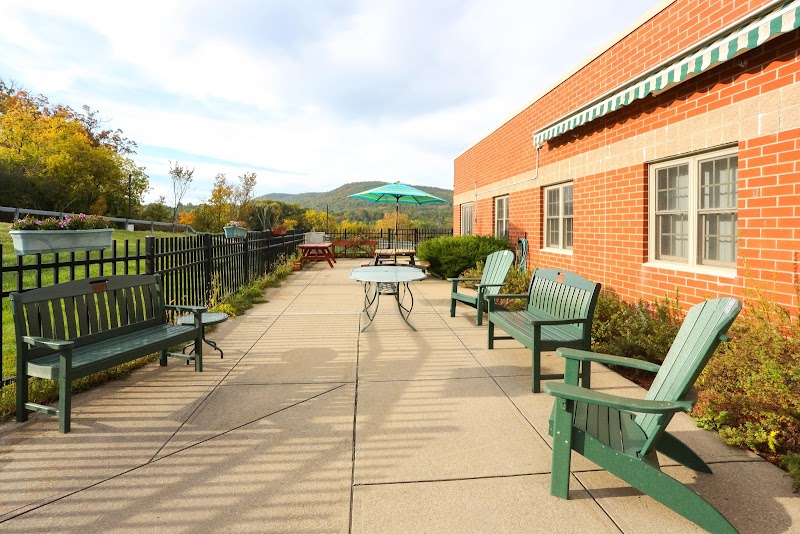
How is Elderwood At Ticonderoga Staffed?

CMS rates ELDERWOOD AT TICONDEROGA's staffing level at 2 out of 5 stars, which is below average compared to other nursing homes. Staff turnover is 51%, compared to the New York average of 46%. RN turnover specifically is 63%, which is notably high. RNs provide skilled clinical oversight, so turnover in this role can affect medical care quality.

What Have Inspectors Found at Elderwood At Ticonderoga?

State health inspectors documented 27 deficiencies at ELDERWOOD AT TICONDEROGA during 2019 to 2025. These included: 25 with potential for harm and 2 minor or isolated issues.
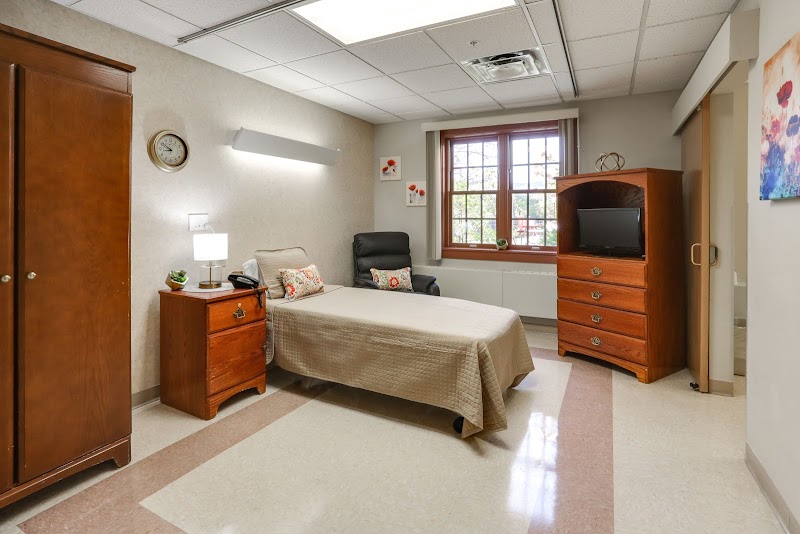
Who Owns and Operates Elderwood At Ticonderoga?

ELDERWOOD AT TICONDEROGA is owned by a for-profit company. For-profit facilities operate as businesses with obligations to shareholders or private owners. The facility is operated by ELDERWOOD, a chain that manages multiple nursing homes. With 84 certified beds and approximately 73 residents (about 87% occupancy), it is a smaller facility located in TICONDEROGA, New York.
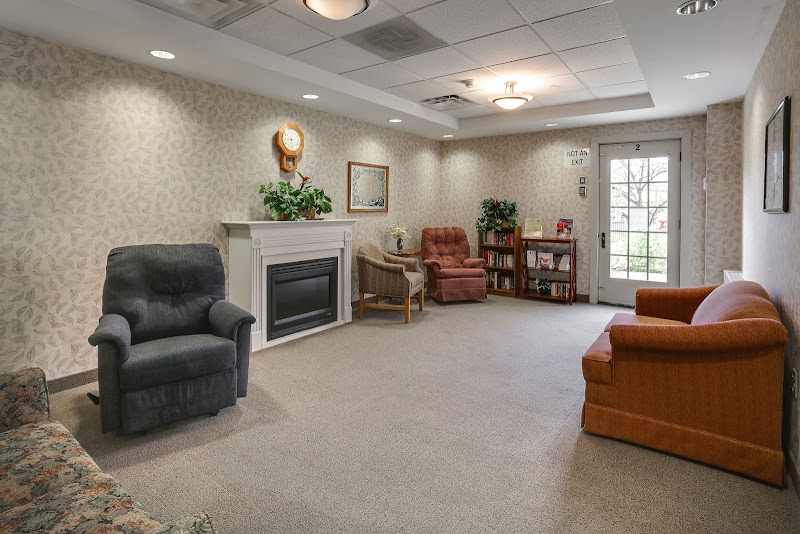
How Does Elderwood At Ticonderoga Compare to Other New York Nursing Homes?

Compared to the 100 nursing homes in New York, ELDERWOOD AT TICONDEROGA's overall rating (1 stars) is below the state average of 3.0, staff turnover (51%) is near the state average of 46%, and health inspection rating (2 stars) is below the national benchmark.

What Should Families Ask When Visiting Elderwood At Ticonderoga?

Based on this facility's data, families visiting should ask: "Can you walk me through typical staffing levels on day, evening, and night shifts?" "Can I visit during a mealtime to observe dining assistance and food quality?" "How do you handle medical emergencies, and what is your hospital transfer rate?" "Can I speak with family members of current residents about their experience?" These questions are particularly relevant given the below-average staffing rating.

Is Elderwood At Ticonderoga Safe?

Based on CMS inspection data, ELDERWOOD AT TICONDEROGA has a clean safety record: no substantiated abuse findings (meaning no confirmed cases of resident harm), no Immediate Jeopardy citations (the most serious violation level indicating risk of serious injury or death), and is not on the Special Focus Facility watch list (a federal program monitoring the lowest-performing 1% of nursing homes). The facility has a 1-star overall rating and ranks #100 of 100 nursing homes in New York. While no facility is perfect, families should still ask about staff-to-resident ratios and recent inspection results during their visit.

Do Nurses at Elderwood At Ticonderoga Stick Around?

ELDERWOOD AT TICONDEROGA has a staff turnover rate of 51%, which is about average for New York nursing homes (state average: 46%). Moderate turnover is common in nursing homes, but families should still ask about staff tenure and how the facility maintains care continuity when employees leave.

Was Elderwood At Ticonderoga Ever Fined?

ELDERWOOD AT TICONDEROGA has been fined $4,516 across 1 penalty action. This is below the New York average of $33,124. While any fine indicates a compliance issue, fines under $50,000 are relatively common and typically reflect isolated problems that were subsequently corrected. Families should ask what specific issues led to these fines and confirm they've been resolved.

Is Elderwood At Ticonderoga on Any Federal Watch List?

ELDERWOOD AT TICONDEROGA is not on any federal watch list. The most significant is the Special Focus Facility (SFF) program, which identifies the bottom 1% of nursing homes nationally based on persistent, serious quality problems. Not being on this list means the facility has avoided the pattern of deficiencies that triggers enhanced federal oversight. This is a positive indicator, though families should still review the facility's inspection history directly.