EDDY HERITAGE HOUSE NURSING AND REHABILITATION CTR
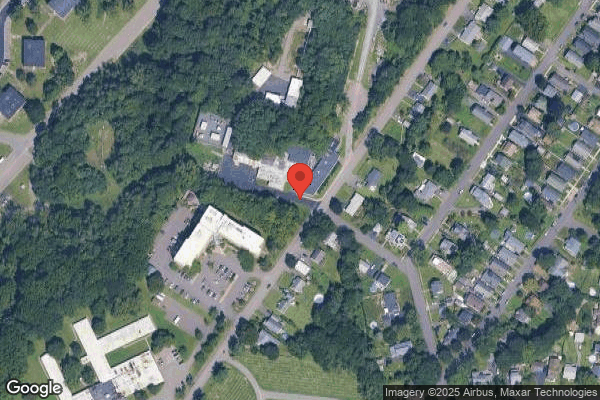
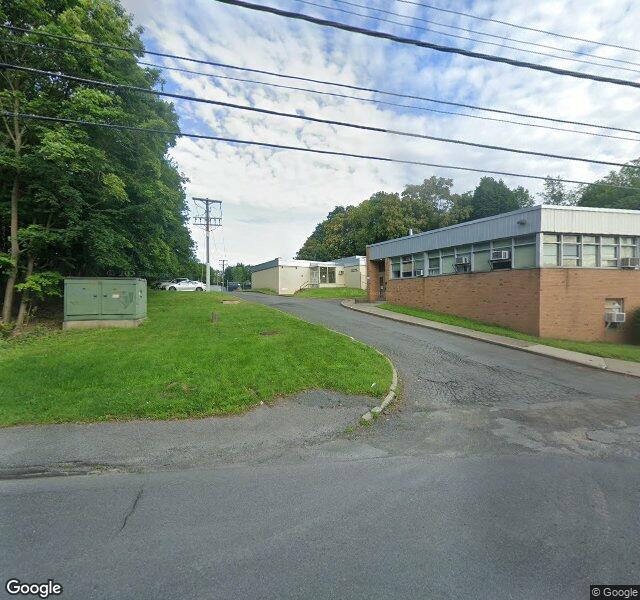
2920 TIBBITS AVENUE, TROY, NY 12180 (518) 274-4125
Non profit - Corporation 120 Beds TRINITY HEALTH Data: November 2025
Trust Grade
38/100
#500 of 594 in NY
Last Inspection: February 2024

Within standard 12-15 month inspection cycle. Federal law requires annual inspections.

Overview

Eddy Heritage House Nursing and Rehabilitation Center has received a Trust Grade of F, indicating significant concerns and a poor quality of care. Ranking #500 out of 594 facilities in New York places it in the bottom half, and #5 out of 9 in Rensselaer County suggests that only four local options are available with better ratings. The facility is worsening, with the number of issues escalating from 2 in 2021 to 13 in 2024. While staffing is rated 4 out of 5 stars, indicating a stronger workforce than many others, the turnover rate is concerning at 60%, significantly above the state average of 40%. Families should be aware of troubling incidents, such as the failure to address resident grievances promptly and serious lapses in medication management, including administering medication without proper verification of the resident's identity and leaving medications improperly stored. Overall, while staffing is a relative strength, the numerous compliance issues and poor trust grade raise serious questions about the care provided at this facility.

Trust Score
F
38/100
In New York
#500/594
Bottom 16%
Safety Record
Low Risk
No red flags
Inspections
Getting Worse
2 → 13 violations
Staff Stability
⚠ Watch
60% turnover. Above average. Higher turnover means staff may not know residents' routines.
Penalties
⚠ Watch
$7,901 in fines. Higher than 84% of New York facilities, suggesting repeated compliance issues.
Skilled Nurses
○ Average
Each resident gets 40 minutes of Registered Nurse (RN) attention daily — about average for New York. RNs are the most trained staff who monitor for health changes.
Violations
⚠ Watch
20 deficiencies on record. Higher than average. Multiple issues found across inspections.
★☆☆☆☆
1.0
Overall Rating
★★★★☆
4.0
Staff Levels
★★★☆☆
3.0
Care Quality
★☆☆☆☆
1.0
Inspection Score
Stable
2021: 2 issues
2024: 13 issues

The Good

  • 4-Star Staffing Rating · Above-average nurse staffing levels
  • Full Sprinkler Coverage · Fire safety systems throughout facility
  • No fines on record

Facility shows strength in staffing levels, fire safety.

The Bad

1-Star Overall Rating

Below New York average (3.0)

Significant quality concerns identified by CMS

Staff Turnover: 60%

14pts above New York avg (46%)

Frequent staff changes - ask about care continuity

Federal Fines: $7,901

Below median ($33,413)

Minor penalties assessed

Chain: TRINITY HEALTH

Part of a multi-facility chain

Ask about local staffing decisions and management

Staff turnover is elevated (60%)

12 points above New York average of 48%

The Ugly 20 deficiencies on record

Feb 2024 10 deficiencies
CONCERN (D)

Potential for Harm - no one hurt, but risky conditions existed

Resident Rights (Tag F0550)

Could have caused harm · This affected 1 resident

**NOTE- TERMS IN BRACKETS HAVE BEEN EDITED TO PROTECT CONFIDENTIALITY** Based on observations, interviews, and record review during a recertification survey from 2/20/2024 to 2/27/2024, the facility d...

Read full inspector narrative →
**NOTE- TERMS IN BRACKETS HAVE BEEN EDITED TO PROTECT CONFIDENTIALITY** Based on observations, interviews, and record review during a recertification survey from 2/20/2024 to 2/27/2024, the facility did not ensure treatment with respect, dignity, and care for each resident in a manner and in an environment that promotes maintenance or enhancement of their quality of life, recognizing each resident's individuality for 2 (Resident #'s 257 and 258) of 22 residents reviewed for privacy and dignity. Specifically, (a.) staff did not knock on Resident #257's door prior to entering and (b.) did not cover the urine collection bag for Resident #258 for treatment reflective of dignified care and respect for the privacy of the residents. This is evidenced by: A. Staff did not knock on resident doors prior to entering: Resident #257 Resident #257 was admitted to the facility on [DATE] with diagnoses including acute chronic systolic (congestive) heart failure (a disease of the heart caused by damage that has developed over time), acute respiratory failure with hypoxia (a condition where you do not have enough oxygen in the tissues of the body caused by a disease or injury that affects a person's breathing), and chronic obstructive pulmonary disease (a group of diseases that cause airflow blockage and breathing-related problems such as emphysema or chronic bronchitis). The Minimum Data Set (an assessment tool) dated 2/16/2024 assessed that the resident was fully cognitively intact and required assistance to complete activities of daily living. On Unit 4 South between 2/20/2024 and 2/27/2024, during the 7 AM - 3 PM day shift, it was noted that staff entered resident rooms without knocking on 3 of 12 occasions. Specifically: • During Observation 1 on 2/20/2024 at 12:36 PM, a staff certified nursing aide entered Resident #257's room without knocking or announcing themselves. • During Observation 2 on 2/23/2024 at 12:52 PM, a nurse staffer walked into room [ROOM NUMBER] without knocking or announcing themselves. • During Observation 3 on 2/26/2024 at 11:59 AM, staff certified nursing aide entered resident room [ROOM NUMBER] without knocking or announcing themselves. Additional observations on 2/26/2024 at 12:07 PM and 12:14 PM of Certified Nursing Aide entering resident room [ROOM NUMBER] without knocking or announcing themselves. An observation on 2/22/2024 at 12:37 PM noted a sign above the Certified Nursing Aides documentation station reminding all staff that they are in their residents' homes and that they need to be sure of the following: • Knock before entering a resident's room. • Announce themselves. • Let them know why they are there. During an interview on 2/26/2024 at 12:43 PM, Certified Nursing Aide #14 stated that all staff should knock on the residents' doors and announce themselves before entering the residents' rooms. They stated that this was their home, and staff should not just walk into their rooms. They indicated staff were supposed to knock every time they entered a resident's room but sometimes they did not. During an interview on 2/27/2024 at 10:57 PM, Licensed Practical Nurse #10 stated that all individuals were to knock on the door and announce themselves. When asked if there were any incidents in which staff did not need to knock, they stated that all staff should always knock on the door, even if they just left the room. They said that they have witnessed staff not knocking on doors, and they usually had reminded them of the proper procedure for entering a resident room. They stated the resident sat on their collection bags often or had them suspended to their side and should be moved. They stated that they were clipped to the resident's shirt with a safety pin on occasion. Licensed Practical Nurse # 10 stated they were unsure of a plan or documentation to place them in dignity bags. Still, they should be treated like any other urine collection bag. During an interview on 2/27/2024 at 11:14 AM, Registered Nurse #3, stated that staff should knock on the door and announce themselves before entering residents' rooms. They stated that they had not had any residents complain that staff were not knocking or witnessed staff not knocking. They stated that they believed some staff had just entered resident rooms without knocking or announcing as they had yet to develop the muscle memory to perform the task. They stated they had in-service meetings regarding the proper procedure for entering the resident room. They had placed signage on the unit to remind staff of the requirements. B. Staff did not cover the urine collection bag for treatment reflective of dignified care and respect for the privacy of the residents: Resident #258 Resident #258 was admitted to the facility on [DATE] with diagnoses including Malignant Neoplasm of the bladder and prostate (cancer of the bladder and prostate), bilateral nephrostomy (tubes placed in the kidneys to drain urine due to blockage of tubes that drain to the bladder), and Hemiplegia and hemiparesis following cerebral infarction affecting the left side (an injury to the brain caused by a blockage of blood flow resulting in the decreased use of the left side of the body). The Minimum Data Set, dated [DATE] assessed that the resident was fully cognitively intact and requires assistance to complete activities of daily living. During an observation on 2/20/2024 at 11:45 AM, Resident #258 was sitting in a wheelchair and was being pushed in the hallway by therapy staff. The resident had two urine collection bags on either side of their body, which were uncovered and lying on their lap. During an interview on 2/27/2024 at 11:15 AM, Registered Nurse #3 stated that Resident #258 went to the hospital recently because of pain in the nephrostomy tube area and thought they had an issue with them. They stated that the resident did not have them in support bags, and when they got full, they pulled on the incision site. They stated they had changed residents' drainage schedules to reduce site straining. They stated they were unsure of a specific nephrostomy tube policy as they have had only two individuals with those prior. They stated that the drainage bags should be covered and in bags so as not to have them exposed. They stated that they would cover them or have them tucked under clothing if exposed. 10 New York Codes, Rules and Regulations 415.3 (c)(1)(i)
CONCERN (D) 📢 Someone Reported This

A family member, employee, or ombudsman was alarmed enough to file a formal complaint

Potential for Harm - no one hurt, but risky conditions existed

Deficiency F0655 (Tag F0655)

Could have caused harm · This affected 1 resident

**NOTE- TERMS IN BRACKETS HAVE BEEN EDITED TO PROTECT CONFIDENTIALITY** Based on interview and record review during the recertification and abbreviated survey (Case # NY00297663) from 2/20/2024 to 2/2...

Read full inspector narrative →
**NOTE- TERMS IN BRACKETS HAVE BEEN EDITED TO PROTECT CONFIDENTIALITY** Based on interview and record review during the recertification and abbreviated survey (Case # NY00297663) from 2/20/2024 to 2/27/2024, the facility did not ensure that a baseline care plan for each resident that included the instructions needed to provide effective and person-centered care of the resident that met professional standard of quality care was developed within 48 hours of admission. This was identified for 1 (Resident #107) of 22 residents reviewed. Specifically, Resident #107 was admitted on [DATE] with history of falls and was assessed to be high risk for falls. A baseline care plan was not developed within 48 hours to include at risk for falls with interventions for safety. This is evidenced by: Cross-reference F-689. The facility's policy and procedure titled Falls Management Policy, effective 10/04/2021, documented Procedure: #2: Residents who were at risk for falls would have an individualized care plan developed which identified interventions to reduce fall risk. The facility's policy and procedure titled Interdisciplinary Care Conference and Care Planning, effective 6/27/2023, stated the facility would develop a baseline interdisciplinary, resident centered care plan within 48 hours of admission. The purpose was to promote effective person-centered care, continuity of care, communication among nursing facility staff, increase resident safety and safeguard against adverse events. Resident # 107 was admitted on [DATE] and discharged on 6/13/2022, as a hospice respite short-term stay resident, with the diagnoses of malignant neoplasm (cancer) of right ureter; secondary neoplasm or lung, liver, and intrahepatic bile duct; and severe right hydronephrosis (a backup of urine in the kidney). The Minimum Data Set, dated [DATE], documented the resident could understand and could be understood by others and assessed to be of moderate cognitive impairment of daily living. Record review of an admission nursing progress note dated 6/9/2022, indicated Resident #107's family member child stated the resident had 5 (five) falls in the previous 6 (six) months. The note further documented that the resident complained of frequent falls, most related to urinary urgency. An additional admission nursing progress note also dated 6/9/2022 indicated Resident #107 was admitted with a left elbow scab from fall and a left knee scab from recent fall. During record review, the physician assessment and orders dated 6/10/2022, documented the resident was on hospice and presented for respite care. The assessment indicated Resident #107 had need for assistance with personal care/abnormality, mobility gait/difficulty with ambulation, required assistance with activities of daily living. It further documented the resident was to have fall precautions. During record review, the review of Falls Risk Screener/assessment dated [DATE] and revised 6/13/2022, documented Resident #107 was assessed as having a high risk for falls. During record review, Resident #107's care plan was reviewed and indicated it was initiated on 2/21/2024, 20 months after Resident #107 was discharged from the facility. Resident #107 did not have a focus care plan of at risk for falls, but instead documented Safety Awareness deficit related to limited mobility, revised by the Director of Operations #1 on 2/21/2024. During an interview on 2/22/2024 2:02 PM, Assistant Director of Nursing #1 stated Resident #107 was on every 15 minutes checks due to high-risk falls. Assistant Director of Nursing #1 did not provide documentation of every 15 minute checks. On 2/21/2024 the resident's care plan was updated to initiate every thirty-minute checks, and the resident would be free from falls. It was further documented it had been revised by the Director of Operations on 2/21/2024. There was no documentation for review to indicate the facility had developed Resident #107's baseline care plan with fall risk precautions within 48 hours of admissions. 10 New York Codes, Rules and Regulations 415.11
CONCERN (D)

Potential for Harm - no one hurt, but risky conditions existed

Comprehensive Care Plan (Tag F0656)

Could have caused harm · This affected 1 resident

Based on observations, record reviews and interviews conducted during the recertification survey from 2/20/2024 to 2/27/2024, the facility did not ensure the development of comprehensive person-center...

Read full inspector narrative →
Based on observations, record reviews and interviews conducted during the recertification survey from 2/20/2024 to 2/27/2024, the facility did not ensure the development of comprehensive person-centered care plans, that included measurable objectives and time frames to meet the resident's medical, nursing, and mental and psychosocial needs that were identified in the comprehensive assessment, for 1 (Resident #70) of 22 residents reviewed for comprehensive care plans. Specifically, for Resident #70, the facility did not ensure a comprehensive care plan was developed to address the medical order for supplemental oxygen use. This is evidenced by: The facility's policy and procedure titled Interdisciplinary Care Conference and Care Planning dated 6/27/2023 documented the facility would develop a comprehensive, resident-centered care plan for each resident based on the individual needs/problems of each resident. Resident #70 Resident #70 was admitted to the facility with the diagnoses of dementia (a general term for the impaired ability to remember, think, or make decisions that interferes with doing everyday activities), morbid obesity (a complex chronic condition in which a person has a body mass index of 40 or higher), and atrial fibrillation (a type of arrhythmia, or abnormal heartbeat). The Minimum Data Set (an assessment tool) dated 1/23/2023 documented the resident could usually understand and usually be understood by others and was severely cognitively impaired. Record review of Resident #70's physician orders indicated the resident had a physician order dated 12/3/2023 for oxygen via nasal cannula at 2 Liters per minute continuously. Review of Resident #70's Comprehensive Care Plan indicated the resident did not have a care plan to address the use of supplemental oxygen. During an interview on 2/23/2024 at 2:44 PM, Assistant Director of Nursing #1 stated all residents with orders for oxygen should have had a corresponding plan of care. During an interview on 2/27/2024 at 12:00 PM, Registered Nurse #1 stated new orders or identified conditions should have had a care plan to address the problem. During an interview on 2/27/2024 at 12:20 PM, Registered Nurse #3 stated care plans should be initiated when there was a new condition that needed to be addressed. Registered Nurse #3 indicated this would include oxygen orders. 10 New York Codes, Rules and Regulations 415.11(c)(1)
CONCERN (D)

Potential for Harm - no one hurt, but risky conditions existed

Deficiency F0657 (Tag F0657)

Could have caused harm · This affected 1 resident

**NOTE- TERMS IN BRACKETS HAVE BEEN EDITED TO PROTECT CONFIDENTIALITY** Resident #257 Resident #257 was admitted to the facility with the diagnoses of limb amputation, acute respiratory failure with h...

Read full inspector narrative →
**NOTE- TERMS IN BRACKETS HAVE BEEN EDITED TO PROTECT CONFIDENTIALITY** Resident #257 Resident #257 was admitted to the facility with the diagnoses of limb amputation, acute respiratory failure with hypoxia (a condition where you do not have enough oxygen in the tissues of the body caused by a disease or injury that affects a person's breathing), and chronic obstructive pulmonary disease (a group of diseases that cause airflow blockage and breathing-related problems such as emphysema or chronic bronchitis). The Minimum Data Set, dated [DATE] documented the resident could understand others and could make themselves understood, and had a moderate cognitive impairment. Review of Resident #257's medical record indicated a physician's order dated 2/13/2024 for oxygen to be administered via a nasal cannula as needed. The order indicated staff should notify the medical doctor if an increased flow rate or continued use was needed for shortness of breath. Resident #257's Comprehensive Care Plan titled, Potential impaired breathing related to chronic obstructive pulmonary disease initiated on 2/09/2024, was reviewed and noted listed interventions included the administration of continuous oxygen. The initial intervention dated 2/09/2024, documented the resident to have oxygen as needed. This initial intervention was documented as discontinued. The comprehensive care plan did not document any further updates or revisions. During an interview on 2/23/2024 at 11:46 AM, Registered Nurse #3 stated that care plans must be updated to reflect the resident's status, and that care plans should be reviewed regularly and updated when needed. During an interview on 2/23/2024 at 2:06 PM, Assistant Director of Nursing #1 stated that comprehensive care plans should be updated as changes occur, as well as during comprehensive assessments. The Assistant Director of Nursing #1 stated that if a care plan involved a medication that was discontinued or completed, then the care plan should be resolved and inactivated. They stated that if a medication order was changed from one medication to another, and the comprehensive care plan mentioned specific medications, the comprehensive care plans should also be updated. 10 New York Codes, Rules and Regulations 415.11(c)(2)(i-iii) Based on record review and interviews during a recertification survey from 2/20/2024 to 2/27/2024, the facility did not ensure Comprehensive Care Plans were reviewed after each assessment and revised based on changing goals, preferences, and needs of the resident and in response to current interventions for 2 (Resident #'s 47 and #257) of 18 residents reviewed. Specifically, for Resident #47, the comprehensive care plan for psychotropic medication was not reviewed/revised with medication changes. For Resident #257, the comprehensive care plan was not updated/revised after intervention for oxygen administration was discontinued. This is evidenced by: The Policy and Procedure titled, Interdisciplinary Care Conference and Care Planning, dated 6/27/2023, documented the facility would develop a comprehensive, resident-centered care plan for each resident based on the individual needs/problems of each resident. Resident #47 Resident #47 was admitted to the facility with the diagnoses of type 2 diabetes mellitus (a group of common endocrine diseases characterized by sustained high blood sugar levels), dementia (a general term describing problems with reasoning, planning, judgment, memory, and other thought processes caused by brain damage from impaired blood flow to the brain) and generalized anxiety disorder (ongoing anxiety that interferes with daily activities). The Minimum Data set (an assessment tool) dated 1/01/2024 documented the resident could understand others and could make themselves understood. The Brief Interview for Mental Status documented the resident's had a moderate cognitive impairment. Review of Resident #47's medical record indicated a physician's order dated 6/29/2023 for olanzapine 5 milligrams by mouth at bedtime for psychosis. Record review indicated Resident #47's 6/29/2023 order for 5 milligrams of olanzapine was discontinued on 7/12/2023. Further review indicated Resident #47 had a physician's order dated 7/12/2023 for olanzapine 2.5 milligrams by mouth one time a day for 2 days for agitation. This order was documented as completed on 7/15/2023. Record review of Resident #47's Comprehensive Care Plan titled, Potential for altered mood as evidenced by a diagnosis of depression, initiated on 7/03/2023, indicated interventions of specific medications, which included olanzapine dated 7/13/2023. Resident #47's depression care plan listed the potential side effects and adverse reactions of taking olanzapine but did not document any further updates or revisions.
CONCERN (D)

Potential for Harm - no one hurt, but risky conditions existed

Medication Errors (Tag F0758)

Could have caused harm · This affected 1 resident

**NOTE- TERMS IN BRACKETS HAVE BEEN EDITED TO PROTECT CONFIDENTIALITY** Resident #47 Resident #47 was admitted with the diagnoses of dementia, generalized anxiety disorder (ongoing anxiety that interf...

Read full inspector narrative →
**NOTE- TERMS IN BRACKETS HAVE BEEN EDITED TO PROTECT CONFIDENTIALITY** Resident #47 Resident #47 was admitted with the diagnoses of dementia, generalized anxiety disorder (ongoing anxiety that interferes with daily activities), and type 2 diabetes. The Minimum Data Set, dated [DATE] documented the resident was able to be understood, could understand others and had a moderate cognitive impairment. Review of Resident #47's medical record indicated a Physician's Order dated 12/15/2023 for quetiapine (psychotropic) 25 milligrams by mouth every 24 hours as needed for psychosis. Record review indicated this order was discontinued on 1/15/2024. Record review indicated Resident #47 had a Physician's Order dated 1/16/2024 for quetiapine 25 milligrams by mouth every 24 hours as needed for psychosis. Record review indicated this order did not include an end date. Record review indicated Resident #47 had a Physician's Order dated 2/8/2024 for lorazepam (anti-anxiety) 1 milligram tablet to be given 1 tablet by mouth every 12 hours as needed for anxiety. Review indicated no end date included with this order. Review of Resident #47's medical record indicated a document titled, Medication Regimen Review, dated 12/18/2023, listed an end date to an as needed order for psychotropic medications (medication that affects a person's mental state) was required with no exceptions. There was no documented physician response. Review of a document titled, Medication Regimen Review, dated 2/9/2024, listed an end date to the as-needed orders for lorazepam and quetiapine was required with no exceptions. Review indicated no documented physician response. In correspondence to the New York State Department of Health on 2/27/2024, Administrator #2 wrote they were unable to locate Medication Regimen Reviews with documentation where the medical provider addressed the aforementioned recommendations. During an interview on 2/23/2024 at 2:06 PM, Assistant Director of Nursing #1 stated all psychotropic medications given as an as-needed medication should have had an end date. They further stated all new psychotropic medications (medication that affects a person's mental state) or new medications in general, should have had a date for re-evaluation. During an interview on 2/26/2024 at 12:42 PM, Medical Doctor #2 stated that as-needed psychotropic medications should have had an end date scheduled for 14 days after the order. They further stated that after 14 days, the medical team would review it and reorder it if the medication was still needed. During an interview on 2/26/2024 at 3:25 PM, Medical Director #1 stated they did tried to limit the use of psychotropic medications on an as-needed basis. They stated there may not be an end date in the order for situational instances, like end-of-life care, or needing an anti-anxiety drug after a family visit. They stated the reason for no end date would need to be noted and the team would have to review them but such notations may not be in the physician's order itself. The Medical Director #1 stated the medical team reviewed psychotropic medications during monthly regulatory visits. Resident #91 Resident #91 was admitted to the facility with the diagnoses of acute and chronic respiratory failure with hypoxia (a condition that occurs when the lungs cannot get enough oxygen into the blood or eliminate enough carbon dioxide from the body), chronic obstructive pulmonary disease (a group of lung disease that block airflow and make it difficult to breathe), and pneumonia. The Minimum Data Set, dated [DATE] documented that the resident was minimally cognitively impaired, able to make themselves understood, to understand others, and needed some assistance to perform activities of daily living. During a record review on 2/21/2024 at 2:01 PM, it was noted that Resident #91 had a medication order for Azithromycin oral tablet (an antibiotic) 250 milligrams, 1 tablet to be given on Monday, Wednesday and Friday. Review of the order indicated the prescribing indication listed was for preventative. During an interview with Assistant Director of Nursing #1, on 02/27/2024 at 10:15 AM, they stated that it was acceptable to have an order for maintenance or preventative antibiotics; however, there needed to be a reason for the antibiotic. They stated as the facility Infection Preventionist, it was their responsibility to review the antibiotics ordered along with the pharmacist consultant sheets to make sure orders were correct and that any prescribed antibiotic had a reason for use. When asked specifically if an order was written for preventative would be acceptable, Assistant Director of Nursing #1 stated the order should be more like for urinary tract infection prevention and should not be for preventative without indication for precise use. During an interview on 02/27/2024 at 03:25 PM, Medical Director #1 stated that sometimes antibiotics were used as preventatives if the resident was significantly compromised or had acquired multiple infections. They further stated that regarding Resident #91's order for antibiotics, Medical Director #1 believed that the order was carried over from a previous hospital stay when the resident's pulmonary doctor had made the recommendation of preventative treatment. During a follow up interview with Medical Director #1 on 02/27/2024 at 01:11 PM, documentation was provided regarding the rationale for the order to continue antibiotic treatment for preventative purposes. When asked if Resident #91's antibiotic order was acceptable as written, Medical Director #1 stated the order should be rewritten to include the illness being tried to prevent. 10 New York Codes, Rule and Regulations 415.18 (c)(2) Based on records reviewed and interviews during the recertification survey from 2/20/2024 to 2/27/2024, the facility did not ensure each resident's drug/medication regimen was managed and monitored to promote or maintain the resident's highest practicable mental, physical, and psychosocial well-being for 4 (Residents #91, #29, #24, and #47) of 6 residents reviewed for unnecessary medications. Specifically, for Resident #29, #24, and #47, as-needed psychotropic medication orders did not include stop dates. Additionally, for Resident #91, an order for a preventative antibiotic did not identify indication for usage. This is evidenced by: A facility policy titled Psychotropic Medication Management dated 6/19/2023, documented that regular reviews of psychotropic medications would be conducted to assess their effectiveness, necessity, and any adverse effects. This review would involve interdisciplinary collaboration with discussion for potential gradual dose reduction. A facility policy titled Drug Regimen Reviews dated 5/8/2023, documented that a complete drug regimen review would be completed to identify potential clinically significant medication issues. The policy further documented that the resolution of uses would be documented on the medication reconciliation form or in the progress notes. A facility policy titled Medication Administration dated 12/21/2023, documented that prior to administering medications, both regularly scheduled and as needed, staff were to have read the electronic medication administration record thoroughly, note the name, dose, amount of administration and expiration date. Should a discrepancy be found, the policy stated always check the physician order and notify the Registered Nurse before administering the medication. A facility policy titled Antimicrobial Stewardship Program Policy dated 6/16/2023, documented that the length of antibiotic treatment should comply with current recommendations, or documentation by medical staff should be present in the record as to rationale for longer duration of treatment. Resident #29 Resident #29 was admitted with the diagnoses of bipolar disorder (a mental health condition that causes extreme mood swings that include emotional highs and lows, vascular dementia (a general term describing problems with reasoning, planning, judgment, memory, and other thought processes caused by brain damage from impaired blood flow to the brain), and diabetes. The Minimum Data Set (an assessment tool) dated 1/12/2024 documented the resident was able to be understood and could understand others and was severely cognitively impaired. A review of Resident #29's medical record indicated a Physician's Order, dated 2/22/2024, for lorazepam (a psychotropic medication used to treat anxiety) 1 milligram pill to be given 0.5 milligram by mouth every six hours as needed for anxiety. The medication was to start on an as-needed basis on 2/22/2023 but had no end date documented. Resident #24 Resident #24 was admitted with diagnoses of hemiplegia and hemiparesis (paralysis and weakness) following a stroke, dysphagia (difficulty speaking and swallowing), and type 2 diabetes with diabetic neuropathy (a metabolic disease involving inappropriately elevated blood glucose levels which can cause numbness and tingling or pain in the resident's lower extremities). The Minimum Data Set, dated [DATE] documented the resident was able to be understood and to understand others, and was significantly cognitively impaired. A physician order dated 11/29/2023 at 11:00 AM, documented that Resident #24 was ordered Seroquel Oral Tablet 25mg give 1 tablet by mouth every 24 hours as needed for worsening anxiety. There was no end date included in the order. A Medication Regimen Review dated 12/07/2023 documented that the as-needed Seroquel order required an actionable step from the primary care provider or nursing staff. A Medication Regimen Review dated 2/08/2024 documented that the as-needed Seroquel order could be considered for discontinuation because the medication had not been used in over 60 days.
CONCERN (D)

Potential for Harm - no one hurt, but risky conditions existed

Garbage Disposal (Tag F0814)

Could have caused harm · This affected 1 resident

Based on observation and interviews during the recertification survey from 2/20/2024 to 2/27/2024, the facility did not dispose of garbage and refuse properly. Specifically, the exterior dumpster was ...

Read full inspector narrative →
Based on observation and interviews during the recertification survey from 2/20/2024 to 2/27/2024, the facility did not dispose of garbage and refuse properly. Specifically, the exterior dumpster was not clean nor in good repair, and the grounds around the dumpster was littered. This is evidenced by: During observations on 2/20/2024 at 10:38 AM of the exterior grounds, the side door to the garbage dumpster had a 3-inch round hole, one side of the dumpster was soiled with black drip marks, and the ground around the dumpster was littered with food refuse. During an interview on 2/20/2024 at 10:41 AM, Food and Nutrition Director #1 stated that litter could have been there for 2 days and that they would ask the Manager of Facilities #1 to contact the dumpster vendor for dumpster cleaning and door repair. During an interview on 2/20/2024 at 1:27 PM, Administrator #2 stated that Manager of Facilities #1 cleaned the area on 2/20/2024 by 11:00 AM, and the dumpster vendor would be contacted. 10 New York Codes, Rules, and Regulations 415.14(h)
CONCERN (E)

Potential for Harm - no one hurt, but risky conditions existed

Grievances (Tag F0585)

Could have caused harm · This affected multiple residents

Based on interviews and record reviews conducted during the recertification survey from 2/20/2024 to 2/27/2024, the facility did not ensure prompt efforts were made to respond to grievances and compla...

Read full inspector narrative →
Based on interviews and record reviews conducted during the recertification survey from 2/20/2024 to 2/27/2024, the facility did not ensure prompt efforts were made to respond to grievances and complaints from residents of the facility. Specifically, the facility did not ensure the facility's process for missing property and grievances was followed when the residents reported lost items or filed complaints. Additionally, the residents needed to be appropriately apprised of the progress toward any resolutions made for grievances or missing items. This is evidenced by: Policy and Procedure titled Complaints and Grievances, dated 1/2016, documented that the facility would promptly deal with complaints and recommendations made by residents and their designated representatives. The purpose of this policy was to promptly bring complaints or recommendations to the attention of one individual responsible for addressing and explaining to the resident when a complaint could not be fully resolved. During a record review, grievances provided by the facility from August 2023 through November 2023, contained no documentation of resolutions or responses by the facility. During a record review of filed missing items reports, the facility could not produce any documentation of filled missing items reports by residents or any resolutions to the reports. During an interview on 2/21/2024 at 3:29 PM with the resident council, Residents #22, #92, and #58 stated that they did not get feedback from the facility when making a complaint. They stated that complaints were made to staff on the floor and did not believe they were taken to anyone. When asked if they knew the procedure for filing a complaint or grievance, they stated that they did. During an interview on 2/27/2024 at 10:08 AM, Director of Social Services #1 stated that missing item reports should be kept with social work. They stated the units were to forward the missing items reports to social services for review and then the reports were to be sent to administration. They stated once administration reviewed the forms, they should be returned to social services for follow-up with the residents. They stated that they hardly ever received missing item forms as those forms would be given directly to nursing. They stated social work unit had handled fewer than ten (10) reports in the last month and fewer than twenty (20) within the previous year. They stated if social services were kept in the loop, they follow up with residents and their families. They stated that when speaking with resident families, social work would report to the families what happened initially along with the resolution. They stated social services sometimes made appointments with families for items such as glasses or hearing aids so the family would be aware of where the resident was in the process of receiving a replaced item. During an interview on 2/27/2024 at 10:15 AM, Assistant Director of Nursing #1 stated that missing items were reviewed in the morning meeting. They stated that once filled out, the forms were kept on the floor with the unit manager. They stated that social services got involved in the resolution, possible restitution, and follow-up with residents. When asked how often the staff were educated on the missing items form, they stated all staff were educated on the policy of grievances and missing or misappropriation of items upon hire. When asked if the policy was reviewed during the year, Assistant Director of Nursing #1 stated that they believed it was reviewed only when individuals were hired during orientation. During an interview on 2/27/2024 at 10:23 AM, Registered Nurse #1 stated that blank missing item forms were kept in a filing cabinet. They stated that the filled-out ones did not stay on the unit but were sent to administration. During an interview on 2/27/2024 at 10:28 AM, Registered Nurse #3 stated that they did not have any of the filled-out forms on the unit as they did not keep them on the unit. They stated that the staff on the unit would start the process and if the items were not found, the form was filled out and sent to social work and administration. During an interview on 2/27/2024 at 11:38 AM, Registered Nurse Educator #1 stated that missing items and misappropriation were covered in new hire education but training was more floor-based. Registered Nurse Educator #1 stated staff are taught that missing items must be reported. They stated that when items were reported missing, the manager on the floor should be notified and the missing item report is to be filled out. They stated that the missing items were discussed during the morning meeting. During an interview on 02/27/2024 at 11:47 AM, Administrator #2 stated that social work should be the gatekeeper for investigating grievances and missing items. They stated that the forms should be kept within the social work office while the investigation progressed. Once a resolution has been made, it should be forwarded to the administration. Administrator #2 responded that social work should work with nursing to follow up with the resident when asked who should follow up with the resident. 10 New York Codes, Rules, and Regulations 483.10(j)(4)(ii)
CONCERN (E)

Potential for Harm - no one hurt, but risky conditions existed

Pharmacy Services (Tag F0755)

Could have caused harm · This affected multiple residents

Based on observation, record review, and interviews conducted during a recertification survey from 2/20/2024 to 2/27/2024, the facility did not provide pharmaceutical services including procedures tha...

Read full inspector narrative →
Based on observation, record review, and interviews conducted during a recertification survey from 2/20/2024 to 2/27/2024, the facility did not provide pharmaceutical services including procedures that assured the accurate dispensing and administering of all drugs and biologicals according to professional standards. Specifically, (a.) an administered controlled substance was not signed out on the control substance record when documented in the resident's medical record as administered; and (b.) nursing staff did not verify the correct resident prior to medication administration for 2 (Resident #'s 4 and 76) residents observed for medication administration. This is evidenced by: The facility's Medication Administration Policy and Procedure, effective 12/21/2023, under Procedure: documented the Registered Nurse/Licensed Practical Nurse will 3. Note carefully the name, dose, amount of administration and expiration date. 5. Use pill crusher to crush tablets (per order). 6. Identify the resident/elder by two identifiers (ex, checking the ID bracelet, ID photo in electronic medical record). 7. Administer medication using principles of aseptic clean technique based on route and type of medication being given. (Refer to appropriate procedures for specific administration). A. During an observation on 2/23/2024 at 10:59 AM, the 3rd floor, Southside Medication Cart Narcotic count for Lyrica 150 milligram tablet documented 28 tablets in binder and the medication card count was 27. The reconciliation of Resident #312's narcotic (Lyrica) had a one pill discrepancy. During an interview on 2/23/2024 at 11:00 AM, Licensed Practical Nurse #5 stated Resident # 312 received 1 dose of Lyrica 150 milligrams at 10:00 AM and they did not sign the medication out of the narcotic book. Licensed Practical Nurse #5 stated they should have signed the narcotic out of the binder at the same time it was signed in the electronic medical record. During record review on 2/23/2024 at 11:10 AM, a physician's order was reviewed that documented Resident #312 was to be administered Lyrica 150 milligram tab at 10:00 AM. The resident's electronic Medication Administration Record indicated resident #312 received Lyrica 150 milligram at 10:00 AM. B. During an observation on 2/23/2024 at 8:40 AM, Licensed Practical Nurse #2 entered the rooms of Residents #4 and Resident #76 to complete medication administration. During both medication administrations, Licensed Practical Nurse #2 did not verify each resident's name prior to administration. During an interview on 02/27/2024 at 11:12 AM, Registered Nurse Educator #1 stated nursing staff completed annual competencies along with various monthly in-services in-person and the pharmacy conducted semi-annual audits on medication administration. Registered Nurse Educator #1 indicated the last audit was Summer 2023 and they reviewed the rights of medication administration including the right patient, right medication, right dose, right time, and right route. 10 New York Codes, Rules and Regulations 415.18 (b)(1)(2)(3)
CONCERN (E) 📢 Someone Reported This

A family member, employee, or ombudsman was alarmed enough to file a formal complaint

Potential for Harm - no one hurt, but risky conditions existed

Deficiency F0761 (Tag F0761)

Could have caused harm · This affected multiple residents

Based on observation, record review, and interviews conducted during a recertification survey from 2/20/2024 to 2/27/2024, the facility did not ensure drugs and biologicals were labelled and stored in...

Read full inspector narrative →
Based on observation, record review, and interviews conducted during a recertification survey from 2/20/2024 to 2/27/2024, the facility did not ensure drugs and biologicals were labelled and stored in accordance with professional standards of practice. Specifically, (a.) opened medications had no open and/or expiration dates; (b.) controlled substances were not kept secured in a double locked cabinet; (c.) expired medications were present; and (d.) an unlocked medication cart was left unattended. This was evident for 4 out of 6 medication carts reviewed, and for 1 out of 3 medication storage rooms reviewed. This is evidenced by: The facility's Medication Administration Policy and Procedure, effective 12/21/2023, documented the nurse was to carefully check the name, dose, amount of administration and expiration date, and to remain with the unlocked medication cart/cabinet. It further documented that if nurse needed to leave the cart, the cart was to be locked. The Facility's Pharmacy Services and Procedure Manual revised 8/7/2023 documented the facility was to store Schedule II - V Controlled Substances in a separate compartment within the locked medication carts and should have different key or access device. It further documented to store all drugs and biologicals in locked compartments, including storage of Schedule II-V medications separately locked, permanently affixed compartments, permitting only authorized personnel to have access; controlled substances were to be securely stored in a double locked cabinet, affixed to the wall or floor until the beginning of the medication pass; upon completion of the medication pass, controlled substances must be returned to the cabinet. Section 4.8 of the pharmacy manual, regarding the procedure for appropriate labeling of medications, documented medications that were in multiple dose vials (i.e.: insulin) or containers (i.e., bulk liquids) must have had a label indicating the date the container was first opened and the date of expiration. It documented multidose vials of injectable medications would expire 28 days after the date opened, unless otherwise specified by the manufacturer, and medications with expiration dates of month and year only would expire on the last day of the month. Section 15 further documented the facility was to ensure that medications and biologicals for expired, discharged , or hospitalized residents were stored separately, away from use, until destroyed or returned to the provider. A. During an observation on 02/23/2024 at 11:37 AM the 4th floor Medication Cart, East Side a bottle of stock Tylenol had no open date. The expiration date was worn off and was unable to be determined. Additionally, 1 open Basaglar insulin pen had no open or expiration date. During an observation on 2/23/2024 at 12:48 PM, the 4th floor southside medication cart contained the following: 1 bottle of Latanoprost 0.005% eye drops with no open date, dispensed date was 7/24/2023. 1 bottle of refresh tears with no open date; 1 open Levemir insulin pen with no open and no expiration date. 1 tube of Oragel solution with no top cover and no open date. During an interview on 2/23/2024 at 11:40 AM, Licensed Practical Nurse #4 stated they did not label stock medications with open dates. Licensed Practical Nurse #4 was not aware of an Omnicare Pharmacy Grid of Medications with shortened discard dates after opening (a grid that list expiration dates of specific medications). During an interview on 2/23/2024 at 12:48 PM, Licensed Practical Nurse #6 stated the open Oragel solution should have been discarded. During an interview on 2/27/2024 at 10:51 AM, Licensed Practical Nurse #8 stated they were aware they should check expiration dates but didn't check expiration dates on medication bottles in the cart because they had too many medications to administer. Licensed Practical Nurse #8 stated if residents were given expired medications, they did not know side effects, and was not aware of the Omnicare Pharmacy Grid of Medications with shortened discard dates after opening. During an interview on 2/27/2024 at 11:15 AM, Assistant Director of Nursing #1 provided the surveyor with the, Omnicare Pharmacy Grid of Medications with shortened discard dates after opening, and stated the Grid was present on each medication cart for the nursing staff to refer to. During an observation on 2/27/2024 at 11:30 AM, the medication carts on the 3rd floor Southside, 4th floor Eastside and Southside; and 3rd and 4th floor Medication rooms did not have the, Omnicare Pharmacy Grid of Medications with shortened discard dates after opening, posted. B. During an observation on 2/23/2024 at 11:15 AM, the 3rd floor Southside Medication Room narcotic lock box had only one functioning lock. The narcotic lock box was observed to have a broken lock inside while it contained multiple narcotics and an envelope with jewelry. During an observation on 2/23/2024 at 11:20 AM, the 3rd floor Southside Medication Room refrigerator contained a narcotic box with a broken lock. The narcotic box contained the Schedule III controlled substance, dronabinol 5mg. During an interview on 2/23/2024 at 11:15 AM, Licensed Practical Nurse #5 stated they previously informed Nursing Supervisor #1 about broken locks. During an interview on 2/23/2024 at 01:56 PM, Assistant Director of Nursing #1 stated they were unaware of broken locks on 3rd floor Medication Room narcotic boxes. Assistant Director of Nursing #1 stated they would put in a work order immediately. During an observation on 2/26/2024 at 10:00 AM, the locks on the narcotic box in the 3rd floor Medication Room remained broken. C. During an observation on 2/23/2024 at 11:20 AM, the Medication Room refrigerator contained expired medications as follows: - C-Lido/Benadryl/Maalox expired 2/04/2024, - C-Lido/Benadryl/Maalox expired 1/11/2024; - Vancomycin hydrochloride solution expired 1/25/2024. During an interview on 02/27/2024 at 11:12 AM, Registered Nurse Educator #1 stated nursing staff completed annual competencies along with various monthly in-services in-person and the pharmacy conducted semi-annual audits on medication administration. Registered Nurse Educator #1 stated the last audit was Summer 2023, that it was the nursing department's responsibility to check expiration dates of medications, and the responsibility of each nurse assigned to a medication cart to remove expired medications from those carts. D. During an observation on 02/26/2024 at 10:20 AM, the 4th floor Southside Medication cart was left unattended. The cart was unlocked, and the laptop revealed resident Personal Identifiable Information. The nurse assigned to the medication cart was unable to be located. During an interview on 2/26/2024 at 11:00 AM, the Assistant Director of Nursing #1 stated nurse assigned to 4th floor Southside medication cart was an agency nurse that agency staff received one day of shadowing orientation at the facility, and that the agency provided medication administration orientation and training. 10 New York Codes, Rules and Regulations 415.18(d)
CONCERN (E)

Potential for Harm - no one hurt, but risky conditions existed

Food Safety (Tag F0812)

Could have caused harm · This affected multiple residents

Based on observation, record review, and interviews during the recertification survey from 2/20/2024 to 2/27/2024, the facility did not prepare and serve food in accordance with professional standards...

Read full inspector narrative →
Based on observation, record review, and interviews during the recertification survey from 2/20/2024 to 2/27/2024, the facility did not prepare and serve food in accordance with professional standards for food service safety in 3 (three) of 3 kitchenettes. Specifically, food was not stored to preclude contamination, the kitchenettes were not clean, and the cabinetry in the kitchenettes were not in good repair. This is evidenced by: During observations on 2/20/2024 at 10:44 AM, single-serving packets of beverage thickener were stored under the sink in the Second Floor Unit kitchenette. Cabinets, cupboards, drawers, microwave ovens, and the floor in corners and next to walls were soiled with food particles in the Second Floor Unit kitchenette and the Third Floor Unit kitchenette; the bottom of cabinet under the sink in the Fourth Floor Unit kitchenette was warped and soiled with black particles. In the Second Floor Unit kitchenette, 2 cabinet doors would not close and stay shut when tested, and in the Third Floor Unit kitchenette, one cupboard door was missing a handle. The undated document titled, Daily Cleaning Checklist, was reviewed and documented that the doors to the kitchenette cabinets, cupboards, and drawers and the kitchenette microwave ovens were to be cleaned daily. The undated document titled, Weekly Cleaning Checklist, was reviewed and documented that the insides of the kitchenette cabinets, cupboards, and drawers were to be cleaned weekly. No documented evidence that kitchenette floors were scheduled to be cleaned in corners and next to walls was located for review. There was no documented evidence for review that indicated the facility maintenance department was notified to repair in the kitchenette missing handles, loose doors, or the bottom of any cabinets. During an interview on 2/22/2024 at 2:31 PM, Administrator #1 stated that the kitchenettes would be thoroughly cleaned including the floors in corners and all cabinetry, and that Manager of Facilities #1 would be asked to repair the cabinet doors. 10 New York Codes, Rules, and Regulations 415.14(h) Chapter 1 State Sanitary Code Subpart 14-1
Feb 2024 3 deficiencies
CONCERN (D) 📢 Someone Reported This

A family member, employee, or ombudsman was alarmed enough to file a formal complaint

Potential for Harm - no one hurt, but risky conditions existed

Report Alleged Abuse (Tag F0609)

Could have caused harm · This affected 1 resident

Based on record review and interviews during an abbreviated survey (Case # NY00316856), the facility did not ensure that all alleged violations involving abuse were reported immediately, but not later...

Read full inspector narrative →
Based on record review and interviews during an abbreviated survey (Case # NY00316856), the facility did not ensure that all alleged violations involving abuse were reported immediately, but not later than 2 hours after the allegation was made, if the events that cause the allegation involve abuse, to the Administrator of the facility and to the State Survey Agency for 1 (Resident #1) of 5 residents reviewed. Specifically, an allegation of physical abuse reported by Resident #1 on 5/15/2023 was not reported to the New York State Department of Health after the allegation was made. This is evidenced by: Resident #1: Resident #1 was admitted to the facility with diagnoses of dementia, squamous cell carcinoma (skin cancer), and anemia (condition of not having enough healthy red blood cells or hemoglobin to carry oxygen to the body's tissue). The Minimum Data Set (an assessment tool) dated 5/18/2023, documented the resident could be understood, could understand others, and had intact cognition for decisions of daily living. The facility's Abuse, Prevention and Investigation Policy, dated 7/27/2023, documented a report to the New York State Department of Health must be made immediately, but no later than 2 hours after forming the suspicion that an allegation meets the following criteria: Serious bodily injury occurred and/or there is suspicion that abuse has occurred. The Statement Form dated 5/15/2023 at 7:10 AM signed by Certified Nurse Aide #2 documented Resident #1 reported the staff that got them dressed that morning was rough and mean causing a bruise on their right arm. The Investigation Summary Form dated 5/15/2023 documented the resident reported to two (2) daytime Certified Nurse Aides that the overnight aide was mean and rough and the bruise on their right arm was caused by the aide. The Conclusion documented the facts in this investigation did not support the allegation of abuse. The section of the form titled Department of Health Notification was blank. The form was signed by Administrator #2 on 5/16/2023. A review of ASPEN Complaints/Incidents Tracking System revealed no reports were submitted by the facility regarding the incident that occurred on 5/15/2023. During an interview on 2/15/2023 at 1:52 PM, Assistant Director of Nursing #1 stated it was an allegation of abuse and should have been reported to the Department of Health immediately; and that there was nothing in the file to indicate the incident was reported. During an interview on 2/15/2023 at 2:05 PM, Administrator #1 stated the incident was suspected abuse and should have been reported within two hours. 10 New York Codes, Rules and Regulations 415.4(b)(2)
CONCERN (D) 📢 Someone Reported This

A family member, employee, or ombudsman was alarmed enough to file a formal complaint

Potential for Harm - no one hurt, but risky conditions existed

Investigate Abuse (Tag F0610)

Could have caused harm · This affected 1 resident

**NOTE- TERMS IN BRACKETS HAVE BEEN EDITED TO PROTECT CONFIDENTIALITY** Based on record review and interviews during an abbreviated survey (Case #'s NY00310829, NY00311751, NY00316856, and NY00319018)...

Read full inspector narrative →
**NOTE- TERMS IN BRACKETS HAVE BEEN EDITED TO PROTECT CONFIDENTIALITY** Based on record review and interviews during an abbreviated survey (Case #'s NY00310829, NY00311751, NY00316856, and NY00319018), the facility did not ensure all alleged violations of abuse, neglect, or mistreatment, including injuries of unknown source were thoroughly investigated for 5 (Residents #1, 2, 3, 4, and 5) of 5 residents reviewed. Specifically, the facility did not conduct a thorough investigation when Resident #1 alleged abuse on 5/15/2023 by a Certified Nurse Aide. For Resident #2, the facility did not conduct a thorough investigation to determine the cause of a fracture (bone break) identified on 2/28/2023. For Resident #3, the facility investigation began 5 days after the resident's unwitnessed fall and did not identify the cause or corrective actions to prevent re-occurrence. For Residents #4 and 5, facility investigations did not identify non-adherence to the residents' care plans as contributing factors; additionally, the facility investigations did not include appropriate corrective actions to prevent reoccurrence. This is evidenced by: The facility policy titled Abuse Prevention and Investigation Policy, effective 6/27/2023, documented the following: - Nursing Supervisor/Nurse Manager shall initiate the investigation on the shift in which the incident was observed, the report was first received, or when abuse was suspected. - Any staff members who may have knowledge of the incident including the alleged perpetrator shall be interviewed and asked to write a written statement. - Anyone else who could potentially be a witness or who may have knowledge of circumstances shall be interviewed. If allegations involve a specific staff member, alert residents who have been cared for by that individual should be interviewed to ascertain if there were care concerns which should be addressed. A thorough investigation includes the following: - A record of interviews - An explanation of evidence reviewed. - The conclusion reached with a discussion of its basis, and any changes made to care plans or processes. The facility shall make any necessary changes to care plans, policies, procedures, and staff education as identified as a result of the investigation. Resident #1: Resident #1 was admitted to the facility with diagnoses of dementia, squamous cell carcinoma (skin cancer), and anemia (condition of not having enough healthy red blood cells or hemoglobin to carry oxygen to the body's tissue). The Minimum Data Set (an assessment tool) dated 5/18/2023, documented the resident could be understood, could understand others, and had intact cognition for decisions of daily living. Witness statements dated 5/15/2023 from Certified Nurse Aides #2 and #5 documented the resident reported the overnight Certified Nurse Aide was rough and caused a bruise to their right forearm. An Investigation Summary Form dated 5/15/2023 documented the resident reported to the Certified Nurse Aide on the day shift that an overnight Certified Nurse aide was rough during early morning care causing a bruise on the right arm. The Record Review and Conclusion section of the form documented the facts in this investigation did not support the allegation of abuse as defined by the regulations. Steps to prevent reoccurrence, staff was counseled regarding being rushed with care and how that could be perceived negatively by residents. Staff had no disciplinary history. The investigation did not include interviews and/or witness statements from any staff working at the time the incident occurred and there were no resident interviews regarding care provided by the accused staff. The Investigation Summary did not include a possible cause of the bruise sustained by the resident or steps to prevent reoccurrence of injury for this resident. Resident #2: Resident #2 was admitted to the facility with diagnoses of hemiplegia (paralysis of partial or total body function on one side of the body) following cerebral infarction (stroke that disrupted blood flow to the brain), apraxia (a disorder of the brain and nervous system in which a person is unable to perform tasks or movements when asked), and mild cognitive impairment. The Minimum Data Set, dated [DATE], documented the resident could sometimes be understood, could sometimes understand others and had moderately impaired cognition for decisions of daily living. An Investigation Summary Form dated 2/28/2023 documented that Resident #2 reported ankle pain and swelling. Mobile X-ray dated 2/28/2023 revealed left ankle fracture (bone break). The Record Review and Conclusion section of the form documented the facts in this investigation did not support the allegation of abuse as defined in the regulations. The Investigation Summary did not include a possible cause of the fracture sustained or steps to prevent reoccurrence of injury for this resident. Resident #3: Resident #3 was admitted to the facility with diagnoses of chronic kidney disease, bilateral osteoarthritis of hip (arthritis in both hips), severe protein calories malnutrition. The Minimum Data Set, dated [DATE], documented the resident could be understood, could understand others and had moderately impaired cognition for decisions of daily living. A Progress Note dated 2/07/2023 written by a Registered Nurse documented the resident was observed laying on the floor in their room at 6:05 PM; the resident did not know what happened; Registered Nurse assessment found no injury. An Investigation Summary Form dated 2/13/2023 documented that the resident was noted to have severe pain with bruising on right posterior thigh. The resident sustained an unwitnessed fall on 2/7/2023. Resident #3 was diagnosed with a right thighbone fracture (bone break) on 2/13/2023. The Record Review and Conclusion section of the form documented the facts in this investigation did not support the allegation of abuse as defined in the regulations. The Investigation Summary did not include a possible cause of the fracture sustained or steps to prevent reoccurrence of injury for this resident. During an interview on 2/15/2024 at 2:06 PM, Administrator #1 stated there should have been a conclusion statement in the investigation with possible cause of injury and what would be done to prevent it from happening again. Administrator #1 stated there should have been documented interviews with all staff and residents who were potentially involved or were witness to what happened. During an interview on 2/21/2024 at 2:50 PM, Assistant Director of Nursing #1 stated the facility's investigation folder for NY00319018 was not helpful since it did not have information related to the care plan changes or whether the care plan was implemented. Assistant Director of Nursing #1 further stated that facility investigations were not being completed properly by the former Director of Nursing; the investigations did not contain what happened to cause the resident's injuries or what should have been done to prevent reoccurrence. 10 New York Codes, Rules and Regulations 415.4(b)(3)
CONCERN (D) 📢 Someone Reported This

A family member, employee, or ombudsman was alarmed enough to file a formal complaint

Potential for Harm - no one hurt, but risky conditions existed

Quality of Care (Tag F0684)

Could have caused harm · This affected 1 resident

**NOTE- TERMS IN BRACKETS HAVE BEEN EDITED TO PROTECT CONFIDENTIALITY** Based on record review and interviews during an abbreviated survey (Case #'s NY00311751 and NY00316856), the facility did not en...

Read full inspector narrative →
**NOTE- TERMS IN BRACKETS HAVE BEEN EDITED TO PROTECT CONFIDENTIALITY** Based on record review and interviews during an abbreviated survey (Case #'s NY00311751 and NY00316856), the facility did not ensure that residents received treatment and care in accordance with professional standards of practice, the comprehensive person-centered care plan, and the residents' choices for 2 (Residents # 1 and 2) of 5 residents reviewed. Specifically, for Resident #1, the facility did not ensure an immediate and thorough assessment of the resident's injury alleged to be caused by abuse. For Resident #2, the facility did not ensure an assessment of new onset pain resulting in delay of treatment for a fracture (bone break). This is evidenced by: The facility Policy titled Abuse Prevention and Investigation, effective 6/27/2023, documented, when abuse is suspected or alleged, resident safety must be a priority. All required documentation, assessments, treatments must be completed as appropriate by facility staff. The resident shall be assessed and any necessary care provided. The facility Policy titled Change in Condition, effective 2/2020 documented, as a resident's condition changes the licensed nurse will consult with the resident immediately. The attending physician will be notified immediately as indicated by the significance of the change and need for medical intervention. Resident #1 Resident #1 was admitted to the facility with diagnoses of dementia, squamous cell carcinoma (skin cancer) , and anemia (condition of not having enough healthy red blood cells or hemoglobin to carry oxygen to the body's tissue). The Minimum Data Set (an assessment tool) dated 5/18/2023, documented the resident could be understood, could understand others, and had intact cognition for decisions of daily living. An Investigation Summary Form dated 5/15/2023 documented the resident reported to a Certified Nurse Aide on the day shift that an overnight Certified Nurse aide was rough during early morning care causing a bruise on the right arm. The form did not contain documentation of a Registered Nurse assessment of the resident's injury. Witness statements dated 5/15/2023 at 7:10 AM from Certified Nurse Aides #2 and #5 documented the resident reported the overnight Certified Nurse Aide was rough and caused a bruise to the right forearm. Review of Resident #1's medical record revealed it did not contain documentation of a Registered Nurse assessment of the resident's injury. Medical Provider Note dated 5/15/2023 at 12:51 PM documented the resident was seen for reports of bruising on right arm. The note documented Resident #1 had bruising on right forearm and bicep area, no open wounds, no evidence of injury, and excellent range of motion on the arm. Medical Provider #1 did not document an assessment that included a description of the bruise that was alleged by the resident to be the result of abuse by a staff. During an interview on 2/15/2024 at 1:52 PM, Assistant Director of Nursing #1 stated the documentation completed by the Nurse Practitioner did not document an assessment of the bruise, such as the bruise's size, shape, color, or characteristics like a handprint. Assistant Director of Nursing #1 further stated that such parameters should be documented in the assessment, and that the investigation summary form did not address risk factors for bruising. Assistant Director of Nursing #1 stated that there was no nursing assessment of the injury following the allegation and there should have been; any reported incident required an immediate evaluation and assessment by a Registered Nurse. Resident #2 Resident #2 was admitted to the facility with diagnoses of hemiplegia (paralysis of partial or total body function on one side of the body) following cerebral infarction (stroke that disrupted blood flow to the brain), apraxia (a disorder of the brain and nervous system in which a person is unable to perform tasks or movements when asked), and mild cognitive impairment. The Minimum Data Set, dated [DATE], documented the resident could sometimes be understood, could sometimes understand others and had moderately impaired cognition for decisions of daily living. A Progress Note dated 2/25/2023 documented the resident complained of pain in left leg and the resident was added to the doctor book for assessment. A Progress Note dated 2/26/2023 documented resident received medication for left foot and ankle pain, Nurse Supervisor notified. A Progress Note dated 2/27/2023 documented resident complained of left ankle pain and looked swollen, put in doctor's book. A Progress Note dated 2/28/2023 documented resident's family brought to nurse; the resident was yelling in pain, left ankle swollen. Doctor was notified and x-ray was ordered. A Progress Note dated 2/28/2023 documented Doctor and family were made aware of left foot fracture (bone break). The medical record did not contain documentation of a nursing assessment or of a medical provider assessment of the resident's new onset foot and ankle pain. During an interview on 2/15/2024 at 1:52 PM, Assistant Director of Nursing #1 stated any new onset pain complaints should have been reported to the Nurse Manager or Supervisor and should have been assessed immediately. They further stated that this resident should not have complained of pain for 3 days without being looked at. During an interview on 2/26/2024 at 12:20 PM, Registered Nurse #2 stated that any concerns that are immediate should not have been placed in the Doctor's Book, especially if a resident was suddenly wheezing, short of breath, or fell and the staff member thinks there may be any injury, the Doctor should be contacted. During an interview on 2/26/2024 at 12:42 PM, Physician #1 stated they would check the Doctor Book as soon as they got to the unit, address the requests and talk to the nurses. Physician #1 stated it was their own expectation that if there was an emergent issue, such as a resident with shortness of breath or in needing an x-ray, that they (the Physician) or the on-call provider were called about the emergent issue rather than placing it in the book. 10 New York Codes, Rules and Regulations 415.12
Sept 2021 2 deficiencies
CONCERN (D)

Potential for Harm - no one hurt, but risky conditions existed

Garbage Disposal (Tag F0814)

Could have caused harm · This affected 1 resident

Based on observation and staff interview during the recertification survey, the facility did not dispose of garbage and refuse properly. Specifically, 3 of 3 dumpsters and the surrounding grounds were...

Read full inspector narrative →
Based on observation and staff interview during the recertification survey, the facility did not dispose of garbage and refuse properly. Specifically, 3 of 3 dumpsters and the surrounding grounds were not maintained in a sanitary condition. This is evidenced as follows. The garbage dumpsters and surrounding area were inspected on 09/08/2021 at 11:01 AM. One of 3 dumpsters, the left most dumpster and outside the caged area for dumpsters, was found to have garbage waste stored within, and the drain hole did not have a plug to prevent pest entry. This dumpster was placed on the earthen ground, and the instructions on the dumpster state Notice, Container Must Be Placed on a Hard Level Surface, Load Uniformly. The concrete pad (pad) for the 2 dumpsters in the caged dumpster area was heavily soiled with a build-up of black grease that was draining directly onto the ground behind the pad through a hole in the pad and cage fencing. The area around and behind all dumpsters was littered with kitchen refuse and an old tire. The Administrator stated in an interview on 09/08/21 12:21 PM, that the dumpster area will be corrected, and the area around the dumpsters will be policed starting today. The leftmost dumpster is supposed to be for the window replacement project and not for kitchen waste. 10 NYCRR 415.14(h)
CONCERN (E)

Potential for Harm - no one hurt, but risky conditions existed

Food Safety (Tag F0812)

Could have caused harm · This affected multiple residents

Based on observation and staff interview during the recertification survey, the facility did not maintain food preparation areas in accordance with professional standards for food service safety. Food...

Read full inspector narrative →
Based on observation and staff interview during the recertification survey, the facility did not maintain food preparation areas in accordance with professional standards for food service safety. Food preparation and serving areas and equipment are to be kept clean and in good repair. Specifically, equipment in the main kitchen and 2 of 2 unit kitchenettes were not clean or in good repair. This is evidenced as follows. The main kitchen and the kitchenettes were inspected on 09/08/2021 from 9:05 AM through 10:09 AM. In the main kitchen, shelving, the cleaning chemical storage area and door, and the floor under the cafe prep sink were soiled with food particles or dirt. The light shields over the dish washing machine and by the walk-in refrigerator were broken. In the unit kitchenettes, the cooking range and range hood, cupboards, cabinets & drawers including doors, refrigerator door gaskets, floor behind the cooking ranges, walls, and ceiling vent cover were soiled with food particles, dirt, or grime. The white cupboard bottom shelves were cracked, door handles were loose, and/or door hinges were broken or loose. Wallpaper was peeling. The Director of Dietary stated in an interview on 09/08/2021 at 10:17 AM, that a staff person will be assigned to clean the kitchenettes and the items found in the main kitchen, and work orders will be submitted to repair the cupboards. The Administrator stated in an interview on 09/08/2021 at 12:21 PM, that the kitchenette maintenance has been an ongoing issue and will be stripped down to the bare bones and cleaned. The Administrator stated in an interview on 09/14/2021 at 12:17 PM, that keeping the kitchenettes clean is a matter of coordinating between the Food Service Department and Environmental Services., and that is primarily where the problem lies. The kitchenette cabinets will be replaced as part of a capital expense. 10 NYCRR 415.14(h); Chapter 1 State Sanitary Code Subpart 14-1.95, 14-1.110, 14-1.170
Aug 2019 5 deficiencies
CONCERN (D)

Potential for Harm - no one hurt, but risky conditions existed

Deficiency F0692 (Tag F0692)

Could have caused harm · This affected 1 resident

**NOTE- TERMS IN BRACKETS HAVE BEEN EDITED TO PROTECT CONFIDENTIALITY** Based on observation, record review, and interviews during the recertification survey, the facility did not ensure residents mai...

Read full inspector narrative →
**NOTE- TERMS IN BRACKETS HAVE BEEN EDITED TO PROTECT CONFIDENTIALITY** Based on observation, record review, and interviews during the recertification survey, the facility did not ensure residents maintained acceptable parameters of nutritional status for 2 (Resident #'s 29 and 84) of 3 residents reviewed for nutrition. Specifically, for Resident #29, the facility did not ensure reweighs were obtained and care plan interventions were revised to address the resident's significant weight loss; and for Resident #84, the facility did not ensure a protein supplement was implemented in a timely manner for the resident's increased protein needs while on dialysis. Resident #29: The resident was admitted to the facility on [DATE], with diagnoses of dysphasia, major depressive disorder, and dementia with behavior disturbance. The Minimum Data Set (MDS - an assessment tool) dated 5/11/19, documented the resident had moderately impaired cognition, could usually understand others and could make self understood. The undated Policy and Procedure for Weight Monitoring documented that for a weight variance of greater than or equal to 5 lbs, the resident must be reweighed and the weight recorded as a reweigh. The comprehensive care plan (CCP) for Nutrition dated 6/5/19 documented the resident was to maintain her weight in stable range of 183 lbs +/- 3% and documented the resident was to receive a pureed diet. A review of the July 2019 Treatment Administration Record (TAR) did not include documentation of weekly weights. A Nutrition Note dated 4/25/19, written by Registered Dietitian (RD) #1, documented super pudding (a fortified food) was discontinued due to adequate intakes. The note documented the resident's current weight was 183 lbs. A Nutrition Note dated 5/21/2019, documented the resident had a decline in appetite and the addition of fluid with medication pass between meals for hydration. The note documented the resident's current weight was 183 lbs. A Nutrition Note dated 6/17/19, written by RD #1, documented the resident's monthly weight was 172 lbs indicating an 11 lb (6%) significant weight loss over the past month. The note documented a plan to start weekly weights. A review of the record did not include documentation of new interventions or a reweigh. A nutrition note dated 6/27/19, written by RD #1, documented the resident's weight was 169 lbs, indicating a 5 lb weight loss over the past week. The resident was noted to sleep in and skip breakfast all week per preference. A review of the record did not include documentation of a reweigh. A Medical Provider Note dated 7/16/19, documented the resident had trace (mild) edema (fluid in the tissues). A Progress Note dated 7/18/19, written by RD #1, documented the residents updated weight was 176 lbs, within usual range, and monthly weights were to be started. A weight summary dated 7/22/2019, documented the resident weighed 165 lbs, which is a 19 lb (10.3%) significant weight loss within 180 days (since 4/12/19). A review of the record did not include a reweigh. A review of Nutrition Notes (7/22/19 - 7/30/19) did not include documentation of the significant weight loss. During an interview on 7/31/19 at 11:12 AM, the resident stated she thought she was losing weight and it was because she didn't like the pureed diet. She stated someone came to talk to her about her weight a long time ago, but not recently. During an interview on 7/31/19 at 2:01 PM, Certified Nursing Assistant (CNA) # 1 stated the Licensed Practical Nurses (LPNs) would tell the CNAs who should be weighed. If there was a 3 lb weight difference, the CNAs would be told to obtain a reweigh within 24 hours. She stated any weight concerns are brought to the unit manager. During an interview on 7/31/19 at 2:06 PM, LPN # 1 stated there is a reference book on the unit with the residents wheelchair weights. She stated every resident is to be weighed monthly unless they are hospice or comfort care. She stated if a resident was to be weighed weekly, it would be documented on the TAR and the LPN would tell the CNAs to obtain the weight. If there was a 5lb weight difference, the CNA would be told to reweigh the resident. She stated the LPN would compare the previous weight to the current weight to decide if a reweigh was needed. She stated weight loss or a decline in intake would be reported to the nurse manager or dietitian. During an interview on 7/31/19 at 2:39 PM, Registered Dietitian #2 stated the resident's weekly weights were discontinued on 7/18/19. She stated she verbally requested the resident be re-started on weekly weights during the following weekly weight meeting. She stated the reweigh should be done within a day or 2 of obtaining the weight if there is a discrepancy. Resident #84: The resident was admitted to the facility on [DATE], with diagnosis of stage 5 chronic kidney disease, dysphasia, and heart failure. The MDS dated [DATE], documented the resident had intact cognition, could usually understand others and could make self understood. A physician order dated 4/30/18 documented the resident was to receive dialysis three times a week on Monday, Wednesday, and Friday. A physician order dated 4/10/19, documented the resident was to receive 30 mL Promod (a protein supplement) two times a day every Tuesday, Thursday, Saturday, and Sunday for increased protein needs related to hemodialysis The dialysis communication book dated 7/12/19, documented LiquaCel (a protein supplement) was discontinued at dialysis, and recommended Promod twice daily instead of only on non-dialysis days. A physician order dated 7/23/19, documented the resident was to receive 30 mL Promod two times a day with lunch and dinner every Monday, Wednesday, and Friday for increased protein needs related to hemodialysis. A nutrition progress note dated 7/30/19, documented the resident had been refusing LiquaCel protein supplement at dialysis, will accept Promod on dialysis days, and the care plan was updated. During an interview on 8/01/19 at 9:46 AM, RD #1 stated the dialysis communication book is kept in the resident's room and is reviewed on a weekly basis by the RD. She stated she would expect an order would have been written for the Promod by Monday (7/15/19). During an interview on 8/01/19 at 10:11 AM, Registered Nurse #2 stated she was on vacation that week, and the communication book was usually reviewed by nursing. She stated sometimes they forgot. She stated if it is a significant recommendation, the dialysis center should call. During an interview on 8/01/19 at 10:28 AM, the Director of Nursing stated the facility would have to change their practice due to the delay in the order being written for the protein supplement, and any pertinent concerns should be communicated with the nurse directly from the dialysis center. 10NYCRR415.12(i)(l)
CONCERN (D)

Potential for Harm - no one hurt, but risky conditions existed

Respiratory Care (Tag F0695)

Could have caused harm · This affected 1 resident

**NOTE- TERMS IN BRACKETS HAVE BEEN EDITED TO PROTECT CONFIDENTIALITY** Based on observation, record review and interview conducted during a recertification survey, the facility did not ensure that re...

Read full inspector narrative →
**NOTE- TERMS IN BRACKETS HAVE BEEN EDITED TO PROTECT CONFIDENTIALITY** Based on observation, record review and interview conducted during a recertification survey, the facility did not ensure that residents in need of respiratory care, received such care consistent with professional standards for one (1) resident (Residents #73) of three (3) residents reviewed for respiratory care. Specifically, for Resident #73, the facility did not ensure the resident received the physician ordered liter flow of oxygen (O2) from 7/28/19-7/30/19, did not ensure the resident's change in respiratory status was assessed, and did not ensure the resident's record reflected notification of the practitioner of the need to revise or alter the respiratory care provided. This is evidenced by: The Policy and Procedure (P&P) titled Oxygen Administration, last revised 1/2019, documented for staff to check the physician's order, adjust flow meter to prescribed meter flow, and to document use of oxygen recording the date and time of administration, mode, and liters. The policy did not include a procedure for monitoring oxygen saturations or a procedure for a resident requiring an increase in oxygen liter flow. Resident #73 The resident was admitted to the facility on [DATE] with diagnoses of dementia, chronic heart failure, and chronic kidney disease. The Minimum Data Set (MDS - an assessment tool) dated 6/22/19 documented the resident had severely impaired cognition, could understand others and could make herself understood. Observations of oxygen (O2) flow rates administered to the resident via concentrator: 07/29/19 at 9:18 AM, 3 liters (L) via nasal cannula (NC) 07/29/19 at 2:18 PM, 3L via NC 07/30/19 at 9:04 AM, 3L via NC 07/30/19 01:45 PM, 3L via NC 07/31/19 08:05 AM, 3L via NC 07/31/19 02:02 PM, 3L via NC The Comprehensive Care Plan (CCP) for the potential for impaired breathing, last revised 7/28/19, documented to administer O2 as needed (PRN) every shift at 2L via NC every shift. A physician order dated 9/7/16 documented O2 at 2L via NC as needed and to notify the physician if the O2 flow rate was increased and/or if there was continued use of O2. The order documented O2 may be titrated to keep O2 saturation above 90% for shortness of breath. A physician order dated 4/9/19 documented O2 at 2L via NC every shift and to notify the doctor if flow rate was increased. The physician orders did not include an order for monitoring O2 saturations to ensure the resident's O2 saturations were above 90%. The Treatment Administration Record (TAR) from 7/28/19 - 7/30/19 documented the resident received 2L of O2 via NC every shift. A nursing progress note written by a Licensed Practical Nurse (LPN) #7 dated 7/28/19 at 7:08 PM, documented the resident's O2 saturation was 88% at 4:30 PM on 2L of O2 via NC. The O2 liter flow was increased to 3L and the resident's O2 saturation was 95% at 6:00 PM. The O2 was lowered to 2L at 7:00 PM and the resident's O2 saturation was 88%. The note documented the resident's O2 liter flow was increased to 3L and a note was placed in the doctor's book for review. A nursing progress note dated 7/28/19 at 11:16 PM, documented the resident continued on 3L of O2 via NC. A nursing progress note dated 7/29/19 at 3:09 AM, documented the resident's O2 saturation was 92% on 3L via NC. During a record review, the medical record did not include documentation that a Registered Nurse (RN) assessed the resident when the resident's O2 flow rate was increased from 2L to 3L via NC. The medical record did not include documentation the physician was notified of the increase in the O2 flow rate or that an order was obtained to increase the flow rate from 2L to 3L. During an interview on 07/31/19 at 2:10 PM, LPN #5 stated the resident was currently receiving 3L of O2 continuously, but the physician order documented the resident should be receiving 2L of O2. She stated she was made aware during shift to shift report that the resident was on 3L of O2 instead of the ordered 2L. She signed the TAR documenting the resident was receiving 2L of O2 even though the resident was being administered 3L of O2. She stated she had not notified the physician or the registered nurse that the O2 flow rate had been increased from 2L to 3L and was not aware if the physician or registered nurse had been notified. During an interview on 08/01/19 at 7:52 AM, LPN #6 stated the physician should have been called at the time the O2 flow rate was increased on 7/28/19 and it was not appropriate for the LPN to just put a note in the doctor's book for review. She stated per protocol the LPN should have informed the Registered Nurse (RN) Supervisor, the RN Supervisor should have assessed the resident respiratory status, and then the RN should have called the physician to make him or her aware of the resident's condition. She stated the RN and Physician should both have been made aware at the time the resident's O2 saturations decreased and the O2 liter flow was increased. She stated a new oxygen order should have been obtained by the RN from the physician. The order should have been changed from 2L to 3L for continued use. She stated the TAR was inaccurately signed by nursing on 7/28, 7/29, and 7/30 because the resident was receiving 3L, not the ordered 2L. She stated, we should not have been signing 2 liters. During an interview on 08/01/19 at 8:38 AM, RN #3 stated the resident had an acute change in condition and the doctor should have been called at the time of the change on 7/28/19. She stated the LPN could not make the assessment to change the resident's liter flow from 2L to 3L. She stated LPN should have called the RN to assess the resident's respiratory status. She stated based on the RN's assessment, the physician should have been called to be made aware of the change in the resident's respiratory condition and the RN should have obtained an order keep the O2 at the elevated rate of 3L. She stated an RN assessment was not completed and should have been. She stated a physician had not seen the resident since the liter flow was increased, but the physician's assistant was made aware on 7/31 and ordered a chest x-ray. The breakdown was that the LPN did not get the RN supervisor to assess the resident and the doctor was not made aware at the time of the change in the resident's respiratory condition. She also stated nursing staff should not have been signing the TAR for O2 at 2L when the resident was receiving 3L. She stated the LPNs should be checking the order before signing. 10NYCRR415.12(k)(6)
CONCERN (D)

Potential for Harm - no one hurt, but risky conditions existed

Food Safety (Tag F0812)

Could have caused harm · This affected 1 resident

Based on observation and staff interview during the recertification survey, the facility did not maintain equipment in a clean and sanitary manner in accordance with professional standards for food se...

Read full inspector narrative →
Based on observation and staff interview during the recertification survey, the facility did not maintain equipment in a clean and sanitary manner in accordance with professional standards for food service safety. Food preparation and serving areas are to be kept in good repair, and equipment is to be kept clean. Specially, food and non-food contract surfaces were not kept clean and in good repair; and facial hair was not properly restrained to prevent physical contamination of food. This is evidenced as follows: Finding #1: The main kitchen and kitchenettes were inspected on 07/29/2018 at 8:35 AM. In the main kitchen the meat slicer, can opener, cutting boards, shelves under the food service counters, knife holder by the stovetop, and the floor in the walk-in freezer were soiled with dust, grease, or food particles. In the second-floor kitchenette the gasket on the reach in refrigerator was covered in food particles, the underside of the juice machine was covered in syrup, and the exhaust fan was heavily soiled with grease and dust. In the third-floor kitchenette the cabinetry doors were in disrepair, and the underside of the juice machine was covered in syrup. The Director of Food Service stated in an interview on 07/29/2019 at 9:35 AM, that he will recommit staff to more thoroughly clean the cutting boards, slicer, can opener, and all the non-food contact surfaces. Additionally, he will contact the maintenance department to repair the cabinets in the third-floor kitchenette. Finding #2: An undated Policy and Procedure for Dining Services Dress Code Requirements documented hair must be covered with the proper restraint at all times to minimize hair contact with hands, food, and food contact surfaces. During an observation on 8/01/19 at 7:36 AM, Food Service Worker (FSW) #4 was in the kitchen near the trayline. FSW #4's beard was not covered by a hair restraint. During an observation on 8/01/19 7:42 AM, FSW #5 was in the kitchen near the trayline. FSW #4's beard was not covered by a hair restraint. During an observation on 8/01/19 at 8:00 AM, FSW #5 was in the dining room serving beverages. FSW #4's beard was not covered by a hair restraint. During an interview on 8/01/19 at 7:59 AM, FSW #4 stated he did not have a hair restraint for his beard. He stated he was told they would be ordered. During an interview on 8/01/19 at 8:00 AM, FSW #5 stated he did not have a hair restraint for his beard. [NAME] nets were discussed at the last dining services meeting, and they would be ordered. He stated he does not think they have come in yet. During an interview on 8/01/19 at 8:05 AM, the Assistant Director of Dining Services stated they do not have any beard nets, and he would order them. 10 NYCRR 415.14(h); Chapter 1 State Sanitary Code Subpart 14-1, 14-1.110 (b), 14-1.110 (d), 14-1.150 (c) 14-1.170.
CONCERN (E)

Potential for Harm - no one hurt, but risky conditions existed

Comprehensive Care Plan (Tag F0656)

Could have caused harm · This affected multiple residents

**NOTE- TERMS IN BRACKETS HAVE BEEN EDITED TO PROTECT CONFIDENTIALITY** Based on observations, record review, and interviews during a recertification survey the facility did not ensure that it develop...

Read full inspector narrative →
**NOTE- TERMS IN BRACKETS HAVE BEEN EDITED TO PROTECT CONFIDENTIALITY** Based on observations, record review, and interviews during a recertification survey the facility did not ensure that it developed and implemented a comprehensive person-centered care plan for each resident, consistent with the resident rights set forth at §483.10(c)(2) and §483.10(c)(3), that included measurable objectives and timeframe's to meet a resident's medical, nursing, and mental and psychosocial needs that are identified in the comprehensive assessment, for five Residents (#s 9, 40, 57, 65, & 162) of 24 reviewed. Specifically; the facility did not ensure that Resident #9 had a care plan (CP) to address constipation, that Resident #162 had a CP that addressed diarrhea; that Resident #57's CP for pain and comfort included person-centered interventions for pain management; that Resident #40 had a CP to address communication issues, and that Resident #65 had a CP to address respiratory issues. This is evidenced by: Resident #162: The resident was admitted to the nursing home on 5/31/19 with diagnoses of chronic refractory diarrhea, Irritable Bowel Syndrome (IBS) with a small bowel obstruction, and dysphagia with a gastric Tube (GT). The Minimum Data Set (MDS-an assessment tool) dated 7/24/19, assessed the resident as having intact cognitive skills for daily decision making. It documented that the resident understood and was understood by others. A Medical Doctor (MD) History and Physical dated 6/9/19, documented the resident had IBS with a small bowel obstruction. The resident was sent back to the hospital for shortness of breath and was having loose stools 2-3 times a day. A Medical Note dated 7/17/19, documented the resident was sent to the hospital due to continuous diarrhea in spite of giving Immodium (an anti-diarrheal medication) continuously; the resident was becoming weak and dehydrated, and found to have an electrolyte imbalance. The resident had acute on chronic refractory diarrhea. The Comprehensive Care Plan (CCP) did not include a care plan that addressed the resident's diarrhea. A Bowel Movement Report dated from 7/18/19 - 8/1/19 documented the resident had 37 episodes of diarrhea. MD orders were as follows: -06/13-06/21- Banatrol plus (an anti-diarrheal medication) packet; 1 packet (pkt) twice daily (BID) for diarrhea -06/18/18 - Immodium 15 milliliters (ml); BID x 3 days -06/20/19 - Questran ( a cholesterol medication that is used for chronic diarrhea) 4 grams (gms); 1 pkt BID -06/21/19 - Immodium 15 ml; BID -07/19/19 - Immodium 1mg/7.5 ml; 15 ml PT every 6 hours as needed (PRN) -07/30/19 - Banatrol plus; 1 pkt three times a day (TID) x 5 days A Dietary note dated 7/30/19, documented the resident continued to have diarrhea despite having changed the tube feeding formula for a third time. The resident was started on Banatrol for 5 days. During an interview on 7/29/19 at 9:30 AM, the resident stated he had been hospitalized three times for diarrhea; they slowed the diarrhea down, but not for long. During an interview on 7/31/19 at 2:00 PM, the Director of Nursing (DON) stated that the resident would not necessarily need a care plan for diarrhea. If the diarrhea was normal for him he would not need one. During an interview on 7/31/19 at 2:26 PM, Registered Nurse Manager (RNM) #1 stated that she should have care planned for the residents diarrhea. Resident #57: The resident was admitted to the facility on [DATE], with the diagnoses of osteoarthritis, chronic pain, and diabetes. The MDS dated [DATE], documented the resident had moderately impaired cognition, could understand others and could make himself understood. The MDS documented the resident was frequently in pain and received opioid (narcotic) medication for seven out of seven days (7/7) days. The CCP for Alteration in Mobility related to limited mobility and pain, last revised 6/13/19, did not include person-centered interventions for pain management. The CCP for Alteration in Comfort as evidenced by limited mobility, last revised 6/13/19, did not include person-centered interventions for pain management. During an interview on 7/29/19 at 9:42 AM, the resident stated he was always in pain, specifically his right shoulder. He stated he was not a candidate for surgery and nothing had worked to relieve his pain. During an interview on 8/01/19 at 8:33 AM, RNM #3 stated the resident was admitted to the facility with right shoulder pain. She stated he did not have a specific care plan for right shoulder pain and from the patient centered perspective he should have a care plan addressing his right should pain. She stated staff should be aware that they should not approach the resident from the right side. The care plan should include resident specific non-pharmacological interventions to help manage his pain. Resident #9: The resident was admitted to the nursing home on [DATE], with diagnoses of generalized anxiety disorder, and chronic Kidney disease. The Minimum Data Set (MDS-an assessment tool) dated 5/4/19 assessed the resident as having intact cognitive skills for daily decision making. It documented that the resident understood and was understood by others. Physician (MD) orders were as follows; -05/21/19 - Miralax Powder; give 17 gms in 4 ounces (oz) of water daily. -12/03/18 - Milk of Magnesia (MOM); give 30 milliliters (ml) as needed (PRN) for constipation at night. -12/14/18 - Dulcolax suppository 10 mg; insert 1 rectally PRN as 6:00 AM if no response to Milk of Magnesia. -05/21/19 - Fleet Enema; insert one application rectally PRN for constipation after breakfast if no response to Dulcolax suppository. The electronic Medical Record (eMAR) dated from 7/1/19 - 7/15/19, documented the resident received Miralax daily, received MOM on three occasions, Dulcolax suppositories on three occasions, and a fleet enema on one occasion. The Comprehensive Care Plan did not include a care plan for constipation. During an interview on 7/30/19 1:58 PM, RNM #3 stated that she was responsible for care planning; there should have been a care plan in place for the resident's constipation; she must have missed it. 10NYCRR 415.11(c)(1)
CONCERN (E)

Potential for Harm - no one hurt, but risky conditions existed

Deficiency F0813 (Tag F0813)

Could have caused harm · This affected multiple residents

Based on record review and interview, the facility did not ensure a policy regarding use and storage of foods brought to residents by family and other visitors was developed to ensure safe and sanitar...

Read full inspector narrative →
Based on record review and interview, the facility did not ensure a policy regarding use and storage of foods brought to residents by family and other visitors was developed to ensure safe and sanitary storage, handling, and consumption. Specifically, the facility did not ensure facility staff would assist dependent residents in accessing and consuming food brought in by family or visitors. This is evidenced by: A Policy and Procedure titled Use and Storage of Food Brought to Residents From Home dated 1/17, did not include documentation regarding how the facility staff would assist dependent residents in accessing and consuming food brought in by family or visitors. During an interview on 8/01/19 at 7:36 AM, the Assistant Director of Dining Services stated he was not aware of policy requirement. 10NYCRR415.14 (h)
Understanding Severity Codes (click to expand)
Life-Threatening (Immediate Jeopardy)
J - Isolated K - Pattern L - Widespread
Actual Harm
G - Isolated H - Pattern I - Widespread
Potential for Harm
D - Isolated E - Pattern F - Widespread
No Harm (Minor)
A - Isolated B - Pattern C - Widespread

Questions to Ask on Your Visit

  • "Why is there high staff turnover? How do you retain staff?"
  • "Can I speak with families of current residents?"
  • "What's your RN coverage like on weekends and overnight?"

Our Honest Assessment

Strengths
  • • No major safety red flags. No abuse findings, life-threatening violations, or SFF status.
Concerns
  • • 20 deficiencies on record. Higher than average. Multiple issues found across inspections.
  • • Grade F (38/100). Below average facility with significant concerns.
  • • 60% turnover. Above average. Higher turnover means staff may not know residents' routines.
Bottom line: Trust Score of 38/100 indicates significant concerns. Thoroughly evaluate alternatives.

About This Facility

What is Eddy Heritage House Nursing And Rehabilitation Ctr's CMS Rating?

CMS assigns EDDY HERITAGE HOUSE NURSING AND REHABILITATION CTR an overall rating of 1 out of 5 stars, which is considered much below average nationally. Within New York, this rating places the facility higher than 0% of the state's 100 nursing homes. A rating at this level reflects concerns identified through health inspections, staffing assessments, or quality measures that families should carefully consider.

How is Eddy Heritage House Nursing And Rehabilitation Ctr Staffed?

CMS rates EDDY HERITAGE HOUSE NURSING AND REHABILITATION CTR's staffing level at 4 out of 5 stars, which is above average compared to other nursing homes. Staff turnover is 60%, which is 14 percentage points above the New York average of 46%. High turnover can affect care consistency as new staff learn residents' individual needs.

What Have Inspectors Found at Eddy Heritage House Nursing And Rehabilitation Ctr?

State health inspectors documented 20 deficiencies at EDDY HERITAGE HOUSE NURSING AND REHABILITATION CTR during 2019 to 2024. These included: 20 with potential for harm.

Who Owns and Operates Eddy Heritage House Nursing And Rehabilitation Ctr?

EDDY HERITAGE HOUSE NURSING AND REHABILITATION CTR is owned by a non-profit organization. Non-profit facilities reinvest revenue into operations rather than distributing to shareholders. The facility is operated by TRINITY HEALTH, a chain that manages multiple nursing homes. With 120 certified beds and approximately 100 residents (about 83% occupancy), it is a mid-sized facility located in TROY, New York.

How Does Eddy Heritage House Nursing And Rehabilitation Ctr Compare to Other New York Nursing Homes?

Compared to the 100 nursing homes in New York, EDDY HERITAGE HOUSE NURSING AND REHABILITATION CTR's overall rating (1 stars) is below the state average of 3.0, staff turnover (60%) is significantly higher than the state average of 46%, and health inspection rating (1 stars) is much below the national benchmark.

What Should Families Ask When Visiting Eddy Heritage House Nursing And Rehabilitation Ctr?

Based on this facility's data, families visiting should ask: "How do you ensure continuity of care given staff turnover, and what is your staff retention strategy?" "Can I visit during a mealtime to observe dining assistance and food quality?" "How do you handle medical emergencies, and what is your hospital transfer rate?" "Can I speak with family members of current residents about their experience?" These questions are particularly relevant given the facility's high staff turnover rate.

Is Eddy Heritage House Nursing And Rehabilitation Ctr Safe?

Based on CMS inspection data, EDDY HERITAGE HOUSE NURSING AND REHABILITATION CTR has a clean safety record: no substantiated abuse findings (meaning no confirmed cases of resident harm), no Immediate Jeopardy citations (the most serious violation level indicating risk of serious injury or death), and is not on the Special Focus Facility watch list (a federal program monitoring the lowest-performing 1% of nursing homes). The facility has a 1-star overall rating and ranks #100 of 100 nursing homes in New York. While no facility is perfect, families should still ask about staff-to-resident ratios and recent inspection results during their visit.

Do Nurses at Eddy Heritage House Nursing And Rehabilitation Ctr Stick Around?

Staff turnover at EDDY HERITAGE HOUSE NURSING AND REHABILITATION CTR is high. At 60%, the facility is 14 percentage points above the New York average of 46%. High turnover means new staff may not know residents' individual needs, medications, or preferences. It can also be disorienting for residents, especially those with dementia who rely on familiar faces. Families should ask: What is causing the turnover? What retention programs are in place? How do you ensure care continuity during staff transitions?

Was Eddy Heritage House Nursing And Rehabilitation Ctr Ever Fined?

EDDY HERITAGE HOUSE NURSING AND REHABILITATION CTR has been fined $7,901 across 1 penalty action. This is below the New York average of $33,158. While any fine indicates a compliance issue, fines under $50,000 are relatively common and typically reflect isolated problems that were subsequently corrected. Families should ask what specific issues led to these fines and confirm they've been resolved.

Is Eddy Heritage House Nursing And Rehabilitation Ctr on Any Federal Watch List?

EDDY HERITAGE HOUSE NURSING AND REHABILITATION CTR is not on any federal watch list. The most significant is the Special Focus Facility (SFF) program, which identifies the bottom 1% of nursing homes nationally based on persistent, serious quality problems. Not being on this list means the facility has avoided the pattern of deficiencies that triggers enhanced federal oversight. This is a positive indicator, though families should still review the facility's inspection history directly.