TROY VICTORIAN REHABILITATION & NURSING CARE CNTR
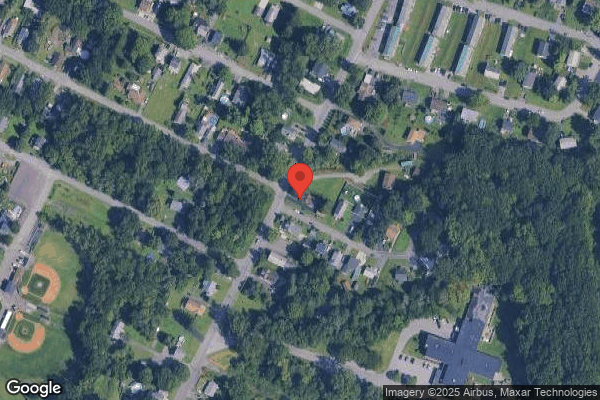
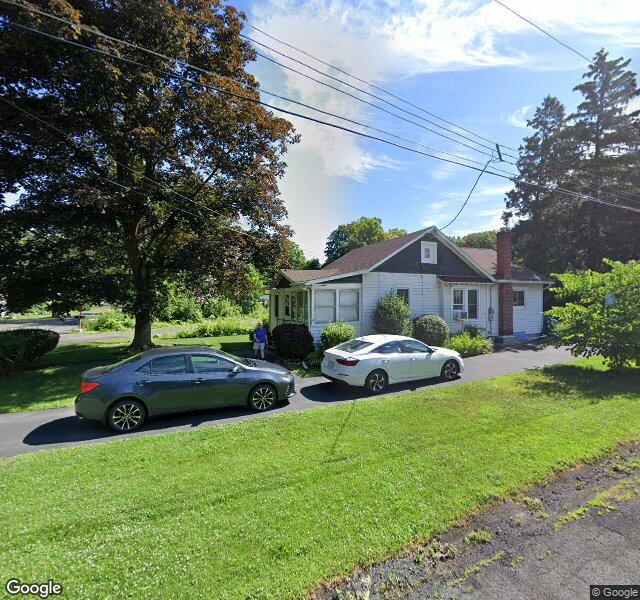
100 NEW TURNPIKE ROAD, TROY, NY 12182 (518) 235-1410
For profit - Limited Liability company 120 Beds Independent Data: November 2025 1 Immediate Jeopardy citation
Trust Grade
0/100
#581 of 594 in NY
Last Inspection: May 2025

Inspected within the last 6 months. Data reflects current conditions.

Overview

Troy Victorian Rehabilitation & Nursing Care Center has received a Trust Grade of F, indicating significant concerns and a poor reputation. Ranking #581 out of 594 facilities in New York places it in the bottom half, and #8 out of 9 in Rensselaer County means there is only one local option that is better. The facility is worsening, with issues increasing from 7 to 29 over the past year. Staffing is a notable weakness, rated 1 out of 5 stars, with a high turnover of 61%, which is concerning compared to the state average of 40%. Additionally, they have incurred $248,300 in fines, which is higher than 99% of New York facilities, suggesting ongoing compliance problems. While they have average RN coverage, there have been troubling incidents including a resident able to elope from the facility, resulting in a lack of supervision, and another resident who suffered a fracture during a transfer due to improper assistance. Overall, the facility has significant deficiencies in safety, staffing, and cleanliness, making it a concerning choice for families seeking care for their loved ones.

Trust Score
F
0/100
In New York
#581/594
Bottom 3%
Safety Record
High Risk
Review needed
Inspections
Getting Worse
7 → 29 violations
Staff Stability
⚠ Watch
61% turnover. Above average. Higher turnover means staff may not know residents' routines.
Penalties
✓ Good
$248,300 in fines. Lower than most New York facilities. Relatively clean record.
Skilled Nurses
⚠ Watch
Each resident gets only 28 minutes of Registered Nurse (RN) attention daily — below average for New York. Fewer RN minutes means fewer trained eyes watching for problems.
Violations
⚠ Watch
68 deficiencies on record. Higher than average. Multiple issues found across inspections.
★☆☆☆☆
1.0
Overall Rating
★☆☆☆☆
1.0
Staff Levels
★☆☆☆☆
1.0
Care Quality
★☆☆☆☆
1.0
Inspection Score
Stable
2024: 7 issues
2025: 29 issues

The Good

  • Full Sprinkler Coverage · Fire safety systems throughout facility
  • No fines on record

Facility shows strength in fire safety.

The Bad

1-Star Overall Rating

Below New York average (3.0)

Significant quality concerns identified by CMS

Staff Turnover: 61%

15pts above New York avg (46%)

Frequent staff changes - ask about care continuity

Federal Fines: $248,300

Well above median ($33,413)

Significant penalties indicating serious issues

Staff turnover is elevated (61%)

13 points above New York average of 48%

The Ugly 68 deficiencies on record

1 life-threatening 1 actual harm
May 2025 28 deficiencies 1 Harm
SERIOUS (G) 📢 Someone Reported This

A family member, employee, or ombudsman was alarmed enough to file a formal complaint

Actual Harm - a resident was hurt due to facility failures

Free from Abuse/Neglect (Tag F0600)

A resident was harmed · This affected 1 resident

**NOTE- TERMS IN BRACKETS HAVE BEEN EDITED TO PROTECT CONFIDENTIALITY** Based on record review and interviews during a recertification and abbreviated survey (Case #s NY00344251 and NY00355131), the f...

Read full inspector narrative →
**NOTE- TERMS IN BRACKETS HAVE BEEN EDITED TO PROTECT CONFIDENTIALITY** Based on record review and interviews during a recertification and abbreviated survey (Case #s NY00344251 and NY00355131), the facility did not ensure residents were free from abuse and neglect for three (3) (Resident #s 48, 78, and 416) of nine (9) residents reviewed. Specifically, (a.) Resident #416, who was a two (2)-person maximum assist with mechanical lift for transfers, was transferred by two (2) Certified Nurse Aides via stand pivot on 6/04/2024. Resident #416 was reportedly lowered to the floor during the transfer from chair to bed and later that evening diagnosed with a left femur (leg bone) fracture. (b.) Resident #48, who was known to have aggressive behaviors, struck Resident #78 on their eye while grabbing a personal item from Resident #78 on 9/22/2024. This resulted in actual harm for Resident #416 that was not Immediate Jeopardy. This is evidenced by: The facility's Policy and Procedure titled, Abuse Prevention and Reporting, last revised 4/2024, documented that all residents would be treated with respect and dignity, with self-determination and freedom from abuse, mistreatment, neglect and misappropriation of property. The purpose was to protect all residents and provide a safe environment. Abuse was defined as inappropriate physical, verbal or mental contact which harms or was likely to harm a resident. Examples included hitting, pinching, kicking, shoving, sexually molesting, belittling, teasing, ignoring, and embarrassing by either actions or words. Neglect was defined as failure to provide timely, consistent, safe, adequate, and appropriate services such as nutrition, medication, therapy, clean clothing and surroundings, and activities of daily living.Resident #416 Resident #416 was admitted to the facility with diagnoses of hemiplegia (paralysis of one side of the body) following a cerebral infarction (disrupted blood flow to the brain), Parkinson's Disease (a movement disorder of the nervous system that worsens over time), and muscle weakness (when muscles aren't as strong as they should be). The Minimum Data Set, dated [DATE], documented the resident had severe cognitive impairment, could be understood and was able to understand others. The Comprehensive Care Plan titled, Activities of Daily Living, last revised 4/16/2024, documented shower transfer dependent - assist of two (2) person mechanical lift. The Facility's Investigative Report dated 6/05/2024, documented Certified Nurse Aide # 2 and #3 attempted to transfer Resident #416 from the bed to a chair using a stand pivot technique along with the use of a walker. Resident's legs gave way and was lowered to the floor. Resident was sent to the hospital and diagnosed with left distal femur fracture (broken hip). Administrator #1 documented that it was unclear where and when the resident sustained hip fracture. It further documented Certified Nurse Aides were suspended until the investigation was completed due to possible failure to follow the resident's care plan. Certified Nurse Aide #2 statement documented family insisted resident get out of bed for a shower. They looked in resident's closet for the care card (Certified Nurse Aide's instructions for the resident's care) and did not see it available. They stated Certified Nurse Aide #3 assured them they were familiar with Resident #416, and they proceeded with two (2) person stand pivot transfer. Resident #416 immediately began to yell that their legs were hurting. Resident #416 lost their balance and was lowered to the floor. Certified Nurse Aide #3 statement documented they came to assist Certified Nurse Aide #2 to get Resident #416 out of bed and into their wheelchair. They stated the resident would usually stand and get into the chair, and that staff would need to be patient with the resident during the transfer. They further wrote that they stood resident up from the bed, the resident had taken a few steps away from their bed, the resident's legs were really weak, and then the resident was lowered to the floor. Certified Nurse Aide #3 wrote that they were told the resident was a mechanical lift for transfers but could be a two (2) person assist stand pivot. They stated they did not check the care card in the resident's closet. Progress note dated 6/04/2024 at 7:17 PM written by Registered Nurse #4, documented that upon entering the resident's room, the resident was lying on the floor alongside the bed. Resident appeared out of their norm, vital signs: blood pressure 84/68, skin was pale, neurological assessment was within normal limits. The resident was assisted off the floor via mechanical lift. Family insisted on sending resident to hospital for further evaluation, 911 was called and resident transferred to hospital. Hospital progress note dated 6/07/2024, documented resident was brought to the hospital on 6/03/3024 with a reported history of hypoxia (low levels of oxygen in your body tissues) and hypotension (low blood pressure). They were admitted with diagnosis of severe sepsis with shock (infection in your body causing extremely low blood pressure and organ failure), and distal left femur fracture (broken long bone of the leg) due to a mechanical fall (an external force that caused the patient to fall and/or that there is no underlying pathology of concern and/or the patients did not pass out first). Orthopedic Surgery note dated 6/08/2024 documented x-ray left femur (hip) moderately displaced comminuted distal femoral fracture (the bone in the thigh was broken into multiple pieces and the pieces were out of alignment). Resident #416's Care Kardex (resident care instructions for the Certified Nurse Aides) dated 5/30/2024, documented chair to bed transfer, dependent (with two (2) staff members to assist), mechanical lift. During an interview on 5/06/2025 at 12:57 PM, Assistant Director of Nursing #1 stated that on 6/03/3024, Certified Nurse Aide #s 2 and 3 attempted to transfer Resident #416 from the bed to a chair with a two (2)-person stand pivot and, in the process, the resident was lowered to the floor. Later, the resident complained of intense pain and was sent to the hospital. Assistant Director of Nursing #1 stated Certified Nurse Aide #2 was terminated for failure to follow the resident's care plan. During an interview on 5/06/2025 at 1:30 PM, Director of Rehabilitation #1 stated Resident #416 was well known to the therapy department as requiring full assistance with two (2) staff members for mechanical lift transfers. Rehabilitation Director #1 stated Certified Nurse Aide #2 was terminated for failure to follow the resident's care plan. Resident #48 Resident #48 was admitted to the facility with diagnoses of diabetes type 2 (when the body cannot use insulin or produce enough insulin), dementia (loss of the ability to think, remember, and reason to levels that affect daily life and activities), and major depressive disorder (a mood disorder that causes a persistent feeling of sadness and loss of interest). The Minimum Data Set (an assessment tool) dated 11/05/2024, documented the resident had moderate cognitive impairment, could be understood and understand others. The Comprehensive Care Plan focus area titled, Resident had Potential to be an Aggressor Related to Mental Illness, dated 9/23/2024, documented interventions including administer medications as ordered, analyze key times, places, circumstances, triggers and what de-escalates behavior, assess and anticipate resident needs; and monitor resident closely when they were around other residents. Record review of psychiatric consultation note dated 9/07/2024, documented Resident #48 was easily annoyed, and resident admitted to picking/choosing medications to take. Resident had limited cooperation, poor insight, low concentration and attention. Consider increase Risperdal one (1) milligram twice daily. Resident #78 Resident #78 was admitted to the facility with diagnoses of aphasia (difficulty speaking), cerebral infarction (disrupted blood flow to the brain), and apraxia (when a person is unable to perform tasks or movements when asked). The Minimum Data Set, dated [DATE], documented the resident had moderate cognitive impairment, could be understood and understand others. The facility Investigative Summary dated 9/22/2024 at 7:30 PM, documented Resident #78 reported to Registered Nurse #2 that while sitting in the hallway near the nurse's station, Resident #48 struck them in the eye. They were complaining of eye swelling. Upon assessment, Resident #78 had mild edema (swelling) to right eye but no abrasions, discolorations or lacerations (cuts). Resident #78 was tearful but later calmed down after speaking with family. Resident #48 denied ever striking Resident #78. It further documented there were no witnesses to the incident despite it occurring in the hallway. It documented Licensed Practical Nurse #3 reported Resident #48 had been agitated and experiencing hallucinations over the past few weeks with psychiatry following. Resident #48's psychotropic medications were adjusted. The facility reported incident report, submitted to the Department of Health on 9/22/2024, indicated Resident [#48], struck Resident [#78] with a closed fist on the right eye. During an interview on 4/30/2025 at 1:55 PM, Licensed Practical Nurse #2 stated on 9/22/2024, Resident #78 sat at the nurse's station and Resident #48 was standing there as well and there was confusion about a personal item. Resident #48 wanted the item and took it from Resident #78. Residents #48 and #78 were separated and assessed. During an interview on 4/30/2025 at 2:58 PM, Registered Nurse #2 stated Resident #48 had a long psychiatric history, and they were very impulsive, but they did not recall them hitting anyone else. During an interview on 4/30/2025 at 3:10 PM, Licensed Practical Nurse #6 stated Resident #48 wandered about the unit most of the day including in and out of other resident rooms. Resident #48 was difficult to redirect and would start to use profanity when redirected. Resident #48 had attempted to hit staff. During an interview on 05/08/2025 at 11:49 AM, Director of Nursing #1 stated they were not employed at this facility at the time of the incident. They were aware of resident #48's behaviors and that they were followed by psychiatry. Staff on second floor are also aware resident #48's behavior and try to keep resident in high visible areas where they can be monitored close. During an interview on 05/08/2025 at 12:23 PM, Administrator #1 stated they were only at this facility a few months and not the administrator at time of the incident. They deferred all clinical discussions to Director of Nursing #1. Administrator #1 stated all allegations of abuse and or neglect are reported to the Department 10 New York Code of Rules and Regulations 415.4 (b)(1)(i)
CONCERN (D) 📢 Someone Reported This

A family member, employee, or ombudsman was alarmed enough to file a formal complaint

Potential for Harm - no one hurt, but risky conditions existed

Notification of Changes (Tag F0580)

Could have caused harm · This affected 1 resident

**NOTE- TERMS IN BRACKETS HAVE BEEN EDITED TO PROTECT CONFIDENTIALITY** Based on record review and interviews conducted during a recertification and abbreviated survey (Case #NY00371796), the facility...

Read full inspector narrative →
**NOTE- TERMS IN BRACKETS HAVE BEEN EDITED TO PROTECT CONFIDENTIALITY** Based on record review and interviews conducted during a recertification and abbreviated survey (Case #NY00371796), the facility did not ensure it consulted with the resident ' s physician and notified the resident ' s representative when there was a significant change in the resident ' s physical status for two (2) (Resident #s 61 and 10) of two (2) residents reviewed. Specifically, (a) the facility did not immediately notify the provider on 2/19/2025, when Resident #61 developed new wounds on the left leg. The changes in the resident ' s condition were documented in the Nurse Practitioner communication book and were not reported to the provider until 3/04/2025; and (b) for Resident #10, the resident ' s representative was not notified on 1/25/2025, when there was a significant change in the resident ' s physical status and a new order for treatment which included administration of TobraDex ointment (treats bacterial eye infection) for conjunctivitis (or pink eye; very contagious intection that causes the white of the eye to turn pink or red due to inflammation). This is evidenced by: Cross-referenced to F684: Quality of Care Cross-referenced to F656: Develop/Implement Comprehensive Care Plan The Policy and Procedure titled, Change in a Resident ' s Condition or Status, reviewed/revised 5/14/2022, documented the facility shall promptly notify the attending physician and representative of changes in the resident ' s medical/mental condition and/or status. The charge nurse or designee manager would notify the resident ' s attending physician or on-call physician when there was a significant change in the resident ' s physical/emotional/mental condition. Unless otherwise instructed by the resident, the charge nurse or designee would notify the resident ' s next-of-kin or representative when there was a significant change in the resident ' s physical/emotional/mental condition. Except in medical emergencies, notifications would be made within twenty-four (24) hours of a change occurring in a resident ' s medical/mental condition or status. Regardless of the resident ' s current mental or physical condition, the charge nurse or designee inform the resident of any changes in his/her medical care or nursing treatments. The nurse manager/charge nurse would record in the resident ' s medical record information relative to changes in the resident ' s medical/mental condition or status. Resident #61: Resident #61 was admitted to the facility with diagnoses of displaced fracture of greater trochanter of right femur (fracture of upper part of thigh bone), multiple myeloma (cancer that forms in a type of white blood cell), and unspecified heart failure (a condition where the heart is not pumping effectively). The Minimum Data Set (an assessment tool) dated 5/1/2025, documented the resident was cognitively intact, was able to make themselves understood and understood others. There was no care plan for the resident ' s left leg wounds until 4/17/2025. Wound Care Note dated 2/13/2025 by Physician Assistant #1, documented the resident had an unmeasurable vascular wound (caused by poor circulation in the arteries or veins) on the left lower extremity. The wound bed was 20 percent eschar (collection of dry, dead tissue within a wound) and 80 percent epithelial (refers to the epidermis, the outermost layer of skin, as it regenerates and covers a wound ' s surface). There was moderate drainage. The periwound (skin surrounding a wound) was intact. Nursing Progress Note dated 2/19/2025 at 11:19 PM, documented that upon examination, the nurse observed that the area in question (left leg) was very red and exhibited pitting edema (occurs when excess fluid builds up in the body, causing swelling; when pressure is applied to the swollen area, a pit or indentation will remain). The resident had decreased sensation in the affected area. Additionally, there were multiple blisters present, one of which was open. The supervisor was promptly notified of the findings. The area was cleaned thoroughly with soap and water, ensuring all debris was removed. The cleaned area was then dried gently to prevent further irritation. The resident did not exhibit any immediate signs of discomfort during the treatment process. The nurse was placing a note in Nurse Practitioner communication book. Review of the Nurse Practitioner communication book on 5/08/2025, documented an undated handwritten note for Resident #61: left leg open blisters. Treatment plan needs to be modified. Refer to note. Pitting edema. Nursing Progress Notes dated 2/20/2025 to 3/3/2025, did not document the provider was notified of the resident ' s new left legs wounds. Review of Wound Care Notes dated 2/20/2025 and 2/27/2025, did not document any new wounds on the resident ' s left leg that were noted by the nurse on 2/19/2025. The skin assessment for the wound on the left lower extremity documented the same details of the wound as was previously documented on 2/13/2025. Nursing Progress Note dated 3/4/2025 at 8:27 AM by Licensed Practical Nurse #2, documented left leg redness. Blisters noted intact at this time. Licensed Practical Nurse #2 would have Nurse Practitioner #1 evaluate today. Resident #61 was encouraged to elevate lower extremity. Would continue to monitor. Progress Note dated 3/4/2025 at 12:52 PM by Nurse Practitioner #1 documented they were asked to see the resident for drowsiness, increased left lower extremity redness and drainage. Per the nurse manager, the resident had increased drowsiness and lower extremity wounds appeared worse despite treatments. Resident #61 stated, I will be better in a couple days. Vital signs were reviewed and stable. The resident had no complaint of pain. Physical exam of the skin documented bilateral lower extremity chronic skin changes, left lower ankle wound, positive odor, purulent drainage, erythema (redness), edema. Neurological documented positive sensation to extremities. Assessment documented lower extremity cellulitis and intravenous antibiotics were ordered to be given daily x5 days. During an interview on 5/08/2025 at 2:10 PM, Nurse Practitioner #1 stated they recalled seeing the resident numerous times for infection. They did not recall being notified on 2/19/2025. They stated if there was a nursing concern, Nurse Practitioner #1 would address it especially if it was cellulitis (a common and potentially serious bacterial skin infection). They stated that on 2/19/2025, the nurse could have called the on-call provider and said the nurses usually documented non-urgent matters in the Nurse Practitioner communication book. They reviewed the progress notes written on 3/04/2025 and stated they started treating the resident for cellulitis at that time. They asked the surveyor if they could look at the Nurse Practitioner communication book and stated there was an undated note about Resident #61. The left leg had open blisters, and the treatment plan needed to be modified; refer to note; pitting edema. They stated there was a wound care notes dated 2/20/2025 and 2/27/2025, from Physician Assistant #1 who saw the resident for weekly wound care. They stated there was nothing in the notes about the change in condition and there was no recommendation for treatment orders documented in the notes. They stated Physician Assistant #1 would make recommendations for orders and then medical would approve or deny them. During an interview on 5/08/2025 at 2:22 PM, Licensed Practical Nurse #2 stated the nurse who worked on 2/19/2025, should have called the doctor if the resident was questionable for cellulitis. They stated that even if they did not recognize what it could be, it was still a change in condition that needed to be reported to the doctor. They stated, ' If you are going to write a note, call the doctor. ' They stated the nurse should have called the on-call provider because it was found during the evening shift. They stated it was not something that should be written in the Nurse Practitioner book because the book was used for communication, not for a solution. During an interview on 5/08/2025 3:36 PM, Assistant Director of Nursing #1 reviewed the nursing notes in the electronic medical record. They stated Nurse Practitioner #1 saw the resident early in the day on 2/19/2025, and then a blister was noted on the night shift. They stated the resident was not seen by medical until 3/4/2025. They stated they did not agree with the nurse placing a note in the Nurse Practitioner book for that type of a change in condition because Resident #61 had wounds on their legs, weeping edema (occurs when fluid leaks out of the skin due to severe swelling), blistery and sometimes opened. They stated they should have called the Nurse Practitioner that was on-call 24/7 and obtained a treatment order. They would expect the nurse to also note the change in condition on the 24-hour report so that the fulltime Nurse Practitioner could see the resident. They stated Physician Assistant #1 would make recommendations for orders and would tell Nurse Practitioner #1 directly. They stated the resident's legs were in a constant state of change and said they had seen the redness on the residents but did not recall the exact date. Resident #10 Resident #10 was admitted to the facility with a diagnosis of type (two) 2 diabetes (a chronic condition that happens when a person has persistently high blood sugar levels), chronic obstructive pulmonary disease (narrowing of airways in the lungs making it difficult to breathe) and chronic atrial fibrillation (an irregular, often rapid heart rate that commonly causes poor blood flow). The Minimum Data Set, dated [DATE] documented Resident #10 had intact cognition, was able to make themselves understood, and was able to understand others. Nursing Progress Note dated 1/25/2025, documented Resident #10 appeared to have conjunctivitis of the right eye. The right eye had yellow discharge that was crusty. There was mild scleral erythema (redness in the white of the eye), no edema. Assessment and plan included: Right eye conjunctivitis. Order received to start TobraDex ophthalmic suspension 0.3 percent-0.1 percent to the right eye. One to two (1-2) drops to the right eye every 6 hours once a week. Notify medical for any change in condition. Physician order dated 1/25/2025 documented Resident #10 was to be given TobraDex 0.3- percent-0.1 percent eye ointment. Apply two (2) drops by ophthalmic (eye) route in right eye four (4) times per day for seven (7) days for conjunctivitis. The electronic medical administration record for 1/2025 documented administration of TobraDex eye ointment was initiated on 1/25/2025. There was no documentation in Resident #10 ' s electronic medical record that indicated Resident #10 ' s representative was informed of the change in condition for Resident #10 and the need to initiate treatment that included the administration of Tobradex eye ointment. Nursing progress note dated 2/01/2025 documented Resident #10 completed TobraDex. No complaint of pain or discomfort at this time. Monitoring. There was no documentation in Resident #10 ' s electronic medical record that indicated Resident #10 ' s representative was informed of the change in condition for Resident #10 and the need to initiate treatment that included the administration of Tobradex eye ointment. During an interview on 5/8/2025 at 12:20 PM, Registered Nurse #1 stated when a resident had a change in status, they called the resident ' s representative or spoke to the representative if the representative was in the building in order to notify them of the change in the resident ' s status. They stated they documented the representative was made aware of the change in status in a progress note if they can remember to document it. They stated the representative for Resident #10 was not notified of the change in the resident ' s condition on 1/25/2025, nor were they notified of the initiation of treatment with TobraDex eye ointment. During an interview on 5/08/2025 at 12:51 PM, Director of Nursing #1 stated staff should follow the policy whenever there is a change in resident status. When a change in resident status occurred, the resident ' s representative should have been notified. They further stated that when the resident representative was contacted regarding a change in status, it should have been documented in a progress note. 10 New York Code of Rules and Regulations 415.3(e)(2)(ii)(c)
CONCERN (D)

Potential for Harm - no one hurt, but risky conditions existed

Comprehensive Assessments (Tag F0636)

Could have caused harm · This affected 1 resident

**NOTE- TERMS IN BRACKETS HAVE BEEN EDITED TO PROTECT CONFIDENTIALITY** Based on record review and interviews conducted during a recertification survey, the facility did not ensure the facility conduc...

Read full inspector narrative →
**NOTE- TERMS IN BRACKETS HAVE BEEN EDITED TO PROTECT CONFIDENTIALITY** Based on record review and interviews conducted during a recertification survey, the facility did not ensure the facility conducted initially and periodically comprehensive, accurate, standardized reproducible assessments of each resident's functional capacity and completed not less than once every 12 months for two (2) (Resident #s 28 and 415) of 32 residents reviewed for Comprehensive Resident Assessments. Specifically, (a) for Resident # 28, the Comprehensive Resident Assessments were not completed to assess the patient's edema, and (b) for Resident #415, the Comprehensive Resident Assessments were not completed to assess items from their baseline care plan. This is evidenced by: Cross reference to F656: Develop/implement Comprehensive Care Plan A facility's undated policy and procedure titled Comprehensive Care Plans documented that the assessment must accurately reflect the resident's status and be reflective of the resident's state at the time of assessment. A comprehensive care plan will be developed within seven (7) days after completion of the comprehensive assessment and address specific care areas (focuses) as identified therein, as well as those deemed appropriate through resident interview or other data sources. Resident #28 Resident #28 was admitted with the diagnoses of chronic obstructive pulmonary disease (an ongoing lung condition caused by damage to the lungs resulting in swelling, irritation, and inflammation inside the airways that limit airflow into and out of the lungs), chronic ischemic heart disease (a long-term reduction in blood flow to the heart muscle, often due to coronary artery disease), and cellulitis (a common bacterial skin infection that causes pain, redness, swelling, and warmth in the affected area). The Minimum Data Set, dated [DATE], documented that the resident was usually understood and could sometimes understand others and required extensive assistance for most activities of daily living. A review of Resident #28 Minimum Data Set conducted on 4/11/2025 did not indicate that the resident had edema as described in their baseline care plan. A review of Resident #28 Medication Administration Record and Treatment Administration Record for May 2025 did not have any documentation addressing the resident's edema or cellulitis. A review of Resident #28's Comprehensive Care Plan had no interventions for the resident's edema or cellulitis. During an interview on 5/01/2025 at 10:57 AM, Resident #28 was observed sitting on the edge of their bed and had severely edematous legs. Resident #28 was asked what the facility did to help them with their legs, and they stated that the facility did nothing for them. The resident stated that sometimes the legs weep, and that staff would occasionally wrap them, but not very often. During an interview on 5/6/2025 at 11:46 AM, Registered Nurse #3 stated that there should have been an assessment and plan for residents' edema and cellulitis, and did not know why there was none. They stated that there should have been interventions listed for these issues in the comprehensive care plan, as well as the medication administration and treatment administration records. Resident #415 Resident #415 was admitted to the facility with the diagnoses of dementia (a generative neurological disease which causes memory issues), type 2 diabetes mellitus (an endocrine dysfunction causing unregulated blood glucose levels), and hypertension (high blood pressure). The Minimum Data Set (an assessment tool), dated 3/11/2025, documented that the resident was able to be understood and understood others, with severe cognitive impairment. The baseline care plan, dated 1/24/2025, documented the following: Resident is at risk for/has skin impairment due to: . Resident ' s significant medical diagnoses include:. Resident is admitted on antibiotics for continued treatment of:. Resident has intravenous/dialysis/chemotherapy port present at {site} on admission. Resident ' s significant mental health diagnoses include:. Resident need Total/Ext/Limited/Supervision support of [3 ] staff to complete activities of daily living. Resident has history of constipation/obstruction:. Resident is on special diet of:. Resident is at risk for pain/is on pain management due to:. Resident is at risk for elopement as evidenced by:. Resident has expressed significant religious/cultural preferences:. Resident has an ostomy. There were no documented responses to any of the above prompts in the baseline comprehensive care plan. There was no documented evidence that Resident #415 had an ostomy. The comprehensive care plan for skin integrity dated 1/24/2025 documented that the resident had a rash on their buttock to be treated with {insert medication} for {duration}. The goal documented that the rash would not worsen and show signs of improvement. The interventions documented to apply local treatment, monitor for infection, report worsening condition, use an air cushion when in the [NAME] lounger, and float the resident ' s heels. There was no documentation that the resident was at risk for developing pressure sores. The comprehensive care plan for psychosocial well-being, dated 1/24/2025, documented the resident would be provided emotional support, assistance with activities of daily living, nutrition, and hydration. There was no documentation regarding an ostomy. The comprehensive care plan for nutritional status dated 1/24/2025 documented that the resident was to tolerate their diet and maintain weight with 75 percent of their intake. There was no documentation regarding an ostomy. During an interview on 5/08/2025 at 10:38 AM, Registered Nurse #1 stated they worked on the care plans but were severely in need of help. Registered Nurse #1 stated that they were told they would receive an assistant last year, but it had not happened. Registered Nurse #1 stated that they worked passing medications, acted as an aide, and spent most of their time working to provide resident care on the unit. 10 New York Code of Rules and Regulations 415.11(a)(2)
CONCERN (D)

Potential for Harm - no one hurt, but risky conditions existed

Deficiency F0645 (Tag F0645)

Could have caused harm · This affected 1 resident

Based on a record review and staff interviews conducted during a recertification survey, the facility did not ensure that Preadmission Screening was complete for two (2) (Resident #s 31 and 103) of th...

Read full inspector narrative →
Based on a record review and staff interviews conducted during a recertification survey, the facility did not ensure that Preadmission Screening was complete for two (2) (Resident #s 31 and 103) of the 32 residents reviewed. Specifically, an accurate Preadmission, Screening and Resident Review (PASARR) was not completed or corrected. This is evidenced by: The Policy and Procedure for admission Screening and Approval Process for Long Term Care (New York State) documented the admission process to the facility from a hospital or other health facility. A qualified Registered Professional Nurse assessor must complete a Patient Review Instrument, and the Preadmission Screening must be completed and signed by a qualified assessor. Resident #31 Resident #31 was admitted to the facility with the diagnoses of bipolar disorder (a mental illness characterized by extreme shifts in mood, energy, and activity levels, ranging from periods of mania or hypomania to periods of depression), chronic obstructive pulmonary disease (term for certain types of irreversible lung and airway damage that obstruct your airways and make it hard to breathe), and hyperlipidemia (a condition characterized by elevated levels of lipids, or fats, in the blood). The Minimum Data Set (an assessment tool) dated 4/29/2025 documented that the resident could be understood, understand others, and was cognitively intact. The review of the Preadmission Screening and Resident Review Assessment documented that the assessment was completed on 11/19/2024 and signed by a Registered Nurse performing the evaluation. The assessment documented that Resident #31 had dementia. There was no documented evidence of a serious mental illness. A review of Resident #31's medical records conducted on 5/01/2025 at 9:39 AM documented that the resident did not have a diagnosis of dementia but did have a diagnosis of bipolar disorder. During an interview on 5/06/2025 at 11:39 AM, Corporate Social Worker #1 stated that admissions did the initial review of the screening assessment before the resident was sent to the facility, and Social Workers were the second level of review. They stated that serious mental illnesses included the diagnosis of schizophrenia, schizoaffective disorder, bipolar disorder, panic disorder, and major depressive disorder. They further stated that any serious mental disorder consisted of any that would impair the daily function of the resident. Corporate Social Worker #1 stated that nursing would ensure that the resident's diagnoses were correct and review with the hospital for accuracy before admittance. Corporate Social Worker #1 stated that admissions would review the resident's diagnoses for accuracy, review a list of residents with mental health diagnoses, and make appropriate Level II PASARR referrals. Resident #103 Resident #103 was admitted to the facility with the diagnoses of schizophrenia (a chronic and severe mental disorder characterized by disruptions in thought processes, perceptions, emotional responsiveness, and social interactions), type 2 diabetes mellitus (a chronic condition where the body either doesn't produce enough insulin or can't effectively use the insulin it produces), and dysphagia (medical term for difficulty swallowing that can be a painful condition and in some cases impossible). The Minimum Data Set) dated 3/5/2025 documented that the resident was able to be understood, was able to understand others, and was cognitively intact. The Preadmission Screening and Resident Review assessment was completed on 2/04/2025. There was no documented evidence of a serious mental illness or a referral for Level II services. The Progress notes dated 2/10/2025 documented the resident resided in a group home overseen by the New York State Office of Mental Health. The Progress notes dated 3/20/2025 documented that the resident ' s discharge goal was to return to their mental health housing. The Progress notes dated 3/29/2025 documented that a conference was held with the resident ' s community mental health team, including the housing manager and a case manager from Community Treatment. During an interview on 5/06/2025 at 10:36 AM, Social Worker #1 stated they, themselves, were not licensed to complete the screen form, so they did not have much to do with it. They stated they would consider the diagnosis of schizophrenia as a serious mental illness. They stated they were surprised there was no Level II referral for Resident #103. They stated they had been working with their community housing and mental health team toward a discharge back to the community. During an interview on 05/06/2025 at 11:39 AM, Corporate Social Worker #1 stated that a Level II referral should have been completed after the resident was no longer considered short stay (30 days or less). They stated that a diagnosis of schizophrenia should have triggered the request for a Level II evaluation. They further stated that a list of residents with mental health diagnoses had been compiled, and the appropriate Level II referrals would be made. 10 New York Code of Rules and Regulations 415.11(e)
CONCERN (D) 📢 Someone Reported This

A family member, employee, or ombudsman was alarmed enough to file a formal complaint

Potential for Harm - no one hurt, but risky conditions existed

Pressure Ulcer Prevention (Tag F0686)

Could have caused harm · This affected 1 resident

**NOTE- TERMS IN BRACKETS HAVE BEEN EDITED TO PROTECT CONFIDENTIALITY** The facility policy and procedure titled, Pressure Ulcer Prevention, dated 3/01/2024, documented it was the policy of the facili...

Read full inspector narrative →
**NOTE- TERMS IN BRACKETS HAVE BEEN EDITED TO PROTECT CONFIDENTIALITY** The facility policy and procedure titled, Pressure Ulcer Prevention, dated 3/01/2024, documented it was the policy of the facility to provide information regarding identification of pressure injury risk factors and interventions for specific risk factors. Preparation included reviewing the resident ' s care plan and identifying risk factors as well as interventions designed to reduce or eliminate those considered modifiable. Inspect the skin daily when performing or assisting with personal care or activities of daily living. Inspect pressure points (sacrum, heels, buttocks, coccyx, elbows, ischium, trochanter, etc.) Evaluate, report and document potential changes in the skin. Review the interventions and strategies for effectiveness on an ongoing basis. The facility policy and procedure titled, Protocols for Treatment of Pressure Ulcers Pressure Ulcers/Injuries (undated), documented weekly wound rounds, and wound meetings were to occur to evaluate the progress of treatment and change and update treatment if needed. Nursing evaluated daily and documented/notified medical doctor if any signs of deterioration, infection, significant change were present. Team members for wound rounds included the medical director/wound care specialist, wound care nurse or designee, unit manager, Registered Nurse supervisor or designee, rehabilitation staff, dietician, and consultant surgeon, wound medical doctor (whenever necessary). If a pressure ulcer failed to show some evidence of progress towards healing the pressure ulcer and the resident ' s clinical condition should be reassessed. When residents were identified as at risk for pressure ulcer and/or diagnosed with an actual site, a care plan would be implemented. Care plan would reflect each resident ' s identified needs, efforts implemented to promote prevention and/or healing, and continued evaluation. Residents with pressure ulcers would have their care plans updated. Resident #413 was admitted to the facility with diagnoses of type 2 diabetes (a chronic condition that happens when the body cannot use insulin correctly and sugar levels build up in the blood) dementia, unspecified severity, with other behavioral disturbances (loss of memory) and hypertensive chronic kidney disease (a condition where high blood pressure damages the kidneys, leading to a decline in kidney function). The Minimum Data Set (an assessment tool) dated 9/03/2024, documented the resident had moderate cognitive impairment, could be understood and understand others. The Minimum Data Set Documented Resident #413 was at risk of developing pressure ulcers/injuries, and did not have one or more unhealed pressure ulcers/injuries. The Comprehensive Care Plan for Skin Integrity: At Risk for Skin Breakdown, effective 10/24/2024, documented Resident #413 was at risk for skin breakdown. Interventions included: Use pressure reducing cushion when in wheelchair. Review of Treatment Administration Record for November 2024 documented on 11/01/2024 from 3:00 PM to 11:00 PM through 11/03/2024 11:00 PM to 7:00 AM shift to evaluate and document skin check of identified at-risk skin area each shift. All of these dates/shifts documented either intact skin, no issues, or none. On 11/04/2024 on the 3:00 PM to 11:00 PM shift, the Treatment Administration Record documented an opening on Resident #413 ' s coccyx (tail bone) that was cleaned and covered. There was no documented evidence of progress notes or wound assessment on 11/04/2024 that Resident #413 had an opening on the coccyx that was cleaned and covered. Progress note written by Nurse Practitioner #1 dated 11/05/2025 at 1:27 PM documented staff reported an open area to coccyx discovered this morning. No reported injury. Resident #413 was incontinent of bowel and bladder at times, non-ambulatory, used a wheelchair. Progress notes documented decubitus (pressure injury to the skin and underlying tissues that occurred when prolonged pressure was exerted on the body, particularly over bony areas) ulcer of coccyx, Stage 2. No signs of infection. Treatment included trial Santyl once a day with dry dressing, wound care team consult, offload. Physician Order dated 11/07/2024 10:28 AM documented Santyl 250 unit/gram topical ointment. Apply one (1) film by topical route once daily and as needed. Cleanse the sacral area with normal saline. Dry well, apply one (1) application of Santyl, and cover with dry dressing. Nursing Progress Note dated on 11/07/2024 at 10:34 AM written by Registered Nurse #1 documented new orders received for stage 2 pressure ulcer on the sacral area order for Santyl daily and as needed transcribed into electronic medical record. Health care proxy/family member made aware of opening on visit. Treatment Administration Record for November 2024 documented treatment of Santyl 250 ointment, apply one (1) film by topical route once daily and as needed was administered on the 7:00 AM-3:00 PM shift once daily for the dates of 11/07/2024 through 11/18/2024. Wound Care note dated 11/07/2024 documented Resident #413 was being seen by the wound care team. Wound #1 was on the sacral area. It was unstageable. measures 7 centimeters length, 3 centimeters width and depth 0.1 centimeters. no tunneling, wound Bed (nothing documented Small amount of drainage, no odor and peri wound intact. Apply Santyl and dry protective dressing. It documented the resident was improving. Continue with positioning. Case discussed with the wound care team. Will reassess in 1 week. Progress note dated 11/12/2024 documented Resident #413 refused to get out of bed due to pain. They complained of left hip pain and buttock pain where their wound was. The progress note documented to increase tramadol to 50 milligrams every morning, continue Tylenol 1 gram three times a day, and Volteran topical. Left hip x-ray was ordered. Resident #413 had a decubitus ulcer of coccyx, stage 2. Continue Santyl with Dry dressing. Follow up with wound care as scheduled. Physician order dated 11/14/2024 documented a wound consultation with an in-house wound team as needed. There was no documented evidence of weekly wound assessments to monitor the progression of the wound between 11/07/2025 and 11/18/2025. Dietary progress note dated 11/17/2024 documented Resident #413 was being followed on wound rounds for a stage 2 pressure ulcer on their sacrum. Resident #413 was receiving ensure plus three times a day. Progress note dated 11/18/2024 at 2:21 PM written by Assistant Director of Nursing #1 documented they were asked to see Resident #413 due to decline in status. Resident #413 was awake, and minimally responsive Skin was hot and dry. Skin turgor was poor. Tongue furrowed. Resident #413 ' s family member present stated Resident #413 was not like that yesterday when they visited. Nurse Practitioner #1 was called to the unit stat to evaluate the resident. The buttock sacrum wound had declined. Wound and skin record dated 11/18/2024 documented Resident #413 had a pressure ulcer on the sacral area. Risk factors and causes were incontinence and pressure ulcer. Stage: Unstageable slough or eschar. Measures 7 centimeters length by 3 centimeters width and depth 0.1 centimeters, no tunnelling or undermining. Necrotic; black in color. Small amount of serous drainage of less than 25% to dressing . Apply Santyl and dry protective dressing. Resident experiencing pain related to pressure ulcer and unable to communicate. Response to treatment deteriorated. Culture Sent. Physician and family notified. Progress note dated 11/18/2024 at 4:30 PM written by Registered Nurse #1 documented the following: A Certified Nurse Aide approached the Registered Nurse #1 for wound treatment for Resident #413. Upon Registered Nurser #1 entering the room to perform the treatment. Family member of Resident #413 was present and assisted. Resident #413 did not respond during the treatment. Upon assessment, they appeared lethargic and exhibited tremors. The wound on the sacral area showed necrotic tissue and foul odor. Nurse Practitioner #1 and administration were informed of Resident #413 ' s changes in health status. Orders were given to administer Narcan 0.4 milligrams intramuscularly as a one-time dose and Invanz, 1 gram intramuscularly immediately, followed by four additional doses. The Administration and Nurse Practitioner #1 evaluated and discussed the changes in Resident #413 ' s medical condition with the family. Additional orders were received and transcribed according to facility protocol. Nursing progress note on 11/18/2024 documented Resident #413 continued to be unresponsive. Their blood pressure was 154/87. Pulse was 139. Temperature was 102.4. Nurse Practitioner #1 was called and information on their condition was provided. Resident #413 was transported to the hospital. Progress note dated 11/19/2024 at 9:32 AM written by Assistant Director of Nursing #1 documented Resident #413 was admitted to hospital with the diagnosis of sepsis. During an interview on 5/05/2025 at 11:50 AM and 5/08/2025 at 9:46 AM, Registered Nurse #1 stated weekly skin checks were done by a nurse on days when a resident took a shower. If there was a concern noted during the skin check, a more formal skin assessment would be completed. Wounds were followed by the wound care team weekly. Registered Nurse #1 stated the wound care team was made up of the Assistant Director of Nursing and someone else from an outside team, but they could not recall. The team would monitor the wounds weekly. They further stated they like to see all wounds and how they are healing. They received a list from Assistant Director of Nursing #1 of residents that have wounds. When asked about Resident #413, Registered Nurse #1 recalled the resident was transferred to the hospital because of a wound on the buttock and a family member reported the resident would not return to the facility due to concerns regarding this pressure ulcer. They stated interventions on Resident #413 ' s skin integrity care plan included to use a pressure reducing cushion on the resident ' s wheelchair. There were no other interventions related to the Pressure Ulcer on it. Registered Nurse #1 state this occurred around the time the facility switched over from using Vendor #2 electronic medical record system to Vendor #1 electronic medical record system and resident ' s care plans needed to be entered manually. Registered Nurse #1 did not know why the skin integrity care plan for Resident #413 was not updated when the Pressure ulcer was discovered. Registered Nurse #1 stated Resident# 413 ' s turning and positioning schedule was not tracked as it was not a task for the Certified Nursing Aides to document when the Resident was turned and positioned. At the time of the switch over to Vendor #1 ' s electronic medical record system, they stated updates made to the care plan were not automatically linked to the care cards followed by the Certified Nursing Aides. They stated they found out a month ago that they needed to update care cards manually when a care plan change was initiated and they have been working every day on having the care plans match the care cards. During an interview on 5/05/2025 at 12:16 PM, Nurse Practitioner #1 stated they could not recall Resident #413. Nurse Practitioner #1 stated wounds were managed by the wound care team and the facility used an outside consulting service for a member on the wound care team. The outside provider participated with facility providers and residents were assessed weekly. Recommendations regarding treatment were made based on the findings of the assessment. Nurse Practitioner #1 stated they reviewed the findings from the wound care rounds and may agree or disagree with recommendations and they would proceed from there. Nurse Practitioner #1 stated skin checks should be done on a weekly basis, but they were not sure which nurse completed the skin checks. They stated based on the results from the skin check, they may make recommendations for the resident to be seen by the wound team. They stated if they were made aware of a skin concern, they would write a progress note about it. If the wound was unstageable, they would implement the appropriate treatment and refer the resident to be seen by the wound care team. During an interview on 5/05/2025 at 12:03 PM, Assistant Director of Nursing #1 stated every resident had an order for a weekly skin check to be done when they have their shower. The skin check was completed by the Certified Nurse Aide and the Licensed Practical Nurse. The Licensed Practical Nurse assessed the skin and identified anything that would need to be addressed by the Registered Nurse. They stated wound assessments were done weekly by themselves and Physician Assistant #1, an outside consultant who was the facility wound specialist. They stated they expected to know of a new concern or wound within 24 hours of an abnormal finding. They stated the first time they saw the wound for Resident #413 was when the resident was sent to the hospital on [DATE]. They stated they had Nurse Practitioner #1 see Resident #413 on that day as it was a rough day for the resident and the resident was not doing well. Assistant Director of Nursing #1 stated they were not sure what the treatment for the wound was prior to them seeing the resident. During a phone interview on 5/06/2025 at 11:09 AM, Physician Assistant #1 stated wound rounds were done once a week with themself, Assistant Director of Nursing #1 and the unit manager. They stated they document their findings on a note in the resident ' s electronic medical record. If a Licensed Practical Nurse discovered an area of concern on a skin check, they would expect for them to put the resident down to be evaluated during wound rounds and they would expect a notification so treatment could be initiated for the wound. They could not recall the specifics regarding the pressure ulcer Resident #413 developed and they were not able to access their records during the time of the interview. They stated the most important thing was to identify the wound and start the treatment. Ideally, treatment should have started the day the wound was identified or the next day. Physician Assistant #1 stated there was a delay in treatment for Resident #413 ' pressure ulcer developed on 11/04/2024. Physician Assistant #1 stated Resident #413 should have been reassessed seven (7) or eight (8) days after their first assessment by the wound care team on 11/07/2024 as the recommendation was to reassess this resident in one week. They could not recall if Resident #413 was reassessed during this timeframe. During an interview on 5/06/2025 at 12:15 PM and 5/08/25 at 10:23 AM, Director of Nursing #1 stated the interdisciplinary wound care team that met weekly was comprised of the Assistant Director of Nursing, dietary, therapy, and the nurse manager. The facility had a Physician Assistant that consulted with the facility for wound treatment and the Physician Assistant sent their notes to the facility to be uploaded into the resident ' s chart. If there was a concern noted during a skin check, the Licensed Practical Nurse should notify their supervisor or nurse manager or the provider. If the skin was compromised, an incident and accident report should be initiated. When the Director of Nursing was shown Resident #413 ' s Treatment Administration Record for November 2024 and the entry for 11/04/2024 documenting there was an open area to Resident #413 ' s coccyx, they stated the provider and supervisor should have been notified and an email regarding the open area should have been sent to the Assistant Director of Nursing and an incident and accident report should have been initiated. They noted none of this was done, and a progress note on 11/04/2024 regarding the open area to Resident # 413 ' s coccyx was not written. They stated the staff missed a step. They stated Nurse Practitioner#1 was notified on 11/05/2024 based on the progress note they wrote and the order for the Santyl treatment to the pressure ulcer was initiated on 11/07/2025. Director of Nursing #1 stated the treatment for the pressure ulcer should have been started on 11/05/2024. They stated Resident #413 was not seen weekly for a reassessment of the pressure ulcer as recommended. Director of Nursing #1 stated care plans are a fluid tool and as the resident changes, their care plan should be updated to reflect the change. Comprehensive care plans included every diagnosis and medication a resident had, and it should be personalized as much as possible. Director of Nursing #1 stated the care plan for skin integrity for Resident #413 was not updated when the pressure ulcer was discovered. The only goal on the care plan was for use of the pressure reducing cushion. They would expect to see goals with appropriate interventions such as turning and positioning, offloading, and wound care, but it was not listed on Resident #413 ' s care plan. 10 New York Codes Rules and Regulations 415.12(c)(1)(2) Based on record reviews and interviews during the recertification and abbreviated survey (Case #s NY00362000 and NY00377938), the facility did not ensure residents with pressure ulcers received necessary treatment and services consistent with professional standards of practice to promote healing, prevent infection, and prevent new ulcers from developing for one (1) (Resident # 413) of two (2) residents reviewed. Specifically, for Resident #413, (a.) treatment for a Stage 2 pressure ulcer was not initiated on 11/04/2024 when an open area was noted on the coccyx until 11/07/2024; (b.) Resident #413 ' s care plan was not updated to include goals, treatments, or interventions related to the discovery of this pressure ulcer; (c.) there was no documented evidence of weekly assessment as recommended on 11/07/2024. This is evidenced by:
CONCERN (D)

Potential for Harm - no one hurt, but risky conditions existed

Deficiency F0804 (Tag F0804)

Could have caused harm · This affected 1 resident

**NOTE- TERMS IN BRACKETS HAVE BEEN EDITED TO PROTECT CONFIDENTIALITY** Based on observations and interviews during a recertification survey the facility did not ensure food and drink were palatable a...

Read full inspector narrative →
**NOTE- TERMS IN BRACKETS HAVE BEEN EDITED TO PROTECT CONFIDENTIALITY** Based on observations and interviews during a recertification survey the facility did not ensure food and drink were palatable and attractive for two of two units test trays and one (1) (Resident #61) of one (1) resident reviewed for palatable and appealing food and drink. Specifically, (a) resident #61 complained that the food was usually inedible, often unidentifiable, and not what was on the meal ticket. (b) Test trays on two (2) of two (2) units were identified by surveyors as unpalatable. This is evidenced by: The Minimum Data Set, dated [DATE], documented the Resident #61 was cognitively intact, was able to make themselves understood and understood others. During an interview on 4/30/2025 at 12:28 PM, Resident #61 stated the quality of the food was not good. They stated they were served a mystery meat patty covered with gravy and vegetables are overcooked. Alternate was a sandwich on stale bread. Resident #61 further stated sometimes they were supposed to have coleslaw but receive macaroni salad instead. They further stated that they had not received fresh fruit in a long time, and do not get a choice, ' you eat what they give you. ' During an observation on 4/30/2025 at 12:28 PM, Resident #61 ' s meal ticket dated 4/30/2025 documented oven fried chicken, braised red cabbage, cream of corn, canned fruit. The meal tray contained chicken covered with gravy, green beans, an unidentifiable reddish-brown substance, cream of corn, and fruit. All of which was uneaten. During a test tray on 5/08/2025 at 11:59 AM on Unit 1, the meal ticket documented roast pork, baked sweet potatoes, and cauliflower. The roast pork was covered with salty gravy. The baked sweet potato appeared to be boiled, was mushy and waterlogged. The cauliflower was overcooked and easily mashed when pressed down with a fork. None of the food items were palatable. During a test tray on 5/08/2025 at 12:13 PM on Unit 2, the food served was overcooked and determined to be of poor quality. The roast pork was overcooked and dry with salty gravy. The baked sweet potato appeared to have been boiled with skin on and had no flavor. The cauliflower was overcooked and mushy. None of the food items were palatable. 10 New York Code of Rules and Regulations 415.14(d)(1)(2)
CONCERN (D)

Potential for Harm - no one hurt, but risky conditions existed

Garbage Disposal (Tag F0814)

Could have caused harm · This affected 1 resident

Based on observation and interviews conducted during the recertification survey, the facility did not ensure garbage and refuse was disposed properly. Specifically, the garbage dumpster was not closed...

Read full inspector narrative →
Based on observation and interviews conducted during the recertification survey, the facility did not ensure garbage and refuse was disposed properly. Specifically, the garbage dumpster was not closed, and garbage littered the area. This is evidenced by: During observations on 4/29/2025 at 7:03 PM, the side door of the garbage dumpster was not closed, and garbage littered the area around the dumpster and side of the parking lot. During an interview on 4/29/2025 at 7:30 PM, Food Service Director #1 stated that they would re-educate staff to keep the dumpster doors closed and would speak with the maintenance and housekeeping departments regarding picking up the litter. 10 New York Codes, Rules, and Regulations 415.14(h)
CONCERN (D)

Potential for Harm - no one hurt, but risky conditions existed

Deficiency F0836 (Tag F0836)

Could have caused harm · This affected 1 resident

Based on observation and interview conducted during the recertification survey, carbon monoxide detection was not provided in accordance with adopted regulation. Specifically, carbon monoxide detectio...

Read full inspector narrative →
Based on observation and interview conducted during the recertification survey, carbon monoxide detection was not provided in accordance with adopted regulation. Specifically, carbon monoxide detection was not installed in main kitchen by gas fuel fired equipment (e.g., stove). This is evidenced by: During observations in the main kitchen on 4/29/2025 at 6:26 PM, a carbon monoxide detector was found on the shelf below the steamtable and not installed as required in the stove area. During an interview on 5/07/2025 at 3:14 PM, Director of Maintenance #1 stated that they would consult with corporate maintenance and reinstall the carbon monoxide detector. 10 New York Codes, Rules, and Regulations 400.2 2015 International Fire Code, Section 915
CONCERN (D)

Potential for Harm - no one hurt, but risky conditions existed

Medical Records (Tag F0842)

Could have caused harm · This affected 1 resident

**NOTE- TERMS IN BRACKETS HAVE BEEN EDITED TO PROTECT CONFIDENTIALITY** Based on observations, record review, and interviews conducted during a recertification survey, the facility did not ensure resi...

Read full inspector narrative →
**NOTE- TERMS IN BRACKETS HAVE BEEN EDITED TO PROTECT CONFIDENTIALITY** Based on observations, record review, and interviews conducted during a recertification survey, the facility did not ensure resident medical records contained an accurate representation of the actual experiences of the resident and included enough information to provide a picture of the resident ' s progress, including their response to treatments and services, and changes on their condition, plan of care, objectives, and/or interventions. Specifically, (a.) for Resident #61, the facility did not ensure Daily Medicare Notes accurately documented the resident ' s wounds and, (b.) for Resident #s 70 and 86, the facility did not ensure documentation of the residents ' condition that required antibiotic treatment. This is evidenced by: Resident #61: Resident #61 was admitted to the facility with diagnoses of displaced fracture of greater trochanter of right femur (fracture of upper part of thigh bone), multiple myeloma (cancer that forms in a type of white blood cell), and unspecified heart failure (a condition where the heart is not pumping effectively) . The Minimum Data Set (an assessment tool) dated 5/01/2025, documented the resident was cognitively intact, was able to make themselves understood and understood others. Wound Care Note dated 2/27/2025 by Physician Assistant #1 documented the resident had wounds on the right lower extremity, left lower extremity, left medial calf, bilateral feet, and bilateral buttocks. Treatments were documents for all wounds. Daily Medicare Note dated 2/27/2025 and 2/28/2025 by Registered Nurse #2 documented the resident had no wounds. Resident #70: Resident #70 was admitted to the facility with diagnosis including dementia (a group of thinking and social symptoms that interferes with daily functioning)major depressive disorder (a serious mental health condition characterized by persistent feelings of sadness, loss of interest, and other symptoms that interfere with daily life), and acute atopic conjunctivitis. (a chronic, allergic eye condition primarily affecting adults with a history of atopic dermatitis characterized by inflammation of the clear membrane covering the whites of the eyes and inner surfaces of the eyelid), The Minimum Data Set, dated [DATE] documented the resident could rarely be understood, could rarely understand others, and was severely cognitively impaired. Medical Provider Note dated 4/08/2025 documented a staff report of increased redness to right eye. Conjunctivitis, trial ofloxacin ophthalmic 0.3 percent, two (2) drops both eyes four (4) times daily for seven (7) days. Review of Nursing Progress Notes revealed no documentation of the resident ' s condition related to the need for antibiotic treatment prior to, during, or after the treatment was completed. Resident# 86: Resident #86 was admitted to the facility with diagnosis including chronic obstructive pulmonary disease (lung and airway diseases that restricts breathing), polyneuropathy (damage affecting nerves), and pleural effusion (accumulation of fluid surrounding the lungs). The Minimum Data Set, dated [DATE], documented the resident could be understood, could understand others, and was cognitively intact. A Medical Provider Note dated 4/29/2025 documented the resident was seen for staff reports of chest congestion. Chest x-ray, DuoNeb, and Mucinex ordered. A trial of Invanz (a broad spectrum antibiotic effective against a wide range of bacteria) 1 gram was to be given one time.T A Medical Provider Note dated 5/01/2025 documented the resident was seen for continued cough. Chest x-ray reveals mild left basilar infiltrate with small left pleural effusio(a buildup of fluid between the tissues that lined the lungs and the chest) and mild right infrahilar infiltrate (a collection of abnormal substances like pus, blood, or protein in the lung tissue below where the lungs connected to the airway and blood vessels). Start Levaquin 500 milligrams daily for seven (7) days. Review of Nursing Progress Notes revealed no documentation of the resident ' s condition related to the need for antibiotic treatment prior to, during, or after the treatment was completed. Interviews: During an interview on 5/07/2025 at 3:13 PM, Licensed Practical Nurse #2 stated Resident #61 was originally treated for edema and vascular issues. They stated the edema in their legs turned into blisters and open wounds. They stated the Resident #61 was being seen on wound round by Physician Assistant #1. They stated that according to Physician Assistant ' s written notes on 2/27/2025, Resident #61 had wounds on their left and right inner calf, toes, and buttocks. During an interview on 5/08/2025 at 11:17 AM, Licensed Practical Nurse #2 stated they did not understand why Registered Nurse #2 was documenting in the Daily Medicare Notes that Resident #61had no wounds. They stated the Resident #61 had wounds and Registered Nurse #2 was providing wound care to the resident daily. During an interview on 5/08/2025 at 2:54 PM, Licensed Practical Nurse #8 stated if a resident was on antibiotics, there should have been notes about their condition and progress. During an interview on 5/08/2025 at 1:05 PM Licensed Practical Nurse #2 stated there should have been progress notes describing the resident's condition and progress during antibiotic treatment. 10 New York Codes Rules and Regulations 415.22(a)(1-4)
CONCERN (D)

Potential for Harm - no one hurt, but risky conditions existed

Infection Control (Tag F0880)

Could have caused harm · This affected 1 resident

**NOTE- TERMS IN BRACKETS HAVE BEEN EDITED TO PROTECT CONFIDENTIALITY** Based on observations, record reviews, and interviews conducted during a recertification survey, the facility did not ensure an ...

Read full inspector narrative →
**NOTE- TERMS IN BRACKETS HAVE BEEN EDITED TO PROTECT CONFIDENTIALITY** Based on observations, record reviews, and interviews conducted during a recertification survey, the facility did not ensure an infection control program was implemented to prevent the transmission of communicable diseases to residents. Specifically, (a.) for Resident #64, enhanced barrier precautions were not implemented for the resident who had an indwelling catheter; (b.) for Resident #97, the resident's nebulizer equipment was not stored to prevent contamination of the equipment. This is evidenced by: Resident #64 Resident #64 was admitted to the facility with the diagnoses of polyneuropathy (peripheral nervous system disorders that impact nerve function), chronic obstructive pulmonary disease (lung disease characterized by chronic respiratory symptoms and airflow limitation), and type 2 diabetes mellitus. The Minimum Data Set (an assessment tool) dated 2/24/2025 documented the resident understood, could understand others, had moderately impaired cognition, and had an indwelling urinary catheter. The policy and procedure titled, Enhanced Barrier Precautions and last reviewed 2/19/2025, documented enhanced barrier precautions were indicated for residents with wounds and/or indwelling medical devices even if the resident was not known to be infected or colonized with a multi drug resistant organism. During multiple observations on 4/29/2025, 4/30/2025, 5/02/2025, and 5/05/2025, there was no signage for enhanced barrier precautions and no personal protective equipment cart near the resident's room. A Physician's Order dated 11/04/2024 documented enhanced barrier precautions for Resident #64 related to indwelling catheter and wounds. During an interview on 5/06/2025 at 10:46 AM, Registered Nurse #1 could not say why Resident #64 was not on enhanced barrier precautions. They stated they were aware that the resident had an indwelling urinary catheter. Resident #97 Resident #97 was admitted to the facility with the diagnoses of chronic respiratory failure (when lungs cannot properly exchange gases), chronic obstructive pulmonary disease, and congestive heart failure (a condition where the heart can't pump enough blood to meet the body's needs). The Minimum Data Set, dated [DATE] documented the resident was understood, could understand others, and was cognitively intact. The policy and procedure titled, Administration of Nebulizer Medication last reviewed 8/2024 documented once treatment is complete to rinse, dry, and store nebulizer per facility policy. During multiple observations on 4/29/2025, 4/30/2025, 5/02/2025, 5/05/2025, and 5/06/2025, the nebulizer equipment was on the resident's bedside table with the nebulizer mask laying uncovered on the nebulizer machine. A review of current Physician Orders did not document an order for rinsing/cleaning the nebulizer equipment after use. During an interview on 5/06/2025 at 10:43 AM, Licensed Practical Nurse #1 stated the nebulizer mask or pipe should be rinsed, dried, and stored in a plastic bag after each use. During an interview on 5/06/2025 at 10:46 AM, Registered Nurse #1 stated the nebulizer mask should be stored in a bag if one is available, otherwise the mask can be placed on a paper towel. In an e-mail received 5/07/2025 at 2:02 PM, Director of Nursing #1 clarified that the facility policy for storing nebulizer equipment was to store in a bag at the bedside. During an interview on 5/08/2025 at 10:16 AM, Assistant Director of Nursing #1 stated that nebulizers should be rinsed, dried, and stored in a plastic bag. They stated that laying a nebulizer on a paper towel or on top of the nebulizer machine would not be correct. During an interview on 5/8/2025 at 10:16 AM, Assistant Director of Nursing #1 stated that any nurse could contact the medical provider for the order to initiate transmission-based precautions including enhanced barrier precautions. They stated that unit managers should be rounding their units daily to ensure transmission-based precautions were in place as ordered. New York Codes, Rules, and Regulations 415.19(a)(1-3)
CONCERN (D) 📢 Someone Reported This

A family member, employee, or ombudsman was alarmed enough to file a formal complaint

Potential for Harm - no one hurt, but risky conditions existed

Deficiency F0919 (Tag F0919)

Could have caused harm · This affected 1 resident

**NOTE- TERMS IN BRACKETS HAVE BEEN EDITED TO PROTECT CONFIDENTIALITY** Based on observation, record review, and interviews conducted during the recertification and abbreviated survey (Case #NY0035462...

Read full inspector narrative →
**NOTE- TERMS IN BRACKETS HAVE BEEN EDITED TO PROTECT CONFIDENTIALITY** Based on observation, record review, and interviews conducted during the recertification and abbreviated survey (Case #NY00354621), the facility did not adequately provide for residents to call for staff assistance through a communication system which relays the call directly to a staff member or to a centralized staff work area on two (2) of two (2) units. Specifically, the facility nurse call system did not function in resident room #s 203 and 320. This is evidenced by: During observations on 4/29/2025 at 8:03 PM, the call bell device in the resident room [ROOM NUMBER] bathroom was missing from the mounting hardware and the wires were hanging out of the mounting hardware. During an observation on 05/06/2025 at 1:02 PM, the call bell device was hanging by wires and not mounted to wall in resident room [ROOM NUMBER]. Workorders dated 10/29/2024 through 4/15/2025 documented 10 instances of call bell disrepair. There was no documented evidence that workorders were submitted to repair the call bells in room #s 203 and 320. During an interview on 5/07/2025 at 3:05 PM, Director of Maintenance #1 stated that they would repair the call bells in room #s 203 and 320. 10 New York Codes, Rules and Regulations 713-1.3(b)
CONCERN (D)

Potential for Harm - no one hurt, but risky conditions existed

Safe Environment (Tag F0921)

Could have caused harm · This affected 1 resident

Based on observation and interviews conducted during the recertification survey, the facility did not provide a safe, functional, sanitary, and comfortable environment for residents, staff, and the pu...

Read full inspector narrative →
Based on observation and interviews conducted during the recertification survey, the facility did not provide a safe, functional, sanitary, and comfortable environment for residents, staff, and the public. Specifically, the exterior of the facility building, and grounds were not clean and maintained. This is evidenced by: During observations on 5/05/2025 from 12:04 PM through 12:31 PM: Sections of the lower portion of the building façade was covered with moss and algae. Piles of old construction materials and accumulations of leaves and litter were found on the grounds along the building. The garbage dumpsters were not seated in the designated fenced area; vegetation was encroaching on the fencing. During an interview on 5/07/2025 at 3:09 PM, Director of Maintenance #1 stated that they would have the construction debris and litter picked up, the vegetation cut back and direct the vendor to place the dumpster in the designated area. 10 New York Codes, Rules, and Regulations 415.5(h)(4)
CONCERN (D)

Potential for Harm - no one hurt, but risky conditions existed

Deficiency F0923 (Tag F0923)

Could have caused harm · This affected 1 resident

Based on observation and interviews conducted during the recertification, the facility did not ensure adequate ventilation of one (1) (second floor) of (2) resident units. Specifically, the Second Flo...

Read full inspector narrative →
Based on observation and interviews conducted during the recertification, the facility did not ensure adequate ventilation of one (1) (second floor) of (2) resident units. Specifically, the Second Floor Unit Soiled Holding Room and shower room were not adequately ventilated. This is evidenced by: During observations on 4/29/2025 at 8:47 PM, unpleasant odors were found in the Second Floor Unit Soiled Holding Room and a heavy must odor was found in the Second Floor Unit shower room. During an interview on 5/07/2025 at 3:10 PM, Director of Maintenance #1 stated that the motors servicing the ventilation system for the Second Floor Unit Soiled Holding Room and the Second Floor Unit shower room were not powerful enough to remove the odors and required replacement. 10 New York Codes, Rules and Regulations 483.90(i)(2)
CONCERN (E) 📢 Someone Reported This

A family member, employee, or ombudsman was alarmed enough to file a formal complaint

Potential for Harm - no one hurt, but risky conditions existed

Resident Rights (Tag F0550)

Could have caused harm · This affected multiple residents

**NOTE- TERMS IN BRACKETS HAVE BEEN EDITED TO PROTECT CONFIDENTIALITY** Based on record review and interviews conducted during the recertification survey and abbreviated survey (Case #NY00373240), the...

Read full inspector narrative →
**NOTE- TERMS IN BRACKETS HAVE BEEN EDITED TO PROTECT CONFIDENTIALITY** Based on record review and interviews conducted during the recertification survey and abbreviated survey (Case #NY00373240), the facility did not ensure each resident was treated with respect and dignity and care in a manner and in an environment that promotes maintenance or enhancement of their quality of life for five (5) (Resident #'s 4, 8, 22, 61, and 265) of 32 residents reviewed. Specifically, (a) Resident #'s 4, 8, and 22 who resided on the same nursing unit, expressed feeling degraded when they would ask for help; (b) Resident #61 expressed feeling like they were an object and not a human being when they accidentally defecated in their incontinence brief and the Certified Nurse Aides that helped them discussed it in an undignified manner (c) Resident #265 was crying when they expressed feeling humiliated when they had a bowel movement in their bed because the Certified Nurse Aide would not bring them a bedpan upon request. This is evidenced by: The undated Policy and Procedure titled, Resident Rights, Dignity and Respect, documented it was the policy of the facility to ensure that residents were maintained at the highest practicable level of well-being, including the protection of right to dignity. The Policy and Procedure titled, Resident Abuse Prevention and Reporting, revised 4/2024, documented it was the policy of the facility that all residents were treated with respect and dignity. It documented the facility must treat each resident with respect and dignity and care for each resident in a manner and in an environment that promotes maintenance or enhancement of his or her quality of life, recognizing each resident's individuality. Resident #22: Resident #22 was admitted to the facility with diagnoses of cerebral infarction (stroke) without residual deficits, chronic obstructive pulmonary disease (disease that restricts breathing), and type 2 diabetes (happens when the body cannot use insulin correctly and sugar builds up in the blood). The Minimum Data Set (an assessment tool) dated 3/26/2025, documented the resident was cognitively intact. The resident was able to make themselves understood and understood others. The undated Certified Nurse Aide instructions for resident's care report, documented Resident #22 needed extensive assistance with toilet use. During an interview on 5/01/2025 at 9:32 AM, Resident #22 stated when they put their call light on, some Certified Nurse Aides would come into the room and tell them in that they were not their aide, then turn the call light off, leave the room and not come back. They stated it could take one (1) to three (3) hours for someone to finally come in and help them. Resident #22 stated they needed help with using the bathroom and said they had laid in their bed soaking wet after having an accident because Certified Nurse Aides did not respond to the call. Resident #22 stated they felt degraded when Certified Nurse Aides refused to help them. Resident #22 further stated Certified Nurse Aides would argue and fight about their assignments in front of them and other residents, and Certified Nurse Aides and would look directly at them and say that they were not assigned to care for them. During an interview on 5/08/2025 at 2:51 PM, Registered Nurse #1 stated they felt very strongly about maintaining dignity for all residents. They further stated that if a call light was on, a Certified Nurse Aide was supposed to address whatever the resident needed. If they needed a nurse, the Certified Nurse Aide was to leave the light on and then go and get the nurse. They stated if the light was turned off, the resident would not be attended to. Registered Nurse #1 stated they were aware that Certified Nurse Aides were turning the call lights off and leaving the rooms and further stated they had talked to them about it until they were blue in the face. Registered Nurse #1 stated they had heard Certified Nurse Aides say that they are not their aide to residents and had received complaints from residents about it. They stated that prior to the Department of Health coming for survey, they started educating Certified Nurse Aides on customer service and caring for residents with dementia. They stated some Certified Nurse Aides did not had proper training and were in the process of re-educating them. Resident #61: Resident #61 was admitted to the facility with diagnoses of displaced fracture of greater trochanter of right femur (fracture of upper part of thigh bone), multiple myeloma (cancer that forms in a type of white blood cell), and unspecified heart failure (a condition where the heart is not pumping effectively). The Minimum Data Set, dated [DATE], documented the resident was cognitively intact, was able to make themselves understood and understood others. The undated Certified Nurse Aide instructions for resident's care report, documented Resident #61 was independent for personal hygiene and toilet use. During an interview on 4/30/2025 at 12:26 PM, Resident #61 stated that one night they accidentally defecated in their brief. They stated three (3) Certified Nurse Aides came into the room and were discussing how there was shit on their balls. Resident #61 stated It made them feel like they were not a patient and should not be afforded sensitivity. They stated, I was just an object, not a human being. The resident stated the staff acted like they had received no training at all. During an interview on 5/08/2025 at 11:30 AM, Licensed Practical Nurse #2 stated staff should never discuss the care that they are providing in a manner that was disrespectful. They stated they should always provide care with dignity and respect. They stated they would talk to the resident to see if they wanted to file a formal grievance so the facility could identify the staff involved. They further stated they had been educating staff on dignity and respect. Resident #265: Resident #265 was admitted to the facility with diagnoses of pyogenic arthritis (serious and painful infection of a joint), need for assistance with personal care, and acute embolism and thrombosis of unspecified deep veins of right lower extremity (blockage in leg arteries caused by a blood clot). The Minimum Data Set, dated [DATE], documented the resident was cognitively intact. The resident was able to make themselves understood and understood others. The undated Certified Nurse Aide instructions for resident's care report, documented Resident #265 was totally dependent on staff for toilet use. There was a note that there was an immobilizer on the left knee and their knee was to stay extended at all times. The resident required a bedpan, and staff were to prompt and encourage toilet use every two (2) to three (3) hours while awake and as requested during hours of sleep. During an interview on 5/01/2025 at 8:42 AM, Resident #265 was crying and stated there was a time during the evening when they needed to have a bowel movement and were given the bedpan. They stated they were not able to move their bowels and a short time later, requested the bedpan again. The resident stated that the Certified Nurse Aide told them in a sarcastic tone, well, we helped you before and you did not do anything. The resident told the surveyor they could not deal with the sarcasm and had asked a staff member on the night of 4/30/2025, 'what have I done to you to make you respond to me that way?' They stated the Certified Nurse Aide refused to give them the bedpan, and they ended up having a bowel movement in the bed. Resident #265 stated, That goes against everything in my psyche. They stated they tried to tell them that they were not able to lift themselves onto the bed pan and it pulled their skin, and it hurt. They stated they just wanted to be treated fairly. They stated if staff had comments, they should reserve them for themselves, as they needed their most basic needs met-to be washed and toileted. The resident stated, 'what does it cost to be kind? The humiliation is, you as a resident are already down, and they are making it worse.' During an interview on 5/08/2025 at 11:30 AM, Licensed Practical Nurse #2 stated Resident #265 should have received a bedpan when requested. They stated they had received a lot of complaints about evening and night shift staff and had been trying to identify and educate the staff involved. They stated they would talk to the resident about filing a formal grievance so that the facility could identify and educate staff. 10 New York Code of Rules and Regulations 415.5(a)
CONCERN (E) 📢 Someone Reported This

A family member, employee, or ombudsman was alarmed enough to file a formal complaint

Potential for Harm - no one hurt, but risky conditions existed

Report Alleged Abuse (Tag F0609)

Could have caused harm · This affected multiple residents

Based on record review and interview conducted during the Recertification and Complaint Survey (NY00355131 and NY00349007), the facility did not report the results of all investigations to the adminis...

Read full inspector narrative →
Based on record review and interview conducted during the Recertification and Complaint Survey (NY00355131 and NY00349007), the facility did not report the results of all investigations to the administrator or his or her designated representative and to other officials in accordance with State law, including to the State Survey Agency, within five (5) working days of the incident, and if the alleged violation is verified appropriate corrective action was taken. This was evident in three (3) (Resident #48, #78 and 416) out of seven (7) residents reviewed for abuse and neglect. Specifically, Resident #48 struck Resident #78 in the face while grabbing a personal item from Resident #78. Resident #416 ' s transfer status was two-person maximum mechanical lift; two Certified Nurse Aides transferred resident via stand pivot on 6/03/2024. Resident #416 was lowered to floor during the transfer from chair to bed and later that evening diagnosed with a femur (leg bone) fracture. This is evidenced by: Cross-referenced to F600: Free from Abuse and Neglect The facility ' s Policy and Procedure Titled, Abuse Prevention and Reporting, last revised 4/2024, documented, the purpose is to protect all residents and provide a safe environment. Abuse is defined as inappropriate physical, verbal or mental contact which harms or is likely to harm a resident. Upon receiving a report of suspicion of abuse of any kind, mistreatment, neglect or misappropriation of property, supervisory/administrative staff are required to immediately initiate an investigation into the alleged incident. iv. All abuse investigations will be reviewed by the Administrator, Medical Director and Director of Nursing. v. Determination of validity of report must be made in the most-timely fashion possible in order to comply with reporting requirements as stated in the most current version of the Incident Reporting Manual (August 2016 as of this writing) vi. If deemed a reportable incident, reporting of the incident is to be made in accordance with the requirements stated in manual for specific incident. Reference appended table for categories of incidents and reporting time frame requirements. vii. Notification is to be made to local police authorities as well as the Attorney General ' s Office as appropriate. Resident #48 Resident #48 was admitted to the facility with the diagnoses of Diabetes type 2 (when the body cannot use insulin correctly and sugar builds up in the blood); Dementia (loss of the ability to think, remember, and reason to levels that affect daily life and activities); and major depressive disorder (a mood disorder that causes a persistent feeling of sadness and loss of interest). The Minimum Data Set (an assessment tool) dated 01/28/2025, documented the resident was able to be understood and was able to understand others with moderate cognitive impairment. Resident #78 Resident #78 was admitted to the facility with the diagnoses of Aphasia (a disorder that affects how you communicate. It can impact your speech, as well as the way you write and understand both spoken and written) following cerebral infarction (disrupted blood flow to the brain), and apraxia (when a person is unable to perform tasks or movements when asked). The Minimum Data Set (an assessment tool) dated 03/20//2025 documented the resident was able to be understood and was able to understand others with moderate cognitive impairment. The Comprehensive Care Plan dated 9/23/2024 with focus: Resident #48 has potential to be an aggressor related to mental illness. Interventions include: (1) Administer medications as ordered. (2) Analyze key times, places, circumstances, triggers and what de-escalates behavior. (3) Assess and anticipate resident needs (4) Monitor residents closely when they are around other residents. The facility Investigative Summary dated 9/22/2024 documented an alleged resident to resident altercation between Resident #s 48 and 78. Specifically that Resident #48 struck Resident #78 in the face while grabbing a personal item from Resident #78. The summary with conclusion was signed by Assistant Director of Nursing Services #2 on 9/22/2024. There was no documented evidence the facility reported the results of the investigations to the State Survey Agency, within five (5) working days of the incident, and if the alleged violation was verified appropriate corrective action was taken. During an interview on 04/30/2025 at 10:30 AM, Director of Nursing #1 stated they did not have the Investigative File for review. The previous administrator did not leave the file where it could be located. They would have to recreate the file. Resident #416 Resident #416 was admitted to the facility with the diagnoses of right hemiplegia (paralysis of one side of the body) following a cerebral infarction (disrupted blood flow to the brain); Parkinson ' s Disease (a movement disorder of the nervous system that worsens over time), and Muscle Weakness (when muscles aren't as strong as they should be). The Minimum Data Set (an assessment tool) dated 5/30/2024, documented the resident was able to be understood and was able to understand others with severe cognitive impairment. The Comprehensive Care Plan Titled Activities of Daily Living revised 4/16/2024, documented shower transfer - dependent (assist of two (2)) mechanical lift. Nursing progress note dated 6/4/2024 documented, upon entering resident ' s room resident was lying on the floor alongside bed. Resident appeared out of their norm, vital signs were blood pressure 84/68, pallor noted, Neurological assessment were within normal limits; lower extremities could not be assessed. Resident was assisted off of floor via Hoyer lift. Family insisted on sending resident to hospital for further evaluation, 911 was called and resident transferred to hospital. The Nursing Home Facility Incident Report was submitted by Administrator #2 on 6/4/2024 at 10:07 AM to the State Survey Agency. There was no documented evidence the facility reported the results of the investigations to the State Survey Agency, within 5 working days of the incident, and if the alleged violation was verified appropriate corrective action was taken. During an interview on 5/08/2025 at 11:30 AM, Assistant Director of Nursing #1 stated the administrator handled the entire investigation and they did not have any part of investigation or reporting. During an interview on 5/08/2025 at 11:49 AM, Director of Nursing #1 stated they were only in this position for three weeks; they were unaware of what took place regarding the investigation. They stated they believed a Certified Nurse Aide was terminated due to failure to follow care plan. They further stated that they were aware completed investigations are to be submitted results to the New York State Department of Health agency within five (5) days. During an interview on 5/08/2025 at 12:23 PM, Administrator #1 stated they had only been serving as administrator at this facility for a short time, that there were two previous administrators at the facility for a short time and some things were not filed as they should have been. 10 New York Codes, Rules, and Regulations 415.4(b)(2)
CONCERN (E) 📢 Someone Reported This

A family member, employee, or ombudsman was alarmed enough to file a formal complaint

Potential for Harm - no one hurt, but risky conditions existed

Deficiency F0657 (Tag F0657)

Could have caused harm · This affected multiple residents

**NOTE- TERMS IN BRACKETS HAVE BEEN EDITED TO PROTECT CONFIDENTIALITY** Based on observations, record reviews, and interviews conducted during a recertification and abbreviated survey (Case #NY0037793...

Read full inspector narrative →
**NOTE- TERMS IN BRACKETS HAVE BEEN EDITED TO PROTECT CONFIDENTIALITY** Based on observations, record reviews, and interviews conducted during a recertification and abbreviated survey (Case #NY00377938), the facility did not ensure that Comprehensive Care Plans were reviewed after each assessment and revised based on the changing goals, preferences, and needs of the resident and in response to current interventions for four (4) (Residents # ' s 13, 37, 97, and 415) of 32 residents reviewed. Specifically, (a) for Resident #13, the resident ' s allergy care plan was not updated to reflect the resident ' s current medication allergies; (b) for Resident #37, the resident ' s comprehensive care plan was not updated to reflect the resident's safety concerns regarding other residents entering their room; (c) for Resident #97, there was no care plan meeting held to review and revise the comprehensive care plan with the resident/resident ' s representative; and (d) for Resident #415, the resident ' s comprehensive care plan was not updated to reflect the resident's pressure ulcers. This is evidenced by: Resident #13 Resident #13 was admitted with the diagnoses of fracture of the right femur (a break in the long bone of the leg), end-stage renal disease (a condition where the kidneys can no longer effectively filter waste and excess fluid from the blood), and type 2 diabetes mellitus (an endocrine dysfunction causing unregulated blood glucose levels). The Minimum Data Set (an assessment tool) dated 3/25/2025 documented that the resident was able to be understood, able to understand others, and was cognitively intact. The Comprehensive Care Plan, titled 'Allergy,' last updated on 4/16/2025, listed cholecalciferol as a medication allergy. The Physician's Order, dated 4/15/2025, documented cholecalciferol 125 micrograms in a capsule to be administered orally once daily. A review of the Medication Administration Record for April 2025 and May 2025 documented that the resident had received this medication. During an interview on 5/06/2025, at 10:46 AM, Registered Nurse #1 stated that they were responsible for initiating and updating care plans. They indicated that they were not aware of the conflicting allergy care plan. Resident #97 Resident #97 was admitted to the facility with the diagnoses of chronic respiratory failure (a condition where the lungs cannot adequately exchange oxygen and carbon dioxide), chronic obstructive pulmonary disease (a group of lung diseases that block airflow and make it difficult to breathe), and congestive heart failure ((a weakened heart condition that causes fluid buildup in the feet, arms, lungs, and other organs). The Minimum Data Set, dated [DATE] documented that the resident was understood, could understand others, and was cognitively intact. A review of the medical record revealed that no care plan meetings had been held since the admission care plan meeting on 11/13/2024. During an interview on 4/03/2025, at 8:37 AM, Resident #97 stated that they had not been invited to a care conference but would like to attend one. During an interview on 5/06/2025 at 10:36 AM, Social Worker #1 stated care plan meetings were held after admission, quarterly, annually, and as needed. They stated the care plans were reviewed and updated as required by the interdisciplinary team. During an interview on 5/08/2025 at 1:15 PM, Social Worker #1 stated they weren ' t aware Resident #97 hadn ' t had a care meeting but would investigate it. Resident #415 Resident #415 was admitted to the facility with diagnoses of dementia (a generative neurological disease which causes memory issues), type 2 diabetes mellitus, and hypertension (high blood pressure). The Minimum Data Set, dated [DATE], documented that the resident was able to be understood and understand others, with severe cognitive impairment. The Comprehensive Care Plan for Skin Integrity dated 1/24/2025 documented that the resident had a rash on their buttock to be treated with '{insert medication} for {duration}. ' The goal documented was the rash would not worsen and show signs of improvement. The interventions documented to apply local treatment, monitor for infection, report worsening condition, use an air cushion when in the [NAME] lounger, and to float the resident ' s heels. There was no documented evidence that the resident was at risk for developing pressure sores. A nursing note dated 3/06/2025 at 4:04 PM documented that Resident #415 had developed a moisture-related redness and maceration to their buttocks, that the area was cleaned and dressed; the family was made aware, and a consult with wound care had been placed. There was no documented evidence of an update made to the care plan to reflect the change in skin condition. A wound care note dated 3/07/2025 and last updated 5/08/2025, documented that Resident #415 had a stage two (2) pressure sore with no drainage noted on 3/07/2025. The same pressure sore had increased in size and progressed to a stage 3 with moderate drainage by 3/21/2025. On 3/27/2025, the pressure sore was noted to be unstageable and had decreased slightly in length, but the depth remained the same. There was no documented evidence of an update to the care plan after each skin assessment. During an interview on 5/08/2025 at 10:38 AM, Registered Nurse #1 stated they worked on the care plans but were severely in need of help. Registered Nurse #1 stated that they were told they would receive an assistant last year, but it hadn ' t happened. Registered Nurse #1 stated that they worked the carts, acted as an aide, and spent most of their time working the unit. 10 New York Code of Rules and Regulations 483.21 (b)(2)(iii)
CONCERN (E) 📢 Someone Reported This

A family member, employee, or ombudsman was alarmed enough to file a formal complaint

Potential for Harm - no one hurt, but risky conditions existed

Quality of Care (Tag F0684)

Could have caused harm · This affected multiple residents

**NOTE- TERMS IN BRACKETS HAVE BEEN EDITED TO PROTECT CONFIDENTIALITY** Based on record review and interview during a recertification and abbreviated survey (Case # ' s NY00348580; NY00355929; NY00348...

Read full inspector narrative →
**NOTE- TERMS IN BRACKETS HAVE BEEN EDITED TO PROTECT CONFIDENTIALITY** Based on record review and interview during a recertification and abbreviated survey (Case # ' s NY00348580; NY00355929; NY00348873; NY00351874 and NY00347329), the facility did not ensure that residents received treatment and care in accordance with professional standards of practice for four (4) (Resident #s 6, 28, 61, and 262) of 32 residents reviewed. Specifically, (a.) Resident #61 was noted by nursing staff on 2/19/2025 to have signs and symptoms of cellulitis (bacterial skin infection) on the left leg. The facility did not have evidence of monitoring of the resident ' s condition from 2/20/2025 to 3/3/2025; there was no order for periodic skin checks. The resident was not seen by the provider until 3/04/2025 and was diagnosed and treated for cellulitis of the left leg. (b.) Resident #28 was observed with severely edematous (swelling caused by excess accumulation of fluid) legs and the resident reported the facility was not doing anything to treat the condition. (c.) Resident #6 ' s feet were dry, scaly, and peeling, with no documented treatment. (d.) The facility did not administer Resident #262 ' s ace wraps as ordered by the provider. This is evidenced by: Cross-referenced to F580: Notify of Changes Cross-referenced to F636: Comprehensive Assessments & Timing Facility Policy and Procedure titled, Change in a Resident ' s Condition or Status, documented the nurse manager/charge nurse would record in the resident ' s medical record information relative to changes in the resident ' s medical/mental condition or status. The Policy and Procedure titled, Skin Care, Routine Care/Prevention Protocol, reviewed/revised 11/1/2017, documented the purpose of the policy was to maintain skin integrity and prevent tissue breakdown. It documented all residents did not require a physician order unless specialty equipment was required. Procedure included apply named moisturizer to all areas of the skin prone to dryness after bathing. Report reddened areas or skin breakdown to the nurse. Resident #61: Resident #61 was admitted to the facility with diagnoses of displaced fracture of greater trochanter of right femur (fracture of upper part of thigh bone), multiple myeloma (cancer that forms in a type of white blood cell), and unspecified heart failure (a condition where the heart is not pumping effectively). The Minimum Data Set, dated [DATE], documented the resident was cognitively intact, was able to make themselves understood and understood others. Wound Care Note dated 2/13/2025 by Physician Assistant #1, documented the resident had an unmeasurable vascular wound (caused by poor circulation in the arteries or veins) on the left lower extremity. The wound bed was 20 percent eschar (collection of dry, dead tissue within a wound) and 80 percent epithelial (refers to the epidermis, the outermost layer of skin, as it regenerates and covers a wound ' s surface). There was moderate drainage. The periwound (skin surrounding a wound) was intact. Nursing Progress Note dated 2/19/2025 at 11:19 PM, documented that upon examination, the nurse observed that the area in question (left leg) was very red and exhibited pitting edema (occurred when excess fluid builds up in the body, causing swelling; when pressure is applied to the swollen area, a pit or indentation will remain). The resident had decreased sensation in the affected area. Additionally, there were multiple blisters present, one of which was open. The supervisor was promptly notified of the findings. The area was cleaned thoroughly with soap and water, ensuring all debris was removed. The cleaned area was then dried gently to prevent further irritation. The resident did not exhibit any immediate signs of discomfort during the treatment process. The nurse was placing a note in Nurse Practitioner communication book. Review of the Nurse Practitioner communication book on 5/08/2025, documented an undated handwritten note for Resident #61: left leg open blisters. Treatment plan needs to be modified. Refer to note. Pitting edema. Nursing Progress Notes dated 2/20/2025 to 3/03/2025, did not document Resident #61 ' s change in condition noted on 2/19/2025, was being monitored by nursing staff. Review of orders dated February and March 2025 did not document an order for periodic skin checks. Review of Wound Care Notes dated 2/20/2025 and 2/27/2025, did not document any new wounds on the resident ' s left leg. The skin assessment for the wound on the left lower extremity documented the same details of the wound as was previously documented on 2/13/2025. Review of Daily Medicare Notes dated 2/21/2025, 2/25/2025, 2/27/2025, and 2/28/2025 by Registered Nurse #2, documented the resident had no wounds. Nursing Progress Note dated 3/04/2025 at 8:27 AM by Licensed Practical Nurse #2, documented left leg redness. Blisters noted intact at this time. Licensed Practical Nurse #2 would have Nurse Practitioner #1 evaluate today. Resident #61 was encouraged to elevate lower extremity. Would continue to monitor. Progress Note dated 3/04/2025 at 12:52 PM by Nurse Practitioner #1 documented the following: They were asked to see the resident for drowsiness, increased left lower extremity redness and drainage. Per the nurse manager, the resident had increased drowsiness and lower extremity wounds appeared worse despite treatments. Resident #61 stated, they would be better in a couple days. Vital signs were reviewed and stable. The resident had no complaint of pain. Physical exam of the skin documented bilateral lower extremity chronic skin changes, left lower ankle wound, positive odor, purulent drainage, erythema (redness), edema. Neurological documented positive sensation to extremities. Assessment documented lower extremity cellulitis and intravenous antibiotics were ordered to be given daily for five (5) days. Resident #28: Resident #28 was admitted with the diagnoses of chronic obstructive pulmonary disease (an ongoing lung condition caused by damage to the lungs resulting in swelling, irritation, and inflammation inside the airways that limit airflow into and out of the lungs), chronic ischemic heart disease (a long-term reduction in blood flow to the heart muscle, often due to coronary artery disease), and cellulitis (a common bacterial skin infection that causes pain, redness, swelling, and warmth in the affected area). The Minimum Data Set, dated [DATE], documented that the resident was usually understood and could sometimes understand others, and required extensive assistance for most activities of daily living. During an interview on 5/01/2025 at 10:57 AM, Resident #28 was observed sitting on the edge of their bed and had severely edematous legs. Resident #28 was asked what the facility did to help them with their legs, and they stated that the facility did nothing for them. The resident stated that sometimes the legs weep, and that staff would occasionally wrap them, but not very often. A review of Resident #28's Comprehensive Care Plan had no interventions for the resident's edema or cellulitis. A review of Resident #28 Medication Administration Record and Treatment Administration Record for May 2025 did not have any documentation addressing the resident's edema or cellulitis. During an interview on 5/06/2025 at 11:46 AM, Registered Nurse #10 stated that there should have been an assessment and plan for residents' edema and cellulitis, and did not know why there was none. They stated that there should have been interventions listed for these issues in the comprehensive care plan, as well as the medication administration and treatment administration records. Resident #6: Resident #6 was admitted to the facility with diagnoses of congestive heart failure, chronic obstructive pulmonary disease, and muscle weakness. The Minimum Data Set (an assessment tool) dated 3/06/2025 documented the resident was able to be understood, was able to understand others, and was cognitively intact. During an observation on 4/29/2025 and 4/30/2025, the resident's feet appeared to be dry, scaly, and peeling. During an interview on 4/29/2025, the resident denied pain. A review of the Medication Administration Record and Treatment Administration Record for March 2025 and April 2025 documented there were no treatments ordered for the resident's feet. A review of the resident's care plan titled At Risk for Skin Breakdown did not address care for the resident's feet. The Medical Provider Order dated 4/28/2025 documented podiatry (foot doctor) consultation as needed. A review of the resident's medical record showed there were no podiatry visits documented. During an interview on 05/06/2025 at 10:46 AM, Registered Nurse #1 stated there was no order for lotion or foot care for the resident. They stated a new podiatrist would be starting at the facility soon. 10 New York Code of Rules and Regulations 415.12
CONCERN (E)

Potential for Harm - no one hurt, but risky conditions existed

Pharmacy Services (Tag F0755)

Could have caused harm · This affected multiple residents

Based on record review and interview during a recertification survey, the facility did not ensure it established a system of records of receipt and disposition of all controlled drugs in sufficient de...

Read full inspector narrative →
Based on record review and interview during a recertification survey, the facility did not ensure it established a system of records of receipt and disposition of all controlled drugs in sufficient detail to enable accurate reconciliation and that it determined that drug records were in order and that an account of all controlled drugs was maintained and periodically reconciled. Specifically, (a.) the facility did not document receipt of Oxycodone (narcotic pain medication) by the pharmacy for Resident #82, and (b.) did not document nursing unit narcotics as having been counted by two licensed staff members and signed as appropriate on the facility-provided narcotic record sheets for two (2) of two (2) nursing units. This is evidenced by: The Policy and Procedure titled, Medications – Controlled Substances, effective 3/13/2024, documented it was the facility ' s policy to comply with all laws, regulations, and other requirements related to handling, storage, disposal, and documentation of controlled medications (listed as Schedule II-V of the Comprehensive Drug Abuse Prevention and Control Act of 1976). Handling Controlled Substances documented controlled substances were counted upon delivery. The nurse receiving the medication, along with the person delivering the medication, must count the controlled substances together. Both individuals signed the designated controlled substance record. If the count was correct, an individual resident-controlled substance record was made for each resident who would be receiving a controlled substance. The record included the quantity received, date and time received, and signature of person receiving medication. Dispensing and Reconciling Controlled Substances documented, controlled substance inventory was monitored and reconciled to identify loss or potential diversion in a manner that minimized the time between loss/diversion and detection/follow-up. Nursing staff count controlled medication in inventory at the end of each shift, using these records to reconcile the inventory count. The nurse coming on duty and the nurse going off duty make the count together and document and report any discrepancies to the Director of Nursing Services. Resident #82: Resident #82 was admitted to the facility with diagnoses of hemiplegia and hemiparesis (paralysis and weakness) following cerebral infarction (stroke) affecting one side of the body, unspecified pain, and anxiety disorder. The Minimum Data Set (an assessment tool) dated 4/28/2025, documented the resident was cognitively intact, was able to make themselves understood, and understood others. Physician Order dated 4/29/2025, documented Oxycodone 10 milligram tablet, give one (1) tablet (10 milligrams) by oral route every four (4) hours as needed for unspecified pain. Maximum daily dose: six (6) tablets. Individual Patient Controlled Substance Administration Record dated 4/29/2025, documented Oxycodone 10 milligram tablet, one (1) tablet every four (4) hours as needed. Maximum daily dose: six (6) tablets. The record did not document the signature of the person and title receiving the drug, the date received, and the amount received. Review of Narcotic and Controlled Substance Shift Count Sheet for the first-floor nursing unit, Team #s 1 and 2, dated April 2025, did not consistently document signatures by the off-going and oncoming nurse. For instance, 4/13/2025, 4/26/2025, and 4/30/2025 7AM – 3PM did not document a signature for the off-going and oncoming nurse. Review of Narcotic and Controlled Substance Shift Count Sheet for the first-floor nursing unit, Team #s 1 and 2, dated May 2025, did not consistently document signatures by the off-going and oncoming nurse. For instance, 5/1/2025 and 5/5/2025 7AM – 3PM did not document a signature for the off-going nurse. Review of Narcotic and Controlled Substance Shift Count Sheet for the second-floor nursing unit, Team East; West; and North, dated April 2025, did not consistently document signatures by the off-going and oncoming nurse. For instance, North team on 4/7/2025 11PM – 7AM did not document a signature for the off-going and oncoming nurse. 4/8/2025 3PM – 11PM did not document a signature for the off-going and oncoming nurse. 4/16/2025 7AM - 3PM, 3PM – 11PM, and 11PM – 7AM did not document a signature for the off-going and oncoming nurse. [NAME] team on 4/2/2025 3PM – 11PM, did not document a signature for the off-going nurse and 11PM – 7AM did not document a signature for the oncoming nurse. 4/6/2025 7AM – 3PM and 3PM – 11PM did not document a signature for the off-going nurse. East team on 4/1/2025 3PM – 11PM did not document a signature for the oncoming nurse and the 11PM to 7AM did not document a signature for the off-going nurse. 4/25/2025 7AM – 3PM did not document a signature for the off-going and oncoming nurse and 3PM – 11PM did not document a signature for the off-going nurse. Review of Narcotic and Controlled Substance Shift Count Sheet for the second-floor nursing unit, Team West, dated May 2025, did not consistently document signatures by the off-going and oncoming nurse. For instance, on 5/1/2025 7AM – 3PM did not document a signature for the off-going nurse. 5/06/2025 7AM – 3PM did not document a signature for off-going nurse and 11PM – 7AM did not document a signature for the oncoming nurse. During an interview on 5/07/2025 at 11:05 AM, Licensed Practical Nurse #3 stated they always counted the narcotics but did not always sign the paper that the count was done. During an interview on 5/07/2025 at 3:13 PM, Licensed Practical Nurse #2 stated they learned about the narcotic issue that day (5/07/2025) and completed an actual count with the nurse. They stated they just reviewed the process of narcotic counting with staff. They stated ultimately, the licensed nurse was responsible for counting the narcotics, because they were licensed professionals and were accountable for everything they did. During an interview on 5/08/2025 10:39 AM, Licensed Practical Nurse #2 stated the supervisor was responsible for receiving narcotics from the pharmacy and was to count them, sign for them, and document the date medication was received. During an interview on 5/8/2025 at 12:55 PM, Director of Nursing #1 stated they would expect the narcotics to be counted and narcotic count sheets to be signed by the off-going and oncoming nurse. They further stated the controlled substance records should have been signed by two (2) nurses when the narcotics were received from the pharmacy. They stated they expected narcotics would be counted at time of receipt. 10 New York Code Rules and Regulations 415.18(a)
CONCERN (E)

Potential for Harm - no one hurt, but risky conditions existed

Food Safety (Tag F0812)

Could have caused harm · This affected multiple residents

Based on observation, record review, and interview conducted during the recertification survey, the facility did not store, prepare, distribute or serve food in accordance with professional standards ...

Read full inspector narrative →
Based on observation, record review, and interview conducted during the recertification survey, the facility did not store, prepare, distribute or serve food in accordance with professional standards for food service safety in the main kitchen and two (2) (First Floor Unit and Second Floor Unit) of two (2) kitchenettes. Specifically, the dishwashing machine final rinse water pressure was too low, equipment was not in good repair, and surfaces were not clean. This is evidenced by: During observations of the main kitchen and unit kitchenettes on 4/29/2025 from 6:26 PM through 7:45 PM: • The water pressure during the final rinse of the automatic dishwashing machine was zero pounds per square inch; the dishwashing machine data plate stated that the water pressure was to be between 15 and 25 pounds per square inch. • The steamtable sink faucet leaked, the cold-water faucet did not work, and the faucet fixture was loose. • The handwashing sink paper towel dispenser was empty. • The metal finish was torn off on two 6-inch sections on the exterior bottom of the walk-in freezer and one 6-inch section of the walk-in refrigerator. • 12 ceramic wall tiles were missing. • Seven floor tiles adjacent to the exit doors in the dietary suite corridor were broken and cracked. • Water was puddled on the floor of dishwashing machine room. • In the Second Floor Unit kitchenette, the bottom interior of the sink cabinet was heavily warped, cracked, and had multiple exposed sections of exposed unsealed particleboard. During observations of the main kitchen and unit kitchenettes on 4/29/2025 from 6:26 PM through 7:45 PM, the following areas soiled with food particles and/or dirt: • Spice rack tray. • Handwashing sink. • Fire extinguishers. • Ceiling and ceiling lights. • Kitchen windows. • Floor in corners and next to walls. • Kitchen office floor. • Emergency food stock room floor. • Dietary suite corridor floor. • Janitor closet floor. • First Floor Unit kitchenette floor. • Second Floor Unit kitchenette floor. During an interview on 4/29/2025 at 7:22 PM, Food Service Director #1 stated that the pressure gauge, missing wall tiles, puddling water, loose faucet, exterior of the walk-in freezer and refrigerator, broken floor tiles, and kitchenette sink will be reported for repair to the maintenance department. The paper towel dispenser would be refilled, and the cleaning items would be immediately addressed. They further stated that the kitchenette floors would be reported for cleaning to the housekeeping department. 10 New York Codes, Rules, and Regulations 415.14(h)
CONCERN (E)

Potential for Harm - no one hurt, but risky conditions existed

Deficiency F0924 (Tag F0924)

Could have caused harm · This affected multiple residents

Based on observation and interviews conducted during a Recertification Survey, handrails were not maintained on two (2) of two (2) resident units. Specifically, handrails had broken plastic and missin...

Read full inspector narrative →
Based on observation and interviews conducted during a Recertification Survey, handrails were not maintained on two (2) of two (2) resident units. Specifically, handrails had broken plastic and missing pieces exposing sharp edges. This is evidenced by: During observations on 04/29/2025 at 7:51 PM through 8:58 PM: • The Second Floor Unit south corridor handrail had a six (6)-inch section of broken plastic with sharp edges. • The Second Floor Unit Elevator one (1) corner guard had broken plastic with sharp edges. • The First Floor Unit handrail had six (6) areas where the edge turn pieces missing exposing sharp edges. During an interview on 5/07/2025 at 3:03 PM, Director of Maintenance #1 stated that they would repair the broken plastic and install the missing pieces on the handrails. 10 New York Codes, Rules, and Regulations 713-1.8(a)
CONCERN (E) 📢 Someone Reported This

A family member, employee, or ombudsman was alarmed enough to file a formal complaint

Potential for Harm - no one hurt, but risky conditions existed

Deficiency F0925 (Tag F0925)

Could have caused harm · This affected multiple residents

**NOTE- TERMS IN BRACKETS HAVE BEEN EDITED TO PROTECT CONFIDENTIALITY** Based on observation, record review, and interviews conducted during the recertification and abbreviated surveys (Case #s NY0035...

Read full inspector narrative →
**NOTE- TERMS IN BRACKETS HAVE BEEN EDITED TO PROTECT CONFIDENTIALITY** Based on observation, record review, and interviews conducted during the recertification and abbreviated surveys (Case #s NY00354621, NY00355929, NY00356190, and NY00357360), the facility did not maintain a pest-free environment and an effective pest control program on two (2) of two (2) resident units. Specifically, insect infestation was found in resident rooms, the main kitchen, and staff areas. This is evidenced by: During observations on 4/29/2025 at 8:45 PM, a resident was heard yelling, ' There is a bee in my room, ' and a wasp was found flying in resident room [ROOM NUMBER]. Director of Maintenance #1 immediately found and killed the wasp. During observations on 5/05/2025 at 1:55 PM, gnat-like flies were found in the conference room. During observations on 5/06/2025 from 10:17 AM through 1:49 PM, gnat-like flies or ants were found in resident room [ROOM NUMBER] and the employee break room. During observations on 5/07/2025 at 11:12 AM, gnat-like flies were found in the main kitchen dishwashing area. The document titled [vendor] Pest Management, the facility pest-sighting logbook, documented that fruit flies were found in room #s 207 and 226 during 9/2024. The document titled [vendor] Pest Management documented that the facility was treated for ants during 4/2025 and for small flies in the dishwasher area of the kitchen periodically from 5/2024. There was no documented evidence that the facility was treated for wasps. There was no documented evidence that the facility was treated for small flies and ants in resident room [ROOM NUMBER] or for small flies the conference room or the employee break room since 5/2024. During an interview on 5/07/2025 at 3:12 PM, Director of Maintenance #1 stated that they contacted the vendor to treat for small flies resident room [ROOM NUMBER], the conference room, and the employee break room. 10 New York Codes, Rules and Regulations 415.29(j)(5)
CONCERN (F) 📢 Someone Reported This

A family member, employee, or ombudsman was alarmed enough to file a formal complaint

Potential for Harm - no one hurt, but risky conditions existed

Safe Environment (Tag F0584)

Could have caused harm · This affected most or all residents

**NOTE- TERMS IN BRACKETS HAVE BEEN EDITED TO PROTECT CONFIDENTIALITY** Based on observation, record review, and interviews conducted during the recertification and abbreviated surveys (Case #s NY0035...

Read full inspector narrative →
**NOTE- TERMS IN BRACKETS HAVE BEEN EDITED TO PROTECT CONFIDENTIALITY** Based on observation, record review, and interviews conducted during the recertification and abbreviated surveys (Case #s NY00353853, NY00355929, NY00356190, and NY00357360), the facility did not provide effective housekeeping and maintenance services on two (2) of two (2) resident units. Specifically, floors, walls, ceilings and tables were not clean or maintained. This is evidenced by: During observations on 5/05/2024 at 10:00 AM, the second-floor unit corridor floors were sticky when walked upon. During observations on 5/06/2025 from 10:17 AM through 1:49 PM: 1) The floors in the following areas were soiled with dirt or grime next to walls and/or in corners: 1a- Resident room #s 171, 173, 175, 177, 180, 189, 191, 199, 201, 203, 220, 305, 326, 328, 334, 338, 340, 342, 344, 346, 348, 402, 404, 406, 408, 410, 422, 418, 416, 414, 424, 426, 428, 430, 434, 436, 438, and 440. 1b- First Floor Unit and Second Floor Unit corridors including door thresholds. 1c- First Floor Unit Soiled Holding Room. 1d- Second Floor Unit, east corridor, Soiled Holding Room and Mechanical Room. 1e- Main dining room including behind the vending machines. 1f- Lobby. 1g- Elevator door tracks. 1h- Employee break room. 2) Wallpaper or gypsum board was peeling, walls were scraped, or walls had unpainted sections from wall repairs in resident room #s 173, 222, 310, 318, 326, 336, 338, 340, 342, 348, 402, 404, 414, 416, 418, 424, 426, 428, 430, 432, 434, 436, 438, 440, and 442, and First Floor Unit and Second Floor Unit corridors. 3) Old hollow wall anchors, screws, or small holes were found in the walls in resident room #s 167, 171, 173, 175, 177, 185, 222, 226, 322, 324, 328, 334, 336, 340, 342, 348, 402, 404, 406, 416, 418, 422, 426, 428, 430, 434, 436, 438, and 442. 4) Ceiling tiles were stained in resident room #s 173, 175, 177, 197, 207, 209, 226, 404, 406, 408, and 410; the resident room [ROOM NUMBER]/218 bathroom; and the employee break room. 5) The finish on overbed tables, wardrobes, nightstands, or chest of drawers was worn, chipped, or peeling in resident room #s 185, 199, 216, 222, 316, 318, 322, 324, 336, 340, 348, 402, 404, 406, 414, 418, 426, 432, and 434. 6) Other environmental findings: 6a- A wash basin under sink with old stagnant water in room [ROOM NUMBER]. 6b- The room [ROOM NUMBER]/218-bathroom sink had Out of Order sign and plastic covering the sink. 6c- The mirror mounting hardware was broken in room [ROOM NUMBER]. 6d- The toilet and handwashing sink were not working in room [ROOM NUMBER]. 6e- The underside of tables and the sink were soiled with food particles or grime in the main dining room. 6f- During observations on 5/06/2025 at 3:53 PM, the privacy curtain in resident room [ROOM NUMBER] was stained along the bottom. During an interview on 5/06/2025 at 1:20 PM, Resident #6 and Resident #64 in room [ROOM NUMBER] both stated that the toilet and handwashing sink were in disrepair for about one week. During an interview on 5/07/2025 at 3:01 PM, Director of Maintenance #1 stated that they had a plan to strip and wax all corridor floors and that they would address the issues found regarding the walls, stained ceiling tiles, furniture, areas of disrepair, and stained privacy curtains. 10 New York Codes, Rules, and Regulations 415.5(h)(4)
CONCERN (F) 📢 Someone Reported This

A family member, employee, or ombudsman was alarmed enough to file a formal complaint

Potential for Harm - no one hurt, but risky conditions existed

Comprehensive Care Plan (Tag F0656)

Could have caused harm · This affected most or all residents

**NOTE- TERMS IN BRACKETS HAVE BEEN EDITED TO PROTECT CONFIDENTIALITY** Based on observation, record review, and interviews conducted during a recertification and abbreviated survey (case # ' s NY0036...

Read full inspector narrative →
**NOTE- TERMS IN BRACKETS HAVE BEEN EDITED TO PROTECT CONFIDENTIALITY** Based on observation, record review, and interviews conducted during a recertification and abbreviated survey (case # ' s NY00362000 and NY00379563), the facility did not develop and implemented a comprehensive person-centered care plan for each resident, consistent with the resident rights that includes measurable objectives and timeframe's to meet a resident's medical, nursing, mental, and psychosocial needs that were identified in the comprehensive assessment for 16 (Residents #s 6, 10, 13, 28, 31, 37, 52, 61, 70, 72, 86, 103, 107, 262, 413, and 415) of 32 residents reviewed for Care Plans. Specifically, (a.) Resident #6 ' s, care plan did not address foot care; (b.) Resident #13 ' s care plan did not include person centered interventions for behavior and diabetes mellitus management; (c) Resident #28 ' s, pain care plan was not implemented for monitoring for effectiveness of administered pain medication; (d) Resident #52 ' s at risk for malnutrition care plan lacked person centered interventions: (e) Resident #61 did not have a care plan to address vascular wounds; (f) Resident #70 ' s care plans for dementia and mood lacked person centered interventions; (g) Resident #72 ' s, care plan was not implemented to prevent the resident from falling; (h) Resident #86 ' s care plans for behaviors lacked person centered interventions; (i) Resident #103 ' s, care plan for abuse prevention lacked interventions; (j) Resident #107, did not have a care plan in place for infections; (k) Resident #262 did not have a care plan to address an abscess; (l) Resident #10, did not have a care plan to address conjunctivitis; (m) Resident #413, did not have a care plan to address the treatment of a pressure ulcer; (n) Resident #415 did not have a care plan to address denture care, or at risk for pressure ulcers, (o) Resident #37 ' s comprehensive care plan was not implemented to reflect the resident's safety concerns regarding other residents entering their room at times, and this issue needed to be addressed by staff, (p) Resident #31 ' s care plan did not include person centered interventions and specific goals for oxygen administration. This is evidenced by: An undated facility policy titled Comprehensive Resident Centered Care Plans documented the care plan will identify priority problems and needs to be addressed by the interdisciplinary team, and will reflect the resident ' s strengths, limitations and goals. The care plan will be complete, current, realistic, time specific and appropriate to the individual needs for each resident. A resident ' s care plan should have the appropriate intervention and provide a means of interdisciplinary communication to ensure continuity in resident care. Resident #103 Resident #103 was admitted to the facility with the diagnoses of atrial fibrillation (abnormal heart rhythm), type 2 diabetes, and dysphagia (swallowing disorder). The Minimum Data Set (an assessment tool) dated 3/05/2025 documented the resident could be understood, could understand others, and was cognitively intact. The comprehensive care plan titled Risk for Abuse, initiated 4/26/2025, had no interventions for the focus (Risk for Abuse). During an interview on 5/0/2025 at 10:46 AM, Registered Nurse #1 stated they were responsible for initiating and updating care plans, though other registered nurses could as well, like off shift supervisors. They did not know why there were no interventions listed for this comprehensive care plan. Resident #72 Resident #72 was admitted with the diagnoses of hypertension (high blood pressure), depression (a mood disorder characterized by persistent sadness and loss of interest or pleasure in daily activities), and gastroesophageal reflux disease (when stomach acid flows back up into the esophagus and causes heartburn). The Minimum Data Set, dated [DATE] documented the resident could be understood, could understand others, and was severely cognitively impaired. The comprehensive care plan titled Risk for Falls documented the following interventions to be put in place to prevent falls and injury: -bedside mats to floor when in bed -low bed The Incident and Accident forms dated 3/12/2025 and 3/25/2025 documented the resident fell from bed and the floor mat was not in place. The Incident and Accident form dated 3/18/2025 documented the resident fell from their bed that was left in the high position, rather than the low position as directed by the comprehensive care plan. The comprehensive care plan titled Behavior Problem: disruptive/dangerous/inappropriate last revised on 4/0/2025 did not include person-centered recommendations to help mitigate or prevent behaviors that could lead to injury. During an interview on 5/0/2025 at 10:46 AM, Registered Nurse #1 stated they were responsible for initiating and updating care plans, though other registered nurses could as well, like off shift supervisors. They agreed comprehensive care plans should be resident centered. They stated that they had not been aware that interventions on the comprehensive care plan were not flowing automatically to the certified nursing assistant Kardex. They did not know why the resident ' s interventions were not in place, resulting in falls. They stated the low bed for the resident had been ordered and was on back order. Resident #415 Resident #415 was admitted to the facility with the diagnoses of dementia (a generative neurological disease which causes memory issues), type 2 diabetes mellitus (an endocrine dysfunction causing unregulated blood glucose levels), and hypertension (high blood pressure). The Minimum Data Set, dated [DATE], documented the resident could be understood, could understood others, and was severely cognitively impaired. The comprehensive care plan for skin integrity dated 1/24/2025 documented the resident had a rash on their buttock, to be treated with {insert medication} for {duration}. The goal documented the rash would not worsen and show signs of improvement. The interventions documented to apply local treatment, monitor for infection, report worsening condition, use air cushion when in the [NAME] lounger, and to float the resident ' s heels. There was no documentation that the resident was at risk for developing pressure sores. The comprehensive care plan for nutritional status dated 1/24/2025 documented the resident was to tolerate their diet and maintain weight with 75 percent of their intake. The comprehensive care plan for dental care, dated 1/24/2025, did not document the resident had dentures. A nursing note dated 3/06/2025 at 4:04 PM documented Resident #415 had developed a moisture-related redness, and maceration to their buttocks, the area was cleaned and dressed; the family was made aware and a consult with wound care had been placed. There was no update to the care plan to reflect the change in skin condition. A wound care note date created 3/07/2025 and last updated 5/08/2025, documented Resident #415 had a stage 2 pressure sore with no drainage noted on 3/07/2025. The same pressure sore had increased in size and progressed to a stage 3 with moderate drainage by 3/21/2025. On 3/27/2025, the pressure sore was noted to be unstageable, and had decreased slightly in length, but the depth remained the same. There was no documented update to the care plan after each skin assessment. During an interview on 5/8/2025 at 10:08 AM, Licensed Practical Nurse #5 stated if a new pressure area developed, they would immediately call a supervisor for measurements and directives, and the nurse practitioner was there every day and would be told. During an interview on 5/08/2025 at 10:38 AM, Registered Nurse #1 stated they worked on the care plans but were severely in need of help. Registered Nurse #1 stated that they were told they would receive an assistant last year, but it had not happened. Registered Nurse #1 stated that they worked passing medications, acted as an aide, and spent most of their time working to provide resident care on the unit. 10 New York Codes, Rules, and Regulations 415.11 (c)(1)
CONCERN (F) 📢 Someone Reported This

A family member, employee, or ombudsman was alarmed enough to file a formal complaint

Potential for Harm - no one hurt, but risky conditions existed

Deficiency F0725 (Tag F0725)

Could have caused harm · This affected most or all residents

Based on observation, record review, and interviews conducted during a recertification and abbreviated survey (Case # ' s NY00371796, NY00358669, NY00357360, NY00363370, NY00371256, NY00353853, NY0034...

Read full inspector narrative →
Based on observation, record review, and interviews conducted during a recertification and abbreviated survey (Case # ' s NY00371796, NY00358669, NY00357360, NY00363370, NY00371256, NY00353853, NY00347329 and NY00378103), the facility did not ensure the provision of sufficient nursing staff to assure resident safety and attain or maintain the highest practicable physical, mental, and psychosocial well-being of each resident throughout the facility. Specifically, residents stated they were not assisted with care when requested; staff stated they were unable to consistently provide incontinence care, showers, or bed baths due to being short-staffed; and an analysis of the actual staffing schedule showed that on multiple occasions from 3/01/2025 to 4/28/2025, the facility did not ensure minimum staffing levels were met based on the facility assessment. This is evidenced by: Cross reference to F550, F580, F584, F600, F609, F636, F645, F656, F657, F684, F686, F755, F756, F759, F760, F761, F804, F812, F814, F836, F842, F880, F919, F921, F923, F924, F925. Upon entrance to the facility on 4/29/2025, 108 residents resided on two floors. Upon observing and reviewing the Facility Staffing Sheet, six (6) Licensed Nurses and ten (10) Certified Nurse Aides were on duty. During an interview on 4/30/2025 at 12:59 PM, the facility Ombudsman stated that there had been a high facility administration turnover. They stated that a lack of consistent staff associated with the leadership turnover had been an ongoing issue. They stated that residents were not getting the care due to low staffing levels, and showers had been an ongoing issue because of staffing, where the staff would tell the residents they were too short-staffed to provide resident showers. During a surveyor-led group resident meeting on 5/01/2025 at 9:32 AM, five residents who attended the meeting reported insufficient staffing to meet their needs. They stated that they often had to wait an extended period to get care and were yelled at by staff, or staff were rude and disrespectful. They stated that many times they have been left unattended for extremely long times, and the Certified Nurse Aides would say they would come back but never did. During an interview on 5/01/2025 at 9:32 AM, Resident #22 stated when they put their call light on, some Certified Nurse Aides would come into the room and tell them in that they were not their aide, then turn the call light off, leave the room and not come back. They stated it could take one (1) to three (3) hours for someone to finally come in and help them. Resident #22 stated they needed help with using the bathroom and said they had laid in their bed soaking wet after having an accident because Certified Nurse Aides did not respond to the call. Resident #22 stated they felt degraded when Certified Nurse Aides refused to help them. Resident #22 further stated Certified Nurse Aides would argue and fight about their assignments in front of them and other residents, and Certified Nurse Aides and would look directly at them and say that they were not assigned to care for them. During an interview on 5/05/2025 at 1:08 PM, Certified Nursing Aide #1 stated staff were unable to consistently provide incontinence care, showers, or bed baths due to being short-staffed. Certified Nurse Aide #1 stated staff regularly reported the inability to provide care and services to the residents due to staffing issues with administration. During an interview on 5/08/2025 at 10:38 AM, Registered Nurse #1 stated they worked on the care plans but were severely in need of help. Registered Nurse #1 stated that they were told they would receive an assistant last year, but it had not happened. Registered Nurse #1 stated that they worked passing medications, acted as an aide, and spent most of their time working to provide resident care on the unit. The Facility Assessment, last reviewed on 9/10/2024, documented that the facility's bed capacity was 120. The section titled, Staffing Plan, documented the following: - Licensed Nurses providing administrative direction, supervision, and direct care: - Director of Nursing: 1 Registered Nurse full-time Days - Assistant Director of Nursing: 1 Full-Time Employee - Registered Nurse Manager – 2 Full–Time Employees - Registered Nurse Supervisors: Evening and Weekends: 3 Full-time Employees - Licensed Practical Medication Nurses: 5 for days, 5 for evenings, and 3 for nights. - Direct Care Staff: - Certified Nurse Aides: 11 for days, 11 for evenings, 6 for nights. A review of staffing sheets provided by the facility from 3/01/2025 through 4/8/2025 documented that they did not meet their assessed minimum staffing on most shifts for the following: - On 3/02/2025, the nursing schedule had 6 nursing staff during the day shift, 3 for the evening shift, and 2 for the night shift. The Certified Nurse Aide schedule had 8 aides during the day shift, 7 for the evening shift, and 5 for the night shift. - On 3/09/2025, the nursing schedule had 6 nursing staff during the day shift, and 5 for the evening shift. The Certified Nurse Aide schedule had 7 aides during the day shift, 6 for the evening shift, and 2 for the night shift. - On 3/16/2025, the nursing schedule had 6 nursing staff during the day shift, 4 for the evening shift, and 2 for the night shift. The Certified Nurse Aide schedule had 5 aides during the day shift, 6 for the evening shift, and 4 for the night shift. - On 3/25/2025, the nursing schedule had 6 nursing staff during the day shift, 5 for the evening shift, and 3 for the night shift. The Certified Nurse Aide schedule had 7 aides during the day shift, 10 for the evening shift, and 5 for the night shift. - On 4/01/2025, the nursing schedule had 5 for the evening shift and 3 for the night shift. The Certified Nurse Aide schedule had 9 for the evening shift and 3 for the night shift. - On 4/13/2025, the nursing schedule had 6 nursing staff during the day shift, 5 for the evening shift, and 3 for the night shift. The Certified Nurse Aide schedule had 5 aides during the day shift, 5 for the evening shift, and 5 for the night shift. - On 4/20/2025, the nursing schedule had 5 nursing staff during the day shift, 5 for the evening shift, and 3 for the night shift. The Certified Nurse Aide schedule had 7 aides during the day shift, 10 for the evening shift, and 5 for the night shift. - On 4/25/2025, the nursing schedule had 6 nursing staff during the day shift, 5 for the evening shift, and 3 for the night shift. The Certified Nurse Aide schedule had 7 aides during the day shift, 5 for the evening shift, and 4 for the night shift. During an interview on 5/6/2025 at 2:30 PM, Staffing Coordinator #1 stated they determined the staffing levels per the census; it was discussed at the morning meeting what the goal for the staffing levels should be for the next day. They stated that a minimum of three (3) Certified Nurse Aides should be on the first floor and six (6) Certified Nurse Aides should be on the second floor. They stated that if they are short-staffed, they will attempt to fill the spots by offering bonuses or other incentives to get staffing at appropriate levels. During an Interview on 5/06/2025 at 2:55 PM, Assistant Director of Nursing #1, who is also the Nurse educator, described the competency levels for staff. They stated that they perform all competencies during the hiring process and then yearly or when needed if the issue arises. They stated that Certified Nurse Aides had monthly in-services for all areas, including neglect and abuse training. During an interview on 5/06/2025 at 3:08 PM, Director of Nursing #1 stated that they have tried to meet the regulations every day. 10 New York Code Rules and Regulations 415.13(a)(1)(i-iii)
CONCERN (F)

Potential for Harm - no one hurt, but risky conditions existed

Drug Regimen Review (Tag F0756)

Could have caused harm · This affected most or all residents

Based on record review and interview conducted during the recertification survey, the facility did not ensure development of policies and procedures for the monthly drug regimen review that included, ...

Read full inspector narrative →
Based on record review and interview conducted during the recertification survey, the facility did not ensure development of policies and procedures for the monthly drug regimen review that included, but was not limited to, timeframes for the different steps in the process. Additionally, the drug regimen of each resident was not reviewed at least once a month by a licensed pharmacist. Specifically, the facility policy titled, Medication Regimen Review, did not identify time frames for steps in the medication review process. Additionally, there was no documented evidence of a pharmacist's review of the medication regimens for January, February, and March of 2025, affecting all residents. This is evidenced by: The facility policy titled, Medication Regimen Review, created 7/19/2019 with no updates or revisions, documented the Consultant Pharmacist should review the medication regimen of each resident at least monthly. The Consultant Pharmacist will document his/her findings and recommendations on the monthly drug/medication regimen review report. If the situation was serious enough to represent a risk to a person ' s life, health, or safety, the Consultant Pharmacist would contact the Physician directly to report the information to the Physician and would document such contacts. The Consultant Pharmacist would provide the Director of Nursing Services and Medical Director with a written, signed and dated copy of the report, listing the irregularities found and recommendations for their solutions. The facility policy did not address the time frames for steps in the Medication Regimen Review process. During an interview on 5/05/2025 at 2:59 PM the Director of Nursing confirmed that as far as they know, the pharmacy did not provide medication regimen reviews for January, February, and March 2025. They were not the Director of Nursing at this facility for those months. They stated that they were not aware the policy did not have the required time frames. 10 New York Code Rules and Regulations 415.18(c)(2)
CONCERN (F)

Potential for Harm - no one hurt, but risky conditions existed

Unnecessary Medications (Tag F0759)

Could have caused harm · This affected most or all residents

Based on observation, record review, and interviews conducted during a recertification survey, the facility did not ensure that its medication error rate did not exceed 5 percent for one (1) (Resident...

Read full inspector narrative →
Based on observation, record review, and interviews conducted during a recertification survey, the facility did not ensure that its medication error rate did not exceed 5 percent for one (1) (Resident # 6) of four (4) residents observed during medication administration with 25 observations. This resulted in a medication error rate of 36 percent. This is evidenced by: The facility ' s Policy and Procedure titled, Administering medications, effective 3/13/2024, documented medications are administered in accordance with prescriber orders, including any required time frame. Medications are administered within one (1) hour of their prescribed time, unless otherwise specified (for example, before and after meal orders). Resident #6 Resident #6 was admitted to the facility with the diagnoses of congestive heart failure (when the heart can't pump blood well enough to give the body a normal supply), chronic obstructive pulmonary disease (a lung condition caused by damage to the lungs resulting in swelling and irritation), and depression (a constant feeling of sadness and loss of interest). The Minimum Data Set (an assessment tool) dated 3/06//2025 documented the resident was able to be understood and was able to understand others with intact cognition. The Medication Administration Record dated April 2025 for Resident #6 documented the following medications were to be administered at 9:00 AM: • Albuterol sulfate 2.5 milligram/3 milliliter (0.083 percent) solution for nebulization. Inhale 3 milliliters (2.5 milligram) by nebulization route every 6 hours as needed • Cardizem CD 240 milligram capsule, extended release. Give 1 capsule (240 milligram) by oral route once daily. • Eliquis 5 milligram. Give 1 tablet (5 milligram) by oral route 2 times per day. • Lasix 40 milligram. Give 1 tablet (40 milligram) by oral route once daily • Magnesium oxide 400 milligram (241.3 milligram magnesium). Give 1 tablet by oral route once daily • Olanzapine 2.5 milligram. Give 1 tablet (2.5 milligram) by oral route once daily. • Trelegy Ellipta 200 microgram-62.5 microgram-25 microgram powder for inhalation. Inhale 1 puff by inhalation route once daily. • Venlafaxine ER 150 milligram capsule. Give 1 capsule (150 milligram) by oral route once daily. • Enteric Coated Aspirin 81 milligram. Give 1 tablet (81 milligram) by oral route once daily. During the medication administration observation on 04/30/2025 at 10:40 AM, Licensed Practical Nurse #7 administered the above medications to resident #6 at approximately 10:45 AM. Licensed Practical Nurse #7 stated they were always this late with their morning medication pass because they had 28 residents with a lot of medications. They were unable to administer them on time. They further stated Human Resources spoke with them regarding the late medications, and they explained the medications pass was too heavy for one person. They also stated the nurse manager was aware, and they were not given any assistance. During an interview on 04/30/2025 at 10:47 AM, Registered Nurse #1 stated Human Resources spoke with Licensed Practical Nurse #7. Registered Nurse #1 stated no assistance was provided because other nurses were completing the same medication pass on time. They stated they plan to do an audit on Licensed Practical Nurse #7 sometime in the future. Registered Nurse #1 stated the nurse performing the medication pass was responsible for notifying the nurse practitioner when medications are late. During an interview on 04/30/2025 at 10:55 AM, Nurse Practitioner #1 stated nursing staff should have notified them when medications are late either by phone or in person when they are in the building. They had not been notified of any late medications on this day. They further stated that on the previous day (4/29/2025), there was an entry made by Licenses Practical Nurse #7, in the Nurse Practitioner communication book that medications were late. During an interview on 05/08/2025 at 11:49 AM, Director of Nursing #1 stated there had been problems with Licensed Practical Nurse #7 administering medications on time. The expectation for all nurses was to adhere to the policy of administering medications one hour before or after ordered time. When a nurse finds themselves late in giving medications, they should immediately notify the physician and or nurse practitioner of the late medication(s) via telephone or in person, then notify their supervisor or manager, who can provide help. At no time should notification of any late medication be placed in the Nurse Practitioner/Physician communication book. All Registered Nurses and Licensed Practical Nurses received training on medication administration upon hire and with annual competencies. 10 New York Codes, Rules, and Regulations 415.12 (m)(1)
CONCERN (F) 📢 Someone Reported This

A family member, employee, or ombudsman was alarmed enough to file a formal complaint

Potential for Harm - no one hurt, but risky conditions existed

Deficiency F0760 (Tag F0760)

Could have caused harm · This affected most or all residents

**NOTE- TERMS IN BRACKETS HAVE BEEN EDITED TO PROTECT CONFIDENTIALITY** Based on observations, record review, and interviews conducted during a recertification and abbreviated survey (Case #'s NY00344...

Read full inspector narrative →
**NOTE- TERMS IN BRACKETS HAVE BEEN EDITED TO PROTECT CONFIDENTIALITY** Based on observations, record review, and interviews conducted during a recertification and abbreviated survey (Case #'s NY00344251, NY00348580, NY355929, NY00347329 and NY00371796), the facility failed to ensure residents were free of significant medication errors for six (6) (Resident #s 10, 70, 82, 86, 107 and 416) of six (6) residents reviewed for medication administration. Specifically, (a.) Residents #s 10 and 70 had orders for antibiotic eye ointment that were not administered as ordered. (b.) Resident #82 had an order for narcotic pain medication that was not administered as ordered. (c.) Residents #s 86 and 107 had orders for antibiotics that were not administered as ordered. (d) Resident #416 was given medication that was not ordered for them. This is evidenced by: The facility policy titled, Medication Administration, created 4/2013 and last revised 12/2019, documented medications shall be administered in a safe and timely manner, and as prescribed. If a drug is withheld, refused, or given at a time other than the scheduled time, the individual administering the medication shall document as such in designated format (hard copy or electronic) space provided for that drug and dose. There was no documented evidence that the policy addressed notification of the medical provider when medications were not administered as ordered. Resident #10 Resident #10 was admitted to the facility with a diagnosis of type (two) 2 diabetes, chronic obstructive pulmonary disease (narrowing of airways) and chronic atrial fibrillation (an irregular heart rate). The Minimum Data Set (an assessment tool) dated 2/06/2025 documented the resident could be understood, could understand others, and was cognitively intact. A Physician ' s Order dated 1/25/2025, documented the resident was to receive Tobradex ophthalmic 0.1/0.3 percent eye ointment to the right eye, (two) 2 drops to the right eye (four) 4 times per day for (seven) 7 days for conjunctivitis. Review of the Medication Administration Record for January 2025 documented TobraDex eye ointment was to be administered at 9 AM, 1 PM, 5 PM, and 9 PM. This medication was not administered on the following dates and times: 1/26/2025 at 9 AM and 1 PM. Reason was due to clinical monitoring. 1/26/2025 at 5 PM. Reason was due to within normal range. 1/26/2025 at 9 PM. Reason was due to clinical monitoring. 1/27/2025 at 9 AM, 1 PM, 5 PM and 9 PM. Reason was due to clinical monitoring. 1/28/2025 at 5 PM and 9 PM. Reason was below normal parameters. 1/30/2025 at 9 AM and 9 PM due to clinical monitoring. Nursing progress note dated 2/01/2025 documented Resident #10 completed TobraDex. There was no documentation in Resident #10 ' s electronic medical record progress note section that indicated Resident #10 was not administered TobraDex eye ointment on the above dates/times. During an interview on 5/08/2025 at 9:46 AM, Registered Nurse #1 stated if medications were not administered, the Licensed Practical Nurse should have notified the Nurse Practitioner on call. Registered Nurse #1 looked at the Medication Administration record for Resident #10 for the month of January 2025 and stated TobraDex eye ointment was not administered each day as ordered. During an interview on 5/08/2025 at 12:30 PM, Nurse Practitioner #1 stated they had been notified in the past when residents did not receive their medications. They assumed nursing staff would notify them if there was a missed dose of a medication because they may have been able to offer an alternative depending on the circumstance (such as if a medication was not available, they could offer an alternative medication in the meantime). Nurse Practitioner #1 stated that they could not recall receiving notifications that Resident #10 did not receive the TobraDex eye ointment as ordered. During an interview on 5/08/2025 at 10:23 AM, Director of Nursing #1 stated when a provider ordered a medication or treatment for a resident, it was documented on the medication administration record and/or treatment administration record. Director of Nursing #1 was shown the Medication Administration Record for January 2025 for Resident #10. They stated TobraDex was initiated for this resident in January 2025, but there were missed doses of the medication. They stated that they were not aware why clinical monitoring would be documented for a reason as to why administration of TobraDex did not occur. They stated there were no progress notes that documented why the medication was not administered to Resident #10. Resident #107 Resident #107 was admitted to the facility with the diagnoses of type (two) 2 diabetes, atrial fibrillation (an irregular heart rate), and cellulitis (bacterial infection of the skin). The Minimum Data Set, dated [DATE] documented the resident could be understood, could understand others, and was severely cognitively impaired. The Physician's Order dated 4/22/2025 documented Rocephin (one) 1 gram solution for injection, give (one) 1 gram intramuscular route once daily for (five) 5 days. The Medication Administration Record for April 2025 documented (four) 4 doses were given over (four) 4 days. The antibiotic was not administered on 4/24/2025, the reason documented was, there was no lidocaine (a pain-relieving medication that can be mixed with other medications to help prevent pain at an injection site). A review of the progress notes for 4/22/2025-4/30/2025 had no documentation a physician being informed and dosages changed due to receiving less than the prescribed dosages. During an interview on 5/08/2025 at 10:16 AM, Assistant Director of Nursing #1 stated that the medical provider should be informed of any missed doses of an antibiotic so the schedule can be extended or adjusted to ensure the resident received each ordered dose. They stated conversations with the medical provider should always be documented in the progress notes. During an interview on 5/08/2025 at 1:11 PM, Licensed Practical Nurse #2 stated the doctor should have been called for any missing dose. They stated that lidocaine is always available, and they were never made aware of any shortage. They stated the nurse that did not administer the ordered dose was no longer employed at the facility. Resident #416 Resident #416 was admitted to the facility with the diagnoses of right hemiplegia (paralysis of one side of the body) following a cerebral infarction (disrupted blood flow to the brain); Parkinson ' s Disease (a movement disorder of the nervous system that worsens over time), and Muscle Weakness (when muscles aren't as strong as they should be). The Minimum Data Set, dated [DATE], documented the resident could be understood and could understand others with severe cognitive impairment. The hospital progress note dated 6/07/2024 documented, Per medical records, resident unintentionally received 40 units of Lantus Sunday prior to admission. Resident was brought to hospital on 6/03/2024 and was admitted . Nursing progress note dated 6/03/2024 at 6:43 AM documented, reported by roommate that resident was given their PM dose of insulin. Resident ' s blood glucose this morning was 88. Resident was noted to be more sluggish than usual this morning and was given ensure to bring blood sugar up. Supervisor notified and, repeat check of blood sugar was 108. Resident #416 ' s Medication Administration Record dated June 2024, did not include an order for Lantus or any other insulin medication. The Medication Error Report dated 6/03/3024, documented Resident #416 received Lantus 40 units without a physician order. During an interview on 5/08/2025 at 11:49 AM, Director of Nursing #1 stated Licensed Practical Nurses and Registered Nurses receive medication administration training upon hire as well as completed annual competencies. Nurses follow the six (6) rights for medication administration that include verifying (1) right patient (2) right drug (3) right dose (4) right time (5) right route (6) right documentation. 10 New York Codes Rules and Regulations 415.12(m)(2)
CONCERN (F)

Potential for Harm - no one hurt, but risky conditions existed

Deficiency F0761 (Tag F0761)

Could have caused harm · This affected most or all residents

**NOTE- TERMS IN BRACKETS HAVE BEEN EDITED TO PROTECT CONFIDENTIALITY** Regulation §483.45(h)(2): The facility must provide separately locked, permanently affixed compartments for storage of cont...

Read full inspector narrative →
**NOTE- TERMS IN BRACKETS HAVE BEEN EDITED TO PROTECT CONFIDENTIALITY** Regulation §483.45(h)(2): The facility must provide separately locked, permanently affixed compartments for storage of controlled drugs listed in Schedule II of the Comprehensive Drug Abuse Prevention and Control Act of 1976 and other drugs subject to abuse, except when the facility uses single unit package drug distribution systems in which the quantity stored is minimal and a missing dose can be readily detected. Based on observation, record review, and interviews conducted during the recertification survey, the facility did not ensure drugs and biologicals were labeled and stored in accordance with professional standards of practice for one (1) of two (2) Medication Rooms (2nd floor); and for two (2) of three (3) medication carts (first floor unit 100 and second floor unit 300) reviewed. Specifically, (a.) two (2) open bottles of lidocaine injectable solution had no open and or expiration dates (b.) seven (7) insulin kwik pens had no expiration dates (c.) one (1) inhaler had no open and or expiration date, and four (4) other inhalers had no expiration dates. Additionally, (d.) for the second-floor medication room narcotic box 1 West, both inside and outside locks were broken. The first-floor medication room narcotic boxes had no keys and were inaccessible to staff. Narcotics were observed to be stored on medication carts. This is evidenced by: The facility ' s Policy and Procedure titled, Administering medications, with effective date of [DATE] documented the following: 12. The expiration/beyond use date on the medication label is checked prior to administering. When opening a multi-dose container, the date opened is recorded on the container. 13. Vials labeled as single dose or single use are not used on multiple residents. Such vials are used only for one resident in a single procedure. 15. Insulin pens are clearly labeled with the resident ' s name or other identifying information. 16. All multidose injectable medications will be labeled with the date opened and expiration date. 30. Each nurses ' station has a current medication reference, as well as a copy of the surveyor guidance for F755-761 (Pharmacy Services) available. Manufacturer ' s instructions or user ' s manuals related to any medication administration devices are kept with the devices or at the nurses ' station. During an observation on [DATE] at 10:59 AM, the second floor medication cart [NAME] Unit 300 contained two (2) opened lidocaine bottles with no open and or expiration date; four (4) opened insulin pens (1 Humalog, 2 Lantus and 1 Lispro) with no expiration dates; and three (3) opened inhalers (fluticasone; budesonide and incruse ellipta) with no expiration dates. During an observation on [DATE] at 11:15 AM, the second-floor medication room contained a narcotic box. The inside lock had been removed leaving an open hole where lock should had been. The outside lock could not be fully secured and was partially opened. During an interview on [DATE] at 11:20 AM, Licensed Practical Nurse #5 stated the narcotic box lock had been broken for several weeks and that their maintenance department had previously tried to repair locks. Registered Nurse #1 stated maintenance was aware locks still were in need of repair and it was on their to do list. During an observation on [DATE] at 11:40 AM, the first floor medication cart East Unit 100 contained one (1) albuterol inhaler with no name, no open or expiration date; one (1) incruse ellipta inhaler with no expiration date; three (3) opened insulin pens (2 Lantus and 1Toujeo) with no expiration dates. During an interview on [DATE] at 11:45 AM, Registered Nurse #2 stated they were not aware of medications with shortened expiration dates and were unable to verbalize when insulins and or inhalers expired after opening. Registered Nurse #2 stated they did not utilize the narcotic lock box in the medication room and that narcotics were instead kept on the medication cart. During an interview on [DATE] at 11:48 AM, Assistant Director of Nursing #1 stated the first floor did not use the narcotic box in the mediation room due to a disagreement that occurred when the medication room was moved to a different location several months ago. They further stated that since that time, narcotics had been stored in the medication cart. During an interview on [DATE] at 11:49 AM, Director of Nursing #1 stated the medication nurse was responsible to ensure their cart was clean and orderly. They stated that upon opening, medications should have been labeled with open and expiration dates; their pharmacy vendor should also have conducted medication cart audits. Director of Nursing #1 stated narcotic box locks on the second floor were immediately repaired on [DATE], and new keys were made for the narcotic box on the first floor and was now in use. 10 New York Codes, Rules, and Regulations 415.18(d)
Feb 2025 1 deficiency
CONCERN (D) 📢 Someone Reported This

A family member, employee, or ombudsman was alarmed enough to file a formal complaint

Potential for Harm - no one hurt, but risky conditions existed

Accident Prevention (Tag F0689)

Could have caused harm · This affected 1 resident

**NOTE- TERMS IN BRACKETS HAVE BEEN EDITED TO PROTECT CONFIDENTIALITY** Based on observations, record review, and staff interviews during an abbreviated survey (Case #'s NY00364049 and NY00364977), th...

Read full inspector narrative →
**NOTE- TERMS IN BRACKETS HAVE BEEN EDITED TO PROTECT CONFIDENTIALITY** Based on observations, record review, and staff interviews during an abbreviated survey (Case #'s NY00364049 and NY00364977), the facility did not ensure the environment remained free of accident for 1 (Resident #1) of 1 reviewed for accident hazards. Specifically, for Resident #1, who had Nothing by Mouth (NPO) diet order was due to high risk for aspiration pneumonia was fed pizza. This is evidenced by: Policy and Procedure for nutrition and diet dated 12/13/2024, documented residents who are designated as nothing by mouth (NPO) need to be closely monitored to ensure no access to food is allowed. Resident #1 entered on 11/04/2024 with diagnoses of Cerebral Palsy, Parkinson ' s Disease, and developmental disabilities. The Minimum Data Set (an assessment tool) dated 11/10/2024, documented the resident could be understood, and understand others with severely impaired cognition for decision making. The resident was nonverbal and communicated by using a communication board. The resident had recently received a gastrostomy tube after been assessed to by speech language pathologist to be at high risk for aspiration. The Comprehensive Care Plan Titled Nutrition dated 11/04/2024, documented: Resident was nothing by mouth (NPO) after failed swallowing evaluation after hospitalization for episodes of aspiration pneumonia. Insertion of j-tube prior to admission on [DATE]. Tube feeding Isosource (formula) full strength via J-tube at 40 millimeter (amount delivered) per hour continuous 24-hour delivery with water flushes every 4 hours. Physician orders dated 11/04/2024, documented Resident #1 was nothing by mouth (NPO) with tube feeding Isosource (formula) full strength via J-tube at 40 millimeter (amount delivered) per hour continuous 24-hour delivery. A nursing progress note dated 11/22/2024 at 3:02 PM written by Registered Nurse Unit Manager #1) documented they were notified by the medical provider (nurse practitioner) that Resident #1 had a slice of pizza. Upon arrival, resident was eating the pizza, which was given to them by another resident. Resident #1 gave this writer the rest of the pizza. They had pizza in their mouth, which was removed. They began to cough and was taken to their room, where they coughed up the pizza. The medical provider conducted an assessment and issued a new order for a chest X-ray. Additionally, vital signs and lung sounds were to be monitored every shift for the next three days. The family member was made aware. An Accident and Incident report dated 11/22/2024 at 4:06 PM, documented the resident obtained a piece of pizza without staff being aware. The resident was not allowed anything by mouth, an investigation determined the resident was given the pizza by another resident, family, and physician aware. Chest X-ray negative, vital signs stable, and Speech Language Pathologist would follow up. During interview on 12/16/2024 at 12:45 PM, Speech Language Pathologist #1 stated that they were not at the facility when the incident occurred, but they were requested to see the resident for further evaluation and another swallowing evaluation. Resident #1 swallowing evaluation determined the resident was not appropriate for oral intake and needed to remain as nothing by mouth status due to high risk for aspiration. They stated Resident #1 had a history of aspiration pneumonia prior to admission which led to the tube feeding orders. Resident #1 was not appropriate for anything other than tube feeding. During an interview on 12/16/2024 at 1:40 PM, Registered Nurse Manager #1 stated staff should monitor the resident closely when the resident was out in the common area and other residents were in the possession of food. They stated they did not bring residents who were on tube feedings during mealtime out but Resident #1 enjoyed being out in the area with other residents. During an interview on 12/16/2024 at 2:15 PM, Licensed Practical Nurse #1 stated Resident #1 indicated after the incident that they wanted the pizza. They had been eating before coming to the facility. There had been no indication prior to this incident that the resident would try to eat anything. They stated they monitored the resident closely and the Speech Language Pathologist recently did another swallowing evaluation for pleasure foods. During an interview on 12/16/2024 at 2:50 PM, Director of Nursing #1 stated on the day of the incident 11/22/2024, Resident #1 was sitting in the common area where the other residents have meals after lunch was over. The Nurse Practitioner was getting off the elevator and saw the resident holding a piece of pizza and chewing on a piece of the pizza. The pizza was taken away from the resident and attempts to get the resident to spit out the piece they were chewing. The resident was taken to their room and the suction machine in the resident's room was used to clear the resident ' s mouth. No signs or symptom of aspiration was noted but a chest X-ray was ordered to ensure the resident had not aspirated on the food. They stated the resident was new to the facility and had recently had an insertion of a feeding tube due to aspiration pneumonia and a failed swallowing evaluation. The resident was nothing by mouth (NPO) and was receiving all nutrition through the tube. The x-ray was done, and no signs of aspiration and interventions was added to the resident comprehensive care plan. 10 New York Codes, Rules and Regulations 415.12(h)(2)
Aug 2024 1 deficiency
CONCERN (E) 📢 Someone Reported This

A family member, employee, or ombudsman was alarmed enough to file a formal complaint

Potential for Harm - no one hurt, but risky conditions existed

Deficiency F0725 (Tag F0725)

Could have caused harm · This affected multiple residents

Based on observation, record review, and interviews during an abbreviated survey (NY00348162 and NY00348192), the facility did not ensure the provision of sufficient nursing staff to assure resident s...

Read full inspector narrative →
Based on observation, record review, and interviews during an abbreviated survey (NY00348162 and NY00348192), the facility did not ensure the provision of sufficient nursing staff to assure resident safety and attain or maintain the highest practicable physical, mental, and psychosocial well-being of each resident throughout the facility. Specifically, the facility's staffing minimum staffing levels were not met each day from 7/01/2024 through 7/16/2024 per facility assessment. This is evidenced by: Upon entrance to the facility on 7/16/2024 there were 113 residents residing on 2 units. The Facility Assessment conducted on 5/14/2024 documented, the facility's staffing plan for direct residential care. The assessment documented that they were to have at a minimum for Licensed Practical Nurses and Certified Nurse Aides for the day, evening, and night shifts. For Licensed Practical Nurses, the facility was to have 6 for the day shift, 6 for the evening shift, and 3 for the night shift. For Certified Nursing Aides, the facility was to have 11 for the day shift, 11 for the evening shift, and 6 for the night shift. A review of staffing sheets provided by the facility from 7/01/2024 through 7/16/2024 documented the following: -7/01/2024: Day Shift (7 AM - 3 PM) had 8 Certified Nurse Aides and the evening shift (3 PM - 11 PM) had 9 Certified Nurse Aides. -7/02/2024: Day Shift (7 AM - 3PM) had 4 Licensed Practical Nurses and 7.5 Certified Nurse Aides, and the evening shift (3 PM - 11 PM) had 6 Certified Nurse Aides. -7/03/2024: Day Shift (7 AM - 3 PM) had 6 Certified Nurse Aides and the evening shift (3 PM - 11 PM) had 9 Certified Nurse Aides. -7/04/2024: Day Shift (7 AM - 3PM) had 4 Licensed Practical Nurses and 7 Certified Nurse Aides, evening shift (3 PM - 11 PM) had 3 Certified Nurse Aides, and the night shift (11 PM - 7 AM) had 2 Licensed Practical Nurses and 4 Certified Nurse Aides. -7/05/2024: Day Shift (7 AM - 3PM) had 4 Licensed Practical Nurses and 6 Certified Nurse Aides, evening shift (3 PM - 11 PM) had 3 Licensed Practical Nurses and 6 Certified Nurse Aides, and the night shift (11 PM - 7 AM) had 2 Licensed Practical Nurses and 3 Certified Nurse Aides. -7/06/2024: Day Shift (7 AM - 3PM) had 4 Licensed Practical Nurses and 6 Certified Nurse Aides, evening shift (3 PM - 11 PM) had 5 Certified Nurse Aides, and the night shift (11 PM - 7 AM) had 4 Certified Nurse Aides. -7/07/2024: Day Shift (7 AM - 3PM) had 3 Licensed Practical Nurses and 5 Certified Nurse Aides, evening shift (3 PM - 11 PM) had 5 Licensed Practical Nurses and 5 Certified Nurse Aides, and the night shift (11 PM - 7 AM) had 2 Licensed Practical Nurses and 2 Certified Nurse Aides. -7/08/2024: Day Shift (7 AM - 3PM) had 5 Licensed Practical Nurses and 6 Certified Nurse Aides, evening shift (3 PM - 11 PM) had 5 Certified Nurse Aides, and the night shift (11 PM - 7 AM) had 2 Licensed Practical Nurses and 4 Certified Nurse Aides. -7/09/2024: Day Shift (7 AM - 3PM) had 4 Licensed Practical Nurses and 4 Certified Nurse Aides, evening shift (3 PM - 11 PM) had 3 Certified Nurse Aides, and the night shift (11 PM - 7 AM) had 4 Certified Nurse Aides. -7/10/2024: Day Shift (7 AM - 3PM) had 5 Certified Nurse Aides, evening shift (3 PM - 11 PM) had 4 Licensed Practical Nurses and 6 Certified Nurse Aides, and the night shift (11 PM - 7 AM) had 2 Licensed Practical Nurses and 3 Certified Nurse Aides. -7/11/2024: Day Shift (7 AM - 3PM) had 10 Certified Nurse Aides, evening shift (3 PM - 11 PM) had 8 Certified Nurse Aides, and the night shift (11 PM - 7 AM) had 4 Certified Nurse Aides. -7/12/2024: Day Shift (7 AM - 3PM) had 7 Certified Nurse Aides, evening shift (3 PM - 11 PM) had 4 Licensed Practical Nurses and 5 Certified Nurse Aides, and the night shift (11 PM - 7 AM) had 2 Licensed Practical Nurses and 2 Certified Nurse Aides. -7/13/2024: Day Shift (7 AM - 3PM) had 3 Licensed Practical Nurses and 6 Certified Nurse Aides, evening shift (3 PM - 11 PM) had 7 Certified Nurse Aides, and the night shift (11 PM - 7 AM) had 4 Certified Nurse Aides. -7/14/2024: Day Shift (7 AM - 3PM) had 6 Certified Nurse Aides, evening shift (3 PM - 11 PM) had 4 Licensed Practical Nurses and 6 Certified Nurse Aides, and the night shift (11 PM - 7 AM) had 2 Licensed Practical Nurses and 4 Certified Nurse Aides. -7/15/2024: Day Shift (7 AM - 3PM) had 4 Licensed Practical Nurses and 7 Certified Nurse Aides, evening shift (3 PM - 11 PM) had 4 Licensed Practical Nurses and 5 Certified Nurse Aides, and the night shift (11 PM - 7 AM) had 2 Licensed Practical Nurses and 2 Certified Nurse Aides. -7/16/2024: Day Shift (7 AM - 3PM) had 3 Certified Nurse Aides, evening shift (3 PM - 11 PM) had 4 Licensed Practical Nurses and 2 Certified Nurse Aides, and the night shift (11 PM - 7 AM) had 3 Licensed Practical Nurses and 2 Certified Nurse Aides. During an observation on 7/16/2024 at 2:35 PM, there were 6 rooms with call lights activated on the second- floor unit. There were no Certified Nurse Aides present on the unit. The unit manager was in their office, one Licensed Practical Nurse was at their medication cart, another Licensed Practical Nurse was speaking with a resident in the hall and the Assistant Director of Nursing was attending to a resident in their room. During an interview on 7/16/2024 at 2:45 PM, Licensed Practical Nurse Unit Manager #1 was asked where the Certified Nurse Aide Staff were, and they differed to the Assistant Director of Nursing who was standing next to them. They stated the one Certified Nurse Aide scheduled on the unit left at 2:30 PM and they had no other Certified Nurse Aides scheduled, leaving them with no Certified Nurse Aides at that time. They stated they were acting in an aide capacity due to the staffing level. During an interview on 7/16/2024 at 10:19 AM, Director of Nursing #1 stated their staffing levels was an issue they were dealing with. They stated they had an uptake of COVID cases that has affected staffing levels. They stated they have had to come into the facility several times on overtime to fill in and perform the duties of Certified Nurse Aides since they had none. Director of Nursing #1 stated that they had issues with staffing levels being low and the minimal number of nursing staff to resident ratio was low that they needed to come in. They stated they would do whatever was needed to get residents the care they needed and have not had any incidents where residents did not receive the care. They stated the Human Resources Director resigned on 7/03/2023 and they have been having an issue trying to pick up where they left off without guidance to fill the spots needed. The Director of Nursing #1 was asked about staffing with an agency. They stated that the administrator was working on possible negotiations with a staffing agency to bring personnel in but was unsure where they were in the process. During an interview on 7/16/2024 at 2:20 PM, Certified Nurse Aide #1 stated they did not have sufficient staff and that they always felt shorthanded. They stated today (7/16/2024) they had an assignment of 40 residents on two floors and that they provided the minimal care that they could as they felt they were constantly busy all day. They stated they made sure that their residents received the care needed such as feeding, cleaning, and change. Certified Nursing Aide #1 stated that the residents assigned to them would get the care needed even though they have been short-staffed. They stated they had seen other residents not receive the appropriate care because of the staffing levels and had spoken to the unit manager. 10 New York Code Rules and Regulations 415.13(a)(1)(i-iii)
Jul 2024 3 deficiencies 1 IJ
CRITICAL (J) 📢 Someone Reported This

A family member, employee, or ombudsman was alarmed enough to file a formal complaint

Immediate Jeopardy (IJ) - the most serious Medicare violation

Accident Prevention (Tag F0689)

Someone could have died · This affected 1 resident

Based on observations, interviews, and record reviews conducted during an Abbreviated survey (Case # NY00345181), the facility failed to provide an environment free of accident hazards and adequate su...

Read full inspector narrative →
Based on observations, interviews, and record reviews conducted during an Abbreviated survey (Case # NY00345181), the facility failed to provide an environment free of accident hazards and adequate supervision to prevent elopement for 1 (Resident #1) of 3 residents reviewed for elopement. Specifically, on 6/11/2024, Resident #1 was observed leaving the facility through the front entrance. The facility did not put any measures in place to prevent further elopements. Subsequently, on 6/14/2024, Resident #1 was observed in the parking lot by facility staff and was brought back into the facility. On 6/14/2024 an electronic monitoring device was placed on the resident; however, the facility did not implement a system to monitor the resident for elopement or for the placement of the electronic monitoring device. This resulted in no actual harm with the likelihood for more than minimal harm that was Immediate Jeopardy and Substandard Quality of Care for Resident #1. This is evidenced by: The Policy and Procedure titled, Elopement, effective 4/01/2024, documented it was the responsibility of all personnel to report any resident attempting to leave the premises to the Unit Manager and/or Charge Nurse immediately. The Policy and Procedure titled, Wander Guard, effective 4/01/2024, documented any resident with a new elopement attempt needed to have a Wander-Guard applied and care plan updated immediately. Should an elopement attempt/episode occur, the contributing factors, as well as the interventions tried, were to be documented on the nurses' notes. Resident #1 was admitted to the facility with diagnoses of cognitive communication deficit (condition that may include memory problems, learning disorders, attention problems, or problems with processes that help people connect their past experiences with their present action), anxiety disorder, and bipolar disorder (a mental illness that causes unusual shifts in a person's mood). The Minimum Data Set (an assessment tool) dated 5/12/2024, documented the resident could be understood, could understand others, and had intact cognition for decisions of daily living. An Elopement Risk Evaluation completed on 5/06/2024 documented the resident had no elopement risk. Review of the Progress Notes revealed the following: - On 6/11/2024, Resident #1 went out front door today with 2 packed bags. Remained in sight of staff at all times. Easily redirected inside, was calm and agreed to stay inside. - On 6/14/2024, Resident #1 found in upper parking lot at approximately 7:19 AM. - On 6/14/2024, Resident #1 stated they can hear someone over the loudspeaker announcing they are going to jail and would ask various staff if the police were on their way. Reassurance was given but not received. Electronic monitoring device was placed on the left ankle for safety. Elopement attempt on 6/11/2024: During an interview on 6/17/2024 at 3:15 PM, Social Worker #3 stated they were at the copy machine on 6/11/2024 between 7:30 AM and 8:00 AM and watched the resident walk outside. They followed the resident and brought them up to their room. Social Worker #3 did not report it to anyone on the unit at that time. Social Worker #3 stated that, within one hour, they brought the incident up at morning meeting and Licensed Practical Nurse #2 was present. Social Worker #3 stated they should have reported it to the Director of Nursing and the Administrator. During an interview on 6/17/2024 at 1:55 PM, Registered Nurse #1 stated they were not made aware of the elopement attempt on 6/11/2024, and that an electronic monitoring device should have been placed, with 15-minute checks implemented. During an interview on 6/17/2024 at 3:45 PM, Licensed Practical Nurse #2 stated they were not at the morning meeting on 6/11/2024 because they were doing rounds with the doctor, and they were not told about the elopement attempt. They further stated if they had been told, they would have started an Incident report and placed an electronic monitoring device on the resident immediately. An Attendance Sign-in Sheet for a morning meeting dated 6/11/2024 at 9:00 AM and titled, Report, documented Social Worker #3, Rehabilitation Director #4, and the Assistant Director of Nursing were present. There was no documentation of Licensed Practical Nurse #2, Administrator, or Director of Nursing #1 being present for the meeting. Elopement on 6/14/2024: Record review of the surveillance video dated 6/14/2024 showed Resident #1 walking away from the building at video timestamp of 06:20:16 (AM). At 06:20:32 (AM) the resident stopped walking when it appears the staff recognized them from across the parking lot. At 06:20:50 (AM), the staff took Resident #1 by the hand and escorted them toward the front entrance. An interview with Administrator #1 confirmed the timestamp was incorrect and should have read 07:20 due to clock not changed for daylight savings. An Incident Report dated 6/14/2024 documented a staff member (Occupational Therapist #2) who was coming into work saw Resident #1 enter the parking lot near the front entrance. The resident was brought into the building and an electronic monitoring device was applied to left ankle. The Comprehensive Care Plan titled, at risk for elopement related to impaired safety awareness, was initiated on 6/14/2024. The interventions included: distract resident by offering pleasant diversions, provide structured activities, toileting, walking and reorientation strategies, and a wander alert. There was no Care Plan in place to address wandering and elopement risk prior to 6/14/2024. There was no Physician's Order for an electronic monitoring device. The Medication and Treatment Administration Records for June 2024 did not include documentation of an electronic monitoring device. Interviews: During an interview on 6/17/2024 at 11:30 AM, Occupational Therapist #2 stated they came into work on 6/14/2024 and saw Resident #1 in the parking lot, approximately 30-40 feet away from the front door. They brought them back in and told the nurse on the unit that the resident had been found outside. During an interview on 6/17/2024 at 10:35 AM, Resident #1 stated they could go outside with staff but not alone. At the time of interview, an electronic monitoring device was not observed on the resident's left ankle. During an observation and interview on 6/17/2024 at 11:50 AM Licensed Practical Nurse #1 stated they were told by the unit manager that the resident had an electronic monitoring device but had not checked for placement yet. Licensed Practical Nurse #1 then proceeded to where Resident #1 was located. When asked by Licensed Practical Nurse #1 if Resident #1 had an electronic monitoring device on, Resident #1 stated they took it off. When asked who took it off, the resident smiled and stated, I cut it off, it was too tight. Resident #1 stated they were not sure when they took it off. During an interview on 6/17/2024 at 12:20 PM, Assistant Director of Nursing #1 stated they were told Resident #1 was found in the parking lot by therapy and placed an electronic monitoring device on the resident. Assistant Director of Nursing #1 stated the unit manager should have entered an order that would result in the check function and placement being on the Treatment Administration Record, then staff would have known the resident had removed the electronic monitoring device. During an interview on 6/18/2024 at 11:50 AM, Rehabilitation Director #4 stated they were at the morning meetings every day except the previous Thursday (6/13/2024). They did not recall discussing an elopement attempt prior to 6/14/2024. During an interview on 6/18/2024 at 11:00 AM, Director of Nursing #1 stated they were on leave when the incident occurred and it was their first day back and they watched the surveillance video. In an observation at this time, Director of Nursing #1 and surveyor walked outside together and were able to determine-from the markings on the pavement seen in the video-that the resident was approximately 40 feet away from the front door when the staff member appeared from the lower parking lot (approximately 200 feet away from the entrance), saw the resident, approached, and escorted the resident toward the front entrance. During an interview on 6/18/2024 at 10:35 AM, the facility Medical Director #1 stated they were made aware of the two elopements by Resident #1 but were not sure when. They stated the first elopement on 6/11/2024 was due to increased behaviors, delusions and hallucinations, and Medical Director #1 requested a psych consult. Medical Director #1 stated they did not order an electronic monitoring device because they thought Resident #1 had one already in place. During an interview on 6/18/2024 at 11:41 AM, Administrator #1 stated they did not recall if they were at morning meeting on 6/11/2024 and was not sure when they were made aware of the elopement attempt. Administrator #1 stated they determined it was not an elopement because the staff coming in saw the resident and brought them in safely. 10 New York Codes, Rules, and Regulations 415.12(h)(1)(2)
CONCERN (D) 📢 Someone Reported This

A family member, employee, or ombudsman was alarmed enough to file a formal complaint

Potential for Harm - no one hurt, but risky conditions existed

Free from Abuse/Neglect (Tag F0600)

Could have caused harm · This affected 1 resident

Based on observation, interview, and record review conducted during an Abbreviated Survey (Case #NY00345181), the facility did not ensure the resident's right to be free from neglect for 1 (Resident #...

Read full inspector narrative →
Based on observation, interview, and record review conducted during an Abbreviated Survey (Case #NY00345181), the facility did not ensure the resident's right to be free from neglect for 1 (Resident #1) of 1 resident reviewed for abuse and neglect. Specifically, the facility did not ensure supervision and oversight was provided following an attempted elopement on 6/11/2024. This resulted in an actual elopement on 6/14/2024. This is evidenced by: The Policy and Procedure titled, Elopement, effective 4/01/2024, documented it was the responsibility of all personnel to report any resident attempting to leave the premises to the Unit Manager and/or Charge Nurse immediately. The Policy and Procedure titled, Wander Guard, effective 4/1/2024, documented any resident with a new elopement attempt was to have an electronic monitoring device applied and care plan updates immediately. Should an elopement attempt/episode occur, the contributing factors, as well as the interventions tried, would be documented on the nurses' notes. Resident #1 was admitted to the facility with diagnoses of cognitive communication deficit (condition that may include memory problems, learning disorders, attention problems, or problems with processes that help people connect their past experiences with their present action), anxiety disorder, and bipolar disorder (a mental illness that causes unusual shifts in a person's mood). The Minimum Data Set (an assessment tool) dated 5/12/2024, documented the resident could be understood, could understand others, and had intact cognition for decisions of daily living. An Incident Report dated 6/14/2024 documented a staff member (Occupational Therapist #2) who was coming into work saw Resident #1 enter the parking lot near the front entrance. The resident was brought into the building and an electronic monitoring device was applied to left ankle. The Comprehensive Care Plan titled at risk for elopement related to impaired safety awareness was initiated on 6/14/2024. The interventions included an electronic monitoring device. A Nursing Progress Note dated 6/11/2024, documented resident went out front door today with 2 packed bags. Remained in sight of staff at all times. Easily redirected inside, was calm and agreed to stay inside. A Progress Note dated 6/14/2024, documented Resident found in upper parking lot at approximately 7:19 AM. A Nursing Progress Note dated 6/14/2024, documented an electronic monitoring device was placed on left ankle for safety. The Medication and Treatment Administration Records for June 2024 did not include documentation of electronic monitoring device. During an observation and interview on 6/17/2024 at 10:35 AM, Resident # 1 stated they could go outside with staff but not alone. At the time of the interview, there was no electronic monitoring device observed on the resident's left ankle. During an observation and interview on 6/17/2024 at 11:50 AM Licensed Practical Nurse #1 stated they were told by the unit manager that the resident had an electronic monitoring device but had not checked for placement yet. Licensed Practical Nurse #1 then proceeded to where Resident #1 was located. When asked by Licensed Practical Nurse #1 if Resident #1 had an electronic monitoring device on, Resident #1 stated they took it off. When asked who took it off, the resident smiled and stated, I cut it off, it was too tight. Resident #1 stated they were not sure when they took it off. Licensed Practical Nurse #1 checked the Resident's ankles and looked around the room for the electronic monitoring device; device was not found. During an interview on 6/17/2024 at 3:15 PM, Social Worker #3 stated they were at the copy machine on 6/11/2024 between 7:30 AM and 8:00 AM and watched the resident walk outside. They followed the resident and brought them up to their room. Social Worker #3 did not report it to anyone on the unit at that time. Social Worker #3 stated that, within one hour, they brought the incident up at morning meeting and Licensed Practical Nurse #2 was present. Social Worker #3 stated they should have reported it to the Director of Nursing and the Administrator. During an interview on 6/17/2024 at 11:30 AM, Occupational Therapist #2 stated they were coming into work on 6/14/2024 and saw Resident #1 in the parking lot approximately 30-40 feet away from the front door. They brought her back in and told the nurse on the unit that the resident was outside. During an interview on 6/17/2024 at 1:55 PM, Registered Nurse #1 stated they were not made aware of the elopement attempt on 6/11/2024, and that an electronic monitoring device should have been placed, with 15-minute checks implemented. During an interview on 6/17/2024 at 3:45 PM, Licensed Practical Nurse #2 stated they were not at the morning meeting on 6/11/2024 because they were doing rounds with the doctor, and they were not told about the elopement attempt. They further stated if they had been told, they would have started an Incident report and placed an electronic monitoring device on the resident immediately. During an interview on 6/17/2024 at 12:20 PM, Assistant Director of Nursing #1 stated they were told Resident #1 was found in parking lot by therapy. They placed an electronic monitoring device on the resident. Stated the unit manager should have entered an order that would result in the check function and placement being on the Treatment Administration Record, then we would have known the resident had removed the electronic monitoring device. 10 New York Codes, Rules and Regulations 415.4(b)(1)(i)
CONCERN (D) 📢 Someone Reported This

A family member, employee, or ombudsman was alarmed enough to file a formal complaint

Potential for Harm - no one hurt, but risky conditions existed

Report Alleged Abuse (Tag F0609)

Could have caused harm · This affected 1 resident

Based on record review and interviews during an abbreviated survey (Case # NY00345181), the facility did not ensure that all alleged violations involving abuse, neglect, exploitation or mistreatment, ...

Read full inspector narrative →
Based on record review and interviews during an abbreviated survey (Case # NY00345181), the facility did not ensure that all alleged violations involving abuse, neglect, exploitation or mistreatment, including injuries of unknown source and misappropriation of resident property, are reported immediately, but not later than 2 hours after the allegation is made, if the events that cause the allegation involve abuse or result in serious bodily injury, or not later than 24 hours if the events that cause the allegation do not involve abuse and do not result in serious bodily injury, to the administrator of the facility and to other officials (including to the State Survey Agency and adult protective services where state law provides for jurisdiction in long-term care facilities) in accordance with State law through established procedures for 1 resident (Resident #1) of 1 resident reviewed for abuse, neglect, and mistreatment. Specifically, Resident #1 was found by staff in the parking lot approximately 40 feet from the front entrance to the facility. The incident was not reported to the New York State Department of Health. This is evidenced by: The facility's policy and procedure titled Abuse, Neglect, and Mistreatment - Reporting, documented if reasonable cause to believe that abuse has occurred exists (defined as meaning that upon a review of the circumstances, there is sufficient evidence for a prudent person to believe that abuse, neglect, or mistreatment has occurred), report to the New York State Department of Health via the Nursing Home Hotline. Resident #1 was admitted to the facility with diagnoses of cognitive communication deficit (condition that may include memory problems, learning disorders, attention problems, or problems with processes that help people connect their past experiences with their present action), anxiety disorder, and bipolar disorder (a mental illness that causes unusual shifts in a person's mood). The Minimum Data Set (an assessment tool) dated 5/12/2024, documented the resident could be understood, could understand others, and had intact cognition for decisions of daily living. An Incident Report dated 6/14/2024 documented a staff member (Occupational Therapist #2) who was coming into work saw Resident #1 enter the parking lot near the front entrance. The resident was brought into the building and an electronic monitoring device was applied to left ankle. During an interview on 6/17/2024 at 11:30 AM, Occupational Therapist #2 stated they came into work on 6/14/2024 and saw Resident #1 in the parking lot, approximately 30-40 feet away from the front door. They brought them back in and told the nurse on the unit that the resident had been found outside. During an interview on 6/17/2024 at 12:00 PM, Administrator #1 stated a resident elopement was reportable, however it was not an elopement because the staff saw the resident exit the building. During an interview on 6/17/2024 at 12:20 AM, Assistant Director of Nursing #1 stated they were told Resident #1 was found in parking lot by therapy. They placed a Wander Guard on the resident and put her on the list at the front desk for elopement risk. Assistant Director of Nursing #1 stated they were aware this was a reportable incident and believed the Administrator was aware of the elopement and would report accordingly. Record review of the surveillance video dated 6/14/2024 showed Resident #1 walking away from the building at video timestamp of 06:20:16 (AM). At 06:20:32 (AM) the resident stopped walking when it appears the staff recognized them from across the parking lot. At 06:20:50 (AM), the staff took Resident #1 by the hand and escorted them toward the front entrance. An interview with Administrator #1 confirmed the timestamp was incorrect and should have read 07:20 due to clock not changed for daylight savings. During an interview on 6/18/2024 at 11:00 AM, Director of Nursing #1 stated they were on leave when the incident occurred, today was their first day back. They did watch the surveillance video and would have reported it as an elopement if they had been here. Director of Nursing #1 and surveyor walked outside together and were able to determine from the markings on the pavement seen in the video, that the resident was approximately 40 feet away from the front door when the staff coming up from the lower parking lot (approximately 200 feet away from the entrance) saw the resident, approached, and escorted the resident toward the front entrance. 10 New York Codes, Rules and Regulations 483.12(c)(1)
Mar 2024 3 deficiencies
CONCERN (D) 📢 Someone Reported This

A family member, employee, or ombudsman was alarmed enough to file a formal complaint

Potential for Harm - no one hurt, but risky conditions existed

Free from Abuse/Neglect (Tag F0600)

Could have caused harm · This affected 1 resident

Based on observation, interview, and record review conducted during an Abbreviated survey (Complaint NY00334205), the facility did not ensure residents were free from physical abuse for two (Residents...

Read full inspector narrative →
Based on observation, interview, and record review conducted during an Abbreviated survey (Complaint NY00334205), the facility did not ensure residents were free from physical abuse for two (Residents #8 and 9) of three residents reviewed. Specifically, the facility did not implement interventions following resident-to-resident abuse (Resident #8, 9) incidents on 12/18/2023 and 2/06/2024 resulting in third incident on 2/23/2024. Findings include: The policy and procedure titled Abuse, Neglect and Mistreatment Prevention dated 9/2021 documented that Department Managers and Administration will identify residents whose personal histories and diagnoses render them at risk for abusing other residents. Develop strategies to prevent occurrences and monitor for changes that would trigger abusive behavior. Systemically reassess these interventions to monitor their effectiveness. Ensure adequate assessment, care planning, and monitoring of residents. In particular, focus on residents with history of aggressive, wandering, or self-injurious behaviors. Resident #8 Resident #8 was admitted to the facility with diagnoses of dementia, insomnia, and cervical disc disorder. The Minimum Data Set (an assessment tool) dated 2/1/2024, documented the resident could sometimes be understood, could usually understand others, and had severe cognitive impairment. A Progress Note dated 12/18/2023 documented the resident wandered into a resident's room and struck them causing a bloody nose. A Progress Note dated 2/6/2024 documented the resident wandered into Resident #9's room and struck them in the face. A Progress Note dated 2/23/2024 documented the resident wandered into Resident #9's room and struck them in the chest. A Comprehensive Care Plan titled behavioral problem with wandering into other resident's rooms was created on 11/10/2023 and last revised on 12/18/2023 with the intervention for 30-minute safety checks when out of bed was added. A Comprehensive Care Plan titled resident has potential to become physically aggressive related to dementia was created on 5/17/2021 and last revised on 2/12/2024 when the following interventions were added: Intervene before agitation escalates; Guide away from source of distress; Engage calmly in conversation; If response is aggressive, staff to walk calmly away, and approach later. The Care Card, printed on 3/05/2024 documented 30-minute safety checks when out of bed. During an interview on 3/06/2024 at 12:00 PM, Registered Nurse #2 stated they put the 30-minute checks in the care plan and the documentation should be completed by the nurses and scanned into the medical record. They were unable to provide any documented 30-minute checks for this resident. During an interview on 3/06/2024 at 12:10 PM, Licensed Practical Nurse #3 stated they were not aware of the need for 30-minute checks on this resident. Typically, that information would be relayed by the outgoing nurse and the document would be in the folder on the med cart. There was no folder on the cart today. During an interview on 3/6/2024 at 12:15 PM, Licensed Practical Nurse #4 stated 30-minute checks were documented on the Medication or Treatment Administration Record. There was no documentation found on the Administration Records. During an interview on 3/06/2024 at 12:50 PM, the Director of Nursing stated they did not do 30-minute checks and they stopped doing them some time last year. They stated they put the stop sign on victim's door after this incident, but the resident did not want it because it impeded entrance to the room. There were no other interventions after the first incident and the intervention in place was not consistently utilized. The stop sign remained on the care plan, it should have been removed and 30-minute checks should not have been put in the care plan at all. Resident #9 Resident #9 was admitted to the facility with diagnoses of dementia, insomnia, and cervical disc disorder. The Minimum Data Set (an assessment tool) dated 2/1/2024, documented the resident could be understood, could understand others, and had moderate cognitive impairment. A Progress Note dated 2/6/2024 documented resident was struck in the face by another resident (Resident #8) that wandered into their room. A Progress Note dated 2/23/2024 documented the resident was hit in the chest by another resident (Resident #8) A Comprehensive Care Plan titled At Risk to be a Victim of Abuse Related to Dementia and Immobility was initiated on 2/16/2024 and last revised on 2/23/2024. The only intervention documented was, stop sign on door when in room. The Care Card, printed on 3/5/2024 documented stop sign on door when in room. An Interdisciplinary Team review note dated 2/26/2024 documented the resident chose not to use stop sign at times secondary to restriction of movement in and out of room. No new interventions at this time. During observations on 3/5/2024 at 2:15 PM and 3/6/2024 at 10:15 AM the resident was in the room and the stop sign was hanging down the left side if the entry doorway. During an interview on 3/6/2024 at 10:15 AM, Resident #9 stated the stop sign was usually down and it did not matter because the resident that punched them last week still comes in even if the stop sign was up. Resident #9 stated they understood the resident did not know what they were doing was wrong, but they should not have to deal with it. During an interview on 3/6/2024 at 10:25 AM, Licensed Practical Nurse #2 stated the stop sign should be across the door. They stated they would re-direct the resident from wandering in there if they saw them but could not watch constantly. All staff knew to re-direct and did not know what else they could do 10 New York Codes, Rules, and Regulations 415.4(b)(1)(i)
CONCERN (D) 📢 Someone Reported This

A family member, employee, or ombudsman was alarmed enough to file a formal complaint

Potential for Harm - no one hurt, but risky conditions existed

Deficiency F0602 (Tag F0602)

Could have caused harm · This affected 1 resident

Based on observations, interviews, and record reviews conducted during the abbreviated survey (Case #NY00333272), the facility did not ensure each resident was free from misappropriation of resident p...

Read full inspector narrative →
Based on observations, interviews, and record reviews conducted during the abbreviated survey (Case #NY00333272), the facility did not ensure each resident was free from misappropriation of resident property and exploitation for 1 (Resident #7) of 9 residents reviewed. Specifically, the facility did not ensure that Resident #7's property was secured in a locked drawer. This is evidenced by: Resident #7 Resident #7 was admitted to the facility with the diagnoses of Guillain-Barre syndrome (a rare disorder of the immune system), chronic kidney disease and type 2 diabetes. The Minimum Data Set (an assessment tool) dated 2/9/2024 documented the resident was able to be understood and was able to understand others. The Brief Interview for Mental Status documented a score of 12/15, significant for a moderate cognitive impairment. The Policy and Procedure titled Abuse, Neglect, and Mistreatment - Definitions and Examples dated 9/2022 was reviewed and defined misappropriation as the theft, unauthorized use or removal, embezzlement, or intention destruction of the resident's personal property. The policy documented the facility would not use nor permit verbal, sexual, or physical abuse, neglect, or mistreatment of residents. The Policy and Procedure titled Abuse, Neglect, and Mistreatment - Identification dated 9/2022 was reviewed and documented appropriate corrective actions should be taken after the identification and investigation into abuse, neglect, and mistreatment. An Incident and Accident report dated 2/09/2024 was reviewed and documented Resident #7 claimed $75 dollars was missing from their drawer. The incident report documented Resident #7 had been given a locked drawer after the alleged event. During an interview on 3/5/2024 at 11:43 AM, Resident #7 stated they had money in their drawer for the eye doctor. Resident #7 stated they were given a drawer with a lock on it but did not have a key to lock the drawer. When Resident #7 was observed to go get the money, they noticed the money was not in their drawer. Resident #7 reported the missing money to the nurse. They stated that nothing else of theirs was missing. During an interview on 3/5/2024 at 11:48 AM, Registered Nurse #2 stated the resident should have been provided a key with the locked drawer. During an interview on 3/5/2024 at 11:52 AM, Director of Nursing #1 stated Resident #7 had reported their eye doctor money missing. After a search of the resident's belongings, an investigation was started and reported to the Department of Health. Director of Nursing #1 stated the resident was provided with a locked drawer after the 2/09/2024 incident, but the facility was unable to locate a key for the drawer. They stated an order for a replacement key had been completed. They stated a new administration team had come into the facility around 2 weeks ago and they mentioned it to them as well. They were unaware that the order had not been completed. They stated an audit for locked drawers was done after the incident and locked drawers were offered to all residents that did not have a locked drawer. They could not say why Resident #7 did not have a way to secure their valuables from the time of the reported incident until the abbreviated survey. During an interview on 3/5/2024 at 12:01 PM, Administrator #1 stated they had requested a new lock from corporate and they have been waiting for it to be fulfilled. They stated they would provide the resident with a portable safe in the meantime. They could not state why a portable safe was not provided before. 10 New York Codes, Rules and Regulation 415.4(b)
CONCERN (D) 📢 Someone Reported This

A family member, employee, or ombudsman was alarmed enough to file a formal complaint

Potential for Harm - no one hurt, but risky conditions existed

Deficiency F0657 (Tag F0657)

Could have caused harm · This affected 1 resident

**NOTE- TERMS IN BRACKETS HAVE BEEN EDITED TO PROTECT CONFIDENTIALITY** Based on observation, record review and interviews during the abbreviated survey (NY00332433), the facility did not ensure care ...

Read full inspector narrative →
**NOTE- TERMS IN BRACKETS HAVE BEEN EDITED TO PROTECT CONFIDENTIALITY** Based on observation, record review and interviews during the abbreviated survey (NY00332433), the facility did not ensure care plans were reviewed and revised in a timely manner for 1 (Resident #6) of 9 residents reviewed for Comprehensive Care Plans. Specifically, for Resident #6's Comprehensive Care Plan for at risk for falls was not reviewed and revised after a fall in which the intervention of a floor mat was added on the Accident and Incident report. This is evidenced by: Resident #6 Resident #6 was admitted with the diagnoses of aftercare following joint replacement surgery, muscle weakness, and dysphagia (difficulty swallowing). The Minimum Data Set (an assessment tool) dated 1/17/2024 documented the resident was able to be understood and was able to understand others. The Brief Interview for Mental Status documented the resident scored 13/15, indicating the resident was cognitively intact. The facility's policy and procedure titled Resident Assessment and Care Planning dated 2/19/2022 was reviewed and indicated an individualized comprehensive plan of care would be developed and kept current to meet each resident's needs. The Comprehensive Care Plan titled Resident is at risk for Falls was reviewed and indicated did not include the intervention of or a floor mat was not initiated until 3/5/2024. One listed intervention, fall risk precautions, did not provide any explanation or clarification. During observations on 3/5/202024 at 11:35 AM and 3/6/2024 at 11:18 AM, a folded-up floor mat was noted in Resident #6's room. During Resident #6's record review, a document titled Un-witnessed Fall dated 1/23/2024 was reviewed and documented after interdisciplinary team review, a door-side fall mat was added to the care plan. The Certified Nurse Aide [NAME] (Certified Nurse Aide Care Card) for Resident #6, dated 1/31/2024, was reviewed and did not include floor mats as an intervention for resident safety. During an interview on 3/24/2024 at 11:45 AM, Certified Nurse Aide #1 stated that the [NAME] (Certified Nurse Aide Care Card) should be checked at the start of each shift, so each Certified Nurse Aide knows what kind of care to provide to each resident. They stated that if a safety measure like floor mats was not on the [NAME] (Certified Nurse Aide Care Card) they might not realize a resident needs them, even if they were in the room. During an interview on 3/24/2024 at 11:48 AM, Registered Nurse #2 stated they were the covering unit manager for the unit and was not very familiar with the residents. Registered Nurse #2 stated that if an intervention was added to an incident/accident report, that intervention should have been carried over to the care plan and [NAME] (Certified Nurse Aide Care Card). During an interview on 3/24/2024 at 11:52 AM, Director of Nursing #1 reviewed the interdisciplinary meeting related to Resident #6's fall that occurred on 1/23/2024. They stated that the floor mat should have been added to the comprehensive care plan and the [NAME] (Certified Nurse Aide care card) and did not know why it was not. Director of Nursing #1 stated they did not know what fall risk precautions (listed as an intervention on the comprehensive care plan) meant. They stated someone should have questioned this during Resident #6's care conference. They stated it is the facility expectation that the entire care plan should be reviewed and updated as appropriate prior to the care conference and should again be reviewed by the interdisciplinary team during the care conference. 10 New York Codes, Rules and Regulation 415.11(c)(2)(i-iii)
Dec 2023 5 deficiencies
CONCERN (D) 📢 Someone Reported This

A family member, employee, or ombudsman was alarmed enough to file a formal complaint

Potential for Harm - no one hurt, but risky conditions existed

Resident Rights (Tag F0550)

Could have caused harm · This affected 1 resident

Based on record review and interviews during an abbreviated survey (Case # NY00307000), the facility did not ensure it treated each resident with respect, dignity, and care for 1 (Resident #3) of 7 re...

Read full inspector narrative →
Based on record review and interviews during an abbreviated survey (Case # NY00307000), the facility did not ensure it treated each resident with respect, dignity, and care for 1 (Resident #3) of 7 residents reviewed. Specifically, Resident #3 received undignified statements about them and their care needs by Certified Nurse Aide #2 on 12/14/2022. Director of Nursing #2 saw the resident following the incident and documented the resident presented with weepiness, sadness, and embarrassment. This is evidenced by: Resident #3: Resident #3 was admitted to the facility with diagnoses of chronic obstructive pulmonary disease, depression, and pain in left lower leg. The Minimum Data Set (an assessment tool) dated 12/19/2022 documented the resident with a Brief Interview of Mental Status score was cognitively intact. The Policy and Procedure titled Resident Rights, last revised 3/2023, documented employees would treat all residents with kindness, respect, and dignity. The comprehensive care plan last revised 12/1/2022 for Limited Physical Mobility related to weakness, impaired balance, impaired activity tolerance, presented with non-displaced fracture of left distal femur, and history of chronic obstructive pulmonary disease documented the resident was non-ambulatory and required assistance from two staff and a total mechanical lift for transfers. The resident was non-weight bearing on the left lower extremity. An incident report for Resident #3 dated 12/14/2022 at 12:40 PM by the Director of Nursing #2 documented the resident was transferred from the first floor to the second floor. Upon exiting the elevator, a second-floor staff member noticed that the resident required a total mechanical lift. It documented the staff member made insensitive statements in front of the resident, which caused weepiness and embarrassment. It did not document the statements that were made. The Resident Description documented the resident presented with weepiness, sadness, and embarrassment. Immediate Action Taken documented the Certified Nurse Aide #2 was immediately suspended pending investigation. The Statement Form dated 12/14/2022 at 12:40 PM by Resident #3 documented they were ok and agreed to talk to the Psychiatry Nurse Practitioner. It did not document the resident's version of the incident. The Statement Form dated 12/14/2022 at 12:40 PM by the Housekeeper #1 documented they were helping Resident #3 with the room change and as they brought the resident to their new room, one aide said, [They are] a [explicit language or profanity] lift. Once they got the resident situated in their room, the same aide said, [They are] a [explicit language or profanity] big lady too. The Statement Form dated 12/14/2022 at 12:40 PM by Housekeeper #2, documented they were doing a room change and once they started putting Resident #3 in their room, and aide said [They are] a [explicit language or profanity] lift. They were making this whole hall a [explicit language or profanity] lift. Once they were setting up the resident in the room, the same aide said, [They are] a [explicit language or profanity] big lady too. The untimed Statement Form dated 12/14/2022 by Certified Nurse Aide #4 documented they heard Certified Nurse Aide #2 say Another lift on this hall and [they are] a big one. The Statement Form dated 12/14/2022 at 12:40 PM by the Director of Housekeeping, documented they were in the room putting the resident's belongings away when they heard Certified Nurse Aide #2 say, [They are] a [explicit language or profanity] big lady too. There was no documented statement from Certified Nurse Aide #2. An untitled document dated 12/14/2022 by the Director of Nursing #2 documented Certified Nurse Aide #2 acknowledged that they spoke in a manner that was inappropriate and apologized profusely and genuinely. It documented Certified Nurse Aide #2 did not feel that the resident could hear them but regardless it was not anything they should ever have said out loud and they took full responsibility. It documented Certified Nurse Aide #2 was suspended without pay and would receive abuse prevention education, resident rights education, as well as customer service education upon returning to the facility. The Disciplinary Report dated 12/14/2022 for Certified Nurse Aide #2 documented disciplinary action was issued for improper conduct, unsatisfactory work performance, and resident rights. It documented that on 12/14/2022, Certified Nurse Aide #2 made derogatory comments and offensive statements about a resident's care level and their obesity in the presence of the resident, causing them obvious emotional distress. It documented their resident rights were violated. Certified Nurse Aide #2 was suspended for one day and was to have abuse re-education and customer service education upon returning to work. The Nursing Home Investigative Report submitted by the Assistant Administrator #2 to the New York State Department of Health on 12/16/2022 documented the resident had a less than 5-minute weepy episode that was easily directed and resolved by nursing care staff and housekeeping staff who assisted with the room change. Witnesses reported that they heard Certified Nurse Aide #2 making insensitive comments regarding Resident #3, which Certified Nurse Aide #2 admitted to and apologized to the resident directly, immediately after the incident. It documented Certified Nurse Aide #2 was suspended without pay and would receive abuse prevention education, resident rights education, as well as customer service education upon returning to the facility. The resident was to be seen by the Psychiatry Nurse Practitioner and was to have weekly check ins with the Director of Nursing, Activities, and Social Work. During an interview on 10/16/2023 at 11:28 AM, Resident #3 stated they did not remember the incident with Certified Nurse Aide #2. During an interview on 10/16/2023 at 11:45 AM, Certified Nurse Aide #2 stated they remembered when Resident #3 came onto the unit and Certified Nurse Aide #2 stated, Oh, we got another heavy resident. Certified Nurse Aide #2 stated the resident was in their room and the door was partially closed at the time. Certified Nurse Aide #2 stated the resident was not crying. Certified Nurse Aide #2 denied making the statements that were witnessed by other staff. Certified Nurse Aide #2 stated they never made the statements that were reported by the witnesses and stated, I would never say that. I do not speak like that. I wasn't raised to talk like that. Certified Nurse Aide #2 stated they did not recall apologizing to the resident. Certified Nurse Aide #2 stated they were suspended following the incident. During an interview on 10/17/2023 at 1:45 PM, the Director of Housekeeping stated they recalled that Certified Nurse Aide #2 was standing in the hall when they arrived on the unit with the resident. The Director of Housekeeping stated that when they were in the resident's room with Housekeeper #1 and Housekeeper #2, Certified Nurse Aide #2 was complaining about the resident needing to use a lift. The Director of Housekeeping stated they were not sure if the resident heard what Certified Nurse Aide #2 was saying. The Director of Housekeeping reviewed their written statement and stated Certified Nurse Aide #2 did say what was documented on the statement and did use the F word. The Director of Housekeeping stated, You don't talk to residents like that, and they reported the incident to the Administrator and the Director of Nursing #2 immediately. During an interview on 10/17/2023 at 2:11 PM, Certified Nurse Aide #4 stated Certified Nurse Aide #2 said We got another lift on the hallway. Certified Nurse Aide #4 stated they were sitting at the nurses' station with Certified Nurse Aide #2 at the time and the resident was going by with housekeeping staff. During an interview on 10/17/2023 at 2:34 PM, the Housekeeper #2 reviewed their written statement and stated the facility did not tolerate that type of behavior from staff. Housekeeper #2 stated Resident #3 did hear what Certified Nurse Aide #2 said but they could not recall if the resident was crying. Housekeeper #2 stated they reported the incident to the Director of Housekeeping. During an interview on 10/17/2023 at 2:37 PM, Housekeeper #1 stated Certified Nurse Aide #2 was in the hallway while they were bringing Resident #3 into their room. Housekeeper #1 stated they were walking by Certified Nurse Aide #2 when Certified Nurse Aide #2 was making the statements about the resident. Housekeeper #1 reviewed their written statement and stated Certified Nurse Aide #2 definitely said that and stated they would not have reported it if they did not hear the Certified Nurse Aide. Housekeeper #1 stated staff were not to talk like that and were not allowed to swear because it offended residents. During an interview on 10/25/2023 at 2:53 PM, Administrator #1 stated the facility acted immediately following the incident with Resident #3, and the facility did not tolerate that type of behavior from staff and addressed it right away. During an interview on 10/25/2023 at 2:54 PM, the Director of Nursing #1 stated Resident #3 was weepy following the incident and Psychiatry Services were offered. The Director of Nursing #1 stated the resident continued to be followed by Social Work and Activities. 10 NYCRR 415.5(a)
CONCERN (D) 📢 Someone Reported This

A family member, employee, or ombudsman was alarmed enough to file a formal complaint

Potential for Harm - no one hurt, but risky conditions existed

Report Alleged Abuse (Tag F0609)

Could have caused harm · This affected 1 resident

Based on record review and interviews during an abbreviated survey (Case #NY00297444), the facility did not ensure that all alleged violations involving abuse were reported immediately, but not later ...

Read full inspector narrative →
Based on record review and interviews during an abbreviated survey (Case #NY00297444), the facility did not ensure that all alleged violations involving abuse were reported immediately, but not later than 2 hours after the allegation was made, if the events that cause the allegation involve abuse, to the Administrator of the facility and to the State Survey Agency for 1 (Resident #6) of 7 residents reviewed. Specifically, the facility did not ensure that an allegation of physical abuse reported by Resident #6 on 6/12/2022 at 9:45 AM was reported to the New York State Department of Health within 2 hours after the allegation was made. The allegation was reported to the New York State Department of Health on 6/13/2022 at 11:47 AM. This is evidenced by: Refer to F610 Resident #6: Resident #6 was readmitted to the facility with diagnoses of hemiplegia and hemiparesis (related conditions that cause weakness on one side of the body) following nontraumatic subarachnoid hemorrhage (bleeding in the space that surrounds the brain) affecting left non-dominant side, recurrent major depressive disorder, and schizoaffective disorder (a chronic mental health condition characterized primarily by symptoms of schizophrenia and symptoms of a mood disorder). The Minimum Data Set (an assessment tool) dated 5/17/2022 documented the resident was cognitively intact. The Policy and Procedure titled Abuse, Neglect, and Mistreatment - Reporting, dated 9/2022, documented the facility required reporting of any potential violation to administration and would take immediate action to address actual occurrences. Staff were to report all possible abuse, neglect, or mistreatment of residents to the Charge Nurse or Nursing Supervisor Immediately. The Charge Nurse or Nursing Supervisor was to notify the Nurse Manager on-call and Administrator. It documented if there was any reasonable cause to suspect abuse, neglect, or mistreatment, the facility must make a report to the New York State Department of Health, whether the internal investigation was complete, and if there was reasonable suspicion that a crime was committed against a resident which resulted in serious injury a report must be made to the state agency and to the local police department immediately after forming the suspicion, not to exceed two hours from forming the suspicion. The Statement Form dated 6/12/2022 at 9:45 AM by Licensed Practical Nurse #2 documented Resident #6 asked them to look at their right hand in between the thumb and index finger. A large bruised/partial dry skin tear was noted. The resident reported that the Certified Nurse Aide from the 11 PM - 7:00 AM shift was fighting them for the call bell and smacked their hand with the end of the call bell, causing injury. The incident was reported immediately to the Regional Registered Nurse #1. It documented this statement was written for the resident according to what they said. An email dated Monday, 6/13/2022 at 6:27 AM, from Regional Registered Nurse #1 to Director of Nursing #3 and the Registered Nurse Educator documented the following: yesterday, Licensed Practical Nurse #2 called them to the second floor to show them two large skin tears on Resident #6's right hand between the thumb and index finger. Resident #6 stated it happened on the previous night shift (Saturday night), when their aide hit them with the call bell. The resident stated that the aide did not want them on the call bell, so they pulled it out of their hand. Because they resisted, the aide hit their hand with it. Resident #6 described a little tug of war between them and the call bell. The resident gave a description of the aide that matched the aide assigned to them, Certified Nurse Aide #3. The Internal Investigation dated 6/13/2022 by the Director of Nursing #3, Summary of Events documented that on the 6/11/2022 to 6/12/2022 11:00 PM to 7:00 AM shift, an incident occurred between Resident #6 and Certified Nurse Aide #3, causing skin tears to the resident's right hand and forearm. The Conclusion documented that based on the investigation, it was reasonable to conclude that abuse, neglect, or mistreatment did occur. An email dated 6/14/2022 at 11:42 AM from the New York State Department of Health to the Director of Nursing #3 regarding an online submission, documented the facility's submission of the following incident submitted on 6/13/2022 at 11:47 AM, was received by the Department of Health. The incident date and time was documented as 6/12/2022 at 1:00 AM. The NYSDOH Intake Information form for Case# NY00297444, dated 6/14/2022, documented receipt of a facility reported incident that occurred on 6/12/2022 at 1:00 AM. During an interview on 10/16/2023 at 11:16 AM, the current Director of Nursing #1 stated the facility's abuse training educational material included reporting times, which was within two hours for any allegation of abuse. During an interview on 11/30/2023 at 10:23 AM, the Regional Registered Nurse #1 stated they vaguely recalled the incident; they recalled talking to the Director of Nursing #3 about the incident on 6/13/2022, when Director of Nursing #3 reported to work. The Regional Registered Nurse #1 did not recall notifying the Administrator #3. During an interview on 12/1/2023 at 10:39 AM, Director of Nursing #3 stated they did not work on 6/12/2022, and they were not notified of the incident on 6/12/2022. They stated they would have gone into the facility and started the investigation if they had been notified. Director of Nursing #3 stated they were notified of the incident when they reported to work on 6/13/2022, and they immediately started their investigation. The Director of Nursing #3 stated they and the Regional Registered Nurse #1 reported the incident to the Administrator #3 on 6/13/2022 between 9:00 AM and 9:30 AM, when Administrator #3 reported to work. The Director of Nursing #3 stated they reported the incident to the New York State Department of Health on 6/13/2022. During an interview on 12/1/2023 at 11:25 AM, Registered Nurse Supervisor #1 stated they did not receive a report by Resident #6 or staff of an allegation of physical abuse when they supervised on the night shift on 6/11/2022 to 6/12/2022. Registered Nurse Supervisor #1 stated if it had been reported to them, they would have reported it immediately to the Director of Nursing. They further stated that staff usually reported abuse immediately. During an interview on 12/1/2023 at 11:37 AM, the Administrator #3 stated the incident with Resident #6 was not familiar to them at all and stated they might not have been available at that time. They stated Director of Nursing #3 would have been in charge in their absence. Administrator #3 stated the protocol for reporting abuse was for the Licensed Practical Nurse to report immediately to the Director of Nursing #3 or the Administrator. They further state facility took abuse seriously. Administrator #3 stated staff needed to report to administration so that it could be reported to the NYSDOH within 2 hours, and then facility could do their investigation and report the results with 5 working days. 10 NYCRR 415.4(b)(2)
CONCERN (D) 📢 Someone Reported This

A family member, employee, or ombudsman was alarmed enough to file a formal complaint

Potential for Harm - no one hurt, but risky conditions existed

Investigate Abuse (Tag F0610)

Could have caused harm · This affected 1 resident

Based on record review and interviews during an abbreviated survey (Case #NY00297444), the facility did not ensure that in response to an allegation of abuse, that it had evidence that all alleged vio...

Read full inspector narrative →
Based on record review and interviews during an abbreviated survey (Case #NY00297444), the facility did not ensure that in response to an allegation of abuse, that it had evidence that all alleged violations were thoroughly investigated for 1 (Resident #6) of 7 residents reviewed. Specifically, the facility did not maintain documentation that an allegation of physical abuse reported by Resident #6 on 6/12/2022 was thoroughly investigated. This is evidenced by: Resident #6: Resident #6 was readmitted to the facility with diagnoses of hemiplegia and hemiparesis (related conditions that cause weakness on one side of the body) following nontraumatic subarachnoid hemorrhage (bleeding in the space that surrounds the brain) affecting left non-dominant side, recurrent major depressive disorder, and schizoaffective disorder (a chronic mental health condition characterized primarily by symptoms of schizophrenia and symptoms of a mood disorder). The Minimum Data Set (resident assessment tool) dated 5/17/2022 documented the resident was cognitively intact. The Policy and Procedure titled Abuse, Neglect, and Mistreatment - Investigation dated 5/2021 documented the facility required to report any potential violation to administration and would take immediate action to address actual occurrences. The Policy and Procedure for Investigative Protocols documented the following guidance related to the Investigative Interview: Others who may have relevant information about the incident but were not in the immediate vicinity were to be considered as potential witnesses. This may include clinical staff having direct knowledge of the resident's mental status, physical condition, and prior behavior and co-workers who may have observed hostility toward the resident at some point. The Comprehensive Care Plan for Actual Fall related to gait/balance problems, hemiplegia, diabetic retinopathy, psychotropic medication use, poor safety awareness, non-compliance, and a history of falls, last revised 5/01/2022, documented Comprehensive Care Plan interventions to be sure the call light was within reach and encourage resident to use it for assistance as needed. The Comprehensive Care Plan for Verbally and Physically Aggressive to other residents and staff related to poor impulse control, last revised 9/04/2021, documented Comprehensive Care Plan interventions for staff to engage calmly in conversation when the resident became agitated and if the response was aggressive, staff were to walk calmy away and approach later. The Statement Form dated 6/12/2022 at 9:45 AM by Licensed Practical Nurse #2, documented Resident #6 asked them to look at their right hand in between the thumb and index finger. A large bruised/partial dry skin tear was noted. The resident reported that the Certified Nurse Aide from the 11-7 shift was fighting them for the call bell and smacked their hand with the end of the call bell, causing injury. The incident was reported immediately to the Regional Registered Nurse. It documented this statement was written for the resident according to what they said. The Incident Report dated 6/12/2022 at 10:24 AM written by the Regional Registered Nurse documented they were called to the unit to look at two new skin tears on the Resident #6's right hand. They observed two semi-circle shaped skin tears between the thumb and index finger that had skin flaps in place and was covered with dried blood. Resident #6 reported that the night aide tried grabbing the call bell out of their hand, they got into a tug of war, and then the aide hit them on the hand with the call bell. Immediate Action Taken documented the resident's hand was cleansed with saline and cleanser and left open to air and the aide was placed on administrative leave pending investigation. It documented there were no witnesses. A statement dated 6/12/2022 by Certified Nurse Aide #3 documented they had Resident #6 on the 11:00 PM to 7:00 AM shift and the resident had their call light on all night and morning. An email dated Monday, 6/13/2022 at 6:27 AM from the Regional Registered Nurse to the Director of Nursing #3 and the Registered Nurse Educator documented the following: on 6/12/2022, Licensed Practical Nurse #2 called them to the second floor to show them two large skin tears on Resident #6's right hand between the thumb and index finger. Resident #6 stated it happened on the previous night shift (Saturday night, 6/11/2022 into 6/12/2022), when their aide hit them with the call bell. The resident stated that the aide did not want them on the call bell, so they pulled it out of their hand and because they resisted, the aide hit their hand with it. Resident #6 did describe a little tug of war between them and the call bell. The resident gave a description of the aide that matched the aide assigned to them, Certified Nurse Aide #3. Certified Nurse Aide #3 told the Regional Registered Nurse that the allegation was not true and Regional Registered Nurse had Certified Nurse Aide #3 write a statement. Regional Registered Nurse documented Other Certified Nurse Aides who heard the stories stated that they have seen and heard that [Certified Nurse Aide #3] had a rough hand and may be rough with residents, yet they feel [Certified Nurse Aide #3] provides good care and would not intentionally hurt anyone. A statement from Resident #6 dated 6/13/2022 at 8:00 AM written by the Director of Nursing #3, documented that during the 11:00 PM to 7:00 AM shift, they put their call light on, and the Certified Nurse Aide came in with an attitude. The Certified Nurse Aide tried to take their call bell away. They struggled over the call bell. The Certified Nurse Aide did not say anything, just pulled it from them. Resident #6 asked what their name was, and the Certified Nurse Aide said they did not need to know. A statement dated 6/13/2022 at 8:10 AM by the Director of Nursing #3 documented Resident #10 (Resident #6's roommate) could not recall the incident and was unable to give information. At 9:45 AM, Resident #10 came to their office and stated heard their roommate using vulgar language with the Certified Nurse Aide and stated that at times the resident put themself on the floor. The Internal Investigation dated 6/13/2022 written by the Director of Nursing #3 documented the following Summary of Events: on 6/12/2022 (Sunday) the Licensed Practical Nurse #2 was informed by Resident #6 that their Certified Nurse Aide #3 on the previous shift 11:00 PM to 7:00 AM, fought them for the call bell and smacked their hand with the end of the call bell causing injury. It documented Regional Registered Nurse stated they spoke to other Certified Nurse Aides who heard the incident and stated they had seen and heard [Certified Nurse Aides #3] had a rough hand, yet they felt Certified Nurse Aide #3 provided good care and would not intentionally hurt anyone. The Conclusion documented that based on the investigation, it was reasonable to conclude that abuse, neglect, or mistreatment did occur. The Incident Report dated 6/12/2022, and updated on 6/14/2022, documented the Director of Nursing started an investigation immediately and statements were obtained from staff and the resident. There was no documented evidence that the facility interviewed the other Certified Nurse Aides noted in their Internal Investigation dated 6/13/2022. During an interview on 11/30/2023 at 10:23 AM, the Regional Registered Nurse stated they vaguely recalled the incident and stated they were asked to see a resident who reported a tug of war with an aide and had skin tears. The Regional Registered Nurse stated the resident had minor injuries that were taken care of in-house and there no witnesses. The Regional Registered Nurse stated they had Certified Nurse Aide #2 wrote a statement and the Director of Nursing #3 continued the investigation when they were notified by them on 6/13/2022. The surveyor reviewed their email dated 6/13/2022 and the Regional Registered Nurse stated that through the course of the investigation, other Certified Nurse Aides reported they had heard or seen that Certified Nurse Aide #3 would handle residents roughly. Regional Registered Nurse stated they did not recall who Certified Nurse Aide #3 was or who the other Certified Nurses Aides were, and did not have them write statements, but should have done that when it was reported. During an interview on 12/1/2023 at 10:39 AM, the Director of Nursing #3 stated they were notified of the incident when they reported to work on 6/13/2022 and immediately started an investigation. Director of Nursing #3 stated the investigation was initiated on 6/12/2022 by the Regional Registered Nurse. The Director of Nursing #3 stated the Regional Registered Nurse should have obtained statements and interviews from the Certified Nurse Aides when they heard that Certified Nurse Aide #2 may have been handling the residents roughly. The Director of Nursing #3 stated the Regional Registered Nurse was the corporate nurse and was actively involved in the investigation. During an interview on 12/1/2023 at 11:37 AM, Administrator #3 stated that as soon as the Regional Registered Nurse heard about the rough handling they should have started getting statements from the Certified Nurse Aides immediately and interviewed them. The Administrator #3 stated it was beyond alarming that the Regional Registered Nurse did not further investigate what was told to them, especially since the Regional Registered Nurse was the regional consultant. 10 NYCRR 415.4(b)(3)
CONCERN (D) 📢 Someone Reported This

A family member, employee, or ombudsman was alarmed enough to file a formal complaint

Potential for Harm - no one hurt, but risky conditions existed

Incontinence Care (Tag F0690)

Could have caused harm · This affected 1 resident

**NOTE- TERMS IN BRACKETS HAVE BEEN EDITED TO PROTECT CONFIDENTIALITY** Based on record review and interviews during an abbreviated survey (Case # NY00322286), the facility did not ensure that a resid...

Read full inspector narrative →
**NOTE- TERMS IN BRACKETS HAVE BEEN EDITED TO PROTECT CONFIDENTIALITY** Based on record review and interviews during an abbreviated survey (Case # NY00322286), the facility did not ensure that a resident with an indwelling catheter received the appropriate care and services to prevent urinary tract infections to the extent possible for 1 (Resident #8) of 4 residents reviewed. Specifically, Resident #8 had a suprapubic catheter (a hollow flexible tube that is used to drain urine from the bladder through a cut in the abdomen) and was admitted to the hospital on [DATE] with diagnoses of sepsis, complicated urinary tract infection, and obstruction of suprapubic catheter. During readmission to the facility on [DATE], the facility did not ensure orders were in place for daily care of the suprapubic catheter to prevent infection until [DATE]. Additionally, the comprehensive care plan did not include interventions for the suprapubic catheter to prevent infection and for monitoring for signs and symptoms of a urinary tract infection. This is evidenced by: Refer to F842 Resident #8: Resident #8 was readmitted to the facility with diagnoses of multiple sclerosis, obstructive and reflux uropathy (disorder of the urinary tract that occurs due to obstructed urinary flow and kidney damage due to urine flowing backward from the bladder toward the kidneys), and benign prostatic hyperplasia (enlarged prostate gland). The Minimum Data Set (an assessment tool) dated [DATE] documented the resident was assessed with a Brief Interview for Mental Status of being cognitively intact. The Policy and Procedure titled Catheter, Foley Insertion, Removal and Care Including Straight Catheter, last reviewed [DATE], documented it was the policy of the facility to insert and maintain a catheter under the order of a physician, to relieve bladder distention, obtain specimen for diagnostic purposes, instill medication into the bladder and to determine the amount of residual urine in the bladder after the resident urinates. It documented it was the facility's policy to provide catheter care during the morning and evening care to residents who have an indwelling catheter to prevent infection and reduce irritation, and to irrigate an indwelling catheter when medically necessary, which required a Practitioner's order. The Policy and Procedure titled admission - From other Healthcare Facilities, last reviewed [DATE], documented residents from other healthcare facilities may be admitted upon receipt of appropriate documentation. It documented residents admitted from a hospital must furnish the following data prior to or upon admission: admitting diagnosis and prognosis; current medical findings; and physician's order for immediate care and treatment. The blank Admissions Checklist documented Foley/Suprapubic Care order (use order set). The Comprehensive Care Plan for Indwelling Suprapubic Catheter and urogenital implants due to obstructive and reflux uropathy, chronic urinary retention with frequent urinary tract infections, benign prostatic hyperplasia, acute kidney failure, disorders of the of the bladder, history of urinary tract infections, was initiated on [DATE]. Care plan interventions documented to position the catheter bag and tubing below the level of the bladder and away from entrance room door, check catheter for kinks every shift, and monitor output per facility policy every shift. The Comprehensive Care Plan did not include interventions for the suprapubic catheter to prevent infection, and for monitoring for signs and symptoms of urinary tract infection. The Nursing Progress Note dated [DATE] at 5:03 AM by the Registered Nurse Supervisor #1 documented they were called to the resident's room and observed the resident hanging off the right side of their bed. The resident's body was half on the mat and the lower part was still on the bed. The resident was assessed with no injuries noted. There were no additional Nursing Progress Notes about the resident's condition dated [DATE] and no Nursing Progress Notes dated [DATE]. The Hospitalist History and Physical dated [DATE] documented the resident presented to the hospital after a fall at the facility. It documented that during the fall, the suprapubic catheter was pulled at and the resident had felt uncomfortable since the event. The resident reported feeling very tired and sleepy and felt like they had another urinary tract infection again. The Assessment/Plan included sepsis; complicated urinary tract infection and suprapubic catheter obstruction. The Hospitalist Progress Note dated [DATE] at 2:17 PM documented the resident continued intravenous antibiotics for methicillin-resistant Staphylococcus aureus bacteremia (bacteria that causes infection in different parts of the body and is resistant to several antibiotics). The Assessment and Plan documented the suspected source of infection was urinary tract infection, and the blood culture was positive for methicillin-resistant Staphylococcus aureus. It documented the suprapubic catheter was pulled during a fall and the resident reported a leak. The resident was evaluated by Urology and the catheter was changed. The Hospitalist Discharge summary dated [DATE] included the following reasons for admission: sepsis, complicated urinary tract infection, and obstruction of suprapubic catheter. The admission Note dated [DATE] at 7:23 PM by the Registered Nurse documented the resident was readmitted to the facility. The resident had a discharge diagnosis that included sepsis, urinary tract infection, methicillin-resistant Staphylococcus aureus bacteremia, and obstruction of suprapubic catheter. It documented that all medications were verified with the physician. Review of the Order Recap Report for order date [DATE] through [DATE], revealed there were no orders dated [DATE] through [DATE], for the daily care of the resident's suprapubic to prevent infection. The Physician/Physician Assistant/Nurse Practitioner Note dated [DATE] at 1:08 PM by Nurse Practitioner #1 documented the resident was seen and examined for readmission. The resident was admitted to the hospital after a fall with pulled out suprapubic catheter. The suprapubic catheter was replaced by Urology and the resident had a 7-day course of intravenous therapy due to positive blood cultures of multiple bacteria including methicillin-resistant Staphylococcus aureus. The resident had a past medical history of presence of urogenital implants, renal disorder, and urinary tract infection. The physical exam documented suprapubic catheter. Review of physician orders for [DATE], revealed there were no orders in place for daily care of the suprapubic catheter to prevent infection until [DATE]. The Order Recap Report for order date [DATE] through [DATE] documented the following orders: -An order dated [DATE] to perform urinary catheter care every shift and as needed every shift for infection control. -An order dated [DATE] to empty the urinary catheter drainage bag every shift and as needed every shift for infection control. -An order dated [DATE] to change the bedside urinary drainage bag when occluded or when the urinary catheter was changed and as needed every night shift, every Sunday for infection control. Review of the Treatment Administration Record for September and [DATE] revealed there was no treatment order in place for daily care of the suprapubic catheter from [DATE] through [DATE], and there was no order in place until [DATE]. During an interview on [DATE] at 10:35 AM, Resident #8 stated their suprapubic catheter was not being flushed as ordered and daily catheter care was not being done. They stated the catheter was supposed to be flushed every shift and it was mostly on the night shift when it was not getting done. They stated they were sent to the hospital several times because the catheter was clogged, and they ended up having a urinary tract infection and sepsis. They stated that in [DATE], they fell out of bed and the catheter pulled out to the point where it would not flush. The resident told staff it was hurting when they tried to flush it. They stated they were sent to the hospital and the catheter was plugged. They stated they were able to pass urine, but not the quantity expected. They stated that at the hospital their blood was tainted and they almost died. During an interview on [DATE] at 1:55 PM, Director of Nursing #1 stated that they self-discovered problems with entering orders for transfers and admissions. They stated that once they identified the problem with Resident #8's suprapubic catheter care orders, the orders were entered immediately. During an interview on [DATE] at 11:40 AM, Director of Nursing #1 stated the admission nurse failed to implement the facility's procedure for entering nursing intervention orders for suprapubic catheter care. They stated the facility utilized their Admissions Checklist during the admission/readmission process and it included a check off area for the suprapubic catheter care order set. They stated the nurse missed it during readmission of the resident. They further stated the nurse assigned to the resident would not know they had to flush the catheter or do catheter care because it would not have shown up in the computer system as a treatment to be done. During an interview on [DATE] at 1:05 PM, Registered Nurse Manager #1 stated the nurse who did Resident #8's admission did not ensure orders were in place for suprapubic catheter care. They stated that since the orders were not entered at the time of admission, they would not be on the Treatment Administration Record, and it would not get done. They stated they did not review the Treatment Administration Record and stated the Licensed Practical Nurse Assistant Manager only reviewed it when it was warranted. They stated they did not have time for daily review. During an interview on [DATE] at 11:01 AM, Director of Nursing #1 stated the facility utilized the Hospital Discharge Summary for physician orders during Resident #8's readmission on [DATE]. They stated the admission nurse would call the physician and the physician would review the medications on the Hospital Discharge Summary with the admission nurse. They stated the admission nurse was also responsible for telling the physician the resident had a suprapubic catheter and at that time, the nurse would enter an order set for suprapubic catheter care into the electronic ordering system. They stated the orders would then show up on the Treatment Administration Record for the nurse to administer the care. They stated there was an error made by the admission nurse and the order set for suprapubic catheter care was not entered at the time of readmission on [DATE]. Subsequently, there were no treatment orders on the Treatment Administration Record. During an interview on [DATE] at 3:03 PM, the Registered Nurse Educator stated the facility utilized the Hospital Discharge Summary when reviewing admission orders with the physician. They stated catheter care and flushes were not usually addressed on the summary unless there were specific orders. They stated the facility had batch orders and all the admission nurses had to do was click on a box and all the orders related to suprapubic catheter care would be entered on the resident's treatment record. They stated the facility used the admission Checklist to lead them through the admission process. During the interview, they reviewed Resident #8's readmission orders dated [DATE]. They stated the facility hired a Registered Nurse to do the admissions only but no matter how much they trained them, they could not grasp the computer system and was terminated. They stated they (educator) was responsible for overseeing the new admission nurse and was also performing their own duties at the same time. They stated they (educator) were probably not checking that closely when the orders were entered for the resident, and they got missed. They stated the problem was discovered during the time of the abbreviated survey. 10 NYCRR 415.12(d)(1)
CONCERN (E) 📢 Someone Reported This

A family member, employee, or ombudsman was alarmed enough to file a formal complaint

Potential for Harm - no one hurt, but risky conditions existed

Medical Records (Tag F0842)

Could have caused harm · This affected multiple residents

Based on record review and interviews during an abbreviated survey (Case # NY00322286), the facility did not ensure - in accordance with accepted professional standards and practices - it maintained m...

Read full inspector narrative →
Based on record review and interviews during an abbreviated survey (Case # NY00322286), the facility did not ensure - in accordance with accepted professional standards and practices - it maintained medical records on each resident that were complete, accurately documented, readily accessible, and systematically organized for 1 (Resident #8) of 4 residents reviewed. Specifically, for Resident #8, the facility (1) did not document observations made during suprapubic catheter (a hollow flexible tube that is used to drain urine from the bladder through a cut in the abdomen) care; (2) did not document an evaluation of the resident's condition on 9/18/2023 in the nursing progress notes when on 9/18/2023, the resident was admitted to the hospital with diagnoses of suprapubic catheter obstruction and complicated urinary tract infection, and did not document that the physician was notified; and (3) did not document blood sugar level and insulin administration for three days. This is evidenced by: Refer to F690 Resident #8: Resident #8 was readmitted to the facility with diagnoses of multiple sclerosis, obstructive and reflux uropathy (disorder of the urinary tract that occurs due to obstructed urinary flow and kidney damage due to urine flowing backward from the bladder toward the kidneys), and benign prostatic hyperplasia (enlarged prostate gland). The Minimum Data Set (an assessment tool) dated 9/30/2023, documented the resident was assessed with a Brief Interview for Mental Status of being cognitively intact. The Policy and Procedure titled Catheter, Foley Insertion, Removal and Care Including Straight Catheter, last reviewed 7/18/2022, documented for Catheter Care Indwelling [urinary] Catheter, to document in the resident's chart: the date, time (or shift), procedure, condition of the perineum and catheter insertion site, any unusual condition or change in condition, color, amount, consistency and odor of urine, and notification of the physician of any change in condition. The Policy and Procedure titled Documentation in Medical Record, last reviewed 2/07/2022, documented all services provided to the resident, or any changes in the resident's medical or mental condition would be documented in the resident's electronic medical record. It documented all observations, medications administered, services performed, etc., must be documented in the resident's clinical record. The Comprehensive Care Plan for Indwelling Suprapubic Catheter and urogenital implants due to obstructive and reflux uropathy, chronic urinary retention with frequent urinary tract infections, benign prostatic hyperplasia, acute kidney failure, disorders of the of the bladder, and history of urinary tract infections, was initiated on 10/01/2023. Care plan interventions documented to position the catheter bag and tubing below the level of the bladder and away from entrance room door, check catheter for kinks every shift, and monitor output per facility policy every shift. Review of Treatment Administration Record for September 2023 revealed suprapubic catheter care was performed from 9/1/2023 through 9/17/2023. Review of Nursing Progress Notes dated 9/1/2023 through 9/17/2023 did not document observations made during suprapubic catheter care per the facility's policy for catheter care. The Hospitalist History and Physical dated 9/18/2023 documented the resident presented after a fall at the facility. It documented that during the fall, the suprapubic catheter was pulled at and the resident had felt uncomfortable since the event. The resident reported feeling very tired and sleepy and felt like they had another urinary tract infection again. The Assessment/Plan included sepsis; complicated urinary tract infection and suprapubic catheter obstruction. The facility did not ensure the resident's nursing progress notes contained an evaluation of the resident's condition on 9/18/2023, that the physician was notified, and the resident was sent to the hospital. Review of the Medication Administration Record for October 2023 revealed the resident was to receive insulin glargine (long-acting insulin for diabetes) 40 units two times daily at 6:30 AM and 5:00 PM, and the resident's blood sugar level was to be documented. The resident's 6:30 AM blood sugar level and insulin administration were not documented on 10/5/2023 through 10/8/2023, and there was no documented explanation in the Nursing Progress Notes. During an interview on 10/20/2023 at 1:55 PM, Director of Nursing #1 stated they were aware there was a problem with documentation in the medical record. They stated they were working with the Registered Nurse Educator to educate the nurses. They stated the nurses should be documenting whenever they administer a medication or treatment. They further stated Resident #8 had a history of suprapubic catheter obstruction and urinary tract infection. The Director of Nursing stated the nurse should be documenting the characteristics of the urine and condition of the resident whenever catheter care was performed, per their policy. During an interview on 10/25/2023 at 1:05 PM, Registered Nurse Manager #1 stated they were aware of problems with documentation of treatments and medications on the unit. They stated they have been told by some of the nurses, especially agency nurses, that they were doing a double and would do the documentation at the end of the shift or would tell them that they were still working on yesterday's documentation. They stated if a treatment or medication was blank on the record, it did not get done. They stated that when the nurse documented an administration, it was their proof that it got done. They stated if the treatment or medication did not get administered, the nurses needed to document the reason and stated there was functionality in the computer system to accomplish that. During an interview on 12/07/2023 at 3:03 PM, the Registered Nurse Educator stated the nurses were expected to document in the medical record per facility policy. They stated it was an ongoing battle of theirs and they were providing the nurses with nearly continuous education about documentation. They stated the nurses needed to write a progress note whenever any service was provided to a resident. They stated the resident's chart needs to read like a book and stated the reader needs to be able to clearly see what was happening with the resident. 10 NYCRR 415.22(a)(1-4)
Apr 2023 1 deficiency
CONCERN (D) 📢 Someone Reported This

A family member, employee, or ombudsman was alarmed enough to file a formal complaint

Potential for Harm - no one hurt, but risky conditions existed

Pressure Ulcer Prevention (Tag F0686)

Could have caused harm · This affected 1 resident

Based on record review and interview during an abbreviated survey (Case #NY00289774), the facility did not ensure a resident with a pressure ulcer received the necessary treatment and services consist...

Read full inspector narrative →
Based on record review and interview during an abbreviated survey (Case #NY00289774), the facility did not ensure a resident with a pressure ulcer received the necessary treatment and services consistent with professional standards of practice, to promote healing, prevent infection and prevent new ulcers from developing for 1 (Resident #4) of 3 residents reviewed for pressure ulcers. Specifically for Resident #4 the facility did not follow the wound care physician's recommendations for tests and treatment of an infected wound. This resulted in hospitalization. This is evidenced by: The facility Policy and Procedure titled, Skin Care, Pressure Ulcer Assessment and Documentation, last reviewed 9/11/2022, documented, wound rounds will be completed weekly by the wound MD or certified Wound Nurse. Any changes in Physician orders for treatment are to be documented on the Physician order sheet, treatment record, and medical record. Resident #4 Resident #4 was admitted to the facility with diagnoses of stage 3 pressure ulcer of sacral region, chronic kidney disease stage 4, and gout. The Minimum Data Set (MDS-an assessment tool) dated 1/1/2022, documented the resident had no cognitive impairment, could be understood, and could understand others. A Wound Care Consult Report dated 12/23/21 documented the following: the sacrum wound had a noted odor and drainage, site appears with possible local infection. Will treat if ok with Primary Care Provider (PCP). The Consult Report documented the following recommendations: Start Keflex (antibiotic) 500mg by mouth twice daily for 10 days if PCP agrees and x-ray to rule out osteomyelitis, CBC, CRP, ESR, pre-albumin levels (blood work), and wound C&S (culture and sensitivity). The Physician's Orders for December 2021 did not include orders for blood work, x-rays, wound culture, Keflex, or any other antibiotic medications. The Medication Administration Record (MAR) for December 2021 did not include Keflex or any other antibiotic being administered to the resident. The medical record did not include results for the x-ray, blood work, or culture and sensitivity. The Progress Notes for December 23 through 27, 2021 did not include documentation related to the wound infection, laboratory, radiology, wound culture, or treatment orders. A Progress Note dated 12/27/2021 at 6:56 AM, documented the resident was not able to be aroused and was sent to the hospital. A document titled Hospitalist History and Physical dated 12/27/2021, documented a diagnosis of severe sepsis, likely from sacral decubitus ulcer. During an interview on 4/11/2023 at 2:15 PM, the Director of Nursing (DON) stated the Nurse Manager gets a copy of the Wound Care Consult notes, reviews it with the facility physician, and obtains orders for treatment. This should be documented in progress notes with sign off by the physician on the paper copy. During an interview on 4/11/2023 at 3:00 PM, the DON stated they were unable to provide any documentation the antibiotic, x-ray, or laboratory testing was ordered on 12/23/2021. The Wound Care Consult documenting the doctor's recommendations was not received by the facility until 12/27/2021 and the resident had already been sent to the hospital. During an interview on 4/11/2023 at 3:05 PM, Licensed Practical Nurse (LPN) #4 stated they did not recall anything about this resident. If the Wound Care Physician gave an order then it should have been reviewed with the facility doctor and entered into PCC (Point Click Care, an electronic medical record) immediately. During an interview on 4/11/2023 at 3:15 PM, LPN #3 stated they had signed the MAR for the wound treatment between 12/23 and 12/27/2021, however could not recall anything specific about this resident or the wound. Stated if they had noticed odor or drainage from the wound they would have notified the Supervisor. During an interview on 4/12/23 at 10:50 AM, LPN #5 Assistant Unit Manager stated, if the Wound Care Doctor has new orders they verbally report them to the nurse during rounds. The nurse reviews the orders with the facility medical provider. New orders are entered into PCC and a progress note is documented after provider confirmation. The written consult is scanned into PCC usually the next day. LPN #5 stated they would not wait for a written consult to get new orders carried out. During an interview on 4/12/23 at 11:05 AM, Registered Nurse (RN) #1 stated they go with the doctor on wound rounds and get verbal orders which are reviewed with the facility doctor. The orders are entered into PCC after confirmation. Wound rounds are done every Thursday and the written consult is usually in PCC by Friday morning. RN #1 stated they would never wait for the written consult before obtaining the orders from the facility provider. During an interview on 4/20/23 at 9:12 AM, the Wound Care Consultant Physician stated, the Nurse Manager or designated nurse attends wound rounds and the recommendations for treatments are given verbally to the nurse who reviews them with the Primary Care Provider and obtains orders. Delayed treatment of an infected wound could result in sepsis and unless the resident had some other infection then the wound was likely to be the cause. I can't say why the medication and tests were not ordered but I feel the inconsistent Administration may be part of the problem. When new Administration comes in, they change how staff do things and that's when things get missed. Not aware of any other time when orders were not carried out. 10 NYCRR 415.12(c)(1)
Apr 2023 9 deficiencies
CONCERN (D)

Potential for Harm - no one hurt, but risky conditions existed

Transfer Notice (Tag F0623)

Could have caused harm · This affected 1 resident

Based on record review and interviews during a recertification survey on 4/16/2023 through 4/20/2023, the facility did not ensure the resident and the resident's representative(s) were notified of the...

Read full inspector narrative →
Based on record review and interviews during a recertification survey on 4/16/2023 through 4/20/2023, the facility did not ensure the resident and the resident's representative(s) were notified of the transfer or discharge and the reasons for the move in writing and in a language and manner they understand and did not send a copy of the notice to a representative of the Office of the State Long-Term Care Ombudsman for 1 (Resident # 38) of 1 resident reviewed for hospitalization. Specifically, for Resident #38, the facility did not ensure the resident and the resident's representative were provided with written notification upon the resident's transfer to the hospital on 1/13/2023, 2/12/2023, and 4/9/2023 and did not ensure a copy of the notice was sent to the Ombudsman. This is evidenced by: Resident #38: Resident #38 was admitted with diagnoses of epilepsy, Alzheimer's disease, and Parkinson's disease. The Minimum Data Set (MDS- an assessment tool) dated 3/21/2023 documented the resident had moderately impaired cognition, could usually understand others and could usually make themselves understood. The undated Policy and Procedure (P&P) titled Bed-Holds and Returns documented prior to a transfer, written information would be given to the residents and the resident representatives and would include the details of the transfer. The undated P&P titled Bed Retention documented on the first of the month, the Director of Social Services would email a list of the previous month's hospitalizations to the Ombudsman. The Resident Census Report documented the resident was transferred to the hospital on 1/13/2023, 2/12/2023, and 4/9/2023. The medical record did not include documentation the resident and the resident representative were provided with a written transfer/discharge notification upon the resident's transfer to the hospital on 1/13/2023, 2/12/2023, and 4/9/2023. The facility did not provide documentation that the Ombudsman was provided with a copy of the written notice of the resident's transfer to the hospital on 1/13/2023, 2/12/2023, and 4/9/2023. During an interview on 4/19/2023 at 10:55 AM, Registered Nurse (RN) #2 stated upon transfer to the hospital, they verbally notified the resident, and if the resident was unable to understand, they would verbally notify the resident's family about the reason for the transfer. The RN stated they were not aware of any forms that were used to notify residents and families of a transfer to the hospital and were not sure who was in charge of issuing transfer/discharge notices. The RN stated if they were supposed to be doing it, no one told them. During an interview on 4/19/2023 at 1:46 PM, Licensed Practical Nurse (LPN) #1 stated they verbally told the resident and family the reason the resident was being transferred to the hospital. The LPN stated if there was form that was supposed to be given, they did not know about it. During an interview on 4/20/2023 at 9:48 AM, Director of Nursing (DON) stated there was a procedure in place, but it had not been followed regarding notifications of transfer/discharge. The DON stated the facility had transfer/discharge forms that were to be reviewed with the resident and/or family. The DON stated the nurse who was transferring the resident out to the hospital was responsible for providing the transfer notice. The DON stated they were aware that the Ombudsman were also supposed to be notified of a resident's transfer/discharge, but stated they did not believe that was being done. 10NYCRR 415.3 (h)(1)(iii)(a-c)
CONCERN (D)

Potential for Harm - no one hurt, but risky conditions existed

Deficiency F0625 (Tag F0625)

Could have caused harm · This affected 1 resident

Based on interviews and record review during the recertification survey on 4/16/2023 to 4/20/2023, the facility did not ensure written notice of the facility's bed hold policy was provided to the resi...

Read full inspector narrative →
Based on interviews and record review during the recertification survey on 4/16/2023 to 4/20/2023, the facility did not ensure written notice of the facility's bed hold policy was provided to the resident and/or the resident's representative upon transfer to the hospital for 1 (Residents #38) of 1 resident reviewed for hospitalization. Specifically, for Resident #38, the facility did not ensure a written notice of the facility's bed hold policy was provided to the resident and/or their representative upon transfer to the hospital on 1/13/2023, 2/12/2023, and 4/9/2023. This is evidenced by: Resident #38: Resident #38 was admitted with diagnoses of epilepsy, Alzheimer's disease, and Parkinson's disease. The Minimum Data Set (MDS- an assessment tool) dated 3/21/2023 documented the resident had moderately impaired cognition, could usually understand others and could usually make themselves understood. The undated Policy and Procedure titled Bed-Holds and Returns documented prior to transfers and therapeutic leaves, residents or resident representatives would be informed in writing of the bed-hold return policy. The written information would include the rights and limitations of the resident regarding bed-holds. The Resident Census Report documented the resident was transferred to the hospital on 1/13/2023, 2/12/2023, and 4/9/2023. The medical record did not include documentation that a written notice of the facility's bed hold policy was provided to the resident and/or the resident's representative upon transfer to the hospital on 1/13/2023, 2/12/2023, and 4/9/2023. During an interview on 4/19/2023 at 10:55 AM, Registered Nurse (RN) #2 stated they did not know about the bed hold notice and stated they did not know who was in charge of the bed hold notices. During an interview on 4/19/2023 at 1:46 PM, Licensed Practical Nurse (LPN) #1 stated social work did the bed hold policy notifications and social work told nursing which residents were and were not bed holds. During an interview on 4/19/2023 at 1:52 PM, the Licensed Master Social Worker and Admissions Coordinator stated social work did not provide the bed hold notices to the resident and/or their representative upon transfer to the hospital. During an interview on 4/20/2023 at 9:48 AM, the Director of Nursing stated there was a procedure in place for Bed Hold Policy notices, but the procedure had not been followed. The DON stated Social Services would be responsible for issuing the bed hold notices but stated they did not know if the staff had been educated on providing those notices. 10NYCRR 415.3(h)(4)(i)(a)
CONCERN (D)

Potential for Harm - no one hurt, but risky conditions existed

Quality of Care (Tag F0684)

Could have caused harm · This affected 1 resident

Based on interview and record review during a recertification survey on 4/16/2023 through 4/20/2023, the facility did not ensure residents receive treatment and care in accordance with professional st...

Read full inspector narrative →
Based on interview and record review during a recertification survey on 4/16/2023 through 4/20/2023, the facility did not ensure residents receive treatment and care in accordance with professional standards of practice, the comprehensive person-centered care plan, and the residents' choices for 1 of 25 residents reviewed. Specifically, for Resident #65, the facility did not ensure physician ordered acidophilus (probiotics- bacterium) was available to administer in accordance with the physician order and comprehensive care plan and did not ensure the physician was notified when the acidophilus was not available to administer. This is evidenced by: Resident #65: Resident #65 was admitted with diagnoses of diabetes, atrial fibrillation, and irritable bowel syndrome (IBS) without diarrhea. The Minimum Data Set (MDS-an assessment tool) dated 1/18/2023 documented the resident was cognitively intact, could understand others and could make themselves understood. The Policy and Procedure (P&P) titled Medication Administration dated 9/15/2022 documented the policy was to ensure medication was administered in a safe and timely manner, and as prescribed. If a drug was withheld, refused, or given at a time other than at the scheduled time, the individual administering the medication shall document this in the electronic medical record and this must be communicated to the medical practitioner. The Comprehensive Care Plan for Alteration in Gastrointestinal Status related to IBS, dated 4/30/2022, documented to give medications as ordered and to monitor/document side effects and effectiveness. A Physician Order dated 4/6/2022 documented acidophilus 100 (milligrams) mg; give 2 capsules 2 times a day for IBS. The Medication Administration Record for April 2023 did not include documentation acidophilus was administered on 17 occasions from 4/1/2023 to 4/19/2023. Progress Notes for Acidophilus Capsule 100 MG from 4/1/2023 through 4/17/2023 documented: -4/5/2023, waiting on house stock refill -4/7/2023, waiting on house stock refill -4/14/2023, not available in med cart, on order -4/15/2023, awaiting delivery, not available in med cart -4/16/2023, awaiting arrival from pharmacy -4/17/2023, not available in med cart The progress notes documented above did not include documentation the physician was notified when the acidophilus was not available to administer. A review of Pharmacy Proof of Delivery sheets from 3/1/2023 - 4/20/2023 documented acidophilus was delivered from pharmacy on 4/16/2023. A review of an undated House Stock (medications maintained in the facility) medication list did not include acidophilus as a house stock medication. During an interview on 4/16/2023 at 11:38 AM, Resident #65 stated they had IBS and they were supposed to get acidophilus but did not receive it. The resident stated their stomach often bothered them due to IBS and the acidophilus helped, but it was hard getting the facility to give them the acidophilus. The resident stated they did not know why the facility did not have it to administer. During a subsequent interview on 4/18/2023 at 10:00 AM, Resident #65 stated they did not receive their acidophilus this morning and stated it impacted their IBS. The resident stated their stomach was more upset and they had a little more diarrhea when they did not have the probiotic. The resident stated the acidophilus helped their IBS, but they had trouble receiving it in the facility. The resident stated the nurses were aware. During an interview on 4/19/2023 at 9:19 AM, Licensed Practical Nurse (LPN) #2 stated they were passing medications this morning and noticed the acidophilus was not available in the medication cart for Resident #65. The LPN stated there would follow up on it after they finished their medication pass. The LPN stated acidophilus was house stock, and they did not have it in the medication cart or in the medication room and they needed to investigate further. The LPN did not know why it was not available and stated the resident did not receive it this morning because they did not have it to administer. During a subsequent interview on 4/19/2023 at 9:39 AM, LPN #2 stated they found the acidophilus bubble pack from pharmacy in the medication cart and administered it to the resident. The LPN stated acidophilus was usually house stock, but it had been ordered from pharmacy for Resident #65 on 4/16/2023. The LPN stated when a medication was not available, they had to call the physician to get further direction and the nurses should write a progress note. The LPN stated they did not know why the medication had not been available for this resident prior to today. During an interview on 4/19/2023 at 9:55 AM, LPN #5 stated acidophilus was house stock, and it was not ordered from pharmacy. The LPN stated if acidophilus was not in the med cart, the nurse should notify the physician to make them aware and write a progress note. The LPN stated the physician would give the nurse instructions on what to do, for example give a new order for a different medication or to hold the medication. During an interview on 4/19/2023 at 1:46 PM, LPN #1 stated acidophilus came from pharmacy and was ordered for a specific resident. The LPN stated acidophilus was not house stock. During an interview on 4/20/2023 at 9:21 AM, LPN #3 stated acidophilus was not ordered from pharmacy but there had been times when the facility did not have it in house stock. The LPN stated when it was not available the nurse should notify the physician and write a note that the medication was not available and that the physician was notified. The LPN stated Resident #65 had not complained about their stomach being upset, but the resident had stated the acidophilus helped their IBS when they received it. During an interview on 4/20/2023 at 10:03 AM, the Director of Nursing (DON) stated acidophilus was house stock and there should not be any reason the resident did not receive it. If the facility had run out of the house stock, the facility was able to obtain it from a local pharmacy if needed until they could refill the facility's house stock. The DON stated when a medication was not available the nurse should call the physician to make them aware but also the supervisor should be made aware so the supervisor could go up to the stock room to see if the acidophilus was there. The supervisor would notify the DON or Administrator if the facility was out of a house stock medication. The DON stated they were not aware of an issue with the facility's house stock for acidophilus. The DON reviewed the undated House Stock medication list and stated acidophilus was not on the list and the list needed to be updated. The DON stated acidophilus should not be ordered thru pharmacy. 10NYCRR 415.12
CONCERN (D)

Potential for Harm - no one hurt, but risky conditions existed

Accident Prevention (Tag F0689)

Could have caused harm · This affected 1 resident

**NOTE- TERMS IN BRACKETS HAVE BEEN EDITED TO PROTECT CONFIDENTIALITY** Based on observation, interview, and record review during a recertification survey on 4/16/2023 through 4/20/2023, the facility ...

Read full inspector narrative →
**NOTE- TERMS IN BRACKETS HAVE BEEN EDITED TO PROTECT CONFIDENTIALITY** Based on observation, interview, and record review during a recertification survey on 4/16/2023 through 4/20/2023, the facility did not ensure each resident received adequate supervision to prevent accidents for 1 (Resident #59) of 5 residents reviewed for accidents. Specifically, for Resident #59, the facility did not ensure the resident had a physician order to self-administer medication, a care plan to self-administer medication, or a nursing assessment that documented the resident was able to self-administer medication that was left at bedside. This is evidenced by: Resident #59: Resident #59 was admitted with diagnoses of Schizophrenia, diabetes, and congestive heart failure. The Minimum Data Set (MDS-an assessment tool) dated 1/31/2023 documented the resident was cognitively intact, could understand others and could make themselves understood. The Policy and Procedure (P&P) titled Medication Administration dated 9/15/2022, documented residents may self-administer their own medications only if the Attending Physician, in conjunction with the Interdisciplinary Care Planning Team, had determined that they had the decision-making capacity to do so safely. During an observation and interview on 4/18/2023 at 10:10 AM, Resident #59 stated they still had a cough and was bringing up clear phlegm. The resident stated they had their albuterol inhaler under their pillow and lifted their pillow to make the inhaler visible. The resident stated they were supposed to take inhaler every 4 hours, and they took it 2 hours ago at 7:00 AM. The resident stated they administered the inhaler on their own and did not let the nurses know when they took the inhaler. A second inhaler was observed on the resident's over the bed table. The resident stated that inhaler did not work for them, and they no longer used that one. During an observation and interview on 4/19/2023 at 2:01 PM, Resident #59 stated they had their inhaler under their pillow and lifted the pillow to make the inhaler visible. The resident stated they took the inhaler 2 hours ago and did not tell the nurse when they took it. The Comprehensive Care Plan did not include a care plan for the resident's ability to self-administer medications. A Physician Order dated 4/12/2023, documented albuterol sulfate HFA (a short-acting bronchodilator used to help open up airways to provide quick relief from wheezing and shortness of breath), 2 puffs, inhale orally every 4 hours as needed (PRN) for shortness of breath/wheezing. The Physician Orders did not include an order for the resident to self-administer the inhaler or for the inhaler to be kept at bedside. The Medication Administration Record (MAR) for April 2023 did not document the PRN albuterol sulfate HFA had not been administered. The boxes on the MAR were blank. The Self-Administration of Medication assessment dated [DATE], documented not applicable for the resident being capable of administering inhalants or inhalers. During an interview on 4/19/2023 at 10:00 AM, Certified Nursing Assistant (CNA) #1 stated they had not seen the resident use their inhaler but had seen it on their over the bed table in their room. The CNA stated they did not know if the resident was supposed to have the inhaler in their room. During an interview on 4/19/2023 at 10:15 AM, Registered Nurse (RN) #2 stated Resident #59 was capable of self-administering the inhaler but stated they did know what the procedure was to determine if a resident was able to self-administer medications. The RN stated they did not know how the nurses would know when the resident self-administered the inhaler and did not know how the administration of the inhaler would be monitored. During an interview on 4/19/2023 at 2:08 PM, Licensed Practical Nurse (LPN) #2 stated they saw the inhaler on the resident's over the bed table this morning and removed it because the resident did not have an order for it to be in their room or for the resident to self-administer it. The LPN stated there needed to be an RN assessment completed, a physician order, and a care plan in place for the resident to self-administer medications in their room. The LPN stated a nurse should not leave medication in a resident room and the medications should be removed if staff see them. The LPN stated they did not know the resident had an inhaler under their pillow and did now know they were self-administering it. During an interview on 4/20/2023 9:21 AM, LPN #3 stated they were aware the physician had ordered a PRN inhaler for the resident but did not know the inhaler was in Resident #59's room and did not know the resident was administering it themselves. The LPN was not sure if the inhaler should be in the resident's room. During an interview on 4/20/2023 at 9:58 AM, the Director of Nursing (DON) stated the procedure for self-administration of medication was to have an assessment completed to determine if it was appropriate for the resident to self-administer medications, and if it was, then an order from physician would be obtained to leave the medications at bedside for self-administration. The DON stated a locked box would be provided to the resident for the storage of the medication and a self-administration of medication care plan would be initiated. The DON stated the inhaler should not have been left at the resident's bedside. 10NYCRR 415.12(h)(2)
CONCERN (E) 📢 Someone Reported This

A family member, employee, or ombudsman was alarmed enough to file a formal complaint

Potential for Harm - no one hurt, but risky conditions existed

Safe Environment (Tag F0584)

Could have caused harm · This affected multiple residents

**NOTE- TERMS IN BRACKETS HAVE BEEN EDITED TO PROTECT CONFIDENTIALITY** Based on observation and staff interview during the recertification survey dated 04/16/23 through 04/20/23, the facility did not...

Read full inspector narrative →
**NOTE- TERMS IN BRACKETS HAVE BEEN EDITED TO PROTECT CONFIDENTIALITY** Based on observation and staff interview during the recertification survey dated 04/16/23 through 04/20/23, the facility did not provide effective housekeeping services on two (2) of 2 resident units, the lobby, the service corridor to the Beauty Salon, the main kitchen, 2 of 2 kitchenettes, and 2 of 2 elevator cars. Specifically, the ceiling in the main kitchen was soiled with food splatters; the corridor floors were soiled with old wax build-up next to walls and door thresholds in the lobby, on Unit One and Unit Two, and in the service hallway to Beauty Salon; old gum was found in the handrails in elevator car #1 and elevator car #2; the Unit One and Unit Two kitchenette floors were soiled with dirt and food particles; a dried red/brown substance was dripping on the wall next to room [ROOM NUMBER]; dried brown food splatters soiled the corridor floor between room #'s 402 and #404; the floors were soiled in corners with dirt and old wax build-up in resident room #'s 169, 171, 183, 326, 336, 344, 404, 406, 430, 438, and #440; in room [ROOM NUMBER], dried red/brown substances soiled the door handles, the inside of the entrance and bathroom doors, the top of dresser, and the bottom right side of window blinds, and on the wall outside room [ROOM NUMBER]; the wall was splattered with a red, juice-like substance in room [ROOM NUMBER]; the following items were soiled with a brown substance or food particles: the base of the resident overbed table in room [ROOM NUMBER], the base of the floor fan in room [ROOM NUMBER], and the wheels to the resident walker in room [ROOM NUMBER]; the floor in room [ROOM NUMBER] was soiled with a dried red stain; and the floor in room [ROOM NUMBER] was soiled with particles of dirt and a brown food stain. This is evidenced as follows: During observations on 04/16/23 from 9:29 AM through 9:59 AM, the ceiling in the main kitchen was soiled with food splatters; the corridor floors were soiled with old wax build-up next to walls and door thresholds in the lobby, on Unit One and Unit Two, and in the service hallway to Beauty Salon; old gum was found in the handrails in elevator car #1 and elevator car #2; and the Unit One and Unit Two kitchenette floors were soiled with dirt and food particles. During observations on 04/17/23 at 9:08 AM and 9:28 AM, a dried red/brown substance was dripping on wall next to room [ROOM NUMBER], and dried brown food splatters soiled the corridor floor between rooms #402 and #404. During observations on 04/18/23 from 9:35 AM through 1:26 PM, the floors were soiled in corners with dirt and old wax build-up in resident room #s 169, 171, 183, 326, 336, 344, 404, 406, 430, 438, and 440; in room [ROOM NUMBER], dried red/brown substances soiled the door handles, the inside of the entrance and bathroom doors, the top of dresser, and the bottom right side of window blinds, and on the wall outside room [ROOM NUMBER]; the wall was splattered with a red, juice-like substance in room [ROOM NUMBER]; and the following items were soiled with a brown substance or food particles: the base of the resident overbed table in room [ROOM NUMBER], the base of the floor fan soiled in room [ROOM NUMBER], and the wheels to the resident walker in room [ROOM NUMBER]. During observations on 04/19/23 from 9:25 AM through 10:00 AM, the floor in room [ROOM NUMBER] was soiled with a dried red stain, and the floor in room [ROOM NUMBER] was soiled with particles of dirt and a brown food stain. During interviews on 04/18/23 at 2:55 PM, the Administrator, Director of Housekeeping, and the Maintenance Consultant stated that the floors, walls, equipment and devices, the ceiling in the kitchen, the unit kitchenettes, and elevator handrails will be cleaned. 483.10(i)(3); 10 NYCRR 415.5(h)(4)
CONCERN (E)

Potential for Harm - no one hurt, but risky conditions existed

Comprehensive Care Plan (Tag F0656)

Could have caused harm · This affected multiple residents

Based on observation, record review and interviews during the recertification survey, the facility did not ensure comprehensive care plans (CCP) were developed and implemented to meet the needs of eac...

Read full inspector narrative →
Based on observation, record review and interviews during the recertification survey, the facility did not ensure comprehensive care plans (CCP) were developed and implemented to meet the needs of each resident for 5 (Resident #'s 13, 59, 60, 95, and #109) of 25 residents reviewed for CCP. Specifically, for Resident #13, the facility did not ensure care plans were developed for multiple conditions the resident was currently receiving treatment for (SOB/wheezing, anticoagulation, hyperlipidemia, high blood pressure, constipation, A-fib, and alcohol abuse), and care plans for antidepression medication and depression did not include person-centered interventions; for Resident #59, the facility did not ensure a CCP was developed to address the resident's shortness of breath and wheezing; for Resident #60, the facility did not ensure person-centered care plans were developed for psychotropic medications; for Resident #95, the facility did not ensure a CCP was developed to address the resident's agitated behaviors that were directed toward other residents, including yelling, going into other resident's rooms, banging on the wall, and pacing; for Resident #109, the facility did not ensure the CCP included resident specific goals and interventions to address depression and anxiety. This was evidenced by: The Policy and Procedure (P&P) titled Care Planning / Interdisciplinary Care Planning Team, dated 03/18/2022, documented the duties of the Care Planning/Interdisciplinary Team included developing a CCP for each resident that included measurable objectives and timetables to meet each resident's medical, nursing, and psychosocial needs. Resident #13: Resident #13 was admitted to the facility with diagnoses of alcohol abuse with withdrawal delirium, bipolar disorder, and chronic obstructive pulmonary disease (COPD). The Minimum Data Set (MDS - an assessment tool) dated 03/31/2023, documented the resident was usually able to make themselves understood, usually able to understand others, and moderately cognitively impaired. A review of physician orders, documented: - 03/28/2023: Advair inhalation aerosol, 2 puffs twice daily for shortness of breath (SOB) - 03/28/2023: Albuterol sulfate nebulization solution, 3 milliliter (mL) inhalation every 4 hours as needed (PRN) for SOB/wheezing - 03/28/2023: Apixaban 5 mg, 1 tablet twice daily for anticoagulation (prevention of blood clots) - 03/28/2023: Atorvastatin calcium 40 mg, 1 tablet daily for hyperlipidemia (high cholesterol) - 03/28/2023: Clonidine 0.2 mg, 1 tablet twice daily (high blood pressure) - 03/28/2023: Colace 100 mg, 1 capsule twice daily (bowel regimen) - 03/28/2023: Metoprolol succinate (extended release) 50 mg, 1 tablet daily (high blood pressure) - 03/28/2023: Trazadone 50 mg, 1 tablet daily (depression) - 04/13/2023: Senna, 2 tablets daily (constipation) - 04/14/2023: Olanzapine 5 mg, 1 tablet daily (alcohol abuse) - 04/17/2023: Aspirin enteric coated 81 mg tablet, 1 tablet daily for atrial fibrillation (A-fib) The Comprehensive Care Plan (CCP), reviewed 04/18/2023, did not include care plans for SOB/wheezing, anticoagulation, hyperlipidemia, high blood pressure, constipation, A-fib, or alcohol abuse, or person-centered interventions for anti-depressant medication and depression. During an interview on 04/20/23 at 10:55 AM, the Assistant Director of Nursing (ADON) stated they were currently helping cover Resident #13's unit, since the new Nurse Manager for that unit only started a few days ago. The nurse managers were normally responsible for writing, reviewing, and revising each resident's nursing CCP; this was done quarterly and as needed. Each CCP needed to address diagnoses and conditions that residents were currently receiving treatment for and have person-centered interventions. Resident #13's CCP did not include care plans for SOB/wheezing, anticoagulation, hyperlipidemia, high blood pressure, constipation, A-fib, or alcohol abuse, or person-centered interventions for anti-depressant medication and depression. These care plans, and person-centered interventions, such as non-pharmaceutical interventions related to the use of the resident's anti-anxiety medication should have been present. During an interview on 04/20/23 at 11:34 AM, the Director of Nursing (DON) stated the nurse managers were responsible for creating, reviewing, and revising the nursing sections of the CCP. Resident #13 should have had care plans in place for all the conditions they were receiving medications for, and their anti-depressant and depression care plans needed to be bolstered with appropriate person-centered interventions. Resident #95: Resident #95 was admitted to the facility with diabetes, dementia, and hypertension. The Minimum Data Set (MDS- an assessment tool) dated 2/3/2023 documented the resident had severe cognitive impairment, could sometimes understand others, and could sometimes make themselves understood. The Comprehensive Care Plan did not include a care plan to address the resident's agitated behaviors that were directed toward other residents, including yelling, going into other resident's rooms, banging on the wall, and pacing. Progress Notes documented: -3/19/2023 at 10:32 PM, Resident #95 walked into the room of another resident who was yelling loudly and making noise and Resident #95 was upset. Resident #95 told the resident to shut up and stop making noise. Staff told Resident #95 to exit the resident's room and to not go into that resident's room again. -4/11/2023 at 7:56 AM, Resident #95 did not do well with roommates, often going through their things and bulling them. The resident was currently in a private room. -4/14/2023 at 7:33 PM , Resident #95 was upset with the yelling and screaming of the resident next door. -4/15/2023 at 8:37 PM, Resident #95 was upset at the resident next door who was yelling and screaming out. Resident #95 needed to be asked to stop going into the resident's room and to stop banging on the wall at times. -4/17/2023 at 9:15 PM, Resident #95 was pacing back and forth in the hallway and to the room next door with the resident yelling out. During an interview on 4/18/2023 at 1:29 PM, Certified Nursing Assistant (CNA) #1 stated they had not seen Resident #95 go into the resident's room next door, but stated noise bothered the resident and the resident did not like having roommates. The CNA stated the resident was in a private room now. The CNA stated they did not think the resident's care card documented anything specific to do for the resident's dislike of noise or roommates. The CNA stated the resident was able to be redirected easily. During an interview on 4/18/2023 at 2:47 PM, the Social Worker (SW) stated Resident #95 got pretty agitated with other residents and liked to be alone. The SW stated the resident did not do well in a semiprivate room with a roommate and was now in a private room. The SW stated it had not been brought to their attention that the resident next door to Resident #95 was agitating Resident #95 due to their yelling out. The SW stated they usually learned of new behaviors a resident was exhibiting from nursing but had not been told about Resident #95 going into the other resident's room. The SW stated if nursing notified them about a new behavior, they would see if the behavior was a onetime occurrence or if was it a pattern. If the behavior was a pattern, a care plan would be developed. The SW stated nursing can also add a care plan for behaviors. During an interview on 4/19/2023 at 10:17 AM, Registered Nurse (RN) #2 stated they did not see the behaviors notes for Resident #95 prior to yesterday and stated the resident's behaviors were not reported to them. The RN stated they should have been notified and the care plan should have been updated to include those behaviors. The RN stated Resident #95 had dementia and would get agitated, but they did not know about the specific behaviors with the resident next door. The RN stated the resident next door cannot defend themselves and it would be better if the resident next to Resident #95 was cognitively intact. The RN stated Resident #95 behaviors should be care planned and monitored to ensure all residents were protected. During an interview on 4/19/2023 at 2:14 PM, Licensed Practical Nurse (LPN) #2 stated Resident #95 could be described as a loner and did not like roommates. The LPN stated noise also bothered the resident. The LPN stated they had not seen Resident #95 exhibit those behaviors in relation to the resident next door, and if they had, they would separate the residents and redirect Resident #95. The LPN would then report it to the RN or the Supervisor. The LPN stated staff should have reported the resident's behaviors. The LPN stated whoever wrote the progress notes on the evening shift should have reported the behaviors to the Supervisor in addition to their documenting. The LPN stated the Supervisor would address the behaviors in that evening, would let the RN unit manager know, and the RN would care plan the behaviors. The LPN stated they were not made aware of Resident #95's behavior with the resident next door until today. The LPN stated it should have been reported and care planned. During an interview on 4/20/2023 at 9:55 AM, Director of Nursing (DON) stated once staff became aware of a behavior, a care plan should be initiated. The DON stated any new behaviors should be reported to the appropriate staff and interventions would be added to the care plan. The DON stated if the behaviors were on the evening shift, the staff should be letting the Supervisor know as well as the LPNs documenting the behavior in the progress notes. Resident #109 Resident #109 was admitted to the facility with diagnoses of hemiplegia, anxiety, and chronic obstructive pulmonary disease. The Minimum Data Set (MDS-an assessment tool) dated MDS 4/4/23, documented the resident had moderately impaired cognitive skills and had received antidepressant and antianxiety medications in the previous 5 days. Physician's Orders documented the following medication orders that addressed the resident's anxiety and depression; sertraline 50mg 2 tablets every morning for depression (order date 3/27/23), buspirone 10mg twice daily for anxiety (order date 9/16/2022), and clonazepam 0.5mg twice daily for anxiety (order date 1/30/2023). A Social Services Note dated 4/16/2023 documented the resident was very anxious and tearful today while awaiting a family visit, sought multiple staff members for support. A Social Services Note dated 4/3/2023 documented the resident can become frustrated and upset easily due to decline in verbal communication, but is easy to calm by speaking with, reminding to breathe, and take time. A Behavior Note dated 2/24/2023 documented, the resident was crying off and on this evening, becoming very worked up and anxious. The Comprehensive Care Plan titled Altered mood related to anxiety and depression created 4/12/2023, did not document person centered interventions to address the resident's anxiety or depression. During an interview on 4/19/21 at 9:15AM, Certified Nurse Aide (CNA) #5 stated the resident often gets anxious and cries but settles if you just speak calmly and help come up with a solution to the problem or just distract with activity. During an interview on 4/20/20 11:00 AM, the Director of Nursing (DON) stated the care planning process was not necessarily monitored until recently and the nurse that was responsible for care plans was removed. Another nurse was recently hired and will take over when oriented. This resident should have had a care plan for mood, behavior, and psychotropic medication use. The care plans should include diversional activity, emotional support, offering soda, and assisting resident to call family. The resident also responds to re-assuring touch and likes to be hugged and told their family loves them. Those are the interventions that should be on the care plan and care card. 10 NYCRR 415.11(c)(1)
CONCERN (E)

Potential for Harm - no one hurt, but risky conditions existed

Drug Regimen Review (Tag F0756)

Could have caused harm · This affected multiple residents

Based on record review and interviews during the recertification survey dated 4/16/2023 - 4/20/2023, the facility did not ensure policies and procedures were developed and maintained for the monthly D...

Read full inspector narrative →
Based on record review and interviews during the recertification survey dated 4/16/2023 - 4/20/2023, the facility did not ensure policies and procedures were developed and maintained for the monthly Drug Regimen Review (DRR), that included timeframes for the different steps in the process. Specifically, the facility's DRR policy did not include timeframes for steps in the DRR process and steps the pharmacist must take when an irregularity required urgent action. This was evidenced by: The Policy and Procedure (P&P) titled Drug Regimen Reviews, dated 10/24/2022, documented if irregularities were found during the DRR, the consultant pharmacist would provide the administrator with a written, signed, dated copy of the report, listing the irregularities found and their recommendations. The DRR policy did not include timeframes for the steps in the DRR process and steps the pharmacist must take when an irregularity identified required urgent action. During an interview on 04/20/23 at 11:34 AM, the Director of Nursing (DON) stated they were not aware of the regulation requiring their DRR policy to include documentation of timeframes for the steps in the DRR process and steps the pharmacist must take when an irregularity identified required urgent action. 10 NYCRR 415.18(c)(2)
CONCERN (E)

Potential for Harm - no one hurt, but risky conditions existed

Unnecessary Medications (Tag F0759)

Could have caused harm · This affected multiple residents

Based on observations, record reviews and interviews conducted during the recertification survey, it was determined that the facility did not ensure that medication error rates were not 5 percent or g...

Read full inspector narrative →
Based on observations, record reviews and interviews conducted during the recertification survey, it was determined that the facility did not ensure that medication error rates were not 5 percent or greater. Specifically, for two (Residents #'s 47 and #77) of four residents reviewed for medication administration the facility did not ensure medication was administered within their prescribed time frame as ordered by the physician for 14 of 28 observations of medication administration opportunities with an error rate of 50 percent. This is evidenced by the following: The facility Policy and Procedure (P&P) titled Medication Administration dated 9/15/2022 stated medications must be administered in accordance with the orders, including any required time frame and medications must be administered within one hour of their prescribed time. Resident #47 Resident #47 was admitted to facility with a diagnosis of anemia. The Minimum Data Set (MDS - a resident assessment tool) dated 3/23/2023 documented the resident was cognitively intact, was understood and understood others. During an observation on 4/18/2023 at 10:24 AM, Registered Nurse (RN) #1 administered the following medications: amiodarone 200 mg by mouth, bicalutamide 50 mg by mouth, famotidine 20 mg by mouth, furosemide 40 mg by mouth, venlafaxine 75 mg by mouth, cefuroxime 500 mg by mouth, and pantoprazole 40 mg by mouth. Physician orders documented; amiodarone 200 mg by mouth give one tablet by mouth once a day at 9:00 AM, bicalutamide 50 mg give one tablet by mouth one time a day at 9:00 AM, famotidine 20 mg give one tablet by mouth one time a day at 9:00 AM, furosemide 40 mg give one tablet by mouth one time a day at 9:00 AM, venlafaxine 75 mg give one tablet by mouth one time a day at 9:00 AM, cefuroxime 500 mg give 1 tablet by mouth two times a day for 10 administrations at 9:00 AM and 9:00 PM and pantoprazole 40 mg give one tablet by mouth two times a day at 9:00 AM and 9:00 PM. Resident #77 Resident #77 was admitted to the facility with the diagnoses of chronic obstructive pulmonary disease, hypertension, and gastro-esophageal reflux disease. The Minimum Data Set (MDS - a resident assessment tool) dated 1/25/2023 documented resident was moderately cognitively impaired, was understood and understood others. During an observation on 4/18/2023 at 10:32 AM, Registered Nurse (RN) #1 administered the following medications: omeprazole 20 mg by mouth, sacubitril-valsartan 24-26 mg by mouth, metoprolol succinate 50 mg by mouth and aspirin 81 mg by mouth. Physician orders documented; aspirin enteric coated delayed release tablet 81 mg give 1 tablet one time a day by mouth at 9:00 AM, sacubitril-valsartan 24-26 mg tablet give 1 tablet two times a day by mouth at 9:00 AM and 9:00 PM, metoprolol succinate extended-release tablet 50 mg give 1 tablet by mouth two times a day at 9:00 AM and 9:00 PM, and omeprazole 20 mg give 1 tablet by mouth one time a day at 9:00 AM. During an interview on 4/18/2023 at 10:20 AM, RN #1 stated they prioritize the medications when they are running late. They stated they were delayed in giving medications that morning because they had sent one resident to the hospital but that they had told the assistant nurse manager that the medications were late, and the assistant nurse manager would call the doctor. During an interview on 4/18/2023 at 10:35 AM, Licensed Practical Nurse (LPN) #1 stated they were the assistant nurse manager for the unit. LPN #1 stated that no resident was sent to the hospital from their unit that morning and that RN #1 had not informed them that RN #1 would not complete the medication pass on time. LPN #1 stated they would contact the doctor to receive instructions on individual late medications. During an interview on 4/20/2023 at 10:37 AM, the Director of Nursing (DON) stated if a medication is given late, the doctor needs to be notified. The DON also stated that the physician should be notified at the time that the medication is late, not after completion of the medication pass. The unit managers or supervisors can be utilized to make the call to the doctor, so they are not further behind. The DON stated if any part of the process breaks down, such as a doctor not being notified, re-education and re-training would be done immediately. 10NYCRR 415.12(m)(1)
CONCERN (E)

Potential for Harm - no one hurt, but risky conditions existed

Garbage Disposal (Tag F0814)

Could have caused harm · This affected multiple residents

Based on observation and interviews during the recertification survey dated 04/16/23 through 04/20/23, the facility did not dispose of garbage and refuse properly. Specifically, the side doors to the ...

Read full inspector narrative →
Based on observation and interviews during the recertification survey dated 04/16/23 through 04/20/23, the facility did not dispose of garbage and refuse properly. Specifically, the side doors to the two outdoor garbage dumpsters were not closed, the sides of the dumpsters below the doors were soiled with food drips, and the grounds around dumpsters were littered with plastic and paper waste. This is evidenced as follows: During observations on 04/16/23 at 9:50 AM, the side doors to the two outdoor garbage dumpsters were not closed, the sides of the dumpsters below the doors were soiled with food drips, and the grounds around dumpsters were littered with plastic and paper waste. During interviews on 04/16/23 10:11 AM, the Administrator and Director of Food Service stated that the dumpsters and grounds will be cleaned, and staff will be in-serviced on closing the dumpster door. 10 NYCRR 415.14(h)
Apr 2023 1 deficiency
CONCERN (D) 📢 Someone Reported This

A family member, employee, or ombudsman was alarmed enough to file a formal complaint

Potential for Harm - no one hurt, but risky conditions existed

Medical Records (Tag F0842)

Could have caused harm · This affected 1 resident

Based on record review and interviews during an abbreviated survey (Case # NY00311053), the facility did not ensure in accordance with accepted professional standards and practices, that it maintained...

Read full inspector narrative →
Based on record review and interviews during an abbreviated survey (Case # NY00311053), the facility did not ensure in accordance with accepted professional standards and practices, that it maintained medical records on each resident that were accurately documented for 1 (Resident #1) of 3 residents reviewed. Specifically, for Resident #1, the facility did not ensure accurate documentation on the medication administration record (MAR) dated 2/15/2023 at 9:00 AM, when physician ordered narcotic pain medication was unavailable and was documented as it was given. Also, at 9:00 PM, when the medication was still unavailable, an alternative medication was given, and the medication was inaccurately documented on the MAR. This was evidenced by: Resident #1: Resident #1 was admitted to the facility with diagnoses of left knee effusion (swelling caused because of excess fluid), diabetes, and pain. The Minimum Data Set (MDS - an assessment tool) dated 2/16/2023, documented the resident was cognitively intact. The Policy and Procedure (P&P) titled Medication Administration revised 9/15/2022, documented medications must be administered in accordance with orders, including any required time frame. The individual administering the medication must document the administration in the electronic medical record (EMR). The P&P titled Documentation of the MAR (medication administration record) revised 2/7/2022, documented all medications administered to a resident would be documented on the resident's EMR, by the person administering the medication and documentation must be made at the time the medication was administered. Documentation must include name and strength of the drug and dosage. Review of the Order Listing Report for date range 2/1/2023 to 2/28/2023, documented the resident was to receive Oxycodone HCl ER 10 milligram (mg) (narcotic pain medication; extended release) every 12 hours for moderate to severe pain and was to receive Oxycodone HCl 5 mg, 2 tablets every 4 hours as needed for severe pain. Review of the MAR dated 2/15/2023, documented the following: -At 9:00 AM, LPN #2 documented Resident #1 received Oxycodone HCl ER 10 mg. It documented the medication was given but the medication was unavailable at that time. -At 9:00 PM, LPN #3 documented Resident #1 received Oxycodone HCl ER 10 mg. It documented the medication was given but the medication was still unavailable. A statement dated 3/21/2023 written by LPN #3 documented they documented in error that they administered Oxycodone ER 10 mg at 9:00 PM on 2/15/2023 and stated they in fact administered Oxycodone HCl 5 mg tablets (total of 2 tablets). The [NAME] Report dated 2/21/2023, documented that on 2/15/2023 at 9:44 PM, Oxycodone HCl 5 mg (2 tablets) was dispensed from the facility's medication dispensing system for Resident #1. A statement dated 3/21/2023 written by the Registered Nurse Manager (RNM) #1 documented they received the medication from the pharmacy on 2/16/2023 and did not take possession of it because the resident was no longer at the facility. During an interview on 3/20/2023 at 11:48 AM, the Registered Nurse Supervisor (RNS) #2 stated the Oxycodone ER 10 mg tablet was not in the facility on 2/15/2023. RNS #2 stated the resident was given Oxycodone 5 mg, 2 tablets from the facility's medication dispensing system, per physician order during the evening on 2/15/2023. During an interview on 3/21/2023 at 3:23 PM, the Director of Nursing (DON) #2 stated the Oxycodone ER 10 mg tablet was delivered on 2/16/2023. DON #2 stated RNM #1 did not take possession of the medication because the resident was no longer in the facility. DON #2 stated they truly believed LPN #2 signed off on the MAR to change the status of the medication so that it would not appear as though it needed to be administered. The DON #2 stated the policy was to sign off after administration. DON #2 stated LPN #3 worked on 2/15/2023 during the evening shift. DON #2 stated LPN #3 told them that they gave Oxycodone 5 mg, 2 tablets and inadvertently signed in the wrong spot on the MAR. During an interview on 3/23/2023 at 9:19 AM, LPN #3 stated DON #2 brought a documentation error to their attention. LPN #3 stated the DON told them that they signed for the Oxycodone ER 10 mg tablet, when they gave the Oxycodone 5 mg, 2 tablets. LPN #3 stated they could recall the event and stated that if the Oxycodone ER 10 mg was unavailable, the (RNS) #2 would have given them the medication from the facility's medication dispensing system to give to the resident. 10 NYCRR 415.22(a)(1-4)
Apr 2021 16 deficiencies
CONCERN (D)

Potential for Harm - no one hurt, but risky conditions existed

Deficiency F0582 (Tag F0582)

Could have caused harm · This affected 1 resident

Based on record review and interviews during a recertification survey, the facility did not ensure the resident and/or designated representative were informed of their right to an expedited review of ...

Read full inspector narrative →
Based on record review and interviews during a recertification survey, the facility did not ensure the resident and/or designated representative were informed of their right to an expedited review of a service termination and/or provided notice of their potential liability for payment for 2 (Resident #'s 6 and #409) of 3 residents reviewed for Beneficiary Protection Notification. Specifically, for Resident #409, the facility did not ensure the resident, who received Medicare Part A services and was discharged from the facility, received notification of their right to an expedited review for the termination of services using the Notice to Medicare Provider Non-coverage (NOMNC), Form CMS-10123 and for Resident #6, who after receiving covered skilled services remained in the facility, did not ensure the resident/designated representative was informed of their potential financial liability if receiving non-covered services using the Skilled Nursing Facility Advance Beneficiary Notice (SNF ABN), Form CMS-10055. This is evidenced by: The findings are: 1) Review of the medical records for Resident #6 on 04/22/2021 revealed that the resident remained in the facility and had received skilled services and the resident was not provided the SNF ABN, Form CMS-10055 to inform the resident of their potential financial liability if receiving non-covered services. 2) Review of the medical records for Resident #409 on 4/22/2021, revealed that the resident last received rehabilitative services on 02/17/2021 and was not provided the NOMNC form to inform the resident of their right to an expedited review of a service termination. During an interview on 4/22/2021 at 12:33 PM, the Director of Social Work stated Resident #409 or their representative should have been provided a NOMNC and Resident #6 or their representative should have been provided a SNF ABN and was not. The Director of Social Work stated he/she recently assumed this position and had not previously been responsible for the completion of the forms. 10 NYCRR415.3(g)
CONCERN (D)

Potential for Harm - no one hurt, but risky conditions existed

Safe Environment (Tag F0584)

Could have caused harm · This affected 1 resident

Based on observation and interview during the recertification survey, the facility did not provide housekeeping and maintenance services necessary to maintain a sanitary, orderly, and comfortable inte...

Read full inspector narrative →
Based on observation and interview during the recertification survey, the facility did not provide housekeeping and maintenance services necessary to maintain a sanitary, orderly, and comfortable interior for 1 (2nd floor unit) of 2 units. Specifically, the floor of the East Hallway on the 2nd floor was not clean. This is evidenced by: The facility policy titled Housekeeping Floor Care and Procedures revised 8/2019 stated dust mopping was to remove dust and light litter or soil from floors as a daily cleaning procedure or in preparation for wet cleaning procedures. Instructions for damp mopping included: Mop the area lengthwise along the baseboards and to be careful not to allow the mop to come in contact with the wall side of the baseboard. During an observation on 4/20/2021 at 11:00 AM, the East Hallway on the 2nd floor unit was visibly unclean with dirt and dust. The floor had a gritty feeling to it while walking down the hallway. There was dirt along the baseboards in the East hallway of the unit. During an interview on 4/26/2021 at 9:52 AM, the Director of Plant Operations (DPO) stated the hallways on the units were supposed to be cleaned daily. The DPO stated the daily routine for housekeeping was that the trash on the unit was changed out first and then the floors were swept. The DPO stated after the floors were swept, housekeeping used the floor cleaning machine to clean the hallway floors. The DPO stated they did not keep a log of the floors being cleaned and stated that staff do not sign off that the hallway floors were cleaned. 10NYCRR 415.5(h)(2)
CONCERN (D)

Potential for Harm - no one hurt, but risky conditions existed

Report Alleged Abuse (Tag F0609)

Could have caused harm · This affected 1 resident

Based on record review and interviews during a recertification and an abbreviated survey (Case #NY00251823), the facility did not ensure that all alleged violations of abuse, neglect, or mistreatment,...

Read full inspector narrative →
Based on record review and interviews during a recertification and an abbreviated survey (Case #NY00251823), the facility did not ensure that all alleged violations of abuse, neglect, or mistreatment, including injuries of unknown source were immediately reported to the Administrator of the facility and the State Agency for 1 (Resident #209) of 4 residents reviewed for abuse. Specifically, the facility did not provide evidence that allegations of abuse involving Resident #209 were reported to the Administrator of the facility, and did not report the allegations to the New York State Department of Health (NYSDOH) after becoming aware of the allegations on 2/3/2020 at 2:15 PM. This was evidenced by: Resident #209: Resident #209 was admitted to the facility with the diagnoses of kidney failure, Alzheimer's disease, and myocardial infarction. The Minimum Data Set (MDS - an assessment tool) dated 1/17/2020, documented the resident was cognitively intact, could understand others and could make self understood. The facility's Policy and Procedure (P&P) titled Abuse, Neglect, Mistreatment and Misappropriation of Resident Property dated 8/19/2020, documented abuse allegations were reported per Federal and State Law. The facility would ensure that all alleged violations involving abuse, neglect, exploitation or mistreatment including injuries of unknown source and misappropriation of resident property, were reported immediately, but not later than 2 hours after the allegation was made, if the events that caused the allegation involved abuse or resulted in serious bodily injury to the administrator of the facility and to other officials (including to the State Survey Agency) in accordance with State law. A Progress Note dated 2/3/2020 at 2:15 PM, documented Resident #209 had 2 incidents involving other residents on that date and Resident #209 was being sent to the hospital for evaluation secondary to behaviors. A nursing home to hospital transfer form dated 2/3/2020 at 2:25 PM, documented the resident was sexually aggressive toward other male residents. The facility could not provide documentation that the alleged violations of abuse were reported to the Administrator of the facility and to the NYSDOH within 2 hours of becoming aware of the incidents. During an interview on 4/26/2021 at 11:23 AM, the MDS coordinator stated that based on the progress note dated 2/3/2020 and the hospital transfer form dated 2/3/2020, she would say the resident was sent to the hospital for evaluation of behavior symptoms related to inappropriate sexual interactions with other residents. During an interview on 4/27/2021 on 11:39 AM, the Director of Nursing (DON) reviewed the progress note from 2/3/2020 and stated an investigation should have been started and the incidents should have been reported to the Administrator and NYSDOH. The DON stated the facility did not have documentation that the alleged incidents were reported. During an interview 4/27/2021 on 1:19 PM, the Administrator stated if a progress note documented the resident had incidents with other residents, then the incidents should have been investigated and reported. The Administrator stated staff were educated to report allegations of abuse to the Administrator and DOH. He stated based on the progress note and hospital transfer form, there should have been an investigation and it should have been reported. 10 NYCRR 415.4 (b)(2)
CONCERN (D)

Potential for Harm - no one hurt, but risky conditions existed

Investigate Abuse (Tag F0610)

Could have caused harm · This affected 1 resident

Based on observations, record review, and interviews during a recertification and an abbreviated survey (Case #NY00251823), the facility did not provide evidence that all allegations of abuse were tho...

Read full inspector narrative →
Based on observations, record review, and interviews during a recertification and an abbreviated survey (Case #NY00251823), the facility did not provide evidence that all allegations of abuse were thoroughly investigated for 1 (Resident #85) of 4 residents reviewed for abuse. Specifically, for Resident #85, the facility did not maintain documentation that an alleged violation of sexual abuse was thoroughly investigated. This is evidenced by: Resident #85: Resident #85 was admitted to the facility with the diagnoses of schizoaffective disorder, dementia with behavioral disturbance, and borderline intellectual. The Minimum Data Set (MDS - an assessment tool) dated 3/19/2020, documented the resident had severely impaired cognition, could usually understand others and could make self understood. The facility's Policy and Procedure (P&P) titled Abuse Policy undated, documented it was the policy of the facility that reports of abuse were promptly and thoroughly investigated and the results of the investigation would be recorded and attached to the report. The New York State Department of Health Facility Reported Incident intake form documented the date and time of the occurrence as 1/31/2020 at 11:20 AM and was submitted by the facility at 1/31/2020 at 5:53 PM. The facility reported there was reasonable cause to believe abuse occurred, and the facility investigation was not yet complete. The report documented staff observed Resident #209 behind Resident #85 with one of his/her hands in the pants of Resident #85 and was touching Resident #85's private area. Resident #209's other hand was on Resident #85's breast area under his/her shirt. The residents were immediately separated. On 4/22/2021 at 10:20 AM, the facility could not provide documentation that a thorough investigation was completed. The facility provided 5 staff witness statements and statements from the 2 residents involved. During an interview on 4/27/2021 on 11:39 AM, the Director of Nursing (DON) stated there should have been a thorough investigation completed at the time of the incident. She stated the facility was unable to locate the complete investigation but was able to locate resident and staff statements related to alleged sexual incident. The DON stated the facility provided all the documentation they were able to locate to the DOH surveyor. During an interview 4/27/2021 on 1:19 PM, the Administrator stated he would have completed a thorough investigation and reported it to NYSDOH. He stated the facility found the statements related to alleged sexual incident but was unable to locate the thorough investigation or an investigative summary and conclusion. The Administrator stated he provided all the documentation the facility could find to the DOH surveyor. 10NYCRR 415.4(b)
CONCERN (D)

Potential for Harm - no one hurt, but risky conditions existed

Deficiency F0645 (Tag F0645)

Could have caused harm · This affected 1 resident

**NOTE- TERMS IN BRACKETS HAVE BEEN EDITED TO PROTECT CONFIDENTIALITY** Based on record review and interview during a recertification survey, the facility did not ensure preadmission screening for ind...

Read full inspector narrative →
**NOTE- TERMS IN BRACKETS HAVE BEEN EDITED TO PROTECT CONFIDENTIALITY** Based on record review and interview during a recertification survey, the facility did not ensure preadmission screening for individuals with mental disorder prior to admission for 1 (Resident #67) of 28 reviewed. Specifically, the facility did not ensure Resident #67 had a complete and accurate Level I SCREEN performed post admission after being admitted to the facility with a partially completed Level I SCREEN performed at the hospital. This is evidenced by: The Instruction Manual for SCREEN Form DOH-695 dated 2/2009, provided: The SCREEN is required by 10 NYCRR Section 400.12 and is based on Federal Regulations found in 42 CFR Part 483, Subpart C. The SCREEN currently serves two purposes. The first purpose of the SCREEN is to determine the person's potential to be appropriately cared for in a setting other than a Residential Health Care Facility (RHCF). The second purpose of the SCREEN is to assess persons being recommended for RHCF placement for possible mental illness (MI) and/or mental retardation or developmental disabilities (MR/DD) with a Level I Review. -A SCREEN is needed prior to admission to a RHCF for every person for any length of stay. -The third component of the SCREEN (items 22-35) is a Level I Review to identify those suspected of having serious MI and/or MR/DD. Persons suspected of having serious MI and/or MR/DD must be referred for the Level II PASRR (Pre-admission Screen Resident Review) to determine if there is a need for specialized services. The Centers for Medicare & Medicaid Services (CMS) guidance QSO-20-31-All titled Revised COVID-19 Survey Activities, CARES Act Funding, Enhanced Enforcement for Infection Control deficiencies, and Quality Improvement Activities in Nursing Homes revised 01/04/2021, provided: Blanket 1135 Waived Tags (effective since 3/1/20) included F645 and documented Per blanket 1135 waiver, CMS is waiving 42 CFR 483.20(k), allowing nursing homes to admit new residents who have not received Level 1 or Level 2 Preadmission Screening. Level 1 assessments may be performed postadmission. On or before the 30th day of admission, new patients admitted to nursing homes with a mental illness (MI) or intellectual disability (ID) should be referred promptly by the nursing home to State PASARR program for Level 2 Resident Review. Resident #67: Resident #67 was admitted to the facility on [DATE] with diagnoses of bipolar disorder, anxiety, and depression. The Minimum Data Set (MDS- an assessment tool) dated 3/5/2021, assessed the resident as having intact cognitive skills and had bipolar disease. An undated SCREEN form DOH-695 was signed by the Screener on question #38, but was not dated. The incomplete SCREEN form did not include an initiation or completion date on the first page of the SCREEN and questions 21-35 were blank. The SCREEN form was signed by the resident on 3/1/2021. The facility did not have documentation of a complete and accurate Level I SCREEN performed post admission after Resident #67 was admitted on [DATE] with a partially completed Level I SCREEN performed at the hospital. During an interview on 4/22/2021 at 11:33 AM, Social Service (SS) Director stated she had just recently moved from the Admissions Department to SS. The Admissions Department was responsible for looking at SCREENS to make sure all the sections were complete. The resident had mental illness prior to the resident's admission. The SS Director was not aware until now of the issue with Resident #67's SCREEN but should have been and stated by not having a SCREEN filled out, it was possible the resident could be in a placement more restrictive than he/she needed. 10NYCRR 415.11(e)
CONCERN (D)

Potential for Harm - no one hurt, but risky conditions existed

Deficiency F0660 (Tag F0660)

Could have caused harm · This affected 1 resident

**NOTE- TERMS IN BRACKETS HAVE BEEN EDITED TO PROTECT CONFIDENTIALITY** Based on interview and record review during a recertification survey ending 4/27/21, the facility did not ensure it developed an...

Read full inspector narrative →
**NOTE- TERMS IN BRACKETS HAVE BEEN EDITED TO PROTECT CONFIDENTIALITY** Based on interview and record review during a recertification survey ending 4/27/21, the facility did not ensure it developed and implemented an effective discharge planning process that focuses on the resident's discharge goals, and included regular re-evaluation of residents to identify changes that require modification of the discharge plan and an update to the discharge plan to reflect those changes for 1 (Resident #56) of 2 residents reviewed for discharge. Specifically, for Resident #56, the facility did not ensure to reevaluate the resident's potential for discharge to the community based on the resident's request to return home and the resident's improved mental status since admission. This is evidenced by: Resident #56: The resident was admitted to the facility with diagnoses of cerebral infarction, mental disorder and diabetes. The Minimum Data Set (MDS-an assessment tool) dated 3/5/2021, assessed the resident as having severely impaired cognitive status. The MDS documented the resident's discharge goal was unknown, with no discharge plan to return to the community and that a discharge referral was not needed. The MDS documented the resident required an assist of one person for ambulating, eating, and toileting. An admission Nursing assessment dated [DATE], documented the resident was alert and oriented to person and the resident's orientation to place, time, or situation was unable to be determined. An Occupation Therapy (OT) Discharge Note dated 3/31/2021, documented the resident was discharged from OT as of this date as the resident had achieved the highest practical level. The resident is now independent with toileting, dressing, bathing, eating, personal hygiene and functional mobility transfers. The Comprehensive Care Plan did not include a Care Plan for discharge planning. A Psychiatry Note dated 4/1/2021, documented the resident stated he was doing very well so far and wanted to go home. The resident had been sleeping well and had a good appetite, denied anxiety, depression, disorientation, mood swings, hallucinations, delusions, suicidal and homicidal ideation's or any occurrences of nightmares. The resident was alert, well developed, appeared relaxed and in no acute distress. The resident engaged well during the session, was oriented x 3 and was clean and dressed appropriately. During an interview on 04/23/2021 at 09:47 AM, Certified Nursing Assistant (CNA) #9 stated the resident was alert and oriented and did not have any behaviors. During an interview on 04/26/2021 at 10:20 AM, Social Worker (SW) #2 stated he/she had spoken with the resident, the resident's case manager, and the (named) Home Care Agency and was aware the resident wanted to go home. During an interview on 04/26/2021 at 10:37 AM, the Director of Social Services stated that the facility was told after the resident was hospitalized that the resident would not be safe in the community. Facility staff were aware that the resident wanted to leave. The Director of Social Services stated that he/she had not spoken to the resident since the resident was admitted . They should have had a discharge planning meeting with the service provider and redone a BIMS. 10 NYCRR 415.11(d)(3)
CONCERN (D)

Potential for Harm - no one hurt, but risky conditions existed

Deficiency F0757 (Tag F0757)

Could have caused harm · This affected 1 resident

Based on interview and record review during the recertification survey, the facility did not ensure each resident's drug regime was free from unnecessary drugs for 1 (Resident # 39) of 5 residents rev...

Read full inspector narrative →
Based on interview and record review during the recertification survey, the facility did not ensure each resident's drug regime was free from unnecessary drugs for 1 (Resident # 39) of 5 residents reviewed for unnecessary medications. Specifically, for Resident #39, the facility did not ensure the resident, who received levothyroxine (thyroid hormone medication), had adequate laboratory monitoring following an elevated thyroid stimulating hormone (TSH) level of 13.1. This was evidenced by: The facility Policy and Procedure titled, Lab and Diagnostic Test Results- Clinical Protocol, last revised April 2007, documented nursing staff would consider the following factors to help identify situations requiring prompt physician notification concerning lab or diagnostic test results: High or toxic drug levels. If a test was obtained to monitor the blood level of a medication and the level was reported as high (above therapeutic range) or toxic, the nurse would notify the physician promptly and would not give the next dose until the situation had been reviewed with the physician. Resident #39: Resident #39 was admitted to the facility with the diagnoses of major depressive disorder, hypothyroidism, and atherosclerotic heart disease of the native coronary artery. The Minimum Data Set (MDS - an assessment tool) dated 2/21/2021, documented the resident was cognitively intact, could usually understand others and could usually make self understood. The Comprehensive Care Plan did not include a care plan for Resident # 39's diagnosis of hypothyroidism or for monitoring of the resident's TSH level. Physician Orders documented: -7/23/2020 - 9/28/2020: Levothyroxine 50 MCG- give 1 tablet by mouth in the morning for hypothyroidism -9/29/2020 - 2/14/2021: Levothyroxine 75 MCG- give 1 tablet by mouth one time a day -2/15/2021 - current: Levothyroxine 88 MCG- give 88 MCG by mouth in the morning for thyroid A Physician Order dated 9/18/2020, documented to obtain a TSH lab. A Nurse Practitioner (NP) Progress Note dated 9/18/2020 documented, the resident had a history significant for hypothyroidism. The assessment and plan were to continue on levothyroxine and a TSH level was pending. A laboratory report dated 9/21/2020, documented a TSH level of 13.1 (H- high) (Reference range 0.36 - 3.74) A Psychiatric NP progress note dated 11/10/2020, documented the resident had a TSH of 13.1 (H) on 9/21/2020. The note documented per staff, the resident had recently experienced a decline in mood and had been keeping her eyes closed during interactions with staff, eating or even when the resident was by themselves since 2 weeks ago. Due to a paucity (lack of/insufficient) psych history, the NP had not identified any predisposing factors, but noted an elevated TSH may serve as a precipitating and perpetuating factor to patients current presenting symptoms. The note documented the resident was receiving follow-up care by primary MD/NP and maintained on levothyroxine. The medical record from 9/22/2020 to 4/25/2021 did not include documentation of subsequent TSH monitoring following the elevated TSH level of 13.1 on 9/21/2020. During an interview on 4/26/2021 at 12:17 PM, Registered Nurse (RN) #2 stated it did not look like the resident had another TSH drawn since 9/21/2020. RN #2 stated the abnormal lab value should have been reported to the MD/NP at the time to see if the lab should be repeated or to determine if there needed to be an adjustment made to dose of the thyroid medication. RN #2 stated the resident was on levothyroxine which was a medication that required monitoring by lab work, and the resident should have a physician order for labs but there was not an order for continued monitoring. RN #2 stated there should always be a TSH lab value before adjusting the dose of levothyroxine. During a telephone interview on 04/26/2021 at 1:52 PM, NP #6 stated in February 2021, when she was reviewing the resident's chart, she saw that in September 2020 the resident had a TSH of 13.1 and noticed the thyroid medication had not been adjusted at that time. The NP stated she changed the dose of thyroid medication in February 2021 based on the labs results in September 2020. She did not order another TSH lab in February because the dose of the medication had not been changed based on the lab results received in September. The NP stated she would get another TSH and adjust the medication accordingly and then would order a TSH for every 6 months going foward to monitor the TSH level. The NP stated the TSH of 13.1 obtained in September 2020 should have been identified and addressed before she picked it up in February 2021. NP #6 stated a TSH of 13.1 was definitely high and was concerning. NP #6 stated anything over 5 for a TSH was concerning due the side effects associated with hypothyroidism, for example, effecting as individual's heart rate. NP #6 stated the resident was not exhibiting adverse symptoms related to a high TSH level. During an interview on 4/27/2021 at 11:27 AM, the Director of Nursing (DON) stated the resident should have had another TSH level drawn after the elevated TSH in September 2020. The DON stated a TSH should have been redrawn within 1 week after receiving the result of 13.1. The DON stated she thought the nursing staff and physicians may have missed the elevated TSH because there had been a lot of changes in staff in the facility. The DON stated the NP should not have changed the dose of the thyroid medication prior to obtaining another TSH lab. The DON stated any type of therapeutic drug, such as a thyroid medication, had to have lab monitoring, especially to determine the new dose. 10NYCRR 415.12(l)(1)
CONCERN (D)

Potential for Harm - no one hurt, but risky conditions existed

Unnecessary Medications (Tag F0759)

Could have caused harm · This affected 1 resident

Based on observation, interview and record review conducted during a recertification survey, the facility did not ensure that its medication error rate did not exceed 5% or greater. This was evident f...

Read full inspector narrative →
Based on observation, interview and record review conducted during a recertification survey, the facility did not ensure that its medication error rate did not exceed 5% or greater. This was evident for two (2) (Resident #'s 30 and #35 ) of four (4) residents observed during a medication pass for a total of 31 opportunities resulting in a total medication error rate of 9.68 %. This is evidenced by: A Policy and Procedure titled Medication/Treatment Administration with a date last revised of 8/6/19, documented residents shall receive all medications as ordered by the physician. Nurses will safely administer medications with knowledge of the therapeutic effects, contraindications, side effects and drug interactions that may occur. The nurse will review the Medication Administration Record and pour all medications for the individual resident observing the seven rights of medication administration that included the right dose, and record administration after the resident has taken the medication or treatment. Resident #30: During an observation on 4/26/21 at 8:55 AM, Licensed Practical Nurse (LPN) #4 administered Resident #30's Midodrine 5mg that had physician ordered parameters to hold the medication if the systolic blood pressure was greater than 120. LPN #4 did not check Resident #30's blood pressure prior to administering the medication. Additionally, LPN #4 was observed administering artificial tears eye drops to Resident # 30. LPN #4 instructed the resident, who was seated at the side of the bed, to lean his/her head back. LPN #4 held the eye drop bottle over the resident's head and squeezed the bottle. The liquid from the eye drop bottle landed on the resident's right upper cheek twice and left upper cheek once. After each administration attempt of the eye drop, LPN #4 wiped the liquid from the resident's cheek with a tissue. On 4/26/21 at 10:05 AM, the medical record did not include documentation that Midodrine 5mg was administered on 4/26/21 at 9:00 AM, or that a blood pressure was checked. The Artificial tears eye drops were documented as administered on 4/26/21 at 9:00 AM. On 4/26/21 at 11:30 AM, the medical record included documentation that Midodrine as administered for a systolic blood pressure of 133. The medical record did not include communication with the physician about the administration of Midodrine when the resident had a systolic blood pressure greater than 120, or that the artificial tear eye drops were not administered into the resident's eyes. During an interview on 4/26/21 at 10:08 AM, LPN #4 stated she did not check Resident #30's blood pressure prior to administering Midodrine on 4/26/21. LPN #4 stated the resident's systolic blood pressure is always greater than 120. During an interview on 4/26/21 at 10:09 AM, LPN #4 stated Resident #30 did not like to be touched and that made it difficult to administer eye drops to the resident while he/she was sitting. LPN #4 did not know why she documented the medication as administered when she did not instill the eye drops into the resident's eyes. Resident #35: During an observation on 4/26/21 at 9:27 AM, LPN #4 poured medications for Resident #35 including Magnesium Oxide 400 mg from a mulit-resident use bottle in her medication cart. LPN #4 locked the medication cart, and began to enter the resident's room and stated she was going to administer the medications to Resident #35. A surveyor stopped LPN #4 and inquired about the dosage of the Magnesium Oxide tablet in the medication cup, LPN #4 confirmed a 400 mg tablet was to be administered to Resident #35. LPN #4 stated Resident #35's order was for Magnesium Oxide 200 mg. LPN #4 stated she could not find Magnesium Oxide 200 mg ordered for Resident #35 in her medication cart. During an interview on 4/26/21 at 10:25 AM, Registered Nurse Unit Manager (RNUM) #2 stated she expected staff to administer medications as ordered. RNUM #2 stated when a nurse was unable to administer a medication it would be documented in the medical record and the physician would be made aware. RNUM #2 stated LPN #4 should not have administered the Midodrine without knowing what the systolic blood pressure was, and that documentation that the medication was given occurred as soon as it was administered. RNUM #2 stated she would expect the LPN to notify the physician of the medication error. During an interview on 4/27/21 at 3:19 PM, the Director of Nursing stated she would expect the nurse to administer all medications as ordered, document when a medication was administered to the resident, and contact the doctor when a medication could not be administered. The DON stated the nurse was expected to slightly pull down the lower eye lid to form a pocket to ensure an eye drop was administered directly into the resident's eye. She stated when a medication dosage was not found in the nurse's medication cart, she would expect the nurse to attempt to find the medication or order it from the pharmacy and not administer an incorrect dosage to the resident. The DON stated the nurse was expected to check a resident's blood pressure before administering a medication that had a physician's order to hold the medication for a certain blood pressure parameter. 10NYCRR 415.12(m)(1)
CONCERN (D)

Potential for Harm - no one hurt, but risky conditions existed

Deficiency F0760 (Tag F0760)

Could have caused harm · This affected 1 resident

Based on record review and interview during the recertification survey, the facility did not ensure that residents were free of any significant medication errors for one (Resident #30) of four residen...

Read full inspector narrative →
Based on record review and interview during the recertification survey, the facility did not ensure that residents were free of any significant medication errors for one (Resident #30) of four residents reviewed for medication administration. Specifically, for Resident #30, the facility did not ensure a physician ordered medication (Midodrine) to be administered for a systolic blood pressure under 120 was not administered on 67 occasions between 3/1/2021 and 4/28/2021 for a systolic blood pressure greater than 120. This is evidenced by: Resident #30: Resident #30 was re-admitted to the facility with diagnoses of Parkinson Disease, orthostatic hypotension, and chronic obstructive pulmonary disease. The Minimum Data Set (MDS-an assessment tool) dated 2/11/2021, assessed that the resident understands, was understood and had moderately impaired cognitive ability. A Physician's Order with an effective date range of 3/1/2021 through 4/26/2021documented to give Midodrine 5mg by mouth two times a day for hypotension (low blood pressure) and instructed the medication to be held for a systolic BP greater than 120. The Medication Administration Record (MAR) dated March 2021, documented that the medication Midodrine was administered on 34 occasions when the resident's systolic blood pressure was greater than 120 as follows: At 9:00 AM on 3/1/2021, 3/3, 3/4, 3/5, 3/6 and 3/7/2021, 3/9/2021, 3/10, and 3/11/2021, 3/14/2021 and 3/15/2021, 3/17/2021, 3/19/2021, 3/20, 3/21 and 3/22/2021, 3/24/2021, 3/25 and 3/26/2021. At 9:00 PM on: 3/3/2021, 3/5/2021, 3/6, 3/7, and 3/8/2021, 3/10/2021 and 3/11/2021, 3/14/2021, 3/17/2021, 3/18/2021, 3/22/2021, 3/23/2021, 3/25/2021, 3/26/2021 and 3/31/2021. The Medication Administration Record (MAR) dated April 2021, documented that the medication Midodrine was administered on 33 occasions when the resident's systolic blood pressure was greater than 120 as follows: At 9:00 AM on: 4/2/2021, 4/4/2021, 4/6/2021, 4/7 and 4/8/2021, 4/12/2021, 4/14/2021, 4/15 and 4/16/2021, 4/17, 4/18, 4/19, 4/20, 4/21/21, 4/22, 4/23, 4/24, 4/25 and 4/26/2021. At 9:00 PM on: 4/4/2021, 4/5 and 4/6/21, 4/10/2021, 4/12/2021, 4/14/2021, 4/16/21, 4/17/2021, 4/19/2021, 4/21/2021, 4/22, 4/23, 4/24 and 4/25/2021. During an observation on 4/26/2021 at 8:55 AM, Licensed Practical Nurse (LPN) #4, did not check Resident #30's blood pressure prior to administering Midodrine 5mg. During an observation on 4/26/2021 at 11:36 AM, LPN #4 exited Resident #30's room with a blood pressure cuff in her hand. During an interview on 4/26/21 at 11:30 AM, LPN #4 stated she checked Resident #30's blood pressure this morning prior to starting the medication pass, but had not yet documented the resident's blood pressure or that the medication was administered yet and could not recall what the blood pressure reading was. LPN #4 stated Resident #30's systolic blood pressure is always greater than 120 so it was ok to administer the medication. During an interview on 4/26/2021 at 11:37 AM, Registered Nurse Unit Manager (RNUM) #2 stated she expected staff to administer medications per MD orders. RNUM #2 stated she would expect staff to check a blood pressure prior to administering a medication with a blood pressure parameter and document this in the resident's medical record. She stated the medication should not have been administered when Resident #30's systolic blood pressure was greater than 120. During an interview on 4/27/2021 at 1:11 PM, Nurse Practitioner (NP) #6 stated Midodrine is a medication that is expected to raise a resident's systolic blood pressure. NP #6 stated if Midodrine is administered to someone who does not have low blood pressure there is a risk of stroke and other hypertensive conditions. She stated she would expect a medical provider to be notified when a medication was given and shouldn't have been. During an interview on 4/27/2021 at 1:55 PM, RNUM #2 stated she should have contacted the medical provider about the medication error yesterday and she did not. During an interview on 4/27/2021 at 3:19 PM, the Director of Nursing (DON) stated she would expect the staff to administer medications per medical provider orders. The DON stated the resident should not have received Midodrine when his/her blood pressure was greater than 120. She would expect the staff to contact the medical provider when a medication error occurred, to document this communication in the medical record and complete a medication error report. 10NYCRR483.45(f)(2)
CONCERN (D)

Potential for Harm - no one hurt, but risky conditions existed

Deficiency F0761 (Tag F0761)

Could have caused harm · This affected 1 resident

Based on observation and interview during the recertification survey the facility did not maintain drugs and biological's labeled in accordance with currently accepted professional standards and inclu...

Read full inspector narrative →
Based on observation and interview during the recertification survey the facility did not maintain drugs and biological's labeled in accordance with currently accepted professional standards and include the appropriate accessory and cautionary instructions on 1 (Second Floor) of 2 nursing units inspected. Specifically, the inspection of two (Second Floor Med Cart #1 and Med Cart #2) of three medication carts revealed unlabeled insulin and undated opened insulin's and eye drops. Specifically, the facility did not ensure that medications designed for multiple administations were labeled with a specific residents name and that the multi use vials of medication were labeled with the date the vials were first accessed. This is evidenced by: Medication Cart #1: On 4/21/21 at 10:43 AM, the inspection of the second floor Medication cart #1 revealed the following: -A Levemir disposable pen (insulin) had less than 25 percent solution remaining, did not have a resident label, and did not include documentation of the date it was opened. -Three bottles of Systane eye drops (used to treat dry eyes) and one bottle of Azopt eye drops (used to treat increased eye pressure) were opened and did not include the date the eye drops were opened. During an interview on 4/21/2021 at 10:47 AM, Licensed Practical Nurse (LPN) #3 stated insulin pens should have a date they were opened. LPN #3 stated she does not know who the Levemir was prescribed for, or the date it was opened and removed from the refrigerator. LPN #3 stated eye drops should be labeled with a date once opened. LPN #3 stated LPN #3 was not sure who was responsible for ensuring the medication cart did not contain medications that were opened and undated. Medication Cart #2 On 4/21/2021 at 11:01 AM, the inspection of the second floor medication cart #2 revealed the following medications were opened and were not labeled with the date they were opened: -Lastacraft eye drops (used to prevent itching of the eye related to allergies), Lantus insulin pen, Advair inhaler (used to treat asthma), and a Basaglar insulin pen. During an interview on 4/21/2021 at 11:05 AM, LPN #4 stated all medications should be labeled with a date they were opened. LPN #4 stated the reason the medications were not labeled with the date the medications were opened was unknown. During an interview on 4/22/2021 at 12:33 PM, the Director of Nursing (DON) stated eye drops and insulins should be labeled with the date they were opened per the manufacturer's recommendations. She stated insulin pens should contain a resident label from the pharmacy that indicated which resident the medication was prescribed for. 10NYCRR415.18(e)(1-4)
CONCERN (E)

Potential for Harm - no one hurt, but risky conditions existed

Comprehensive Care Plan (Tag F0656)

Could have caused harm · This affected multiple residents

Based on observation, record reviews and interviews during the recertification and complaint survey (Case #'s NY00273383 and NY00273756) on 4/20/21 the facility did not develop and implement a compreh...

Read full inspector narrative →
Based on observation, record reviews and interviews during the recertification and complaint survey (Case #'s NY00273383 and NY00273756) on 4/20/21 the facility did not develop and implement a comprehensive person-centered care plan (CCPs) for each resident, consistent with the residents rights, that included measurable objectives and timeframe's to meet a resident's medical, nursing, and mental and psychosocial needs that are identified in the comprehensive assessment for 7 (Resident #'s 9, 34, 39, 52, 95, 100 and 159) of 28 residents reviewed for comprehensive care plans (CCPs). Specifically, for Resident #9, the facility did not ensure comprehensive care plans were developed to address the resident's lower leg edema and refusal of physician ordered ace wraps to the lower legs, for Resident #34, the facility did not consistently implement the intervention for the use of heel booties for the ulcers on the resident's heels documented on the CCP titled Actual Impairment of Skin, for Resident #39, did not ensure care plans were developed for psychotropic drug use, the diagnoses of hypothyroidism, and atherosclerotic heart disease, for Resident #52, did not ensure the interventions for turning and positioning and for weekly skin assessments documented on the CCP titled At Risk for Skin Break Down r/t Decreased/Limited Mobility/Incontinence and Refusals to Get Out of Bed were implemented, for Resident #95, did not ensure the CCP for psychotropic medications included non-pharmacological interventions, for Resident #100, did not ensure the interventions to provide supplements documented on the CCP for nutritional problems or potential nutritional problems was implemented and that the intervention for the assistance of one person for meal set up documented on the CCP for Activities of Daily Living (ADL) Self-Care Performance was implemented, for Resident #108, did not ensure the CCP to maintain a safe environment was implemented for the resident with a history of aggression toward others and for Resident #159, did not ensure that a CCP was developed for Hospice care. This is evidenced by: The facility policy and procedure titled Care Plan- Comprehensive dated 3/18/2021, documented the facility will develop a comprehensive care plan for each resident that includes measurable objectives and timetables to meet the resident's medical, nursing, and psychosocial needs. The resident's comprehensive care plan is developed within seven (7) days of completion of the resident assessment or within twenty-one (21) days after the resident's admission, whichever occurs first. Resident #52: Resident #52 was readmitted to the facility with diagnosis of chronic obstructive pulmonary disease, heart failure, anxiety and depression. The Minimum Data Set (MDS- as assessment tool) dated 3/1/2021, documented the resident was without cognitive impairment, was always incontinent of urine and did not reject care. The CCP for At Risk for Skin Break Down related to Decreased/Limited Mobility/Incontinence and Refusals to Get Out of Bed revised on 9/13/2019, documented the resident would be turned and repositioned every two hours and as needed and that a skin assessment would be completed and documented weekly. The CCP for ADL Self-Care Performance Deficit, revised 3/9/2020 documented an intervention for Resident #52 to check and change incontinence brief every 2-4 hours and as needed. The CCP for Resistive to Care, Accusatory and Become Verbally and Physically Aggressive revised on 3/9/2020, included an intervention to leave and re-approach in 10-15 minutes when Resident #52 was resistive to care. Review of Progress Notes from 3/20/2021 through 4/20/2021 did not include skin assessments for Resident #52. Review of Resident #52's medical record dated 3/20/2021 through 4/20/2021 did not include a weekly skin assessment. A Progress Note dated 4/5/2021 documented Resident #52 refused all evening meds. The note did not include reapproach or reattempts to administer the treatments. A Progress Note dated 4/6/2021 at 11:10 AM, documented Resident #52 refused all meds. The note did not include reapproach or reattempts to administer the treatments. A Progress Note dated 4/6/2021 at 2:54 PM, documented Resident #52 refused all meds, meals and incontinence care. The note did not include reapproach or reattempts to administer the treatments. Review of Progress Notes dated 3/20/2021 through 4/20/2021 did not include additional notes regarding refusal of or inability to provide care and services to the resident. During an interview on 4/27/2021 at 12:53 PM, CNA #6 stated she regularly provides care to Resident #52. CNA #5 stated she does not turn and position the resident every 2 hours as the resident is independent with this task. CNA #6 stated Resident #52 was often found saturated in urine at the start of her shift (7:00 AM - 3:00 PM) and the resident reported to her, he/she was not changed throughout the night shift. CNA #6 stated the resident often refused care and the staff were expected to document when a task was not completed. During an interview on 4/27/2021 at 1:20 PM, RNUM #2 stated the expectation was that the CCP would be followed. During an interview on 4/27/2021 at 3:07 PM, the DON stated she would expect care plans to be reviewed and revised by the RNUM whenever there was a change in the resident's condition, ability, or refusal of care. Resident #95: Resident #95 was admitted to the facility with diagnosis of hemiplegia, schizoaffective disorder, and diabetes mellitus. The Minimum Data Set (MDS- an assessment tool) dated 4/4/2021, documented the resident had severe cognitive impairment and was able to make needs known. The CCP dated 12/15/18 revised 1/5/2021 for psychotropic medication use did not document non-pharmacologic interventions. A Physician Order dated 1/6/2021, documented Aripiprazole (antipsychotic medication) 10 mg by mouth daily for mood. A Physician Order dated 4/7/2020, documented Sertraline (antidepressant medication) 100 mg by mouth daily for depression. A Physician Order dated 11/12/2018 documented Trazodone (antidepressant medication) 150 mg by mouth daily for major depression. During an interview on 4/27/2021 at 12:59 PM, RNUM #2 stated the care plan for psychotropic medication use should include non-pharmacologic interventions. During an interview on 4/27/2021 at 1:56 PM, the Director of Nursing (DON) stated it was the responsibility of the Interdisciplinary Team (IDT) to develop, review and revise the residents comprehensive care plans (CCP) based on the quarterly or significant change assessments, a care plan for psychotropic medications use is expected to include non-pharmacologic interventions. Resident #100: Resident #100 was admitted to the facility with diagnoses of left femur fracture, chronic obstructive pulmonary disease with oxygen dependence, and gastro-esophageal reflux disease. The Minimum Data Set (MDS- an assessment tool) dated 4/9/2021, assessed the resident as being cognitively intact. Then following observations were made: -04/23/2021 at 12:00 PM, the resident was in bed and there was an unopened can of soda and an unopened milk shake (fortified) on her tray. -04/26/21 at 11:51 AM, an Occupational Therapy staff member brought the residents meal tray and opened a can of soda. The resident was attempting to open the milkshake and could not do it. Another staff member came in to assist the resident's roommate, saw the resident struggling, and opened it him/her. The liquids on the resident's meal tray was not set up. -04/26/21 at 05:13 PM, the resident's meal ticket documented a milkshake (fortified) which was not on the resident's tray. The Comprehensive Care Plan for Nutritional problems dated 4/5/2021 documented to provide supplements, encourage food and fluid intake. During an interview on 04/26/2021 at 03:19 PM, the Rehabilitation Director stated the resident should have been assisted with meal set up by opening containers. During an interview on 04/26/2021 at 04:48 PM, Diet Technician stated he/she was not aware that the resident was not being assisted with meal set up, or that she was not always getting what was on his/her meal ticket. During an interview on 04/26/2021 at 05:18 PM, the Director of Nursing (DON) stated if the residents care plan was to set up the resident's tray then that was what should have been done. 10 NYCRR 415.11(c)(1)
CONCERN (E)

Potential for Harm - no one hurt, but risky conditions existed

Deficiency F0725 (Tag F0725)

Could have caused harm · This affected multiple residents

Based on observations, interviews and record review during the recertification survey, the facility did not ensure provision of sufficient nursing staff with the appropriate competencies and skills se...

Read full inspector narrative →
Based on observations, interviews and record review during the recertification survey, the facility did not ensure provision of sufficient nursing staff with the appropriate competencies and skills sets to provide nursing and related services to assure resident safety and attain or maintain the highest practicable physical, mental, and psychosocial well-being of each resident throughout the facility. Specifically, the facility did not ensure the facility's staffing plan, as documented in the Facility Assessment, for Licensed Practical Nurses (LPNs) and/or Certified Nursing Assistants (CNAs) was met on 8 out of 8 calendar days from 4/19/2021 to 4/26/2021, did not ensure each resident received activities of daily living (ADL) care before 12:00 PM and specifically, for Resident #39, did not ensure morning ADL care was provided before 12:40 PM on the day shift on 4/20/2021, and did not ensure medications were passed timely to residents on the 2nd floor unit due to insufficient LPN staffing. This was evidenced by: Finding #1: The facility did not ensure the facility's staffing plan, as documented in the Facility Assessment, for Licensed Practical Nurses (LPNs) and/or Certified Nursing Assistants (CNAs) was met on 8 out of 8 calendar days from 4/19/2021 to 4/26/2021. During the entrance interview on 4/20/2021 at 9:30 AM, the Administrator stated the current facility census was 109 residents and the facility's capacity was 120. The Facility Assessment, last reviewed 9/23/2020, documented the facility's staffing plan was: - 1:15 ratio for Licensed Practical Nurses (LPNs) on the day shift; 1:15 ratio for LPNs on the evening shift; and 1:20 ratio for LPNs on the night shift - 1:10 ratio for Certified Nursing Assistants (CNAs) on the day shift; 1:10 ratio for CNAs on the evening shift; and 1:15 ratio for CNAs on the night shift Based on the staffing plan documented in the Facility Assessment, for a facility census of 109, a 1:10 staffing ratio would be 10.9 CNAs on the day and evening shifts, a 1:15 ratio would be 7.26 LPNs on the day and evening shift, and 7.26 CNAs on the night shift and a 1:20 ratio would be 5.45 LPNs on the night shift. The Daily Staffing Sheets reviewed from 4/19/2021 through 4/26/2021, documented the facility staffing plan for LPNs and CNAs, according to the Facility Assessment, was not met on 8 of 8 day shifts for LPNs and 5 of 8 day shifts for CNAs; 8 of 8 evening shifts for LPNs and 4 of 8 evening shifts for CNAs; and 8 of 8 night shifts for LPNs and CNAs. The Daily Staffing Sheets from 4/19/2021 through 4/26/2021 documented: 04/19/2021: -4 LPNs on the day shift, -5 LPNs on the evening shift, -3 LPNs on the night shift -6 CNAs to start the day shift; 4 additional CNAs were added during the day shift, -5 CNAs on the night shift 04/20/2021: -4 LPNs on the day shift, -4 LPNs on the evening shift, -3 LPNs on the night shift -8 CNAs on the day shift, -6 CNAs on the night shift 04/21/2021: -5.5 LPNs on the day shift, -4 LPNs on the evening shift, -3 LPNs on the night shift -5 CNAs on the night shift 04/22/2021: -5 LPNs on the day shift, -3 LPNs on the evening shift, -3 LPNs on the night shift -6 CNAs on the night shift 04/23/2021: -5 LPNs on the day shift, -5.5 LPNs on the evening shift, -3 LPNs on the night shift -8.5 CNAs on evening shift; -3 CNAs on the night shift 04/24/2021: -4 LPNs on the day shift, -4.5 LPNs on the evening shift, -3 LPNs on the night shift -7 CNAs on the day shift, -9 CNAs on evening shift until 7pm and 7 CNAs until 11PM; -6 CNAs on the night shift 04/25/2021: -4 LPNs on the day shift, -5 LPNs on the evening shift, -3 LPNs on the night shift -6 CNAs on the day shift, -7 CNAs on evening shift; -6 CNAs on the night shift 04/26/2021: -4 LPNs on the day shift, -5 LPNs on the evening shift, -4 LPNs on the night shift -9 CNAs on the day shift, -9 CNAs on evening shift; -6 CNAs on the night shift During an interview on 4/27/2021 at 11:48 AM, the Director of Nursing (DON) stated she did not know the facility was not meeting the staffing numbers documented in the facility assessment, but stated the facility hired a new recruiting company and put ads in the paper to help with staffing needs. The DON stated on the 2nd floor there were supposed to be 8 CNAs, 3 LPNs on day shift, 8 CNAs and 3 LPNs evenings, and 4 CNAs and 2 LPNs on nights. The DON stated on the 1st floor, there were supposed to be 4 CNAs and 2 LPNs on days, 4 CNAs and 2 LPNs on evenings, and 2 CNAs and 2 LPNs on nights. The staffing numbers that the DON reported did not match with the staffing plan documented in the Facility Assessment. After reviewing the staffing plan as documented in the Facility Assessment, the DON stated there was enough staff available to meet the staffing numbers in the Facility Assessment and if there were call ins, the staffing agencies would be called for more staff. During an interview on 4/27/2021 at 12:38 PM, the Staffing Coordinator stated she tried to staff the facility to make a 1:10 ratio for CNA's and that meant, if the facility had a full census, there would be 8 CNAs on the 2nd floor and 4 CNAs on the 1st floor. She stated she also tried to staff 3 LPNs on the 2nd floor and 2 LPNs on the 1st floor for the day and evening shifts. She stated she knew the units were running with less staff than she staffed for, especially when staff called in or did not show up to work. She stated she was being told the facility was trying to recruit more staff, put ads on the internet, and offer incentives. She stated the facility had a big turnover in a short period of time. During an interview on 4/27/2021 at 1:16 PM, the Administrator stated he was not aware of the staffing plan ratios documented in the Facility Assessment. He stated the facility was scheduled to have proper staffing and the facility had Nursing Supervisors who could provide care if needed. The Administrator stated staffing on the 2nd floor unit was not supposed to be 3 or 4 CNAs on the day shift and it was not staffed to be that way. The Administrator stated he did not know the CNAs were working with fewer CNAs than needed, but stated he knew call outs and no shows brought staffing numbers down. Finding #2: The facility did not ensure each resident received activities of daily living (ADL) care before 12:00 PM and specifically, for Resident #39, that the resident received morning ADL care on the day shift on 4/20/2021 before 12:40 PM Resident #39: Resident #39 was admitted to the facility with the diagnoses of major depressive disorder, hypothyroidism, and atherosclerotic heart disease of the native coronary artery. The Minimum Data Set (MDS - an assessment tool) dated 2/21/2021 documented the resident was cognitively intact, could usually understand others and could usually make self understood. During an observation and interview on 4/20/2021 at 11:17 AM, Resident #39 was in bed wearing a hospital gown. Resident #39 stated the facility did not have enough staff to get Resident #39 out of bed and dressed this morning. The resident stated That's why I'm still in bed. They don't have enough staff. Resident #39 stated Resident #39 did not want to be in a hospital gown during the day. Resident #39 stated Resident #39 wanted to be dressed and up by this time and stated I don't want to be in bed at 11:15 AM and not dressed. The comprehensive care plan (CCP) for mixed bladder incontinence related to impaired mobility and confusion, dated 7/22/2020, documented to change the resident every 2 hours and as needed. The CCP for ADLs, dated 7/22/2020, documented the resident required an extensive assist of 1 staff for dressing and toilet use and required limited assist of 1 staff for personal hygiene During an interview on 4/20/2021 at 12:40 PM, Certified Nursing Assistant (CNA) #2 stated Resident #39 did not have morning care completed on day shift yet today because of staffing issues. CNA #2 stated staff were coming and going this morning. CNA #2 stated the resident had not been done yet for morning ADLs and CNA #2 was there now for the first time on day shift to get the resident washed and dressed for the day. CNA #2 stated the resident's care should have been done by now, but the number of staff kept changing. During an interview on 4/20/2021 at 12:42 PM, Licensed Practical Nurse (LPN) #1, stated Resident #39 was not washed and dressed for the day because a CNA that was sent home. The LPN was aware that Resident #39 had not received morning care yet. During an interview on 4/20/2021 at 12:50 PM, Registered Nurse (RN) #1 and (RN) #2 stated the 2nd floor unit had 5 CNAs on the unit at 9:30 AM. The RNs stated at 11:00 AM the unit received 2 more CNAs, but one CNA was sent home, so that left the unit with 6 CNAs. The RNs stated there should be 8 CNAs on the day shift on the 2nd floor. RN #1 and RN #2 stated they were aware 5 CNAs was less than the unit should have to care for the number of residents that were on the 2nd floor. During an interview on 04/23/2021 at 10:00 AM, Unit Secretary #4 stated there were 2 assignments sheets for the day shift on 4/20/21. The Unit Secretary stated the first assignment sheet was a 5 staff member assignment and then the second assignment sheet was a 4 staff member assignment. The Unit Secretary stated on 4/20/2021, the CNA staffing went from 5 CNAs to 4 CNAs because one CNA was sent home that day. She stated there were 78 residents on the 2nd floor unit and there were times when only 4 or 5 CNAs were taking care of all the residents. The Unit Secretary stated there were supposed to be at least 7 or 8 CNAs on day shift to care for the residents on the 2nd floor. During an interview on 04/26/2021 at 12:00 PM, LPN #4 stated the CNAs had a hard time getting everything done for the residents when there were not enough CNAs. LPN #4 stated the LPNs were unable to assist the CNAs with resident care because the LPNs were supposed to be staffed with 4 LPNs on the 2nd floor on the day shift and, just like today, there were only 2 LPNs for all 78 residents. LPN #4 stated the LPNs were passing medications all day while the CNAs were trying to get the residents washed and cared for. During an interview on 04/26/2021 at 12:10 PM, CNA #4 stated today there were 6 CNAs on day shift, but there were days when they had to work with only 2 or 3 CNAs on the day shift. CNA #4 stated it was hard to get all the residents washed and dressed before lunch. CNA #4 stated there were a lot of times when residents were not touched at all by a CNA on day shift until right before lunch because there were not enough staff to care for all the residents. CNA #4 stated when there were not enough CNAs, especially when there are 4 or less CNAs on the unit, the CNAs could not answer call lights timely. She stated there were just too many residents for each CNA to care for and stated We also cannot change the residents according to their care plans and the residents were not toileted like they were supposed to be. She stated the CNAs tried to manage their time but time management was hard because even with good time management, some residents were still not cared for until around 10:30 AM or 11:00 AM for the first time on day shift. CNA #4 stated the staff cannot get to all the residents and it was not unusual for a resident not to be washed or dressed by lunch time when there were only 3, 4 or 5 CNA's on day shift and it was not uncommon for a resident to only be cared for 2 times on the day shift. The CNA stated she knew the residents were supposed to be cared for more than just 2 times a shift. During an interview on 4/27/2021 at 12:43 PM, the Director of Nursing (DON) stated residents should be up by their requested time and should definitely be washed and dressed by lunch time. The DON stated on the 2nd floor there were supposed to be 8 CNAs, 3 LPNs on day shift, 8 CNAs and 3 LPNs evenings, and 4 CNAs and 2 LPNs on nights. During an interview on 4/27/2021 at 12:53 PM, CNA #6 stated two to three times per week times per week several residents did not receive incontinence care on the 11:00 PM - 7:00 AM shift because of there was not enough staff. CNA #6 stated when less than 5 CNAs were assigned to the 2nd floor on the day or evening shift, residents were not able to be gotten out of bed when they wanted, and the residents did not get turned and positioned or changed per the care card. During an interview on 4/27/2021 at 1:17 PM, RN #2 stated none of the CNAs told her that the residents were left unchanged. Finding #3: The facility did not ensure medications were passed timely to residents on the 2nd floor unit due to insufficient LPN staffing. During an interview on 4/26/2021 at 9:38 AM, Licensed Practical Nurse (LPN) #4 stated there were only 2 LPNs for 80 residents on the 2nd floor unit. She stated We just pass meds all day and that the medications were being given late. She stated the LPNs were doing the best that they could. During an interview and observation on 4/27/2021 at 10:55 AM, LPN #1 stated there were just 2 LPNs on the 2nd floor unit to pass medications today and stated she was still passing morning medications at 10:55 AM. The LPN stated there should be at least 3 LPNs on the 2nd floor in order to pass medications timely. The LPN stated the medications should be passed by now, but she still had 17 residents left to administer medications to. The LPN showed the surveyor the computer screen that listed 17 residents in red who still needed to receive medication. LPN #1 stated all the residents listed in red, the 17 residents she counted on the computer screen, were going to receive their medications late. She stated when a resident was listed in red, it meant the resident's medications were late and stated all the medications should have been passed by 10:00 AM. The LPN stated there were 2 LPNs and 6 CNAs on the 2nd floor unit on day shift today and it was difficult to get everything done. The LPN stated she was late with the medication pass but was going to keep working on it. She stated she had not been able to complete any treatments yet for the residents because she was still passing meds. During a subsequent interview on 4/27/2021 at 11:27 AM, LPN #1 stated she was still administering 9:00 AM medications at 11:27 AM. LPN #1 stated she told the Registered Nurse Unit Manager (RNUM) she was late giving medications. LPN #1 stated Nurse Practitioner (NP) #6 and the RNUMs on the 2nd floor knew that 9:00 AM medications had not been administered yet. During an interview on 4/27/2021 at 11:36 AM, LPN #3 stated she did not have time to document when a resident refused care or when medications were administered late when there were two LPNs working on the second floor on the day or evening shift. LPN #3 stated she was administering 9:00 AM medications yesterday (4/26/2021) until after 11:00 AM. LPN #3 stated she reported her inability to administer medications on time to the RNUM on the 2nd floor. During an interview on 4/27/2021 at 12:43 PM, the Director of Nursing (DON) stated medication passes had an hour leeway each way and if there were 3 LPNs on the unit, the RNUM came in at 8:00 AM and it was common sense that the RNUM would be on the unit helping the medication nurses. The DON stated the facility scheduled 3 LPNs on the 2nd floor today, 4/27/2021 and were unable to get another nurse today, even after calling all three staffing agencies. During an interview on 4/27/2021 at 1:17 PM, RNUM #2 stated there were 2 or 3 LPNs on day shift on the 2nd floor. The RNUM stated she did not know the nurses could not pass medications on time and was not aware medications were 2.5 hours late today. 10NYCRR415.13(A)(1)(i-iii)
CONCERN (E)

Potential for Harm - no one hurt, but risky conditions existed

Drug Regimen Review (Tag F0756)

Could have caused harm · This affected multiple residents

Based on record review and interview during the recertification survey the facility did not ensure the facility policy and procedure developed for the monthly Medication Regimen Review (MRR) included ...

Read full inspector narrative →
Based on record review and interview during the recertification survey the facility did not ensure the facility policy and procedure developed for the monthly Medication Regimen Review (MRR) included time frames for the different steps in the process and steps the pharmacist must take when he or she identified an irregularity that required urgent action to protect the resident. This is evidenced by: A facility policy titled Drug Regime Review (monthly review) dated 11/2/2020, documented resident specific DRR recommendations and findings would be documented an acted upon by the facility physician. All recommendations would be provided to the Director of Nursing (DON) who would ensure timely review and completion by Physician. The policy did not include documentation of the steps or timeframes in the process and did not include the steps or timeframes the pharmacist must take when an irregularity required urgent action. During an interview on 4/27/2021 at 11:22 AM, the Director of Nursing (DON) stated the DON was not aware of the regulation, but Pharmacy notified the facility immediately when an irregularity was identified. The DON stated when the facility received notification, the notification got sent to the unit, and was addressed with the Medical Doctor (MD) or Nurse Practitioner (NP). The DON stated they did not realize the policy needed to include specific steps to the process. 10 NYCRR415.18(c)(2)
CONCERN (E)

Potential for Harm - no one hurt, but risky conditions existed

Deficiency F0809 (Tag F0809)

Could have caused harm · This affected multiple residents

Based on record review and interview during a recertification survey, the facility did not ensure there was no more than 14 hours between a substantial evening meal and breakfast the following day, ex...

Read full inspector narrative →
Based on record review and interview during a recertification survey, the facility did not ensure there was no more than 14 hours between a substantial evening meal and breakfast the following day, except when a nourishing snack is served at bedtime, up to 16 hours may elapse between a substantial evening meal and breakfast the following day if a resident group agrees to this meal span. Specifically the facility did not ensure there was no more that 14 hours between dinner and breakfast without a nourishing snack at bedtime or with the agreement of the resident council. This is evidenced by. The facility Meal times were scheduled as follows: Breakfast - 7:00 AM, Lunch - 11:30 AM and Dinner - 4:30 PM, for a total of 14.5 hours between dinner and breakfast. During an interview on 4/23/2021 at 2:45 PM, the Diet Technician (DT) stated he was not aware of a specific plan in place to ensure each resident received a substantial snack at night and did not know what would be considered a substantial snack. To his knowledge the resident council had not met since the time changes occurred due to COVID restrictions, and he did not believe Resident Council had given approval for meals to be more that 14 hours apart. During an interview on 4/23/2021 at 3:45 PM, the Director of Dietary (DOD) stated the resident meal times were changed prior to the DOD's return to working at the facility due to COVID restrictions on communal dining. The times were set to ensure tray service could be provided to all residents in the facility and they did not consider the need for a substantial snack to be provided on the evening shift. The kitchen did not currently prepare evening snacks for residents but they should have. During an interview on 04/27/2021 at 03:34 PM, the Administrator stated he was not aware of the regulation that there could be no more that 14 hours between dinner and breakfast without a substantial snack. 10 NYCRR 415.14(f)(1)(2)(3)(4)
CONCERN (E)

Potential for Harm - no one hurt, but risky conditions existed

Medical Records (Tag F0842)

Could have caused harm · This affected multiple residents

**NOTE- TERMS IN BRACKETS HAVE BEEN EDITED TO PROTECT CONFIDENTIALITY** Based on observation, interview and record reviews during a recertification survey and abbreviated survey (Case #NY00273756) on ...

Read full inspector narrative →
**NOTE- TERMS IN BRACKETS HAVE BEEN EDITED TO PROTECT CONFIDENTIALITY** Based on observation, interview and record reviews during a recertification survey and abbreviated survey (Case #NY00273756) on 4/20/21, the facility did not ensure medical records were maintained in accordance with professional standards and practices and complete, accurately documented, and readily accessible for 7 (Resident #'s 34, 39, 52, 90, 91, 96, and #100) of 28 residents reviewed. Specifically, for Resident #'s 34, 90, 91, 96, and #100, the facility did not ensure that Nurse Practitioner (NP) and/or Medical Doctor (MD) notes were completed and in the residents' medical records; for Resident #39, did not ensure recommendations made by the pharmacist for the physician to review and address were included in the resident's medical record; and for Resident #52, did not ensure Certified Nursing Assistants (CNAs) consistently documented the care they provided on every shift. This was evidenced by: The facility Policy and Procedure titled Documentation Policy and Procedure, dated 1/7/2019 did not include a procedure for Certified Nursing Assistant's or Nurse Practitioner (NP)/Medical Doctor's (MDs) to document in the residents' medical records. The Policy & Procedure (P&P) provided by the Administrator on 4/21/2021 at 2:15 PM, titled Advance Directives Manual and dated as revised 2/2013, documented the Social Service Department is responsible for the initial request for a DNR (Do Not Resuscitate) order. Physicians will write the DNR order in the medical record and also include a justification for the order in their progress notes. Resident #39: The facility did not ensure recommendations made by the pharmacist for the physician to review and address were included in the resident's medical record. Resident #39 was admitted to the facility with the diagnoses of major depressive disorder, irritable bowel syndrome, and dementia without behavioral disturbance. The Minimum Data Set (MDS - an assessment tool) dated 2/21/2021, documented the resident was cognitively intact, could usually understand others and could usually make self understood. The facility Policy and Procedure titled Drug Regimen Review (monthly report) dated 11/2/2020, documented resident specific drug regimen review (DRR) recommendations and findings would be documented and acted upon by the facility physician. All recommendations would be provided to the Director of Nursing (DON) who would ensure timely review and completion by Physician. The signed Pharmacy Recommendations would be scanned into the medical record under the Miscellaneous tab and the hard copy would be maintained in a binder in the DON's office. Resident #39's medical record documented that on 8/24/2020, 11/9/2020, 2/7/2021, and 4/11/2021, the pharmacist reviewed the resident's medication regimen and a recommendation was made to the attending physician. The medical record did not include corresponding pharmacist notes to the attending physician/prescriber with specific recommendations for the physician to review and address. During an interview on 4/23/2021 at 1:18 PM, the Administrator provided a binder containing pharmacy recommendations addressed by the physician or prescriber for March 2021. The Administrator stated he did not know where other pharmacy recommendations were located. During an interview on 4/27/2021 at 11:25 AM, the DON stated pharmacy reviews/recommendations should be in the resident's medical record. The DON stated the facility could not find any other pharmacy recommendation for Resident #39. The DON stated the pharmacy recommendations should be part of the medical record and did not know where the recommendations were. The DON stated it was correct to say the medical record is not complete without the pharmacy recommendations in the medical record. Resident #52: The facility did not ensure Certified Nursing Assistants (CNAs) consistently documented the care they provided on every shift. Resident #52 was readmitted to the facility on [DATE], with diagnosis of chronic obstructive pulmonary disease, heart failure, anxiety, and depression. The Minimum Data Set (MDS- as assessment tool) dated 3/1/2021, documented the resident was without cognitive impairment, was always incontinent of urine and the resident did not reject care. The Documentation Survey Report (used by staff to document care provided) for Resident #52 for 3/1/2021 through 3/31/2021 lacked documentation for: 1) Bed Mobility for the 7:00 AM to 3:00 PM shift for 10 days, the 3:00 PM to 11:00 PM shift for 19 days and the 11:00 PM to 7:00 AM shift for 27 days. 2) Personal Hygiene for the 7:00 AM to 3:00 PM shift for 10 days, the 3:00 PM to 11:00 PM shift for 19 days and the 11:00 PM to 7:00 AM shift for 27 days. 3) Bladder Elimination for the 7:00 AM to 3:00 PM shift for 10 days, the 3:00 PM to 11:00 PM shift for 19 days and the 11:00 PM to 7:00 AM shift for 27 days. The Documentation Survey Report (used by staff to document care provided) for Resident #52 for 4/1/2021 through 4/23/2021 lacked documentation for: 1) Bed Mobility for the 7:00 AM to 3:00 PM shift for 19 days, the 3:00 PM to 11:00 PM shift for 17 days and the 11:00 PM to 7:00 AM shift for 19 days. 2) Personal Hygiene for the 7:00 AM to 3:00 PM shift for 19 days, the 3:00 PM to 11:00 PM shift for 17 days and the 11:00 PM to 7:00 AM shift for 19 days. 3) Bladder Elimination for the 7:00 AM to 3:00 PM shift for 19 days, the 3:00 PM to 11:00 PM shift for 19 days and the 11:00 PM to 7:00 AM shift for 20 days. During an interview on 4/23/2021 at 12:53 PM, Certified Nurse Assistant (CNA) #6 stated the expectation was that staff would document for every shift for all care and services listed on the Documentation Survey Report. CNA #6 stated if a resident refused care, or care was not provided that should be documented as well. During an interview on 4/23/2021 at 1:20 PM, Registered Nurse Unit Manager (RNUM) #2 stated, the documentation survey report was the electronic medical record where CNAs documented care and services they provided. CNAs were expected to complete all documentation prior to leaving the building. When a CNA did not document in the medical record, the facility was unable to identify if care and services were received for those dates and times. If there was a blank on the record, she was unable to know if the resident received the specified care. The RNUM #2 stated the nurses on the floor were expected to ensure CNA's completed documentation during their shift. During an interview on 4/27/2021 at 3:00 PM, the DON stated she was aware the staff were not documenting consistently in the medical record. The DON stated she encouraged the RNUM to utilize the electronic medical record to identify when documentation is incomplete and address this with staff. The DON stated she was unaware the RNUM was not aware of her responsibility to ensure documentation was being completed by the staff. Resident #96: The facility did not ensure that Nurse Practitioner (NP) and/or Medical Doctor (MD) notes were completed and in the residents' medical records. Resident #96 was admitted to the facility with the diagnoses of Parkinson's Disease, liver cirrhosis and encephalopathy. The Minimum Data Set (MDS-an assessment tool) dated 3/24/2021, documented the resident was able to understand others and able to make self understood, and had moderately impaired cognition. The Physician Orders dated 3/19/2021, documented an order for MOLST (Medical Orders for Life Sustaining Medical Treatment), Full Code. The Physician Orders dated 3/22/2021, documented an order for MOLST, Hospice. The Physician Orders dated 3/23/2021, documented an order for MOLST, DNR, DNI (Do Not Intubate), Comfort Care. A review of requested Physician Progress Notes from 1/1/2021 through 4/23/2021, there was no corresponding Physician Notes for the Advanced Directive orders. During an interview on 4/27/2021 at 12:30 PM, RNUM #3 stated that there is a delay in the Physician notes making it into the medical record. The facility has an outside company that transcribes the Physician Notes and sends them to the facility. The Physicians and the Nurse Practitioner (NP) do telemedicine visits with the residents. The Medical Director used to see 4-5 residents via telemedicine every Tuesday. The NP sees 10 residents daily. The RNUM stated she did not know how the Physician or NP knew what or why the previous practitioner did for a resident, given the physician notes are not in the chart. During an interview on 4/27/2021 at 1:35 PM, the Administrator stated he was just made aware of the Physician Notes not being available. He was contacting the transcription company and working on getting Physician Notes to the facility. The notes should be in the medical record, and he would be looking into the practice. 10NYCRR415.22(c)
CONCERN (E)

Potential for Harm - no one hurt, but risky conditions existed

Infection Control (Tag F0880)

Could have caused harm · This affected multiple residents

**NOTE- TERMS IN BRACKETS HAVE BEEN EDITED TO PROTECT CONFIDENTIALITY** Based on observations, interviews and record review during a recertification survey completed 4/27/2021, the facility did not ma...

Read full inspector narrative →
**NOTE- TERMS IN BRACKETS HAVE BEEN EDITED TO PROTECT CONFIDENTIALITY** Based on observations, interviews and record review during a recertification survey completed 4/27/2021, the facility did not maintain an infection prevention and control program to ensure the health and safety of residents to help prevent the transmission of COVID-19 for one (2nd floor unit) of two units reviewed. Specifically, for the second floor unit, the facility did not ensure contact and droplet precautions were maintained for all residents when 3 (Resident #'s 22, 37 and #63) residents were consistently leaving the second floor to visit destinations on the first floor, did not ensure facility staff on the 2nd floor donned (put on) personal protective equipment (PPE) or perform hand hygiene before and after resident encounters, with contact in their environment and during wound care, did not ensure linens were handled and stored in a manner that prevents infection and did not ensure a multi resident use treatment cart was not contaminated. This is evidenced by: During an entrance interview 4/20/2021 at 9:16 AM, the Director of Nursing (DON) stated the facility census was 109 and there was 1 COVID-19 positive resident in the facility on the 2nd floor unit. The DON stated the 2nd floor was on droplet and contact precautions and there were PPE carts outside of the resident rooms. The DON stated gowns were being worn in resident rooms on the 2nd floor. Finding #1: The facility did not ensure contact and droplet precautions were maintained for all residents when 3 (Resident #'s 22, 37 and #63) residents of the second floor were consistently leaving the second floor to visit destinations on the first floor. Resident #22: Resident #22 was admitted to the facility with diagnoses of anemia, anxiety, depression, and chronic obstructive pulmonary disease (COPD). The Minimum Data Set (MDS- an assessment tool) dated 2/4/21, documented the resident was able to understand, was understood and had minimal cognitive impairment. During an observation on 4/20/2021 at 4:20 PM, Resident #22, who resided on the second floor, was sitting near the windows in the main dining room on the first floor. Review of Resident #22's care plan titled Resident at Risk for COVID-19 dated 3/25/2021, documented to maintain droplet precautions when providing care. During an interview on 4/20/2021 at 11:48 AM, Licensed Practical Nurse (LPN) #1 stated that Resident #22 had been told not to go off the unit during quarantine, but Resident #22 ambulates independently and sometimes goes off the unit anyway. During an interview on 4/20/2021 at 12:06 PM, LPN #3 stated Resident #22 was downstairs in the main dining room. LPN #3 stated Resident #22 sneaks down there to sit by the window and has been doing this for a while. During an interview on 4/20/2021 at 12:25 PM, Resident #22 stated that Resident #22 and Resident #37 had just returned to the unit from their walk, they went downstairs to check the vending machines and to sit by the windows for a while. When asked if they had been instructed not to leave the unit during quarantine they responded, well nobody stops us, they all know we go downstairs. During an interview on 4/20/2021 at 4:20 PM, Resident #22 stated we do this every day, and we know not to go downstairs before noon until after visitation hours are over. During an interview on 4/27/2021 at 12:49 PM, Registered Nurse Unit Manager (RNUM) #2 stated that on 4/14/21, RNUM #2 told Resident #22 that the unit was on quarantine and the resident removed the Q sign from their door and stated all of the residents should have been instructed not to leave the unit during quarantine. Resident #37: Resident #37 was admitted to the facility with diagnosis of schizoaffective disorder, diabetes mellitus, and hypertension. The Minimum Data Set (MDS-an assessment tool) dated 2/11/2021, documented the resident was able to understand, was understood and was cognitively intact. The care plan titled Resident at Risk for COVID-19 dated 3/25/2021 documented maintain droplet precautions when providing care. During an observation on 4/20/2021 at 4:20 PM, Resident #37 was in the main dining room on the first floor sitting near the windows. During an interview on 4/20/2021 at 4:20 PM, Resident #37 stated they were never told not to leave the unit during quarantine. Resident #63: Resident #63 was admitted with major depressive disorder and bacterial infection. The Minimum Data Set (MDS- an assessment tool) dated 12/17/2020, documented the resident was cognitively intact. The resident understands and is able to be understood. A Comprehensive Care Plan (CCP) for Activities, dated 11/9/18, documented the resident would participate in activities of choice and to provide the resident a program of activities that was of interest and empowered the resident, including to allow Resident #63 to be a door greeter in the main lobby. A CCP for Psychosocial Well-being, dated 12/16/18, documented Resident #63 would be actively involved in the resident's own care by setting the resident's own daily schedule and activities, including being a facility greeter. During an observation on 4/20/21 at 1:00 PM, Resident #63 was exiting the elevator onto the second floor as the surveyor was getting onto the elevator to go to the first floor. The resident was wearing a name badge and the resident stated that he/she was the facility greeter. During an interview on 04/20/21 at 4:05 PM, Resident #63 stated that they greeted yesterday and through the weekend off and on. Resident #63 stated Resident #63 was not told not to greet. Resident #63 stated no one from the 2nd floor said not to go downstairs until today, when Resident #63 was directed by the 1st floor staff to go upstairs. Resident #63 stated that they and 3 other residents from the 2nd floor regularly go down to sit in the dining room or lobby or go to the vending machines. Additional interviews: During an interview on 4/20/21 at 3:00 PM, the Director of Nursing (DON) stated all 78 residents on the 2nd floor are on Quarantine. The Q sign on the resident room doors means that the residents are on quarantine and the P sign on the door means they are positive for COVID-19. The DON stated that Q precautions meant the resident was on Droplet Precautions and that Universal Precautions covers it all. The DON stated that residents should be in their rooms, when out of their rooms they should wear a mask and social distance 6 feet apart. The DON stated the residents that are on the unit are non-compliant and we cannot control that. The residents that go off the unit go to the vending machine and we try to encourage them not to. During the interview on 4/20/21 at 3:00 PM, the DON stated she was not aware there was a resident that consistently left the 2nd floor to be a greeter on the first floor. The DON also stated that she did not know whether anyone had told Residents #'s 22 and 37, that they could not leave the second floor unit to go to sit in the dining room on the first floor. During an interview on 4/20/21 at 3:30 PM, the Administrator and DON stated that 95% of the residents have been fully vaccinated. The 3 (Resident #s 22, 37 and #63) residents who go off the unit have been fully vaccinated. The Administrator and the DON stated they did not think it was a problem for the residents to leave the unit. Finding #2: The facility did not ensure staff on the 2nd floor unit donned (put on) personal protective equipment (PPE) or performed hand hygiene before or after encounters with residents, who were on transmission-based precautions, or their environment. The New York State Department of Health (NYSDOH) Health Advisory titled COVID-19 Cases in Nursing Homes (NH) and Adult Care Facilities dated 3/13/20 revised 7/10/20, provided: If there are confirmed cases of COVID-19 in a NH [nursing home] . HCP and other direct care providers should wear gown, gloves, eye protection (goggles or a face shield), and N95 respirators (or equivalent) if the facility has a respiratory program with fit tested staff and N95s. Otherwise, HCP and other direct care providers should wear gown, gloves, eye protection, and facemask's. Facilities may implement extended use of eye protection and facemask's/N95s when moving from resident to resident (i.e. do not change between residents) unless other medical conditions which necessitate droplet precautions are present. However, gloves and gowns must be changed, and hand hygiene must be performed. The Centers for Disease Control and Prevention (CDC) guidance titled Using Personal Protective Equipment (PPE), updated on 8/19/20, provided: PPE was needed for a patient with confirmed or possible COVID-19 and healthcare personnel should adhere to standard and transmission-based precautions for patients with COVID-19 infection. Per such guidance, recommended PPE includes a gown, facemask, face shield or goggles, and gloves; PPE is to be applied prior to entering a patient's room. The gown and gloves are to be removed prior to exiting the patient's room and hand hygiene was to be performed thereafter. During an on observation on 4/20/21 at 9:58 AM, Housekeeper #1 was on the 2nd floor in the last resident room (door did not have a room #) on the left side of the East Hall. The Housekeeper wore a mask and eye protection. There was a Q sign on the door and a white sign that read You must wear full PPE (gown mask face shield or goggles and gloves) in this room if you are providing care or touching anything in the environment. [NAME] and Doff gown at the room entrance. Dirty gowns should be placed in laundry bin. Housekeeper #1 was not wearing a gown while removing trash from the resident room and putting clean bags in the trash can. After putting a plastic bag in the garbage can, Housekeeper #1 came out of the room to get a broom and began sweeping the resident room. Housekeeper #1 was sweeping around the residents' beds and was within 6 feet (less than one arm length) of the residents. After sweeping the room, Housekeeper #1 came out of the room to put the broom on the housekeeping cart and took the mop from the cart and re-entered the resident room. Housekeeper #1 mopped the residents' floor and was within 6 feet of the residents (less than one arm length) while mopping around the resident's bed. The residents were not wearing masks and the Housekeeper did not put on a gown. During an on observation on 4/20/21 at 10:06 AM, Certified Nurse Assistant (CNA) #1 went into resident room [ROOM NUMBER] on the 2nd floor unit. CNA #1 was not wearing a gown, gloves, or eye protection. The door of the room had a Q sign and a white sign that read You must wear full PPE (gown mask face shield or goggles and gloves) in this room if you are providing care or touching anything in the environment. [NAME] and Doff gown at the room entrance. Dirty gowns should be placed in laundry bin. CNA #1 left the resident's door open and was observed touching the resident's incontinence brief and incontinence pad with bare hands and stated, You aren't wet and the resident responded Yes, I am. CNA #1 exited room [ROOM NUMBER]. She did not perform hand hygiene after touching the resident's incontinence pad and incontinence brief. She went across the hall to resident room [ROOM NUMBER] that had a Q on the door and a white sign and asked the resident in room [ROOM NUMBER] if there was a need to be changed. CNA #1 exited room [ROOM NUMBER] to get a towel from the clean linen cart and went back into room [ROOM NUMBER]. CNA #1 was observed going thru the resident's dresser drawers. The surveyor stopped the CNA #1 because she was touching clean linen without performing hand hygiene and was going into resident rooms who were on Quarantine without donning the required PPE or preforming hand hygiene. During an observation on 4/21/21 at 11:29 AM, Licensed Practical Nurse (LPN) #3, on the 2nd floor unit, placed a resident's facemask over the resident's mouth and nose with ungloved hands. LPN #3 did not perform hand hygiene. LPN #3 removed keys from LPN #3's right pocket, unlocked a medication storage room for the Unit Manager, walked to a medication cart and opened the top drawer of the cart. LPN #3 did not perform hand hygiene. During an observation on 4/23/21 at 2:54 PM, CNA #4, on the 2nd floor unit, was standing three feet from Resident #73 in the hallway. CNA #4 pulled her facemask below her mouth and nose, leaned toward the resident and was talking. CNA #4 was not wearing eye protection. CNA #4 walked over to Resident #8, placed her arm around the resident and began talking to the resident. CNA #4's face mask was below her nose and she was not wearing eye protection. Residents #'s 8 and 73 did not have a face mask covering their mouth or nose. During an observation on 4/26/21 at 8:55 AM, LPN #4, on the 2nd floor unit, put gloves on, obtained an inhaler from a resident's bedside table, opened the inhaler and handed it to the resident. LPN #4 exited the resident's room, removed keys from their pocket, unlocked the medication cart and opened the third drawer. LPN #4 removed and discarded the gloves, obtained a box of tissues from the drawer, closed the drawer and put clean gloves on. LPN #4 did not perform hand hygiene after exiting the resident's room. Interviews: During an interview on 4/20/21 at 10:09 AM, CNA #1 stated staff only needed to wear goggles and a mask when going in and out of resident rooms. CNA #1 stated she was not told to wear a gown when caring for residents. CNA #1 said she wore regular eyeglasses because her face shield had been left somewhere. CNA #1 abruptly ended the interview when asked about hand hygiene and infection control practices. During an interview on 4/20/21 at 10:11 AM, Housekeeper #1 stated there was one COVID-19 positive resident on the unit and if the COVID-19 positive room needed cleaning a gown would have to be worn. Housekeeper #1 stated staff, including Housekeeping only wear gowns in rooms with the letter Q on the door if they are going to provide hands on care. Housekeeper #1 stated they had been told they did not need to wear a gown in Q rooms by one of the Nursing Supervisors. On 4/20/21 at 10:27 AM, Housekeeper #1 approached the Surveyor and stated the wrong information had been given earlier when they had been interviewed. Housekeeper #1 stated the Housekeeping Supervisor had since stated that Housekeepers were supposed to wear gowns in Q rooms while cleaning and mopping. During an interview on 4/20/21 at 10:35 AM, LPN #1 stated staff were supposed to wear gowns with direct patient care which would include touching a resident. During an interview on 4/20/21 at 11:34 AM, the Director of Nursing (DON), also the Infection Control Nurse (ICN), stated when the staff go into a Q room, that room was quarantine. In a Q room if the staff were going to have contact with the resident the staff just needed to wear a mask and an eye shield. The DON/ICN stated if the staff were going to give care or touch a resident, the staff must wear a gown and gloves, take off the gown and gloves when exiting the room and wash their hands. The DON/ICN stated CNA #1 should have had gloves on when she touched the resident's incontinence pad and incontinence brief and she should have removed the gloves and performed hand hygiene upon exiting the resident's room. The DON/INC stated in the Q rooms, Housekeeping should definitely be wearing a gown because the Housekeepers were touching the resident's environment. She stated Housekeepers should be wearing gowns, gloves, masks, and an eye shield when cleaning resident rooms that were on quarantine. During an interview on 4/20/21 at 3:13 PM, the DON/ICN stated the 2nd floor had 78 residents and they were all on quarantine, which meant the residents were being observed for signs and symptoms of COVID-19. The DON/INC stated the one COVID-19 positive resident on the 2nd floor was on droplet precautions and the other residents were on observation with the letter Q on their door. The DON/INC then stated all 78 residents were on quarantine. Initially, the DON/INC stated the residents on quarantine were on contact and universal precautions. The DON/INC stated they were on universal precautions which covers it all, including contact and droplet precautions. The DON/INC stated the 77 other residents, in addition to the one COVID-19 positive resident, were on quarantine because Epidemiology had been to the facility and felt that maybe the positive resident could have exposed other residents on the 2nd floor unit. During an interview on 4/21/21 at 11:36 AM, Registered Nurse (RN) #1 stated she would expect staff to perform hand hygiene after placing a face mask over the resident's mouth and nose. During an interview on 4/23/21 at 2:56 PM, CNA #4 stated she was aware her facemask should cover her mouth and nose and should have eye protection on at all times while on resident units, especially when less than 6 feet from a resident. During an interview on 4/26/21 at 9:00 AM, LPN #4 stated she forgot to perform hand hygiene after removing her gloves and prior to entering the medication cart. During a subsequent interview on 4/27/21 at 3:29 PM, the DON/ICN stated the expectation was that all staff would perform hand hygiene before and after resident care and after each glove removal. The DON/ICN stated the expectation was that all staff would wear a face mask that covered their mouth and nose and eye protection while on resident units. Finding #3: The facility did not ensure linens were handled and stored in a manner that prevented the spread of infection. During an observation on 04/23/21 09:48 AM, Certified Nursing Assistant (CNA) #10 was walking down the hall with a bag of soiled linen. CNA #10 entered room [ROOM NUMBER] with the bag of soiled linen and came out with another bag. CNA #10 carried both bags of soiled laundry over her shoulder. CNA #10 entered room [ROOM NUMBER] with the bag and returned with more linen in one of the bags. CNA #10 stated she was collecting soiled linen. During an observation on 04/22/21 at 10:58 AM, a pile of clean linens was stored on top of the soiled linen cart. During an interview on 04/23/21 09:55 AM, CNA #10 stated she was just collecting soiled linens. The linens were placed in the sink, so they were not on the floor. She pulled them from the sink and placed them in the trash bags. CNA #10 stated that she should have been wearing a gown and gloves while handling the soiled linens, should not be carrying the bags over her shoulder, and should have washed her hands between rooms. During an interview on 04/26/21 at 03:01 PM, the DON/INC stated clean linens should not be stored on top of the soiled linen cart. The DON/INC stated, there was continuous contamination going in and out of other rooms with other people's laundry and that staff should have been wearing a gown and performing hand hygiene before and after entering rooms. Finding #4: The facility did not ensure that Hand Hygiene (HH) was performed during a wound dressing change, and that a contaminated bottle of Dakin's solution (strong antiseptic that kills most forms of bacteria and viruses) was not placed back in the treatment cart. Observation of a dressing change for Resident #34, on 04/22/2021 at 10:58 AM, Licensed Practical Nurse (LPN) #7 set up a barrier and placed a bottle of Dakin's solution, a large multipack of gauze, and a pile of gloves (removed from her pocket) on the barrier on the nightstand. LPN #7 donned (applied) gloves and removed packing from the abdominal wound that contained a large amount of dark serosanguinous (bloody) drainage. LPN #7 did not change gloves or perform Hand Hygiene (HH) after removing the wound packing. LPN #7 picked up a bottle of Dakin's solution and poured the solution onto a 4x4 gauze and wiped the wound. LPN #7 changed gloves without performing HH, picked up the bottle of Dakin's solution and poured more solution onto a clean 4x4 gauze and placed it into the wound. LPN #7 changed gloves without performing HH, picked up the package of unused 4x4's and the bottle of Dakin's solution, removed the drape from the nightstand and placed the bottle of Dakin's solution and package of gauze back on the table. LPN #7 picked up the trash bag from the floor and the Dakin's solution and gauze and while holding them in the same hand, she set the bag of trash on the floor across from the sink, and the gauze and Dakin's solution on top of a pile of clean linens that were sitting on top of the soiled linen cart. LPN #7 washed her hands, picked up the Dakin's solution and gauze and walked down the hall. While walking she dropped the package of gauze on the floor, discarded it, entered the medication room and placed the contaminated Dakin's solution bottle in the drawer of the treatment cart. During an interview on 04/22/2021 at 11:21 AM, LPN #7 stated her pocket was clean and she kept the gloves in there because she had nowhere else to keep them. She stated, should have performed hand hygiene before starting the procedure and each time she changed her gloves. Additionally, she should not have put the Dakin's solution back in the treatment cart. During an interview on 04/26/2021 at 03:01 PM, the DON /INC stated, LPN #7 should have performed hand hygiene before she started and each time she needed to change her gloves. The DON/INC stated, LPN #7 contaminated the outside of the Dakin's bottle and the gauze, and the Dakin's solution should not have been placed back on the night stand when the barrier was removed. The DON/INC stated the dirty linen cart and the Dakin's solution should not have been placed back in the treatment cart. The DON/INC also stated, clean linens should not be stored on top of the soiled linen cart. 10 NYCRR 400.2; 415.19(a)(1-2), (b)(1, 2, 4), c
Understanding Severity Codes (click to expand)
Life-Threatening (Immediate Jeopardy)
J - Isolated K - Pattern L - Widespread
Actual Harm
G - Isolated H - Pattern I - Widespread
Potential for Harm
D - Isolated E - Pattern F - Widespread
No Harm (Minor)
A - Isolated B - Pattern C - Widespread

Questions to Ask on Your Visit

  • "What changes have you made since the serious inspection findings?"
  • "What safeguards are in place to prevent abuse and neglect?"
  • "Why is there high staff turnover? How do you retain staff?"
  • "Can I speak with families of current residents?"
  • "What's your RN coverage like on weekends and overnight?"

Our Honest Assessment

Strengths
  • • Licensed and certified facility. Meets minimum state requirements.
Concerns
  • • Multiple safety concerns identified: Federal abuse finding, 1 life-threatening violation(s), Special Focus Facility, 1 harm violation(s), $248,300 in fines. Review inspection reports carefully.
  • • 68 deficiencies on record, including 1 critical (life-threatening) violation. These warrant careful review before choosing this facility.
  • • $248,300 in fines. Extremely high, among the most fined facilities in New York. Major compliance failures.
  • • Grade F (0/100). Below average facility with significant concerns.
Bottom line: This facility has a substantiated abuse finding. Extreme caution advised. Explore alternatives.

About This Facility

What is Troy Victorian Rehabilitation & Nursing Care Cntr's CMS Rating?

CMS assigns TROY VICTORIAN REHABILITATION & NURSING CARE CNTR an overall rating of 1 out of 5 stars, which is considered much below average nationally. Within New York, this rating places the facility higher than 0% of the state's 100 nursing homes. A rating at this level reflects concerns identified through health inspections, staffing assessments, or quality measures that families should carefully consider.

How is Troy Victorian Rehabilitation & Nursing Care Cntr Staffed?

CMS rates TROY VICTORIAN REHABILITATION & NURSING CARE CNTR's staffing level at 1 out of 5 stars, which is much below average compared to other nursing homes. Staff turnover is 61%, which is 15 percentage points above the New York average of 46%. High turnover can affect care consistency as new staff learn residents' individual needs. RN turnover specifically is 56%, which is notably high. RNs provide skilled clinical oversight, so turnover in this role can affect medical care quality.

What Have Inspectors Found at Troy Victorian Rehabilitation & Nursing Care Cntr?

State health inspectors documented 68 deficiencies at TROY VICTORIAN REHABILITATION & NURSING CARE CNTR during 2021 to 2025. These included: 1 Immediate Jeopardy (the most serious level, indicating potential for serious harm or death), 1 that caused actual resident harm, and 66 with potential for harm. Immediate Jeopardy findings are rare and represent the most serious regulatory concerns. They require immediate corrective action.

Who Owns and Operates Troy Victorian Rehabilitation & Nursing Care Cntr?

TROY VICTORIAN REHABILITATION & NURSING CARE CNTR is owned by a for-profit company. For-profit facilities operate as businesses with obligations to shareholders or private owners. The facility operates independently rather than as part of a larger chain. With 120 certified beds and approximately 108 residents (about 90% occupancy), it is a mid-sized facility located in TROY, New York.

How Does Troy Victorian Rehabilitation & Nursing Care Cntr Compare to Other New York Nursing Homes?

Compared to the 100 nursing homes in New York, TROY VICTORIAN REHABILITATION & NURSING CARE CNTR's overall rating (1 stars) is below the state average of 3.0, staff turnover (61%) is significantly higher than the state average of 46%, and health inspection rating (1 stars) is much below the national benchmark.

What Should Families Ask When Visiting Troy Victorian Rehabilitation & Nursing Care Cntr?

Based on this facility's data, families visiting should ask: "What changes have been made since the serious inspection findings, and how are you preventing similar issues?" "What safeguards and monitoring systems are in place to protect residents from abuse or neglect?" "How do you ensure continuity of care given staff turnover, and what is your staff retention strategy?" "Can you walk me through typical staffing levels on day, evening, and night shifts?" These questions are particularly relevant given the facility's Immediate Jeopardy citations, the substantiated abuse finding on record, the facility's high staff turnover rate, and the below-average staffing rating.

Is Troy Victorian Rehabilitation & Nursing Care Cntr Safe?

Based on CMS inspection data, TROY VICTORIAN REHABILITATION & NURSING CARE CNTR has documented safety concerns. The facility has 1 substantiated abuse finding (meaning confirmed case of resident harm by staff or other residents). Inspectors have issued 1 Immediate Jeopardy citation (the most serious violation level indicating risk of serious injury or death). The facility is currently on the Special Focus Facility watch list (a federal program monitoring the lowest-performing 1% of nursing homes nationwide). The facility has a 1-star overall rating and ranks #100 of 100 nursing homes in New York. Families considering this facility should ask detailed questions about what corrective actions have been taken since these incidents.

Do Nurses at Troy Victorian Rehabilitation & Nursing Care Cntr Stick Around?

Staff turnover at TROY VICTORIAN REHABILITATION & NURSING CARE CNTR is high. At 61%, the facility is 15 percentage points above the New York average of 46%. Registered Nurse turnover is particularly concerning at 56%. RNs handle complex medical decisions and coordinate care — frequent RN changes can directly impact care quality. High turnover means new staff may not know residents' individual needs, medications, or preferences. It can also be disorienting for residents, especially those with dementia who rely on familiar faces. Families should ask: What is causing the turnover? What retention programs are in place? How do you ensure care continuity during staff transitions?

Was Troy Victorian Rehabilitation & Nursing Care Cntr Ever Fined?

TROY VICTORIAN REHABILITATION & NURSING CARE CNTR has been fined $248,300 across 2 penalty actions. This is 7.0x the New York average of $35,562. Fines at this level are uncommon and typically indicate a pattern of serious deficiencies, repeated violations, or failure to correct problems promptly. CMS reserves penalties of this magnitude for facilities that pose significant, documented risk to resident health or safety. Families should request specific documentation of what issues led to these fines and what systemic changes have been implemented.

Is Troy Victorian Rehabilitation & Nursing Care Cntr on Any Federal Watch List?

TROY VICTORIAN REHABILITATION & NURSING CARE CNTR is currently an SFF Candidate, meaning CMS has identified it as potentially qualifying for the Special Focus Facility watch list. SFF Candidates have a history of serious deficiencies but haven't yet reached the threshold for full SFF designation. The facility is being monitored more closely — if problems continue, it may be added to the official watch list. Families should ask what the facility is doing to address the issues that led to this status.