TOWNHOUSE CENTER FOR REHABILITATION & NURSING

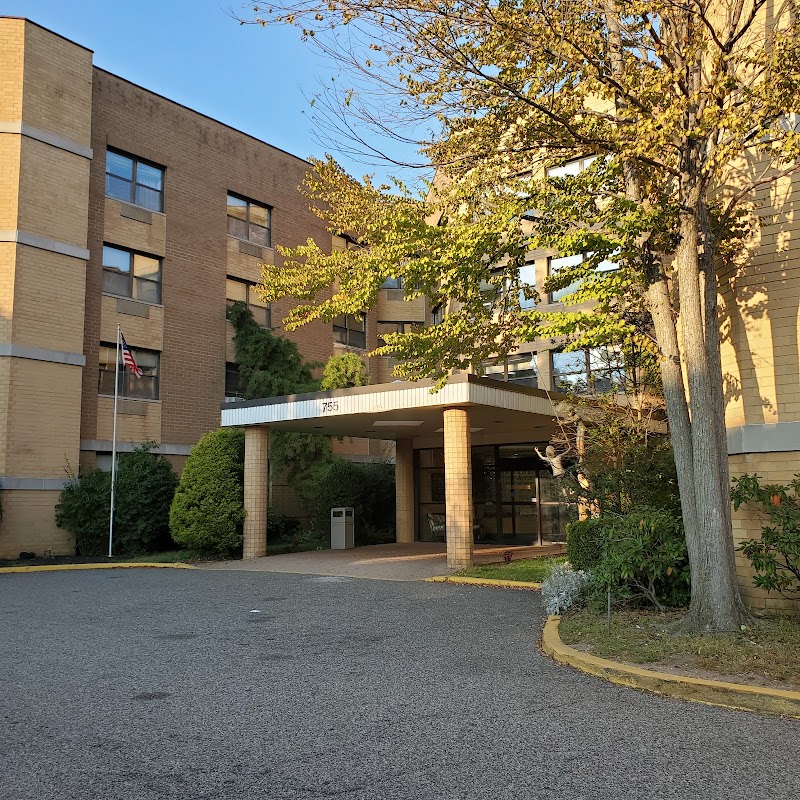
755 HEMPSTEAD TURNPIKE, UNIONDALE, NY 11553 (516) 565-1900
For profit - Individual 280 Beds PHILOSOPHY CARE CENTERS Data: November 2025
Trust Grade
65/100
#355 of 594 in NY
Last Inspection: January 2025

Within standard 12-15 month inspection cycle. Federal law requires annual inspections.

Overview

Townhouse Center for Rehabilitation & Nursing has a Trust Grade of C+, indicating it's slightly above average but not outstanding. It ranks #355 out of 594 facilities in New York, placing it in the bottom half, and #26 out of 36 in Nassau County, meaning there are only a few local options that are better. The facility's situation is worsening, with the number of issues identified increasing from 5 in 2023 to 8 in 2025. Staffing is a relative strength with a turnover rate of 35%, which is lower than the state average, but the staffing rating itself is only 2 out of 5 stars. While there have been no fines recorded, which is a positive sign, recent inspections revealed concerns such as inadequate infection control measures and improper sanitation practices in food handling, both of which could pose risks to residents.

Trust Score
C+
65/100
In New York
#355/594
Bottom 41%
Safety Record
Low Risk
No red flags
Inspections
Getting Worse
5 → 8 violations
Staff Stability
○ Average
35% turnover. Near New York's 48% average. Typical for the industry.
Penalties
✓ Good
No fines on record. Clean compliance history, better than most New York facilities.
Skilled Nurses
○ Average
Each resident gets 32 minutes of Registered Nurse (RN) attention daily — about average for New York. RNs are the most trained staff who monitor for health changes.
Violations
⚠ Watch
14 deficiencies on record. Higher than average. Multiple issues found across inspections.
★★★☆☆
3.0
Overall Rating
★★☆☆☆
2.0
Staff Levels
★★★☆☆
3.0
Care Quality
★★★☆☆
3.0
Inspection Score
Stable
2023: 5 issues
2025: 8 issues

The Good

  • Full Sprinkler Coverage · Fire safety systems throughout facility
  • No fines on record
  • Staff turnover below average (35%)

    13 points below New York average of 48%

Facility shows strength in fire safety.

The Bad

3-Star Overall Rating

Near New York average (3.1)

Meets federal standards, typical of most facilities

Staff Turnover: 35%

11pts below New York avg (46%)

Typical for the industry

Chain: PHILOSOPHY CARE CENTERS

Part of a multi-facility chain

Ask about local staffing decisions and management

The Ugly 14 deficiencies on record

Jan 2025 8 deficiencies
CONCERN (D)

Potential for Harm - no one hurt, but risky conditions existed

MDS Data Transmission (Tag F0640)

Could have caused harm · This affected 1 resident

Based on record review and interviews during the Recertification Survey initiated on 1/15/2025 and completed on 1/23/2025, the facility did not ensure that all completed Minimum Data Set assessments w...

Read full inspector narrative →
Based on record review and interviews during the Recertification Survey initiated on 1/15/2025 and completed on 1/23/2025, the facility did not ensure that all completed Minimum Data Set assessments were electronically transmitted to the Centers for Medicare and Medicaid Services within 14 days of the resident assessment completion date. This was identified for two (Resident #223 and Resident #171) of two residents reviewed for the Resident Assessment Task. Specifically, Resident #223's Discharge Minimum Data Set assessment was not submitted within 14 days from the completion of the Minimum Data Set assessment. Resident #171's quarterly Minimum Data Set assessment was not submitted within 14 days from the completion of the Minimum Data Set assessment. The finding is: The facility's policy and procedure titled Completion of the RAI [Resident Assessment Instrument] Process documented that for all residents in certified beds, regardless of payer [source], assessments will be completed within the guidelines outlined in the Resident Assessment Instrument Manual. All assessments will be scheduled within Centers for Medicare Services guidelines. The Minimum Data Set Coordinator will be responsible for the transmission of Minimum Data Set assessments within the time frames outlined in the Resident Assessment Instrument manual and for checking validation reports to ensure acceptance of records sent. A review of the Minimum Data Set (MDS) 3.0 Nursing Home Validation Report dated 10/25/2024 documented Resident #223's Discharge Minimum Data Set assessment, with an assessment reference date of 9/23/2024, was completed on 10/7/2024. The assessment was transmitted on 10/25/2024. Resident#223's Minimum Data Set assessment was transmitted four days late. A review of the Minimum Data Set (MDS) 3.0 Nursing Home Validation Report dated 1/13/2025 documented Resident #171's quarterly Minimum Data Set assessment, with an assessment reference date of 12/15/2024 was completed on 12/29/2024. The assessment was transmitted on 1/13/2025. Resident #171's Minimum Data Set assessment was transmitted one day late. During an interview on 1/21/2025 at 1:22 PM, the Minimum Data Set Director stated the Minimum Data Set assessments are submitted weekly. For the two identified records, there was a discrepancy in the activity of daily living documentation, so the records were sent back to the interdisciplinary team for review to ensure accuracy, and that is what caused the delay in submission. During an interview on 1/21/2025 at 1:35 PM, the Administrator stated the Minimum Data Set assessments were late because some corrections related to activities of daily living were needed, which caused the delay in submission of the assessment. 10 NYCRR 415.11
CONCERN (D) 📢 Someone Reported This

A family member, employee, or ombudsman was alarmed enough to file a formal complaint

Potential for Harm - no one hurt, but risky conditions existed

Deficiency F0657 (Tag F0657)

Could have caused harm · This affected 1 resident

**NOTE- TERMS IN BRACKETS HAVE BEEN EDITED TO PROTECT CONFIDENTIALITY** Based on observations, record review, and staff interviews during the Recertification and Abbreviated Survey (NY 00347071) initi...

Read full inspector narrative →
**NOTE- TERMS IN BRACKETS HAVE BEEN EDITED TO PROTECT CONFIDENTIALITY** Based on observations, record review, and staff interviews during the Recertification and Abbreviated Survey (NY 00347071) initiated on 1/15/2025 and completed on 1/23/2025, the facility did not ensure that each resident's comprehensive person-centered care plan was reviewed and revised by the interdisciplinary team after each assessment. This was identified for one (Resident #146) of one resident reviewed for Skin Condition. Specifically, Resident #146 had a diagnosis of Hyperkeratosis (a condition that causes thick, rough, patches of skin) of the bilateral feet; however, there was no care plan developed for the Hyperkeratosis until 1/21/2025. The finding is: The facility's policy titled Care Planning Policy, last revised on 1/2025 documented the facility must develop and implement a comprehensive person-centered care plan for each resident consistent with the resident's rights, measurable objectives, and time frames to meet the resident's medical, nursing, mental and psychosocial needs that are identified in their assessment. Resident #146 was admitted with diagnoses including Pressure Ulcers, Type 2 Diabetes, and Schizophrenia. The Quarterly Minimum Data Set (MDS) assessment dated [DATE] documented a Brief Interview for Mental Status (BIMS) score of 15, which indicated Resident #146 had intact cognition. The Minimum Data Set (MDS) assessment documented Resident #146 had unhealed pressure ulcers and utilized a pressure-reducing device for the chair. A review of Resident #146's Comprehensive Care Plan (CCP) revealed that the facility had archived (stored, no longer in effect a care plan for Hyperkeratosis of bilateral feet on 3/5/2024 and was not renewed until 1/21/2025. A Progress Note dated 5/13/2024, from Dermatology Nurse Practioner#1, documented that Resident #146 was seen for a consultation due to Hyperkeratosis and Resident #146 had dry cracked skin on both feet. Dermatology Nurse Practitioner#1 recommended continuing Ammonium Lactate lotion to bilateral feet twice daily. A Physician's Order dated 5/31/2024 last renewed on 1/13/2025 documented Ammonium Lactate 12 percent lotion applied to arms, legs, and feet twice daily for Hyperkeratosis. A Progress note dated 1/20/2025, from Dermatology Nurse Practioner #1, documented that Resident #146 was seen for a consultation due to Hyperkeratosis. The resident had dry cracked skin on bilateral feet. Dermatology Nurse Practitioner #1 recommended continuing Ammonium Lactate lotion to bilateral feet twice daily. During an interview on 1/21/2025 at 8:16 AM, the Wound Care Nurse stated care plans are initiated by the Unit Registered Nurses. The Wound Care Nurse stated Resident #146 had a care plan for Hyperkeratosis in the past. The Wound Care Nurse stated they were not aware that the care plan was archived and was never renewed. The Wound Care Nurse stated that a care plan for Hyperkeratosis should continue due to Resident #146 chronic (long-lasting) diagnosis of Hyperkeratosis. During an interview on 1/21/2025 at 1:27 PM, Registered Nurse #6, the Unit Manager, stated they and the other Registered Nurses were responsible for initiating care plans. Registered Nurse #6 stated that Resident#146's care plan for Hyperkeratosis was not renewed when Resident #146 was readmitted from the Hospital. Registered Nurse #6 stated they should have renewed the care plan because the resident has chronic Hyperkeratosis. During an interview on 1/22/2025 at 8:52 AM, the Director of Nursing Services stated that the care plan for Hyperkeratosis should have been initiated and they expected the Registered Nurses to evaluate, update, and initiate the required care plans. 10 NYCRR 415.11(c)(2)(i-iii)
CONCERN (D)

Potential for Harm - no one hurt, but risky conditions existed

Deficiency F0688 (Tag F0688)

Could have caused harm · This affected 1 resident

**NOTE- TERMS IN BRACKETS HAVE BEEN EDITED TO PROTECT CONFIDENTIALITY** Based on observation, record review, and interviews during the Recertification Survey initiated on 1/15/2025 and completed on 1/...

Read full inspector narrative →
**NOTE- TERMS IN BRACKETS HAVE BEEN EDITED TO PROTECT CONFIDENTIALITY** Based on observation, record review, and interviews during the Recertification Survey initiated on 1/15/2025 and completed on 1/23/2025 the facility did not ensure that each resident with limited range of motion received appropriate treatment and services to increase range of motion and/or prevent further decrease in range of motion. This was identified for one (Resident #115) of three residents reviewed for Skin Conditions. Specifically, Resident #115 was recommended to use an orthotic carrot device (a device shaped like a carrot that supports the hand, prevents injury, and improves function) for their left hand by the Occupational Therapy Department on 4/7/2023. A Physician's order for the use of an orthotic carrot device was never obtained, therefore, Resident #115 was never offered and did not use the orthotic carrot device. The finding is: The facility's policy titled Rehabilitation Services, dated 1/1/2025 documented the facility offers specialized rehabilitative services by qualified personnel in Physical, Occupational, and Speech Therapy to improve and maintain optimal functioning. Residents will also be screened quarterly, annually, and for significant changes or as needed. If further assessment and modifications to the plan of care are needed by the Therapy Department, a Physician's order will be obtained to complete a full evaluation. Resident #115 was admitted with diagnoses including Diabetes Mellitus, Hemiplegia (weakness on one side of the body) affecting the left non-dominant side, and Depression. The Quarterly Minimum Data Set assessment dated [DATE] documented a Brief Interview for Mental Status score of 12, indicating the resident had moderately impaired cognition. The resident had Functional Limitation in Range of Motion on one side of the upper extremities and both sides of the lower extremities. On 1/21/2025 at 8:21 AM, Resident #115 was observed in bed. The resident's left hand appeared contracted. The resident stated they have not been offered any type of device to wear for the left hand. The resident used their right hand to open the fingers of their left hand. There was no orthotic device in the resident's left hand. A Quarterly Rehabilitation Department Screen dated 4/7/2023 completed by Occupational Therapist (Registered-Licensed) #1 documented the resident had a functional limitation to range of motion to the upper extremity. The screen Recommendations to Nursing documented Left Hand Carrot Orthosis to be worn at all times. Remove for skin check, hygiene, and range of motion exercises. A Quarterly Rehabilitation Department Screen dated 1/15/2025 completed by Occupational Therapist (Registered-Licensed) #1 documented the resident had a functional limitation to range of motion to the upper extremity. The Recommendations to Nursing included the left-hand carrot orthosis to be worn at all times. Remove the carrot orthosis for skin check, hygiene, and range of motion exercises. A review of the medical record revealed no Physician's orders for the left-hand carrot orthosis or range of motion exercises for the left upper extremity. During an interview on 1/21/2025 at 8:36 AM, Certified Nursing Assistant #1 stated this was the first time they were assigned to care for Resident #115. Certified Nursing Assistant #1 stated they did not know anything about the left-hand orthotic device. During an interview on 1/21/2025 at 8:37 AM, Registered Nurse Unit Manager #2, at the surveyor's request, checked the resident's room and stated they could not find the orthotic device and were not aware of the resident using the device. Registered Nurse Unit Manager #2 stated they would have to check with the Rehabilitation Department for clarification. During an interview on 1/21/2025 at 2:23 PM, Rehabilitation Department Director #1 stated the orthotic device was never ordered for Resident #115. Rehabilitation Department Director #1 stated they asked Occupational Therapist #1 to perform another screen today, 1/21/2025, to determine if the orthotic device was still appropriate for Resident #115. The Occupational Therapy screen was completed on 1/21/2025 which indicated that the orthotic carrot device was no longer appropriate. New recommendations for the range of motion to the left upper extremities were provided and a new Physician's order for the range of motion was obtained on 1/21/2025. A Rehabilitation Department Screen dated 1/21/2025, completed by Occupational Therapist #1, recommended Active (completed by the resident) Range of Motion to the Right Upper Extremity and Passive Range (assisted by the staff) of Motion to the Left Upper Extremity, 5-10 repetitions twice a day as tolerated during Activities of Daily Living care. A Physician's order dated 1/21/2025 documented Active Assist Range of Motion to the Right Upper Extremity and Passive Range of Motion to the Left Upper Extremity, 5-10 repetitions twice a day as tolerated during Activities of Daily Living care. During an interview on 1/22/2025 at 9:39 AM, Occupational Therapist #1 stated the resident never received the orthotic carrot device after the resident was screened by them on 4/7/2023 because they (Occupational Therapist (Registered-Licensed) #1) did not obtain an order from the Physician for the device. Occupational Therapist #1 stated they again completed the Rehabilitation Screen for Resident #115 on 1/21/2025 and determined the orthotic carrot device was no longer indicated at this time because the resident needed range of motion exercises. During a re-interview on 1/23/2025 at 10:35 AM, Rehabilitation Director #1 stated when Therapists make recommendations, they need to follow up and obtain the physician's order related to the recommendations. Resident #115 did not receive the recommended orthotic carrot device because Occupational Therapist #1 did not obtain the Physician's order for the orthotic carrot device and should have. 10 NYCRR 415.12(e)(2)
CONCERN (D)

Potential for Harm - no one hurt, but risky conditions existed

Pharmacy Services (Tag F0755)

Could have caused harm · This affected 1 resident

**NOTE- TERMS IN BRACKETS HAVE BEEN EDITED TO PROTECT CONFIDENTIALITY** Based on observations, record review, and interviews during the Recertification Survey initiated on 1/15/2025 and completed on 1...

Read full inspector narrative →
**NOTE- TERMS IN BRACKETS HAVE BEEN EDITED TO PROTECT CONFIDENTIALITY** Based on observations, record review, and interviews during the Recertification Survey initiated on 1/15/2025 and completed on 1/23/2025, the facility did not ensure that drug records were in order and accounted for all controlled drugs. This was identified for one (Unit 3 North) of five units reviewed during the Medication Storage Task. Specifically, Licensed Practical Nurse #1 administered 3 tablets of Methadone 5 milligram tablets to Resident #124 and 1 tablet of Lorazepam 0.5 milligram to Resident #15 on 1/16/2025 during the 9:00 AM medication administration pass. Licensed Practical Nurse #1 did not reconcile the Individual Controlled Medication Records to reflect the actual number of remaining tablets in the blister packs. The findings are: The facility policy titled Medications -Management of Controlled Substances, last reviewed on 11/2024, documented that when a controlled substance is to be administered, the nurse will remove the dose from the inventory, the dose is then given to the resident, and the medication [administration administration] documented on the resident's MAR [Medication Administration Record] and on the Individual Controlled Medication Record. If the medication is not administered (refusal, medication dropped, held, etc.), two nurses must dispose of the medication properly by flushing the medication in the sink and both nurses will document the wasting of the medication. 1) Resident #124 was admitted with diagnoses that included Chronic Pain Syndrome, Type 2 Diabetes Mellitus, and Hypertension. The Minimum Data Set, dated [DATE], documented that Resident #124 had a Brief Interview for Mental Status score of 15, which indicated the resident had intact cognition. The Minimum Data Set documented Resident #15 had Chronic Pain and received a scheduled pain medication regimen which included an Opioid medication during the assessment period. A Physician's order dated 8/22/2023 last renewed on 1/9/2025 documented Methadone 5-milligram tablets; give 3 tablets (15 milligrams) by oral route once daily. During the Medication Storage task on Unit 3 North on 1/16/2025 at 10:50 AM, the narcotics cabinet was observed with Resident #124's Methadone 5 milligram tablet blister pack containing 18 tablets. The Controlled Substance Administration Record documented Resident #124's Methadone 5 milligram tablets were last administered on 1/15/2025 at 8:10 AM and the remaining amount was 21 tablets. The Medication Administration Record for January 2025 documented three tablets of Methadone 5 milligrams, for a total of 15 milligrams, were administered to Resident #124 on 1/16/2025 at 9:00 AM. 2) Resident #15 was admitted with diagnoses that included Chronic Pain, Anxiety Disorder, and Major Depressive Disorder. The Minimum Data Set, dated [DATE] documented that Resident #15 had a Brief Interview for Mental Status score of 15, which indicated the resident had intact cognition. Resident #15 received a scheduled pain medication regimen during the assessment period. A Physician's order dated 7/14/2021 last renewed on 1/14/2025 documented Lorazepam 0.5 Milligram tablet to be given 1 tablet twice a day by oral route. During the Medication Storage task on Unit 3 North on 1/16/2025 at 10:50 AM, the narcotics cabinet was observed with Resident #15's Lorazepam 0.5 Milligram tablet blister pack containing one tablet. The Controlled Substance Administration Record documented Resident #15's Lorazepam 0.5 milligram tablet was last administered on 1/15/2025 at 9:00 PM and the remaining amount was 2 tablets. The Medication Administration Record for January 2025 documented one Lorazepam 0.5 milligram tablet was last administered to Resident #15 on 1/16/2024 at 9:00 AM. During an interview on 1/16/2025 at 11:25 AM, Registered Nurse Unit Manager #1 stated Licensed Practical Nurse #1 should have updated the Individual Controlled Medication Record immediately after they administered the medications to the residents. The number of medications in the blister pack should match the Individual Controlled Medication Record count. During an interview on 1/16/2025 at 11:28 AM, Licensed Practical Nurse #1 stated they should have updated the Individual Controlled Medication Record when they administered the medications to Resident #15 and Resident #124. Licensed Practical Nurse #1 did not know why they did not update the Individual Controlled Medication Record when they completed the medication administration. During an interview on 1/17/2025 at 11:39 AM, the Director of Nursing Services stated the medication nurse should immediately document the number of tablets remaining in the blister pack onto the Individual Controlled Medication Record after they administer the medication to the resident. 10 NYCRR 415.18(b)(1)(2)(3)
CONCERN (D)

Potential for Harm - no one hurt, but risky conditions existed

Deficiency F0761 (Tag F0761)

Could have caused harm · This affected 1 resident

**NOTE- TERMS IN BRACKETS HAVE BEEN EDITED TO PROTECT CONFIDENTIALITY** 3) Resident #498 was admitted with diagnoses of Pulmonary Fibrosis and Pneumonia. The Minimum Data Set assessment was not yet co...

Read full inspector narrative →
**NOTE- TERMS IN BRACKETS HAVE BEEN EDITED TO PROTECT CONFIDENTIALITY** 3) Resident #498 was admitted with diagnoses of Pulmonary Fibrosis and Pneumonia. The Minimum Data Set assessment was not yet completed as the resident was recently admitted to the facility. During an observation on [DATE] at 9:22 AM, multiple medications including Flonase (allergy relief medication) nasal spray, Deep Sea Premium Saline spray, and Icy Hot (topical pain reliever) Jar, with labels from the hospital, were observed on Resident #498's nightstand. There were additional medications including eye lubricant drops and Systane eye drops (used for eye lubrication) without a label were also noted on the resident's nightstand. There were no Physician's orders for Flonase (allergy relief medication) nasal spray, Deep Sea Premium Saline spray, Icy Hot, eye lubricant drops, and Systane eye drops. During an interview on [DATE] at 9:52 AM, Registered Nurse Manager #3 stated that medications should not be stored in a resident's room. All medications should be stored in the medication cart. A Physician's progress note dated [DATE] at 10:46 AM documented that Resident #498 was seen and examined. A clear plastic bag containing over-the-counter medications was found in the resident's personal belongings. The resident's family was contacted and confirmed that the observed medications belonged to Resident #498 and were inadvertently left at the facility. During an interview on [DATE] at 10:45 AM, the Director of Nursing Services stated only nurses handle medications. Nurses should remove the medications that are left in the resident's room. 10 NYCRR 415.18 (e) (1-4) Based on observation, record review, and interviews during the Recertification Survey initiated on [DATE] and completed on [DATE], the facility did not ensure that all drugs and biologicals were labeled in accordance with professional standards of practice. This was identified for one (Unit 3 North medication cart A) of eight Medication Carts reviewed during the Medication Storage task and for one (Resident #498) of five residents reviewed for Accidents. Specifically, 1) the Unit 3 North medication cart was observed with two unlabeled medication cups, with medication tablets, in the top drawer. Licensed Practical Nurse #2 stated they stored the pre-poured medications in the medication cart because Resident #41 and Resident #105 had refused their medications during the medication administration pass. 2) Resident #498 was observed with multiple medications in their room that were not ordered by the resident's Physician. The findings are: 1) The facility's policy titled Mediation Storage, last reviewed on 3/2024, documented that medications must be stored in accordance with the manufacturer's specifications and secured in locked storage areas in compliance with State and Federal requirements and accepted professional standards of practice. The facility's policy titled Medication Administration and Documentation, last reviewed on 1/2025, documented that all medications that are expired, contaminated, or refused [by the residents] will be disposed of promptly and properly by licensed medical/nursing personnel in accordance with applicable laws and guidelines. This process is designed to prevent medication misuse, diversion, and environmental harm. Resident #41 was admitted with diagnoses that included Adult Failure to Thrive, Hypertension, and Peripheral Vascular Disease. The Quarterly Minimum Data Set assessment dated [DATE] documented that Resident #41 was rarely or never understood and had severe cognitive impairment. Resident #41 received anticoagulant medication during the seven-day lookback period. A physician's order renewed on [DATE] documented to administer one tablet of Amlodipine 10 milligrams once a day by oral route. A physician's order renewed on [DATE] documented to administer one chewable tablet of Aspirin 81 milligrams once a day by oral route. The Medication Administration Record documented Resident #41 refused Amlodipine (heart medication) 10-milligram and Aspirin (blood thinner) 81-milligram chewable tablets on [DATE] during the 9:00 AM medication administration. Resident #105 was admitted with diagnoses that included Cerebral Infarction, Diabetes Mellitus Type 2, and Hypertension. The Quarterly Minimum Data Set assessment dated [DATE] documented that Resident #105 was rarely or never understood and had severe cognitive impairment. Resident #105 received anticoagulant medication during the seven-day lookback period. A physician's order renewed on [DATE] documented to administer one tablet of Metoprolol (medication to treat high blood pressure) Succinate extended-release 50-milligrams once a day by oral route; one tablet of Hydralazine 50 milligrams (medication to treat high blood pressure) once daily by the oral route; one tablet of Allopurinol 100 milligrams (medication (used to prevent or lower high uric acid levels in the blood) once daily by the oral route; and one tablet of Eliquis 5 milligrams (blood thinner) every 12 hours by oral route. The Medication Administration Record documented Resident #105 refused Metoprolol Succinate extended-release 50-milligram tablet, Hydralazine 50 milligram tablet, Allopurinol 100 milligram tablet, and Eliquis 5 milligram tablet on [DATE] during the 9:00 AM medication administration. During an observation on [DATE] at 10:23 AM, with Licensed Practical Nurse #2, Unit 3 North for the Medication Storage and Labeling task, Licensed Practical Nurse #2 opened the top drawer of the medication cart which contained two unlabeled medication cups with some tablets. Licensed Practical Nurse #2 stated initially they had mistakenly documented that the medications were administered to Resident #41 and Resident #105 and that they should not have signed for the medications before administering the medications to the resident. Licensed Practical Nurse #2 then proceeded to throw away the medications in the garbage pail. During an interview on [DATE] at 10:36 AM, Registered Nurse Unit Manager #1 stated the dispensed medications should not be stored in a medication cup in the medication cart. Medications refused by the resident should be discarded immediately and not saved in a medicine cup inside the medication cart. During a re-interview on [DATE] at 8:57 AM, Licensed Practical Nurse #2 stated they saved the unlabeled medication cups with Resident #41 and Resident #105's medications in the cart because they intended to reapproach the residents; however, they got too busy. Licensed Practical Nurse #2 stated they first documented that they had given the medications and that was in error, they then went back and corrected the record to document the refusal and notified the Physician. During an interview on [DATE] at 11:39 AM, the Director of Nursing Services stated nurses are expected to discard the medication if the resident refuses their medications and document the refusal in the Medication Administration Record. The Director of Nursing Services stated the nurse should not leave the medications in an unlabeled medication cup inside the medication cart.
CONCERN (D)

Potential for Harm - no one hurt, but risky conditions existed

Laboratory Services (Tag F0770)

Could have caused harm · This affected 1 resident

Based on record review and interviews during the Recertification Survey initiated on 1/15/2025 and completed on 1/23/2025, the facility did not ensure it provided timely laboratory services to each re...

Read full inspector narrative →
Based on record review and interviews during the Recertification Survey initiated on 1/15/2025 and completed on 1/23/2025, the facility did not ensure it provided timely laboratory services to each resident. This was identified for one (Resident #398) of two residents reviewed for Mood and Behavior. Specifically, Resident #398's Physician ordered a Urinalysis (a test that checks urine for signs of health issues like infections and kidney problems) STAT (without delay/prioritized with urgency) on 1/18/2025 to rule out Urinary Tract Infection. The results of the test were not reported by the laboratory to the facility timely. The finding is: The facility's policy titled Laboratory Services, Results, and Physician Notification, dated 5/2024 documented the facility will provide and/or obtain laboratory services in a timely manner to meet the needs of its residents. The facility will provide and/or obtain laboratory services when ordered by a practitioner (physician, physician assistant, nurse practitioner, and or clinical nurse specialist) in accordance with State and Federal regulatory requirements. The physician and/or practitioner will be notified in a timely manner of the laboratory results that fall outside of clinical reference ranges. STAT labs [specimen samples] will be drawn/ collected by the laboratory service provider within 4-6 hours. Laboratory results will be reported to the ordering medical practitioner or designee by unit nursing staff assigned during the shift the laboratory results are received. The nurse will document the Physician's notification of the laboratory results on the laboratory result sheet and/or the progress note. Resident #398 was admitted with diagnoses including Diabetes Mellitus, Chronic Obstructive Pyelonephritis (kidney infection), and Cerebrovascular Accident. The 12/24/2024 admission Minimum Data Set assessment documented a Brief Interview for Mental Status score of 12, indicating the resident had moderately impaired cognition. The resident had no behavioral issues and no signs and symptoms of Delirium. The resident had an indwelling urinary catheter. A progress note dated 1/18/2025 (Saturday) at 11:39 AM, written by Physician #1, documented the Physician was asked by the resident's family member to see the resident because the resident was hallucinating (hearing, seeing, smelling, tasting, or feeling things that appear to be real but only exist in your mind). The resident's blood pressure was 74/44 millimeters of Mercury (normal range 120/80 millimeters of Mercury). Physician #1 documented the resident may have Sepsis (a serious response to an infection) or over-diuresis (excessive urination). Physician #1 recommended bolus (quick delivery) intravenous fluids and checking STAT laboratory workup to look for Sepsis or Azotemia (kidneys not filtering enough nitrogen out of blood). A Physician's order dated 1/18/2025 at 11:35 AM documented to obtain a Urinalysis and a Urine Polymerase Chain Reaction (PCR) test (a laboratory test that detects bacterial organisms and some antibiotic resistance genes in a urine sample) STAT. A Physician's order dated 1/18/2025 at 11:35 AM documented Comprehensive Metabolic Panel STAT. A review of the laboratory requisition form documented that the urine sample was picked up from the facility by the laboratory on 1/18/2025 at 4:15 PM. A review of the medical record revealed there was no documented follow-up regarding the Urinalysis results until 1/21/2025. During an interview on 1/21/2025 at 11:20 AM, Registered Nurse Unit Manager #3 stated Resident #398 had a change in mental status over the weekend and the resident was hallucinating. Registered Nurse Unit Manager #3 stated that this morning, they noticed that Resident #398's Urinalysis results were not received over the weekend. A nursing progress note, written by Registered Nurse #5 (weekend supervisor), dated 1/21/2025 at 1:23 PM documented that on 1/18/2025 laboratory results, including Complete Blood Count and Comprehensive Metabolic Panel, were obtained and reviewed with the Physician. The Urinalysis sample was also collected during the 7:00 AM-3:00 PM shift on 1/18/2025 and the results were pending. During an interview on 1/21/2025 at 1:44 PM, Laboratory Representative #1 stated the blood sample was collected on 1/18/2025 at noon and STAT bloodwork results were reported back to the facility within 6 hours of collection. Laboratory Representative #1 stated there was no record of the Urinalysis order or sample collection that was ordered on 1/18/2025; the courier who collected the samples on 1/18/2025 did not return to the laboratory with the urine sample. Laboratory Representative #1 stated they did not know what happened with the Urinalysis testing. A Medical progress note dated 1/21/2025 at 2:39 PM, written by Physician #2, documented to start empiric (based on observation or experience) treatment with Ceftriaxone (an antibiotic) 1 gram intravenous once daily for 7 days while awaiting results of Urinalysis and Urine Culture. A review of the laboratory results revealed that the Urinalysis results were received by the facility on 1/21/2025 at 8:11 PM. The report indicated that the urine sample had a cloudy appearance; was positive for Nitrites (indicative of Urinary Tract Infection); had a small amount of blood; many bacteria; and a large amount of Leukocyte Esterase (an enzyme found in white blood cells). A comment was added from the laboratory in the Urinalysis report on 1/22/2025 documenting that the laboratory will follow up with the culture/sensitivity (a lab procedure that identifies the cause of an infection and determines the best treatment). A comment from Physician #2 (primary physician) in the Urinalysis report dated 1/22/2025 documented that Urinalysis looks positive (for infection); Empiric Ceftriaxone (an antibiotic) was in progress while awaiting urine culture results. During an interview on 1/22/2025 at 8:49 AM, Registered Nurse #5 (the weekend supervisor) stated they reported the STAT bloodwork results to Physician #1 on 1/18/2025. There was no Urinalysis result available on 1/18/2025. Registered Nurse #5 stated they called the laboratory on 1/18/2025 but the laboratory staff did not pick up the phone. Registered Nurse #5 stated they did not know what happened to the Urinalysis or why the urine test was not completed as ordered. During an interview on 1/22/2025 at 9:01 AM, Primary Physician #1 stated they discussed the blood test results with Registered Nurse #5 on 1/18/2025; however, the Urinalysis results were not available on 1/18/2025. Primary Physician #1 stated STAT orders for blood work and Urinalysis should be collected the same day and results should be returned the same day. During an interview on 1/22/2025 at 10:06 AM, the Director of Nursing Services stated they would expect STAT laboratory orders to be carried out and completed the same day including receiving the laboratory results. During an interview on 1/23/2025 at 10:28 AM, Primary Physician #2 stated results for a STAT order should be returned within the day to begin timely treatment. 10 NYCRR 415.20
CONCERN (D)

Potential for Harm - no one hurt, but risky conditions existed

Deficiency F0847 (Tag F0847)

Could have caused harm · This affected 1 resident

**NOTE- TERMS IN BRACKETS HAVE BEEN EDITED TO PROTECT CONFIDENTIALITY** Based on record review, and interviews during the Recertification Survey initiated on 1/15/2025 and completed on 1/23/2025, the ...

Read full inspector narrative →
**NOTE- TERMS IN BRACKETS HAVE BEEN EDITED TO PROTECT CONFIDENTIALITY** Based on record review, and interviews during the Recertification Survey initiated on 1/15/2025 and completed on 1/23/2025, the facility did not ensure the Binding Arbitration Agreement explicitly granted the resident and their representative the right to rescind the agreement within 30 calendar days of signing the agreement. This was identified for two (Resident #139 and Resident #238) of two residents reviewed during the Arbitration Task. Specifically, the Binding Arbitration Agreement signed by Resident #139 and Resident #238's representatives did not specify that the resident/representatives had 30 calendar days to rescind the agreement. The finding is: The facility's policy titled Optional Arbitration Agreement dated 6/2023 documented that residents and responsible parties must be advised prior to admission that the facility will honor any written request by a resident and/or their representative to terminate the Optional Arbitration Agreement if such notice of termination is delivered either personally or by certified mail. The policy did not indicate a specific timeframe by which the written agreement could be rescinded. The facility's Optional Arbitration Agreement did not include that the resident and/or their representatives had the right to rescind the Optional Arbitration Agreement within 30 calendar days of signing the agreement. Resident # 139 was admitted with diagnoses including Hypertension, Hyperlipidemia (high cholesterol), and Gout. The admission Minimum Data Set (MDS) assessment dated [DATE] documented a Brief Interview for Mental Status (BIMS) score of 14, which indicated the resident had intact cognition. A Binding Arbitration Agreement, signed by Resident #139 on 10/9/2024 did not include that the resident and/or their representatives had the right to rescind the Optional Arbitration Agreement within 30 calendar days of signing the agreement. Resident # 238 was admitted with Diagnoses including Osteoarthritis, Joint Replacement Surgery, and Hypertension. The admission Minimum Data Set (MDS) assessment dated [DATE] documented a Brief Interview for Mental Status (BIMS) score of 15, which indicated the resident had intact cognition. A Binding Arbitration Agreement, signed by Resident 139's representative on 12/19/2024, did not include that the resident and/or their representatives had the right to rescind the Optional Arbitration Agreement within 30 calendar days of signing the agreement. During an interview on 1/17/2025 at 2:22 PM, Resident #139 stated they were educated about entering the Optional Arbitration Agreement. Resident #139 stated they were verbally informed that they could cancel any services or agreement including the Optional Arbitration Agreement at any time. Resident #139 stated they reviewed the Optional Arbitration Agreement before signing but did not recall if the agreement included information on how to rescind it. During an interview on 1/17/2025 at 1:34 PM, Resident #238 stated they permitted their family member to participate, review, and sign all documents on their behalf. Resident #238 stated the facility would have discussed the admission agreement including the Optional Arbitration Agreement with the family member. During an interview on 1/21/2025 at 9:23 AM, Resident #238's family member stated they handled Resident #238's paperwork upon admission. Resident #238's family member stated they were educated about entering the Optional Arbitration Agreement prior to signing the document. Resident #238's family member stated they were verbally informed of their right to opt out of the agreement anytime. Resident #238's family member was not aware that the Optional Arbitration Agreement did not include a written statement on how to rescind it. During an interview on 1/17/2025 at 3:28 PM, the Director of Admissions stated resident and/or their representative were verbally educated that they could rescind the Optional Arbitration Agreement at any time during their stay. The timeframe to rescind the agreement is not limited to 30 calendar days from signing the Optional Arbitration Agreement. The Director of Admissions stated the Optional Arbitration Agreement did not include documented evidence that the agreement could be rescinded within 30 calendar days of signing the agreement. During an interview on 1/21/2025 at 1:51 PM, the Administrator stated they were aware that the resident and/or representative must be granted the right to rescind the Optional Arbitration Agreement within 30 calendar days of signing the agreement as per the regulation. The Administrator stated the facility's legal team was responsible for drafting the agreement. The Administrator stated they believed the agreement was written in compliance with all regulations. The Administrator acknowledged that the Optional Arbitration Agreement did not include written information about the resident's right to rescind the agreement within 30 calendar days of signing the agreement. The Administrator stated the resident and/or representative can request to opt out of the agreement at any time, even if the decision to rescind exceeds 30 calendar days. 10 NYCRR 415.30
CONCERN (E)

Potential for Harm - no one hurt, but risky conditions existed

Infection Control (Tag F0880)

Could have caused harm · This affected multiple residents

Based on record review and interviews during the Recertification Survey initiated on 1/15/2025 and completed on 1/23/2025, the facility did not ensure it established and maintained an infection preven...

Read full inspector narrative →
Based on record review and interviews during the Recertification Survey initiated on 1/15/2025 and completed on 1/23/2025, the facility did not ensure it established and maintained an infection prevention and control program designed to provide a safe and sanitary environment and to help prevent the development, and transmission of communicable diseases and infections. This was identified during the Infection Control Task. Specifically, the facility did not provide documented evidence of testing of the potable water system for Legionnaires' and other Waterborne pathogens. The facility did not provide documented evidence of a Flow Diagram to indicate a description of the building's water systems as per the facility's policy. The finding is: The facility's Legionella Water Mgmt. Plan (WMP) policy dated 2/06/2017 last reviewed on 10/17/2024 documented the Water Management Plan including but not limited to Flow Diagram and tables for each Water System The Laboratory Certificate of Analysis documented a water sample was collected from the Cooling Tower on 6/7/2024 and results were reported on 6/21/2024 with no Legionella isolates. There was no documented evidence that the facility performed testing of the potable water system in other areas of the building where there was a high probability of opportunistic pathogens in the building water system. The facility did not provide a Flow Diagram and tables for each Water System as indicated in the facility's policy. During an interview on 1/17/2025 at 2:30 PM the Director of Environmental Services stated they recently took over the Maintenance Department responsibilities and were still learning about the building systems. The Director of Environmental Services was notified to provide records of the Legionella testing and results of the potable water system, the design description of the potable water system identifying potential points of Legionnaires and other waterborne pathogens. The requested records were not provided at the conclusion of the survey. During an interview on 1/17/2025 at 2:30 PM, the Administrator stated it is the Director of Environmental Services' responsibility to maintain an updated Water Management Plan. The Administrator stated the Director of Environmental Services was recently assigned to the Maintenance Department and was still learning about the building systems. 10 NYCRR 415.19(a)(1-3)
May 2023 5 deficiencies
CONCERN (D)

Potential for Harm - no one hurt, but risky conditions existed

Pressure Ulcer Prevention (Tag F0686)

Could have caused harm · This affected 1 resident

**NOTE- TERMS IN BRACKETS HAVE BEEN EDITED TO PROTECT CONFIDENTIALITY** Based on observation, record review, and interviews during the Recertification Survey initiated on 5/3/2023 and completed on 5/9...

Read full inspector narrative →
**NOTE- TERMS IN BRACKETS HAVE BEEN EDITED TO PROTECT CONFIDENTIALITY** Based on observation, record review, and interviews during the Recertification Survey initiated on 5/3/2023 and completed on 5/9/2023, the facility did not ensure that each resident received care and necessary treatment and services in accordance with professional standards of practice to prevent pressure ulcers. This was identified for one (Resident #144) of six residents reviewed for Pressure Ulcers. Specifically, 1) Resident #144, who was ventilator dependent and required total assistance for bed mobility, was assessed at high risk for developing pressure ulcers. Resident #144 was assessed by the Dermatologist for a scabbed lesion to the right side of the scalp in March 2023 and was diagnosed with a Neoplasm (lesion). The Wound Care Physician categorized the lesion as a Stage II Pressure Ulcer on 3/24/2023. The Wound Care Physician also identified an Unstageable pressure ulcer to the left occipital area on 4/28/2023. On multiple occasions Resident #144 was observed lying in bed without a pillow and their head was making direct contact with the mattress. The resident was not assessed by the Rehabilitation Department for positioning devices to offload the head as per the resident's comprehensive care plan. 2) The resident weighed 180 pounds (lbs); however, the alternating air mattress utilized by the resident was observed with the air mattress pump set for 85 lbs weight. The finding is: The facility's policy titled Pressure Ulcer Prevention and Intervention Program, last reviewed 11/2022, documented residents of the facility will have a pressure ulcer and intervention program to identify risk factors, prevent pressure ulcer formation when avoidable and promote skin integrity, as well as interventions to heal existing pressure ulcers and prevent new pressure ulcers from developing. Resident #144 was admitted with diagnoses including Chronic Respiratory Failure with Hypoxia (Ventilator Dependent), Gastrostomy Status, and Diabetes Mellitus. The 2/5/2023 Quarterly Minimum Data Set (MDS) assessment documented no Brief Interview for Mental Status (BIMS) score as the resident had severely impaired cognitive skills for daily decision making. The MDS documented the resident required extensive assistance of two staff members for bed mobility. The MDS documented that the resident had a Stage 2 pressure ulcer and was at risk for pressure ulcer development. Preventive treatments for pressure ulcers included pressure reducing device for chair, pressure reducing device for bed, nutrition and hydration interventions, and pressure ulcer care. The MDS documented the resident weighed 180 pounds and received tube feeding. The nursing admission assessment dated [DATE] included a Braden Scale (tool used to identify pressure ulcer risk). The resident's Braden Scare Score was 6, which indicated Resident #144 was at a very high risk for pressure ulcer development. A Dermatology Consult dated 3/10/2023 documented Resident #144 had a scabbed lesion on the right side of the scalp which was diagnosed as a neoplasm of uncertain behavior. The Dermatologist recommended a biopsy and to obtain family consent if the family wishes to proceed. Follow up in one month. The nursing progress note dated 3/13/2023 documented the resident's family refused to give consent for the biopsy. A Medical Wound Care Assessment note dated 3/24/2023 documented Stage 2 Pressure Injury to the Right Head Temporal region measuring 1.5-centimeter (cm) Width: 1.0 cm Depth: 0.1 cm The wound bed was 100% red. The recommendations were to adhere to the facility repositioning and decubitus prevention protocol. A Wound care nursing note dated 3/24/2023 documented the resident was seen for a re-opened wound to the right temporal area of the head. The Wound Care Physician ordered to apply Hydrogel to the area and cover with a dry protective dressing. A pressure relieving care plan was initiated. A Comprehensive Care Plan (CCP) titled Skin Integrity: Right Temporal Head, Stage 2 pressure injury to right temporal head, effective: 3/24/2023, documented interventions to offload pressure using a pillow and Physical Therapy (PT)/Occupational Therapy (OT) screen for proper positioning and devices. The CCP was created by the Registered Nurse (RN) wound care nurse (RN #3). A Medical Wound Care Assessment note dated 4/28/2023 documented suspected deep tissue pressure injury to the Left Head Occipital area measuring Length: 3.0 cm, Width: 2.5 cm, and the was Depth: 0. The Wound Bed was noted to be 10% red, 10% bruise, 80% black scab. The wound was located over a severe bony prominence. The Wound care nursing note dated 4/28/2023 documented the resident was seen by wound care team for a weekly follow up for a new skin opening to the left occipital head (deep tissue injury). The resident was assessed by the Wound Care Physician and ordered to apply Hydrogel to the area, then cover with a dry protective dressing. Pressure relieving devices in place. A CCP titled Skin Integrity, Unstageable to Left Occipital Head, effective: 4/28/2023, documented interventions to offload pressure using pillow and PT/OT screen for proper positioning and devices. The CCP was created by RN #3. A Comprehensive Care Plan (CCP) titled Skin Integrity: At Risk for further Skin Breakdown, effective 9/13/2022, last updated 4/29/2023, documented an intervention for PT /OT evaluation for appropriate preventive positioning device or equipment. The CCP was last updated by the RN #3. The Weekly Wound Care Notes from 3/24/2023 to 4/28/2023 documented the left occipital and right temporal head wounds as pressure ulcers. Resident #144 was observed lying in bed on 5/4/2023 at 2:32 PM. The resident's family member was present. The resident had dressings on both occipital (near the back) sides of the head and was observed with a small pillow behind the neck. The back of the resident's head was in direct contact with the mattress. There was no other pillow or offloading device present. The Rehabilitation (Rehab) Department Director was interviewed on 5/5/2023 at 2:21 PM and stated they have not received a referral to evaluate Resident #144 for pressure relieving devices from the wound care team. RN #3, the Wound Care Nurse, was interviewed on 5/5/2023 at 3:09 PM and stated the resident was on a turning and positioning and offloading protocol. A Wound Care Physician note dated 5/5/2023 at 7:52 PM documented due to the resident's medical history/comorbidities including respiratory failure, on ventilator to trach/quadriplegia, total assist, non-responsive, and with a history of pressure injuries, despite interventions in place to prevent skin breakdown such as pressure relieving devices, this wound occurrence was unavoidable. The wound is located over severe bony prominence. Resident #144 was observed in bed on 5/8/2023 at 7:06 AM. The resident had a small pillow behind their neck. There was no other pillow or offloading device present. The resident's left side occipital head was in direct contact with the mattress. Resident #144's wound care treatment was observed on 5/8/2023 at 7:46 AM. The treatment was performed by RN #7 and assisted by Certified Nursing Assistant (CNA #1, the resident's primary CNA). Also present was RN #2 (unit charge nurse). The resident was observed with a small pillow behind their neck. RN #2 stated the pillow was brought in by the resident's family last week. RN #2 stated the family refused to have a regular pillow and all the family allowed was a rolled-up sheet to be put behind the resident's neck. CNA #1 was interviewed on 5/8/2023 at 8:05 AM and stated just the rolled-up sheet had been used until the family brought in the small pillow. CNA #1 demonstrated putting a rolled-up sheet behind the resident's neck. The sheet did not prevent the head from coming in contact with the mattress. The Director of Nursing Services (DNS) was interviewed on 5/8/2023 at 8:32 AM and stated the wounds were clearly offloaded. The DNS stated there was no root cause investigation done to determine the cause of the wounds. The DNS stated the wound doctor did not recommend any offloading devices. The resident's family member was interviewed on 5/8/2023 at 9:20 AM. The family member stated the resident had redness to their ears, so they (family member) asked the staff to remove the regular pillow and just use a rolled-up sheet. The family member stated they then brought a small pillow approximately 10 days ago because the facility never provided any kind of device to take the pressure off and keep the head off the bed. RN #3 was re-interviewed on 5/8/2023 at 9:58 AM. RN #3 stated they (RN #3) were unaware that the resident was not utilizing a pillow and that the staff was using a rolled-up sheet to offload the resident's head. RN #3 stated the plan included use of an air mattress and a turning and positioning program. RN #3 stated no new interventions were added after the resident developed pressure ulcers to their head. RN #3 stated if they knew the family refused the use of a pillow, they would have put other interventions in place. The wound care physician was interviewed on 5/8/2023 at 10:50 AM and stated they did not know that the resident was not utilizing a pillow. The wound care physician stated they did not request a rehabilitation intervention, but the primary doctor or nursing could have done that. Resident #144's was observed lying in bed on an air mattress on 5/9/2023 at 10:21 AM. The air mattress pump was set at 85 pounds. The Primary Physician was interviewed on 5/9/2023 at 10:23 AM and stated that turning and positioning and use of an air mattress are great starting points. The Primary Physician stated the Rehabilitation Department should have been consulted regarding an offloading device or intervention because they (Primary Physician stated) did not know of any such device for offloading that could be used for the head. RN #2 was re-interviewed on 5/9/2023 at 10:45 AM and stated that the Housekeeper Lead is responsible for adjusting the settings on the air mattress. The Housekeeping Lead was interviewed in Resident #144's room on 5/9/2023 at 10:50 AM. The Housekeeping Lead stated they (Housekeeping Lead) only bring the air mattress from the storage area when an air mattress is ordered by the doctor. The Housekeeping Lead stated they situate the mattress in the resident's room but do not adjust settings on the pump. The Housekeeping Lead stated the setting is based on the weight of the resident. The Housekeeping Lead further stated they show the nursing staff how to change the settings on the pump, but they do not touch the settings. RN #2 was re-interviewed in Resident #144's room on 5/9/2023 at 10:58 AM and stated Resident #144's weight was 185 pounds. RN #2 stated the setting on the pump was incorrect and had to be shown by the Housekeeping Lead how to change the pump setting. RN #2 changed the weight setting to 185 pounds. RN #2 stated the CNAs change the settings. CNA #2, who was assigned to care for Resident #144, was interviewed on 5/9/2023 at 12:40 PM and stated they do not adjust the settings on the air mattress, and they were not sure who adjusts the setting on the air mattress. The Wound Care Physician was re-interviewed on 5/9/2023 at 2:00 PM. The wound care physician stated the right-side head wound has been diagnosed as a malignancy as per a dermatology consult of 3/10/2023. The Wound Care Physician stated the diagnosis of a Stage 2 pressure ulcer is wrong and it is their fault to call it Stage 2--it should have been malignancy. The wound care physician further stated it is possible that the left side head wound is a malignancy also. RN #3 (wound care nurse) was re-interviewed on 5/9/2023 at 02:50 PM and stated the setting on the air mattress has to be equal to the resident's weight to provide proper pressure relief. If the weight setting is too low, it will not provide appropriate pressure relief. 10NYCRR 415.12(c)(1)
CONCERN (D)

Potential for Harm - no one hurt, but risky conditions existed

Tube Feeding (Tag F0693)

Could have caused harm · This affected 1 resident

Based on observation, record review, and interviews during the Recertification Survey initiated on 5/3/2023 and completed on 5/9/2023 the facility did not ensure that staff implemented and provided ca...

Read full inspector narrative →
Based on observation, record review, and interviews during the Recertification Survey initiated on 5/3/2023 and completed on 5/9/2023 the facility did not ensure that staff implemented and provided care and services according to resident needs and professional standards of practice for each resident with a feeding tube. This was identified for one (Resident #144) of five residents observed during the Medication Administration Task. Specifically, during Resident #144's medication administration observation, Licensed Practical Nurse (LPN) #2 did not check placement of the resident's feeding tube prior to administering the medications through the feeding tube. The finding is: The facility's policy titled Medication Administration via Enteral Feeding Tube, last reviewed 2/2023, documented the facility staff shall use appropriate procedures for the administration of medication via enteral feeding tube; and prior to administration if no feeding is in progress, check patency by attaching a syringe and aspirating a small amount of stomach content. Resident #144 was admitted with diagnoses including Chronic Respiratory Failure with Hypoxia, Gastrostomy Tube (G-Tube), and Diabetes Mellitus. The 2/5/2023 Quarterly Minimum Data Set (MDS) assessment documented no Brief Interview for Mental Status (BIMS) score as the resident had severely impaired cognitive skills for daily decision making. The MDS documented that the resident had a feeding tube. A physician's order dated 4/14/2023 documented the resident had a feeding tube, was ventilator dependent, and was to receive nothing by mouth (NPO). During the medication administration observation for Resident #144 on 5/4/2023 at 8:50 AM, LPN #2 prepared the following physician-ordered medications at the medication cart in the hallway to be administered to the resident: Liquid protein supplement (LPS) 30 milliliter (ml) placed in a separate cup; Amiodorone (a cardiac medication) 200 milligram (mg) tablet crushed and mixed with 30 ml of water in a separate cup; Clopidogrel (a blood thinner) 75 mg tablet crushed and mixed with 30 ml of water in a separate cup; mineral oil (for constipation) 15 ml placed in a separate cup. After the medications were prepared at the cart, they were brought to the bedside by LPN #2. The resident was not currently receiving the tube feeding and the G-Tube was capped. LPN #2 did not check placement of the G-Tube prior to administering the medications and stated that the G-Tube placement was checked previously that morning. LPN #2 was re-interviewed on 5/4/2023 at 12:00 PM and stated they (LPN #2) have a lot of residents on transmission-based precautions to administer medications to. LPN #2 stated they (LPN #2) perform G-Tube placement checks and vital signs for all residents first thing in the morning, shortly after the shift starts at 7 AM. LPN #2 stated it saves time to check the tube placement in the morning because of all of the personal protective equipment (PPE) that has to be donned (putting on) and doffed (take off). Registered Nurse (RN) #2, the unit charge nurse, was interviewed on 5/4/2023 at 2:44 PM and stated checking for the placement of the G-Tube should be done at the time when the medications are being administered. RN #1, the Infection Preventionist/Inservice Coordinator, was interviewed on 5/5/2023 at 8:30 AM. RN #1 stated the G-Tube placement should be checked before giving medications; a few minutes before is acceptable, not an hour before. The Director of Nursing Services (DNS) was interviewed on 5/5/2023 at 8:55 AM and stated ideally the G-Tube placement check should be performed right before the medications are administered. 10NYCRR 415.12(g)(2)
CONCERN (D)

Potential for Harm - no one hurt, but risky conditions existed

Deficiency F0726 (Tag F0726)

Could have caused harm · This affected 1 resident

Based on observation, record review, and interviews during the Recertification Survey initiated on 5/3/2023 and completed on 5/9/2023 the facility did not ensure that licensed nurses had the specific ...

Read full inspector narrative →
Based on observation, record review, and interviews during the Recertification Survey initiated on 5/3/2023 and completed on 5/9/2023 the facility did not ensure that licensed nurses had the specific competencies and skill sets necessary to care for residents' needs, as identified through resident assessments and described in the plan of care. This was identified for one (Resident #33) of five residents observed during Medication Administration Task. Specifically, during Resident #33's medication administration observation, the Licensed Practical Nurse (LPN) #1, medication nurse, drew up an injectable medication at the medication cart in the hallway and walked with the exposed needle to the resident's bedside. The finding is: The facility's policy titled Medication Administration (Injectable Medications), last reviewed 1/2023, documented to administer medications via injection maintaining sterility throughout the procedure. Withdraw specific dose (from vial) with syringe and replace needle protector to maintain sterility of needle. Resident #33 was admitted with diagnoses including Anemia, Diabetes Mellitus, and Chronic Kidney Disease (CKD). The 3/21/2023 Quarterly Minimum Data Set (MDS) assessment documented a Brief Interview for Mental Status (BIMS) score of 15, indicating the resident was cognitively intact. A physician's order dated 4/10/2023 documented to administer Retacrit 20,000 unit/milliliter (ml) injection solution, inject 20,000 units by subcutaneous route, every month on the first Thursday at 9 AM, for diagnosis of Anemia in CKD. During the medication administration observation on 5/4/2023, the first Thursday of May, at 9:13 AM, LPN #1 drew up the Retacrit injection into a syringe from a single-use vial at the medication cart in the hallway outside Resident #33's room. There was no needle protector to maintain sterility. LPN #1 then walked from the medication cart holding the syringe with the needle exposed, opened the resident's room door, and walked through the room to the resident's bedside while coming in close proximity to a Certified Nursing Assistant (CNA) who was in the room. LPN #1 was interviewed on 5/4/2023 at 9:49 AM and stated they (LPN #1) do not recap needles and stated they (LPN #1) should have drawn up the medication at the resident's bedside. The Registered Nurse (RN #1) Infection Preventionist/Inservice Coordinator was interviewed on 5/5/2023 at 8:30 AM. RN #1 stated ideally an injectable medication should be drawn up at the bedside to maintain sterility and avoid accidents. The Director of Nursing Services (DNS) was interviewed on 5/5/2023 at 8:51 AM. The DNS stated ideally an injectable medication should be drawn up at the bedside and the nurse should not walk around with the needle exposed. 10NYCRR 415.26(c)(1)(iv)
CONCERN (D)

Potential for Harm - no one hurt, but risky conditions existed

Infection Control (Tag F0880)

Could have caused harm · This affected 1 resident

Based on observation, record review, and staff interviews during the Recertification Survey initiated on 5/3/2023 and completed on 5/9/2023, the facility did not ensure it established and maintained a...

Read full inspector narrative →
Based on observation, record review, and staff interviews during the Recertification Survey initiated on 5/3/2023 and completed on 5/9/2023, the facility did not ensure it established and maintained an infection prevention and control program designed to help prevent the development and transmission of communicable diseases and infections. This was identified for one (Resident #50) of four residents reviewed for Respiratory Care. Specifically, during the observation of Resident #50's tracheostomy (trach) care, the Respiratory Therapist (RT)#1 did not perform hand hygiene after glove changes and did not perform hand hygiene prior to replacing the sterile inner cannula back into the tracheostomy tube. The finding is: The facility's policy titled, Trach Care last reviewed 1/2023, documented a goal of trach care is to prevent infection; tracheostomy care should be performed using aseptic technique. The policy listed hand washing as the first step when caring for a disposable inner cannula. Resident #50 was admitted with diagnoses including Tracheostomy, Mandibular Cancer, and Diabetes Mellitus. The 3/24/2023 Quarterly Minimum Data Set (MDS) assessment documented no Brief Interview for Mental Status (BIMS) score as the resident had severely impaired cognitive skills for daily decision making. The MDS documented the resident received tracheostomy care while a resident at the facility. A Comprehensive Care Plan (CCP), effective 3/28/2023, titled Infection: Abnormal Sputum Culture, documented sputum culture reports heavy growth of both Klebsiella Pneumonia and Serratia Marcescens. An intervention included to maintain infection control practices through proper handwashing. A Physician's order dated 4/30/2023 documented to -provide trach care every shift and when needed. -change the disposable inner cannula twice daily and when needed. -change the heat moisture exchanger (HME) every 24 hours and when needed. -Contact Precautions for Klebsiella Pneumonia and Serratia Marcescens. Resident #50's trach care was observed, performed by Respiratory Therapist (RT#1), on 5/8/2023 at 7:25 AM. A contact precautions sign was observed at the door and personal protective equipment (PPE) supplies were at the entrance. RT #1 donned (put on) full PPE (a mask, an eye shield, a gown, and gloves) to perform the trach care. RT #1 washed their hands first, put on clean gloves and set up the sterile field on the overbed table and then prepared all the supplies. RT #1 changed their gloves without performing hand hygiene. RT #1 suctioned the resident, changed their gloves; however, did not perform hand hygiene prior to donning a new pair of gloves. RT #1 stated they perform hand hygiene after every three glove changes. RT #1 then sanitized their hands and put on clean gloves. RT #1 then removed the HME device and took out the old trach dressing, removed the dirty gloves, and then put on sterile gloves without performing hand hygiene. RT #1 used their non-dominant hand to remove the old inner cannula and discarded it and used the dominant hand to pick up the sterile inner cannula and then placed the inner cannula into the trach tube. RT #1 changed the sterile gloves and put on new gloves without performing hand hygiene and then proceeded to complete the remainder of the trach care. The Respiratory Therapy (RT) Director was interviewed on 5/8/2023 at 8:08 AM. The RT Director stated that hands should be sanitized after removing the gloves. The RT Director stated the only sterile part of the whole procedure is replacing the inner canula, and the hands should have been sanitized before that. The Infection Preventionist/Inservice Coordinator (RN #1) was interviewed 5/8/2023 at 12:32 PM and stated that the staff member should have performed hand hygiene after each glove change. The Director of Nursing Services (DNS) was interviewed on 5/8/2023 at 2:10 PM. The DNS stated the best practice is to sanitize hands after each glove change. 10NYCRR 415.19(a)(1-3)
CONCERN (E)

Potential for Harm - no one hurt, but risky conditions existed

Food Safety (Tag F0812)

Could have caused harm · This affected multiple residents

Based on observation, record review, and interviews during the Recertification Survey initiated on 5/3/2023 and completed on 5/9/2023, the facility did not ensure proper sanitation and food handling p...

Read full inspector narrative →
Based on observation, record review, and interviews during the Recertification Survey initiated on 5/3/2023 and completed on 5/9/2023, the facility did not ensure proper sanitation and food handling practices to prevent the outbreak of food born illnesses. This was identified during the initial kitchen observation. Specifically, a high-temperature automatic dishwashing machine was observed on two occasions on 5/3/2023 with a final rinse temperature below the manufacturer's recommended 180 degrees Fahrenheit (F). Additionally, there was no sanitizing agent attached to the dishwashing machine which would have automatically dispensed when the recommended 180 degrees temperature was not achieved during the final rinse cycle. The finding is: The facility's dishwashing machine manual documented the unit is a high-temperature dishwashing machine. The manual documented a final rinse temperature requirement of 180 degrees Fahrenheit to achieve satisfactory operation. During a kitchen observation on 5/3/2023 at 11:10 AM, the automatic dishwashing machine's final rinse temperature was observed to reach a maximum of 140 degrees Fahrenheit. Two cleaning agents, an Automatic Dish Detergent and a Performance Rinse Additive, were observed connected via tubing to a pump manifold which was connected to the dishwashing machine. During an interview on 5/3/2023 at 11:15 AM, the Food Service Director (FSD) stated that the dishwashing machine had a heat booster that was set to 195 degrees Fahrenheit. The FSD stated they were not aware that the dishwashing machine was not achieving a temperature of 195 degrees Fahrenheit. The FSD stated that the dishwashing machine is supplemented by a chemical rinse agent which automatically provides chemical sanitization when the desired 180 degrees Fahrenheit rinse cycle temperature is not achieved. A second observation was made on 5/3/2023 at 3:34 PM. The automatic dishwashing machine's final rinse temperature was observed to reach a maximum of 138 degrees Fahrenheit. The two cleaning agents, an Automatic Dish Detergent and a Performance Rinse Additive, were observed connected via tubing to a pump manifold which fed into the dishwashing machine. There was a third tube that was connected to the pump manifold; however, the other end of the tube was hanging and not connected to anything. During an interview on 5/3/2023 at 3:38 PM, the FSD stated there should be sanitizing agent connected to the third tube; however, the sanitizing agent was missing. The FSD stated that the sanitizing agent was not connected to the dishwashing machine during the first observation at 11:10 AM and should have been connected. The FSD located a 5-gallon container of the sanitizing agent in the supply closet and connected the sanitizing agent to the dishwashing machine. The FSD stated that it was their responsibility as well as the responsibility of the kitchen shift supervisors to ensure that the dishwashing machine was operating properly. The FSD stated that the evening supervisor cleaned the machine on 5/2/2023 and forgot to reconnect the sanitizing agent. During an interview on 05/3/2023 at 4:00 PM, the Administrator stated that they would have the service company inspect the dishwashing machine regarding the low temperatures immediately. The Administrator stated that the dishes observed at 11:10 AM were not utilized for lunch services as the facility had a second set of dishes. The Administrator further stated that all the dishes would be re-washed prior to serving the residents. During an interview with the 11:45 AM-7:00 PM evening kitchen supervisor on 05/4/2023 at 2:04 PM, they stated they (kitchen supervisor) worked the evening of 5/2/2023 and disconnected the sanitizing rinse agent from the machine with the intention to reconnect it but forgot to do so. They stated that it was their responsibility to ensure that the dishwashing machine was operational. 10 NYCRR 415.14(h)
Oct 2020 1 deficiency
CONCERN (D)

Potential for Harm - no one hurt, but risky conditions existed

Comprehensive Care Plan (Tag F0656)

Could have caused harm · This affected 1 resident

**NOTE- TERMS IN BRACKETS HAVE BEEN EDITED TO PROTECT CONFIDENTIALITY** Based on observations, record reviews, and staff interview during the recertification survey the facility did not ensure that a ...

Read full inspector narrative →
**NOTE- TERMS IN BRACKETS HAVE BEEN EDITED TO PROTECT CONFIDENTIALITY** Based on observations, record reviews, and staff interview during the recertification survey the facility did not ensure that a comprehensive person-centered care plan was developed for each resident. This was identified for one (Resident # 226) of six residents reviewed for pressure ulcer. Specifically, Resident # 226 had a Physician's order dated 9/9/2020 for Diathermy Treatment (an electrically induced heat used to stimulate increase of blood flow) over the Sacrum for 20-30 minutes, and there was no documented evidence that a Comprehensive Care Plan (CCP) was developed for this treatment modality. The finding is: Resident #226 was admitted to the facility on [DATE] with diagnoses including a Stage III Sacral Pressure Ulcer (PU) and Urinary Tract Infection (UTI). A Minimum Data Set (MDS) assessment dated [DATE] documented the resident had short and long term memory problems. The resident required total assist of one to two staff members for all Activities of Daily Living (ADLs) and had an indwelling Foley Catheter. The resident was at risk for PU and had one unhealed Stage III PU that was present on admission. A Physician's order dated 9/9/2020 documented Diathermy treatment over the Sacrum for 20-30 minutes, however no frequency was included in the order. A CCP for Skin Integrity dated 9/11/20 documented the resident had a Stage III skin breakdown on the Sacrum. The interventions included to apply local treatment as ordered by the Physician. The CCP did not include the Diathermy Treatment and the frequency of the treatment. Physical Therapy Progress Notes dated 9/8/2020 to 9/18/2020 documented the resident will receive Diathermy treatment to the sacrum to promote wound healing. Physical Therapy Progress Note dated 9/19/2020 to 9/30/2020 documented the resident displayed a decrease in wound size in length and depth. Will continue with treatment plan to promote continued healing. An interview was conducted on 10/28/20 at 9:50 AM with the Director of Rehabilitation regarding the CCP for the Diathermy Treatments. She stated that the Physical Therapist (PT) and Occupational Therapist (OT) were responsible for completing the activities of daily living (ADL) CCP and that they do not usually initiate a CCP for treatments. She stated all documentation for the treatment would be completed in the PT progress notes. An interview was conducted on 10/28/20 at 10:07 AM with the Physical Therapy Assistant (PTA). The PTA stated she was assigned to the resident and was responsible for administering the Diathermy treatment. The PTA stated that the treatment was initiated due to the presence of a Stage III PU and was a part of the resident's treatment plan. When the PTA was asked if the resident received the Diathermy treatments, the PTA stated when she attempted to administer the treatment, however, because of the resident's positioning and behavioral issues, she was unable to administer the treatment. The PTA stated the Diathermy Treatment required staying very still and that the resident was unable to stay still for the treatment to be administered. An interview was conducted on 10/28/2020 at 11:21 AM with the Physical Therapist (PT) Supervisor. The PT stated that he initiated the Diathermy Treatment order and that usually to get the optimum result for this treatment a minimum of 3 times weekly is best. The PT stated when treatments are initiated all administration of treatment is documented in the Physical Therapy progress notes and did not state who was responsible for updating the CCP. An interview was conducted on 10/28/2020 at 1:06 PM with the Director of Nursing Service (DNS). The DNS stated that for any treatment modality initiated by the Rehabilitation department, the staff member that initiates the order was responsible for initiating or updating the CCP. 415.11(c)(1)
Understanding Severity Codes (click to expand)
Life-Threatening (Immediate Jeopardy)
J - Isolated K - Pattern L - Widespread
Actual Harm
G - Isolated H - Pattern I - Widespread
Potential for Harm
D - Isolated E - Pattern F - Widespread
No Harm (Minor)
A - Isolated B - Pattern C - Widespread

Questions to Ask on Your Visit

  • "Can I speak with families of current residents?"
  • "What's your RN coverage like on weekends and overnight?"

Our Honest Assessment

Strengths
  • • No major safety red flags. No abuse findings, life-threatening violations, or SFF status.
  • • No fines on record. Clean compliance history, better than most New York facilities.
  • • 35% turnover. Below New York's 48% average. Good staff retention means consistent care.
Concerns
  • • 14 deficiencies on record. Higher than average. Multiple issues found across inspections.
Bottom line: Mixed indicators with Trust Score of 65/100. Visit in person and ask pointed questions.

About This Facility

What is Townhouse Center For Rehabilitation & Nursing's CMS Rating?

CMS assigns TOWNHOUSE CENTER FOR REHABILITATION & NURSING an overall rating of 3 out of 5 stars, which is considered average nationally. Within New York, this rating places the facility higher than 0% of the state's 100 nursing homes. This mid-range rating indicates the facility meets federal standards but may have areas for improvement.
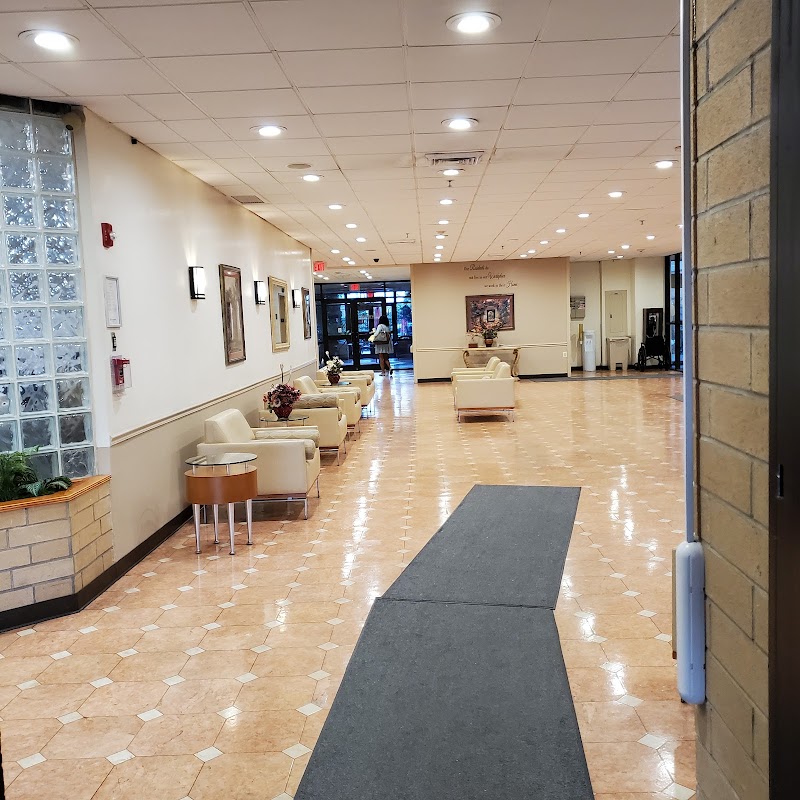
How is Townhouse Center For Rehabilitation & Nursing Staffed?

CMS rates TOWNHOUSE CENTER FOR REHABILITATION & NURSING's staffing level at 2 out of 5 stars, which is below average compared to other nursing homes. Staff turnover is 35%, compared to the New York average of 46%. This relatively stable workforce can support continuity of care.

What Have Inspectors Found at Townhouse Center For Rehabilitation & Nursing?

State health inspectors documented 14 deficiencies at TOWNHOUSE CENTER FOR REHABILITATION & NURSING during 2020 to 2025. These included: 14 with potential for harm.

Who Owns and Operates Townhouse Center For Rehabilitation & Nursing?

TOWNHOUSE CENTER FOR REHABILITATION & NURSING is owned by a for-profit company. For-profit facilities operate as businesses with obligations to shareholders or private owners. The facility is operated by PHILOSOPHY CARE CENTERS, a chain that manages multiple nursing homes. With 280 certified beds and approximately 252 residents (about 90% occupancy), it is a large facility located in UNIONDALE, New York.
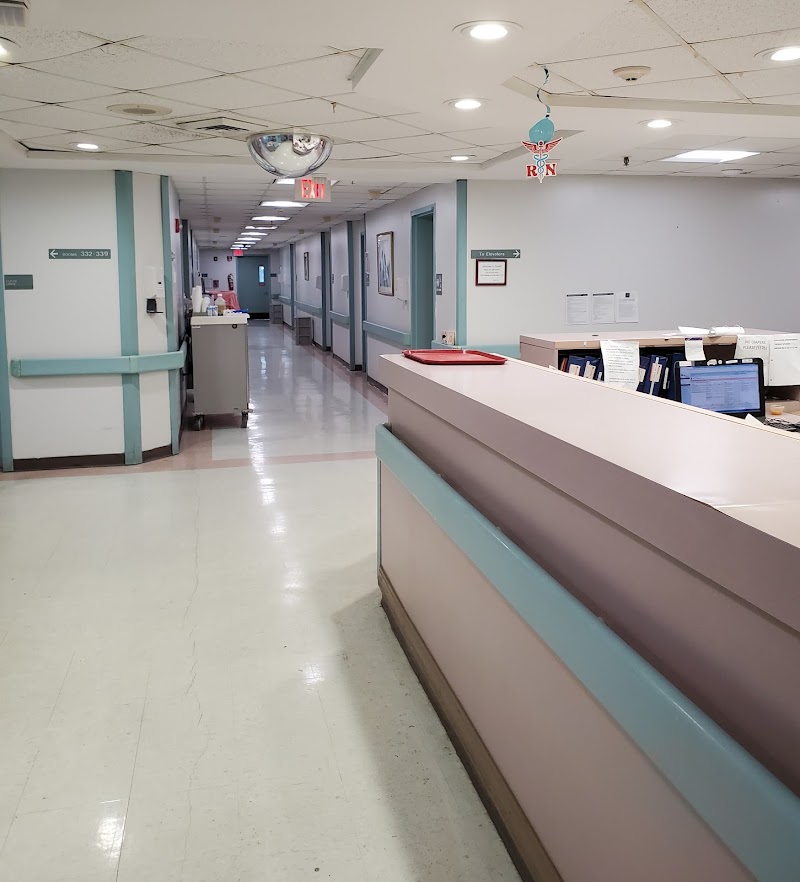
How Does Townhouse Center For Rehabilitation & Nursing Compare to Other New York Nursing Homes?

Compared to the 100 nursing homes in New York, TOWNHOUSE CENTER FOR REHABILITATION & NURSING's overall rating (3 stars) is below the state average of 3.1, staff turnover (35%) is significantly lower than the state average of 46%, and health inspection rating (3 stars) is at the national benchmark.

What Should Families Ask When Visiting Townhouse Center For Rehabilitation & Nursing?

Based on this facility's data, families visiting should ask: "Can you walk me through typical staffing levels on day, evening, and night shifts?" "Can I visit during a mealtime to observe dining assistance and food quality?" "How do you handle medical emergencies, and what is your hospital transfer rate?" "Can I speak with family members of current residents about their experience?" These questions are particularly relevant given the below-average staffing rating.

Is Townhouse Center For Rehabilitation & Nursing Safe?

Based on CMS inspection data, TOWNHOUSE CENTER FOR REHABILITATION & NURSING has a clean safety record: no substantiated abuse findings (meaning no confirmed cases of resident harm), no Immediate Jeopardy citations (the most serious violation level indicating risk of serious injury or death), and is not on the Special Focus Facility watch list (a federal program monitoring the lowest-performing 1% of nursing homes). The facility has a 3-star overall rating and ranks #100 of 100 nursing homes in New York. While no facility is perfect, families should still ask about staff-to-resident ratios and recent inspection results during their visit.

Do Nurses at Townhouse Center For Rehabilitation & Nursing Stick Around?

TOWNHOUSE CENTER FOR REHABILITATION & NURSING has a staff turnover rate of 35%, which is about average for New York nursing homes (state average: 46%). Moderate turnover is common in nursing homes, but families should still ask about staff tenure and how the facility maintains care continuity when employees leave.

Was Townhouse Center For Rehabilitation & Nursing Ever Fined?

TOWNHOUSE CENTER FOR REHABILITATION & NURSING has no federal fines on record. CMS issues fines when nursing homes fail to meet care standards or don't correct problems found during inspections. The absence of fines suggests the facility has either maintained compliance or corrected any issues before penalties were assessed. This is a positive indicator, though families should still review recent inspection reports for the full picture.

Is Townhouse Center For Rehabilitation & Nursing on Any Federal Watch List?

TOWNHOUSE CENTER FOR REHABILITATION & NURSING is not on any federal watch list. The most significant is the Special Focus Facility (SFF) program, which identifies the bottom 1% of nursing homes nationally based on persistent, serious quality problems. Not being on this list means the facility has avoided the pattern of deficiencies that triggers enhanced federal oversight. This is a positive indicator, though families should still review the facility's inspection history directly.