NORTH SHORE - L I J ORZAC CTR FOR REHABILITATION

900 FRANKLIN AVENUE, VALLEY STREAM, NY 11580 (516) 256-6700
Non profit - Corporation 120 Beds Independent Data: November 2025 1 Immediate Jeopardy citation
Trust Grade
53/100
#306 of 594 in NY
Last Inspection: May 2025

Inspected within the last 6 months. Data reflects current conditions.

Overview

North Shore - LIJ Orzac Center for Rehabilitation received a Trust Grade of C, indicating it is average compared to other facilities. It ranks #306 out of 594 nursing homes in New York, placing it in the bottom half, and #20 out of 36 in Nassau County, meaning only 19 local options are better. The facility is improving, as the number of issues found decreased from 7 in 2024 to 3 in 2025. Staffing is a strength here, with a top rating of 5/5 stars and a turnover rate of 39%, slightly below the state average, suggesting that staff are experienced and familiar with residents. However, the facility has concerning fines totaling $41,575, which are higher than 88% of facilities in New York, indicating possible repeated compliance problems. Specific incidents include a critical medication error where a resident received incorrect dosages of essential heart medications for 12 days, leading to a serious decline in health. Additionally, food safety practices were not followed, with raw meats stored improperly and expired salad dressings not discarded. Lastly, one resident suffered from a Stage 4 pressure ulcer due to inadequate care and equipment settings, highlighting some areas for improvement despite the facility's strengths.

Trust Score
C
53/100
In New York
#306/594
Bottom 49%
Safety Record
High Risk
Review needed
Inspections
Getting Better
7 → 3 violations
Staff Stability
○ Average
39% turnover. Near New York's 48% average. Typical for the industry.
Penalties
⚠ Watch
$41,575 in fines. Higher than 78% of New York facilities, suggesting repeated compliance issues.
Skilled Nurses
✓ Good
Each resident gets 136 minutes of Registered Nurse (RN) attention daily — more than 97% of New York nursing homes. RNs are the most trained staff who catch health problems before they become serious.
Violations
⚠ Watch
11 deficiencies on record. Higher than average. Multiple issues found across inspections.
★★★☆☆
3.0
Overall Rating
★★★★★
5.0
Staff Levels
★★★★☆
4.0
Care Quality
★★☆☆☆
2.0
Inspection Score
Stable
2024: 7 issues
2025: 3 issues

The Good

  • 5-Star Staffing Rating · Excellent nurse staffing levels
  • 4-Star Quality Measures · Strong clinical quality outcomes
  • Full Sprinkler Coverage · Fire safety systems throughout facility
  • No fines on record
  • Staff turnover below average (39%)

    9 points below New York average of 48%

Facility shows strength in staffing levels, quality measures, fire safety.

The Bad

3-Star Overall Rating

Near New York average (3.1)

Meets federal standards, typical of most facilities

Staff Turnover: 39%

Near New York avg (46%)

Typical for the industry

Federal Fines: $41,575

Above median ($33,413)

Moderate penalties - review what triggered them

The Ugly 11 deficiencies on record

1 life-threatening
May 2025 3 deficiencies
CONCERN (D)

Potential for Harm - no one hurt, but risky conditions existed

Pressure Ulcer Prevention (Tag F0686)

Could have caused harm · This affected 1 resident

**NOTE- TERMS IN BRACKETS HAVE BEEN EDITED TO PROTECT CONFIDENTIALITY** Based on observations, record review, and interviews during the Recertification Survey initiated on 5/12/2025 and completed on 5...

Read full inspector narrative →
**NOTE- TERMS IN BRACKETS HAVE BEEN EDITED TO PROTECT CONFIDENTIALITY** Based on observations, record review, and interviews during the Recertification Survey initiated on 5/12/2025 and completed on 5/16/2025 the facility did not ensure that each resident received care, consistent with professional standards of practice, to prevent pressure ulcers. This was identified for one (Resident # 6) of the three residents reviewed for Pressure Ulcers. Specifically, Resident #6 had a Stage 4 (full-thickness skin and tissue loss, exposing muscle, tendons, or bone) pressure ulcer to the sacrum. The resident utilized an air mattress for pressure redistribution and prevention of further pressure ulcer development. The air mattress weight setting was not consistent with the resident's actual weight. The findings are: The facility's policy titled Pressure Ulcer Prevention: Guidelines for Nursing Interventions, dated July 2023, documented that Registered Nurse and Licensed Practical Nurse responsibilities included to ensure that all interventions/nurse instructions are being performed appropriately and are documented. If a resident is determined to be at risk for pressure ulcers use of the low air loss mattress should be considered as an intervention. A low air loss mattress is a pressure-relieving mattress used to prevent and treat bed sores (pressure ulcers). The mattress is designed with multiple air chambers that alternately fill with air and deflate so that pressure on the skin is constantly changing. This alternating action relieves pressure from bony prominences by changing the pressure of the surface below them. The low air loss mattresses may be used in caring for those who currently are at risk for pressure ulcers and/or have any pressure ulcers. The Certified Nursing Assistant's responsibilities included to check the low air loss mattress every shift, and checking the settings on the attached low air loss machine located at the foot of the bed. Settings correlate with the resident's weight. Resident #6 was admitted with diagnoses including Diabetes Mellitus, Cerebrovascular Accident, and Hemiplegia (a condition characterized by paralysis on one side of the body). The 1/29/2025 Annual Minimum Data Set assessment documented a Brief Interview for Mental Status score of 8, indicating the resident had moderate cognitive impairment. The Minimum Data Set assessment documented the resident was at risk for pressure ulcer development, had one unhealed Stage 3 pressure ulcer (full-thickness skin loss exposing the subcutaneous tissue (fat) but not bone, muscle, or tendon), and was dependent on staff for bed mobility. A physician's order dated 2/14/2025 documented a Wound Consult for Worsening Pressure Ulcer. A physician's order dated 2/27/2025 and renewed on 4/22/2025 documented Stage 4 pressure ulcer Sacrum, cleanse with normal saline, pat dry, Cavilon (protective skin cream) to the peri-wound (around the wound), apply a layer of zinc oxide (topical cream) to the sacral wound, Adaptic dressing (prevents wound adhesion), and carefully place the Allevyn (absorptive dressing over the wound). Change every day and as needed for re-opened Stage 4 pressure ulcer very fragile skin. A Braden scale (a scale for determining pressure ulcer risk) assessment dated [DATE] documented a score of 13, indicating the resident was at moderate risk for pressure ulcer development. The Nursing Skin assessment dated [DATE] documented Resident #6 had a Stage 4 sacral ulcer with ongoing treatment. Additionally, the resident had Deep Tissue Injury to the left and right heel. On 5/12/2025 at 1:55 PM Resident #6 was observed in their geri-chair adjacent to their bed. The weight on the air mattress was set at 450 pounds. The resident's most recent weight in the electronic medical record dated 5/5/2025 was documented to be 93.7 kilograms or 206.14 pounds. During an interview on 5/12/2025 at 2:15 PM, Licensed Practical Nurse #1 (medication/treatment nurse) observed the air mattress and stated the resident does not weigh 450 pounds. Licensed Practical Nurse #1 stated the engineering department sets up the air mattress and then the Registered Nurse supervisor adjusts the weight setting according to the resident's actual weight in the electronic medical record. Licensed Practical Nurse #1 stated, I do not touch the weight setting; I just make sure the mattress is functioning. During an interview on 5/14/2025 at 8:17 AM, Registered Nurse #2 (Unit Nurse Supervisor) stated the unit nurses are responsible for making sure the air mattress weight is set according to the resident's weight. The nurses do not have to document on the Treatment Administration Record that they checked the air mattress weight setting. During an interview on 5/14/2025 at 8:31 AM, Director of Plant Operations #1 stated the engineering department provides the air mattress for the resident, and nursing staff is responsible for entering the air mattress weight setting according to the resident's weight. During Resident #6's wound care observation on 5/14/2025 at 10:30 AM, performed by Licensed Practical Nurse #1 (medication/treatment nurse) and assisted by Registered Nurse #4 (medication/treatment nurse), Licensed Practical Nurse #1 stated the resident has a healed Stage 4 pressure ulcer to the sacrum that re-opened. During an interview on 5/14/2025 at 11:42 AM, Registered Nurse Staff Educator #1 stated the unit nurse and the Certified Nursing Assistants are responsible for ensuring the weight setting on the air mattress is set according to the resident's weight. The nurse or the Certified Nursing Assistant can change the weight setting on the air mattress. During an interview on 5/15/2025 at 10:42 AM, Wound Physician/Consultant #1 stated the weight setting on the air mattress should approximate the resident's weight. If the weight setting is too high, the mattress will not provide the offloading and will defeat the purpose of the air mattress. During an interview on 5/15/2025 at 12:25 PM, the Director of Nursing Services stated the air mattress weight setting should be consistent with resident weight. When engineering places the air mattress, the nurses and or the Certified Nursing Assistants should adjust the weight setting according to the resident's weight. A physician's order is not required for an air mattress. An air mattress is a nursing intervention based on pressure ulcer risk. 10 NYCRR 415.12(c)(1)
CONCERN (D)

Potential for Harm - no one hurt, but risky conditions existed

Infection Control (Tag F0880)

Could have caused harm · This affected 1 resident

**NOTE- TERMS IN BRACKETS HAVE BEEN EDITED TO PROTECT CONFIDENTIALITY** Based on observation, record review, and interviews during the Recertification Survey initiated on 5/12/2025 and completed on 5/...

Read full inspector narrative →
**NOTE- TERMS IN BRACKETS HAVE BEEN EDITED TO PROTECT CONFIDENTIALITY** Based on observation, record review, and interviews during the Recertification Survey initiated on 5/12/2025 and completed on 5/16/2025, the facility did not ensure it maintained an infection prevention and control program designed to help prevent the development and transmission of communicable diseases and infections. This was identified for one (Resident #210) of three residents reviewed for the Infection Control Task. Specifically, Resident #210 was admitted to the facility with a Peripherally Inserted Central Catheter in their left arm. The resident was not placed on Enhanced Barrier Precautions. The finding is: The facility's policy titled Enhanced Barrier Precautions, last revised 4/17/2024 documented that Enhanced Barrier Precautions are indicated for indwelling medical devices (including but not limited to central lines, urinary catheters/urostomies, feeding tubes, tracheostomy, drains of any kind, etc.) regardless of Multi-Drug-Resistant Organism status. As per facility practice, a physician's order for Enhanced Barrier Precautions will be placed in the resident's medical record. Resident #210 was admitted with diagnoses that included Arthritis due to other Bacteria in the right knee, Effusion of the right knee (a condition where excess fluid accumulates in the knee joint, causing swelling and pain), and Phlebitis (inflammation of a vein ). The Minimum Data Set assessment dated [DATE] documented the Brief Interview for Mental Status score was 15, indicating the resident was cognitively intact. The Minimum Data Set further documented that the resident was receiving antibiotics. The Nursing admission assessment dated [DATE] documented Resident #210 had a left Peripherally Inserted Central Catheter. A review of the resident's physician orders indicated no orders for Enhanced Barrier Precautions. A physician's order dated 5/05/2025 documented monitoring of the Peripherally Inserted Central Catheter for signs and symptoms of infection; to change the Peripherally Inserted Central Catheter dressing every week and as needed; and flush the Peripherally Inserted Central Catheter with 10 milliliters of normal saline before and after each intravenous medication administration or every shift when not in use. During an observation on 5/13/2025 at 9:52 AM, Resident #210 was observed sleeping in their bed with a Peripherally Inserted Central Catheter in their left arm. There was no Enhanced Barrier Precaution signage outside the resident's room. During an interview on 5/14/2025 at 11:52 AM, Registered Nurse #3 stated Resident #210 has a Peripherally Inserted Central Catheter and should have an Enhanced Barrier Precautions signage at the door, as well as a physician's order and a care plan for the Enhanced Barrier Precautions. During an interview on 5/15/2025 at 12:14 PM, Registered Nurse Unit Manager #2 stated that when a resident has a Peripherally Inserted Central Catheter, they should be placed on Enhanced Barrier Precautions. The admission nurse should have obtained a physician's order and initiated a care plan for the Enhanced Barrier Precautions for Resident #210 because the resident had a Peripheral Inserted Central Catheter in place upon admission. During an interview on 5/15/2025 at 2:03 PM, the Director of Nursing Services stated that when a resident is admitted to the facility from the hospital with a Peripherally Inserted Central Catheter line, they should be placed on Enhanced Barrier Precautions as per the facility's policy. During an interview on 5/16/2025 at 10:23 AM, the Registered Nurse Infection Preventionist stated all residents who have an open wound, a urinary Foley catheter or a Peripherally Inserted Central Catheter should be placed on Enhanced Barrier Precautions to reduce the potential for the spread of infectious pathogens. Registered Nurse Infection Preventionist stated they were not aware that Resident #210 had a Peripherally Inserted Central Catheter and if they knew, they would have recommended placing the resident on Enhanced Barrier Precautions. 10 NYCRR 415.19(a)(1-3)
CONCERN (F)

Potential for Harm - no one hurt, but risky conditions existed

Food Safety (Tag F0812)

Could have caused harm · This affected most or all residents

Based on observations, record review, and interviews conducted during a Recertification Survey initiated on 5/12/2025 and completed on 5/16/2025, the facility did not ensure that food was stored and p...

Read full inspector narrative →
Based on observations, record review, and interviews conducted during a Recertification Survey initiated on 5/12/2025 and completed on 5/16/2025, the facility did not ensure that food was stored and prepared in accordance with professional standards for food service safety. This was identified during the Kitchen observation conducted on 5/12/2025. Specifically, the walk-in refrigerator for meat had uncooked pork bacon and prepared raw steak stored over raw salmon. In addition, eight trays of assorted pre-cupped salad dressings were observed in the reach-in refrigerator and were not discarded after the must use-by date. The finding is: The facility's policy titled, Receiving and Storage last revised March 2023 documented that all food and supplies must be properly received and stored to prevent contamination and spoilage of foods in storage. Raw animal foods in refrigerated storage are stored away from cooked meats, fruits, vegetables, and ready-to-eat foods. The policy did not document proper storage of raw meats, poultry, and seafood in refrigerators when separation was not feasible. The policy did not document the timeframe to discard the unused portions of opened food items including salad dressings stored in the refrigerator. During an initial tour of the kitchen with the Director of Dining Services on 5/12/2025 at 10:01 AM, the walk-in refrigerator designated for meat was inspected. There were four boxes containing uncooked sealed packs of pork bacon stored on a shelf. Underneath the shelf, another shelf contained uncooked salmon stored in steel pans wrapped with saran wrap. Additionally, on the adjacent shelf, two stainless steel pans with uncooked steak were stored directly above the uncooked salmon which was stored in steel pans wrapped with saran wrap. The Director of Dining Services was immediately interviewed and stated that the [NAME] was responsible for ensuring the meat was stored in the correct order to prevent contamination. The Director of Dining Services stated red meat such as beef and pork should not be stored above fish or shellfish because the fish and shellfish have lower cooking temperatures. During an interview on 5/12/2025 at 10:08 AM, the [NAME] stated all meats (red meat, poultry, and fish/shellfish) should be stored in separate locations in the refrigerator. The [NAME] stated that if separation is not feasible uncooked fish should be stored above the red meat and poultry should be stored at the bottom. During the kitchen tour on 5/12/2025 at 10:19 AM, a reach-in refrigerator that was designated for salad dressings was inspected with the Director of Dining Services present. Eight trays containing assorted pre-cupped salad dressings were observed past their labeled must use-by date: -Two trays of the Red Wine Vinaigrette dressing with a label indicating preparation on 4/29/2025 and a must use by date of 5/9/2025. -Two trays of the Ranch dressing with a label indicating preparation on 4/29/2025 and a must use by date of 5/9/2025. -One tray of the Caesar dressing with a label indicating preparation on 4/29/2025 and a must use by date of 5/9/2025. -One tray of assorted salad dressings including Red Wine Vinaigrette dressing, Ranch dressing, and Caesar dressing with a label indicating preparation on 4/29/2025 and a must use by date of 5/9/2025. -One tray of Caesar dressing with a label indicating preparation on 5/1/2025 and a must use by date of 5/10/2025. -One tray of Caesar dressing with a label indicating preparation on 5/2/2025 and a must use by date of 5/11/2025. All salad dressings were pre-cupped into 4-oz clear container cups and each tray held approximately 30 cups of salad dressing. The Director of Dining Services was immediately interviewed and stated the salad dressings were removed from their original packaging and then poured into individual cups to be served to residents for lunch, dinner, and a la carte (ordered as separate items). The Director of Dining Services stated that the pre-cupped salad dressings should be discarded 10 days after they were prepared. The Director of Dining Services stated any dietary staff who prepared or transferred leftover salad dressing cups to the reach-in refrigerator should have removed any items that were past their must use-by dates. 10 NYCRR 415.14(h)
Aug 2024 2 deficiencies 1 IJ
CRITICAL (J) 📢 Someone Reported This

A family member, employee, or ombudsman was alarmed enough to file a formal complaint

Immediate Jeopardy (IJ) - the most serious Medicare violation

Deficiency F0760 (Tag F0760)

Someone could have died · This affected 1 resident

**NOTE- TERMS IN BRACKETS HAVE BEEN EDITED TO PROTECT CONFIDENTIALITY** Based on interviews, observations, and record reviews, during an abbreviated survey (NY00338693), the facility failed to ensure ...

Read full inspector narrative →
**NOTE- TERMS IN BRACKETS HAVE BEEN EDITED TO PROTECT CONFIDENTIALITY** Based on interviews, observations, and record reviews, during an abbreviated survey (NY00338693), the facility failed to ensure that residents were free from significant medication errors. Specifically, the facility failed to have systems in place to ensure that newly admitted and readmitted residents received their Physician ordered scheduled medications. This was evident for one (Resident #1) of 6 sampled residents. Resident #1 was administered incorrect daily doses of two medications, Furosemide (a diuretic used to reduce fluid retention in patients with certain kidney disorders and chronic heart failure) and Metoprolol (a beta blocker used to treat chest pain, heart failure, and high blood pressure), used in the treatment of Congestive Heart Failure, for 12 consecutive days. Subsequently, Resident #1 had increased edema (swelling), significant weight gain and shortness of breath, which contributed to a serious decline in Resident #1's condition. The resident was transported to the hospital where they expired. This resulted in serious harm to Resident #1 with the likelihood of serious injury, serious harm, serious impairment, or death to all the facilities residents. Findings are: Facility policy titled Nursing Administration with an effective date [DATE] (revised 1/2024) documented all residents will have their medications accurately and completely reconciled upon admission to the facility. Resident #1 was admitted with diagnoses which included acute kidney failure, chronic systolic heart failure, (medical condition in which the heart doesn't pump blood effectively) and hypertensive heart disease with heart failure (medical condition affecting the heart due to elevated blood pressure). Resident #1's Minimum Data Set (an assessment tool), dated [DATE], documented a Brief Interview of Mental Status (BIMS) score of 15 which indicates intact cognition. Resident #1 had a Care Plan dated [DATE] for Alteration in Cardiac System which documented resident was to be administered medication and treatments as ordered as one of the care interventions. During a review of Resident #1's electronic medical record on [DATE], the resident's hospital Patient Discharge Instructions dated [DATE] documented medications including, Furosemide 20 mg tabs, 3 tabs daily (60 mg/daily) and Metoprolol 50 mg tablets, 1.5 tabs daily (75 mg/daily). During review of Resident #1's electronic medical record, Physician #1's medication orders dated [DATE] documented Furosemide 20 mg/daily and Metoprolol 50 mg/daily for a discrepancy of 40 mg of Furosemide daily and 25 mg of Metoprolol daily. During review of Resident #1's electronic medical record, Resident #1's daily documented weights were as follows 1/5 93.6 kg on admission 1/6 94.8 kg 1/7 Refused 1/8 95.4 kg 1/10 94.8 kg 1/11 Refused 1/12 94.8 kg 1/13 97 kg 1/14 96.7 kg 1/15 Refused 1/16 97.2 kg Total weight gain of 3.6 kg = 7.9 lbs in 12 days A Nursing Progress Note dated [DATE] at 11:45 AM documented resident had an oxygen concentration of 91%. The note documented Physician #1 was notified and placed an order for supplemental oxygen to be administered when resident's oxygen concentration is less than 92%. A Nursing Progress Note dated [DATE] at 7:45 AM documented Resident #1 had a weight of 94.8 kg on [DATE] and a weight of 97 kg on [DATE] for a one-day weight gain of 2.2 kg (4.85 lbs.). The note documented Resident #1 was reweighed three times with the same result. Documentation stated 2+ pitting edema (swelling that leaves an indentation after pressing on the skin, approximately 3-4 mm deep, lasting about 15 seconds) to bilateral lower extremities (legs). The resident had an oxygen saturation of 95% while on supplemental oxygen. There was no documented evidence the resident's physician or cardiologist was notified. A Nursing Progress Note dated [DATE] at 7:24 PM documented Resident #1 was transferred to the emergency room due to abnormal laboratory test results that were ordered by the Cardiologist on [DATE]. Potassium 6.2, BUN 130. The facility's physician was notified of the resident's status and agreed with the cardiologist's recommendation to send the resident to the emergency room. During an interview with the Director of Nursing on [DATE] at 4:43 PM, they stated the transcription errors in Resident #1's electronic medication record was not discovered until the resident was transferred to the hospital. The Director of Nursing further stated the family reported the medication errors to the facility's Director of Education after Resident #1 was transported to the emergency room on [DATE]. The Director of Nursing stated the facility made an error upon admission and did not catch it. During an interview with Administrator #1 on [DATE] at 4:43 PM, they stated upon a resident's admission, the admitting nurse was to read the hospital discharge orders to the nursing home attending physician to see if they had any concerns on the medications or contraindications. Once the orders were reviewed and approved, the facility nurse or nurse practitioner was to enter the orders into a resident's electronic medical record as telephone orders. They further explained the physician is ultimately responsible for reconciling discharge orders and admission orders. The Administrator stated the physician had 24-48 hours to assess the resident and reconcile the orders. During an interview with Registered Nurse #1 on [DATE] at 3:11 PM, they stated they were not aware they transcribed Resident #1's admissions order incorrectly, until the resident was already transferred to the hospital. Registered Nurse #1 further stated they called the physician and reviewed the orders with them and then entered the orders in the resident's electronic medical records. During an interview on [DATE] at 10:17 AM, with Medical Director #1 they stated they were the supervising physician when Resident #1 was admitted on [DATE] and was made aware of the transcription errors by the Director of Education after the resident was transferred to the hospital. Medical Director #1 stated after a physician approves a resident's admission order by phone, they are responsible to reconcile the medications when they come in to see the resident between 24-48 hours later. Medical Director #1 confirmed Resident #1 was admitted on [DATE] and was seen by Physician #1 on [DATE]. They stated for residents with Congestive Heart Failure, daily weights are taken and the facility nursing staff should notify a physician if a resident's weight increases by around 2 (two) lbs. in one day. Medical Director #1 stated for residents with Congestive Heart Failure, a physician should be notified if a resident's edema increases, if a resident has signs or symptoms of shortness of breath, or lethargy. During an interview with Physician #1 on [DATE] at 11:38 AM, they stated they did reconcile Resident #1's admission orders but did not identify the transcription errors. Physician #1 stated hospital discharge paperwork was sometimes not available during their first meeting and examination of admitted residents. Physician #1 stated the facility does have a Congestive Heart Failure Protocol and physicians are to be notified if a resident's weight increased by 2.5 kg within 3 days or 1.5 kg within one day. Physician #1 stated they were not notified by facility nursing staff of Resident #1's 2.2 kg weight increase documented between [DATE] and [DATE] or when Resident #1 had new or increasing edema. Physician #1 stated they were not notified of the changes in Resident #1's condition but would have expected to have been notified. During a subsequent interview with Medical Director #1 on [DATE] at 11:38 AM, they stated there is a strong likelihood that an error in the reconciliation of medications can happen again since it is a result of human error. They stated the medication transcription errors during Resident #1's admission were significant errors. Medical Director #1 stated the facility missed opportunities to discover the error when Resident #1 showed changes in their condition with signs and symptoms of edema and weight gain, but the nursing staff did not notify the resident's physician. Medical Director #1 stated there were no changes in the facility's process since this occurrence. During an interview with Resident #1's Cardiologist on [DATE] at 2:11 PM, they stated they were not notified by the facility of any change in Resident #1's status, including increase of edema, shortness of breath or weight gain. They stated the medication errors contributed to the resident's decline which led to Resident #1's admission to the hospital. The Cardiologist stated they could not state whether the medication errors were the direct cause of Resident #1's death but they absolutely contributed to resident's decline.
CONCERN (D) 📢 Someone Reported This

A family member, employee, or ombudsman was alarmed enough to file a formal complaint

Potential for Harm - no one hurt, but risky conditions existed

Quality of Care (Tag F0684)

Could have caused harm · This affected 1 resident

**NOTE- TERMS IN BRACKETS HAVE BEEN EDITED TO PROTECT CONFIDENTIALITY** Based on interviews, observations, and record reviews, during an abbreviated survey (NY00338693), the facility failed to ensure ...

Read full inspector narrative →
**NOTE- TERMS IN BRACKETS HAVE BEEN EDITED TO PROTECT CONFIDENTIALITY** Based on interviews, observations, and record reviews, during an abbreviated survey (NY00338693), the facility failed to ensure that residents received treatment and care in accordance with professional standards of practice and comprehensive care plans for 1 (Resident #1) of 3 sampled residents. Specifically, Resident #1 received daily, lower-than-prescribed doses of two medications (Furosemide and Metoprolol) used in the treatment of Congestive Heart Failure for 12 consecutive days. Subsequently, Resident #1 experienced significant weight gain and edema (fluid retention). The facility failed to notify Resident #1's physicians of a change in the resident's condition. Resident #1 was transported to the emergency room and admitted to the hospital and expired 3 days later. Findings include: Facility's Congestive Heart Failure protocol titled Overview of Heart Failure (undated) documented the Signs and Symptoms of Heart Failure which included, but was not limited to, the following: weight gain of 1.5 or more kilograms in one day, a gain 2.5 kilograms in 72 hours or a weight gain as per physician order. The policy also documented that any new or increased edema of the feet, legs, ankles, and hands, increased fatigue or weakness, poor appetite, intermittent shortness of breath, and dizziness or lightheadedness is observed, that the Physician will be notified. Resident #1 was admitted on [DATE] with diagnoses which included acute kidney failure, congestive heart failure, and hypertensive heart disease with heart failure. Resident #1's Minimum Data Set (an assessment tool), dated [DATE] documented a Brief Interview for Mental Status score of 15 which indicated intact cognition. Resident #1's Comprehensive Care Plan dated [DATE] and titled Alteration in Cardiac System documented the interventions as follows; the resident was to be administered medication and treatments as ordered, to follow the Congestive Heart Failure protocol per facility procedure, and to monitor and report changes in cognition and behavior, edema, increased fatigue and to take daily weights and report any weight gains. Resident #1 had a physician's order dated [DATE] which documented to weigh Resident #1 daily between 11:00 PM and 7:00 AM and to notify medical staff of weight gain of 1.5 kilograms in one day or 2.5 kilograms in three days. A Physician's admission Note dated [DATE] at 8:50 PM documented that Resident #1 had no Peripheral edema (swelling in tissue related to the vascular system) of the lower extremities. The physician's admission Note also documented, the nursing staff was advised to continue to observe and monitor the resident and report any changes in the resident's condition promptly. Resident #1's daily weights were reviewed and documented the following: 1/5 93.6 kilograms on admission 1/6 94.8 kilograms 1/7 Refused 1/8 95.4 kilograms 1/10 94.8 kilograms 1/11 Refused 1/12 94.8 kilograms 1/13 97 kilograms 1/14 96.7 kilograms 1/15 Refused 1/16 97.2 kilograms Total weight gain of 3.6 kilograms = 7.9 lbs A Nursing Progress Note dated [DATE] at 7:45 AM documented that Resident #1 had a weight of 94 kilograms on [DATE] and a weight of 97 kilograms on [DATE] for a one-day weight gain of 2.2 kilograms or 4.85 pounds. The nursing progress note documented that Resident #1 was reweighed three times with the same result. The Nursing Progress Note additionally documented 2+ pitting edema (fluid buildup in the body, measured by indentation of the fingers by [NAME] touch) to both lower extremities and an oxygen saturation of 95% while on the supplemental oxygen. A Nursing Progress note dated [DATE] at 1:07 PM documented that Resident #1's edema persists to bilateral, upper, and lower extremities and that Resident #1's cardiologist increased the resident's Lasix (Furosemide) to 80 milligrams daily. A Nursing Progress Note dated [DATE] at 7:24 PM documented that Resident #1 was transferred to the emergency room due to abnormal laboratory results obtained by the resident's cardiologist on [DATE]. The results were Potassium level of 6.2 (normal range 3.5-5.2) and Blood Urea Nitrogen 130 (normal range 6-24). The Nursing Progress Note documented that the physician was notified of the lab results and the physician ordered to send Resident #1 to the emergency room. A Nursing Progress Note, dated [DATE] at 11:04 PM, documented that Resident #1 was admitted to the hospital for acute chronic systolic congestive heart failure, acute kidney injury and Hyperkalemia (high potassium) at 10:33 PM. There was no documented evidence in the medical record that the nursing staff notified Resident #1's physician of their change in condition of weight gain and pitting edema, leading to the resident's hospitalization. During an interview on [DATE] at 10:17 AM with the Medical Director, stated for residents with Chronic Heart Failure, daily weights are taken and the facility nursing staff should notify a physician if a resident's weight increases by around two pounds in one day the resident has edema, symptoms of shortness of breath, or lethargy. During an interview on [DATE] at 3:56 PM with Licensed Practical Nurse #1 they stated they did not remember Resident #1 but was familiar with the facilities Congestive Heart Failure Protocol. Licensed Practical Nurse #1 stated if they documented a significant weight gain or edema on a resident with Congestive Heart Failure, it was because they understood it was significant enough to notify a physician or transport a resident to the emergency room depending on the severity. Licensed Practical Nurse #1 stated morning weights sometimes occur near 7:00 AM during shift change they would have documented Resident #1's weight and then verbally passed on the information during report to the oncoming nursing staff for them to subsequently notify the physician. During an interview with Physician #1 on [DATE] at 11:38 AM, Physician #1 stated the facility does have a Chronic Heart Failure Protocol and physicians are to be notified if a resident's weight increases by 2.5 kilograms within 3 days or 1.5 kilograms within one day. Physician #1 stated they were not notified by facility nursing staff of Resident #1's 2.2 kilograms weight increase documented on [DATE] and [DATE] or increasing edema. Physician #1 stated they were not notified of Resident #1's change in condition but would have expected to have been notified. 10NYCRR 415.12
Jan 2024 5 deficiencies
CONCERN (D)

Potential for Harm - no one hurt, but risky conditions existed

Report Alleged Abuse (Tag F0609)

Could have caused harm · This affected 1 resident

**NOTE- TERMS IN BRACKETS HAVE BEEN EDITED TO PROTECT CONFIDENTIALITY** Based on observation, record review, and interviews during the Recertification Survey initiated on 1/25/2024 and completed on 1/...

Read full inspector narrative →
**NOTE- TERMS IN BRACKETS HAVE BEEN EDITED TO PROTECT CONFIDENTIALITY** Based on observation, record review, and interviews during the Recertification Survey initiated on 1/25/2024 and completed on 1/31/2024, the facility did not ensure that all allegations of misappropriation were reported to the Administrator of the facility and to other officials within 24 hours of the incident. This was identified for one (Resident #84) of one resident reviewed for Personal Property. Specifically, Resident #84 alleged that Certified Nurse Aide #2 stole 48 dollars in cash on 1/5/2024 and the Administrator was not informed until 1/8/2024. Additionally, the Administrator did not report the allegation to the New York State Department of Health and local law enforcement. The finding is: The facility policy entitled Abuse, Neglect, Exploitation Mistreatment, and Misappropriation of Resident Property dated 2/1989 and revised 11/2022 documented any alleged violation involving misappropriation of resident property shall be reported immediately to the Executive Director/designee, and when required to the Department of Health. If an employee has reasonable suspicion that a crime has been committed against a resident, the employee must report the incident to local law enforcement and to the New York State Department of Health. Misappropriation of Resident Property is the deliberate misplacement, exploitation, or wrongful temporary or permanent use of a resident's belongings or money without the resident's consent. Alleged violations of misappropriation of resident property shall be reported no later than 24 hours after the allegation is made. Resident #84 was admitted to the facility with the diagnoses of Cancer, Malnutrition and Anemia. The admission Minimum Data Set assessment dated [DATE] documented that Resident #84 had a Brief Interview for Mental Status score of 14, which indicated the resident had intact cognition. The Lost/Misappropriated Property Report dated 1/5/2024 documented that during the 11 PM-7 AM Shift, Resident #84 reported 48 dollars were missing: two 20-dollar bills, one 5-dollar bill, and three 1-dollar bills. Resident #84 stated the money was last seen under their (Resident #84's) bed sheet where Resident #84 had placed the money. The report documented that Resident #84's room was searched and the money was not found. The statements gathered documented the following: - Certified Nurse Aide #1 documented at the start of the 11 PM-7 AM shift on 1/5/2024, Resident #84 rang the call bell and Certified Nurse Aide #1 went to the room. Resident #84 said to Certified Nurse Aide #1, My money was stolen. Certified Nurse Aide #1 notified License Practical Nurse #1. -License Practical Nurse #1 documented that on 1/5/2024 at approximately 11:05 PM during the change of shift, Certified Nurse Aide #1 responded to the call bell for Resident #84 who stated that Resident #84 had 48 dollars in their (Resident #84's) possession which was now missing. Upon questioning, Resident #84 stated that the money was placed on the bed under a folded sheet and Certified Nurse Aide #2 (who was the assigned 3 PM-11 PM aide) assisted Resident #84 with bed mobility. Resident #84 realized the money was no longer on the bed during the start of the 11 PM shift. Resident #84 with searching the room and belongings, Licensed Practical Nurse #1 notified the Registered Nurse Supervisor. -Registered Nursing Supervisor #1 documented that they interviewed Resident #84, who stated that they had 48 dollars under the sheet on their bed. Resident #84 stated Certified Nurse Aide #2 assisted Resident #84 into the bed and now the money was missing. Certified Nurse Aide #2's statement dated 1/1920/24, which was two weeks after the allegation of missing money, documented that they (Certified Nurse Aide #2) were assigned to Resident #84 on 1/5/2024 and during the 3 PM-11 PM shift. Resident #84 rang the call bell several times and upon entering Resident #84's room, Resident #84 requested pain medications and Certified Nurse Aide #2 informed the nurse. While Certified Nurse Aide #2 was on duty that evening, Certified Nurse Aide #2 never saw any money which the resident claimed was lost. Certified Nurse Aide #2 was informed about this matter when Certified Nurse Aide #2 returned to work. The Lost/Misappropriated Property Report documented that Administrative Review/Approval was completed by the Director of Social work on 1/24/2024. The Director of Social Work documented the conclusion that no replacement was provided as there was no record of Resident #84 having money. Resident #84 expressed understanding when Resident #84 met on 1/24/2024 with the Administrator. Resident #84 was interviewed on 1/26/2024 at 11:51 AM. Resident #84 stated that on 1/5/2024, Certified Nurse Aide #2, who works on the 3 PM-11 PM shift, took 48 dollars from Resident #84. Resident #84 stated that Resident #84 had money in the bed sheets and Resident #84 stated they believed that Certified Nurse Aide #2 stole their money because it the money was no longer there after Certified Nurse Aide #2 left the room. Resident #84 reported it the missing money to Certified Nurse Aide #1 on the next shift (11 PM - 7 AM) when Resident #84 could not find the money. Resident #84 stated that the facility did not give provide a conclusion to the investigation until 1/24/2024. Registered Nursing Supervisor #1 was interviewed on 1/29/2024 at 12:12 PM. Registered Nursing Supervisor #1 stated that they went to speak to Resident #84 on 1/5/2024 and Resident #84 told them (Registered Nursing Supervisor #1) that they (Resident #84) thought that their 48 dollars fell off the bed and Certified Nurse Aide #2 took the money. Registered Nursing Supervisor #1 obtained statements from the 11 PM-7 AM shift staff that were aware of the allegation and the 3 PM-11 PM shift staff was long gone. Registered Nursing Supervisor #1 stated that they (Nursing Supervisor #1) were responsible for getting the staff statements during the 11 PM-7 AM shift and to ensure that it was on the morning report for the next shift. Registered Nursing Supervisor #1 stated that Resident #84 accused Certified Nurse Aide #2 of taking the money. Registered Nursing Supervisor #1 stated that Certified Nurse Aide #2 works per diem and there was a time lapse in getting a statement from Certified Nurse Aide #2. Registered Nursing Supervisor #1 stated that the daytime nursing administration took over following up with Certified Nurse Aide #2 to get a statement the next day. Registered Nursing Supervisor #1 further stated that the reporting to Administration was the Social Work Department's responsibility. The Director of Social Work was interviewed on 1/30/2024 at 9:09 AM. The Director of Social Work stated that they were notified of Resident #84's 1/5/2024 allegation on 1/8/2024 and they verbally informed the Administrator on 1/8/2024. The Director of Social Work stated that they (Director of Social Work) do not work on the weekend and the incident occurred the night of 1/5/2024. The Director of Social Work stated that they provided the Administrator updates on the investigation, and it is the Administrator's responsibility to contact the New York State Department of Health. The Administrator was interviewed on 1/30/2024 at 10:54 AM. The Administrator stated that they were not informed of Resident #84's missing money until 1/8/2024. The Administrator stated that either on 1/10/2024 or 1/11/2024 they were made aware that Resident #84 alleged that Certified Nurse Aide #2 stole the money. The Administrator stated that Certified Nurse Aide #2 worked on 1/10/2024 and still did not provide a statement. The Administrator stated that they continued to wait for Certified Nurse Aide #2's statement to determine if misappropriation for Resident # 84's money had occurred. The Administrator did not report the concern to the Department of Health because they believed that it was missing money and Resident #84 did not state that they saw Certified Nurse Aide #2 take the money. The Administrator stated that they did not report it to law enforcement because the Administrator considered the incident as a missing property. The Administrator stated that if they believed the Certified Nurse Aide #2 stole Resident #84's money they would immediately call law enforcement before investigating and then report it to the New York State Department of Health. 10 NYCRR 415.4(b)(2)
CONCERN (D)

Potential for Harm - no one hurt, but risky conditions existed

Investigate Abuse (Tag F0610)

Could have caused harm · This affected 1 resident

**NOTE- TERMS IN BRACKETS HAVE BEEN EDITED TO PROTECT CONFIDENTIALITY** Based on observation, record review, and interviews during the Recertification survey initiated on 1/25/2024 and completed on 1/...

Read full inspector narrative →
**NOTE- TERMS IN BRACKETS HAVE BEEN EDITED TO PROTECT CONFIDENTIALITY** Based on observation, record review, and interviews during the Recertification survey initiated on 1/25/2024 and completed on 1/31/2024, the facility did not ensure that all investigations for misappropriation were completed within 5 working days of the alleged incident. This was identified for one (Resident #84) of one resident reviewed for Personal Property. Specifically, Resident #84 alleged that Certified Nurse Aide #2 stole 48 dollars in cash on 1/5/2024 and the investigation was not completed until 1/24/2024. The finding is: The facility policy entitled Abuse, Neglect, Exploitation Mistreatment, and Misappropriation of Resident Property dated 2/1989 and revised 11/2022 documented Misappropriation of Resident Property is the deliberate misplacement, exploitation, or wrongful temporary or permanent use of a resident's belongings or money without the resident's consent. Any alleged violation involving misappropriation of resident property shall be reported immediately to the Executive Director/designee, and when required to the Department of Health. Alleged violations of misappropriation of resident property shall be reported no later than 24 hours after the allegation is made. Within 5 working days of the incident, the facility will submit a report to the New York State Department of Health (if requested) with sufficient information to describe the results of the investigation and indicate any corrective actions taken, if the allegation was verified. Resident #84 was admitted to the facility with the diagnoses of Cancer, Malnutrition and Anemia. The admission Minimum Data Set assessment dated [DATE] documented that Resident #84 had a Brief Interview for Mental Status score of 14, which indicated the resident had intact cognition. The Lost/Misappropriated Property Report dated 1/5/2024 documented that during the 11 PM-7 AM Shift, Resident #84 reported 48 dollars were missing: two 20-dollar bills, one 5-dollar bill, and three 1-dollar bills. Resident #84 stated the money was last seen under their (Resident #84's) bed sheet where Resident #84 had placed the money. The report documented that Resident #84's room was searched and the money was not found. The statements gathered documented the following: - Certified Nurse Aide #1 documented at the start of the 11 PM-7 AM shift on 1/5/2024, Resident #84 rang the call bell and Certified Nurse Aide #1 went to the room. Resident #84 said to Certified Nurse Aide #1, My money was stolen. Certified Nurse Aide #1 notified License Practical Nurse #1. -Licensed Practical Nurse #1 documented that on 1/5/2024 at approximately 11:05 PM during the change of shift, Certified Nurse Aide #1 responded to the call bell for Resident #84 who stated that Resident #84 had 48 dollars in their (Resident #84's) possession which was now missing. Upon questioning, Resident #84 stated that the money was placed on the bed under a folded sheet and Certified Nurse Aide #2 (who was the assigned 3 PM-11 PM aide) assisted Resident #84 with bed mobility. Resident #84 realized the money was no longer on the bed during the start of the 11 PM shift. Resident #84 with searching the room and belongings, Licensed Practical Nurse #1 notified the Registered Nurse Supervisor. -Registered Nursing Supervisor #1 documented that they interviewed Resident #84, who stated that they had 48 dollars under the sheet on their bed. Resident #84 stated Certified Nurse Aide #2 assisted Resident #84 into the bed and now the money was missing. Certified Nurse Aide #2's statement dated 1/19/2024 documented that they (Certified Nurse Aide #2) were assigned to Resident #84 on 1/5/2024 and during the 3 PM-11 PM shift. Resident #84 did not allow help in washing up and Resident #84 said they (Resident #84) were fine and is capable to care for themselves. Resident #84 did ask for a gown, which Certified Nurse Aide gave to Resident #84. Resident #84 rang the call bell several times and upon entering Resident #84's room, Resident #84 requested pain medications and Certified Nurse Aide #2 informed the nurse. While Certified Nurse Aide #2 was on duty that evening, Certified Nurse Aide #2 never saw any money which the resident claimed was lost. Certified Nurse Aide #2 was informed about this matter when Certified Nurse Aide #2 returned to work. The Lost/Misappropriated Property Report documented that Administrative Review/Approval was completed by the Director of Social work on 1/24/2024. The Director of Social Work documented the conclusion that no replacement was provided as there was no record of Resident #84 having money. Resident #84 expressed understanding when Resident #84 met on 1/24/2024 with the Administrator. Resident #84 was interviewed on 1/26/2024 at 11:51 AM. Resident #84 stated that on 1/5/2024, Certified Nurse Aide #2, who works on the 3 PM-11 PM shift, took 48 dollars from Resident #84. Resident #84 stated that Resident #84 had money in the bed sheets and Resident #84 stated they believed that Certified Nurse Aide #2 stole their money because the money was no longer there after Certified Nurse Aide #2 left the room. Resident #84 reported the missing money to Certified Nurse Aide #1 on the next shift (11 PM - 7 AM) when Resident #84 could not find the money. Resident #84 stated that the facility did not provide a conclusion to the investigation until 1/24/2024. Registered Nursing Supervisor #1 was interviewed on 1/29/2024 at 12:12 PM. Registered Nursing Supervisor #1 stated that they went to speak to Resident #84 on 1/5/2024 and Resident #84 told them (Registered Nursing Supervisor #1) that they (Resident #84) thought that their 48 dollars fell off the bed and Certified Nurse Aide #2 took the money. Registered Nursing Supervisor #1 obtained statements from the 11 PM-7 AM shift staff that were aware of the allegation and the 3 PM-11 PM shift staff was long gone. Registered Nursing Supervisor #1 stated that they (Nursing Supervisor #1) were responsible for getting the staff statements during the 11 PM-7 AM shift and to ensure that it was on the morning report for the next shift. Registered Nursing Supervisor #1 stated that Certified Nurse Aide #2 works per diem and there was a time lapse in getting a statement from Certified Nurse Aide #2. Registered Nursing Supervisor #1 stated that the daytime nursing administration took over following up with Certified Nurse Aide #2 to get a statement the next day. Registered Nursing Supervisor #1 further stated that the reporting to Administration was the Social Work Department's responsibility. The Director of Social Work was interviewed on 1/30/2024 at 9:09 AM. The Director of Social Work stated that they were notified of Resident #84's 1/5/2024 allegation on 1/8/24 and they verbally informed the Administrator on 1/8/2024. The Director of Social Work stated that they (Director of Social Work) do not work on the weekend. The Director of Social Work stated that they provided the Administrator updates on the investigation, and it is the Administrator's responsibility to contact the New York State Department of Health. The Director of Social Work stated that they (Director of Social Work) did not initially receive the hard copy of the report from Nursing until 1/12/2024 and that the investigation stayed open until they got Certified Nurse Aide #2's statement on 1/19/2024. The Director of Social Work stated that they believed that Certified Nurse Aide #2 had time off which delayed the obtaining their statement. The Director of Social Work stated that the Acting Director of Nursing Services and the Nurse Manager #2 took over the efforts to obtain statements from nursing staff on 1/8/2024. The Director of Social Work stated that they did not receive Certified Nurse Aide #2's statement until 1/22/2024 because the Director of Social Work does not work on the weekend. Resident #84 was hospitalized and returned to the facility on 1/24/2024 and the report was concluded upon Resident #24's return on 1/24/24. The Acting Director of Nursing Services was interviewed on 1/30/2024 at 10:15 AM. The Acting Director of Nursing Services stated Resident # 84's allegation occurred on 1/5/2024 during the 11 PM-7 AM shift and the investigation of the resident's allegation began on 1/05/2024 with Registered Nursing Supervisor #1. Registered Nursing Supervisor #1 was subsequently sick, and the Acting Director of Nursing Services took over the investigation with Nurse Manager #2 on 1/8/2024. The Acting Director of Nursing Services stated that Nurse Manager #2 was responsible for obtaining a statement from Certified Nurse Aide #2. The Acting Director of Nursing stated that the investigation is normally completed within a day or two. The investigation took longer than usual because they could not get the statement from the Certified Nurse Aide #2. Registered Nurse Manager #2 was interviewed on 1/30/2024 at 9:59 AM. Registered Nurse Manager #2 stated that on 1/8/2024 they were informed of the allegation and interviewed Resident #84 with the Director of Social Work. Resident #84 stated that they (Resident #84) had 48 dollars and Certified Nurse Aide #2 stole the money. Registered Nurse Manager #2 attempted to call Certified Nurse Aide #2 several times and left messages to provide a statement for the investigation. Registered Nurse Manager #2 instructed Certified Nurse Aide #2 to write a statement and to slip their statement in their (Registered Nurse Manager #2) office mailbox when they were scheduled to work on 1/10/2024. Registered Nursing Manager #2 stated that Certified Nurse Aide #2 did not write the statement the next day they worked (1/10/2024) and did not provide a written stated until 1/19/2024. The Administrator was interviewed on 1/30/2024 at 10:54 AM. The Administrator stated that the investigation was not completed timely and that the facility would typically have the investigation concluded in 3 days. The Administrator stated that they (the Administrator) were waiting on Certified Nurse Aide #2's statement to conclude the investigation. The Administrator stated that the investigation should not have taken longer than 5 days to complete. 10 NYCRR 415.4(b)(3)
CONCERN (D) 📢 Someone Reported This

A family member, employee, or ombudsman was alarmed enough to file a formal complaint

Potential for Harm - no one hurt, but risky conditions existed

Deficiency F0658 (Tag F0658)

Could have caused harm · This affected 1 resident

**NOTE- TERMS IN BRACKETS HAVE BEEN EDITED TO PROTECT CONFIDENTIALITY** Based on record review and staff interviews during the Recertification Survey and Abbreviated Survey (NY 00331732) initiated on ...

Read full inspector narrative →
**NOTE- TERMS IN BRACKETS HAVE BEEN EDITED TO PROTECT CONFIDENTIALITY** Based on record review and staff interviews during the Recertification Survey and Abbreviated Survey (NY 00331732) initiated on 1/25/2024 and completed on 1/31/2024 the facility did not ensure that each resident received treatment and services that meet professional standards of Quality. This was identified for one (Resident #88) of three residents reviewed for Discharge. Specifically, the facility staff did not assess or obtain a Physician's order to perform wound care to Resident #88's spinal surgical wound and administered wound care without a Physician's order. The finding is: The facility's policy titled Dressing and Wound Care, last reviewed September 2023, documented that wound care is performed as per the direction of the Physician/Nurse Practitioner. Review physician orders regarding cleansing agents, treatment orders, and covering dressings. Verify orders on the electronic treatment administration record. Resident #88 was admitted with diagnoses including Parkinson's Disease, Hypertension, and Diabetes Mellitus. The 1/17/2024 Minimum Data Set assessment documented a Brief Interview for Mental Status score of 14, indicating the resident was cognitively intact. The Minimum Data Set assessment documented the resident had a surgical wound. As per the hospital discharge instructions dated 1/13/2024, the resident was diagnosed with Spinal Stenosis and received posterior lumbar interbody fusion surgery (spinal surgery). The nursing admission assessment dated [DATE] documented the resident had a surgical site, on their back, which was covered with a dressing. The nursing admission assessment was completed by Registered Nurse #5. An admission note dated 1/13/2024, written by Nurse Practitioner #2, documented the resident was admitted status/post posterior spinal fusion surgery and there was a dressing with a small blood stain. Nurse Practitioner #2 documented to refer to the skin assessment. There were no treatment plans nor the treatment orders included in the Nurse Practitioner #2's note related to the surgical site. Nursing progress note, written by Registered Nurse #5, dated 1/14/2024, documented the dry dressing changed on the back surgical wound, serous (the clear liquid part of the blood) drainage noted, and the resident denied pain. There were no signs of infection. The nursing progress note dated 1/15/2024 Registered Nurse #5 documented the dry dressing was changed on the back surgical wound, serous drainage was noted, and the resident denies pain. There were no signs of infection. A review of the medical record revealed there were no physician orders for wound care to the spinal surgical wound on 1/14/2024 and 1/15/2024. A review of the January 2024 Treatment Administration Record revealed no documentation related to the administration of wound care for the spinal surgery wound until 1/16/2024. Physician orders dated 1/16/2024 documented to clean the surgical incision site on the resident's back with normal saline, pat dry, and protect the wound with a dry dressing once daily and as needed. Monitor surgical wound site on the back and surrounding areas for signs and symptoms of infection and report abnormal findings to the Physician. Registered Nurse #5, the admission nurse, was interviewed on 1/26/2024 at 1:34 PM. Registered Nurse #5 stated upon admission Resident #88 had a dressing on their back with drainage. The dressing was peeling off due to friction. Registered Nurse #5 stated they changed the dressing but did not get an order. Registered Nurse #2 (Nurse Manager) was interviewed on 1/26/2024 at 1:49 PM. Registered Nurse #2 stated the admission nurse was supposed to assess the wound unless there was a specific order not to remove the dressing. The nurse should have taken off the dressing, assessed the wound, and received treatment orders from a Physician or a Physician Extender. The Director of Nursing Education and Professional Development, who was also the Acting Director of Nursing Services, was interviewed on 1/26/2024 at 3:30 PM. The Director of Nursing Education and Professional Development stated the admission nurse should have assessed the surgical wound on admission unless there is a specific order not to remove a dressing. If a dressing is being changed there should be an order in place and the admission nurse should have gotten an order from the Nurse Practitioner. Resident #88 was admitted on a weekend (1/13/2024), so we review weekend orders on Monday. The order for wound care was probably placed when it was realized that there was no order in place. Nurse Practitioner #2 was interviewed on 1/29/2024 at 10:04 AM. Nurse Practitioner #2 stated they did see the dressing on Resident #88's back upon admission and there was some blood on the dressing. Nurse Practitioner #2 stated they gave a verbal order to Registered Nurse #5 to change the dressing and to monitor the wound for additional drainage. Nurse Practitioner #2 stated with a new admission, we are not sure what is going on with a surgical wound; maybe the drainage just happened in transit, so after a couple of days with the wound still draining, the order was placed to cleanse with normal saline, but the order should have been in place from admission. Nurse Practitioner #2 stated they could not recall if they took the dressing off and assessed the surgical site; they just told the nurse to change the dressing and put the dressing back on to see if the wound was actively draining. Primary Care Physician #1, who was also the facility's Medical Director, was interviewed on 1/31/2024 at 2:31 PM. Primary Care Physician #1 stated there should be a written order for the wound care. Primary Care Physician #1 stated sometimes on weekends the Nurse Practitioner is getting pulled around to different areas and may have given a verbal order, but it should have been followed up by a written order and an assessment of the wound. Primary Care Physician #1 stated for a surgical wound, we do not measure the size of the wound, but there should be an assessment and description of the wound upon admission. 10 NYCRR 415.11(c)(3)(i)
CONCERN (D)

Potential for Harm - no one hurt, but risky conditions existed

Deficiency F0742 (Tag F0742)

Could have caused harm · This affected 1 resident

**NOTE- TERMS IN BRACKETS HAVE BEEN EDITED TO PROTECT CONFIDENTIALITY** Based on record review and interviews during the Recertification Survey initiated on 1/25/2024 and completed on 1/31/2024, the f...

Read full inspector narrative →
**NOTE- TERMS IN BRACKETS HAVE BEEN EDITED TO PROTECT CONFIDENTIALITY** Based on record review and interviews during the Recertification Survey initiated on 1/25/2024 and completed on 1/31/2024, the facility did not ensure that a resident who displays or is diagnosed with mental disorder or psychosocial adjustment difficulty, or who has a history of trauma and/or post-traumatic stress disorder, receives appropriate treatment and services to correct the assessed problem or attain the highest practicable mental and psychosocial well-being. This was identified for one (Resident #58) of one resident reviewed for Mood and Behavior. Specifically, Resident #58, who was identified by the facility on 9/22/2023 as having thoughts that they would be better off dead and had a Physician's order for Psychology services added to their chart at their request on 9/22/2023 and renewed in October, November, and December 2023. The resident was never evaluated by the Psychologist. The resident was again identified by the facility on 1/12/2024 as stating they were currently depressed and felt that they would be better off dead and again requested to be seen by the Psychologist. Another Physician's Order for Psychological Services was obtained on 1/12/2024; however, Resident #58 was never seen by the Psychologist until it was brought to the facility's attention on 1/26/2024 by the Surveyor. The finding is: The facility's policy titled, Consultations last reviewed and revised in December 2023 documented that all orders (by Attending Physicians) for consultations will be picked up and followed up by the Nursing staff. When medical necessity for psychological evaluation and treatment is established, an order is placed by the Medical Doctor or Nurse Practitioner, or a request is placed by the Social Worker for review and sign-off by the Medical Doctor or Nurse Practitioner. The Unit secretary sends a fax/email of the resident's face sheet and Physician's Order to the Psychology services agency. The Psychologist coordinates with the Director of Social Work regarding visits needed/planned; at the time of the visit enters a progress note in the Electronic Medical Record including needed follow-up; and where appropriate, alerts the Nurse Manager or Unit Nurse of findings and needed follow-up. Social Workers will review consults/notes for their residents and follow up as needed based on the Psychologist's recommendations. The Attending (Primary Care) Physician or designee will read the Psychology consult/note in the Electronic Medical Record and sign off on the uploaded assessment. Resident #58 was admitted to the facility on [DATE] with diagnoses which include Hypertension and Atrial Fibrillation. The Significant Change in Status Minimum Data Set (MDS) assessment dated [DATE] documented that the resident had a Brief Interview for Mental Status (BIMS) score of 12 which indicated the resident had moderately impaired cognitive skills for daily decision-making. The Minimum Data Set indicated that a Mood Interview should be conducted with the resident; however, all the questions in the Resident Mood Interview were blank. The Social Work Progress Note dated 9/22/2023 documented that a Social Work Follow-Up Assessment was completed with the resident. During the mood assessment, the resident stated that when they (Resident #58) were in the hospital in June of 2023, they had thoughts that they would be better off dead. The resident stated that they had not had those thoughts while in the facility. A Psychology consult was added to the resident's chart at the request of the resident. The Physician's Order dated 9/25/2023 and renewed on 10/5/2023, 10/29/2023, 11/21/2023, and 12/14/2023 documented for the resident to receive Psychological Consultation and follow-up. The order was discontinued on 1/3/2024 when the resident was discharged to the hospital on 1/3/2024. The Significant Change in Status Minimum Data Set (MDS) assessment dated [DATE] documented that the resident had a Brief Interview for Mental Status (BIMS) score of 11 which indicated the resident had moderately impaired cognitive skills for daily decision-making. The Minimum Data Set indicated that a Mood Interview should be conducted with the resident. The Resident Mood Interview documented that the resident had little interest or pleasure in doing things 12-14 days (nearly every day); felt down, depressed, or hopeless 12-14 days (nearly every day); and had thoughts that they would be better off dead, or of hurting themselves in some way 7-11 days (half or more of the days) in the Minimum Data Set look-back period. The Social Work Progress Note dated 12/19/2023 documented that the Social Worker met with the resident to complete the quarterly assessment. During the mood assessment, the resident stated that they were depressed. The resident could not elaborate on why they were feeling depressed; however, the resident did state, I do not feel well. The resident also stated that they wanted to kill themselves. The Social Worker explored the statement with the resident. The resident indicated that they did not have suicidal ideation, nor did they have plans of self-harm. Resident #58 then explained that they did not want to kill themselves but did feel that they would be better off dead. The resident was aware of psychiatry and psychological services in the facility and requested both. The nurse was made aware. The Social Work Progress Note dated 12/21/2023, written by the Director of Social Work, documented they met with the resident to review their previous harm statements and mood. The resident's affect (presentation) did not match their voiced feelings of sadness during staff interaction. The resident indicated that they were sad due to missing freedoms they previously had including going outside and going to places as they pleased. The Social Worker provided empathetic listening and emotional support. A Physician's order dated 1/3/2024 documented the resident was discharged to the Hospital. The Nursing Progress Note dated 1/3/2024 documented that the resident was admitted to the emergency room for a Cerebrovascular Accident. A review of the medical record indicated that the resident was readmitted to the facility from the hospital on 1/11/2024. The Social Work Progress Note dated 1/12/2024 documented that the Social Worker met with the resident to complete a psychosocial assessment. During the mood assessment, the resident stated that they are currently depressed and felt that they would be better off dead. The resident denied suicidal ideation. The resident was aware of psychiatry and psychological services in the facility and requested both. Nursing and the attending Physician were made aware. The Social Worker provided emotional support and will continue to monitor the resident's mood. Emotional support will be provided as needed. The Physician's Order dated 1/15/2024 documented an order for a Psychological Consultation and follow-up per the evaluation and the treatment plan. Registered Nurse #4, who was the 1st Floor Nurse Manager, was interviewed on 1/26/2024 at 3:00 PM and stated that the Psychologist comes to the facility every two weeks. After a Physician's Order is obtained for psychological services, the unit secretary sends a request to the office that provides psychology services, which is an outside service. Registered Nurse #4 stated that within two weeks the Psychologist should come to see the resident. The Medical Director was interviewed on 1/26/2024 at 3:10 PM and stated that if a Physician's Order is put into a resident's Electronic Medical Record, the order should be carried out. The resident's Primary Care Physician (Physician #2) was interviewed on 1/30/2024 at 9:35 AM and stated that if a Physician's Order is placed in the resident's Electronic Medical Record, they (Physician #2) would expect it to be followed. Physician #2 stated that they (Physician #2) were not aware that the resident was never seen by the Psychologist, but they should have been. Registered Nurse #4, who was the 1st Floor Nurse Manager, was re-interviewed on 1/30/2024 at 1:05 PM and stated that the resident was never seen by the Psychologist. Registered Nurse #4 stated the resident returned from the hospital on 1/11/2024 and was placed on the 1 South [NAME] unit. Prior to the hospitalization, the resident was residing on the second floor. Registered Nurse #4 stated they were only responsible for the Physician's Order for Psychological services dated 1/15/2024 and did not know why the resident was never seen by the Psychologist when residing on the 2nd Floor. Registered Nurse #4 stated that the Social Worker is responsible for placing the order for psychological services into the resident's Electronic Medical Record. Registered Nurse #4 stated that they had asked the Director of Social Work to contact the Psychologist to see when they (Psychologist) were coming in to see the resident; however, they did not document their conversation with the Director of Social Work and should have. Registered Nurse #4 was re-interviewed on 1/30/2024 at 1:50 PM and stated that as the Nurse Manager of the 1st Floor, it was their responsibility to make sure the resident was seen by the Psychologist. Registered Nurse #4 stated that they were not aware that the resident was not seen by the Psychologist until it was brought to their attention by the Surveyor on 1/26/2024. The Psychologist was interviewed on 1/31/2024 at 10:15 AM and stated that once a Physician's Order is obtained for a referral for psychological services, the referral goes to the intake department of the company they (Psychologist) work for, who reviews the resident's insurance for authorization. The Psychologist stated that the resident had no health insurance for them (Psychologist) to see the resident, so instead the resident was being seen by the facility Social Workers for support as told to them (Psychologist) by the Director of Social Work. The Psychologist stated that the resident was referred again a second time for Psychological Services on 1/15/2024; however, they were off from 1/15/2024 and returned on 1/29/2024 at which time they saw the resident for the first time. The Psychologist stated that the resident still had no health insurance, and that the facility would be billed now directly for their services. The Psychologist stated that they come to the facility every Monday and Friday. The Psychologist stated that they believed when they had first discussed the resident with the Director of Social Work, supportive Social Work services were enough; however, there was a little bit of a change in the resident's functioning since the resident's hospitalization which was when the second referral for psychological services was made. The resident now required more intense clinical services and less of a supportive role from Social Work. The Director of Social Work was interviewed on 1/31/2024 at 11:10 AM and stated that no one had notified them (Director of Social Work) that the resident would not be seen by the Psychologist because Resident #58 had no health insurance. The Director of Social Work stated that they do not keep a list of which residents are supposed to receive psychological services in the facility but should have followed up to see if the request for psychological services for the resident had been carried out. The Director of Social Work stated that the resident still had no health insurance and that the facility would now be paying for the resident's psychological services. The Acting Director of Nursing Services was interviewed on 1/31/2024 at 2:20 PM and stated that the company that provides psychological services should have notified the Administrator if they (Psychological services company) were not going to see the resident because the resident had no health insurance and then the Physician's Order would have been removed from the resident's Electronic Medical Record. The Acting Director of Nursing Services stated that the full-time Licensed Practical Nurse (Licensed Practical Nurse #2), who was responsible for the resident when Resident #58 was on the second floor, should have picked up that the resident was not being seen by the Psychologist when they were looking at the renewal of the resident's Physician's Orders every month. 10 NYCRR 415.12(f)(1)
CONCERN (D)

Potential for Harm - no one hurt, but risky conditions existed

Infection Control (Tag F0880)

Could have caused harm · This affected 1 resident

**NOTE- TERMS IN BRACKETS HAVE BEEN EDITED TO PROTECT CONFIDENTIALITY** Based on observation, record review, and interviews during the Recertification Survey initiated on 1/25/2024 and completed on 1/...

Read full inspector narrative →
**NOTE- TERMS IN BRACKETS HAVE BEEN EDITED TO PROTECT CONFIDENTIALITY** Based on observation, record review, and interviews during the Recertification Survey initiated on 1/25/2024 and completed on 1/31/2024, the facility did not establish and maintain an infection prevention and control program designed to help prevent the development and transmission of communicable diseases and infections. This was identified for one (Resident #243) of one resident reviewed for Skin Condition. Specifically, during the wound care observation of Resident #243's left knee surgical wound, Registered Nurse #3, the treatment nurse, was observed wearing gloves and sanitizing the bedside table, setting up the wound care supplies, and removing the old dressing from the left knee. Registered Nurse #3 then prepared to apply the new dressing. During the entire observation, Registered Nurse #3 did not change their gloves and did not wash their hands. The finding is: The facility's policy titled, Dressing and Wound Care last reviewed September 2023, documented the purpose is to prevent infection of wounds and lesions through the proper technique of dressing and wound care and to prevent contamination of wounds and facilitate healing. During dressing removal, the nurse removes the soiled dressing slowly, checking for the presence of drainage, places the soiled dressing into a waste receptacle, and removes gloves and washes hands. The facility's undated Non-Sterile Dressing Competency Checklist documented that hand washing and putting on new gloves should take place after wound care supplies are set up, prior to removing the old dressing, after the old dressing is removed, and prior to putting on the new dressing. Resident #243 was admitted with diagnoses including Diabetes Mellitus, Hypertension, and the presence of the Left Artificial Knee Joint. The 1/16/2024 admission Minimum Data Set assessment documented a Brief Interview for Mental Status score of 15, indicating the resident was cognitively intact. The Minimum Data Set documented that the resident had a surgical wound. The Nursing admission assessment dated [DATE] documented in the skin assessment section that the resident was status/post left total knee replacement with a negative pressure wound therapy (PICO) dressing in place. A Comprehensive Care Plan titled, Impaired Skin Integrity as Evidenced by Surgical Wound on Left Knee, effective 1/13/2024, documented a goal that the resident will have no signs and symptoms of infection to the left surgical incision for 30 days. A Physician's order dated 1/29/2024 documented to apply a dry protective dressing to the left knee surgical site daily. Monitor for signs and symptoms of infection. A nursing progress note dated 1/30/2024 documented status/post-PICO dressing removal. The skin assessment was completed. The surgical site has some erythema (redness) with minimal swelling. The dry protective dressing was changed daily; the resident verbalized no concern. An observation was conducted of Resident #243's left knee wound care, performed by Registered Nurse #3, on 1/31/2024 at 10:11 AM. The resident was seated in their wheelchair at their bedside. Registered Nurse #3 put on gloves and sanitized the bedside table with an antimicrobial wipe. Wearing the same gloves, Registered Nurse #3 set up a barrier on the table and put the wound care supplies on the barrier. Wearing the same gloves, Registered Nurse #3 removed the old dressing from the resident's left knee. There was a small amount of serosanguinous (blood-tinged) drainage on the dressing. There was a small opening along the incision site. There were no staples or sutures present. There was redness around the surgical incision line. Wearing the same gloves, Registered Nurse #3 applied a skin prep (Protective Wipes forms a barrier between the patient's skin and adhesives to help preserve skin integrity and prevent insult or injury) treatment around the surgical incision to help the dressing adhere to the skin. Wearing the same gloves, Registered Nurse #3 then prepared the clean dressing and was about to apply the clean dressing to the wound when the surveyor questioned the nurse about hand sanitizing and glove changing. The nurse paused and stated they (Registered Nurse #3) should have removed the gloves and sanitized their hands before attempting to put on the clean dressing. Registered Nurse #3 proceeded to stop the treatment to sanitize their hands and put on a new pair of gloves. Registered Nurse #4 (unit manager) was interviewed on 1/31/2024 at 10:41 AM and stated Registered Nurse #3 should have removed the gloves and sanitized their hands throughout the wound care treatment process including before applying the new dressing to help prevent infection. The Director of Nursing Education and Professional Development, who was also the Acting Director of Nursing Services, was interviewed on 1/31/2024 at 10:46 AM. The Director of Nursing Education and Professional Development stated they do wound care classes every three months, and upon hire a nurse is given a wound competency. The Director of Nursing Education and Professional Development stated that Registered Nurse #3 did not follow infection control guidelines and should have removed gloves and sanitized their hands throughout the wound care process to help prevent infection. The Infection Preventionist was interviewed on 1/31/2024 at 11:40 AM. The Infection Preventionist stated Registered Nurse #3's actions during the wound care treatment presented a potential infection control problem because not changing gloves and sanitizing hands increases the risk of infection for the resident. The Infection Preventionist stated, the nurse should be changing gloves and sanitizing hands every step of the way during the dressing change process. 10 NYCRR 415.19(b)(4)
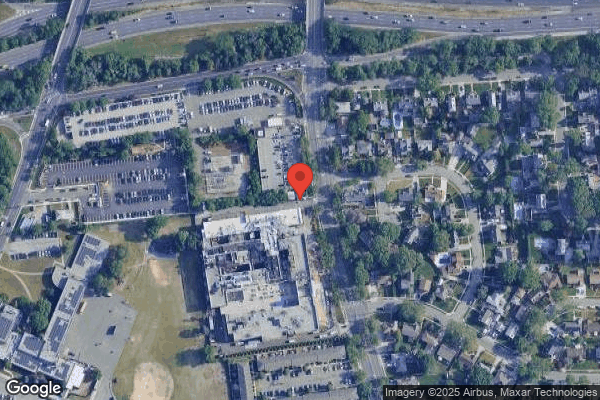
Jan 2022 1 deficiency
CONCERN (D)

Potential for Harm - no one hurt, but risky conditions existed

Comprehensive Care Plan (Tag F0656)

Could have caused harm · This affected 1 resident

**NOTE- TERMS IN BRACKETS HAVE BEEN EDITED TO PROTECT CONFIDENTIALITY** Based on observation, record review, and interviews during the Recertification Survey completed on 1/31/2022, the facility did n...

Read full inspector narrative →
**NOTE- TERMS IN BRACKETS HAVE BEEN EDITED TO PROTECT CONFIDENTIALITY** Based on observation, record review, and interviews during the Recertification Survey completed on 1/31/2022, the facility did not ensure that care was implemented to meet each resident's medical and nursing needs for one (Resident #8) of two residents reviewed for Skin Conditions. Specifically, during observation of Resident #8's colostomy care, Registered Nurse (RN) #1 did not apply skin barrier (product used to protect skin from contacting the fecal matter) prior to applying the colostomy wafer (a plastic ring that is applied to the skin around the colostomy and which the colostomy pouch is attached to) as per the Physician's order. The finding is: The facility's policy titled Colostomy Care, last revised 12/2020, documented to apply skin barrier to the peristomal skin (skin around the colostomy opening). Let it air dry. The skin barrier protects the skin from contact with fecal material. Resident #8 was admitted with diagnoses including Cancer, Non-Alzheimer's Dementia, and Colostomy. The Quarterly Minimum Data Set (MDS) assessment dated [DATE] documented no Brief Interview for Mental Status (BIMS) score as Resident #8 had severely impaired cognitive skills for daily decision making. A Comprehensive Care Plan (CCP) titled Constipation, last reviewed on 11/26/2021, documented interventions including but not limited to use of the colostomy bag and to change the colostomy wafer two times a week on Tuesday and Friday and PRN. A CCP titled Potential for Alteration in Skin Integrity last reviewed on 12/22/2021, documented the resident has visible necrotizing (the death of most or all of the cells in an organ or tissue) skin under the wafer of the colostomy bag. A nursing progress note dated 1/14/2022 documented the patient was noted with multiple necrotic skin wounds around the [colostomy] stoma. The Nurse Practitioner was made aware and ordered a treatment with Cavilon and hydrocolloid dressing around the whole stoma where the necrotic skin is noted. A Physician's order, last renewed on 1/18/2022, documented to administer treatment to the Ostomy (Colostomy): Apply skin barrier around the stoma (colostomy opening) and let the skin barrier dry well. Apply thin hydrocolloid dressing around the stoma before applying colostomy wafer two times a week and as needed (PRN) for protection every week on Tuesday and Friday on the 7:00 AM-3:00 PM nursing shift and PRN. A Physician's order, last renewed on 1/18/2022, documented Treatment--Peristomal area: Cleanse wound and surrounding area with normal saline, pat dry, apply skin barrier (Cavilon) to intact skin around the wound. Dry the area well. Cover the wound with thin hydrocolloid dressing, may leave on for 2-3 days. During an observation on 1/28/2022 at 11:21 AM Resident #8's colostomy care and wafer change was performed by RN #1. RN #1 removed the old colostomy pouch and wafer, cleaned the peristomal skin with normal saline, changed their (RN #1) gloves, and applied hydrocolloid dressing patches to several small necrotic areas prior to applying the new colostomy wafer and pouch. RN #1 did not apply the skin barrier (Cavilon) prior to applying the hydrocolloid dressing. The Surveyor asked RN #1 if the skin barrier was going to be applied. RN #1 stated not at this time because of the necrotic areas. RN #1 stated they (RN #1) did not want the skin barrier to seep under the hydrocolloid patches. RN #1 was re-interviewed on 1/28/2022 at 12:10 PM and stated holding the skin barrier was as per a discussion with a Nurse Practitioner (NP). RN #1 could not identify when the discussion took place and stated they (RN #1) were not sure if the discussion regarding the skin barrier being held was documented in the medical record or in the Physician's order. RN #1 further stated the skin barrier can probably be used now because most of the necrotic areas have healed and there is intact skin around the stoma. The Nurse Practitioner was unavailable for an interview. The RN Infection Control Preventionist/Director of Nursing Education and Quality was interviewed on 1/28/2022 at 12:17 PM and stated the Physician's orders will have to be reviewed with RN #1, and if there was a change, the orders should have been updated. The RN Infection Control Preventionist/Director of Nursing Education and Quality stated the treatment should have been followed as per the Physician's order. The Director of Nursing Services (DNS) was interviewed on 1/28/2022 at 3:00 PM and stated if there was a discussion about a change in treatment, then the order should have been updated. The DNS further stated that the skin barrier should have been applied as per the Physician's order. 415.11(c)(1)
Understanding Severity Codes (click to expand)
Life-Threatening (Immediate Jeopardy)
J - Isolated K - Pattern L - Widespread
Actual Harm
G - Isolated H - Pattern I - Widespread
Potential for Harm
D - Isolated E - Pattern F - Widespread
No Harm (Minor)
A - Isolated B - Pattern C - Widespread

Questions to Ask on Your Visit

  • "What changes have you made since the serious inspection findings?"
  • "Can I speak with families of current residents?"
  • "What's your RN coverage like on weekends and overnight?"

Our Honest Assessment

Strengths
  • • 39% turnover. Below New York's 48% average. Good staff retention means consistent care.
Concerns
  • • Multiple safety concerns identified: 1 life-threatening violation(s), $41,575 in fines. Review inspection reports carefully.
  • • 11 deficiencies on record, including 1 critical (life-threatening) violation. These warrant careful review before choosing this facility.
  • • $41,575 in fines. Higher than 94% of New York facilities, suggesting repeated compliance issues.
  • • Grade C (53/100). Below average facility with significant concerns.
Bottom line: Mixed indicators with Trust Score of 53/100. Visit in person and ask pointed questions.

About This Facility

What is North Shore - L I J Orzac Ctr For Rehabilitation's CMS Rating?

CMS assigns NORTH SHORE - L I J ORZAC CTR FOR REHABILITATION an overall rating of 3 out of 5 stars, which is considered average nationally. Within New York, this rating places the facility higher than 0% of the state's 100 nursing homes. This mid-range rating indicates the facility meets federal standards but may have areas for improvement.

How is North Shore - L I J Orzac Ctr For Rehabilitation Staffed?

CMS rates NORTH SHORE - L I J ORZAC CTR FOR REHABILITATION's staffing level at 5 out of 5 stars, which is much above average compared to other nursing homes. Staff turnover is 39%, compared to the New York average of 46%. This relatively stable workforce can support continuity of care.

What Have Inspectors Found at North Shore - L I J Orzac Ctr For Rehabilitation?

State health inspectors documented 11 deficiencies at NORTH SHORE - L I J ORZAC CTR FOR REHABILITATION during 2022 to 2025. These included: 1 Immediate Jeopardy (the most serious level, indicating potential for serious harm or death) and 10 with potential for harm. Immediate Jeopardy findings are rare and represent the most serious regulatory concerns. They require immediate corrective action.

Who Owns and Operates North Shore - L I J Orzac Ctr For Rehabilitation?

NORTH SHORE - L I J ORZAC CTR FOR REHABILITATION is owned by a non-profit organization. Non-profit facilities reinvest revenue into operations rather than distributing to shareholders. The facility operates independently rather than as part of a larger chain. With 120 certified beds and approximately 112 residents (about 93% occupancy), it is a mid-sized facility located in VALLEY STREAM, New York.

How Does North Shore - L I J Orzac Ctr For Rehabilitation Compare to Other New York Nursing Homes?

Compared to the 100 nursing homes in New York, NORTH SHORE - L I J ORZAC CTR FOR REHABILITATION's overall rating (3 stars) is below the state average of 3.1, staff turnover (39%) is near the state average of 46%, and health inspection rating (2 stars) is below the national benchmark.

What Should Families Ask When Visiting North Shore - L I J Orzac Ctr For Rehabilitation?

Based on this facility's data, families visiting should ask: "What changes have been made since the serious inspection findings, and how are you preventing similar issues?" "Can I visit during a mealtime to observe dining assistance and food quality?" "How do you handle medical emergencies, and what is your hospital transfer rate?" "Can I speak with family members of current residents about their experience?" These questions are particularly relevant given the facility's Immediate Jeopardy citations.

Is North Shore - L I J Orzac Ctr For Rehabilitation Safe?

Based on CMS inspection data, NORTH SHORE - L I J ORZAC CTR FOR REHABILITATION has documented safety concerns. Inspectors have issued 1 Immediate Jeopardy citation (the most serious violation level indicating risk of serious injury or death). The facility has a 3-star overall rating and ranks #100 of 100 nursing homes in New York. Families considering this facility should ask detailed questions about what corrective actions have been taken since these incidents.

Do Nurses at North Shore - L I J Orzac Ctr For Rehabilitation Stick Around?

NORTH SHORE - L I J ORZAC CTR FOR REHABILITATION has a staff turnover rate of 39%, which is about average for New York nursing homes (state average: 46%). Moderate turnover is common in nursing homes, but families should still ask about staff tenure and how the facility maintains care continuity when employees leave.

Was North Shore - L I J Orzac Ctr For Rehabilitation Ever Fined?

NORTH SHORE - L I J ORZAC CTR FOR REHABILITATION has been fined $41,575 across 1 penalty action. The New York average is $33,495. While any fine indicates a compliance issue, fines under $50,000 are relatively common and typically reflect isolated problems that were subsequently corrected. Families should ask what specific issues led to these fines and confirm they've been resolved.

Is North Shore - L I J Orzac Ctr For Rehabilitation on Any Federal Watch List?

NORTH SHORE - L I J ORZAC CTR FOR REHABILITATION is not on any federal watch list. The most significant is the Special Focus Facility (SFF) program, which identifies the bottom 1% of nursing homes nationally based on persistent, serious quality problems. Not being on this list means the facility has avoided the pattern of deficiencies that triggers enhanced federal oversight. This is a positive indicator, though families should still review the facility's inspection history directly.