HIGHLAND PARK REHABILITATION AND NURSING CENTER
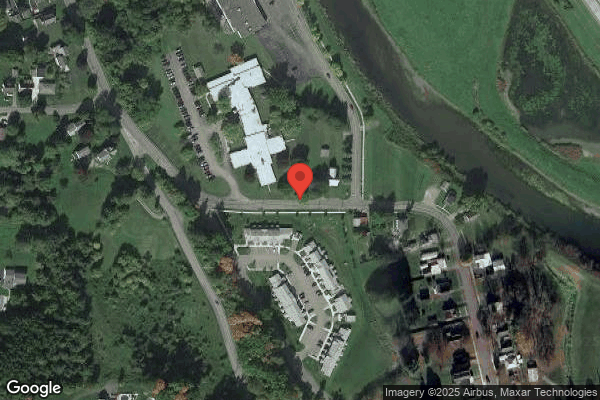
160 SENECA ST, WELLSVILLE, NY 14895 (585) 593-3750
For profit - Limited Liability company 80 Beds UPSTATE SERVICES GROUP Data: November 2025
Trust Grade
83/100
#49 of 594 in NY
Last Inspection: April 2024

Within standard 12-15 month inspection cycle. Federal law requires annual inspections.

Overview

Highland Park Rehabilitation and Nursing Center has earned a Trust Grade of B+, indicating it is above average and recommended for potential residents. With a state rank of #49 out of 594 facilities in New York, it sits in the top half, and it is the top-ranked facility out of four in Allegany County. The facility's trend is stable, maintaining three issues from last year to this year, which suggests consistency rather than improvement or decline. Staffing is a concern, rated at 2 out of 5 stars, with a high turnover rate of 62%, significantly above the state average. Although the facility has average fines of $4,938, it does not indicate severe compliance issues. However, there are some troubling incidents noted in the inspector's findings. For example, two residents did not receive proper assessment and treatment for skin conditions, which is critical for their health. Another incident involved a resident on anticoagulant therapy who did not receive adequate monitoring, leading to potential risks. Additionally, one resident was found with dirty, unkempt fingernails, indicating that personal hygiene needs were not met. Overall, while there are strengths in the facility's overall rating and health inspection scores, the staffing challenges and specific care deficiencies are important considerations for families.

Trust Score
B+
83/100
In New York
#49/594
Top 8%
Safety Record
Low Risk
No red flags
Inspections
Holding Steady
3 → 3 violations
Staff Stability
⚠ Watch
62% turnover. Above average. Higher turnover means staff may not know residents' routines.
Penalties
✓ Good
$4,938 in fines. Lower than most New York facilities. Relatively clean record.
Skilled Nurses
○ Average
Each resident gets 31 minutes of Registered Nurse (RN) attention daily — about average for New York. RNs are the most trained staff who monitor for health changes.
Violations
○ Average
8 deficiencies on record. Average for a facility this size. Mostly minor or procedural issues.
★★★★★
5.0
Overall Rating
★★☆☆☆
2.0
Staff Levels
★★★★☆
4.0
Care Quality
★★★★★
5.0
Inspection Score
Stable
2022: 3 issues
2024: 3 issues

The Good

  • 4-Star Quality Measures · Strong clinical quality outcomes
  • Full Sprinkler Coverage · Fire safety systems throughout facility
  • No fines on record

Facility shows strength in quality measures, fire safety.

The Bad

Staff Turnover: 62%

16pts above New York avg (46%)

Frequent staff changes - ask about care continuity

Federal Fines: $4,938

Below median ($33,413)

Minor penalties assessed

Chain: UPSTATE SERVICES GROUP

Part of a multi-facility chain

Ask about local staffing decisions and management

Staff turnover is elevated (62%)

14 points above New York average of 48%

The Ugly 8 deficiencies on record

Apr 2024 3 deficiencies
CONCERN (D)

Potential for Harm - no one hurt, but risky conditions existed

Quality of Care (Tag F0684)

Could have caused harm · This affected 1 resident

**NOTE- TERMS IN BRACKETS HAVE BEEN EDITED TO PROTECT CONFIDENTIALITY** Based on observation, interview, and record review conducted during the Standard survey completed 4/26/24, the facility did not ...

Read full inspector narrative →
**NOTE- TERMS IN BRACKETS HAVE BEEN EDITED TO PROTECT CONFIDENTIALITY** Based on observation, interview, and record review conducted during the Standard survey completed 4/26/24, the facility did not ensure that residents received treatment and care in accordance with professional standards of practice and the comprehensive person-centered care plan for two (Resident #5 and #39) of two reviewed for skin conditions. Specifically, there was the lack of an assessment and treatment initiation for a newly developed and reported skin ulceration (#39) and the lack of follow up on the wound consultant recommendations (#5). The findings are: The policy and procedure titled Skin/Pressure Ulcer Prevention & Intervention Program revised 04/14 documented weekly skin evaluations will be done on every resident. When skin/pressure ulcers are identified a Registered Nurse will assess the wound, document in the medical record, start a new wound tracking sheets and notify the practitioner for treatment. Whenever a resident develops a new skin/pressure ulcer the resident will be placed on the 24-hour report for interdisciplinary awareness and follow up. 1. Resident #39 had diagnoses that included cellulitis (bacterial skin infection) of right lower limb, type 2 diabetes mellitus and cerebral infarction (occurs because of disrupted blood flow to the brain). The Minimum Data Set, dated [DATE], documented Resident #39 was cognitively intact, usually understood and understands. The Minimum Data Set also documented Resident #39 had no arterial or venous ulcers. The Care Plan Activity Report entered on 12/20/23, documented Resident #39 was at risk for impaired skin integrity as evidenced by mycotic nails (fungal infection); incontinence; rash and other nonspecific skin eruption (groin). Interventions dated 12/7/23 documented to monitor skin surfaces for changes every shift. The care plan did not include the resident had an ulcer to the top of their right foot. The Physician's Orders dated 12/1/2023 to 4/25/2024, documented to monitor Resident #39's skin, complete head to toe skin checks and to notify RN (registered nurse) of any skin impairment every week. Review of Resident Treatment Administration Record dated 3/1/24 through 3/31/24 and 4/1/24 through 4/23/24 revealed there were no treatment orders in place to Resident #39's right foot. Review of Medical Doctor Progress Note dated 4/4/24, Medical Doctor #2 documented a diagnosis of chronic peripheral venous insufficiency (decreased blood flow). The progress noted documented no rashes or skin ulcers. Review of Nursing Progress Notes revealed: -4/10/24, Registered Nurse #2 Unit Manager documented they were called to Resident #39's room due to an open area noted on top of Resident #39's right second toe. Nurse Practitioner #1 was notified and an order to cleanse the toe with soap and water, pat dry and apply band aid. -4/15/24, Licensed Practical Nurse #4 documented therapy reported that Resident #39's right leg was swollen. Registered Nurse (unidentified) was made aware. -4/24/24, Licensed Practical Nurse #3 documented an area measuring 3.5 centimeters by 2 centimeters was noted on top of Resident #39's right foot. Nurse Practitioner #1 was updated, and new orders were received. Review of Nursing-Weekly Skin Assessments dated 4/4/24 through 4/25/24 revealed Licensed Practical Nurse #3 documented that Resident #39's skin was intact. During an observation and interview on 4/23/24 at 10:48 AM, Resident #39's was observed sitting in a wheelchair wearing gray socks to both of their feet with no shoes. The top of Resident #39's right sock was wet with a dark ring noted in the fabric. Resident #39 stated they had an open area the size of a quarter on the top of their right foot. When asked if a treatment was being applied Resident #39 stated, No! During an observation and interview on 4/24/24 at 11:26 AM, Resident #39 was sitting in wheelchair in their room, and there was no sock on their right foot. There was a quarter size open pink ulcer with irregular edges on the lateral top right side of their foot. The ulcer was weeping serous (clear, watery) fluid and the floor under Resident #39's foot was wet. During an interview on 4/24/24 at 11:45 AM, Certified Nursing Assistant #2 stated Resident #39 had a sore on the top of their right foot that they noticed last Friday (4/19/24) and they had reported it to Licensed Practical Nurse #5 last week, and today before breakfast they reported it to Licensed Practical Nurse #3. During an interview and observation on 4/24/24 at 11:54 AM, Licensed Practical Nurse #4 stated they had observed an open ulcer on Resident #39's right foot last week. Licensed Practical Nurse #4 observed the ulcer and stated it was the same ulcer they had seen last week but now the ulcer was larger and draining clear fluid. Licensed Practical Nurse #4 stated they thought a treatment was initiated last week. Licensed Practical Nurse #4 reviewed Resident #39's Treatment Administration Record and stated there were no treatments ordered for Resident #39's right foot. During an interview on 4/24/24 at 12:03 PM, Licensed Practical Nurse #3 stated they were not aware of the ulcer to the top of Resident #39's right foot until today at 11:00 AM when Registered Nurse #1 informed them. They looked briefly looked at it and stated the ulcer was open and had drainage. Licensed Practical Nurse #3 stated they reported the ulcer to Registered Nurse #2 Unit Manager, who informed them that an accident/incident report had previously been completed. During an interview on 4/24/24 at 12:20 PM, Registered Nurse #2 Unit Manager stated they were made aware of the open area to the toe on right foot at least a week ago and completed an incident report. Registered Nurse #2 Unit Manager stated they notified Nurse Practitioner #1 and was advised to leave area open to air. During a telephone interview on 4/26/24 at 9:38 AM, Licensed Practical Nurse #5 stated a Certified Nursing Assistant report to them on Friday, 4/17/24, that Resident #39 had a sore on their right foot and wasn't sure if it was there before. Licensed Practical Nurse #5 stated Resident #39 told them they had the open ulcer for a week. Licensed Practical Nurse #5 stated the ulcer was on the top of Resident #39's right foot, not near their toes and was about 1 centimeter by 1 centimeter with no drainage. Licensed Practical Nurse #5 stated they notified Registered Nurse #2 Unit Manager so they could find out what to do with it, as there was no treatment in place. Licensed Practical Nurse #5 stated they observed Registered Nurse #2 Unit Manager look at the ulcer before giving them instructions to place ointment and a band-aid over it. During a telephone interview on 4/26/24 at 10:00 AM, Nurse Practitioner #1 stated they did not recall if Registered Nurse #2 Unit Manager informed them of any new skin concerns. Nurse Practitioner #1 stated they would have documented the skin concern in a progress note if they were made aware of it. Nurse Practitioner #1 stated they would have expected to be notified of any new skin concerns. During an interview on 4/26/24 at 10:59 AM, Registered Nurse #1 stated Resident #39's skin concern was reported to them either Tuesday (4/23/24) or Wednesday (4/24/24) by a Certified Nursing Assistant. Registered Nurse #1 stated they looked at Resident #39's right foot and noted an open ulcer to the lateral top part of their foot and it was wet in appearance and they referred the Certified Nursing Assistant to have the Unit Manager or Charge Nurse look at it. During a follow up interview on 4/26/24 at 11:14 AM, Registered Nurse #2 Unit Manager stated when they were made aware of the open area on the top of Resident #39's right foot on 4/24/24, they were thinking of a different area. Registered Nurse #2 Unit Manager stated staff did report the open ulcer to the top of the foot to them. They should have started an incident report, assessed the ulcer, notified the medical provider, and had the Wound Consultant Medical Doctor #1 see Resident #39 so a treatment could be initiated. During an interview on 4/26/24 at 12:07 PM, the Director of Nursing stated they would have expected an incident report and an assessment to be completed immediately. The Director of Nursing stated a treatment should have been implemented immediately to protect the resident from contaminates and to prevent infection. 2. Resident #5 had diagnoses including unspecified open wound of the buttock, type 2 diabetes mellitus, and bipolar disorder. The Minimum Data Set (MDS-a resident assessment tool) dated 2/25/24 documented Resident #5 understood, understands and was cognitively intact. It was documented that Resident #5 was at risk for developing pressure ulcers. The Care Plan Activity Report initiated 1/21/24 documented Resident #5 had skin concerns which included a rash and other nonspecific skin eruption. Interventions included to monitor skin per the medical doctor's order. Interventions dated 1/31/24 included to observe skin surfaces and assess for changes every shift; wound team will assess wounds weekly with measurements and description of wounds, and administer treatment as ordered by medical doctor. The Wound Consultant Medical Doctor #1 recommendations documented the following: -4/4/24 erythema (redness) bilateral buttocks, apply Calmoseptine then cover with non-stick dressing. Plan of care discussed with facility staff. -4/9/24 apply Calmoseptine, needs less adhesive dressing please. Plan of care discussed with facility staff. - 4/16/24 apply topical Calmoseptine once daily. Plan of care discussed with facility staff. The physicians' orders with a start date of 4/9/24 documented to wash Resident #5's right buttock with warm water and soap. Pat dry. Apply Calmoseptine (moisture barrier/skin protectant) and cover with border gauze twice a day to unspecified open wound of the buttock. On 4/24/24, an order was documented by Licensed Practical Nurse #3 to wash Resident #5's buttocks with soap and water, pat dry. Apply Calmoseptine to area and cover with border gauze twice a day. Review of Resident Treatment Administration Record dated 4/9/24 through 4/24/24 revealed the treatment was completed as ordered not per the Wound Consultants recommendations. During an interview on 4/23/24 at 8:32 AM, Resident #5 stated they had a pressure ulcer on their rear end. Resident #5 stated they had one on each buttock, one was opened and the other was closed. During an observation on 4/24/24 from 4:00 PM to 4:12 PM, Registered Nurse Supervisor #1 reviewed the treatment orders on Resident #5 Treatment Administration Record and gathered supplies. Registered Nurse Supervisor #1 washed hands applied gloves and removed the dressings to bilateral medial (inner) buttocks. While the bordered adhesive gauze was being removed the adhesive from the gauze dressing denuded (removed surface layer) the resident's skin and causing two new abrasions (surface layer of skin broken) to the left and right buttocks. The abrasions were less than 1 centimeters red and moist. Registered Nurse Supervisor #1 did not obtain measurements of new abrasions at that time. During an interview on 4/24/24 at 4:32 PM, Registered Nurse Supervisor #1 reviewed the wound consultant recommendations in the electronic medical record and stated the recommendations do not indicate the use of adhesive gauze. During an interview on 4/24/24 at 4:43 PM, Registered Nurse #2 Unit Manager stated they received the wound consultants progress notes a couple days after wound rounds and they were responsible to review. Registered Nurse #2 Unit Manager stated they weren't aware of Resident #5's wound consultant recommendations and should have been. During an interview on 4/25/24 at 2:03 PM, Wound Consultant Medical Doctor #1 stated recommendations to change a treatment were completed during wound rounds. Wound Consultant Medical Doctor #1 stated that Resident #5 was bothered by the adhesive dressing, caused discomfort, and that was why an adhesive dressing wasn't recommended. 10NYCRR 415.12
CONCERN (D) 📢 Someone Reported This

A family member, employee, or ombudsman was alarmed enough to file a formal complaint

Potential for Harm - no one hurt, but risky conditions existed

Deficiency F0757 (Tag F0757)

Could have caused harm · This affected 1 resident

Based on interview and record review conducted during a Complaint investigation (Complaint #NY00315852) completed during the Standard survey on 4/26/24, the facility did not ensure that each resident'...

Read full inspector narrative →
Based on interview and record review conducted during a Complaint investigation (Complaint #NY00315852) completed during the Standard survey on 4/26/24, the facility did not ensure that each resident's drug regimen was free from unnecessary drugs. An unnecessary drug is any drug used without adequate monitoring; or in the presence of adverse consequences which indicate the dose should be reduced or discontinued. Specifically, for one (Resident #130) of six residents reviewed there was a lack adequate monitoring of a PT-INR (Prothrombin Time/International Normalized Ratio- a blood test to measure how long it takes for blood to form a clot) for a resident on anticoagulant therapy (medication that causes thinning of the blood) resulting in adverse consequences. The finding is: Review of the facility policy and procedure titled Anticoagulant Therapy revised on 3/19, documented that Prothrombin Time/International Normalized Ratio results would be faxed into the nursing office, faxed into the electronic medical record under the result section, and placed on the Warfarin (an anticoagulant medication) Therapy Sheet in the medical doctor's book. The policy and procedure documented the nurse would immediately give the lab results to the provider or make a follow up call if no response or no order were received. The policy and procedure documented that when a new anticoagulant order was received the order would be entered as a medication order and lab order as International Normalized Ratio level. Review of the facility policy and procedure titled Laboratory Test Documentation revised on 3/18, documented that the nurse would review the order in the electronic medical record and add the lab test with date to the lab calendar and the Laboratory Test Results Log. The policy and procedure documented that once the lab results were received the nurse would communicate the results to the provider and sign that it had been completed, as well as writing a note on the lab result sheet and entering a progress note in the electronic medical record. Resident #130 had diagnoses that included gastrointestinal hemorrhage (bleeding), anemia, and presence of prosthetic heart valve. The Minimum Data Set (a resident assessment tool) dated 4/10/23 documented the resident was understood, understands, and was cognitively intact. The Minimum Data Set documented that Resident #130 took an anticoagulant medication for seven days during the seven day look back period. Review of the Comprehensive Care Plan dated 4/3/23, documented that Resident #130 had a risk for bleeding and other complications secondary to the use of anticoagulants. Interventions included the resident would be monitored for signs and symptoms of bleeding, such as tarry or black stools, drop in hemoglobin or hematocrit (blood level that indicates the amount of iron that will aid the blood cell in carrying oxygen) or bruising to skin with injury. Interventions also included that Resident #130 would be assessed for signs and symptoms of a deep venous thrombosis (blood clot). Review of the Hospitalization Discharge Summary Notes dated 4/3/23 at 8:30 AM, documented that Resident #130 was to have Warfarin 5 milligrams daily and to titrate the dose by following the Prothrombin Time/International Normalized Ratio level. Review of the Physician Orders dated 4/1/23 to 4/30/23, documented that Resident #130 had an order for Warfarin 5 milligram tablet once daily in the evening for the presence of a prosthetic heart valve. There was no change in Warfarin orders for Resident #130 from 4/3/23 to 4/30/23. The Physician Orders documented that Resident #130 was to have a Prothrombin Time /International Normalized Ratio laboratory drawn on 4/6/23. There were no further Prothrombin Time /International Normalized Ratio laboratory orders from 4/7/23 to 4/30/23. There was no therapeutic range included on the order. Review of a laboratory report dated 4/6/23 documented Resident #130's Prothrombin Time was 16.3 (normal 10.0-12.9) and International Normalized Ratio was 1.4 (therapeutic 2.0-3.0). Registered Nurse #3's initials and noted 4/7/23 were handwritten on the laboratory results. There was no further documented evidence that a Prothrombin Time/International Normalized Ratio was completed prior to Resident #130's hospitalization on 4/30/23. Review of facility medical provider progress notes dated 4/9/23 at 3:35 PM, Physician Assistant #1 documented Resident #130 was on Warfarin 5 milligrams at bedtime and obtain a Prothrombin Time/International Normalized Ratio on Tuesday. On 4/15/23 at 10:38 PM, Medical Doctor #1 documented Resident #130 had valvular heart disease and to continue with Warfarin and check the International Normalized Ratio level. Review of Nursing Progress Notes dated 4/3/23 through 4/30/23 revealed: -On 4/30/23 at 1:05 AM, Licensed Practical Nurse #6 documented that Resident #130 had blood in their stool. -On 4/30/23 at 3:28 AM, Licensed Practical Nurse #6 further documented that Resident #130 had more blood in their brief and the provider was notified with new ordered to send Resident #130 to the hospital for evaluation. -On 4/30/23 at 10:37 AM, Licensed Practical Nurse #7 documented that Resident #130 was admitted to the hospital for a coagulation disorder. There was no documented evidence that a Prothrombin Time/International Normalized Ratio was completed, or a provider was notified of a Prothrombin Time/International Normalized Ratio level from 4/3/23-4/30/23. Review of the hospital History and Physical notes dated 4/30/23 at 1:18 PM, documented that Resident #130 presented to the emergency room with bright red blood in their rectum consistent with external hemorrhoids. Resident #130's International Normalized Ratio blood level was greater than 8.5 on 4/30/23 at 3:58 AM and active problems included: bright red bleeding per rectum-likely hemorrhoidal in the setting of coagulopathy (an impairment in the ability to form a clot in the blood), supratherapeutic (amount of a drug higher than usual to treat a disease effectively) International Normalized Ratio connected to Warfarin use without monitoring. During a telephone interview on 4/23/24 at 1:58 PM, Resident's #130 Health Care Proxy stated that the resident was sent to the hospital in April of 2023 due to bleeding. The Health Care Proxy stated that when Resident #130 arrived at the emergency room their International Normalized Ratio was at 8 and the emergency room doctor noted the facility was not monitoring Resident #130's International Normalized Ratio levels. During a telephone interview on 4/24/24 3:24 PM, Physician Assistant #1 stated they were a medical provider for Resident #130 and recalled that Resident #130 was admitted to the hospital for a supra therapeutic International Normalized Ratio of about 8. Physician Assistant #1 stated that Resident #130 had a lack of monitoring their Prothrombin Time/International Normalized Ratio during their April 2023 facility admission prior to hospitalization due to a lapse in communication between themselves, the physician, and the facility nursing department. Physician Assistant #1 stated that the lack of Prothrombin Time/International Normalized Ratio monitoring was an accident or an oversight and they did not note that during their independent reviews of Resident #130's medical record that the Prothrombin Time/International Normalized Ratio blood level was not being monitored. They stated that the nursing department did not initiate the Laboratory Test Log to aide in the blood level monitoring and they would have expected the nurses who administered the Warfarin to check the log prior to administration of the medication to ensure the correct dose was given. Physician Assistant #1 stated Warfarin medication monitoring should have been done by having an International Normalized Ratio blood level completed at least weekly or every two weeks until the resident's blood level stabilized. Physician Assistant #1 stated that Prothrombin Time/International Normalized Ratio monitoring was important because not monitoring a resident's blood level could lead to harm, bleeding, or blood clotting, if the blood level was not within therapeutic range. During a telephone interview on 4/24/24 4:30 PM, Registered Nurse #3 stated they were the former Unit Manager at the facility. Registered Nurse #3 stated that when a resident was on Warfarin they would notify the provider, ensure that International Normalized Ratio laboratory test was being completed and dose changed if needed. Registered Nurse #3 stated a resident would have Prothrombin Time/International Normalized Ratio blood level drawn based upon the medical provider admission orders then weekly after that. Registered Nurse #3 stated they did not recall Resident #130, or if they ever notified a medical provider of the 4/6/23 Prothrombin Time/International Normalized Ratio lab result but remembered something being wrong with their International Normalized Ratio level. During an interview on 4/25/24 at 4:01 PM, Registered Nurse Supervisor #1 (former Director of Nursing) stated Resident #130 had a PT-INT (Prothrombin time/International Normalized Ratio) drawn on 4/6/23 and the laboratory results were noted with the initials of Registered Nurse #3. Registered Nurse Supervisor #1 stated they were unsure if Registered Nurse #3 addressed the laboratory results (4/6/23) with a provider because there were no medical provider initials on the results and there was no nurse progress note. Registered Nurse Supervisor #1 stated there were no further orders or results for Prothrombin Time/International Normalized Ratio laboratory tests for Resident #130 prior to their hospitalization on 4/30/23. Registered Nurse Supervisor #1 stated that Resident #130's International Normalized Ratio therapeutic range should have been between 2-3. Registered Nurse Supervisor #1 stated they expected when nurses administered medication, they also looked at laboratory results that affect the medication. 10 NYCRR 415.12(l)(1)
MINOR (C)

Minor Issue - procedural, no safety impact

Deficiency F0836 (Tag F0836)

Minor procedural issue · This affected most or all residents

Based on observation, interview, and record review during the Standard survey completed on 4/26/24, the facility did not operate and provide services in compliance with all applicable Federal, State, ...

Read full inspector narrative →
Based on observation, interview, and record review during the Standard survey completed on 4/26/24, the facility did not operate and provide services in compliance with all applicable Federal, State, and local laws, regulations, and codes. Specifically, the facility was not in compliance with Section 915 of the 2020 Fire Code of New York State, which requires carbon monoxide detection in all rooms and sleeping areas with fuel-burning appliances, and on-going preventative maintenance of carbon monoxide detectors. This affected two (Unit A and Unit B) of two resident units. The findings are: According to the 2020 Fire Code of New York State, patient rooms in nursing homes are defined as sleeping units. In residential and commercial buildings that contain a fuel burning appliance, carbon monoxide detection shall be installed in all rooms, occupiable space, dwelling units, sleeping areas, and sleeping units that contain a fuel-burning appliance. Additionally, the 2020 Fire Code of New York State stated carbon monoxide detectors shall be maintained in good working order in accordance with Section 915 of this code, National Fire Protection Association (NFPA) 720 (Standard for the Installation of Carbon Monoxide Detection and Warning Equipment), and the manufacturer's instructions/recommendations. Review of the Carbon Monoxide Alarm User's Manual, of the battery operated carbon monoxide alarms that were installed in the building, documented, Regular Maintenance. This unit has been designed to be as maintenance free as possible, but there are a few simple things you must do to keep it in working properly. Test at least once a week. Clean the carbon monoxide alarm at least once a month: gently vacuum the outside of the carbon monoxide alarm using your household vacuum's soft brush attachment. A can of clean compressed air (sold at a computer or office supply store) may also be used. 1a. Observations on 4/22/24 between 9:53 AM and 2:53 PM revealed plug-in style battery operated carbon monoxide alarms were installed in the corridors on Unit A. 1b. Observations on 4/23/24 between 7:57 AM and 3:25 PM revealed plug-in style battery operated carbon monoxide alarms were installed in the corridors on Unit B and the corridor between Unit A and Unit B. During an interview on 4/24/24 at 8:09 AM the Maintenance Director stated, all carbon monoxide detectors in the building were battery operated, the detectors were tested on ce a month, and the facility had documentation for the testing of the carbon monoxide detectors. The Maintenance Director further stated the facility was not vacuuming the carbon monoxide detectors. During an interview on 4/25/24 at 9:08 AM the Maintenance Director stated only one brand of carbon monoxide detector was installed throughout the building and the facility had no documentation for the cleaning of the carbon monoxide detectors. Review Carbon Monoxide testing logs revealed the building's carbon monoxide alarms were tested monthly from 5/22/22 through 3/25/24. Further review of the logs revealed the logs contained no documentation that the carbon monoxide alarms had been vacuumed monthly from 5/22/22 through 3/25/24. 42 CFR 483.70(b) 10NYCRR: 415.29(a)(2), 711.2(a)(1) 2020 Fire Code of New York State, Section 915: 915.3.1, 915.6
Apr 2022 3 deficiencies
CONCERN (D)

Potential for Harm - no one hurt, but risky conditions existed

ADL Care (Tag F0677)

Could have caused harm · This affected 1 resident

Based on observation, interview, and record review conducted during a Standard survey started on 3/28/22 and completed on 4/1/22, the facility did not ensure that each resident who was unable to carry...

Read full inspector narrative →
Based on observation, interview, and record review conducted during a Standard survey started on 3/28/22 and completed on 4/1/22, the facility did not ensure that each resident who was unable to carry out Activities of Daily Living (ADL's) received the necessary services to maintain grooming and personal hygiene. Specifically, one (Resident #35) of two residents reviewed for ADL's had long jagged and dirty fingernails on both hands. The finding is: A facility policy and procedure (P&P) titled Care of Fingernails/Toenails last review date 10/1/21 documented the facility is to maintain the resident's nail bed clean, to keep nails trimmed and to prevent infection. The documented purpose was to maintain resident's dignity, prevent injury and to prevent infection. Nail care includes daily cleaning and regular trimming of the nails. A facility P&P titled ADLs last review date 10/1/16 documented to provide ADL care to all residents based on assessment of needs and to ensure all resident's needs are met in a timely manner. 1. Resident #35 had diagnoses that included Alzheimer's disease, viral conjunctivitis (infection of the eye) and major depressive disorder (MDD). The Minimum Data Set (MDS-a resident assessment tool) dated 2/9/22 documented Resident #35 was severely cognitively impaired, was rarely/never understood, and rarely/never understands. In addition, Resident #35 required total assistance of one for personal hygiene. The care plan activity report generated 4/1/22 documented Resident #35 required total assistance of one for ADL's/care. Documented interventions included Resident #35 would have all their needs anticipated. Review of the Progress Notes dated 3/15/22 through 3/31/22 for Resident #35 revealed there was no documented evidence of nail care provided or that Resident #35 refused care. Review of the Resident CNA (certified nurse aide) Documentation Record dated March 2022 for Resident #35 revealed tasks of skin check/care and personal hygiene was performed at least daily from 3/24/22 through 3/31/22. During intermittent observations on 3/28/22 at 12:39 PM and 3:44 PM, 3/30/22 at 12:19 PM, 3/31/22 at 10:27 AM and 1:04 PM, and 4/1/22 at 7:52 AM revealed Resident #35's fingernails on both hands were long (over the tips of the fingers), dirty with brown debris, jagged and had chipped nail polish. During an interview on 3/31/22 at 12:07 PM, CNA #1 stated it was the responsibility of the CNAs to trim residents' fingernails, if the resident was not a diabetic. Additionally, CNA #1 stated that fingernails should be checked daily; trimmed when long and cleaned when dirty. During an interview on 3/31/22 at 12:16 PM, Licensed Practical Nurse (LPN) #1 stated the CNAs were responsible for cleaning and trimming residents' fingernails on the residents' shower days. Additionally, LPN #1 stated that if a resident was refusing nail care, the CNA should report it to the nurse, and the refusal of care should be documented. During an interview on 4/1/22 at 9:23 AM, Registered Nurse (RN) #1 that Resident #35's showers were scheduled and posted for the 2 pm -10 pm shift on Tuesday's and Thursday's. RN #1 stated the expectation was that on a residents' shower day the CNA would perform head to toe washing, including washing the residents' hair, groom male and females' facial hair and to clean/trim residents nails. Additionally, RN #1 stated that any refusals of care should be brought to the nurse on duty's attention. During a follow interview and observation on 4/1/22 at 10:37 AM, RN #1 stated Resident #35's fingernails were in rough shape and should have been trimmed. During an interview on 4/1/22 at 10:49 AM, the Director of Nurses (DON) stated that fingernails were to be cared for on a residents' shower day and as needed in between if soiled. Nail care not being performed was a dignity issue, infection control issue and residents can cause injury to themselves or someone else if nail care was not provided. 415.12 (a)(3)
MINOR (B)

Minor Issue - procedural, no safety impact

Transfer Notice (Tag F0623)

Minor procedural issue · This affected multiple residents

Based on interview and record review conducted during the Standard survey started on 3/28/22 and completed on 4/1/22 the facility did not ensure that the resident's representative and the Office of th...

Read full inspector narrative →
Based on interview and record review conducted during the Standard survey started on 3/28/22 and completed on 4/1/22 the facility did not ensure that the resident's representative and the Office of the State Long Term Care Ombudsman was notified of the transfer/discharge of each resident. Specifically, one (Resident #51) of one resident reviewed for hospitalization was transferred and discharged to the hospital on 3/28/22 and the facility did not contact resident's representative and send a copy of the discharge notice to the Office of the State Long Term Care (LTC) Ombudsman. The findings are: Review of the policy and procedure (P/P) titled discharge: Notification to the Ombudsman dated 9/22/21 documented it is the policy of the facility to notify the ombudsman of all facility-initiated discharges from the facility on a monthly basis. Additionally, monthly the Social Worker will send a list of names, date of transfer and destination of all residents transferred to the hospital. During an interview on 4/1/22 at 12:30 PM the Director of Nursing stated they did not have a policy regarding discharge/ transfer notification. 1) Resident #51 has diagnoses including fracture of the right femur, hypothyroidism, and major depression. The Minimum Data Set (MDS-resident assessment tool) dated 3/1/22 documented Resident #51 was severely cognitively impaired, sometimes understood and sometimes understands. Review of Progress Notes dated 3/28/22 revealed Resident #51 left the facility for a follow-up appointment at the orthopedics (ortho) office for a right hip surgical site. There was no further documented evidence in the electronic medical record that Resident #51 was transferred or discharge to the hospital. Continued review the electronic medical record revealed there was no documented evidence regarding notification to the resident's representative and Ombudsman that Resident #51 was discharged to the hospital. During an interview on 4/1/22 at 12:03 PM, Registered Nurse (RN) #2, Unit Manager (UM) stated Resident #51 went to an ortho appointment on 3/28/22 and from there the resident was transferred to the hospital and admitted . RN #2, UM stated they did not notify the residents family as they had assumed that the doctor's office would have notified them because they sent the resident to the hospital. RN #2, UM stated if the resident was sent to the hospital from here (this facility) they would have notified the family. During an interview on 4/1/22 at 12:22 PM, the Director of Nursing (DON) stated they would not expect the facility to have notified the family that Resident #51 was admitted to the hospital because they were out at an ortho consult and the resident was sent to the hospital directly from their office. It would be up to the doctor's office to do it. During an interview on 4/1/22 at 12:40 PM the Social Worker (SW) stated, I have not notified the Ombudsman that Resident #51 was transferred to the hospital. At 1:18 PM the SW stated they were the only one responsible for notifications to the Ombudsman .The SW stated they were not aware it needed to be done for hospital transfers or emergencies. On 4/1/22 at 1:22 PM an attempt was mad to contact the facility Ombudsman via telephone and a voice message was left. During an interview on 4/1/22 at 1:48 PM, the Business Office Manager stated Resident #51 was discharged from the facility to the hospital on 3/28/22. 415.3(h)(1)(iv)(d)
MINOR (B)

Minor Issue - procedural, no safety impact

Staffing Information (Tag F0732)

Minor procedural issue · This affected multiple residents

Based on observation, interview, and record review conducted during the Standard survey started on 3/28/22 and completed on 4/1/22 the facility did not post on a daily basis the following information:...

Read full inspector narrative →
Based on observation, interview, and record review conducted during the Standard survey started on 3/28/22 and completed on 4/1/22 the facility did not post on a daily basis the following information: facility name, current date, total number, and the actual hours worked by licensed and unlicensed nursing staff directly responsible for resident care per shift and resident census in a prominent place readily accessible to residents and visitors. The finding is: Review of the facility policy and procedure titled Daily Staffing Sheets dated 11/21/17 documented it is the policy of the facility to determine the appropriate staffing on a unit based on the census, acuity, shift and needs of the residents. Staffing Coordinator/ Nursing Supervisor prepares staffing based on the pre-determined pars, census and acuity of the unit, and post daily staffing sheets in a prominent location in the facility. During observations made on 3/28/22 through 4/1/22 between 8:00 AM to 3:00 PM revealed the daily staffing sheets were posted in the staff break room by the time clock behind a door which needed a code to enter. This area was not a visible area readily accessible to residents and visitors. During an interview on 4/1/22 at 8:47 AM, the Human Resource Director stated the staffing coordinator was not here today (4/1), but the daily staffing sheets were posted near the employee time clock which was in the employees break room. At the time of the interview an observation was made, and the daily staffing sheet was in the employees' breakroom by the time clock. The employee's breakroom door was locked, and a secure code needed to be entered to gain access to the room. During an interview on 4/1/22 at 9:38 AM, the Director of Nursing (DON) stated the daily staffing sheets had previously been posted on the bulletin board in the hallway near the entrance. I did not realize the staffing coordinator had moved it to the breakroom by the time clock. I will have to do some educating as it has to be posted in an area where residents and visitors can see.
Jun 2019 2 deficiencies
CONCERN (D)

Potential for Harm - no one hurt, but risky conditions existed

Deficiency F0561 (Tag F0561)

Could have caused harm · This affected 1 resident

**NOTE- TERMS IN BRACKETS HAVE BEEN EDITED TO PROTECT CONFIDENTIALITY** Based on interview and record review conducted during the Standard survey completed on 6/21/19, the facility did not ensure the ...

Read full inspector narrative →
**NOTE- TERMS IN BRACKETS HAVE BEEN EDITED TO PROTECT CONFIDENTIALITY** Based on interview and record review conducted during the Standard survey completed on 6/21/19, the facility did not ensure the resident's right to choose activities, schedules (including sleeping and waking times), and health care and providers of health care services consistent with his or her interests, assessments, and plan of care; and make choices about aspects of his or her life in the facility that are significant to the resident. One (Resident #53) of one resident reviewed for choices had an issue involving the revocation of smoking privileges without evidence of unsafe smoking. The finding is: A facility policy titled Resident Safe Smoking with review date of 4/2019 revealed: This facility promotes a smoke-free environment. Grandfathered residents (admitted prior to 10/4/13) who continue to smoke are required to abide by all safety regulations of this facility; failure to do so may result in temporary or permanent loss of smoking privileges. Grandfathered residents must be independent with smoking process. They must be able to safely hold and light a cigarette without the assistance of staff. The comprehensive care plan team will meet to discuss and develop an individualized care plan that addresses and concerns and/or preferences (sic). Any resident found to be non-complaint with the smoking rules and regulations may temporarily or permanently lose their smoking privileges. The disciplinary action will be on level with the severity and risk of safety r/t (related to) the non-compliant action. 1. Resident #53 was admitted to the facility on [DATE] with diagnoses including nicotine dependence, cigarettes; hyperlipidemia (high levels of fat particles in the blood); and hypertension (high blood pressure). The Minimum Data Set (MDS - a resident assessment tool) dated 5/15/19 documented the resident is understood, understands, and is cognitively intact. In addition, the MDS documented no impairment of functional limitation in range of motion (limited ability to move a joint that interferes with daily functioning (particularly with activities of daily living) or places the resident at risk of injury of the upper extremities nor lower extremities. The Care Plan Snapshot last reviewed/revised 2/15/19 revealed: Problem: Resident is a tobacco smoker. She has a long history of tobacco usage. Goal: Resident will follow all the non-smoking rules as per facility policy. She will only smoke in designated smoking areas. She was grandfathered in to the policy as she has been in the facility since 2011 and has smoked on the property the entire time. Approach: Her compliance with both the smoking policy and the non-smoking policy will be monitored on an ongoing basis. Resident is a smoker. Cigarettes and lighter are kept in the clean utility room. She requests them when she desires to smoke. Signs self out and wheels self to designated area outside. Wears smoking apron. The Care Plan Snapshot last reviewed/revised 2/27/19 revealed: Problem: Resident enjoys daily individual leisure time activities such as watching TV, visiting in lobby with others, going outside to sit and smoke. Goal: Resident will continue to engage in individual activities as evidenced by activity log through next review date. Approach: Staff and volunteers take resident out to smoke 3-4 times daily and assist her with set-up and smoking apron. During an interview on 6/17/19 at 12:56 PM, Resident #53 stated she was grandfathered for smoking and the smoking privileges were taken away about a month ago. The Resident Progress Notes dated 3/28/19 included the following: A meeting was held with Administration, interdisciplinary team, and resident to discuss the safety concerns of resident smoking outside. It had been determined that the resident was no longer safe to smoke outside independently. It was also expressed that there were concerns regarding the resident lighting a cigarette and having an open flame. Review of a Smoking Schedule assessment completed by an Registered Nurse (RN) dated 9/10/18 revealed it was incomplete and lacked documention of unsafe smoking behaviors. Resident Progress Notes dated 1/4/19 through 3/28/19 revealed no documented unsafe smoking behaviors. Review of the nursing 24-hour reports dated January 2019 through March 2019 revealed no documented unsafe smoking behaviors. During an interview on 6/20/19 at 9:02 AM, the Director of Social Work stated, The former Administrator had indicated that in her talks with corporate it had been decided it was not safe for Resident #53 to go out alone. They wanted her to always have supervision due to safety and to change to flameless due to smoking and risks. I don't know what occurred to make her unsafe. During an interview on 6/20/19 at 9:37 AM, the Director of Activities stated, The new corporate administrators came to the facility, after they left the Administrator stated corporate informed her there was no longer smoking at the facility. The grandfathered residents were no longer grandfathered in per our policy. 415.5(b)(i)(3)
CONCERN (D)

Potential for Harm - no one hurt, but risky conditions existed

Medication Errors (Tag F0758)

Could have caused harm · This affected 1 resident

**NOTE- TERMS IN BRACKETS HAVE BEEN EDITED TO PROTECT CONFIDENTIALITY** Based on observation, interview and record review conducted during the Standard survey completed on 6/21/19, the facility did no...

Read full inspector narrative →
**NOTE- TERMS IN BRACKETS HAVE BEEN EDITED TO PROTECT CONFIDENTIALITY** Based on observation, interview and record review conducted during the Standard survey completed on 6/21/19, the facility did not ensure that residents who have not used psychotropic drugs are not given these drugs unless the medication is necessary to treat a specific condition as diagnosed and documented in the clinical record and residents who use psychotropic drugs receive gradual dose reductions (GDR) and behavioral interventions, unless clinically contraindicated, in an effort, to discontinue these drugs for two (Resident #12, 37) of five residents reviewed for psychotropic medications. Specifically, Resident #12 had an issue that involved a physician's order for a GDR of Seroquel (antipsychotic medication) from 25 milligrams (mg) to 12.5 mg daily at bedtime was not implemented and; Resident #37 had issues that involved the administration of Seroquel without documentation of behaviors or a specific condition to support the use of the medication. In addition, there was no medical work-up prior to the start of the medication. The findings are: 1. Resident #12 was admitted to the facility on [DATE] with diagnoses that includ dementia, psychotic disorder not due to substance or known physiological condition, and depression. The Minimum Data Set (MDS-a resident assessment tool) dated 3/27/19 documented the resident had severe cognitive impairment and received antipsychotic medication. The date of the last GDR was documented as 8/13/18. Review of a facility policy and procedure (P&P) titled Gradual Dose Reduction of Medication with a revision date of 4/2/18 revealed efforts to reduce dosage or discontinue psychopharmacological medications will be ongoing, as appropriate, for the clinical situation. Review of the hospital discharge Med List With Last Dose Given form dated 5/25/18 revealed the resident received Seroquel 75 mg Q (every) HS (at bedtime) with the last dose documented as administered on 5/24/18 at 9:34 PM. An admission History and Physical Physician Progress Note dated 5/26/18 revealed the resident was discharged without Seroquel but he did not do well. It documented the Physician placed him back on Seroquel. The Physician Visit Note dated 2/23/19 documented an assessment/plan that resident is on Seroquel for patient safety to prevent harm to himself and others and helps with his agitation and Lewy body dementia. Review of the Physician Order Report documented the following orders: -Seroquel 75 mg QHS 5/26/18 through 5/27/18 -Seroquel 50 mg QHS 5/27/18 through 8/13/18 -Seroquel 25 mg QHS 8/13/18 through 6/20/18 -Seroquel 12.5 mg QHS 6/21/19 Open Ended A Social Work (SW) Progress Note dated 4/8/19 documented the interdisciplinary team (IDT) met with the facility Pharmacy Consultant to review the resident's medications. The Committee recommended a GDR of Seroquel to be reviewed as a possibility by the Attending Physician. Review of a Summary of Recommendations dated 4/8/19 revealed the committee discussed the resident's stable behaviors and recommended to reduce Seroquel 25 mg QHS to 12.5 mg QHS. The form ink stamped Medication Regimen Review, Pharm D was initialed and dated by the Pharmacy Consultant on 5/3/19. Review of a Note to Attending Physician/ Prescriber dated 4/8/19 revealed the Physician agreed to the committee recommendation, signed and dated the form on 4/13/19. The form ink stamped Medication Regimen Review, Pharm D was initialed and dated by the Pharmacy Consultant on 5/3/19. The Medication Administration Record (MAR) dated 4/1/19 through 6/20/19 revealed the resident received Seroquel 25 mg QHS. Nursing Progress Notes dated 4/2/19 through 5/31/19 revealed no documentation regarding Seroquel decrease to 12.5 mg QHS as recommended by the committee and approved/ordered by the Physician. Review of the 24-Hour Report dated 4/1/19 through 4/30/19 revealed no documentation of Note to Attending Physician/ Prescriber being signed by the Physician on 4/13/19; that the Seroquel had been reduced, or that the order had been implemented. The comprehensive Care Plan dated 6/19/19 revealed the resident had diagnosis of depression and psychosis. A planned intervention included to provide the resident with medications per MD (Medical Doctor) order. During an interview on 6/20/19 at 12:30 PM, Registered Nurse (RN) #2 Unit Manager (UM) reviewed the Note to Attending Physician/ Prescriber dated 4/8/19 and stated that Physician #2 agreed to the committee recommendation on 4/13/19 and signed it on 4/13/19 when he came in. During an interview on 6/20/19 at 12:43 PM, the Director of Social Worker (SW) stated the facility has monthly behavior meetings with the facility Pharmacist, SW, and RN UM present. After the meeting, the Pharmacist will send any recommendations to the facility to be reviewed with the Attending Physician and if he agrees the Charge Nurse would be responsible to implement the order, notify the family and document in the resident's record. At 12:45 PM, the SW reviewed the Note to Attending Physician/Prescriber and stated Physician #2 comes in on Saturday's and he agreed to the recommendation on 4/13/19. Pharmacy signed the recommendation on 5/3/19. During an interview on 6/20/19 at 1:18 PM, LPN #2) stated Physician #2 comes in every Saturday on the day shift. If he has a new order for a resident it is the responsibility of the Charge Nurse to enter the order into the computer, so it is implemented; There is no order in the computer, so it wasn't done. During an interview on 6/21/19 at 6:15 AM, RN #3 Supervisor stated she worked as Charge Nurse on Unit B on 4/13/19. She stated, Physician #2 had a folder for what he needs to review and sign when he comes in. He can come in to the building and do whatever and you wouldn't even know he has been in the building. Typically, when there is new order the Charge Nurse would put the order in the computer, write a progress note regarding medication change and call the family. I can't remember that far back. I did not know he had signed the recommendation is the only thing I can say. During an interview on 6/21/19 at 8:52 AM, RN #4 (former B wing UM) stated Physician #2 had a folder on the unit for when he comes in to see his patients. If he has a new order it would be the responsibility of the Charge Nurse on duty to enter the order in the computer, so it is implemented. If it was a weekend, I wouldn't have known about a new order. I don't recall. During a telephone interview on 6/21/19 at 9:57 AM, Physician #2's office RN #5 relayed a message from Physician #2 that when he signed the Note to Attending Physician/Prescriber on 4/13/19, that is considered a new order for the resident. He would expect the new order to be implemented that following Monday 4/15/19. During an interview on 6/21/19 at 12:59 PM, the Director of Nursing (DON) stated, there is no system in place for confirming a new order has been taken off from the Note to Attending/Prescriber. I would expect staff to put the order in the computer, write a note and notify the family right away when a new order is received from the Physician. Right now, there is no process for double checking. 2. Resident #37 was admitted to the facility on [DATE] with diagnoses which include dementia without behavioral disturbances, heart failure, and chronic obstructive pulmonary disease (COPD). The MDS dated [DATE] documented that the resident was severely cognitively impaired, sometimes was understood and sometimes understands. Section E (Behavior) documented the resident had no potential indicators of psychosis, hallucinations, or delusions. There were no physical behavioral symptoms exhibited, however verbal behavioral symptoms occurred. The resident was not at significant risk for physical illness or injury; there was no significant interference with the resident's care, participation in activities or social interactions and there was no impact on others. Section N (Medications) documented the resident did receive an antipsychotic medication for the past seven days. Review of a facility P&P titled Psychotherapeutic Drug Policy review date 6/2015 revealed the purpose of the policy is to ensure that a resident who receives psychoactive drugs will be reflected in the initial assessment and ongoing assessments of the needs of the resident concerning the effectiveness and the need to decrease dosages when indicated. The ordering physician must specify and document diagnosis and behavior for which the drug is prescribed based on the comprehensive assessment. Behaviors are to be monitored and charted on the psychoactive drug monitoring sheet, along with alternate methods for treating the condition or symptoms prior to initiating the psychoactive medication. Review of the Physician Order Report dated 3/31/19 included a one-time order for Seroquel 25 mg, one tablet at 10:00 AM, for dementia without behavioral disturbance. The order did not include any type of medical evaluation or non-pharmacological interventions. -4/1/19 documented an order for Seroquel 25 mg twice daily for dementia without behavioral disturbances. The order did not include any type of medical evaluation or non-pharmacological interventions. -5/4/19 documented an order to increase Seroquel 50 mg twice daily at 10:00 AM and 4:00 PM, for dementia without behavioral disturbance. The order did not include any documentation of rational for increasing the dose, or any non-pharmacological interventions put into place. -6/11/19 documented an order to decrease Seroquel 37.5 mg once daily and on 6/17/19 documented an order to decrease and remain on Seroquel 25 mg once daily for dementia without behavioral disturbances. The order did not include any type of medical evaluation or non-pharmacological interventions. Review of the Care Plan dated 5/25/19 documented the resident received an antipsychotic medication related to a diagnosis of dementia with behavioral symptoms. On 6/19/19 at 8:18 AM Resident #37 was observed in the dining room for breakfast. She was well-groomed, nicely dressed wearing sunglasses, and seated in Geri-chair. One staff assisted with eating; being supportive and verbally cueing the resident to eat and drink. The resident ate very little, and had no behavioral concerns noted at this time. At 10:20 AM the resident was observed in music therapy resting in Geri-chair with no noted behaviors exhibited at this time. During an interview on 6/19/19 at 10:31 AM, Certified Nurse Aide (CNA) #4, stated regarding Resident #37, I have to ask if she wants to eat every time I offer her a bite or a drink because she gets upset, she can't see; often times she won't take a bite. Continued observation on 6/19/19 at 12:21 PM revealed Resident #37 was observed in the dining room for lunch seated in Geri-chair, one staff assisting the resident to eat. Staff verbalized encouragement that the resident hold her own cup. The resident was observed doing very well holding her own cup and drinking from a straw. No behavioral concerns identified at this time. 6/20/19 at 7:25 AM Resident #37 was observed receiving AM care by CNA #3 and Licensed Practical Nurse (LPN) #2. The resident was very vocal calling out that she did not want to get cleaned up, however both staff members were effective using diversional conversation and supportive reasoning. Staff continuously reoriented the resident in a gentle manner, while using positive reinforcement and thorough explanations. During an interview on 6/20/19 at 10:10 AM, when asked what behaviors Resident #37 displayed prior to be started on Seroquel LPN #2 stated that the resident was very loud in the dining room. She would have conversations with herself asking and answering her own questions as if she were two people. The non-pharmalogical intervention was to remove her from the immediate area; and there was no medical work up prior to starting the Seroquel. When asked regarding any behavioral documentation, LPN #2 replied I wish I had an answer, I know it is documented in here somewhere. During an interview on 6/20/19 at 10:27 AM, the DON stated, that clear behavioral charting needed attention. We have identified as a Leadership Team that behavioral notes need to be worked on in this facility. During a telephone conversation on 6/21/19 at 12:08 PM when asked regarding his clinical expectations of staff prior to starting a resident on an antipsychotic medication, Physician #1 stated, I have high expectations, and the staff need to be clear in their assessments, it's one thing if it's a momentary behavioral problem as opposed to continued behaviors. When asked what the clinical indications for use are Physician #1 stated, We use it for residents who are schizophrenic or have generalized anxiety disorders with behavioral problems. I would expect a full medical exam prior to starting a resident on an antipsychotic. The whole shebang including renal/kidney function, whole lab panel, inclusive of CBC (complete blood count), 12 lead EKG (electrocardiogram)-checking if there was a prolonged Q-T (a heart rhythm disorder that can cause serious irregular interval heart rhythms) and, especially in older people checking for any dystonia (movement disorder in which a person's muscles contract uncontrollably), signs of infection and neutropenia (lack of certain white blood cells.) 415.12(1)(2)(i-ii)
Understanding Severity Codes (click to expand)
Life-Threatening (Immediate Jeopardy)
J - Isolated K - Pattern L - Widespread
Actual Harm
G - Isolated H - Pattern I - Widespread
Potential for Harm
D - Isolated E - Pattern F - Widespread
No Harm (Minor)
A - Isolated B - Pattern C - Widespread

Questions to Ask on Your Visit

  • "Why is there high staff turnover? How do you retain staff?"
  • "Can I speak with families of current residents?"
  • "What's your RN coverage like on weekends and overnight?"

Our Honest Assessment

Strengths
  • • Grade B+ (83/100). Above average facility, better than most options in New York.
  • • No major safety red flags. No abuse findings, life-threatening violations, or SFF status.
  • • $4,938 in fines. Lower than most New York facilities. Relatively clean record.
Concerns
  • • 62% turnover. Above average. Higher turnover means staff may not know residents' routines.
Bottom line: Generally positive indicators. Standard due diligence and a personal visit recommended.

About This Facility

What is Highland Park Rehabilitation And Nursing Center's CMS Rating?

CMS assigns HIGHLAND PARK REHABILITATION AND NURSING CENTER an overall rating of 5 out of 5 stars, which is considered much above average nationally. Within New York, this rating places the facility higher than 99% of the state's 100 nursing homes. This rating reflects solid performance across the metrics CMS uses to evaluate nursing home quality.

How is Highland Park Rehabilitation And Nursing Center Staffed?

CMS rates HIGHLAND PARK REHABILITATION AND NURSING CENTER's staffing level at 2 out of 5 stars, which is below average compared to other nursing homes. Staff turnover is 62%, which is 16 percentage points above the New York average of 46%. High turnover can affect care consistency as new staff learn residents' individual needs.

What Have Inspectors Found at Highland Park Rehabilitation And Nursing Center?

State health inspectors documented 8 deficiencies at HIGHLAND PARK REHABILITATION AND NURSING CENTER during 2019 to 2024. These included: 5 with potential for harm and 3 minor or isolated issues.

Who Owns and Operates Highland Park Rehabilitation And Nursing Center?

HIGHLAND PARK REHABILITATION AND NURSING CENTER is owned by a for-profit company. For-profit facilities operate as businesses with obligations to shareholders or private owners. The facility is operated by UPSTATE SERVICES GROUP, a chain that manages multiple nursing homes. With 80 certified beds and approximately 76 residents (about 95% occupancy), it is a smaller facility located in WELLSVILLE, New York.

How Does Highland Park Rehabilitation And Nursing Center Compare to Other New York Nursing Homes?

Compared to the 100 nursing homes in New York, HIGHLAND PARK REHABILITATION AND NURSING CENTER's overall rating (5 stars) is above the state average of 3.1, staff turnover (62%) is significantly higher than the state average of 46%, and health inspection rating (5 stars) is much above the national benchmark.

What Should Families Ask When Visiting Highland Park Rehabilitation And Nursing Center?

Based on this facility's data, families visiting should ask: "How do you ensure continuity of care given staff turnover, and what is your staff retention strategy?" "Can you walk me through typical staffing levels on day, evening, and night shifts?" "Can I visit during a mealtime to observe dining assistance and food quality?" "How do you handle medical emergencies, and what is your hospital transfer rate?" These questions are particularly relevant given the facility's high staff turnover rate and the below-average staffing rating.

Is Highland Park Rehabilitation And Nursing Center Safe?

Based on CMS inspection data, HIGHLAND PARK REHABILITATION AND NURSING CENTER has a clean safety record: no substantiated abuse findings (meaning no confirmed cases of resident harm), no Immediate Jeopardy citations (the most serious violation level indicating risk of serious injury or death), and is not on the Special Focus Facility watch list (a federal program monitoring the lowest-performing 1% of nursing homes). The facility has a 5-star overall rating and ranks #1 of 100 nursing homes in New York. While no facility is perfect, families should still ask about staff-to-resident ratios and recent inspection results during their visit.

Do Nurses at Highland Park Rehabilitation And Nursing Center Stick Around?

Staff turnover at HIGHLAND PARK REHABILITATION AND NURSING CENTER is high. At 62%, the facility is 16 percentage points above the New York average of 46%. High turnover means new staff may not know residents' individual needs, medications, or preferences. It can also be disorienting for residents, especially those with dementia who rely on familiar faces. Families should ask: What is causing the turnover? What retention programs are in place? How do you ensure care continuity during staff transitions?

Was Highland Park Rehabilitation And Nursing Center Ever Fined?

HIGHLAND PARK REHABILITATION AND NURSING CENTER has been fined $4,938 across 2 penalty actions. This is below the New York average of $33,128. While any fine indicates a compliance issue, fines under $50,000 are relatively common and typically reflect isolated problems that were subsequently corrected. Families should ask what specific issues led to these fines and confirm they've been resolved.

Is Highland Park Rehabilitation And Nursing Center on Any Federal Watch List?

HIGHLAND PARK REHABILITATION AND NURSING CENTER is not on any federal watch list. The most significant is the Special Focus Facility (SFF) program, which identifies the bottom 1% of nursing homes nationally based on persistent, serious quality problems. Not being on this list means the facility has avoided the pattern of deficiencies that triggers enhanced federal oversight. This is a positive indicator, though families should still review the facility's inspection history directly.