THE FIVE TOWNS PREMIER REHAB & NURSING CENTER
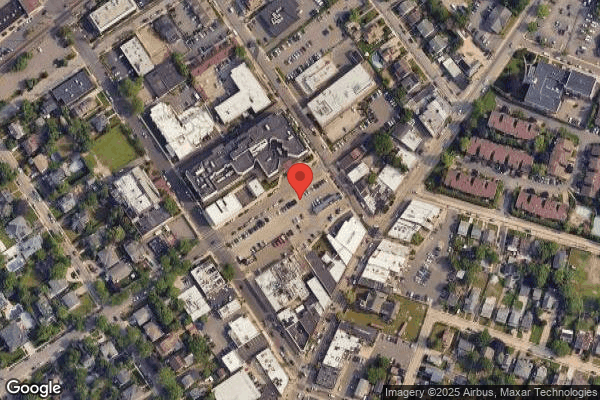

1050 CENTRAL AVENUE, WOODMERE, NY 11598 (516) 374-9300
For profit - Corporation 336 Beds BENJAMIN LANDA Data: November 2025
Trust Grade
65/100
#345 of 594 in NY
Last Inspection: November 2024

Within standard 12-15 month inspection cycle. Federal law requires annual inspections.

Overview

The Five Towns Premier Rehab & Nursing Center has received a Trust Grade of C+, indicating it is slightly above average but still has room for improvement. It ranks #345 out of 594 facilities in New York, placing it in the bottom half of the state, and #24 out of 36 in Nassau County, meaning only a few local options are better. The facility shows an improving trend, having reduced reported issues from six in 2023 to five in 2024. Staffing is a notable weakness, with a poor rating of 1 out of 5 stars, but it has a strong turnover rate of 0%, suggesting staff retention is good. However, there have been concerning incidents, such as failures in insulin administration documentation and inaccuracies in resident assessments, which indicate potential issues in care quality. While the center reports no fines and has excellent quality measures, families should weigh these strengths against the weaknesses highlighted in the inspection findings.

Trust Score
C+
65/100
In New York
#345/594
Bottom 42%
Safety Record
Low Risk
No red flags
Inspections
Getting Better
6 → 5 violations
Staff Stability
○ Average
Turnover data not reported for this facility.
Penalties
✓ Good
No fines on record. Clean compliance history, better than most New York facilities.
Skilled Nurses
✓ Good
Each resident gets 45 minutes of Registered Nurse (RN) attention daily — more than average for New York. RNs are trained to catch health problems early.
Violations
⚠ Watch
13 deficiencies on record. Higher than average. Multiple issues found across inspections.
★★★☆☆
3.0
Overall Rating
★☆☆☆☆
1.0
Staff Levels
★★★★★
5.0
Care Quality
★★★☆☆
3.0
Inspection Score
Stable
2023: 6 issues
2024: 5 issues

The Good

  • 5-Star Quality Measures · Strong clinical quality outcomes
  • Full Sprinkler Coverage · Fire safety systems throughout facility
  • No fines on record

Facility shows strength in quality measures, fire safety.

The Bad

3-Star Overall Rating

Near New York average (3.1)

Meets federal standards, typical of most facilities

Chain: BENJAMIN LANDA

Part of a multi-facility chain

Ask about local staffing decisions and management

The Ugly 13 deficiencies on record

Nov 2024 5 deficiencies
CONCERN (D)

Potential for Harm - no one hurt, but risky conditions existed

Assessment Accuracy (Tag F0641)

Could have caused harm · This affected 1 resident

Based on record review and interviews during the recertification survey initiated on 11/20/2024 and completed on 11/26/2024, the facility did not ensure that the Minimum Data Set assessment accurately...

Read full inspector narrative →
Based on record review and interviews during the recertification survey initiated on 11/20/2024 and completed on 11/26/2024, the facility did not ensure that the Minimum Data Set assessment accurately reflected each resident's status. This was identified for one (Resident #190) of three residents reviewed for Communication. Specifically, Resident #109 utilized hearing aids as per the physician's orders; however, the annual Minimum Data Set assessment for Resident #109, dated 8/17/2024, did not accurately reflect the use of hearing aids or other hearing appliances. The finding is: The facility policy titled MDS Assessments, dated 1/2024 documented that the Resident Assessment Coordinator was responsible for ensuring the Interdisciplinary Team conducted timely and appropriate resident assessments. All persons who have completed any portion of the MDS Resident Assessment Form must sign the document attesting to the accuracy of such information. Resident #190 had diagnoses that included bilateral Hearing Loss. Resident #190's Quarterly Minimum Data Set assessment, dated 5/18/2024 documented a Brief Interview for Mental Status score of 14, which indicated the resident was cognitively intact. The Minimum Data Set assessment documented the resident had moderate hearing difficulty (the speaker has to increase their volume and speak distinctly) and the resident did not use a hearing aid or other hearing appliance. The Annual Minimum Data Set assessment, dated 8/17/2024 documented a Brief Interview for Mental Status score of 14, which indicated the resident was cognitively intact. The Minimum Data Set assessment documented the resident had moderate hearing difficulty (the speaker has to increase their volume and speak distinctly) and the resident did not use a hearing aid or other hearing appliance. A comprehensive care plan titled Communication: Hearing Deficit, effective 11/03/2022 last reviewed on 11/17/2024 documented that the resident was using a hearing aid. The interventions included decreasing background noise when speaking to the resident; staff to speak slowly, clearly, and loudly while facing the resident, and asking the resident to recap what was said to verify understanding. A physician's order dated 12/31/2023 and last renewed 6/17/2024 documented hearing aid (bilateral) insert in A.M. A Physician's order dated 7/29/2024 documented hearing aid (left) insert in A.M. A Physician's order dated 8/2/2024 documented hearing aid (right) insert in A.M. During an interview on 11/25/2024 at 2:14 PM Minimum Data Set Coordinator stated the hearing section of the assessment tool is completed by the Minimum Data Set Assessor. They further stated that the Minimum Data Set was coded no for the use of a hearing aid. The Minimum Data Set Coordinator stated the Minimum Data Set was coded incorrectly because the resident was utilizing the hearing aides during the assessment period. The Minimum Data Set Assessor was not available for interview. During an interview on 11/26/2024 at 9:09 AM, the Director of Nursing Services stated that the Minimum Data Set Assessors should review the medical record and code the Minimum Data Set accurately. NYCRR 415.11(b)
CONCERN (D)

Potential for Harm - no one hurt, but risky conditions existed

Pressure Ulcer Prevention (Tag F0686)

Could have caused harm · This affected 1 resident

Based on observation, record review, and staff interviews during the Recertification Survey initiated on 11/20/2024 and completed on 11/26/2024, the facility did not ensure a resident with pressure ul...

Read full inspector narrative →
Based on observation, record review, and staff interviews during the Recertification Survey initiated on 11/20/2024 and completed on 11/26/2024, the facility did not ensure a resident with pressure ulcers received the necessary treatment and services, consistent with professional standards of practice, to promote healing, prevent infection and prevent new ulcers from developing. This was identified for one (Resident #19) of three residents reviewed for Pressure Ulcers. Specifically, during Resident #19's wound care observation on 11/25/2024, Licensed Practical Nurse #1 did not apply the physician-ordered treatment to the wound and the peri-wound (the skin around the wound) area. The finding is: The facility's policy titled Aseptic Dressing Technique, dated 1/2024, documented for the nurses to review the current physician's order for specific treatment instructions and apply treatment as ordered. The facility's policy titled Medication Administration dated 1/2024, documented the licensed nurse assures the six rights: right resident, right medication, right dose, right time, right route, and right documentation. Compare the medication administration record against the prescription label. Always check three times prior to administration of medication. The facility's policy titled Pressure Ulcer and Wound Management dated 1/2024, documented it is the policy of the facility to comply with the New York State Department of Health related to pressure ulcers and prevention. A resident with pressure ulcers receives the necessary treatment and services to promote healing, prevent infection, and prevent new ulcers from developing. Resident #19 was admitted with diagnoses including Dependence on the Ventilator, Diabetes Mellitus, and Stage 4 (full-thickness tissue loss with exposed bone, tendon, or muscle visible within the wound) Pressure Ulcer to the Right Buttock. The 11/7/2024 Quarterly Minimum Data Set assessment documented no Brief Interview for Mental Status score as the resident had severely impaired cognitive skills for daily decision-making. The Minimum Data Set assessment documented the resident had a Stage 4 pressure ulcer. A Comprehensive Care Plan titled Presence of Stage 4 of Right Buttock, effective 8/21/2024 and last updated 11/21/2024, documented Stage 4 pressure ulcer to the right buttock measuring 2.3 centimeters in length, 2 centimeters in width, and 0.5 centimeters in depth with undermining (an undermining wound where the damage under the tissue is larger than what appears at the surface) measuring 2 centimeters deep. The wound bed was noted with 100% pink granulation (new tissue as the wound heals) tissue and moderate serous (pale yellow) drainage. A physician's order dated 11/19/2024 documented: cleanse the right buttock pressure ulcer with normal saline, apply Puracol Plus AG (collagen with silver dressing- collagen is a protein that encourages wound healing and silver is an antimicrobial agent), and cover with a dry protective dressing daily and as needed. A physician's order dated 11/21/2024 documented: cleanse the right buttock pressure ulcer with normal saline, apply Clotrimazole (antifungal medication) 1% topical cream to the peri-wound of right buttock pressure ulcer, and then apply treatment to the wound bed. During Resident #19's wound care observation on 11/25/2024 at 10:13 AM, Licensed Practical Nurse #1 was performing the treatment and was assisted by Certified Nursing Assistant #1. The packaging of the collagen wound dressing used during the wound care did not indicate silver as an ingredient. Licensed Practical Nurse #1 stated the treatment dressing included silver as an ingredient and then applied the dressing to the wound. Licensed Practical Nurse #1 did not apply the Clotrimazole cream to the peri-wound and stated they were unaware that Resident #19 had a treatment order for the peri-wound. Licensed Practical Nurse #1 then completed the wound care and applied the dry protective dressing. During an interview on 11/25/2024 at 10:30 AM, Registered Nurse #1, who was another treatment nurse on the unit, reviewed the wound treatment product packaging box for the wound care dressing that Licensed Practical Nurse #1 had applied to Resident #19's wound. Registered Nurse #1 confirmed the treatment product did not include silver as an ingredient. A review of the packaging box revealed that the label provided by the Pharmacy affixed to the box documented: collagen wound dressing by topical route to right buttock, cleanse with normal saline, pat dry, apply Puracol Plus AG, then dry [cover with] protective dressing; however, the treatment product was a generic manufacturer of the collagen product and there was no indication that the product contained silver as an ingredient. The order was refilled as a new order on 11/19/2024. During an interview on 11/25/2024 at 10:52 AM, Pharmacist #1 stated the wound care product that was supplied to the facility by the pharmacy for Resident #19 did not contain silver as one of the ingredients. Pharmacist #1 stated they were not sure why this product was sent to the facility mislabeled, and that they would have to look into it. During an interview on 11/25/2024 at 2:29 PM, the Wound Care Registered Nurse stated the resident's right buttock pressure ulcer peri-wound area was inflamed and that is why the Clotrimazole cream was prescribed. The Wound Care Registered Nurse stated that peri-wound treatment and the actual wound treatment should be applied during the wound care and the order was written that way. The Wound Care Registered Nurse stated Licensed Practical Nurse #1 should have checked the wound product packaging to ensure that the actual product was consistent with the physician's order. Licensed Practical Nurse #1 should have notified their supervisor if the treatment product sent by the pharmacy did not match the physician's orders. During an interview on 11/26/2024 at 8:28 AM, the Director of Nursing Services stated the nurses are supposed to follow the physician's orders and follow the rights of medication administration. All of the treatments (the periwound and the wound) should have been done at the same time and the nurse was expected to know that there was a periwound treatment. The Director of Nursing Services that Licensed Practical Nurse #1 was supposed to check the wound care treatment product box and make sure the product consistent with the physician's orders was being used. 10 NYCRR 415.12(c)(1)
CONCERN (D)

Potential for Harm - no one hurt, but risky conditions existed

Pharmacy Services (Tag F0755)

Could have caused harm · This affected 1 resident

Based on observation, record review, and interviews during the Recertification Survey initiated on 11/20/2024 and completed on 11/26/2024, the facility did not ensure that it provided pharmaceutical s...

Read full inspector narrative →
Based on observation, record review, and interviews during the Recertification Survey initiated on 11/20/2024 and completed on 11/26/2024, the facility did not ensure that it provided pharmaceutical services (including procedures that assure the accurate acquiring, receiving, dispensing, and administering of all drugs and biologicals) to meet the needs of each resident. This was identified for one (Resident #19) of three residents reviewed for Pressure Ulcers. Specifically, Resident #19 had a physician's order for a collagen wound treatment product that included silver as an ingredient. The treatment product delivered by the Pharmacy had a label affixed to the box by the pharmacy that corresponded with the physician's order (included silver as an ingredient); however, the actual wound care product provided did not include silver as an ingredient. The finding is: The facility's policy titled Pharmacy Services dated 1/2024, documented the facility has contracted with the pharmacy to provide pharmacy and prescription delivery services. The pharmacy will provide a continuum of pharmaceutical services to the facility and essential medication and services for the facility. Resident #19 was admitted with diagnoses including Dependence on the Ventilator, Diabetes Mellitus, and Stage 4 (full-thickness tissue loss with exposed bone, tendon, or muscle visible within the wound) Pressure Ulcer to Right Buttock. The 11/7/2024 Quarterly Minimum Data Set assessment documented no Brief Interview for Mental Status score as the resident had severely impaired cognitive skills for daily decision-making. The Minimum Data Set assessment documented the resident had a Stage 4 pressure ulcer. A Comprehensive Care Plan titled Presence of Stage 4 of Right Buttock effective 8/21/2024 and last updated 11/21/2024, documented an intervention to provide treatments as ordered by the physician. An update on 11/21/2024 included a treatment of collagen with silver alginate. A physician's order dated 11/19/2024 documented: cleanse the right buttock pressure ulcer with normal saline, apply Puracol Plus AG (collagen with silver dressing- collagen is a protein that encourages wound healing and silver is an antimicrobial agent), and cover with a dry protective dressing daily and as needed. During Resident #19's wound care observation on 11/25/2024 at 10:13 AM, Licensed Practical Nurse #1 was performing the treatment and was assisted by Certified Nursing Assistant #1. The packaging of the collagen wound dressing used during the wound care did not indicate silver as an ingredient. Licensed Practical Nurse #1 stated the treatment dressing included silver as an ingredient and then applied the dressing to the wound. Licensed Practical Nurse #1 then completed the wound care and applied the dry protective dressing. During an interview on 11/25/2024 at 10:30 AM, Registered Nurse #1 (another treatment nurse on the unit) reviewed the wound treatment product packaging box for the wound care dressing that Licensed Practical Nurse #1 had applied to Resident #19's wound. Registered Nurse #1 confirmed the treatment product did not include silver as an ingredient. A review of the packaging box revealed that the label provided by the pharmacy affixed to the box documented: collagen wound dressing by topical route to right buttock, cleanse with normal saline, pat dry, apply Puracol Plus AG then dry protective dressing. The order was refilled as a new order on 11/19/2024. The treatment product was a generic manufacturer of the collagen product (not Puracol) and there was no indication that the product contained silver as an ingredient. During an interview on 11/25/2024 at 10:52 AM, Pharmacist #1 stated the wound care product supplied by the pharmacy for Resident #19 did not have silver as one of the ingredients. Pharmacist #1 stated they were not sure why this product was sent to the facility mislabeled, and would have to look into it. During an interview on 11/26/2024 at 8:28 AM, the Director of Nursing Services stated treatment product box was mislabeled by the Pharmacy. The Director of Nursing Services stated even though the label affixed by the Pharmacy indicated silver as one of the ingredients, the actual treatment product delivered did not include silver. The Director of Nursing Services stated the treatment nurse should have checked the product box and notified the supervisor. 10 NYCRR 415.18(d)
CONCERN (D)

Potential for Harm - no one hurt, but risky conditions existed

Food Safety (Tag F0812)

Could have caused harm · This affected 1 resident

Based on record review and interview during the recertification survey initiated on 11/20/2024 and completed on 11/26/2024, the facility did not ensure to store, prepare, distribute, and serve food in...

Read full inspector narrative →
Based on record review and interview during the recertification survey initiated on 11/20/2024 and completed on 11/26/2024, the facility did not ensure to store, prepare, distribute, and serve food in accordance with professional standards for food safety. This was evident during Kitchen and Dining Tasks. Specifically, during the kitchen tour on 11/20/2024 tuna salad dated 11/12/2024 was observed in the walk-in refrigerator. Additionally, the temperature of the egg salad, macaroni salad, and potato salad served during the lunch meal was above acceptable standards for safe serving temperatures. The finding is: The undated facility policy and procedure titled Food Storage Temperatures and Storage Life Guidelines documented that foods will be stored at appropriate temperatures and for a specified duration to assure freshness and nutritional adequacy. The facility policy and procedure titled Food Handling and Storage, dated 3/2024, documented that all aspects of food handling from receiving and storing are done according to guidelines and monitored to keep foods free from harmful microorganisms, and contaminants and ensure the quality and freshness are preserved. Items that are opened, need to be labeled with an open date and must be used within the appropriate time frame. Prepared foods must be labeled with the date of preparation, kept covered, and stored appropriately. All refrigerated foods, such as tuna salad, egg salad, etc., will be discarded after 72 hours. The undated facility policy and procedure titled Taking Temperature of Food Items documented food temperatures will be monitored and recorded during preparation, holding, and service to ensure compliance with food safety standards. Temperature standards: cold foods are maintained at or below 41 degrees Fahrenheit. Cold food holding temperatures are measured every two hours during storage or serving. Check and record food temperatures just before service. If temperatures fall outside safe ranges, immediately reheat, chill, or discard the food. Record all temperature readings in the designated food temperature log, including date, time, food item, temperature reading, and corrective action (if any). During the kitchen tour on 11/20/2024 at 9:21 AM with the Food Service Director, a container of tuna salad dated 11/12/2024 was observed in the kitchen refrigerator. A dining observation was conducted on the third floor on 11/20/2024 at 12:04 PM. Dietary Aide #1 was observed serving the lunch meal utilizing individual resident trays that were prepared with sandwiches and other side dishes such as egg salad, potato salad, and or macaroni salad. During an interview on 11/20/2024 at 12:08 PM, Dietary Aide #1 stated that the sandwiches, egg salad, potato salad, and macaroni salad were placed on the trays in the kitchen, prior to delivery to the unit. The food temperature is taken by the Cooks in the kitchen, and they (Dietary Aide #1) do not take the temperatures of either the hot or cold foods on the unit. On 11/20/2024 at 12:29 PM, the Executive Chef took the temperatures of the side dishes. The following results were obtained: The egg salad temperature was 68 degrees Fahrenheit, the potato salad temperature was 65 degrees Fahrenheit, and the macaroni salad temperature was 62 degrees Fahrenheit. The Executive Chef was immediately interviewed and stated that the food temperature recorded was high and was not in the appropriate range. During an interview on 11/20/2024 at 12:50 PM, the Dietary Supervisor stated the facility did not maintain temperature logs for the cold food items. During an interview on 11/20/24 at 12:51 PM, the First [NAME] stated they checked the hot food temperatures before sending the meals to the units. They further stated that they do not take cold food temperatures unless the cold food is the main entrée. During an interview on 11/20/2024 at 12:58 PM, the Food Service Director the food temperatures obtained during observation on the unit were in the danger zone (the temperature range where bacteria grow most rapidly) and the food was not safe to serve. During an additional interview on 11/26/2024 at 9:56 AM, the Food Service Director stated all refrigerated foods, such as tuna salad, egg salad, etc., should be discarded after 72 hours. 10 NYCRR 415.14(h)
CONCERN (D)

Potential for Harm - no one hurt, but risky conditions existed

Infection Control (Tag F0880)

Could have caused harm · This affected 1 resident

Based on observation, record review, and interviews during the Recertification Survey initiated on 11/20/2024 and completed on 11/26/2024, the facility did not maintain an infection prevention and con...

Read full inspector narrative →
Based on observation, record review, and interviews during the Recertification Survey initiated on 11/20/2024 and completed on 11/26/2024, the facility did not maintain an infection prevention and control program designed to help prevent the development and transmission of communicable diseases and infections. This was identified for one (Resident #19) of three residents reviewed for Pressure Ulcers. Specifically, during Resident #19's wound care observation on 11/25/2024, Licensed Practical Nurse #1 placed rested the normal saline soaked gauze pads directly on the exposed skin of the resident's right hip and then used the same gauze pads to cleanse the resident's right buttock pressure ulcer. The finding is: The facility policy titled Aseptic Dressing Technique, dated 1/2024 documented that aseptic technique (practices that prevent the spread of germs and contamination with microorganisms) is to be performed during all dressing changes and/or treatments unless otherwise indicated by the Physician. A clean barrier is placed on the over-bed table to protect the equipment from contamination. Resident #19 was admitted with diagnoses including Dependence on the Ventilator, Diabetes Mellitus, and Stage 4 (full-thickness tissue loss with exposed bone, tendon, or muscle visible within the wound) Pressure Ulcer to the Right Buttock. The 11/7/2024 Quarterly Minimum Data Set assessment documented no Brief Interview for Mental Status score as the resident had severely impaired cognitive skills for daily decision-making. The Minimum Data Set assessment documented the resident had a Stage 4 pressure ulcer. A Comprehensive Care Plan titled Presence of Stage 4 of Right Buttock, effective 8/21/2024 and last updated 11/21/2024 documented Stage 4 pressure ulcer to the right buttock measuring 2.3 centimeters in length, 2 centimeters in width, and 0.5 centimeters in depth with undermining (an undermining wound where the damage under the tissue is larger than what appears at the surface) measuring 2 centimeters deep. The wound bed was noted with 100% pink granulation (new tissue as the wound heals) tissue and moderate serous (pale yellow) drainage. A physician's order dated 11/19/2024 documented: cleanse the right buttock pressure ulcer with normal saline, apply Puracol Plus AG (collagen dressing with silver-collagen is a protein that encourages wound healing and silver is an antimicrobial agent), and then apply dry protective dressing daily and as needed. During Resident #19's wound care observation on 11/25/2024 at 10:13 AM, Licensed Practical Nurse #1, who was assisted by Certified Nursing Assistant #1, prepared the wound care supplies outside of the resident's room at the treatment cart. Licensed Practical Nurse #1 placed all of the supplies, including the normal saline-soaked gauze pads and dry gauze pads, on a barrier that was on a Styrofoam tray. The nurse brought the tray to the resident's bedside and placed the tray on the overbed table, but did not sanitize the overbed table Licensed Practical Nurse #1 turned Resident #19 on their left side, removed the dressing from the right buttock wound, washed their hands, and changed their gloves. Licensed Practical Nurse #1 took the normal saline-soaked gauze pads from the Styrofoam tray and placed them directly on the exposed skin of the resident's right hip. Licensed Practical Nurse #1 then used these pads to cleanse the resident's right buttock wound. This infection control breach was brought to Licensed Practical Nurse #1's attention by the surveyor; however, Licensed Practical Nurse #1 continued the treatment and did not re-cleanse the wound. During an interview on 11/25/2024 at 12:23 PM, the Registered Nurse Infection Preventionist/Nurse Educator stated it was not appropriate for Licensed Practical Nurse #1 to place the normal saline soaked gauze pads on the resident's hip and then use those same gauze pads to cleanse the wound. The hip is not considered a clean area. The goal of wound care is to maintain an aseptic technique and placing the normal saline soaked gauze pads on the resident's hip did not maintain an aseptic technique. During an interview on 11/25/2024 at 2:29 PM, the Registered Nurse Wound Care Nurse stated it would not be appropriate to rest the normal saline soaked gauze pads on the resident's hip and then clean the wound with those same gauze pads. During wound care, all of the supplies should be kept on the tray. During an interview on 11/26/2024 at 8:28 AM, the Director of Nursing Services stated it was inappropriate for the nurse to put the normal saline soaked gauze on the resident's hip and then use those gauze pads to cleanse the wound. The nurse did not maintain an aseptic technique and has received educational counseling. 10 NYCRR 415.19(a) (1-3)
Feb 2023 6 deficiencies
CONCERN (D) 📢 Someone Reported This

A family member, employee, or ombudsman was alarmed enough to file a formal complaint

Potential for Harm - no one hurt, but risky conditions existed

Report Alleged Abuse (Tag F0609)

Could have caused harm · This affected 1 resident

Based on record review and interviews during the Recertification Survey and Abbreviated Survey (NY00300997) initiated on 2/9/2023 and completed on 2/15/2023, the facility did not ensure that all alleg...

Read full inspector narrative →
Based on record review and interviews during the Recertification Survey and Abbreviated Survey (NY00300997) initiated on 2/9/2023 and completed on 2/15/2023, the facility did not ensure that all alleged violations involving injuries of unknown source were reported immediately, not later than 24 hours, if the events that caused the allegation did not involve abuse and did not result in serious bodily injury to the New York State Department of Health (NYSDOH). This was identified for one (Resident #368) of five resident reviewed for Accidents. Specifically, Resident #368 sustained a fractured left humerus that was identified by the facility on 8/9/2022. The origin of the injury was unknown. The facility did not report the injury to the NYSDOH until 8/12/2022. Additionally, the facility did not include in their report of 8/12/2022 to the NYSDOH that staff caring for Resident #368 were not following the resident's plan of care. The finding is: The facility's policy, titled Abuse Prevention, dated 3/22/2022, documented under the subtitle Reporting, all allegations must be immediately reported to the Administrator, and no later than 24 hours to the state survey agency if the events that caused the allegation do not involve abuse and do not result in a serious bodily injury. The policy did not include protocols for reporting injuries of unknown origin. Resident #368 was admitted with diagnoses including Diabetes Mellitus, Cerebrovascular Accident (CVA), and Dementia. The 6/1/2022 Quarterly Minimum Data Set (MDS) assessment documented no Brief Interview for Mental Status (BIMS) score as the resident had severely impaired cognitive skills for daily decision making. The MDS documented that the resident required total care for Activities of Daily Living (ADLs), including two-person physical assistance for bed mobility. A Comprehensive Care Plan (CCP) titled ADLs-Mobility, Ambulation, Transfers, effective 11/23/2021, and last revised on 8/9/2022, documented to provide two-person extensive assistance for bed mobility. The Resident Nursing Instructions (instructions provided to Certified Nursing Assistants (CNA) regarding resident care needs) as of 8/1/2022, documented the resident was totally dependent on staff for bed mobility, requiring two-person physical assistance. A nursing progress note dated 8/4/2022 documented Resident #368 as having left shoulder swelling, warmth, and tenderness. There was no identified trauma or fall. The physician was notified, and an x-ray was ordered. The x-ray results of the left shoulder were negative for fracture, dislocation, or subluxation. A nursing progress note dated 8/8/2022 documented the resident had ecchymosis (bruising) to left antecubital fossa (inner elbow area), with swelling and tenderness. The physician was notified, and x-rays were ordered. The x-ray revealed an acute to subacute distal humeral (arm) fracture. The resident was transferred to the hospital as per the physician's order. A nursing progress note dated 8/9/2022 documented Resident #368 was admitted to the hospital with a left humerus fracture. The Accident and Incident (A/I) report dated 8/8/2022 included interviews with staff involved in Resident #368's care, going back 48 hours prior to when the shoulder swelling was originally identified on 8/4/2022. The A/I report did not identify any fall, trauma, or abuse and the origin of the humerus fracture was unknown. The A/I summary documented that CNAs utilized a draw sheet when turning the resident in bed. The CNAs received disciplinary action and one to one counseling. The A/I report documented that the CNAs were not following the resident's plan of care and were not utilizing two persons for bed mobility. The facility provided evidence of an online submission to the NYSDOH dated 8/12/2022 at 3:34 PM regarding the incident that occurred on 8/4/2022 at 6:30 PM. The case number that was assigned to the submission was NY 00300555. A review of the intake record for case # NY 00300555 revealed the incident related to Resident #368 dated 8/4/2022 at 6:30 PM was submitted to the NYSDOH on 8/12/2022 at 3:34 PM. The facility reported that the incident was not the result of a care plan violation, and it was undetermined at the time if there was a reasonable cause to believe that abuse, neglect, or mistreatment occurred. The facility did not include that the CNAs were not following the resident's plan of care and were not utilizing two persons for bed mobility. The Registered Nurse (RN) #1 Risk Manager/Assistant Director of Nursing Services (ADNS) was interviewed on 2/14/2023 at 12:00 PM. RN #1 stated the CNAs who worked alone were given inservice education because Resident #368 was a two-person assist for bed mobility. RN #1 stated the cause of the fractured left humerus was unknown. The A/I dated 8/8/2022 identified that the CNAs were not using two-person assistance for bed mobility to move the resident in bed. RN #1 stated the Director of Nursing Services (DNS) is responsible for reporting incidents to the NYSDOH. The Director of Nursing Services (DNS) was interviewed on 2/14/2023 at 12:15 PM. The DNS stated the CNAs received inservice education because they worked alone, and Resident #368 required two-person assistance for bed mobility. The DNS provided an email that documented the incident was reported to the NYSDOH on 8/12/2022 at 3:34 PM. The DNS stated that during the investigation of Resident #368's injury, it was determined that there was a care plan violation. It was identified that the CNAs did not utilize two-person assistance for bed mobility. The DNS stated this discovery of noncompliance was made on 8/12/2022, and that is when the report was made to the NYSDOH. The DNS stated on 8/9/2022 when the fracture was identified, we knew it was an injury of unknown origin, but we did not suspect any abuse or a crime. The DNS further stated that once the facility identified the care plan violation on 8/12/2022, the incident was reported to the NYSDOH. The Administrator was interviewed on 2/15/2023 at 2:48 PM. The Administrator stated we reported the incident when there was a determination of non-compliance with the care plan. 10NYCRR 415.4 (b) (1) (ii)
CONCERN (D) 📢 Someone Reported This

A family member, employee, or ombudsman was alarmed enough to file a formal complaint

Potential for Harm - no one hurt, but risky conditions existed

Comprehensive Care Plan (Tag F0656)

Could have caused harm · This affected 1 resident

Based on record review and interviews during the Recertification Survey and Abbreviated Survey (NY00300997) initiated on 2/9/2023 and completed on 2/15/2023, the facility did not implement a comprehen...

Read full inspector narrative →
Based on record review and interviews during the Recertification Survey and Abbreviated Survey (NY00300997) initiated on 2/9/2023 and completed on 2/15/2023, the facility did not implement a comprehensive person-centered care plan for each resident to meet the resident's medical and nursing needs that are identified in the comprehensive assessment. This was identified for one (Resident #368) of five residents reviewed for Accidents. Specifically, Resident #368 required total assistance of two persons for bed mobility. On 8/9/2022, Resident #368 was found to have a left humerus (arm) fracture. During the facility investigation it was determined that the Certified Nursing Assistants (CNAs) caring for the resident did not follow the plan of care and utilized a draw sheet with one person assistance for bed mobility to move Resident #368 in bed rather than utilizing two-person assistance. The finding is: The facility's policy titled Activities of Daily Living (ADLs), last reviewed 8/2022, documented all residents will be given care for ADLs based on the amount of assistance needed. The nurse will pick up the order for transfers and ambulation as well as resident care needs for bathing, dressing, eating, and toileting on the CNA Accountability Record so that the CNA will be aware of the resident's care needs. Care plans will be initiated to reflect the resident's care needs for ADLs. Resident #368 was admitted with diagnoses including Diabetes Mellitus, Cerebrovascular Accident (CVA), and Dementia. The 6/1/2022 Quarterly Minimum Data Set (MDS) assessment documented no Brief Interview for Mental Status (BIMS) score as the resident had severely impaired cognitive skills for daily decision making. The MDS documented that the resident required total care for Activities of Daily Living (ADLs), including two-person physical assistance for bed mobility. A Comprehensive Care Plan (CCP) titled ADLs-Mobility, Ambulation, Transfers, effective 11/23/2021, and last revised on 8/9/2022, documented to provide two-person extensive assistance for bed mobility. The Resident Nursing Instructions (instructions provided to Certified Nursing Assistants (CNA) regarding resident care needs) as of 8/1/2022, documented the resident was totally dependent on staff for bed mobility, requiring two-person physical assistance. A nursing progress note dated 8/4/2022 documented Resident #368 as having left shoulder swelling, warmth, and tenderness. There was no identified trauma or fall. The physician was notified, and an x-ray was ordered. The x-ray results of the left shoulder were negative for fracture, dislocation, or subluxation (partial dislocation). A nursing progress note dated 8/8/2022 documented the resident had ecchymosis (bruising) to the left antecubital fossa (inner elbow area), with swelling and tenderness. The physician was notified, and x-rays were ordered. The x-ray revealed an acute to subacute distal humeral (arm) fracture. The resident was transferred to the hospital. A nursing progress note dated 8/9/2022 documented Resident #368 was admitted to the hospital with a left humerus fracture. The Accident and Incident (A/I) report dated 8/8/2022 included interviews with staff involved in Resident #368's care, going back 48 hours prior to when the shoulder swelling was originally identified on 8/4/2022. The A/I report did not identify any fall, trauma, or abuse and the origin of the humerus fracture was unknown. The A/I summary documented that CNAs (CNA #1, CNA #2, and CNA #3) utilized a draw sheet when turning the resident in bed. The CNAs received disciplinary action and one to one counseling. The A/I report documented that the CNAs were not following the resident's plan of care and were not utilizing two persons for bed mobility. CNA #2 was interviewed on 2/14/2023 at 10:40 AM. CNA #2 stated they (CNA #2) remember working alone and using a draw sheet to turn the resident. CNA #2 stated there was no one to help and that is why they (CNA #2) worked alone. As per the A/I report statement, CNA #2 worked with Resident #368 on 8/1/2022, 8/2/2022, and 8/3/2022 on the 11 PM-7 AM shift. CNA #1 was interviewed on 2/14/2023 at 11:40 AM. CNA #1 stated on 8/2/2022 they were assigned to Resident #368 and were looking for assistance to care for the resident from another staff member. CNA #1 stated they (CNA #1) could not find anyone and that is why they (CNA #1) used the draw sheet to position Resident #368 in bed. As per the A/I report statement, CNA #1 worked with Resident #368 on 8/2/2022 on the 7 AM-3 PM shift. The Registered Nurse (RN) #1 Risk Manager/Assistant Director of Nursing Services (ADNS) was interviewed on 2/14/2023 at 12:00 PM. RN #1 stated the CNAs who worked alone were given inservice education because Resident #368 was a two-person assist for bed mobility. RN #1 stated the cause of the fractured left humerus was unknown. RN #1 stated the A/I dated 8/8/2022 identified that the CNAs were not using two-person assistance for bed mobility to move the resident in bed. The Director of Nursing Services (DNS) was interviewed on 2/14/2023 at 12:15 PM. The DNS stated that during the investigation of Resident #368's injury, it was determined that there was a care plan violation. It was identified that the CNAs did not utilize two-person assistance for bed mobility for Resident #368. The DNS stated if the CNAs cannot find another staff member to help, then the CNA cannot turn and position the resident and perform bed mobility. The DNS further stated the CNA has to wait for someone to assist them. CNA #3 was interviewed on 2/15/2023 at 1:08 PM. CNA #3 stated they (CNA #3) provided care to Resident #368 alone. CNA #3 stated they (CNA #3) were advised by the nurse that the resident required two-person assistance for transfers and they (CNA #3) were not told that the resident needed two-person assistance for bed mobility. CNA #3 stated they (CNA #3) depended on report from the nurse because they are a float CNA, and are not assigned to any one specific unit. As per the A/I report statement, CNA #3 worked with Resident #368 on 8/4/2022 on the 11 PM - 7 AM shift. The RN Inservice Coordinator (RN#2) was interviewed on 2/15/2023 at 1:13 PM. RN #2 stated before providing care the CNAs are expected to get report from the unit nurse and review the Resident Nursing Instructions. 10NYCRR 415.11(c)(1)
CONCERN (D)

Potential for Harm - no one hurt, but risky conditions existed

Accident Prevention (Tag F0689)

Could have caused harm · This affected 1 resident

**NOTE- TERMS IN BRACKETS HAVE BEEN EDITED TO PROTECT CONFIDENTIALITY** Based on observations, record review, and staff interviews during the Recertification Survey initiated on 2/9/2023 and completed...

Read full inspector narrative →
**NOTE- TERMS IN BRACKETS HAVE BEEN EDITED TO PROTECT CONFIDENTIALITY** Based on observations, record review, and staff interviews during the Recertification Survey initiated on 2/9/2023 and completed on 2/15/2023 the facility did not ensure that each resident received adequate supervision to prevent accidents. This was identified for one (Resident #10) of five residents reviewed for Accidents and for one (Resident #140) of seven residents reviewed for Nutrition. Specifically, 1) Resident #10, who had a diagnosis of Dysphagia and had a physician's order for Aspiration Precautions, was observed in bed eating their pureed breakfast meal with their finger. The resident was observed slouched in bed and there was no staff member in the vicinity to provide supervision. 2) Resident #140 who had a diagnosis of Dysphagia and a Physician's order for Aspiration Precautions was observed in bed with all food items on the breakfast tray opened in front of them. There was no staff in close proximity to provide supervision. The finding is: The facility policy for Aspiration Precautions, dated 1/2017 last revised in April 2022, documented it is the facility's responsibility, along with the interdisciplinary team, to provide optimum swallowing safety for the residents to reduce the risk of aspiration. For residents presenting with Aspiration Risk the following general swallowing guidelines should be followed: sit upright at meals as close to 90 degrees as possible and maintain an upright position for at least 30 minutes after the meal. Feed slowly; make sure swallow is completed before the next presentation of food is offered and staff will provide supervision as needed. 1) Resident #10 had diagnoses that include Alzheimer's Dementia, Dysphagia, failure to thrive, and Stage 3 Pressure Ulcer to the right buttock. The Significant Change Minimum Data Set (MDS) assessment dated [DATE] documented the resident had short and long-term memory problems and severely impaired cognitive skills for daily decision-making. The MDS documented the resident required extensive assistance of one person for eating. The MDS further documented the resident was holding food in their mouth/cheek; coughing/choking with meals/meds and had difficulty or pain swallowing. The Physician's (MD) order dated 12/12/2019 and last updated on 1/24/2023 documented the resident was placed on Aspiration Precautions. The order did not include reasons for the resident to be on Aspiration Precautions. The MD order dated 12/21/2021 and last updated on 1/24/2023 documented to provide the following diet: Puree consistency, allow bread, soft sandwiches, and banana with thin liquids. The Comprehensive Care Plan (CCP) for Nutritional Status, effective 2/9/2018 and last reviewed on 1/27/2023, documented the resident was at risk for alteration in nutritional and hydration status related to Alzheimer's Dementia, Dysphagia, Failure to Thrive, and significant in-house weight loss. Interventions included but were not limited to supervising and assisting the resident at mealtime as needed. The CCP for Activities of Daily Living (ADLs) dated 2/9/2028 and last updated on 1/21/2023 documented the resident had a self-care deficit as evidenced by the decrease in dressing, grooming, feeding, bathing, toileting, and personal hygiene tasks. Interventions included to provide assistance of one [staff member] at mealtimes. The CCP for Dysphagia dated 6/2/2022 and last updated on 2/7/2023 documented Impaired Swallow/Rehabilitation as evidenced by decreased oral preparatory stage, oral Dysphagia, and Drooling related to Alzheimer's/Dementia. Interventions included but were not limited to Aspiration Precautions, educate staff and family on precautions/limitations; and to monitor intake. The Dietary Progress Note dated 12/30/2022 documented the resident required extensive assistance with feeding and was to be fed while sitting upright as the resident was on Aspiration Precautions. As per the Speech Language Pathology (SLP) evaluation, the resident had a diagnosis of Dysphagia and had impaired mastication. The resident was holding food in the mouth or cheeks or had residual food in the mouth after meals. The Social work progress note dated 1/30/3023 documented a care plan meeting was held with the resident's family and with the care plan team. The resident's changes of poor appetite and resident's condition were discussed. The Speech Language Pathologist note dated 2/7/2023 documented the resident had unclear speech and holds food in their mouth or cheeks or had residual food in their mouth after meals. The Resident Nursing Instructions (instructions provided to the Certified Nursing Assistants (CNA) regarding resident care needs) as of 5/19/2020 documented to provide extensive assistance of one staff member with eating; the resident is on aspiration precautions and is to be kept upright during meals. During an observation on 2/10/2023 at 8:56 AM Resident #10 was observed slouching in their bed. There was an open breakfast tray on the over-the-bed table that was within the resident's reach. The food tray consisted of pureed food on a plate, an open juice carton, an open milk carton, a sandwich, and a peeled banana. The resident was attempting to eat the pureed food with their finger. The head of the bed was elevated, and the resident was observed sliding down while attempting to reach for their meal. The meal ticket dated 2/10/2023 was placed on the resident's breakfast tray and documented soft sandwich OK and Banana OK. The meal ticket did not indicate the resident was on Aspiration Precautions. There were no staff members present in the vicinity to monitor the resident. The assigned CNA #5 was interviewed on 2/10/2023 at 9:00 AM. CNA #5 stated that Resident #10 was not on any precautions related to eating. CNA #5 stated that normally Resident #10 eats in the dining room because they need assistance with eating. CNA #5 stated that today they did not get the chance to get Resident #10 out of bed for the resident to eat breakfast in the dining room because they (CNA #5) were assigned to residents who were due for dialysis. CNA #5 stated they had to get the dialysis residents ready before attending to Resident #10. Registered Nurse (RN) #4, Nurse Manager, was interviewed on 2/10/2023 at 9:10 AM while RN #4 was in Resident #10's room. RN #4 stated that while eating breakfast Resident #10 was not sitting in an upright position. RN #4 stated the resident should have been sitting upright during meals; however, they (RN #4) were told by CNA #5 that when in bed, the resident slides themselves down. RN #4 stated that residents who have a Physician's order for Aspiration Precautions should be eating in an area where they (residents) could be monitored. RN #4 stated they were not aware of the facility policy regarding Aspiration Precautions as they were newly hired by the facility in January 2023. RN #4 stated that as per the MDS assessment, Resident #10 required extensive assistance of one person with feeding. RN #4 reviewed Resident #10's meal ticket and confirmed that the meal ticket did not include the resident on Aspiration Precautions. During a second observation on 2/10/2022 at 9:22 AM Resident #10 was observed in bed with a breakfast meal tray in front of the resident. The resident was eating the pureed meal with her finger. The resident was observed sliding, and slouching down in bed, and there was no staff in the vicinity. During a subsequent observation on 2/10/2023 at 9:40 AM Resident #10 was observed in their bed with a plate containing half a sandwich. The resident was observed picking up the sandwich and eating. The resident was observed not sitting upright while eating and there was no staff observed in the vicinity. The Speech Language Pathologist updated the Resident Care Instructions on 2/10/2023 at 10 AM (after the observations) to include under the notes section: the resident feeds self at times, assist with meal completion. and use standard aspiration precautions. Nurse Practitioner (NP) #1 was interviewed on 2/13/2023 at 12:00 PM and stated residents who are placed on Aspiration Precautions need to be monitored to make sure no choking episodes occur. NP #1 stated staff should be monitoring Resident #10 as the resident is on Aspiration Precautions and has cognitive and behavioral issues. Speech Language Pathologist (SLP) #1 was interviewed on 2/13/2023 at 12:30 PM. SLP #1 stated that Resident #10 has a diagnosis of late-stage Dementia. The resident cannot be understood and can not understand and all their (Resident #10) needs must be met by others. SLP #1 stated Resident #10 likes to feed themselves, likes bread with butter, and is not able to handle challenging consistency; therefore, was placed on a puree diet. SLP #1 stated primarily the resident has oral Dysphagia and was safe to eat alone in their room; however, the staff needs to check in on Resident #10. SLP #1 stated that the Aspiration Precautions for Resident #10 meant that the resident should be sitting upright, the meal is placed in the resident's hand, and at the end of the meal the staff needs to make sure there is no food left in the resident's mouth. SLP #1 stated if staff sees or hears Resident #10 coughing or having a problem with swallowing, they should let the nurse know. RN #5, Charge nurse, was interviewed on 2/13/2023 at 12:45 PM and stated Resident #10 should be monitored during meals due to Aspiration Precautions. RN #5 stated that Resident #10 does not allow anyone to feed them and is able to feed themselves; however, staff needs to ensure that the resident is sitting upright during mealtime. The Regional Dietician was interviewed on 2/13/2023 at 1:30 PM and stated that Aspiration Precaution is not indicated on the meal ticket and nursing staff is responsible for ensuring precautions are followed for residents who have a physician's order for Aspiration Precautions. The Electronic Medical Record (EMR) identifies residents on Aspiration Precautions with a green circle and letter A. The Regional Dietician stated that residents who are on Aspiration precautions should have their heads elevated when eating and should be supervised appropriately. The Director of Nursing Services (DNS) was interviewed on 2/13/2022 at 3 PM and stated they expected staff to know which residents are on Aspiration Precautions. The DNS stated they expected the staff to intermittently reposition and check the residents on Aspiration Precautions when the residents are eating their meals in their room. The DNS stated the residents who are on Aspiration Precautions are encouraged to eat in the dining room as those residents are at risk for aspiration. 2) Resident #140 was admitted with diagnoses that include Dysphagia (difficulty swallowing) following Cerebral Vascular Accident (CVA) and Aphasia (difficulty with speech). A Quarterly Minimum Data Set (MDS) assessment dated [DATE] documented a Brief Interview for Mental Status (BIMS) score of 7 which indicated the resident had severe cognitive impairment. The resident required extensive assistance of one staff member for eating. The MDS documented the resident holds food in their mouth and receives a therapeutic mechanically altered diet. A Physician's order dated 2/10/2023 documented the resident was to be on Aspiration Precaution. A Comprehensive Care Plan (CCP) for Dysphagia dated 11/4/2022 documented the resident has actual Impaired Swallowing ability as evidenced by decreased oral preparatory stage, and throat clearing related to the CVA. Interventions included to observe for signs and symptoms of coughing, choking, aspiration or chewing difficulties and to allow the resident ample time to eat and masticate food properly. A Nutrition CCP dated 11/4/2022 documented the resident is at risk for malnutrition related to the need for a therapeutic and mechanically altered diet, altered nutritional laboratory results, and severe cognitive impairment. Interventions included to assist the resident with feeding and fluids as needed. During an observation on 2/15/2023 at 8:40 AM Resident #140 was observed asleep in bed. The resident was in a semi-sitting position propped up with 2 pillows. The resident's breakfast tray was observed in front of the resident on the overbed table within the resident's reach. The opened breakfast tray included oatmeal, scrambled eggs, whole milk, and coffee. The items on the tray appeared untouched and the overbed light was turned off. There were no staff members in the resident's room or in close proximity to monitor the resident and encourage the resident to eat. Registered Dietitian (RD) #2 was interviewed on 2/15/23 at 11:33 AM. RD #2 stated that the resident was supposed to be fed by staff because the resident was at risk for aspiration and was on aspiration precautions. RD #2 stated that if the resident was eating meals in their room the resident was to be in an upright position and assisted by staff with feeding. Certified Nursing Assistant (CNA) #6, who was assigned to the resident, was interviewed on 2/15/2023 at 1:19 PM. CNA #6 stated when a resident is on aspiration precautions the resident wears a green wrist band. Resident #140 requires extensive assistance for feeding but at times the resident requires total assistance for feeding, mostly in the morning for breakfast. CNA #6 stated that because Resident #140 is on aspiration precautions, a staff member must be close by to monitor the resident for aspiration and choking. CNA #6 stated on 2/15/2023 the resident was added to their (CNA #6) assignment and that they (CNA #6) were assigned to two residents who had their dialysis appointment at 9:00 AM. CNA #6 stated usually they (CNA #6) would be feeding Resident #140 at 9:00 AM; however, they (CNA #6) had to get the two residents ready for dialysis and were unable to feed Resident #140. The Director of Nursing Services (DNS) was interviewed on 2/15/2023 at 2:18 PM. The DNS stated that if the resident was able to get out of bed, that they would be placed in the dining room for their meals, however, the resident likes to sleep late in the mornings. The DNS stated that each resident would be assisted with feeding based on the resident's assessed needs. The DNS stated that the staff should be intermittently supervising the resident during meals and the most help the resident required was extensive assistance of one staff member for feeding. The DNS stated that a staff member should be in close proximately of the resident during meals. 10NYCRR 415.12(h)(2)
CONCERN (D)

Potential for Harm - no one hurt, but risky conditions existed

Infection Control (Tag F0880)

Could have caused harm · This affected 1 resident

**NOTE- TERMS IN BRACKETS HAVE BEEN EDITED TO PROTECT CONFIDENTIALITY** Based on observation, record review and interviews during the Recertification Survey initiated on 2/9/2023 and completed on 2/15...

Read full inspector narrative →
**NOTE- TERMS IN BRACKETS HAVE BEEN EDITED TO PROTECT CONFIDENTIALITY** Based on observation, record review and interviews during the Recertification Survey initiated on 2/9/2023 and completed on 2/15/2023 the facility failed to ensure that an Infection Prevention and Control Program (IPCP) designed to help prevent the development and transmission of infection was maintained. This was identified for one (Resident #315) of five residents reviewed for Pressure Ulcers. Specifically, during a wound care observation for Resident #315's Stage IV Pressure Ulcer, the Registered Nurse (RN) #8 did not perform hand hygiene after cleansing the wound and prior to donning (putting on) clean gloves. The finding is: The facility's Policy and Procedure for Aseptic Dressing Technique dated 7/2022 documented to apply new gloves and cleanse the wound from the center outward and to avoid touching wound directly with gloved hands. Then remove gloves and wash hands prior to applying treatment. Resident #315 had diagnoses that include Stage IV Sacral Pressure Ulcer (PU), and Hypertension. The admission Minimum Data Set (MDS) assessment dated [DATE] documented the resident's Brief Interview for Mental Status (BIMS) score was 15 which indicated the resident had intact cognition. The resident required extensive assistance of one staff member for bed mobility and total assistance of two staff members for transfers. The resident was always incontinent of bowel and bladder and was at risk for developing PUs. The resident had two Stage II PUs that were present on admission. A Comprehensive Care Plan (CCP) for Pressure Ulcer dated 1/2/2023 documented the resident had a Stage IV Pressure Ulcer to the Sacrum. Interventions included but were not limited to provide treatments as ordered by the Physician and to monitor the effectiveness of treatment/s ordered. A Physician's order dated 1/17/2023 documented to apply Medihoney (wound treatment) 100% topical paste. Cleanse Sacrum wound with normal saline (NS), pat dry, apply Medihoney then Calcium Alginate (a highly absorbent wound dressing) and cover with a dry protective dressing (DPD) daily and as needed (PRN). A wound care observation was conducted on 2/14/2023 at 9:15 AM with RN #8. RN #8 was observed to wash their hands then don (put on) clean gloves. RN #8 then removed the soiled dressing from the Sacral Stage IV wound. The dressing had a moderate amount of blood-tinged drainage. RN #8 discarded the dressing, washed their (RN #8) hands, and donned clean gloves. RN #8 was observed to cleanse the wound three times using new gauze each time starting from the center of the wound to the outer edge of the wound. After cleansing the wound RN #8 removed the dirty gloves then donned clean gloves without washing their (RN #8) hands. RN #8 then applied the Medihoney and the DPD to the resident's sacral wound with the same gloves. RN #8 was interviewed immediately on 2/14/2023 at 9:30 AM and stated they were educated to wash their hands after cleansing a wound. RN #8 stated after cleansing the wound they (RN #8) should have washed their hands and then donned clean gloves. RN #8 could not explain why they (RN #8) did not wash their hands after cleansing the wound. The Director of Nursing Services (DNS) was interviewed on 2/14/2023 at 10:00 AM and stated that RN #8 should have washed their hands after cleansing the wound and prior to donning a clean pair of gloves to prevent infection. The In-service Coordinator/Infection Control Preventionist was interviewed on 2/14/2023 at 11:12 AM. The Inservice Coordinator stated that RN #8 was educated to wash their hands after cleansing a wound prior to the observation made with the surveyor on 2/14/2023. A competency was completed with RN #8 on 9/7/2022 on Aseptic Dressing Technique that included hand washing after cleansing a wound. The Inservice Coordinator further stated that RN #8 should have washed their hands after cleansing the wound and prior to donning new gloves to prevent infection. 10NYCRR 415.19(b)(4)
CONCERN (E)

Potential for Harm - no one hurt, but risky conditions existed

Deficiency F0658 (Tag F0658)

Could have caused harm · This affected multiple residents

**NOTE- TERMS IN BRACKETS HAVE BEEN EDITED TO PROTECT CONFIDENTIALITY** Based on record review and interviews during the Recertification Survey initiated on 2/9/2023 and completed on 2/15/2023 the fac...

Read full inspector narrative →
**NOTE- TERMS IN BRACKETS HAVE BEEN EDITED TO PROTECT CONFIDENTIALITY** Based on record review and interviews during the Recertification Survey initiated on 2/9/2023 and completed on 2/15/2023 the facility did not ensure the services provided or arranged by the facility, as outlined by the comprehensive care plan, met professional standards of quality. This was identified for one (Resident #565) of one resident reviewed for insulin usage. Specifically, Resident #565, who had diagnosis of Diabetes Mellitus (DM), had physician's orders to receive insulin as a standing dosage with sliding scale coverage. The facility staff did not identify the site of the insulin administration for the daily insulin administration (standing order), did not identify the amount of insulin administered, or identify the site of the insulin administration for the sliding scale coverage on multiple occasions. The finding is: The facility policy titled Insulin Administration and Sliding Scare Management, dated 3/2020 and last updated on 4/2022, documented to administer insulin coverage as ordered by the Primary Care Provider. Record insulin coverage administered and the site of the injection in the Electronic Administration Record. Resident #565 was admitted with diagnoses that include Diabetes Mellitus (DM), End Stage Renal Disease, and Diabetic Neuropathy. The admission Minimum Data Set (MDS) assessment dated [DATE] documented the resident's Brief Interview for Mental Status (BIMS) score was 15 which indicated the resident had intact cognition. The MDS documented the resident received insulin injections seven of seven days in look-back period and had two insulin orders changed in the last seven days. The Comprehensive Care Plan (CCP) for DM effective 1/04/2023 documented the resident has elevated blood glucose level secondary to a diagnosis of DM. Interventions included but were not limited to administer daily injections as ordered by the Physician (MD). Monitor blood glucose level as ordered. The Physician's orders documented to administer insulin as follows: -On 1/8/2023 at 1:49 PM Admelog SoloStar U-100 Insulin lispro 100 unit/milliliter (mL) subcutaneous pen, inject 6 units by subcutaneous route 3 times per day. This order was discontinued on 1/9/2023. - On 1/9/2023 at 12:49 PM Admelog SoloStar U-100 Insulin lispro 100 unit/mL subcutaneous pen, inject by subcutaneous route three times daily as per the sliding scale. - On 1/13/2023 at 1:02 PM Lantus Solostar U-100 Insulin 100 unit/mL (3 mL) subcutaneous pen, inject 11 units by subcutaneous route once daily at bedtime. This order was discontinued on 1/19/2023. - On 1/16/2023 at 9:20 PM Admelog SoloStar U-100 Insulin lispro 100 unit/mL subcutaneous pen, inject 10 units by a subcutaneous route now. - On 1/17/2023 at 3:44 PM Admelog SoloStar U-100 Insulin lispro 100 unit/mL subcutaneous pen, inject 7 units by subcutaneous route 3 times per day before meals (in addition to the sliding scale). - On 1/19/2023 Lantus Solostar U-100 Insulin 100 unit/mL (3 mL) subcutaneous pen, inject 14 units by subcutaneous route once daily at bedtime. The Medication Administration Record (MAR) for January 2023 indicated that from January 4th through January 31, 2023, Insulin was administered as ordered by the MD for Resident # 565; however, the insulin injection administration site was not documented 112 times From January 10 through January 31, 2023, for the sliding scale coverage, the amount of insulin administered was not documented on 32 occasions. A review of the MAR for February 2023 from February 1st, 2023, through February 14, 2023, indicated Insulin was administered as ordered by the MD for Resident # 565; however, the insulin injection administration site was not documented 49 times. From February 1st, 2023, through February 14, 2023, for the sliding scale coverage, the amount of insulin administered was not documented 7 times. Registered Nurse (RN) #7, Unit Nurse Manager, was interviewed on 2/15/2023 at 10 AM. RN #7 stated the site of insulin injection and the amount of insulin administered should be documented on the MAR. RN #7 stated they were unsure why the site and the amount of insulin were not documented by the nurses. Licensed Practical Nurse (LPN) #6, medication nurse, was interviewed on 2/15/2023 at 12:19 PM and stated Resident #565's blood sugars are checked before breakfast and lunch. LPN #6 stated they administer the insulin as per the sliding scale and as ordered by the Physician. LPN #6 stated if the insulin injection site is not rotated it may cause muscle injury and can cause decreased insulin absorption. LPN #6 stated they were unable to state why the insulin site and or the amount of insulin administered was not documented in the MAR. LPN #7, medication nurse, was interviewed on 2/15/2023 at 12:30 PM and stated they (LPN #7) follow the Physician's orders to administer medications including insulin. LPN #7 stated that after the medication administration, they are supposed to document the amount administered and the site where the insulin was administered; however, sometimes the EMR lets you bypass without putting the site or the amount of insulin administered. LPN #7 stated that the insulin administration site should be rotated because if the insulin is administered to the same site without rotating the site, it may cause fat build-up that may affect insulin absorption. The Director of Nursing Services (DNS) was interviewed on 2/15/2023 at 11:55 AM and stated that the nurses are expected to administer the sliding scale coverage insulin as per the Physician's orders and then document the amount of insulin administered and the site where the insulin was administered. The DNS stated that for the standing insulin orders, the nurses are expected to administer the medication as per the Physician's orders and document the administration and the site of the insulin administration in the MAR. 10NYCRR 415.11(c)(3)(ii)
CONCERN (E)

Potential for Harm - no one hurt, but risky conditions existed

Medical Records (Tag F0842)

Could have caused harm · This affected multiple residents

**NOTE- TERMS IN BRACKETS HAVE BEEN EDITED TO PROTECT CONFIDENTIALITY** Based on observation, record review, and interviews during the Recertification Survey initiated on 2/9/23 and completed on 2/15/...

Read full inspector narrative →
**NOTE- TERMS IN BRACKETS HAVE BEEN EDITED TO PROTECT CONFIDENTIALITY** Based on observation, record review, and interviews during the Recertification Survey initiated on 2/9/23 and completed on 2/15/23 the facility did not ensure that resident records were accurately documented in accordance with professional standards of practice. This was identified for one resident (Resident #72) of three residents reviewed for Respiratory Care. Specifically, the facility did not have documented evidence that Colostomy care was provided to Resident #72 as per the facility protocol. The finding is: The facility policy titled Colostomy care dated 9/2022 included to document changes and any unusual observation in the Electronic Medical Record (EMR). Resident # 72 was admitted with diagnoses that include End-Stage Renal Disease, Bilateral Above Knee Amputation (AKA), and Paraplegia. The Quarterly Minimum Data Set (MDS) assessment dated [DATE] documented the resident's Brief Interview for Mental Status (BIMS) score was 15 indicating the resident had intact cognition. The resident required extensive assistance of two persons for toileting and utilized ostomy appliances. The Comprehensive Care Plan (CCP) titled Elimination: Ostomy Care, Effective 5/21/2018 and last reviewed on 12/6/2022 documented alteration in elimination related to Ostomy care as manifested by the presence of Colostomy. The interventions included to assess the Ostomy site every shift for redness or skin breakdown; monitor Ostomy for occlusion/obstruction; provide Ostomy care two times per shift and as needed and report to the physician if there is no bowel movement in 3 days. The Physician's (MD) order dated 2/7/2022 and last renewed on 1/7/2023 documented Colostomy Care two times per shift and as needed. The Treatment Administration Record (TAR) for January 2023 and February 2023 was reviewed and revealed the following: In January 2023, on 22 of 93 occasions, once on the 7 AM-3PM shift and 21 times on the 3PM-11 PM shift, the TAR lacked documented evidence that the staff provided colostomy care to Resident #72. In February 2023, on 6 of 40 occasions, on the 3PM-11 PM shift, the TAR lacked documented evidence that the staff provided colostomy care to Resident #72. On 2/14/2023 at 10:52 AM, colostomy care observation was conducted by Registered Nurse (RN) #10. The Ostomy stoma (colostomy opening) was well formed, and the surrounding skin was observed to be intact and clean. Licensed Practical Nurse (LPN) #1 was interviewed on 2/14/2023 at 9:52 AM and stated they (LPN #1) worked on 2/5/2023 and 2/10/2023 and were assigned to Resident #72. LPN #1 stated there are no treatment nurses during the evening shift and therefore all the treatments were completed by the nurse who is administering the medications. LPN #1 stated that Resident #72 is alert and oriented and informs the staff when the colostomy bag is full with fecal material or gas. LPN #1 stated they completed the colostomy care for Resident #72; however, did not sign the TAR because they were too busy administering medications and treatments to the 37 residents that were assigned to them. LPN #2 was interviewed on 2/14/2023 at 11:41 AM and stated they worked on 2/7/2023 during the 3 PM-11 PM shift. LPN #2 stated that there is a treatment nurse assigned to the unit during the morning shift; however, in the evening shift the medication nurse completes the medication administration and treatments for the entire unit. LPN #2 stated Resident #72 is alert and oriented and calls the nurses for their colostomy care. LPN #2 stated that they could not specifically recall why they (LPN #2) did not sign the TAR for the provision of colostomy care on 2/7/2023. LPN #3 was interviewed on 2/14/2023 at 12:05 PM and stated that they had worked on Unit 4 on 2/8/2023 and had worked only once on the unit prior. LPN #3 stated that they were busy completing the medication administration and therefore did not provide colostomy care to Resident #72. LPN #3 stated the 3 PM-11 PM Registered Nurse (RN) #6 Supervisor had completed the treatments on the unit on 2/8/2023 to assist LPN #3. The Director of Nursing Services (DNS) was interviewed on 2/14/2023 at 12:25 PM and stated that the staff should sign the TAR after the treatments are completed. If there the signatures are missing on the TAR, it could be that the staff completed the treatment and did not sign for the completion of the treatment, or that the staff did not administer the treatment. The DNS stated that staff should have signed the TAR if the treatments were completed. RN #6 was interviewed on 2/15/2023 at 9:40 AM and stated they work the 3 PM-11 PM shift as the Nursing Supervisor and usually help the nurses on the unit with treatments when the nurses are busy. RN #6 stated they recall completing Resident #72's treatments on many occasions. RN #6 stated they did not know why they (RN #6) did not sign the TAR and should have once the colostomy care was rendered to Resident #72. 10NYCRR 415.22(a)(1-4)
Nov 2020 2 deficiencies
CONCERN (D)

Potential for Harm - no one hurt, but risky conditions existed

Deficiency F0657 (Tag F0657)

Could have caused harm · This affected 1 resident

**NOTE- TERMS IN BRACKETS HAVE BEEN EDITED TO PROTECT CONFIDENTIALITY** Based on observation, record review and staff interview during the recertification survey the facility did not ensure that the C...

Read full inspector narrative →
**NOTE- TERMS IN BRACKETS HAVE BEEN EDITED TO PROTECT CONFIDENTIALITY** Based on observation, record review and staff interview during the recertification survey the facility did not ensure that the Comprehensive Care Plan (CCP) was reviewed and revised by an interdisciplinary team to meet the needs of each resident. This was identified for one (Resident #46) of four residents reviewed for Infection. Specifically, Resident #46 had a left arm midline catheter for Antibiotic Therapy related to a Bacterial infection. The CCP lacked documented evidence of goals and interventions for the use and monitoring of the left arm midline catheter. The finding is: Resident #46 was readmitted to the facility on [DATE] with diagnoses that included Bacteremia, and Urinary Tract Infection. A Minimum Data Set (MDS) assessment dated [DATE] documented the resident had short and long memory problems and was severely impaired for daily decision making. The MDS documented in Section O that the resident received Intravenous (IV) medications. A Physician's order dated 10/28/2020 documented to administer Cefoxitin 1 Gram intravenous every 8 hours for 14 days for Bacterial Infection. A Physician's order dated 11/5/2020 documented to insert a Midline catheter. A Physician's order 11/5/2020 documented to flush the Left Upper Arm (LUA) Midline catheter with 5 cubic centimeters (cc) Normal Saline (NS) every day. A Physician's order dated 11/5/2020 documented to check the LUA Midline catheter for redness or swelling every day. A Physician's order dated 11/5/2020 documented to change the Left Midline catheter dressing every week on Wednesday on the 7 AM - 3PM nursing shift. A CCP dated 11/3/2020 documented the resident presently had an infection of the blood stream. The interventions included administer the medications as ordered, maintain infection control practices through proper handwashing, monitor for signs and symptoms of side effects of Antibiotic Therapy, monitor Laboratory results as ordered and monitor vitals as ordered. The CCP lacked documented evidence of the use and monitoring of a midline catheter. The Registered Nurse (RN) Manager was interviewed on 11/9/2020 at 12:53 PM. The RN stated that a CCP for Septicemia was in place; however, the Unit RN did not update the CCP with goals and interventions to reflect the use of a midline catheter. The RN stated that the CCP for Septicemia should have been updated to reflect the use of the midline catheter. The Director of Nursing Services (DNS) was interviewed on 11/9/20 at 12:57 PM. The DNS stated the MDS team initiates the CCPs, however, the RN's on the unit is responsible for updating the CCP. The DNS stated that the CCP for Septicemia should have been updated with goals and interventions to reflect the use and monitoring of the midline catheter. 415.11(c)(2)(i-iii)
CONCERN (D)

Potential for Harm - no one hurt, but risky conditions existed

Pharmacy Services (Tag F0755)

Could have caused harm · This affected 1 resident

**NOTE- TERMS IN BRACKETS HAVE BEEN EDITED TO PROTECT CONFIDENTIALITY** Based on observation, record review, and interviews during the Recertification Survey the facility did not ensure that pharmaceu...

Read full inspector narrative →
**NOTE- TERMS IN BRACKETS HAVE BEEN EDITED TO PROTECT CONFIDENTIALITY** Based on observation, record review, and interviews during the Recertification Survey the facility did not ensure that pharmaceutical services (including procedures that assure the accurate acquiring, receiving, dispensing, and administering of all drugs and biologicals) were provided to meet the needs of each resident. This was identified for 1 (Resident #189) of 6 residents observed during medication administration. Specifically, during the medication administration observation for Resident #189, the Registered Nurse (RN) medication nurse prepared to administer the 9 AM dose of twice a day Tramadol (a narcotic) to the resident; however, the Tramadol blister pack did not match the Physician's order. In addition, the resident had a second Physician's order for Tramadol to be administered three times a week one hour before dialysis; however, there was no corresponding blister pack for this order. The finding is: The facility's policy dated 1/2020 titled Medication Administration documented to assure the 6 rights of medication administration (right patient, right medication, right dose, right time, right route, and right documentation) and to compare the Medication Administration Record (MAR) against the prescription label. Resident #189 was admitted to the facility on [DATE] with diagnoses including End Stage Renal Disease requiring Dialysis, Diabetes Mellitus, and Major Depression. The Minimum Data Set (MDS) assessment dated [DATE] documented a Brief Interview for Mental Status (BIMS) score of 14, indicating the resident was cognitively intact. The MDS documented that the resident frequently had pain and received pain medications. A Physician's order dated 10/26/2020 ordered Tramadol 50 milligram (mg), give one tablet by oral route two times per day at 9 AM and 5 PM for a diagnosis of Pain. A Physician's order dated 10/31/2020 ordered Tramadol 50 mg tablet, give one tablet by oral route three times a week one hour before dialysis for a diagnosis of Pain. Review of the October 2020 Medication Administration Record (MAR) and the November 2020 MAR revealed Tramadol entries matching the orders dated 10/26/20 and 10/31/20 with nurse's signatures documenting that the medication was administered corresponding to those orders. On 11/4/2020 at 8:41 AM the medication administration for Resident #189 was observed. The RN medication nurse prepared to provide the standing 9 AM dose of twice a day Tramadol, 50 mg. However, the Tramadol blister pack dated 10/20/2020 did not match the current physician's order. The blister pack label documented Tramadol 50 mg tablet, one tablet twice daily as needed (PRN) for pain. There were 3 tablets left in the blister pack. The Narcotic Control Record (narcotic log sheet) was reviewed with the RN medication nurse present at 8:42 AM. The Narcotic Control Record for Tramadol, 50 mg, documented 3 tablets remaining, consistent with the blister pack; however, the frequency of the medication (i.e. twice a day or PRN) was not documented on the log sheet. On 11/4/2020 at 8:45 AM the RN checked the narcotic box in the medication room and was unable to find blister packs with labels that matched the standing twice a day Tramadol order and the three times a week Tramadol order. The RN Unit Manager was interviewed on 11/4/2020 at 9:25 AM. She stated the hand-written prescriptions were faxed and sent to the pharmacy as soon as the orders were entered (10/26/2020 and 10/31/2020). She stated the blister packs for the new orders have not been received yet and the facility would have to follow up with the pharmacy. A Pharmacist at the medication provider was interviewed on 11/4/2020 at 11:15 AM. She stated that entering the orders in the electronic medical system is not enough and that a prescription is also required. She stated the pharmacy has not received the prescription for the standing order of Tramadol dated 10/26/20. She stated the prescription for the three times a week Tramadol, dated 10/31/20, was just received today (11/4/20) at 9:39 AM. She further stated the pharmacy needs the prescription to send the blister pack and the facility should be aware of that. The Director of Nursing Services (DNS) was interviewed on 11/4/2020 at 12:20 PM. She stated the nurses should have ensured that the label matched the order. She stated she would expect the pharmacy to call the facility if a prescription was needed and that the pharmacy did not contact the facility. The DNS was re-interviewed on 11/9/2020 at 9:30 AM. She reviewed the facility policy titled Providing Pharmacy Services dated 10/1/18. She stated the policy did not address the process of sending prescriptions and follow-up between the pharmacy and the nursing staff. The Nurse Practitioner (NP) was interviewed on 11/09/2020 at 10:11 AM. She stated that she wrote out paper prescriptions for the Tramadol orders to be faxed to the pharmacy by the nurse. She stated she did not have explanation as to why the prescriptions were not received by the pharmacy. 415.18(a)
Understanding Severity Codes (click to expand)
Life-Threatening (Immediate Jeopardy)
J - Isolated K - Pattern L - Widespread
Actual Harm
G - Isolated H - Pattern I - Widespread
Potential for Harm
D - Isolated E - Pattern F - Widespread
No Harm (Minor)
A - Isolated B - Pattern C - Widespread

Questions to Ask on Your Visit

  • "Can I speak with families of current residents?"
  • "What's your RN coverage like on weekends and overnight?"

Our Honest Assessment

Strengths
  • • No major safety red flags. No abuse findings, life-threatening violations, or SFF status.
  • • No fines on record. Clean compliance history, better than most New York facilities.
Concerns
  • • 13 deficiencies on record. Higher than average. Multiple issues found across inspections.
Bottom line: Mixed indicators with Trust Score of 65/100. Visit in person and ask pointed questions.

About This Facility

What is The Five Towns Premier Rehab & Nursing Center's CMS Rating?

CMS assigns THE FIVE TOWNS PREMIER REHAB & NURSING CENTER an overall rating of 3 out of 5 stars, which is considered average nationally. Within New York, this rating places the facility higher than 0% of the state's 100 nursing homes. This mid-range rating indicates the facility meets federal standards but may have areas for improvement.
How is The Five Towns Premier Rehab & Nursing Center Staffed?

CMS rates THE FIVE TOWNS PREMIER REHAB & NURSING CENTER's staffing level at 1 out of 5 stars, which is much below average compared to other nursing homes.

What Have Inspectors Found at The Five Towns Premier Rehab & Nursing Center?

State health inspectors documented 13 deficiencies at THE FIVE TOWNS PREMIER REHAB & NURSING CENTER during 2020 to 2024. These included: 13 with potential for harm.

Who Owns and Operates The Five Towns Premier Rehab & Nursing Center?

THE FIVE TOWNS PREMIER REHAB & NURSING CENTER is owned by a for-profit company. For-profit facilities operate as businesses with obligations to shareholders or private owners. The facility is operated by BENJAMIN LANDA, a chain that manages multiple nursing homes. With 336 certified beds and approximately 270 residents (about 80% occupancy), it is a large facility located in WOODMERE, New York.

How Does The Five Towns Premier Rehab & Nursing Center Compare to Other New York Nursing Homes?

Compared to the 100 nursing homes in New York, THE FIVE TOWNS PREMIER REHAB & NURSING CENTER's overall rating (3 stars) is below the state average of 3.1 and health inspection rating (3 stars) is at the national benchmark.

What Should Families Ask When Visiting The Five Towns Premier Rehab & Nursing Center?

Based on this facility's data, families visiting should ask: "Can you walk me through typical staffing levels on day, evening, and night shifts?" "Can I visit during a mealtime to observe dining assistance and food quality?" "How do you handle medical emergencies, and what is your hospital transfer rate?" "Can I speak with family members of current residents about their experience?" These questions are particularly relevant given the below-average staffing rating.

Is The Five Towns Premier Rehab & Nursing Center Safe?

Based on CMS inspection data, THE FIVE TOWNS PREMIER REHAB & NURSING CENTER has a clean safety record: no substantiated abuse findings (meaning no confirmed cases of resident harm), no Immediate Jeopardy citations (the most serious violation level indicating risk of serious injury or death), and is not on the Special Focus Facility watch list (a federal program monitoring the lowest-performing 1% of nursing homes). The facility has a 3-star overall rating and ranks #100 of 100 nursing homes in New York. While no facility is perfect, families should still ask about staff-to-resident ratios and recent inspection results during their visit.

Do Nurses at The Five Towns Premier Rehab & Nursing Center Stick Around?

THE FIVE TOWNS PREMIER REHAB & NURSING CENTER has not reported staff turnover data to CMS. Staff turnover matters because consistent caregivers learn residents' individual needs, medications, and preferences. When staff frequently change, this institutional knowledge is lost. Families should ask the facility directly about their staff retention rates and average employee tenure.

Was The Five Towns Premier Rehab & Nursing Center Ever Fined?

THE FIVE TOWNS PREMIER REHAB & NURSING CENTER has no federal fines on record. CMS issues fines when nursing homes fail to meet care standards or don't correct problems found during inspections. The absence of fines suggests the facility has either maintained compliance or corrected any issues before penalties were assessed. This is a positive indicator, though families should still review recent inspection reports for the full picture.

Is The Five Towns Premier Rehab & Nursing Center on Any Federal Watch List?

THE FIVE TOWNS PREMIER REHAB & NURSING CENTER is not on any federal watch list. The most significant is the Special Focus Facility (SFF) program, which identifies the bottom 1% of nursing homes nationally based on persistent, serious quality problems. Not being on this list means the facility has avoided the pattern of deficiencies that triggers enhanced federal oversight. This is a positive indicator, though families should still review the facility's inspection history directly.