Bermuda Village Retirement Center
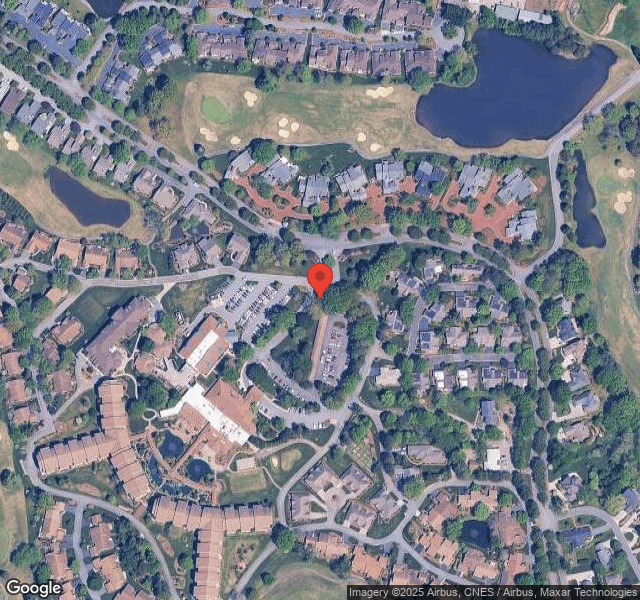

142 Bermuda Village Drive, Bermuda Run, NC 27006 (336) 998-6112
For profit - Limited Liability company 36 Beds Independent Data: November 2025
Trust Grade
53/100
#238 of 417 in NC
Last Inspection: March 2025

Within standard 12-15 month inspection cycle. Federal law requires annual inspections.

Overview

Bermuda Village Retirement Center has received a Trust Grade of C, indicating it is average compared to other facilities. It ranks #238 out of 417 nursing homes in North Carolina, placing it in the bottom half, and #3 out of 3 in Davie County, meaning it has only one local competitor that performs better. The facility shows an improving trend, reducing issues from 9 in 2023 to 6 in 2025, but still has significant concerns. Staffing is a weakness here, with a rating of 1 out of 5 stars and a concerning turnover rate of 0%, which may indicate a lack of staff engagement. Additionally, the facility has faced some issues, including failing to use proper protective gear during wound care and having expired nutritional supplements available for residents, both of which could pose risks to resident safety and health. Overall, while there are areas of improvement, potential residents and their families should carefully consider the facility's shortcomings alongside its strengths.

Trust Score
C
53/100
In North Carolina
#238/417
Bottom 43%
Safety Record
Low Risk
No red flags
Inspections
Getting Better
9 → 6 violations
Staff Stability
○ Average
Turnover data not reported for this facility.
Penalties
○ Average
$12,184 in fines. Higher than 69% of North Carolina facilities. Some compliance issues.
Skilled Nurses
⚠ Watch
Each resident gets only 0 minutes of Registered Nurse (RN) attention daily — below average for North Carolina. Fewer RN minutes means fewer trained eyes watching for problems.
Violations
⚠ Watch
20 deficiencies on record. Higher than average. Multiple issues found across inspections.
★★☆☆☆
2.0
Overall Rating
★☆☆☆☆
1.0
Staff Levels
★★★★☆
4.0
Care Quality
★★★☆☆
3.0
Inspection Score
Stable
2023: 9 issues
2025: 6 issues

The Good

  • 4-Star Quality Measures · Strong clinical quality outcomes
  • Full Sprinkler Coverage · Fire safety systems throughout facility
  • No fines on record

Facility shows strength in quality measures, fire safety.

The Bad

2-Star Overall Rating

Below North Carolina average (2.8)

Below average - review inspection findings carefully

Federal Fines: $12,184

Below median ($33,413)

Minor penalties assessed

The Ugly 20 deficiencies on record

Mar 2025 6 deficiencies
CONCERN (D)

Potential for Harm - no one hurt, but risky conditions existed

Deficiency F0578 (Tag F0578)

Could have caused harm · This affected 1 resident

**NOTE- TERMS IN BRACKETS HAVE BEEN EDITED TO PROTECT CONFIDENTIALITY** Based on record reviews and staff interviews, the facility failed to ensure the code status information was accurate throughout ...

Read full inspector narrative →
**NOTE- TERMS IN BRACKETS HAVE BEEN EDITED TO PROTECT CONFIDENTIALITY** Based on record reviews and staff interviews, the facility failed to ensure the code status information was accurate throughout the medical record for 1 of 15 residents (Resident #11) reviewed for advanced directives. The findings included: Resident #11 was admitted to the facility on [DATE]. A review of Resident #11's medical record revealed a physician order dated 02/15/25 for a Full Code. A review of the Code Status notebook kept at the nursing desk revealed Resident #11 had a Do Not Resuscitate (DNR) form dated 02/17/25. A review of Resident #11's admission History and Physicial dated 02/17/25 revealed the Resident was a DNR. On 03/20/25 at 8:28 AM an interview was conducted with Nurse #1 who explained that if Resident #11 was experiencing a crisis where she had to immediately determine the Resident's code status, she would go to the Code Status notebook first. The Nurse stated the Code Status notebook and the Resident's medical record should match. During an interview with the Director of Nursing (DON) on 03/20/25 at 9:07 AM the DON explained that the Social Worker addresses the residents' code status on admission and the providers will discuss the advanced directives in detail on their initial visit with the residents. The DON continued to explain that she conducted monthly advanced directive audits, but she had not complete the audit for February 2025 yet. An interview was conducted with the Social Worker (SW) on 03/20/25 at 10:02 AM who explained that she addressed code status with the residents or responsible parties when the residents were admitted to the facility then the providers discussed their code status in detail on their initial visit with the residents. The SW stated she assisted the DON with auditing the residents' code status monthly but stated they had not completed the audit for the month of Febuary 2025.
CONCERN (D)

Potential for Harm - no one hurt, but risky conditions existed

Deficiency F0582 (Tag F0582)

Could have caused harm · This affected 1 resident

**NOTE- TERMS IN BRACKETS HAVE BEEN EDITED TO PROTECT CONFIDENTIALITY** Based on record reviews and staff interviews, the facility failed to provide a CMS-10055 (Centers for Medicare and Medicaid Serv...

Read full inspector narrative →
**NOTE- TERMS IN BRACKETS HAVE BEEN EDITED TO PROTECT CONFIDENTIALITY** Based on record reviews and staff interviews, the facility failed to provide a CMS-10055 (Centers for Medicare and Medicaid Services) Skilled Nursing Facility Advanced Beneficiary Notice (SNF ABN) prior to discharge from Medicare Part A skilled services for 1 of 3 residents reviewed for beneficiary notification (Resident #6). The findings included: Resident #6 was admitted to the facility on [DATE]. Medicare Part A services began on 10/21/24. Review of a Notice of Medicare Non-Coverage (NOMNC) revealed the notice was discussed with Resident #6 on 11/26/24 which indicated Resident #6's Medicare Part A coverage for skilled services would end on 11/28/24. Resident #6 remained in the facility. Review of Resident #6's medical record revealed no evidence a SNF ABN was reviewed with or provided to Resident #6. An interview was conducted with the Social Worker (SW) with the Administrator present on 03/19/25 at 12:07 PM. The SW explained that she was responsible for issuing the NOMNC when a resident's Medicare Part A services were ending. The SW stated she did not know what a SNF ABN was or that she was supposed to issue one when a resident had skilled days left and remained in the facility. The SW confirmed a SNF ABN was not issued to Resident #6 prior to Medicare Part A skilled services ending on 11/28/24. Resident #6 was unavailable for interview during the survey. A second interview was conducted with the Administrator on 03/20/25 at 1:30 PM who acknowledged that the SW was not issuing the SNF ABN letters prior to the end of the residents' Medicare Part A coverage when residents remained in the facility and indicated the SW would start doing so to abide by the regulation.
CONCERN (D)

Potential for Harm - no one hurt, but risky conditions existed

Deficiency F0657 (Tag F0657)

Could have caused harm · This affected 1 resident

**NOTE- TERMS IN BRACKETS HAVE BEEN EDITED TO PROTECT CONFIDENTIALITY** Based on observations, record reviews and staff interviews, the facility failed to develop a comprehensive care plan in the area...

Read full inspector narrative →
**NOTE- TERMS IN BRACKETS HAVE BEEN EDITED TO PROTECT CONFIDENTIALITY** Based on observations, record reviews and staff interviews, the facility failed to develop a comprehensive care plan in the area of high-risk medications (insulin) for 1 of 1 resident reviewed for comprehensive care plans (Resident #11). The findings included: Resident #11 was admitted to the facility on [DATE] with diagnoses that included diabetes mellitus. A review of Resident #11's physician orders revealed orders dated: -02/16/25 for glargine insulin 14 units subcutaneously one time a day for diabetes mellitus. The admission Minimum Data Set (MDS) assessment dated [DATE] revealed Resident #11 received insulin. Review of Resident #11's care plan reviewed on 02/22/25 revealed high risk medication such as insulin was not care planned. A review of Resident #11's Medication Administration Records for 02/2025 and 03/2025 revealed the Resident received insulin as ordered. An interview was conducted with the MDS Nurse on 03/20/25 at 9:32 AM. The MDS Nurse confirmed Resident #11's care plan did not address high risk medications such as insulin medications. The MDS Nurse stated that she had never care planned high-risk medications, but she could see where it would be beneficial to care plan the insulin so that the staff taking care of her would be aware of monitoring signs and symptoms of hypoglycemia. She also stated that she used the Resident Assessment Instrument Manual (RAI Manual) for guidance on how to complete the MDS. She further explained that she had never received any education or information related to care planning high-risk medications. Interviews were conducted simultaneously with the Administrator and Director of Nursing (DON) on 03/20/25 at 1:45 PM. The DON stated that she expected all high-risk medications which included insulin to be care planned so that all staff caring for the residents would be aware of the potential side effects to look for. The Administrator stated he expected all resident care plans to be reflective of their clinical condition including the use of high-risk medications.
CONCERN (D)

Potential for Harm - no one hurt, but risky conditions existed

Deficiency F0761 (Tag F0761)

Could have caused harm · This affected 1 resident

**NOTE- TERMS IN BRACKETS HAVE BEEN EDITED TO PROTECT CONFIDENTIALITY** Based on observations, record reviews and staff interviews, the facility failed to date an open vial of Tuberculin Purified Prot...

Read full inspector narrative →
**NOTE- TERMS IN BRACKETS HAVE BEEN EDITED TO PROTECT CONFIDENTIALITY** Based on observations, record reviews and staff interviews, the facility failed to date an open vial of Tuberculin Purified Protein Derivative (PPD) solution stored in 1 of 1 medication refrigerator and failed to secure medications that were stored at bedside for 1 of 1 resident (Resident #14) reviewed for medication storage. The findings included: 1. During an observation of the refrigerator in the medication room on 03/19/25 at 2:03 PM the observation yielded an open and undated vial of PPD solution. An interview was conducted with Nurse #3 on 03/19/25 at 2:03 PM who explained that the vial should be dated when it was opened to determine how long it can be used which was 30 days. The Nurse stated there was no way to determine how long it had been opened since it was not dated. A review of the manufacturer's instructions for PPD solution indicated to discard open vials after 30 days. On 03/20/25 at 9:01 PM during an interview with the Director of Nursing she explained that it was every nurse's responsibility to check the refrigerator for undated and expired medications and that the PPD vial should have been dated by the nurse who opened it. 2. Resident #14 was admitted on [DATE] with diagnoses that included chronic obstructive pulmonary disease (COPD) and respiratory failure. The admission Minimum Data Set (MDS) assessment dated [DATE] revealed Resident #14 was cognitively intact. A review of Resident #14's physician orders dated 03/04/25 revealed there were no orders for the fluticasone nasal spray or the mupirocin ointment. A review of Resident #14's medical record revealed there was no assessment to self-administer medications. On 03/18/25 at 12:28 PM an observation was made as well as attempts to interview Resident #14, but the Resident was sleeping. On the Resident's bedside table was a bottle of fluticasone nasal spray and a tube of mupirocin ointment. On 03/19/25 at 9:08 AM an observation was made of Resident #14 in his bed sleeping. On the Resident's bedside table were the fluticasone nasal spray and the mupirocin ointment. An attempt was made to interview Resident #14 on 03/19/25 at 1:55 PM but the Resident was sleeping. The two medications remained on his bedside table. An interview was conducted with Nurse #1 on 03/20/25 at 8:43 AM. The Nurse explained that Resident #14's health was declining and therefore, he was sleeping more. The Nurse continued to explain that on Resident #14's good days it was possible that he would be able to administer his own medications but that was not consistent. She indicated Resident #14 did not have an order to self-administer any medications and there should not be any medications at his bedside. Nurse #1 observed the fluticasone nasal spray and mupirocin ointment on his bedside table. Nurse #1 remarked that in the past the Resident's family had brought medications to him and the facility had educated the family about the policy and it looked like the same thing has happened again. The Nurse informed Resident #14 that she needed to take the medications and give them to his family, but the Resident told Nurse #1 to leave the medications, and he would have his family take the medications home. During an interview with the Director of Nursing (DON) on 03/20/25 at 9:16 AM the DON explained that medications could not be stored at the residents' bedside unless they had an order to self-administer their medications and Resident #14 did not have an order to self-medicate.
CONCERN (E)

Potential for Harm - no one hurt, but risky conditions existed

Comprehensive Care Plan (Tag F0656)

Could have caused harm · This affected multiple residents

**NOTE- TERMS IN BRACKETS HAVE BEEN EDITED TO PROTECT CONFIDENTIALITY** 4. Resident #14 was readmitted to the facility on [DATE] with diagnoses that included chronic pulmonary edema and cirrhosis. A ...

Read full inspector narrative →
**NOTE- TERMS IN BRACKETS HAVE BEEN EDITED TO PROTECT CONFIDENTIALITY** 4. Resident #14 was readmitted to the facility on [DATE] with diagnoses that included chronic pulmonary edema and cirrhosis. A review of Resident #14's physician orders revealed orders dated: -03/05/25 spironolactone 25 mg by mouth one time a day for hypertension. -03/05/25 for furosemide 40 mg one tablet by mouth one time a day for cirrhosis. The significant change Minimum Data Set (MDS) assessment dated [DATE] revealed Resident #14's cognition was intact, and he received a diuretic. Review of Resident #14's care plan last reviewed on 03/12/25 revealed high-risk medications such as diuretics were not care planned. A review of Resident #14's Medication Administration Records for 03/2025 indicated he received the diuretic medications as ordered. An interview was conducted with the MDS Nurse on 03/20/25 at 9:32 AM. The MDS Nurse explained that she had been responsible for the MDS and care planning process for over 5 years and had never care planned high risk medications such as diuretics. The MDS Nurse stated she used the Resident Assessment Instrument as her guide but had never received education on care planning high risk medications. Interviews were conducted with the Administrator and Director of Nursing (DON) simultaneously on 03/20/25 at 1:45 PM. The DON stated that she expected all high-risk medications, which included diuretics, to be care planned so that all staff caring for the residents would be aware of the potential side effects to look for. The Administrator stated he expected all resident care plans to be reflective of their clinical condition including the use of high-risk medications. 5. Resident #4 was admitted to the facility on [DATE] with diagnoses that included pneumonia. The admission Minimum Data Set (MDS) dated [DATE] revealed Resident #4s cognition was moderately impaired and he did not receive supplemental oxygen therapy. A review of Resident #4's physician orders revealed an order dated 03/04/25 for oxygen at 2 liters via nasal cannula. Review of Resident #4's care plan reviewed 03/04/25 revealed there was no care plan for oxygen therapy. On 03/18/25 at 11:46 AM an observation was made of Resident #4 who was in bed sleeping. The Resident wore oxygen via nasal cannula delivered at 2 liters per minute by an oxygen concentrator. On 03/19/25 at 9:00 AM an observation of Resident #4 was made while he was sleeping. The Resident was wearing oxygen via nasal cannula at 2 liters per minute. An interview was conducted with the MDS Nurse on 03/20/25 at 9:32 AM. The MDS Nurse explained that Resident #4 was not on oxygen therapy when he was admitted and that was why it was not on the admission MDS dated [DATE]. When the MDS Nurse was asked how she captured issues that should be care planned in between MDS assessments the MDS Nurse reported that she sometimes looked at 24-hour reports and orders and when issues were discussed in the morning clinical meetings, she would update the care plans at that time. The MDS Nurse indicated she had observed Resident #4 wearing oxygen but did not think about if the oxygen had been care planned but it should be care planned. Interviews were conducted with the Administrator and Director of Nursing simultaneously on 03/20/25 at 1:45 PM. Both indicated their expectations were for the oxygen to be care planned. Based on observations, record review and staff interviews the facility failed to develop individualized person-centered comprehensive care plans in the areas of high-risk medication use (anticoagulants, diuretics, opioids, and anti-depressant medications) and oxygen therapy for 5 of 5 residents reviewed for comprehensive care plans (Resident #4, Resident #7, Resident #8, Resident #14 and Resident #24). The finding included: 1. Resident #7 was admitted to the facility on [DATE] with diagnoses including congestive heart failure (CHF), atrial fibrillation (A-fib), and myocardial infarction (heart attack). A review of Resident #7's medical record revealed a physician's order dated 01/02/2024 for Torsemide (a diuretic medication used to treat fluid retention) 40 mg daily for fluid retention, a physician's order dated 02/04/2024 for apixaban (an anticoagulant medication) 2.5 milligrams (mg) twice daily for atrial fibrillation (an irregular, rapid heartbeat which causes poor blood flow), and a physician's order dated 09/24/2024 for Oxycodone (pain medication) 2.5 mg four times a day for pain. A review of the quarterly Minimum Data Set (MDS) assessment dated [DATE] revealed Resident #7 had intact cognition. The MDS documented that Resident #7 received anticoagulant, diuretic, and opioid medications during the assessment period. Resident #7's comprehensive care plan last revised on 03/03/2025 revealed there was no care plan in place for anticoagulant, diuretic, and opioid medications. A review of Resident #7's February 2025 and March 2025, for the period of 03/01/2025 through 03/19/2025, Medication Administration Record revealed Resident #7 received apixaban 2.5 mg twice daily, Torsemide 40 mg daily, and Oxycodone 2.5 mg four times a day as prescribed by the physician. On 03/20/2025 at 10:18 AM an interview with the MDS Nurse revealed Resident #7's care plan did not address anticoagulant, diuretic, or opioid medications. The MDS Nurse stated that she had never care planned high-risk medications including anticoagulant, diuretic, or opioid medications. She also stated that she used the Resident Assessment Instrument Manual (RAI Manual) for guidance on how to complete the MDS. She further explained that she had never received any education or information related to care planning high-risk medications. A joint interview was conducted on 03/20/2023 at 11:05 AM with the Director of Nursing and the Administrator. The DON stated that she expects all high-risk medications to be care planned including anticoagulant, diuretic, and opioid medications. She stated the high-risk medications should be addressed in Resident #7's comprehensive care plan so all staff caring for her would be aware she was at risk for medication related side effects. The Administrator stated he expected all resident care plans to be reflective of their clinical condition including the use of high-risk medications. 2. Resident #8 was admitted to the facility on [DATE] with diagnoses including cerebral vascular accident (CVA), vascular dementia, congestive heart failure (CHF), and atrial fibrillation (A-fib). A review of Resident #8's medical record revealed a physician's order dated 01/02/2024 for Torsemide 20 mg daily for fluid retention, a physician's order dated 01/02/2024 for apixaban 2.5 milligrams (mg) twice daily for atrial fibrillation, and a physician's order dated 01/12/2024 for Tramadol (opioid pain medication) 50 mg three times a day for pain. A review of the quarterly Minimum Data Set (MDS) assessment dated [DATE] revealed Resident #8 had severely impaired cognition. The MDS documented that Resident #8 received anticoagulant, diuretic, and opioid medications during the assessment period. Resident #8's comprehensive care plan last revised on 02/21/2025 revealed there was no care plan in place for anticoagulant, diuretic, and opioid medications. A review of Resident #8's February and March 2025, for the period of 03/01/2025 through 03/19/2025, Medication Administration Record revealed Resident #8 received apixaban 2.5 mg twice daily, Torsemide 20 mg daily, and Tramadol 50 mg three times a day as prescribed by the physician. On 03/20/2025 at 10:18 AM an interview with the MDS Nurse revealed Resident #8's care plan did not address anticoagulant, diuretic, or opioid medications. The MDS Nurse stated that she had never care planned high-risk medications including anticoagulant, diuretic, or pain medications. She also stated that she used the Resident Assessment Instrument Manual (RAI Manual) for guidance on how to complete the MDS. She further explained that she had never received any education or information related to care planning high-risk medications. A joint interview was conducted on 03/20/2023 at 11:05 AM with the Director of Nursing and the Administrator. The DON stated that she expects all high-risk medications to be care planned including anticoagulant, diuretic, and opioid medications. She stated the high-risk medications should be addressed in Resident #8's comprehensive care plan so all staff caring for her would be aware she was at risk for medication related side effects. The Administrator stated that he expected all high-risk medications to be care planned. 3. Resident #24 was admitted to the facility on [DATE]. His diagnoses included chronic obstructive pulmonary disease (COPD), atrial fibrillation (A-fib), and cerebral vascular accident (CVA). Resident #24 was discharged on 03/18/2025. A review of Resident #24's medical record revealed a physician's order dated 02/25/2025 for Mirtazapine (an anti-depressant medication) 30 mg daily at bedtime for depression, and a physician's order dated 01/26/2025 for Rivaroxaban (an anticoagulant medication) 20 milligrams (mg) daily for prevention of blood clots. A review of Resident #24's comprehensive care plan dated 02/25/2025 did not reveal any care plan focus areas or interventions related to receiving anti-depressant or anticoagulant medications. A review of the admission MDS assessment dated [DATE] for Resident #24 revealed he had intact cognition. The MDS also documented that he had received anti-depressant and anticoagulant medications during the assessment period. A review of Resident #24's March 2025, for the period of 03/01/2025 through 03/19/2025, Medication Administration Record (MAR) revealed he received Mirtazapine 30 mg daily at bedtime and Rivaroxaban 20 mg daily as ordered by the physician. On 03/20/2025 at 10:18 AM an interview with the MDS Nurse revealed Resident #24's care plan did not address anti-depressant or anticoagulant medications. The MDS Nurse stated that she had never care planned high-risk medications including anti-depressants and anticoagulant medications. She also stated that she used the Resident Assessment Instrument Manual (RAI Manual) for guidance on how to complete the MDS. She further explained that she had never received any education or information related to care planning high-risk medications. A joint interview was conducted on 03/20/2023 at 11:05 AM with the Director of Nursing and the Administrator. The DON stated that she expects all high-risk medications to be care planned including anti-depressant and anticoagulant medications. She stated the high-risk medications should be addressed in Resident #24's comprehensive care plan so all staff caring for him would be aware he was at risk for medication related side effects. The Administrator stated he expected all resident care plans to be reflective of their clinical condition including the use of high-risk medications.
CONCERN (F)

Potential for Harm - no one hurt, but risky conditions existed

Infection Control (Tag F0880)

Could have caused harm · This affected most or all residents

Based on observations, staff interviews, and record reviews, the facility failed to develop and implement Enhanced Barrier Precautions policy and procedures that included the use of Personal Protectiv...

Read full inspector narrative →
Based on observations, staff interviews, and record reviews, the facility failed to develop and implement Enhanced Barrier Precautions policy and procedures that included the use of Personal Protective Equipment (PPE) during high-contact care activities for residents with indwelling medical devices and wounds. In addition, nursing staff did not don a gown while providing wound care to a chronic wound for 1 of 1 nursing staff observed for infection control practices (Nurse #2). This deficient practice had the potential to affect all residents. The finding included: Review of the facility's infection control policy and procedures revealed no policy and procedure for Enhanced Barrier Precautions (EBP). An observation on 03/20/2025 at 10:00 AM revealed Nurse #1 sanitized her hands and put on clean gloves but did not put on a gown. Nurse #2 proceeded to provide wound care for Resident #26's chronic right hip wound. An interview was conducted with Nurse #2 on 03/20/2025 at 10:19 AM. Nurse #2 stated that she only wore gloves when she provided wound care. She further stated that she knew about EBP, but the facility had not implemented EBP, and she had never received any education on EBP. An interview was conducted with the Director of Nursing (DON) who also served as the facility's Infection Preventionist on 03/20/2025 at 10:00 AM. The DON stated that she knew about the regulation and the Center for Disease Control's (CDC) recommendations for EBP, but she had not implemented EBP or provided the staff with any education regarding EBP. An interview was conducted with the Administrator on 03/20/2025 at 10:40 AM. The Administrator stated that he knew about the regulation but thought the facility was in compliance with the regulation because the facility only had private rooms. The Administrator further explained that he does expect the facility to be in compliance with all infection control regulations including the implementation of EBP.
Dec 2023 9 deficiencies
CONCERN (D)

Potential for Harm - no one hurt, but risky conditions existed

Resident Rights (Tag F0550)

Could have caused harm · This affected 1 resident

**NOTE- TERMS IN BRACKETS HAVE BEEN EDITED TO PROTECT CONFIDENTIALITY** Based on observation, record review, family, and staff interviews the facility failed to treat a resident in a dignified manner ...

Read full inspector narrative →
**NOTE- TERMS IN BRACKETS HAVE BEEN EDITED TO PROTECT CONFIDENTIALITY** Based on observation, record review, family, and staff interviews the facility failed to treat a resident in a dignified manner by not removing a clothing protector after the lunch meal and before rolling the resident down the hallway to her room (Resident #17) and failed to ensure a catheter bag had a privacy cover (Resident #7) for 2 of 2 residents reviewed for dignity (Resident #17 and Resident #7). The reasonable person concept was applied as a reasonable person would not want to be rolled down the hallway with a clothing protector on and would not want a catheter bag visible to other residents and visitors. The findings included: 1. Resident #17 was admitted to the facility on [DATE]. Review of the significant change Minimum Data Set (MDS) assessment dated [DATE] revealed Resident #17 was severely cognitively impaired and was dependent for eating and personal hygiene. An observation of Resident #17 was made on 12/12/23 at 12:38 PM in the dining room. Resident #17 was observed to have a clothing protector in place and was assisted with her meal by the staff. When the staff were done assisting Resident #17 with her meal, Nurse Aide (NA) #1 was observed to push Resident #17 out of the dining room down the hallway to her room with her clothing protector in place. The clothing protector was not visibly soiled with food. NA #1 was interviewed on 12/12/23 at 12:47 PM who stated that he worked at the facility through an agency. He stated that they asked each resident if they wanted a clothing protector and they put one on the residents who were not able to tell them, to keep their clothes from getting dirty. NA #1 stated that if the clothing protector was soiled with food that he would take it off before leaving the dining room. He stated that he had taken Resident #17 back to her and laid her down and had taken off her clothing protector at that time. An observation of Resident #17 was made on 12/12/23 at 12:53 PM. Resident #17 was resting in her bed and her clothing protector had been removed. An interview with Resident #17's family was conducted on 12/14/23 at 12:35 PM. The family member stated that he visited the facility each day from 10:00 AM to 5:00 PM and always assisted Resident #17 with her meals. He stated the only day he had missed since her admission was Monday (12/12/23). The family member stated that the facility started using the cloth clothing protectors a couple of weeks ago and he liked them because it kept her clothes from getting soiled but stated they definitely need to remove it before taking her down the hallway. The family member further stated that Resident #17 used to her own her own business and was a very professional woman and would not want to be in the hallway with a clothing protector on. The Director of Nursing (DON) was interviewed on 12/15/23 at 12:25 PM who stated that the facility had switched from disposable clothing protectors to cloth ones a couple of weeks ago. She stated that if the resident wanted one, they would put one on them and the other residents would get one to protect their clothes. The DON stated that the clothing protectors should be removed after the meal and before being pushed out of the dining room and down the hallway. 2. Resident #7 was readmitted to the facility on [DATE] with diagnoses that included retention of urine and neurogenic bladder. Review of a quarterly Minimum Data Set (MDS) assessment dated [DATE] revealed Resident #7 was severely cognitively impaired and had an indwelling catheter. Review of a care plan dated 11/28/23 read in part, Resident #7 has an alteration in bladder elimination with indwelling suprapubic catheter related to neurogenic bladder and chronic urinary retention. The interventions included: cover drainage bag when up to promote privacy. An observation of Resident #7 was made on 12/12/23 at 11:56 AM. Resident #7 was in his wheelchair in the dining room, his catheter bag was noted to be hanging from the bottom of his wheelchair and did not have privacy cover. The tubing and collection bag were noted to have clear yellow fluid in it. Nurse #1 was interviewed on 12/12/23 at 3:46 PM who confirmed that she was caring for Resident #7 and stated that all catheter bags should have a privacy cover on them. The Assistant Director of Nursing (ADON) and the Director of Nursing (DON) were interviewed on 12/15/23 at 12:30 PM. The ADON stated that she had replaced Resident #7's privacy bag on 12/12/23 directly after dinner when she noticed that he did not have one. She stated that he had multiple privacy covers in his room that could have been used. The DON stated all catheter bags should have a privacy cover.
CONCERN (D)

Potential for Harm - no one hurt, but risky conditions existed

Deficiency F0561 (Tag F0561)

Could have caused harm · This affected 1 resident

**NOTE- TERMS IN BRACKETS HAVE BEEN EDITED TO PROTECT CONFIDENTIALITY** Based on observations, record review, resident, and staff interviews the facility failed to honor a resident's wish to get out o...

Read full inspector narrative →
**NOTE- TERMS IN BRACKETS HAVE BEEN EDITED TO PROTECT CONFIDENTIALITY** Based on observations, record review, resident, and staff interviews the facility failed to honor a resident's wish to get out of bed and get her hair done for 1 of 3 residents reviewed for choices (Resident #5). The findings included: Resident #5 was admitted to the facility on [DATE] with diagnoses that included: dementia, cognitive communication deficit, and adult failure to thrive. Review of the quarterly Minimum Data Set (MDS) assessment dated [DATE] revealed that Resident #5 was moderately cognitively impaired and dependent for transfers from bed to chair and chair to bed. No behaviors or rejection of care were noted during the observation period. An observation and interview were conducted with Resident #5 on 12/12/23 at 10:48 AM. Resident #5 was resting in bed dressed in a gown, her hair was flat with some white flaky substances noted to her scalp and stated, I am supposed to get my hair done. The resident further stated When the staff come in, they say, hi how are you, and I say I am good. I am ready to get up and get dressed. The resident continued to explain the staff leave and never return. The resident said, I am very disappointed because they come in and say how are you doing and then walk right out when I say I am waiting for someone to help me. Resident #5 stated she keeps asking them and I always say please and thank you, but they won't get me up so I can get my hair done. There was a wheelchair noted to be sitting in Resident #5's bathroom. An interview was conducted with the Beautician on 12/12/23 at 12:37 PM who stated if Resident #5 was up and wanted to get her done she would certainly be able to do her hair and confirmed that she had done her hair before in the facility's salon. An observation and interview were conducted with Resident #5 on 12/12/23 at 3:58 PM. Resident #5 remained in bed dressed in a yellow zip up robe, her hair was flat with some white flaky substances noted to her scalp. Resident #5 stated that African American girl dressed in the grey suit [Nursing Assistant (NA) #2], would not get me up when I asked. She further stated she told her I did not want to wear something that was going to go over my head because I was going to get my hair curled. Resident #5 stated that the same staff member kept going to/from her closet with things that she did not want to wear because they all went over her head. Resident #5 stated she finally asked her, If you are not going to help me, can I call someone else because you are not listening to me, please do not put anything over my head. NA #2 was interviewed on 12/13/23 at 12:22 PM who confirmed she took care of Resident #5 on 12/12/23. NA #2 confirmed Resident #5 wanted to get up yesterday to get her hair done so, I tried to get her up, but she did not want anything to go over her head. NA #2 stated she had put a robe on Resident #5 that did not go over her head. NA #2 stated she did not even get the lift pad under Resident #5 because she zoned out when NA #2 was questioned what zoned out meant she said, Maybe she had a fear of falling? but could not explain why Resident #5 was not gotten up to get her hair done. NA #2 stated Resident #5 usually transferred with the lift and had no issues and alerted the staff to when she wanted to get out of bed. When NA #2 was again asked why she did not get Resident #5 out of bed on 12/12/23 she could not state a reason. The Assistant Director of Nursing (ADON) and Director of Nursing (DON) were interviewed on 12/15/23 at 12:19 PM. Both stated that they had not seen Resident #5 out of bed since they started working at the facility in June 2023 and October 2023. The ADON stated she had tried to obtain weight using the lift on Resident #5 and it has been very difficult. The DON stated typically if the resident wanted to get their hair done and they could not get out of bed they would arrange for the beautician to come to their room. However, if the resident requested to be up to get her hair done then she would expect the resident to be up as long as they could safely be up.
CONCERN (D)

Potential for Harm - no one hurt, but risky conditions existed

Incontinence Care (Tag F0690)

Could have caused harm · This affected 1 resident

**NOTE- TERMS IN BRACKETS HAVE BEEN EDITED TO PROTECT CONFIDENTIALITY** Based on observations, record review, resident, staff, and Medical Director interviews the facility failed to maintain urinary c...

Read full inspector narrative →
**NOTE- TERMS IN BRACKETS HAVE BEEN EDITED TO PROTECT CONFIDENTIALITY** Based on observations, record review, resident, staff, and Medical Director interviews the facility failed to maintain urinary catheter tubing to allow for gravity flow of the urine for 2 of 2 residents reviewed with catheters (Resident #7 and Resident #18). The finding included: 1. Resident #7 was readmitted to the facility on [DATE] with diagnoses that included retention of urine and neurogenic bladder. Review of a quarterly Minimum Data Set (MDS) assessment dated [DATE] revealed Resident #7 was severely cognitively impaired and had an indwelling catheter. Review of a physician order dated 10/20/23 read; provide catheter care to suprapubic catheter every shift. Review of a care plan dated 11/28/23 read in part, Resident #7 has an alteration in bladder elimination with indwelling suprapubic catheter related to neurogenic bladder and chronic urinary retention. The interventions included: keep tubing free of kinks. An observation of Resident #7 was made on 12/12/23 at 11:56 AM. Resident #7 was in his wheelchair in the dining room, his catheter bag was noted to be hanging from the bottom of his wheelchair. The catheter tubing was noted to be down the inside right leg of his pants. The catheter tubing was then noted to come out of the pant leg then ran directly up over the side of a soft boot that was on his foot. The boot came up to the lower mid-calf of Resident #7 which obstructed the flow of urine. The tubing was noted to have clear yellow fluid in it. Nurse #1 was interviewed on 12/12/23 at 3:46 PM who confirmed that she was caring for Resident #7 and stated that all catheter tubing should be positioned where it was not pulling and should be below the level of bladder and not obstructed for the flow of urine. Nurse #1 stated, We do not want the residents getting urinary tract infections. The Director of Nursing (DON) was interviewed on 12/15/23 at 12:30 PM. The DON stated that the tubing should be fed down Resident #7's pant leg but not over the boot where it obstructed the flow of urine. The Medical Director (MD) was interviewed on 12/15/23 at 1:41 PM who stated that Resident #7's catheter tubing placement was less than ideal and stated that all urinary catheter tubing should allow for gravity flow of urine to ensure proper drainage. 2. Resident #18 was admitted to the facility on [DATE] with diagnoses that included neuromuscular dysfunction of the bladder and retention of urine. Review of a quarterly Minimum Data Set (MDS) assessment dated [DATE] revealed that Resident #18 was cognitively intact and had an indwelling catheter. No rejection of care was noted. An observation of Resident #18 was made on 12/12/23 at 3:23 PM. Nurse Aide (NA) #3 was observed to be rolling Resident #18 down the hallway and into her room and shut the door. An observation and interview were conducted with Resident #18 on 12/12/23 at 3:33 PM. Resident #18 was sitting in her recliner with her bed that was approximately two feet away. Resident #18's catheter tubing was stretched from Resident #18 in the recliner to the bed where the drainage bag hung, the tubing was pulled very tight across the space between the bed and recliner. Resident #18 stated that the catheter tubing was pulling and the tubing should go down not horizontal and as you can see it is horizontal. Nurse #1 was asked to assist Resident #18 on 12/12/23 at 3:41 PM. Nurse #1 entered Resident #18's room and stated that tubing should not be stretched between the bed and recliner and should be hanging below the bladder to allow for proper drainage. Nurse #1 was observed to move the recliner and bed closer together to allow for the urinary catheter tubing to allow for gravity flow of the urine and stated, I don't want you getting a urinary tract infection. NA #3 was interviewed on 12/12/23 at 4:06 PM who confirmed that she had pushed Resident #18 to her room after an activity and assisted her to the recliner in her room. She stated that she wanted to hang the catheter bag on her recliner but Resident #18 did not want it to hang on her recliner, so she hung it on the bed and confirmed that she saw that it was stretched tight between the bed and recliner but wasn't sure what to do. NA #3 stated that the generally did not work on this unit and was not familiar with Resident #18 and could not recall taking of care of her before. She stated she was just floating on the unit and was helping out wherever she was needed. The Director of Nursing (DON) was interviewed on 12/15/23 at 12:30 PM who stated that NA #3 should have moved the recliner closer to the bed, so the catheter tubing was not pulling and not stretched between the bed and recliner. She also stated that NA #3 should have ensured that the catheter tubing was hanging appropriately to allow for proper drainage. The Medical Director (MD) was interviewed on 12/15/23 at 1:41 PM who stated that Resident #18's catheter tubing placement was less than ideal and stated that all urinary catheter tubing should allow for gravity flow of urine to ensure proper drainage.
CONCERN (D)

Potential for Harm - no one hurt, but risky conditions existed

Deficiency F0740 (Tag F0740)

Could have caused harm · This affected 1 resident

**NOTE- TERMS IN BRACKETS HAVE BEEN EDITED TO PROTECT CONFIDENTIALITY** Based on observations, record review and resident, staff, Consultant Pharmacist, and Medical Director interviews the facility fa...

Read full inspector narrative →
**NOTE- TERMS IN BRACKETS HAVE BEEN EDITED TO PROTECT CONFIDENTIALITY** Based on observations, record review and resident, staff, Consultant Pharmacist, and Medical Director interviews the facility failed to provide the necessary behavioral health care and services to attain or maintain the highest practicable physical, mental, and psychosocial well-being for 1 of 6 (Resident #2) residents reviewed for unnecessary medications. The findings included: 1. Resident #2 was readmitted to the facility on [DATE] with diagnoses that included major depressive disorder and anxiety. Review of the quarterly Minimum Data Set (MDS) assessment dated [DATE] revealed that Resident #2 was severely cognitively impaired, had no signs of delirium, and had no behaviors or rejection of care during the assessment reference period. The MDS further indicated that Resident #2 received an antipsychotic, antianxiety, and antidepressant medication during the assessment reference period. Review of a care plan dated 12/05/23 read; Resident #26 is on psychotropics. The goal read, Resident #26 will be free of depressive behaviors and adverse effects of medication through the review period. The interventions included: administer psych medications as ordered, allow residents to express feelings with an accepting manner, monitor and report any changes in behavior, monitor and document all behaviors related to depression such as episodes of tearfulness, withdrawn from friends/family, and keep resident free from pain. Review of a summary of physician orders dated December 2023 revealed that Resident #2 was prescribed the following medications: Alprazolam (antianxiety) 0.5 milligrams (mg) by mouth at bedtime for anxiety and insomnia, Seroquel (antipsychotic) 12.5 mg by mouth three times a day for dementia with behaviors, and Duloxetine (antidepressant) 30 mg by mouth every day for depression. The Consultant Pharmacist was interviewed on 12/13/23 at 11:46 AM who stated that she reviewed Resident #2's medical record and medications each month. She stated that Resident #2 had been on Seroquel for over a year, and she had requested a gradual dose reduction in May 2023 and the Medical Director (MD) declined the change. She then stated she had again recommended a gradual dose reduction last month and the MD stated he would address it on his next regulatory visit. The Consultant Pharmacist stated she reviewed any behavior documentation that was in Resident #2's chart and she had noted reports in June 2023 of the resident seeing things that were not there and reports that she (the resident) had recently had a baby. When the Consultant Pharmacist was asked if she reviewed the mental health provider notes she replied, to my knowledge they do not have psych services here and the MD manages all the psychotropic medications. An observation and interview were conducted with Resident #2 on 12/14/23 at 11:31 AM. Resident #2 was sitting in her wheelchair in her room. Resident #2 appeared somber and had somewhat of a flat affect. She stated that she had suffered from depression for a long time and, I am not as happy as other people. I miss my family, I am [AGE] years old, and a lot of people have gone by. I have 2 children and that is all I have left. Resident #2 could not recall if she took anything for her depression but stated, I think I would like to talk to someone about my depression. I think I am ready to pass away because I am [AGE] years old and if I make it to June, I will be 94. Resident #2 was asked how she felt about living such a long life and she stated, it does not matter to me if I am here or in heaven when I turn 94. The Social Worker was interviewed on 12/14/23 at 2:21 PM who stated that the MD managed all the psychotropic medications and if there was a question about mental health the MD would talk to the resident. She added that if they noticed a change in mood the MD would handle it. The Social Worker confirmed that the facility did not have a mental health provider that visited the facility and agreed that Resident #2 would benefit from talking to someone about her depression. The Director of Nursing (DON) was interviewed on 12/15/23 at 12:36 PM and confirmed that the facility did not have a mental health provider because we are a small facility. She stated the MD specialized in geriatrics and if he felt like a resident needed to see a mental health provider, he would write a referral. If the staff noted a change in a resident, we would let the MD know and he would decide if they needed anything more. The MD was interviewed on 12/15/23 at 1:41 PM who stated that he felt comfortable with the current procedures at the facility. He stated he was trained in geriatrics and was aware how to prescribe psychotropic medications. If I have a concern with a patient I can discuss with my colleagues. The MD stated he would not be opposed to a mental health provider coming to the facility and agreed that Resident #2 would benefit from talking to someone about her depression.
CONCERN (D) 📢 Someone Reported This

A family member, employee, or ombudsman was alarmed enough to file a formal complaint

Potential for Harm - no one hurt, but risky conditions existed

Deficiency F0757 (Tag F0757)

Could have caused harm · This affected 1 resident

**NOTE- TERMS IN BRACKETS HAVE BEEN EDITED TO PROTECT CONFIDENTIALITY** Based on record review, family, staff, and Medical Director interviews the facility failed to prevent the wrong pain medication ...

Read full inspector narrative →
**NOTE- TERMS IN BRACKETS HAVE BEEN EDITED TO PROTECT CONFIDENTIALITY** Based on record review, family, staff, and Medical Director interviews the facility failed to prevent the wrong pain medication from being given to the wrong resident (Resident #41) for 1 of 6 residents reviewed for unnecessary medications. The findings included: Resident #41 was admitted to the facility on [DATE] and was discharged on 06/30/23 with diagnoses that included status post cerebral vascular accident, arthritis, and osteoarthritis. Review of the admission Minimum Data Set (MDS) assessment dated [DATE] revealed that Resident #41 was cognitively intact. The MDS further revealed that Resident #41 had no pain during the assessment reference period and received no opioid medications. Review of a medication error report dated 06/08/23 at 11:30 AM read, this nurse approached the resident with medication and verified her name. The resident shook her head yes. This nurse proceeded to give her the medication. The head of therapy came to this nurse afterwards and said that this was not the patient. Vital signs were taken and will continue to be taken as per protocol. Director of Nursing (DON) and medical provider informed at 11:40 AM and family notified at 12:45 PM. The form was filled out by Nurse #2. Nurse #2 was interviewed on 12/14/23 at 9:58 AM via phone. Nurse #2 confirmed that she no longer worked at the facility but did work at the facility on 06/08/23. Nurse #2 confirmed that she recalled the medication error but could not recall what medication was administered to the wrong resident and could not recall which resident the medication was intended for. Nurse #2 stated Resident #41 was new to me at the time but I verified her name, and she shook her yes and I administered the medication. Nurse #2 further explained she called a name that was not Resident #41's and she shook her head yes. I was notified within minutes that was not the correct patient. Nurse #2 stated that therapist was in the room at the time, but she could not recall which therapist. Nurse #2 stated she monitored Resident #41's vital signs over the rest of the day and she had no change in her condition except she was a little sleepy. Nurse #2 could not recall if she completed the medication error report or which provider was notified of the event. Resident #41's family member was interviewed on 12/14/23 at 10:31 via phone. The family member stated that she recalled the medication error that occurred to Resident #41 on 06/08/23. She stated that the former Administrator had told her that Resident #41 had received a Percocet (pain medication) 10 milligrams (mg) that was intended for Resident #83 both residents were in the therapy gym. Resident #83 was admitted to the facility on [DATE] and was discharged on 06/20/23. Review of a physician order dated 06/06/23 for Resident #83 read: Oxycodone-Acetaminophen (Percocet) 10 mg by mouth five times a day for pain. An interview with the Occupational Therapy Assistant (COTA) was conducted via phone on 12/14/23 at 10:23 AM. The COTA recalled that Resident #41 was in the therapy gym waiting to start her therapy session. She further stated Nurse #2 came in and asked Resident #41 her name and date of birth and Resident #41 responded with the information. Then Nurse #2 asked Resident #41 if she was [stated Resident #83's name] and Resident #41 shook her head yes and Nurse #2 gave her Resident #83's medication. The COTA could not recall which medication it was and stated she informed Nurse #2 that was not the correct patient. After Nurse #2 was notified of the error the COTA stated she also reported it to the Director of Nursing (DON). The former DON was interviewed via phone on 12/13/23 at 3:09 PM who confirmed that she was the DON at the time of the medication error on 06/08/23. She stated that she vaguely remembered the error. The DON stated that Nurse #2 made the error, but she could not recall which medication was administered to Resident #41 or who the medication was intended for. She stated that the error was reported, and the medial provider notified. The former DON could also not recall if there were any orders given at the time the medical provider was notified or not. She also recalled that the family was notified of the error. The former Administrator was interviewed via phone on 12/14/23 at 4:57 PM and confirmed that she worked at the facility at the time of the medication error on 06/08/23. The Administrator stated the error sounded familiar but she could not recall specific information about it, she added, I think the DON handled that. The current DON was interviewed on 12/15/23 at 12:12 PM. She stated that each record had a picture of the resident, and the staff should be looking at the pictures to identify the correct resident and should not be medicating residents in common areas to avoid errors like this one. The Medical Director (MD) was interviewed on 12/15/23 at 1:41 PM. The MD stated he was notified of the medication error involving Resident #41 on 06/08/23 and the staff were instructed to closely monitor the resident over the next 24 hours. The MD stated that there was no serious harm to the resident. The MD added with a Percocet the patient may become drowsy and fall asleep but that is essentially the worst that could happen and it did not drastically change her rehab course.
CONCERN (F)

Potential for Harm - no one hurt, but risky conditions existed

Food Safety (Tag F0812)

Could have caused harm · This affected most or all residents

Based on observations, record review and staff interviews, the facility failed to remove expired nutritional supplements from 1 of 1 satellite kitchen that were available for use and did not date or m...

Read full inspector narrative →
Based on observations, record review and staff interviews, the facility failed to remove expired nutritional supplements from 1 of 1 satellite kitchen that were available for use and did not date or monitor the use of frozen bread prior to meal service. The practices had the potential to affect food served to residents. The findings included: 1. During an observation of a satellite kitchen on 12/12/23 at 10:31 AM, 2 bottles of nutritional supplement with a use by date of 05/08/23 were observed in the storage cabinet and were available for use. An interview with the Dietary Manager on 12/12/23 at 10:39 AM revealed he had a designated culinary team that prepared and served out of the satellite kitchen. The Dietary manager reported the nutritional shake was not something his department was responsible for and did not know why or how it had ended up in the storage cabinet. The Dietary Manager reported although the nutritional shakes were not something that should be stored in the satellite kitchen, his team should have caught them and removed them when they were going through the pantry on their daily rounds. During an interview with the Director of Nursing on 12/12/23 at 10:44 AM, she reported it was her understanding that the kitchen staff were responsible for checking the pantry in the satellite kitchen and for removing items that were expired. She verified that nutritional shakes were not typically stored in the satellite kitchen, but that there should not be any items that were expired stored in the satellite kitchen's pantry. During an interview with the Administrator on 12/15/23 at 3:44 PM, he reported typically the nutritional shakes were to be kept at the nurse's station. The Administrator also reported despite where the nutritional shakes were found, they should have been checked and removed on their expiration date. 2. During an observation of meal service on 12/12/23 at 12:37 PM an observation was made of 4 bags of hamburger buns with a use by date of 10/03/23. There was no other opened or received by dates observed on the bags. The hamburger buns were being prepared to be served to the residents and service was stopped by the surveyor. During an interview with the Dietary Manager on 12/12/23 at 12:40 PM, he reported the facility received the hamburger buns frozen and he had pulled them out earlier that morning, defrosted them and insisted they were ok for use. The Dietary Manager reported all the bread the facility utilized was delivered frozen. During a follow-up interview with the Dietary Manager on 12/13/23 at 11:57 AM, he reported the facility had utilized frozen bread delivery since he arrived at the facility, and they did not use fresh bread delivery. He stated it was his understanding that frozen bread was good beyond the use by date if it was received prior to the use by date and had not been defrosted. The Dietary Manager indicated he would begin dating the frozen bread when it arrived and then would date the bread when he pulled it for use. During an interview with the Administrator on 12/15/23 at 3:44 PM, he reported he expected the dietary staff to follow the policies and procedures of the facility and ensured the frozen bread was properly labeled and dated at the time it arrived and when it was pulled for use.
CONCERN (F)

Potential for Harm - no one hurt, but risky conditions existed

QAPI Program (Tag F0867)

Could have caused harm · This affected most or all residents

Based on observations, record reviews, and staff interviews, the facility's Quality Assessment and Assurance (QAA) committee failed to maintain implemented procedures and monitor interventions the com...

Read full inspector narrative →
Based on observations, record reviews, and staff interviews, the facility's Quality Assessment and Assurance (QAA) committee failed to maintain implemented procedures and monitor interventions the committee put into place following the recertification and complaint survey conducted on 06/09/22. This failure was for 3 deficiency's that were originally cited in the area of Resident Rights (F550), Nursing Services (732), and Dietary Services (F812) that were subsequently recited on the current recertification and complaint investigation survey of 12/15/23. The repeat deficiencies during two federal surveys of record showed a pattern of the facility's inability to sustain an effective QA program. The findings included: This tag is cross referred to: F550: Based on observation, record review, family, and staff interviews the facility failed to treat a resident in a dignified manner by not removing her clothing protector after her lunch meal and before rolling Resident #17 down the hallway to her room for 1 of 2 residents reviewed for dignity (Resident #17). The reasonable person concept was applied as a reasonable person would not want to be rolled down the hallway with a clothing protector on. During the recertification and complaint survey of 06/09/22 the facility failed to provide a dignified dining experience for the residents on the 200, 400, and 600 halls by providing them with foam cups and plastic bowls during four observed meals. F732: Based on record review and staff interviews the facility failed to post nursing staffing hours on the weekends. The facility posted staffing hours Monday through Friday but not on the weekends for 3 of 3 months reviewed. During the recertification and complaint survey of 06/09/22 the facility failed to ensure daily nurse staffing information was maintained for a minimum of 18 months. The facility maintained daily nurse staffing sheets for 6 out of 18 months. F812: Based on observations, record review and staff interviews, the facility failed to remove expired nutritional supplements from 1 of 1 satellite kitchen that were available for use and did not date or monitor the use of frozen bread prior to meal service. The practices had the potential to affect food served to residents. During the recertification and complaint survey of 06/09/22 the facility failed to maintain sanitary conditions in the main kitchen, satellite kitchen, and food storage areas of the facility: by not ensuring food items and food service supplies were not stored on the floor; by not ensuring resealed food items were dated and labeled during storage; by not maintaining the food service equipment in clean and debris-free condition; by not ensuring pots/pans and other dishware were stacked clean and dry; by not ensuring staff were wearing hair coverings on their heads and chin guards for facial hair during food preparations; and by not preventing cross contamination of cleaned dishware when using the dishwashing machine. The Administrator was interviewed on 12/15/23 at 3:15 PM who stated the QA committee met quarterly and included all department managers, Medical Director, Consultant Pharmacist, and Registered Dietician. The QA committee followed an agenda that included discussing old business, talking about performance improvement plans that were in place and the progression of those, and then current business. Each department went through their section of QA. The Administrator stated that when issues arose, they would discuss them in QA, assign them out, do a follow up and determine how the performance improvement plan was going and determined if it needed to continue or not. He also added that a main focus of QA was revolving around the full operation of the kitchen looking at food temps, kitchen sanitation, and other issues that came up during the QA meeting. The Administrator stated that the team would attack the areas that were identified on the current recertification survey just as they have the other issues to ensure that they were corrected and resolved.
MINOR (B)

Minor Issue - procedural, no safety impact

Medical Records (Tag F0842)

Minor procedural issue · This affected multiple residents

**NOTE- TERMS IN BRACKETS HAVE BEEN EDITED TO PROTECT CONFIDENTIALITY** Based on record review and staff and resident interviews, the facility failed to maintain an accurate medical record when they r...

Read full inspector narrative →
**NOTE- TERMS IN BRACKETS HAVE BEEN EDITED TO PROTECT CONFIDENTIALITY** Based on record review and staff and resident interviews, the facility failed to maintain an accurate medical record when they recorded weights for 2 of 3 residents reviewed for nutrition. (Resident #33 and Resident #19). The findings included: 1. Resident #19 was admitted to the facility on [DATE]. A review of Resident #19's quarterly Minimum Data Set assessment dated [DATE] revealed resident to be cognitively intact. A review of Resident #19's recorded weights revealed the following recorded weights in Resident #19's medical record on the corresponding dates: 163.7 pounds (lbs) on 10/02/23 0.0lbs on 10/05/23 0.0lbs on 10/06/23 0.0lbs on 10/09/23 0.0lbs on 10/10/23 168lbs on 11/02/23 The above weights were coded as being entered by Nurse #2. During an interview with Nurse #2 on 12/15/23 at 1:21 PM, she reported Resident #19 had never weighed 0.0 pounds while admitted to the facility. She stated she did not know why it was entered like that but stated if her initials were beside the weight, then she would have been the one to record it in the system. She stated having a recorded weight for Resident #19 as 0.0lbs was not an accurate reflection of Resident #19's weight at the time. During an interview with the Assistant Director of Nursing (ADON) and the Director of Nursing (DON) on 12/15/23 at 3:28 PM, they reported they were aware of an issue their electronic health record had at some point where, if a nurse input a weight into the medication administration record it would input it into the electronic medical record as 0.0lbs. They reported they thought they had fixed the issue but stated they must have overlooked Resident #19's recorded 0.0lbs. weights. They reported the inaccurate weights should have been struck out as they were not accurate reflections of Resident #19's weights at the time. The ADON and DON reported resident weights should be entered into the resident medical records accurately. During an interview with the Administrator on 12/15/23 at 3:57 PM revealed he expected recorded weights in the medical record should be accurate reflections of the resident's weights and reported having 4 recorded weights for Resident #19 as 0.0lbs were not accurate reflections of his weight at the time. 2. Resident #33 was readmitted to the facility on [DATE]. A review of Resident #33's most recent Minimum Data Set assessment revealed her to be cognitively intact. A review of Resident #33's recorded weights in her medical record revealed the following recorded weights on the corresponding dates: 94.3 lbs. on 07/26/23 92.4 lbs. on 07/27/23 155.4 lbs. on 07/31/23 92.6 lbs. on 08/02/23 The above weights were coded as being entered by Nurse #2. During an interview with Nurse #2 on 12/15/23 at 1:08PM, she reported the hall nurse aides typically take the resident weights and they would write them on paper and give them to her and she, in turn, would input the weights into the electronic medical record. She reported she typically compared previous weights and if a weight looked significantly different from previous weights, she would go and reweigh the resident herself to ensure it was accurate before she recorded the weight the nurse aide provided. Nurse #2 reported the weight on 07/31/23 of 155.4 lbs. was inaccurate and she felt as though the weight included the weight of Resident #33's wheelchair. She stated when residents were weighed in their wheelchair, she had to deduct the weight of the wheelchair from the measured weight and then record the difference. She reported she must have overlooked or missed the inaccurate weight. Nurse #2 verified that Resident #33 had never weighed 155.4 lbs. while she had been admitted to the facility. An interview with Resident #33 on 12/13/23 at 9:57 AM, she reported she had never weighed 155 pounds in her life. An interview with the ADON and the DON on 12/15/23 at 3:37 PM revealed Resident #33's baseline weight typically remained in the mid 90's. They reported the recorded weight in Resident #33's health record appeared to be inaccurate and most likely included the weight of her wheelchair. The ADON reported when staff weighed residents, they were to adjust the weight to not include the weight of the wheelchair to ensure it was accurate. The DON and ADON both reported 155 pounds was not an accurate reflection of Resident #33's weight. During an interview with the Administrator on 12/15/23 at 3:57 PM revealed he expected recorded weights in the medical record should be accurate reflections of the resident's weights and reported having a recorded weight for Resident #33 as 155 pounds was not an accurate reflection of her weight at the time.
MINOR (C)

Minor Issue - procedural, no safety impact

Staffing Information (Tag F0732)

Minor procedural issue · This affected most or all residents

Based on record review and staff interviews the facility failed to post nursing staffing hours on the weekends. The facility posted staffing hours Monday through Friday but not on the weekends for 3 o...

Read full inspector narrative →
Based on record review and staff interviews the facility failed to post nursing staffing hours on the weekends. The facility posted staffing hours Monday through Friday but not on the weekends for 3 of 3 months reviewed. The findings included: An interview was conducted with the Staffing Coordinator on 12/13/23 at 2:35 PM who stated that she was responsible for posting the nursing staffing hours each day. She stated that she would fill out the sheets each day and post them outside of the Director of Nursing (DON)'s office. She stated that she only worked Monday through Friday and she would fill out the sheets for the weekend on Monday when she came into work. The DON was interviewed on 12/15/23 at 11:21 AM who stated that the Staffing Coordinator was responsible for completing the nursing staffing hours and posting them in the appropriate place. The DON stated that the Staffing Coordinator should be filling out the weekend sheets on Friday and having the weekend staff update them as needed and post them. The Administrator was interviewed on 12/15/23 at 4:30 PM and indicated that the nursing staffing hours should be posted daily including the weekends.
Jun 2022 5 deficiencies
CONCERN (E)

Potential for Harm - no one hurt, but risky conditions existed

Resident Rights (Tag F0550)

Could have caused harm · This affected multiple residents

Based on observation and staff interviews, the facility failed to provide a dignified dining experience for residents on the 200, 400, and 600 halls by providing them with foam cups and plastic bowls ...

Read full inspector narrative →
Based on observation and staff interviews, the facility failed to provide a dignified dining experience for residents on the 200, 400, and 600 halls by providing them with foam cups and plastic bowls during four observed meals. On 6/6/22 at 12:15 PM, during an observation of lunch at the facility, residents on the 600 hall were served drinks in foam cups and fruit in plastic bowls. Interview with the kitchen cook on 6/6/22 at 12:35 who stated he was not sure how long the facility had been using disposable cups and bowls but stated they had been using them for a while. On 6/7/22 at 8:25 AM, residents on the 200 and 400 hall were observed during breakfast to have foam cups with juice and plastic bowls with fruit for those who requested fruit with their breakfast. Observations made during lunch on 6/7/22 and breakfast on 6/8/22, showed that foam cups and disposable bowls were again used on the 400 and 600 halls. Interview with the food and beverage director on 6/8/22 at 10:53 AM in reference to the observed use of foam cup & plastic bowls, stated the facility has been attempting to purchase more non-disposable glasses and bowls from their contracted vendor since February, but the vendor was out of stock. He revealed he purchased non-disposable beverage tumblers & bowls from a local store on 6/6/22 after the Surveyors dining observation. Interview with the administrator and director of nursing on 6/8/22 at 11:45 AM who were not fully aware that some residents were consistently being served with disposable cups and bowls. The administrator and director of nursing both agreed that all residents should be given the same dignified dining experience regardless of their location in the facility.
CONCERN (F)

Potential for Harm - no one hurt, but risky conditions existed

Food Safety (Tag F0812)

Could have caused harm · This affected most or all residents

Based on observations and staff interviews, the facility failed to maintain sanitary conditions in the main kitchen, satellite kitchen, and food storage areas of the facility: by not ensuring food ite...

Read full inspector narrative →
Based on observations and staff interviews, the facility failed to maintain sanitary conditions in the main kitchen, satellite kitchen, and food storage areas of the facility: by not ensuring food items and food service supplies were not stored on the floor; by not ensuring resealed food items were dated and labeled during storage; by not maintaining the food service equipment in clean and debris-free condition; by not ensuring pots/pans and other dishware were stacked clean and dry; by not ensuring staff were wearing hair coverings on their heads and chin guards for facial hair during food preparations; and by not preventing cross contamination of cleaned dishware when using the dishwashing machine. Findings included: 1a. During the initial tour of the kitchen on 6/6/22 at 10:38 AM, the following observations were made: 2-unclean handwashing sinks; 2-brooms and 1-mop propped against wall with the heads on the floor; 1-deep fryer full with dark black/brown oil and with food particles; -inside of a food warmer proofer with dried stains and dried food particles; -the inside and doors of 3-convection ovens consisted of dark, black grease build-up and crumbs; -floor beneath and surrounding the convection ovens had thick, dark brown, grease build-up; -the filters of the hood over the stoves full of thick white and gray lint; -the walk-in freezer contained white ice on the compressor fans and on the bags and cases of food items; -the floor of the walk-in cooler was rusted and there were pieces of paper and food scattered throughout. 2-missing ceiling tiles and 5-damaged ceiling tiles in the paper supply storage room; -the floor of the cleaning supplies/broom area was stained emitting a foul odor and were brooms propped up against the wall with the heads on the floor. On 6/8/22 at 11:50 AM, observations in the satellite kitchen revealed 1-styrofoam cup flushed in the sugar in the Bin; the floor of the ice cream freezer was dirty with red/brown dried stains and the inside of the lid was stained with dark brown substances. 1b. On 6/08/22 at 4:00 PM follow-up tours of the kitchen and food storage areas were conducted with the Administrator. There were 2-large bins containing white substances (appeared to be sugar and flour) which were not labeled, and a square shaped plastic item was lying in the substance of one of the 2-bins. The walk-in freezer consisted of large amounts of white ice covering food items and there was water dripping from the ceiling. There were 2-large missing ceiling tiles and 5-damaged ceiling tiles in the paper supply storage room. Chemical/broom area: There were opened cardboard boxes scattered on the floor throughout the chemical/broom storage area; several opened cases of soap and bleach were also scattered on the floor; 2-brooms were propped up against the wall with the heads on the floor; and the floor was stained with a foul odor. During an interview on 6/09/22 at 9:31 AM, the Administrator revealed the Food Service Director informed him that the Food Service Department did not have an assigned cleaning schedule, the dietary staff working in a particular food service area were responsible for cleaning that area. The Administrator stated these findings were not acceptable and would be taken care of immediately. 2a. During a tour of the kitchen on 6/06/22 at 10:38 AM, four male dietary staff with facial hair were observed performing food preparation duties. The four males were not wearing chin guards or facial coverings. 2b. During the meal tray preparation observation in the satellite kitchen on 6/06/22 at 12:06 PM, 1-nursing assistant was observed scooping soup into plastic bowls. The Activity Director and a second nursing assistant entered the kitchenette area and prepared beverages for residents as the dietary cook was plating the food at the steamtable in the kitchenette. The Activity Director and the 2-nursing assistants were not wearing hair coverings while in the meal preparation area. 3a. During the kitchen tour on 6/6/22 at 10:38 AM, there was 1-large dirty muffin tin with brown stains crumbs, 1-4 deep steamtable pan stacked wet and 1-4 deep steamtable pan with white residue stacked on the clean pots/pans storage rack. 3b. On 6/8/22 at 12:45 PM, during the meal tray preparation in the satellite kitchen 24-bowls were stacked wet on the steamtable trayline. 4. On 6/6/22 at 10:40 AM, during the initial kitchen tour one dietary staff was observed operating the high temp dishwashing machine. She was observed wearing plastic gloves and placing dirty dishware into the dishwasher then crossing to the end of the dishwasher and removing the cleaned dishware from the dishwasher, placing the cleaned items on the drying rack without removing her gloves and washing her hands. The dietary cook revealed one staff operated the dishwasher in the morning and one staff operated it in the evening. 5a. During the initial tour of the kitchen's storage areas on 6/6/22 at 10:38 AM, the walk-in freezer consisted of multiple cases of food items stored in the middle of the floor and beneath the storage racks (some of these cases were open); 1-large case of hinged trays were stored on the floor in the paper supply storage room; and in the dry food storage room there was 1-case of canned sodas and 2-cans of food items stored on the floor beneath the storage racks. 5b. On 6/08/22 at 4:00 PM follow-up tours of the kitchen and food storage areas were conducted with the Administrator. Multiple cases of food items were observed in the middle of the floor and on the floor beneath the storage racks in the walk-in freezer; and there were 7-cases of cooking oiled stored on the floor in the dry food storage room. 6a. During the initial tour of the kitchen and food storage areas on 6/6/22 at 10:38 AM, the dry food storage room contained the following: 2-large opened and not dated bags of cornmeal; 1-large opened bag of dry beans that were not dated; and resealed food items that were not date/labeled: 2-bags of rice, 1-bag of noodles, 1-bag of long grain rice, 2-bags of quinoa, 1-bag of cracker crumbs, 1-bag of dried apricots, 1-bag of cocoa powder, and 1-bag of pudding mix. 6b. On 6/8/22 at 11:50 AM, observation of the refrigerator in the satellite kitchen revealed 1-resealed pack of sliced cheese that was not dated; 1-resealed bottle of prune juice that was not dated; and 1-resealed pack of sliced bread that was not dated. 6c. On 6/8/22 at 11:55 AM, the observation of the residents' refrigerator revealed 1-20 ounce bottle of soda not labeled with the resident's name, room number and date stored; 2-plastic grocery bags containing multiple single-serve yogurt containers not labeled with a resident's name, room number and date stored; and 2(17 ounce)-bottles of flavored water with a room number but no resident's name or date of storage.
CONCERN (F)

Potential for Harm - no one hurt, but risky conditions existed

Garbage Disposal (Tag F0814)

Could have caused harm · This affected most or all residents

Based on observations and an interview with the Administrator, the facility failed to ensure the area surrounding 1 of 1 trash compactor remained free from garbage, refuse and foul odors, and failed t...

Read full inspector narrative →
Based on observations and an interview with the Administrator, the facility failed to ensure the area surrounding 1 of 1 trash compactor remained free from garbage, refuse and foul odors, and failed to ensure the side door of the compactor remained closed when not in use. Findings included: 1a. During the tour of the food service areas on 6/8/22 at 10:38 AM, the area surrounding the trash compactor was littered with food particles, paper and had a foul odor. 1b. On 6/8/22 at 4:00 PM a follow-up tour of the area containing the trash compactor was conducted with the Administrator. The side door of the trash compactor was open, food particles, pieces of paper and a foul odor were observed throughout the area. Also, there was a large bag of trash on the floor less than five feet from the trash compactor. The Administrator discarded the bag of trash into the compactor and closed the During an interview on 6/09/22 at 9:31 AM, the Administrator revealed the Food Service Director informed him that the Food Service Department did not have an assigned cleaning schedule, the dietary staff working in a particular food service area were responsible for cleaning that area.
CONCERN (F)

Potential for Harm - no one hurt, but risky conditions existed

QAPI Program (Tag F0867)

Could have caused harm · This affected most or all residents

Based on observations, record review and staff interviews, the facilities Quality Assessment and Assurance (QAA) Committee failed to maintain implemented procedures and monitor their interventions tha...

Read full inspector narrative →
Based on observations, record review and staff interviews, the facilities Quality Assessment and Assurance (QAA) Committee failed to maintain implemented procedures and monitor their interventions that the committee put into place following the recertification and complaint survey conducted on 2/26/20. This was for two deficiencies that were originally cited in the areas of Develop Emergency Preparedness Plan, Review and Update Annually (E004), Food Procurement, Store, Prepare/Serve-Sanitary (F812) in February 2020 and recited on the current recertification and complaint investigation survey of 6/9/2022. The duplicate citation during two federal surveys of record shows a pattern of the facility's inability to sustain an effective QAA Program. Findings included: This tag is cross referenced to: 1. E004-Develop Emergency Preparedness Plan, Review and Update Annually-Based on record review and staff interviews, the facility failed to conduct and maintain a comprehensive emergency preparedness training program required to meet the health, safety and security needs of the resident population and staff during an emergency and or disaster situation. This failure had the potential to affect all staff and residents. A review of the facility's Emergency Preparedness (EP) Plan occurred on 6/9/22 at 1:30 PM with the Nursing Home Administrator (NHA). The NHA indicated he was newly hired to the facility and was unaware the EP plan did not include participation in community-based training or tabletop exercises required. The NHA stated he expected this to be completed at least annually per requirement. The NHA explained the only EP training the facility has maintained in the past year was basic fire safety procedures during new hire orientation and computer-based learning module. The EP Plan was last reviewed on 5/25/22. An interview was conducted on 6/9/22 at 1:45 PM with the Maintenance Director. When asked if he had conducted annual training exercises to demonstrate all staff knowledge of EP procedures, he stated none have been done except monthly fire drills. He also stated he had conducted no EP training exercises or in-services in the past 5 years of working as the Maintenance Director at the facility. He was unable to provide documentation to show staff knowledge and response analysis of required EP. A review of the minutes from the facility QAA meetings dated 7/2020 through the present show that the facility was working on fall, infection control, and wounds. There was no mention of emergency preparedness or kitchen sanitation. An interview conducted with the current Administrator and Director of Nursing (DON) on 6/9/22 at 2:08 PM, both of whom started working at the facility a few weeks prior to the current survey, revealed the facility did have an active Quality Assessment and Assurance Committee and they usually met quarterly. The administrator revealed the committee is due to meet next month and he and the DON will be attending for the first time. They both state that these two items will be addressed. 2. Based on observations and staff interviews, the facility failed to maintain sanitary conditions in the main kitchen, satellite kitchen, and food storage areas of the facility: by not ensuring food items and food service supplies were not stored on the floor; by not ensuring resealed food items were dated and labeled during storage; by not maintaining the food service equipment in clean and debris-free condition; by not ensuring pots/pans and other dishware were stacked clean and dry; by not ensuring staff were wearing hair coverings on their heads and chin guards for facial hair during food preparations; and by not preventing cross contamination of cleaned dishware when using the dishwashing machine. A review of the minutes from the facility QAA meetings dated 7/2020 through the present show that the facility was working on fall, infection control, and wounds. There was no mention of emergency preparedness or kitchen sanitation. An interview conducted with the current Administrator and Director of Nursing (DON) on 6/9/22 at 2:08 PM, both of whom started working at the facility a few weeks prior to the current survey, revealed the facility did have an active Quality Assessment and Assurance Committee and they usually met quarterly. The administrator revealed the committee is due to meet next month and he and the DON will be attending for the first time. They both state that these two items will be addressed.
MINOR (B)

Minor Issue - procedural, no safety impact

Staffing Information (Tag F0732)

Minor procedural issue · This affected multiple residents

Based on record review and staff interviews the facility failed to ensure daily nurse staffing information was maintained for a minimum of 18 months. The facility maintained daily nurse staffing sheet...

Read full inspector narrative →
Based on record review and staff interviews the facility failed to ensure daily nurse staffing information was maintained for a minimum of 18 months. The facility maintained daily nurse staffing sheets for 6 out of 18 months. Findings included: In an interview on 6/7/22 at 11:30 am with the Director of Nursing (DON), she revealed she began her role at the facility in March 2022 and could not locate the nurse staffing sheets from dates prior to 1/1/22. The DON indicated she was aware of the requirement to maintain these records and expected them to be maintained for a minimum of 18 months. An interview was conducted on 6/8/22 at 12:24 pm with the Administrator. He indicated he was new to the facility as of May 2022 was not aware the facility had not maintained the nurse staffing sheets for less than 18 months. The Administrator further indicated the facility failed to keep record of the minimum of 18 months of nurse staffing sheets and expected the facility to maintain these records as required. In an interview on 6/8/22 at 1:15 pm with the Staffing Coordinator (SC), she revealed she began the responsibility of posting the nurse staffing sheets on 1/1/22. The SC indicated the previous DON had completed this task, however the facility could not locate the nurse staffing sheets for dates prior to 1/1/22. The SC further indicated she planned to make sure the nurse staffing sheets were maintained for a minimum of 18 months.
Understanding Severity Codes (click to expand)
Life-Threatening (Immediate Jeopardy)
J - Isolated K - Pattern L - Widespread
Actual Harm
G - Isolated H - Pattern I - Widespread
Potential for Harm
D - Isolated E - Pattern F - Widespread
No Harm (Minor)
A - Isolated B - Pattern C - Widespread

Questions to Ask on Your Visit

  • "Can I speak with families of current residents?"
  • "What's your RN coverage like on weekends and overnight?"

Our Honest Assessment

Strengths
  • • No major safety red flags. No abuse findings, life-threatening violations, or SFF status.
Concerns
  • • 20 deficiencies on record. Higher than average. Multiple issues found across inspections.
  • • $12,184 in fines. Above average for North Carolina. Some compliance problems on record.
  • • Grade C (53/100). Below average facility with significant concerns.
Bottom line: Mixed indicators with Trust Score of 53/100. Visit in person and ask pointed questions.

About This Facility

What is Bermuda Village Retirement Center's CMS Rating?

CMS assigns Bermuda Village Retirement Center an overall rating of 2 out of 5 stars, which is considered below average nationally. Within North Carolina, this rating places the facility higher than 0% of the state's 100 nursing homes. A rating at this level reflects concerns identified through health inspections, staffing assessments, or quality measures that families should carefully consider.

How is Bermuda Village Retirement Center Staffed?

CMS rates Bermuda Village Retirement Center's staffing level at 1 out of 5 stars, which is much below average compared to other nursing homes.

What Have Inspectors Found at Bermuda Village Retirement Center?

State health inspectors documented 20 deficiencies at Bermuda Village Retirement Center during 2022 to 2025. These included: 17 with potential for harm and 3 minor or isolated issues.

Who Owns and Operates Bermuda Village Retirement Center?

Bermuda Village Retirement Center is owned by a for-profit company. For-profit facilities operate as businesses with obligations to shareholders or private owners. The facility operates independently rather than as part of a larger chain. With 36 certified beds and approximately 33 residents (about 92% occupancy), it is a smaller facility located in Bermuda Run, North Carolina.

How Does Bermuda Village Retirement Center Compare to Other North Carolina Nursing Homes?

Compared to the 100 nursing homes in North Carolina, Bermuda Village Retirement Center's overall rating (2 stars) is below the state average of 2.8 and health inspection rating (3 stars) is at the national benchmark.

What Should Families Ask When Visiting Bermuda Village Retirement Center?

Based on this facility's data, families visiting should ask: "Can you walk me through typical staffing levels on day, evening, and night shifts?" "Can I visit during a mealtime to observe dining assistance and food quality?" "How do you handle medical emergencies, and what is your hospital transfer rate?" "Can I speak with family members of current residents about their experience?" These questions are particularly relevant given the below-average staffing rating.

Is Bermuda Village Retirement Center Safe?

Based on CMS inspection data, Bermuda Village Retirement Center has a clean safety record: no substantiated abuse findings (meaning no confirmed cases of resident harm), no Immediate Jeopardy citations (the most serious violation level indicating risk of serious injury or death), and is not on the Special Focus Facility watch list (a federal program monitoring the lowest-performing 1% of nursing homes). The facility has a 2-star overall rating and ranks #100 of 100 nursing homes in North Carolina. While no facility is perfect, families should still ask about staff-to-resident ratios and recent inspection results during their visit.

Do Nurses at Bermuda Village Retirement Center Stick Around?

Bermuda Village Retirement Center has not reported staff turnover data to CMS. Staff turnover matters because consistent caregivers learn residents' individual needs, medications, and preferences. When staff frequently change, this institutional knowledge is lost. Families should ask the facility directly about their staff retention rates and average employee tenure.

Was Bermuda Village Retirement Center Ever Fined?

Bermuda Village Retirement Center has been fined $12,184 across 3 penalty actions. This is below the North Carolina average of $33,201. While any fine indicates a compliance issue, fines under $50,000 are relatively common and typically reflect isolated problems that were subsequently corrected. Families should ask what specific issues led to these fines and confirm they've been resolved.

Is Bermuda Village Retirement Center on Any Federal Watch List?

Bermuda Village Retirement Center is not on any federal watch list. The most significant is the Special Focus Facility (SFF) program, which identifies the bottom 1% of nursing homes nationally based on persistent, serious quality problems. Not being on this list means the facility has avoided the pattern of deficiencies that triggers enhanced federal oversight. This is a positive indicator, though families should still review the facility's inspection history directly.