Edgewood Place at the Village at Brookwood
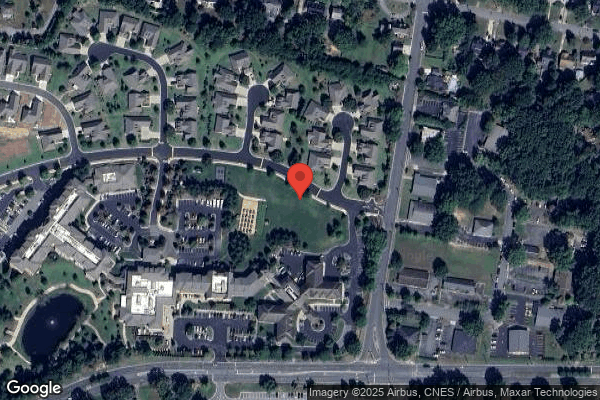
1820 Brookwood Avenue, Burlington, NC 27215 (336) 570-8400
Non profit - Corporation 51 Beds Independent Data: November 2025
Trust Grade
93/100
#29 of 417 in NC
Last Inspection: July 2025

Inspected within the last 6 months. Data reflects current conditions.

Overview

Edgewood Place at the Village at Brookwood has earned a Trust Grade of A, which indicates it is an excellent facility highly recommended for care. Ranking #29 out of 417 nursing homes in North Carolina places it in the top half of facilities statewide, and it is the highest-ranked option among 7 homes in Alamance County. The facility is improving, having reduced its issues from 7 in 2023 to just 1 by 2025. Staffing is a strong point with a 5/5 star rating and a turnover rate of only 27%, well below the state average, ensuring consistent care for residents. However, there were some concerns noted during inspections, including failures to maintain cleanliness in food preparation areas and not honoring the bathing preferences of certain residents, which could impact their comfort and safety. Overall, while there are areas that need attention, the strengths of Edgewood Place make it a solid choice for families seeking care for their loved ones.

Trust Score
A
93/100
In North Carolina
#29/417
Top 6%
Safety Record
Low Risk
No red flags
Inspections
Getting Better
7 → 1 violations
Staff Stability
✓ Good
27% annual turnover. Excellent stability, 21 points below North Carolina's 48% average. Staff who stay learn residents' needs.
Penalties
✓ Good
No fines on record. Clean compliance history, better than most North Carolina facilities.
Skilled Nurses
✓ Good
Each resident gets 102 minutes of Registered Nurse (RN) attention daily — more than 97% of North Carolina nursing homes. RNs are the most trained staff who catch health problems before they become serious.
Violations
○ Average
8 deficiencies on record. Average for a facility this size. Mostly minor or procedural issues.
★★★★★
5.0
Overall Rating
★★★★★
5.0
Staff Levels
★★★★☆
4.0
Care Quality
★★★★☆
4.0
Inspection Score
Stable
2023: 7 issues
2025: 1 issues

The Good

  • 5-Star Staffing Rating · Excellent nurse staffing levels
  • 4-Star Quality Measures · Strong clinical quality outcomes
  • Low Staff Turnover (27%) · Staff stability means consistent care
  • Full Sprinkler Coverage · Fire safety systems throughout facility
  • No fines on record
  • Staff turnover is low (27%)

    21 points below North Carolina average of 48%

Facility shows strength in staffing levels, quality measures, staff retention, fire safety.

The Bad

No Significant Concerns Identified

This facility shows no red flags. Among North Carolina's 100 nursing homes, only 1% achieve this.

The Ugly 8 deficiencies on record

Jul 2025 1 deficiency
CONCERN (F)

Potential for Harm - no one hurt, but risky conditions existed

Food Safety (Tag F0812)

Could have caused harm · This affected most or all residents

Based on observations, record review, and staff interviews, the facility failed to keep food preparation areas and food service equipment clean, free from debris, grease buildup, and/or dried spills d...

Read full inspector narrative →
Based on observations, record review, and staff interviews, the facility failed to keep food preparation areas and food service equipment clean, free from debris, grease buildup, and/or dried spills during two kitchen observations. In addition, the facility failed to clean the ceiling vents located over the food preparation and food service areas. These practices had the potential to affect food served to residents. The findings included:During a kitchen tour on 7/21/25 at 10:44 AM, the following observations were made with the kitchen Supervisor and Dining Service Director:a. Stove #1 had six (6) burners that had heavy grease build-up on the stove burners, walls behind the stove, and front of the stove. There were large amounts of burnt food, dried, encrusted, liquid splatters throughout the stove area.b. Stove #2 had twelve (12) burners that had heavy grease build-up on the stove burners, walls behind the stove, and front of the stove. There were large amounts of burnt foods, dried, encrusted, liquid and splatters throughout the stove area.c. The two plate warmers had two rows of clean plates stored inside the warmer. The inside of warmer had dried liquid spills and food particles inside and dried liquid spills on the outside. The inside also had old food crumbs all around.d. The deep fryer had dried brown/yellow matter encrusted on the inside and outside edges. The fryer had heavy grease and food build-up inside and outside the unit and food particles were observed behind the fryer.e. The 15 ceiling vents had large volumes of black dust/debris blowing over blowing over the steam table, clean dry dishware storage racks, food service and preparation surfaces.f. The inside and outside of the hot box had dried food and liquids.g. The floors under the stoves, oven, prep tables, steam tables were dirty, sticky with old food debris.An interview was conducted on 7/21/24 at 11:18 AM, Kitchen Supervisor and Dining Service Director stated the kitchen staff were required to wipe down kitchen equipment after each meal and deep cleaned weekly in accordance with the kitchen cleaning checklist. The Dining Service Director and Kitchen Supervisor further stated they were responsible for ensuring the kitchen staff kept the equipment clean and orderly. The Dining Supervisor and Kitchen Supervisor acknowledged the identified kitchen equipment, ceiling vents had not been cleaned in accordance with the checklist. The Kitchen Supervisor stated all cleaning checklists and responsibilities would be updated and available for all kitchen staff. Review of the undated kitchen checklist provided on 7/22/25 revealed cleaning and wiping down steam tables, sweeping/mopping floors, cleaning refrigerators and meal carts. There was no indication on the checklist that the identified kitchen equipment was deep cleaned or just wiped down. An interview was conducted on 7/22/25 at 12:27 PM with Dining Service Director stated the cleaning checklist was done on a 5-week schedule which included a variety of cleaning tasks for the kitchen equipment. He stated once the weekly cleaning list was completed and checked by the Kitchen Supervisor and himself the information was discarded. He stated he did not have any documentation for the cleaning checklist for the past 5 weeks. The Dining Service Director confirmed the identified observations of the kitchen equipment, and the ceiling vents needed to be cleaned. He also stated the staff were expected to clean the kitchen equipment in accordance with the kitchen checklist. He reviewed the current kitchen checklist and confirmed there were no specific areas for staff to sign off and the responsibilities were completed after each shift. He further stated there should not be any heavy buildup of grease or dried debris on kitchen equipment. The Dining Service Director further stated he was responsible for ensuring the kitchen staff kept the equipment clean and orderly. He indicated he would be adding the cleaning of the kitchen vents to the newly developed checklist and maintaining records weekly.A follow-up observation in conjunction with an interview was conducted on 7/24/25 at 11:25 AM with the Director of Dining Service who stated all the identified areas on 7/21/25 were currently being worked on and a deep cleaning checklist for kitchen equipment and the vents will be developed immediately.An interview was conducted on 7/2/24 at 12:10 PM, the Administrator stated the Kitchen Supervisor and Dining Service Director were responsible for ensuring the kitchen was cleaned and maintained. The Administrator stated the expectation would be for the Kitchen Supervisor and Dining Service Director to ensure all kitchen cleaning protocols were in place and followed in accordance with kitchen sanitation guidelines.
Mar 2023 7 deficiencies
CONCERN (D)

Potential for Harm - no one hurt, but risky conditions existed

Deficiency F0561 (Tag F0561)

Could have caused harm · This affected 1 resident

**NOTE- TERMS IN BRACKETS HAVE BEEN EDITED TO PROTECT CONFIDENTIALITY** Based on record review, and resident, staff, and hospice interviews, the facility failed to honor residents' bathing preference ...

Read full inspector narrative →
**NOTE- TERMS IN BRACKETS HAVE BEEN EDITED TO PROTECT CONFIDENTIALITY** Based on record review, and resident, staff, and hospice interviews, the facility failed to honor residents' bathing preference and preferred number of showers per week for 2 of 3 residents (Resident #20 and Resident #11) reviewed for choices. The findings included: 1. Resident #20 was admitted to facility 2/11/20 with a diagnoses that included, venous insufficiency (peripheral) improper functioning of the vein valves in the leg that can cause swelling, muscle weakness, chronic kidney disease and difficulty walking, The significant change Minimum Data Set (MDS) assessment dated [DATE] indicated that Resident #20 was cognitively intact, had no rejection of care behaviors and was totally dependent on one person for bathing. The MDS further indicated it was very important for Resident #20 to choose between a tub bath, shower, bed bath or sponge bath. Resident #20 also received hospice care while at the facility. A review of the undated facility shower schedule revealed Resident #20 was scheduled for a shower on Tuesday and Thursday by a hospice aide on day shift and Monday and Thursday by the facility. A review of the bathing record for Resident #20 documented that the facility provided partial bed bath every day from 2/25/23 through 3/4/23. On 2/28/23 at 12:58 PM an interview with Resident #20 revealed he used to be taken to the shower room but now he only got bed baths and he didn't know why. Resident #20 stated he preferred showers over bed baths and had told the staff on admission and a couple of other times, but he couldn't remember when. On 3/2/23 at 8:55 AM, an interview with Nurse #2 revealed that the facility staff no longer gave baths or showers to Resident #20 due to hospice being responsible for giving them. Nurse #2 stated that hospice staff gave him baths on Tuesdays and Thursdays. The facility staff only provided a complete bath if Resident #20 required one. However, Resident #20 receives partial bed baths daily from facility staff. Nurse #2 further stated that she knew Resident #20 only liked to have showers and that his preferences were given to hospice upon admission to hospice services. On 03/02/23 at 12:00 PM an interview with the Hospice Nurse Aide revealed she only gave bed baths per Resident #20's hospice care plan. On 3/2/23 2:34 PM, a phone interview with the Hospice Nurse who took care of Resident #20 revealed that hospice provided only bed baths to the residents receiving hospice services due to weakness. The hospice nurse stated they did not evaluate the residents to determine if they could tolerate being given showers and that they only provided bed baths to their residents. An interview with the Director of Nursing (DON) was completed on 3/2/23 at 2:34 PM. DON stated Resident #20 would need to be assessed to ensure that he could safely have a shower. The DON stated facility staff could assist hospice staff with resident showers. The DON explained her goal would be for Resident #20 to receive his showers as requested/per his choice. The DON expressed that communication between hospice staff and facility staff needs to be better. 2. Resident #11 was admitted to facility on 8/18/21. The significant change Minimum Data Set (MDS) assessment dated [DATE] indicated that it was very important for Resident #11 to choose between receiving a tub bath, shower, bed bath, or sponge bath. The quarterly MDS assessment dated [DATE] indicated that Resident #11 was cognitively intact and had no rejection of care behaviors. Resident #11 required extensive physical assistance from two persons during bathing. A review of the undated facility shower schedule revealed Resident #11 was scheduled for a shower on Tuesdays and Thursdays on the day shift. A review of the Bathing Record for Resident #11 from 2/14/23 to 3/2/23 revealed he received a shower on 2/14/23 (Tuesday), 2/15/23 (Wednesday), 2/21/23 (Tuesday), 2/23/23 (Thursday), 2/28/23 (Tuesday) and 3/2/23 (Thursday). A review of Resident #11's nursing progress notes from 12/28/22 to 2/28/23 in his electronic health record showed no documentation of shower refusals. An interview with Resident #11 on 2/28/23 at 11:58 PM revealed that he only received showers twice a week on Tuesdays and Thursdays since he had been admitted at the facility. Resident #11 stated he preferred to have showers three times per week. Resident #11 stated that he had spoken to the Administrator a couple of weeks ago but had not heard back from her with an update. An interview with Nurse #1 on 3/3/23 at 10:45 AM revealed that she had been unaware that Resident #11 wanted an extra shower day and that if she had known about it, she would have spoken to the Nurse Manager to get the resident's shower schedule updated. An interview with Nurse Aide (NA) #3 on 3/3/23 at 10:50 AM revealed that she didn't know about Resident #11's request to receive an additional day for a shower. NA #3 stated that if a resident wanted to make any changes to their bathing schedule, she would notify the nurse and the Nurse Manager so the shower schedule would be updated accordingly. An interview with the Nurse Manager on 3/3/23 at 10:55 AM revealed that if a resident wanted to make updates to their bathing schedule, then the facility would try to honor each resident's preference. The Nurse Manager stated that Resident #11 had spoken to her about a week ago that he wanted an extra shower day but she forgot to update the shower schedule then so she would go ahead and update it now. An interview with the Director of Nursing on 3/3/23 at 2:15 PM revealed that she had been unaware of Resident #11's request to update his shower schedule. The DON stated that if there was an issue with bath schedules staff would need to let her know. The DON further stated the Nurse Manager usually assessed the residents for shower preferences on admission and at least quarterly when assessments were due. An interview with the Administrator on 3/3/23 at 2:20 PM revealed that she had spoken with Resident #11 a couple of weeks ago, but he did not want changes made to his shower schedule at that time. She stated that she had informed the resident to let staff know of any preferences and if he wanted to change his shower days. The interview further revealed residents were assessed on admission and then quarterly and then whenever they wanted a change in shower days, they would let staff know and the schedule would be updated.
CONCERN (D)

Potential for Harm - no one hurt, but risky conditions existed

Deficiency F0582 (Tag F0582)

Could have caused harm · This affected 1 resident

**NOTE- TERMS IN BRACKETS HAVE BEEN EDITED TO PROTECT CONFIDENTIALITY** Based on record reviews and staff interviews, the facility failed to provide a Centers for Medicare and Medicaid Services (CMS) ...

Read full inspector narrative →
**NOTE- TERMS IN BRACKETS HAVE BEEN EDITED TO PROTECT CONFIDENTIALITY** Based on record reviews and staff interviews, the facility failed to provide a Centers for Medicare and Medicaid Services (CMS) Skilled Nursing Facility Advanced Beneficiary Notice (SNF-ABN) prior to discharge from Medicare Part A skilled services to 2 of 2 residents reviewed for beneficiary notification review (Residents #4 and #6). The findings included: 1. Resident #4 was admitted to the facility on [DATE]. A review of the medical record revealed a CMS-10123 Notice of Medicare Non-Coverage letter was issued and signed by Resident #4 on 10/10/22. The letter explained Medicare Part A coverage for skilled services would end on 10/12/22. Resident #4 remained in the facility at the time the survey was being conducted from 2/28/23 through 3/3/23. A review of the medical record revealed a CMS-10055 SNF-ABN (Skilled Nursing Facility Advanced Beneficiary Notice) was not provided to Resident #4 or their Responsible Party. On 3/2/23 at 2:00 pm an interview was completed with the Business office Manager (BOM). The BOM confirmed they issued the CMS-10123 NOMNC once notified of Resident #4 Medicare Part A coverage for skilled services was ending. The BOM stated that they were unaware the CMS-10055 SNF-ABN was also required for a resident remaining in the facility. The BOM confirmed that neither Resident #4 nor Resident #4's Responsible Party was issued a CMS-10055 SNF-ABN prior to Medicare Part A services ending. An interview was completed with the Administrator on 3/2/23 at 3:52 pm. She revealed that when a resident was coming off Medicare Part A services and the resident had days remaining a SNF-ABN should be issued. 2. Resident #6 was admitted to the facility on [DATE]. A review of the medical record revealed a CMS-10123 Notice of Medicare Non-Coverage letter was issued and signed by Resident #6 on 1/23/23. The letter explained Medicare Part A coverage for skilled services would end on 1/25/23. Resident #6 remained in the facility at the time the survey was being conducted from 2/28/23 through 3/3/23. A further review of the medical record revealed a CMS-10055 SNF-ABN (Skilled Nursing Facility Advanced Beneficiary Notice) was not provided to Resident # 6 or their Responsible Party. On 3/2/23 at 2:00 pm an interview was completed with the Business office Manager (BOM). The BOM confirmed they issued the CMS-10123 NOMNC once notified of Resident #6 Medicare Part A coverage for skilled services were ending. The BOM stated she was unaware the CMS-10055 SNF-ABN was also required for a resident remaining in the facility. The BOM confirmed that neither Resident #6 nor Resident #6's Responsible Party was issued a CMS-10055 SNF-ABN prior to Medicare Part A services ending. An interview was completed with the Administrator on 3/2/23 at 3:52 pm. She revealed that when a resident was coming off Medicare Part A services and the resident had days remaining a SNF-ABN should be issued.
CONCERN (D)

Potential for Harm - no one hurt, but risky conditions existed

Deficiency F0657 (Tag F0657)

Could have caused harm · This affected 1 resident

**NOTE- TERMS IN BRACKETS HAVE BEEN EDITED TO PROTECT CONFIDENTIALITY** Based on record review and staff interviews, the facility failed to revise the care plan after two falls for 1 of 3 residents (R...

Read full inspector narrative →
**NOTE- TERMS IN BRACKETS HAVE BEEN EDITED TO PROTECT CONFIDENTIALITY** Based on record review and staff interviews, the facility failed to revise the care plan after two falls for 1 of 3 residents (Resident #17) reviewed for falls. The findings included: Resident #17 was admitted on [DATE] with the most recent re-admission date of 11/7/22 with diagnoses of unsteadiness on feet, history of falling, difficulty in walking and muscle weakness. The quarterly Minimum Data Set (MDS) dated [DATE] indicated Resident #17 was moderately cognitively impaired. Resident #17 required limited assistance with transfer and extensive assistance with walking Her balance during transitions and walking was not steady and she was only able to stabilize with staff assistance. Resident #17 was frequently incontinent of bladder and required extensive assistance of one with toileting. The MDS further indicated that Resident #17 had two or more falls with no injury since the prior assessment. Resident #17's care plan last reviewed on 2/1/23 indicated Resident #17 was at risk for falling related to impaired mobility with self-care deficits, cognitive impairment and falls history. Interventions included to toilet resident between 5-7 AM., provide toileting assistance frequently, put shoes on first thing in the morning when Resident #17 got dressed, frequent rounding for safety, call don't fall sign placed in view, administer medication as ordered and observe response and for side effects, assist to keep environment well-lit and free of clutter, assist with appropriate footwear to prevent slipping, encourage resident to assume a standing position slowly, encourage resident to use environmental devices, place bed in lowest position when care complete, place call light within reach, place personal items and frequently used items within reach, provide activities of daily living and mobility assistance as needed, provide verbal cues and reminders for safety and direction as needed. A review of the Observation Detail List Reports for Resident #17 indicated: 1/27/23 - Nurse #3 noted resident had an unwitnessed fall in the dining room with no injury noted. Nurse #3 marked interventions to place resident in common area during time of wakefulness and to engage in activity. 2/25/23 - Nurse #4 noted resident had an unwitnessed fall in the bathroom with no injury noted. Nurse #4 marked an intervention of toileting schedule initiated. A phone interview with Nurse #3 on 3/3/23 at 9:27 AM revealed the Nurse Manager should review all the notes and incident reports so she could update the care plan. Nurse #3 stated the nurses passed along in report about Resident #17's fall on 1/27/23 and they tried to keep her at the nurses' station to keep an eye on her and she relayed to other staff members to watch her. A phone interview with Nurse #4 on 3/3/23 at 1:22 PM revealed she just told the nurse aides about placing Resident #17 on a toileting schedule which was what she marked as a new intervention whenever she fell on 2/25/23. Nurse #4 stated she assumed the Nurse Manager read the incident reports and that she updated the care plans after each fall. An interview with the Nurse Manager on 3/3/23 at 2:00 PM revealed she was responsible for updating the care plans and she usually looked at the reports and nursing notes daily. The Nurse Manager stated she did not update Resident #17's care plan after she fell on 1/27/23 and 2/25/23 and could not recall any interventions that were implemented for those falls. An interview was completed with the Director of Nursing on 3/3/23 at 2:51 PM. She stated that Resident #17's care plan should have been updated with interventions after each fall.
CONCERN (D)

Potential for Harm - no one hurt, but risky conditions existed

Quality of Care (Tag F0684)

Could have caused harm · This affected 1 resident

**NOTE- TERMS IN BRACKETS HAVE BEEN EDITED TO PROTECT CONFIDENTIALITY** Based on record review and resident and staff interviews, the facility failed to assess a resident for injury before being moved...

Read full inspector narrative →
**NOTE- TERMS IN BRACKETS HAVE BEEN EDITED TO PROTECT CONFIDENTIALITY** Based on record review and resident and staff interviews, the facility failed to assess a resident for injury before being moved after a fall for 1 of 3 residents (Resident #17) reviewed for falls. The findings included: Resident #17 was admitted on [DATE] with the most recent re-admission date of 11/7/22 with diagnoses of unsteadiness on feet, history of falling, difficulty in walking and muscle weakness. The quarterly Minimum Data Set (MDS) dated [DATE] indicated Resident #17 was moderately cognitively impaired. Resident #17 had no rejection of care behaviors and required limited assistance with transfer and extensive assistance with walking in the room and locomotion on unit. Her balance during transitions and walking was not steady and she was only able to stabilize with staff assistance. Resident #17 had no impairments in range of motion to both upper and lower extremities. The MDS further indicated that Resident #17 had two or more falls with no injury since the prior assessment. Resident #17's care plan last reviewed on 2/1/23 indicated Resident #17 was at risk for falling related to impaired mobility with self-care deficits, cognitive impairment and falls history. Interventions included to provide toileting assistance frequently, frequent rounding for safety, call don't fall sign placed in view and assist to keep environment well-lit and free of clutter. A review of the Observation Detail List Report dated 2/9/23 indicated Resident #17 fell in the bathroom. Nurse #5 wrote CNA (Certified Nursing Assistant) stated she fell in the bathroom, and I got her up. Resident #17 denied any pain. No apparent injury noted. Resident #17 stated she was doing what she wasn't supposed to do. Nurse #5 encouraged Resident #17 to use call bell for assistance. An interview was conducted by phone with Nurse #5 on 3/2/23 at 7:25 PM. Nurse #5 stated that the Nurse Aide (NA) #2 had come to her and told her that Resident #17 had fallen in the bathroom and that she had gotten her up and put her in the bed. Nurse #5 then went to Resident #17's room and did a complete assessment and did not note any injury. Nurse #5 also told NA #2 to always let a nurse assess a resident's condition for injury prior to moving them after a fall. A phone interview was conducted with NA #2 on 3/3/23 at 2:00 PM. NA #2 stated she could not recall the incident regarding Resident #17's fall but she knew she was not supposed to move a resident after a fall without notifying the nurse first. An interview completed with the Director of Nursing on 3/3/23 at 2:51 PM revealed she was not aware of Resident #17's fall incident on 2/9/23 but the nurse aide should have gotten the nurse prior to moving her after she fell.
CONCERN (D)

Potential for Harm - no one hurt, but risky conditions existed

Accident Prevention (Tag F0689)

Could have caused harm · This affected 1 resident

**NOTE- TERMS IN BRACKETS HAVE BEEN EDITED TO PROTECT CONFIDENTIALITY** Based on record review and resident and staff interviews, the facility failed to implement an intervention after a fall for a re...

Read full inspector narrative →
**NOTE- TERMS IN BRACKETS HAVE BEEN EDITED TO PROTECT CONFIDENTIALITY** Based on record review and resident and staff interviews, the facility failed to implement an intervention after a fall for a resident with a history of falls for 1 of 3 residents (Resident #17) reviewed for accidents. The findings included: Resident #17 was admitted to the facility on [DATE] with the most recent re-admission date of 11/7/22 with diagnoses of unsteadiness on feet, history of falling, difficulty in walking and muscle weakness. The quarterly Minimum Data Set (MDS) dated [DATE] indicated Resident #17 was moderately cognitively impaired. Resident #17 had no rejection of care behaviors and required limited assistance with transfer and extensive assistance with walking in the room and locomotion on unit. Her balance during transitions and walking was not steady and she was only able to stabilize with staff assistance. Resident #17 had no impairments in range of motion to both upper and lower extremities. The MDS further indicated that Resident #17 had two or more falls with no injury since the prior assessment. Resident #17's care plan last reviewed on 2/1/23 indicated Resident #17 was at risk for falling related to impaired mobility with self-care deficits, cognitive impairment and falls history. Interventions included to toilet resident between 5-7 am, provide toileting assistance frequently, put shoes on first thing in the morning when Resident #17 got dressed, frequent rounding for safety, call don't fall sign placed in view, administer medication as ordered and observe response and for side effects, assist to keep environment well-lit and free of clutter, assist with appropriate footwear to prevent slipping, encourage resident to assume a standing position slowly, encourage resident to use environmental devices, place bed in lowest position when care complete, place call light within reach, place personal items and frequently used items within reach, provide activities of daily living and mobility assistance as needed, provide verbal cues and reminders for safety and direction as needed. A review of the Observation Detail List Report dated 2/25/23 filled out by Nurse #4 indicated Resident #17 was observed on the floor in the bathroom sustaining no injury and a toileting schedule was initiated. A review of the Observation Detail List Report dated 2/28/23 filled out by Nurse #4 indicated that Resident #17 was observed on floor in her room. Resident #17 was in front of a chair facing her recliner sitting up on her bottom. Nurse #4 noted bruising to Resident #17 left hip/buttock. The intervention marked by Nurse #4 was a toilet schedule was initiated. An x-ray was obtained on 2/29/23 of Resident #17 left knee due to continuing complaints of pain, the x-ray result was no acute injury. A phone interview with Nurse #4 on 3/3/23 at 1:22 PM revealed she just told the nurse aides about placing Resident #17 on a toileting schedule which was what she marked as a new intervention whenever she fell on 2/25/23 and on 2/28/23. Nurse #4 did not explain what a toileting schedule was to the staff or the times that the nursing assistants should take Resident # 17 to the restroom. An interview with Nurse Aide (NA) #4 was conducted on 3/2/23 at 1:15 PM. NA #4 stated that she was assigned to Resident #17 when she worked, and that Resident #17 was not on a toileting schedule and never had been that she was aware of. NA #4 further stated Resident #17 usually let staff know during the day if she needed to use the bathroom and NA #4 also asked Resident #17 before and after meals. Resident #17 was interviewed on 3/1/23 at 9:04 AM she stated that she was coming out of the bathroom and fell on 2/28/23. She also stated that she hurt her hip and knee but that the nurse had given her pain medication. Resident #17 revealed she fell almost every day because she did not use the call light when she needed to use the bathroom. Resident #17 revealed that staff comes in her room when she does use the light but not at any other times that she can remember. An interview was completed with the Nurse Manager on 3/3/23 at 2:00 PM revealed she was responsible for updating the care plans and she usually looked at the reports and nursing notes daily. The Nurse Manager stated she did not update Resident #17's care plan after she fell on 2/25/23 and 2/28/23 with a toileting schedule. An interview was completed with the Director of Nursing (DON) on 3/3/23 at 2:51 PM. She stated that a toileting schedule should have been implemented for Resident #17. The DON further stated that each resident was different and that the toileting schedule should have been set up to meet Resident #17's needs to prevent further falls while trying to use the bathroom.
CONCERN (D)

Potential for Harm - no one hurt, but risky conditions existed

Respiratory Care (Tag F0695)

Could have caused harm · This affected 1 resident

**NOTE- TERMS IN BRACKETS HAVE BEEN EDITED TO PROTECT CONFIDENTIALITY** Based on observations, staff interviews, and record review, the facility failed to provide oxygen therapy per physician orders f...

Read full inspector narrative →
**NOTE- TERMS IN BRACKETS HAVE BEEN EDITED TO PROTECT CONFIDENTIALITY** Based on observations, staff interviews, and record review, the facility failed to provide oxygen therapy per physician orders for 1 of 1 resident reviewed for respiratory care (Resident #12). The findings included: Resident #12 admitted to the facility on [DATE]. Resident #12 had diagnoses that included interstitial pulmonary disease, chronic respiratory failure with hypoxia and chronic systolic congestive heart failure. Review of the physician order dated 10/10/22 read in part: 3 liters oxygen (O2) via nasal cannula (NC) continuous. Resident #12's quarterly Minimum Data Set (MDS) dated [DATE] revealed severe cognitive impairment. Resident #12 was coded as receiving oxygen therapy. Review of Resident #12's care plan revised 01/24/23 revealed Resident #12 had oxygen therapy ordered and was at risk for onset of complications related to its use. The interventions included administer oxygen per Medical Doctor (MD) order. An observation was completed on 02/28/23 at 12:18 PM. Resident #12 was observed sitting up in bed eating independently with her NC in her nostrils. Resident #12's oxygen concentrator was observed at 2.5 liters. Resident #12 exhibited no signs or symptoms of distress. A follow up observation of Resident #12 was completed on 03/01/23 at 9:01 AM. Resident #12 was observed resting in bed with her NC in her nostrils. Her oxygen concentrator was observed at 2.5 liters. Resident #12 exhibited no signs or symptoms of distress. An additional observation was completed on 03/01/23 at 3:49 PM. Resident #12 was observed with her NC in her nostrils. The oxygen concentrator was set at 2.5 liters. Resident #12 exhibited no signs or symptoms of distress. An interview was completed on 03/01/23 at 4:34 PM with the first shift Nurse Aide (NA) #1. NA #1 stated Resident #12 was total care but could feed herself. NA #1 further revealed that NAs do not manipulate the oxygen setting on the concentrators. She continued to explain the NAs only turn the oxygen on or off after exchanging from room concentrator oxygen to portable oxygen if the resident were to leave the room. NA #1 stated, Resident #12's concentrator was always at 2.5 liters. NA #1 revealed she had not looked at the oxygen setting on 03/01/23, and usually only noticed the level when Resident #12 had to be switched from room concentrator oxygen to portable oxygen and back to room concentrator oxygen. An interview and observation were completed with Nurse #1 on 03/01/23 at 4:41 PM. Nurse #1 stated the Medication Administration Record (MAR) was checked off every shift, and that morning was the last time the oxygen setting was checked. Nurse #1 explained the oxygen setting was where the middle of the ball fell on a number line on the gauge of the oxygen concentrator. While in Resident #12's room, Nurse #1 communicated the ball was a little below three and it should be on three. Resident #12's oxygen saturation (amount of oxygen in the blood) was checked by Nurse #1 at 4:48 PM which read 98-99%. Nurse #1 was observed to adjust the oxygen concentrator setting to 3 liters. An interview was completed with the Director of Nursing (DON) on 03/01/23 at 4:50 PM. The DON stated NAs were familiar with the oxygen level for each resident because it was part of the resident's point of care (electronic [NAME] system for NAs). The DON further revealed that the oxygen number line should be across the middle of the bubble. Nurses and NAs should check the rate of oxygen flow throughout the day. The DON continued to explain nurses should have checked the oxygen concentrator at least once per day to ensure correct oxygen settings as ordered by the MD as well as ensure the machine was working properly.
CONCERN (D)

Potential for Harm - no one hurt, but risky conditions existed

Deficiency F0761 (Tag F0761)

Could have caused harm · This affected 1 resident

Based on observations and interviews with staff and the Pharmacy Consultant, the facility failed to remove an expired medication from 1 of 1 medication room and discard an uncapped eye medication in 1...

Read full inspector narrative →
Based on observations and interviews with staff and the Pharmacy Consultant, the facility failed to remove an expired medication from 1 of 1 medication room and discard an uncapped eye medication in 1 of 2 medication carts (East Hall). The findings included: a. An observation of the medication room with Nurse #2 on 3/3/23 at 10:04 AM revealed a box of Epinephrine (medication used for emergency treatment of severe allergic reactions) marked with an expiration date of 12/2022. Two autoinjector 0.3 milligram syringes which were unopened and unused were inside the manufacturer's box. This box of Epinephrine was available for use in the medication storage cabinet in the medication room. An interview with Nurse #2 on 3/3/23 at 10:15 AM revealed that she had been unaware of the Epinephrine being expired and that the medication room was usually audited and checked by the Nurse Manager as well as the Pharmacy Consultant. An interview with the Nurse Manager on 3/3/23 at 2:00 PM revealed that she was responsible for ordering medications as well as checking the medication room. The Nurse Manager stated she did not know that there was expired Epinephrine in the medication storage room and that she had last checked the medication storage room about two weeks ago. A phone interview conducted with the Pharmacy Consultant on 3/3/23 at 2:15PM revealed that Epinephrine did not have an extended shelf life and that the expiration date on the box label was the expiration date and it should be discarded after that date. She stated that she did medication audits for the facility at least quarterly and that she completed the last audit on 12/5/22. An interview with the Director of Nursing (DON) on 3/3/23 at 2:45PM revealed that the medication storage room was audited frequently by the Nurse Manager as well as the Pharmacy Consultant. The DON stated that all expired medications should be removed promptly and reordered as necessary by the nurses and the Nurse Manager. b. An observation of the East hall medication cart with Nurse #2 on 3/3/23 at 10:30 AM revealed an uncapped Genteal eye gel (lubricant eye gel) in a small plastic bag for Resident #17. The uncapped end of the eye gel had pierced through the plastic bag and was exposed. An interview with Nurse #2 on 3/3/23 at 10:32 AM revealed that the ointment should have been discarded appropriately and another one should have been ordered from pharmacy. Nurse #2 also stated that the resident had an order to use the ointment in the evenings which was why she didn't notice it. An interview with the Nurse Manager on 3/3/23 at 2:00 PM revealed that if an uncapped eye gel had been found in a medication cart the nurse should discard the eye gel and reorder the medication from pharmacy. An interview with the DON on 3/3/23 at 2:15PM revealed that the nurses should not have kept the uncapped eye gel in the medication cart, and they should have discarded it if they couldn't find the cap and re-ordered another one from the pharmacy.
Understanding Severity Codes (click to expand)
Life-Threatening (Immediate Jeopardy)
J - Isolated K - Pattern L - Widespread
Actual Harm
G - Isolated H - Pattern I - Widespread
Potential for Harm
D - Isolated E - Pattern F - Widespread
No Harm (Minor)
A - Isolated B - Pattern C - Widespread

Questions to Ask on Your Visit

  • "Can I speak with families of current residents?"
  • "What's your RN coverage like on weekends and overnight?"

Our Honest Assessment

Strengths
  • • Grade A (93/100). Above average facility, better than most options in North Carolina.
  • • No major safety red flags. No abuse findings, life-threatening violations, or SFF status.
  • • No fines on record. Clean compliance history, better than most North Carolina facilities.
  • • 27% annual turnover. Excellent stability, 21 points below North Carolina's 48% average. Staff who stay learn residents' needs.
Concerns
  • • No significant concerns identified. This facility shows no red flags across CMS ratings, staff turnover, or federal penalties.
Bottom line: Generally positive indicators. Standard due diligence and a personal visit recommended.

About This Facility

What is Edgewood Place At The Village At Brookwood's CMS Rating?

CMS assigns Edgewood Place at the Village at Brookwood an overall rating of 5 out of 5 stars, which is considered much above average nationally. Within North Carolina, this rating places the facility higher than 99% of the state's 100 nursing homes. This rating reflects solid performance across the metrics CMS uses to evaluate nursing home quality.

How is Edgewood Place At The Village At Brookwood Staffed?

CMS rates Edgewood Place at the Village at Brookwood's staffing level at 5 out of 5 stars, which is much above average compared to other nursing homes. Staff turnover is 27%, compared to the North Carolina average of 46%. This relatively stable workforce can support continuity of care.

What Have Inspectors Found at Edgewood Place At The Village At Brookwood?

State health inspectors documented 8 deficiencies at Edgewood Place at the Village at Brookwood during 2023 to 2025. These included: 8 with potential for harm.

Who Owns and Operates Edgewood Place At The Village At Brookwood?

Edgewood Place at the Village at Brookwood is owned by a non-profit organization. Non-profit facilities reinvest revenue into operations rather than distributing to shareholders. The facility operates independently rather than as part of a larger chain. With 51 certified beds and approximately 17 residents (about 33% occupancy), it is a smaller facility located in Burlington, North Carolina.

How Does Edgewood Place At The Village At Brookwood Compare to Other North Carolina Nursing Homes?

Compared to the 100 nursing homes in North Carolina, Edgewood Place at the Village at Brookwood's overall rating (5 stars) is above the state average of 2.8, staff turnover (27%) is significantly lower than the state average of 46%, and health inspection rating (4 stars) is above the national benchmark.

What Should Families Ask When Visiting Edgewood Place At The Village At Brookwood?

Based on this facility's data, families visiting should ask: "Can I visit during a mealtime to observe dining assistance and food quality?" "How do you handle medical emergencies, and what is your hospital transfer rate?" "Can I speak with family members of current residents about their experience?"

Is Edgewood Place At The Village At Brookwood Safe?

Based on CMS inspection data, Edgewood Place at the Village at Brookwood has a clean safety record: no substantiated abuse findings (meaning no confirmed cases of resident harm), no Immediate Jeopardy citations (the most serious violation level indicating risk of serious injury or death), and is not on the Special Focus Facility watch list (a federal program monitoring the lowest-performing 1% of nursing homes). The facility has a 5-star overall rating and ranks #1 of 100 nursing homes in North Carolina. While no facility is perfect, families should still ask about staff-to-resident ratios and recent inspection results during their visit.

Do Nurses at Edgewood Place At The Village At Brookwood Stick Around?

Staff at Edgewood Place at the Village at Brookwood tend to stick around. With a turnover rate of 27%, the facility is 19 percentage points below the North Carolina average of 46%. Low turnover is a positive sign. It means caregivers have time to learn each resident's needs, medications, and personal preferences. Consistent staff also notice subtle changes in a resident's condition more quickly. Registered Nurse turnover is also low at 14%, meaning experienced RNs are available to handle complex medical needs.

Was Edgewood Place At The Village At Brookwood Ever Fined?

Edgewood Place at the Village at Brookwood has no federal fines on record. CMS issues fines when nursing homes fail to meet care standards or don't correct problems found during inspections. The absence of fines suggests the facility has either maintained compliance or corrected any issues before penalties were assessed. This is a positive indicator, though families should still review recent inspection reports for the full picture.

Is Edgewood Place At The Village At Brookwood on Any Federal Watch List?

Edgewood Place at the Village at Brookwood is not on any federal watch list. The most significant is the Special Focus Facility (SFF) program, which identifies the bottom 1% of nursing homes nationally based on persistent, serious quality problems. Not being on this list means the facility has avoided the pattern of deficiencies that triggers enhanced federal oversight. This is a positive indicator, though families should still review the facility's inspection history directly.